

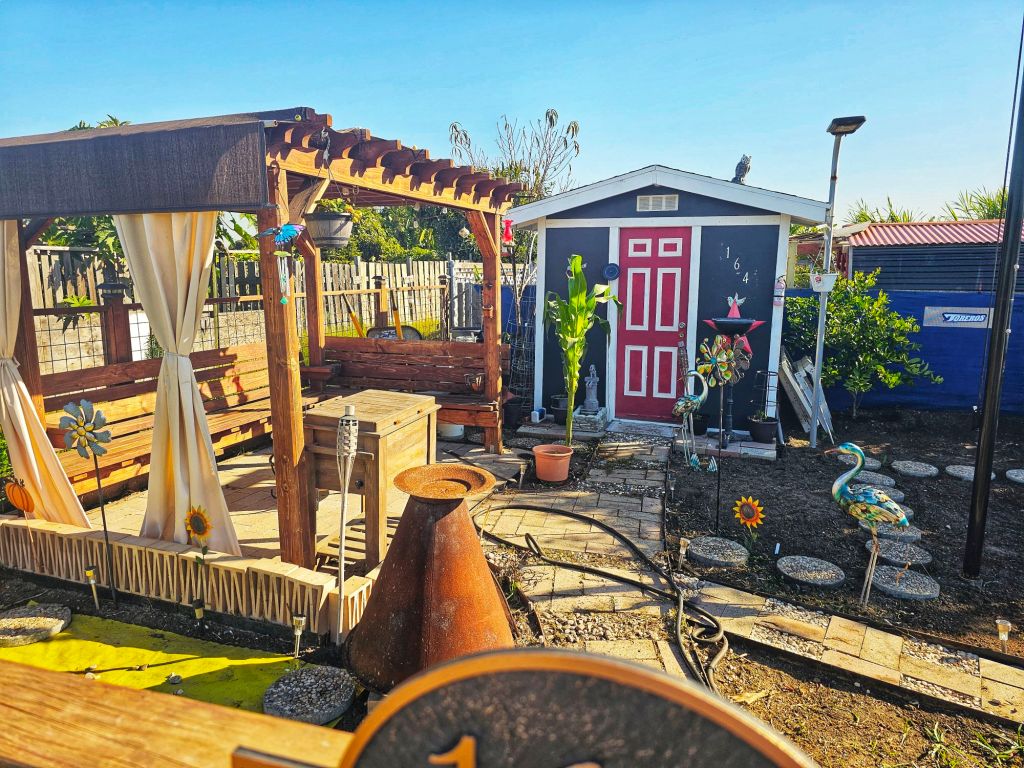
The Tijuana River Community Garden, established 2002, has become one of the most active green spaces in the South Bay, offering residents a place to grow food, strengthen community ties, and cultivate a shared connection to the land. The site of the community garden lies in the Tijuana River Valley Regional Park (TRV), a region that historically hosted agricultural operations, including vegetable farms, dairies, and ranches. Over time, many farms in the valley experienced floods, soil disruption, or were abandoned.
The commercial success of large-scale agriculture in the valley was severely curtailed by flooding and, most critically, by the ongoing transboundary pollution issue. Beginning in the mid-20th century and accelerating rapidly due to Tijuana’s population growth and inadequate infrastructure, the Tijuana River became a major conduit for raw sewage, industrial waste, and sediment.
2025 brought renewed urgency around environmental issues in the surrounding valley. The region has been affected by a persistent sewage and pollution crisis — runoff and untreated wastewater from across the border entering the valley, leading to toxic contamination in water, soil, and air. As a result — and citing “health and safety of gardeners, farmers and staff,” and “increased flooding and related challenges in recent years” — Resource Conservation District of Greater San Diego County (RCDGSDC), a non-profit/quasi-governmental organization tasked with environmental conservation projects locally announced it would end its lease and management of the garden in October 2025.
In November 2025, the county selected Olivewood Gardens and Learning Center (OGLC), a nonprofit based in National City, as the garden’s interim operator for up to one year. The appointment of Olivewood Gardens as interim operator provides continuity for now, but long-term viability depends on final negotiations, environmental remediation, and the ability to ensure safe operation.











 Exploring San Diego