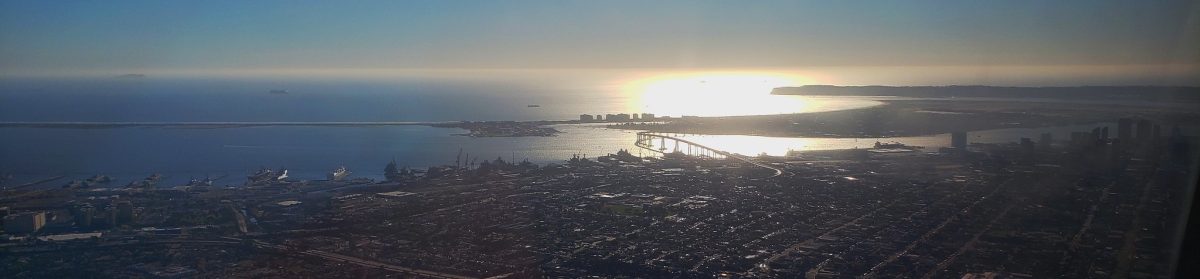
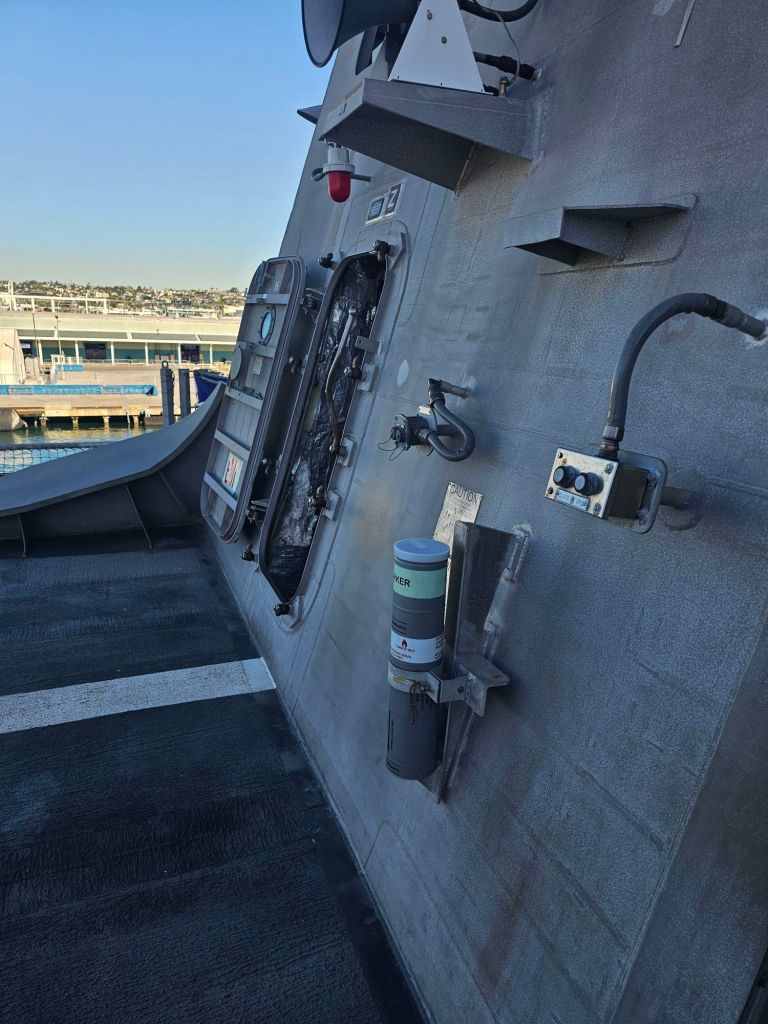
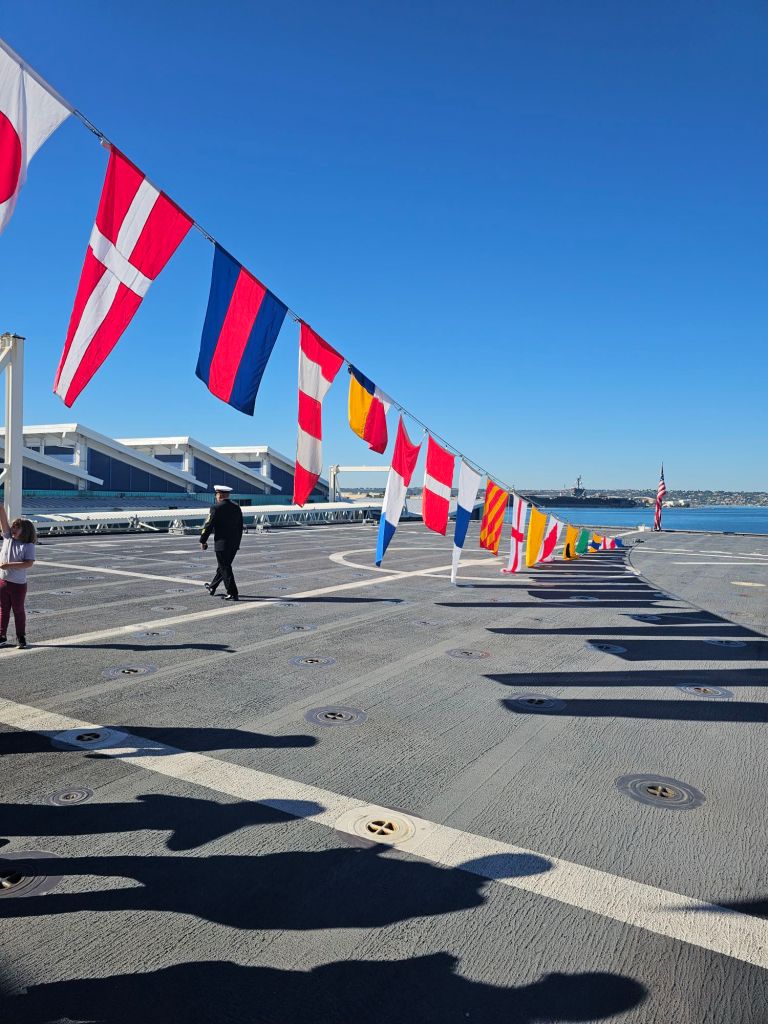
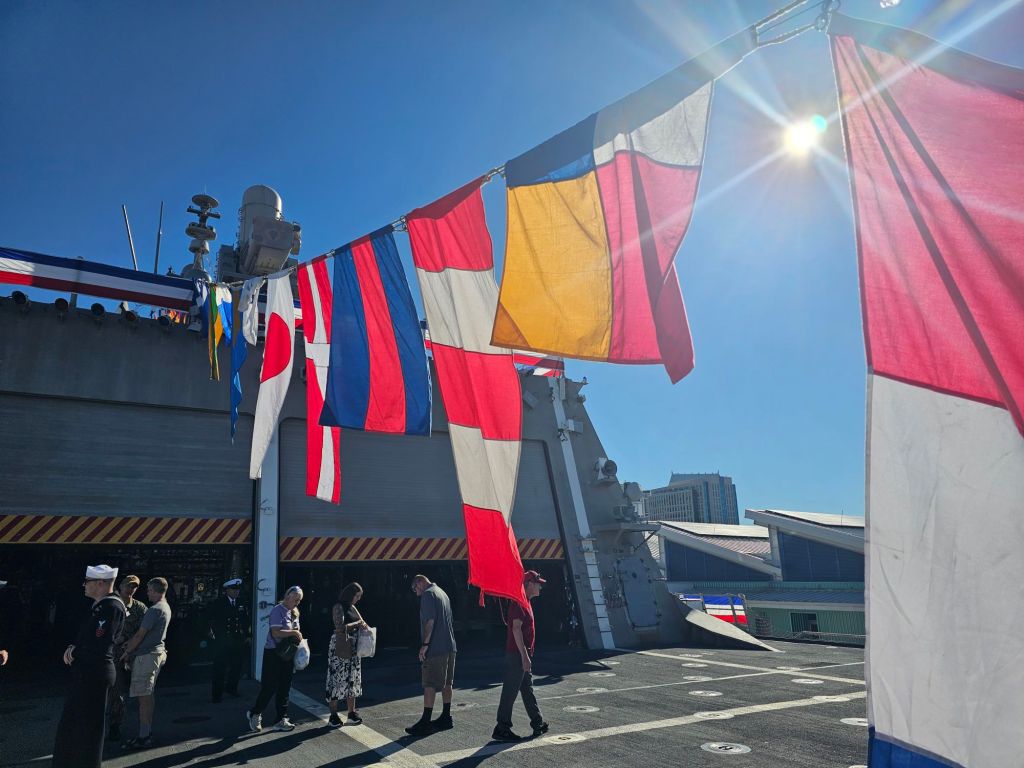
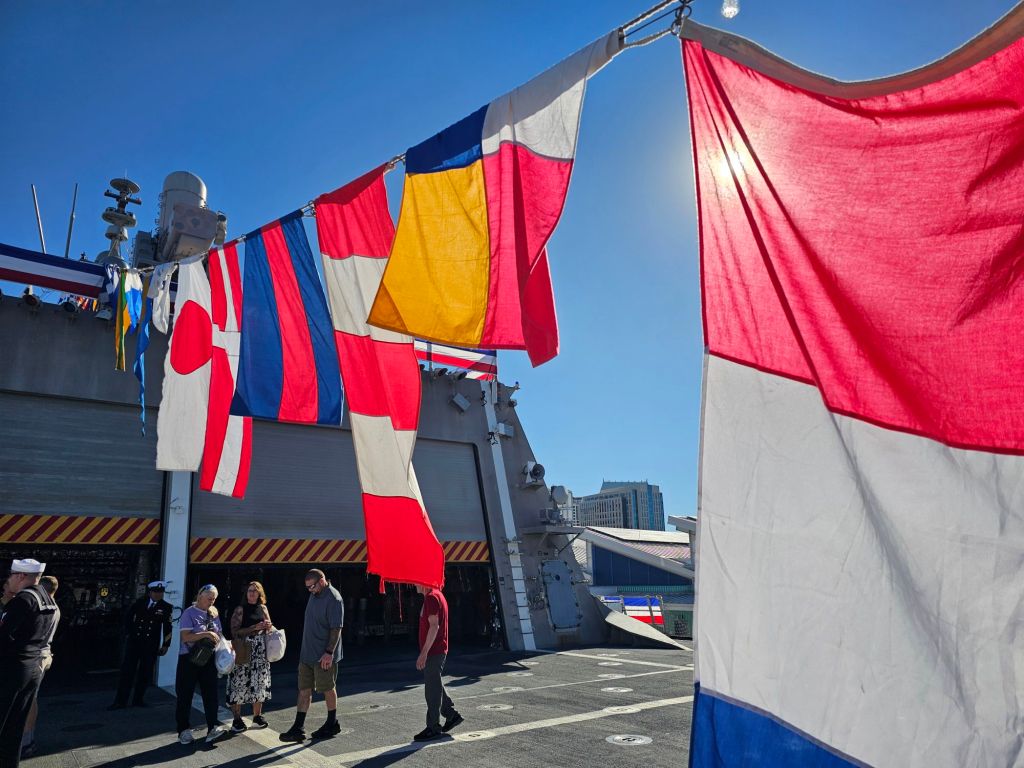
Every year, San Diego comes alive with patriotic pride, waterfront celebrations, and a heartfelt appreciation for the men and women who serve our country. Welcome to San Diego Fleet Week, one of the city’s most meaningful annual celebrations honoring the United States Navy, Marine Corps, Coast Guard, and the entire military community.
With its deep military roots, beautiful harbor, and strong connection to the Pacific Fleet, San Diego provides the perfect setting for this exciting celebration. Fleet Week brings together active-duty service members, veterans, military families, and local residents for an unforgettable experience filled with ship tours, live entertainment, educational activities, and community events.
Whether you’re a longtime San Diego resident or visiting America’s Finest City for the first time, Fleet Week is an opportunity to experience a special part of what makes this coastal community so unique.
Fleet Week 2026: Two Weeks of Celebration
In 2026, San Diego Fleet Week takes place November 1 through November 15, bringing two weeks of activities and celebrations throughout the region.
Some of the highlights include:
Meet the Fleet: An opportunity to experience naval vessels up close and meet the sailors who serve aboard them.
Public Ship Tours: Visitors can explore Navy ships at Broadway Pier and learn more about life at sea.
Military Concerts: Enjoy performances by talented Navy and Marine Corps bands.
Veterans Day Boat Parade: A spectacular waterfront celebration featuring decorated boats cruising across San Diego Bay.
Veterans Day 5K: A community fitness event celebrating veterans, military families, and supporters.
STEM Education Activities: Interactive educational experiences introducing students to science, technology, engineering, and mathematics.
Military Family Day: Special activities celebrating military families and their contributions.
The Coast Guard has maintained a significant presence in San Diego since the 1930s. In 1935, the City of San Diego provided approximately 23 acres of waterfront property for the establishment of a Coast Guard air station near what was then Lindbergh Field.
The original Coast Guard Air Station San Diego was officially commissioned in April 1937. Over the decades, the Coast Guard’s presence expanded to include additional maritime operations, rescue capabilities, and security missions.
Today, Station San Diego operates as part of Coast Guard Sector San Diego, contributing to a broader network of Coast Guard personnel and resources responsible for protecting Southern California’s maritime environment.
San Diego’s waters attract thousands of boaters, fishermen, surfers, sailors, and commercial operators. While the ocean provides incredible opportunities for recreation and commerce, it can also become dangerous with little warning.
Maritime Security and Law Enforcement
Beyond search and rescue, Station San Diego plays an important role in maritime security.
San Diego’s strategic location near the United States-Mexico maritime border makes the region an important area for maritime law enforcement and security operations.
Coast Guard personnel conduct patrols, vessel boardings, and interdiction operations in coordination with other federal, state, and local agencies.
These efforts help protect the maritime border, discourage illegal activity, and promote safety throughout the region’s waterways.
Station San Diego also supports broader port security operations, helping protect one of the most important commercial and military harbor environments on the West Coast.
Imperial Beach offers some of the most unique coastal and wetland walking routes in Southern California. Starting a trek near the neighborhood pockets close to 5th Street and Iris Avenue puts you within striking distance of incredible natural landscapes, and vibrant birdlife.
Imperial Beach offers some of the most unique coastal and wetland walking routes in Southern California. Starting a trek near the neighborhood pockets close to 5th Street and Iris Avenue puts you within striking distance of incredible natural landscapes, and vibrant birdlife.
The length of the South McCoy Trail depends on how you choose to hike it, as it connects into the wider network of paths at the Tijuana River National Estuarine Research Reserve:
Standalone / Specific Segments: Portions of the trail or specific out-and-back extensions run roughly 1.5 miles(round trip).
Full Reserve Route: When combined with connecting paths like the River Mouth Trail starting from areas near the local access points (such as Tower Road or Iris Avenue), the total trek typically spans about 2.5 to 4 miles round trip.
The terrain is flat, easy, and features less than 50 feet of elevation change, making it a comfortable walk while offering great views of the estuary and local birdlife.
Located in the heart of Liberty Station in Point Loma, Goff Family Pumpkin Patch transforms an outdoor space into a festive autumn destination. Visitors can explore a wide selection of pumpkins in different shapes, sizes, and colors while enjoying the classic sights of fall.
When to Visit Goff Family Pumpkin Patch
Located in the heart of Liberty Station in Point Loma, Goff Family Pumpkin Patch transforms an outdoor space into a festive autumn destination. Visitors can explore a wide selection of pumpkins in different shapes, sizes, and colors while enjoying the classic sights of fall.
With more than 10,000 pumpkins featured during the 2026 season, there’s plenty to browse as you search for the perfect pumpkin to decorate your porch, carve into a jack-o’-lantern, or use in your seasonal displays.
The 2026 season runs from September 18 through October 31, making October a perfect time to get into the Halloween spirit.
Location: 2830 Perry Road, San Diego, CA 92106, at Liberty Station near The Loma Club putting green.
Seasonal hours:
Sunday–Thursday: 9 a.m.–8 p.m.
Friday–Saturday: 9 a.m.–9 p.m.
Parking is available around Liberty Station, and the organizers recommend the Cushing Road parking lot near Sea Hive.
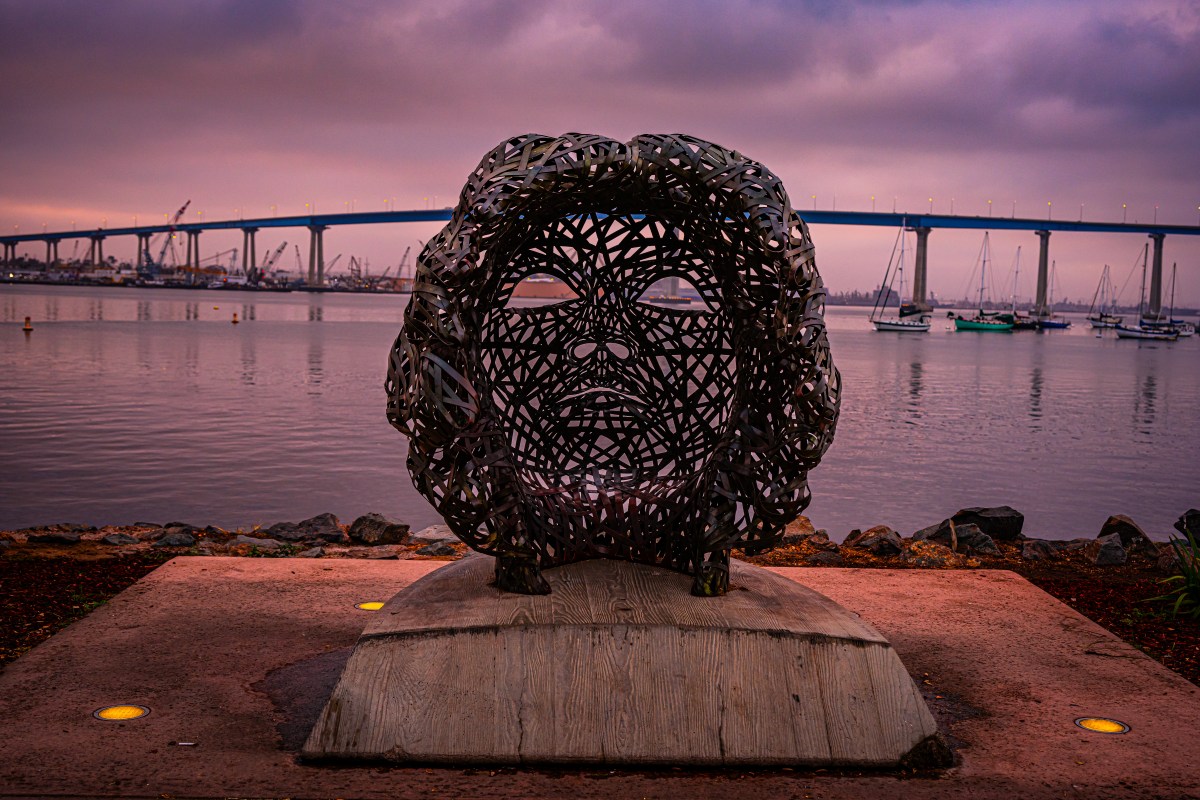
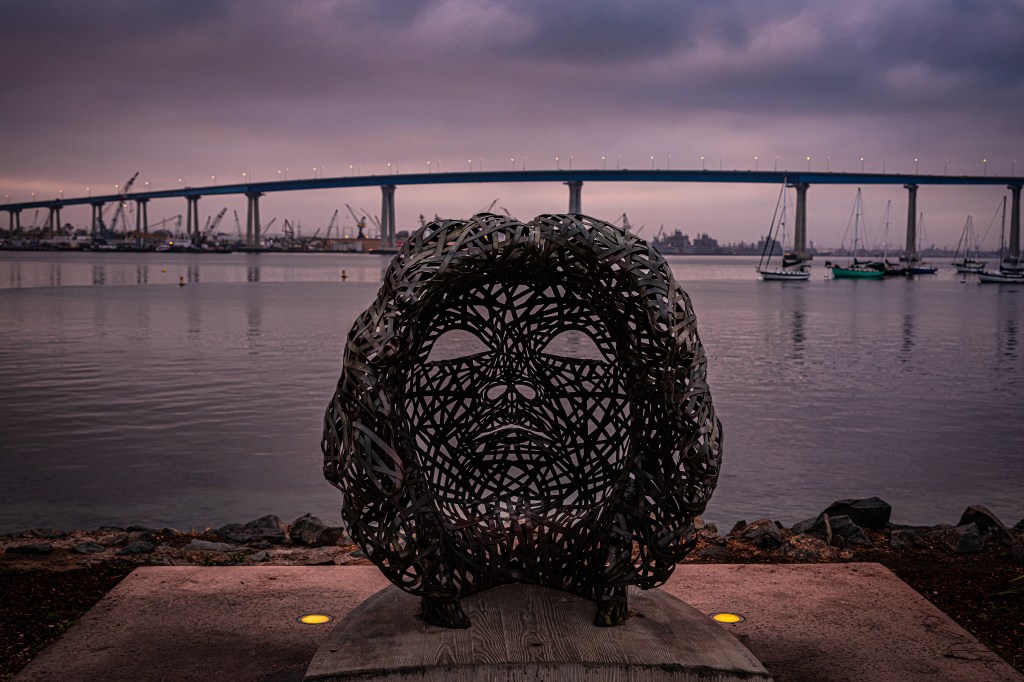
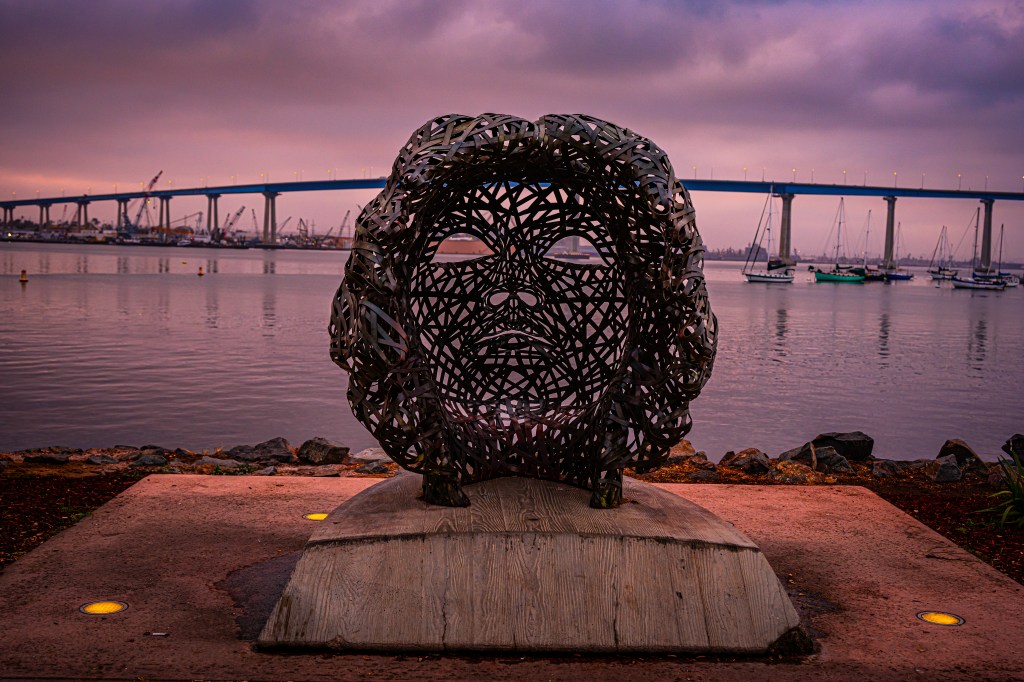
Walking along the waterfront at Coronado Tidelands Park, it is easy to focus on the views of San Diego Bay, passing boats and the Coronado Bridge. But along the bike path is a striking piece of public art that has its own story to tell: “Penelope,” a bronze sculpture by artist Michael Stutz.
Standing nearly seven feet tall, Penelope depicts the legendary woman from Homer’s The Odyssey. The sculpture was commissioned through the Port of San Diego’s Public Art Program and was created in 2009. Today, it stands at Tidelands Park, where its location overlooking the bay provides an especially fitting setting for the story behind the artwork.
A Face Made of Bronze
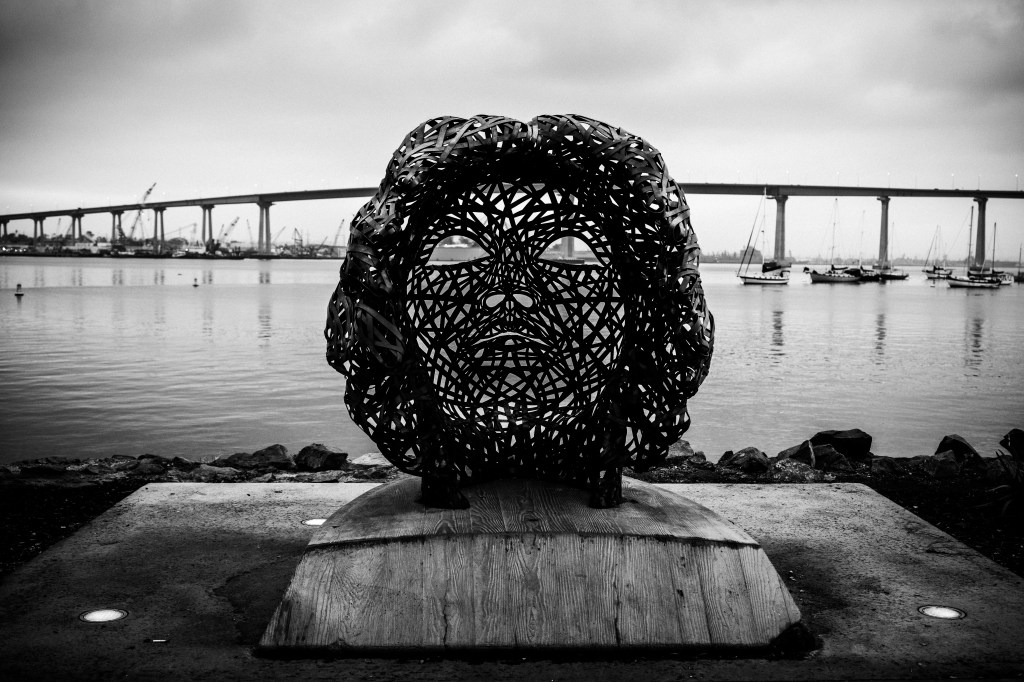
At first glance, Penelope looks almost like a large bronze mask. Her face and flowing hair are formed from strips of welded bronze, creating an open, woven appearance.
That woven design is more than an artistic choice. It connects directly to Penelope’s story in The Odyssey. According to the ancient epic, her husband Odysseus was away for years, leaving Penelope to fend off numerous suitors who believed he would never return.
Penelope devised a plan to delay choosing another husband. She told the suitors she would make a burial shroud for Odysseus’ father and would choose a husband once the weaving was finished. During the day she worked on the shroud, but at night she secretly unraveled what she had woven.
The cycle allowed her to continue waiting for Odysseus.
Michael Stutz incorporated this idea of weaving into the sculpture itself. The bronze strips create a pattern that gives the figure an almost fabric-like quality while also allowing light and the surrounding landscape to show through the sculpture.
From the San Diego Waterfront to Coronado
Penelope has actually had more than one home around San Diego Bay.
The sculpture was originally installed on the San Diego waterfront near Seaport Village. It was later moved into storage during construction associated with Ruocco Park. After a period away from public view, Penelope returned to the waterfront in 2019 when she was installed at Coronado Tidelands Park.
Her current location adds another layer to the story.
From Tidelands Park, Penelope looks across the water toward San Diego. Boats move through the bay, and the Coronado Bridge stretches across the background. It is an unusually appropriate setting for a sculpture about someone waiting for a loved one to return from a long journey.
Public Art With a Story
One of the things I enjoy about public art is that you can encounter it without planning a trip to a museum. You might be walking, riding a bicycle or simply enjoying the waterfront when something catches your attention.
Penelope rewards that kind of encounter.
The sculpture is not simply a representation of a character from Greek mythology. Its design, location and subject all work together. The open bronze strips create movement and transparency, while the waterfront setting makes the ancient story of waiting and returning feel connected to the modern landscape.
The Port of San Diego lists Penelope as part of its Art on the Tidelands collection, and the sculpture is located along the bike path at Coronado Tidelands Park.
A Sculpture Worth Stopping For
The next time you’re at Coronado Tidelands Park, take a few minutes to look for Penelope. Walk around the sculpture and view it from different angles. The open construction changes the way the surrounding sky, water and landscape appear through the bronze.
It is also worth remembering the story behind the face.
Thousands of years after Homer wrote about Penelope waiting for Odysseus, her story has found a new setting beside San Diego Bay. Here, surrounded by boats and water, Michael Stutz’s sculpture gives an ancient story of patience, loyalty and hope a very modern home.
Penelope is more than a sculpture along the waterfront. It is a reminder that public art can connect a place, a story and a piece of history in unexpected ways.
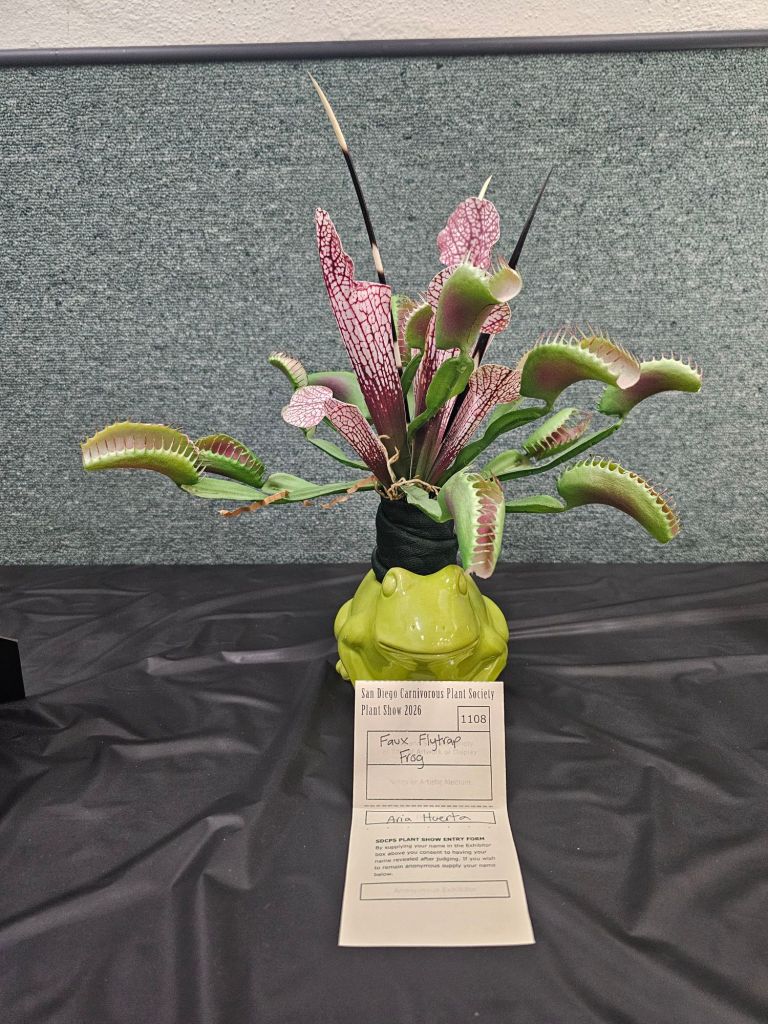
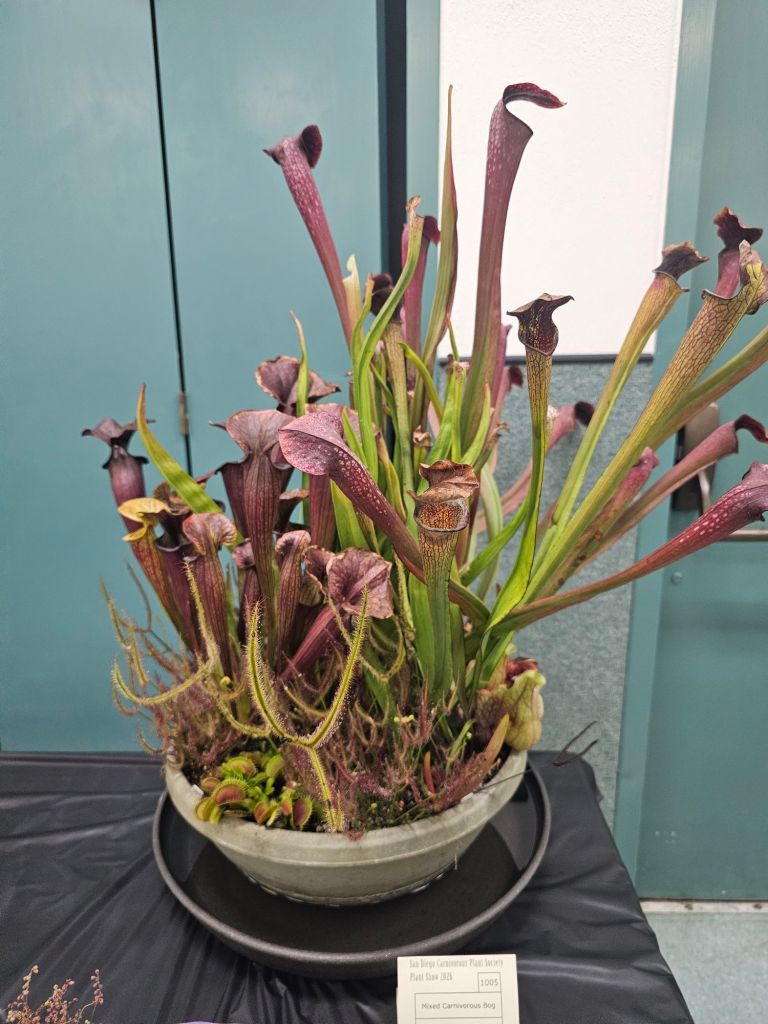
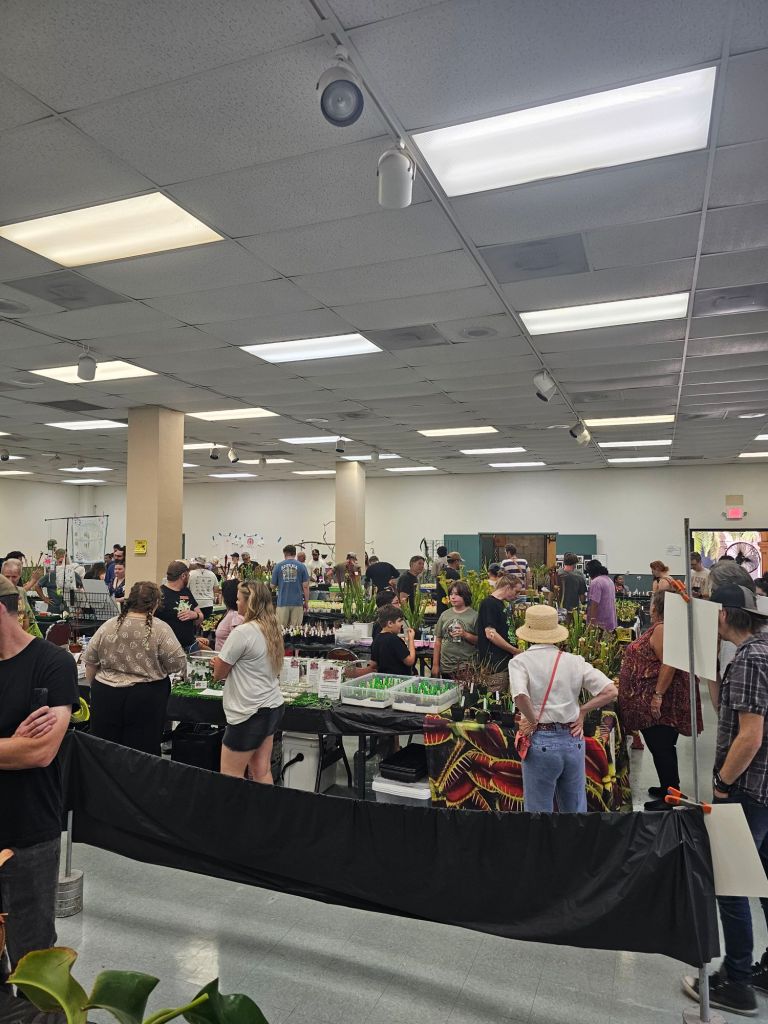
Join us for a visit to the San Diego Carnivorous Plant Sale in Balboa Park. Discover fascinating bug-eating plants, photography opportunities, expert advice, and one of San Diego’s most unique annual events.
Some plants bloom with colorful flowers. Others provide shade beneath towering branches. But at the San Diego Carnivorous Plant Sale, the stars of the show have evolved to do something completely unexpected—they catch and digest insects.
Each summer, plant enthusiasts, photographers, and curious families gather at Casa del Prado in Balboa Park for one of San Diego’s most unique gardening events. Hosted by the San Diego Carnivorous Plant Society, the annual show and sale is much more than a place to buy plants. It’s an opportunity to discover the incredible adaptations that allow these species to thrive in some of the world’s harshest environments.
Tucked along the north western edge of San Diego Bay, Spanish Landing Park West offers a rare blend of peaceful scenery and deep historical significance. Just minutes from the bustle of the airport, this waterfront park feels like a hidden retreat—where sailboats drift by, palm trees sway, and history quietly lingers in the background.
Where California’s Story Began
Long before it became a scenic park, this shoreline played a pivotal role in shaping the region. In 1769, Spanish expeditions led by Gaspar de Portolá and Junípero Serra came ashore here, marking the beginning of European settlement in Alta California.
Today, a historical marker commemorates this moment, reminding visitors that this quiet park was once the starting point of a much larger story—one that would eventually lead to the founding of California’s first missions and settlements.
A Park Designed for Slowing Down
Spanish Landing Park West is the kind of place where you come to take your time. Wide grassy lawns stretch along the bay, dotted with picnic tables and shaded by trees. A paved waterfront path makes it ideal for walking, jogging, or biking while enjoying uninterrupted views of the marina and downtown skyline.
There’s also a small sandy beach—perfect for relaxing, launching a kayak, or simply dipping your toes in the water. While it’s not a major swimming destination, it’s a great spot to unwind and watch boats glide across the harbor.
Families will find playground areas for kids, while photographers and nature lovers will appreciate the open sightlines and ever-changing coastal light.
A Front-Row Seat to the Sky
One of the most unique features of the park is its proximity to San Diego International Airport. Planes descend dramatically overhead, offering a thrilling and surprisingly peaceful spectacle. It’s one of the best spots in the city for plane-watching—especially during golden hour when aircraft silhouettes cut across colorful sunsets.
A Greener, More Sustainable Park
Recent improvements have added a thoughtful environmental touch to the park. New groves of water-wise and non-invasive trees have been planted to provide shade, support biodiversity, and enhance the overall landscape.
These additions not only make the park more comfortable on warm days but also reflect San Diego’s growing commitment to sustainability along its waterfront spaces.
Planning Your Visit
Spanish Landing Park West is open daily from 6:00 a.m. to 10:30 p.m., with parking available nearby. Whether you’re stopping by for a quick walk, a picnic, or a sunset photo session, it’s an easy and rewarding place to explore.
Why It’s Worth Visiting
Spanish Landing Park West isn’t flashy—and that’s exactly its charm. It’s a place where history, nature, and everyday life quietly intersect. You can stand where explorers once landed, watch modern sailboats drift by, and listen to jets overhead—all in the same moment.
For photographers, it’s a canvas of light and motion. For locals, it’s a peaceful escape. And for visitors, it’s a reminder that even the most laid-back places can hold powerful stories.
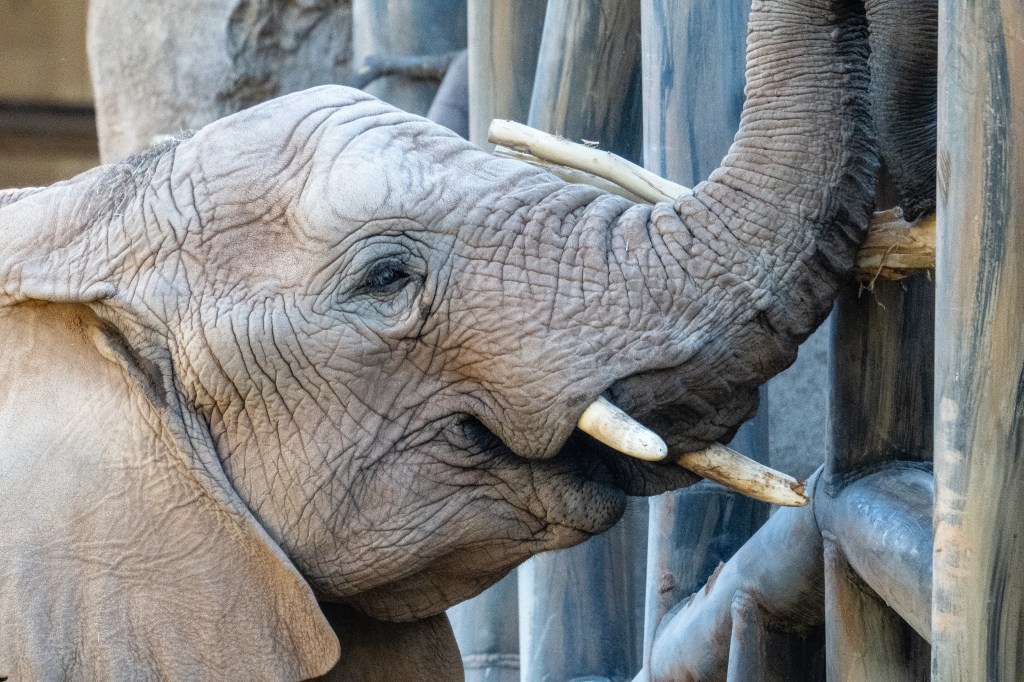
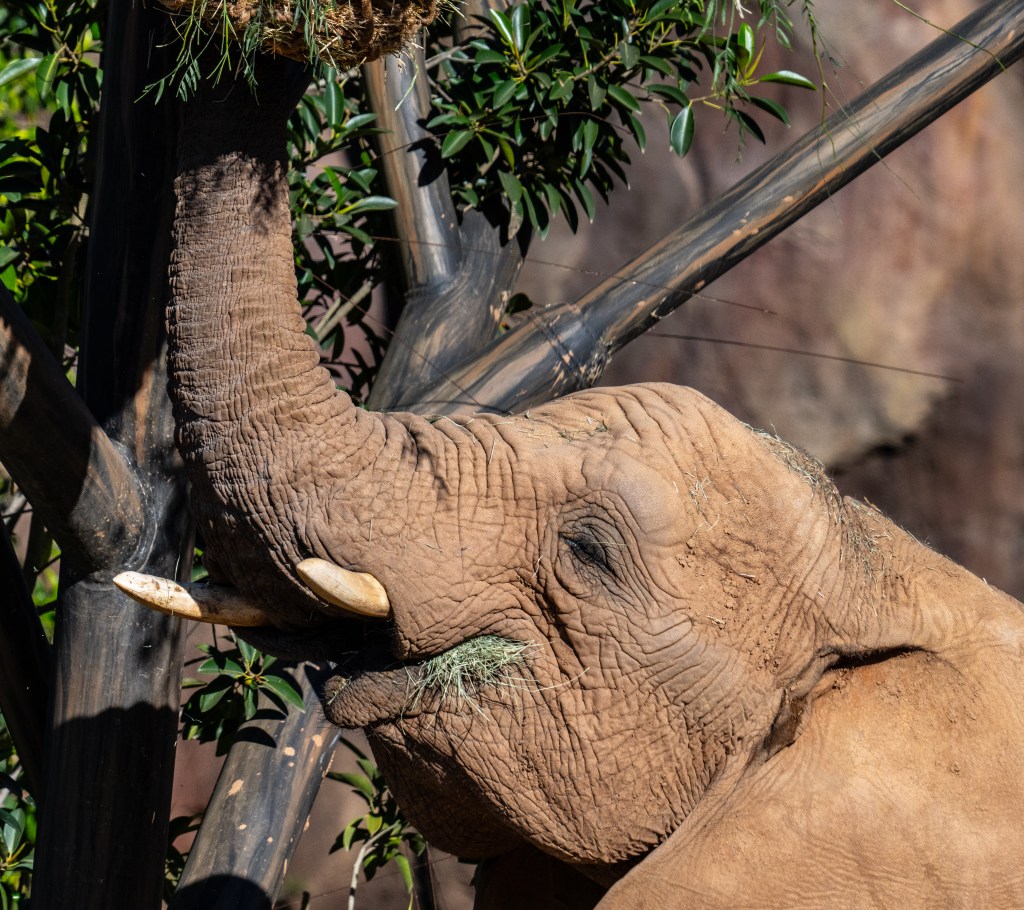
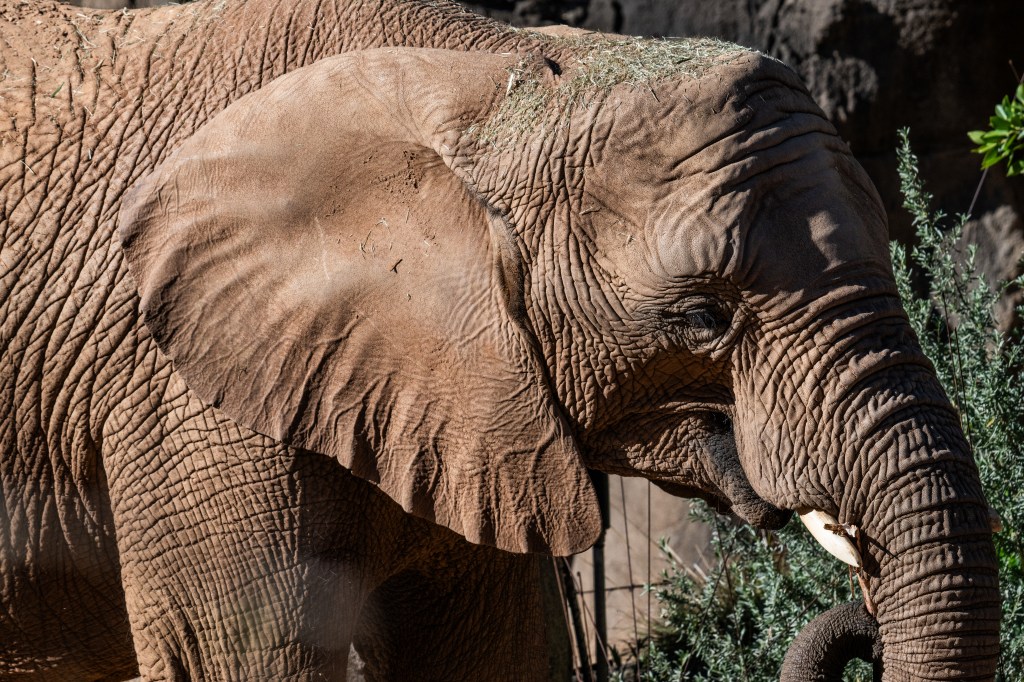
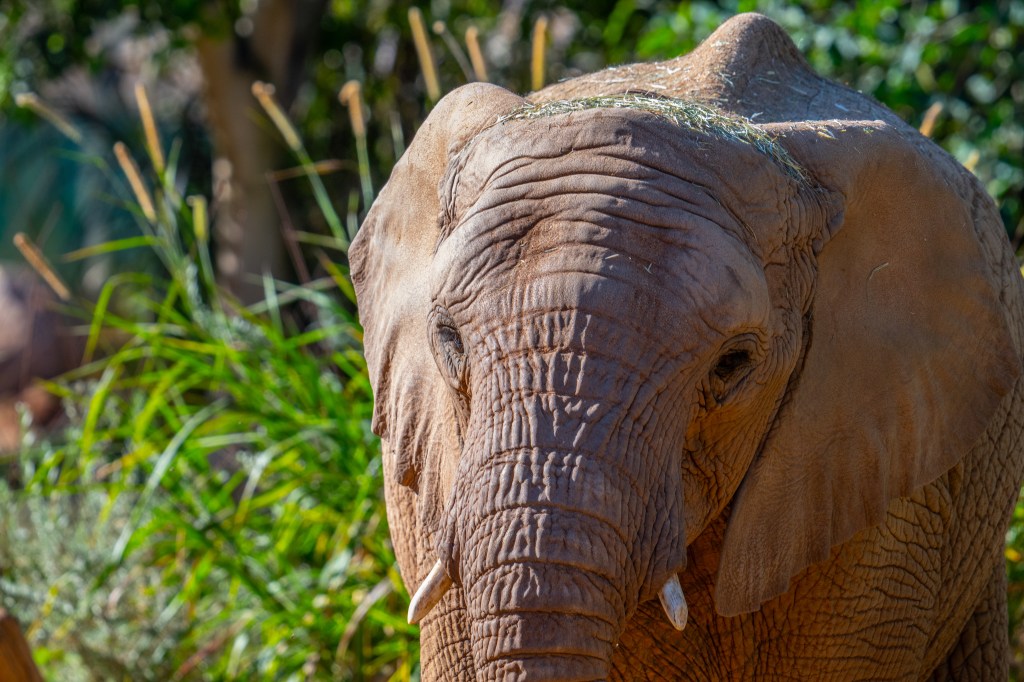
A major new wildlife experience has arrived in San Diego. On March 5, 2026, the San Diego Zoo Safari Park officially opened Denny Sanford Elephant Valley, a massive new habitat designed to bring visitors closer than ever to African elephants while highlighting conservation efforts around the world.
Spanning more than 13 acres, Elephant Valley is the largest and most transformative project in the history of the San Diego Zoo Wildlife Alliance. The immersive savanna landscape was created to mimic natural elephant environments and encourage guests to see these animals not just as zoo residents, but as essential ecosystem engineers in the wild.
Walking Among Giants
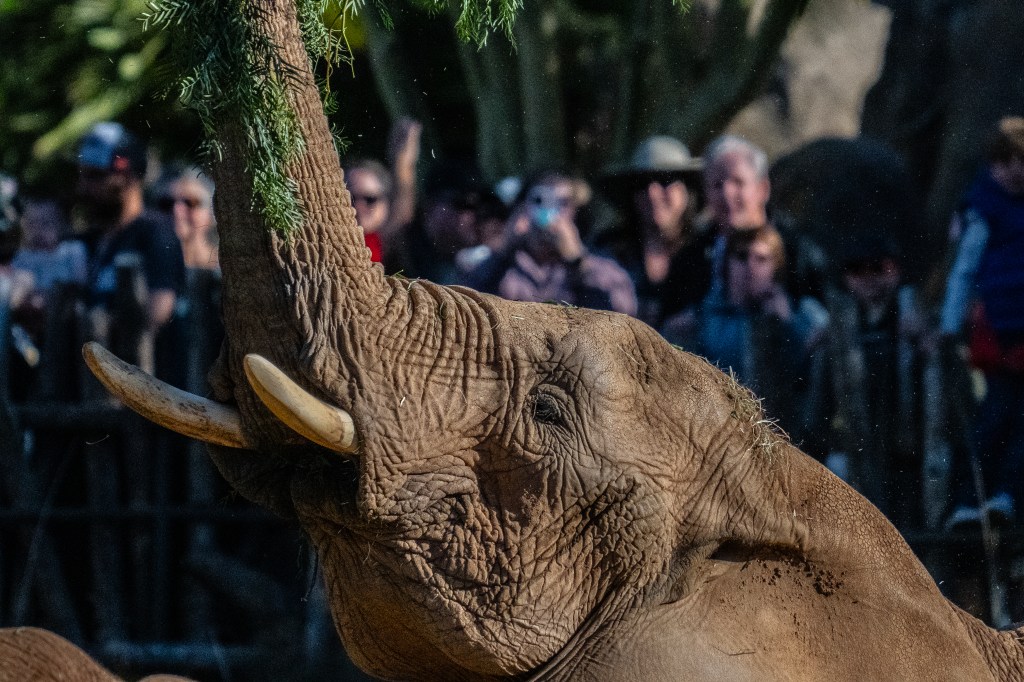
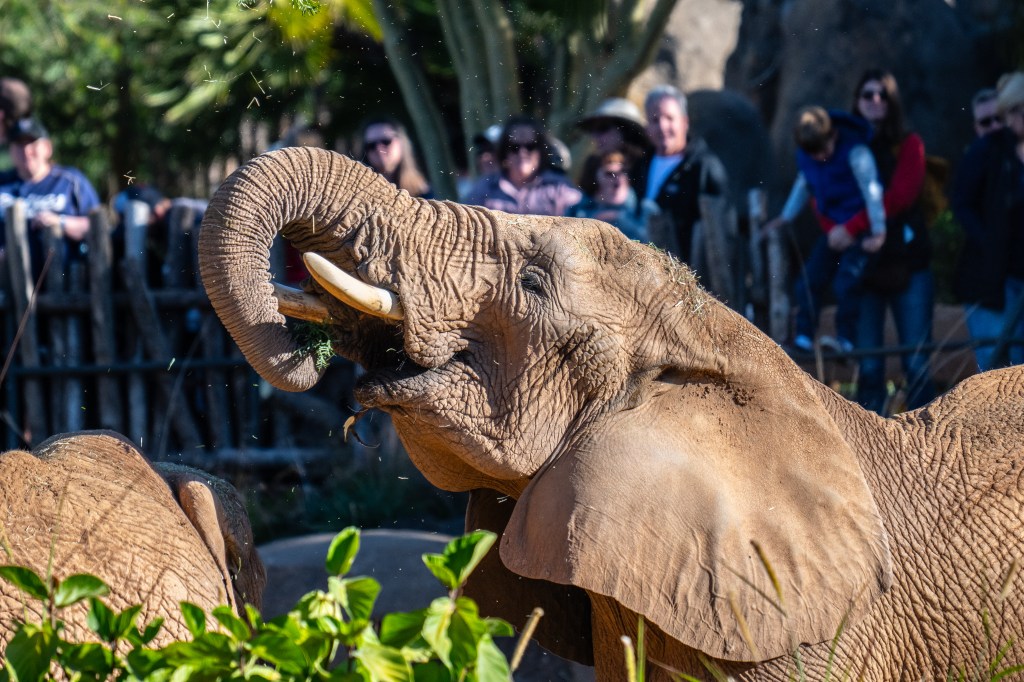
Elephant Valley is home to a herd of African elephants, and the design allows visitors to observe their natural behaviors up close. Elevated bridges and winding pathways give guests unique vantage points where elephants can even walk beneath them, creating an unforgettable perspective on the world’s largest land mammals.
The habitat encourages elephants to roam, forage, and socialize across the landscape. Timed feeders and watering areas stimulate movement and natural activity throughout the day, while redesigned pools and gentle ramps help the animals safely cool off and explore.
Visitors may see elephants swimming, splashing, or interacting with one another across the expansive savanna. According to park officials, the exhibit was built to help guests feel as though they are sharing the same landscape as the herd, rather than simply observing from a distance.
A Focus on Conservation
Beyond its impressive scale, Elephant Valley is also meant to tell a larger story about elephant conservation. The exhibit highlights partnerships between the Safari Park and organizations in Kenya working to protect elephants and support communities living alongside them.
This message is especially important as African savanna elephants are listed as endangered, with an estimated population of about 415,000 remaining in the wild. Threats such as habitat loss, poaching, and conflict with humans continue to challenge the species’ survival.
By combining research, education, and immersive design, Elephant Valley aims to inspire visitors to care about the future of elephants and the ecosystems they shape.
Dining With a View
At the heart of Elephant Valley sits Mkutano House, a two-story restaurant overlooking the habitat. The dining complex includes multiple venues and menus inspired by African culinary traditions blended with global flavors. Guests can enjoy a meal while watching elephants gather near a watering hole below.
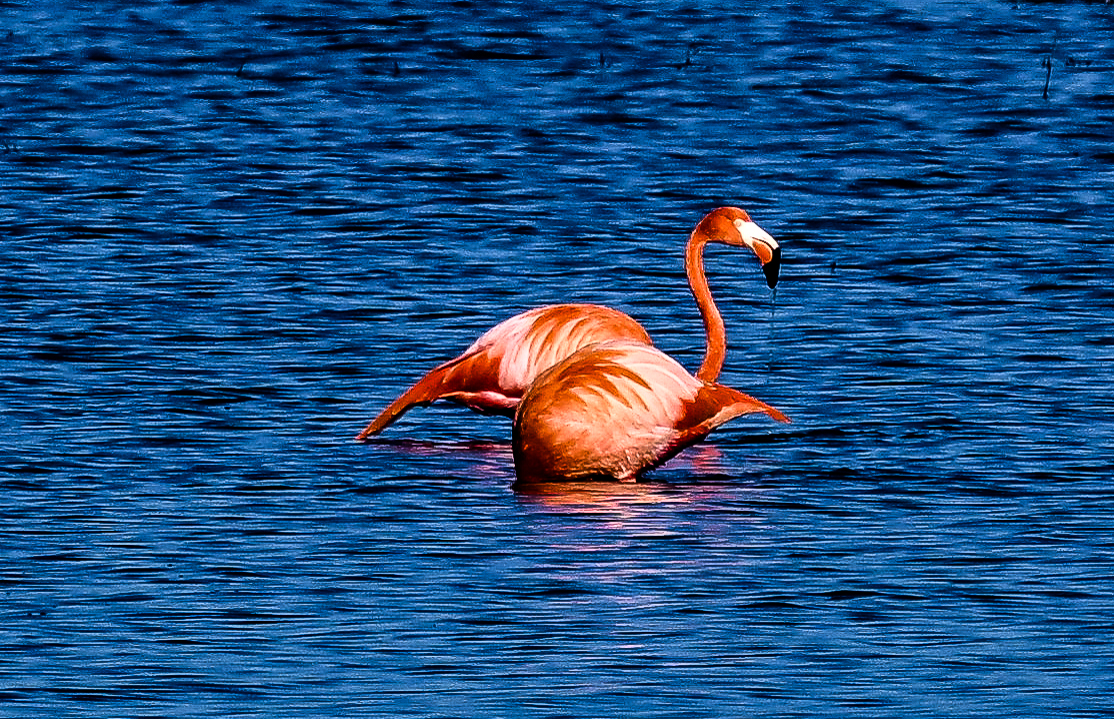
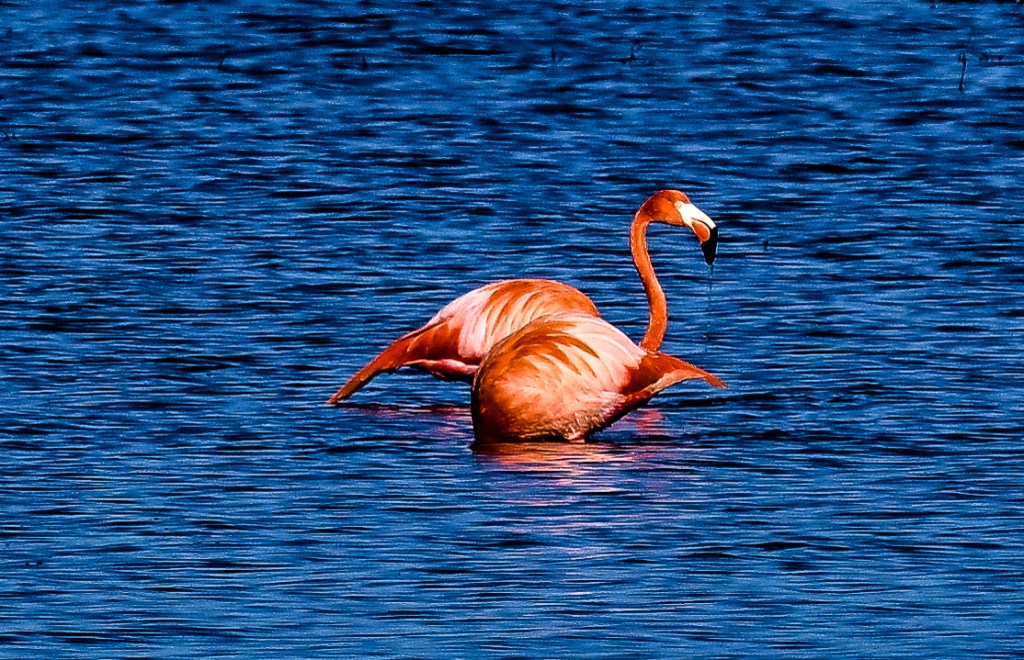
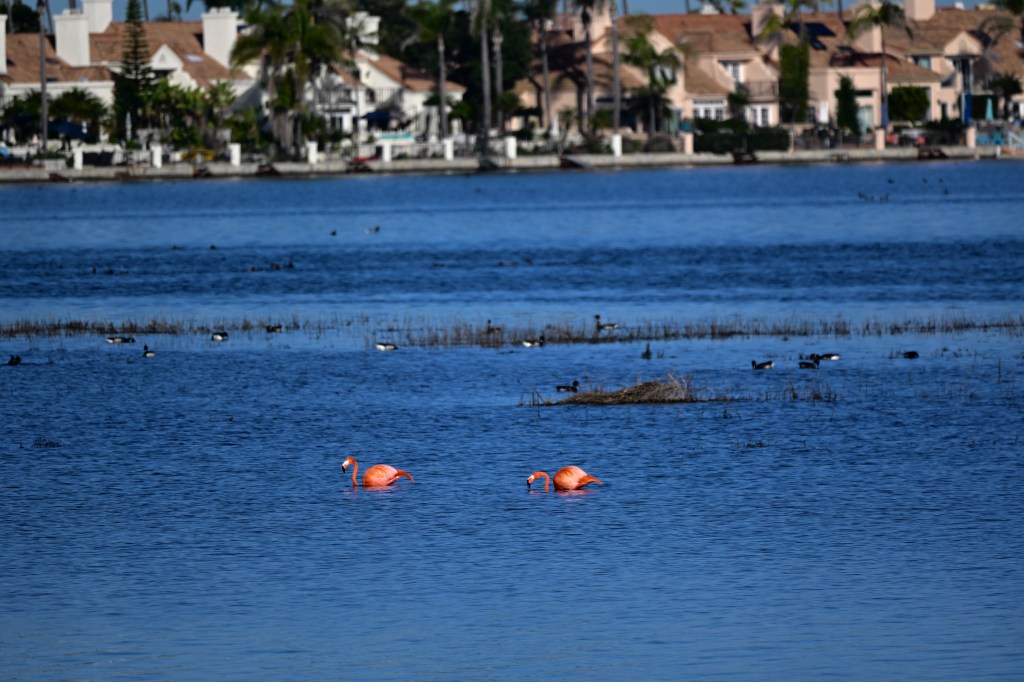
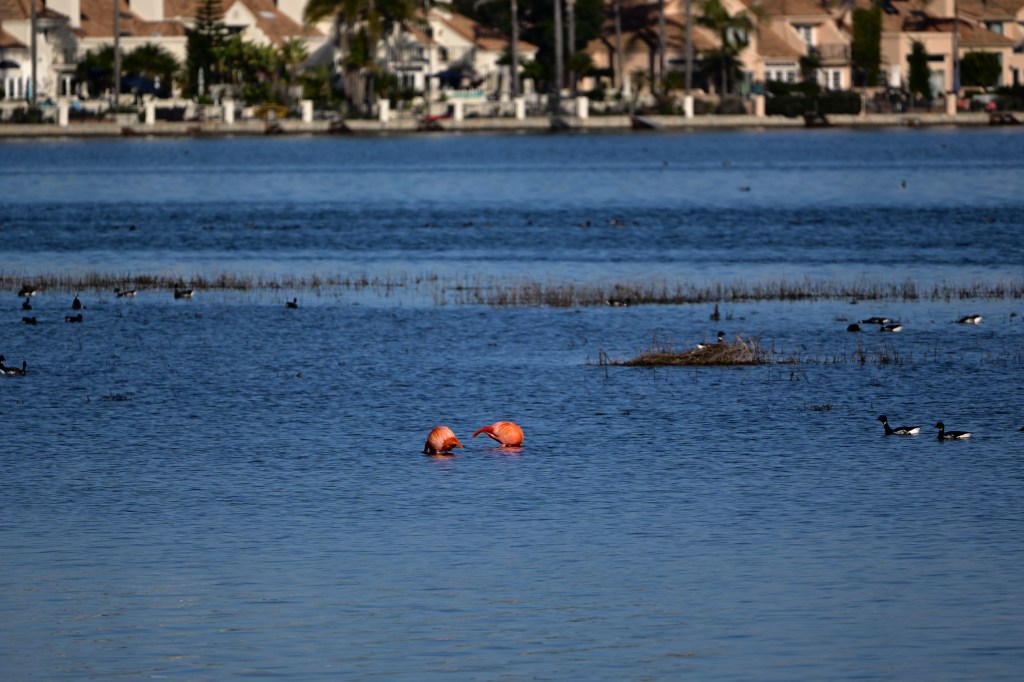
Flamingos in San Diego Bay: Rare Sightings Along a Familiar Shoreline
San Diego Bay is home to more than 300 bird species throughout the year, but flamingos are not among the region’s native wildlife. Still, on rare occasions, observers have reported flamingos along the bay’s shallow edges, drawing attention from birders and curious onlookers alike.
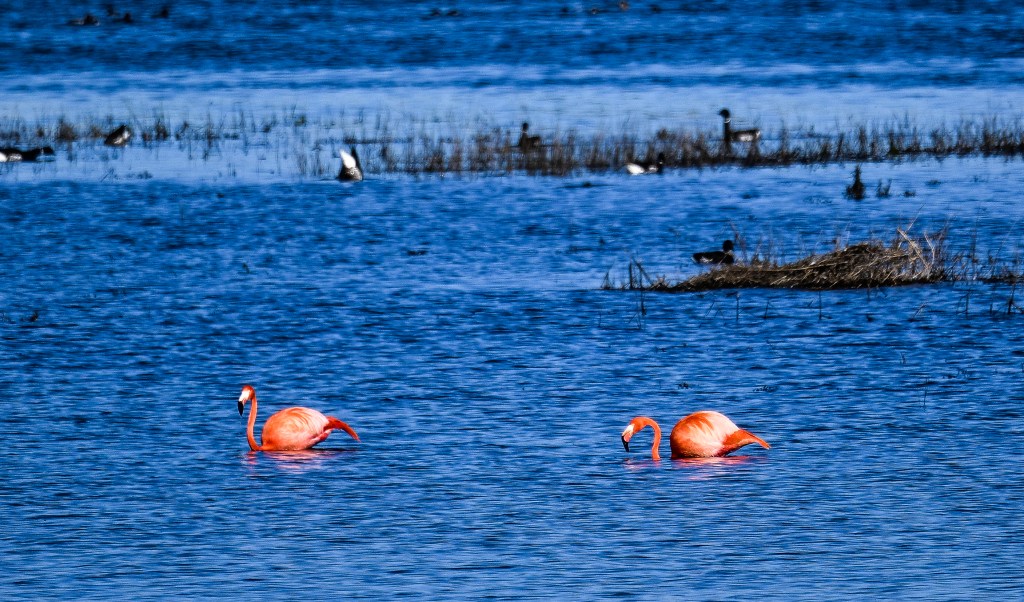
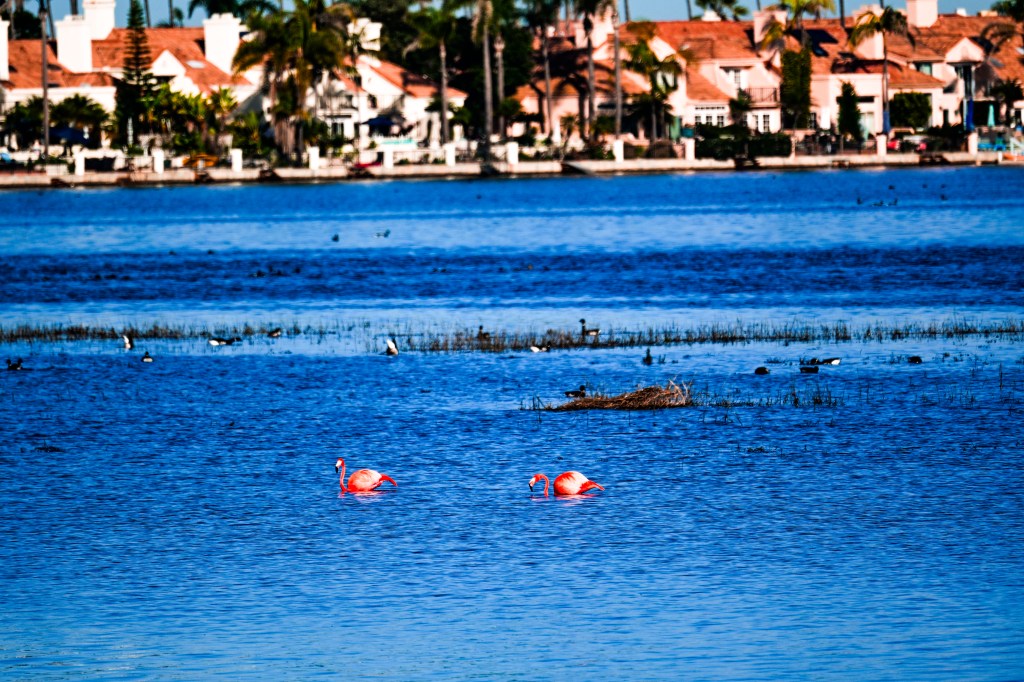
These sightings, while unusual, are not without explanation. Over the weekend I was driving southbound on State Route 75 from Coronado to Imperial Beach when I spotted 2 pink dots off to my left in the marsh shallows. I turned around in Imperial Beach, headed north to the Bike Path parking lot accessible from NB 75. And walk north for about 15min to find the two flamingos about 200 yards off shore. It was High Tide at the time which flooded the shallow marsh and coaxed the flamingos and other shore birds closer to shore.
Not Native, but Occasionally Present
Flamingos do not naturally occur in Southern California. Their typical range includes the Caribbean, parts of South America, Africa, and the Galápagos Islands. Experts generally agree that flamingos seen in San Diego County are likely birds that escaped or dispersed from captive populations rather than true wild migrants.
In the mid-20th century, flamingos were commonly kept in open-air zoo exhibits and private collections. Some individuals were able to fly beyond their enclosures and settle into nearby wetlands. A small number adapted to local conditions and remained in Southern California for extended periods, occasionally appearing in bays, lagoons, and salt ponds.
Habitat Conditions in San Diego Bay
Despite its urban setting, San Diego Bay contains habitat features that can support flamingos. Shallow waters, mudflats, and salt ponds provide feeding opportunities similar to those found in the species’ native environments. Flamingos feed on algae, brine shrimp, and other small invertebrates, filtering food from the water using specialized bills.
The bay’s salt works and managed wetlands, particularly in the southern portion of the bay, offer stable water levels and limited wave action—conditions suitable for wading birds that rely on calm, shallow areas.
Public Interest and Documentation
When flamingos appear in the bay, the sightings are typically well documented. Photographs and field notes are often shared through birding networks and community science platforms, where experts review and confirm observations. These records help distinguish between escaped birds, long-term residents, and misidentified species.
While flamingos attract attention, wildlife officials generally discourage close approaches. Maintaining distance reduces stress on the birds and minimizes the risk of disturbance to surrounding wildlife.
A Reminder of the Bay’s Ecological Value
Though flamingos are not part of San Diego Bay’s native ecosystem, their presence highlights the importance of coastal wetlands. The same habitats that occasionally support a flamingo also sustain migratory shorebirds, waterfowl, and endangered species year-round.
Even rare and unexpected sightings underscore the bay’s role as a critical refuge in a heavily developed region—one that continues to support a wide range of avian life.
Chollas Lake Reservoir is one of those places many locals drive past without realizing what’s inside. Beyond the busy streets and surrounding homes, the lake opens up into a surprisingly peaceful space—part urban park, part wildlife refuge, and part neighborhood gathering spot.
A Brief History of Chollas Lake
Chollas Lake was originally constructed in the early 1900s as part of San Diego’s water supply system. Over time, the reservoir evolved into a public recreation area, managed today by the City of San Diego. While it no longer serves as a primary drinking water source, the lake continues to play an important role as a community park and habitat for local wildlife.
Walking the Lake Loop
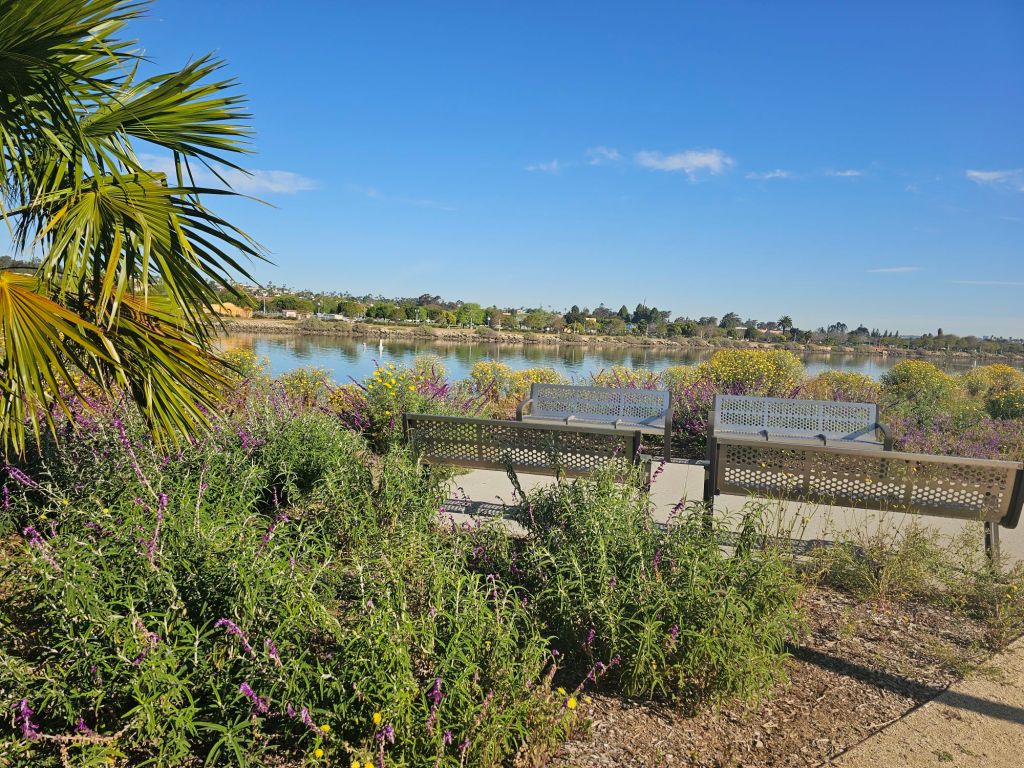
One of the most popular features of Chollas Lake is the roughly half-mile loop trail that circles the water. The path is mostly flat and paved, making it accessible for walkers, joggers, and families. Benches along the way invite visitors to slow down, sit, and watch the water—something that feels rare in a city environment.
Morning and late afternoon are especially pleasant, with cooler temperatures and softer light reflecting off the lake’s surface.
The fishing at Chollas Lake in San Diego is specifically designated for youth anglers only (ages 15 and under), meaning children can fish there for free and adults are expected to help or supervise but cannot fish themselves
The main gate at the East entrance of the park next to the lake closes 30 minutes before sunset. Other gates close BEFORE the East gate. Please note the closing time posted at your point of entry.