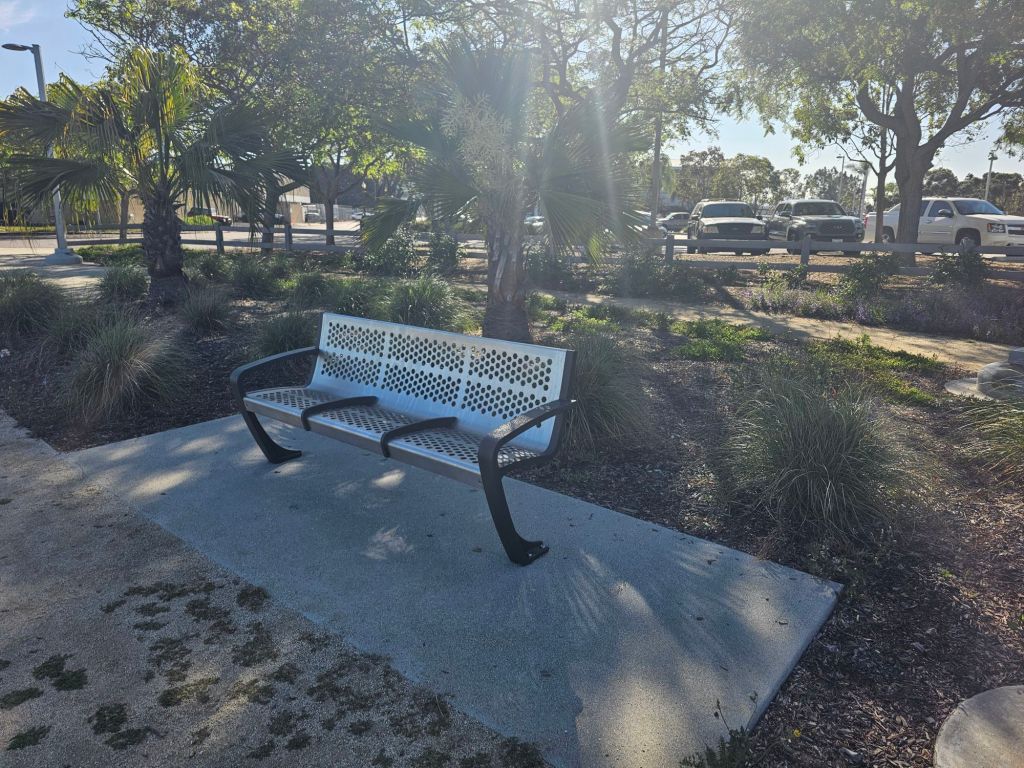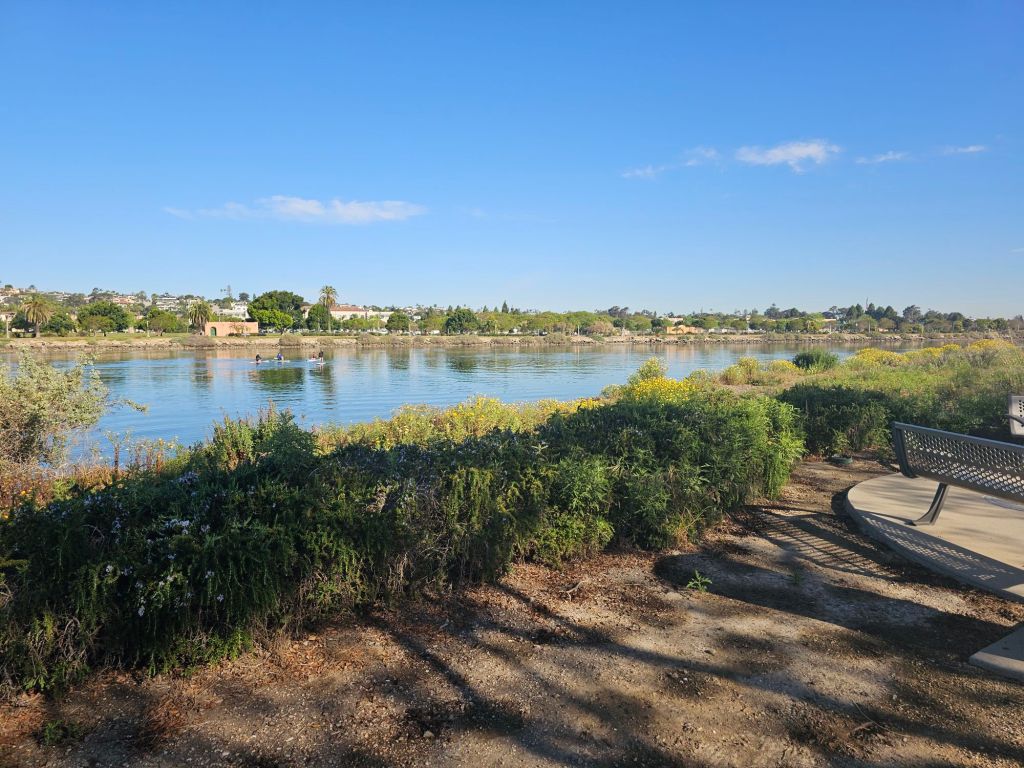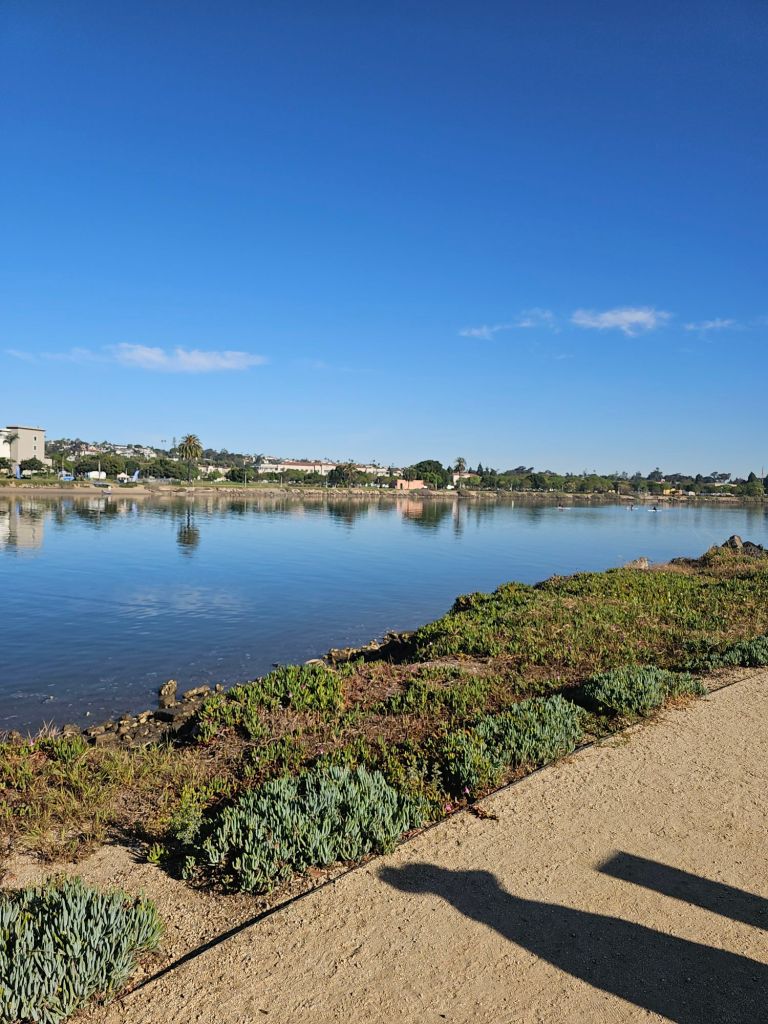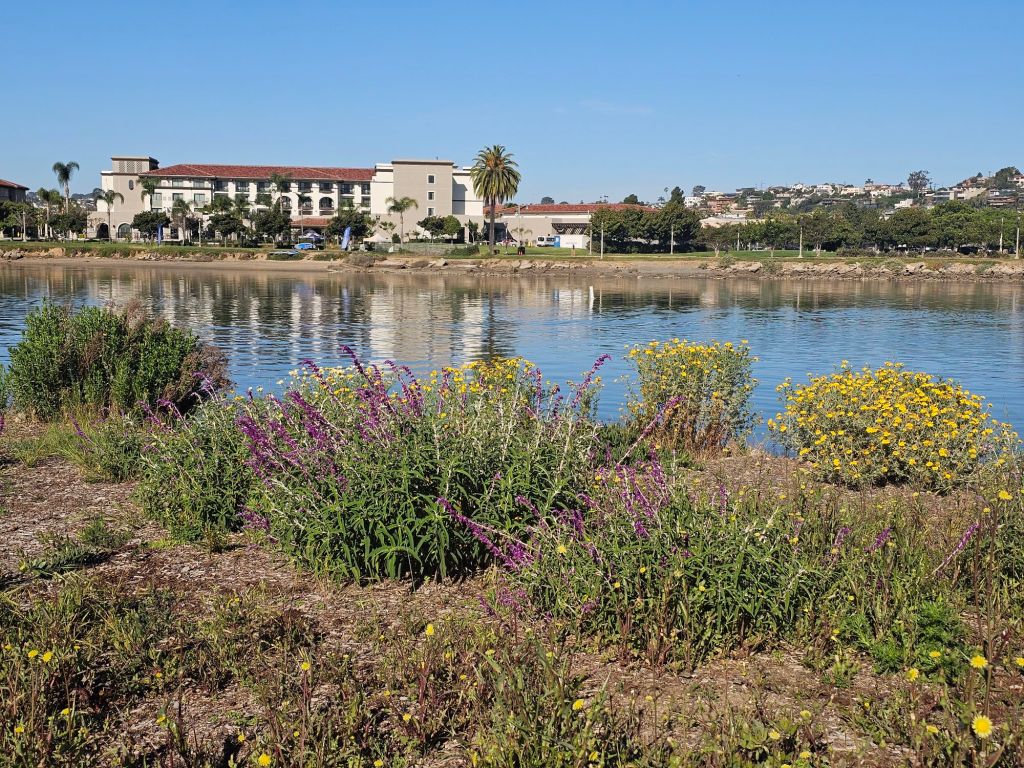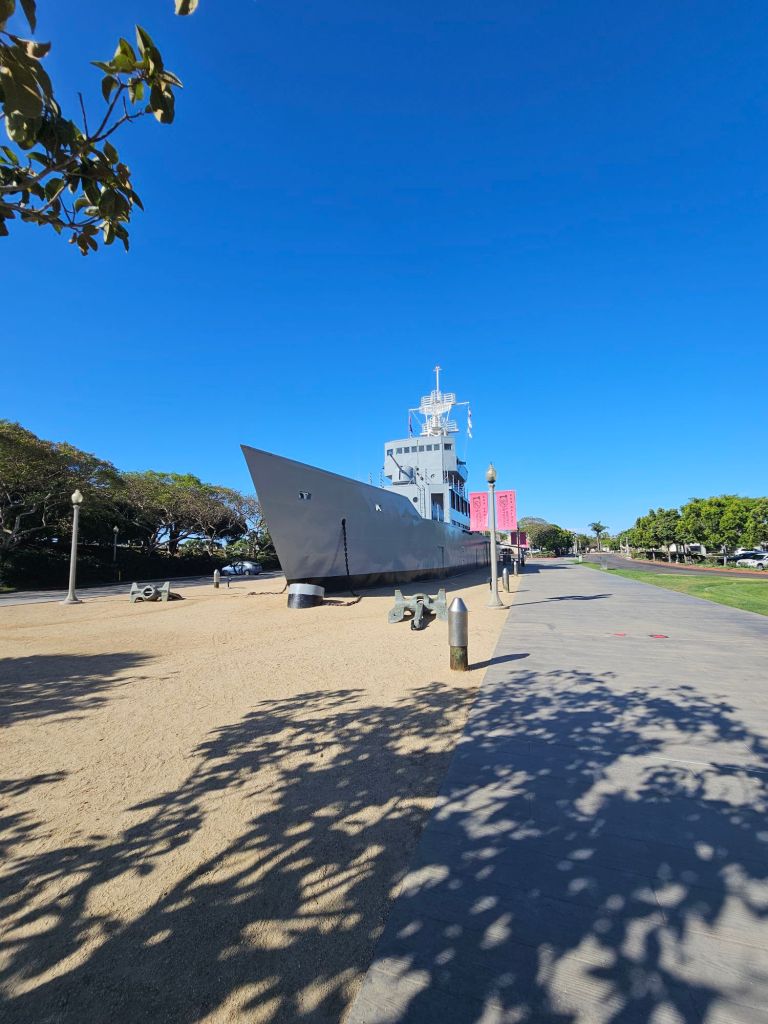

Spanish Landing Park West: A Waterfront Escape Rooted in History

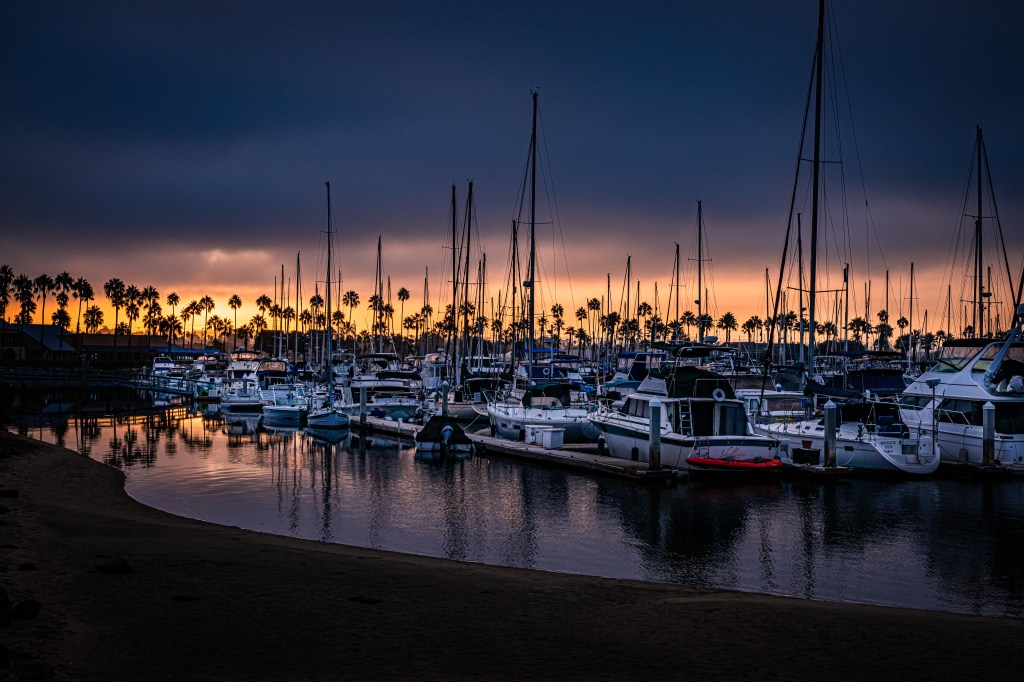
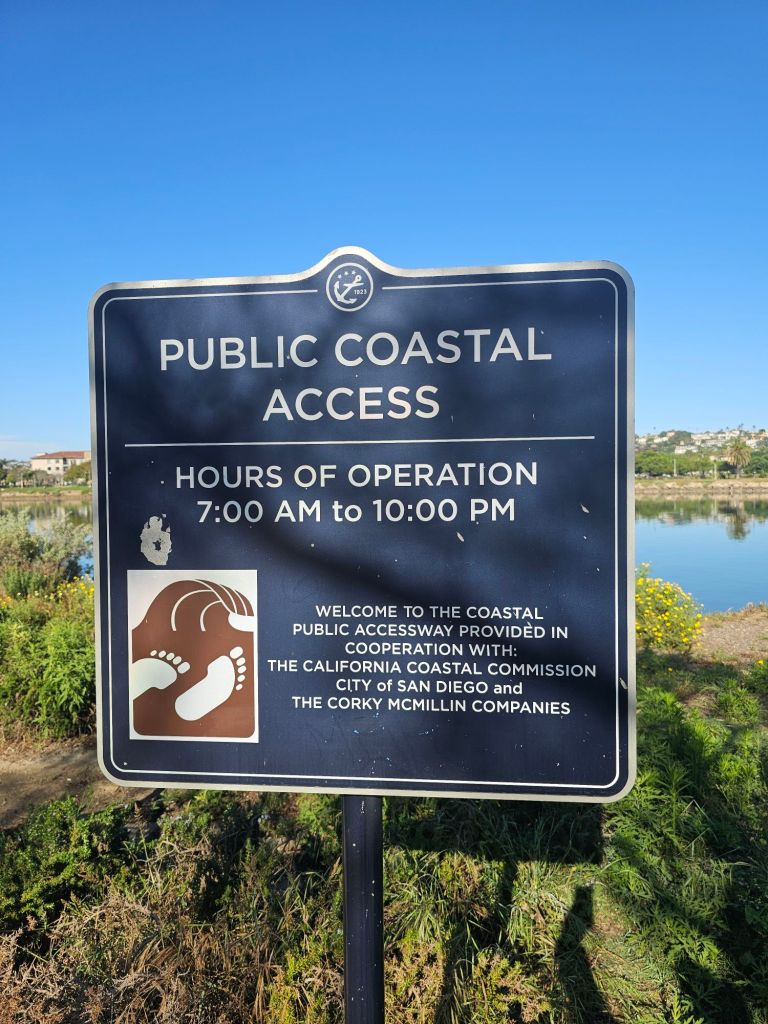
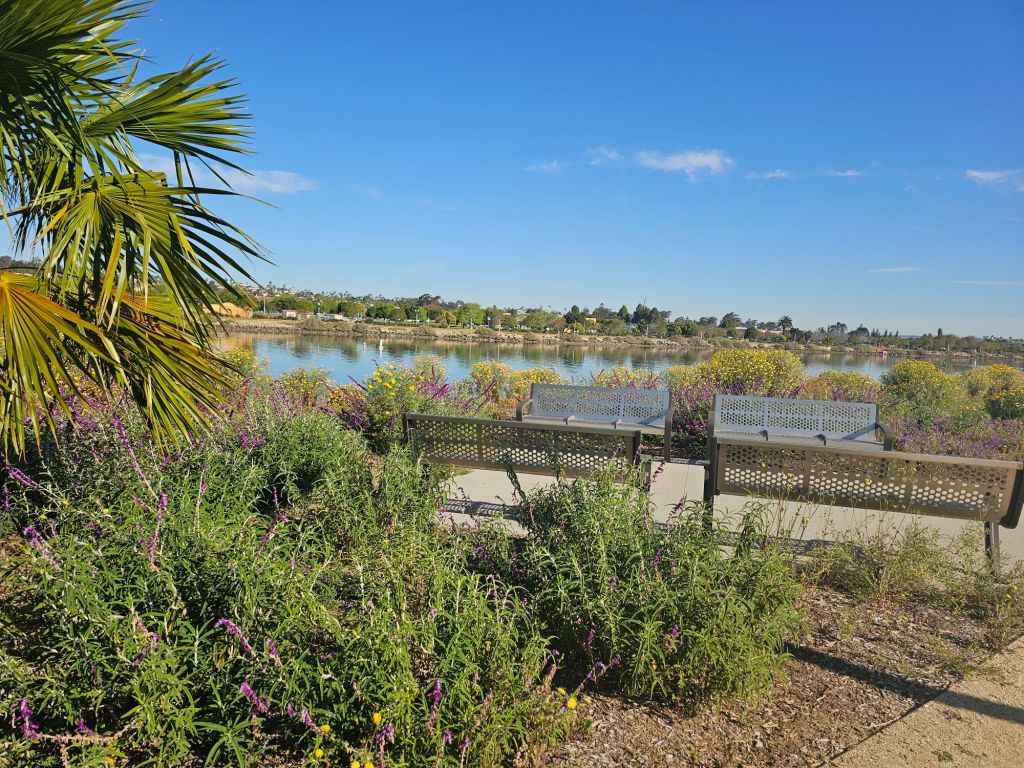
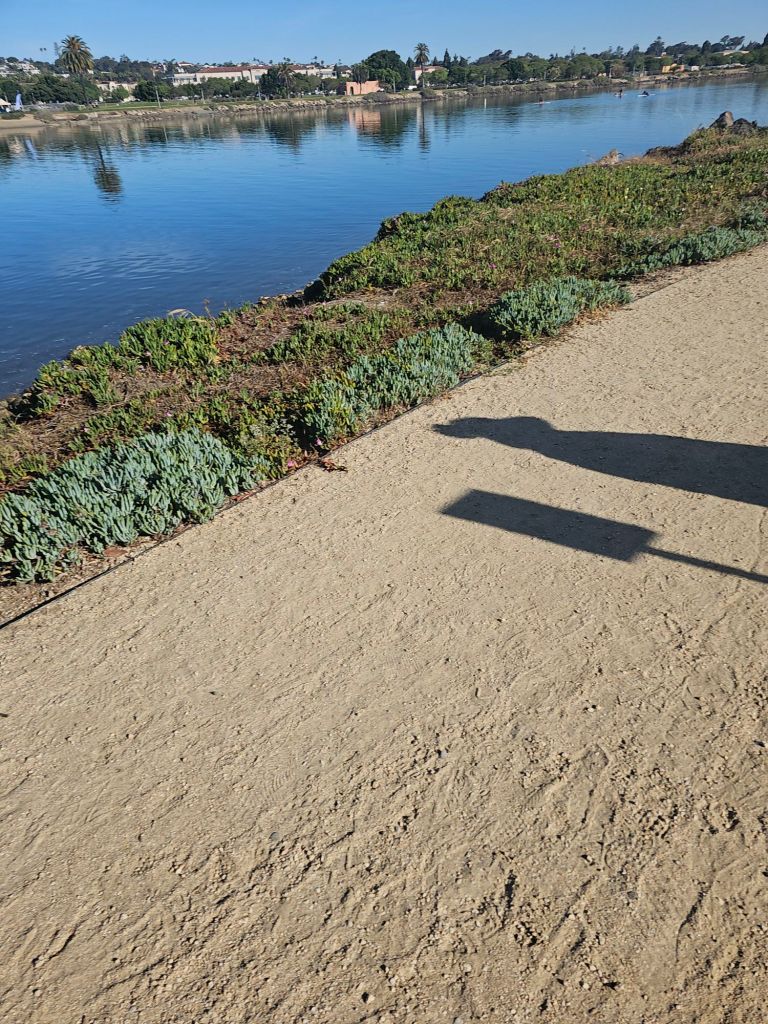
Tucked along the north western edge of San Diego Bay, Spanish Landing Park West offers a rare blend of peaceful scenery and deep historical significance. Just minutes from the bustle of the airport, this waterfront park feels like a hidden retreat—where sailboats drift by, palm trees sway, and history quietly lingers in the background.

Where California’s Story Began

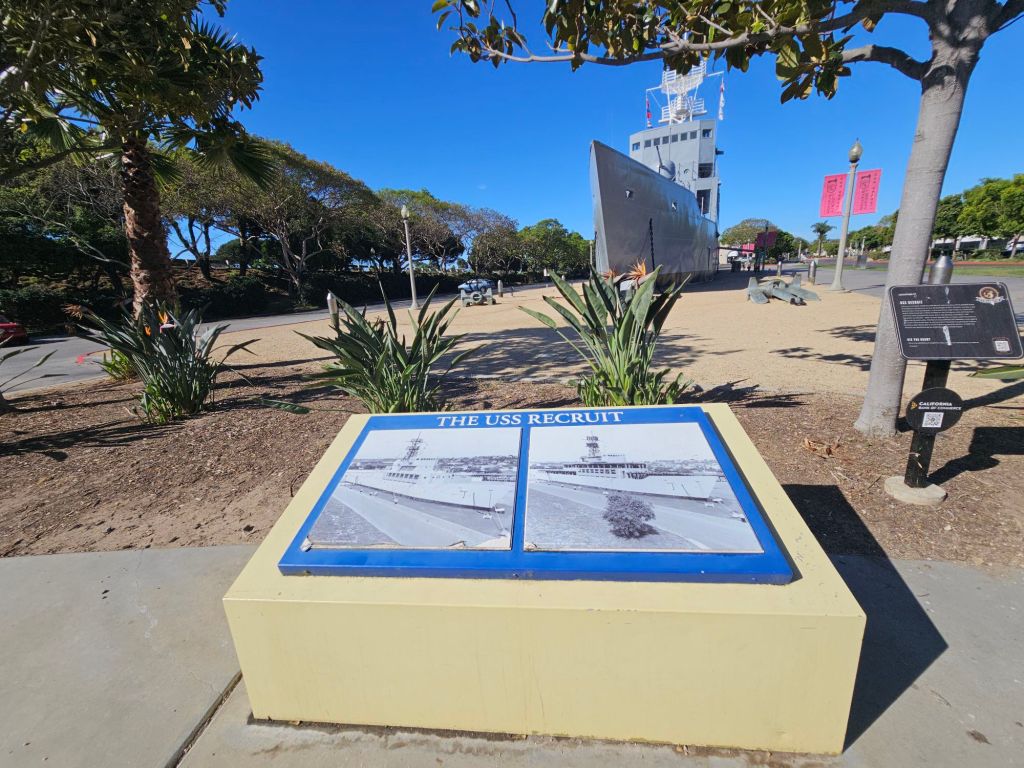
Long before it became a scenic park, this shoreline played a pivotal role in shaping the region. In 1769, Spanish expeditions led by Gaspar de Portolá and Junípero Serra came ashore here, marking the beginning of European settlement in Alta California. 

Today, a historical marker commemorates this moment, reminding visitors that this quiet park was once the starting point of a much larger story—one that would eventually lead to the founding of California’s first missions and settlements.

A Park Designed for Slowing Down

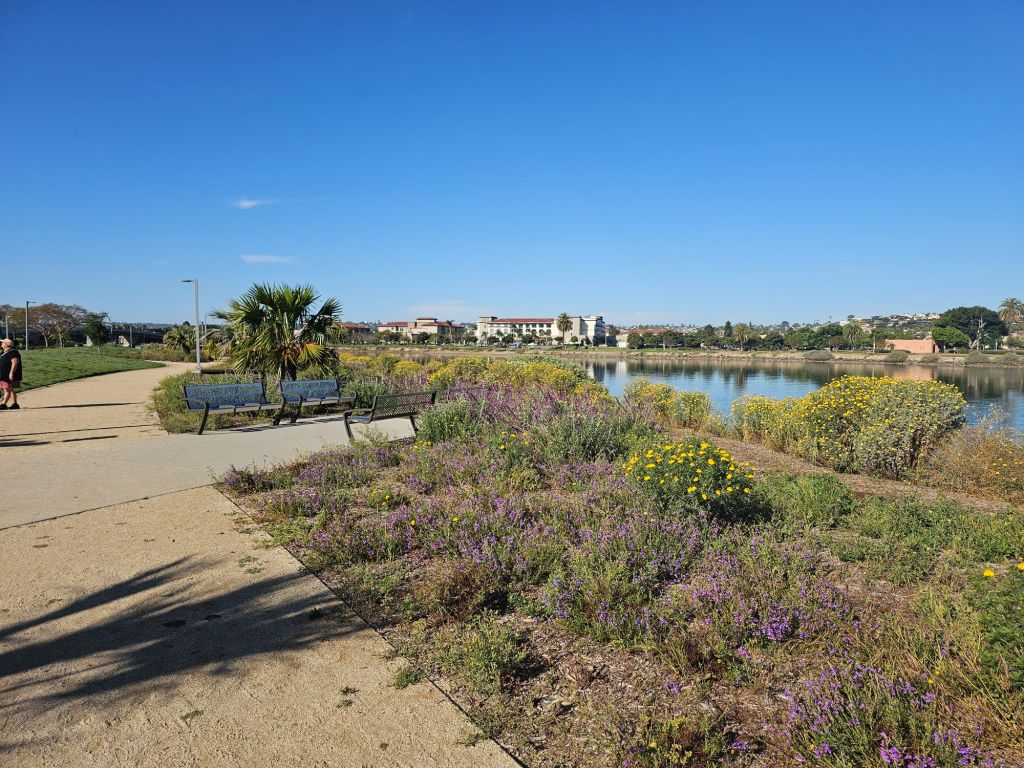
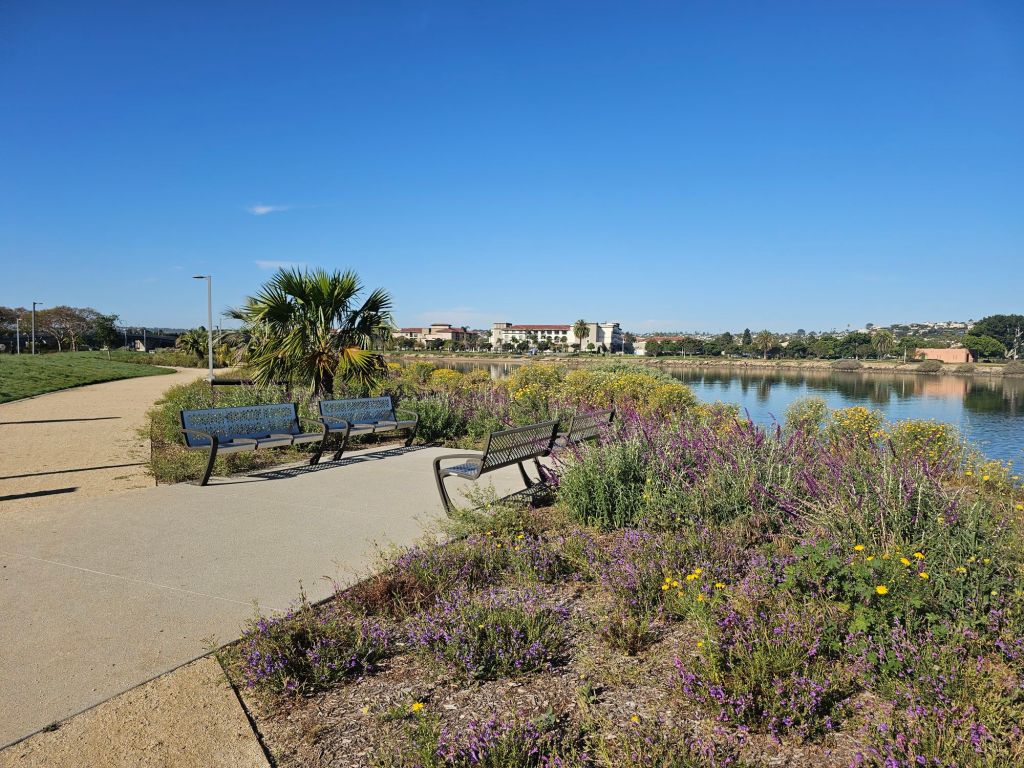
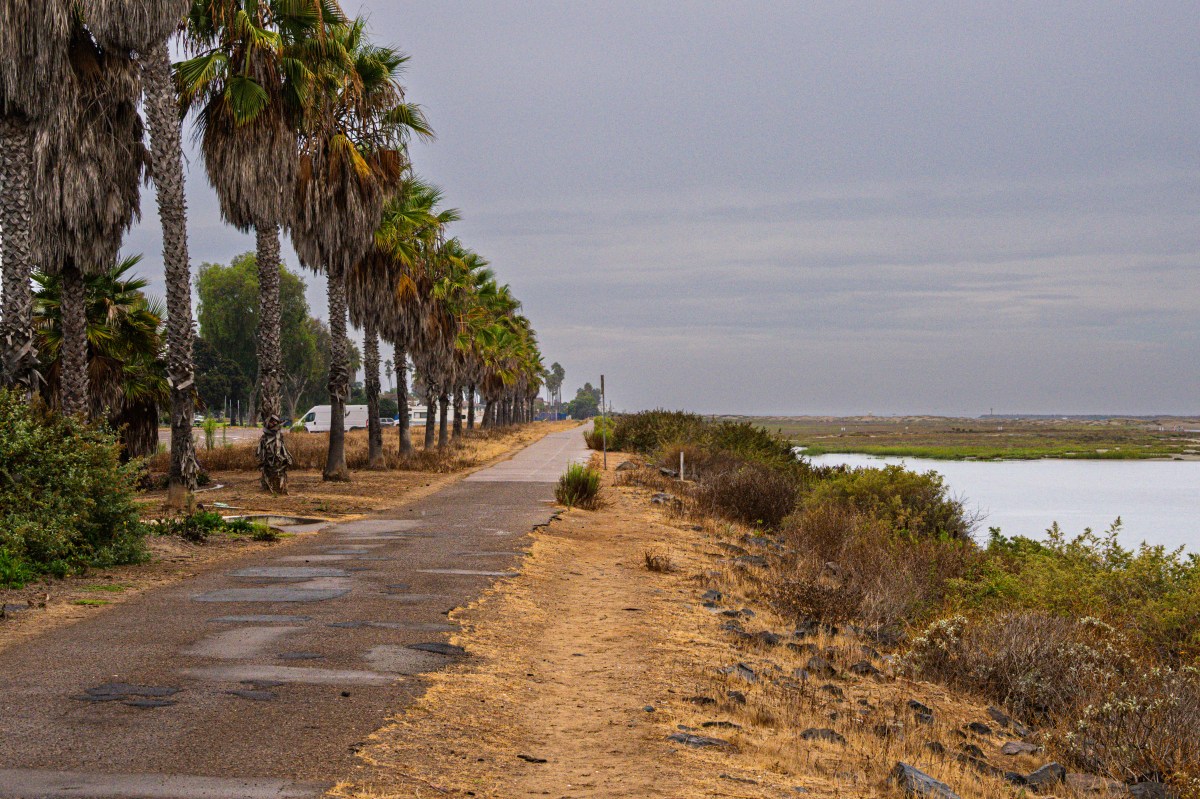
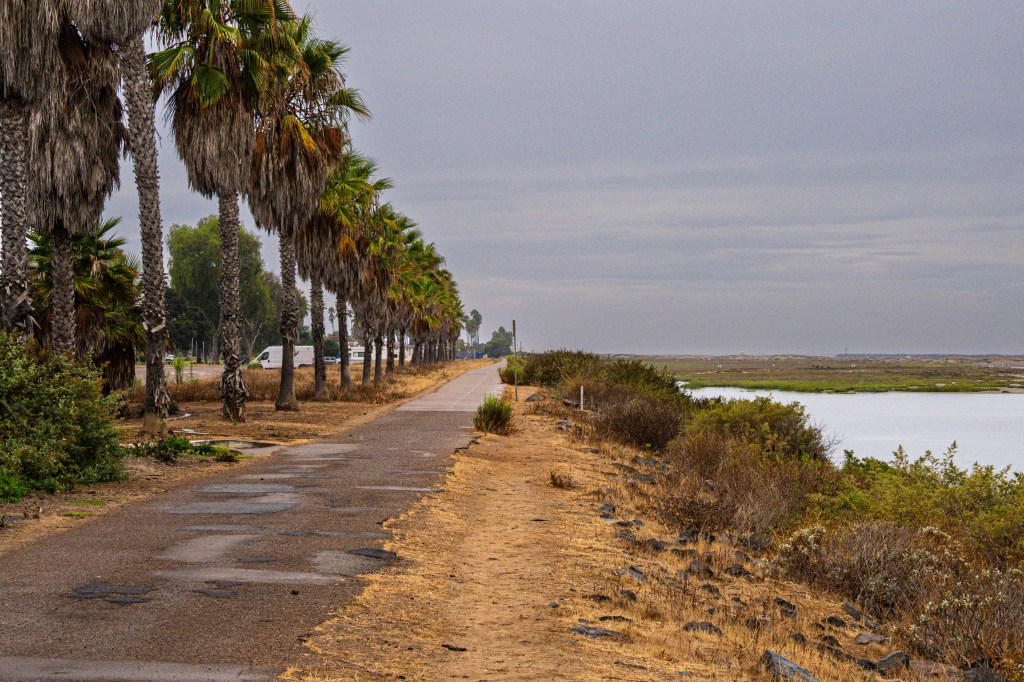
Spanish Landing Park West is the kind of place where you come to take your time. Wide grassy lawns stretch along the bay, dotted with picnic tables and shaded by trees. A paved waterfront path makes it ideal for walking, jogging, or biking while enjoying uninterrupted views of the marina and downtown skyline. 

There’s also a small sandy beach—perfect for relaxing, launching a kayak, or simply dipping your toes in the water. While it’s not a major swimming destination, it’s a great spot to unwind and watch boats glide across the harbor. 

Families will find playground areas for kids, while photographers and nature lovers will appreciate the open sightlines and ever-changing coastal light.

A Front-Row Seat to the Sky

One of the most unique features of the park is its proximity to San Diego International Airport. Planes descend dramatically overhead, offering a thrilling and surprisingly peaceful spectacle. It’s one of the best spots in the city for plane-watching—especially during golden hour when aircraft silhouettes cut across colorful sunsets.

A Greener, More Sustainable Park

Recent improvements have added a thoughtful environmental touch to the park. New groves of water-wise and non-invasive trees have been planted to provide shade, support biodiversity, and enhance the overall landscape. 

These additions not only make the park more comfortable on warm days but also reflect San Diego’s growing commitment to sustainability along its waterfront spaces.

Planning Your Visit

Spanish Landing Park West is open daily from 6:00 a.m. to 10:30 p.m., with parking available nearby. Whether you’re stopping by for a quick walk, a picnic, or a sunset photo session, it’s an easy and rewarding place to explore.

Why It’s Worth Visiting

Spanish Landing Park West isn’t flashy—and that’s exactly its charm. It’s a place where history, nature, and everyday life quietly intersect. You can stand where explorers once landed, watch modern sailboats drift by, and listen to jets overhead—all in the same moment.

For photographers, it’s a canvas of light and motion. For locals, it’s a peaceful escape. And for visitors, it’s a reminder that even the most laid-back places can hold powerful stories.

🦩 The Pink Ambassadors of Coronado: Flamingos at the Marriott

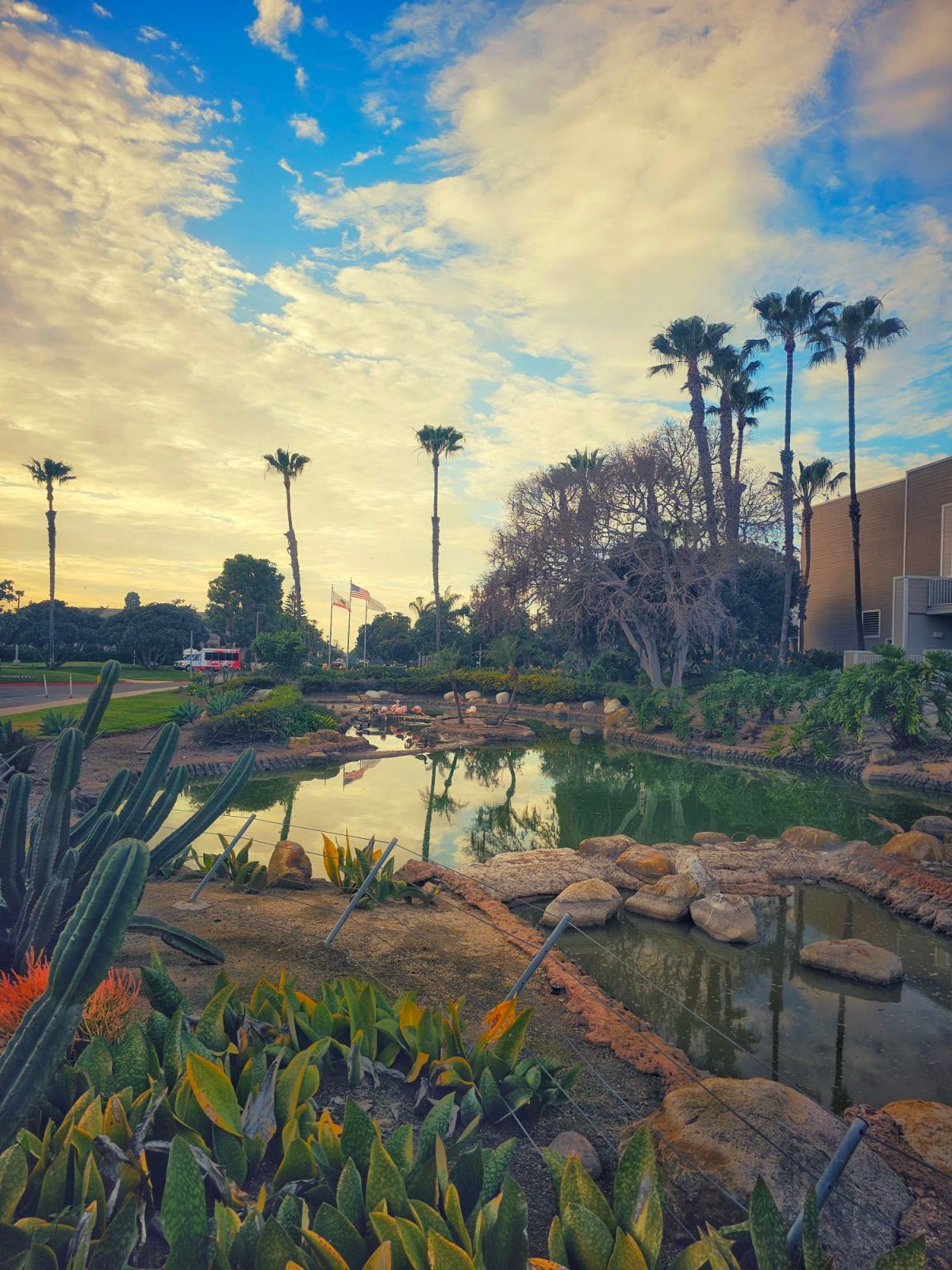
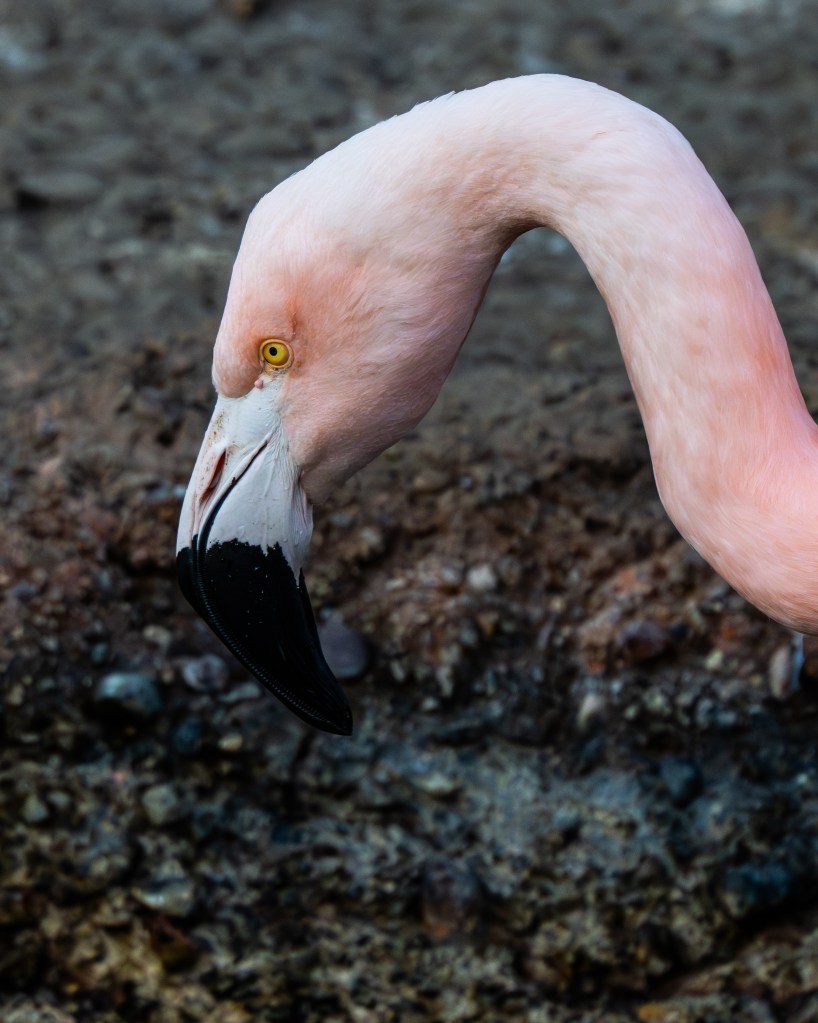
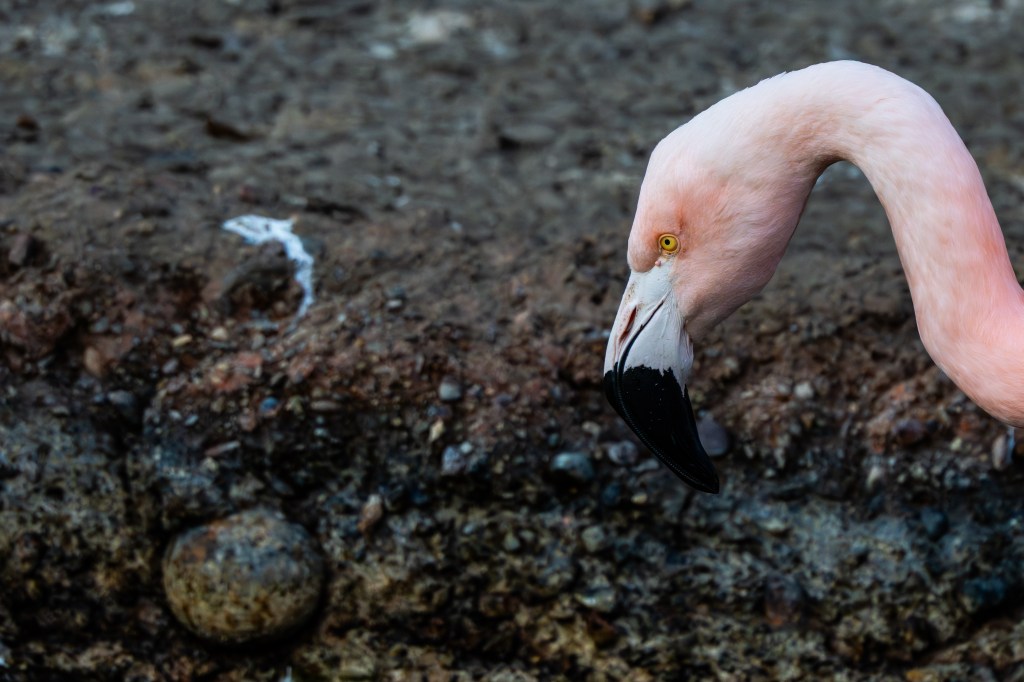
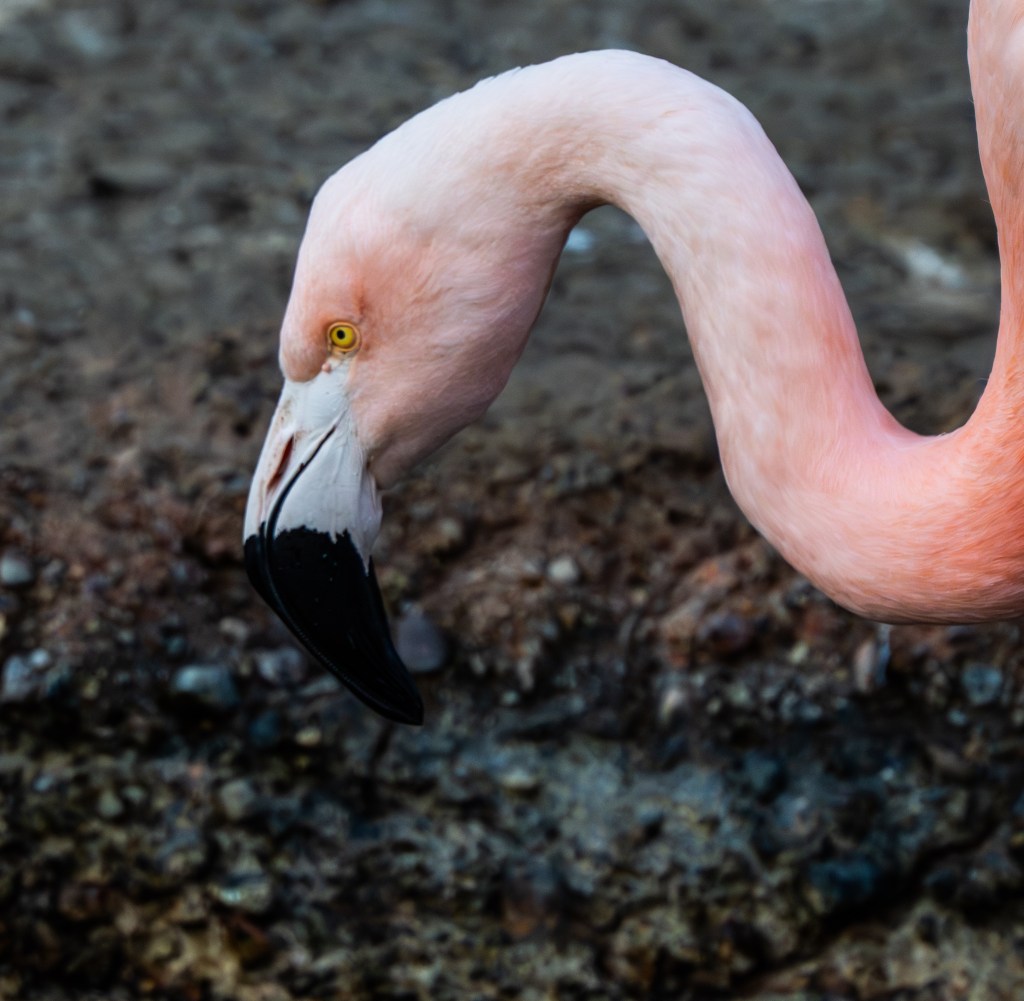
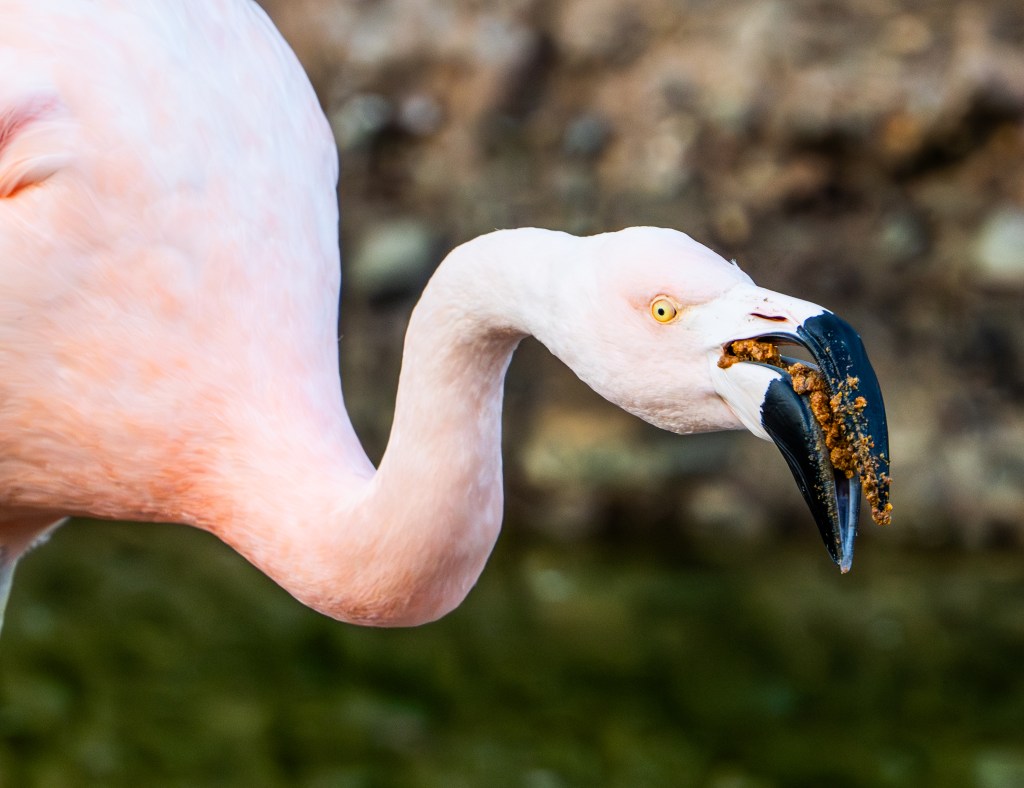
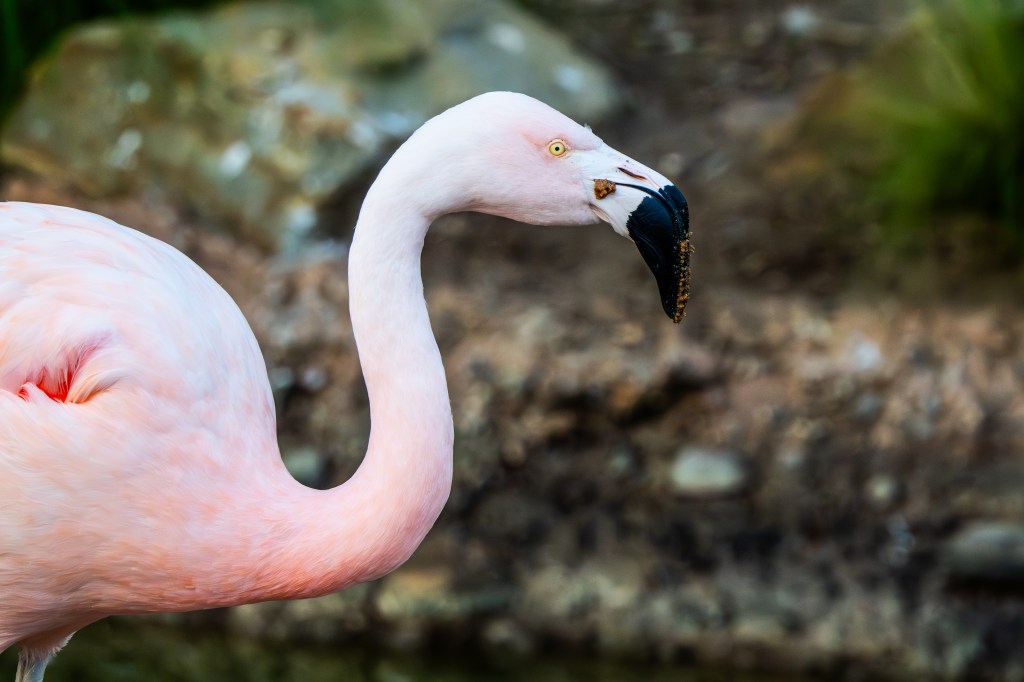
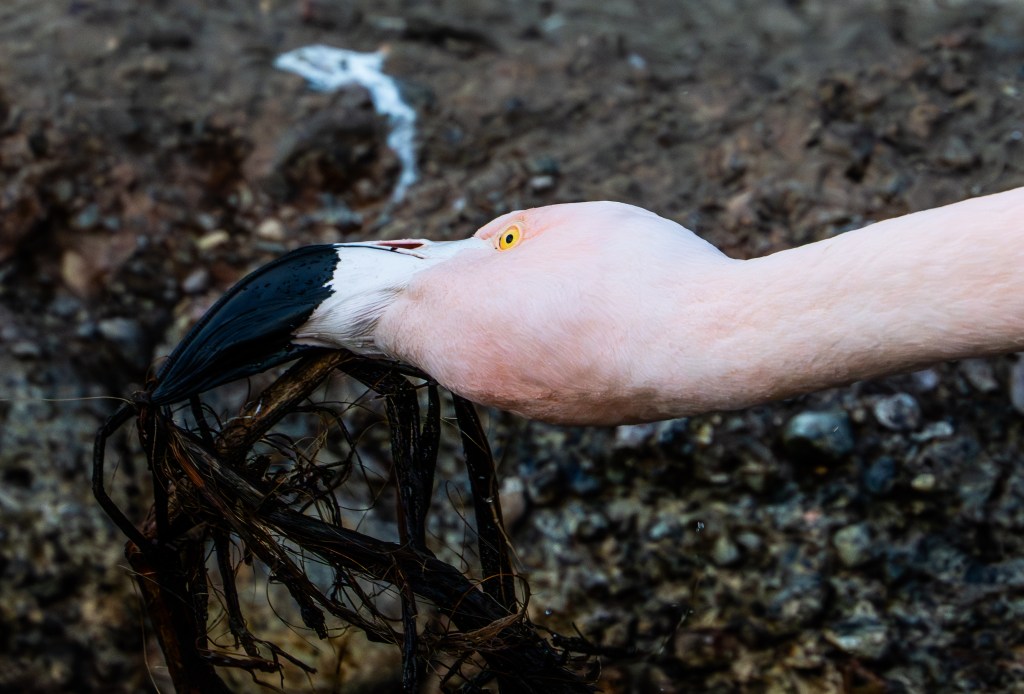
Right near the entrance of the Marriott Coronado Resort and Spa area series of fresh water ponds where you can a group of flamingos strutting, preening and standing in the shallows. These striking birds — often identified as Chilean flamingos— bring an enchanting splash of color to the tropical landscaping and are a favorite photo opportunity for guests and passersby alike.

While Coronado’s golden beaches and sparkling bay views are a draw in themselves, the flamingos offer something extra: a touch of whimsy and wonder. They’re known to hang out right by the Lagoon area accessible from the Bayshore Bikeway, so even if you aren’t staying at the hotel, a quiet stroll along the waterfront could lead to a charming flamingo sighting.

📸 Why Visitors Love Them

  • Iconic photo ops: Kids and adults alike pause to snap pictures of the elegant birds — their vibrant pink feathers make a lovely contrast against the deep greens of the resort landscaping and the blue backdrop of San Diego Bay.
  • Unexpected wildlife moment: It’s not every day you come across flamingos in Southern California, so they feel like a special little secret of Coronado.
  • Accessible to all: You don’t need a room key to enjoy the flamingos — curious visitors can spot them from nearby public paths near the ferry landing and waterfront promenade.

If you are not a guest of the hotel or do not want to pay the resort parking fee you will have to find street parking in front of the hotel along Glorietta Boulevard. Park south of the resort at Tidelands Park and walk north along the Bay Shore Bike Path. Or lastly park north of the resort ant the Coronado Ferry Landing Parking lot and walk south along the bay shore bike path.

The freshwater ponds are located to the right of the main hotel entrance on the south side of the building.

The 55th Annual San Diego Bay Parade of Lights

55th Annual San Diego Bay Parade of Lights: Where the Holidays Meet the Harbor
Meta description: Celebrate the 55th Annual San Diego Bay Parade of Lights—best viewing spots, photography tips, and why this waterfront tradition remains a holiday favorite.
Suggested categories: San Diego Events, Holiday Traditions, Coastal Photography
Suggested tags: San Diego Bay Parade of Lights, San Diego Christmas, Holiday Lights San Diego, Waterfront Events, Night Photography

San Diego’s signature holiday tradition returns to the waterfront, transforming the bay into a moving festival of color, music, and maritime creativity.

A Holiday Tradition on the Water

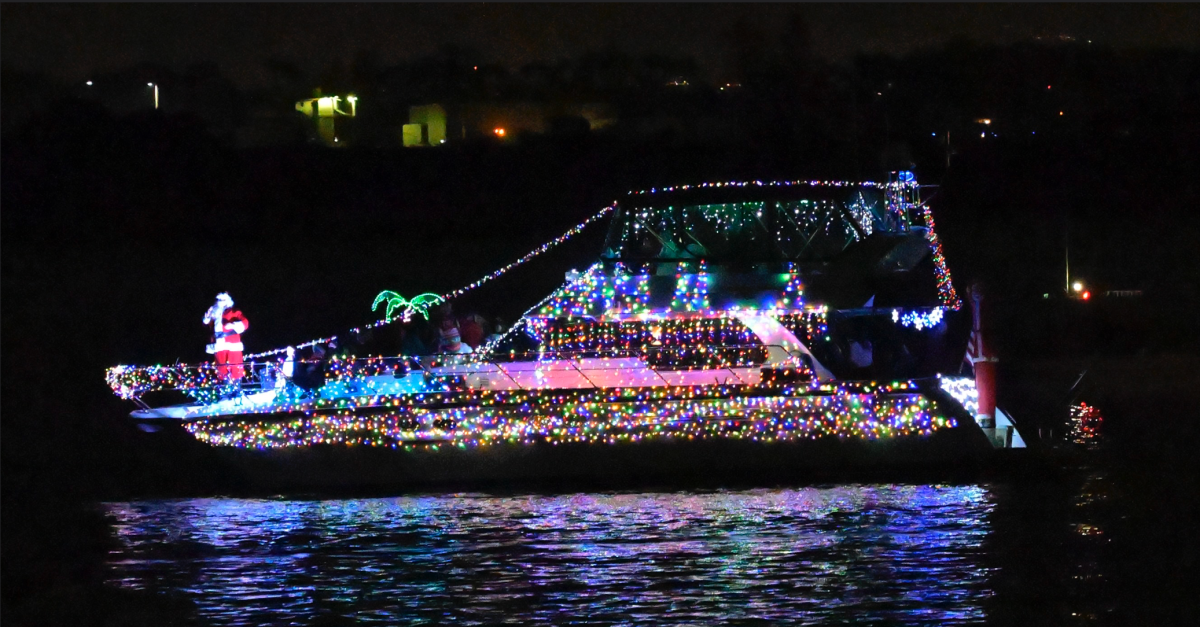
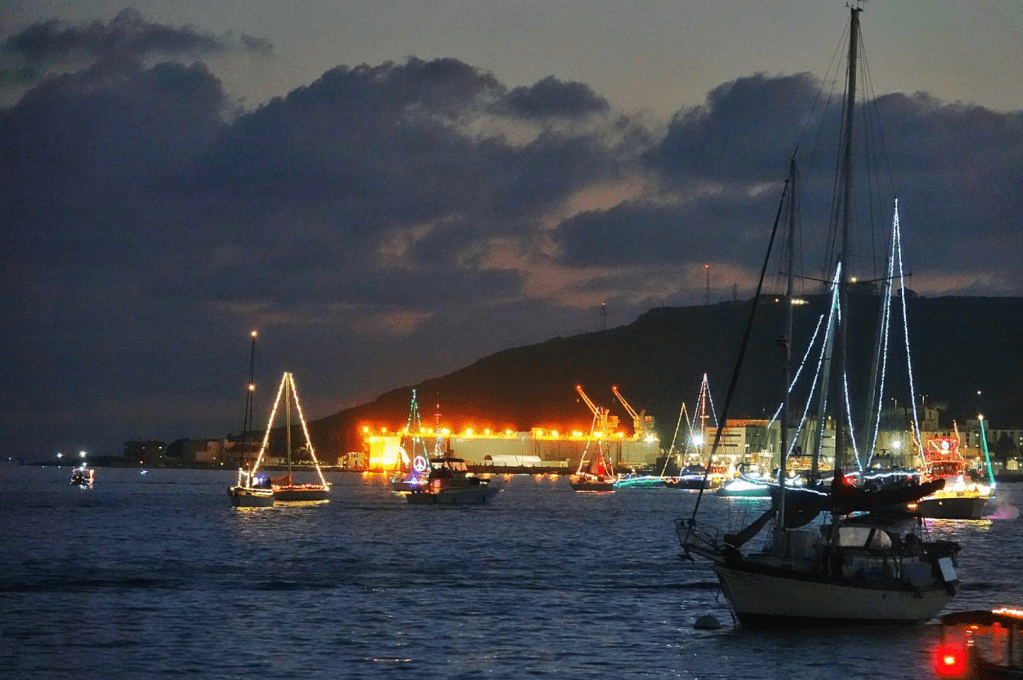
For more than five decades, the San Diego Bay Parade of Lights has marked the start of the holiday season with a spectacle found nowhere else in Southern California. Now in its 55th year, the parade brings together dozens of privately owned boats—each decorated from bow to stern in synchronized lights and themed displays—that glide across the bay after sunset.

What makes this event special isn’t just the scale of the decorations, but the setting itself. With the downtown skyline, Coronado Bridge, and working harbor as a backdrop, the parade captures the essence of San Diego: festive, coastal, and community‑driven.

How the Parade Works

Participating vessels line up along the bay and follow a designated route that allows spectators on both sides of the water to enjoy the show. Boats range from small sailboats to large yachts, all competing for top honors in categories such as best overall decoration, originality, and best use of lights.

The parade traditionally runs on two consecutive weekend nights, giving locals and visitors multiple chances to experience it. Each evening culminates with a slow, scenic procession that keeps the boats visible long enough for photos, cheers, and the occasional holiday sing‑along.

The San Diego Bay Parade of Lights brings more than 100,000 San Diego residents and visitors to the shores of San Diego Bay each year. The procession of approximately 80 lavishly decorated boats has become one of the most iconic events in the region. There is no cost to view the parade.
2025 Parade Theme is Out of This World

The procession will start at 5:30 p.m. and will follow the predetermined parade  route.

The APPROXIMATE arrival time of the parade at various locations are:

  • Shelter Island (start of parade)   5:30 p.m.
  • Harbor Island                                 5:45 –  6:15 p.m.
  • Seaport Village                                6:20 – 6:45 p.m.
  • The Embarcadero                            6:50 – 7:15 p.m.
  • The Pier at Cesar Chavez Park     7:20 – 7:30 p.m.
  • Ferry Landing on Coronado          7:40 p.m.

Best Places to Watch (and Photograph)

One of the parade’s strengths is accessibility. You don’t need a ticket to enjoy it—just a good vantage point.

Popular viewing locations include:

  • Seaport Village & the Embarcadero – Ideal for wide shots that include boats and skyline reflections.
  • Shelter Island – A favorite for photographers, offering unobstructed views and calmer crowds.
  • Coronado Ferry Landing – Perfect for capturing boats with Coronado lights in the background.
  • Cesar Chavez Park – A relaxed setting with room to move and frame different angles.

For photography, arrive early to claim a spot and plan to shoot through blue hour, when the remaining daylight blends with the glow of the lights on the water.
Oasis Camel Dairy: Ramona’s Most Unexpected Adventure

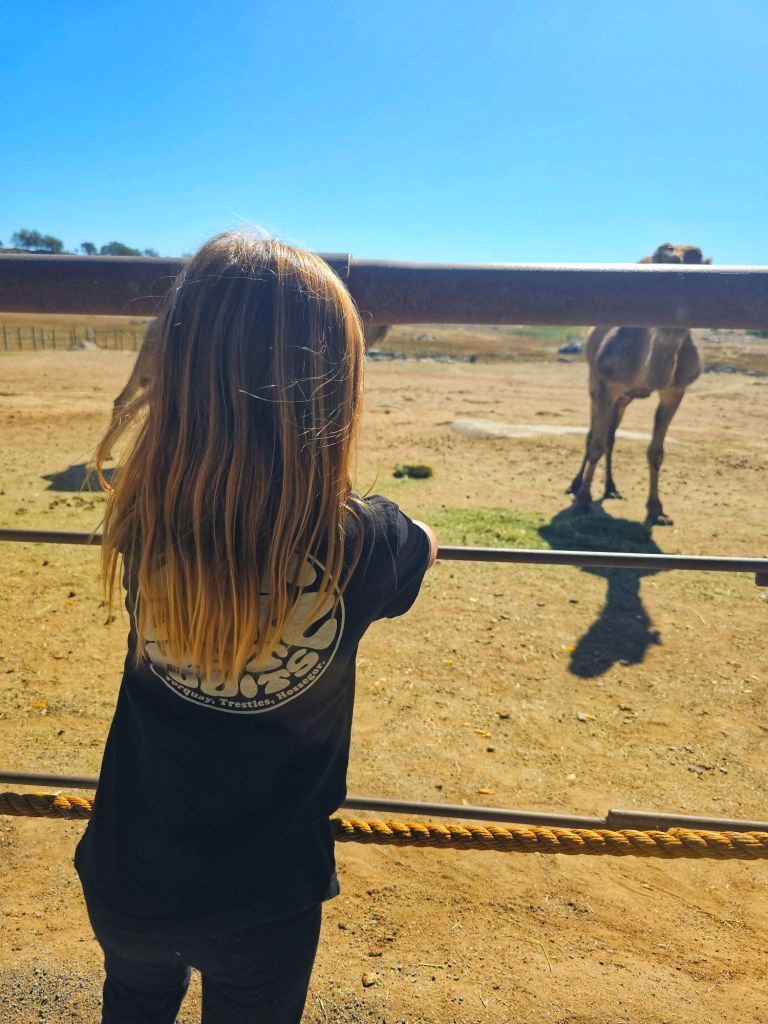
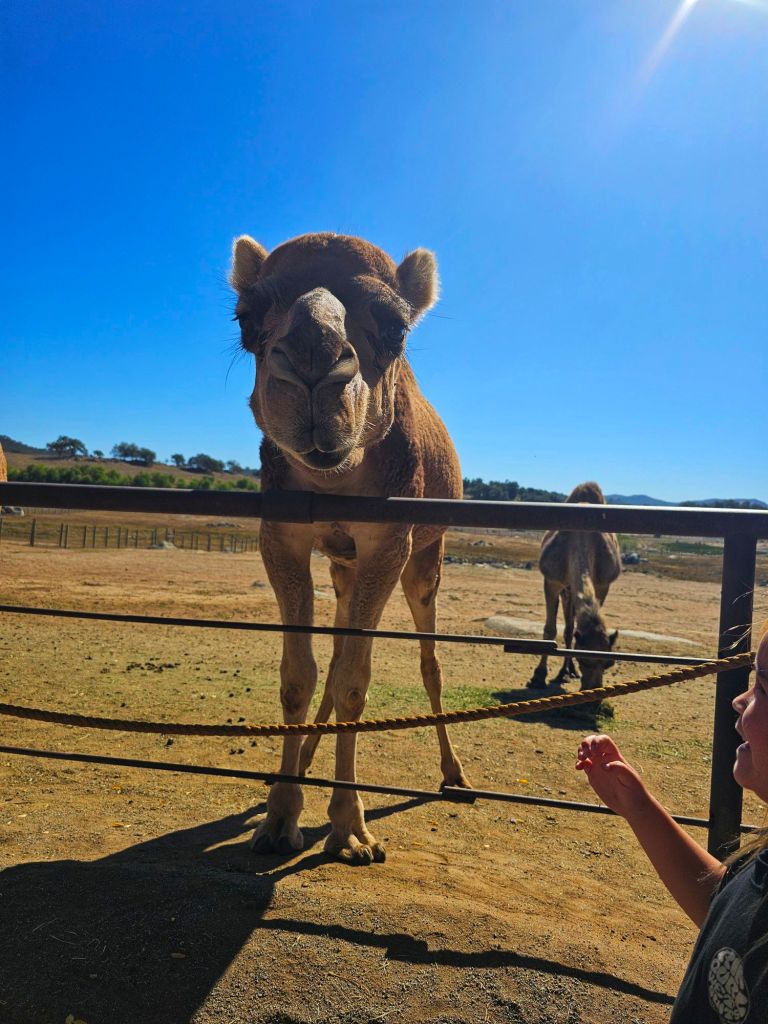
If you’ve ever wondered what it’s like to meet a camel up close—right here in San Diego County—there’s a place where curiosity turns into delight. Tucked into the rolling hills of Ramona, Oasis Camel Dairy is one of Southern California’s quirkiest and most memorable rural attractions. Part farm, part sanctuary, and part hands-on learning experience, it’s the kind of place that sticks with you long after you’ve brushed the camel dust off your shoes.
A Day at Oasis Camel Dairy: A Unique Animal Adventure in Ramona, California


What Is Oasis Camel Dairy?

Oasis Camel Dairy is a small, charming farm known for its herd of dromedary camels, gentle giants with expressive faces and plenty of personality. The dairy also produces camel-milk skincare products, hosts open farm days, offers camel rides, and gives visitors a hands-on glimpse into the world of camel care.While camels might seem like animals you’d only meet on an overseas vacation, this Ramona farm makes the experience feel surprisingly personal, accessible, and welcoming.


The Experience: Meeting the Camels

The moment you arrive, you’ll notice how relaxed, open, and friendly the atmosphere is. The camels often gather along the fences, curious about new visitors. During open farm hours, you can:

  • Feed the camels (watch your fingers—they’re enthusiastic eaters!)Pet them and learn about their behavior and history Watch demonstrations on camel training and milking Ask questions—the staff genuinely loves sharing stories and tips

Kids tend to be mesmerized by how tall and gentle the camels are, while adults appreciate the peaceful vibe and wide-open scenery.


Try a Camel Ride

One of the highlights of visiting Oasis Camel Dairy is the chance to ride a camel. These are short, guided rides perfect for first-timers. You’ll mount from a raised platform, settle into the saddle, and enjoy a slow, smooth loop around the training area.It’s a fun mix of novelty and nostalgia—like riding a piece of history.


More Animals to See

Beyond camels, the farm is full of friendly faces:

  • Mini sheepSpotted sheepColorful birdsFarm dogsOccasional baby animals depending on the season

It’s the kind of place where you’ll want to wander slowly, snap photos, and enjoy the simplicity of farm life.


Don’t Skip the Gift Shop

The on-site shop is small but full of treasures. Oasis Camel Dairy is known for its camel milk skincare line, including:

  • Handcrafted soapsLotion barsCreams and balmsBath itemsEven camel-milk chocolate

Everything is made in small batches, making it great for souvenir shopping.


Why You’ll Love This Day Trip

Oasis Camel Dairy offers a refreshing break from the typical San Diego itinerary:

  • It’s unique—how often do you get to hang out with camels in California?It’s quiet and peaceful, surrounded by rural hills and open skyIt’s fun for all ages—kids, couples, families, solo travelersYou’ll leave with stories, pictures, and maybe a new favorite farm animal

If you’re exploring Ramona wineries or driving out toward Julian, this stop fits perfectly into a scenic day trip.


Travel Tips for Visiting
  • Check the schedule: Open farm days rotate monthly.Wear comfortable shoes: Paths are dirt and gravel.Bring water and sunscreen—Ramona gets warm.Arrive early for rides: They’re popular and sometimes limited.Expect a rustic setting: The charm is in its simplicity.

  •  Checkout their website for events, open farm dates, fees and more

    https://cameldairy.com/home


    Final Thoughts

    Oasis Camel Dairy is one of those rare places that surprises you in the best way. It manages to be educational, relaxing, and genuinely charming—all while giving you a chance to meet animals you’d never expect to find in Southern California. Whether you’re planning a family outing or searching for a unique travel story, this Ramona farm is well worth the trip.


    Robb Field Loop Walkway: Scenic Riverside Path in Ocean Beach

    There are multiple parking options along the trail. Beginning on the western end of the trail at the Ocean Beach Dog Beach Parking Lot and few hundred yards east along the Robb Field Parking Lot

    Tucked along the San Diego River in Ocean Beach, the Robb Field Loop Walkway is a hidden gem for walkers, joggers, and cyclists who want a peaceful route with a touch of coastal charm. This easy, flat loop circles the athletic fields of Robb Field and connects to the scenic San Diego River Trail, offering a refreshing mix of open park space, waterfront views, and breezy ocean air.

    A Walk with a View

    The loop itself is about 1.5 miles, making it the perfect distance for a quick walk, a warm-up jog, or even a leisurely dog stroll. As you circle around, you’ll see wide green lawns filled with soccer players, skateboarders, and families enjoying the day. Look west and the path opens up to the San Diego River estuary, where herons, egrets, and osprey can often be spotted fishing in the calm waters.

    Connection to the San Diego River Trail

    One of the best parts of the Robb Field Loop is that it connects seamlessly to the San Diego River Trail, a multi-use path stretching inland for miles. If you’re up for a longer adventure, you can head east along the river toward Mission Valley or west toward the Ocean Beach Dog Beach area.

    Family & Fitness Friendly

    The walkway is paved and flat, making it accessible for strollers, wheelchairs, and bikes. Along the loop you’ll also find exercise stations, benches, and shaded spots—perfect for breaking up your walk with a stretch or water break. Since Robb Field is also home to a skate park, ball fields, and tennis courts, there’s something for everyone to enjoy before or after the walk.

    Best Time to Visit

    Morning and evening are especially beautiful times to stroll the loop. Early risers will enjoy calm air and bird activity along the estuary, while sunset brings soft colors over the river and the silhouettes of palm trees along the horizon.

    A Local Favorite

    While many visitors head straight to the beach, locals know Robb Field Loop Walkway as a quieter spot for exercise, birdwatching, or simply enjoying the outdoors. It’s not a strenuous hike, but rather a slice of everyday San Diego life with its mix of nature, recreation, and community.


    👉 Tip for photographers: Bring your camera for the golden hour. The estuary, palm trees, and distant Ocean Beach Pier create postcard-worthy shots.

    San Diego Zoo Orchid Greenhouse: Rare Blooms and Tropical Beauty

    Exploring the Orchid Greenhouse at the San Diego Zoo

    The San Diego Zoo is renowned for its diverse collection of wildlife, but there’s an equally stunning feature that often flies under the radar—its Orchid Greenhouse. Tucked away within the Zoo’s lush grounds, this hidden gem is a paradise for plant lovers and anyone seeking a peaceful, aromatic escape. Whether you’re a seasoned botanist or simply someone who appreciates nature’s beauty, the Orchid Greenhouse offers an enchanting experience that deserves a visit.

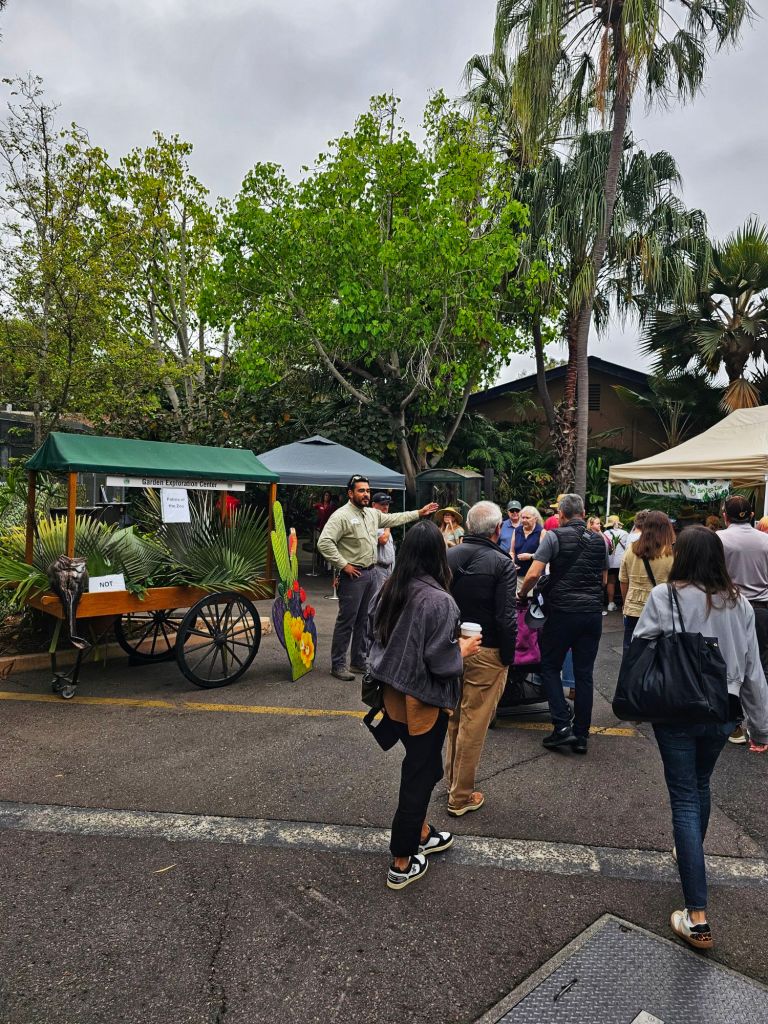
    Here’s the schedule for 2025 Plant Days and Orchid Odyssey running from 10am to 2pm

    Friday, July 18, 2025
    Friday, August 15, 2025
    Friday, September 19, 2025
    Friday, October 17, 2025
    Friday, November 21, 2025
    Friday, December 19, 2025

    Visit the San Diego Zoo website for more information on Botanical Tours here

    A Blooming Paradise: What to Expect

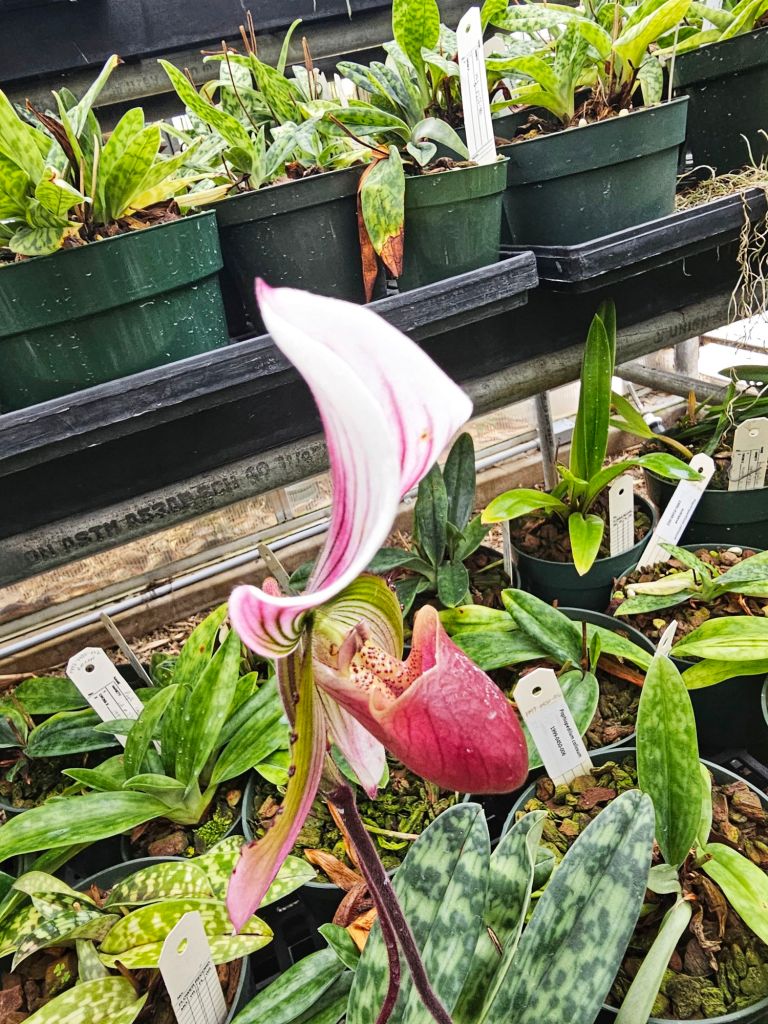
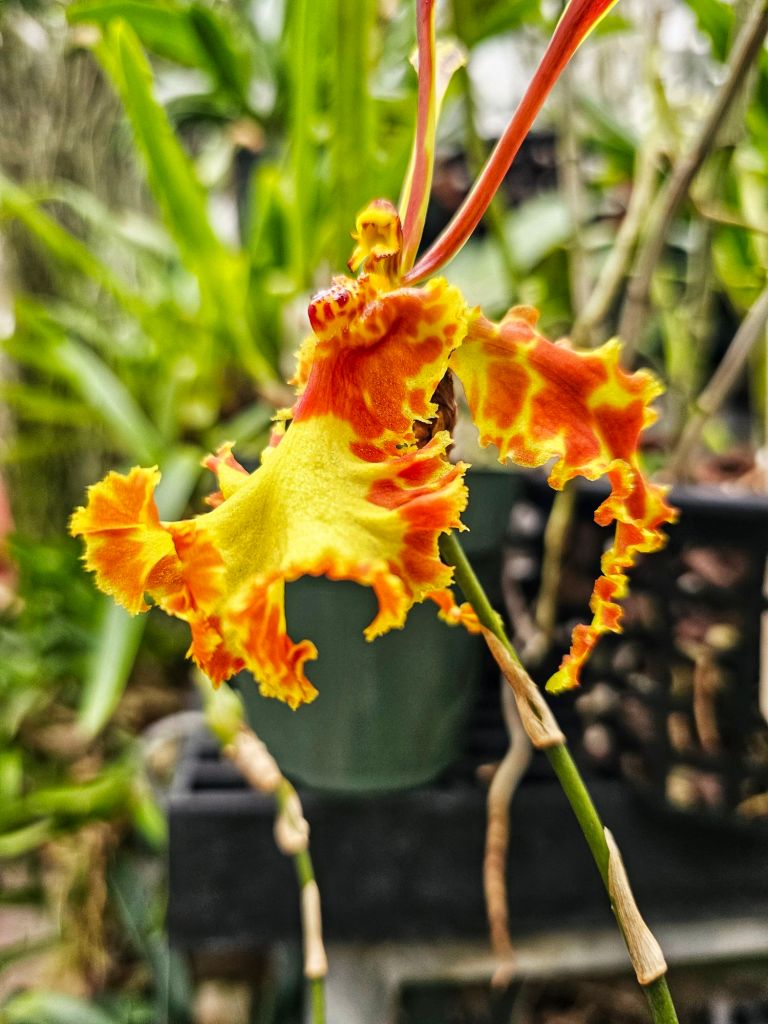
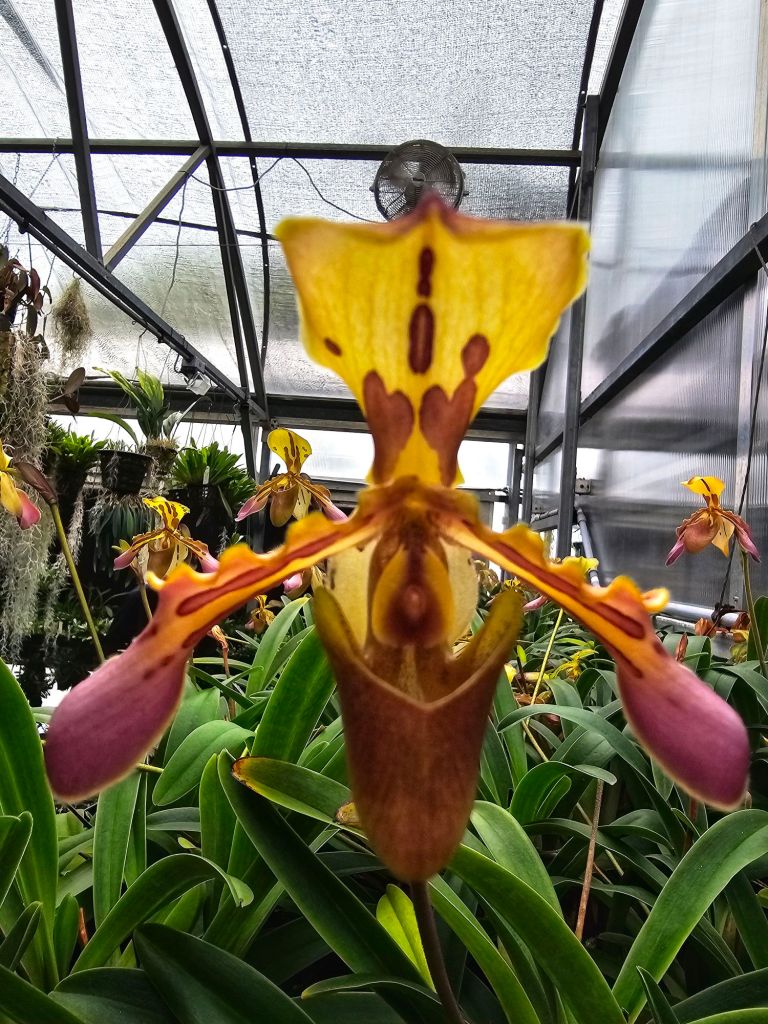
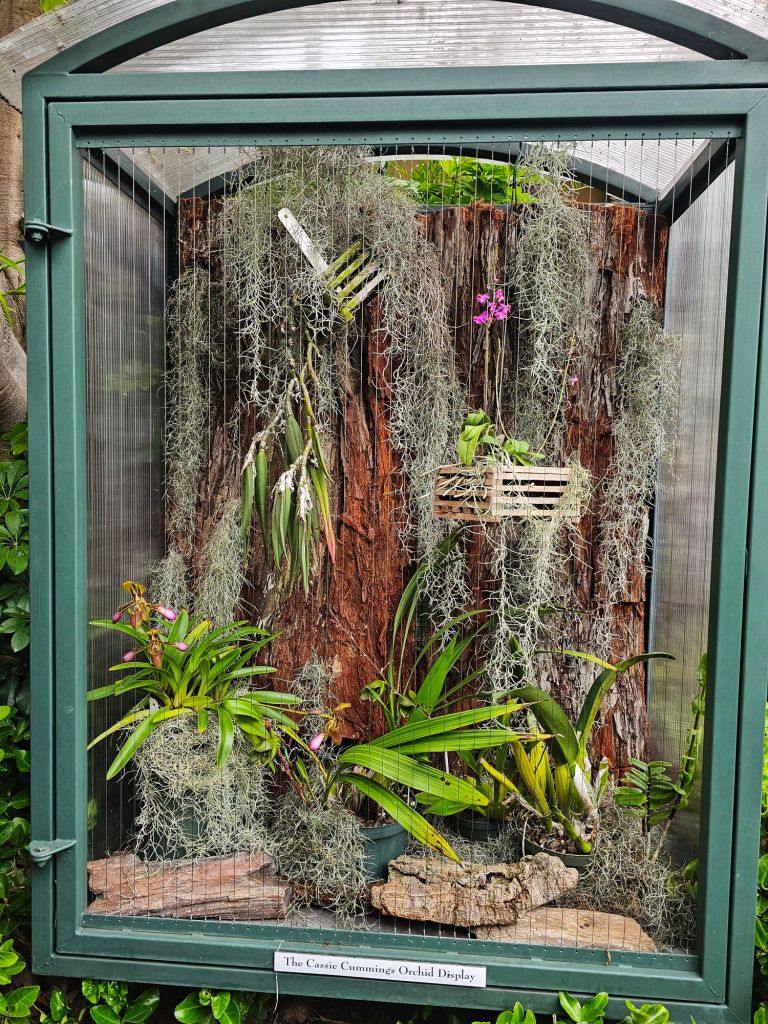
    The Orchid Greenhouse is home to over 1,000 species of orchids, each more captivating than the last. These delicate, vibrant flowers come in every color of the rainbow, ranging from the deep purples of the Cattleya to the soft pastels of the Phalaenopsis. The greenhouse is designed to mimic the orchids’ natural tropical habitat, ensuring that each bloom thrives in the ideal conditions.

    Upon entering, you’re immediately greeted by the intoxicating scent of the flowers and the cool, humid air. The space is filled with layers of hanging orchids, potted varieties, and intricate arrangements that transport you to a tropical paradise. The layout is designed to let you take your time as you explore different sections, each dedicated to specific types of orchids from around the world, including Central and South America, Southeast Asia, and the Pacific Islands.

    The Fascinating World of Orchids

    Orchids are among the most diverse plant families on Earth, with more than 25,000 species and over 100,000 hybrids. The Orchid Greenhouse at the San Diego Zoo showcases many of these varieties, offering a chance to learn about their unique characteristics. Some orchids have flowers that bloom only once a year, while others may only open for a few hours, making the greenhouse a truly dynamic environment.

    What makes orchids particularly special is their intricate pollination process, which often involves symbiotic relationships with specific insect species. In the greenhouse, you’ll see firsthand how these delicate flowers attract and rely on their pollinators, adding another layer of wonder to the experience.

    Conservation Efforts and Education

    While the Orchid Greenhouse is an aesthetic treat, it also serves a vital conservation role. Many of the orchids housed here are endangered or rare species. The San Diego Zoo is deeply involved in global orchid conservation efforts, helping to preserve habitats and promote the cultivation of orchids that are at risk of extinction in the wild.

    Visitors to the Orchid Greenhouse can learn about these important initiatives through informational displays and guided tours. Knowledgeable staff and volunteers are always on hand to answer questions, explaining how the Zoo’s breeding programs and conservation projects contribute to preserving orchid species for future generations.

    A Photography Haven

    For photography enthusiasts, the Orchid Greenhouse is a dream come true. The vibrant colors, intricate patterns, and the way light filters through the glass panels create perfect conditions for capturing stunning photos. Whether you’re looking to snap close-ups of delicate blooms or create a wider landscape shot of the greenhouse, you’ll find plenty of opportunities to experiment with your camera.

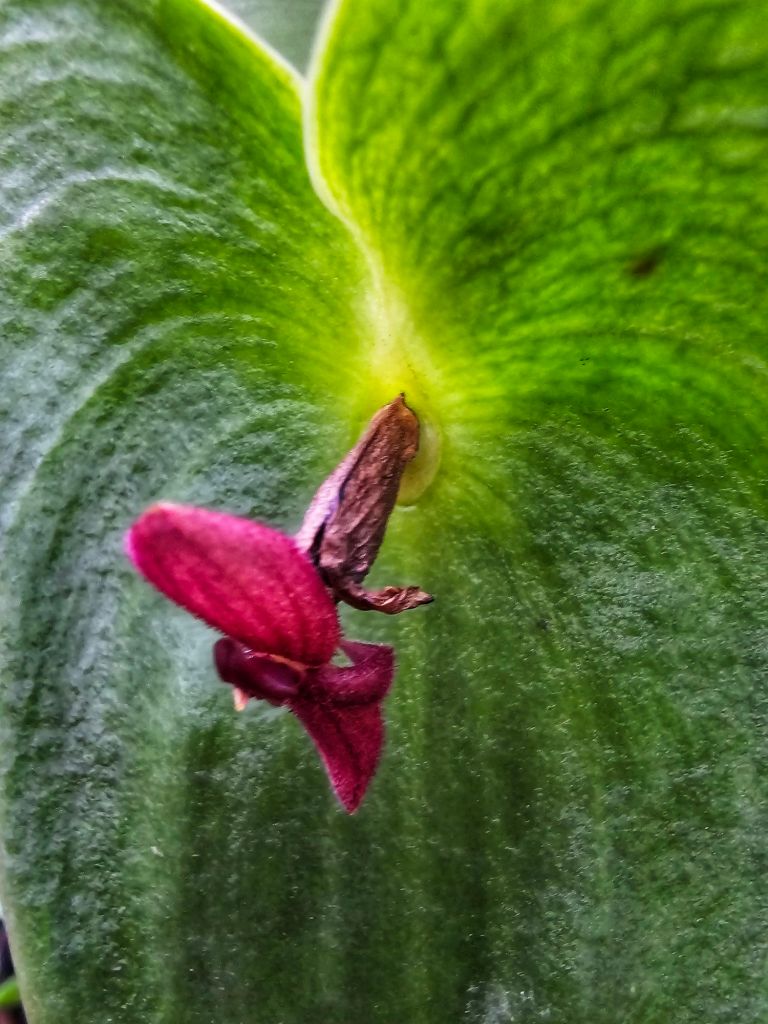
    Don’t forget your macro lens if you want to capture the minute details that make orchids so mesmerizing—the texture of the petals, the subtle color gradients, and the tiny pollination structures are all fascinating subjects.

    Tips for Your Visit

    • Best Time to Visit: The Orchid Greenhouse is open year-round, but it’s particularly stunning during spring when many orchids are in bloom. If you’re aiming to avoid crowds, visiting early in the day or during weekdays is ideal.
    • Plan for a Relaxing Experience: The greenhouse is a peaceful retreat within the bustling zoo, so take your time to savor the beauty and tranquility of the space. It’s a perfect spot for a short break from the main zoo attractions.
    • Join a Guided Tour: If you’re keen to dive deeper into the world of orchids, be sure to join one of the Zoo’s guided tours. These often include fascinating insights into orchid biology, conservation, and the zoo’s work with endangered species.

    Conclusion

    The Orchid Greenhouse at the San Diego Zoo is a captivating blend of nature’s beauty, botanical education, and conservation efforts. Whether you’re a flower enthusiast, a photographer, or simply in search of a serene escape, this hidden sanctuary offers a one-of-a-kind experience. The next time you visit the zoo, don’t miss the chance to explore this blooming oasis—it’s a reminder of how diverse and delicate the natural world truly is.

    Sailing Without Limits: The Inspiring Work of Challenged Sailors San Diego

    Set Sail for Freedom on San Diego Bay

    Tucked along the marina-lined coast of Harbor Island, a quiet revolution takes place every weekend. It doesn’t make headlines or draw big crowds, but it changes lives—one sail at a time. Challenged Sailors San Diego (CSSD) is a volunteer-powered nonprofit that brings the joy and freedom of sailing to individuals with physical and cognitive disabilities.

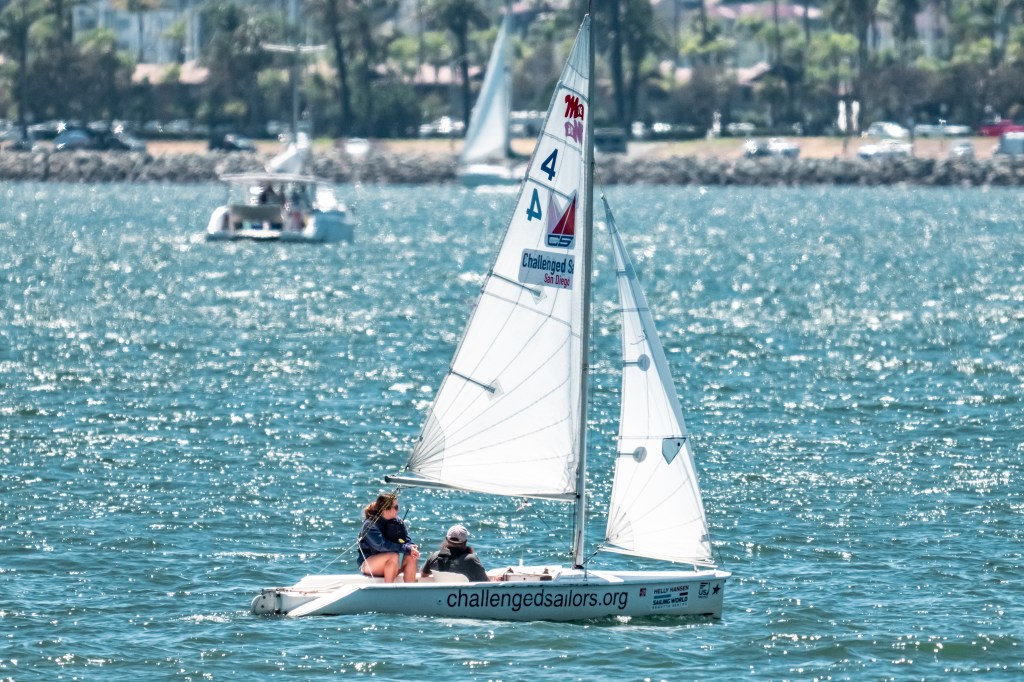
    Every Friday and Saturday, from 11:30 a.m. to 3:00 p.m., you’ll find CSSD’s custom fleet of Martin 16 sailboats slicing across San Diego Bay, helmed by people who are often navigating more than just the wind and tide—they’re navigating challenges like paralysis, vision loss, PTSD, or traumatic brain injury. But out on the water, those barriers seem to vanish.

    Adaptive Sailing for All

    What makes CSSD so unique is their accessibility-first approach. Their Martin 16 sailboats are specially designed with stability and ease of control in mind. Sailors sit in supportive bucket seats, and many use a joystick—or even a sip-and-puff system—for full control of the boat. A trained volunteer companion sits just behind, ready to assist when needed, but always letting the sailor take the lead.

    Whether someone is a first-time participant or a returning sailor, CSSD creates a safe and empowering experience. No previous sailing experience is required, and participation is completely free of charge. This is more than recreation—it’s liberation.

    “Anywhere You Want to Go”

    One of the most moving stories shared by CSSD volunteers is of a woman in a wheelchair who asked, “Where do we go?” Her sailing companion responded, “Anywhere you want.” She burst into tears. It’s a reminder that freedom of movement—something many of us take for granted—is a powerful gift.

    CSSD serves a wide range of sailors, from veterans and stroke survivors to young people with cerebral palsy or autism. Some are lifelong San Diegans. Others are visiting just for the day. All leave with a shared sense of accomplishment—and often, a smile that speaks louder than words.

    Volunteers at the Helm

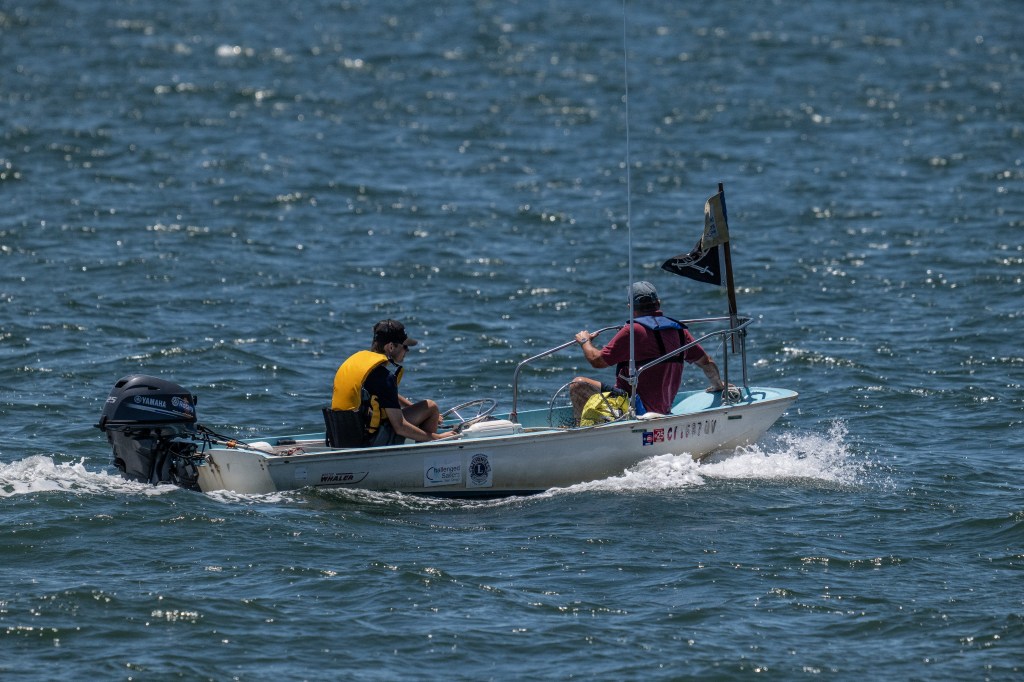
    CSSD is 100% volunteer-run. Everyone from the companion sailors to the dockhands to the chase boat operators donates their time and energy. Many are lifelong sailors. Others are newcomers drawn to the cause. But all share the same passion: making sailing accessible to everyone.

    Interested in volunteering? No sailing experience is needed for many roles, and training is provided. If you’re looking to give back to the community in a way that’s fun, active, and deeply meaningful, this is one crew worth joining.

    How to Get Involved

    CSSD offers several ways to participate:

    • Sail with them: If you or someone you know has a disability and would like to try sailing, simply sign up on their website and the team will contact you to schedule a day.
    • Volunteer: Help on the water or on the dock. All roles are vital, and everyone is welcome.
    • Donate: CSSD relies on donations to keep the sails full and the experiences free. Every dollar helps bring joy to someone’s day.

    To learn more or get involved, visit: https://www.challengedsailors.org


    Final Thoughts

    Out on the bay, there are no wheelchairs. No labels. Just wind, water, and the thrill of command. Challenged Sailors San Diego reminds us that inclusion isn’t just about access—it’s about creating moments of joy, confidence, and connection. And sometimes, that all begins with a simple push away from the dock.

    Experience San Diego from the Water aboard a Harbor Cruise Vessel

    San Diego bay has a long and storied past. Its protected tidal areas offered the Kumeyaay people, who lived along the coast and inland valleys, areas to fish, harvest shellfish, and used plank canoes called tomols to navigate coastal waters. The ocean was central to their diet, trade, and spiritual life. In 1542, Portuguese explorer Juan Rodríguez Cabrillo, sailing under the Spanish flag, became the first European to enter San Diego Bay, naming it San Miguel. In 1602, Sebastián Vizcaíno renamed the bay San Diego, in honor of Saint Didacus.

    During the Mexican-American War, the U.S. Navy took control of San Diego in 1846. San Diego became a U.S. Navy coaling and resupply station. The harbor remained relatively quiet until the early 20th century, when the Navy dramatically expanded its presence. San Diego became a U.S. Navy coaling and resupply station. The harbor remained relatively quiet until the early 20th century, when the Navy dramatically expanded its presence. Thousands of ships were built, serviced, and deployed from the harbor, making San Diego critical to Pacific warfare operations.

    San Diego remained one of the largest naval complexes in the world through the Cold War and beyond. Today, the city hosts the Pacific Fleet, numerous aircraft carriers, and serves as a major center for military research, training, and logistics. Civilian maritime activity also thrives, with cargo shipping, cruise lines, commercial fishing, and recreational boating playing important roles.

    I took this series of images during a 2 hour sailing which started off heading south towards the Coronado Bridge and then turning north towards Shelter Island. A thick marine layer was moving in so the trip ended before sunset unfortunately .

    Wildlife, Waves, and Wonder at La Jolla Cove

    La Jolla Cove is part of the larger La Jolla Underwater Park, a protected marine reserve that makes it a paradise for snorkelers, scuba divers, and kayakers. Above the waves, La Jolla Cove is famously home to a lively population of sea lions and harbor seals. These charismatic creatures can be seen basking on the rocks, swimming close to shore, or engaging in playful antics that delight onlookers. Birdwatchers will also enjoy spotting a variety of coastal birds such as pelicans, cormorants, and gulls soaring overhead or nesting on the rocky cliffs.

    Tide pools along the shore reveal a hidden world of marine invertebrates including starfish, anemones, and crabs, especially at low tide. This makes La Jolla Cove a fantastic destination for families and curious explorers eager to learn about marine ecology up close.

    Challenges at La Jolla Cove

    A growing problem involves harassment of the local wildlife, particularly sea lions and harbor seals. Despite clear signage and public education efforts, some visitors approach too closely for photos, attempt to touch or feed the animals, or otherwise disturb them. These actions not only stress the animals but can also lead to dangerous encounters. Seasonal closures and designated viewing areas have been implemented in some sections to minimize human-wildlife conflicts and protect both animals and people.

    Increased foot traffic, littering and disturbance of tide pools can threaten the delicate ecosystems. Conservationists and local authorities continuously urge visitors to follow “leave no trace” principles and respect protected areas.

    Water quality can also fluctuate, especially after heavy rains, due to urban

    Balancing tourism, wildlife conservation, and community interests remains a delicate task, but ongoing efforts by environmental groups, volunteers, and city planners aim to preserve La Jolla Cove’s natural charm for generations to come

    A Blooming Gem: Exploring the Inez Grant Parker Memorial Rose Garden in Balboa Park

    If you’re ever in San Diego and craving a dose of natural beauty, the Inez Grant Parker Memorial Rose Garden in Balboa Park is a must-visit. Tucked along the eastern edge of the park, just across Park Boulevard from the San Diego Natural History Museum, this three-acre oasis bursts with color, fragrance, and a quiet charm that’s hard to resist. I stumbled across it on a recent trip, and let me tell you—it’s the kind of place that makes you slow down, breathe deep, and maybe even snap a few too many photos.

    A Little History, A Lot of Heart

    The garden’s story starts back in the late 1960s, when Dick Streeper, a rose enthusiast and then-president of the San Diego Rose Society, dreamed of a public rose haven in a city already known for its flower-friendly climate. With help from fellow rosarians and a big boost from the Parker Foundation—set up by Inez Grant Parker after her husband’s passing—the vision took root. By 1973, the first roses were planted, and over the years, it’s grown into a world-class spot. It’s picked up accolades like an Outstanding Rose Garden nod from All-America Rose Selections in 1978 and a spot in the Great Rosarians of the World Hall of Fame in 2014. Not bad for a patch of desert dirt turned floral paradise!

    What You’ll Find

    Today, the garden boasts over 1,600 rose bushes across more than 130 varieties—think vibrant reds, soft pinks, sunny yellows, and everything in between. Walking the winding paths, you’re hit with waves of fragrance that shift as you move from one bed to the next. There’s a little fountain in the center that adds a soothing trickle to the air, and the layout invites you to wander or just plop down on a bench and soak it all in. I went in early spring—March 31, 2025, to be exact—and while the peak bloom usually hits in April or May, there were still plenty of buds and blooms to admire. It’s open year-round, free to the public, and blooms strong from March through December.

    The folks keeping it gorgeous are the Balboa Park Rose Garden Corps, a dedicated crew of volunteers. You might catch them pruning or tending the beds on a Tuesday or Thursday morning—quiet heroes making sure every petal shines. Fun fact: every January, the San Diego Rose Society hosts a pruning demo here to teach folks the ropes of rose care. It’s a cool way to see how much love goes into this place.

    Why It’s Special

    What sets this garden apart isn’t just the roses—though they’re stunning—it’s the vibe. It’s nestled in Balboa Park, surrounded by museums and desert landscapes, yet feels like its own little world. The contrast of lush flowers against Joshua Tree’s arid backdrop (if you’re heading there next) is a reminder of how nature can thrive in unexpected places. Plus, it’s a popular wedding spot—imagine saying “I do” surrounded by all that color. No wonder it’s racked up international praise.

    Tips for Your Visit

    • Timing: Go early in the morning for soft light and fewer people—perfect if you’re into photography (like me, plotting a Nikon Z8 astrophotography session later that night elsewhere in Joshua Tree). Sunrise could be magical here too, though it’s not as high up as spots like Keys View.
    • Getting There: From San Diego, take SR-163 south to Park Boulevard, turn left, and park near the history museum lots. Cross the footbridge, and you’re there. Parking’s tight, so plan ahead.
    • What to Bring: A camera, water (no fountains nearby), and maybe a hat—spring sun can sneak up on you.
    • Pair It: Swing by the nearby Desert Garden afterward for a wild shift to cacti and succulents, just steps away.

    Final Thoughts

    The Inez Grant Parker Memorial Rose Garden isn’t just a pretty face—it’s a testament to community, persistence, and the simple joy of growing something beautiful. Whether you’re a flower nerd, a casual stroller, or just someone who needs a break from the grind, it’s got something for you. I left with a full camera roll, a lighter mood, and a new appreciation for roses—and honestly, that’s a win in my book. Next time you’re in San Diego, give it a wander. You won’t regret it.