Western Grebe Babies Bring Summer Life to Lake Wohlford

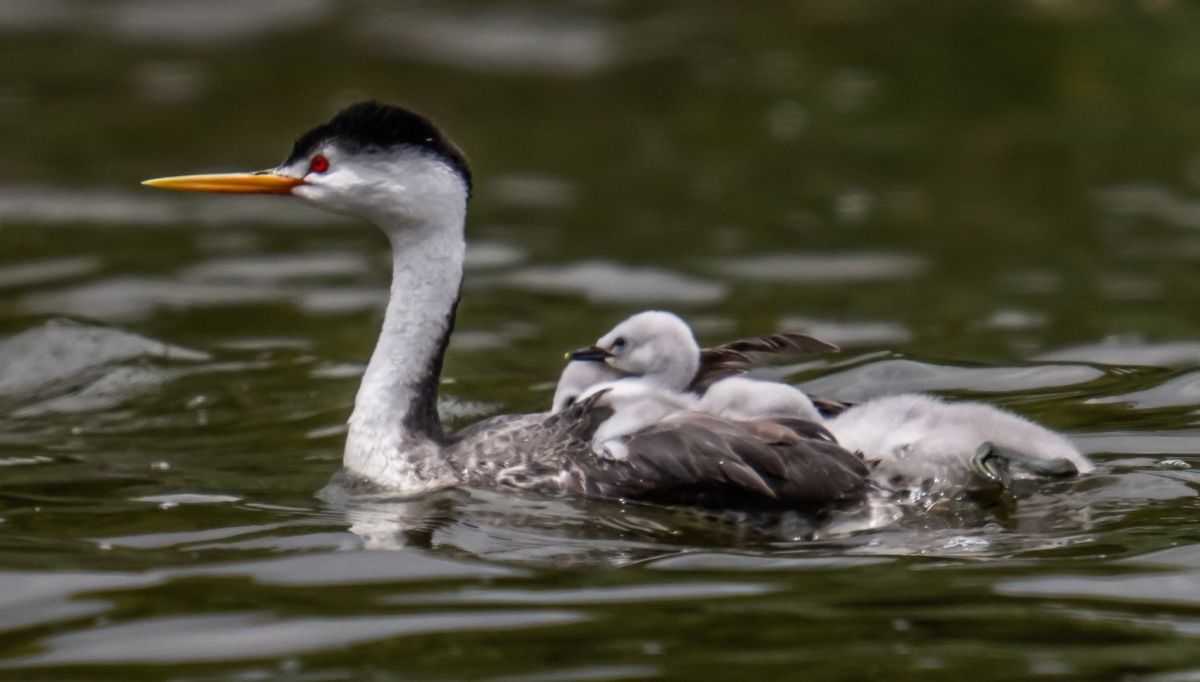
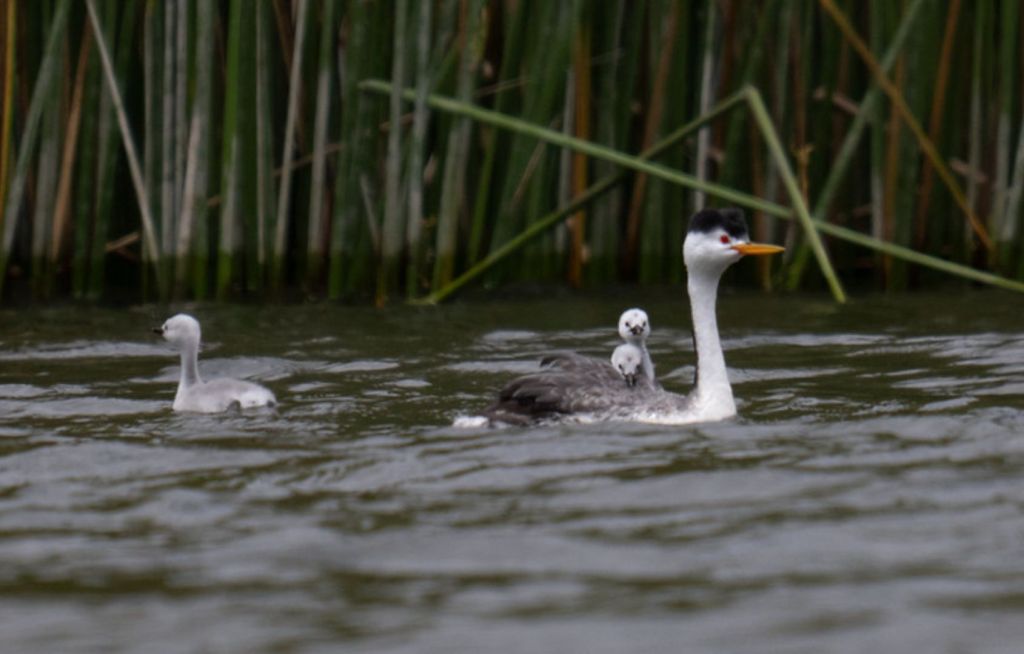
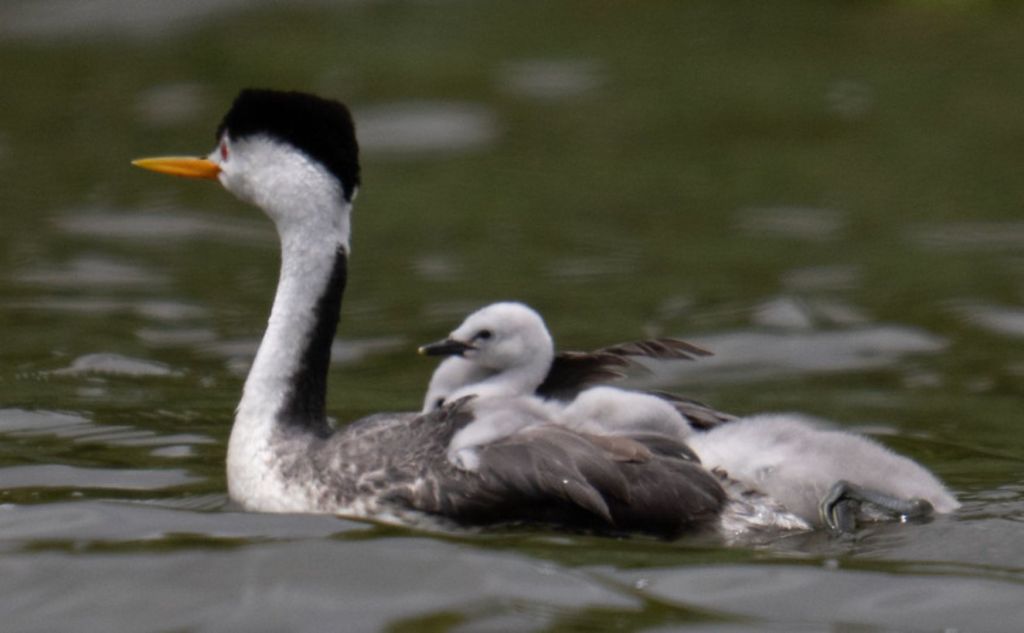
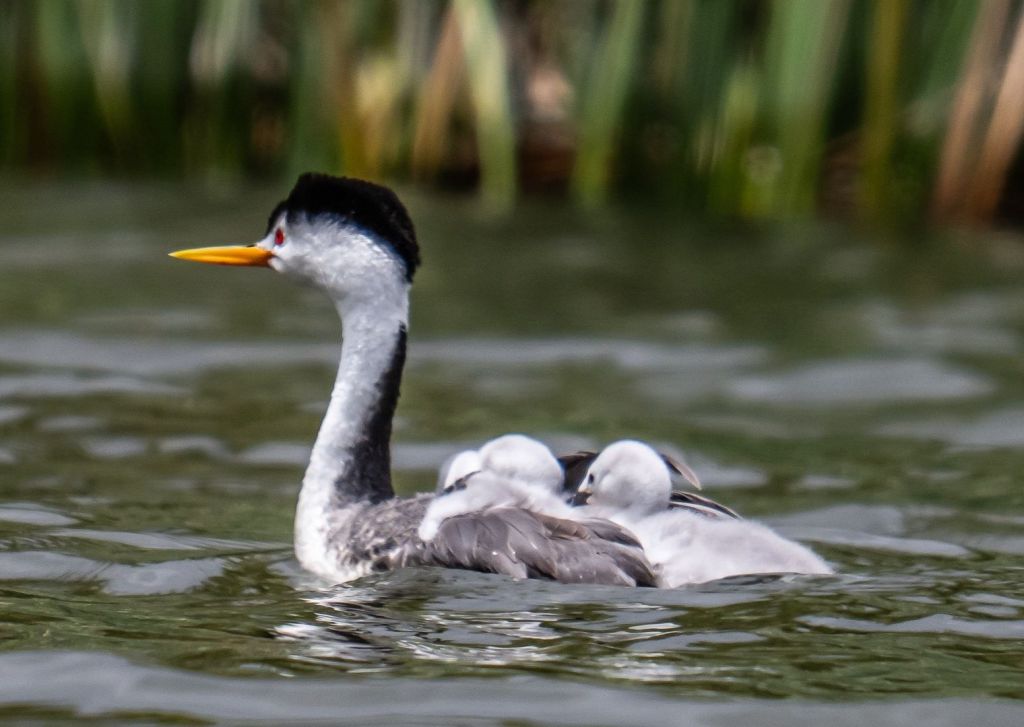
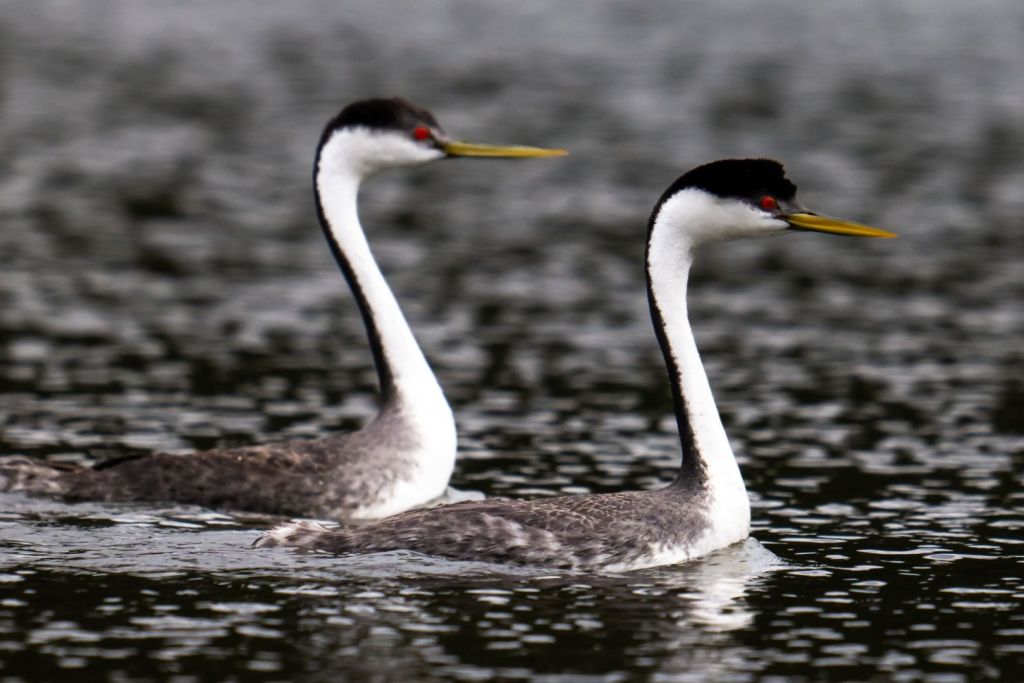
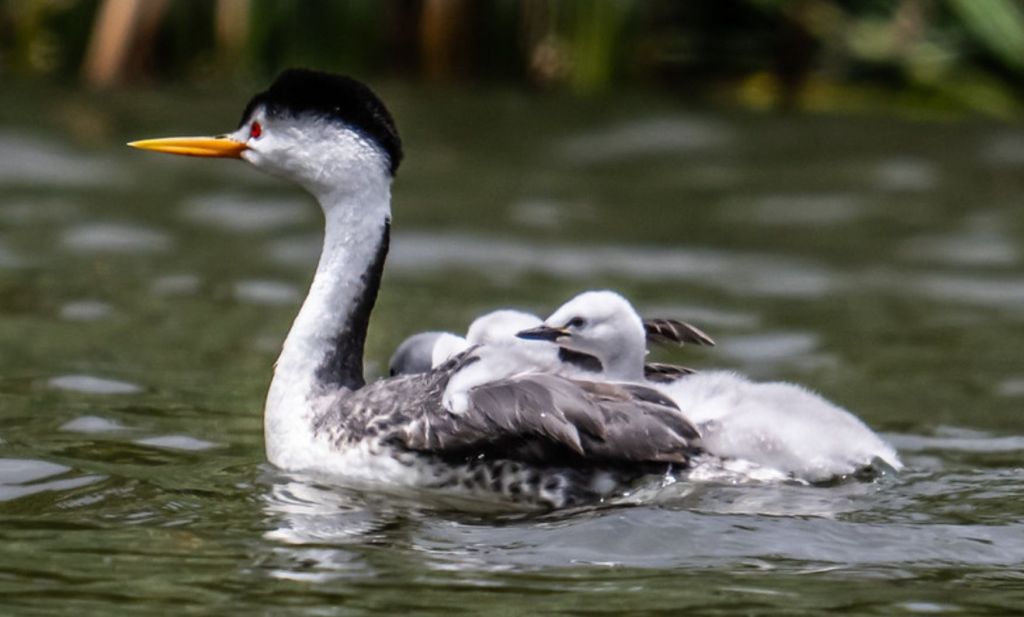
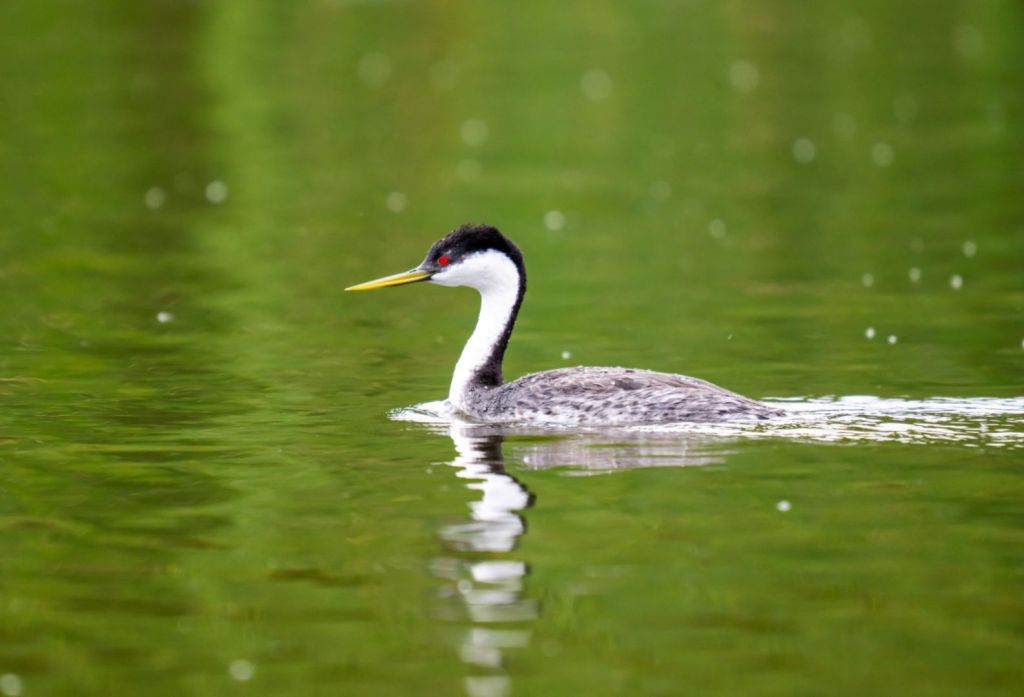
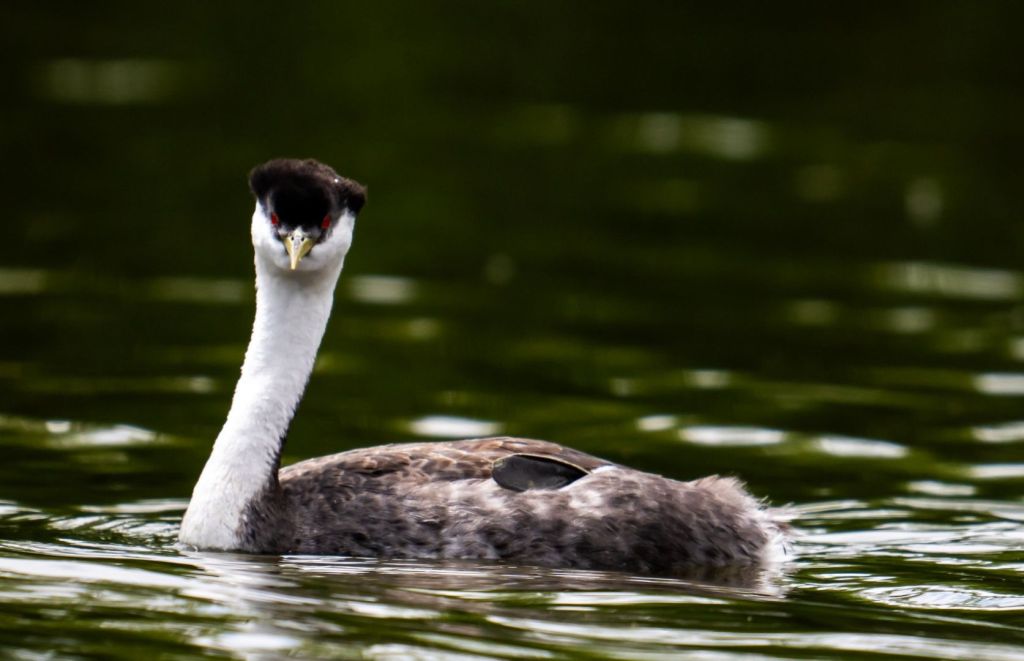
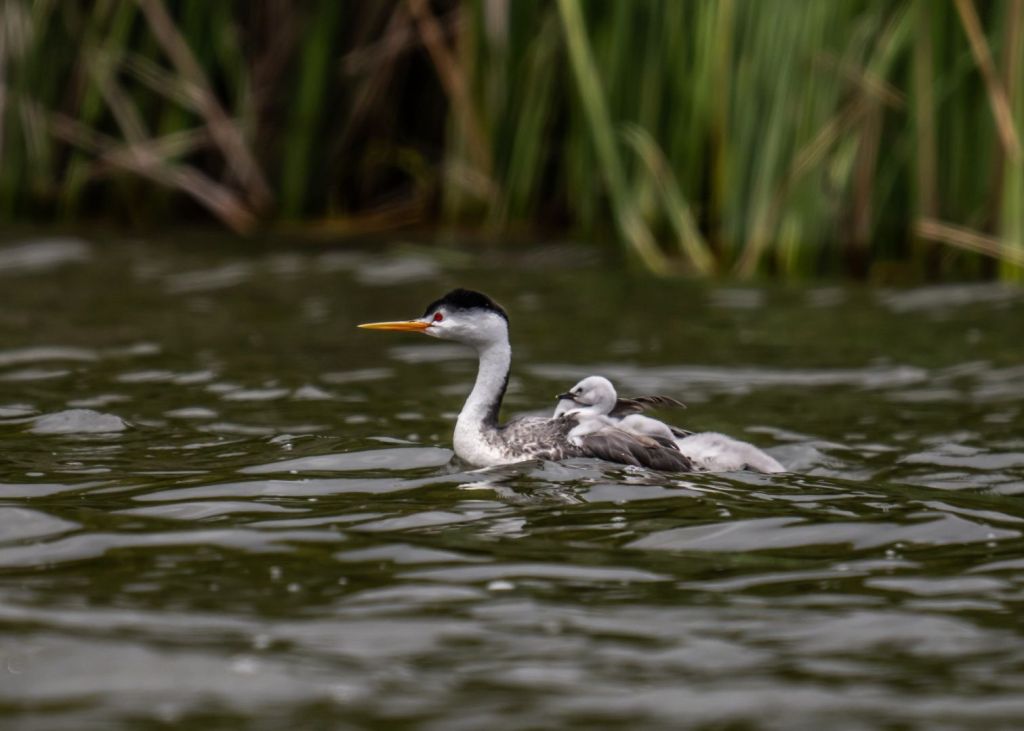
Every spring and early summer, one of the most heartwarming sights at Lake Wohlford is the appearance of Western Grebe chicks riding on the backs of their parents. For birders and photographers, these fuzzy youngsters provide some of the most memorable wildlife viewing opportunities in North County San Diego.

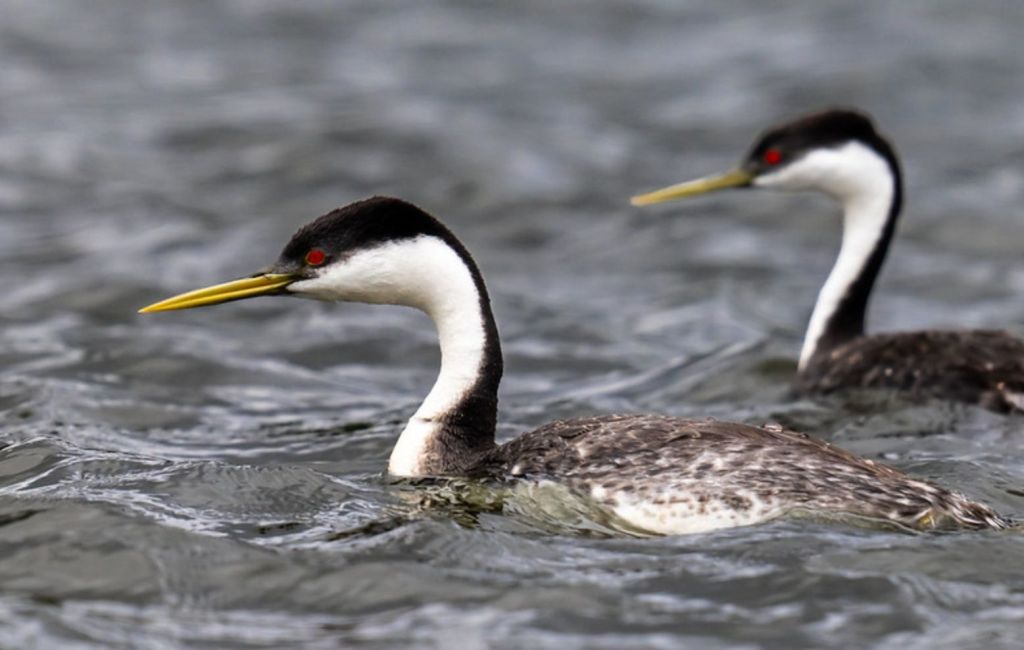
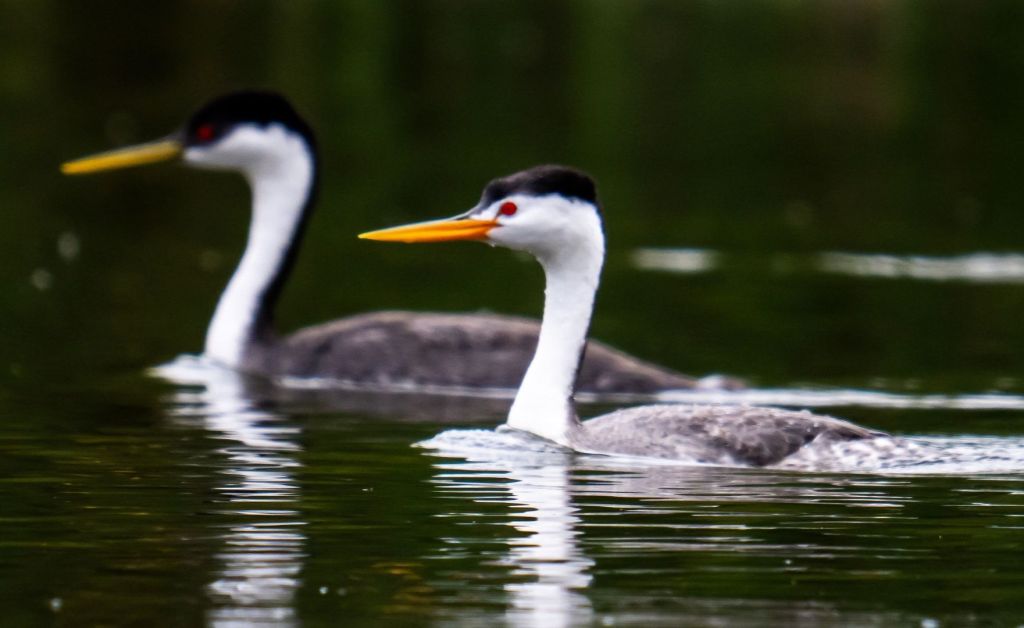
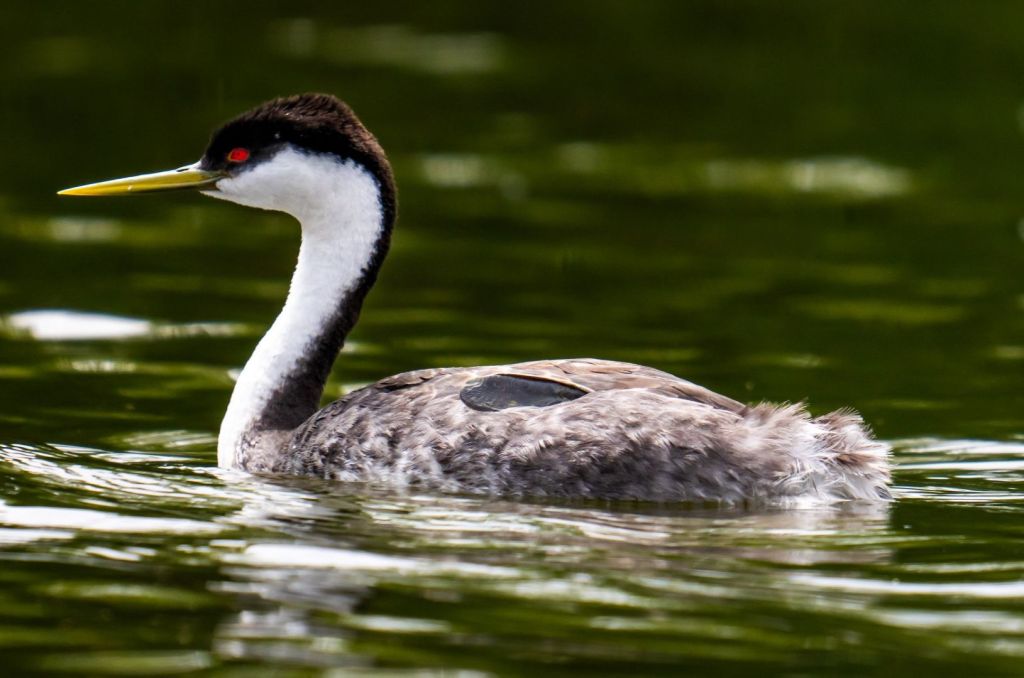
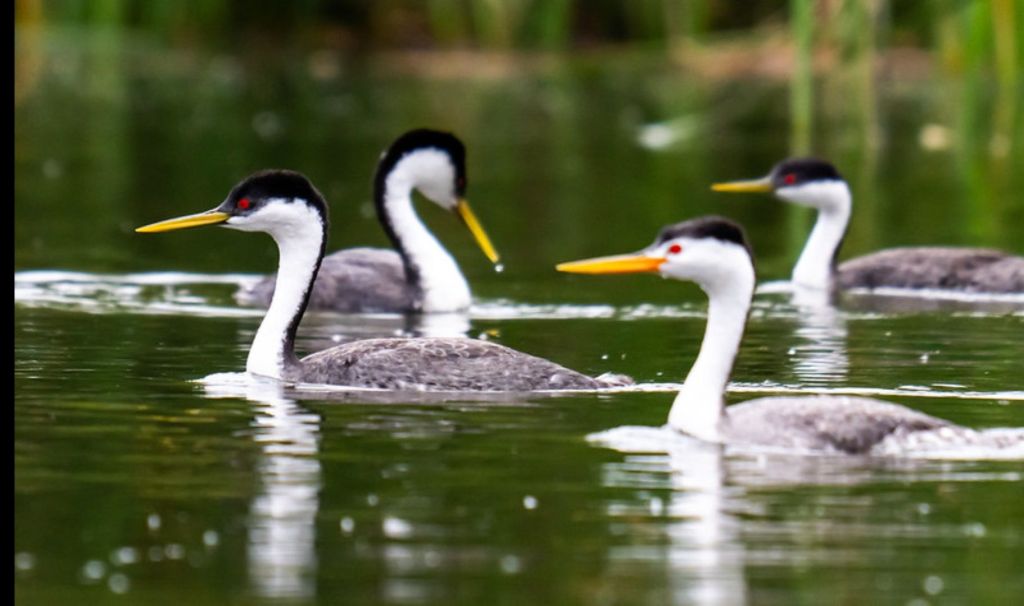
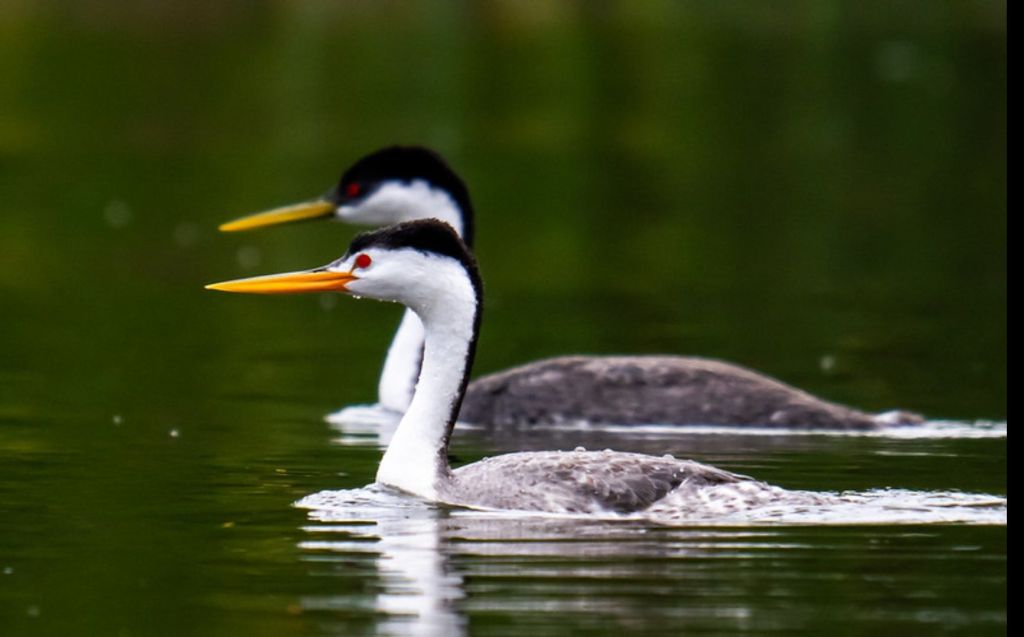
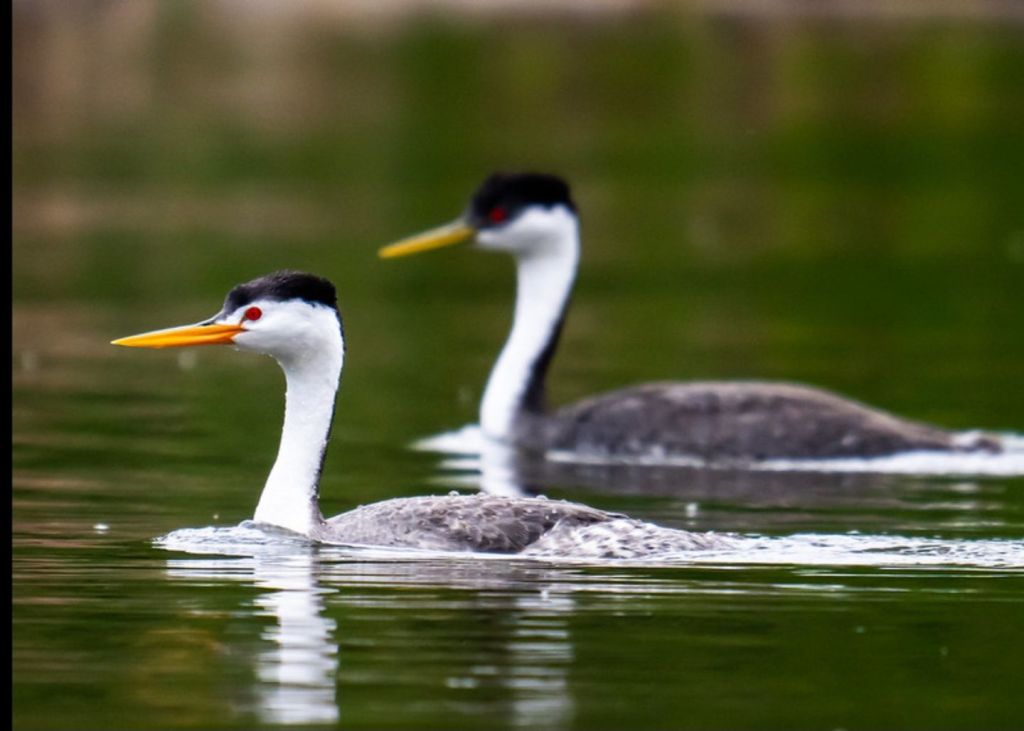
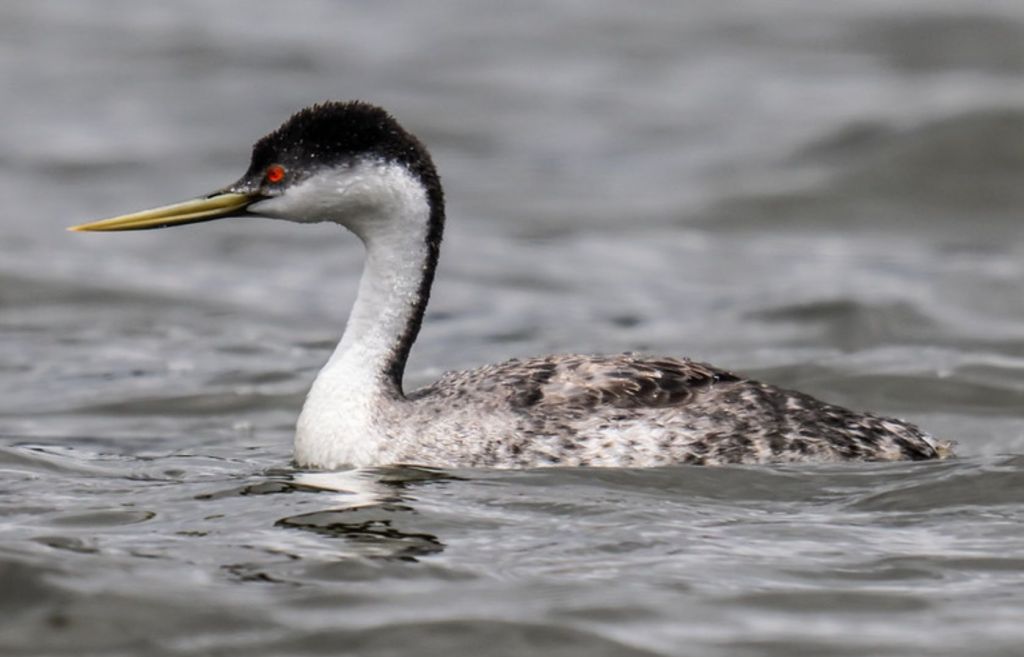
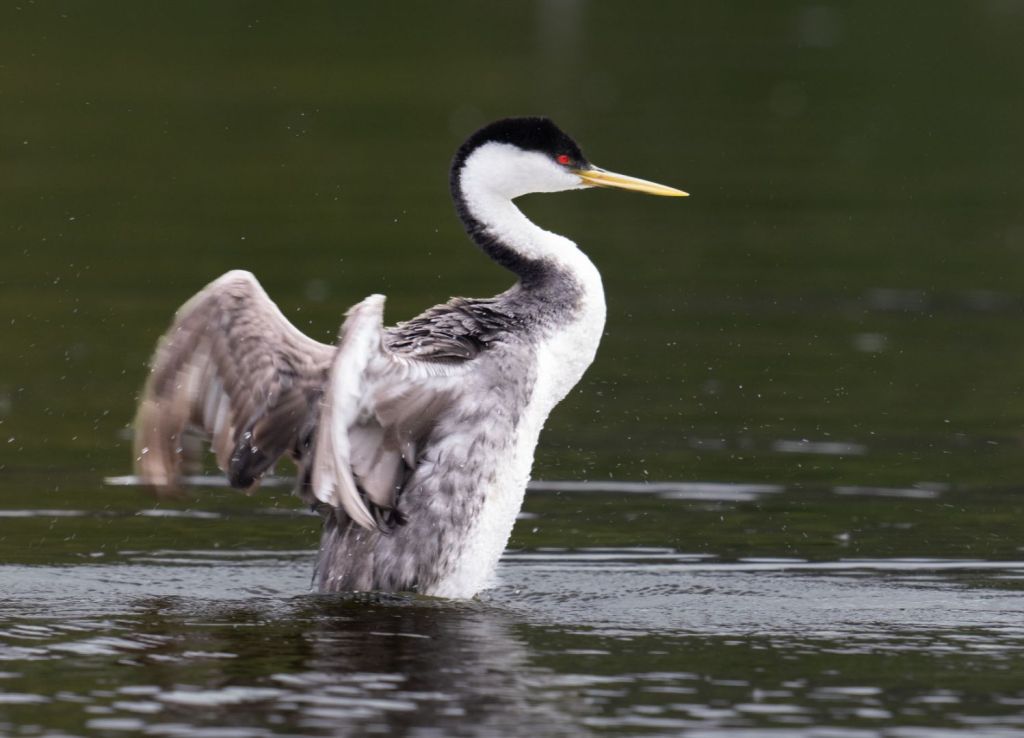
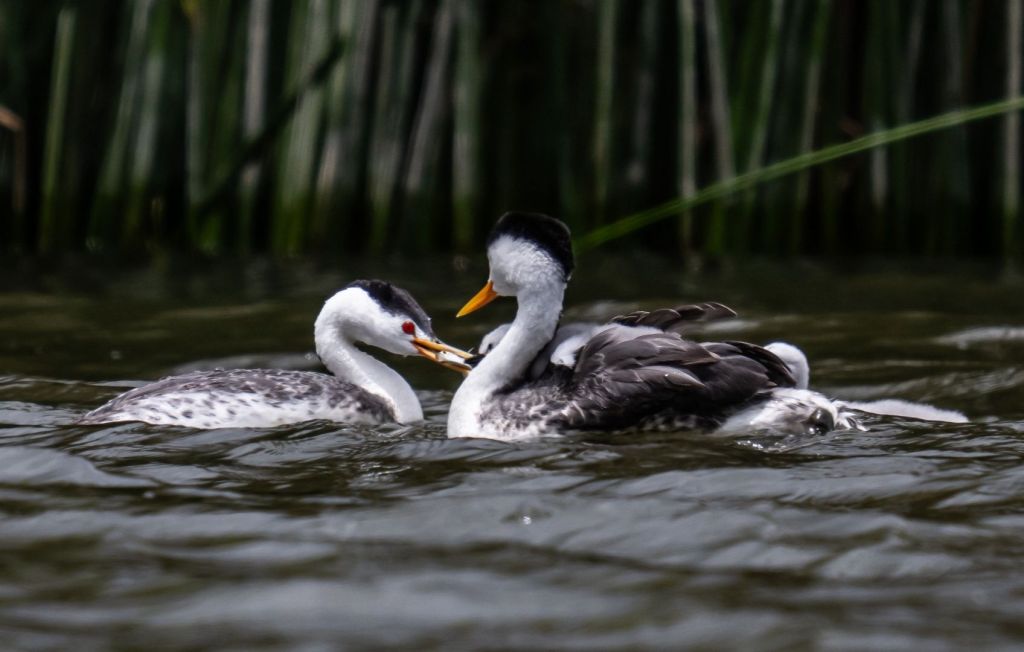
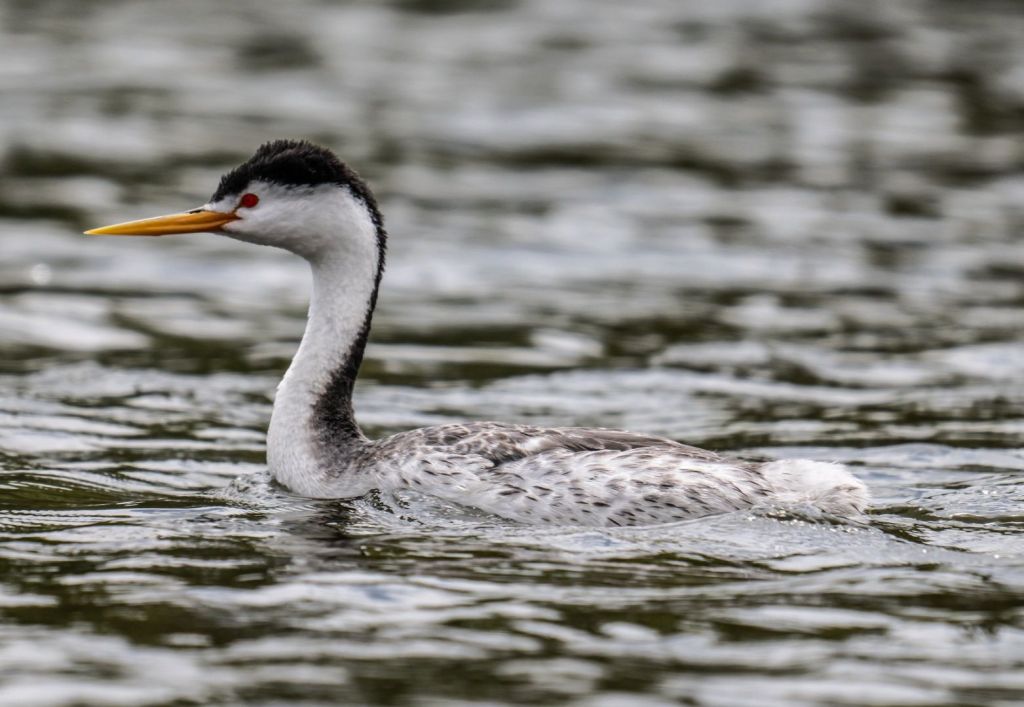
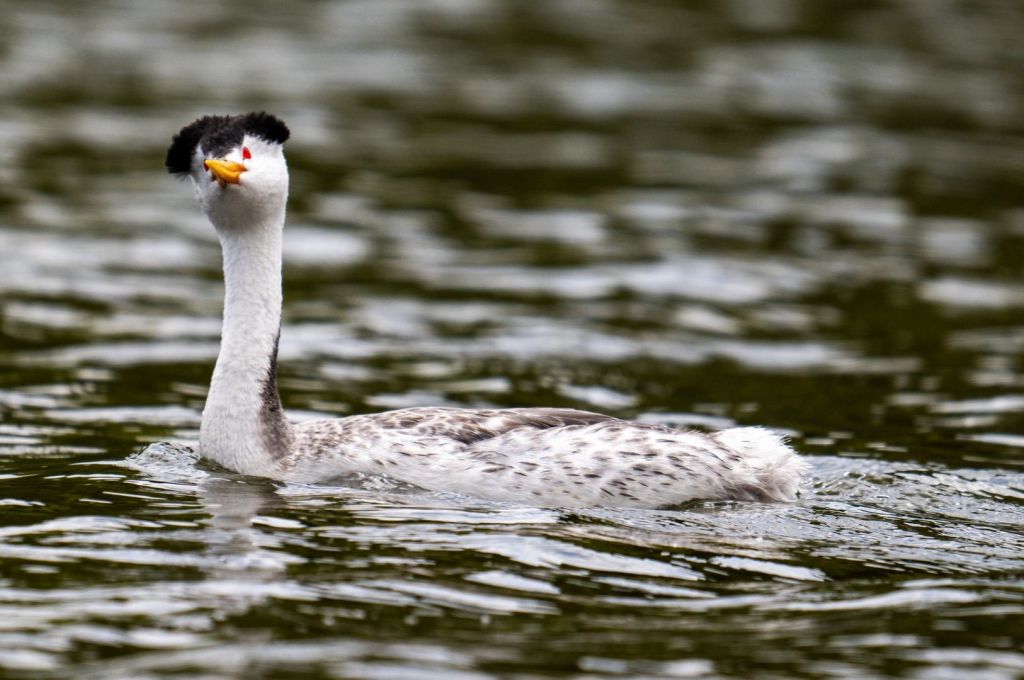
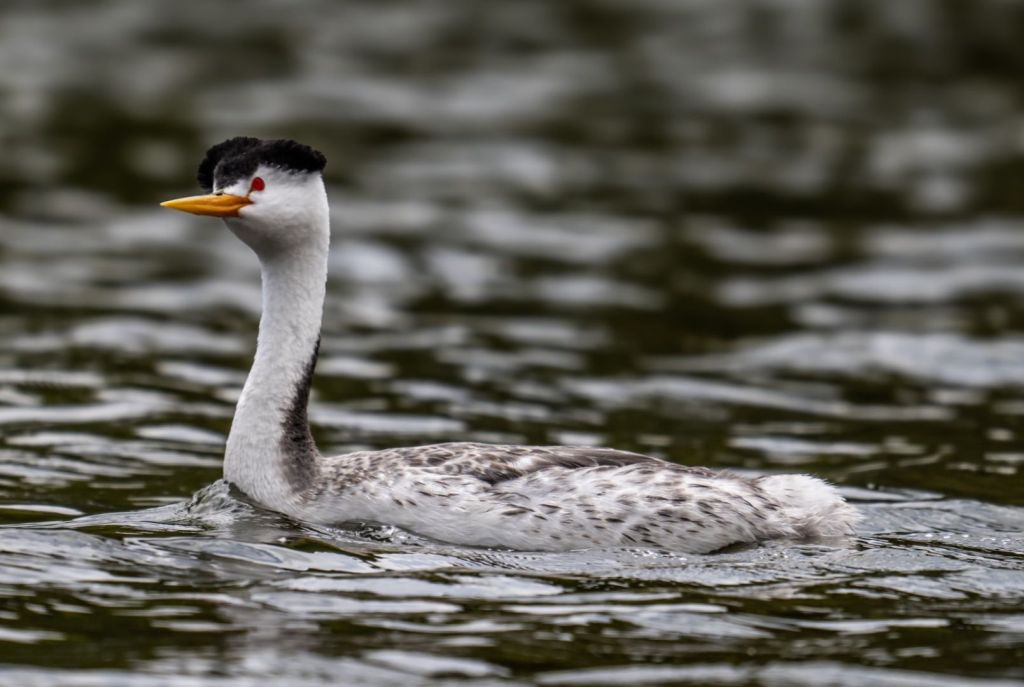
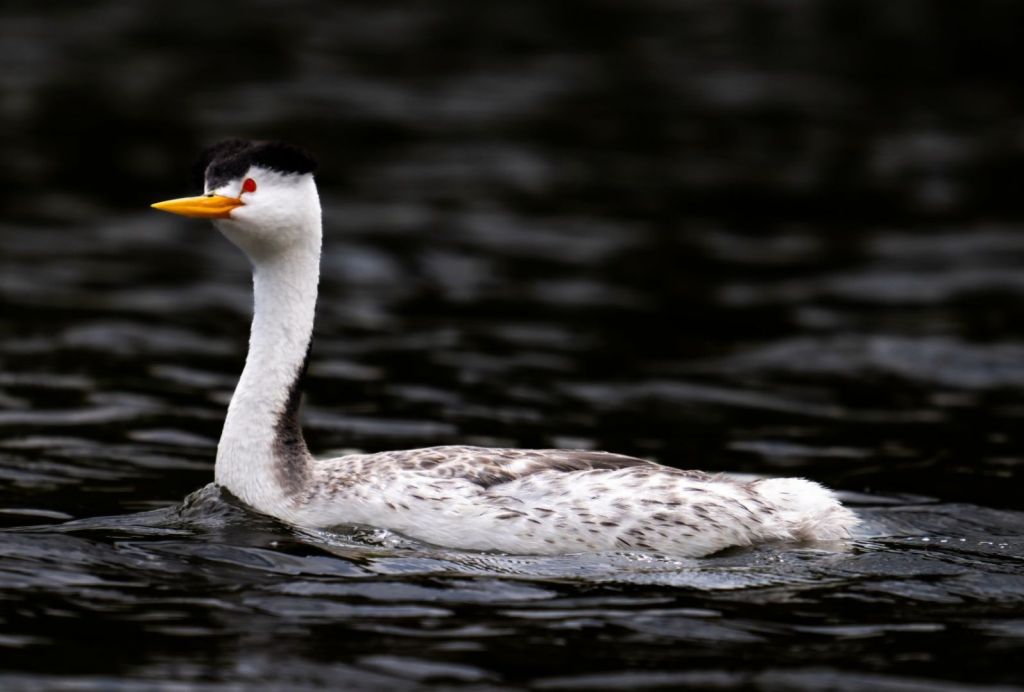
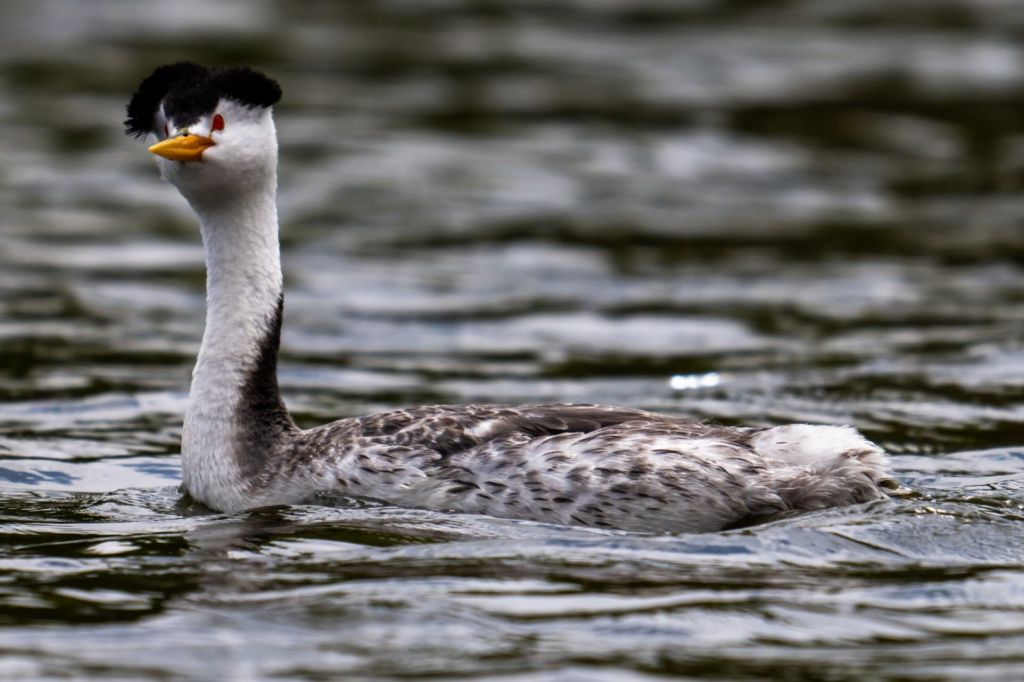
The Western Grebe (Aechmophorus occidentalis) is one of North America’s largest grebes, known for its elegant black-and-white plumage, striking red eyes, and spectacular courtship displays. Lake Wohlford has long been a favored breeding location for these birds, with photographers documenting their famous “rushing” behavior—when pairs appear to run across the water during courtship. 

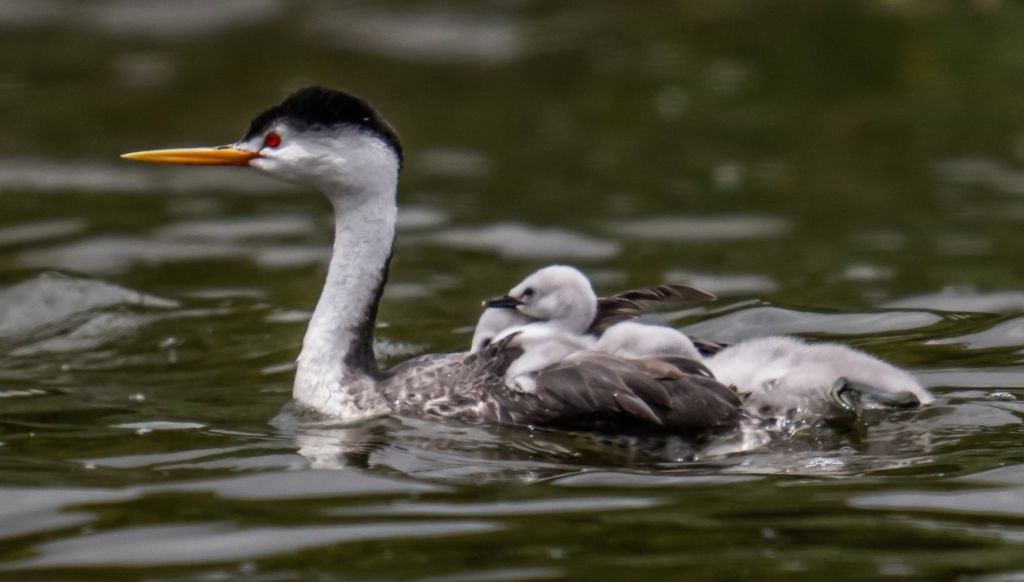
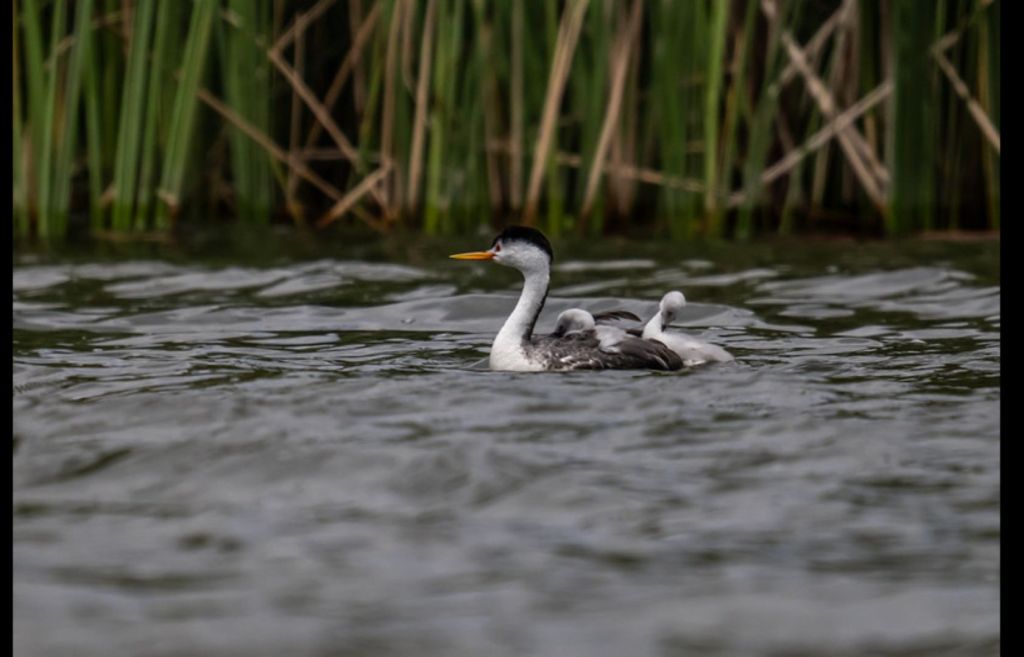
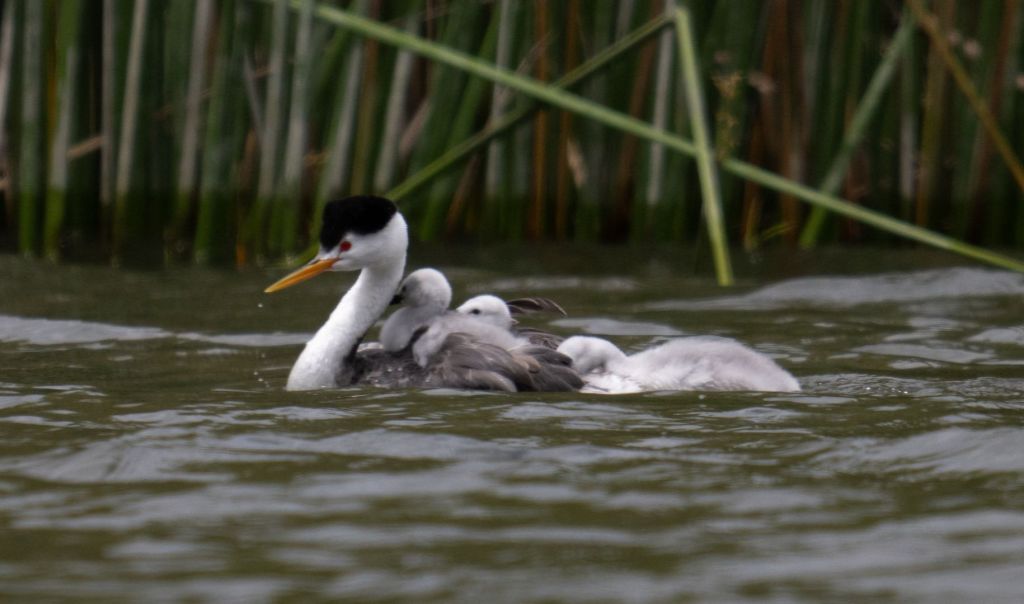
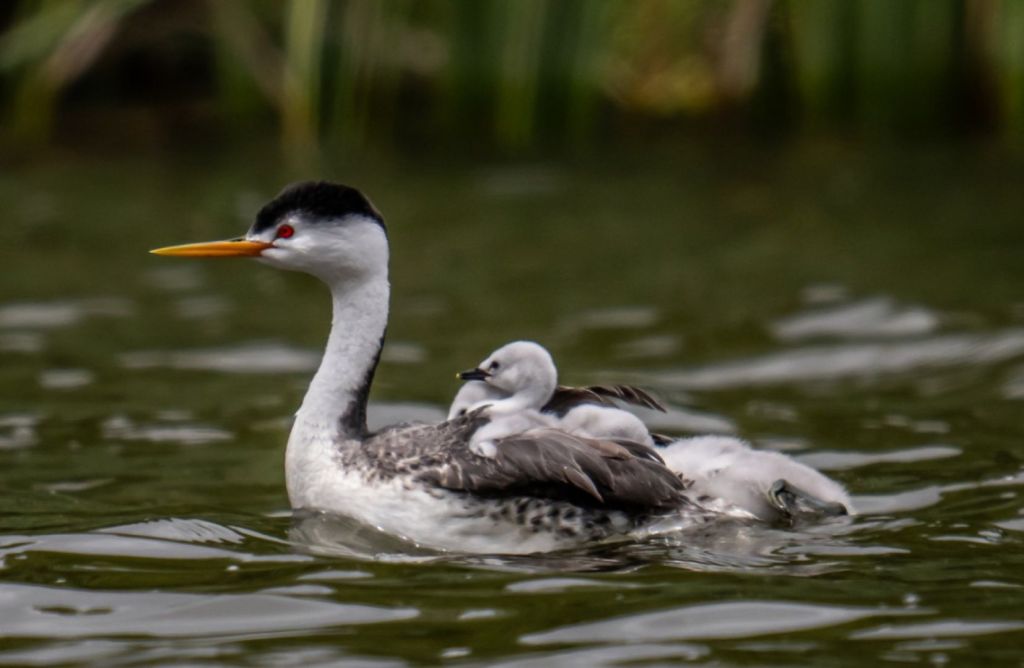
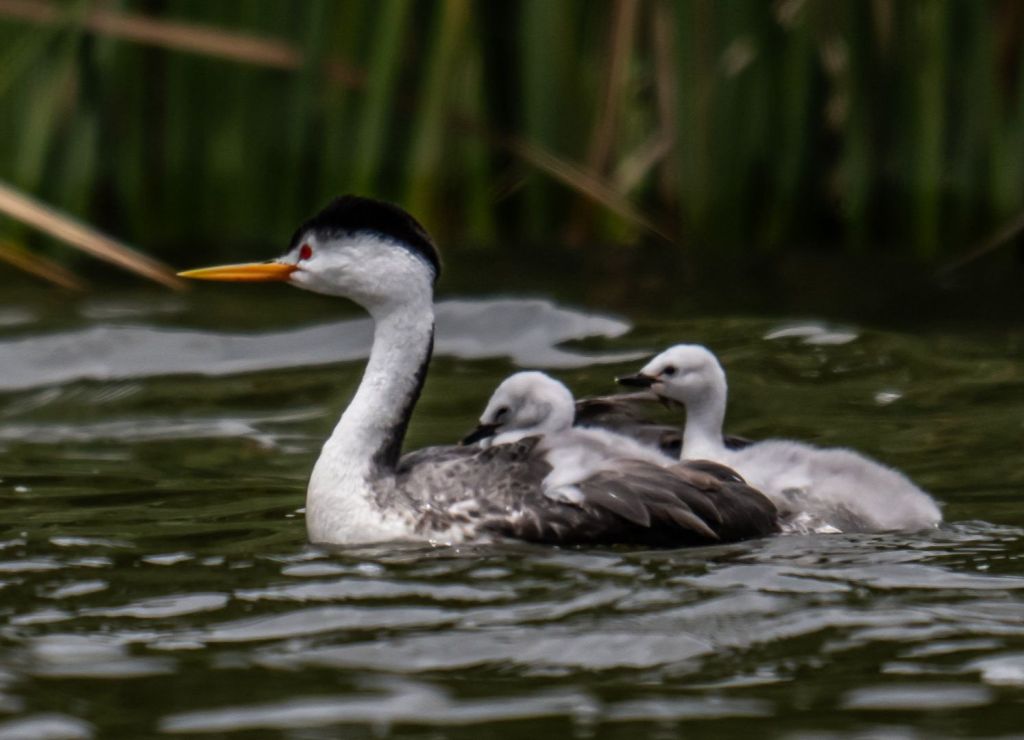
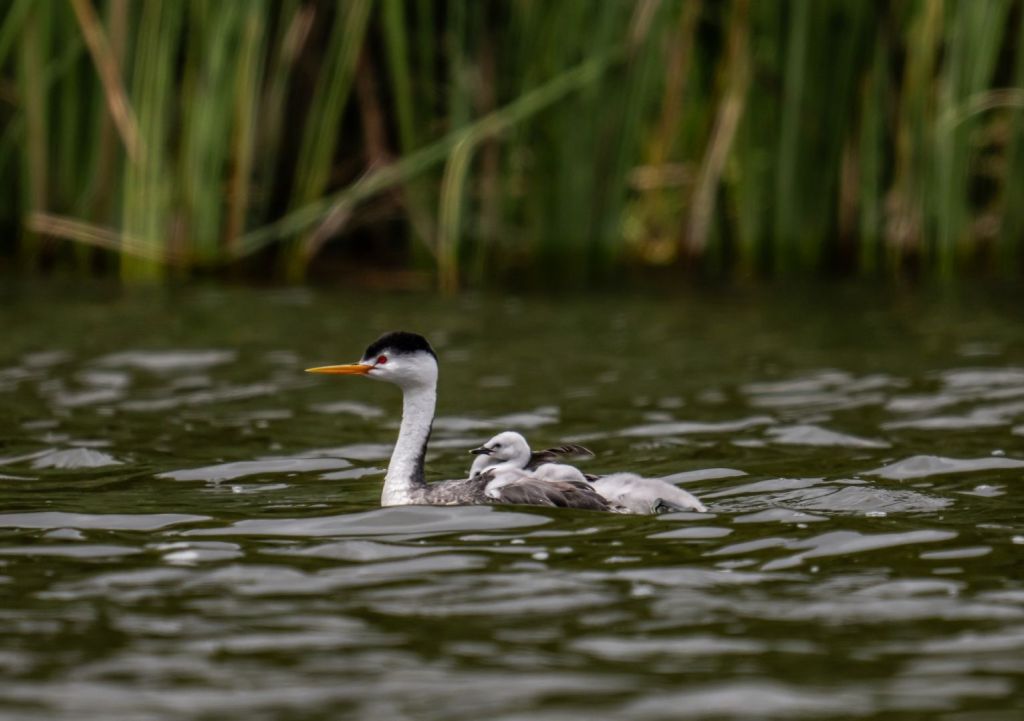
After nesting season begins, the real stars of the show emerge: the chicks. Newly hatched Western Grebes are covered in black-and-white stripes and are surprisingly mobile. Within minutes of hatching, they are capable of climbing onto a parent’s back, where they spend much of their first weeks sheltered from predators and cold water. Both parents participate in raising the young and take turns carrying them around the lake. 

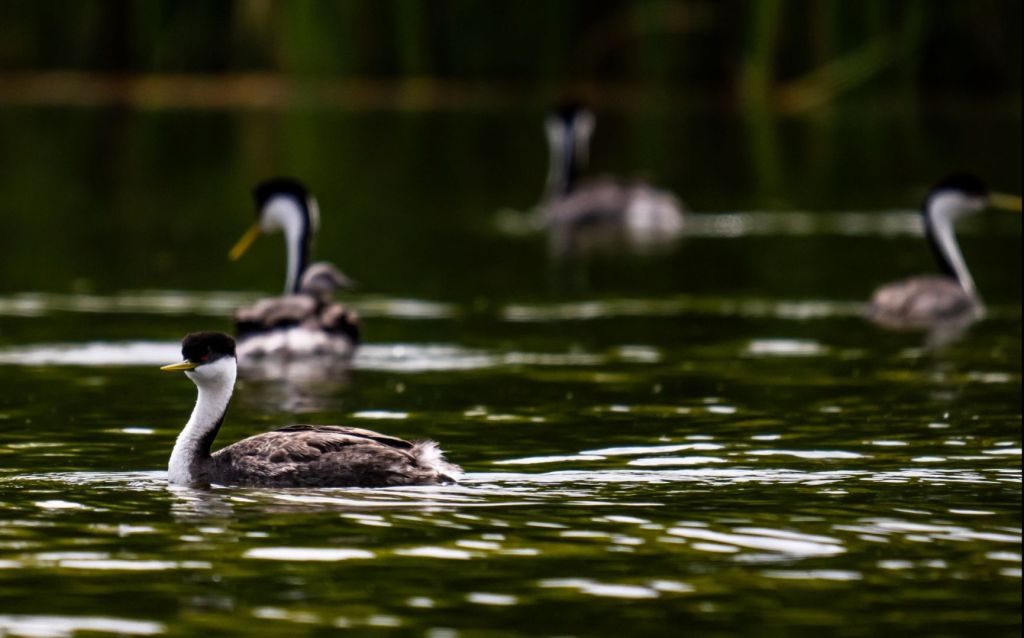
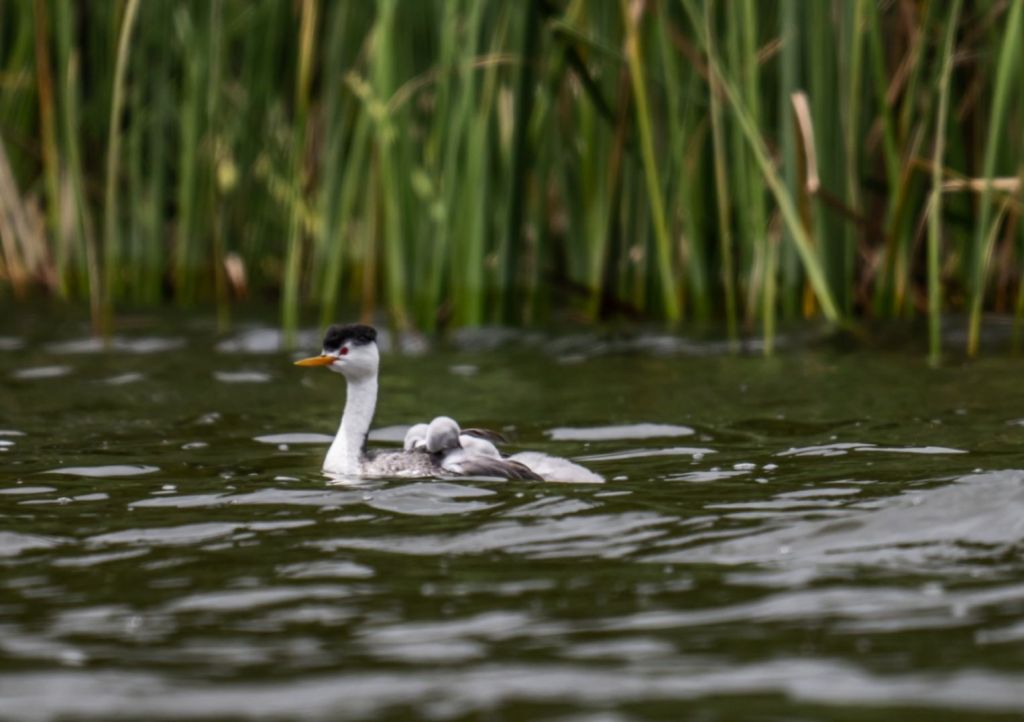
Watching a grebe family cruise across the calm waters of Lake Wohlford can feel like something out of a nature documentary. Often only a few tiny striped heads are visible peeking out from beneath a parent’s wings. As the chicks grow, they become more adventurous, swimming alongside their parents and eagerly begging for small fish.

The breeding cycle of Western Grebes depends on floating nests constructed from aquatic vegetation. These nests are anchored among emergent plants and can support clutches of two to four eggs. Once the chicks hatch, they leave the nest quickly and begin their remarkable back-riding behavior. 

For wildlife photographers, early morning is often the best time to observe these families. Calm water creates beautiful reflections, and the soft light highlights the chicks’ distinctive striped plumage. A telephoto lens allows photographers to capture natural behavior without disturbing the birds.

Beyond providing wonderful photographic opportunities, the presence of nesting Western Grebes is an indicator of healthy aquatic habitat. These colonial nesting birds require a combination of open water for feeding and sheltered vegetation for nesting. Across western North America, breeding populations depend on suitable lake habitat and protection from disturbance. 

A visit to Lake Wohlford during chick season offers a reminder of how remarkable bird life can be right here in San Diego County. Whether you’re an experienced birder or simply enjoying a morning walk around the lake, spotting a Western Grebe carrying its striped youngsters across the water is an experience that is hard to forget.

Birding Tip: Bring binoculars and scan the quieter coves of the lake during the morning hours. Look for an adult grebe sitting unusually high in the water—there may be several chicks hidden on its back.

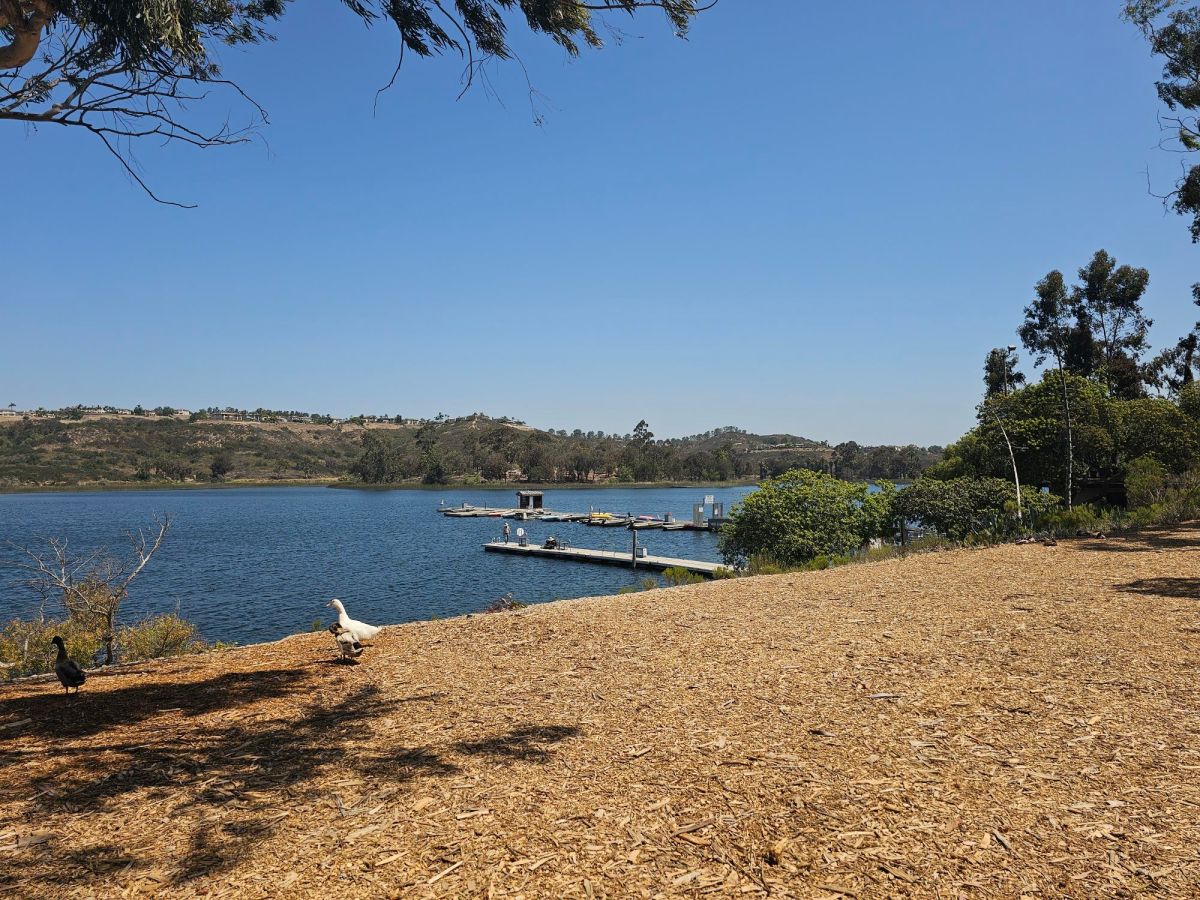
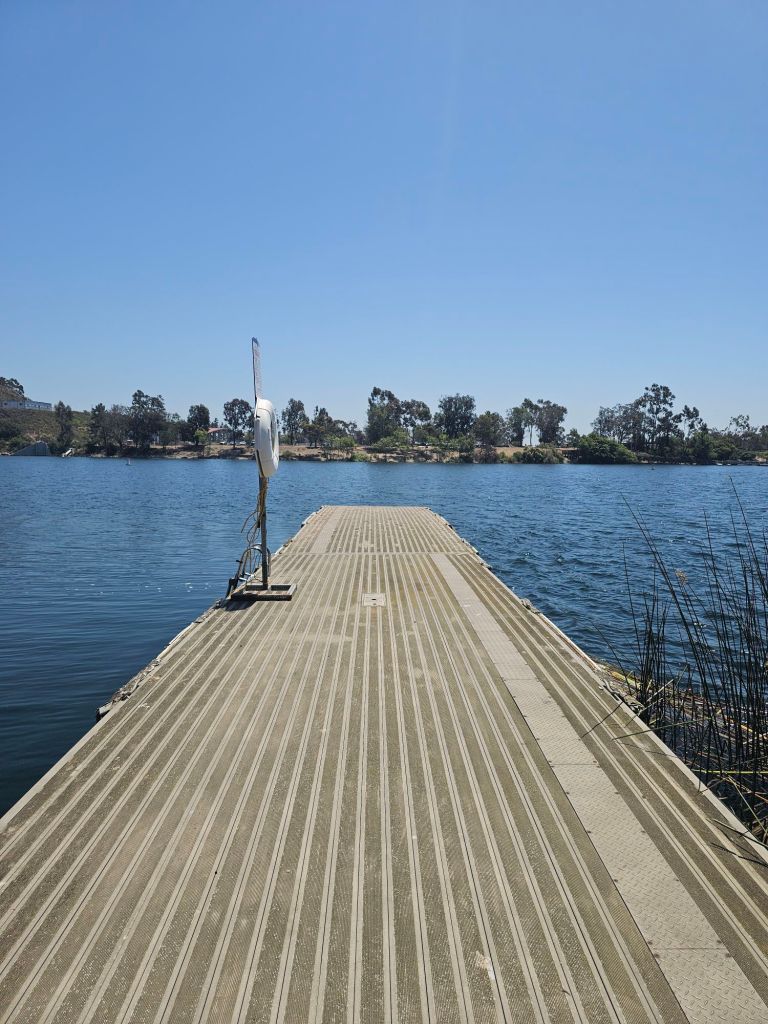
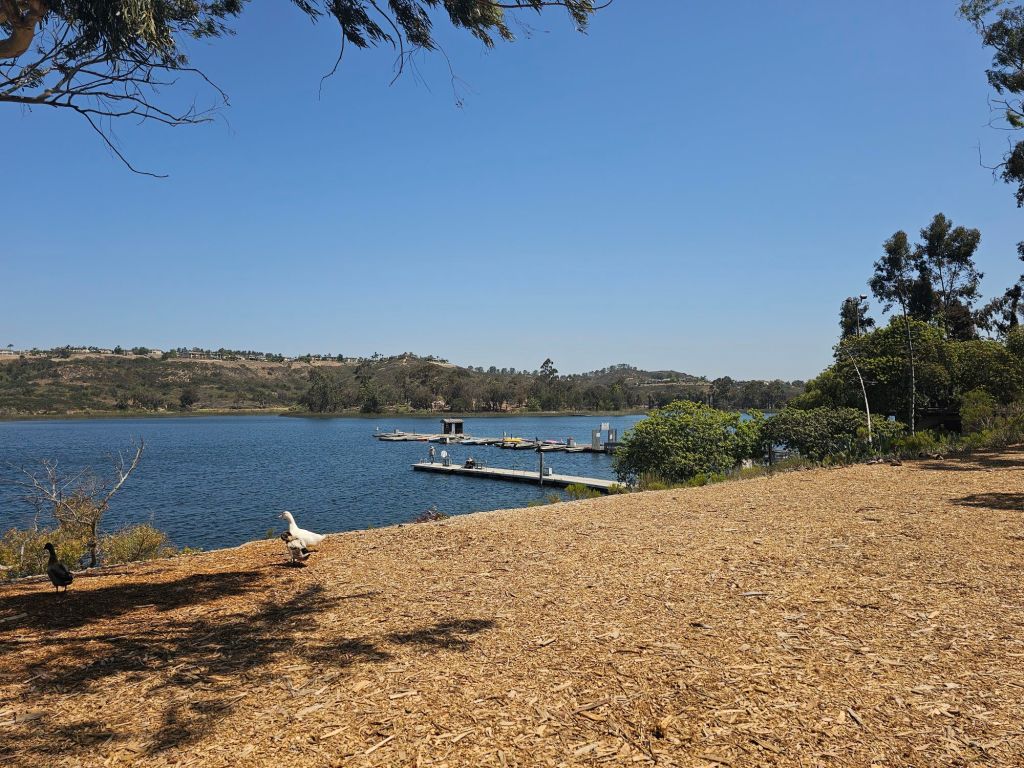
At Lake Wohlford, visitors can rent fishing boats, including rowboats and small motorboats, from the lake’s concession area. The lake has long offered boat rentals for anglers who want to reach deeper water or fish away from the shoreline

A Walk Around Lake Miramar: San Diego’s Scenic Reservoir Escape

Officially known as Miramar Reservoir, the lake offers a peaceful blend of recreation, wildlife, and wide-open scenery just minutes from busy neighborhoods and freeways. Originally constructed as part of San Diego’s water supply system, the reservoir today serves a dual purpose. While it continues to store drinking water for the city, the surrounding recreation area has evolved into a popular local escape where visitors can enjoy nature without leaving urban San Diego behind.

Officially known as Miramar Reservoir, the lake offers a peaceful blend of recreation, wildlife, and wide-open scenery just minutes from busy neighborhoods and freeways. Originally constructed as part of San Diego’s water supply system, the reservoir today serves a dual purpose. While it continues to store drinking water for the city, the surrounding recreation area has evolved into a popular local escape where visitors can enjoy nature without leaving urban San Diego behind.

One of the biggest draws of Lake Miramar is the nearly five-mile paved loop that circles the reservoir. The trail is mostly flat, making it accessible for casual walkers while still offering enough distance for runners and cyclists looking for a good workout. Early mornings are especially popular, when cool air settles over the water and the rising sun reflects across the calm surface of the lake.

Wildlife is another major attraction around the reservoir. Birdwatchers regularly encounter ducks, grebes, cormorants, herons, and gulls on the water, while hawks and kestrels patrol the nearby hillsides. During migration seasons, unexpected visitors sometimes appear, rewarding patient observers with memorable sightings. Despite its popularity, Lake Miramar still manages to feel surprisingly peaceful. A weekday morning walk can bring long stretches of quiet shoreline, interrupted only by birds calling across the water or the distant splash of fish near the surface.

USS Recruit: The “Ship” That Never Sailed

USS Recruit: The “Ship” That Never Sailed

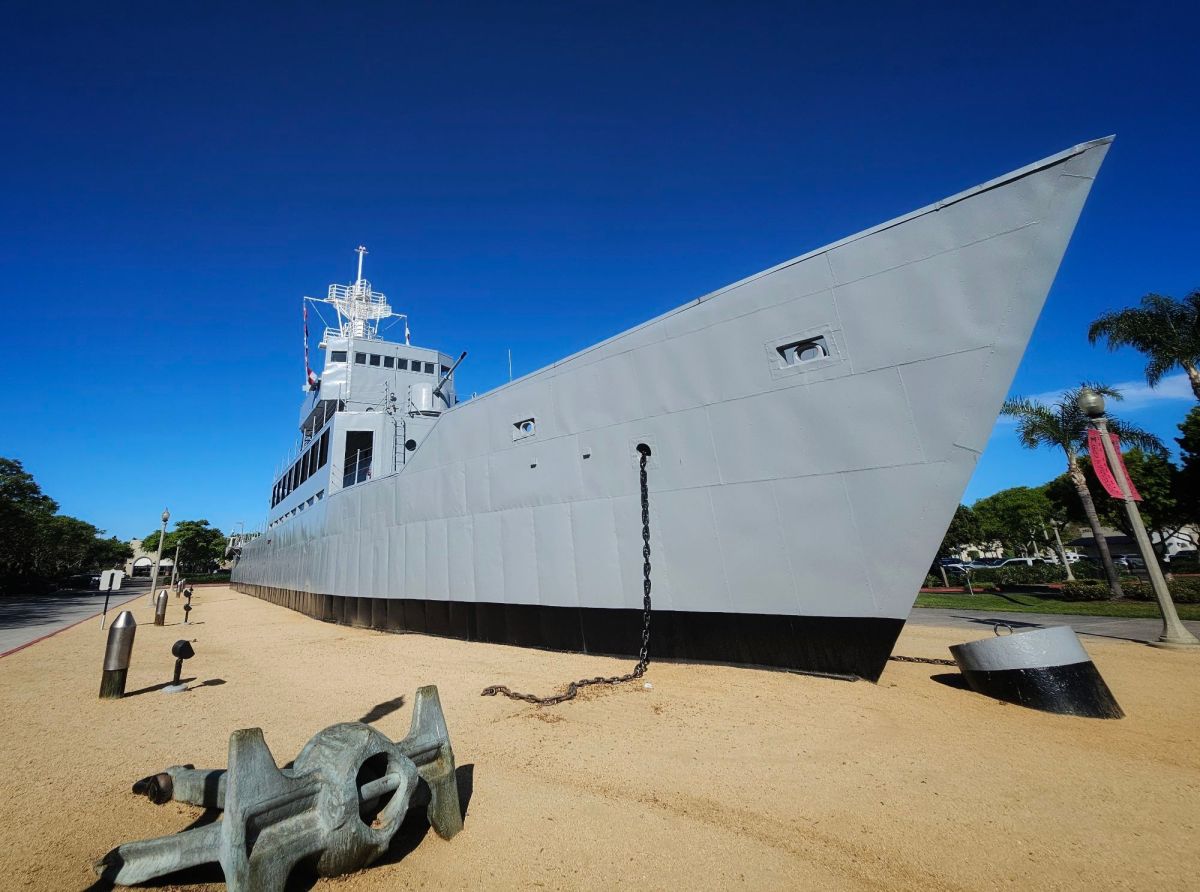
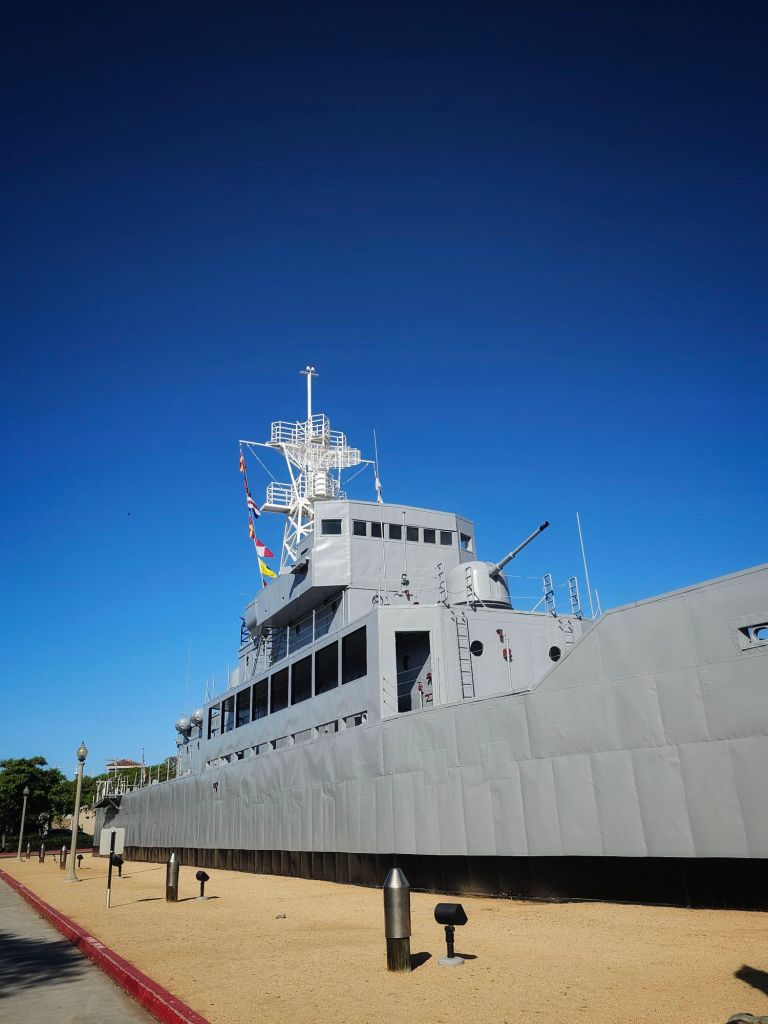
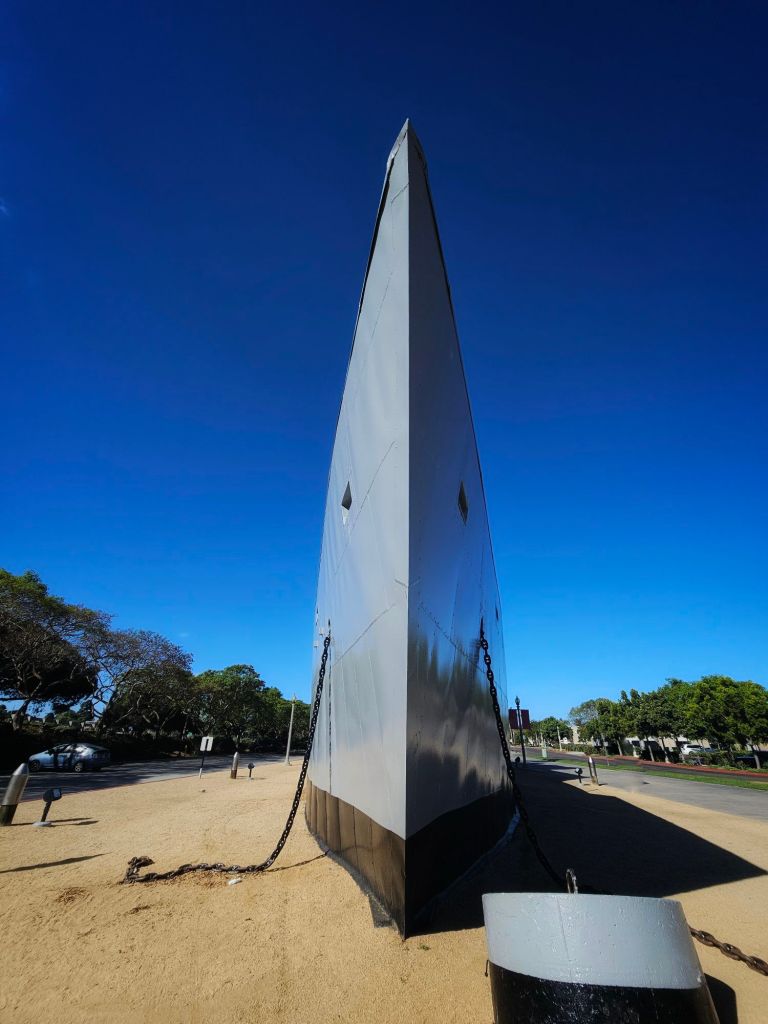
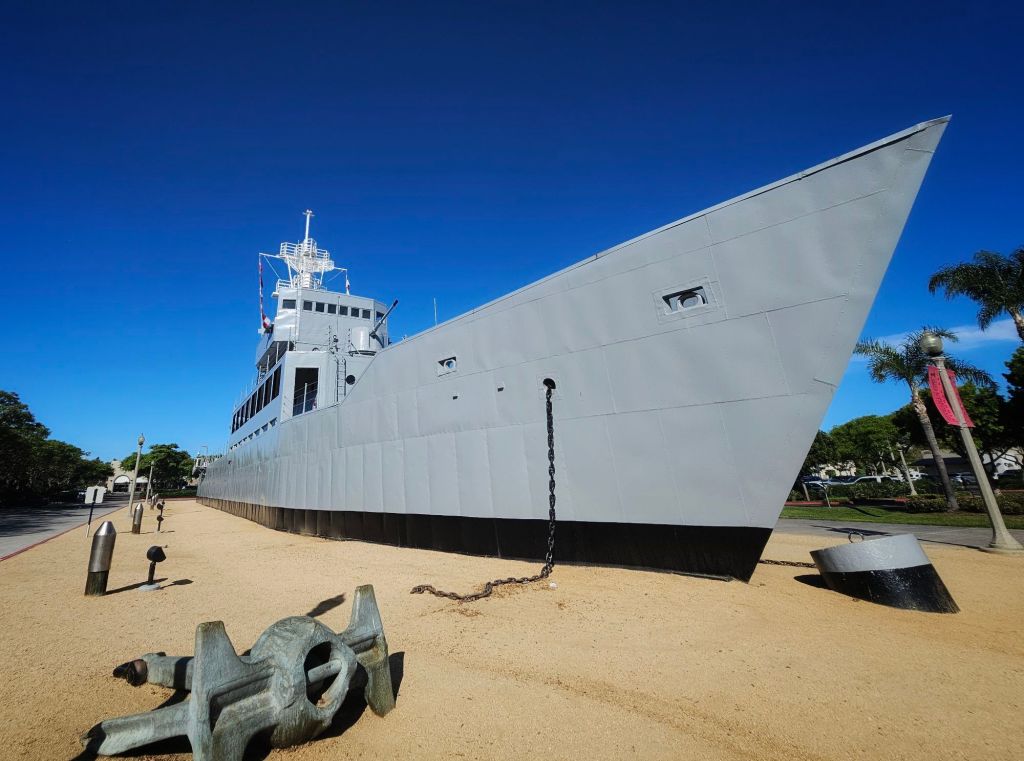
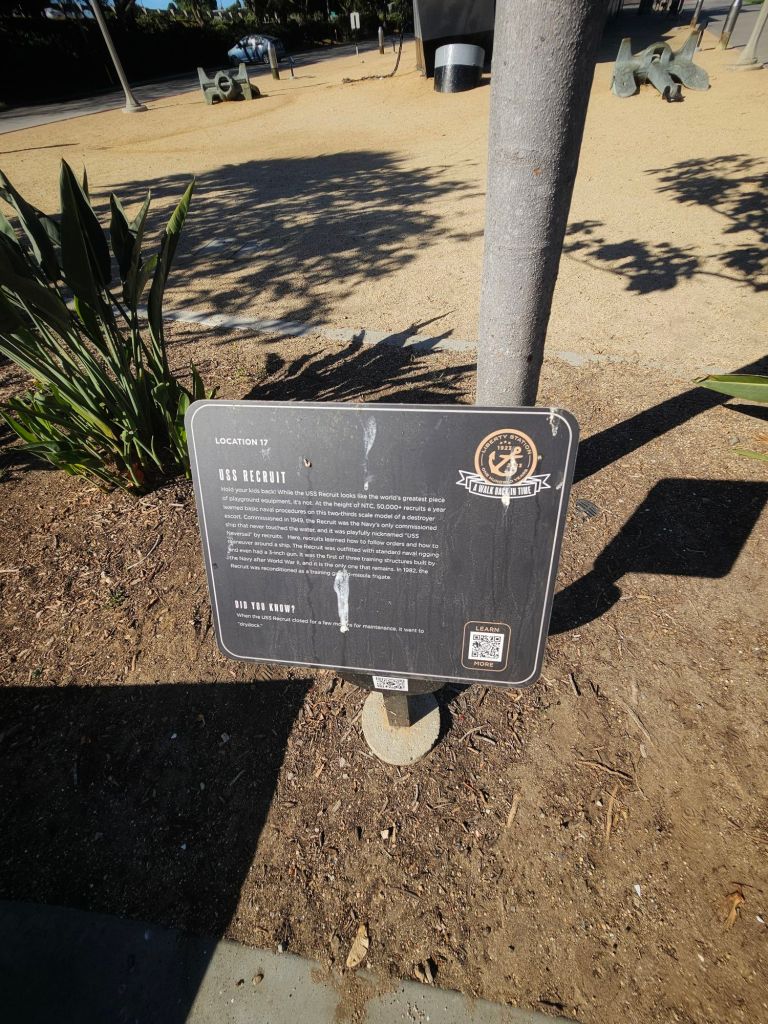
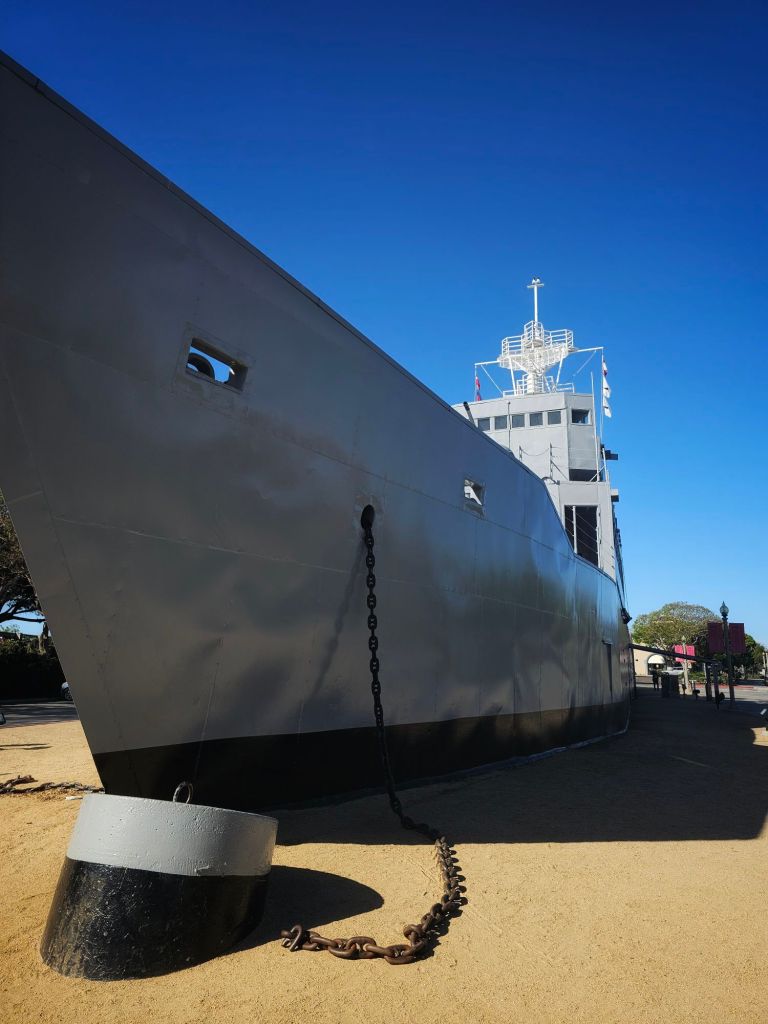
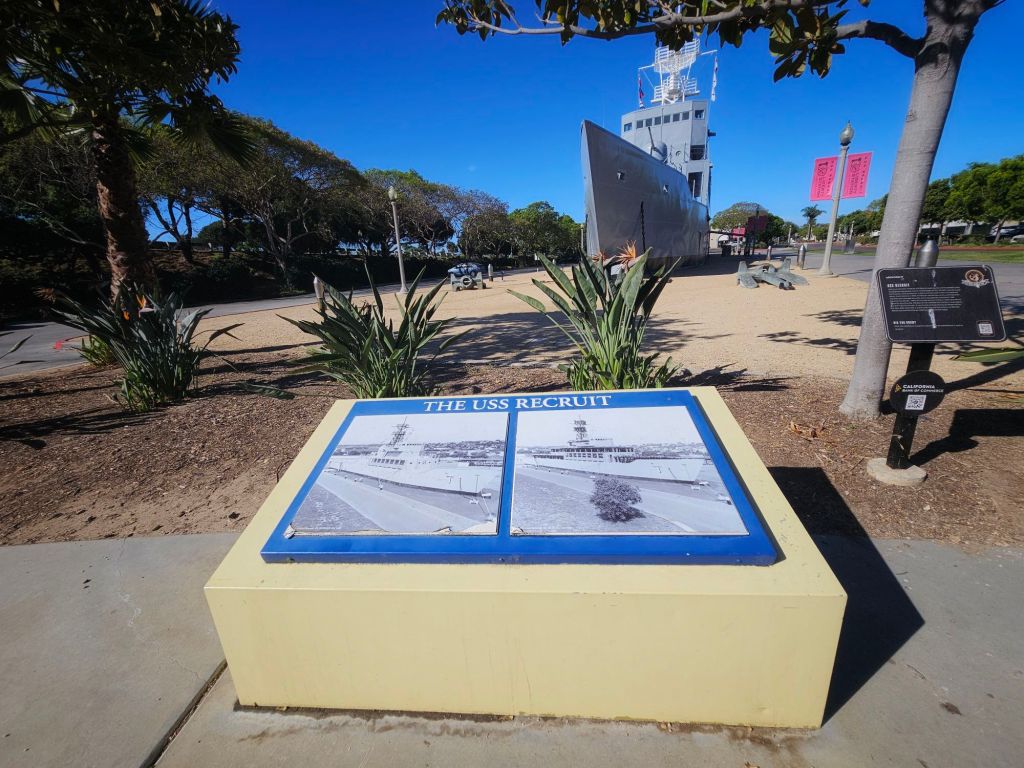
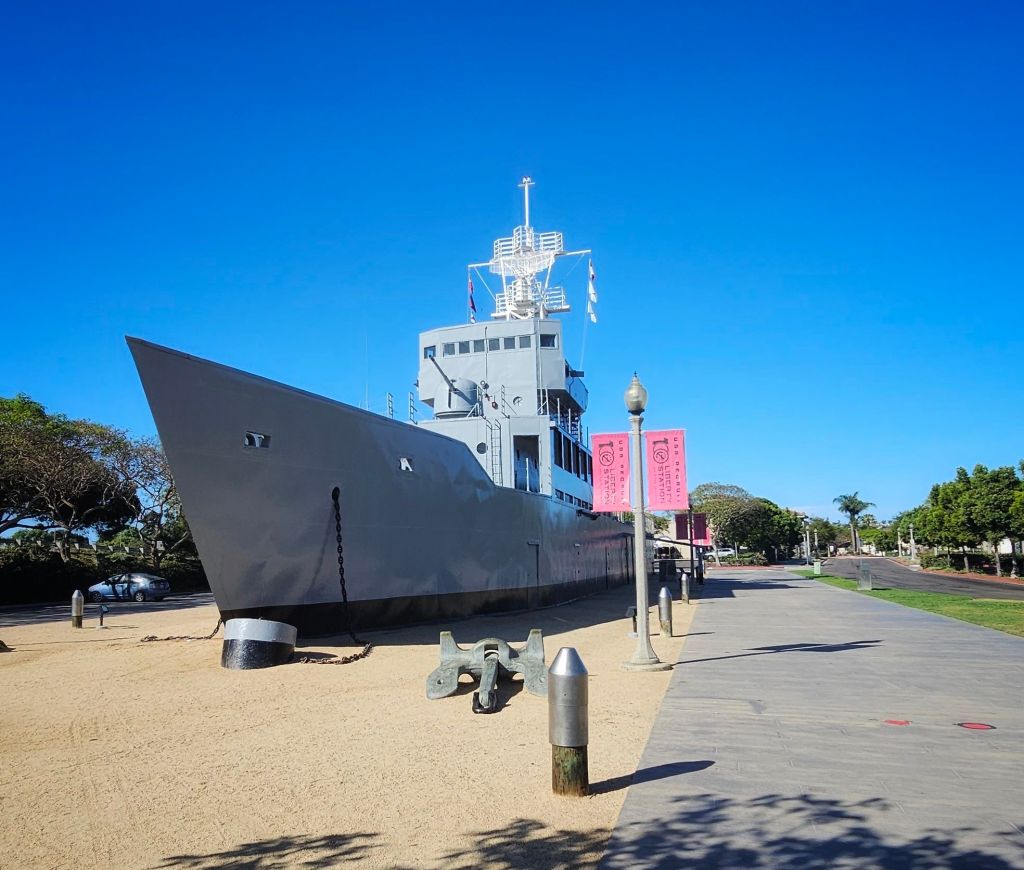
Tucked away in San Diego’s rich naval history is one of the most unusual vessels ever “commissioned” by the U.S. Navy—a ship that never touched water. Known as the USS Recruit, this full-scale wooden battleship stood firmly on land, yet played a critical role in preparing sailors for life at sea.

A Ship Built for Training

Constructed in 1941 at the Naval Training Center San Diego, the USS Recruit was designed to simulate the experience of serving aboard a real naval vessel. Nicknamed the “USS Neversail,” the structure was a two-thirds-scale replica of a destroyer, complete with deck guns, signal equipment, and compartments that mirrored those found on active ships.

This wasn’t just for show—new recruits trained on the Recruit to learn shipboard routines, terminology, and discipline before ever setting foot on an actual vessel. At a time when the United States was entering World War II, the Navy needed to prepare thousands of sailors quickly and efficiently. The Recruit became a vital stepping stone in that process.

Life Aboard a Ship on Land

For many young sailors, the USS Recruit was their first introduction to Navy life. They practiced everything from standing watch to navigating tight quarters and responding to simulated drills. The goal was simple: eliminate the shock of transitioning from civilian life to the demanding environment of a warship.

Though it never left its concrete “pier,” the Recruit offered a surprisingly immersive experience. Recruits marched across its deck, handled equipment, and learned to function as part of a coordinated crew—skills that would soon be tested in real combat situations across the Pacific.

A Symbol of Innovation

The USS Recruit represents a creative solution to a wartime challenge. Instead of relying solely on active ships for training, the Navy brought the ship to the sailors. This approach not only saved time and resources but also allowed for consistent, controlled instruction.

It also reflects San Diego’s longstanding identity as a military hub. Facilities like the Naval Training Center helped shape generations of service members and contributed to the city’s deep ties to the Navy.

What Happened to the USS Recruit?

After decades of service, the USS Recruit was decommissioned and eventually dismantled in 1969. While the structure itself is gone, its legacy lives on as a fascinating chapter in naval history.

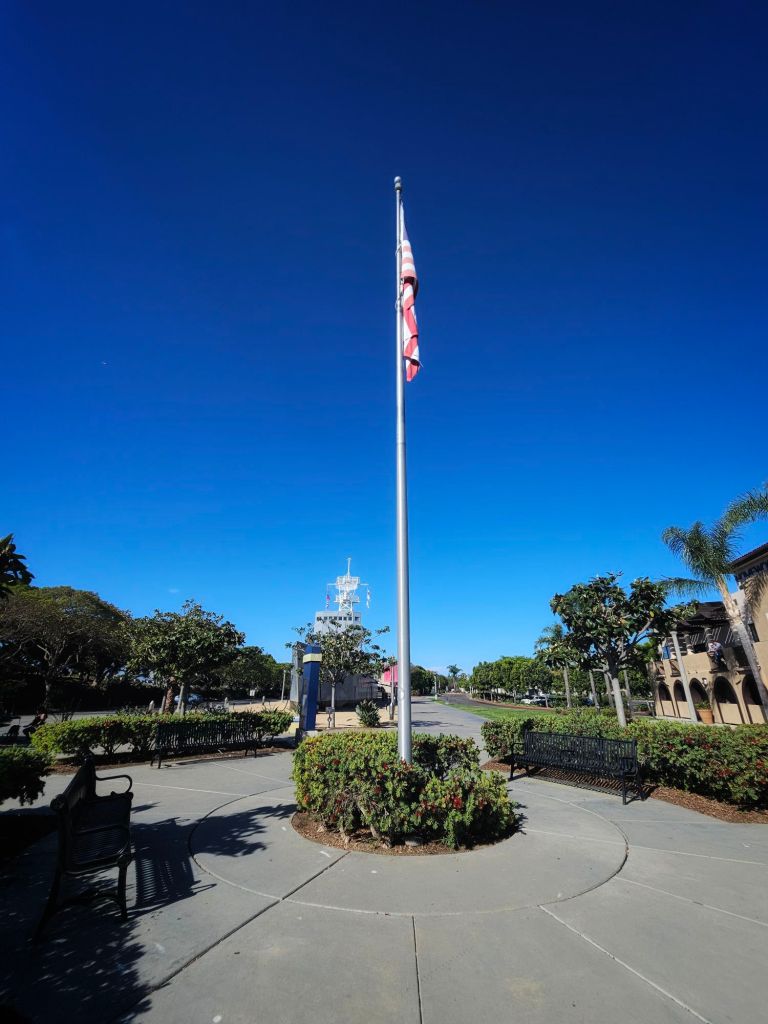
Today, the former Naval Training Center has been transformed into Liberty Station, a vibrant waterfront district filled with shops, parks, and cultural spaces. Few visitors realize that beneath the modern development once stood a “ship” that helped train thousands of sailors during one of the most pivotal times in history.

Why It Still Matters

The story of the USS Recruit is a reminder that not all important ships sail the seas. Some, like this landlocked training vessel, quietly shape history from the shore.

For photographers, history enthusiasts, and locals exploring San Diego, it’s a compelling example of how hidden stories can exist in familiar places—waiting to be rediscovered.

The 55th Annual San Diego Bay Parade of Lights

55th Annual San Diego Bay Parade of Lights: Where the Holidays Meet the Harbor
Meta description: Celebrate the 55th Annual San Diego Bay Parade of Lights—best viewing spots, photography tips, and why this waterfront tradition remains a holiday favorite.
Suggested categories: San Diego Events, Holiday Traditions, Coastal Photography
Suggested tags: San Diego Bay Parade of Lights, San Diego Christmas, Holiday Lights San Diego, Waterfront Events, Night Photography

San Diego’s signature holiday tradition returns to the waterfront, transforming the bay into a moving festival of color, music, and maritime creativity.

A Holiday Tradition on the Water

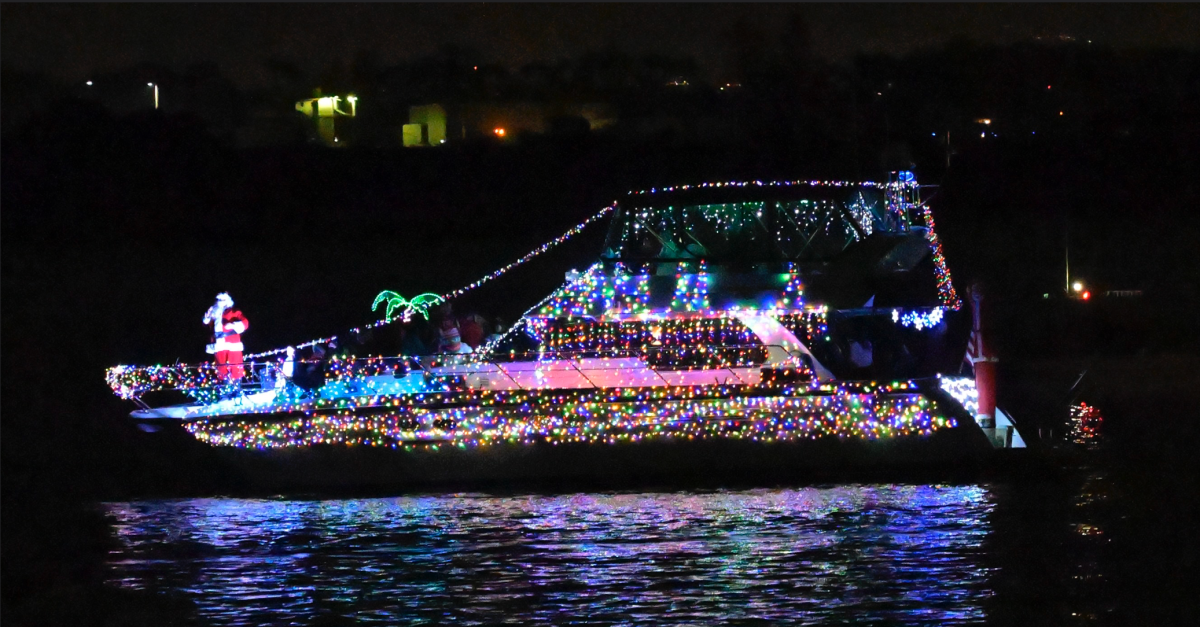
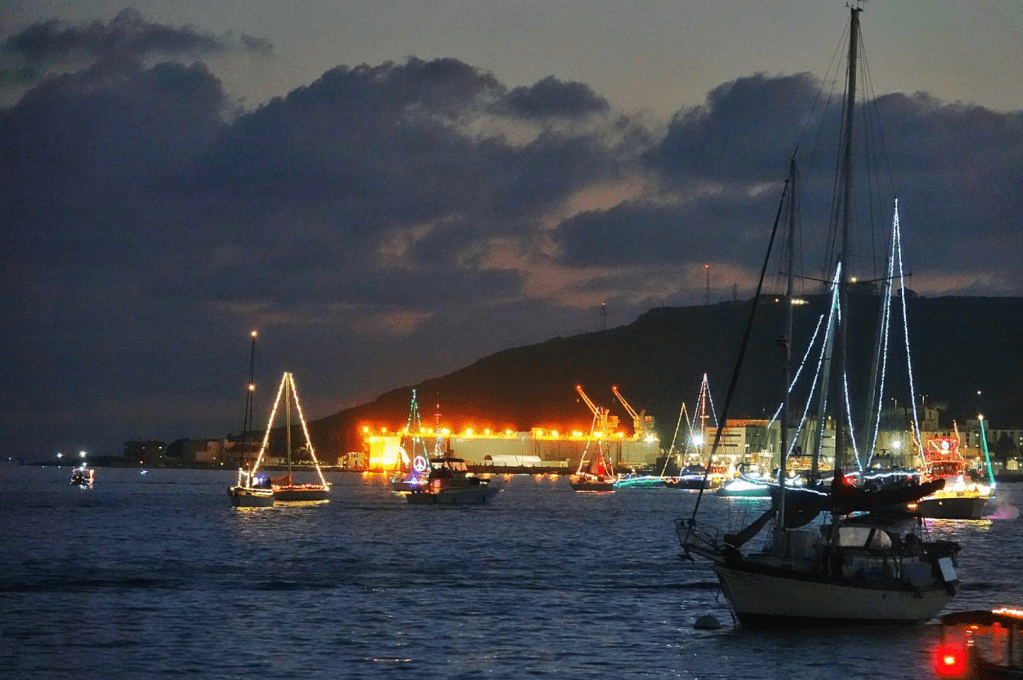
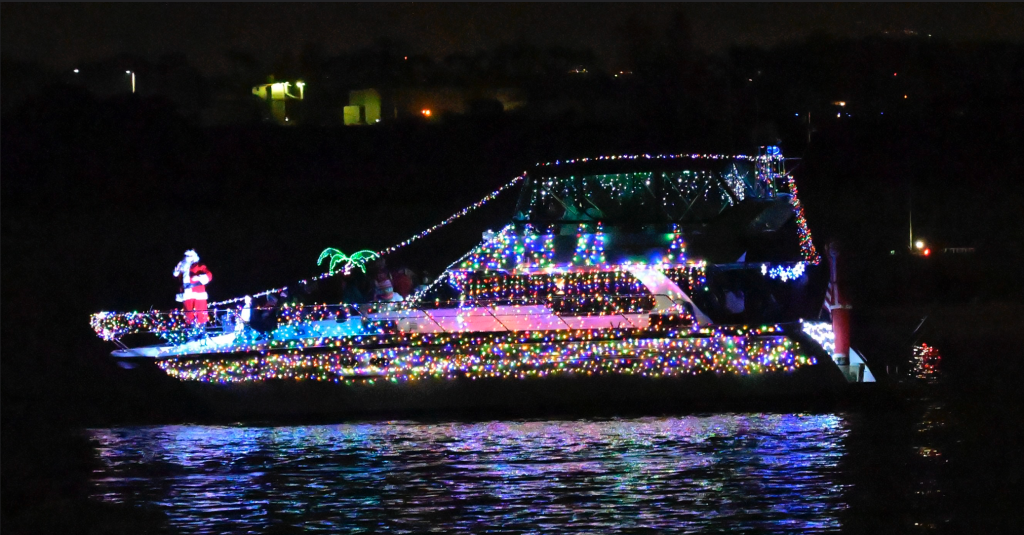
For more than five decades, the San Diego Bay Parade of Lights has marked the start of the holiday season with a spectacle found nowhere else in Southern California. Now in its 55th year, the parade brings together dozens of privately owned boats—each decorated from bow to stern in synchronized lights and themed displays—that glide across the bay after sunset.

What makes this event special isn’t just the scale of the decorations, but the setting itself. With the downtown skyline, Coronado Bridge, and working harbor as a backdrop, the parade captures the essence of San Diego: festive, coastal, and community‑driven.

How the Parade Works

Participating vessels line up along the bay and follow a designated route that allows spectators on both sides of the water to enjoy the show. Boats range from small sailboats to large yachts, all competing for top honors in categories such as best overall decoration, originality, and best use of lights.

The parade traditionally runs on two consecutive weekend nights, giving locals and visitors multiple chances to experience it. Each evening culminates with a slow, scenic procession that keeps the boats visible long enough for photos, cheers, and the occasional holiday sing‑along.

The San Diego Bay Parade of Lights brings more than 100,000 San Diego residents and visitors to the shores of San Diego Bay each year. The procession of approximately 80 lavishly decorated boats has become one of the most iconic events in the region. There is no cost to view the parade.
2025 Parade Theme is Out of This World

The procession will start at 5:30 p.m. and will follow the predetermined parade  route.

The APPROXIMATE arrival time of the parade at various locations are:

  • Shelter Island (start of parade)   5:30 p.m.
  • Harbor Island                                 5:45 –  6:15 p.m.
  • Seaport Village                                6:20 – 6:45 p.m.
  • The Embarcadero                            6:50 – 7:15 p.m.
  • The Pier at Cesar Chavez Park     7:20 – 7:30 p.m.
  • Ferry Landing on Coronado          7:40 p.m.

Best Places to Watch (and Photograph)

One of the parade’s strengths is accessibility. You don’t need a ticket to enjoy it—just a good vantage point.

Popular viewing locations include:

  • Seaport Village & the Embarcadero – Ideal for wide shots that include boats and skyline reflections.
  • Shelter Island – A favorite for photographers, offering unobstructed views and calmer crowds.
  • Coronado Ferry Landing – Perfect for capturing boats with Coronado lights in the background.
  • Cesar Chavez Park – A relaxed setting with room to move and frame different angles.

For photography, arrive early to claim a spot and plan to shoot through blue hour, when the remaining daylight blends with the glow of the lights on the water.
The USCGC Eagle Visits San Diego: America’s Tall Ship in Port

A Floating Classroom

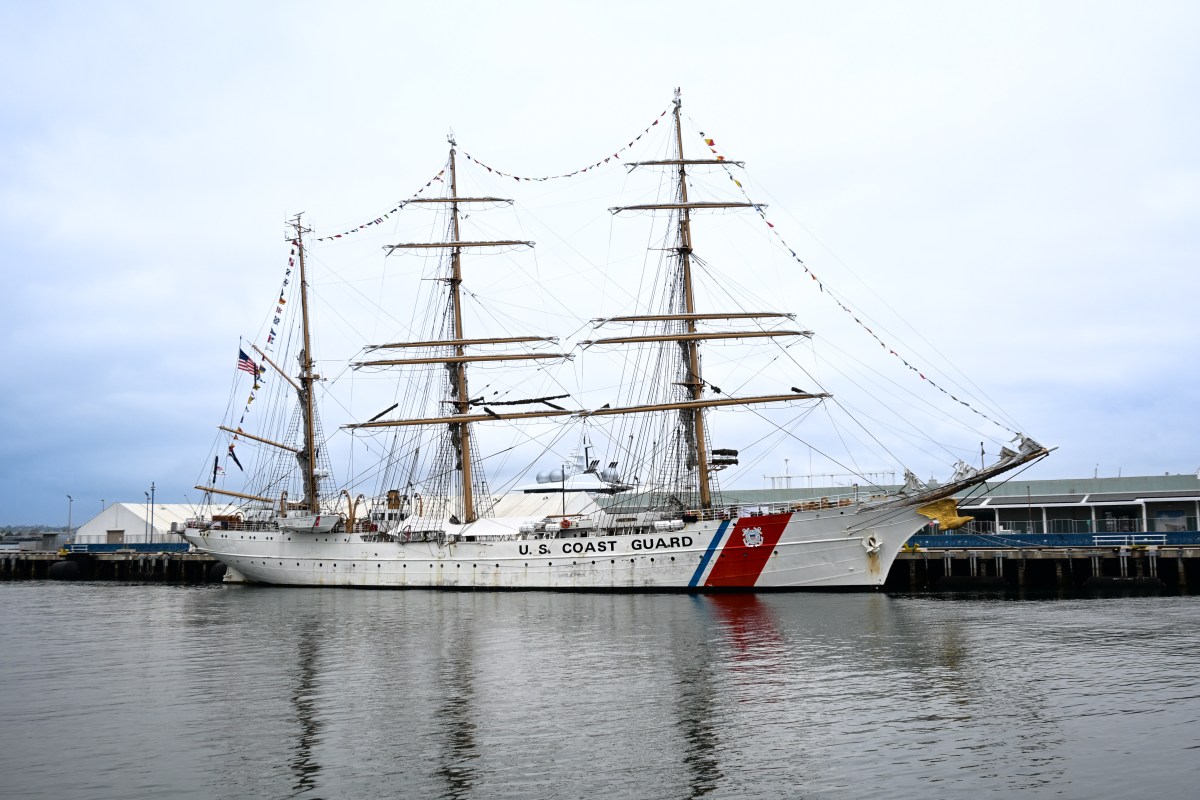
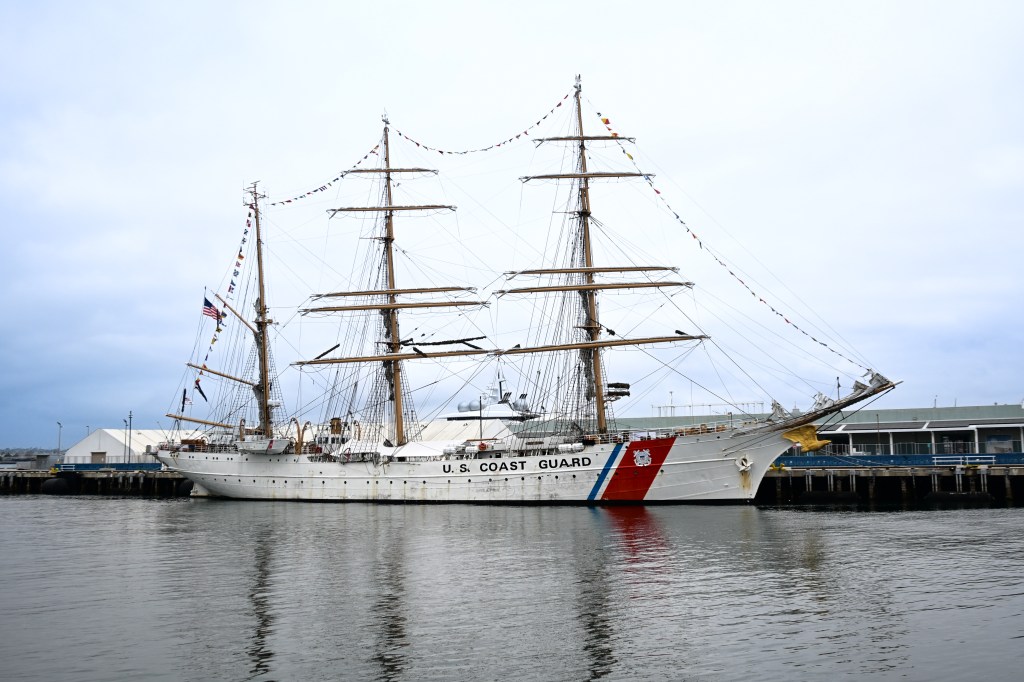
The Eagle is unique among U.S. military ships. Originally built in 1936 in Germany and taken by the United States as a World War II war prize, she has been serving as a Coast Guard training vessel ever since. Each summer, cadets from the U.S. Coast Guard Academy set sail aboard the Eagle to learn the fundamentals of seamanship. From handling lines to navigating by the stars, cadets experience the traditions of sailing firsthand while building teamwork and resilience.
The next time the Eagle sails into San Diego, make sure to plan a visit. Whether you’re a maritime history buff, a photographer, or just curious about life at sea, stepping aboard this legendary tall ship is an unforgettable experience.

To learn more about the USCG Eagle visit https://uscga.edu/mission/eagle/eagle-schedule/

Sailing Without Limits: The Inspiring Work of Challenged Sailors San Diego

Set Sail for Freedom on San Diego Bay

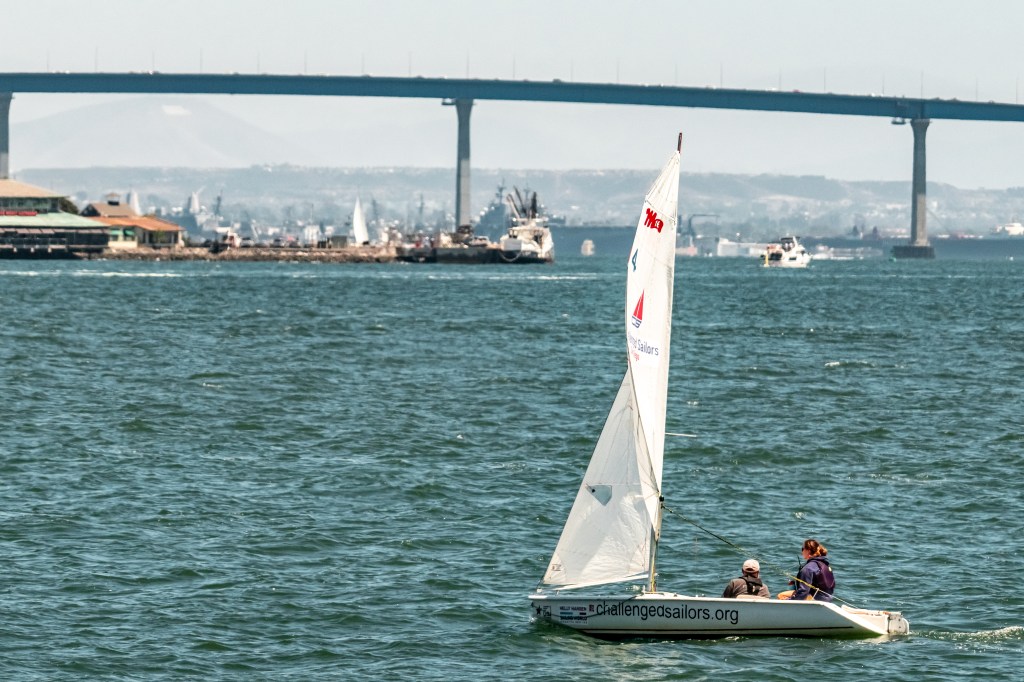
Tucked along the marina-lined coast of Harbor Island, a quiet revolution takes place every weekend. It doesn’t make headlines or draw big crowds, but it changes lives—one sail at a time. Challenged Sailors San Diego (CSSD) is a volunteer-powered nonprofit that brings the joy and freedom of sailing to individuals with physical and cognitive disabilities.

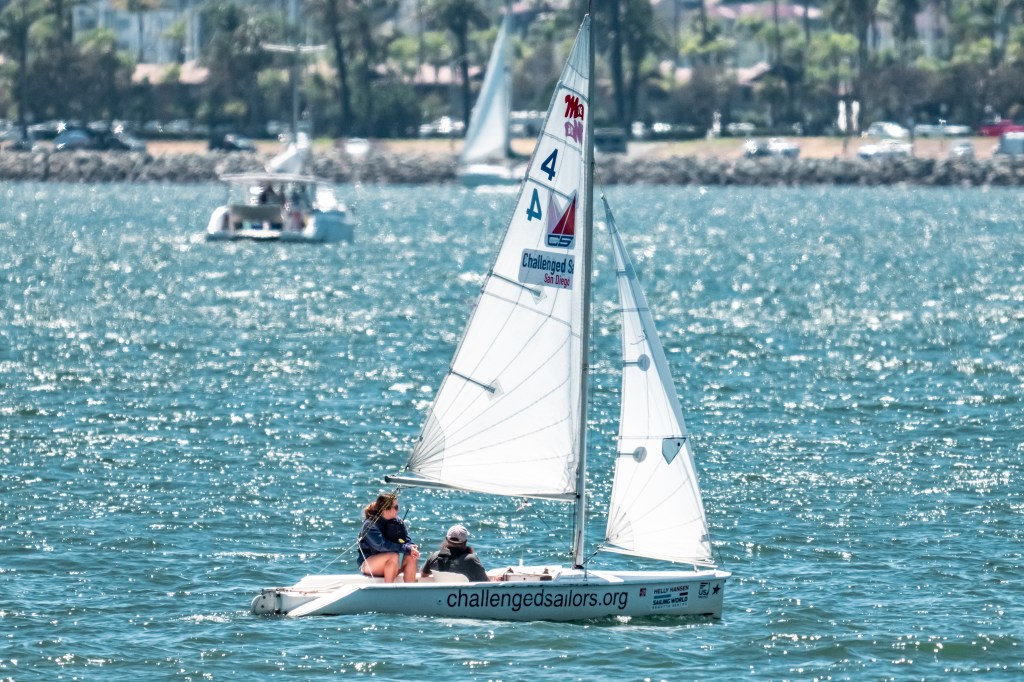
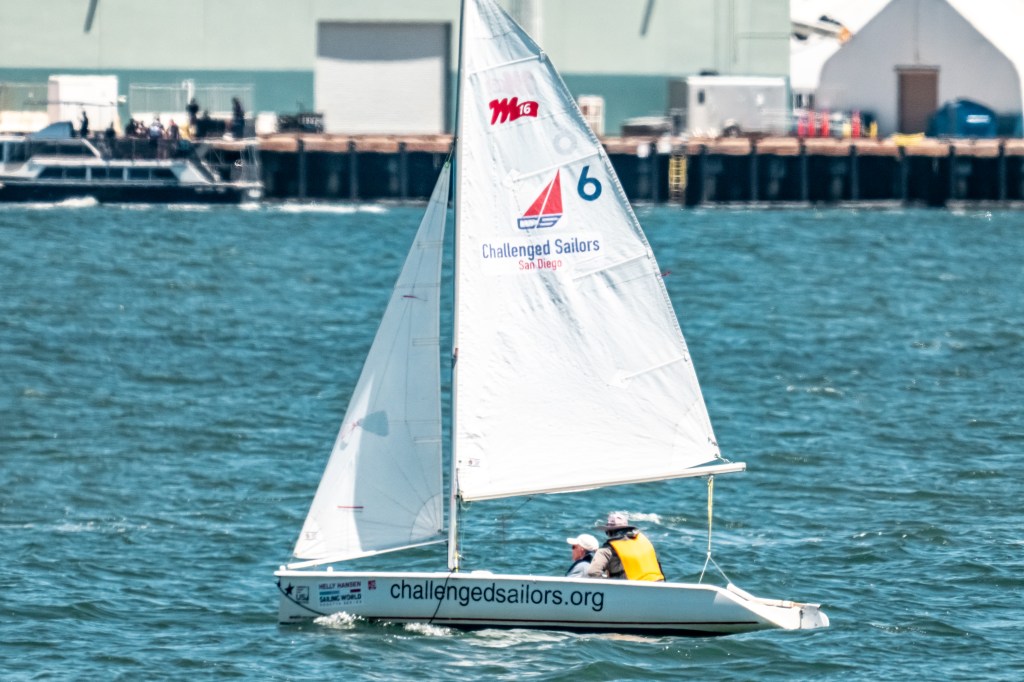
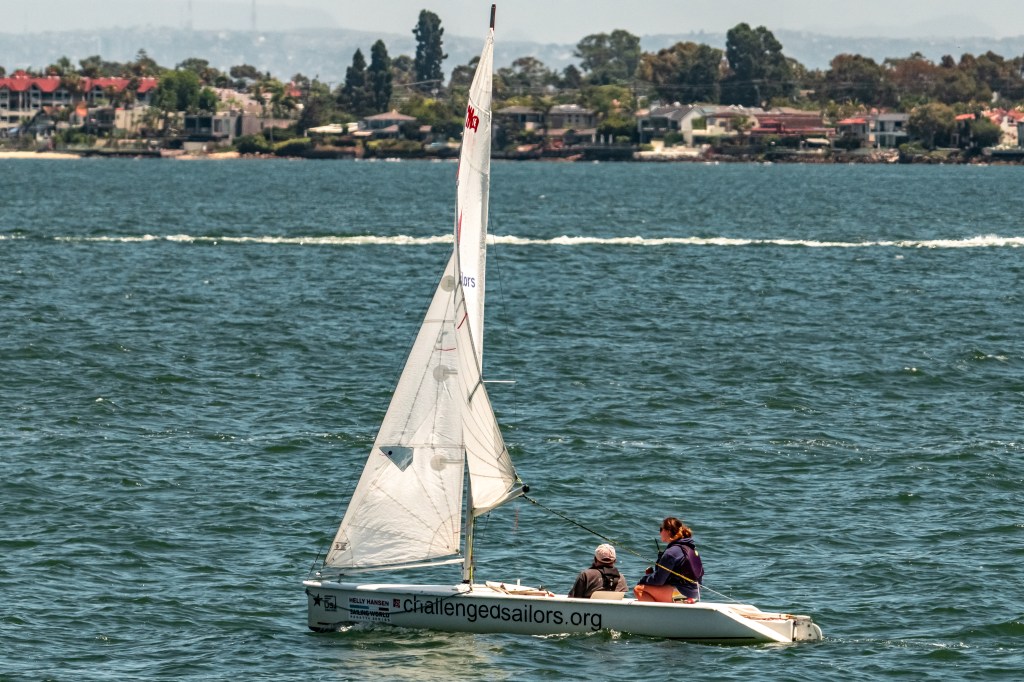
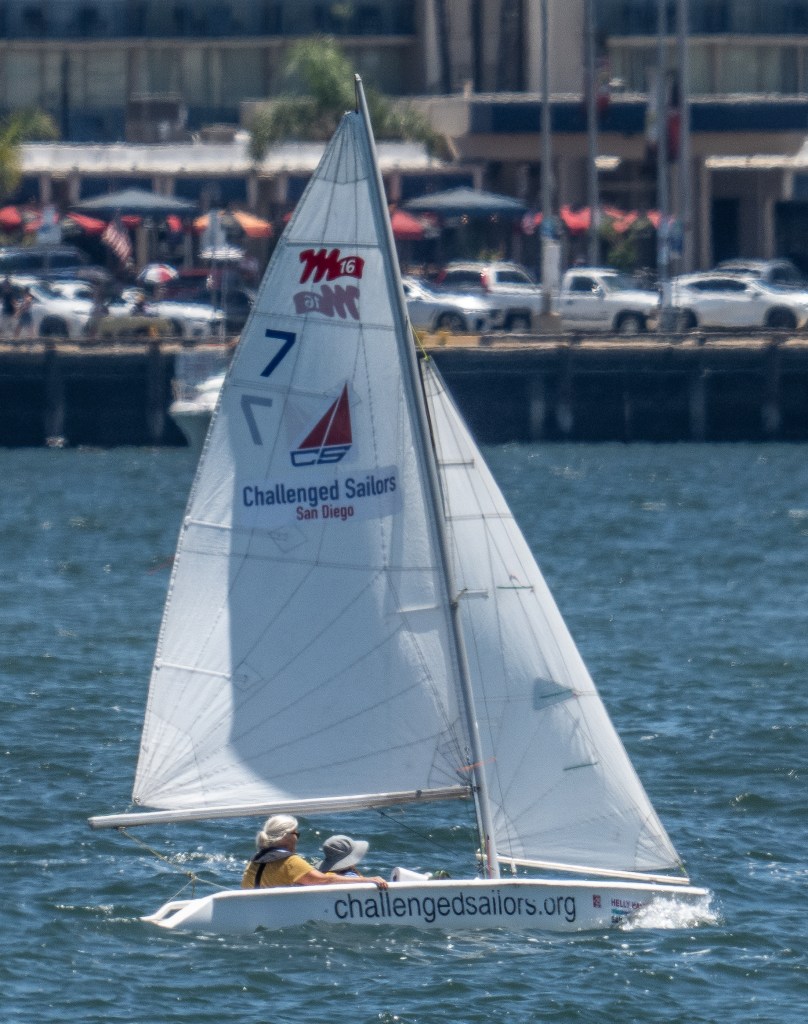
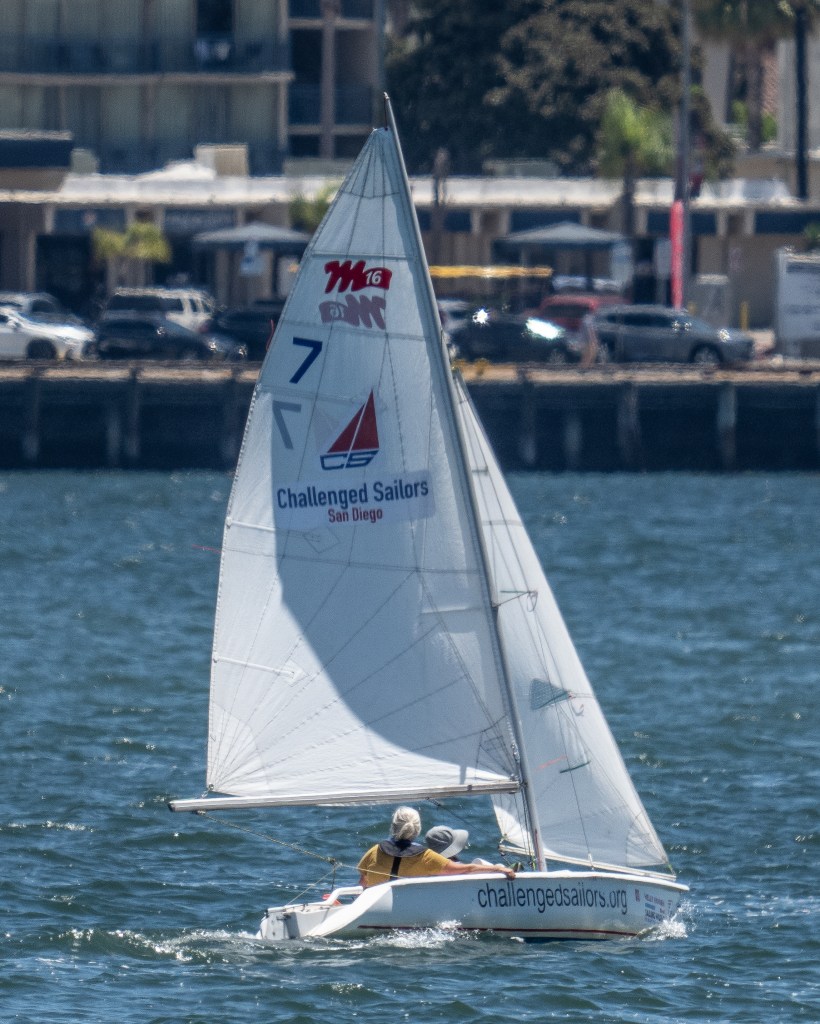
Every Friday and Saturday, from 11:30 a.m. to 3:00 p.m., you’ll find CSSD’s custom fleet of Martin 16 sailboats slicing across San Diego Bay, helmed by people who are often navigating more than just the wind and tide—they’re navigating challenges like paralysis, vision loss, PTSD, or traumatic brain injury. But out on the water, those barriers seem to vanish.

Adaptive Sailing for All

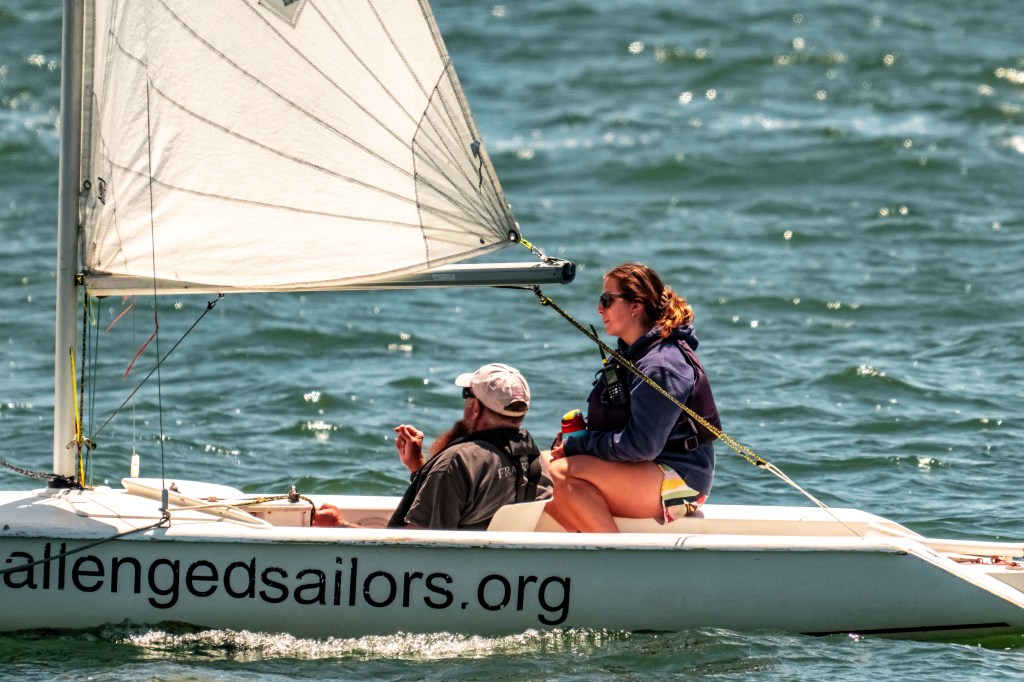
What makes CSSD so unique is their accessibility-first approach. Their Martin 16 sailboats are specially designed with stability and ease of control in mind. Sailors sit in supportive bucket seats, and many use a joystick—or even a sip-and-puff system—for full control of the boat. A trained volunteer companion sits just behind, ready to assist when needed, but always letting the sailor take the lead.

Whether someone is a first-time participant or a returning sailor, CSSD creates a safe and empowering experience. No previous sailing experience is required, and participation is completely free of charge. This is more than recreation—it’s liberation.

“Anywhere You Want to Go”

One of the most moving stories shared by CSSD volunteers is of a woman in a wheelchair who asked, “Where do we go?” Her sailing companion responded, “Anywhere you want.” She burst into tears. It’s a reminder that freedom of movement—something many of us take for granted—is a powerful gift.

CSSD serves a wide range of sailors, from veterans and stroke survivors to young people with cerebral palsy or autism. Some are lifelong San Diegans. Others are visiting just for the day. All leave with a shared sense of accomplishment—and often, a smile that speaks louder than words.

Volunteers at the Helm

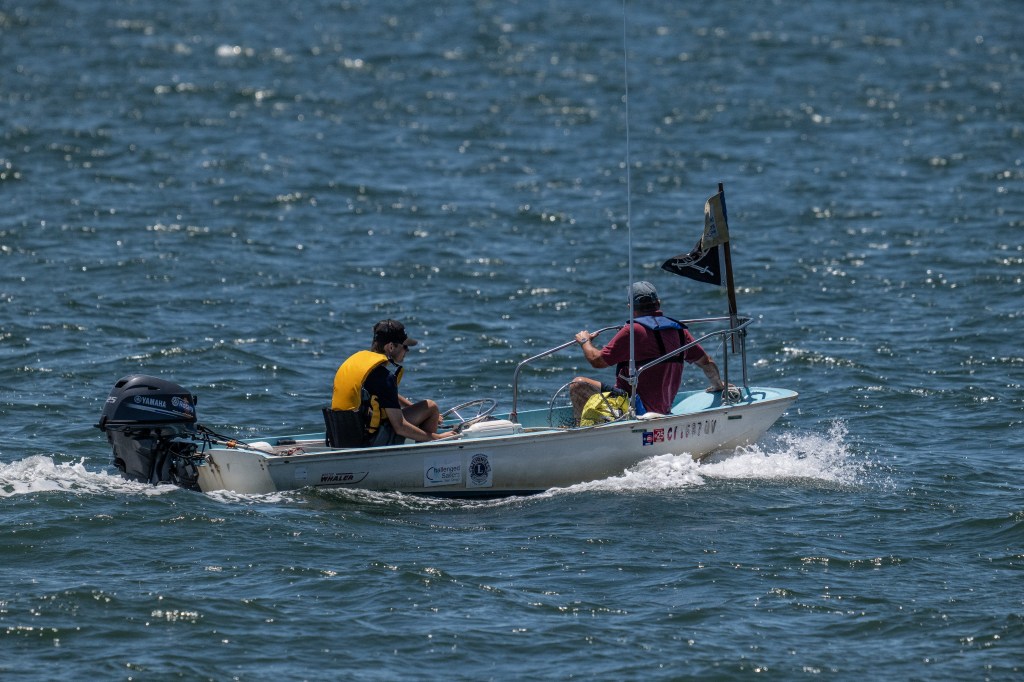
CSSD is 100% volunteer-run. Everyone from the companion sailors to the dockhands to the chase boat operators donates their time and energy. Many are lifelong sailors. Others are newcomers drawn to the cause. But all share the same passion: making sailing accessible to everyone.

Interested in volunteering? No sailing experience is needed for many roles, and training is provided. If you’re looking to give back to the community in a way that’s fun, active, and deeply meaningful, this is one crew worth joining.

How to Get Involved

CSSD offers several ways to participate:

  • Sail with them: If you or someone you know has a disability and would like to try sailing, simply sign up on their website and the team will contact you to schedule a day.
  • Volunteer: Help on the water or on the dock. All roles are vital, and everyone is welcome.
  • Donate: CSSD relies on donations to keep the sails full and the experiences free. Every dollar helps bring joy to someone’s day.

To learn more or get involved, visit: https://www.challengedsailors.org


Final Thoughts

Out on the bay, there are no wheelchairs. No labels. Just wind, water, and the thrill of command. Challenged Sailors San Diego reminds us that inclusion isn’t just about access—it’s about creating moments of joy, confidence, and connection. And sometimes, that all begins with a simple push away from the dock.