Western Grebe Babies Bring Summer Life to Lake Wohlford

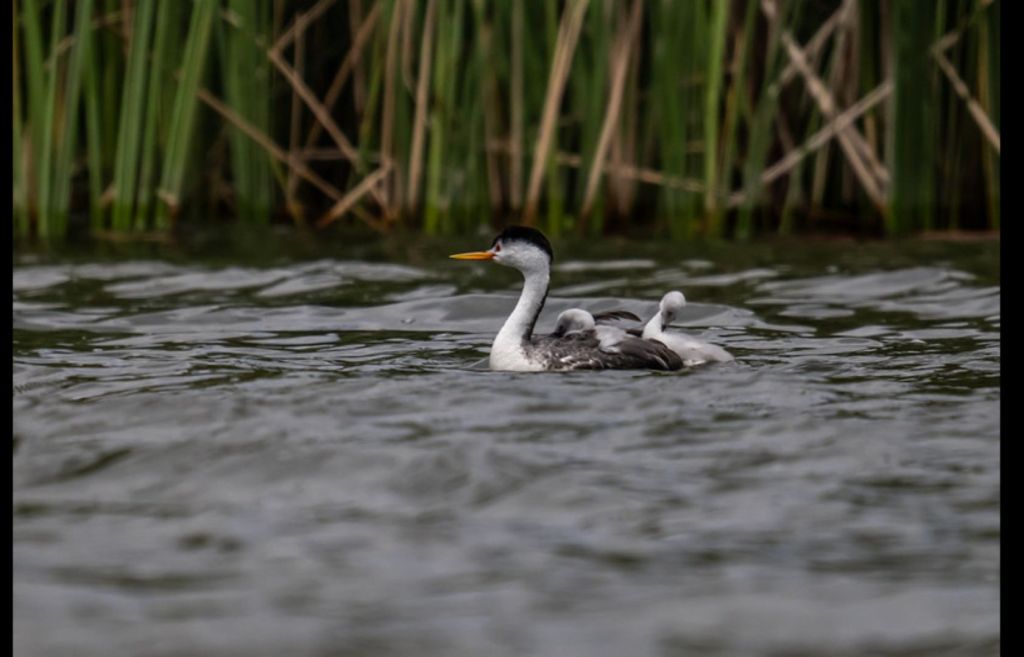
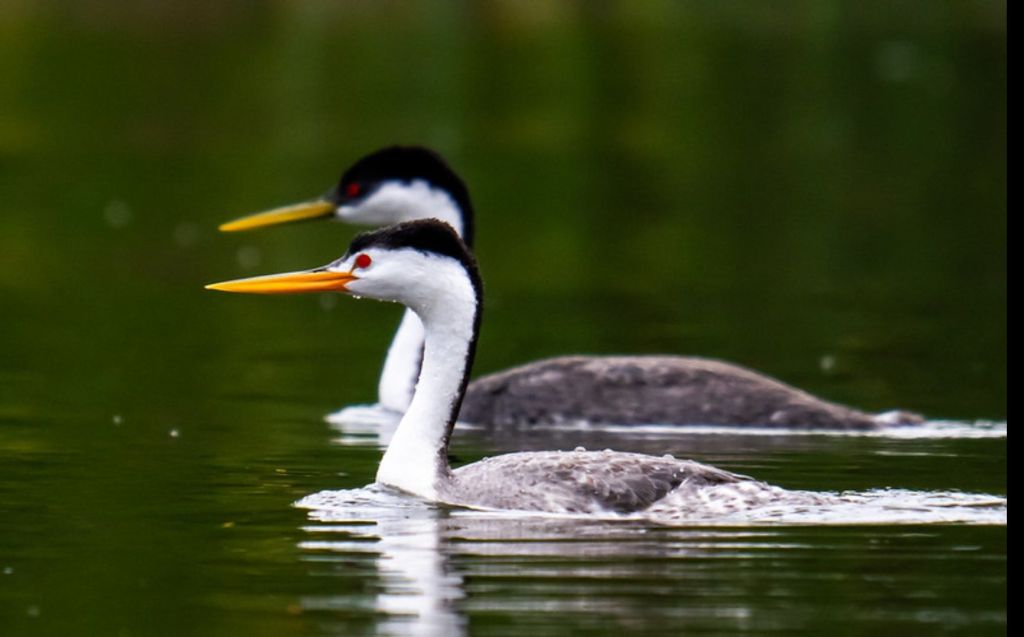
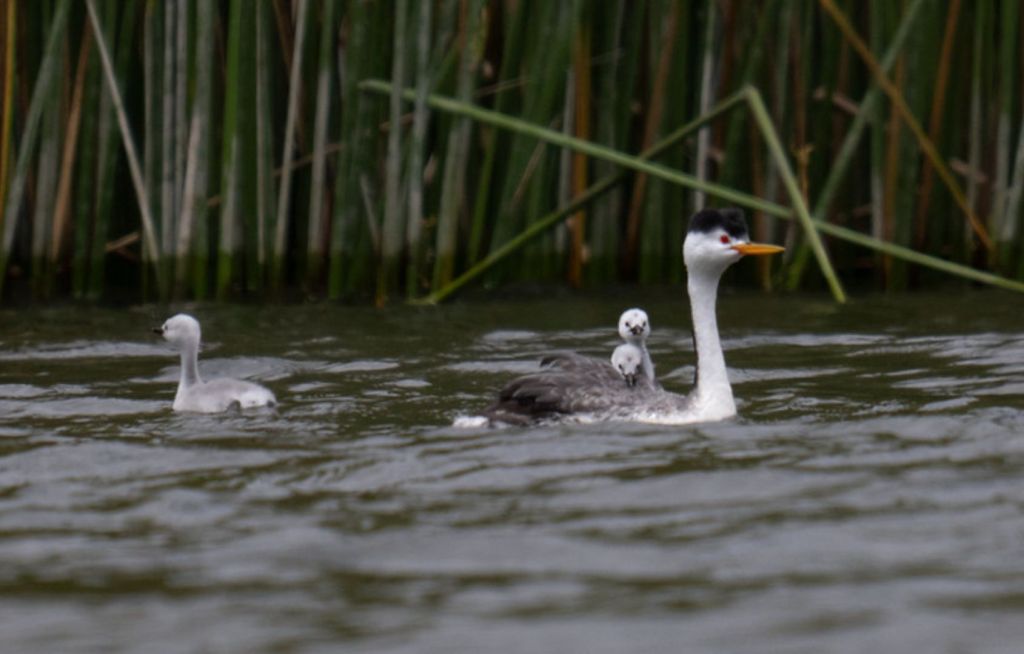
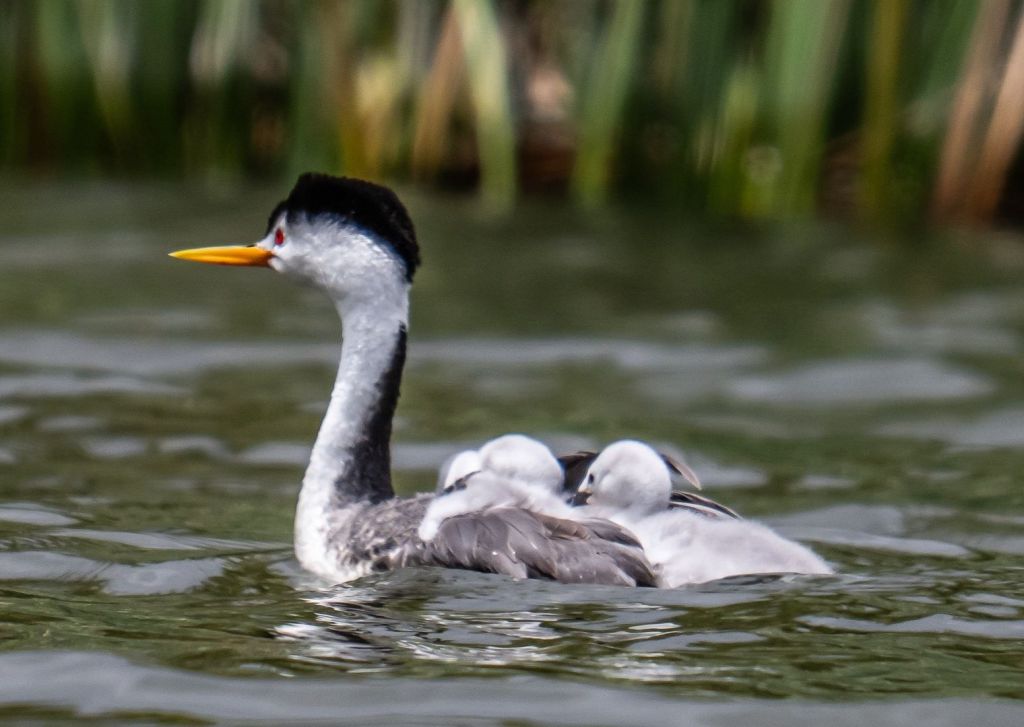
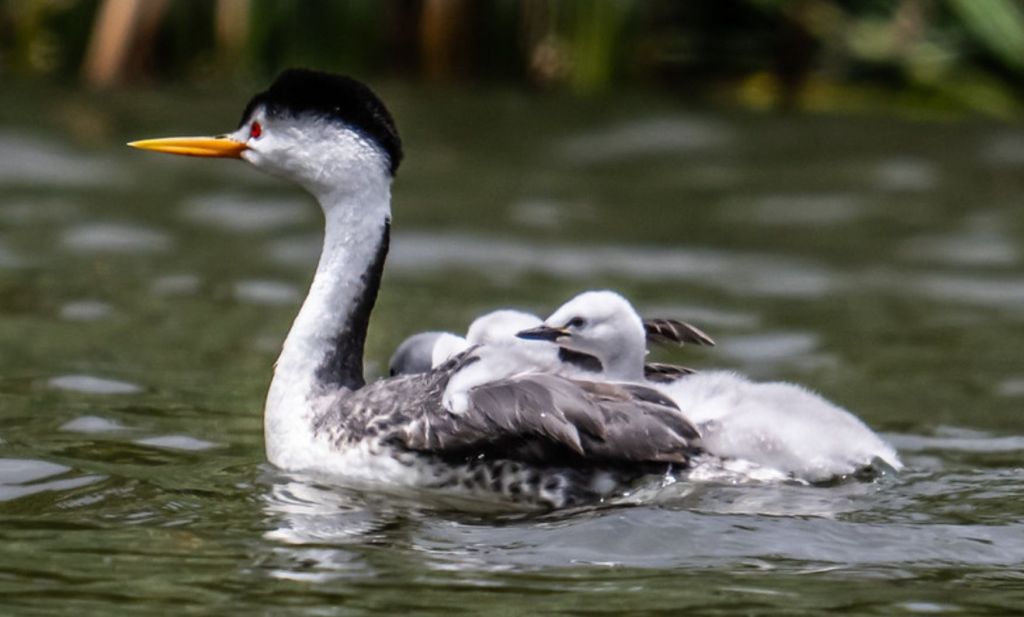
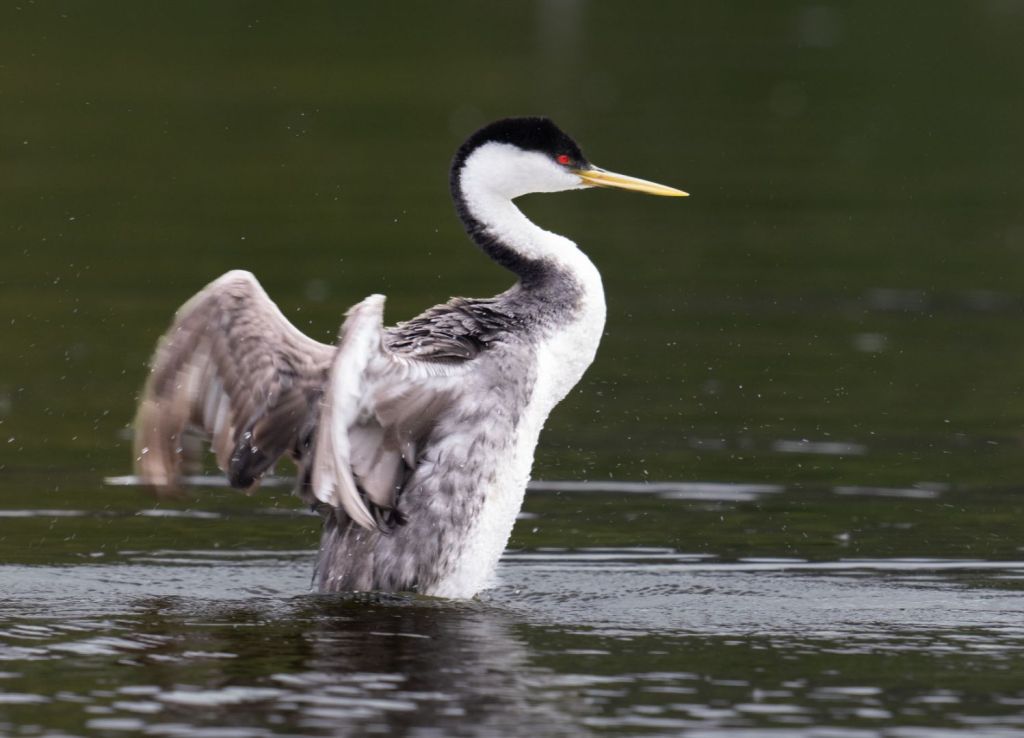
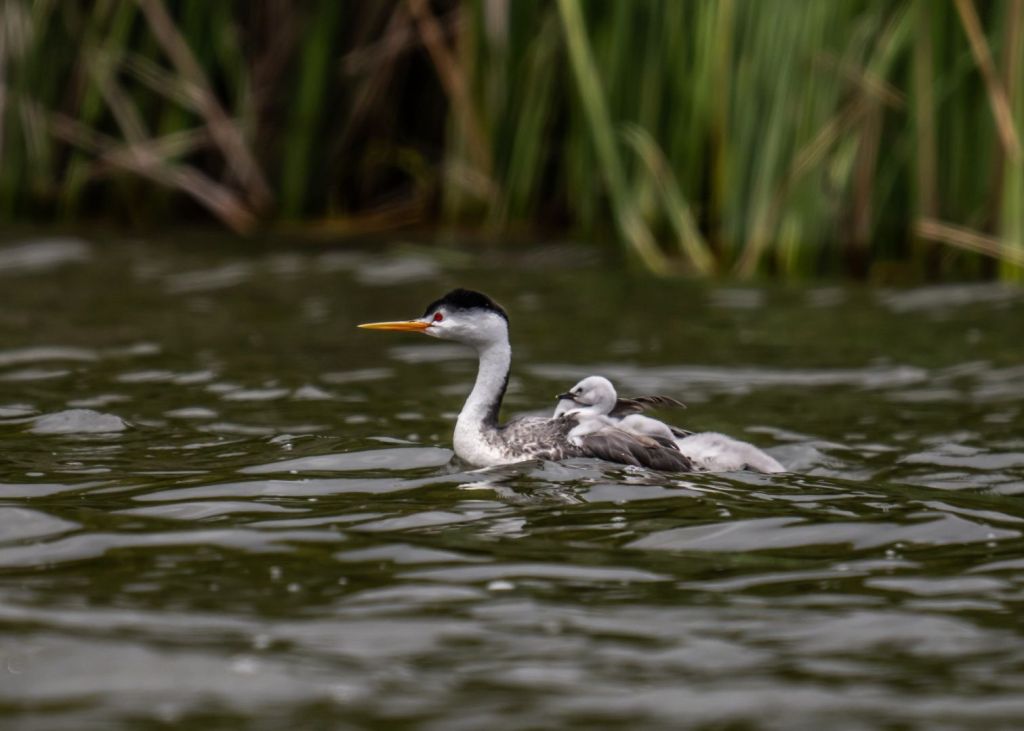
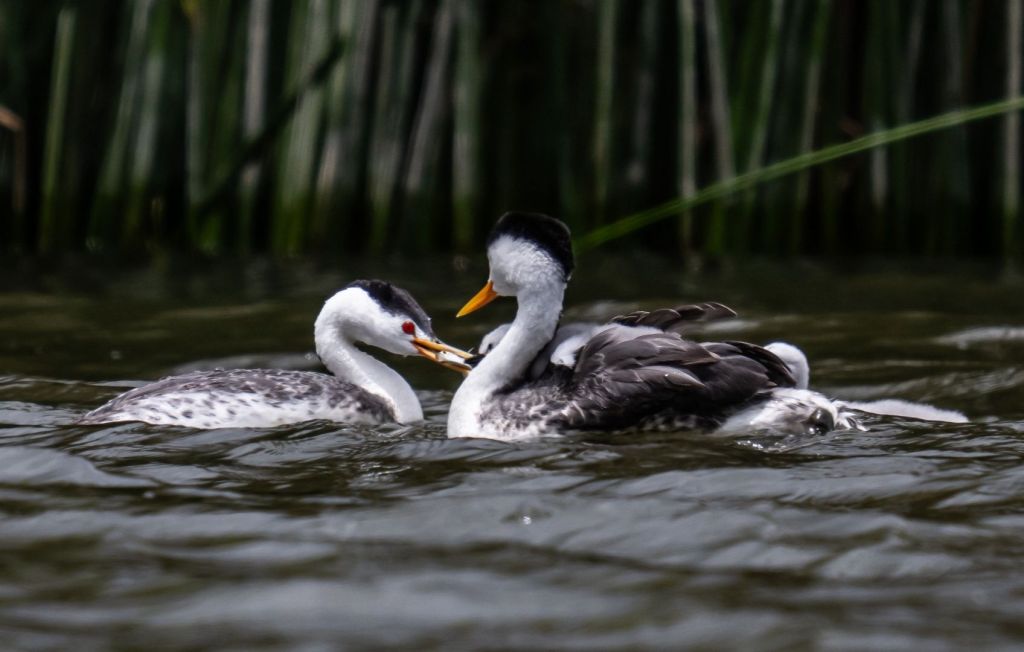
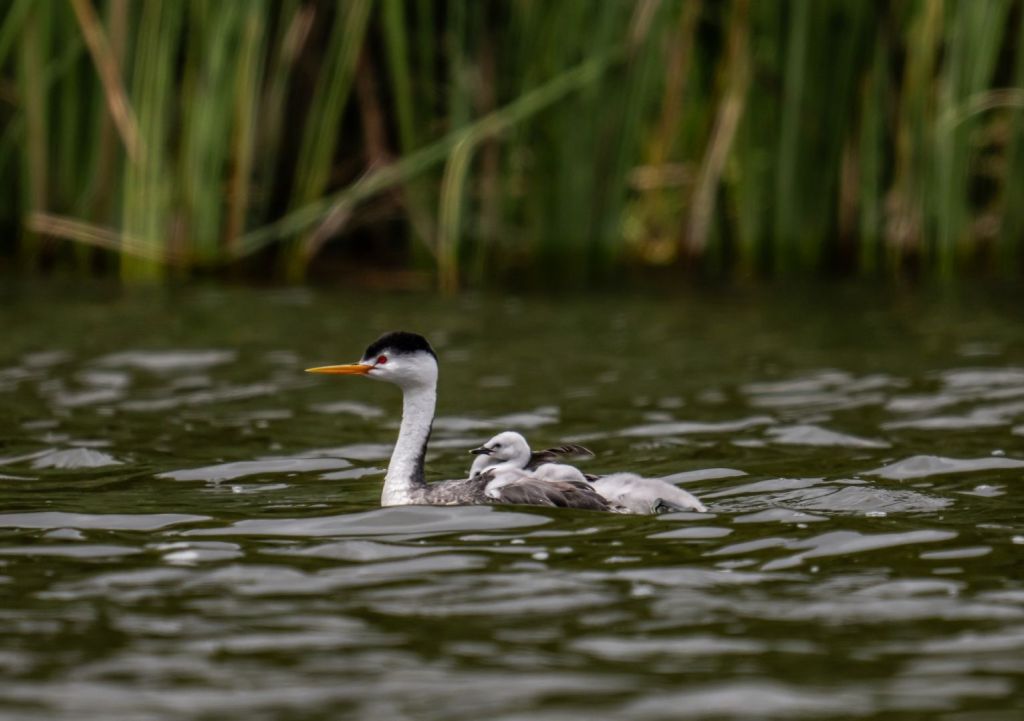
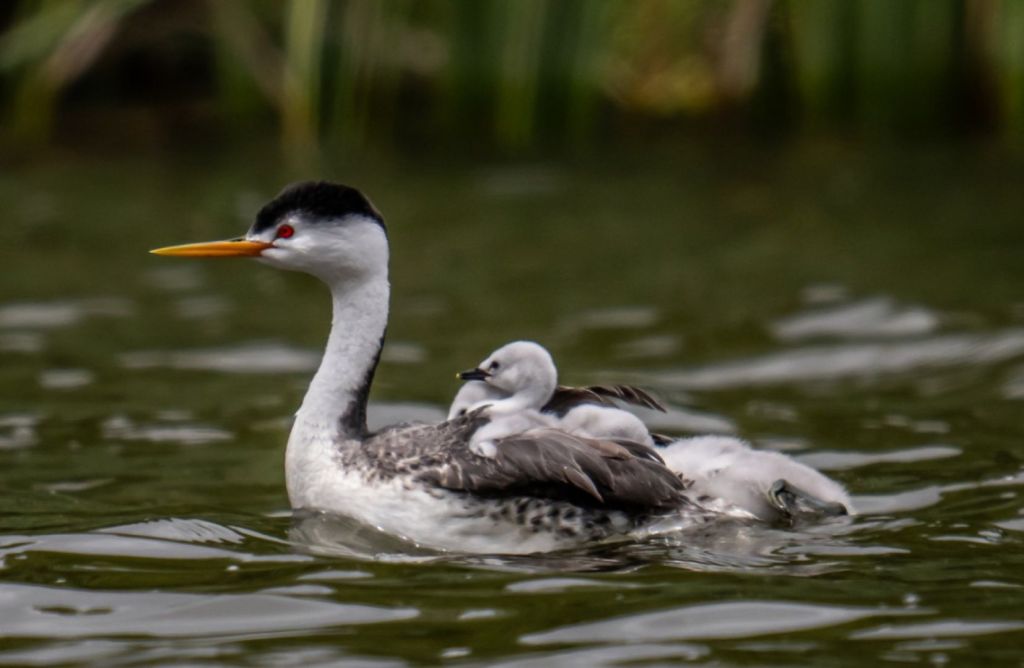
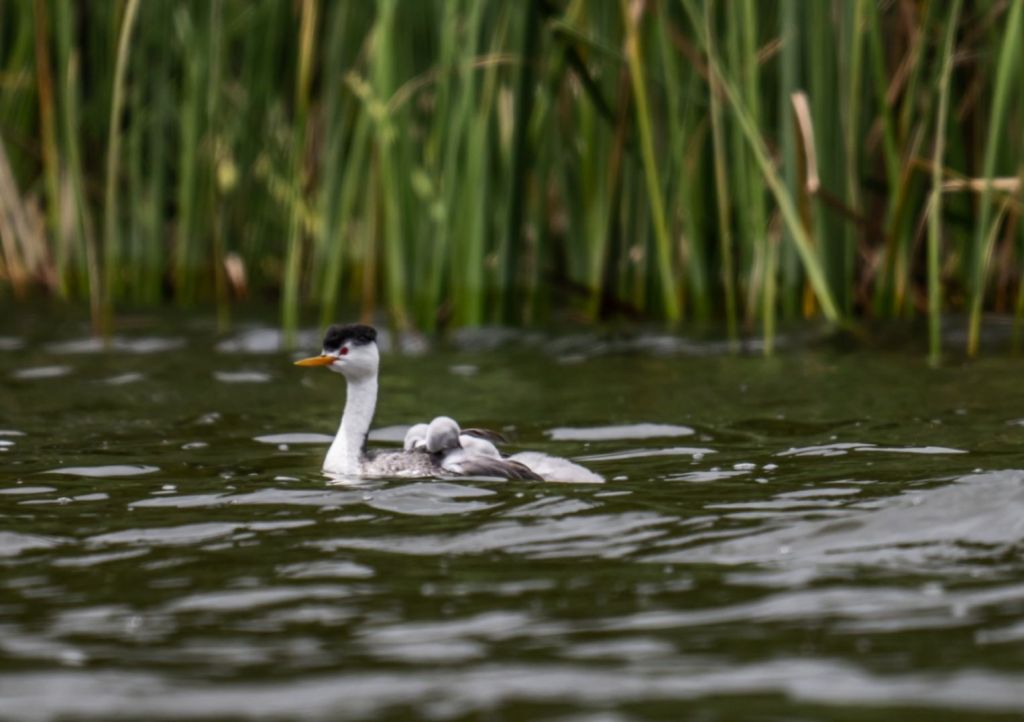
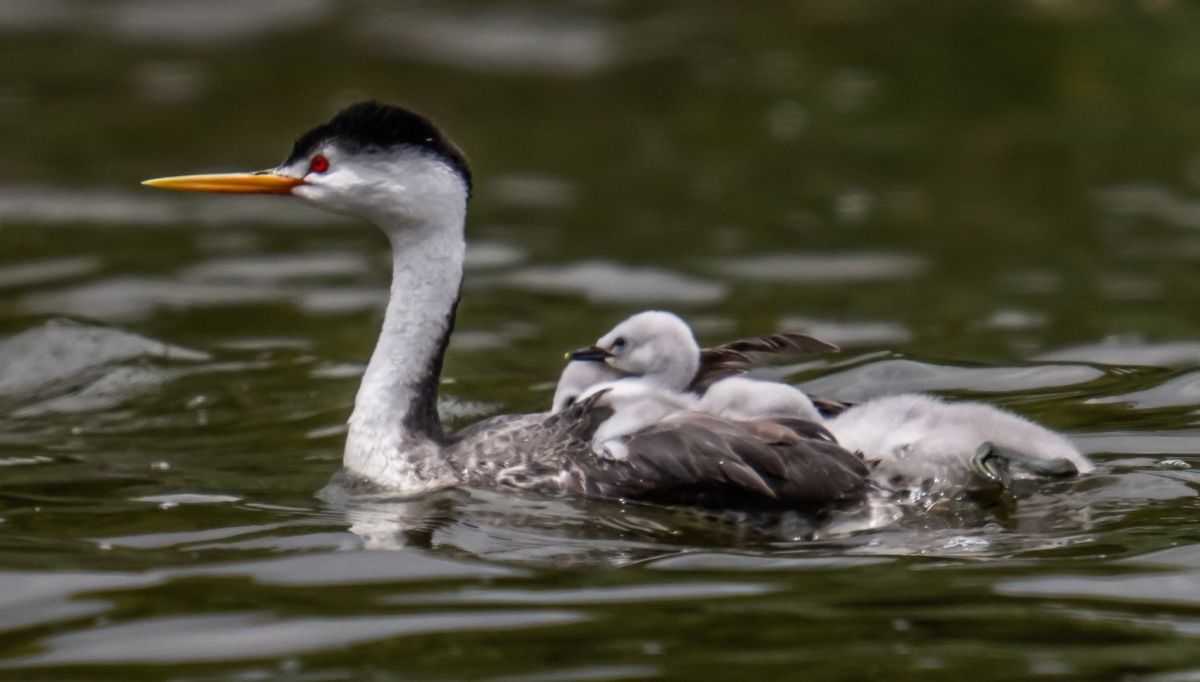
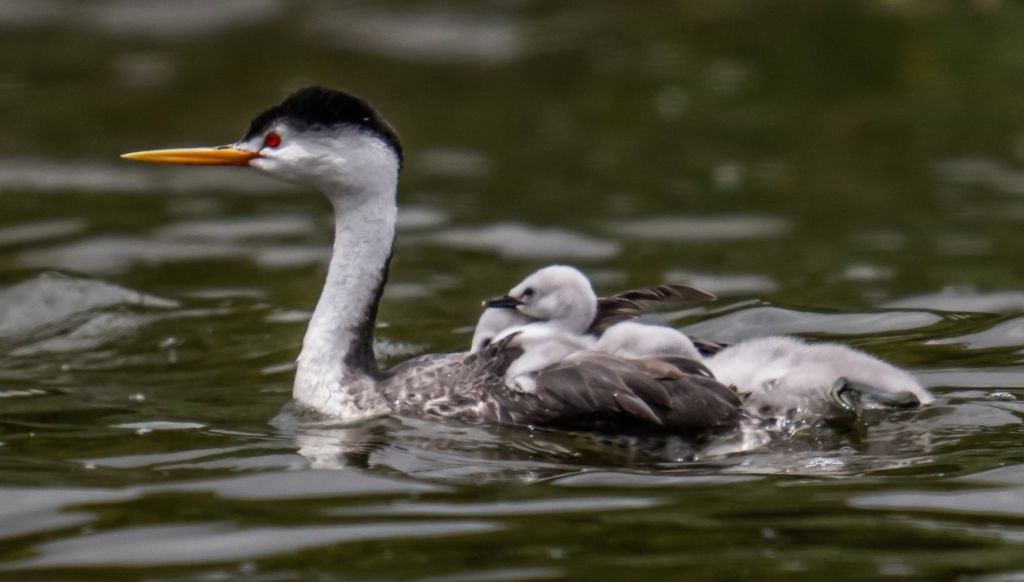
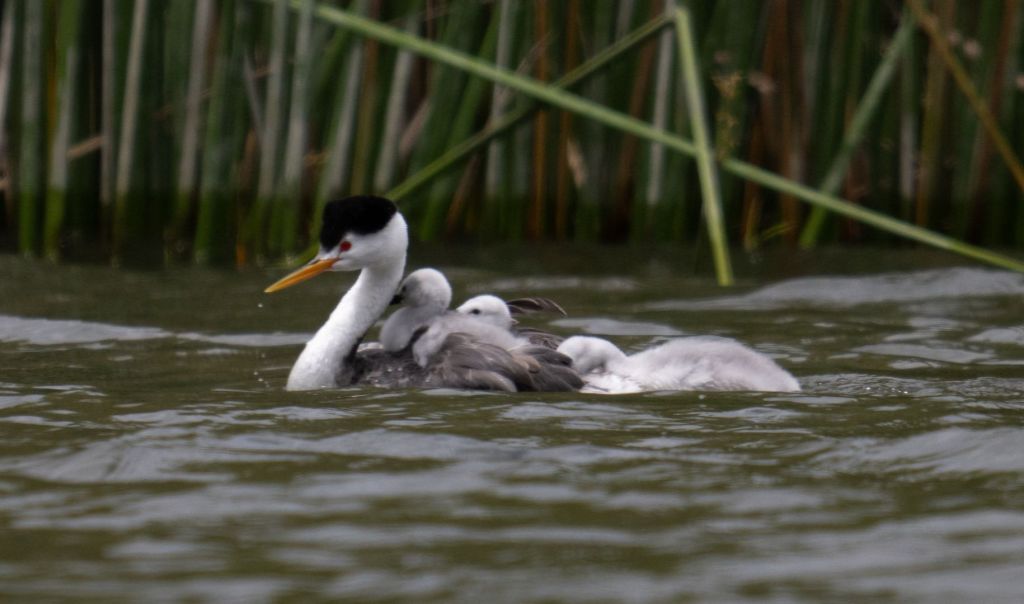
Every spring and early summer, one of the most heartwarming sights at Lake Wohlford is the appearance of Western Grebe chicks riding on the backs of their parents. For birders and photographers, these fuzzy youngsters provide some of the most memorable wildlife viewing opportunities in North County San Diego.
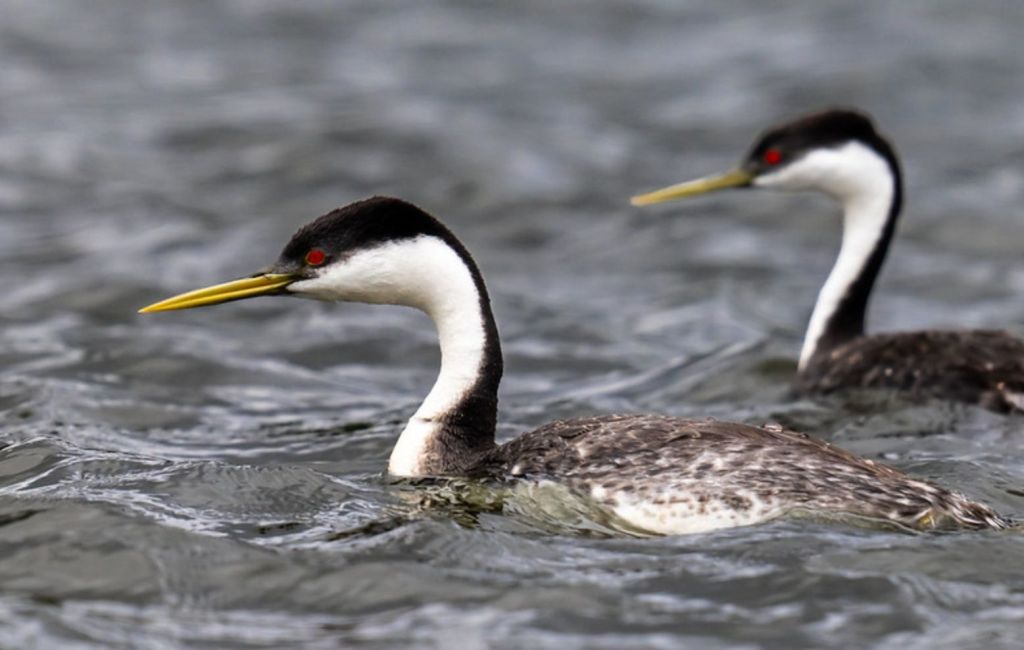
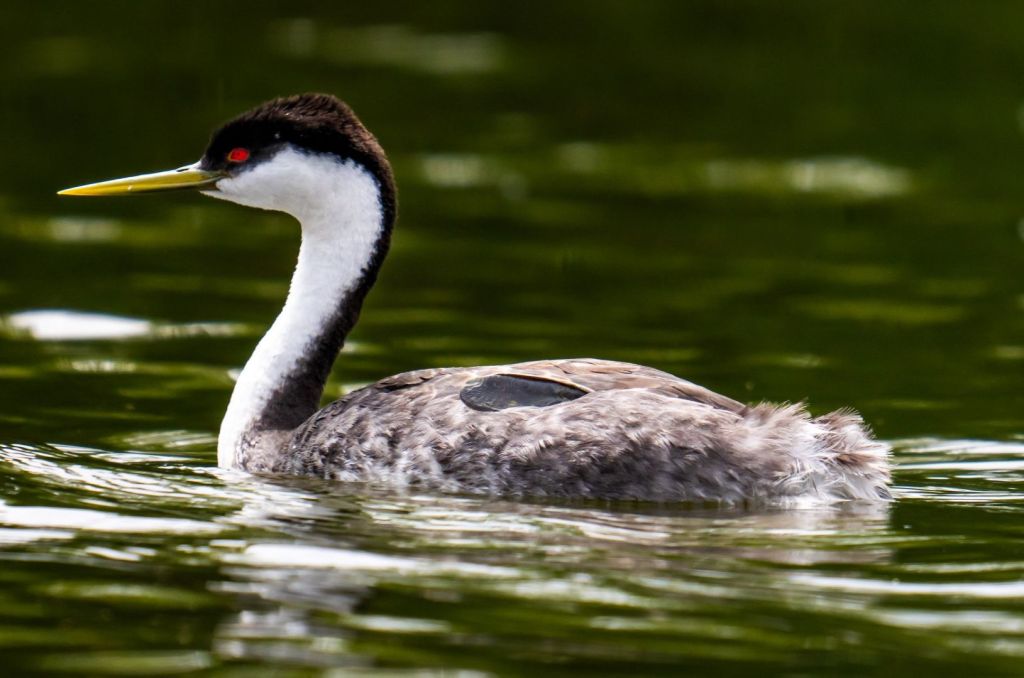
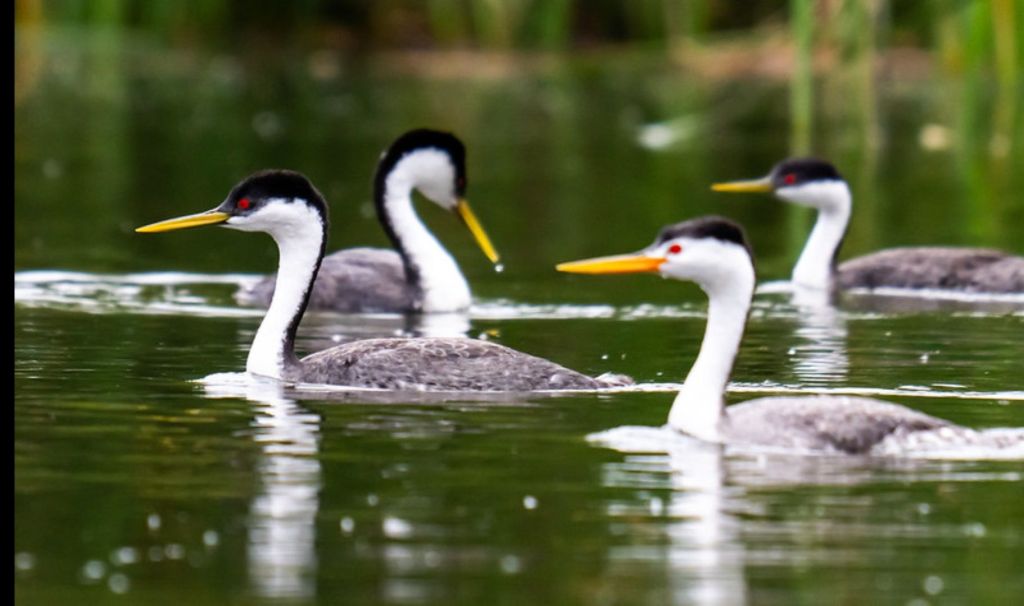
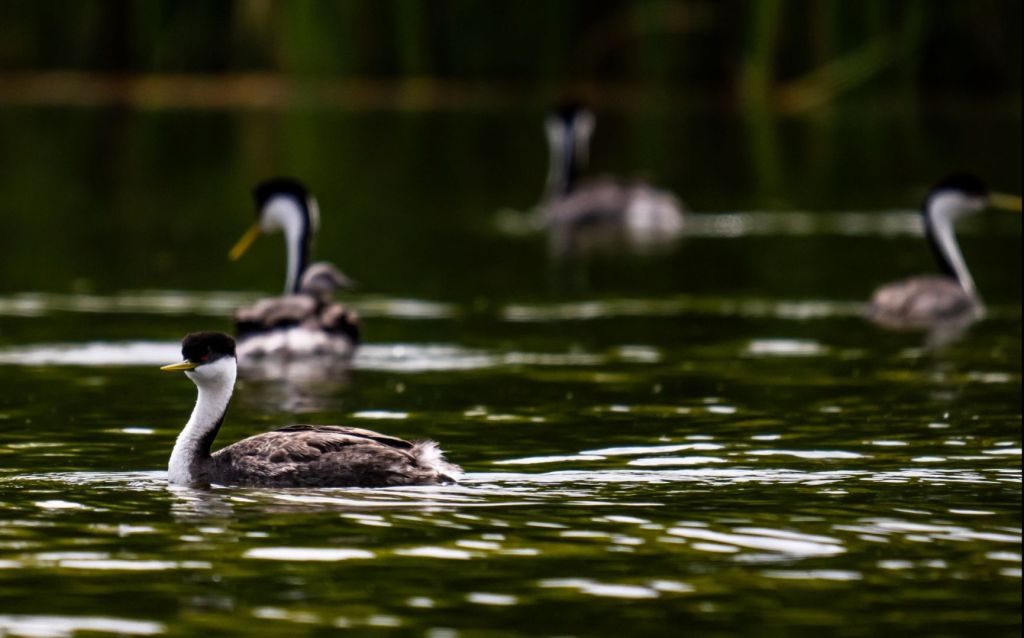
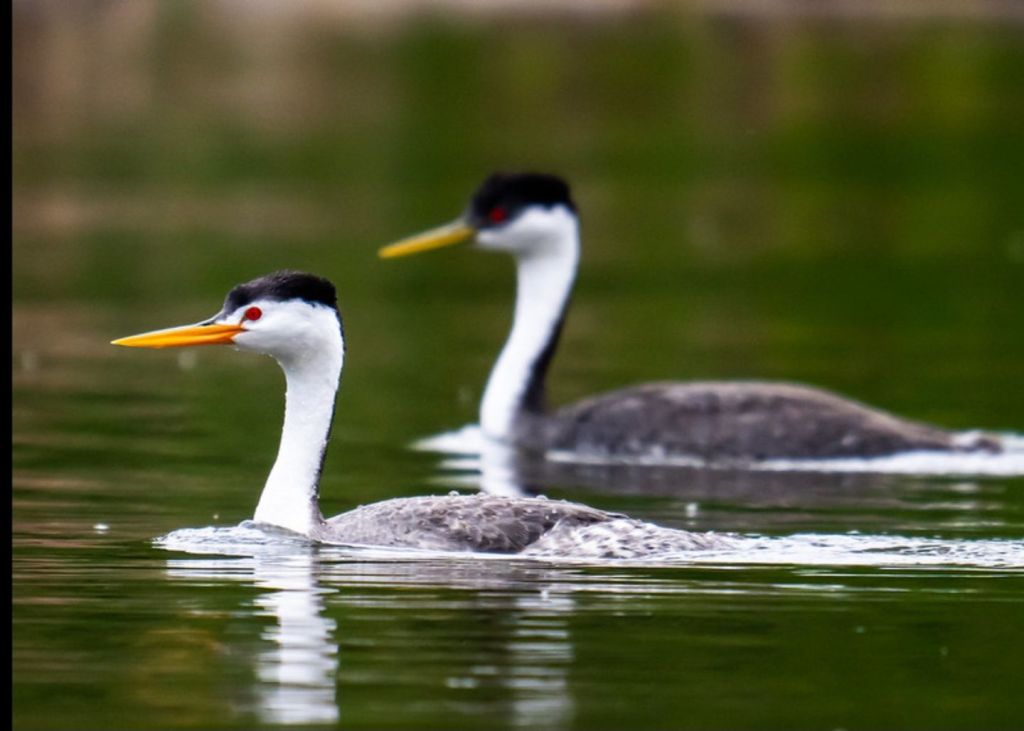
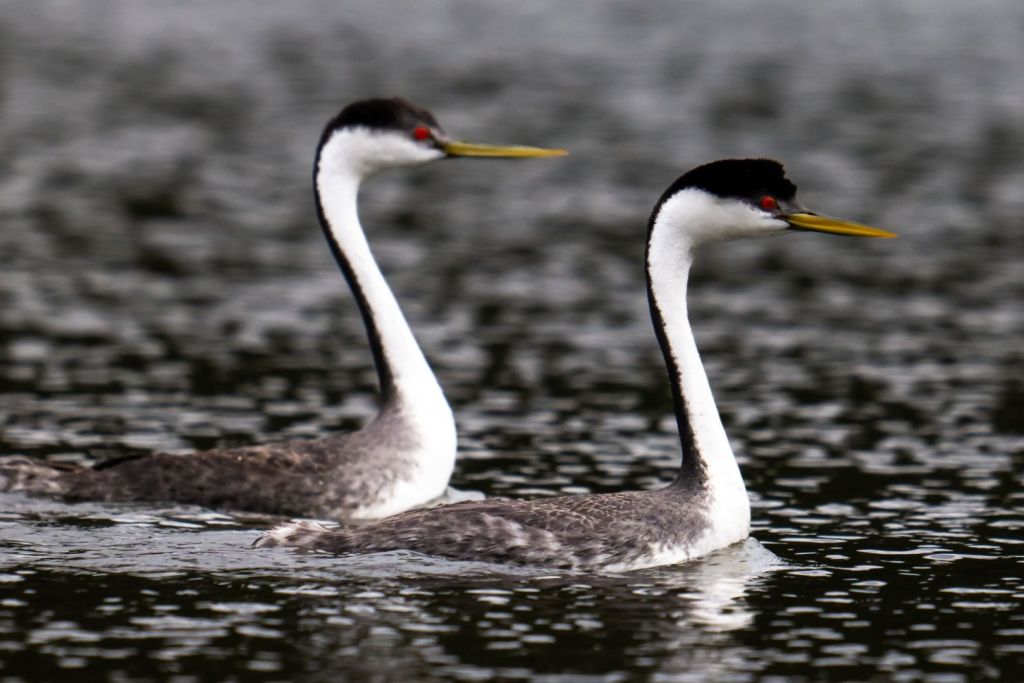
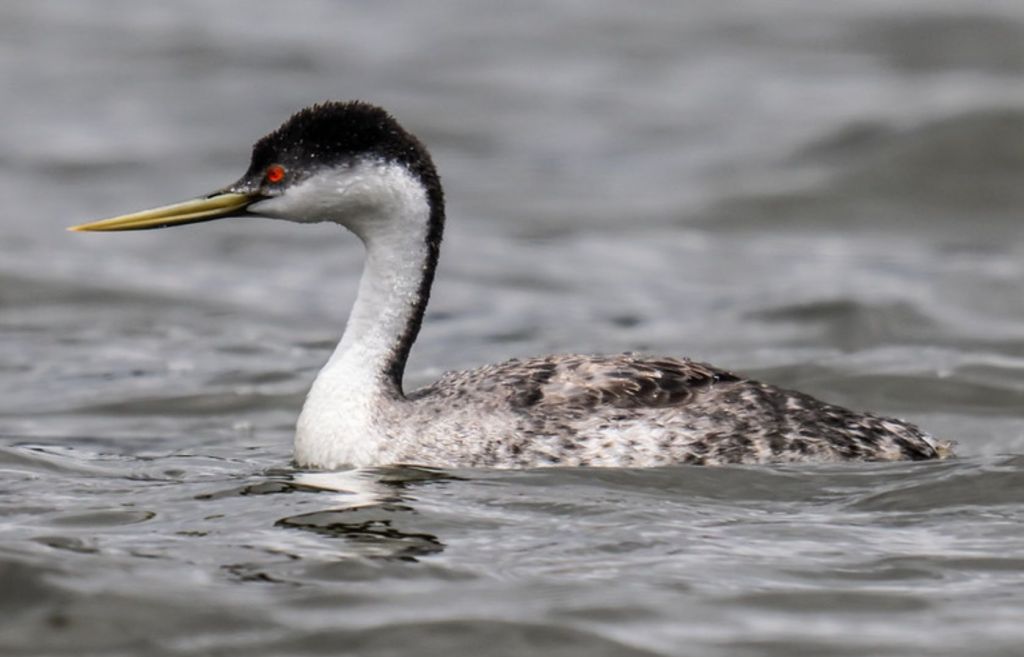
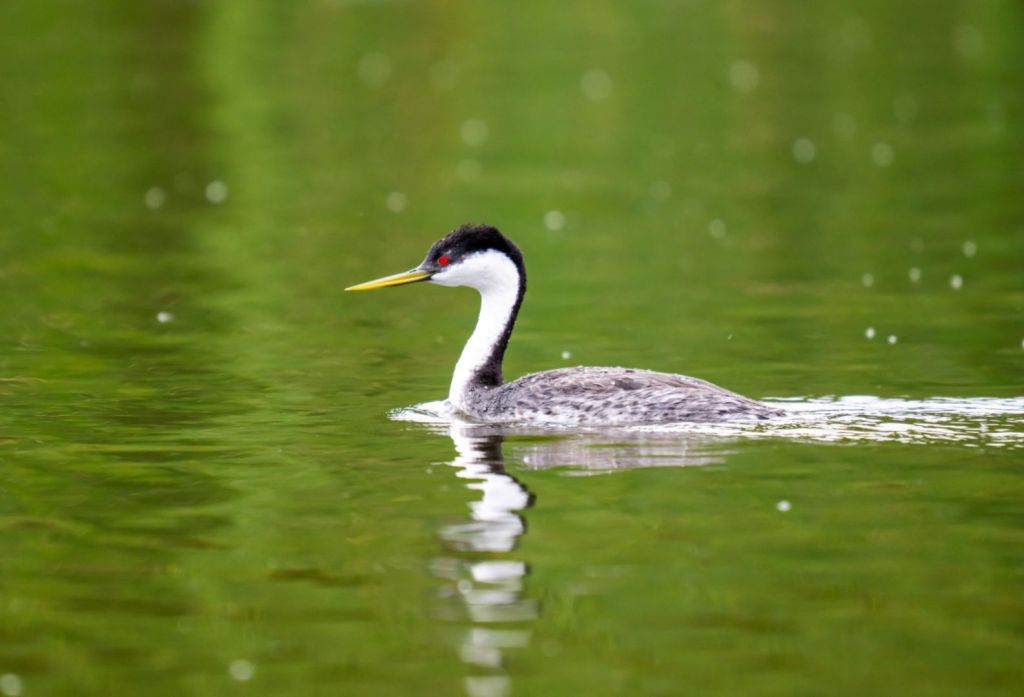
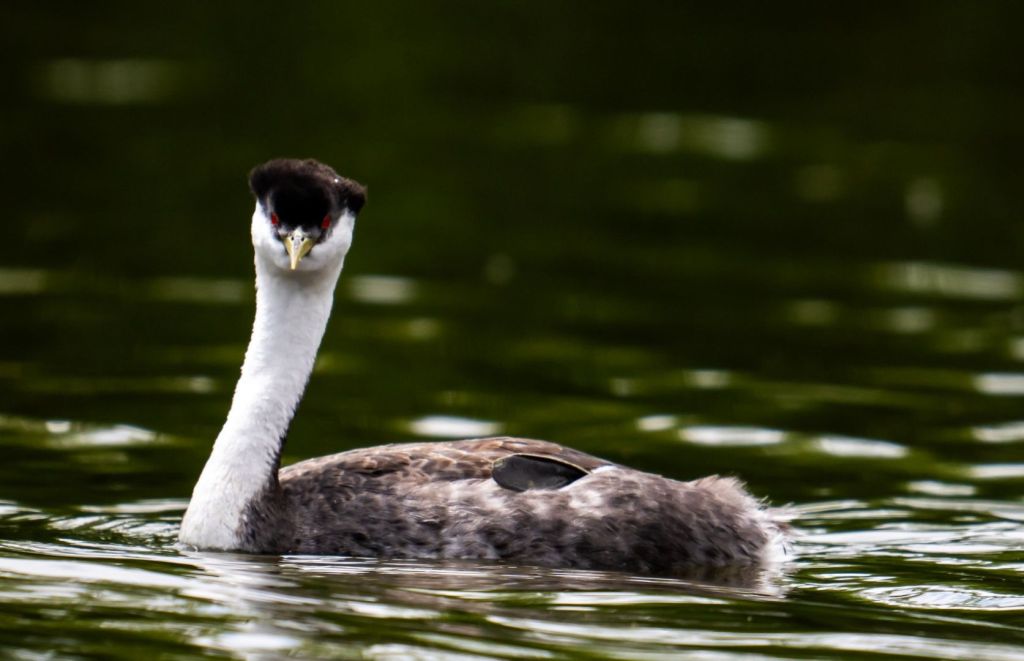
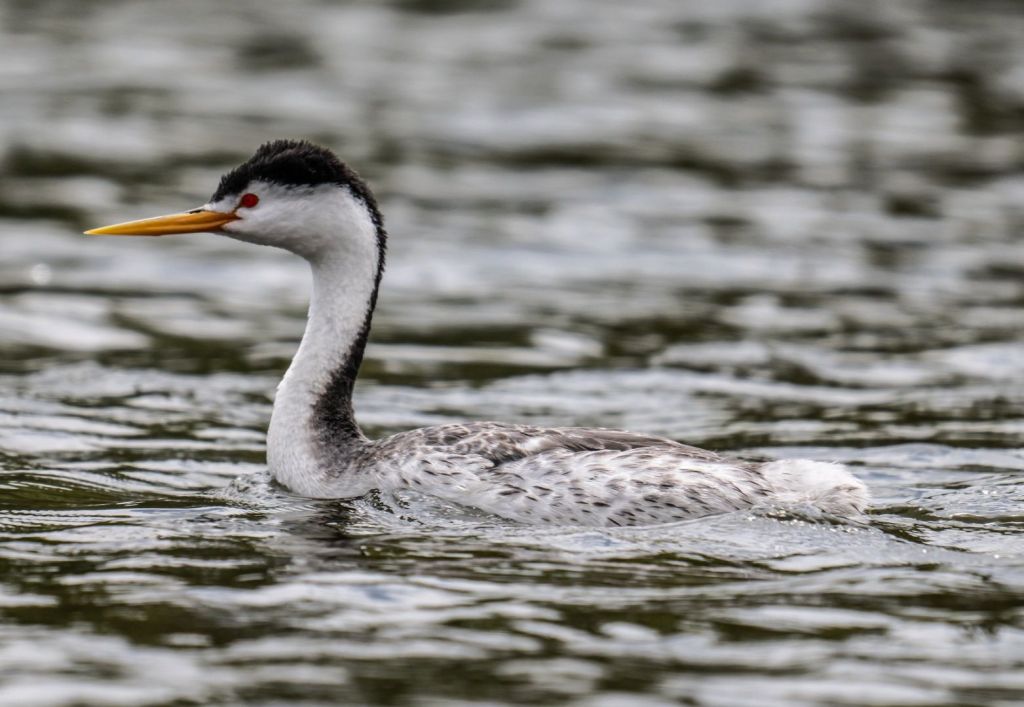
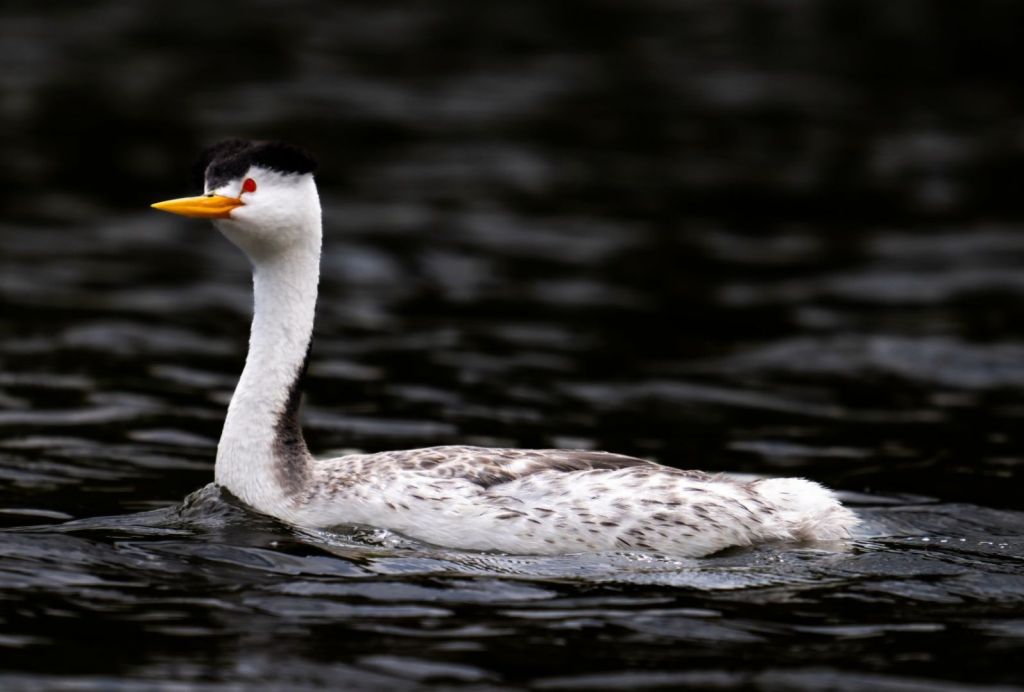
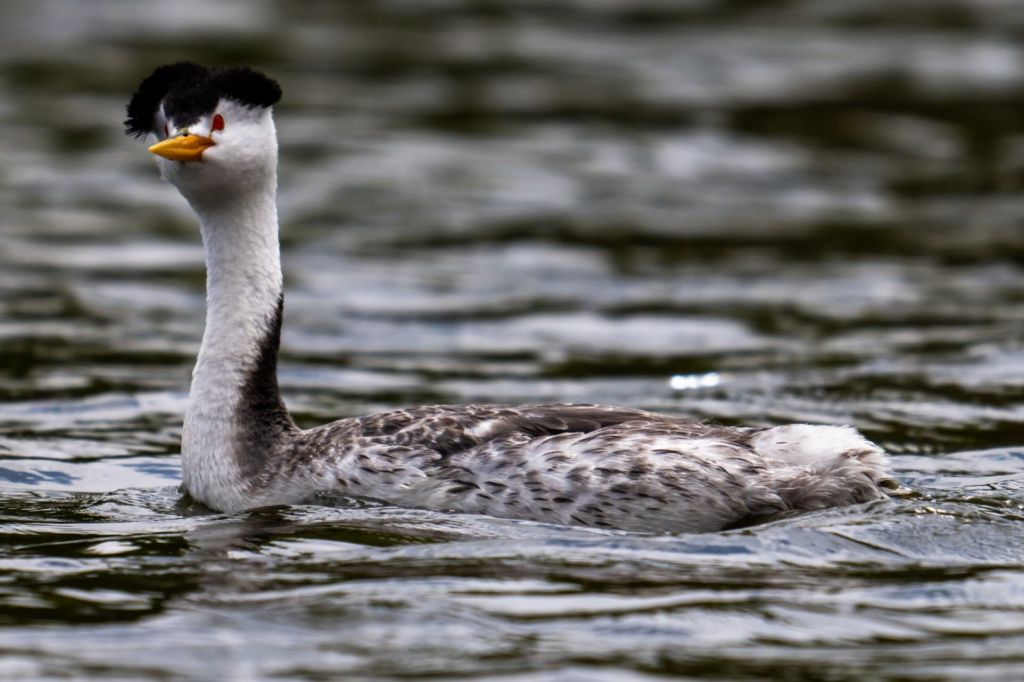
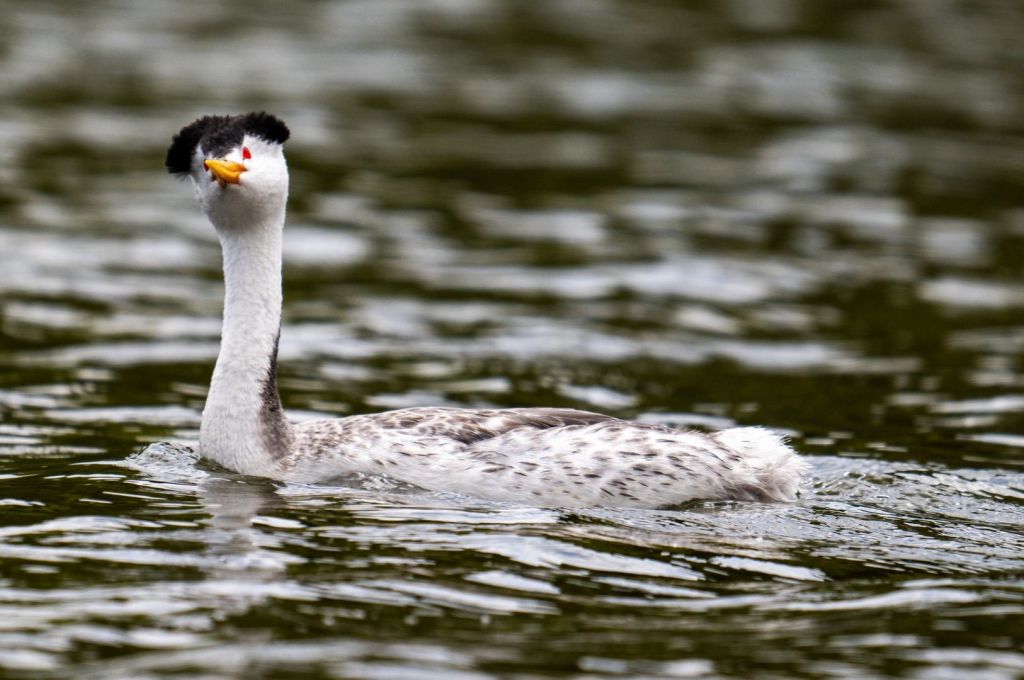
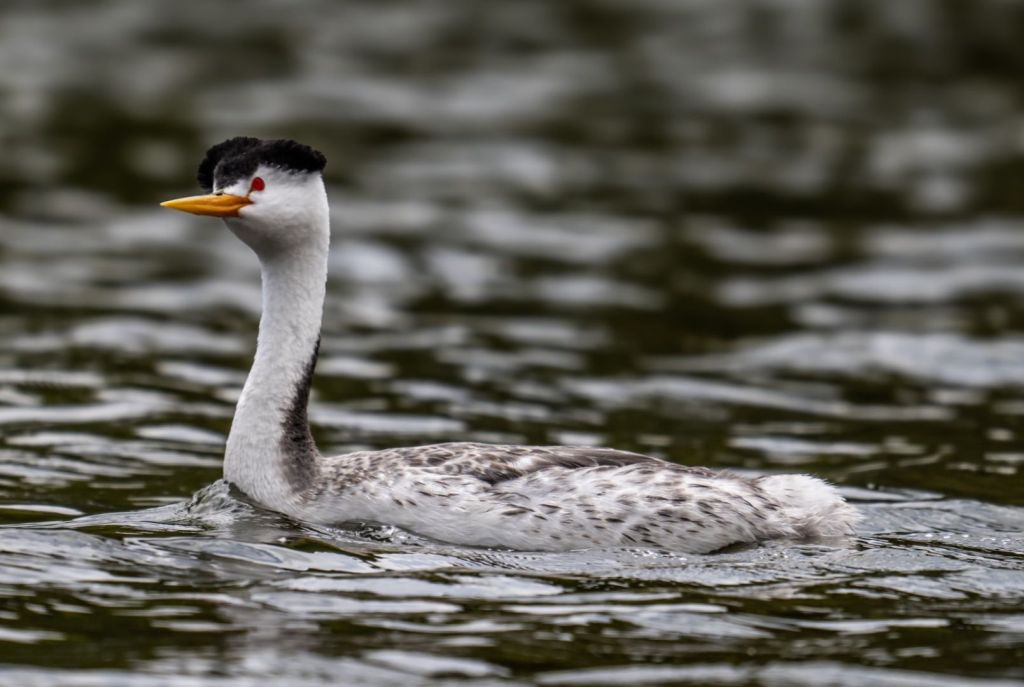
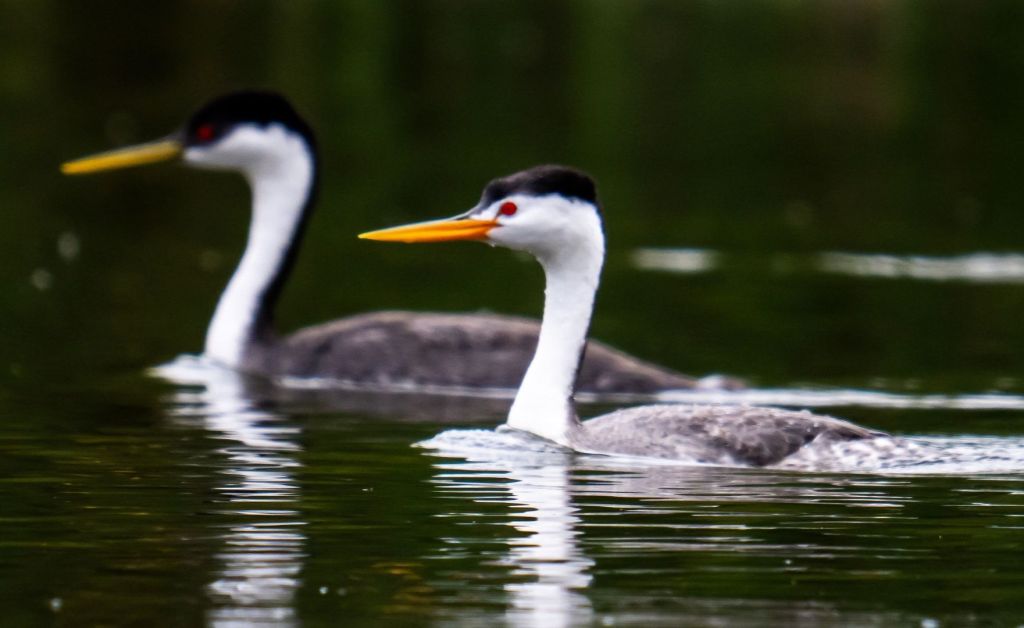
The Western Grebe (Aechmophorus occidentalis) is one of North America’s largest grebes, known for its elegant black-and-white plumage, striking red eyes, and spectacular courtship displays. Lake Wohlford has long been a favored breeding location for these birds, with photographers documenting their famous “rushing” behavior—when pairs appear to run across the water during courtship. 

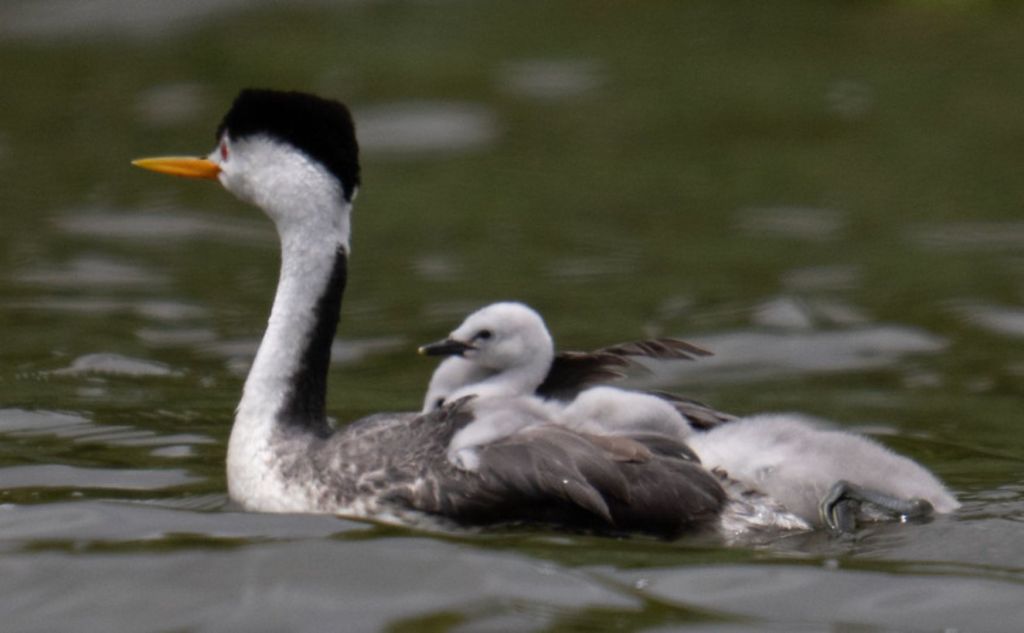
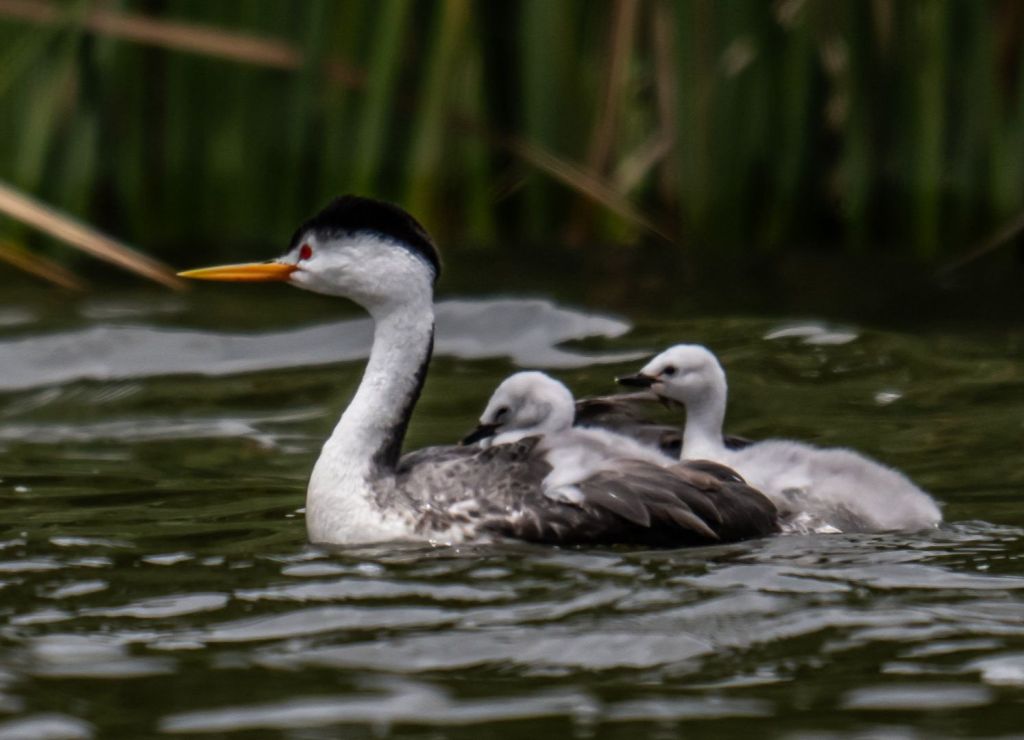
After nesting season begins, the real stars of the show emerge: the chicks. Newly hatched Western Grebes are covered in black-and-white stripes and are surprisingly mobile. Within minutes of hatching, they are capable of climbing onto a parent’s back, where they spend much of their first weeks sheltered from predators and cold water. Both parents participate in raising the young and take turns carrying them around the lake. 

Watching a grebe family cruise across the calm waters of Lake Wohlford can feel like something out of a nature documentary. Often only a few tiny striped heads are visible peeking out from beneath a parent’s wings. As the chicks grow, they become more adventurous, swimming alongside their parents and eagerly begging for small fish.

The breeding cycle of Western Grebes depends on floating nests constructed from aquatic vegetation. These nests are anchored among emergent plants and can support clutches of two to four eggs. Once the chicks hatch, they leave the nest quickly and begin their remarkable back-riding behavior. 

For wildlife photographers, early morning is often the best time to observe these families. Calm water creates beautiful reflections, and the soft light highlights the chicks’ distinctive striped plumage. A telephoto lens allows photographers to capture natural behavior without disturbing the birds.

Beyond providing wonderful photographic opportunities, the presence of nesting Western Grebes is an indicator of healthy aquatic habitat. These colonial nesting birds require a combination of open water for feeding and sheltered vegetation for nesting. Across western North America, breeding populations depend on suitable lake habitat and protection from disturbance. 

A visit to Lake Wohlford during chick season offers a reminder of how remarkable bird life can be right here in San Diego County. Whether you’re an experienced birder or simply enjoying a morning walk around the lake, spotting a Western Grebe carrying its striped youngsters across the water is an experience that is hard to forget.

Birding Tip: Bring binoculars and scan the quieter coves of the lake during the morning hours. Look for an adult grebe sitting unusually high in the water—there may be several chicks hidden on its back.

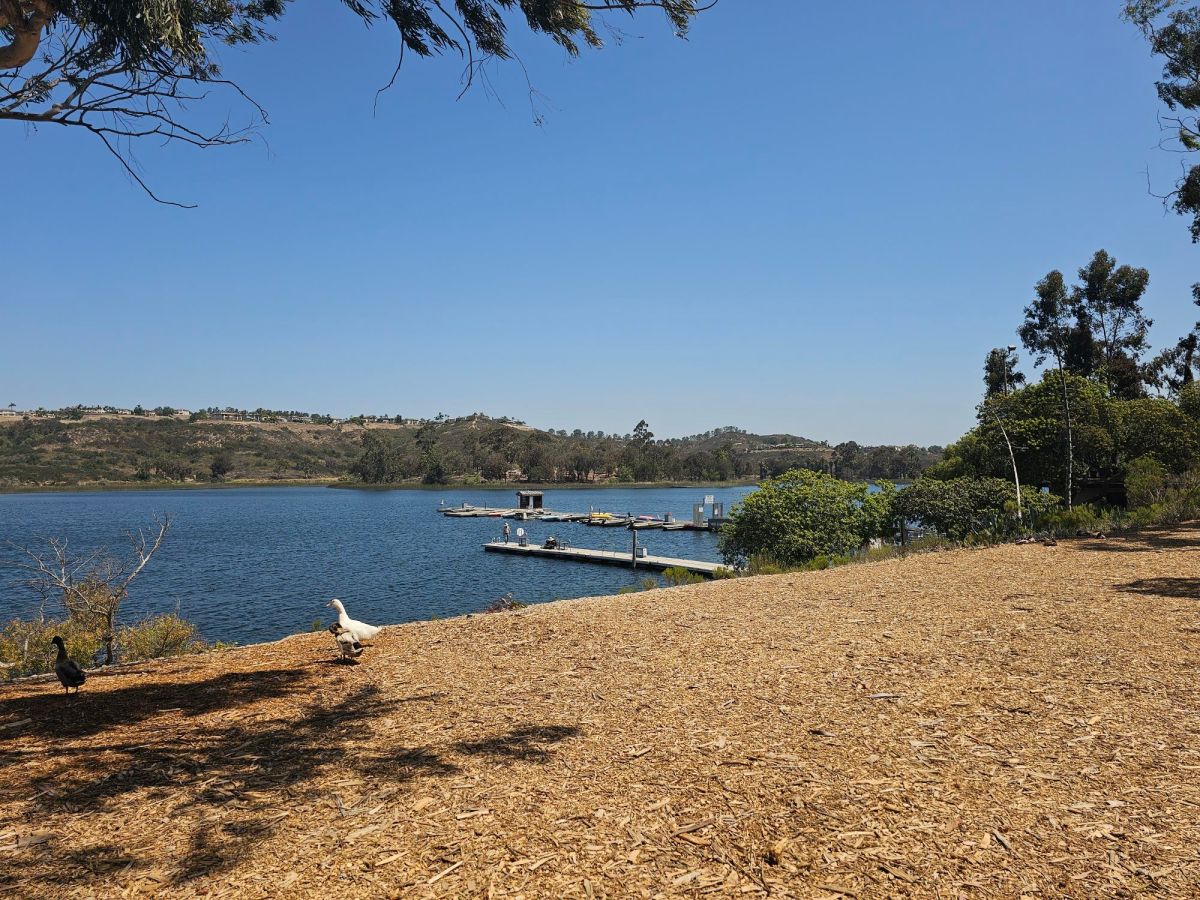
At Lake Wohlford, visitors can rent fishing boats, including rowboats and small motorboats, from the lake’s concession area. The lake has long offered boat rentals for anglers who want to reach deeper water or fish away from the shoreline
A Walk Around Lake Miramar: San Diego’s Scenic Reservoir Escape

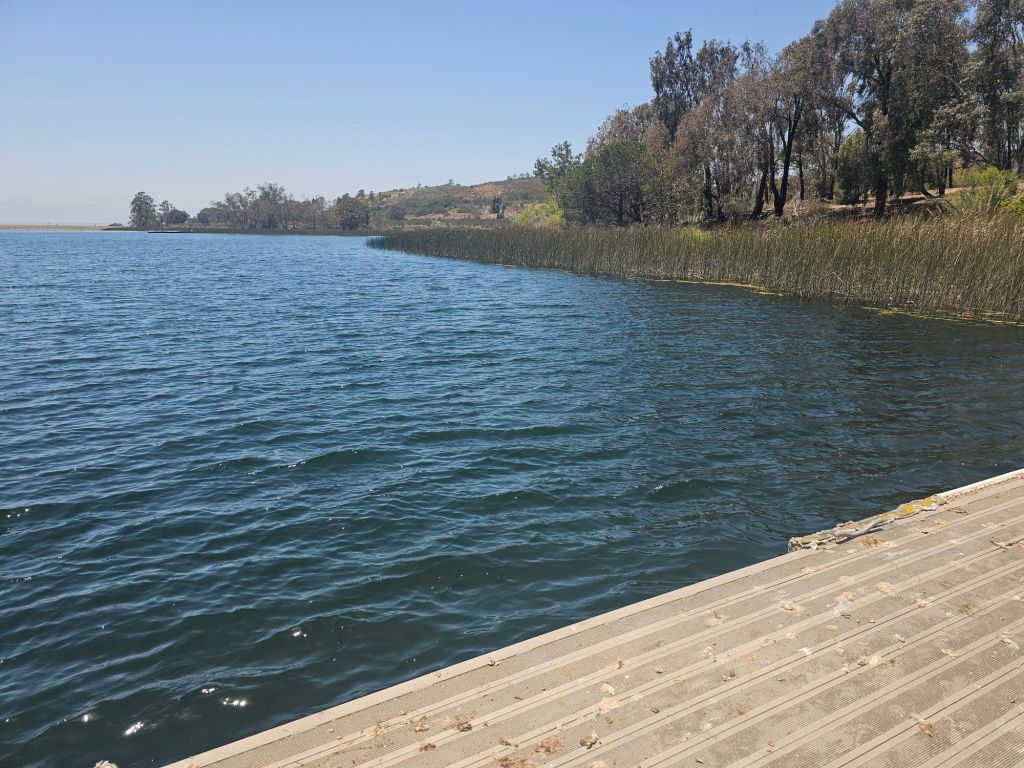
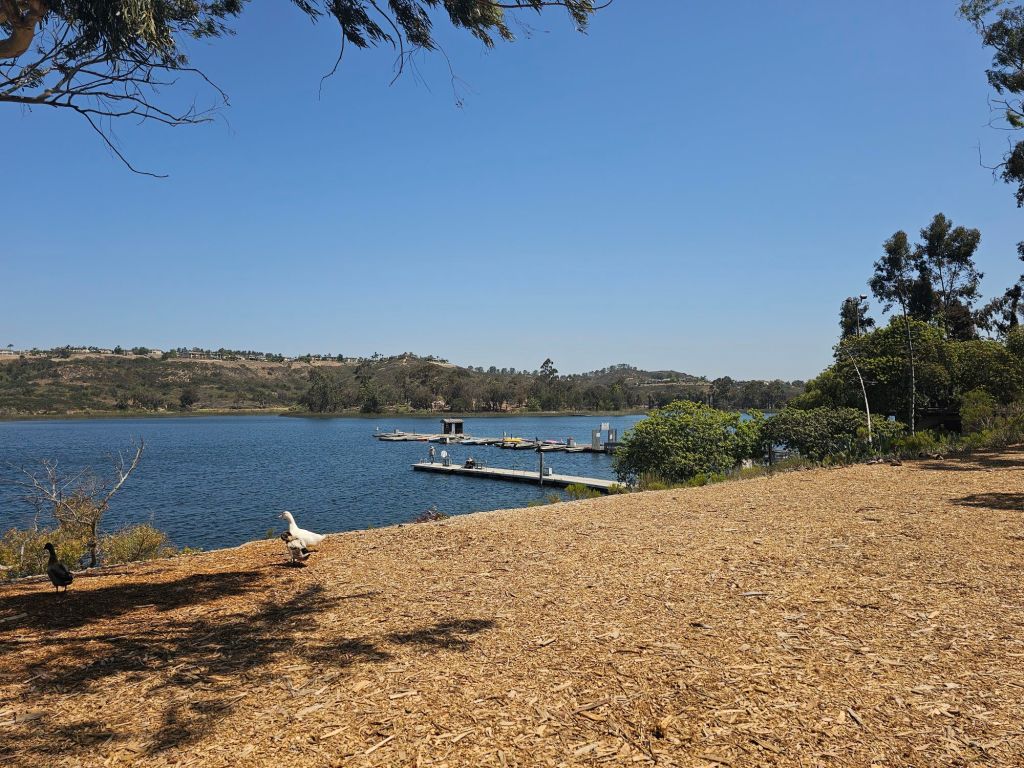
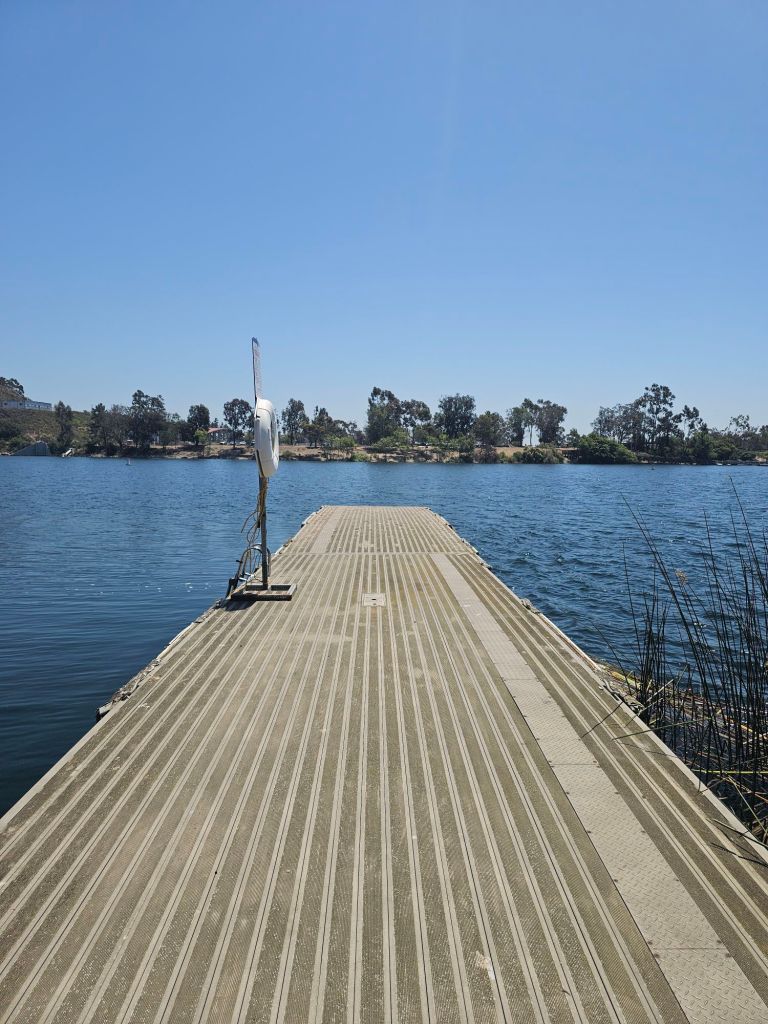
Officially known as Miramar Reservoir, the lake offers a peaceful blend of recreation, wildlife, and wide-open scenery just minutes from busy neighborhoods and freeways. Originally constructed as part of San Diego’s water supply system, the reservoir today serves a dual purpose. While it continues to store drinking water for the city, the surrounding recreation area has evolved into a popular local escape where visitors can enjoy nature without leaving urban San Diego behind.

Officially known as Miramar Reservoir, the lake offers a peaceful blend of recreation, wildlife, and wide-open scenery just minutes from busy neighborhoods and freeways. Originally constructed as part of San Diego’s water supply system, the reservoir today serves a dual purpose. While it continues to store drinking water for the city, the surrounding recreation area has evolved into a popular local escape where visitors can enjoy nature without leaving urban San Diego behind.

One of the biggest draws of Lake Miramar is the nearly five-mile paved loop that circles the reservoir. The trail is mostly flat, making it accessible for casual walkers while still offering enough distance for runners and cyclists looking for a good workout. Early mornings are especially popular, when cool air settles over the water and the rising sun reflects across the calm surface of the lake.

Wildlife is another major attraction around the reservoir. Birdwatchers regularly encounter ducks, grebes, cormorants, herons, and gulls on the water, while hawks and kestrels patrol the nearby hillsides. During migration seasons, unexpected visitors sometimes appear, rewarding patient observers with memorable sightings. Despite its popularity, Lake Miramar still manages to feel surprisingly peaceful. A weekday morning walk can bring long stretches of quiet shoreline, interrupted only by birds calling across the water or the distant splash of fish near the surface.

Sky Kings of the Cliffs: Peregrine Falcons at Torrey Pines

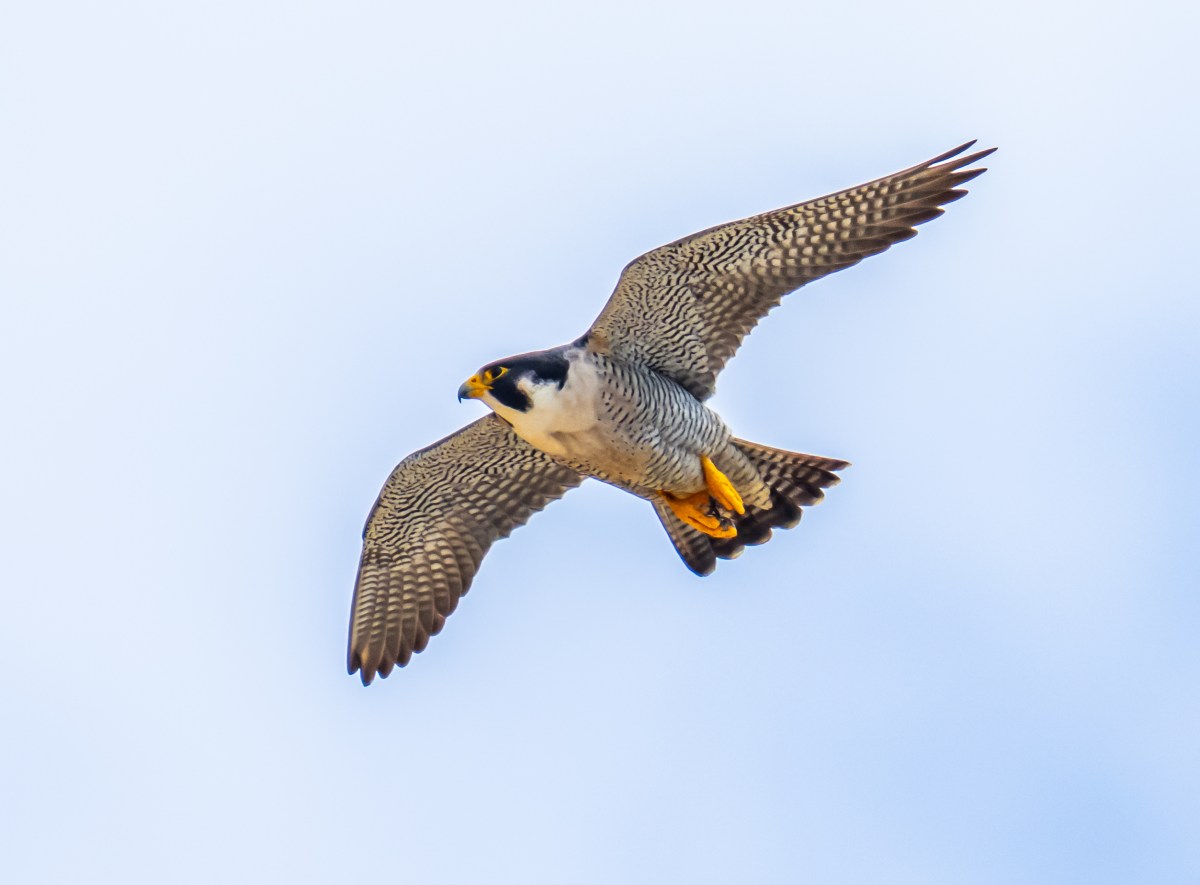
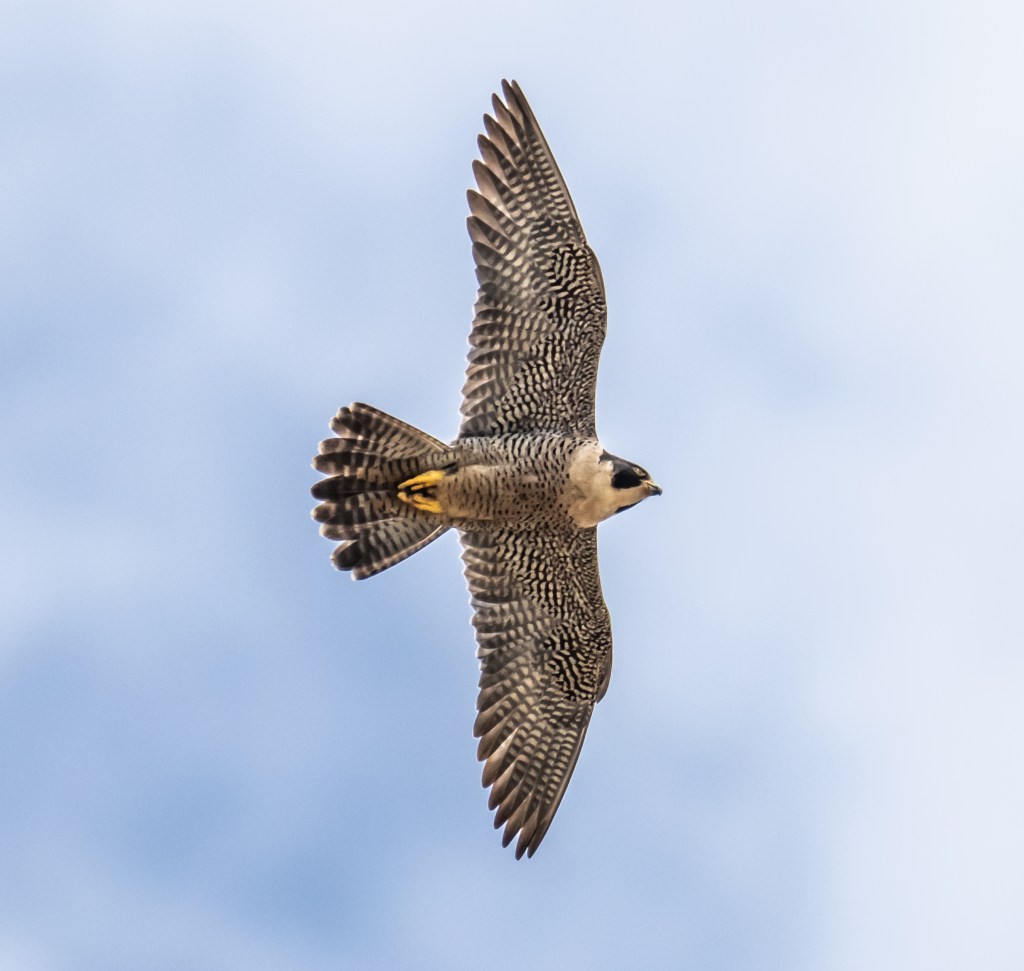
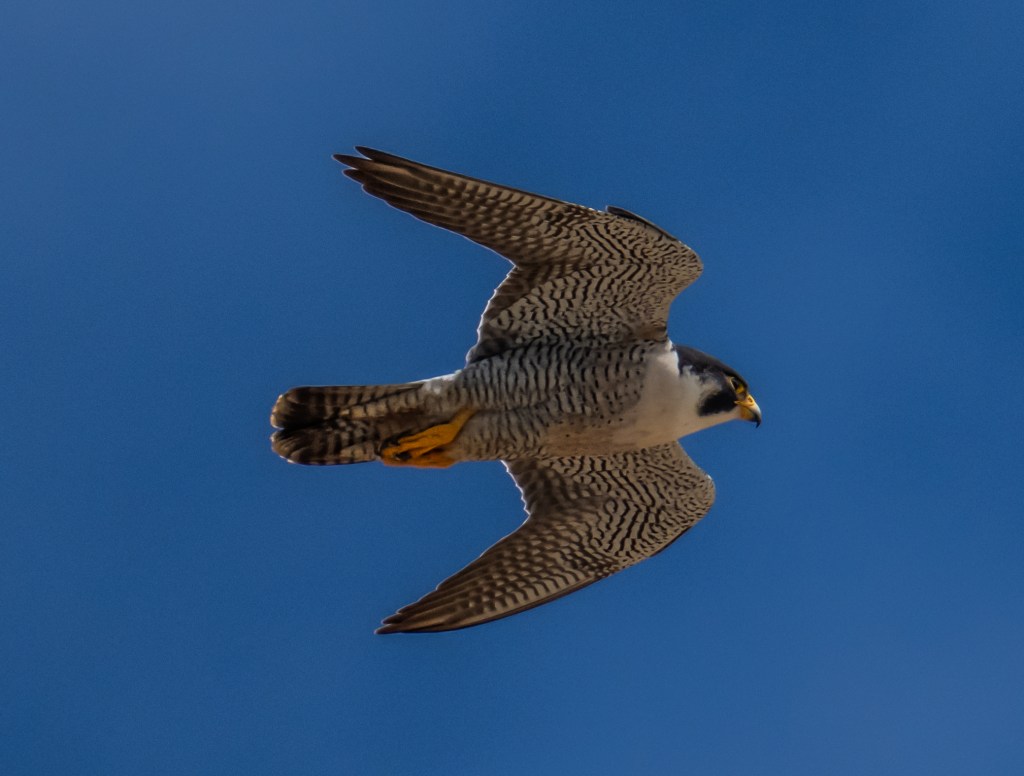
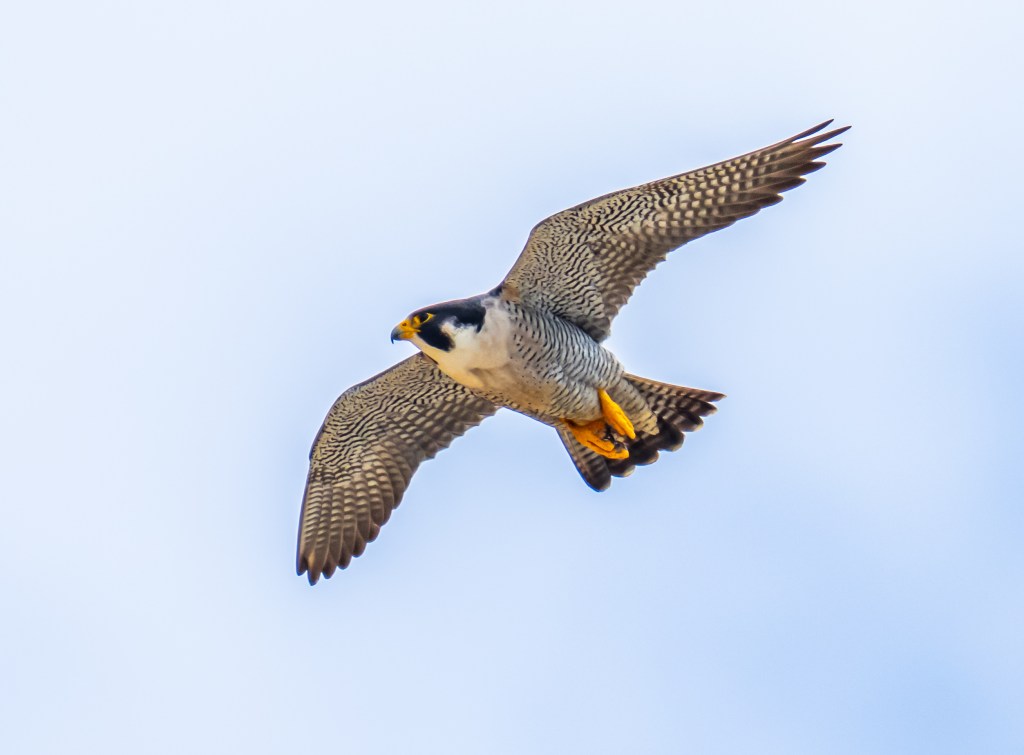
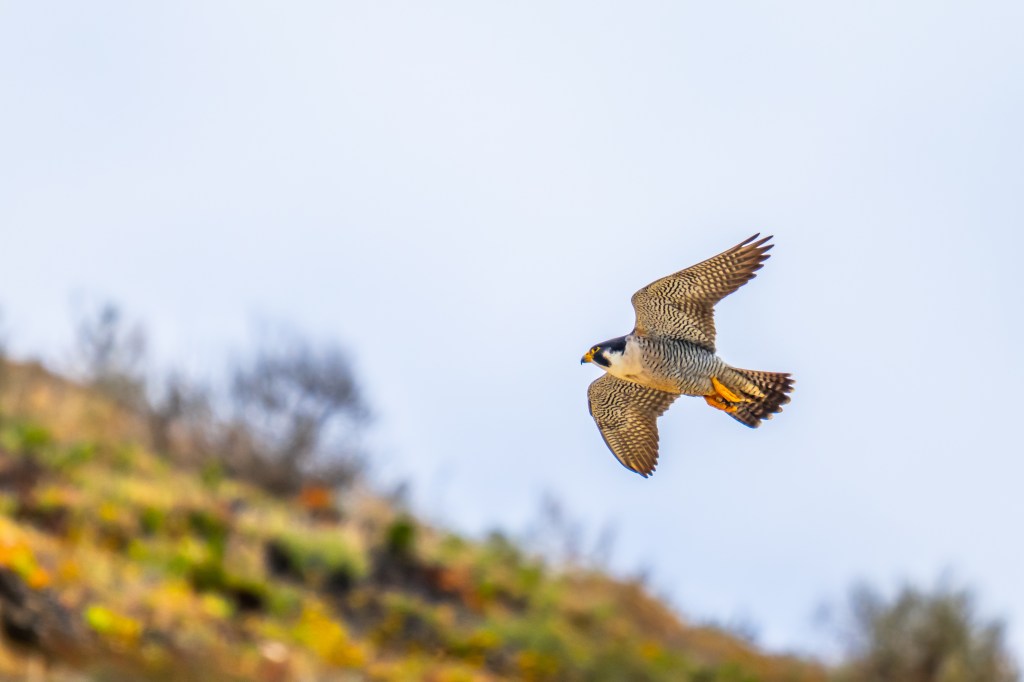
There are few places in Southern California where raw coastal beauty and high-speed wildlife drama come together as seamlessly as Torrey Pines State Natural Reserve. Known for its windswept cliffs, rare pine trees, and sweeping ocean views, this stretch of coastline is also home to one of the fastest animals on Earth—the Peregrine Falcon.

A Perfect Home Above the Pacific

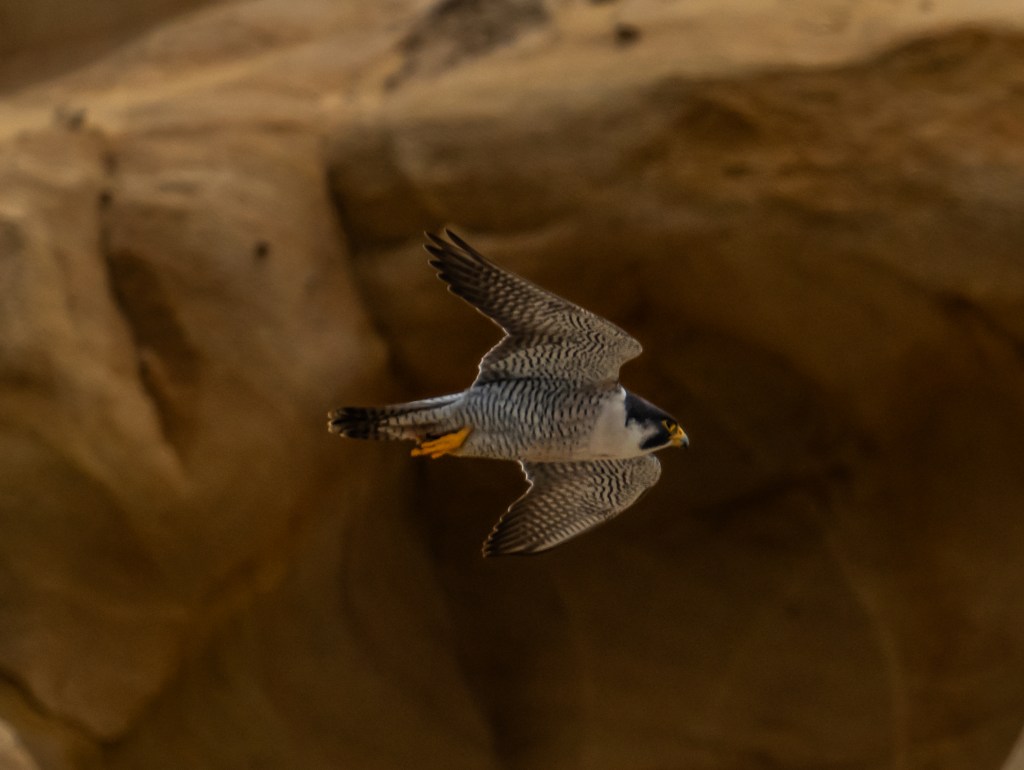
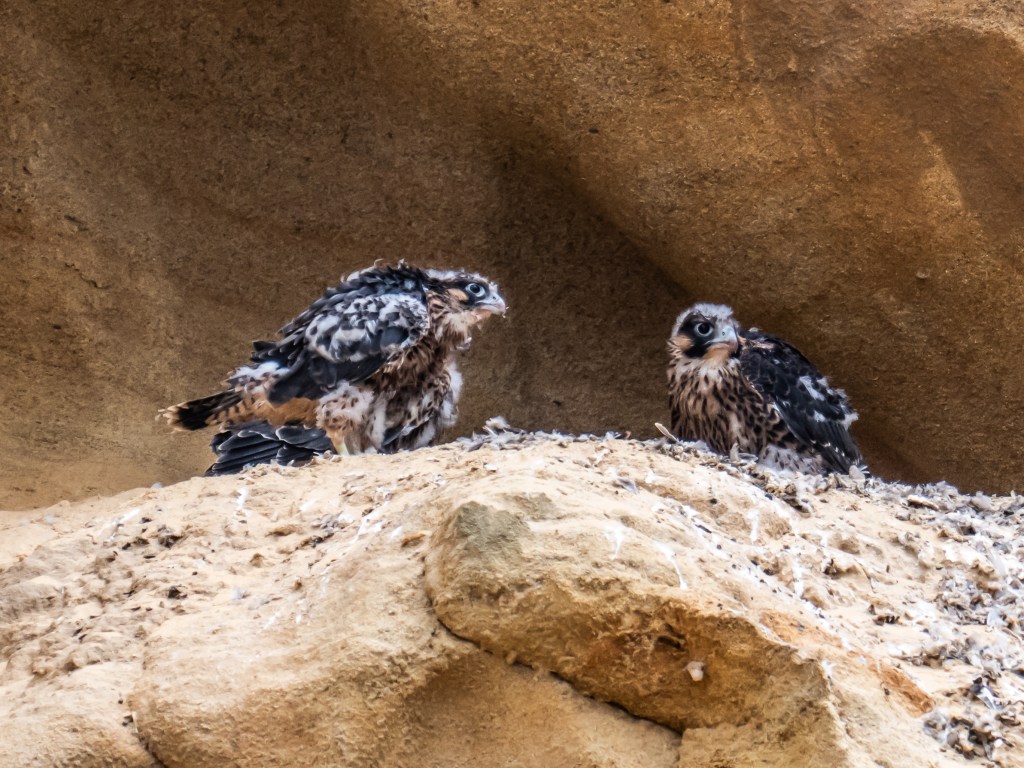
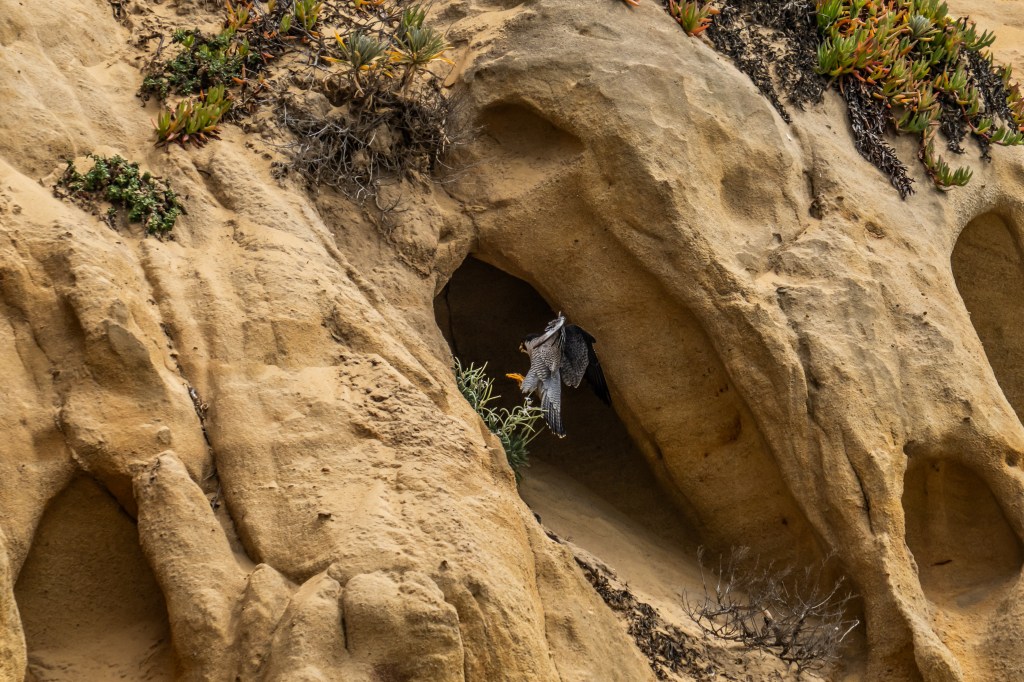
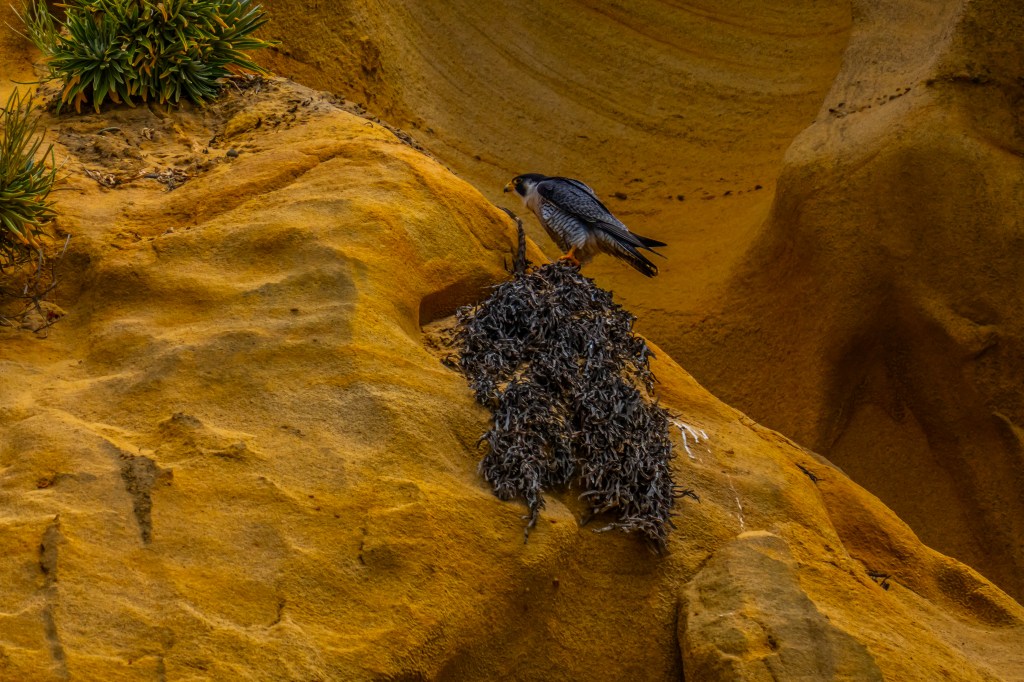
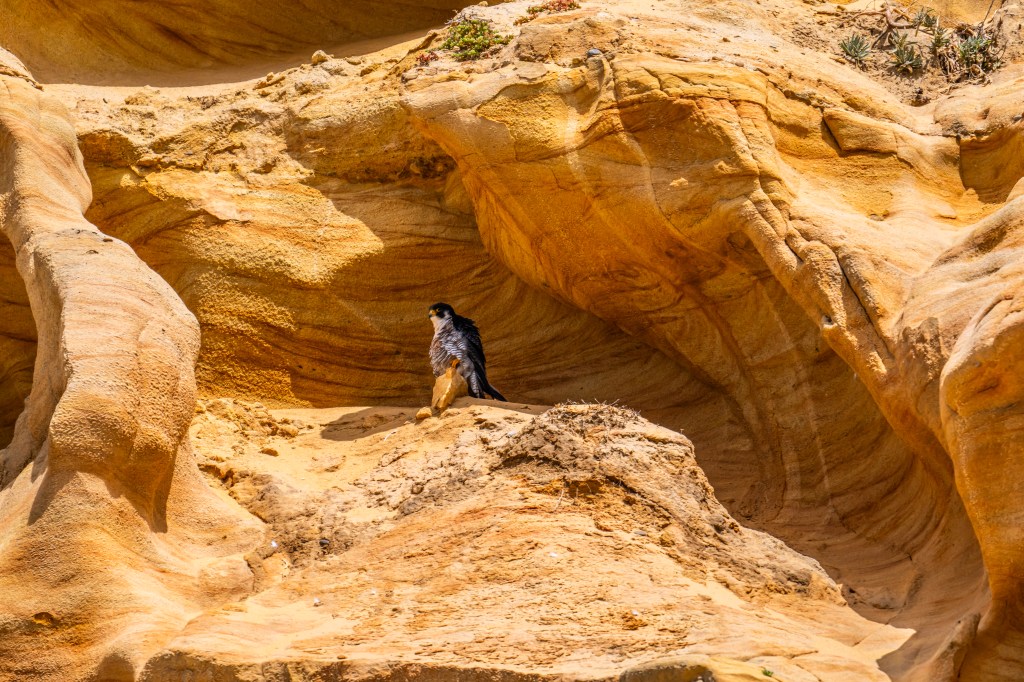
The sandstone cliffs of Torrey Pines State Beach provide ideal nesting habitat for peregrine falcons. High ledges offer safety from predators and unobstructed views of the skies and shoreline below. From these vantage points, falcons can scan for prey—shorebirds, pigeons, and small seabirds—before launching into action.
Unlike many birds of prey that build large nests, peregrines prefer a simple scrape in gravel or dirt along cliff edges. It’s minimalist, but perfectly suited for life on the edge.

The Fastest Dive in Nature

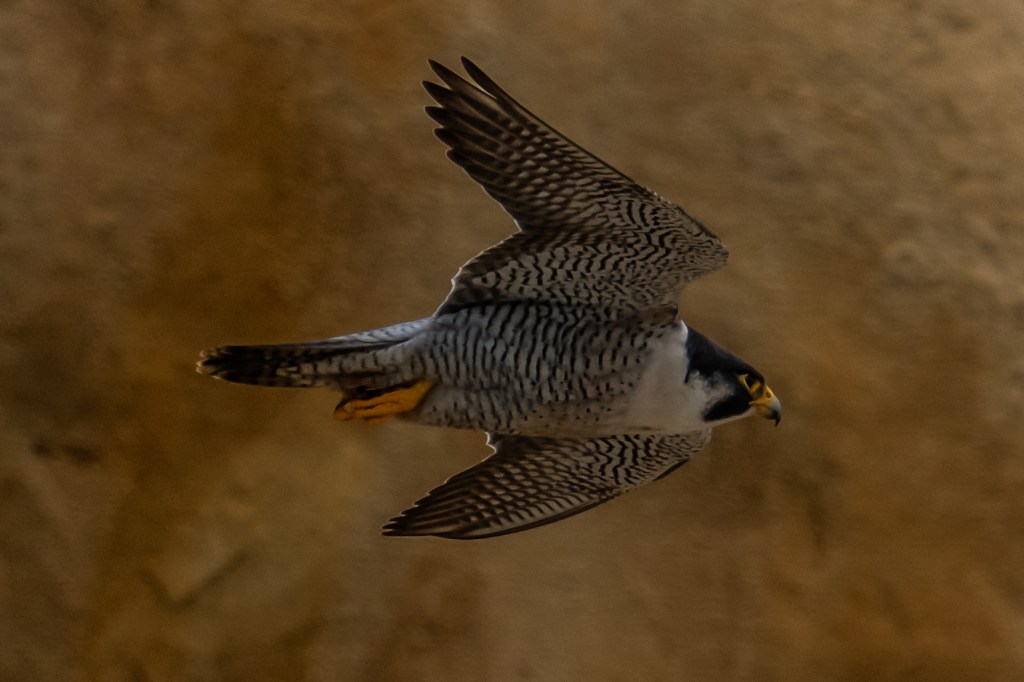
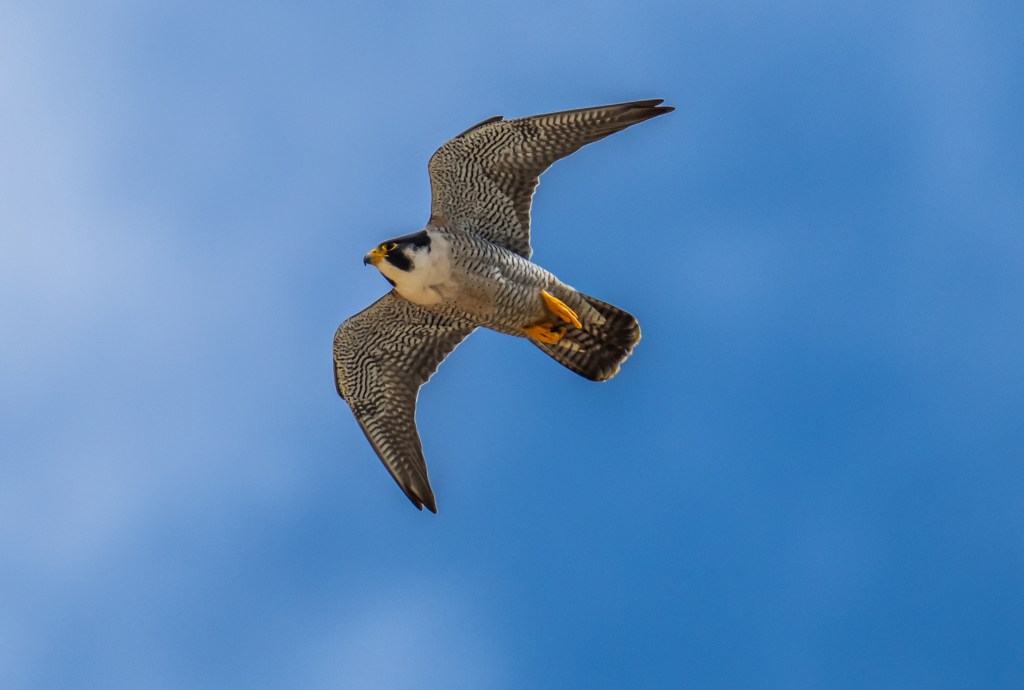
What makes peregrine falcons truly legendary is their speed. During a hunting dive—known as a stoop—they can exceed 200 miles per hour, making them the fastest animal on the planet. Watching one descend along the cliffs at Torrey Pines is unforgettable: a blur of motion, a sudden strike, and then silence again as the ocean continues to roll below.
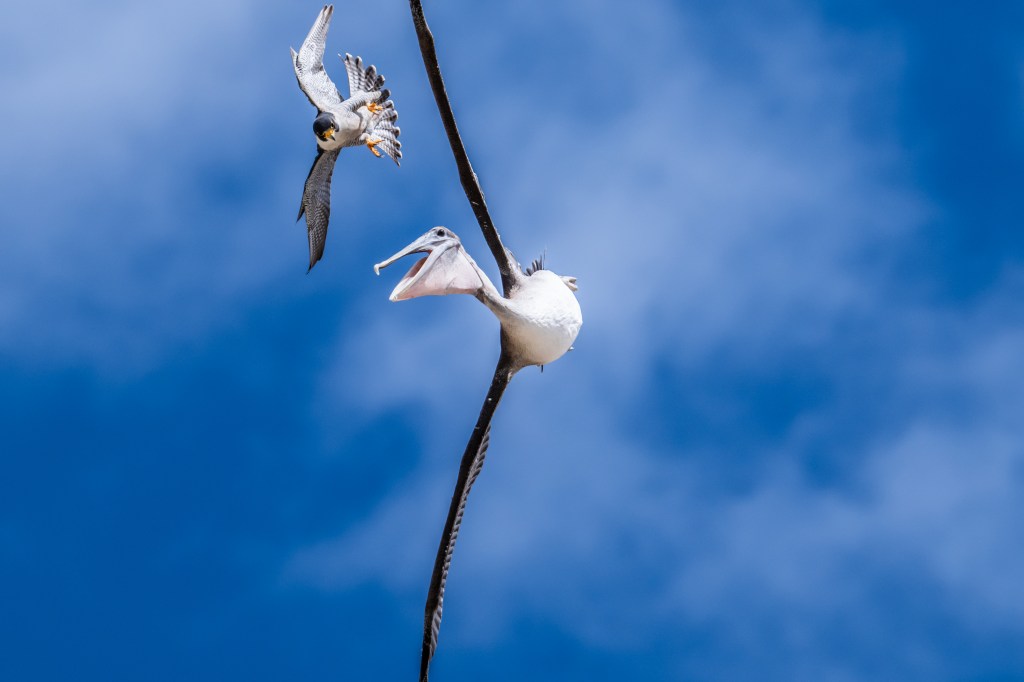
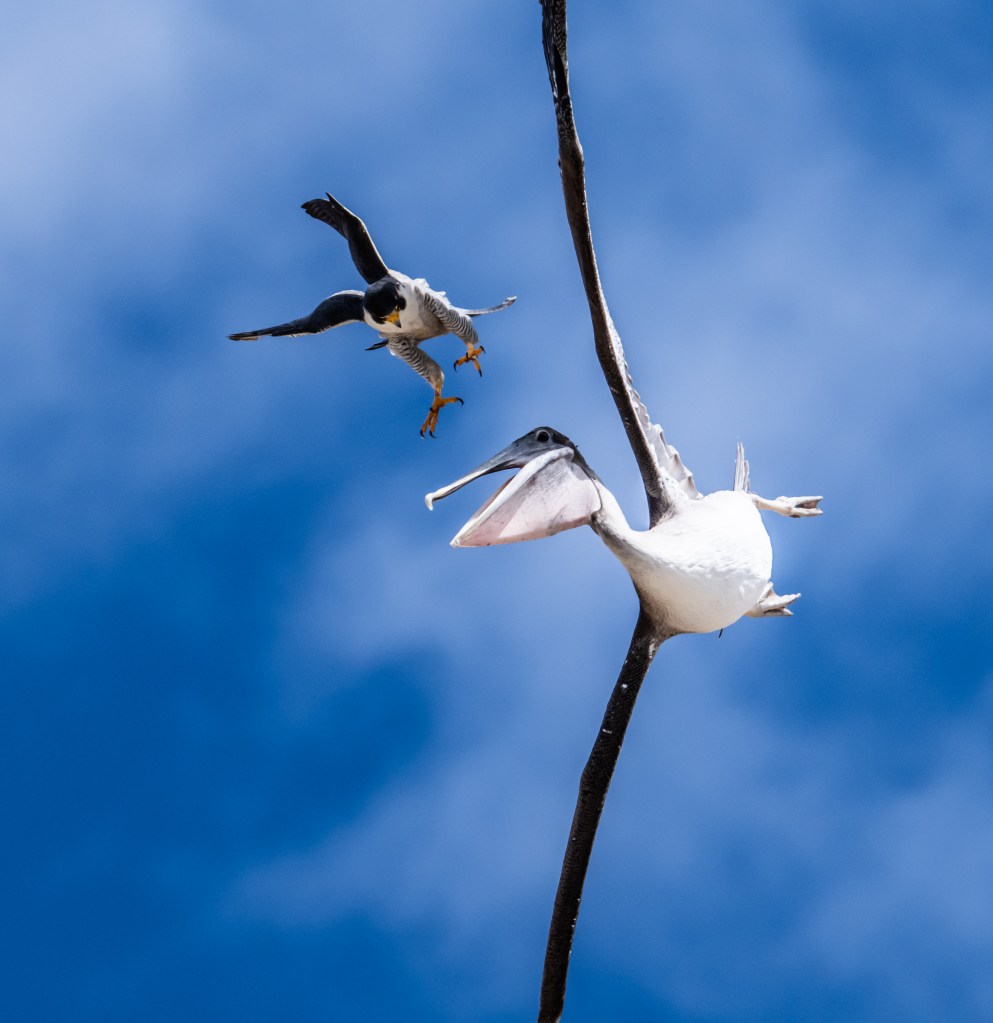
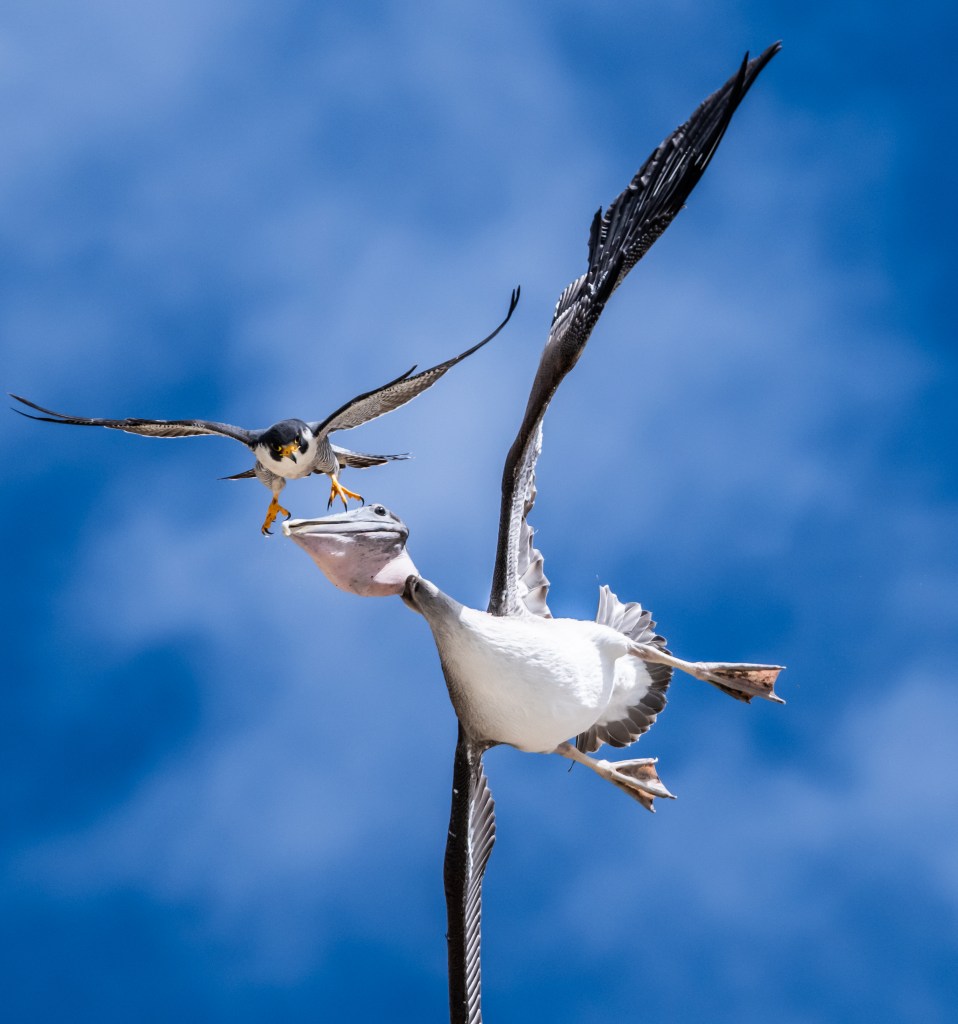
Their streamlined bodies, pointed wings, and powerful talons are all built for this precise, high-speed hunting style.

A Conservation Comeback

The presence of peregrine falcons at Torrey Pines is also a conservation success story. In the mid-20th century, populations across North America declined sharply due to pesticide use, especially DDT. Thanks to bans on harmful chemicals and dedicated recovery efforts, peregrines have made a remarkable comeback.

Today, spotting one soaring above the reserve is a reminder of what conservation can achieve.

When and Where to Look

If you’re hoping to photograph or observe peregrine falcons at Torrey Pines, timing and patience are key:

  • Best time of day: Early morning or late afternoon, when birds are most active
  • Best locations: Cliffside trails like the Razor Point and Beach Trail areas
  • Breeding season: Spring into early summer, when activity near nesting sites increases

Look for fast, direct flight patterns and sharp wingbeats. Peregrines are often seen gliding along cliff edges or perched high above the trails.

Photography Tips for Capturing the Hunt

For photographers, peregrine falcons offer both a challenge and a reward:

  • Bring a telephoto lens (at least 300mm) to safely capture distant birds
  • Use a fast shutter speed to freeze motion during flight
  • Watch the wind—falcons often face into it when hovering or preparing to dive
  • Be ready—hunts happen quickly and without warning

Even if you don’t capture the perfect shot, the experience alone is worth it.

Respecting Wildlife and Habitat

As exciting as it is to see peregrine falcons up close, it’s important to respect their space. Stay on designated trails, keep a safe distance from nesting areas, and follow any posted closures during breeding season. These protections help ensure the falcons continue to thrive along this fragile coastline.

A Moment Worth Waiting For

At Torrey Pines, the landscape itself is dramatic—but the sky adds another dimension. A quiet walk along the cliffs can suddenly turn into a front-row seat to one of nature’s most incredible displays of speed and precision.

Whether you’re a birder, photographer, or casual visitor, catching a glimpse of a peregrine falcon here is something you won’t forget. It’s a reminder that even in a place known for its scenery, the real magic is often moving just above you.