
USS Abraham Lincoln Returns to San Diego: A Homecoming Nearly 11 Months in the Making

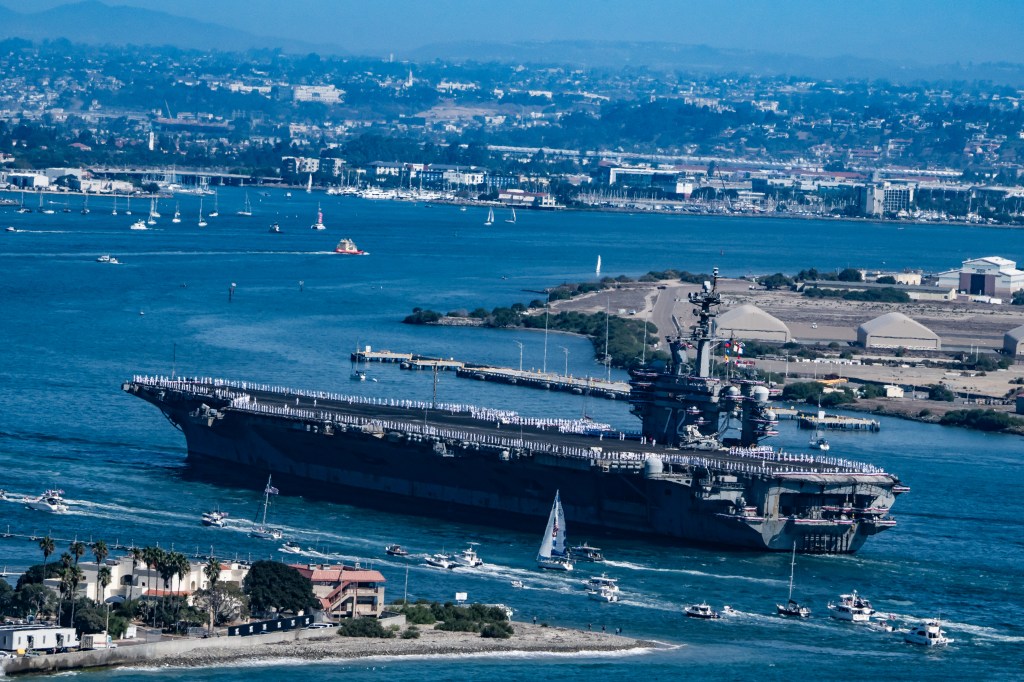
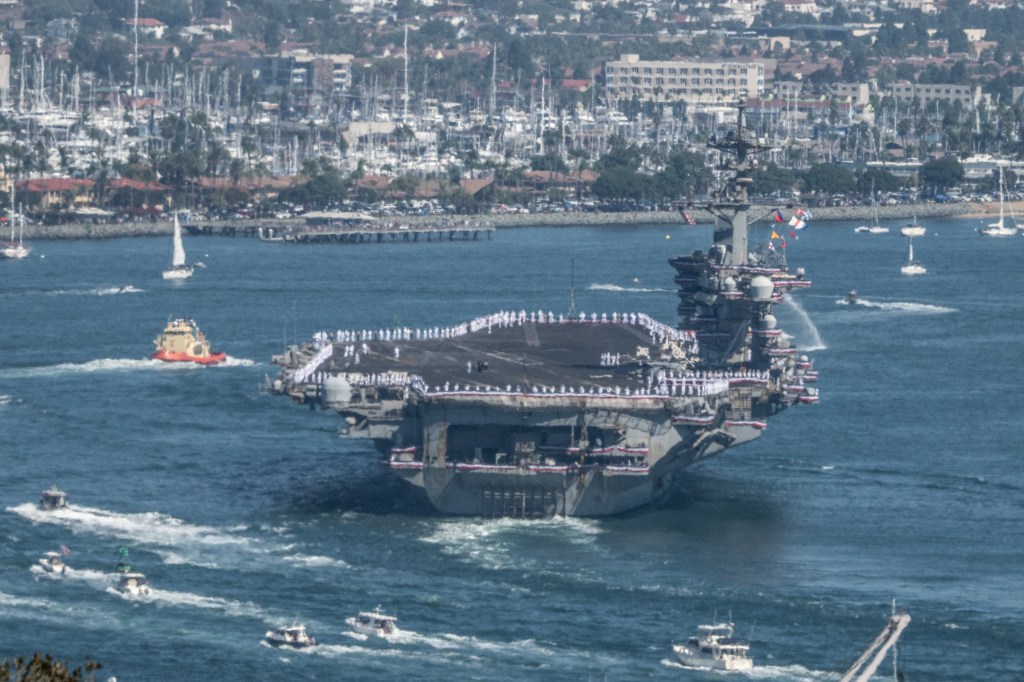
After nearly 11 months away from home, the USS Abraham Lincoln has returned to San Diego, bringing an emotional chapter to a close for thousands of sailors and their families. The arrival of the massive Navy aircraft carrier marks the end of a 321-day deployment and a long-awaited opportunity for its crew to reunite with loved ones.

SAN DIEGO, California — October 8, 2026

After nearly 11 months away from home, the USS Abraham Lincoln has returned to San Diego, bringing an emotional chapter to a close for thousands of sailors and their families. The arrival of the massive Navy aircraft carrier marks the end of a 321-day deployment and a long-awaited opportunity for its crew to reunite with loved ones.

For San Diego, a city with deep ties to the United States Navy, the return is more than the arrival of a ship. It is a reminder of the sacrifices made by military families, the demands of life at sea, and the importance of coming home.


A Long-Awaited Return to San Diego Bay

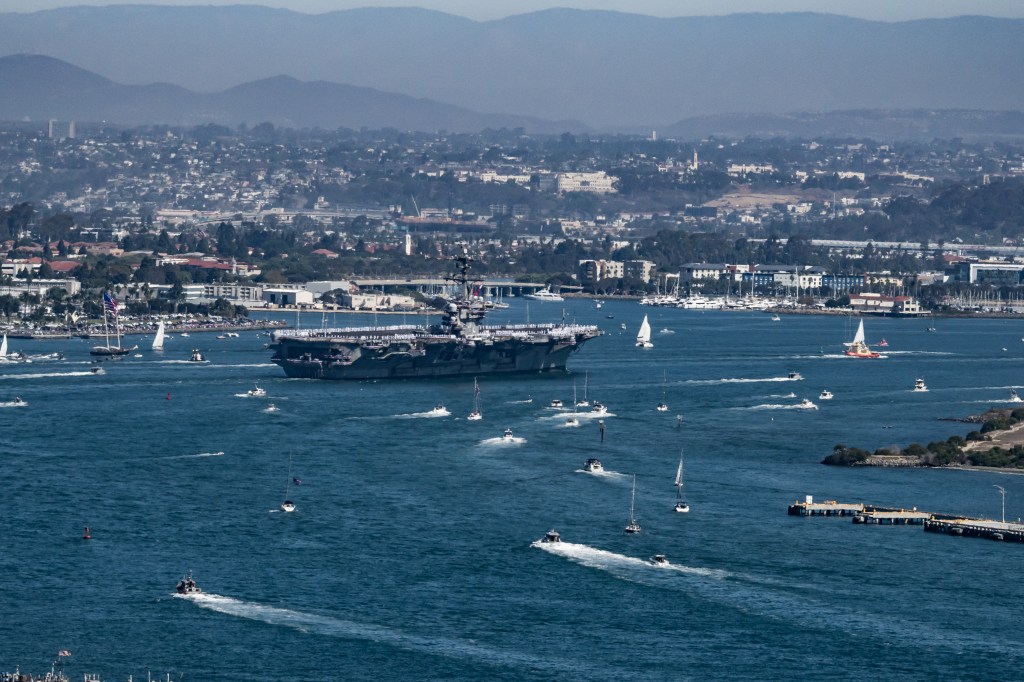
The USS Abraham Lincoln, a Nimitz-class nuclear-powered aircraft carrier, returned to its homeport at Naval Air Station North Island in Coronado on Thursday, October 8.

As the enormous carrier made its way into San Diego Bay, families and friends gathered to welcome the crew home. Sailors stood along the ship’s rails as it approached the waterfront, while loved ones waited for the moment they could finally see them again.

The deployment began in November 2025 and included extensive operations in the Pacific and Middle East. The ship spent 265 consecutive days at sea without a port call, making the deployment an extraordinary test of endurance for its crew.

For the sailors returning home, the journey’s end represents months of demanding work, separation from family, and anticipation of a well-deserved reunion.

The People Behind the Aircraft Carrier

An aircraft carrier is an impressive feat of engineering, but its greatest responsibility rests with the people who operate it.

Thousands of sailors work together to maintain the ship, operate its aircraft, prepare meals, manage equipment, and keep essential systems running around the clock. Life aboard a carrier requires teamwork, discipline, and the ability to adapt to changing circumstances.

During a deployment lasting almost a year, birthdays, anniversaries, holidays, and important family milestones can pass without the sailor being present.

Some crew members returned to children who had grown considerably since their departure. Others reunited with spouses and parents after months of communicating primarily through limited phone calls or messages.

For some families, the return also meant meeting a new child for the first time.

These are the personal stories behind the headlines, and they help explain why a carrier’s arrival home can be such a powerful moment.

The Challenges of an Extended Deployment

Although the homecoming brought celebration, the deployment was not without difficulties.

Reports during the mission raised concerns about food supplies, living conditions, morale, and the mental health of sailors aboard the ship. Extended periods at sea can place considerable pressure on service members, particularly when opportunities to visit ports or communicate with family are limited.

The return offers an opportunity to recognize the crew’s service while also acknowledging the importance of supporting sailors as they transition back to everyday life.

Coming home is a major milestone, but recovery from a lengthy deployment can take time. Reconnecting with family, resting, and adjusting to life on shore are all important parts of that process.

The families waiting in San Diego have also endured months of uncertainty and separation. Their experience is an essential part of the story.

San Diego and Its Naval Heritage

The return of the USS Abraham Lincoln reinforces San Diego’s longstanding connection to the Navy.

From Coronado and Point Loma to communities throughout the county, military service is part of the region’s identity. Naval personnel contribute to the local economy, support community organizations, and form lasting relationships with the people who call San Diego home.

The city’s waterfront provides a fitting backdrop for the carrier’s return. The arrival brings together military families, veterans, residents, and people who simply want to witness a significant moment in the region’s maritime history.

For many San Diegans, watching the carrier enter the bay is also a reminder that behind every military mission are individuals whose lives extend far beyond the ship.

What Comes Next for the USS Abraham Lincoln?

With the deployment completed, the carrier and its crew can begin the next phase: returning to homeport routines, addressing maintenance needs, and spending time with family.

The ship’s arrival does not mean every sailor’s responsibilities end immediately. Aircraft carriers require ongoing maintenance, inspections, training, and preparation for future assignments.

However, the return provides an important pause after months of demanding operations.

For sailors and their loved ones, the immediate priority is much more personal: spending time together, sharing stories, and enjoying the simple routines that were missed while the ship was away.

A Homecoming Worth Remembering

The return of the USS Abraham Lincoln to San Diego on October 8, 2026, is a significant moment for the Navy and the local community.

The 321-day deployment highlights the demands of modern naval service, but the homecoming tells another story—one about family, perseverance, friendship, and the relief of finally being together again.

The carrier may be one of the most powerful ships in the world, but its return reminds us that its most meaningful cargo is the people who serve aboard it.

For the sailors stepping onto the pier and the families waiting to embrace them, the long journey has finally brought them home.

Welcome home, USS Abraham Lincoln and crew. San Diego is glad to have you back.

🦅 Ospreys of Shelter Island: San Diego’s Coastal Raptors

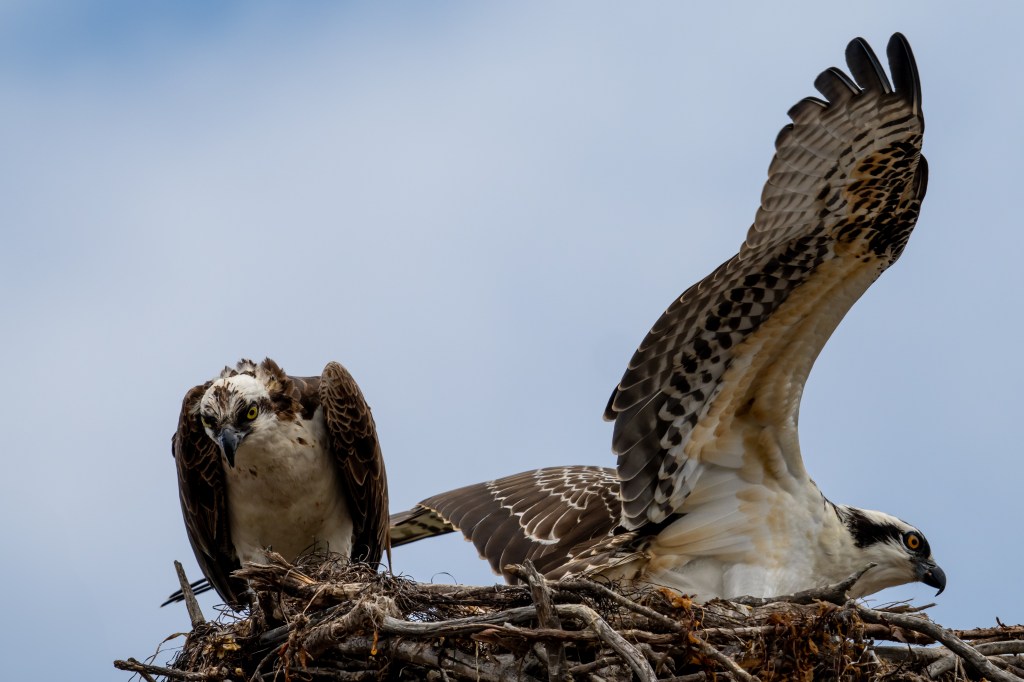
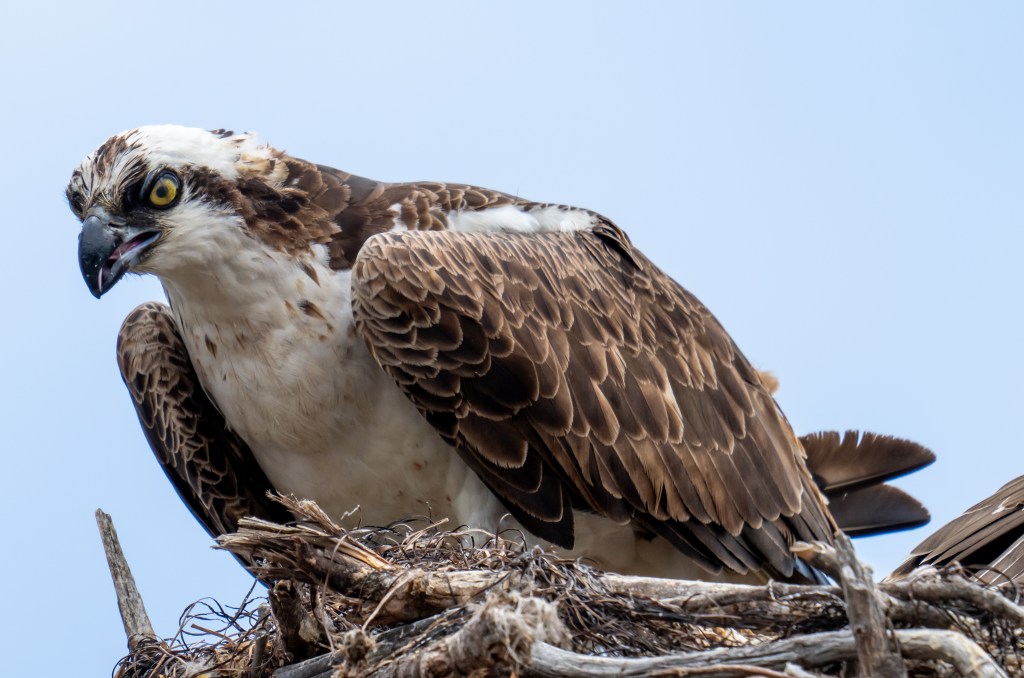
If you’ve ever strolled along the waterfront on Shelter Island and looked up to see a large bird hovering gracefully above the bay, chances are you’ve spotted an osprey. Known as the “fish hawk,” this striking bird of prey has made a comfortable home here in San Diego’s maritime backyard.

A Natural Fisherman in an Urban Setting

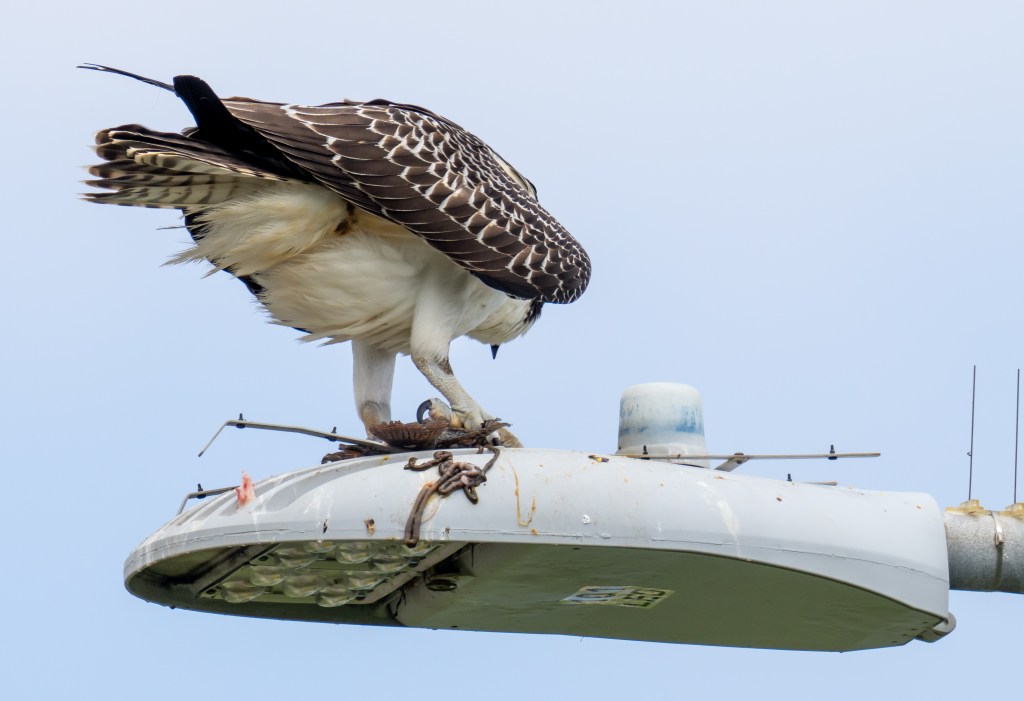
Shelter Island offers the perfect blend of natural habitat and human-made infrastructure that ospreys have come to favor. With calm bay waters rich in fish and an abundance of tall structures like light poles, boat masts, and channel markers, ospreys have carved out a niche among the marinas and piers. It’s not uncommon to spot their bulky stick nests perched high above the docks, often near the Shelter Island Launch Ramp or around America’s Cup Harbor.

A Front-Row Seat to Nature

Watching an osprey hunt is a thrilling experience. These raptors soar high, scanning the water with laser-sharp vision. Then, in an instant, they dive feet-first into the bay, emerging with a wriggling fish clutched in their powerful talons. It’s a daily drama that plays out just steps from the sidewalk — and a reminder that even in the heart of the city, nature thrives.

Season of the Osprey

While ospreys can be seen in San Diego year-round, their breeding season typically runs from March to August. During these months, you might see pairs working together to build or repair nests, calling out with sharp whistles, or feeding their young. If you’re lucky, you might spot fledglings learning to fly — a heartening sight that signals the continued health of our coastal ecosystem.

A Conservation Comeback

Ospreys weren’t always so easy to spot. In the mid-20th century, their numbers plummeted due to pesticide use, especially DDT. But since the ban of such chemicals and the protection of nesting sites, osprey populations have rebounded across the U.S., including right here in San Diego Bay. Their presence on Shelter Island is a quiet conservation success story.

Where to Look

For the best osprey-watching:

  • Walk along the Shelter Island shoreline promenade near the boat launches.
  • Look up at tall poles or navigation beacons — nesting sites are often quite visible.
  • Early morning and late afternoon are great times to see them hunting.

Bring your binoculars, a camera, and a sense of wonder. Whether you’re a birder, photographer, or casual observer, spotting an osprey in action is always a memorable moment.

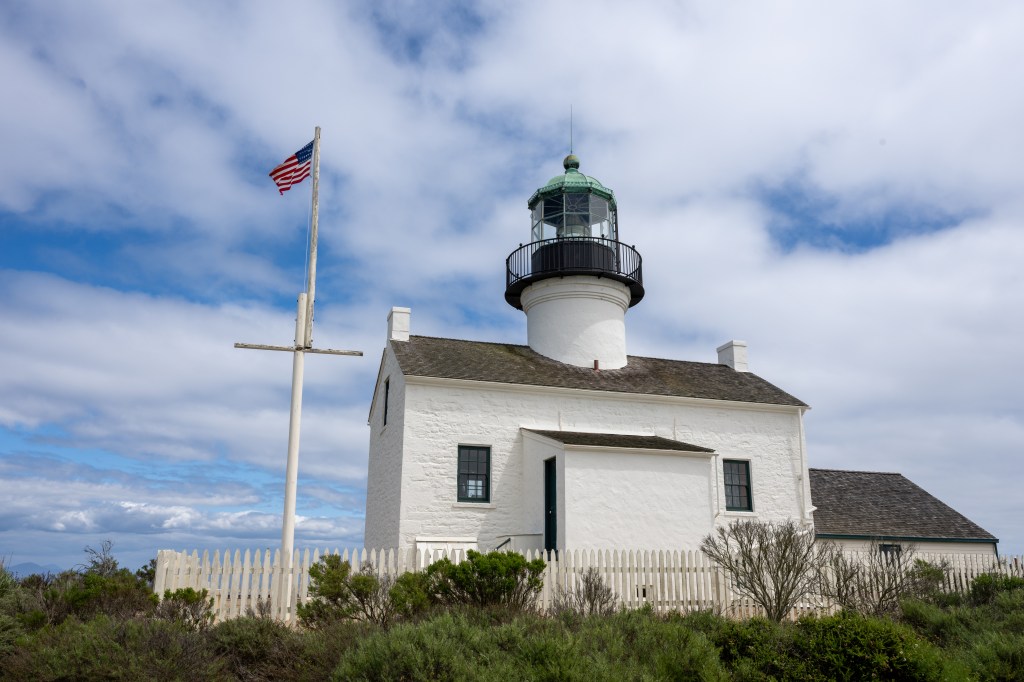
Beacon of the Bay: The Timeless Charm of Cabrillo Lighthouse

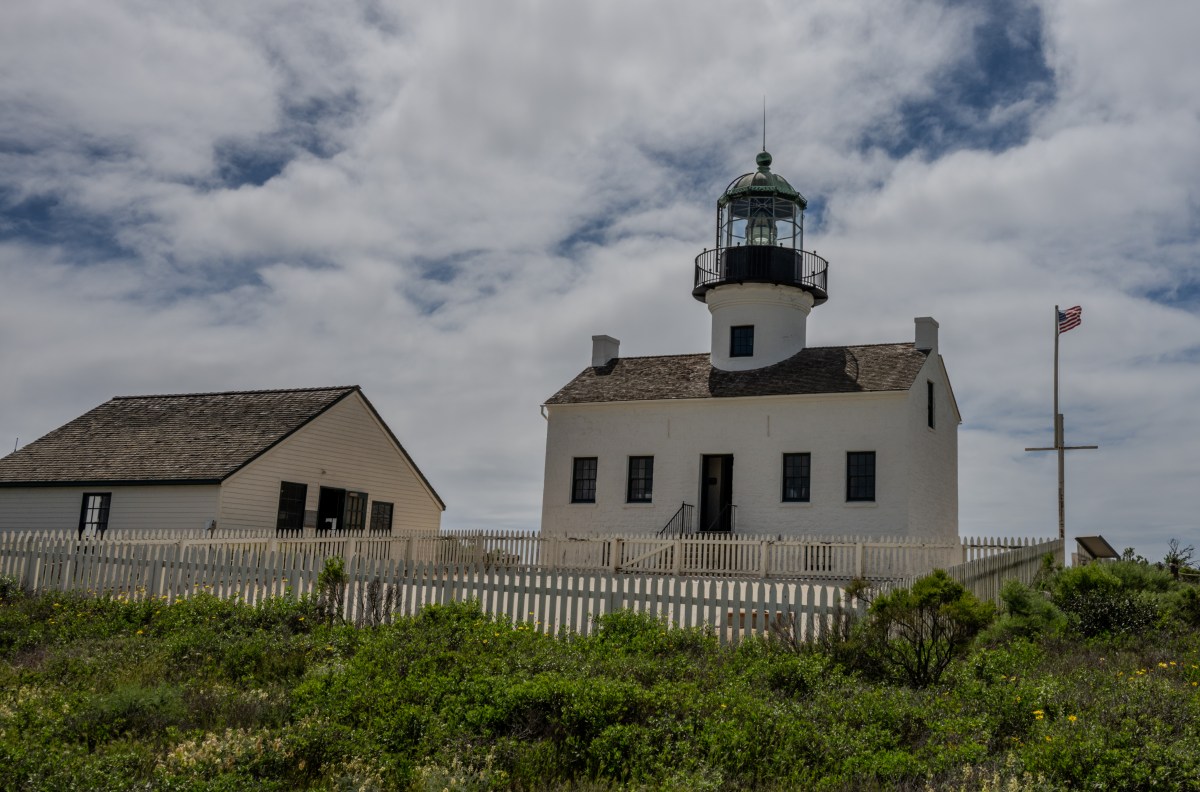
Perched high atop the rugged cliffs of Point Loma, overlooking the vast expanse of the Pacific Ocean and the bustling San Diego Bay, stands the iconic Cabrillo National Monument and its crowning jewel: the Old Point Loma Lighthouse. This historic beacon, a silent sentinel of the sea, offers not just breathtaking views but a glimpse into the rich maritime history of Southern California.

A Light in the Darkness:

Built in 1855, the Old Point Loma Lighthouse was one of the earliest lighthouses on the West Coast. Its purpose was simple yet vital: to guide ships safely into San Diego Bay. For 36 years, its powerful beam cut through the darkness, warning sailors of the treacherous coastline.

However, its elevation, while scenic, proved problematic. Fog and low clouds often obscured the light, rendering it ineffective. In 1891, the lighthouse was decommissioned, and a new, lower-elevation lighthouse was built closer to the water’s edge.

More Than Just a Lighthouse:

Today, the Old Point Loma Lighthouse stands as a museum, offering visitors a fascinating look into the lives of the lighthouse keepers and their families. Stepping inside, you’re transported back in time, experiencing the simple yet demanding life of those who dedicated themselves to keeping the light burning.

  • The Keeper’s Quarters: Explore the restored living quarters, furnished as they would have been in the late 19th century. Imagine the isolation and the constant vigilance required to maintain the light.
  • The Tower Climb: Venture up the winding staircase to the lantern room, where the Fresnel lens once shone brightly. While the original lens is now on display at the visitor center, the panoramic views from the tower are nothing short of spectacular.
  • The Panoramic Views: Beyond the historical significance, the Cabrillo National Monument offers some of the most stunning vistas in San Diego. From the lighthouse grounds, you can see the city skyline, Coronado Island, the vast Pacific Ocean, and even migrating whales during certain seasons.

Cabrillo National Monument: A Broader Historical Perspective:

The lighthouse is just one part of the Cabrillo National Monument. The monument also commemorates Juan Rodriguez Cabrillo, the first European to set foot on what is now the West Coast of the United States. In 1542, Cabrillo’s expedition landed in San Diego Bay, marking a significant moment in California’s history.

  • The Cabrillo Statue: A large statue of Juan Rodriguez Cabrillo overlooks the bay, a testament to his historic voyage.
  • The Tidepools: Down the hill from the lighthouse, the rocky tidepools offer a unique opportunity to explore the diverse marine life that thrives in this coastal ecosystem.
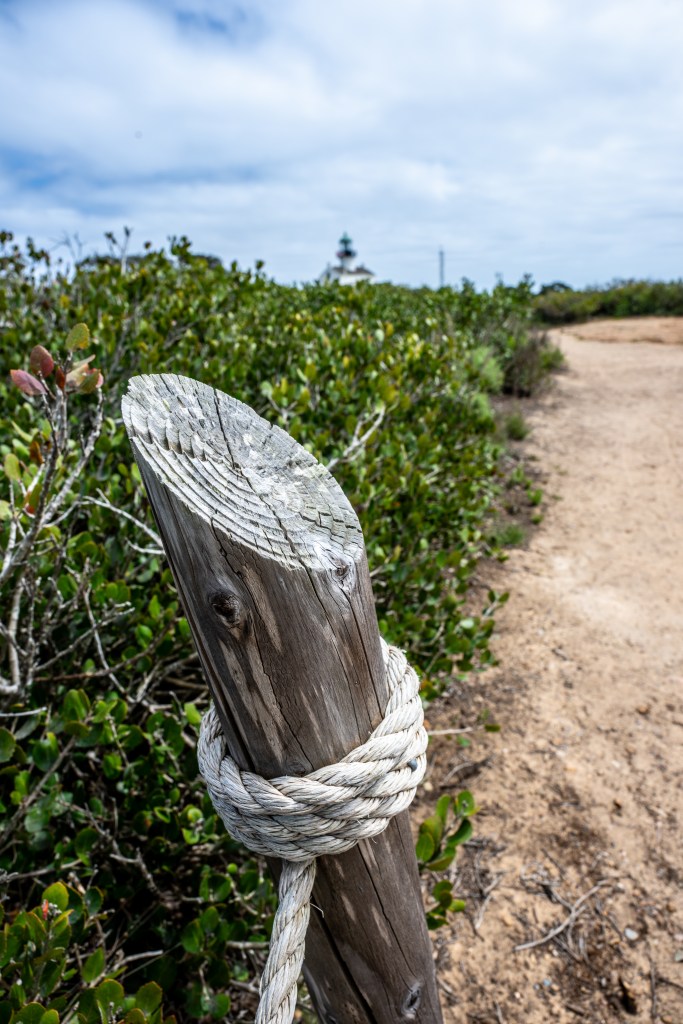
  • The Bayside Trail: This trail offers fantastic views of the bay and the city.

Planning Your Visit:

  • The Cabrillo National Monument is open daily, with varying hours.
  • There is an entrance fee to the monument.
  • Be prepared for windy conditions, especially at the higher elevation.
  • Wear comfortable shoes, as there is some walking involved.
  • Bring a camera to capture the breathtaking views.

A Timeless Treasure:

The Cabrillo Lighthouse is more than just a historical landmark; it’s a symbol of perseverance, dedication, and the enduring connection between humanity and the sea. Whether you’re a history buff, a nature enthusiast, or simply seeking a stunning view, a visit to the Cabrillo National Monument and its iconic lighthouse is an experience you won’t soon forget. It’s a reminder of the past, a celebration of the present, and a window to the vast and ever-changing beauty of the Pacific Coast.