Elegant Terns in Imperial Beach and the South Bay Salt Flats

Imperial Beach birds, Imperial Beach terns, Tijuana Estuary, Tijuana River Estuary, Elegant Tern, Royal Tern, San Diego birding, San Diego bird photography, Imperial Beach bird photography, salt marsh birds, Southern California birding, San Diego wildlife photography

If you spend enough time exploring the wetlands and shoreline of San Diego’s South Bay, you begin to notice that certain birds seem to have favorite places.

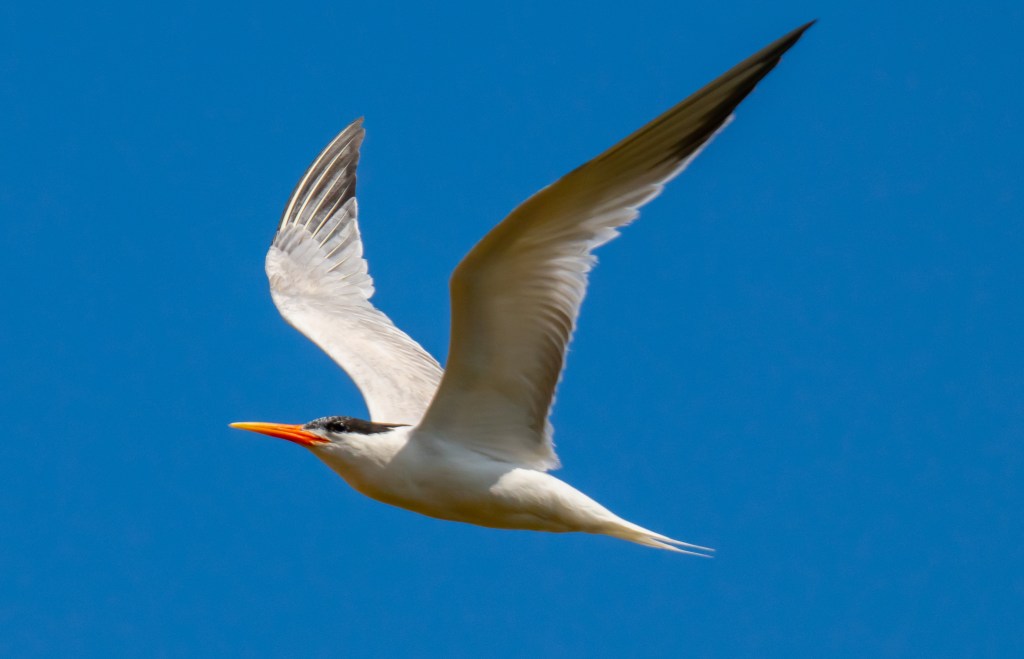
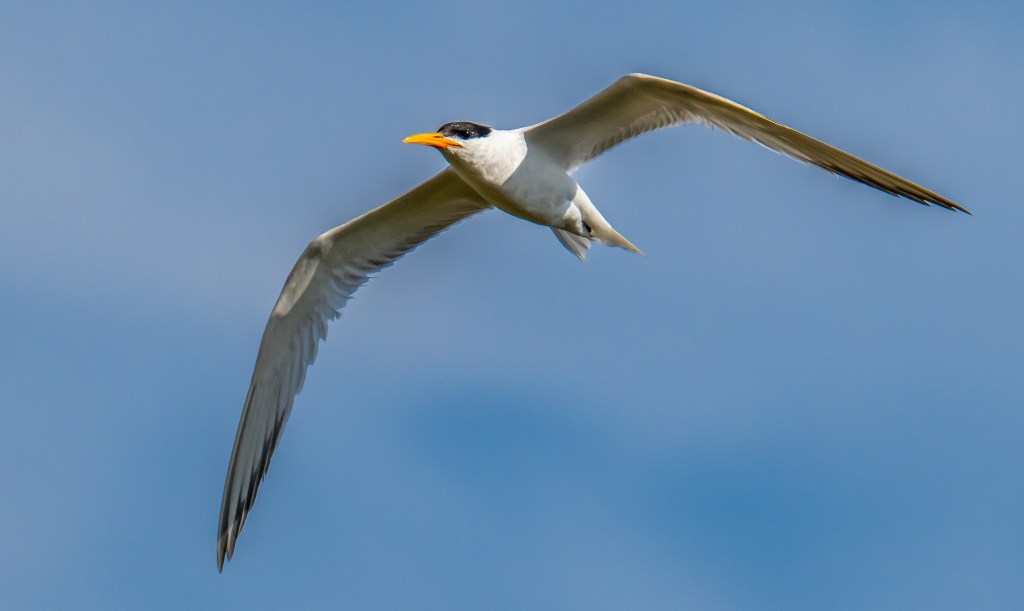
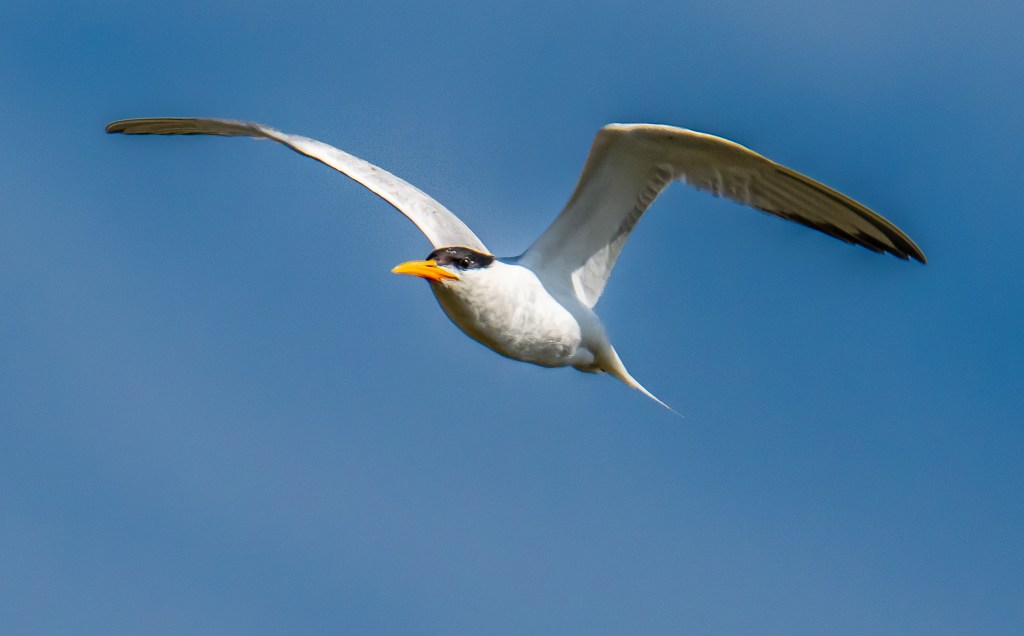
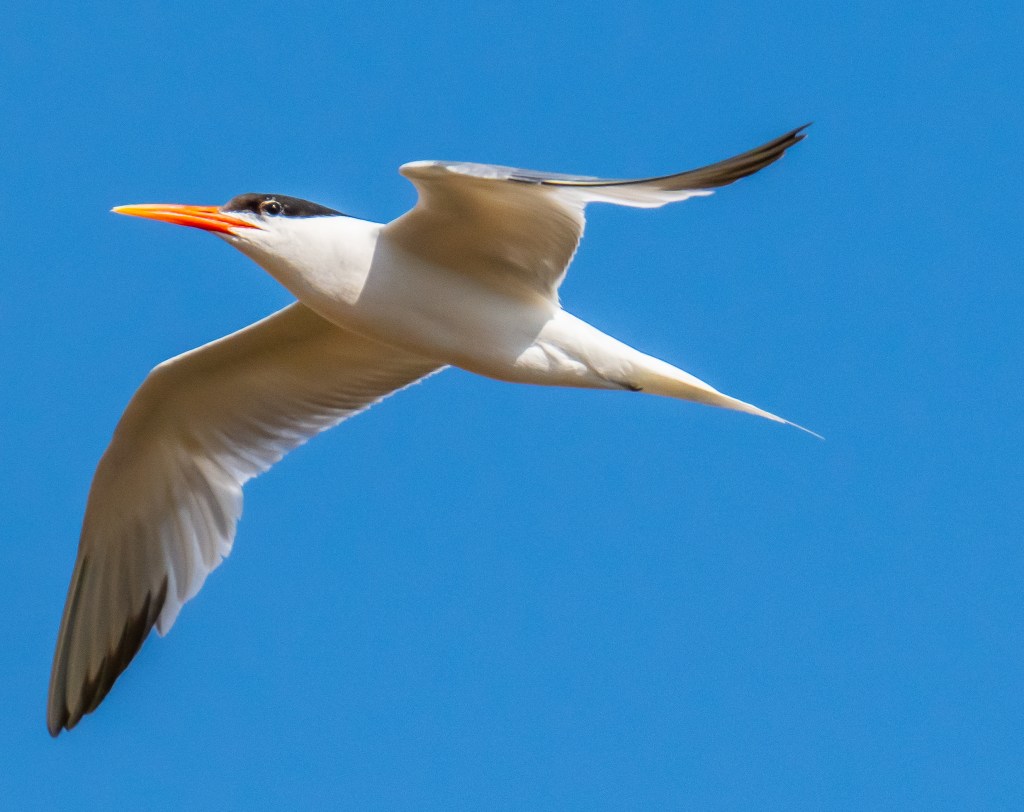
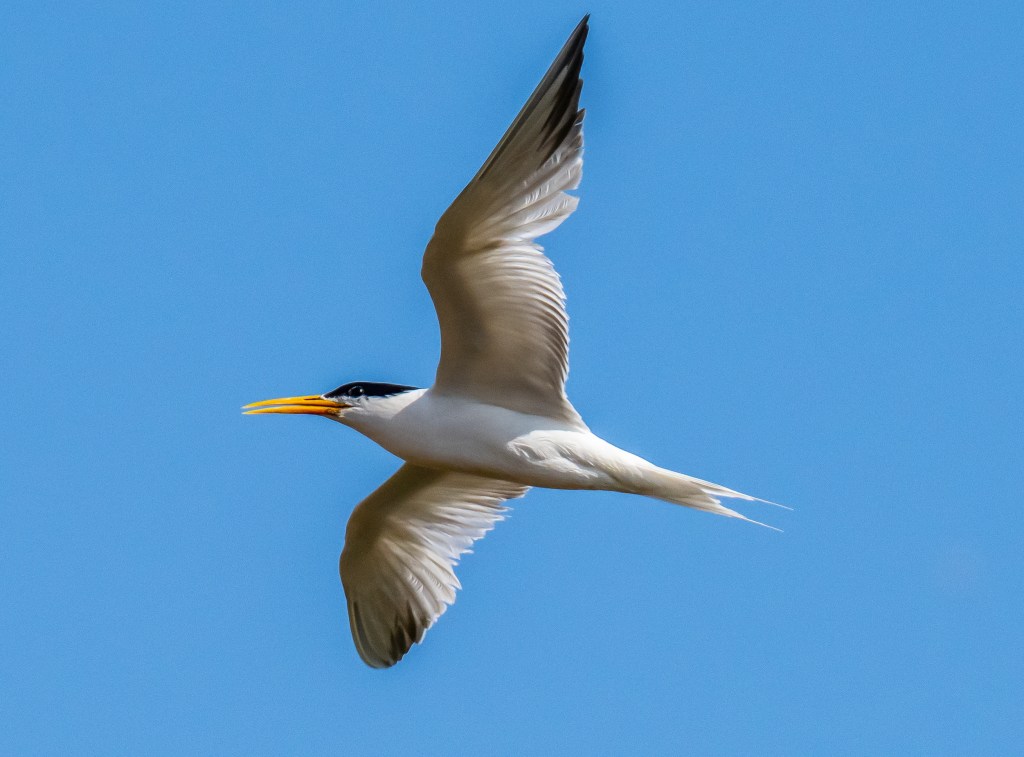
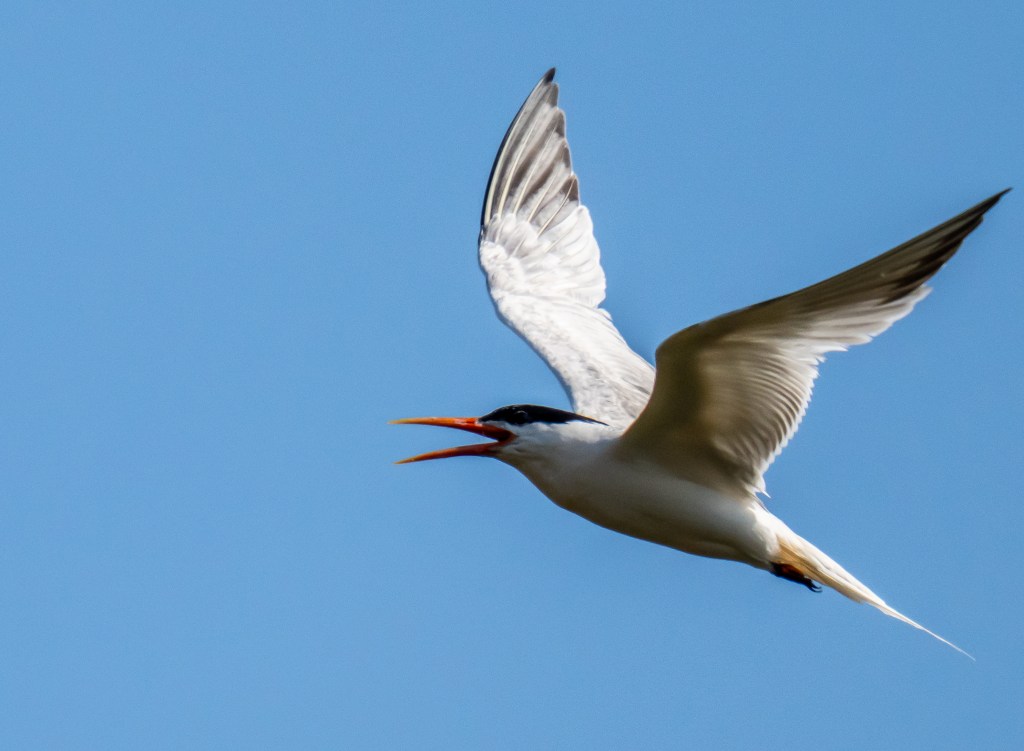
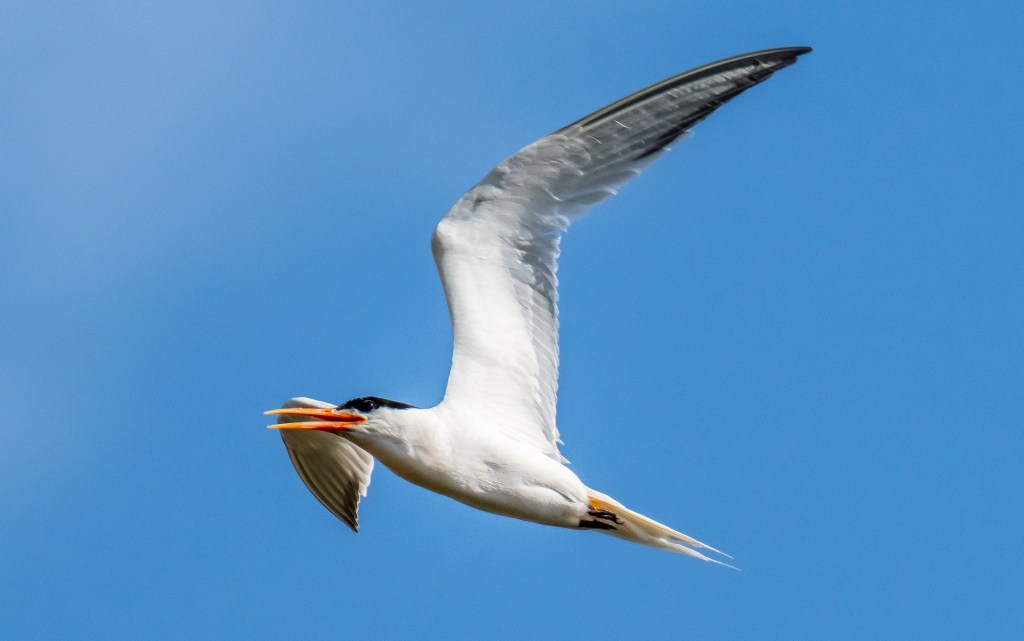
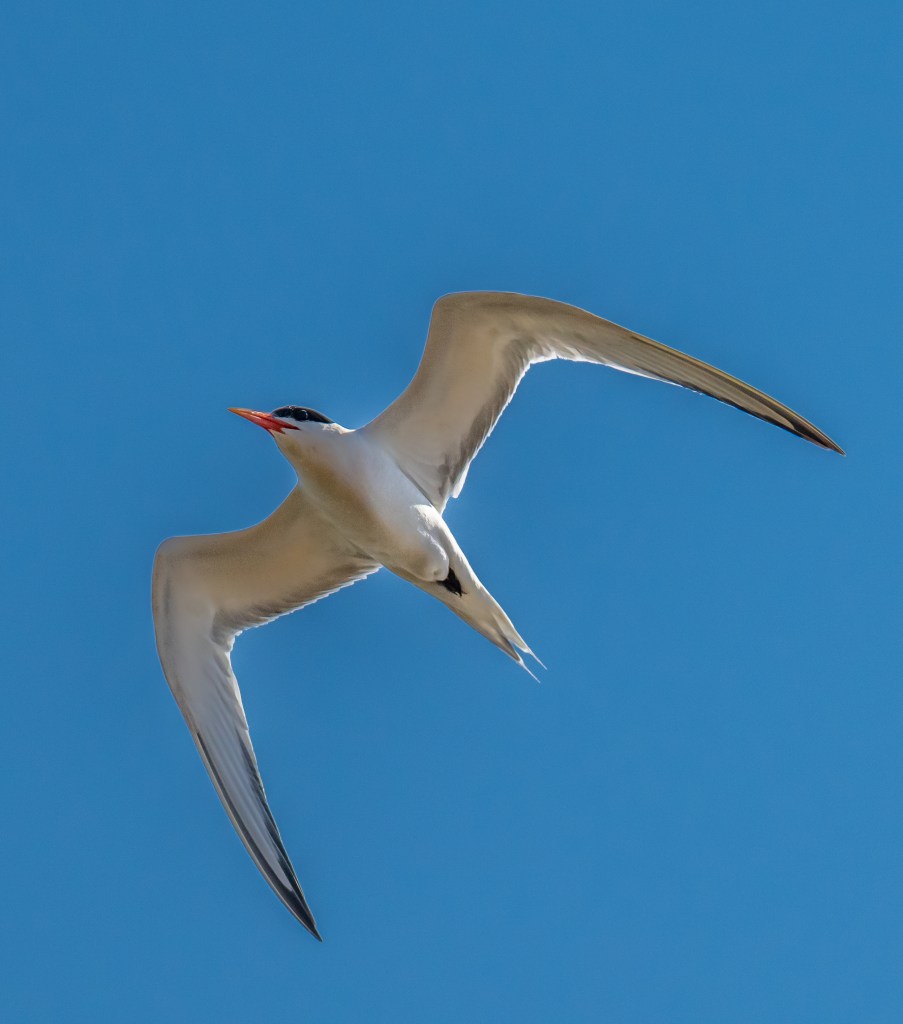
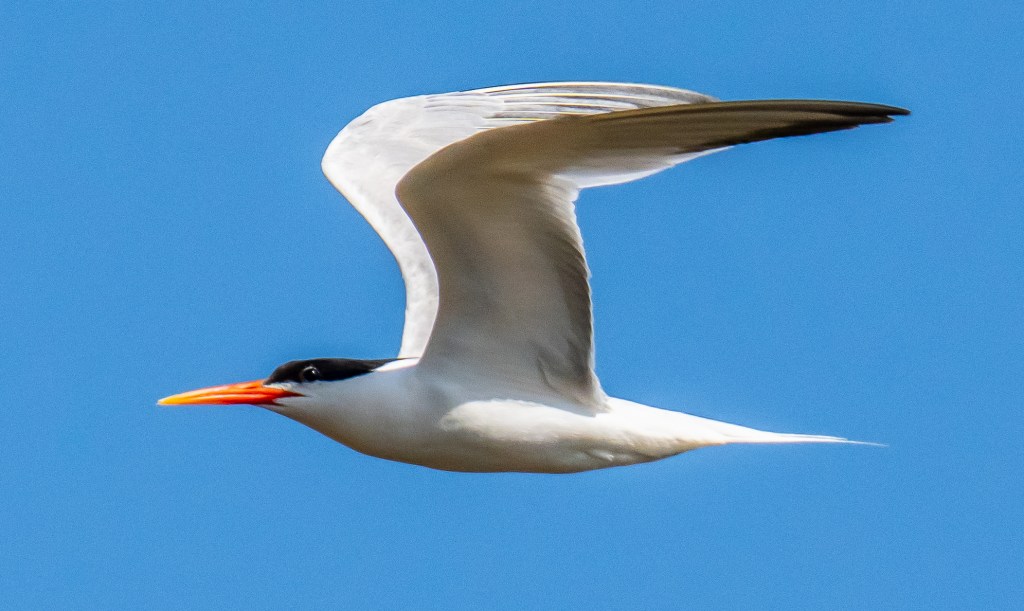
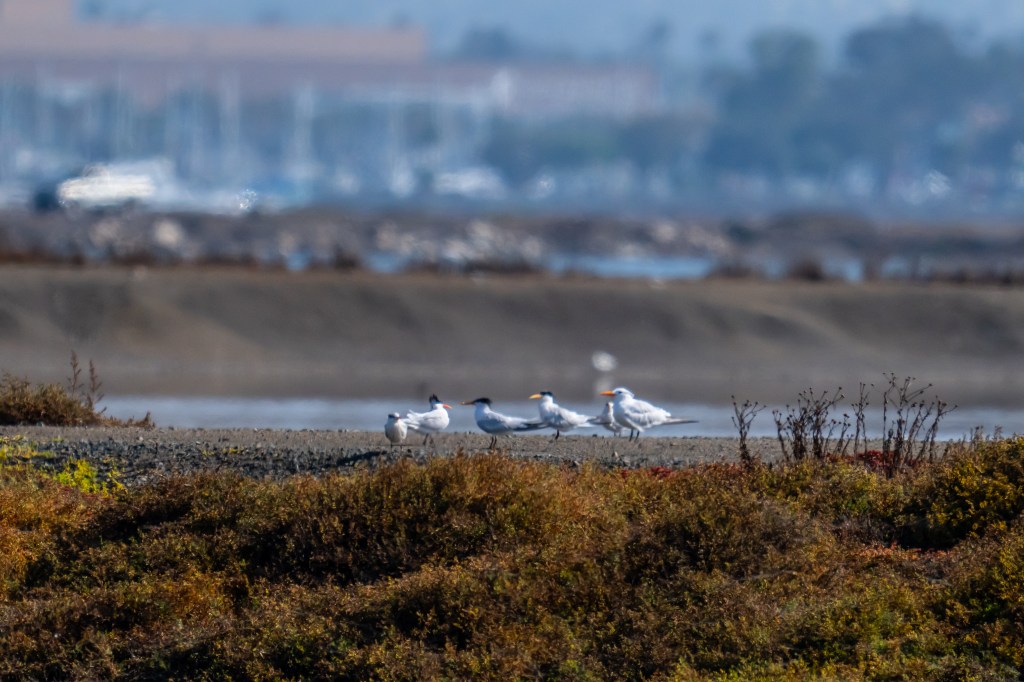
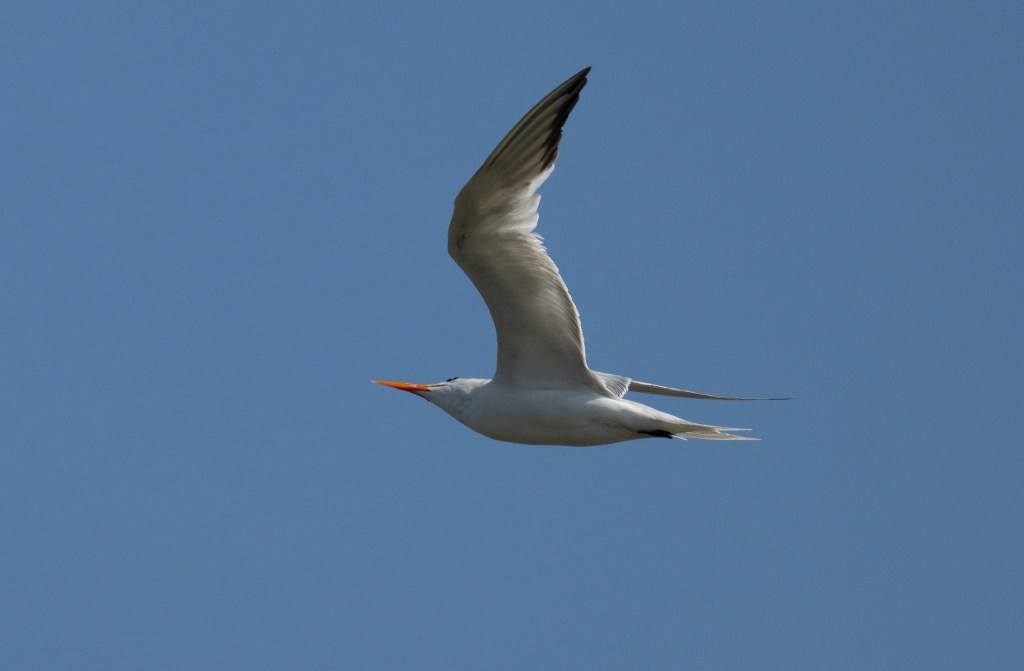
One of those birds is the Elegant Tern.

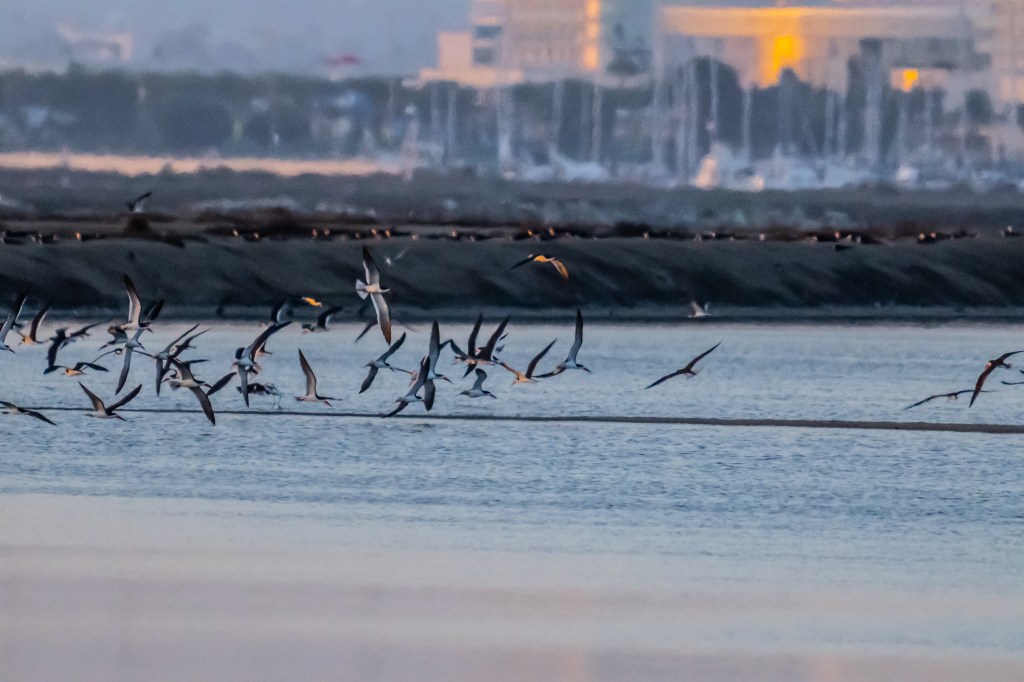
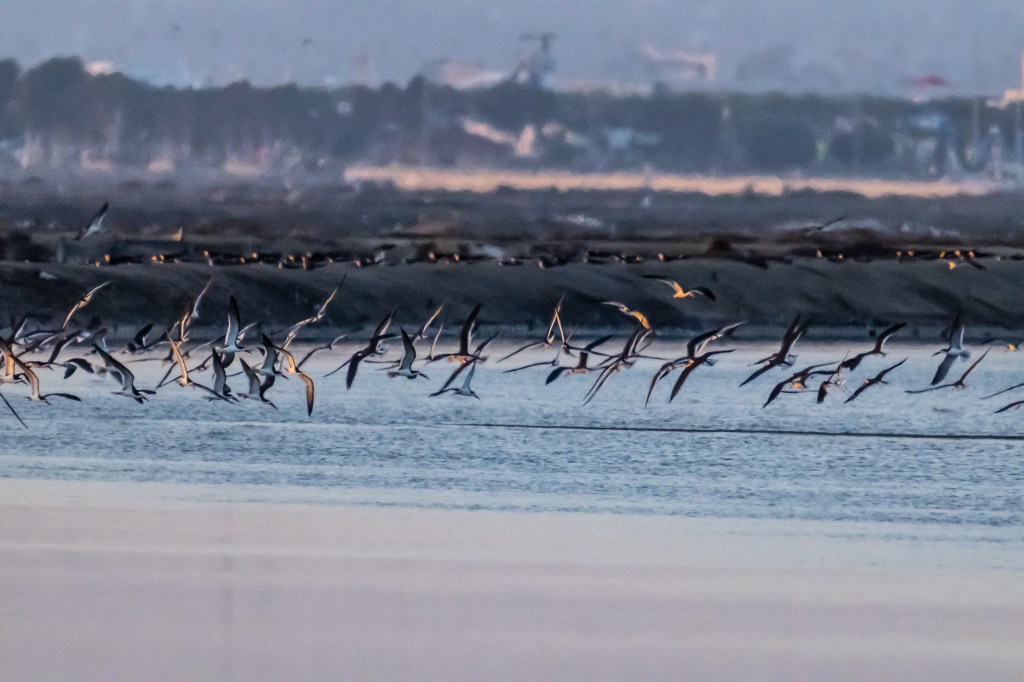
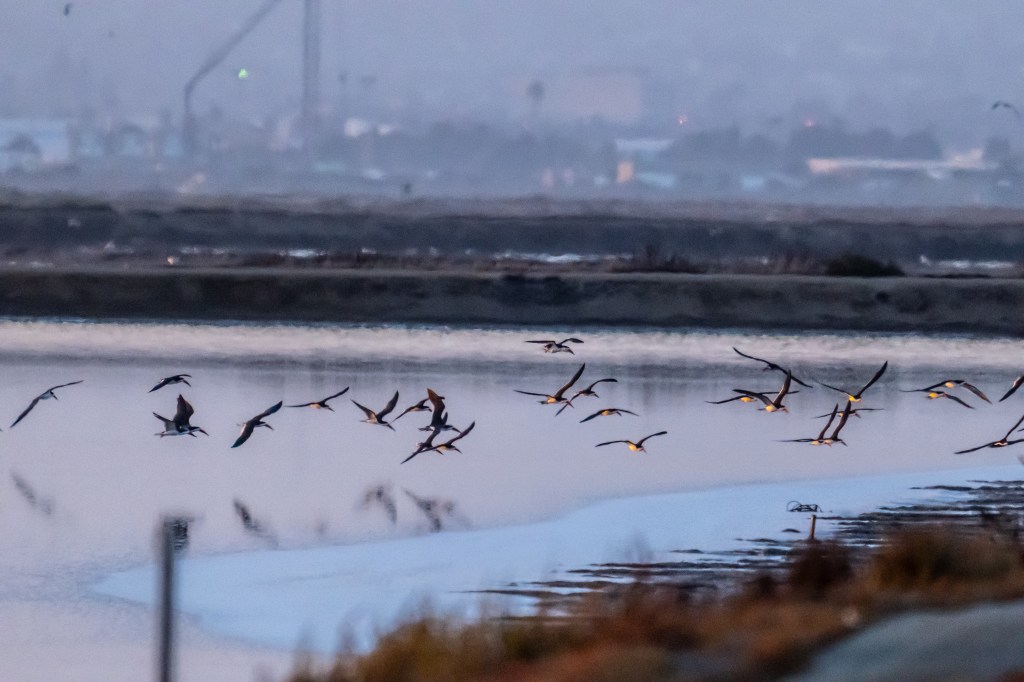
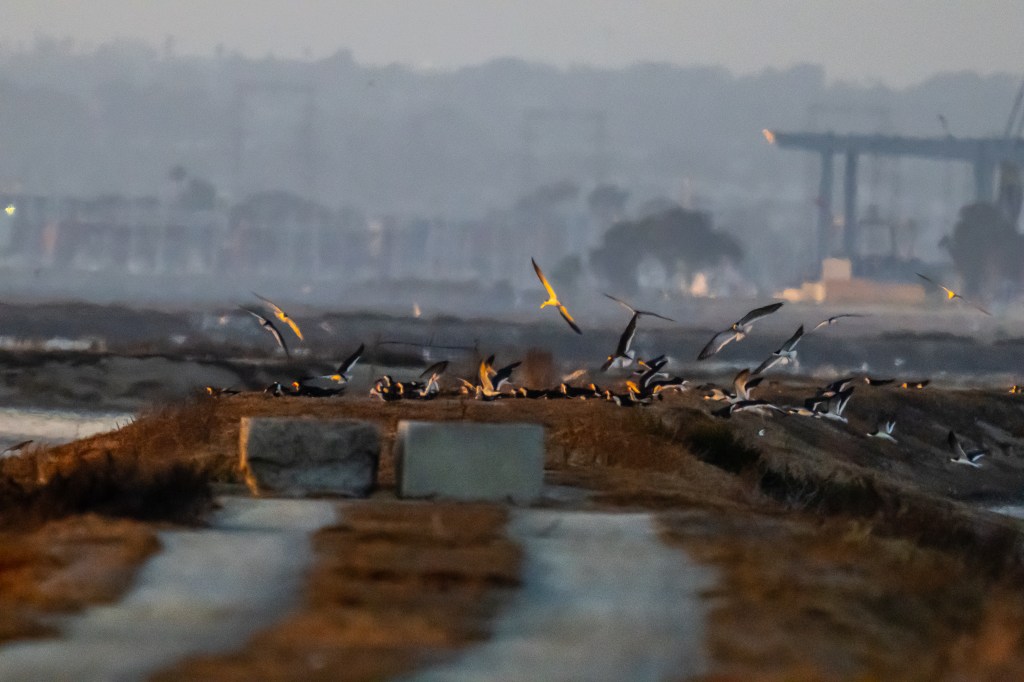
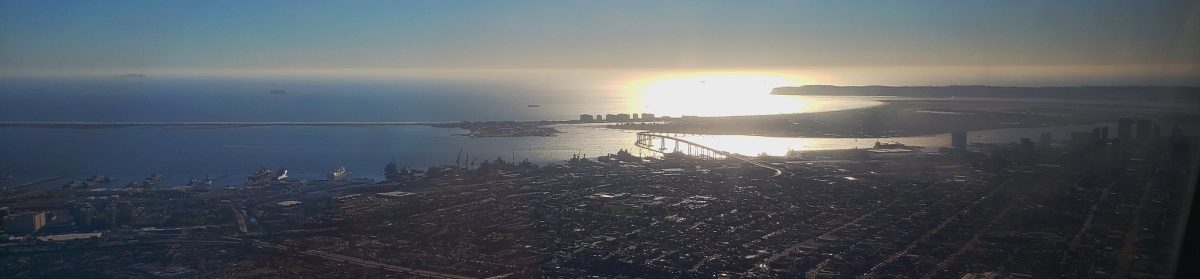
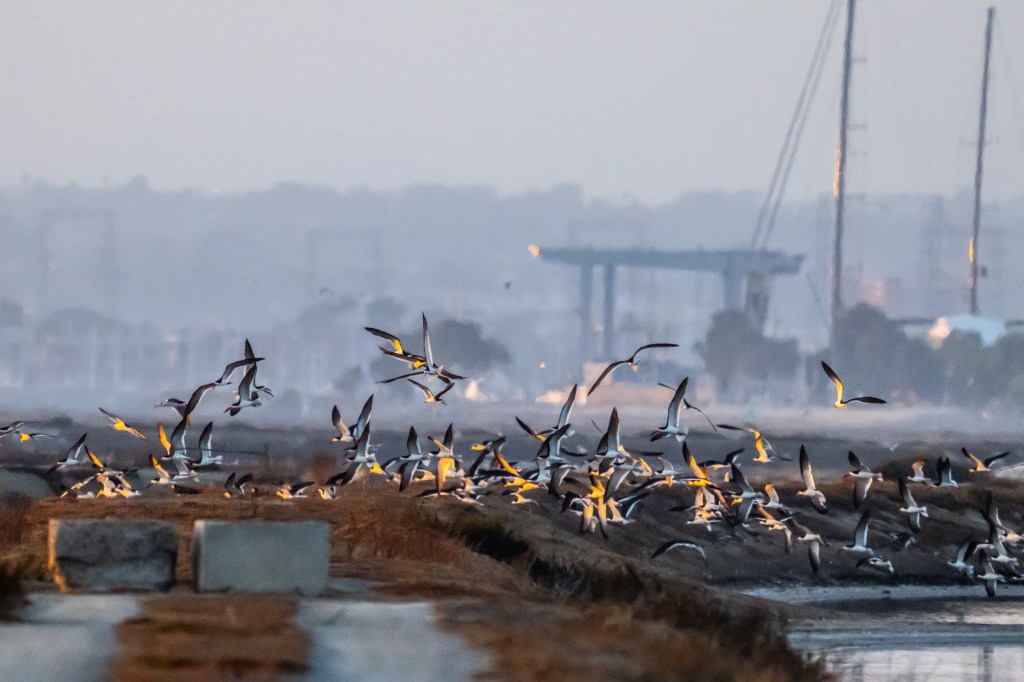
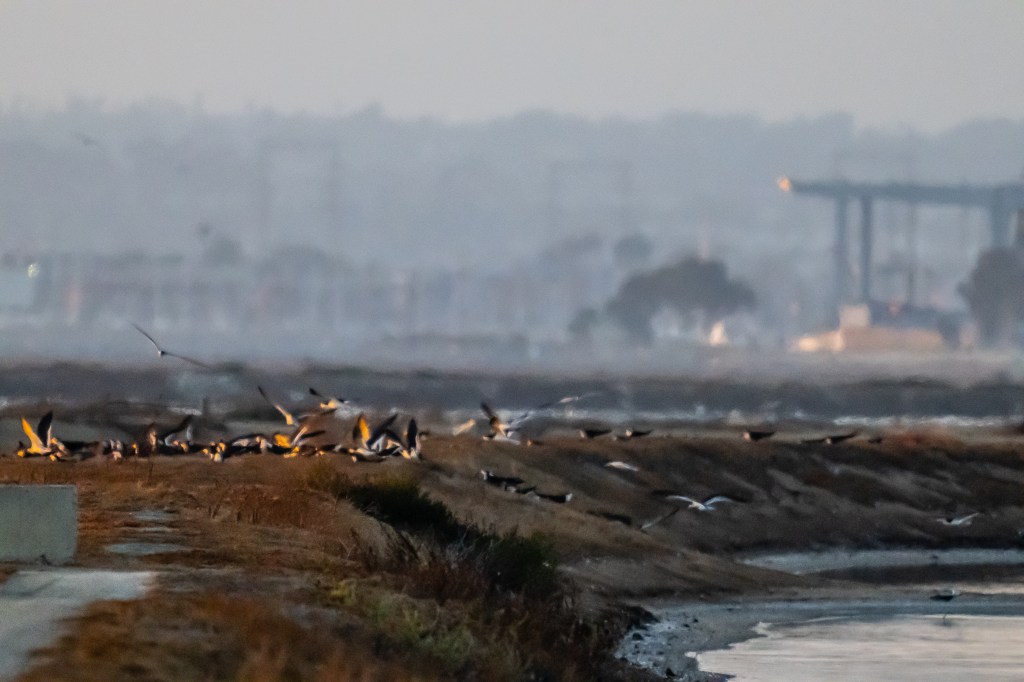
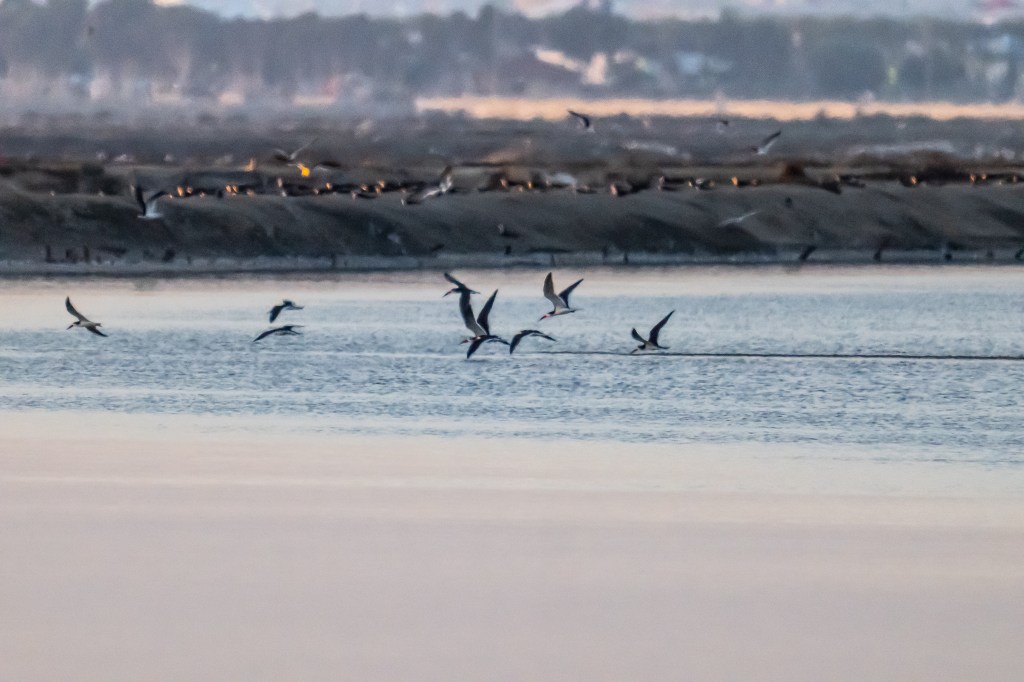
I’ve been seeing Elegant Terns around the salt marsh in Imperial Beach, where large flocks can gather over the wetlands and surrounding waterways. I’ve also seen them farther north around the South Bay salt flats, showing just how closely these birds are associated with the coastal wetlands and salt ponds of the region.

For a bird photographer, seeing a large flock of Elegant Terns moving through the South Bay is an impressive sight.
A Familiar Summer Visitor

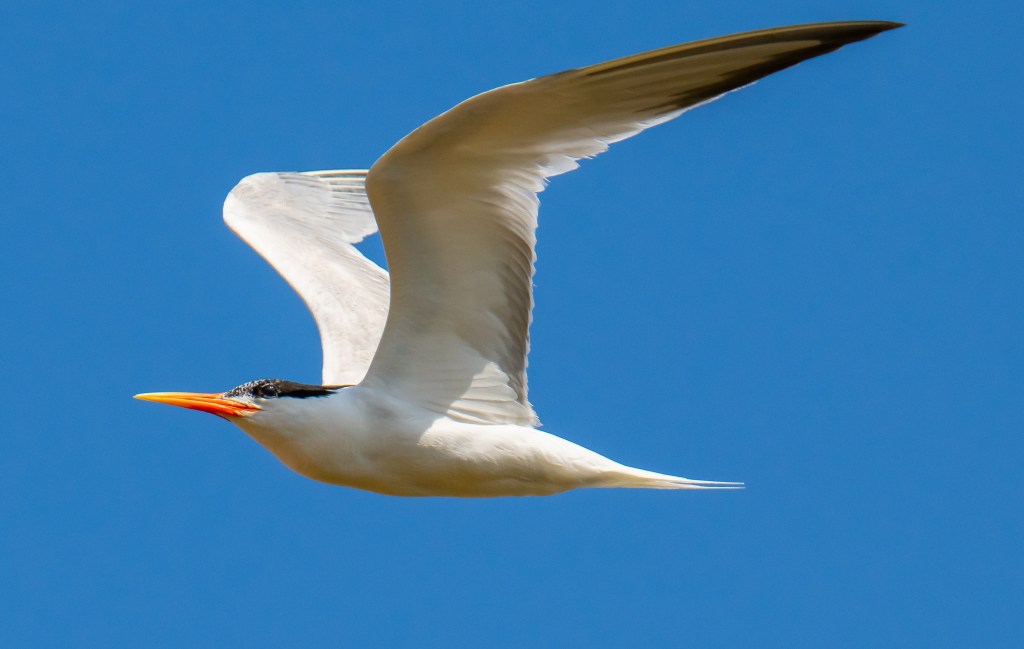
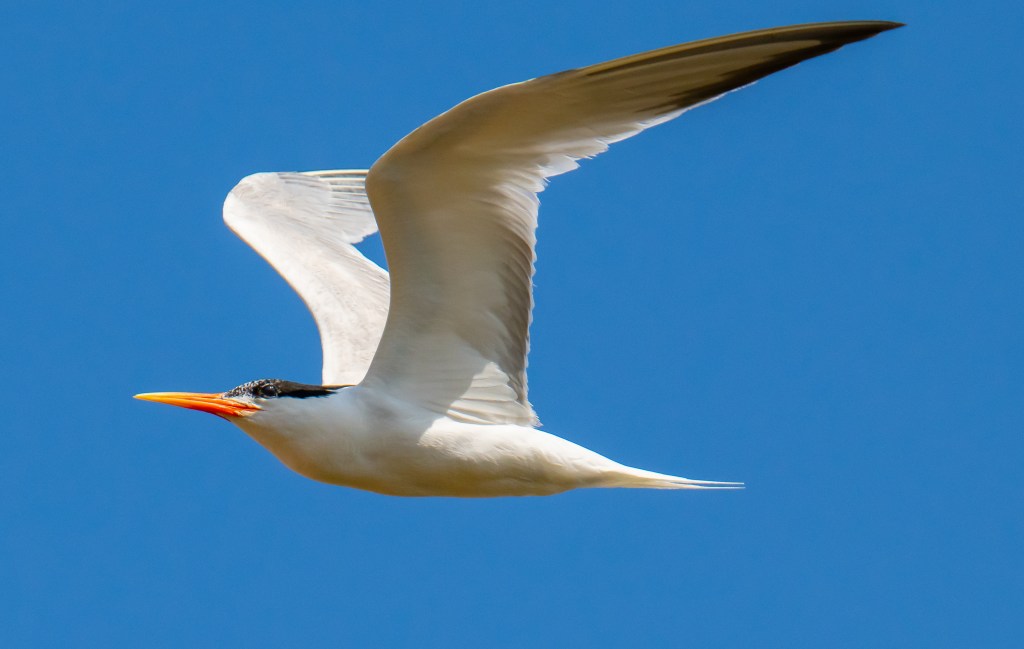
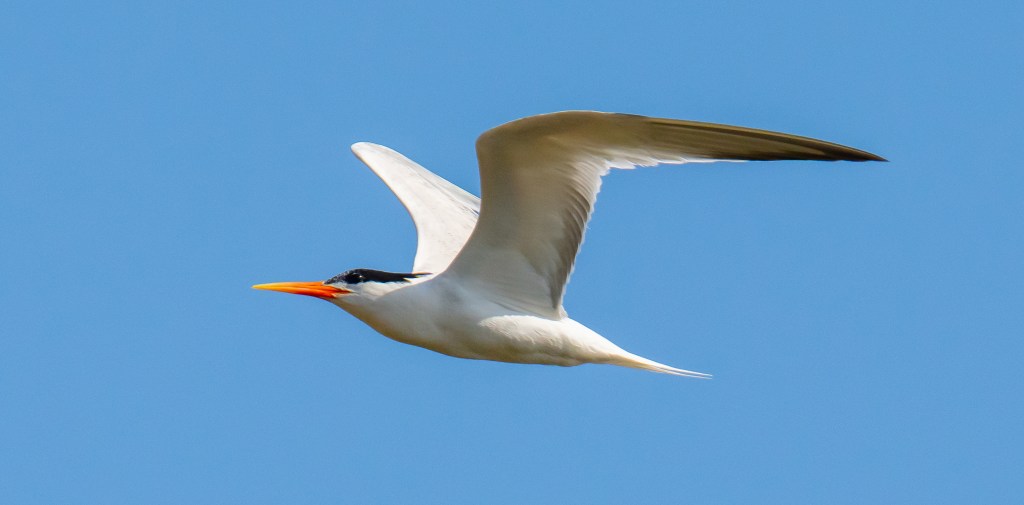
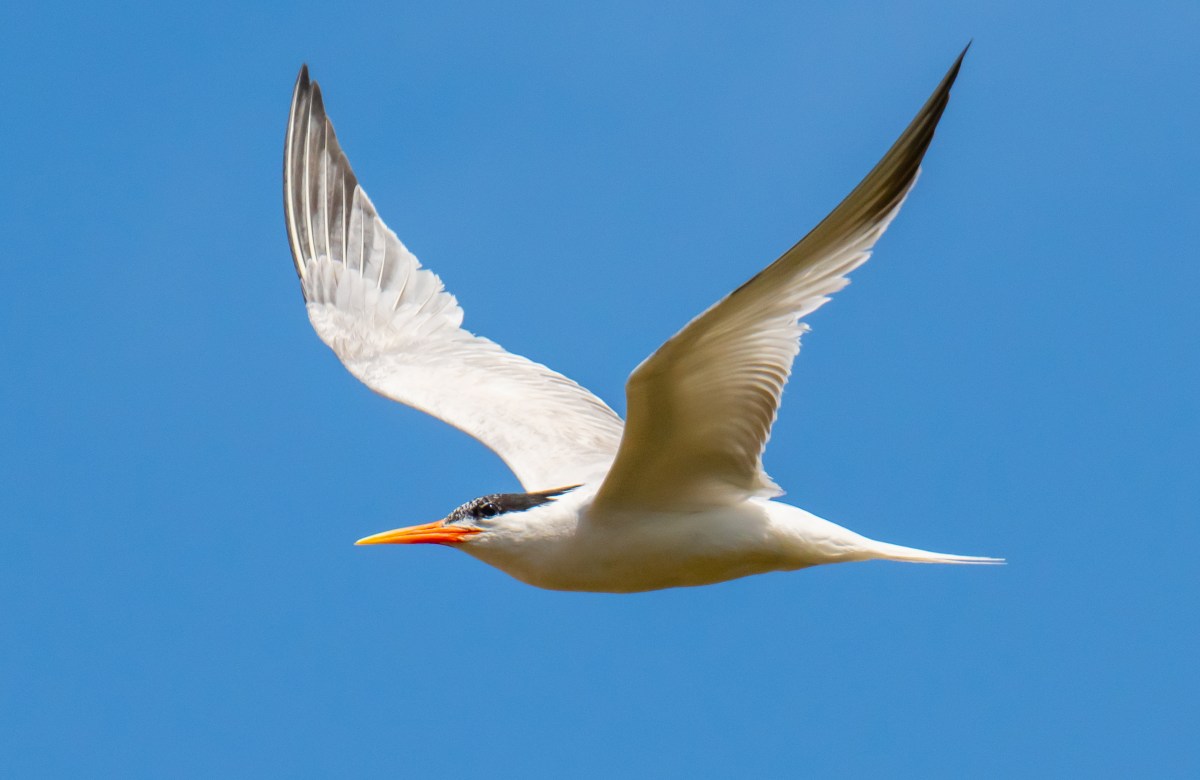
Elegant Terns are sleek, long-winged seabirds with a shaggy black crest, pale gray back, white underparts and a distinctive orange bill. They are closely associated with the Pacific Coast and are particularly noticeable in Southern California during the warmer months.

The birds are known to use bays, estuaries, mudflats and coastal waters after the breeding season. A recent City of San Diego biological report describes Elegant Terns as post-breeding visitors to Southern California’s coast, with birds frequenting bays, estuaries, mudflats and lagoons. San Diego Bay also supports a small nesting colony.

That makes the South Bay a particularly interesting place to look for them.

From Imperial Beach to the Salt Flats

The salt marsh around Imperial Beach and the salt ponds farther north are part of a much larger coastal wetland system.

The Tijuana Estuary is one of Southern California’s remaining salt marshes and provides feeding, nesting and stopover habitat for hundreds of bird species.

The South Bay salt ponds provide another important piece of habitat. The ponds are part of the San Diego Bay National Wildlife Refuge and support a remarkable variety of birds. The highly saline water produces brine organisms that provide food for birds, while the pond levees provide nesting habitat.

So when Elegant Terns appear in the Imperial Beach marsh or around the South Bay salt flats, they aren’t simply passing through a random patch of habitat. They’re using a connected network of coastal wetlands that has supported terns for generations.
The South Bay’s Long History With Elegant Terns

The connection between Elegant Terns and the South Bay goes back decades.

Elegant Terns first nested in California at the San Diego Bay salt works in 1959. Historical records also describe the South Bay salt ponds as one of the few nesting locations for Elegant Terns in the United States.

That history makes seeing them around the salt flats today even more interesting.

The salt ponds may look industrial at first glance, but they have become an important part of the South Bay’s wildlife landscape. The combination of shallow water, mudflats and extremely salty ponds creates unusual habitat that attracts birds looking for food and places to rest or nest.

Why We Don’t Walk Past the Wetland Signs

When you’re photographing birds, it’s tempting to get just a little closer. A better angle, a clearer shot, or a photograph of a tern taking flight can make you want to step beyond a fence or posted sign.
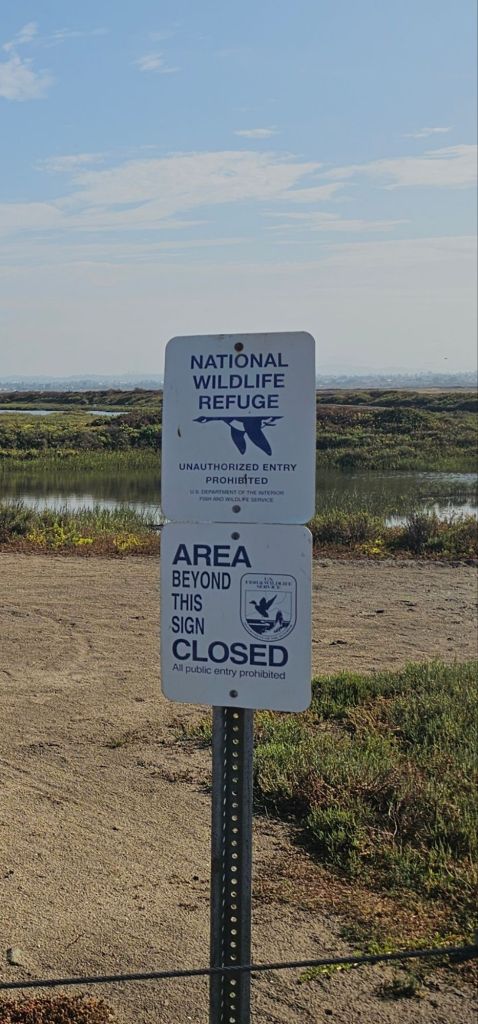
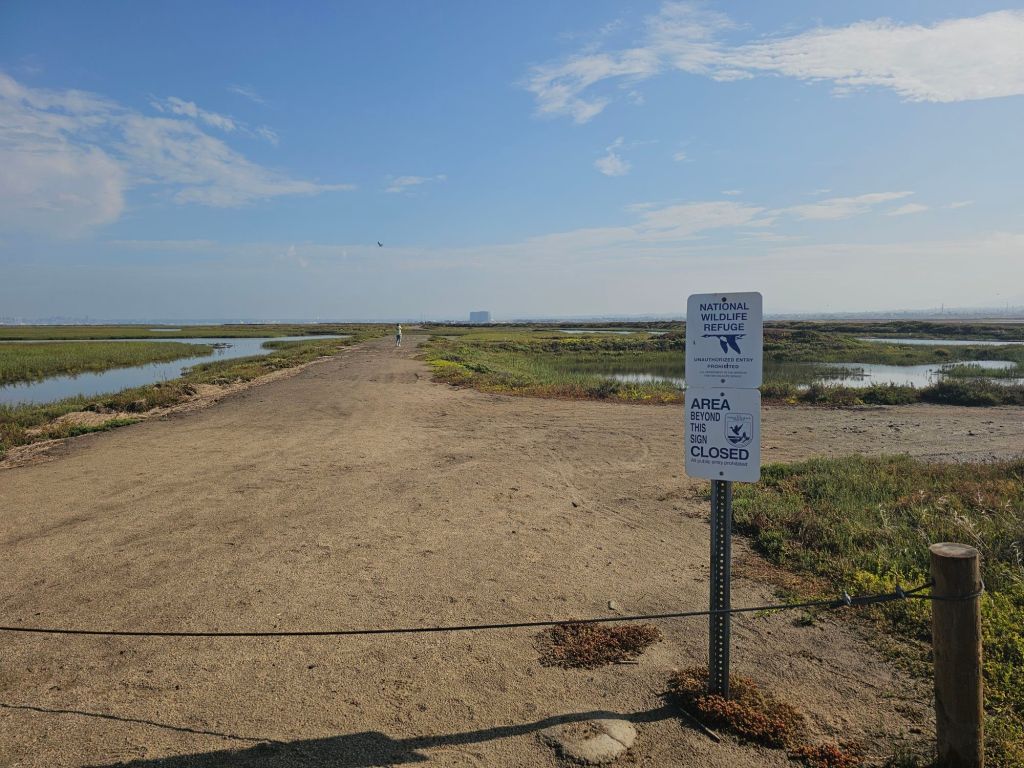
But around the Imperial Beach wetlands, those signs are there for a reason.

The salt marsh is a living ecosystem. What may look like an empty patch of mud or vegetation can be feeding, resting, or nesting habitat for birds. Walking into these areas can disturb wildlife, damage vegetation, and cause birds to use valuable energy flying away from people.

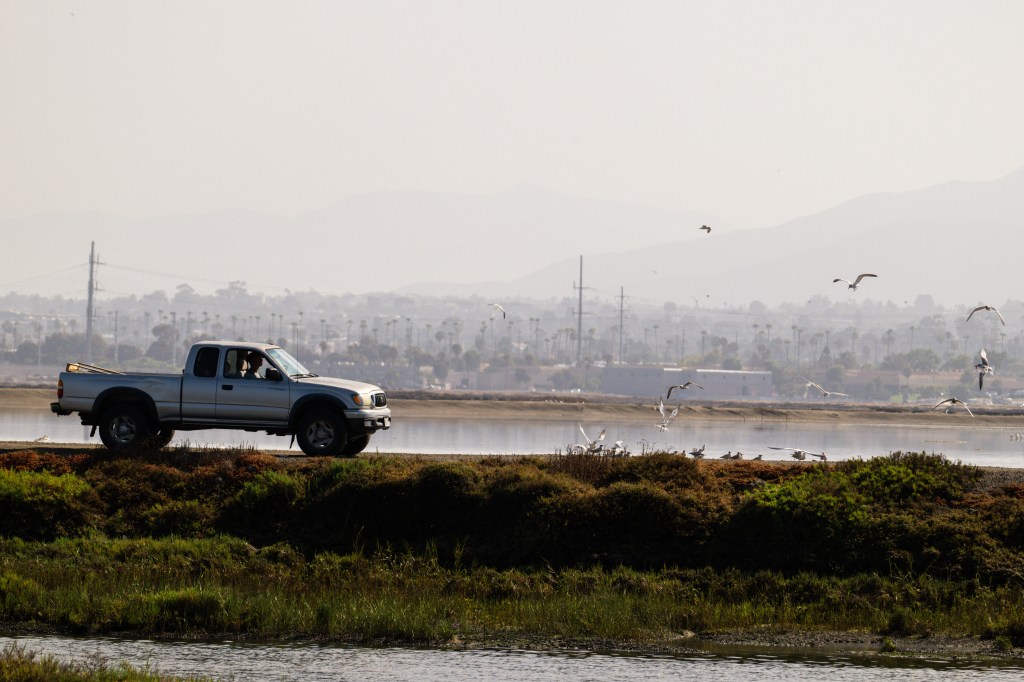
This is especially important when large flocks of terns are present. A person approaching a flock can cause dozens or even hundreds of birds to suddenly take flight. While one disturbance may seem insignificant, repeated disturbances from visitors can keep birds from feeding or resting.

There is also another reason to stay on the designated paths: wetlands can be fragile and surprisingly easy to damage. Salt-marsh plants and the muddy surface help form an ecosystem that has developed over many years. Foot traffic can create unofficial trails and damage vegetation that provides habitat for birds and other wildlife.

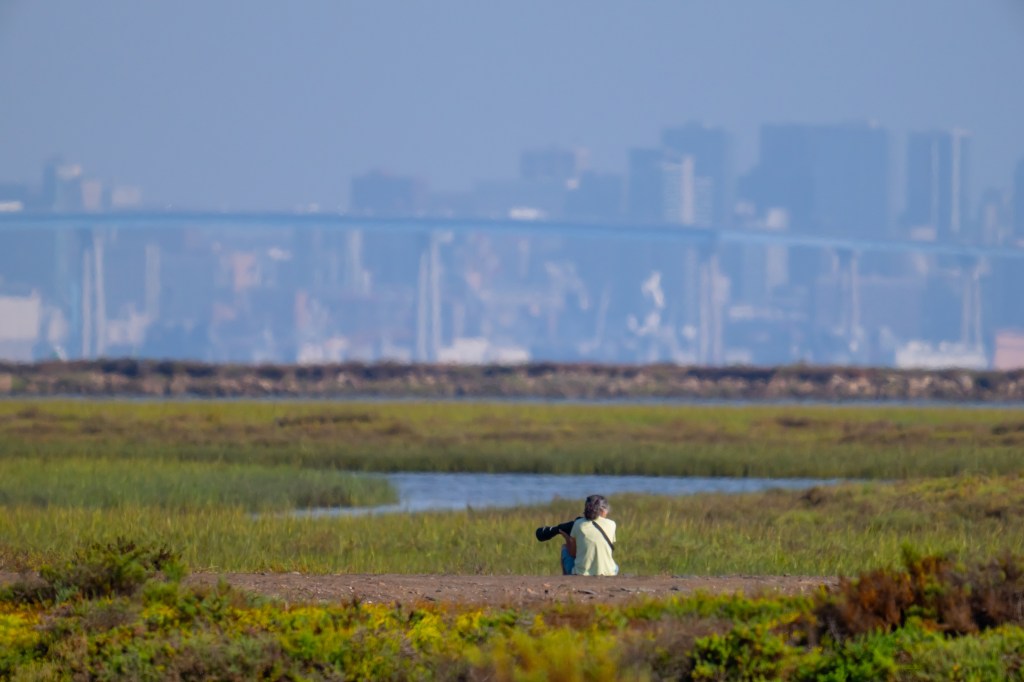
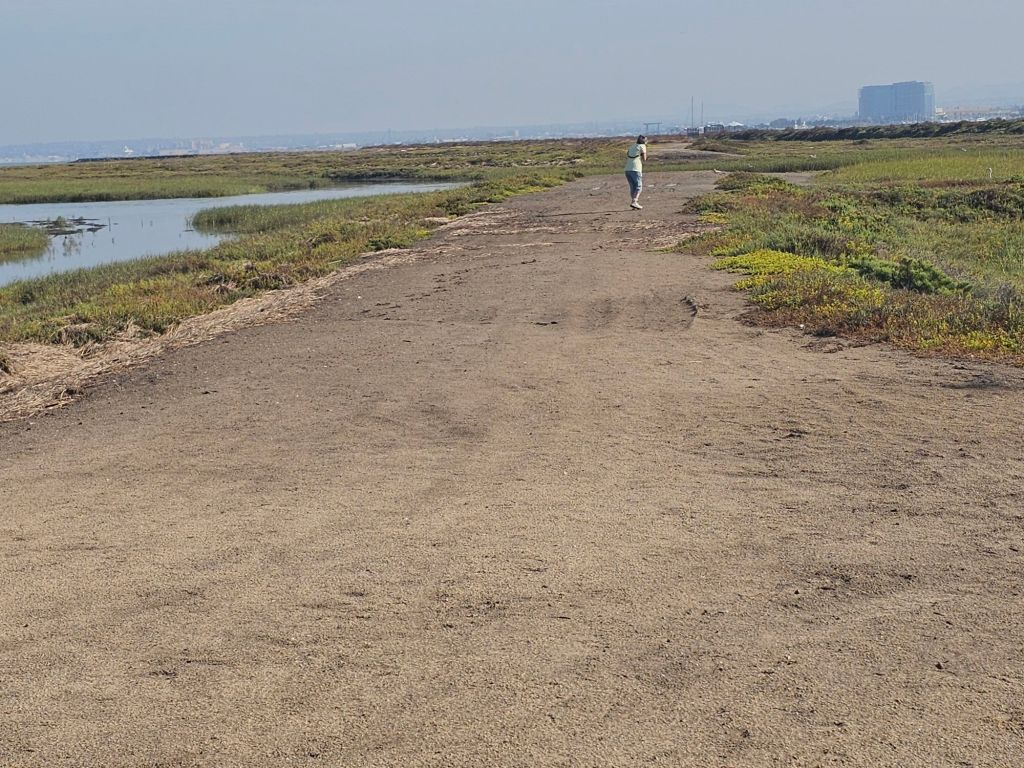
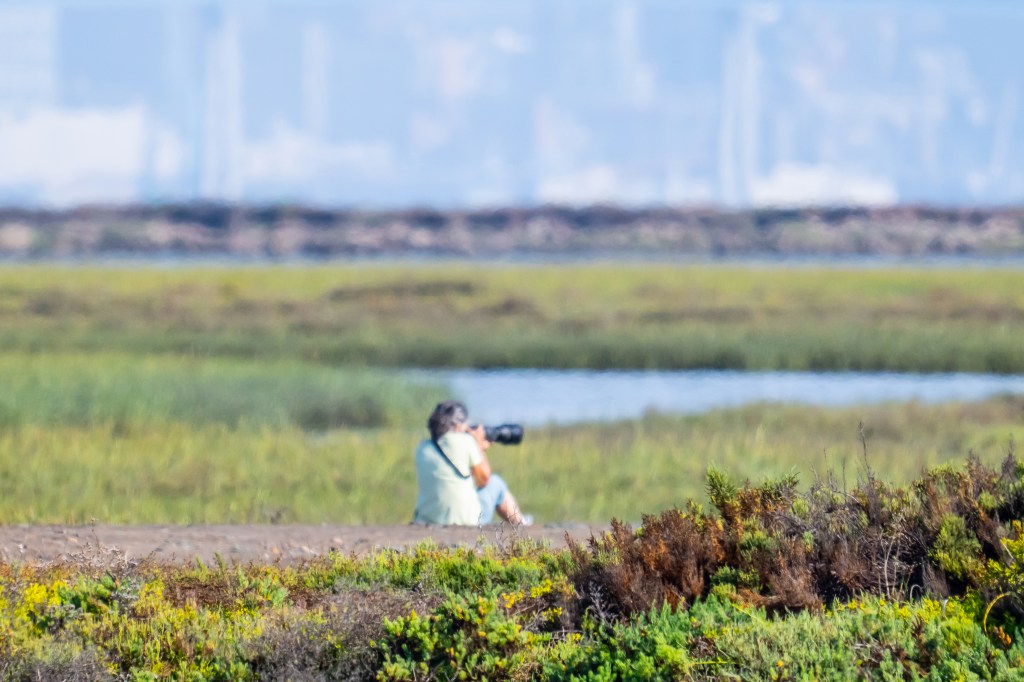
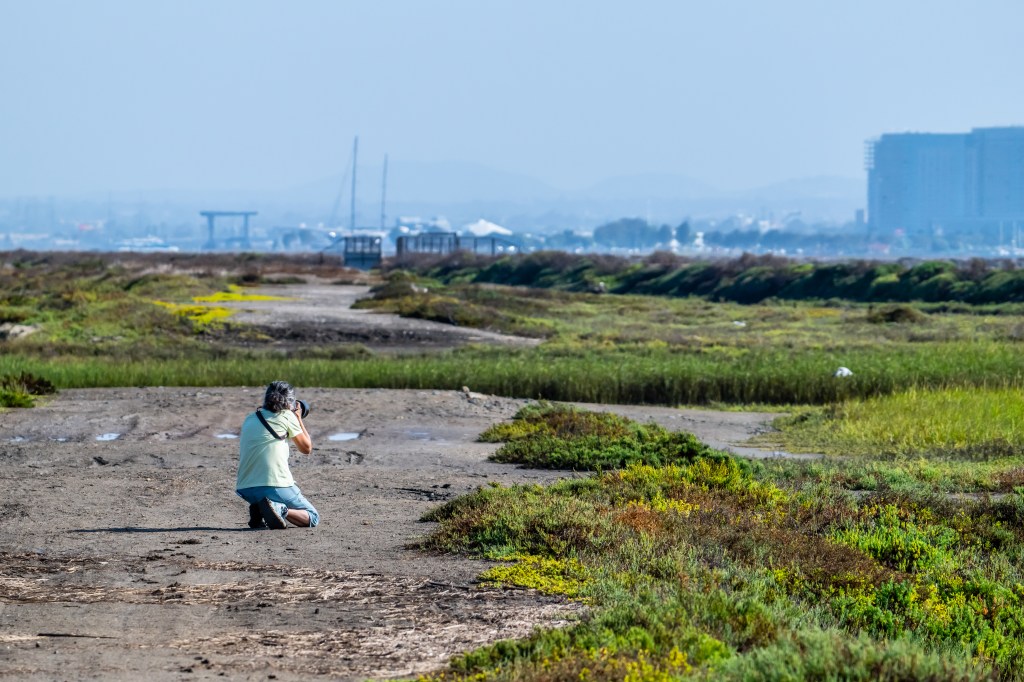
For photographers, staying behind the signs is part of responsible wildlife photography. A longer lens, binoculars and patience can often give you a better experience without getting closer.

The goal isn’t simply to get the closest photograph.

The goal is to photograph the birds while allowing them to continue doing what they came here to do.

So when you visit the Imperial Beach salt marsh or the South Bay salt flats, pay attention to the signs and stay on designated trails. Give the birds room, respect protected areas and let the wetlands remain a place where wildlife can thrive.

Sometimes the best wildlife photograph is the one you take without disturbing the wildlife at all.

Local Residents Find Space to Grow at the Tijuana River Community Garden

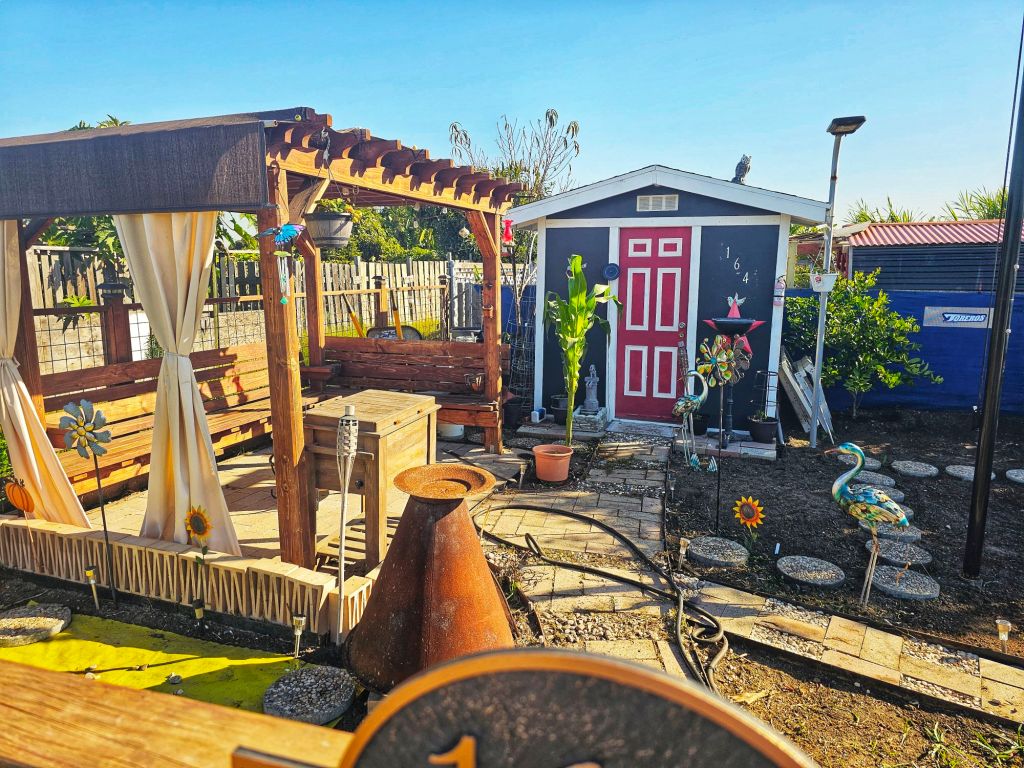
The Tijuana River Community Garden, established 2002, has become one of the most active green spaces in the South Bay, offering residents a place to grow food, strengthen community ties, and cultivate a shared connection to the land. The site of the community garden lies in the Tijuana River Valley Regional Park (TRV), a region that historically hosted agricultural operations, including vegetable farms, dairies, and ranches. Over time, many farms in the valley experienced floods, soil disruption, or were abandoned.

The Tijuana River Community Garden, established 2002, has become one of the most active green spaces in the South Bay, offering residents a place to grow food, strengthen community ties, and cultivate a shared connection to the land. The site of the community garden lies in the Tijuana River Valley Regional Park (TRV), a region that historically hosted agricultural operations, including vegetable farms, dairies, and ranches. Over time, many farms in the valley experienced floods, soil disruption, or were abandoned.

The commercial success of large-scale agriculture in the valley was severely curtailed by flooding and, most critically, by the ongoing transboundary pollution issue. Beginning in the mid-20th century and accelerating rapidly due to Tijuana’s population growth and inadequate infrastructure, the Tijuana River became a major conduit for raw sewage, industrial waste, and sediment.

2025 brought renewed urgency around environmental issues in the surrounding valley. The region has been affected by a persistent sewage and pollution crisis — runoff and untreated wastewater from across the border entering the valley, leading to toxic contamination in water, soil, and air. As a result — and citing “health and safety of gardeners, farmers and staff,” and “increased flooding and related challenges in recent years” — Resource Conservation District of Greater San Diego County (RCDGSDC), a non-profit/quasi-governmental organization tasked with environmental conservation projects locally announced it would end its lease and management of the garden in October 2025.

In November 2025, the county selected Olivewood Gardens and Learning Center (OGLC), a nonprofit based in National City, as the garden’s interim operator for up to one year. The appointment of Olivewood Gardens as interim operator provides continuity for now, but long-term viability depends on final negotiations, environmental remediation, and the ability to ensure safe operation.

Soar Into October: Hawktober Returns in San Diego County

Every autumn, something special takes flight across San Diego County: Hawktober, the Parks & Recreation Department’s annual tribute to our local birds of prey. This year marks the seventh edition of the event — a month-long celebration dedicated to hawks, owls, falcons, and the many fascinating adaptations that make them apex aerial hunters. 

What Is Hawktober?

Hawktober is a series of free educational workshops held in county parks, preserves, campgrounds, and nature centers. The goal? To bring wildlife education to local communities, connect people (young and old) with live animal ambassadors, and deepen appreciation for the roles raptors play in San Diego’s ecosystems.

See my Post on Hawktobere here https://socalexposure.com/2025/10/04/october-is-hawktober/

I attended the Saturday October 4th Event at the Tijuana River Valley Campground. The group was introduced to 4 raptor ambassadors

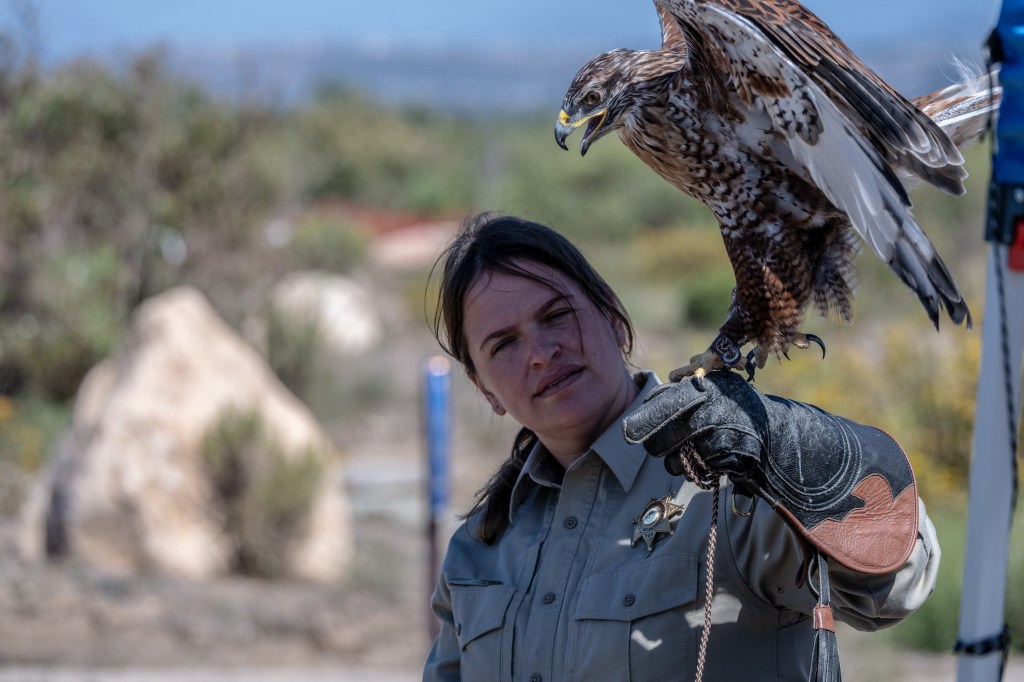
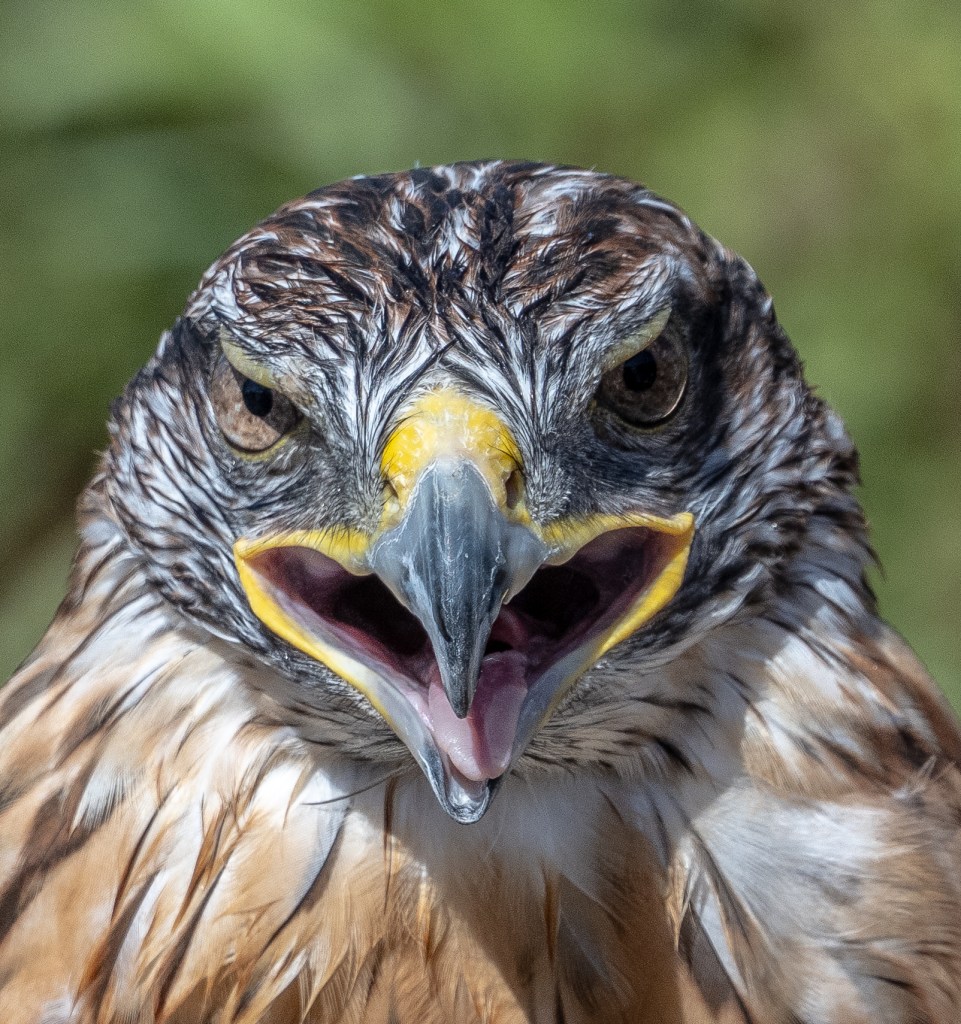
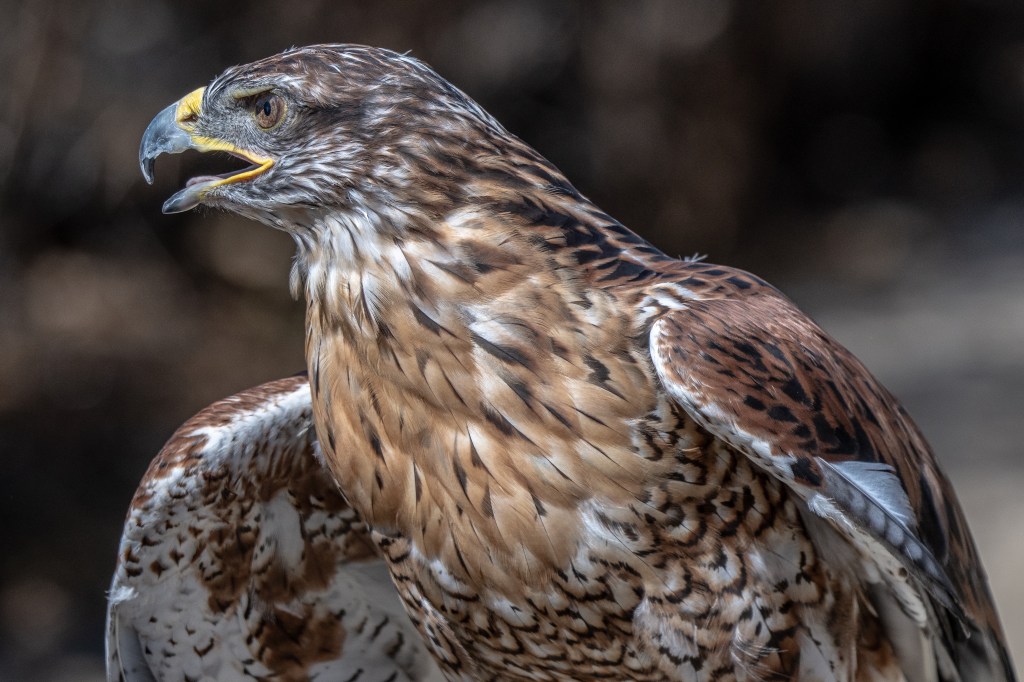
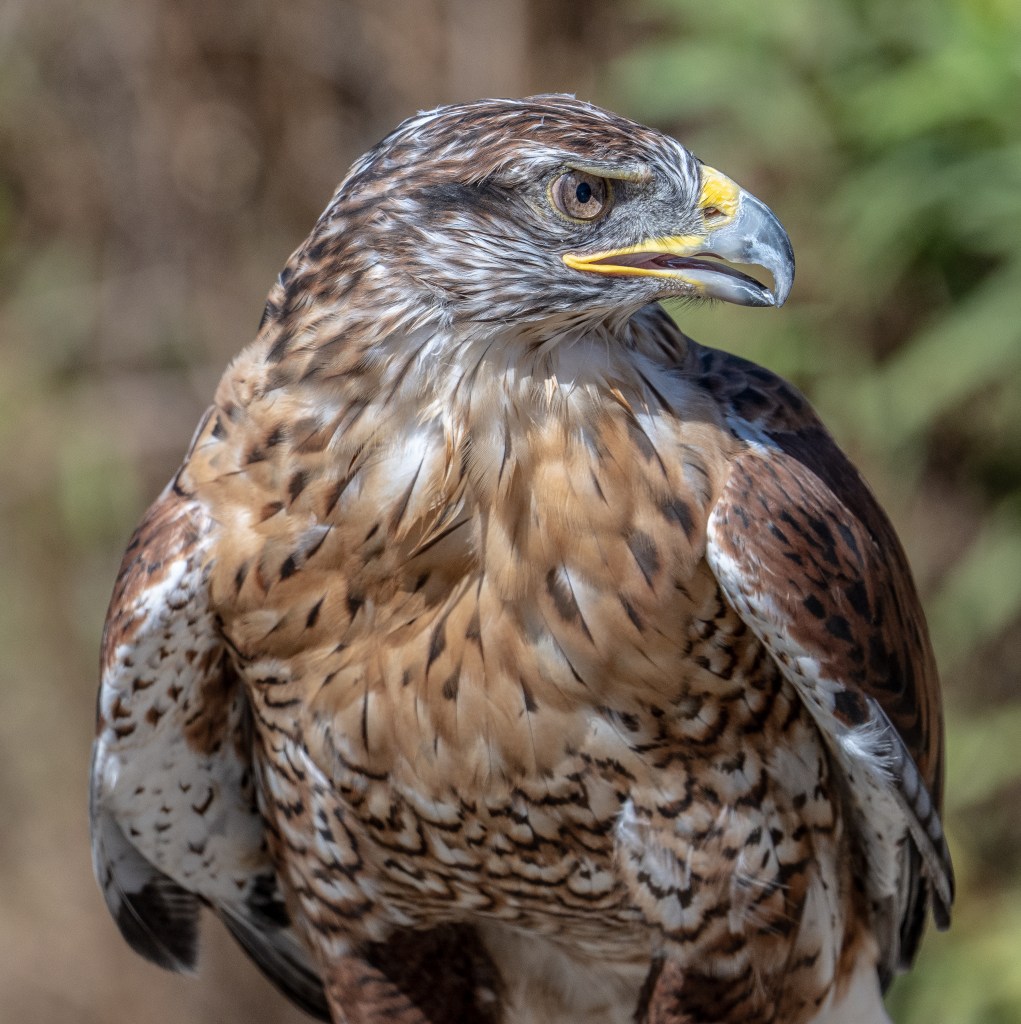
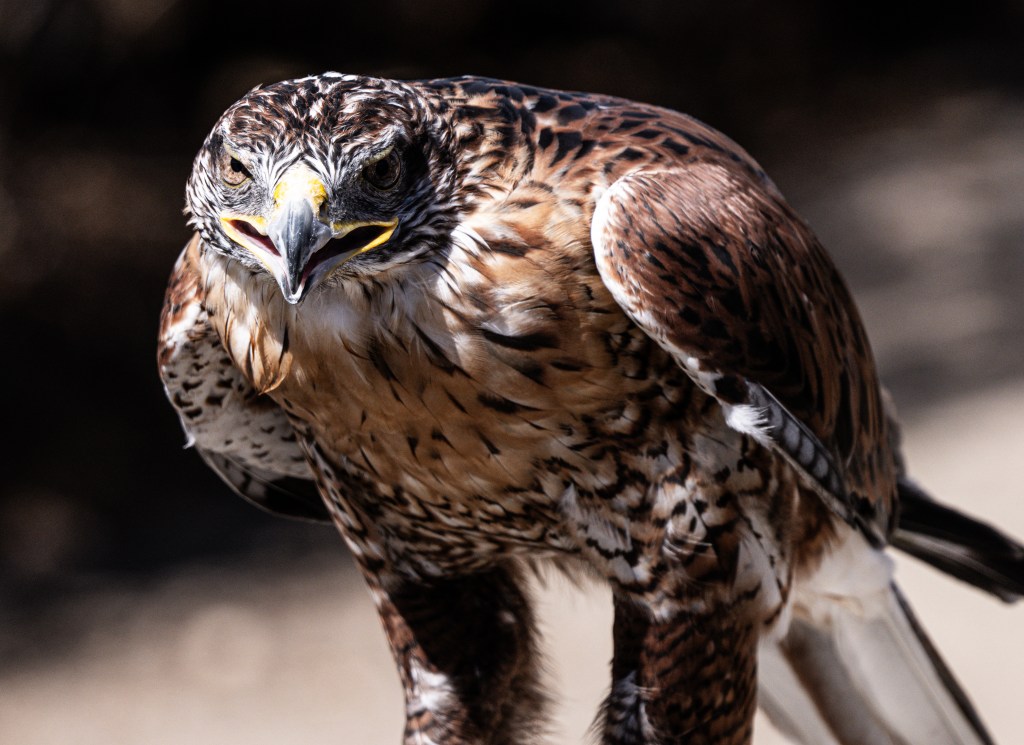
Ranger Danica introduced us to Ferris the Ferruginous Hawk Ambassador

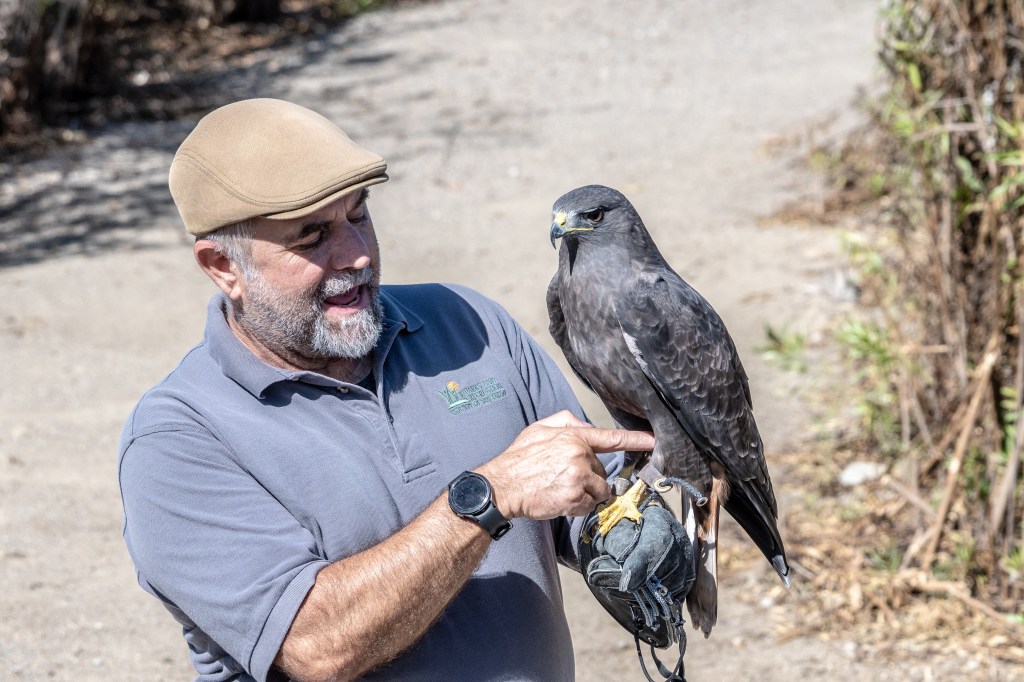
SD Parks Manager Charles brought out Buster the Red Tailed Hawk Ambassador

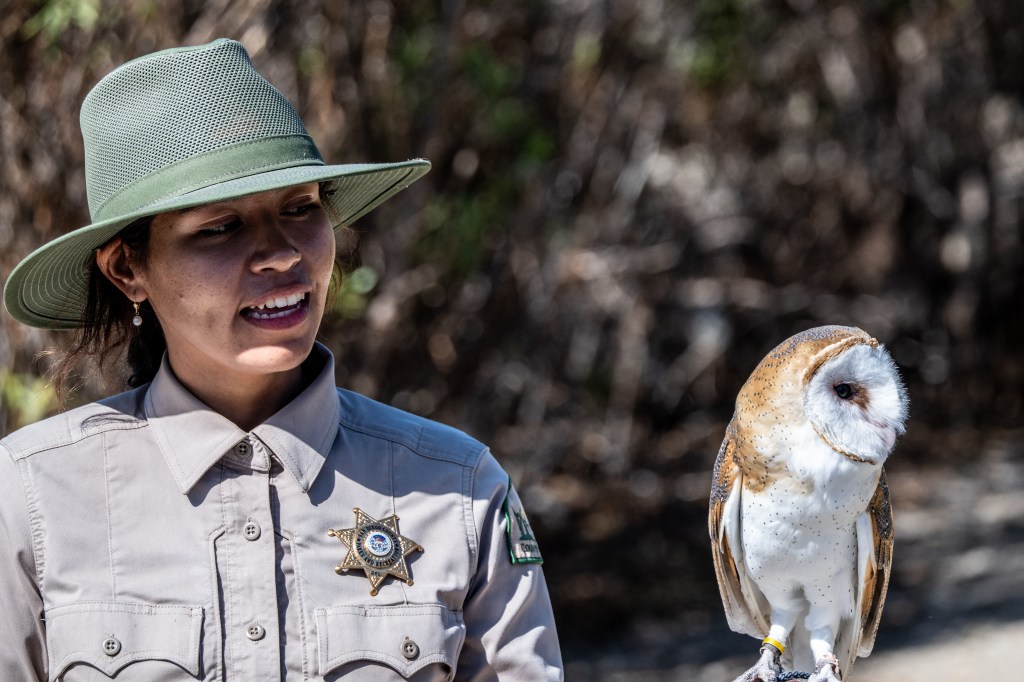
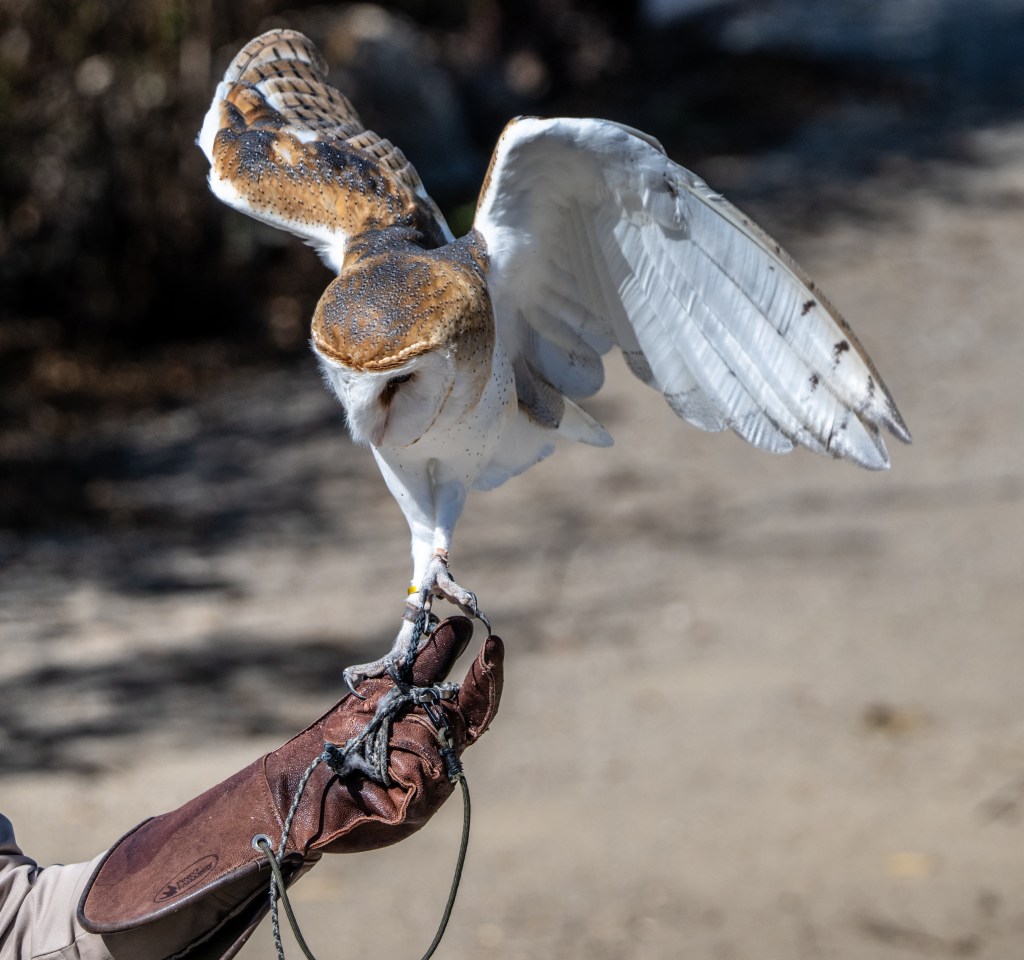
Ranger Samantha bought out the Barn Owl

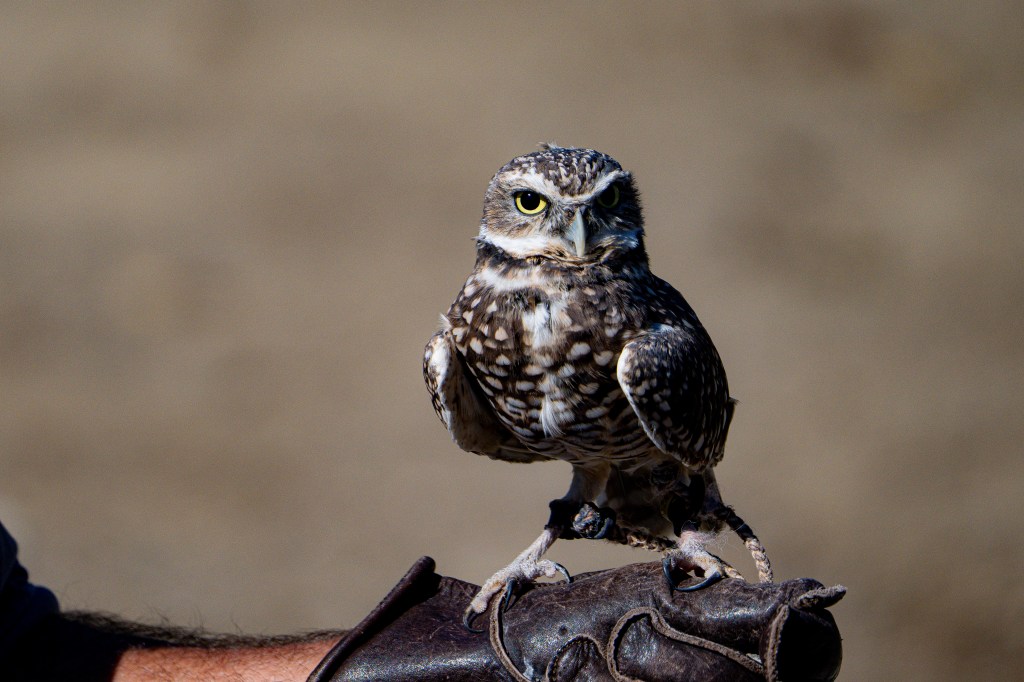
Manager Charles with Athena the Burrowing Owl

OCTOBER IS HAWKTOBER!

Hawktober is our annual celebration of local birds of prey, including hawks, owls, and falcons. This marks the event’s seventh year offering FREE workshops at parks, campgrounds and wilderness preserves across San Diego County. 

Events are free and open to all ages, starting October 4. Explore multiple workshops to meet different birds and rangers.

Visit San Diego Parks and Recreation Website for more information

https://www.sdparks.org/content/sdparks/en/participate/hawktober.html

What to Expect:

  • Live raptors: Meet ambassador birds like hawks, owls, and falcons up close and learn about their unique behaviors and adaptations.
  • Fun facts: Discover how these birds live, what they eat, how they hunt, when they’re active, and special traits like speed, camouflage, or night vision.
  • Bird tales: Each event features different birds—each with a name and story—shared by passionate rangers.
  • Special perk: Grab limited-edition Hawktober trading cards (while supplies last), complete with stats like wingspan, weight, and fun facts.