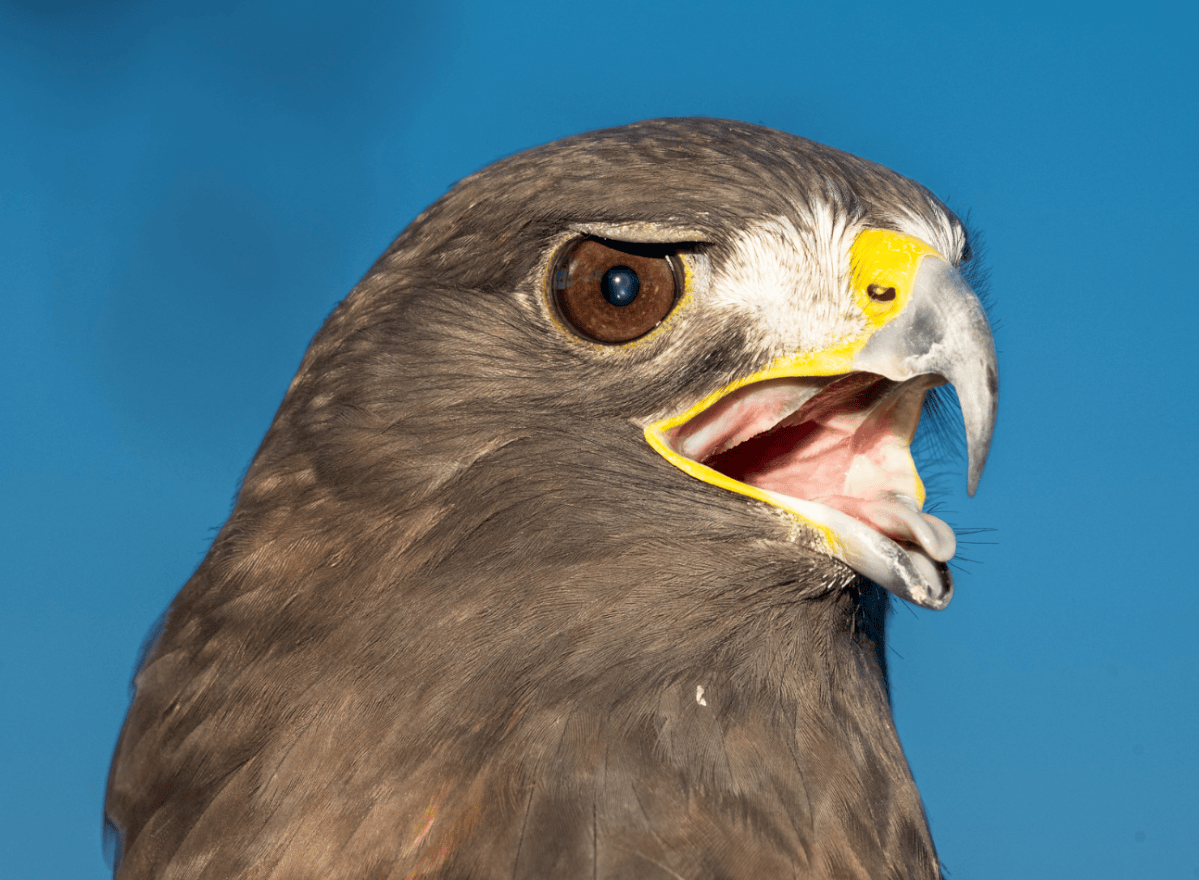
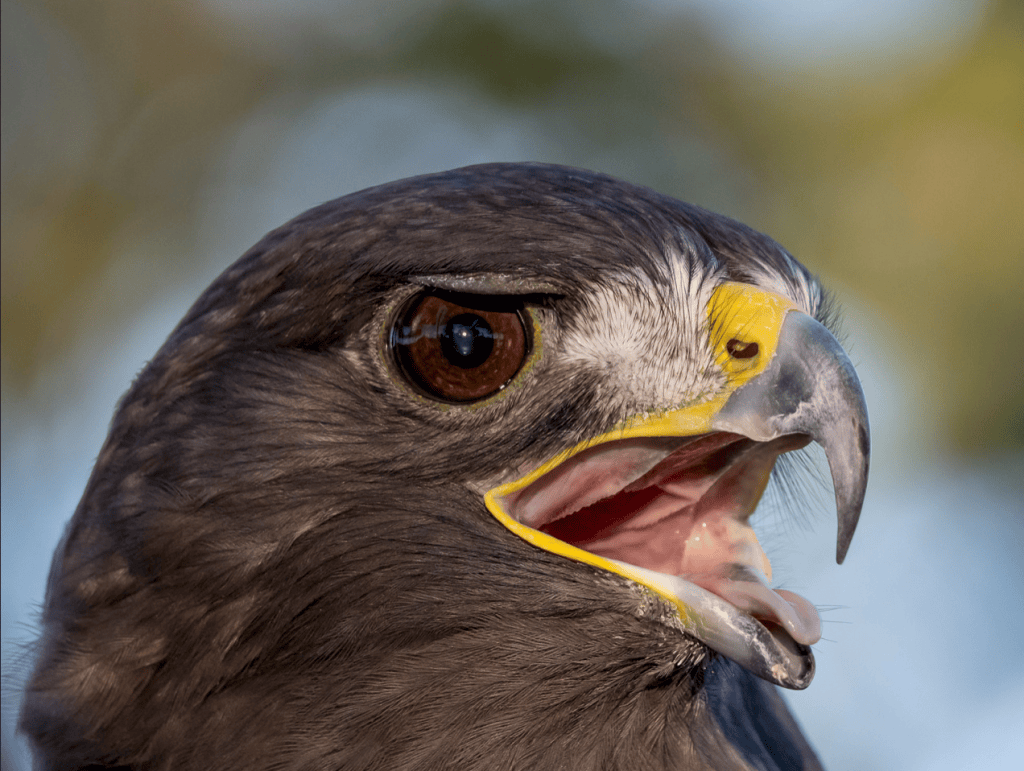
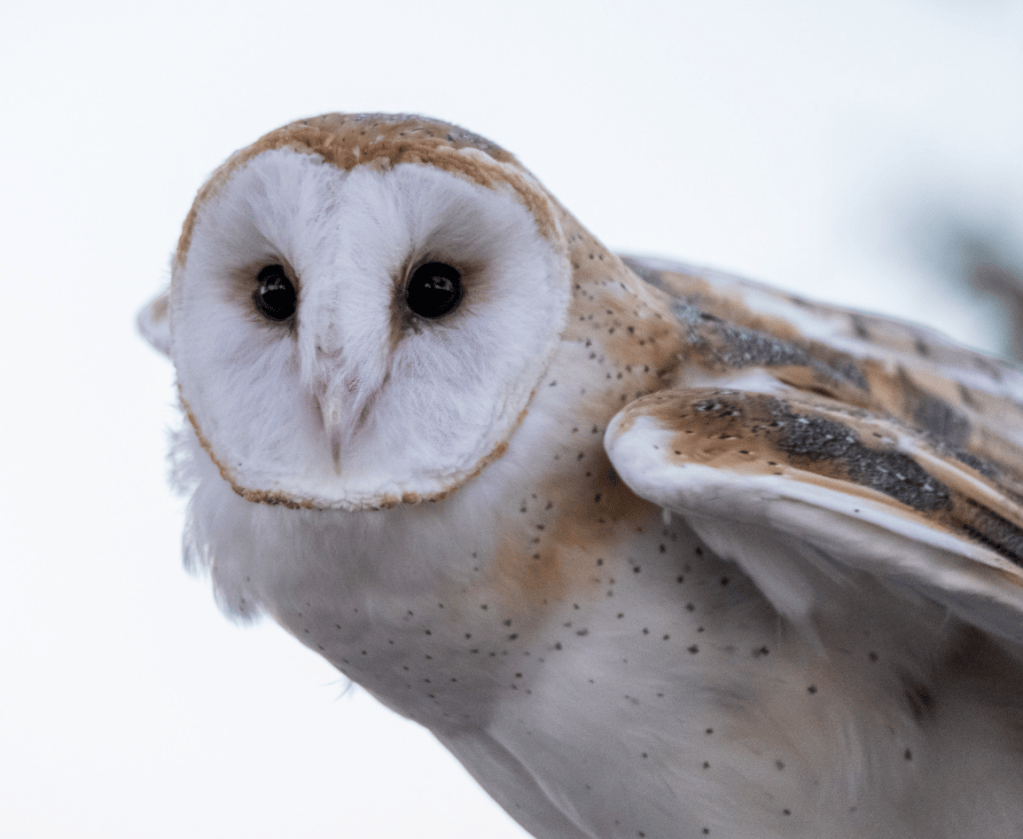
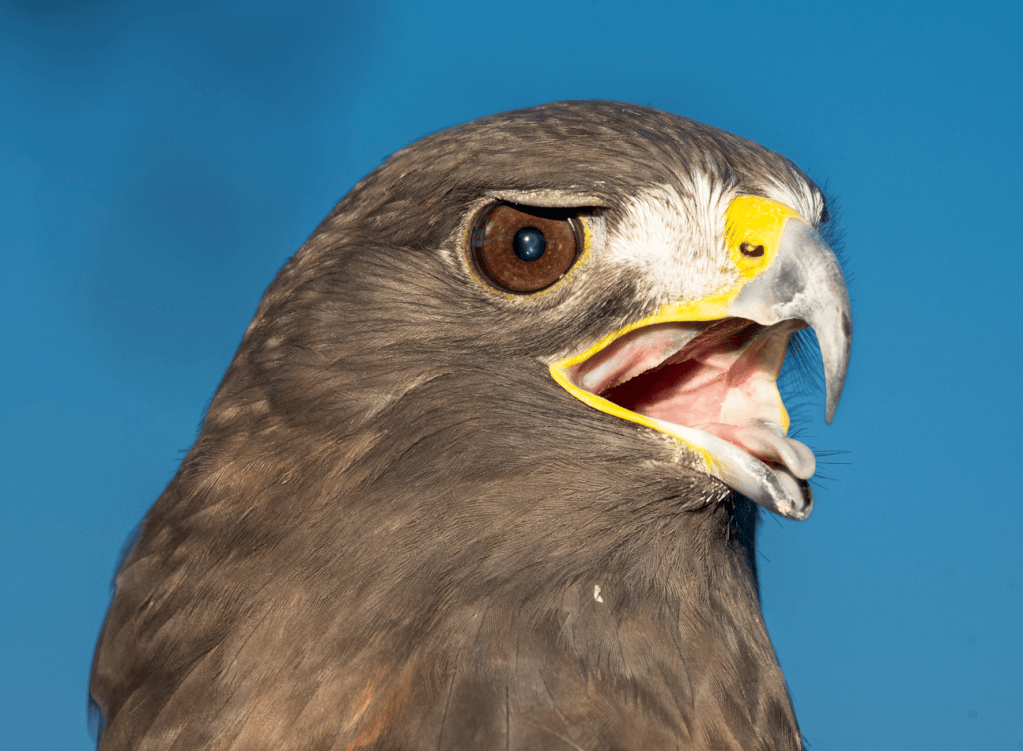
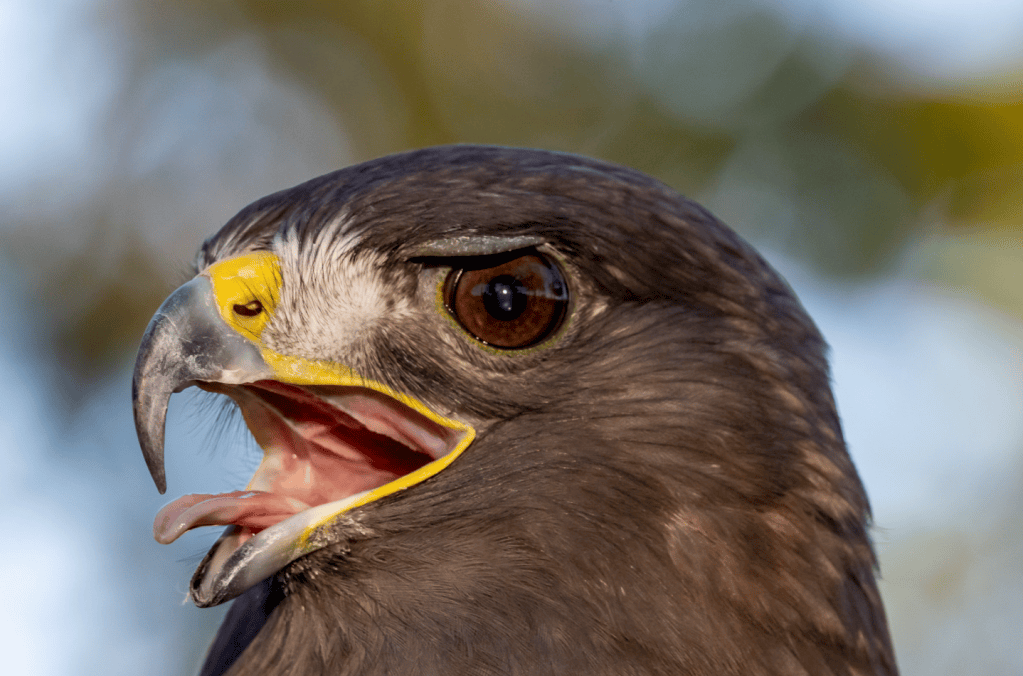
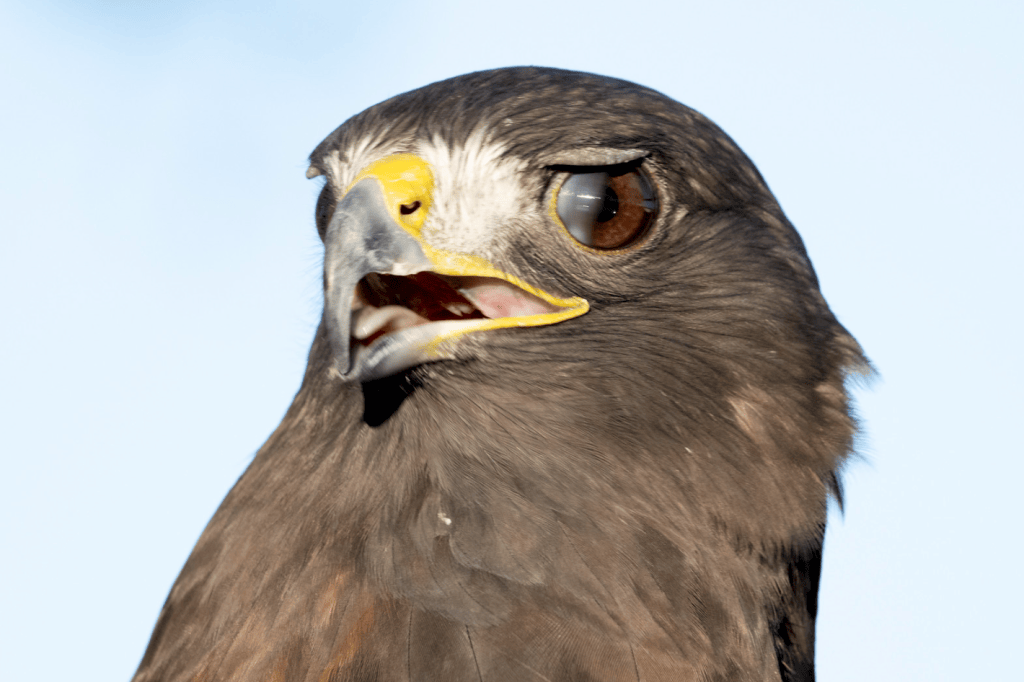
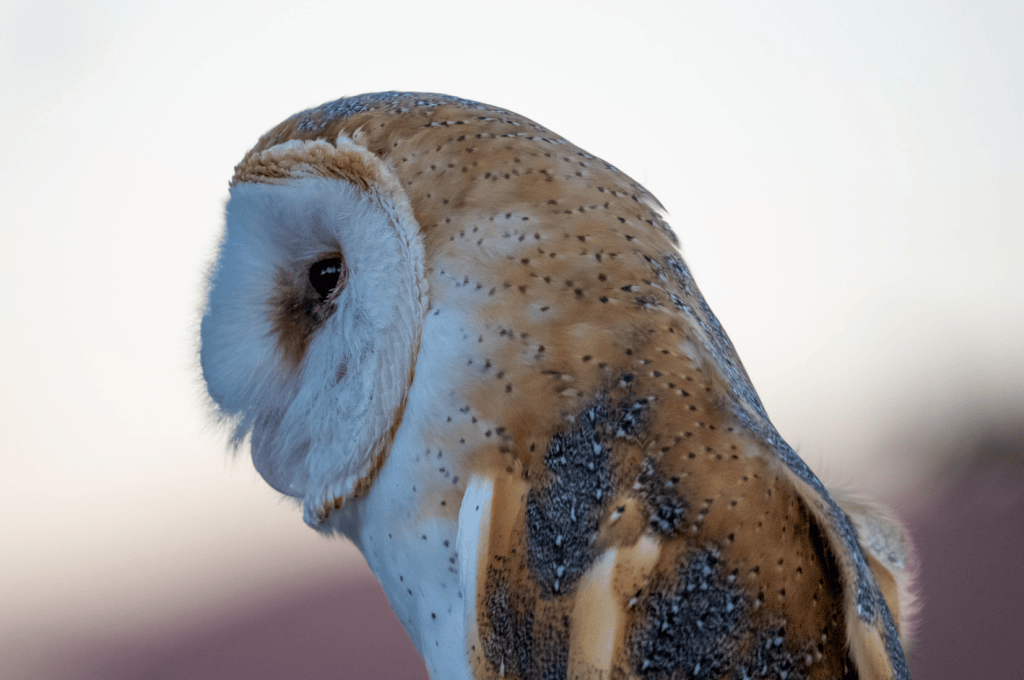
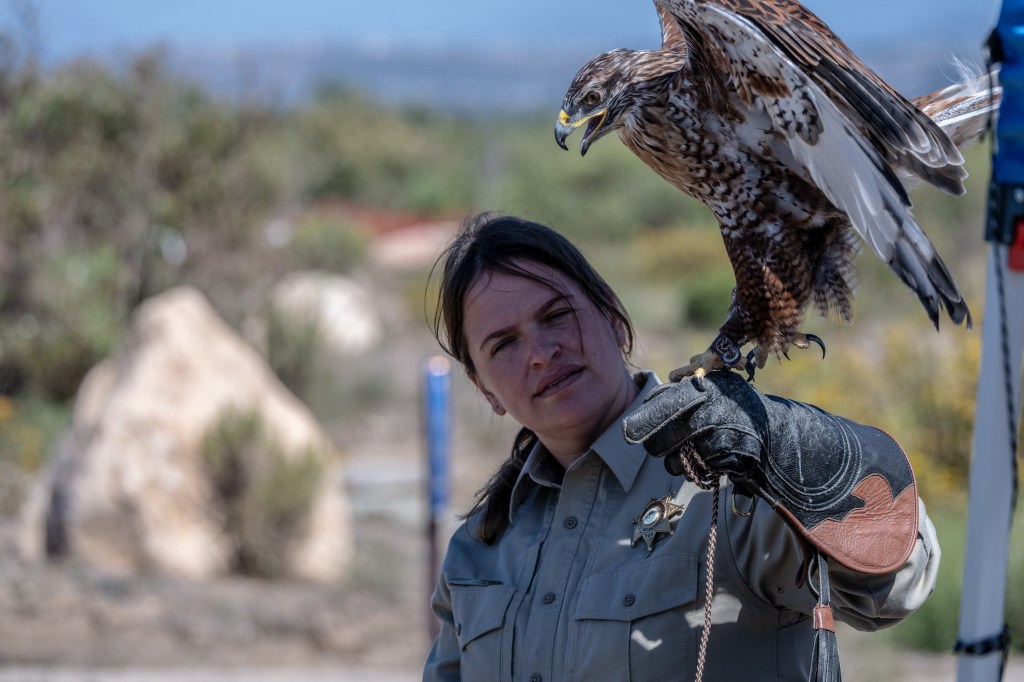
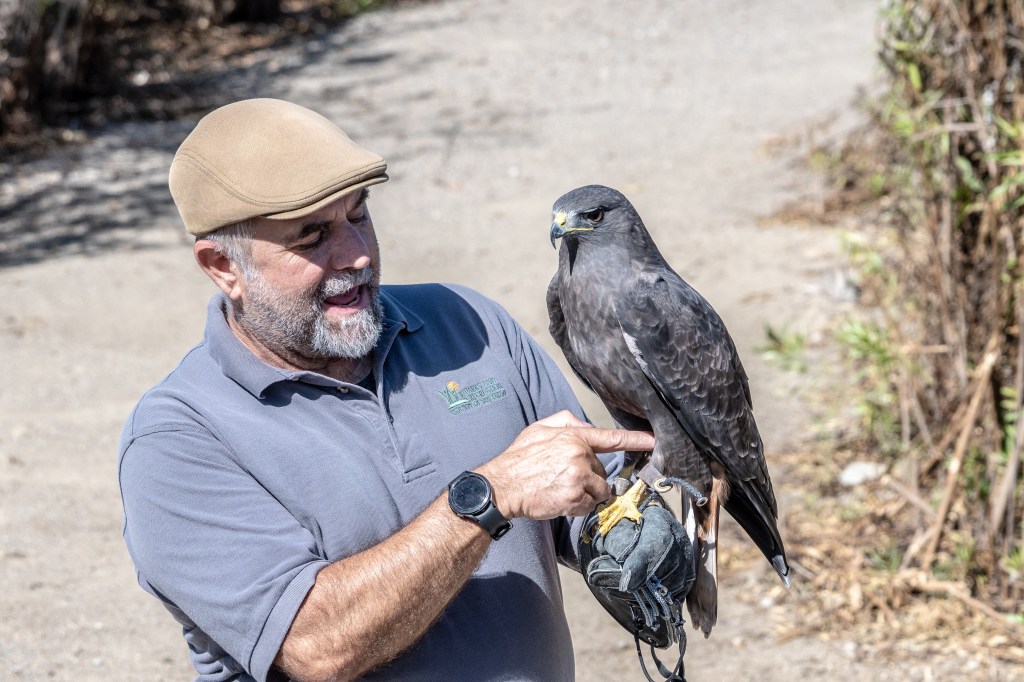
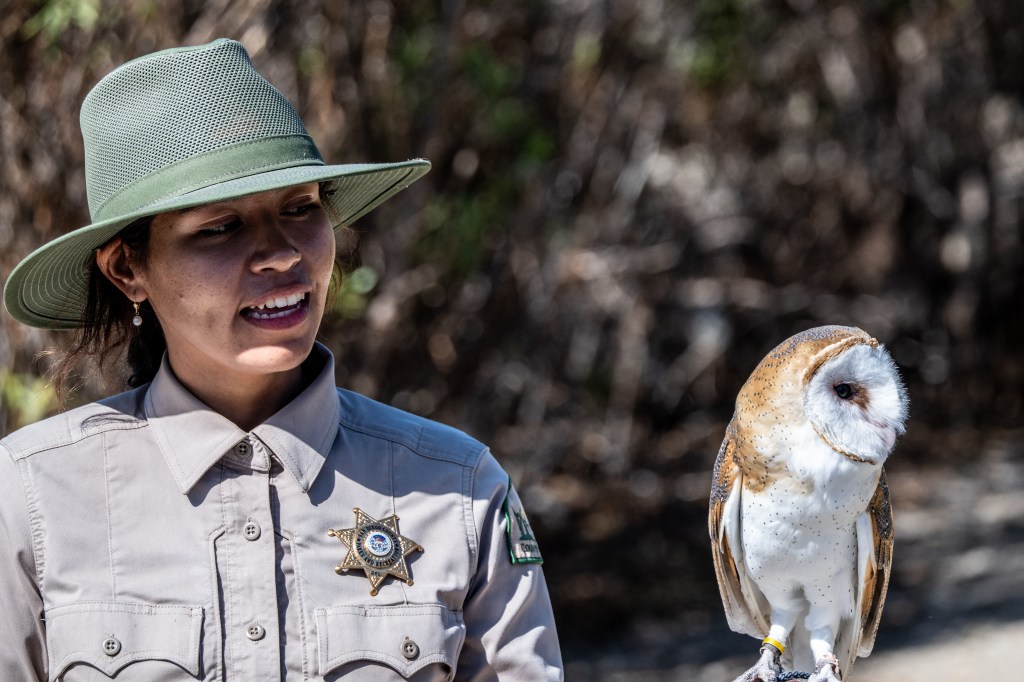
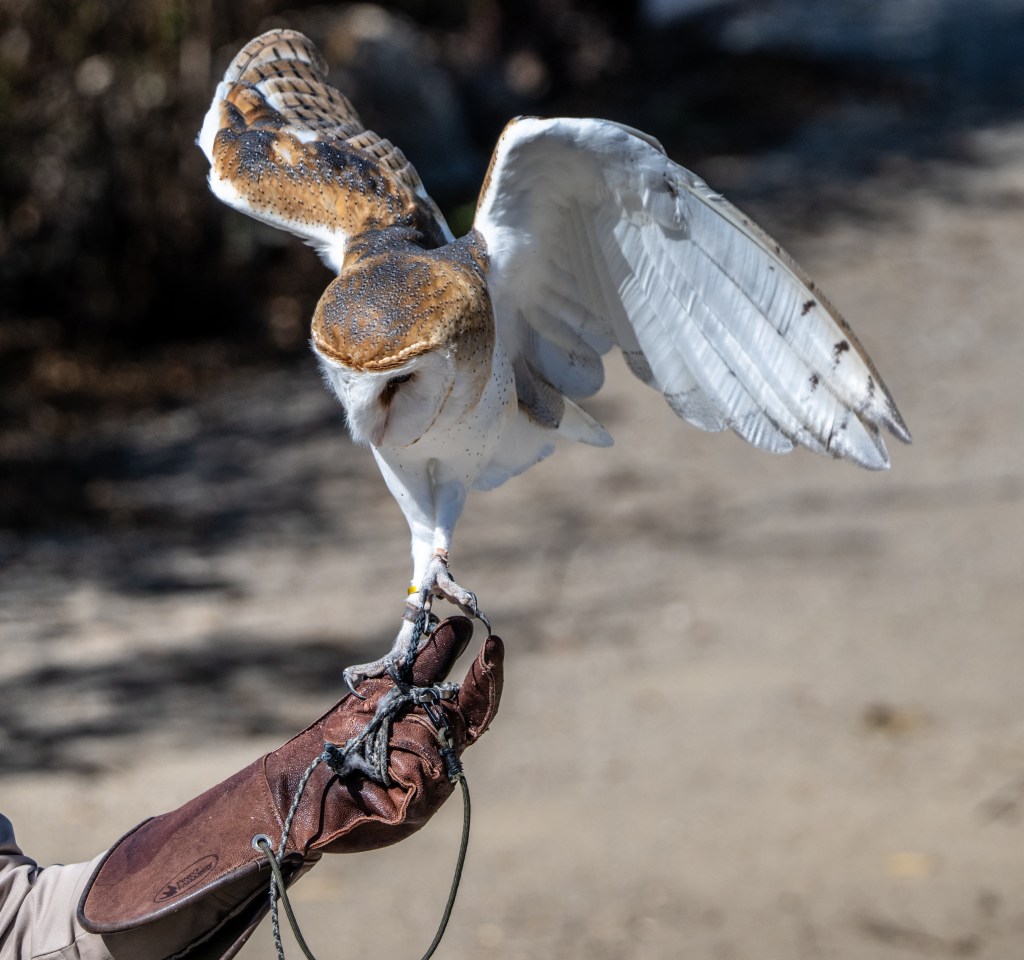
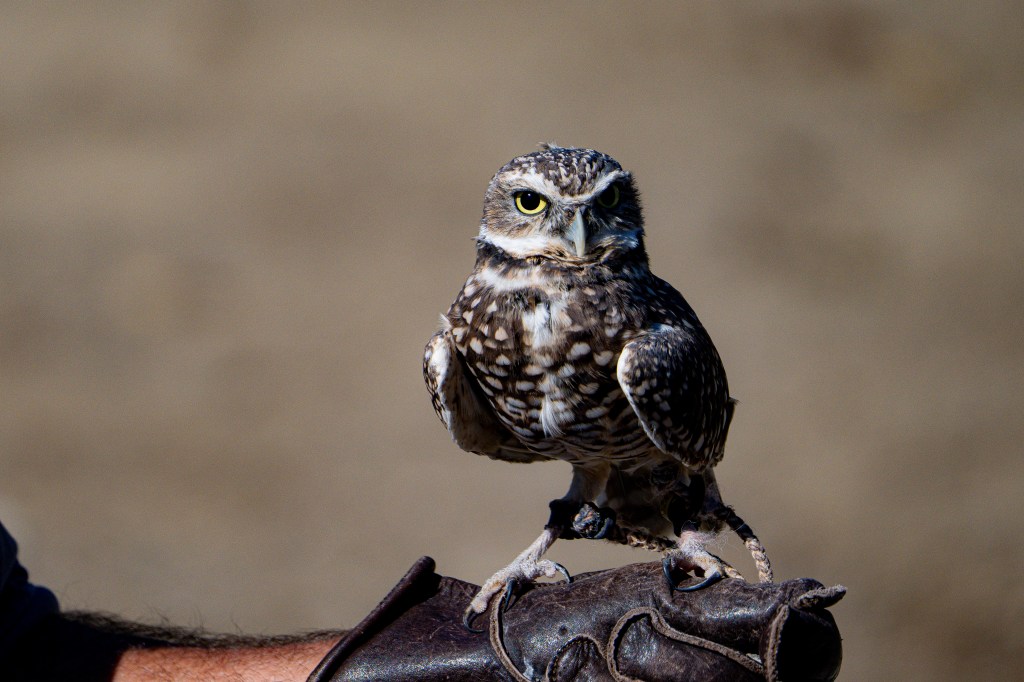
On Saturday night around 30 Adults and 8 children came out to the amphitheater at the Sweetwater Campground in Bonita for the first weekend of Hawktober.
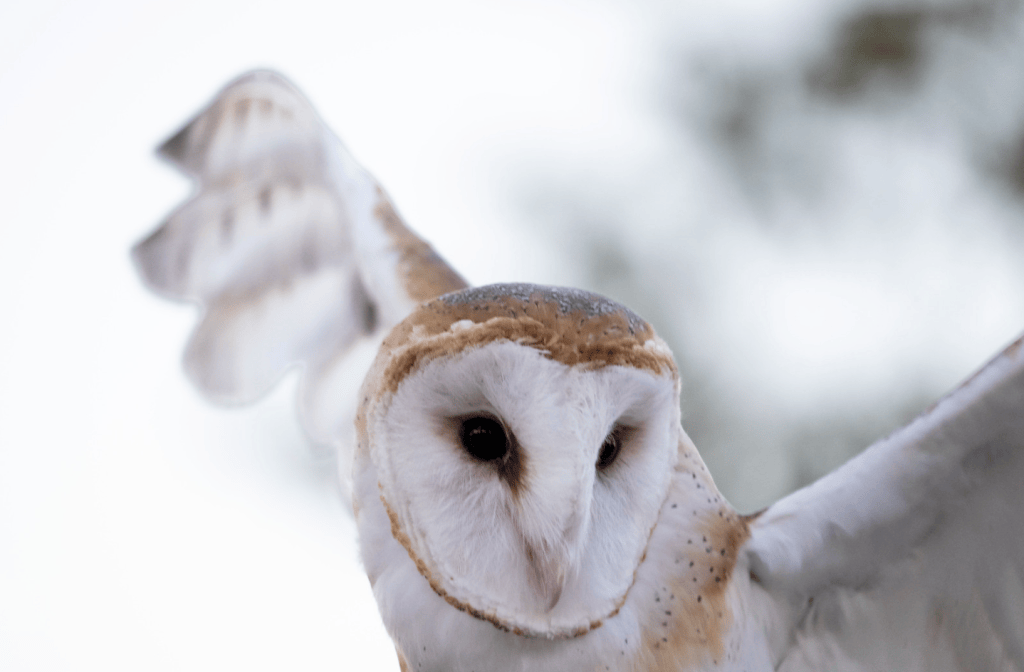
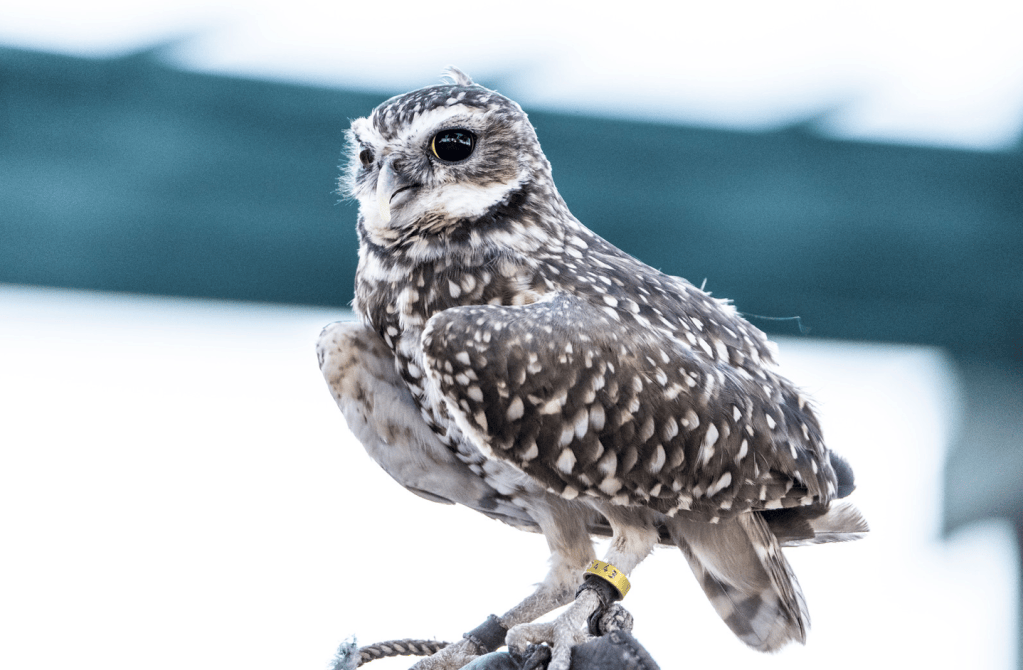
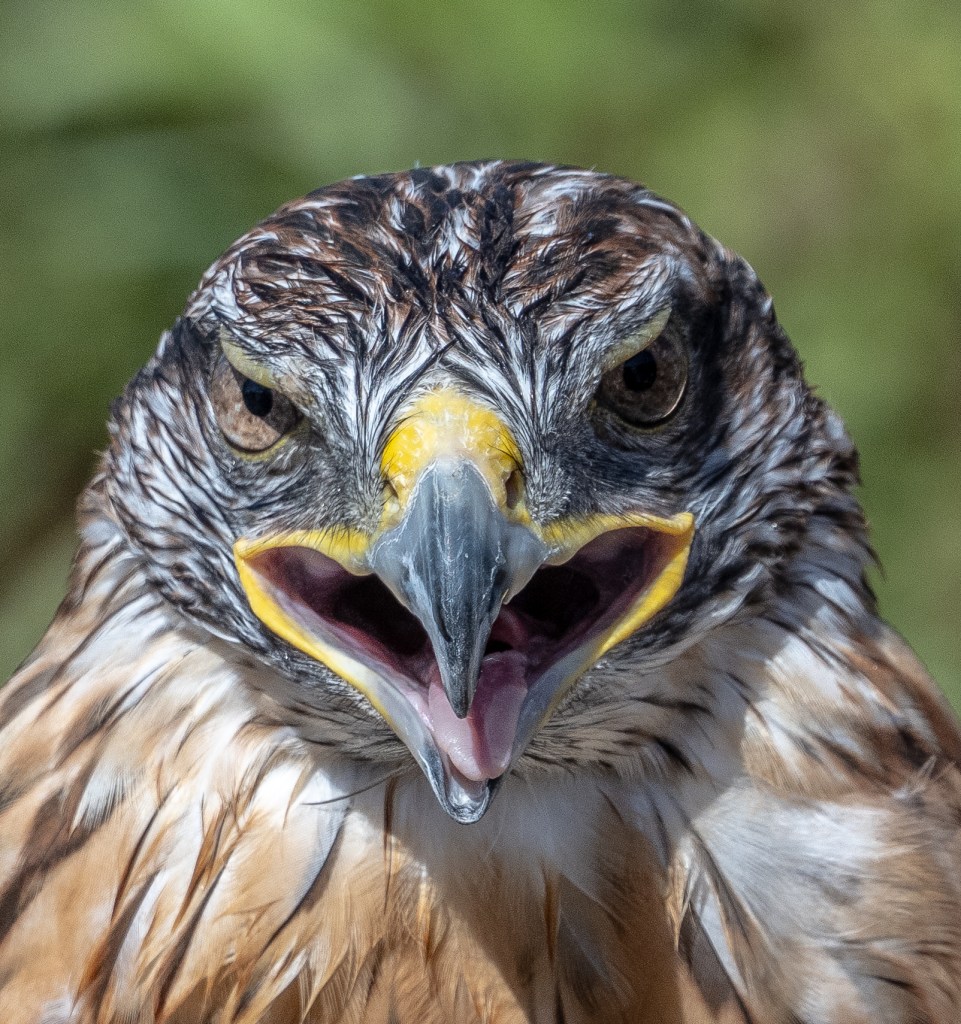
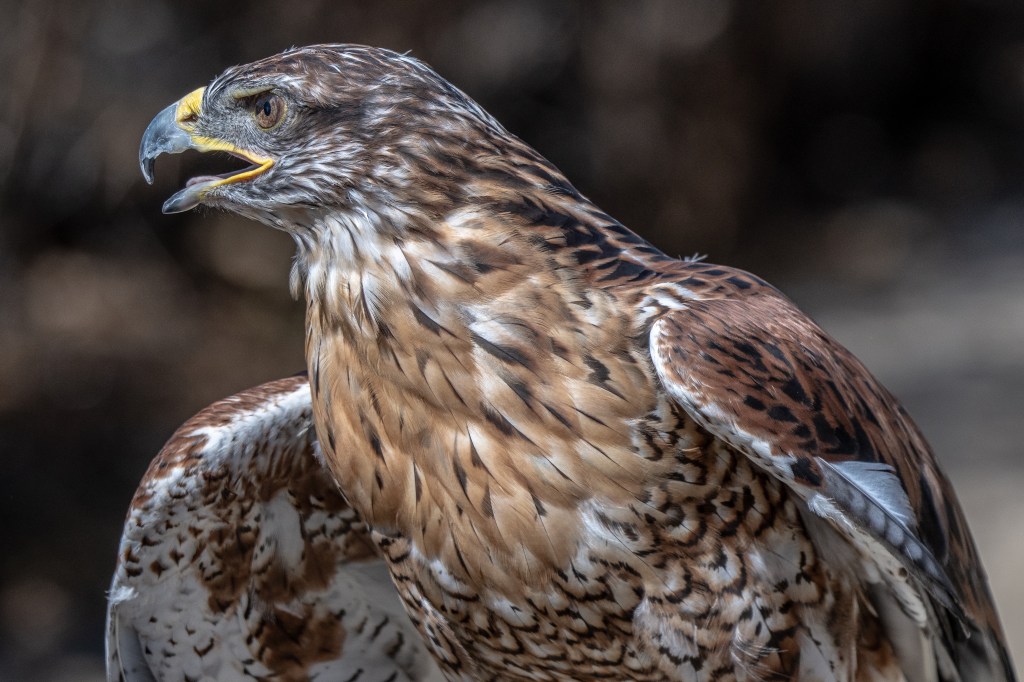
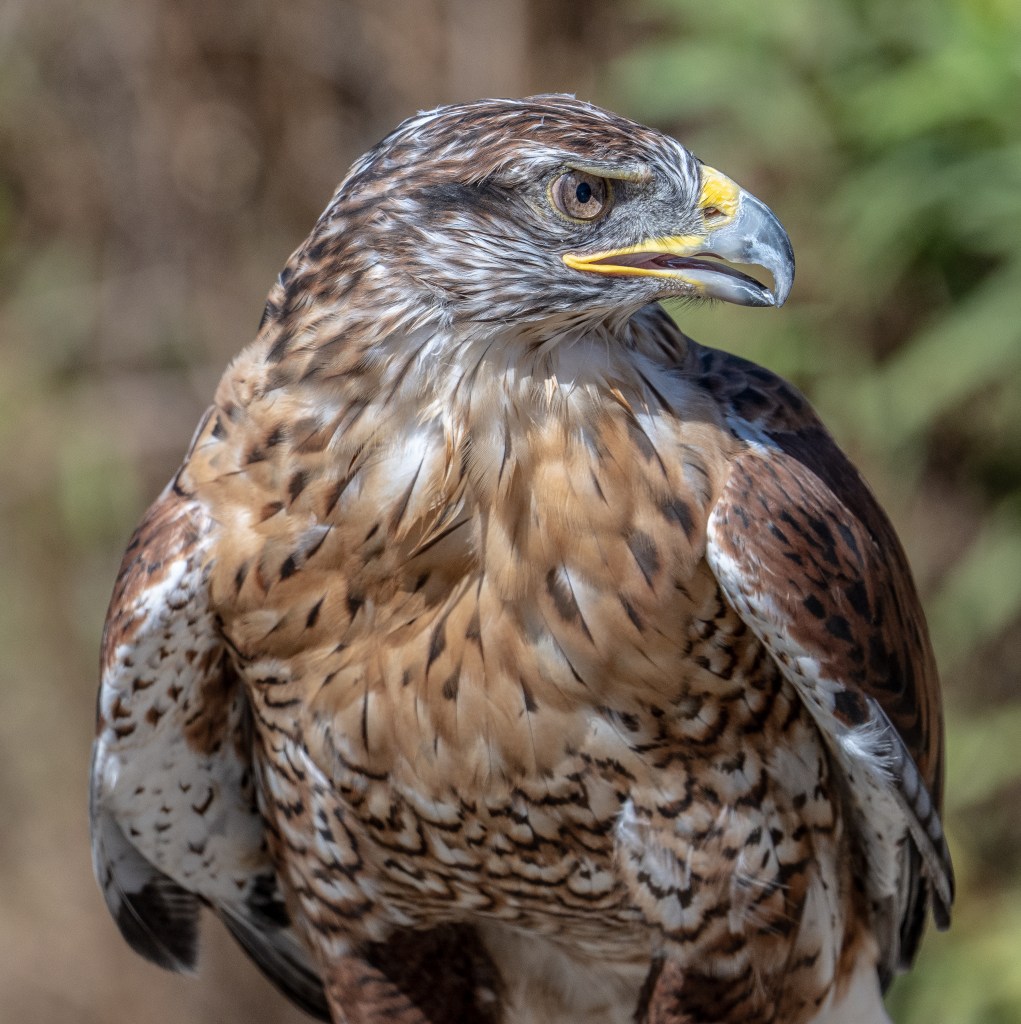
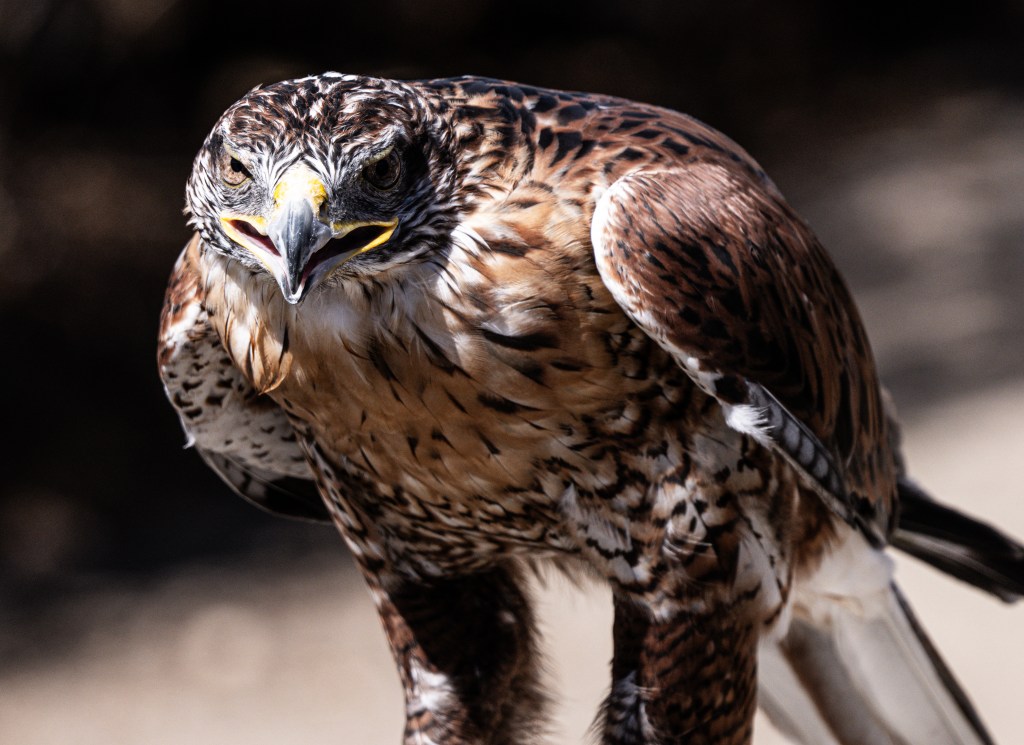
Charles Gailband is a Senior Park Ranger and licensed professional falconer with the County of San Diego Department of Parks and Recreation. He brought out animal ambassadors Buster, the red tailed hawk; Athena the burrowing owl; and Corazon the barn owl.
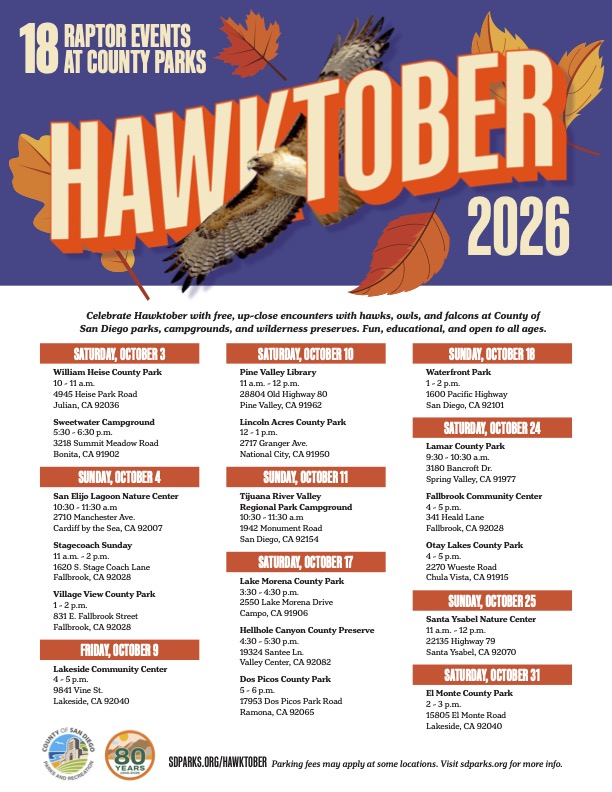
Checkout my last post about the 2026 HAWKTOBER EVENTS for dates and locations
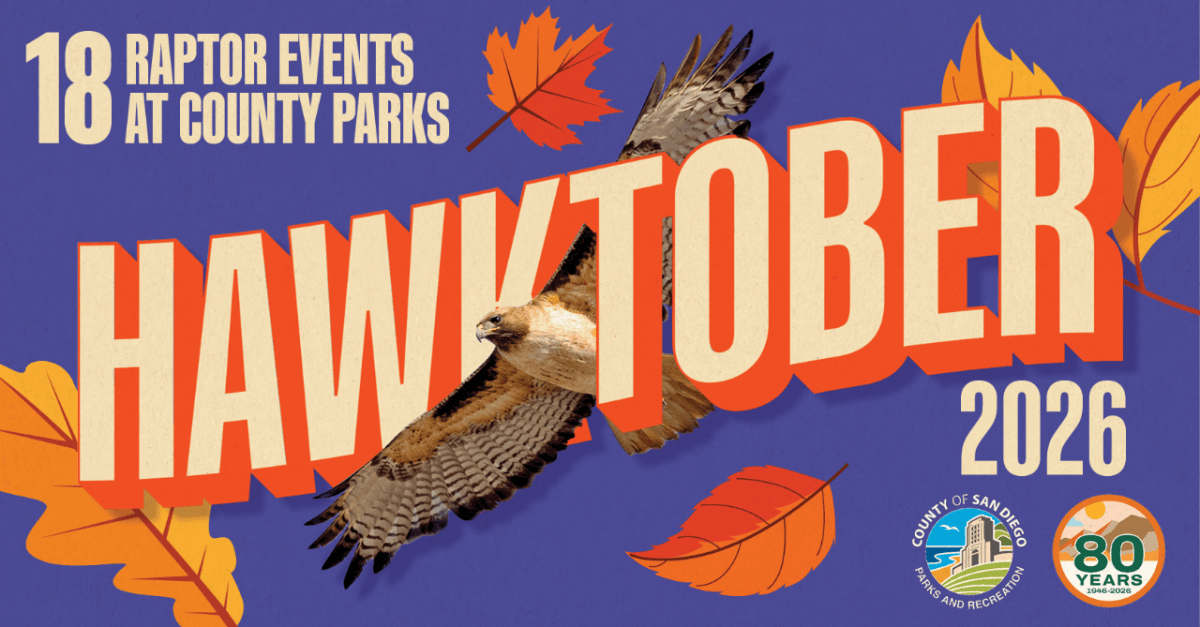
Hawktober is an annual celebration of local birds of prey, including hawks, owls, and falcons. This marks the event’s eighth year offering FREE workshops at parks, campgrounds and wilderness preserves across San Diego County.
Events are free and open to all ages, starting October 3. Explore multiple workshops to meet different birds and rangers.
Hawktober is an annual celebration of local birds of prey, including hawks, owls, and falcons. This marks the event’s eighth year offering FREE workshops at parks, campgrounds and wilderness preserves across San Diego County.
Events are free and open to all ages, starting October 3. Explore multiple workshops to meet different birds and rangers.
Special perk: Grab limited-edition Hawktober trading cards (while supplies last), complete with stats like wingspan, weight, and fun facts.
Live raptors: Meet ambassador birds like hawks, owls, and falcons up close and learn about their unique behaviors and adaptations.
Fun facts: Discover how these birds live, what they eat, how they hunt, when they’re active, and special traits like speed, camouflage, or night vision.
Bird tales: Each event features different birds—each with a name and story—shared by passionate rangers.
Where to Go:
DATE
TIME
LOCATION
SATURDAY, OCT. 3
10 – 11 a.m.
William Heise County Park4945 Heise Park Rd.Julian, CA 92036
SATURDAY, OCT 3
5:30 – 6:30 P.M.
Sweetwater Campground3218 Summit Meadow RoadBonita, CA 91902
SUNDAY, OCT. 4
10:30-11:30 a.m
San Elijo Lagoon Nature Center2710 Manchester Ave.Cardiff by the sea, CA 92007
Stretching along the southern shore of the Salton Sea, the Sonny Bono Salton Sea National Wildlife Refuge is one of Southern California’s most surprising and important wildlife destinations. What looks like a stark desert landscape at first glance quickly reveals itself as a vital oasis for birds, mammals, and migrating wildlife traveling the Pacific Flyway.
A Refuge Born from Agriculture and Conservation
The refuge was established in 1930, originally to provide habitat for migratory birds drawn to agricultural runoff in the Imperial Valley. In 1998, it was renamed in honor of Sonny Bono, the late congressman and entertainer who played a key role in expanding and protecting public lands in California.
Today, the refuge spans more than 37,000 acres of managed wetlands, desert scrub, and agricultural fields. These habitats work together to support wildlife in a region where natural water sources are scarce.
A Birding Hotspot of International Importance
If you love birds, this place is legendary. More than 400 bird species have been recorded here, making it one of the most significant birding locations in the western United States.
Depending on the season, visitors may spot:
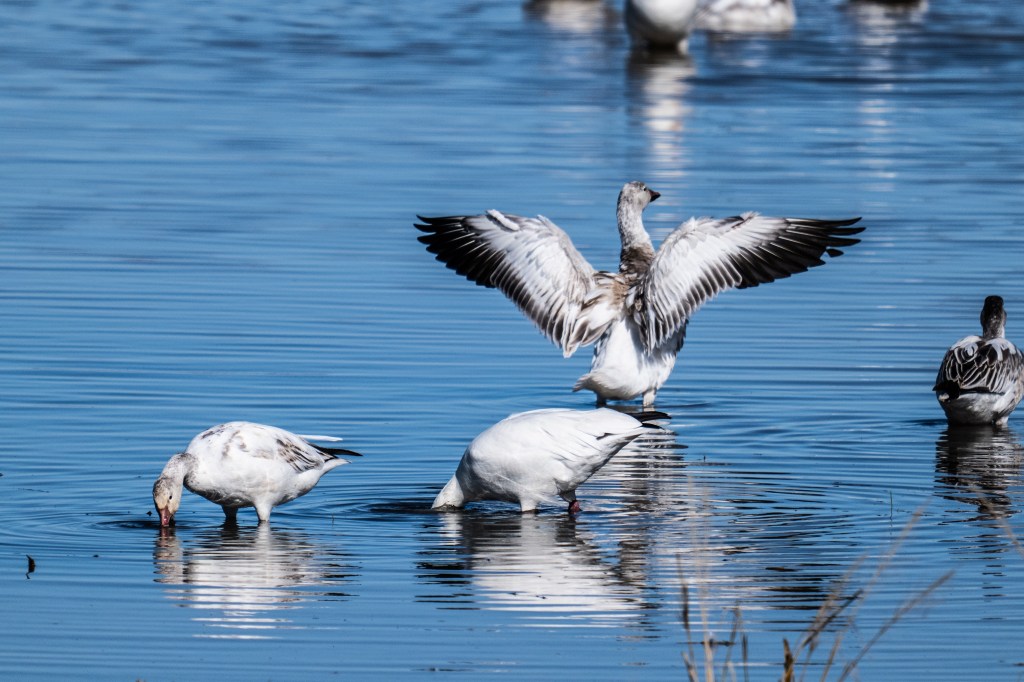
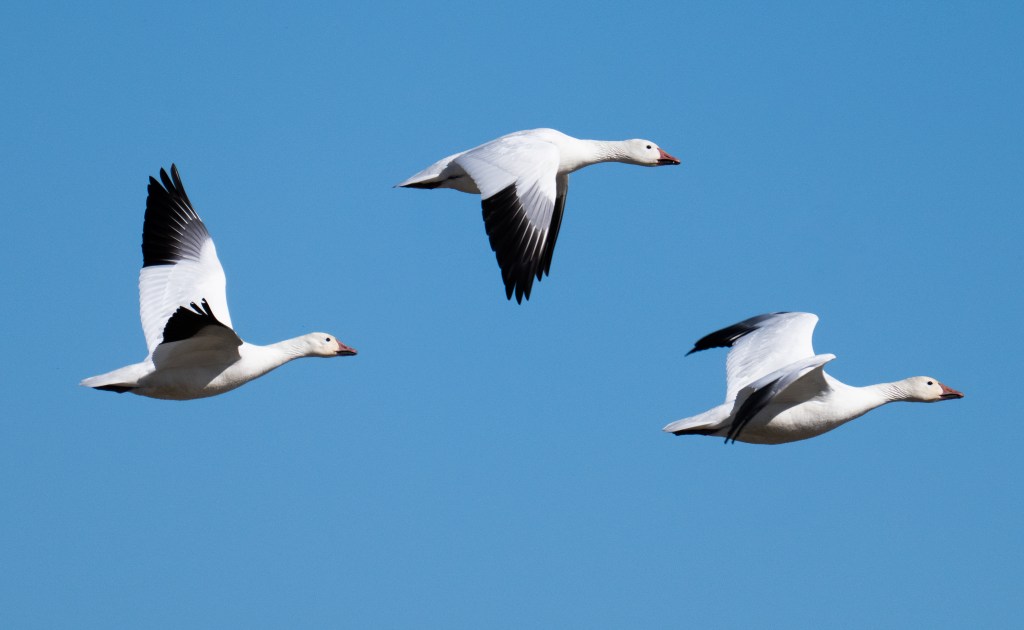
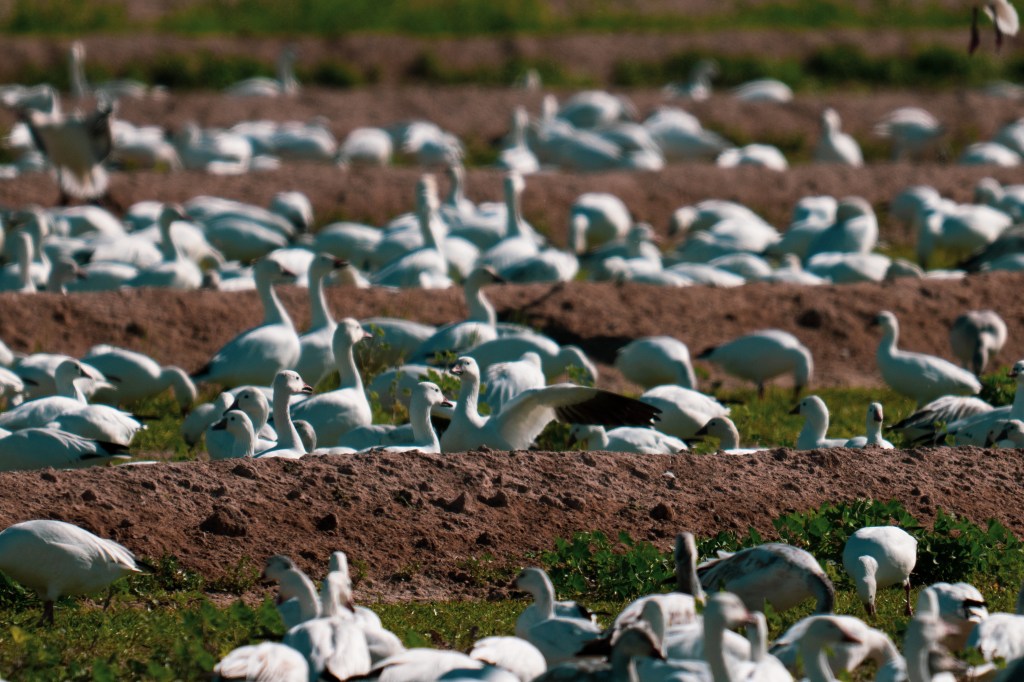
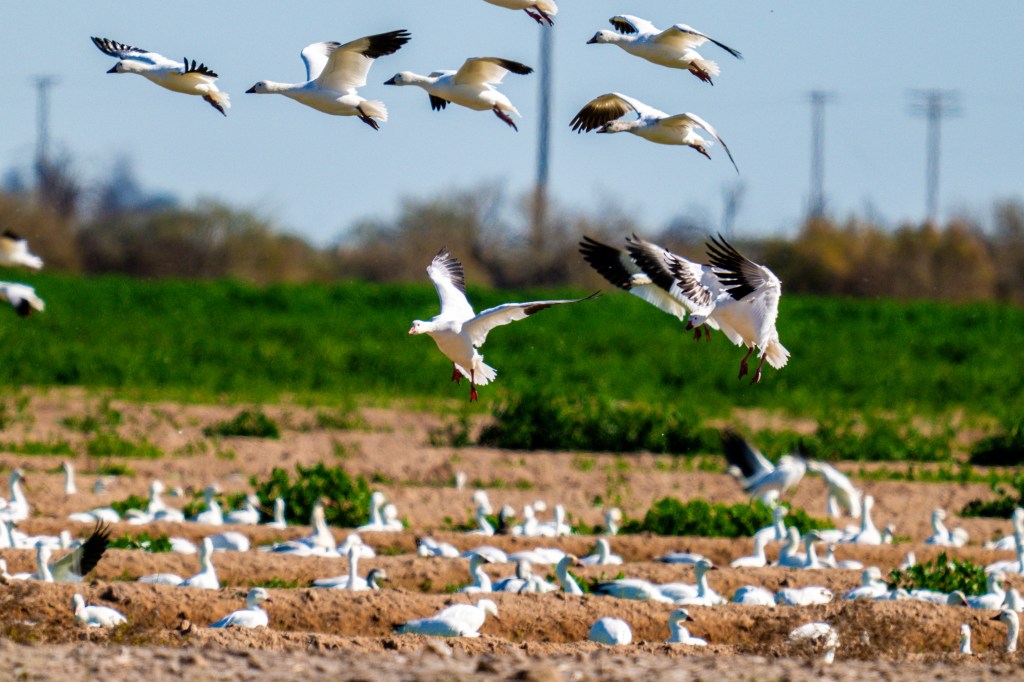
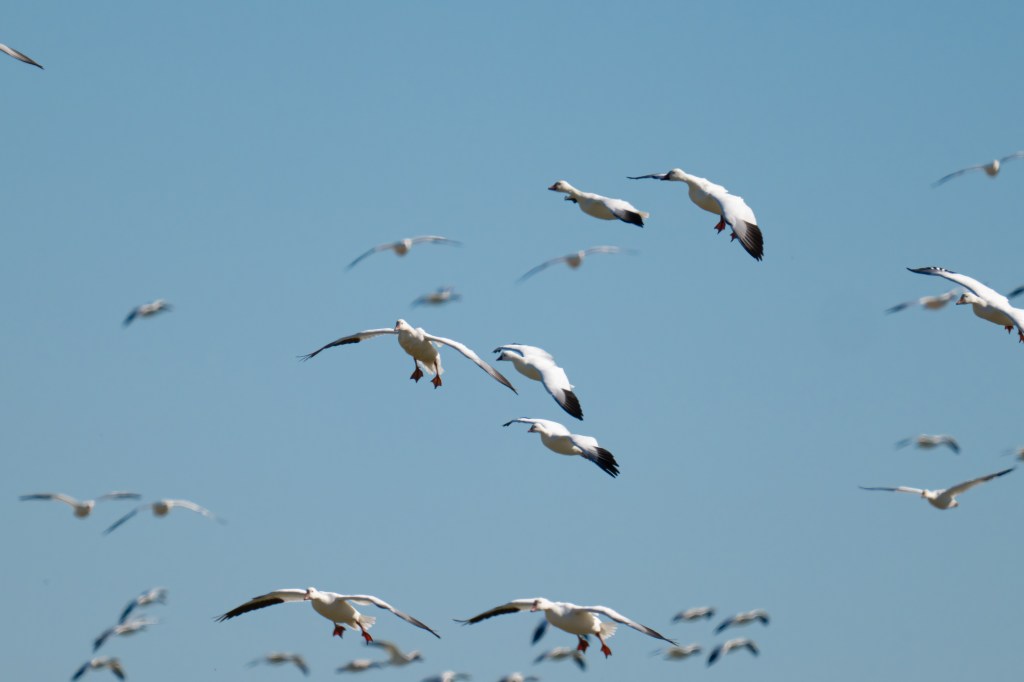
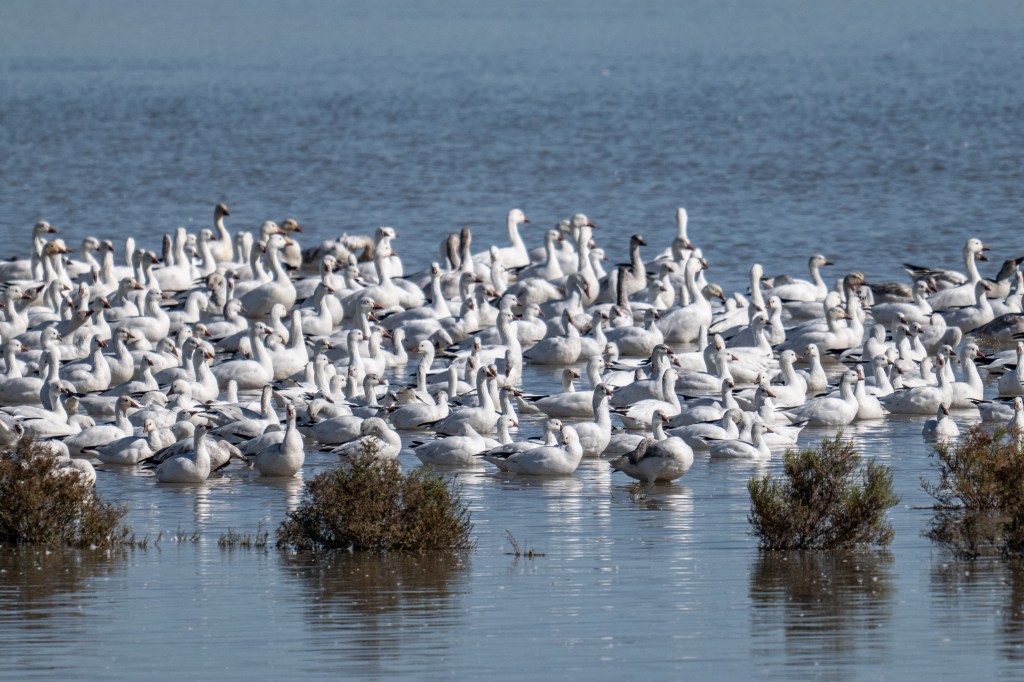
Snow geese and Ross’s geese by the thousands
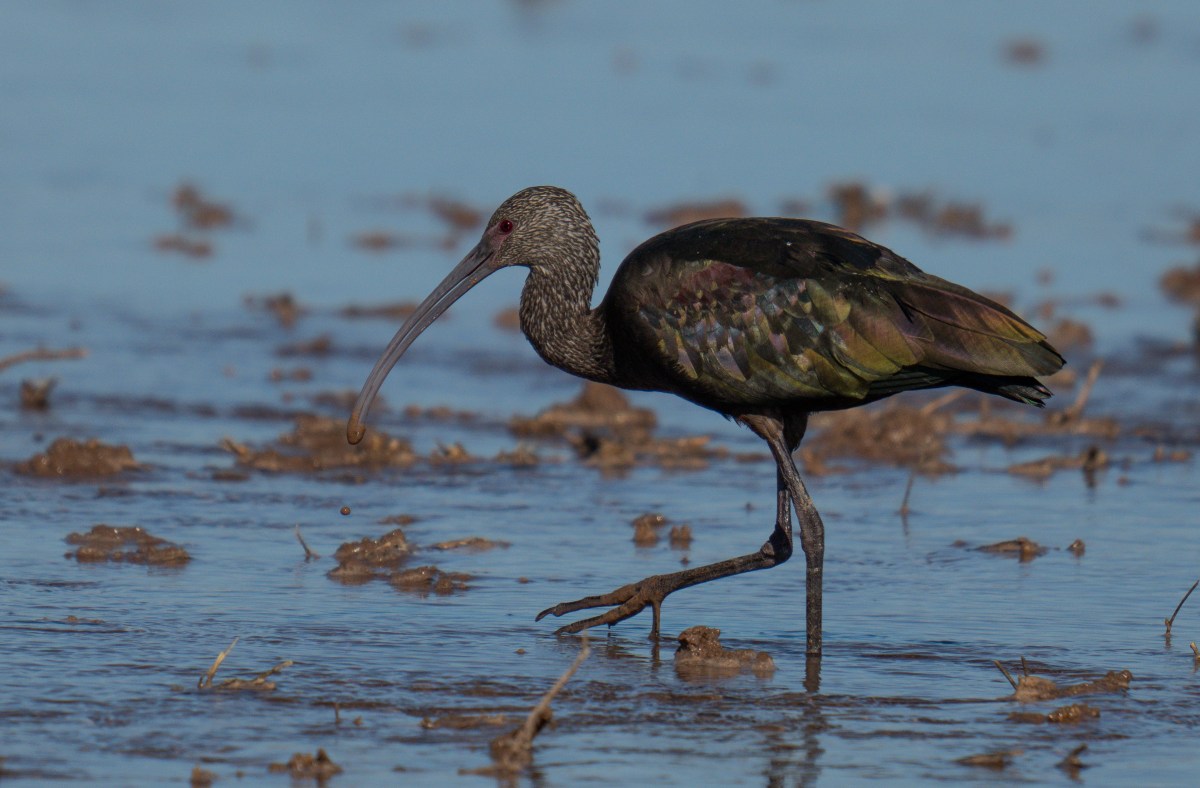
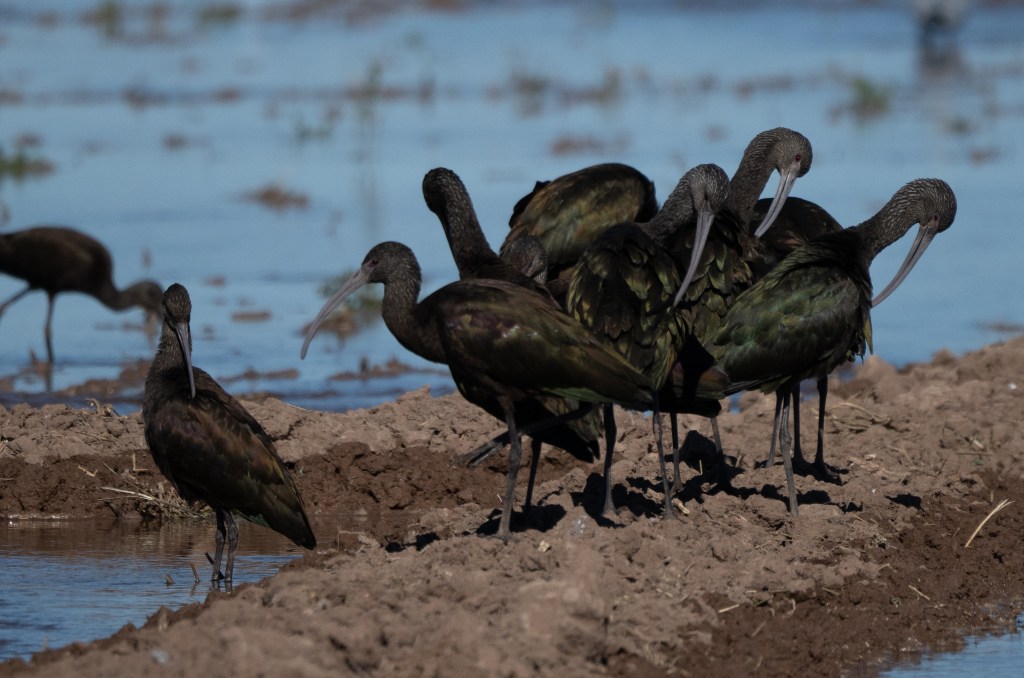
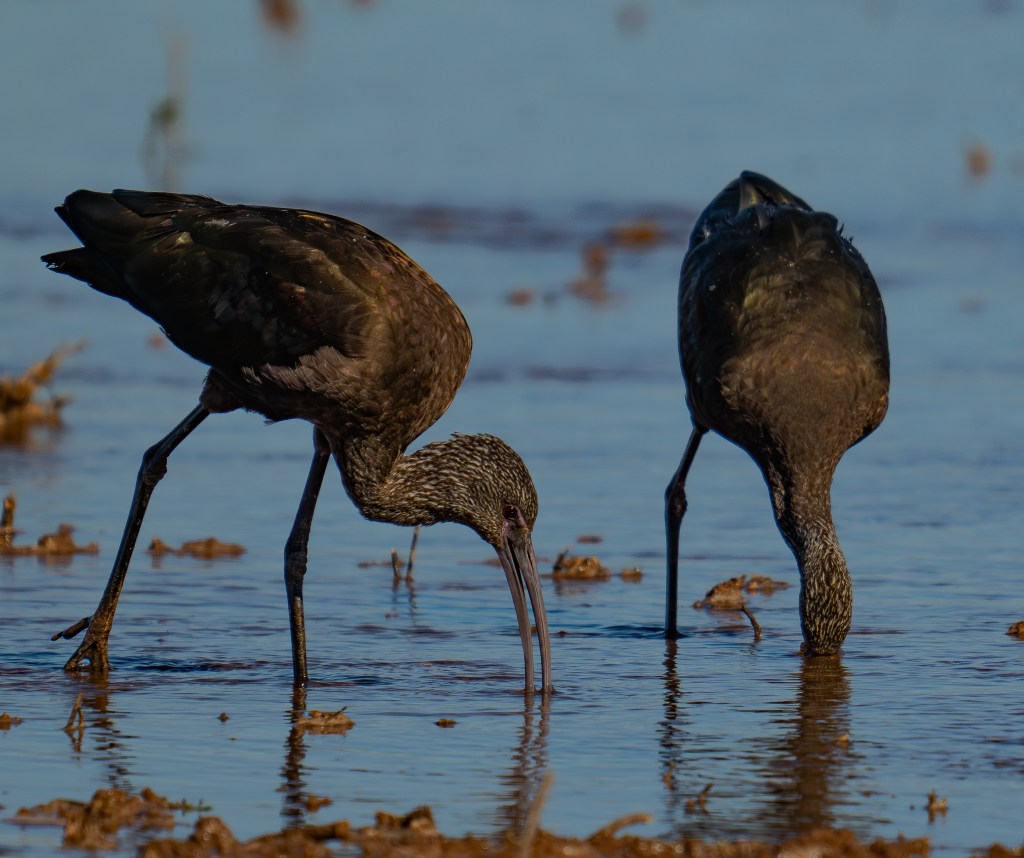
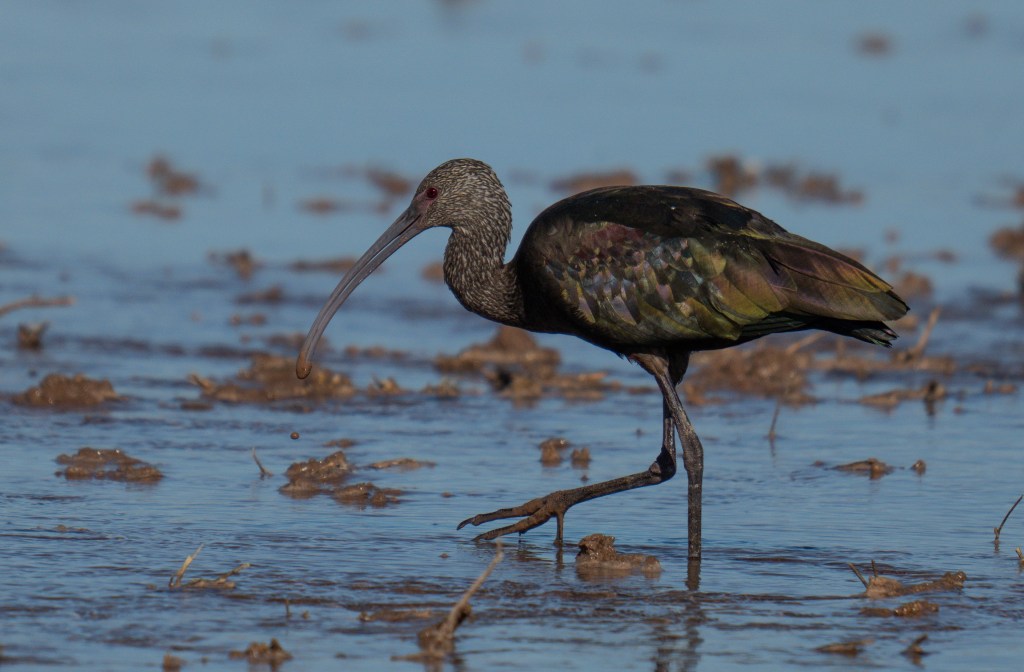
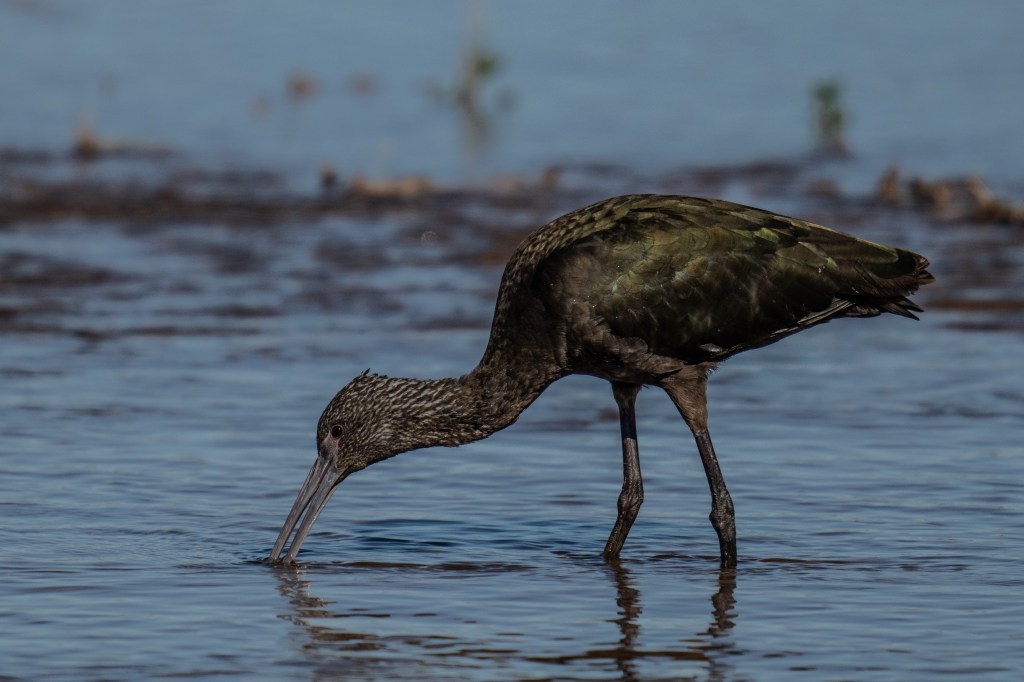
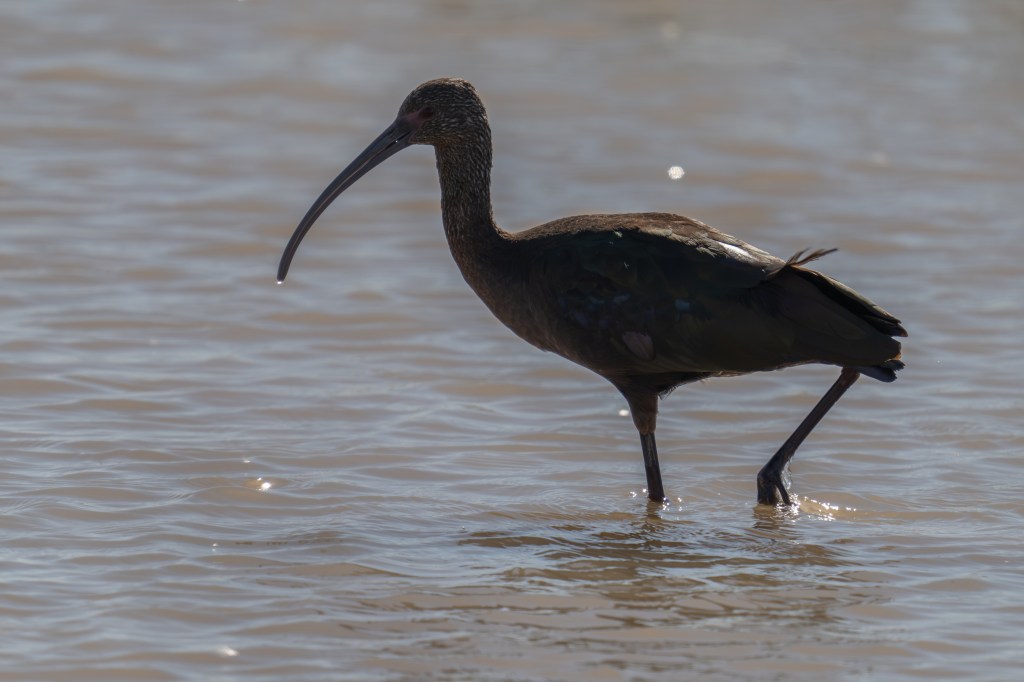
White-faced ibis and long-legged shorebirds
Burrowing owls tucked into desert edges
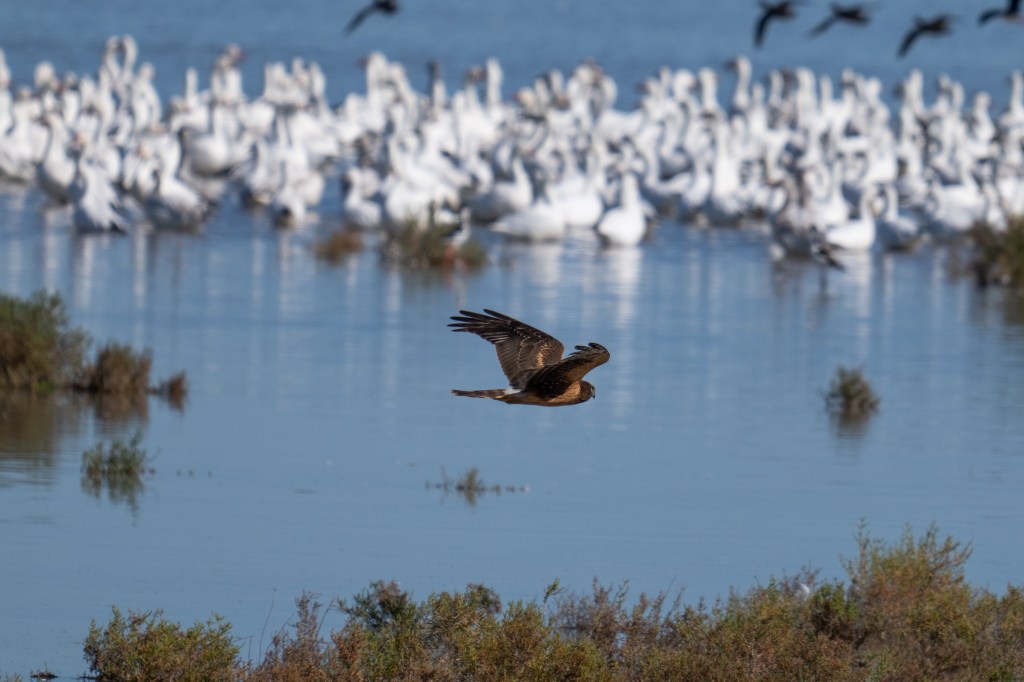
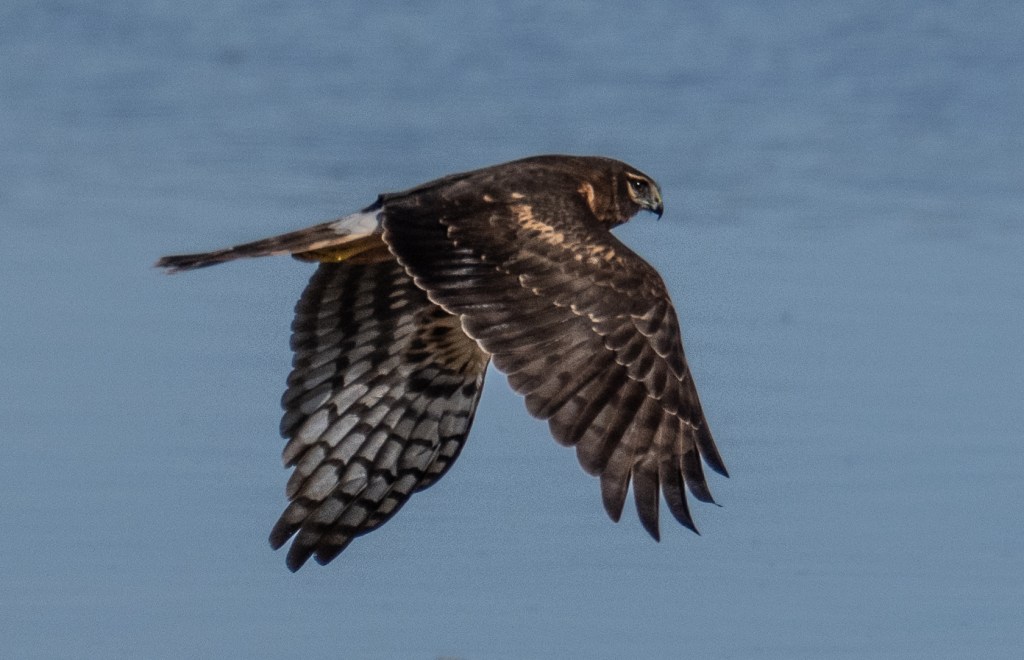
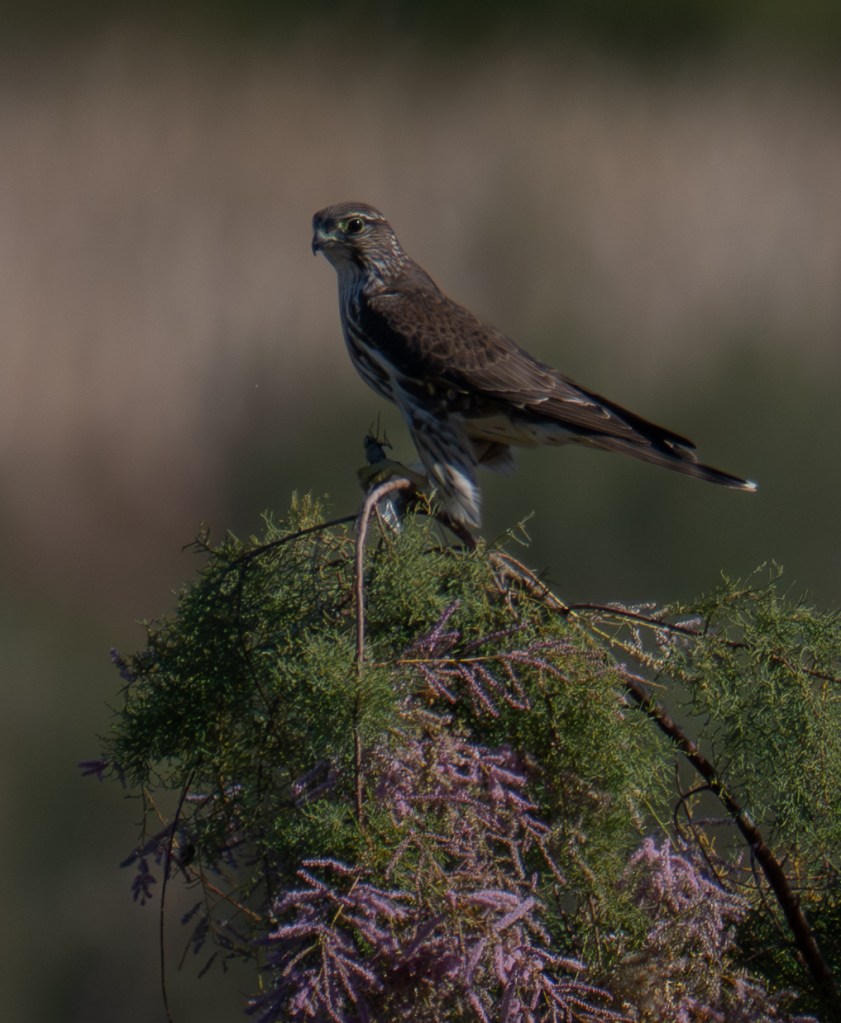
Raptors like northern harriers and peregrine falcons
Winter is especially spectacular, when migratory birds arrive in massive numbers and transform the refuge into a living, moving landscape.
Exploring the Refuge
The refuge is very visitor-friendly, with options for both casual sightseeing and serious wildlife observation.
Highlights include:
Auto tour routes that loop through wetlands and fields
Walking trails for quiet wildlife viewing
Photography pullouts perfect for sunrise and sunset light
The flat terrain and open skies make it an ideal spot for photography, especially when the mountains reflect off the water or flocks of birds fill the horizon.
Why This Refuge Matters
Despite ongoing environmental challenges facing the Salton Sea, the Sonny Bono Wildlife Refuge remains a critical lifeline for wildlife. Carefully managed water flows and habitat restoration efforts help sustain species that depend on this stopover during long migrations.
The refuge is also a powerful reminder that even altered landscapes can become essential ecosystems when conservation and stewardship come together.
Planning Your Visit
The Sonny Bono Salton Sea National Wildlife Refuge is located near Niland, California, and is open year-round during daylight hours. Cooler months—from late fall through early spring—offer the most comfortable weather and the highest concentration of wildlife.
Whether you’re a birder, photographer, or simply curious about one of California’s most unusual natural areas, the Sonny Bono Wildlife Refuge is a place that challenges expectations and rewards patience.
Bird Checklist: Sonny Bono Salton Sea National Wildlife Refuge
The refuge supports hundreds of bird species throughout the year. This checklist highlights commonly seen and notable birds, especially during peak migration and winter months.
Waterfowl
Snow Goose
Ross’s Goose
Canada Goose
Northern Pintail
American Wigeon
Green-winged Teal
Cinnamon Teal
Northern Shoveler
Ruddy Duck
Shorebirds
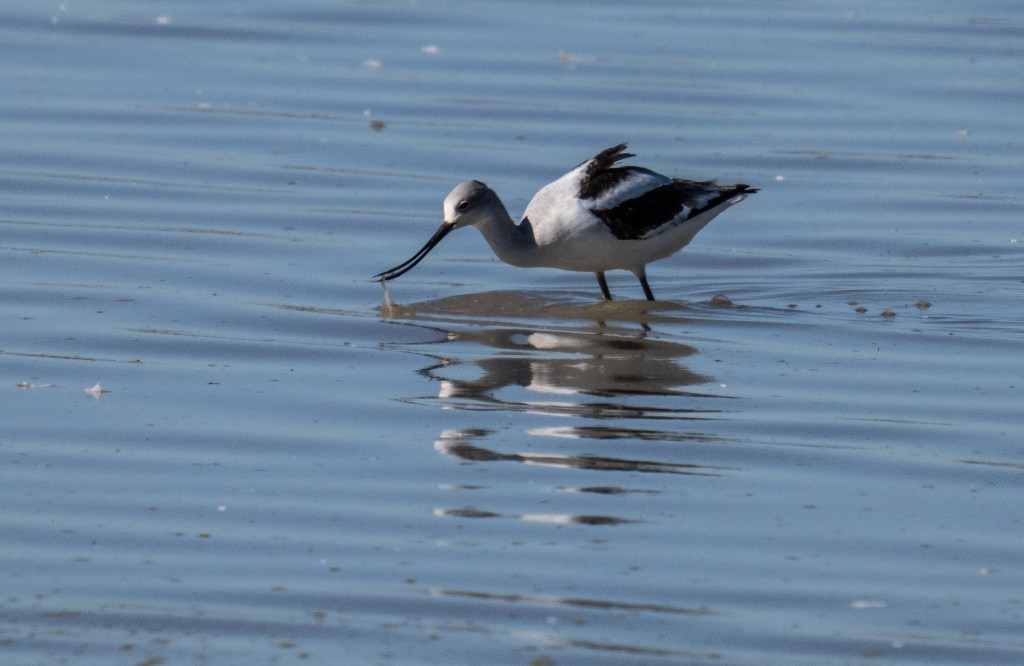
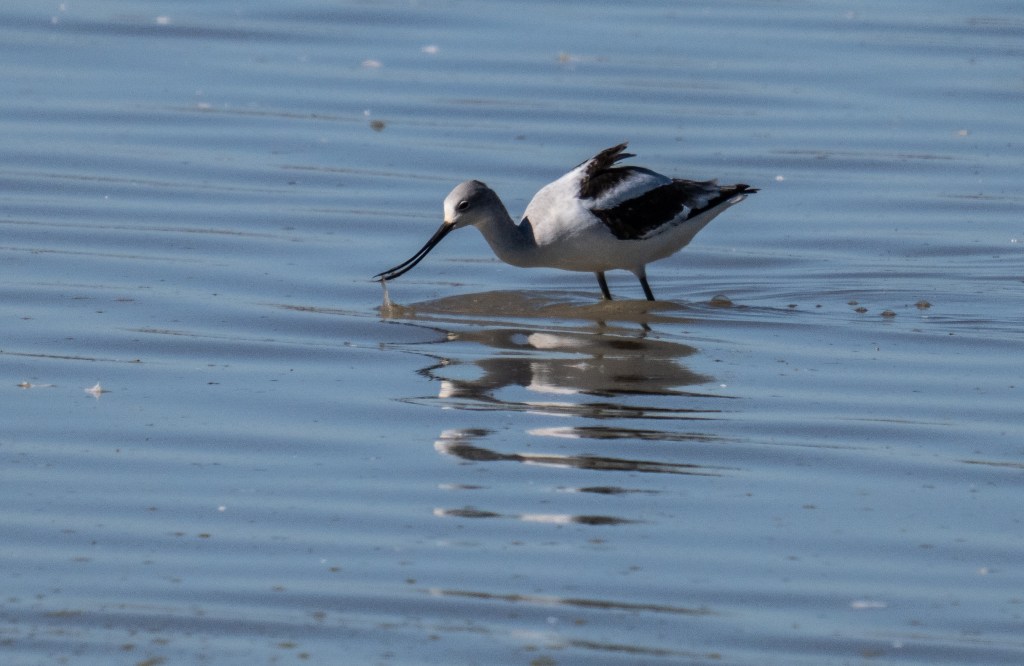
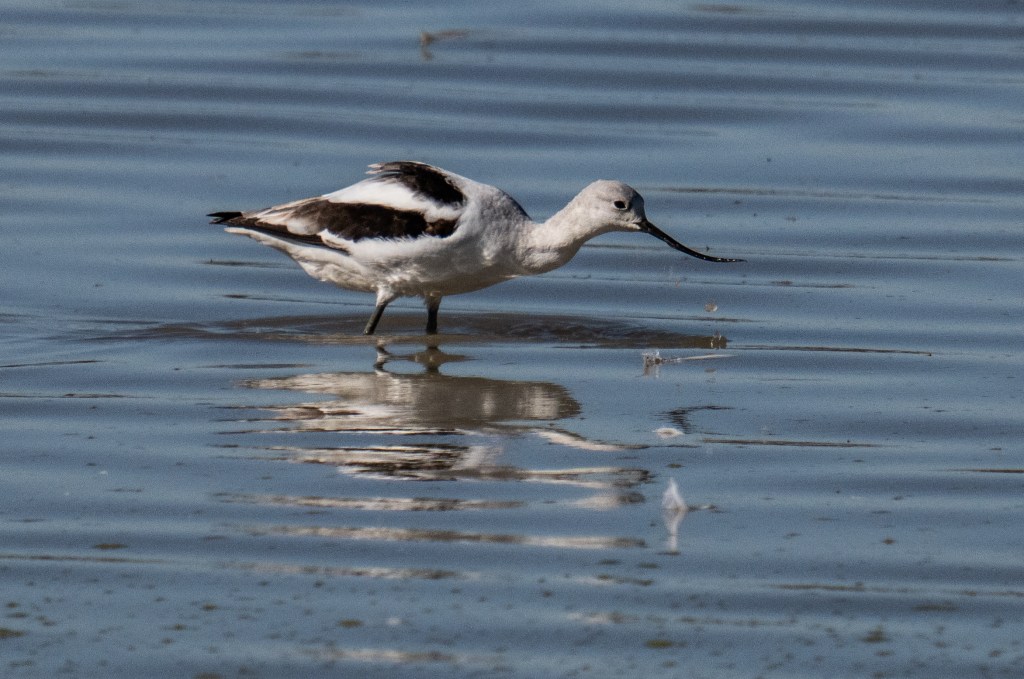
American Avocet
Black-necked Stilt
Long-billed Dowitcher
Marbled Godwit
Willet
Western Sandpiper
Least Sandpiper
Killdeer
Wading Birds
Great Blue Heron
Great Egret
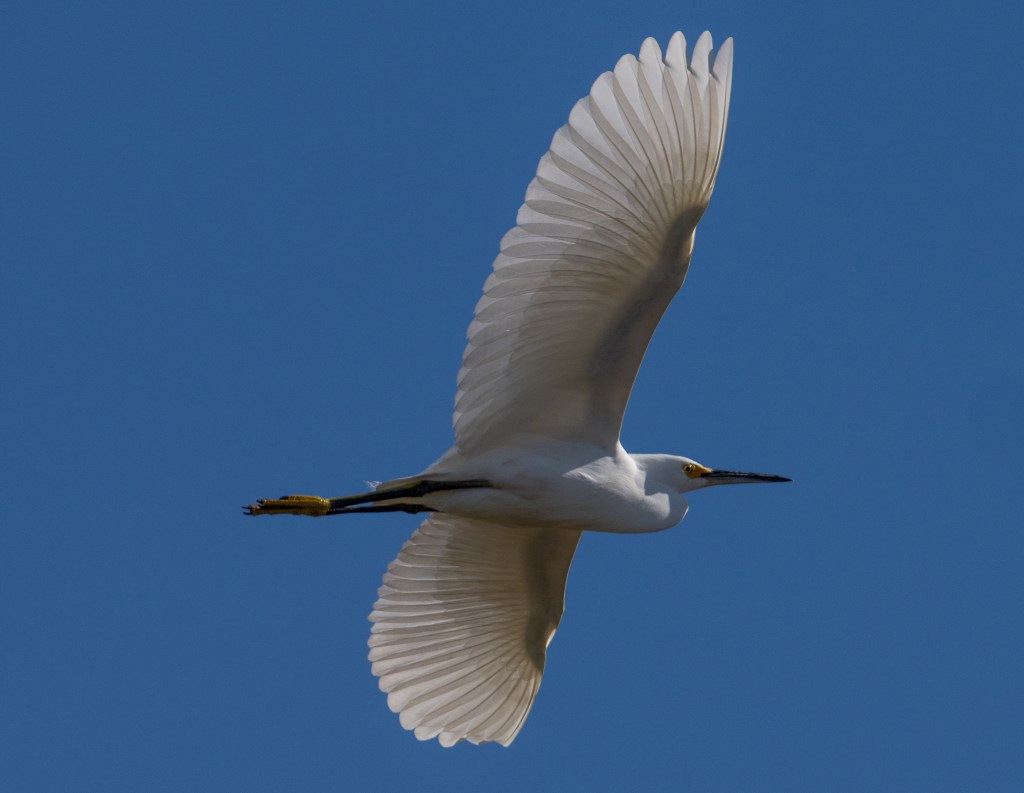
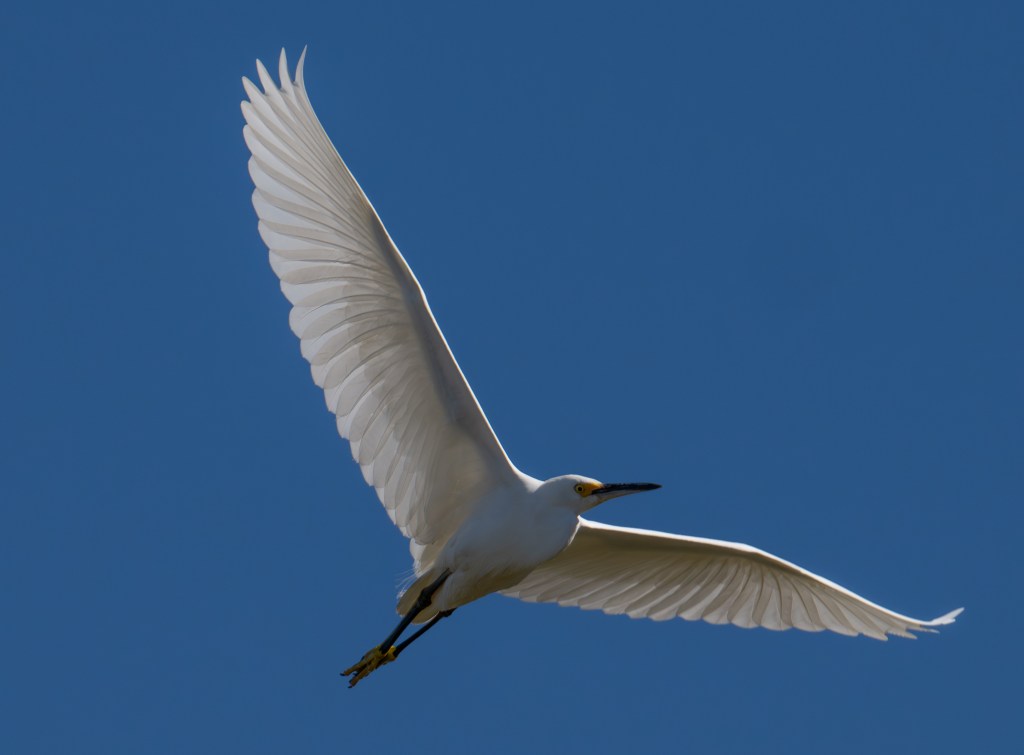
Snowy Egret
Cattle Egret
White-faced Ibis
Gulls & Terns
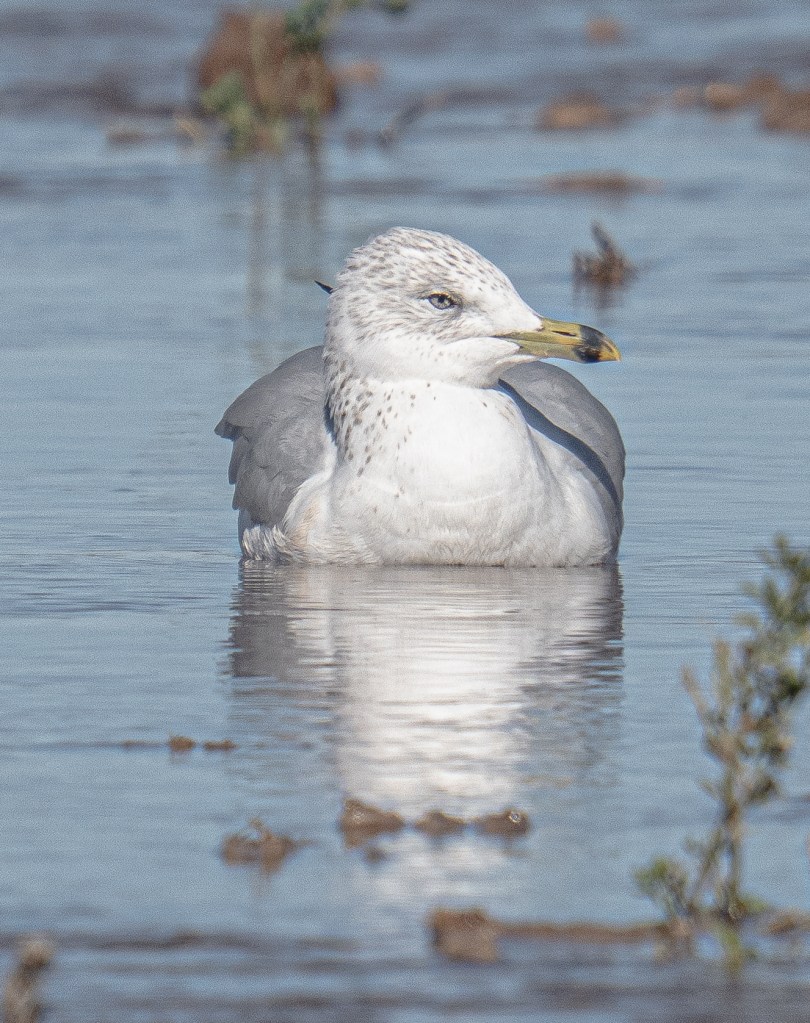
Ring-billed Gull
California Gull
Laughing Gull
Caspian Tern
Forster’s Tern
Raptors
Northern Harrier
Red-tailed Hawk
Swainson’s Hawk
American Kestrel
Peregrine Falcon
Bald Eagle (occasional but increasing)
Owls
Burrowing Owl
Great Horned Owl
Desert & Upland Birds
Gambel’s Quail
Loggerhead Shrike
Greater Roadrunner
Horned Lark
Songbirds & Others
Yellow-headed Blackbird
Red-winged Blackbird
Marsh Wren
Savannah Sparrow
Say’s Phoebe
Birding tip: Winter mornings offer the best light and bird activity. Bring binoculars even if you’re just driving the auto loop—you’ll be surprised how close the birds can be.
Every autumn, something special takes flight across San Diego County: Hawktober, the Parks & Recreation Department’s annual tribute to our local birds of prey. This year marks the seventh edition of the event — a month-long celebration dedicated to hawks, owls, falcons, and the many fascinating adaptations that make them apex aerial hunters.
What Is Hawktober?
Hawktober is a series of free educational workshops held in county parks, preserves, campgrounds, and nature centers. The goal? To bring wildlife education to local communities, connect people (young and old) with live animal ambassadors, and deepen appreciation for the roles raptors play in San Diego’s ecosystems.
Hawktober is our annual celebration of local birds of prey, including hawks, owls, and falcons. This marks the event’s seventh year offering FREE workshops at parks, campgrounds and wilderness preserves across San Diego County.
Events are free and open to all ages, starting October 4. Explore multiple workshops to meet different birds and rangers.
Visit San Diego Parks and Recreation Website for more information
Live raptors: Meet ambassador birds like hawks, owls, and falcons up close and learn about their unique behaviors and adaptations.
Fun facts: Discover how these birds live, what they eat, how they hunt, when they’re active, and special traits like speed, camouflage, or night vision.
Bird tales: Each event features different birds—each with a name and story—shared by passionate rangers.
Special perk: Grab limited-edition Hawktober trading cards (while supplies last), complete with stats like wingspan, weight, and fun facts.