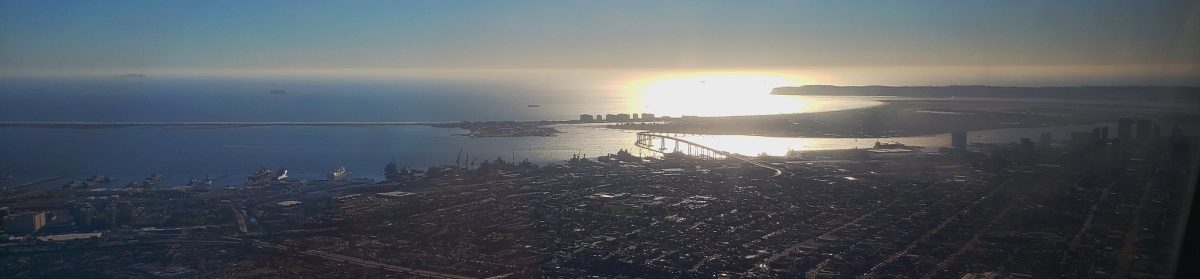
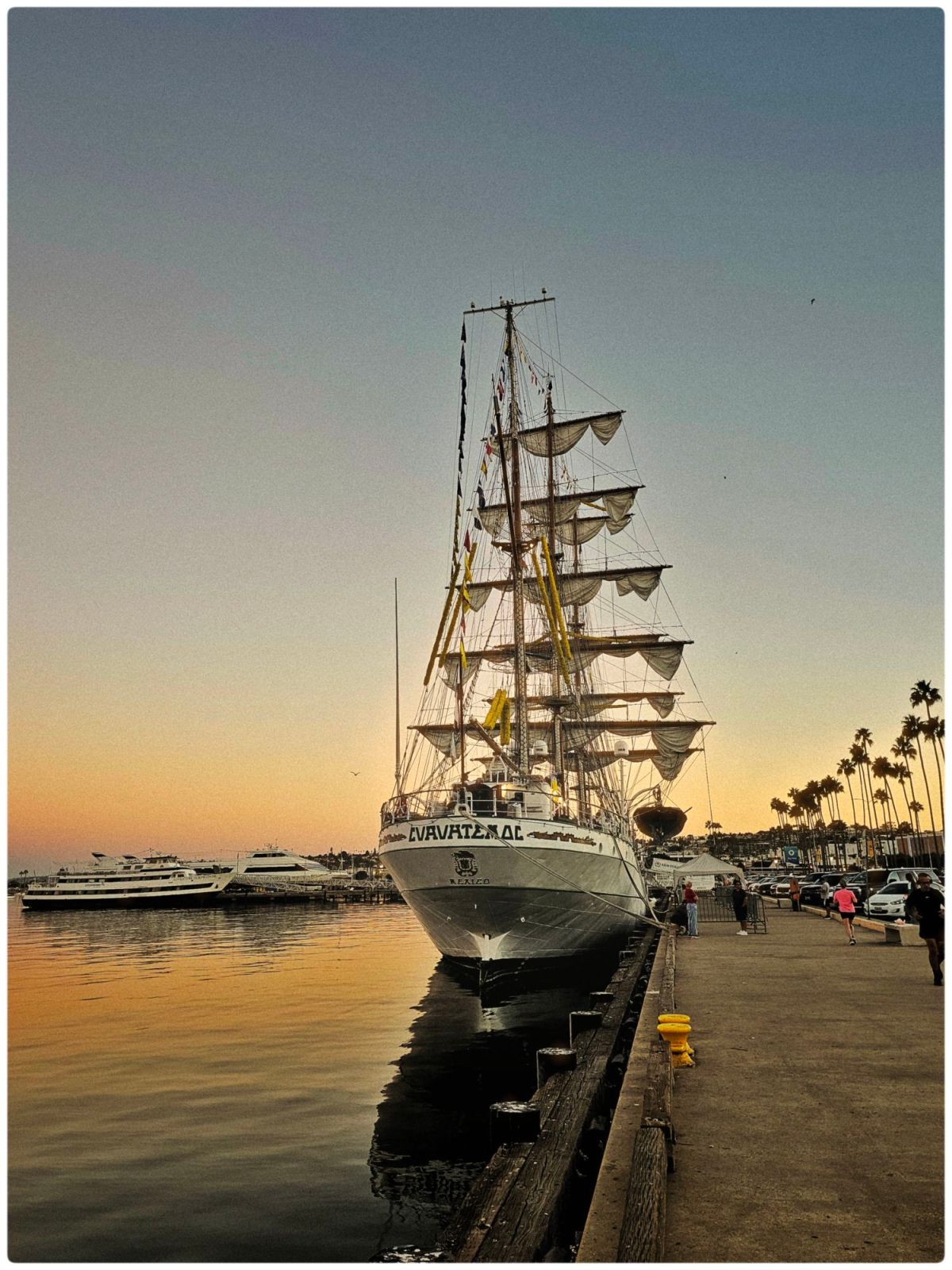
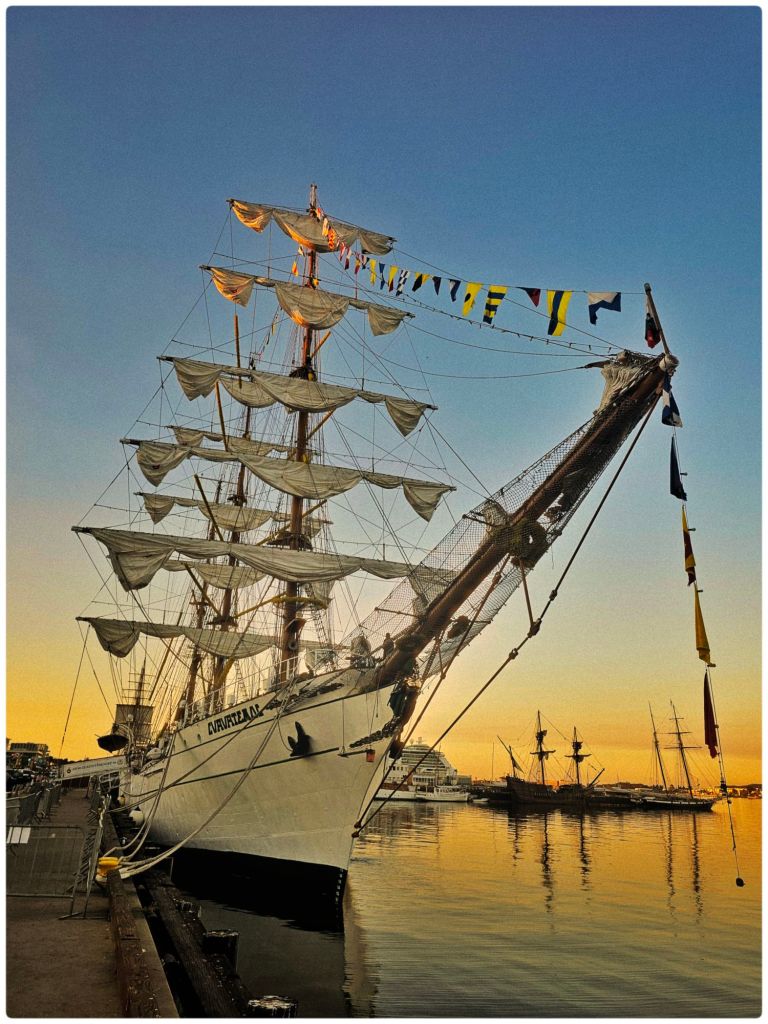
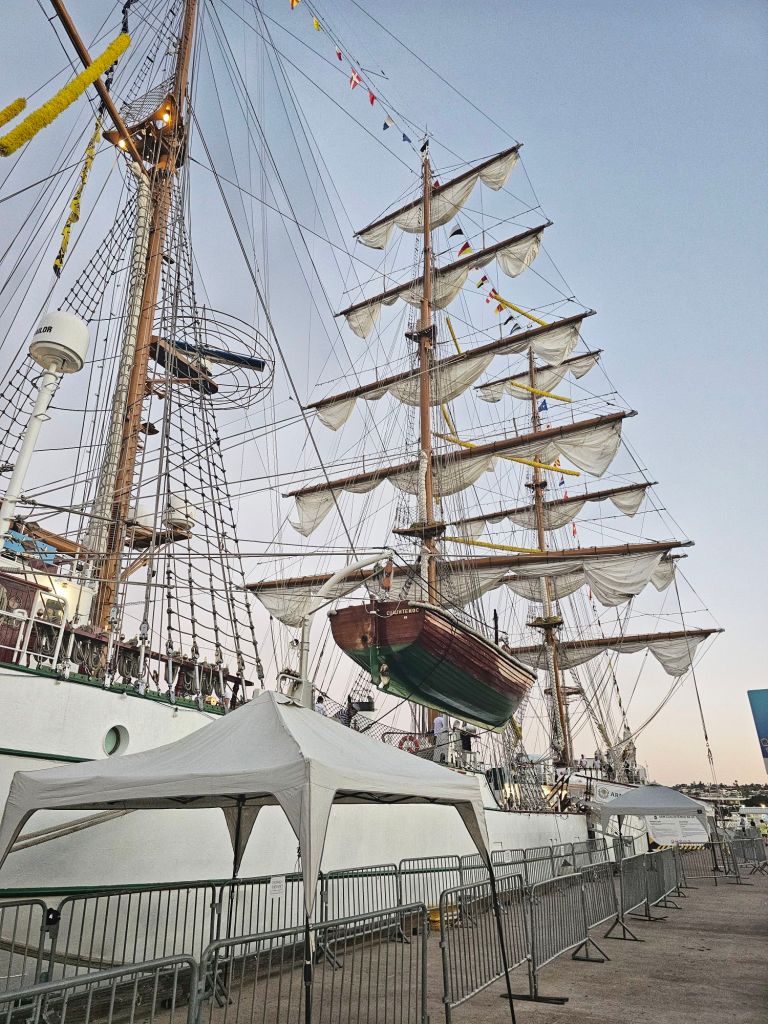
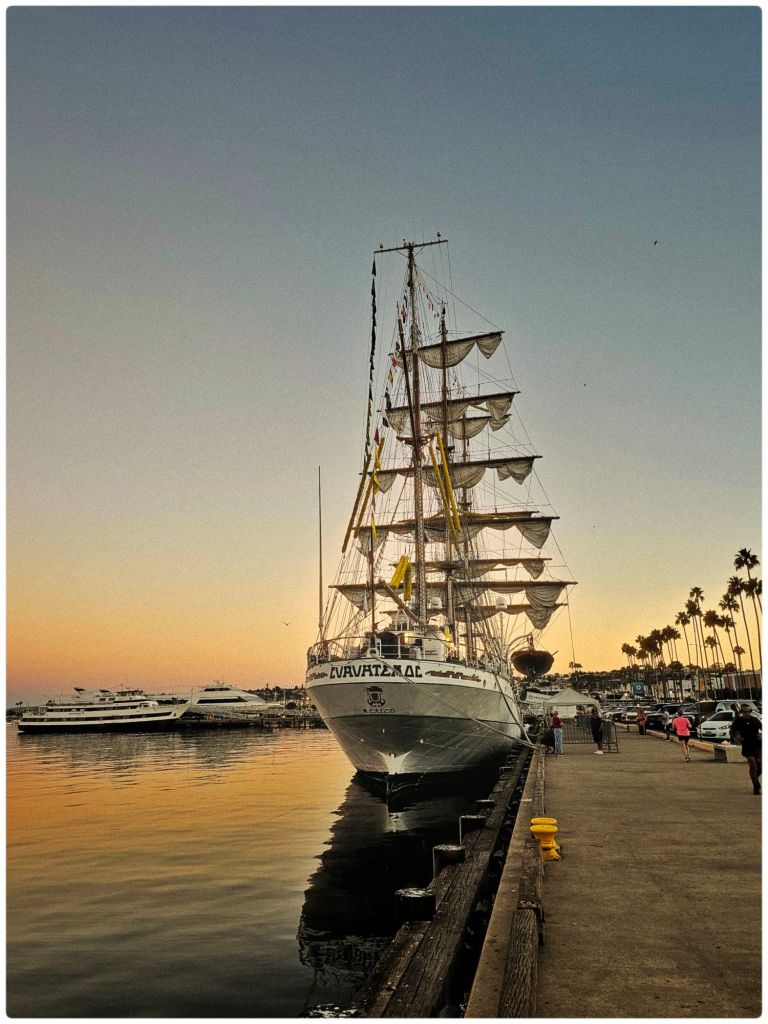
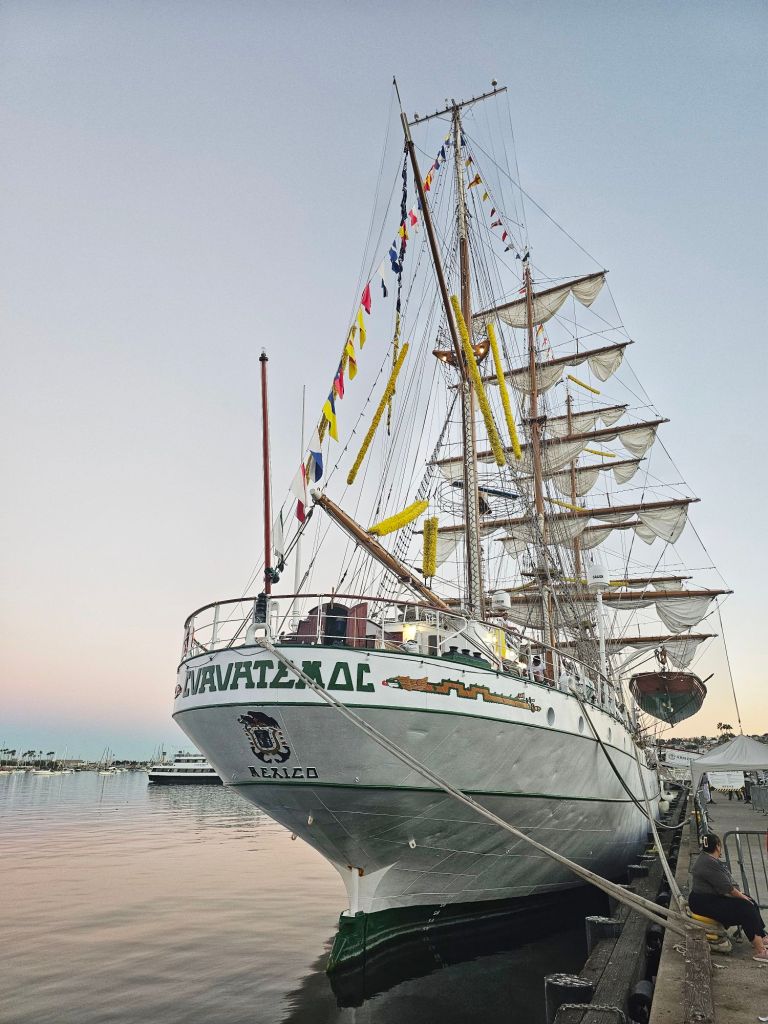
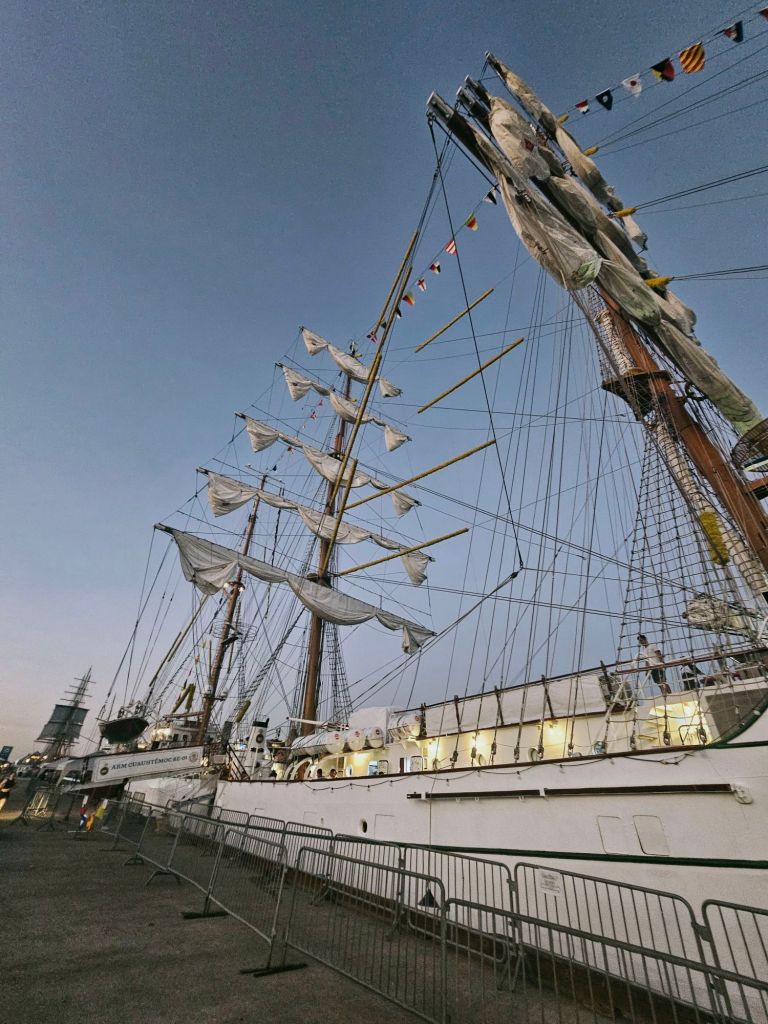
San Diego’s waterfront welcomed a special visitor this October: the ARM Cuauhtémoc, the Mexican Navy’s celebrated sailing training ship. With its towering masts, traditional rigging, and proudly displayed Mexican flag, the vessel brought a striking piece of Mexico’s maritime heritage to San Diego Bay.
The Mexican Navy’s iconic training vessel brings maritime tradition, cultural pride, and a message of goodwill to San Diego Bay.
San Diego’s waterfront welcomed a special visitor this October: the ARM Cuauhtémoc, the Mexican Navy’s celebrated sailing training ship. With its towering masts, traditional rigging, and proudly displayed Mexican flag, the vessel brought a striking piece of Mexico’s maritime heritage to San Diego Bay.
The ship arrived on October 1, 2026, as part of the Mexican Navy’s North Pacific Training Cruise 2026. Its visit offered a memorable opportunity for the local community to connect with Mexican naval traditions and experience a vessel that represents much more than a ship at sea.
The San Diego stop was part of a wider voyage that began in Acapulco in July 2026. During its North Pacific training cruise, the Cuauhtémoc visited ports including Honolulu, Hawaii; Seward, Alaska; Victoria, British Columbia; and San Francisco before reaching Southern California.
The voyage combined professional training with international engagement. For the midshipmen aboard, every stretch of open water offered practical lessons in navigation, sailing operations, decision-making, and working together under challenging conditions.
According to Mexico’s Secretariat of the Navy, the cruise was planned to cover approximately 9,812 nautical miles over 92 days, including time at sea and in port.
The ship remained in port for several days, with public visits offered from October 2 through October 4. Visitors could board the vessel free of charge between 10 a.m. and 8 p.m., providing a rare opportunity to see the ship up close and learn about the work carried out by its crew.
For maritime enthusiasts, families, students, and visitors exploring the waterfront, the experience offered a closer look at the traditions behind one of Mexico’s best-known naval vessels.
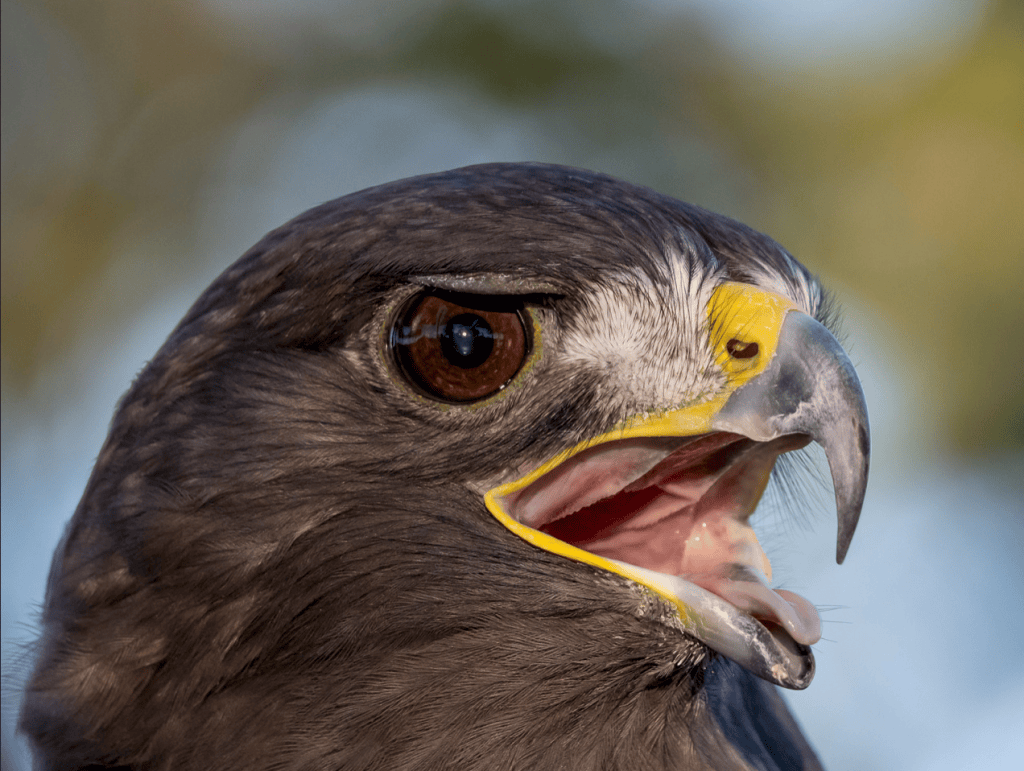
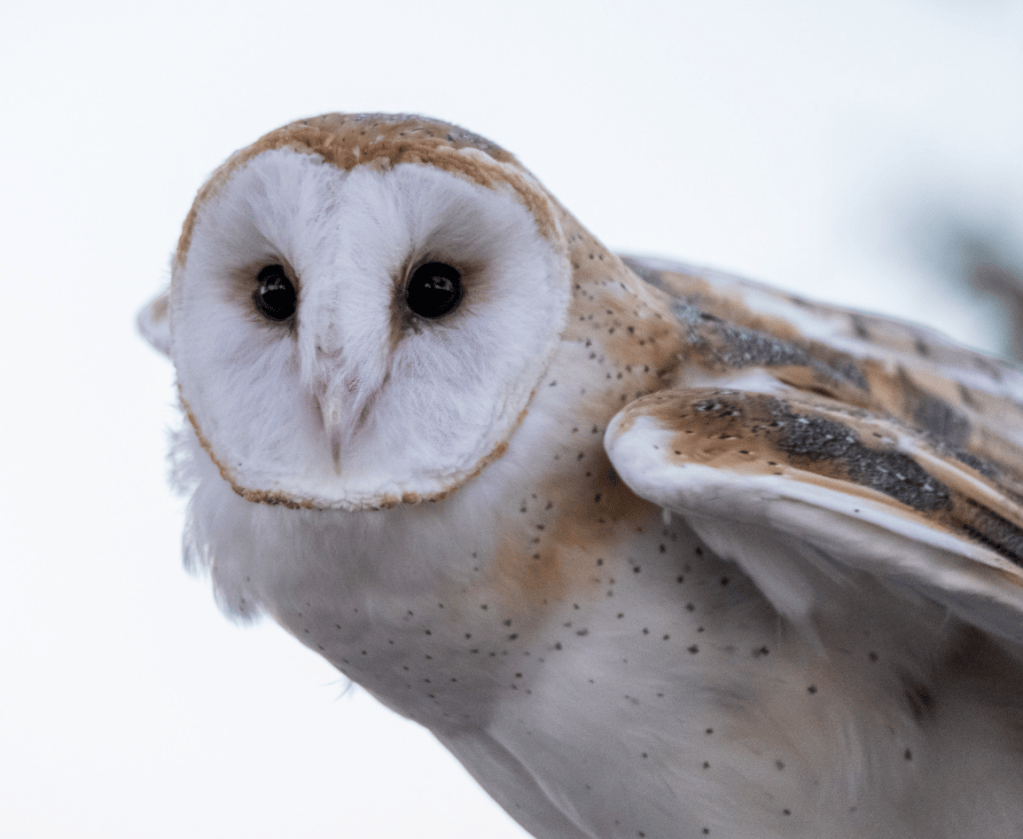
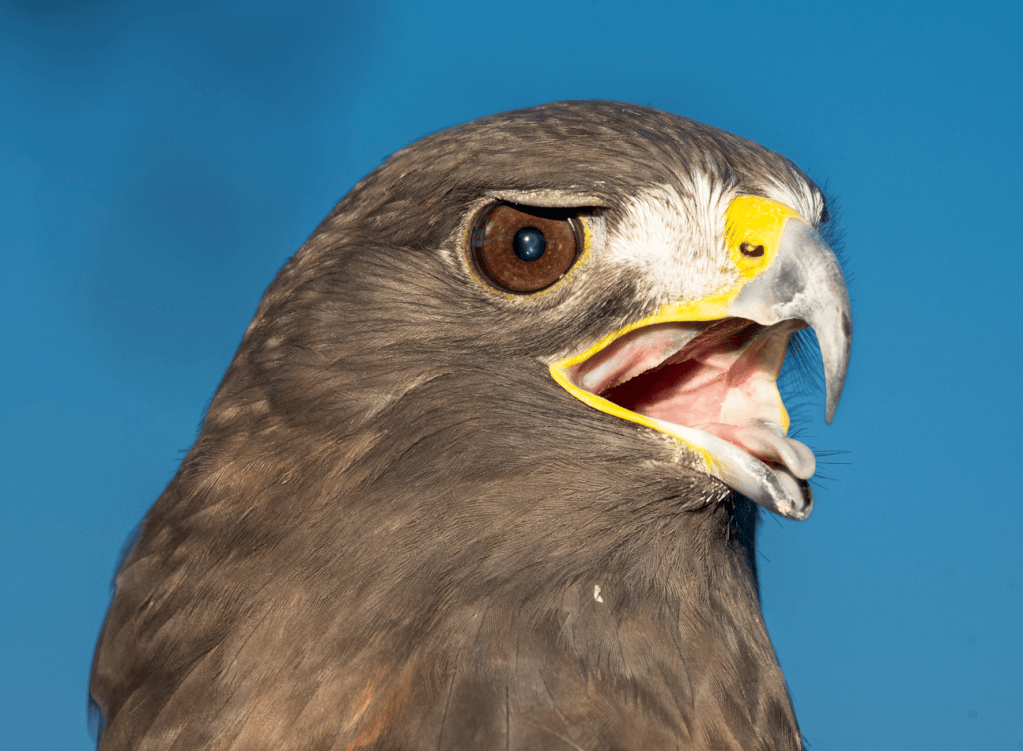
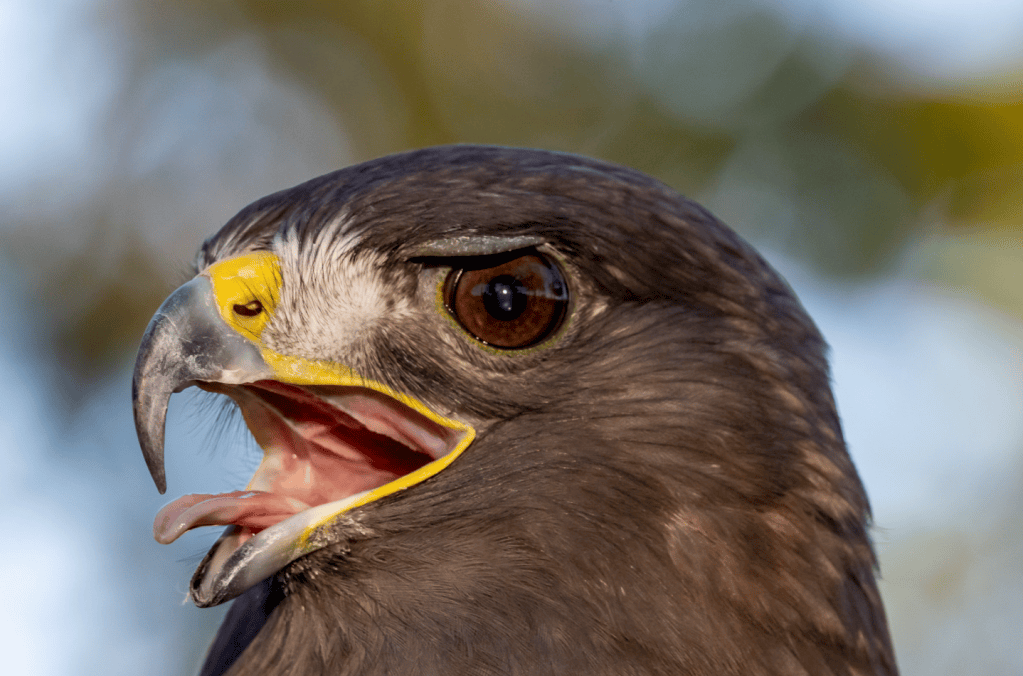
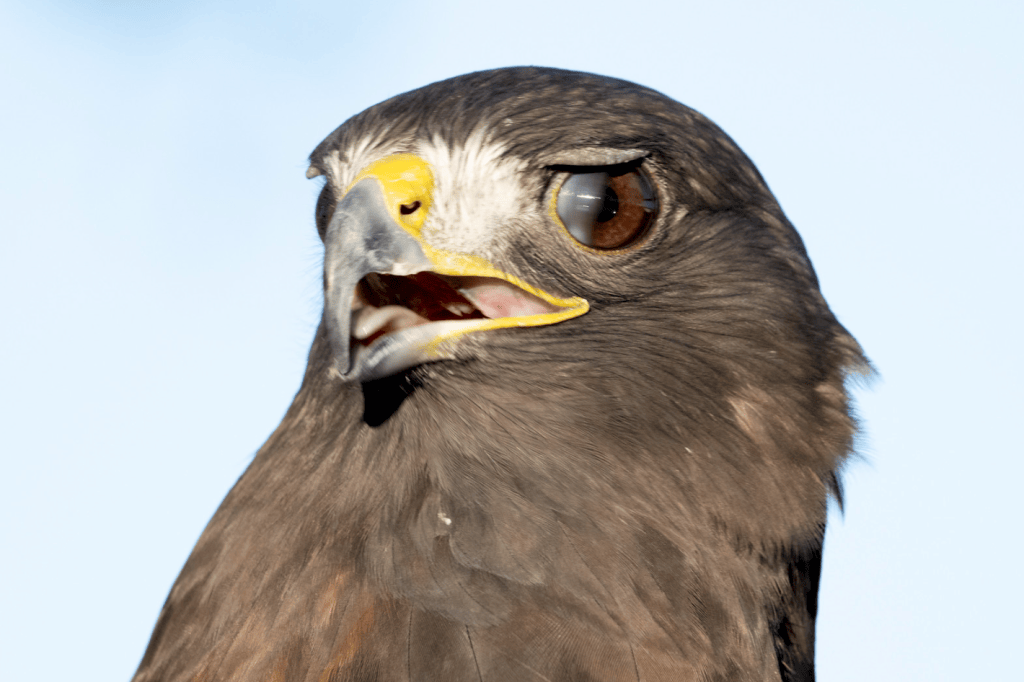
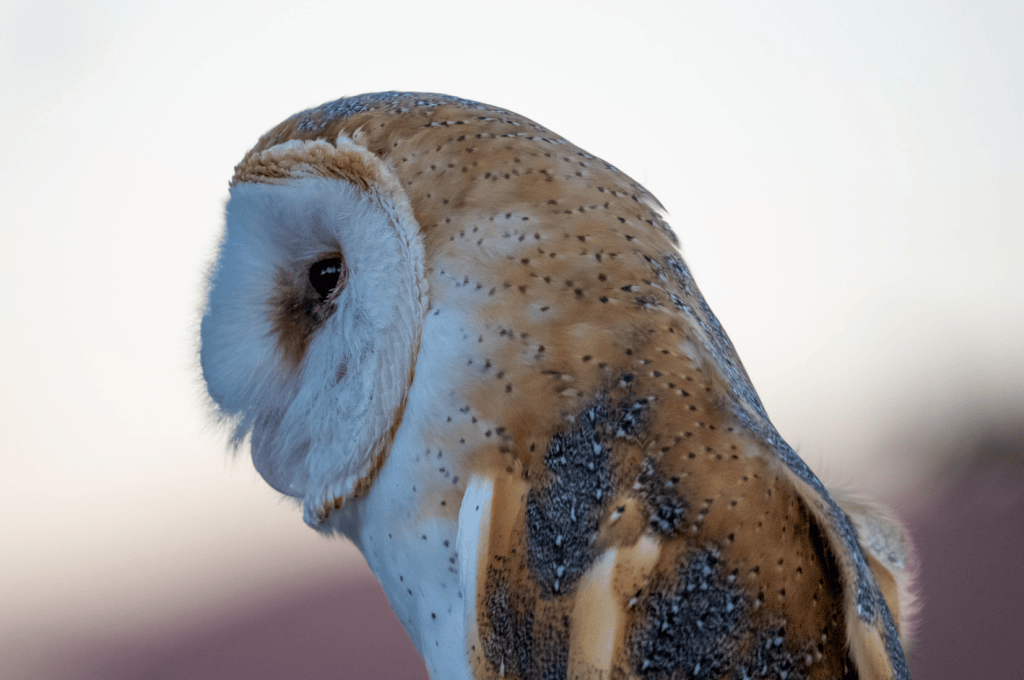
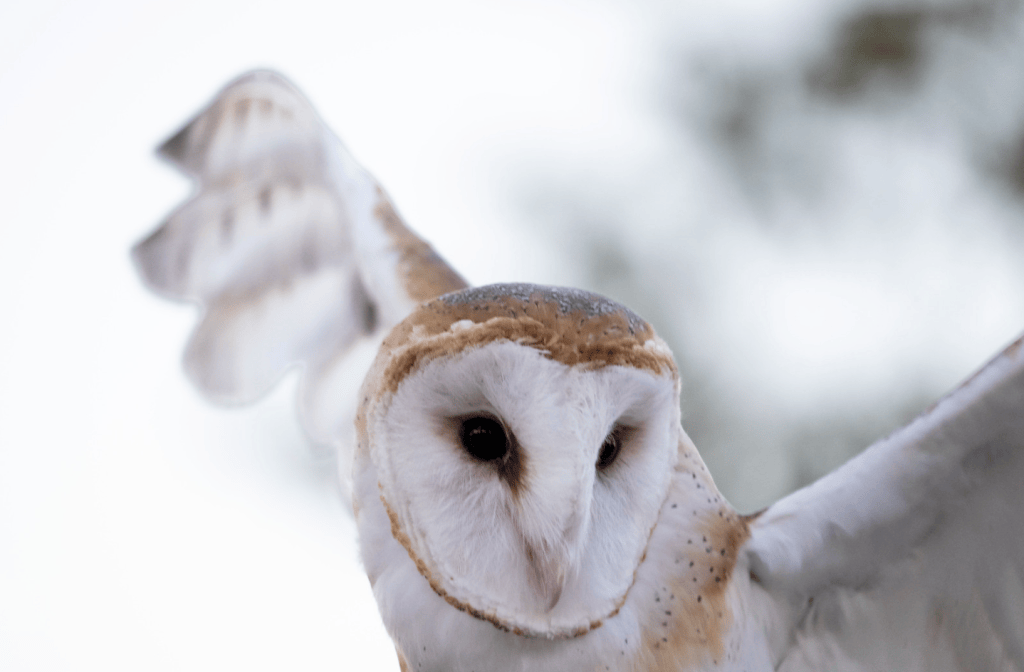
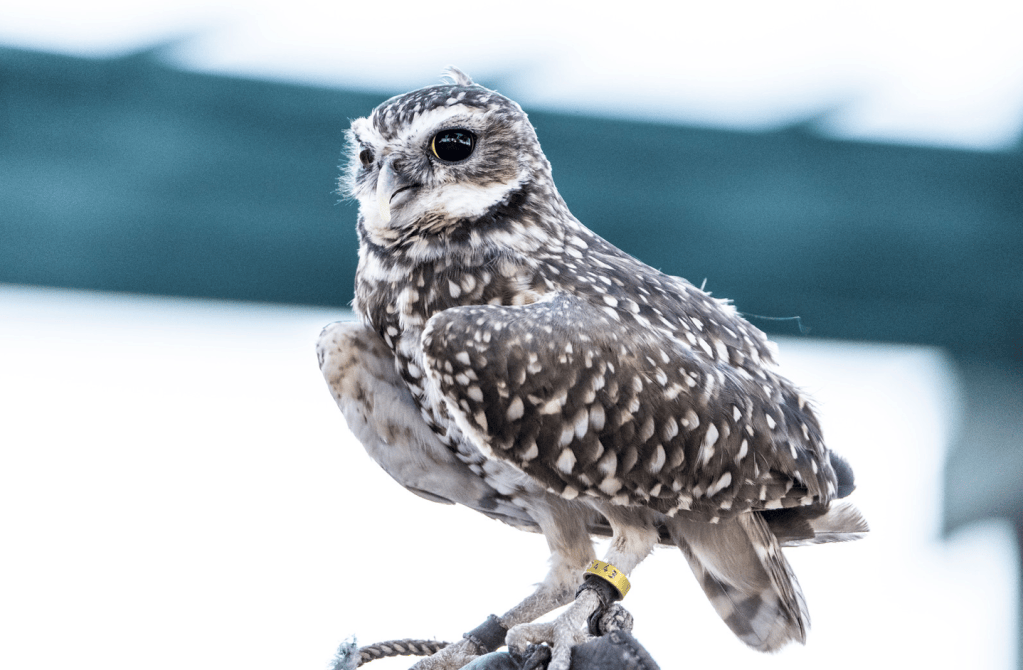
On Saturday night around 30 Adults and 8 children came out to the amphitheater at the Sweetwater Campground in Bonita for the first weekend of Hawktober.
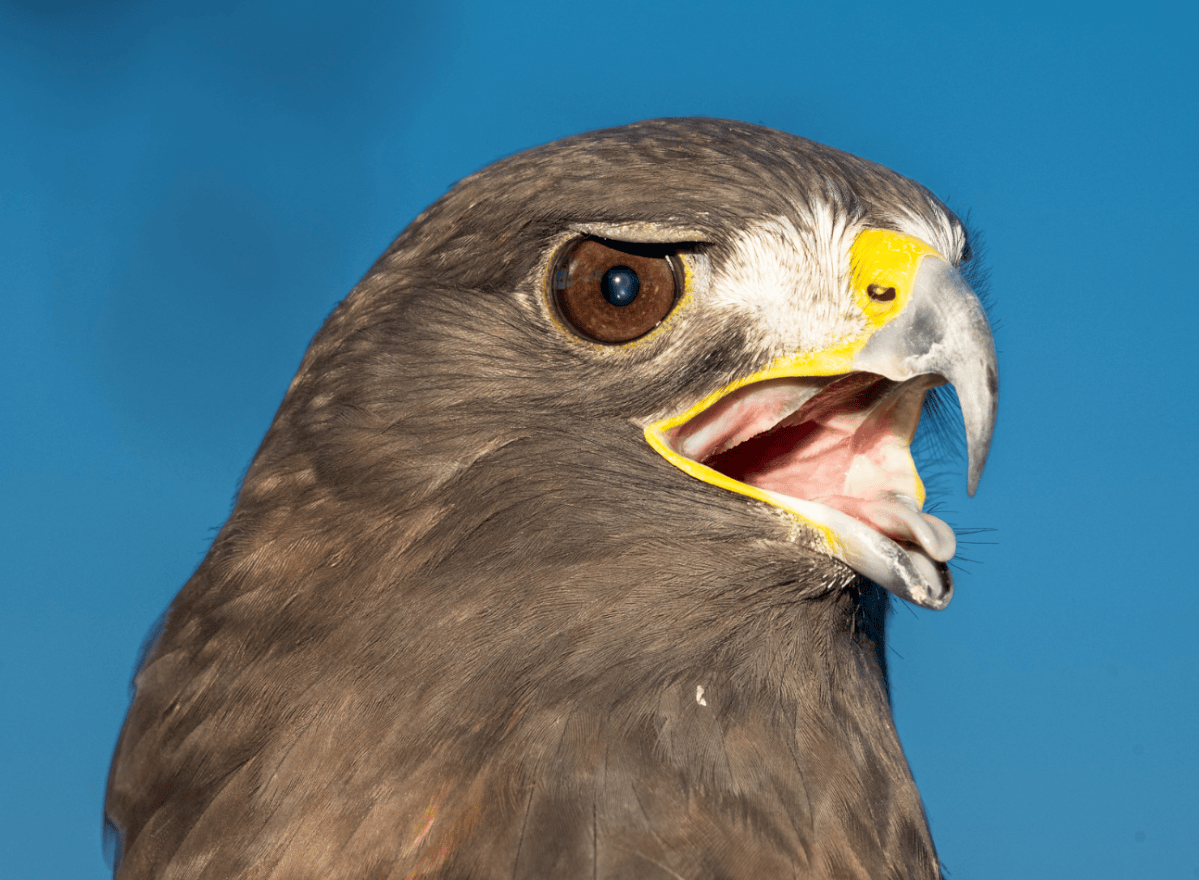
Charles Gailband is a Senior Park Ranger and licensed professional falconer with the County of San Diego Department of Parks and Recreation. He brought out animal ambassadors Buster, the red tailed hawk; Athena the burrowing owl; and Corazon the barn owl.
Checkout my last post about the 2026 HAWKTOBER EVENTS for dates and locations
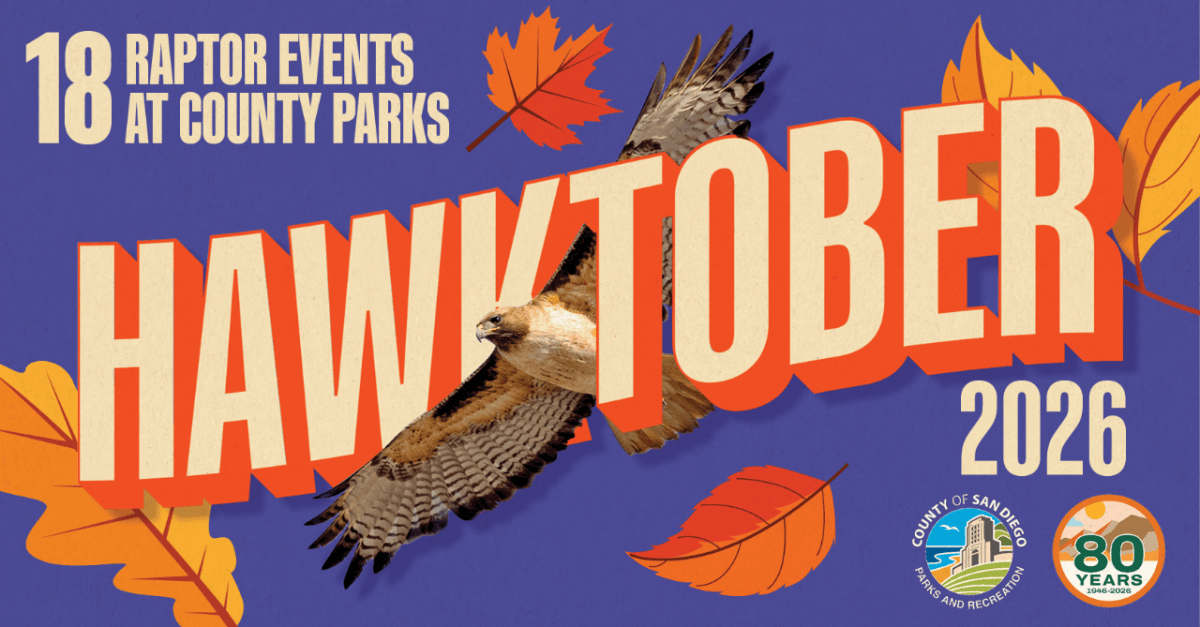
Hawktober is an annual celebration of local birds of prey, including hawks, owls, and falcons. This marks the event’s eighth year offering FREE workshops at parks, campgrounds and wilderness preserves across San Diego County.
Events are free and open to all ages, starting October 3. Explore multiple workshops to meet different birds and rangers.
Hawktober is an annual celebration of local birds of prey, including hawks, owls, and falcons. This marks the event’s eighth year offering FREE workshops at parks, campgrounds and wilderness preserves across San Diego County.
Events are free and open to all ages, starting October 3. Explore multiple workshops to meet different birds and rangers.
Special perk: Grab limited-edition Hawktober trading cards (while supplies last), complete with stats like wingspan, weight, and fun facts.
Live raptors: Meet ambassador birds like hawks, owls, and falcons up close and learn about their unique behaviors and adaptations.
Fun facts: Discover how these birds live, what they eat, how they hunt, when they’re active, and special traits like speed, camouflage, or night vision.
Bird tales: Each event features different birds—each with a name and story—shared by passionate rangers.
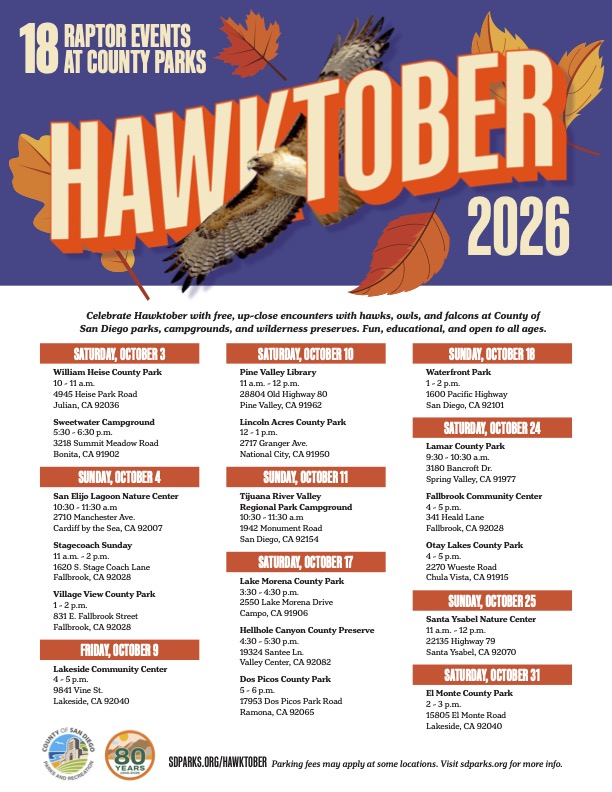
Where to Go:
DATE
TIME
LOCATION
SATURDAY, OCT. 3
10 – 11 a.m.
William Heise County Park4945 Heise Park Rd.Julian, CA 92036
SATURDAY, OCT 3
5:30 – 6:30 P.M.
Sweetwater Campground3218 Summit Meadow RoadBonita, CA 91902
SUNDAY, OCT. 4
10:30-11:30 a.m
San Elijo Lagoon Nature Center2710 Manchester Ave.Cardiff by the sea, CA 92007
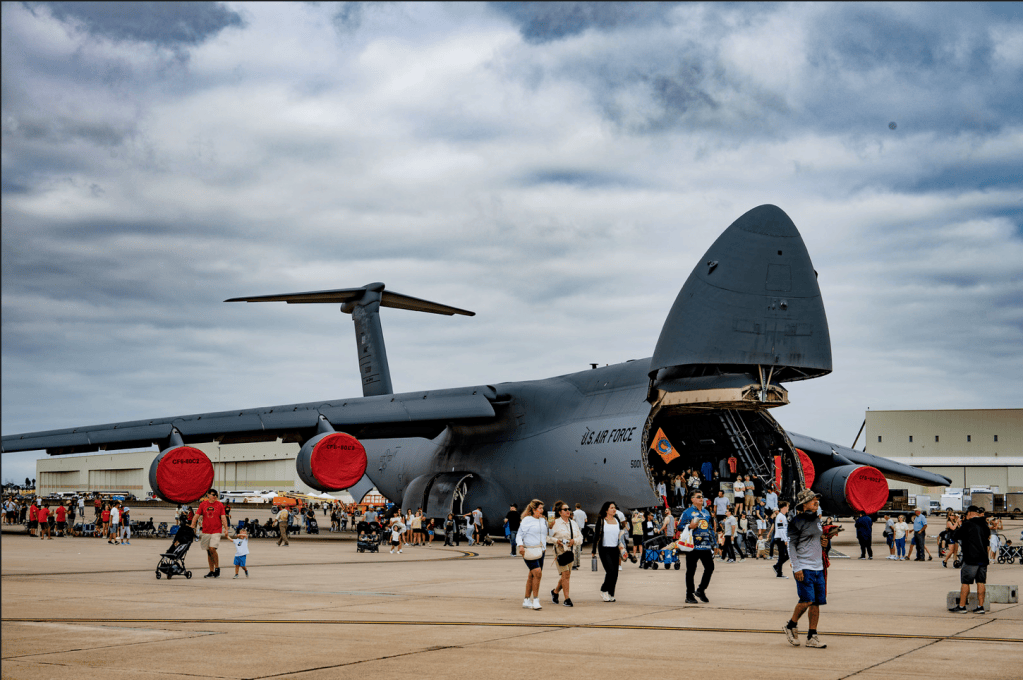
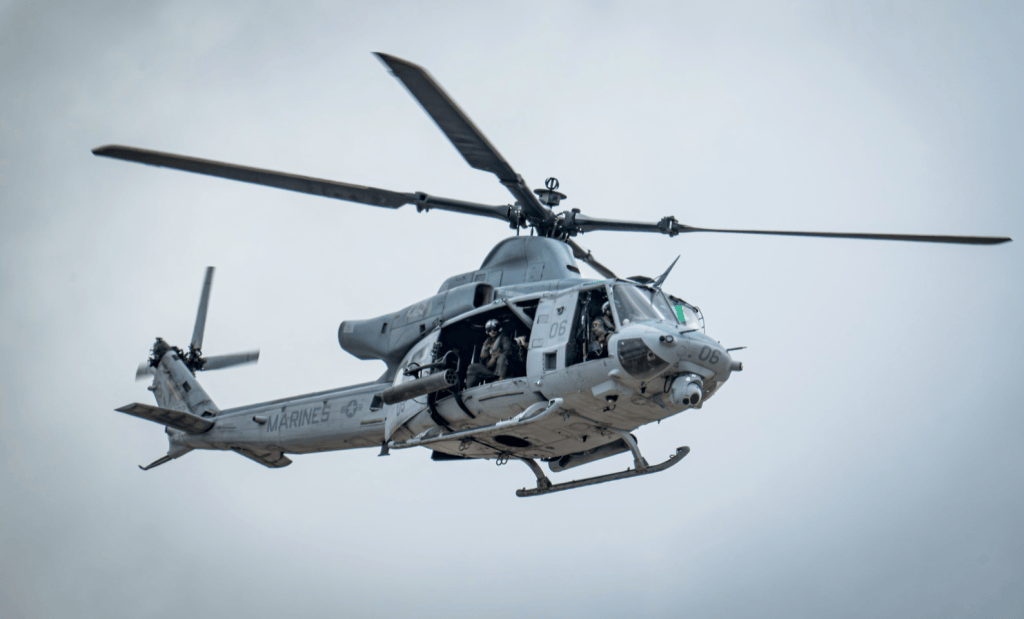
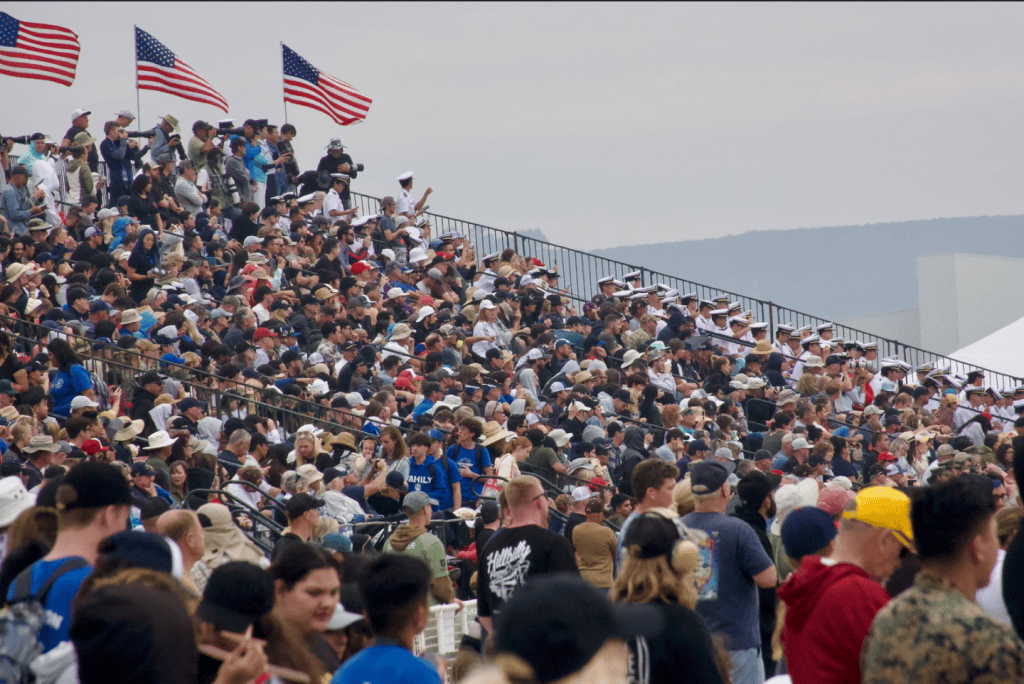
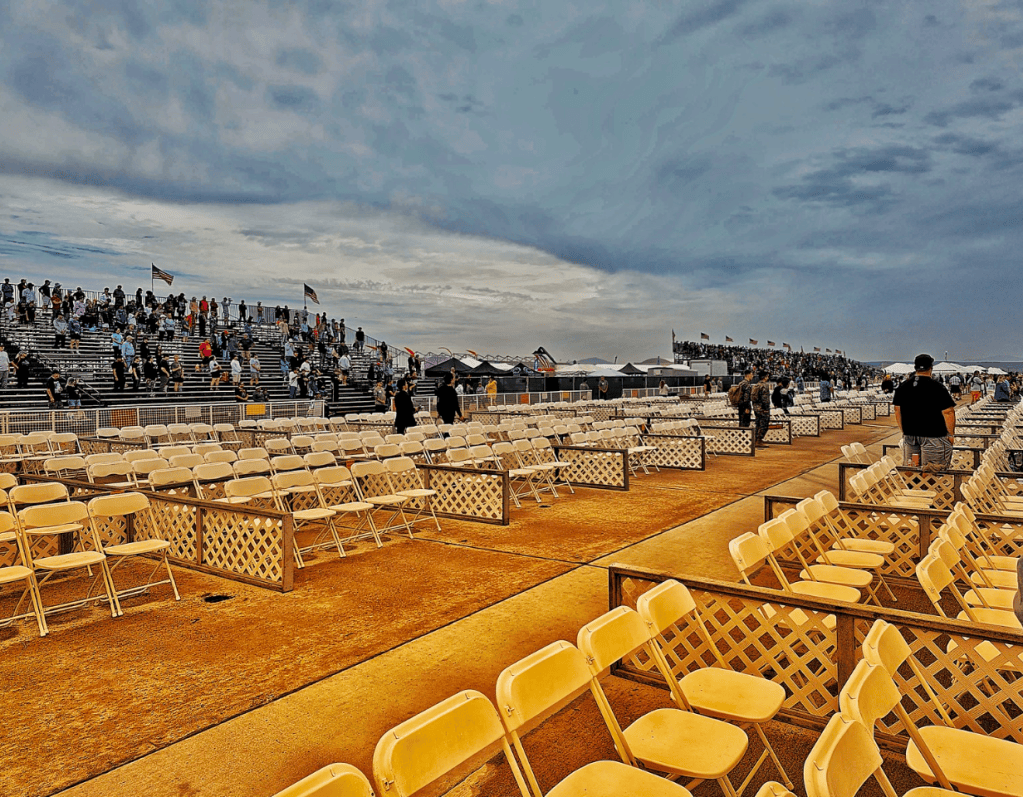
On Friday, September 25, the gates opened at Marine Corps Air Station Miramar for the first public day of the 2026 MCAS Miramar Air Show, bringing aviation fans, military families, and visitors together for the opening day of one of San Diego’s biggest aviation events.
This year’s show, running September 25–27, celebrates America’s 250th anniversary with a weekend built around aviation, military demonstrations, historic aircraft, and civilian aerobatics.
The U-2 Dragon Lady Makes a Rare Appearance
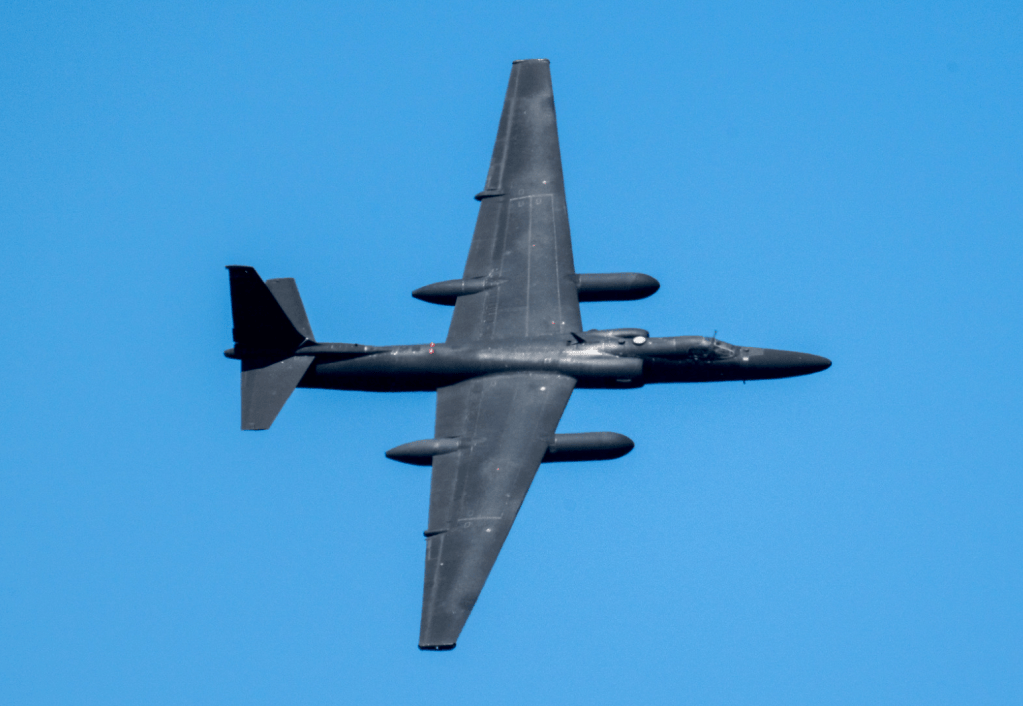
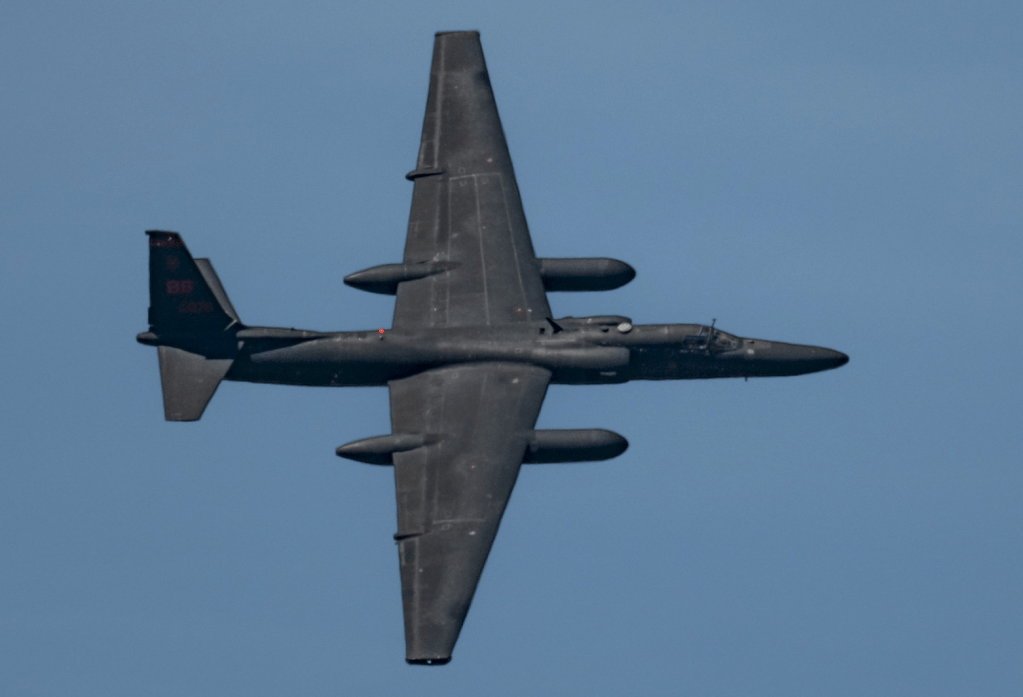
One of the most distinctive moments of Day One came at approximately 1:25 p.m., when the U.S. Air Force U-2 Dragon Lady made its scheduled flypast over Marine Corps Air Station Miramar. The Friday-only appearance gave air show visitors a rare opportunity to see one of America’s most recognizable high-altitude reconnaissance aircraft in flight.
U.S. Air Force’s 9th Reconnaissance Wing at Beale Air Force Base, California
U.S. Air Force’s 9th Reconnaissance Wing at Beale Air Force Base, California
The sound of jet engines will once again fill the skies over San Diego when America’s Air Show returns to Marine Corps Air Station Miramar from September 25–27, 2026.
For anyone who enjoys aviation, military history, or simply seeing some incredible aircraft up close, the Miramar Air Show is one of the major events on San Diego’s annual calendar. The 2026 show is especially significant because it celebrates the nation’s 250th anniversary.
The Miramar Air Show brings together military aircraft, demonstration teams, civilian performers, historic aircraft, and interactive displays.
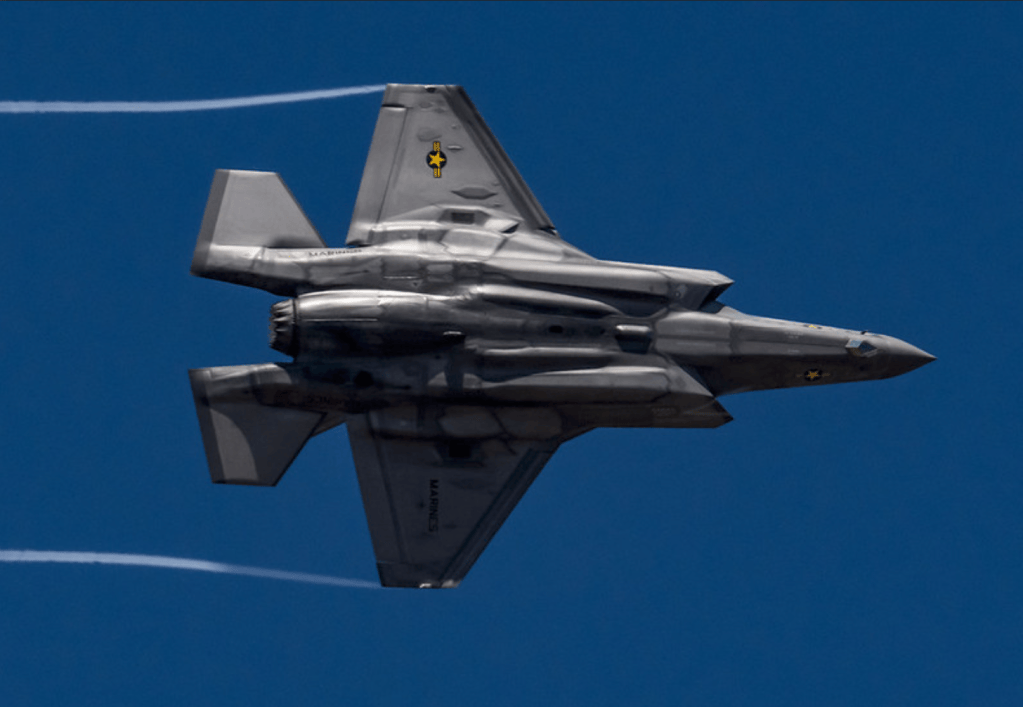
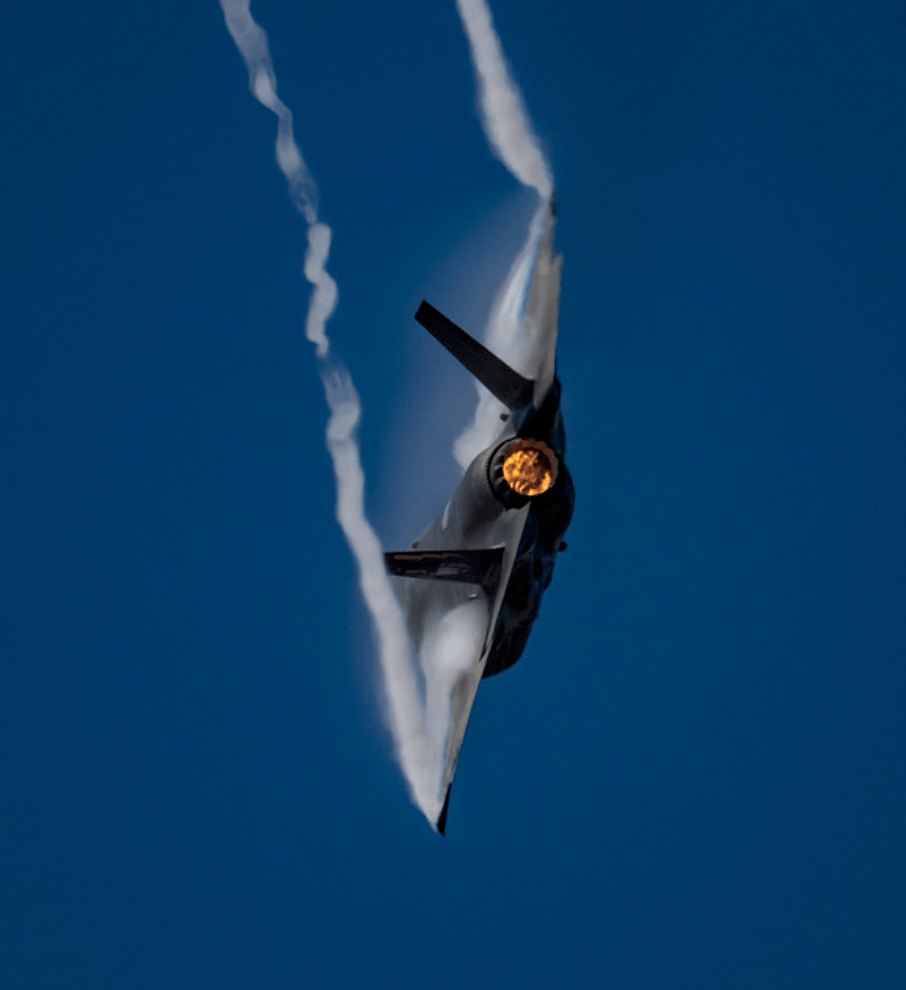
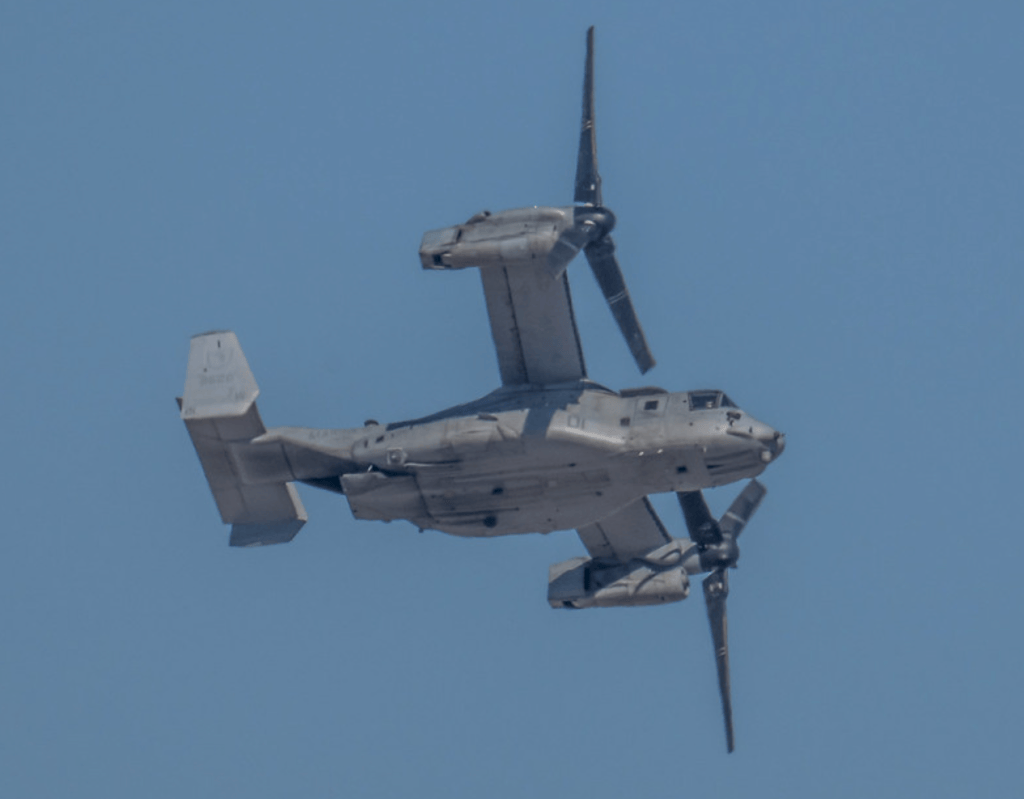
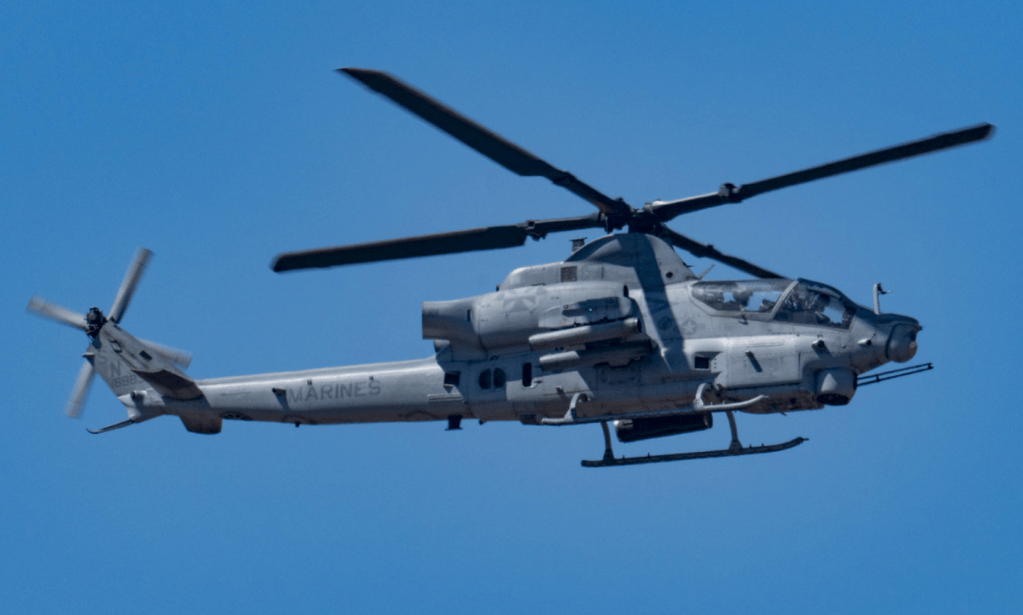
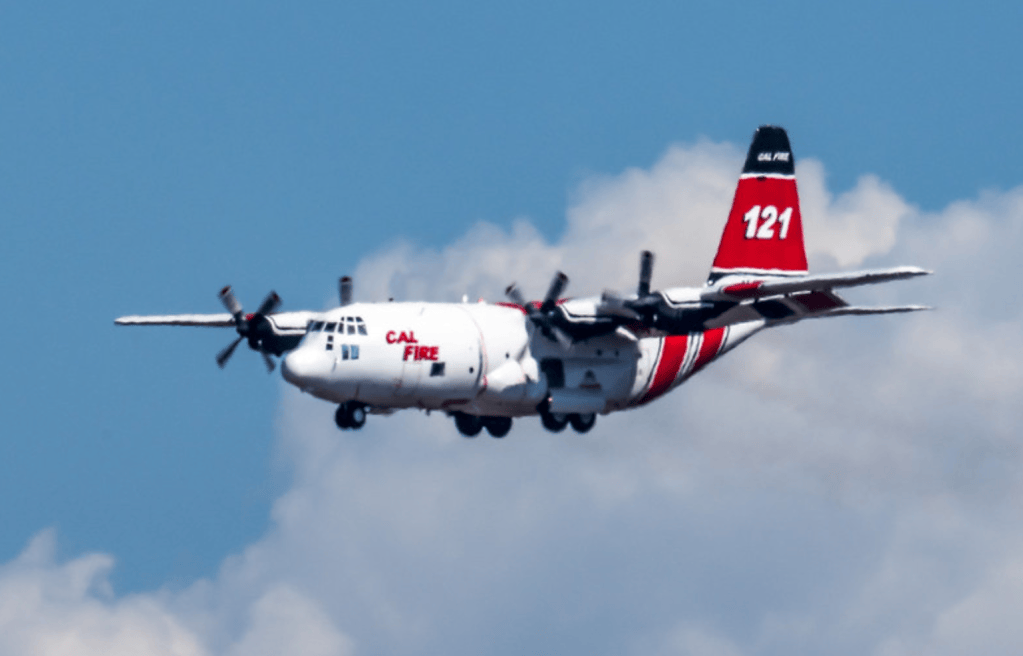
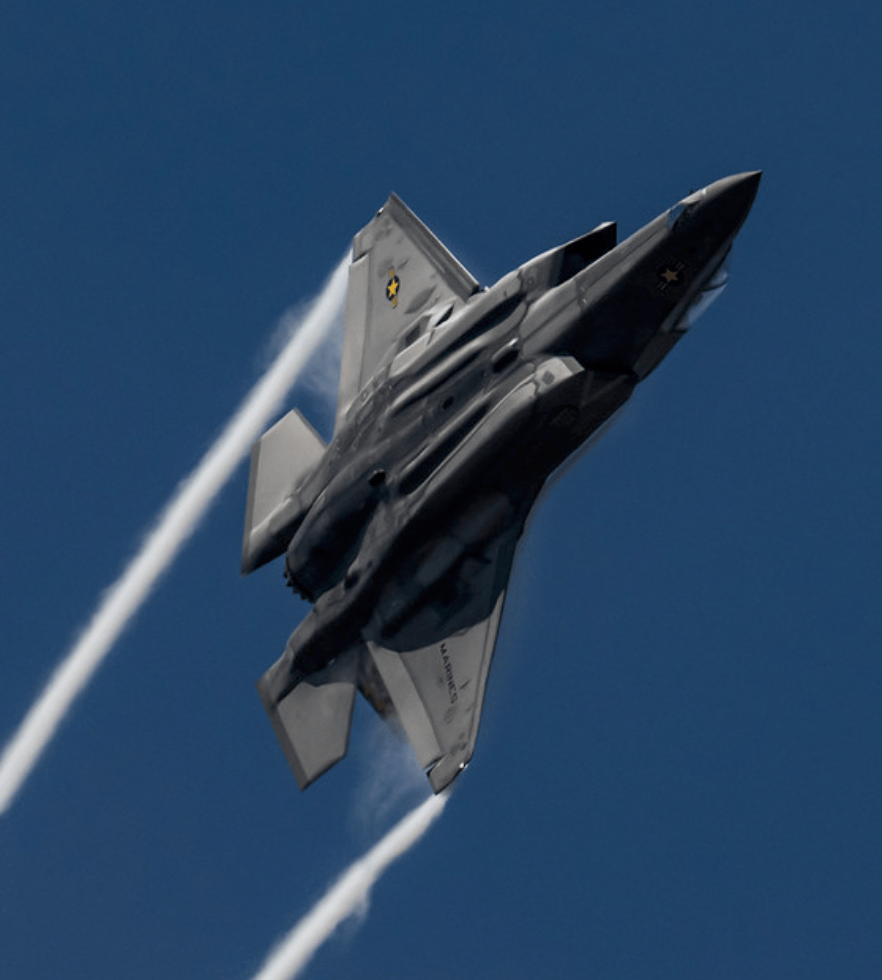
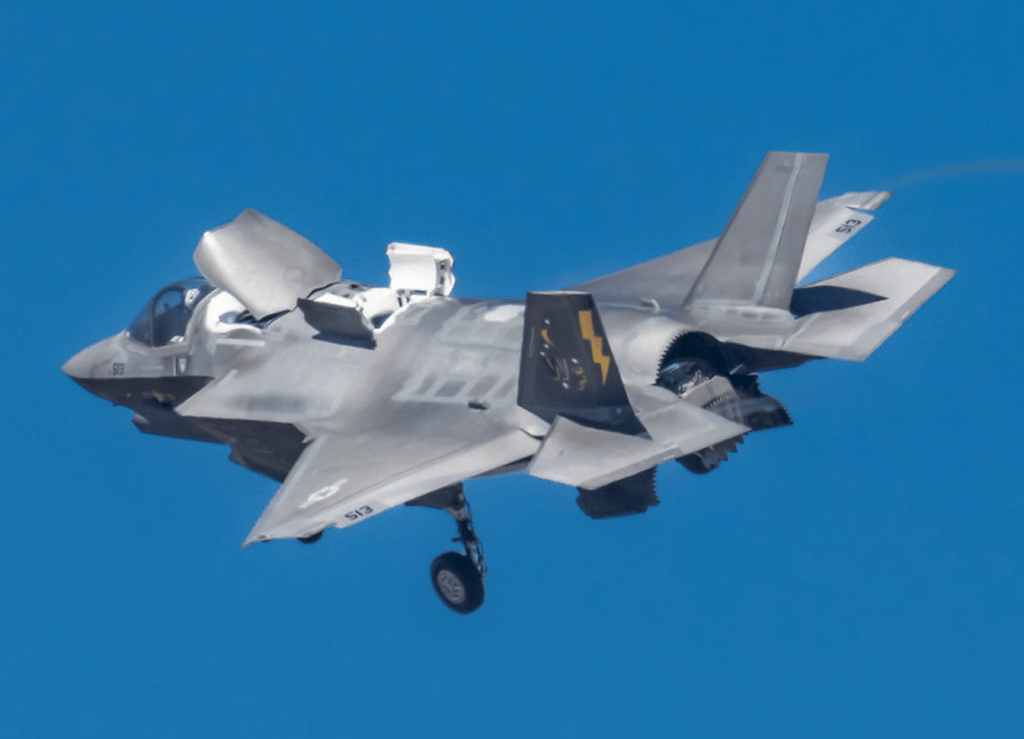
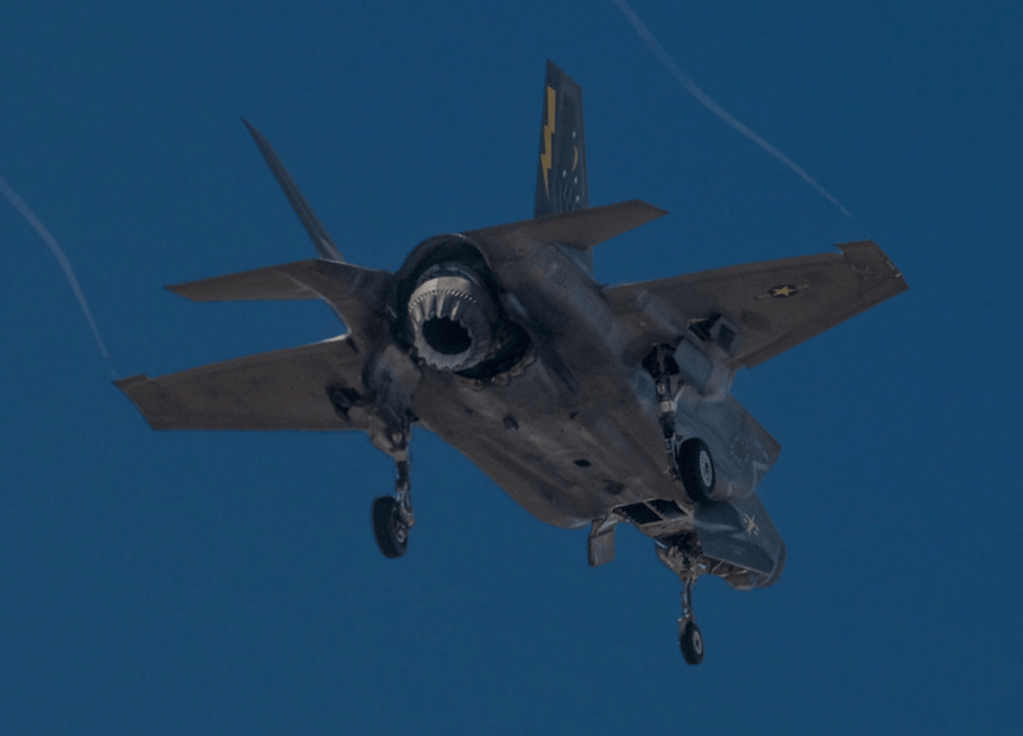
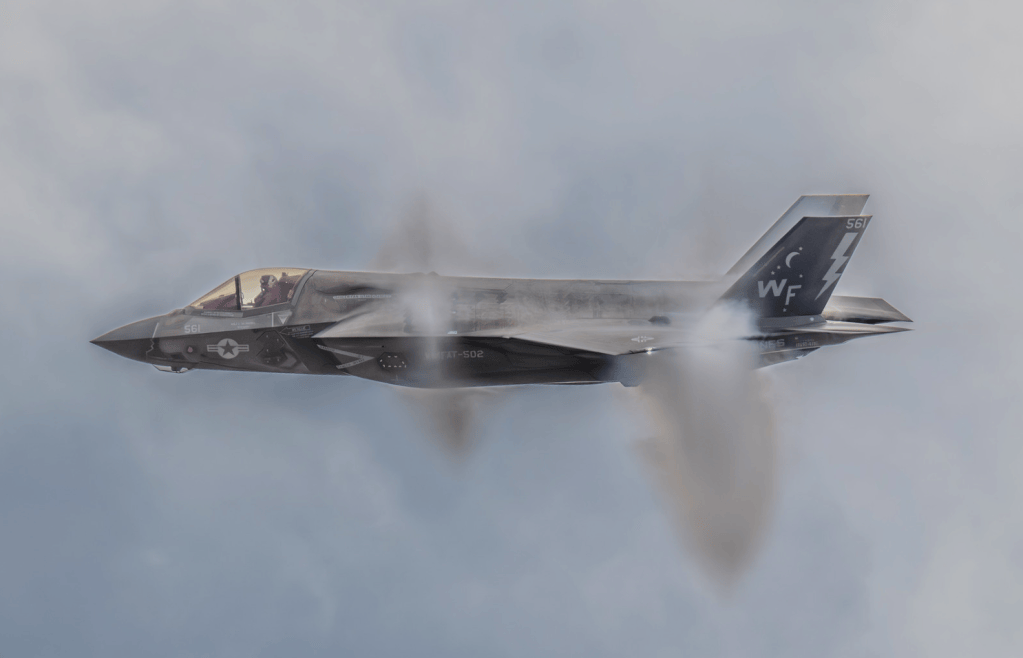
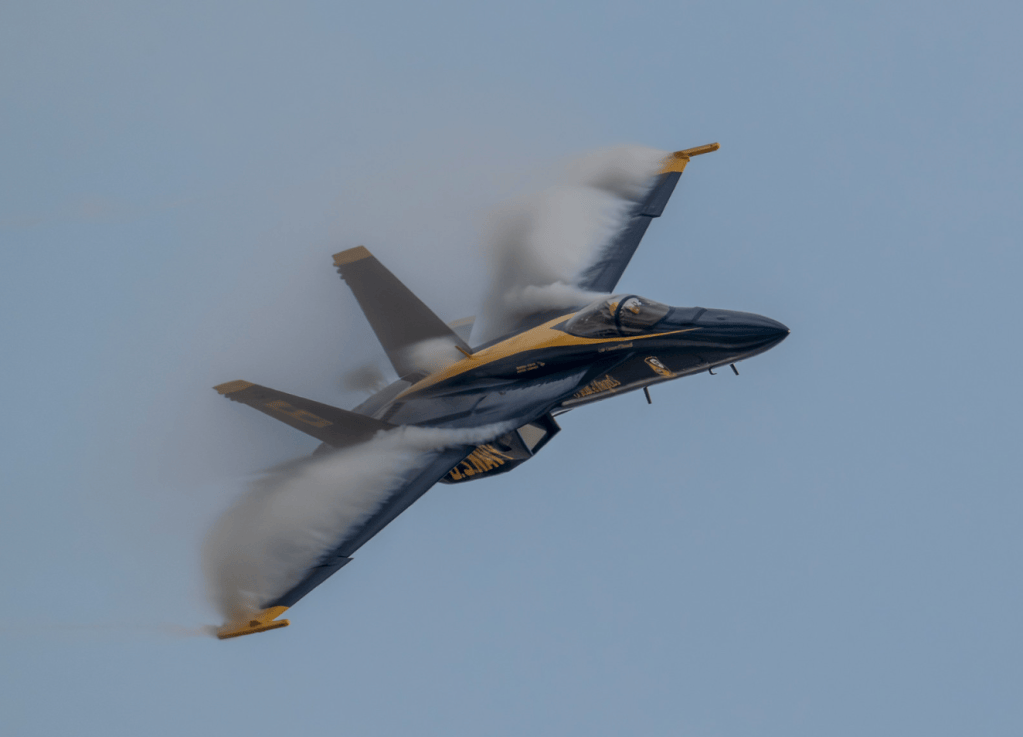
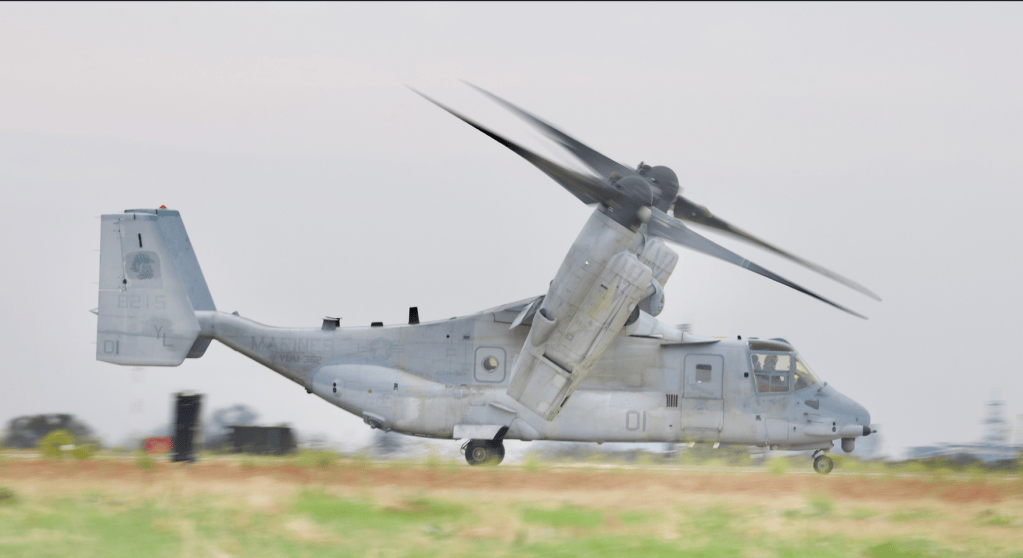
One of the major attractions this year will be the U.S. Navy Blue Angels, along with the U.S. Marine Corps F-35B Lightning II demonstration. The schedule also includes the Marine Corps MV-22 Osprey, a C-17 demonstration, and the Marine Air-Ground Task Force demonstration.
The MAGTF demonstration is particularly different from a traditional air-show performance. It combines aircraft, ground forces, pyrotechnics, and tactical maneuvers to demonstrate how Marine units can operate together during a simulated battlefield scenario.
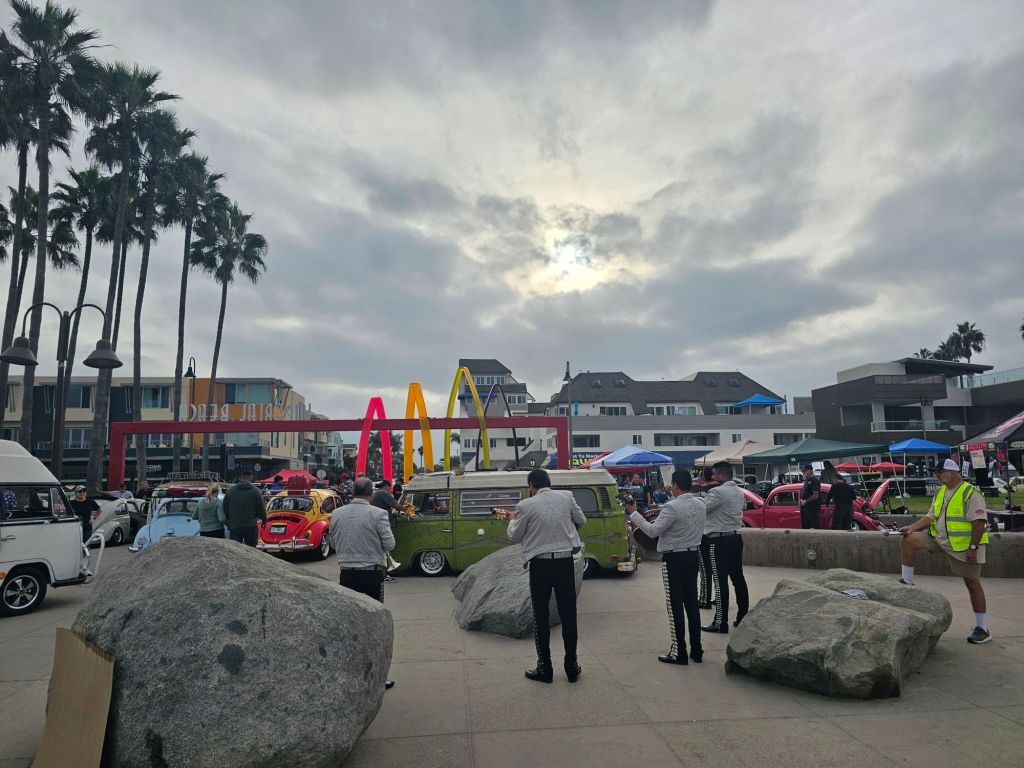
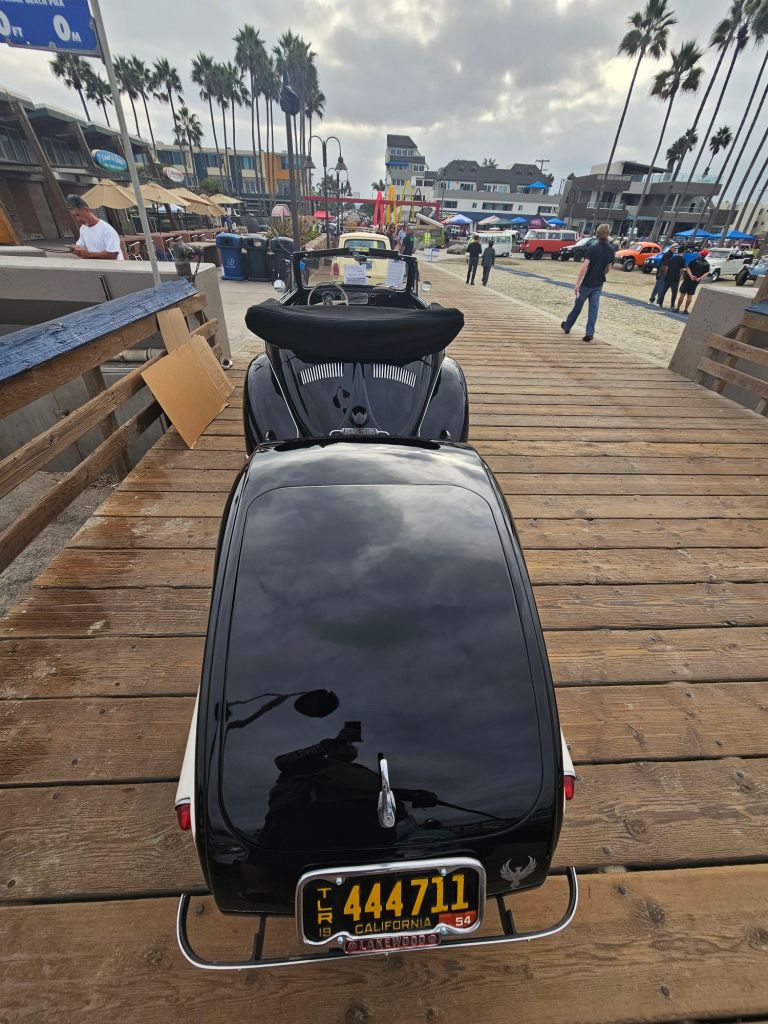
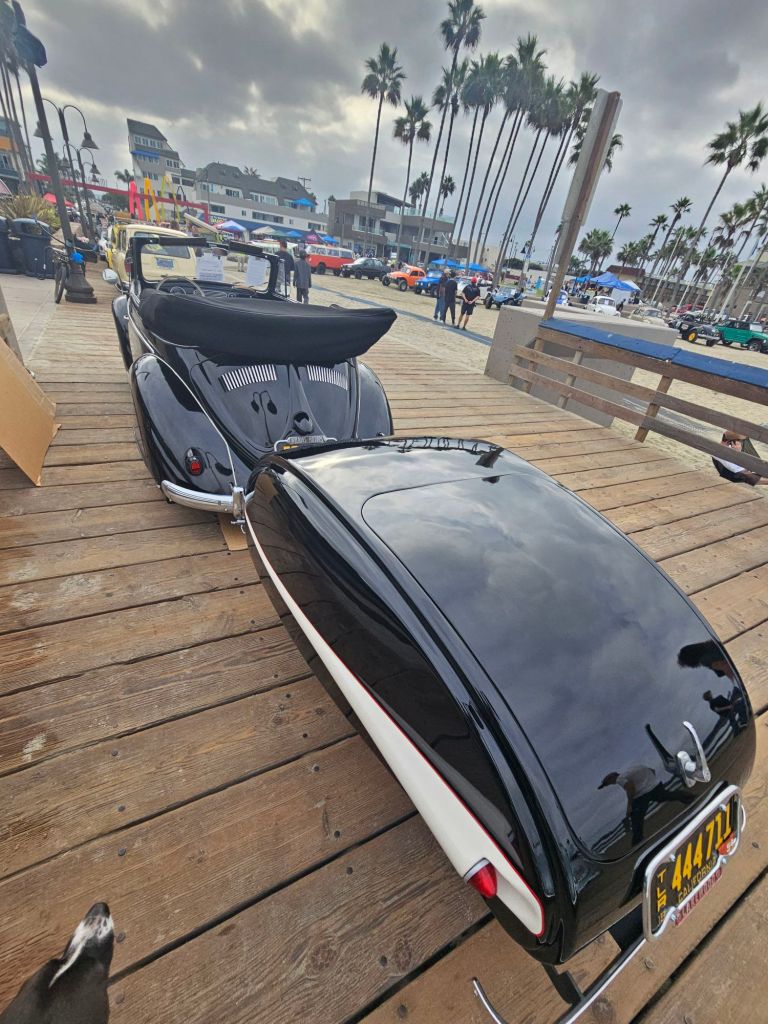
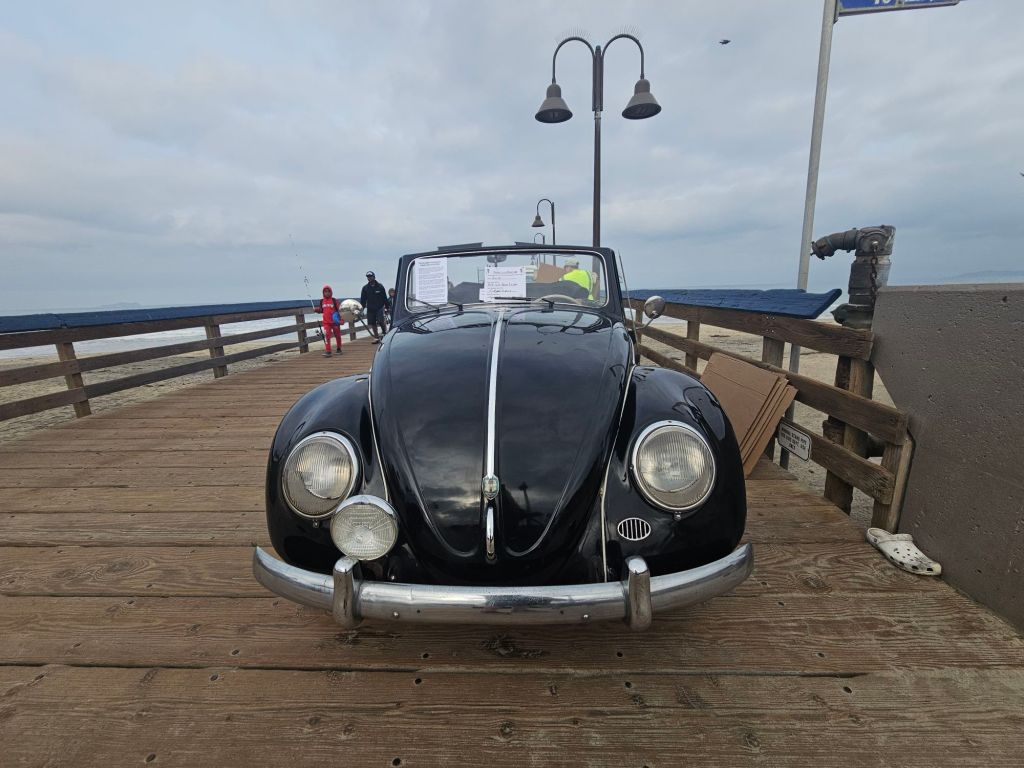
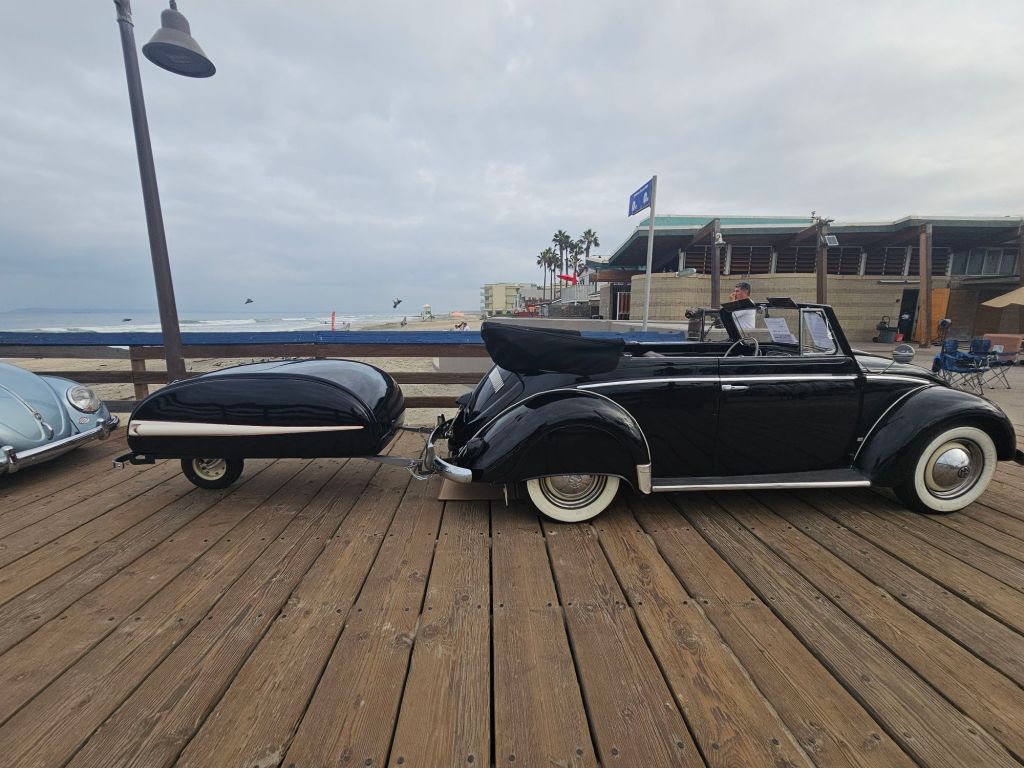
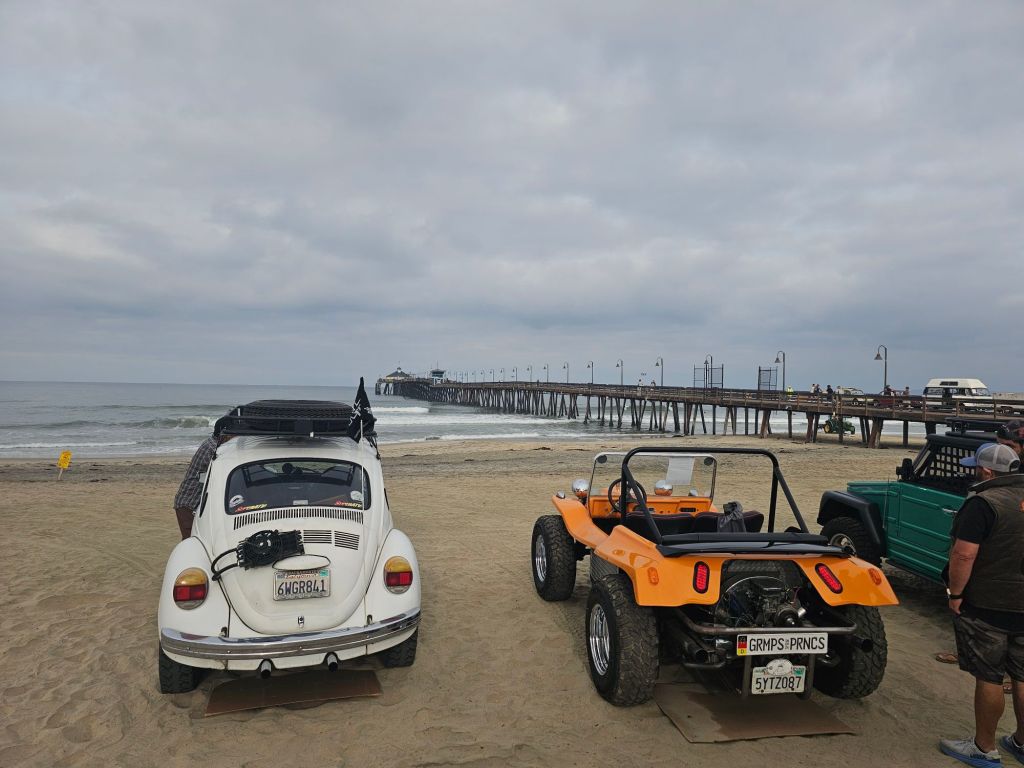
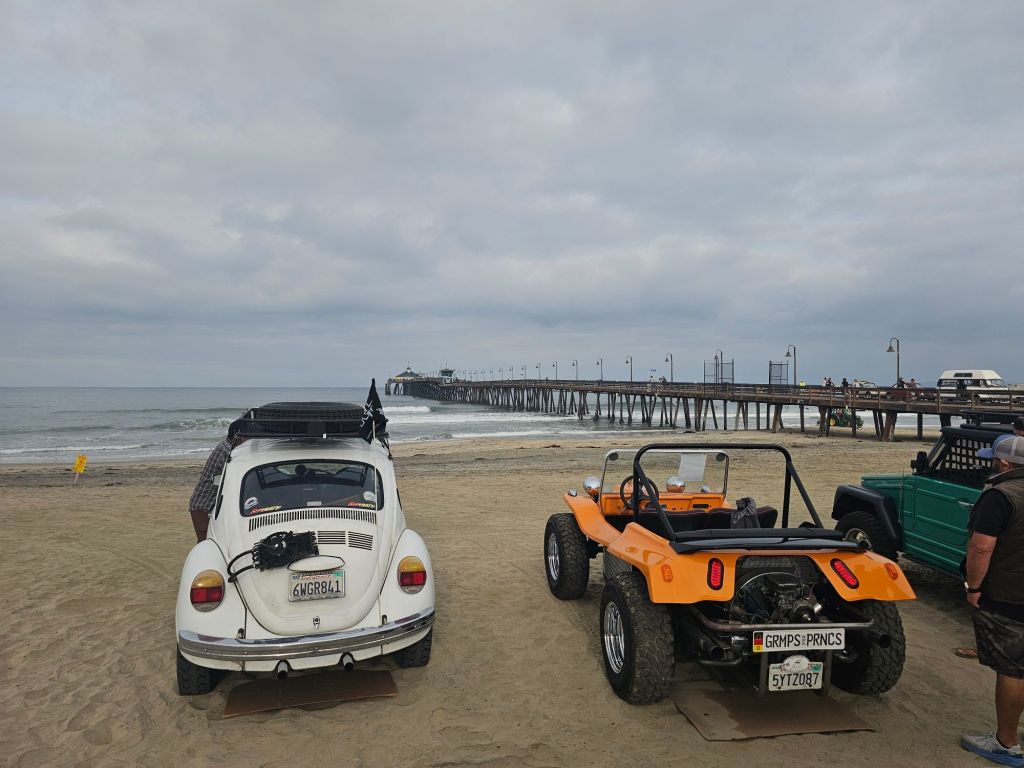
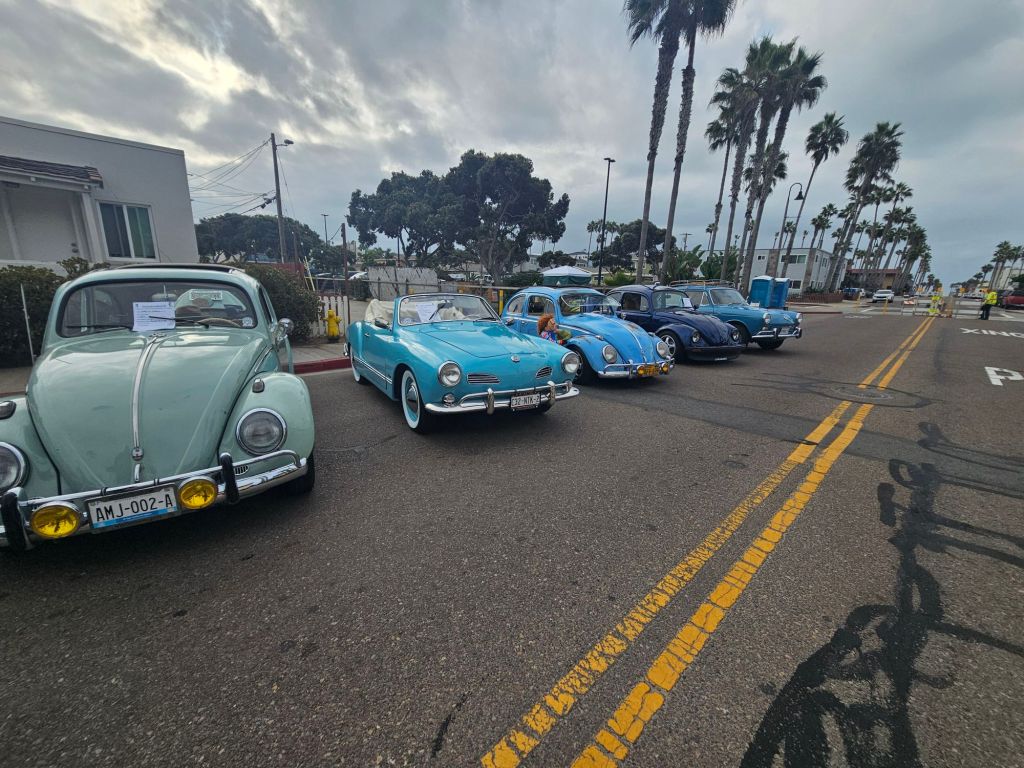
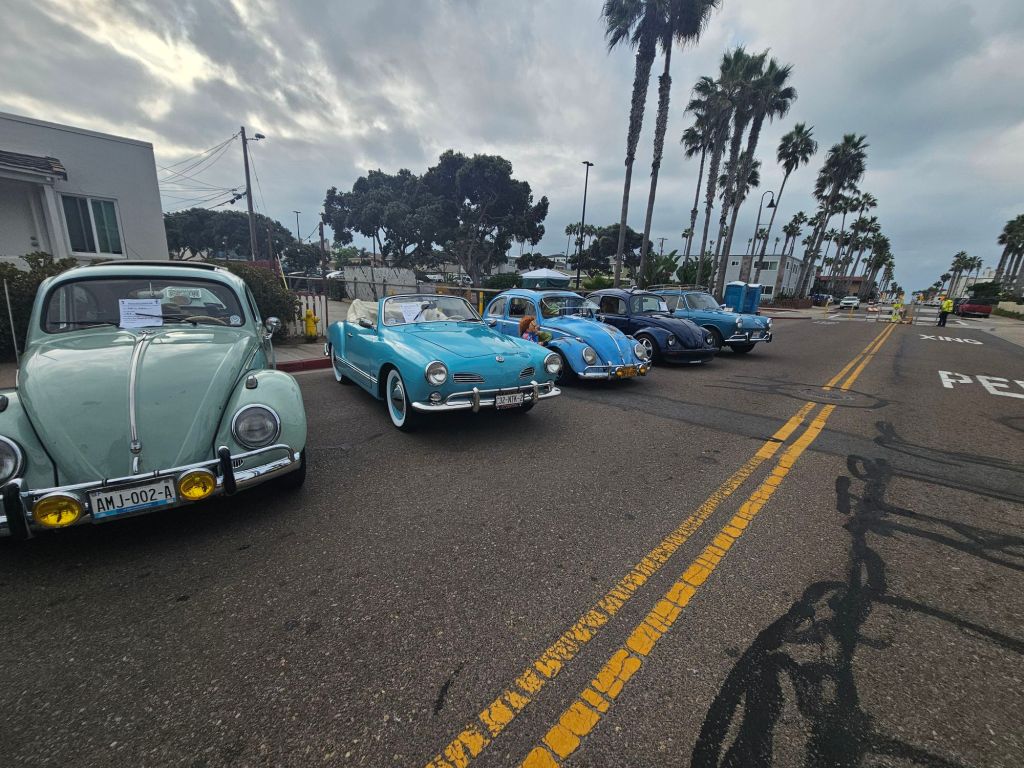
The 13th Annual Fiesta en la Playa takes place on Sunday, September 20, in Imperial Beach. For anyone who enjoys classic cars or simply likes discovering unusual events around San Diego, it is a fun reason to head down to the South Bay.
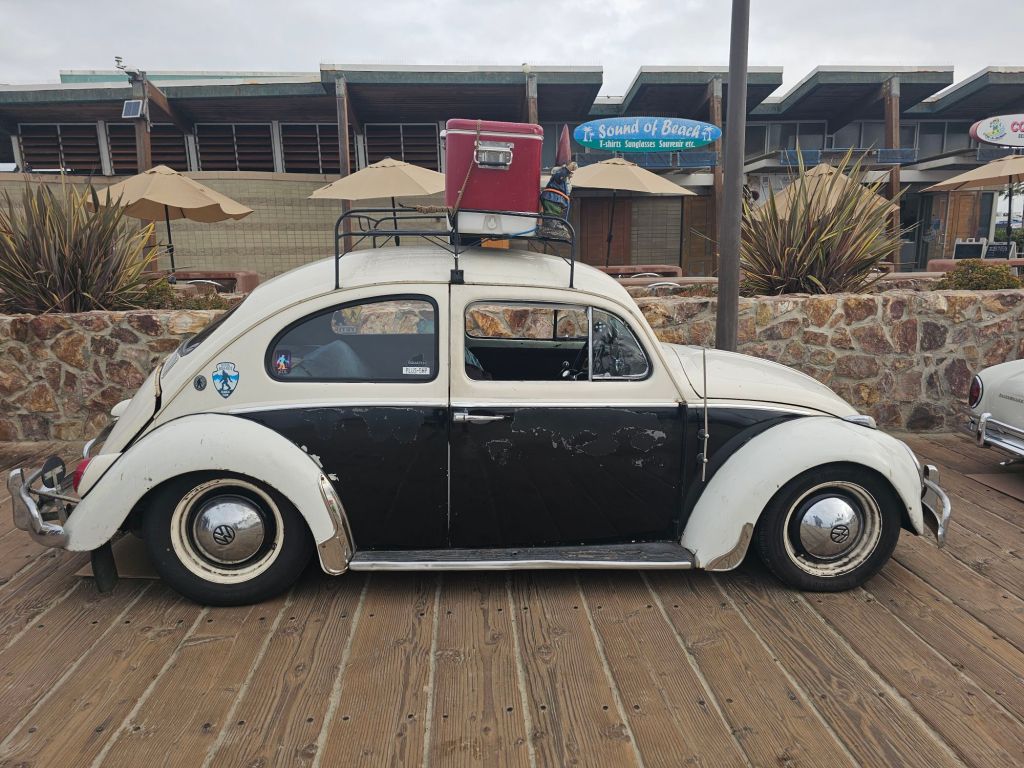
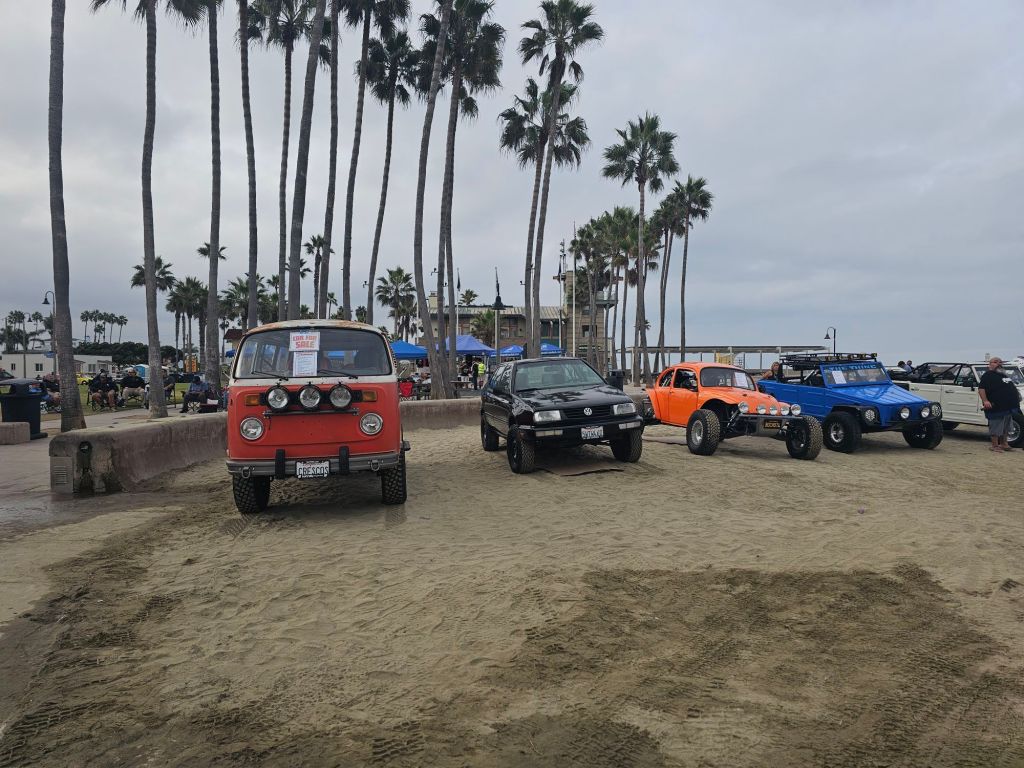
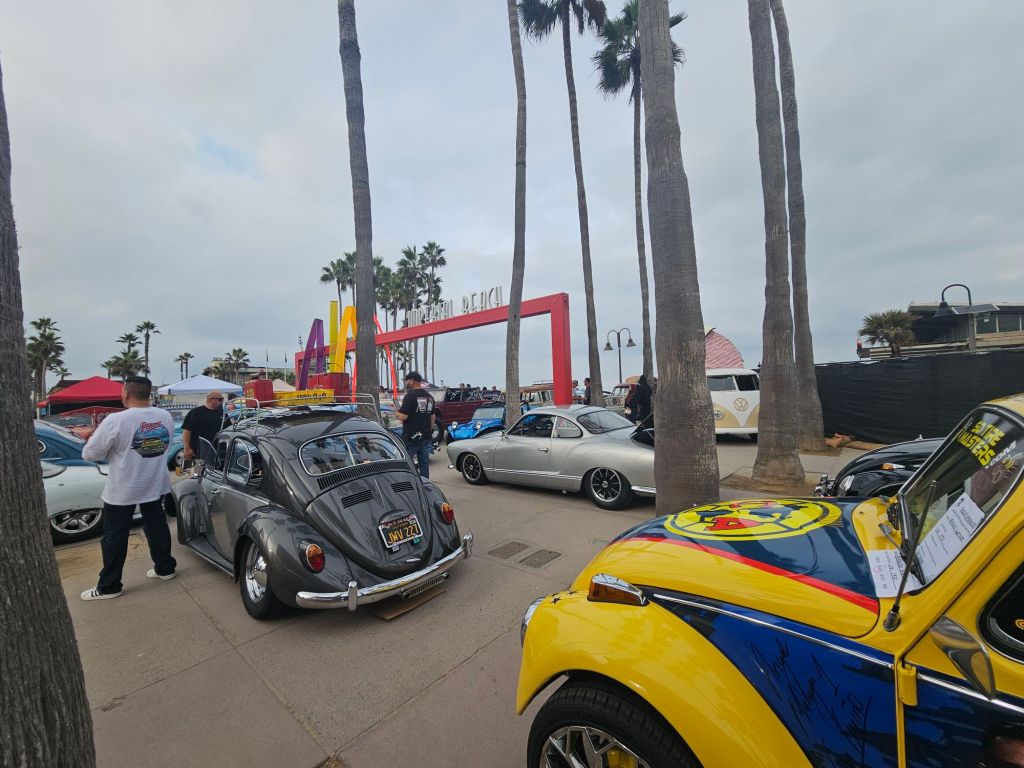
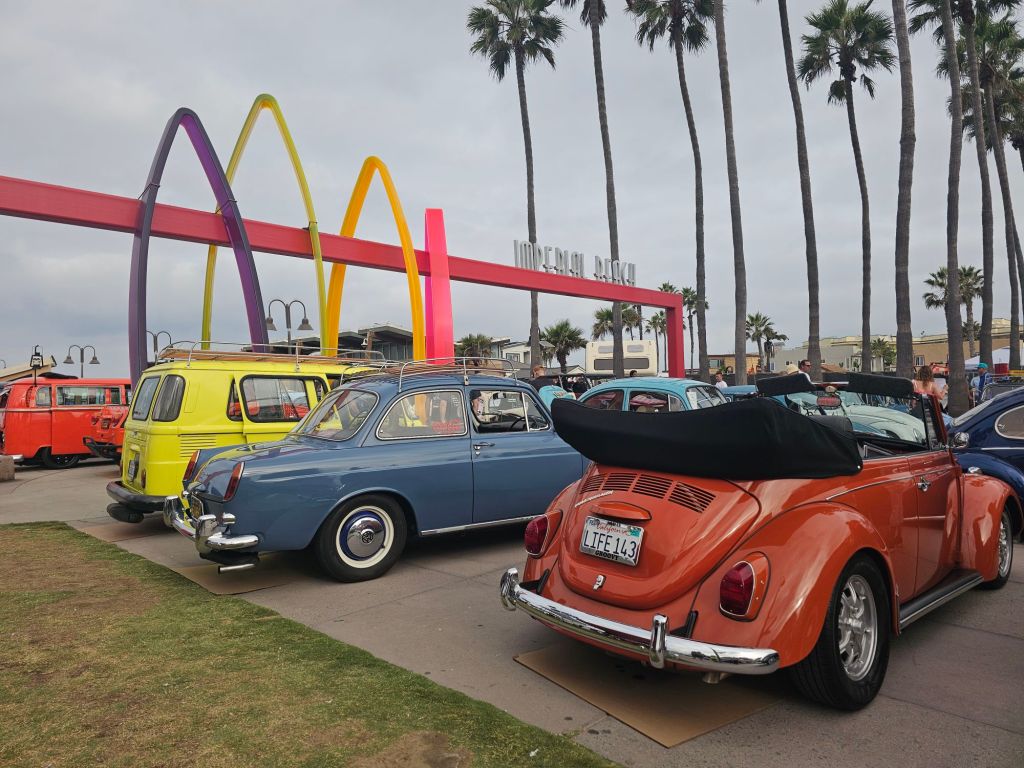
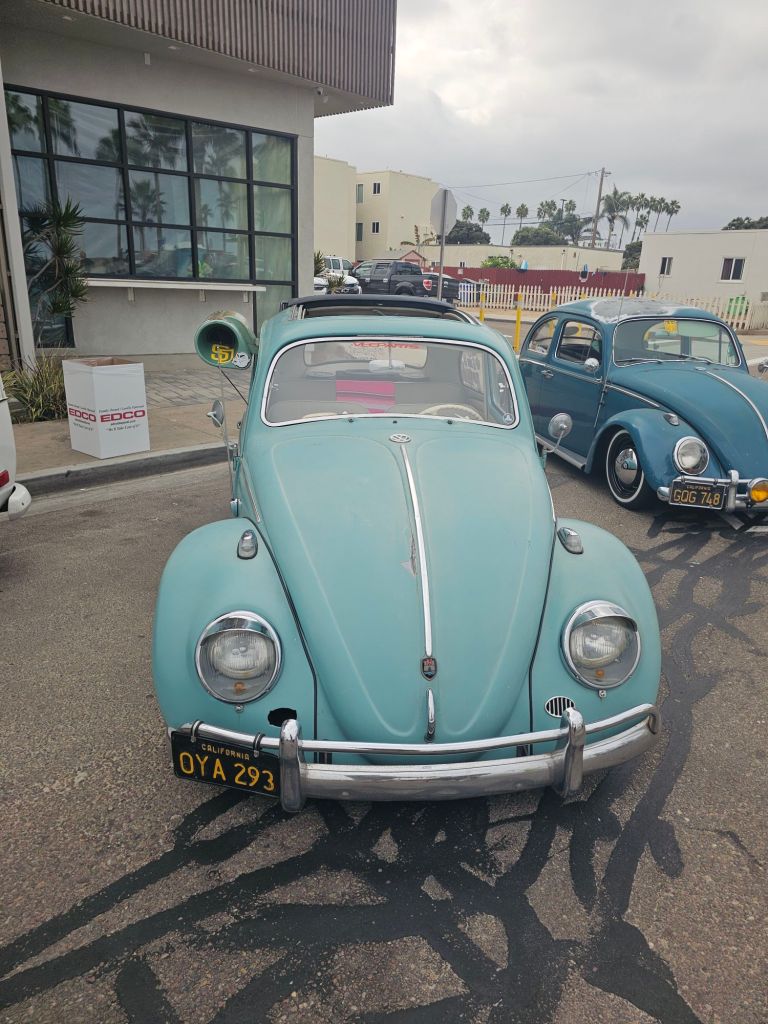
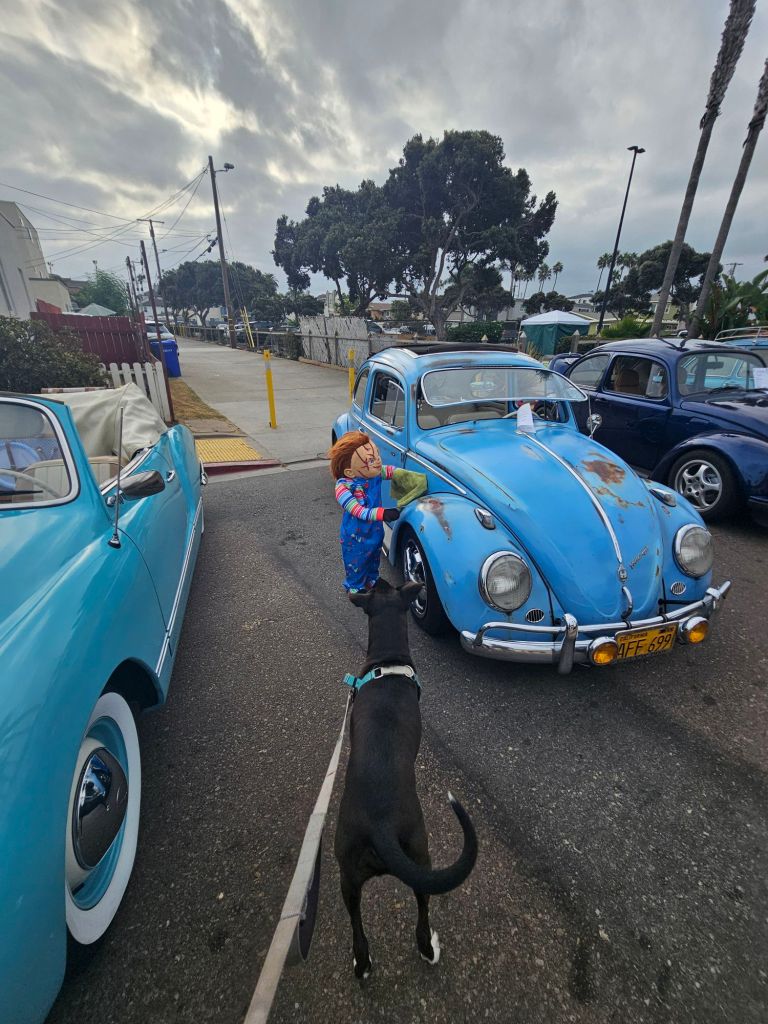
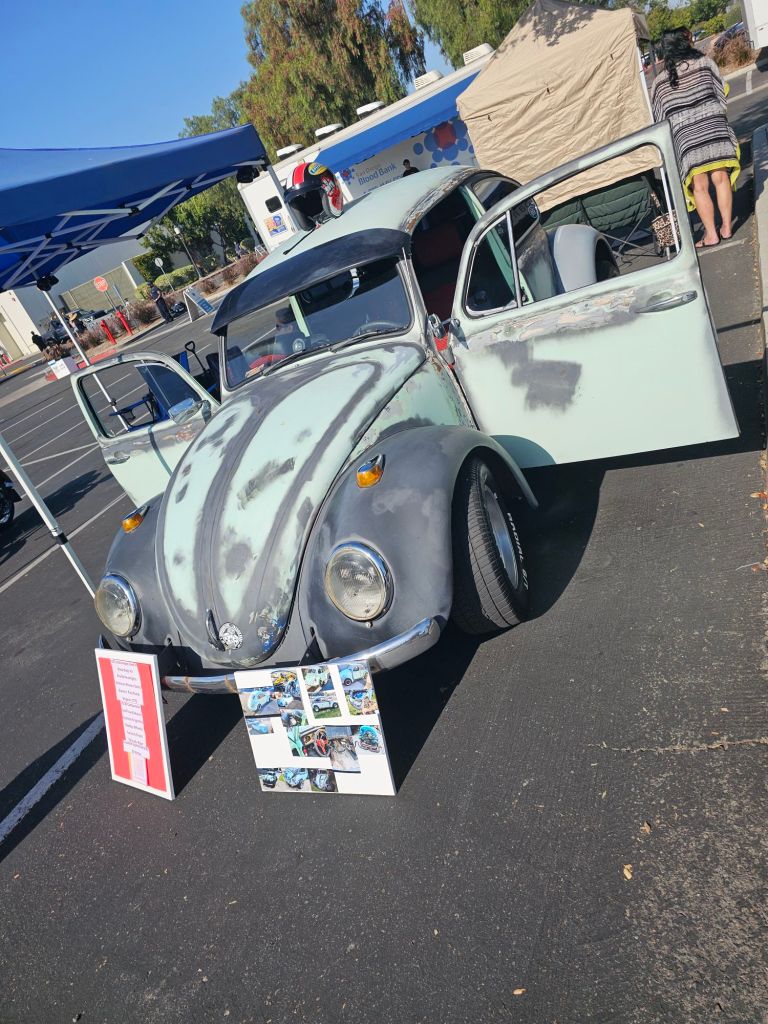
The 13th Annual Fiesta En La Playa Air Cooled Car Show is happening today, Sunday, September 20, 2026, from 9:00 AM to 2:00 PM at Imperial Beach along Seacoast Drive. Over 250 vintage air-cooled Volkswagens including Beetles, buses, and rare models.Live music and entertainment featuring the Super Sonic Samba School Band and Dancers, Mariachi del Mar, and Nasty Habits Classic Rock Band. #volkswagen#classic#carshow#vw#meetup
What makes Fiesta en la Playa different from many car shows is the setting.
Instead of a parking lot surrounded by buildings, the event takes place in the coastal environment of Imperial Beach. Palm trees, sand, ocean breezes and the Imperial Beach Pier provide the backdrop for rows of Volkswagen vehicles.
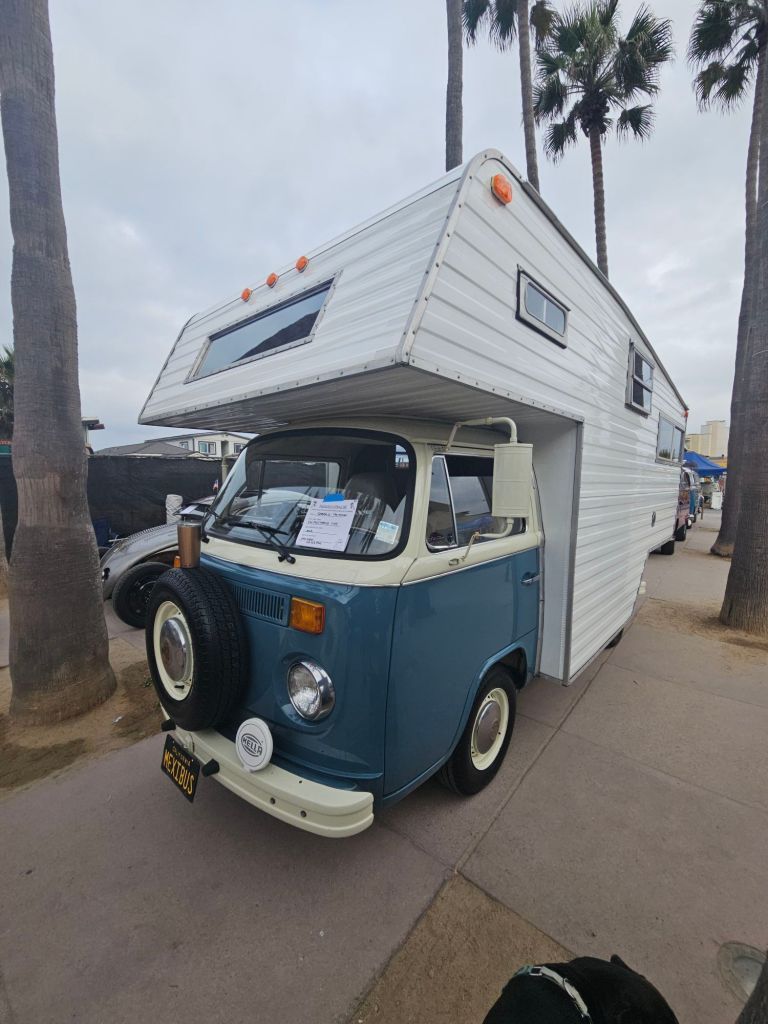
The classic VW Beetle is, of course, one of the stars of the show. But there is plenty more to see, including the iconic Volkswagen Bus and other generations of Volkswagen vehicles.
Seeing these cars lined up against the beach creates a completely different atmosphere from a traditional indoor or parking-lot car show.
For car enthusiasts, it is an opportunity to see classic and customized VWs up close. For families and casual visitors, the colorful cars and beach setting make for an enjoyable way to spend a Sunday.
And if you enjoy photography, there are plenty of details to look for—from vintage badges and steering wheels to surfboards, bright paint colors and the distinctive shapes of classic Volkswagen vehicles.
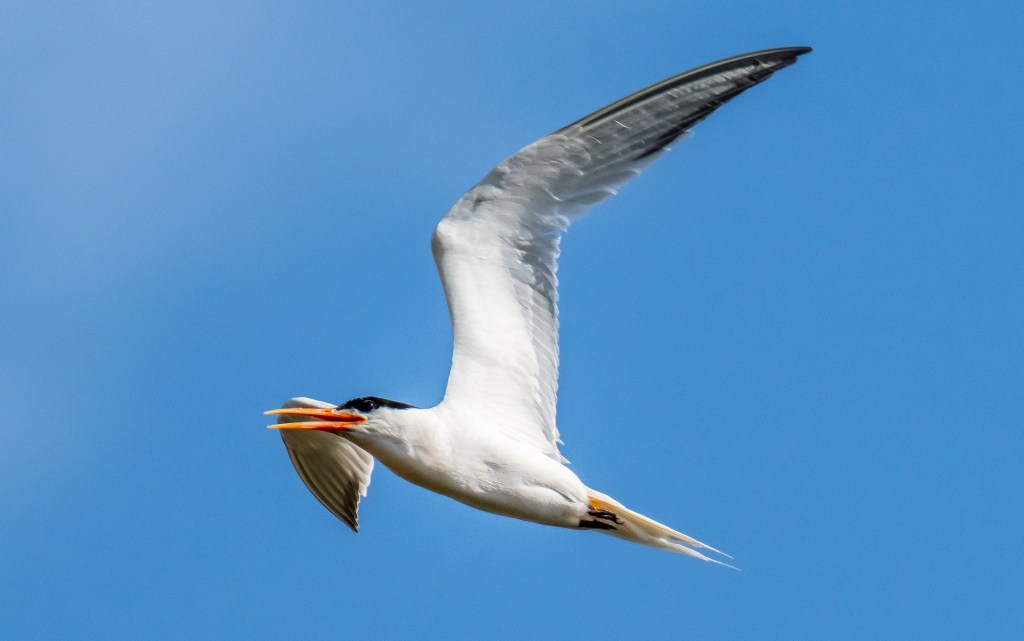
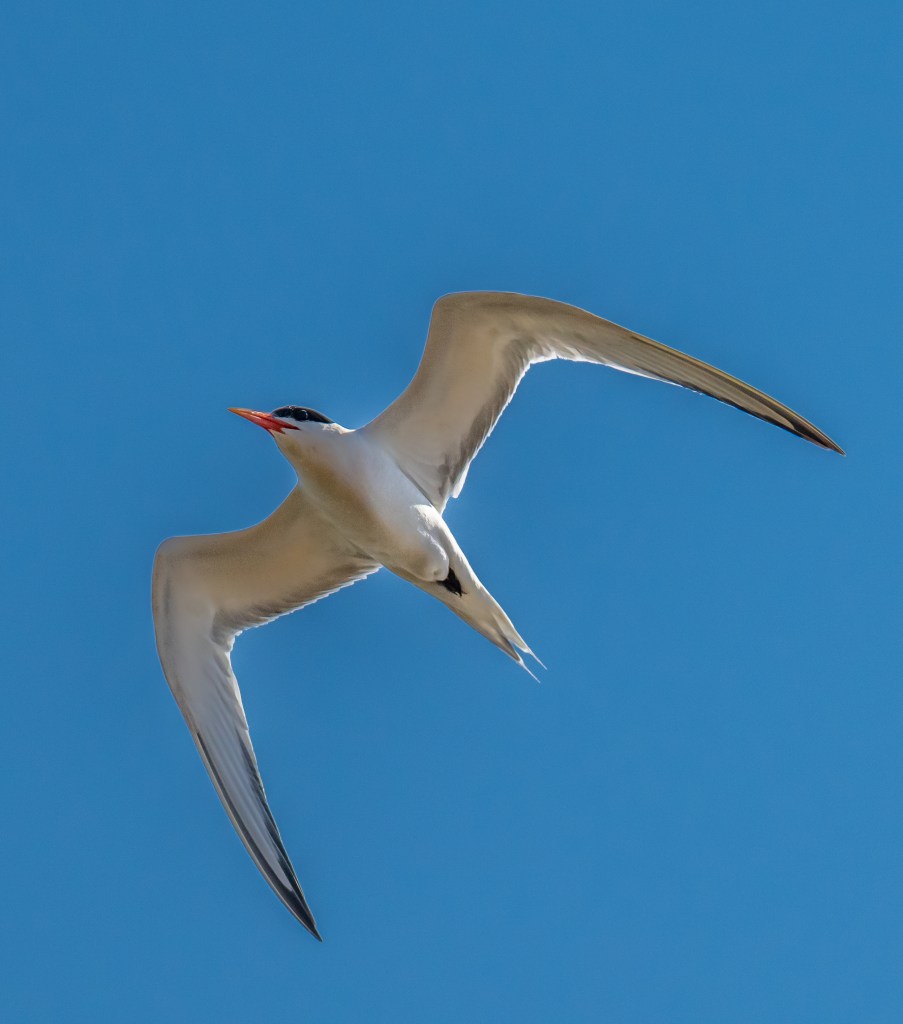
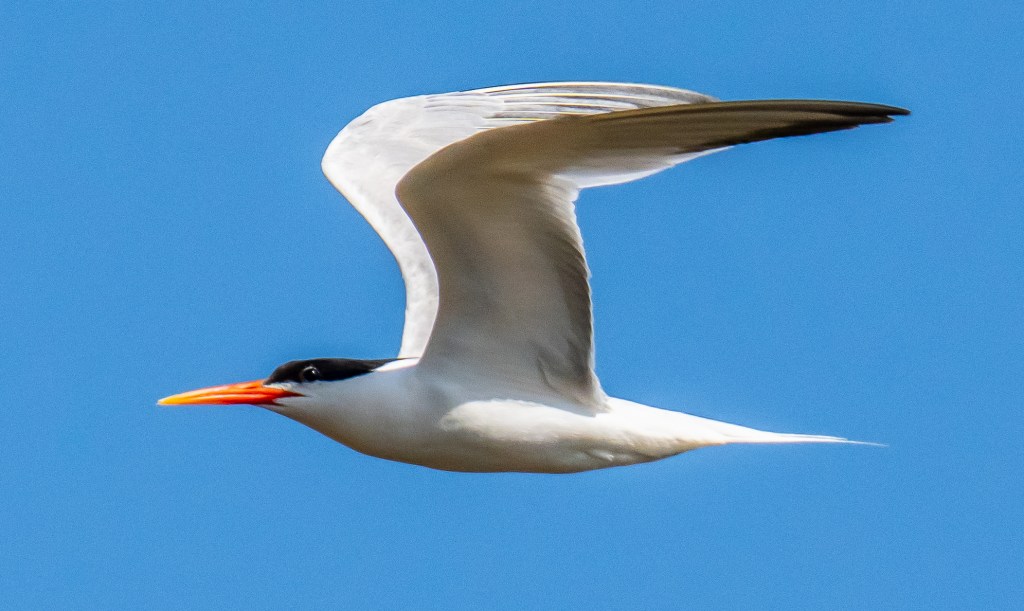
Imperial Beach birds, Imperial Beach terns, Tijuana Estuary, Tijuana River Estuary, Elegant Tern, Royal Tern, San Diego birding, San Diego bird photography, Imperial Beach bird photography, salt marsh birds, Southern California birding, San Diego wildlife photography
If you spend enough time exploring the wetlands and shoreline of San Diego’s South Bay, you begin to notice that certain birds seem to have favorite places.
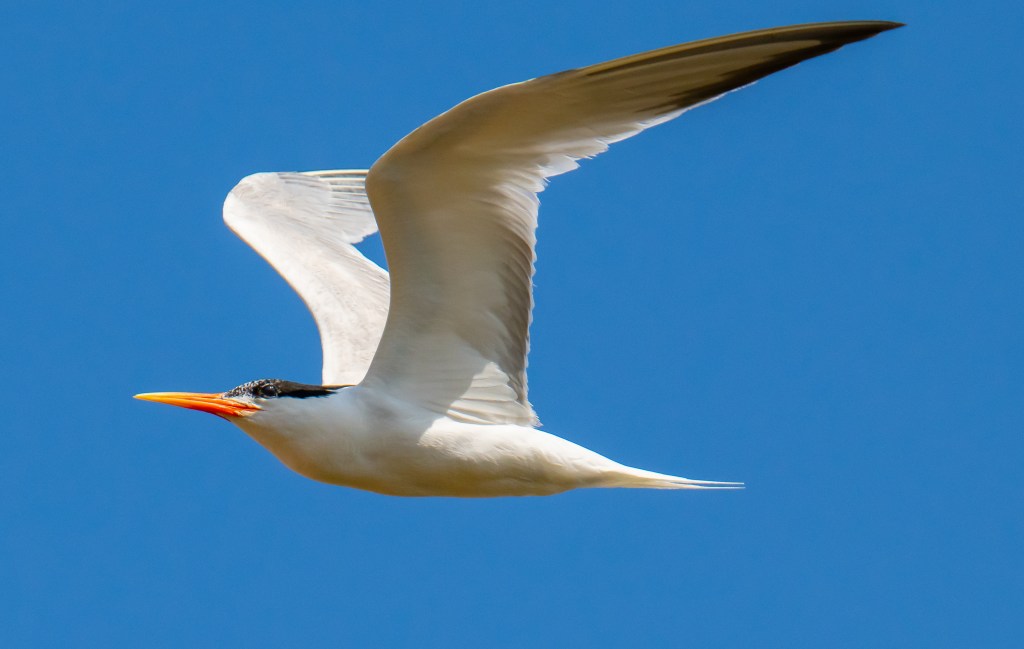
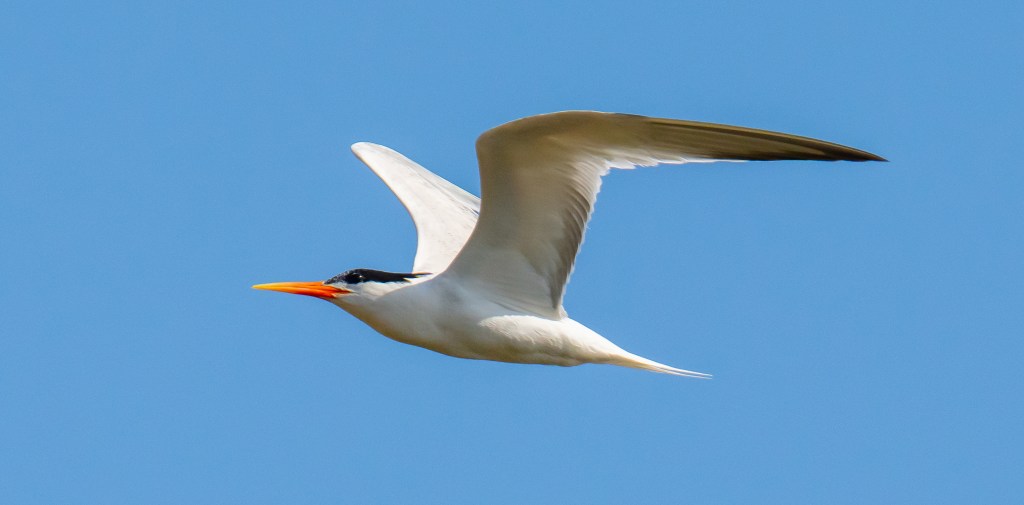
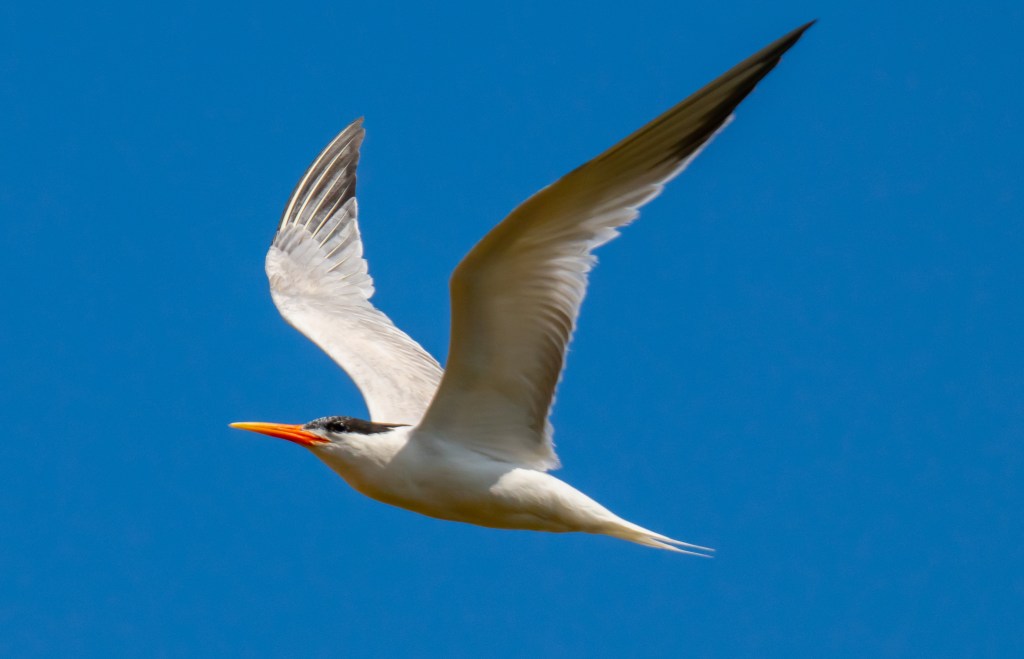
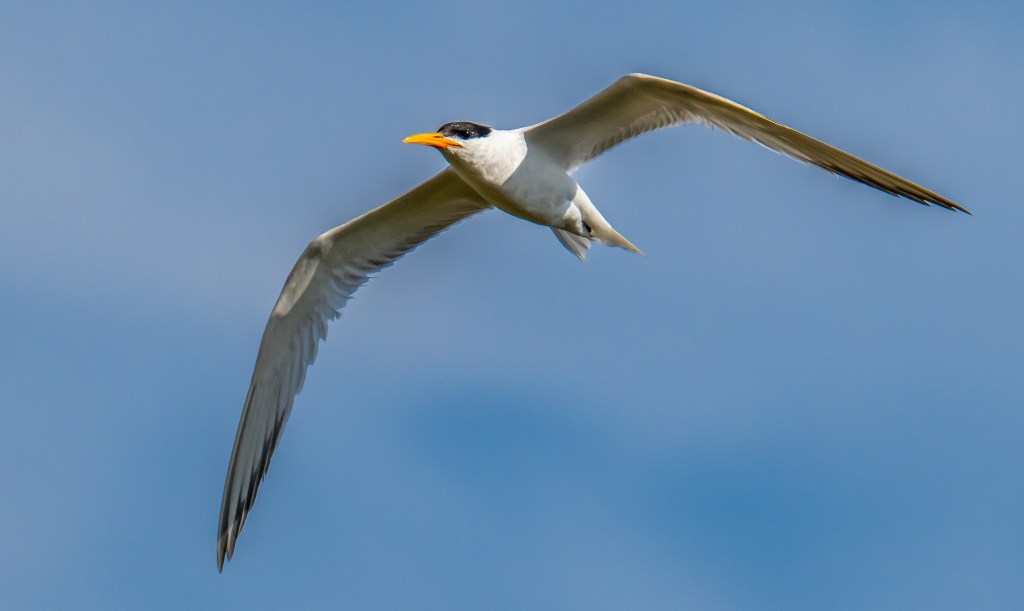
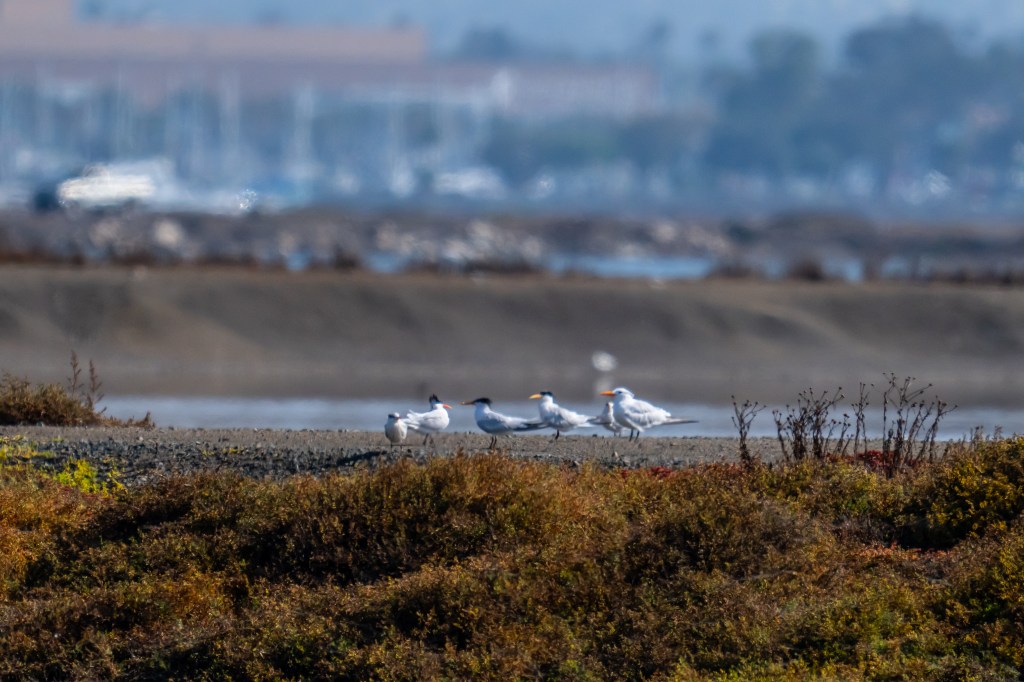
One of those birds is the Elegant Tern.
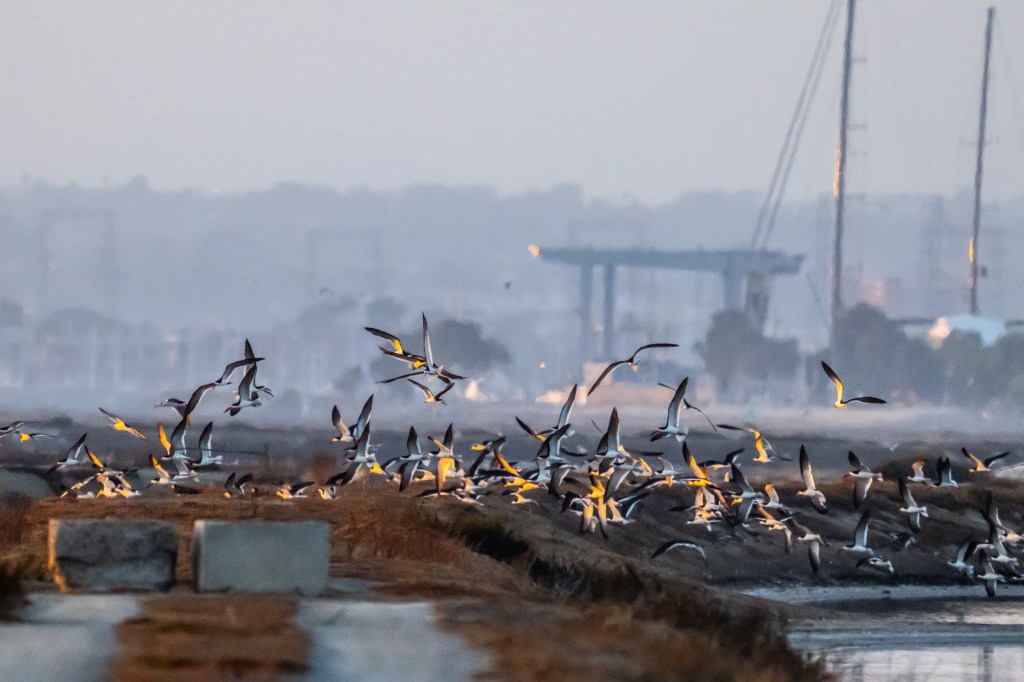
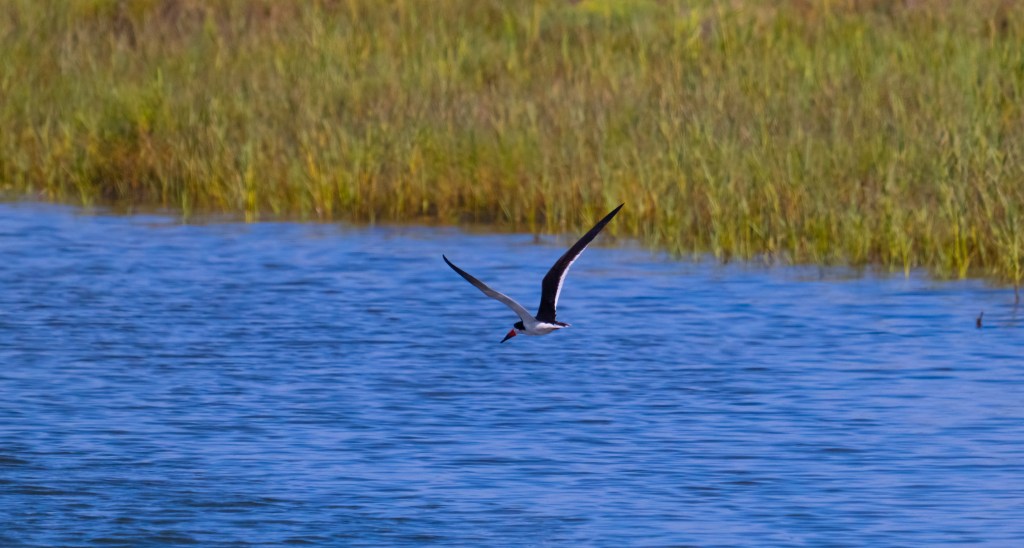
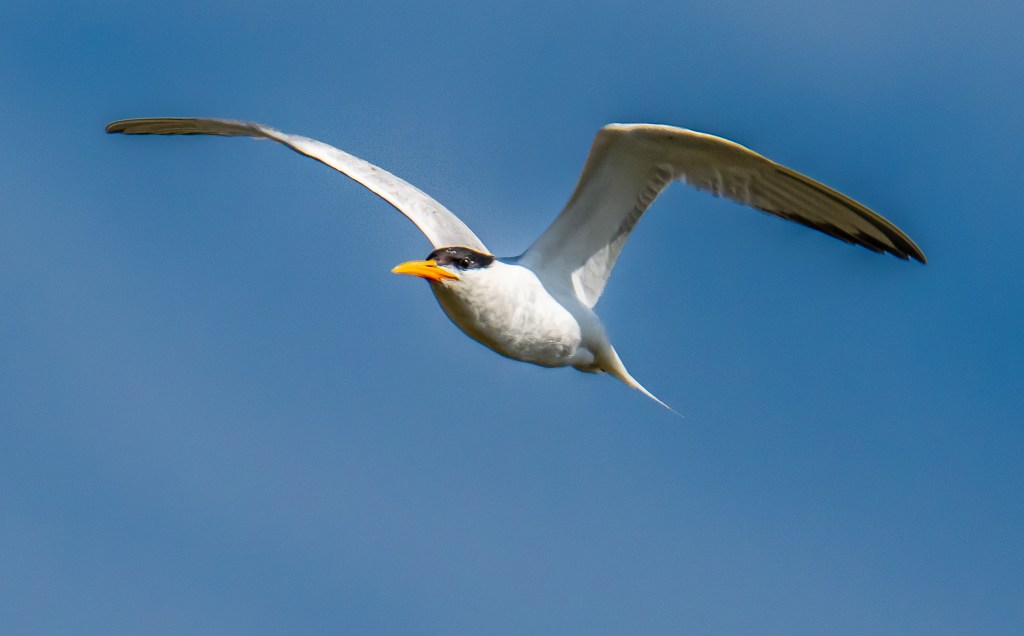
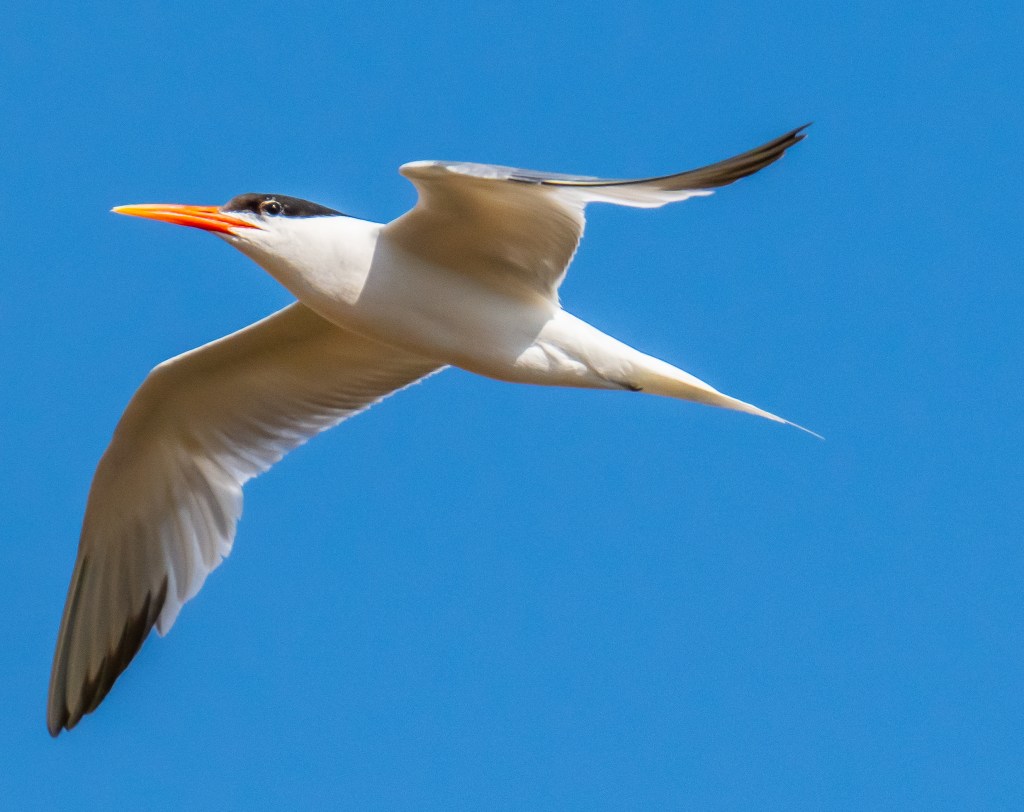
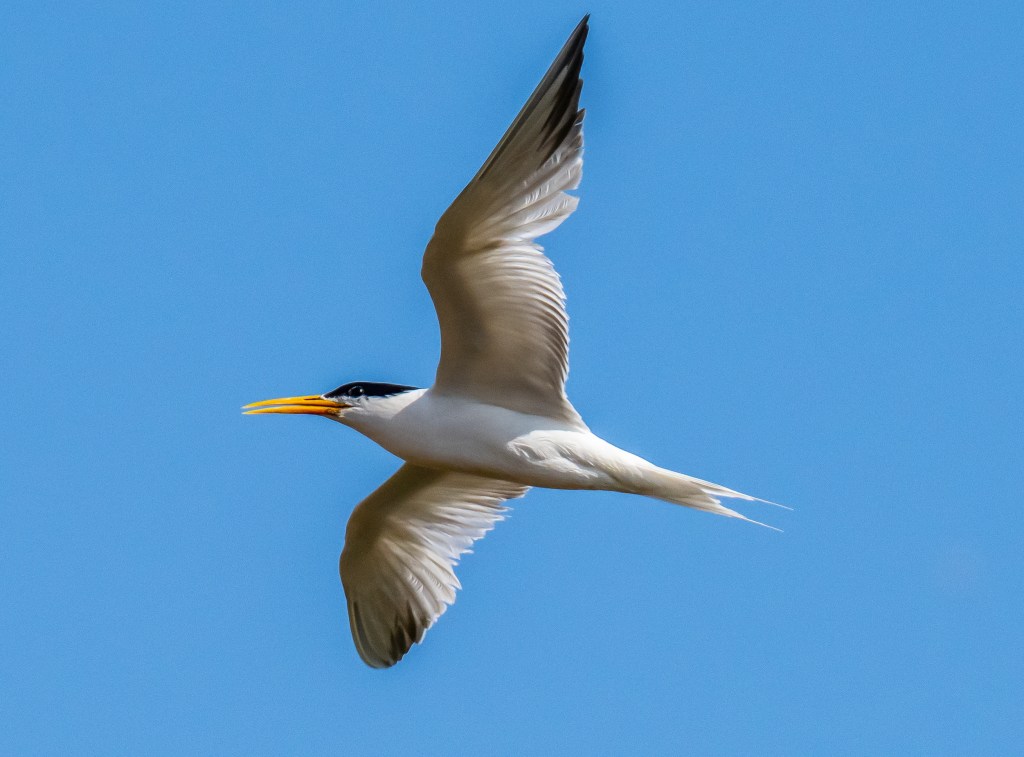
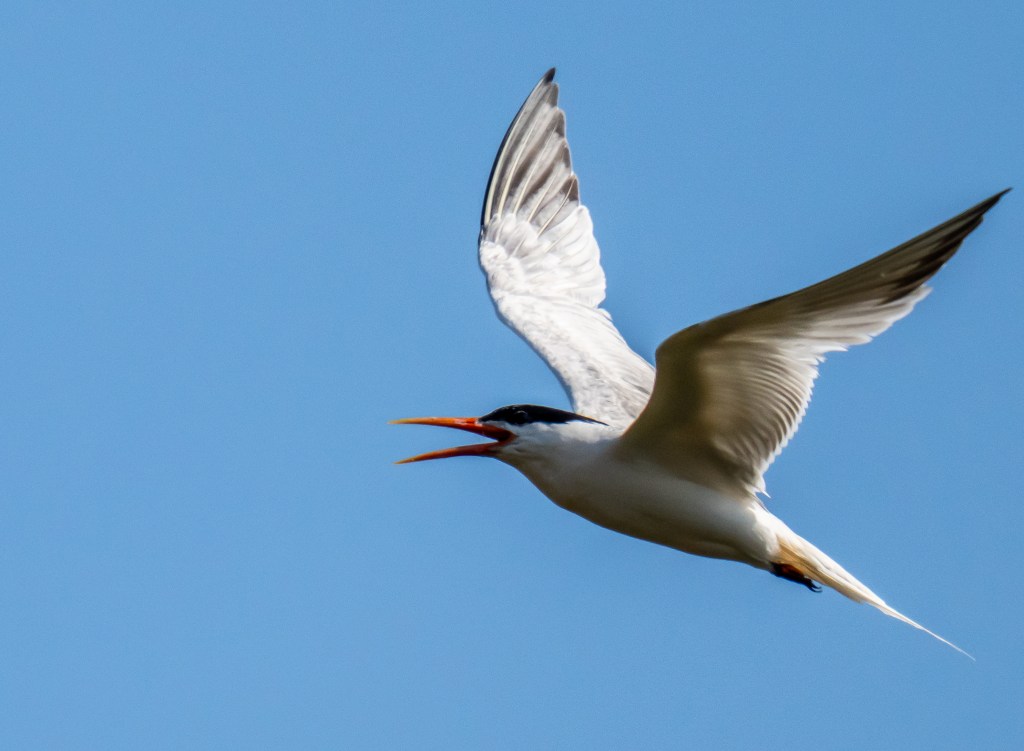
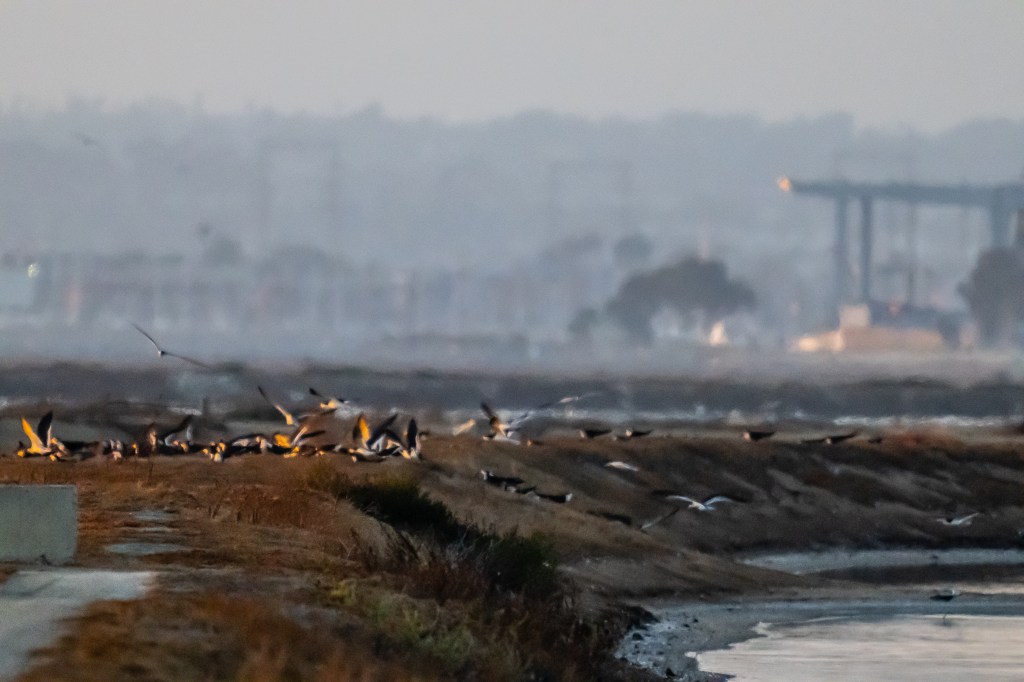
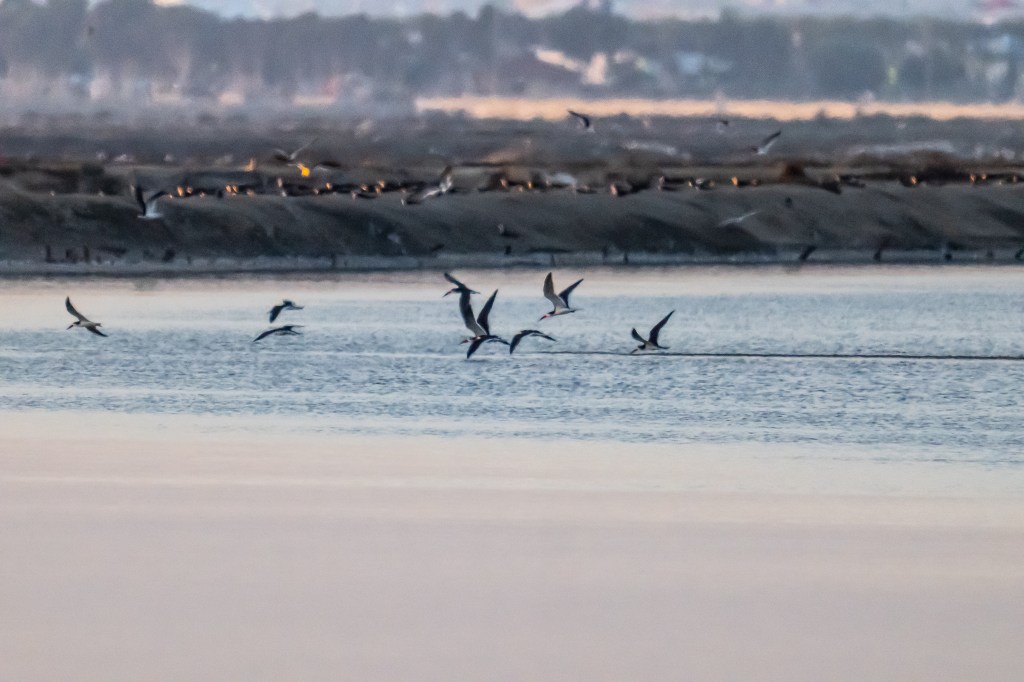
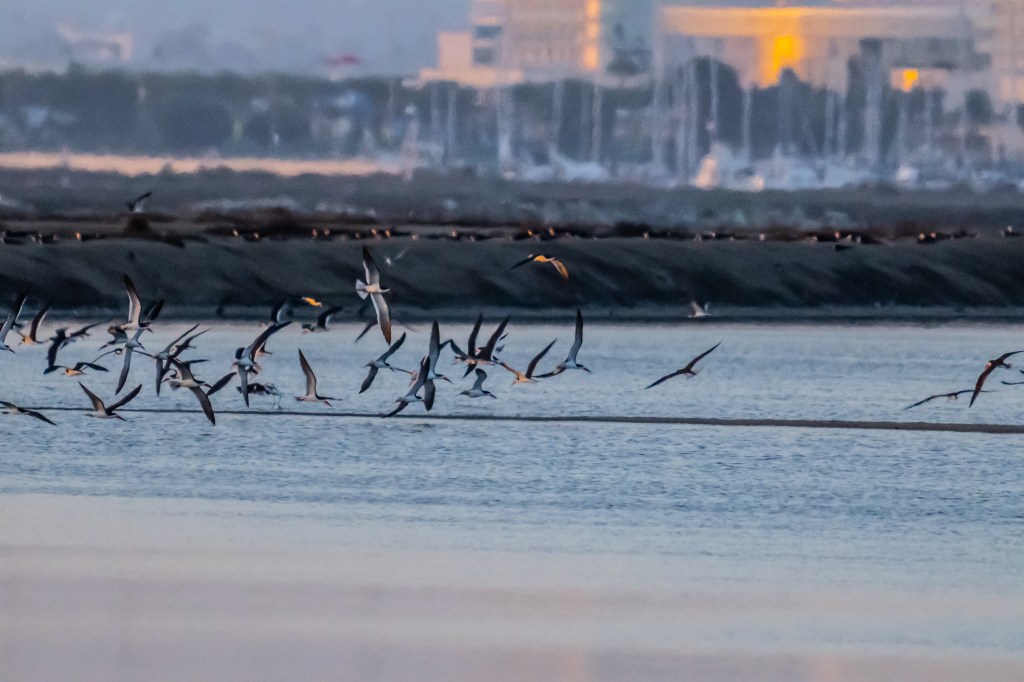
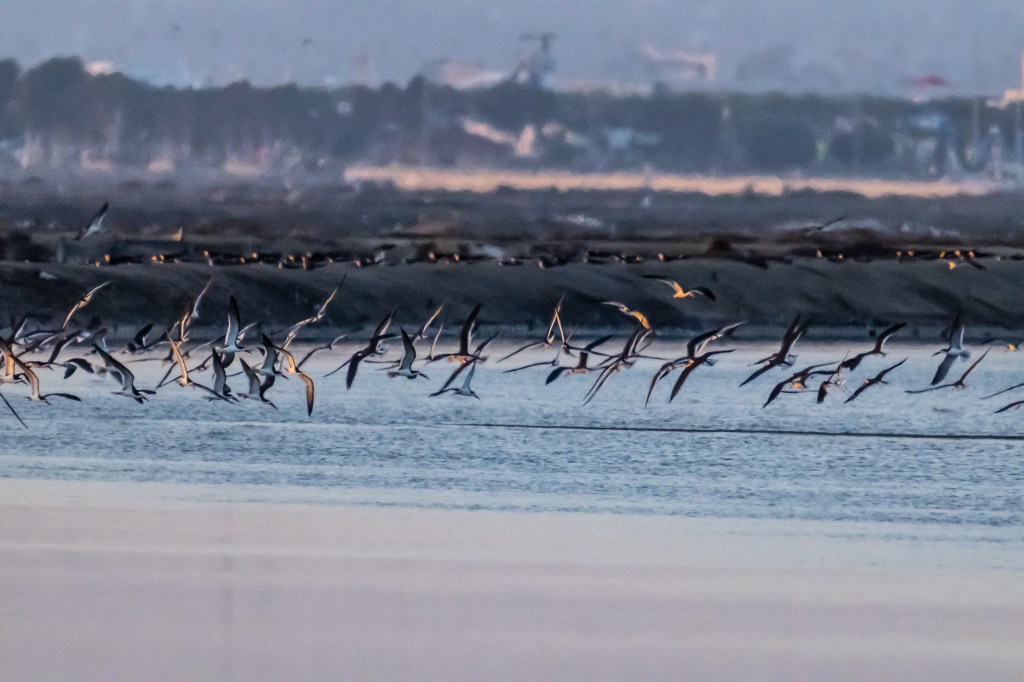
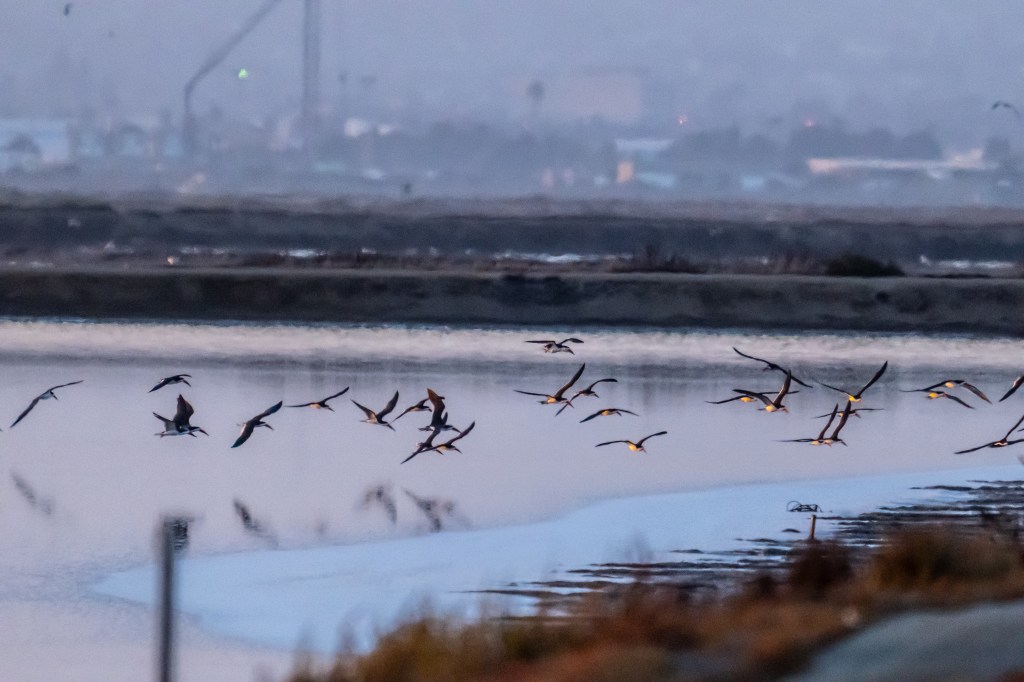
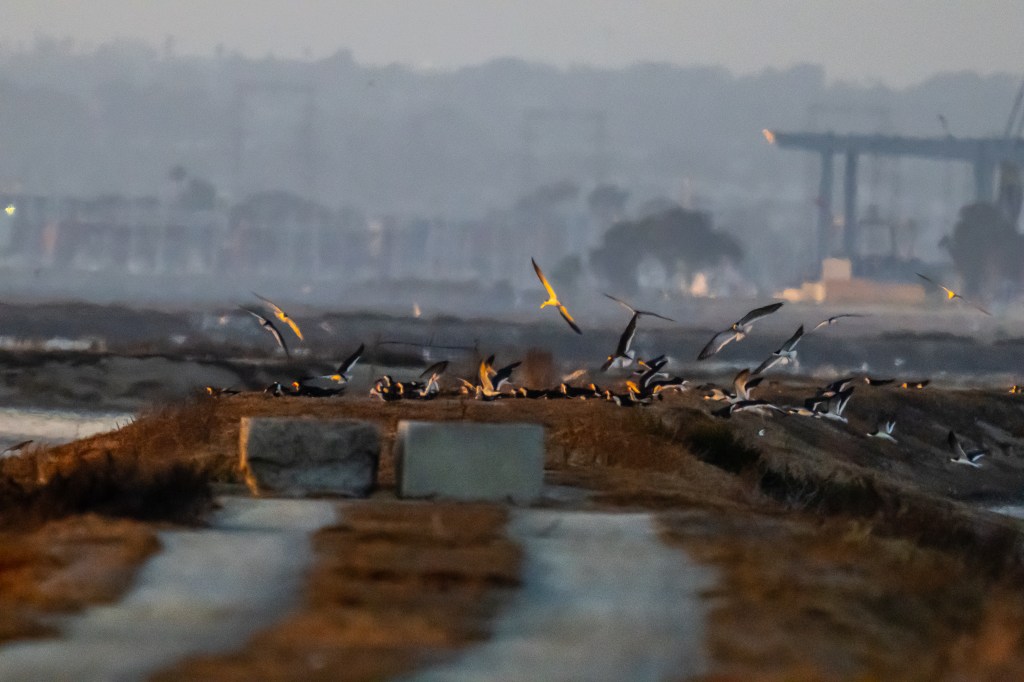
I’ve been seeing Elegant Terns around the salt marsh in Imperial Beach, where large flocks can gather over the wetlands and surrounding waterways. I’ve also seen them farther north around the South Bay salt flats, showing just how closely these birds are associated with the coastal wetlands and salt ponds of the region.
For a bird photographer, seeing a large flock of Elegant Terns moving through the South Bay is an impressive sight.
A Familiar Summer Visitor
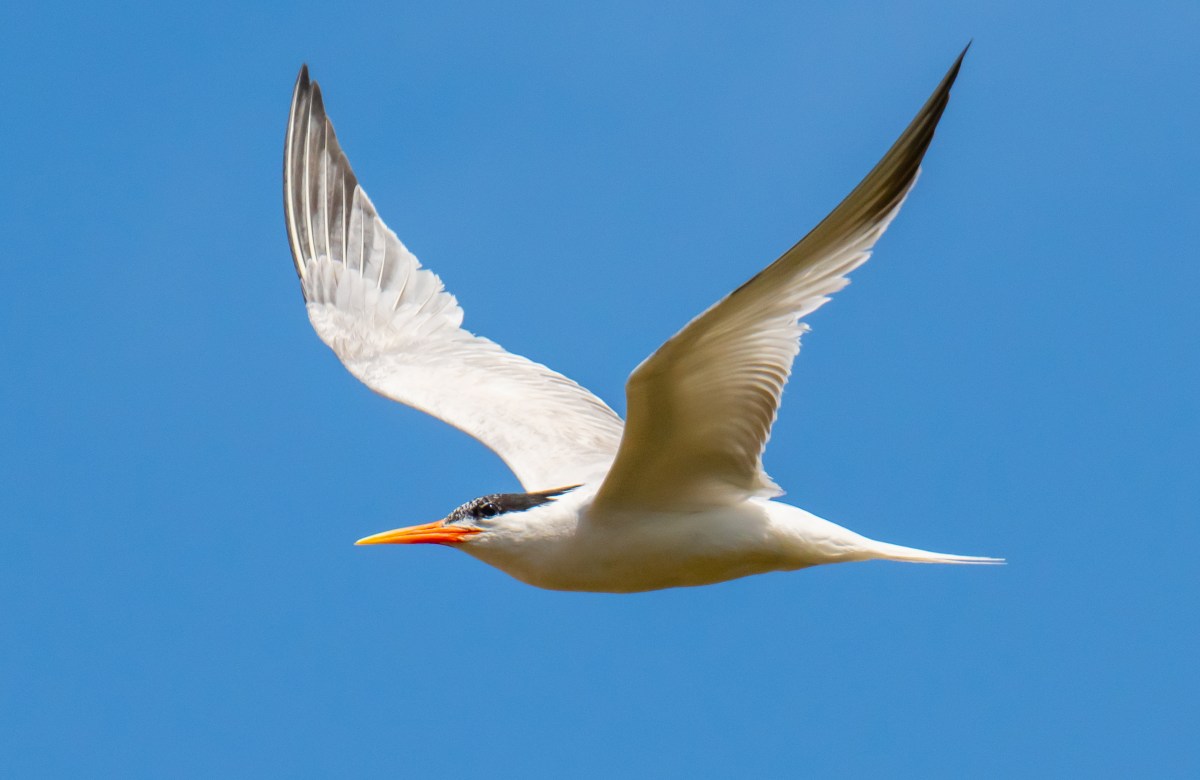
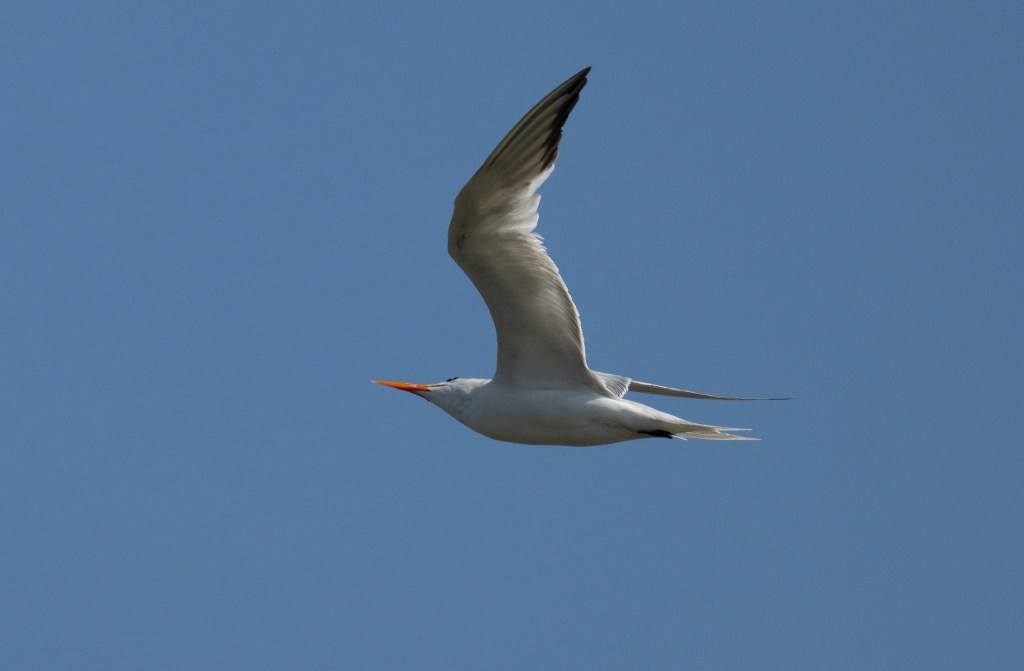
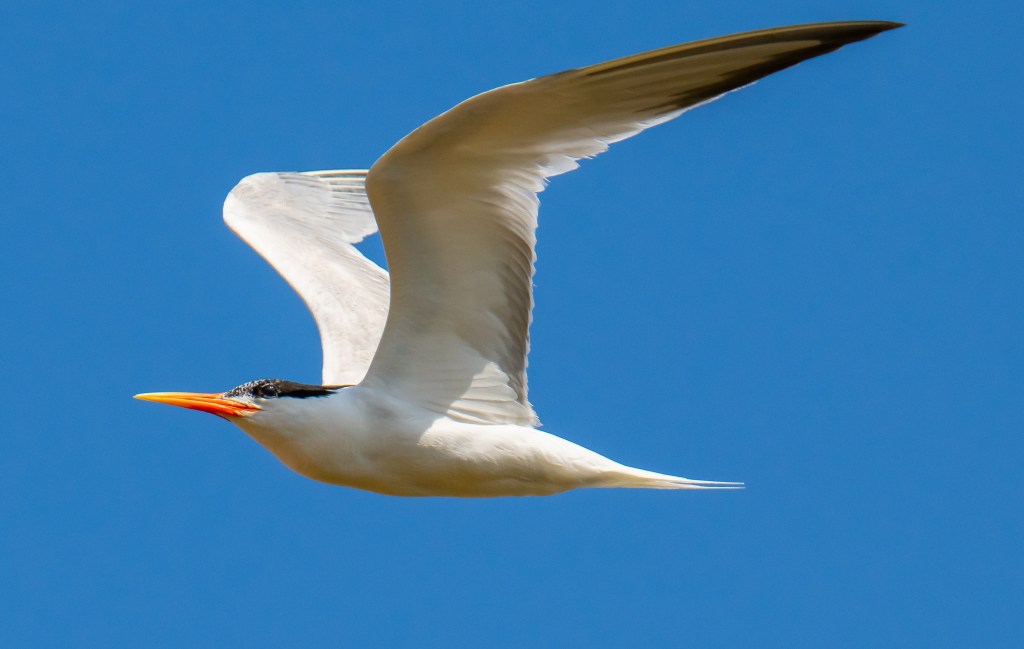
Elegant Terns are sleek, long-winged seabirds with a shaggy black crest, pale gray back, white underparts and a distinctive orange bill. They are closely associated with the Pacific Coast and are particularly noticeable in Southern California during the warmer months.
The birds are known to use bays, estuaries, mudflats and coastal waters after the breeding season. A recent City of San Diego biological report describes Elegant Terns as post-breeding visitors to Southern California’s coast, with birds frequenting bays, estuaries, mudflats and lagoons. San Diego Bay also supports a small nesting colony.
That makes the South Bay a particularly interesting place to look for them.
From Imperial Beach to the Salt Flats
The salt marsh around Imperial Beach and the salt ponds farther north are part of a much larger coastal wetland system.
The Tijuana Estuary is one of Southern California’s remaining salt marshes and provides feeding, nesting and stopover habitat for hundreds of bird species.
The South Bay salt ponds provide another important piece of habitat. The ponds are part of the San Diego Bay National Wildlife Refuge and support a remarkable variety of birds. The highly saline water produces brine organisms that provide food for birds, while the pond levees provide nesting habitat.
So when Elegant Terns appear in the Imperial Beach marsh or around the South Bay salt flats, they aren’t simply passing through a random patch of habitat. They’re using a connected network of coastal wetlands that has supported terns for generations.
The South Bay’s Long History With Elegant Terns
The connection between Elegant Terns and the South Bay goes back decades.
Elegant Terns first nested in California at the San Diego Bay salt works in 1959. Historical records also describe the South Bay salt ponds as one of the few nesting locations for Elegant Terns in the United States.
That history makes seeing them around the salt flats today even more interesting.
The salt ponds may look industrial at first glance, but they have become an important part of the South Bay’s wildlife landscape. The combination of shallow water, mudflats and extremely salty ponds creates unusual habitat that attracts birds looking for food and places to rest or nest.
Why We Don’t Walk Past the Wetland Signs
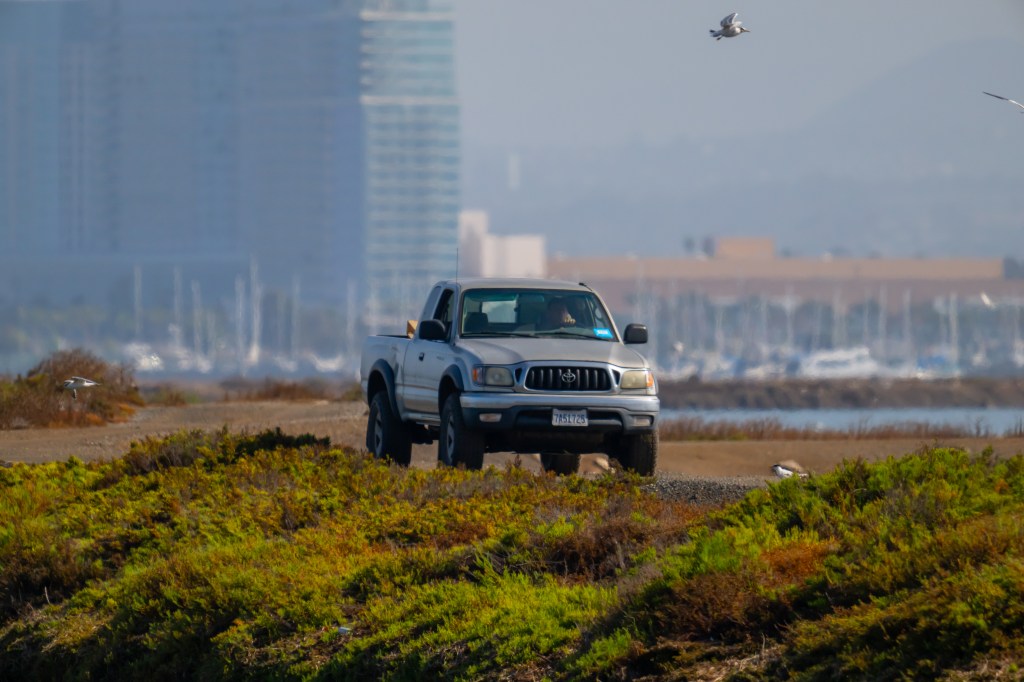
When you’re photographing birds, it’s tempting to get just a little closer. A better angle, a clearer shot, or a photograph of a tern taking flight can make you want to step beyond a fence or posted sign.
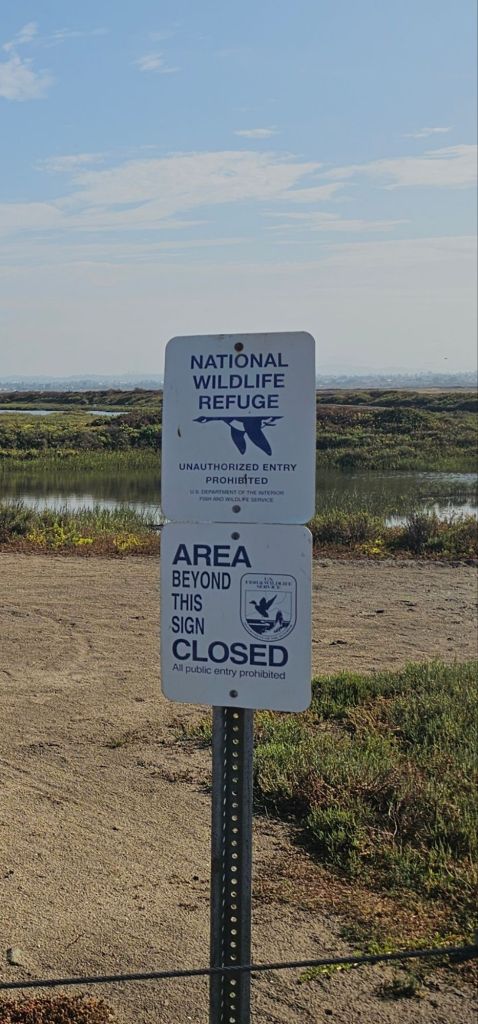
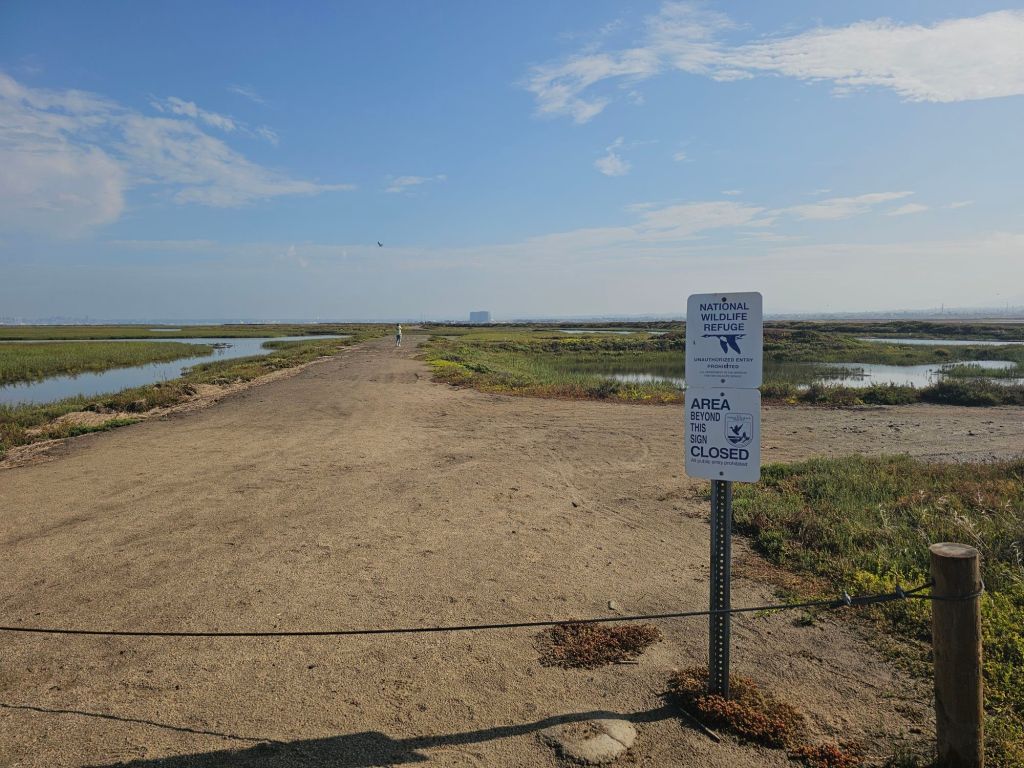
But around the Imperial Beach wetlands, those signs are there for a reason.
The salt marsh is a living ecosystem. What may look like an empty patch of mud or vegetation can be feeding, resting, or nesting habitat for birds. Walking into these areas can disturb wildlife, damage vegetation, and cause birds to use valuable energy flying away from people.
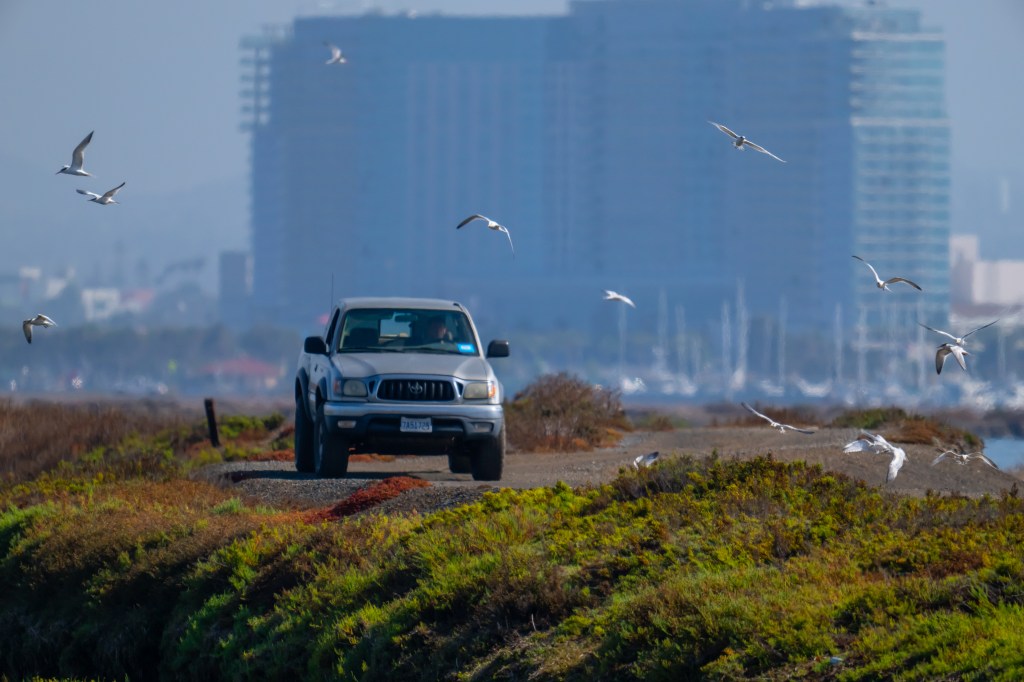
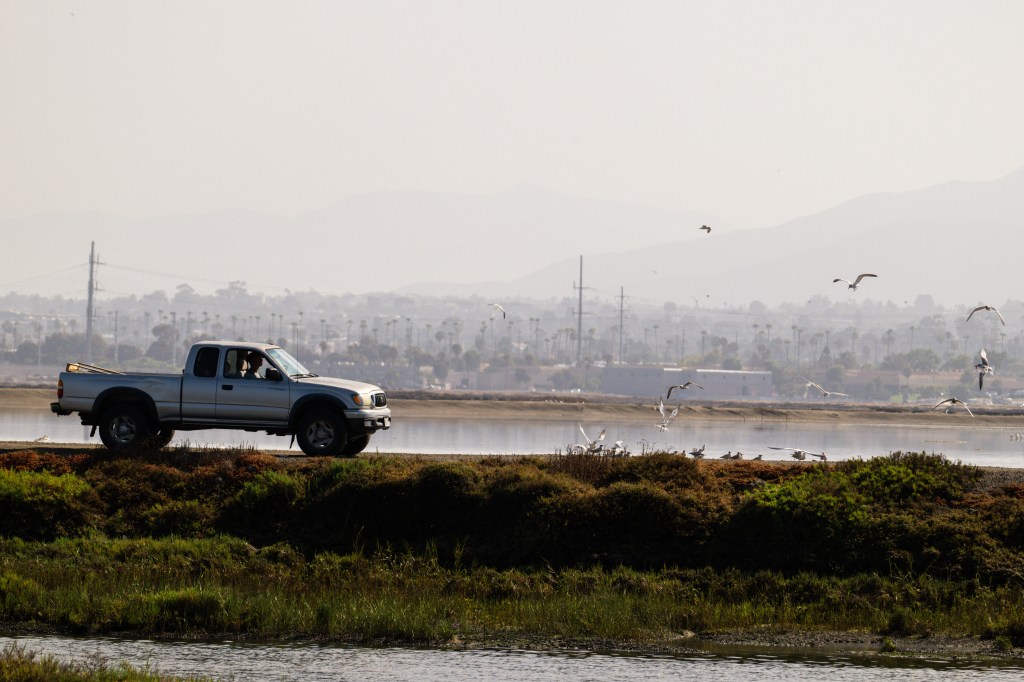
This is especially important when large flocks of terns are present. A person approaching a flock can cause dozens or even hundreds of birds to suddenly take flight. While one disturbance may seem insignificant, repeated disturbances from visitors can keep birds from feeding or resting.
There is also another reason to stay on the designated paths: wetlands can be fragile and surprisingly easy to damage. Salt-marsh plants and the muddy surface help form an ecosystem that has developed over many years. Foot traffic can create unofficial trails and damage vegetation that provides habitat for birds and other wildlife.
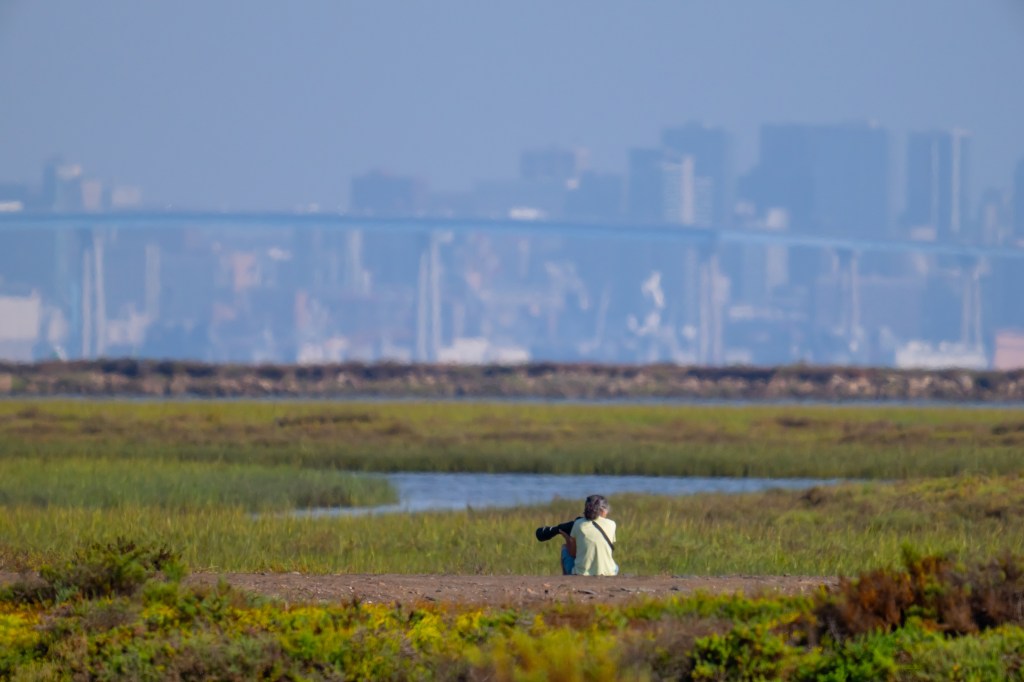
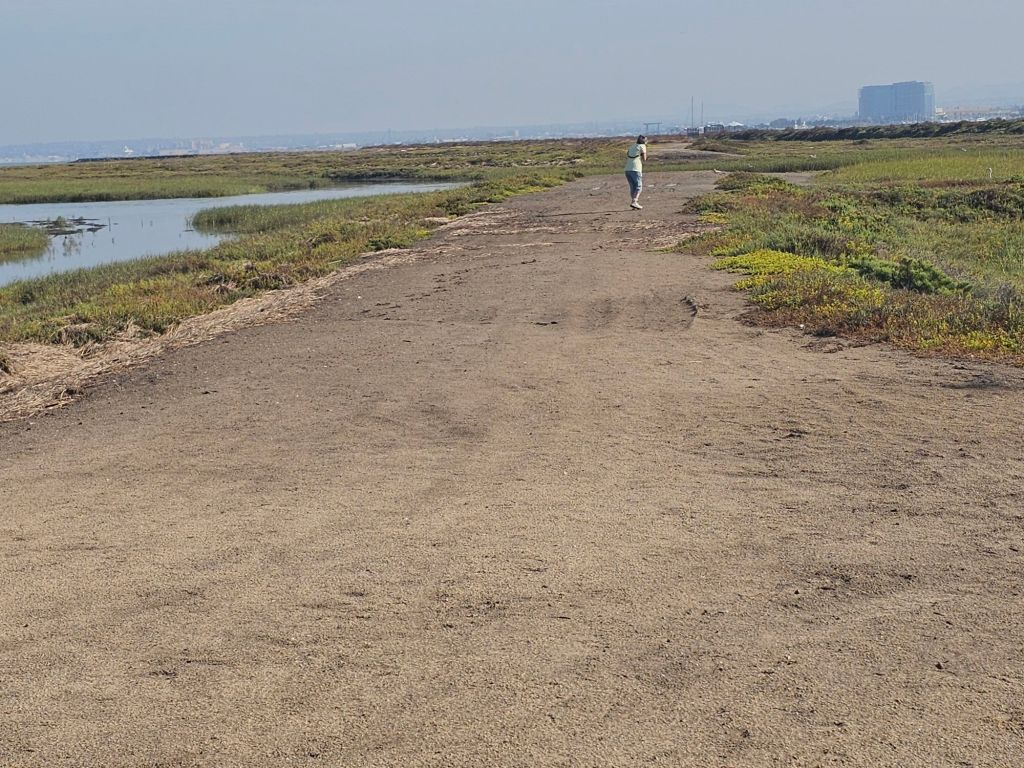
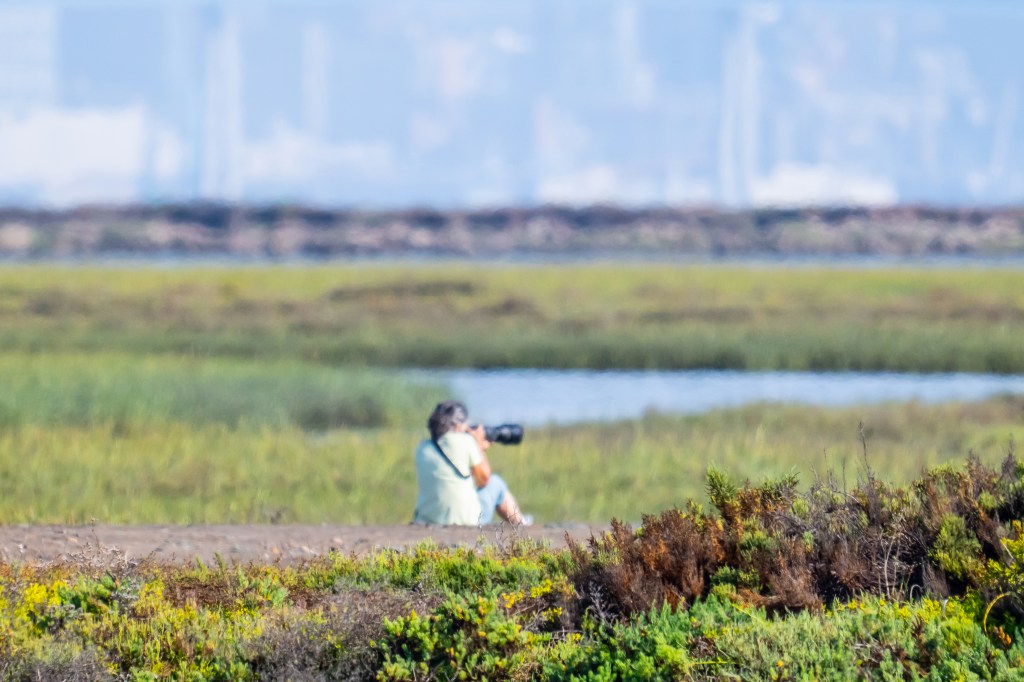
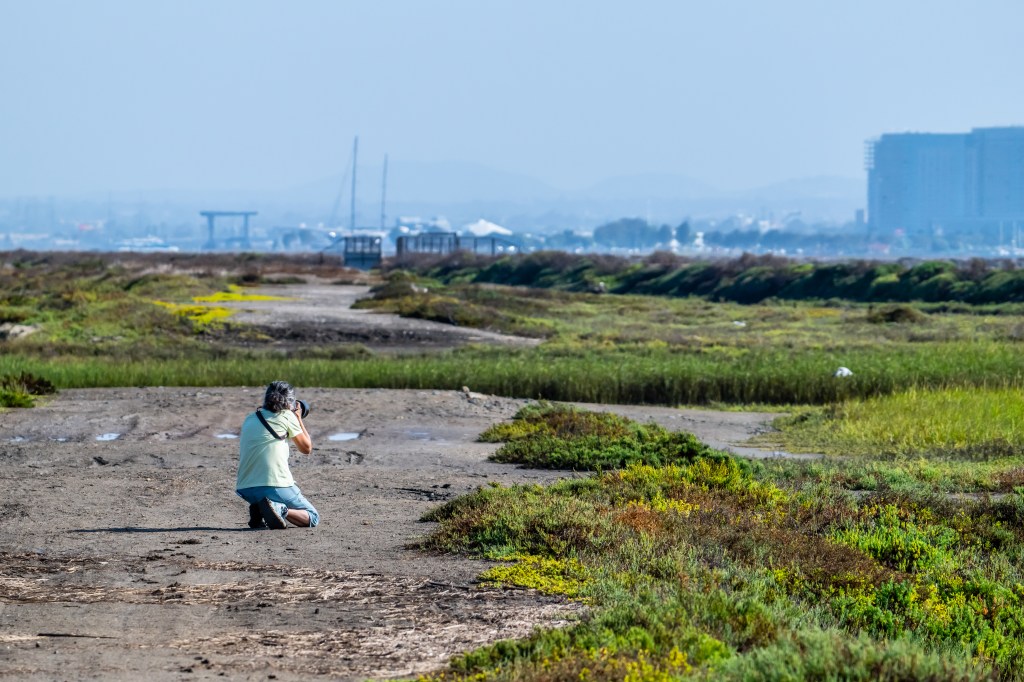
For photographers, staying behind the signs is part of responsible wildlife photography. A longer lens, binoculars and patience can often give you a better experience without getting closer.
The goal isn’t simply to get the closest photograph.
The goal is to photograph the birds while allowing them to continue doing what they came here to do.
So when you visit the Imperial Beach salt marsh or the South Bay salt flats, pay attention to the signs and stay on designated trails. Give the birds room, respect protected areas and let the wetlands remain a place where wildlife can thrive.
Sometimes the best wildlife photograph is the one you take without disturbing the wildlife at all.
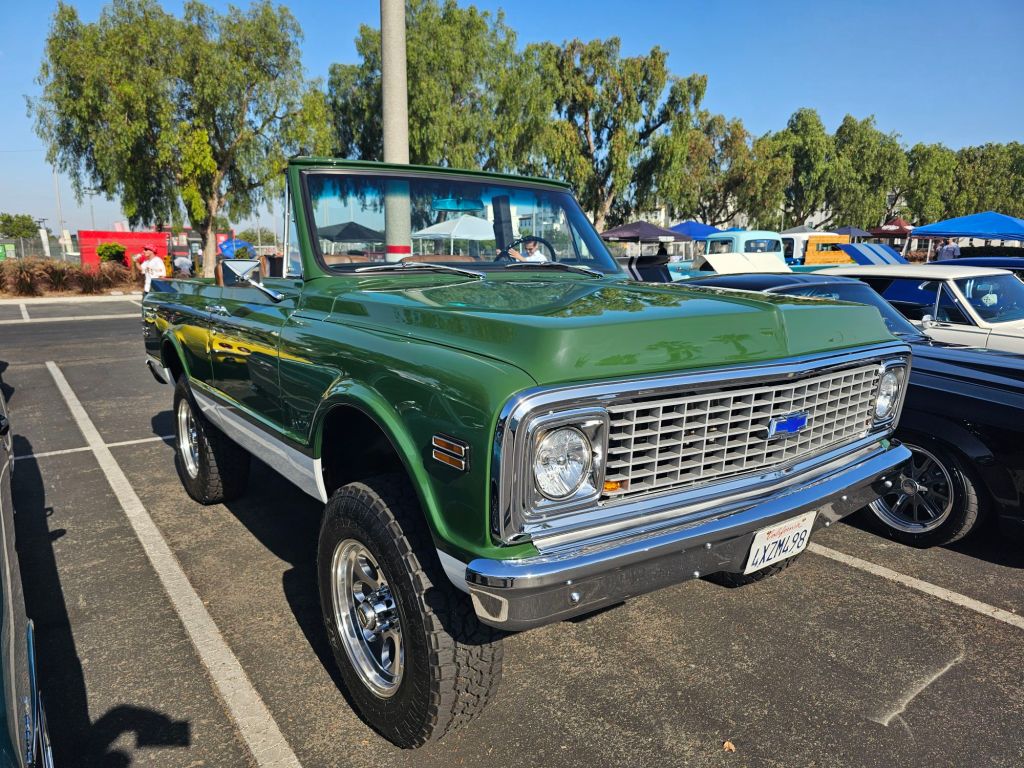
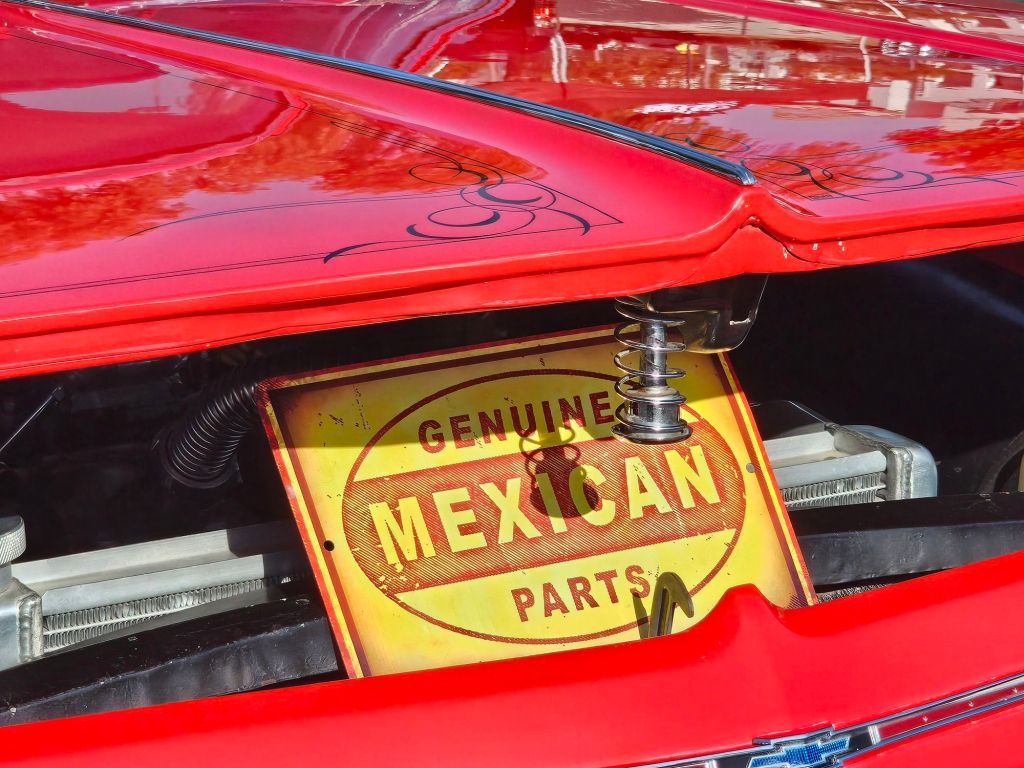
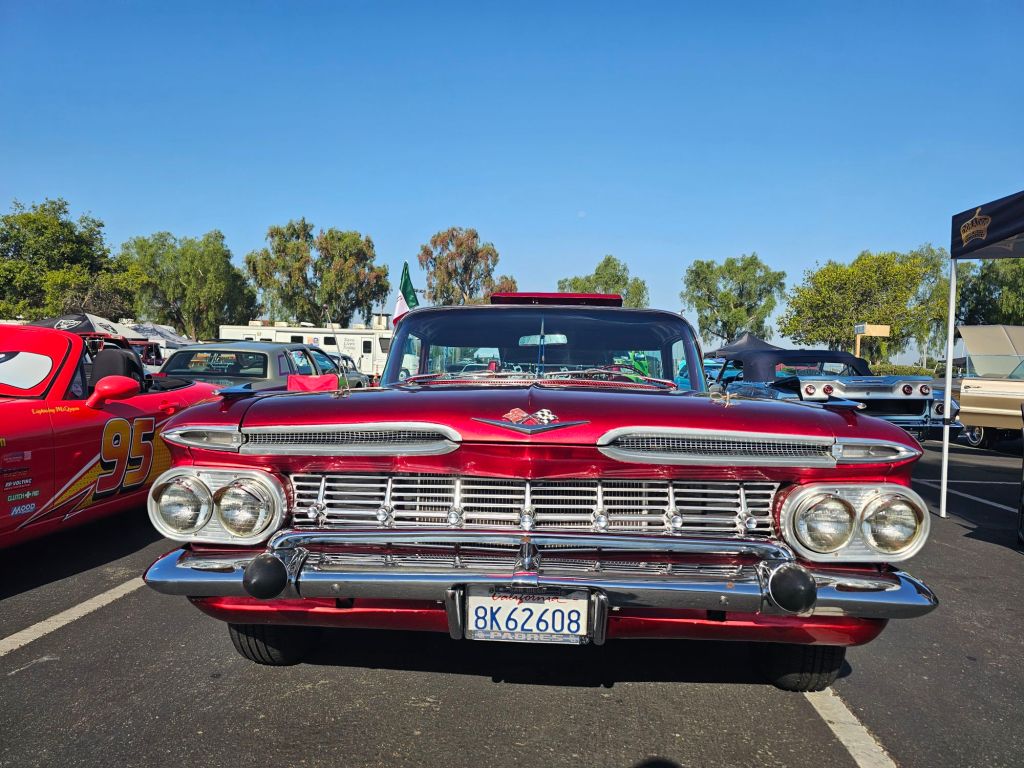
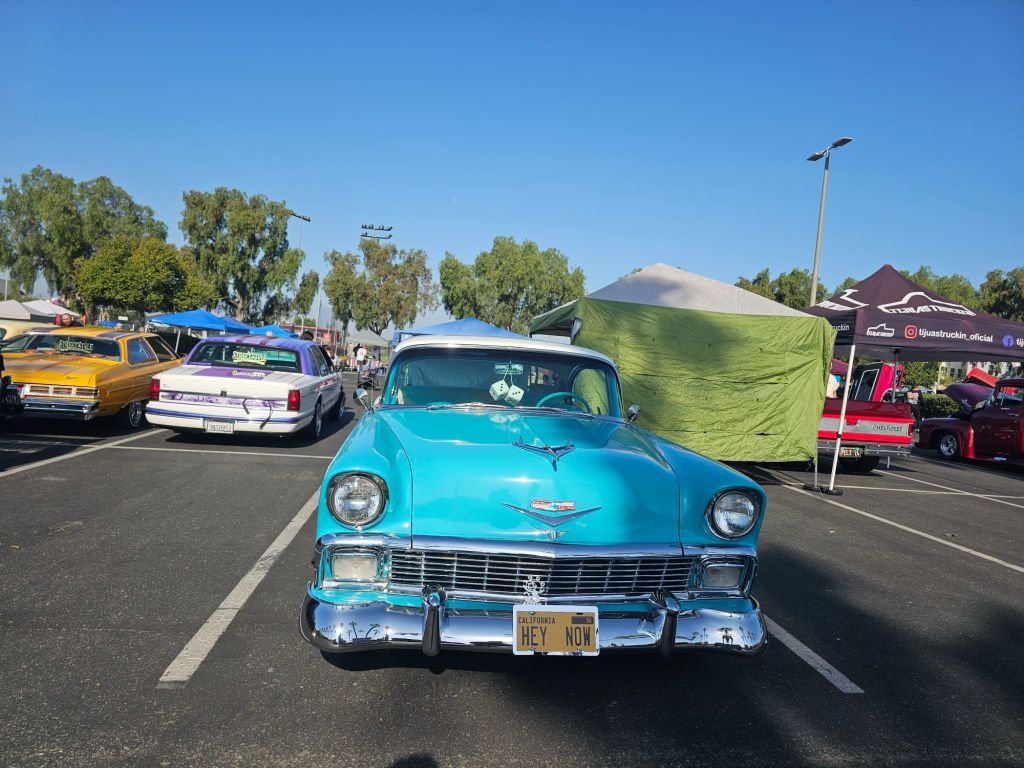
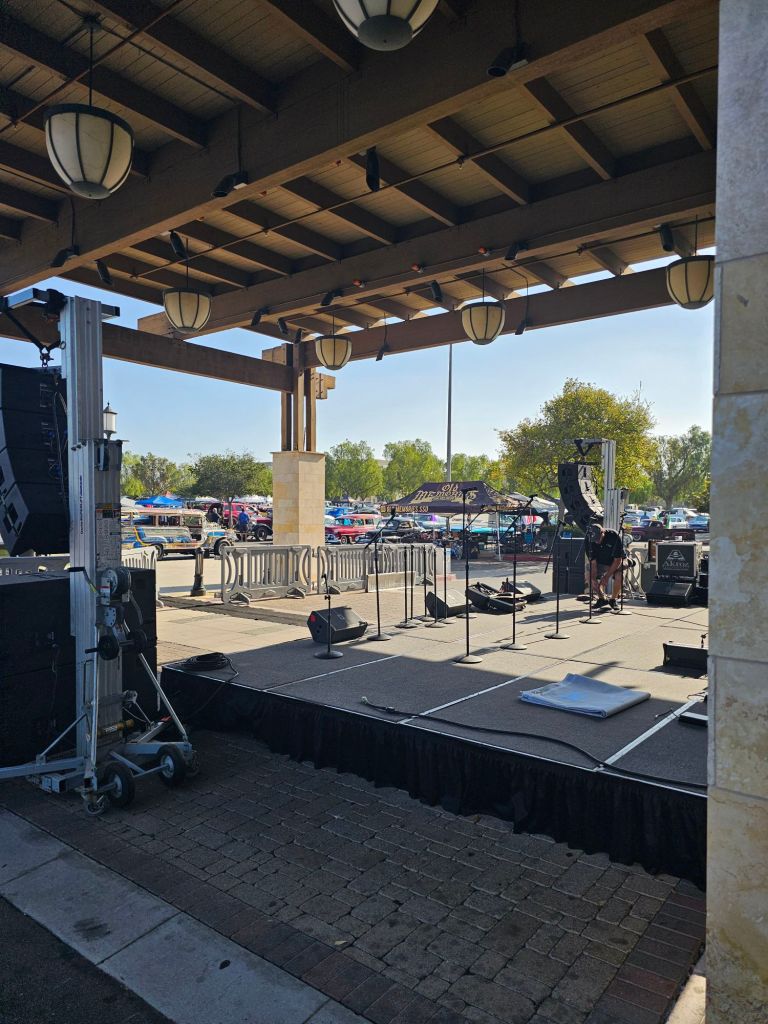
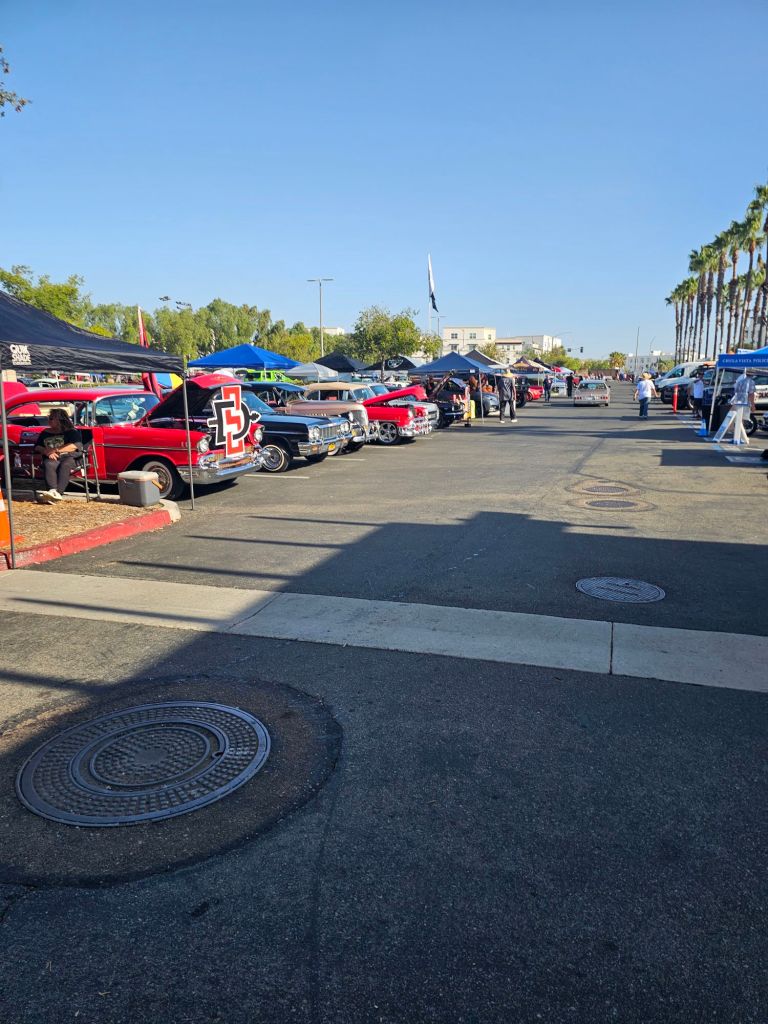
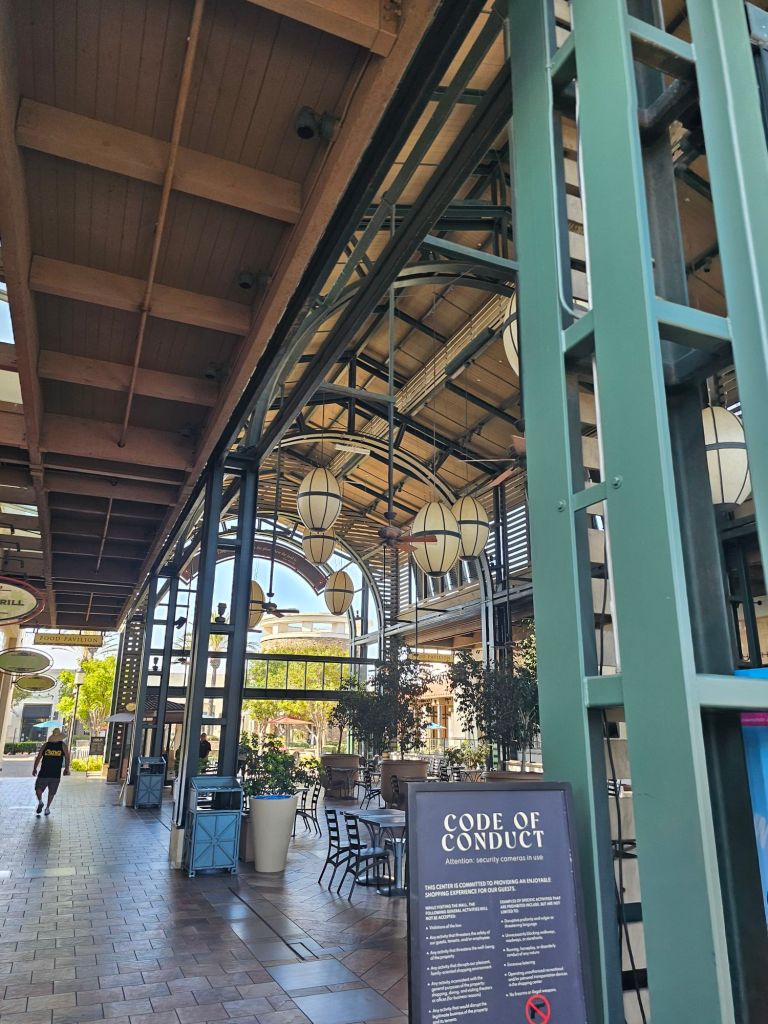
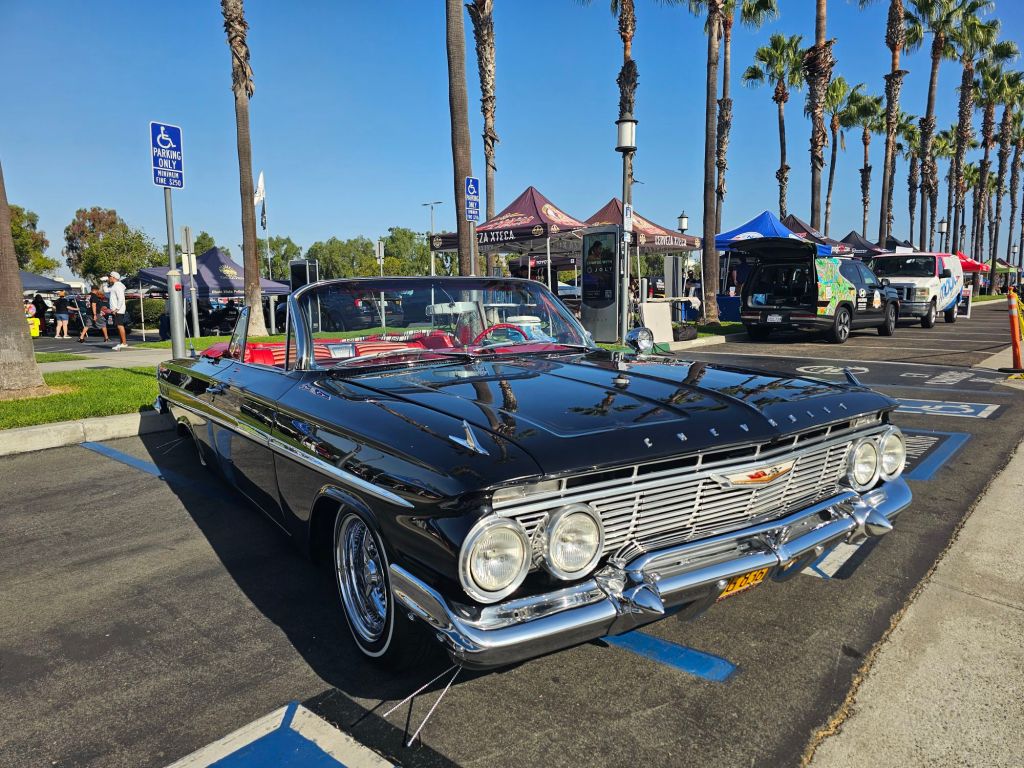
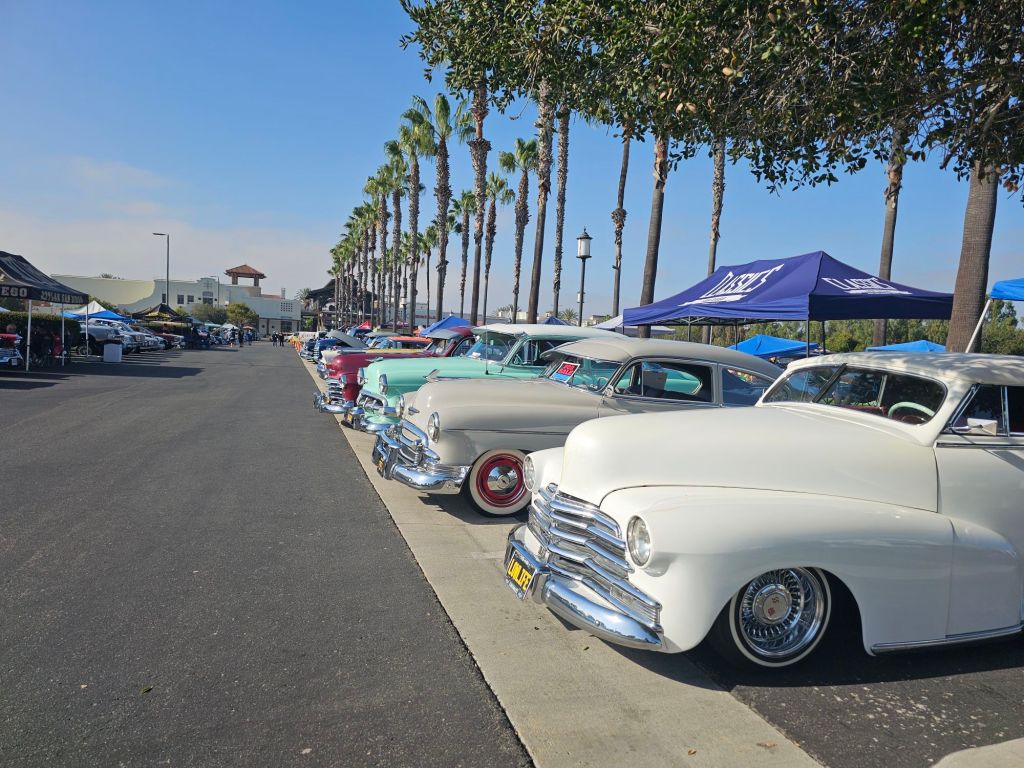
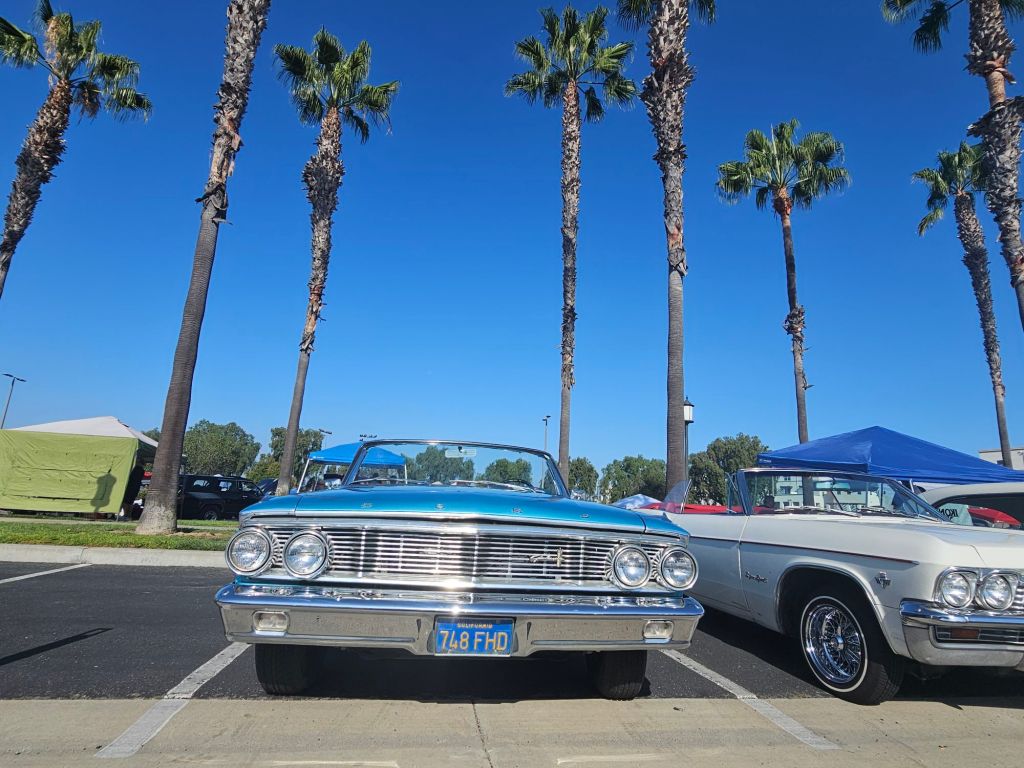
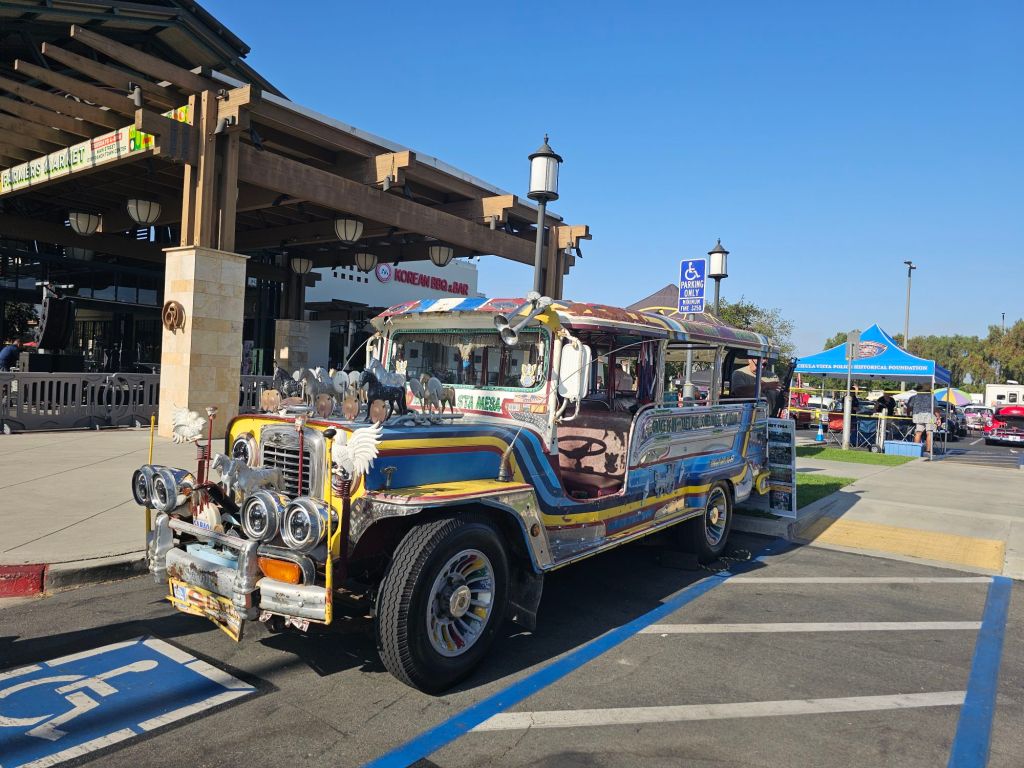
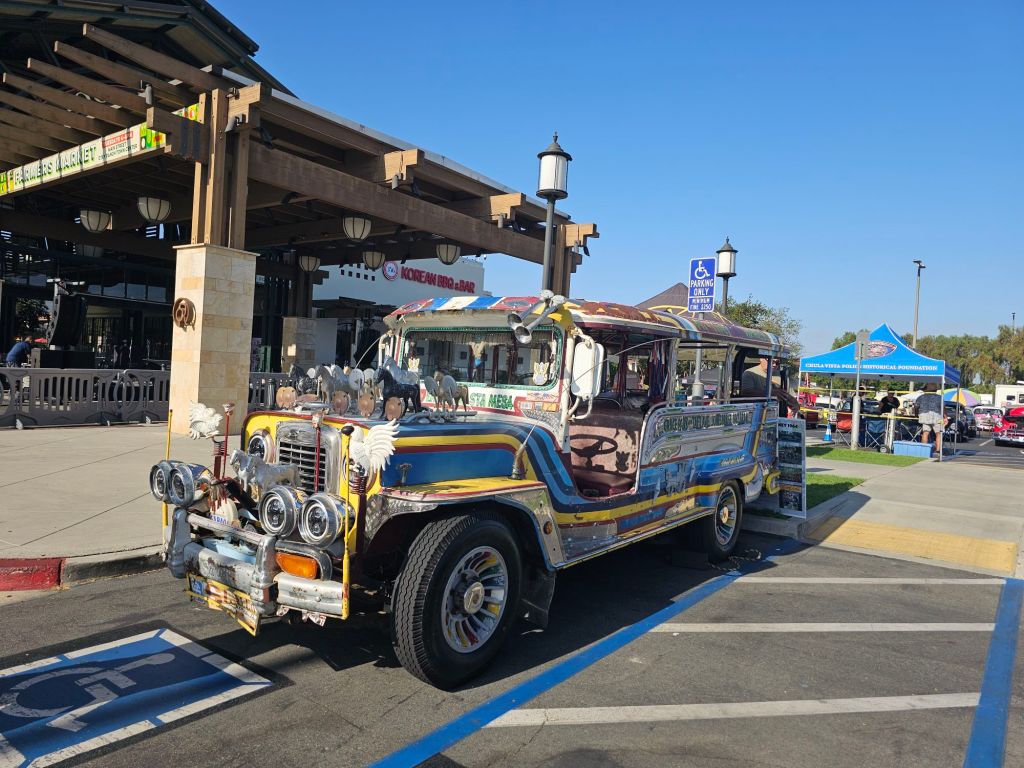
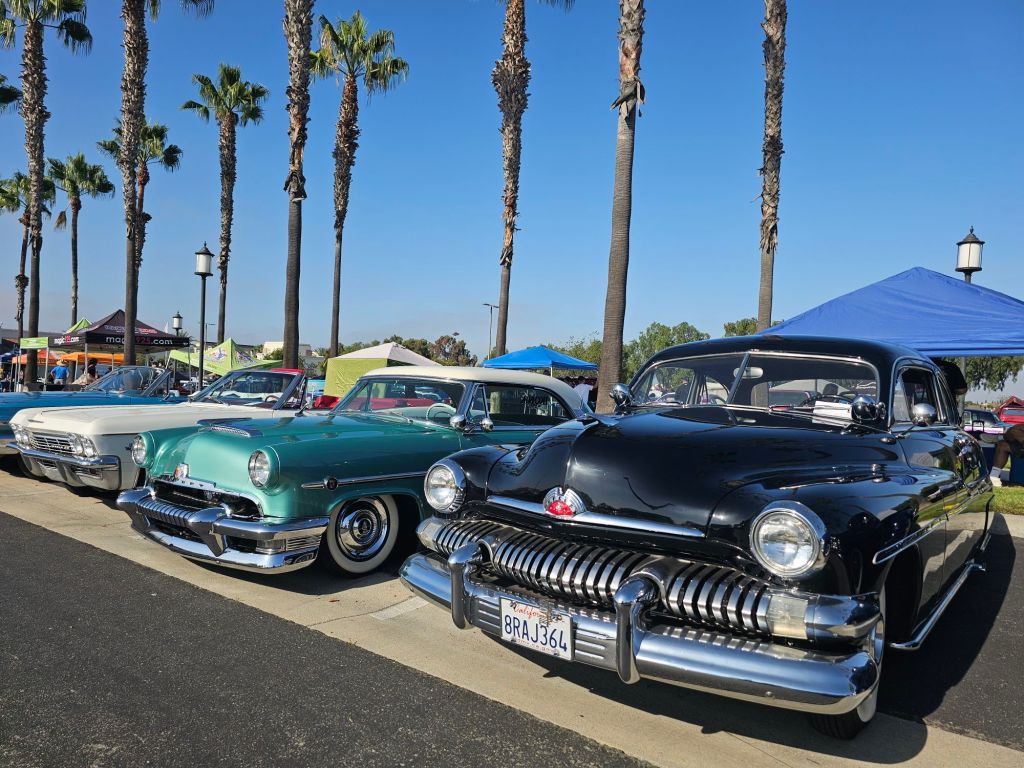
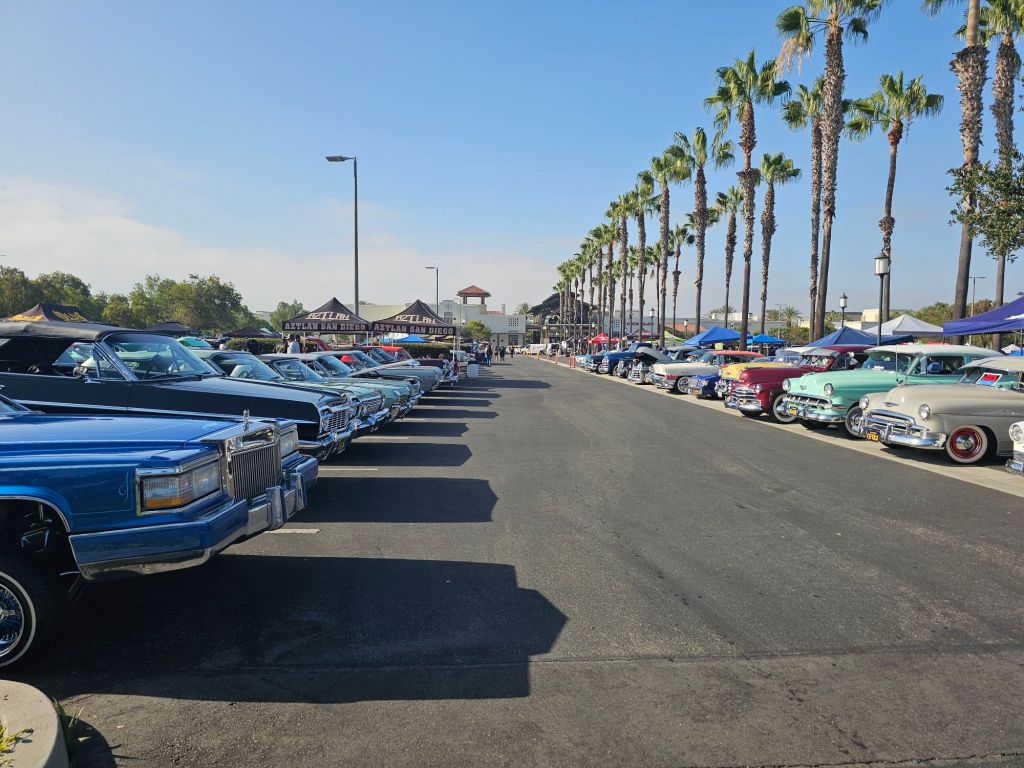
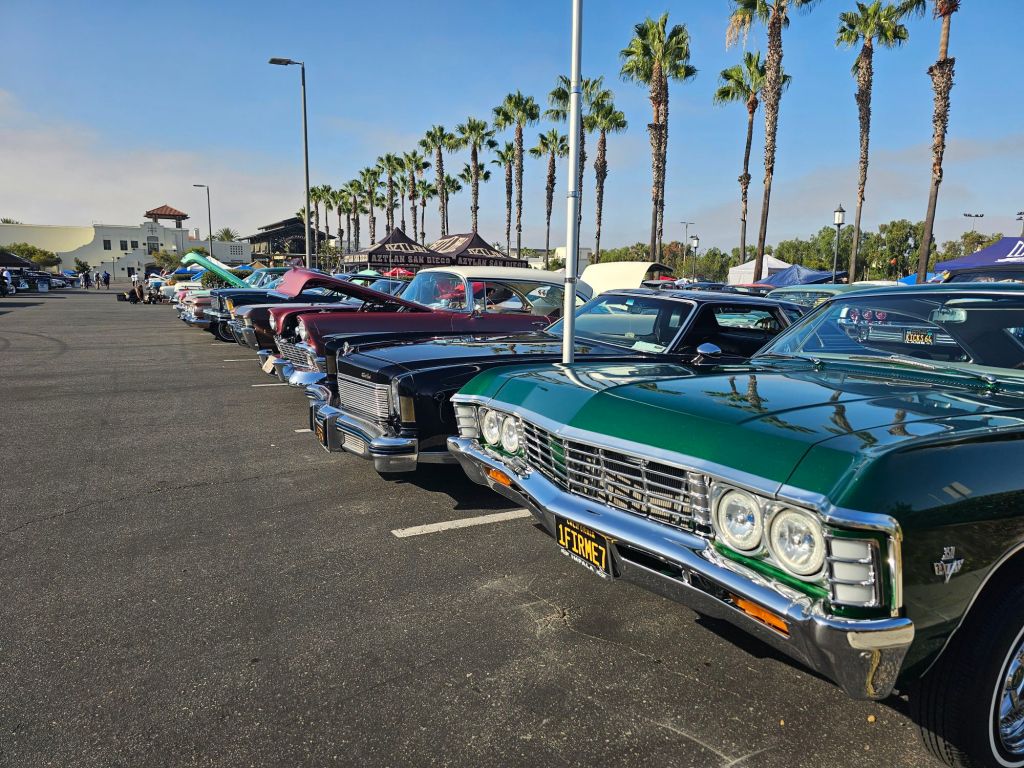
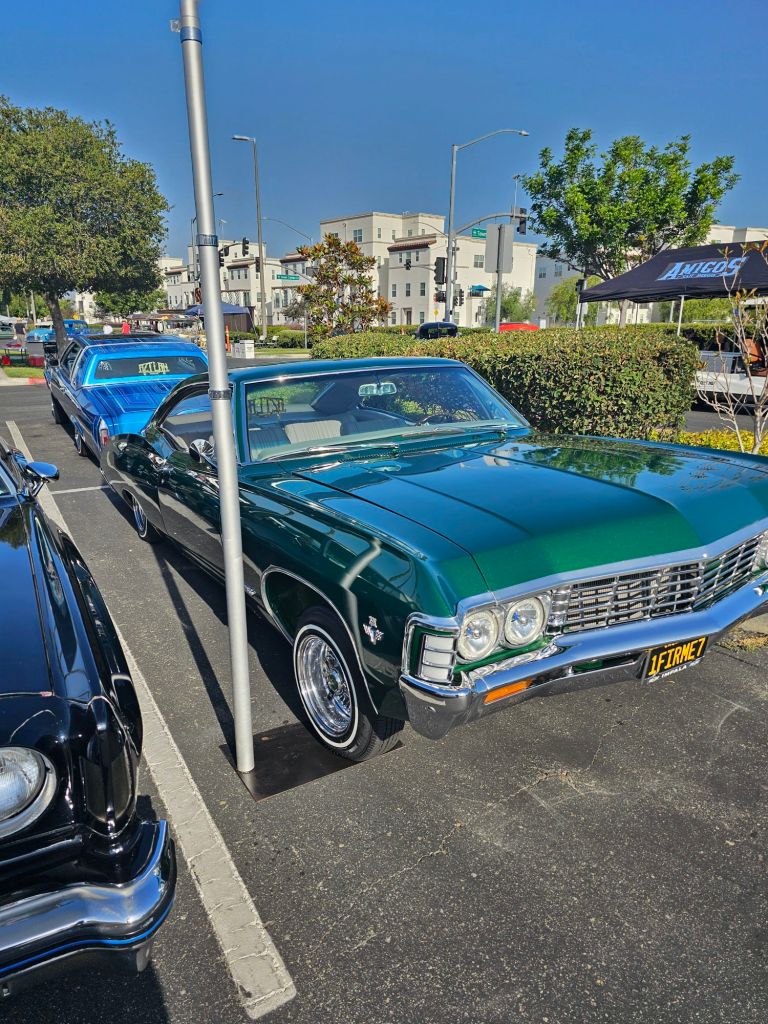
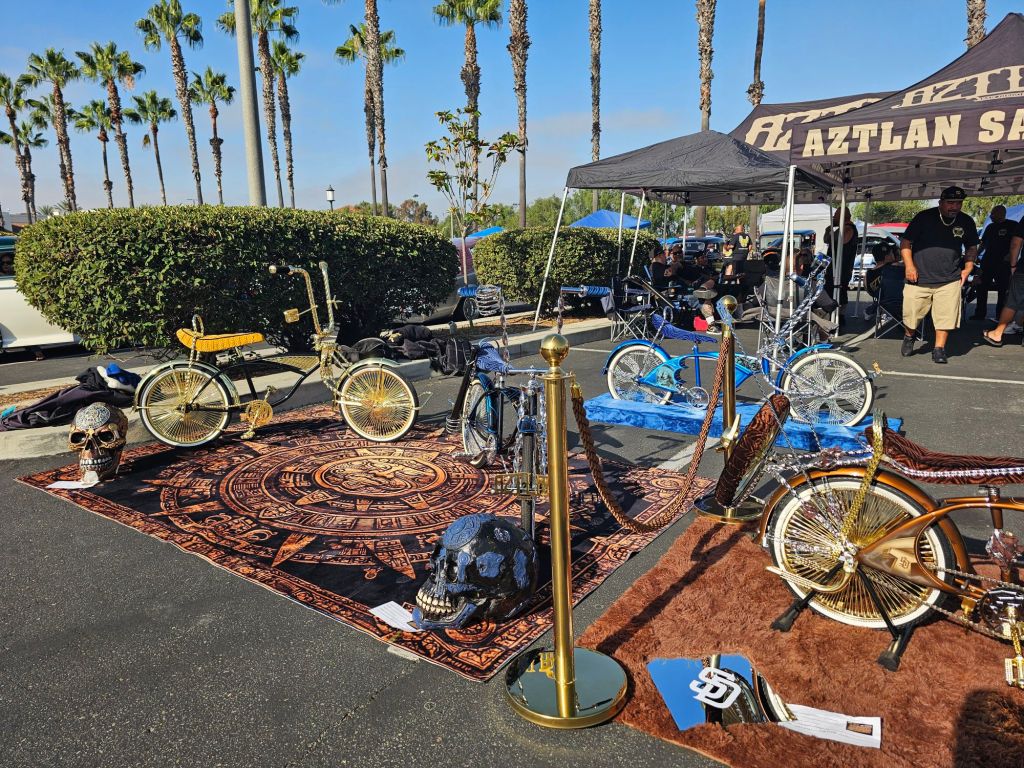
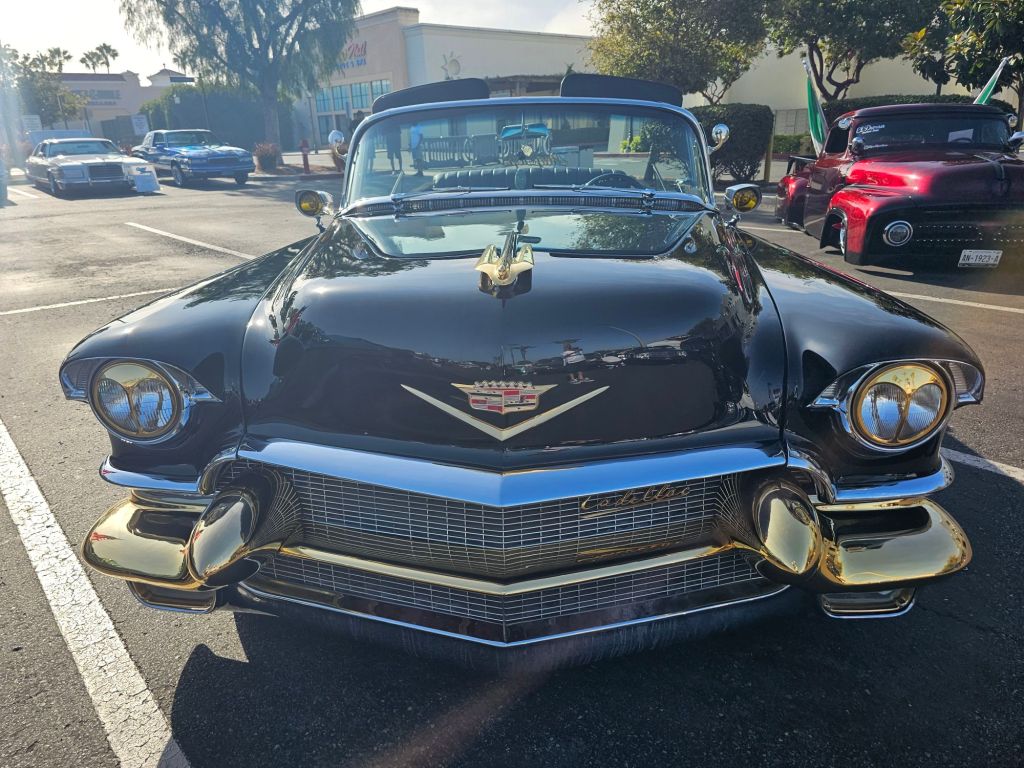
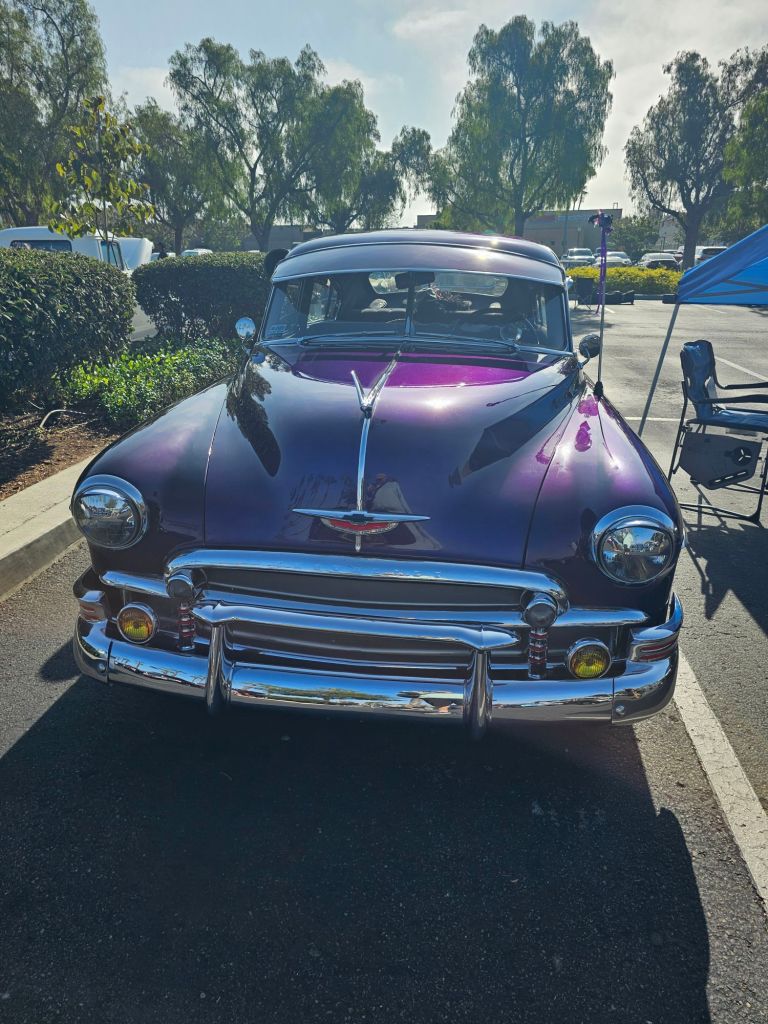
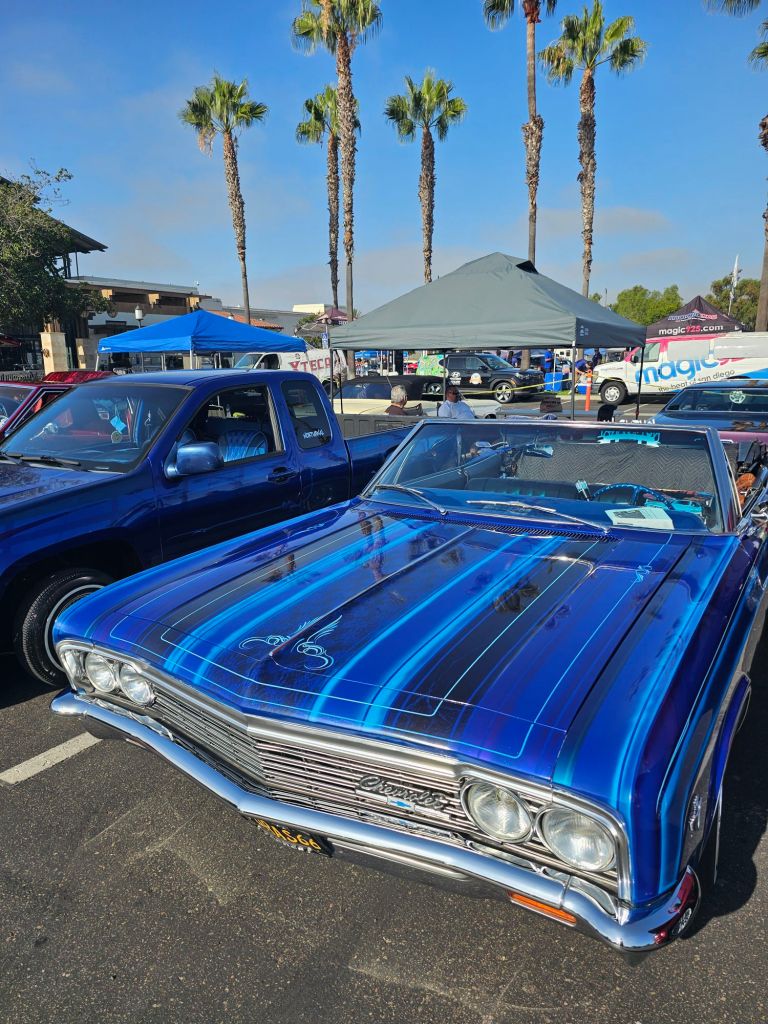
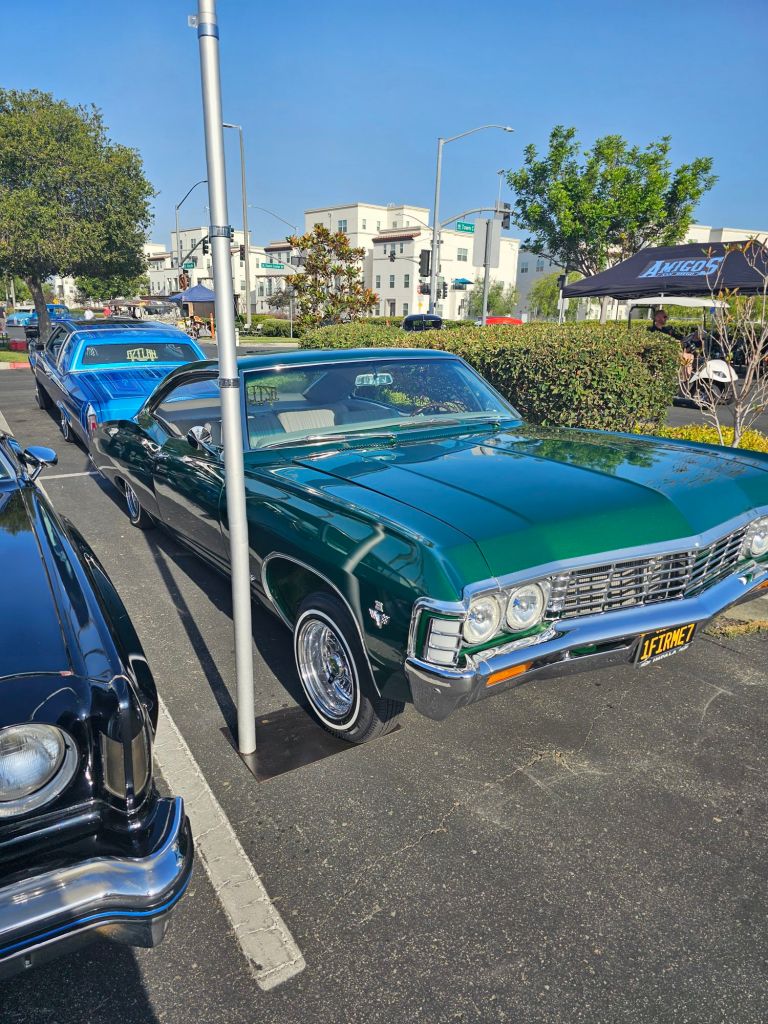
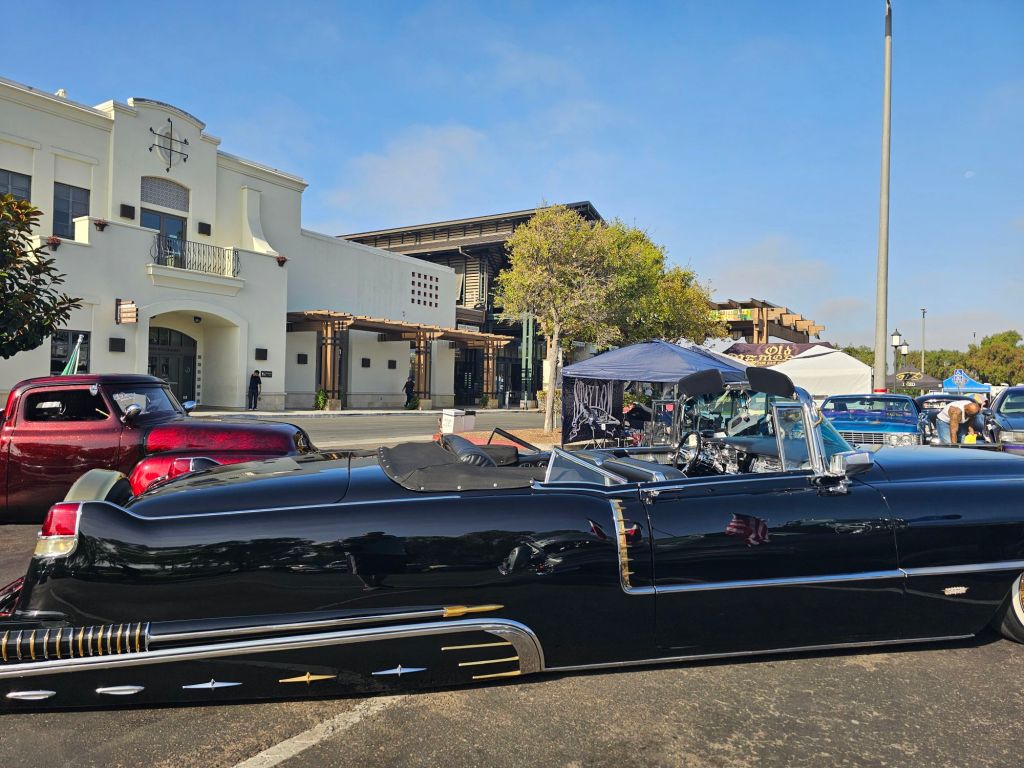
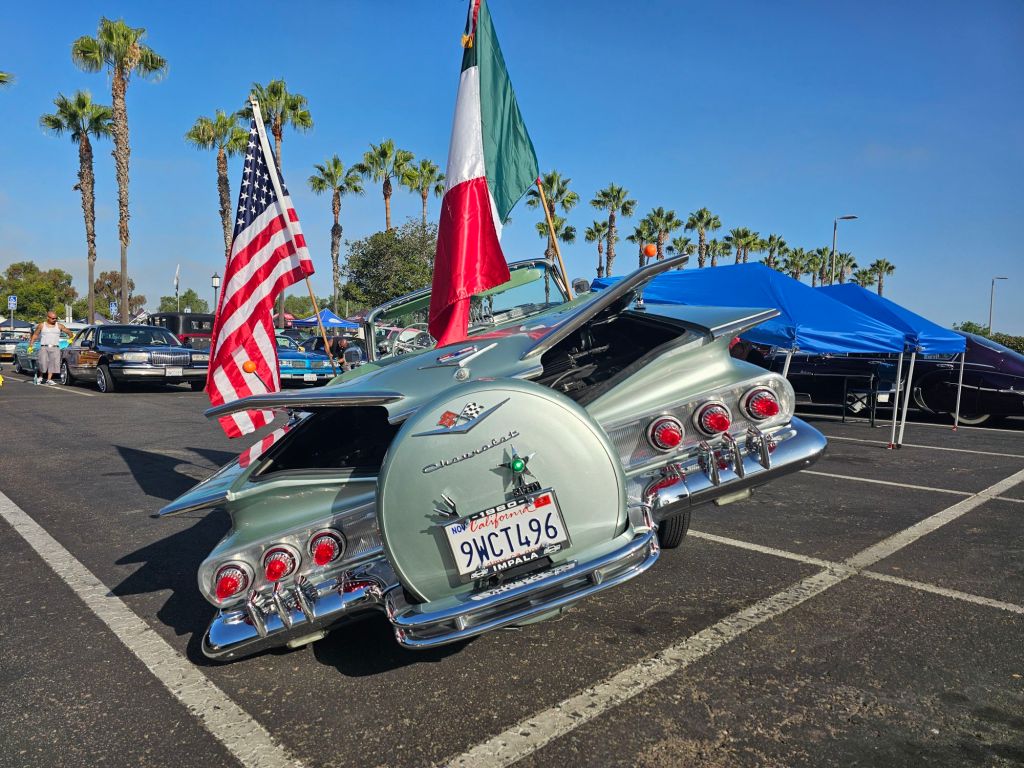
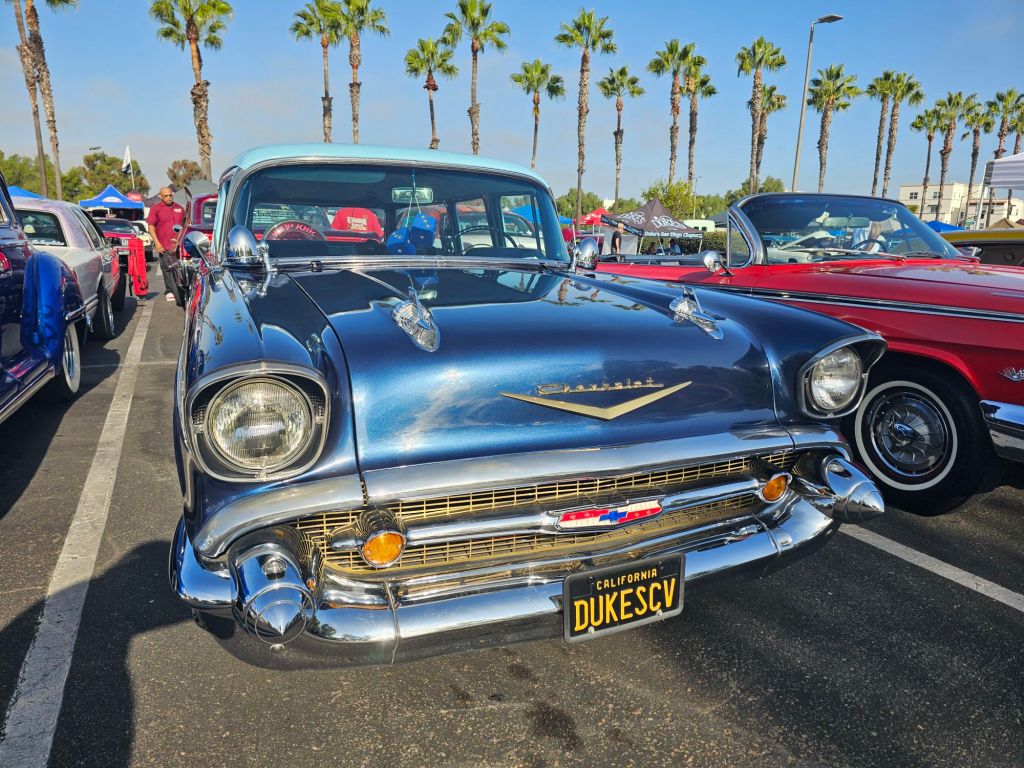
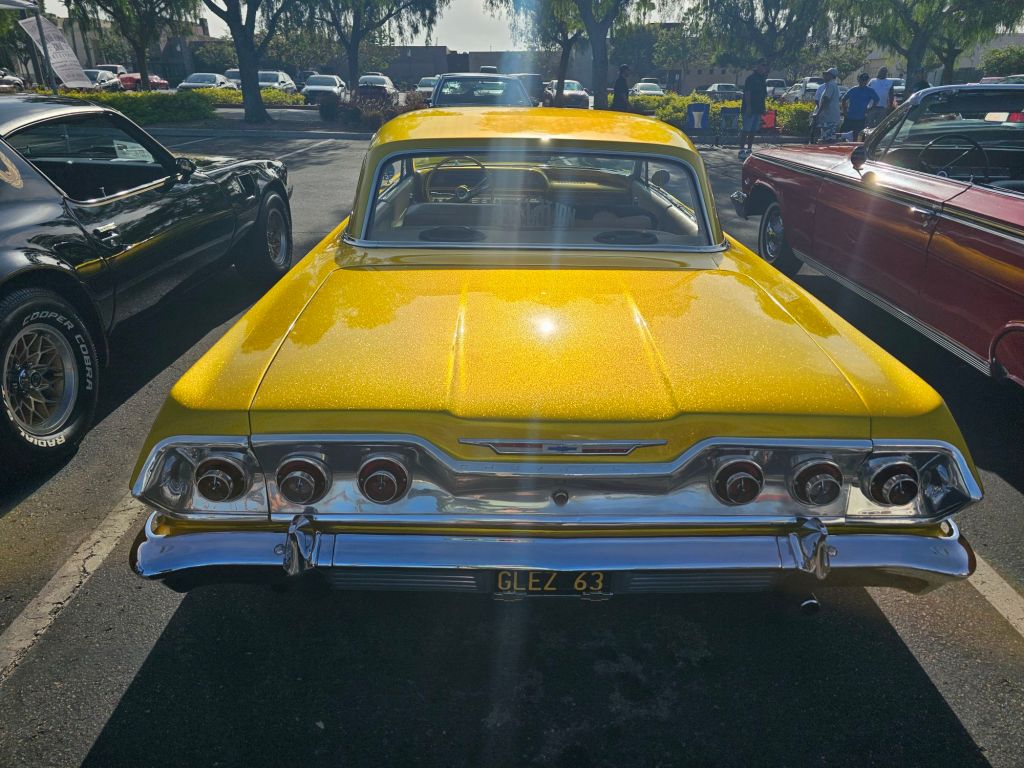
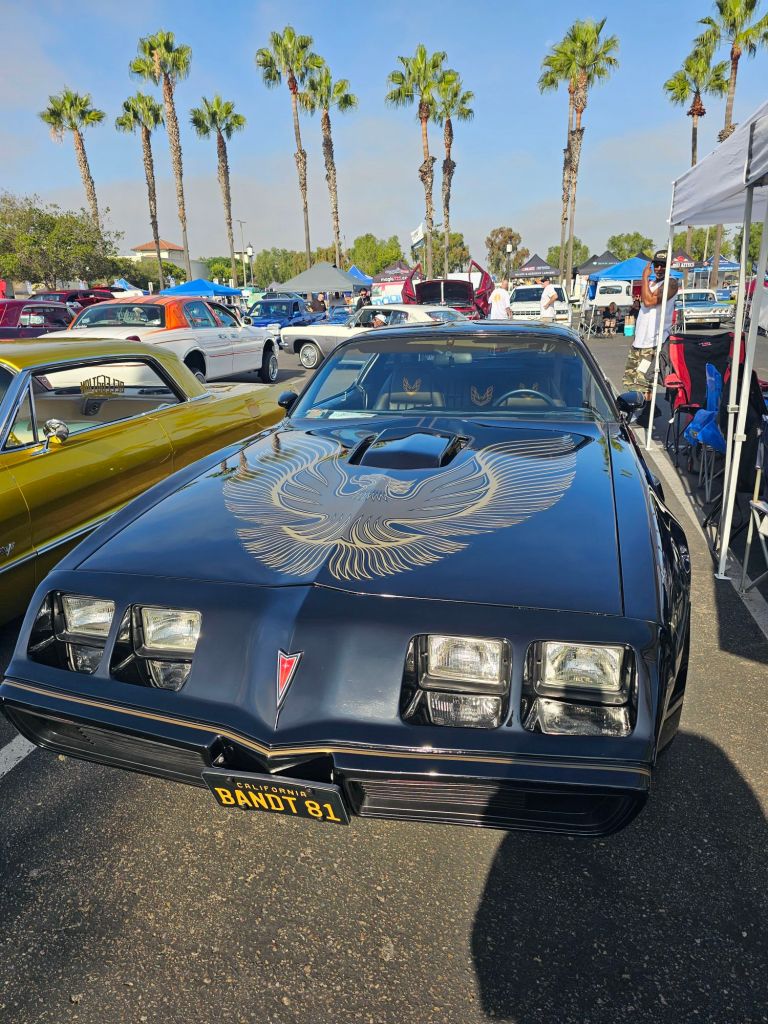
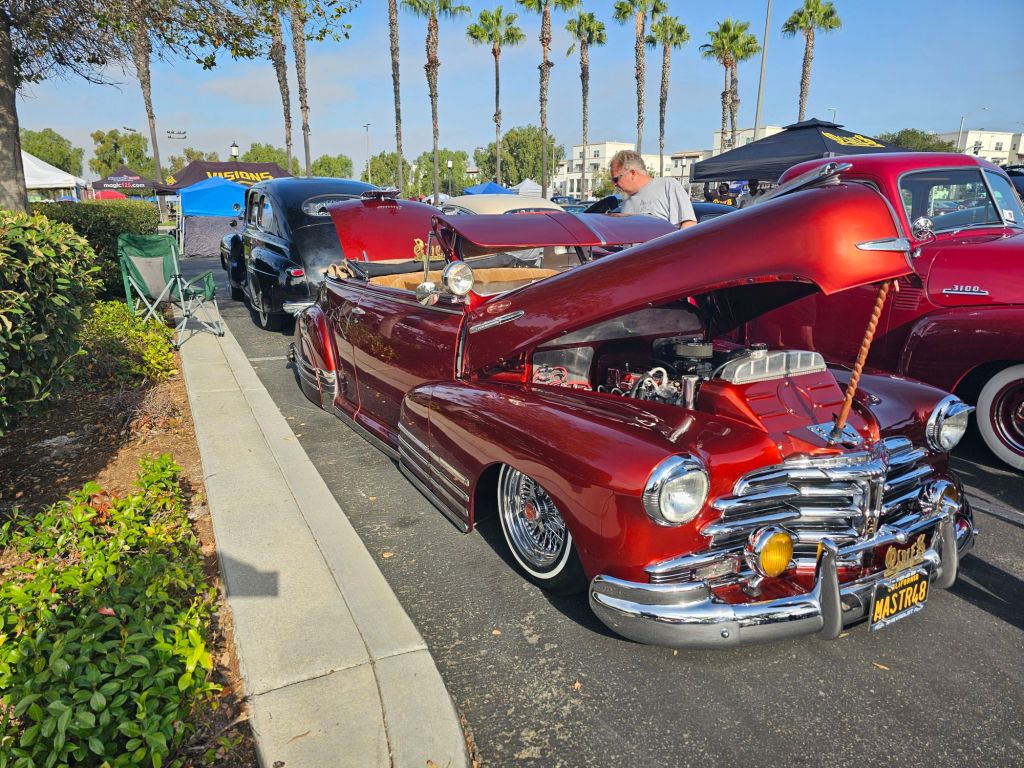
Few events capture the spirit of Southern California’s automotive culture quite like the 2026 Xavier “The X-Man” Cruise for the Cause Car Show. Held at Otay Ranch Town Center in Chula Vista, this annual gathering once again transformed the shopping center into a vibrant showcase of classic cars, muscle cars, hot rods, custom trucks, motorcycles, and modern performance vehicles—all while supporting an important charitable cause. The 24th annual event took place on Sunday, August 2, 2026, welcoming enthusiasts and families from across San Diego County.
Few events capture the spirit of Southern California’s automotive culture quite like the 2026 Xavier “The X-Man” Cruise for the Cause Car Show. Held at Otay Ranch Town Center in Chula Vista, this annual gathering once again transformed the shopping center into a vibrant showcase of classic cars, muscle cars, hot rods, custom trucks, motorcycles, and modern performance vehicles—all while supporting an important charitable cause. The 24th annual event took place on Sunday, August 2, 2026, welcoming enthusiasts and families from across San Diego County.
A Sea of Automotive Excellence
Walking through the rows of polished vehicles, visitors were treated to an impressive display spanning nearly every era of automotive history. Beautifully restored American classics sat beside vintage pickups, while late-model Corvettes, Mustangs, Camaros, Mopars, imports, and custom builds reflected the incredible diversity of Southern California’s car community.
While the automobiles were certainly the stars of the day, the event offered much more than rows of spectacular vehicles. Live entertainment, local vendors, food, raffle prizes, and family-friendly activities created an atmosphere that welcomed enthusiasts of every age.
One of the most rewarding aspects of the Cruise for the Cause is its focus on giving back. The event brings together the local automotive community to support charitable efforts, proving that a shared passion for cars can make a meaningful difference in the lives of others.
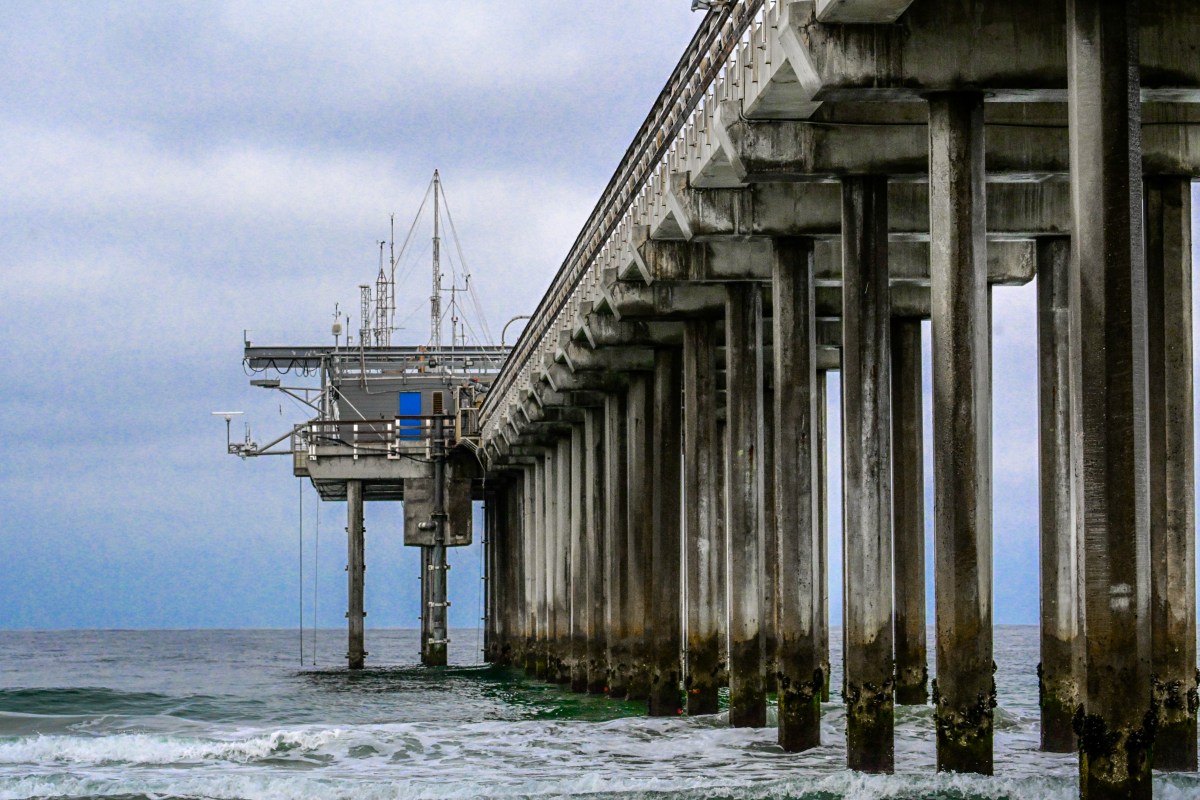
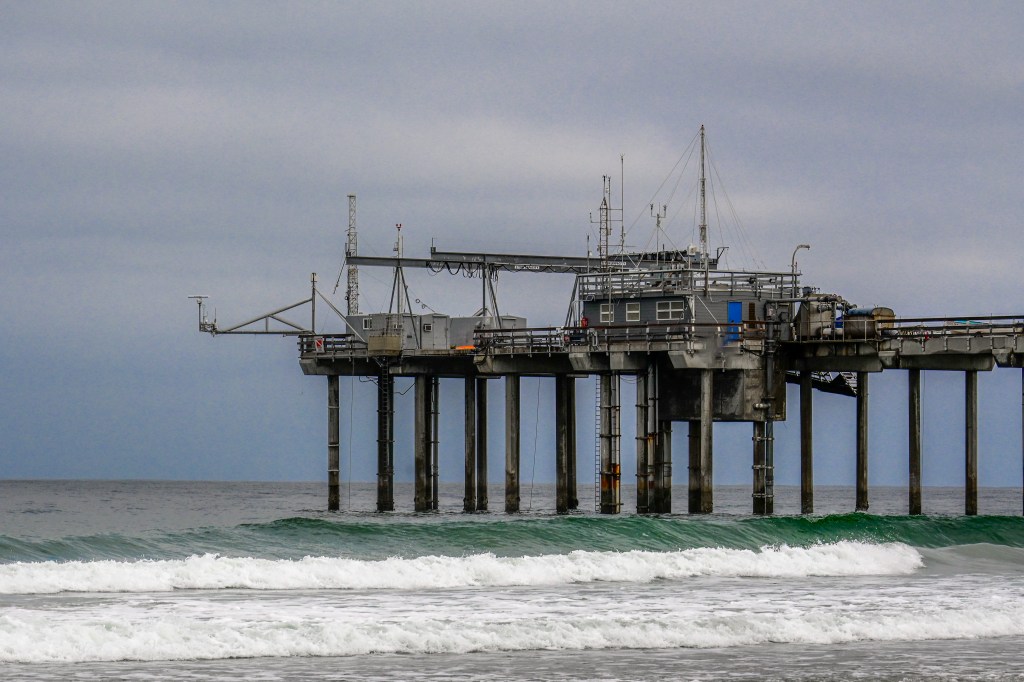
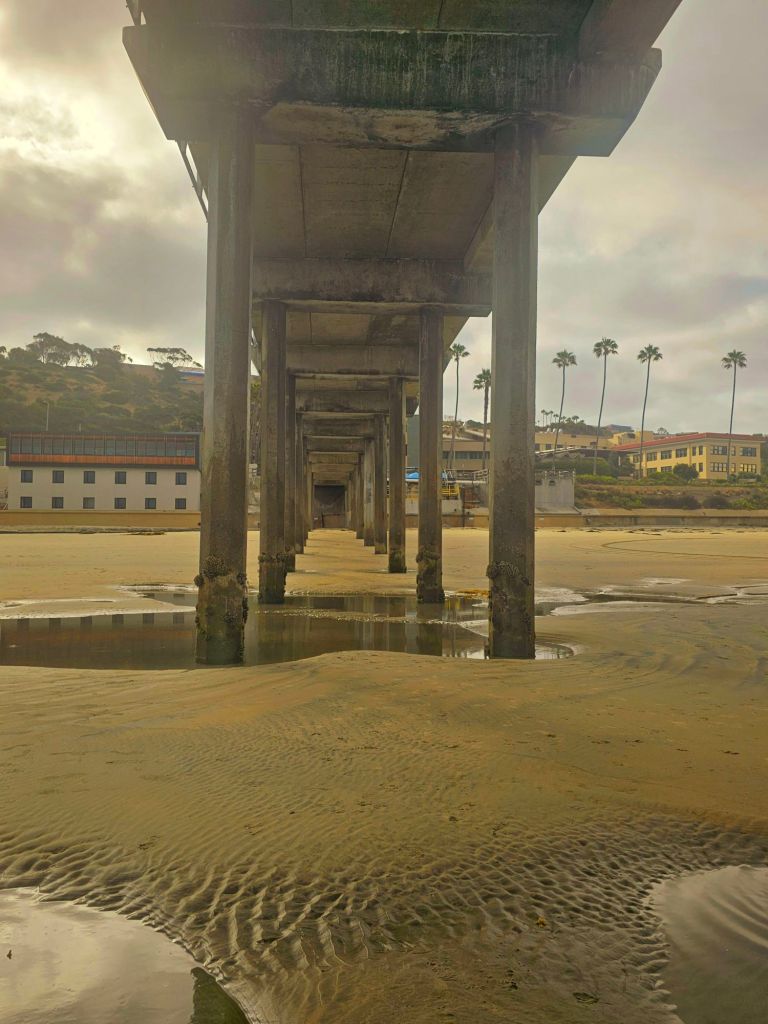
Discover why Scripps Pier in La Jolla is one of San Diego’s most photographed landmarks. Learn its history, photography tips, wildlife highlights, and nearby attractions.
A Pier Built for Science
Unlike many California piers, Scripps Pier was never intended for amusement rides, restaurants, or fishing. Officially known as the Ellen Browning Scripps Memorial Pier, it serves as a working research facility for the Scripps Institution of Oceanography at the University of California San Diego.
The original wooden pier opened in 1916 thanks to a generous gift from philanthropist Ellen Browning Scripps. After decades of serving scientists, it was replaced in 1988 with the modern reinforced concrete structure that stands today. At 1,084 feet long, it remains one of the world’s longest active research piers.
High Tide vs. Low Tide
Both tides offer unique perspectives.
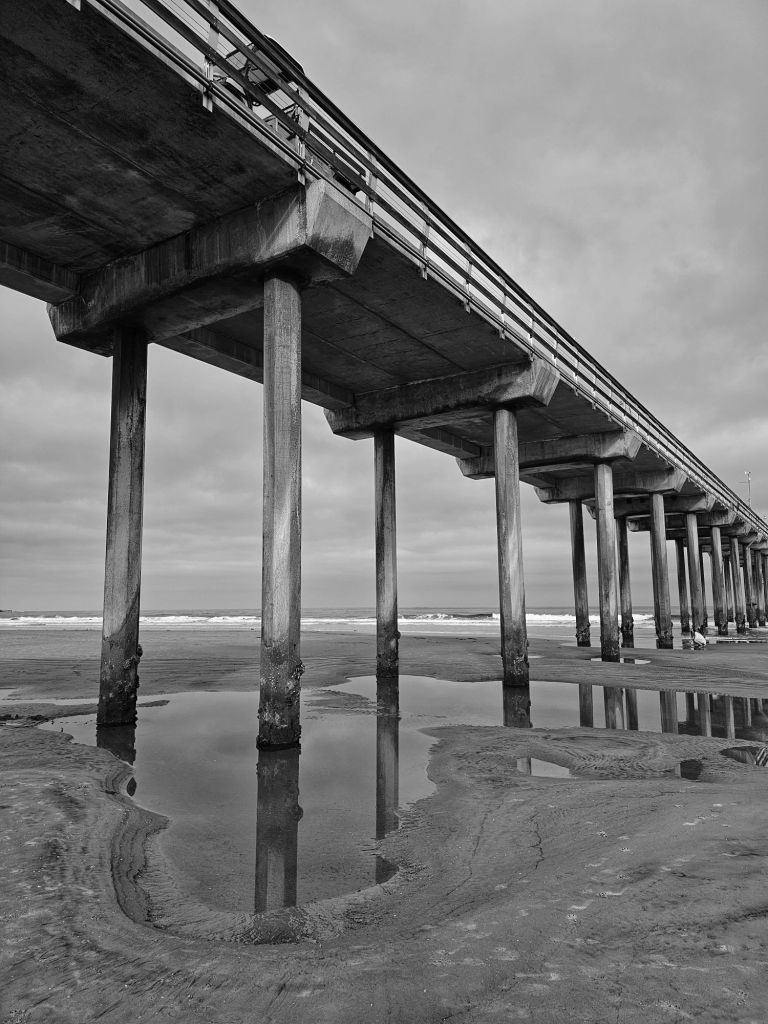
Low tide reveals more of the pilings and creates excellent reflections.
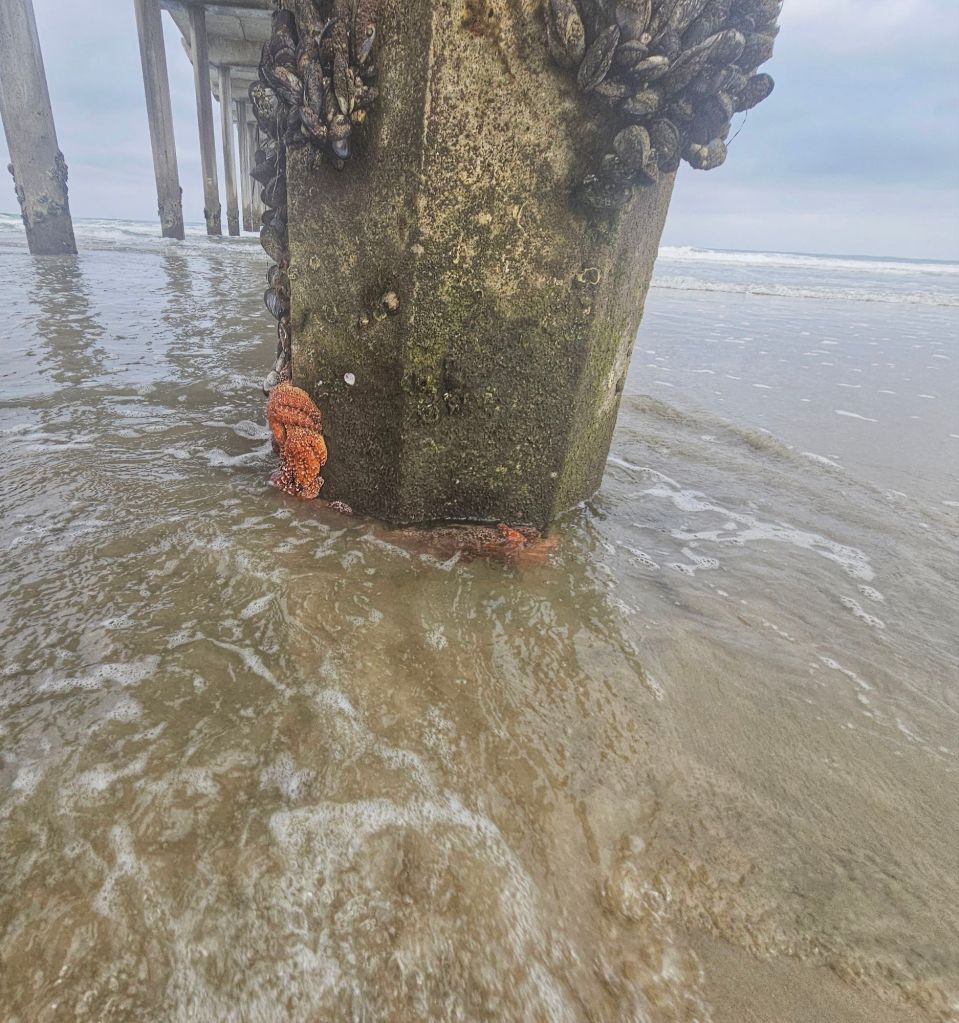
High tide allows waves to crash dramatically around the supports for dynamic images.
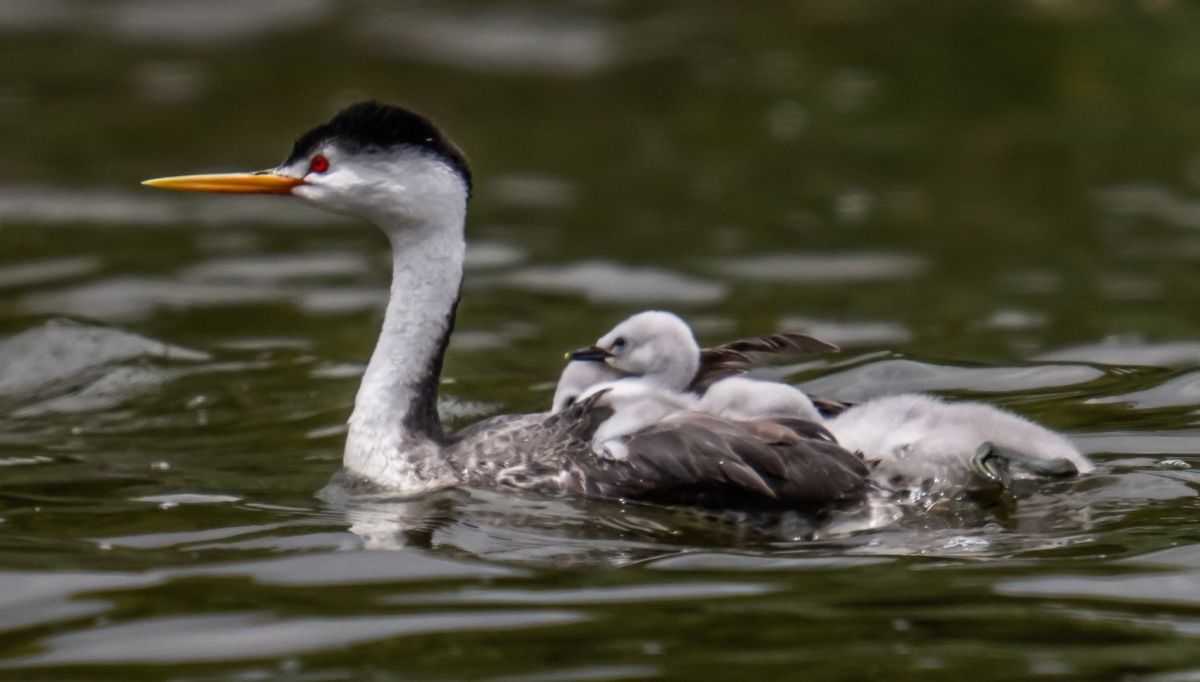
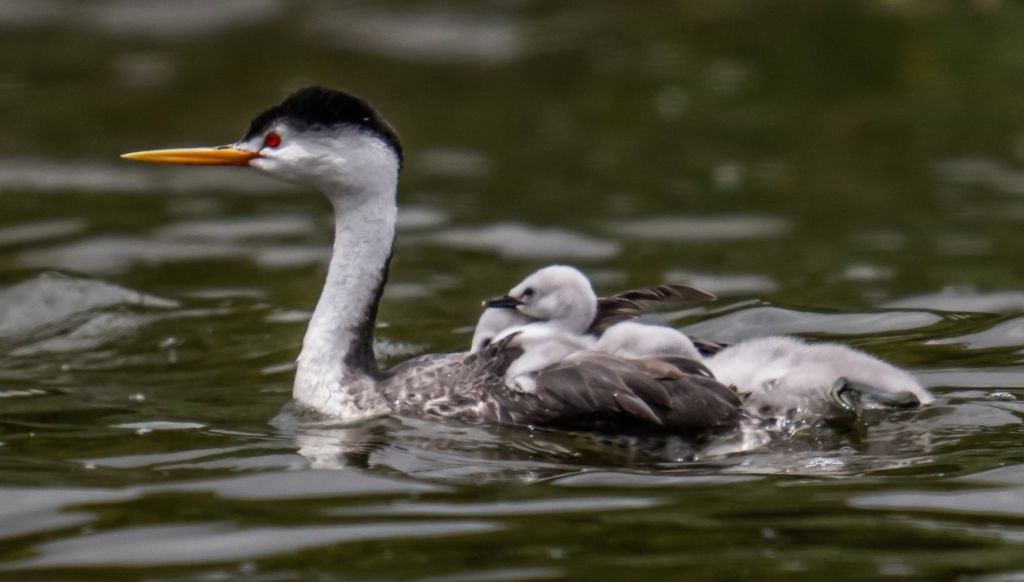
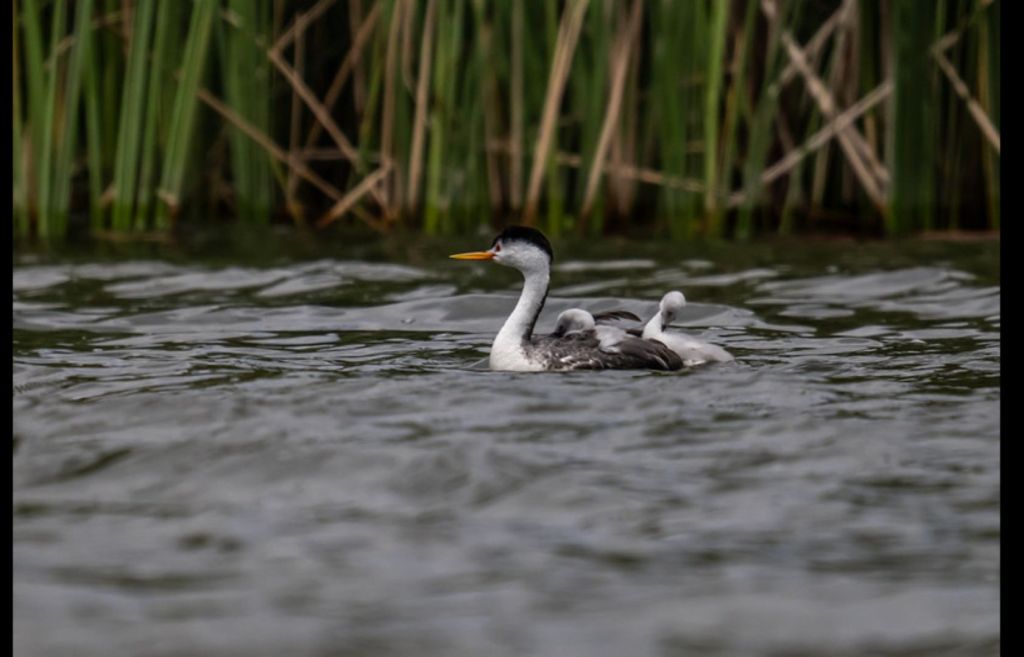
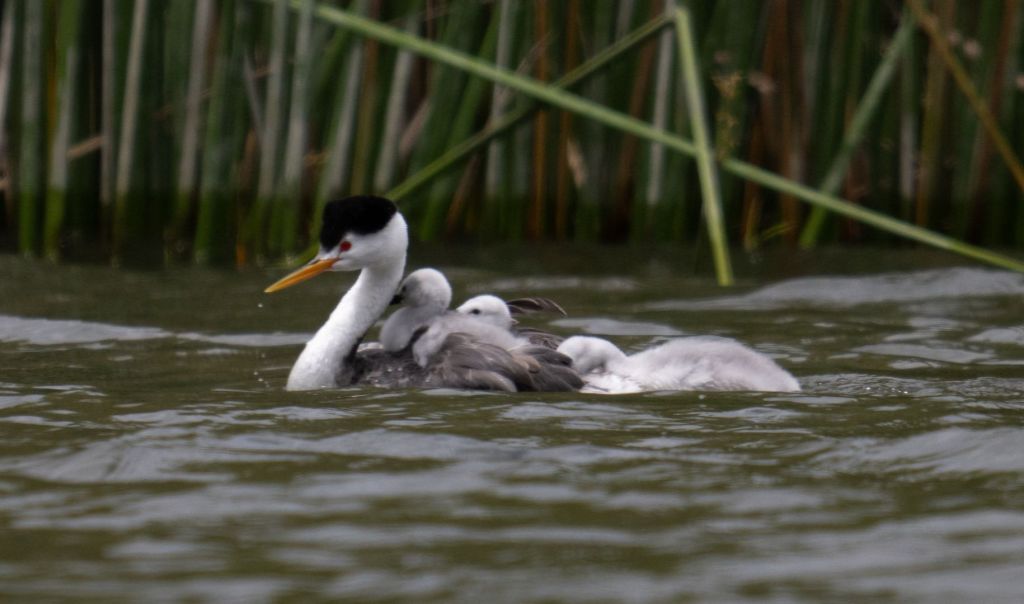
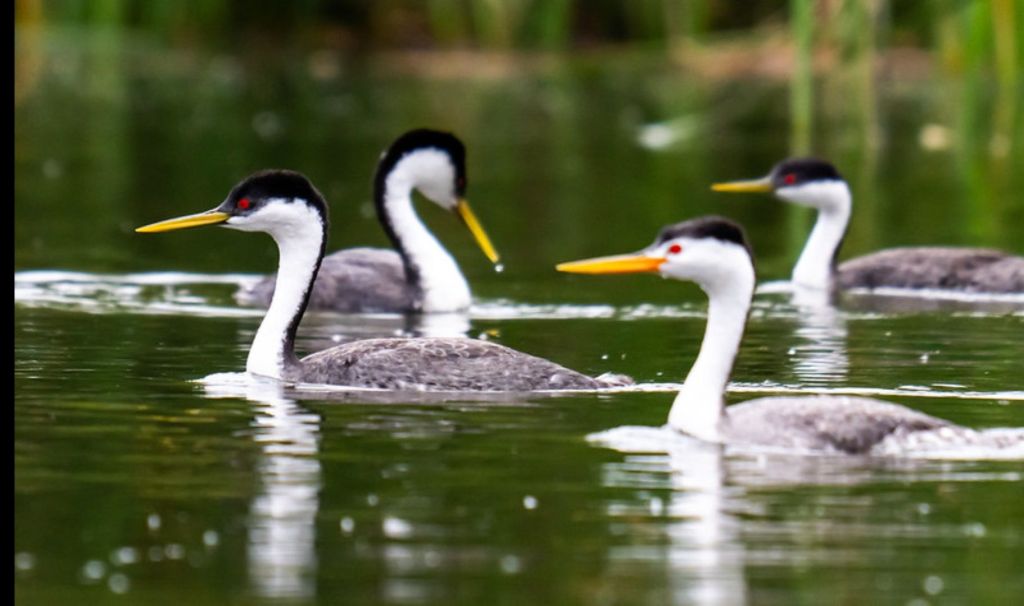
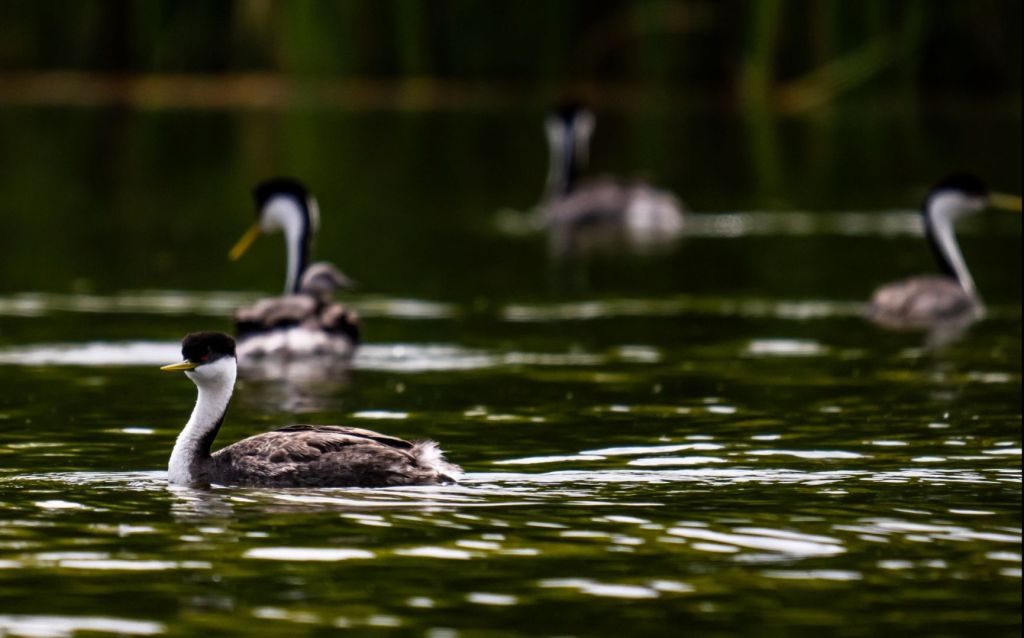
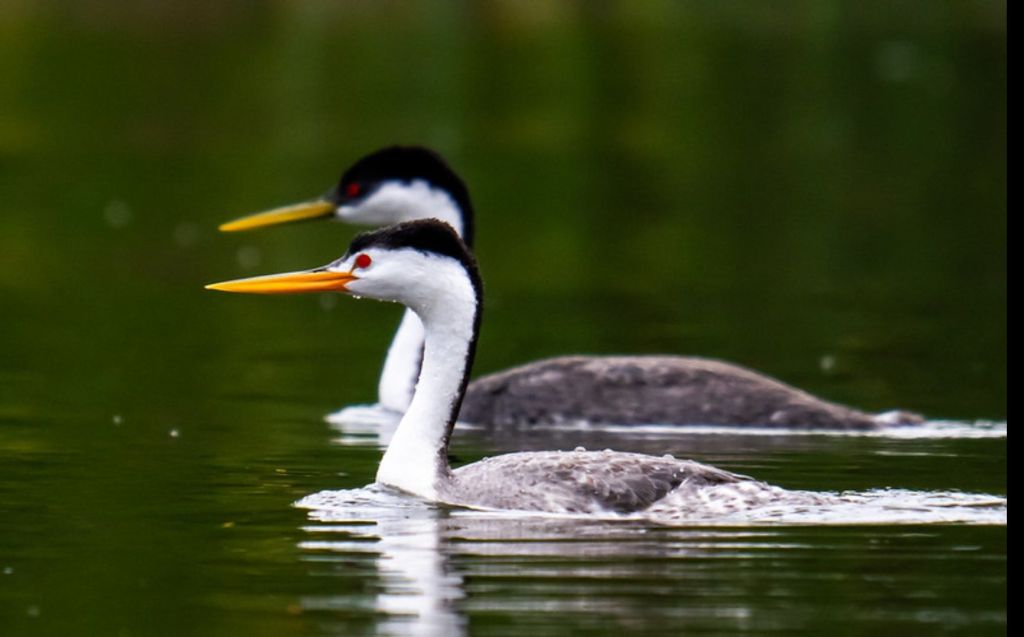
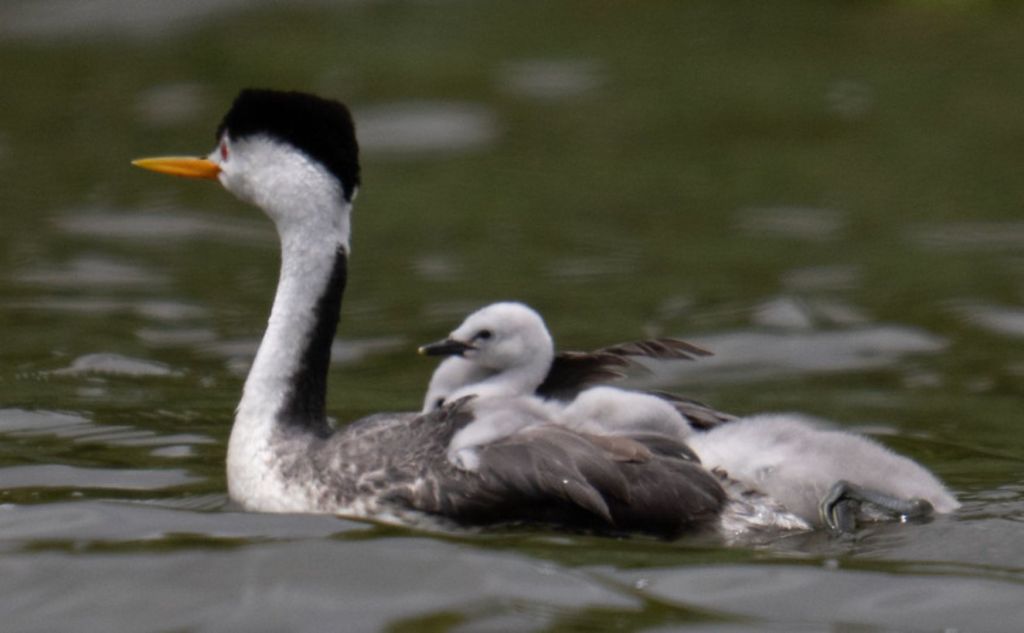
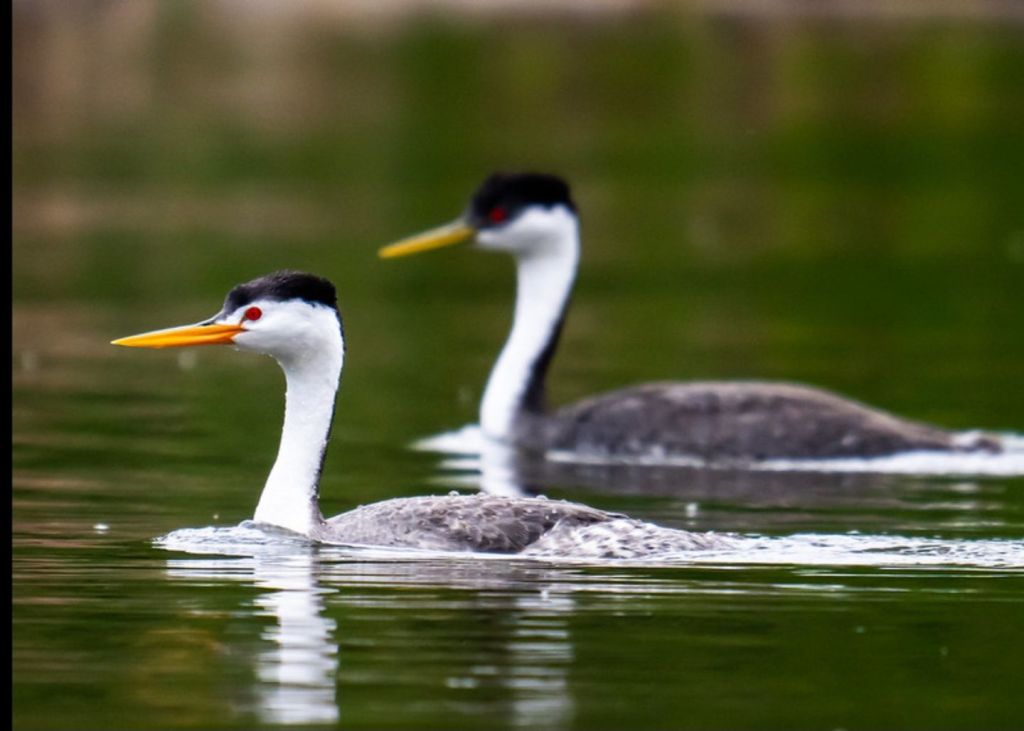
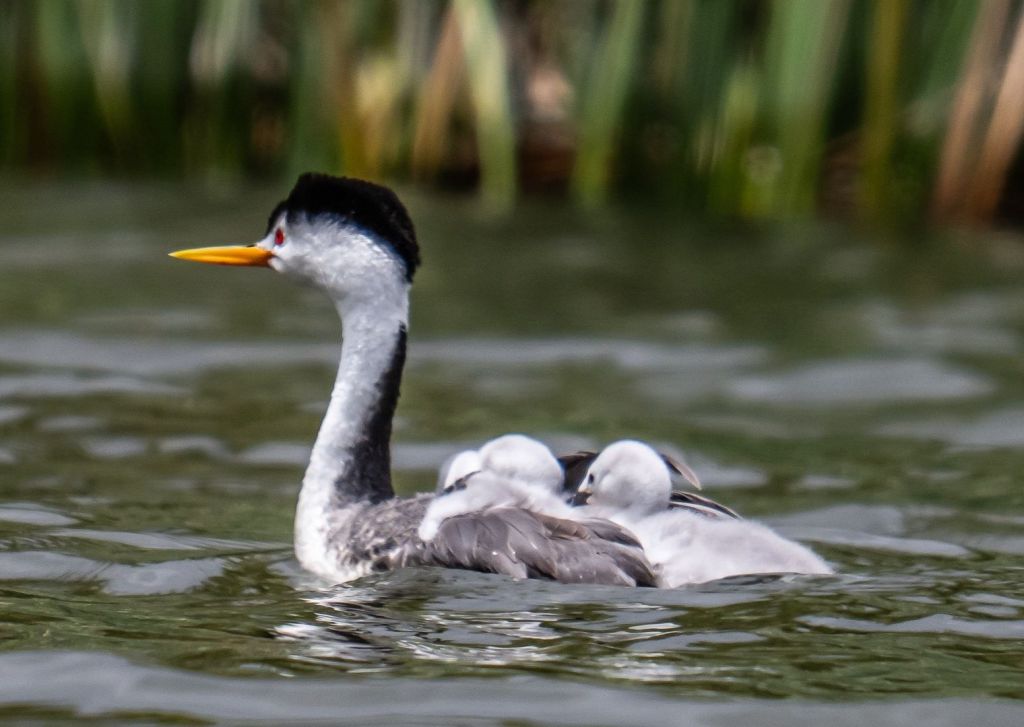
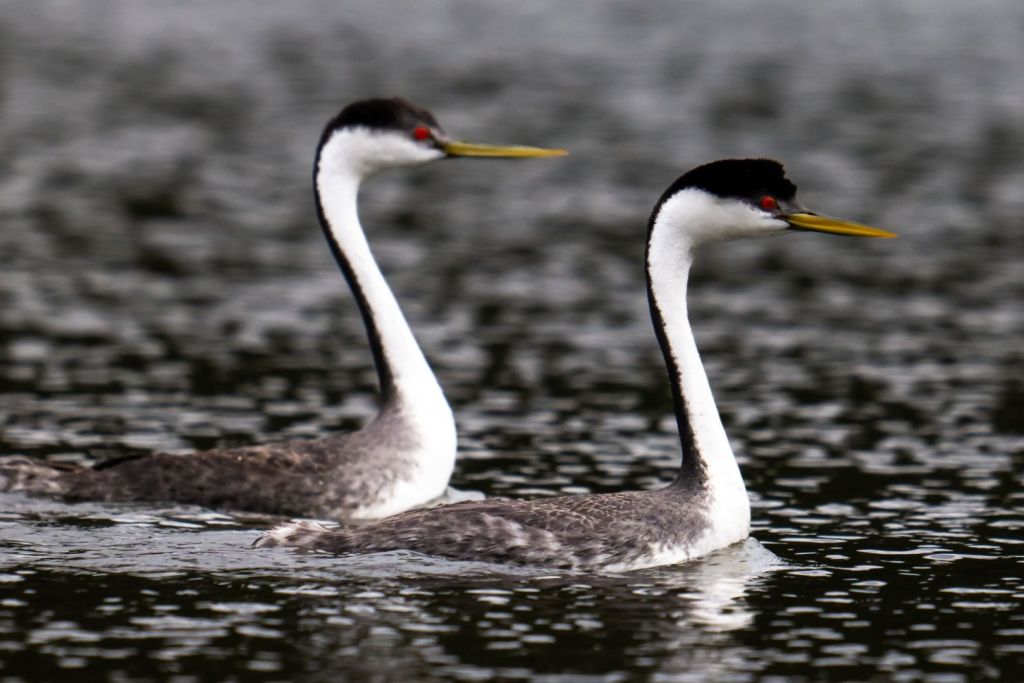
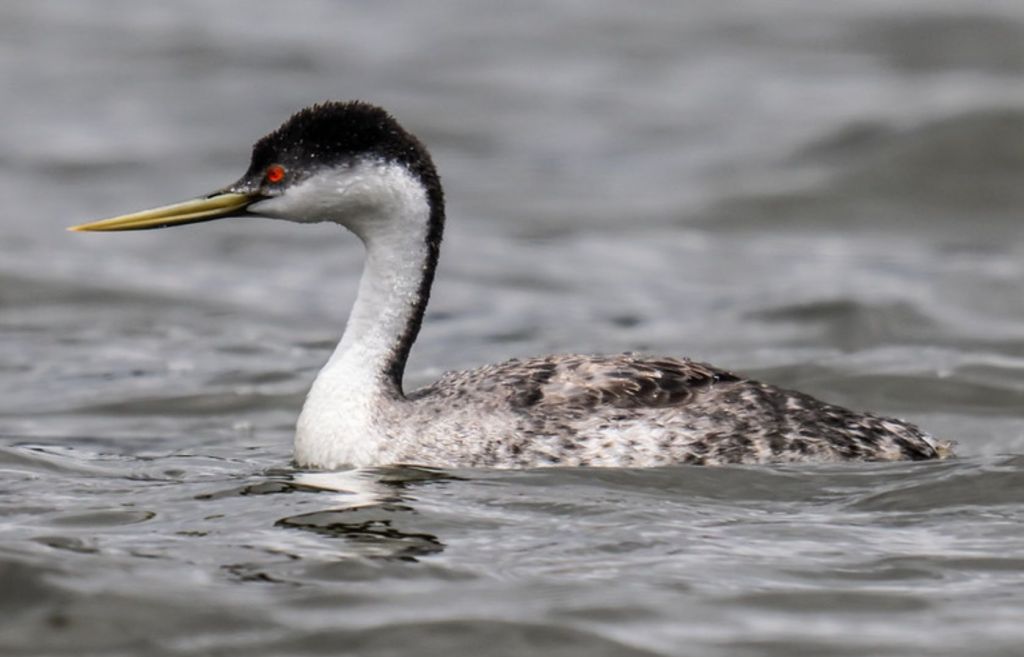
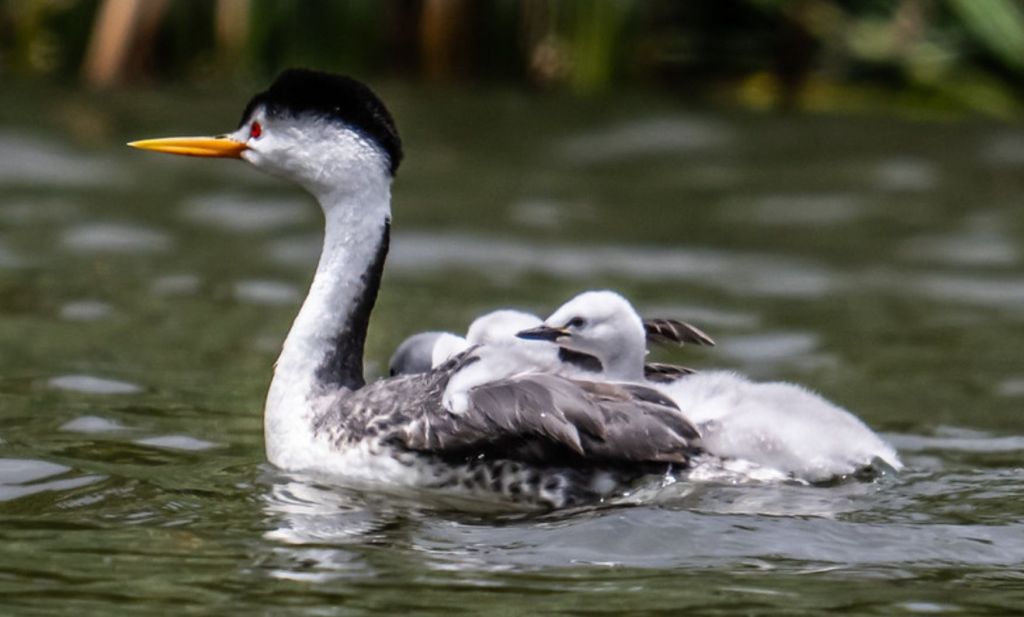
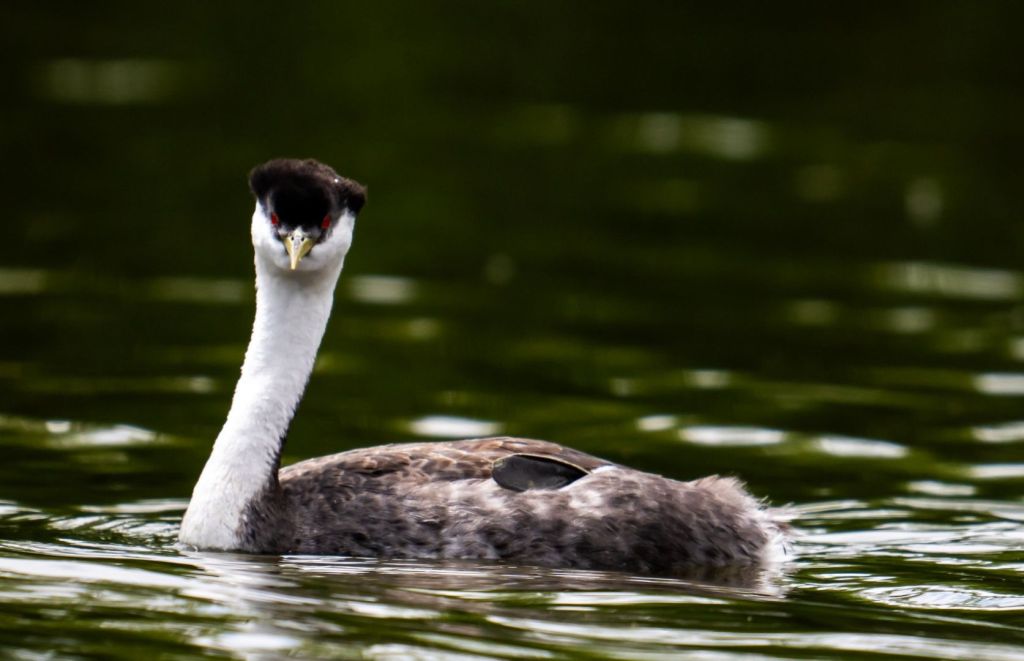
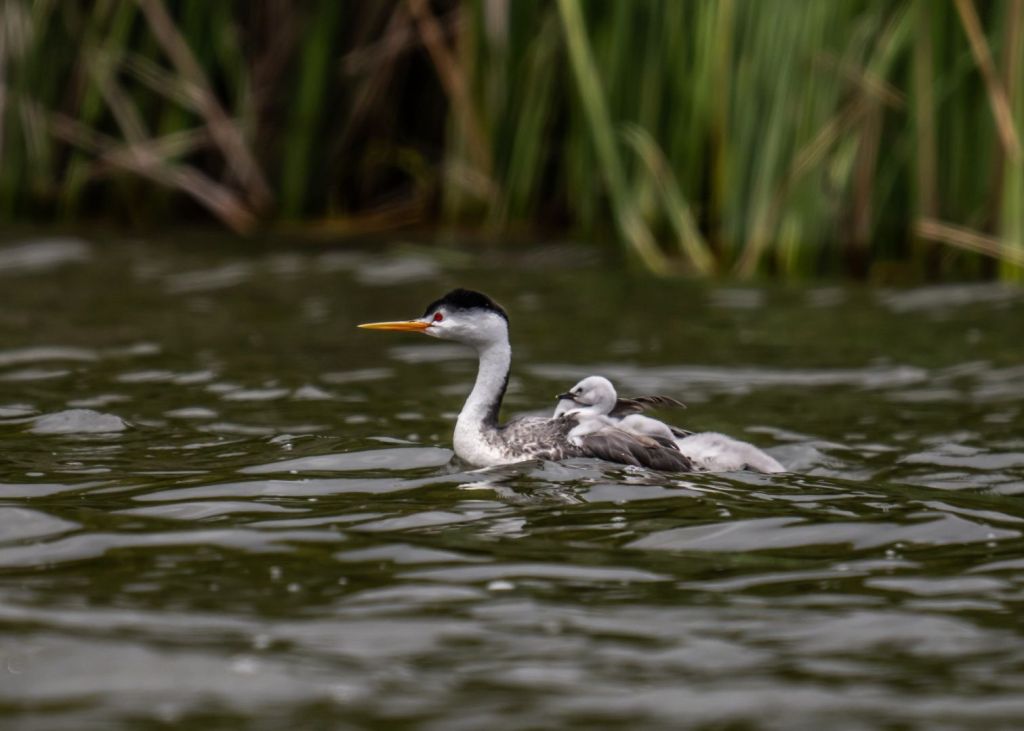
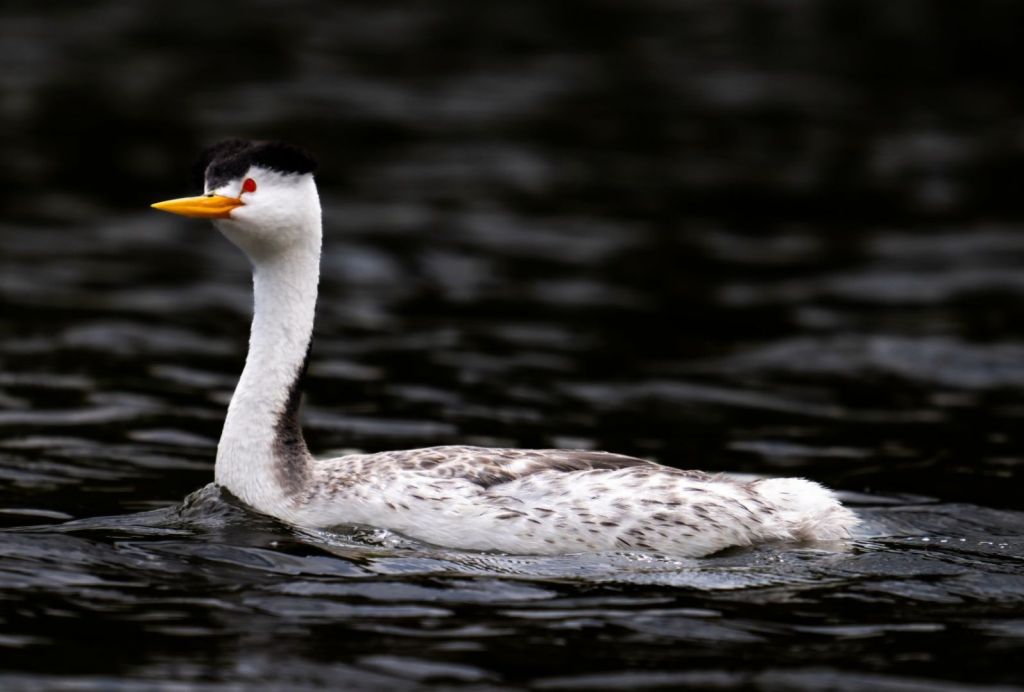
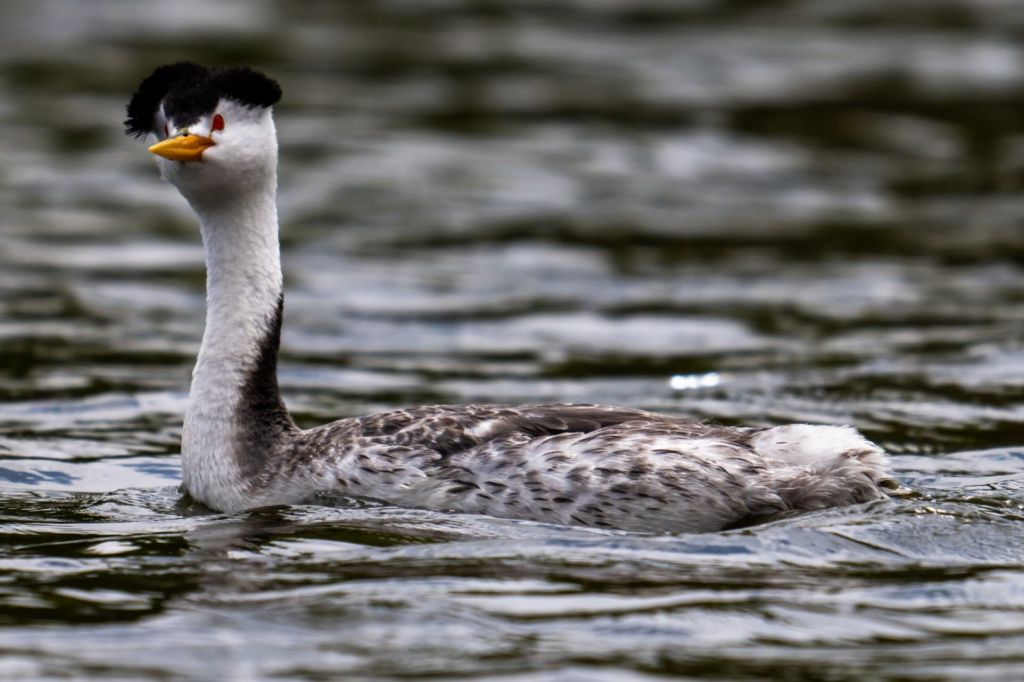
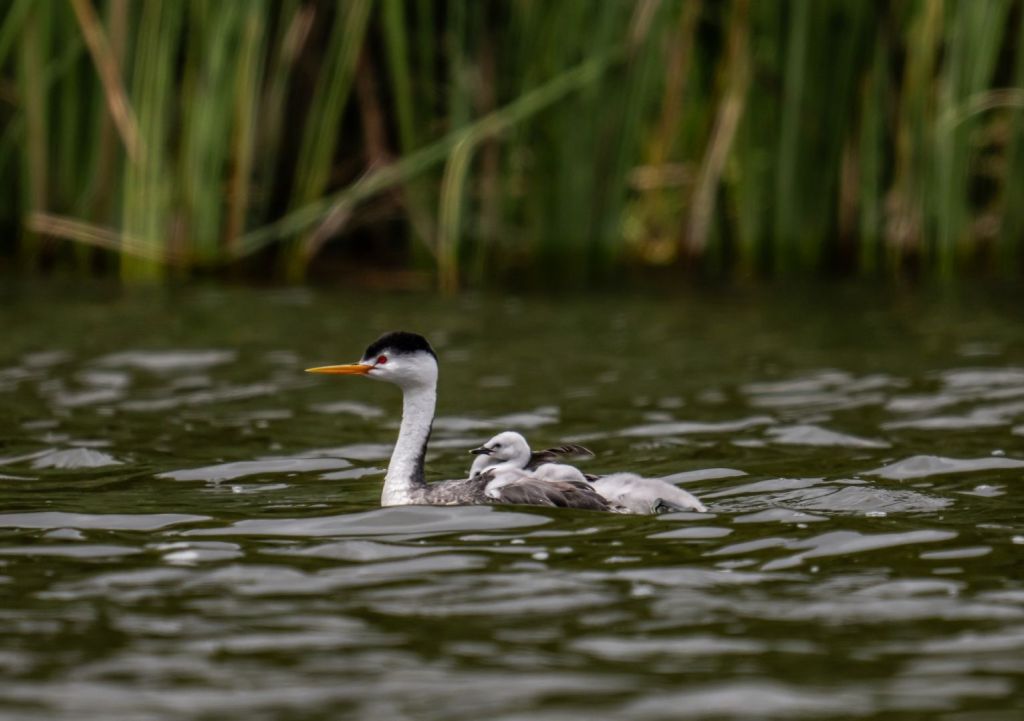
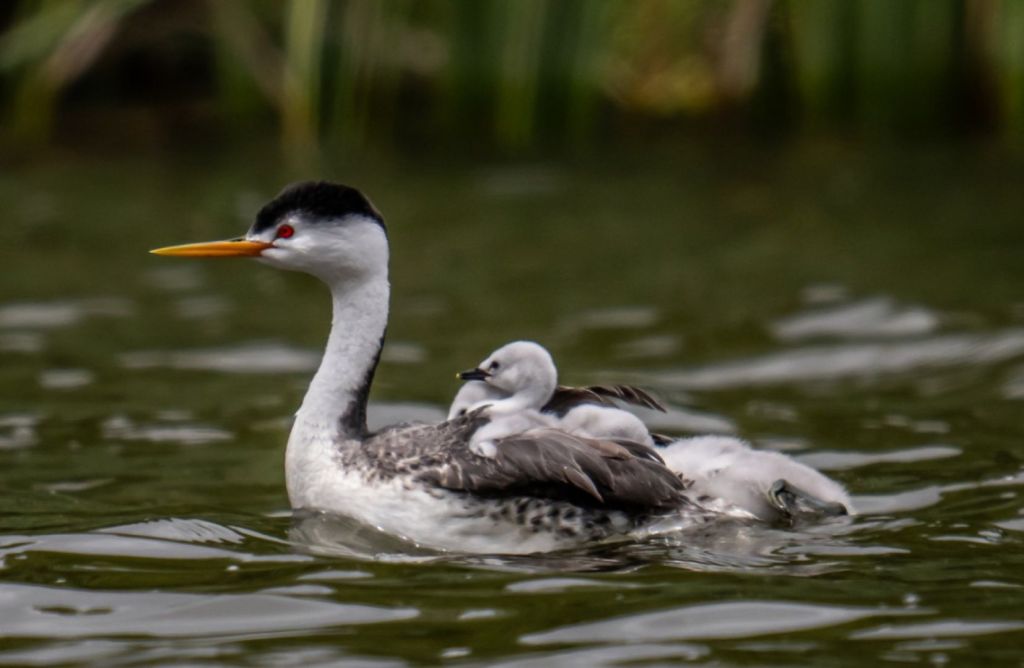
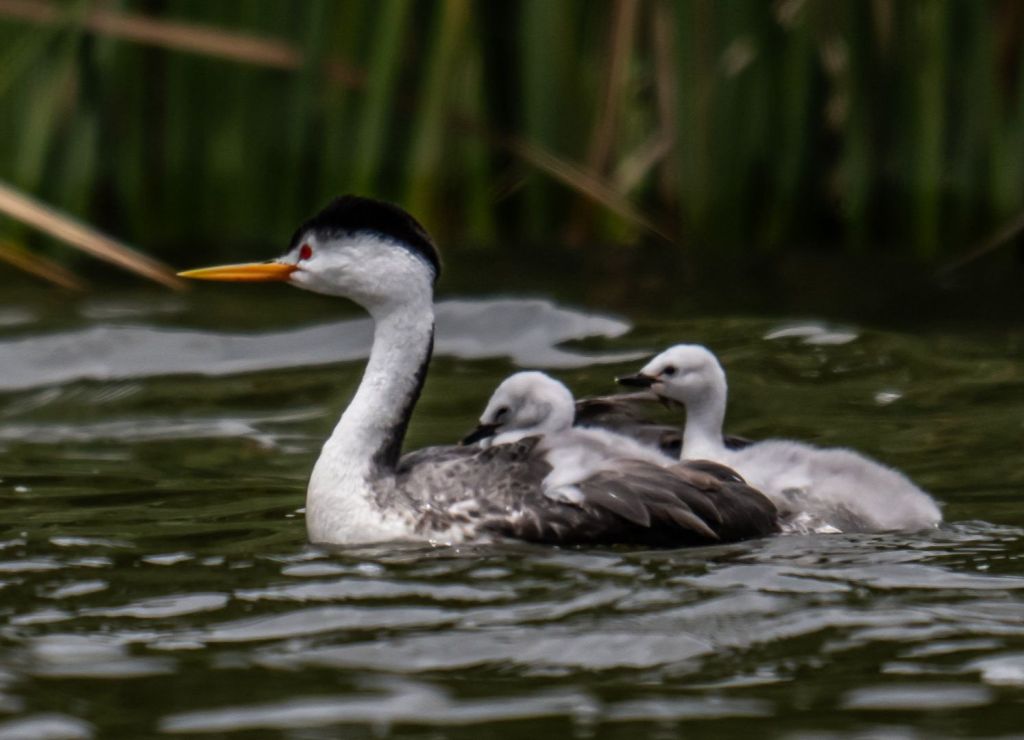
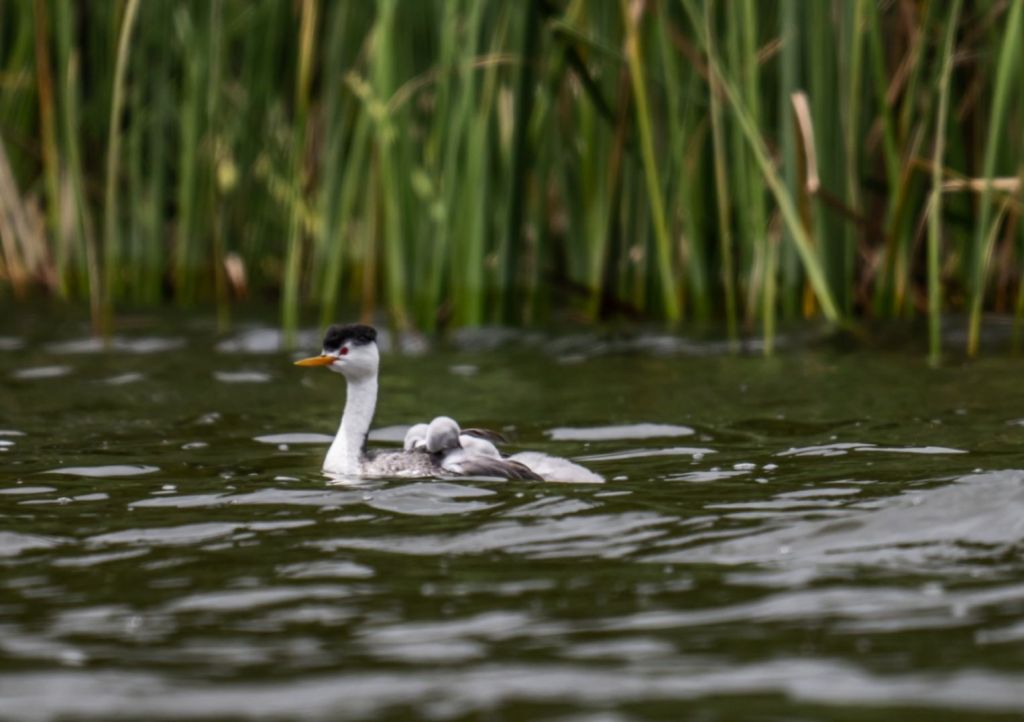
Every spring and early summer, one of the most heartwarming sights at Lake Wohlford is the appearance of Western Grebe chicks riding on the backs of their parents. For birders and photographers, these fuzzy youngsters provide some of the most memorable wildlife viewing opportunities in North County San Diego.
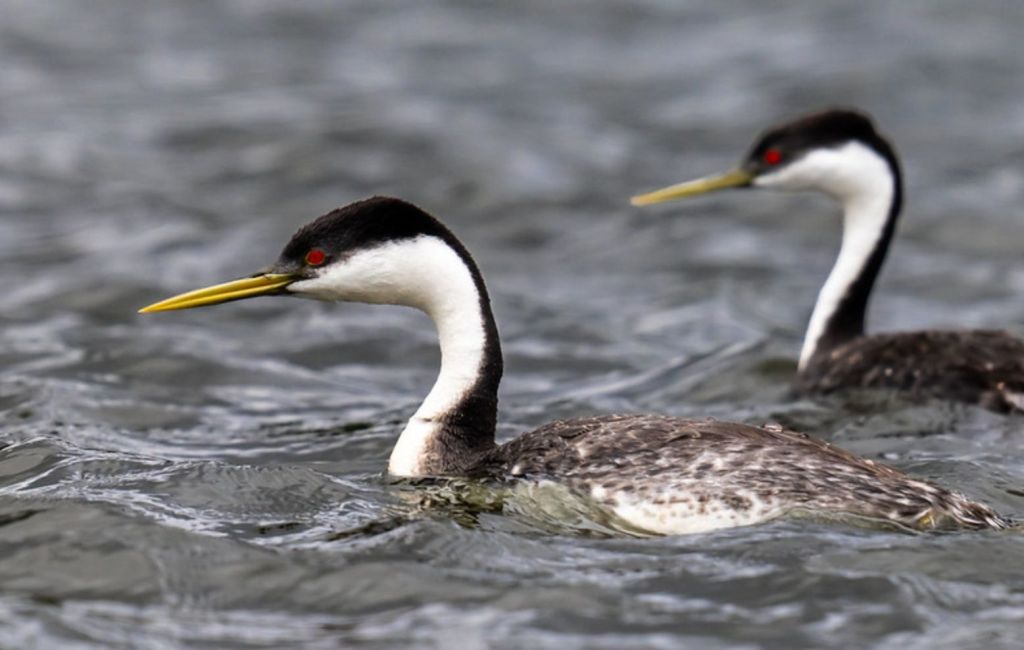
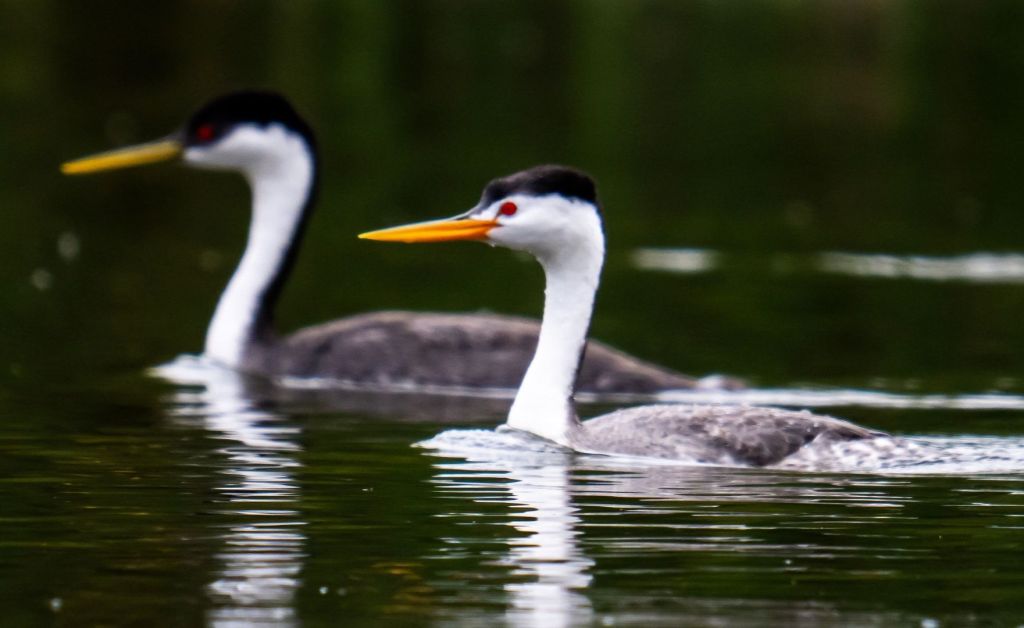
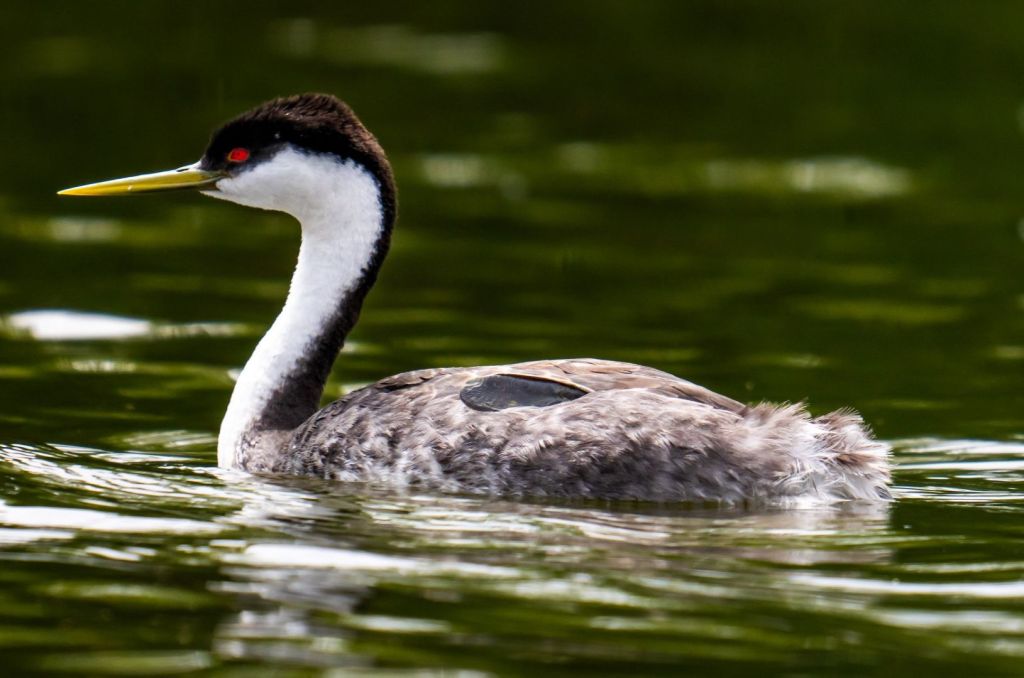
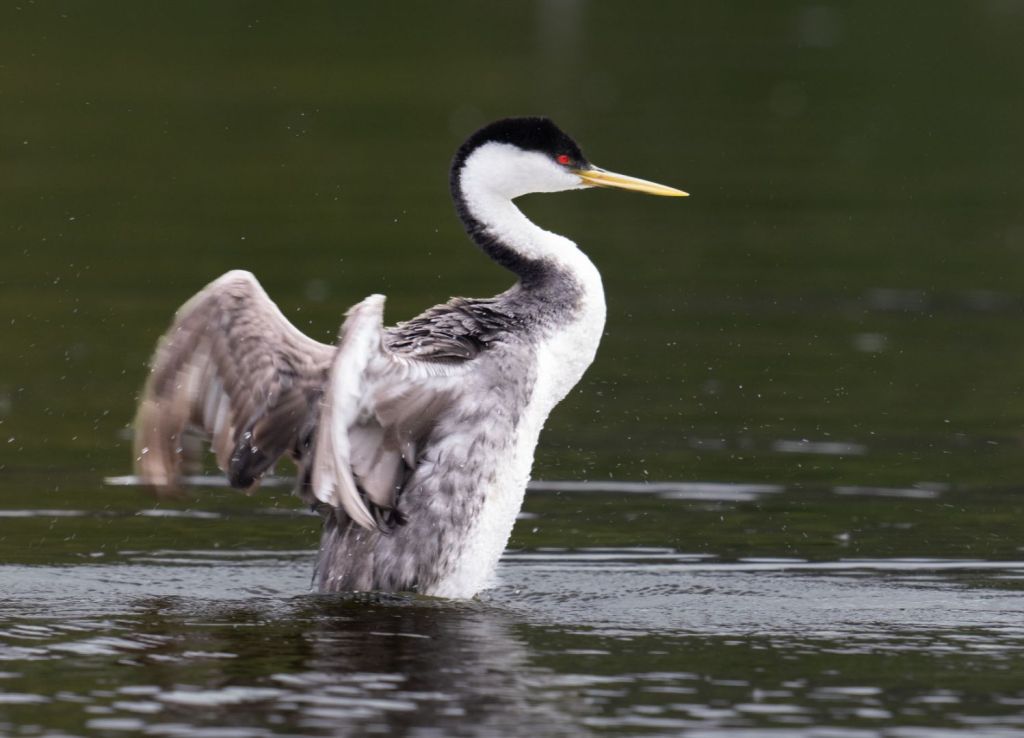
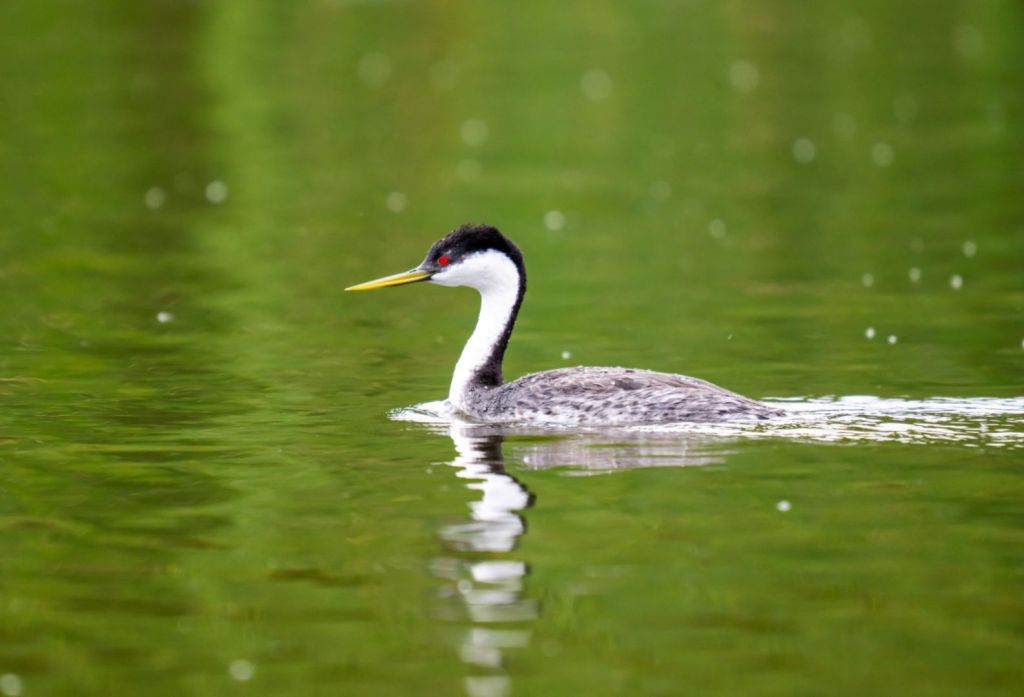
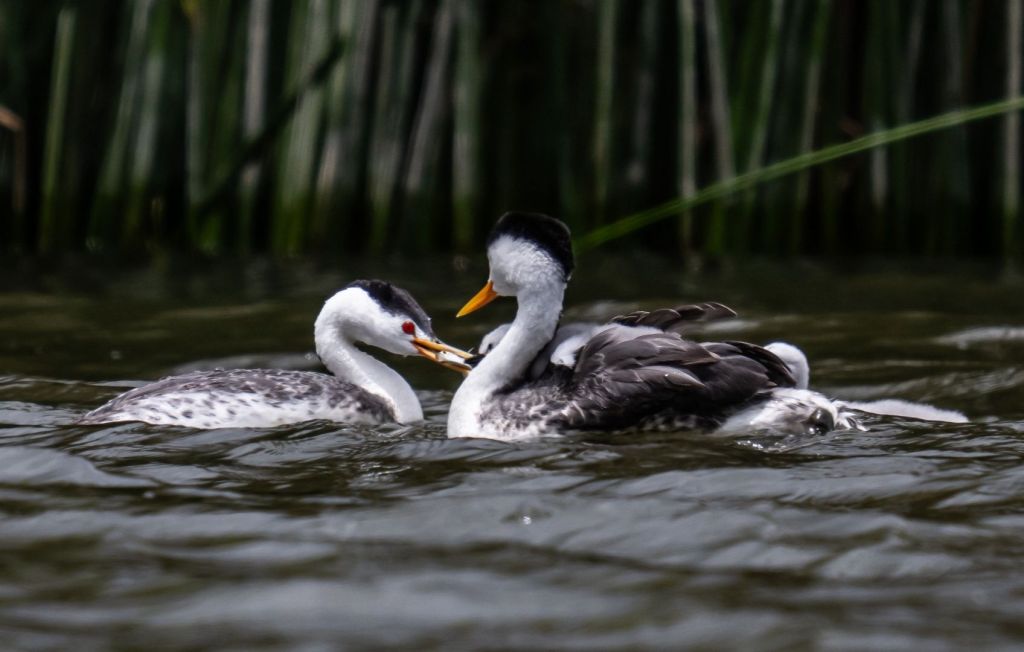
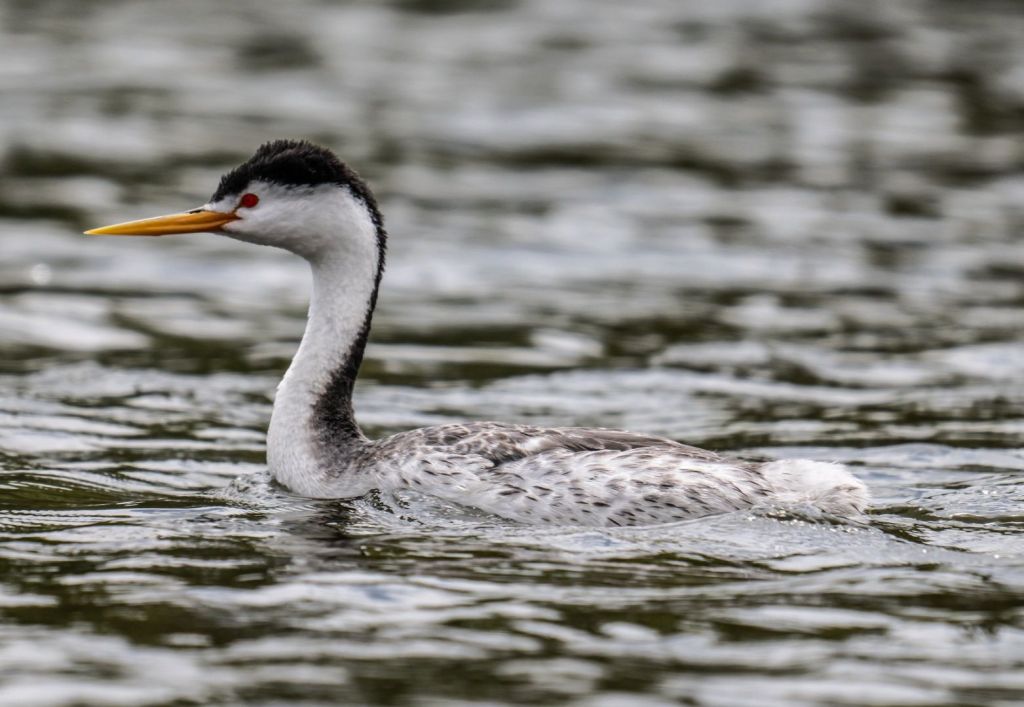
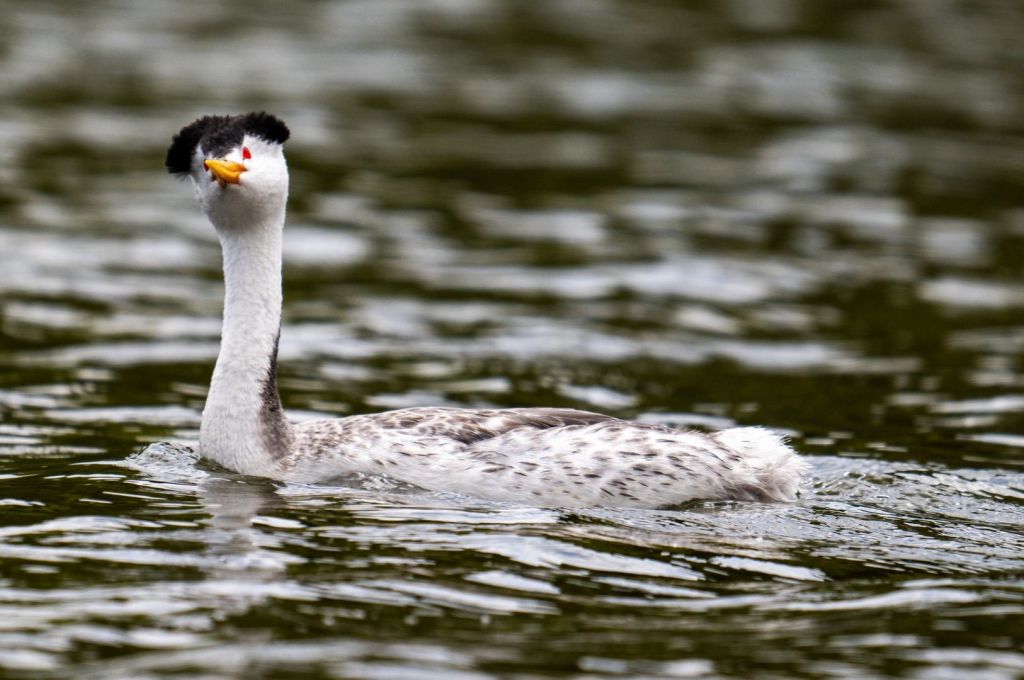
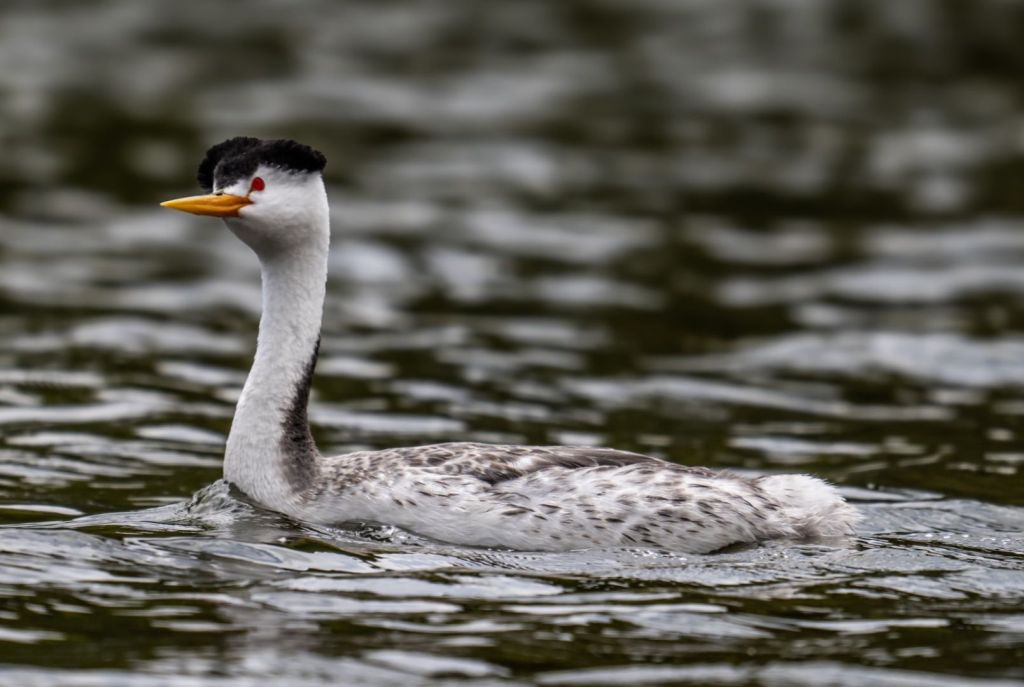
The Western Grebe (Aechmophorus occidentalis) is one of North America’s largest grebes, known for its elegant black-and-white plumage, striking red eyes, and spectacular courtship displays. Lake Wohlford has long been a favored breeding location for these birds, with photographers documenting their famous “rushing” behavior—when pairs appear to run across the water during courtship.
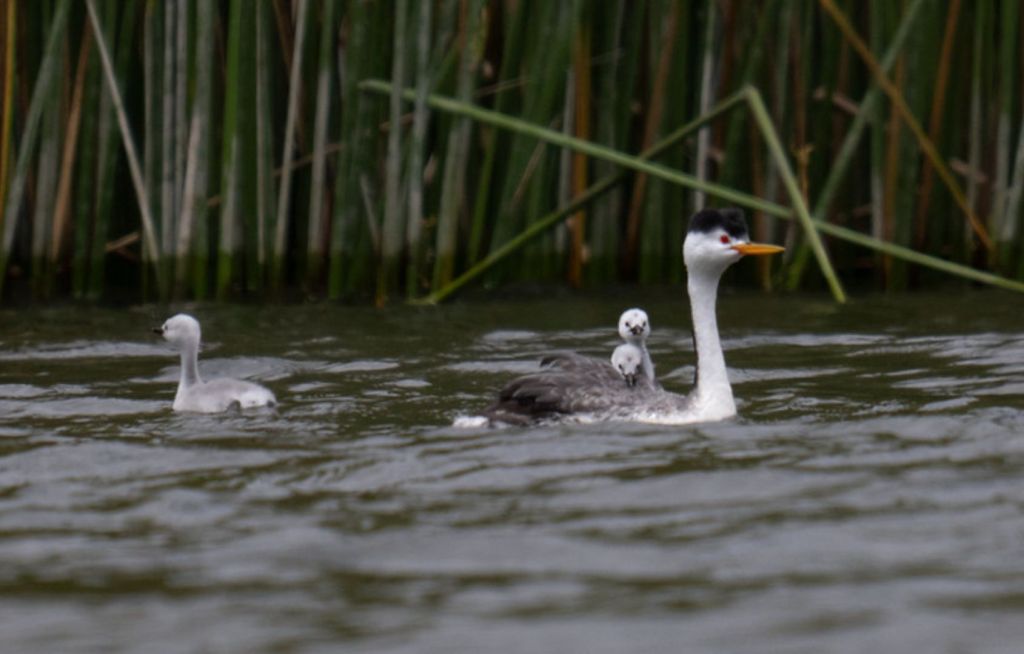
After nesting season begins, the real stars of the show emerge: the chicks. Newly hatched Western Grebes are covered in black-and-white stripes and are surprisingly mobile. Within minutes of hatching, they are capable of climbing onto a parent’s back, where they spend much of their first weeks sheltered from predators and cold water. Both parents participate in raising the young and take turns carrying them around the lake.
Watching a grebe family cruise across the calm waters of Lake Wohlford can feel like something out of a nature documentary. Often only a few tiny striped heads are visible peeking out from beneath a parent’s wings. As the chicks grow, they become more adventurous, swimming alongside their parents and eagerly begging for small fish.
The breeding cycle of Western Grebes depends on floating nests constructed from aquatic vegetation. These nests are anchored among emergent plants and can support clutches of two to four eggs. Once the chicks hatch, they leave the nest quickly and begin their remarkable back-riding behavior.
For wildlife photographers, early morning is often the best time to observe these families. Calm water creates beautiful reflections, and the soft light highlights the chicks’ distinctive striped plumage. A telephoto lens allows photographers to capture natural behavior without disturbing the birds.
Beyond providing wonderful photographic opportunities, the presence of nesting Western Grebes is an indicator of healthy aquatic habitat. These colonial nesting birds require a combination of open water for feeding and sheltered vegetation for nesting. Across western North America, breeding populations depend on suitable lake habitat and protection from disturbance.
A visit to Lake Wohlford during chick season offers a reminder of how remarkable bird life can be right here in San Diego County. Whether you’re an experienced birder or simply enjoying a morning walk around the lake, spotting a Western Grebe carrying its striped youngsters across the water is an experience that is hard to forget.
Birding Tip: Bring binoculars and scan the quieter coves of the lake during the morning hours. Look for an adult grebe sitting unusually high in the water—there may be several chicks hidden on its back.
At Lake Wohlford, visitors can rent fishing boats, including rowboats and small motorboats, from the lake’s concession area. The lake has long offered boat rentals for anglers who want to reach deeper water or fish away from the shoreline