
For bird photographers and wildlife lovers, it is one of the most immersive experiences in the zoo.
Tucked within the lush Lost Forest section of the San Diego Zoo, the Parker Aviary feels less like an exhibit and more like stepping into a living rainforest. The moment visitors walk through the doors, the sounds of rushing water, echoing bird calls, and rustling leaves replace the noise of the city outside.
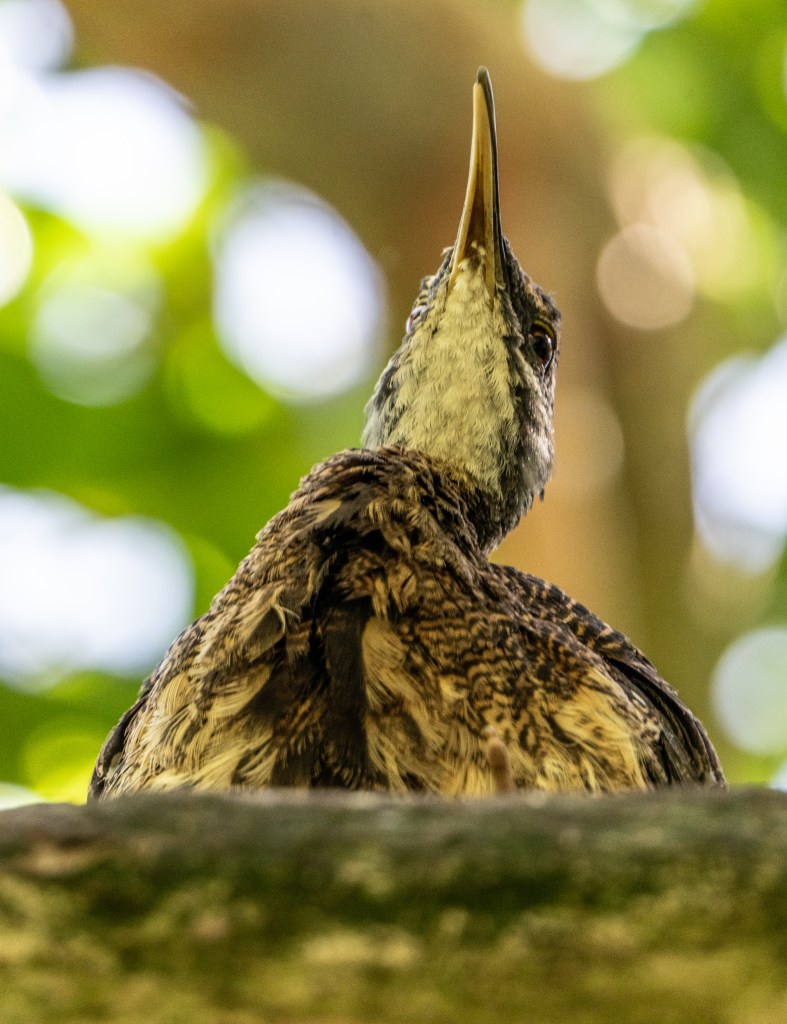
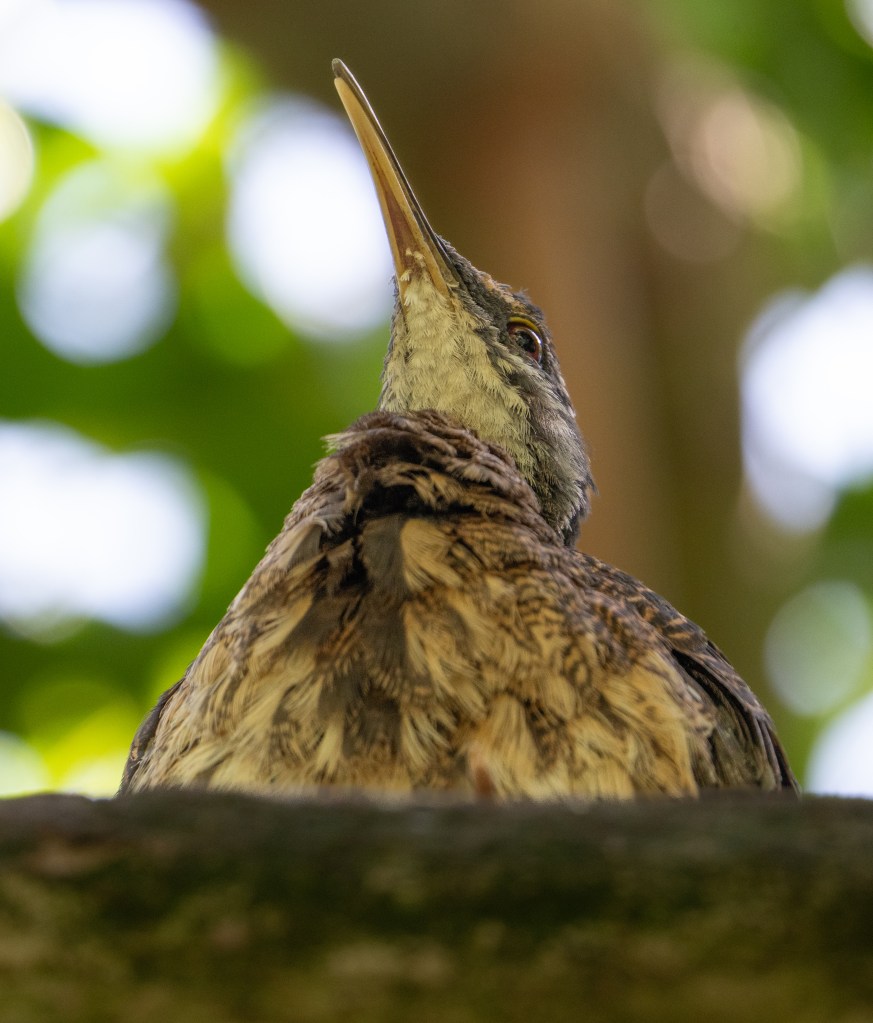

A Walk-Through Rainforest
Unlike traditional bird enclosures, Parker Aviary is designed as a free-flight aviary where birds soar overhead, perch near pathways, and interact naturally within dense tropical vegetation. The exhibit focuses primarily on species from Central and South America, creating the feeling of wandering through a humid jungle canopy.
The aviary’s winding paths, wooden bridges, and shaded foliage create endless opportunities for photography. Soft filtered light pours through the leaves while birds appear suddenly from the greenery, often at eye level.
Among the species visitors may encounter are:
- Andean cock-of-the-rocks
- Toco toucans
- Curl-crested aracaris
- Blue-crowned motmots
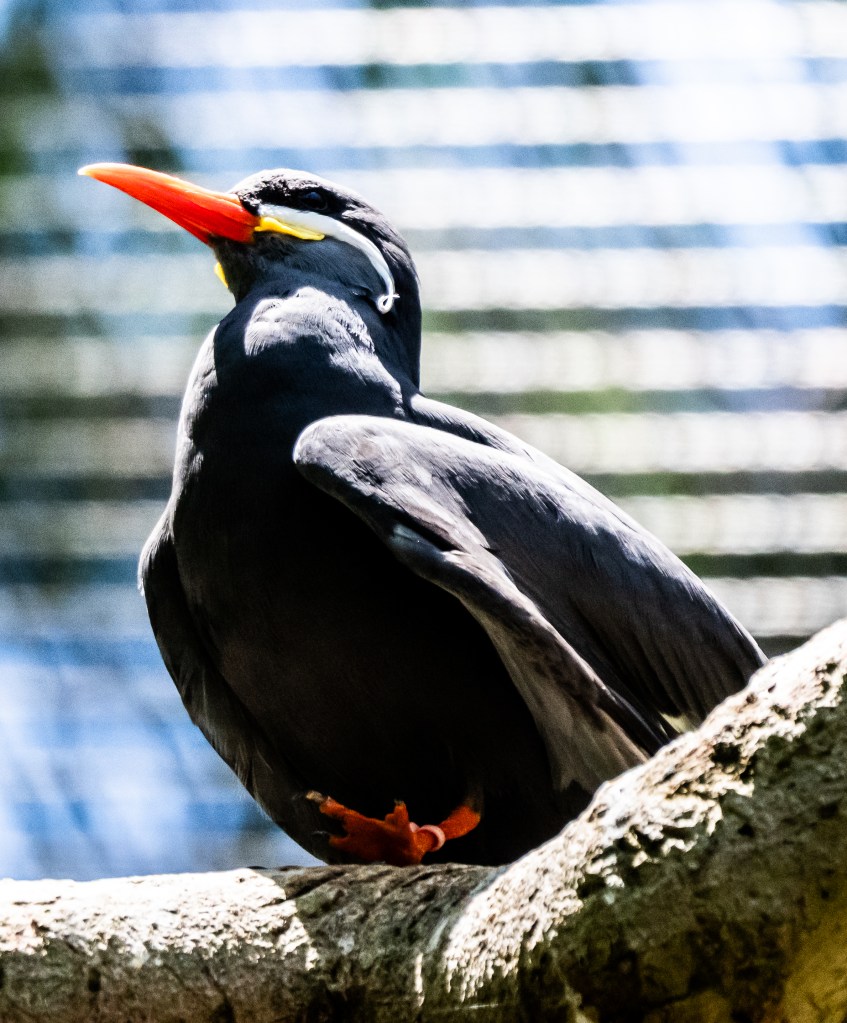
- Inca terns
- Sunbitterns
- Crested oropendolas
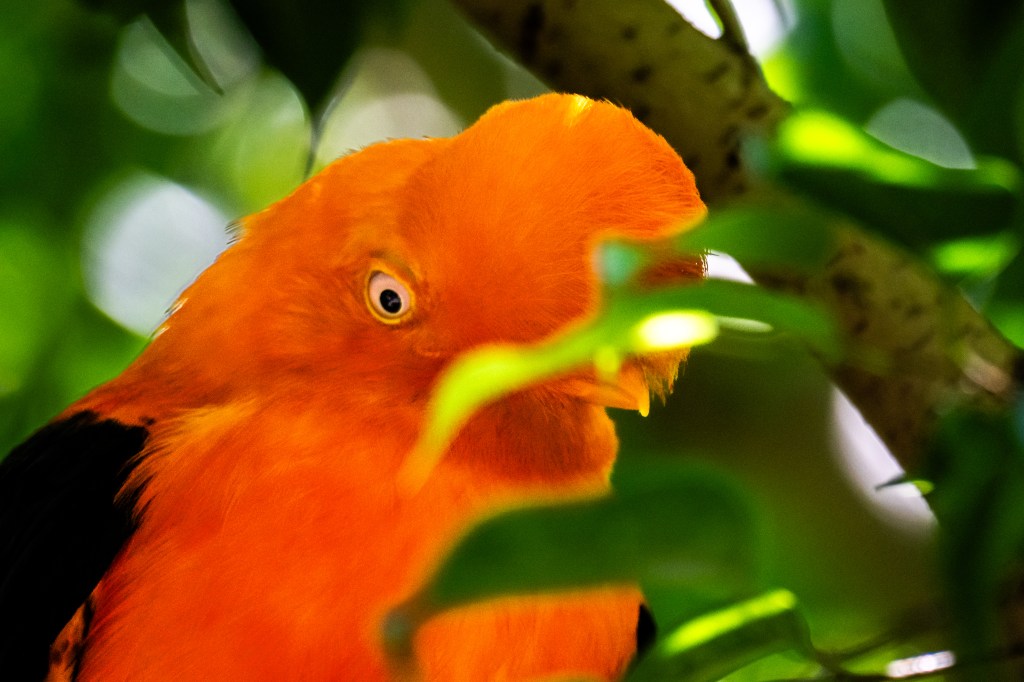
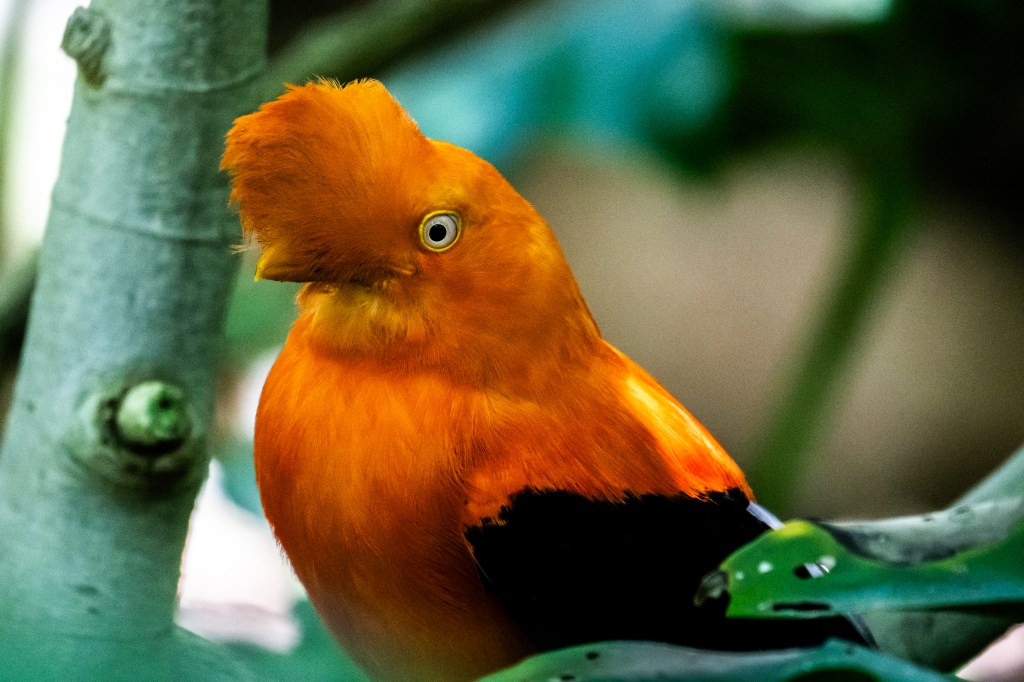
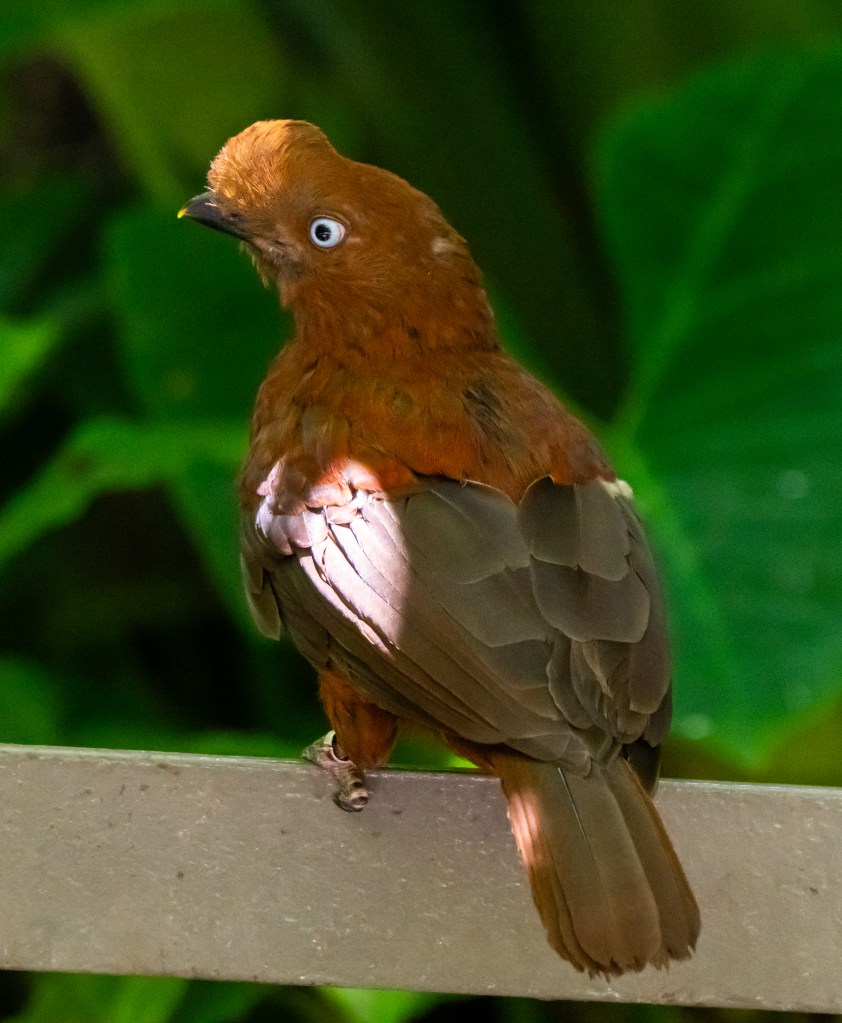
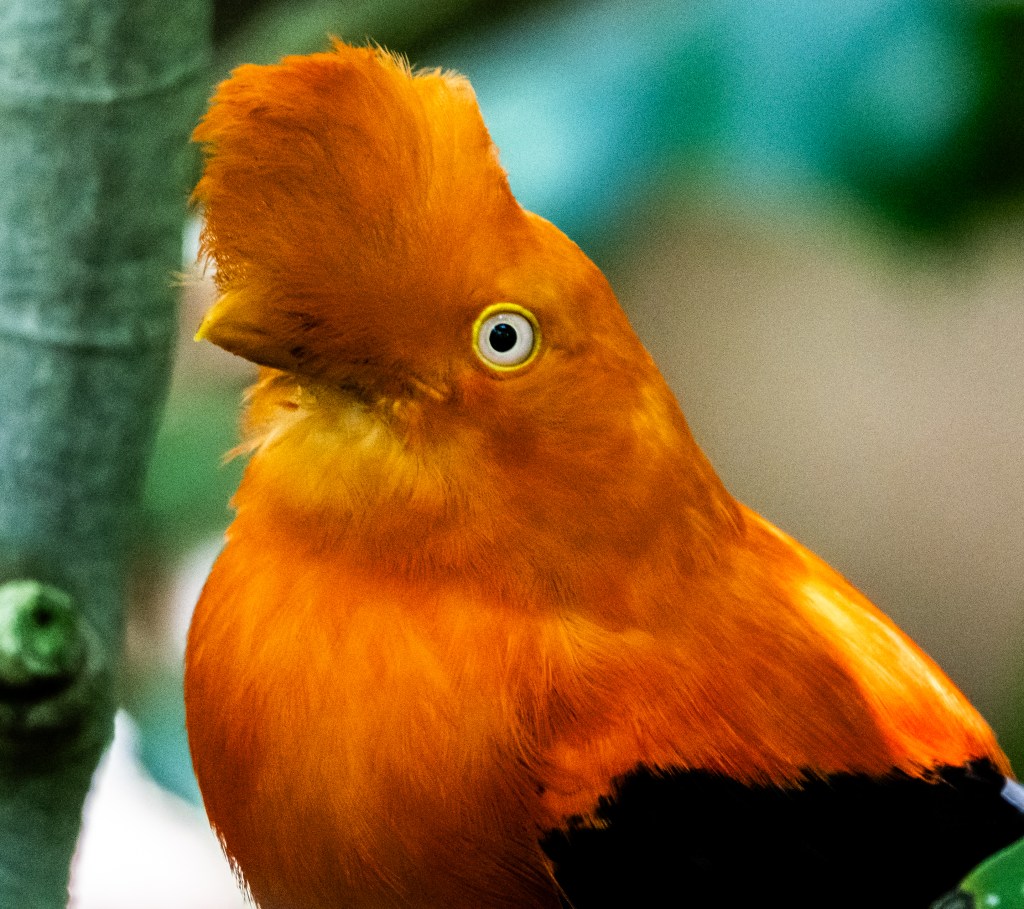
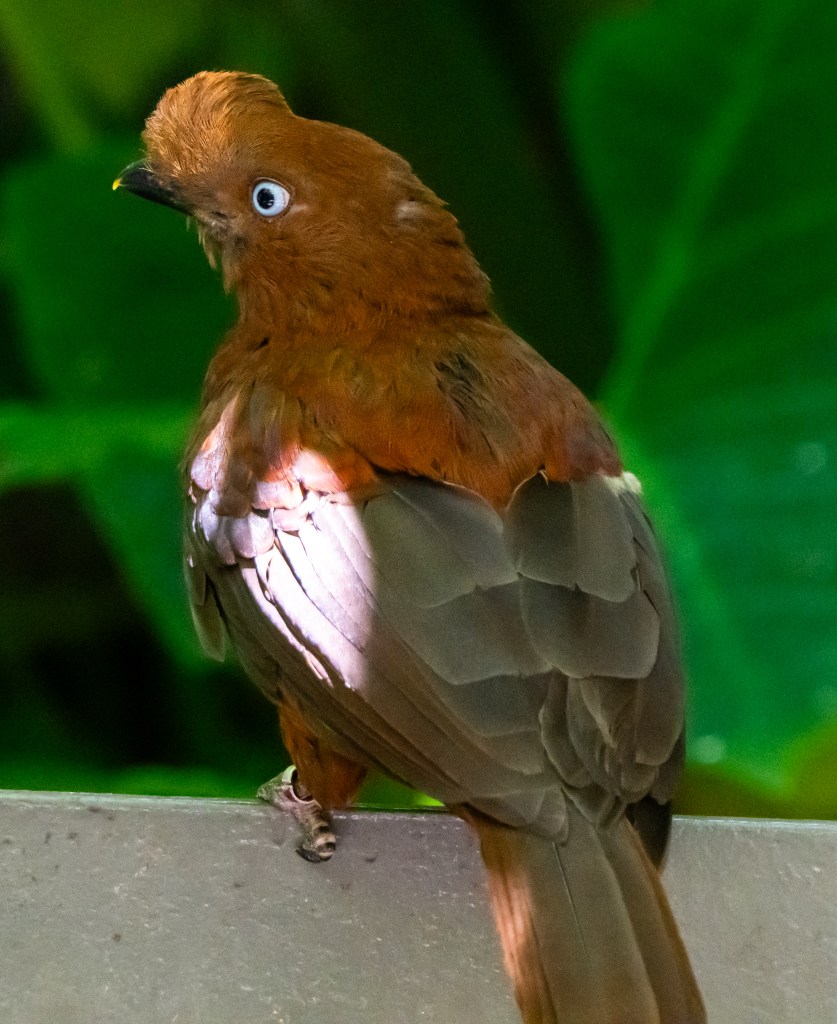
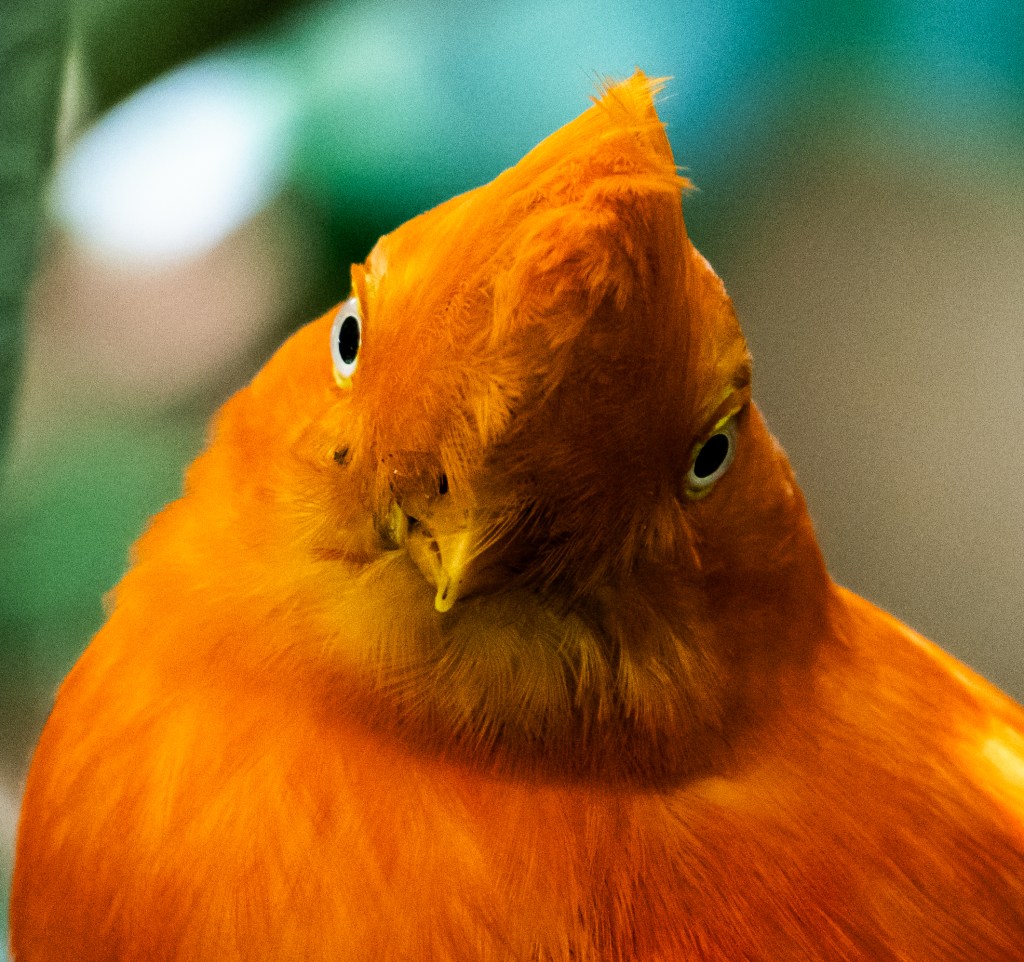
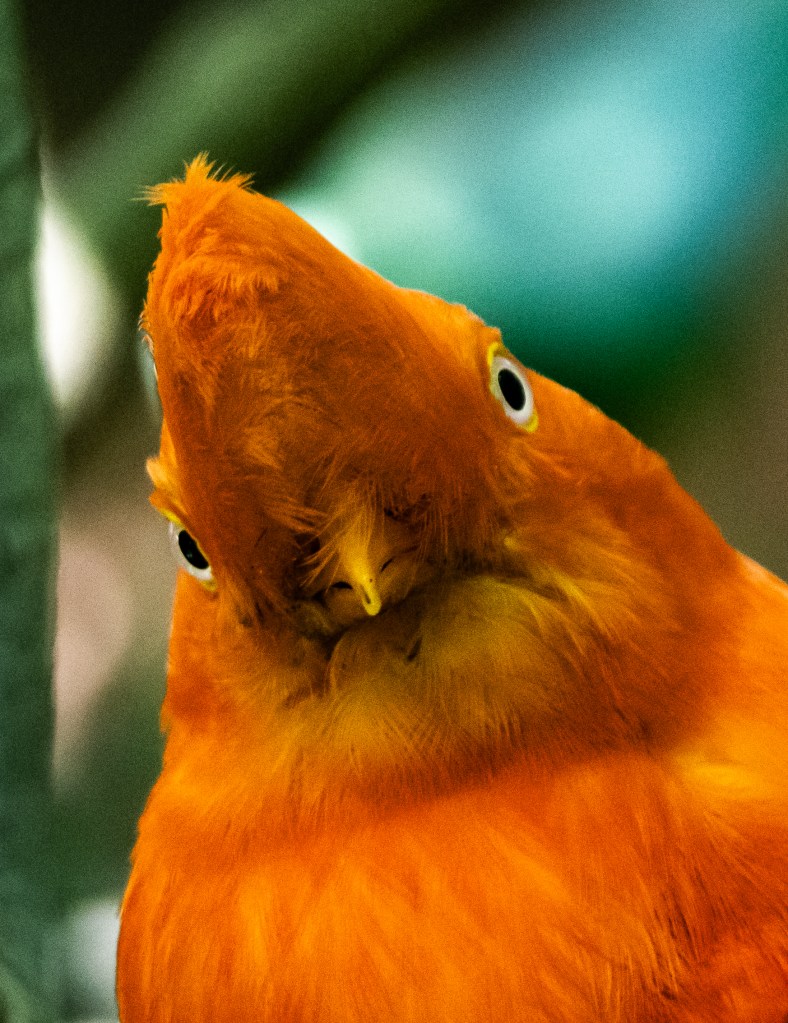
The bright orange Andean cock-of-the-rock is often the star attraction, drawing crowds with its bizarre crest and glowing plumage. Its color almost looks unreal against the deep green surroundings.
The Golden Lion Tamarins
One of the most unique aspects of Parker Aviary is the addition of golden lion tamarins — small endangered primates that share the exhibit with the birds. According to the San Diego Zoo Wildlife Alliance, this is the only place in the zoo where guests can walk through an exhibit alongside free-moving primates.
The tiny monkeys leap through vines and branches overhead while birds move through the same space below. The combination creates a constantly changing rainforest scene where something interesting is always happening.
Visitors and photographers frequently describe the aviary as one of the highlights of the zoo experience. On Reddit, several guests called the aviaries “beyond incredible” and praised Parker Aviary for its immersive atmosphere and close-up wildlife encounters.
A Paradise for Bird Photography
Parker Aviary is especially popular among photographers because the birds are often much closer than they would be in large open exhibits. The thick foliage creates beautiful natural backgrounds and soft bokeh effects that help portraits stand out.
Patience is rewarded here. Sit quietly near the stream or along the railings, and eventually a toucan may glide overhead or a motmot may perch nearby long enough for a portrait.
Morning hours are often the best time to visit, when the aviary is quieter and the birds are more active.
Conservation Through Connection
The San Diego Zoo has long been recognized for its bird conservation programs and one of the most diverse bird collections in North America.
Parker Aviary helps introduce visitors to species many people would never otherwise encounter. By creating an immersive environment rather than a simple viewing area, the exhibit encourages visitors to slow down, observe behavior, and appreciate the incredible diversity of tropical bird life.
For many guests, it becomes one of the most memorable stops in the entire zoo.
Whether you are a birder, photographer, or simply someone looking for a peaceful corner of the zoo, Parker Aviary offers a chance to disappear into the rainforest for a little while — without ever leaving San Diego.

