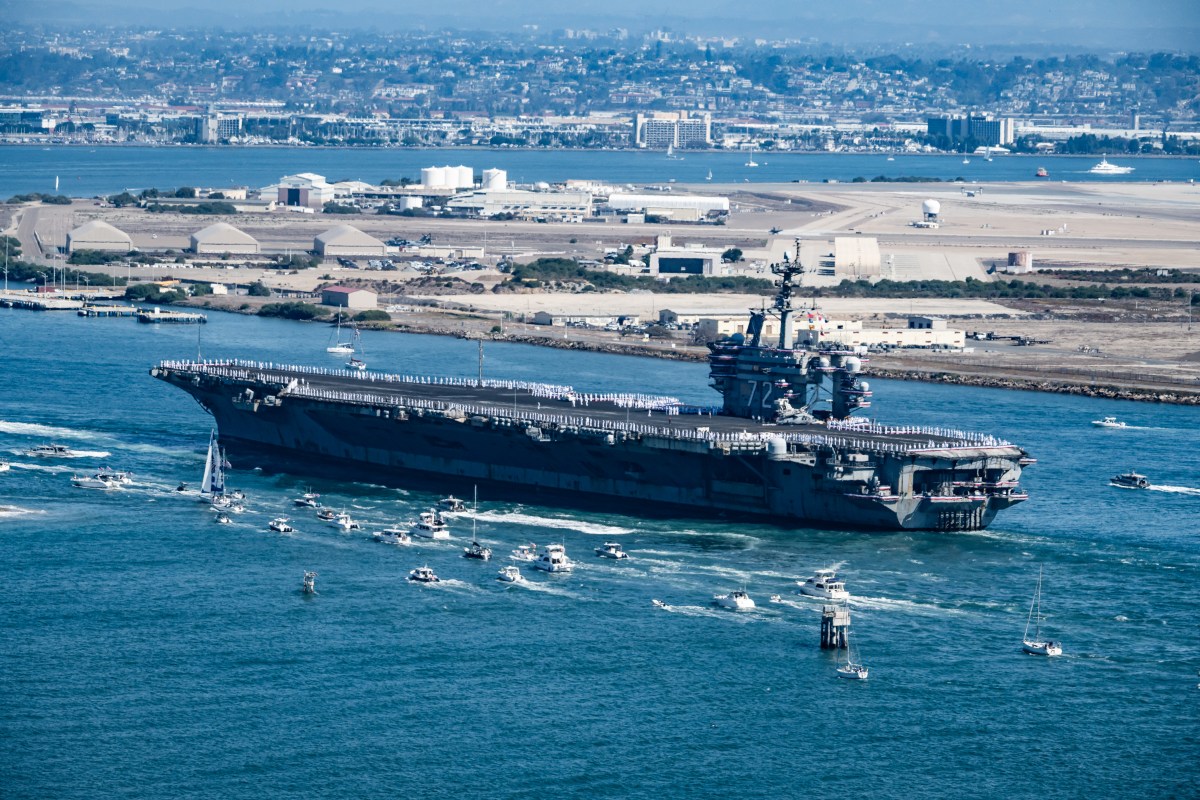
USS Abraham Lincoln Returns to San Diego: A Homecoming Nearly 11 Months in the Making

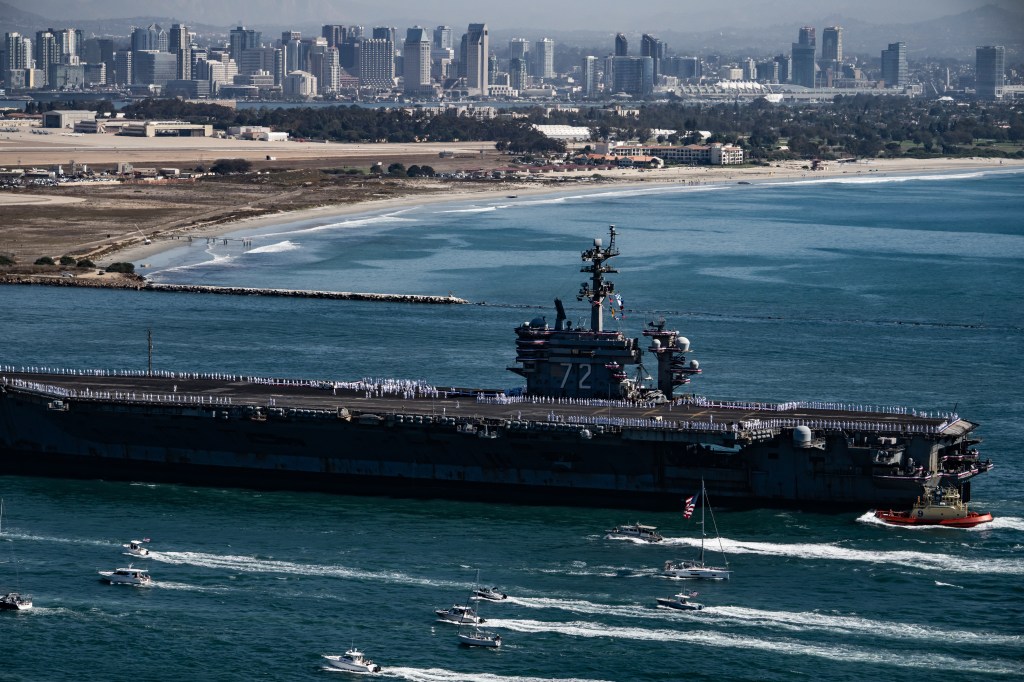
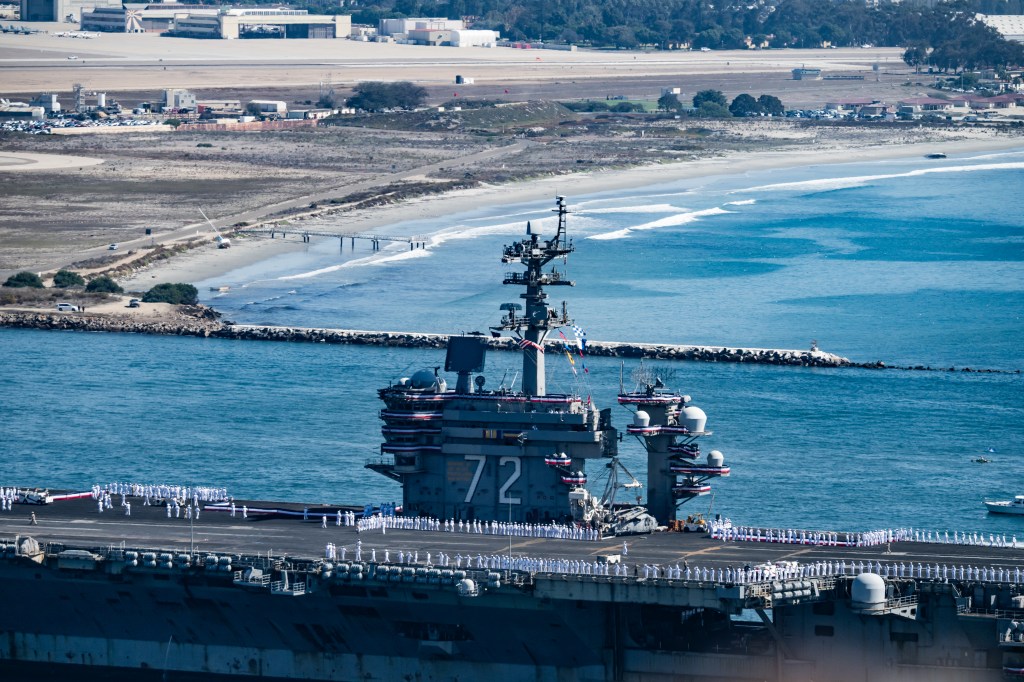
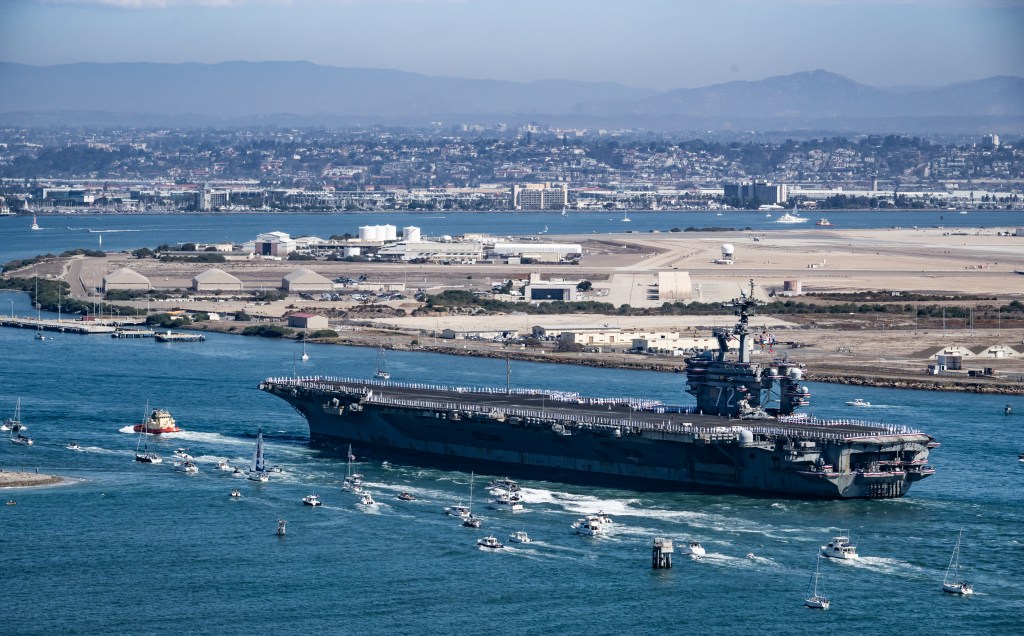
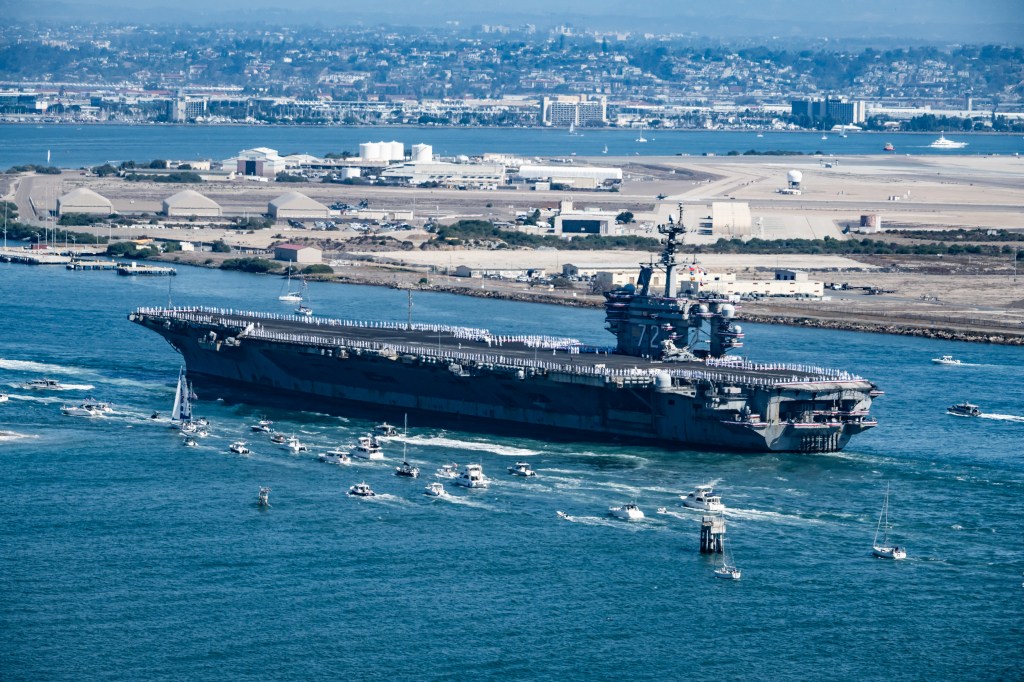
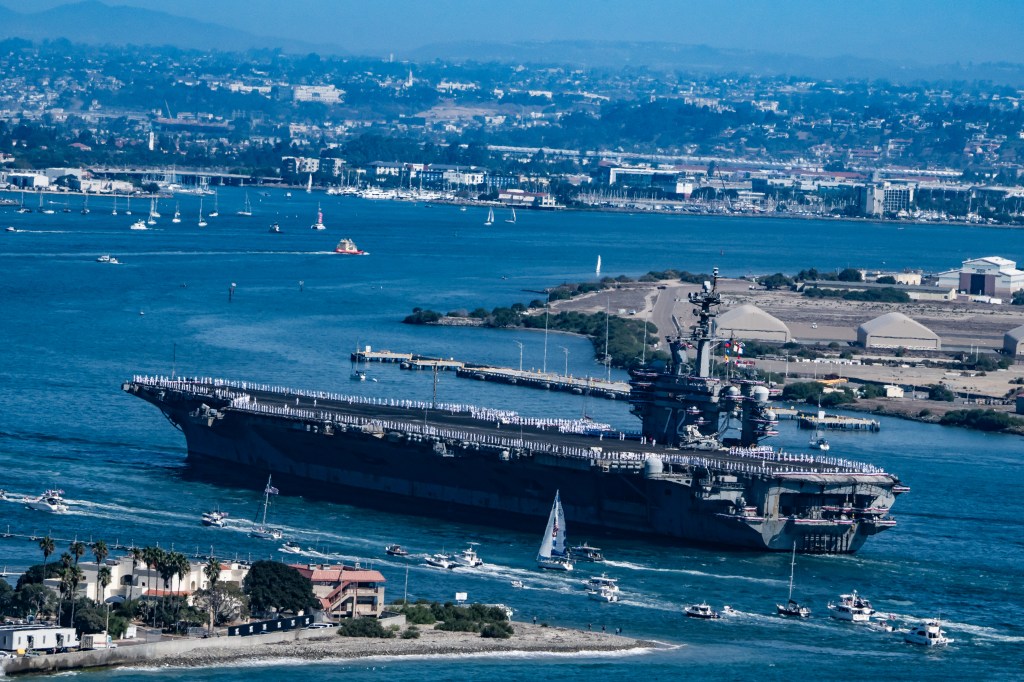
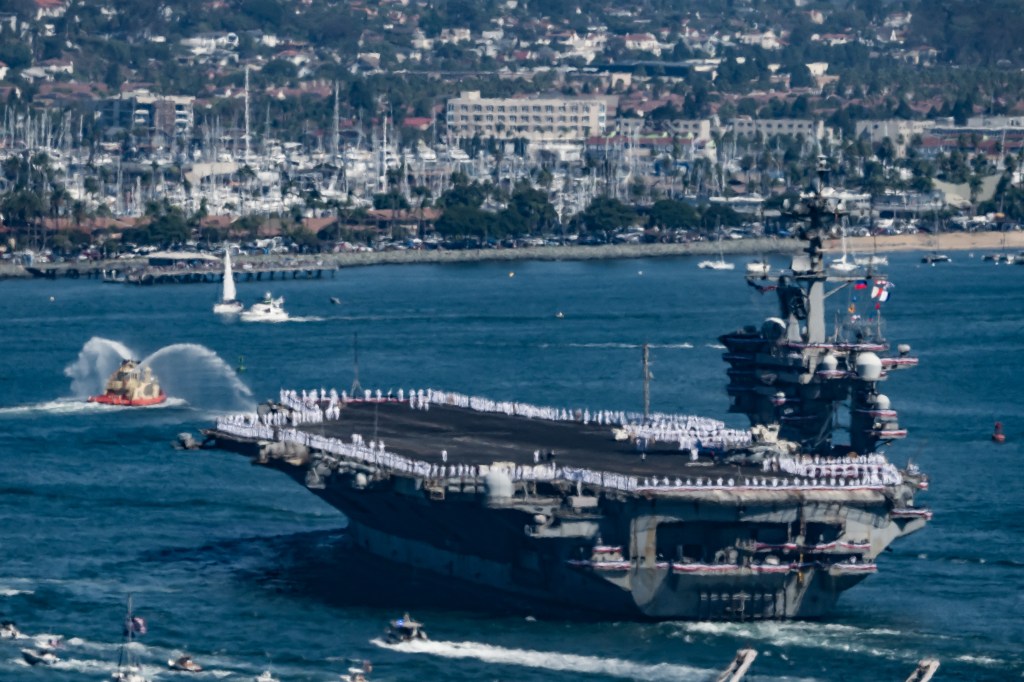
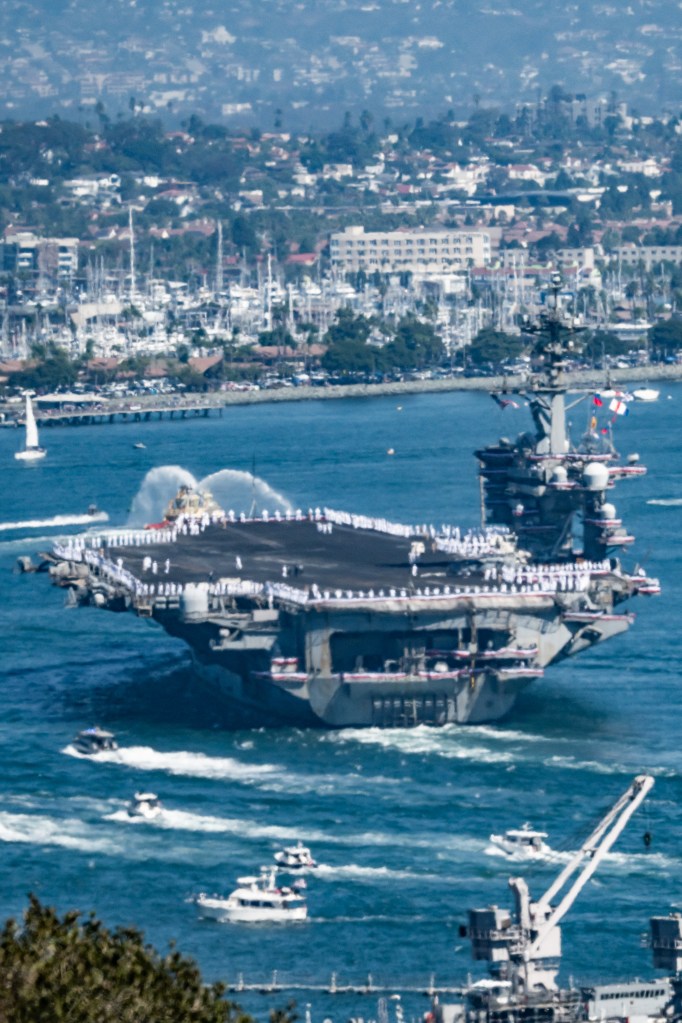
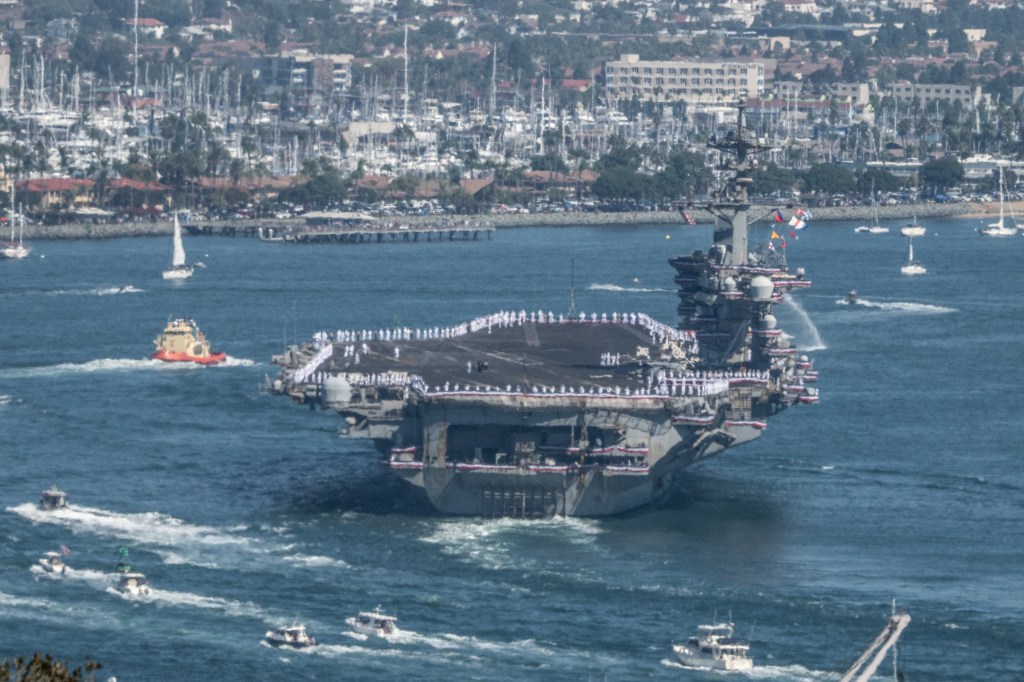
After nearly 11 months away from home, the USS Abraham Lincoln has returned to San Diego, bringing an emotional chapter to a close for thousands of sailors and their families. The arrival of the massive Navy aircraft carrier marks the end of a 321-day deployment and a long-awaited opportunity for its crew to reunite with loved ones.

SAN DIEGO, California — October 8, 2026

After nearly 11 months away from home, the USS Abraham Lincoln has returned to San Diego, bringing an emotional chapter to a close for thousands of sailors and their families. The arrival of the massive Navy aircraft carrier marks the end of a 321-day deployment and a long-awaited opportunity for its crew to reunite with loved ones.

For San Diego, a city with deep ties to the United States Navy, the return is more than the arrival of a ship. It is a reminder of the sacrifices made by military families, the demands of life at sea, and the importance of coming home.
A Long-Awaited Return to San Diego Bay

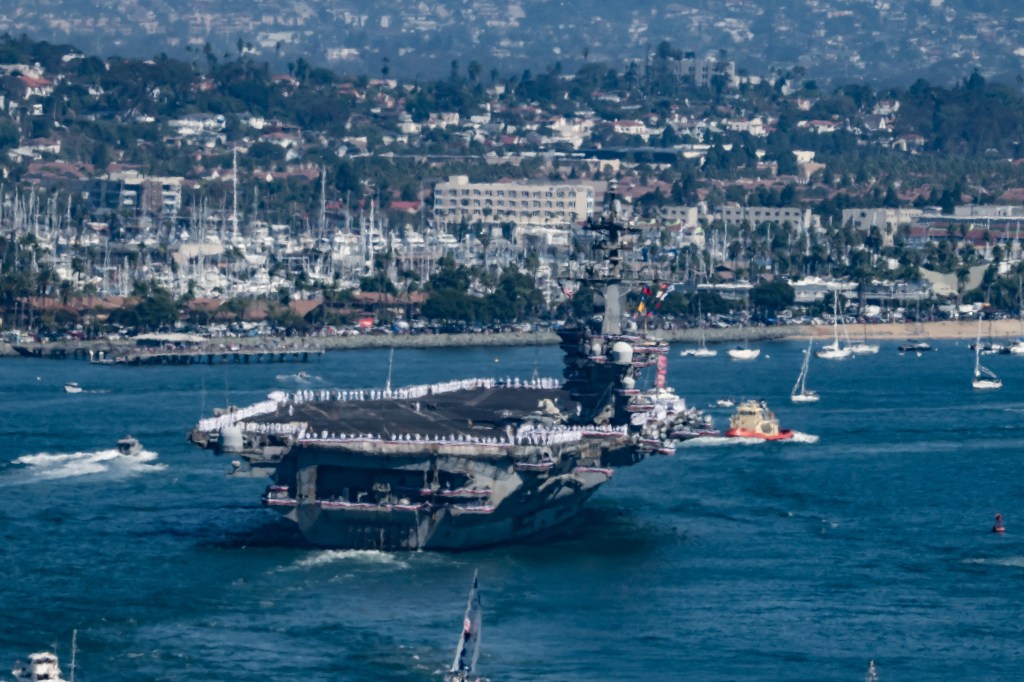
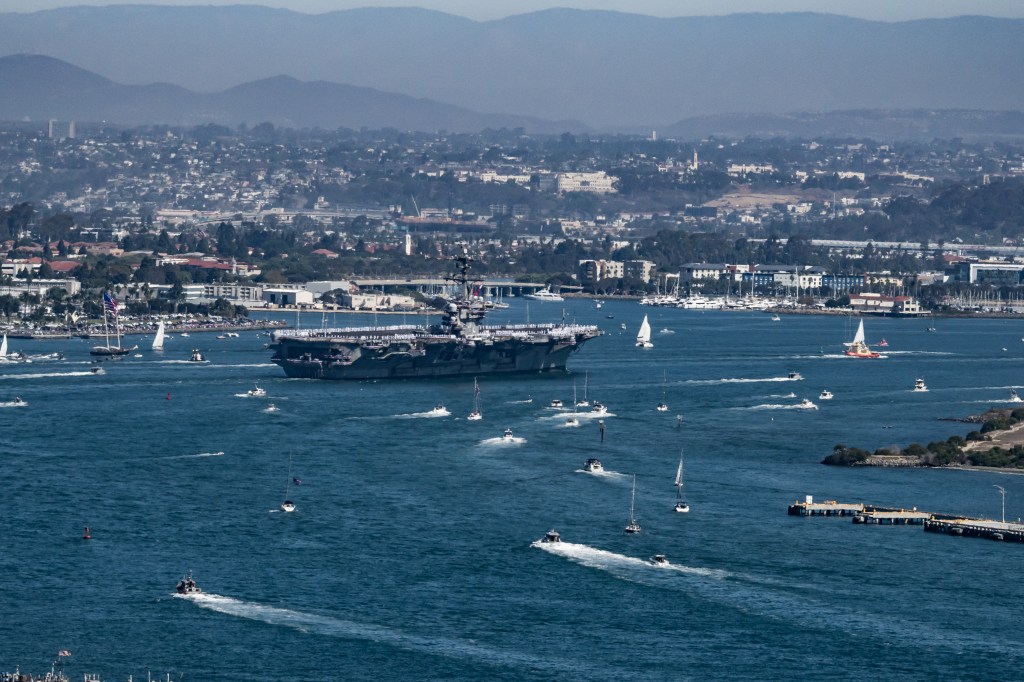
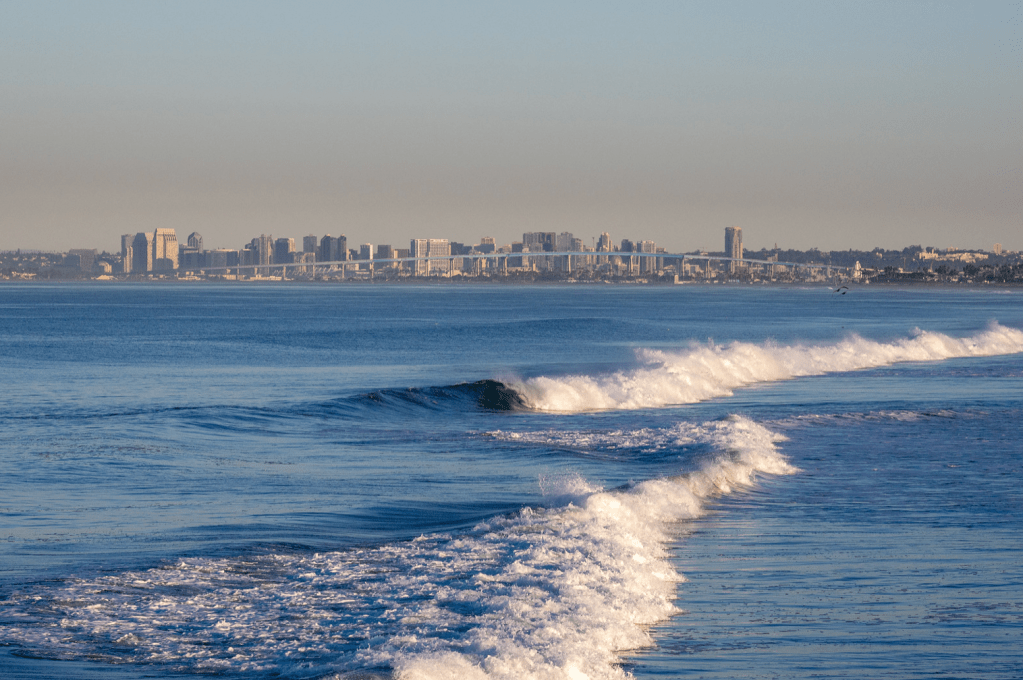
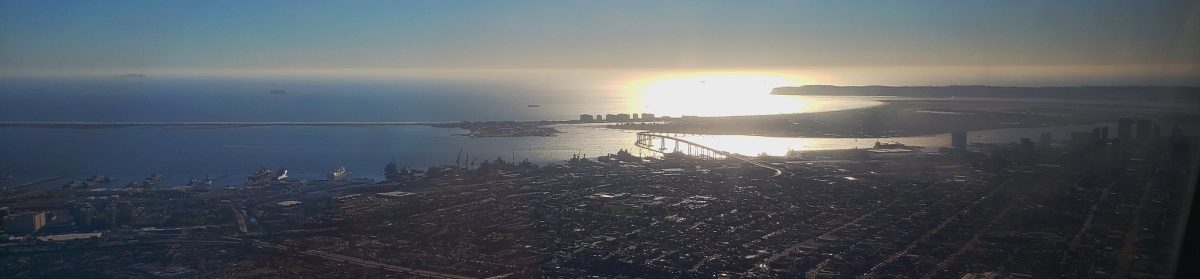
The USS Abraham Lincoln, a Nimitz-class nuclear-powered aircraft carrier, returned to its homeport at Naval Air Station North Island in Coronado on Thursday, October 8.

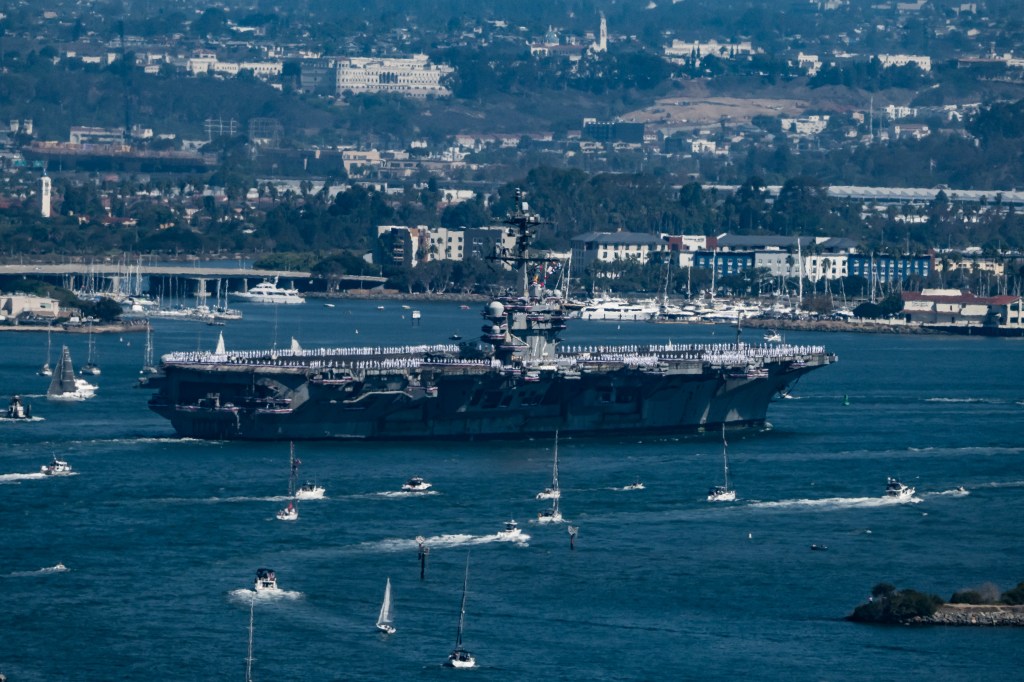
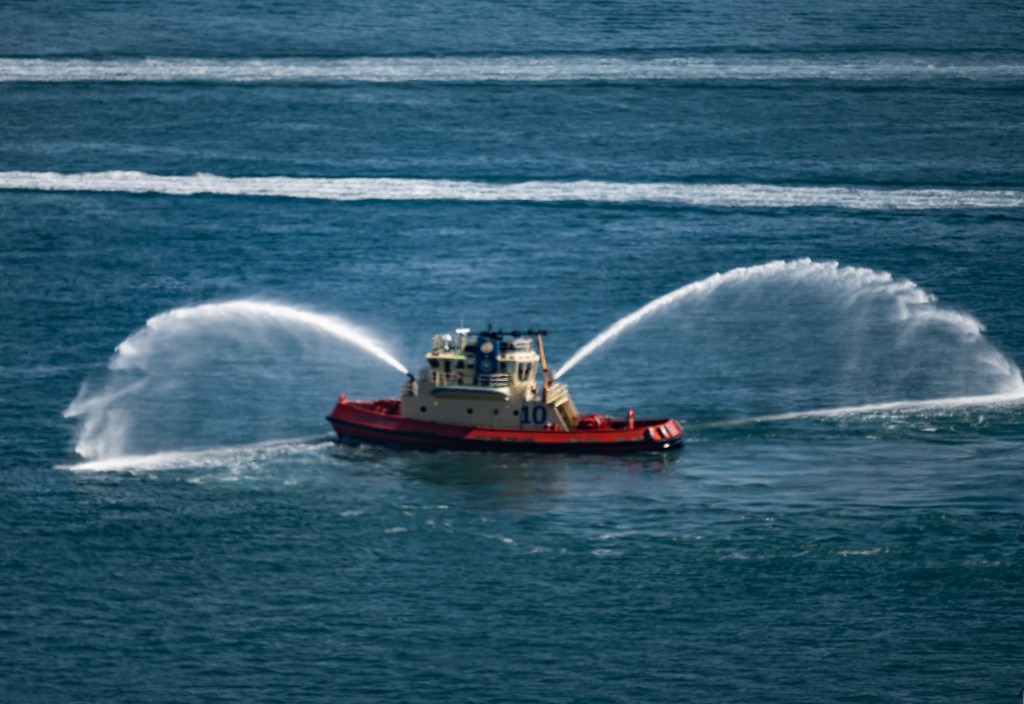
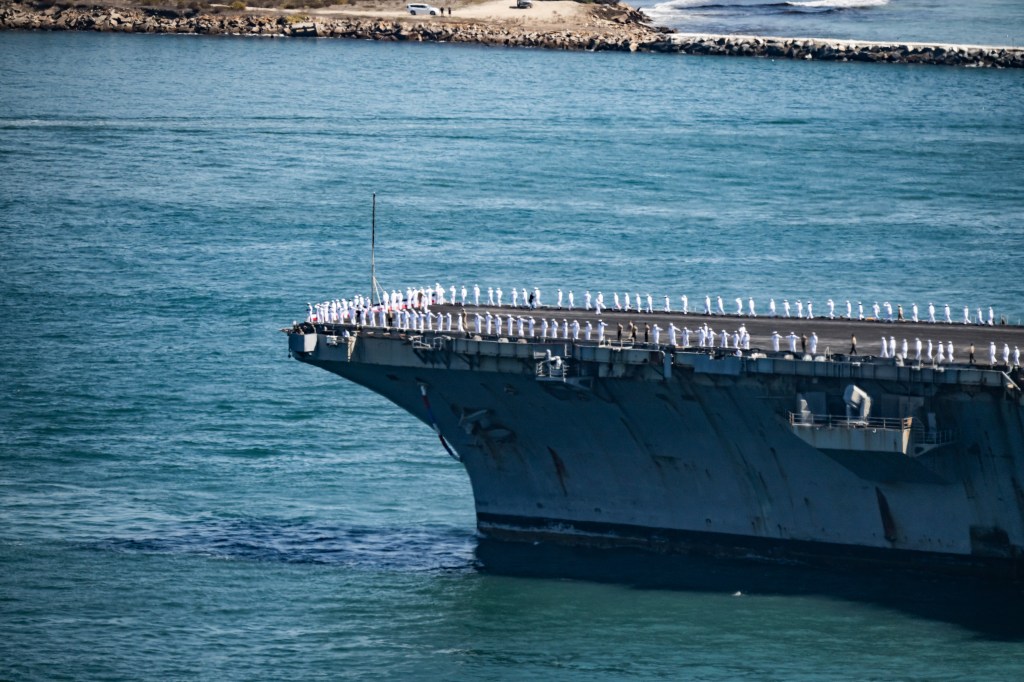
As the enormous carrier made its way into San Diego Bay, families and friends gathered to welcome the crew home. Sailors stood along the ship’s rails as it approached the waterfront, while loved ones waited for the moment they could finally see them again.

The deployment began in November 2025 and included extensive operations in the Pacific and Middle East. The ship spent 265 consecutive days at sea without a port call, making the deployment an extraordinary test of endurance for its crew.

For the sailors returning home, the journey’s end represents months of demanding work, separation from family, and anticipation of a well-deserved reunion.

The People Behind the Aircraft Carrier

An aircraft carrier is an impressive feat of engineering, but its greatest responsibility rests with the people who operate it.

Thousands of sailors work together to maintain the ship, operate its aircraft, prepare meals, manage equipment, and keep essential systems running around the clock. Life aboard a carrier requires teamwork, discipline, and the ability to adapt to changing circumstances.

During a deployment lasting almost a year, birthdays, anniversaries, holidays, and important family milestones can pass without the sailor being present.

Some crew members returned to children who had grown considerably since their departure. Others reunited with spouses and parents after months of communicating primarily through limited phone calls or messages.

For some families, the return also meant meeting a new child for the first time.

These are the personal stories behind the headlines, and they help explain why a carrier’s arrival home can be such a powerful moment.

The Challenges of an Extended Deployment

Although the homecoming brought celebration, the deployment was not without difficulties.

Reports during the mission raised concerns about food supplies, living conditions, morale, and the mental health of sailors aboard the ship. Extended periods at sea can place considerable pressure on service members, particularly when opportunities to visit ports or communicate with family are limited.

The return offers an opportunity to recognize the crew’s service while also acknowledging the importance of supporting sailors as they transition back to everyday life.

Coming home is a major milestone, but recovery from a lengthy deployment can take time. Reconnecting with family, resting, and adjusting to life on shore are all important parts of that process.

The families waiting in San Diego have also endured months of uncertainty and separation. Their experience is an essential part of the story.

San Diego and Its Naval Heritage

The return of the USS Abraham Lincoln reinforces San Diego’s longstanding connection to the Navy.

From Coronado and Point Loma to communities throughout the county, military service is part of the region’s identity. Naval personnel contribute to the local economy, support community organizations, and form lasting relationships with the people who call San Diego home.

The city’s waterfront provides a fitting backdrop for the carrier’s return. The arrival brings together military families, veterans, residents, and people who simply want to witness a significant moment in the region’s maritime history.

For many San Diegans, watching the carrier enter the bay is also a reminder that behind every military mission are individuals whose lives extend far beyond the ship.

What Comes Next for the USS Abraham Lincoln?

With the deployment completed, the carrier and its crew can begin the next phase: returning to homeport routines, addressing maintenance needs, and spending time with family.

The ship’s arrival does not mean every sailor’s responsibilities end immediately. Aircraft carriers require ongoing maintenance, inspections, training, and preparation for future assignments.

However, the return provides an important pause after months of demanding operations.

For sailors and their loved ones, the immediate priority is much more personal: spending time together, sharing stories, and enjoying the simple routines that were missed while the ship was away.

A Homecoming Worth Remembering

The return of the USS Abraham Lincoln to San Diego on October 8, 2026, is a significant moment for the Navy and the local community.

The 321-day deployment highlights the demands of modern naval service, but the homecoming tells another story—one about family, perseverance, friendship, and the relief of finally being together again.

The carrier may be one of the most powerful ships in the world, but its return reminds us that its most meaningful cargo is the people who serve aboard it.

For the sailors stepping onto the pier and the families waiting to embrace them, the long journey has finally brought them home.

Welcome home, USS Abraham Lincoln and crew. San Diego is glad to have you back.
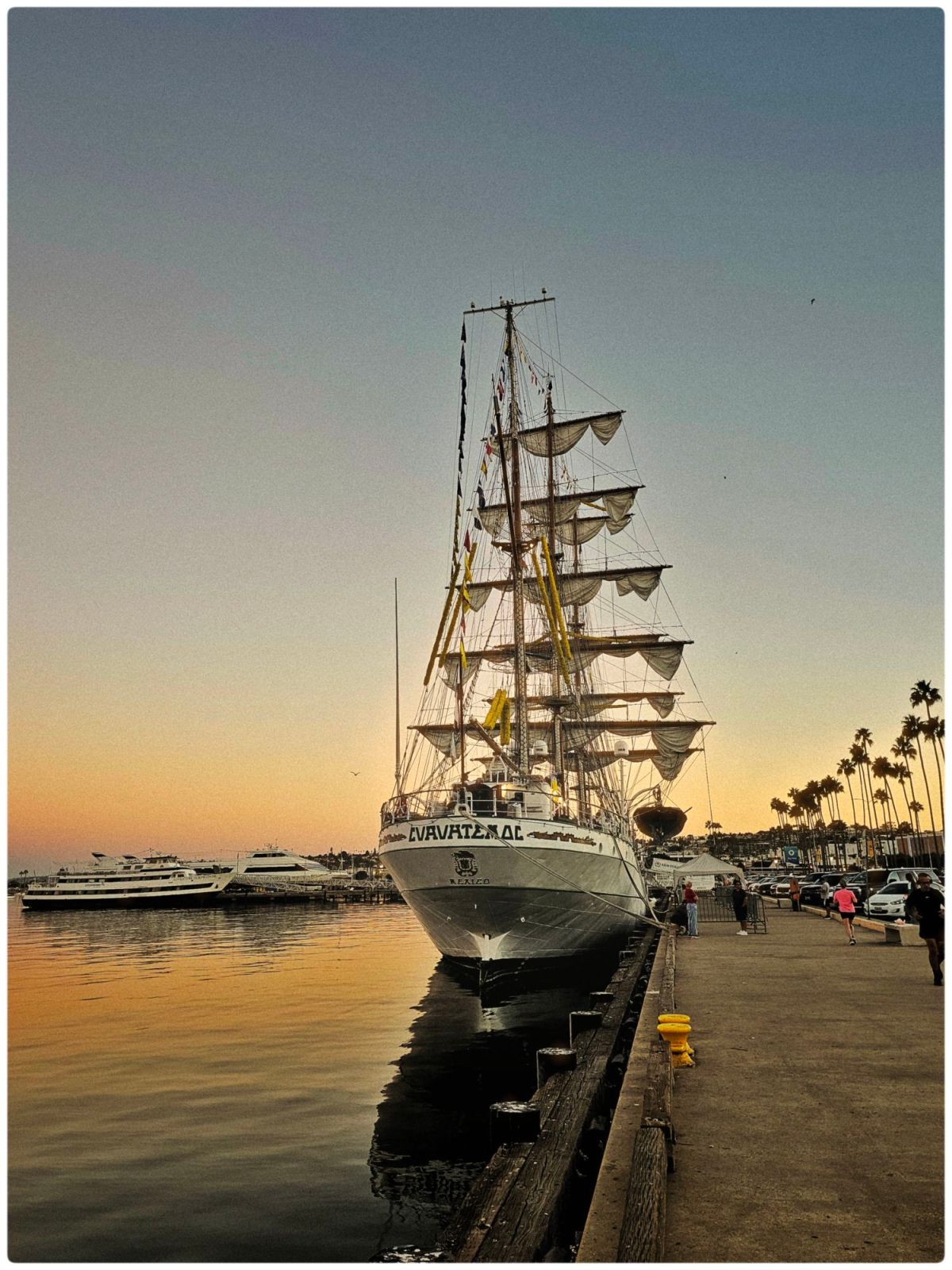
A Symbol of Friendship at Sea: Mexico’s Tall Ship Cuauhtémoc Visits San Diego

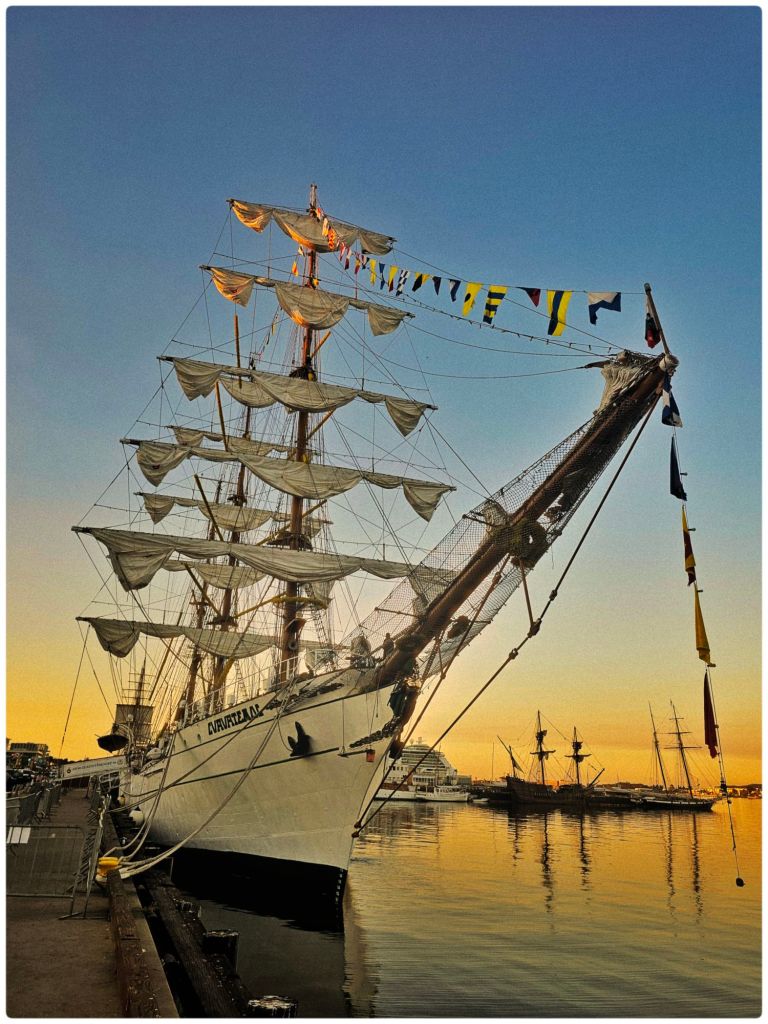
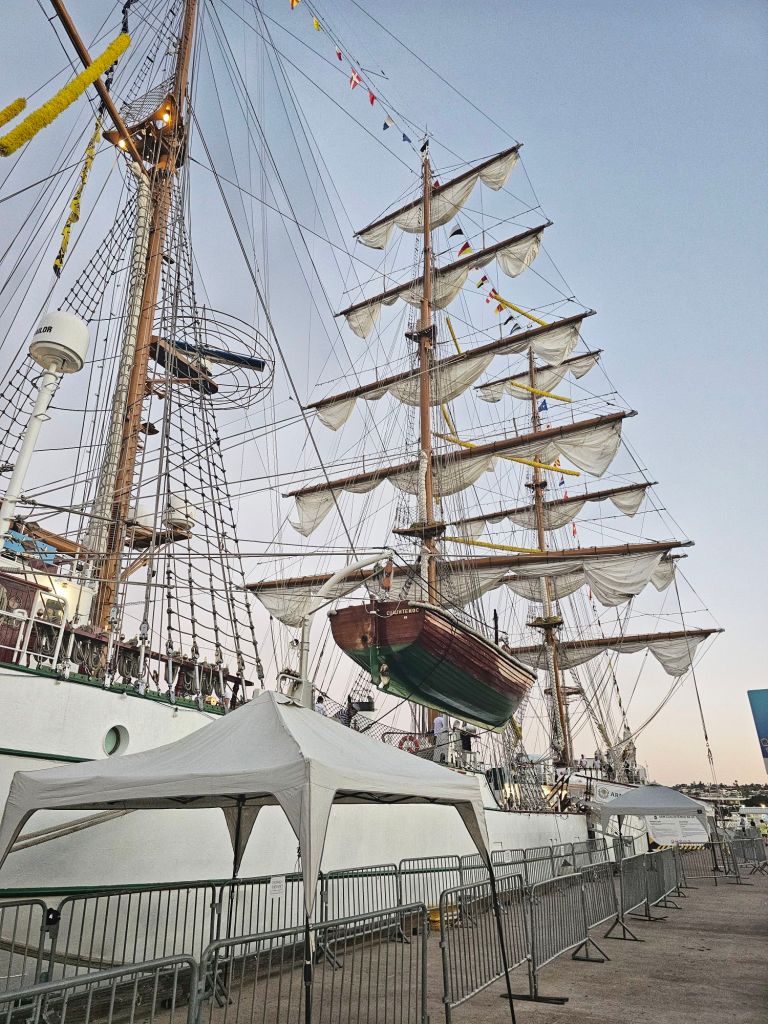
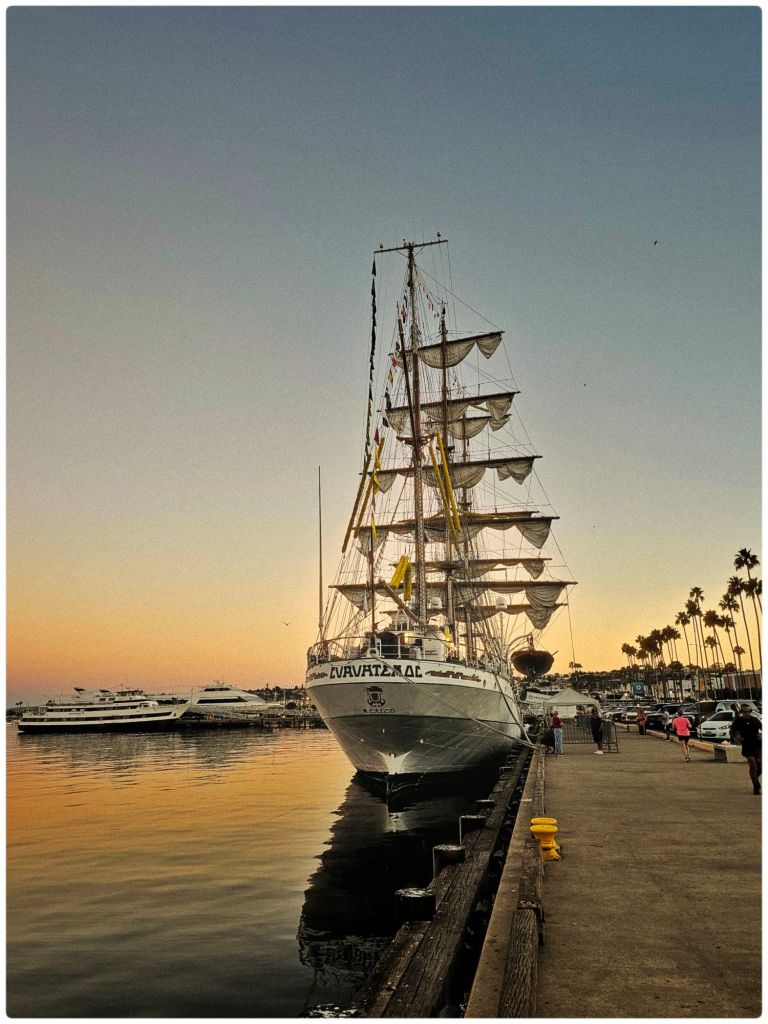
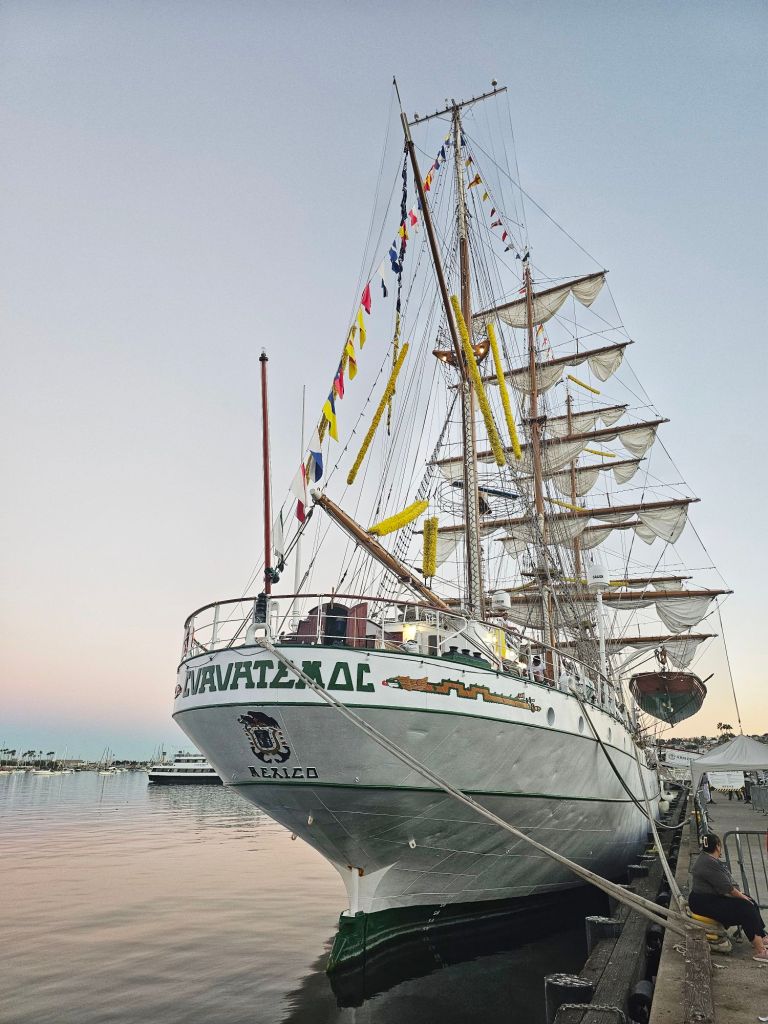
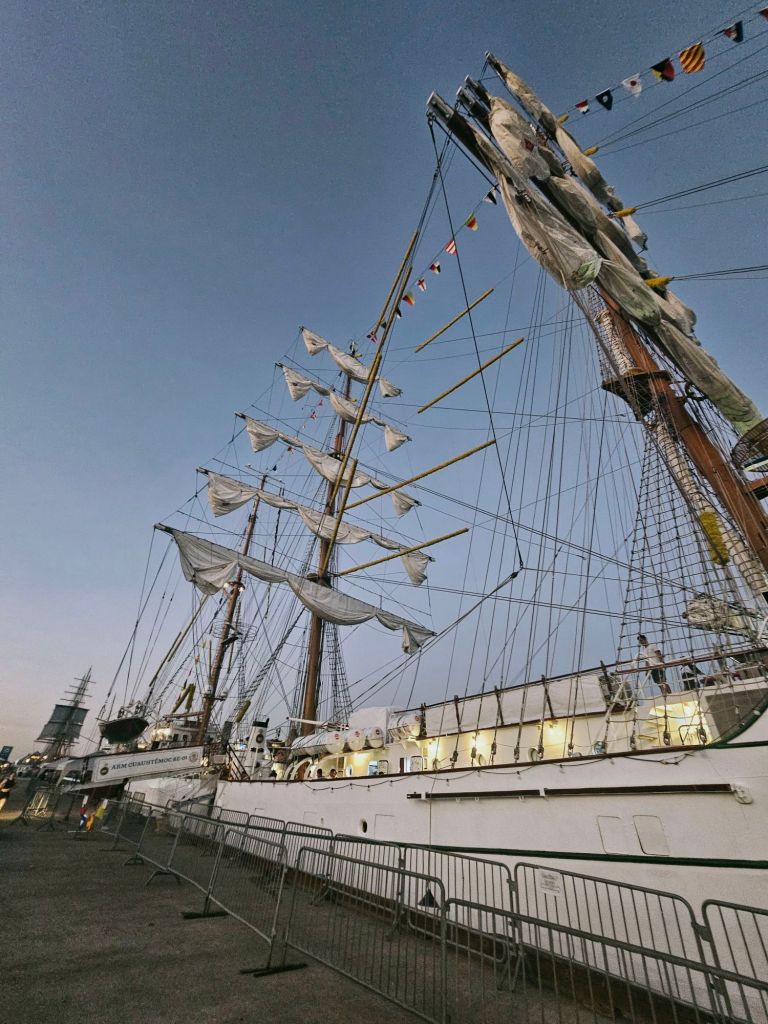
San Diego’s waterfront welcomed a special visitor this October: the ARM Cuauhtémoc, the Mexican Navy’s celebrated sailing training ship. With its towering masts, traditional rigging, and proudly displayed Mexican flag, the vessel brought a striking piece of Mexico’s maritime heritage to San Diego Bay.

The Mexican Navy’s iconic training vessel brings maritime tradition, cultural pride, and a message of goodwill to San Diego Bay.

San Diego’s waterfront welcomed a special visitor this October: the ARM Cuauhtémoc, the Mexican Navy’s celebrated sailing training ship. With its towering masts, traditional rigging, and proudly displayed Mexican flag, the vessel brought a striking piece of Mexico’s maritime heritage to San Diego Bay.

The ship arrived on October 1, 2026, as part of the Mexican Navy’s North Pacific Training Cruise 2026. Its visit offered a memorable opportunity for the local community to connect with Mexican naval traditions and experience a vessel that represents much more than a ship at sea.

The San Diego stop was part of a wider voyage that began in Acapulco in July 2026. During its North Pacific training cruise, the Cuauhtémoc visited ports including Honolulu, Hawaii; Seward, Alaska; Victoria, British Columbia; and San Francisco before reaching Southern California.

The voyage combined professional training with international engagement. For the midshipmen aboard, every stretch of open water offered practical lessons in navigation, sailing operations, decision-making, and working together under challenging conditions.

According to Mexico’s Secretariat of the Navy, the cruise was planned to cover approximately 9,812 nautical miles over 92 days, including time at sea and in port.

The ship remained in port for several days, with public visits offered from October 2 through October 4. Visitors could board the vessel free of charge between 10 a.m. and 8 p.m., providing a rare opportunity to see the ship up close and learn about the work carried out by its crew.

For maritime enthusiasts, families, students, and visitors exploring the waterfront, the experience offered a closer look at the traditions behind one of Mexico’s best-known naval vessels.

Fiesta en la Playa: A Volkswagen Celebration at Imperial Beach

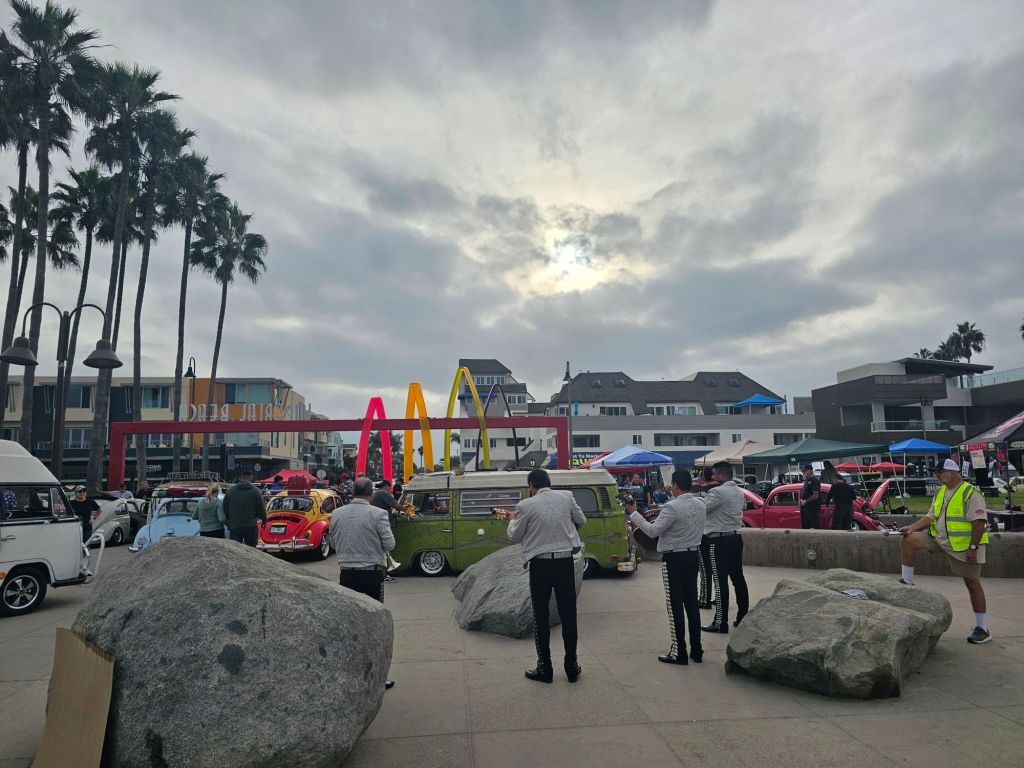
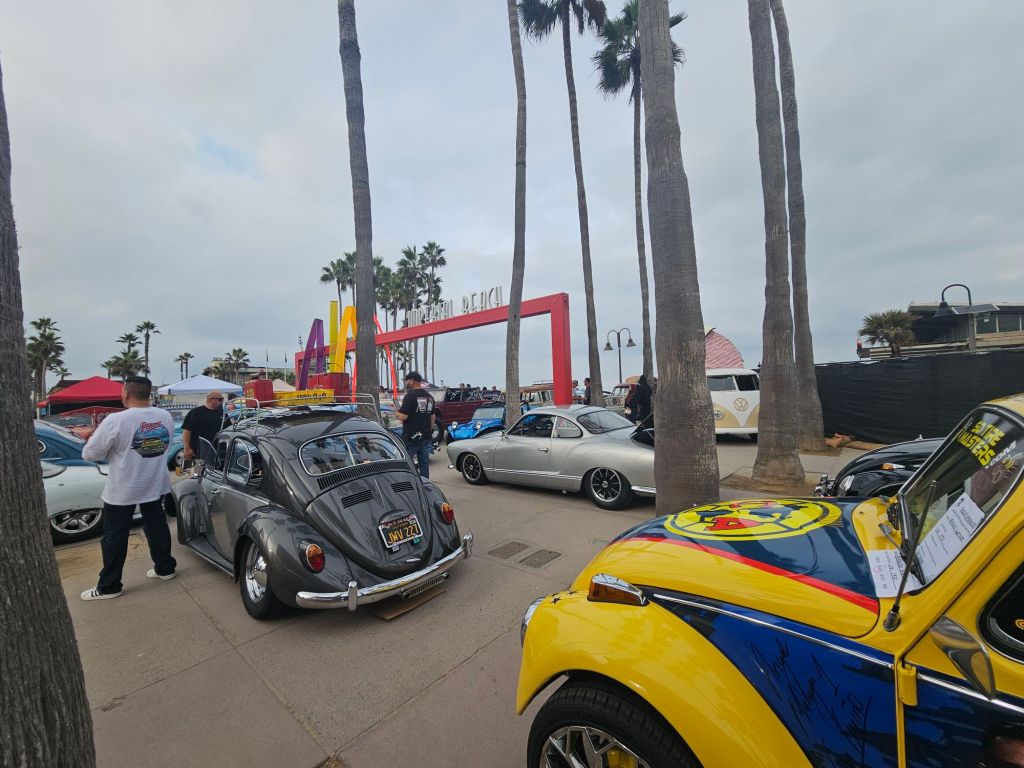
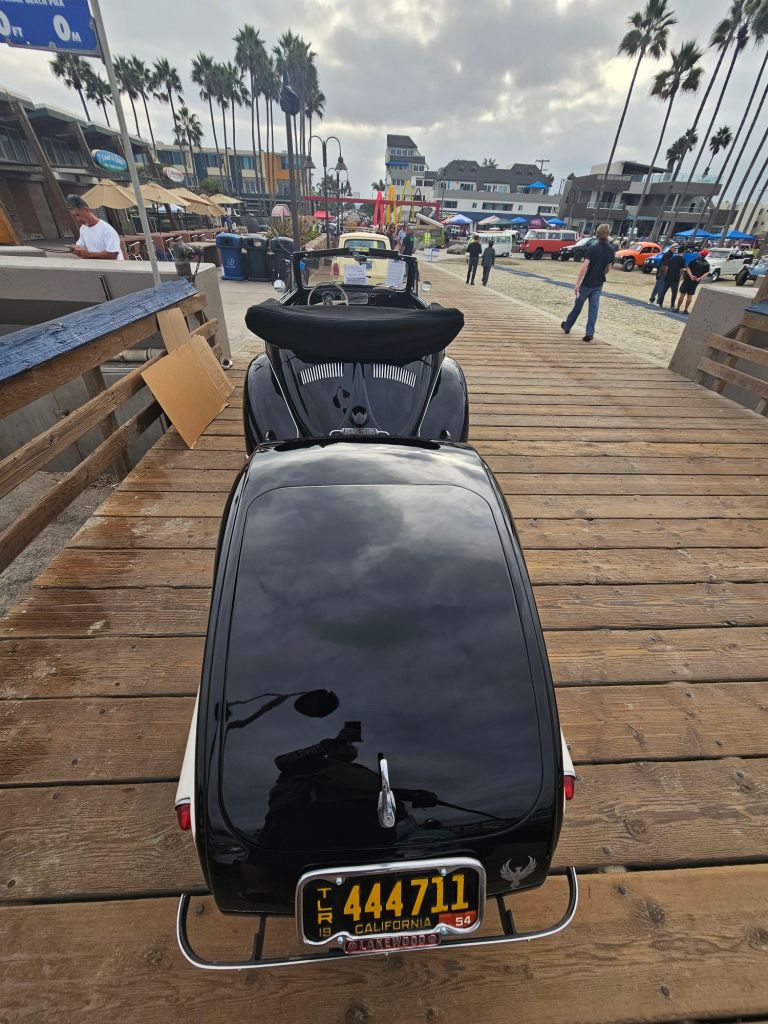
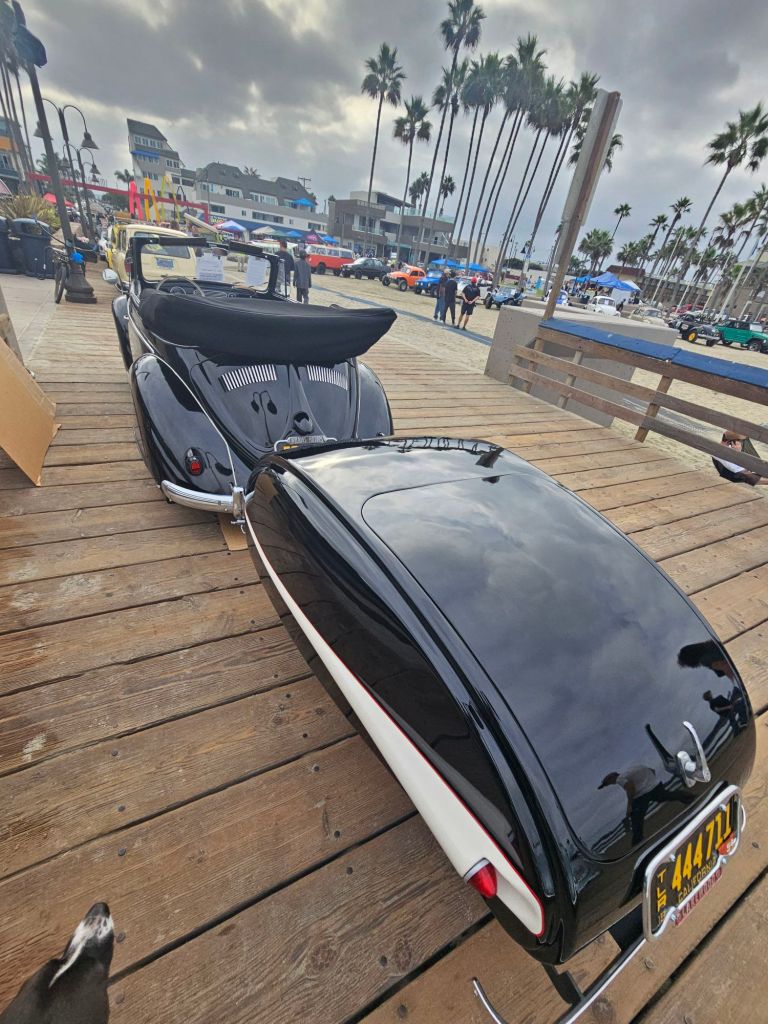
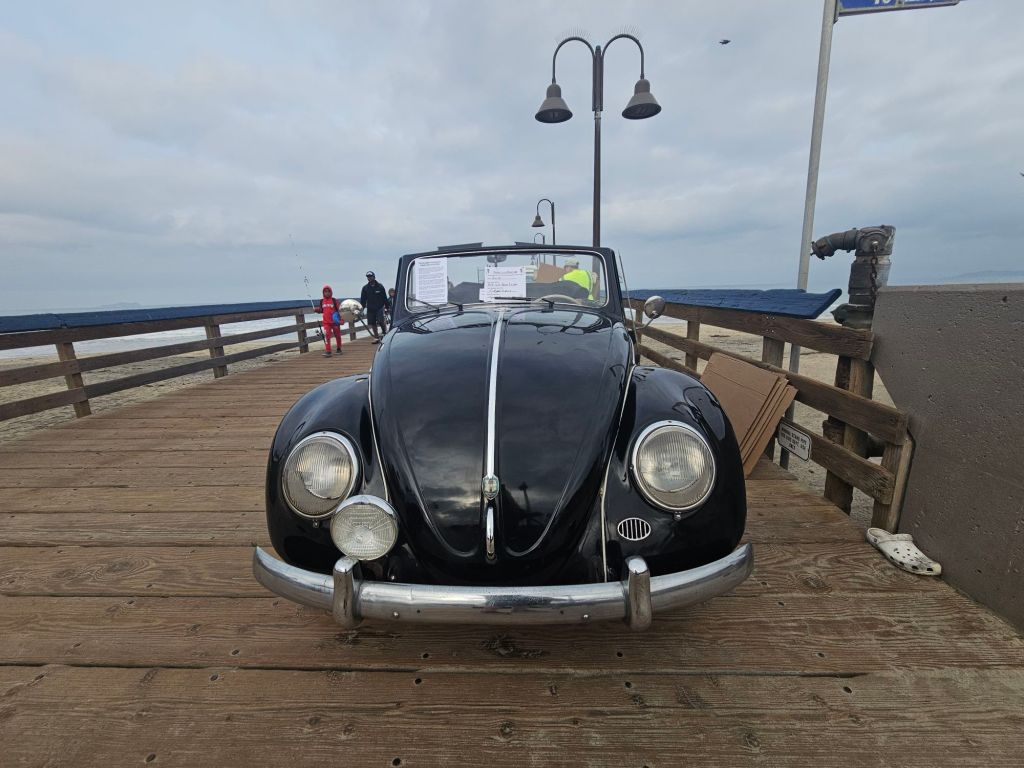
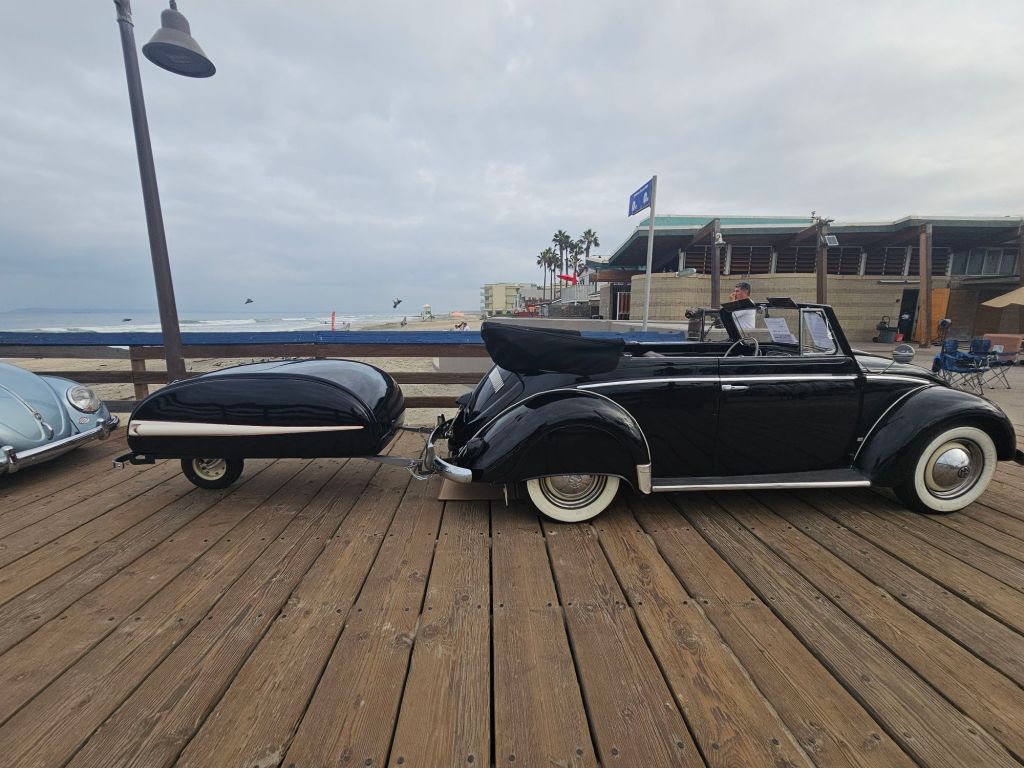
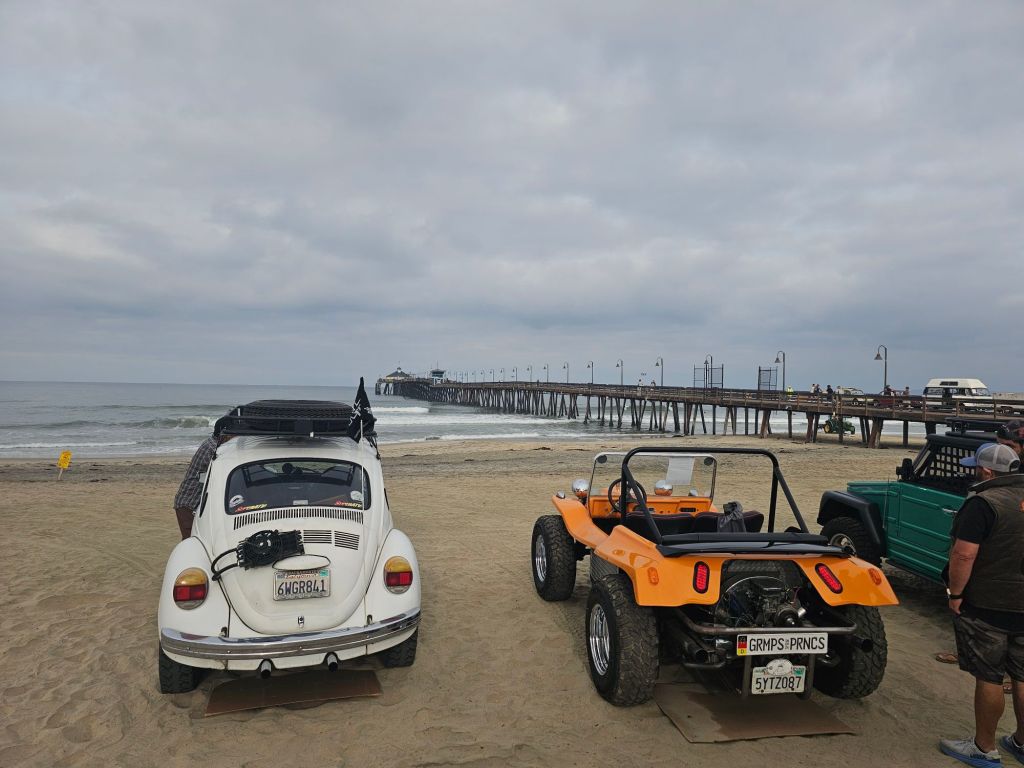
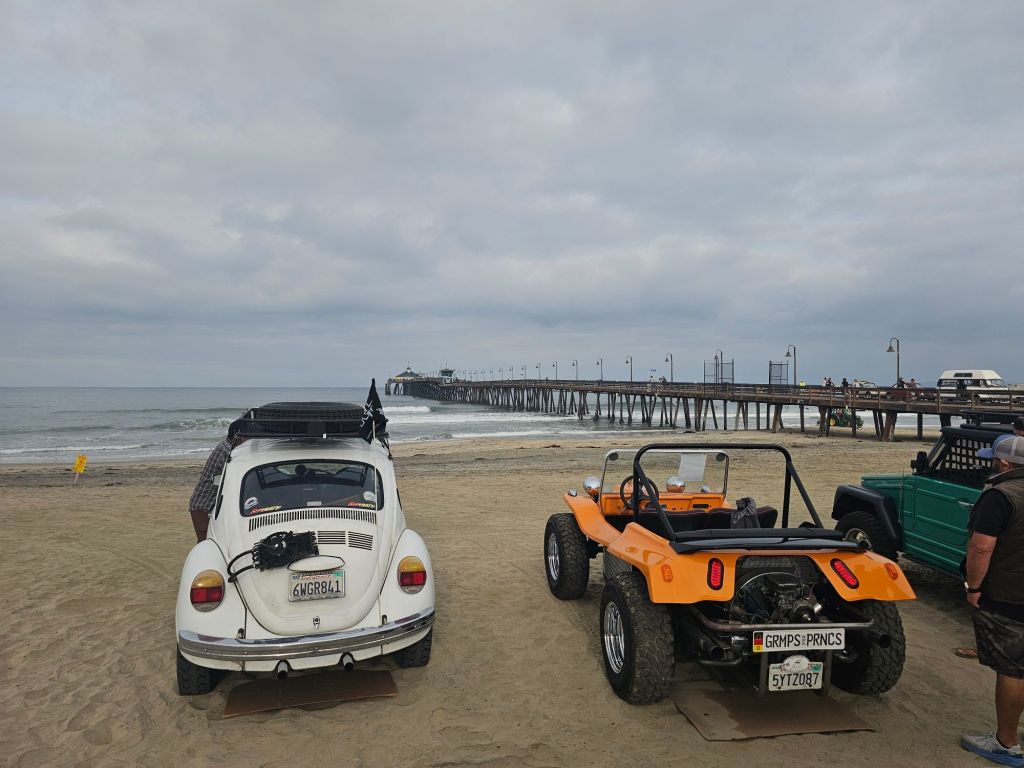
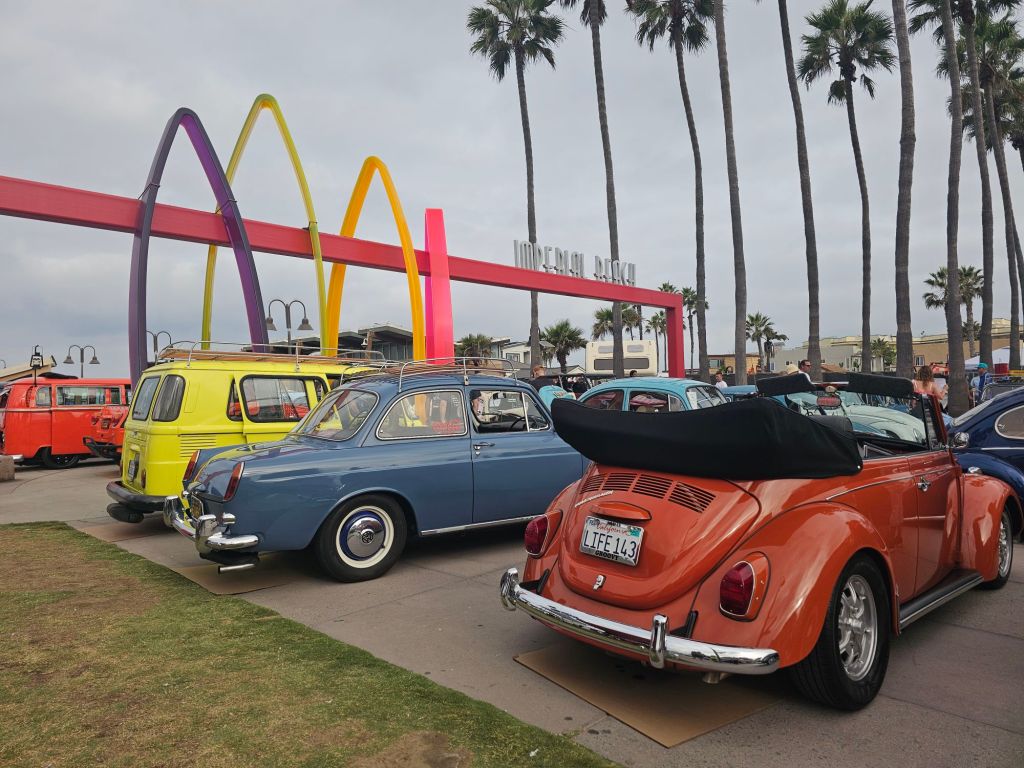
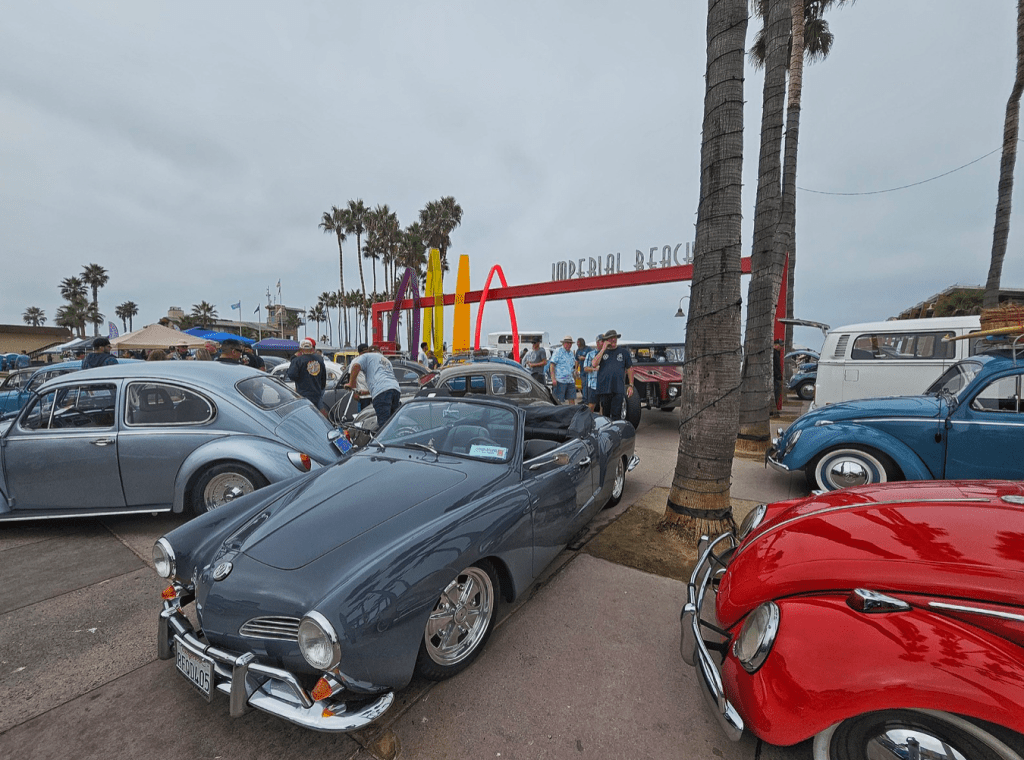
The 13th Annual Fiesta en la Playa takes place on Sunday, September 20, in Imperial Beach. For anyone who enjoys classic cars or simply likes discovering unusual events around San Diego, it is a fun reason to head down to the South Bay.

@socal_exposure

The 13th Annual Fiesta En La Playa Air Cooled Car Show is happening today, Sunday, September 20, 2026, from 9:00 AM to 2:00 PM at Imperial Beach along Seacoast Drive. Over 250 vintage air-cooled Volkswagens including Beetles, buses, and rare models.Live music and entertainment featuring the Super Sonic Samba School Band and Dancers, Mariachi del Mar, and Nasty Habits Classic Rock Band. #volkswagen #classic #carshow #vw #meetup

♬ oryginalny dźwięk – Peter Axon – Peter Axon

What makes Fiesta en la Playa different from many car shows is the setting.

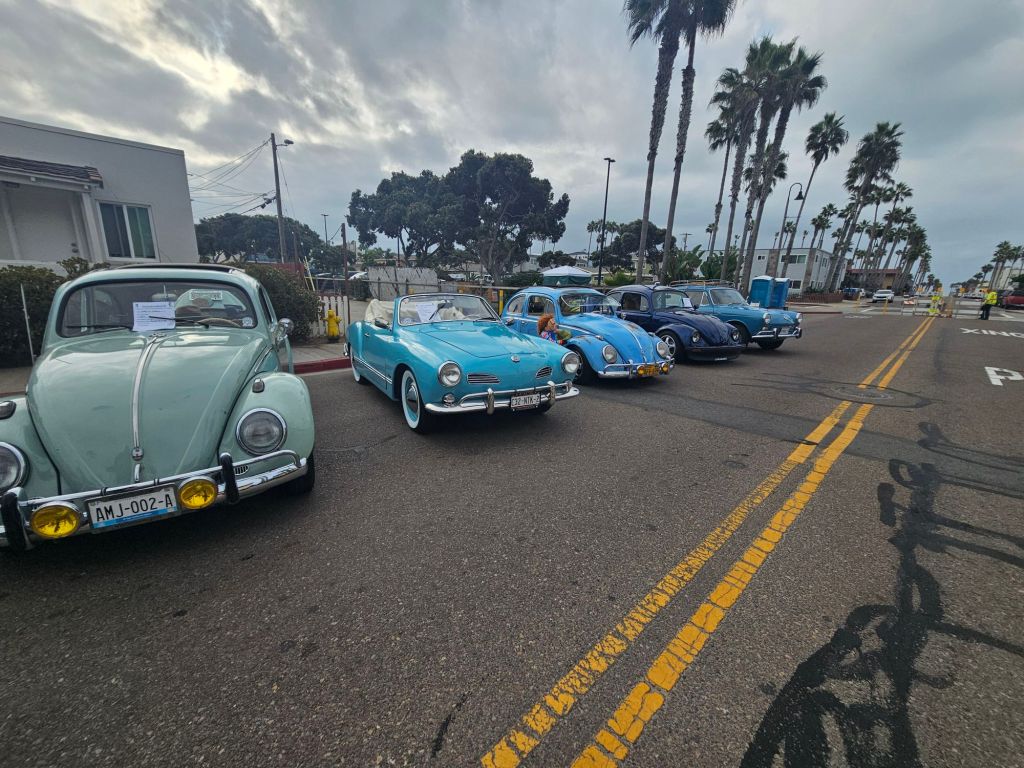
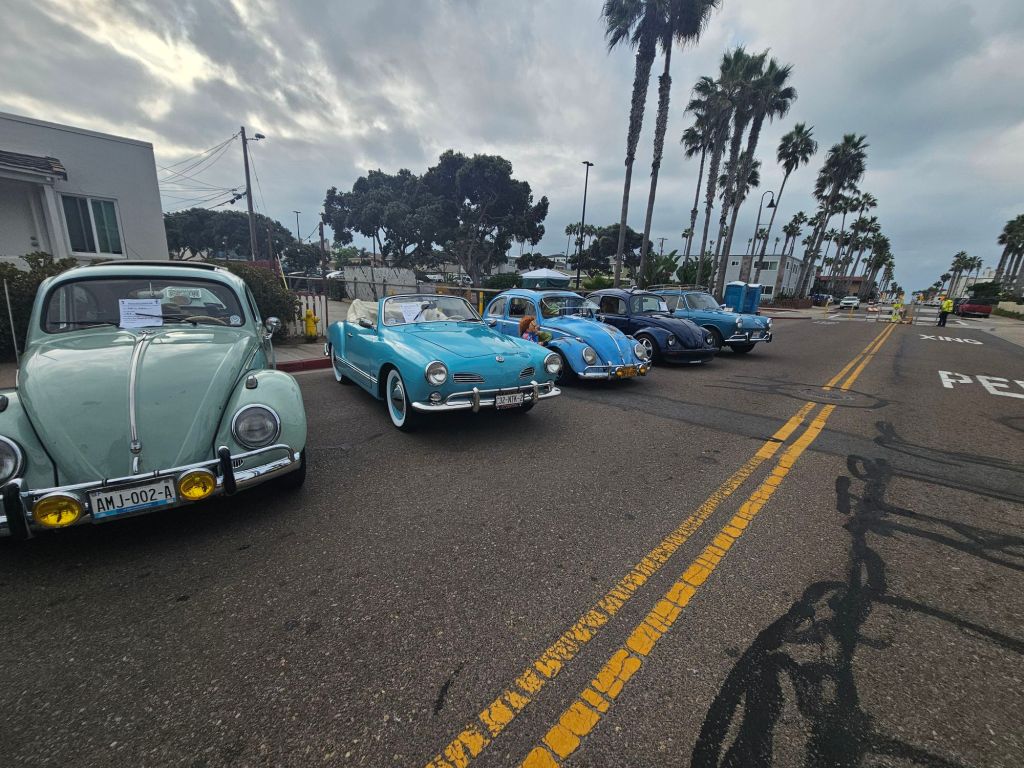
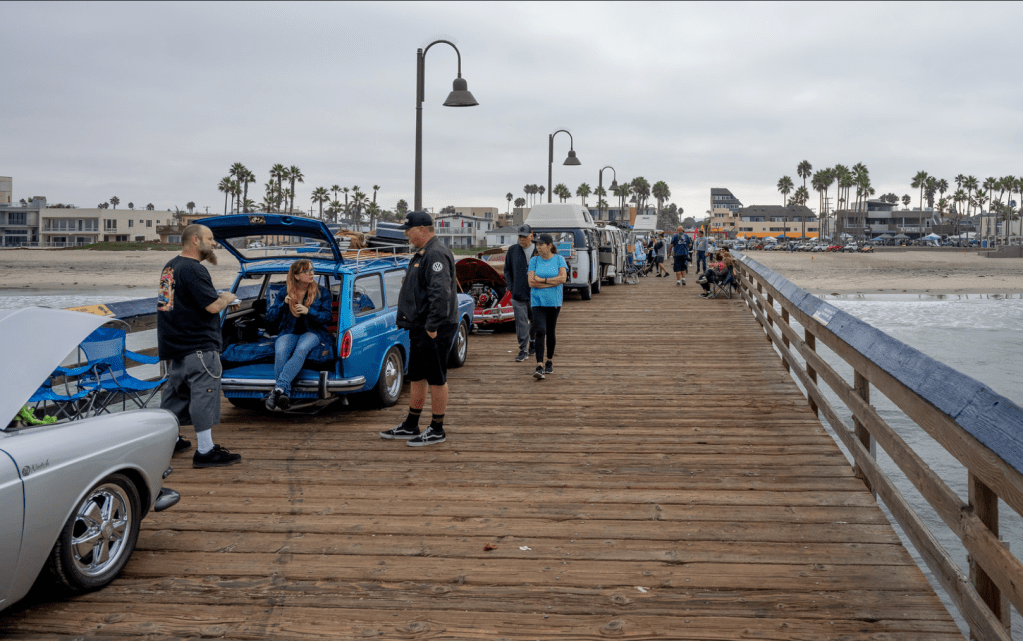
Instead of a parking lot surrounded by buildings, the event takes place in the coastal environment of Imperial Beach. Palm trees, sand, ocean breezes and the Imperial Beach Pier provide the backdrop for rows of Volkswagen vehicles.

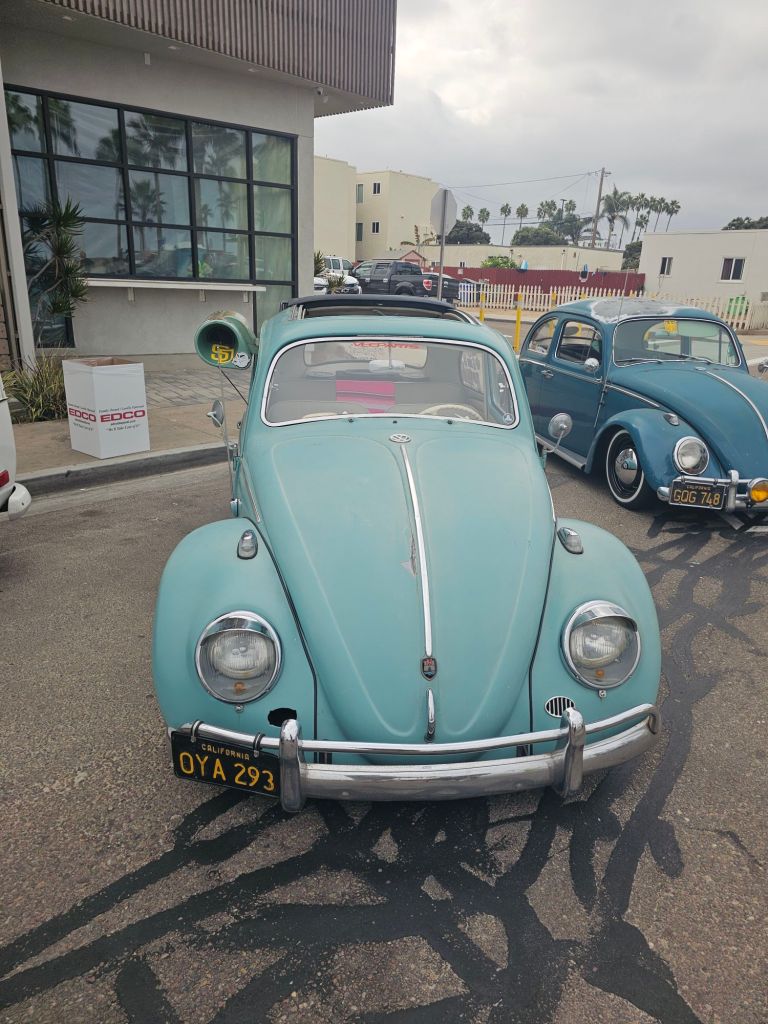
The classic VW Beetle is, of course, one of the stars of the show. But there is plenty more to see, including the iconic Volkswagen Bus and other generations of Volkswagen vehicles.

Seeing these cars lined up against the beach creates a completely different atmosphere from a traditional indoor or parking-lot car show.

For car enthusiasts, it is an opportunity to see classic and customized VWs up close. For families and casual visitors, the colorful cars and beach setting make for an enjoyable way to spend a Sunday.

And if you enjoy photography, there are plenty of details to look for—from vintage badges and steering wheels to surfboards, bright paint colors and the distinctive shapes of classic Volkswagen vehicles.

Trolls Take Over South Coast Botanic Garden

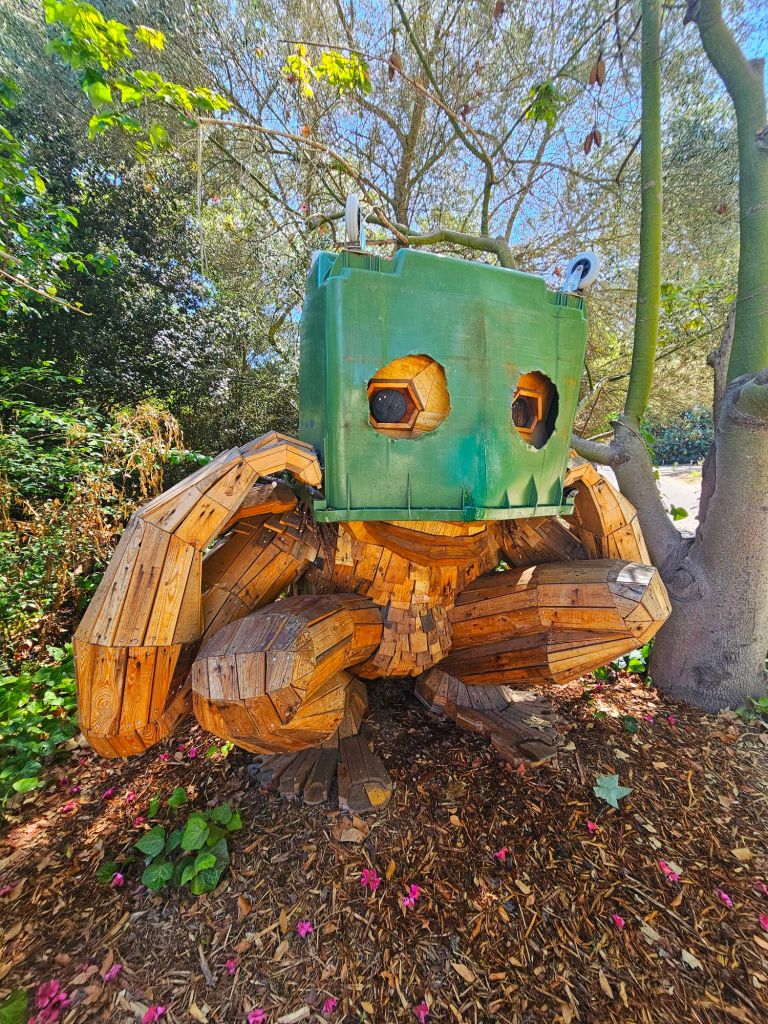
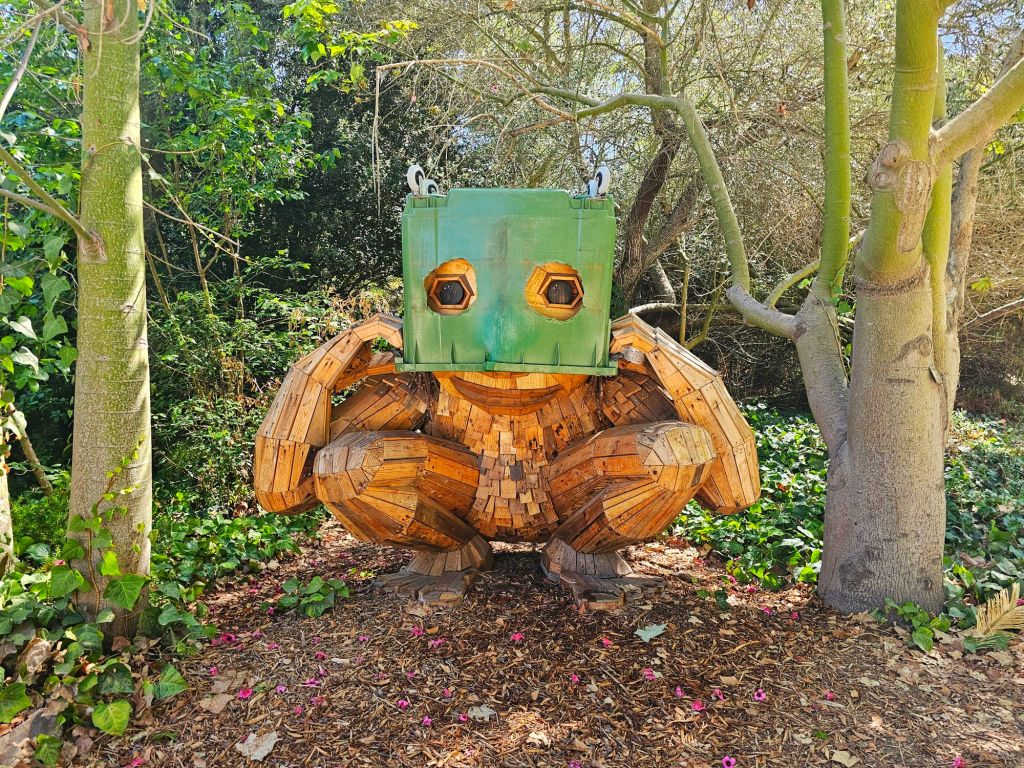
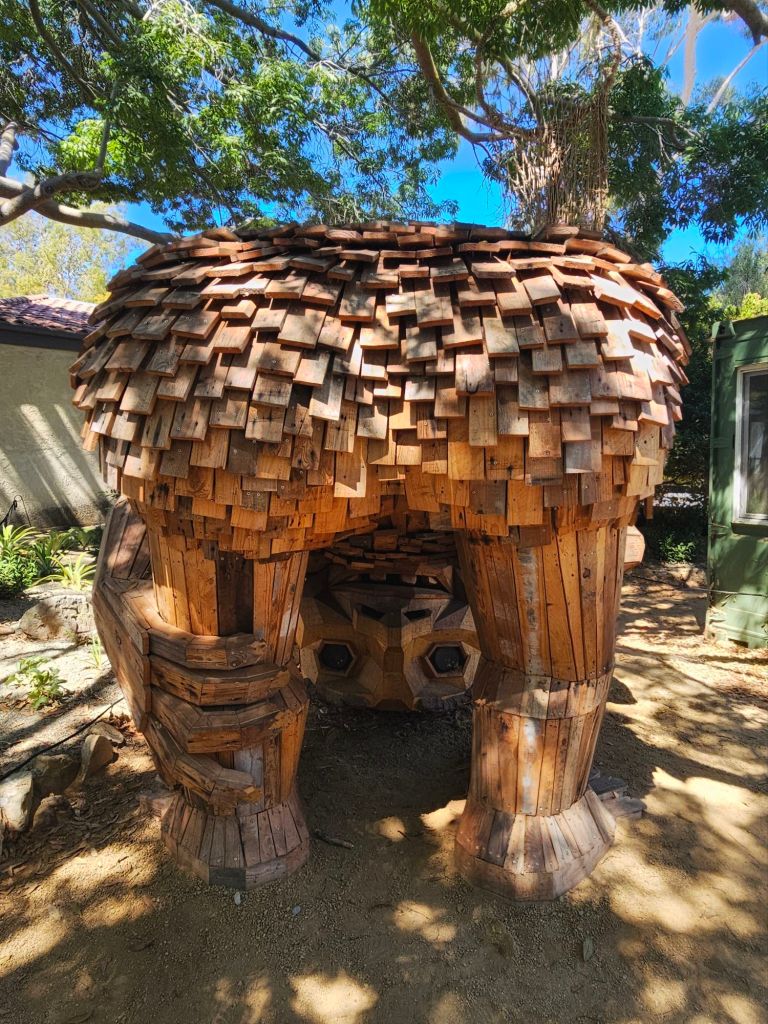
If you’re looking for something a little different to photograph in Southern California, there’s a giant surprise waiting among the plants at South Coast Botanic Garden in Palos Verdes. TROLLS: A Field Study is included with general admission to South Coast Botanic Garden. The 2026 exhibition began March 1 and continues through October 4, 2026.

The garden is located at:

South Coast Botanic Garden
26300 Crenshaw Boulevard
Palos Verdes Peninsula, California

The garden is currently open daily from 8 a.m. to 5 p.m., with the last entrance at 4:30 p.m.

General admission is currently $18 for members and $21 for the general public according to the garden’s current information.

Meet the Trolls

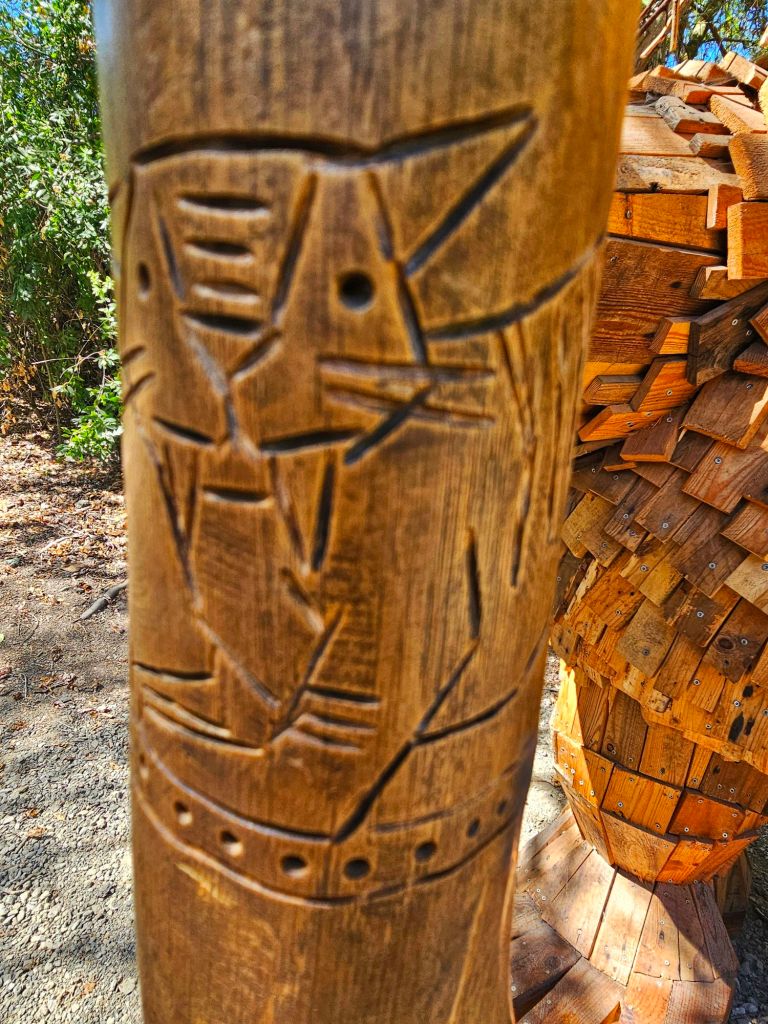
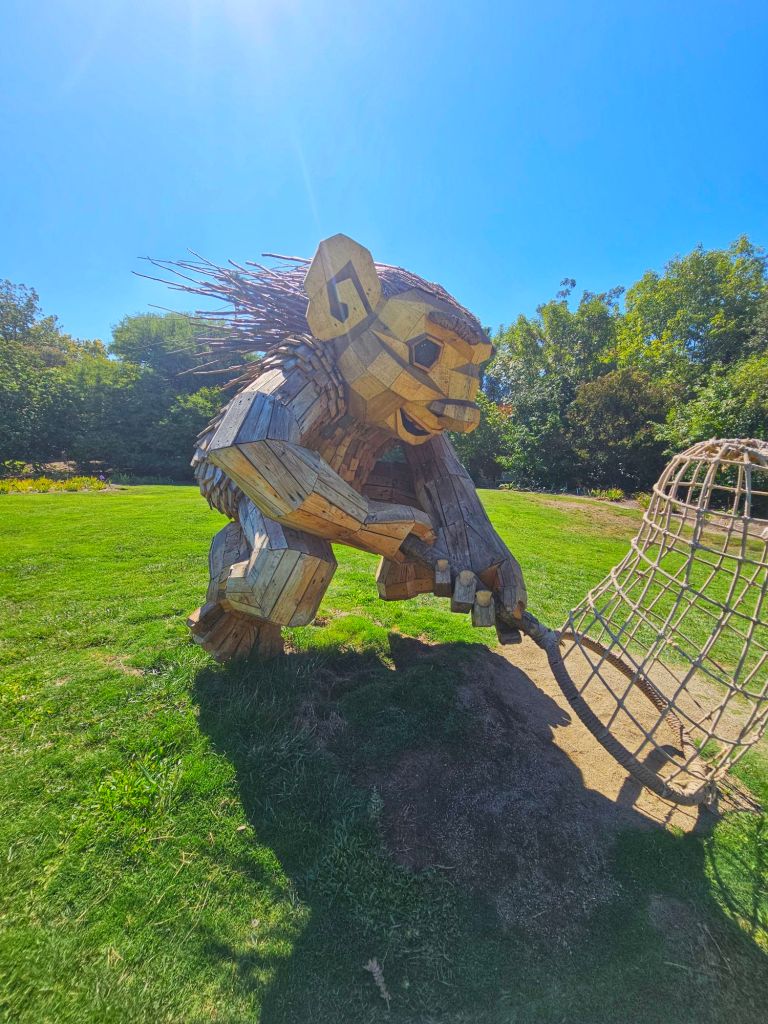
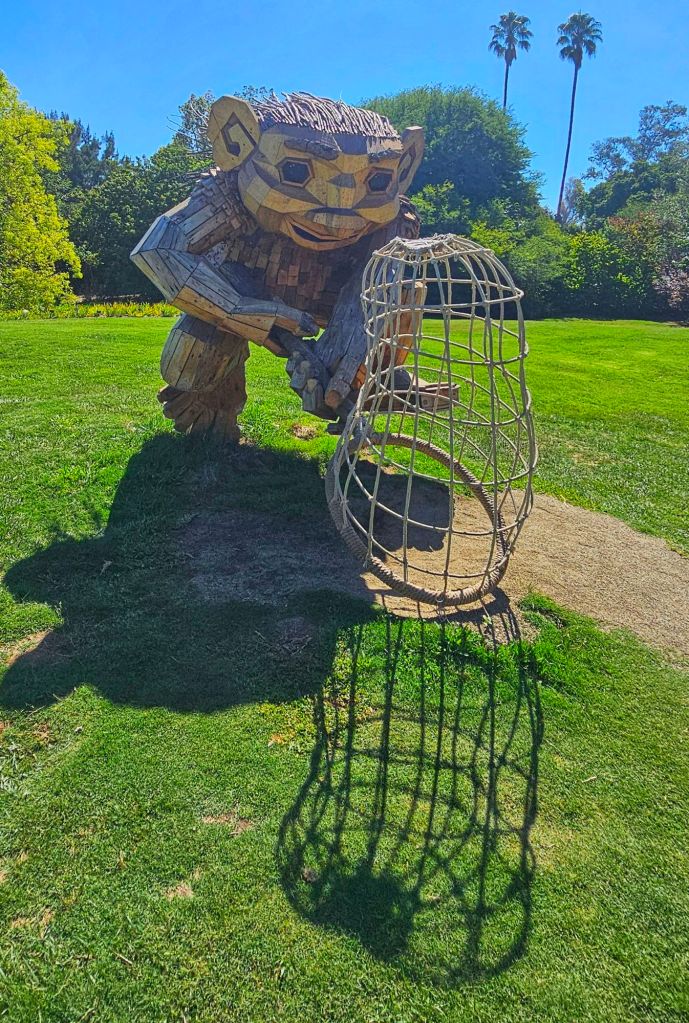
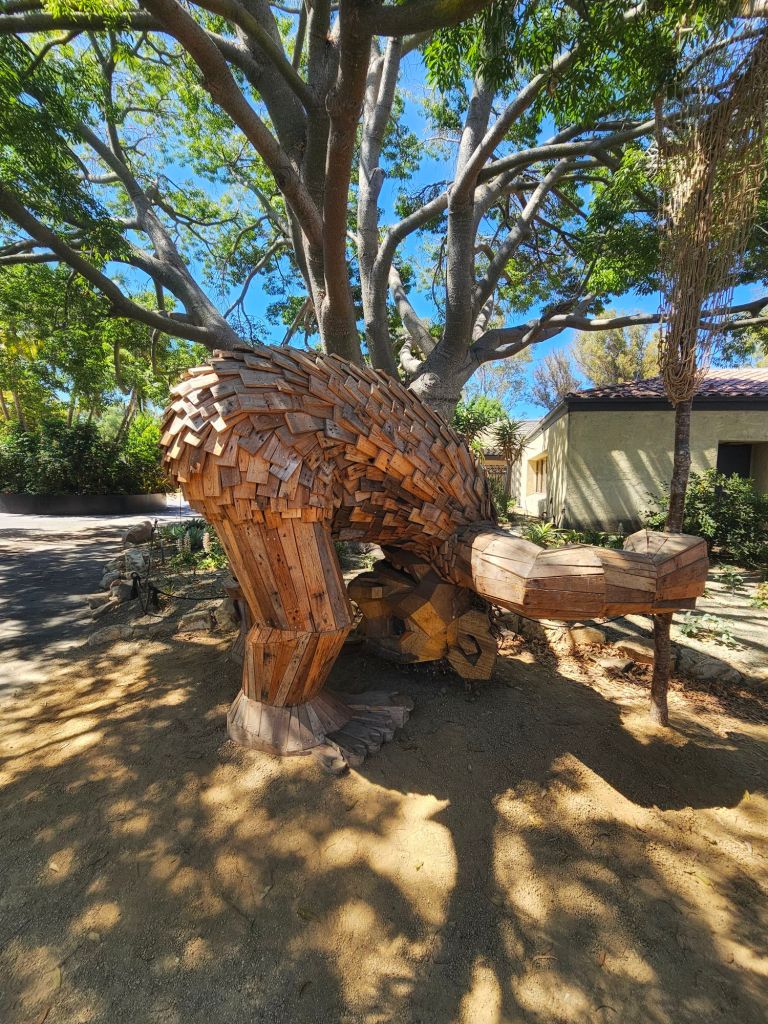
The trolls are the work of Danish environmental artist Thomas Dambo, who is internationally known for creating enormous sculptures from reclaimed and recycled materials.

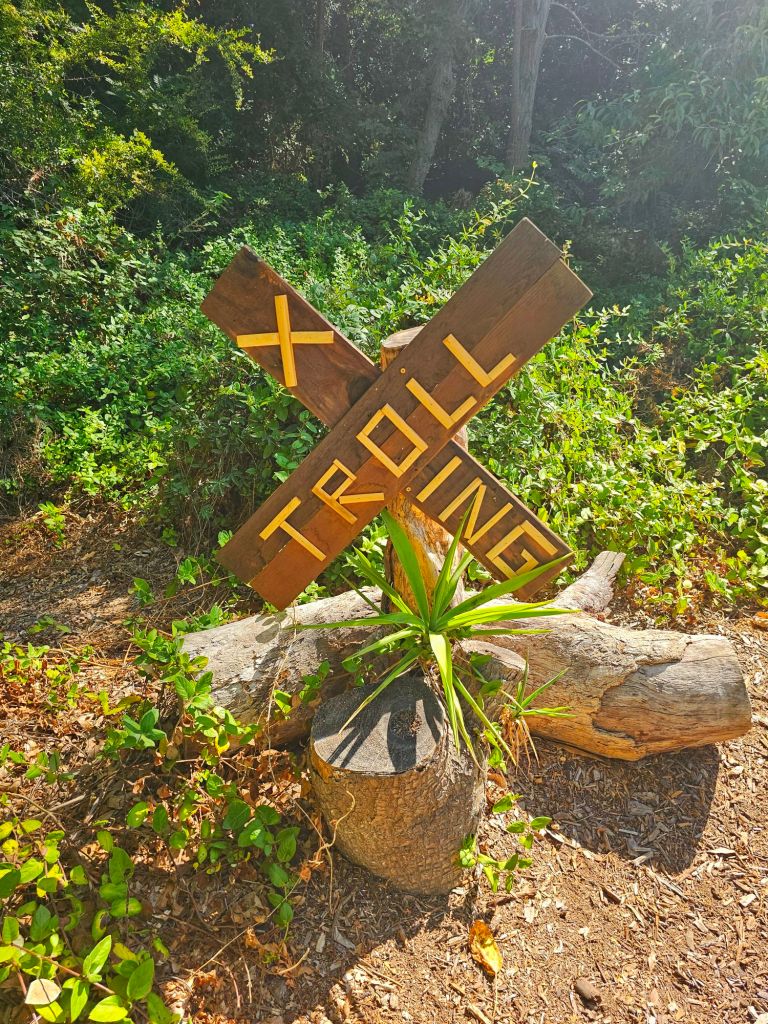
For A Field Study, the 12 sculptures are presented as a group of curious giants who have come to study humans.

Instead of simply being sculptures placed on display, the trolls become part of the landscape. Their enormous size makes the surrounding trees, plants and pathways feel almost like part of a storybook.

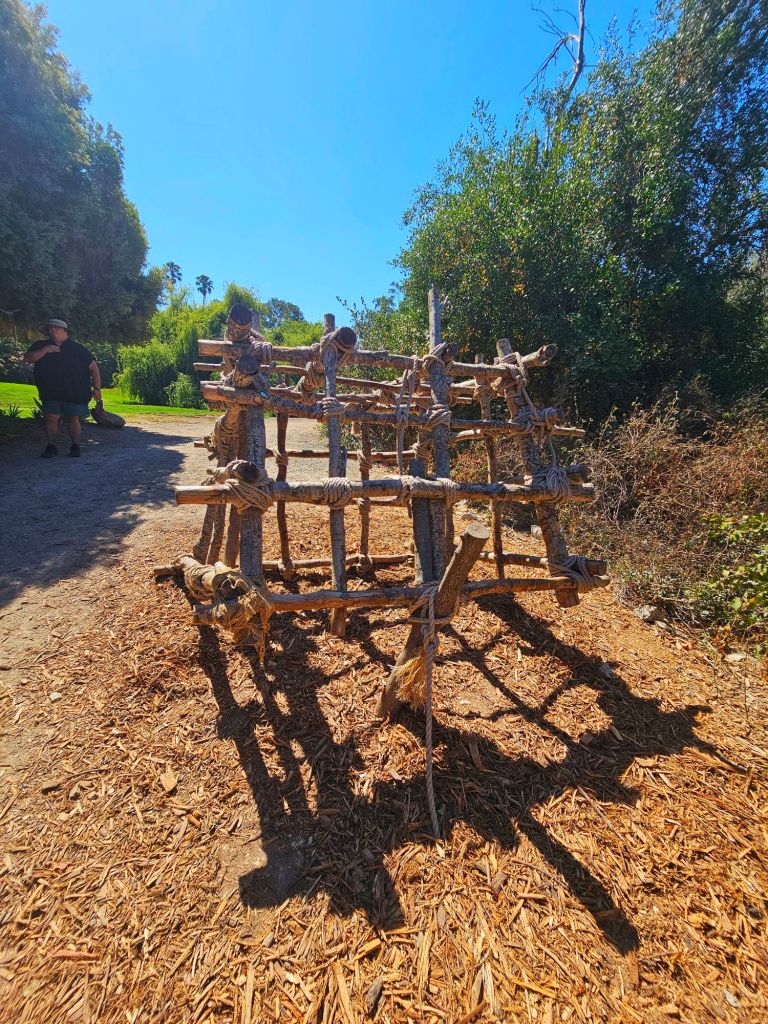
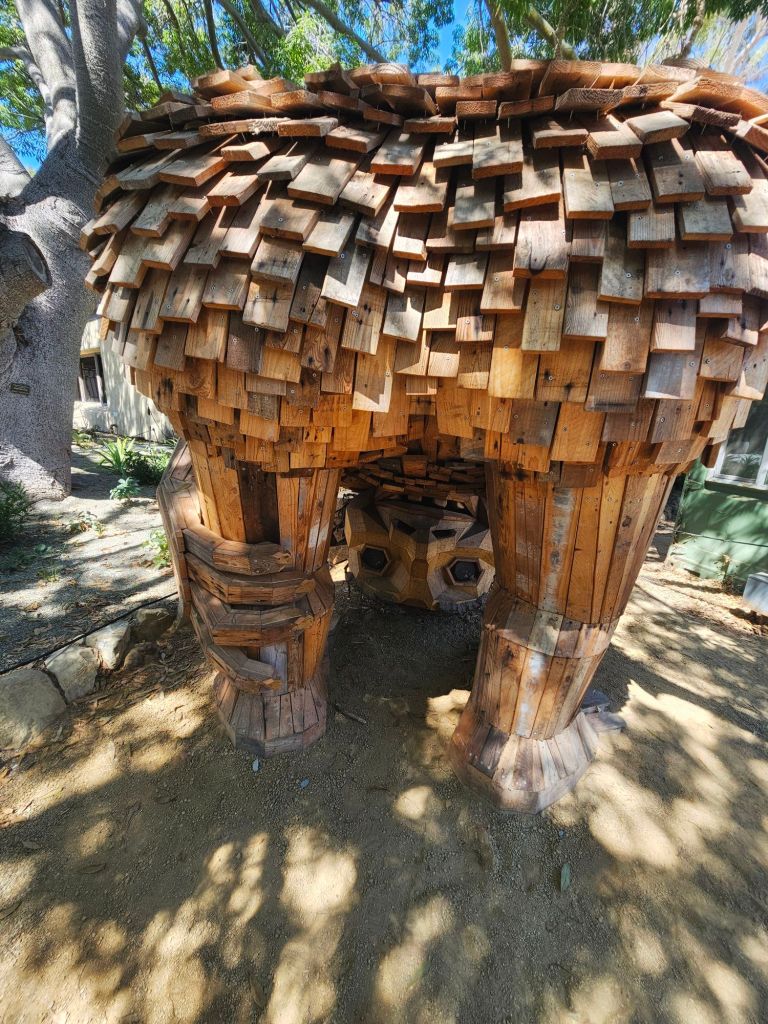
The sculptures are made entirely from reclaimed wood, giving each troll its own character and appearance.

Exploring the Garden

What I enjoyed about the exhibit is that you don’t simply walk into a gallery and see all 12 trolls at once.

You have to explore.

The South Coast Botanic Garden covers 87 acres, so the troll sculptures are spread throughout the property. As you walk along the paths, you begin wondering where the next one will appear.

That makes the exhibit especially fun for photography.

One moment you’re photographing flowers or trees, and the next you come around a corner and discover a giant face looking back at you.

The scale of the sculptures also creates some interesting photographic opportunities. Standing near one of the trolls can make you appreciate just how enormous these creations are.

Planning Your Visit

TROLLS: A Field Study is included with general admission to South Coast Botanic Garden. The 2026 exhibition began March 1 and continues through October 4, 2026.

The garden is located at:

South Coast Botanic Garden
26300 Crenshaw Boulevard
Palos Verdes Peninsula, California

The garden is currently open daily from 8 a.m. to 5 p.m., with the last entrance at 4:30 p.m.

General admission is currently $18 for members and $21 for the general public according to the garden’s current information.

Discover Scripps Pier: Where Science Meets the Sea

Discover why Scripps Pier in La Jolla is one of San Diego’s most photographed landmarks. Learn its history, photography tips, wildlife highlights, and nearby attractions.

A Pier Built for Science

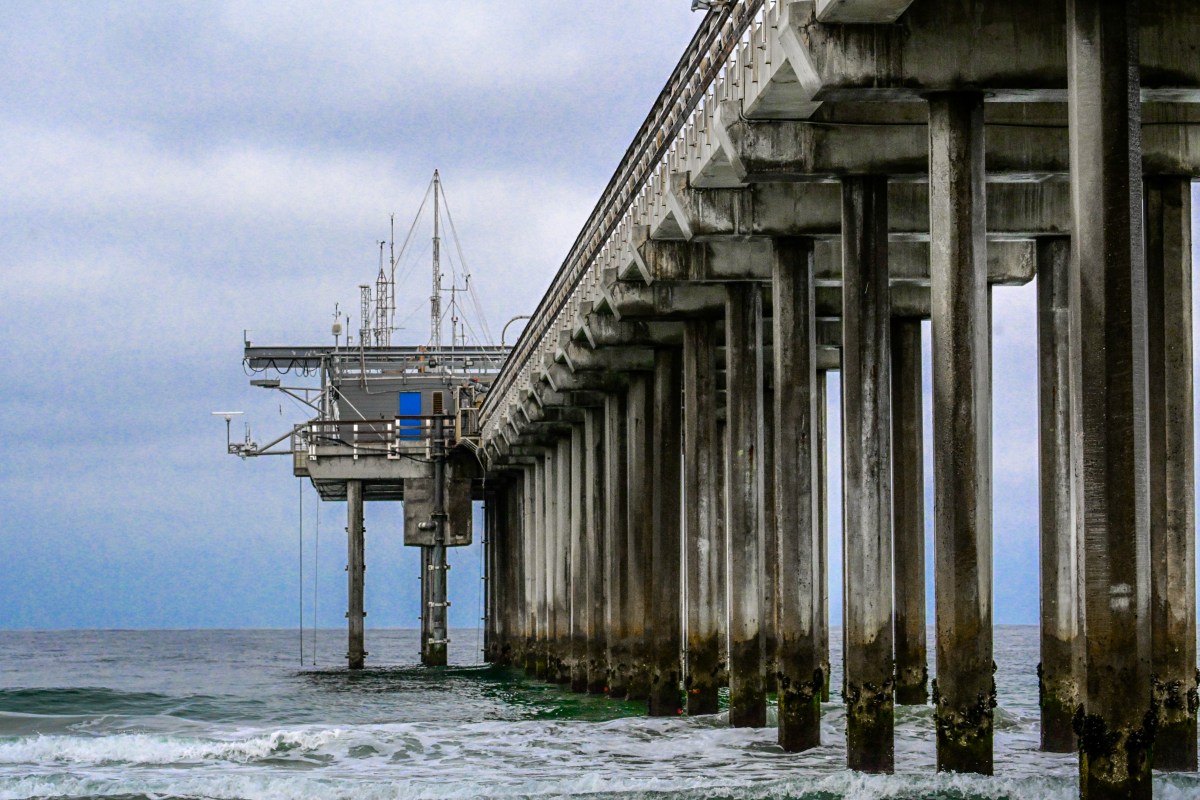
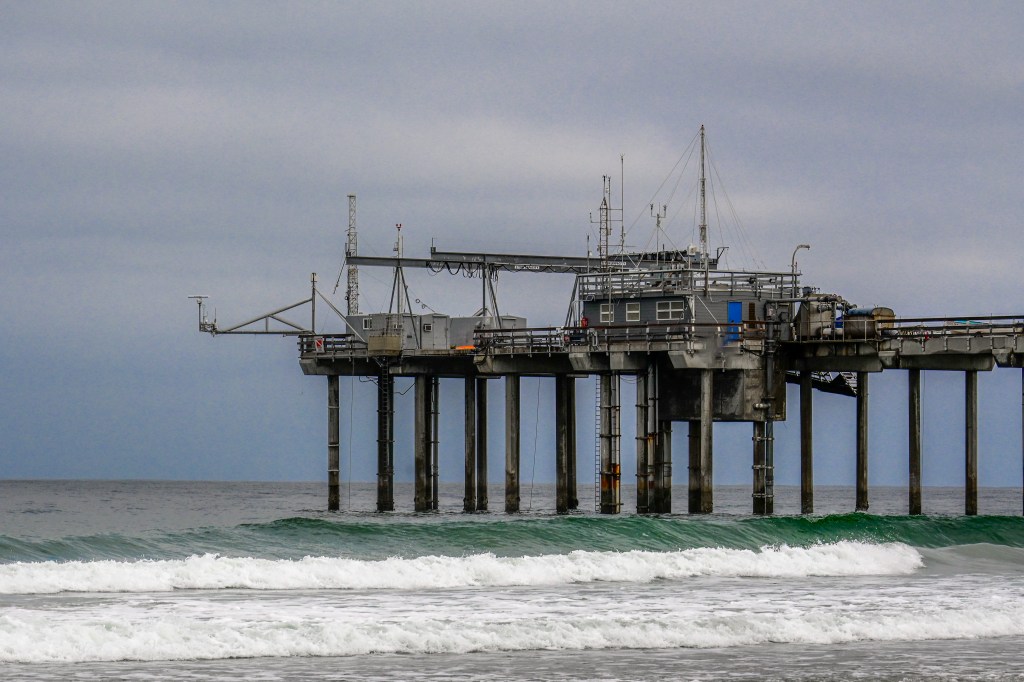
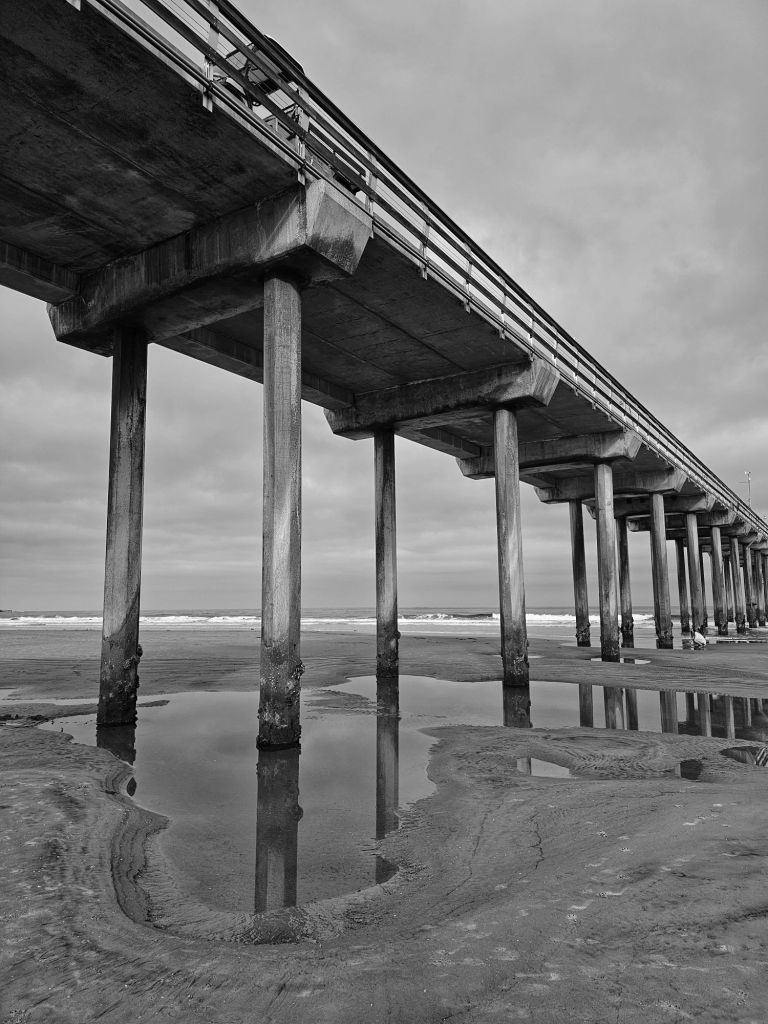
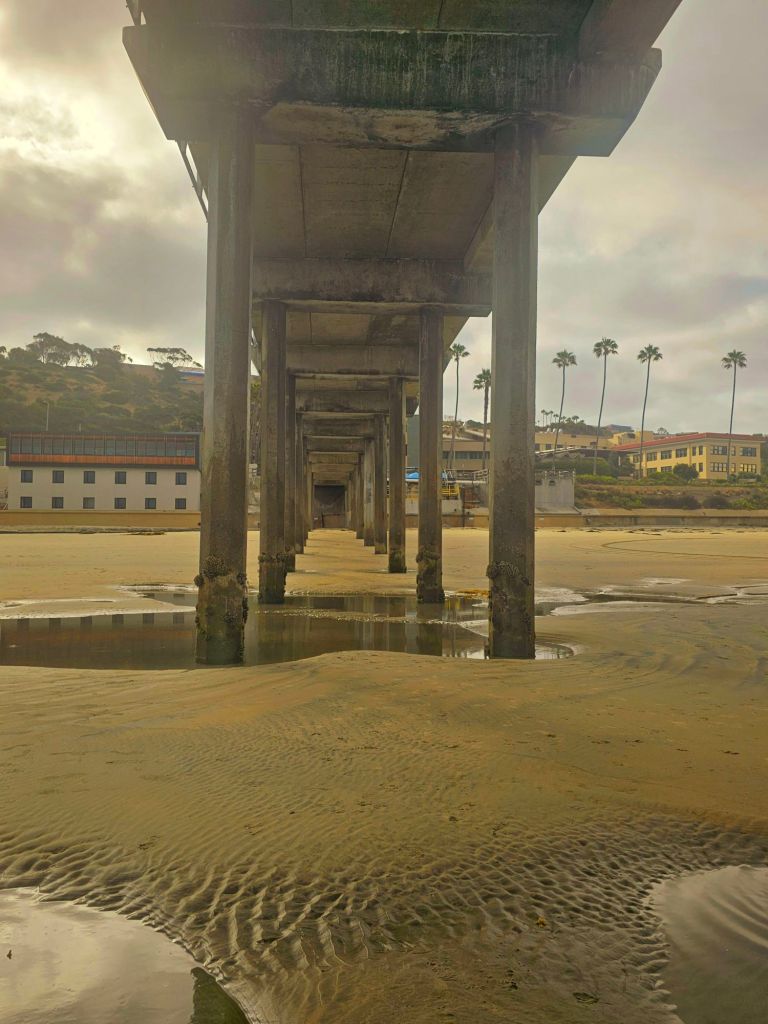
Unlike many California piers, Scripps Pier was never intended for amusement rides, restaurants, or fishing. Officially known as the Ellen Browning Scripps Memorial Pier, it serves as a working research facility for the Scripps Institution of Oceanography at the University of California San Diego.

The original wooden pier opened in 1916 thanks to a generous gift from philanthropist Ellen Browning Scripps. After decades of serving scientists, it was replaced in 1988 with the modern reinforced concrete structure that stands today. At 1,084 feet long, it remains one of the world’s longest active research piers.

High Tide vs. Low Tide

Both tides offer unique perspectives.

  • Low tide reveals more of the pilings and creates excellent reflections.
  • High tide allows waves to crash dramatically around the supports for dynamic images.

Konoids is a public art installation by sculptor Kenneth Capps located at Bayside Park (often referred to as Chula Vista Bayfront Park) in Chula Vista, California.

Installed in 1985 as one of the Port of San Diego’s first public art pieces, the work consists of three distorted, welded steel forms that resemble inverted cones.

Key Features of “Konoids”Artistic Intent: The three forms are designed to have a “dialogue” with one another, framing expansive views of the San Diego Bay toward Point Loma.Material: The sculptures are made of painted steel alloy.Location: You can find them on the grass near the walking paths overlooking the yacht harbor

@socal_exposure

Konoids is a public art installation by sculptor Kenneth Capps located at Bayside Park (often referred to as Chula Vista Bayfront Park) in Chula Vista, California. Installed in 1985 as one of the Port of San Diego’s first public art pieces, the work consists of three distorted, welded steel forms that resemble inverted cones. Key Features of “Konoids”Artistic Intent: The three forms are designed to have a “dialogue” with one another, framing expansive views of the San Diego Bay toward Point Loma.Material: The sculptures are made of painted steel alloy.Location: You can find them on the grass near the walking paths overlooking the yacht harbor #art #sandiego #chulavista #sculpture #artwork

♬ sidewalks and skeletons goth – Trendformusic

King Tides at Imperial Beach

What Are King Tides, Anyway?

While “king tide” isn’t a strict scientific term, it’s widely used to describe exceptionally high spring tides. These happen when the moon and sun align in such a way that their combined gravity pulls the ocean to its highest highs. 

In Southern California, including Imperial Beach, king tides happen a few times each year.  According to local tide forecasts, high tides can reach around 7 feet, compared to the more typical 4–5 foot high tides. 

2025 King Tide Outlook for Southern California

  • The California King Tides Project lists November 6, 2025 and December 6, 2025 as King Tide dates for some Southern California locations. 
  • Additionally, December 4–5, 2025 and January 2–3, 2026 are major King Tide event dates.

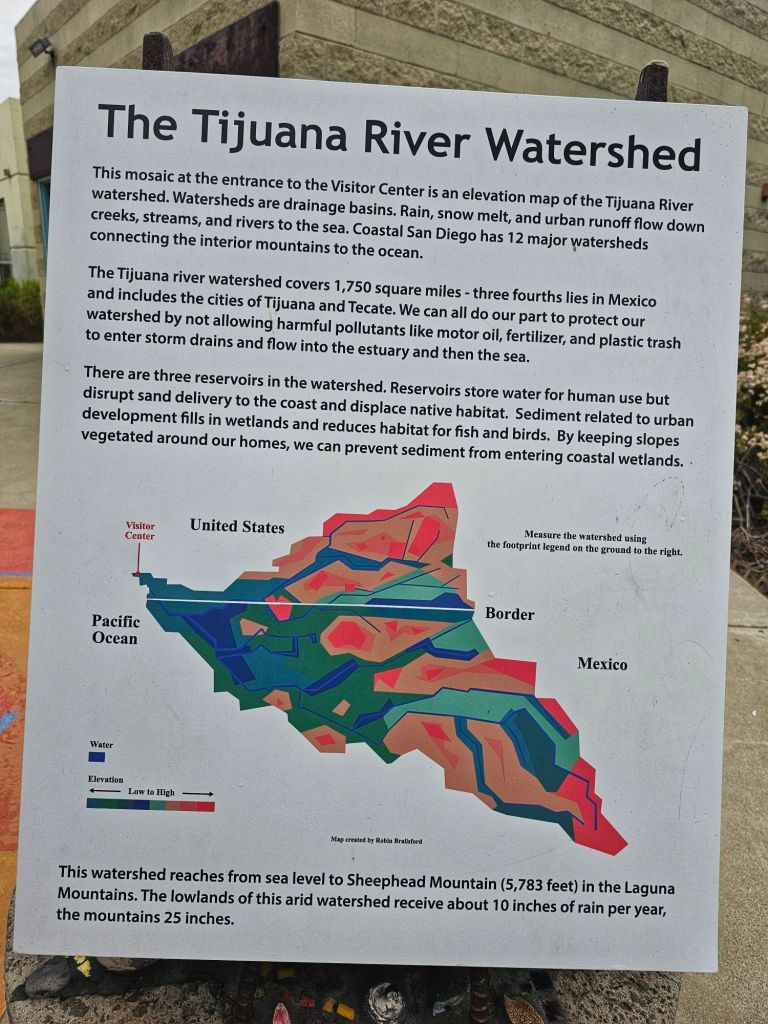
Where River Meets Sea: Exploring the Tijuana River Estuary

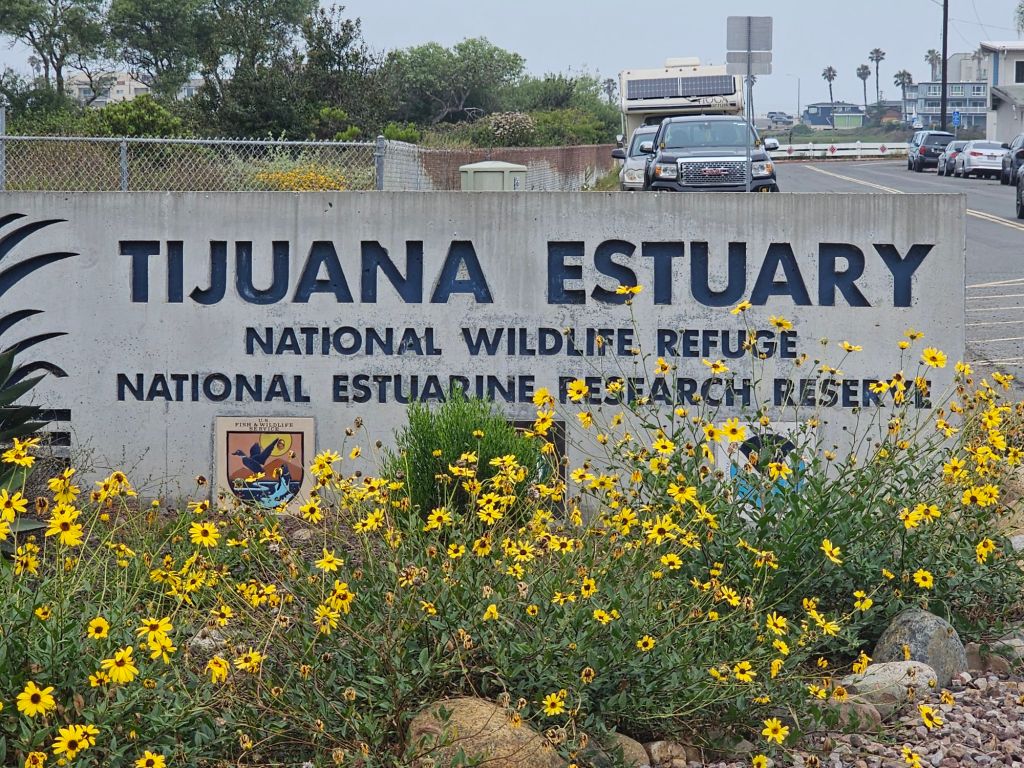
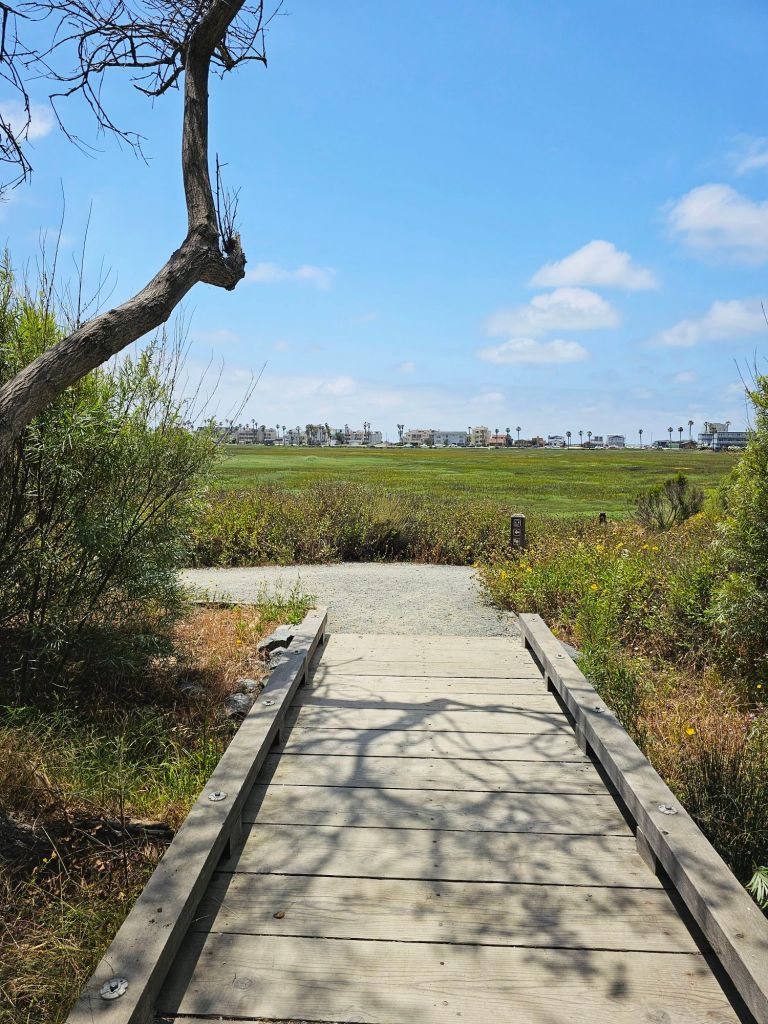
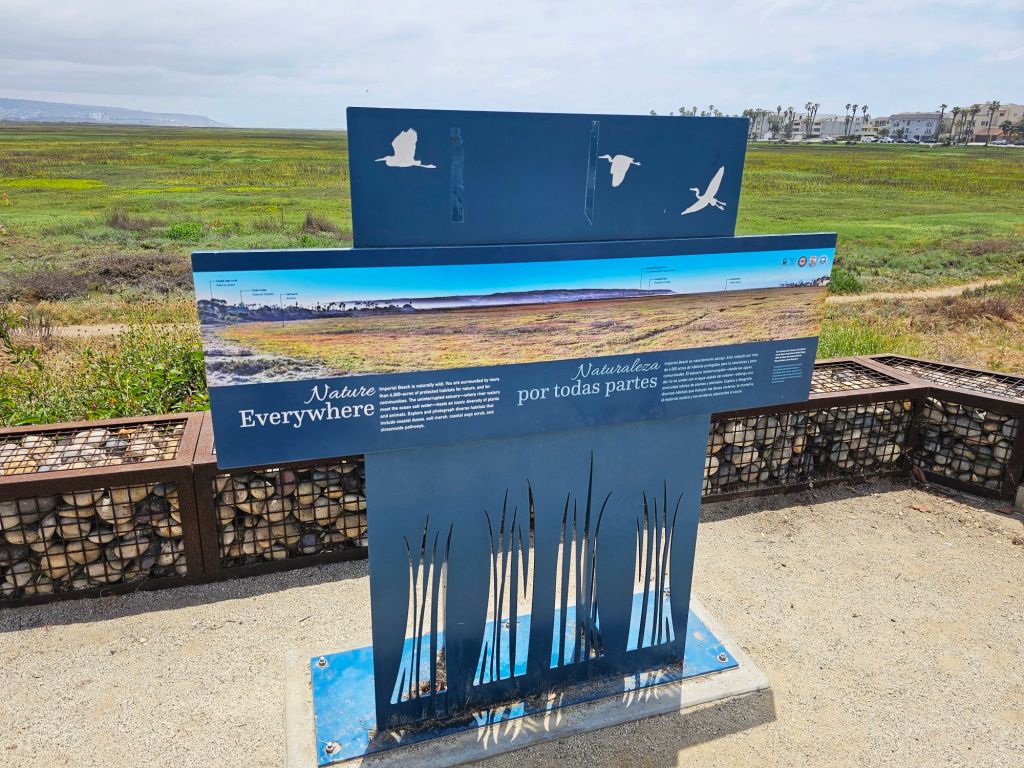
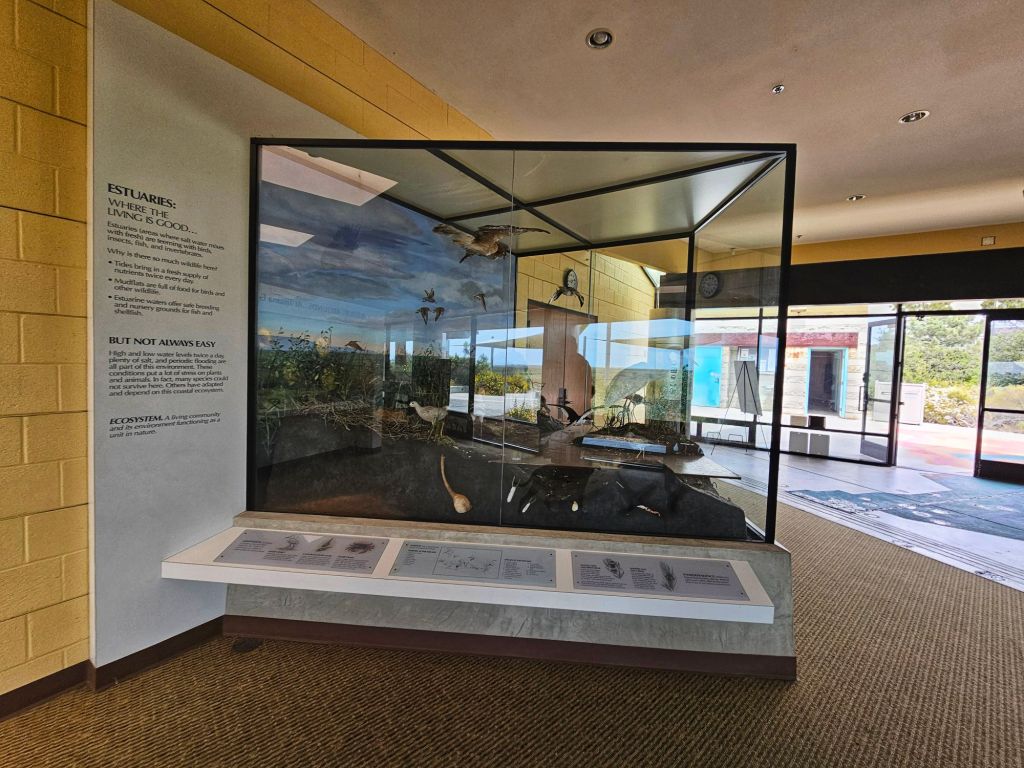
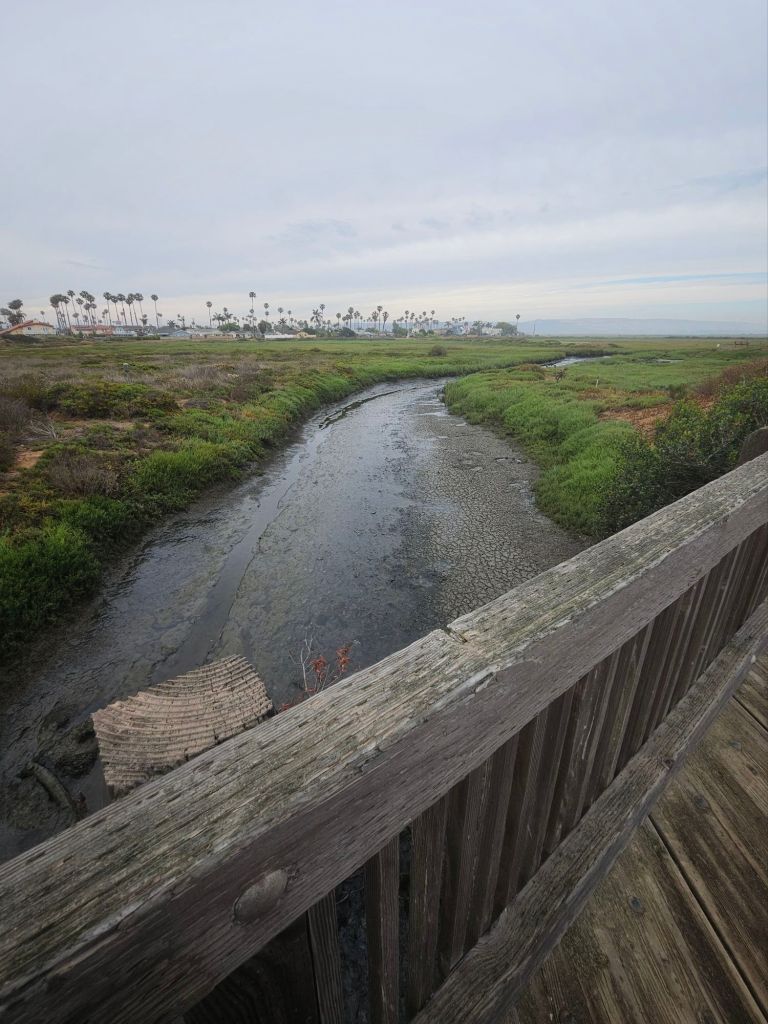
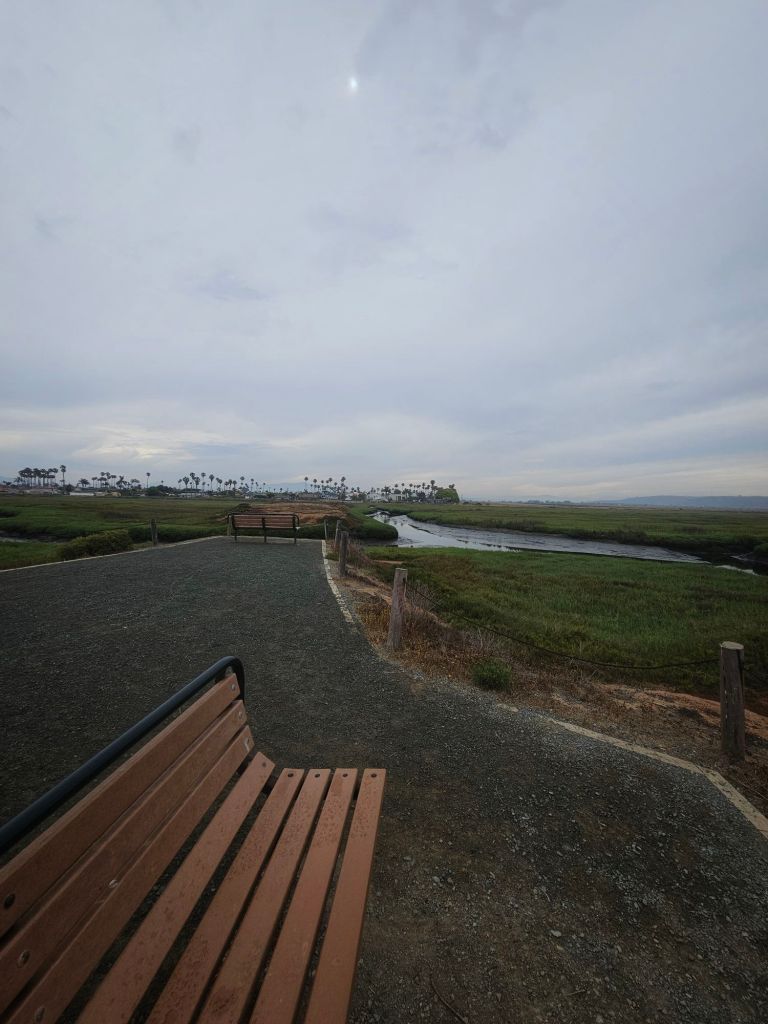
Just a few miles south of San Diego’s bustling downtown lies a hidden gem where saltwater, freshwater, and wildlife converge in a delicate dance of life—the Tijuana River Estuary. Tucked between Imperial Beach and the U.S.-Mexico border, this vast coastal wetland is not only a peaceful escape from the city but also one of Southern California’s most ecologically significant landscapes.

A Living Sanctuary

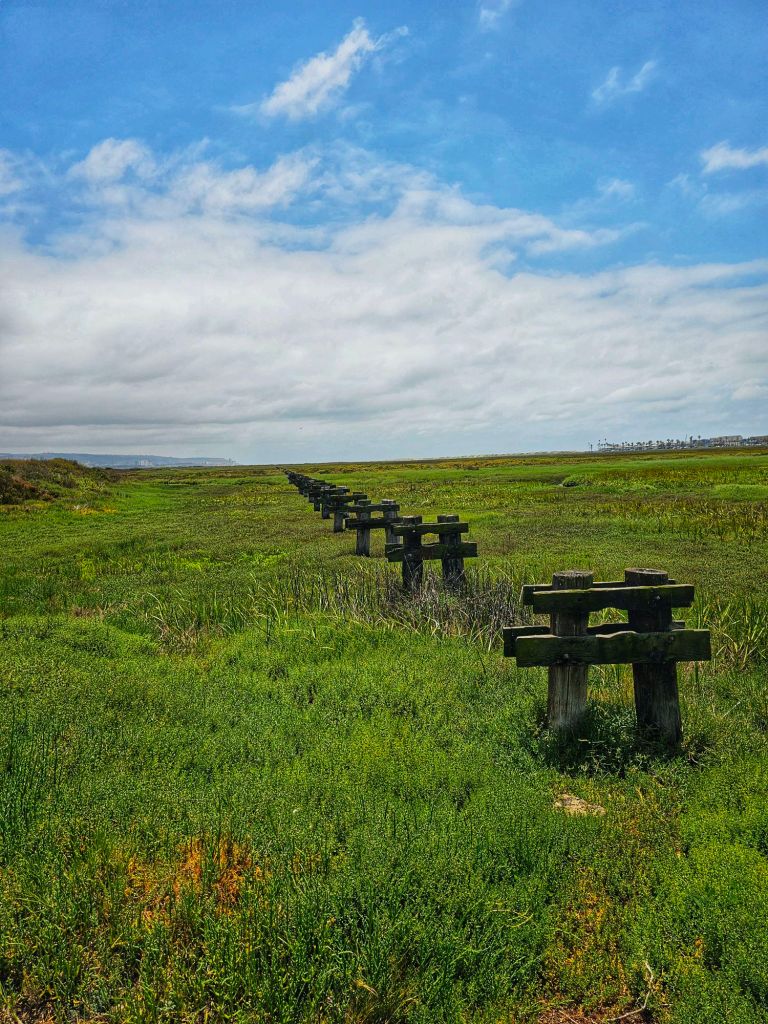
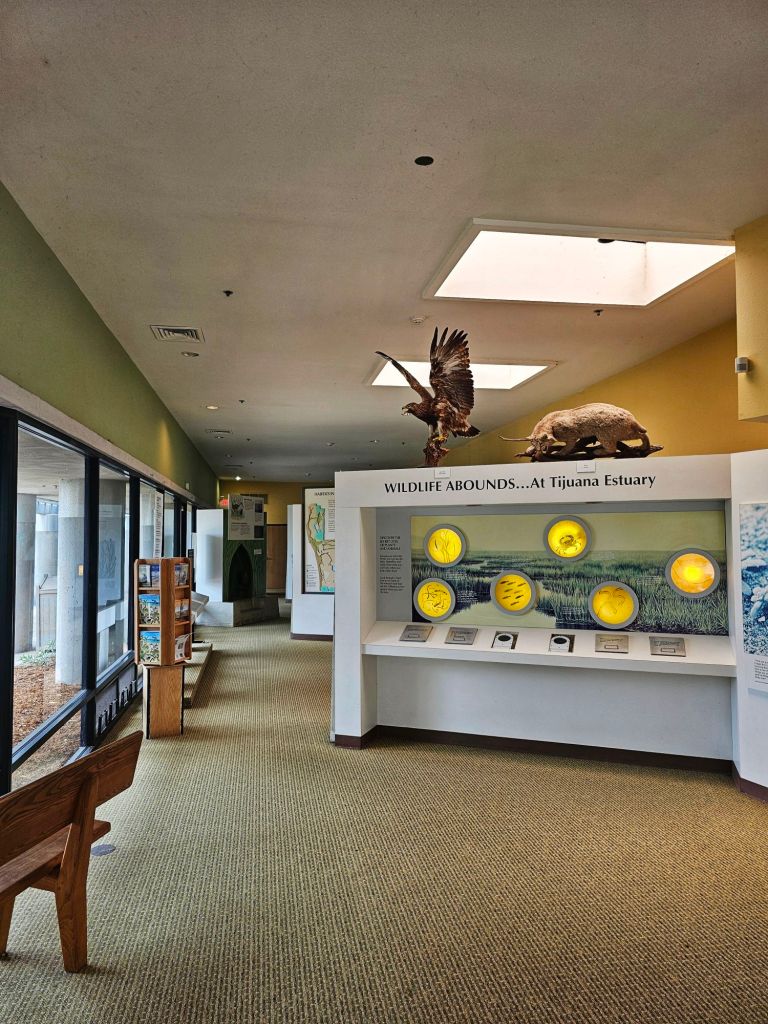
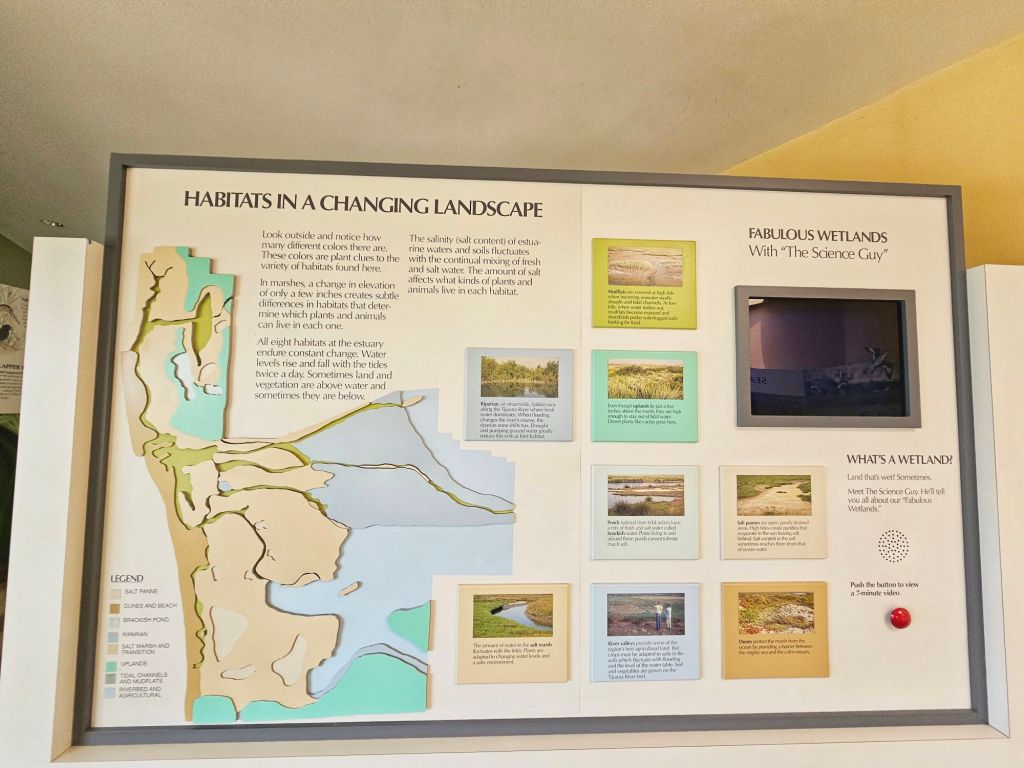
The estuary is part of the Tijuana River National Estuarine Research Reserve, a protected area spanning over 2,500 acres. It’s one of only 30 estuarine research reserves in the United States, and it plays a vital role in protecting endangered species, filtering water, and buffering the coast from storm surges.

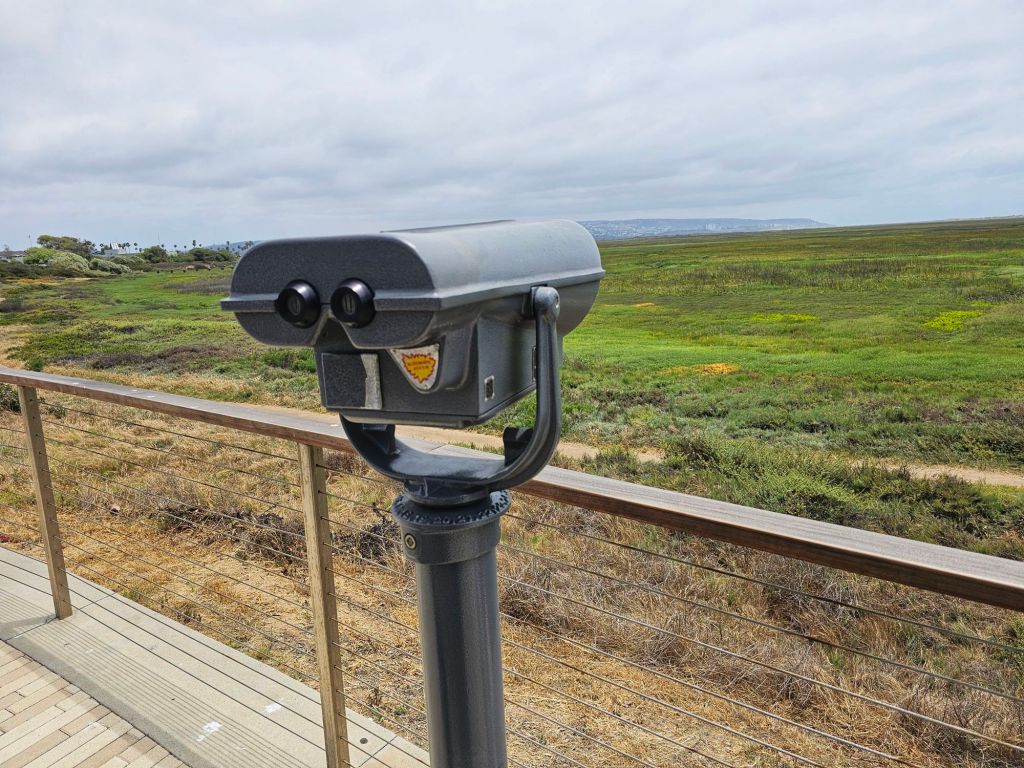
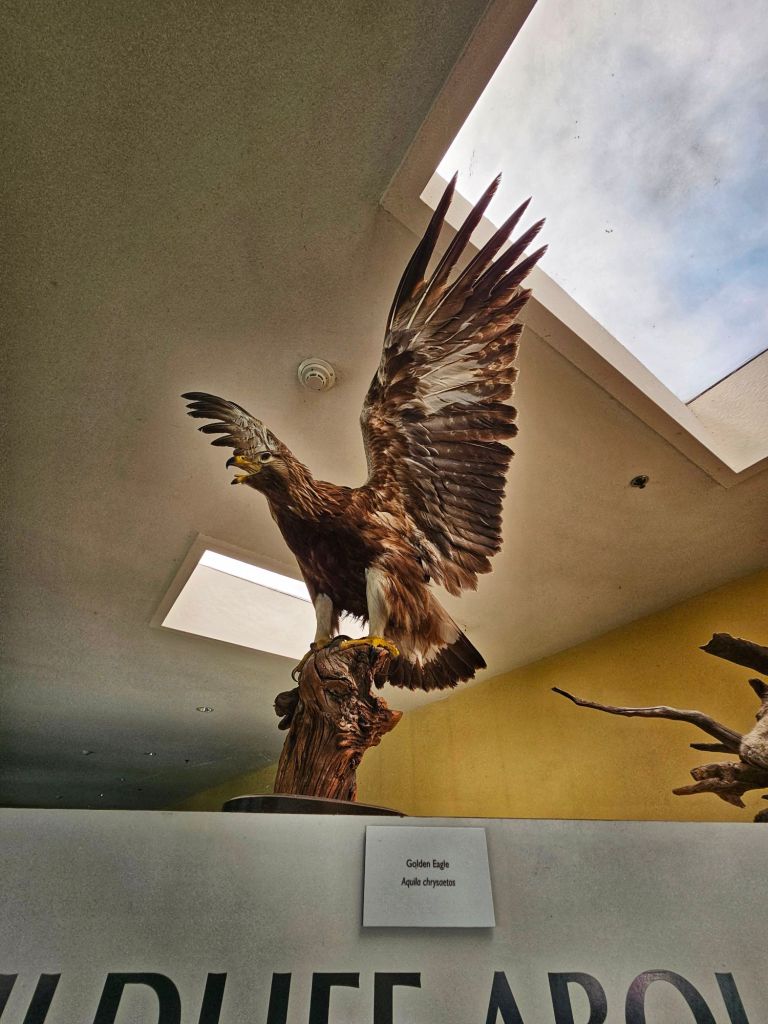
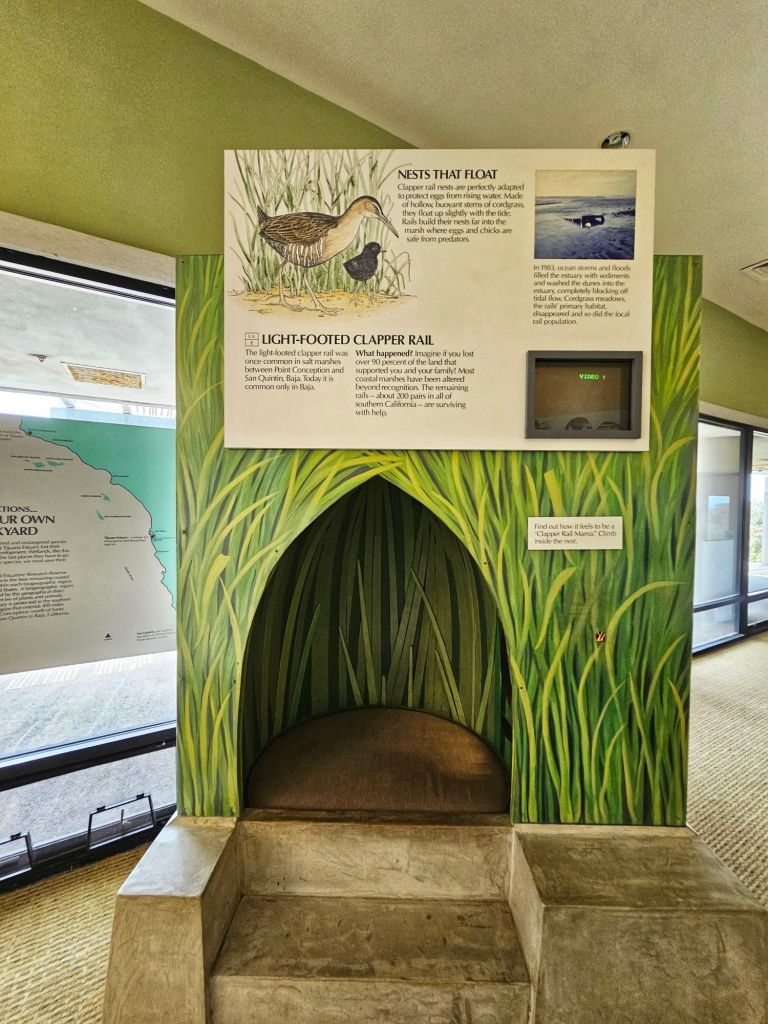
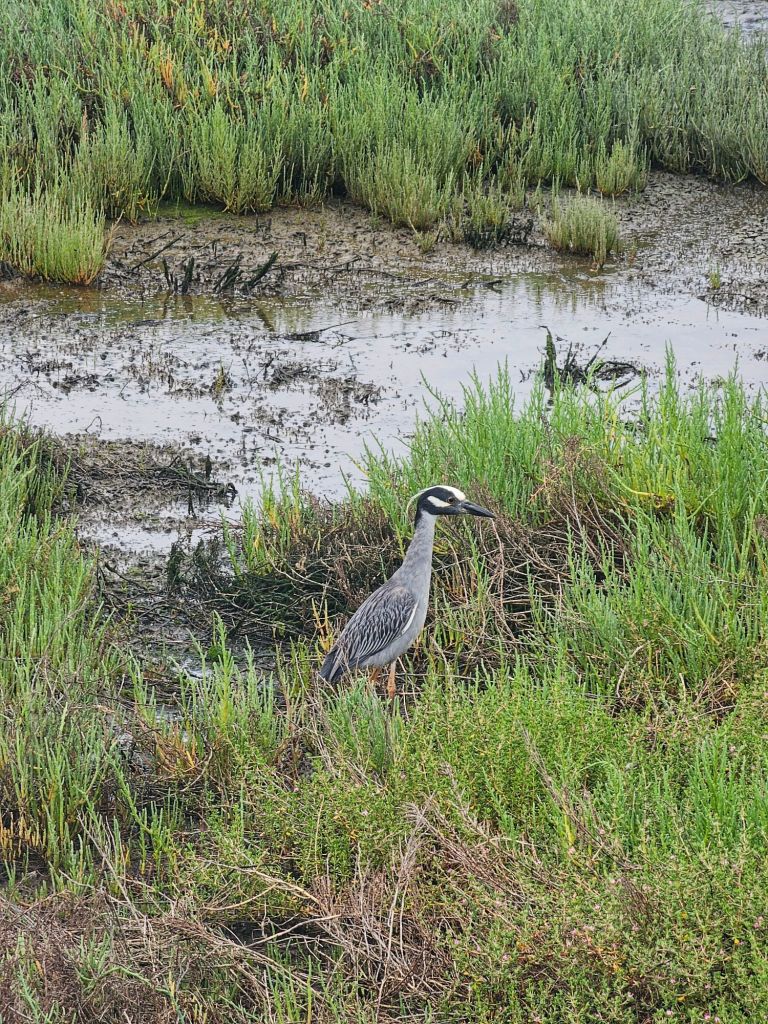
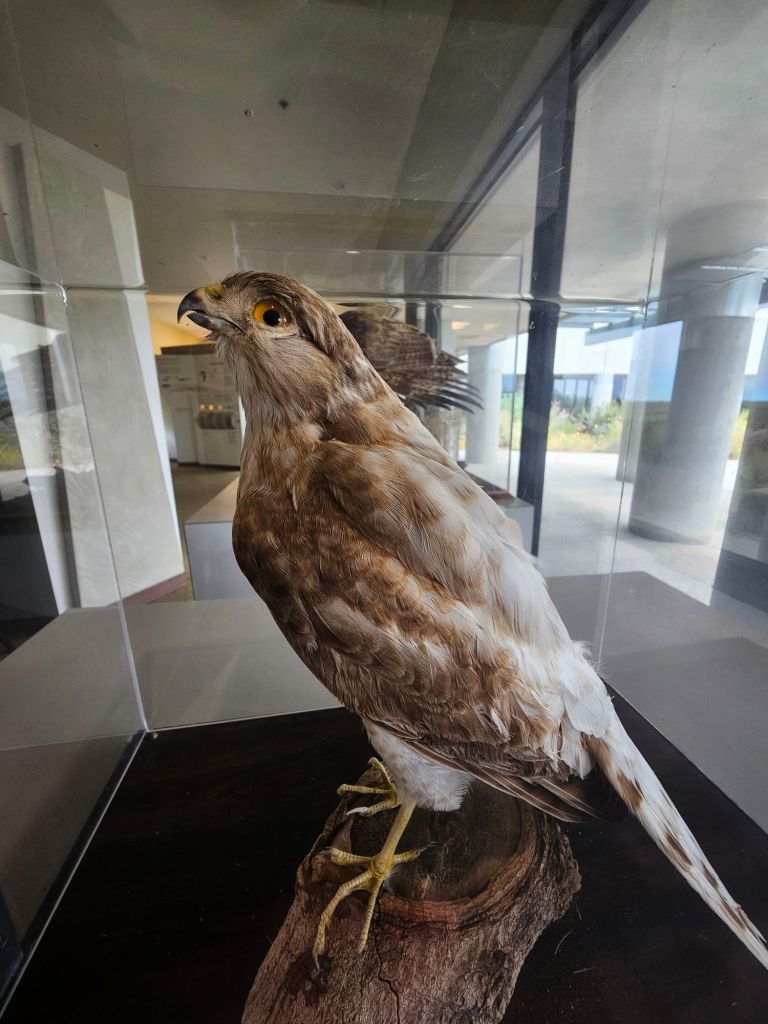
As you walk the trails, you’ll find yourself surrounded by a mosaic of marshes, mudflats, and salt flats—each teeming with life. Located along a massive aviary flyway over 370 species of birds have been recorded here, including the endangered light-footed Ridgway’s rail and least tern. Birdwatchers, bring your binoculars!

Trails, Views, and Tranquility

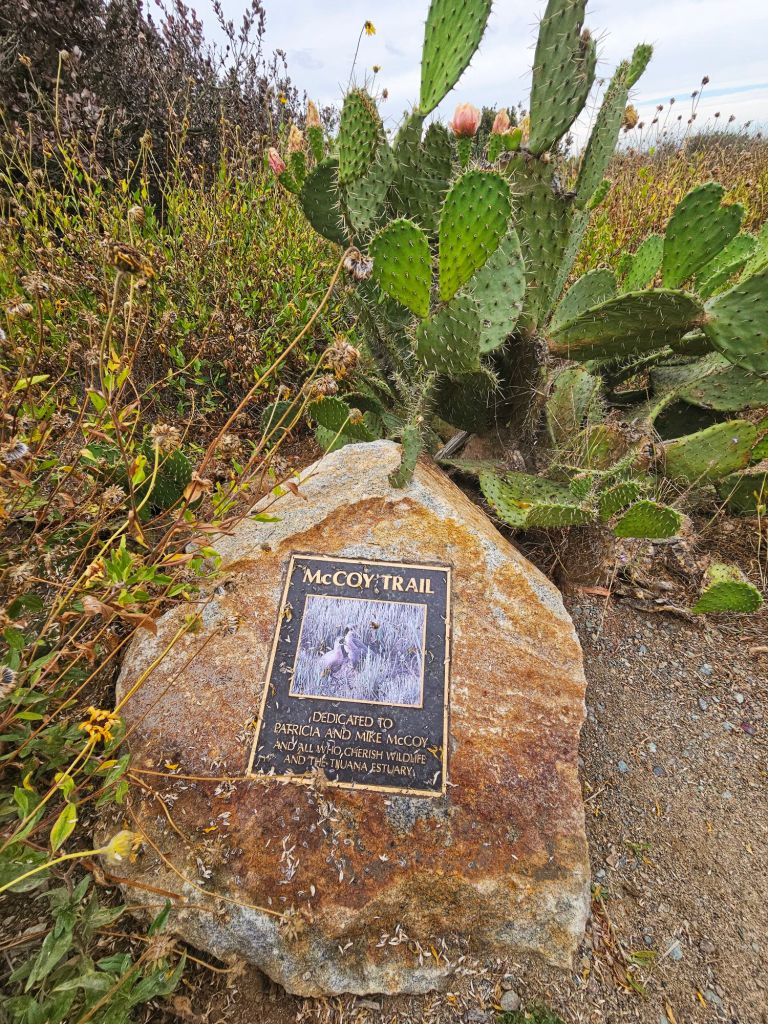
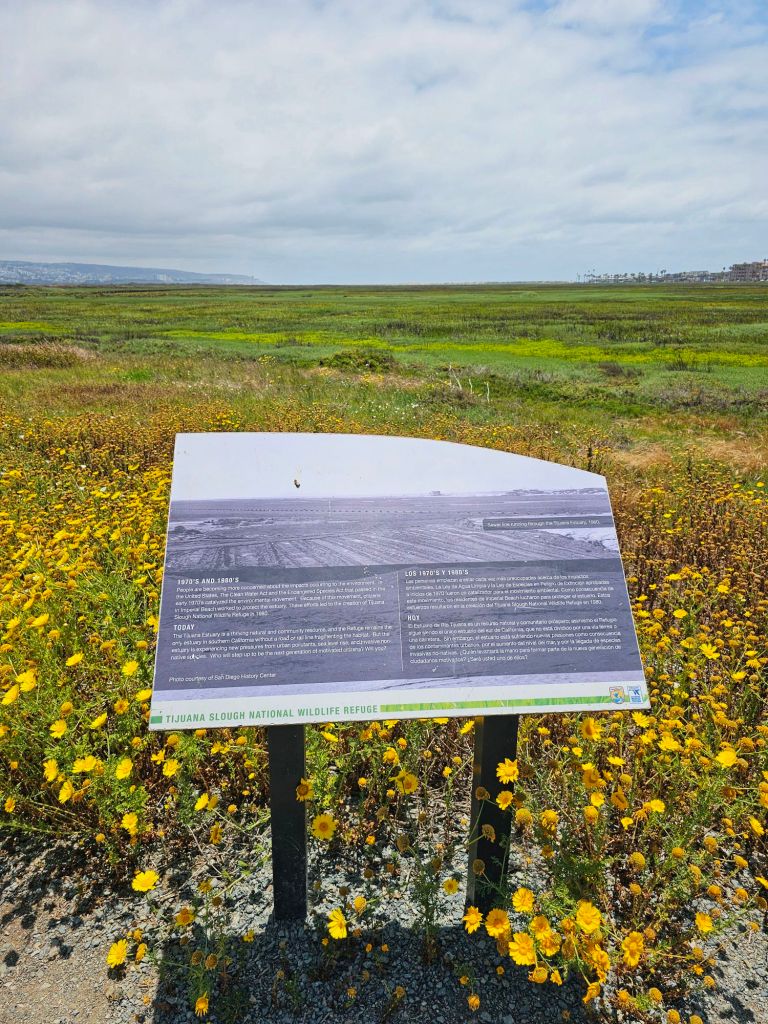
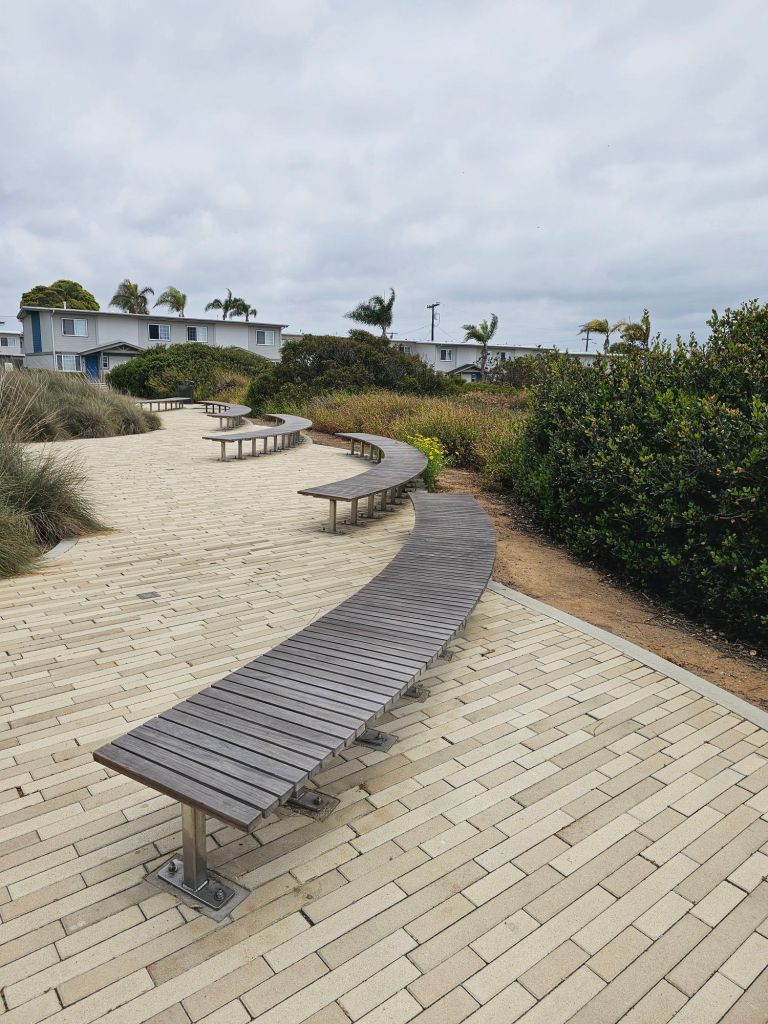
The Bayside Trail and River Mouth Trail offer easy, flat hikes with stunning views of the wetlands and the Pacific Ocean beyond. Interpretive signs along the way tell the story of the estuary’s ecology, history, and the ongoing efforts to protect it.

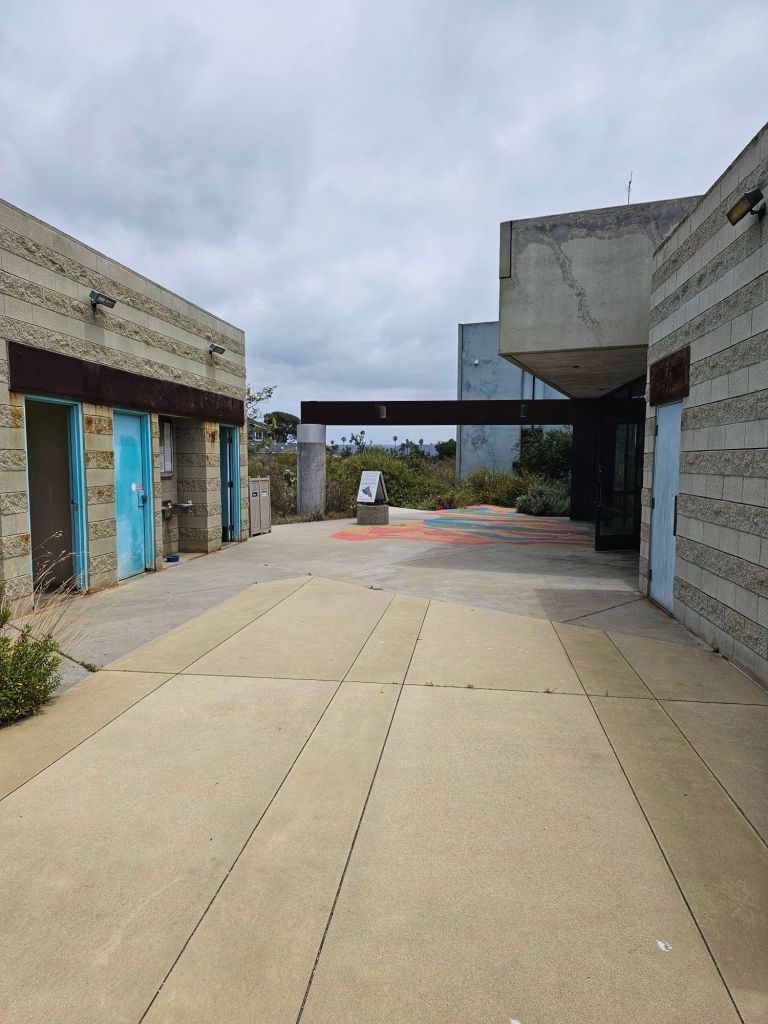
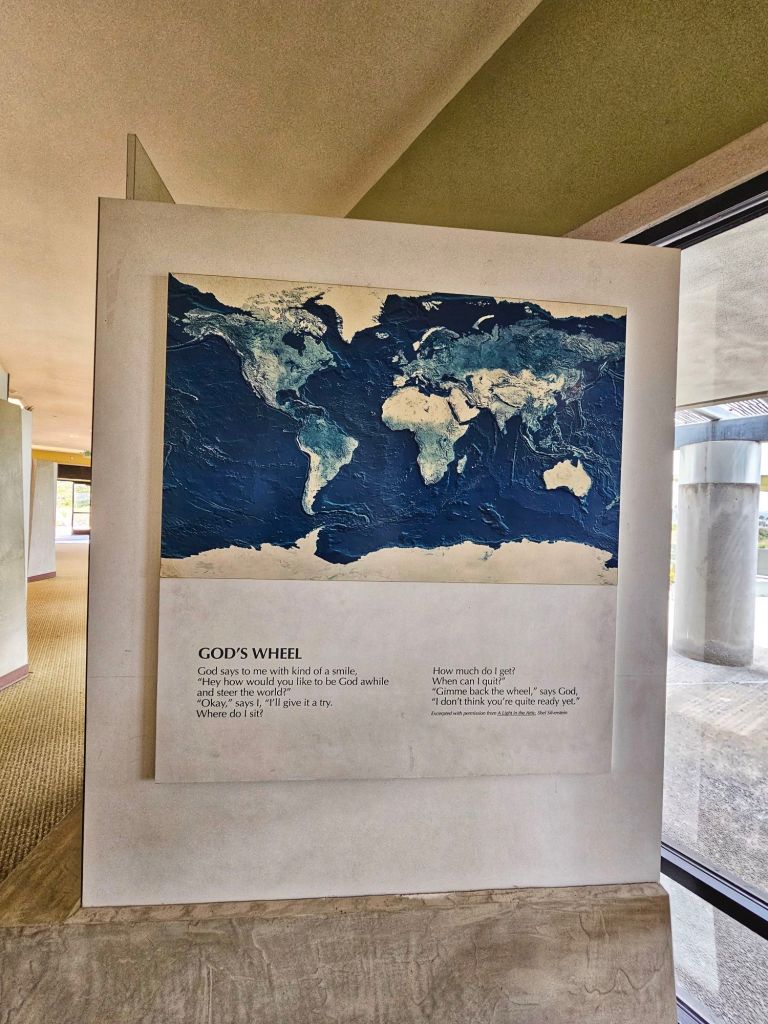
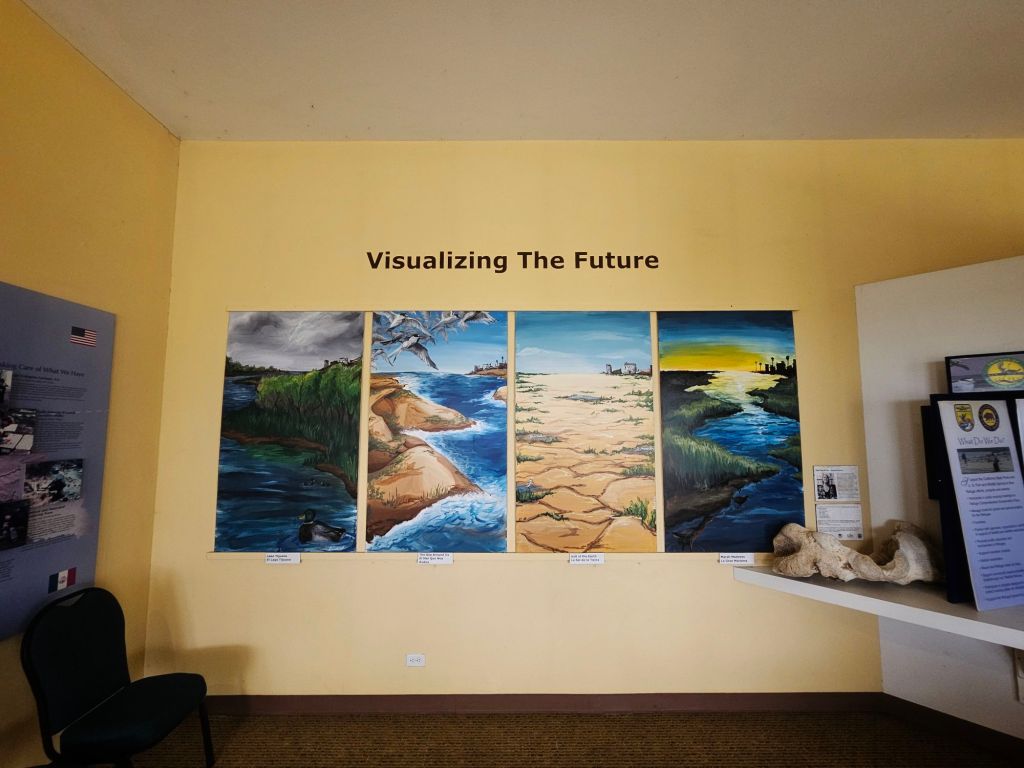
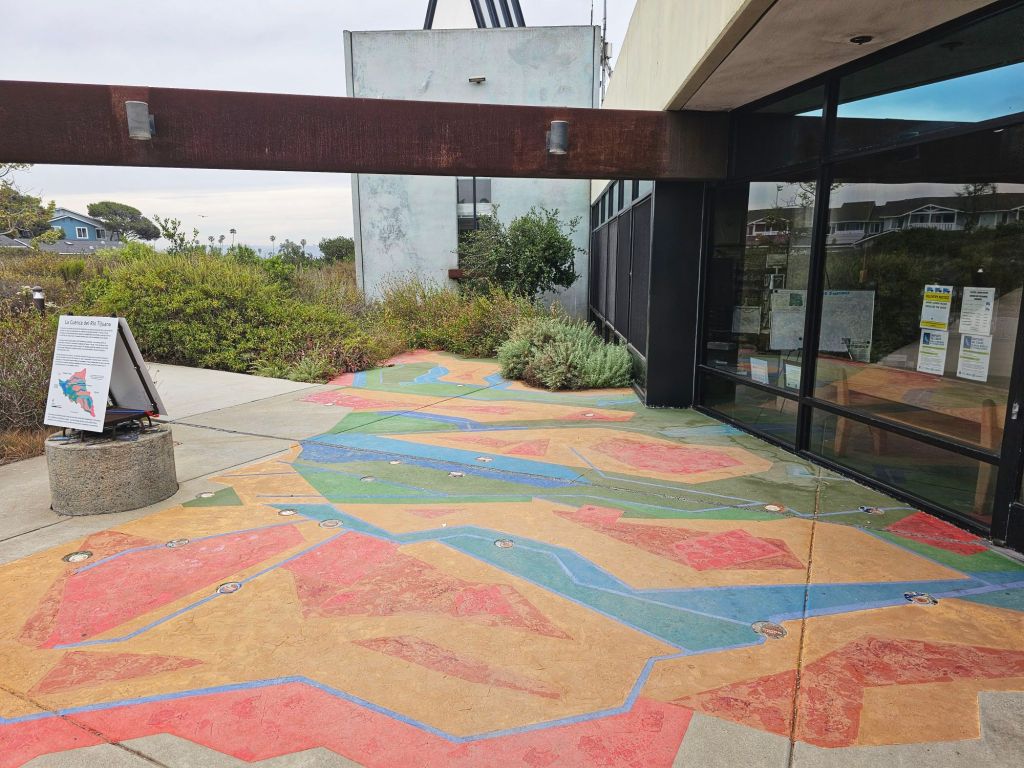
Don’t forget to stop by the Tijuana Estuary Visitor Center—a small but informative hub with exhibits, maps, and knowledgeable staff who can help guide your visit.

A Cross-Border Story

What makes the Tijuana River Estuary truly unique is its binational character. The Tijuana River originates in Mexico, flowing through the bustling city of Tijuana before crossing the U.S. border and emptying into the Pacific Ocean. Along the way, it faces challenges like pollution and urban runoff—but also inspires collaboration and conservation across borders.

Why It Matters

Estuaries like this one are among the most productive ecosystems on Earth. They provide nursery grounds for fish, shelter for birds, and natural flood control for communities. In a time of climate change and habitat loss, places like the Tijuana River Estuary remind us of nature’s resilience—and our responsibility to protect it.

Plan Your Visit

Whether you’re a birder, hiker, photographer, or simply seeking a quiet moment in nature, the Tijuana River Estuary is worth a visit. Come for the peaceful views, stay for the deeper connection to a landscape that quietly sustains life in so many ways.

Wildlife, Waves, and Wonder at La Jolla Cove

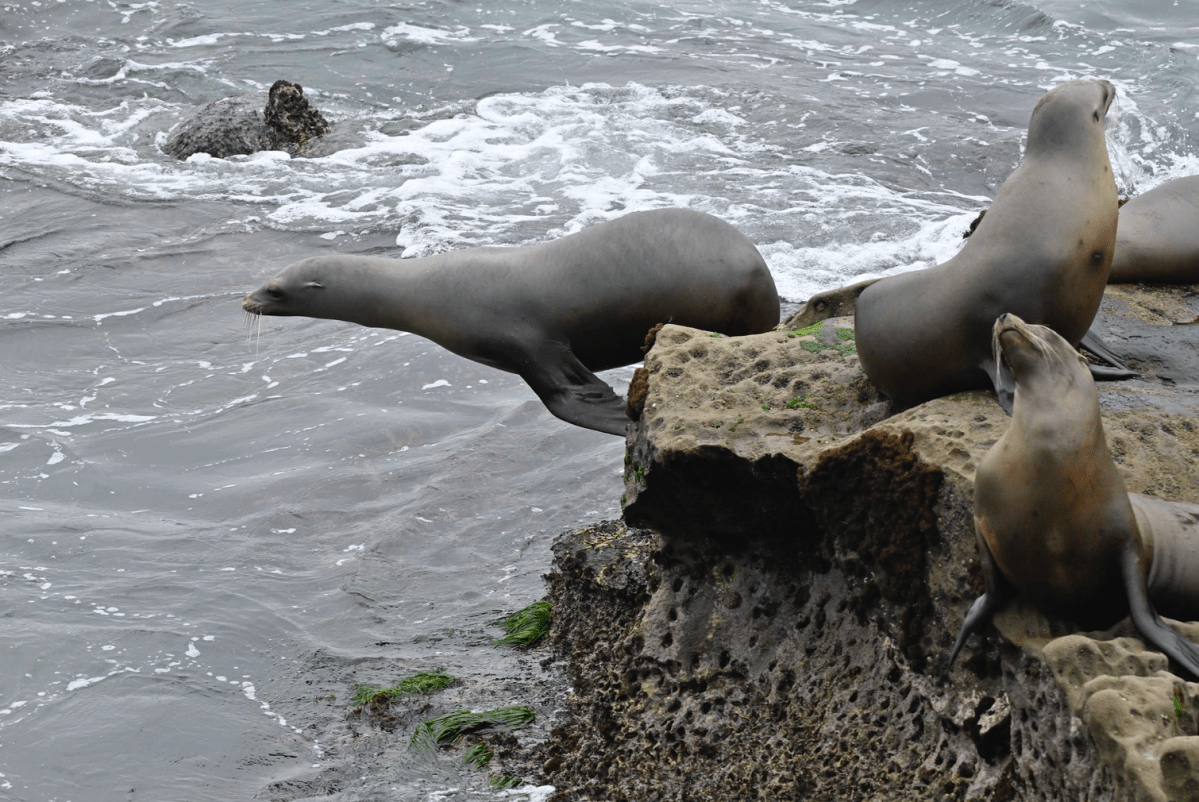
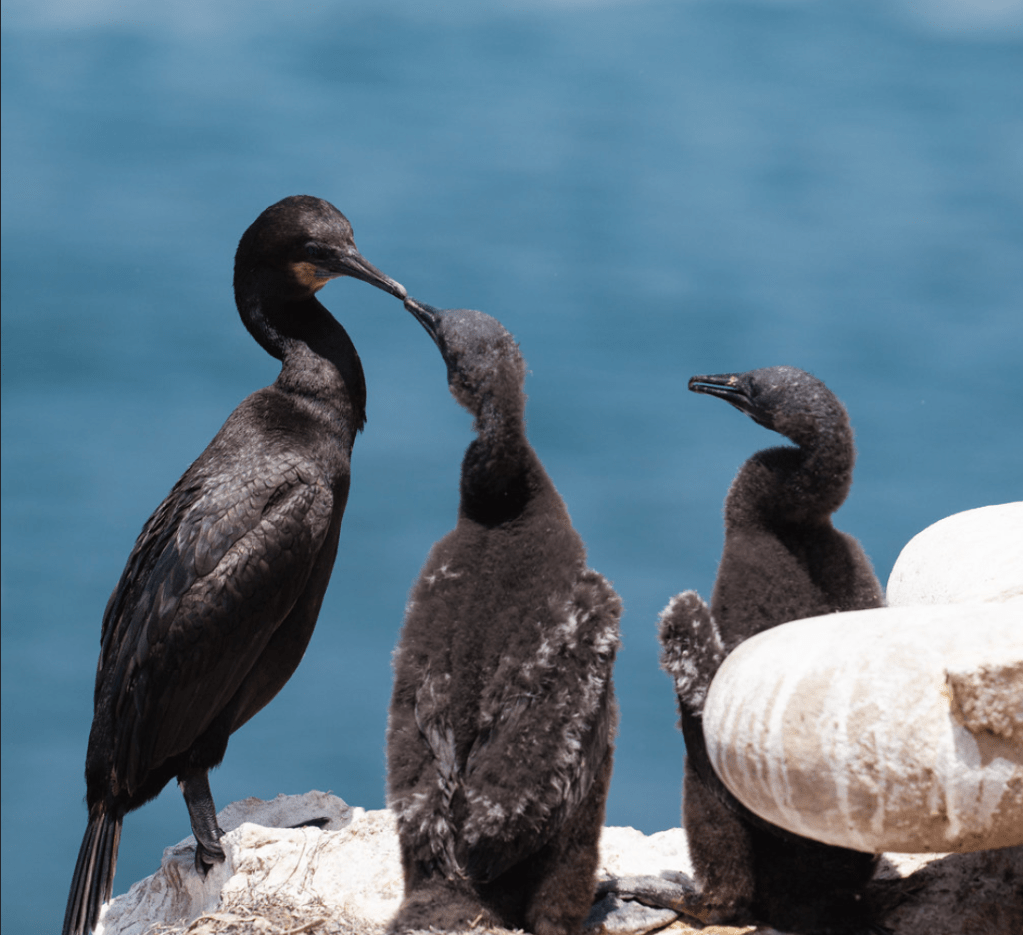
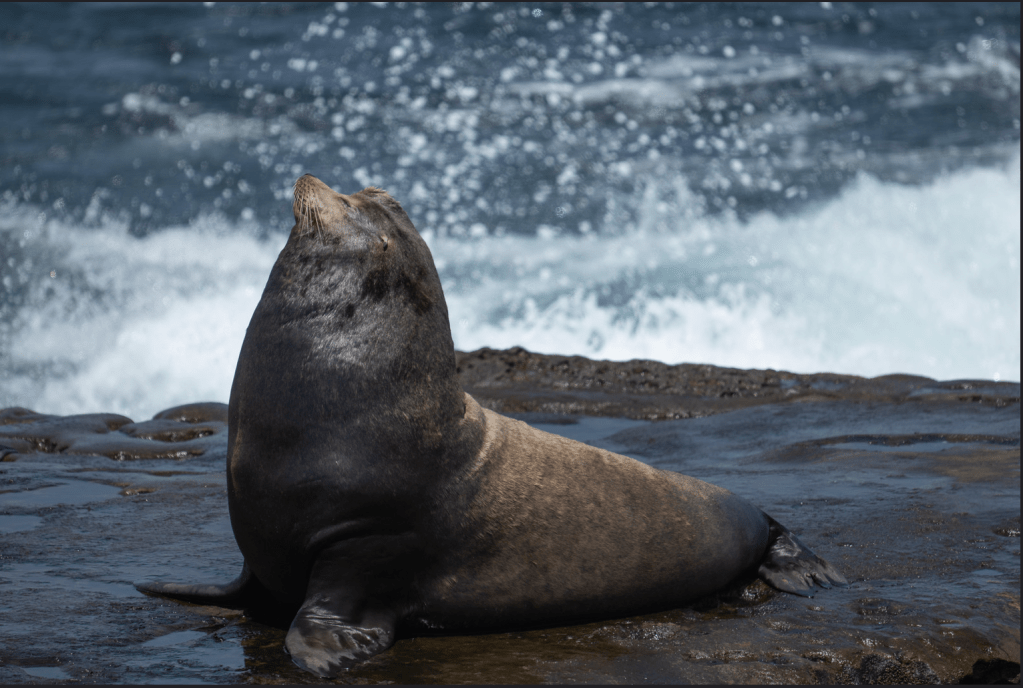
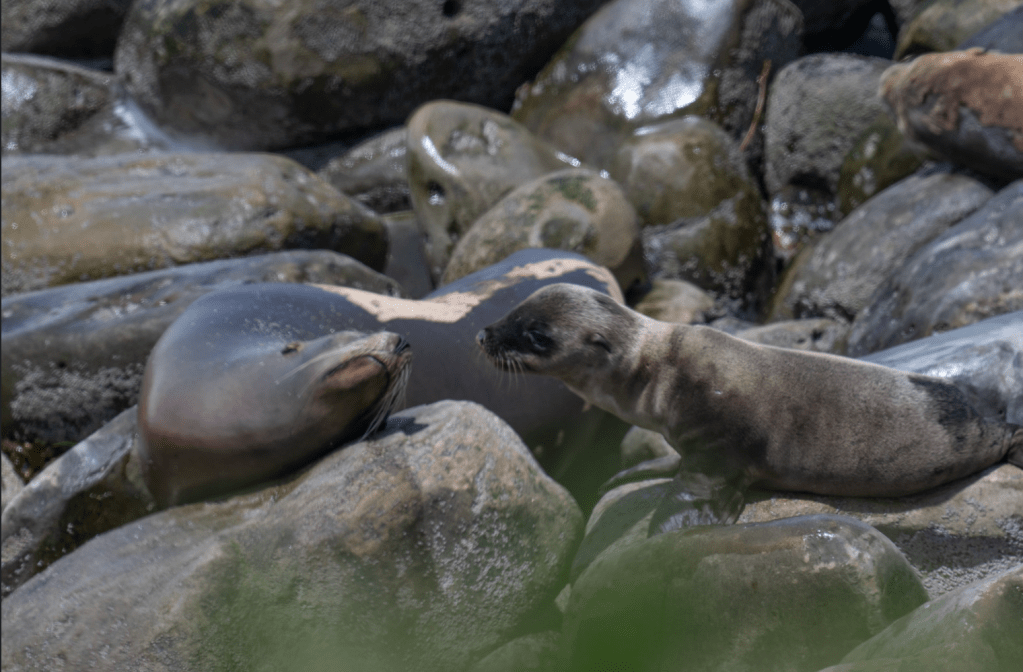
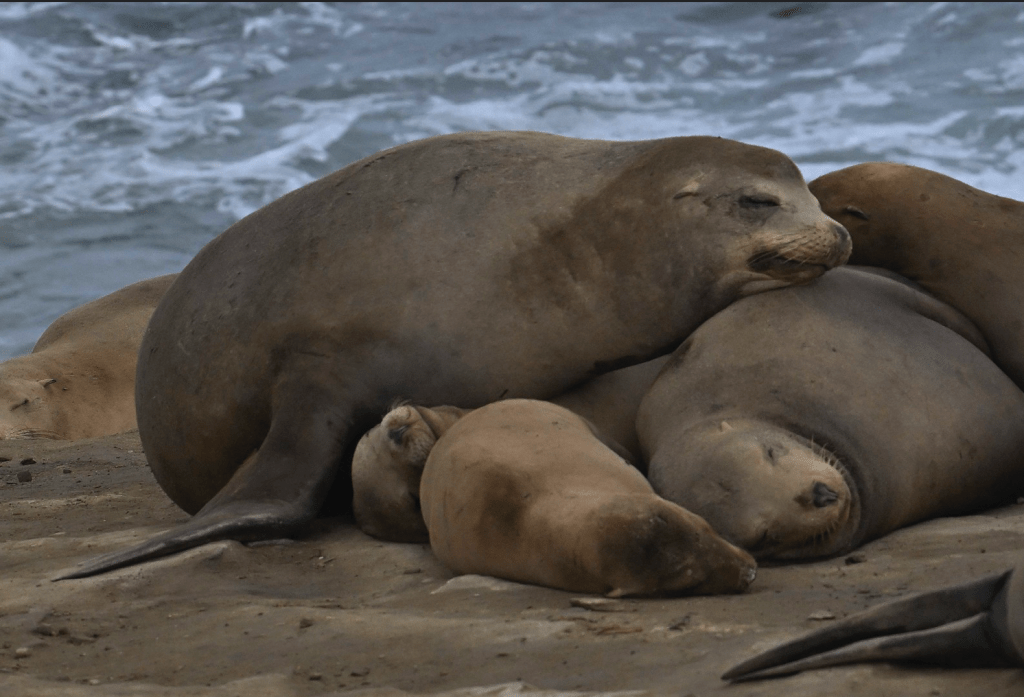
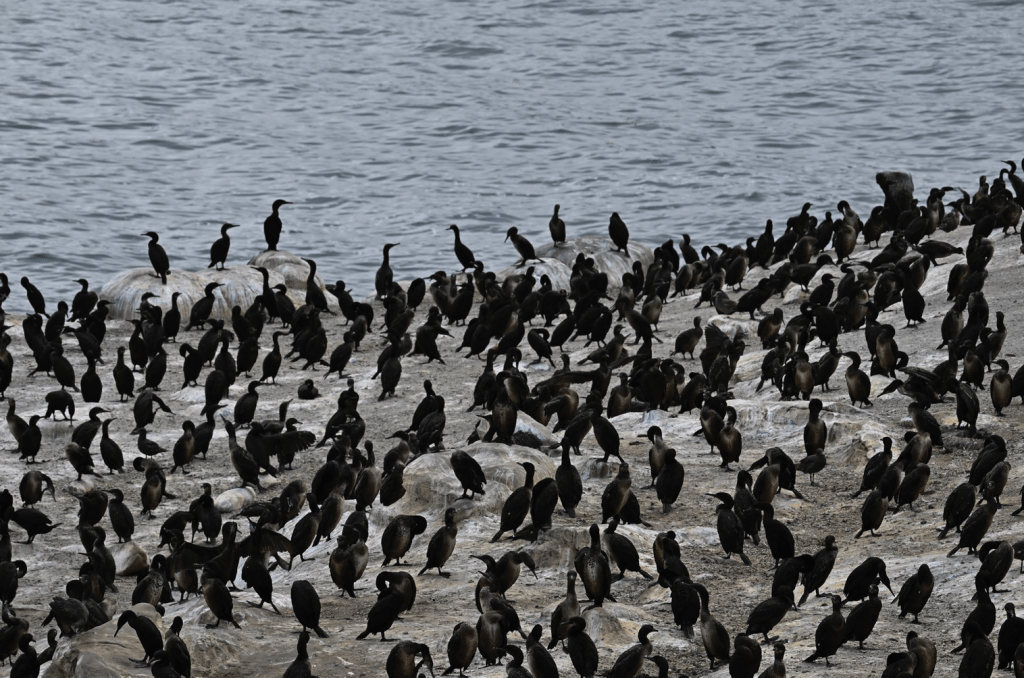
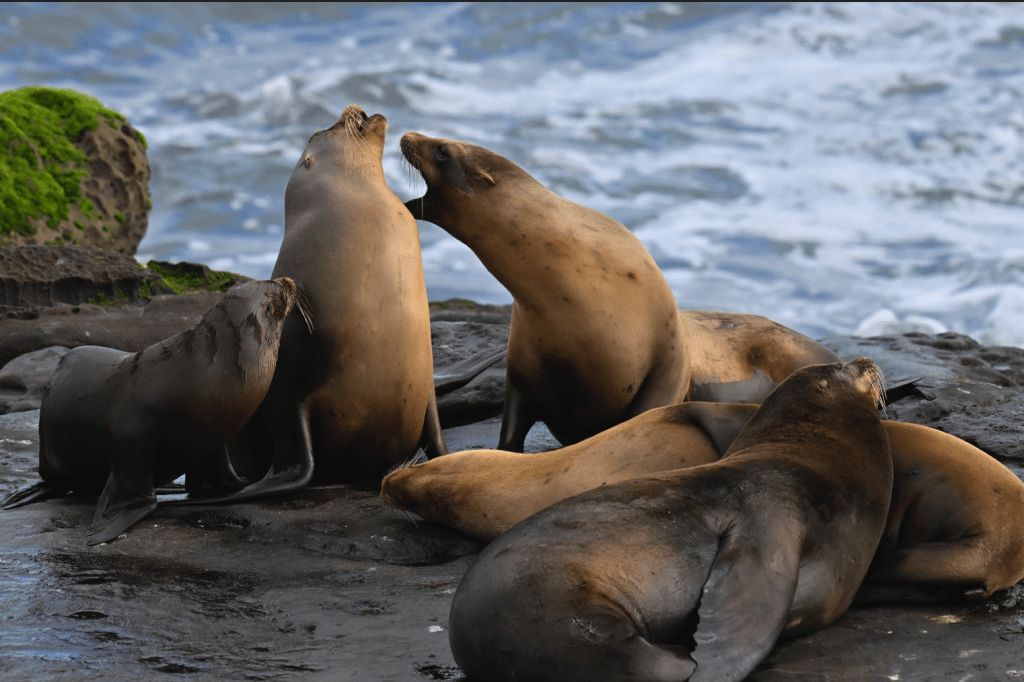
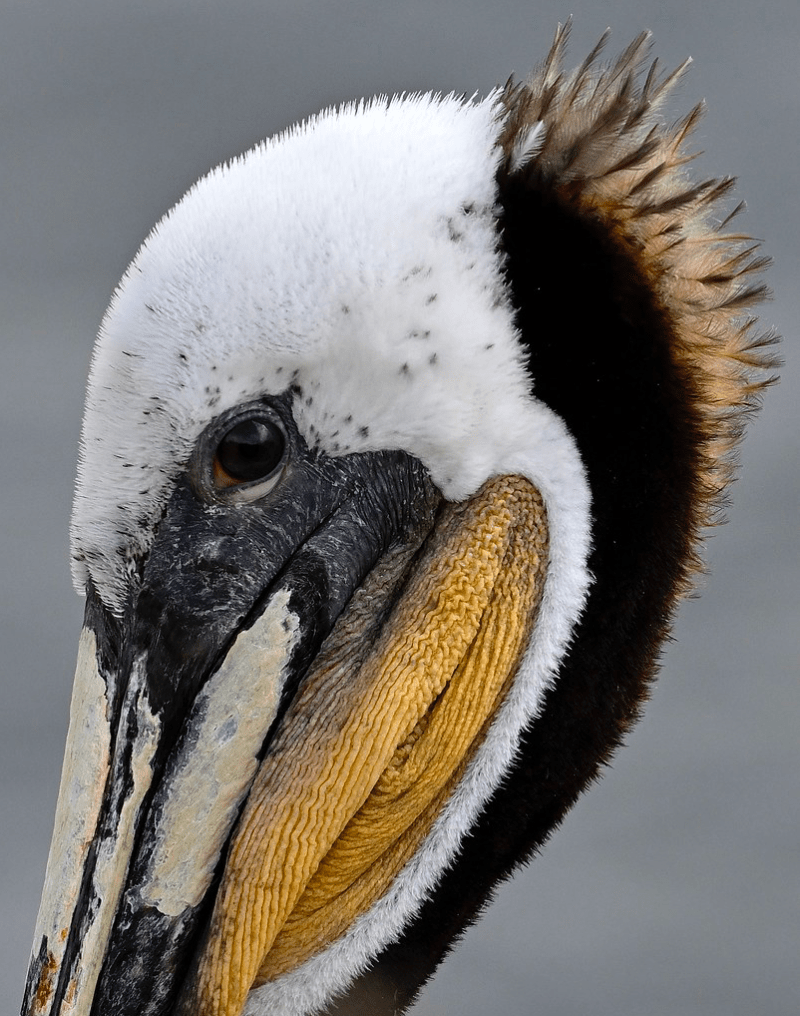
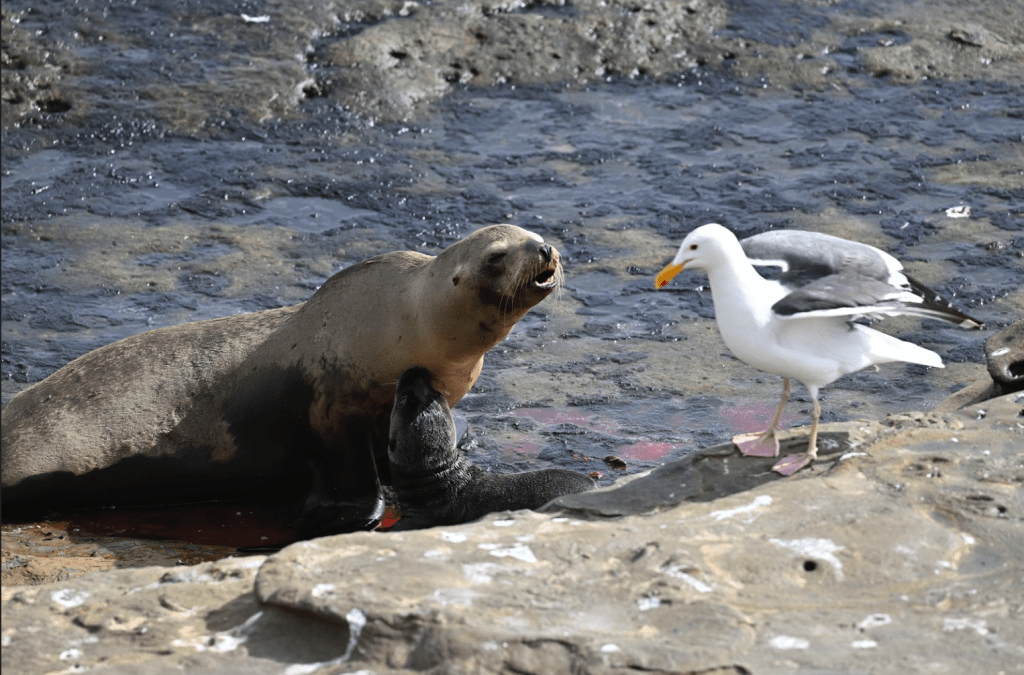
La Jolla Cove is part of the larger La Jolla Underwater Park, a protected marine reserve that makes it a paradise for snorkelers, scuba divers, and kayakers. Above the waves, La Jolla Cove is famously home to a lively population of sea lions and harbor seals. These charismatic creatures can be seen basking on the rocks, swimming close to shore, or engaging in playful antics that delight onlookers. Birdwatchers will also enjoy spotting a variety of coastal birds such as pelicans, cormorants, and gulls soaring overhead or nesting on the rocky cliffs.

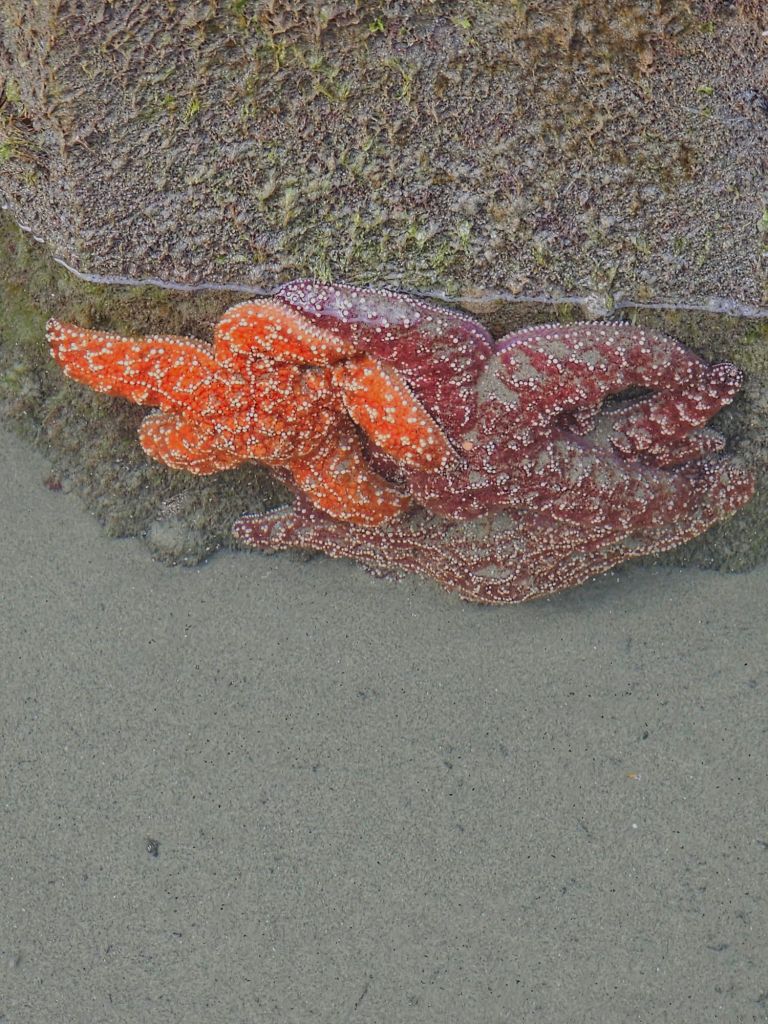
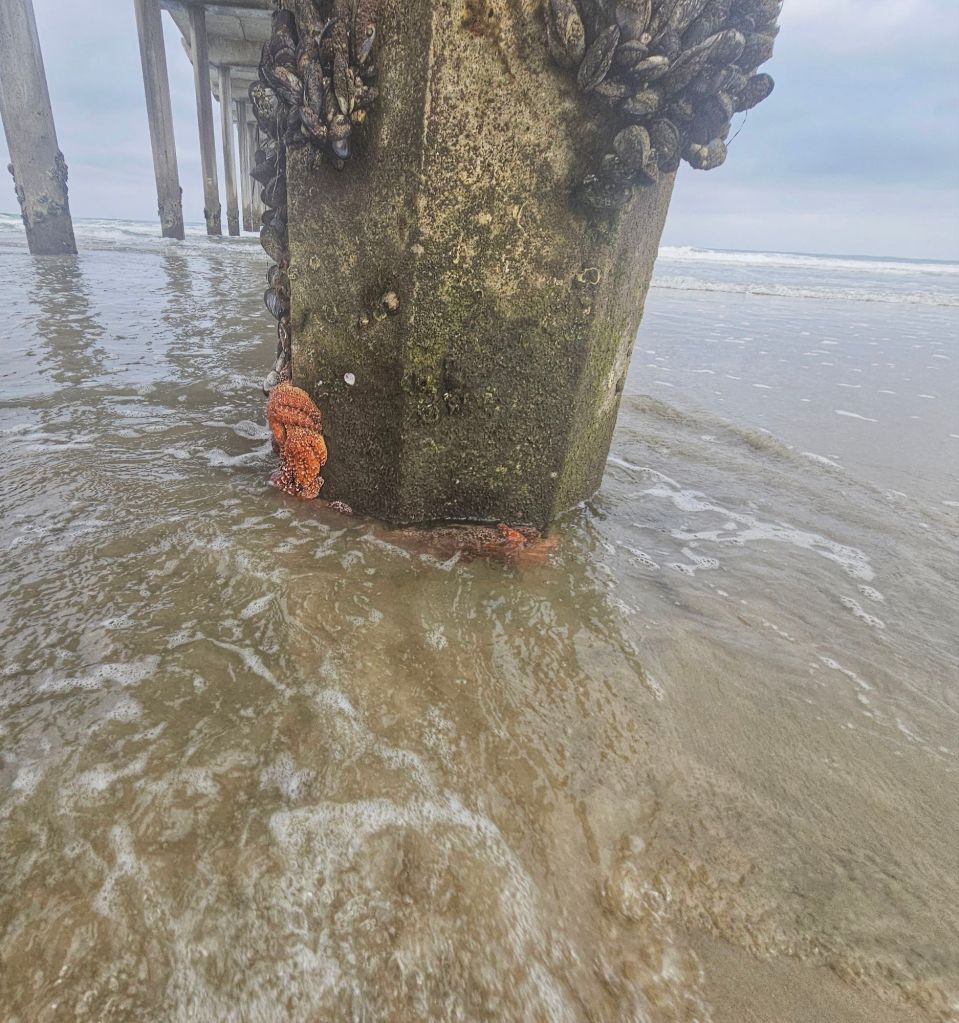
Tide pools along the shore reveal a hidden world of marine invertebrates including starfish, anemones, and crabs, especially at low tide. This makes La Jolla Cove a fantastic destination for families and curious explorers eager to learn about marine ecology up close.

Challenges at La Jolla Cove

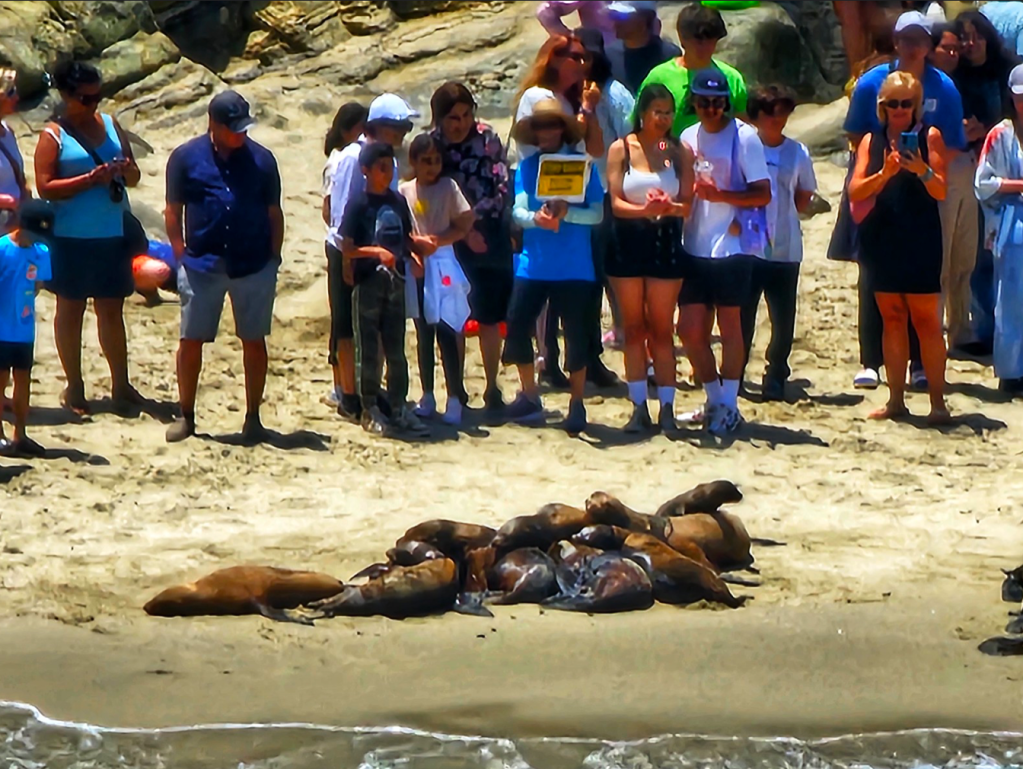
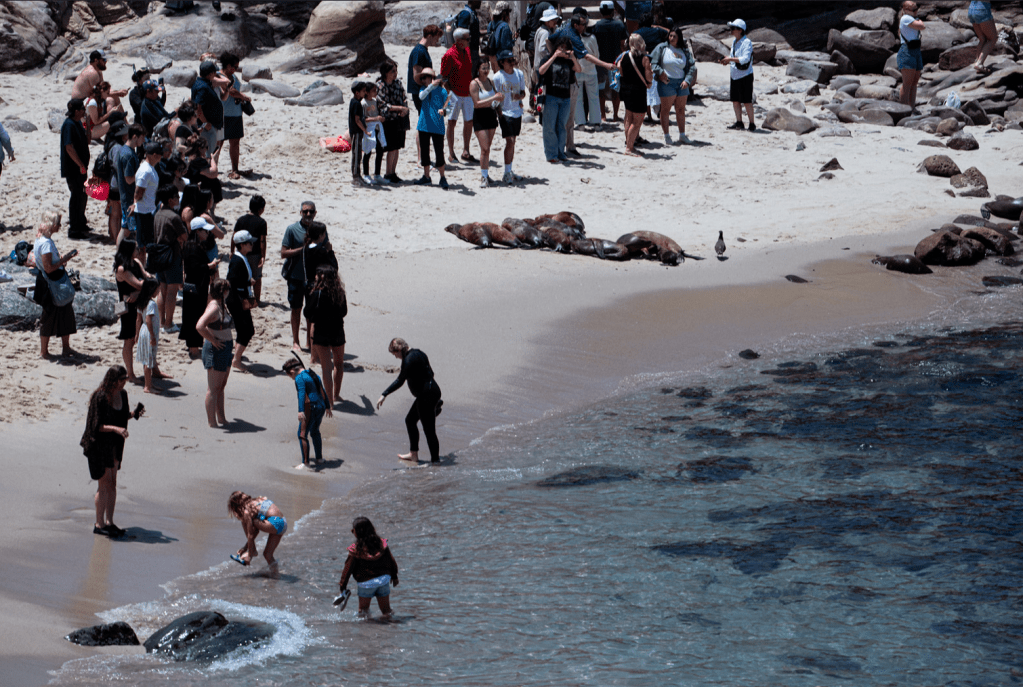
A growing problem involves harassment of the local wildlife, particularly sea lions and harbor seals. Despite clear signage and public education efforts, some visitors approach too closely for photos, attempt to touch or feed the animals, or otherwise disturb them. These actions not only stress the animals but can also lead to dangerous encounters. Seasonal closures and designated viewing areas have been implemented in some sections to minimize human-wildlife conflicts and protect both animals and people.

Increased foot traffic, littering and disturbance of tide pools can threaten the delicate ecosystems. Conservationists and local authorities continuously urge visitors to follow “leave no trace” principles and respect protected areas.

Water quality can also fluctuate, especially after heavy rains, due to urban

Balancing tourism, wildlife conservation, and community interests remains a delicate task, but ongoing efforts by environmental groups, volunteers, and city planners aim to preserve La Jolla Cove’s natural charm for generations to come

Sun, Surf, and Southward Views: Discovering the Charm of the Imperial Beach Pier

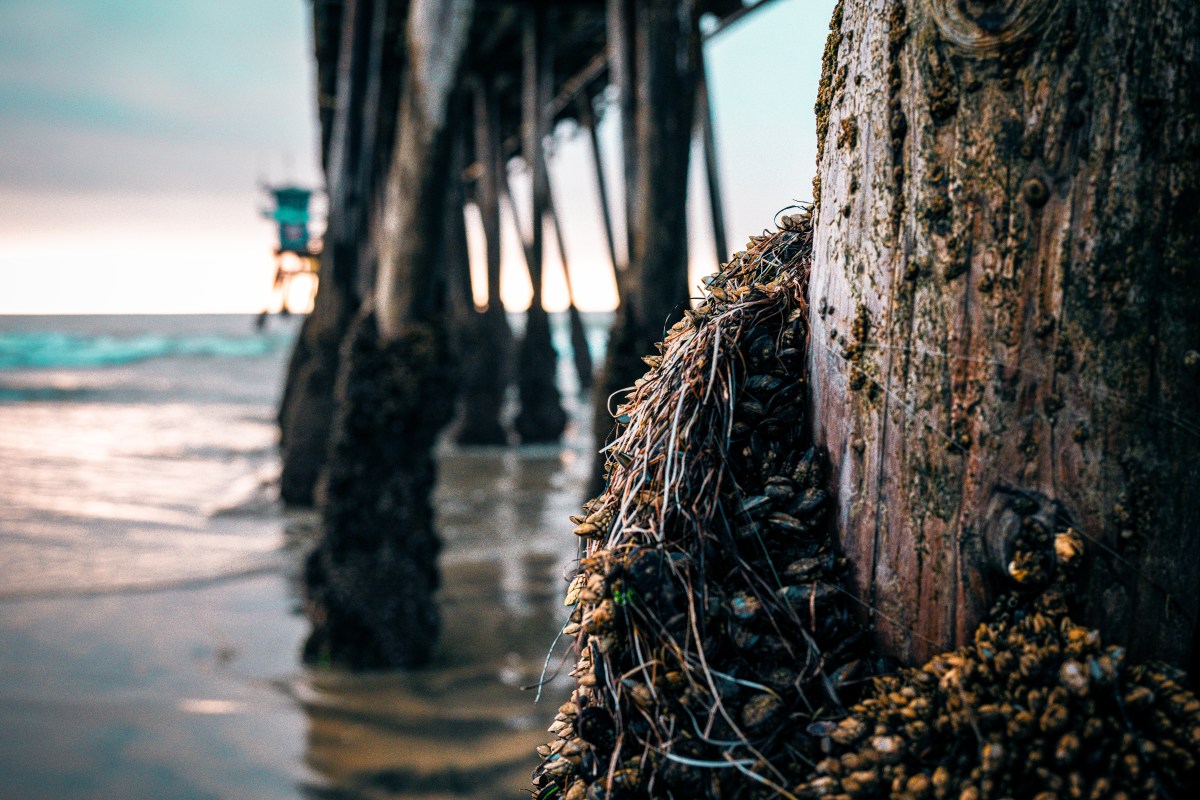
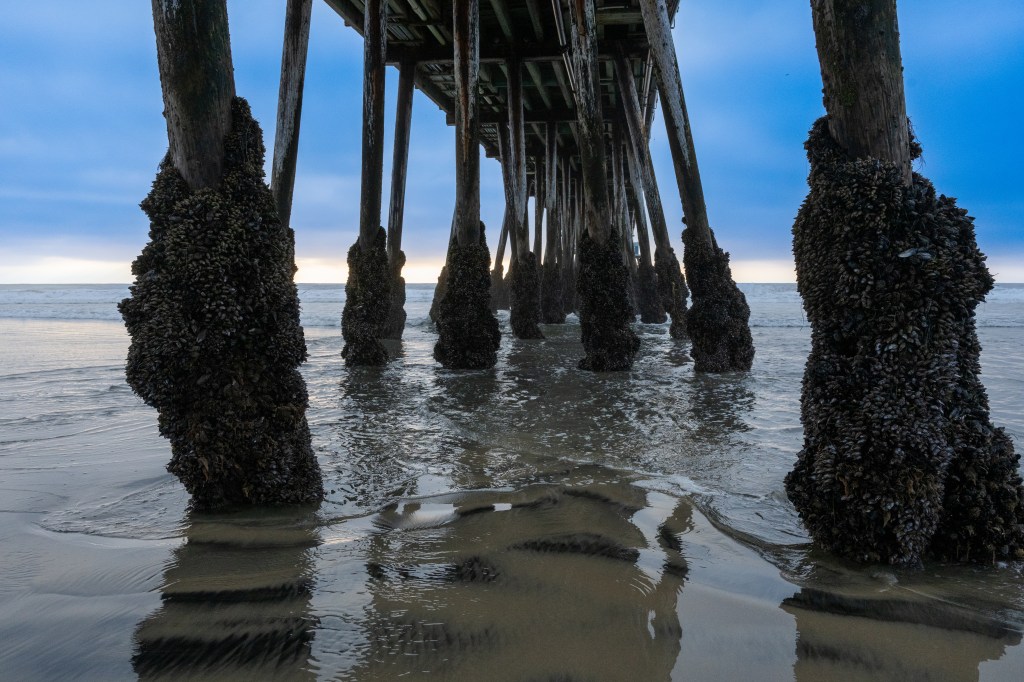
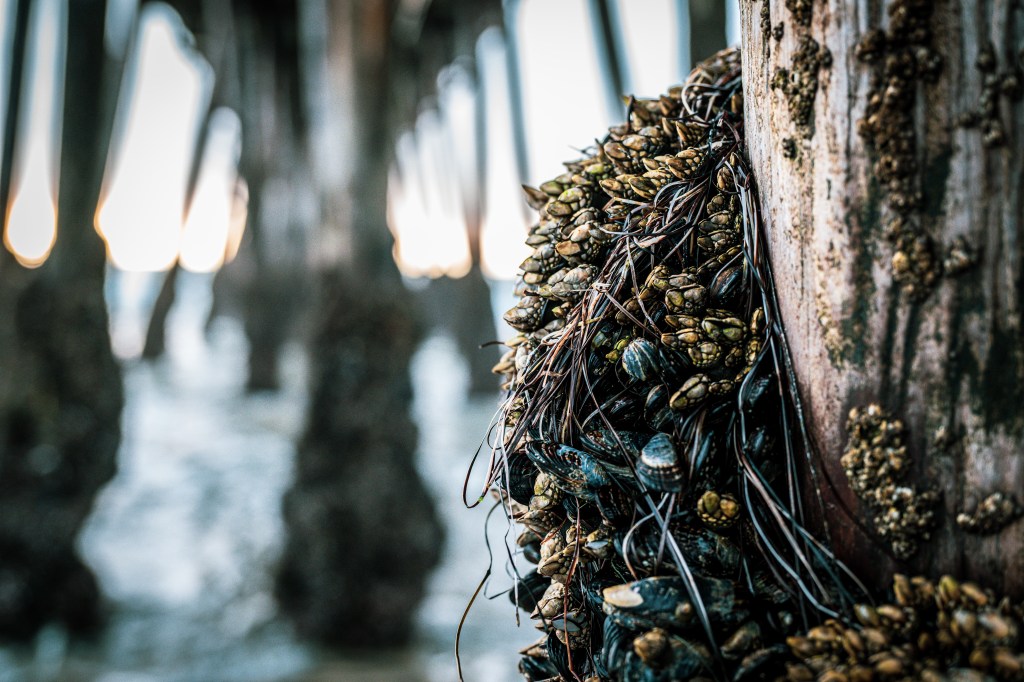
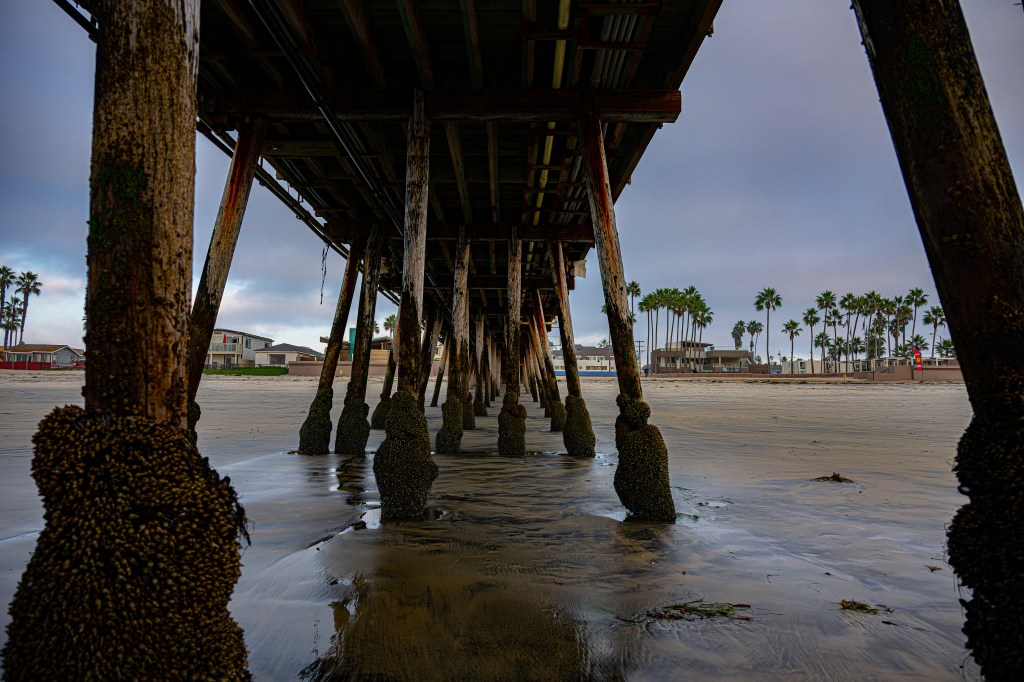
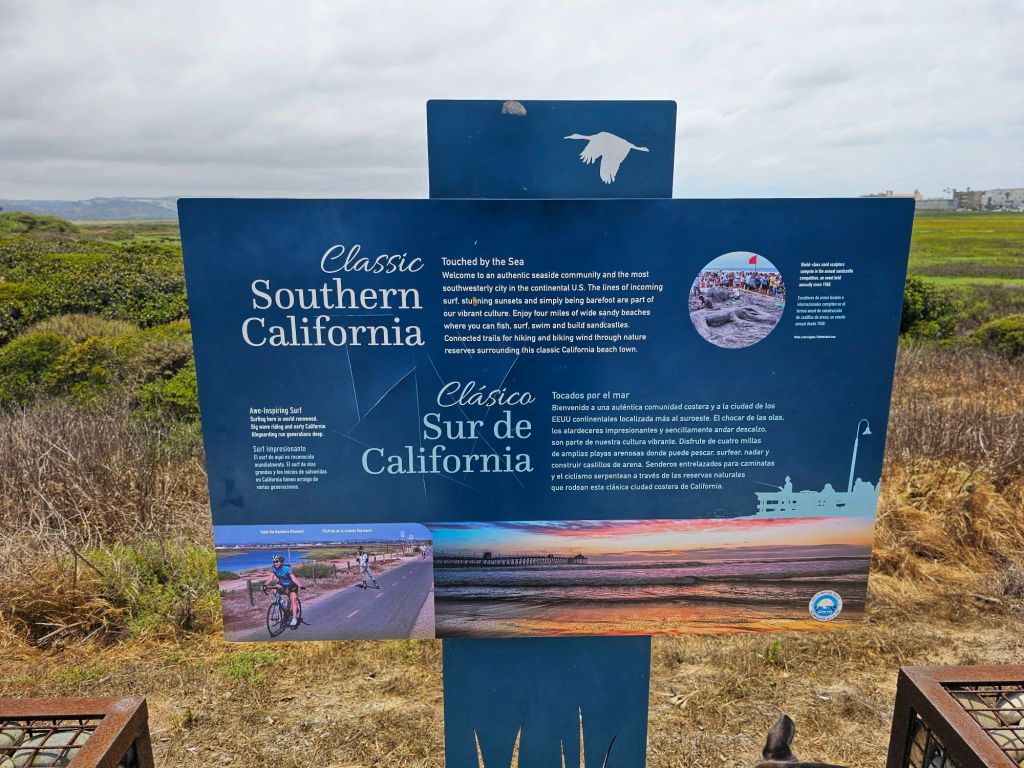
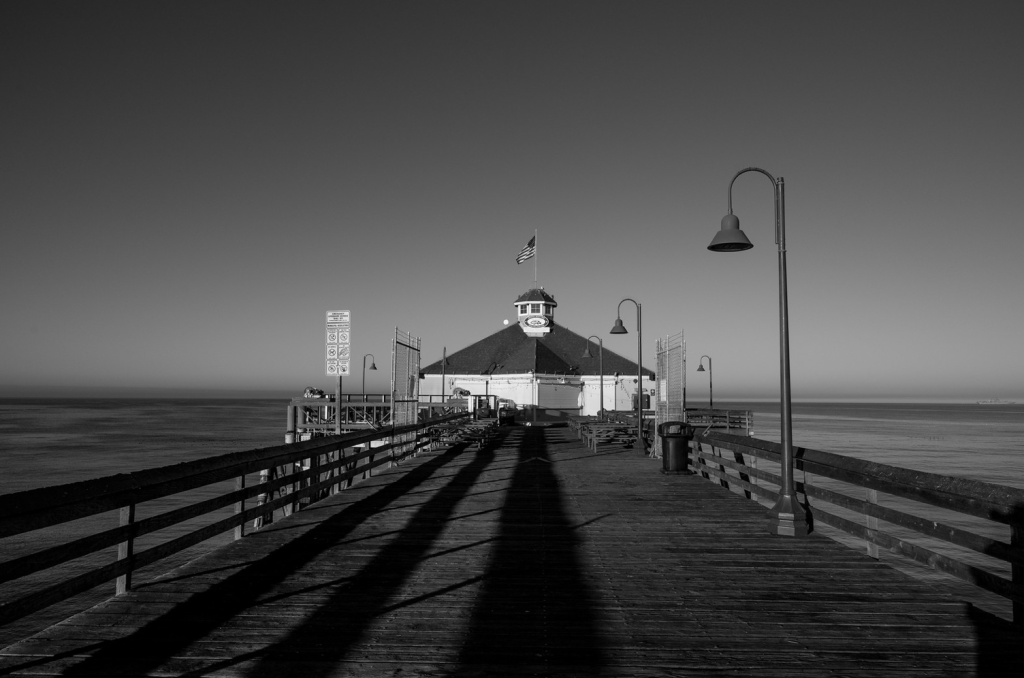
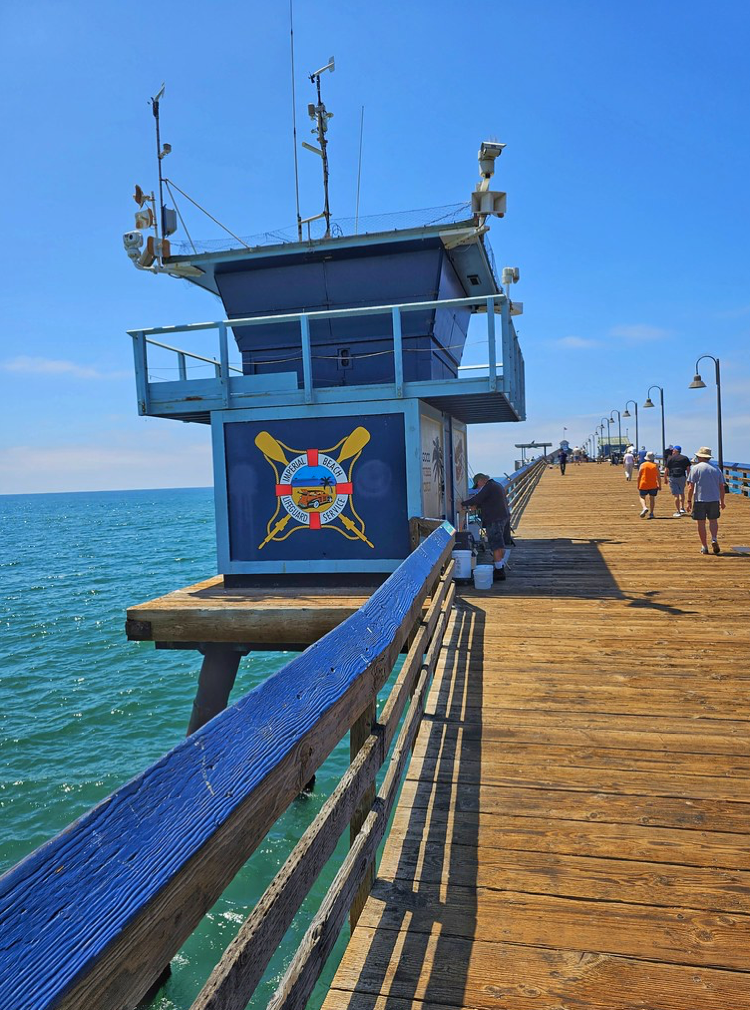
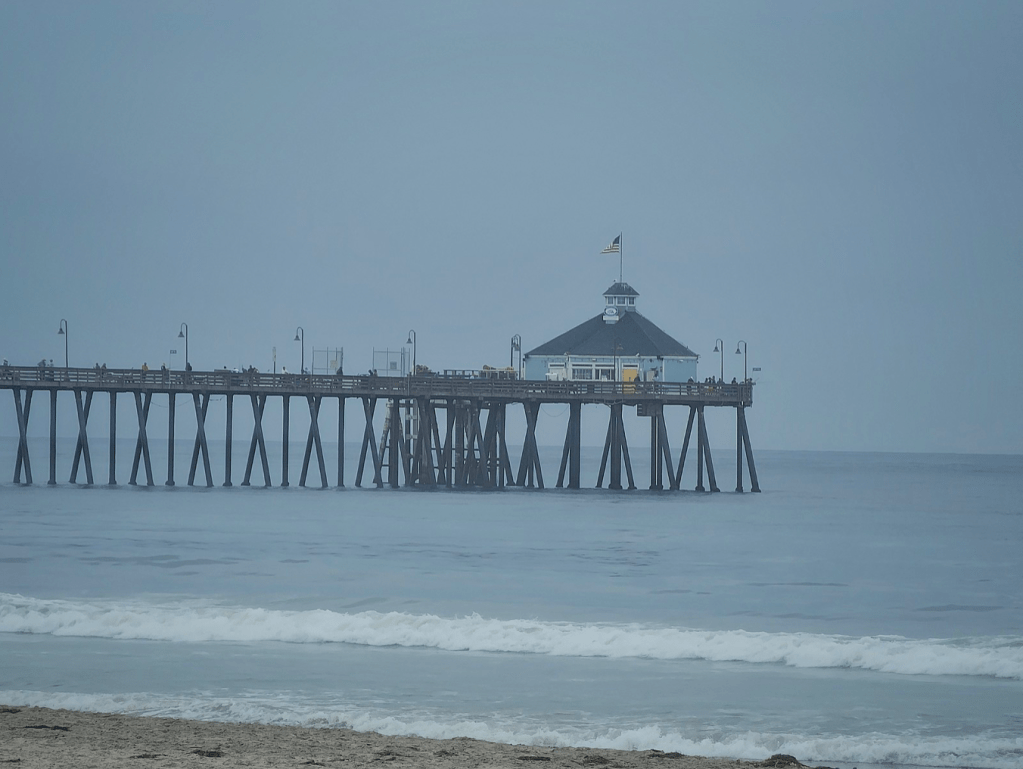
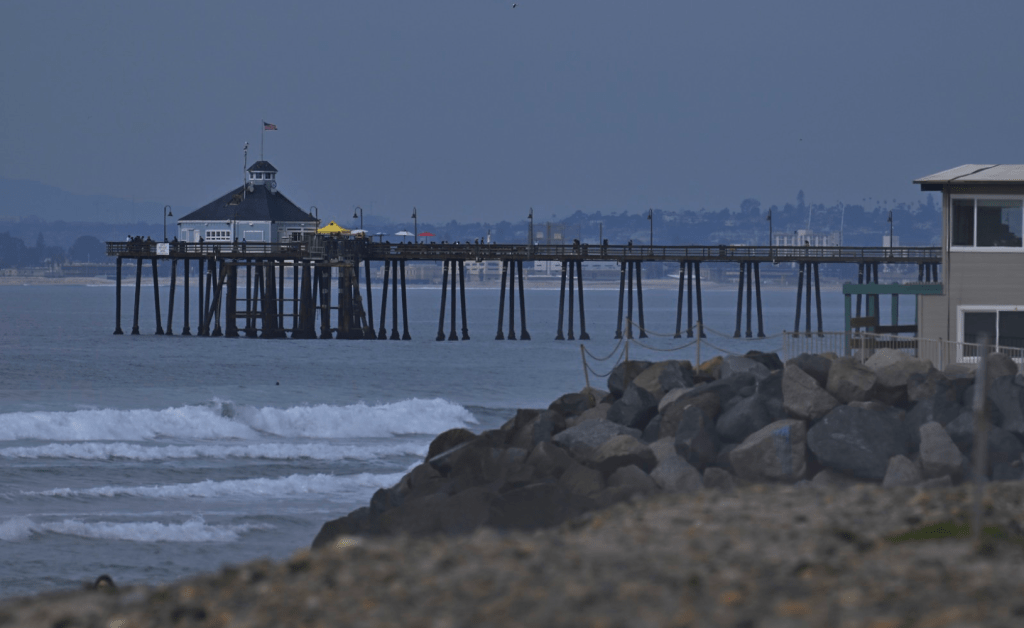
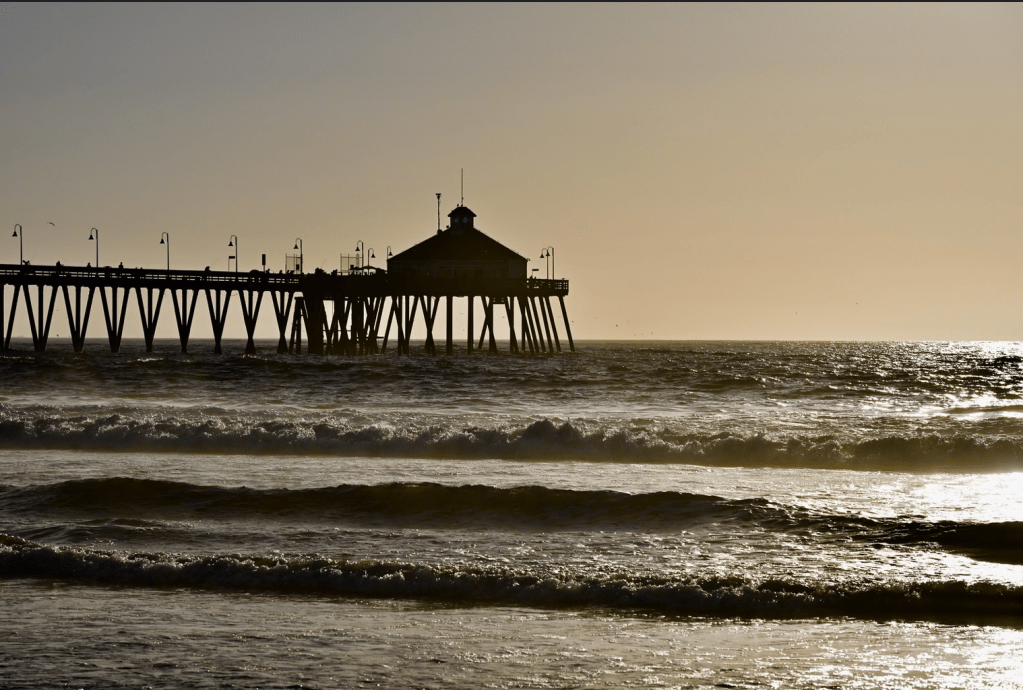
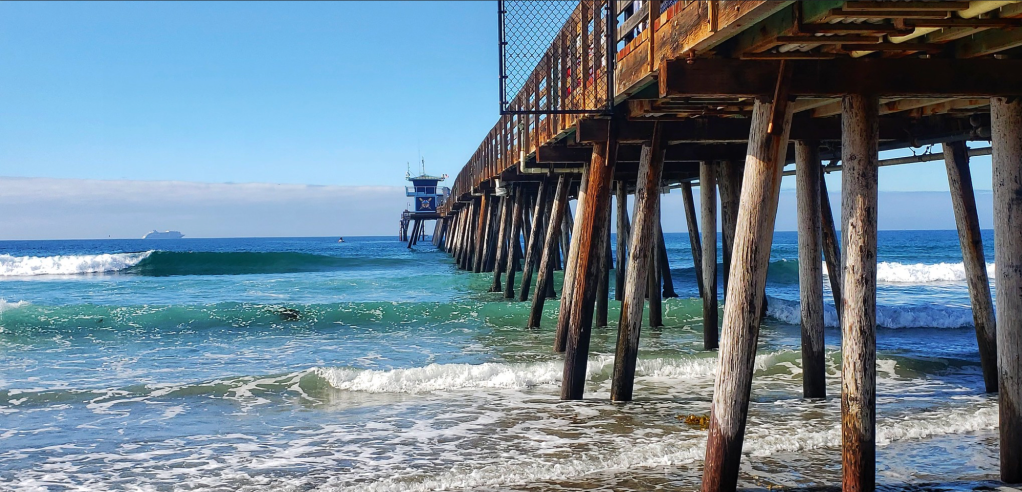
Located in the aptly named “Most Southwesterly City” of Imperial Beach, this 1,500-foot structure isn’t just a way to stroll over the ocean – it’s a vibrant hub offering stunning views, fishing opportunities, and a taste of the laid-back beach life that defines this corner of San Diego County.

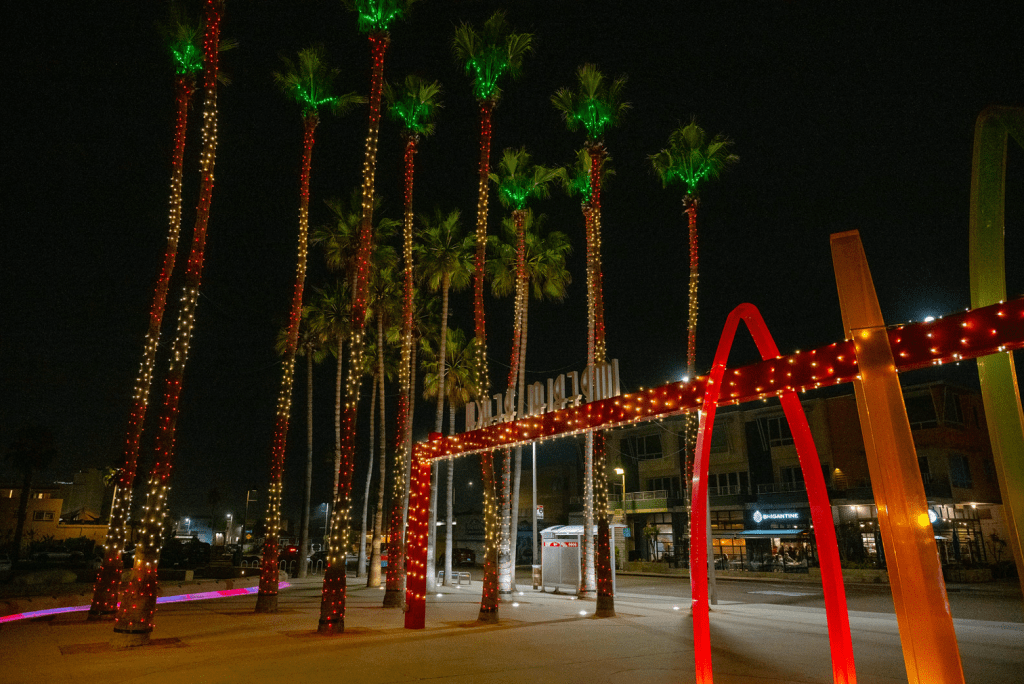
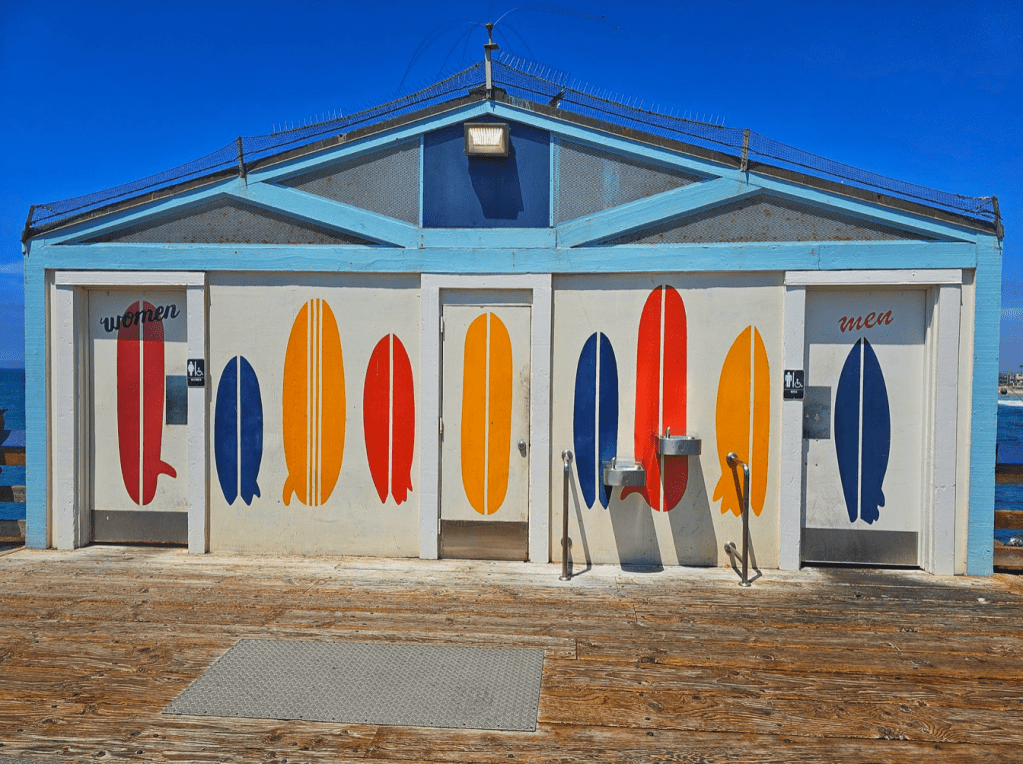
The current pier, rebuilt in the late 1980s after a storm claimed its predecessor, stands as a testament to the community’s resilience and love for their waterfront. Recent enhancements have injected fresh energy into the pier, with brighter colors, captivating murals, and even an artistic shade canopy featuring playful marine life designs. These touches add a layer of visual delight to your visit.

More Than Just a Walk:

While a leisurely stroll to the end of the pier is a must for the breathtaking panoramic views – keep an eye out for the Coronado Islands on a clear day and prepare for spectacular sunsets – the Imperial Beach Pier offers more than just sightseeing.

  • Angler’s Paradise: You’ll often spot fishing enthusiasts casting their lines from the pier, hoping to reel in the day’s catch. Conveniently placed fishing rod holders make it even easier to enjoy this pastime.
  • Surfing Heritage: Imperial Beach boasts a rich surfing history, and the waves around the pier are part of that legacy. Look down at the end of the pier, and you’ll even find destination arrows pointing towards renowned surf spots!
  • Dining with a View: While the iconic Tin Fish Restaurant is currently undergoing a transition to Imperial Beach Kitchen, the promise of oceanfront dining remains. Imagine savoring fresh seafood with the sounds and smells of the sea surrounding you. Keep an eye out for the grand reopening!
  • Artistic Touches: Take your time as you walk along the pier and notice the thoughtful artistic additions. From destination-themed murals that capture the spirit of the region to cleverly designed activity placards, there’s a touch of creativity at every turn.

Imperial Beach is grappling with a complex web of environmental problems, with the cross-border pollution from the Tijuana River being the most pressing and impactful. Addressing these issues requires bi-national cooperation, significant investment in infrastructure, and ongoing efforts to protect public health and the environment

Beyond the Planks: Portwood Pier Plaza:

Just steps from the pier’s entrance lies Portwood Pier Plaza, a welcoming space that extends the beach experience. Here you’ll find:

  • Grassy Areas and Picnic Tables: Perfect for a relaxed lunch or simply soaking up the sun.
  • Tot Lot: A dedicated play area for the little ones.
  • Entertainment Stage: Keep an eye out for local events and performances.
  • Surfboard Benches and “Surfhenge”: These unique installations pay homage to Imperial Beach’s surfing legacy, offering both a place to rest and a glimpse into the town’s history.

Important Considerations for Your Visit:

  • Lifeguard Presence: Rest assured, lifeguards are on duty daily from 7:00 a.m. until dusk.
  • No Alcohol on the Beach: Please be mindful of the regulations and refrain from bringing alcohol to the beach or pier.
  • Water Quality: While the beach is generally enjoyable, it’s wise to stay informed about water quality, particularly closer to the Mexican border due to the Tijuana River. Heed any local advisories.
  • Ongoing Enhancements: As of Spring 2025, the pier is undergoing some maintenance projects aimed at preserving its structure. Be aware that this may result in partial or temporary closures.

A Southern California Gem:

The Imperial Beach Pier is more than just a structure extending into the ocean; it’s a symbol of community, a haven for recreation, and a prime spot to soak in the beauty of the Southern California coastline. Whether you’re an avid angler, a surfing enthusiast, a lover of stunning views, or simply seeking a peaceful escape by the sea, the Imperial Beach Pier is well worth a visit. So, pack your sunscreen, grab your camera, and head south to experience the unique charm of this coastal gem. You might just find yourself captivated by its salty allure.