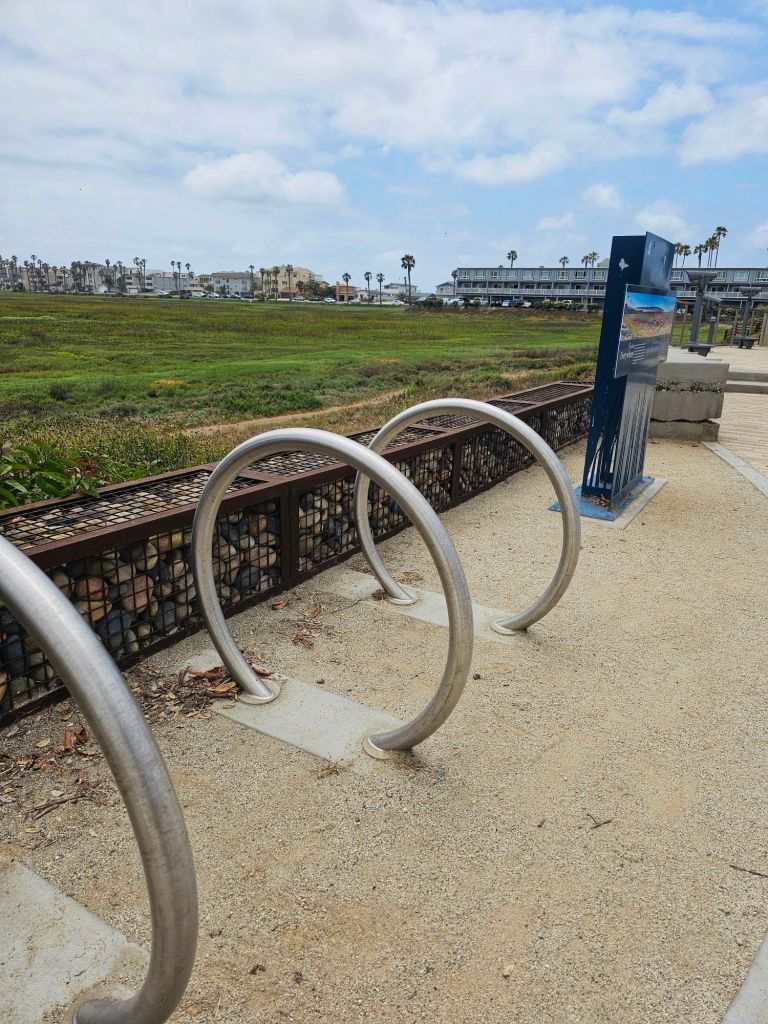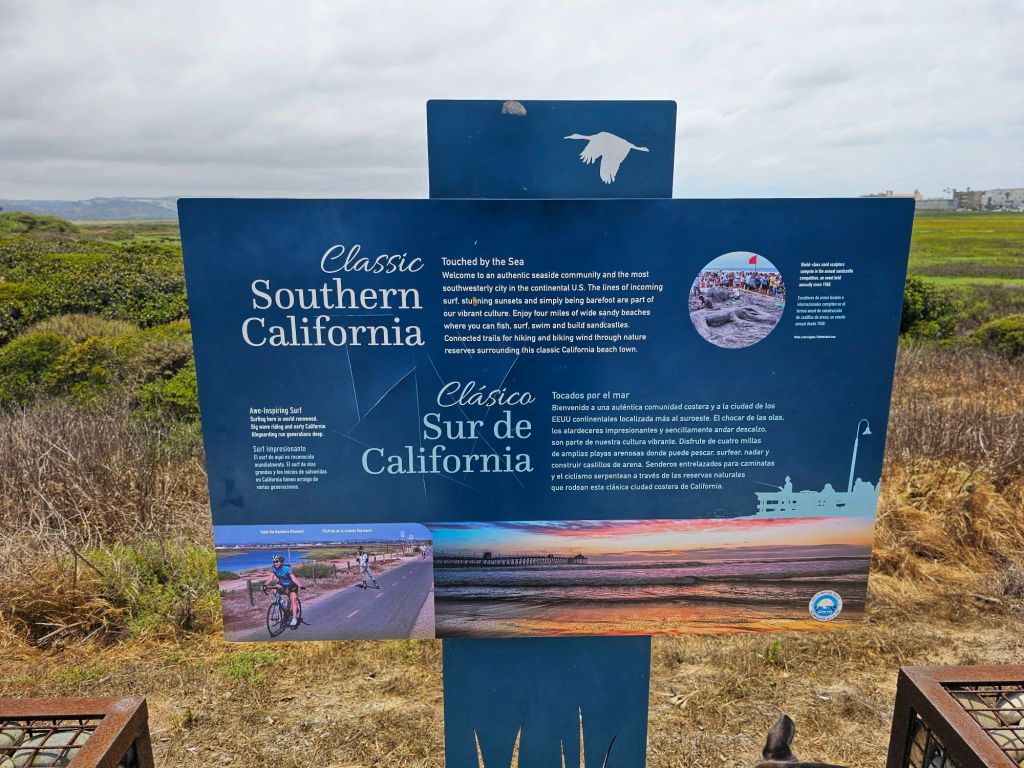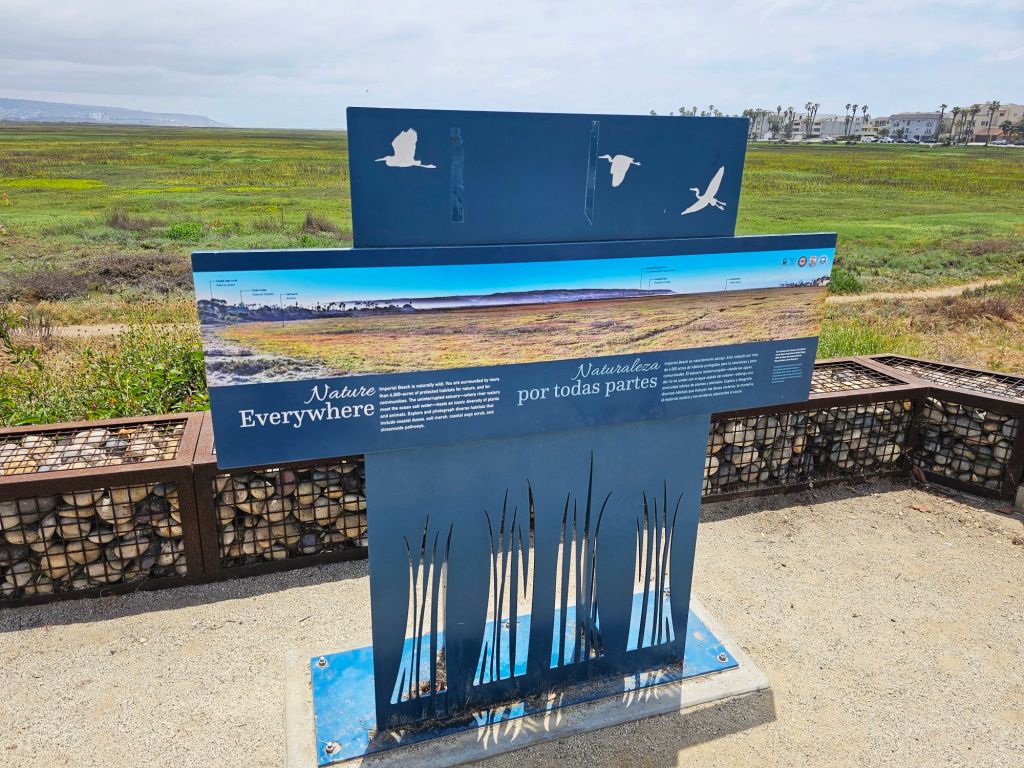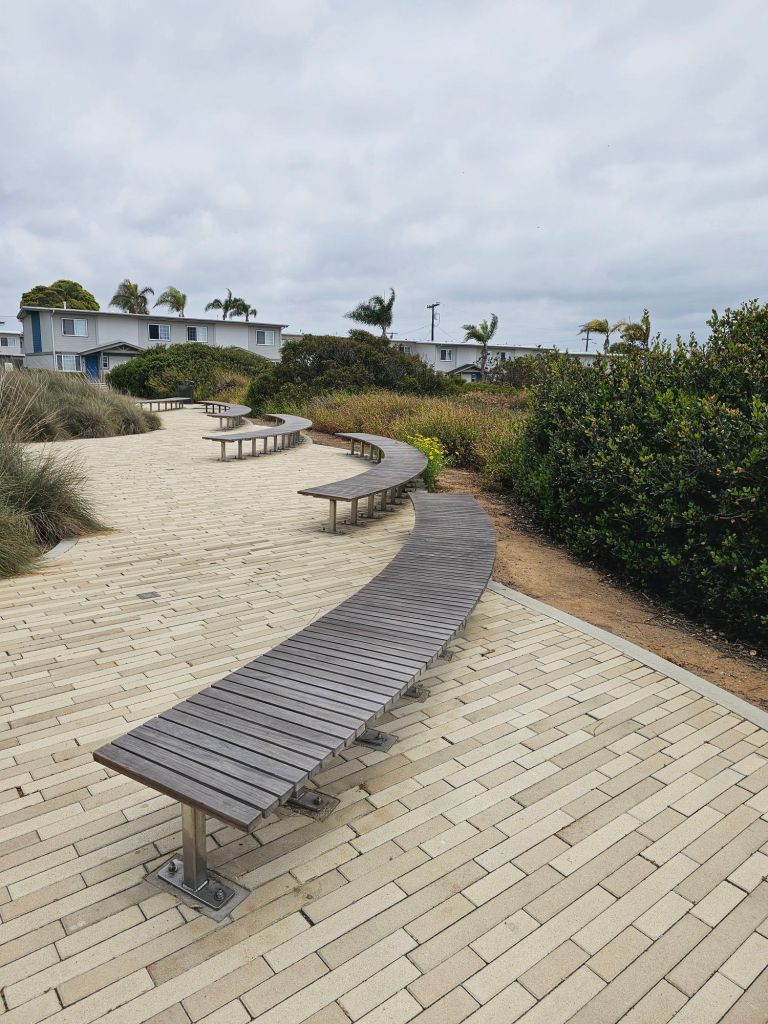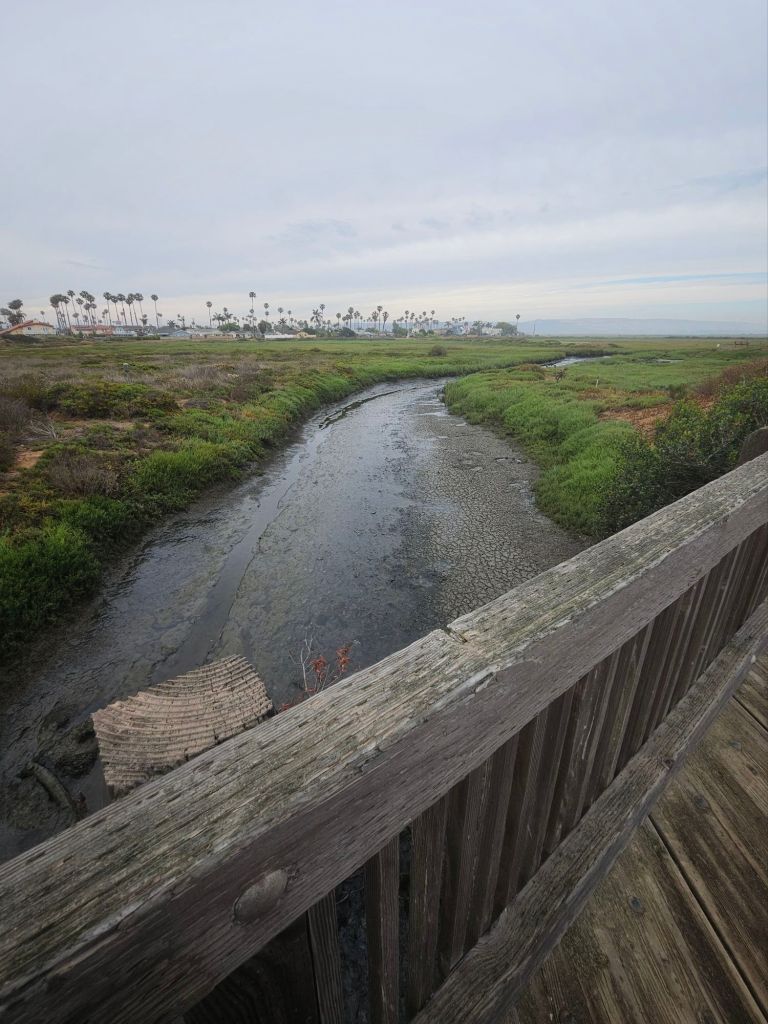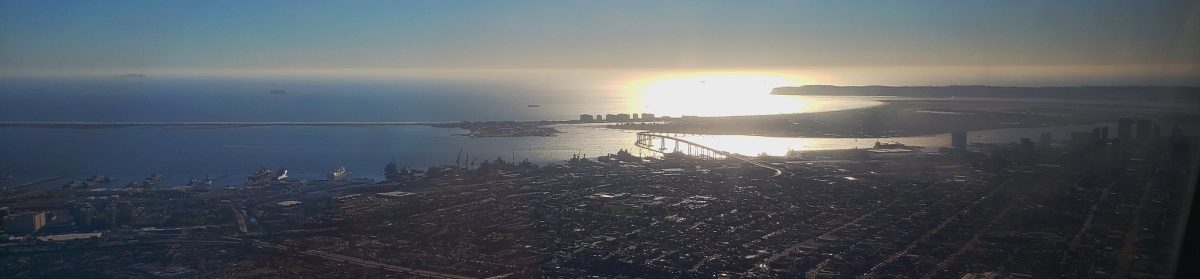
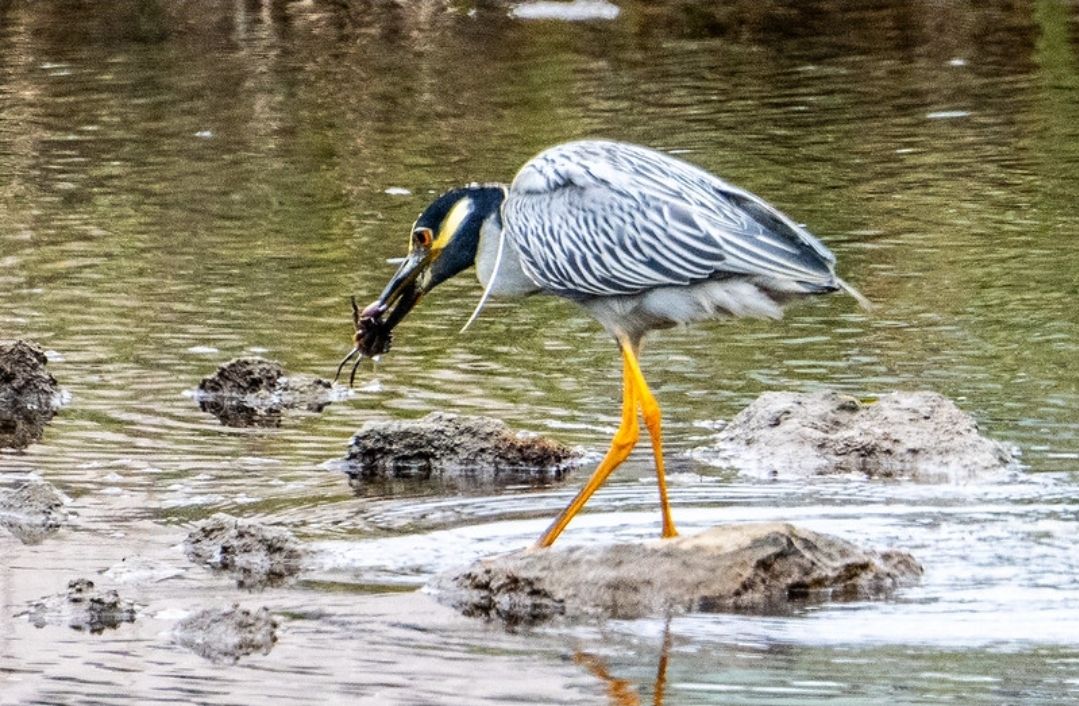
Famosa Slough is one of San Diego’s last remaining coastal wetlands and estuaries. It sits between Ocean Beach and Point Loma near the San Diego River channel, surrounded by dense urban development, which makes it especially unique. The slough covers about 37 acres and includes tidal marsh, mudflats, shallow channels, and nesting habitat for birds
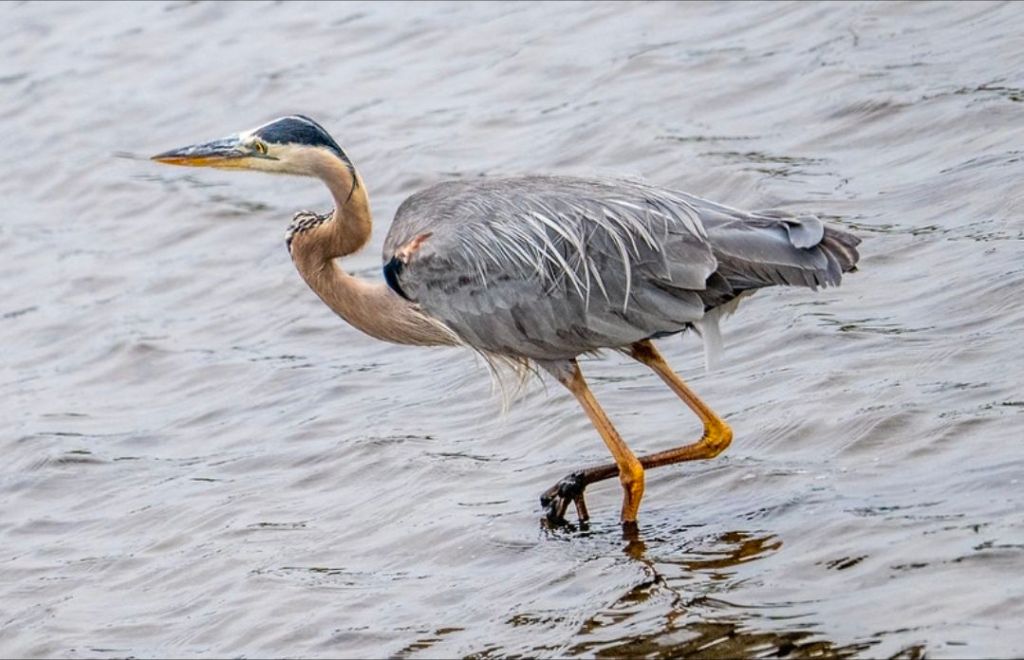
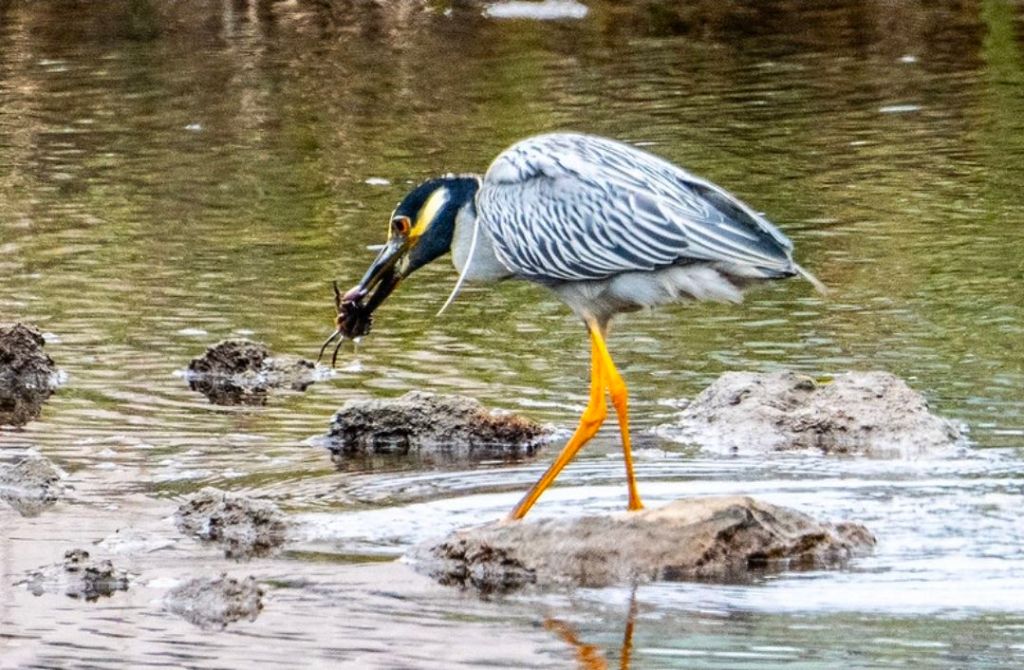
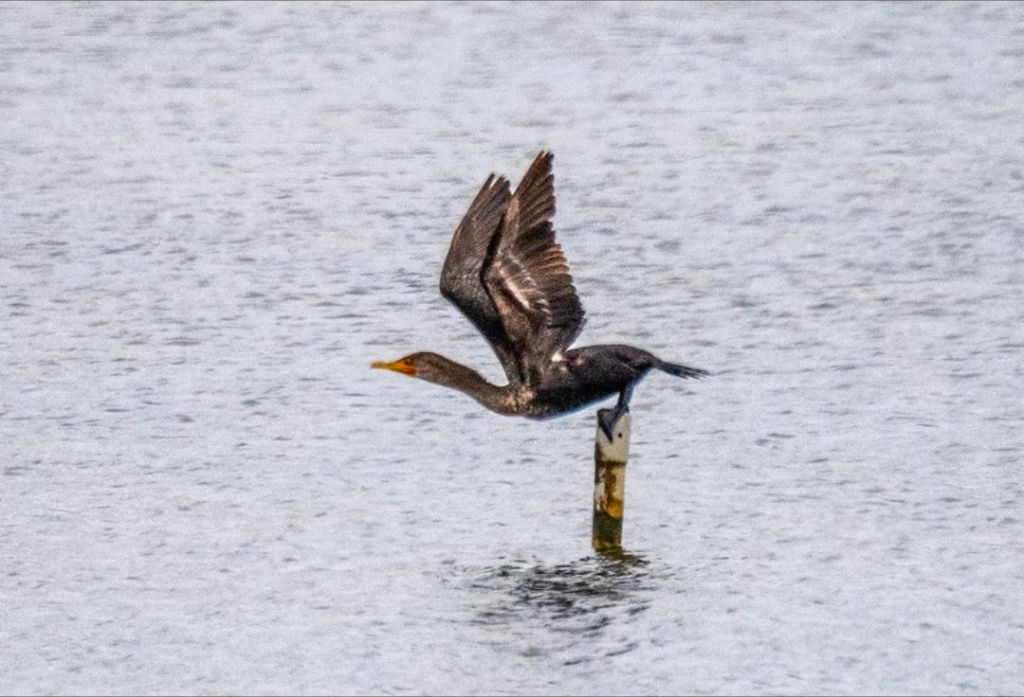
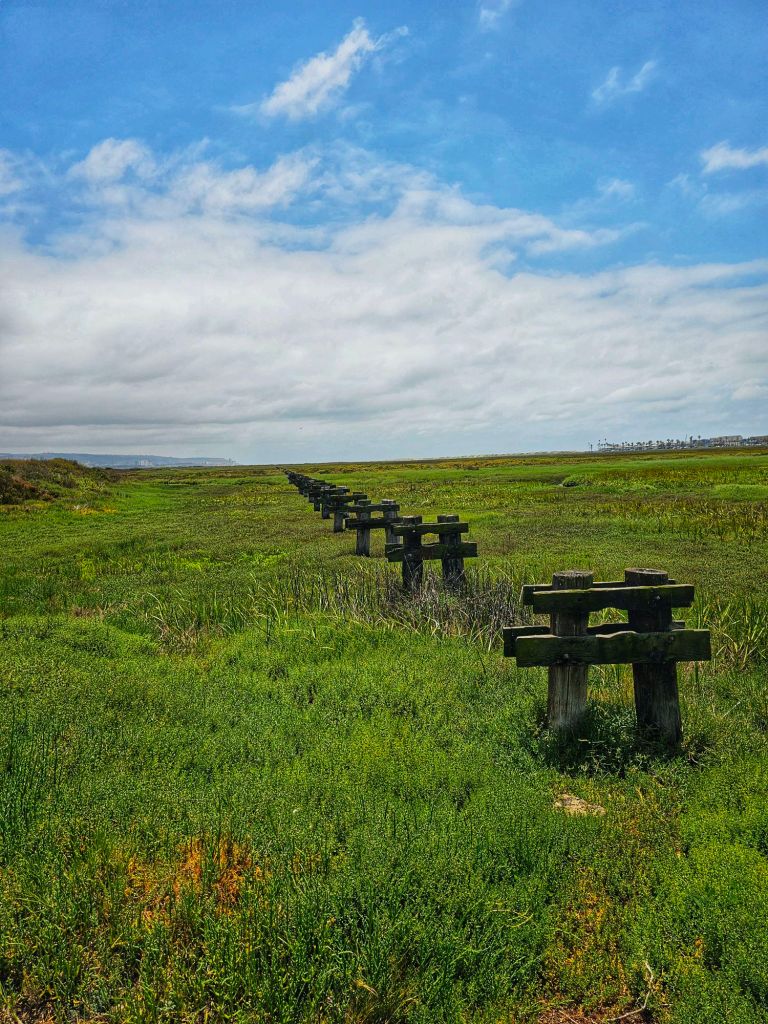
Historically, the area was part of the much larger Mission Bay estuary system, once called “False Bay.” Over the 1900s, development projects — including river channelization, trolley tracks, land filling, and wartime construction — cut the slough off from much of the original wetland system. By the 1970s, parts of it were even being filled with rubble for development projects, which triggered local activism to save it. The City of San Diego eventually purchased much of the land in 1990 for preservation and restoration.

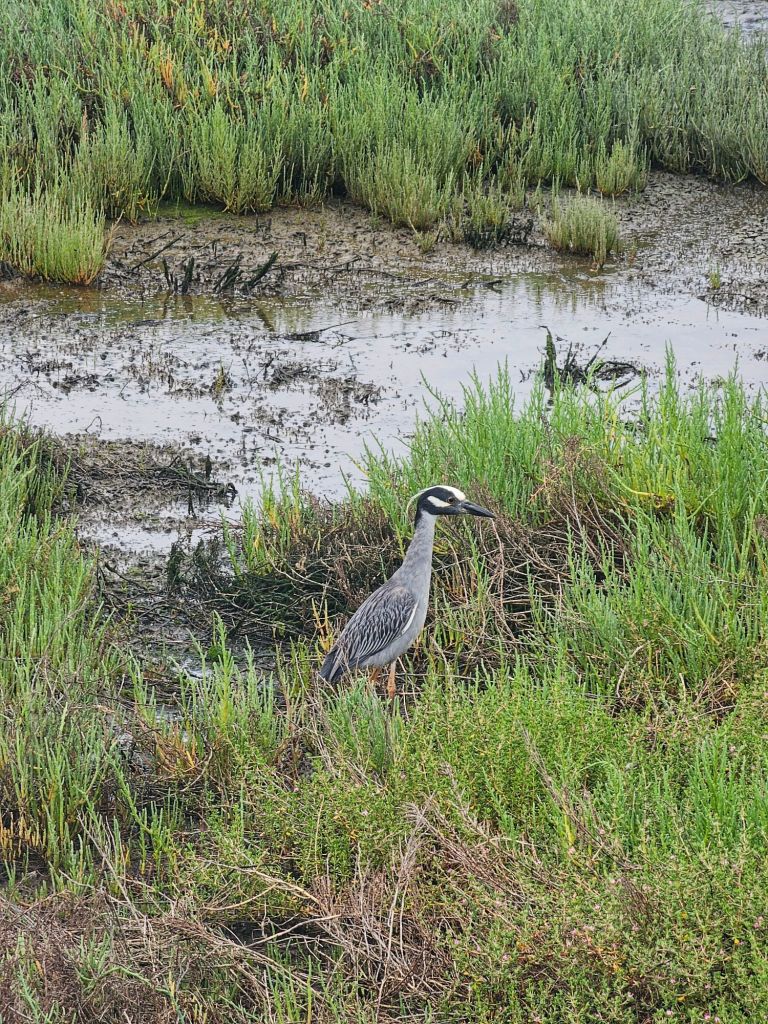
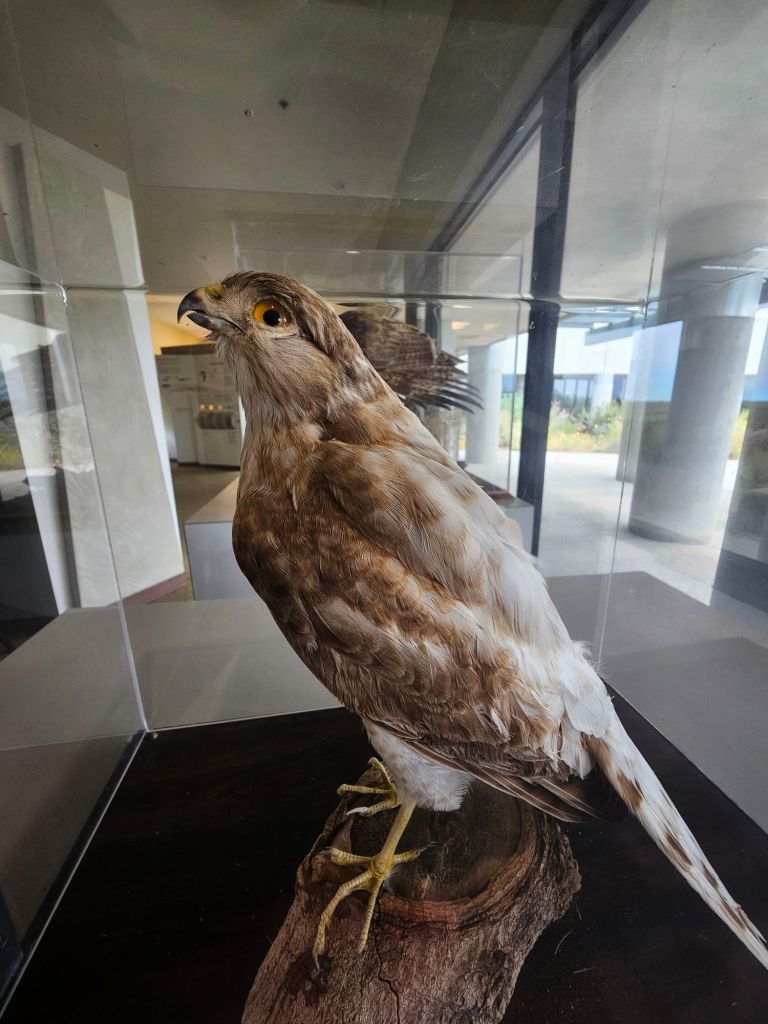
Today, the slough is famous among birders and nature photographers because more than 180 species of birds have been recorded there, including:

black-necked stilts

snowy egrets

avocets

pelicans

kingfishers

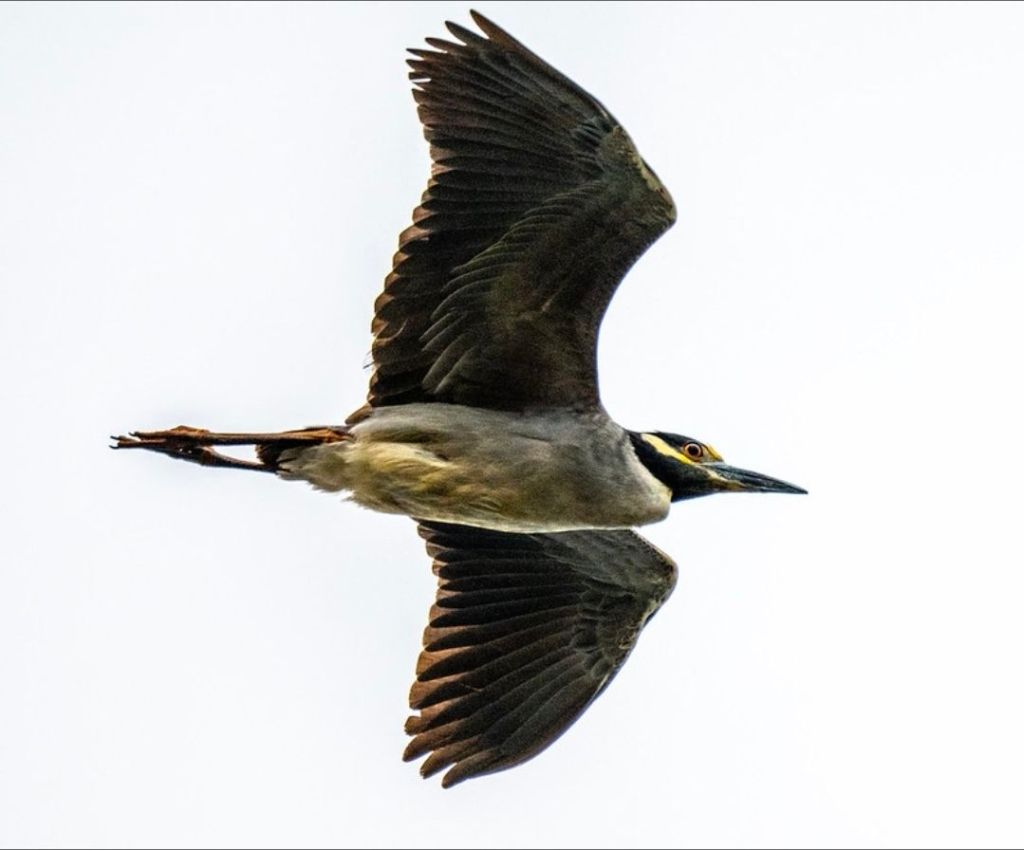
yellow-crowned night herons

migrating ducks and shorebirds along the Pacific Flyway.

The wetland also serves as a nursery habitat for fish and marine life because tidal seawater mixes with freshwater runoff, creating a brackish estuary environment. Native plants like pickleweed dominate the marsh and turn bright red in fall.

A major reason Famosa Slough is considered important is that roughly 95% of California’s historic wetlands have been lost to development. Local volunteers and the Friends of Famosa Slough continue restoration work, invasive plant removal, habitat enhancement, and educational programs.

The slough is also protected as a California marine conservation area where taking marine life is prohibited.

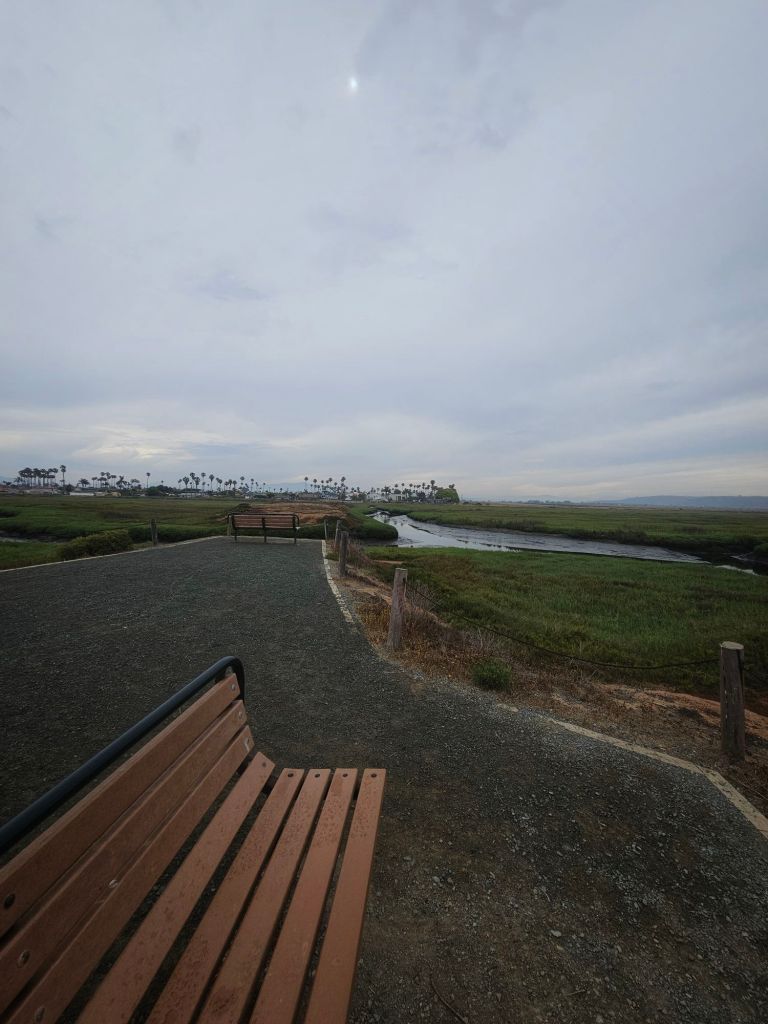
If you visit, there are short walking paths, viewing benches, and excellent birdwatching especially around sunrise and high tide. It’s often described as a “hidden gem” because it feels surprisingly quiet despite being surrounded by city neighborhoods.

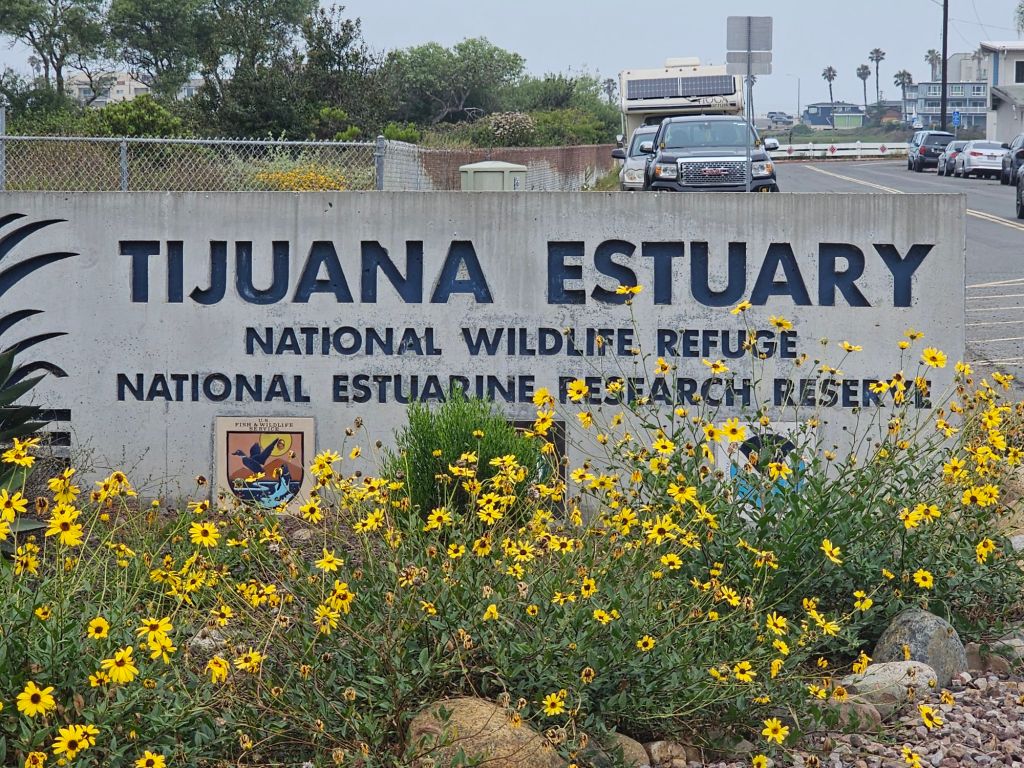
Where River Meets Sea: Exploring the Tijuana River Estuary

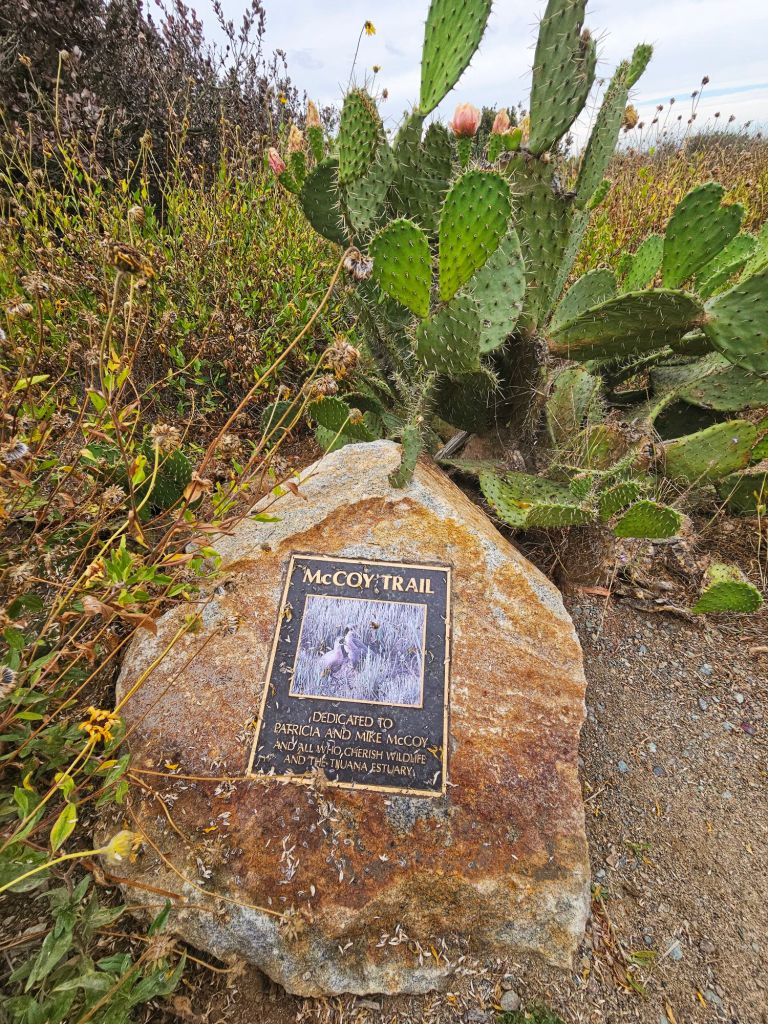
Just a few miles south of San Diego’s bustling downtown lies a hidden gem where saltwater, freshwater, and wildlife converge in a delicate dance of life—the Tijuana River Estuary. Tucked between Imperial Beach and the U.S.-Mexico border, this vast coastal wetland is not only a peaceful escape from the city but also one of Southern California’s most ecologically significant landscapes.

A Living Sanctuary

The estuary is part of the Tijuana River National Estuarine Research Reserve, a protected area spanning over 2,500 acres. It’s one of only 30 estuarine research reserves in the United States, and it plays a vital role in protecting endangered species, filtering water, and buffering the coast from storm surges.

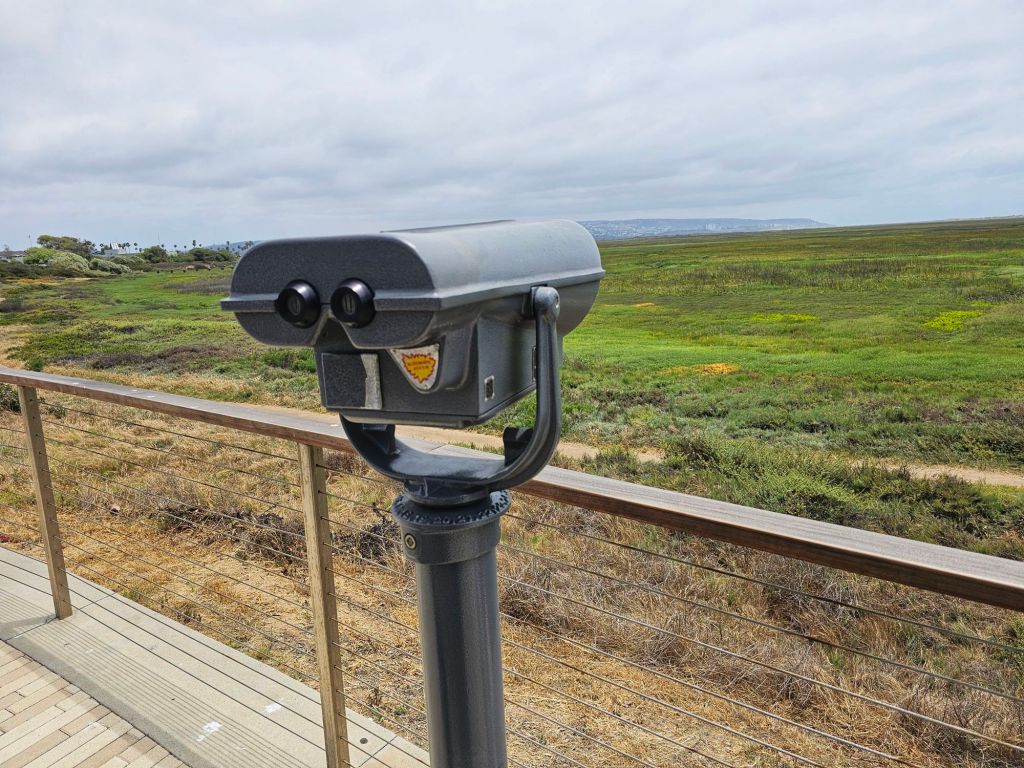
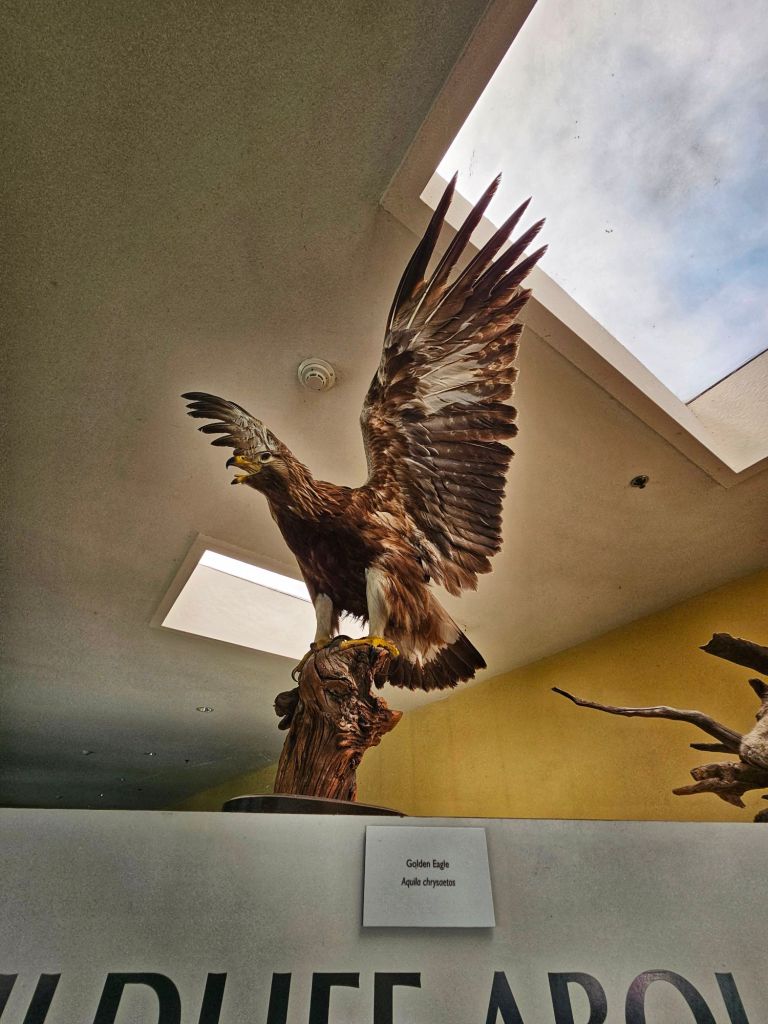
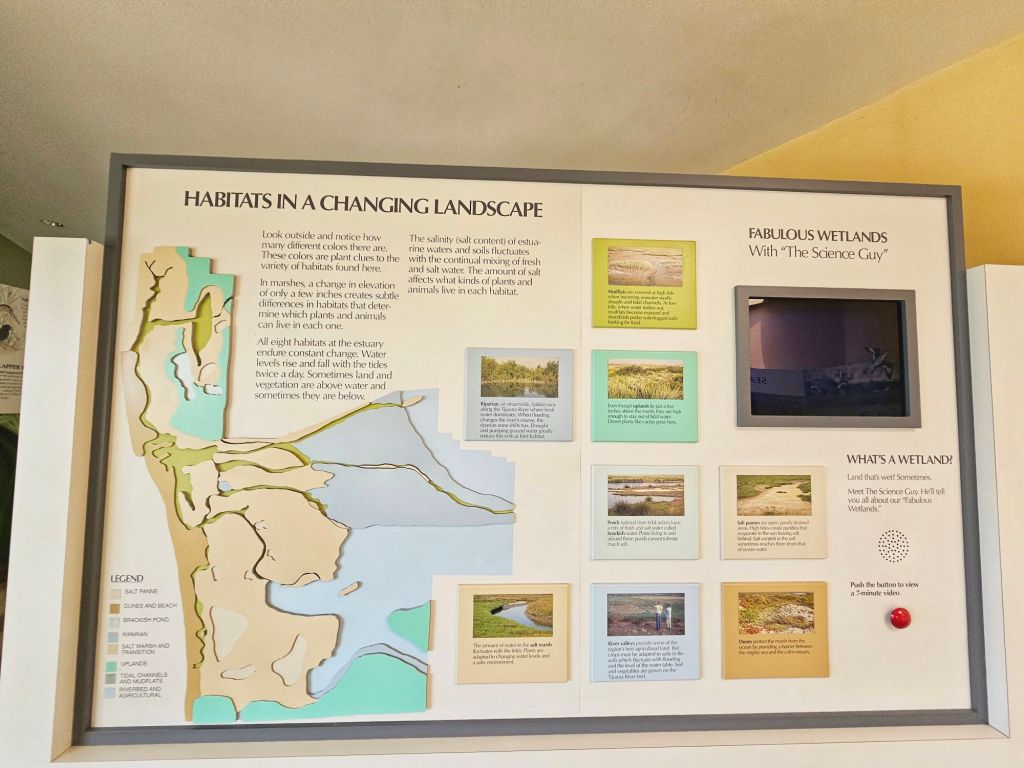
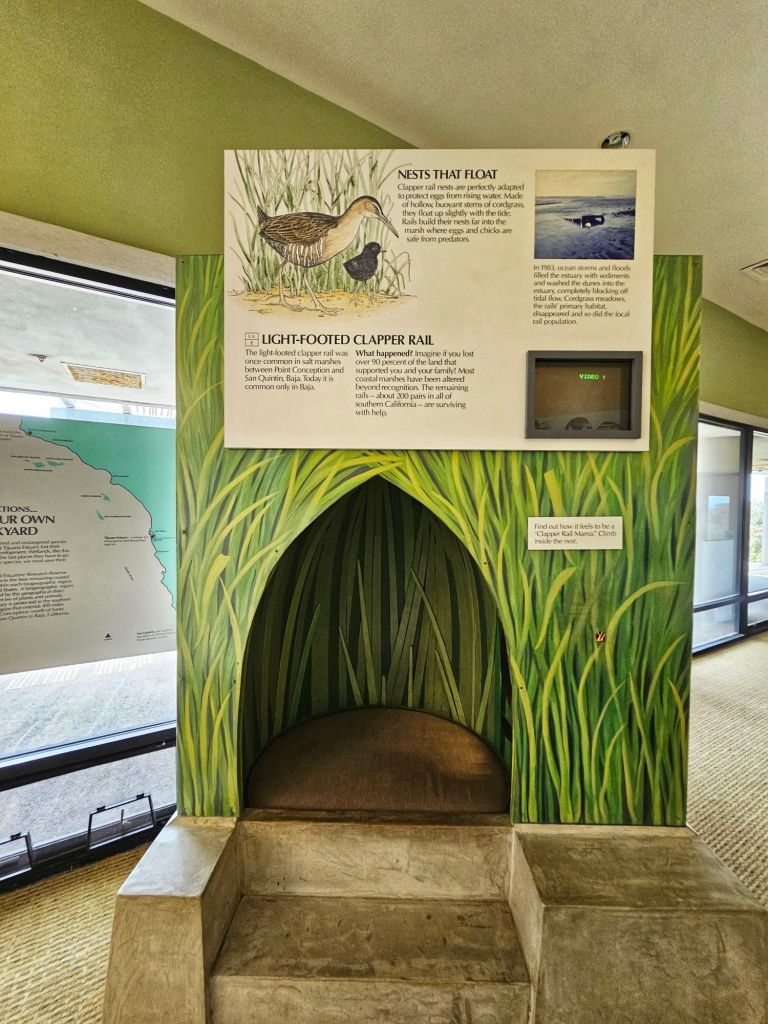
As you walk the trails, you’ll find yourself surrounded by a mosaic of marshes, mudflats, and salt flats—each teeming with life. Located along a massive aviary flyway over 370 species of birds have been recorded here, including the endangered light-footed Ridgway’s rail and least tern. Birdwatchers, bring your binoculars!

Trails, Views, and Tranquility

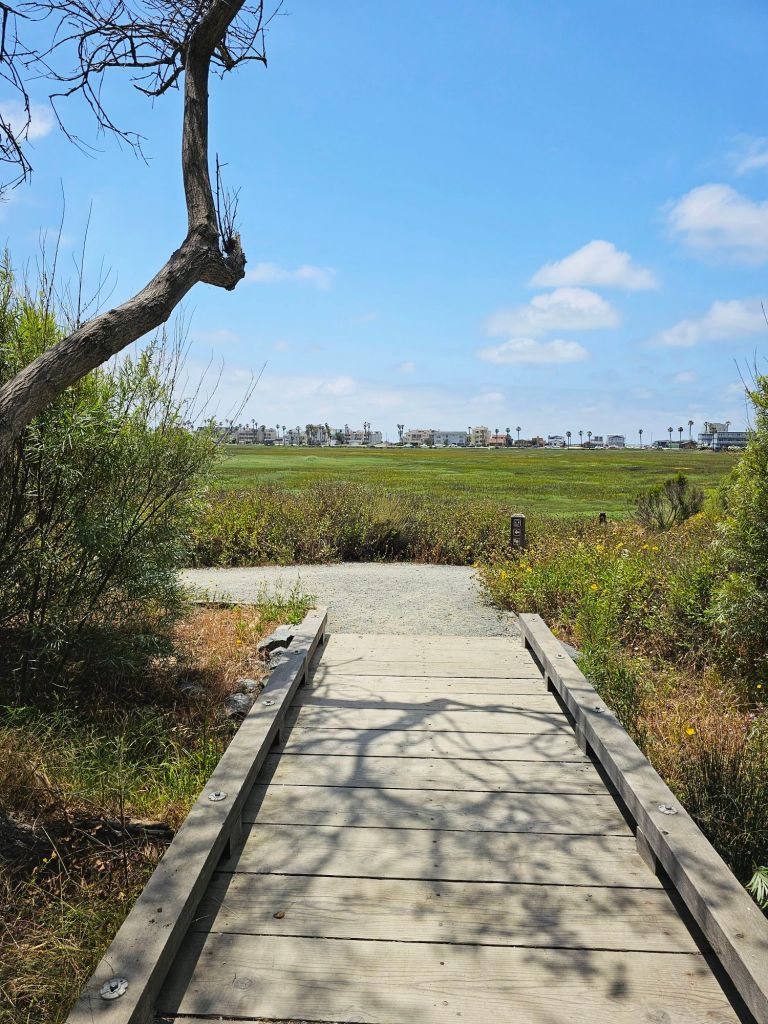
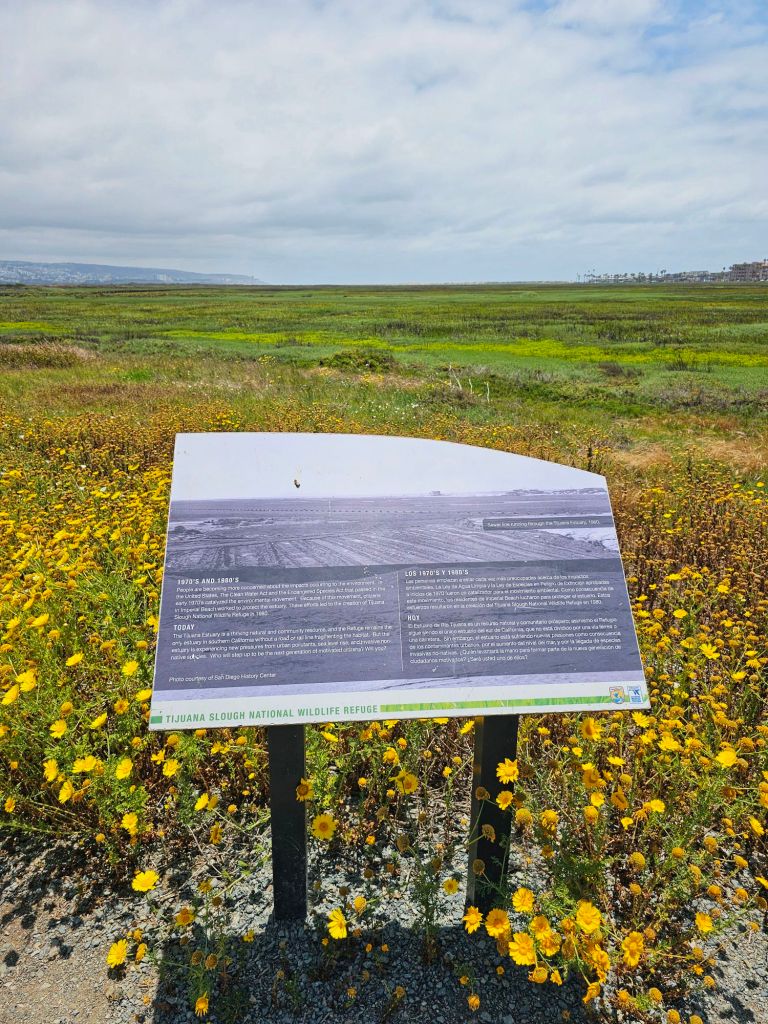
The Bayside Trail and River Mouth Trail offer easy, flat hikes with stunning views of the wetlands and the Pacific Ocean beyond. Interpretive signs along the way tell the story of the estuary’s ecology, history, and the ongoing efforts to protect it.

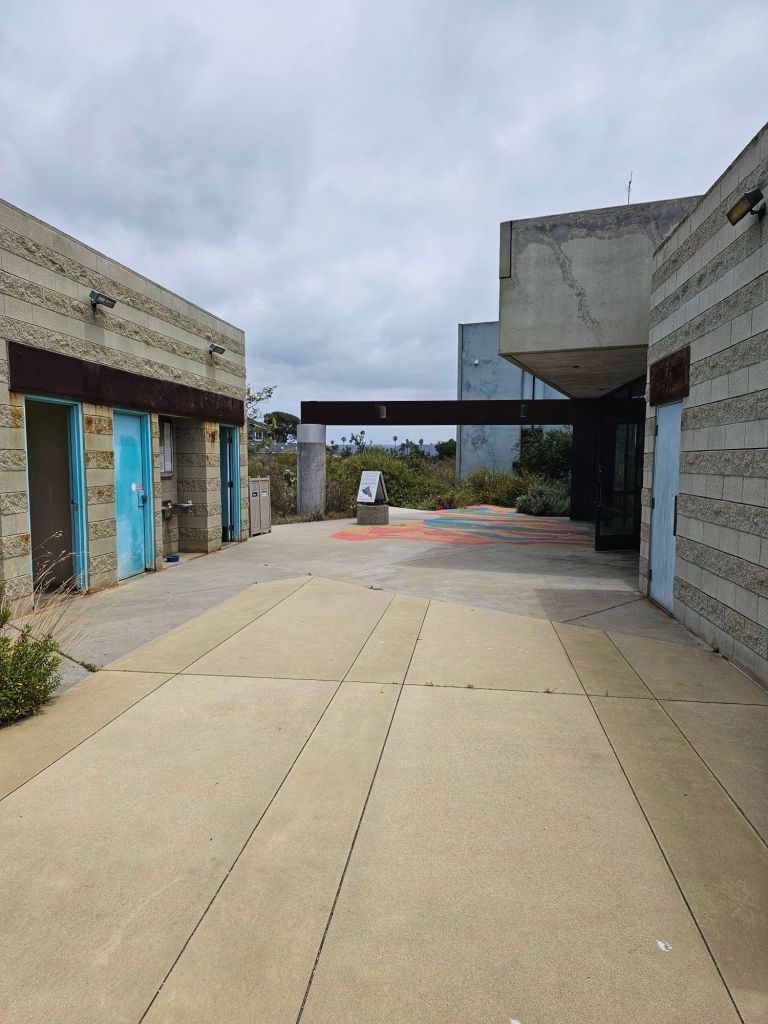
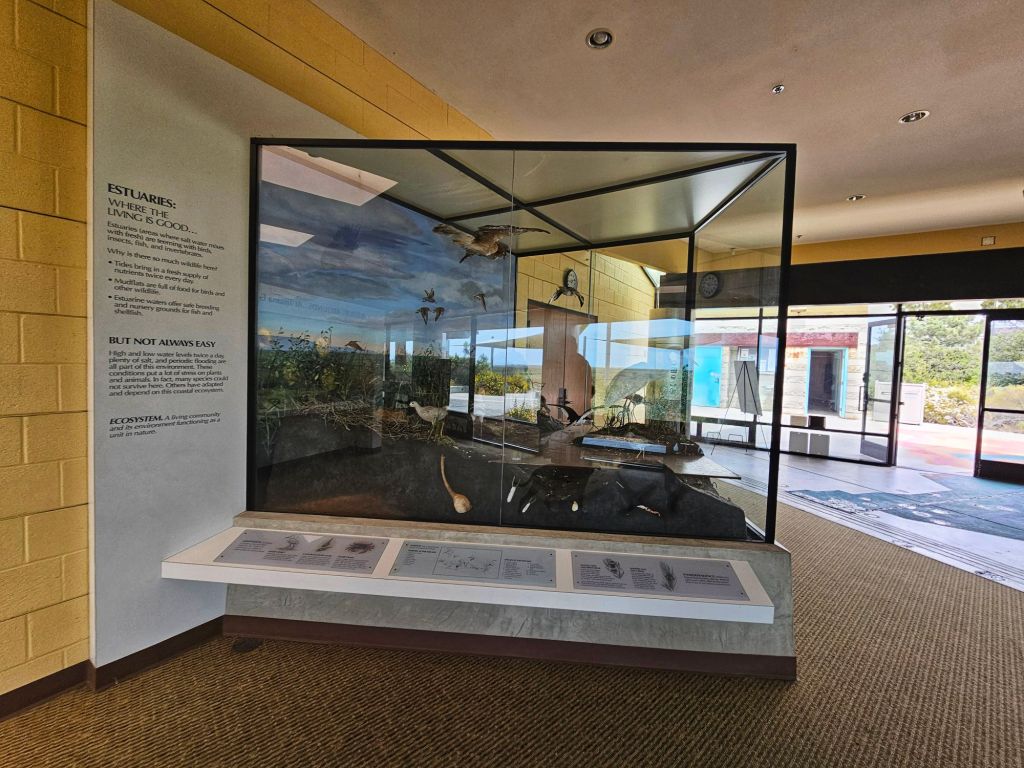
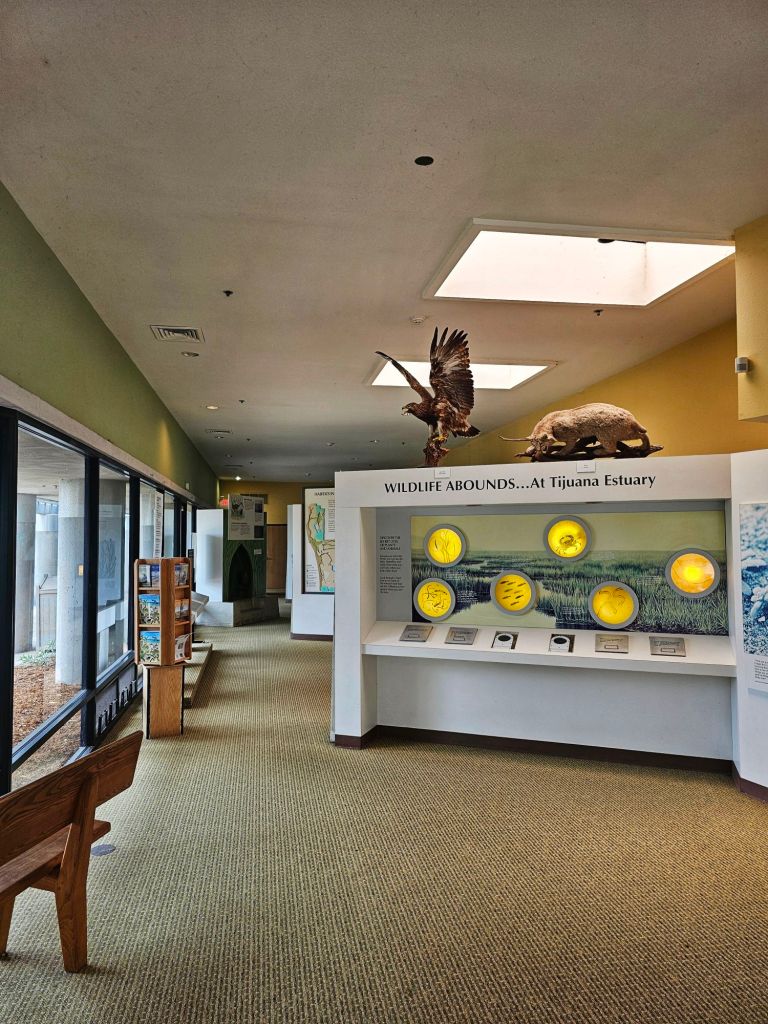
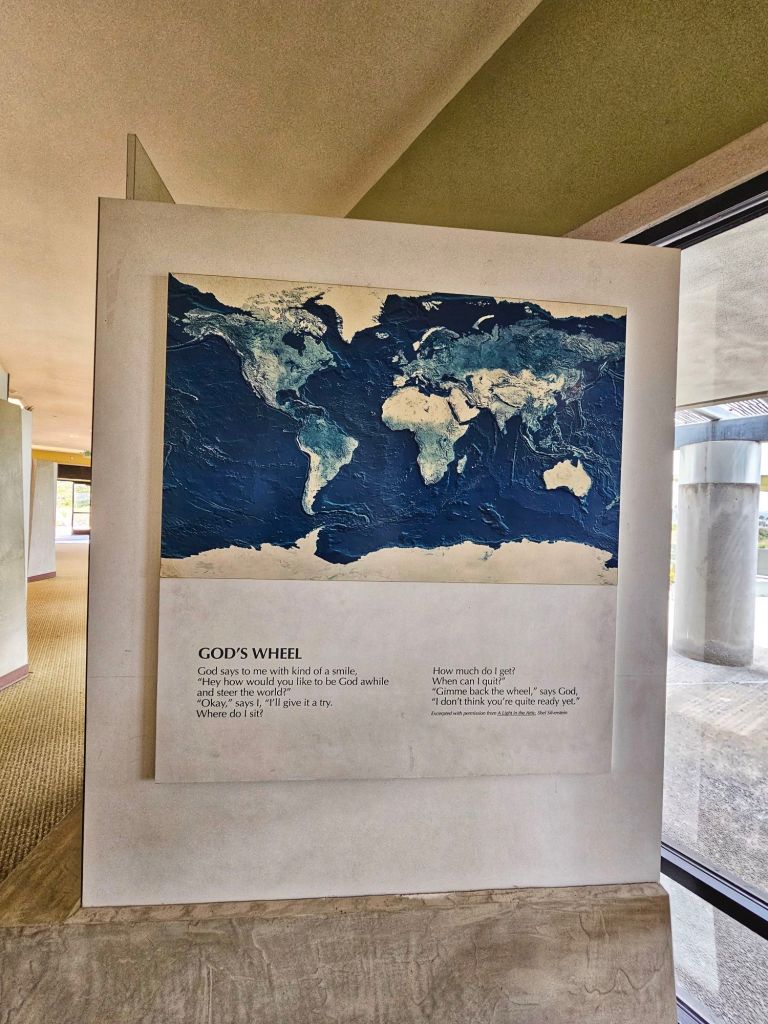
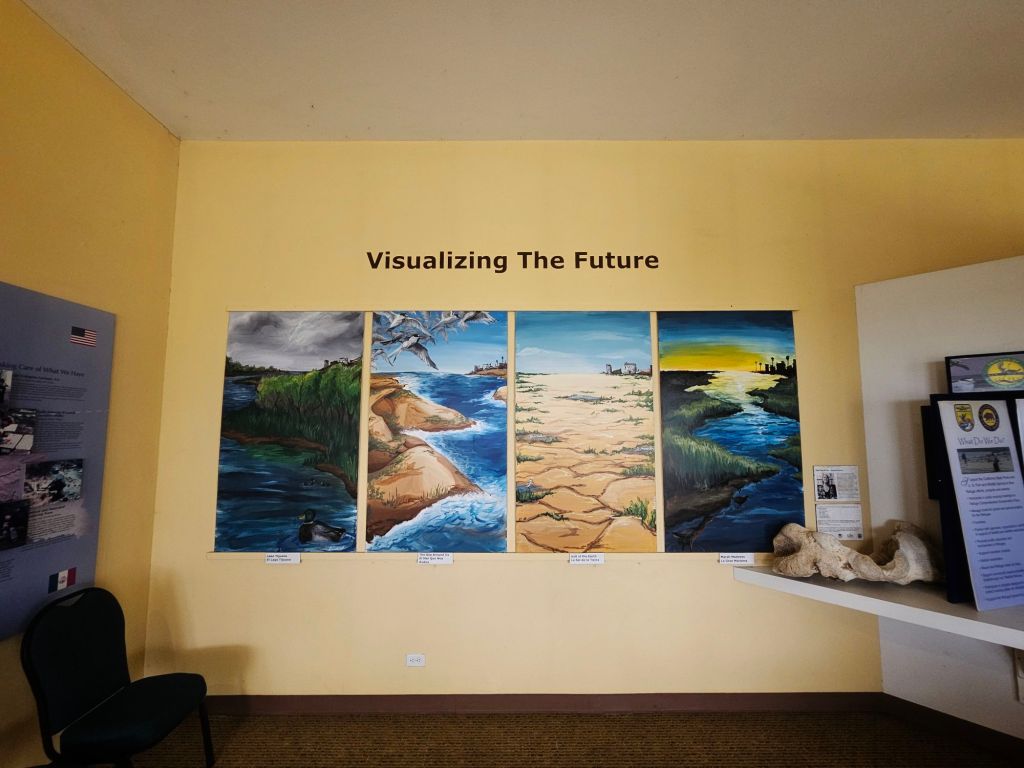
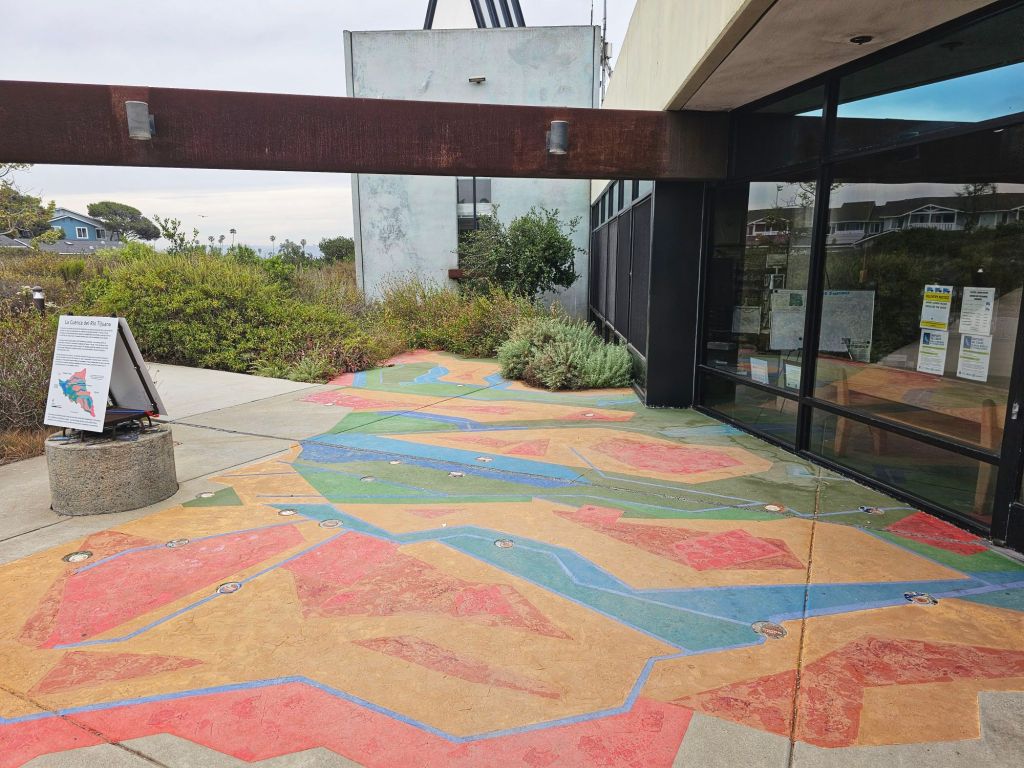
Don’t forget to stop by the Tijuana Estuary Visitor Center—a small but informative hub with exhibits, maps, and knowledgeable staff who can help guide your visit.

A Cross-Border Story

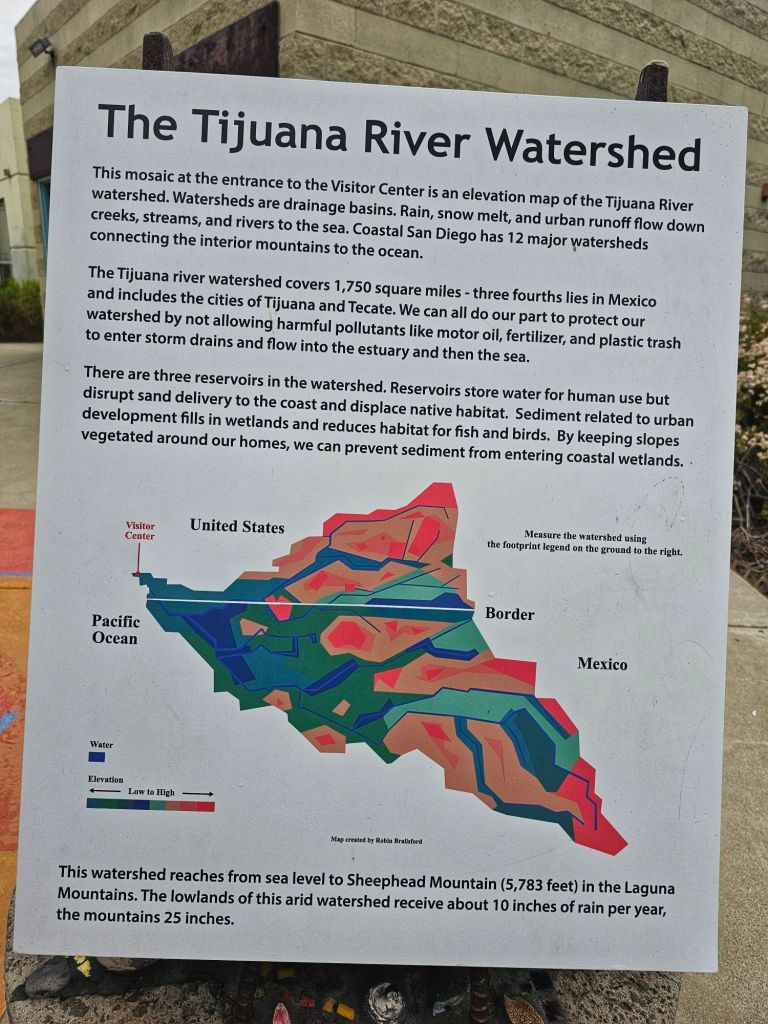
What makes the Tijuana River Estuary truly unique is its binational character. The Tijuana River originates in Mexico, flowing through the bustling city of Tijuana before crossing the U.S. border and emptying into the Pacific Ocean. Along the way, it faces challenges like pollution and urban runoff—but also inspires collaboration and conservation across borders.

Why It Matters

Estuaries like this one are among the most productive ecosystems on Earth. They provide nursery grounds for fish, shelter for birds, and natural flood control for communities. In a time of climate change and habitat loss, places like the Tijuana River Estuary remind us of nature’s resilience—and our responsibility to protect it.

Plan Your Visit

Whether you’re a birder, hiker, photographer, or simply seeking a quiet moment in nature, the Tijuana River Estuary is worth a visit. Come for the peaceful views, stay for the deeper connection to a landscape that quietly sustains life in so many ways.