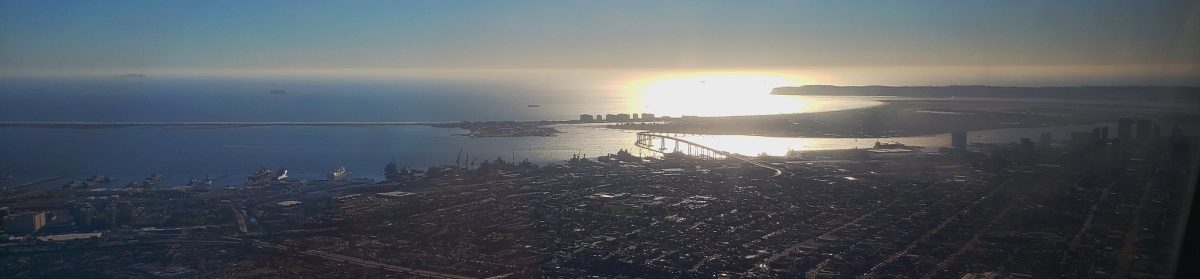
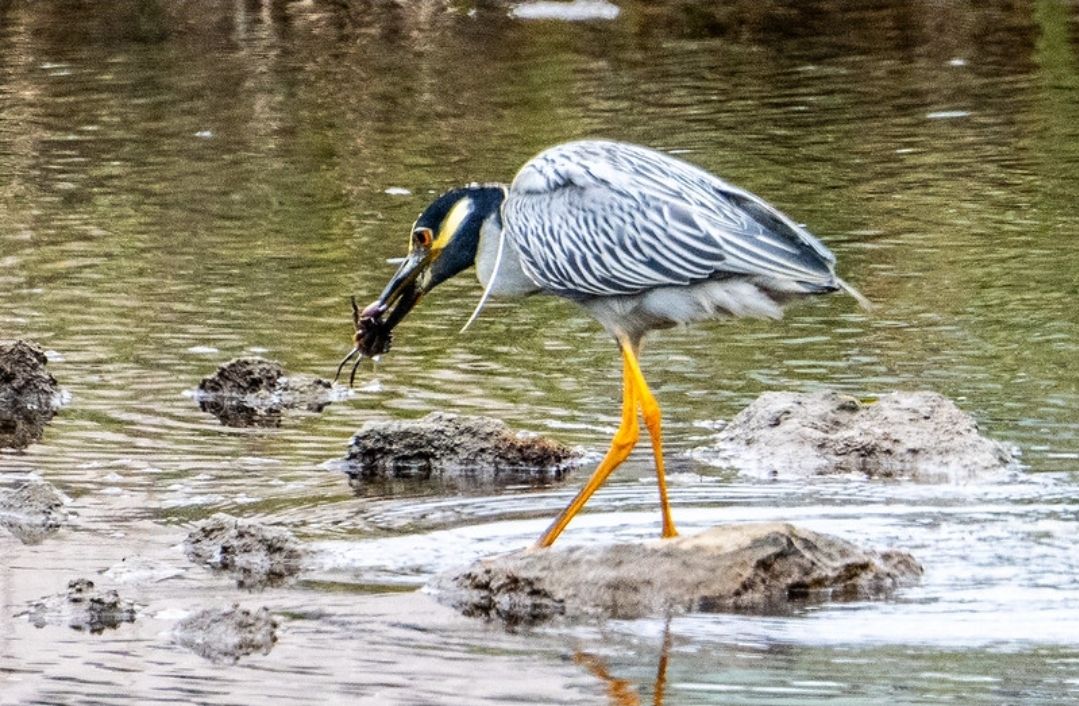
Famosa Slough is one of San Diego’s last remaining coastal wetlands and estuaries. It sits between Ocean Beach and Point Loma near the San Diego River channel, surrounded by dense urban development, which makes it especially unique. The slough covers about 37 acres and includes tidal marsh, mudflats, shallow channels, and nesting habitat for birds
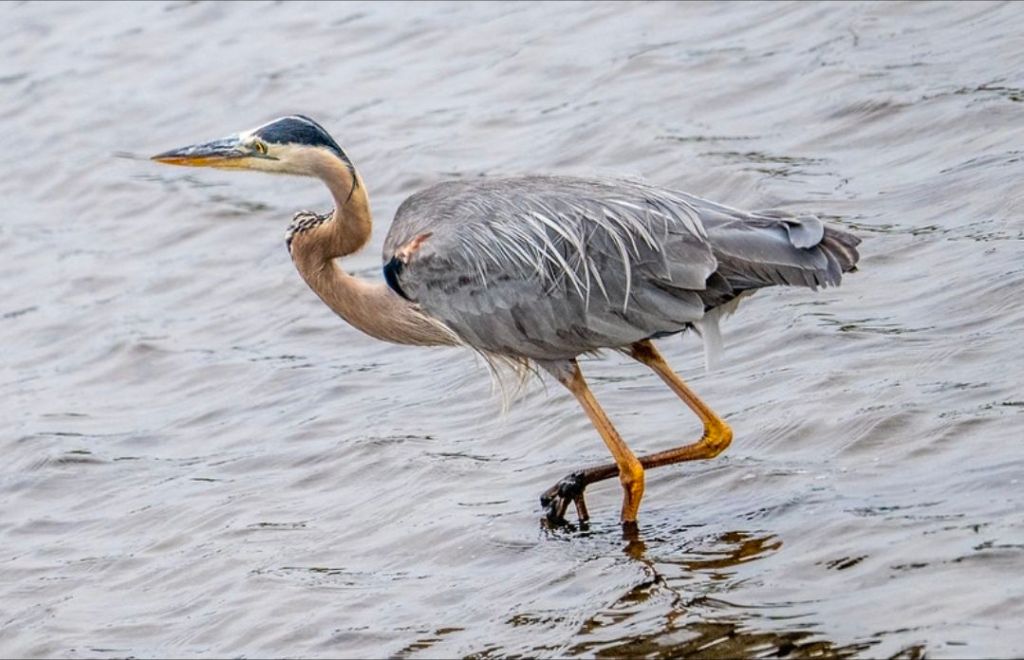
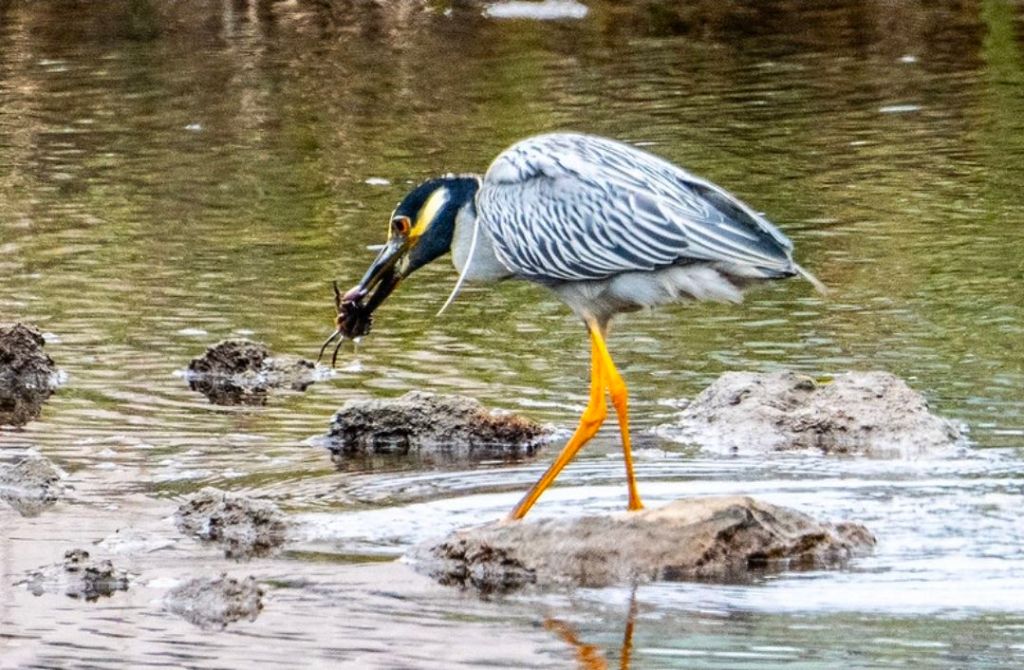
Historically, the area was part of the much larger Mission Bay estuary system, once called “False Bay.” Over the 1900s, development projects — including river channelization, trolley tracks, land filling, and wartime construction — cut the slough off from much of the original wetland system. By the 1970s, parts of it were even being filled with rubble for development projects, which triggered local activism to save it. The City of San Diego eventually purchased much of the land in 1990 for preservation and restoration.
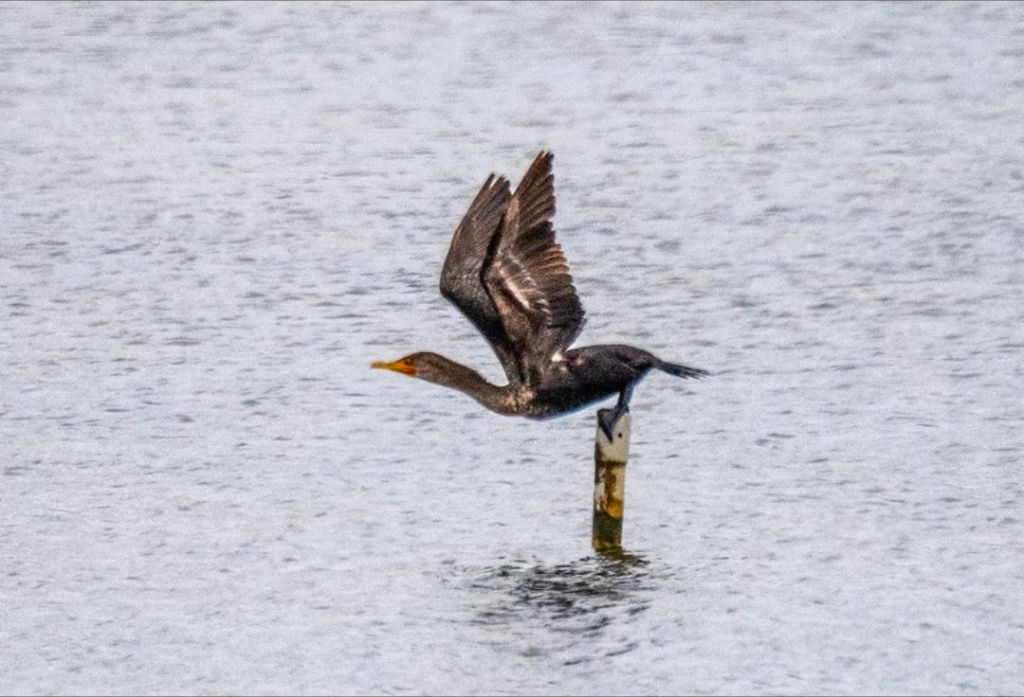
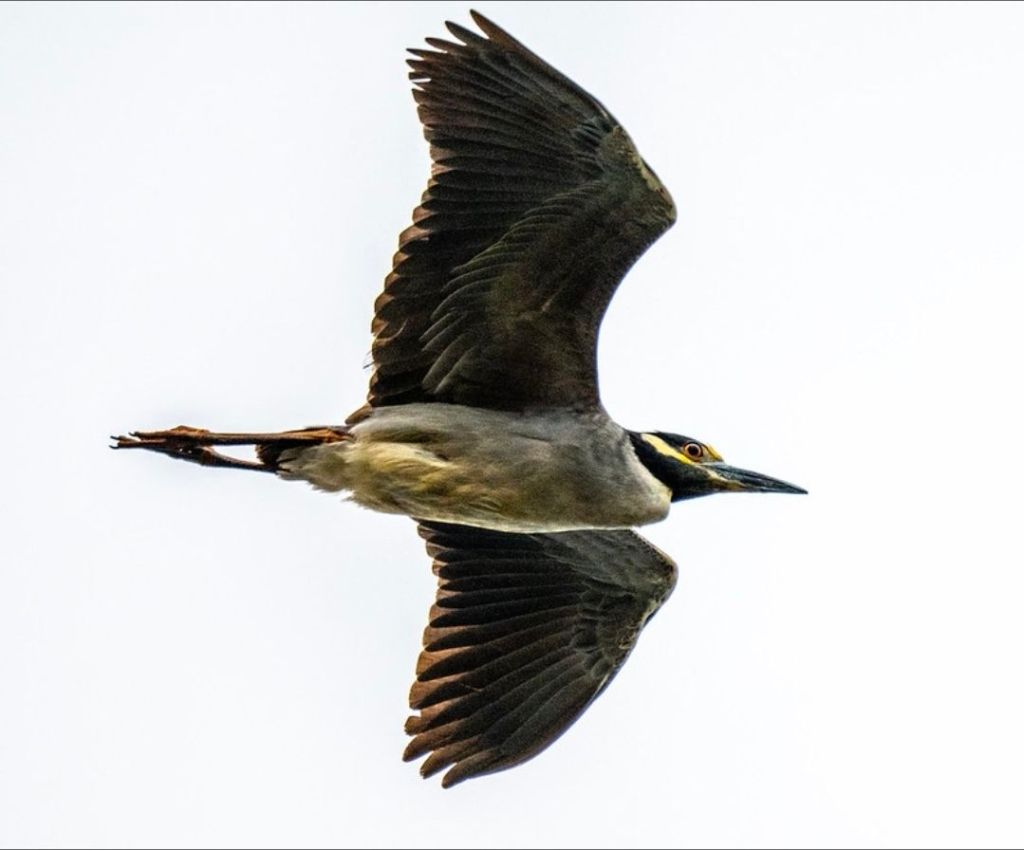
Today, the slough is famous among birders and nature photographers because more than 180 species of birds have been recorded there, including:
black-necked stilts
snowy egrets
avocets
pelicans
kingfishers
yellow-crowned night herons
migrating ducks and shorebirds along the Pacific Flyway.
The wetland also serves as a nursery habitat for fish and marine life because tidal seawater mixes with freshwater runoff, creating a brackish estuary environment. Native plants like pickleweed dominate the marsh and turn bright red in fall.
A major reason Famosa Slough is considered important is that roughly 95% of California’s historic wetlands have been lost to development. Local volunteers and the Friends of Famosa Slough continue restoration work, invasive plant removal, habitat enhancement, and educational programs.
The slough is also protected as a California marine conservation area where taking marine life is prohibited.
If you visit, there are short walking paths, viewing benches, and excellent birdwatching especially around sunrise and high tide. It’s often described as a “hidden gem” because it feels surprisingly quiet despite being surrounded by city neighborhoods.
 Exploring San Diego