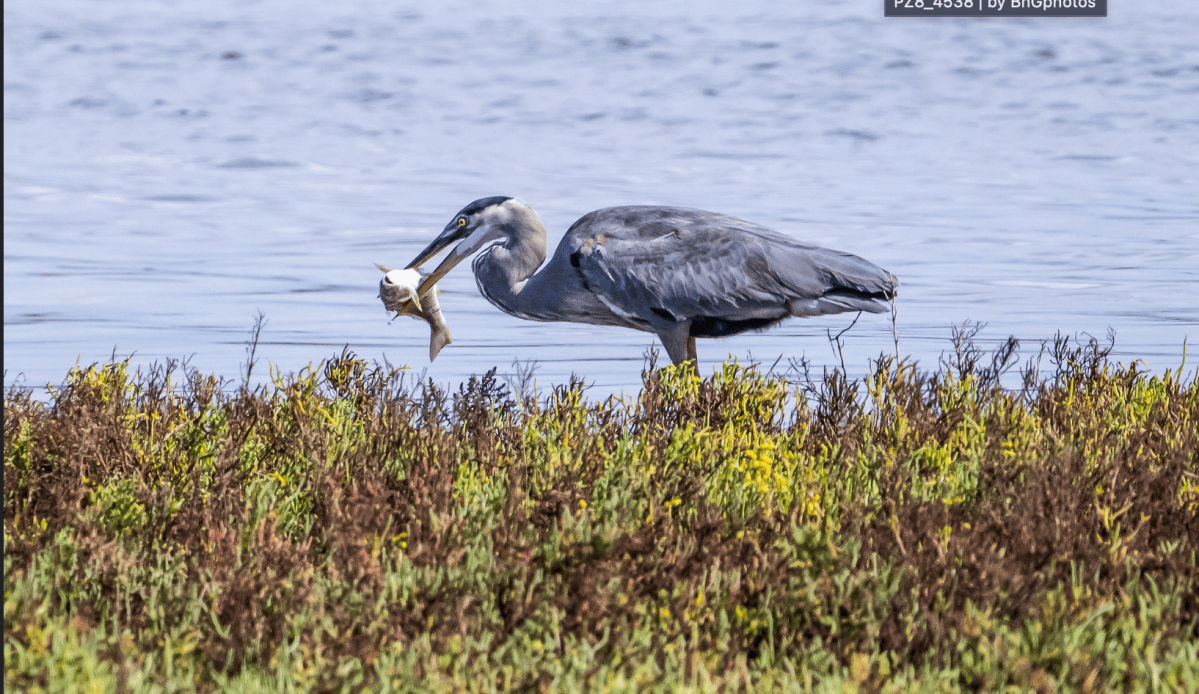
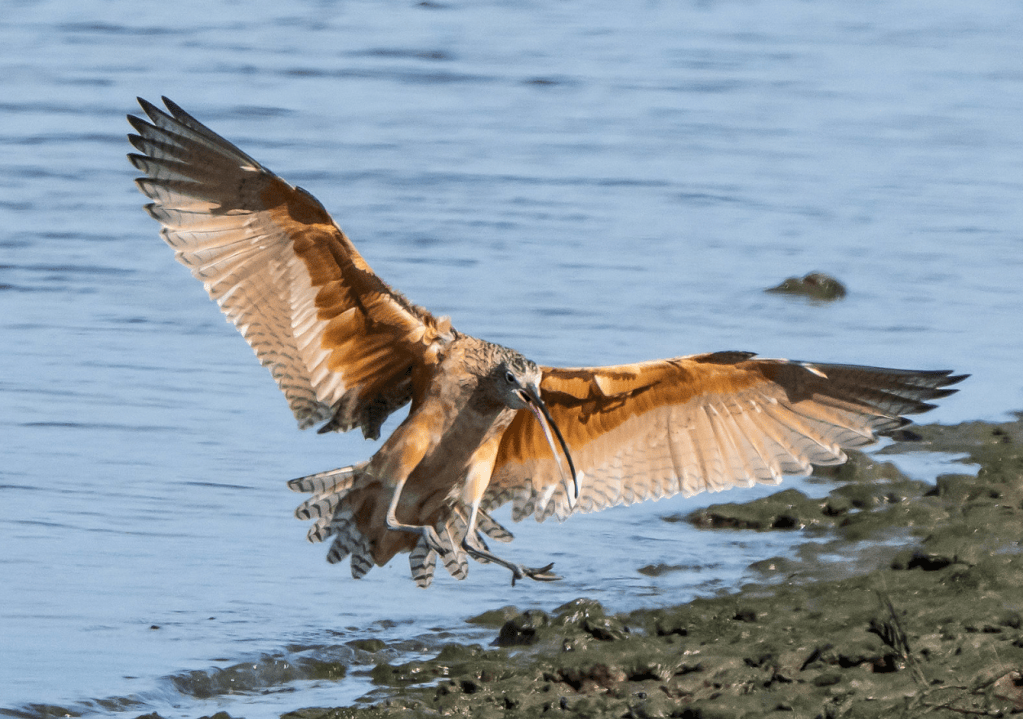
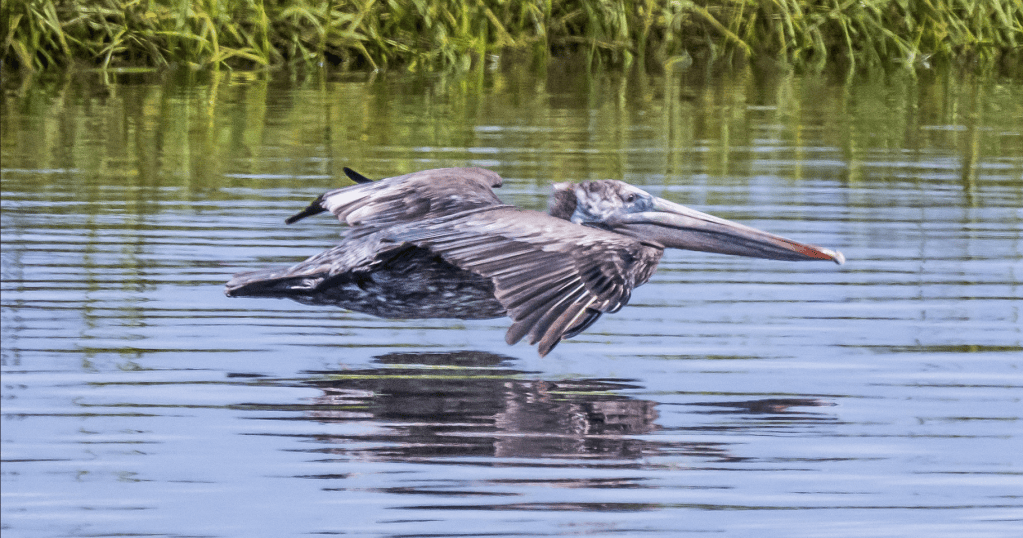
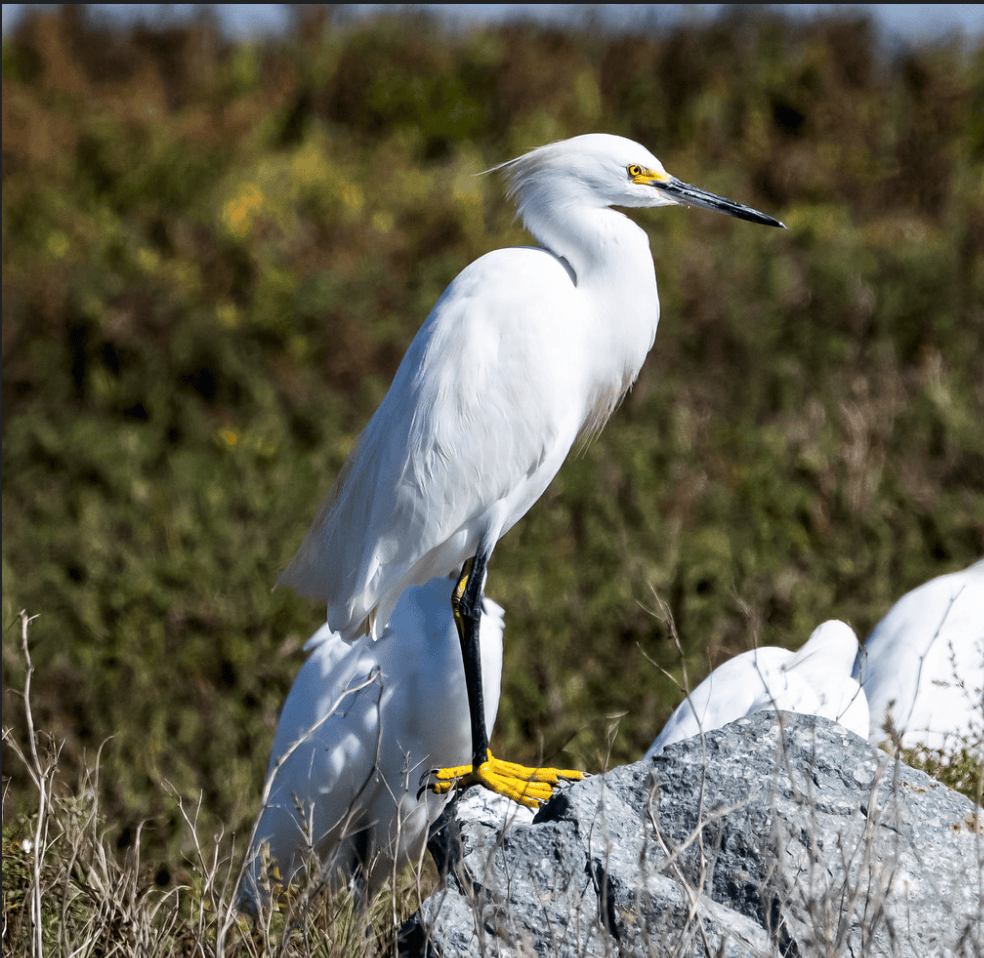
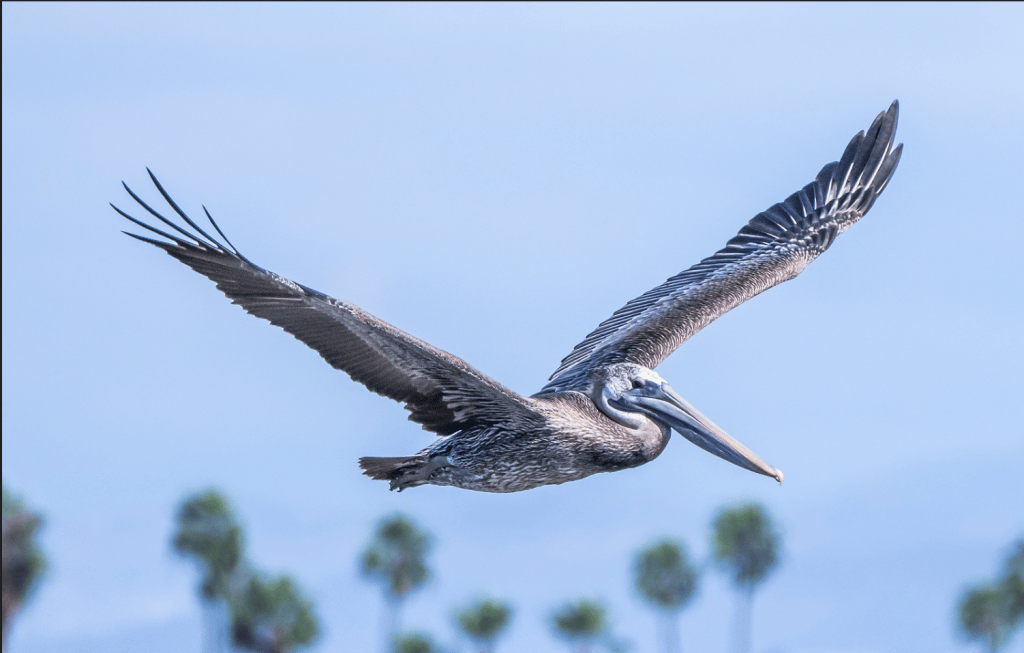
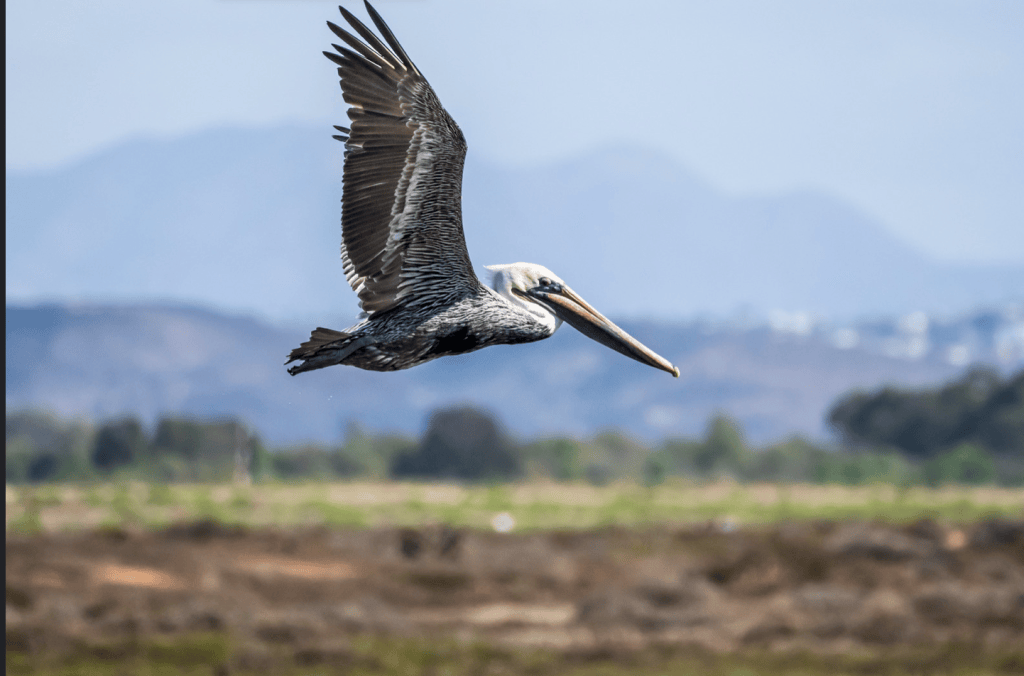
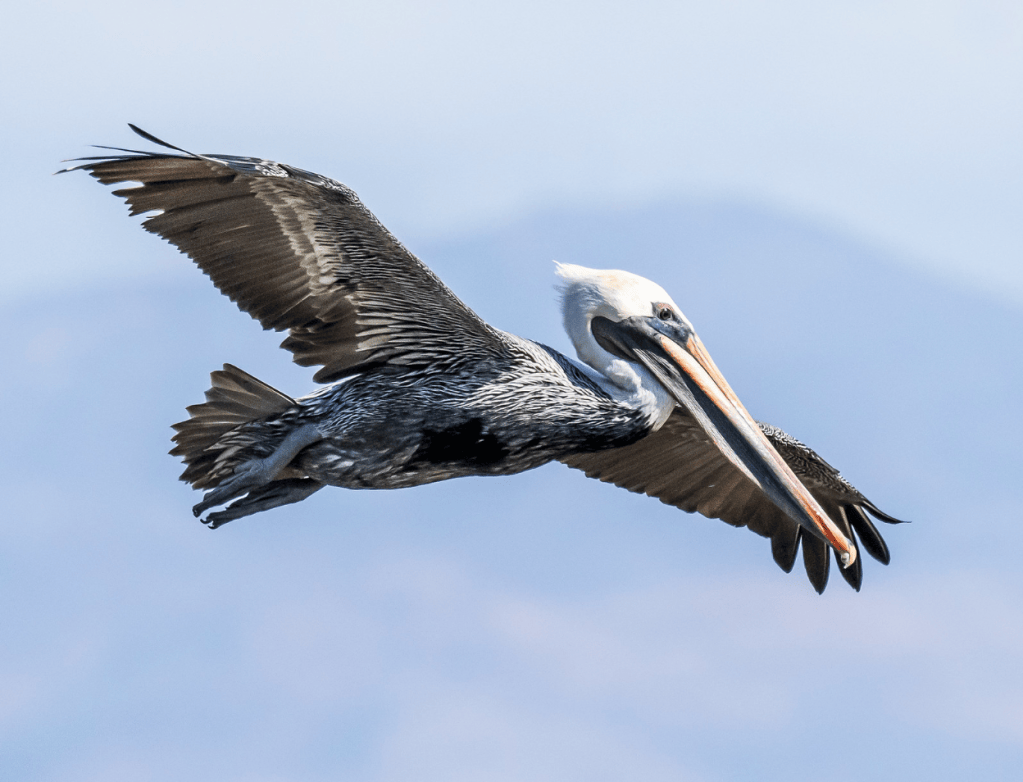
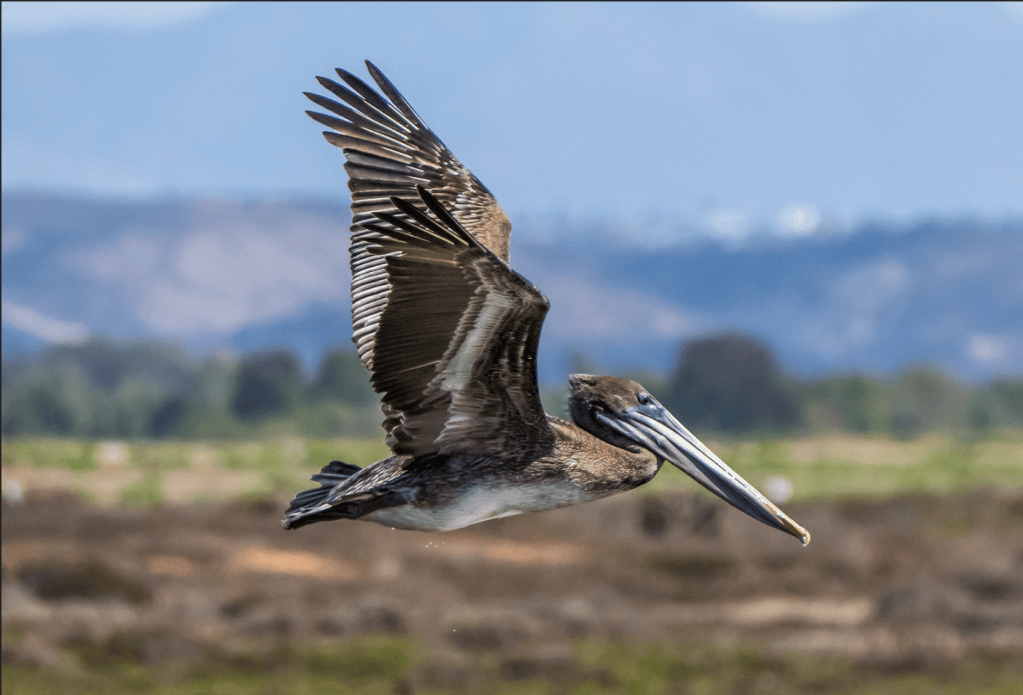
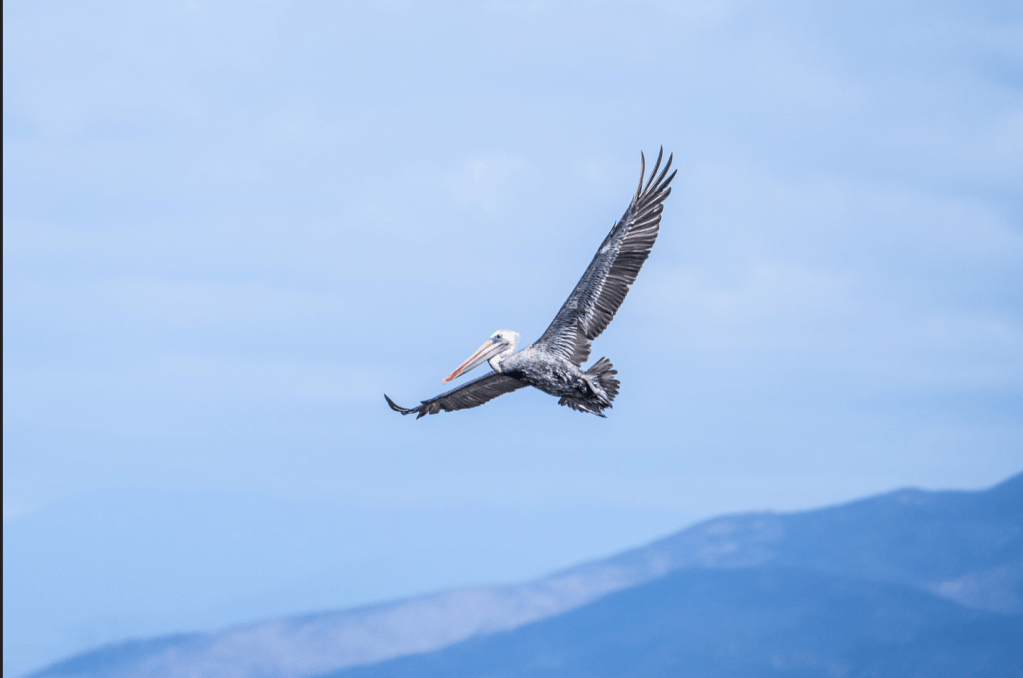
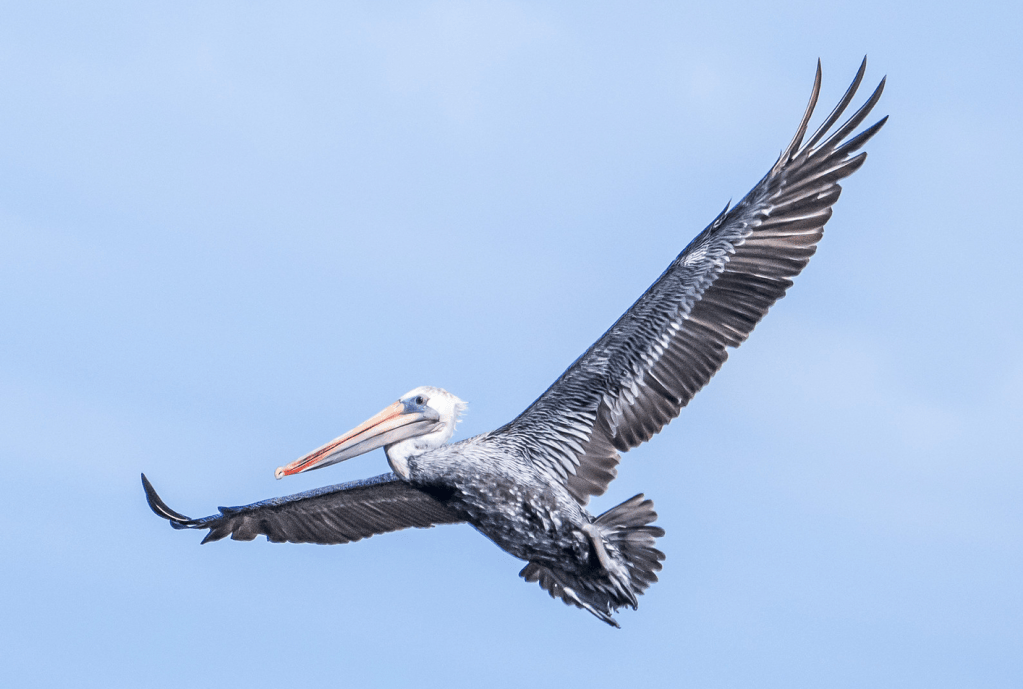
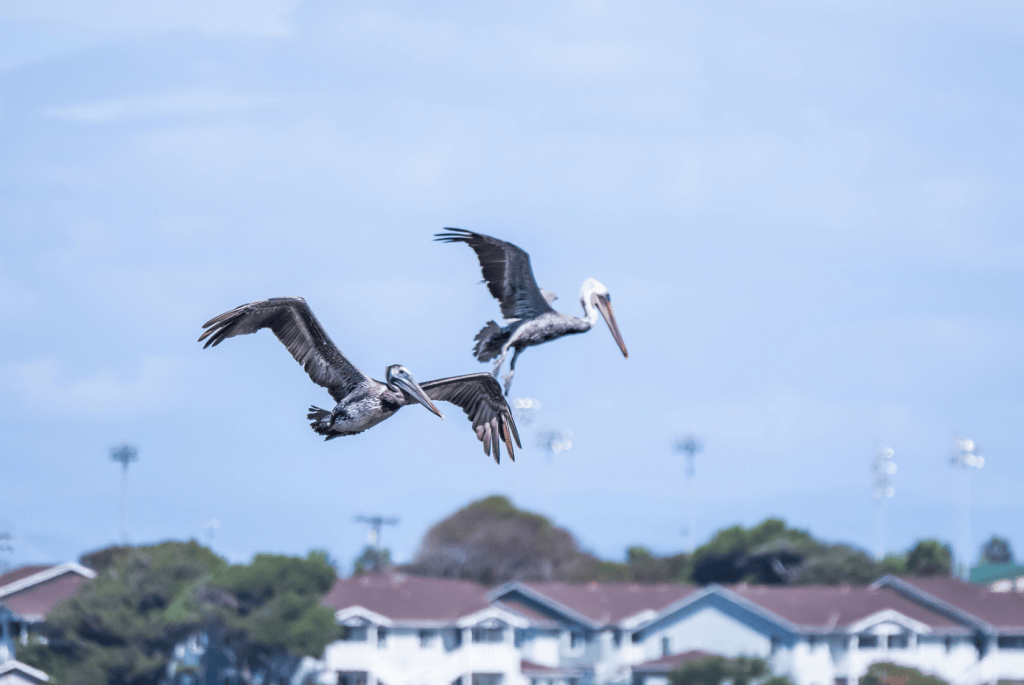
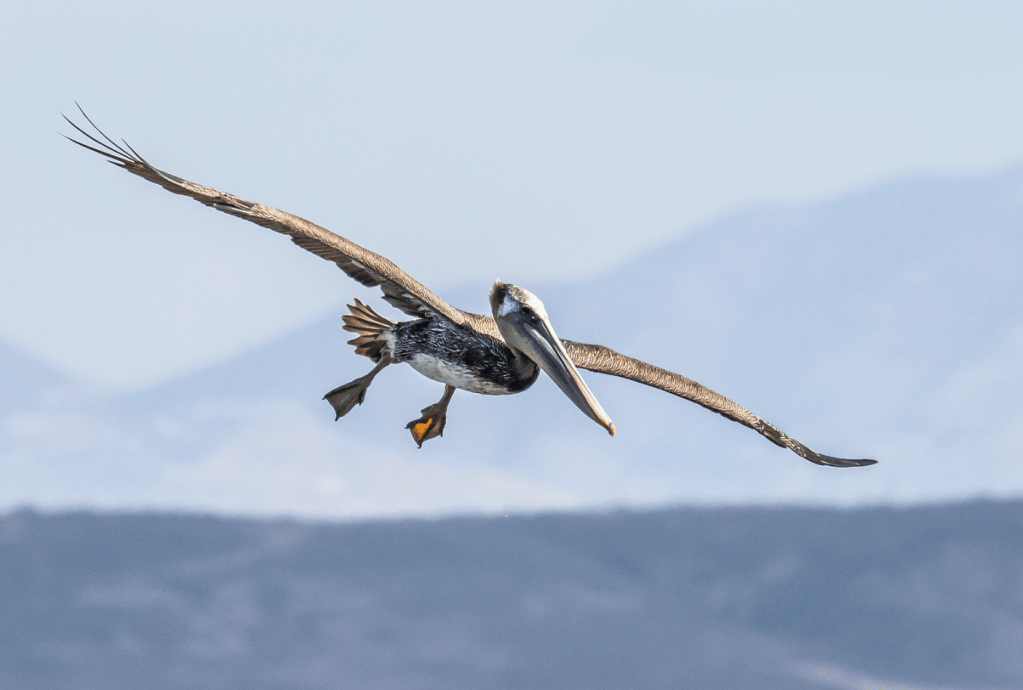
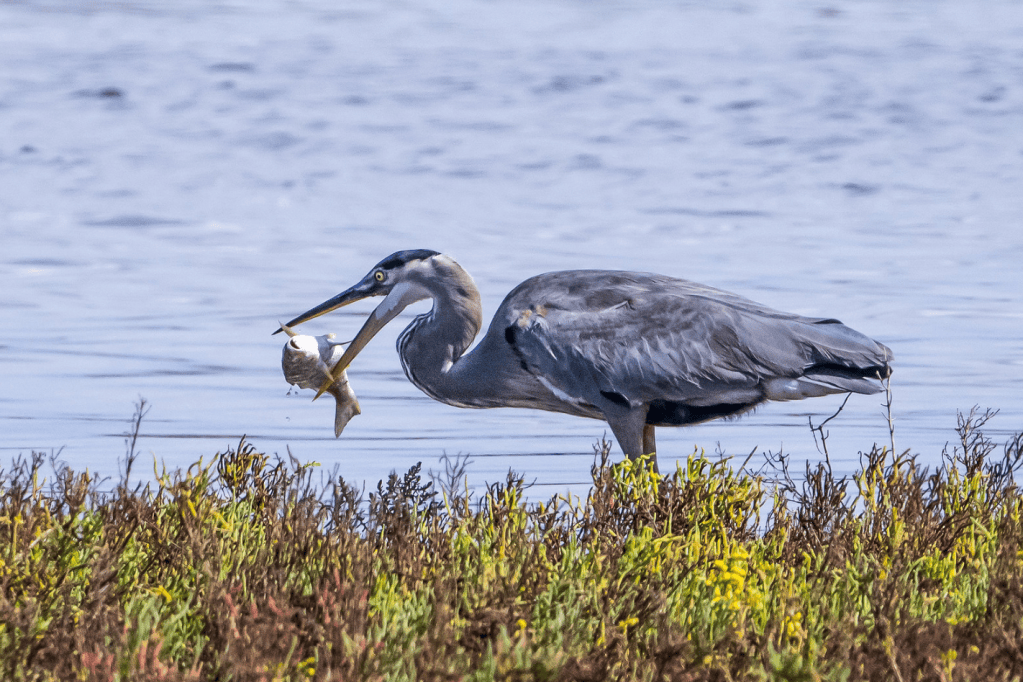
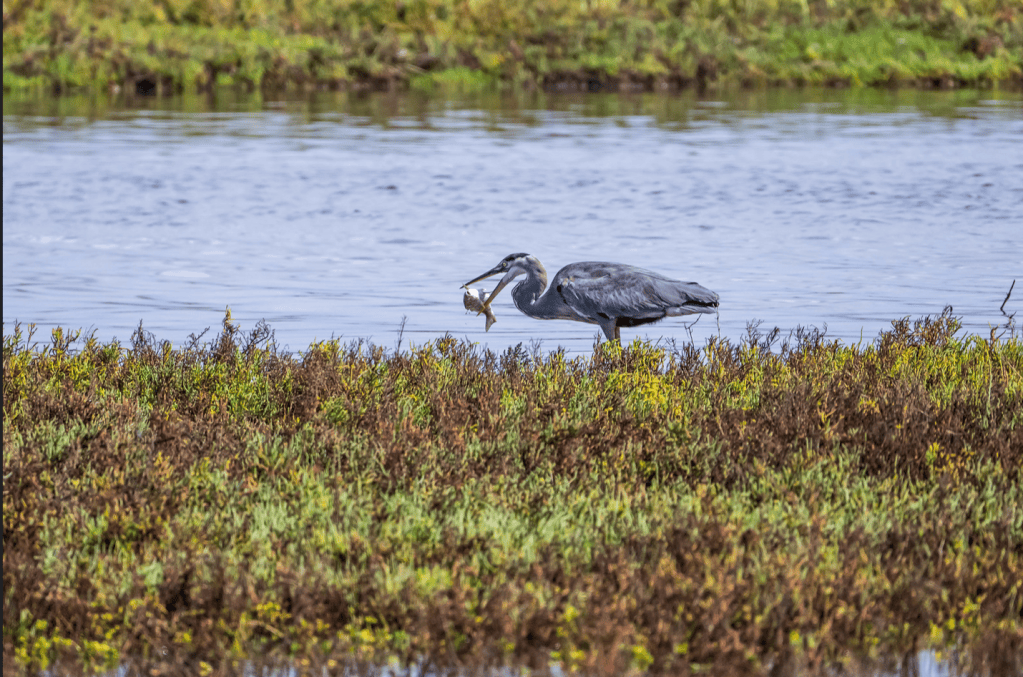
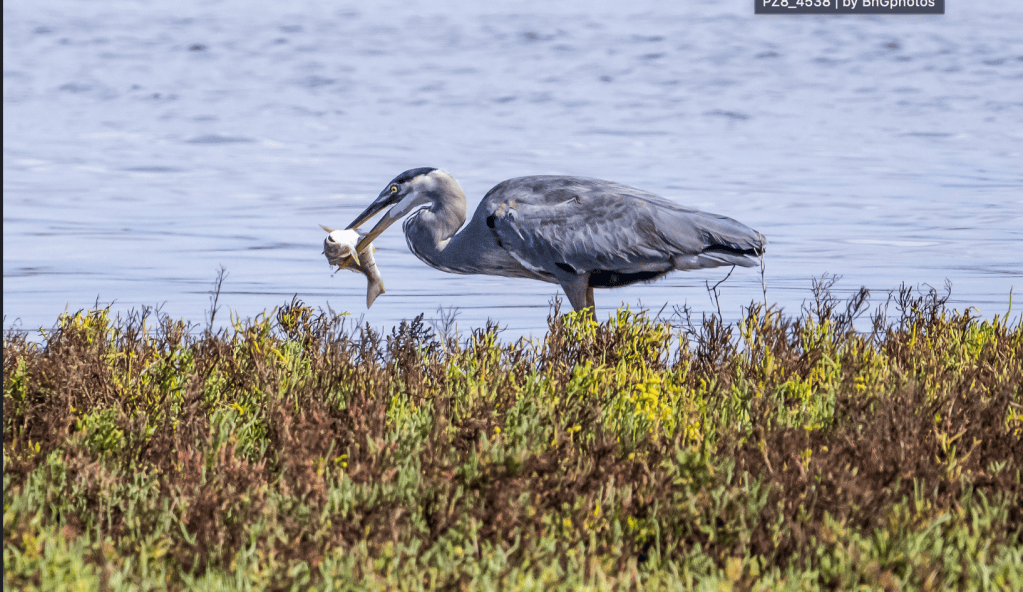
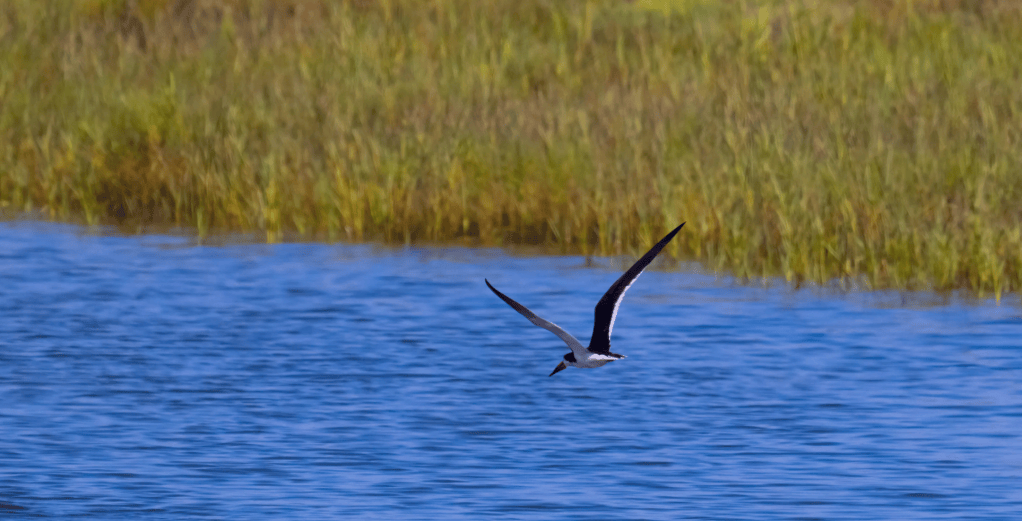
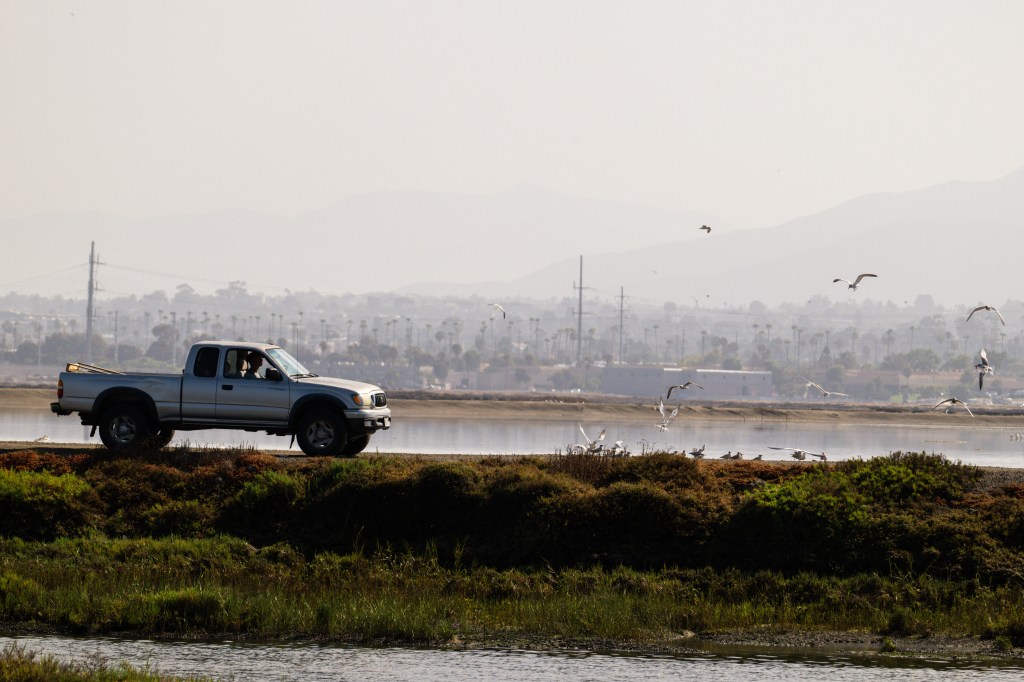
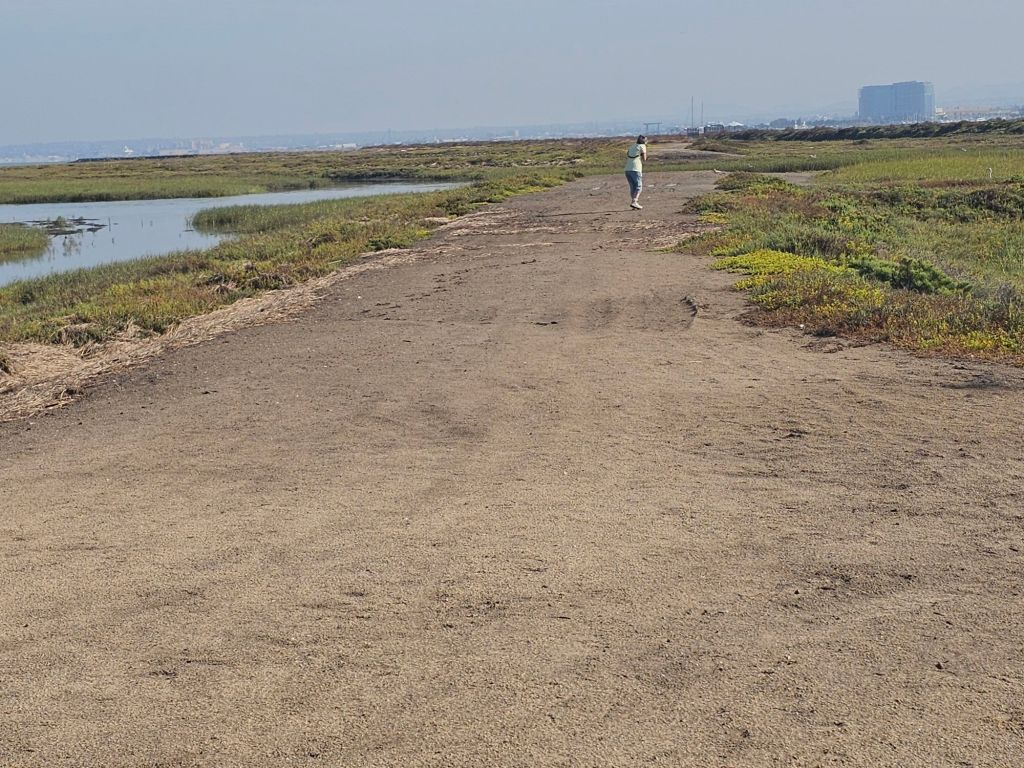
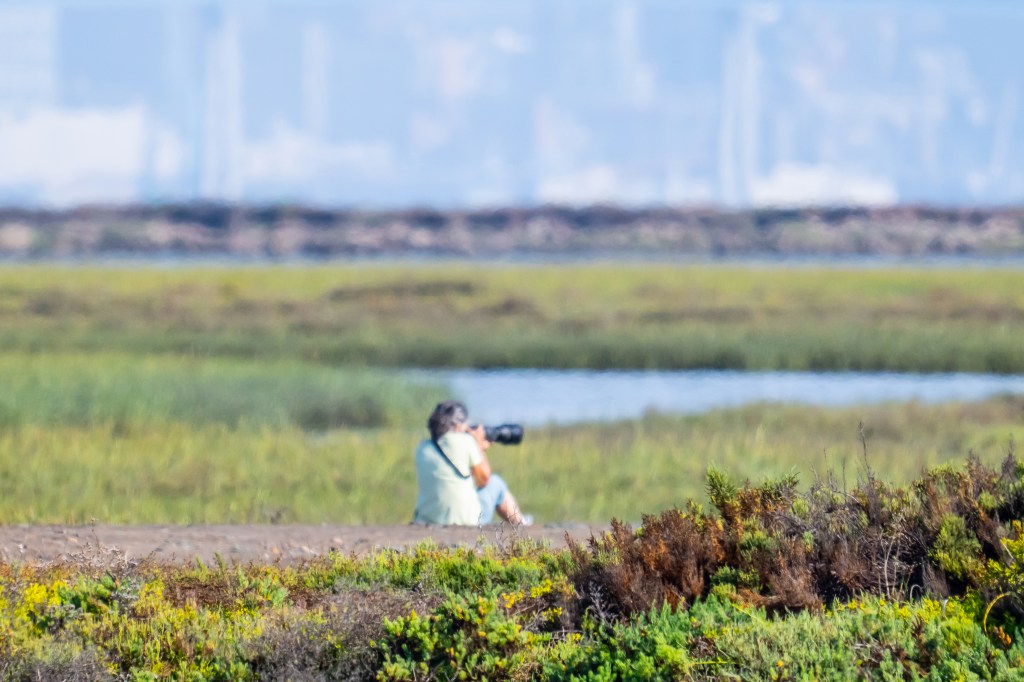
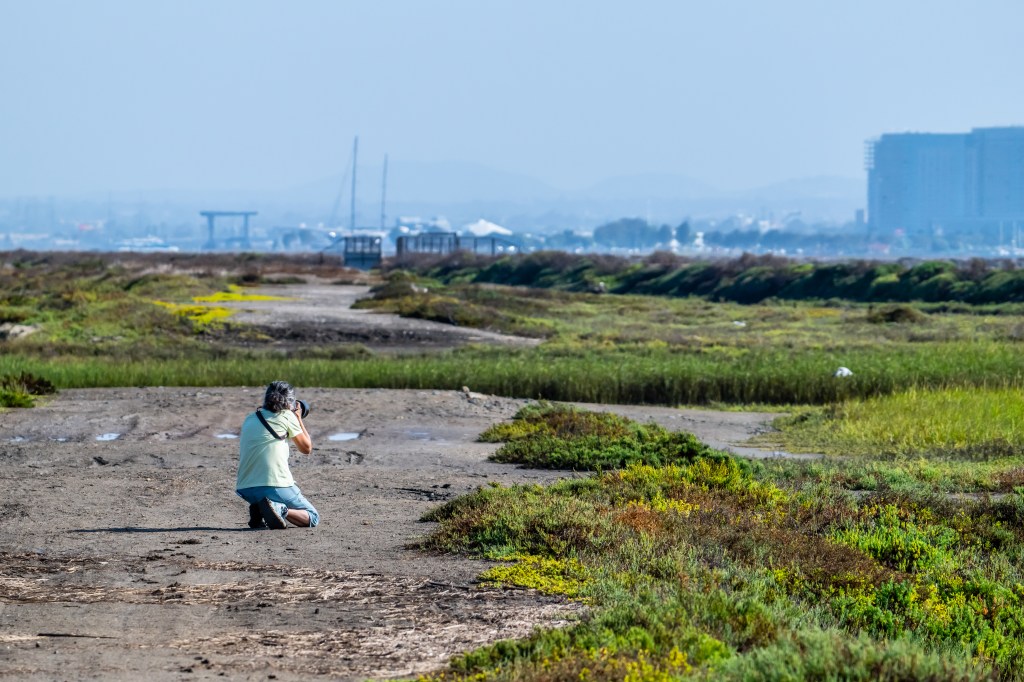
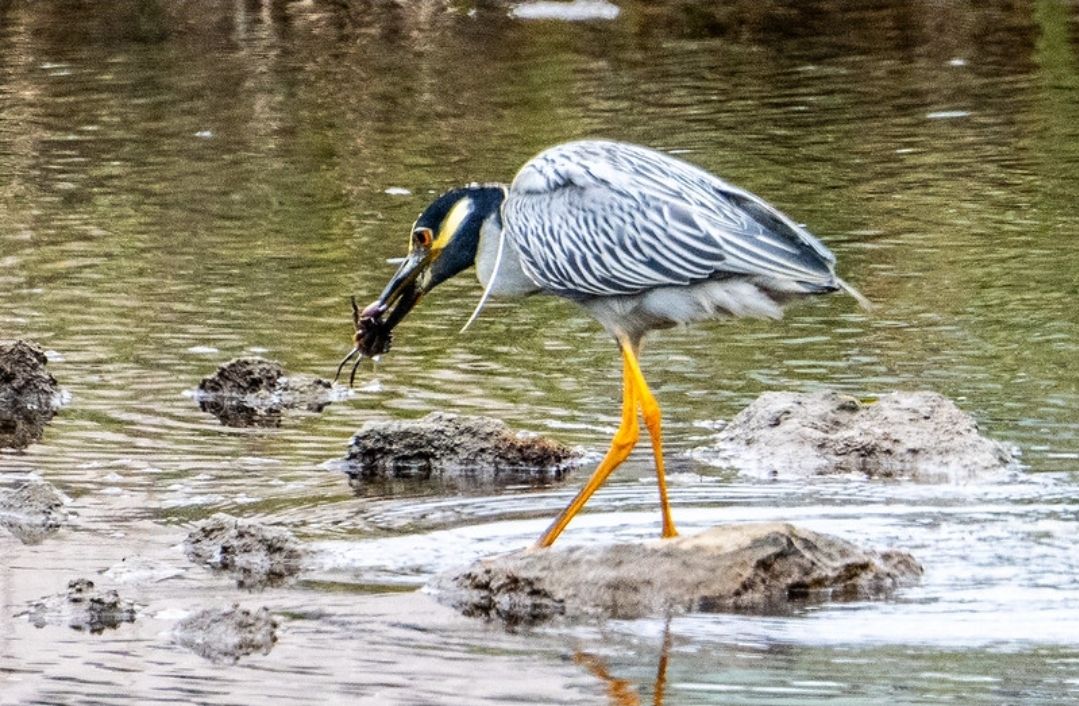
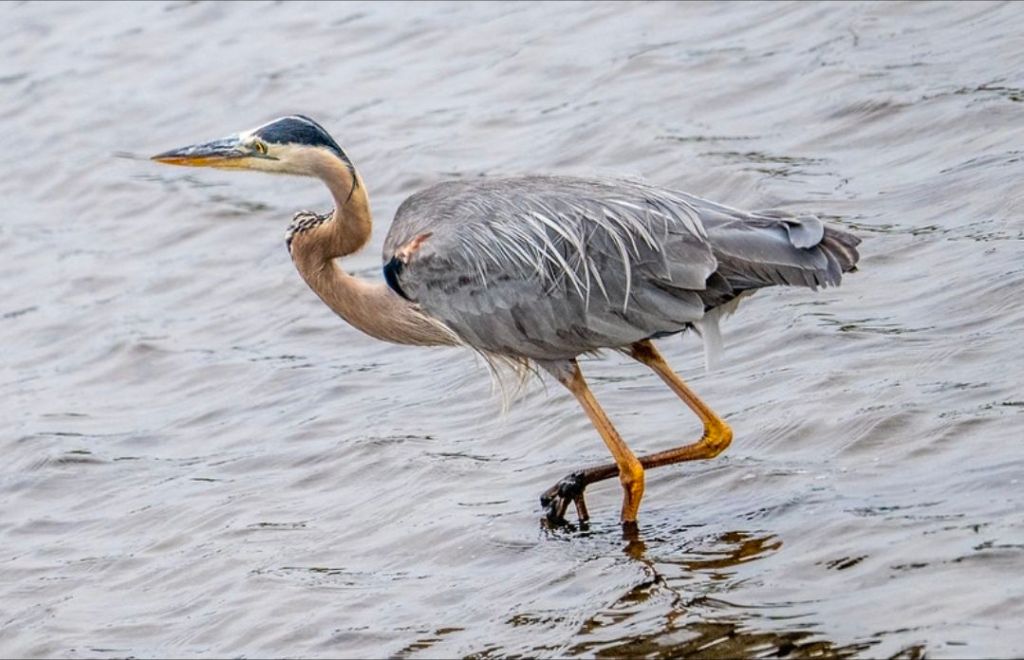
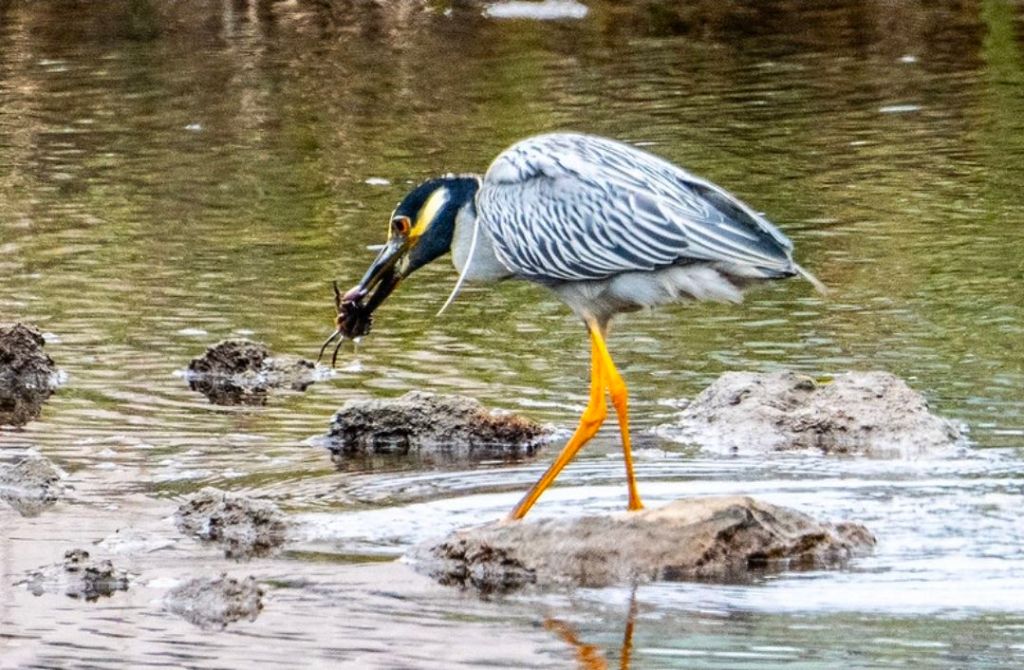
King Tides offer a special opportunity to observe changing water levels and appreciate the connection between our coastline and estuary. Bring your camera or binoculars to spot waterfoul upclose , and take a moment to appreciate this beautiful part of Imperial Beach
King Tides offer a special opportunity to observe changing water levels and appreciate the connection between our coastline and estuary. Bring your camera or binoculars to spot waterfoul upclose , and take a moment to appreciate this beautiful part of Imperial Beach! 📸🌿
Towards the south end of Seacoast Drive there is plenty of parking available. A sidewalk and boardwalk provide a more accessible way for people with mobility challenges to enjoy the views. ♿ Whether you use a wheelchair, walker, or simply prefer a paved path, you can experience the beauty of the estuary without having to navigate the sand.
During King Tides massive amounts of water is pushed deep into the estuary flooding most low laying areas even towards the estuary north boundary along Imperial Beach Blvd.
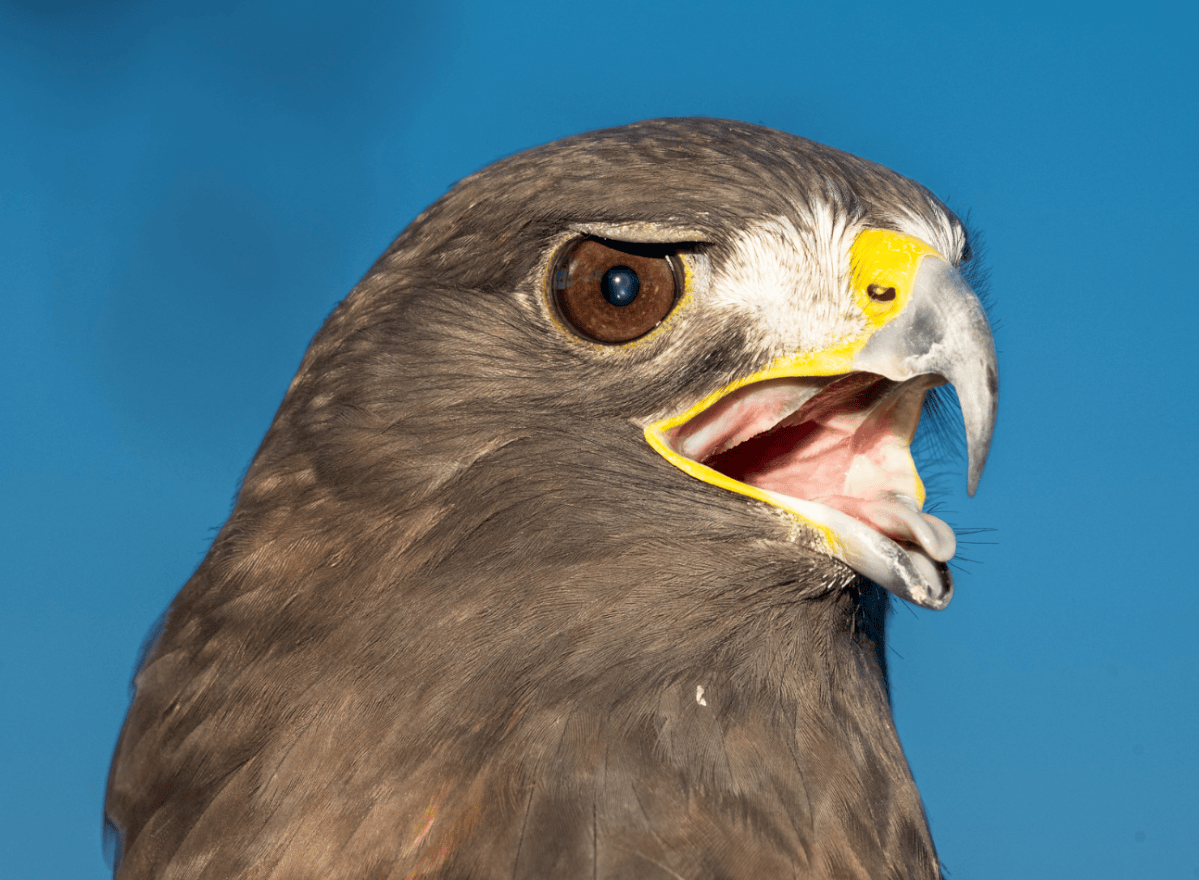
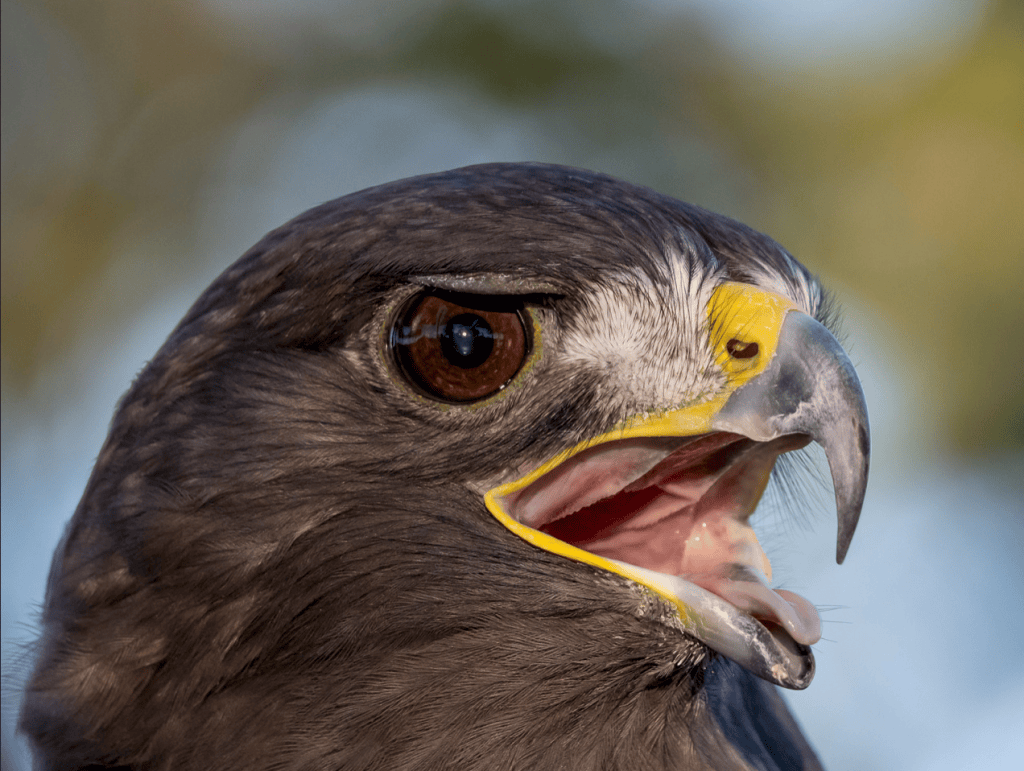
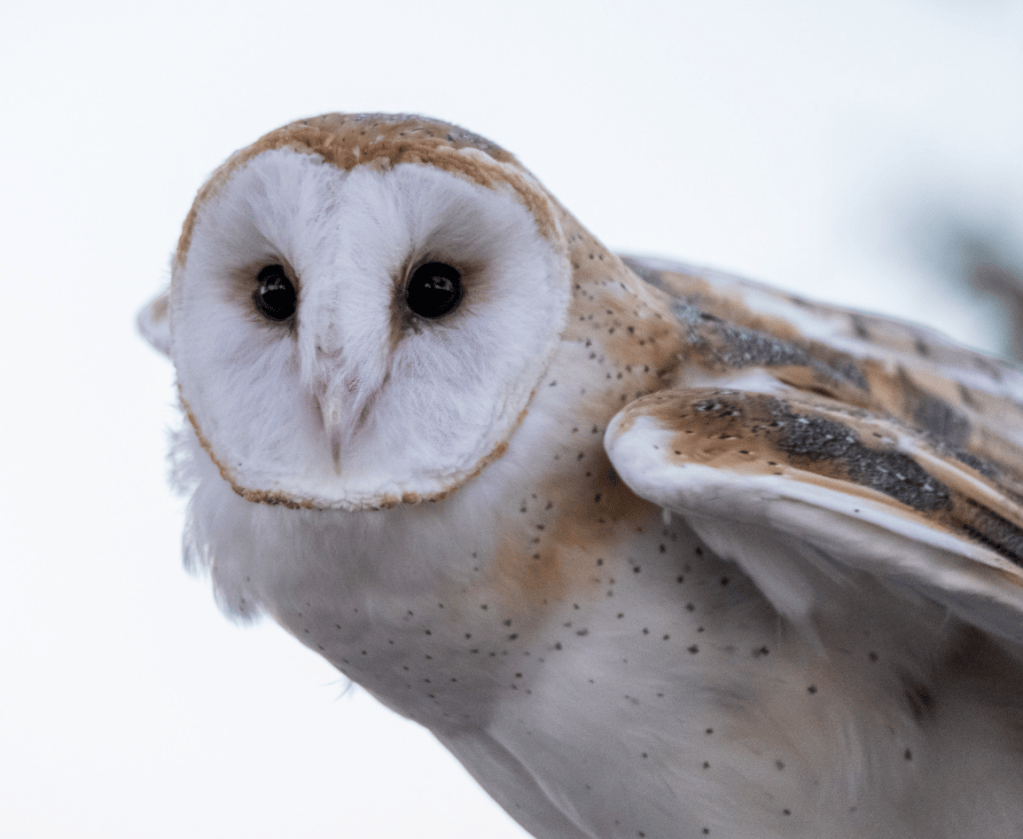
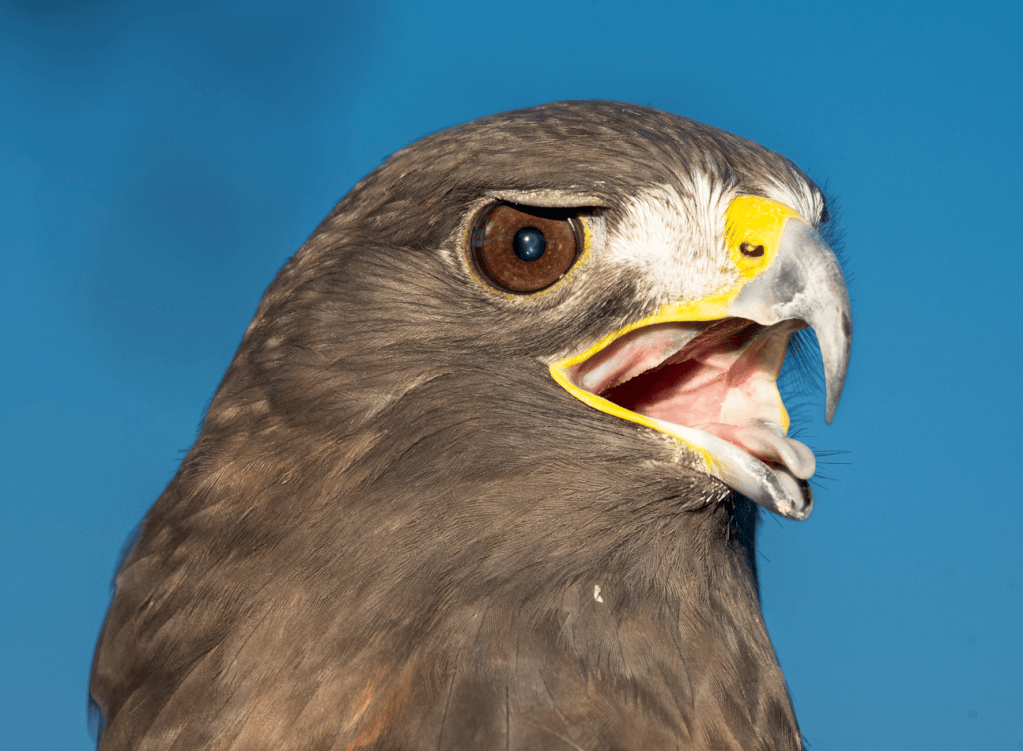
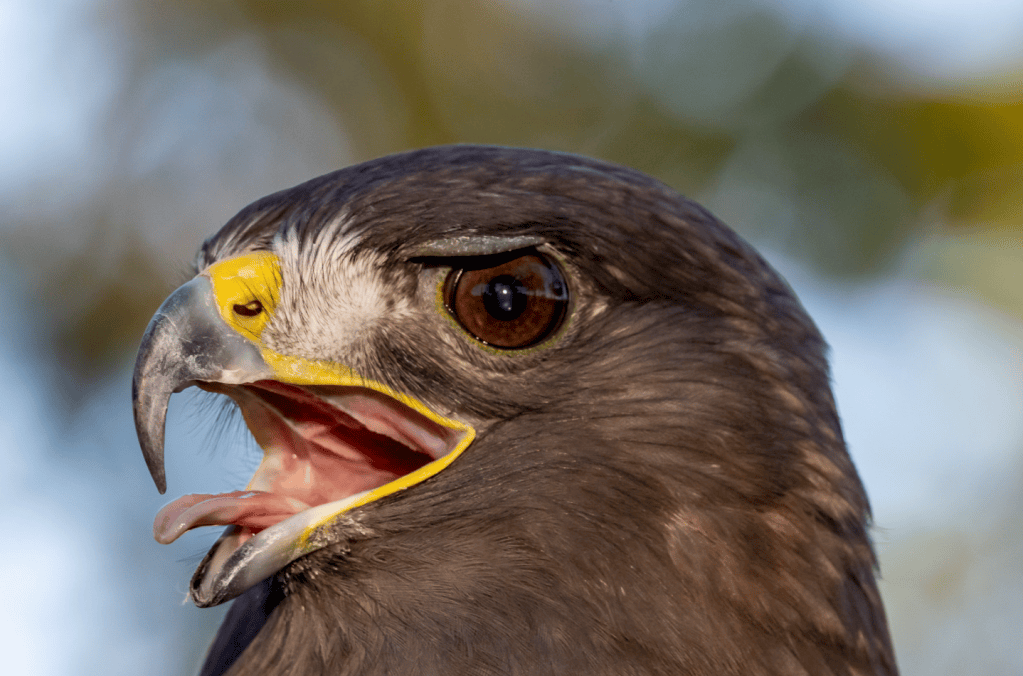
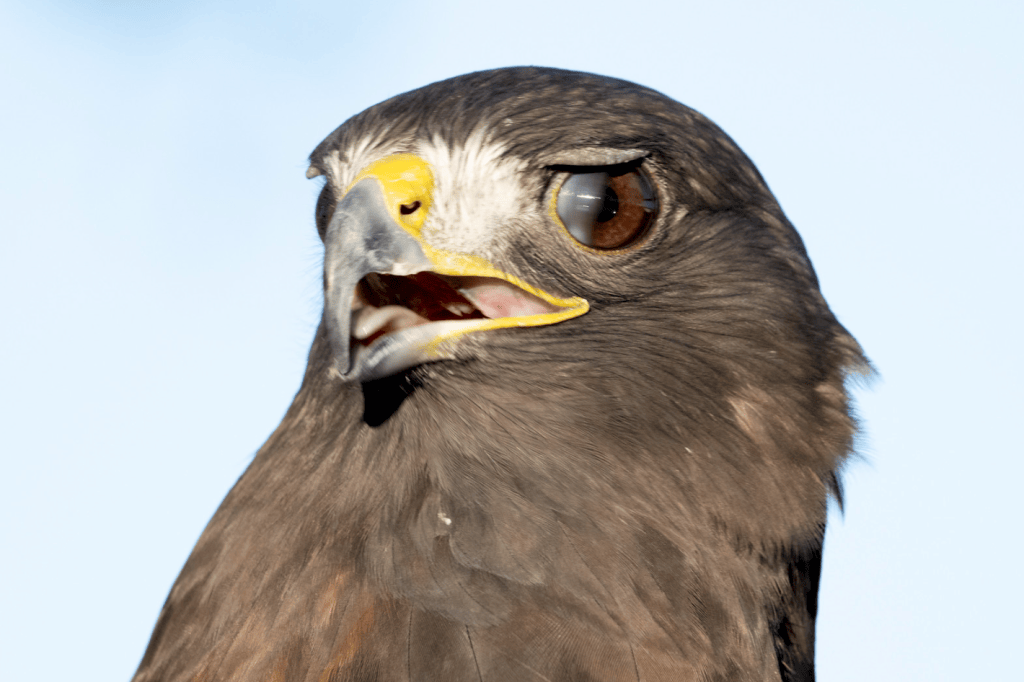
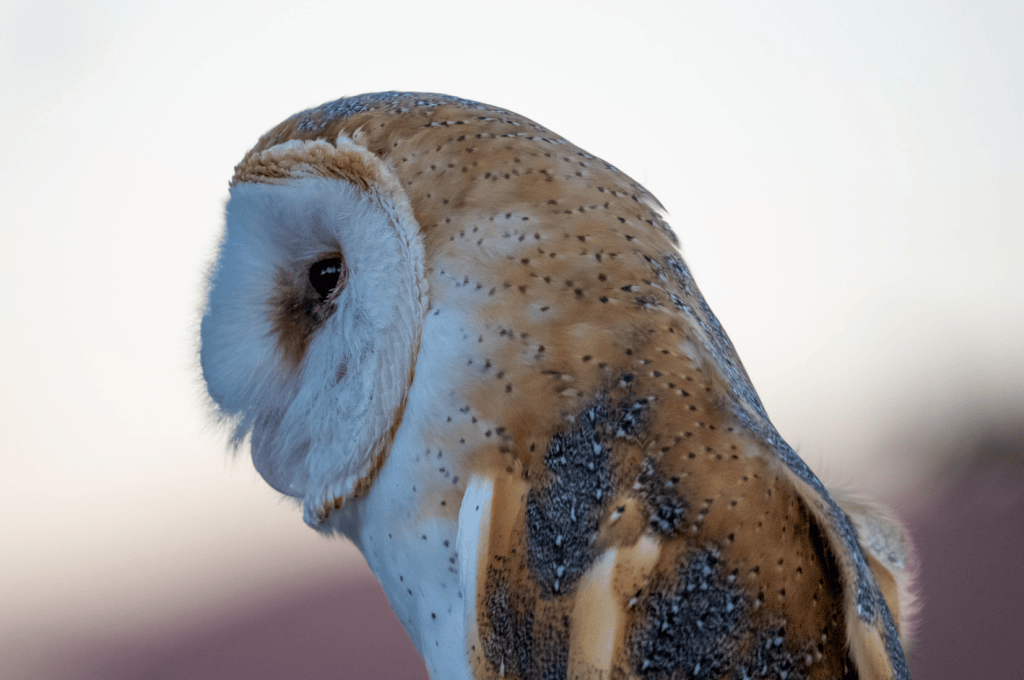
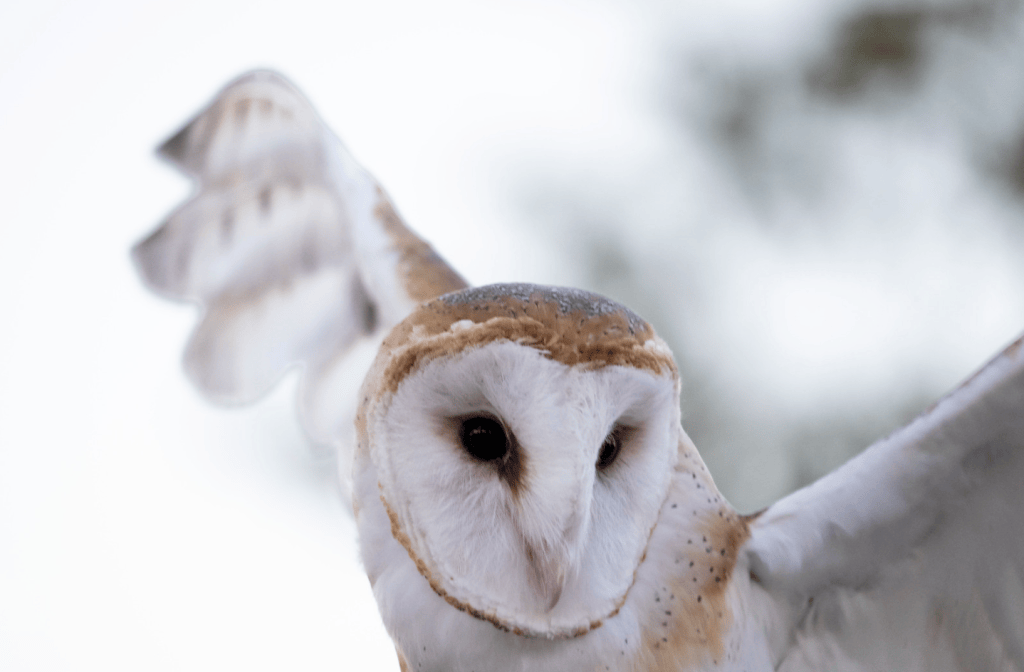
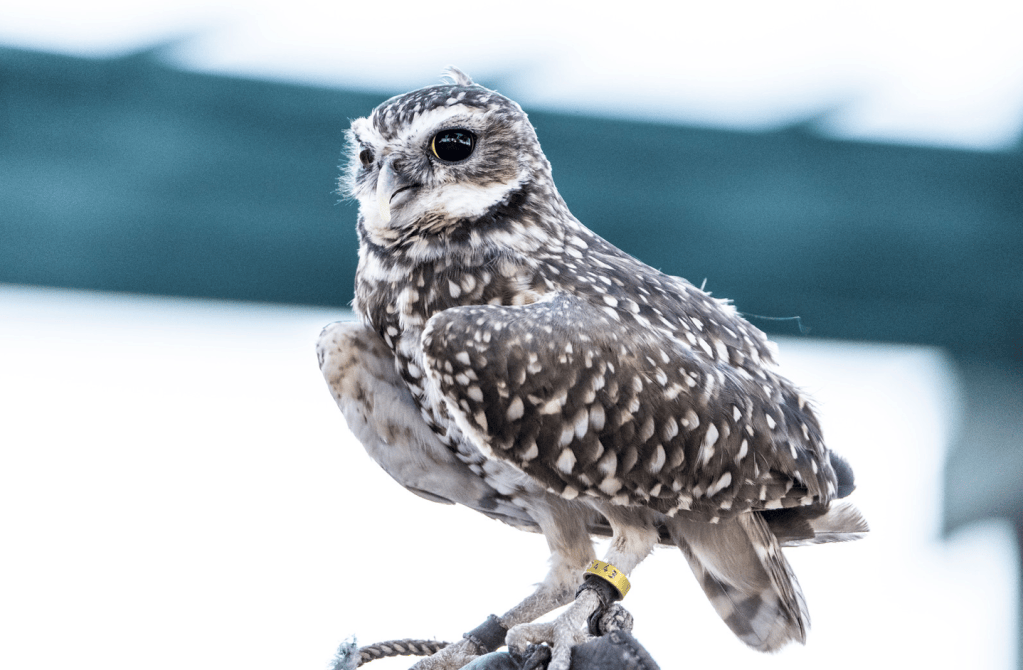
On Saturday night around 30 Adults and 8 children came out to the amphitheater at the Sweetwater Campground in Bonita for the first weekend of Hawktober.
Charles Gailband is a Senior Park Ranger and licensed professional falconer with the County of San Diego Department of Parks and Recreation. He brought out animal ambassadors Buster, the red tailed hawk; Athena the burrowing owl; and Corazon the barn owl.
Checkout my last post about the 2026 HAWKTOBER EVENTS for dates and locations
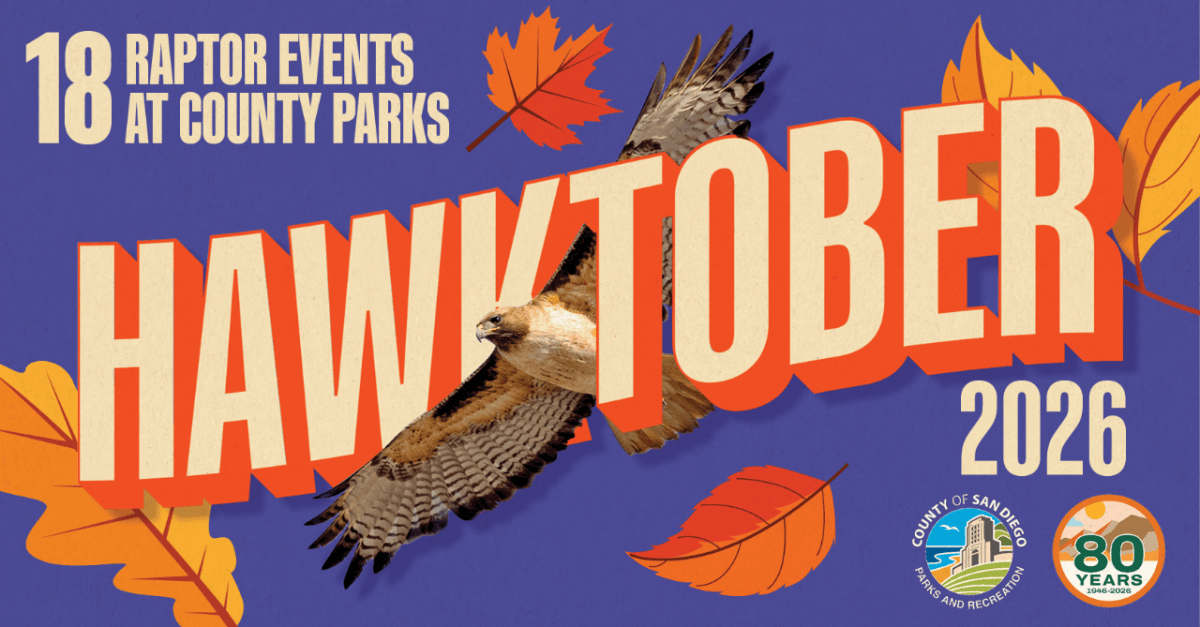
Hawktober is an annual celebration of local birds of prey, including hawks, owls, and falcons. This marks the event’s eighth year offering FREE workshops at parks, campgrounds and wilderness preserves across San Diego County.
Events are free and open to all ages, starting October 3. Explore multiple workshops to meet different birds and rangers.
Hawktober is an annual celebration of local birds of prey, including hawks, owls, and falcons. This marks the event’s eighth year offering FREE workshops at parks, campgrounds and wilderness preserves across San Diego County.
Events are free and open to all ages, starting October 3. Explore multiple workshops to meet different birds and rangers.
Special perk: Grab limited-edition Hawktober trading cards (while supplies last), complete with stats like wingspan, weight, and fun facts.
Live raptors: Meet ambassador birds like hawks, owls, and falcons up close and learn about their unique behaviors and adaptations.
Fun facts: Discover how these birds live, what they eat, how they hunt, when they’re active, and special traits like speed, camouflage, or night vision.
Bird tales: Each event features different birds—each with a name and story—shared by passionate rangers.
Where to Go:
DATE
TIME
LOCATION
SATURDAY, OCT. 3
10 – 11 a.m.
William Heise County Park4945 Heise Park Rd.Julian, CA 92036
SATURDAY, OCT 3
5:30 – 6:30 P.M.
Sweetwater Campground3218 Summit Meadow RoadBonita, CA 91902
SUNDAY, OCT. 4
10:30-11:30 a.m
San Elijo Lagoon Nature Center2710 Manchester Ave.Cardiff by the sea, CA 92007
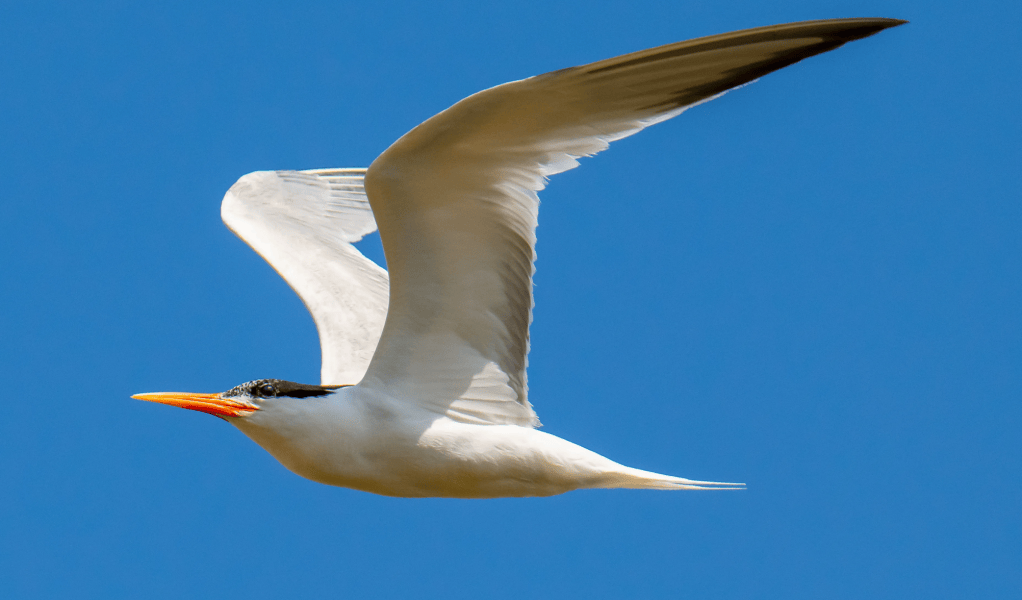
Imperial Beach birds, Imperial Beach terns, Tijuana Estuary, Tijuana River Estuary, Elegant Tern, Royal Tern, San Diego birding, San Diego bird photography, Imperial Beach bird photography, salt marsh birds, Southern California birding, San Diego wildlife photography
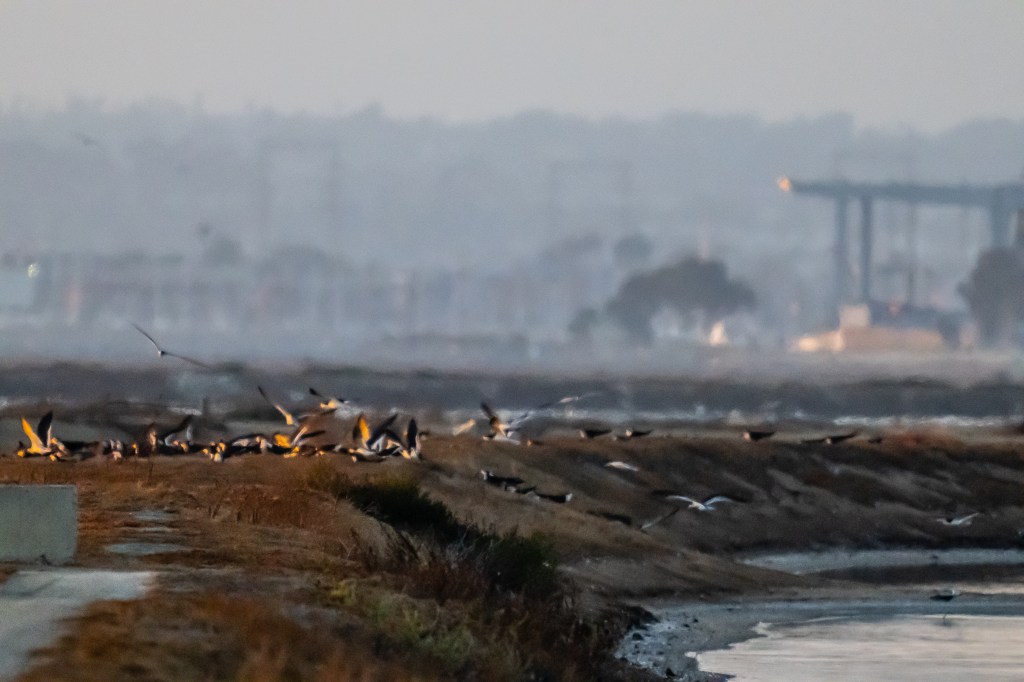
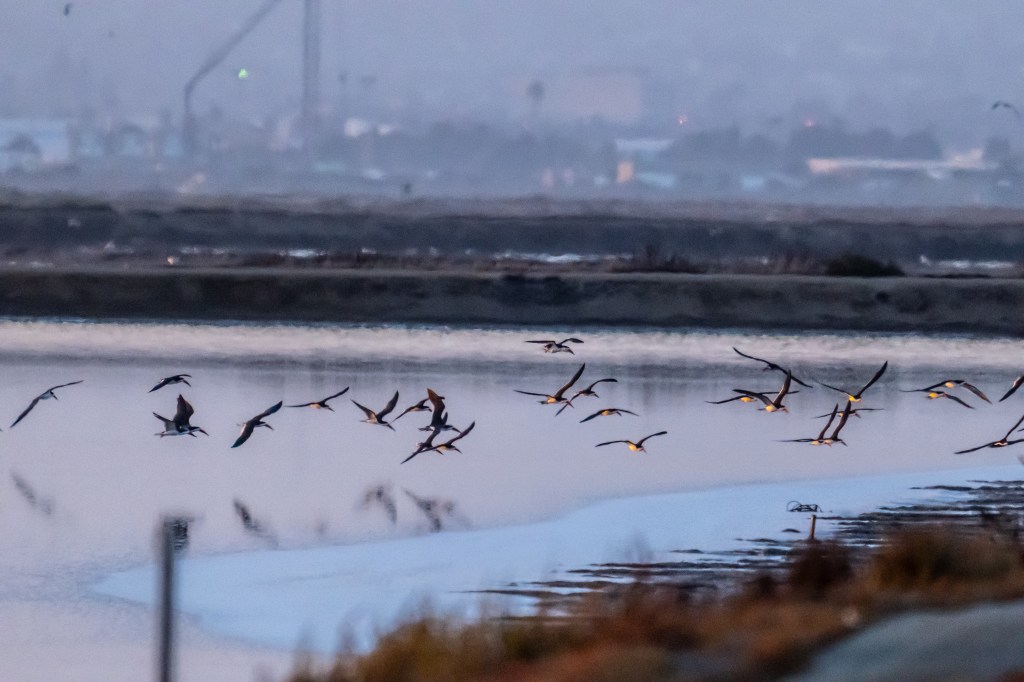
If you spend enough time exploring the wetlands and shoreline of San Diego’s South Bay, you begin to notice that certain birds seem to have favorite places.
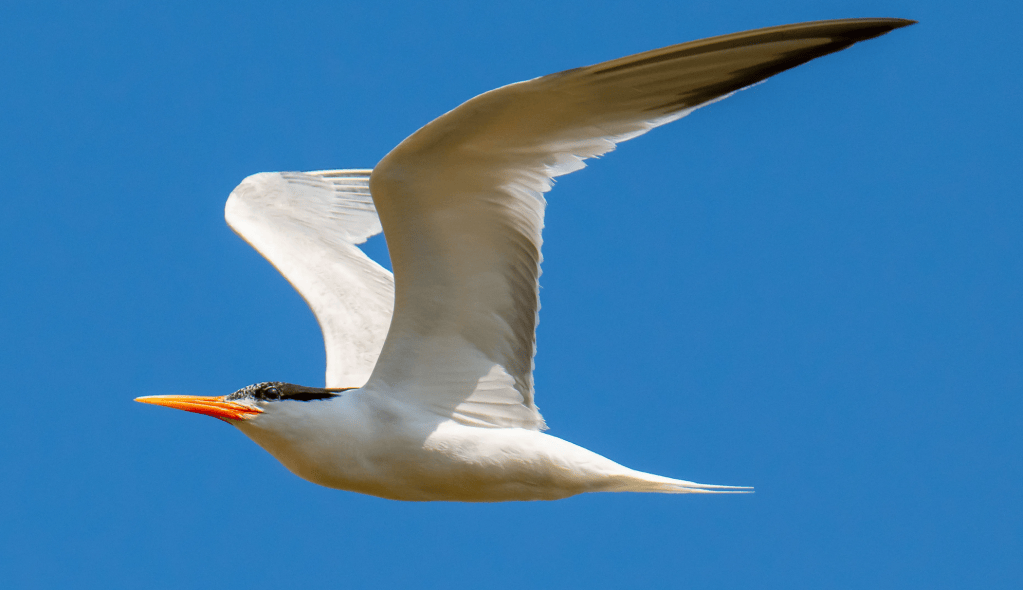
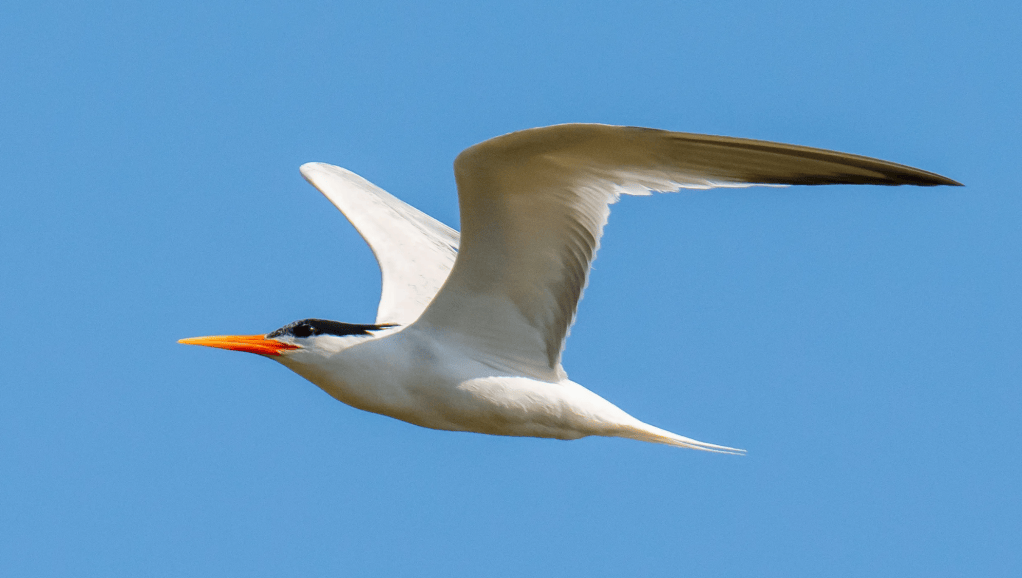
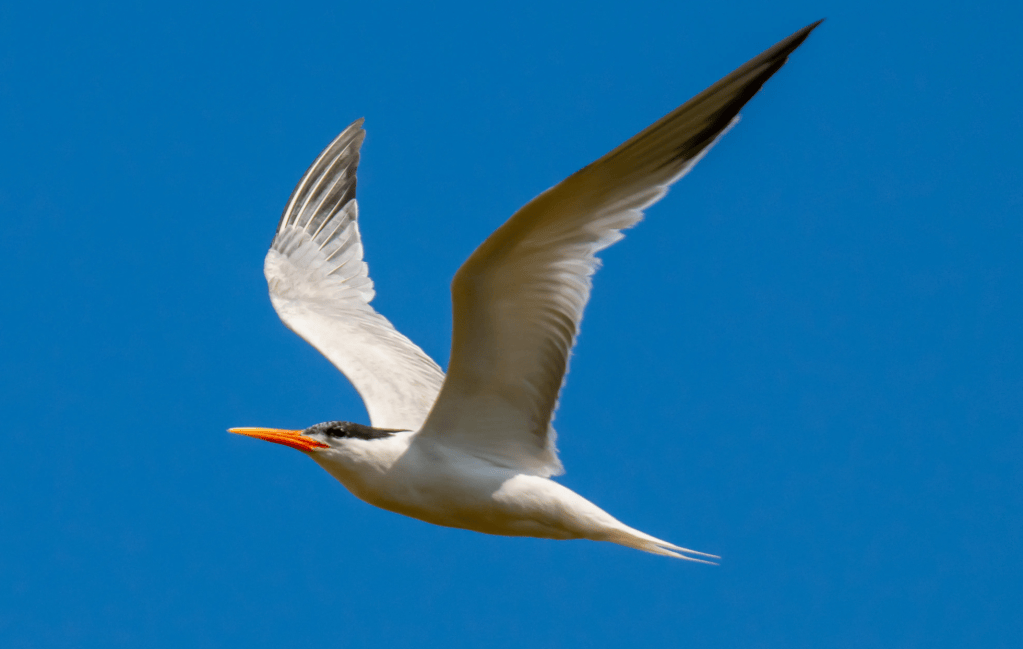
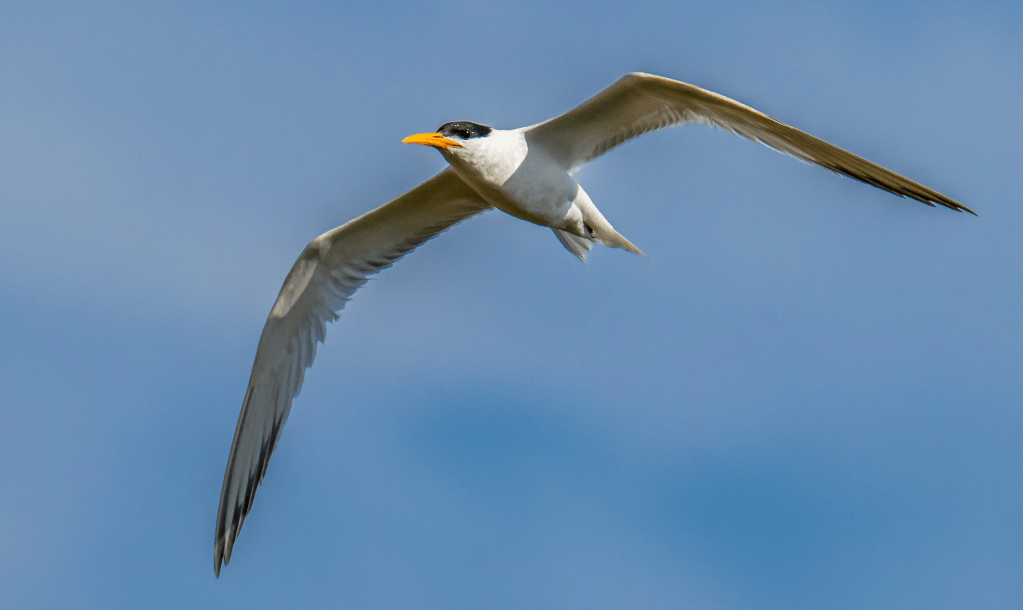
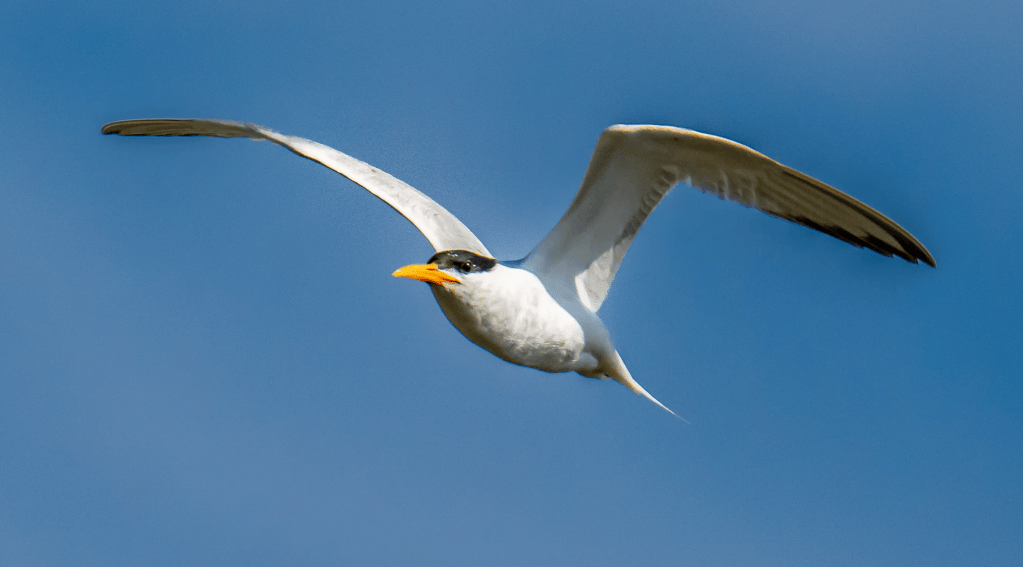
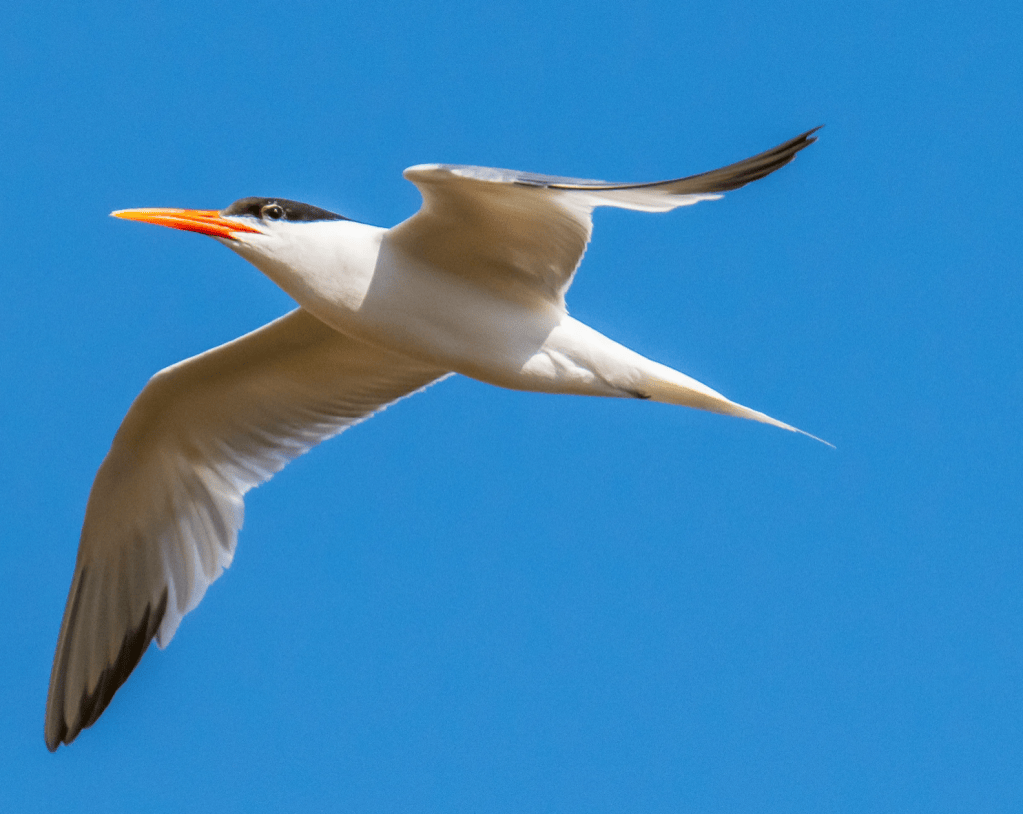
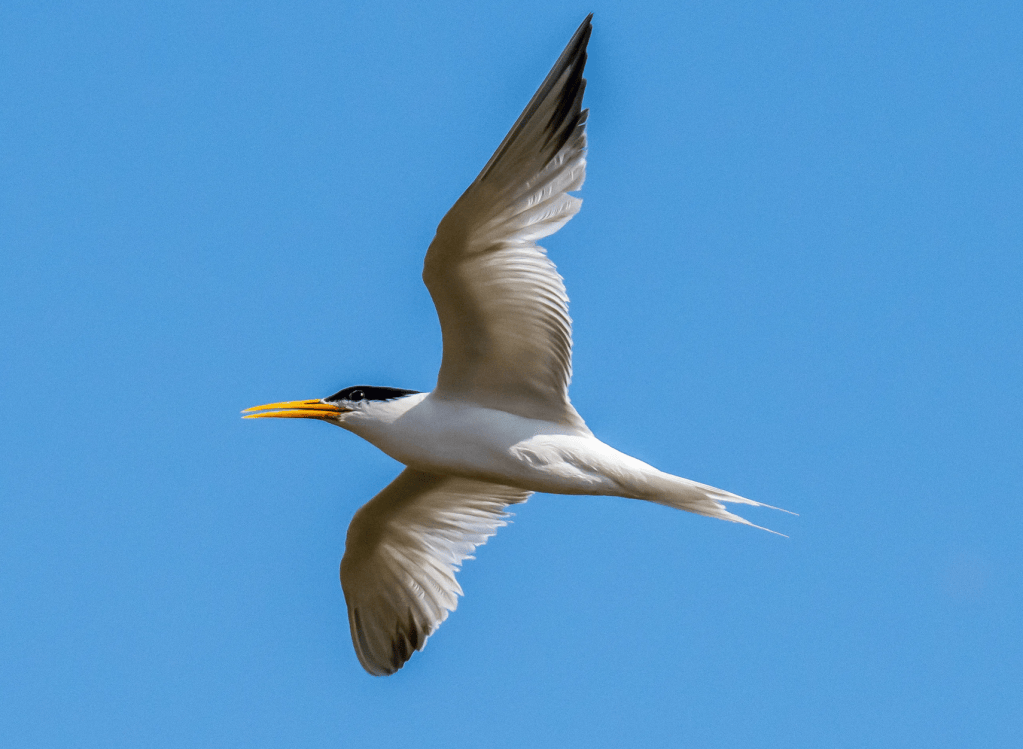
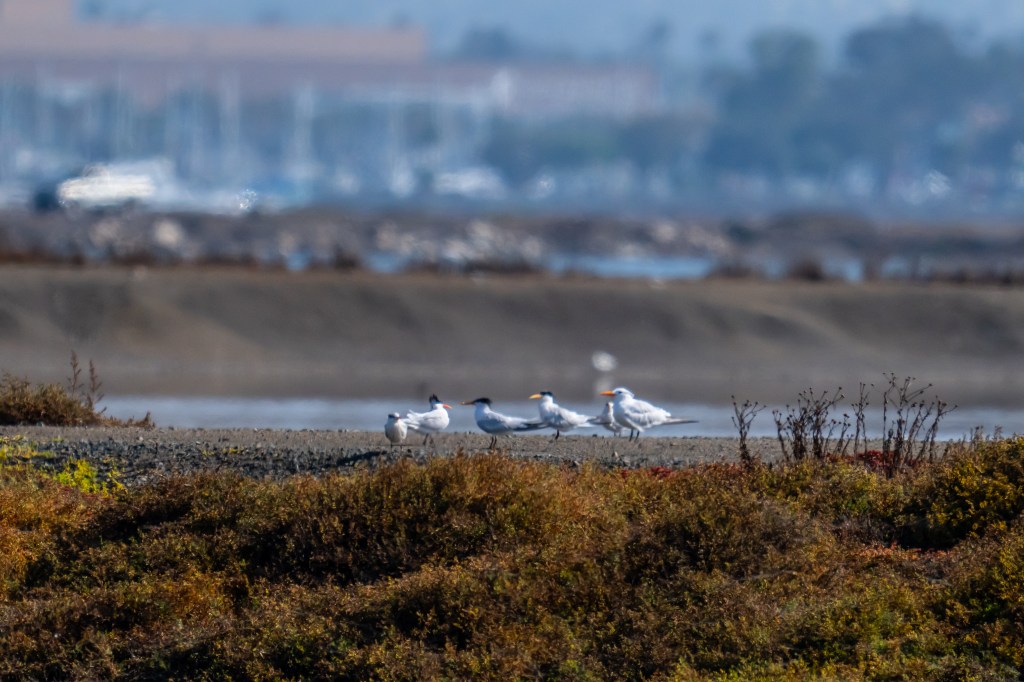
One of those birds is the Elegant Tern.
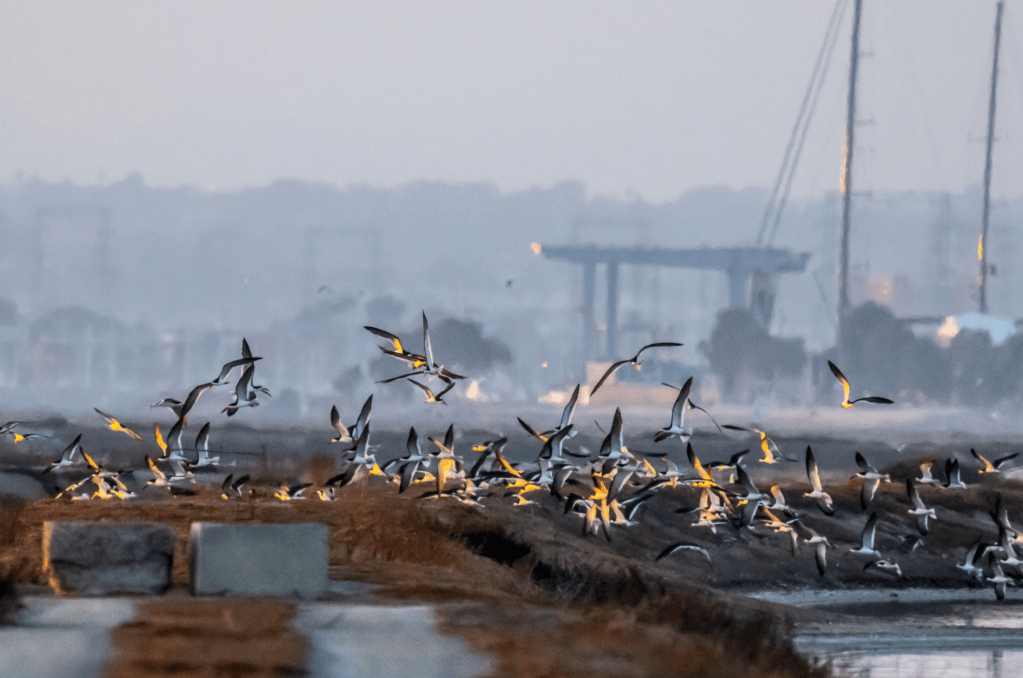
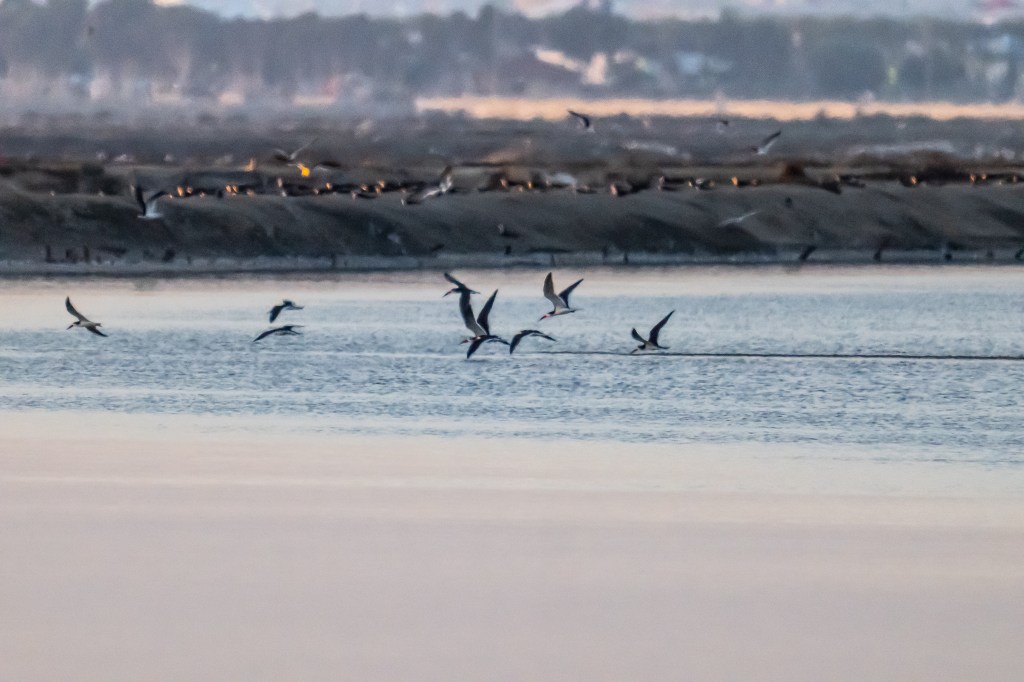
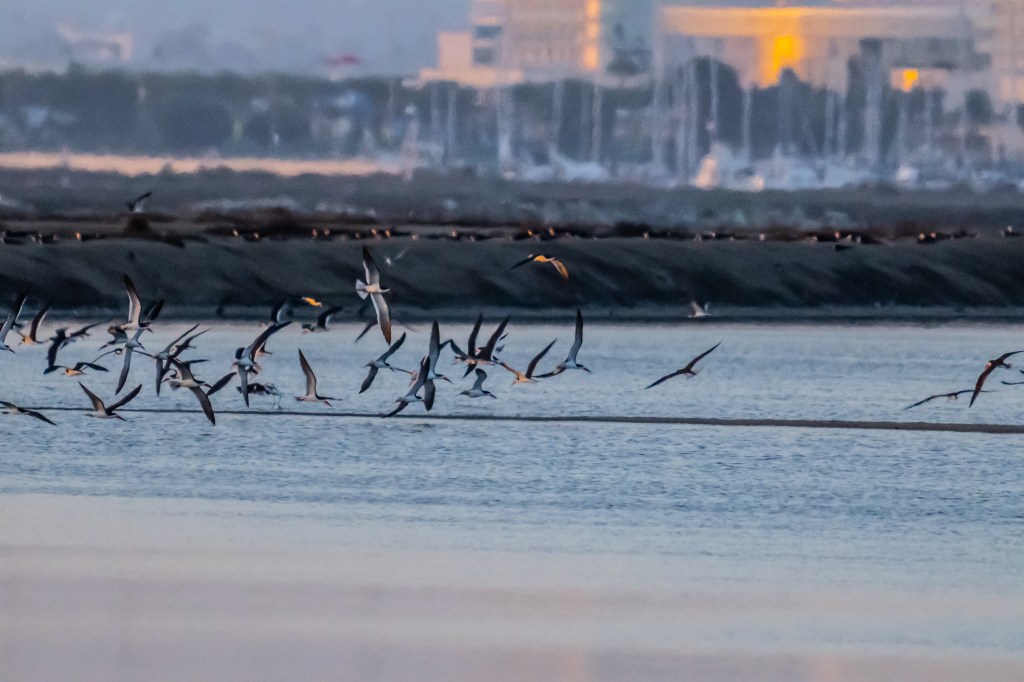
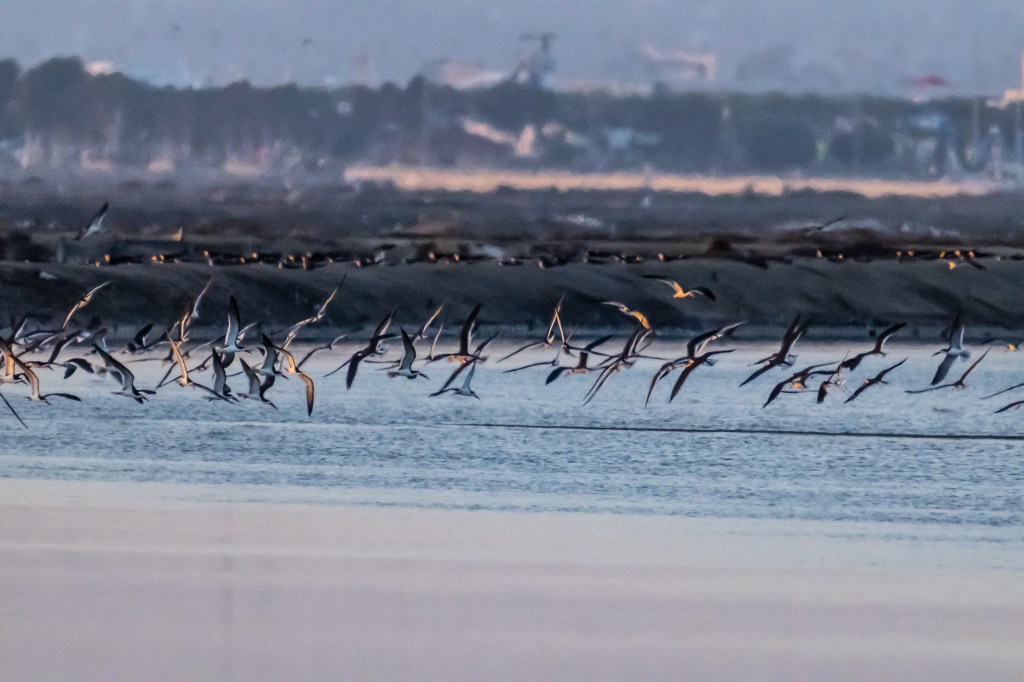
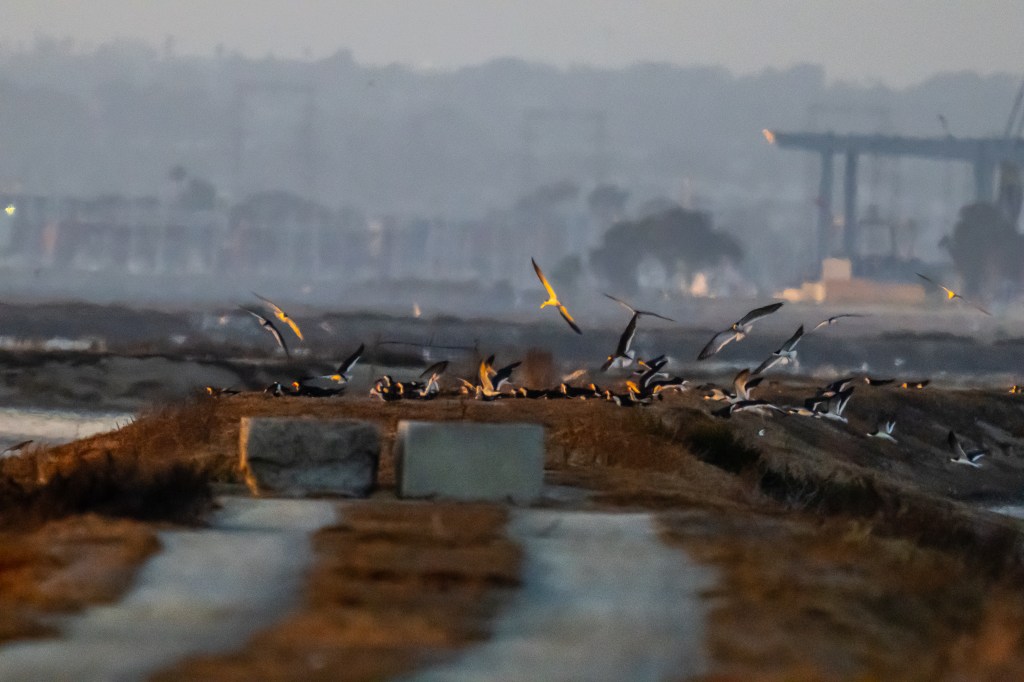
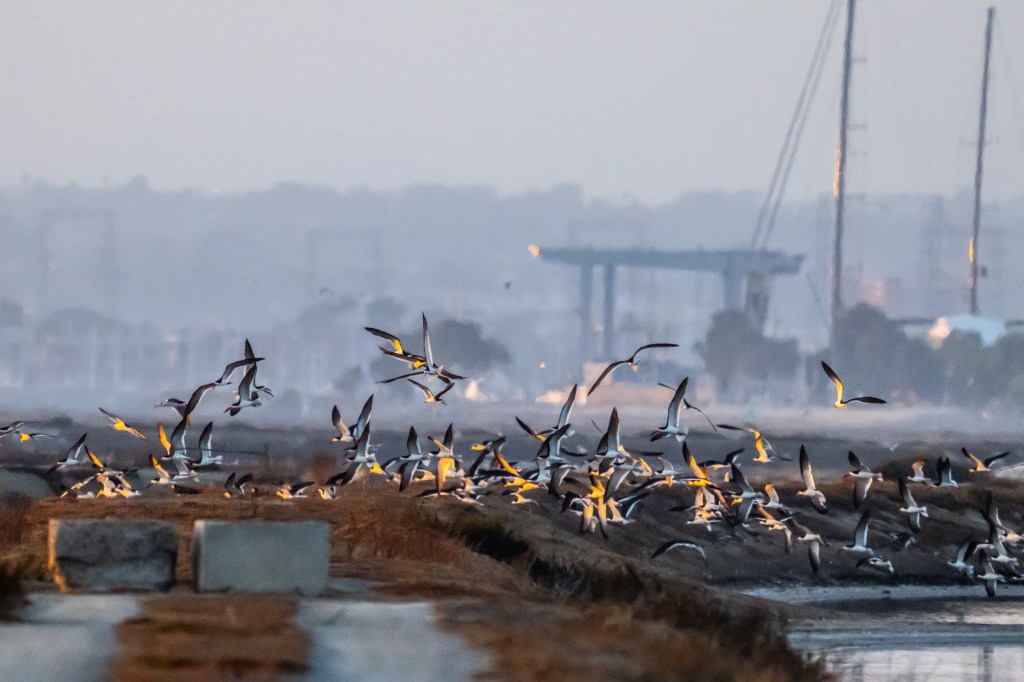
I’ve been seeing Elegant Terns around the salt marsh in Imperial Beach, where large flocks can gather over the wetlands and surrounding waterways. I’ve also seen them farther north around the South Bay salt flats, showing just how closely these birds are associated with the coastal wetlands and salt ponds of the region.
For a bird photographer, seeing a large flock of Elegant Terns moving through the South Bay is an impressive sight.
A Familiar Summer Visitor
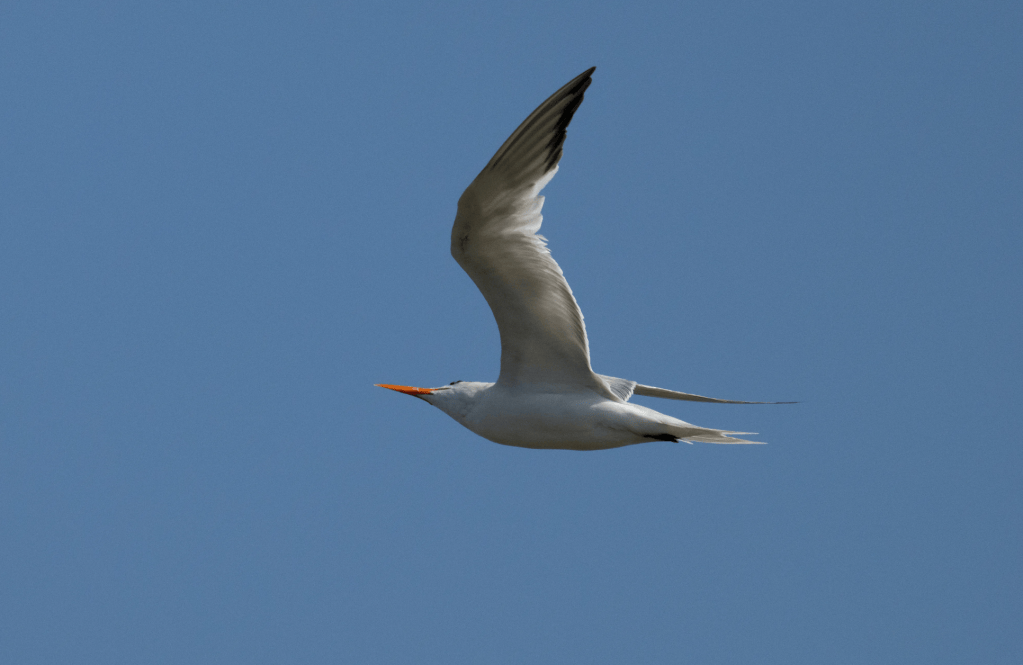
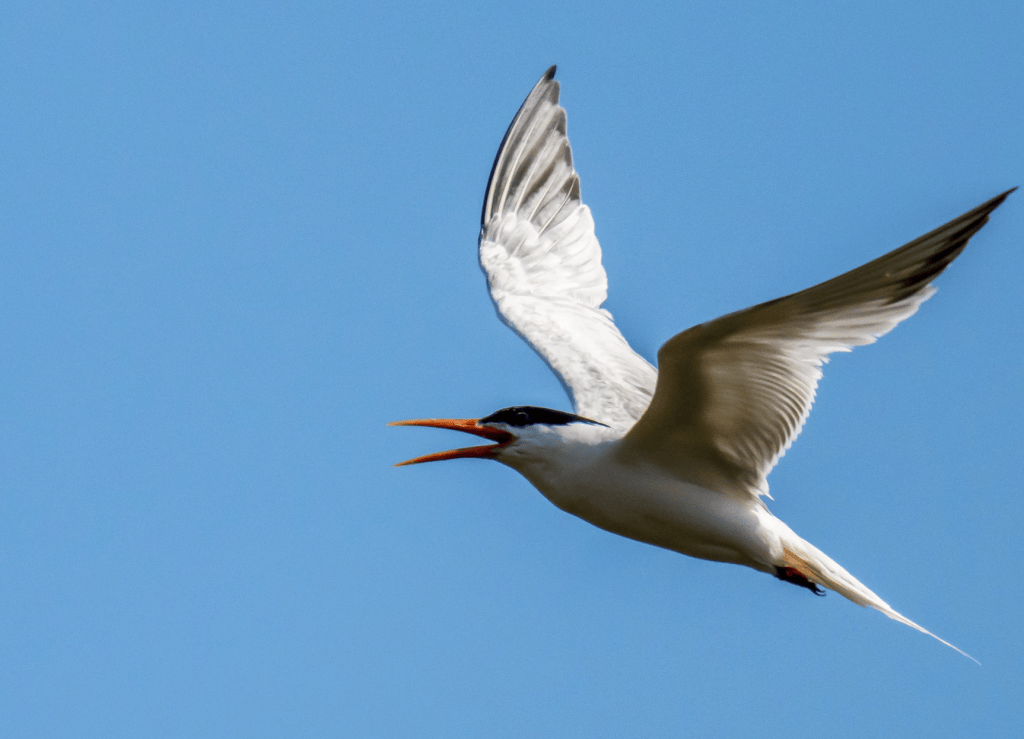
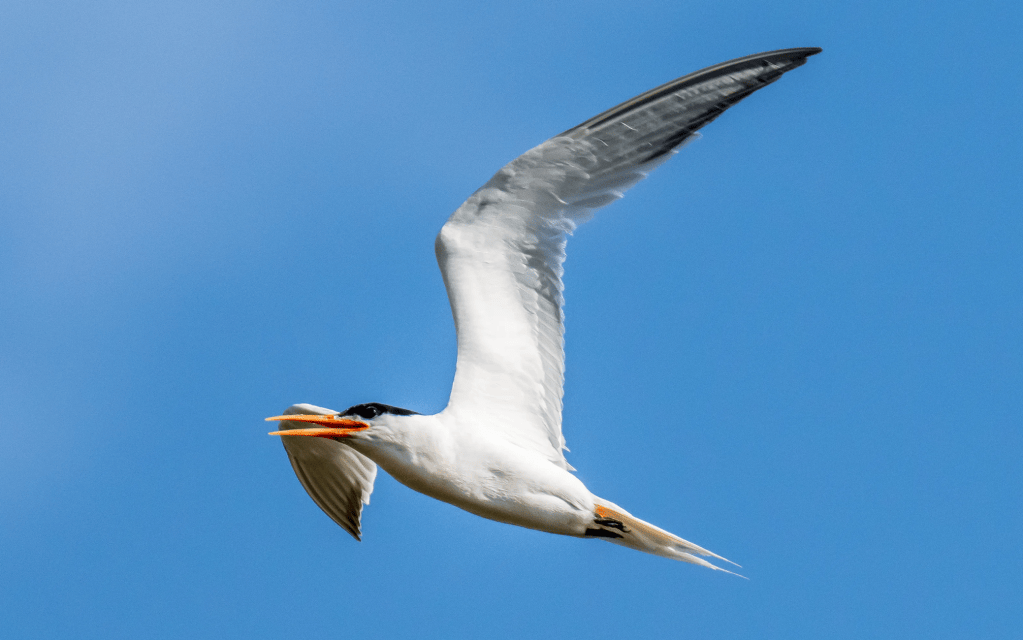
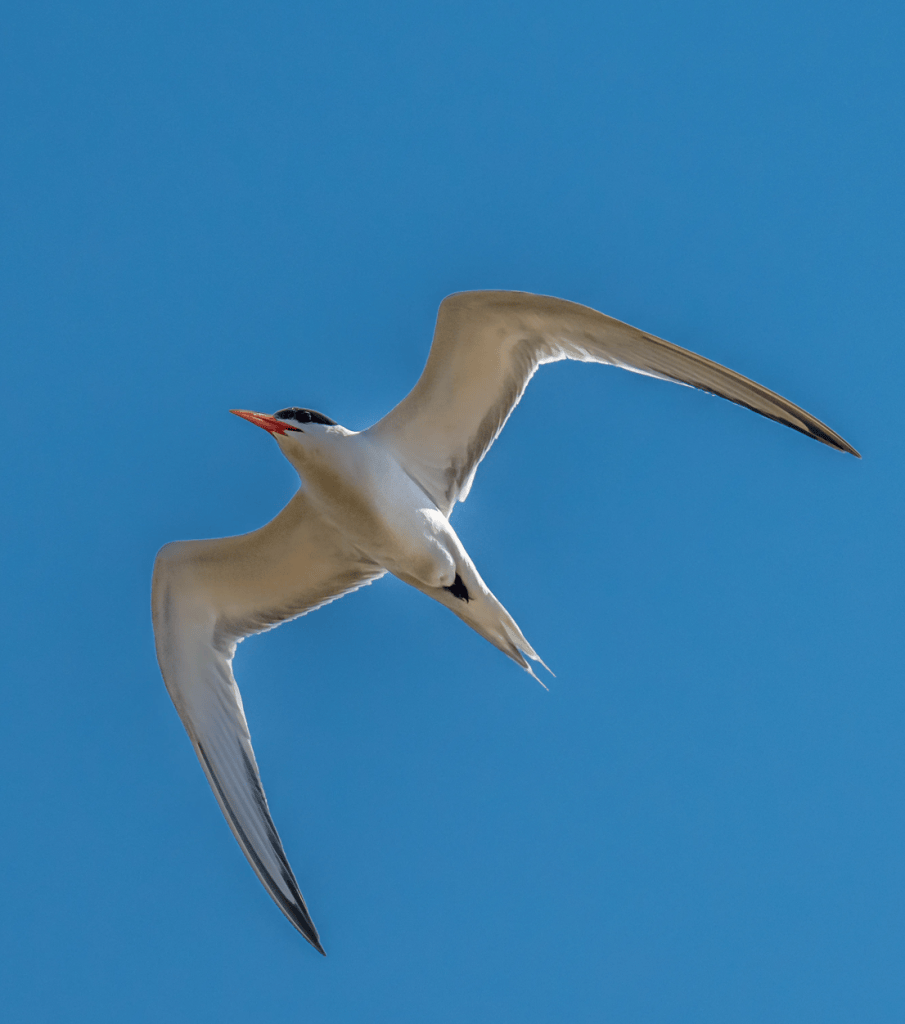
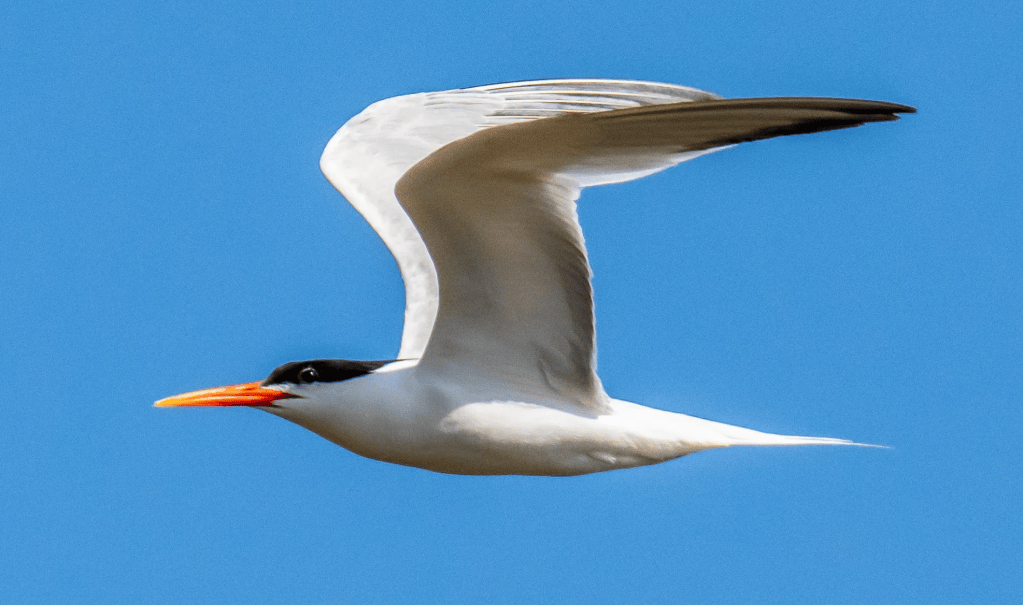
Elegant Terns are sleek, long-winged seabirds with a shaggy black crest, pale gray back, white underparts and a distinctive orange bill. They are closely associated with the Pacific Coast and are particularly noticeable in Southern California during the warmer months.
The birds are known to use bays, estuaries, mudflats and coastal waters after the breeding season. A recent City of San Diego biological report describes Elegant Terns as post-breeding visitors to Southern California’s coast, with birds frequenting bays, estuaries, mudflats and lagoons. San Diego Bay also supports a small nesting colony.
That makes the South Bay a particularly interesting place to look for them.
From Imperial Beach to the Salt Flats
The salt marsh around Imperial Beach and the salt ponds farther north are part of a much larger coastal wetland system.
The Tijuana Estuary is one of Southern California’s remaining salt marshes and provides feeding, nesting and stopover habitat for hundreds of bird species.
The South Bay salt ponds provide another important piece of habitat. The ponds are part of the San Diego Bay National Wildlife Refuge and support a remarkable variety of birds. The highly saline water produces brine organisms that provide food for birds, while the pond levees provide nesting habitat.
So when Elegant Terns appear in the Imperial Beach marsh or around the South Bay salt flats, they aren’t simply passing through a random patch of habitat. They’re using a connected network of coastal wetlands that has supported terns for generations.
The South Bay’s Long History With Elegant Terns
The connection between Elegant Terns and the South Bay goes back decades.
Elegant Terns first nested in California at the San Diego Bay salt works in 1959. Historical records also describe the South Bay salt ponds as one of the few nesting locations for Elegant Terns in the United States.
That history makes seeing them around the salt flats today even more interesting.
The salt ponds may look industrial at first glance, but they have become an important part of the South Bay’s wildlife landscape. The combination of shallow water, mudflats and extremely salty ponds creates unusual habitat that attracts birds looking for food and places to rest or nest.
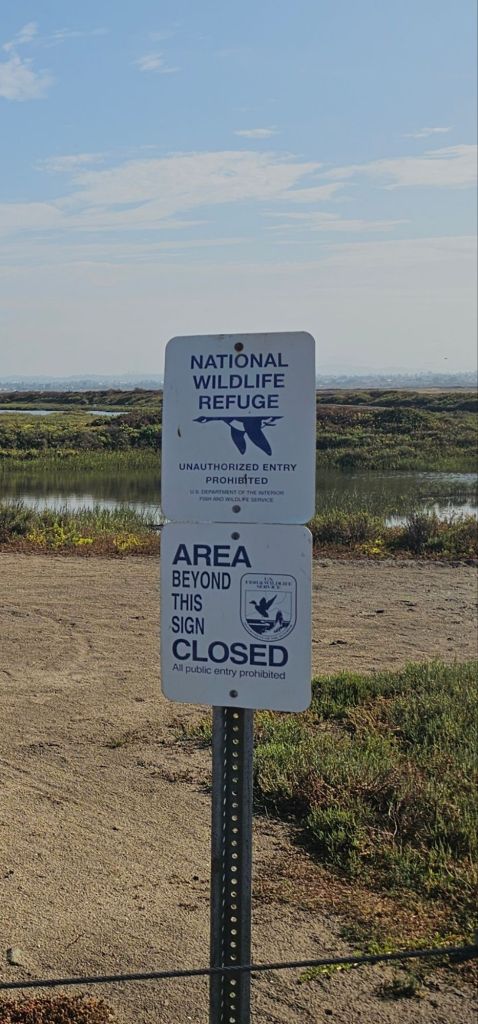
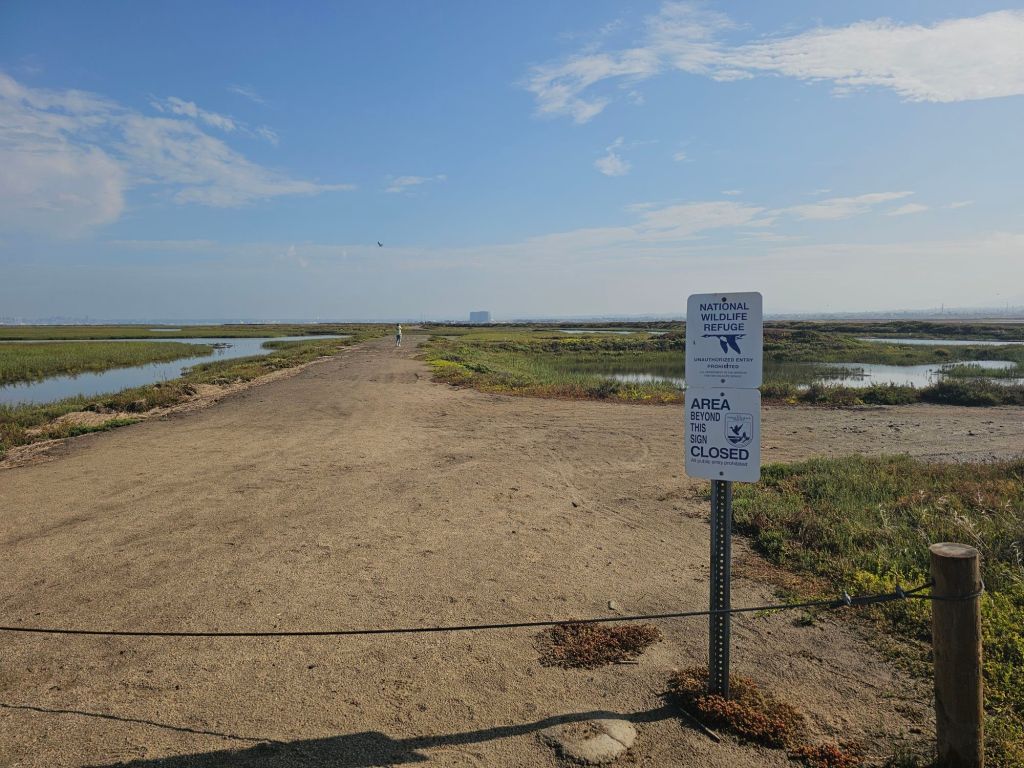
Why We Don’t Walk Past the Wetland Signs
When you’re photographing birds, it’s tempting to get just a little closer. A better angle, a clearer shot, or a photograph of a tern taking flight can make you want to step beyond a fence or posted sign.
But around the Imperial Beach wetlands, those signs are there for a reason.
The salt marsh is a living ecosystem. What may look like an empty patch of mud or vegetation can be feeding, resting, or nesting habitat for birds. Walking into these areas can disturb wildlife, damage vegetation, and cause birds to use valuable energy flying away from people.
This is especially important when large flocks of terns are present. A person approaching a flock can cause dozens or even hundreds of birds to suddenly take flight. While one disturbance may seem insignificant, repeated disturbances from visitors can keep birds from feeding or resting.
There is also another reason to stay on the designated paths: wetlands can be fragile and surprisingly easy to damage. Salt-marsh plants and the muddy surface help form an ecosystem that has developed over many years. Foot traffic can create unofficial trails and damage vegetation that provides habitat for birds and other wildlife.
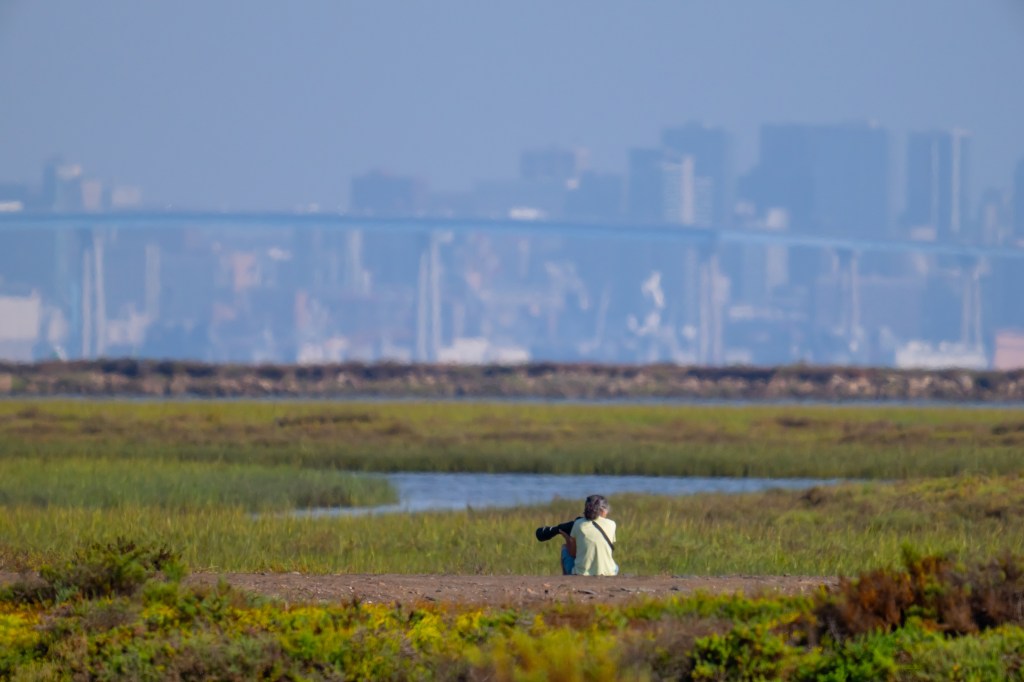
For photographers, staying behind the signs is part of responsible wildlife photography. A longer lens, binoculars and patience can often give you a better experience without getting closer.
The goal isn’t simply to get the closest photograph.
The goal is to photograph the birds while allowing them to continue doing what they came here to do.
So when you visit the Imperial Beach salt marsh or the South Bay salt flats, pay attention to the signs and stay on designated trails. Give the birds room, respect protected areas and let the wetlands remain a place where wildlife can thrive.
Sometimes the best wildlife photograph is the one you take without disturbing the wildlife at all.
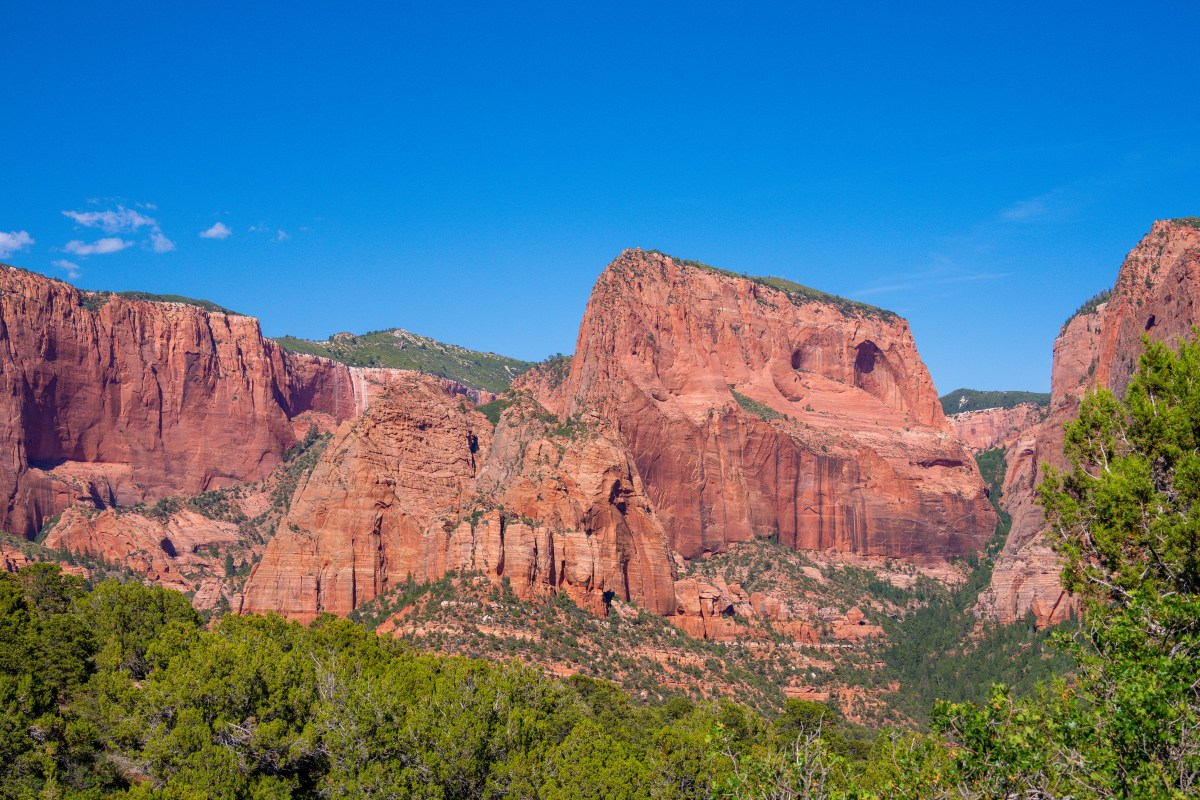
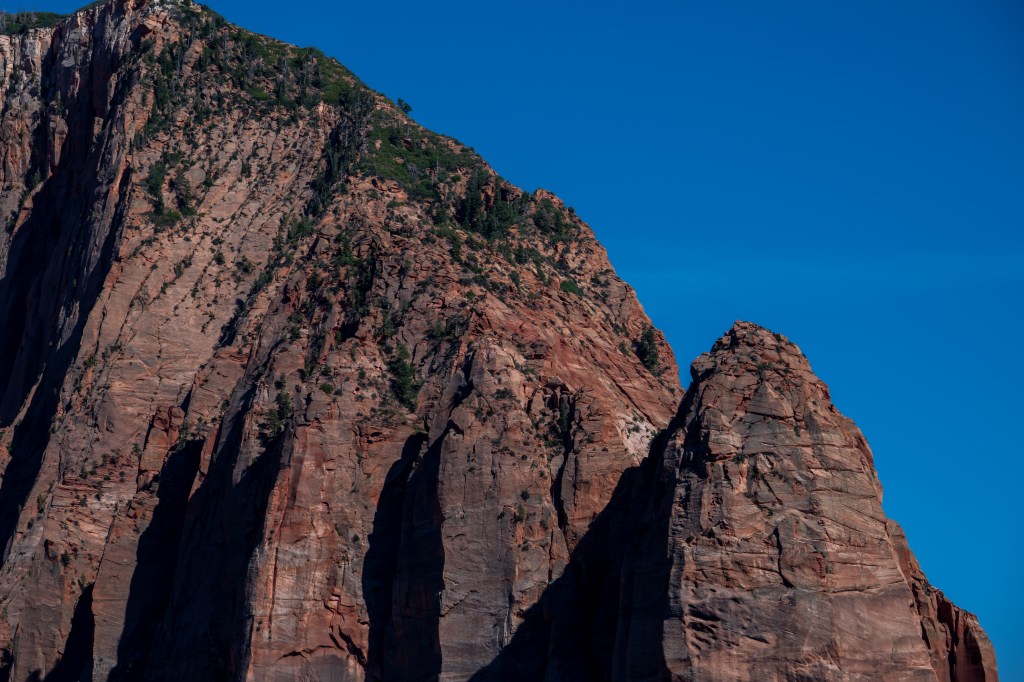
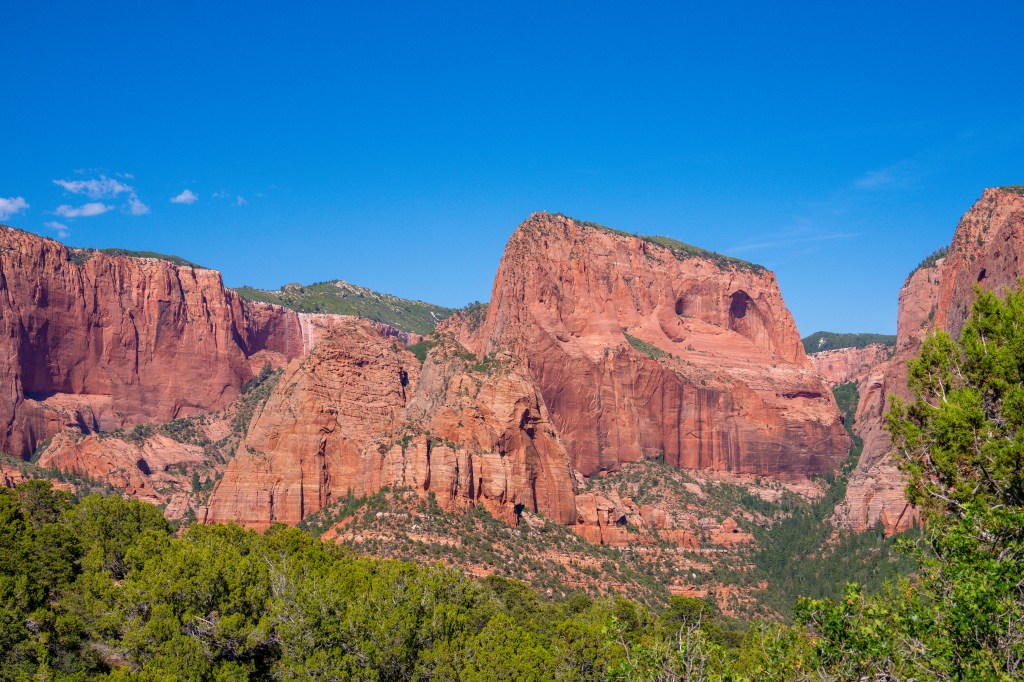
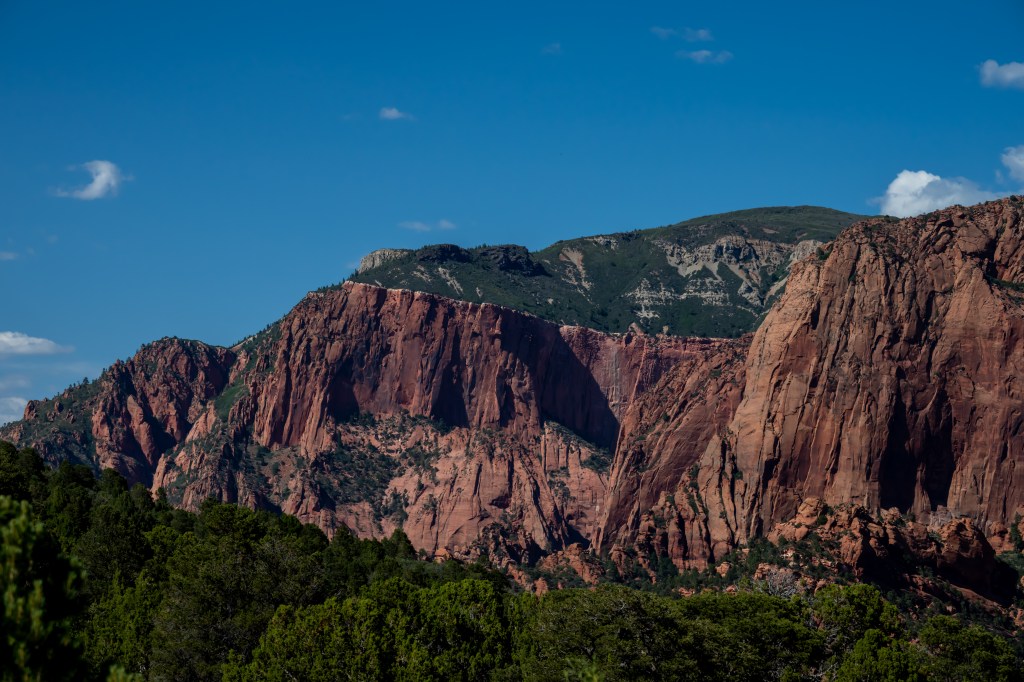
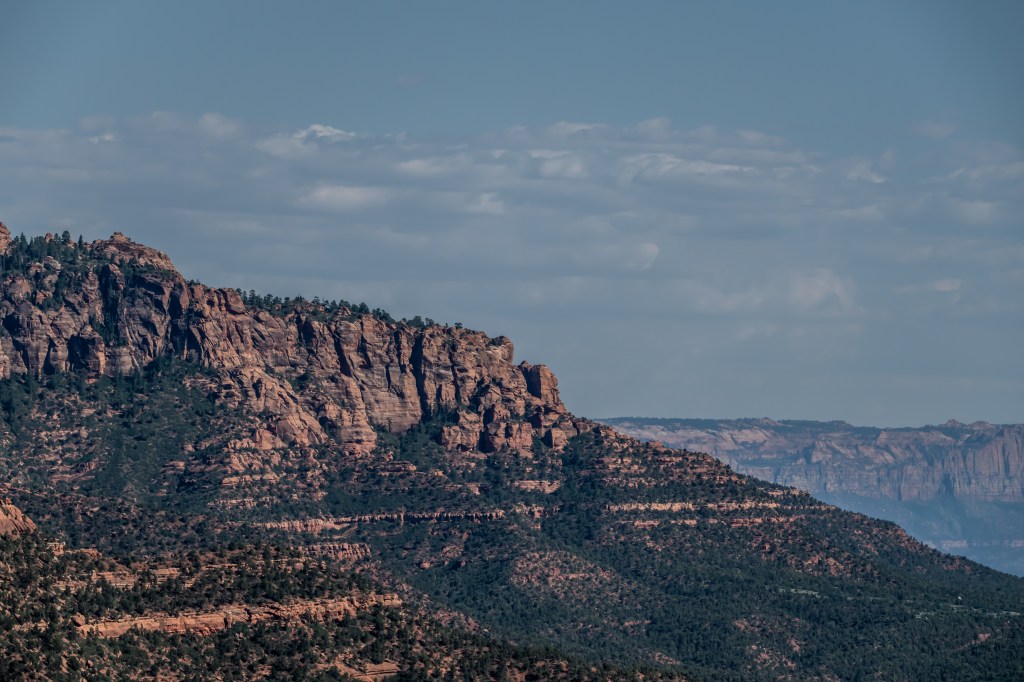
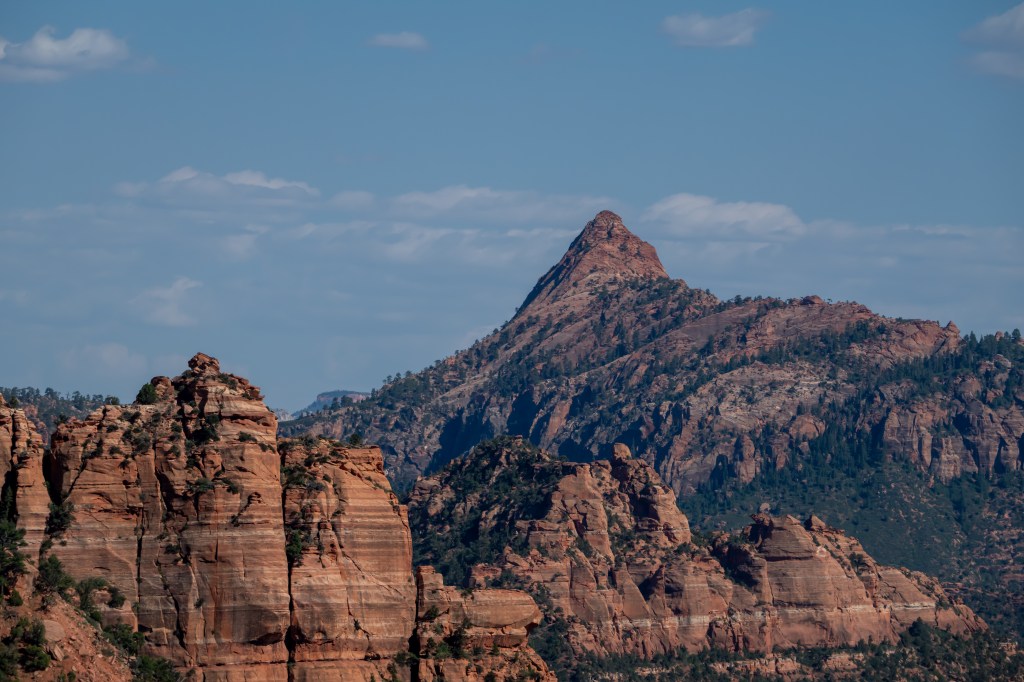
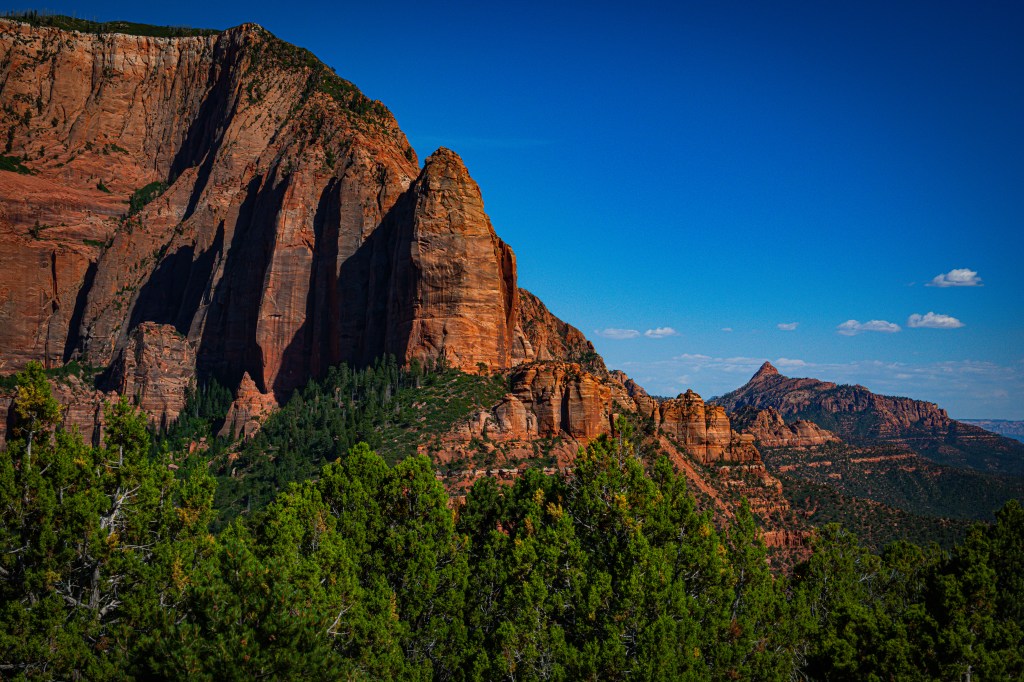
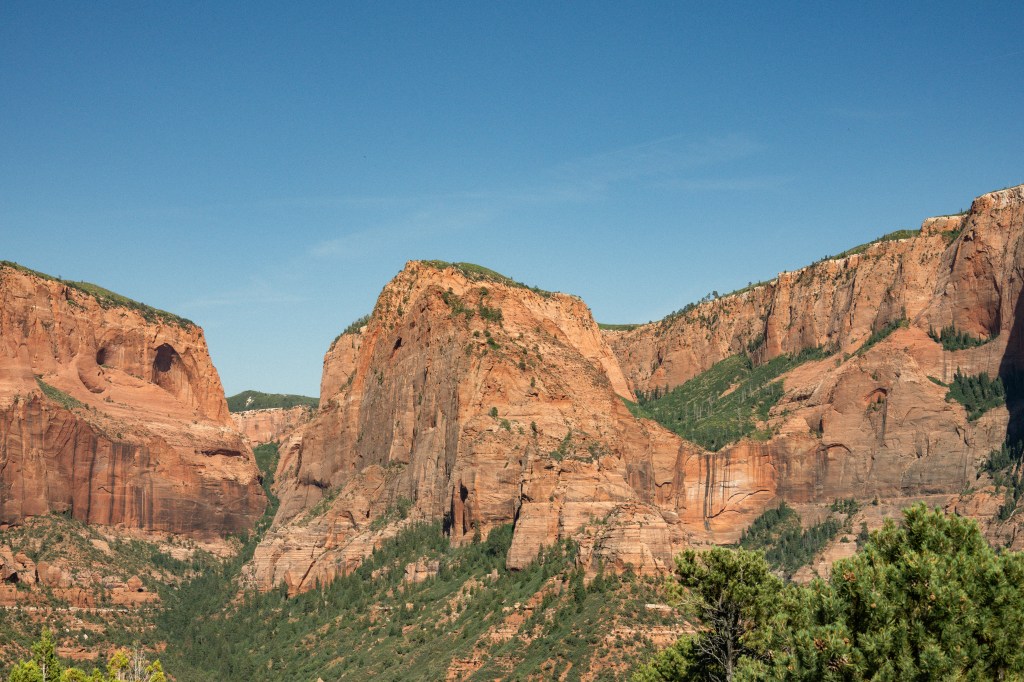
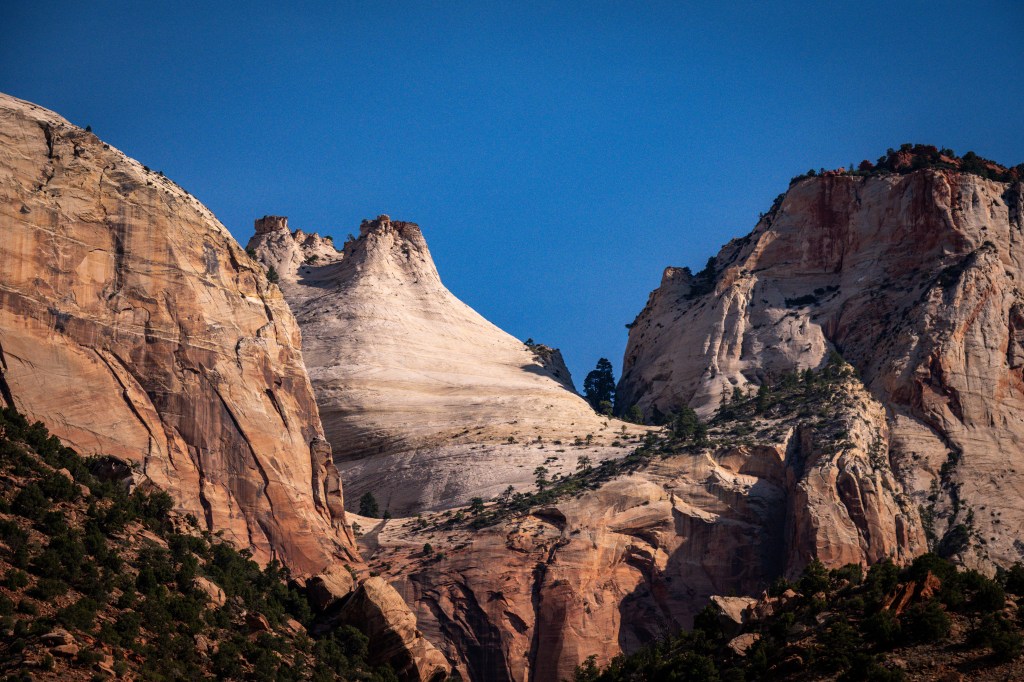
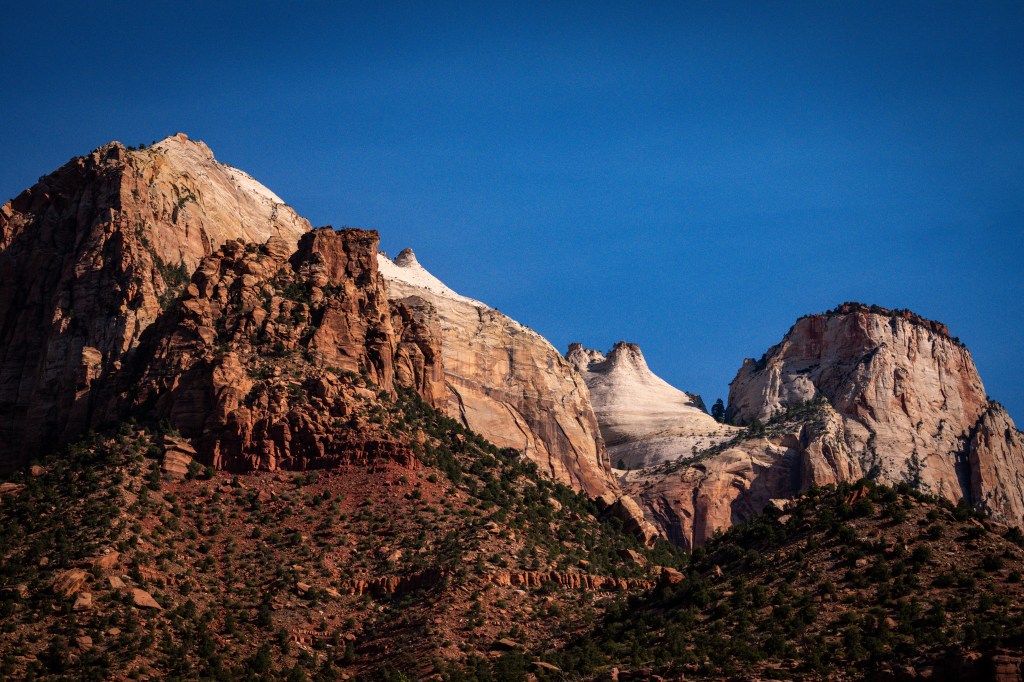
Towering sandstone cliffs, winding rivers, and breathtaking canyon views make Zion National Park one of the most spectacular destinations in the American Southwest. Located in southwestern Utah, Zion attracts millions of visitors each year who come to experience its dramatic landscapes, world-famous hiking trails, and incredible opportunities for photography and wildlife viewing.
Whether you’re an avid hiker, nature photographer, or simply looking for a memorable road trip destination, Zion National Park offers an adventure unlike any other.
A Landscape Shaped by Time
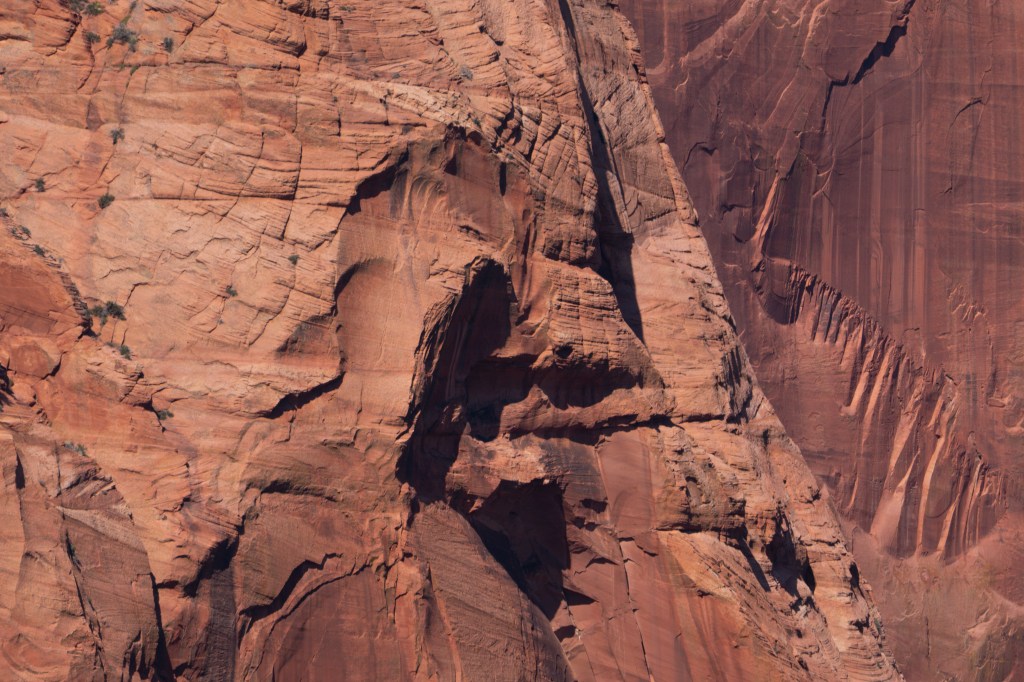
The stunning scenery of Zion was formed over millions of years as the Virgin River carved its way through layers of sandstone, creating deep canyons and towering cliffs. The park’s colorful rock formations display shades of red, orange, cream, and pink that seem to glow during sunrise and sunset.
The name “Zion” means a place of peace and refuge, and visitors often find exactly that while surrounded by the park’s magnificent scenery.
Must-See Attractions
Zion Canyon
The heart of the park is Zion Canyon, where towering walls rise more than 2,000 feet above the valley floor. Scenic shuttle buses transport visitors through the canyon during most of the year, providing easy access to popular trailheads and viewpoints.
The Narrows
One of the most famous hikes in the world, The Narrows takes visitors directly into the Virgin River as they walk between towering canyon walls. In some places, the canyon narrows to just a few feet wide while the sandstone walls soar hundreds of feet overhead.
Photographers will love the reflected light that illuminates the canyon walls throughout the day.
Angels Landing
Known for its breathtaking views and thrilling final ascent, Angels Landing is one of Zion’s most iconic hikes. The trail climbs steeply before reaching a narrow ridge with panoramic views of Zion Canyon below.
A permit is required for the final section of the hike, helping to manage crowds and protect visitor safety.
Emerald Pools
For a more relaxed adventure, the Emerald Pools trails lead visitors to beautiful pools, waterfalls, and lush vegetation. These family-friendly hikes offer excellent opportunities to enjoy Zion’s natural beauty without tackling the park’s more strenuous routes.
Wildlife Encounters
Zion National Park is home to an impressive variety of wildlife. Visitors may encounter:
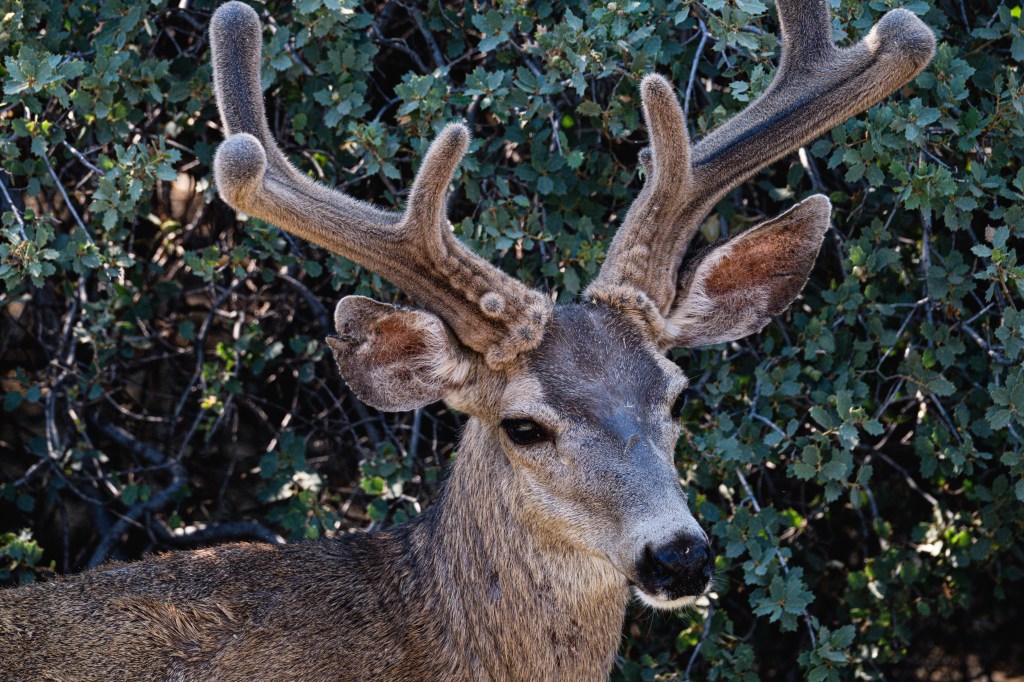
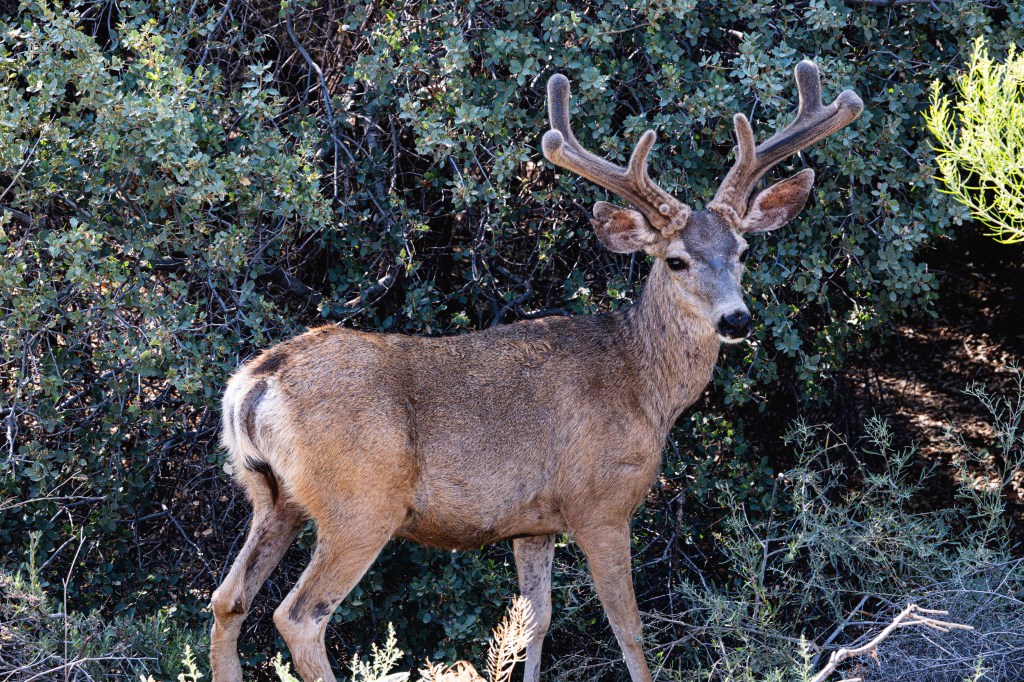
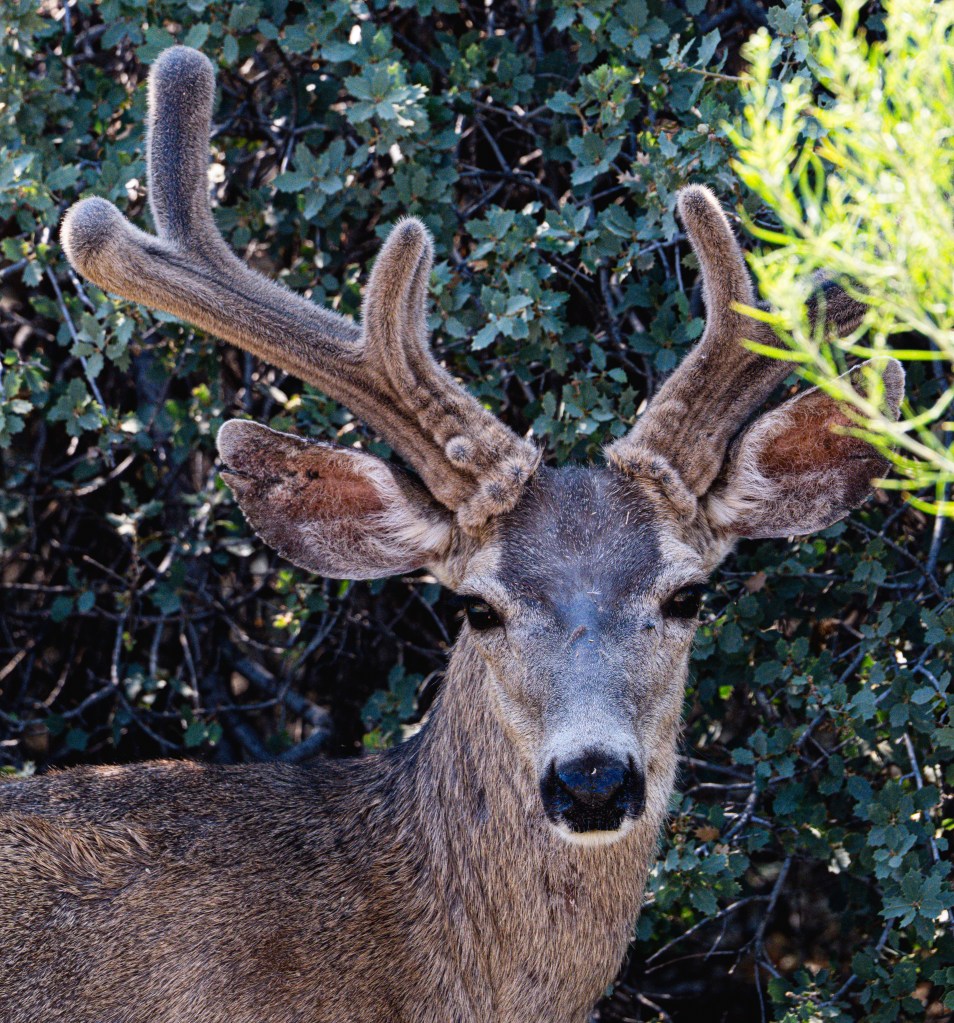
Mule deer grazing in the meadows
Desert bighorn sheep navigating steep cliffs
Rock squirrels along hiking trails
Peregrine falcons soaring overhead
California condors, one of North America’s rarest birds
Birdwatchers will find plenty of opportunities to observe species that thrive in Zion’s diverse habitats.
A Photographer’s Paradise
For travel photographers, Zion is a dream destination. Sunrise and sunset transform the canyon walls into brilliant shades of gold and crimson. Popular photography locations include:
Canyon Overlook Trail
Court of the Patriarchs
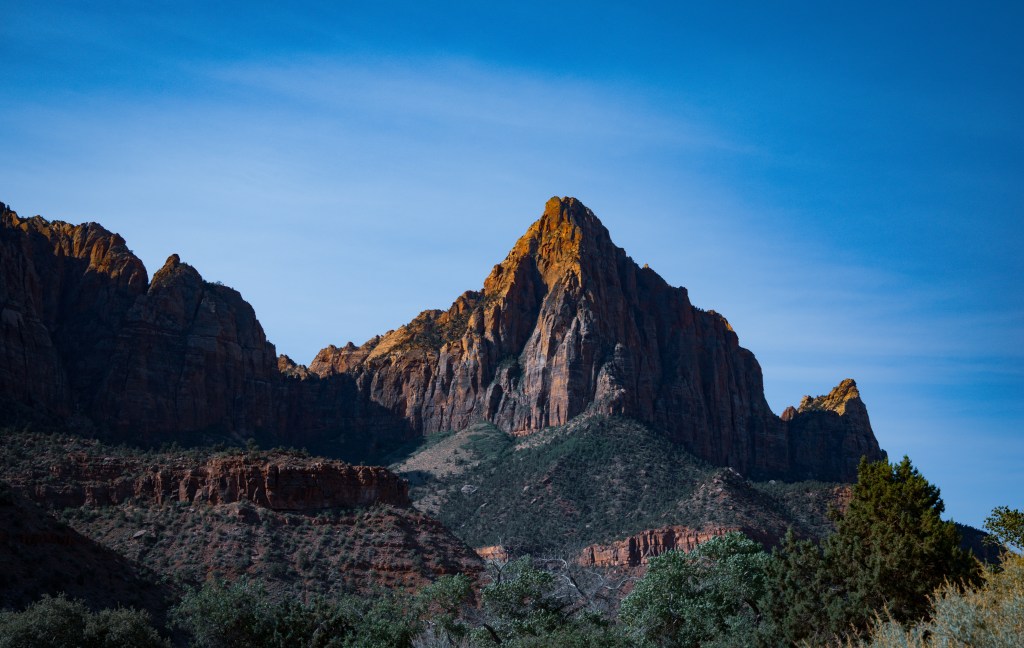
The Watchman
Riverside Walk
Checkerboard Mesa
During autumn, cottonwood trees lining the Virgin River add vibrant yellow colors that contrast beautifully with the red rock landscape.
Best Time to Visit
Spring and fall are often considered the best seasons to visit Zion. Temperatures are comfortable, hiking conditions are ideal, and photographers can take advantage of beautiful lighting and seasonal colors.
Summer brings larger crowds and higher temperatures, while winter offers a quieter experience with occasional snow dusting the canyon walls, creating unique photographic opportunities.
Travel Tips
Arrive early to beat crowds and enjoy the best light for photography.
Carry plenty of water, especially during warmer months.
Wear sturdy footwear for hiking trails.
Check trail conditions before entering The Narrows.
Reserve lodging early if visiting during peak seasons.
Final Thoughts
Zion National Park is a destination that leaves a lasting impression on everyone who visits. From the towering cliffs of Zion Canyon to the winding waters of The Narrows, every corner of the park offers stunning scenery and unforgettable experiences.
Whether you’re seeking adventure, photography opportunities, wildlife encounters, or simply a chance to connect with nature, Zion National Park deserves a place on every traveler’s bucket list. Its combination of natural beauty and outdoor recreation makes it one of America’s most treasured national parks and a highlight of any Southwest road trip.
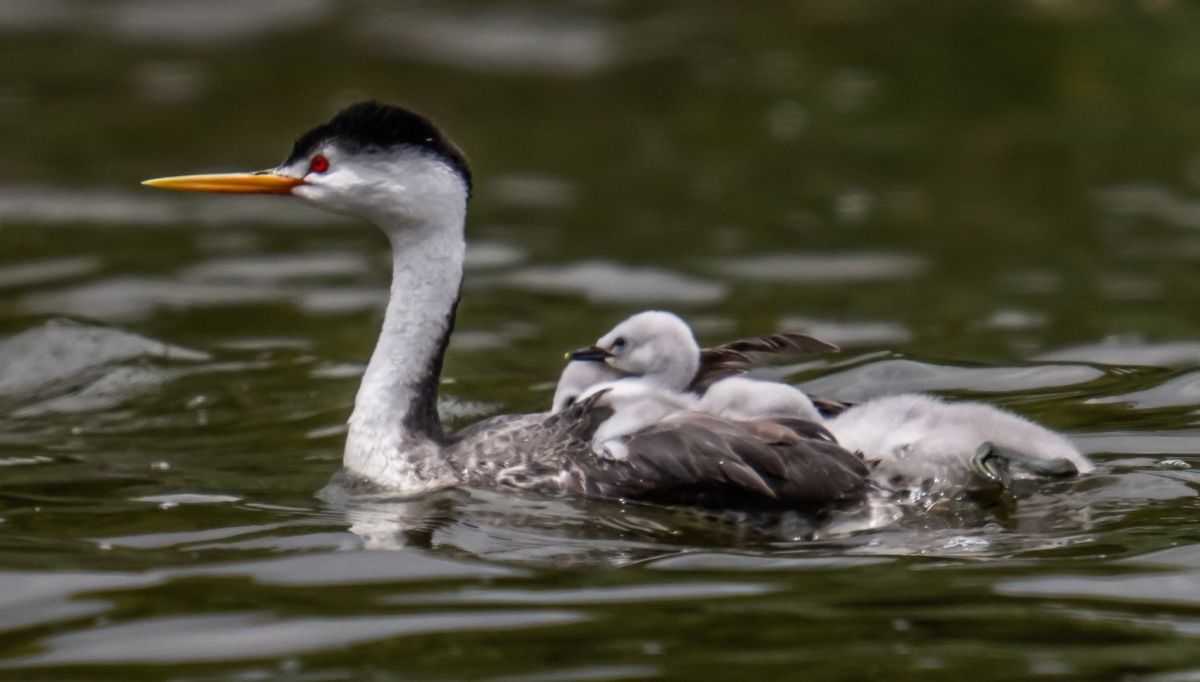
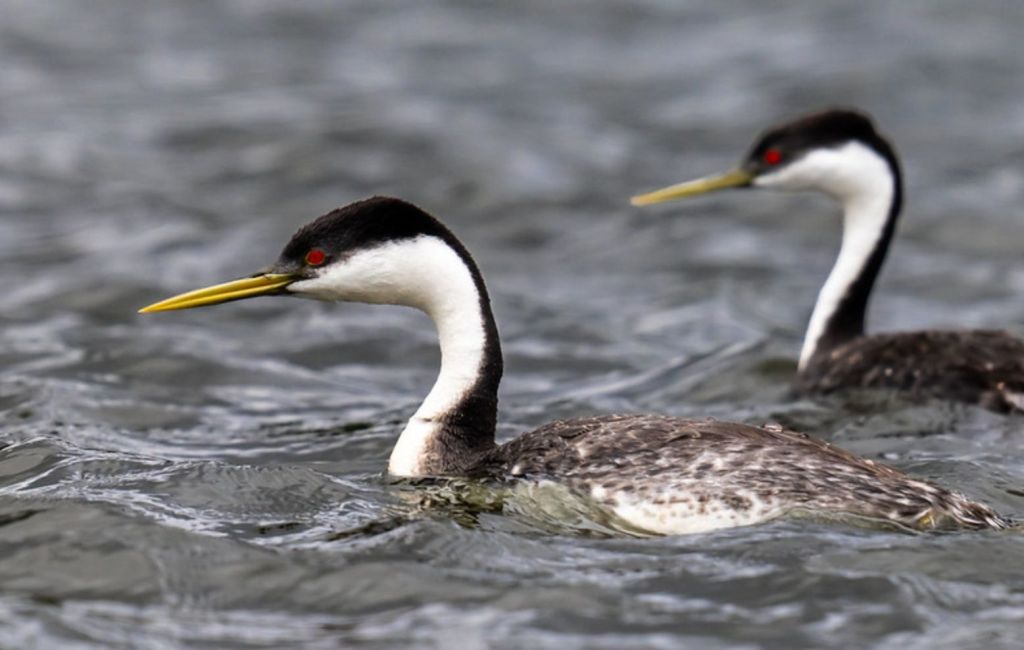
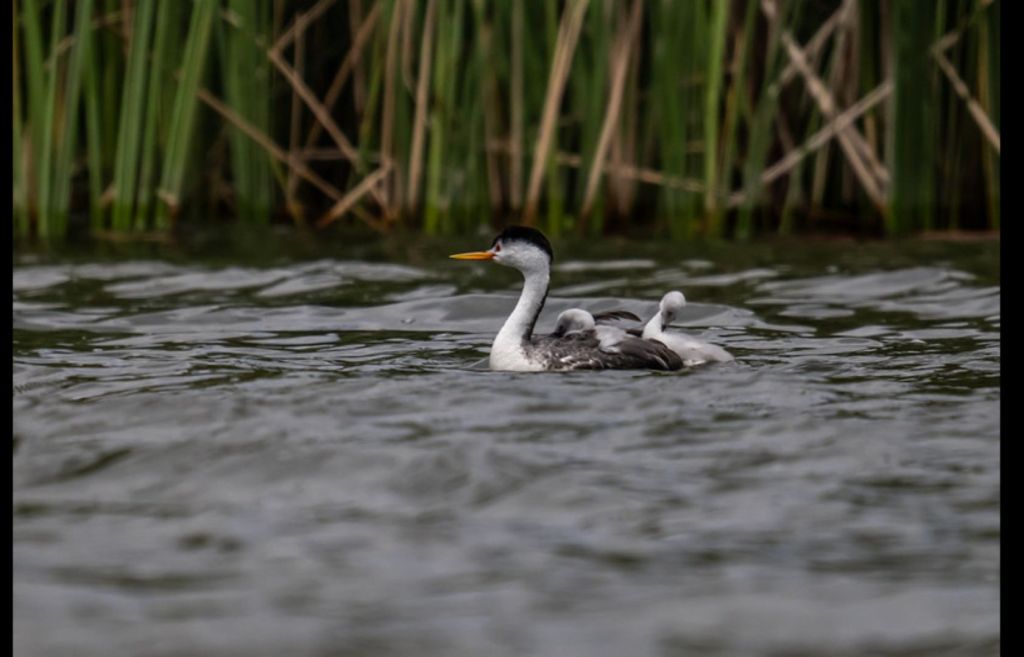
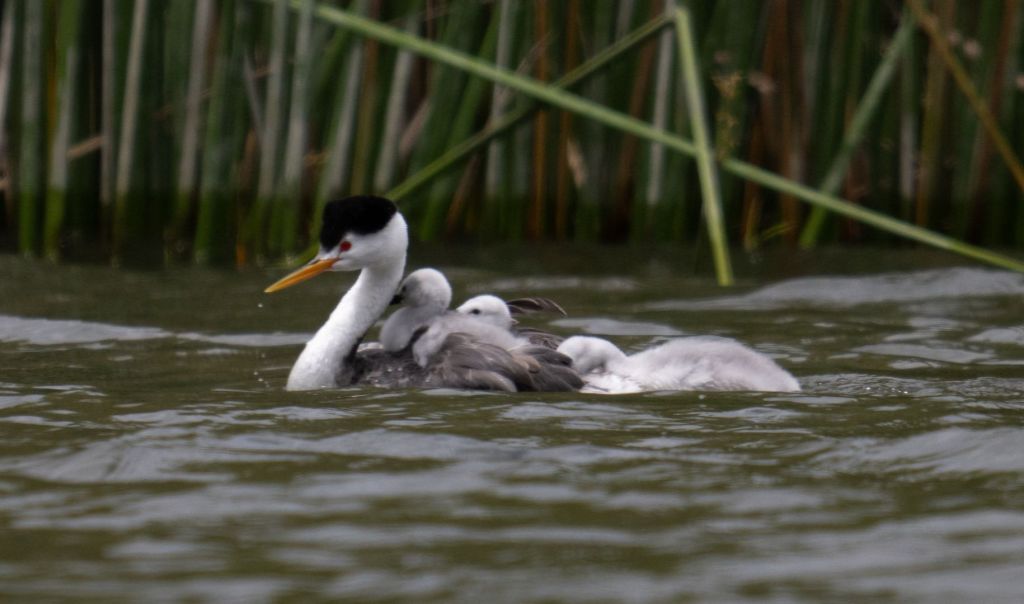
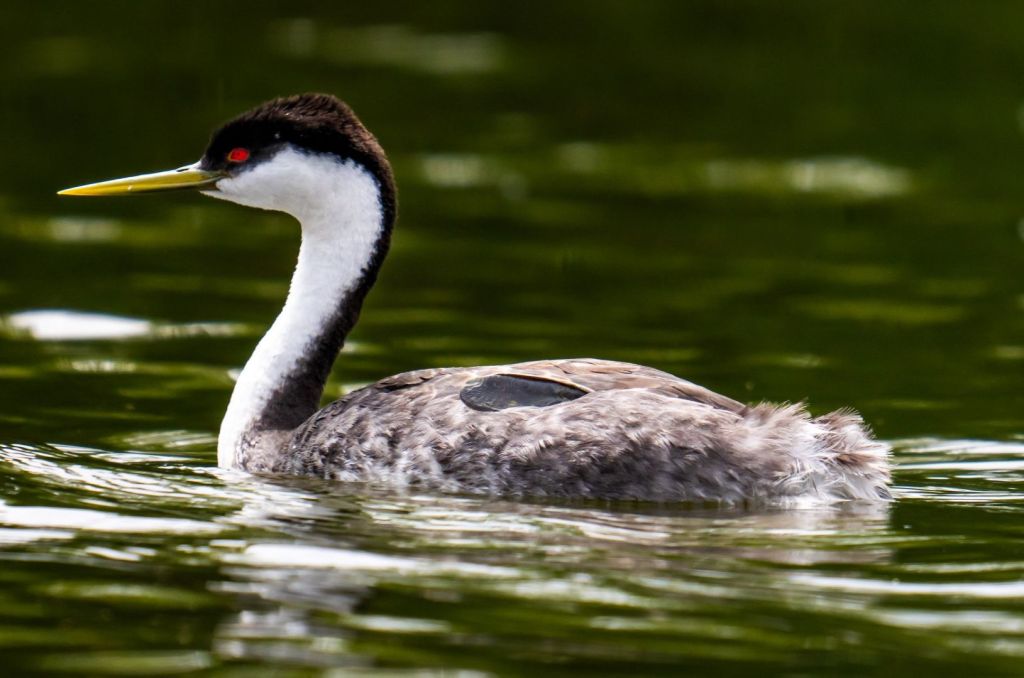
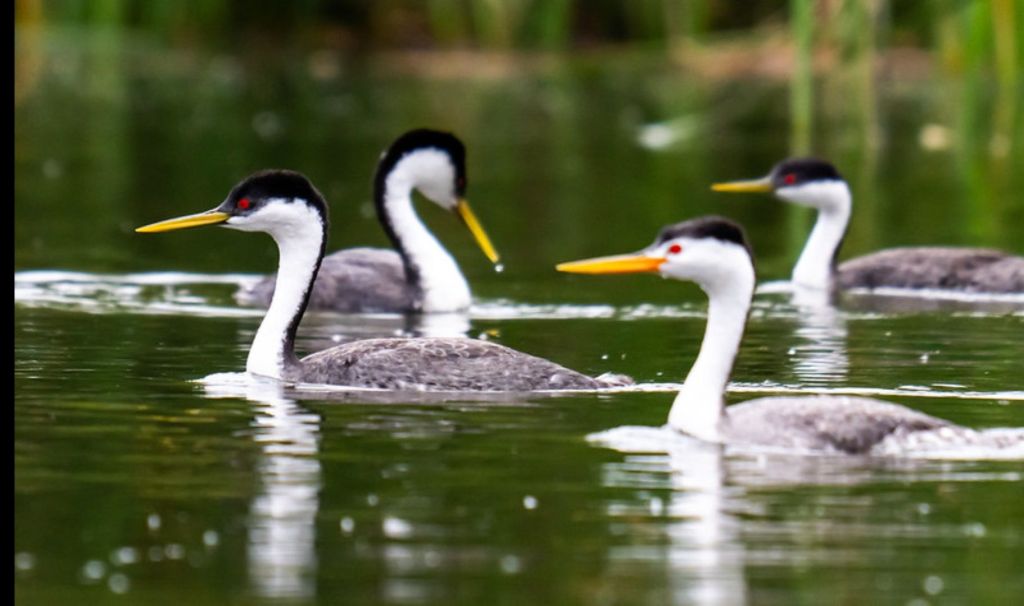
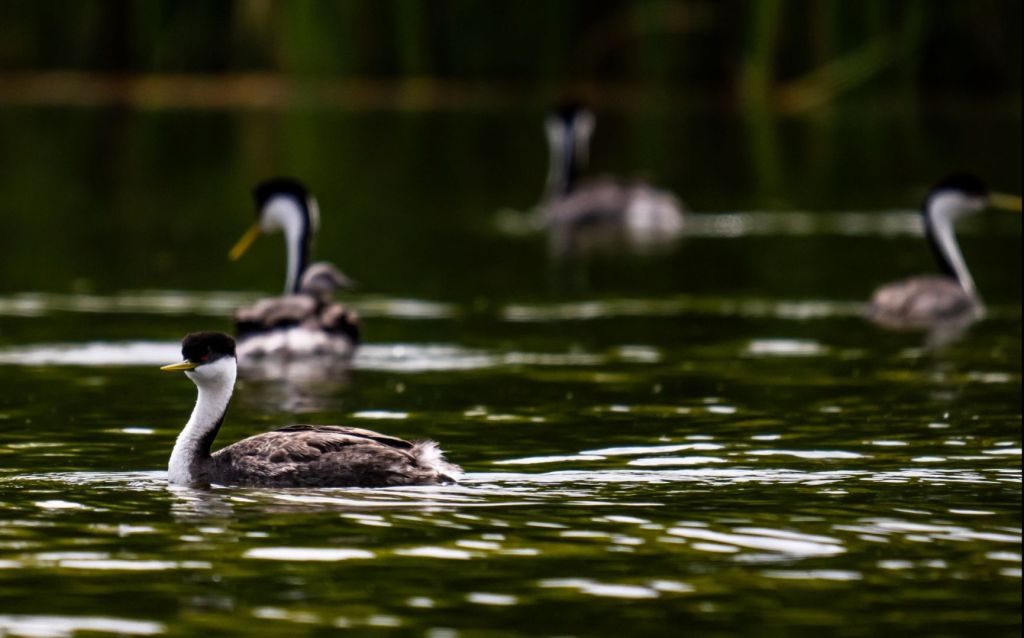
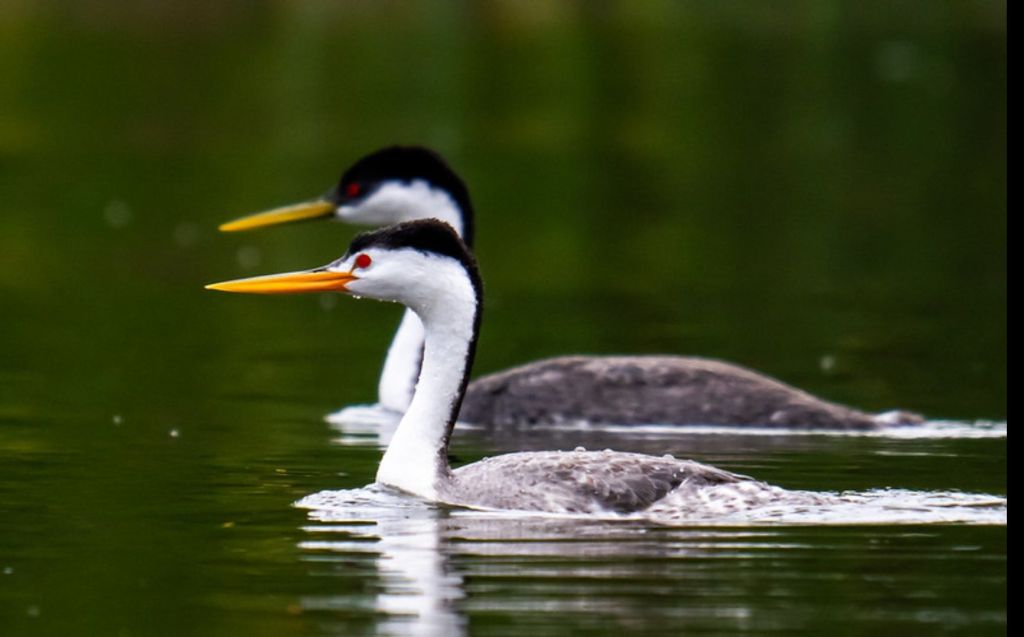
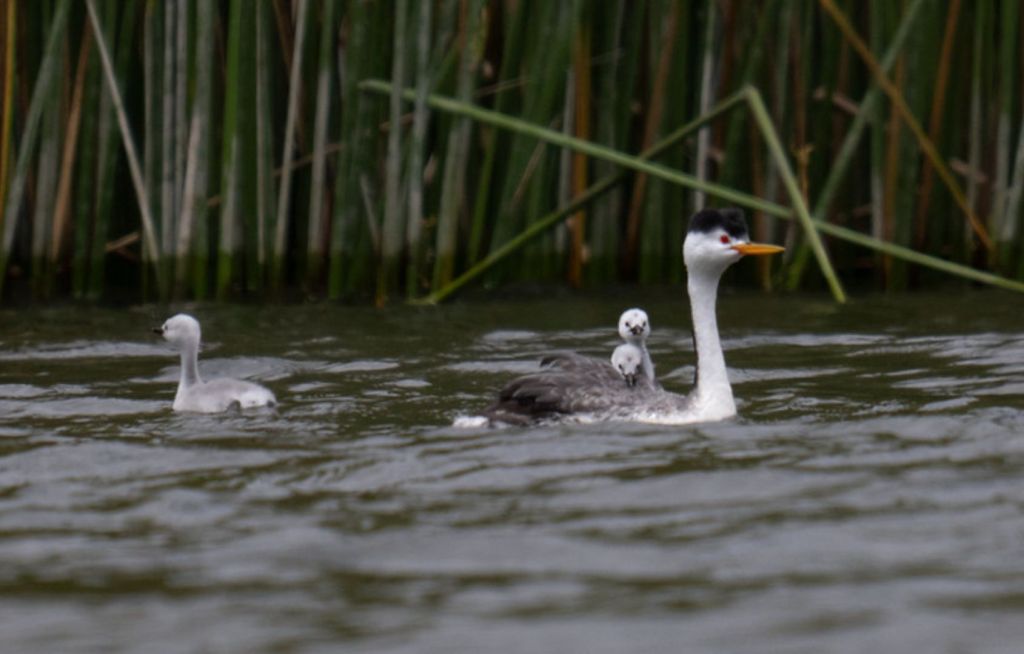
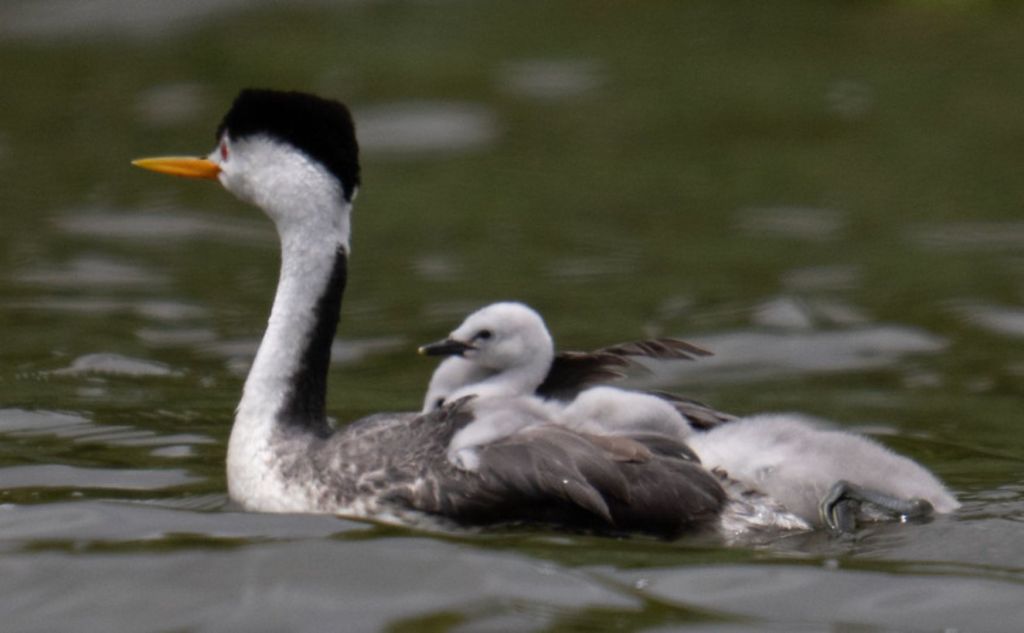
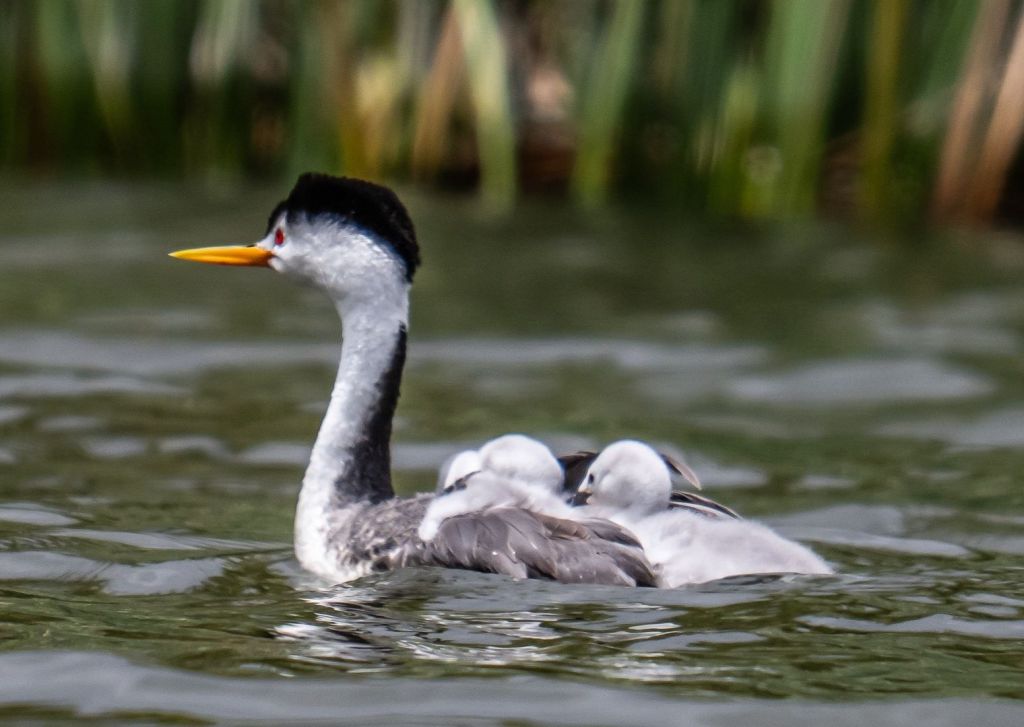
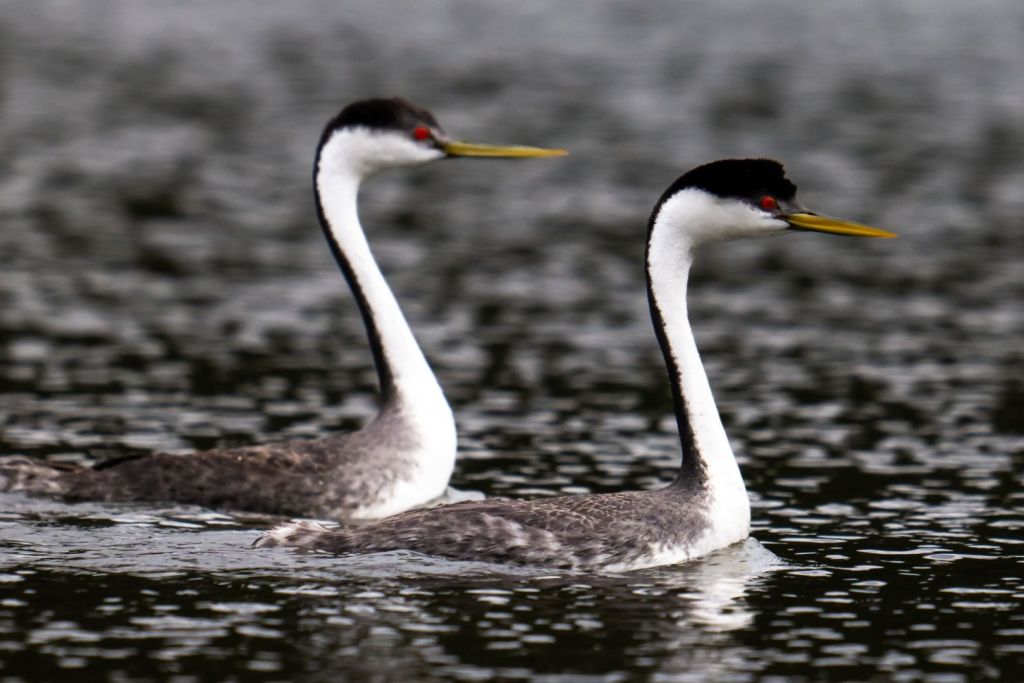
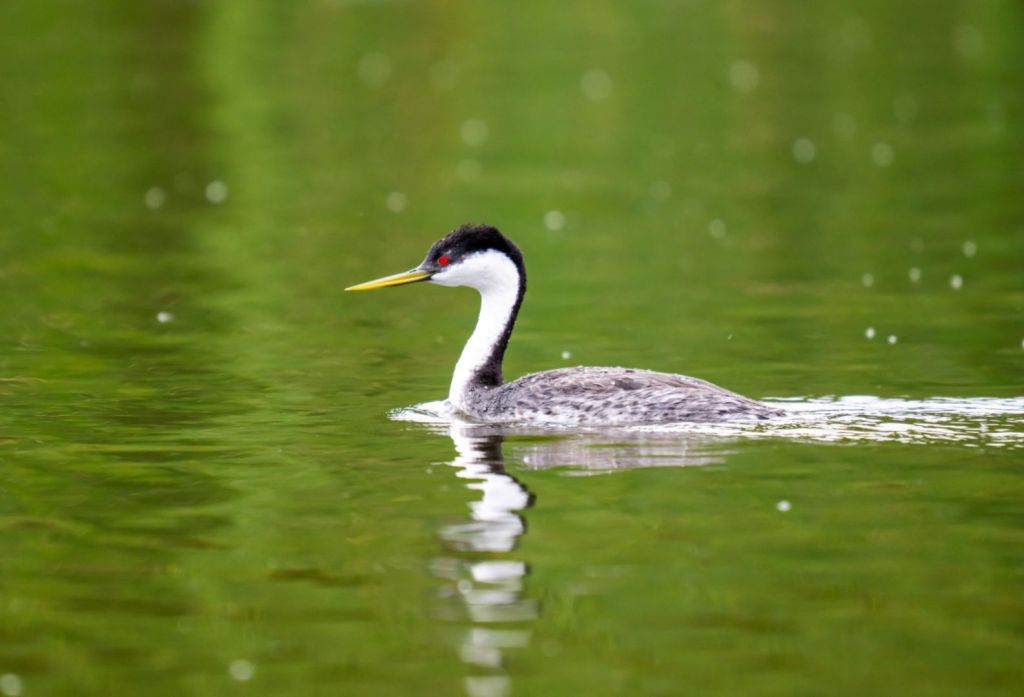
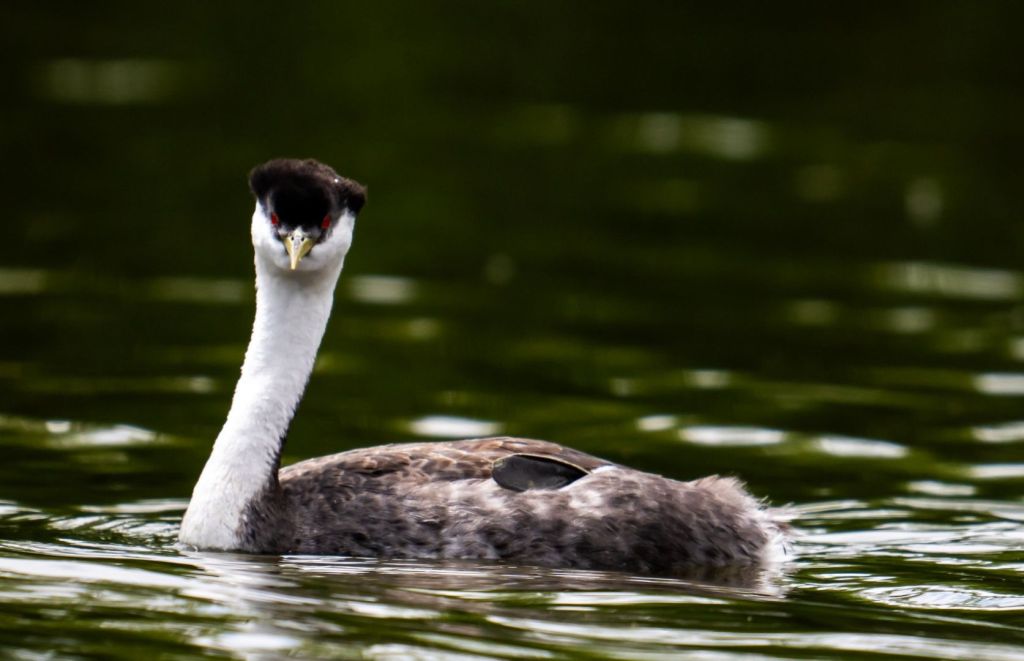
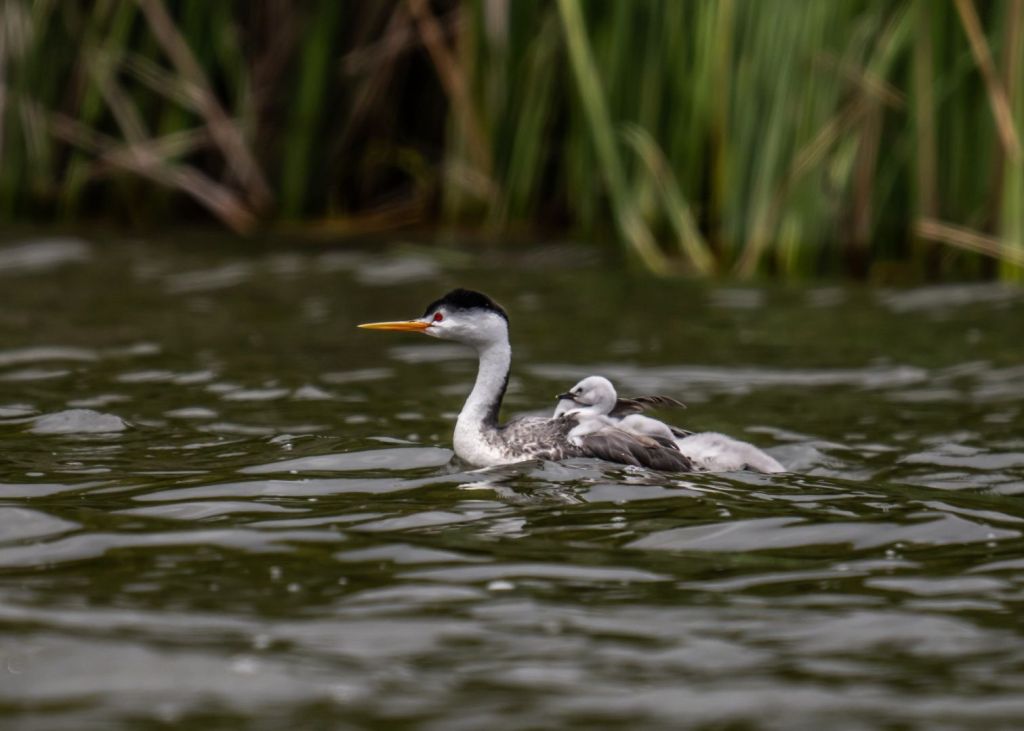
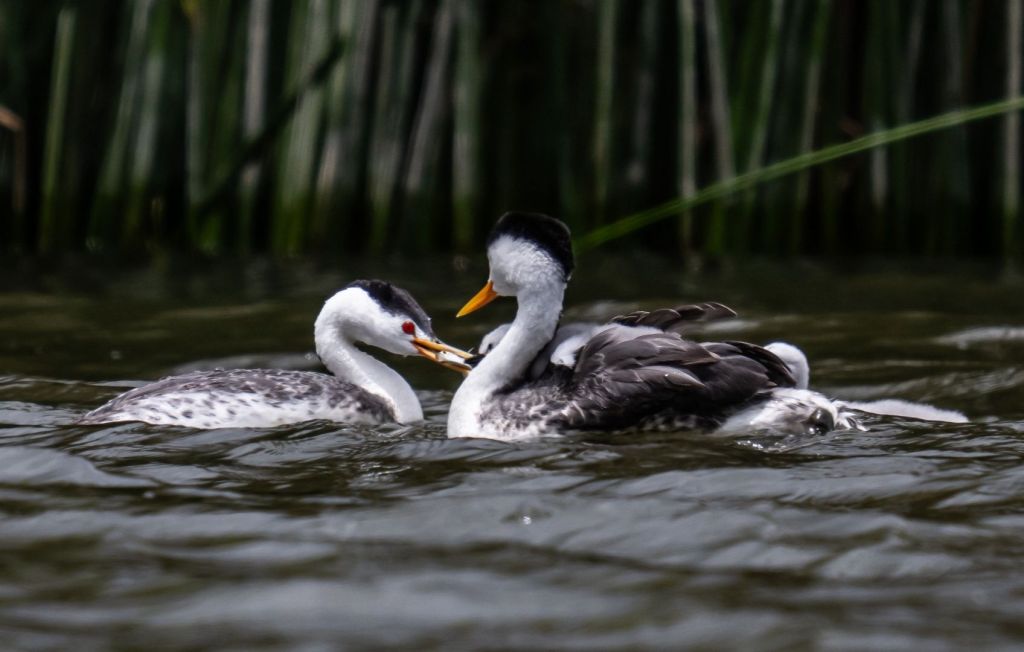
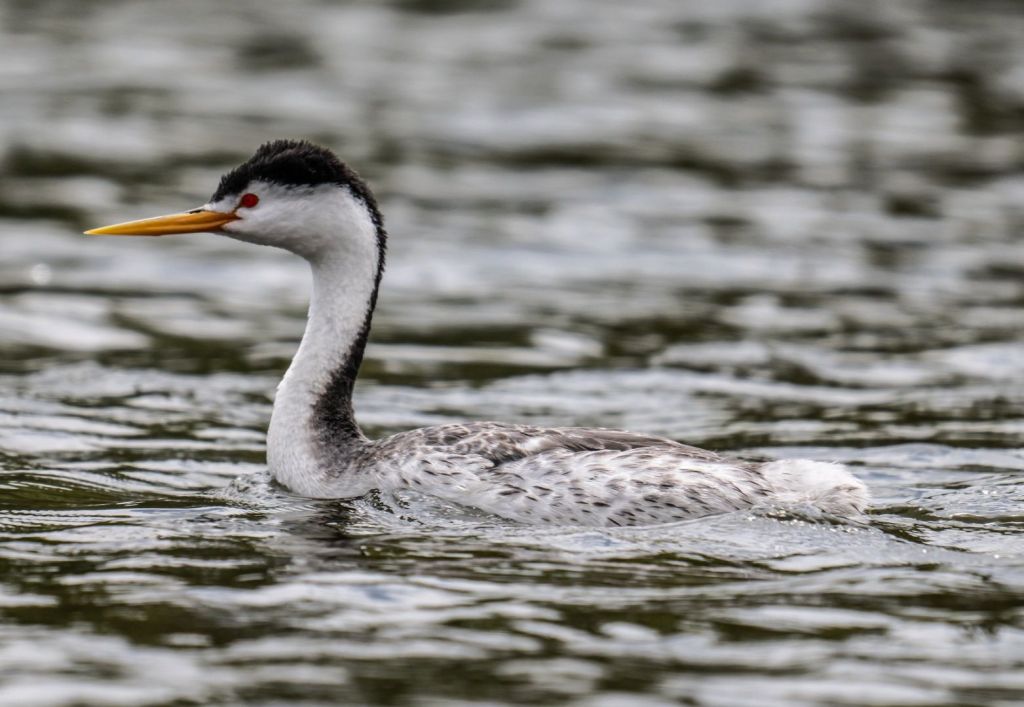
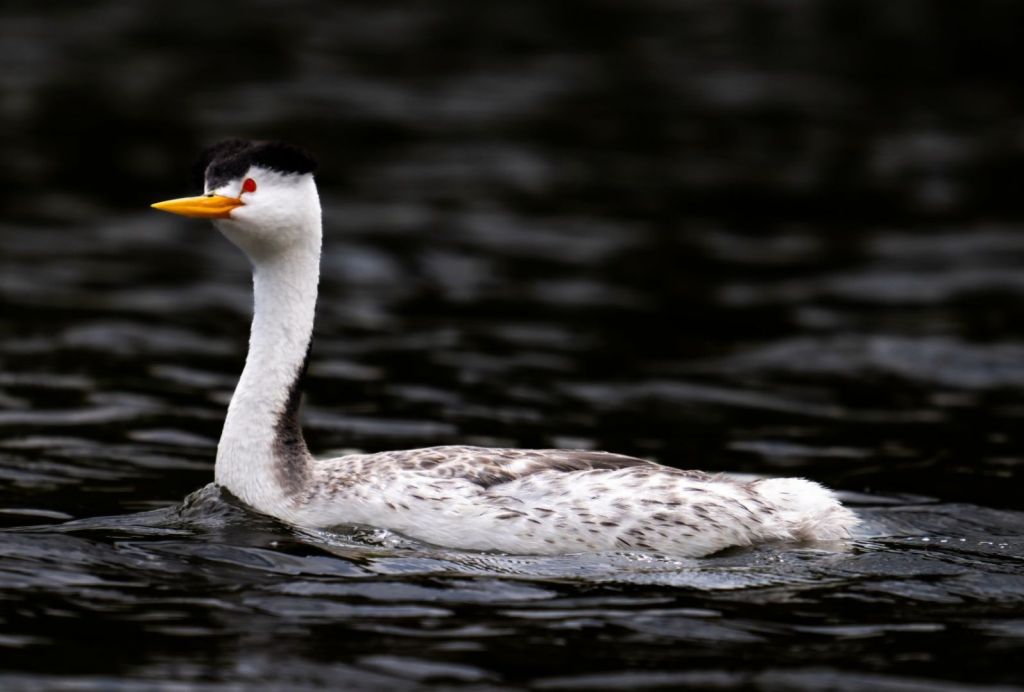
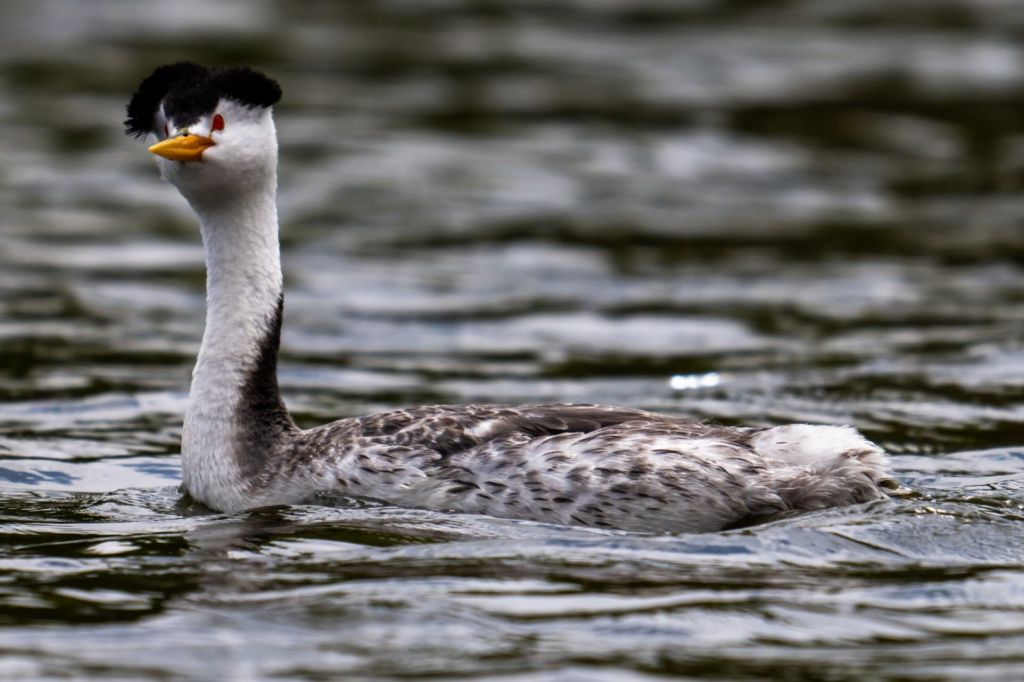
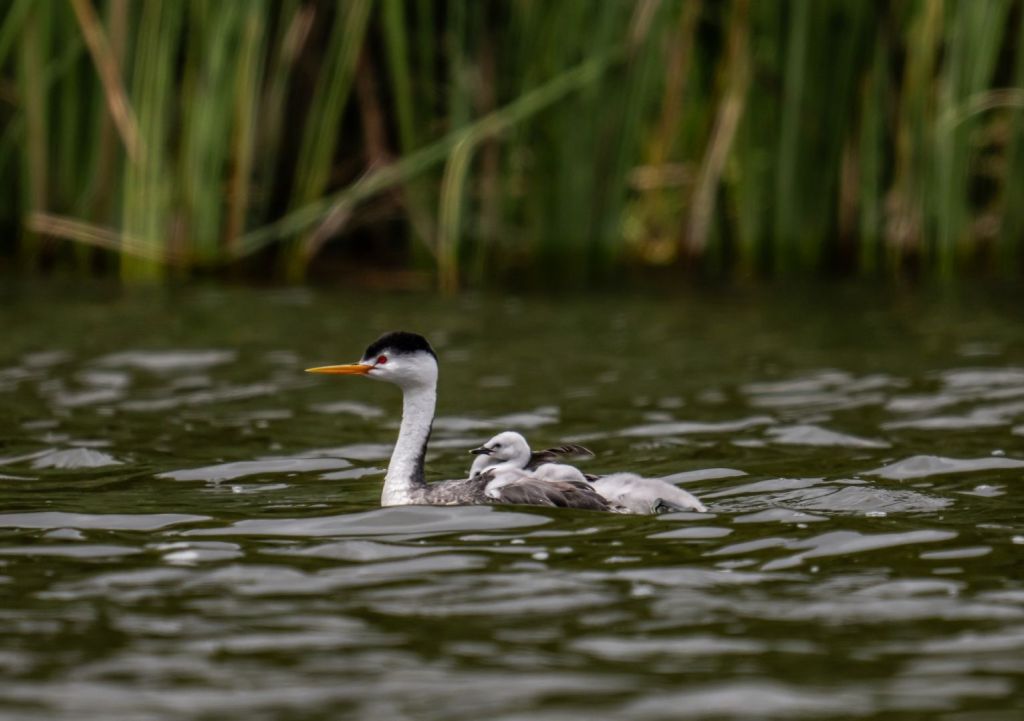
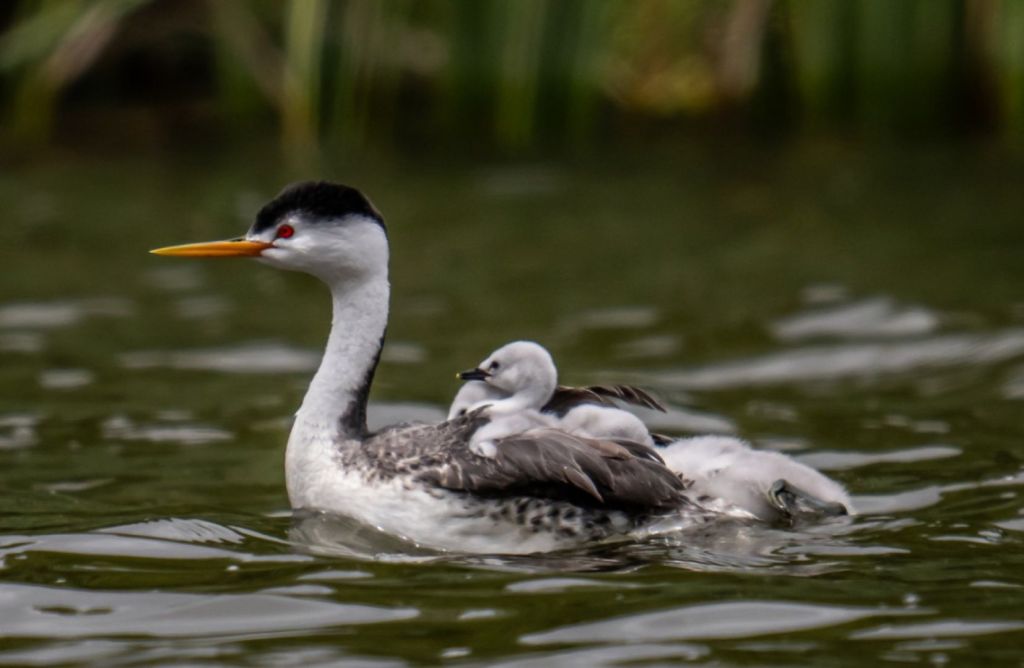
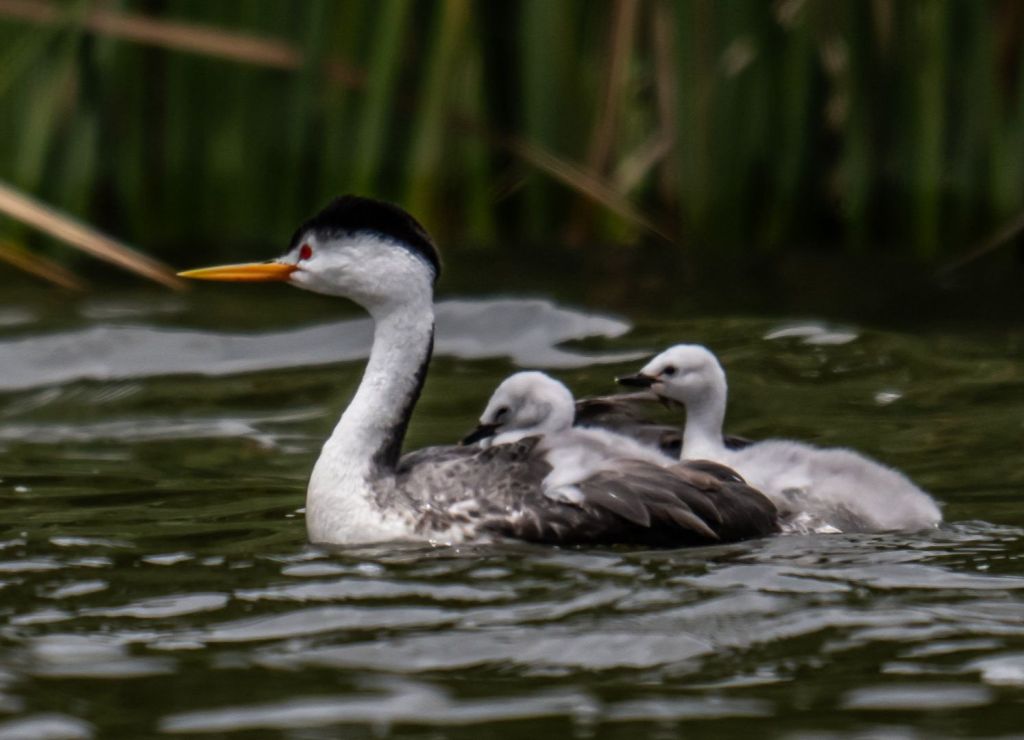
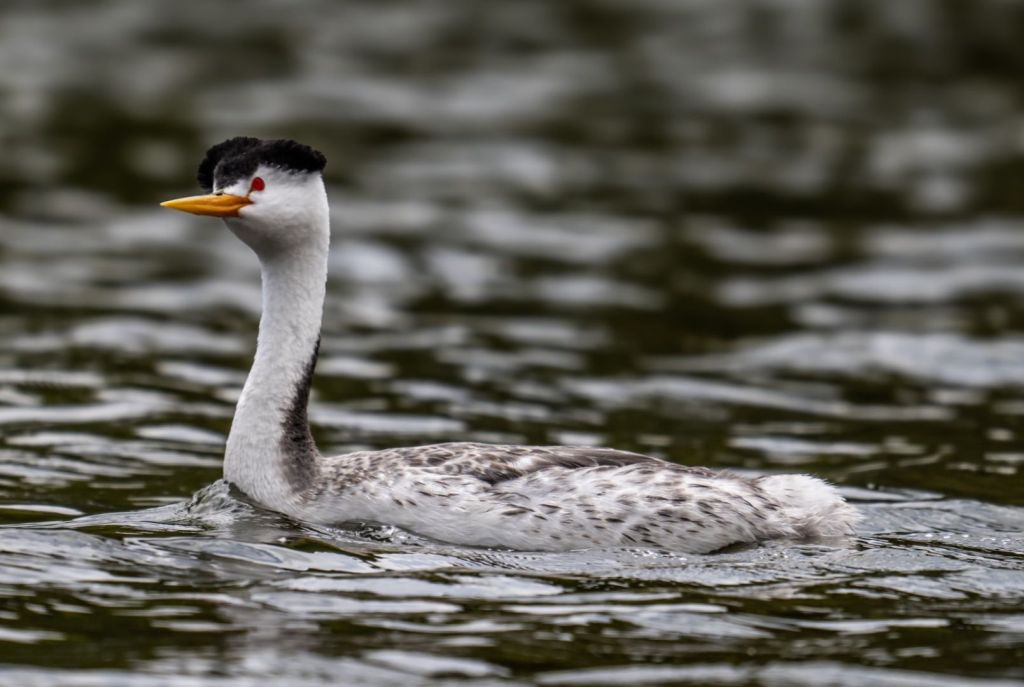
Every spring and early summer, one of the most heartwarming sights at Lake Wohlford is the appearance of Western Grebe chicks riding on the backs of their parents. For birders and photographers, these fuzzy youngsters provide some of the most memorable wildlife viewing opportunities in North County San Diego.
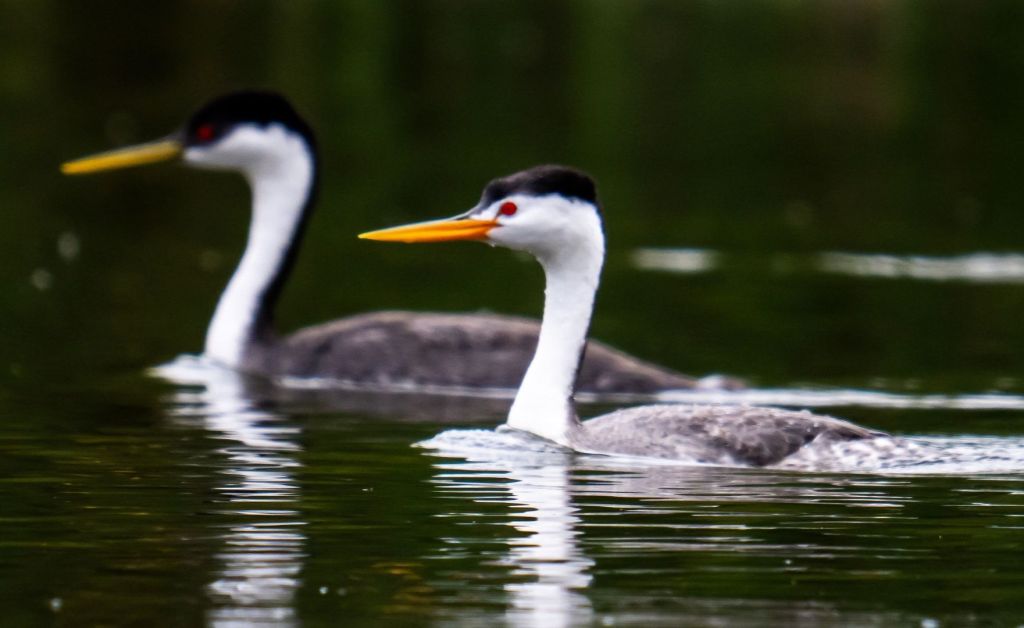
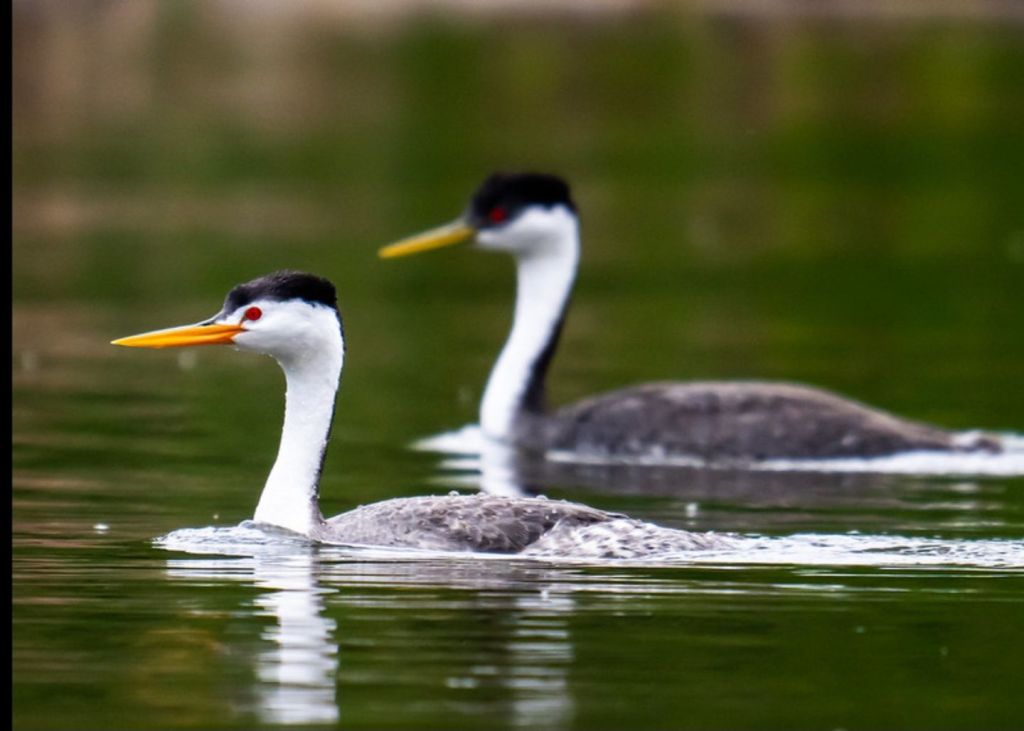
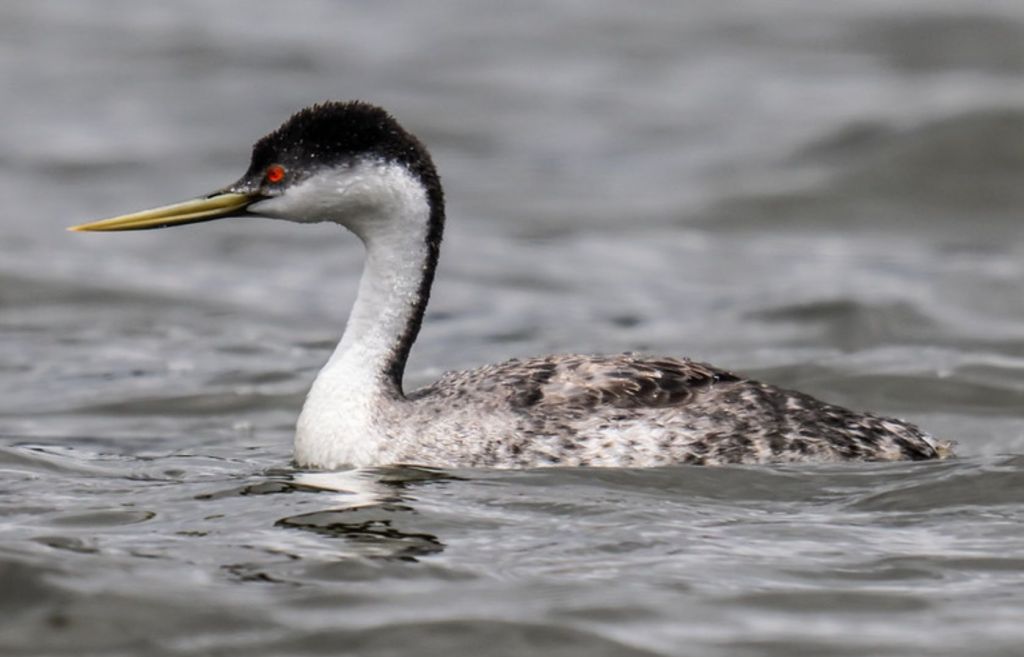
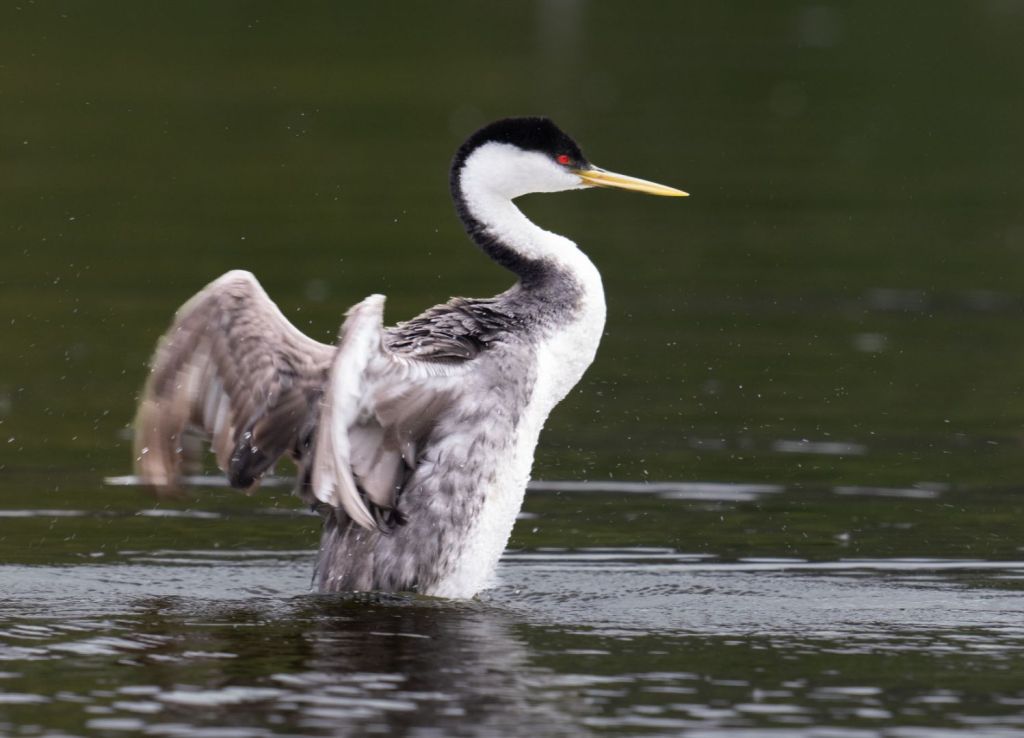
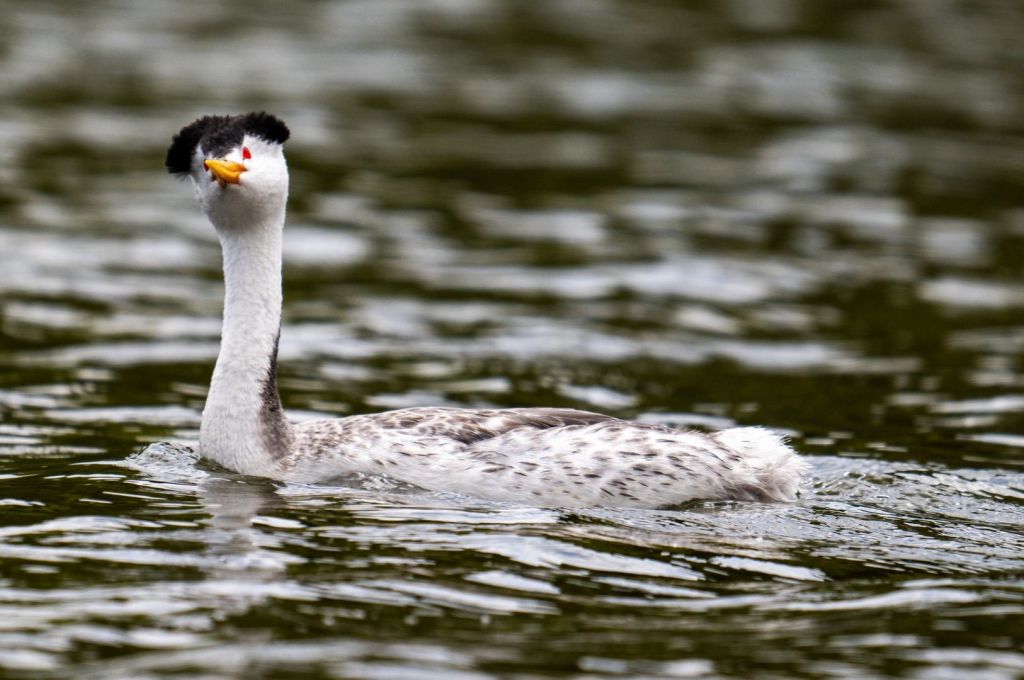
The Western Grebe (Aechmophorus occidentalis) is one of North America’s largest grebes, known for its elegant black-and-white plumage, striking red eyes, and spectacular courtship displays. Lake Wohlford has long been a favored breeding location for these birds, with photographers documenting their famous “rushing” behavior—when pairs appear to run across the water during courtship.
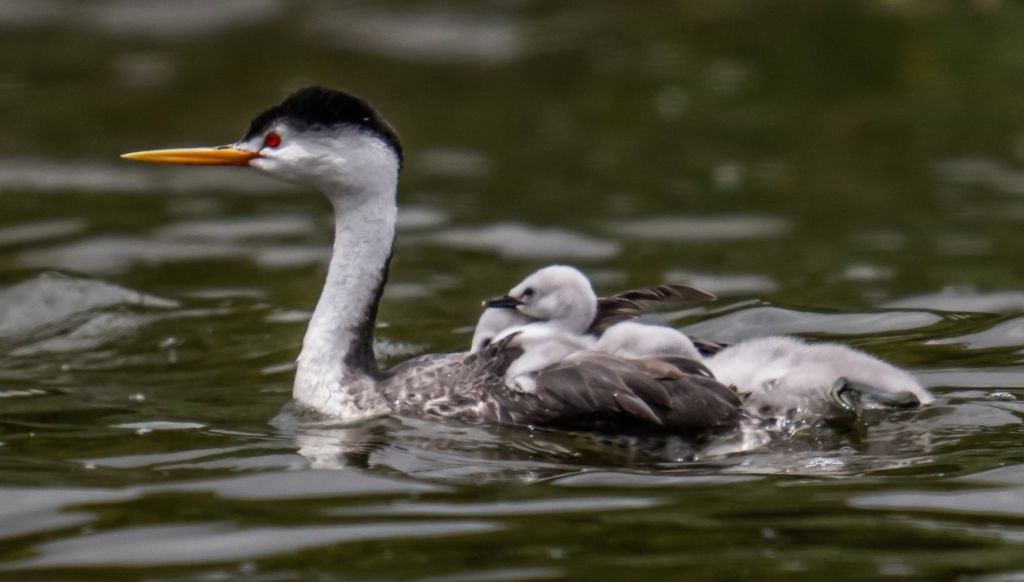
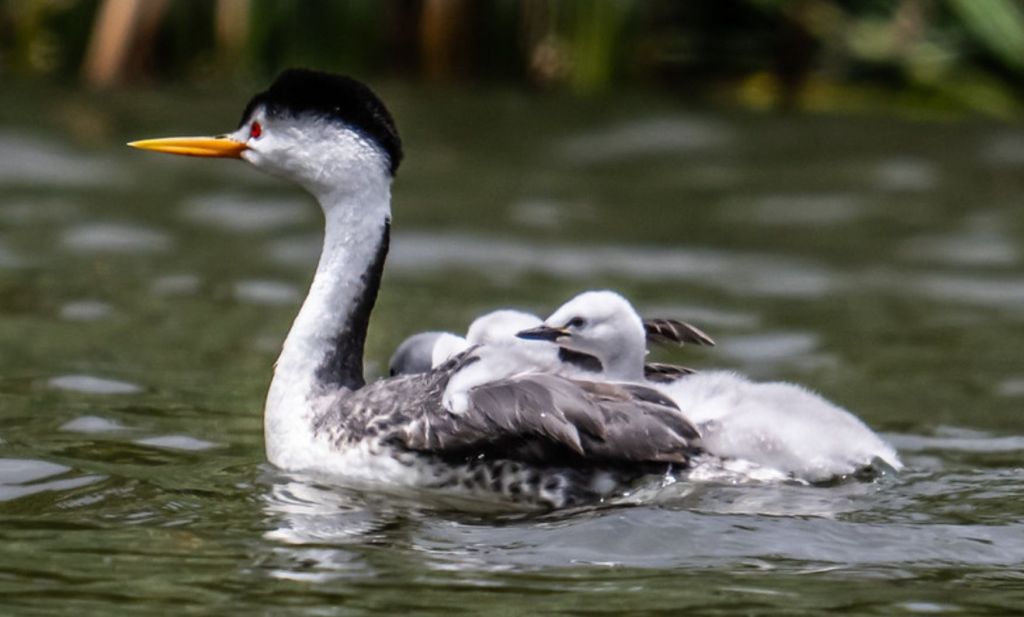
After nesting season begins, the real stars of the show emerge: the chicks. Newly hatched Western Grebes are covered in black-and-white stripes and are surprisingly mobile. Within minutes of hatching, they are capable of climbing onto a parent’s back, where they spend much of their first weeks sheltered from predators and cold water. Both parents participate in raising the young and take turns carrying them around the lake.
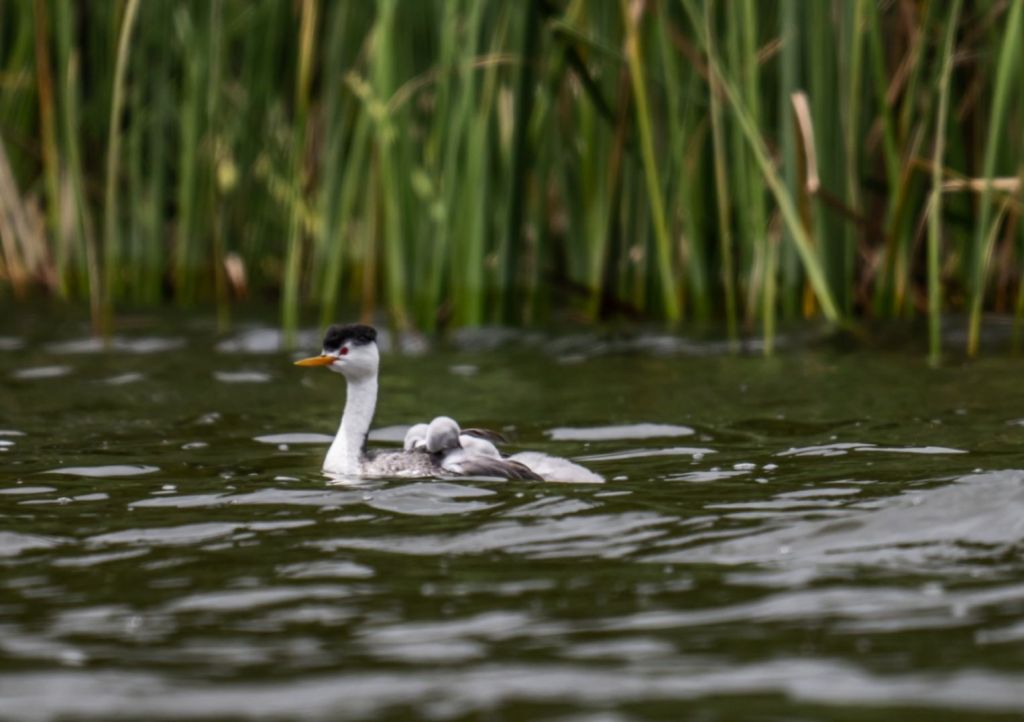
Watching a grebe family cruise across the calm waters of Lake Wohlford can feel like something out of a nature documentary. Often only a few tiny striped heads are visible peeking out from beneath a parent’s wings. As the chicks grow, they become more adventurous, swimming alongside their parents and eagerly begging for small fish.
The breeding cycle of Western Grebes depends on floating nests constructed from aquatic vegetation. These nests are anchored among emergent plants and can support clutches of two to four eggs. Once the chicks hatch, they leave the nest quickly and begin their remarkable back-riding behavior.
For wildlife photographers, early morning is often the best time to observe these families. Calm water creates beautiful reflections, and the soft light highlights the chicks’ distinctive striped plumage. A telephoto lens allows photographers to capture natural behavior without disturbing the birds.
Beyond providing wonderful photographic opportunities, the presence of nesting Western Grebes is an indicator of healthy aquatic habitat. These colonial nesting birds require a combination of open water for feeding and sheltered vegetation for nesting. Across western North America, breeding populations depend on suitable lake habitat and protection from disturbance.
A visit to Lake Wohlford during chick season offers a reminder of how remarkable bird life can be right here in San Diego County. Whether you’re an experienced birder or simply enjoying a morning walk around the lake, spotting a Western Grebe carrying its striped youngsters across the water is an experience that is hard to forget.
Birding Tip: Bring binoculars and scan the quieter coves of the lake during the morning hours. Look for an adult grebe sitting unusually high in the water—there may be several chicks hidden on its back.
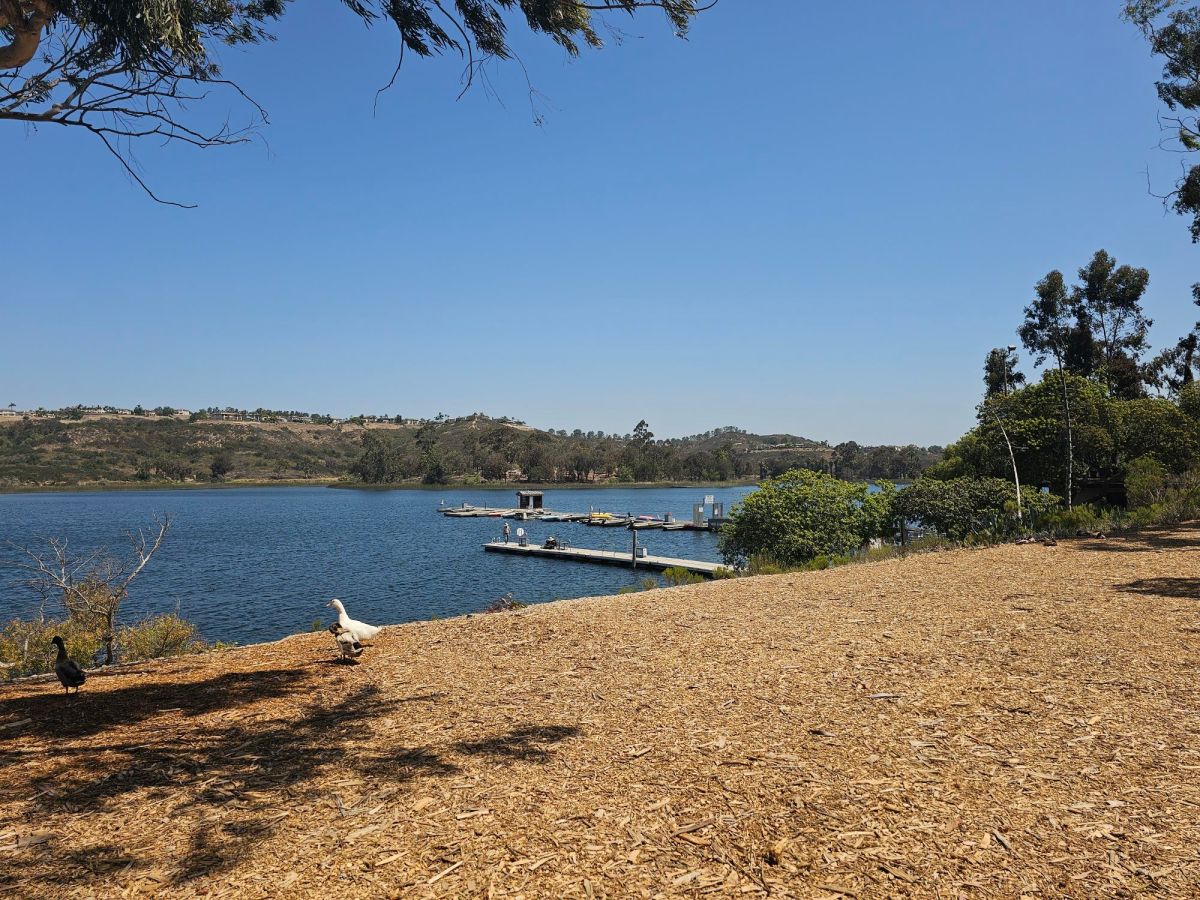
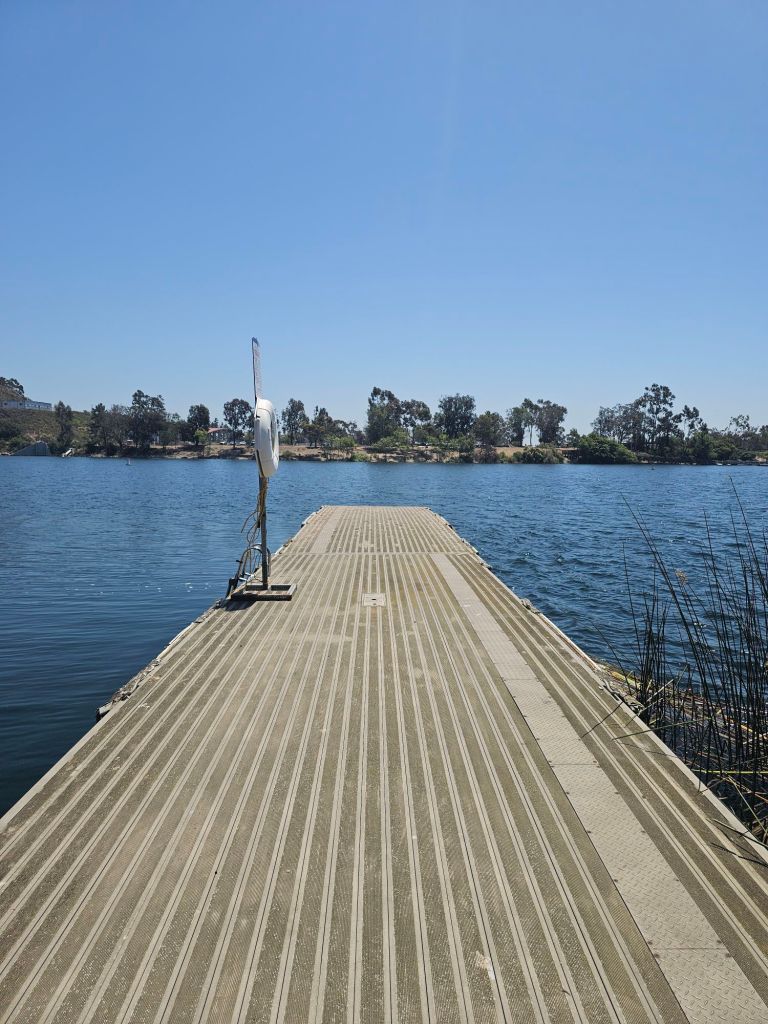
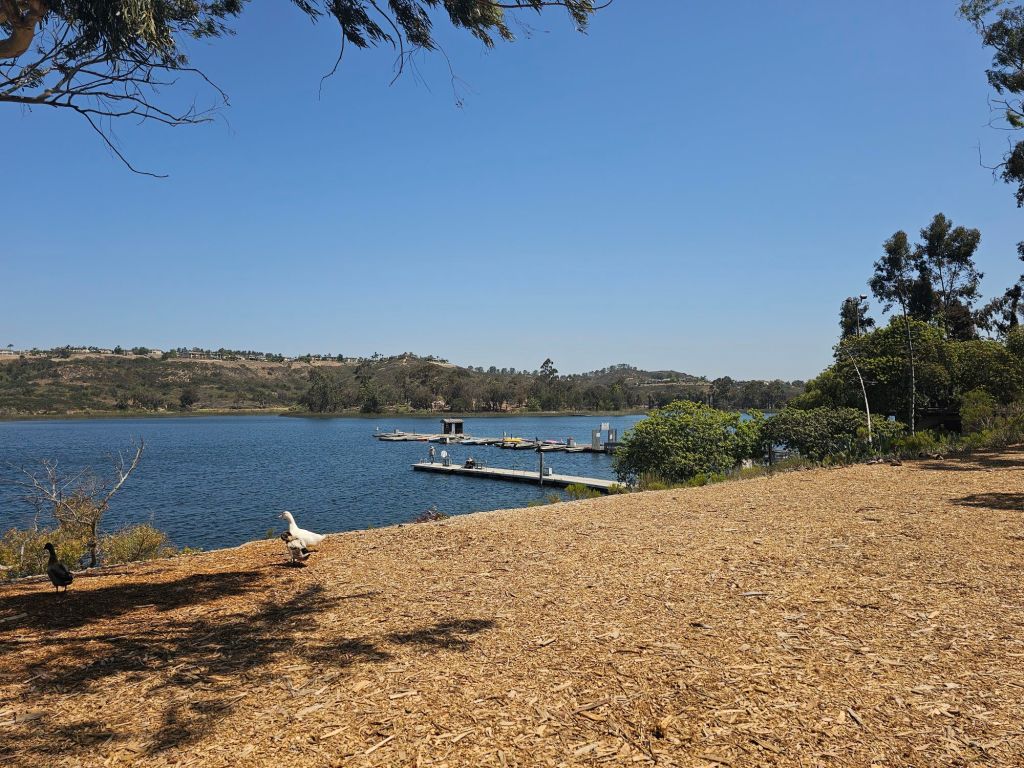
At Lake Wohlford, visitors can rent fishing boats, including rowboats and small motorboats, from the lake’s concession area. The lake has long offered boat rentals for anglers who want to reach deeper water or fish away from the shoreline
Famosa Slough is one of San Diego’s last remaining coastal wetlands and estuaries. It sits between Ocean Beach and Point Loma near the San Diego River channel, surrounded by dense urban development, which makes it especially unique. The slough covers about 37 acres and includes tidal marsh, mudflats, shallow channels, and nesting habitat for birds
Historically, the area was part of the much larger Mission Bay estuary system, once called “False Bay.” Over the 1900s, development projects — including river channelization, trolley tracks, land filling, and wartime construction — cut the slough off from much of the original wetland system. By the 1970s, parts of it were even being filled with rubble for development projects, which triggered local activism to save it. The City of San Diego eventually purchased much of the land in 1990 for preservation and restoration.
Today, the slough is famous among birders and nature photographers because more than 180 species of birds have been recorded there, including:
black-necked stilts
snowy egrets
avocets
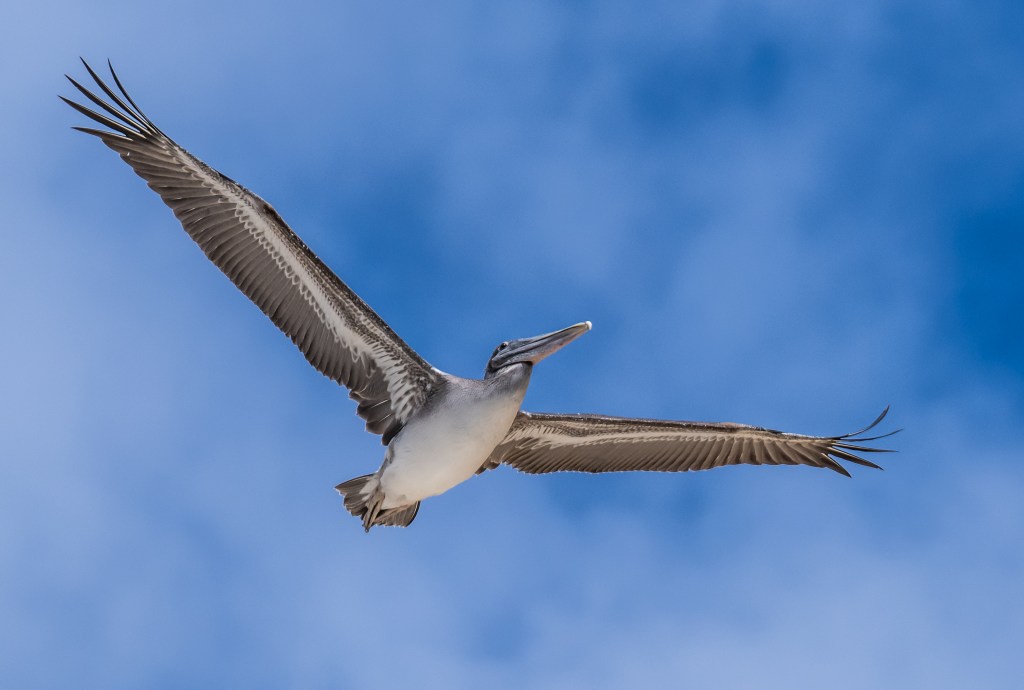
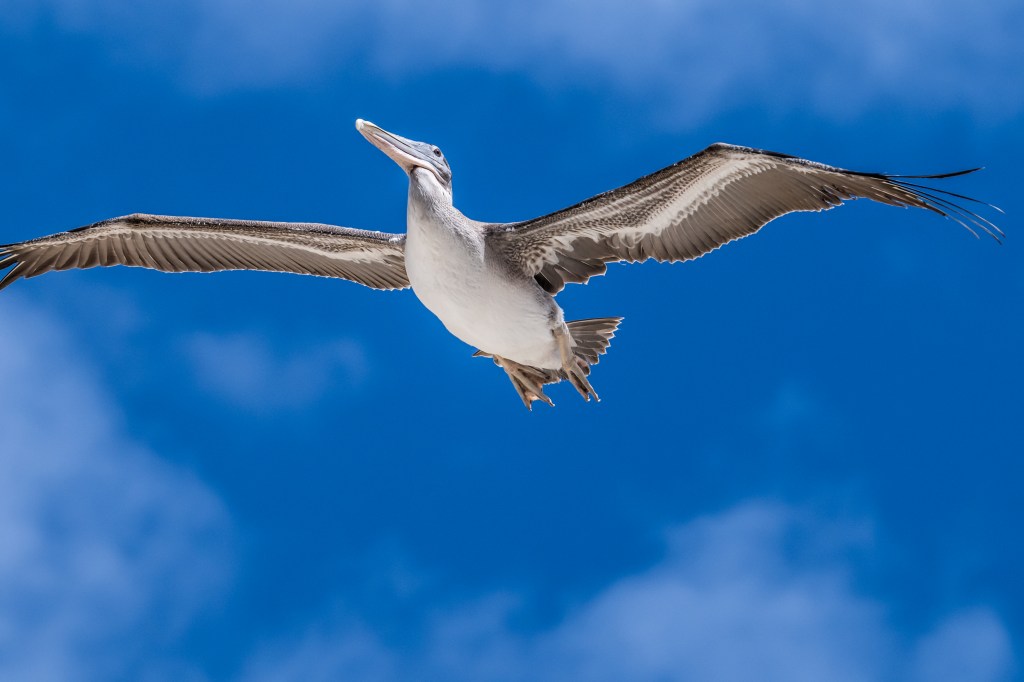
pelicans
kingfishers
yellow-crowned night herons
migrating ducks and shorebirds along the Pacific Flyway.
The wetland also serves as a nursery habitat for fish and marine life because tidal seawater mixes with freshwater runoff, creating a brackish estuary environment. Native plants like pickleweed dominate the marsh and turn bright red in fall.
A major reason Famosa Slough is considered important is that roughly 95% of California’s historic wetlands have been lost to development. Local volunteers and the Friends of Famosa Slough continue restoration work, invasive plant removal, habitat enhancement, and educational programs.
The slough is also protected as a California marine conservation area where taking marine life is prohibited.
If you visit, there are short walking paths, viewing benches, and excellent birdwatching especially around sunrise and high tide. It’s often described as a “hidden gem” because it feels surprisingly quiet despite being surrounded by city neighborhoods.
Officially known as Miramar Reservoir, the lake offers a peaceful blend of recreation, wildlife, and wide-open scenery just minutes from busy neighborhoods and freeways. Originally constructed as part of San Diego’s water supply system, the reservoir today serves a dual purpose. While it continues to store drinking water for the city, the surrounding recreation area has evolved into a popular local escape where visitors can enjoy nature without leaving urban San Diego behind.
Officially known as Miramar Reservoir, the lake offers a peaceful blend of recreation, wildlife, and wide-open scenery just minutes from busy neighborhoods and freeways. Originally constructed as part of San Diego’s water supply system, the reservoir today serves a dual purpose. While it continues to store drinking water for the city, the surrounding recreation area has evolved into a popular local escape where visitors can enjoy nature without leaving urban San Diego behind.
One of the biggest draws of Lake Miramar is the nearly five-mile paved loop that circles the reservoir. The trail is mostly flat, making it accessible for casual walkers while still offering enough distance for runners and cyclists looking for a good workout. Early mornings are especially popular, when cool air settles over the water and the rising sun reflects across the calm surface of the lake.
Wildlife is another major attraction around the reservoir. Birdwatchers regularly encounter ducks, grebes, cormorants, herons, and gulls on the water, while hawks and kestrels patrol the nearby hillsides. During migration seasons, unexpected visitors sometimes appear, rewarding patient observers with memorable sightings. Despite its popularity, Lake Miramar still manages to feel surprisingly peaceful. A weekday morning walk can bring long stretches of quiet shoreline, interrupted only by birds calling across the water or the distant splash of fish near the surface.
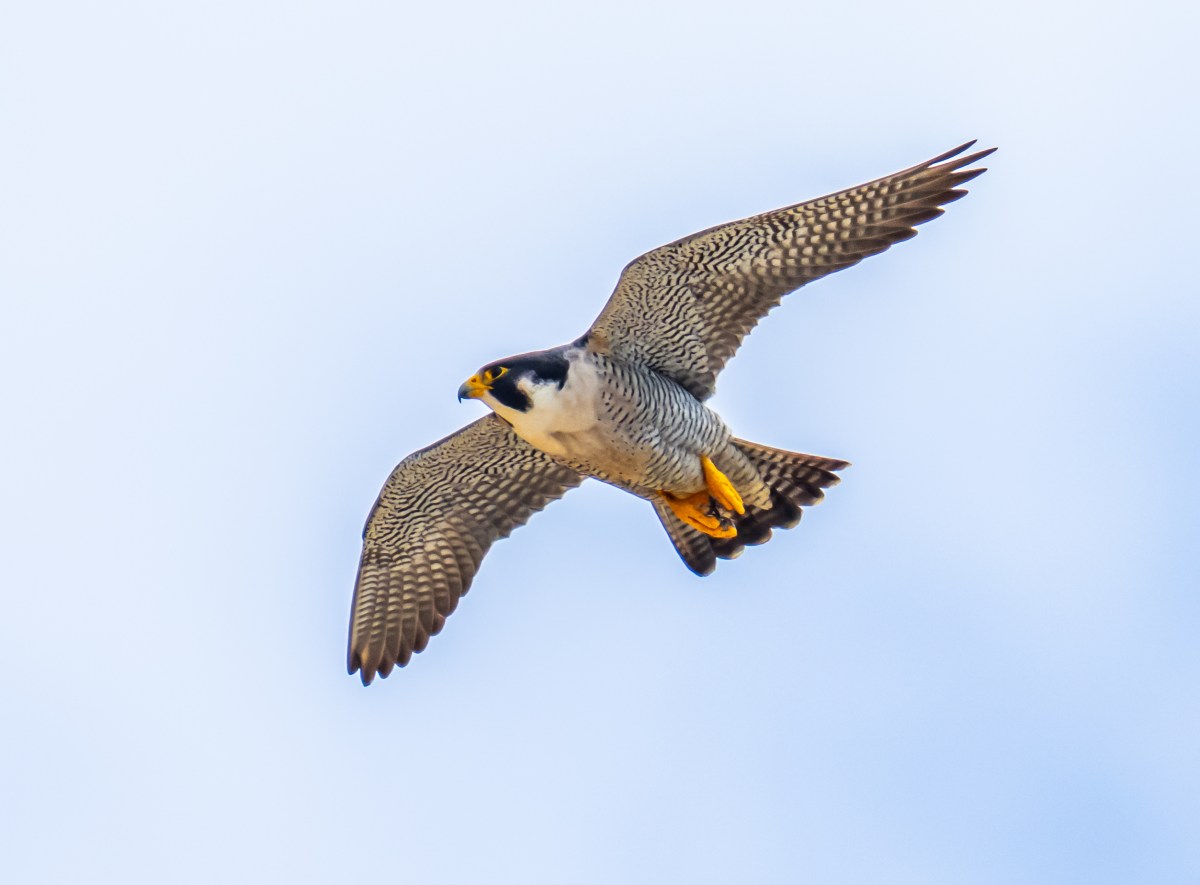
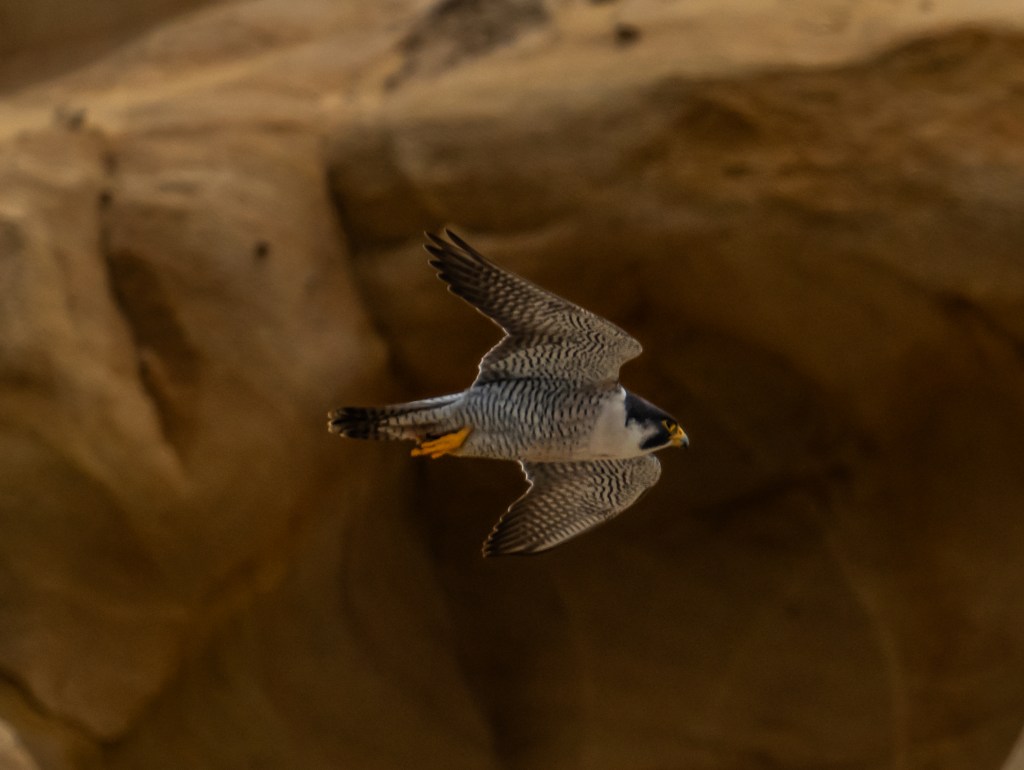
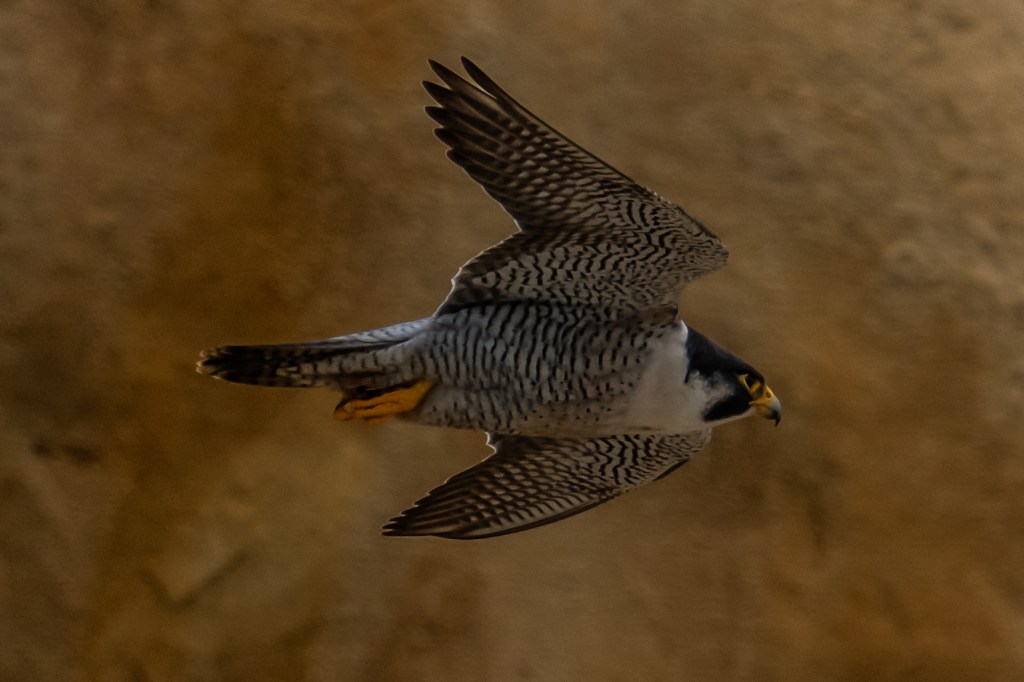
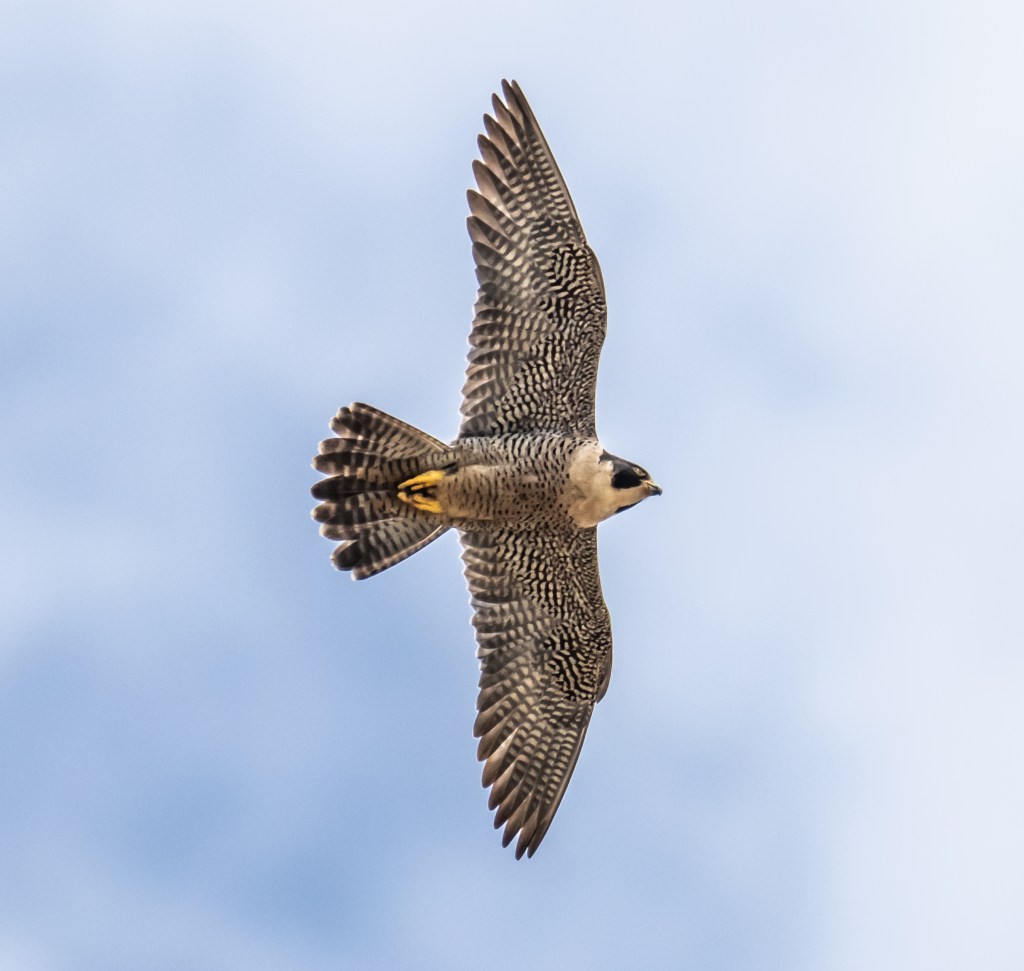
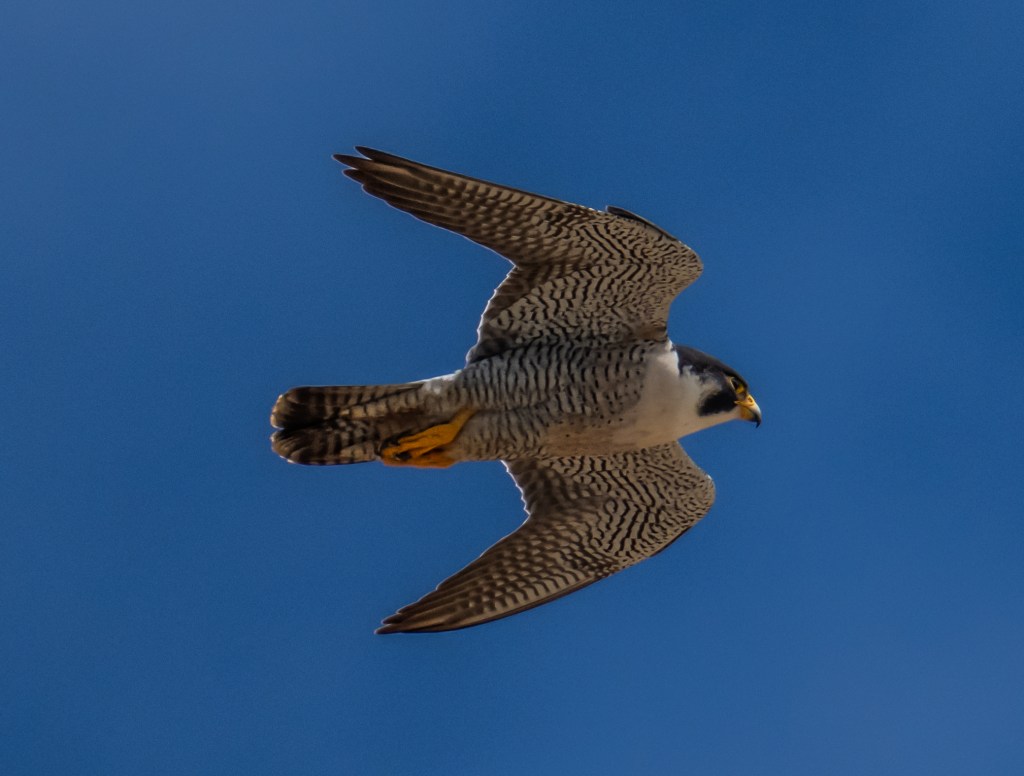
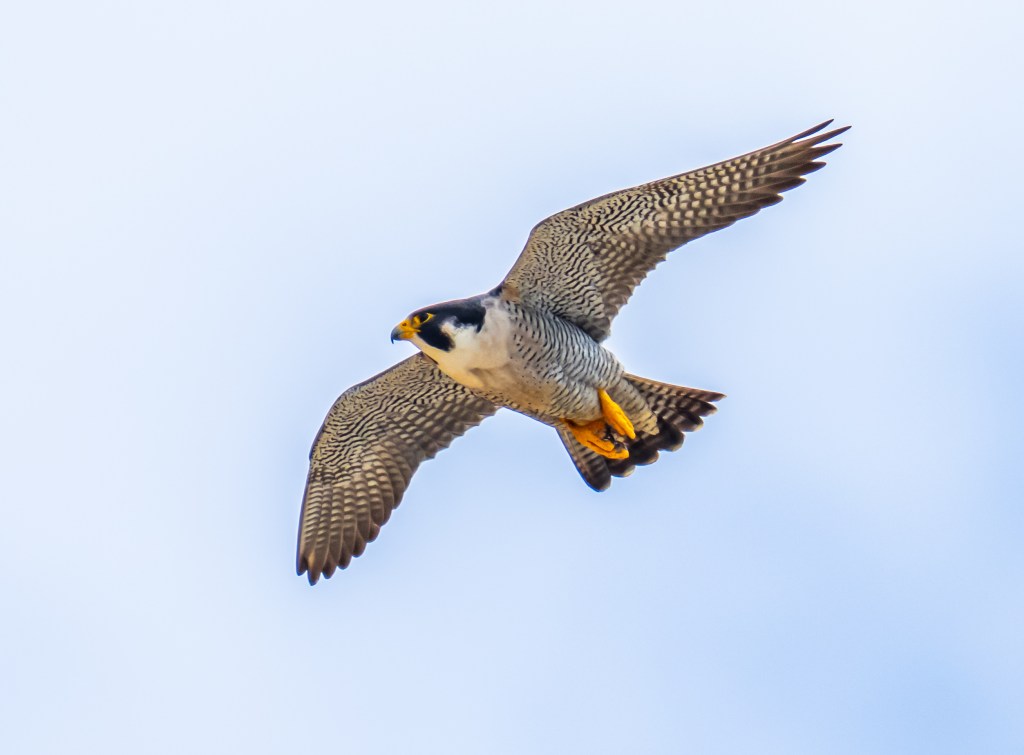
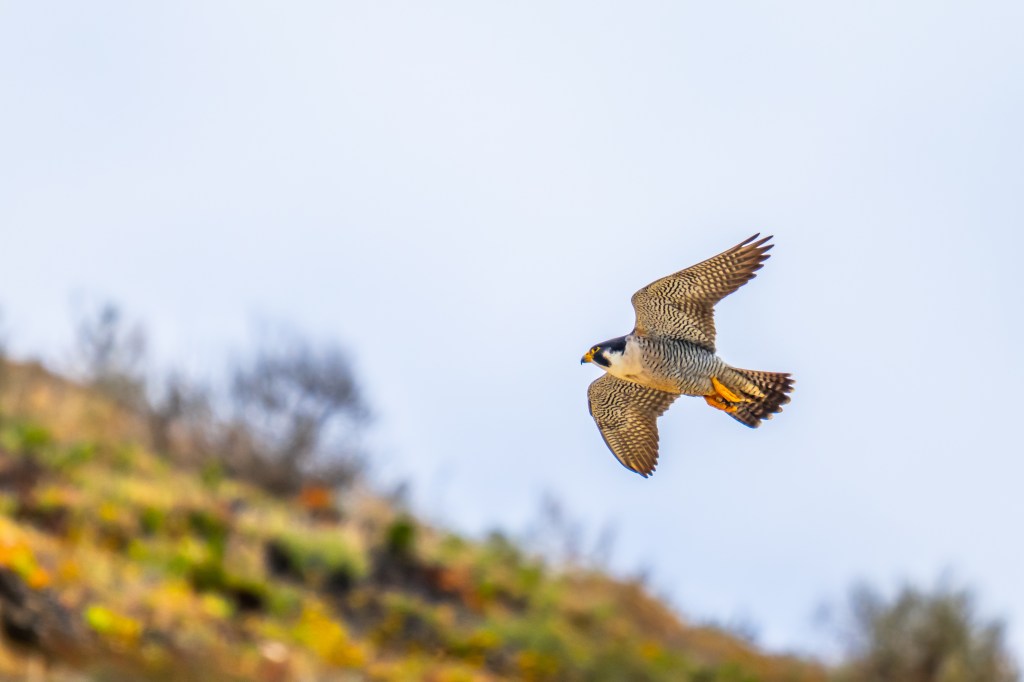
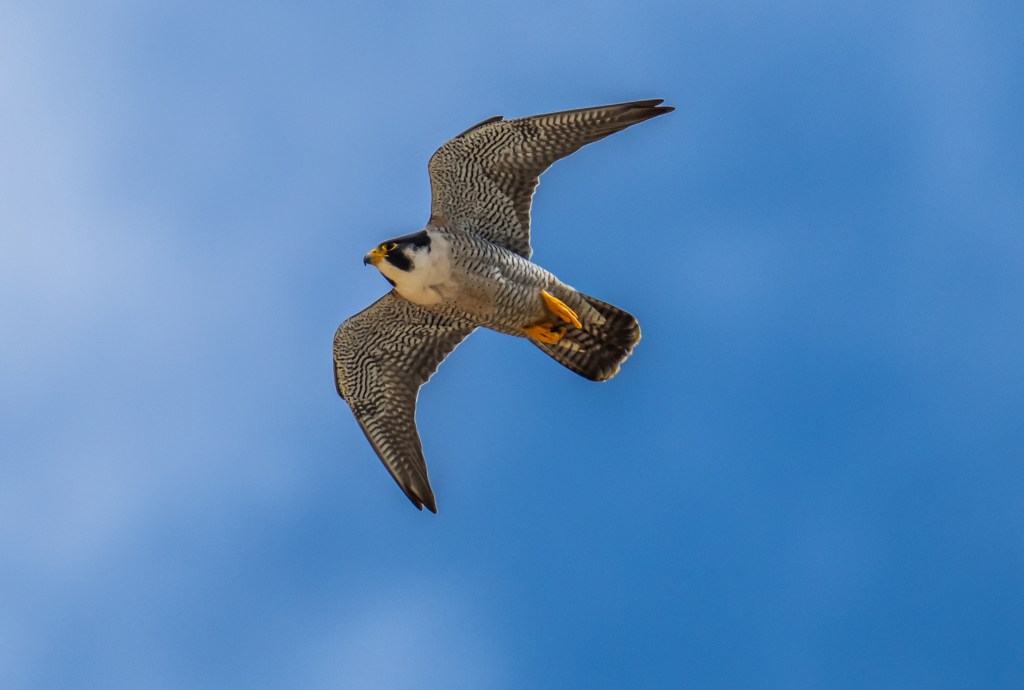
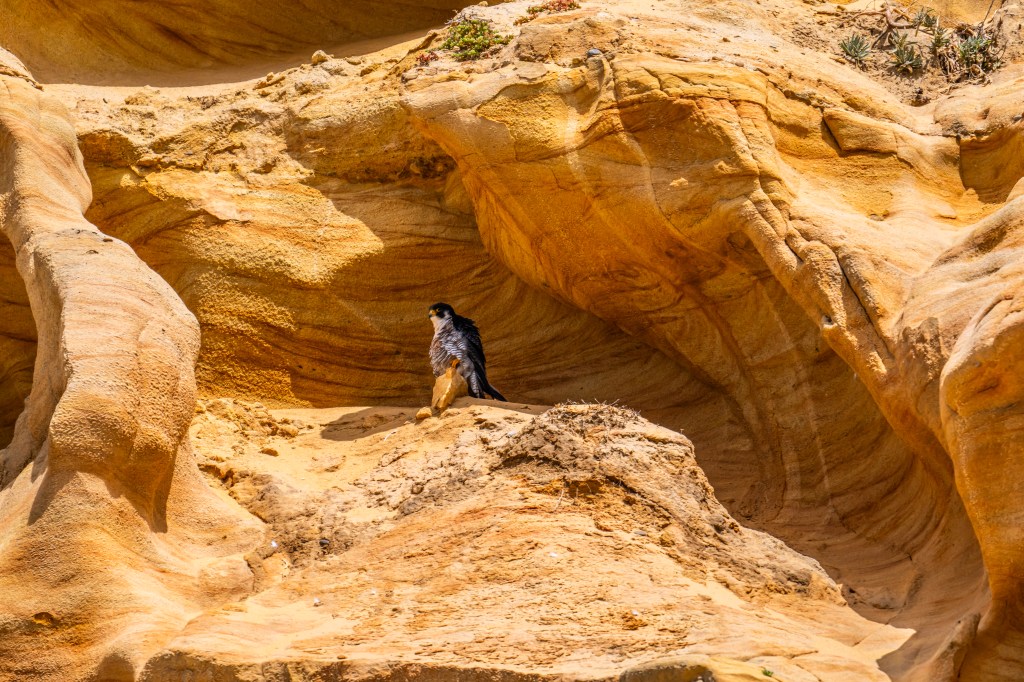
There are few places in Southern California where raw coastal beauty and high-speed wildlife drama come together as seamlessly as Torrey Pines State Natural Reserve. Known for its windswept cliffs, rare pine trees, and sweeping ocean views, this stretch of coastline is also home to one of the fastest animals on Earth—the Peregrine Falcon.
A Perfect Home Above the Pacific
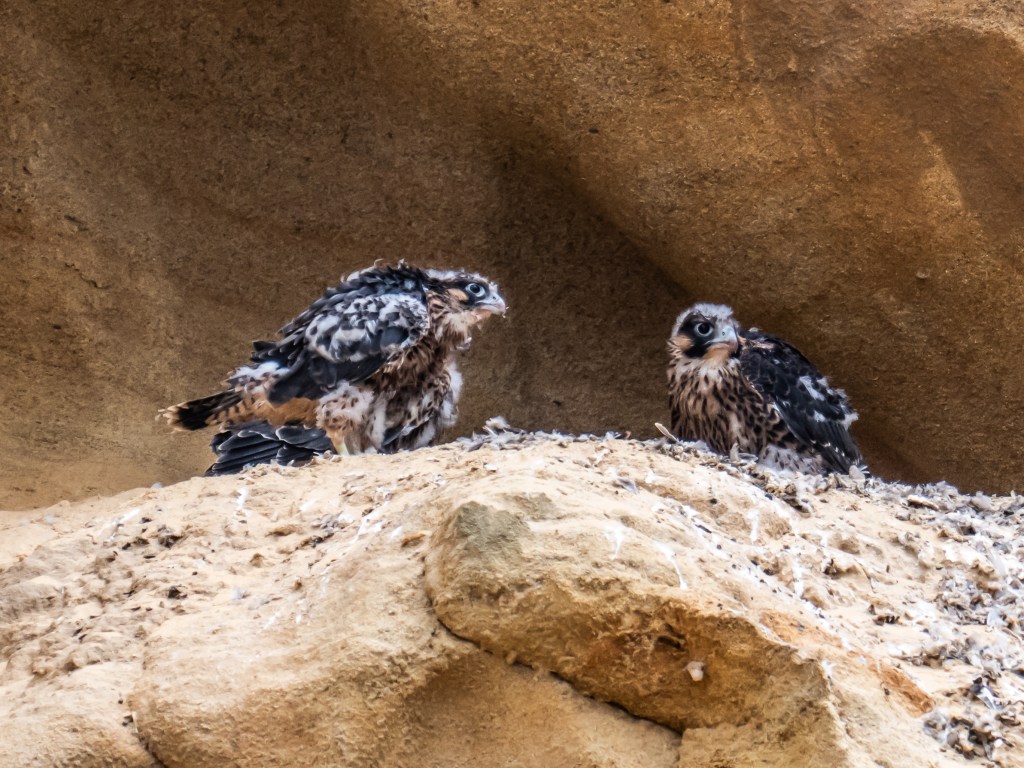
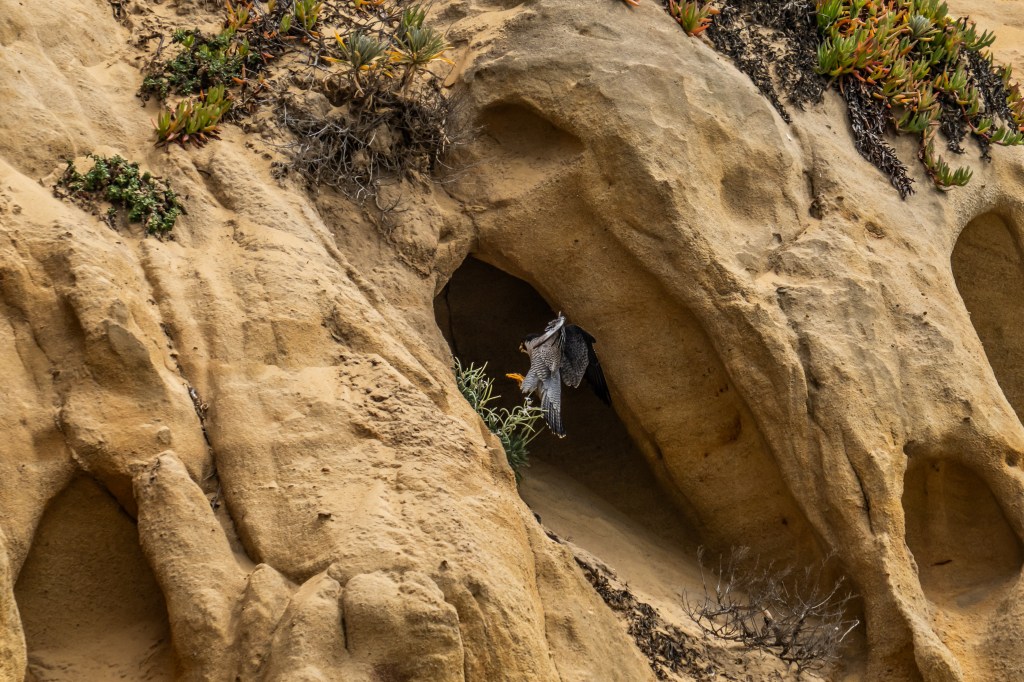
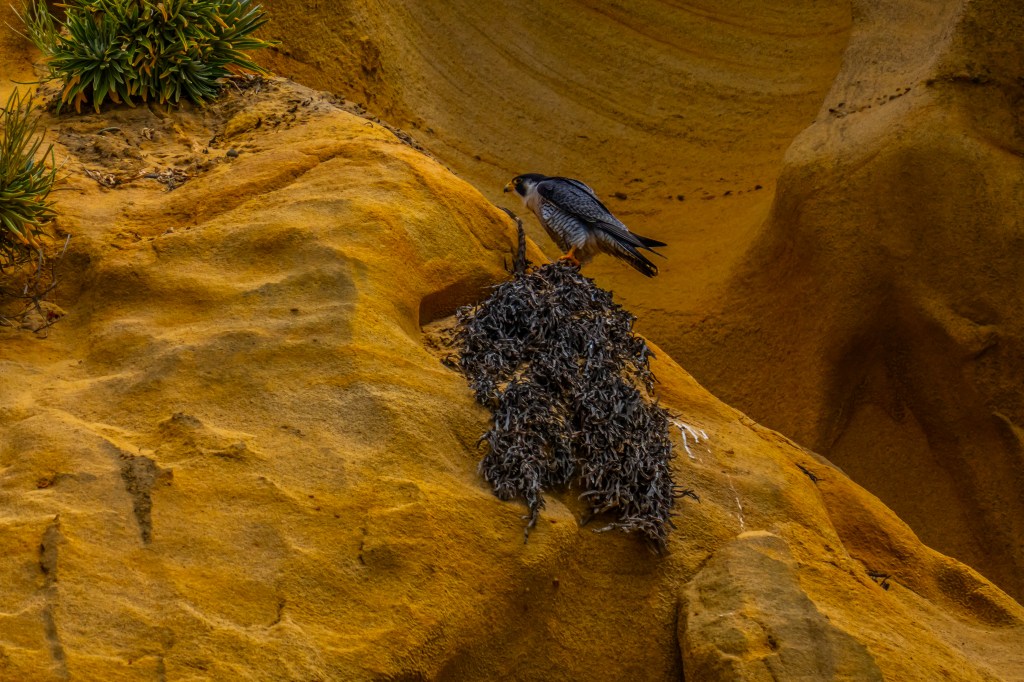
The sandstone cliffs of Torrey Pines State Beach provide ideal nesting habitat for peregrine falcons. High ledges offer safety from predators and unobstructed views of the skies and shoreline below. From these vantage points, falcons can scan for prey—shorebirds, pigeons, and small seabirds—before launching into action.
Unlike many birds of prey that build large nests, peregrines prefer a simple scrape in gravel or dirt along cliff edges. It’s minimalist, but perfectly suited for life on the edge.
The Fastest Dive in Nature
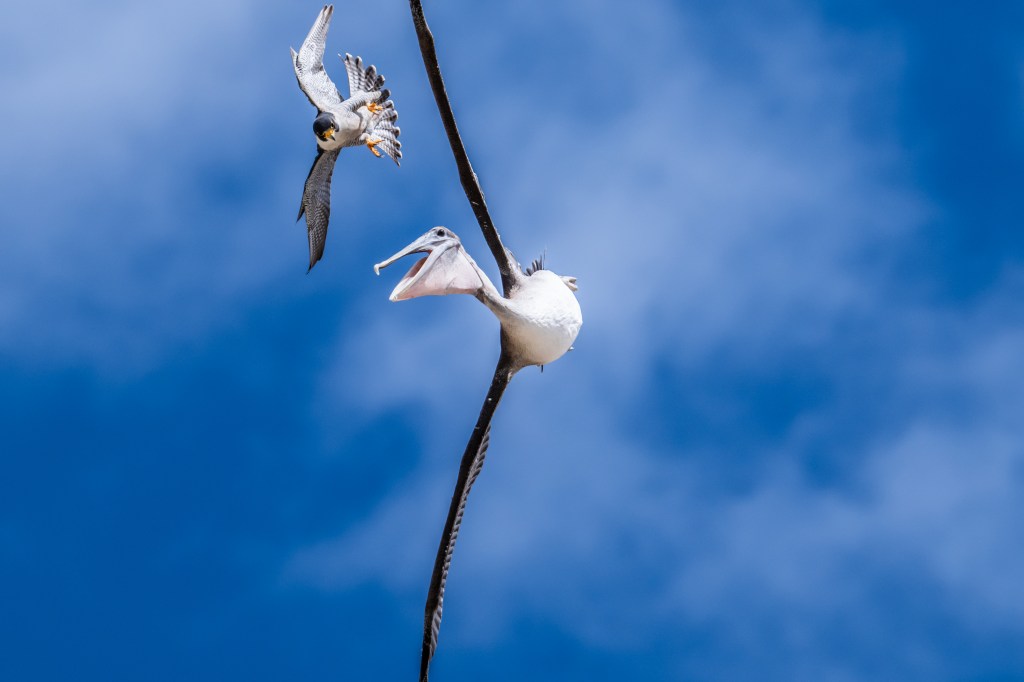
What makes peregrine falcons truly legendary is their speed. During a hunting dive—known as a stoop—they can exceed 200 miles per hour, making them the fastest animal on the planet. Watching one descend along the cliffs at Torrey Pines is unforgettable: a blur of motion, a sudden strike, and then silence again as the ocean continues to roll below.
Their streamlined bodies, pointed wings, and powerful talons are all built for this precise, high-speed hunting style.
A Conservation Comeback
The presence of peregrine falcons at Torrey Pines is also a conservation success story. In the mid-20th century, populations across North America declined sharply due to pesticide use, especially DDT. Thanks to bans on harmful chemicals and dedicated recovery efforts, peregrines have made a remarkable comeback.
Today, spotting one soaring above the reserve is a reminder of what conservation can achieve.
When and Where to Look
If you’re hoping to photograph or observe peregrine falcons at Torrey Pines, timing and patience are key:
Best time of day: Early morning or late afternoon, when birds are most active
Best locations: Cliffside trails like the Razor Point and Beach Trail areas
Breeding season: Spring into early summer, when activity near nesting sites increases
Look for fast, direct flight patterns and sharp wingbeats. Peregrines are often seen gliding along cliff edges or perched high above the trails.
Photography Tips for Capturing the Hunt
For photographers, peregrine falcons offer both a challenge and a reward:
Bring a telephoto lens (at least 300mm) to safely capture distant birds
Use a fast shutter speed to freeze motion during flight
Watch the wind—falcons often face into it when hovering or preparing to dive
Be ready—hunts happen quickly and without warning
Even if you don’t capture the perfect shot, the experience alone is worth it.
Respecting Wildlife and Habitat
As exciting as it is to see peregrine falcons up close, it’s important to respect their space. Stay on designated trails, keep a safe distance from nesting areas, and follow any posted closures during breeding season. These protections help ensure the falcons continue to thrive along this fragile coastline.
A Moment Worth Waiting For
At Torrey Pines, the landscape itself is dramatic—but the sky adds another dimension. A quiet walk along the cliffs can suddenly turn into a front-row seat to one of nature’s most incredible displays of speed and precision.
Whether you’re a birder, photographer, or casual visitor, catching a glimpse of a peregrine falcon here is something you won’t forget. It’s a reminder that even in a place known for its scenery, the real magic is often moving just above you.
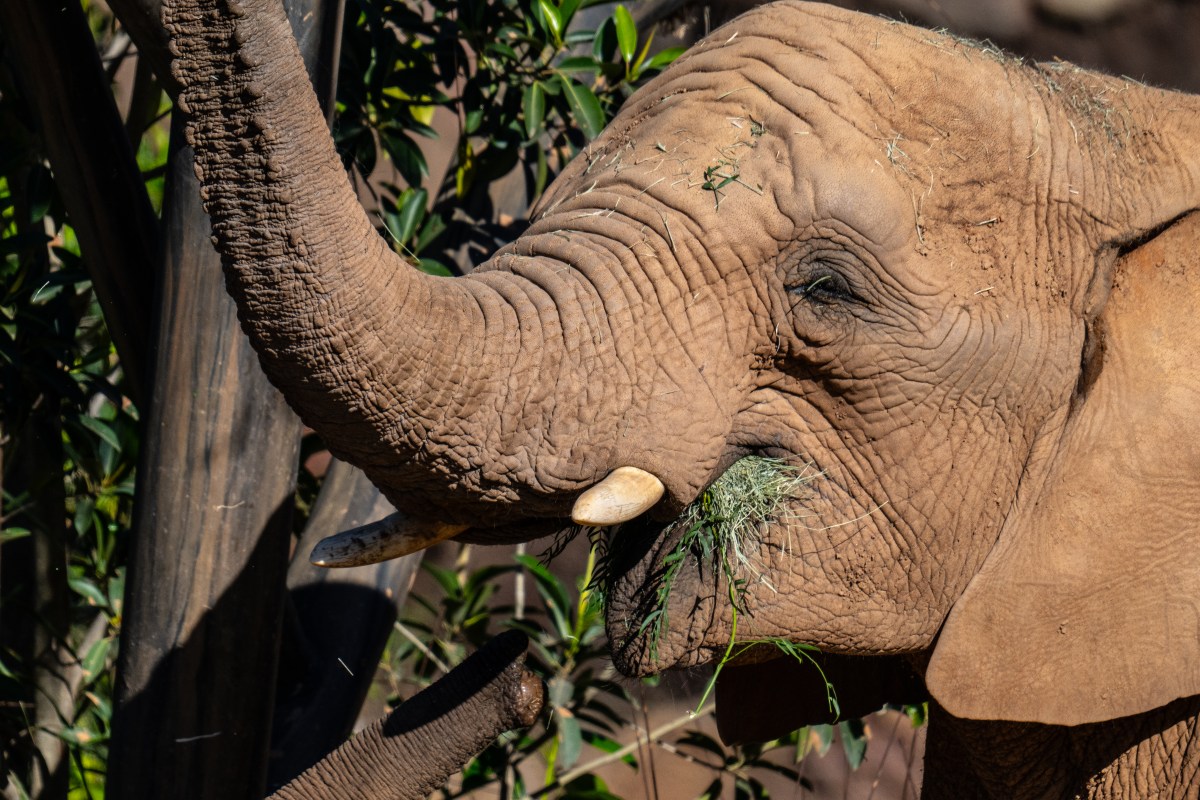
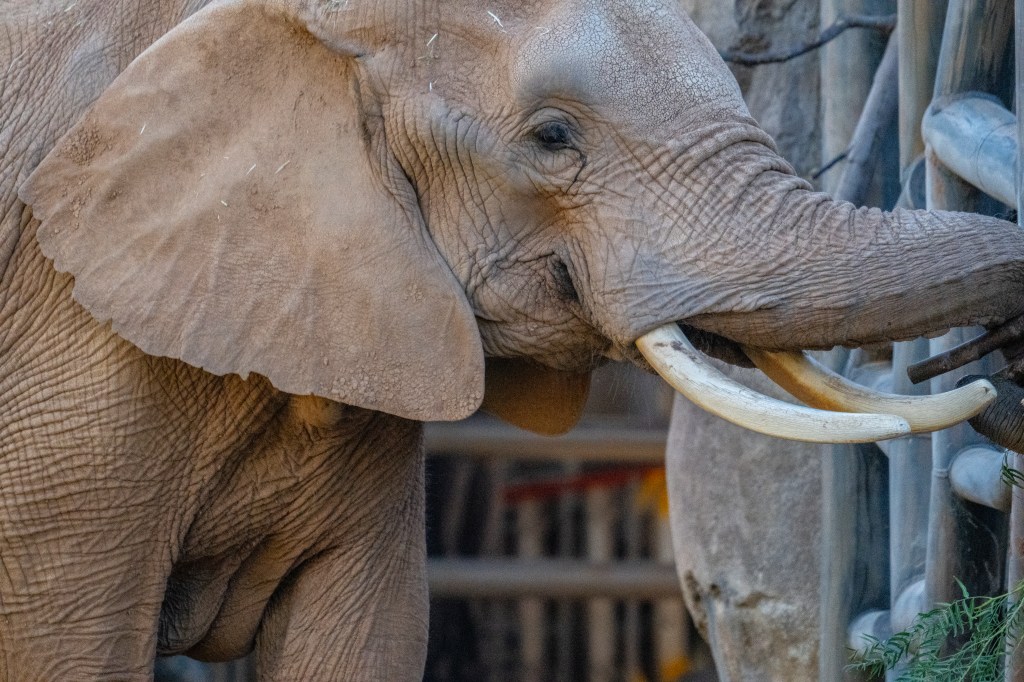
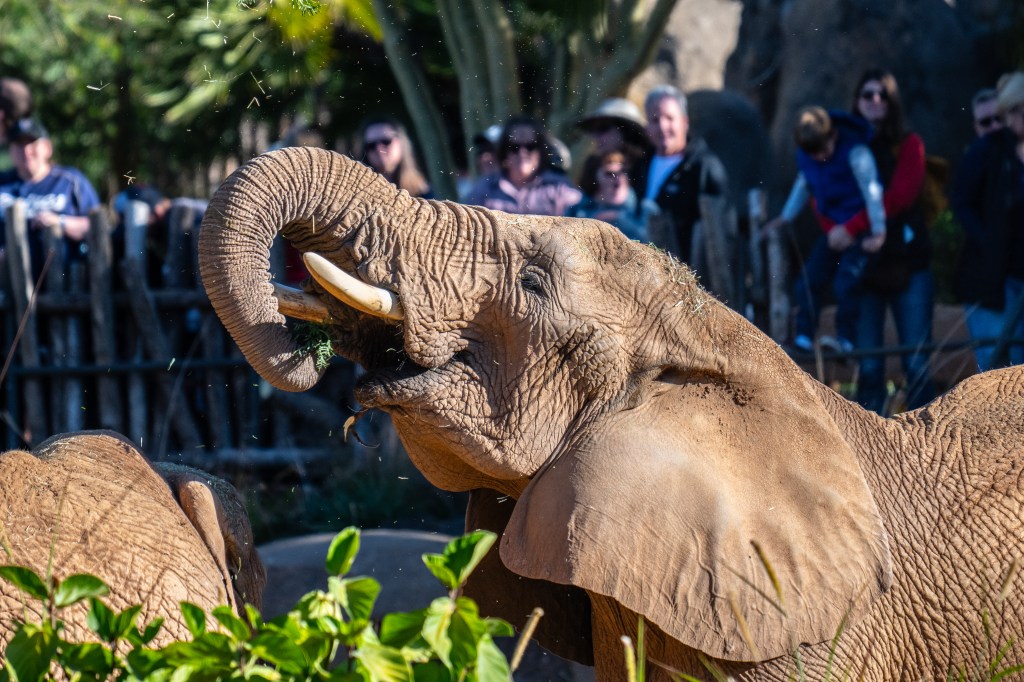
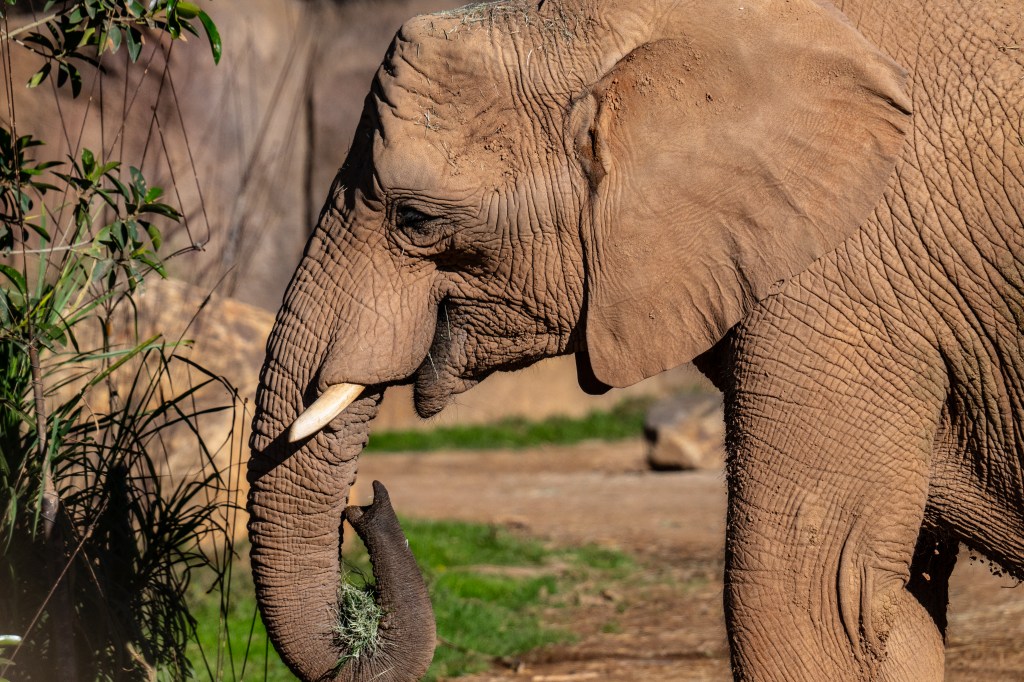
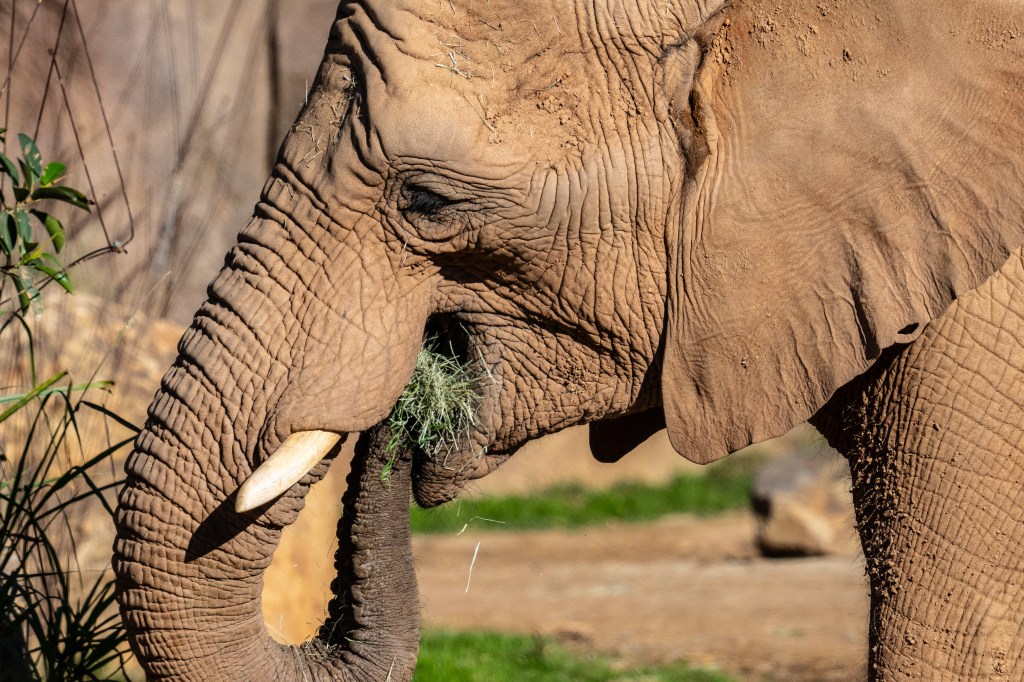
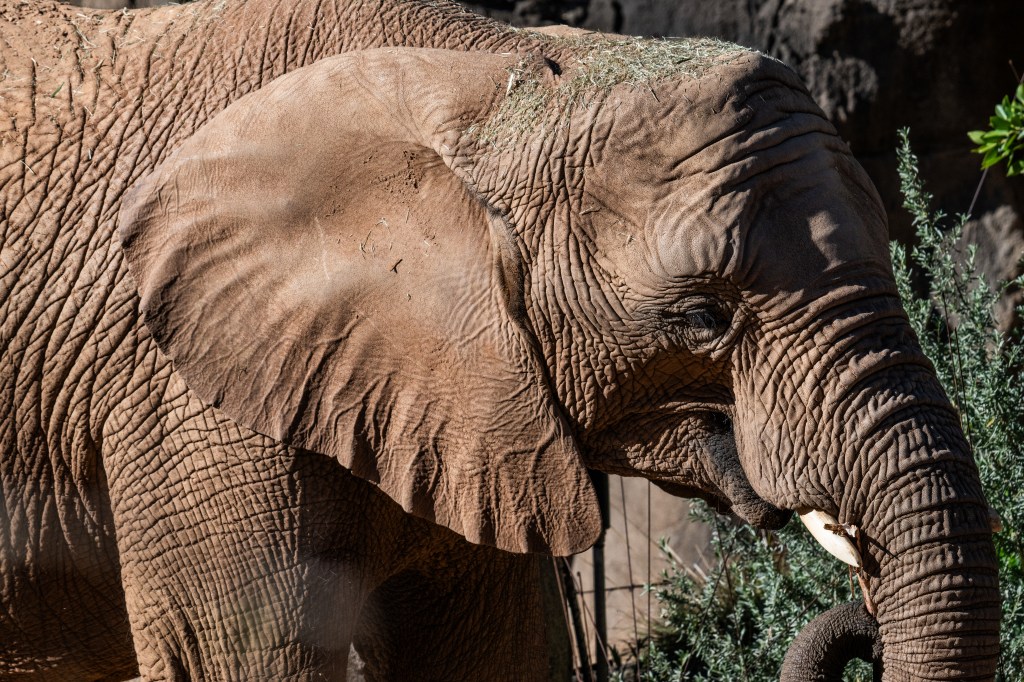
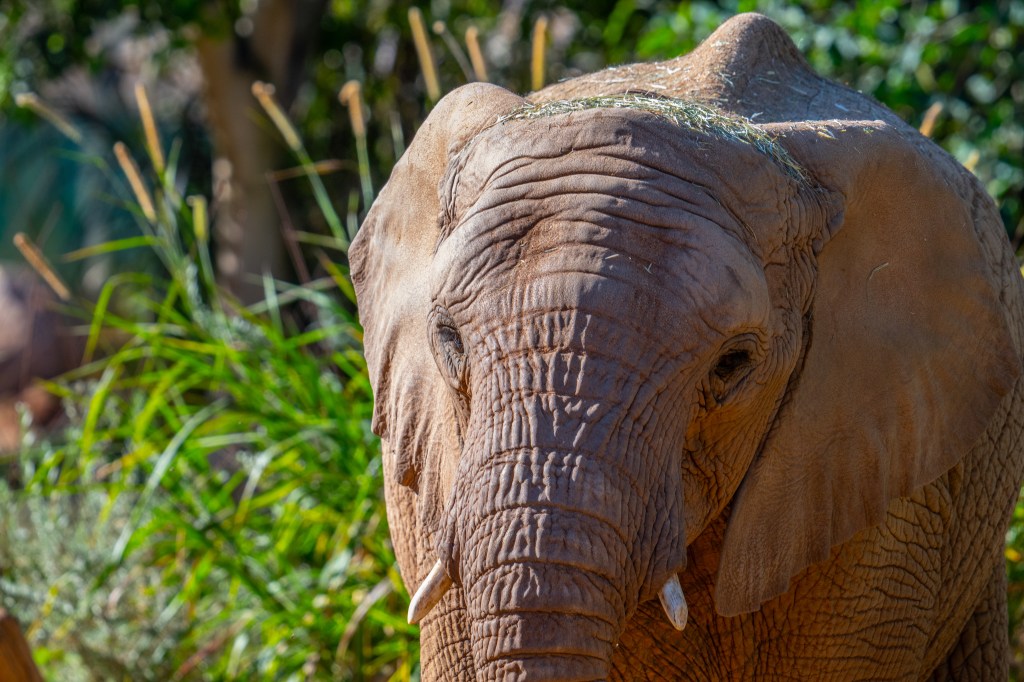
A major new wildlife experience has arrived in San Diego. On March 5, 2026, the San Diego Zoo Safari Park officially opened Denny Sanford Elephant Valley, a massive new habitat designed to bring visitors closer than ever to African elephants while highlighting conservation efforts around the world.
Spanning more than 13 acres, Elephant Valley is the largest and most transformative project in the history of the San Diego Zoo Wildlife Alliance. The immersive savanna landscape was created to mimic natural elephant environments and encourage guests to see these animals not just as zoo residents, but as essential ecosystem engineers in the wild.
Walking Among Giants
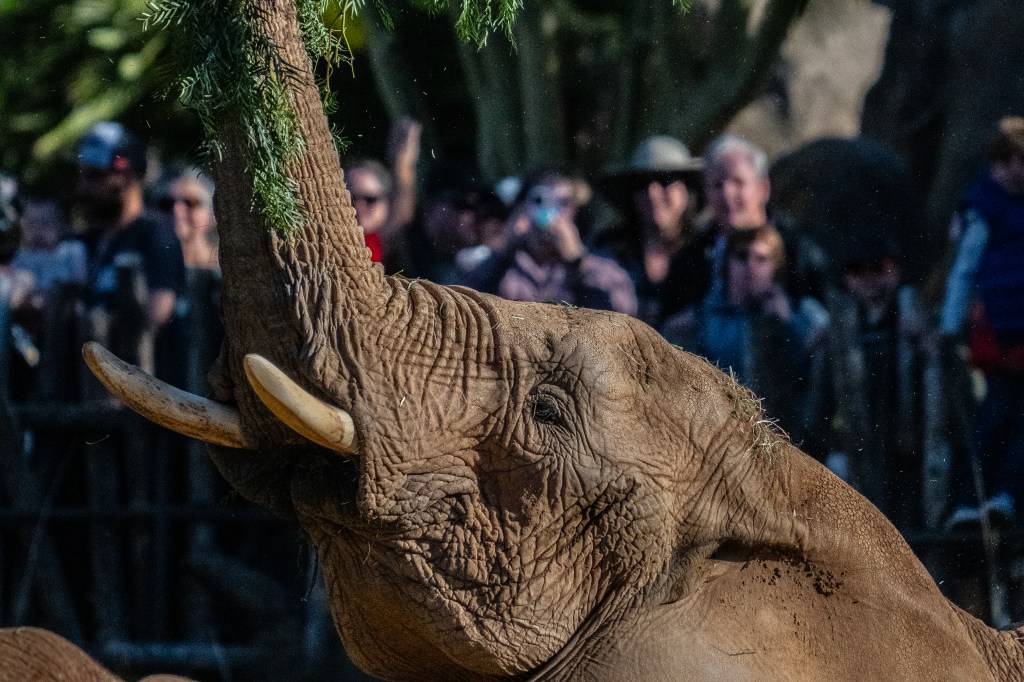
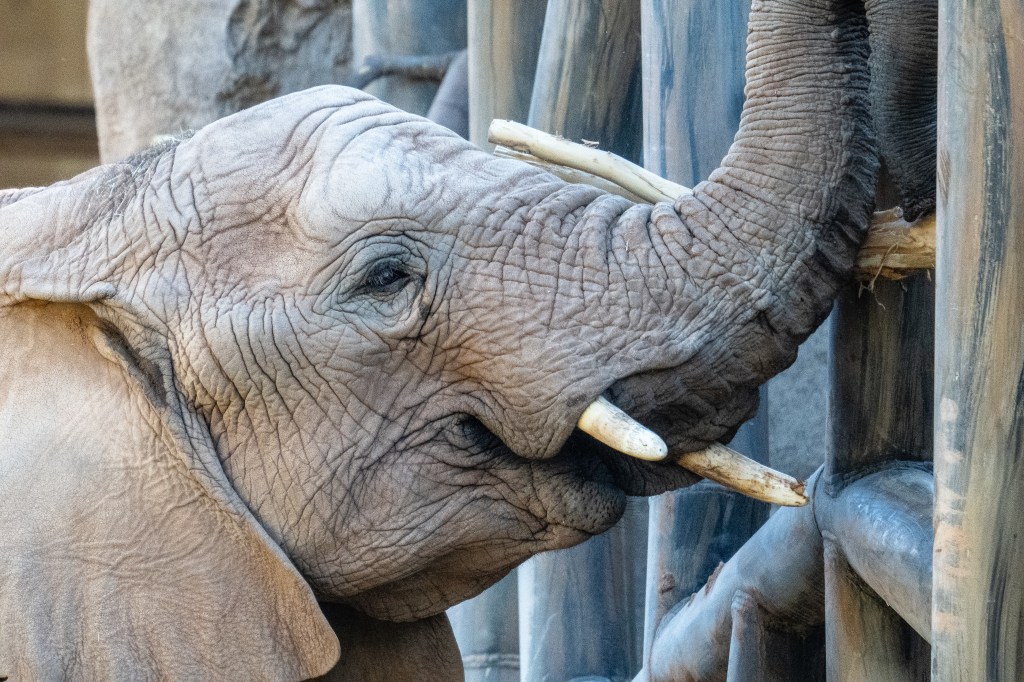
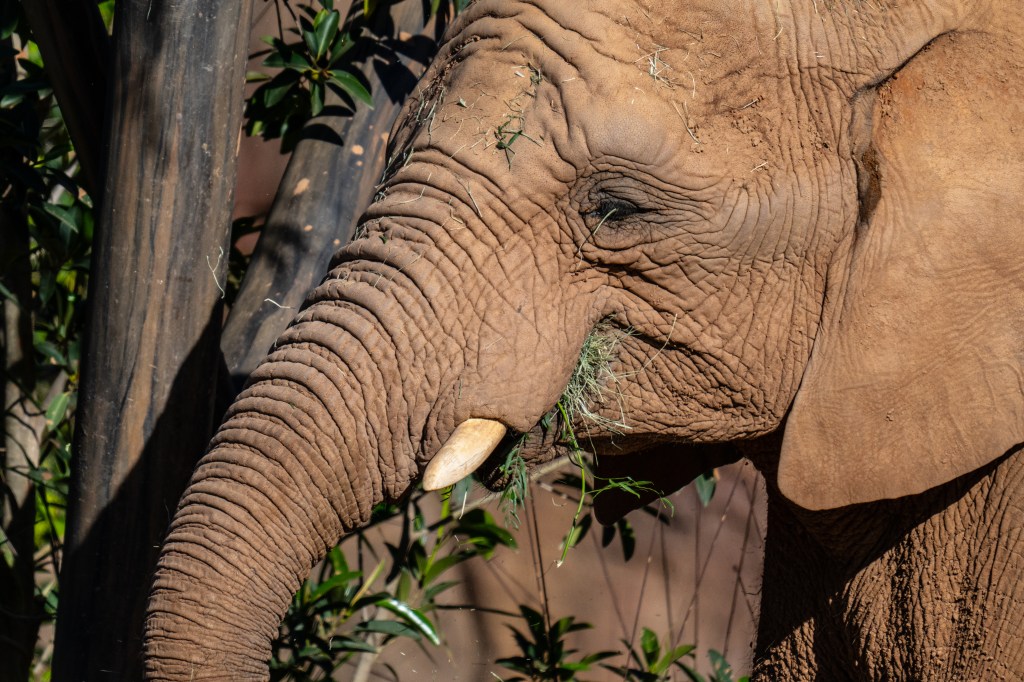
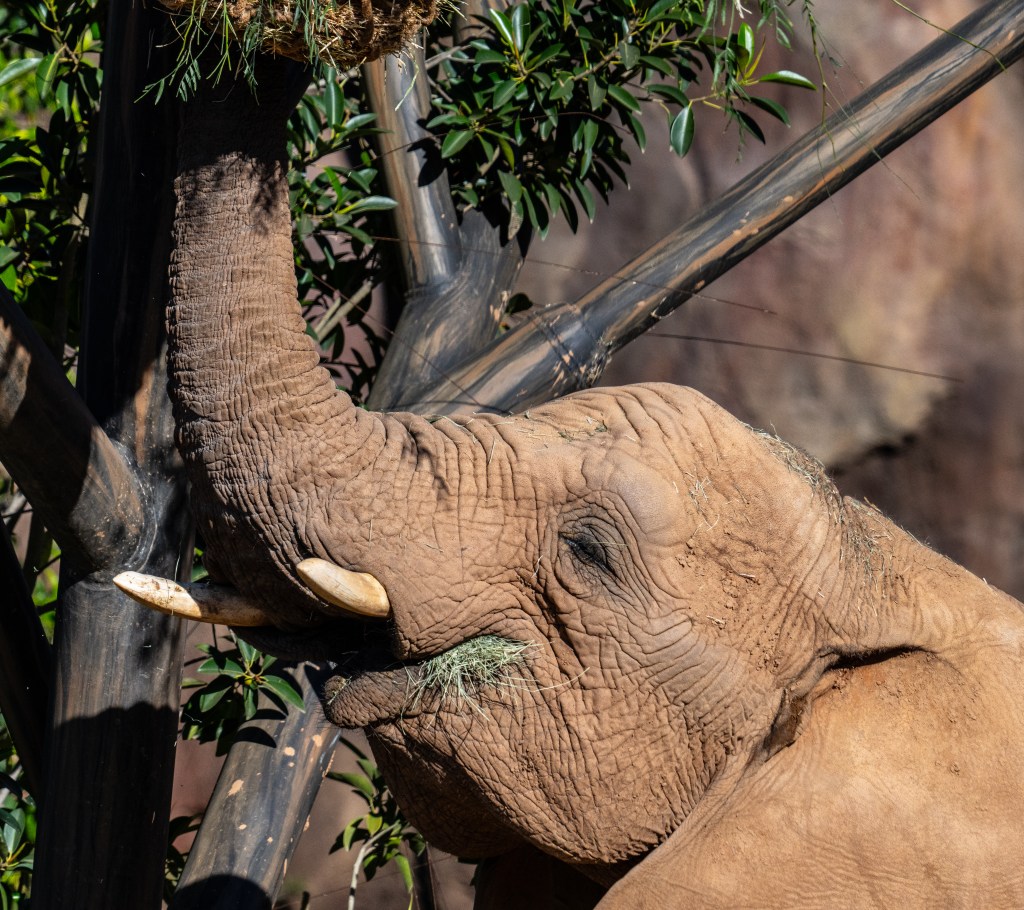
Elephant Valley is home to a herd of African elephants, and the design allows visitors to observe their natural behaviors up close. Elevated bridges and winding pathways give guests unique vantage points where elephants can even walk beneath them, creating an unforgettable perspective on the world’s largest land mammals.
The habitat encourages elephants to roam, forage, and socialize across the landscape. Timed feeders and watering areas stimulate movement and natural activity throughout the day, while redesigned pools and gentle ramps help the animals safely cool off and explore.
Visitors may see elephants swimming, splashing, or interacting with one another across the expansive savanna. According to park officials, the exhibit was built to help guests feel as though they are sharing the same landscape as the herd, rather than simply observing from a distance.
A Focus on Conservation
Beyond its impressive scale, Elephant Valley is also meant to tell a larger story about elephant conservation. The exhibit highlights partnerships between the Safari Park and organizations in Kenya working to protect elephants and support communities living alongside them.
This message is especially important as African savanna elephants are listed as endangered, with an estimated population of about 415,000 remaining in the wild. Threats such as habitat loss, poaching, and conflict with humans continue to challenge the species’ survival.
By combining research, education, and immersive design, Elephant Valley aims to inspire visitors to care about the future of elephants and the ecosystems they shape.
Dining With a View
At the heart of Elephant Valley sits Mkutano House, a two-story restaurant overlooking the habitat. The dining complex includes multiple venues and menus inspired by African culinary traditions blended with global flavors. Guests can enjoy a meal while watching elephants gather near a watering hole below.