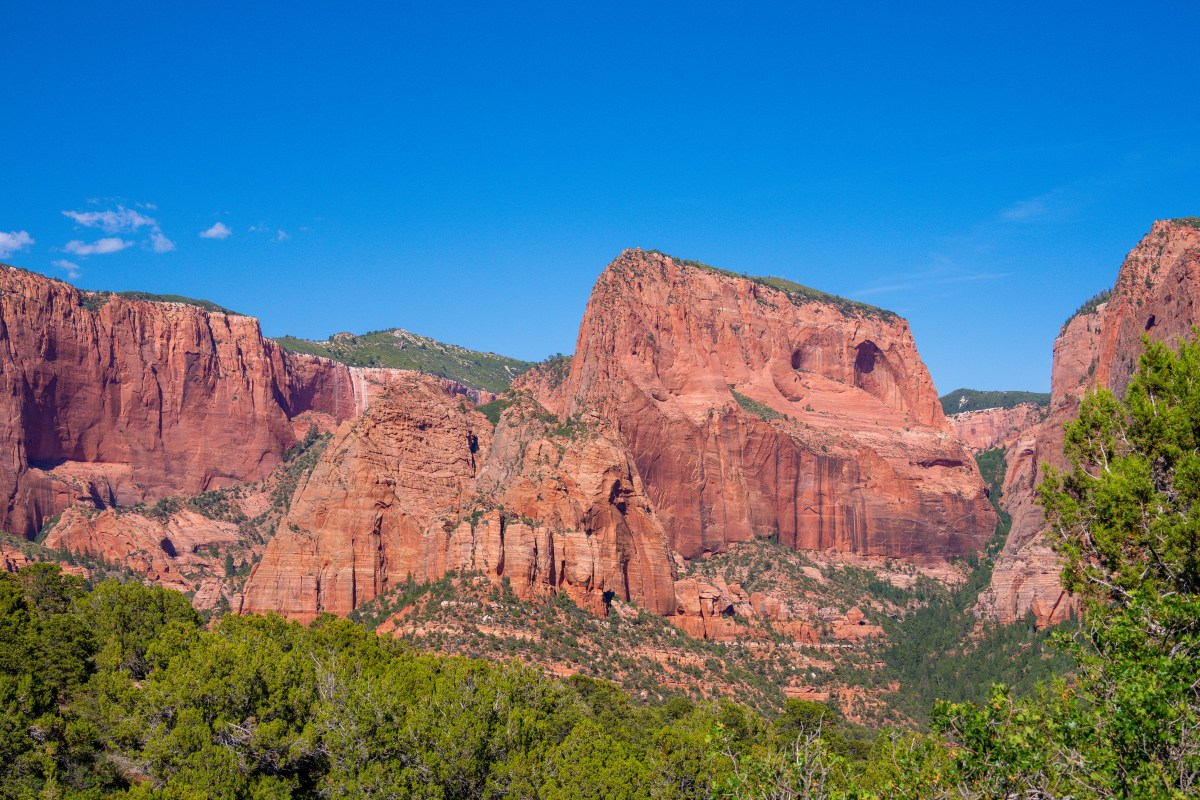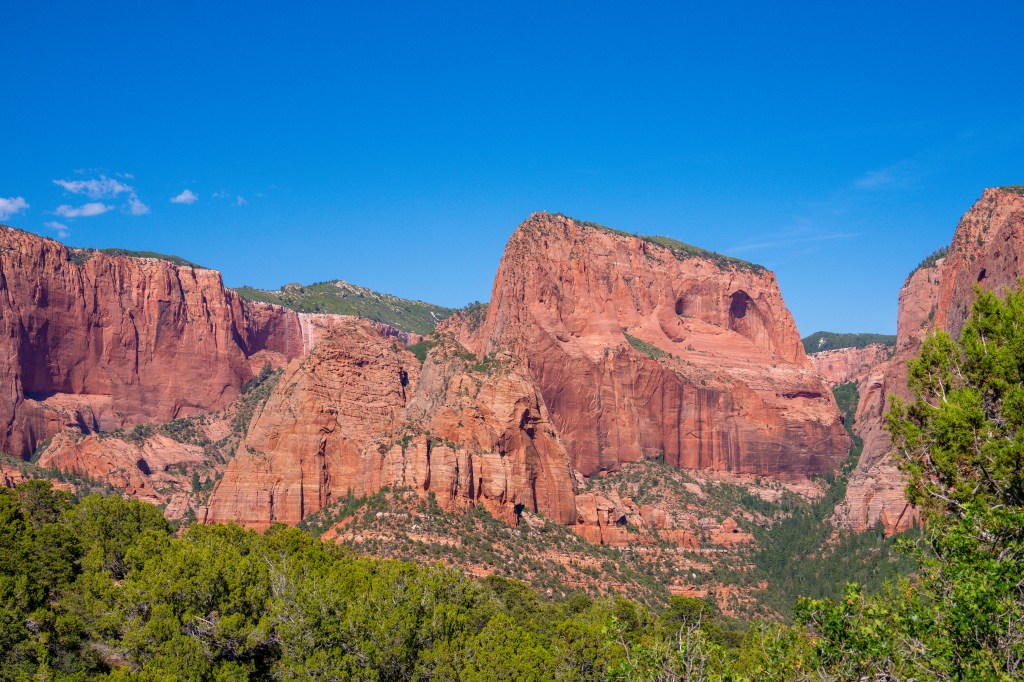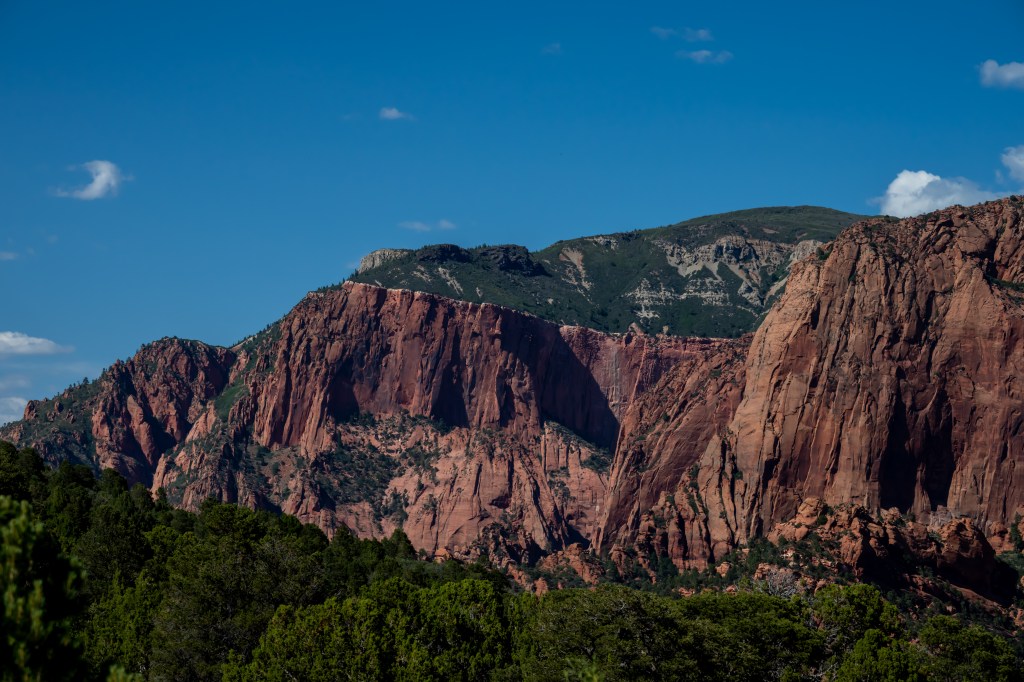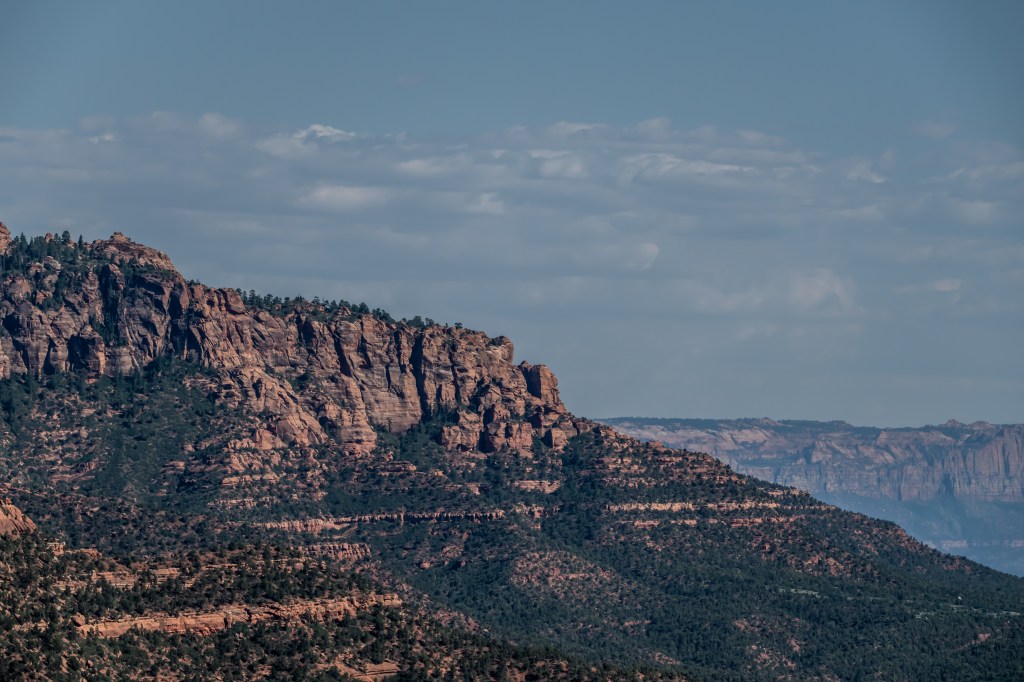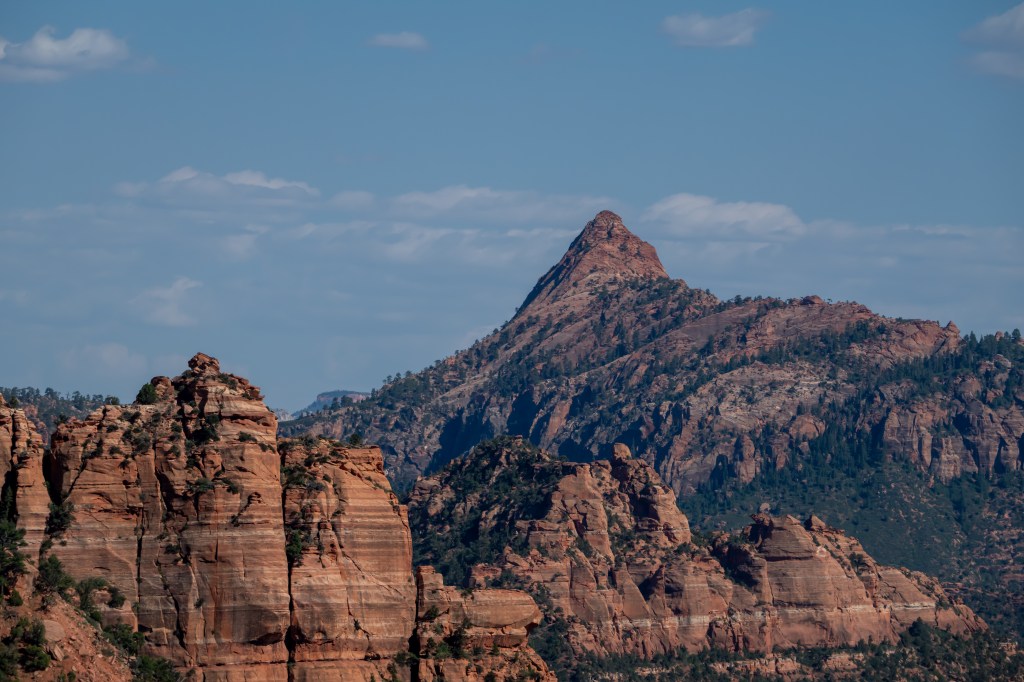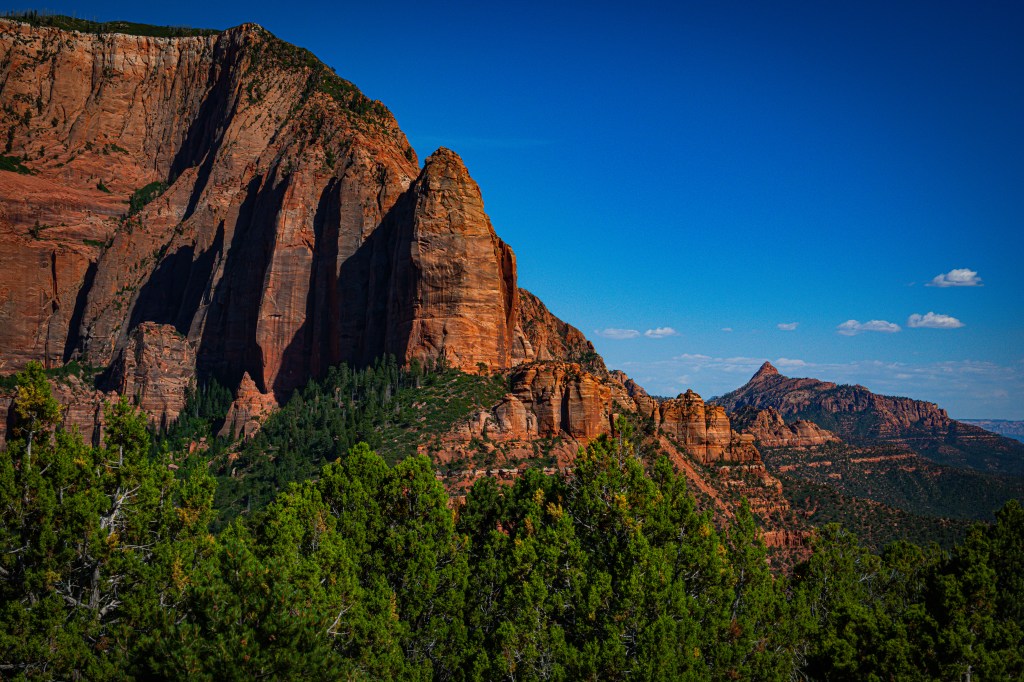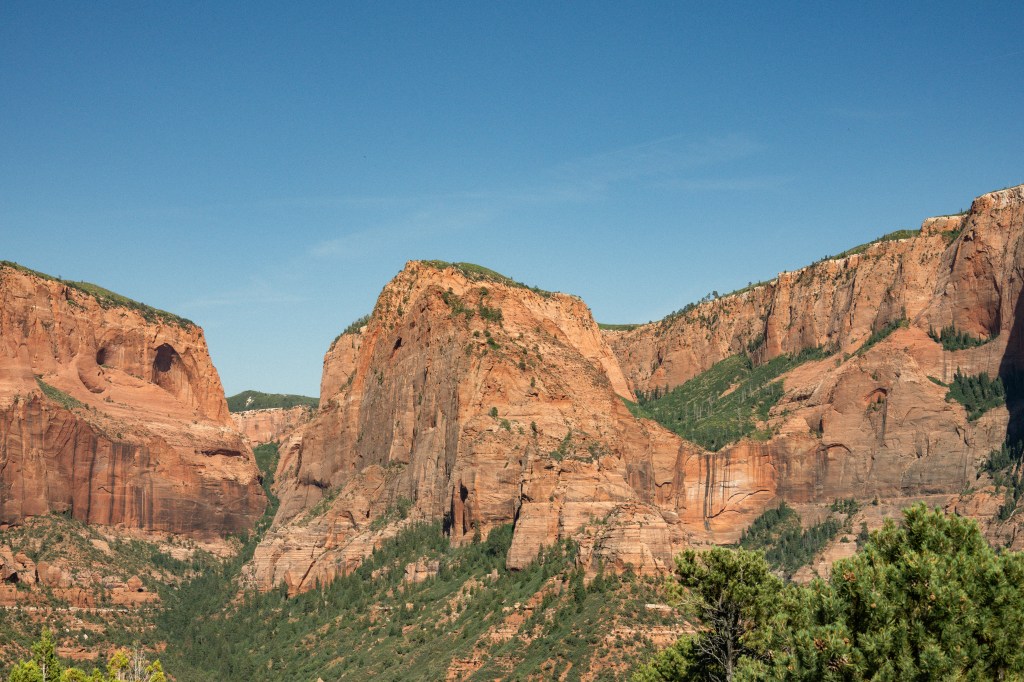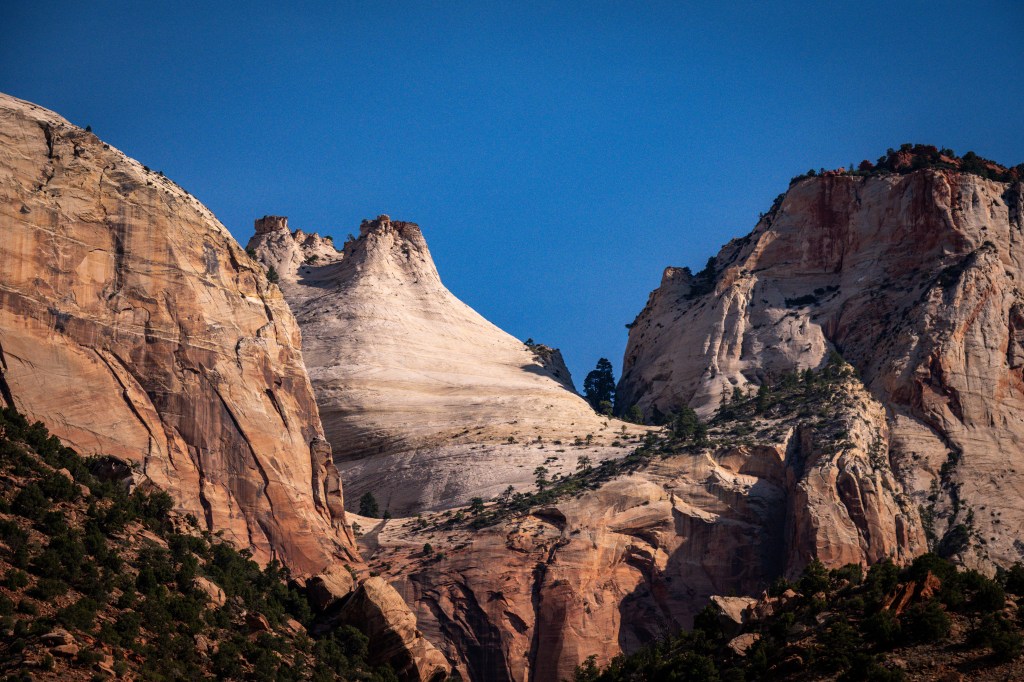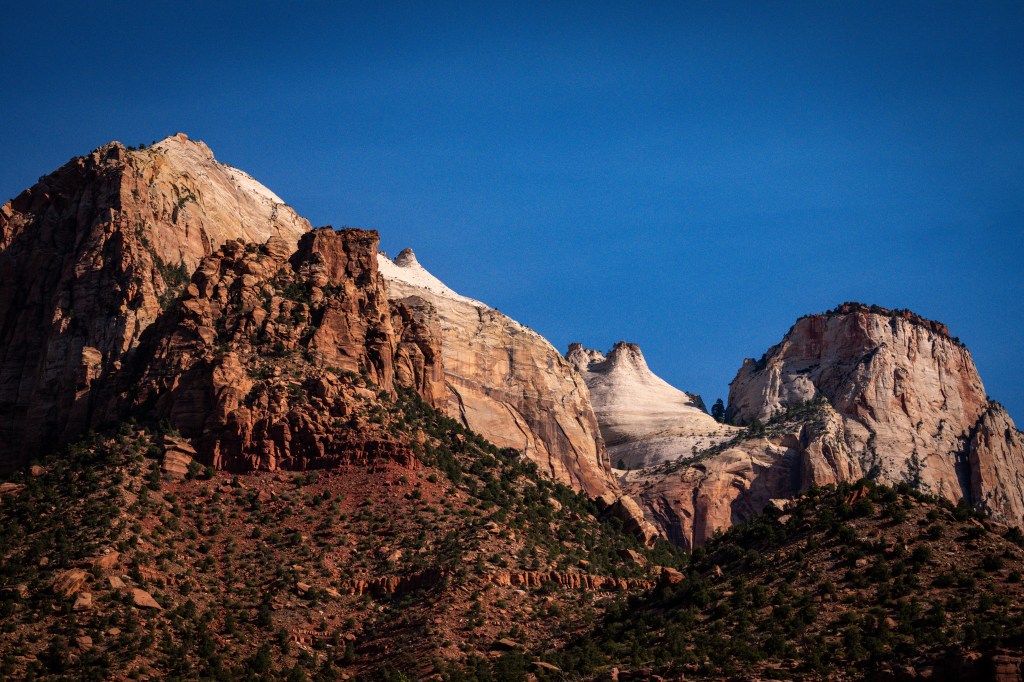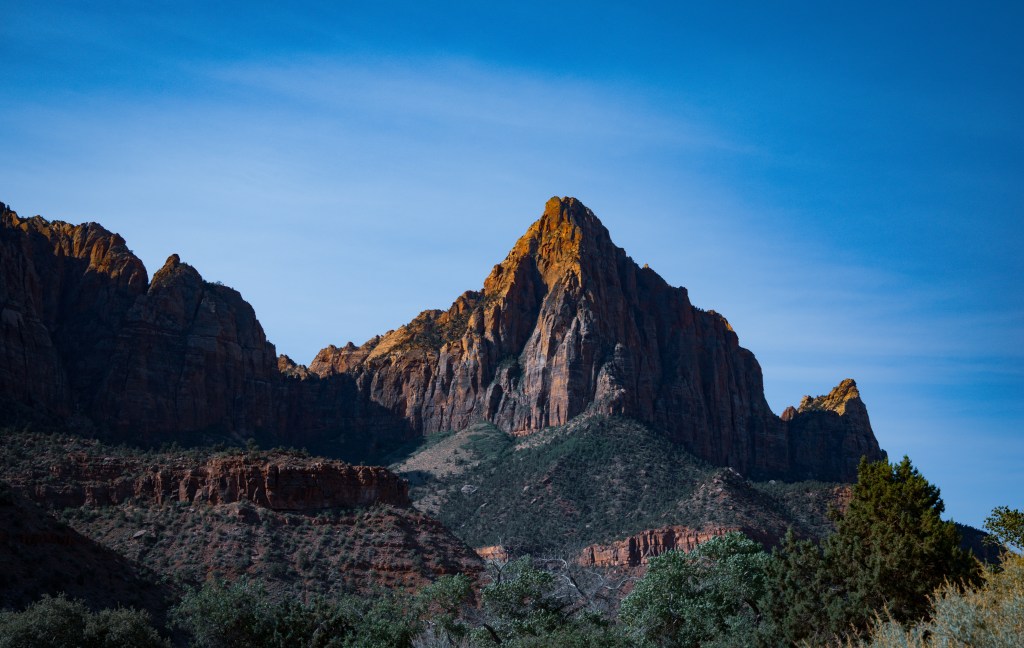
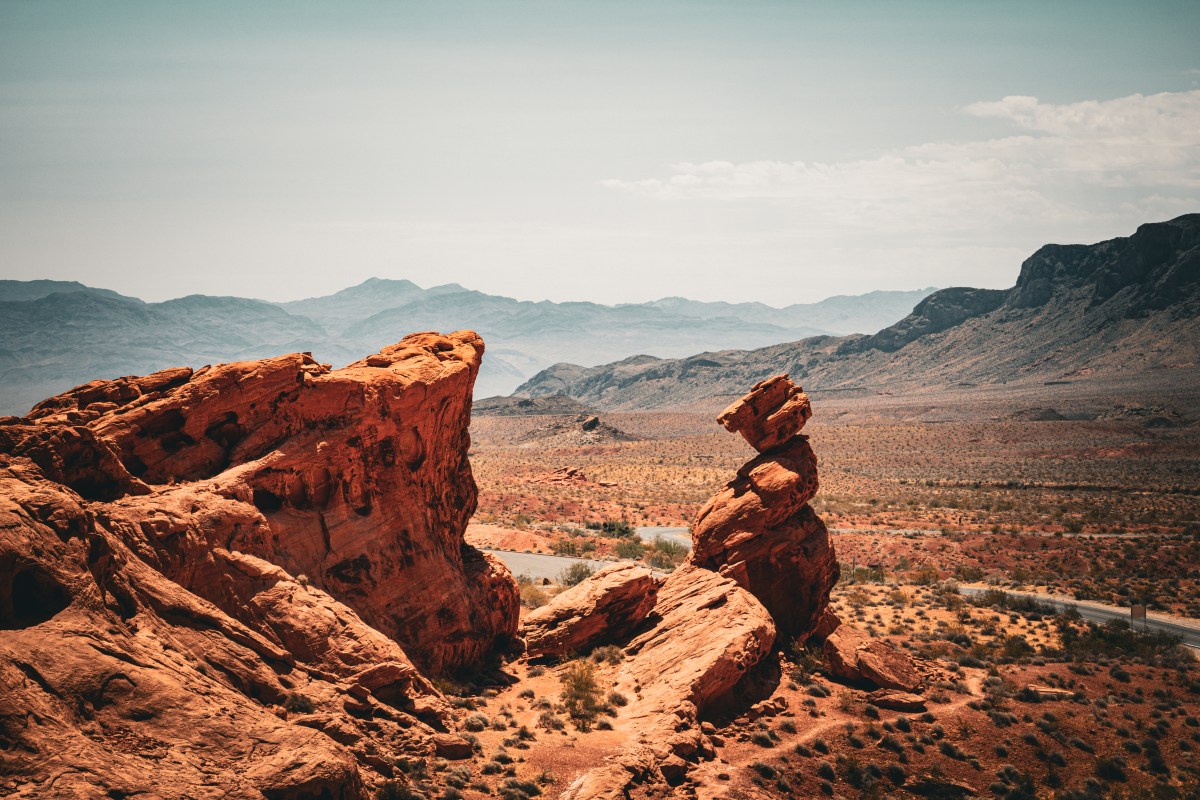
Just an hour northeast of Las Vegas lies one of the Southwest’s most remarkable natural treasures: Valley of Fire State Park. Known for its fiery red sandstone formations, ancient petroglyphs, and stunning desert scenery, this Nevada gem offers visitors a chance to explore landscapes that seem more at home on another planet than on Earth.
Whether you’re a photographer, hiker, history enthusiast, or road-tripper, Valley of Fire delivers unforgettable scenery around every bend.
A Landscape 150 Million Years in the Making
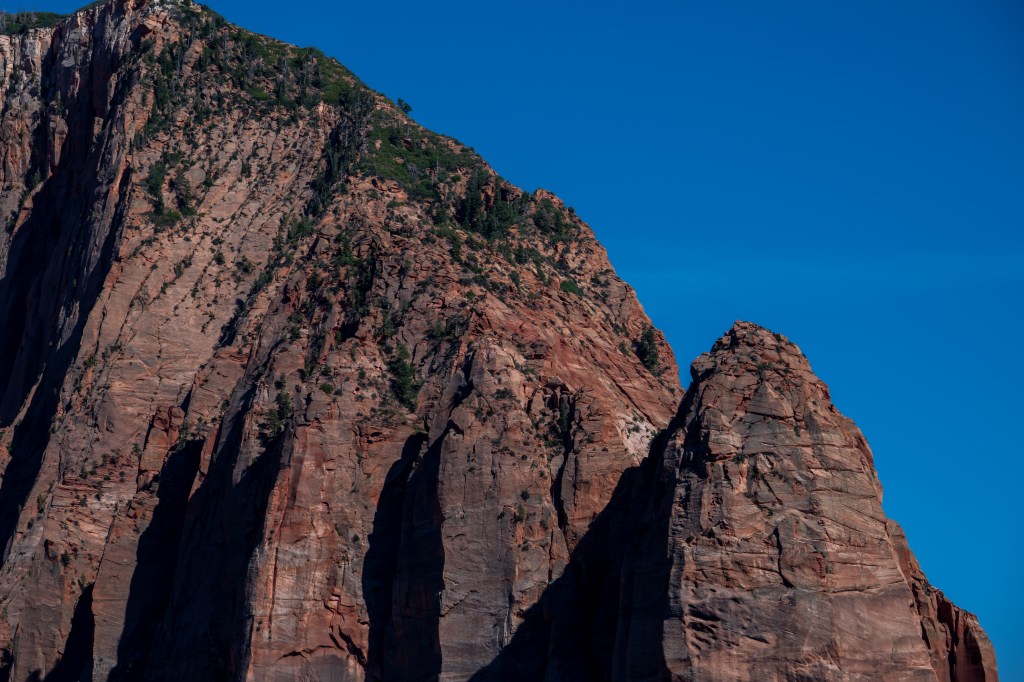
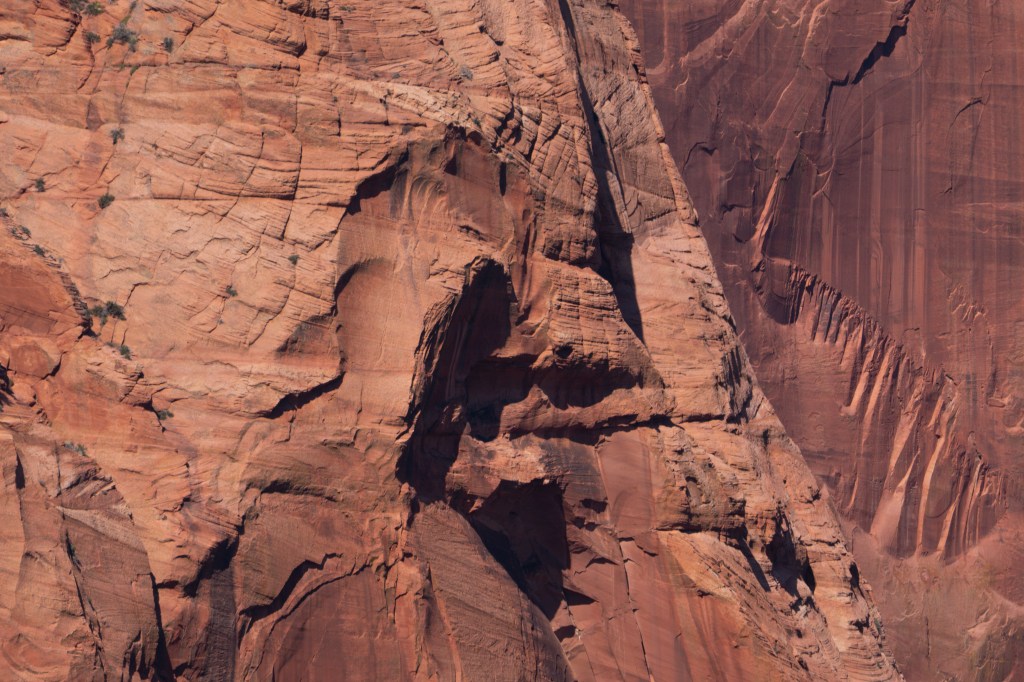
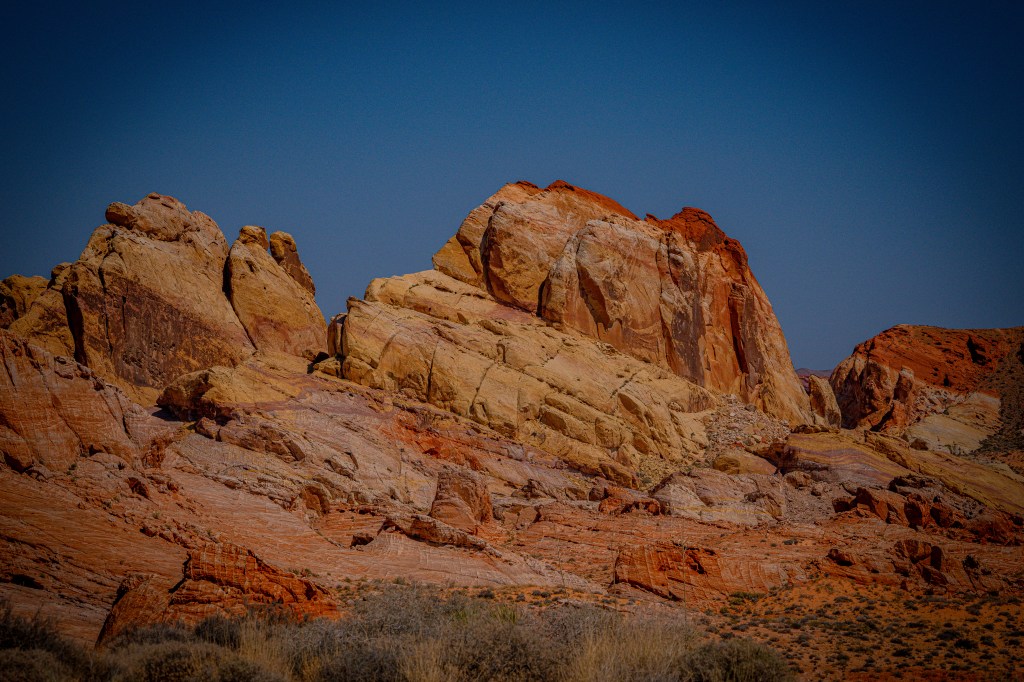
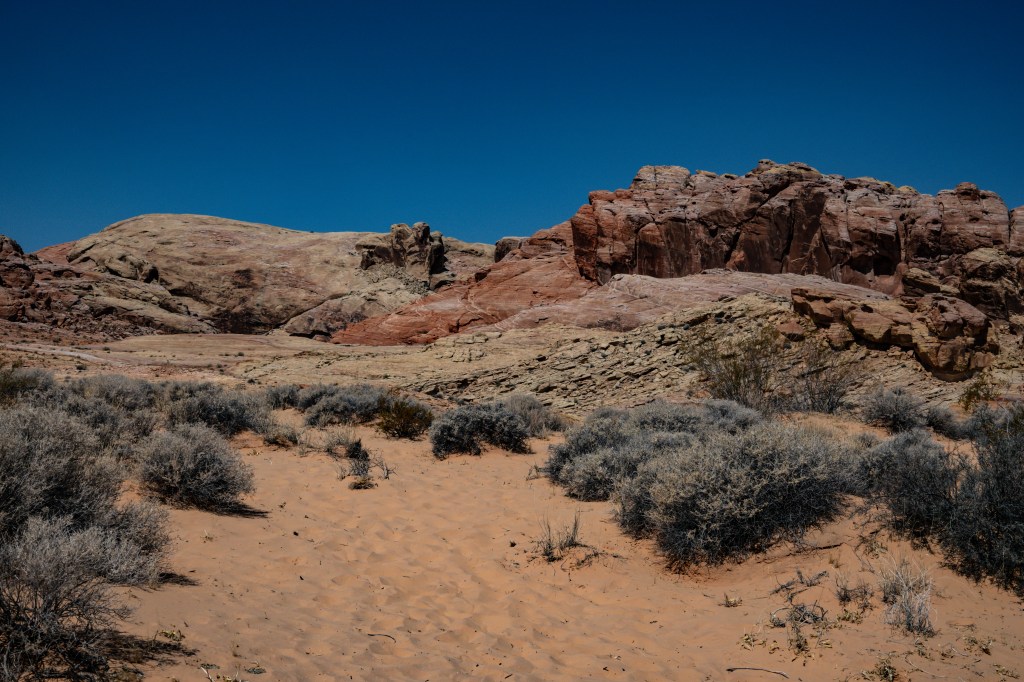
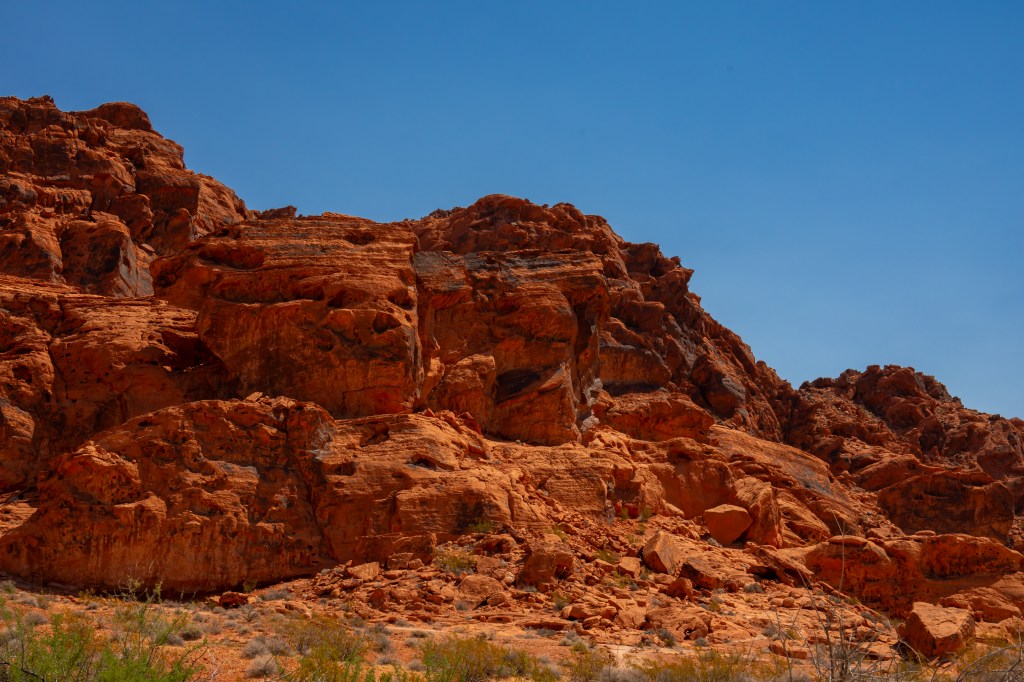
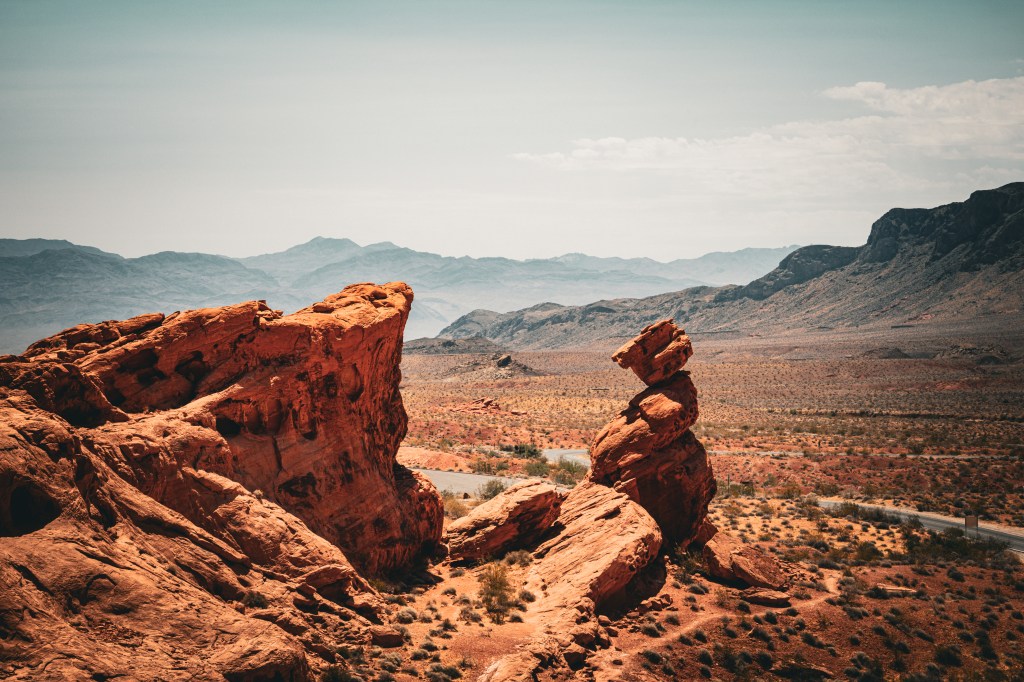
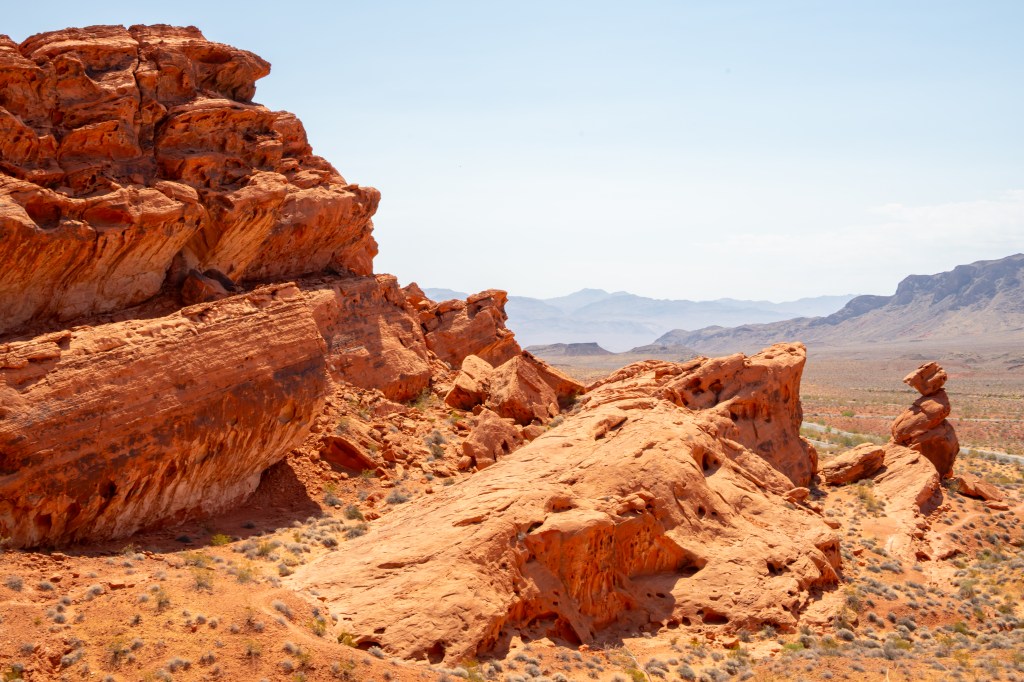
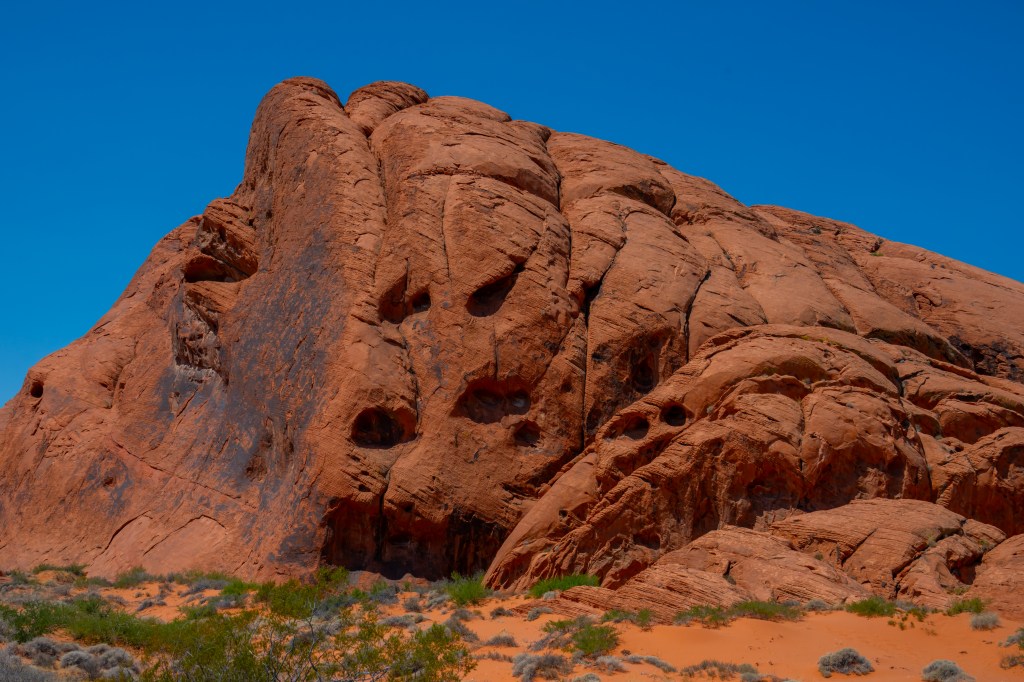
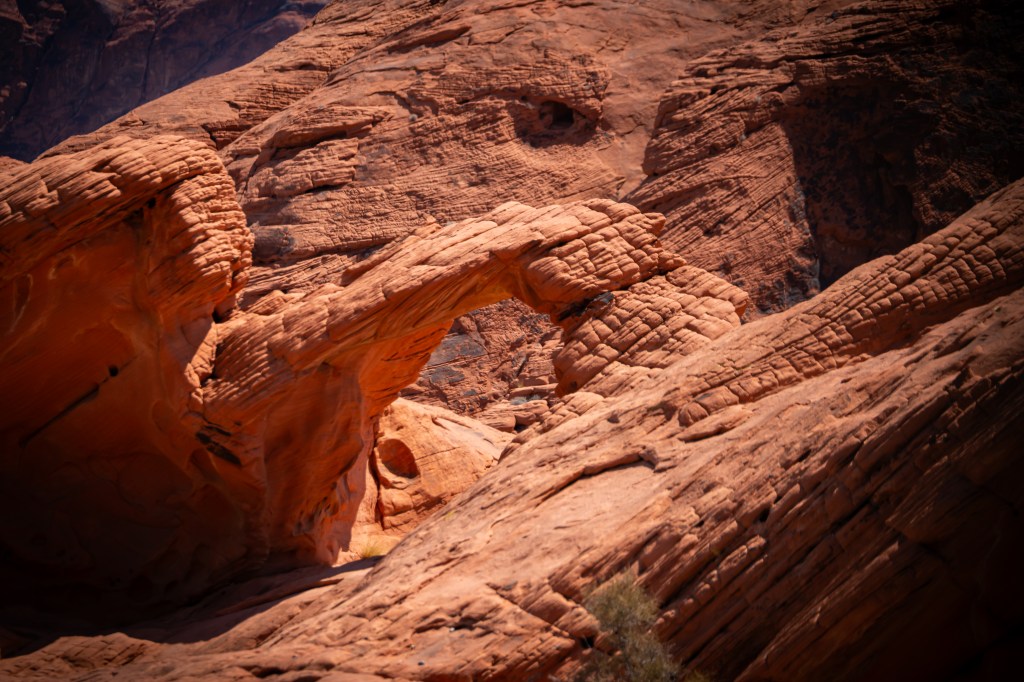
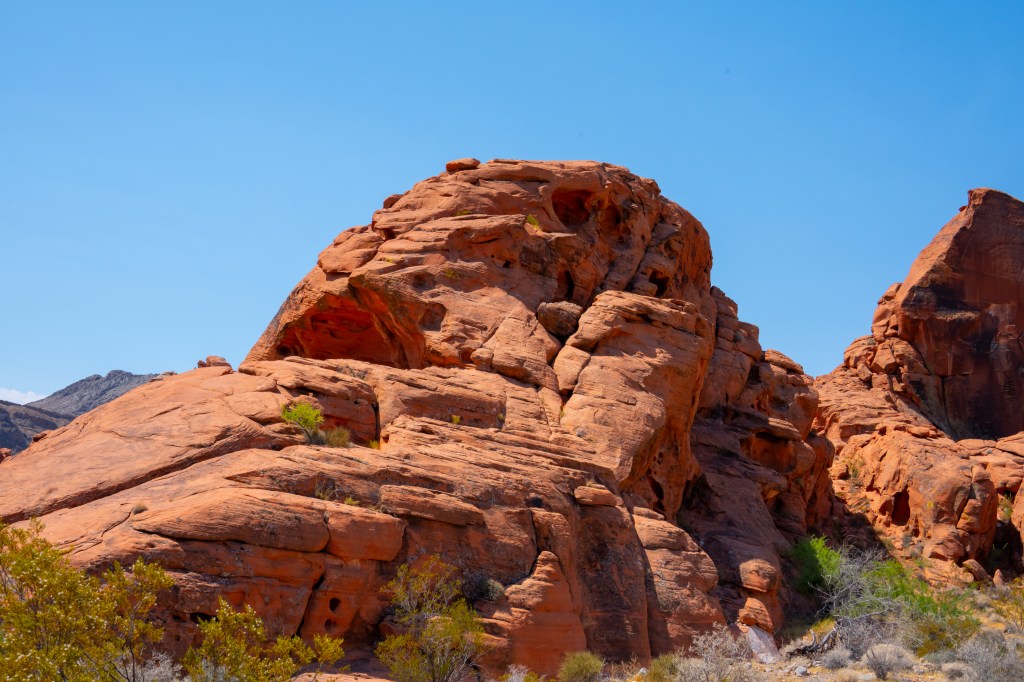
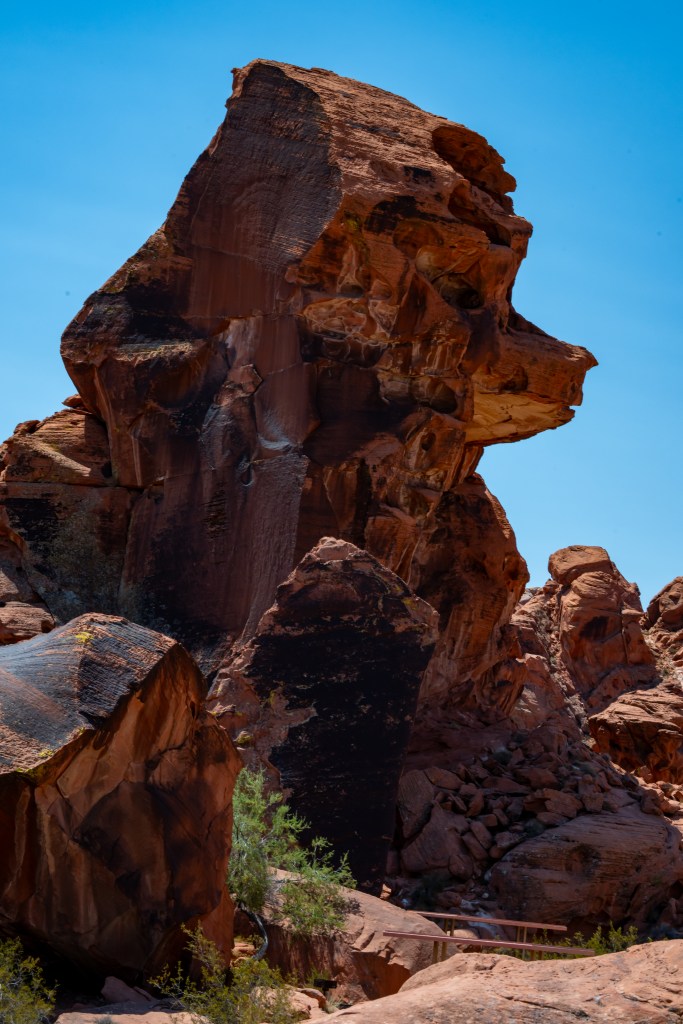
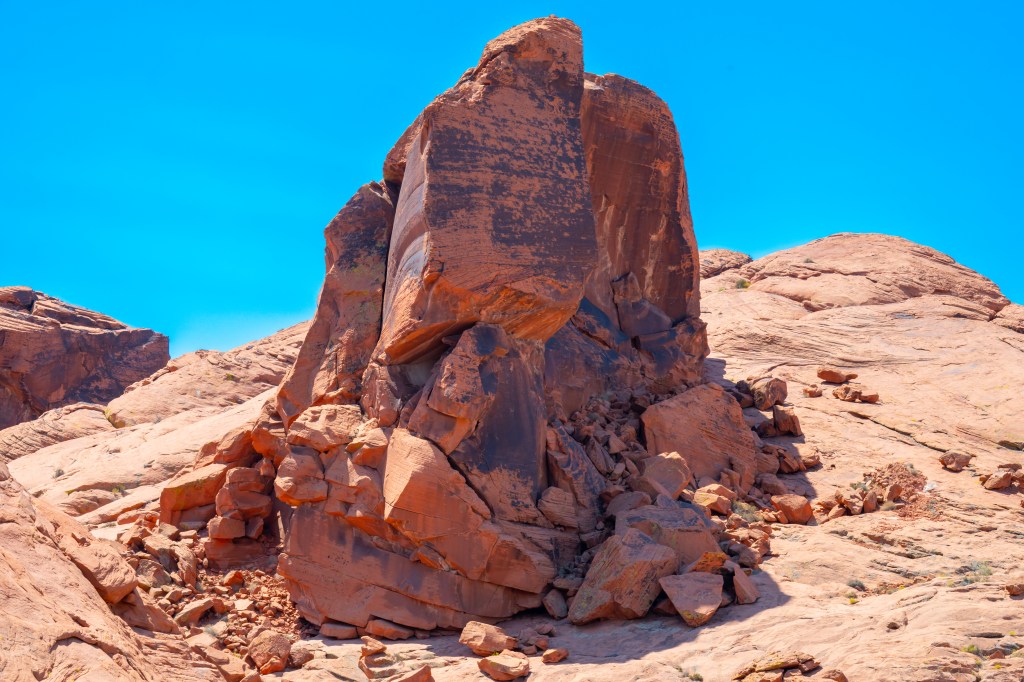
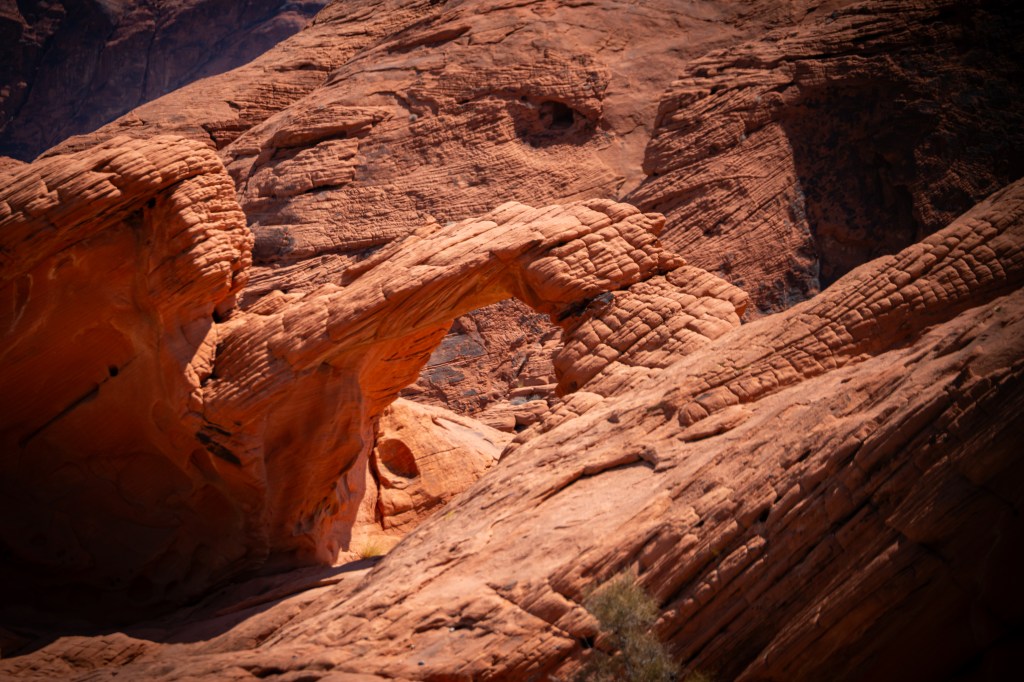
Valley of Fire gets its name from the vibrant red Aztec sandstone formations that appear to glow like flames when illuminated by the morning or evening sun. These striking rock formations were created from ancient sand dunes during the age of the dinosaurs and have been sculpted by wind and water over millions of years.
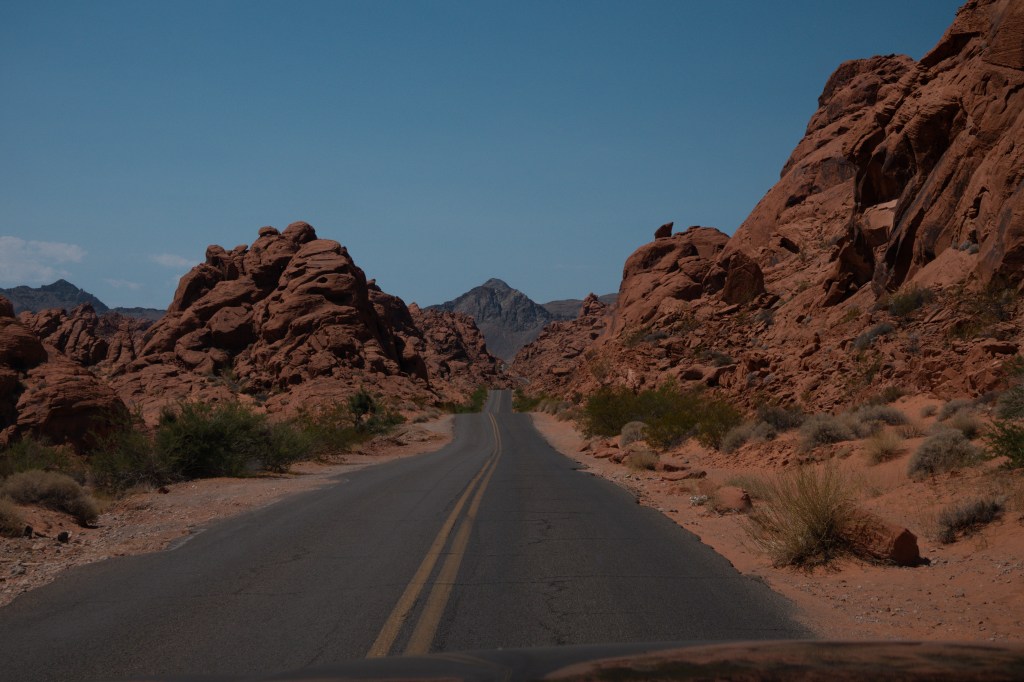
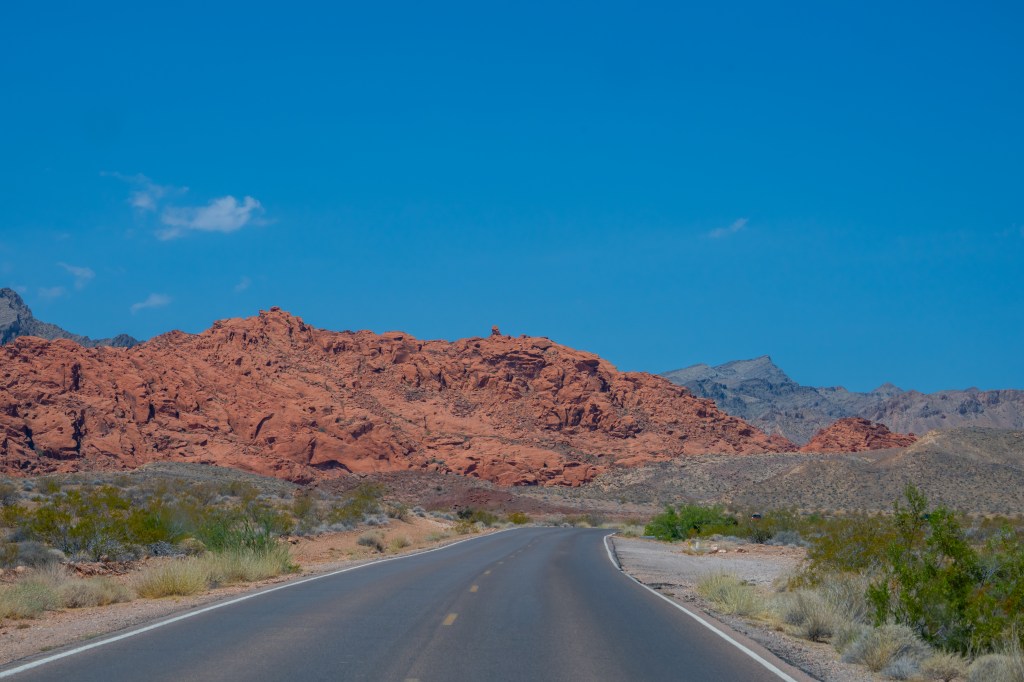
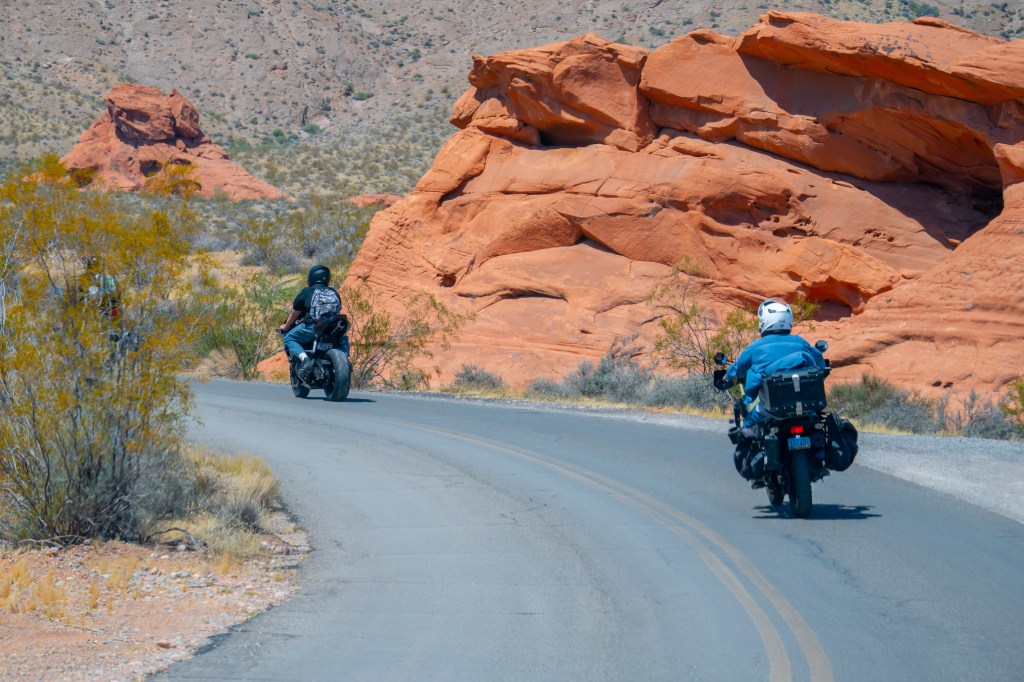
As you drive through the park, you’ll encounter a stunning collection of arches, domes, ridges, and rock formations that showcase the incredible power of nature.
A Photographer’s Dream Destination
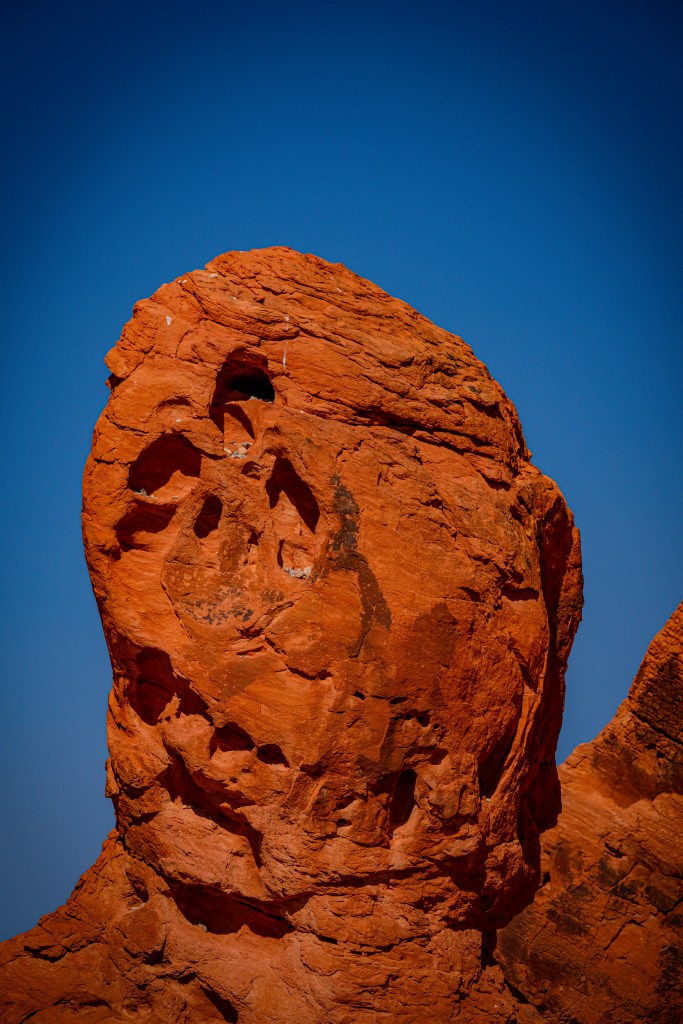
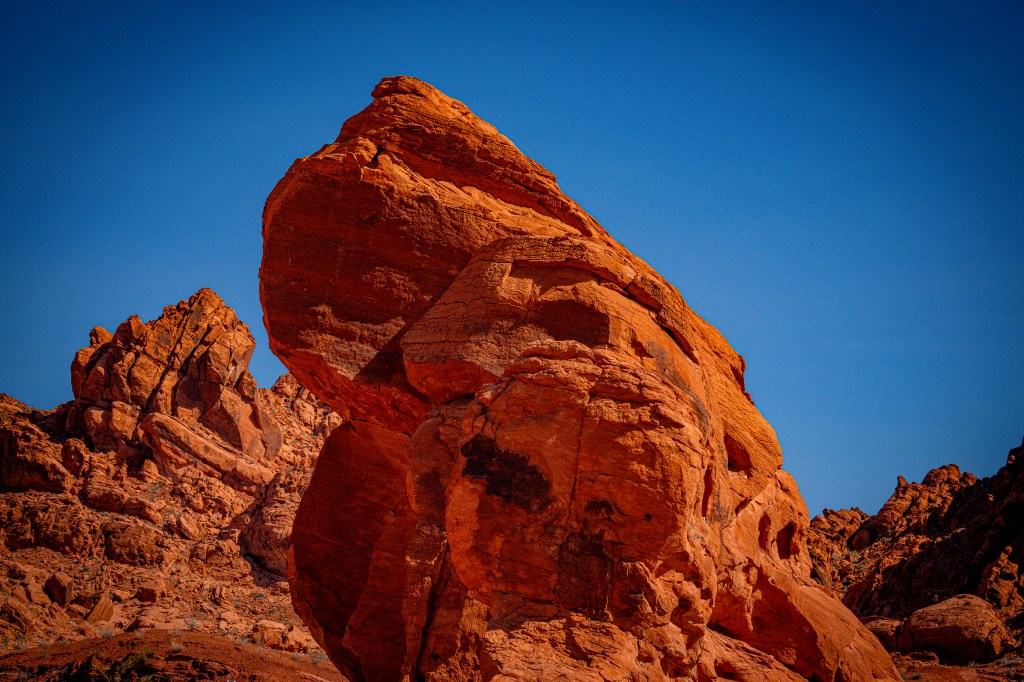
For photographers, Valley of Fire is a paradise. The constantly changing light transforms the landscape throughout the day, creating endless opportunities for dramatic images.
Popular photography locations include:
Fire Wave
Perhaps the park’s most famous landmark, Fire Wave features swirling layers of red, pink, and white sandstone resembling a frozen ocean wave. The short hike to this formation is well worth the effort and offers some of the most iconic photographs in Nevada.
Elephant Rock
Near the east entrance, this naturally sculpted sandstone formation resembles a giant elephant. It’s an easy stop and one of the park’s most recognizable landmarks.
White Domes
This scenic area features colorful rock formations, a slot canyon, and remnants of an old movie set. The White Domes Trail offers some of the most diverse scenery in the park.
Rainbow Vista
A short walk leads visitors to sweeping views of multicolored rock formations stretching across the desert landscape.
Discovering Ancient Petroglyphs
Beyond its geological wonders, Valley of Fire is rich in cultural history. Ancient Native American peoples, including the Ancestral Puebloans, left behind numerous petroglyphs carved into the sandstone thousands of years ago.
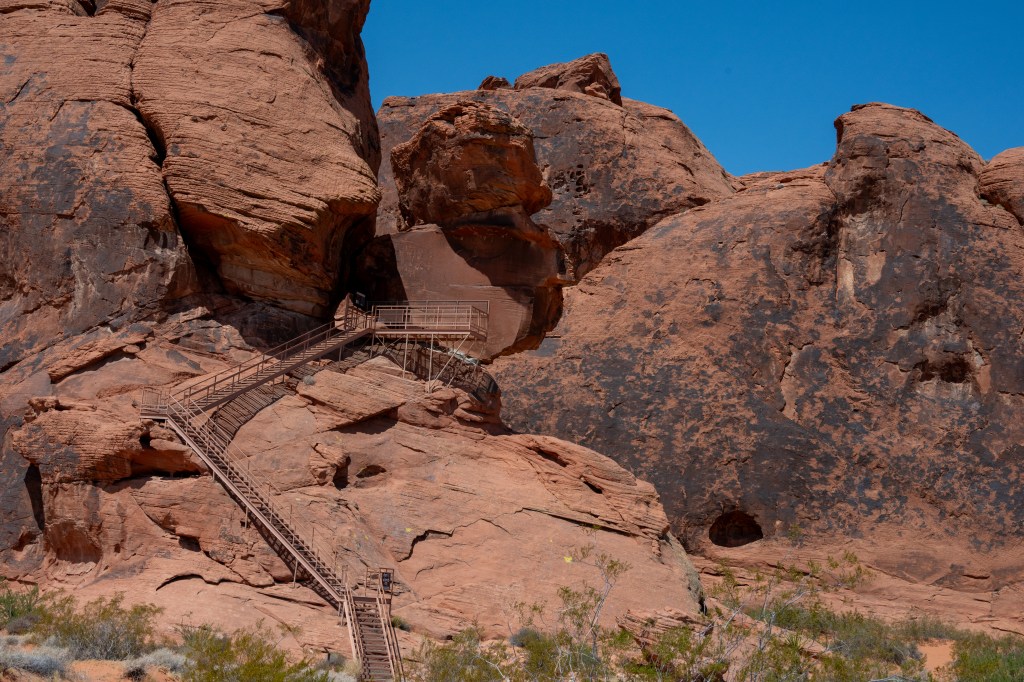
One of the best places to view these fascinating rock carvings is Atlatl Rock, where a staircase provides access to an impressive collection of ancient artwork. These petroglyphs offer a glimpse into the lives and traditions of the people who once called this desert home.
Hiking Through a Desert Wonderland
Valley of Fire offers trails for all skill levels. Some of the most popular include:
- Fire Wave Trail
- White Domes Loop
- Mouse’s Tank Trail
- Rainbow Vista Trail
- Seven Wonders Loop
Many hikes are relatively short but reward visitors with extraordinary scenery and unique geological features.
Wildlife in the Desert
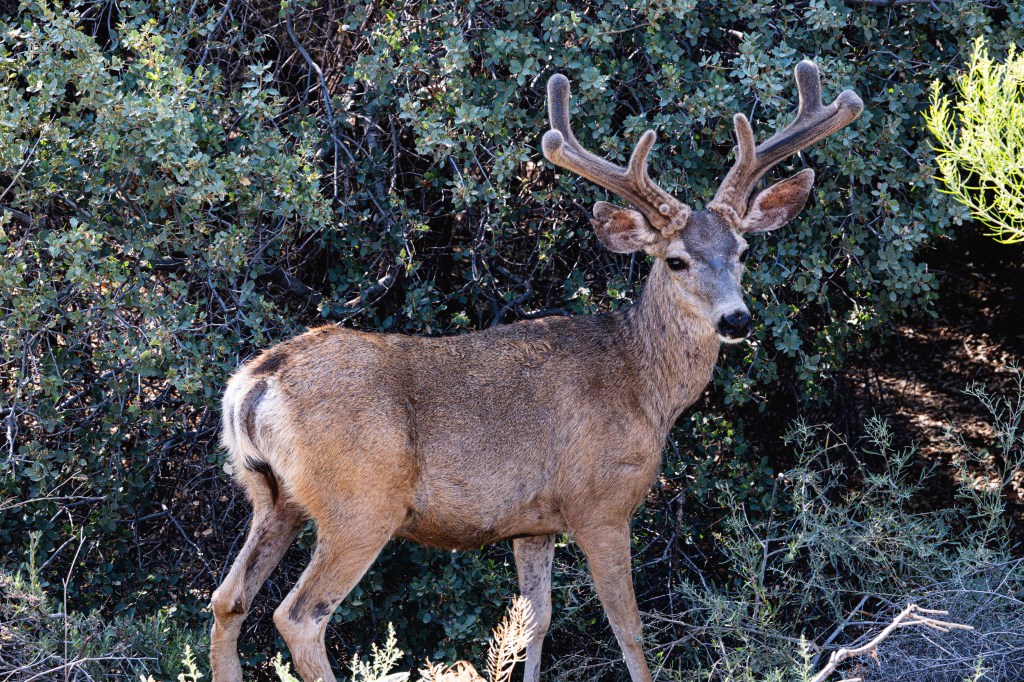
Although the landscape may appear harsh, Valley of Fire supports a surprising variety of wildlife.
Keep an eye out for:
- Desert bighorn sheep
- Jackrabbits
- Coyotes
- Desert tortoises
- Lizards and reptiles
- Roadrunners and other desert birds
Early morning and late afternoon provide the best opportunities for wildlife photography.
Best Time to Visit
The ideal time to visit Valley of Fire is from October through April when temperatures are cooler and more comfortable for hiking.
Summer temperatures frequently exceed 100°F, making outdoor activities challenging and potentially dangerous during midday hours.
For photographers, sunrise and sunset offer the most dramatic lighting as the sandstone formations glow with intense shades of red and orange.
Travel Tips for Visitors
- Bring plenty of water, even during cooler months.
- Wear sunscreen and a hat.
- Start hikes early to avoid midday heat.
- Stay on designated trails to protect fragile desert ecosystems.
- Allow plenty of time for photography stops along the scenic drive.
- Download maps before arriving, as cell service can be limited.
Final Thoughts
Valley of Fire State Park is one of Nevada’s most spectacular natural destinations and an easy day trip from Las Vegas. Its fiery sandstone formations, ancient petroglyphs, scenic hiking trails, and incredible photographic opportunities make it a must-visit location for anyone exploring the American Southwest.
Whether you’re chasing sunrise at Fire Wave, discovering ancient rock art, or simply enjoying a scenic drive through the desert, Valley of Fire offers a memorable adventure that showcases the beauty and history of Nevada’s desert landscape.
If you’re looking for a destination that combines natural wonder, outdoor exploration, and incredible photography opportunities, Valley of Fire State Park deserves a place at the top of your travel bucket list.