Discover why Scripps Pier in La Jolla is one of San Diego’s most photographed landmarks. Learn its history, photography tips, wildlife highlights, and nearby attractions.
A Pier Built for Science
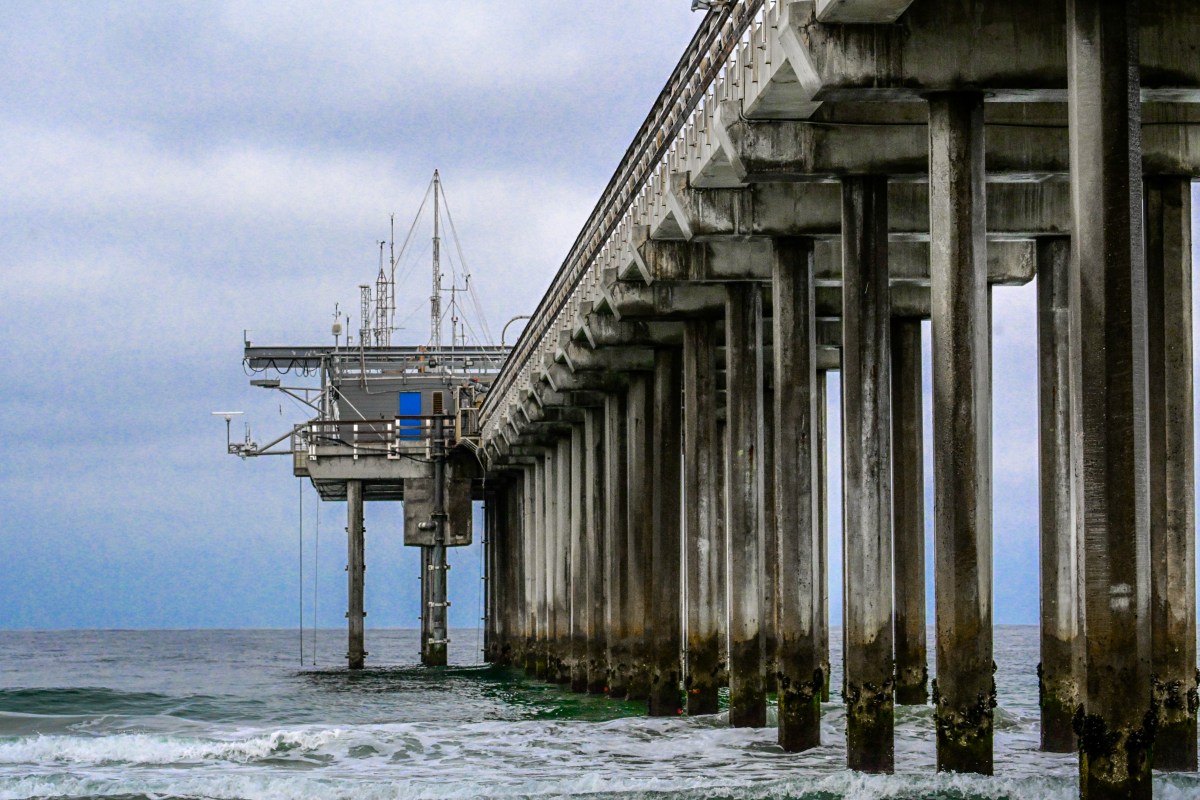
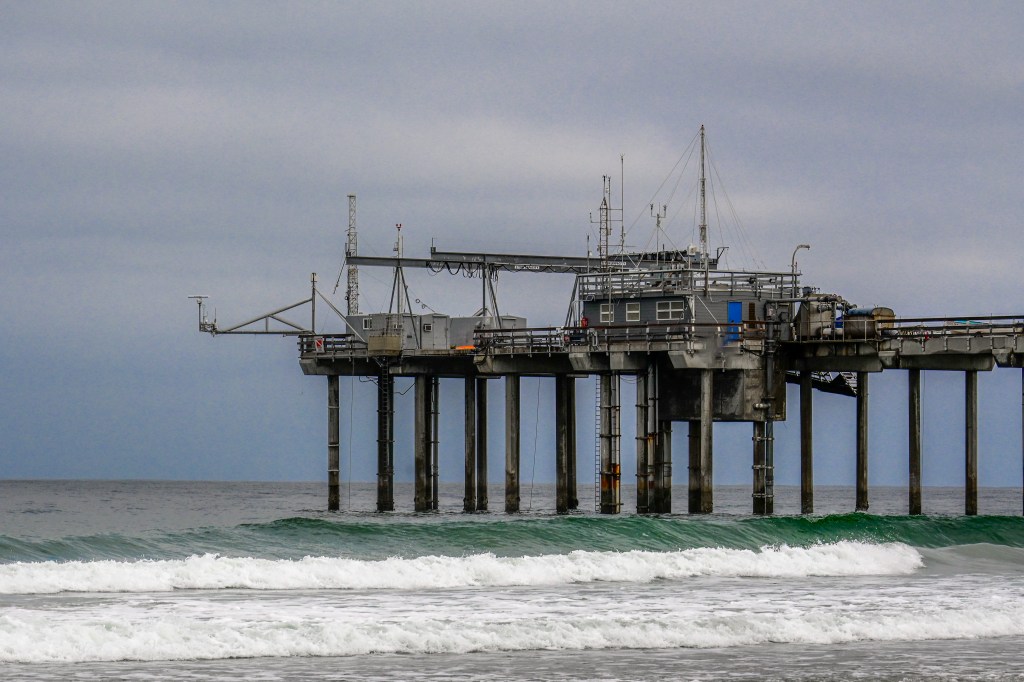
Unlike many California piers, Scripps Pier was never intended for amusement rides, restaurants, or fishing. Officially known as the Ellen Browning Scripps Memorial Pier, it serves as a working research facility for the Scripps Institution of Oceanography at the University of California San Diego.
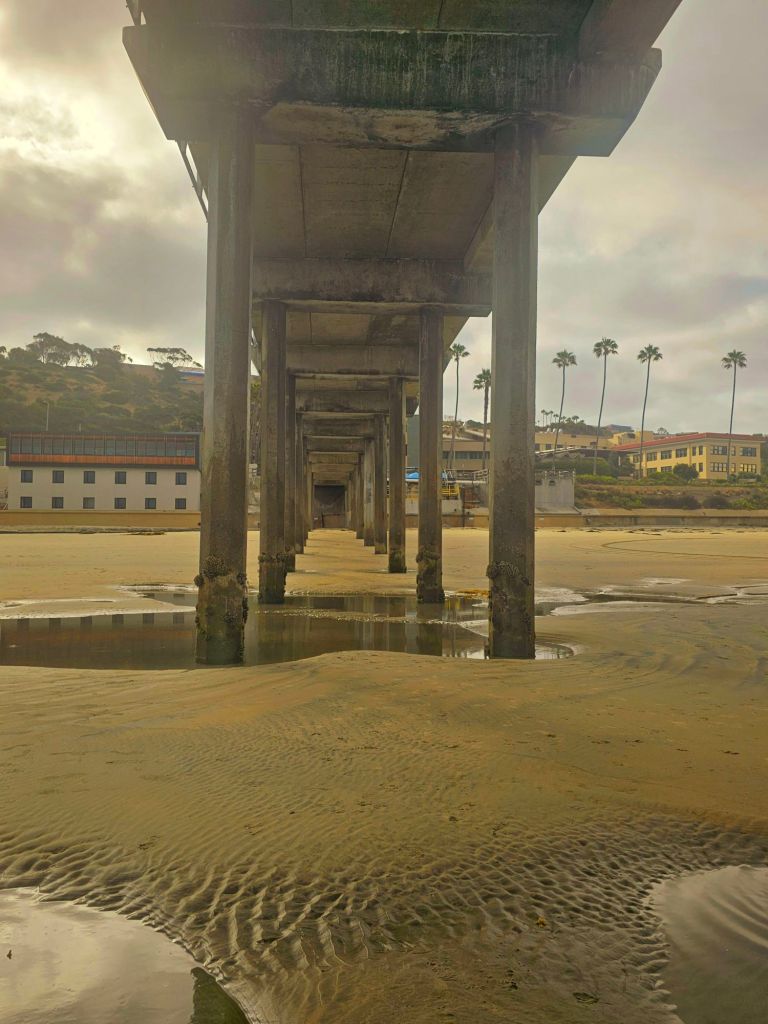
The original wooden pier opened in 1916 thanks to a generous gift from philanthropist Ellen Browning Scripps. After decades of serving scientists, it was replaced in 1988 with the modern reinforced concrete structure that stands today. At 1,084 feet long, it remains one of the world’s longest active research piers.
High Tide vs. Low Tide
Both tides offer unique perspectives.
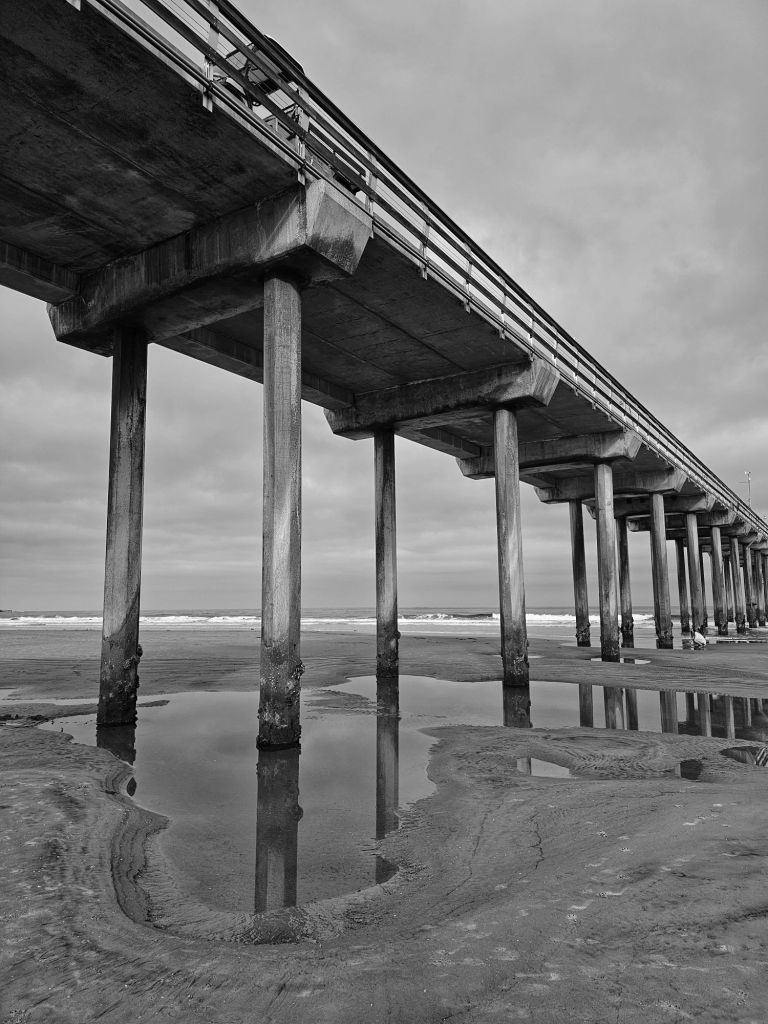
Low tide reveals more of the pilings and creates excellent reflections.
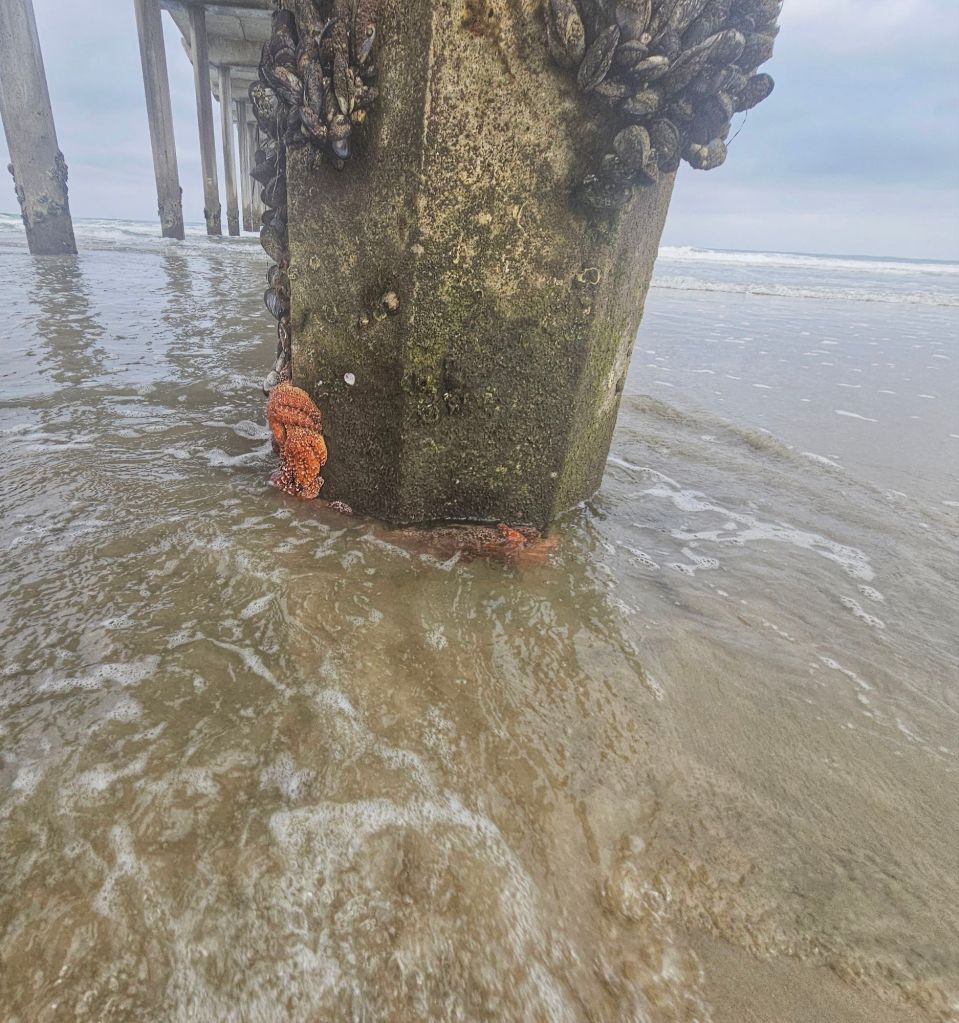
High tide allows waves to crash dramatically around the supports for dynamic images.
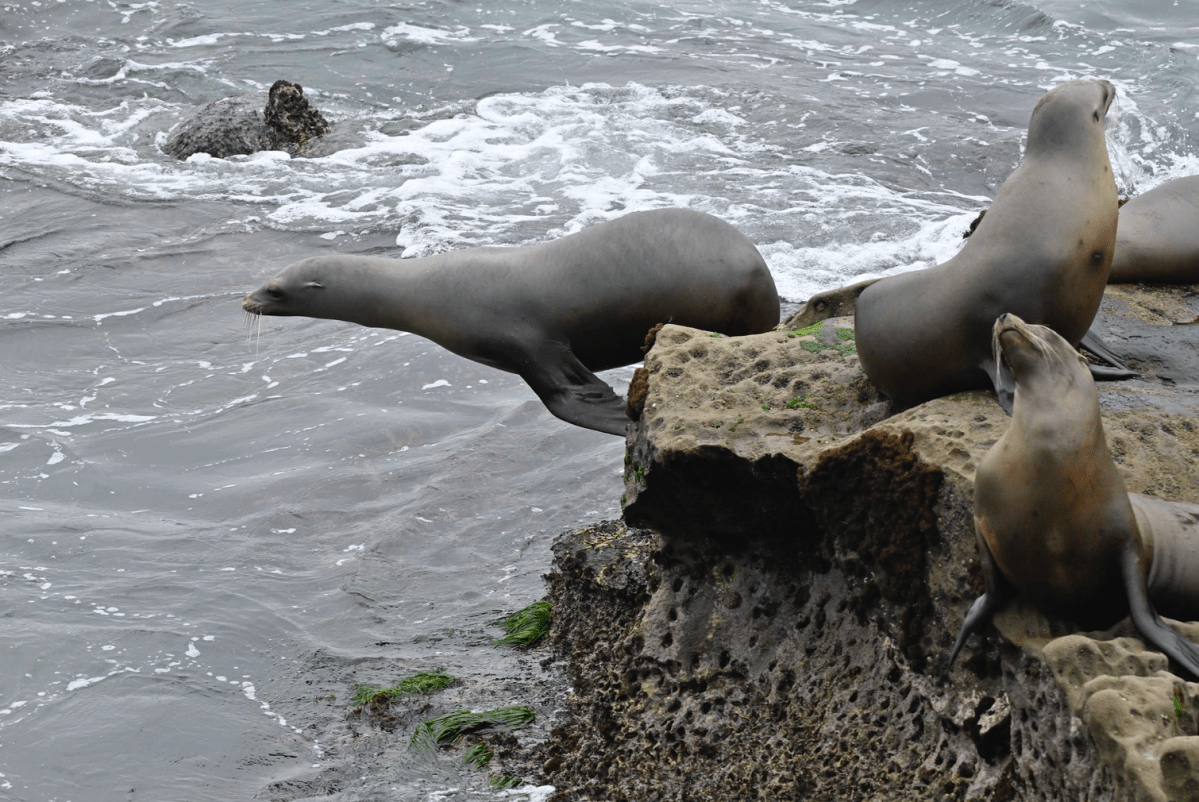
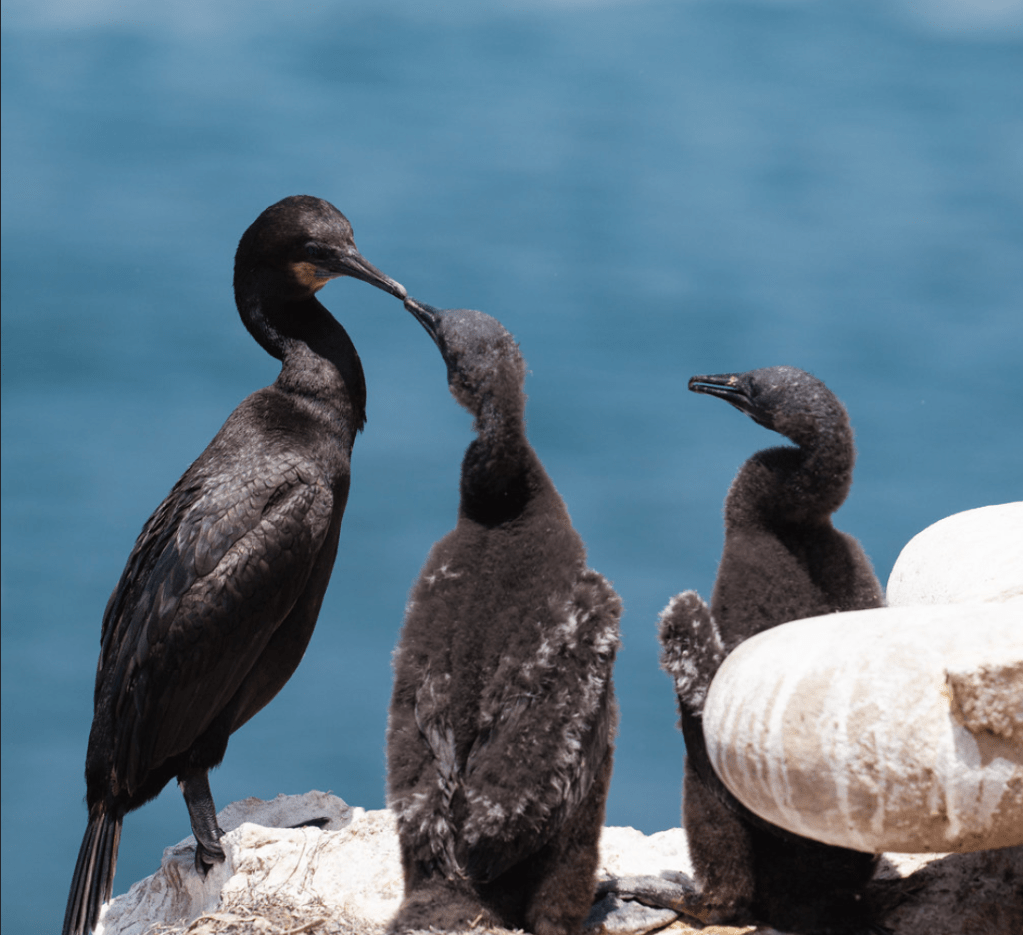
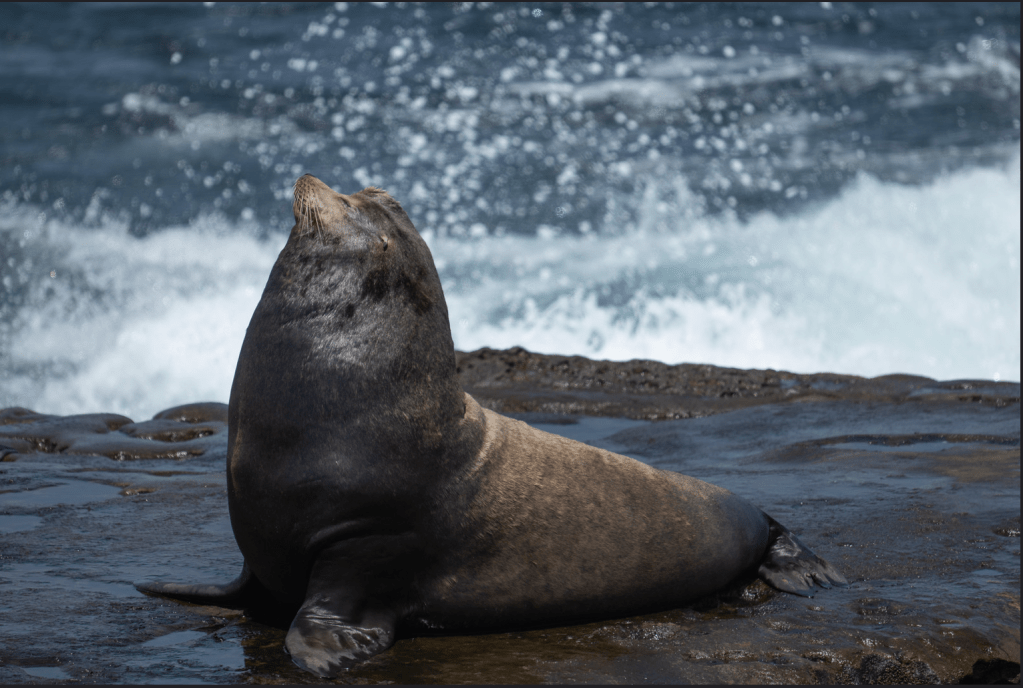
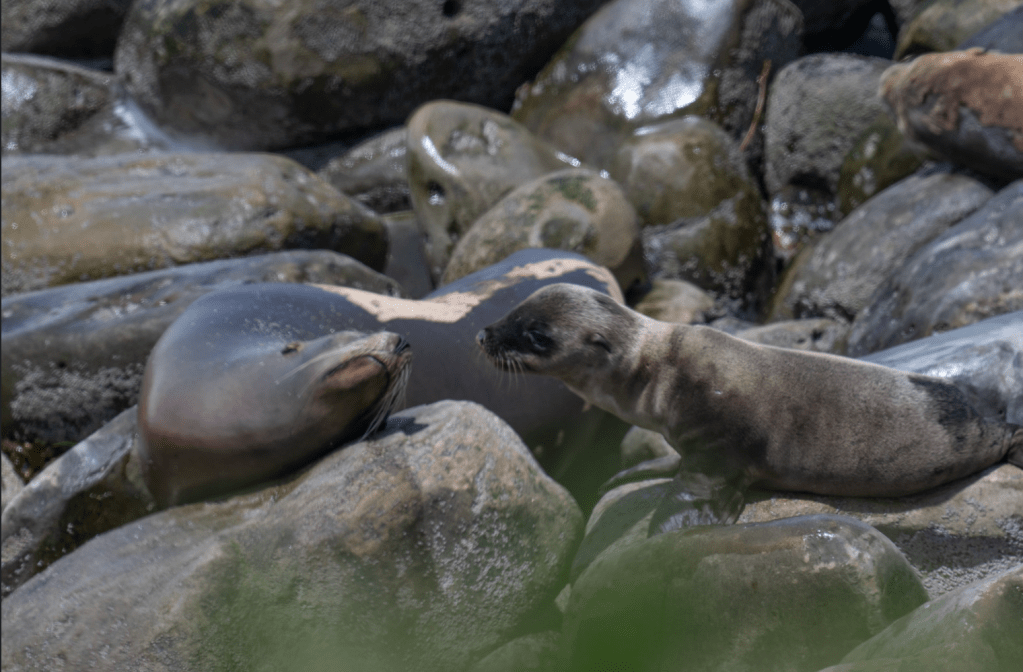
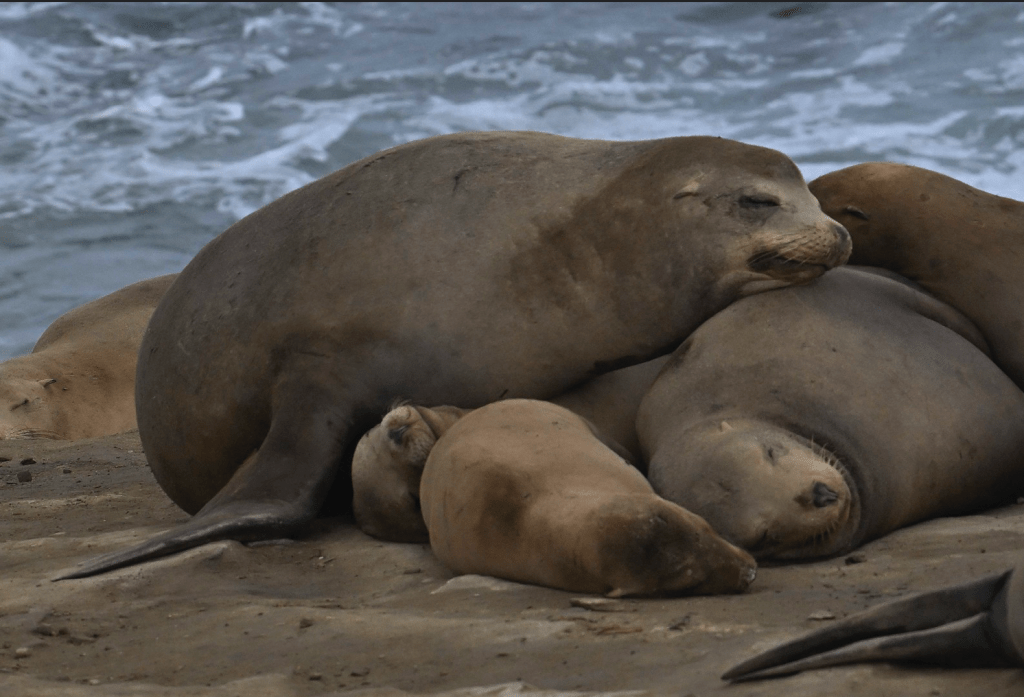
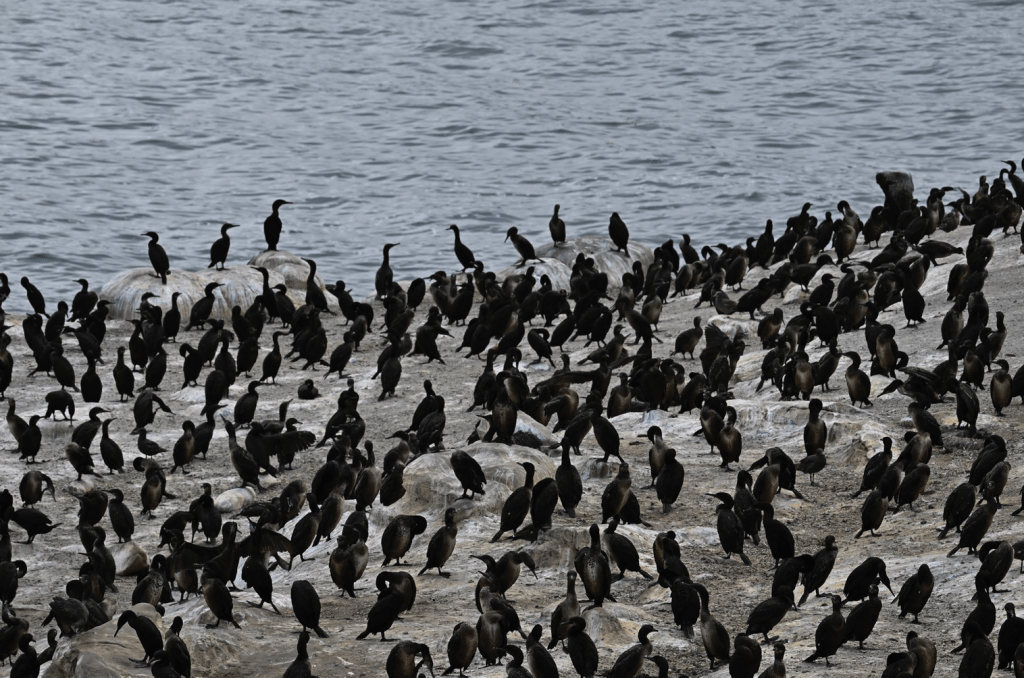
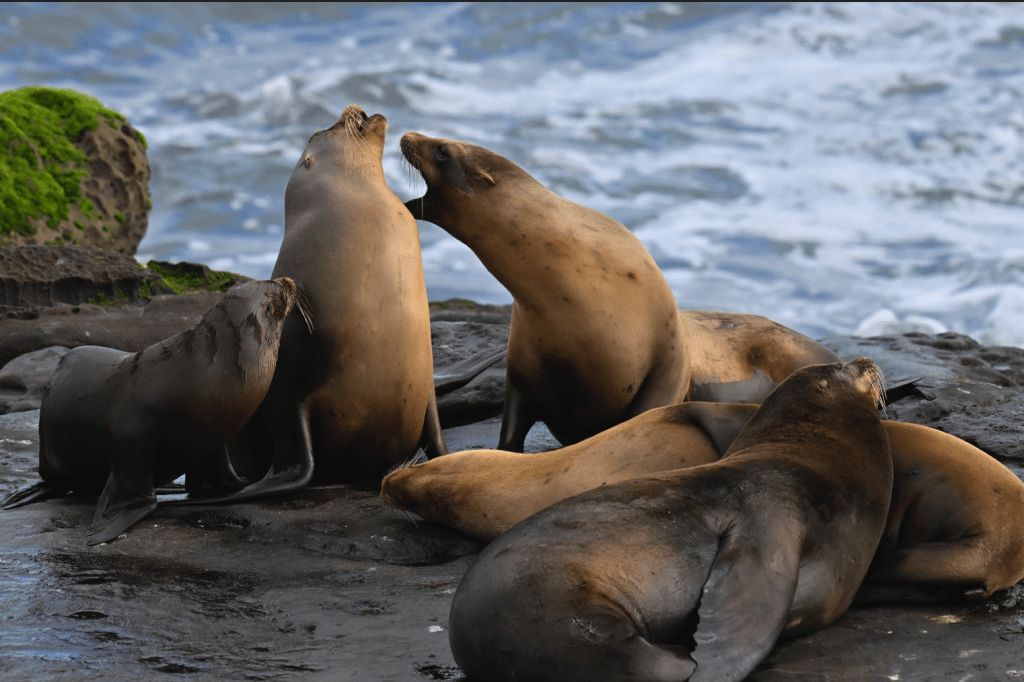
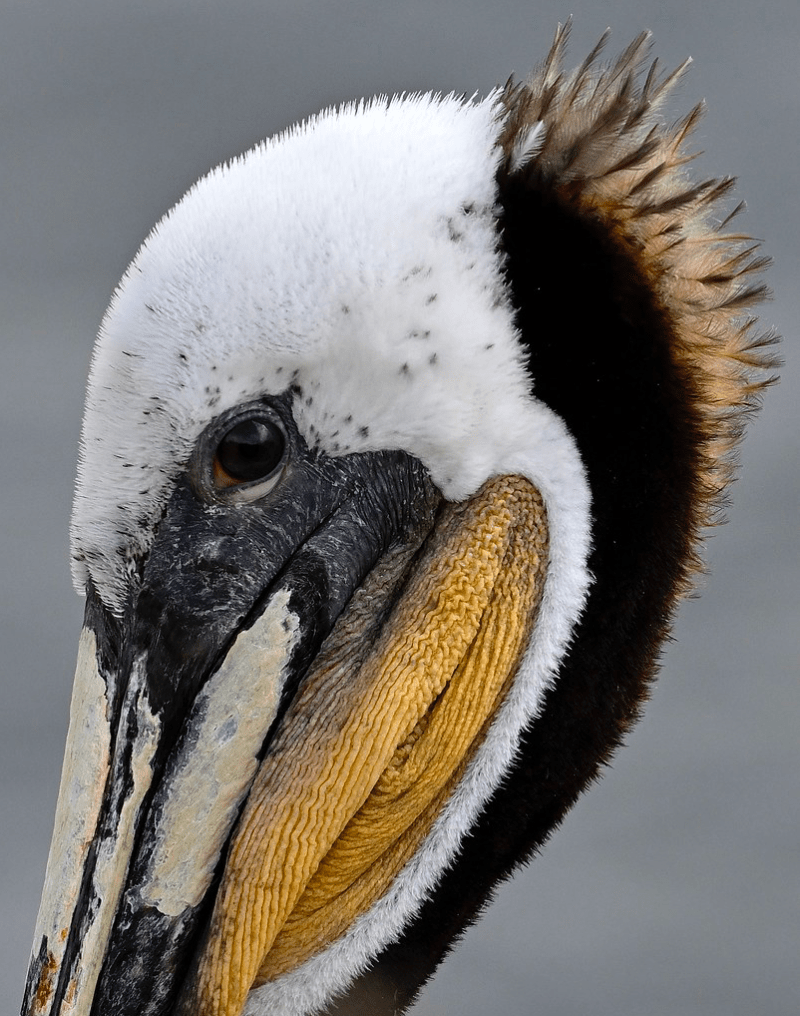
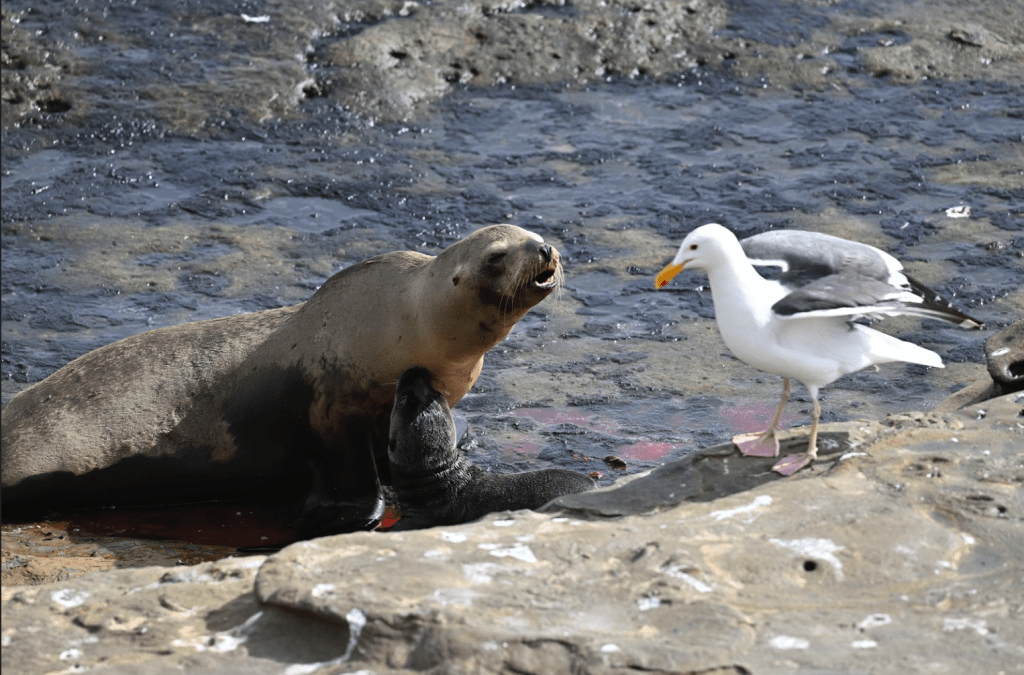
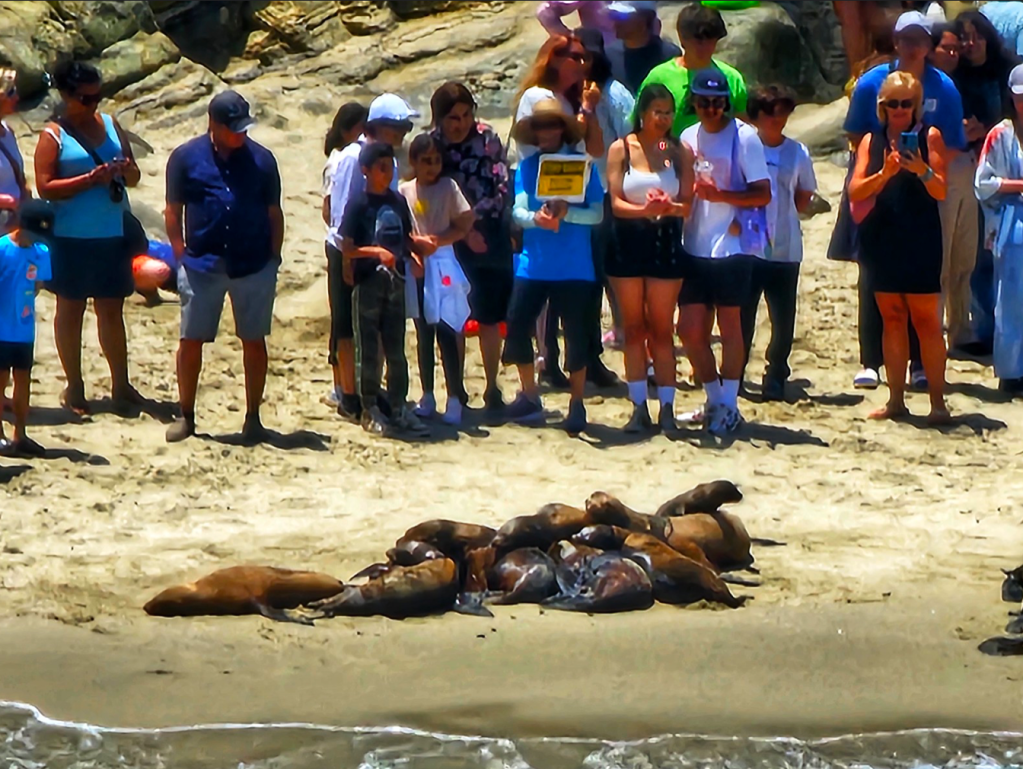
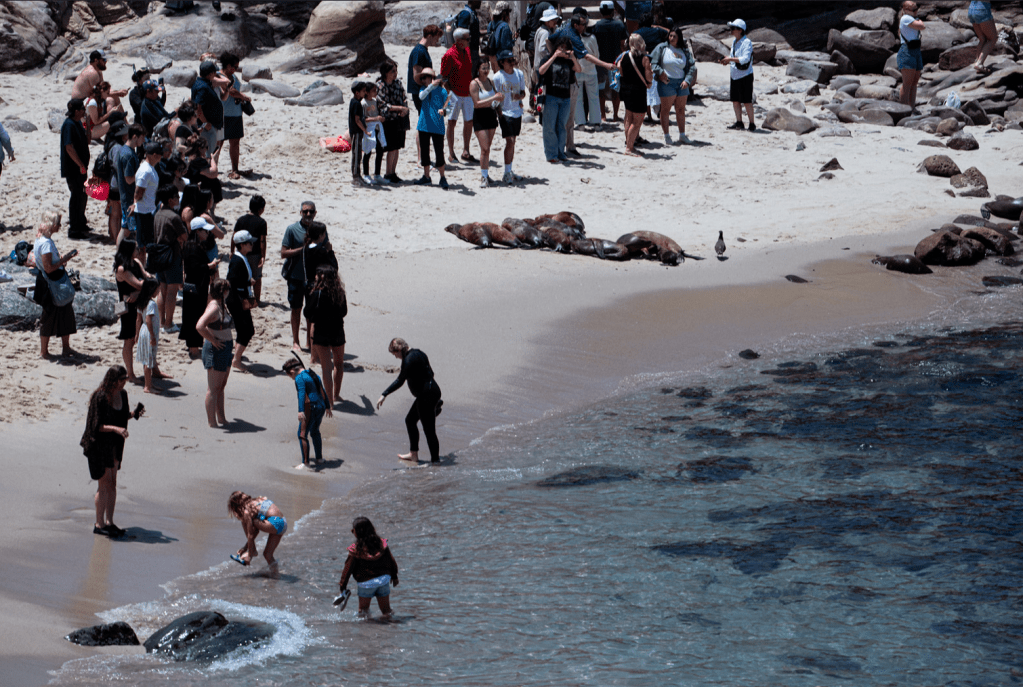
La Jolla Cove is part of the larger La Jolla Underwater Park, a protected marine reserve that makes it a paradise for snorkelers, scuba divers, and kayakers. Above the waves, La Jolla Cove is famously home to a lively population of sea lions and harbor seals. These charismatic creatures can be seen basking on the rocks, swimming close to shore, or engaging in playful antics that delight onlookers. Birdwatchers will also enjoy spotting a variety of coastal birds such as pelicans, cormorants, and gulls soaring overhead or nesting on the rocky cliffs.
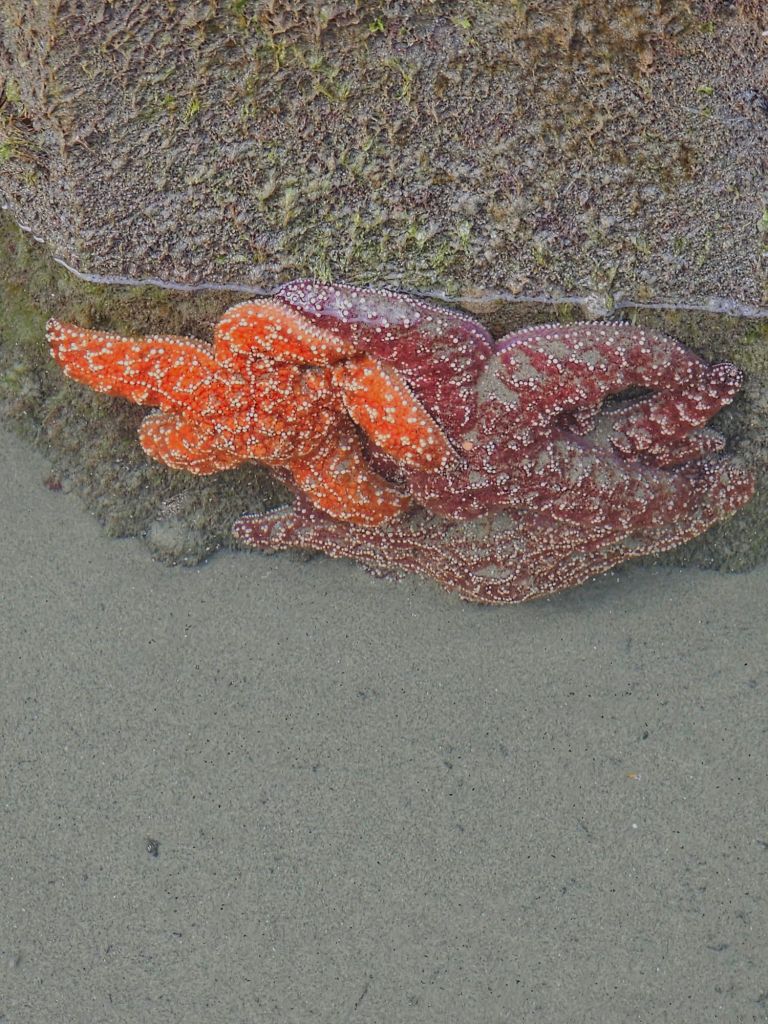
Tide pools along the shore reveal a hidden world of marine invertebrates including starfish, anemones, and crabs, especially at low tide. This makes La Jolla Cove a fantastic destination for families and curious explorers eager to learn about marine ecology up close.
Challenges at La Jolla Cove
A growing problem involves harassment of the local wildlife, particularly sea lions and harbor seals. Despite clear signage and public education efforts, some visitors approach too closely for photos, attempt to touch or feed the animals, or otherwise disturb them. These actions not only stress the animals but can also lead to dangerous encounters. Seasonal closures and designated viewing areas have been implemented in some sections to minimize human-wildlife conflicts and protect both animals and people.
Increased foot traffic, littering and disturbance of tide pools can threaten the delicate ecosystems. Conservationists and local authorities continuously urge visitors to follow “leave no trace” principles and respect protected areas.
Water quality can also fluctuate, especially after heavy rains, due to urban
Balancing tourism, wildlife conservation, and community interests remains a delicate task, but ongoing efforts by environmental groups, volunteers, and city planners aim to preserve La Jolla Cove’s natural charm for generations to come