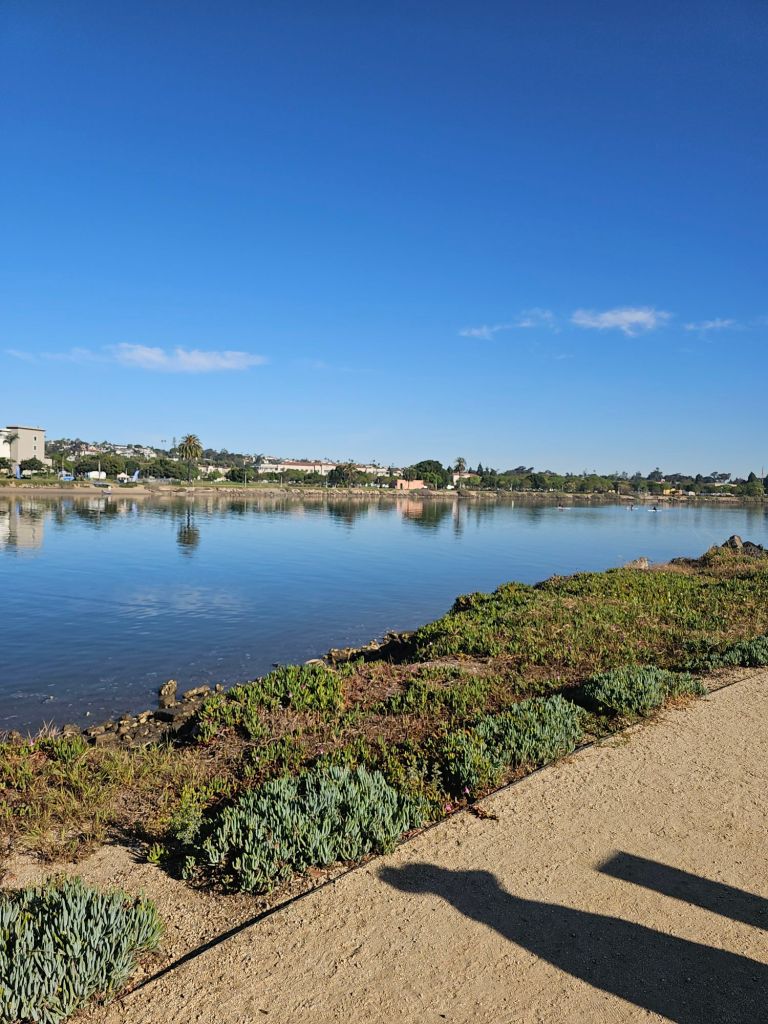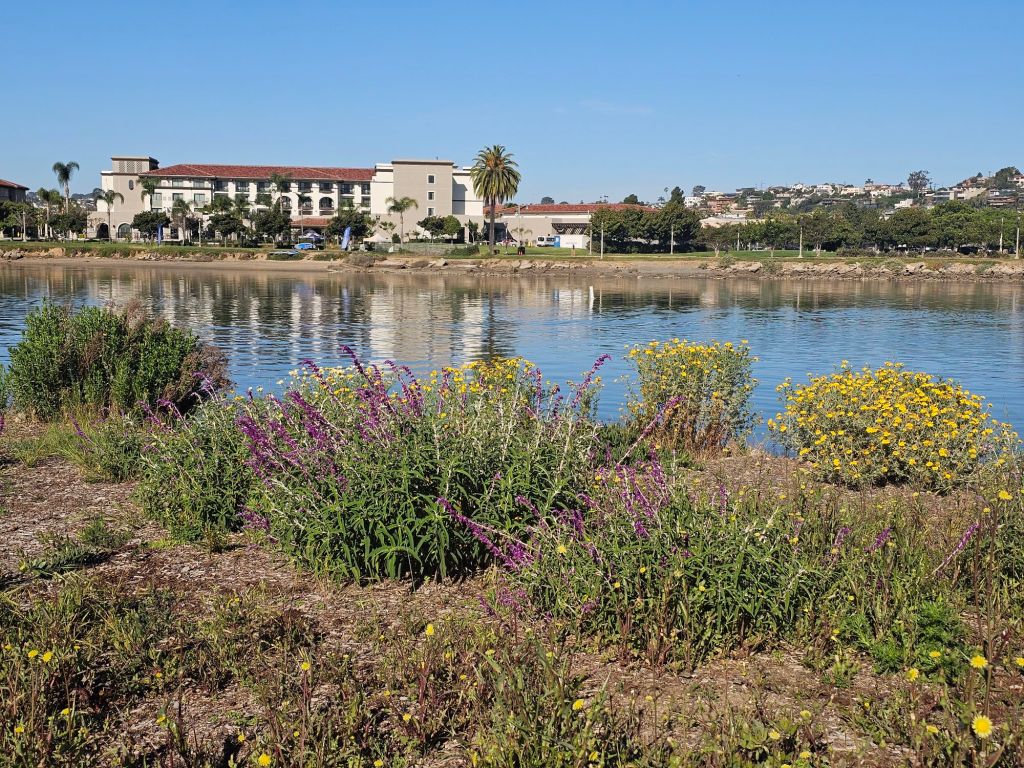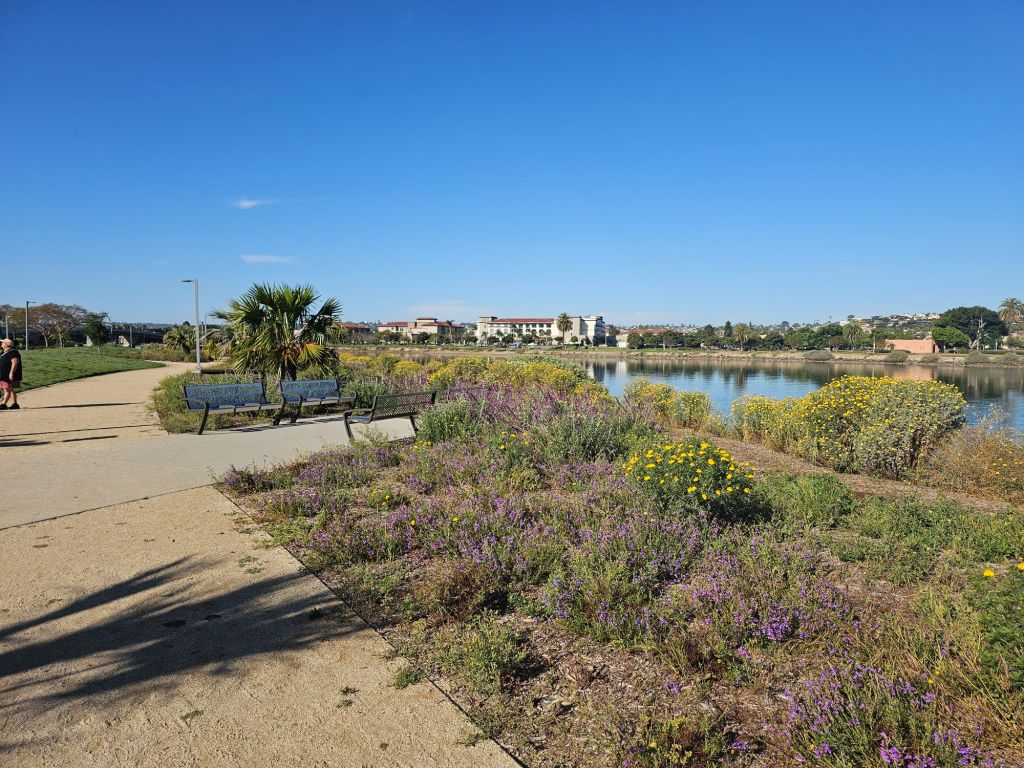
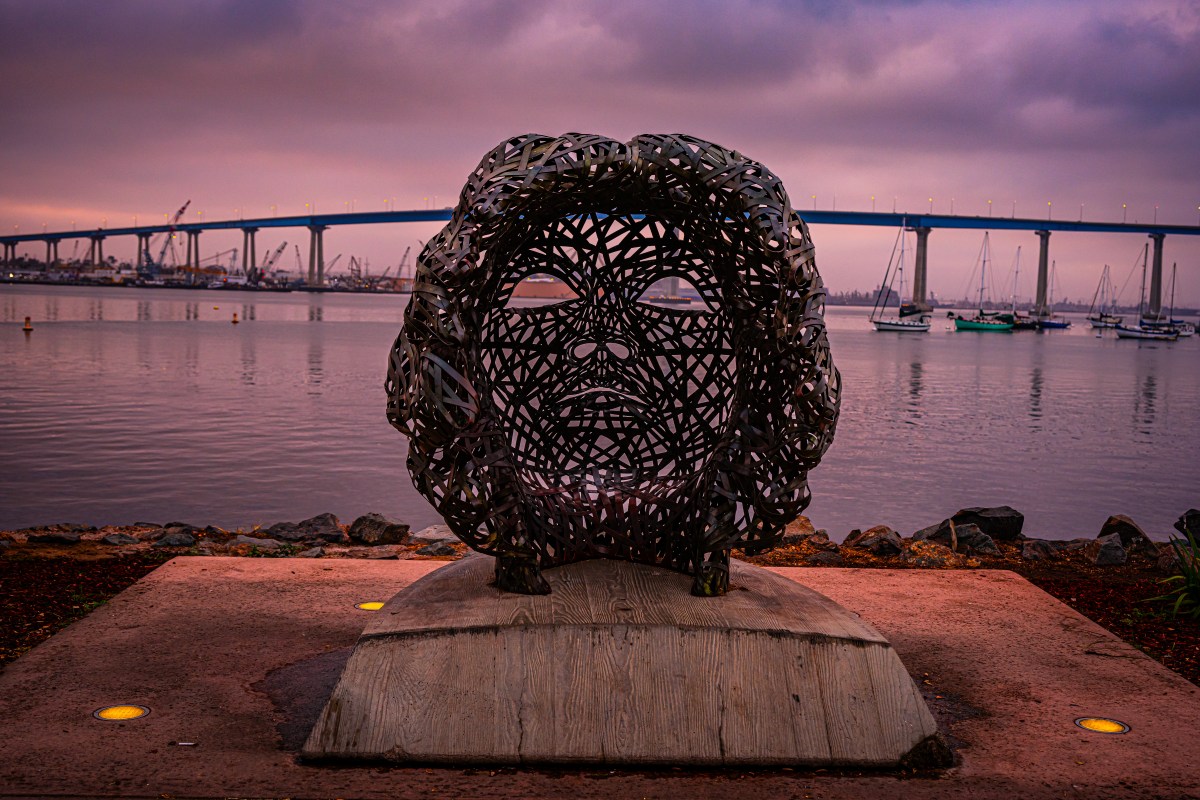
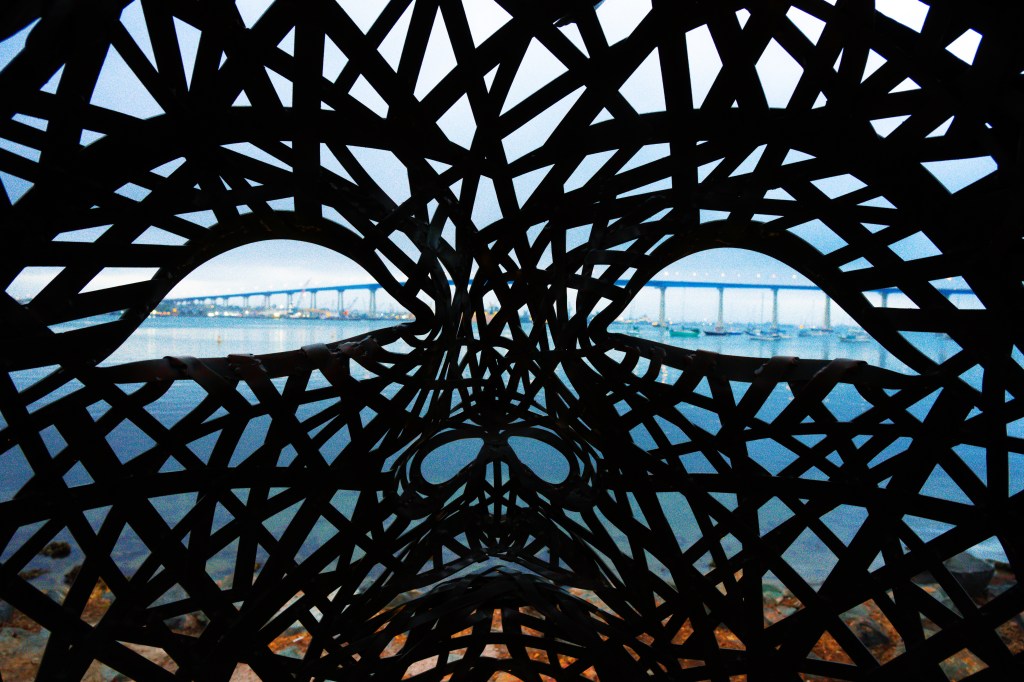

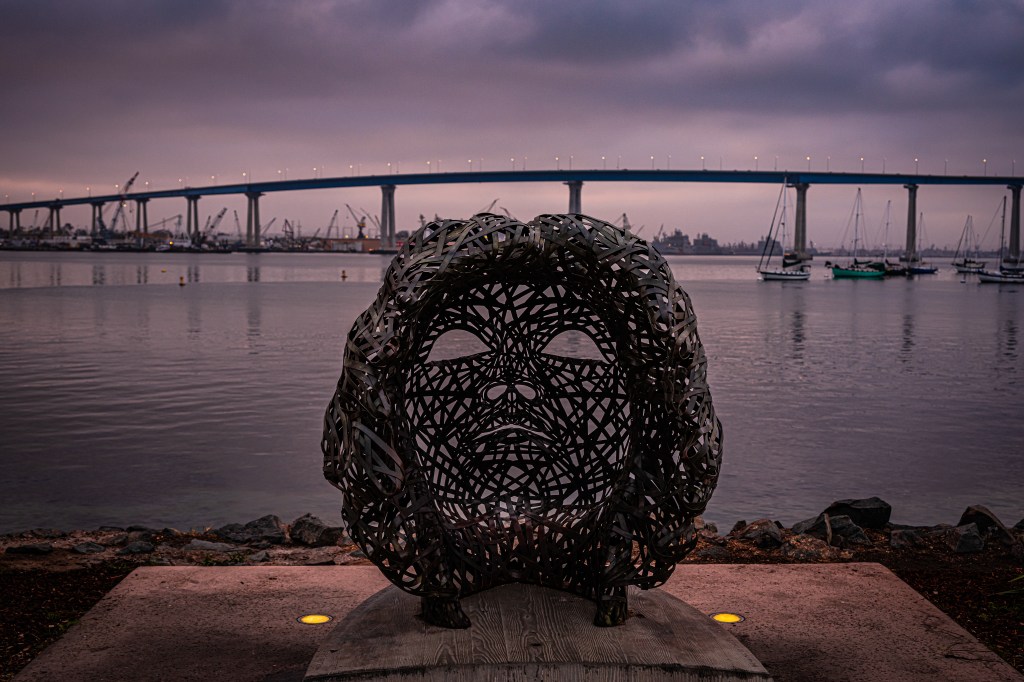
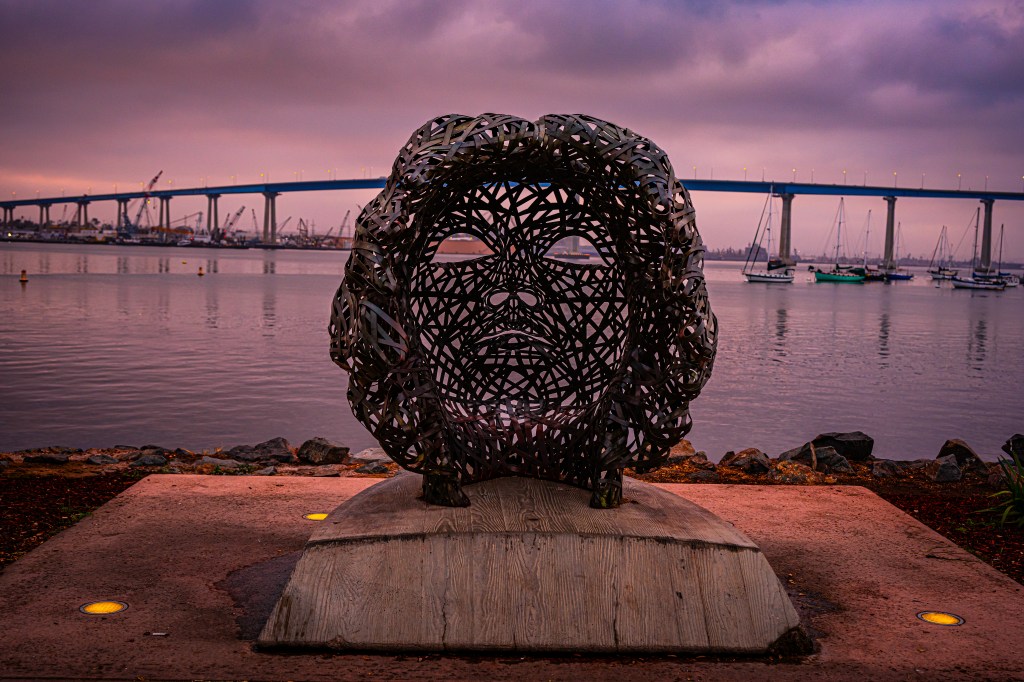
Spanish Landing Park West: A Waterfront Escape Rooted in History

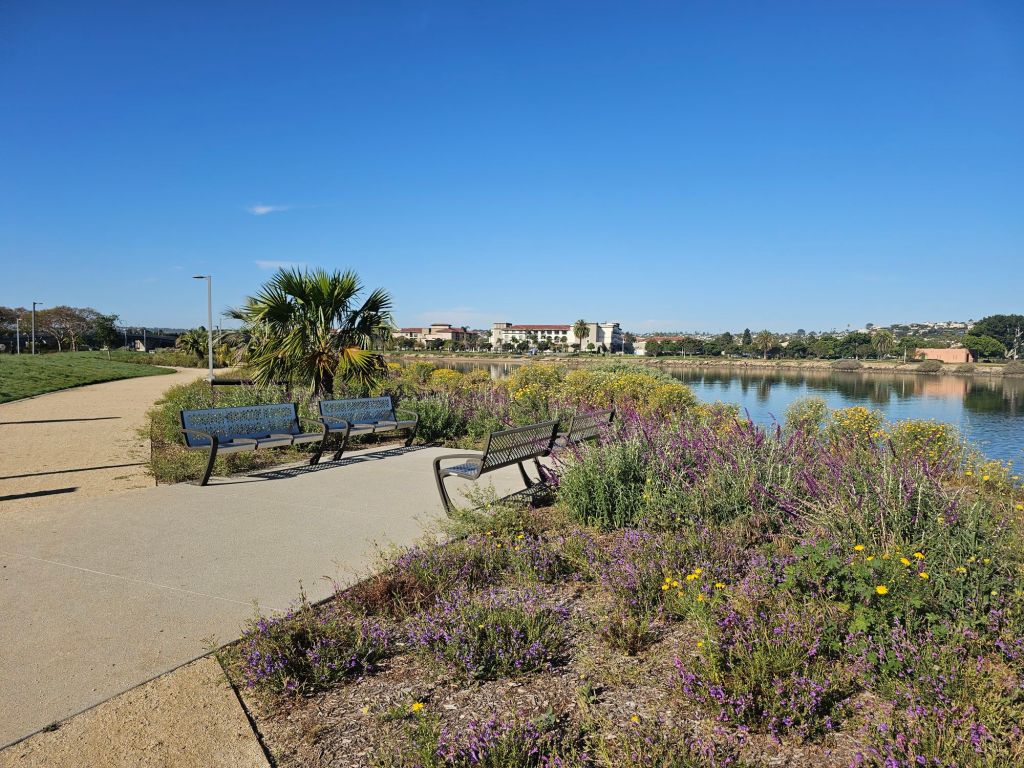
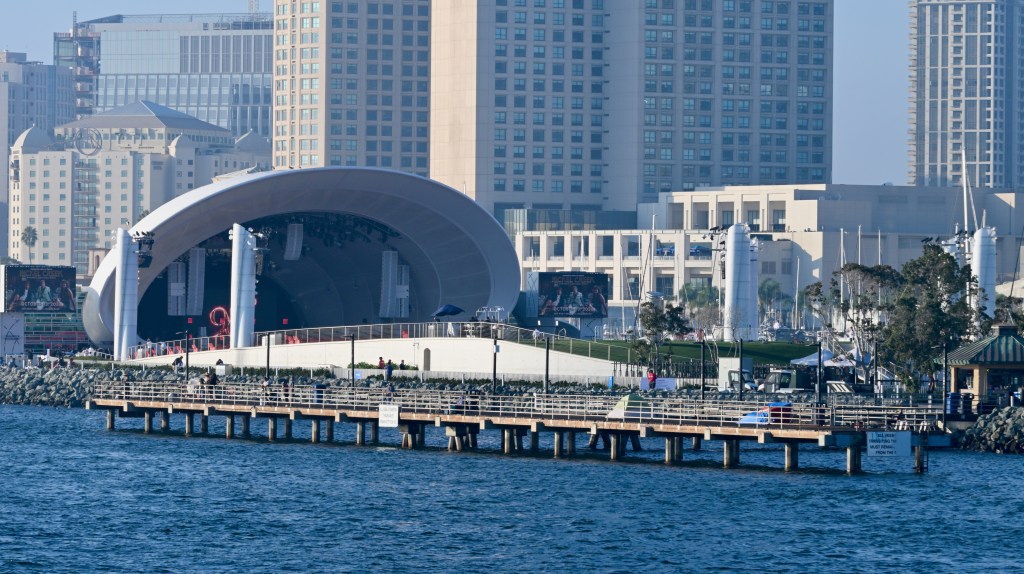
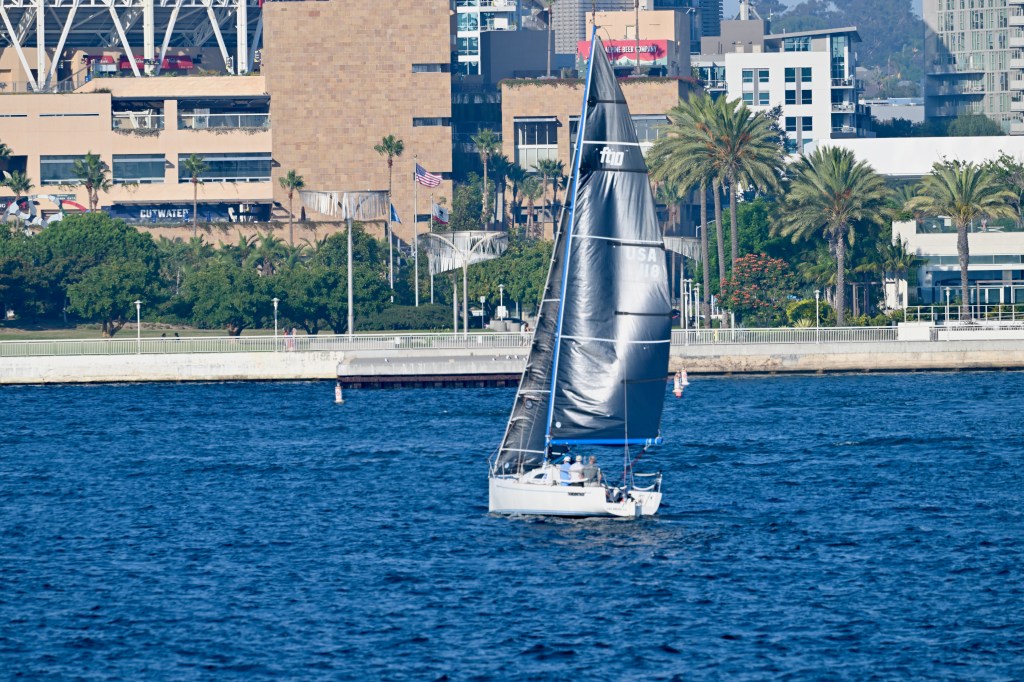
Tucked along the north western edge of San Diego Bay, Spanish Landing Park West offers a rare blend of peaceful scenery and deep historical significance. Just minutes from the bustle of the airport, this waterfront park feels like a hidden retreat—where sailboats drift by, palm trees sway, and history quietly lingers in the background.

Where California’s Story Began

Long before it became a scenic park, this shoreline played a pivotal role in shaping the region. In 1769, Spanish expeditions led by Gaspar de Portolá and Junípero Serra came ashore here, marking the beginning of European settlement in Alta California. 

Today, a historical marker commemorates this moment, reminding visitors that this quiet park was once the starting point of a much larger story—one that would eventually lead to the founding of California’s first missions and settlements.

A Park Designed for Slowing Down

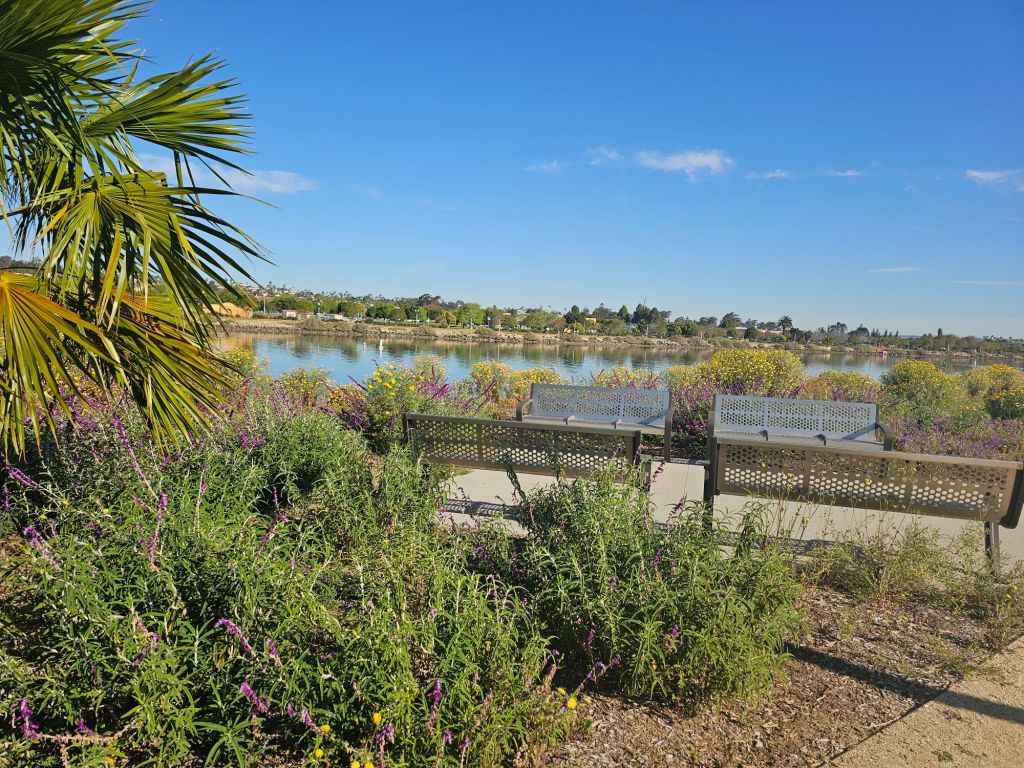
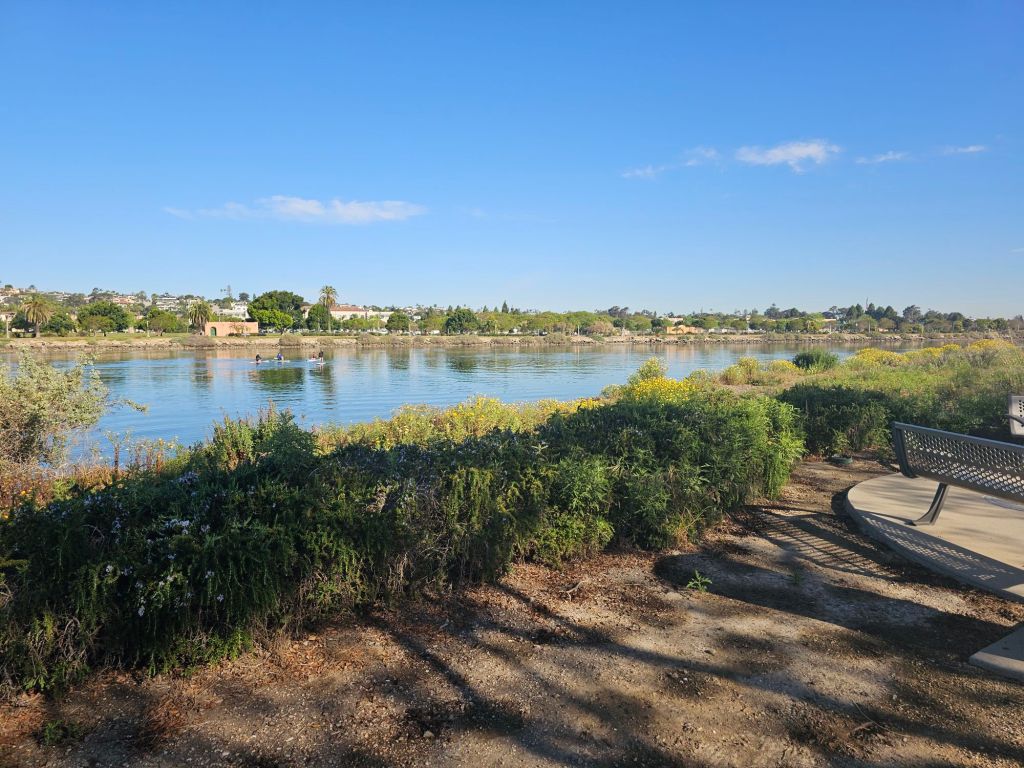
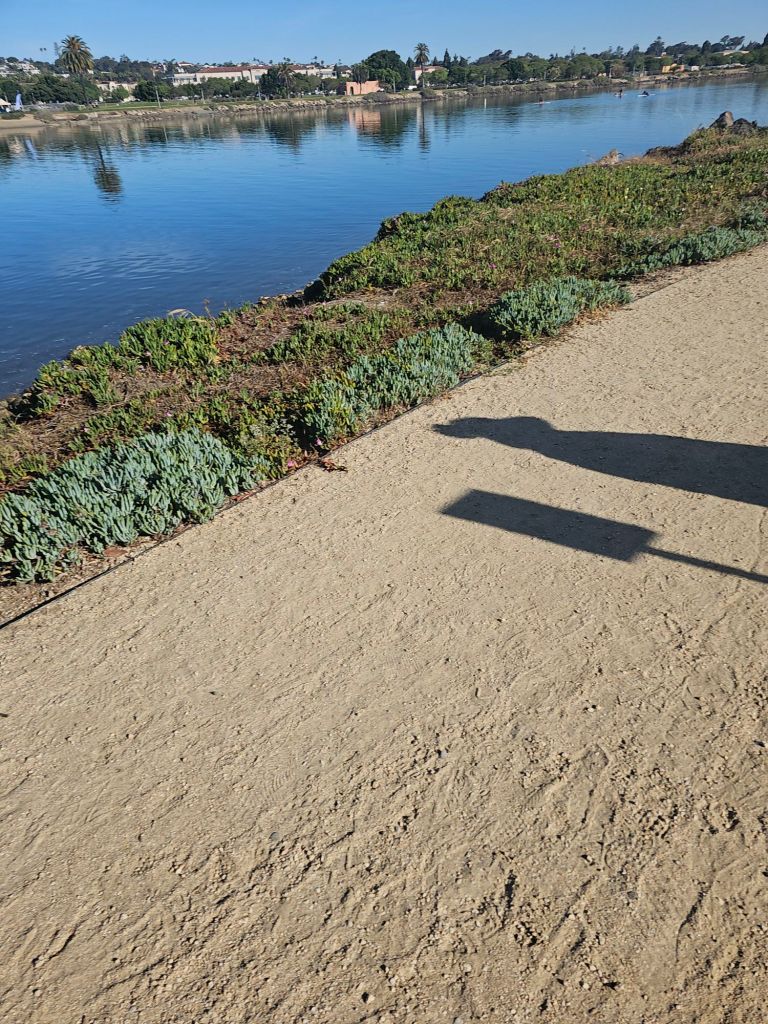
Spanish Landing Park West is the kind of place where you come to take your time. Wide grassy lawns stretch along the bay, dotted with picnic tables and shaded by trees. A paved waterfront path makes it ideal for walking, jogging, or biking while enjoying uninterrupted views of the marina and downtown skyline. 

There’s also a small sandy beach—perfect for relaxing, launching a kayak, or simply dipping your toes in the water. While it’s not a major swimming destination, it’s a great spot to unwind and watch boats glide across the harbor. 

Families will find playground areas for kids, while photographers and nature lovers will appreciate the open sightlines and ever-changing coastal light.

A Front-Row Seat to the Sky

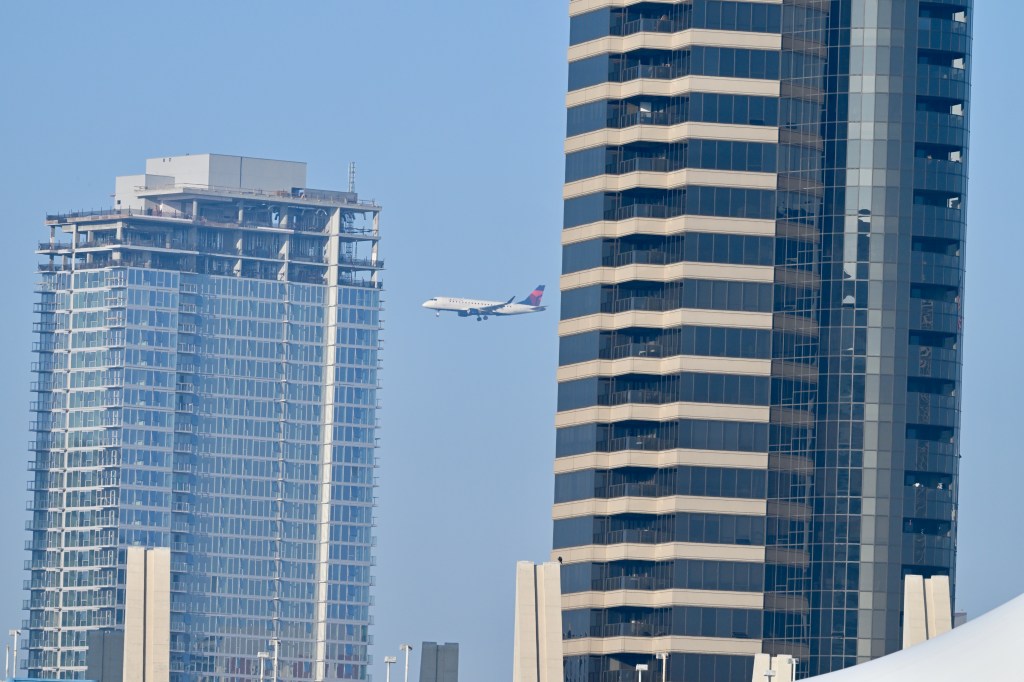
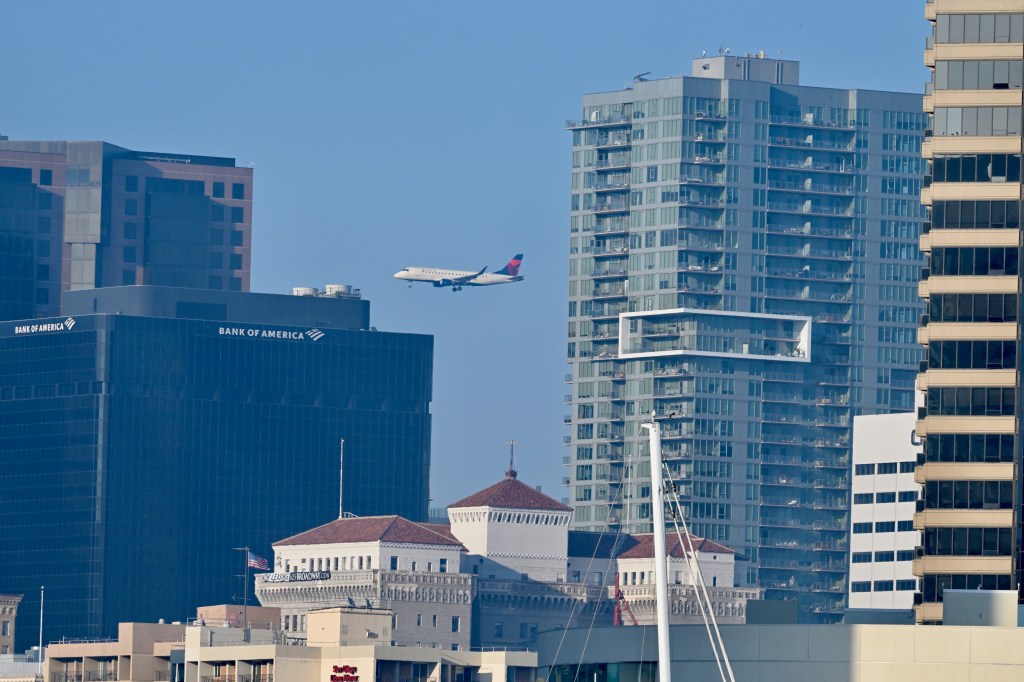
One of the most unique features of the park is its proximity to San Diego International Airport. Planes descend dramatically overhead, offering a thrilling and surprisingly peaceful spectacle. It’s one of the best spots in the city for plane-watching—especially during golden hour when aircraft silhouettes cut across colorful sunsets.

A Greener, More Sustainable Park

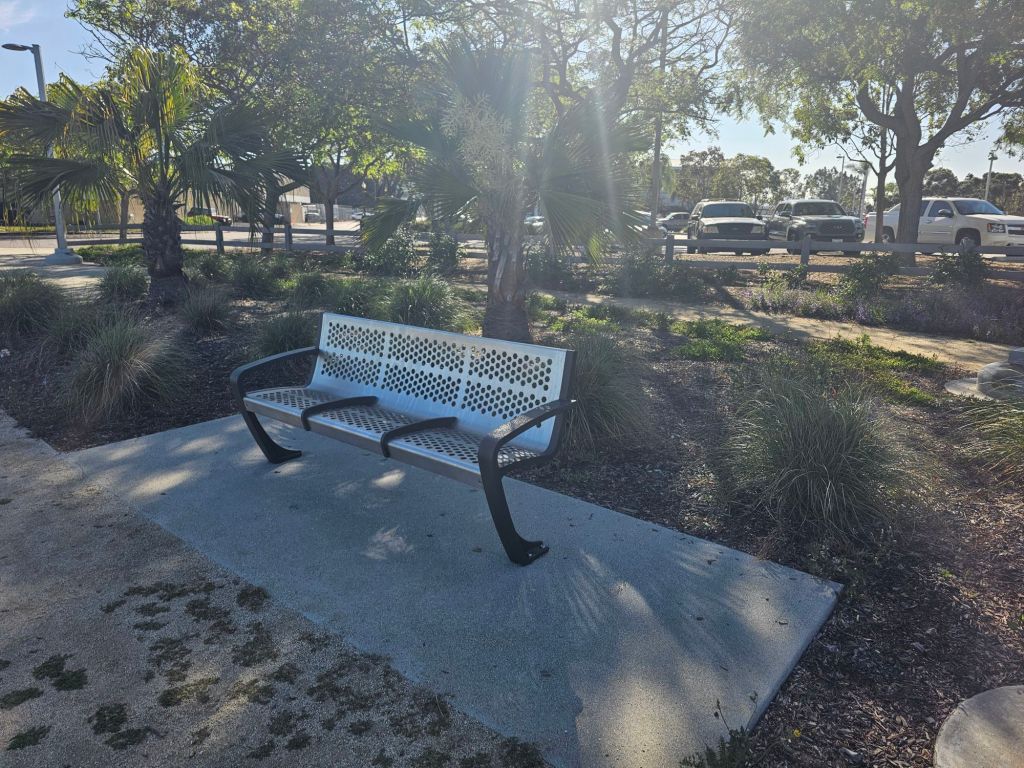
Recent improvements have added a thoughtful environmental touch to the park. New groves of water-wise and non-invasive trees have been planted to provide shade, support biodiversity, and enhance the overall landscape. 

These additions not only make the park more comfortable on warm days but also reflect San Diego’s growing commitment to sustainability along its waterfront spaces.

Planning Your Visit

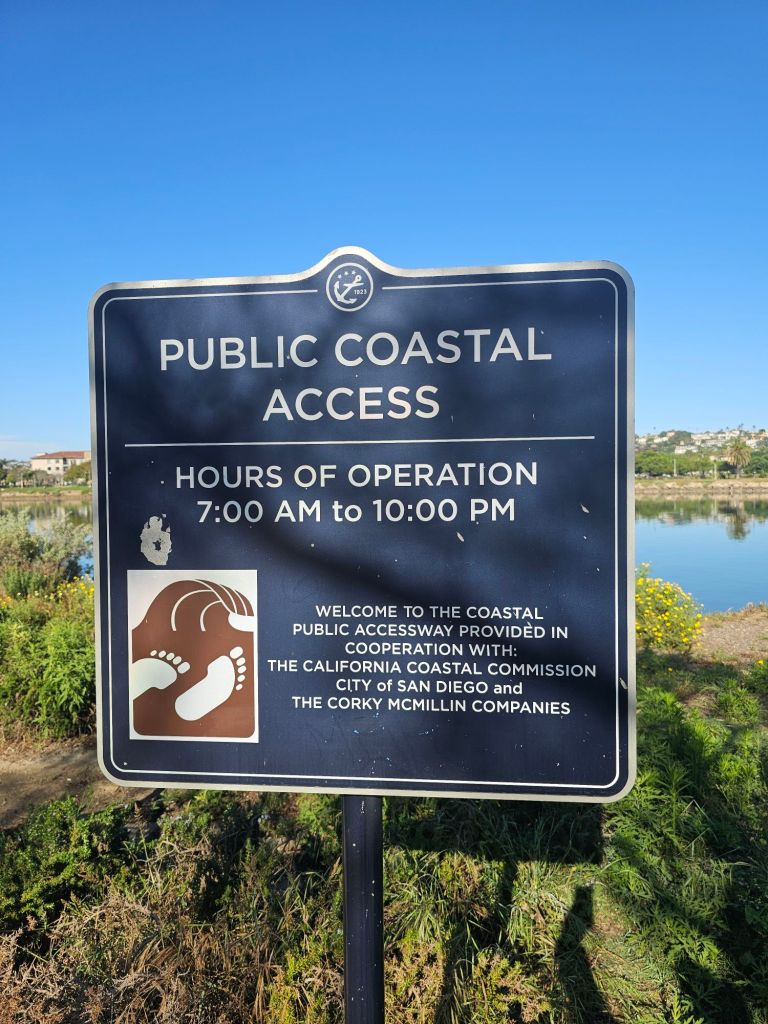
Spanish Landing Park West is open daily from 6:00 a.m. to 10:30 p.m., with parking available nearby. Whether you’re stopping by for a quick walk, a picnic, or a sunset photo session, it’s an easy and rewarding place to explore.

Why It’s Worth Visiting

Spanish Landing Park West isn’t flashy—and that’s exactly its charm. It’s a place where history, nature, and everyday life quietly intersect. You can stand where explorers once landed, watch modern sailboats drift by, and listen to jets overhead—all in the same moment.

For photographers, it’s a canvas of light and motion. For locals, it’s a peaceful escape. And for visitors, it’s a reminder that even the most laid-back places can hold powerful stories.

USS Recruit: The “Ship” That Never Sailed

USS Recruit: The “Ship” That Never Sailed

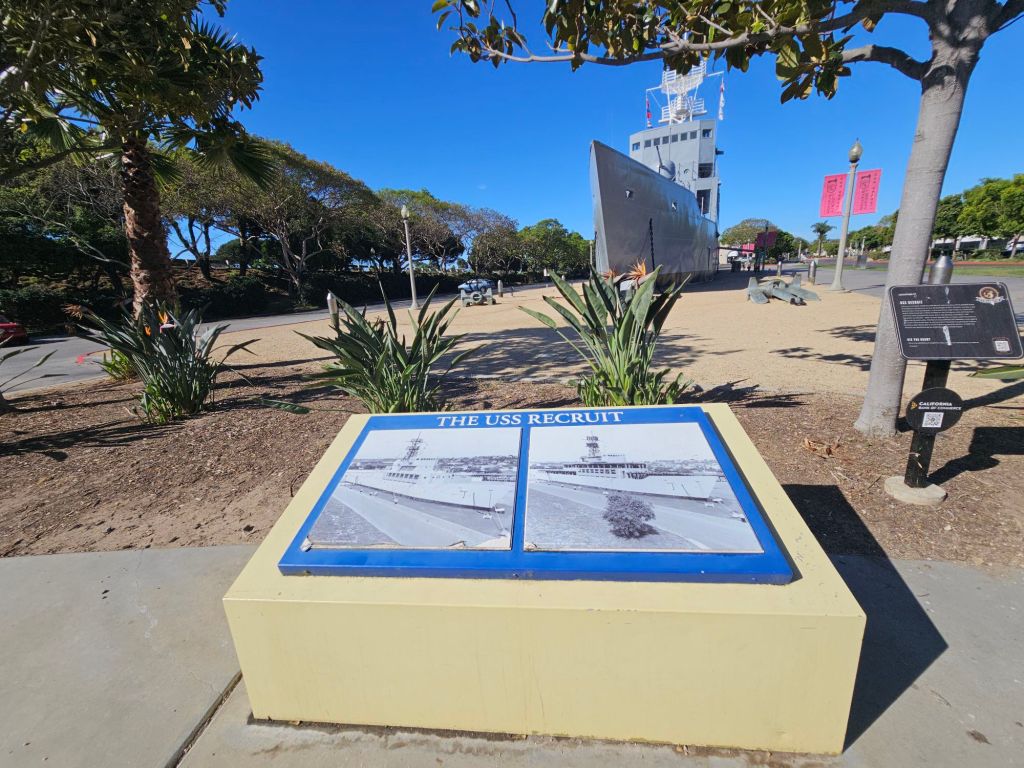
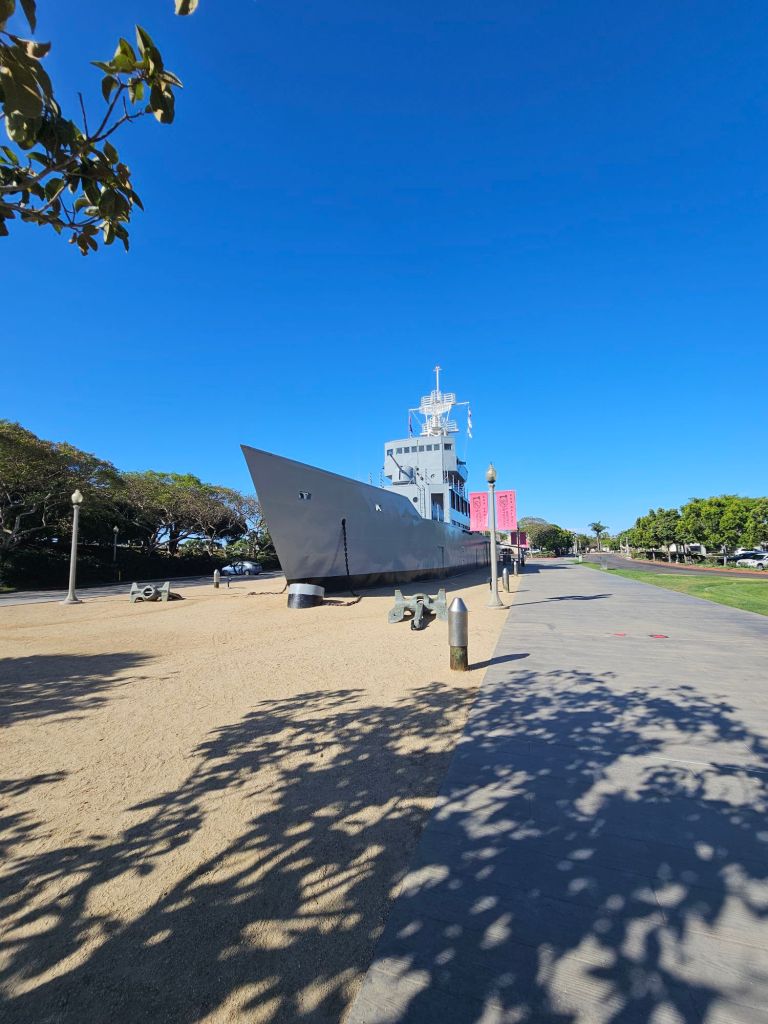
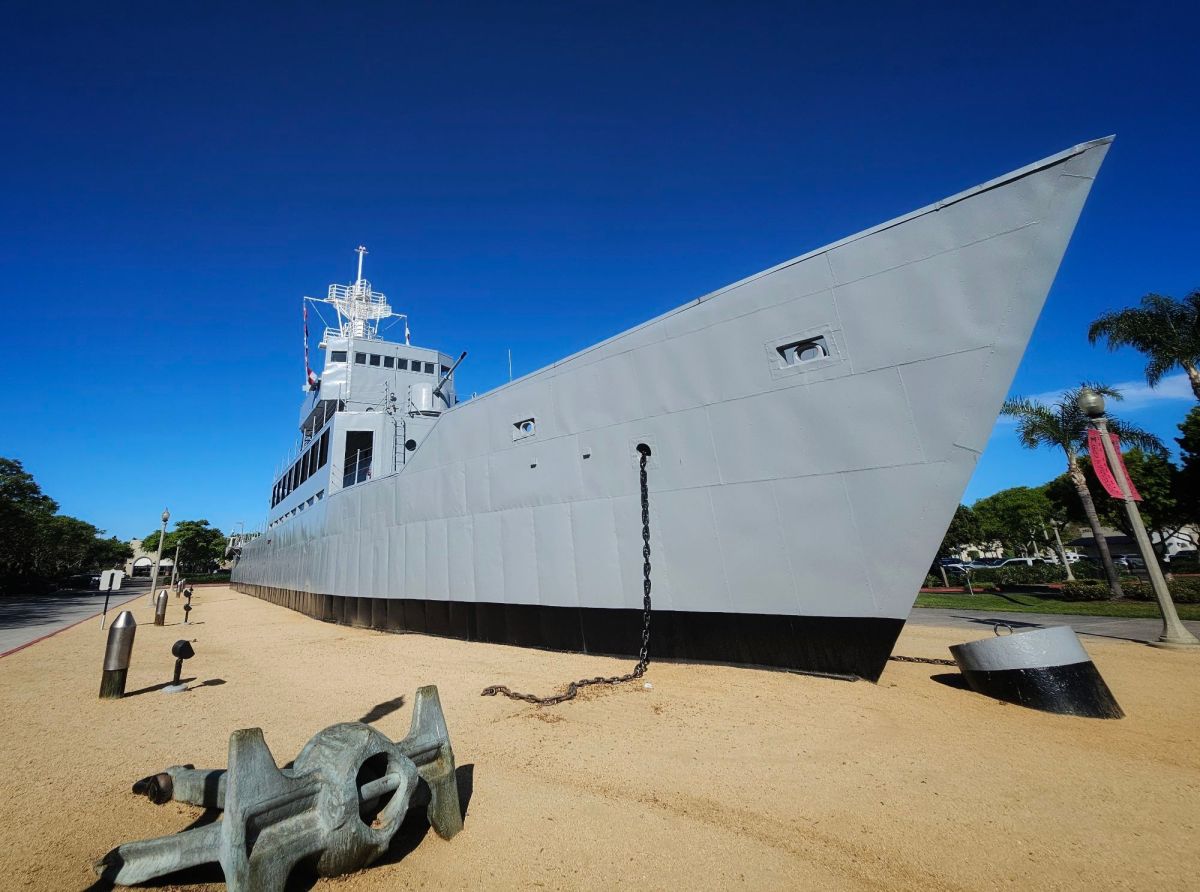
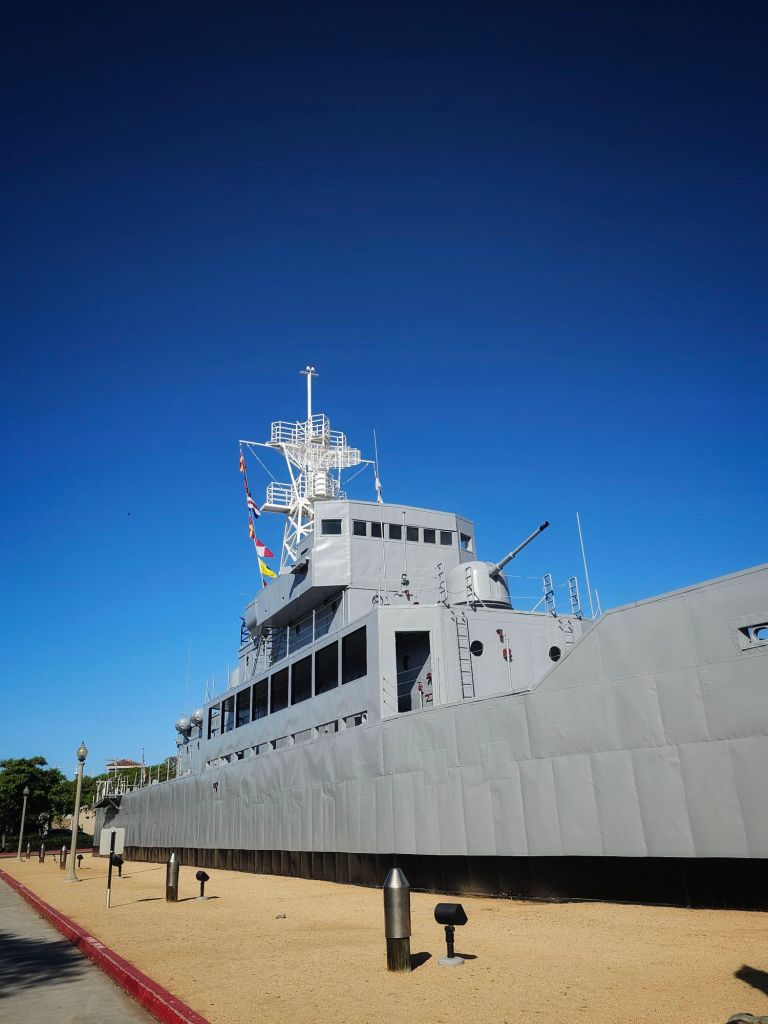
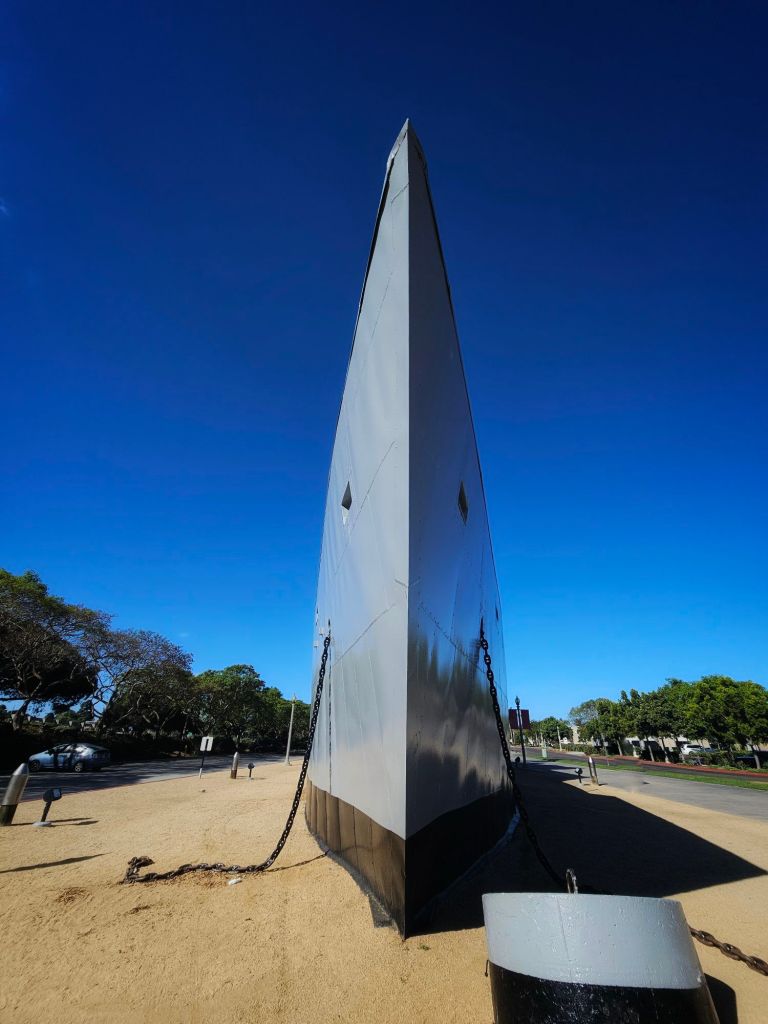
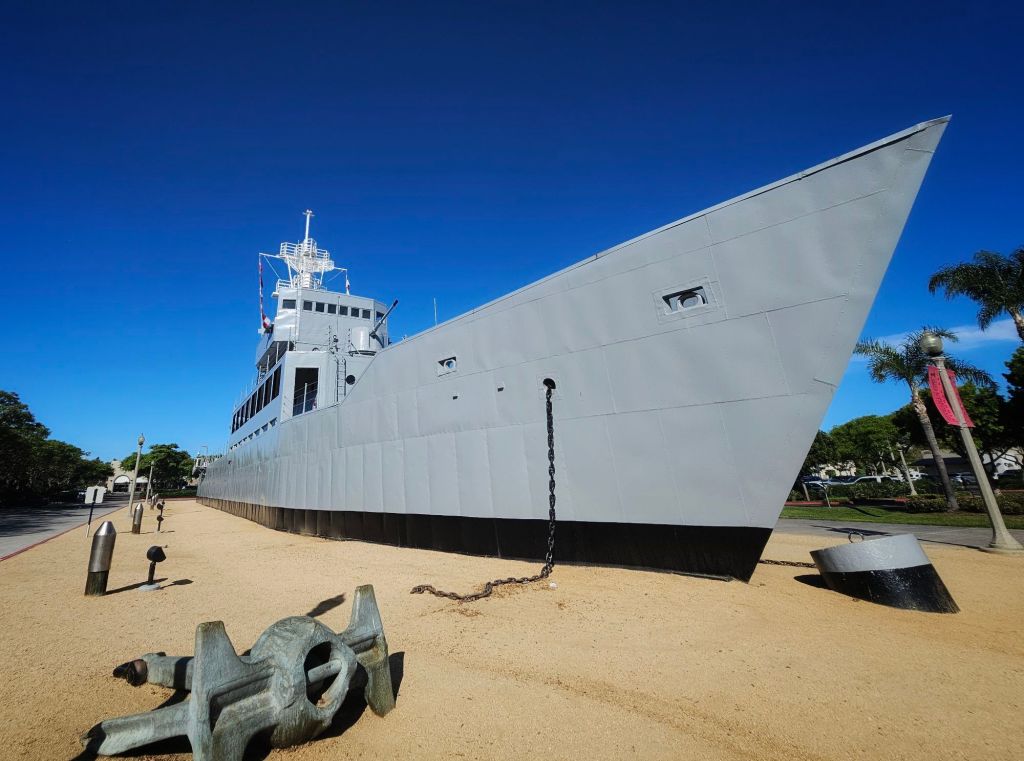
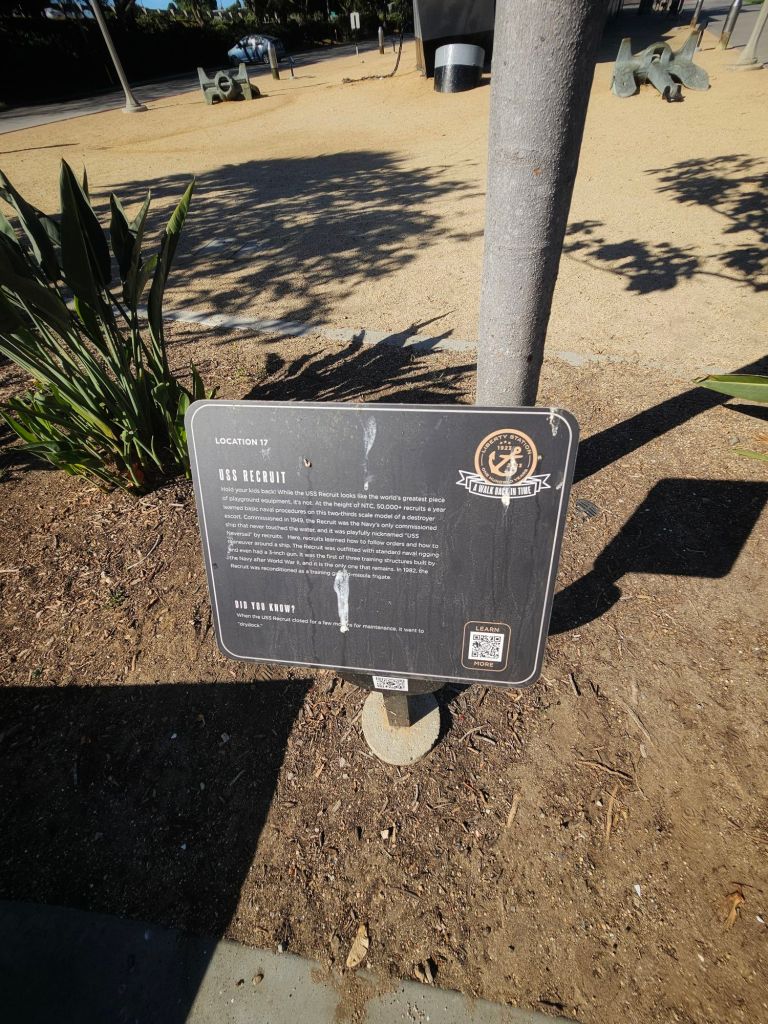
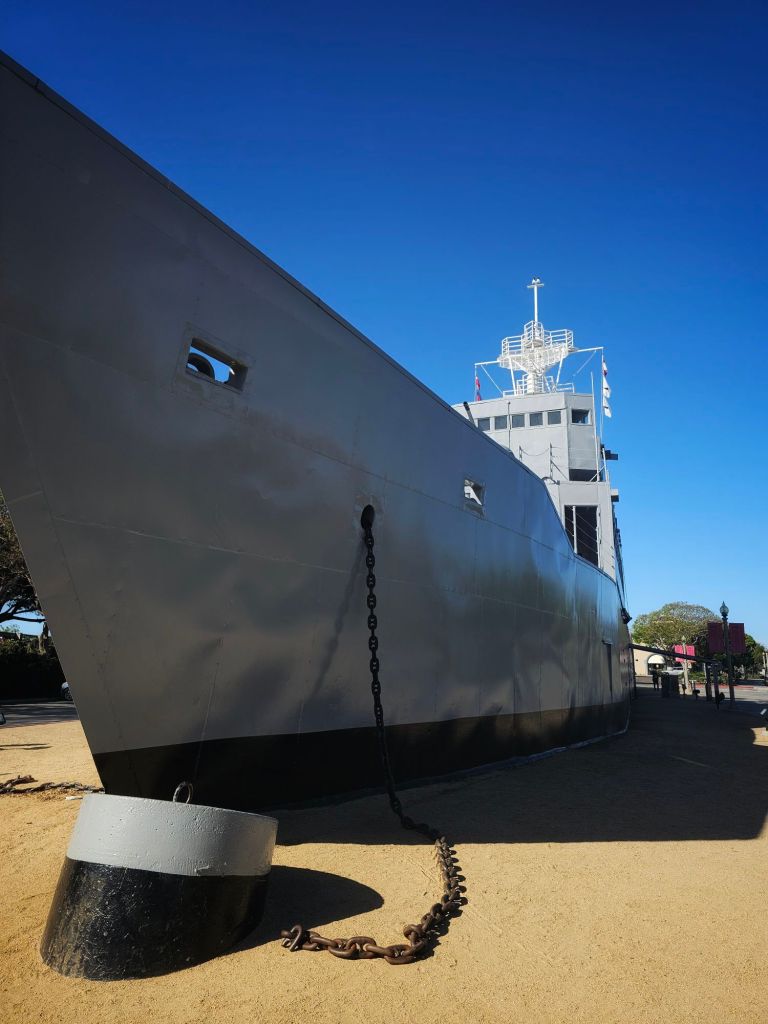
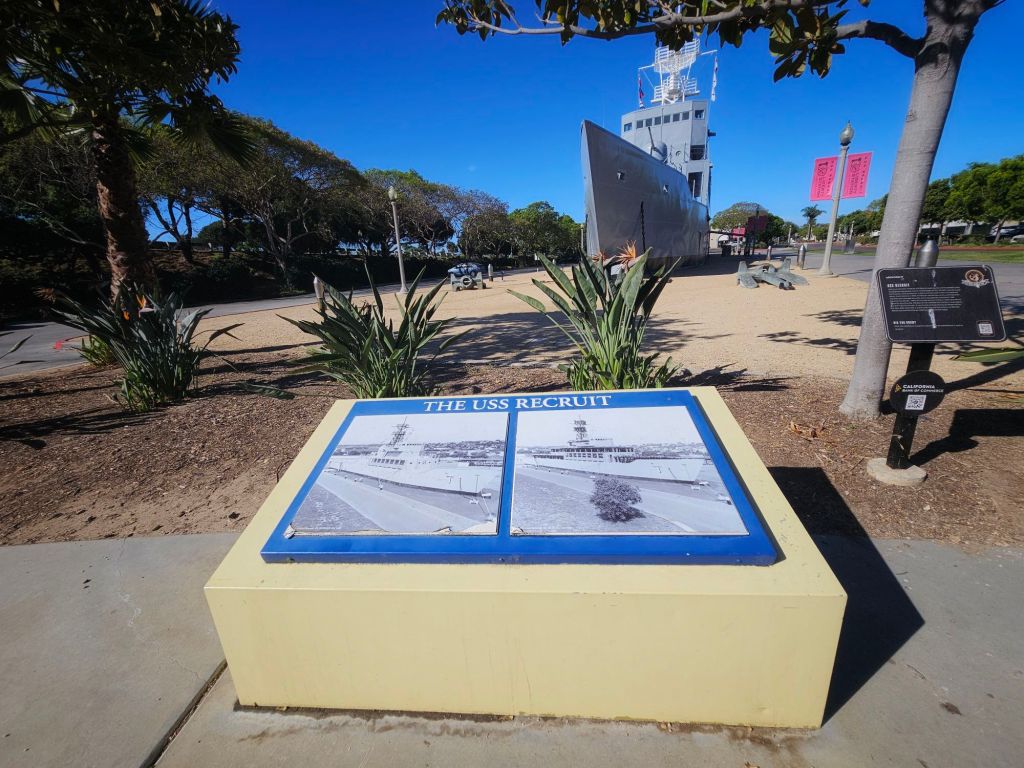
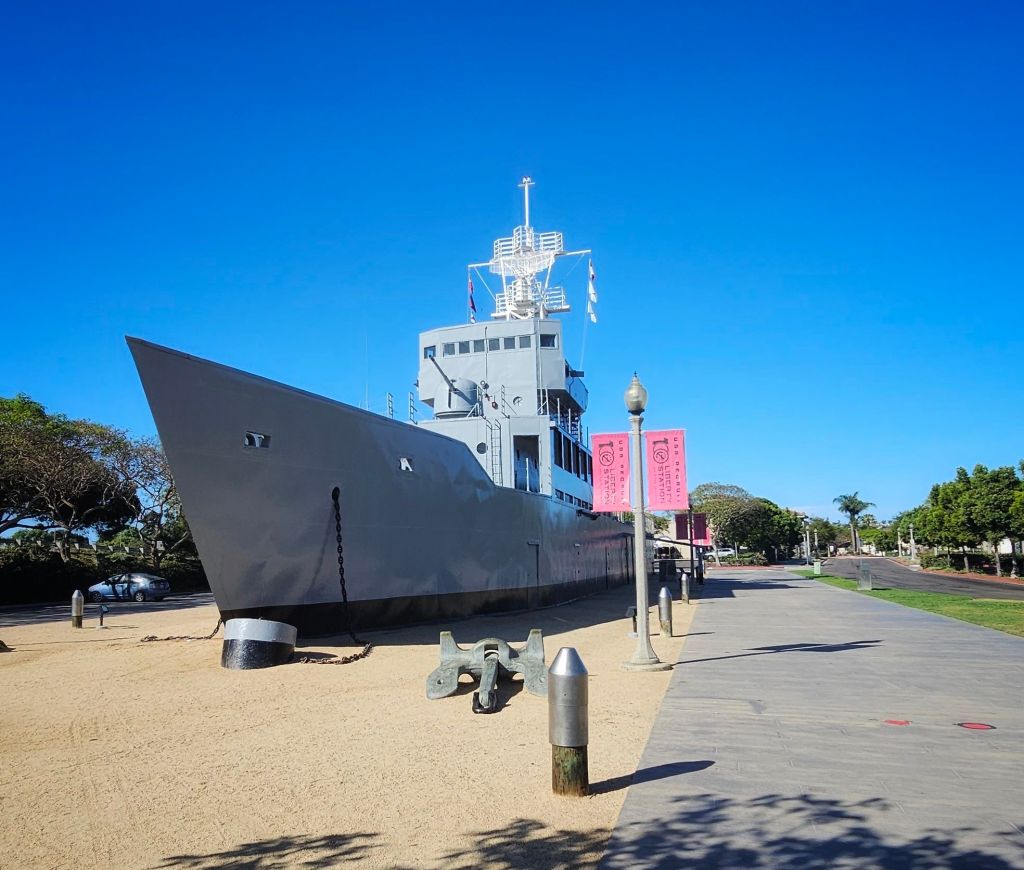
Tucked away in San Diego’s rich naval history is one of the most unusual vessels ever “commissioned” by the U.S. Navy—a ship that never touched water. Known as the USS Recruit, this full-scale wooden battleship stood firmly on land, yet played a critical role in preparing sailors for life at sea.

A Ship Built for Training

Constructed in 1941 at the Naval Training Center San Diego, the USS Recruit was designed to simulate the experience of serving aboard a real naval vessel. Nicknamed the “USS Neversail,” the structure was a two-thirds-scale replica of a destroyer, complete with deck guns, signal equipment, and compartments that mirrored those found on active ships.

This wasn’t just for show—new recruits trained on the Recruit to learn shipboard routines, terminology, and discipline before ever setting foot on an actual vessel. At a time when the United States was entering World War II, the Navy needed to prepare thousands of sailors quickly and efficiently. The Recruit became a vital stepping stone in that process.

Life Aboard a Ship on Land

For many young sailors, the USS Recruit was their first introduction to Navy life. They practiced everything from standing watch to navigating tight quarters and responding to simulated drills. The goal was simple: eliminate the shock of transitioning from civilian life to the demanding environment of a warship.

Though it never left its concrete “pier,” the Recruit offered a surprisingly immersive experience. Recruits marched across its deck, handled equipment, and learned to function as part of a coordinated crew—skills that would soon be tested in real combat situations across the Pacific.

A Symbol of Innovation

The USS Recruit represents a creative solution to a wartime challenge. Instead of relying solely on active ships for training, the Navy brought the ship to the sailors. This approach not only saved time and resources but also allowed for consistent, controlled instruction.

It also reflects San Diego’s longstanding identity as a military hub. Facilities like the Naval Training Center helped shape generations of service members and contributed to the city’s deep ties to the Navy.

What Happened to the USS Recruit?

After decades of service, the USS Recruit was decommissioned and eventually dismantled in 1969. While the structure itself is gone, its legacy lives on as a fascinating chapter in naval history.

Today, the former Naval Training Center has been transformed into Liberty Station, a vibrant waterfront district filled with shops, parks, and cultural spaces. Few visitors realize that beneath the modern development once stood a “ship” that helped train thousands of sailors during one of the most pivotal times in history.

Why It Still Matters

The story of the USS Recruit is a reminder that not all important ships sail the seas. Some, like this landlocked training vessel, quietly shape history from the shore.

For photographers, history enthusiasts, and locals exploring San Diego, it’s a compelling example of how hidden stories can exist in familiar places—waiting to be rediscovered.

San Diego’s Kids Free October promotion

🗓️ Special Free / Discount Days & Programs in October

San Diego’s Kids Free October promotion offers free admission for children 12 and under at over 70 attractions throughout the county during the month of October 2025. This initiative, organized by the San Diego Tourism Authority, aims to provide families with affordable opportunities to explore the region’s diverse cultural and recreational offerings.

🐾 Major Attractions

🎨 Balboa Park Museums

Many museums in Balboa Park participate in the promotion:

  • San Diego Natural History Museum (The Nat): Up to two kids (12 & under) per adult. 
  • San Diego Air & Space Museum: Kids free with adult.
  • San Diego Museum of Art: Free general admission on the 2nd Thursday (“Access for All Day”).
  • Museum of Us: Free admission on the 4th Tuesday of the month for residents. 
  • Comic-Con Museum: Free admission on select days.
  • Japanese Friendship Garden & Museum: Free admission on select days. 
  • Timken Museum of Art: Always free admission. 

🧪 Science & Discovery

  • Fleet Science Center: One free child per adult.
  • Birch Aquarium at Scripps: Free admission on select days.
  • Children’s Museum of Discovery (Escondido): Free admission on select days. t
🌿 Gardens & Nature

  • San Diego Botanic Garden: Free admission on select days. 
  • Water Conservation Garden: Free admission on select days. 
  • Japanese Friendship Garden: Free admission on select days. 

🏛️ Cultural & Historical Sites

  • Cabrillo National Monument: Free admission on select days. 
  • Mission San Luis Rey: Free admission on select days. 
  • California Surf Museum: Free admission on select days. 
  • Miniature Engineering Craftsmanship Museum: Free admission on select days. 
  • Children’s Museum of Discovery (Escondido): Free admission on select days. 

Please note that many of these attractions require advance registration or a coupon to redeem the free admission. It’s advisable to check the specific requirements for each location before planning your visit.

These are “free days” or admission discounts that apply on specific days or under certain programs.

Museum / SiteFree / Discount OptionNotes / Conditions
San Diego Zoo, Safari Park, USS Midway, New Children’s Museum, etc.Kids Free October – free admission for children 12 & under with a paid adultOver 60+ museums, attractions participate countywide for the month. San Diego+4San Diego Museum Council+4San Diego+4
Residents Free Days (Balboa Park museums, etc.)Rotating free admission days for San Diego City/County residents (with ID)Many Balboa Park museums participate in this program. San Diego Magazine+5Balboa Park+5Scripps Affiliated Medical Groups+5
San Diego Natural History Museum (The Nat)Free on Residents Free Days(first Tuesday of each month)Films and special exhibits may cost extra. The Nat
The Museum of UsFree admission on the 4th Tuesday of the month for residentsMust show proof of residency. Museum of Us
San Diego Air & Space MuseumFree to San Diego County residents on 2nd Tuesday(Special exhibitions, theater, simulators might still require separate pay) San Diego Air & Space Museum
San Diego Museum of Art (SDMA)Free general admission on the 2nd Thursday (“Access for All Day”)Also free for county residents on the 3rd Tuesday. San Diego Museum of Art+2San Diego Museum of Art+2

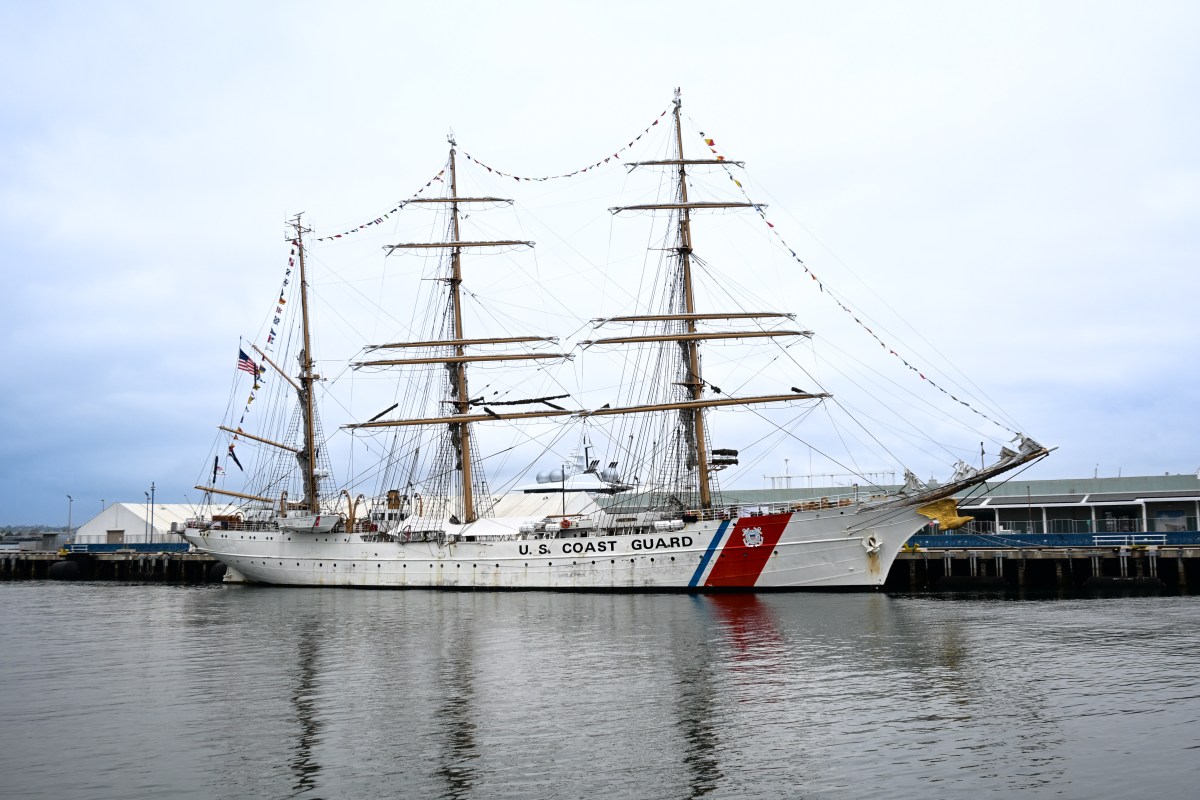
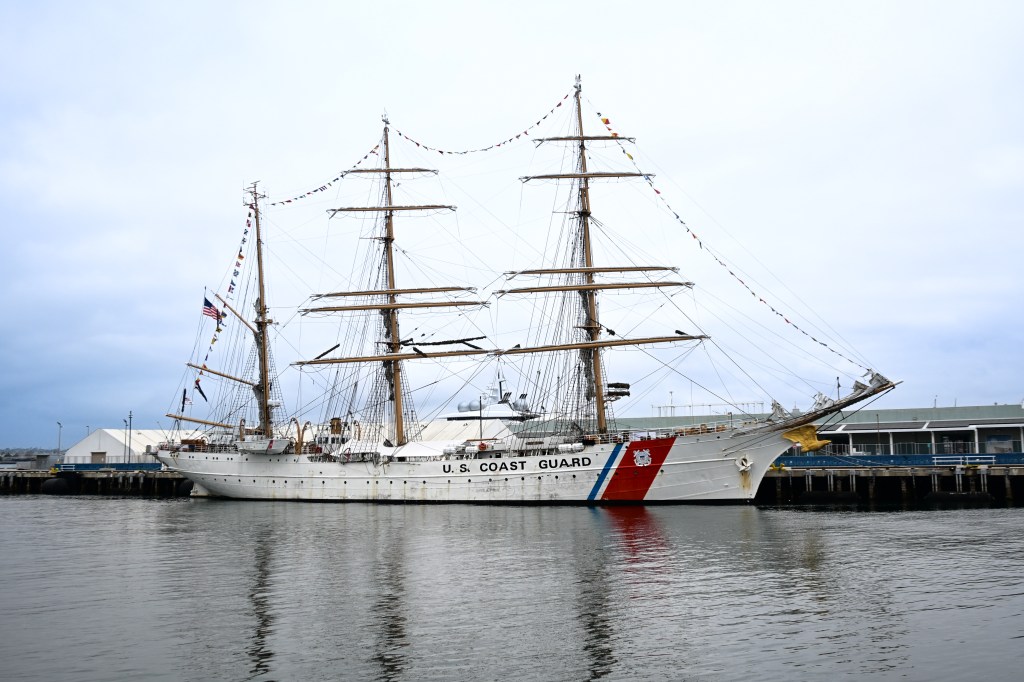
The USCGC Eagle Visits San Diego: America’s Tall Ship in Port

A Floating Classroom

The Eagle is unique among U.S. military ships. Originally built in 1936 in Germany and taken by the United States as a World War II war prize, she has been serving as a Coast Guard training vessel ever since. Each summer, cadets from the U.S. Coast Guard Academy set sail aboard the Eagle to learn the fundamentals of seamanship. From handling lines to navigating by the stars, cadets experience the traditions of sailing firsthand while building teamwork and resilience.

The next time the Eagle sails into San Diego, make sure to plan a visit. Whether you’re a maritime history buff, a photographer, or just curious about life at sea, stepping aboard this legendary tall ship is an unforgettable experience.

To learn more about the USCG Eagle visit https://uscga.edu/mission/eagle/eagle-schedule/

Experience San Diego from the Water aboard a Harbor Cruise Vessel

San Diego bay has a long and storied past. Its protected tidal areas offered the Kumeyaay people, who lived along the coast and inland valleys, areas to fish, harvest shellfish, and used plank canoes called tomols to navigate coastal waters. The ocean was central to their diet, trade, and spiritual life. In 1542, Portuguese explorer Juan Rodríguez Cabrillo, sailing under the Spanish flag, became the first European to enter San Diego Bay, naming it San Miguel. In 1602, Sebastián Vizcaíno renamed the bay San Diego, in honor of Saint Didacus.

During the Mexican-American War, the U.S. Navy took control of San Diego in 1846. San Diego became a U.S. Navy coaling and resupply station. The harbor remained relatively quiet until the early 20th century, when the Navy dramatically expanded its presence. San Diego became a U.S. Navy coaling and resupply station. The harbor remained relatively quiet until the early 20th century, when the Navy dramatically expanded its presence. Thousands of ships were built, serviced, and deployed from the harbor, making San Diego critical to Pacific warfare operations.

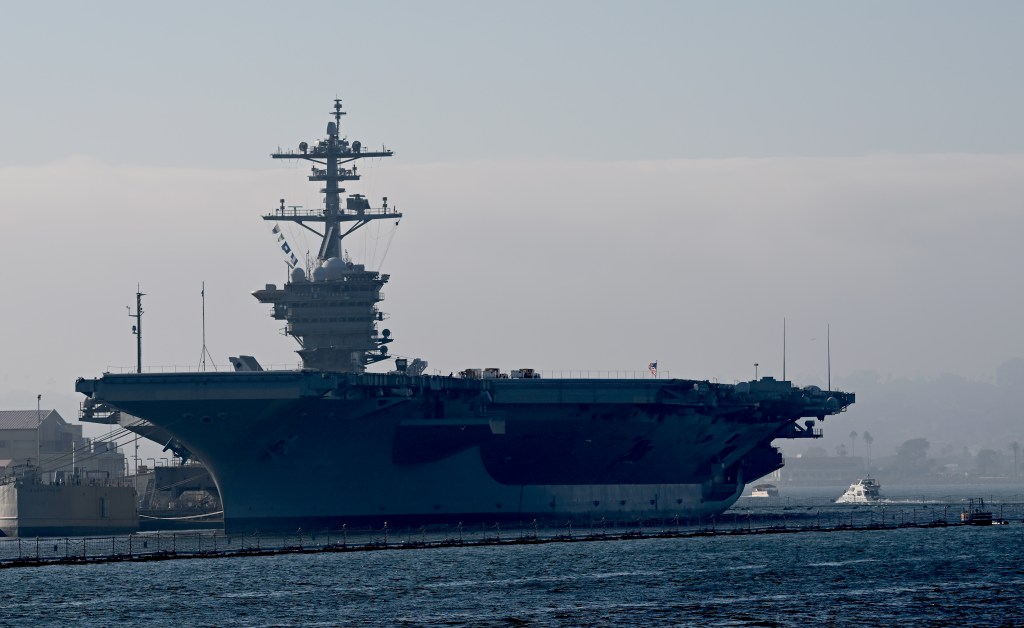
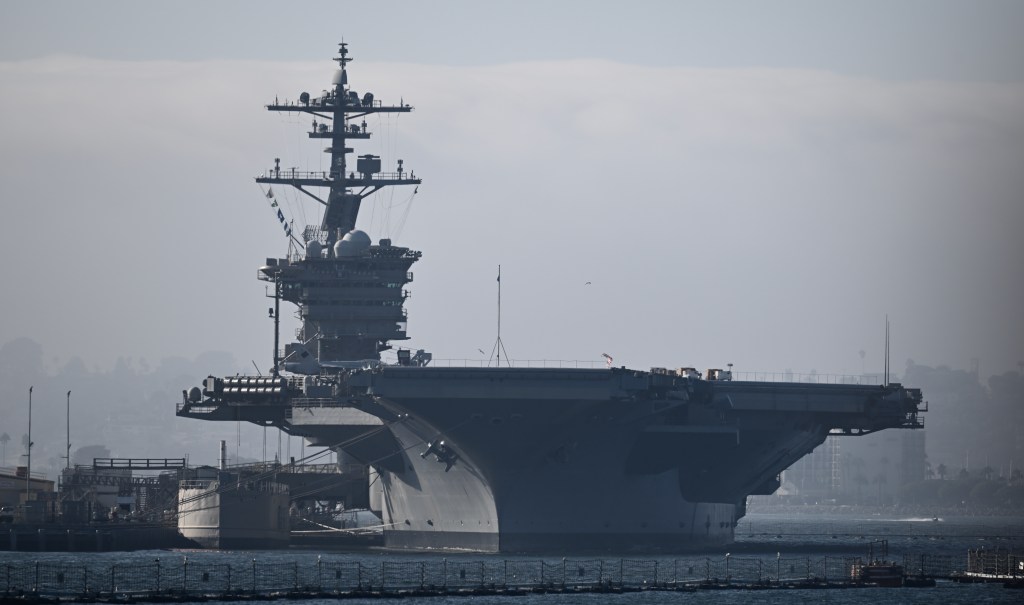
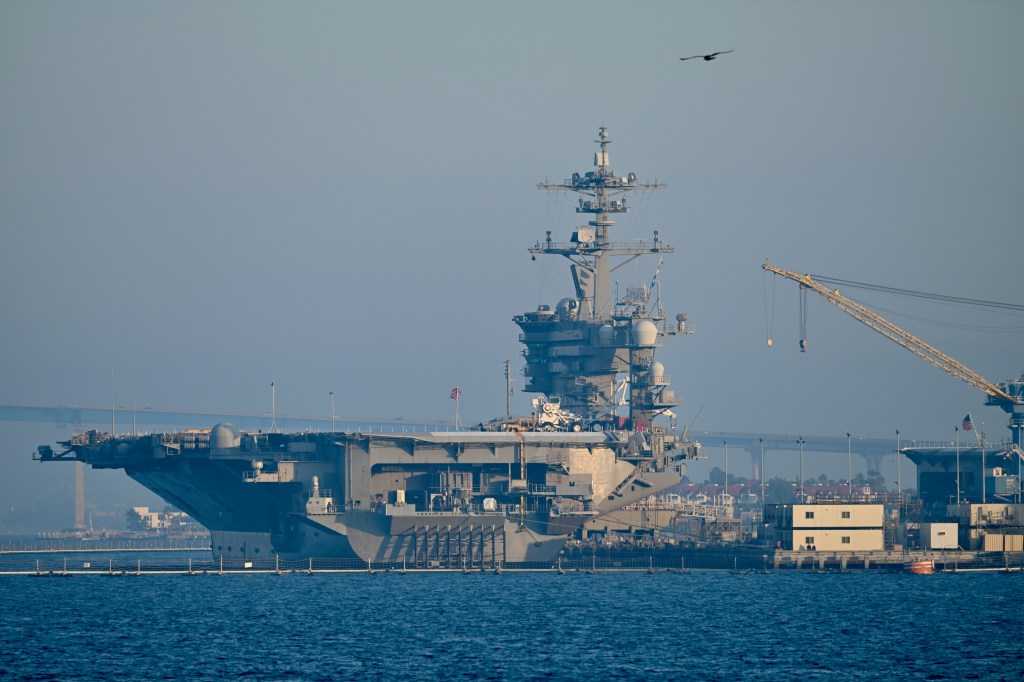
San Diego remained one of the largest naval complexes in the world through the Cold War and beyond. Today, the city hosts the Pacific Fleet, numerous aircraft carriers, and serves as a major center for military research, training, and logistics. Civilian maritime activity also thrives, with cargo shipping, cruise lines, commercial fishing, and recreational boating playing important roles.

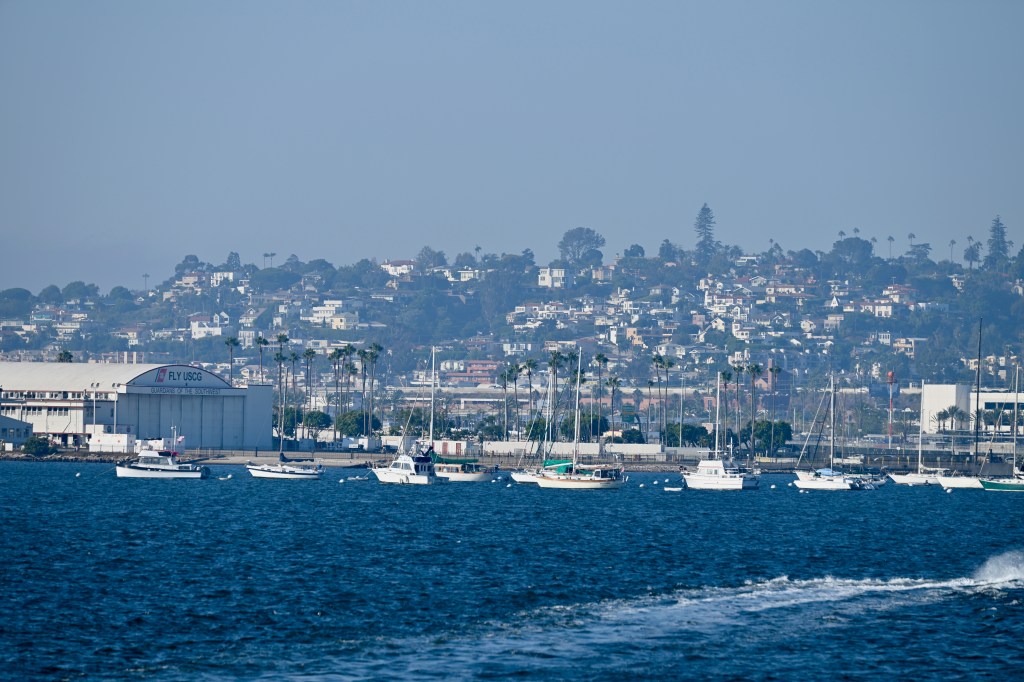
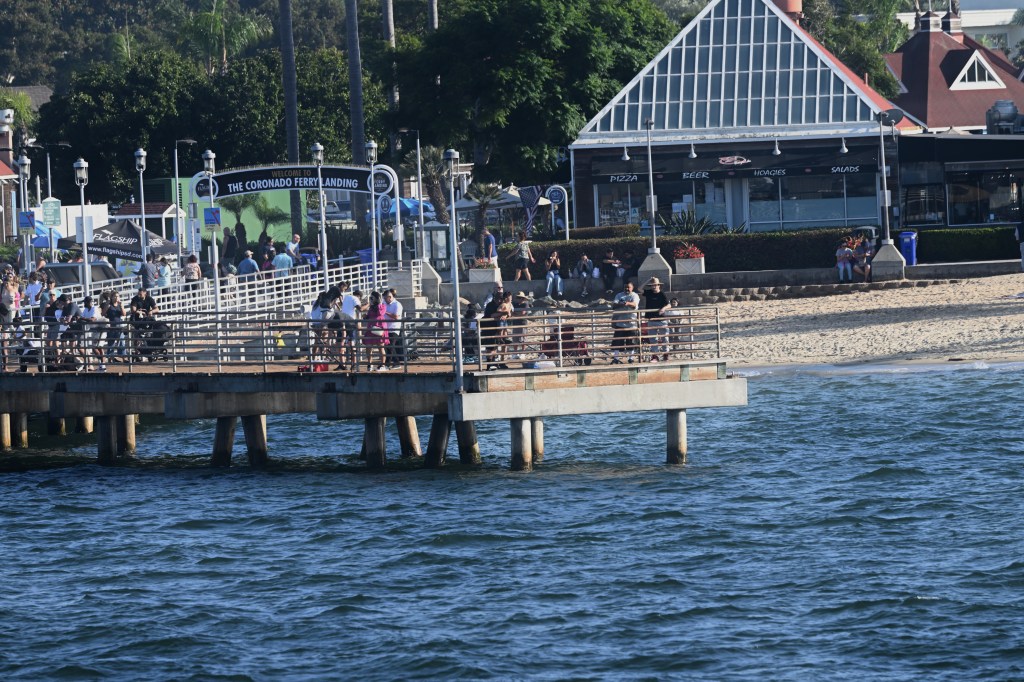
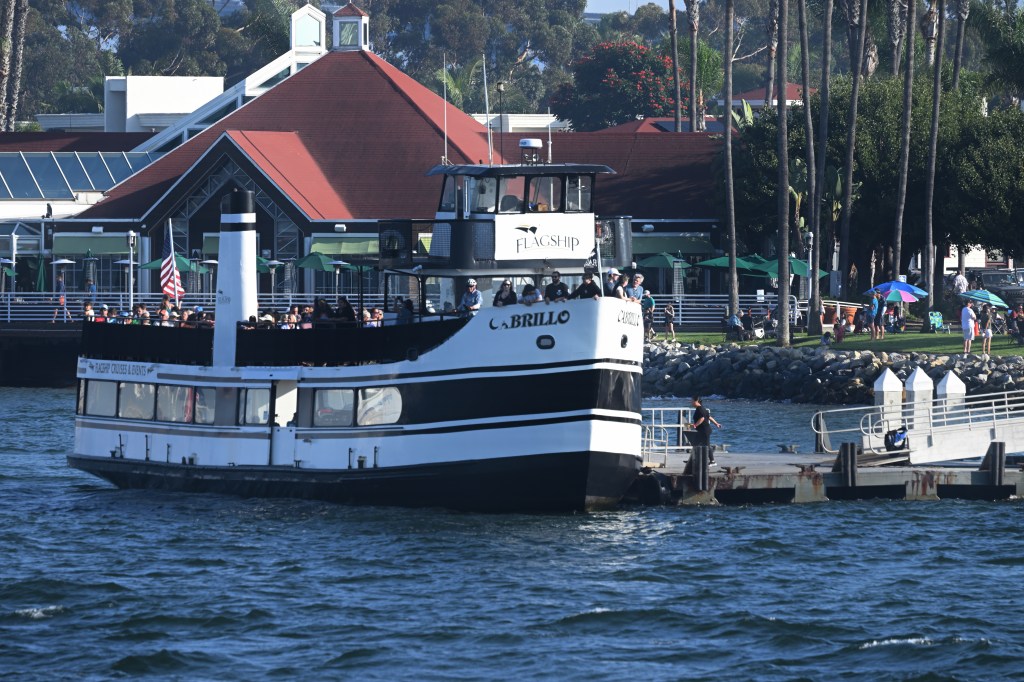
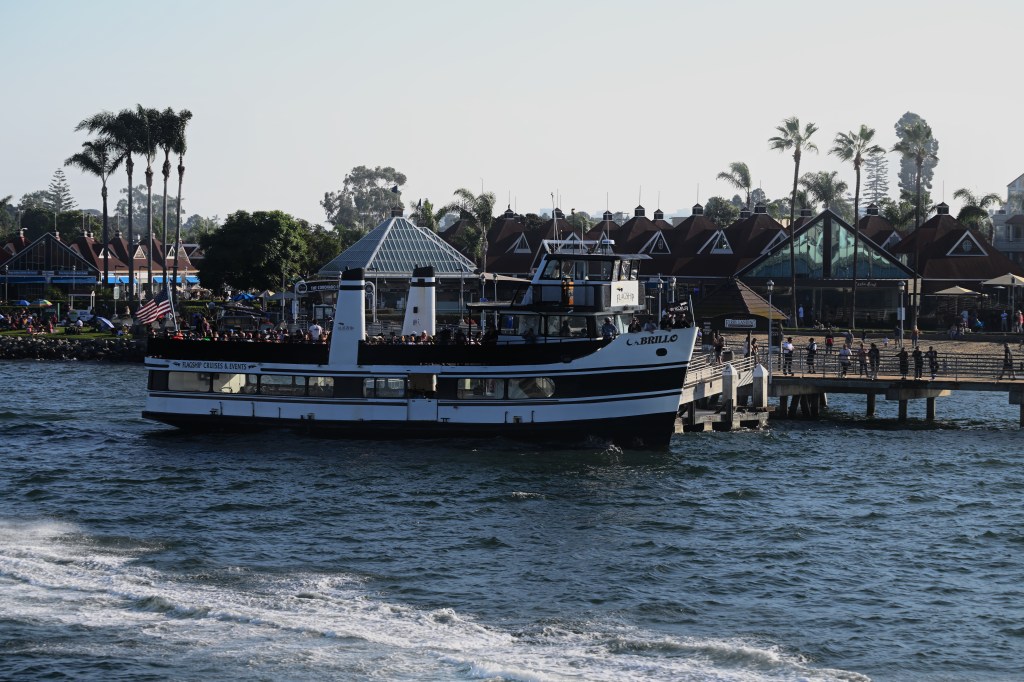
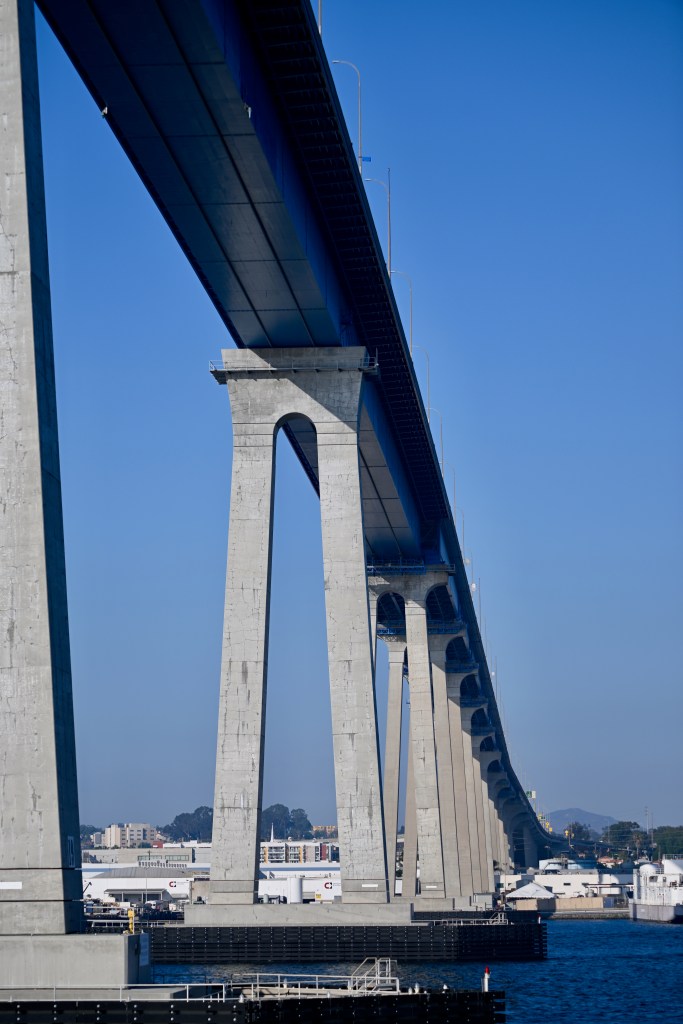
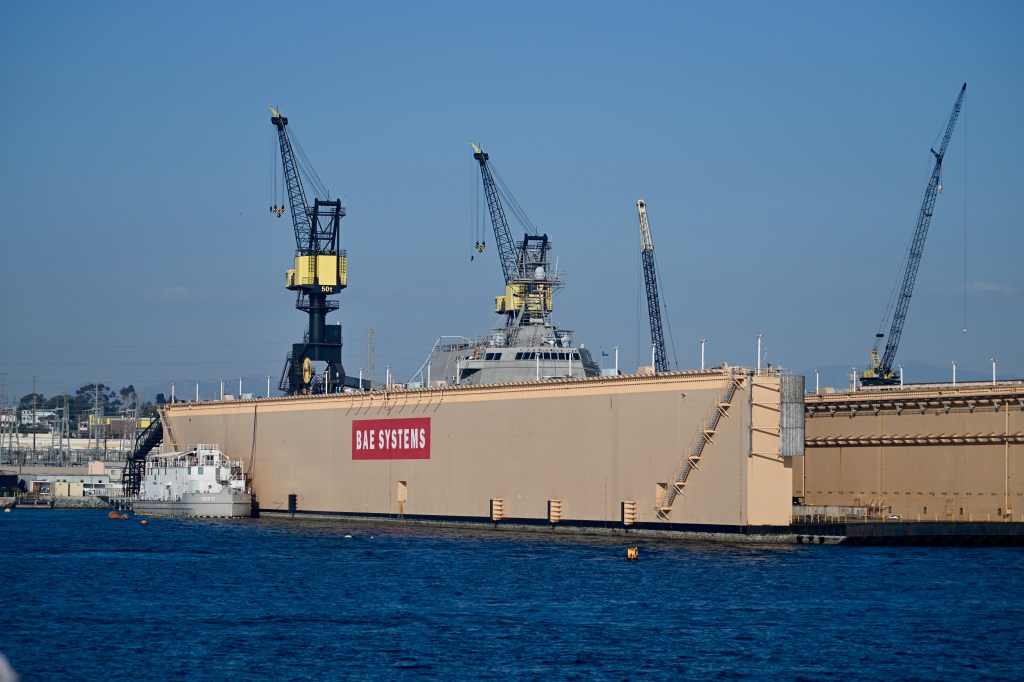
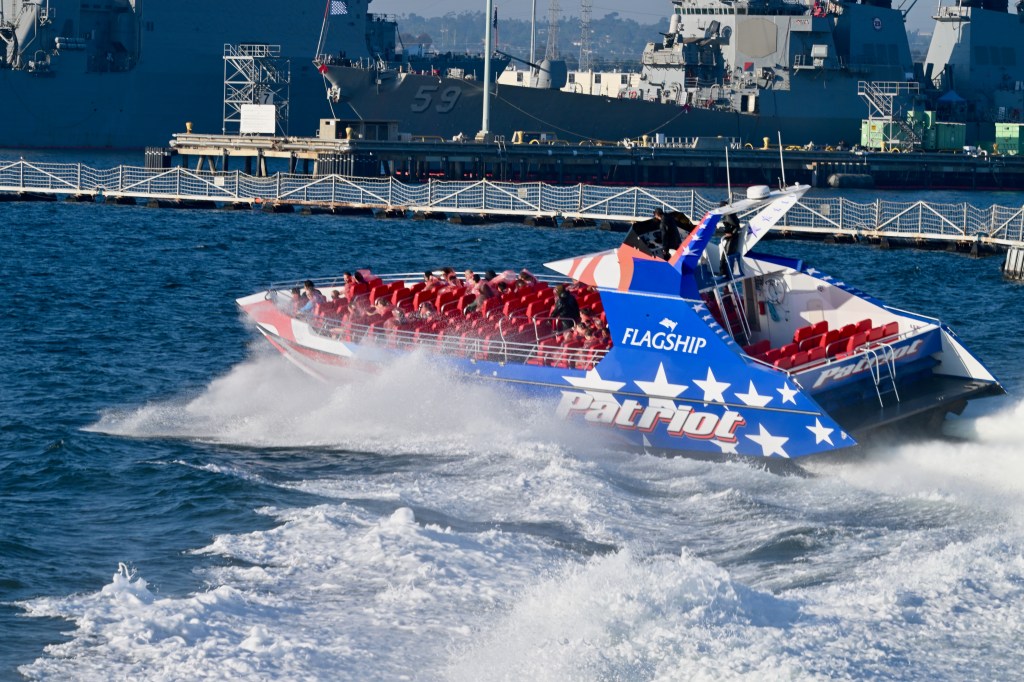
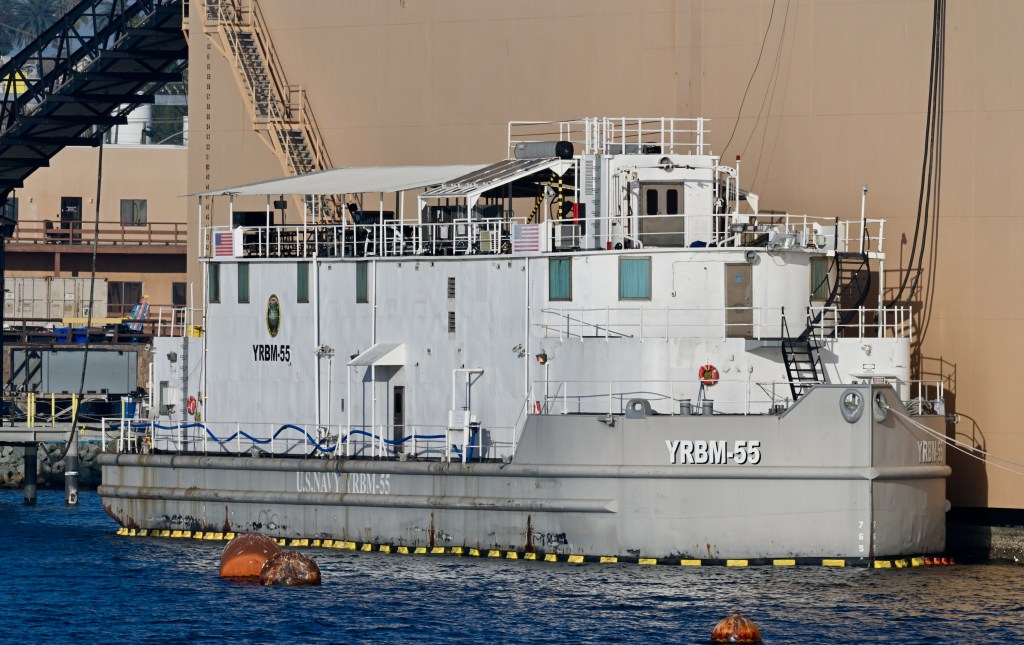
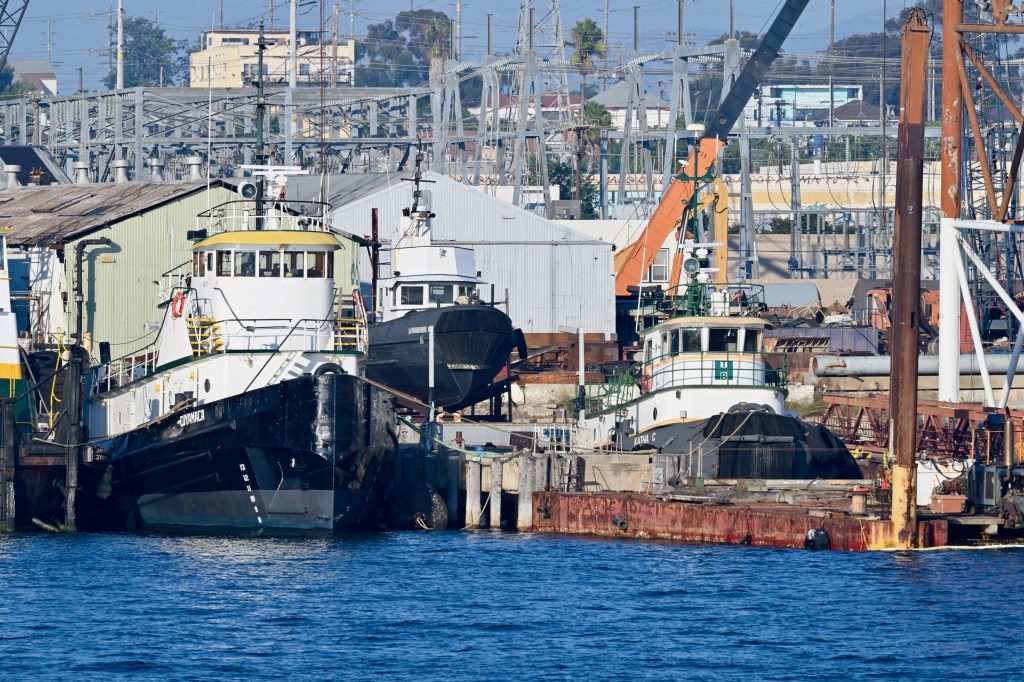
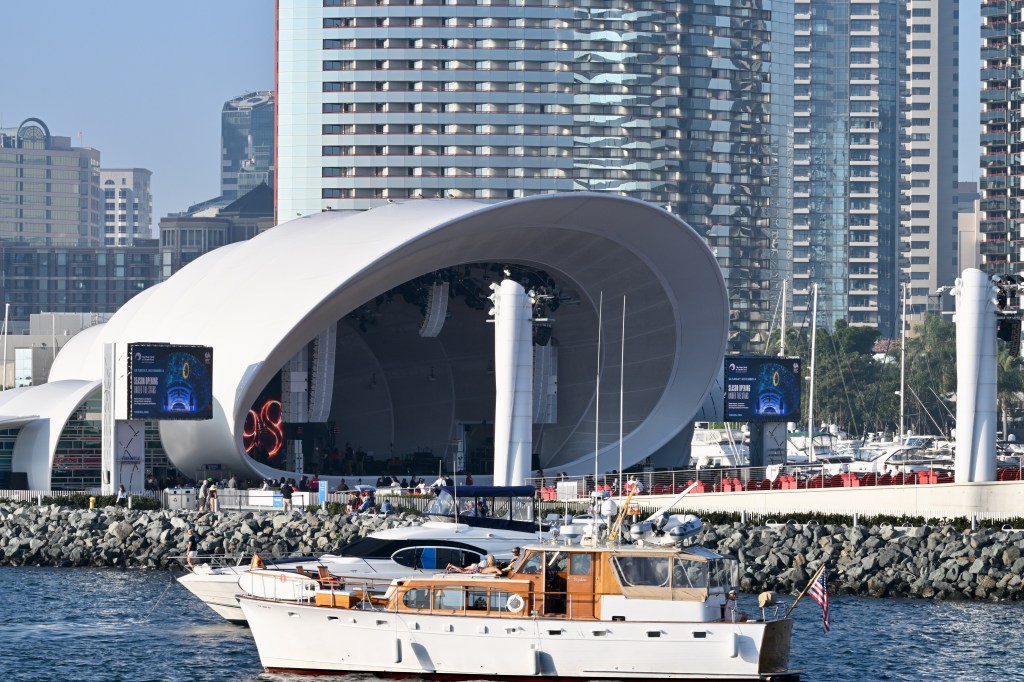
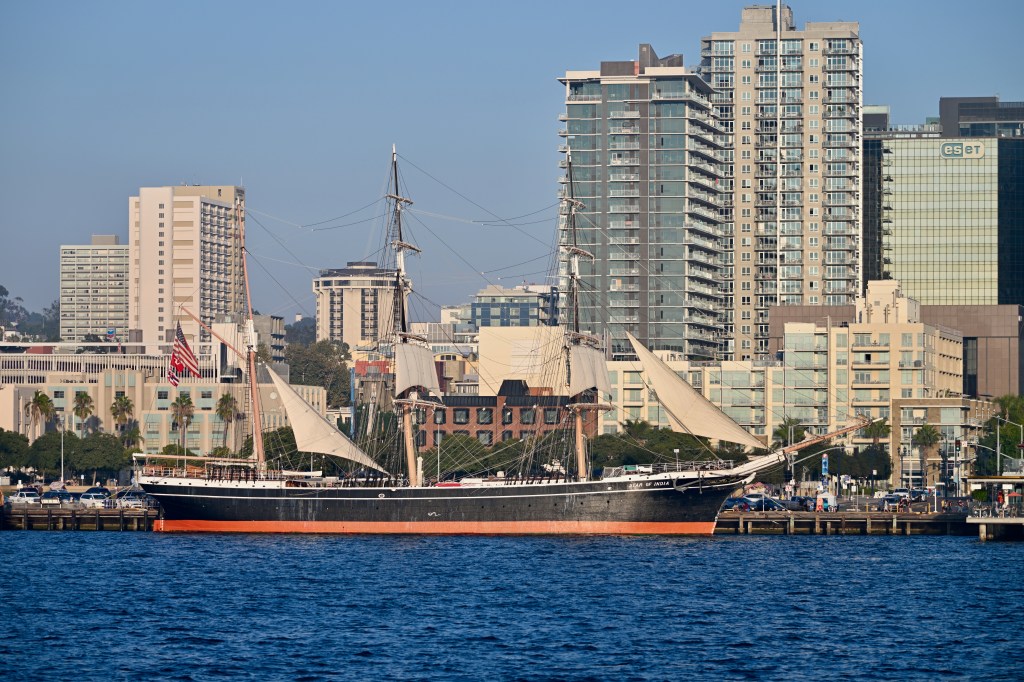
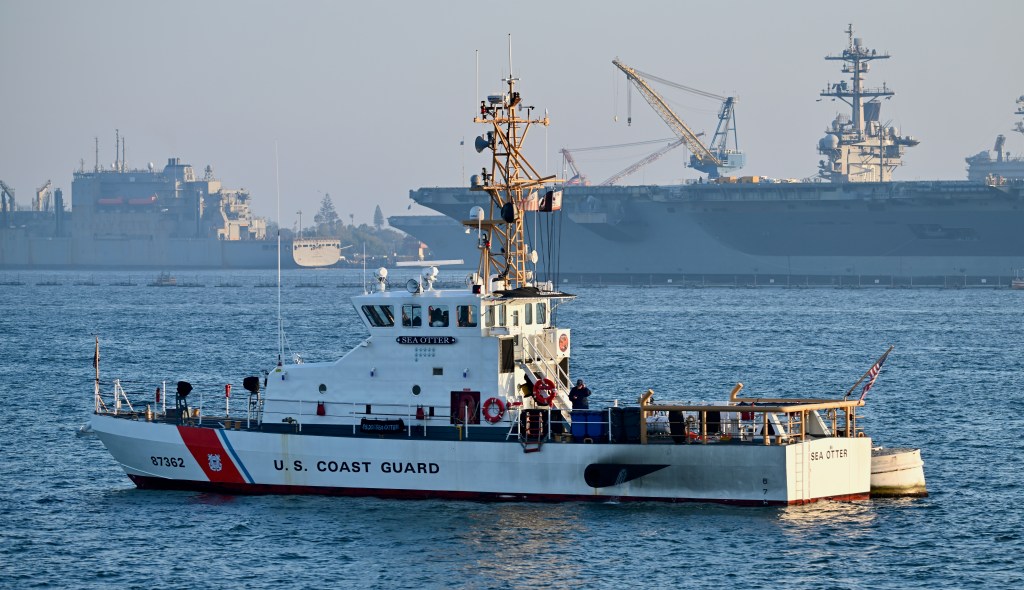
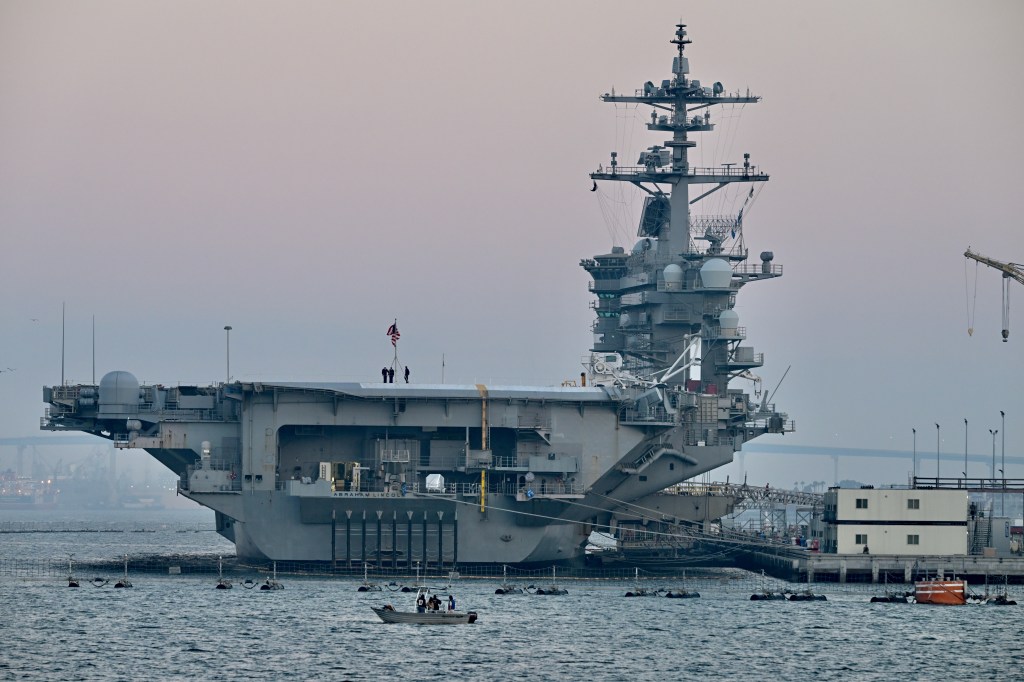
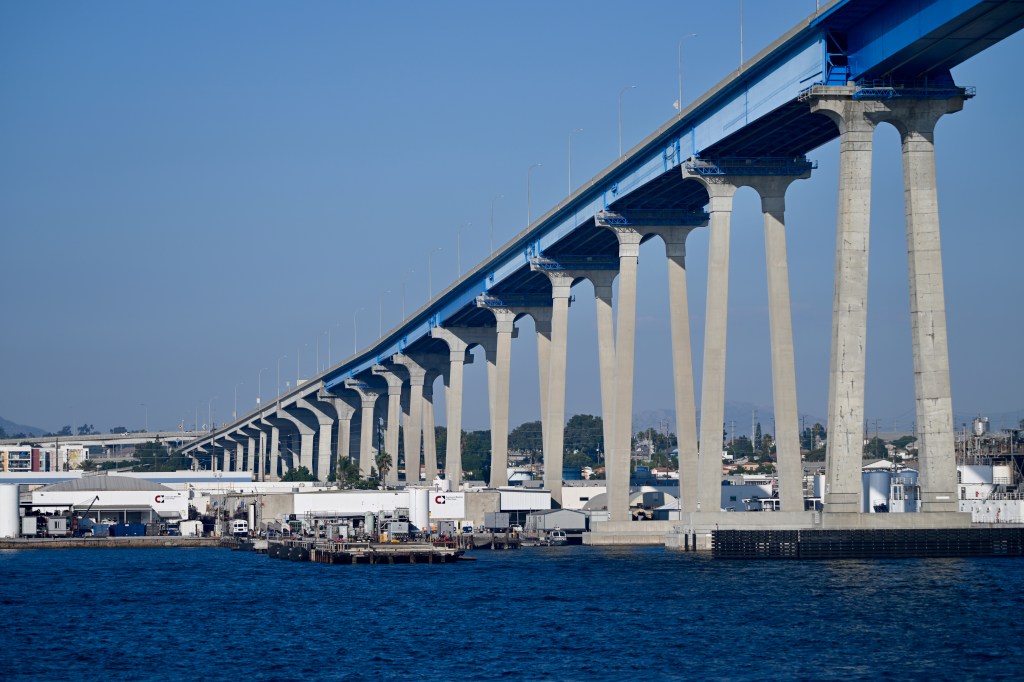
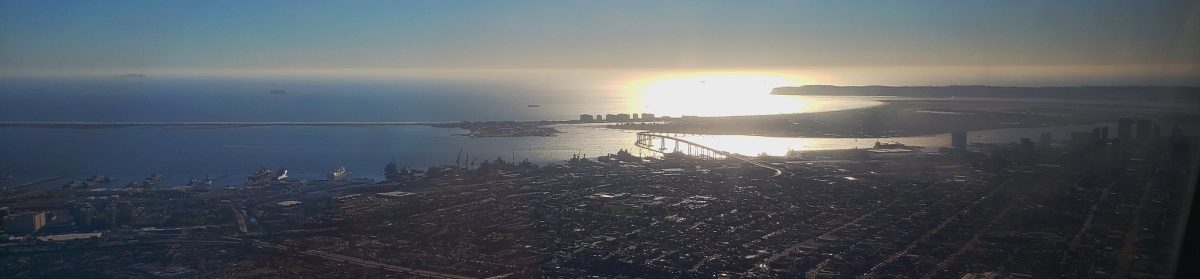
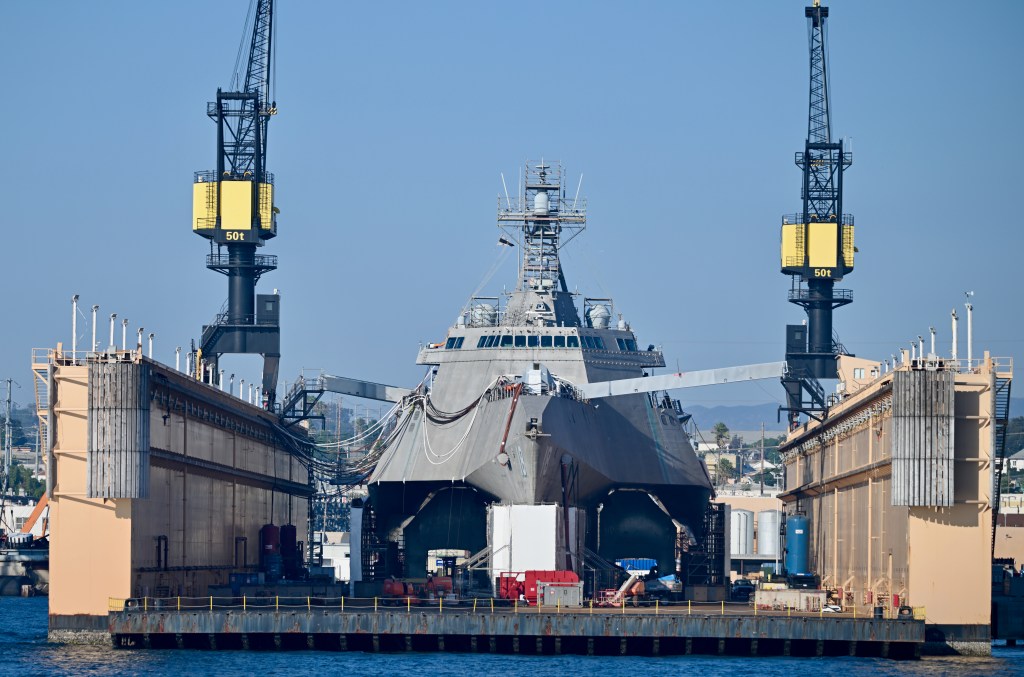
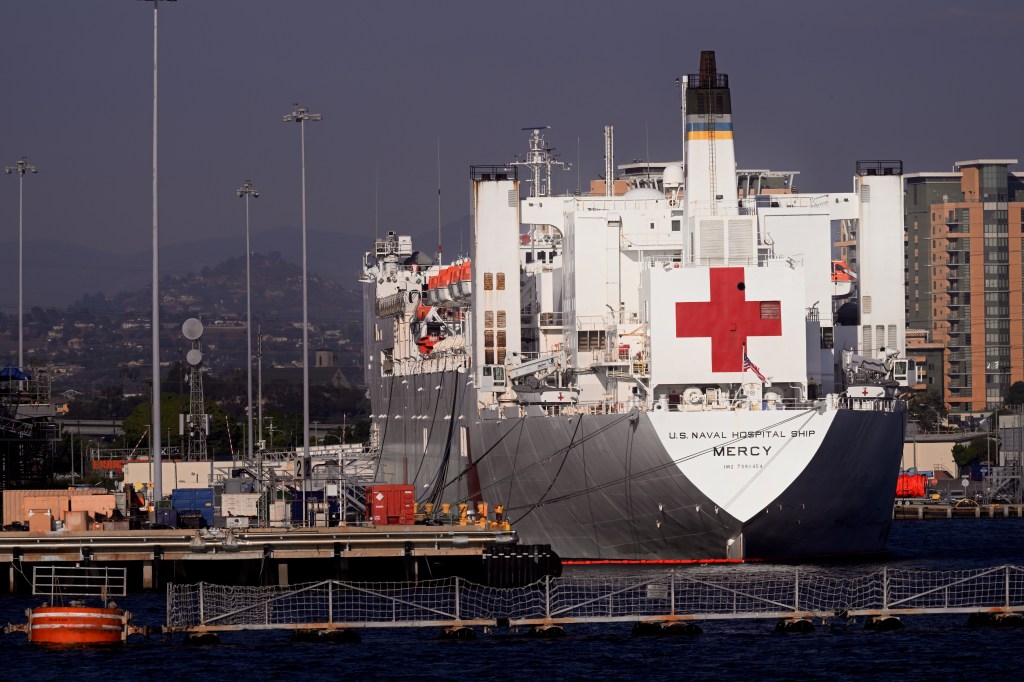
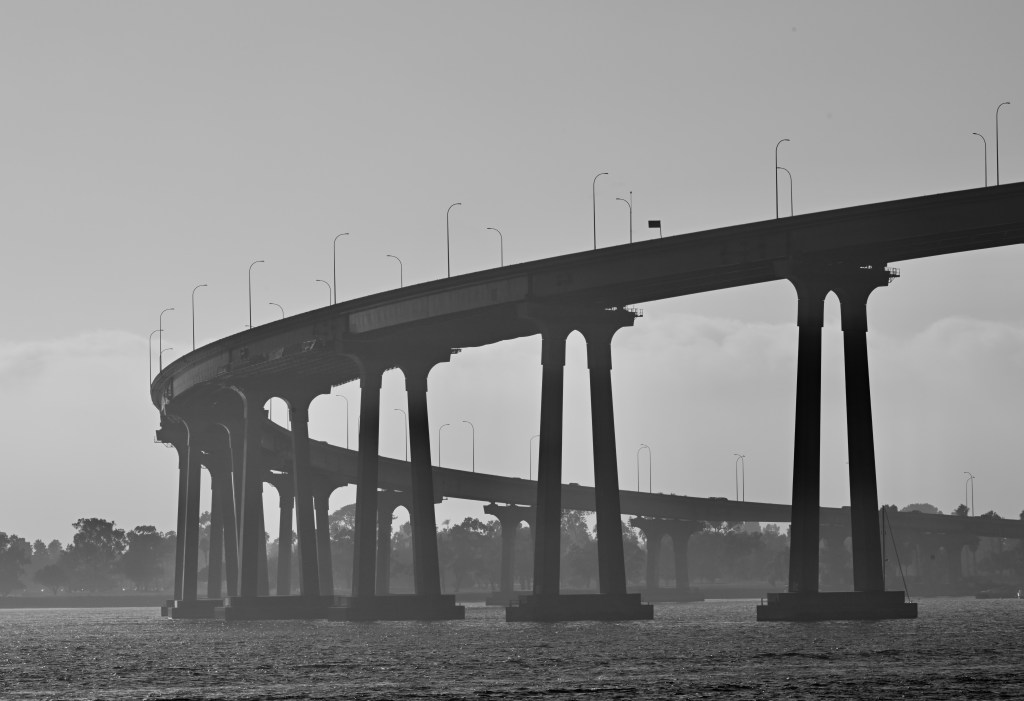
I took this series of images during a 2 hour sailing which started off heading south towards the Coronado Bridge and then turning north towards Shelter Island. A thick marine layer was moving in so the trip ended before sunset unfortunately .