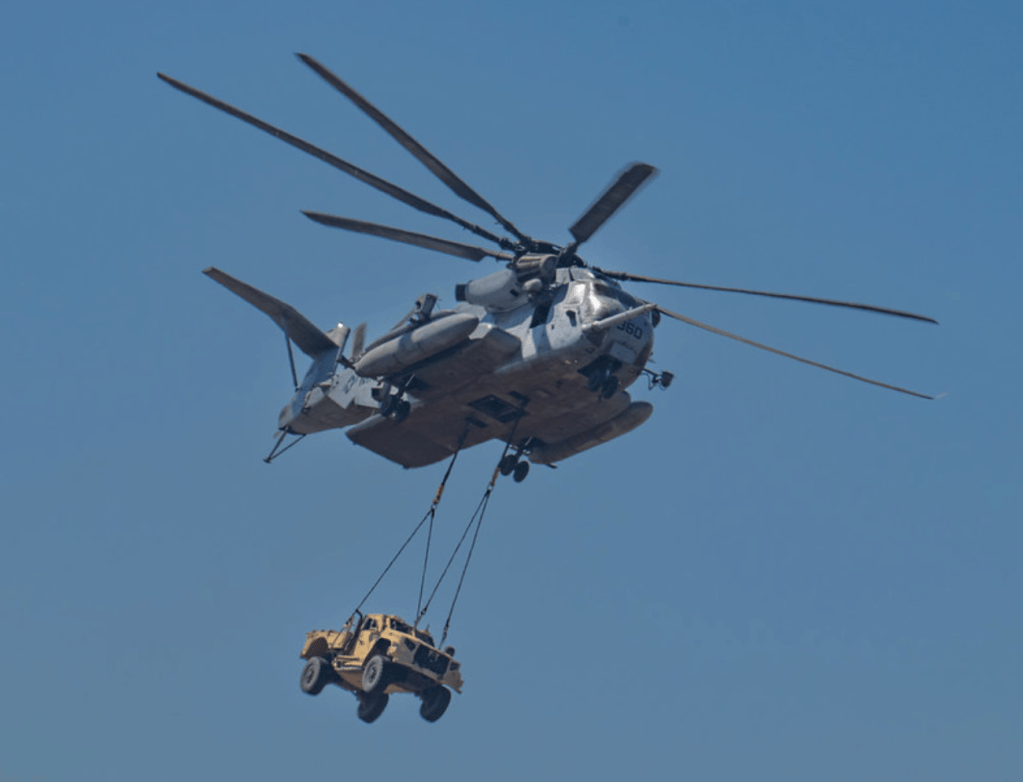
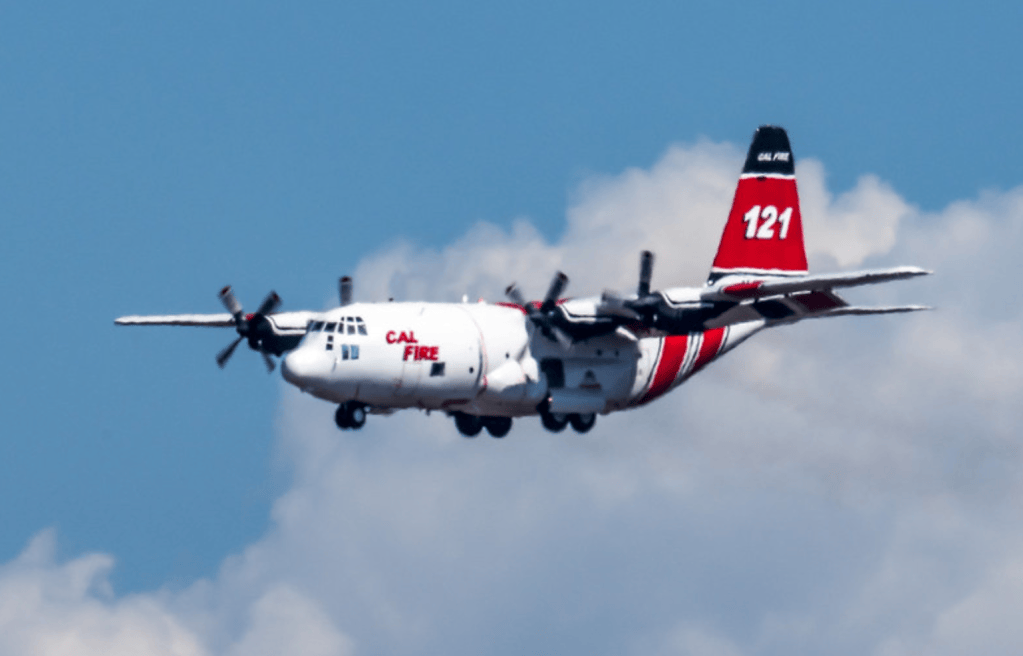
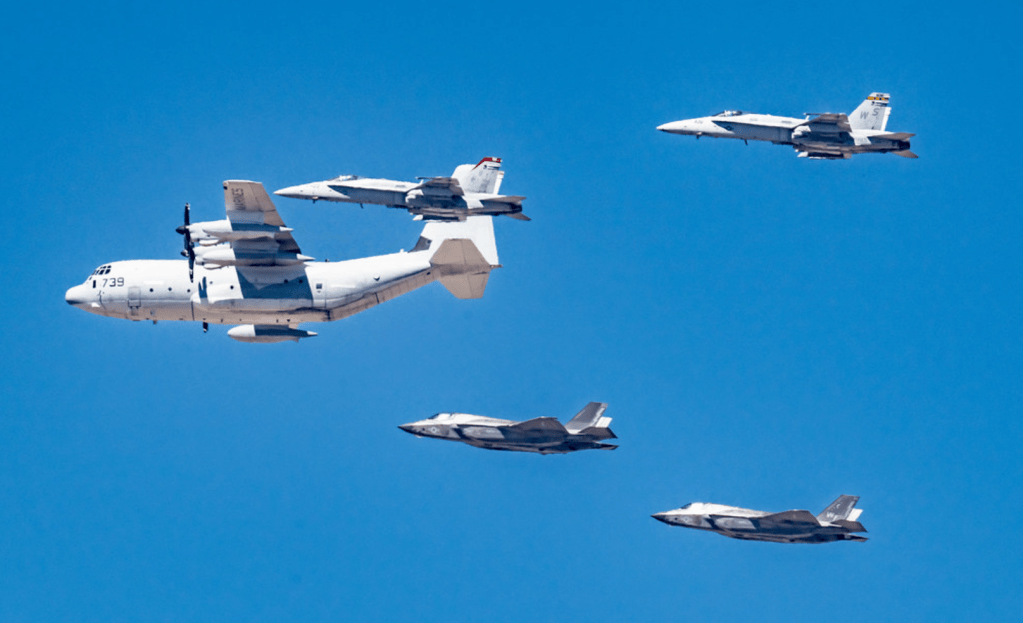
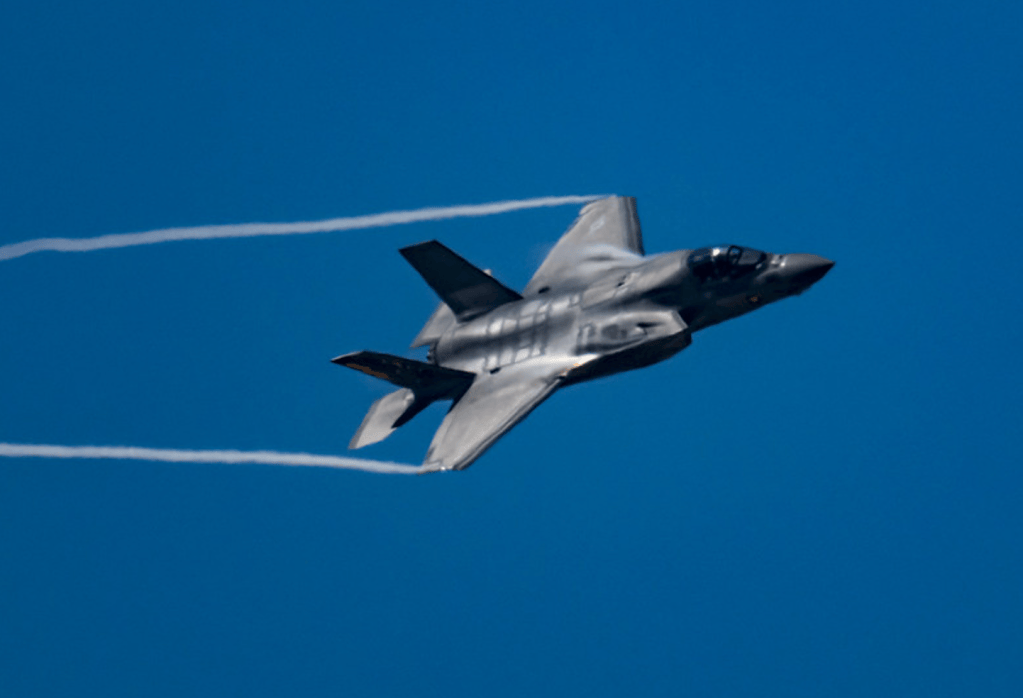
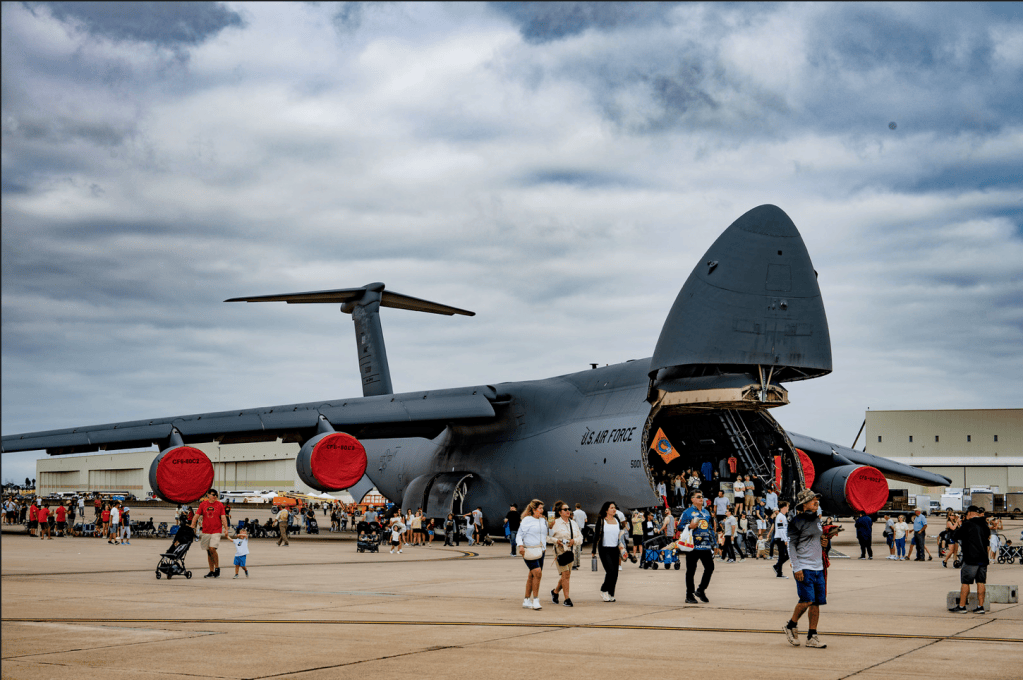
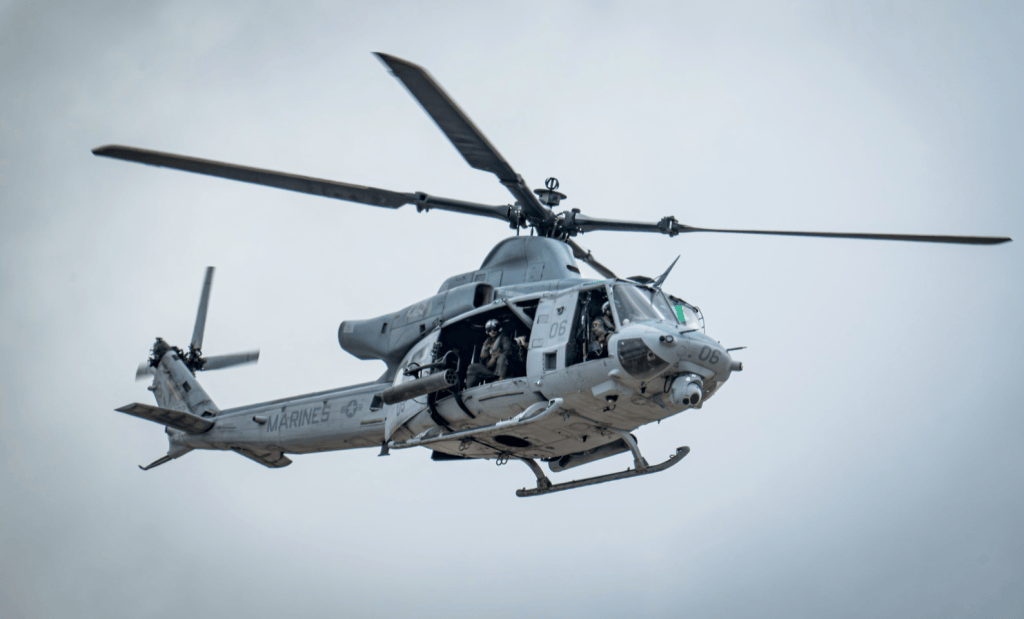
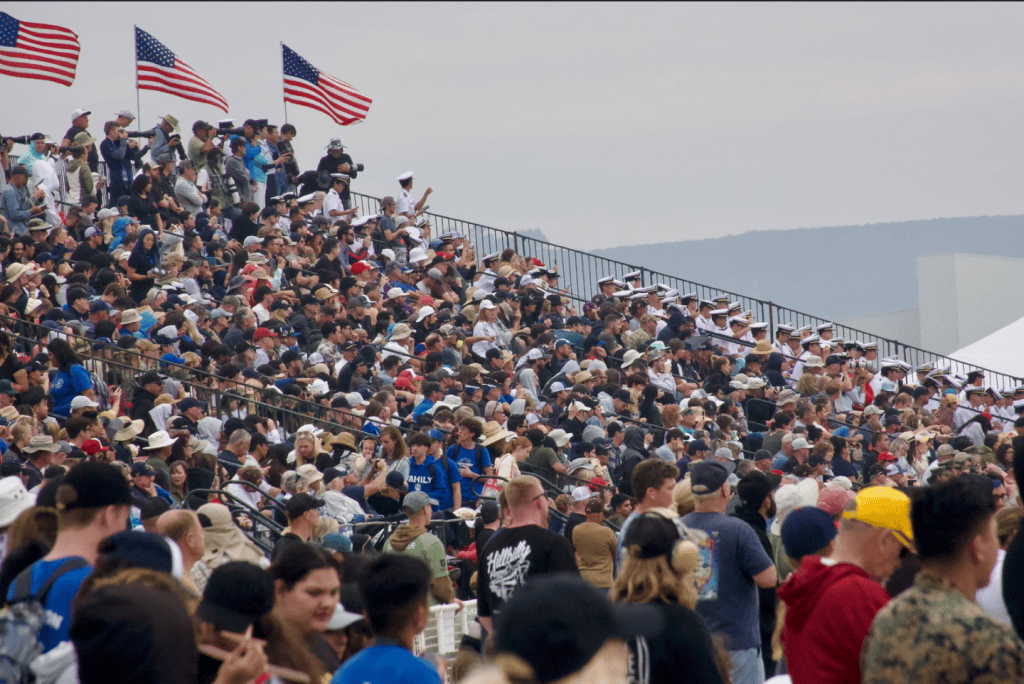
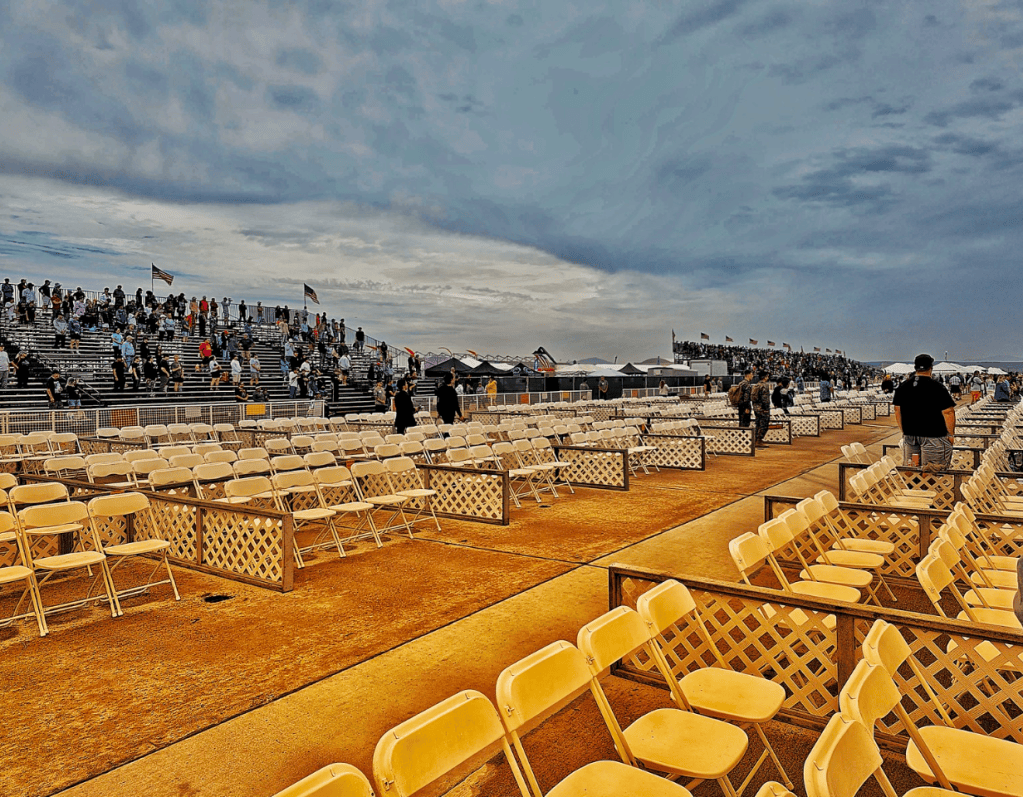
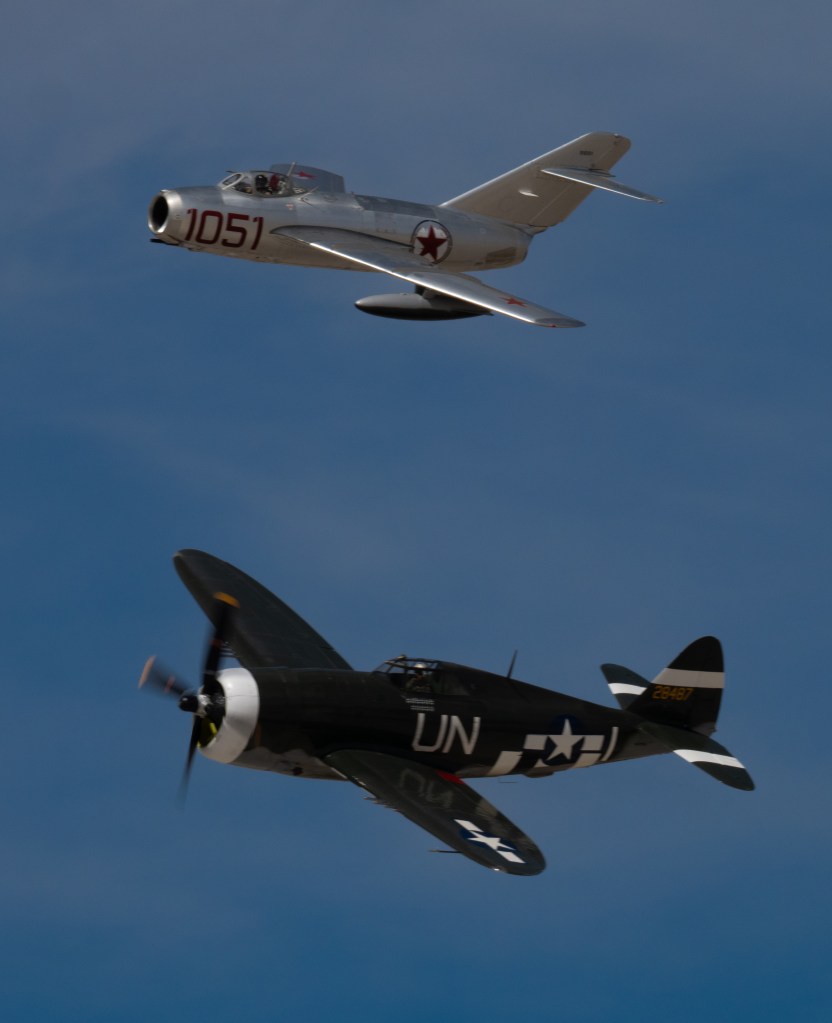
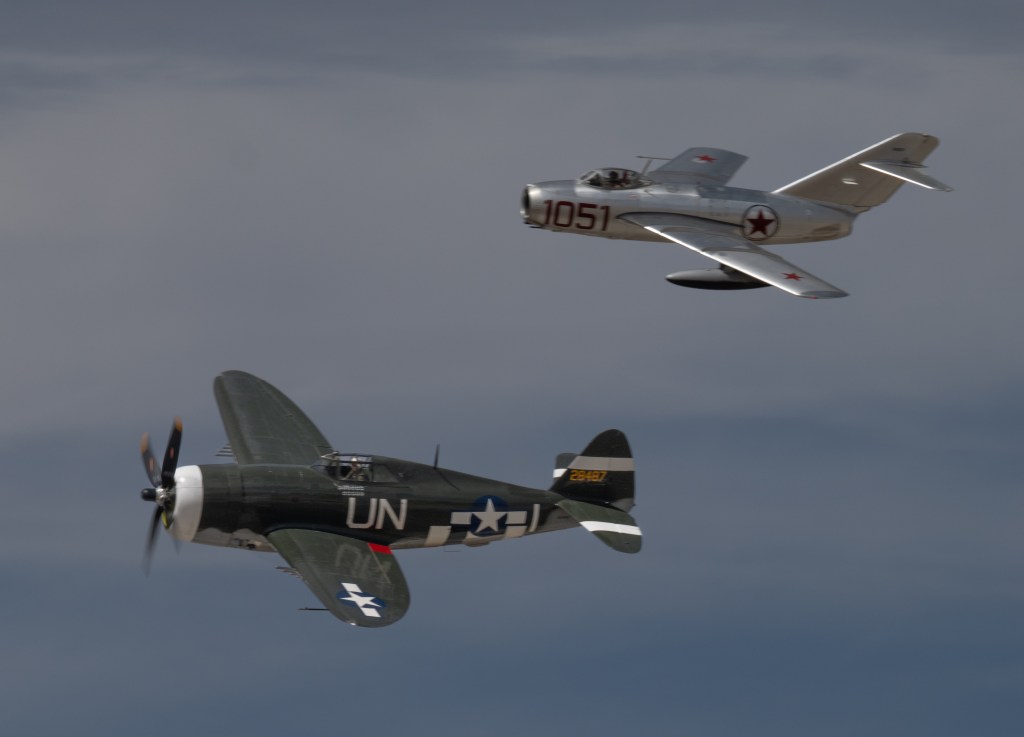
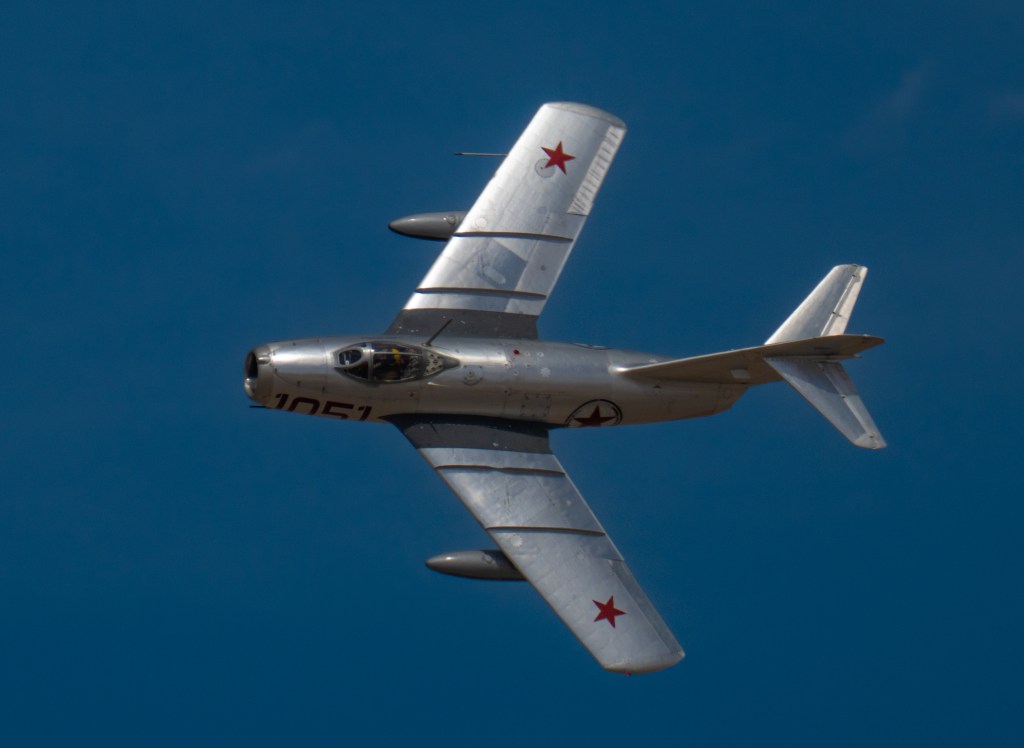
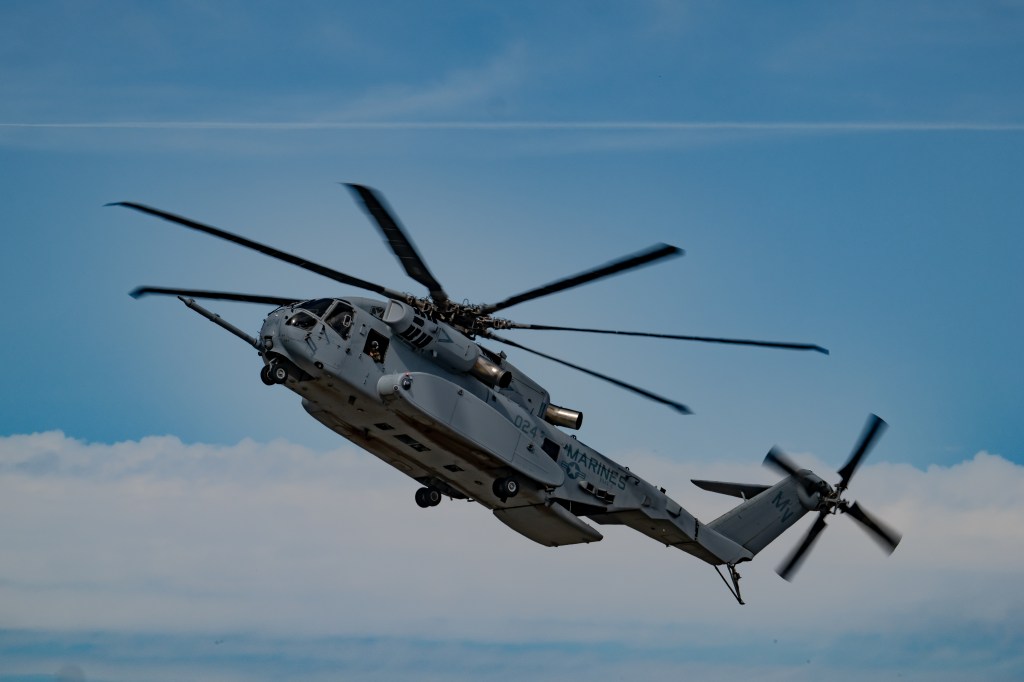
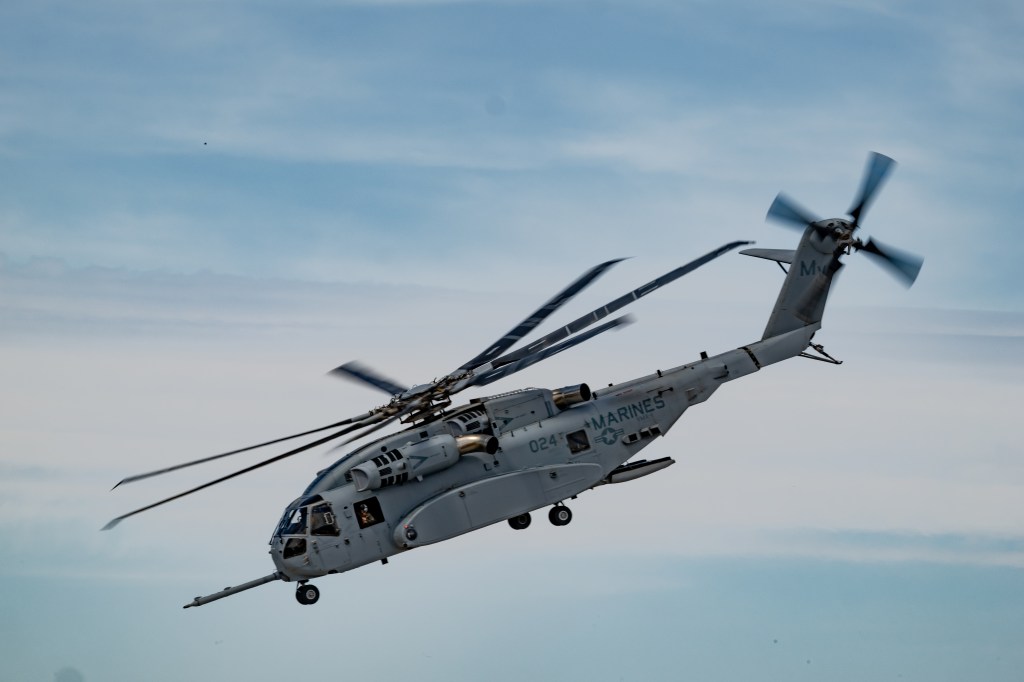
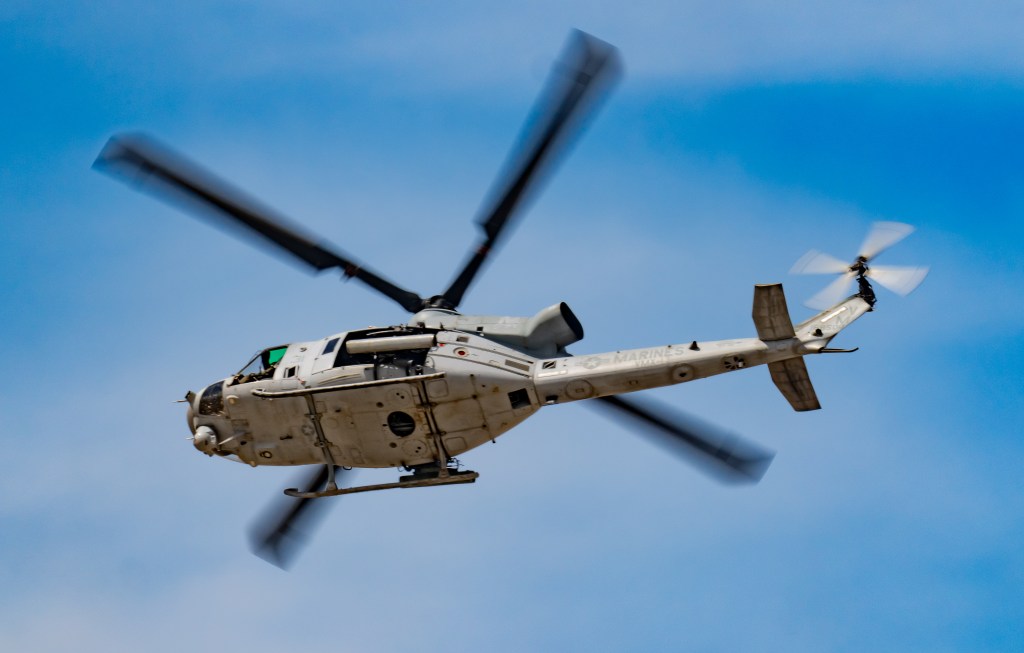
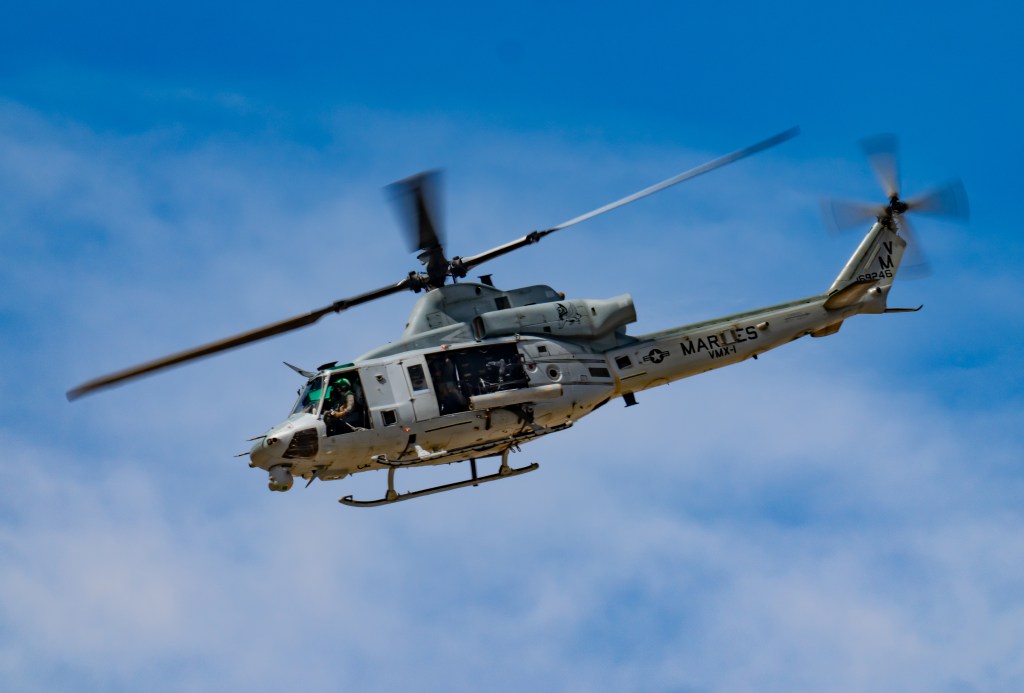
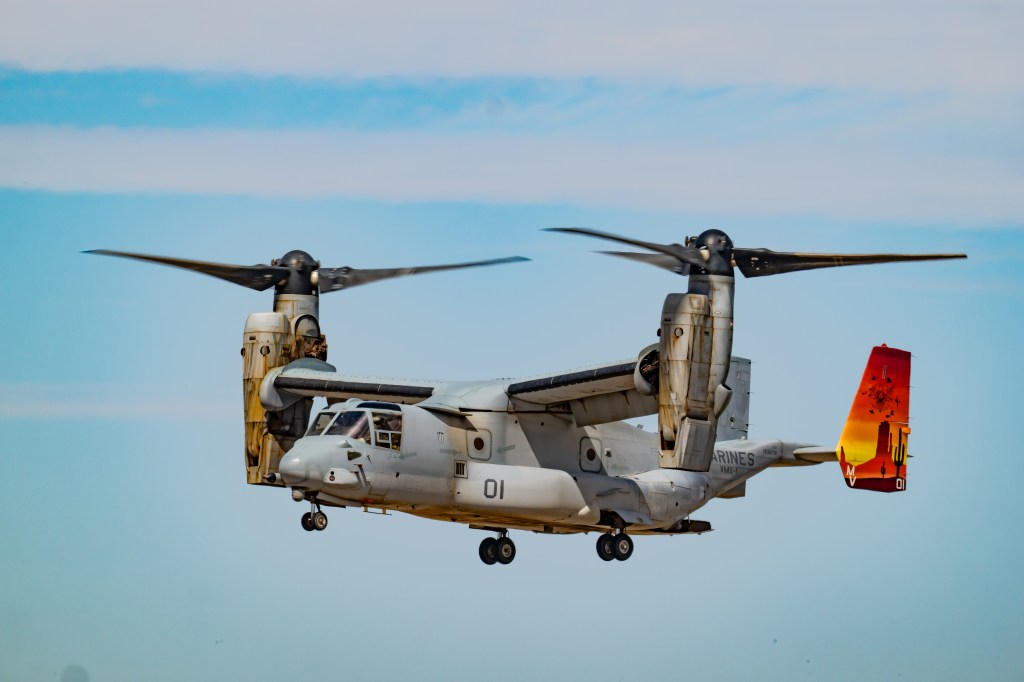
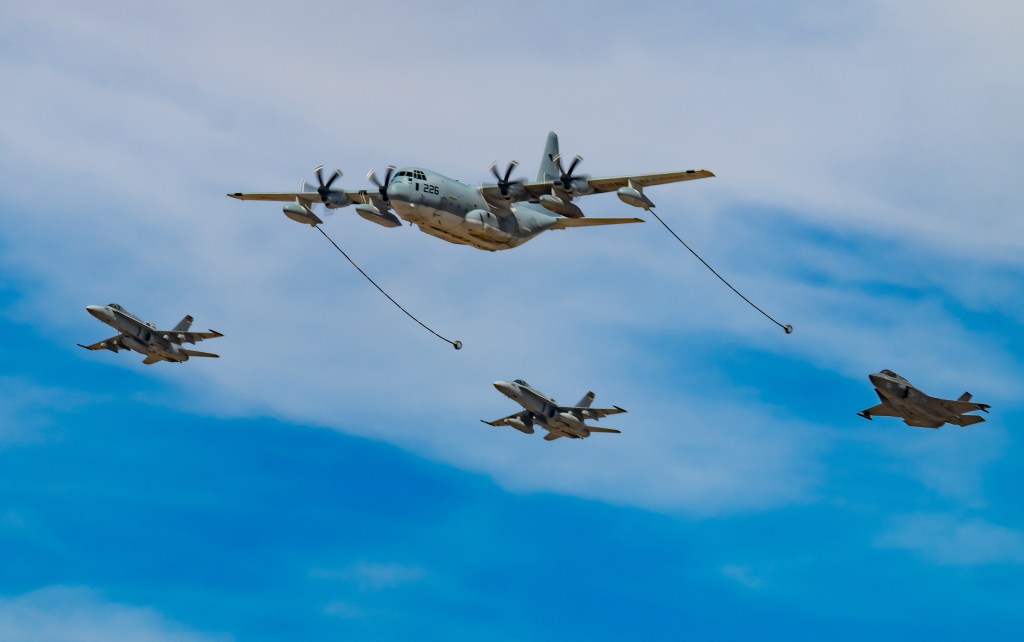
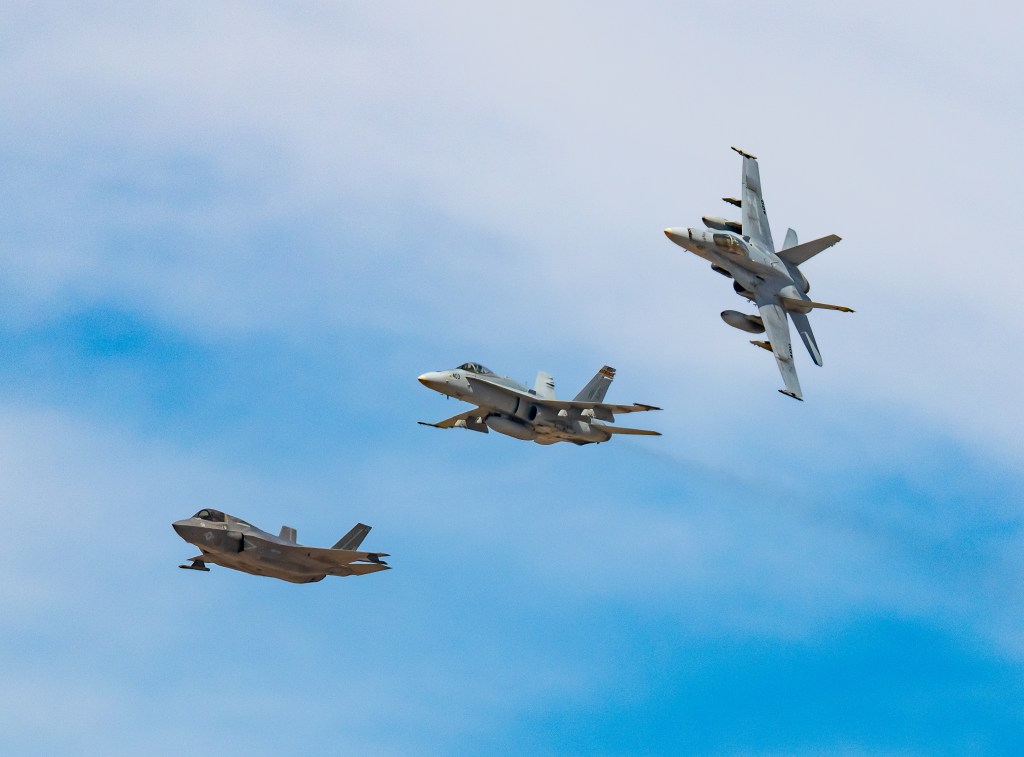
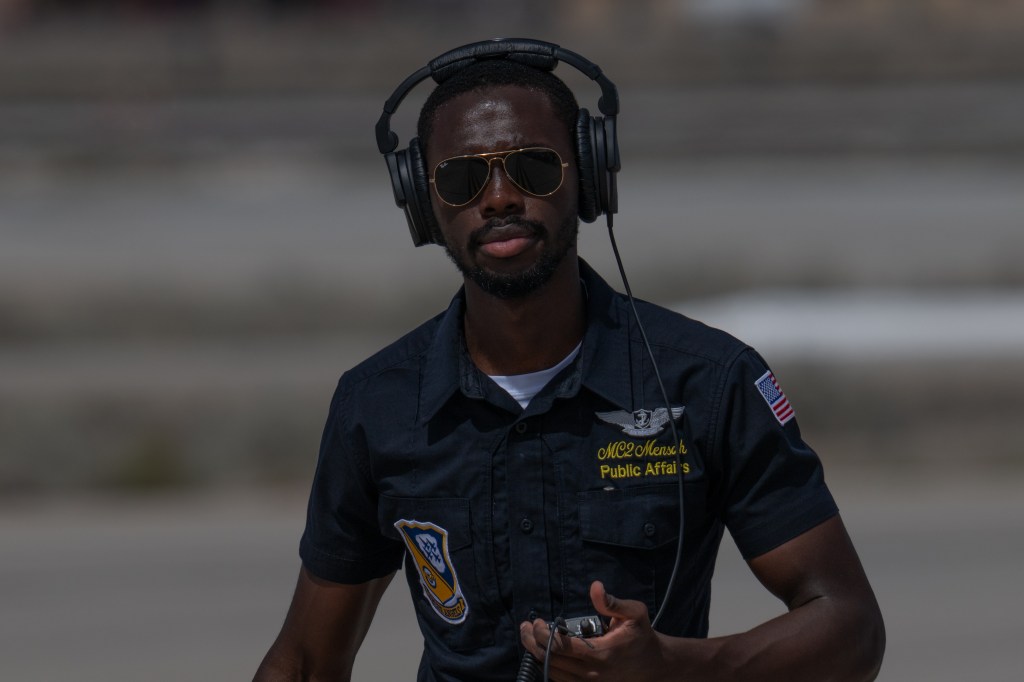
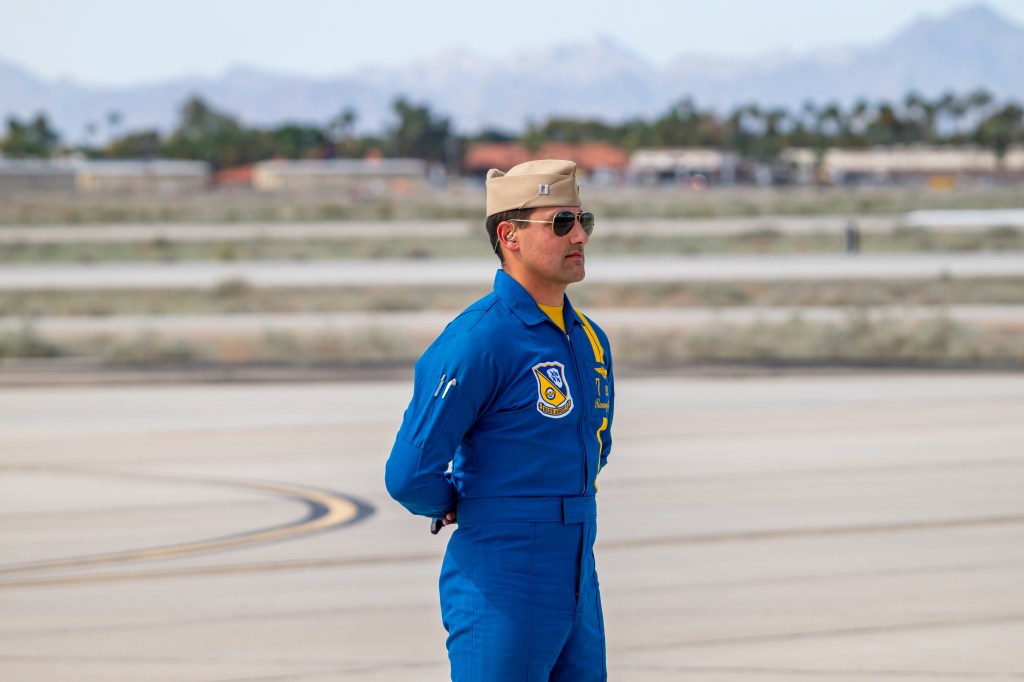
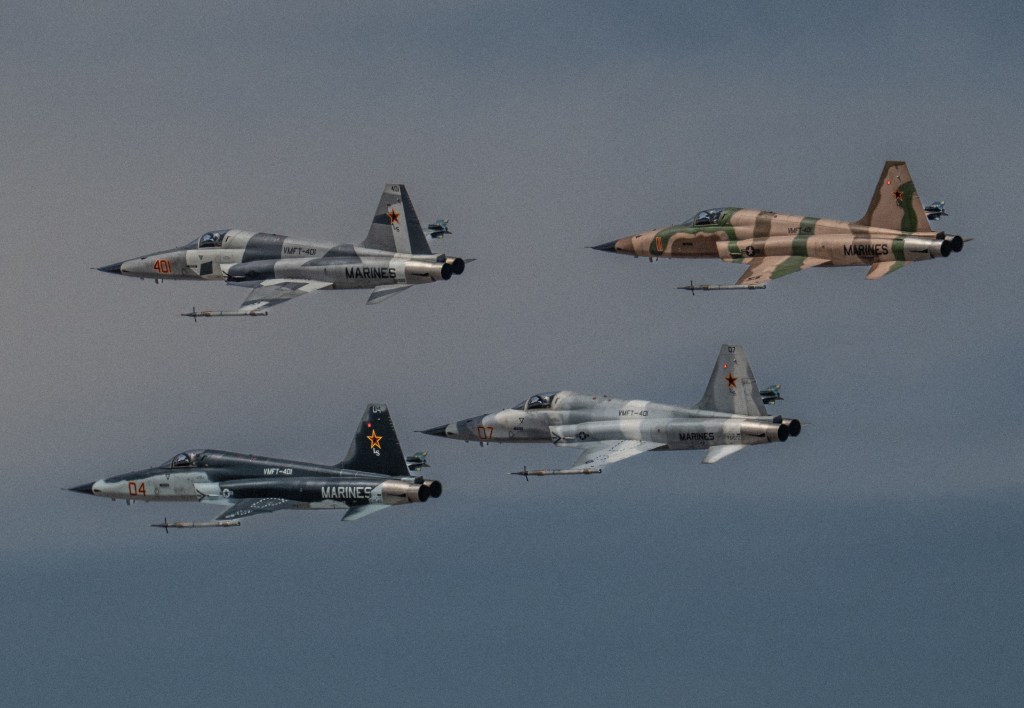
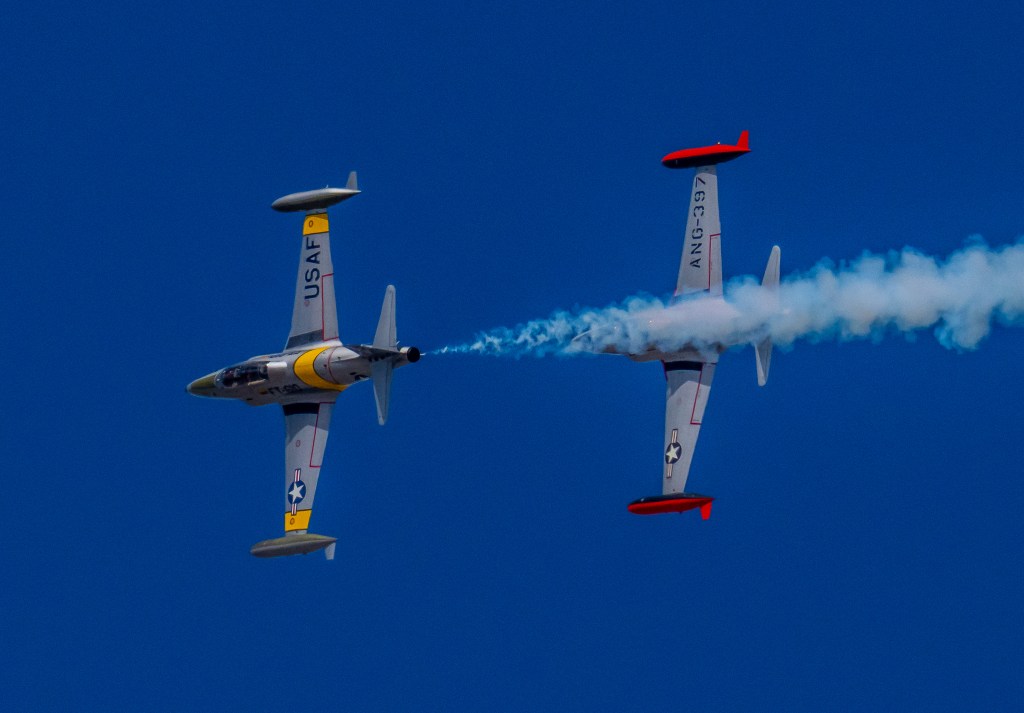
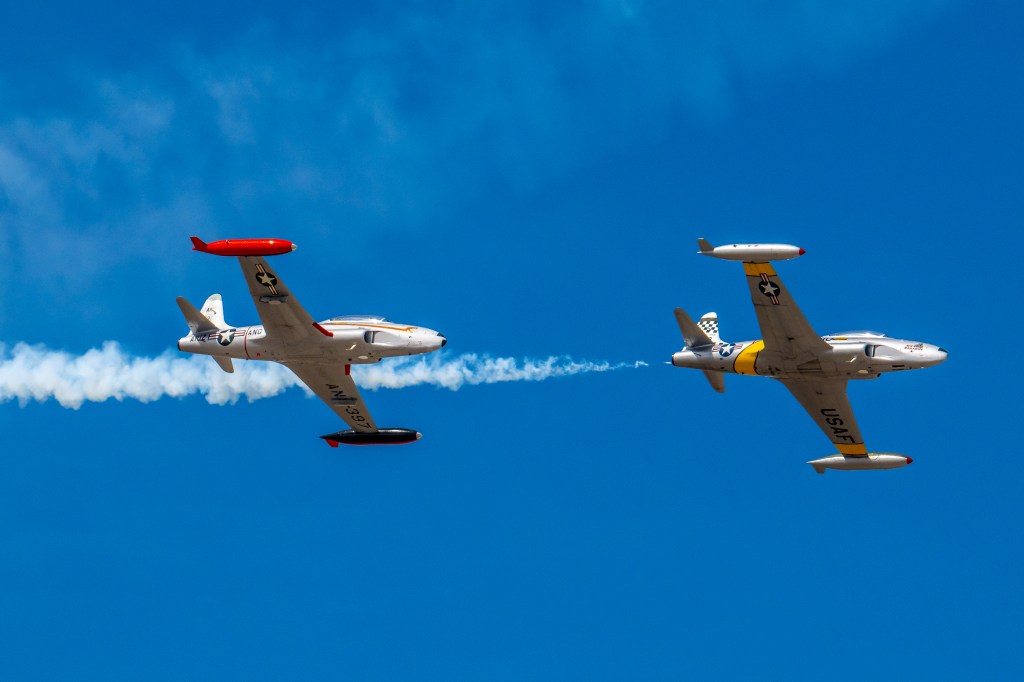
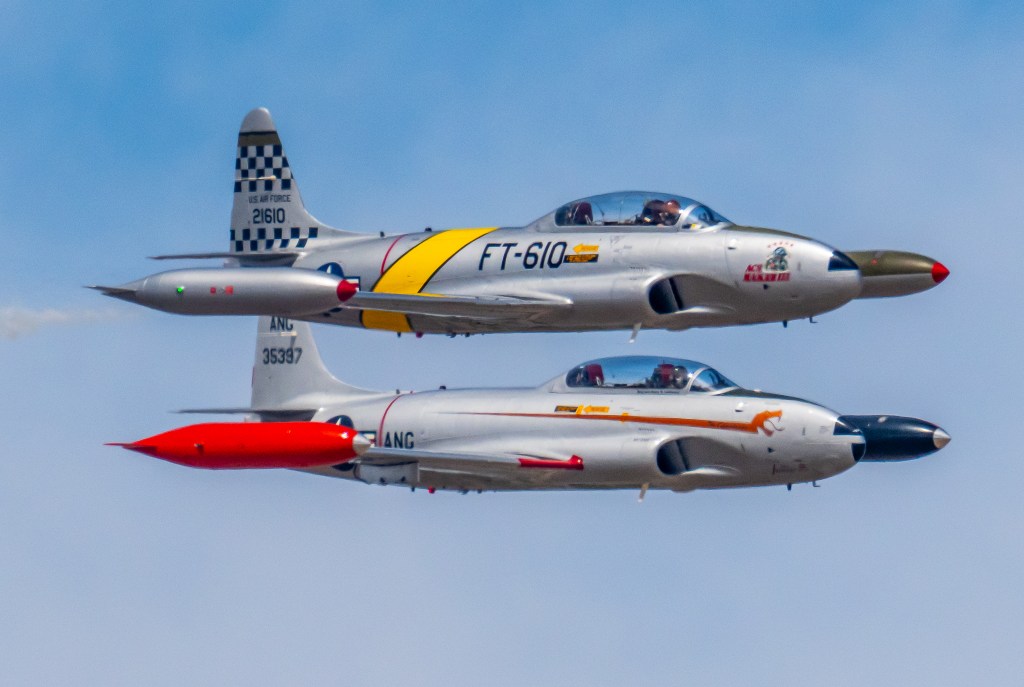
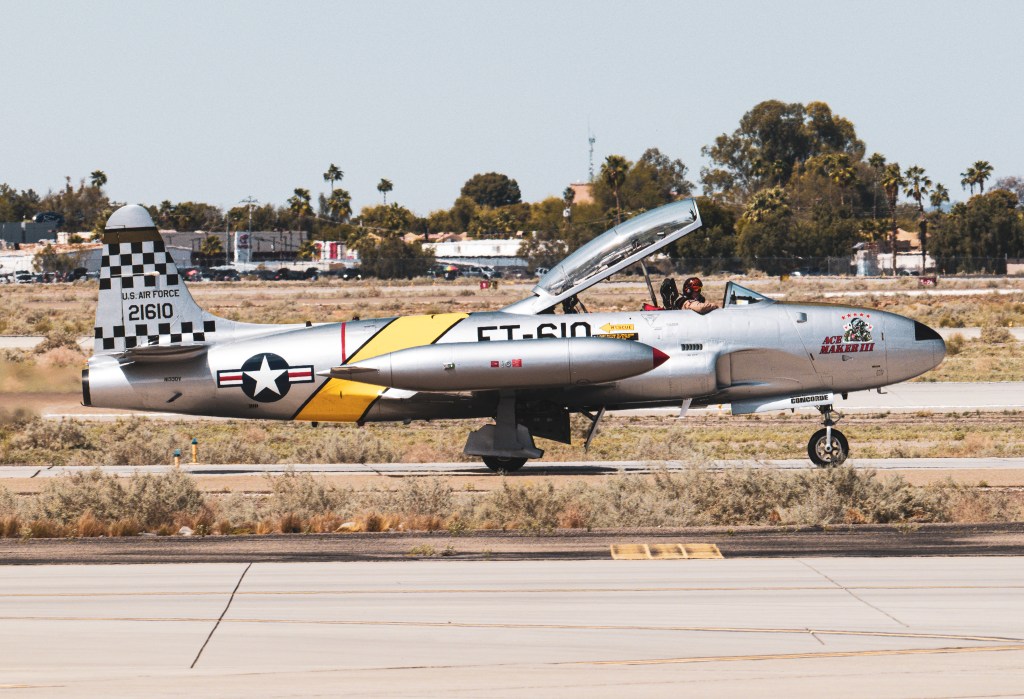
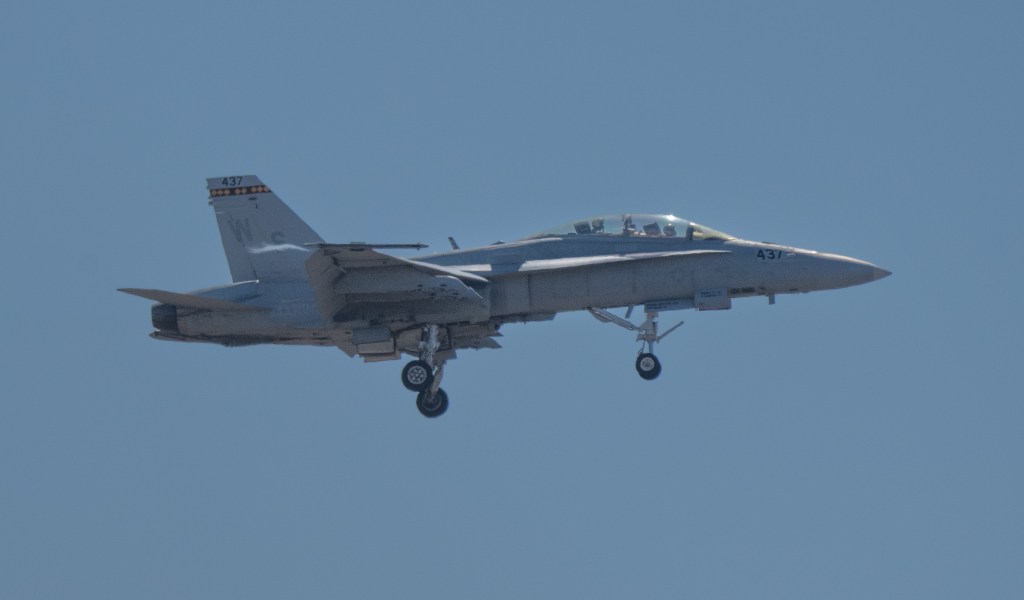
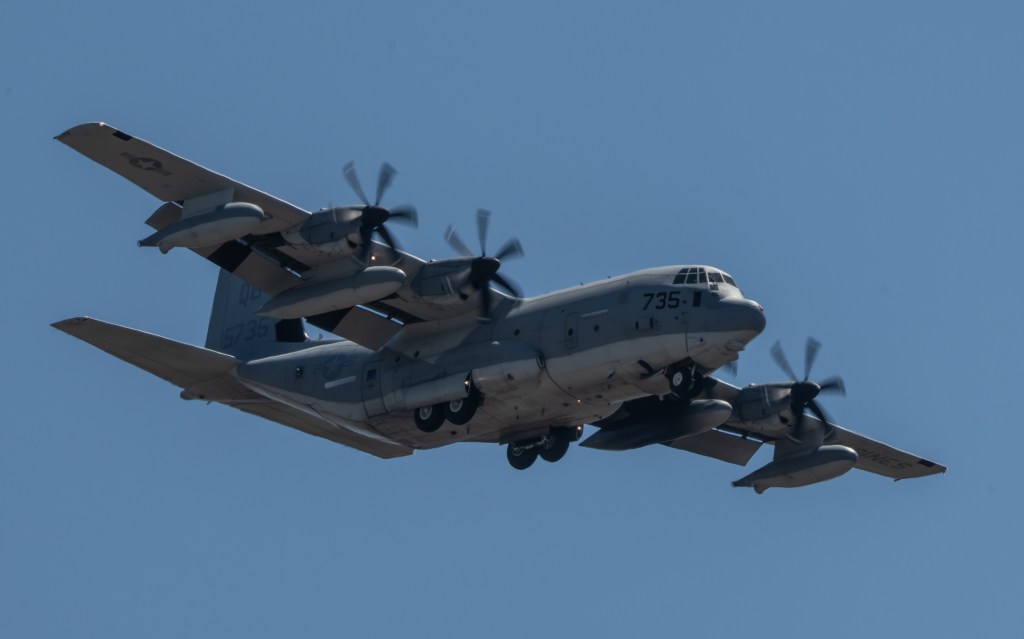
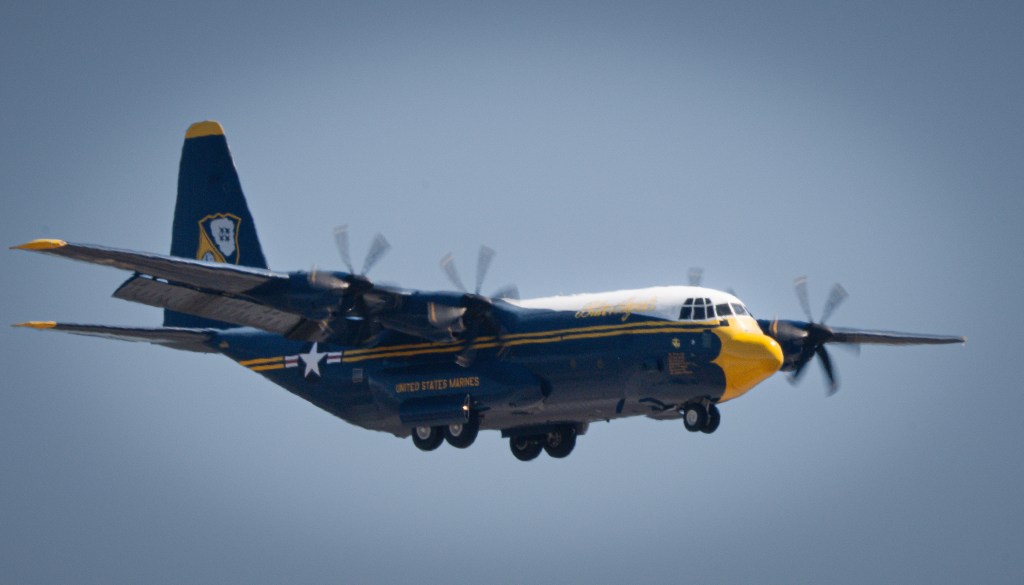
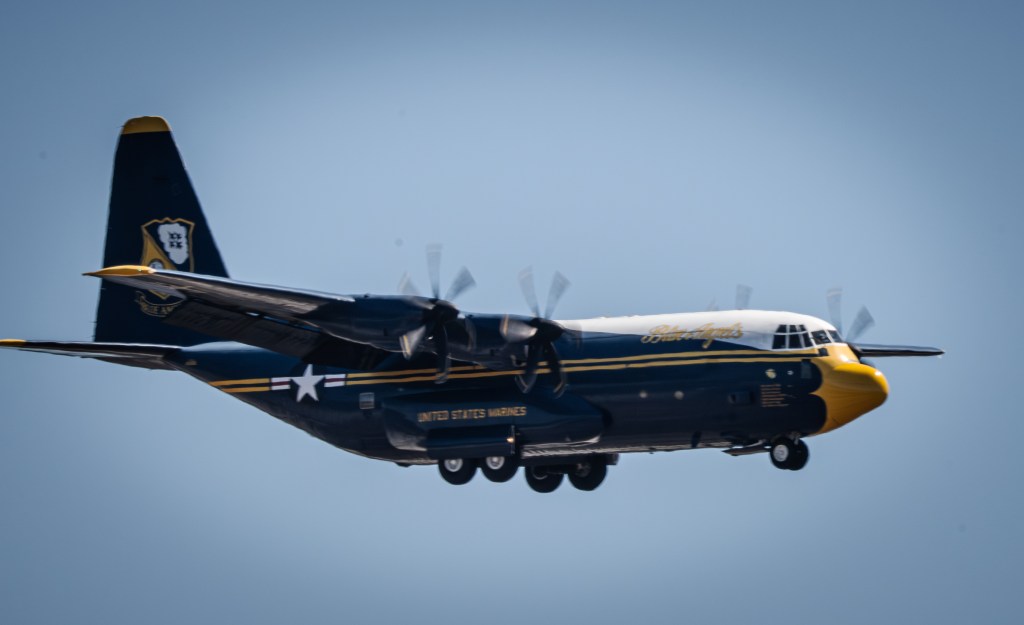
On Friday, September 25, the gates opened at Marine Corps Air Station Miramar for the first public day of the 2026 MCAS Miramar Air Show, bringing aviation fans, military families, and visitors together for the opening day of one of San Diego’s biggest aviation events.
This year’s show, running September 25–27, celebrates America’s 250th anniversary with a weekend built around aviation, military demonstrations, historic aircraft, and civilian aerobatics.
The U-2 Dragon Lady Makes a Rare Appearance
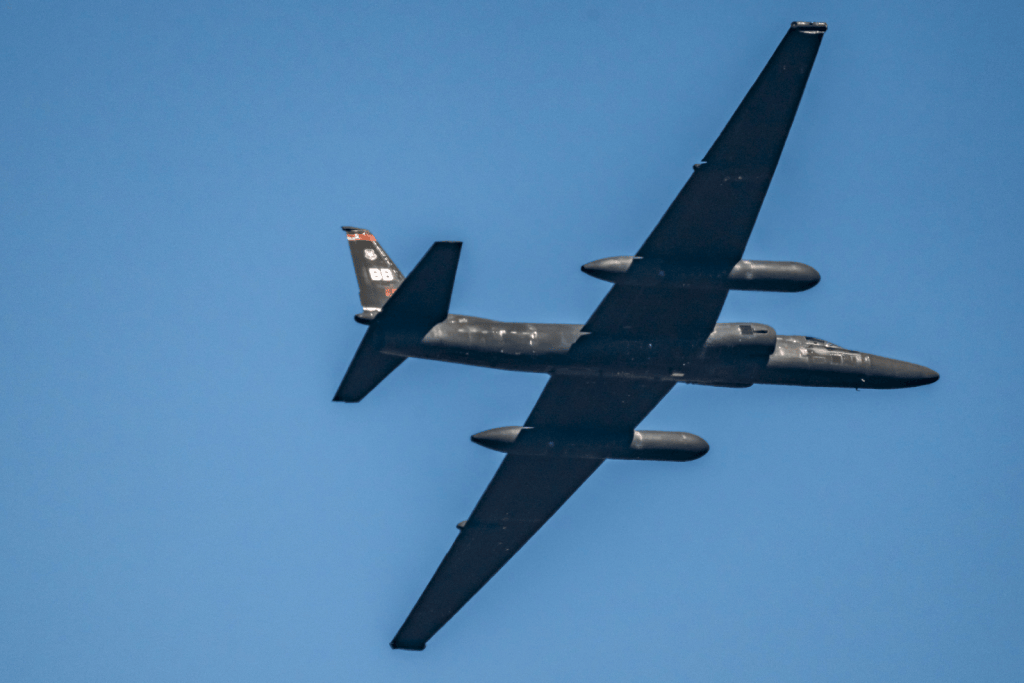
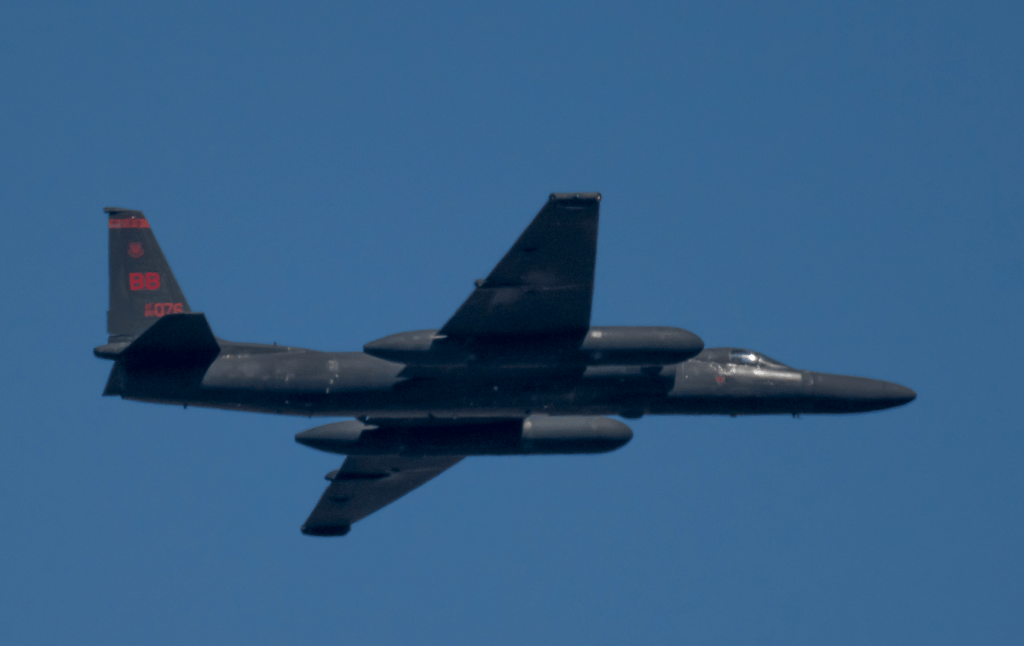
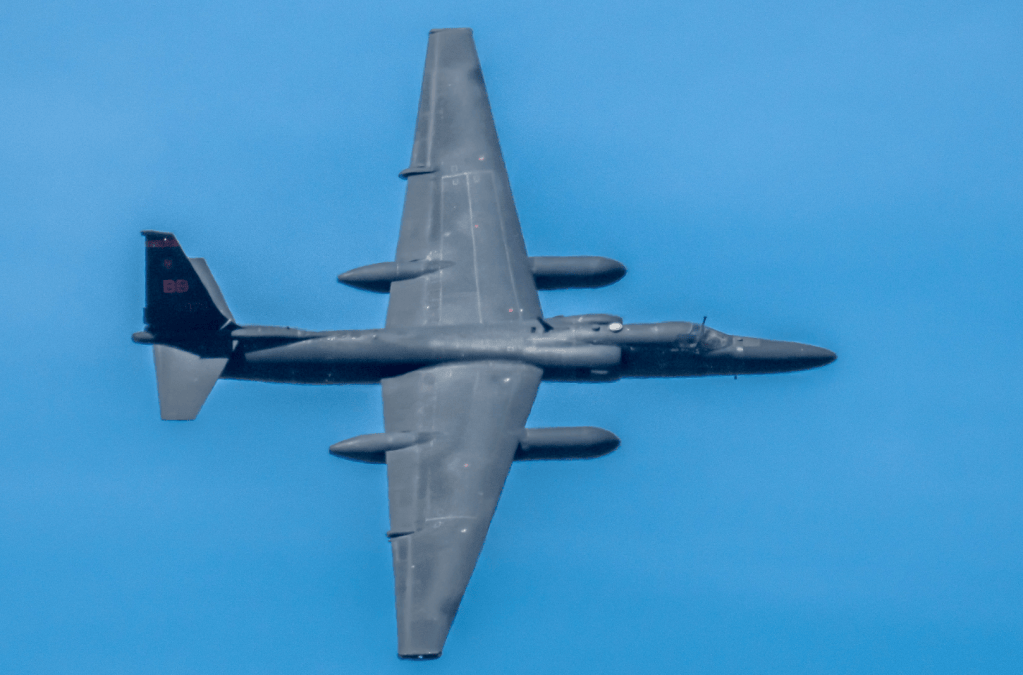
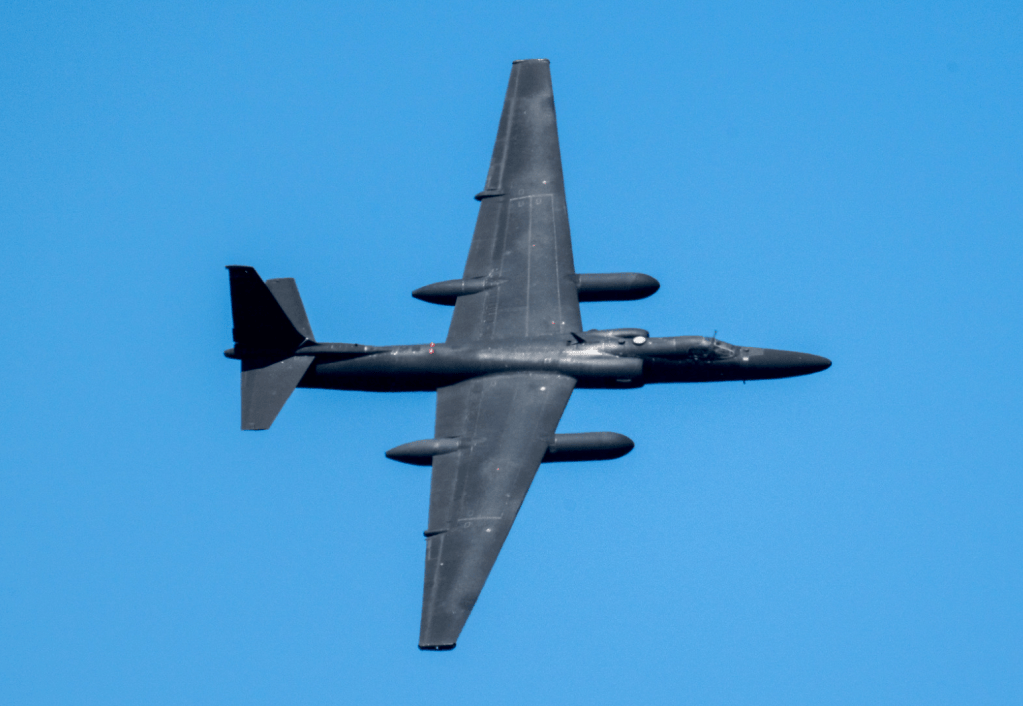
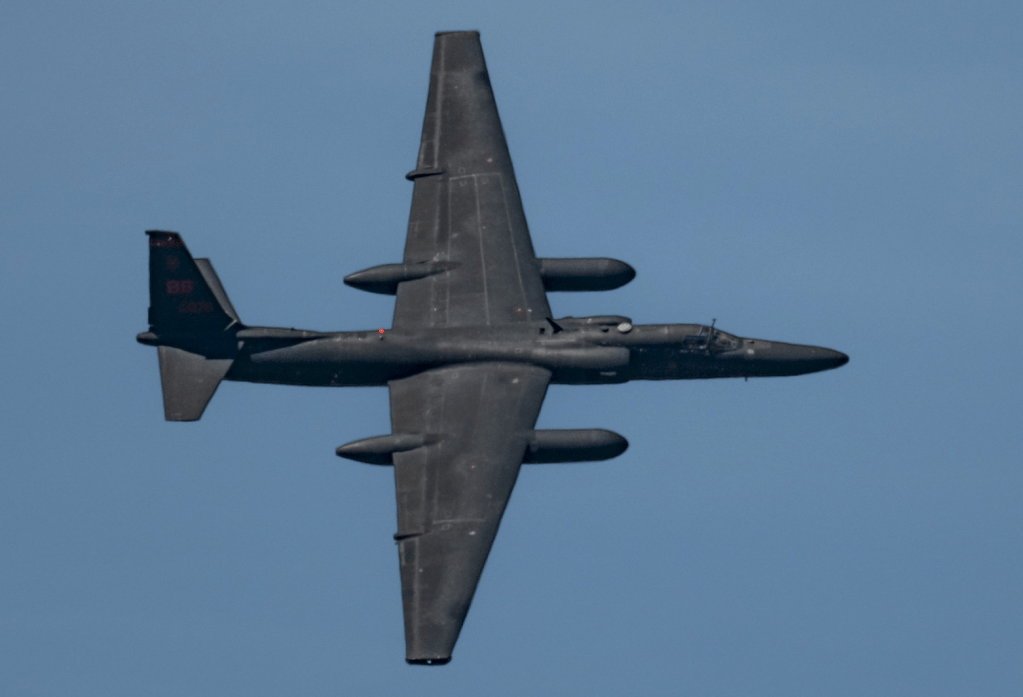
One of the most distinctive moments of Day One came at approximately 1:25 p.m., when the U.S. Air Force U-2 Dragon Lady made its scheduled flypast over Marine Corps Air Station Miramar. The Friday-only appearance gave air show visitors a rare opportunity to see one of America’s most recognizable high-altitude reconnaissance aircraft in flight.
U.S. Air Force’s 9th Reconnaissance Wing at Beale Air Force Base, California
U.S. Air Force’s 9th Reconnaissance Wing at Beale Air Force Base, California
The sound of jet engines will once again fill the skies over San Diego when America’s Air Show returns to Marine Corps Air Station Miramar from September 25–27, 2026.
For anyone who enjoys aviation, military history, or simply seeing some incredible aircraft up close, the Miramar Air Show is one of the major events on San Diego’s annual calendar. The 2026 show is especially significant because it celebrates the nation’s 250th anniversary.
The Miramar Air Show brings together military aircraft, demonstration teams, civilian performers, historic aircraft, and interactive displays.
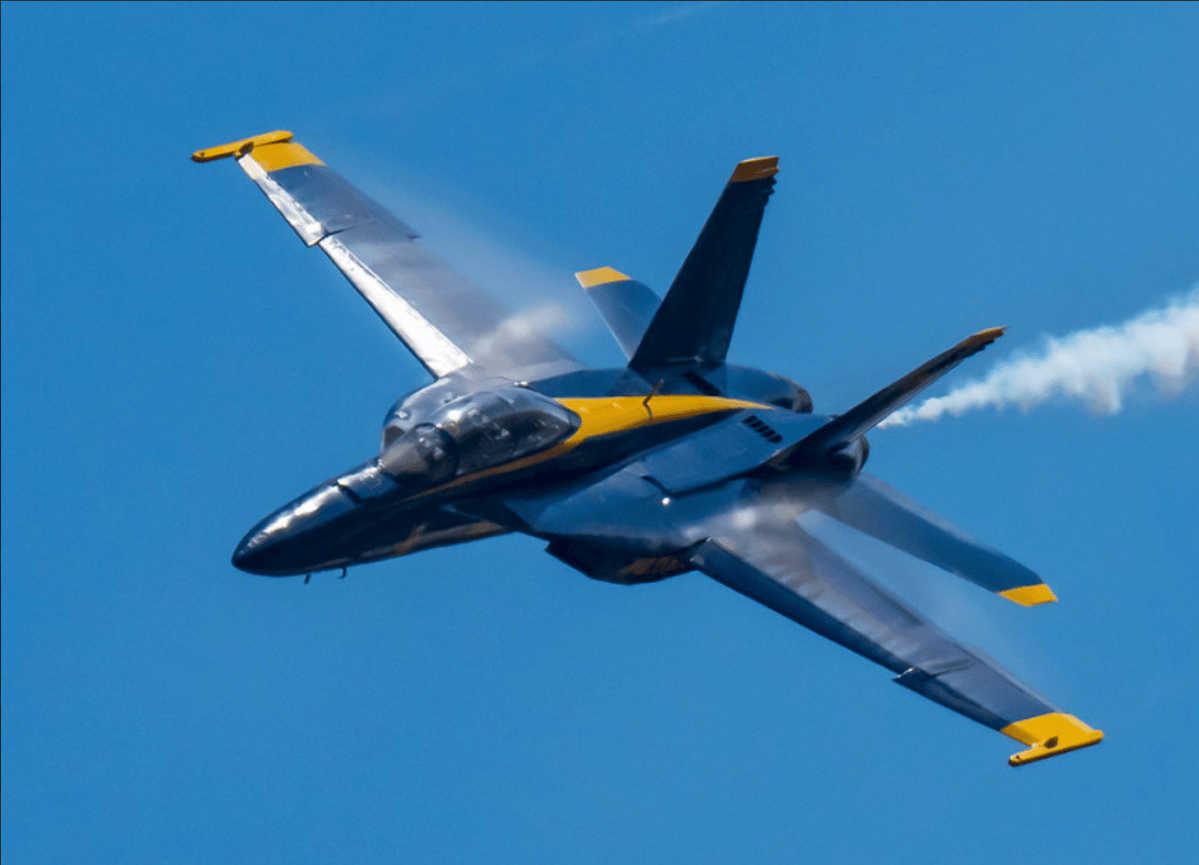
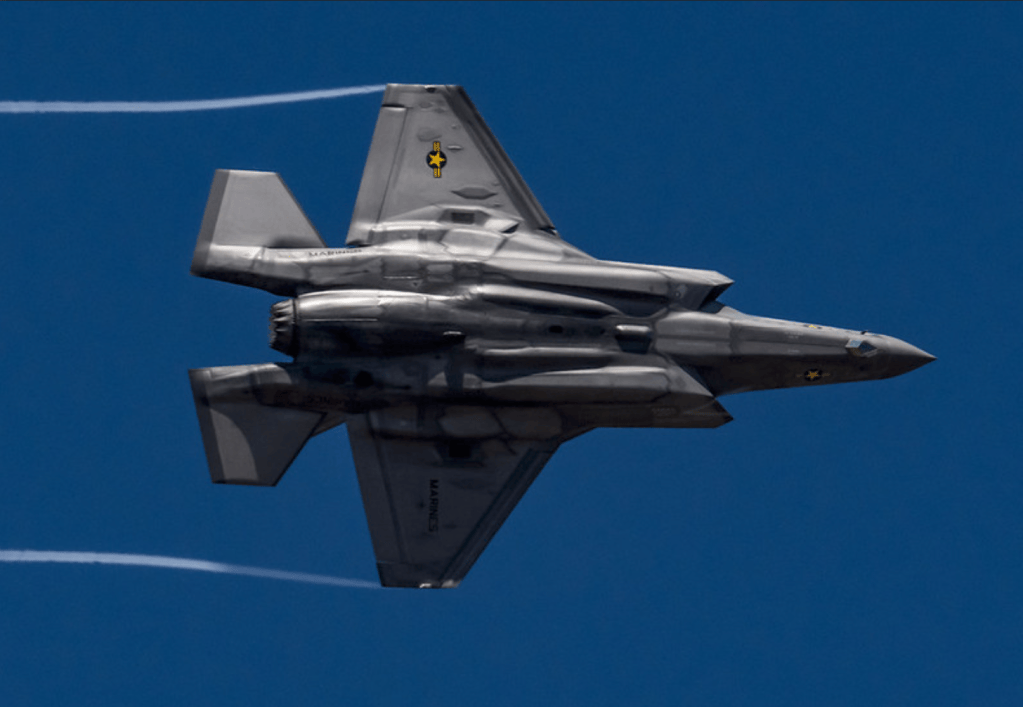
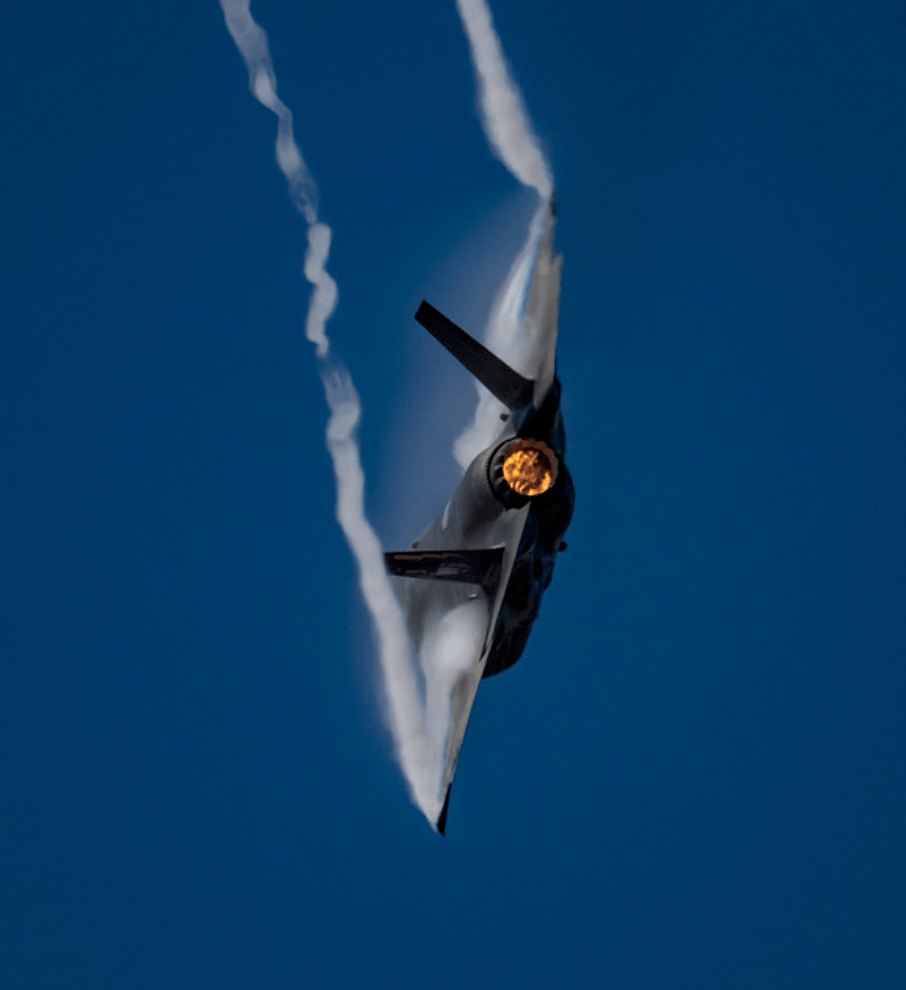
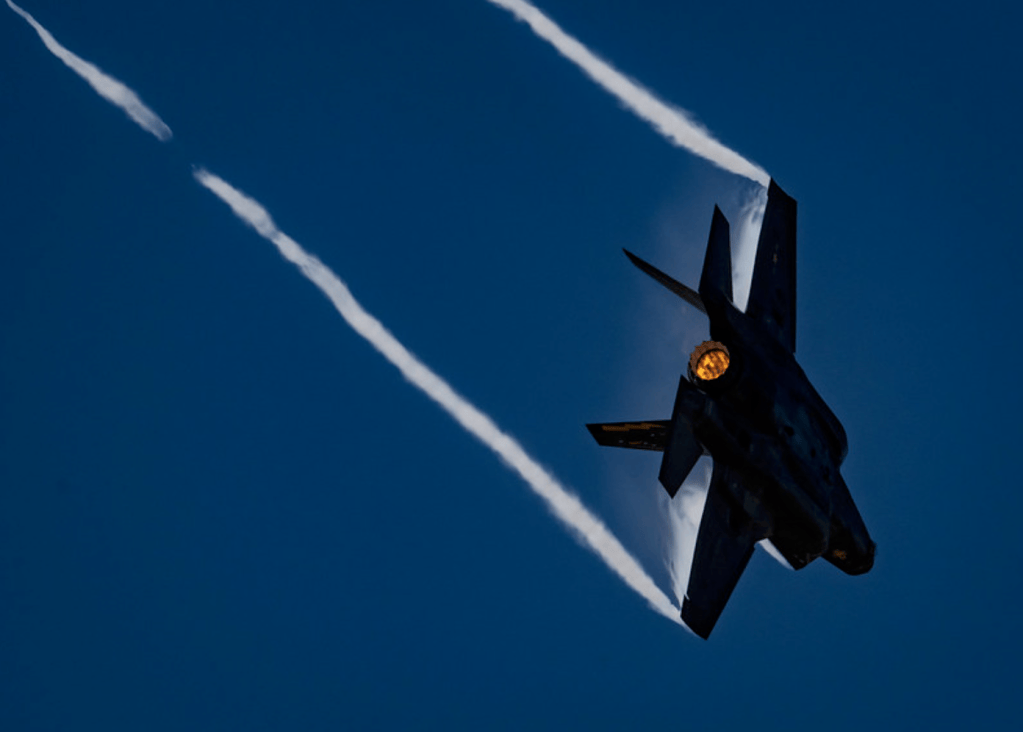
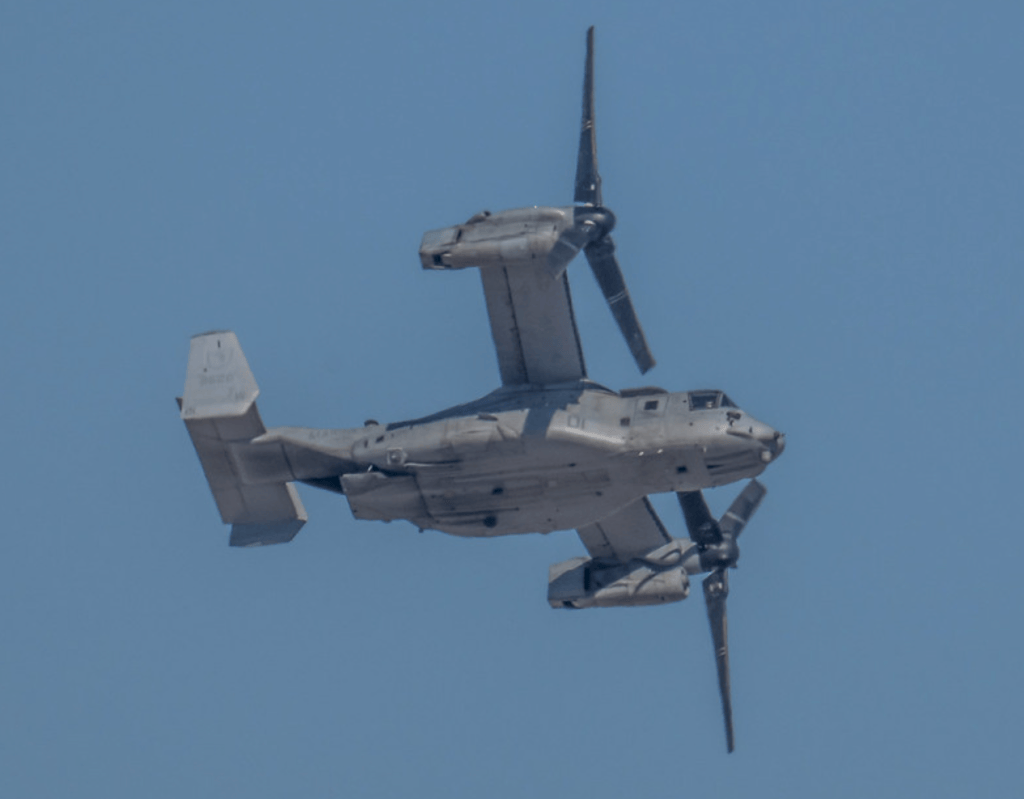
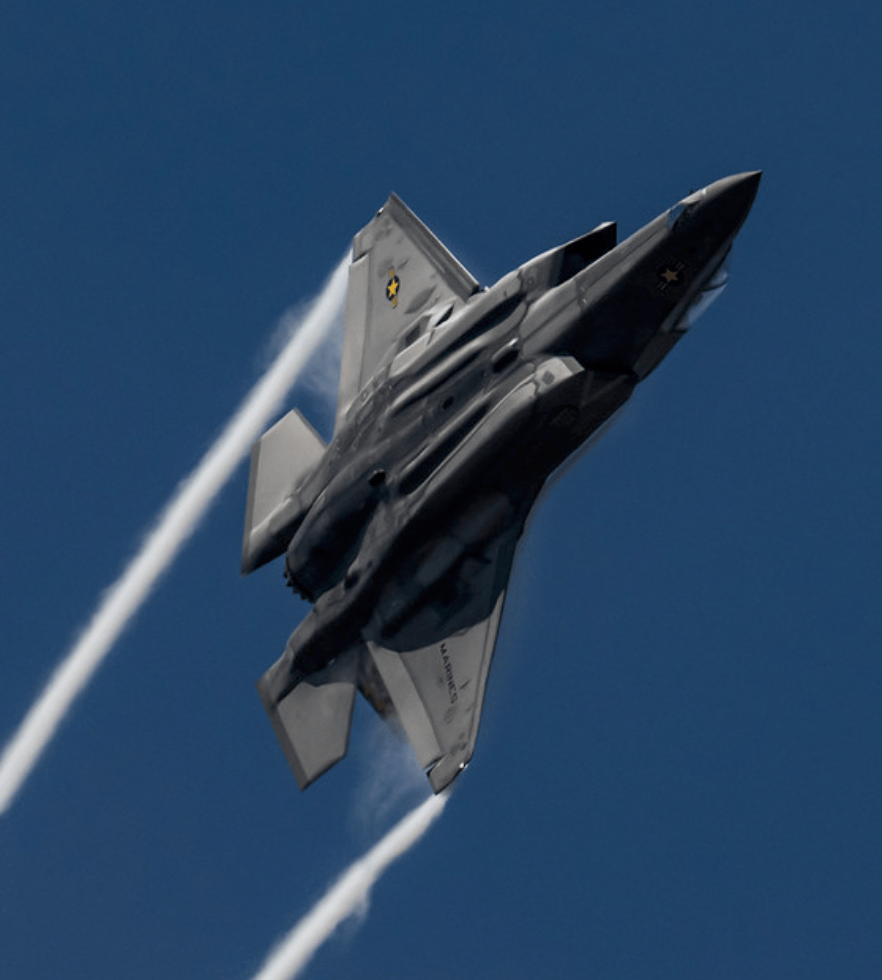
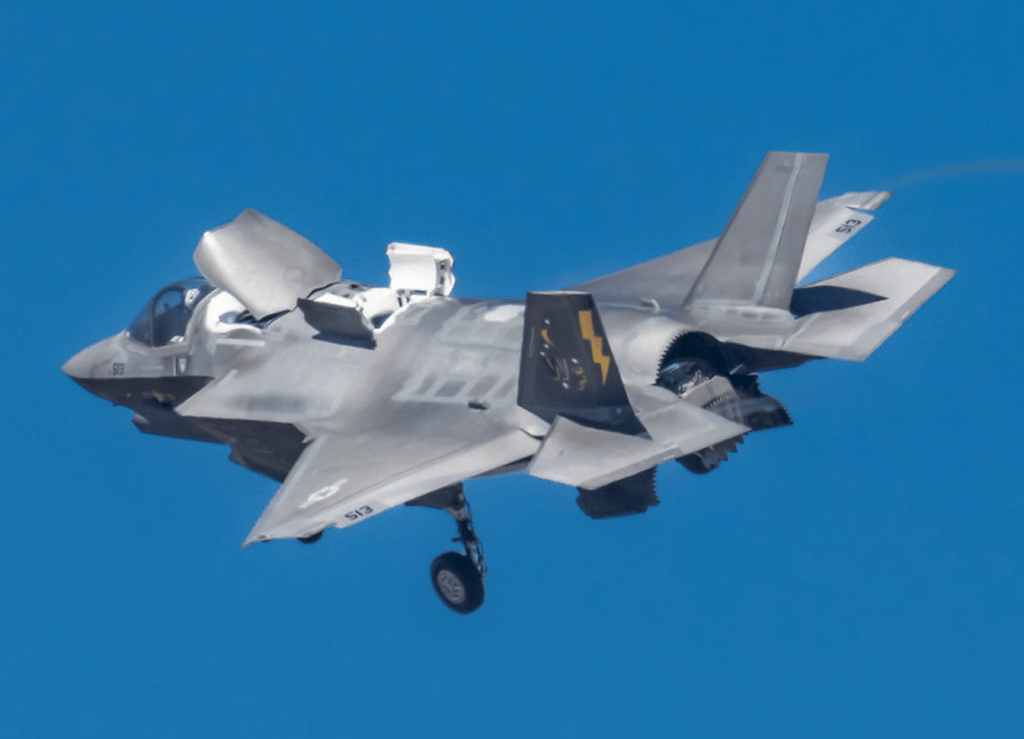
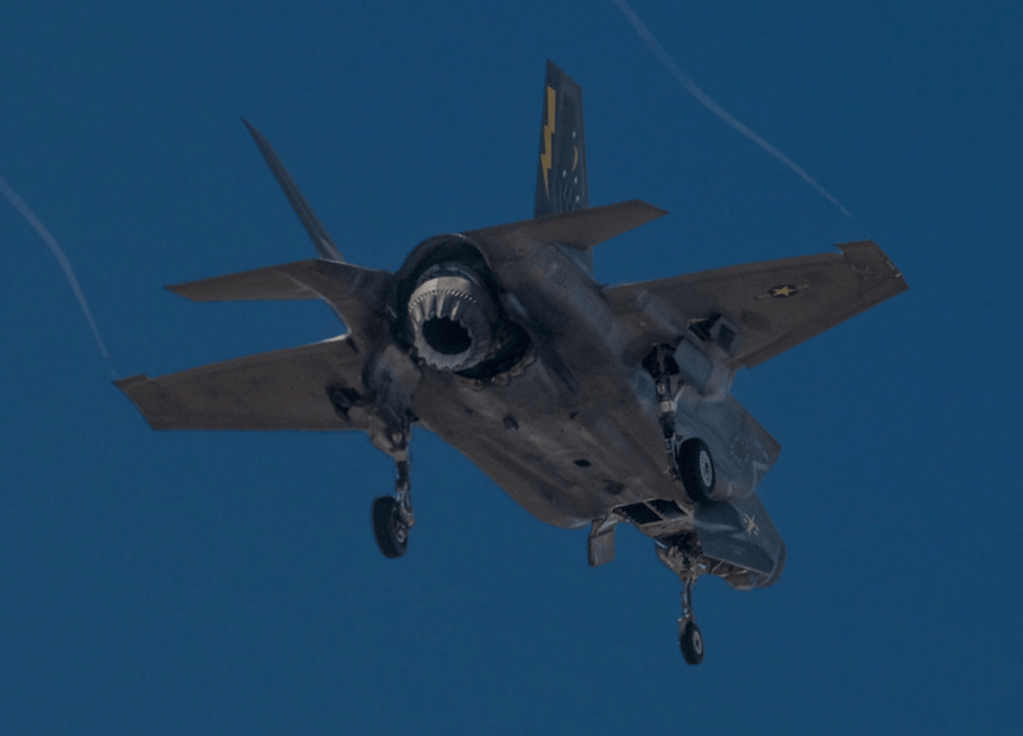
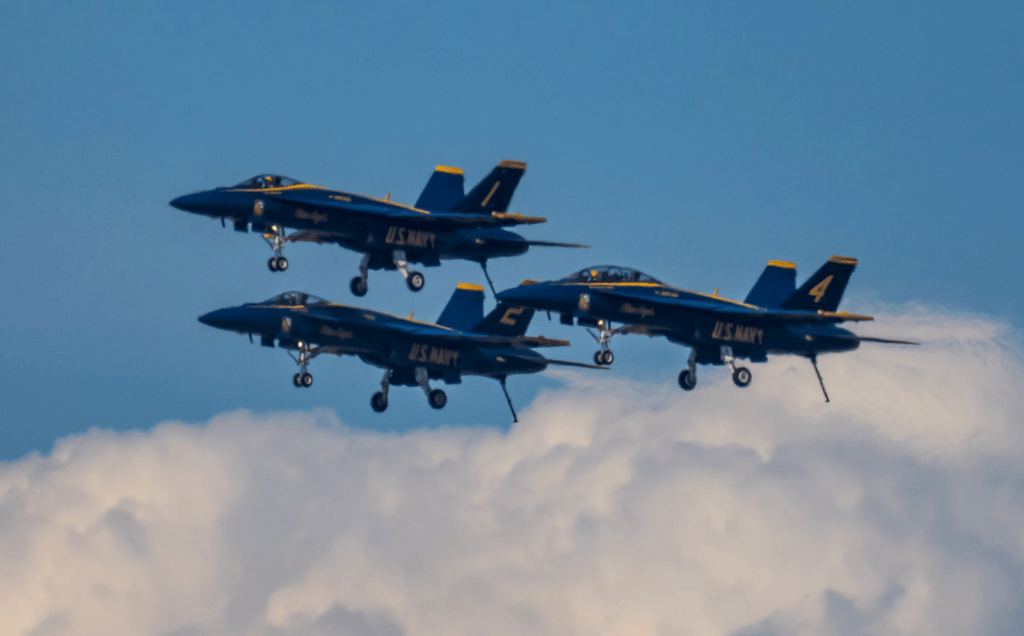
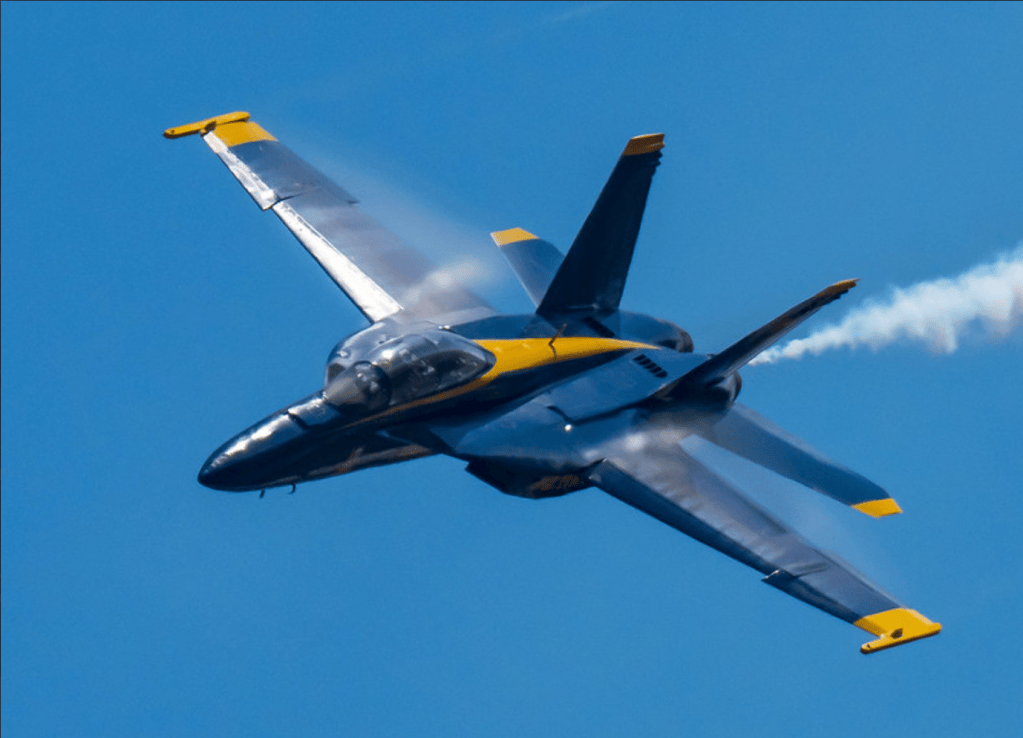
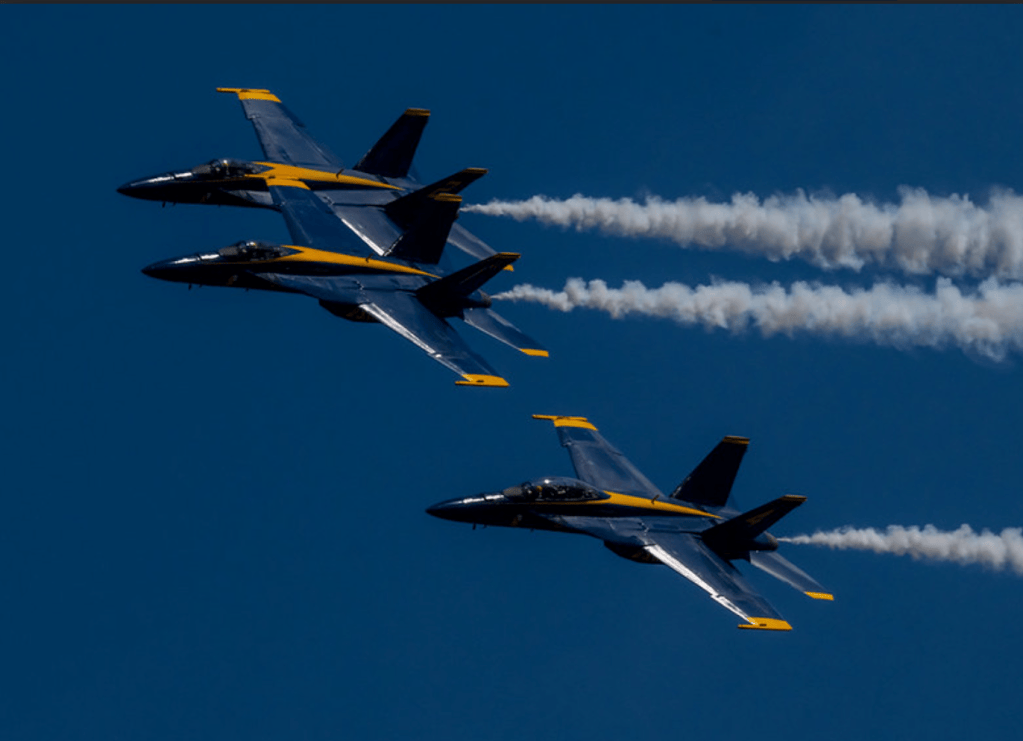
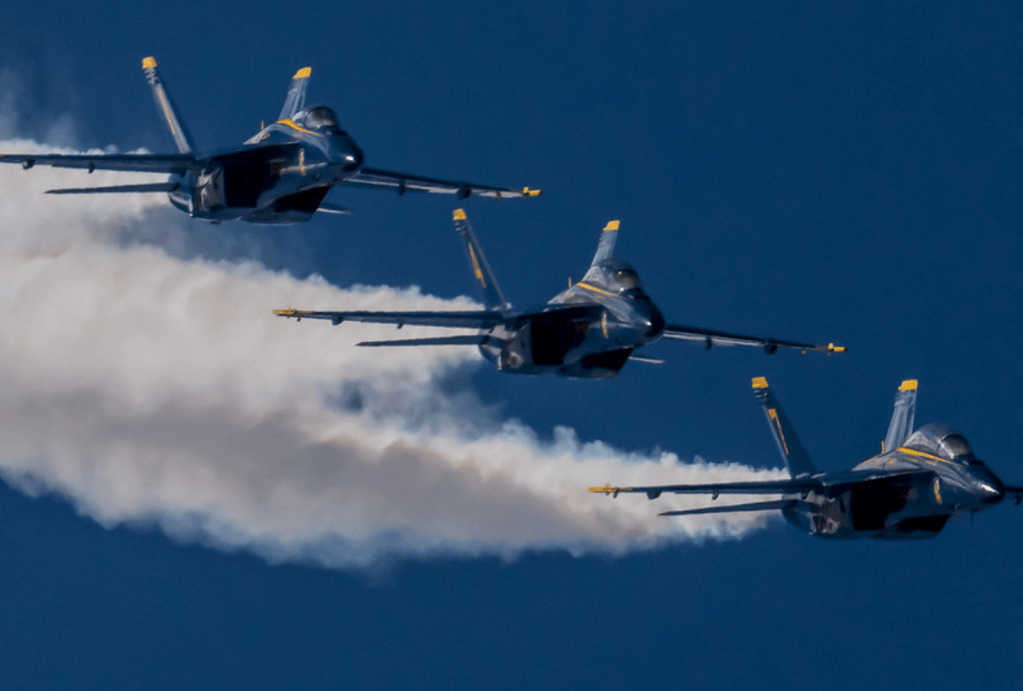
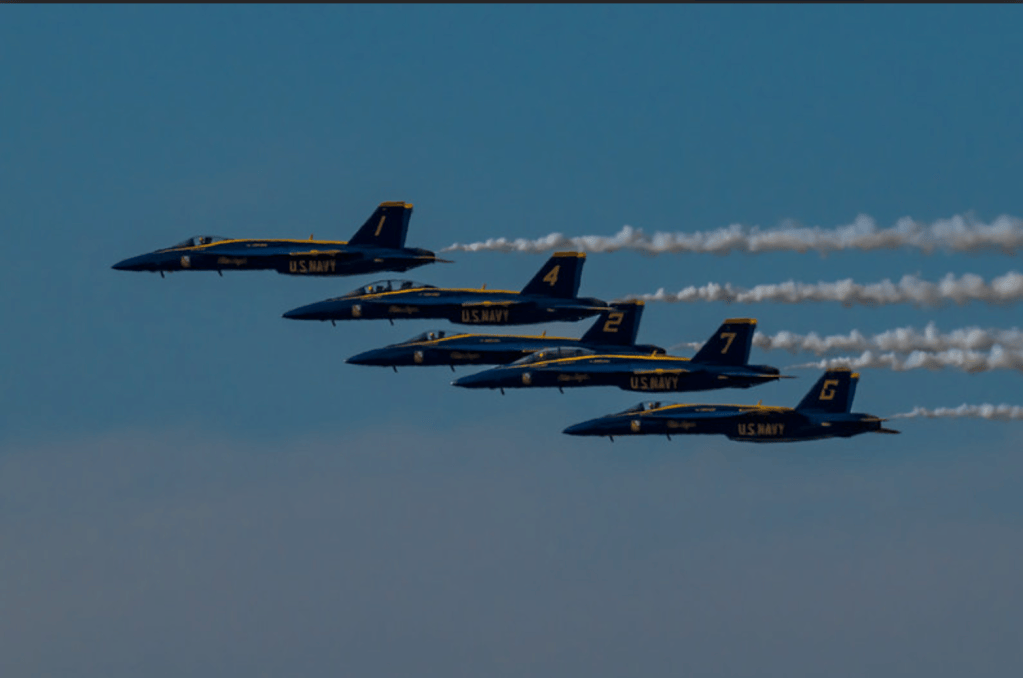
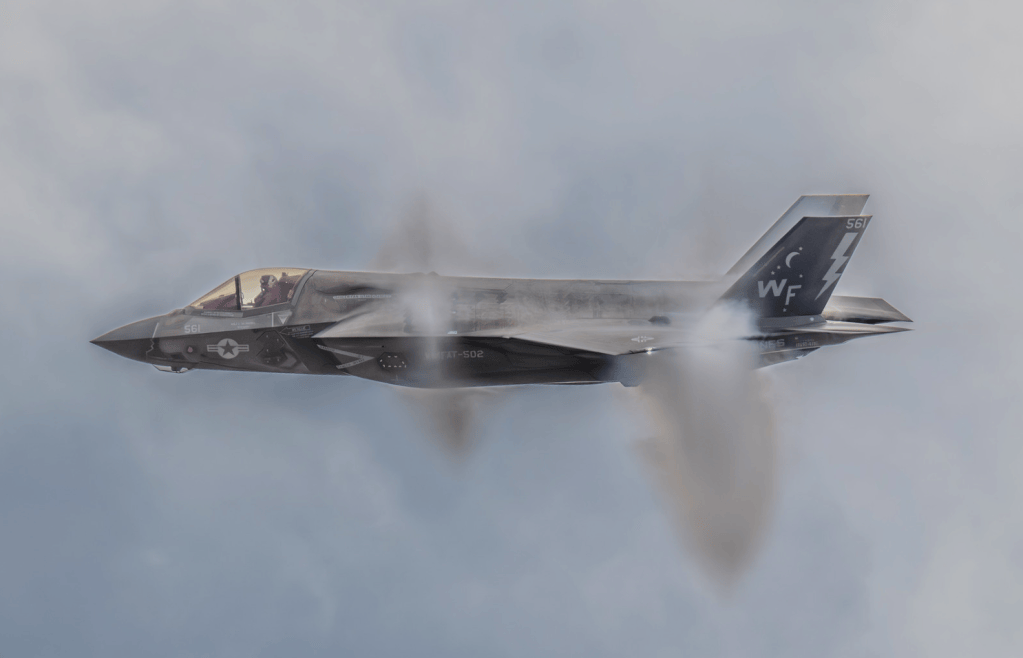
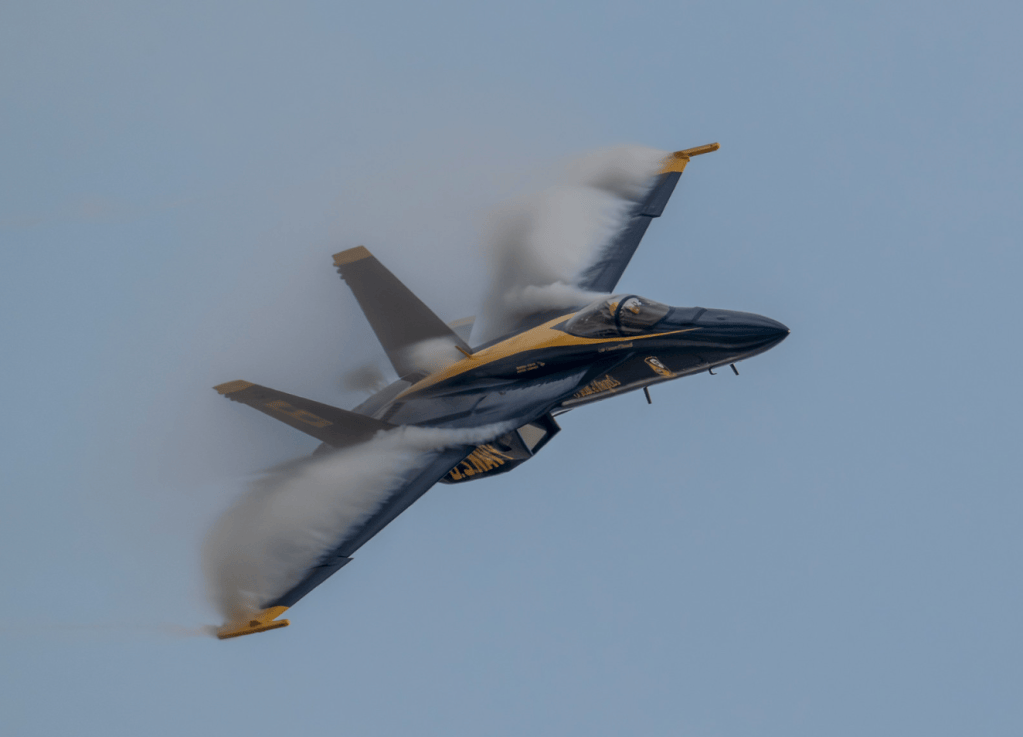
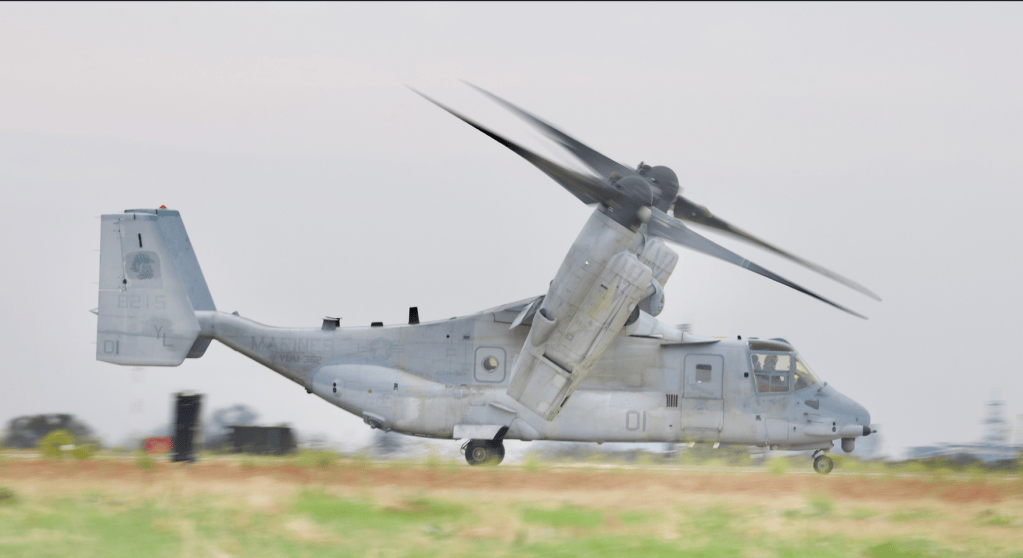
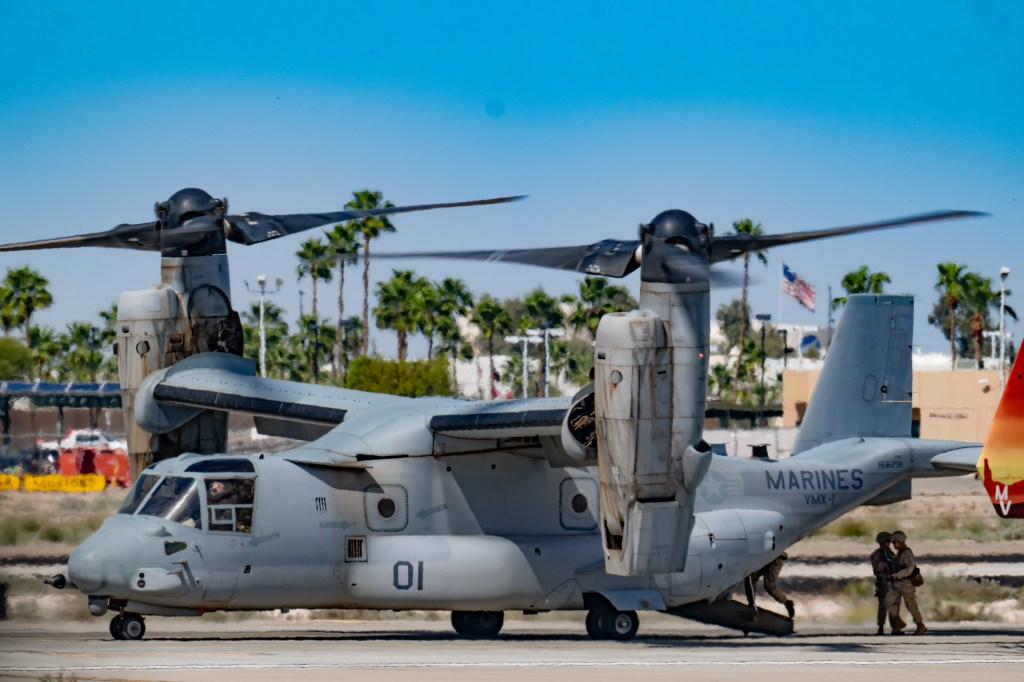
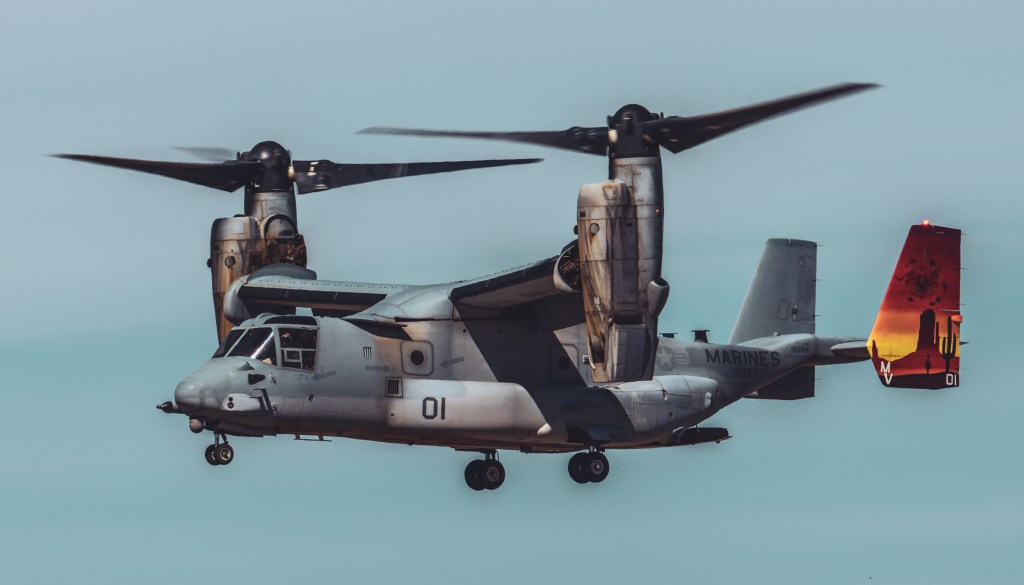
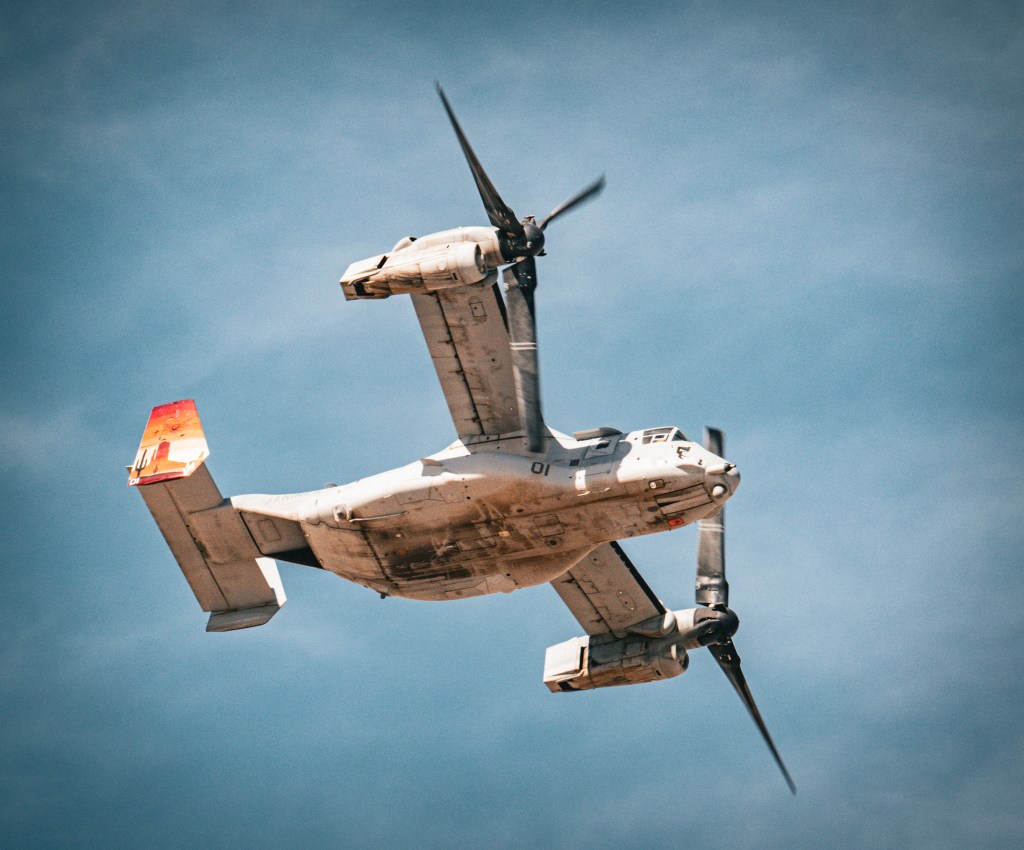
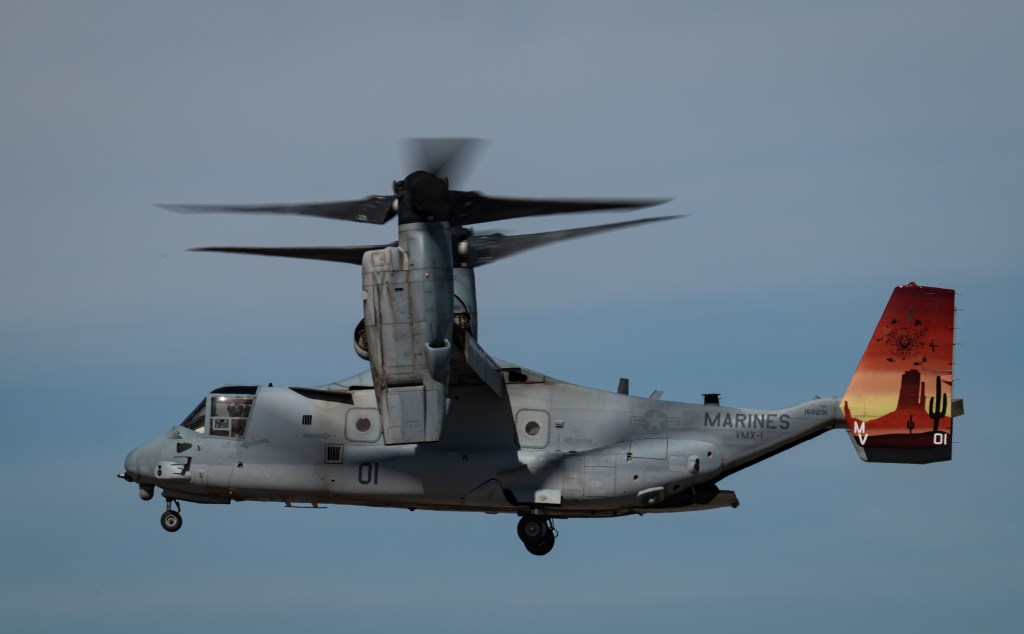
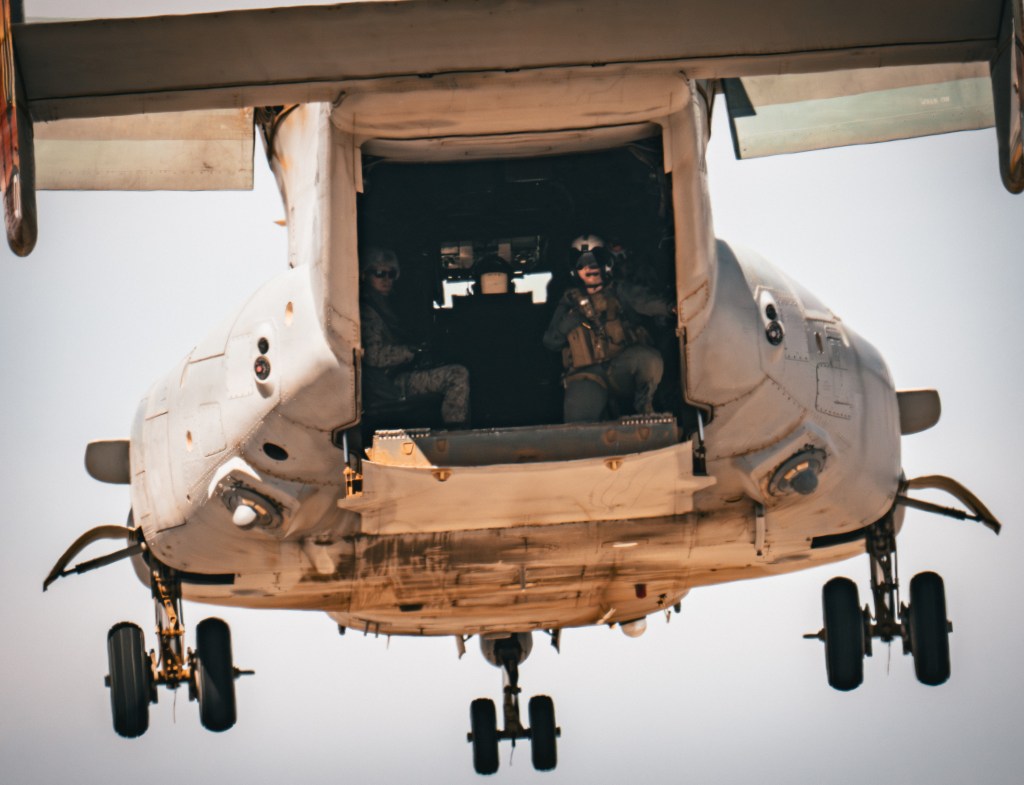
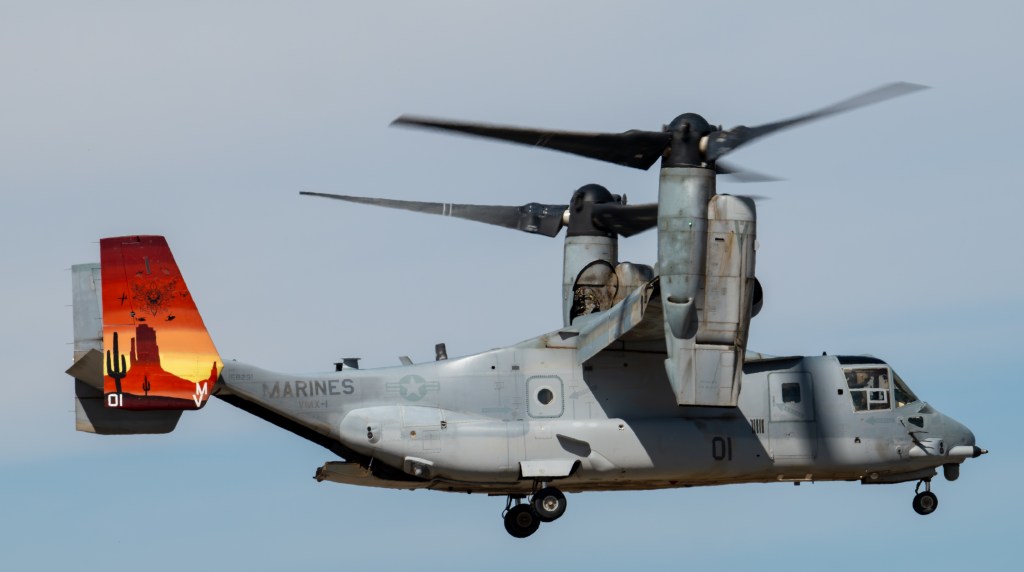
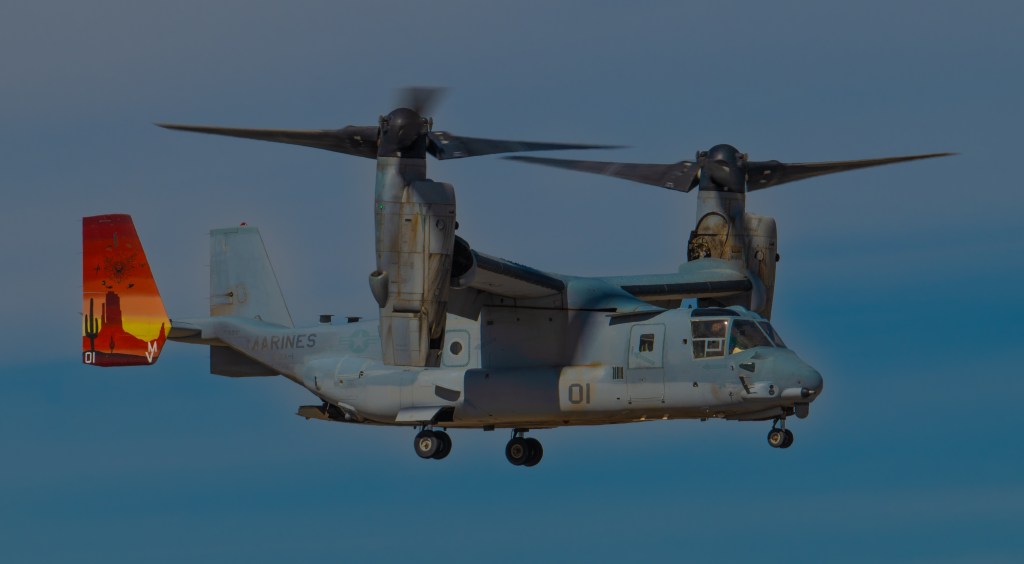
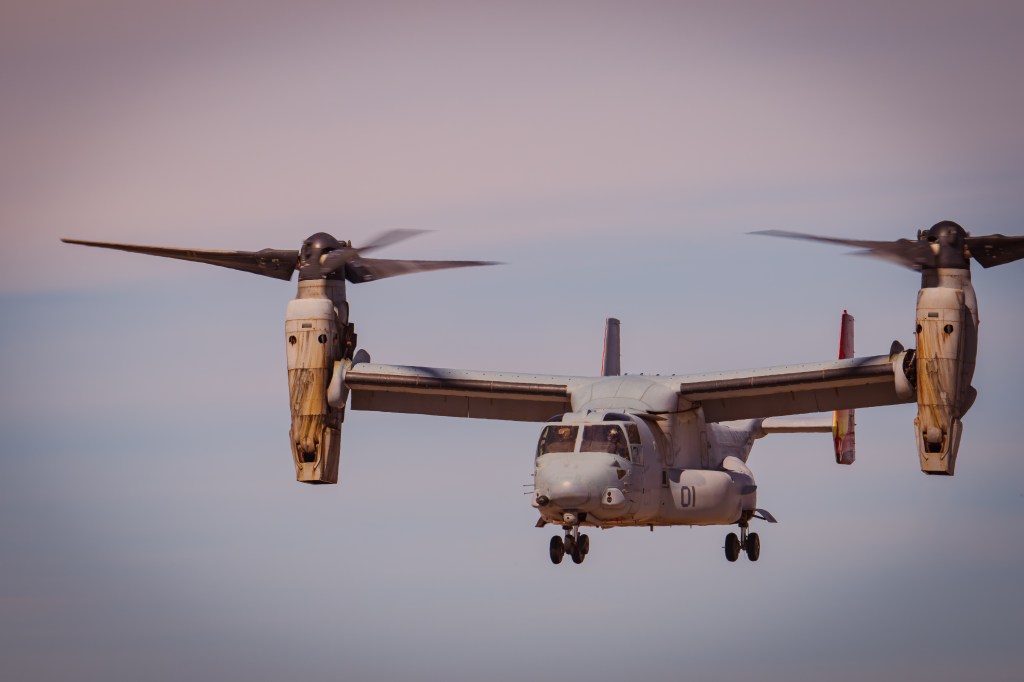
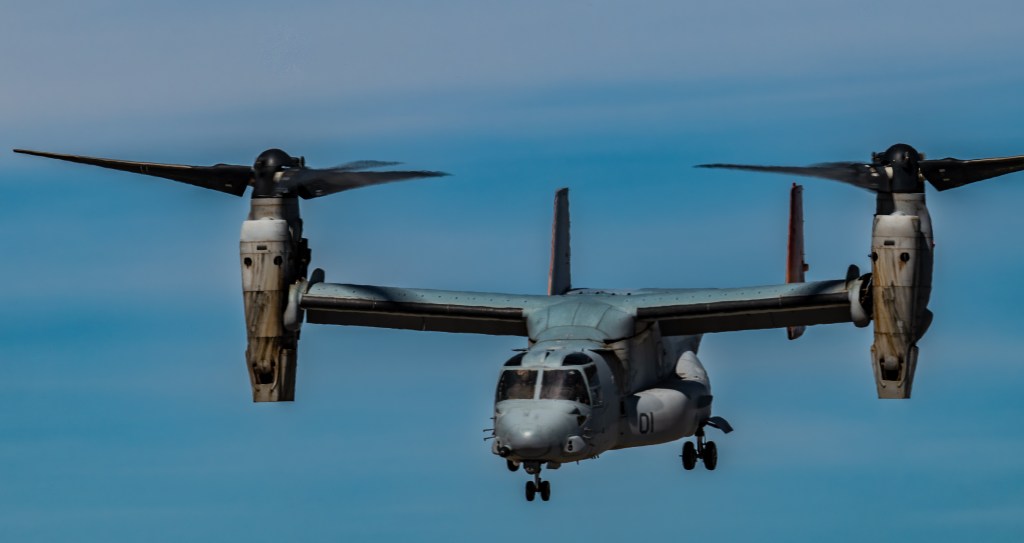
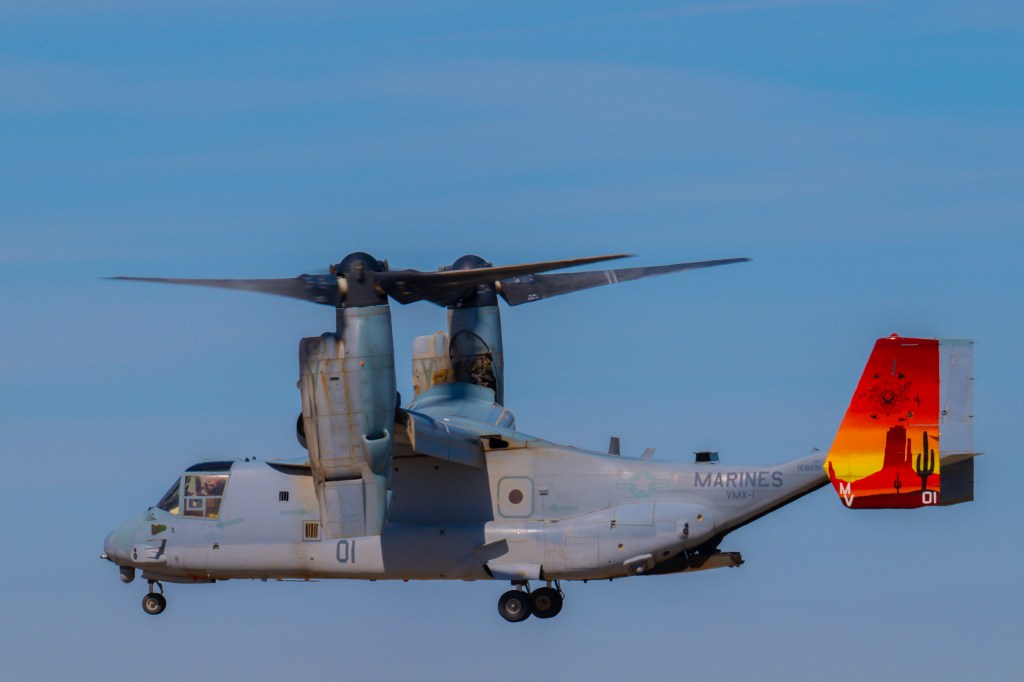
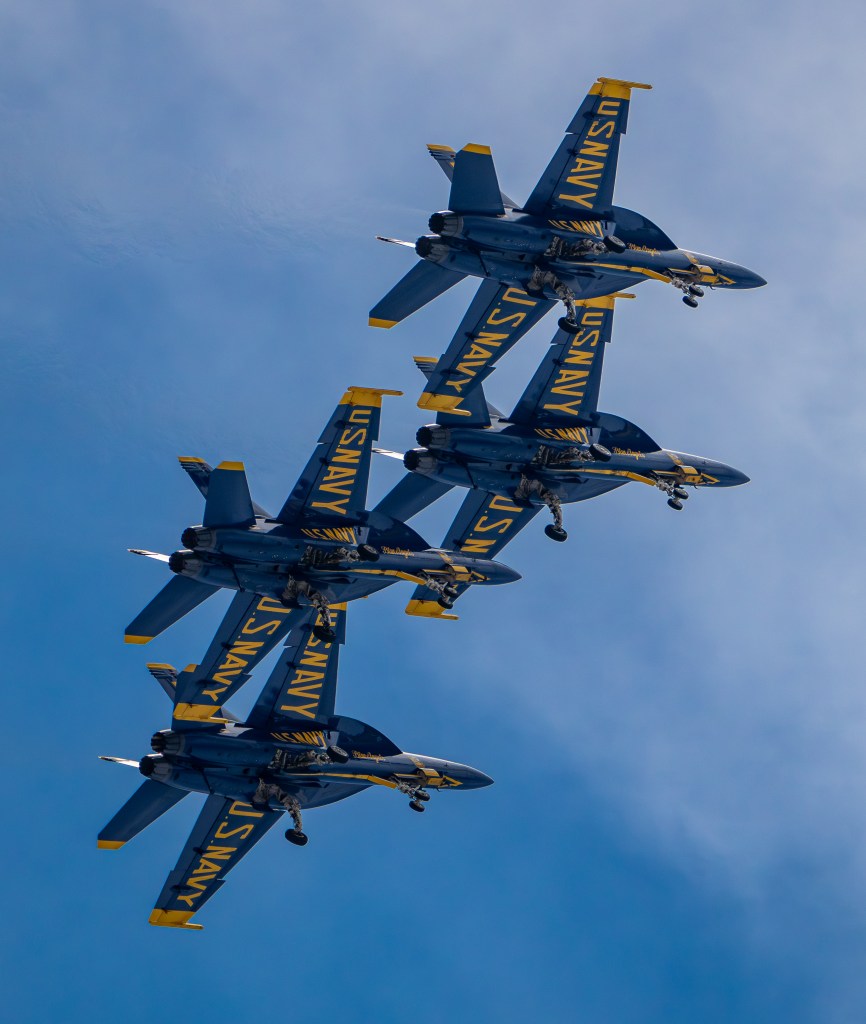
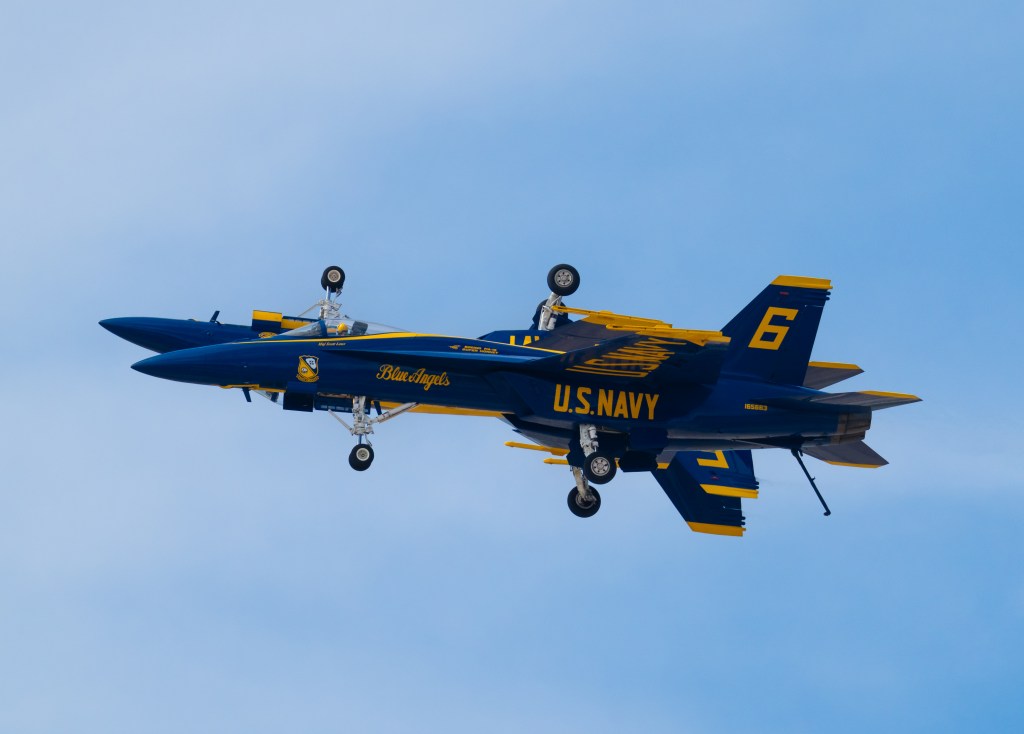
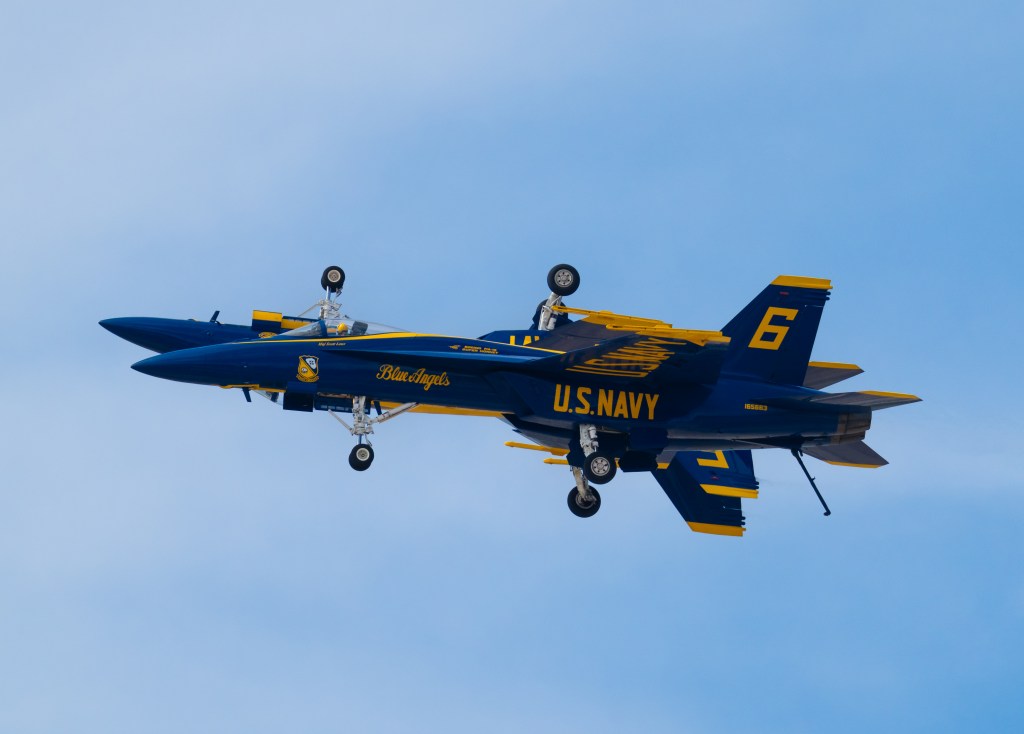
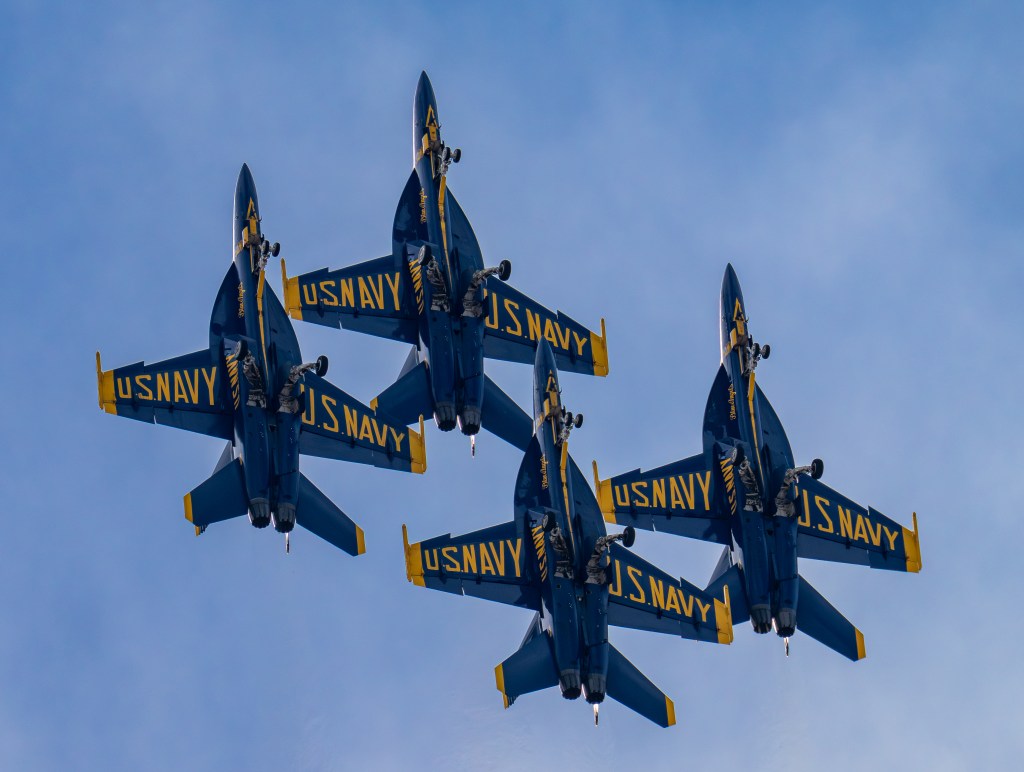
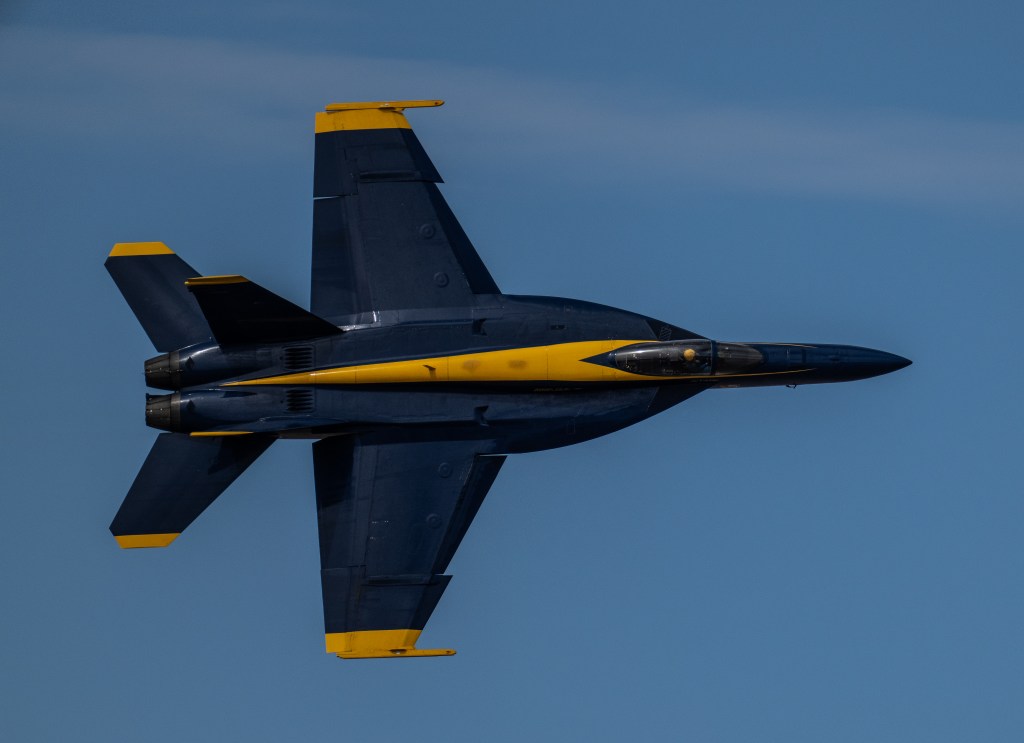
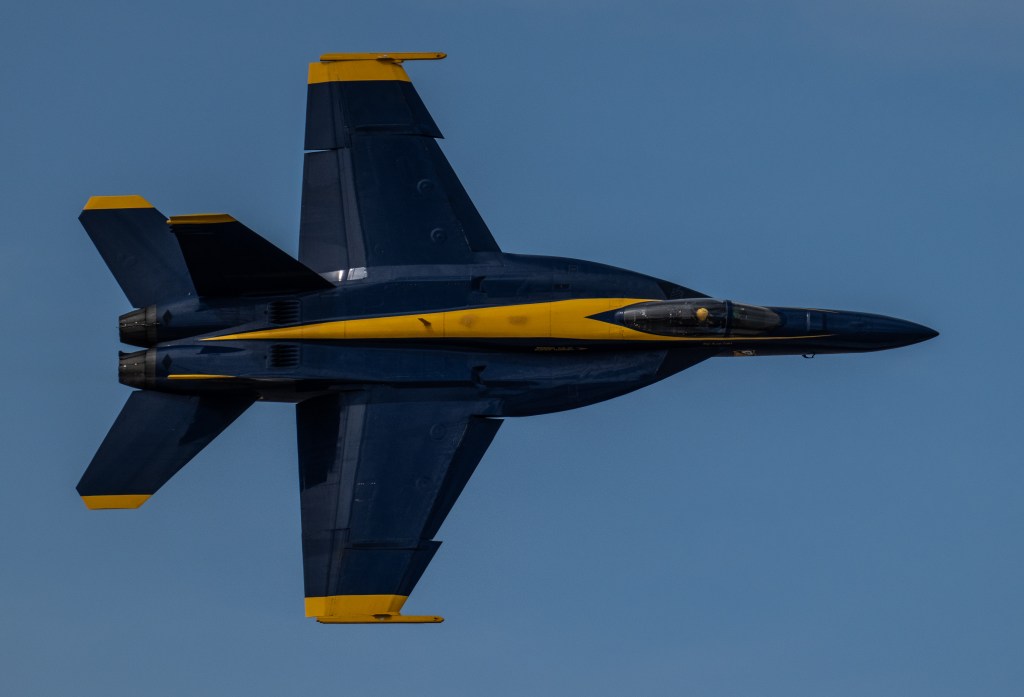
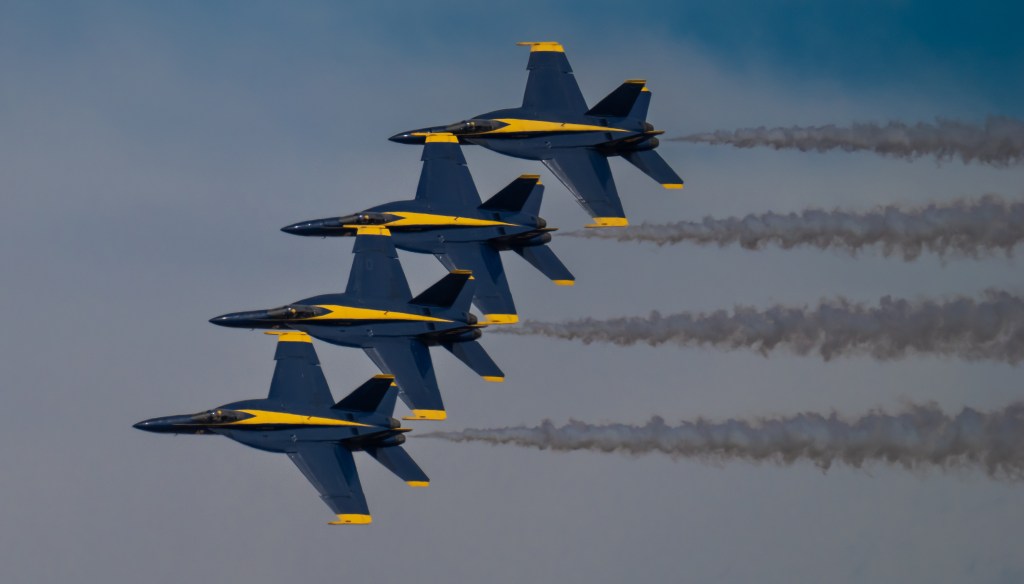
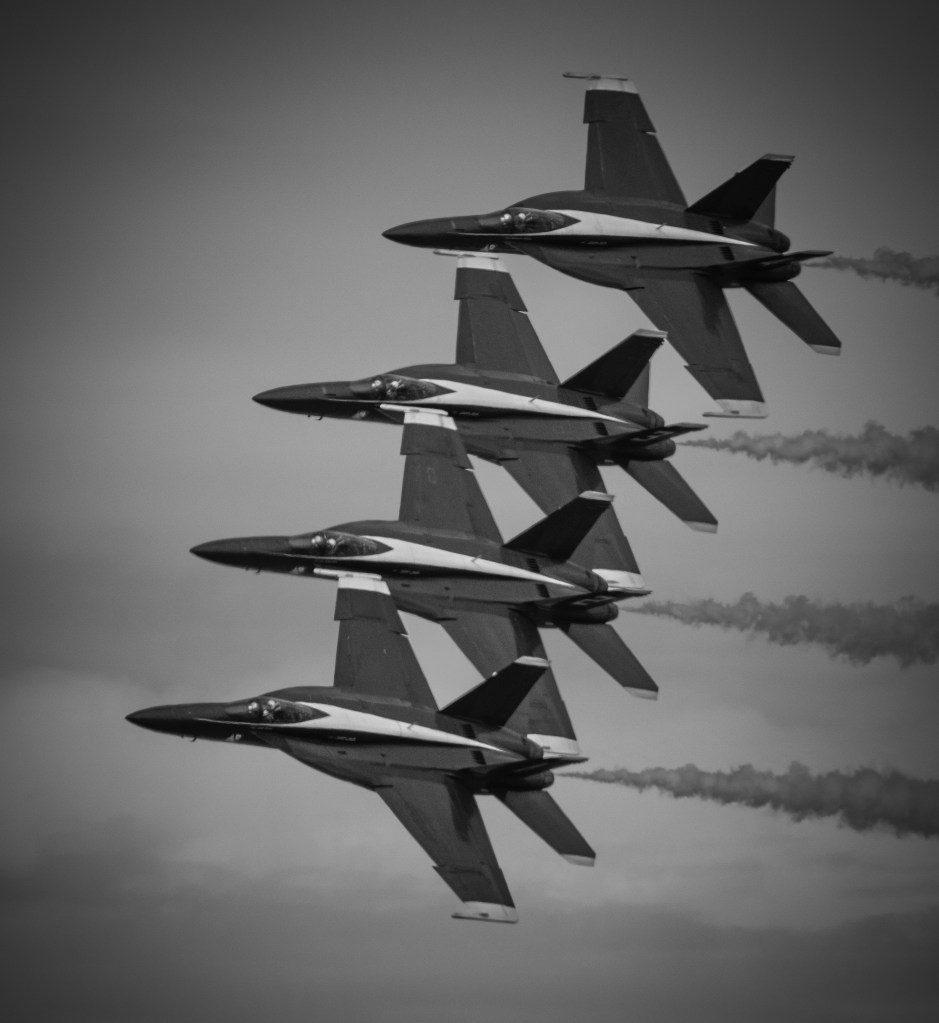
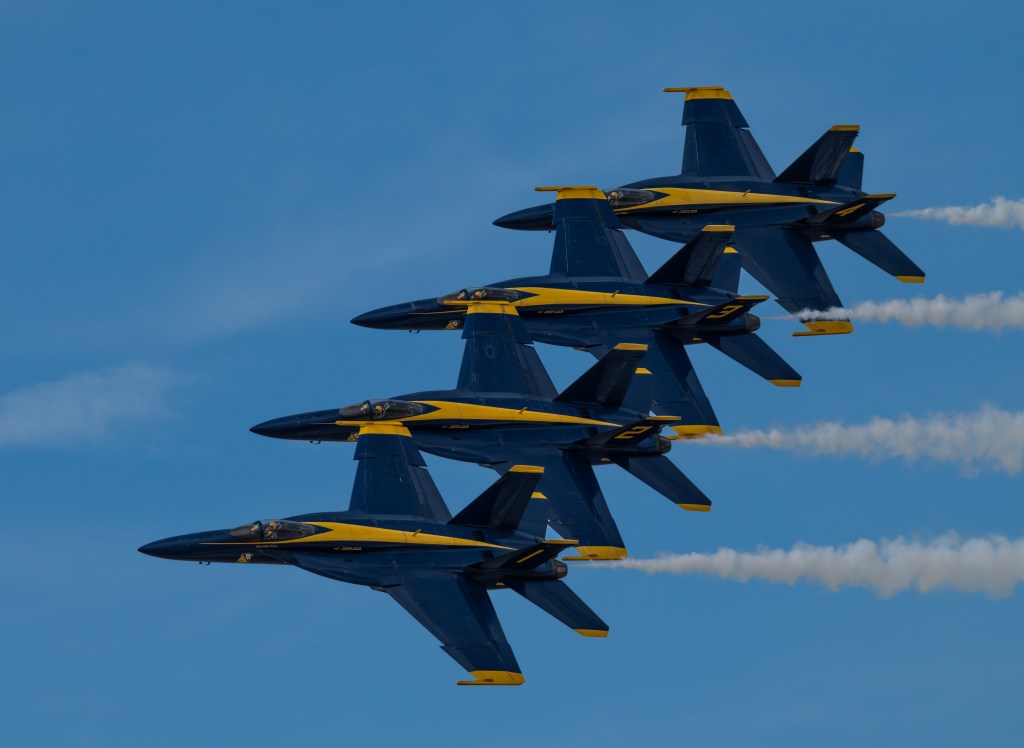
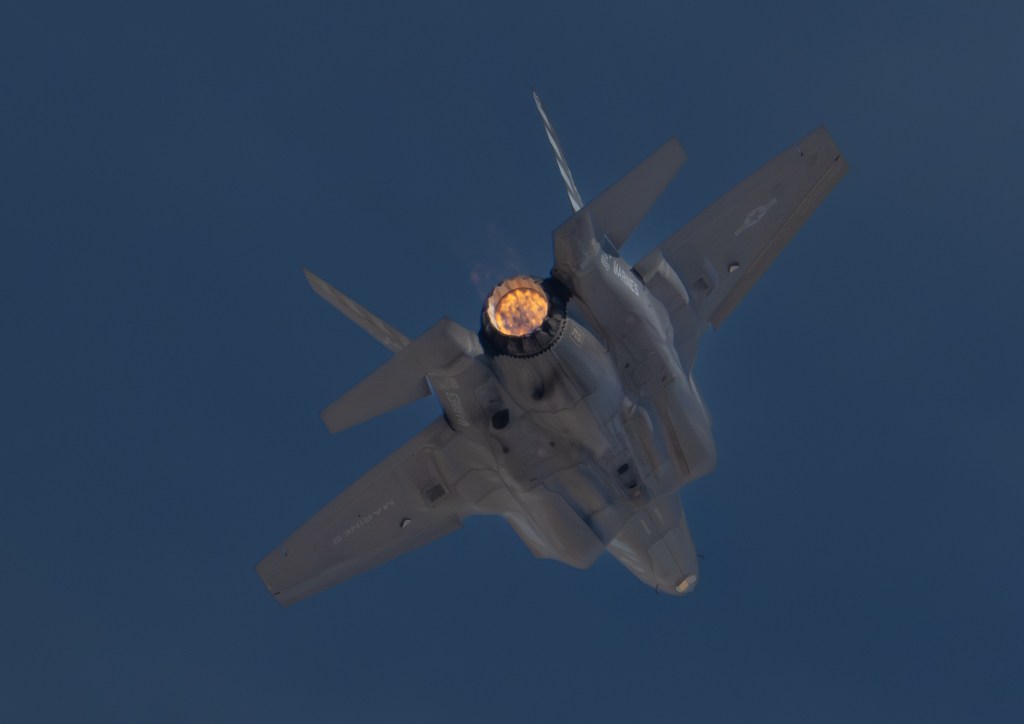
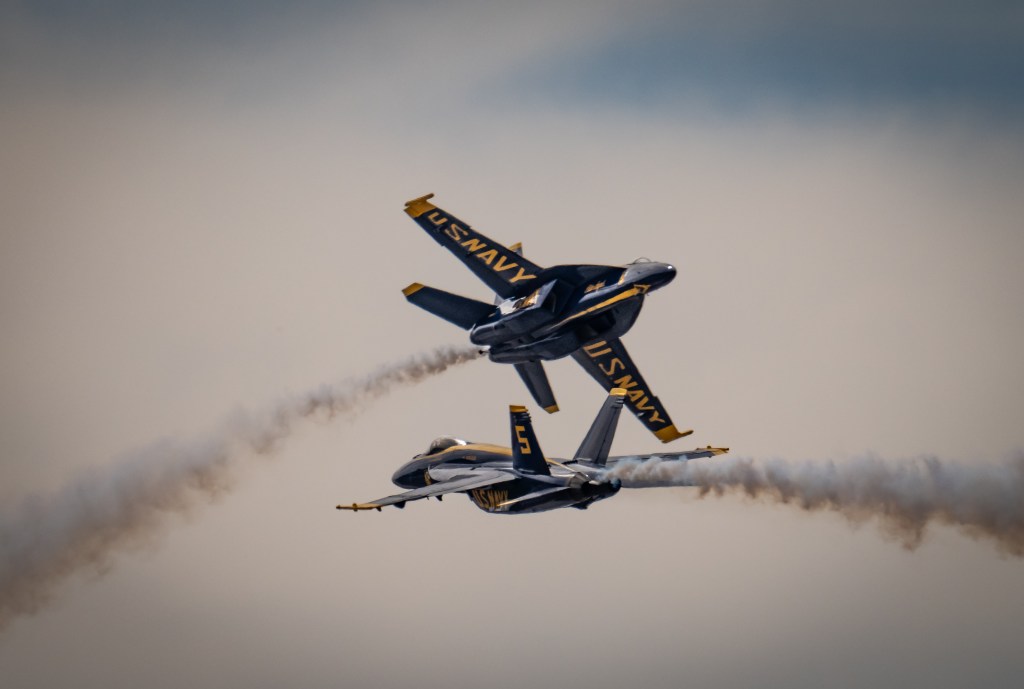
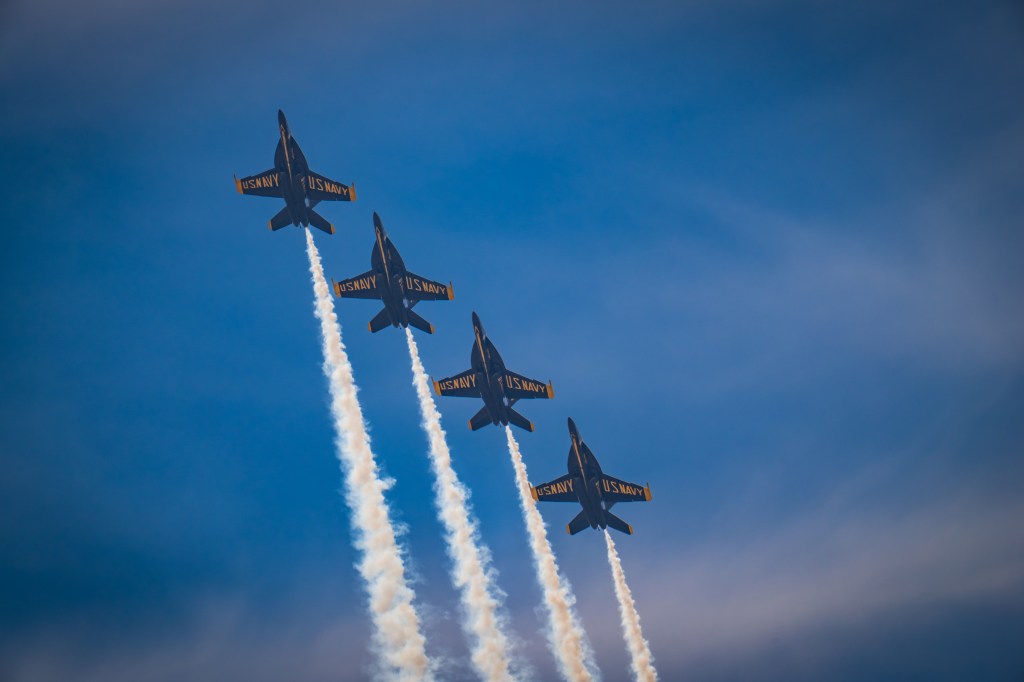
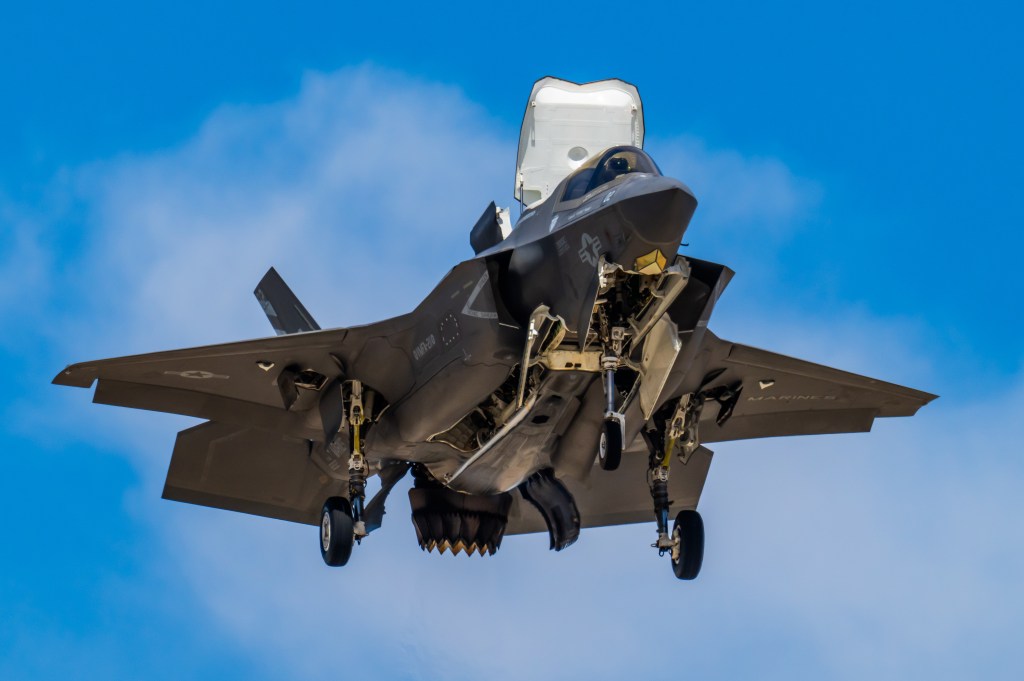
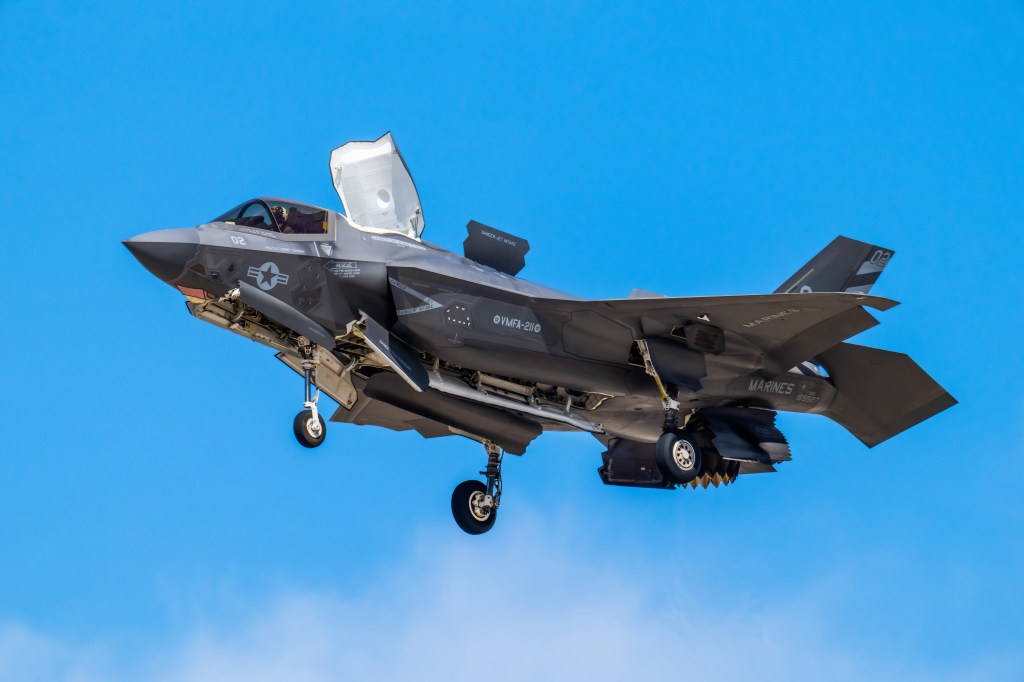
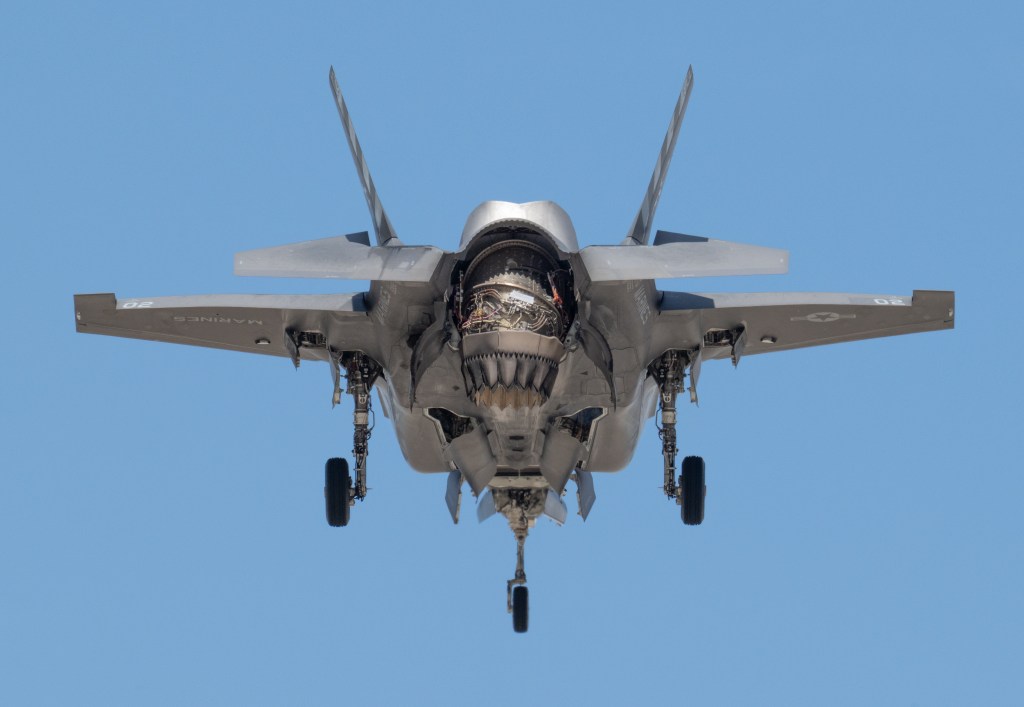
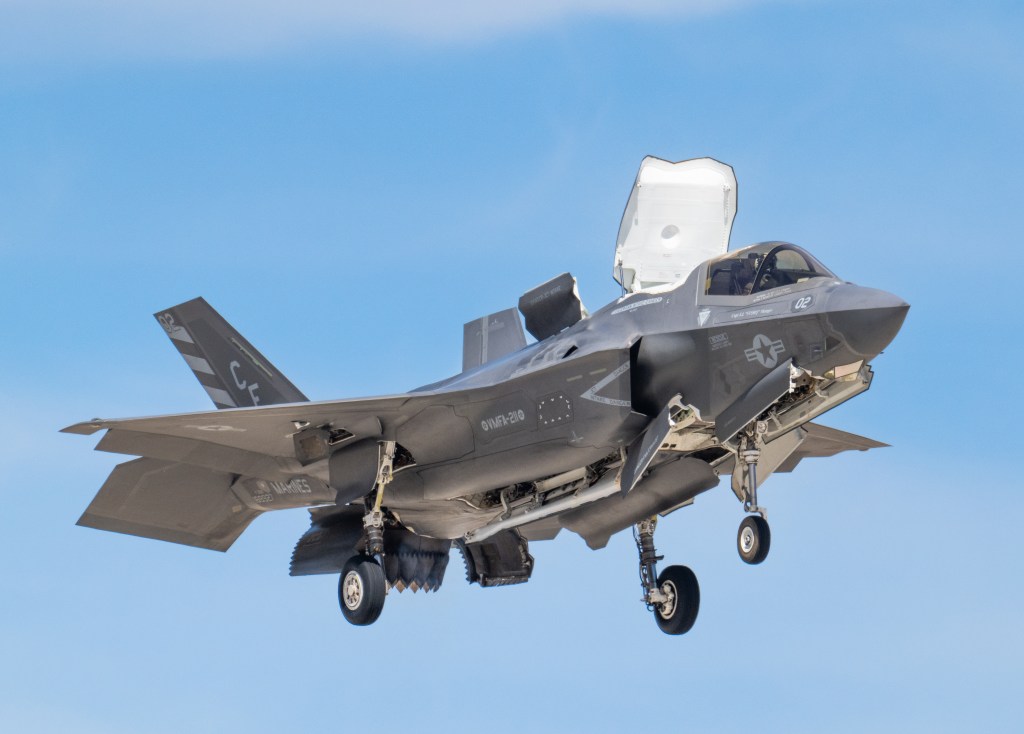
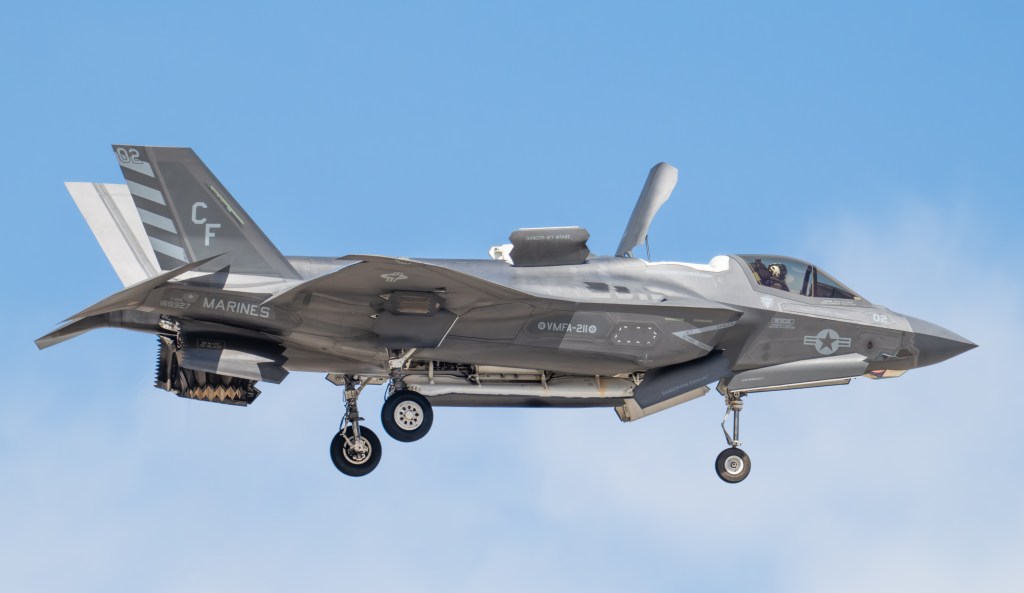
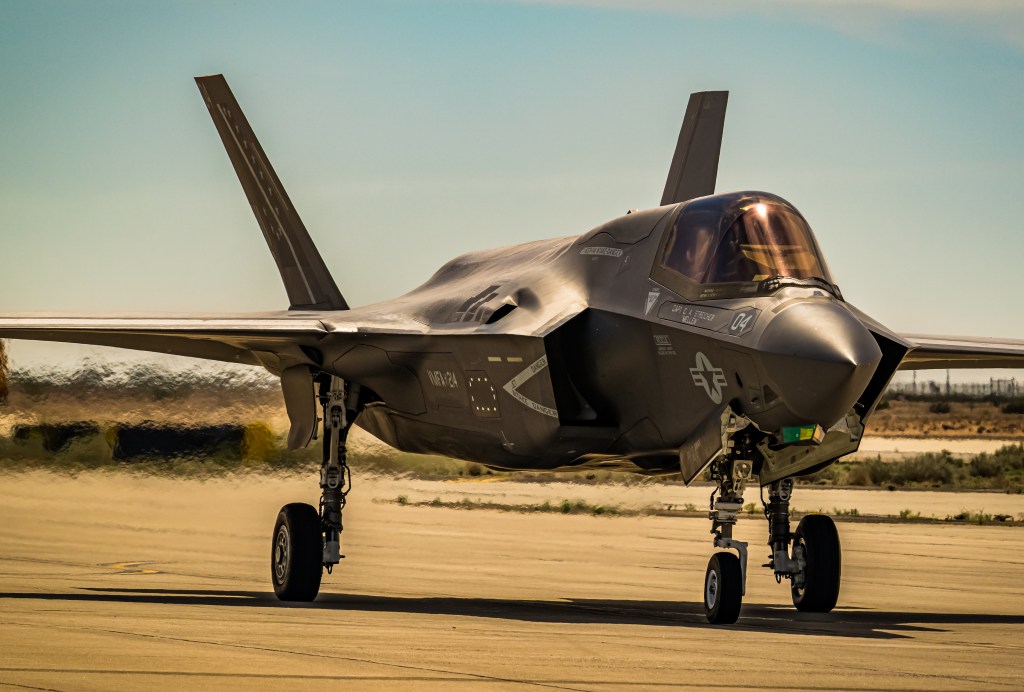
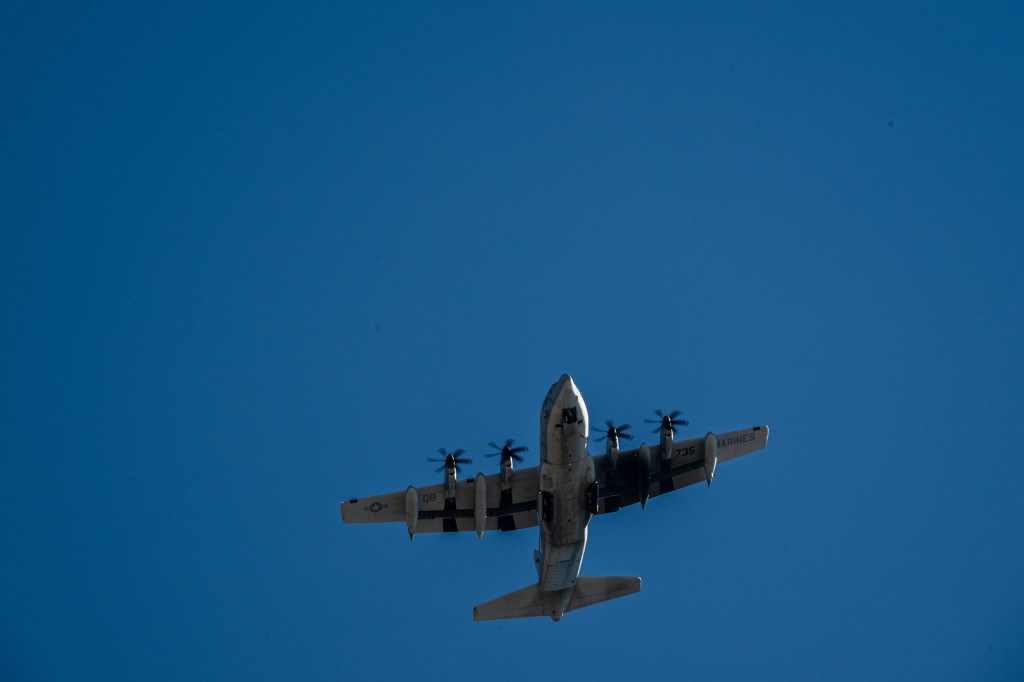
One of the major attractions this year will be the U.S. Navy Blue Angels, along with the U.S. Marine Corps F-35B Lightning II demonstration. The schedule also includes the Marine Corps MV-22 Osprey, a C-17 demonstration, and the Marine Air-Ground Task Force demonstration.
The MAGTF demonstration is particularly different from a traditional air-show performance. It combines aircraft, ground forces, pyrotechnics, and tactical maneuvers to demonstrate how Marine units can operate together during a simulated battlefield scenario.
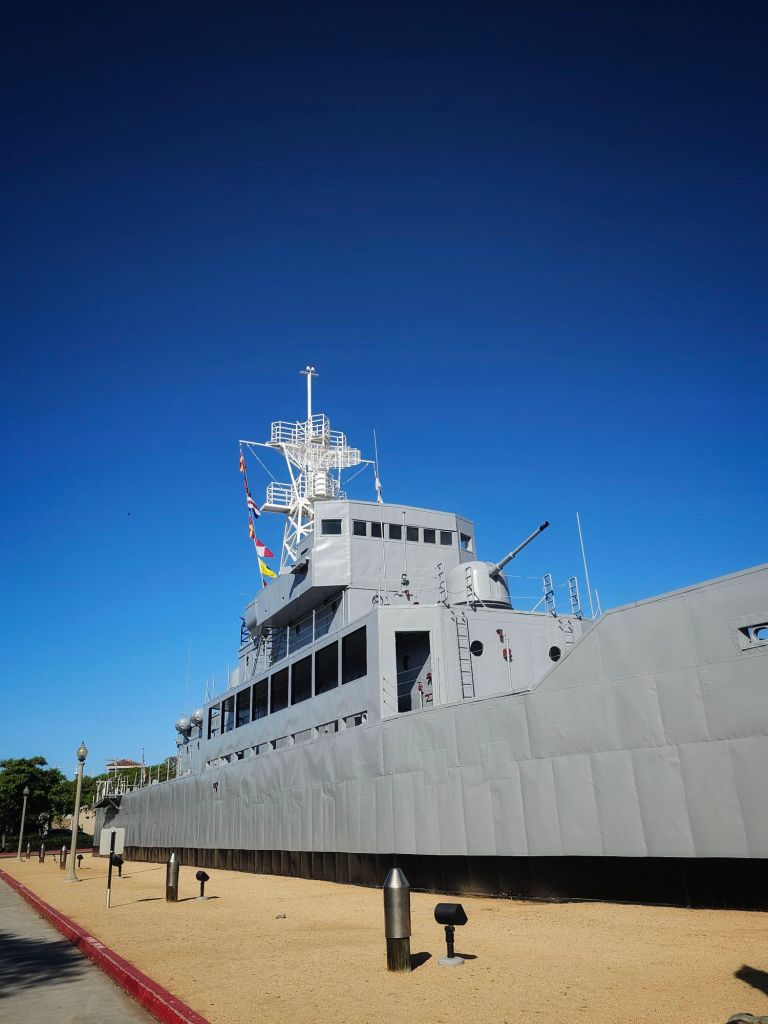
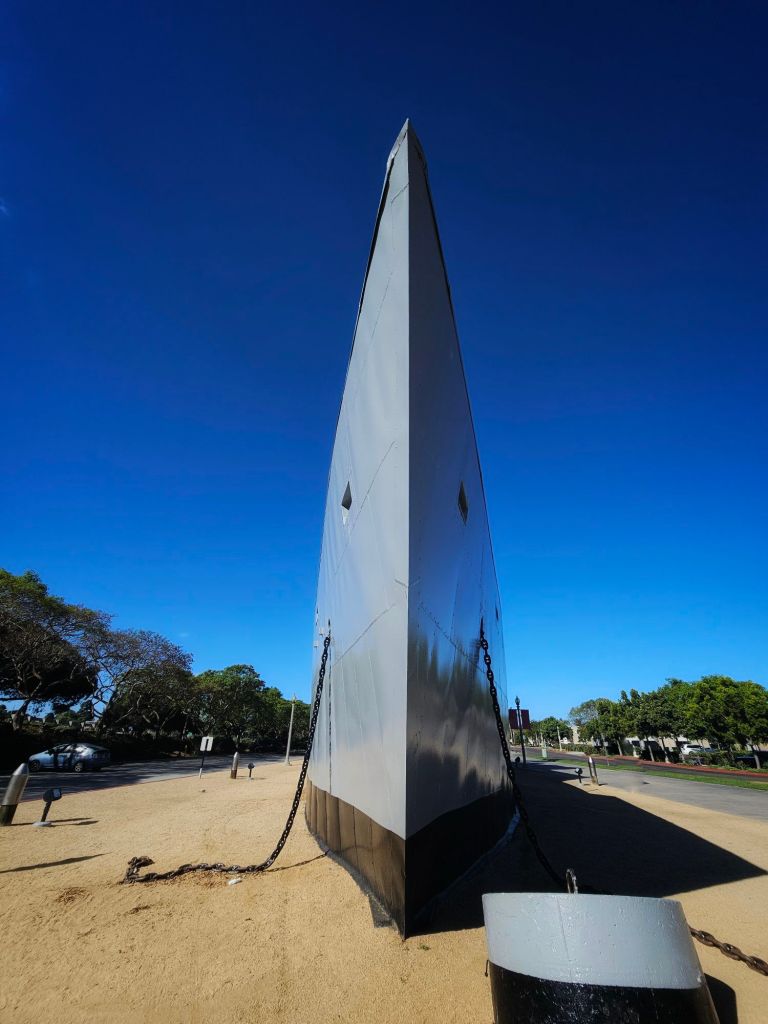
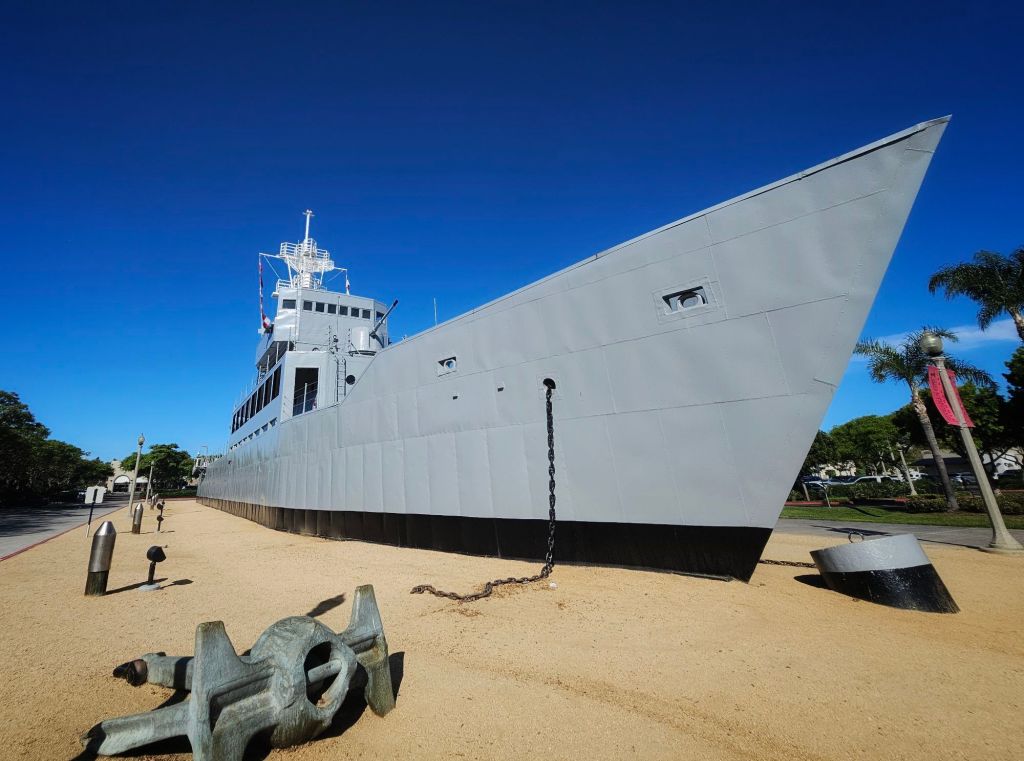
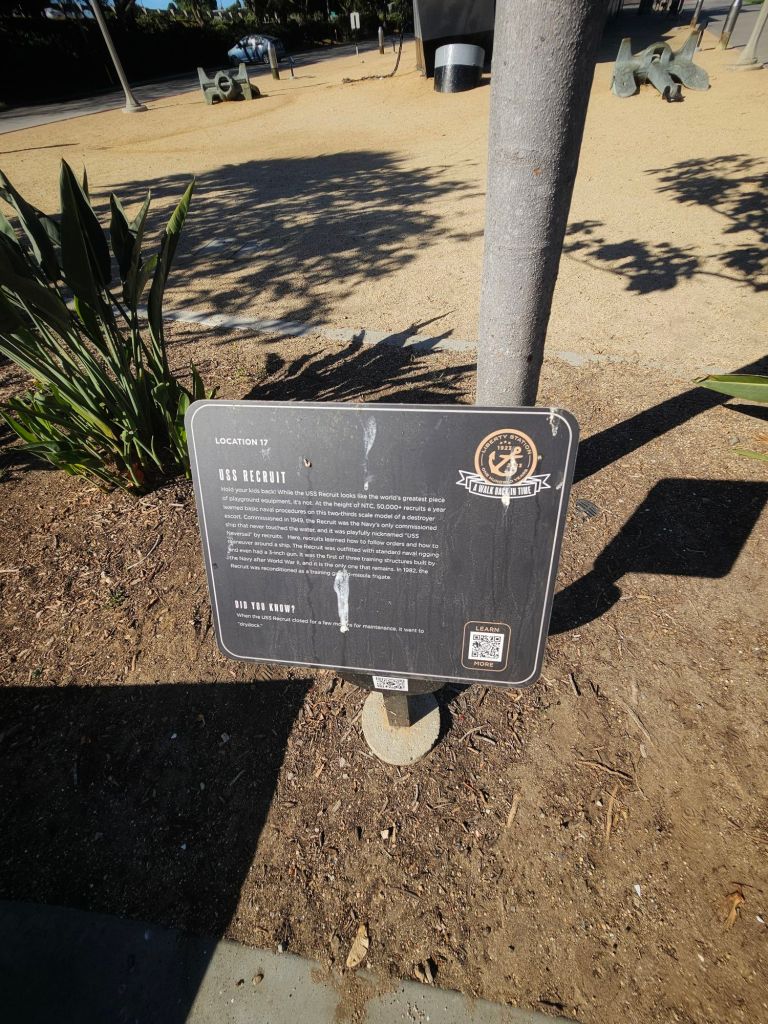
USS Recruit: The “Ship” That Never SailedUSS Recruit: The “Ship” That Never Sailed
USS Recruit: The “Ship” That Never Sailed
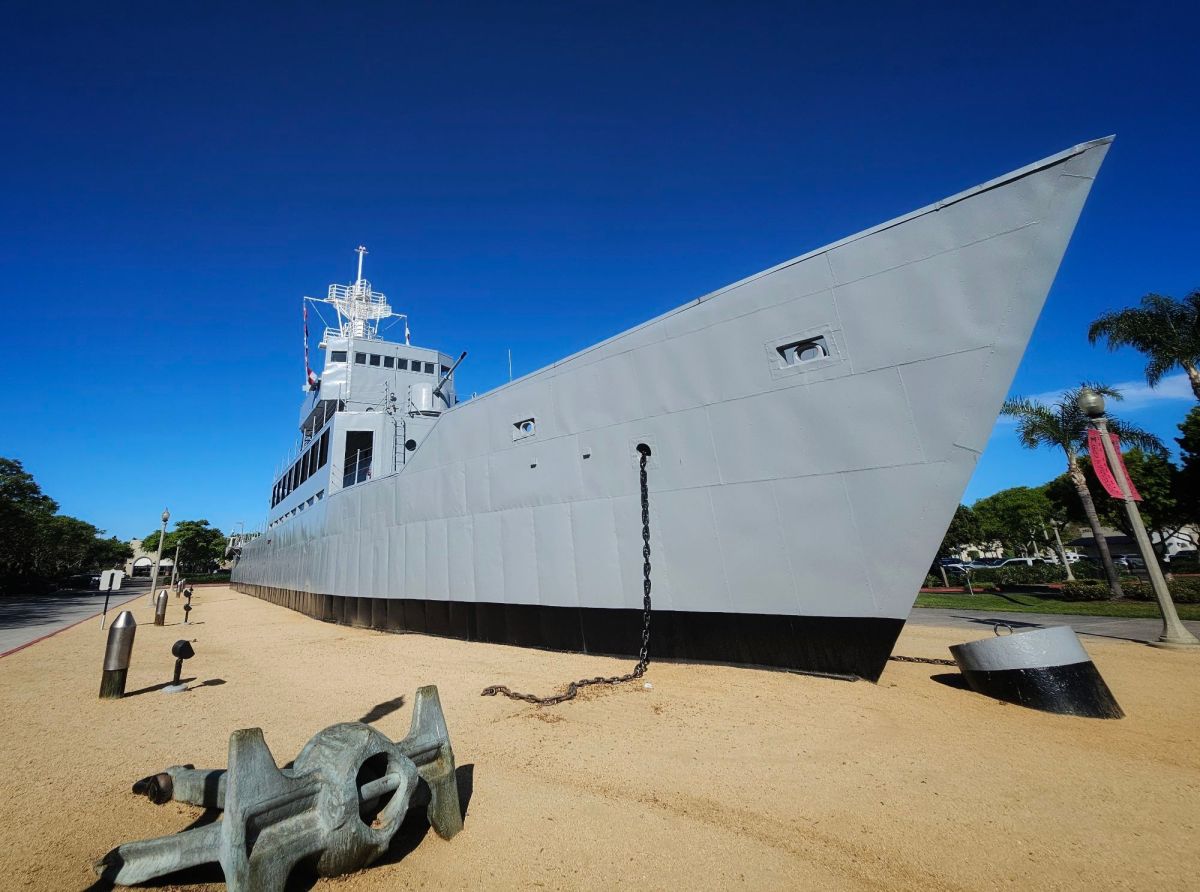
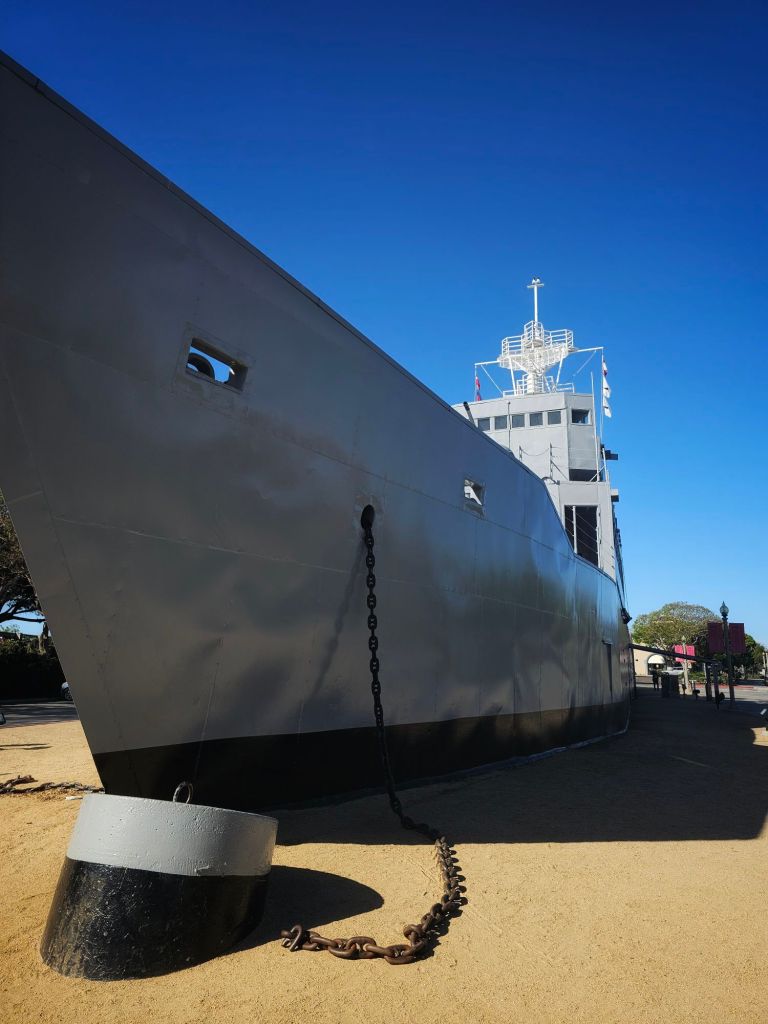
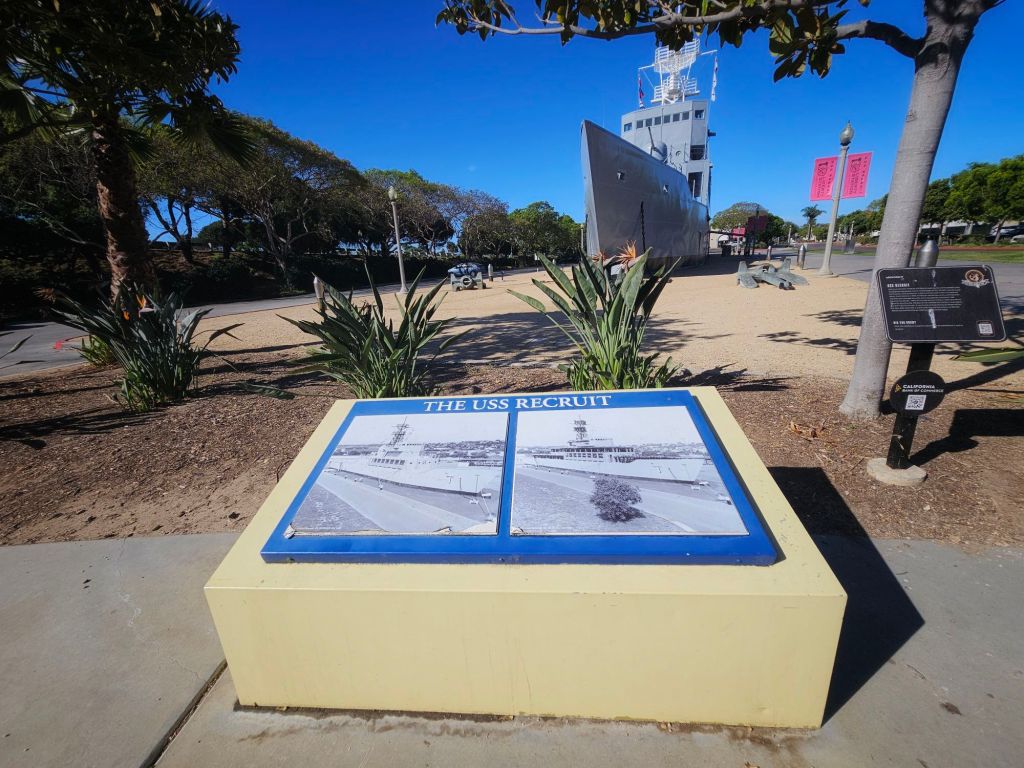
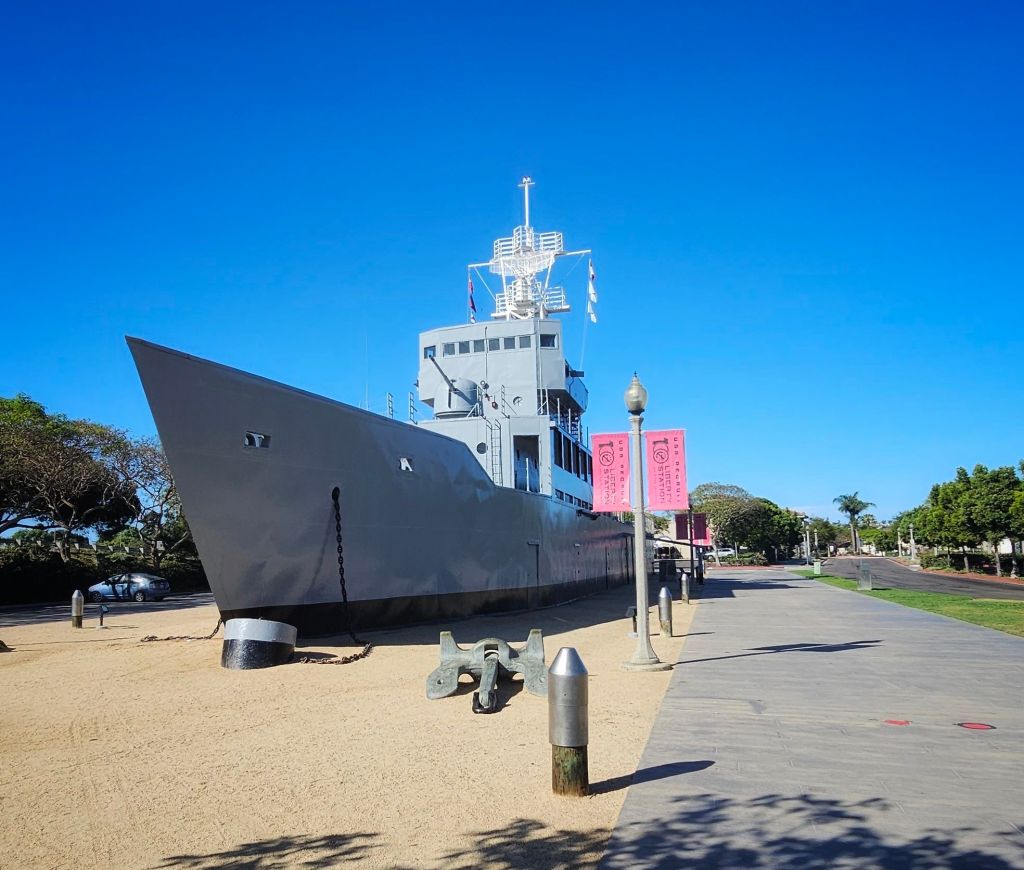
Tucked away in San Diego’s rich naval history is one of the most unusual vessels ever “commissioned” by the U.S. Navy—a ship that never touched water. Known as the USS Recruit, this full-scale wooden battleship stood firmly on land, yet played a critical role in preparing sailors for life at sea.
A Ship Built for Training
Constructed in 1941 at the Naval Training Center San Diego, the USS Recruit was designed to simulate the experience of serving aboard a real naval vessel. Nicknamed the “USS Neversail,” the structure was a two-thirds-scale replica of a destroyer, complete with deck guns, signal equipment, and compartments that mirrored those found on active ships.
This wasn’t just for show—new recruits trained on the Recruit to learn shipboard routines, terminology, and discipline before ever setting foot on an actual vessel. At a time when the United States was entering World War II, the Navy needed to prepare thousands of sailors quickly and efficiently. The Recruit became a vital stepping stone in that process.
Life Aboard a Ship on Land
For many young sailors, the USS Recruit was their first introduction to Navy life. They practiced everything from standing watch to navigating tight quarters and responding to simulated drills. The goal was simple: eliminate the shock of transitioning from civilian life to the demanding environment of a warship.
Though it never left its concrete “pier,” the Recruit offered a surprisingly immersive experience. Recruits marched across its deck, handled equipment, and learned to function as part of a coordinated crew—skills that would soon be tested in real combat situations across the Pacific.
A Symbol of Innovation
The USS Recruit represents a creative solution to a wartime challenge. Instead of relying solely on active ships for training, the Navy brought the ship to the sailors. This approach not only saved time and resources but also allowed for consistent, controlled instruction.
It also reflects San Diego’s longstanding identity as a military hub. Facilities like the Naval Training Center helped shape generations of service members and contributed to the city’s deep ties to the Navy.
What Happened to the USS Recruit?
After decades of service, the USS Recruit was decommissioned and eventually dismantled in 1969. While the structure itself is gone, its legacy lives on as a fascinating chapter in naval history.
Today, the former Naval Training Center has been transformed into Liberty Station, a vibrant waterfront district filled with shops, parks, and cultural spaces. Few visitors realize that beneath the modern development once stood a “ship” that helped train thousands of sailors during one of the most pivotal times in history.
Why It Still Matters
The story of the USS Recruit is a reminder that not all important ships sail the seas. Some, like this landlocked training vessel, quietly shape history from the shore.
For photographers, history enthusiasts, and locals exploring San Diego, it’s a compelling example of how hidden stories can exist in familiar places—waiting to be rediscovered.
The 2026 Yuma Airshow just wrapped up its 60th-anniversary celebration, and if you weren’t at MCAS Yuma this past Saturday, you missed a masterclass in horsepower and heritage.
As the official kickoff for the U.S. Navy Blue Angels’ 2026 season, the energy was electric. From the smell of JP-8 fuel to the chest-thumping roar of the afterburners, here’s the breakdown of why this year’s show was one for the history books.
1. The Blue Angels Strike First
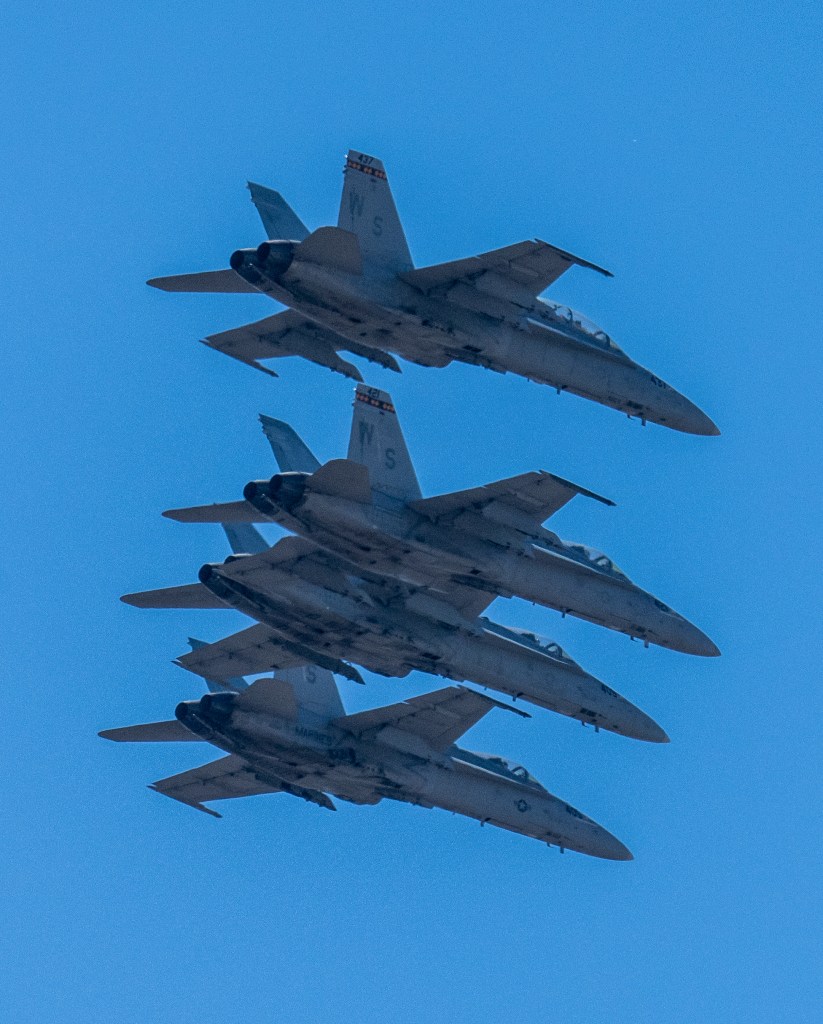
There is nothing quite like the sight of six F/A-18 Super Hornets screaming over the Arizona desert in a diamond formation. Being the season opener, the Blues were razor-sharp. Their maneuvers—from the high-speed passes that sneak up on you to the graceful “Fleur-de-Lis”—proved exactly why they remain the gold standard of aerial demonstration.
2. A Local Powerhouse: The F-35B Lightning II
Marine Operational Test and Evaluation Squadron One (VMX-1) put the Lightning II through its paces is a different beast. Seeing a stealth jet hover mid-air and then transition into a vertical landing never gets old. It’s a loud, proud reminder of the cutting-edge tech based right in our backyard.
3. Shockwave and Spectacle
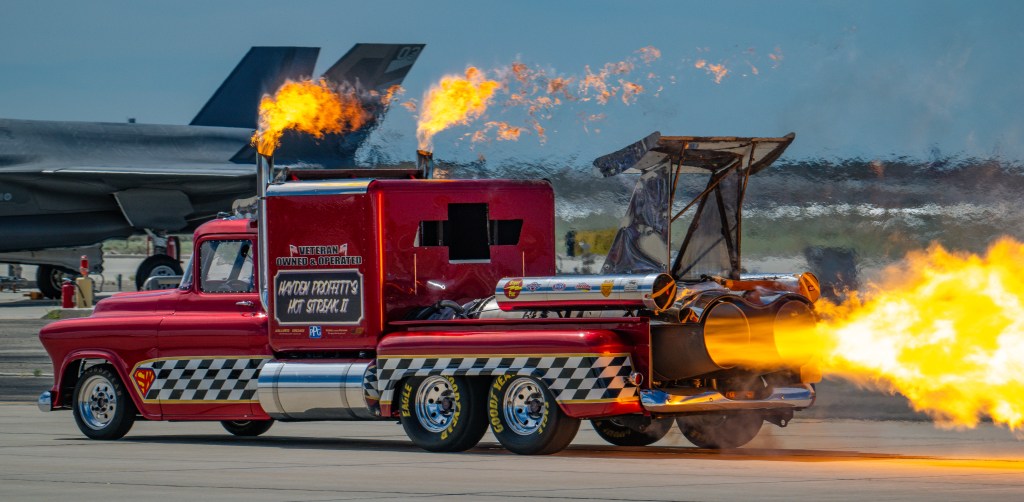
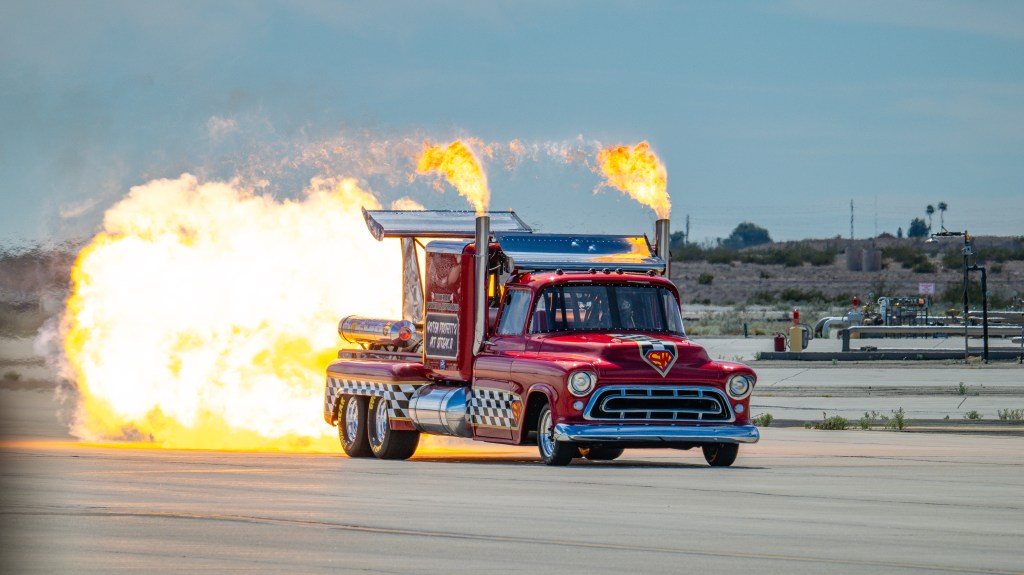
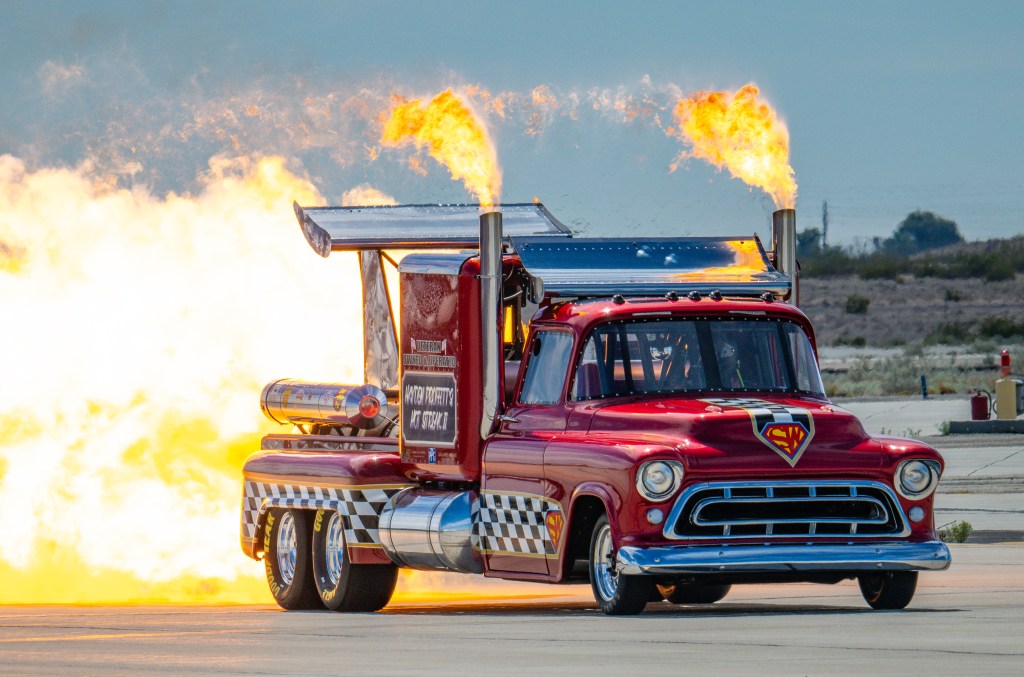
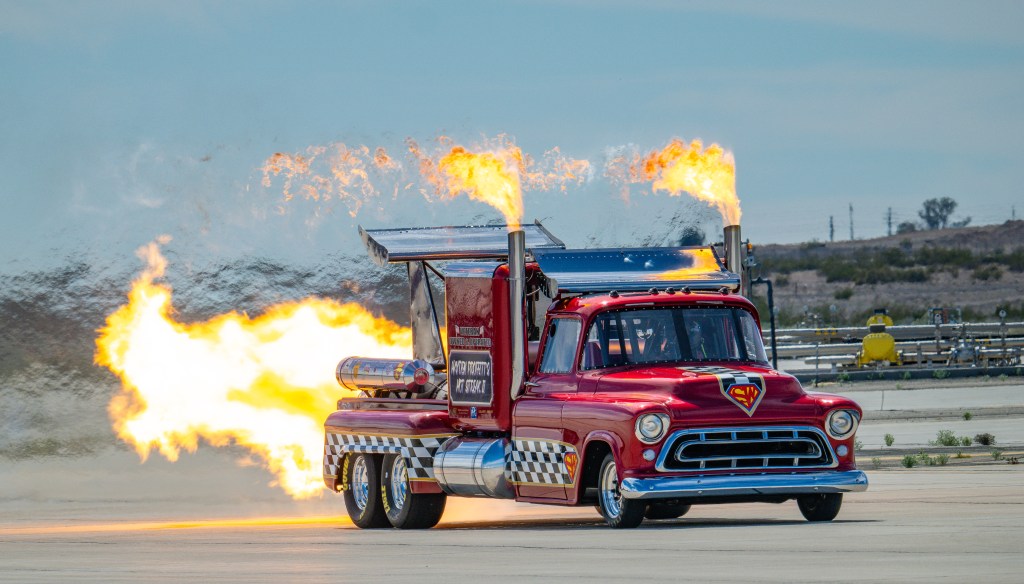
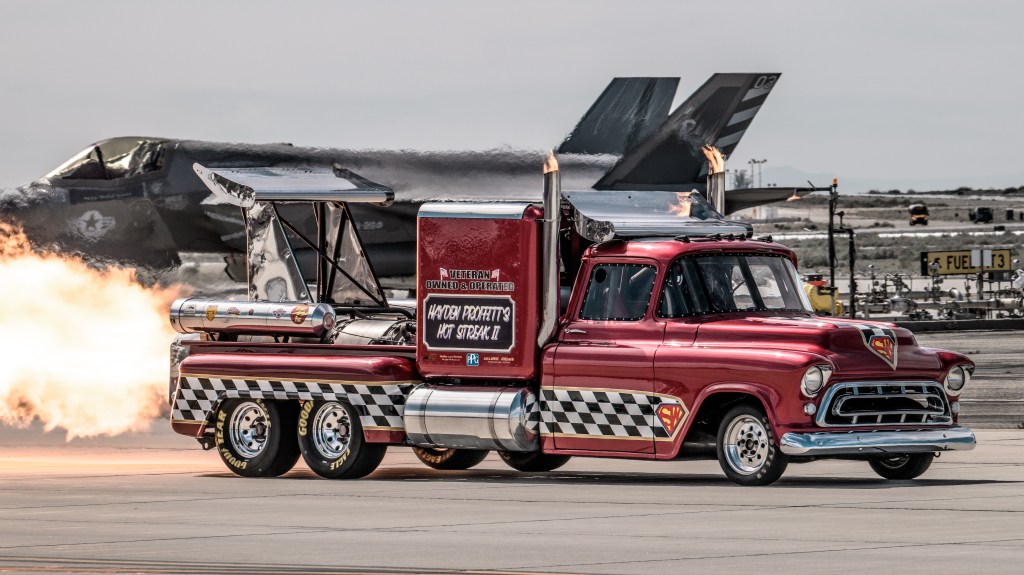
It wasn’t just about the jets. The Shockwave Jet Truck literally melted the tarmac, hitting speeds that seem to defy physics while racing planes down the runway. Combined with the “Wall of Fire” pyrotechnics, the heat from the explosions was felt all the way back in the grandstands.
4. Heritage in the Air
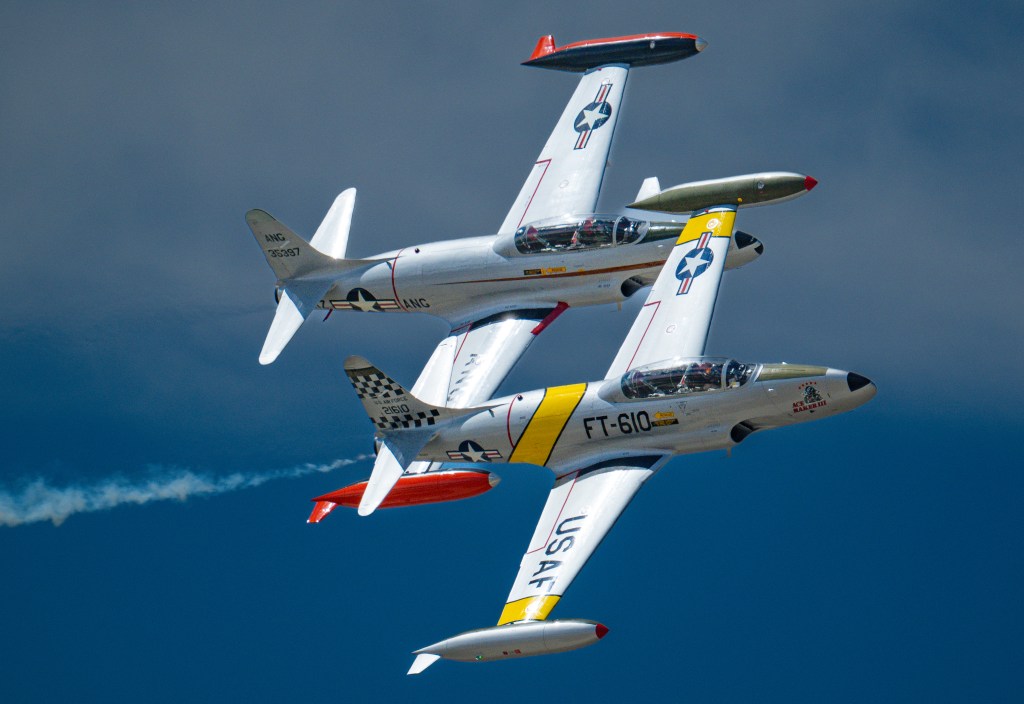
The show did a fantastic job honoring the past 60 years. Seeing vintage warbirds flying alongside modern fighters provided a moving “Heritage Flight” that connected the dots between the propeller-driven legends of WWII and the supersonic titans of today.
The Takeaway
The Yuma Airshow remains one of the best free community events in the Southwest. It’s a day where the gates of the base swing open, the community connects with our service members, and everyone—from toddlers to veterans—spends the day looking up in awe.
Missed the action? Keep an eye on the official Yuma Airshow site for 2027 dates and performer announcements.
The 2025 Miramar Air Show returns to the skies over San Diego this September 26 through the 28th, 2025. Marine Corps Air Station Miramar will play host to thousands of spectators this weekend who come out to witness the power and strength of the United States Marine Corps. Known as the largest military air show in the world, the Miramar Air Show is a San Diego tradition that blends aviation history, modern technology, and breathtaking aerobatic performances.
The United States Navy Flight Demonstration Team the Blue Angels arrived Wednesday afternoon in San Diego. Other flight teams were in the air Wednesday to practice their Ground Attack Demo.
There are 2 daily flight demo practices sheduled Wednesday and Thursday mornings and afternoon. And the official Air Show runs Friday, Saturday and Sunday 8am to 4pm.