SAN DIEGO, California — October 8, 2026
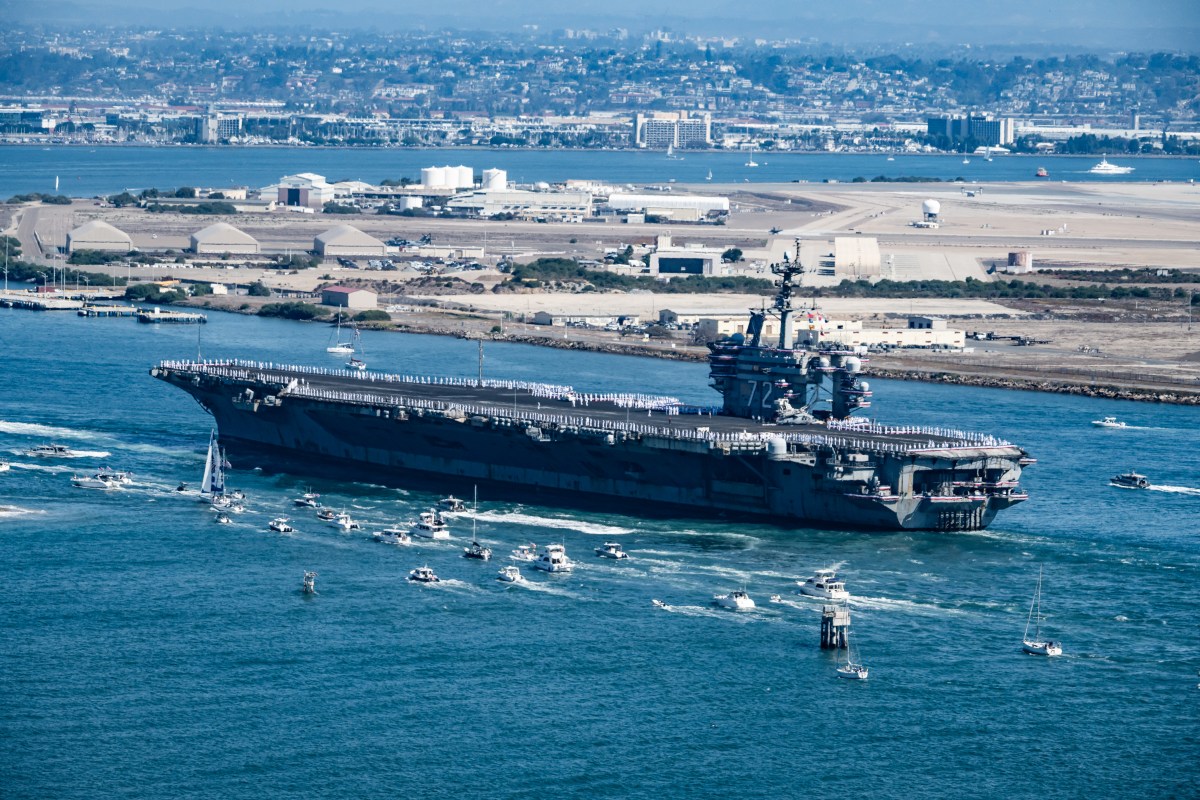
After nearly 11 months away from home, the USS Abraham Lincoln has returned to San Diego, bringing an emotional chapter to a close for thousands of sailors and their families. The arrival of the massive Navy aircraft carrier marks the end of a 321-day deployment and a long-awaited opportunity for its crew to reunite with loved ones.
For San Diego, a city with deep ties to the United States Navy, the return is more than the arrival of a ship. It is a reminder of the sacrifices made by military families, the demands of life at sea, and the importance of coming home.


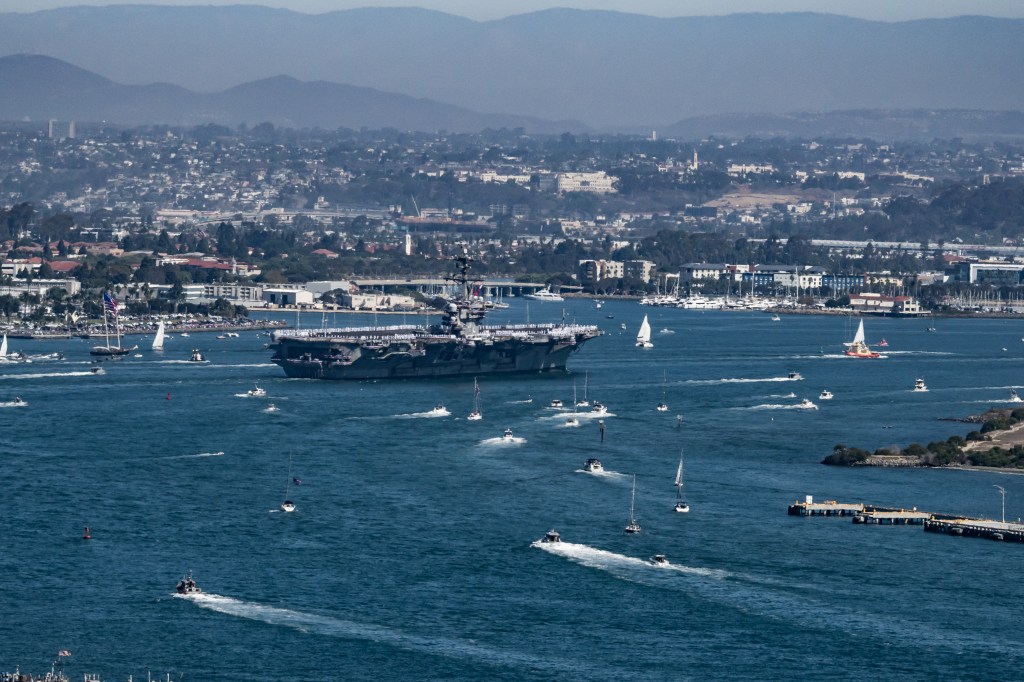
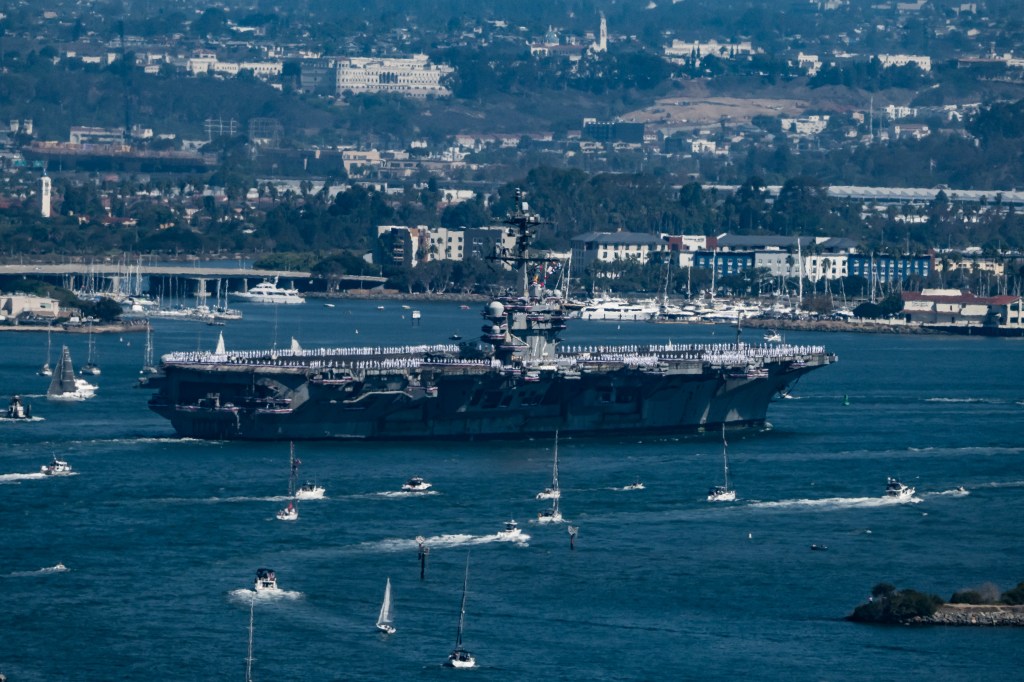
A Long-Awaited Return to San Diego Bay
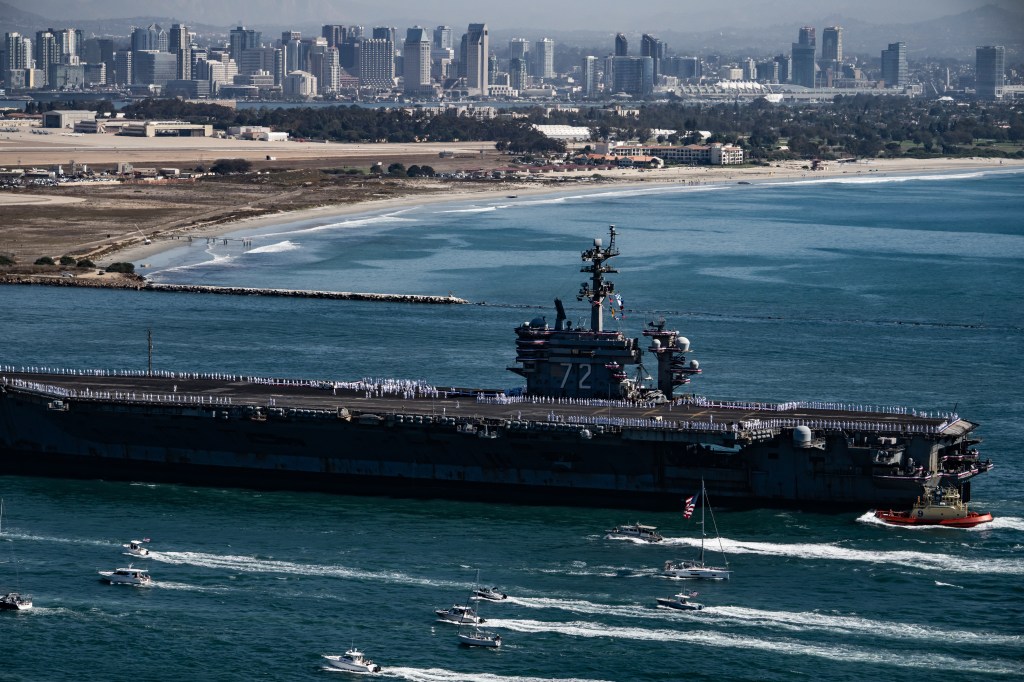
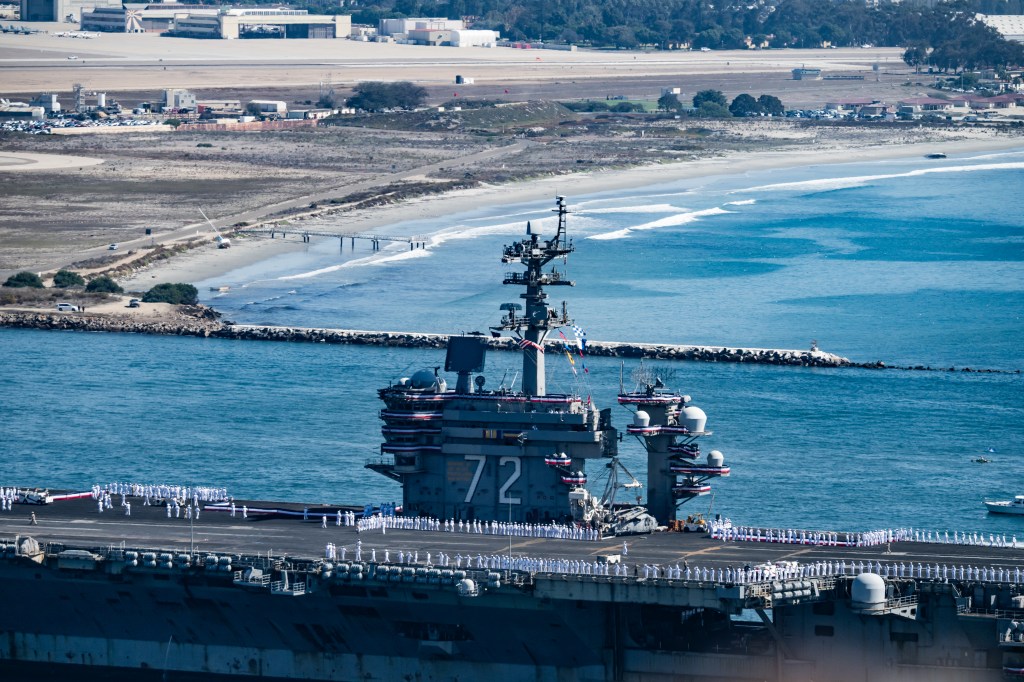
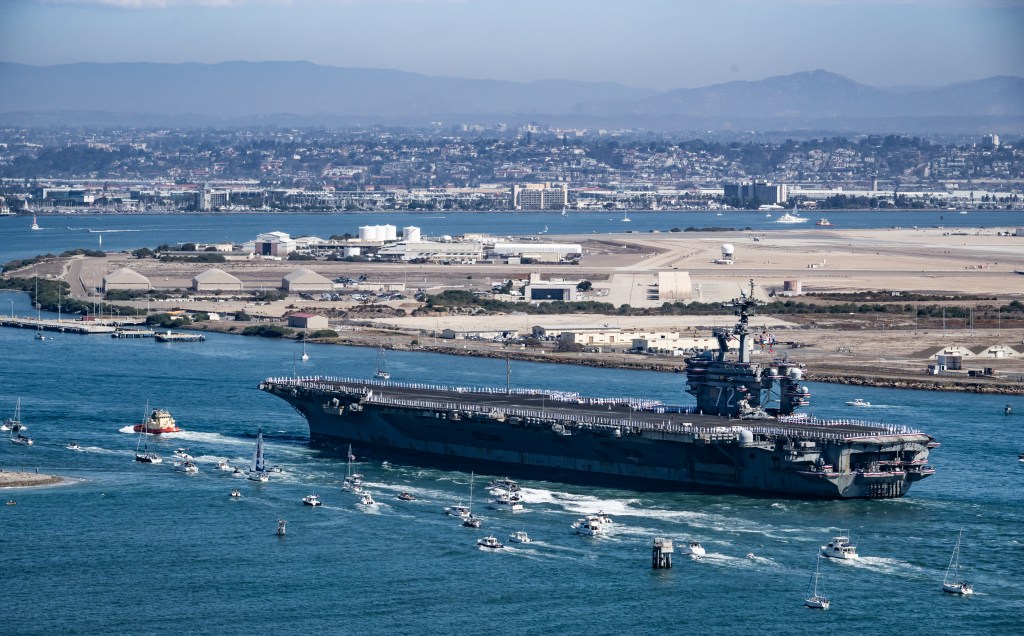
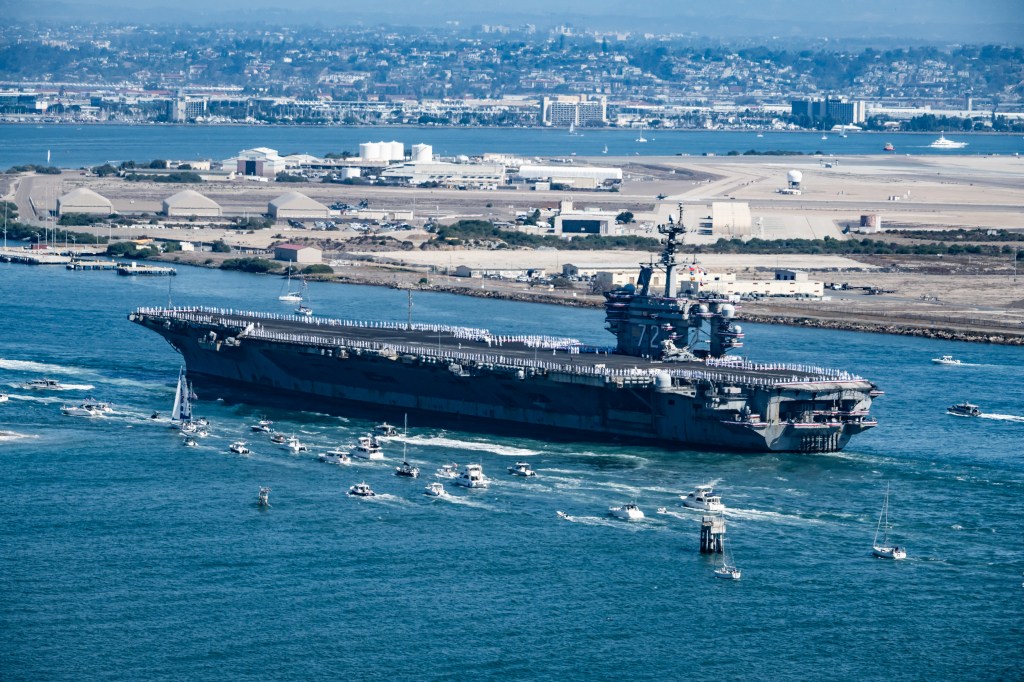
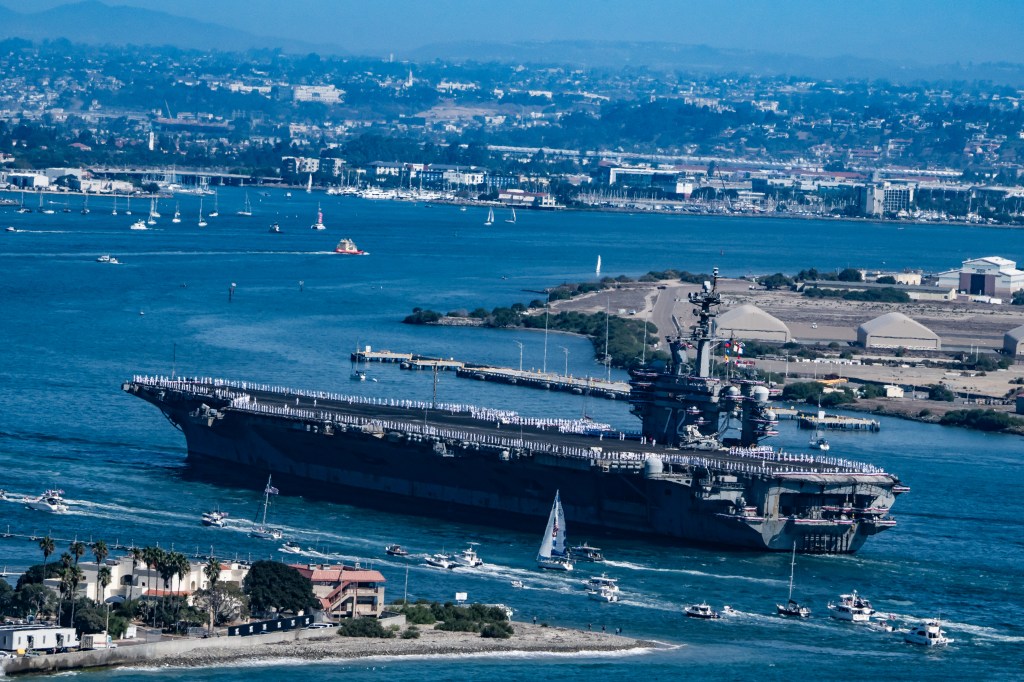
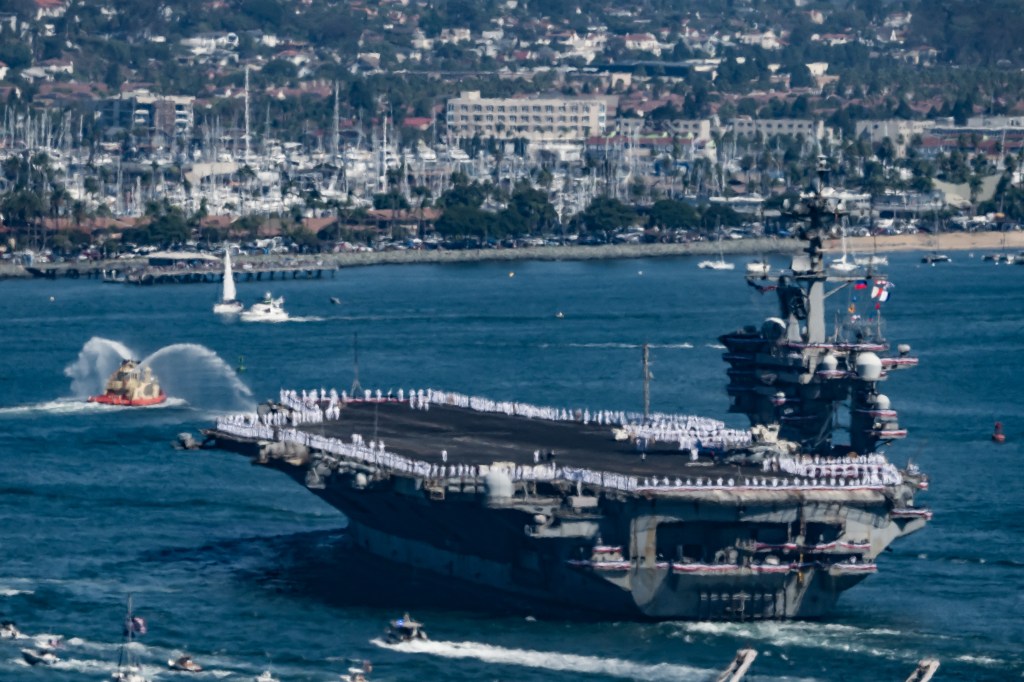
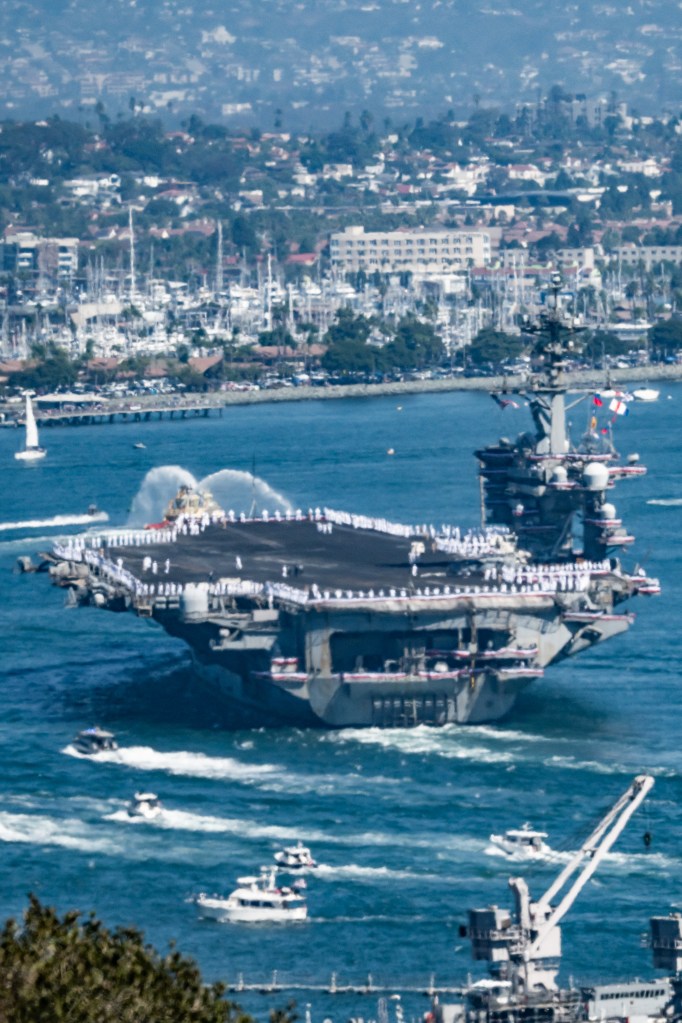
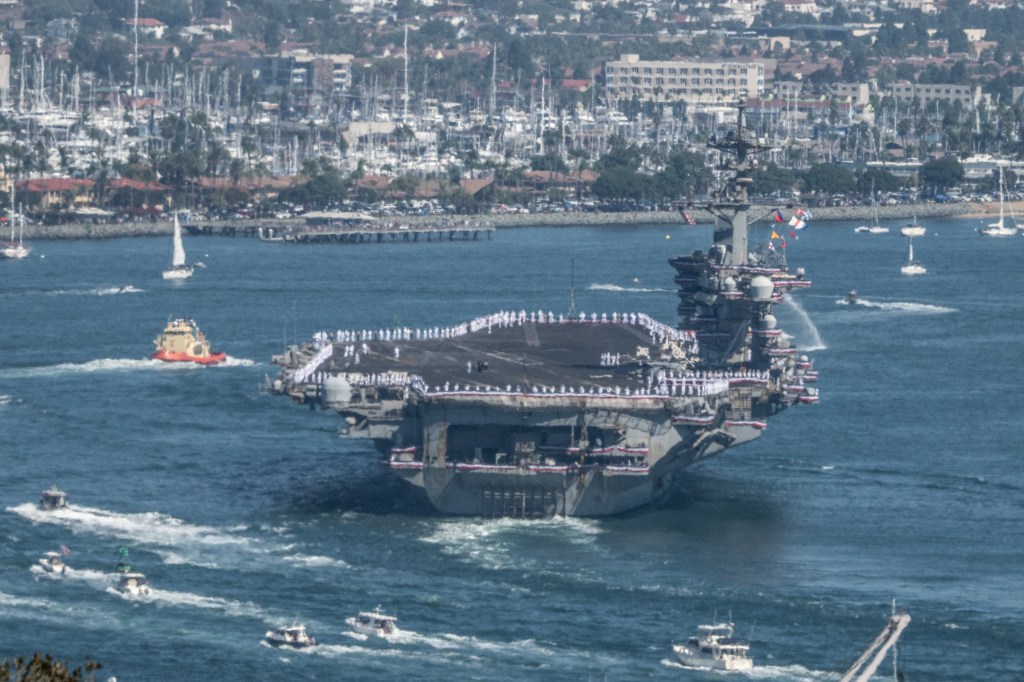
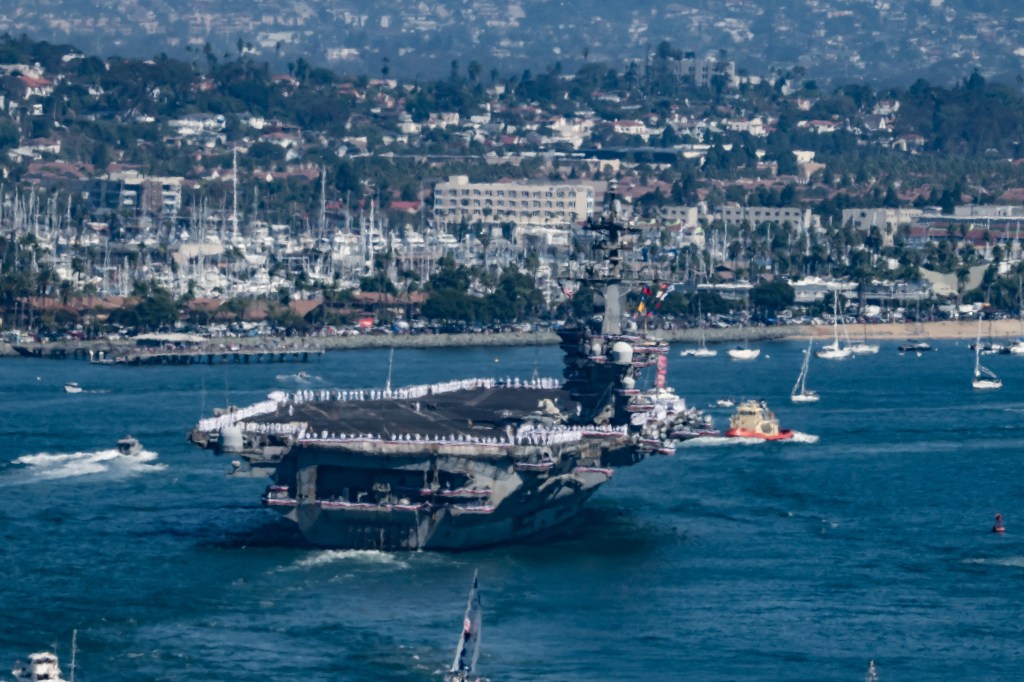
The USS Abraham Lincoln, a Nimitz-class nuclear-powered aircraft carrier, returned to its homeport at Naval Air Station North Island in Coronado on Thursday, October 8.
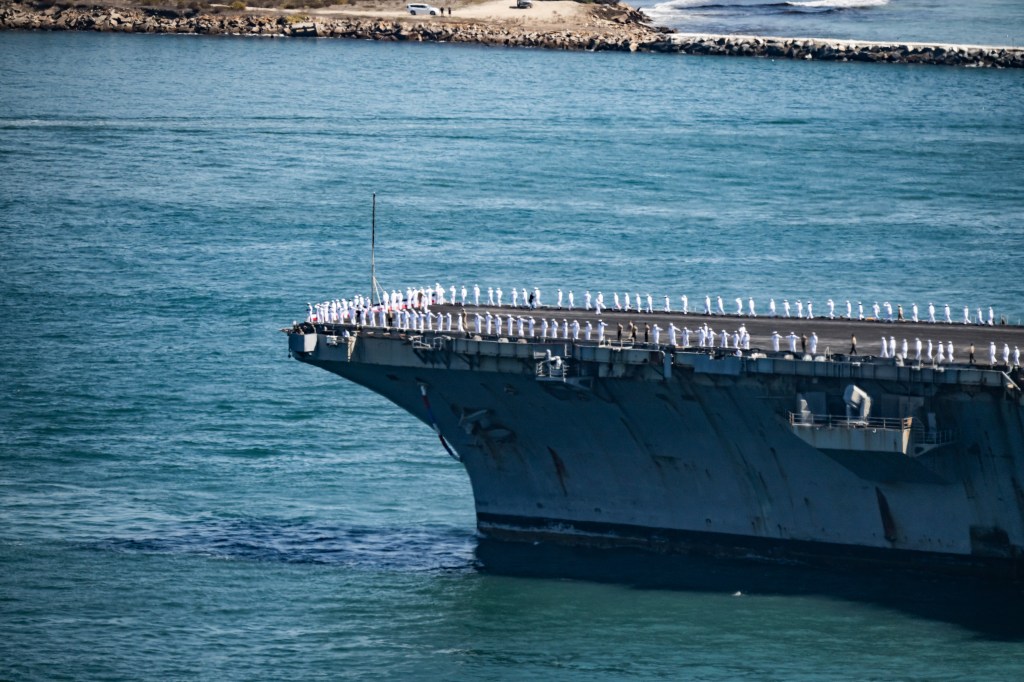
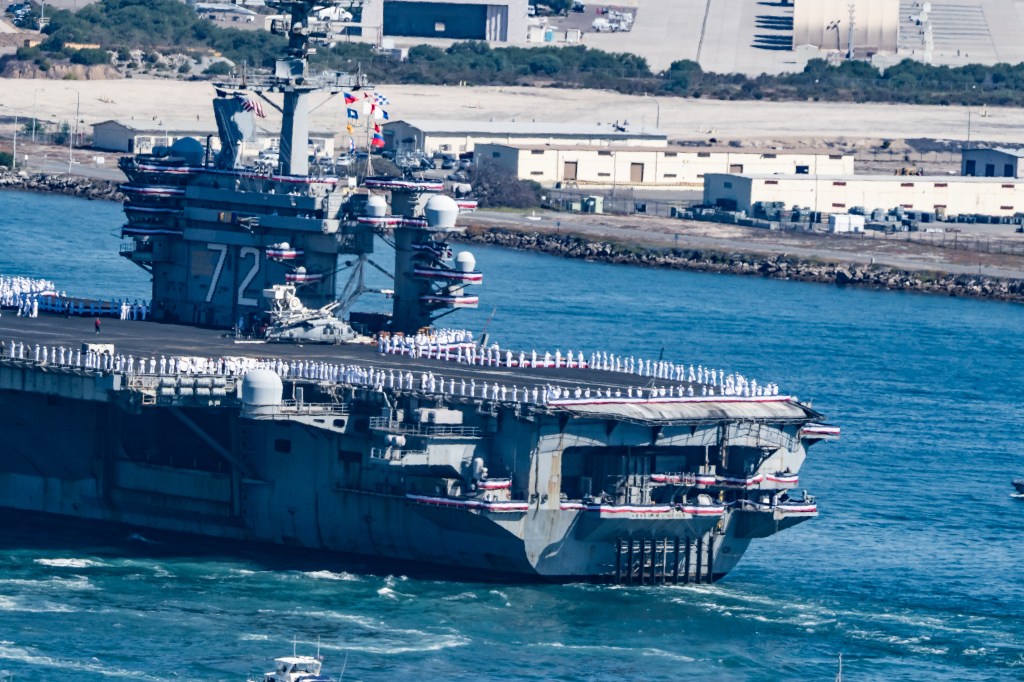
As the enormous carrier made its way into San Diego Bay, families and friends gathered to welcome the crew home. Sailors stood along the ship’s rails as it approached the waterfront, while loved ones waited for the moment they could finally see them again.
The deployment began in November 2025 and included extensive operations in the Pacific and Middle East. The ship spent 265 consecutive days at sea without a port call, making the deployment an extraordinary test of endurance for its crew.
For the sailors returning home, the journey’s end represents months of demanding work, separation from family, and anticipation of a well-deserved reunion.
The People Behind the Aircraft Carrier
An aircraft carrier is an impressive feat of engineering, but its greatest responsibility rests with the people who operate it.
Thousands of sailors work together to maintain the ship, operate its aircraft, prepare meals, manage equipment, and keep essential systems running around the clock. Life aboard a carrier requires teamwork, discipline, and the ability to adapt to changing circumstances.
During a deployment lasting almost a year, birthdays, anniversaries, holidays, and important family milestones can pass without the sailor being present.
Some crew members returned to children who had grown considerably since their departure. Others reunited with spouses and parents after months of communicating primarily through limited phone calls or messages.
For some families, the return also meant meeting a new child for the first time.
These are the personal stories behind the headlines, and they help explain why a carrier’s arrival home can be such a powerful moment.
The Challenges of an Extended Deployment
Although the homecoming brought celebration, the deployment was not without difficulties.
Reports during the mission raised concerns about food supplies, living conditions, morale, and the mental health of sailors aboard the ship. Extended periods at sea can place considerable pressure on service members, particularly when opportunities to visit ports or communicate with family are limited.
The return offers an opportunity to recognize the crew’s service while also acknowledging the importance of supporting sailors as they transition back to everyday life.
Coming home is a major milestone, but recovery from a lengthy deployment can take time. Reconnecting with family, resting, and adjusting to life on shore are all important parts of that process.
The families waiting in San Diego have also endured months of uncertainty and separation. Their experience is an essential part of the story.
San Diego and Its Naval Heritage
The return of the USS Abraham Lincoln reinforces San Diego’s longstanding connection to the Navy.
From Coronado and Point Loma to communities throughout the county, military service is part of the region’s identity. Naval personnel contribute to the local economy, support community organizations, and form lasting relationships with the people who call San Diego home.
The city’s waterfront provides a fitting backdrop for the carrier’s return. The arrival brings together military families, veterans, residents, and people who simply want to witness a significant moment in the region’s maritime history.
For many San Diegans, watching the carrier enter the bay is also a reminder that behind every military mission are individuals whose lives extend far beyond the ship.
What Comes Next for the USS Abraham Lincoln?
With the deployment completed, the carrier and its crew can begin the next phase: returning to homeport routines, addressing maintenance needs, and spending time with family.
The ship’s arrival does not mean every sailor’s responsibilities end immediately. Aircraft carriers require ongoing maintenance, inspections, training, and preparation for future assignments.
However, the return provides an important pause after months of demanding operations.
For sailors and their loved ones, the immediate priority is much more personal: spending time together, sharing stories, and enjoying the simple routines that were missed while the ship was away.
A Homecoming Worth Remembering
The return of the USS Abraham Lincoln to San Diego on October 8, 2026, is a significant moment for the Navy and the local community.
The 321-day deployment highlights the demands of modern naval service, but the homecoming tells another story—one about family, perseverance, friendship, and the relief of finally being together again.
The carrier may be one of the most powerful ships in the world, but its return reminds us that its most meaningful cargo is the people who serve aboard it.
For the sailors stepping onto the pier and the families waiting to embrace them, the long journey has finally brought them home.
Welcome home, USS Abraham Lincoln and crew. San Diego is glad to have you back.