USS Recruit: The “Ship” That Never Sailed
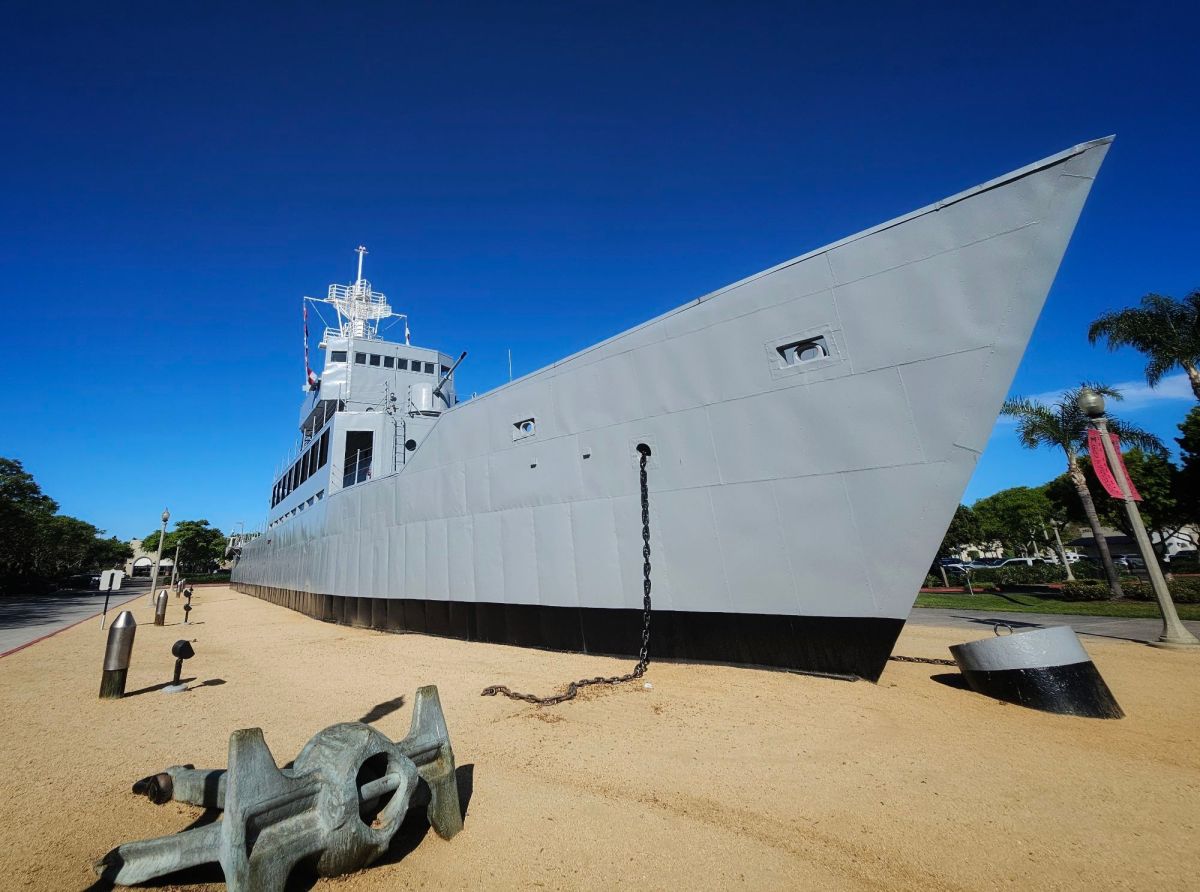
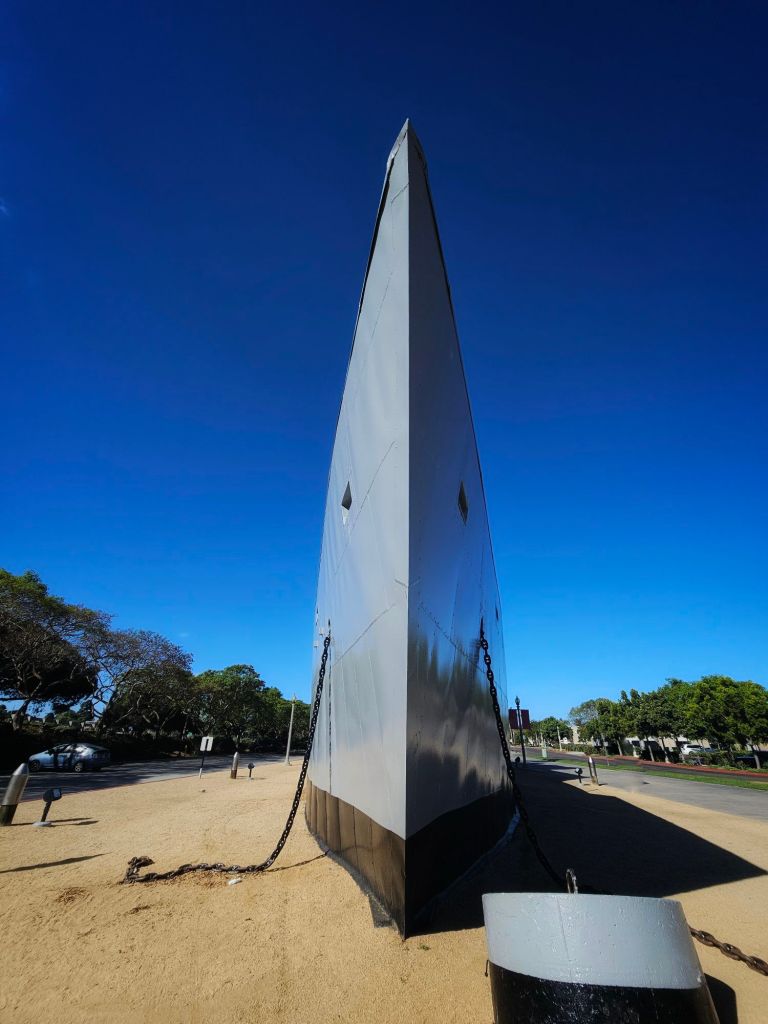
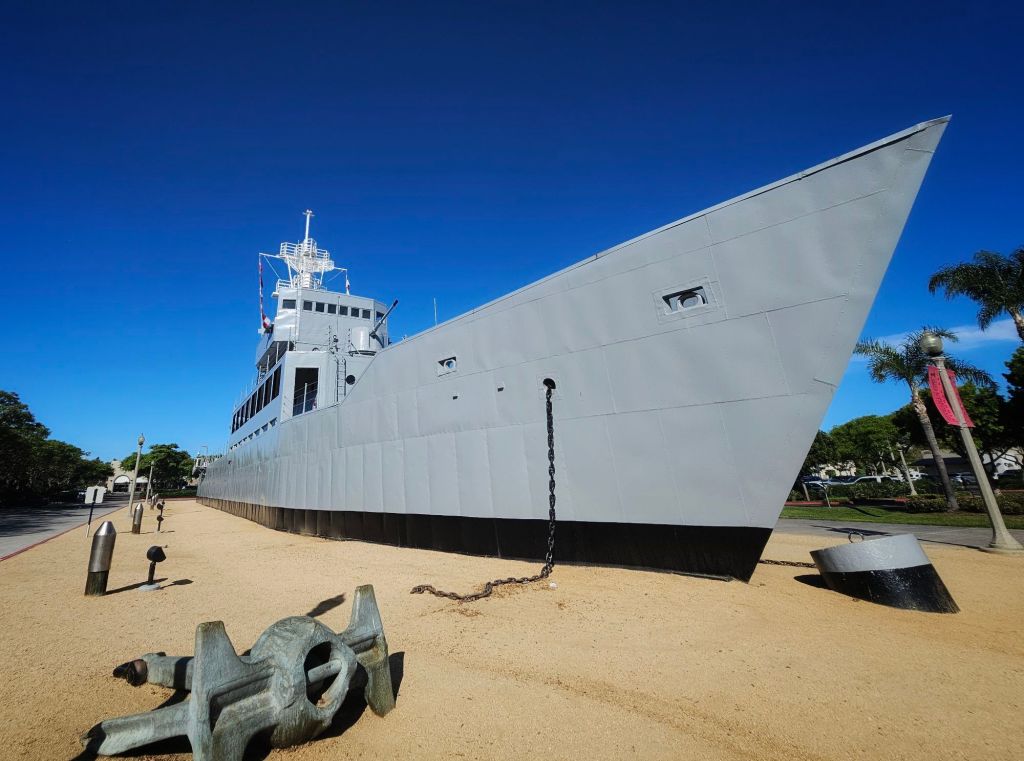
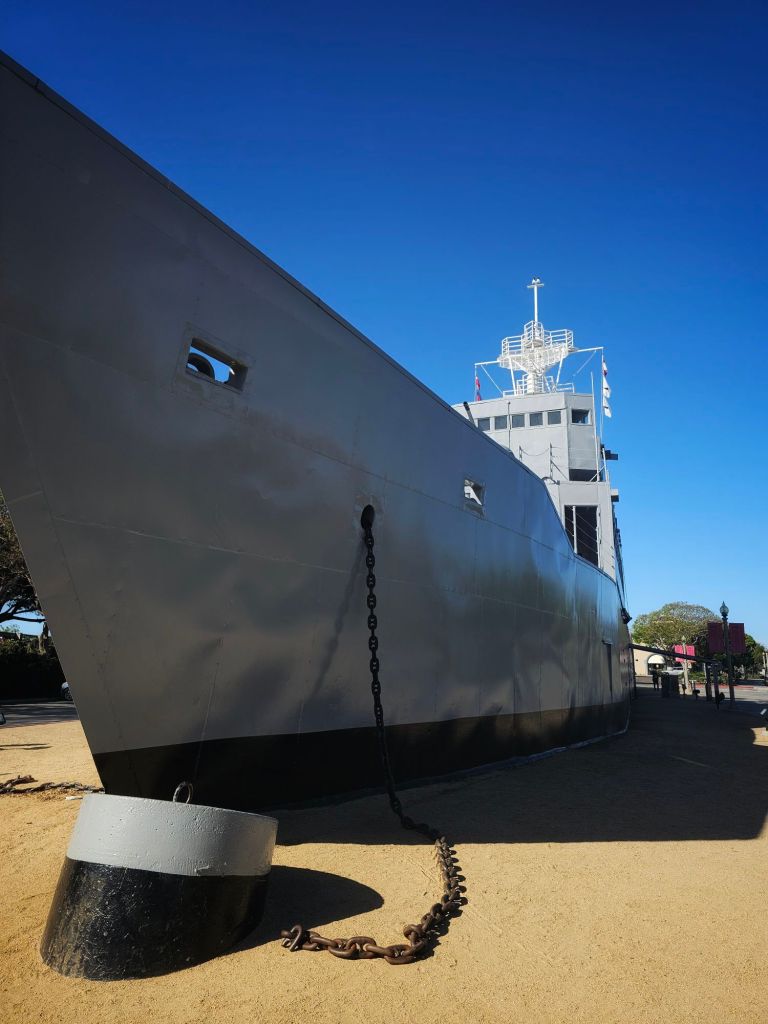
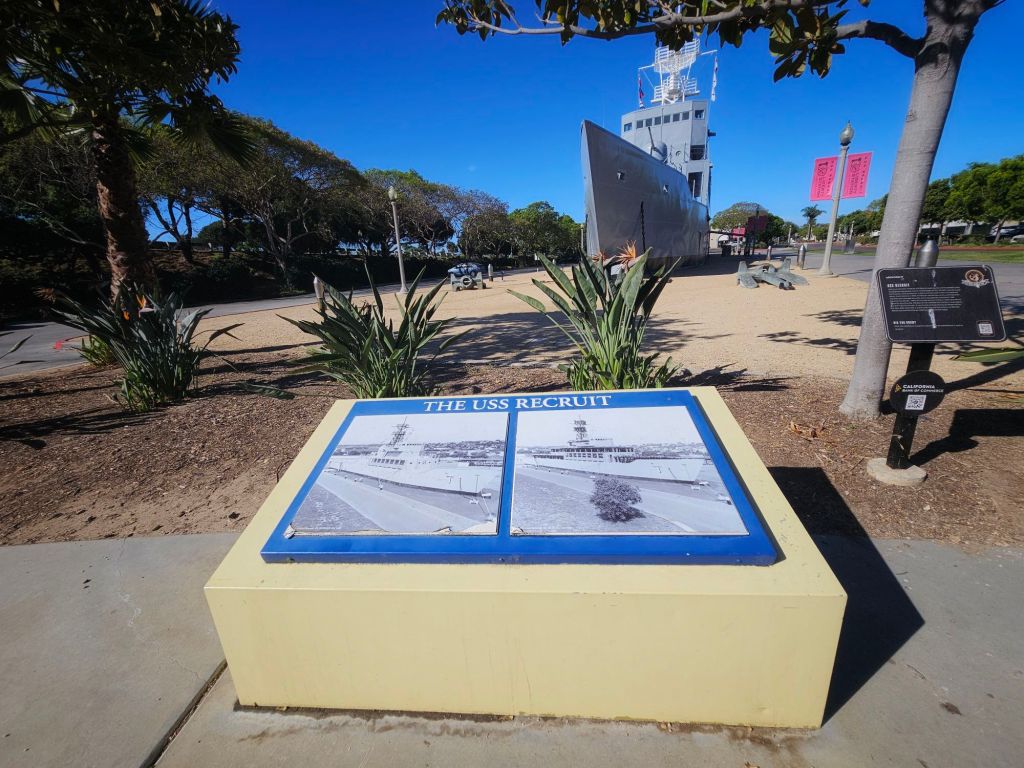
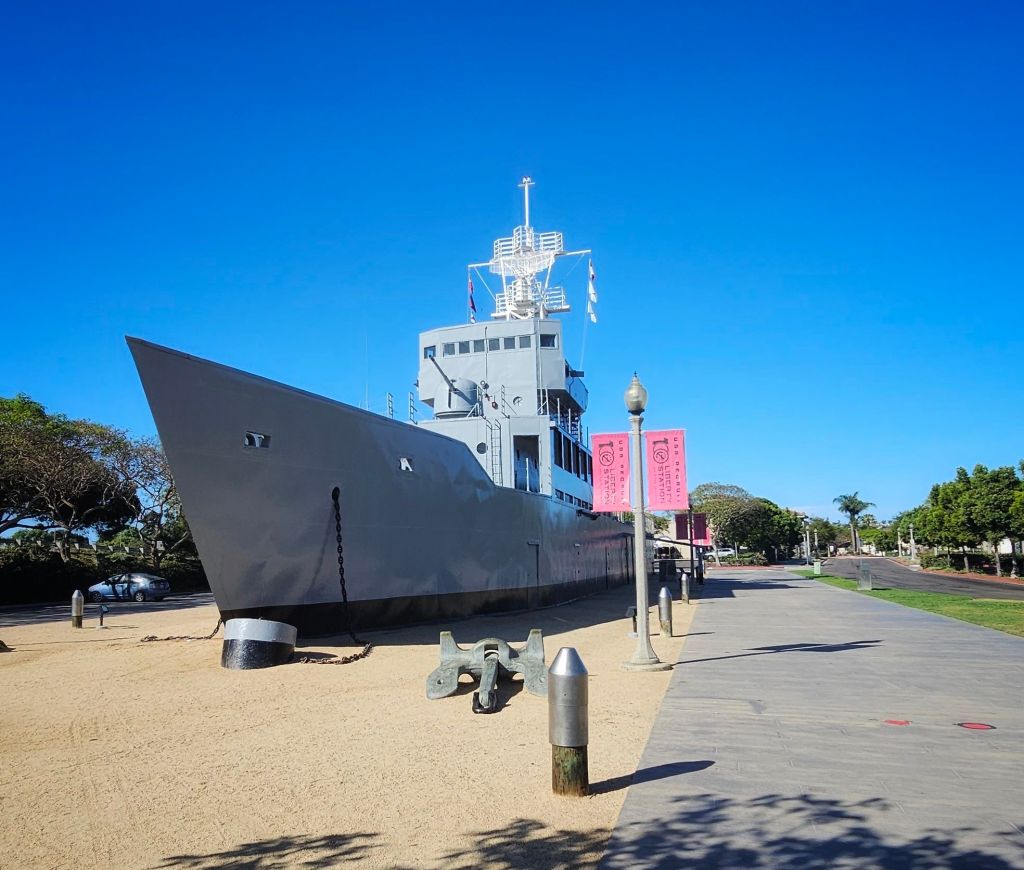
Tucked away in San Diego’s rich naval history is one of the most unusual vessels ever “commissioned” by the U.S. Navy—a ship that never touched water. Known as the USS Recruit, this full-scale wooden battleship stood firmly on land, yet played a critical role in preparing sailors for life at sea.
A Ship Built for Training
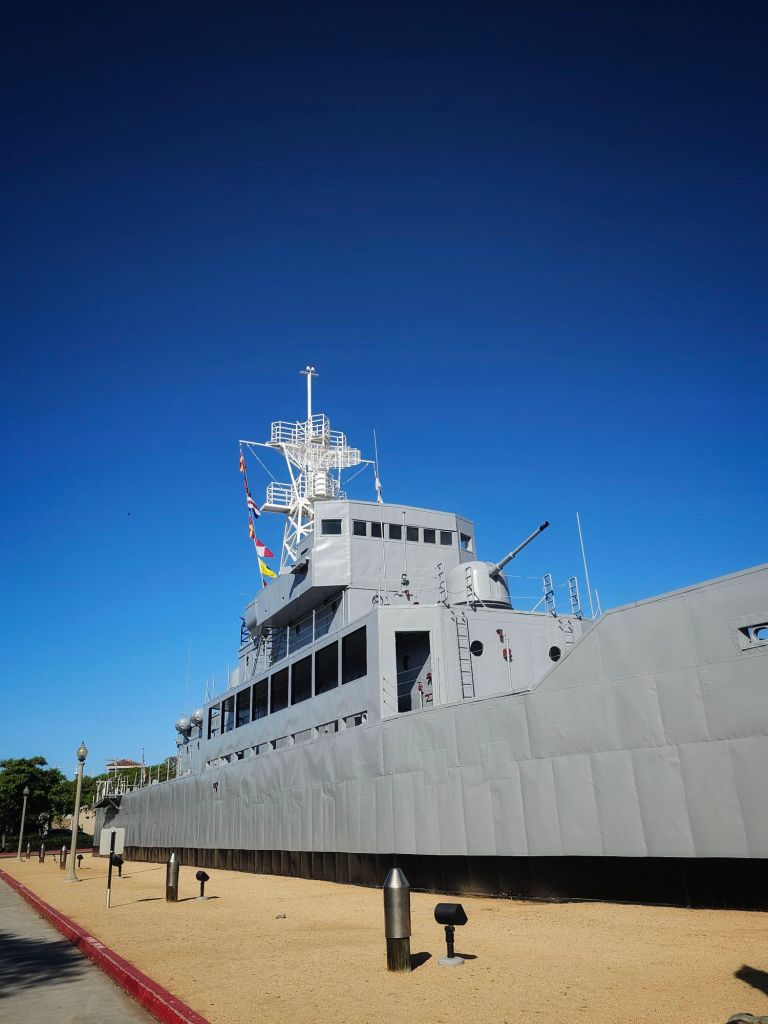
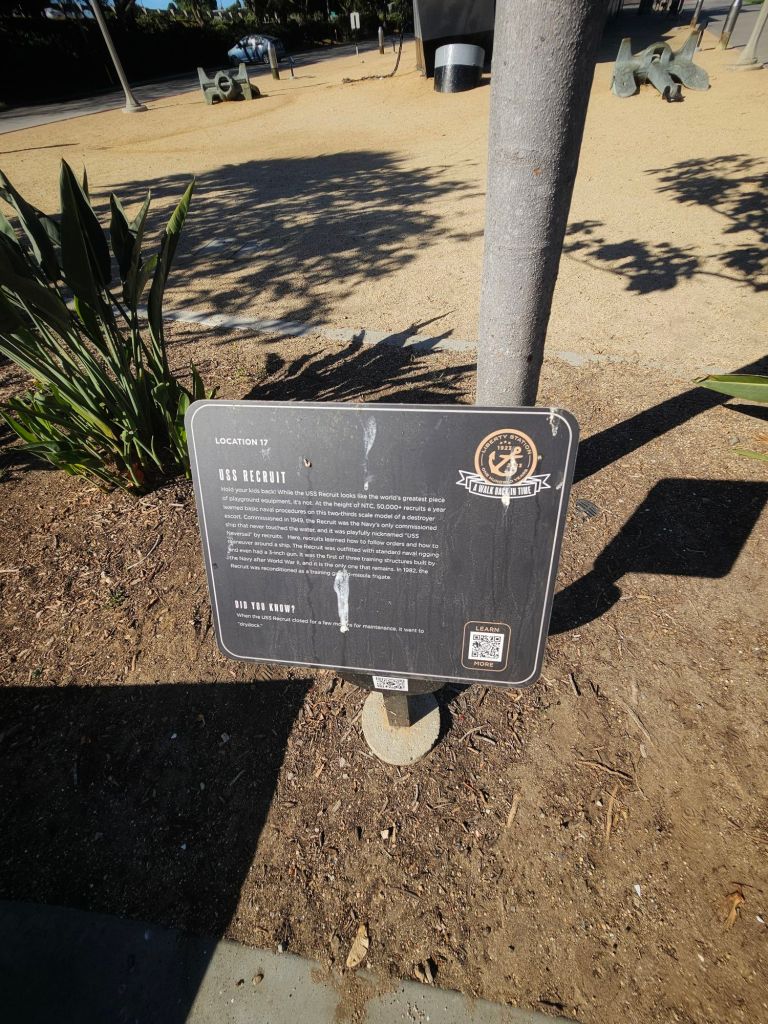
Constructed in 1941 at the Naval Training Center San Diego, the USS Recruit was designed to simulate the experience of serving aboard a real naval vessel. Nicknamed the “USS Neversail,” the structure was a two-thirds-scale replica of a destroyer, complete with deck guns, signal equipment, and compartments that mirrored those found on active ships.
This wasn’t just for show—new recruits trained on the Recruit to learn shipboard routines, terminology, and discipline before ever setting foot on an actual vessel. At a time when the United States was entering World War II, the Navy needed to prepare thousands of sailors quickly and efficiently. The Recruit became a vital stepping stone in that process.
Life Aboard a Ship on Land
For many young sailors, the USS Recruit was their first introduction to Navy life. They practiced everything from standing watch to navigating tight quarters and responding to simulated drills. The goal was simple: eliminate the shock of transitioning from civilian life to the demanding environment of a warship.
Though it never left its concrete “pier,” the Recruit offered a surprisingly immersive experience. Recruits marched across its deck, handled equipment, and learned to function as part of a coordinated crew—skills that would soon be tested in real combat situations across the Pacific.
A Symbol of Innovation
The USS Recruit represents a creative solution to a wartime challenge. Instead of relying solely on active ships for training, the Navy brought the ship to the sailors. This approach not only saved time and resources but also allowed for consistent, controlled instruction.
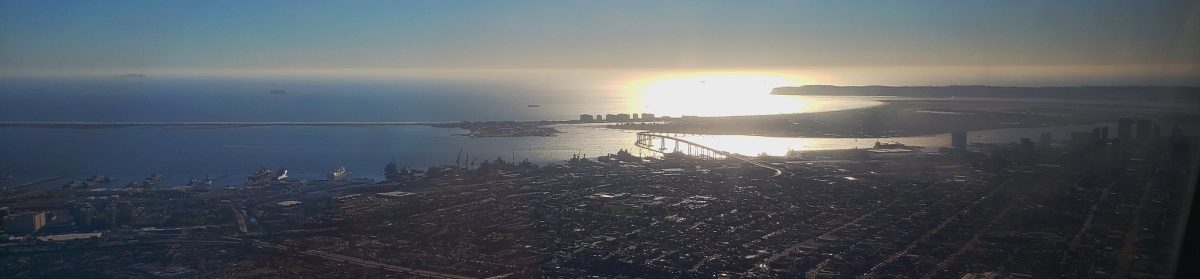
It also reflects San Diego’s longstanding identity as a military hub. Facilities like the Naval Training Center helped shape generations of service members and contributed to the city’s deep ties to the Navy.
What Happened to the USS Recruit?
After decades of service, the USS Recruit was decommissioned and eventually dismantled in 1969. While the structure itself is gone, its legacy lives on as a fascinating chapter in naval history.
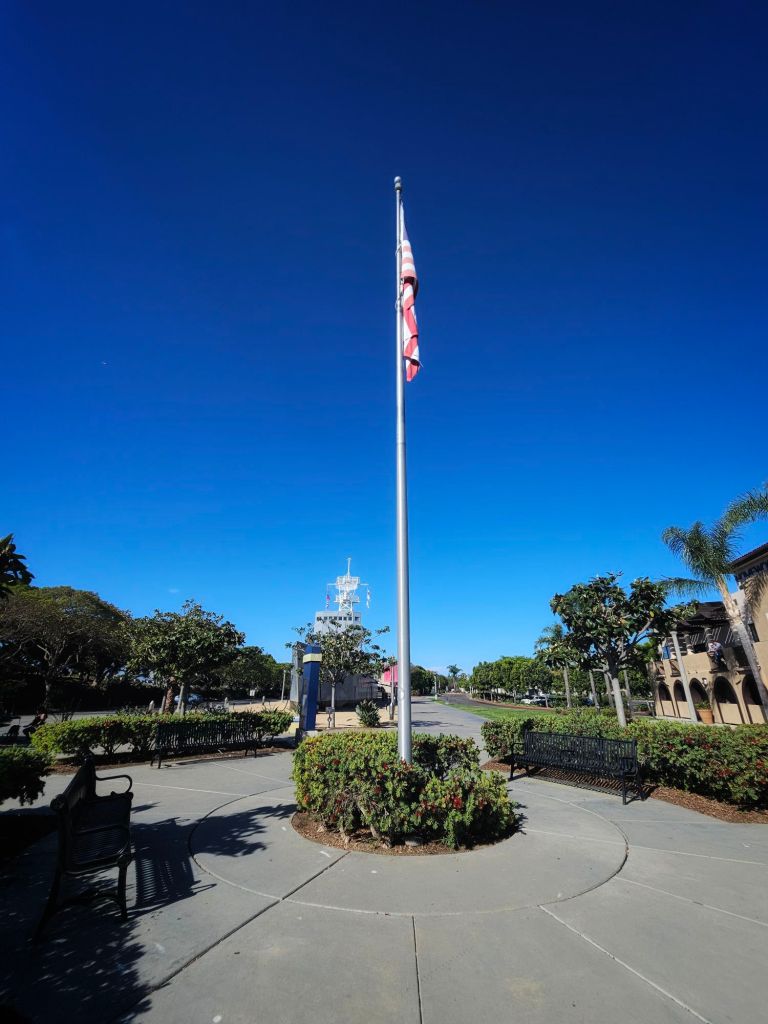
Today, the former Naval Training Center has been transformed into Liberty Station, a vibrant waterfront district filled with shops, parks, and cultural spaces. Few visitors realize that beneath the modern development once stood a “ship” that helped train thousands of sailors during one of the most pivotal times in history.
Why It Still Matters
The story of the USS Recruit is a reminder that not all important ships sail the seas. Some, like this landlocked training vessel, quietly shape history from the shore.
For photographers, history enthusiasts, and locals exploring San Diego, it’s a compelling example of how hidden stories can exist in familiar places—waiting to be rediscovered.