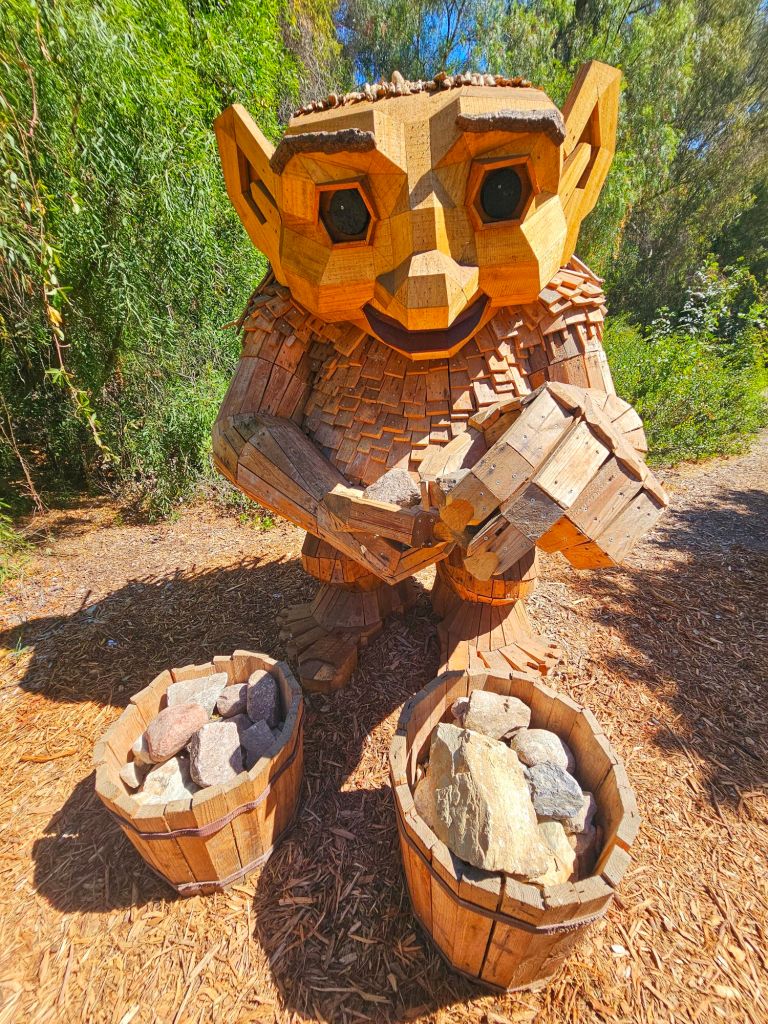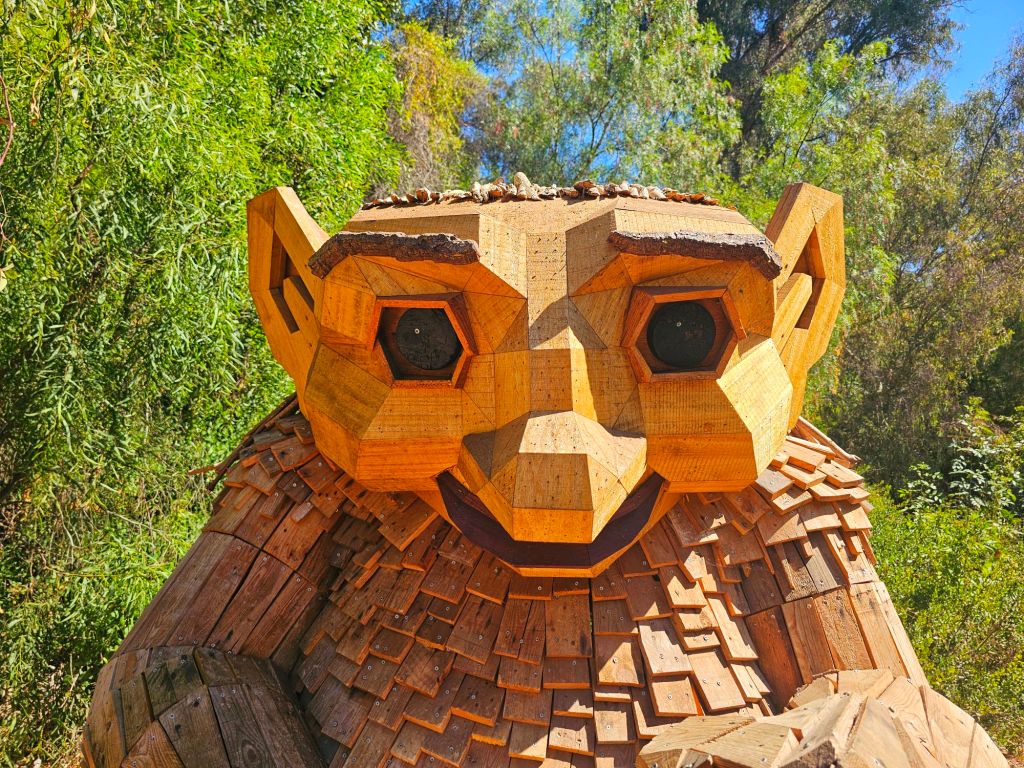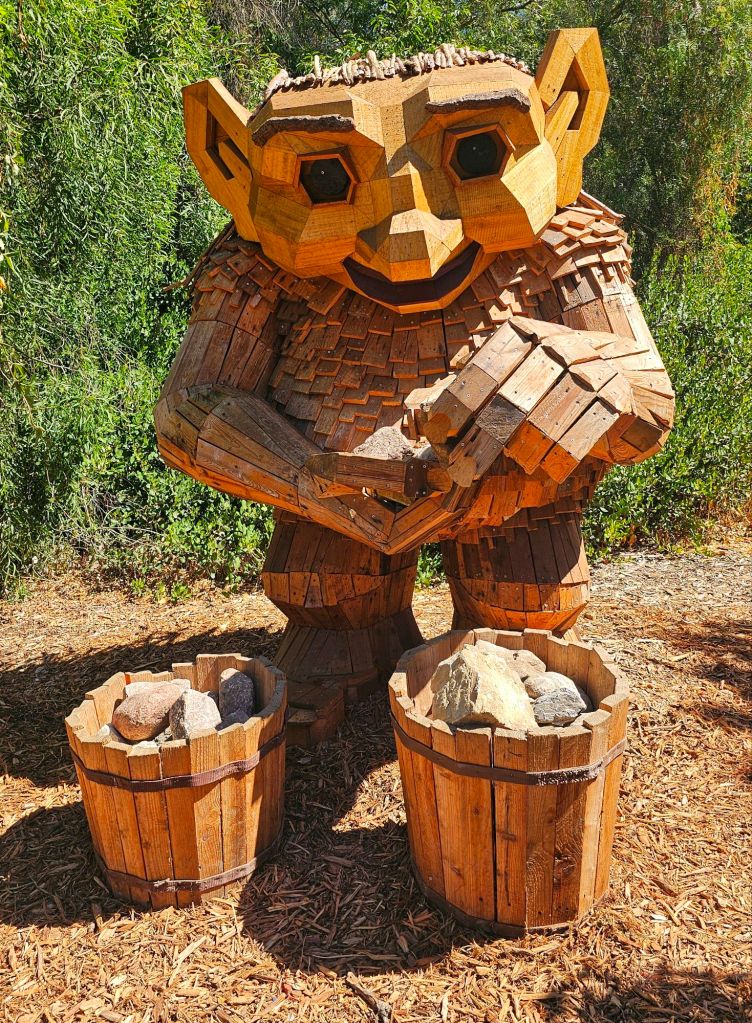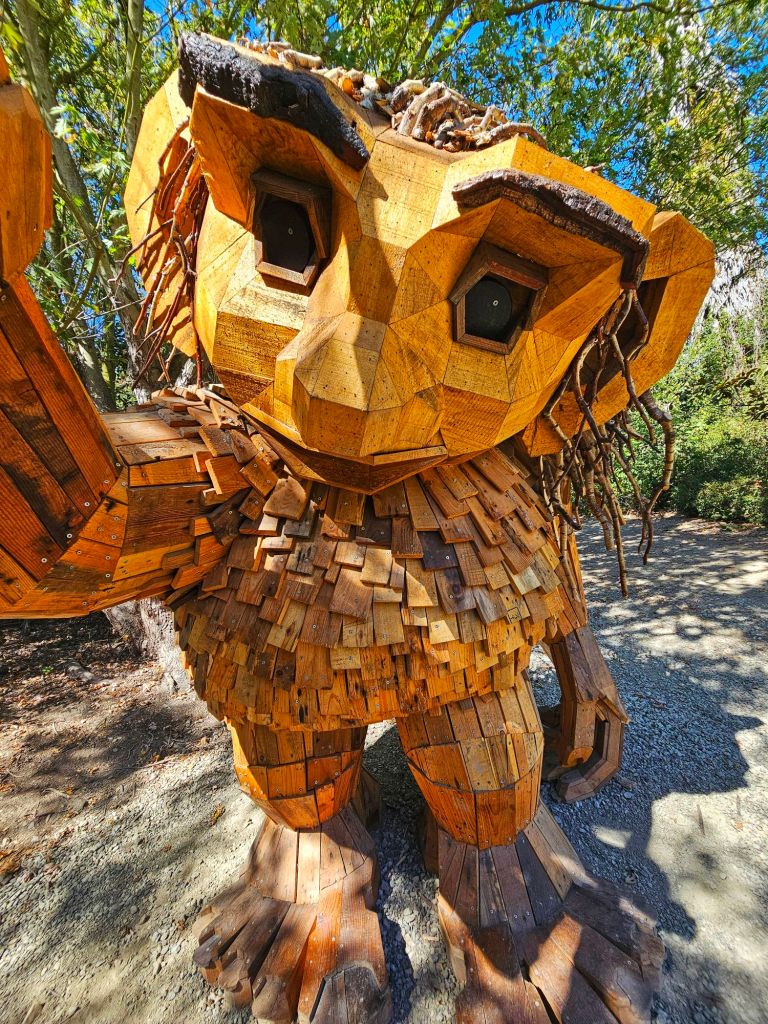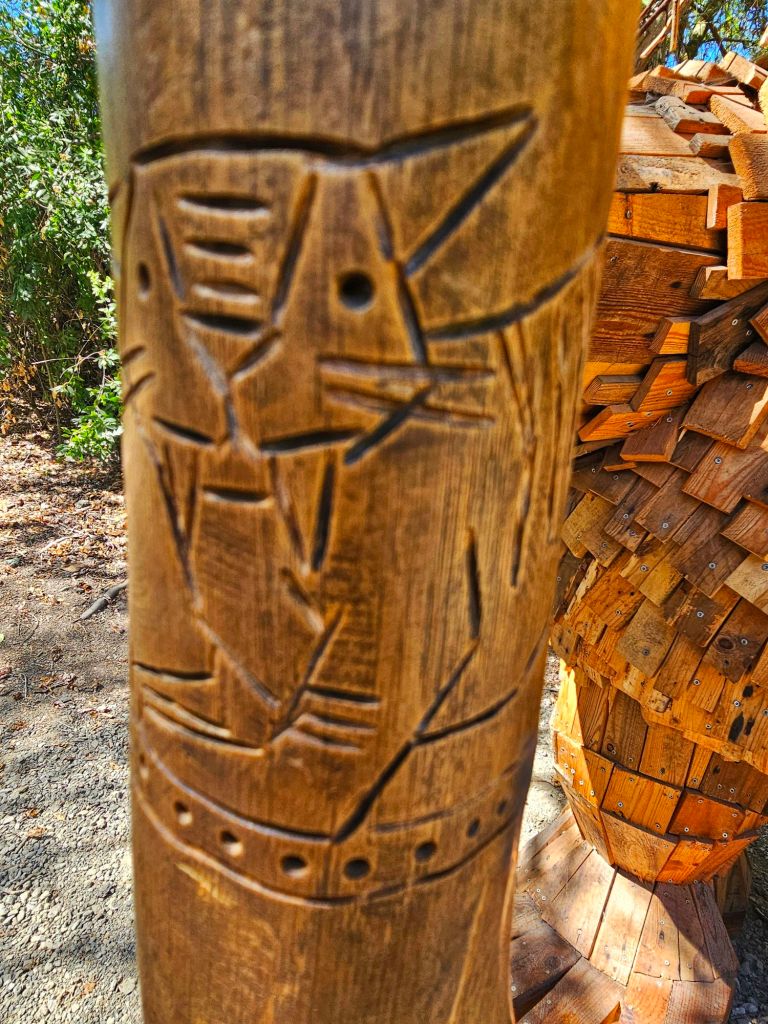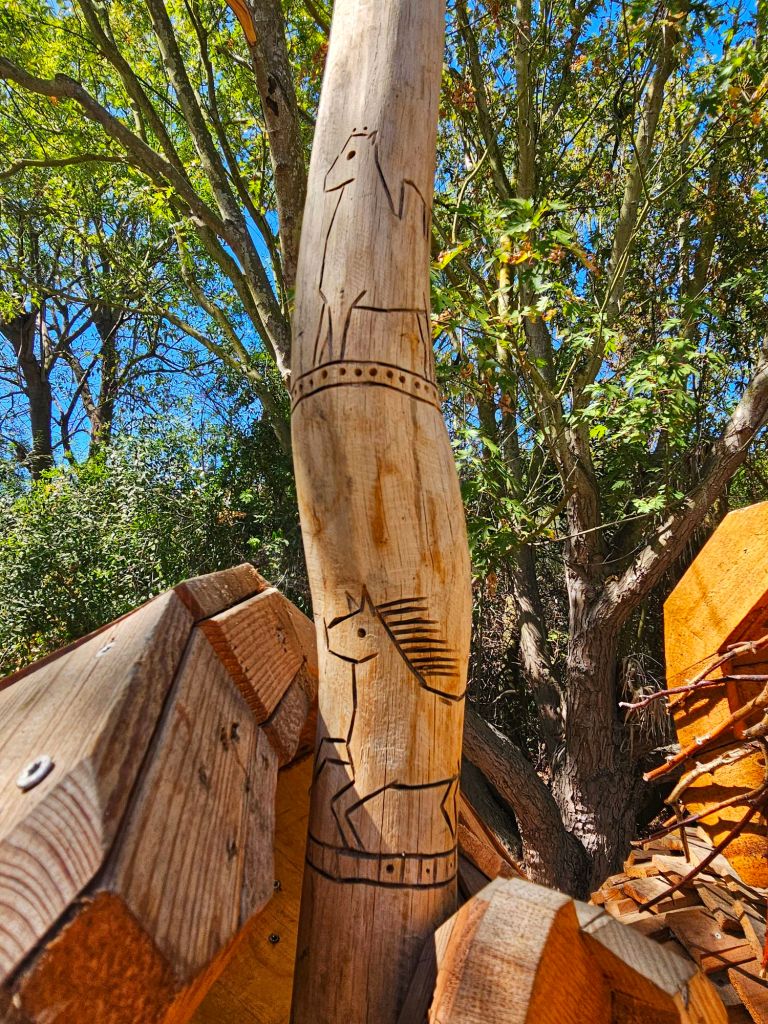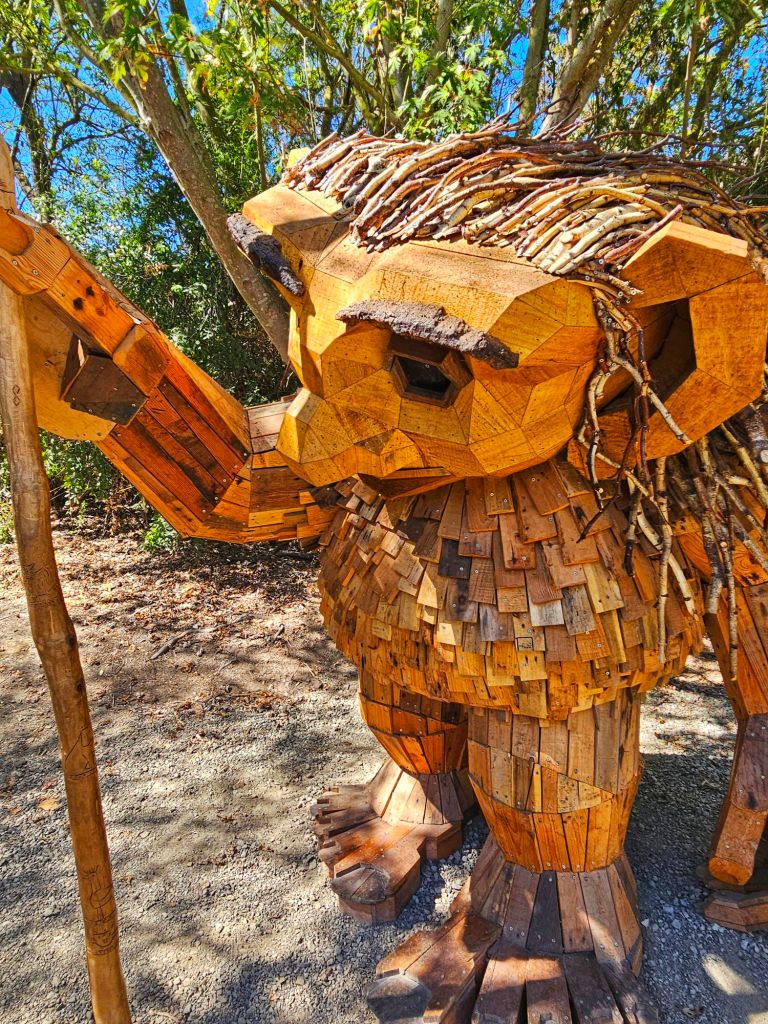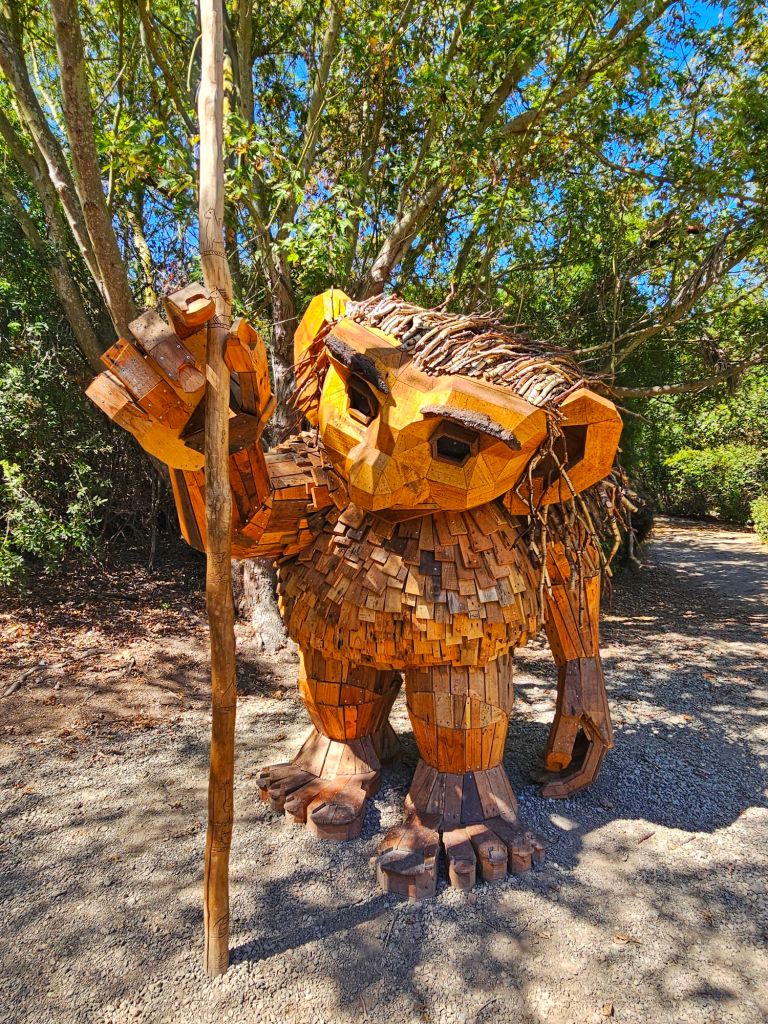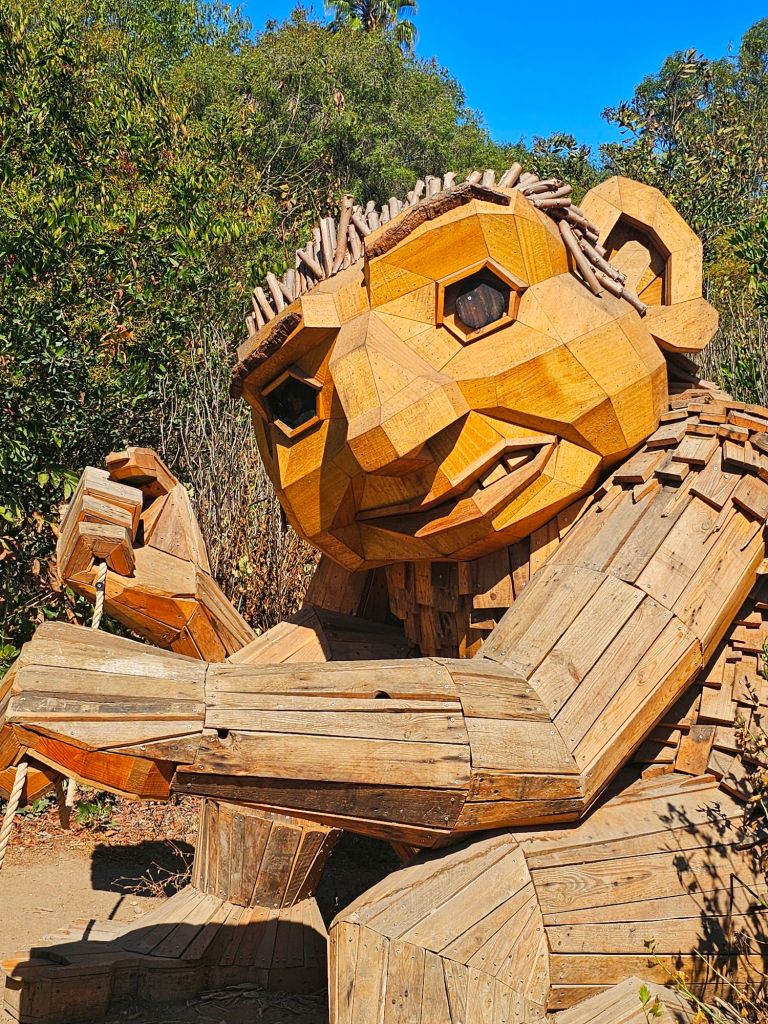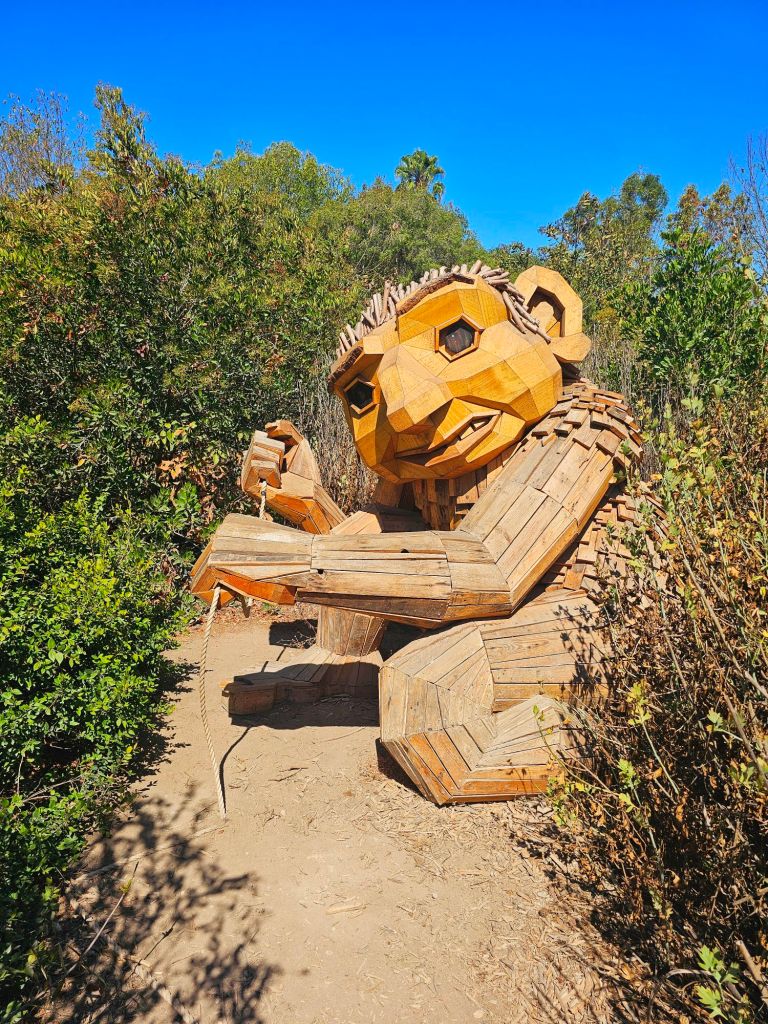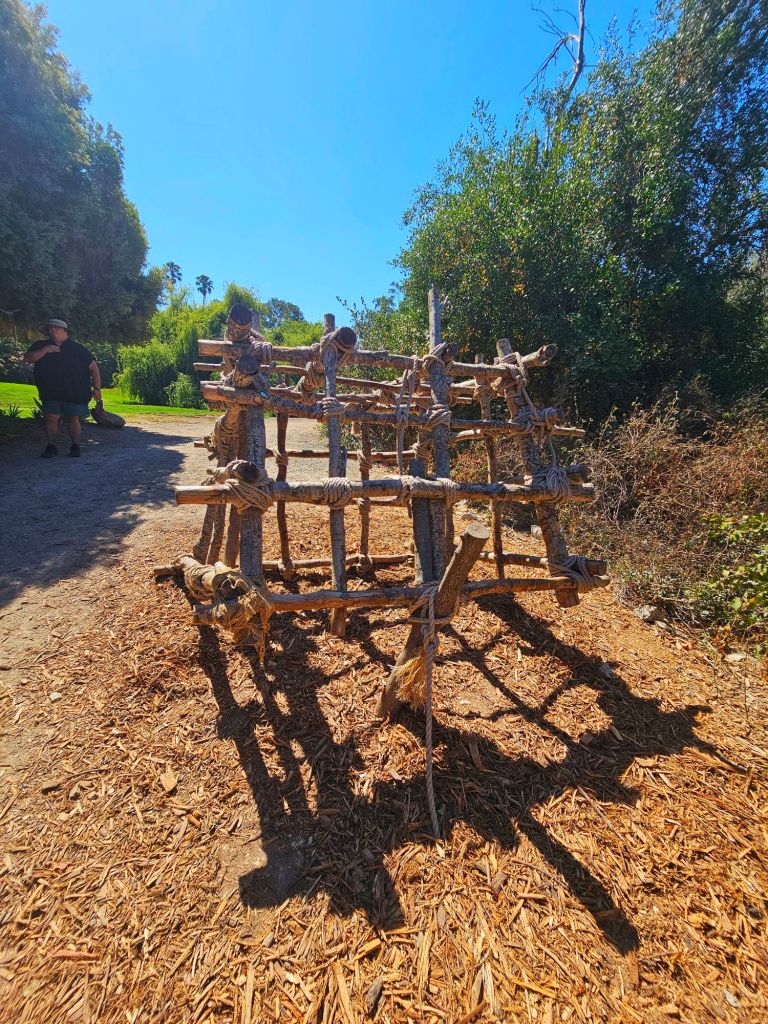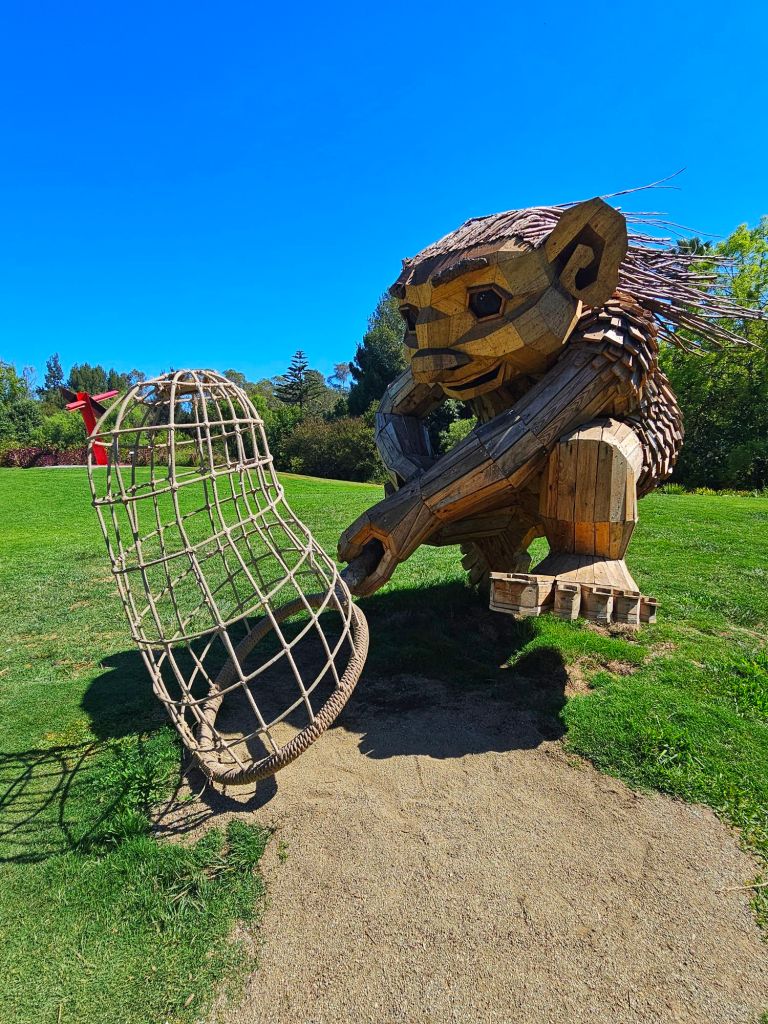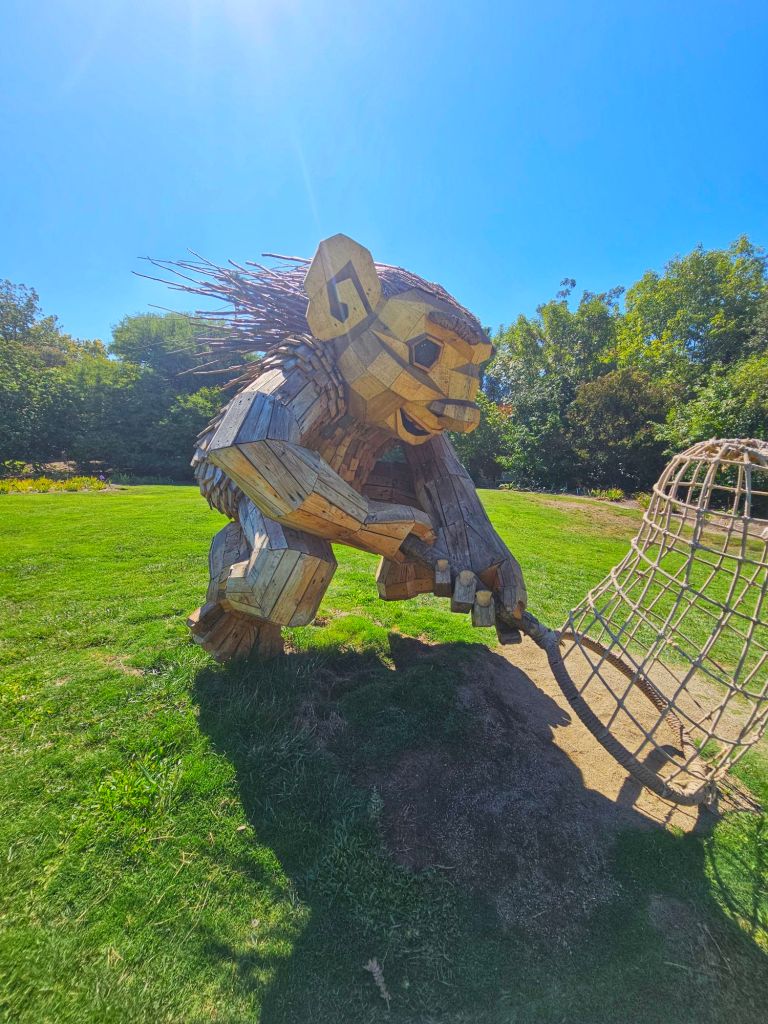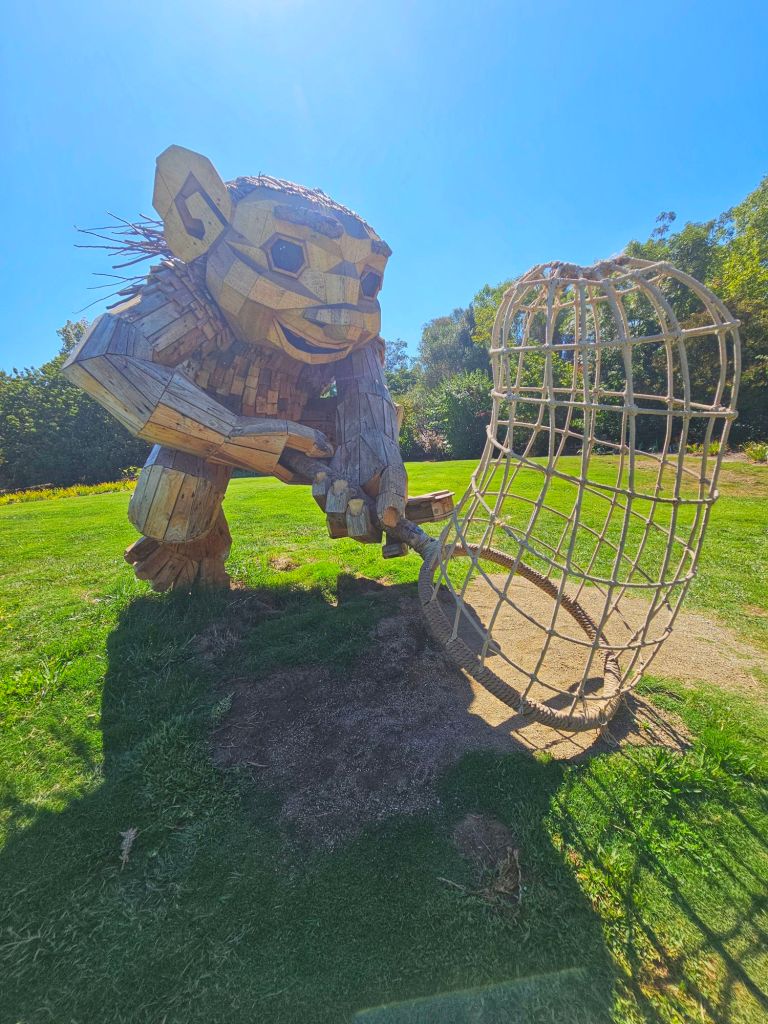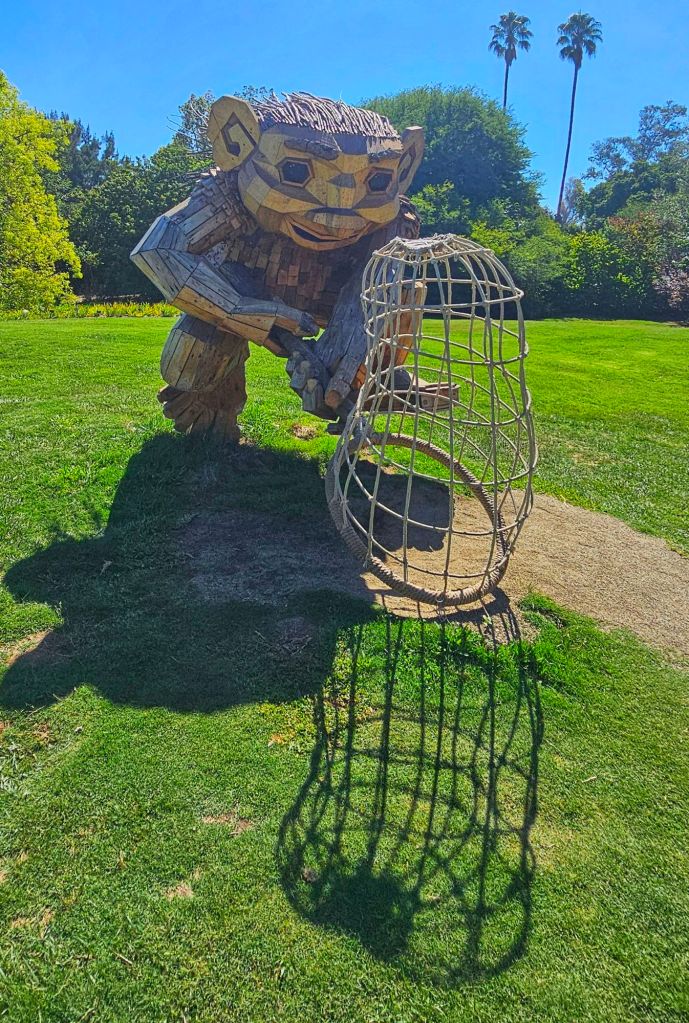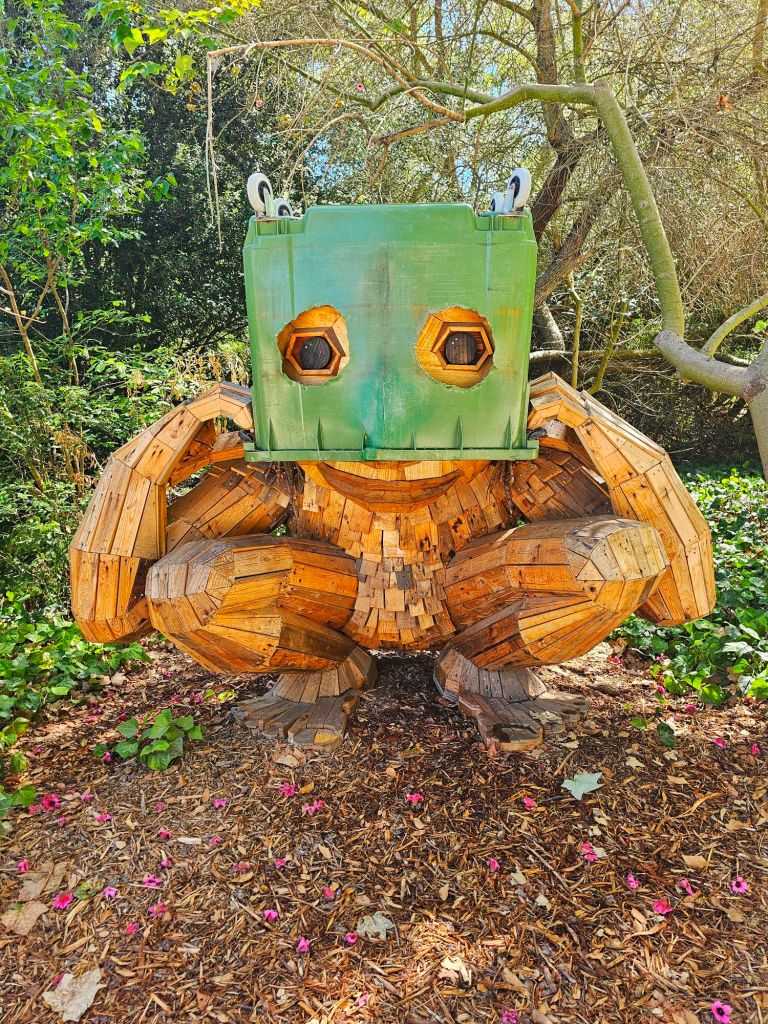
Trolls Take Over South Coast Botanic Garden

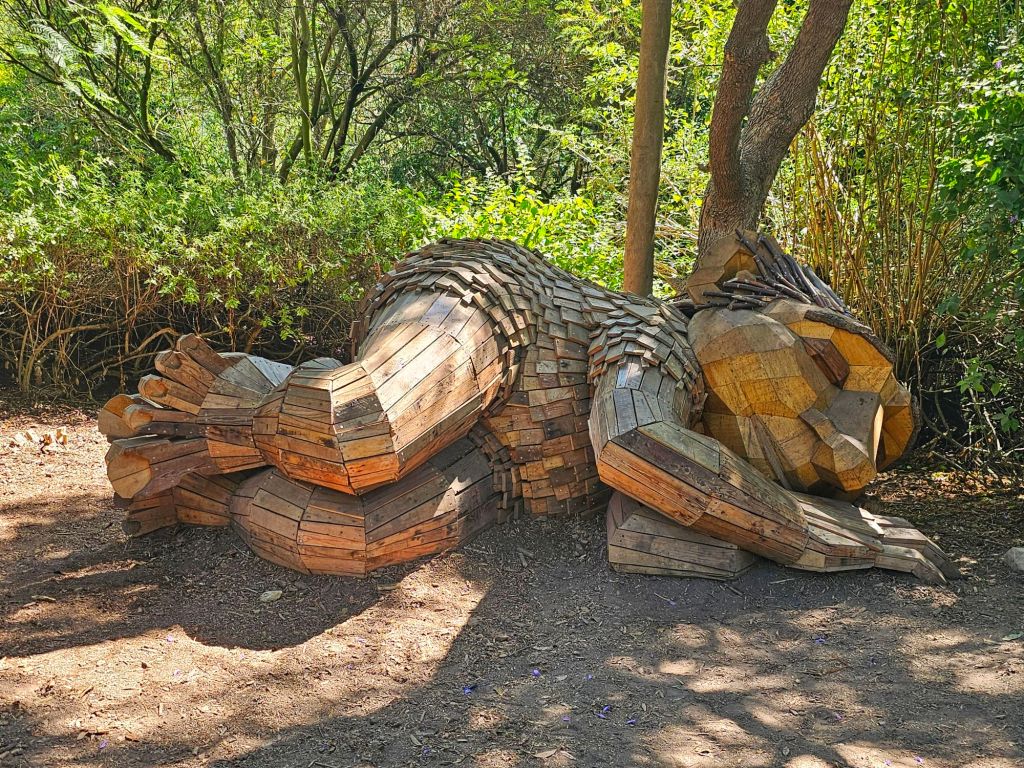
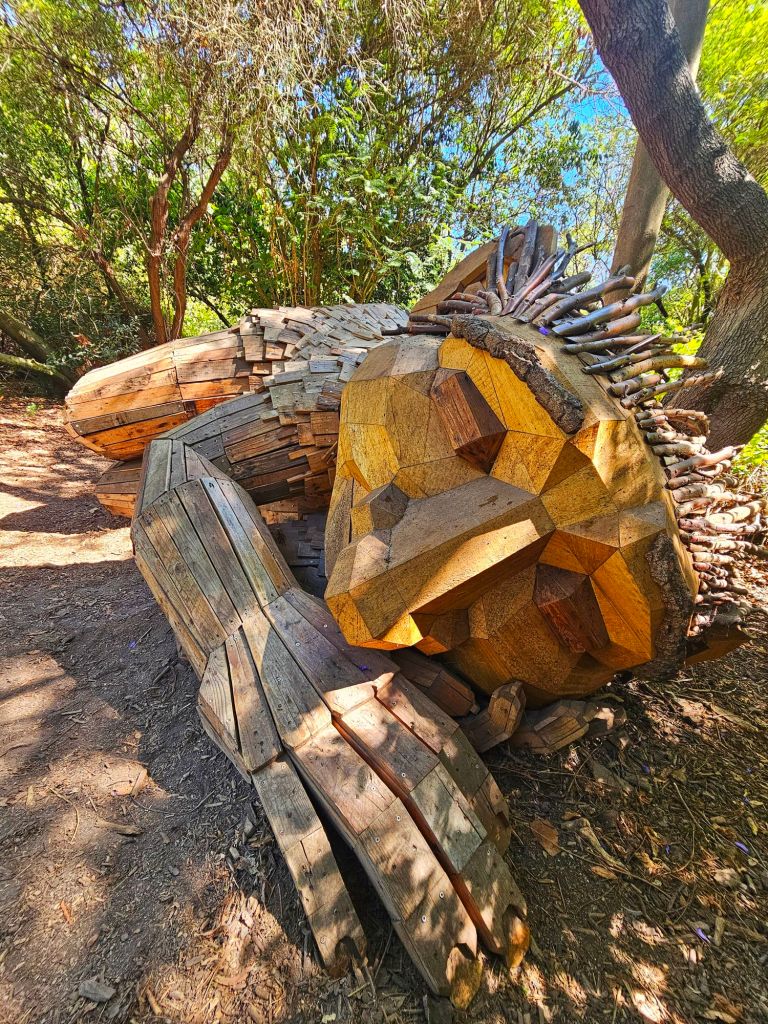
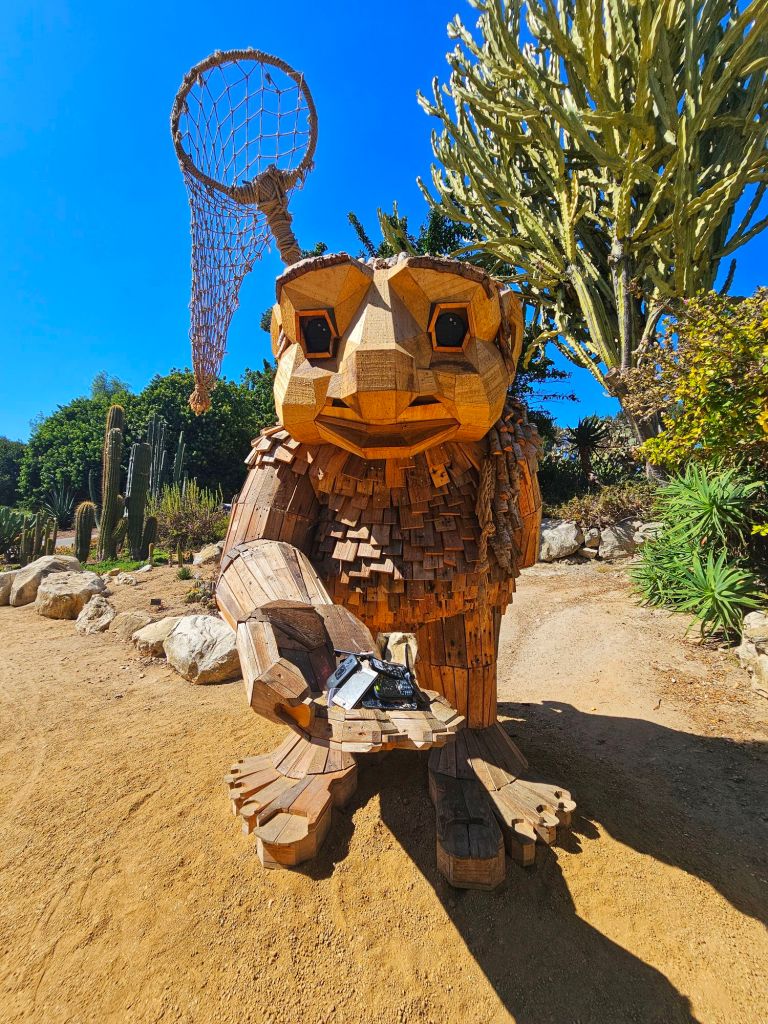
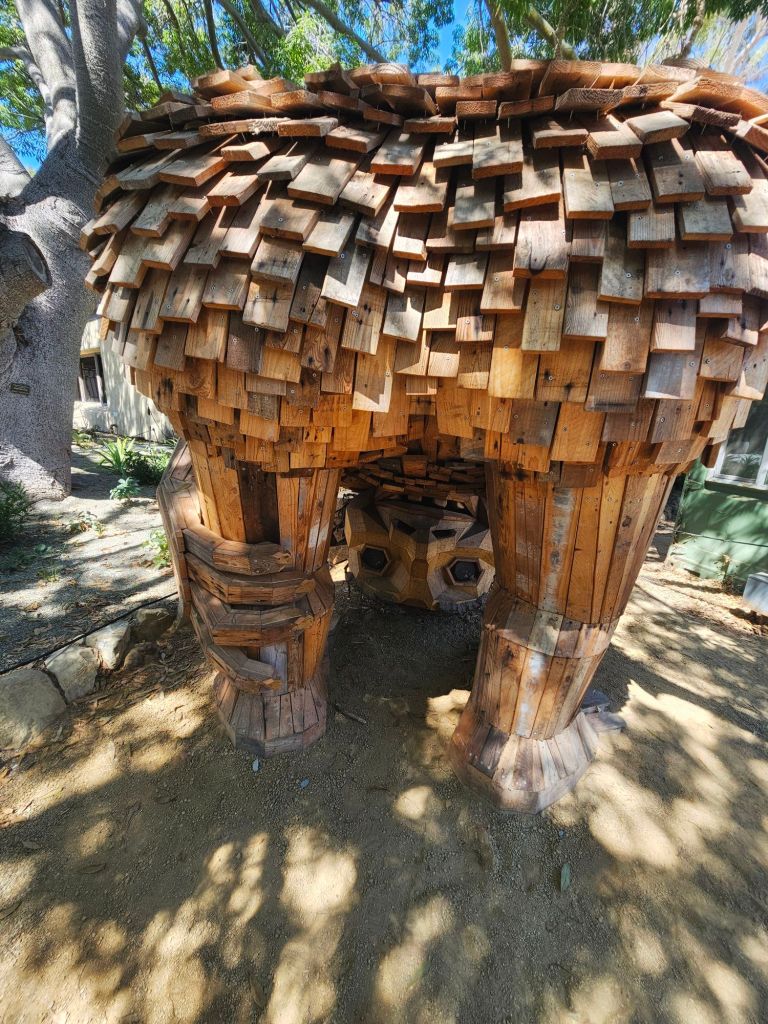
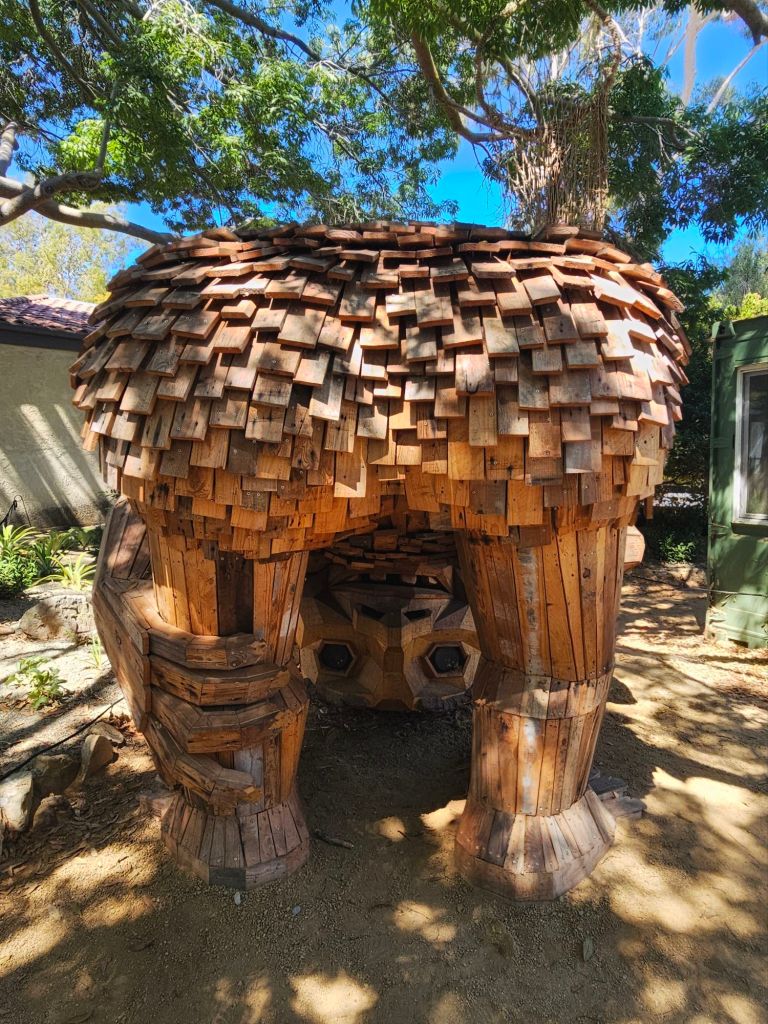
If you’re looking for something a little different to photograph in Southern California, there’s a giant surprise waiting among the plants at South Coast Botanic Garden in Palos Verdes. TROLLS: A Field Study is included with general admission to South Coast Botanic Garden. The 2026 exhibition began March 1 and continues through October 4, 2026.

The garden is located at:

South Coast Botanic Garden
26300 Crenshaw Boulevard
Palos Verdes Peninsula, California

The garden is currently open daily from 8 a.m. to 5 p.m., with the last entrance at 4:30 p.m.

General admission is currently $18 for members and $21 for the general public according to the garden’s current information.

Meet the Trolls

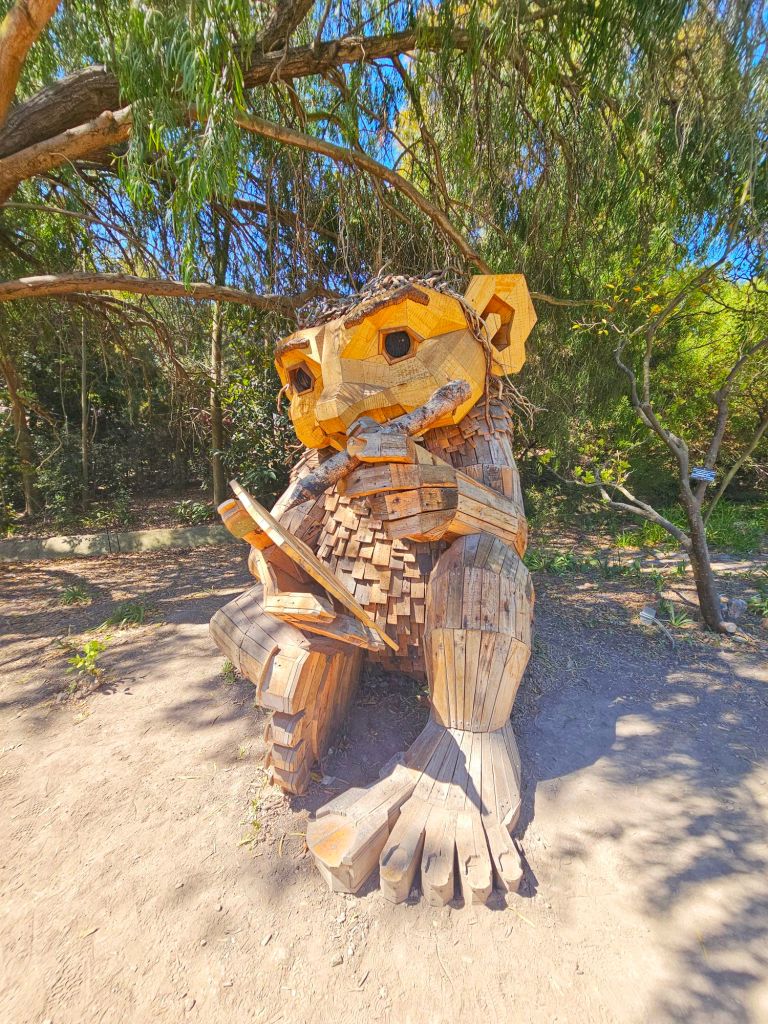
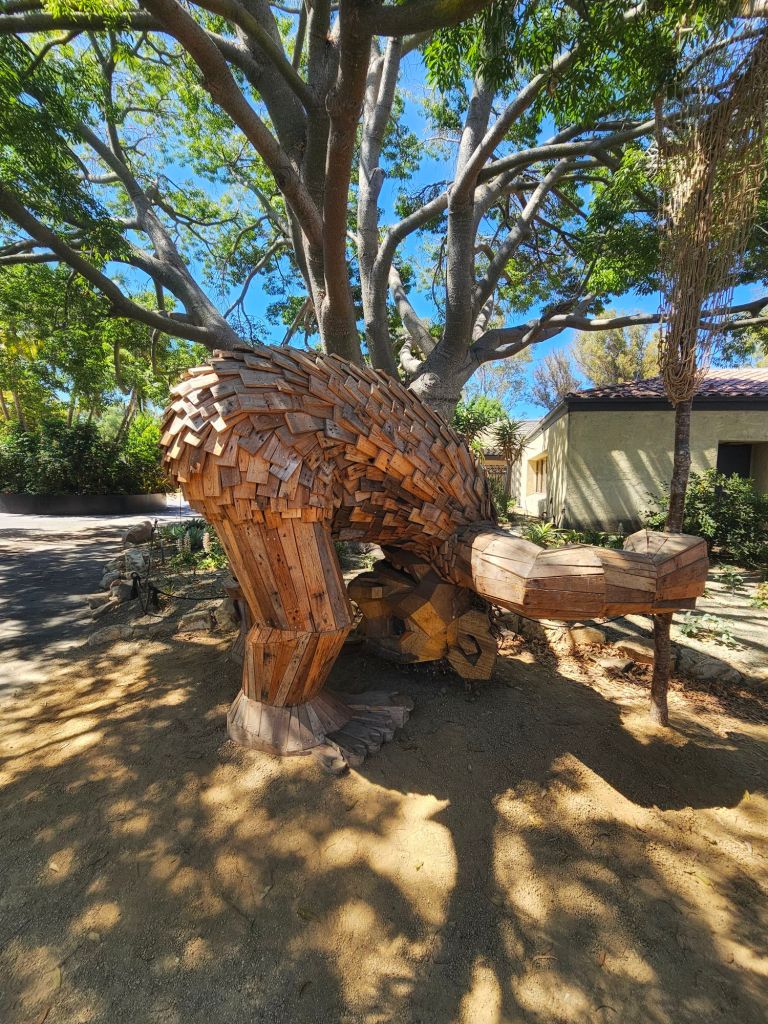
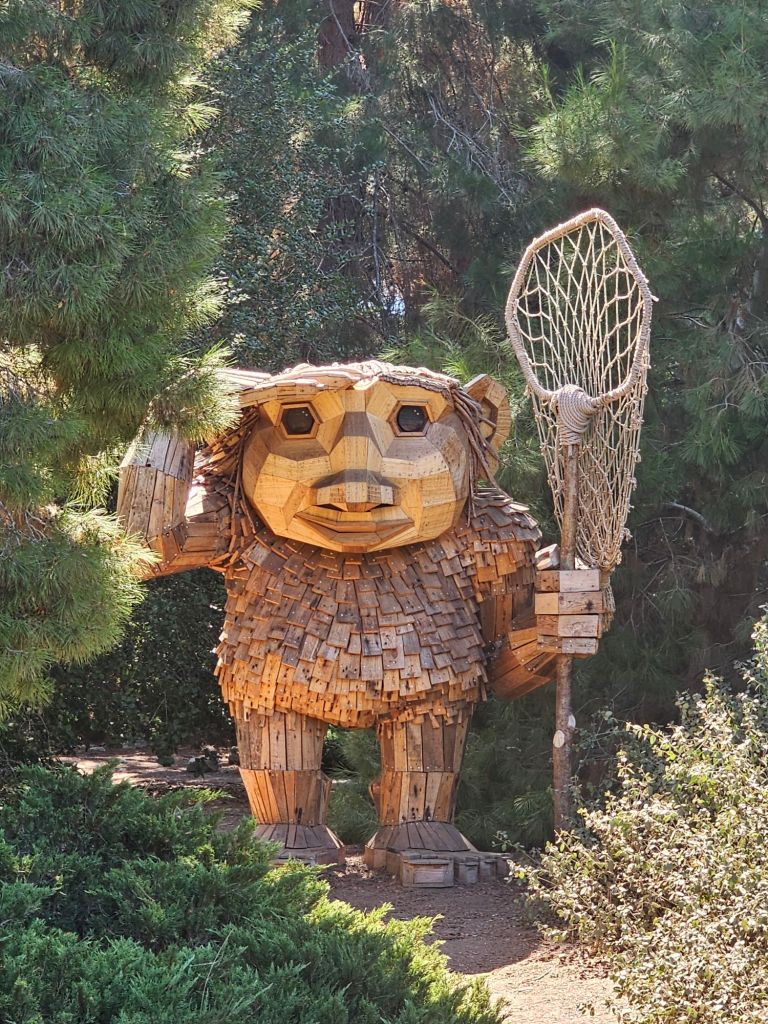
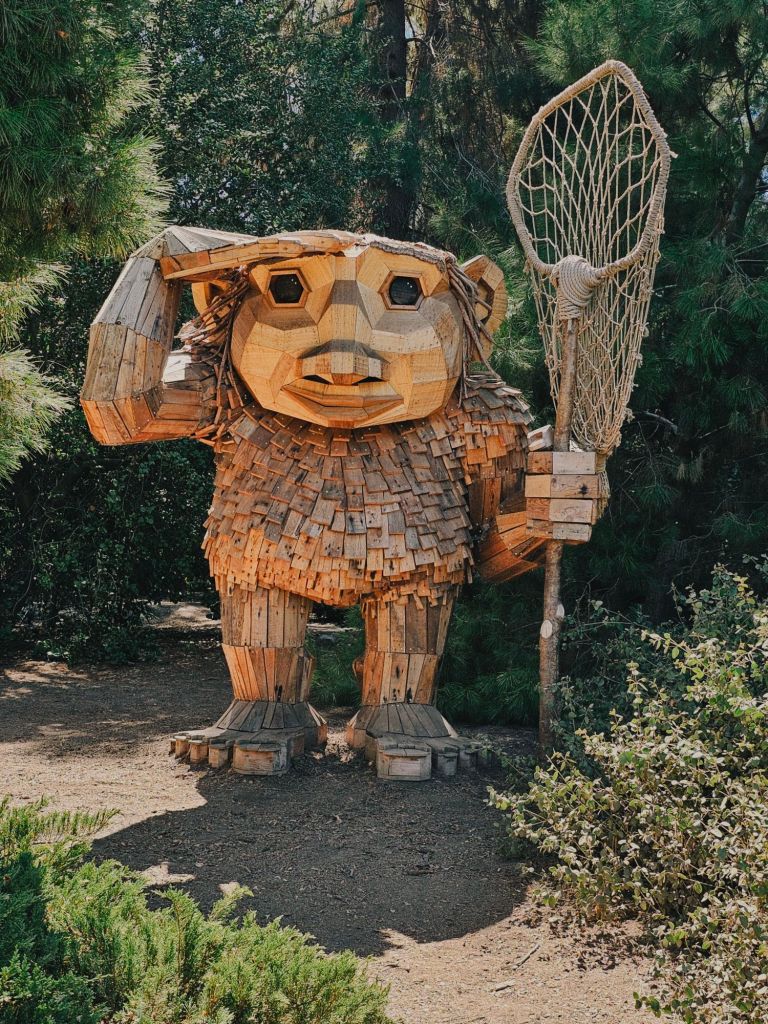
The trolls are the work of Danish environmental artist Thomas Dambo, who is internationally known for creating enormous sculptures from reclaimed and recycled materials.

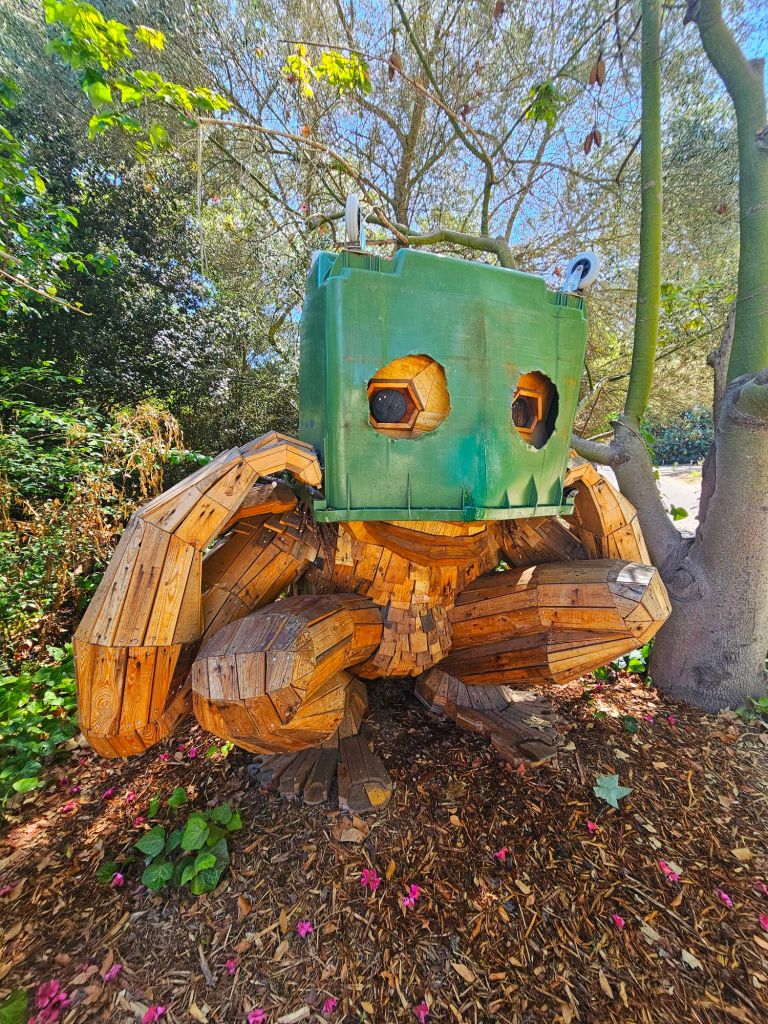
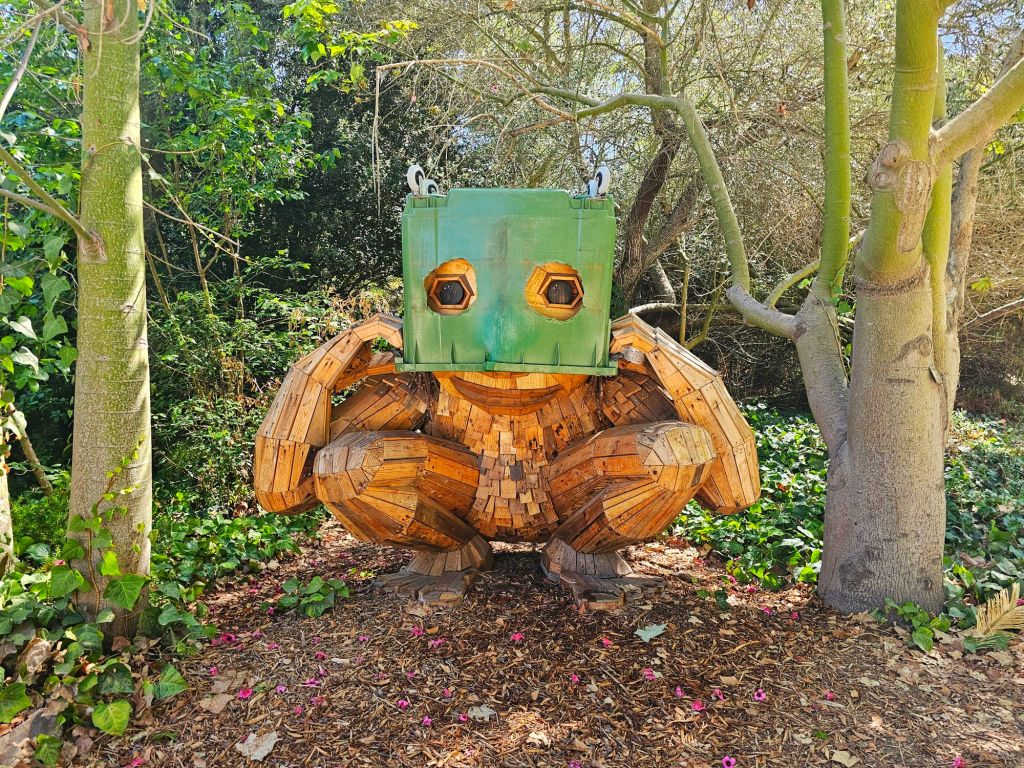
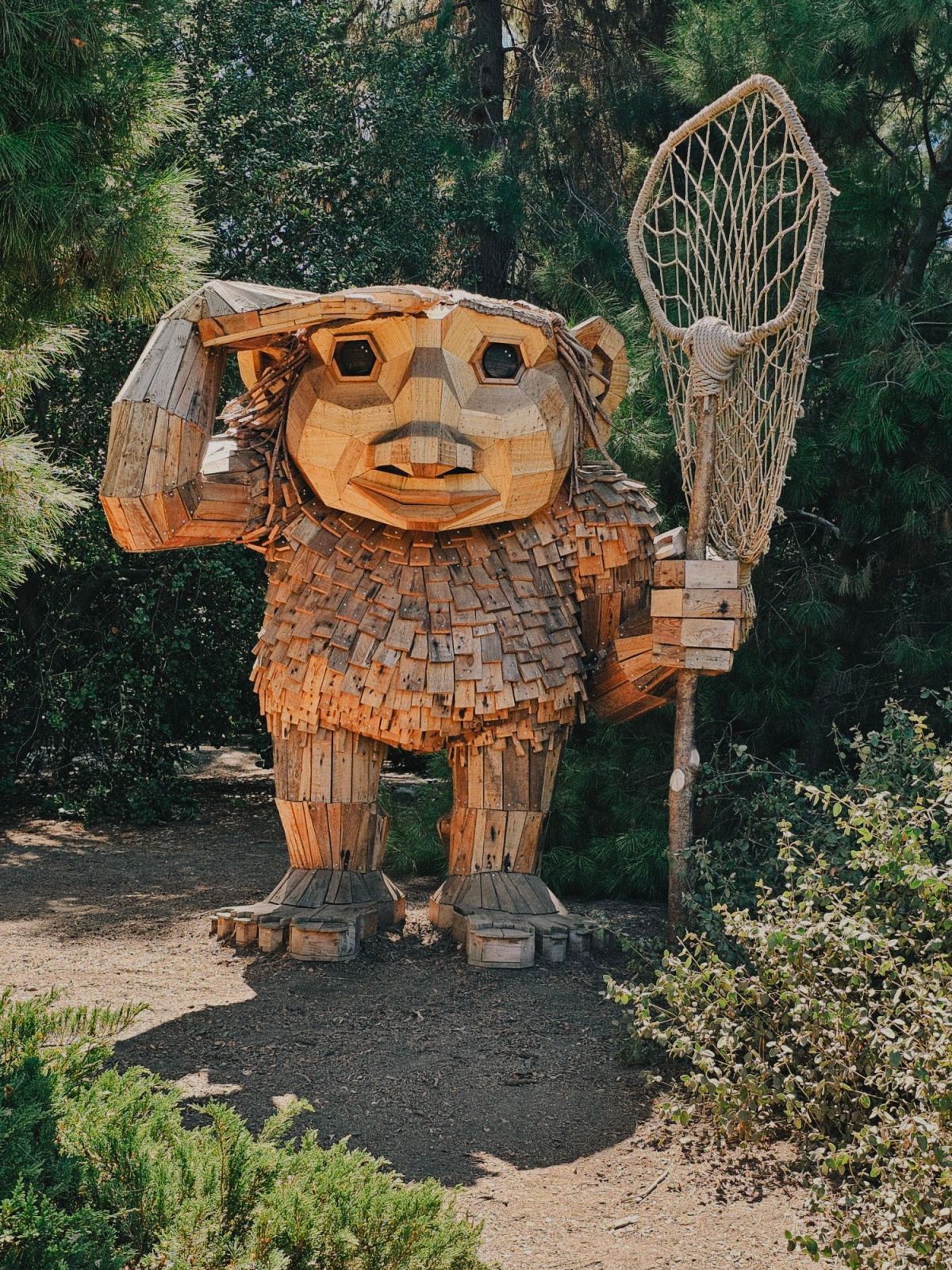
For A Field Study, the 12 sculptures are presented as a group of curious giants who have come to study humans.

Instead of simply being sculptures placed on display, the trolls become part of the landscape. Their enormous size makes the surrounding trees, plants and pathways feel almost like part of a storybook.

The sculptures are made entirely from reclaimed wood, giving each troll its own character and appearance.
Exploring the Garden

What I enjoyed about the exhibit is that you don’t simply walk into a gallery and see all 12 trolls at once.

You have to explore.

The South Coast Botanic Garden covers 87 acres, so the troll sculptures are spread throughout the property. As you walk along the paths, you begin wondering where the next one will appear.

That makes the exhibit especially fun for photography.

One moment you’re photographing flowers or trees, and the next you come around a corner and discover a giant face looking back at you.

The scale of the sculptures also creates some interesting photographic opportunities. Standing near one of the trolls can make you appreciate just how enormous these creations are.

Planning Your Visit

TROLLS: A Field Study is included with general admission to South Coast Botanic Garden. The 2026 exhibition began March 1 and continues through October 4, 2026.

The garden is located at:

South Coast Botanic Garden
26300 Crenshaw Boulevard
Palos Verdes Peninsula, California

The garden is currently open daily from 8 a.m. to 5 p.m., with the last entrance at 4:30 p.m.

General admission is currently $18 for members and $21 for the general public according to the garden’s current information.
Konoids is a public art installation by sculptor Kenneth Capps located at Bayside Park (often referred to as Chula Vista Bayfront Park) in Chula Vista, California.

Installed in 1985 as one of the Port of San Diego’s first public art pieces, the work consists of three distorted, welded steel forms that resemble inverted cones.

Key Features of “Konoids”Artistic Intent: The three forms are designed to have a “dialogue” with one another, framing expansive views of the San Diego Bay toward Point Loma.Material: The sculptures are made of painted steel alloy.Location: You can find them on the grass near the walking paths overlooking the yacht harbor

@socal_exposure

Konoids is a public art installation by sculptor Kenneth Capps located at Bayside Park (often referred to as Chula Vista Bayfront Park) in Chula Vista, California. Installed in 1985 as one of the Port of San Diego’s first public art pieces, the work consists of three distorted, welded steel forms that resemble inverted cones. Key Features of “Konoids”Artistic Intent: The three forms are designed to have a “dialogue” with one another, framing expansive views of the San Diego Bay toward Point Loma.Material: The sculptures are made of painted steel alloy.Location: You can find them on the grass near the walking paths overlooking the yacht harbor #art #sandiego #chulavista #sculpture #artwork

♬ sidewalks and skeletons goth – Trendformusic

Desert View Tower: A Quirky Gem in the California Desert

Boulder Park: Folk Art Meets Desert Rock
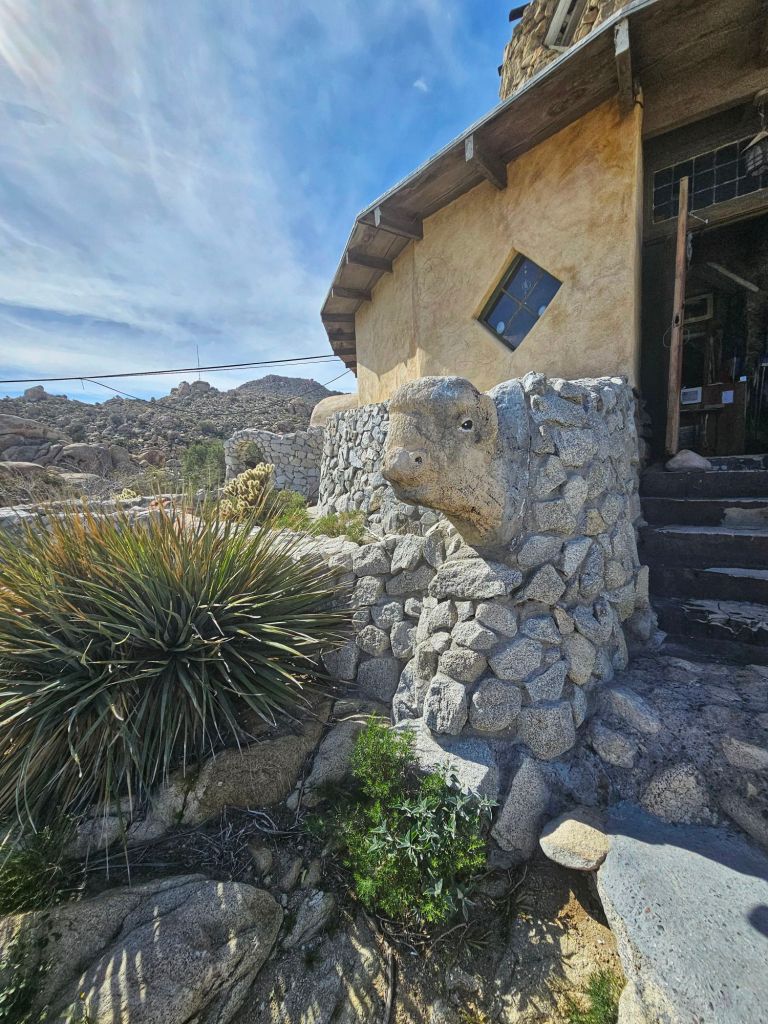
Just beside the tower lies the unforgettable Boulder Park — a surreal sculpture garden carved directly into massive quartz-granite boulders. During the 1930s, an out-of-work engineer named Merle Ratcliff spent nearly two years chiseling whimsical shapes into the stones: lizards, skulls, animals, and mysterious figures emerge from the rock as if sprung from the desert itself. This folk art environment brings a playful and slightly surreal contrast to the stark landscape.

@socal_exposure

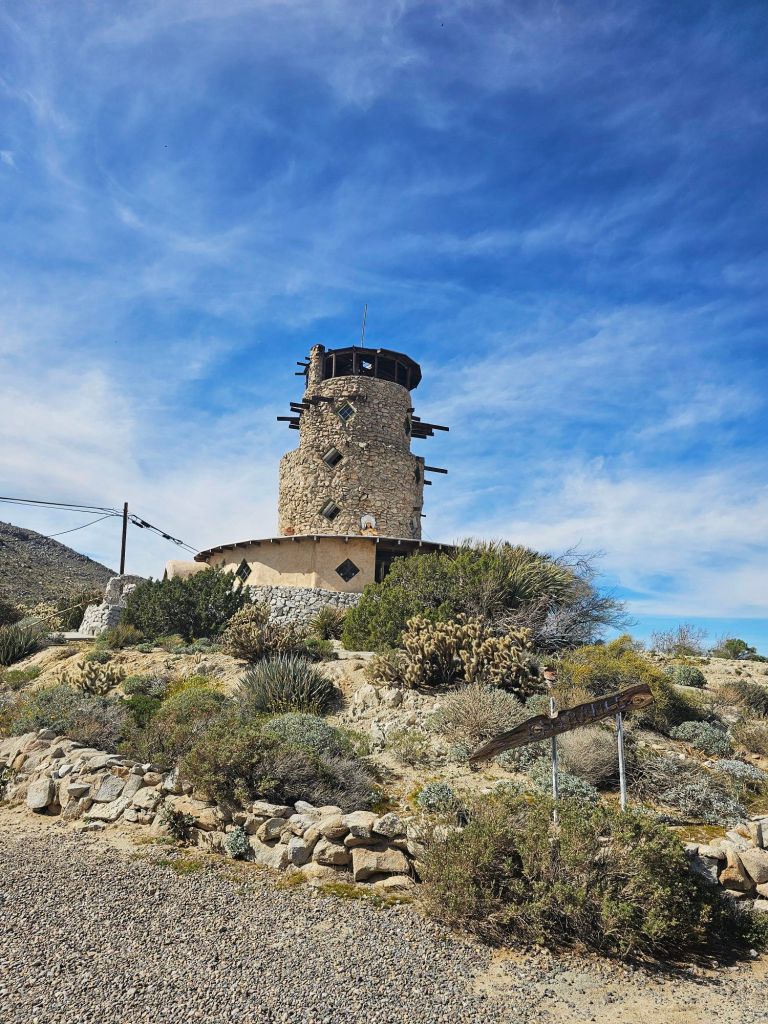
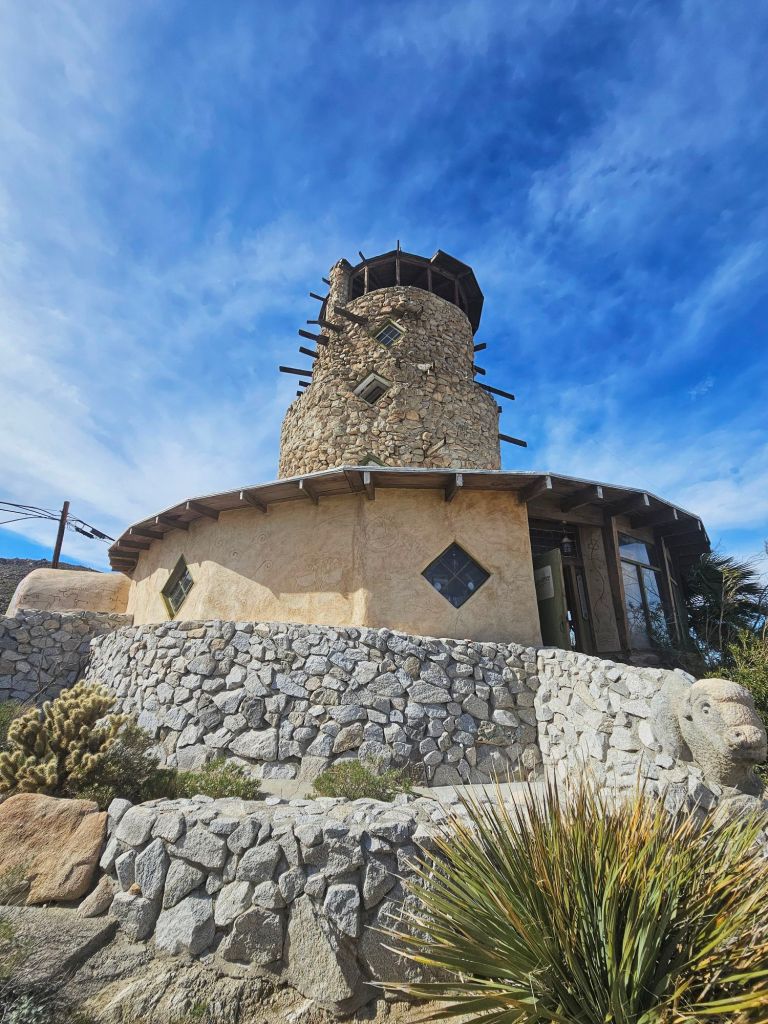
the Desert View Tower is a 5 story stone building built in the 1920s. Its less a mile from Interstate 8 in Ocotillo, Ca #view #desert #california #landscape #travel

♬ original sound – exploring_socal

Desert View Tower Open 7 Days a week from 8am to 6pm. To climb to the top of the tower or walk through boulder park will cost you $9.50

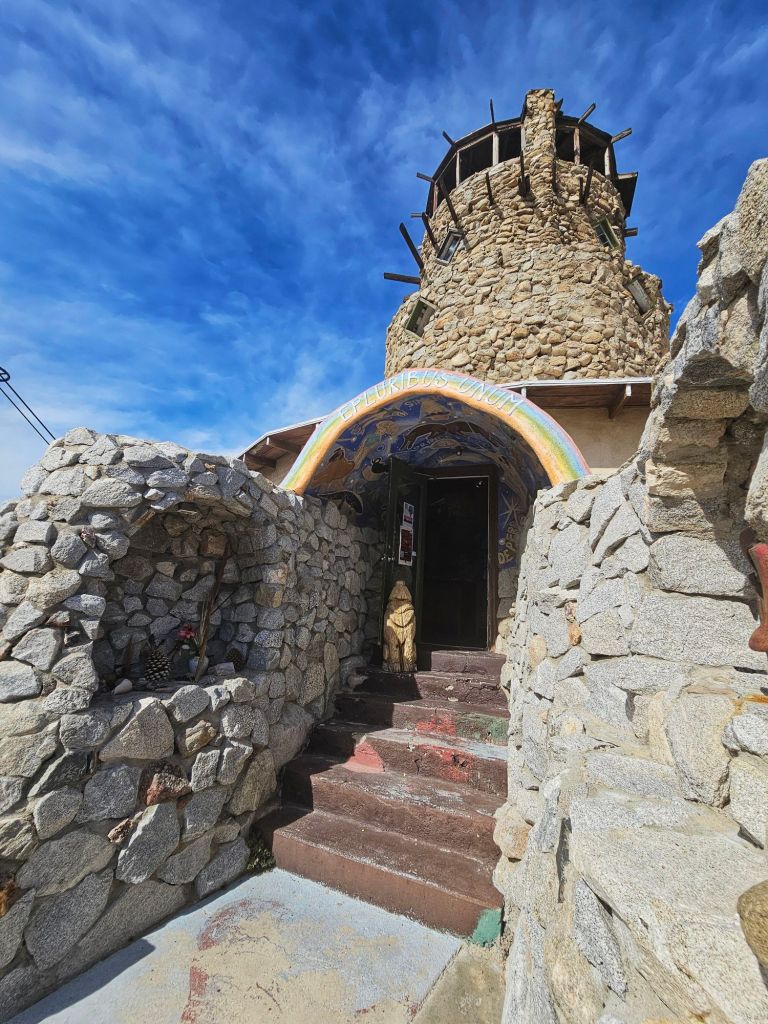
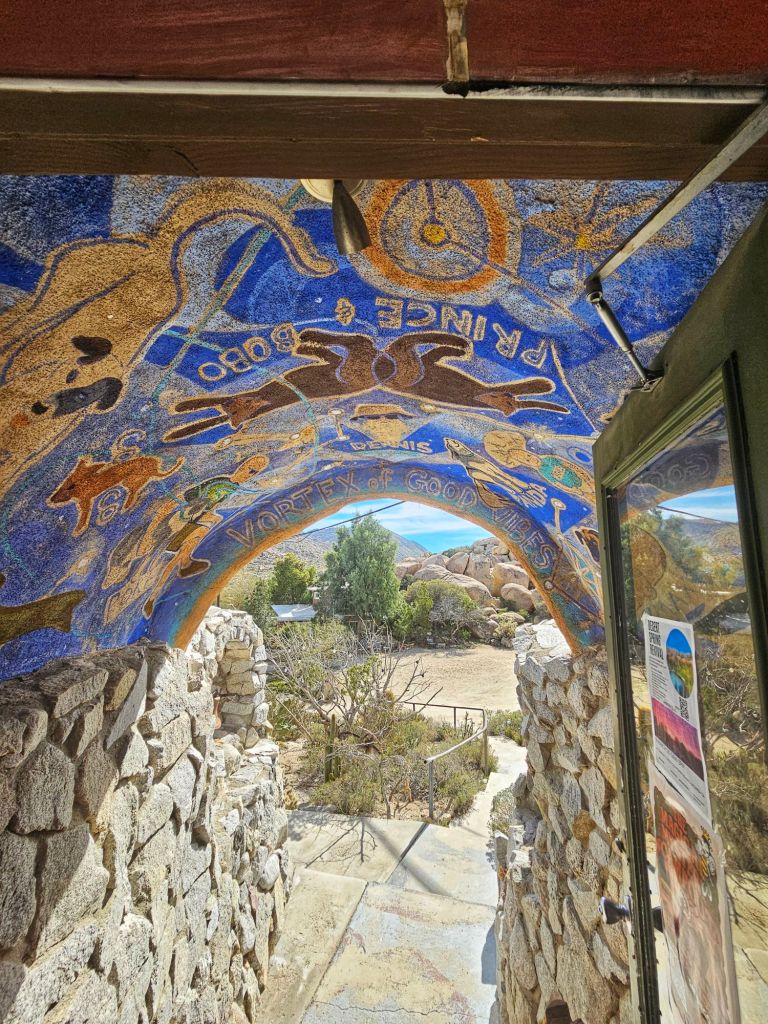
Tucked amid the rugged beauty of Southern California’s In-Ko-Pah Mountains, just off Interstate 8 near Jacumba Hot Springs, stands one of the most fascinating and offbeat roadside attractions in the American Southwest: the Desert View Tower. This striking stone structure has welcomed travelers for more than a century, offering sweeping desert views, folk-art charm, and a captivating slice of regional history. 

A Monument to Pioneers and Road Travelers

The Desert View Tower was built between 1922 and 1928 by San Diego entrepreneur Bert Vaughn, who wanted to honor the hardy pioneers, railroad builders, and early road crews who first pushed through this arid landscape. Perched at roughly 3,000 feet in elevation, it was originally a roadside beacon along Old U.S. Route 80 — guiding and inviting travelers as automobiles began to shape the American West.

Boulder Park: Folk Art Meets Desert Rock

Just beside the tower lies the unforgettable Boulder Park — a surreal sculpture garden carved directly into massive quartz-granite boulders. During the 1930s, an out-of-work engineer named Merle Ratcliff spent nearly two years chiseling whimsical shapes into the stones: lizards, skulls, animals, and mysterious figures emerge from the rock as if sprung from the desert itself. This folk art environment brings a playful and slightly surreal contrast to the stark landscape.

Discovering Galleta Meadows: An Outdoor Art Wonderland by Ricardo Breceda

If you’re looking for an unforgettable blend of art, nature, and imagination, Galleta Meadows in Borrego Springs, California is a place that deserves a spot on every adventurer’s bucket list. Nestled just outside Anza-Borrego Desert State Park, this sprawling open-air sculpture garden is unlike any traditional museum — and every visit feels like stumbling into a storybook come to life.

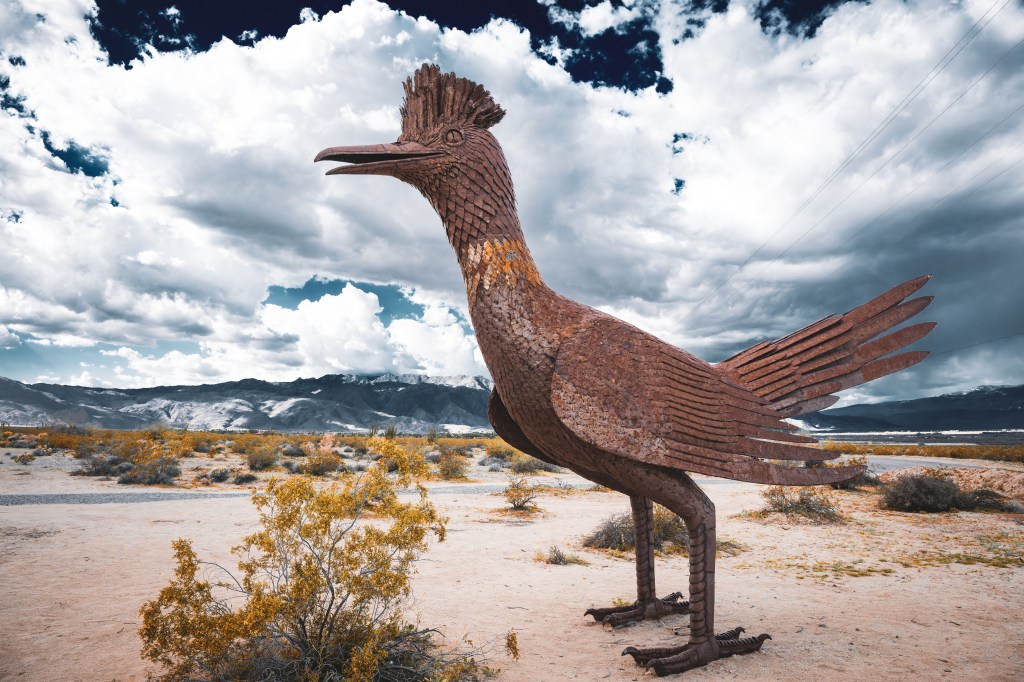
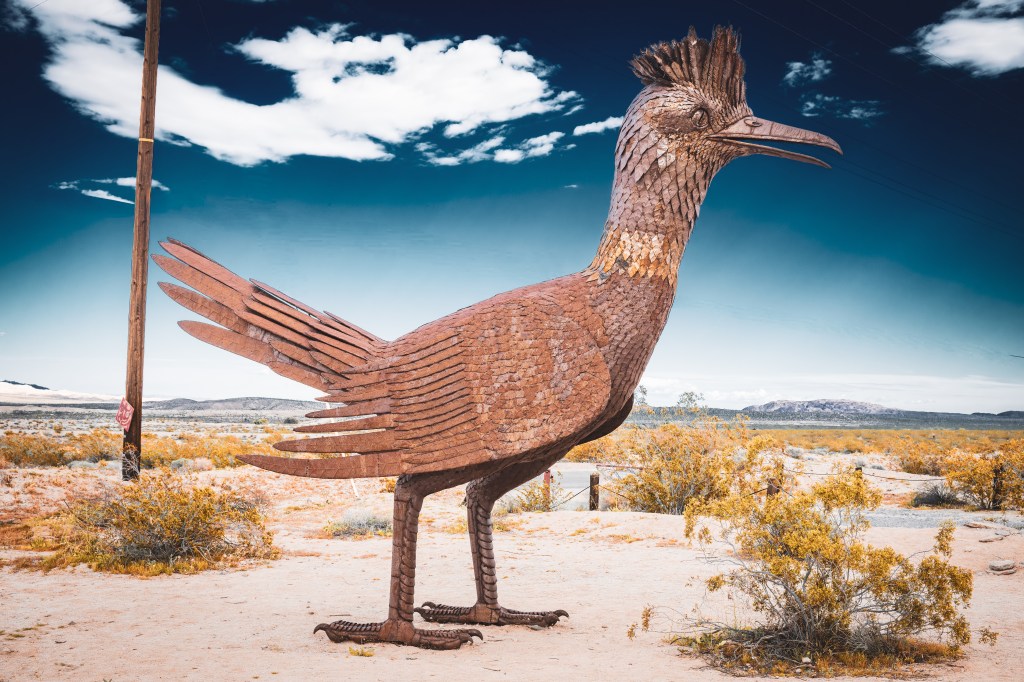
Galleta Meadows isn’t fenced off or hidden behind ticket booths. Instead, it’s a free-to-explore desert landscape dotted with more than 130 massive metal sculptures that seem to roam timelessly across the sandy terrain. From prehistoric beasts to wild horses and mythical serpents, these striking installations create a sweeping visual narrative that’s both whimsical and awe-inspiring. 

Each piece is welded from scrap metal and crafted with incredible attention to detail — whether it’s the curling lashes of an elephant or the textured scales of a dragon weaving through the earth.

The creative force behind Galleta Meadows is Ricardo Breceda, a self-taught sculptor whose journey from everyday jobs to art world acclaim is as compelling as his creations themselves. Born in Durango, Mexico, Breceda wasn’t a trained artist at all — he worked as a construction worker and cowboy boot salesman before a life-changing moment steered him in a new direction.

Philanthropist Dennis Avery discovered Breceda’s work and invited him to create sculptures for his Galleta Meadows Estate. The partnership transformed this once-quiet desert into one of the most captivating outdoor art installations in the United States. 

What You’ll See at Galleta Meadows

The sculptures are thoughtfully themed around three ideasfossil treasuresdesert nature and history, and flights of whimsical fantasy. As you wander or drive through the area, you’ll encounter: 

  • 🦕 Prehistoric creatures — From mammoths and saber-toothed cats to enormous dinosaurs. 
  • 🐎 Wildlife and desert scenes — Horses mid-gallop, tortoises creeping along, and bighorn sheep poised against the sky. 
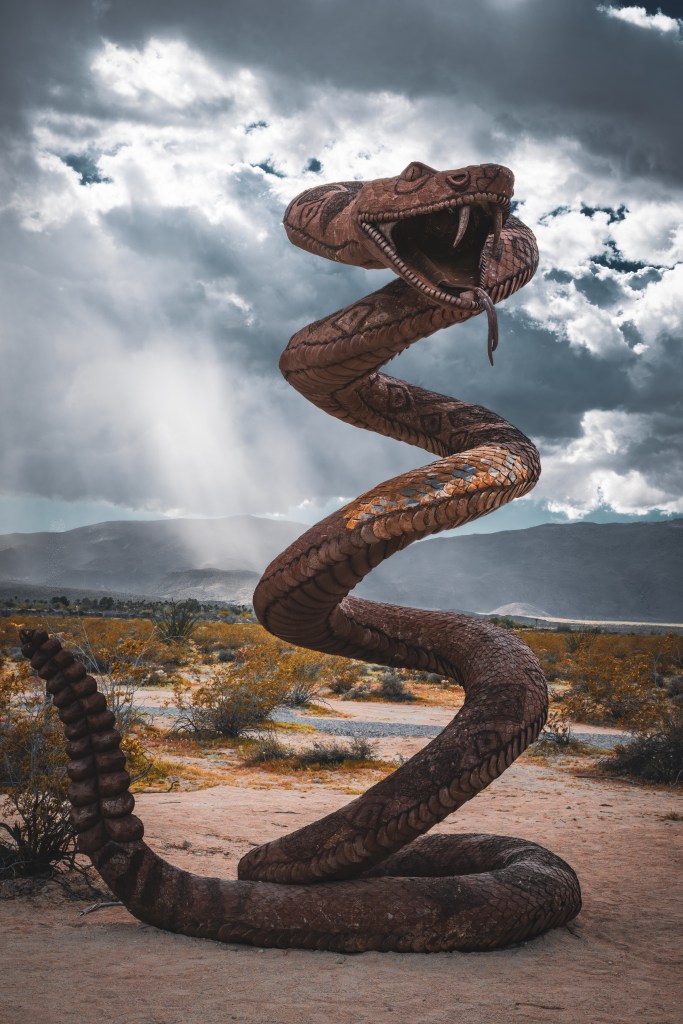
  • 🐉 The legendary serpent — A dramatic 350-foot-long creation that seems to slither right through the sand, its head and tail rising like an ancient desert titan. 
  • 👤 Historical figures — Human characters like miners, padres, and farm workers add narrative layers to the art experience. 

Every sculpture interacts with its environment — glowing fiery orange at sunset or silhouetted under a blanket of stars — giving photographers and storytellers endless inspiration.