Penelope: A Bronze Figure Waiting Along San Diego Bay

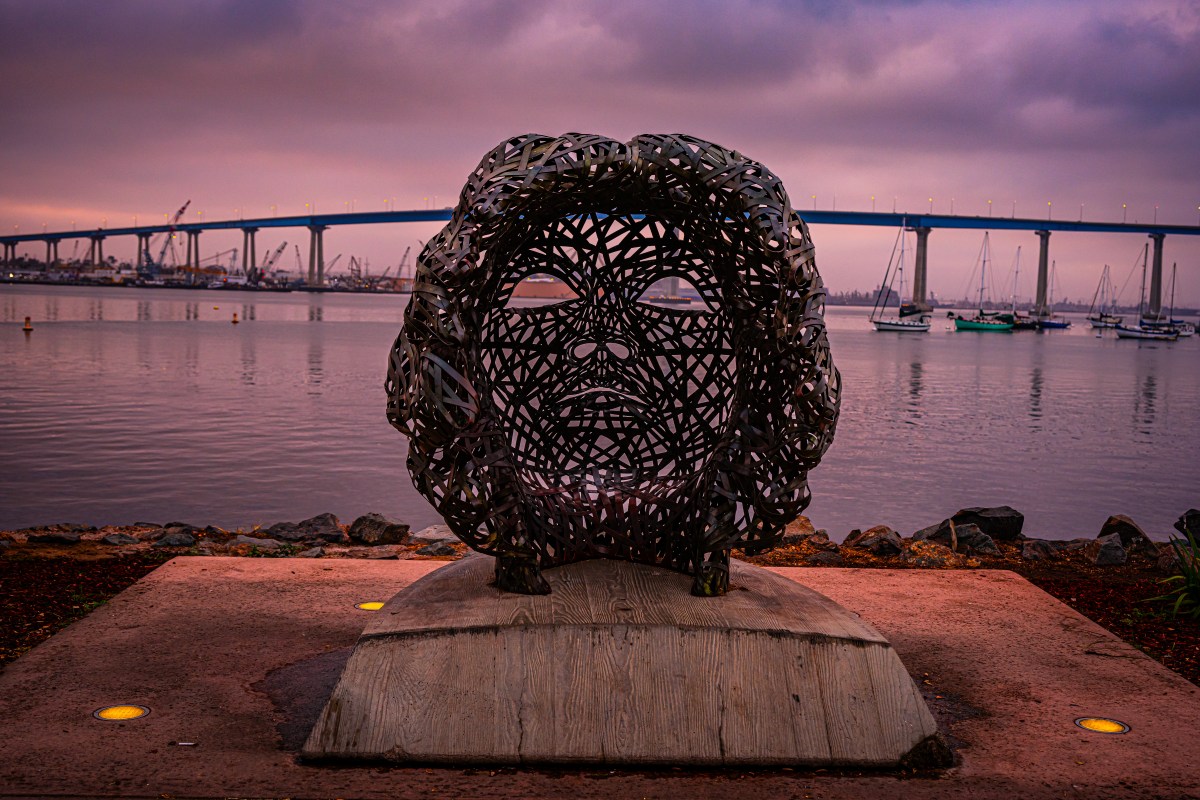
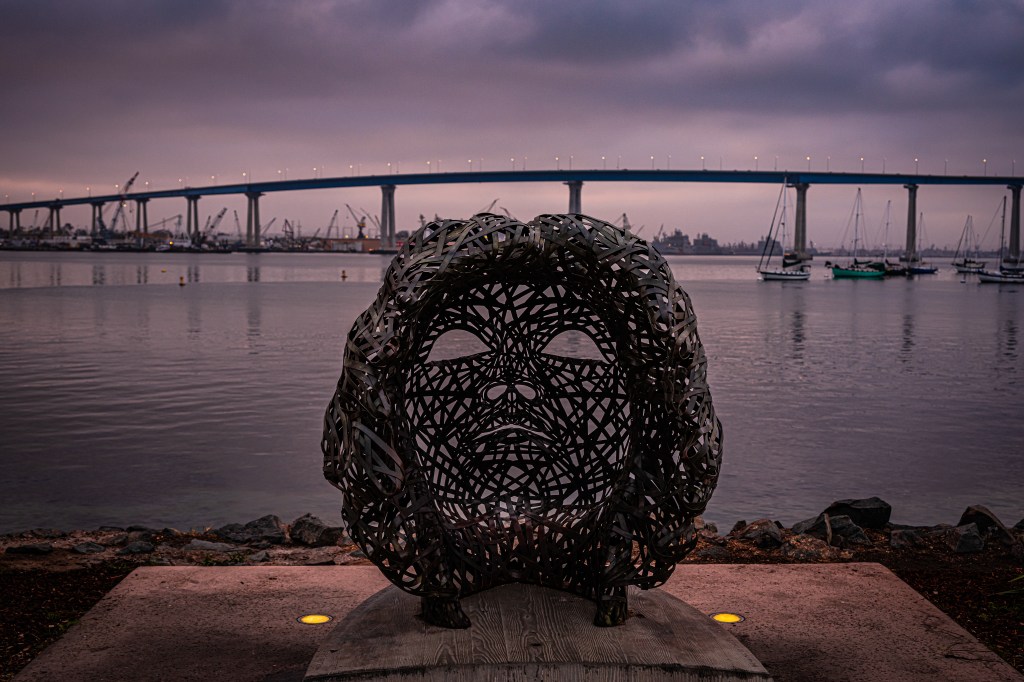
Walking along the waterfront at Coronado Tidelands Park, it is easy to focus on the views of San Diego Bay, passing boats and the Coronado Bridge. But along the bike path is a striking piece of public art that has its own story to tell: “Penelope,” a bronze sculpture by artist Michael Stutz.

Standing nearly seven feet tall, Penelope depicts the legendary woman from Homer’s The Odyssey. The sculpture was commissioned through the Port of San Diego’s Public Art Program and was created in 2009. Today, it stands at Tidelands Park, where its location overlooking the bay provides an especially fitting setting for the story behind the artwork.

A Face Made of Bronze

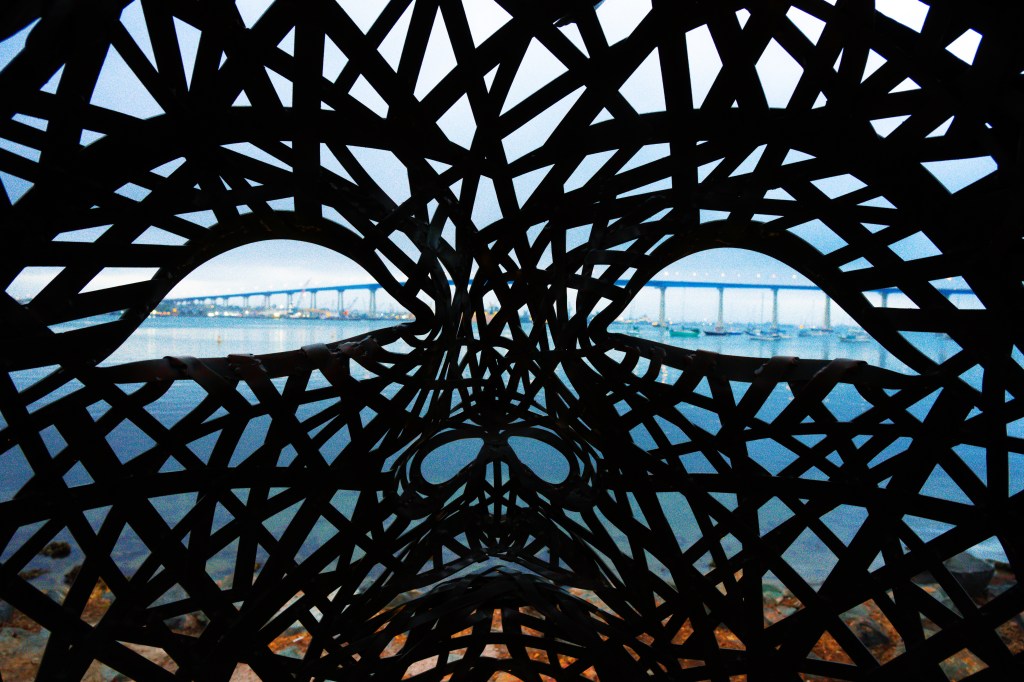
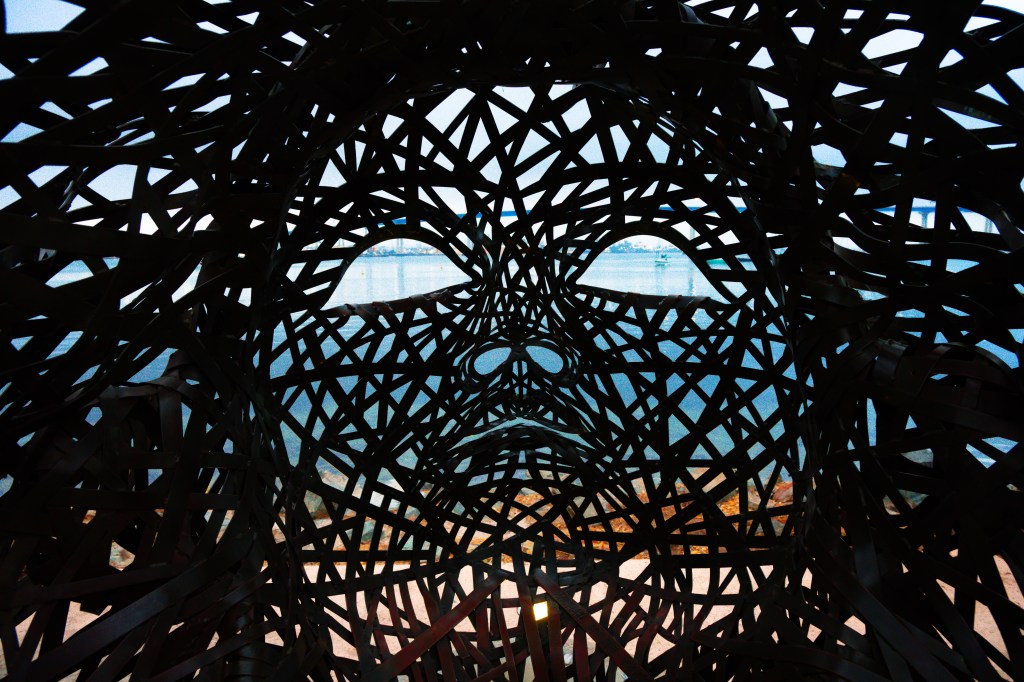
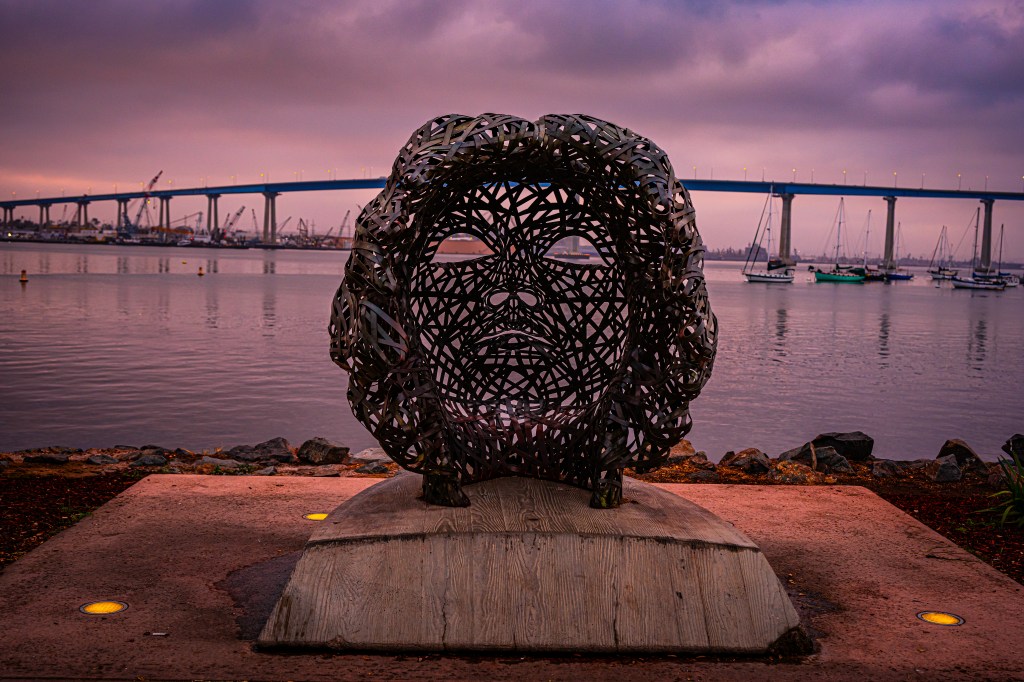
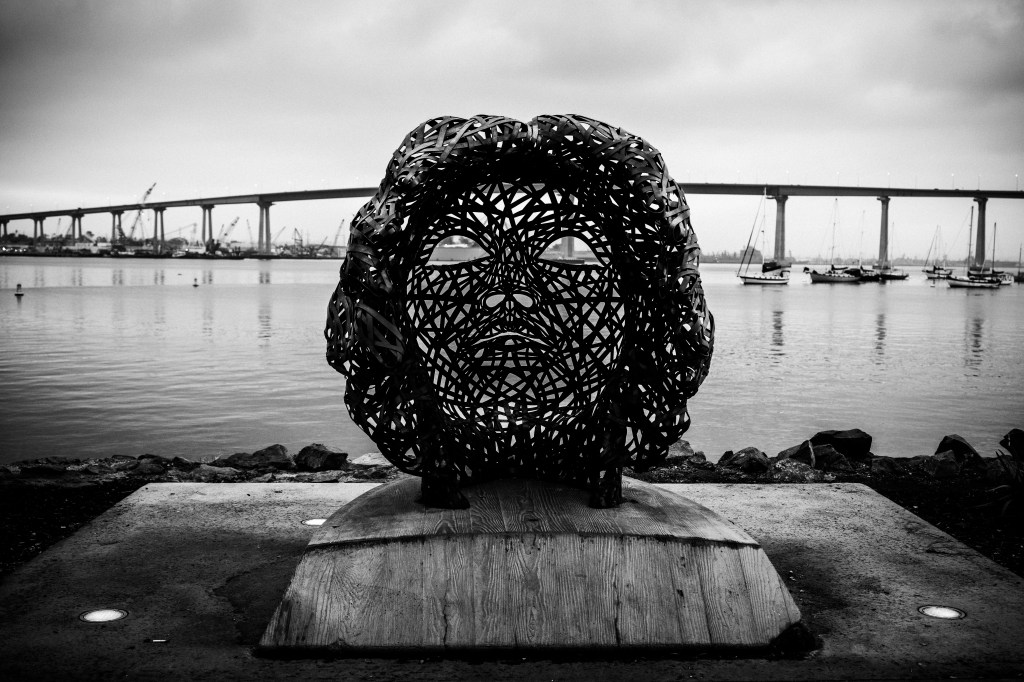
At first glance, Penelope looks almost like a large bronze mask. Her face and flowing hair are formed from strips of welded bronze, creating an open, woven appearance.

That woven design is more than an artistic choice. It connects directly to Penelope’s story in The Odyssey. According to the ancient epic, her husband Odysseus was away for years, leaving Penelope to fend off numerous suitors who believed he would never return.

Penelope devised a plan to delay choosing another husband. She told the suitors she would make a burial shroud for Odysseus’ father and would choose a husband once the weaving was finished. During the day she worked on the shroud, but at night she secretly unraveled what she had woven.

The cycle allowed her to continue waiting for Odysseus.

Michael Stutz incorporated this idea of weaving into the sculpture itself. The bronze strips create a pattern that gives the figure an almost fabric-like quality while also allowing light and the surrounding landscape to show through the sculpture.

From the San Diego Waterfront to Coronado

Penelope has actually had more than one home around San Diego Bay.

The sculpture was originally installed on the San Diego waterfront near Seaport Village. It was later moved into storage during construction associated with Ruocco Park. After a period away from public view, Penelope returned to the waterfront in 2019 when she was installed at Coronado Tidelands Park.

Her current location adds another layer to the story.

From Tidelands Park, Penelope looks across the water toward San Diego. Boats move through the bay, and the Coronado Bridge stretches across the background. It is an unusually appropriate setting for a sculpture about someone waiting for a loved one to return from a long journey.

Public Art With a Story

One of the things I enjoy about public art is that you can encounter it without planning a trip to a museum. You might be walking, riding a bicycle or simply enjoying the waterfront when something catches your attention.

Penelope rewards that kind of encounter.

The sculpture is not simply a representation of a character from Greek mythology. Its design, location and subject all work together. The open bronze strips create movement and transparency, while the waterfront setting makes the ancient story of waiting and returning feel connected to the modern landscape.

The Port of San Diego lists Penelope as part of its Art on the Tidelands collection, and the sculpture is located along the bike path at Coronado Tidelands Park.

A Sculpture Worth Stopping For

The next time you’re at Coronado Tidelands Park, take a few minutes to look for Penelope. Walk around the sculpture and view it from different angles. The open construction changes the way the surrounding sky, water and landscape appear through the bronze.

It is also worth remembering the story behind the face.

Thousands of years after Homer wrote about Penelope waiting for Odysseus, her story has found a new setting beside San Diego Bay. Here, surrounded by boats and water, Michael Stutz’s sculpture gives an ancient story of patience, loyalty and hope a very modern home.

Penelope is more than a sculpture along the waterfront. It is a reminder that public art can connect a place, a story and a piece of history in unexpected ways.
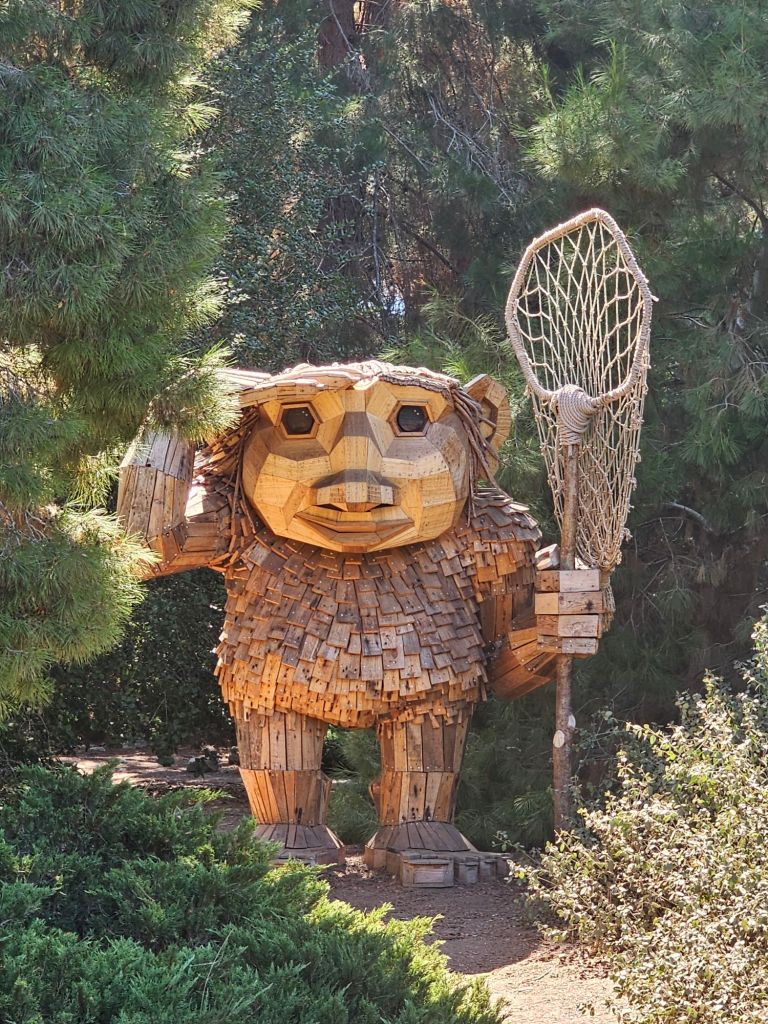
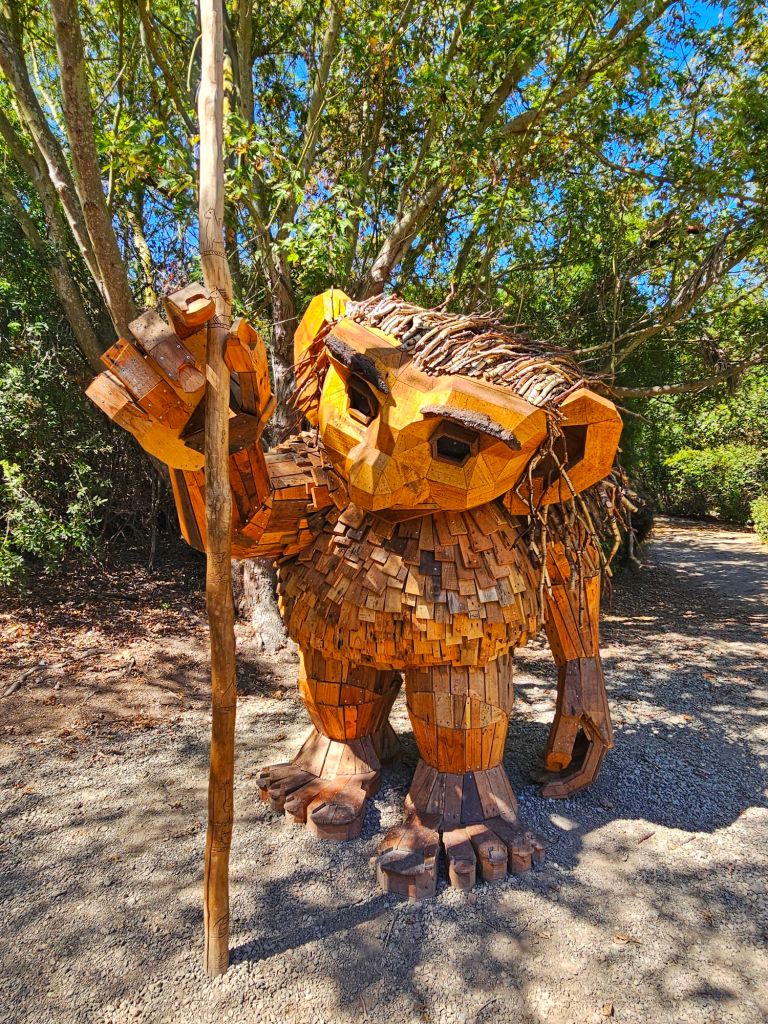
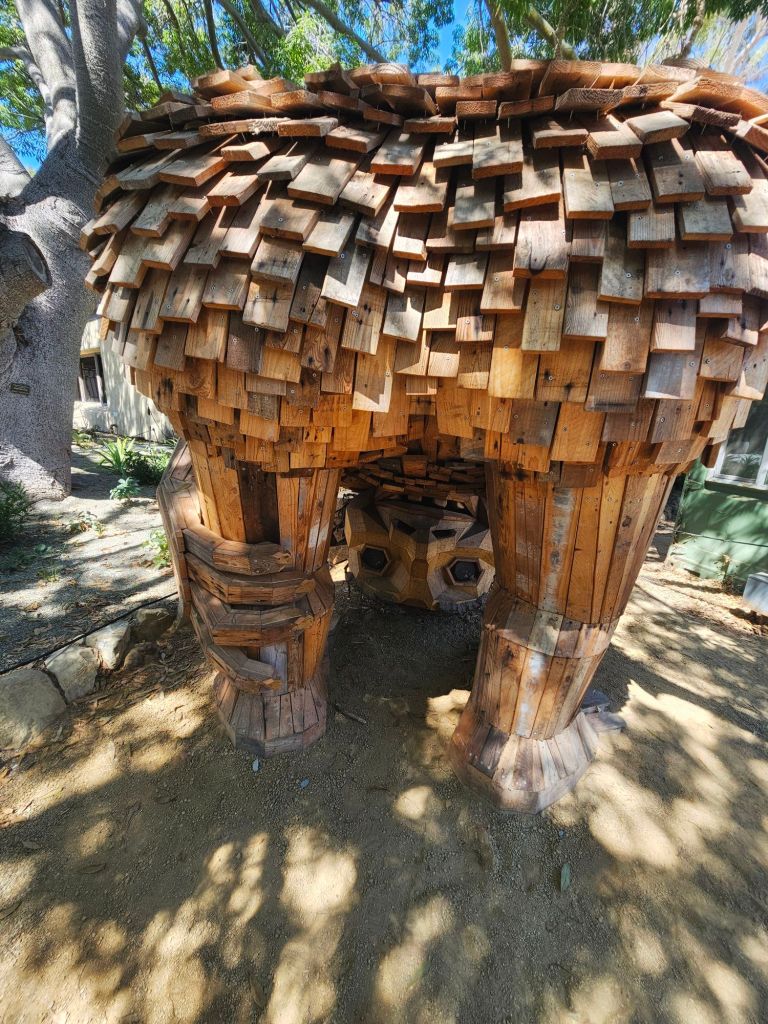
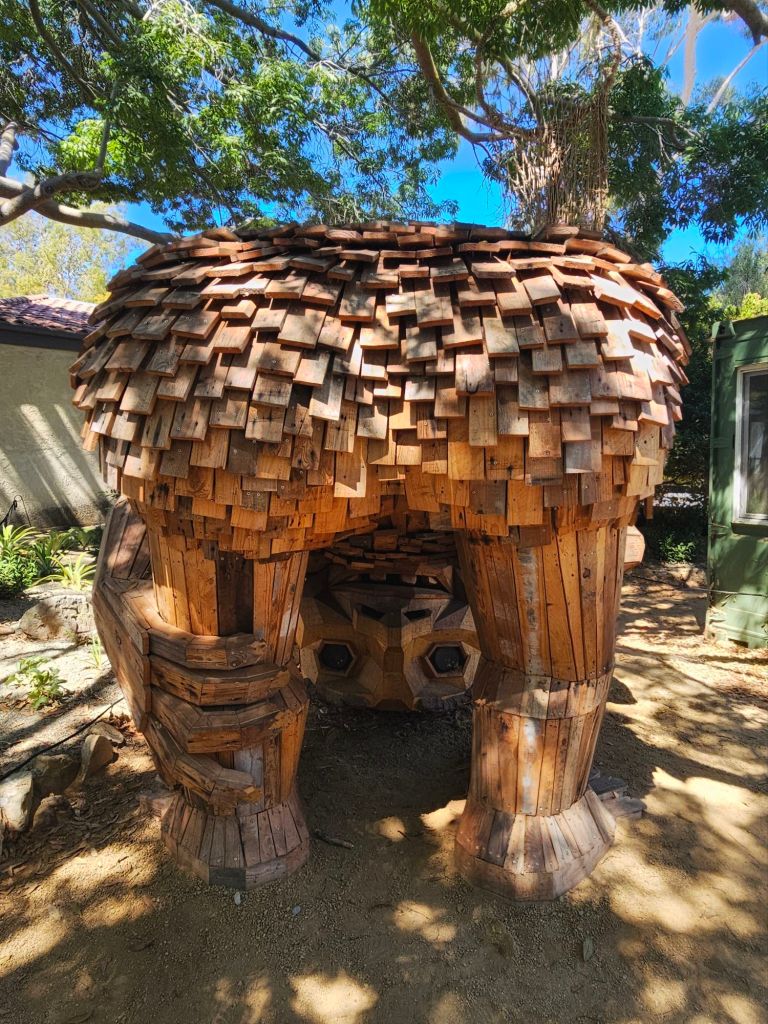
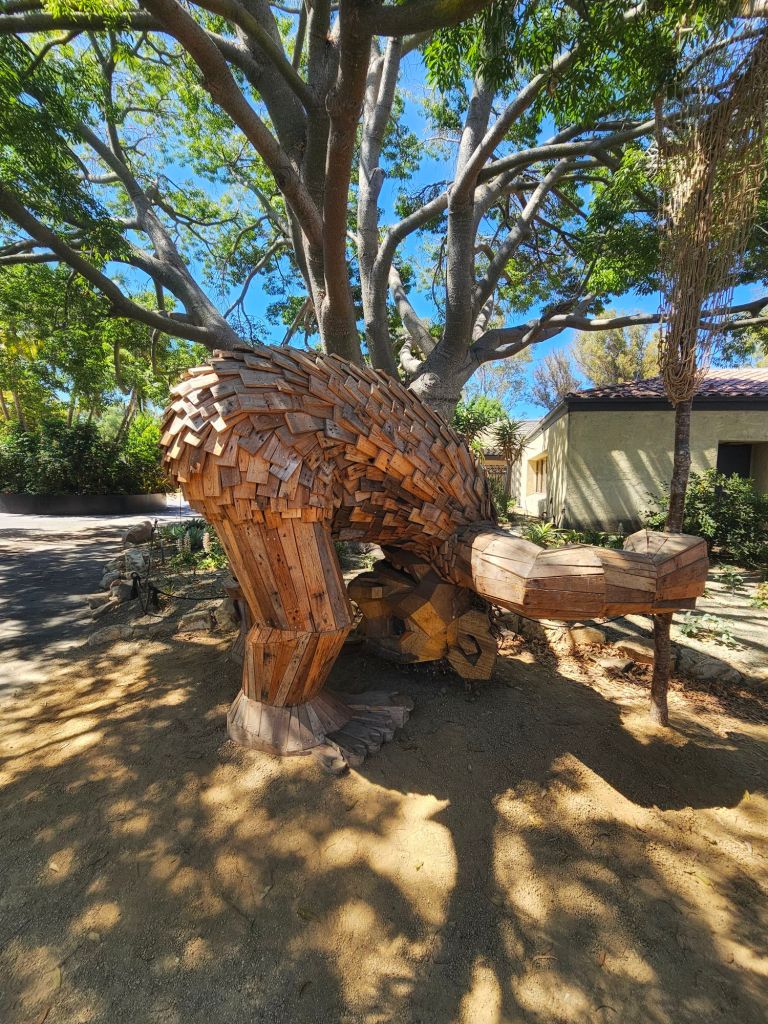
Trolls Take Over South Coast Botanic Garden

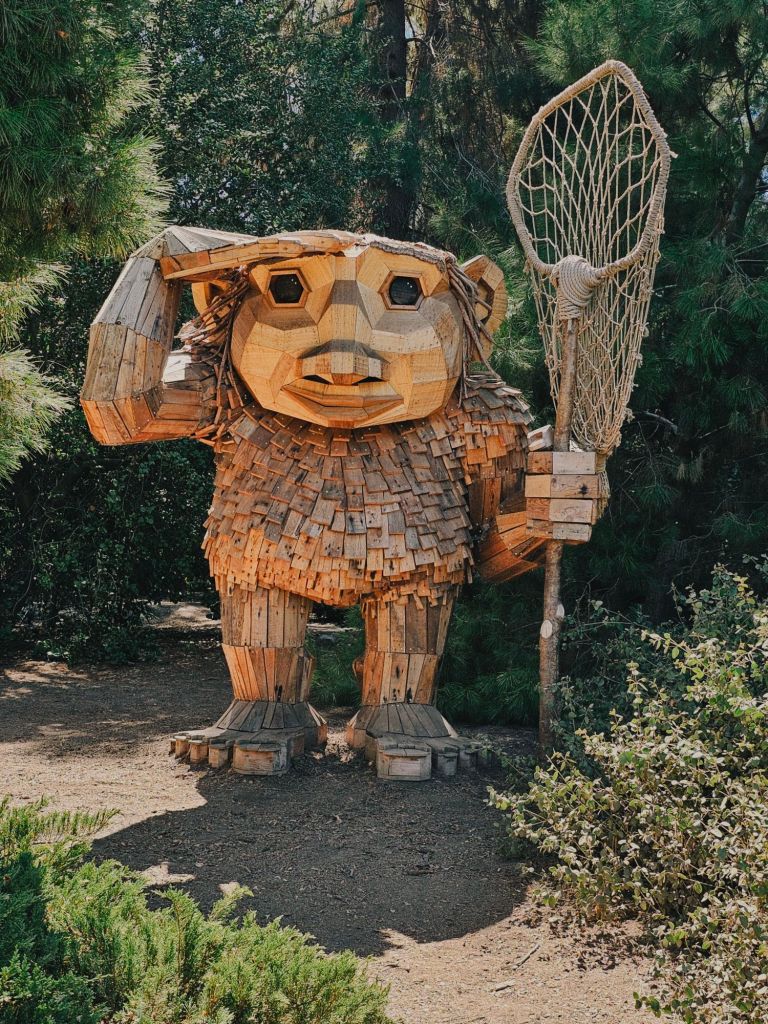
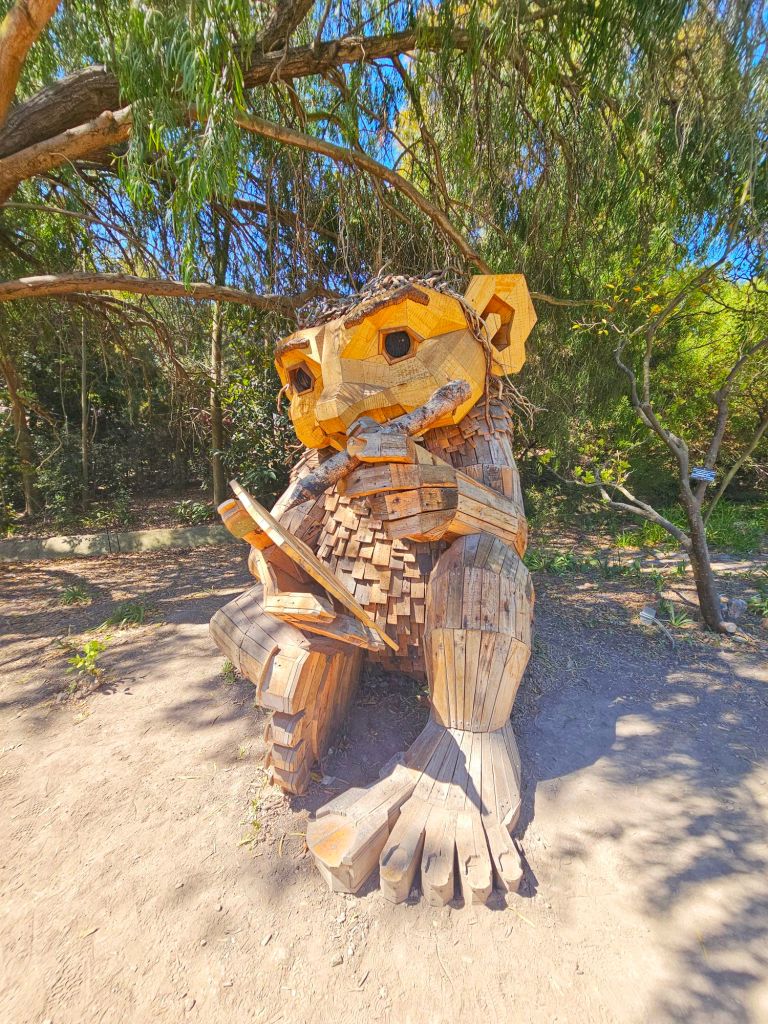
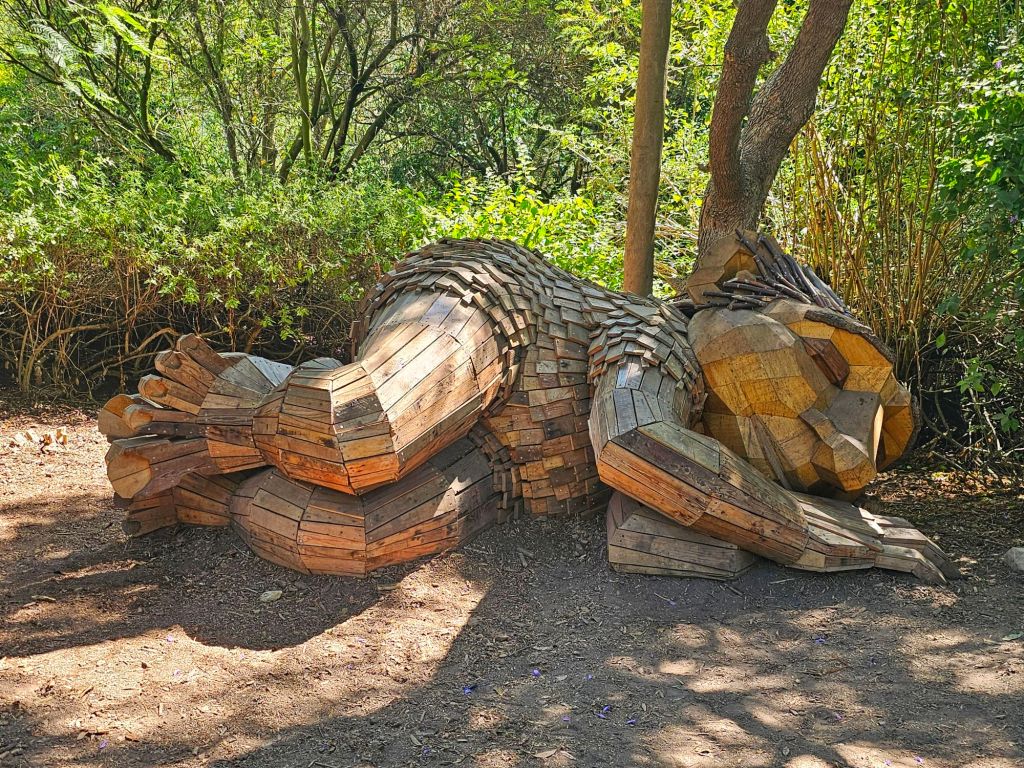
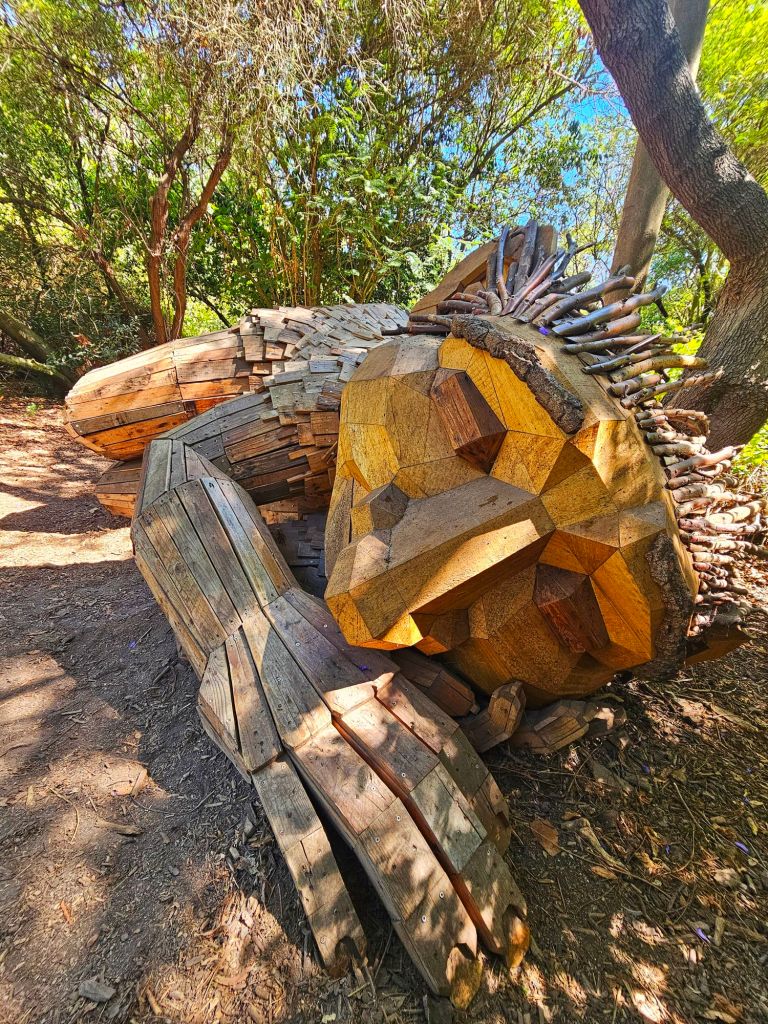
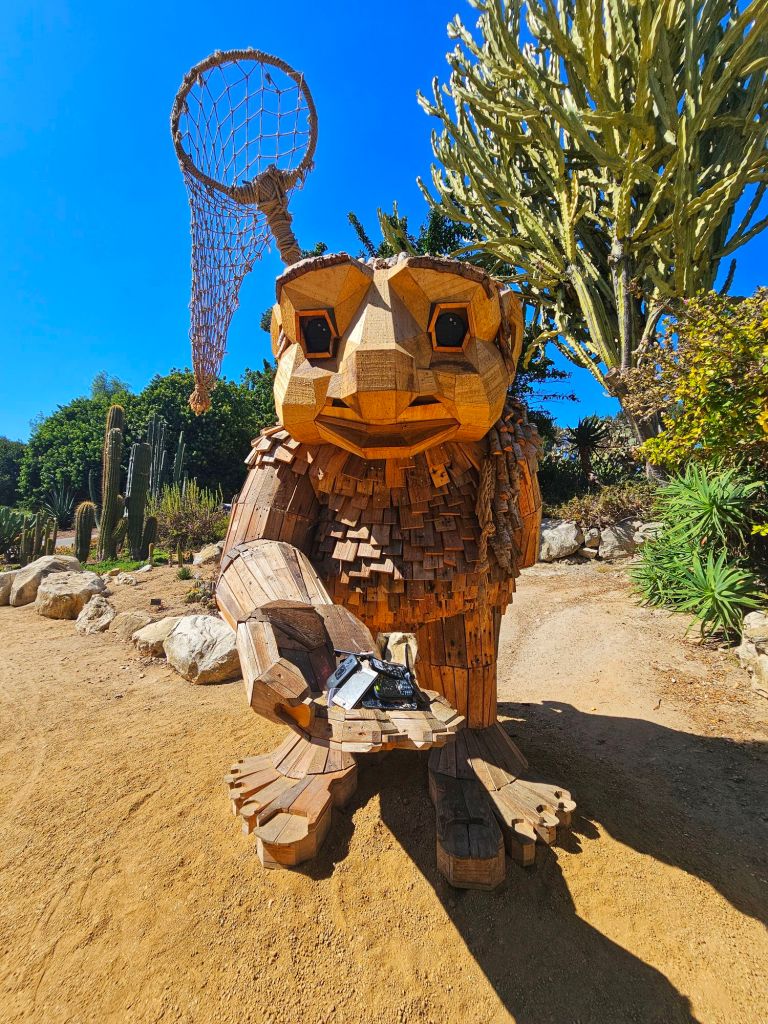
If you’re looking for something a little different to photograph in Southern California, there’s a giant surprise waiting among the plants at South Coast Botanic Garden in Palos Verdes. TROLLS: A Field Study is included with general admission to South Coast Botanic Garden. The 2026 exhibition began March 1 and continues through October 4, 2026.

The garden is located at:

South Coast Botanic Garden
26300 Crenshaw Boulevard
Palos Verdes Peninsula, California

The garden is currently open daily from 8 a.m. to 5 p.m., with the last entrance at 4:30 p.m.

General admission is currently $18 for members and $21 for the general public according to the garden’s current information.

Meet the Trolls

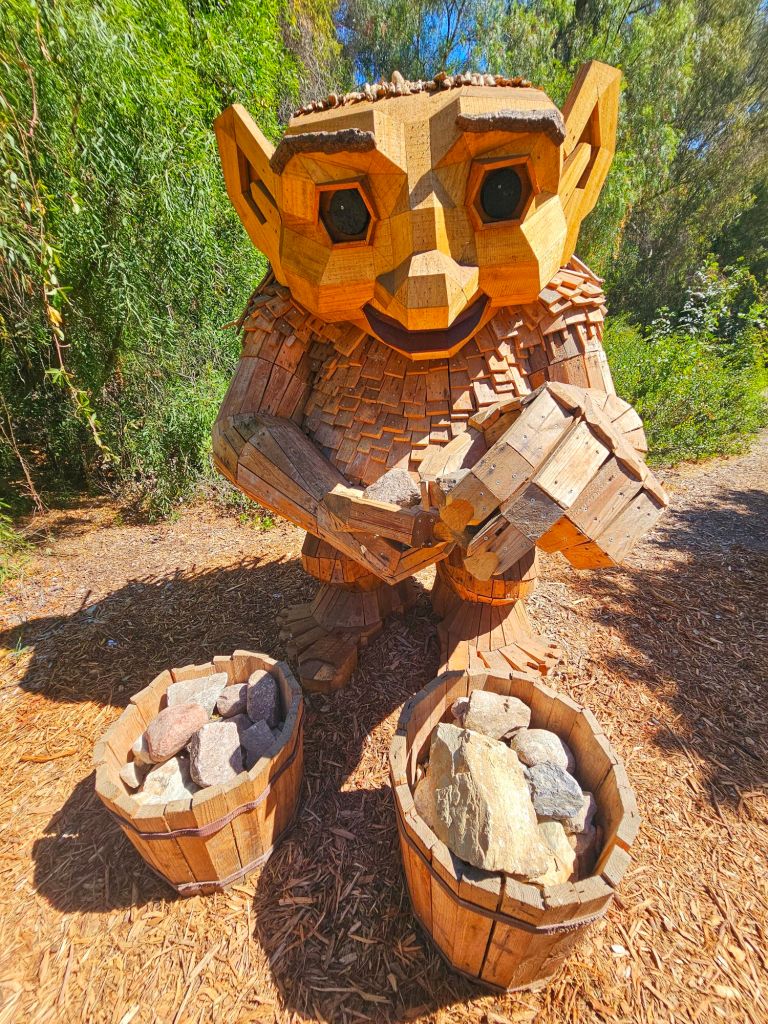
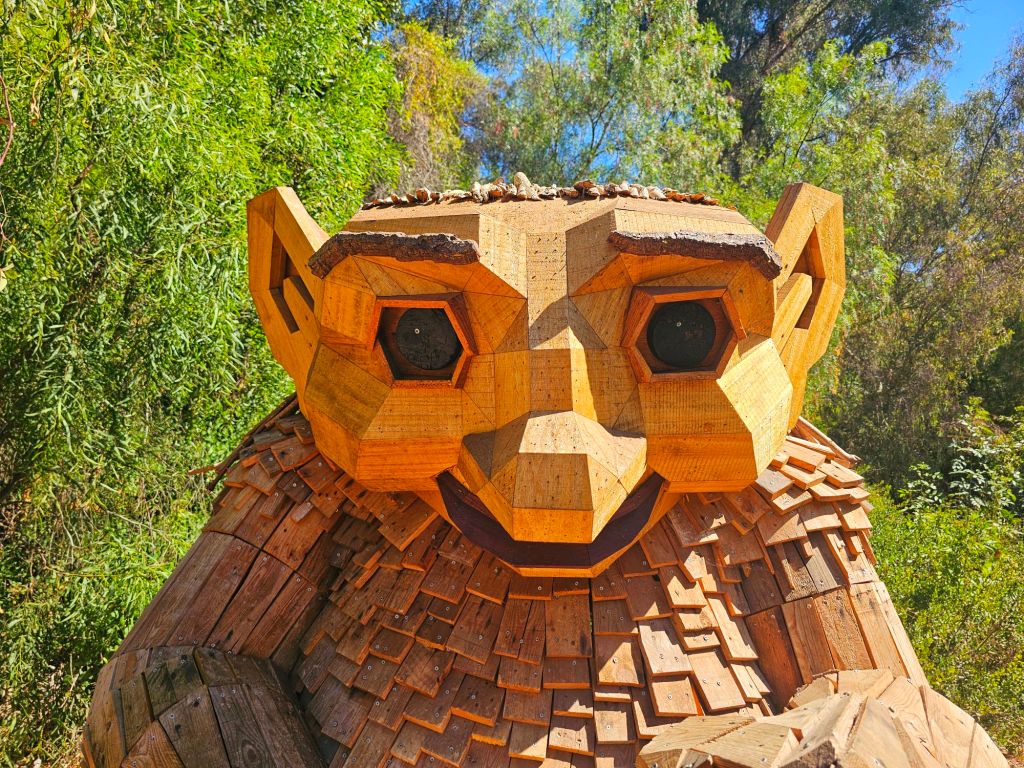
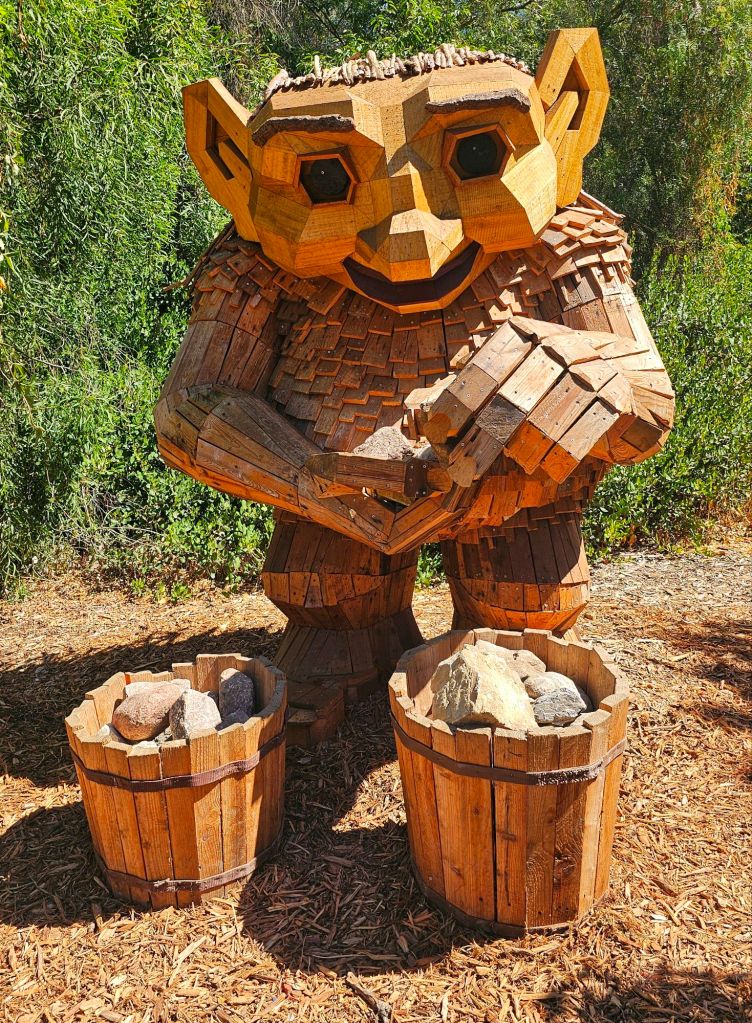
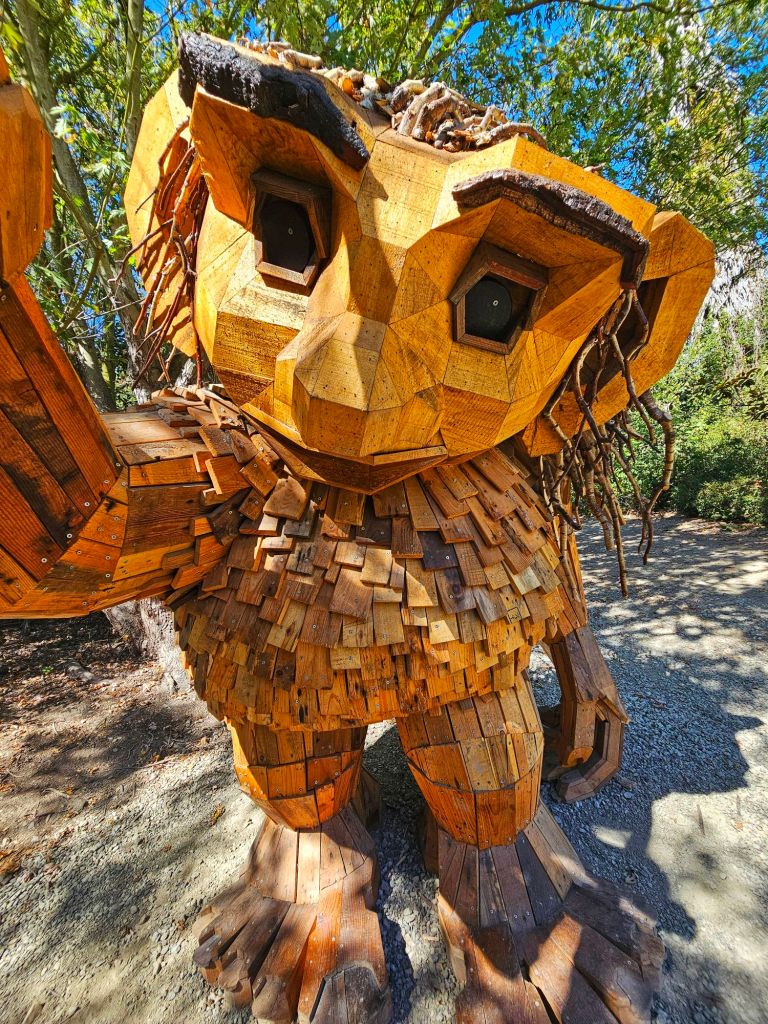
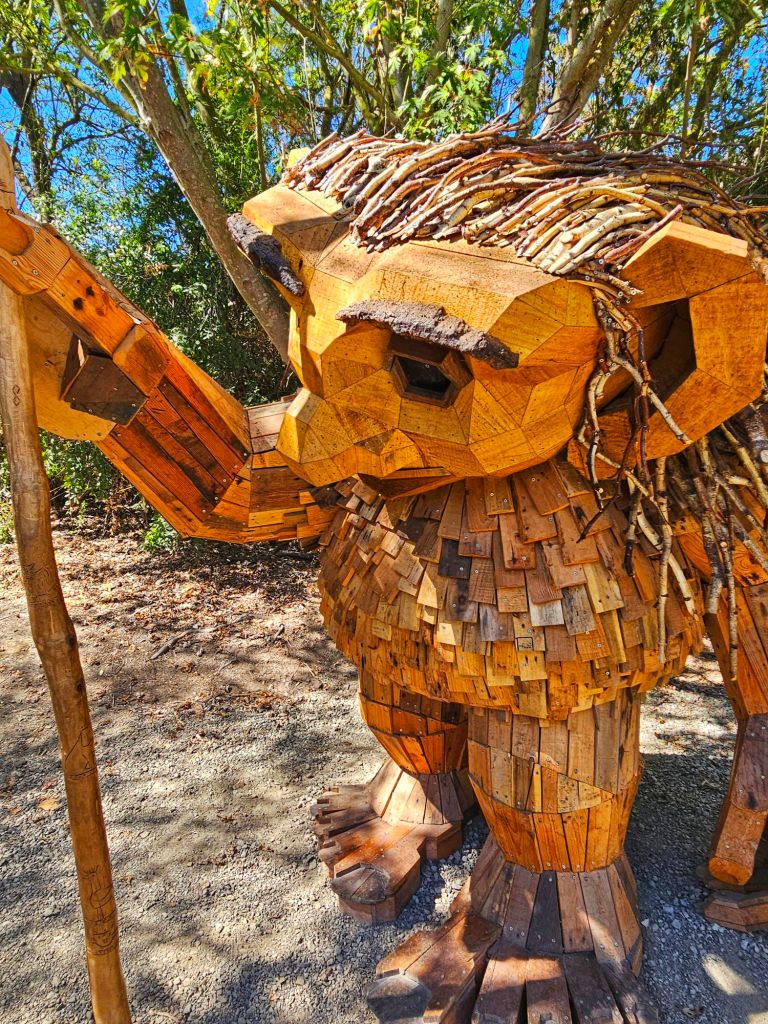
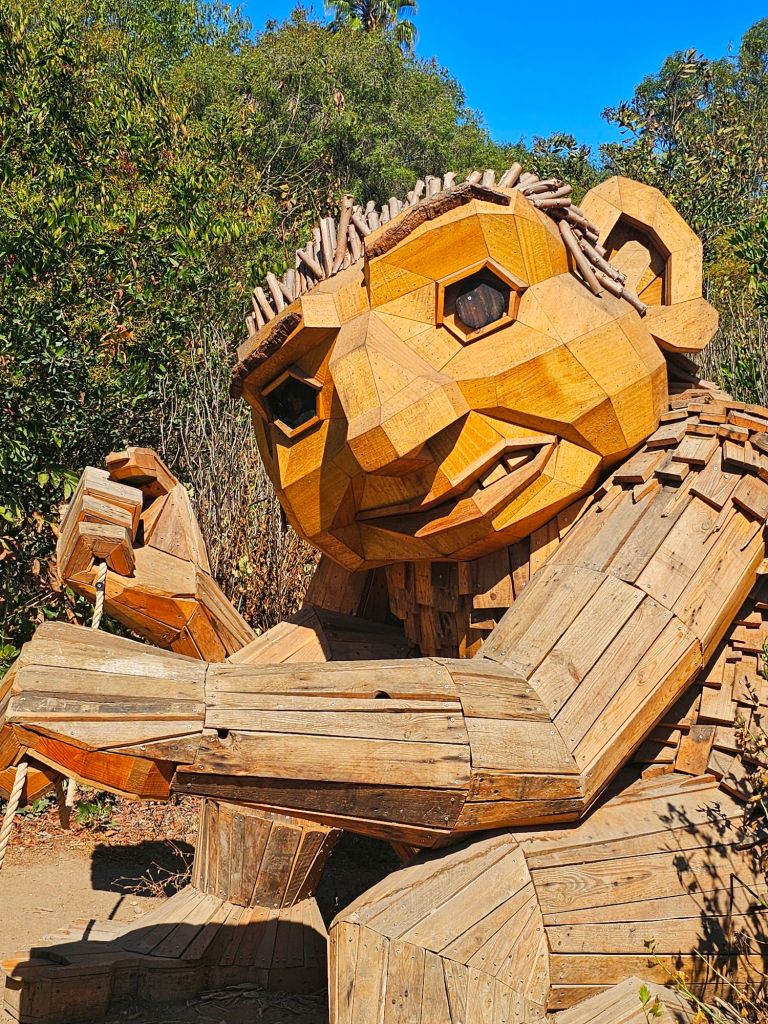
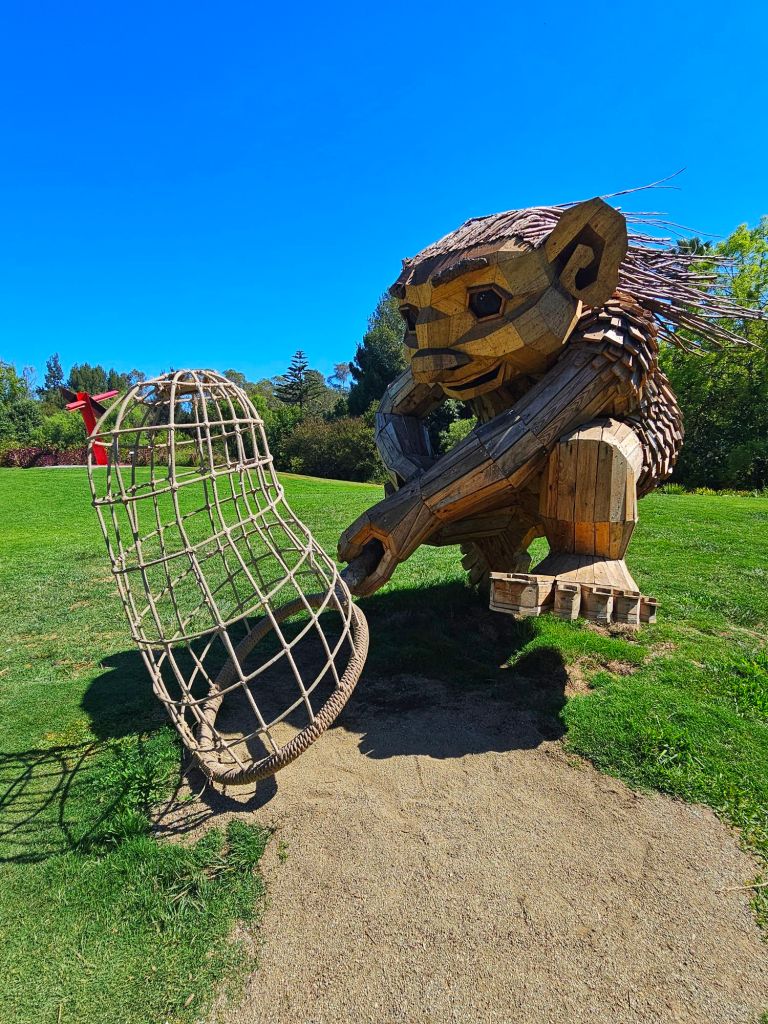
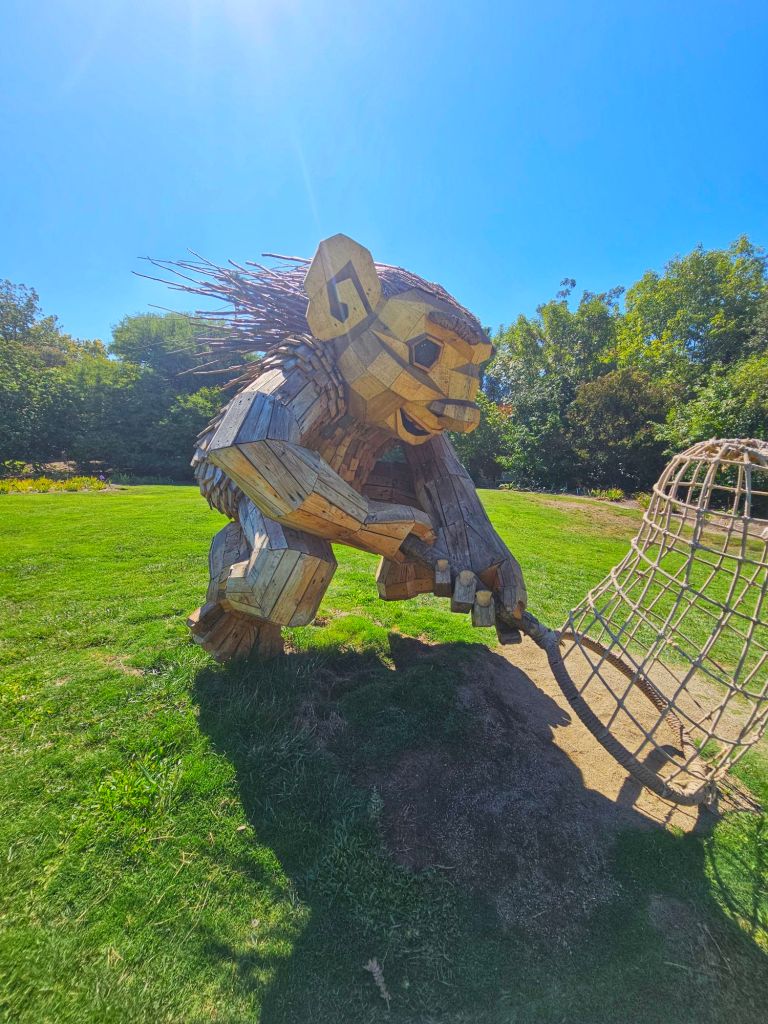
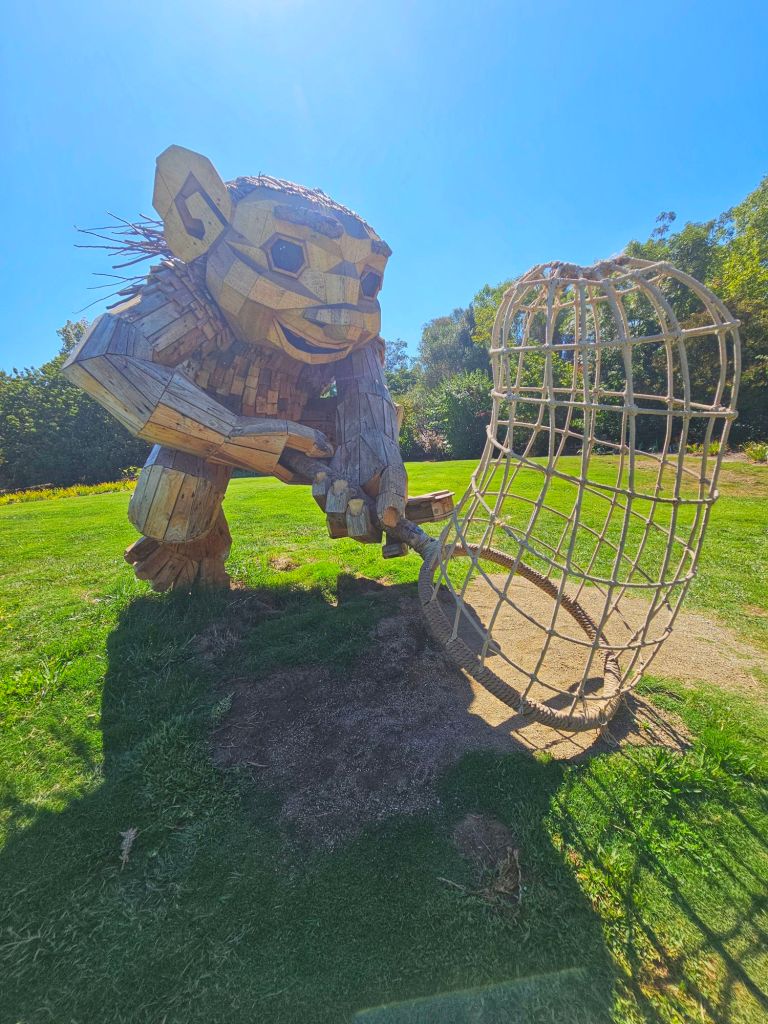
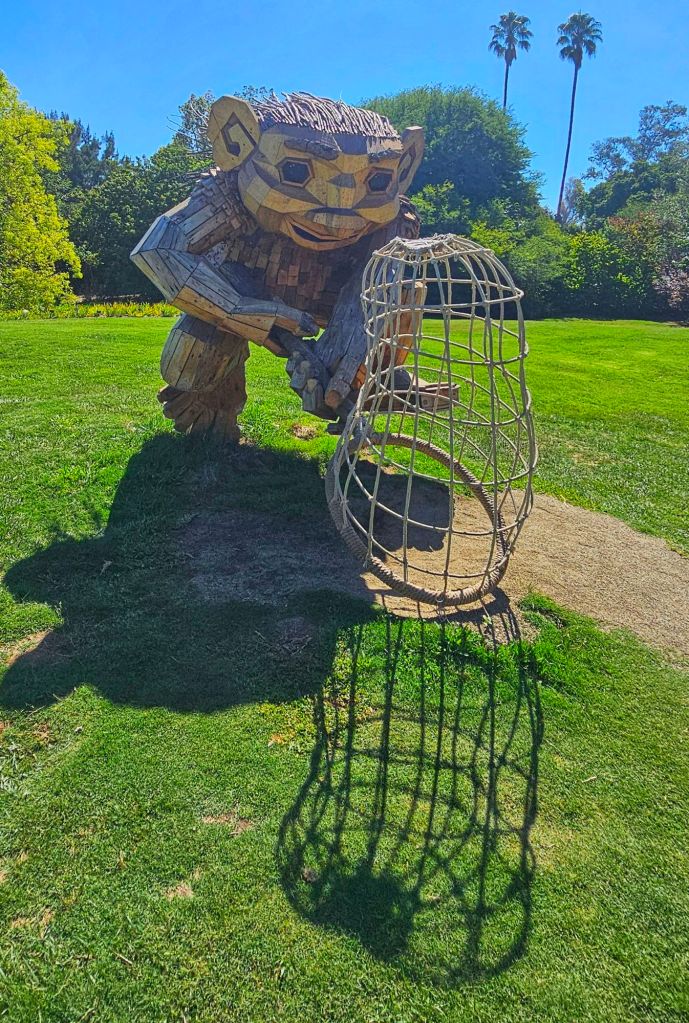
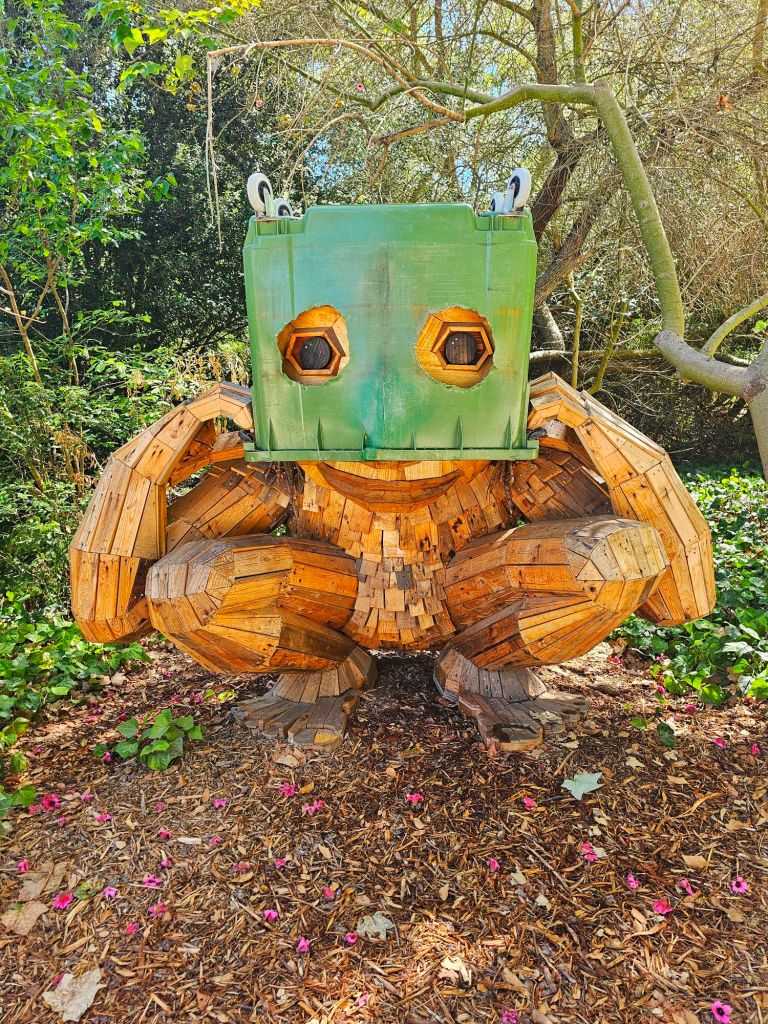
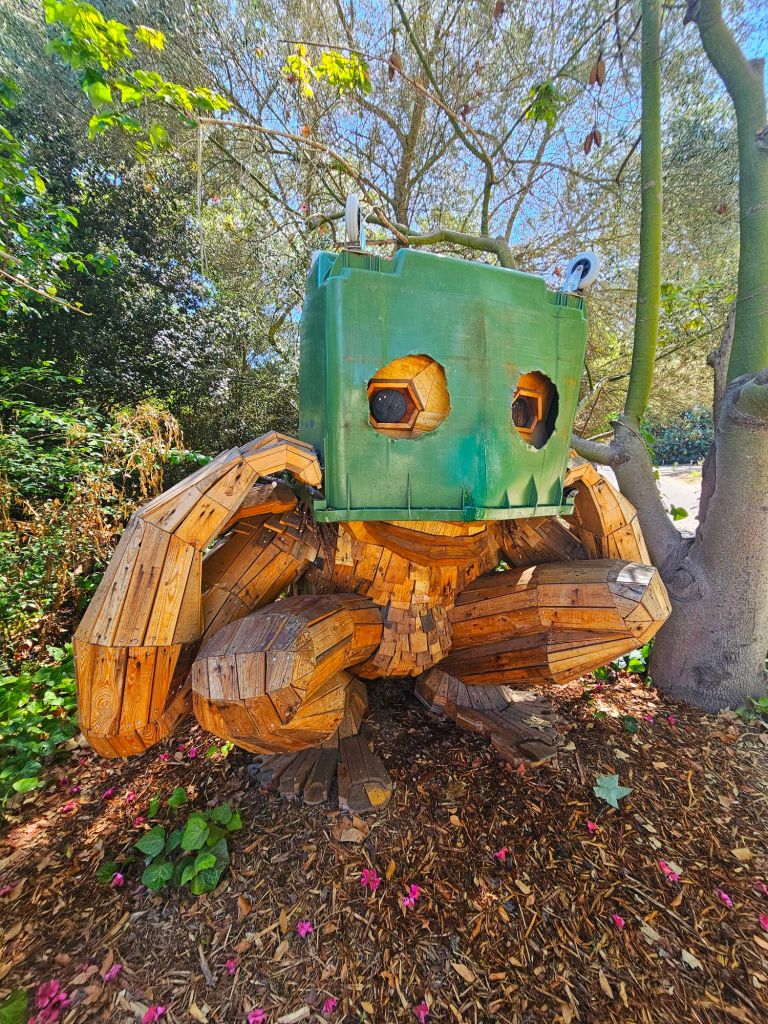
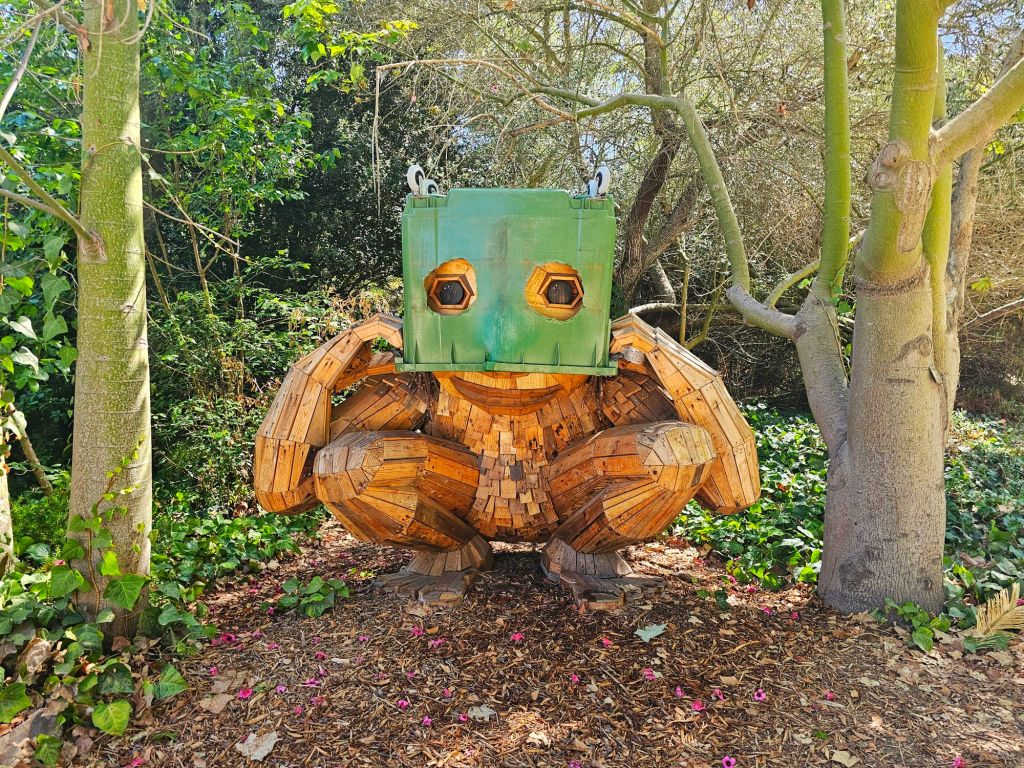
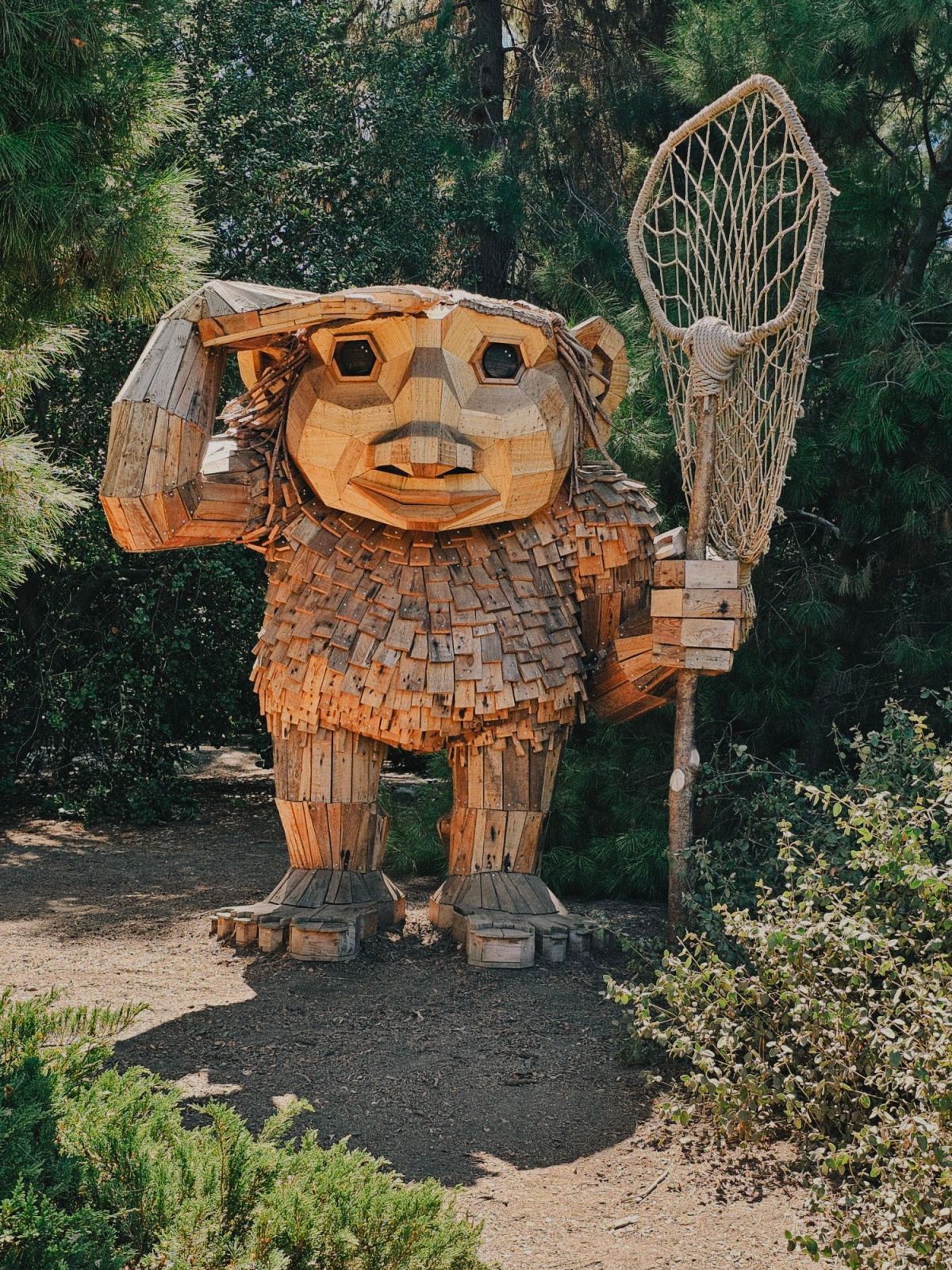
The trolls are the work of Danish environmental artist Thomas Dambo, who is internationally known for creating enormous sculptures from reclaimed and recycled materials.

For A Field Study, the 12 sculptures are presented as a group of curious giants who have come to study humans.

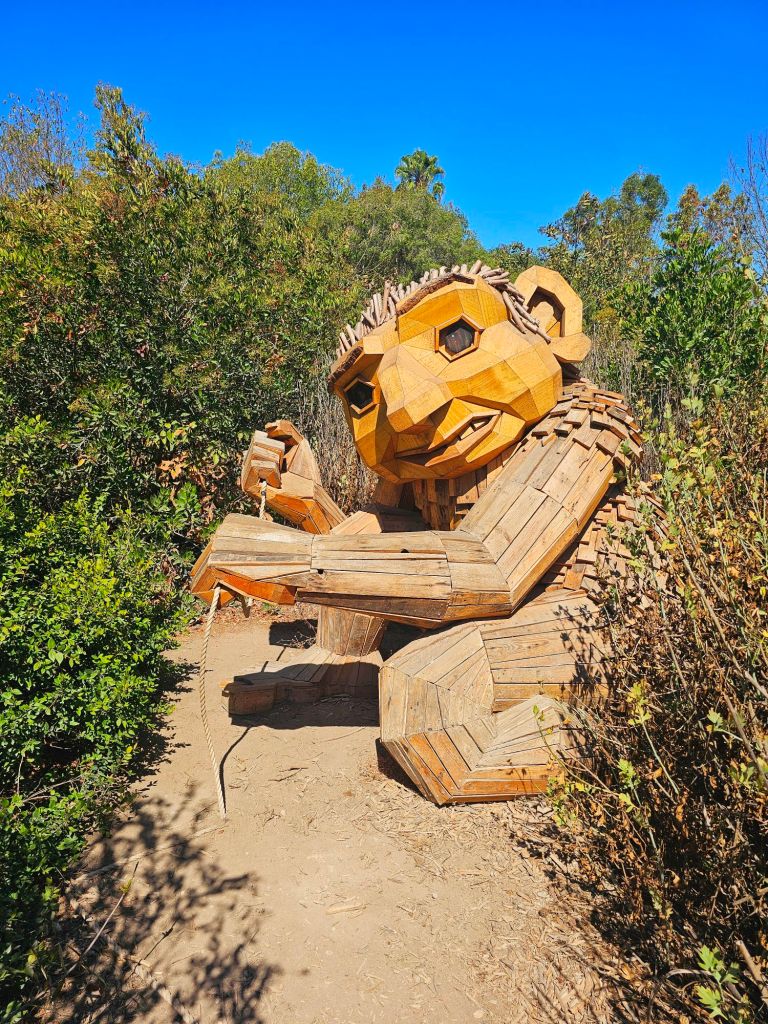
Instead of simply being sculptures placed on display, the trolls become part of the landscape. Their enormous size makes the surrounding trees, plants and pathways feel almost like part of a storybook.

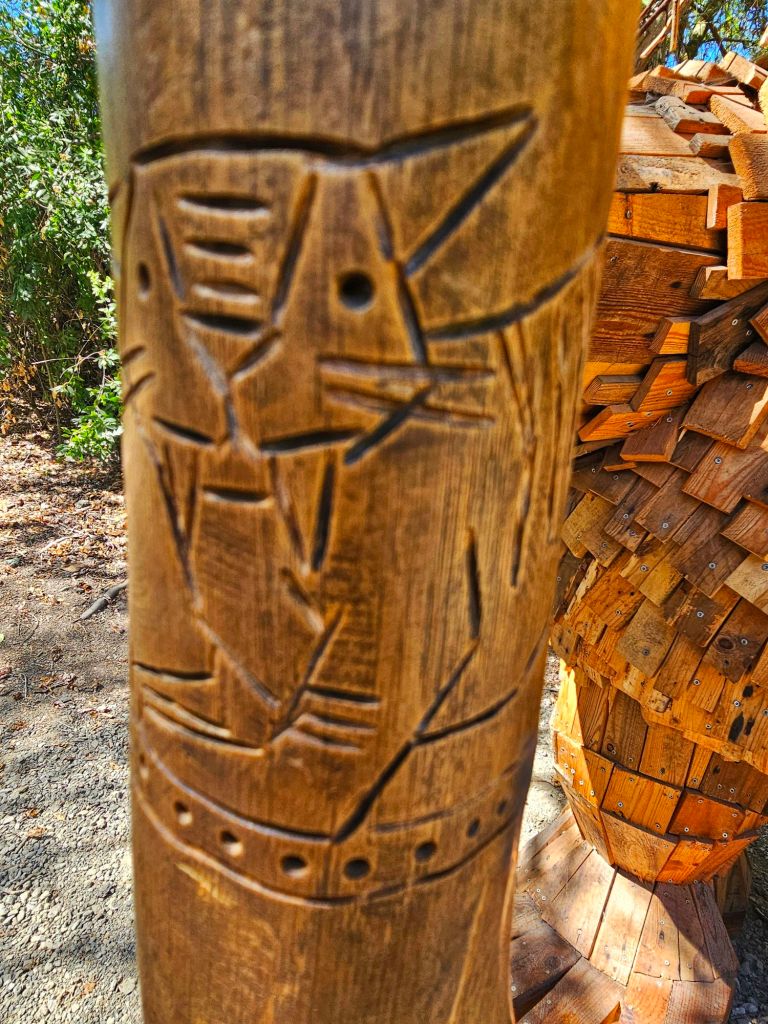
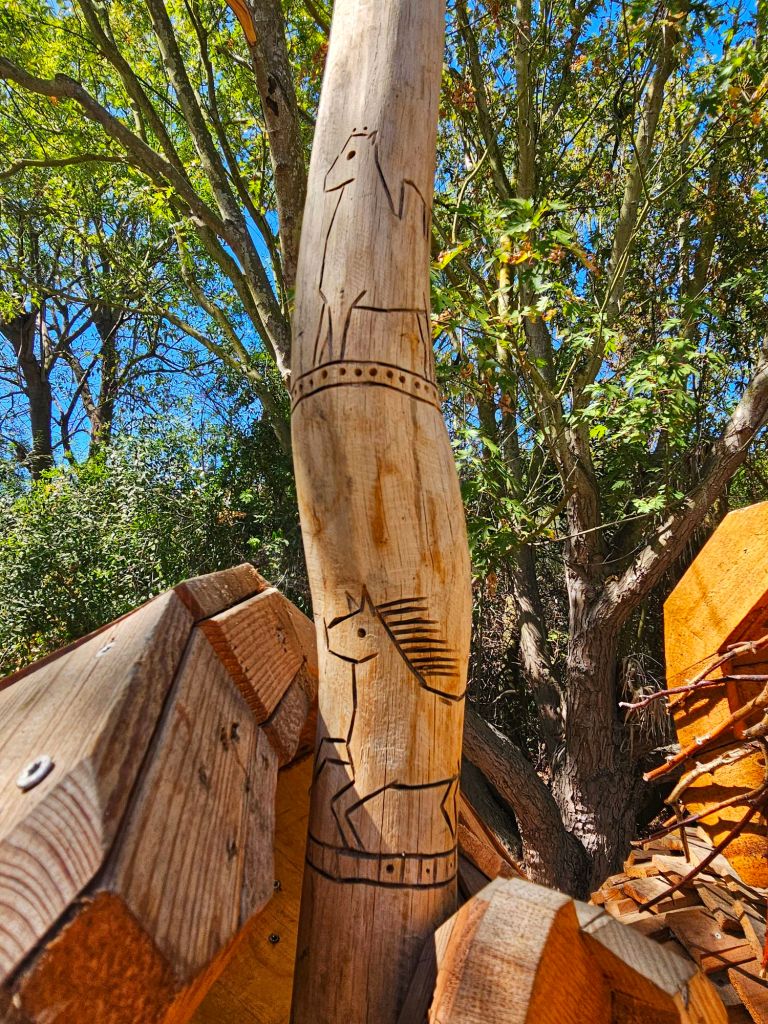
The sculptures are made entirely from reclaimed wood, giving each troll its own character and appearance.

Exploring the Garden

What I enjoyed about the exhibit is that you don’t simply walk into a gallery and see all 12 trolls at once.

You have to explore.

The South Coast Botanic Garden covers 87 acres, so the troll sculptures are spread throughout the property. As you walk along the paths, you begin wondering where the next one will appear.

That makes the exhibit especially fun for photography.

One moment you’re photographing flowers or trees, and the next you come around a corner and discover a giant face looking back at you.

The scale of the sculptures also creates some interesting photographic opportunities. Standing near one of the trolls can make you appreciate just how enormous these creations are.

Planning Your Visit

TROLLS: A Field Study is included with general admission to South Coast Botanic Garden. The 2026 exhibition began March 1 and continues through October 4, 2026.

The garden is located at:

South Coast Botanic Garden
26300 Crenshaw Boulevard
Palos Verdes Peninsula, California

The garden is currently open daily from 8 a.m. to 5 p.m., with the last entrance at 4:30 p.m.

General admission is currently $18 for members and $21 for the general public according to the garden’s current information.

Konoids is a public art installation by sculptor Kenneth Capps located at Bayside Park (often referred to as Chula Vista Bayfront Park) in Chula Vista, California.

Installed in 1985 as one of the Port of San Diego’s first public art pieces, the work consists of three distorted, welded steel forms that resemble inverted cones.

Key Features of “Konoids”Artistic Intent: The three forms are designed to have a “dialogue” with one another, framing expansive views of the San Diego Bay toward Point Loma.Material: The sculptures are made of painted steel alloy.Location: You can find them on the grass near the walking paths overlooking the yacht harbor

@socal_exposure

Konoids is a public art installation by sculptor Kenneth Capps located at Bayside Park (often referred to as Chula Vista Bayfront Park) in Chula Vista, California. Installed in 1985 as one of the Port of San Diego’s first public art pieces, the work consists of three distorted, welded steel forms that resemble inverted cones. Key Features of “Konoids”Artistic Intent: The three forms are designed to have a “dialogue” with one another, framing expansive views of the San Diego Bay toward Point Loma.Material: The sculptures are made of painted steel alloy.Location: You can find them on the grass near the walking paths overlooking the yacht harbor #art #sandiego #chulavista #sculpture #artwork

♬ sidewalks and skeletons goth – Trendformusic

Desert X: Where Art Meets the Arid Landscape

Desert X isn’t your typical art exhibition. It’s a site-specific, recurring exhibition that transforms the Coachella Valley’s vast, arid landscape into an open-air art gallery. Imagine sculptures rising from the desert floor, installations playing with light and shadow against the mountains, and interactive pieces that invite you to engage with the environment in new ways. That’s Desert X.
To learn more about Desert X visit their website https://desertx.org

A Sanctuary in the Desert

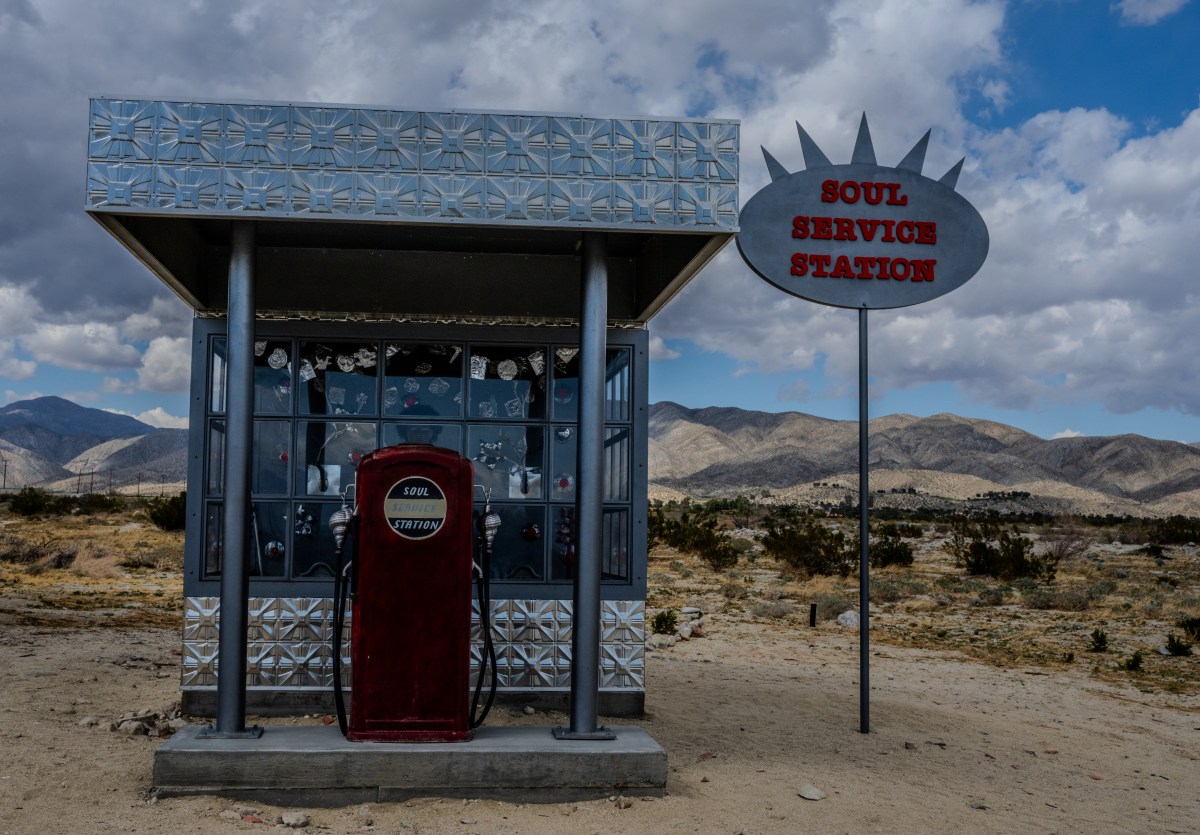
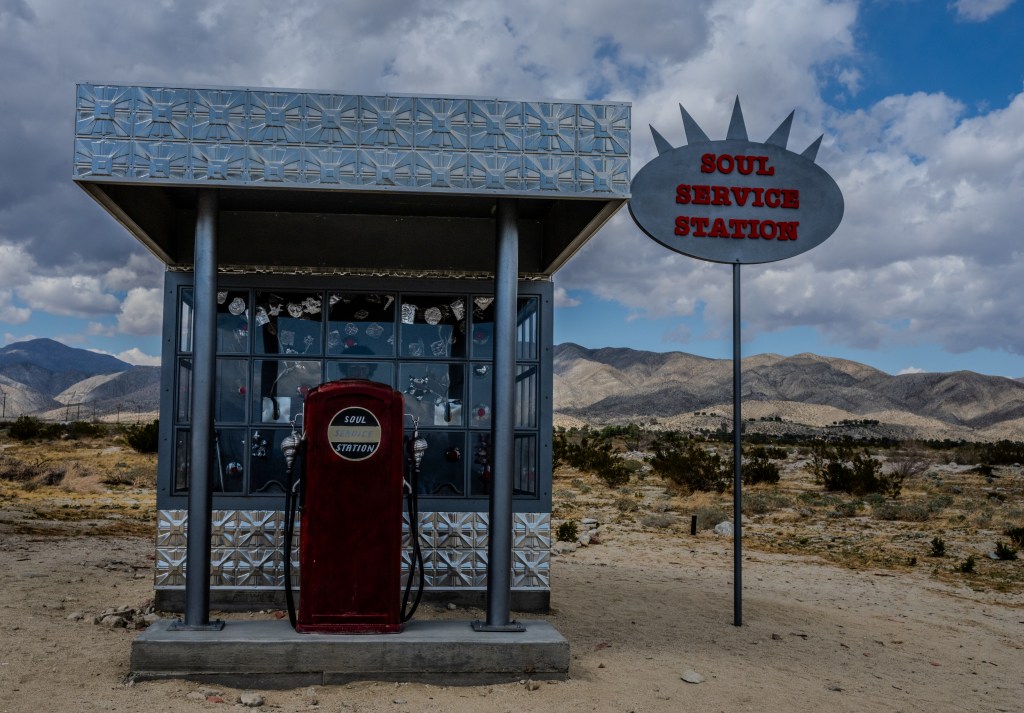
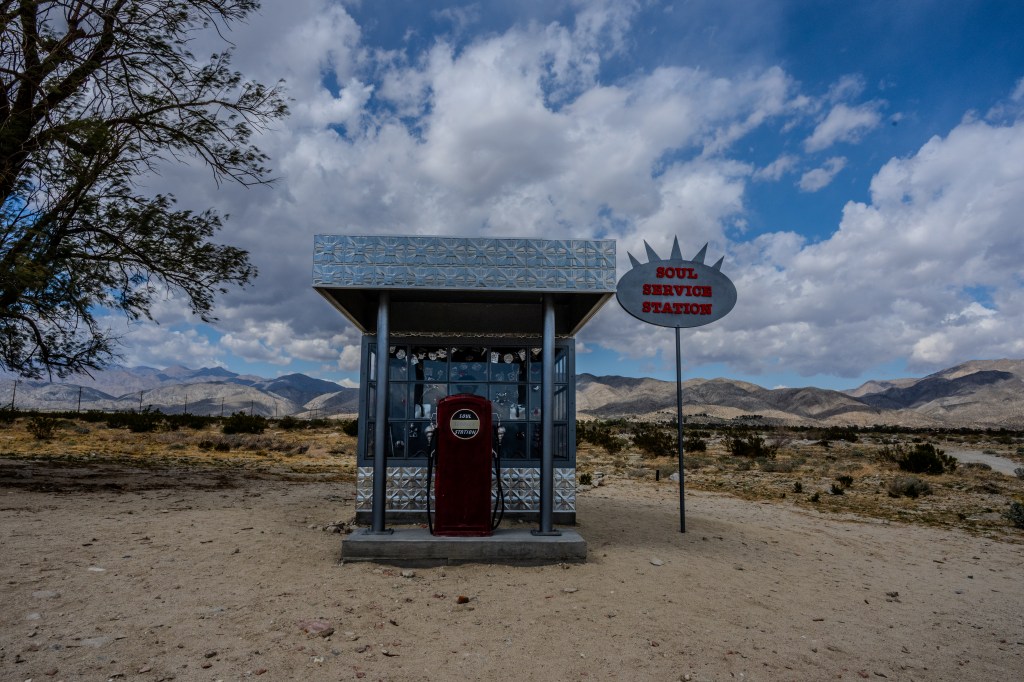
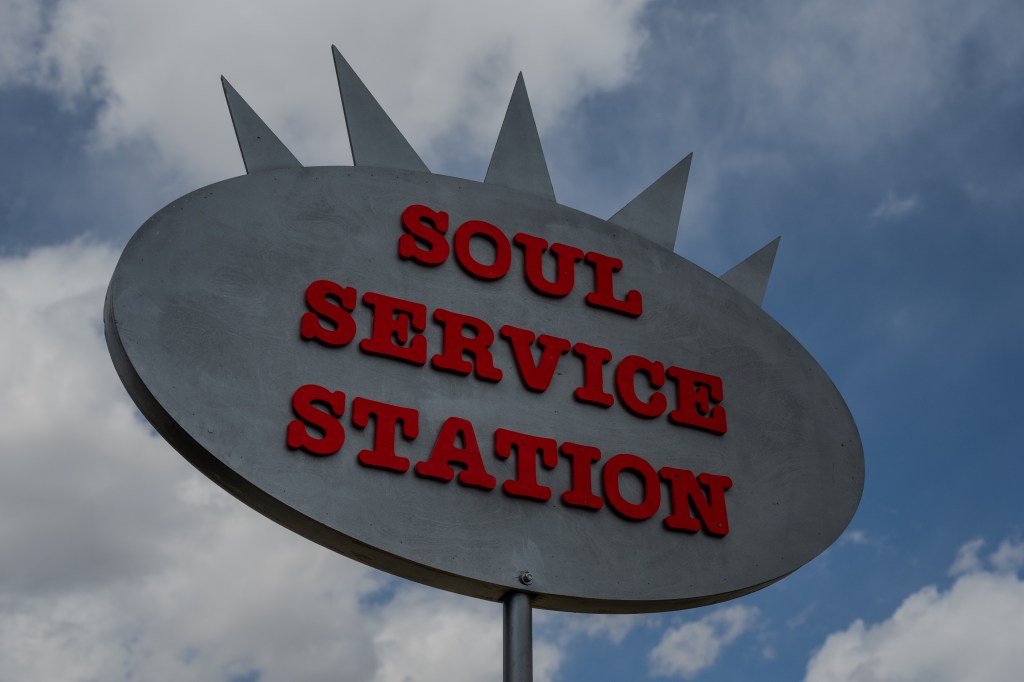
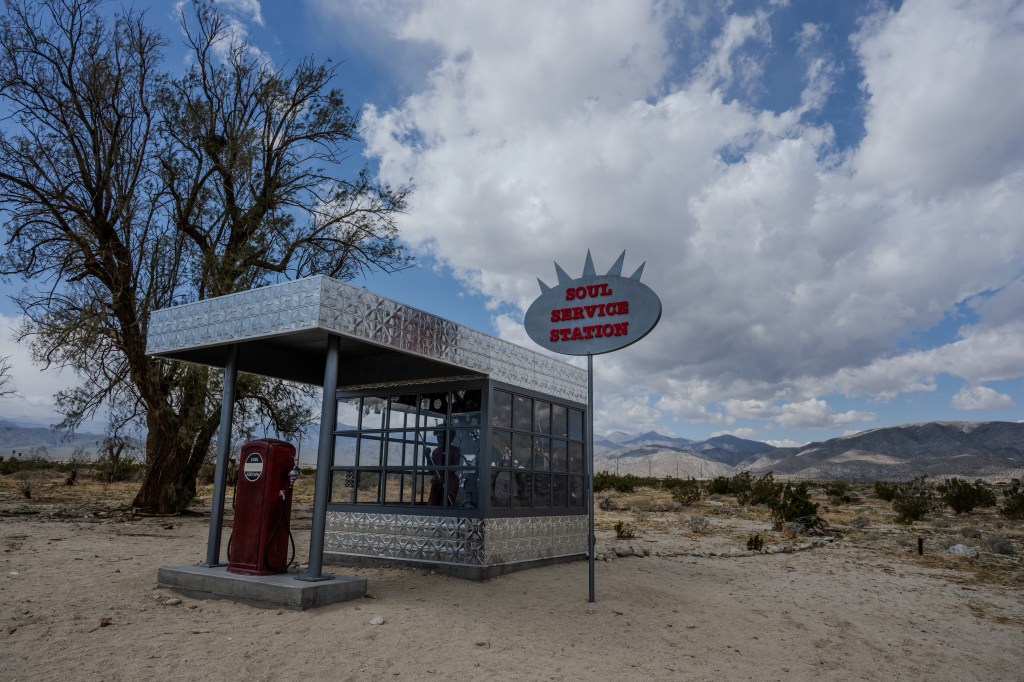
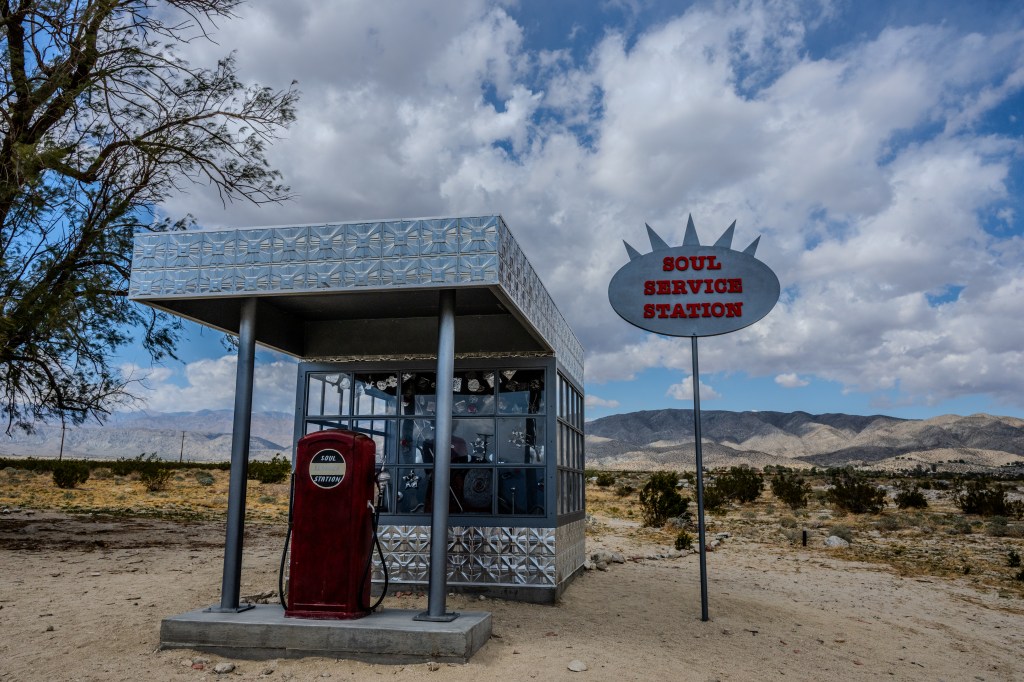
Located in Desert Hot Springs, “Soul Service Station” is more than just a visual spectacle; it’s an invitation to pause, reflect, and replenish. Saar reimagines the familiar image of a roadside gas station, transforming it into a spiritual oasis. Here’s what makes it so compelling:

  • Reclaiming and Reimagining:
    • Saar draws inspiration from the gas stations that dot the American West, including those within the Coachella Valley, but she infuses her creation with a profound sense of spiritual nourishment.
    • The station offers “fuel for the soul,” inviting visitors to “get their blues flushed, spirits inflated, hearts charged, and souls filled.”
  • A Space for Healing and Hope:
    • Inside the station, a carefully curated sculptural assemblage, handcrafted by Saar, features a collection of devotional objects.
    • Collaborating with Coachella Valley students, Saar has incorporated foil repoussé medallions, expressing prayers and wishes for healing and hope, adding a vital community element to the installation.
  • Powerful Symbolism:
    • A life-size, hand-carved female figure stands at the center, serving as the guardian and healer of the site, radiating strength and protection.
    • A repurposed gas pump dispenses poetry by Los Angeles–based poet Harryette Mullen, adding a rich layer of literary depth to the experience.
  • Material and Metaphor:
    • Saar’s use of found and salvaged materials is central to her practice. She imbues these objects with new meaning, honoring the histories and cultural memories they carry, particularly those related to Black female identity.

A Unique Artistic Experience

What makes Desert X so captivating is its profound connection to its location. The artists invited to participate are challenged to create works that respond to the unique geological, ecological, and social context of the Coachella Valley. This results in art that isn’t just placed in the desert, but rather, emerges from it.

Here are some key aspects that define Desert X:

  • Site-Specificity: The artworks are designed specifically for the desert environment, taking into account the landscape’s scale, light, and climate. This creates a dialogue between art and nature.
  • Environmental Awareness: Many installations address themes of climate change, water scarcity, and the delicate balance of the desert ecosystem.
  • Exploration and Discovery: Desert X encourages visitors to explore the vastness of the Coachella Valley, leading them on a journey of discovery and reflection.
  • Public Engagement: The exhibition is free and open to the public, making art accessible to a wide audience.

Past Installations: A Glimpse into the Extraordinary

Over the years, Desert X has featured a diverse range of captivating installations. Some notable examples include:

  • Doug Aitken’s “Mirage” (2017): A mirrored house that reflected the surrounding desert, creating a surreal and disorienting experience.
  • Jennifer Bolande’s “Visible Distance” (2019): Billboards displaying images of the mountains, strategically placed to align with the actual mountain range, blurring the lines between reality and representation.
  • Christopher Myers’ “The Art of Taming Horses” (2023): Sculptures and flags that explored the history of the Buffalo Soldiers in the area.
  • Alicja Kwade’s “ParaPivot (sempiternal clouds)” (2023): A sculpture that appeared to be made of large, displaced stones, which created a visually stunning contrast with the desert surroundings.

More Than Just Art

Desert X is more than just an art exhibition; it’s an experience. It’s a chance to:

  • Reconnect with nature in a profound way.
  • Challenge your perceptions of art and landscape.
  • Engage in meaningful conversations about the environment.
  • Discover the beauty and fragility of the desert ecosystem.

Planning Your Visit

If you’re planning a trip to the Coachella Valley, be sure to check the Desert X website for the latest information on upcoming exhibitions. Remember to:

  • Bring plenty of water and sunscreen.
  • Wear comfortable shoes for walking and exploring.
  • Plan your route carefully, as the installations are spread across a large area.
  • Respect the environment and leave no trace.

Desert X is a testament to the power of art to transform our perception of the world around us. It’s a reminder that even in the most seemingly barren landscapes, beauty and creativity can flourish.