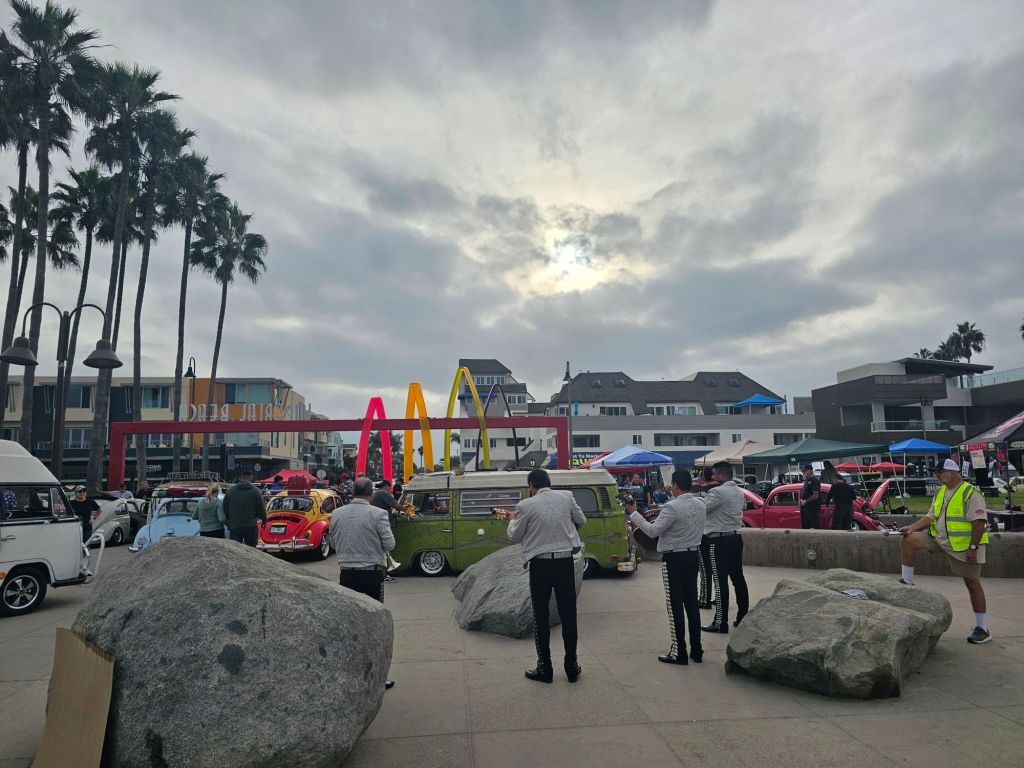
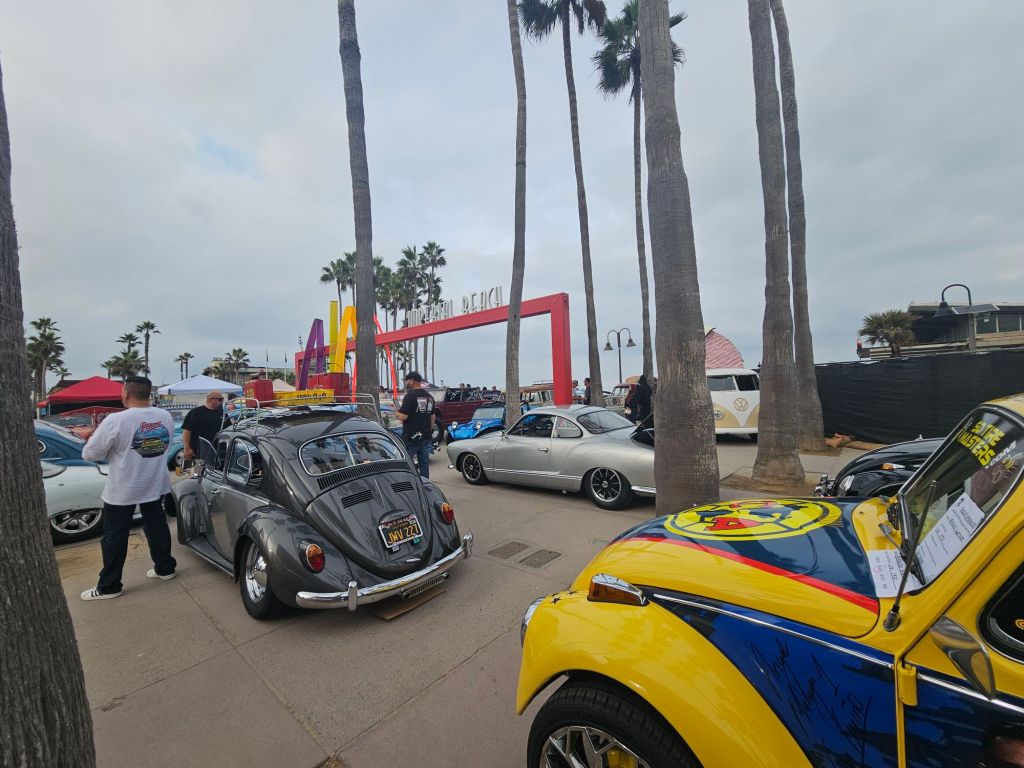
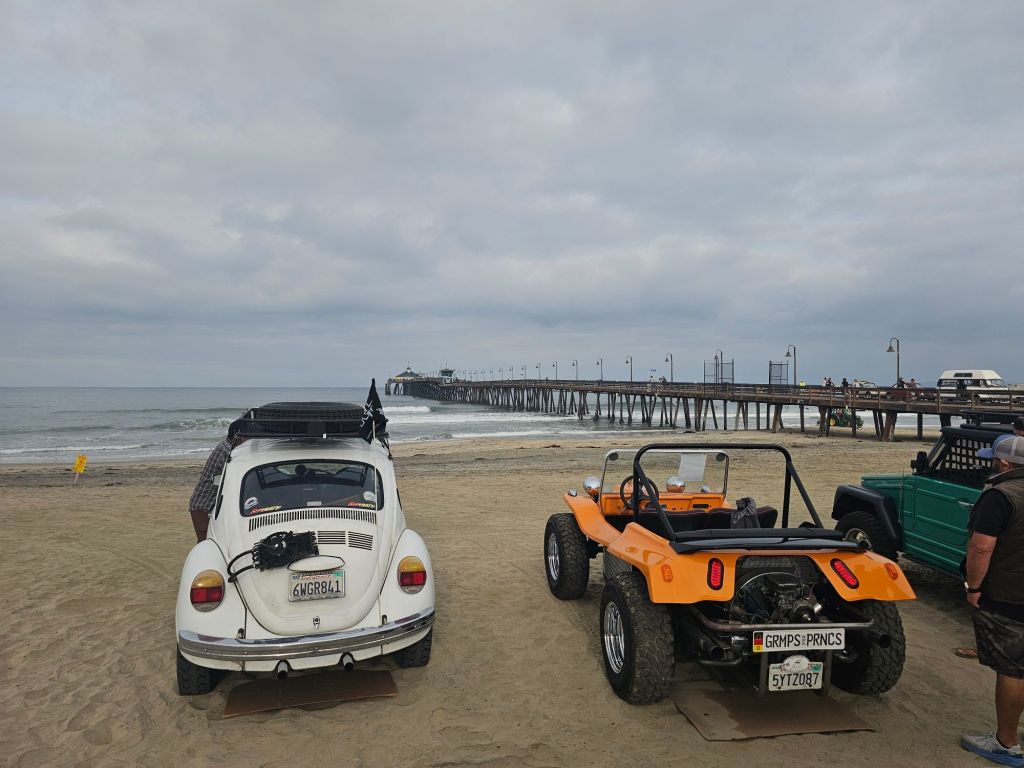
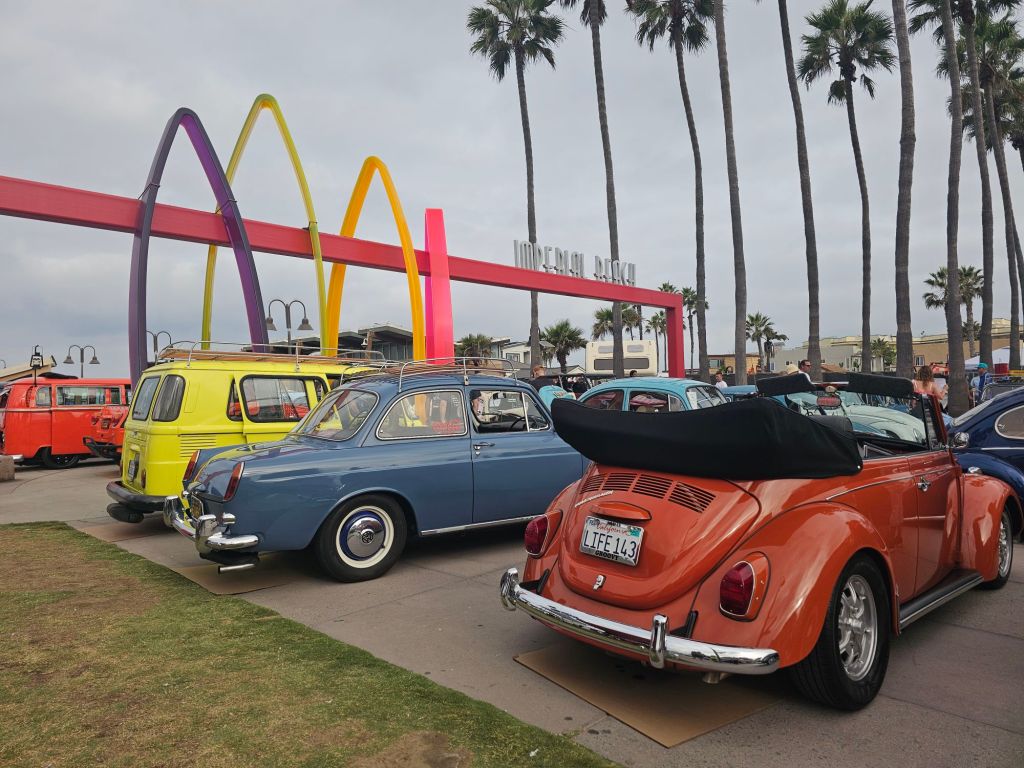
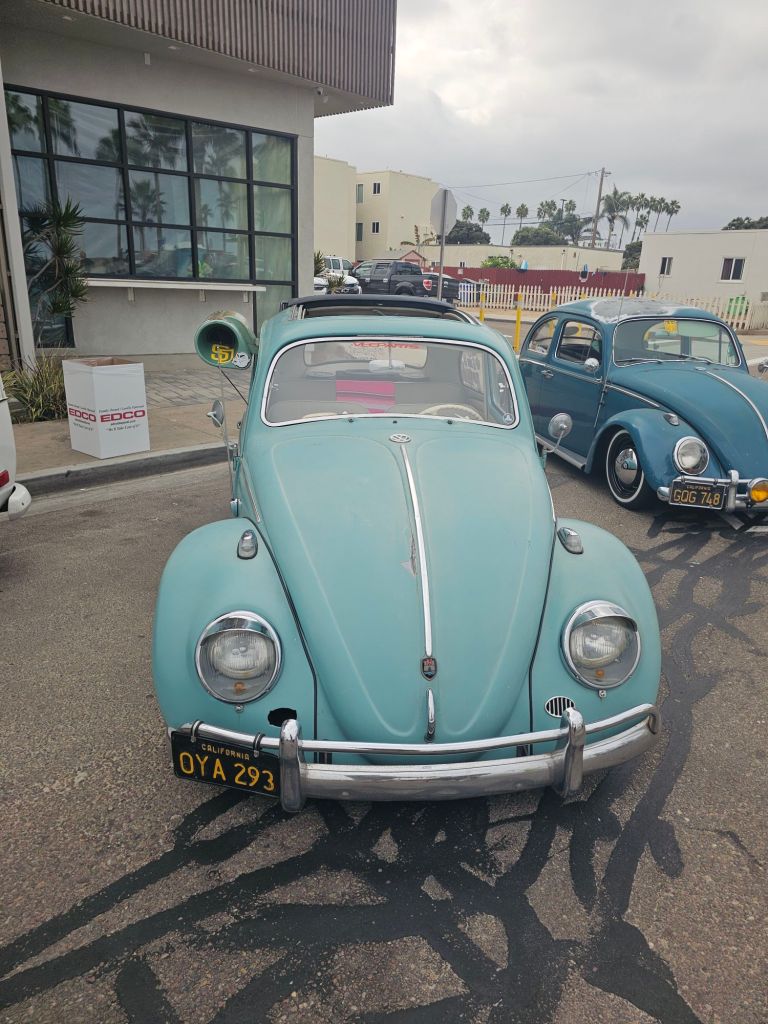
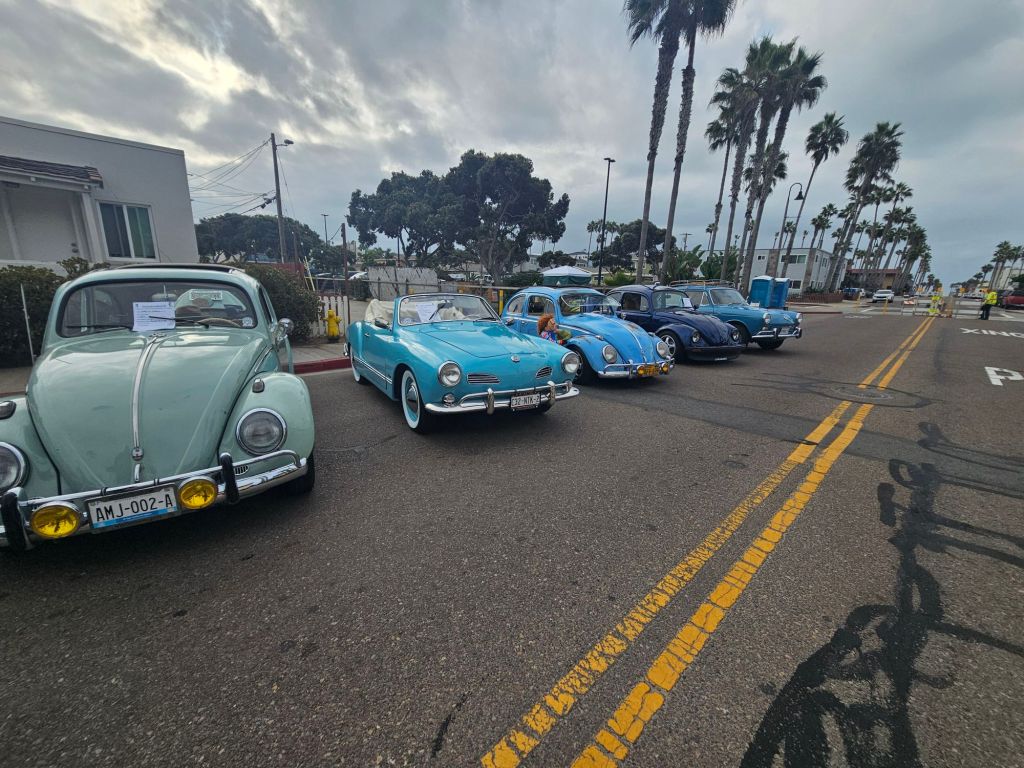
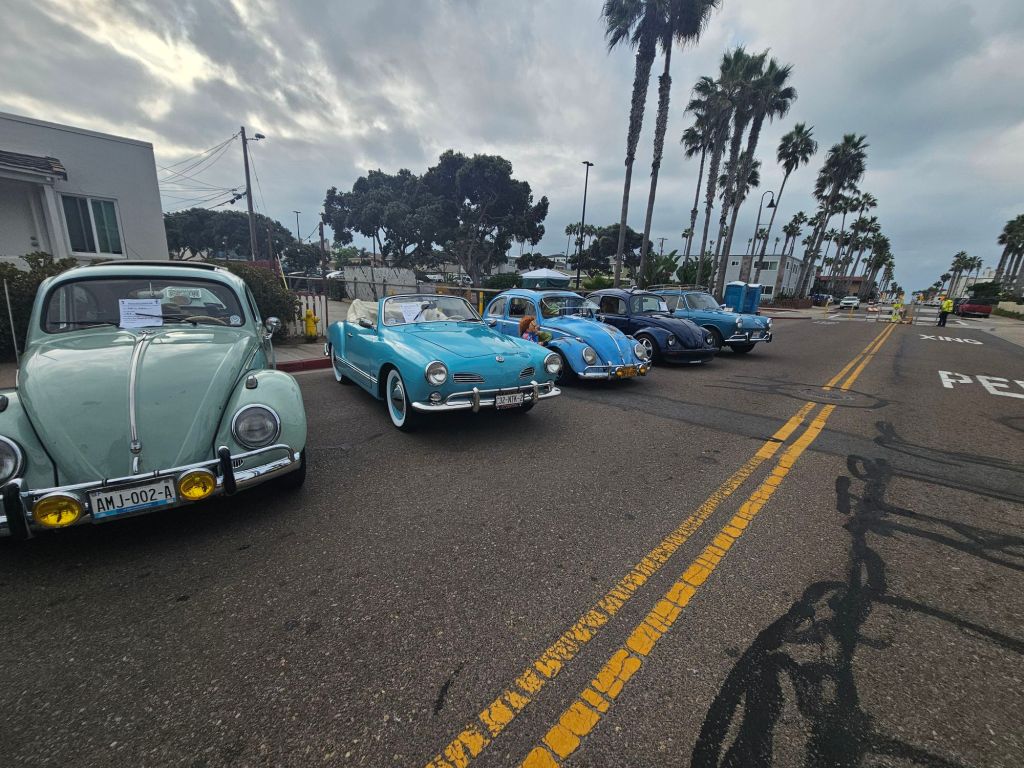
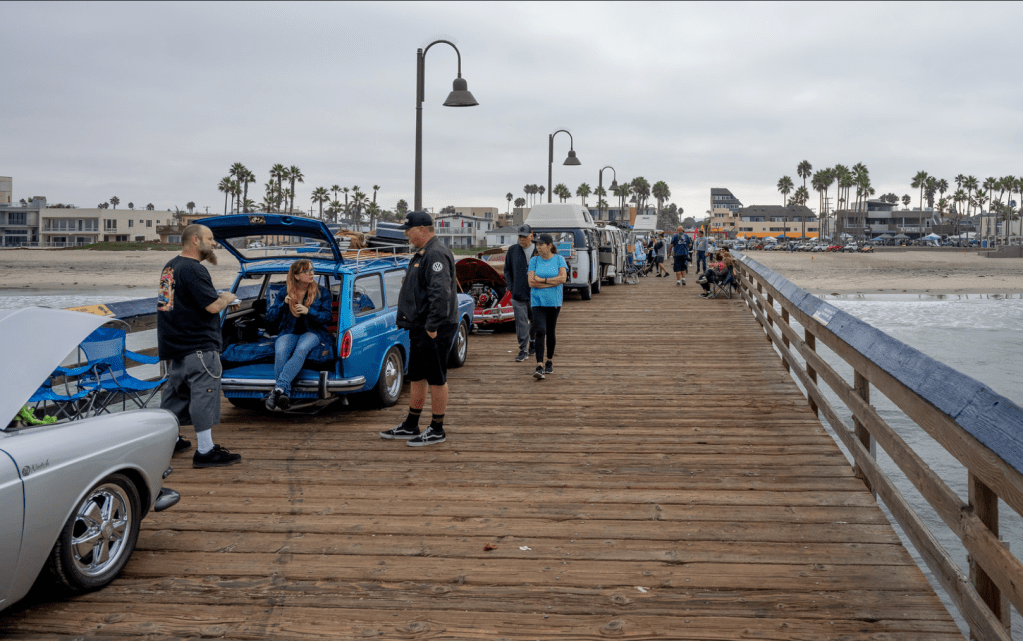
The 13th Annual Fiesta en la Playa takes place on Sunday, September 20, in Imperial Beach. For anyone who enjoys classic cars or simply likes discovering unusual events around San Diego, it is a fun reason to head down to the South Bay.
The 13th Annual Fiesta En La Playa Air Cooled Car Show is happening today, Sunday, September 20, 2026, from 9:00 AM to 2:00 PM at Imperial Beach along Seacoast Drive. Over 250 vintage air-cooled Volkswagens including Beetles, buses, and rare models.Live music and entertainment featuring the Super Sonic Samba School Band and Dancers, Mariachi del Mar, and Nasty Habits Classic Rock Band. #volkswagen#classic#carshow#vw#meetup
What makes Fiesta en la Playa different from many car shows is the setting.
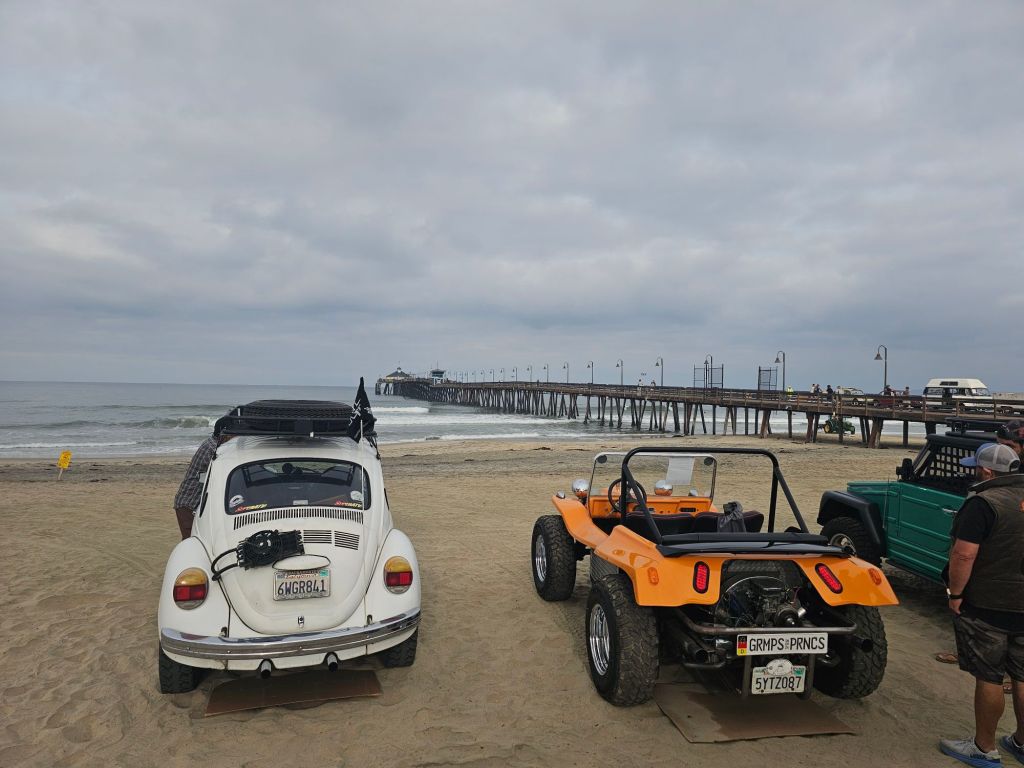
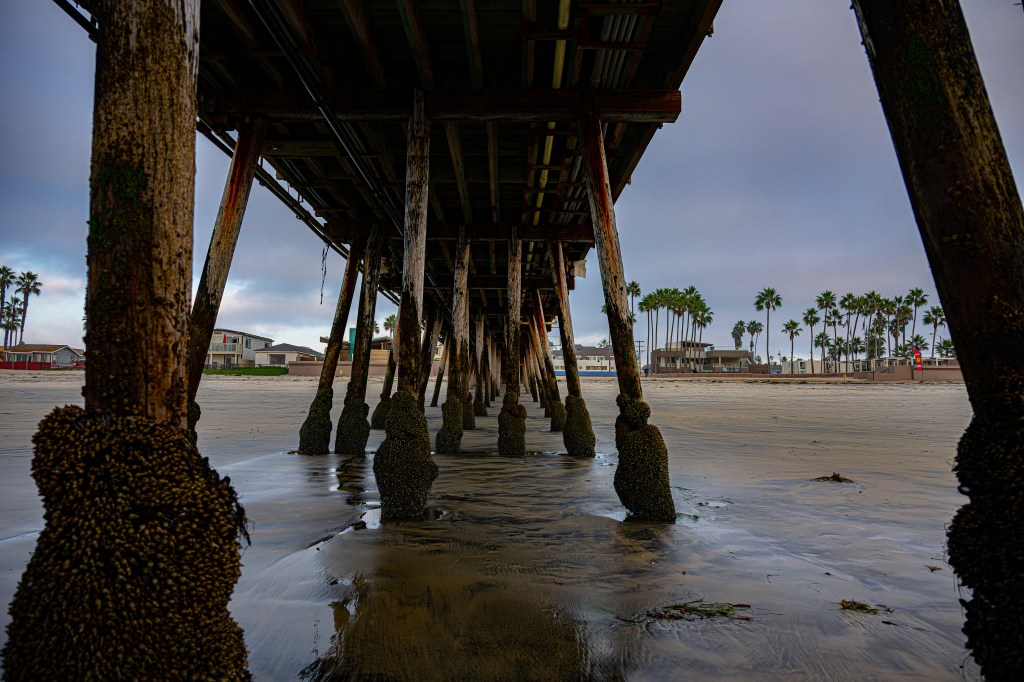
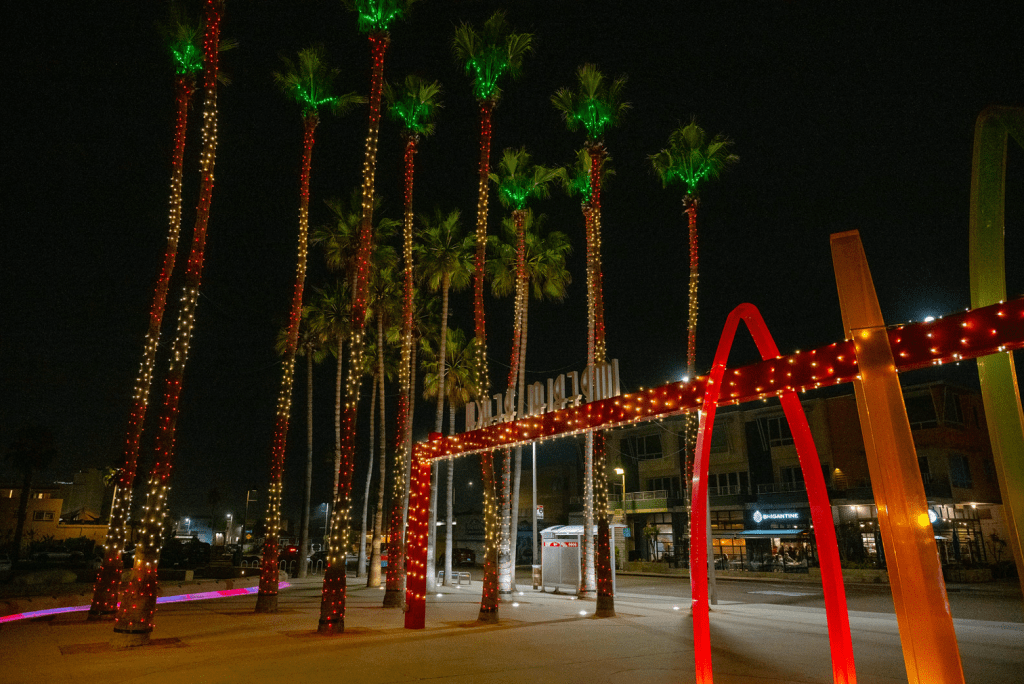
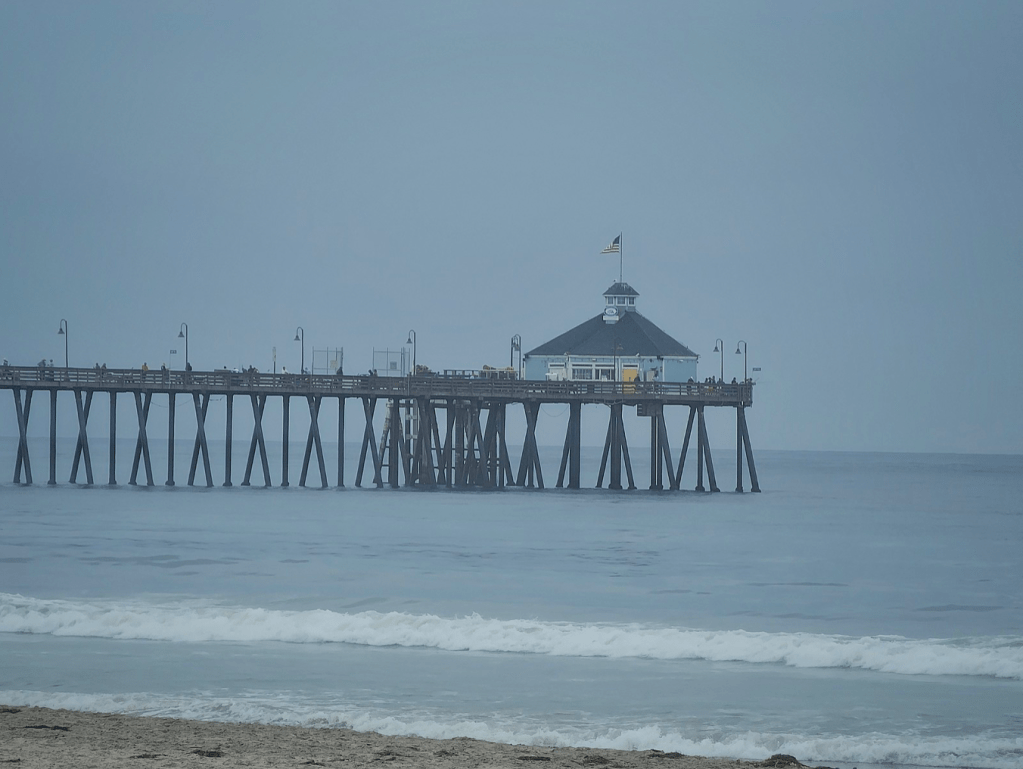
Instead of a parking lot surrounded by buildings, the event takes place in the coastal environment of Imperial Beach. Palm trees, sand, ocean breezes and the Imperial Beach Pier provide the backdrop for rows of Volkswagen vehicles.
The classic VW Beetle is, of course, one of the stars of the show. But there is plenty more to see, including the iconic Volkswagen Bus and other generations of Volkswagen vehicles.
Seeing these cars lined up against the beach creates a completely different atmosphere from a traditional indoor or parking-lot car show.
For car enthusiasts, it is an opportunity to see classic and customized VWs up close. For families and casual visitors, the colorful cars and beach setting make for an enjoyable way to spend a Sunday.
And if you enjoy photography, there are plenty of details to look for—from vintage badges and steering wheels to surfboards, bright paint colors and the distinctive shapes of classic Volkswagen vehicles.
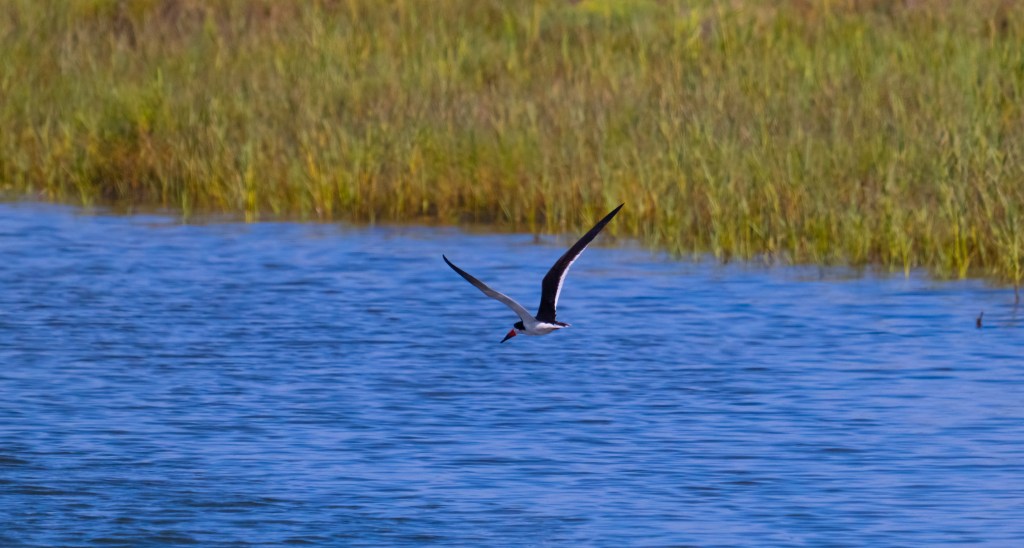
Imperial Beach birds, Imperial Beach terns, Tijuana Estuary, Tijuana River Estuary, Elegant Tern, Royal Tern, San Diego birding, San Diego bird photography, Imperial Beach bird photography, salt marsh birds, Southern California birding, San Diego wildlife photography
If you spend enough time exploring the wetlands and shoreline of San Diego’s South Bay, you begin to notice that certain birds seem to have favorite places.
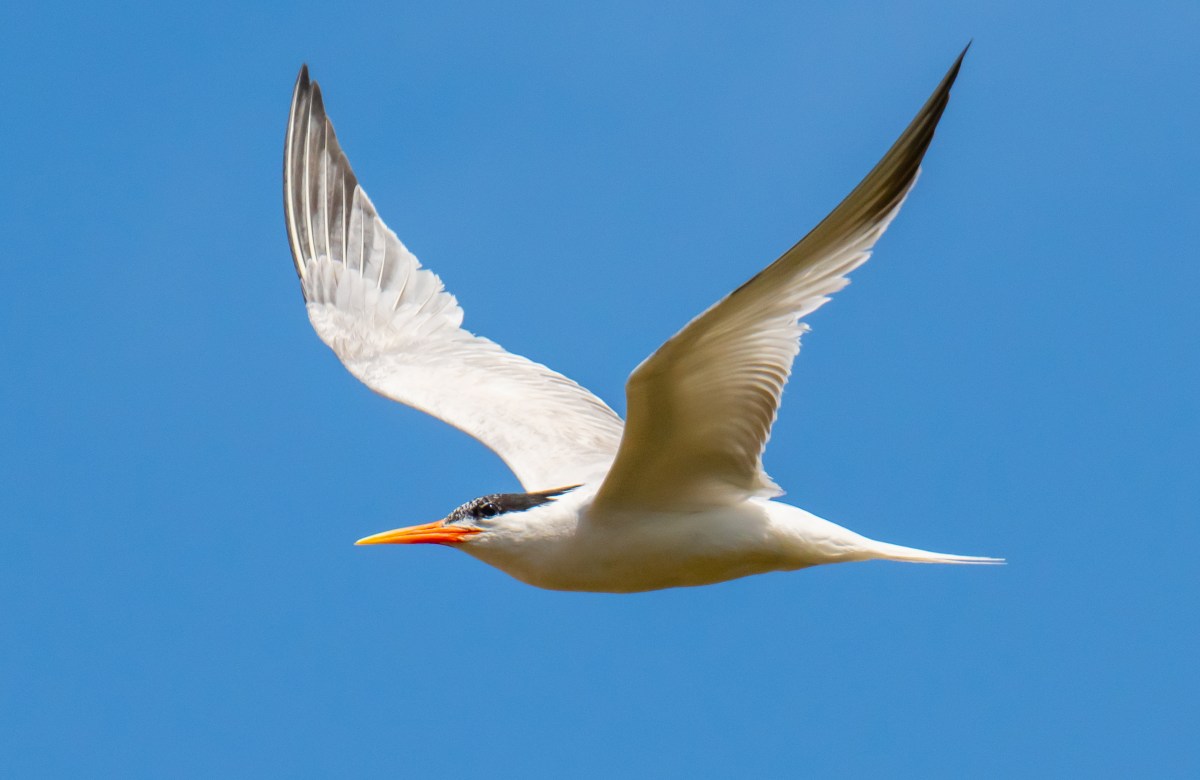
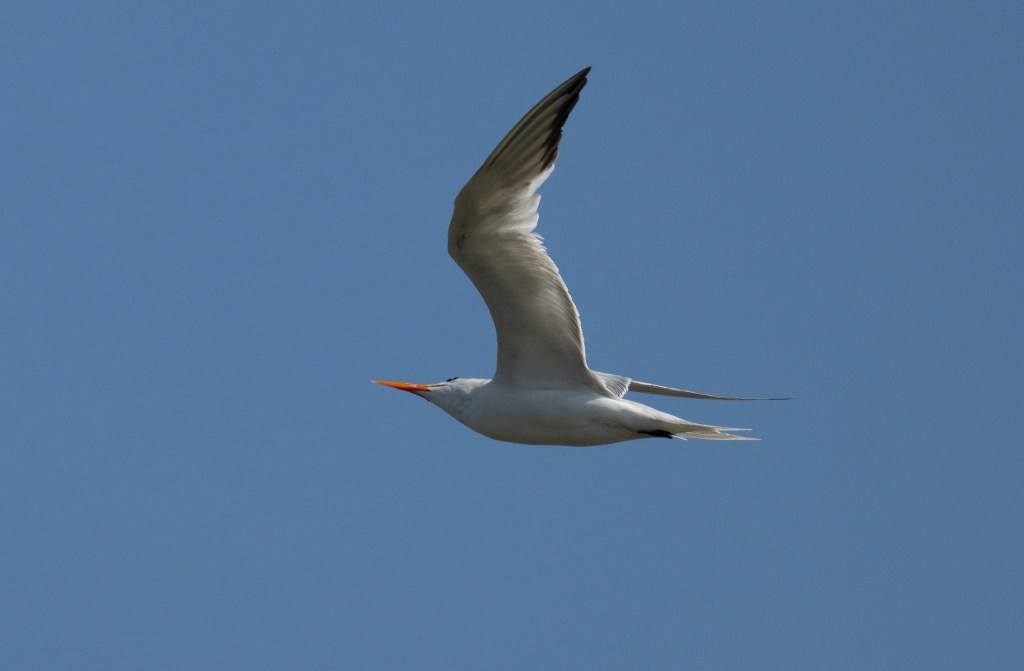
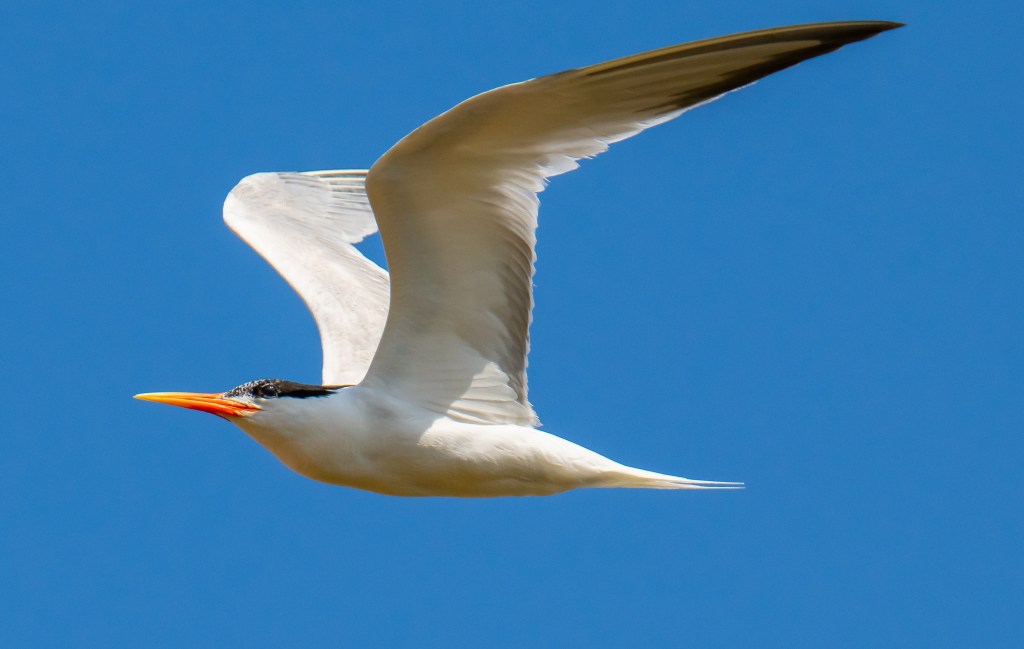
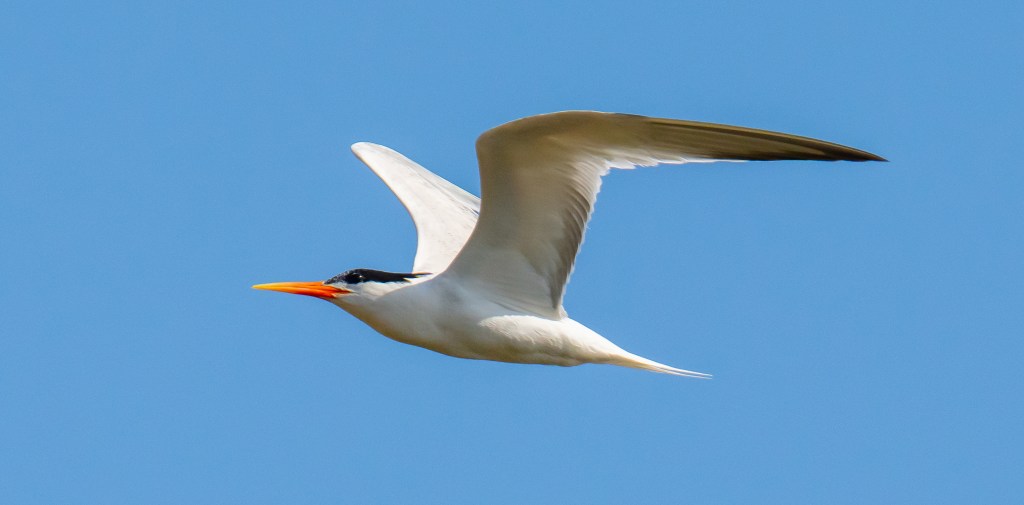
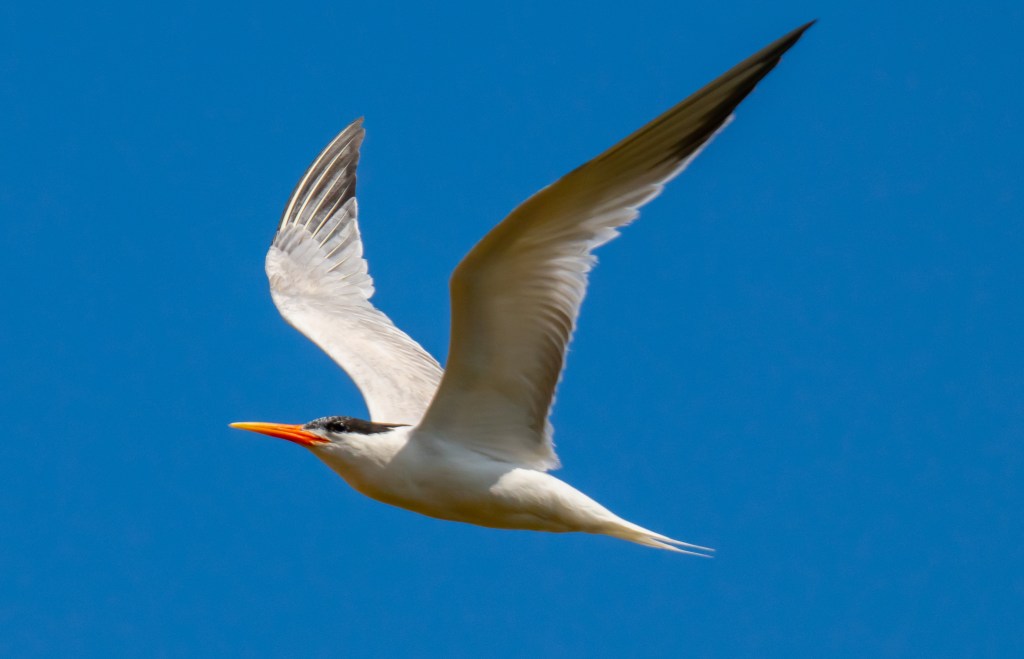
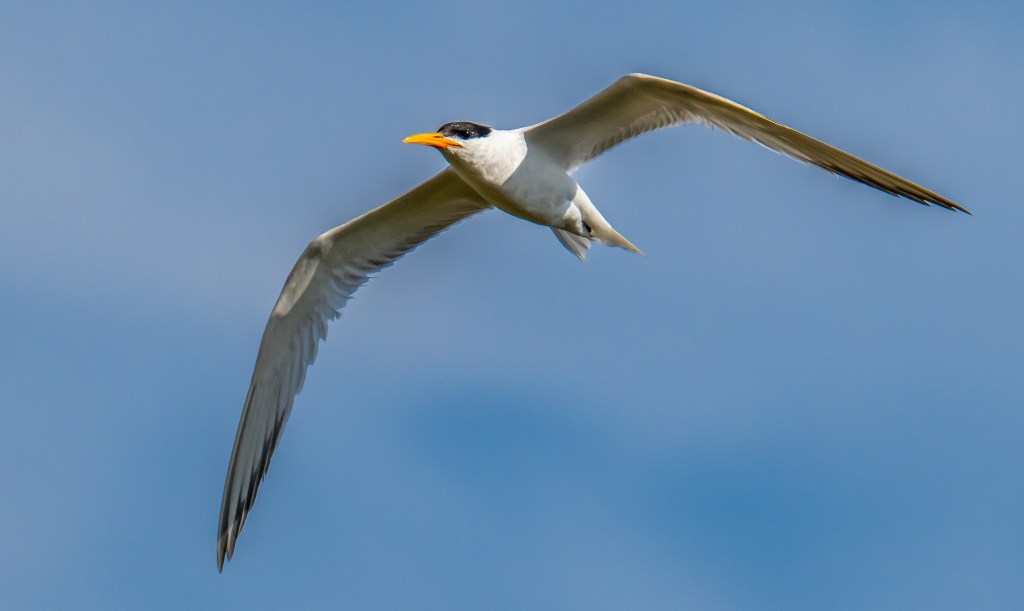
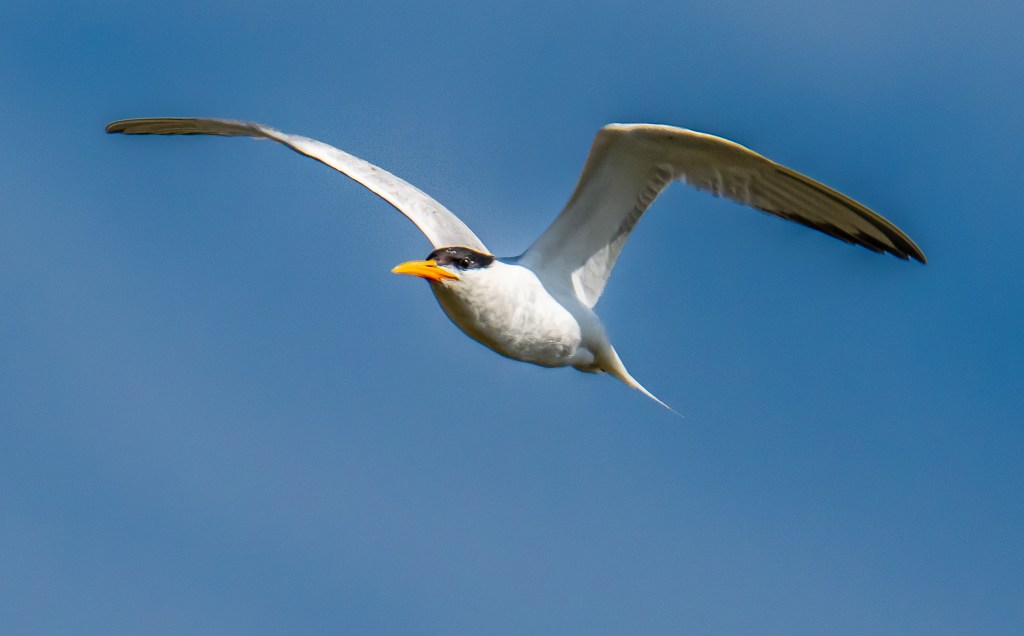
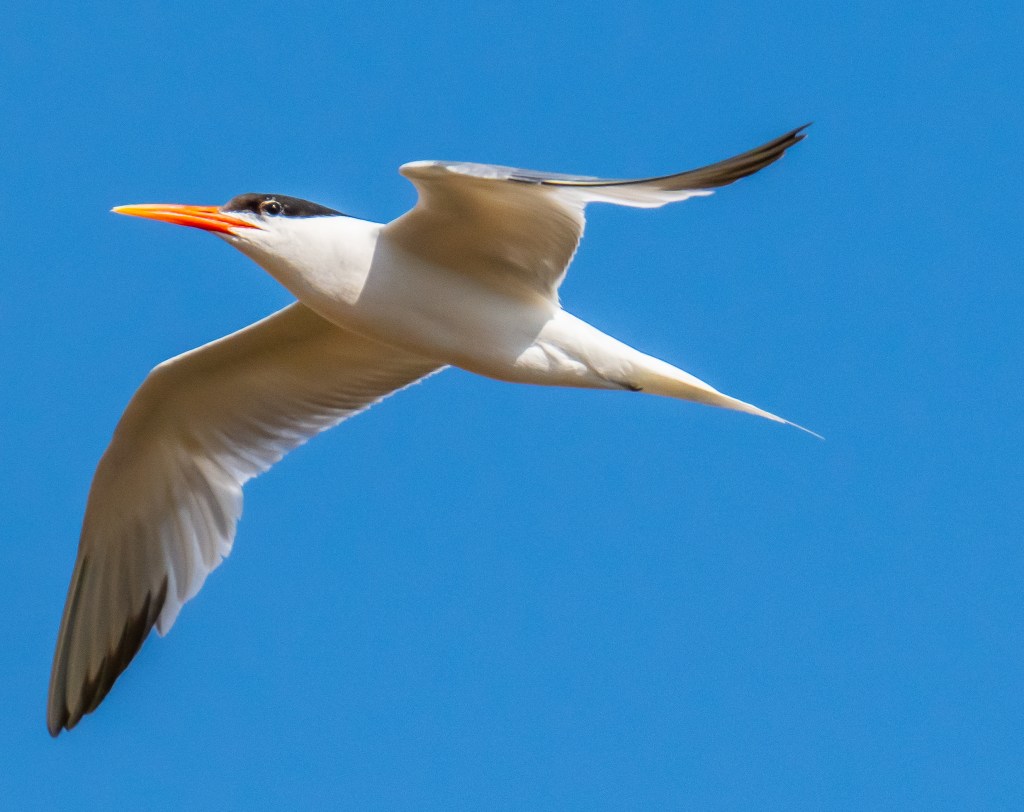
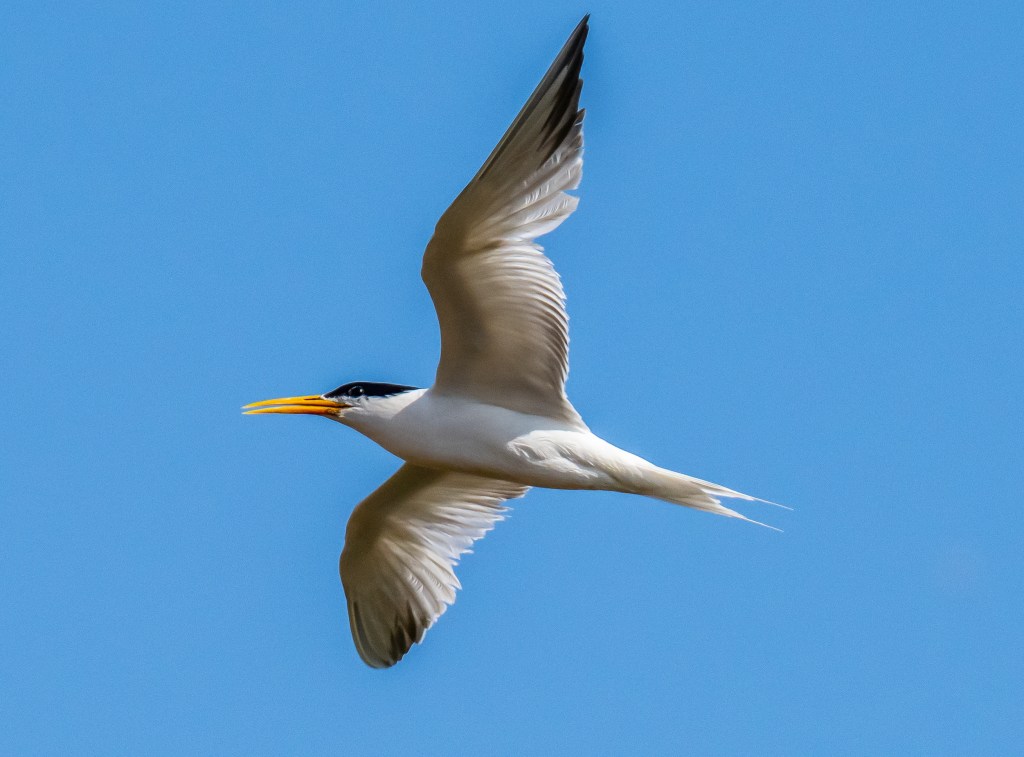
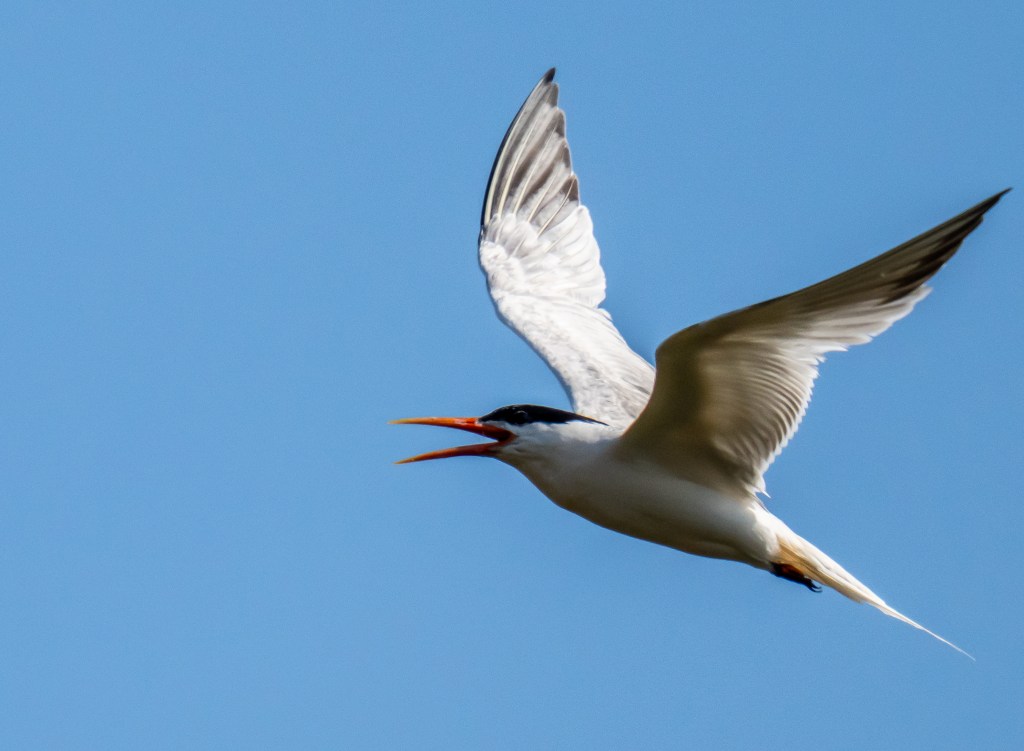
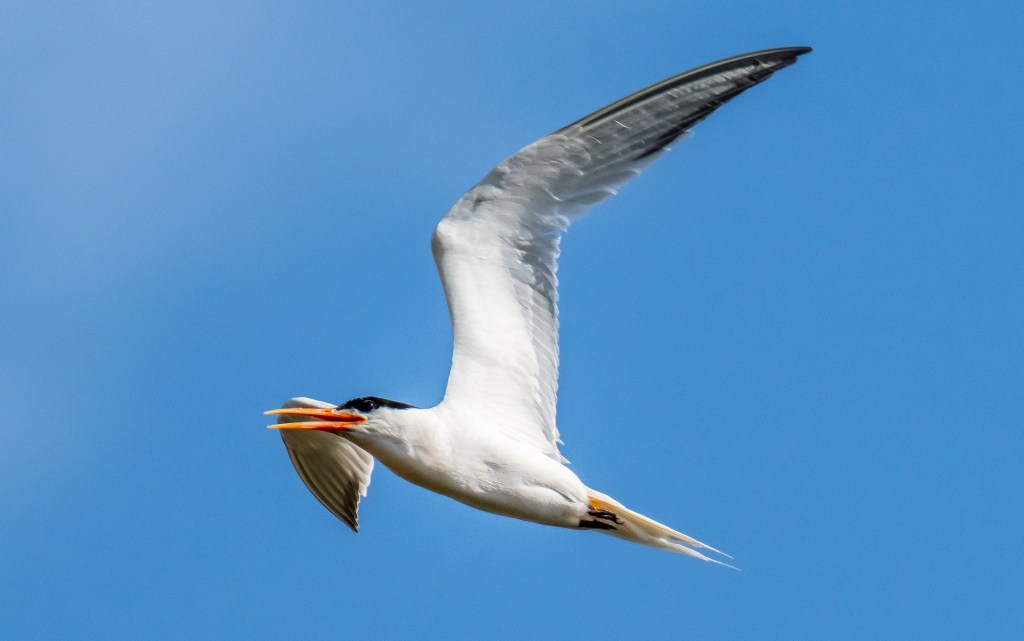
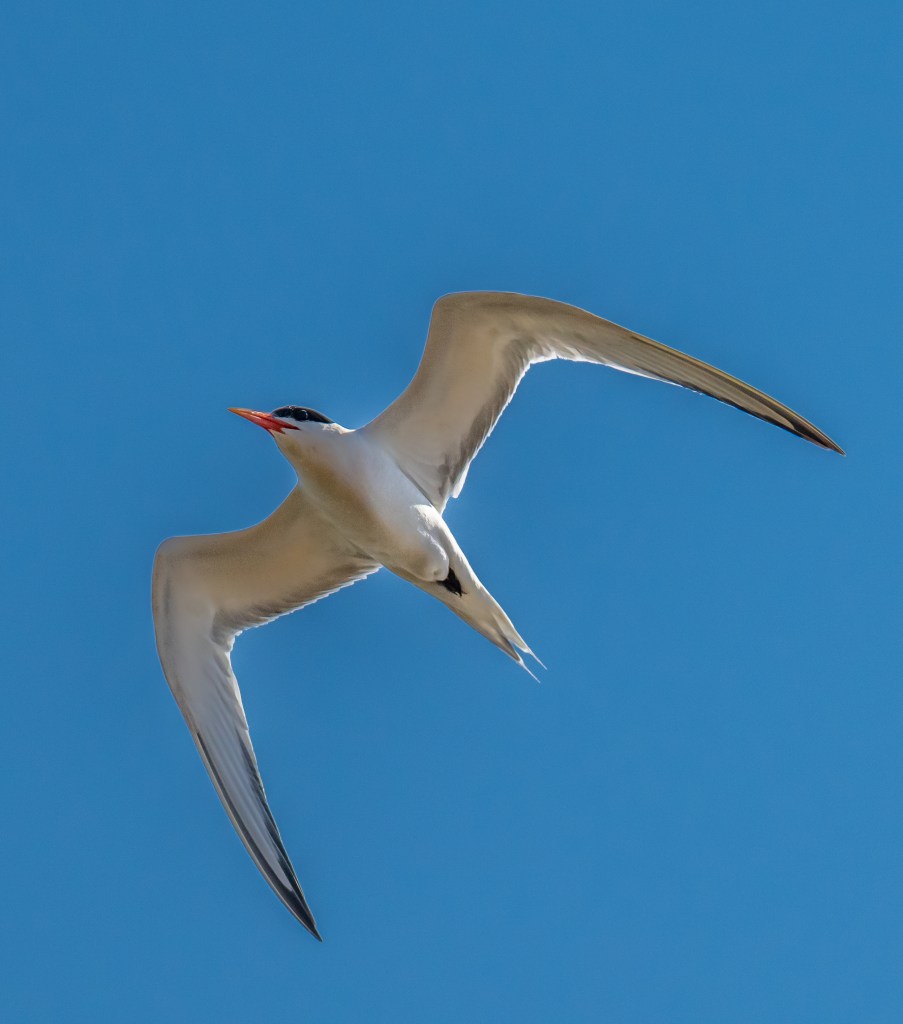
One of those birds is the Elegant Tern.
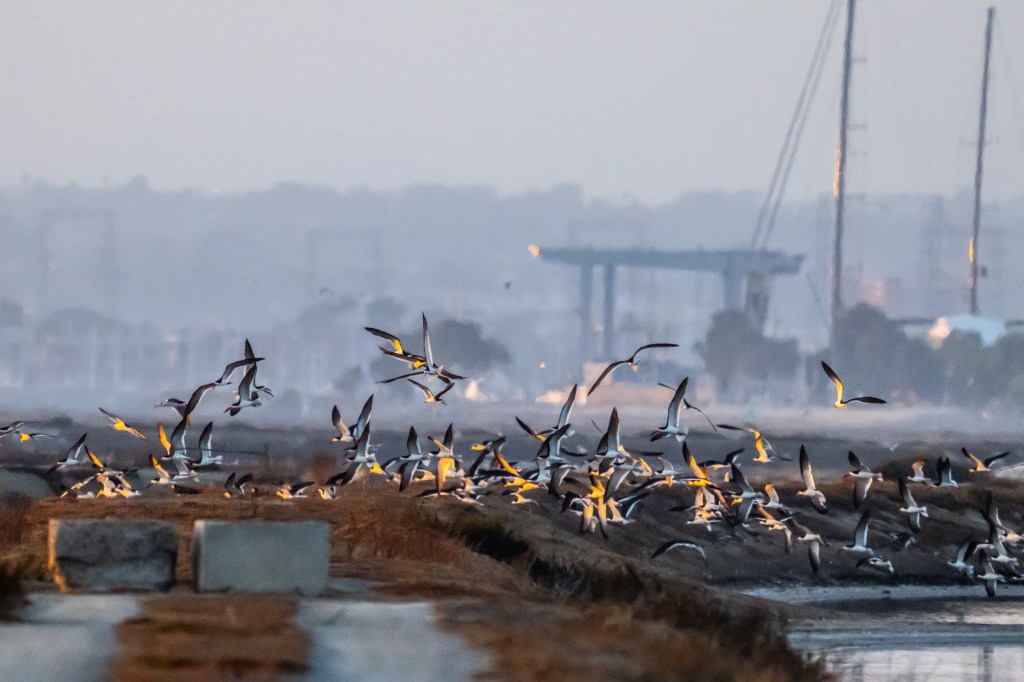
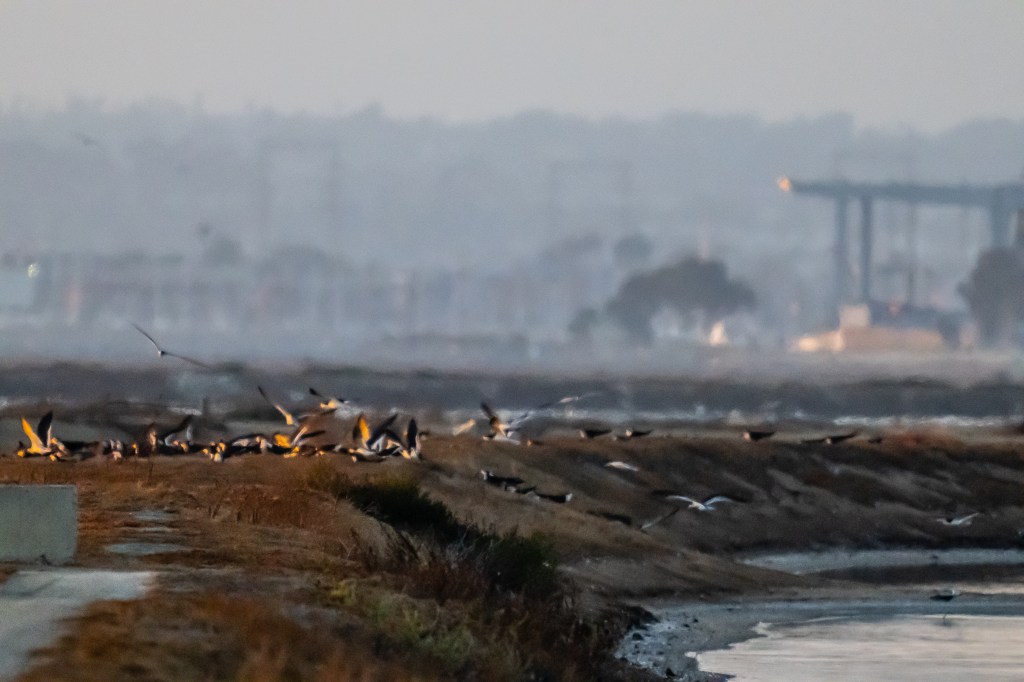
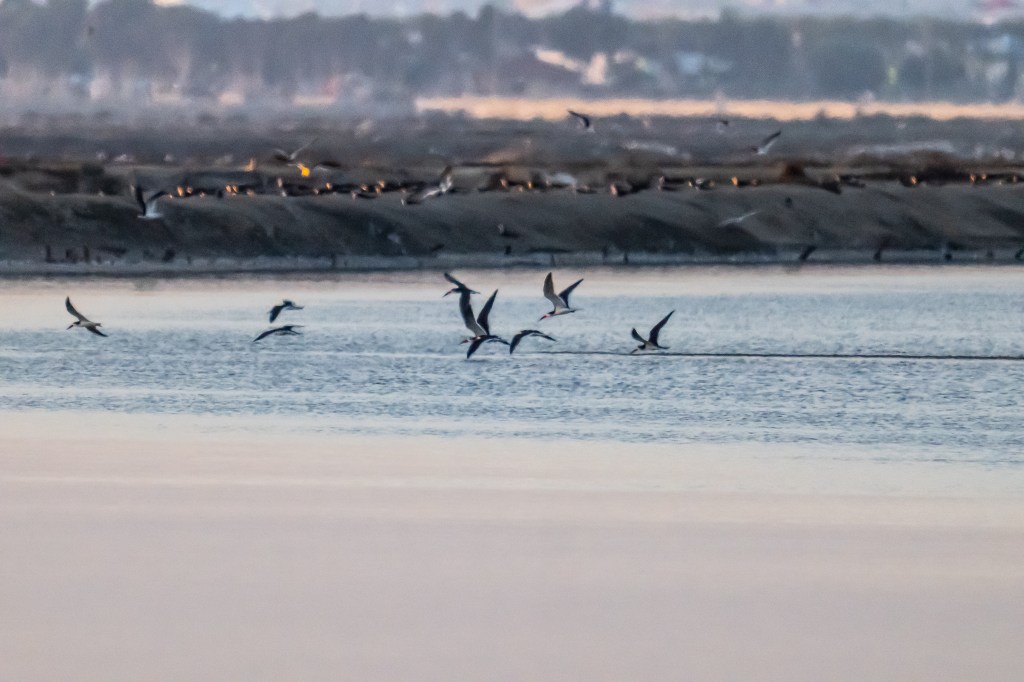
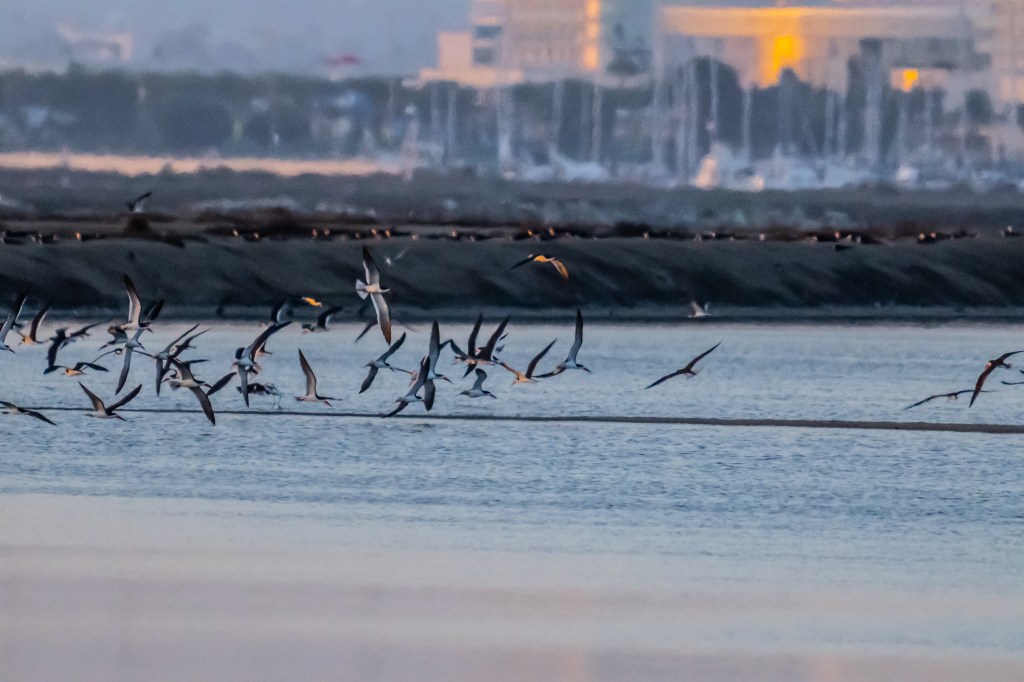
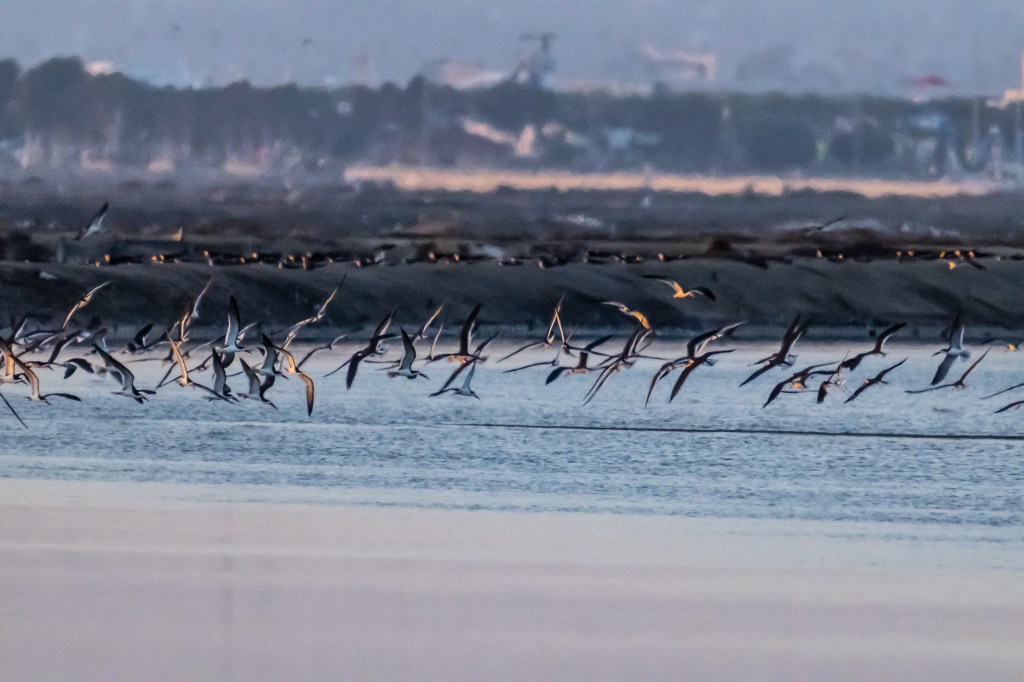
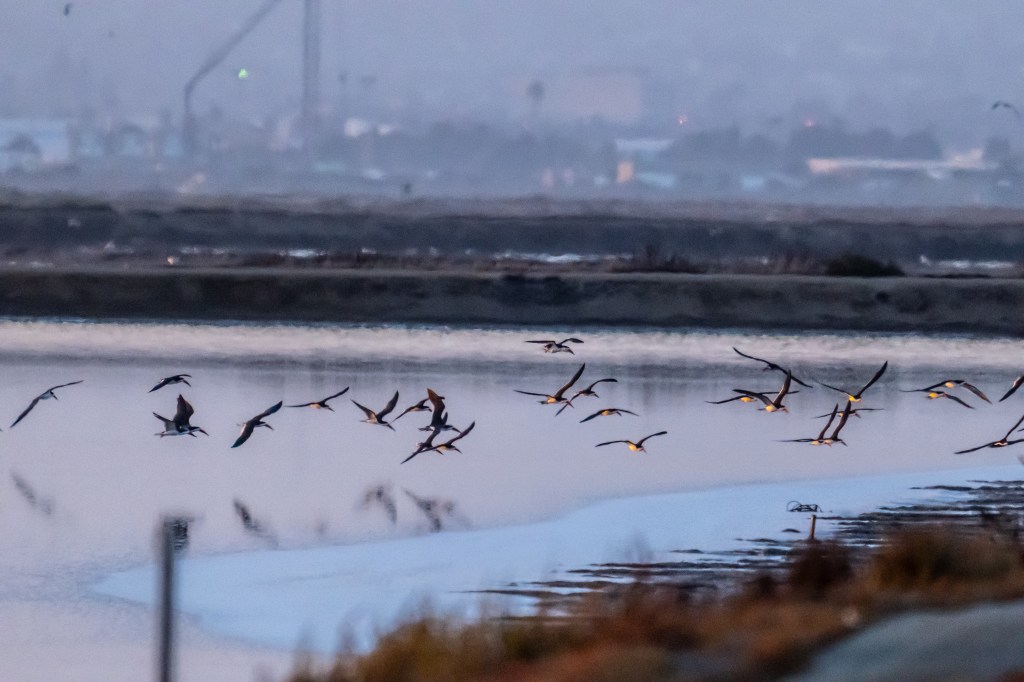
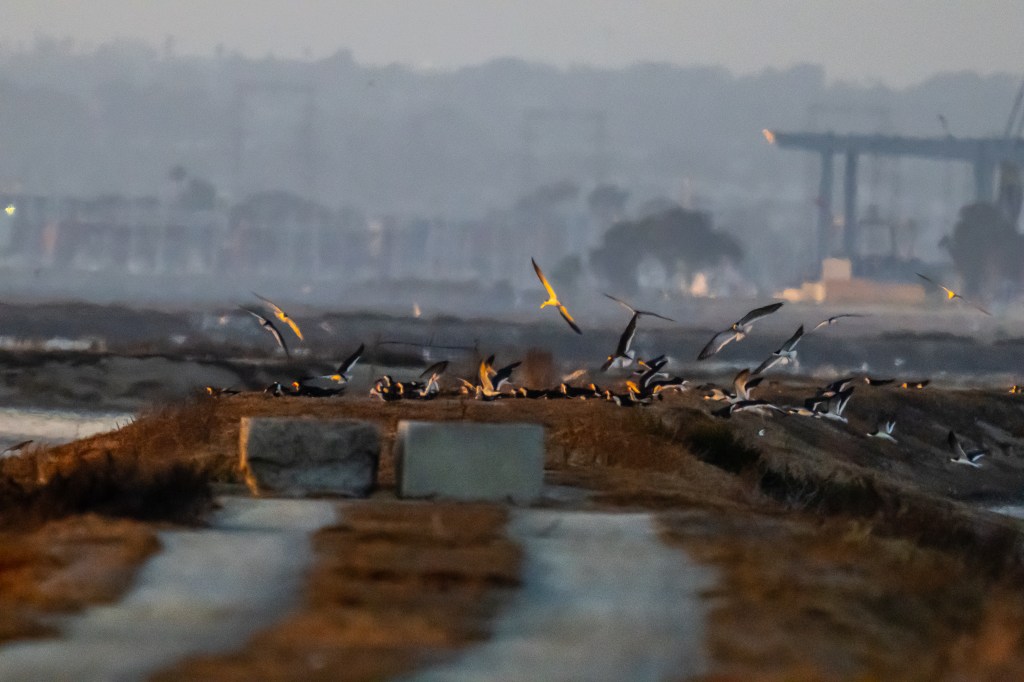
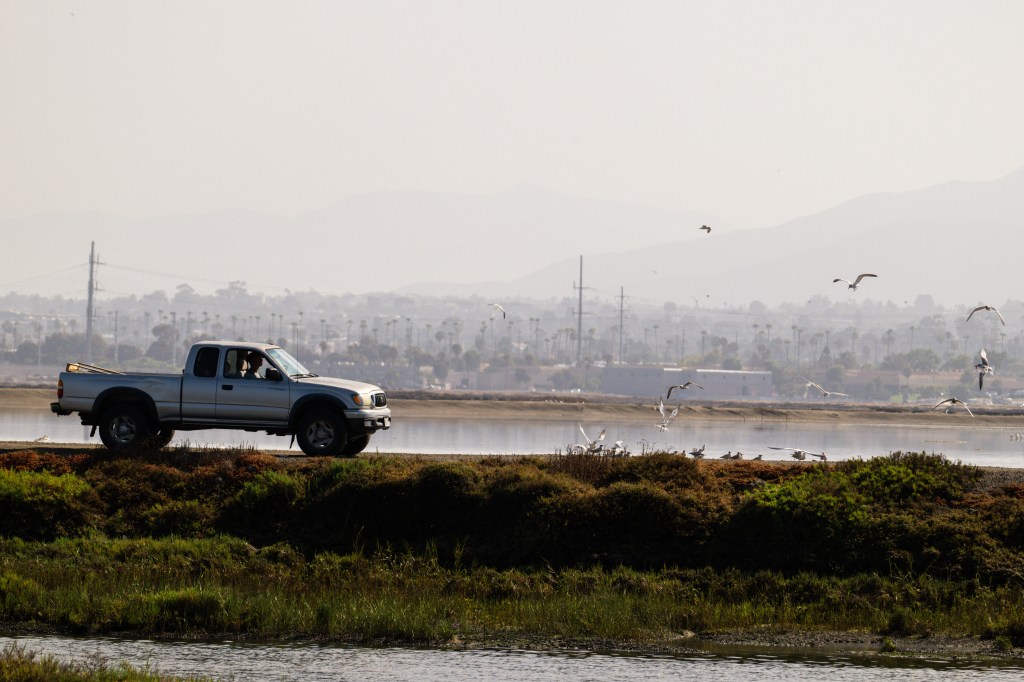
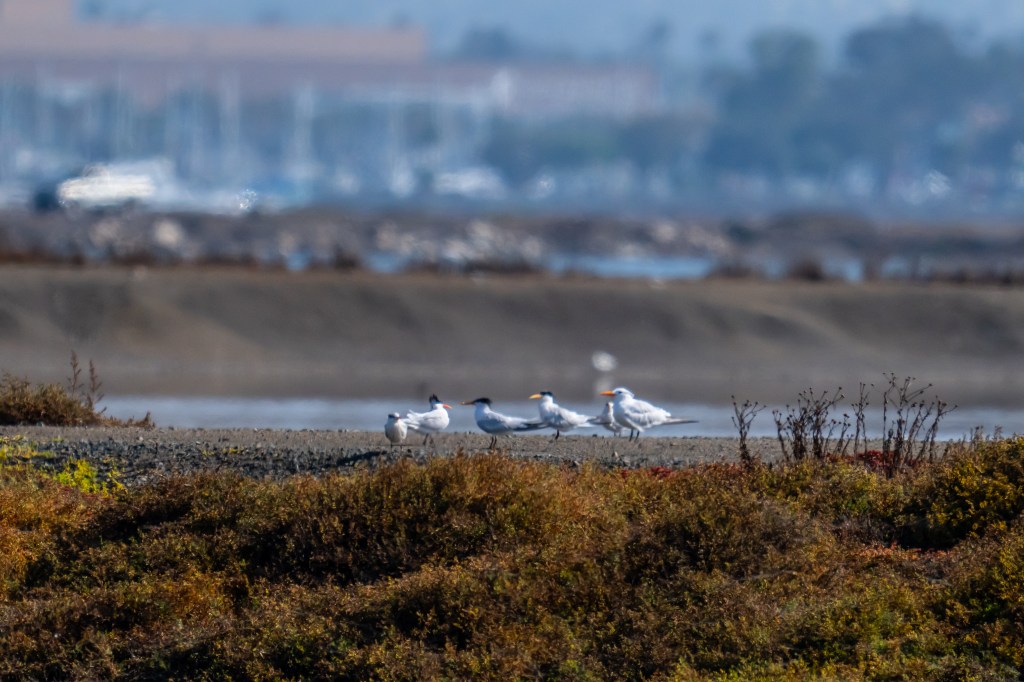
I’ve been seeing Elegant Terns around the salt marsh in Imperial Beach, where large flocks can gather over the wetlands and surrounding waterways. I’ve also seen them farther north around the South Bay salt flats, showing just how closely these birds are associated with the coastal wetlands and salt ponds of the region.
For a bird photographer, seeing a large flock of Elegant Terns moving through the South Bay is an impressive sight.
A Familiar Summer Visitor
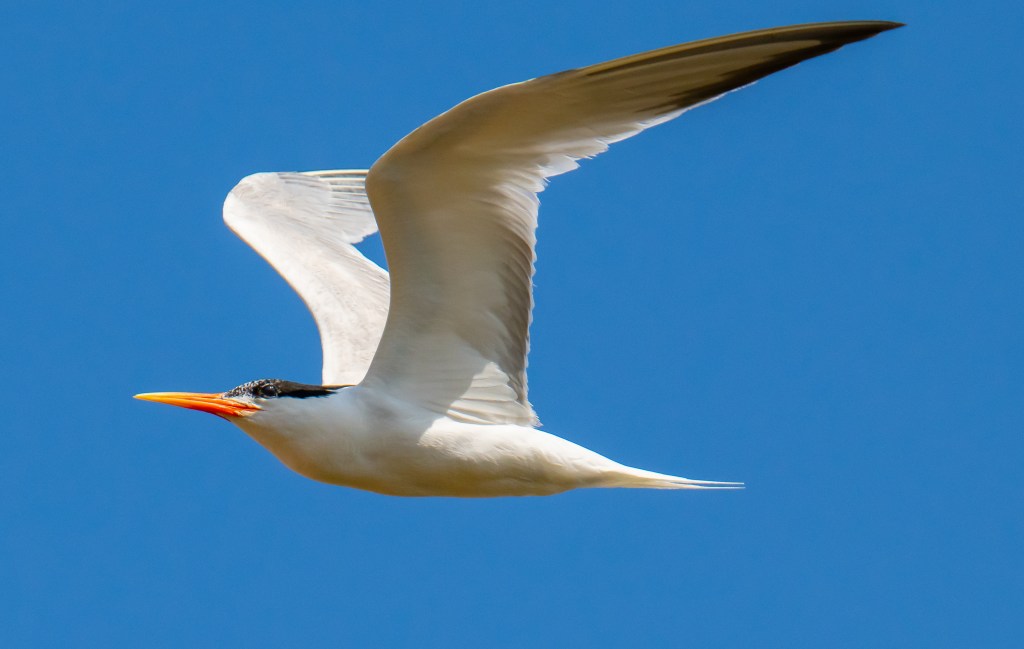
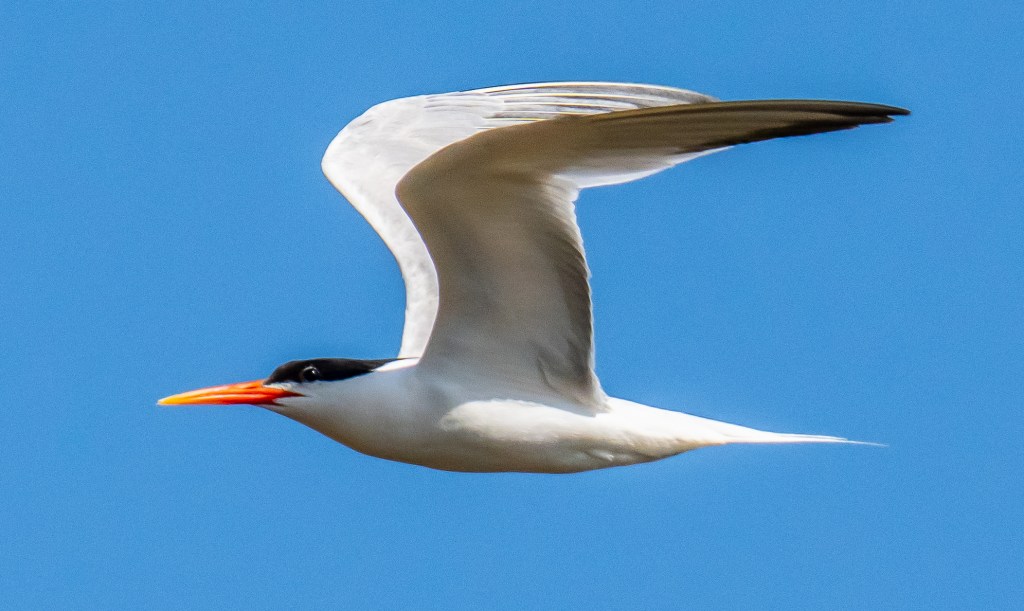
Elegant Terns are sleek, long-winged seabirds with a shaggy black crest, pale gray back, white underparts and a distinctive orange bill. They are closely associated with the Pacific Coast and are particularly noticeable in Southern California during the warmer months.
The birds are known to use bays, estuaries, mudflats and coastal waters after the breeding season. A recent City of San Diego biological report describes Elegant Terns as post-breeding visitors to Southern California’s coast, with birds frequenting bays, estuaries, mudflats and lagoons. San Diego Bay also supports a small nesting colony.
That makes the South Bay a particularly interesting place to look for them.
From Imperial Beach to the Salt Flats
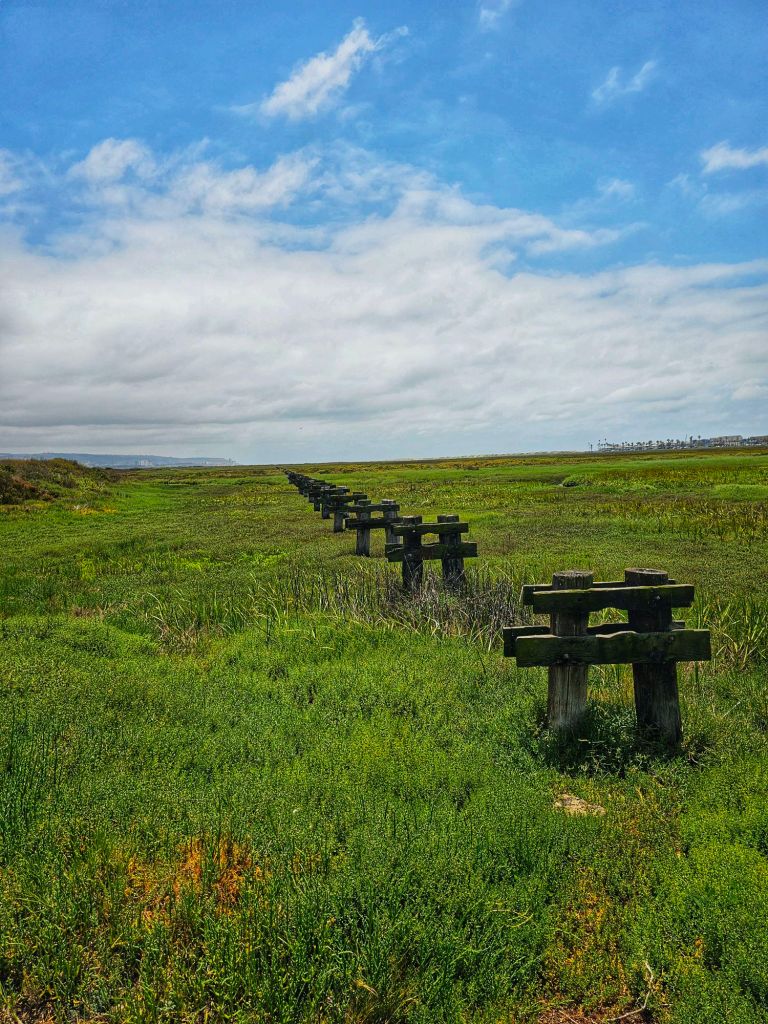
The salt marsh around Imperial Beach and the salt ponds farther north are part of a much larger coastal wetland system.
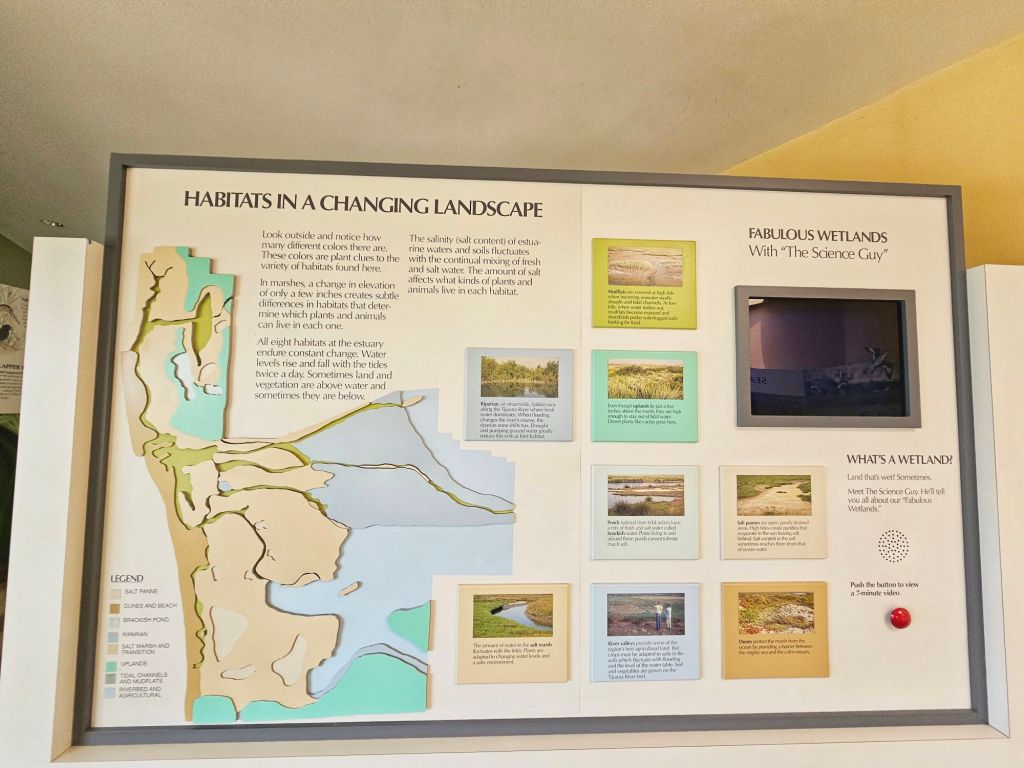
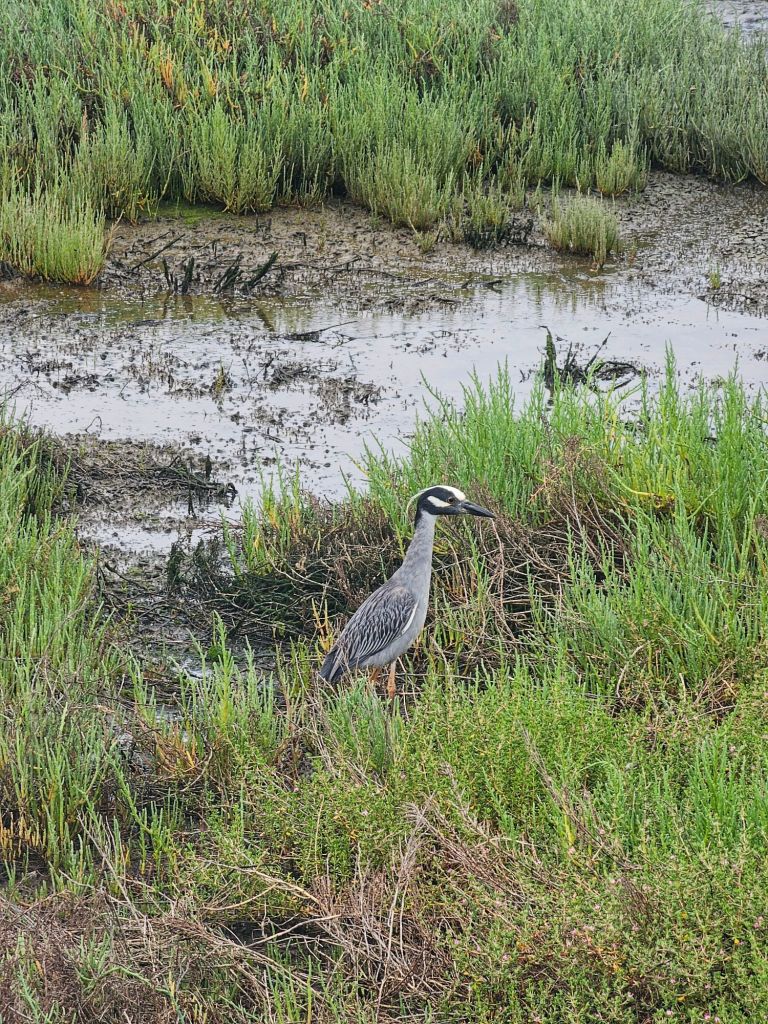
The Tijuana Estuary is one of Southern California’s remaining salt marshes and provides feeding, nesting and stopover habitat for hundreds of bird species.
The South Bay salt ponds provide another important piece of habitat. The ponds are part of the San Diego Bay National Wildlife Refuge and support a remarkable variety of birds. The highly saline water produces brine organisms that provide food for birds, while the pond levees provide nesting habitat.
So when Elegant Terns appear in the Imperial Beach marsh or around the South Bay salt flats, they aren’t simply passing through a random patch of habitat. They’re using a connected network of coastal wetlands that has supported terns for generations.
The South Bay’s Long History With Elegant Terns
The connection between Elegant Terns and the South Bay goes back decades.
Elegant Terns first nested in California at the San Diego Bay salt works in 1959. Historical records also describe the South Bay salt ponds as one of the few nesting locations for Elegant Terns in the United States.
That history makes seeing them around the salt flats today even more interesting.
The salt ponds may look industrial at first glance, but they have become an important part of the South Bay’s wildlife landscape. The combination of shallow water, mudflats and extremely salty ponds creates unusual habitat that attracts birds looking for food and places to rest or nest.
Why We Don’t Walk Past the Wetland Signs
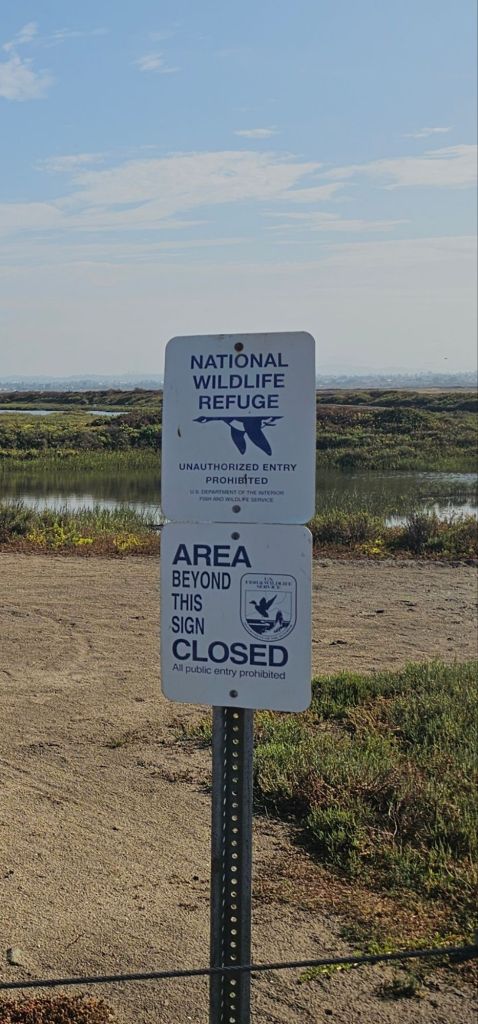
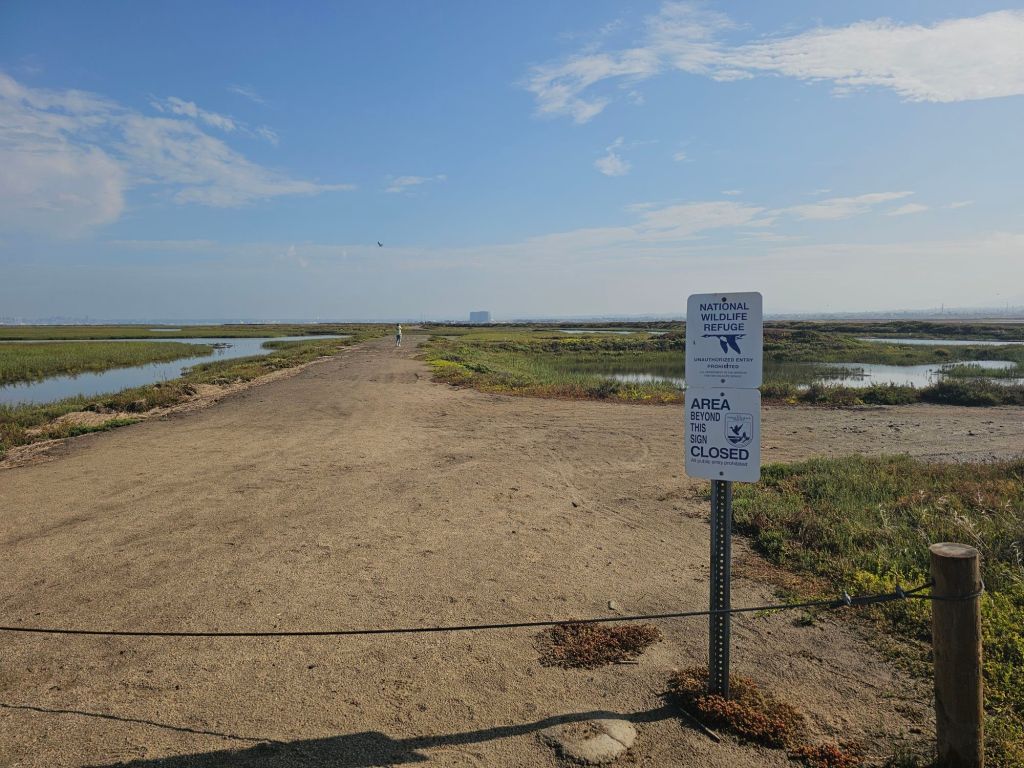
When you’re photographing birds, it’s tempting to get just a little closer. A better angle, a clearer shot, or a photograph of a tern taking flight can make you want to step beyond a fence or posted sign.
But around the Imperial Beach wetlands, those signs are there for a reason.
The salt marsh is a living ecosystem. What may look like an empty patch of mud or vegetation can be feeding, resting, or nesting habitat for birds. Walking into these areas can disturb wildlife, damage vegetation, and cause birds to use valuable energy flying away from people.
This is especially important when large flocks of terns are present. A person approaching a flock can cause dozens or even hundreds of birds to suddenly take flight. While one disturbance may seem insignificant, repeated disturbances from visitors can keep birds from feeding or resting.
There is also another reason to stay on the designated paths: wetlands can be fragile and surprisingly easy to damage. Salt-marsh plants and the muddy surface help form an ecosystem that has developed over many years. Foot traffic can create unofficial trails and damage vegetation that provides habitat for birds and other wildlife.
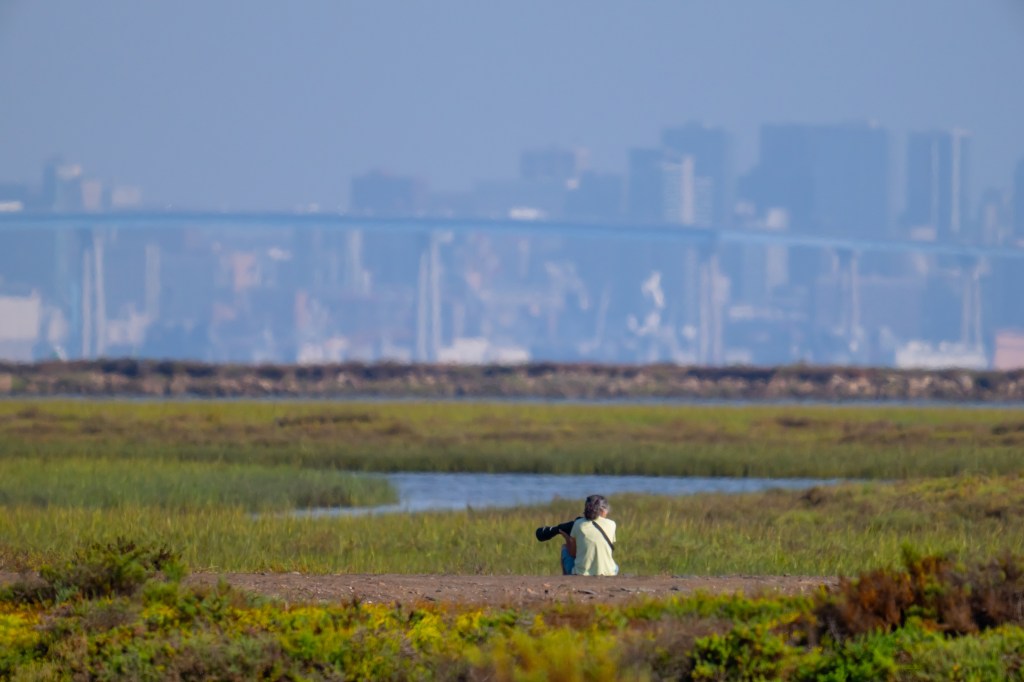
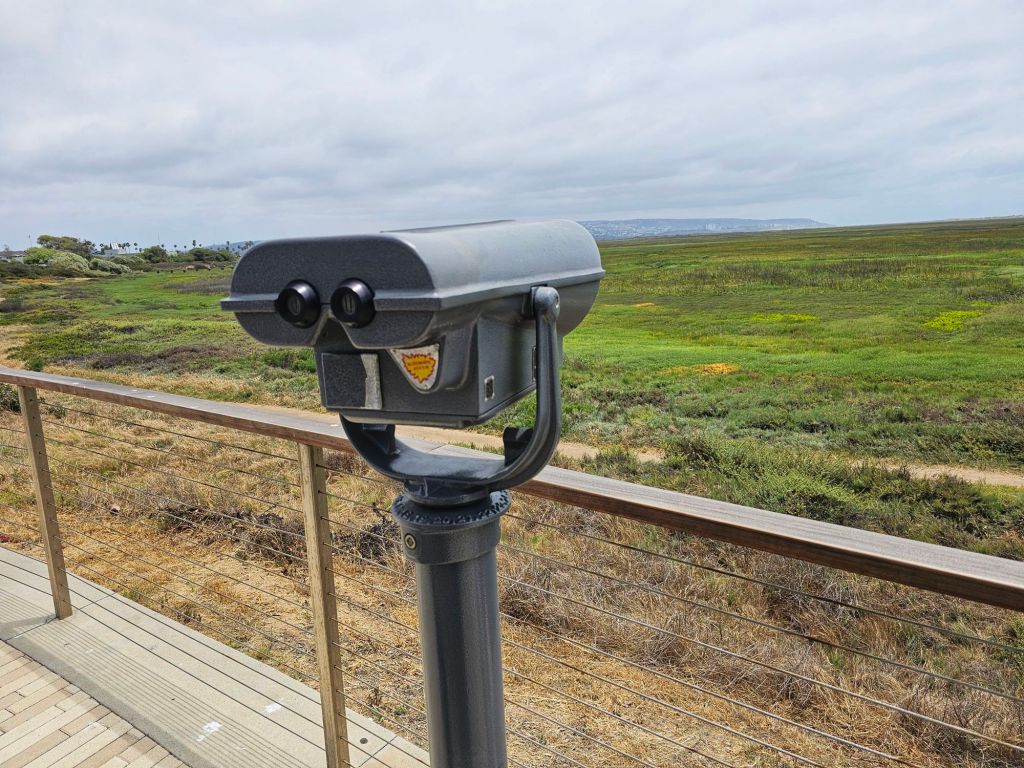
For photographers, staying behind the signs is part of responsible wildlife photography. A longer lens, binoculars and patience can often give you a better experience without getting closer.
The goal isn’t simply to get the closest photograph.
The goal is to photograph the birds while allowing them to continue doing what they came here to do.
So when you visit the Imperial Beach salt marsh or the South Bay salt flats, pay attention to the signs and stay on designated trails. Give the birds room, respect protected areas and let the wetlands remain a place where wildlife can thrive.
Sometimes the best wildlife photograph is the one you take without disturbing the wildlife at all.
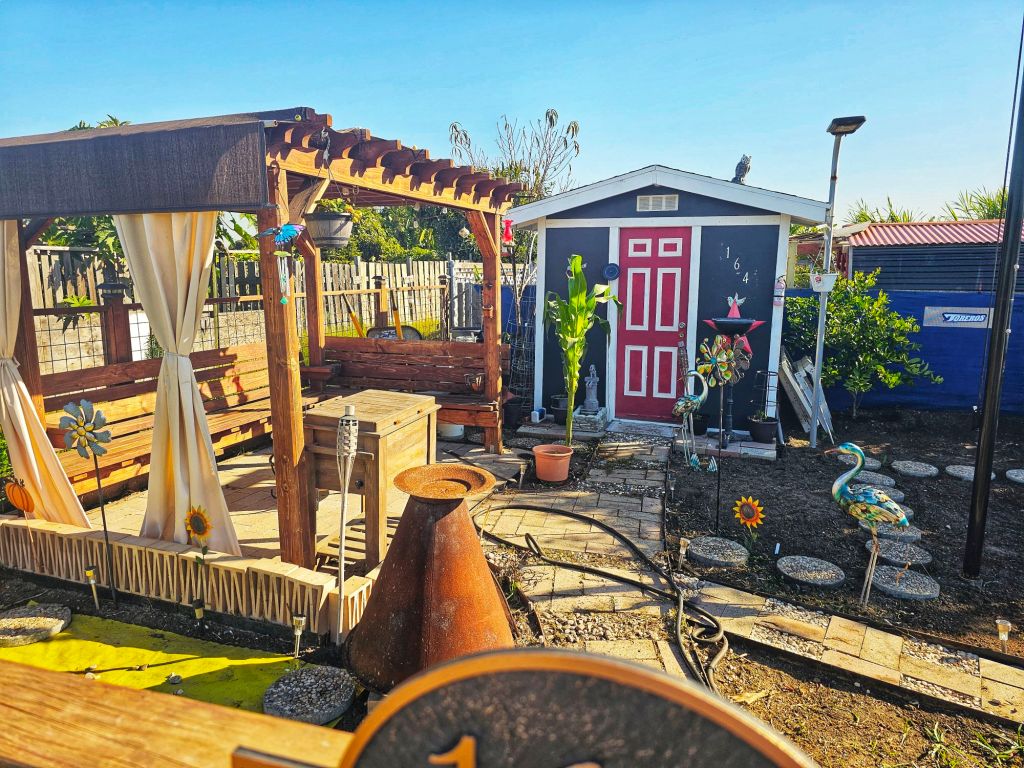
The Tijuana River Community Garden, established 2002, has become one of the most active green spaces in the South Bay, offering residents a place to grow food, strengthen community ties, and cultivate a shared connection to the land. The site of the community garden lies in the Tijuana River Valley Regional Park (TRV), a region that historically hosted agricultural operations, including vegetable farms, dairies, and ranches. Over time, many farms in the valley experienced floods, soil disruption, or were abandoned.
The Tijuana River Community Garden, established 2002, has become one of the most active green spaces in the South Bay, offering residents a place to grow food, strengthen community ties, and cultivate a shared connection to the land. The site of the community garden lies in the Tijuana River Valley Regional Park (TRV), a region that historically hosted agricultural operations, including vegetable farms, dairies, and ranches. Over time, many farms in the valley experienced floods, soil disruption, or were abandoned.
The commercial success of large-scale agriculture in the valley was severely curtailed by flooding and, most critically, by the ongoing transboundary pollution issue. Beginning in the mid-20th century and accelerating rapidly due to Tijuana’s population growth and inadequate infrastructure, the Tijuana River became a major conduit for raw sewage, industrial waste, and sediment.
2025 brought renewed urgency around environmental issues in the surrounding valley. The region has been affected by a persistent sewage and pollution crisis — runoff and untreated wastewater from across the border entering the valley, leading to toxic contamination in water, soil, and air. As a result — and citing “health and safety of gardeners, farmers and staff,” and “increased flooding and related challenges in recent years” — Resource Conservation District of Greater San Diego County (RCDGSDC), a non-profit/quasi-governmental organization tasked with environmental conservation projects locally announced it would end its lease and management of the garden in October 2025.
In November 2025, the county selected Olivewood Gardens and Learning Center (OGLC), a nonprofit based in National City, as the garden’s interim operator for up to one year. The appointment of Olivewood Gardens as interim operator provides continuity for now, but long-term viability depends on final negotiations, environmental remediation, and the ability to ensure safe operation.
While “king tide” isn’t a strict scientific term, it’s widely used to describe exceptionally high spring tides. These happen when the moon and sun align in such a way that their combined gravity pulls the ocean to its highest highs.
In Southern California, including Imperial Beach, king tides happen a few times each year. According to local tide forecasts, high tides can reach around 7 feet, compared to the more typical 4–5 foot high tides.
2025 King Tide Outlook for Southern California
The California King Tides Project lists November 6, 2025 and December 6, 2025 as King Tide dates for some Southern California locations.
Additionally, December 4–5, 2025 and January 2–3, 2026 are major King Tide event dates.
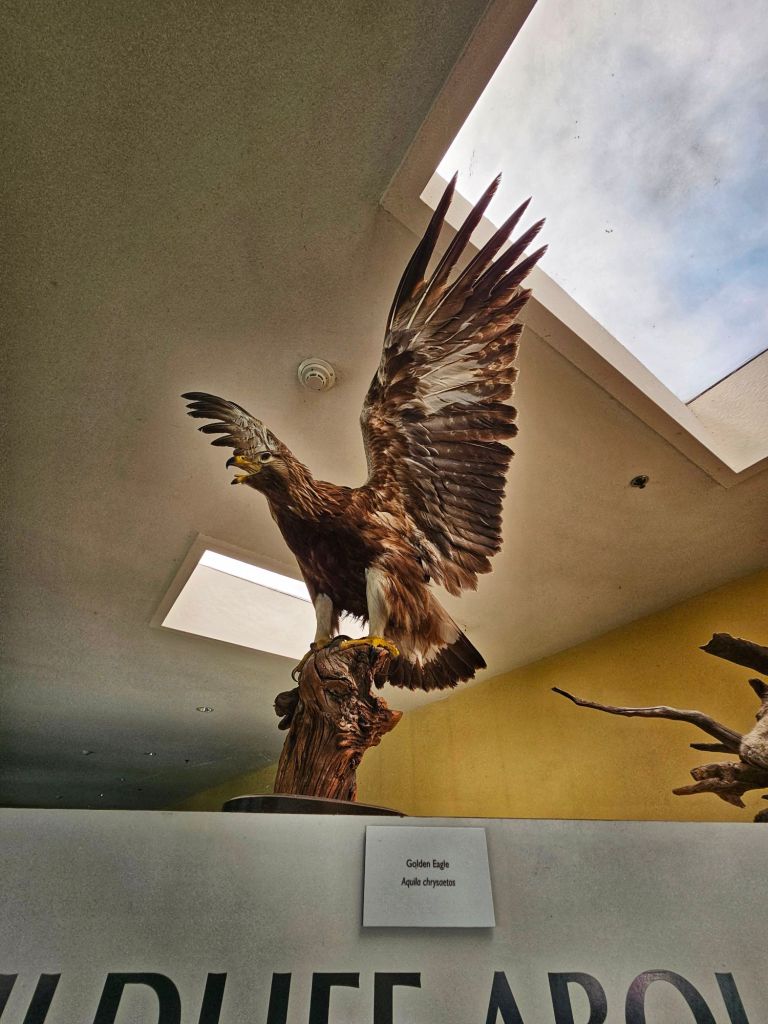
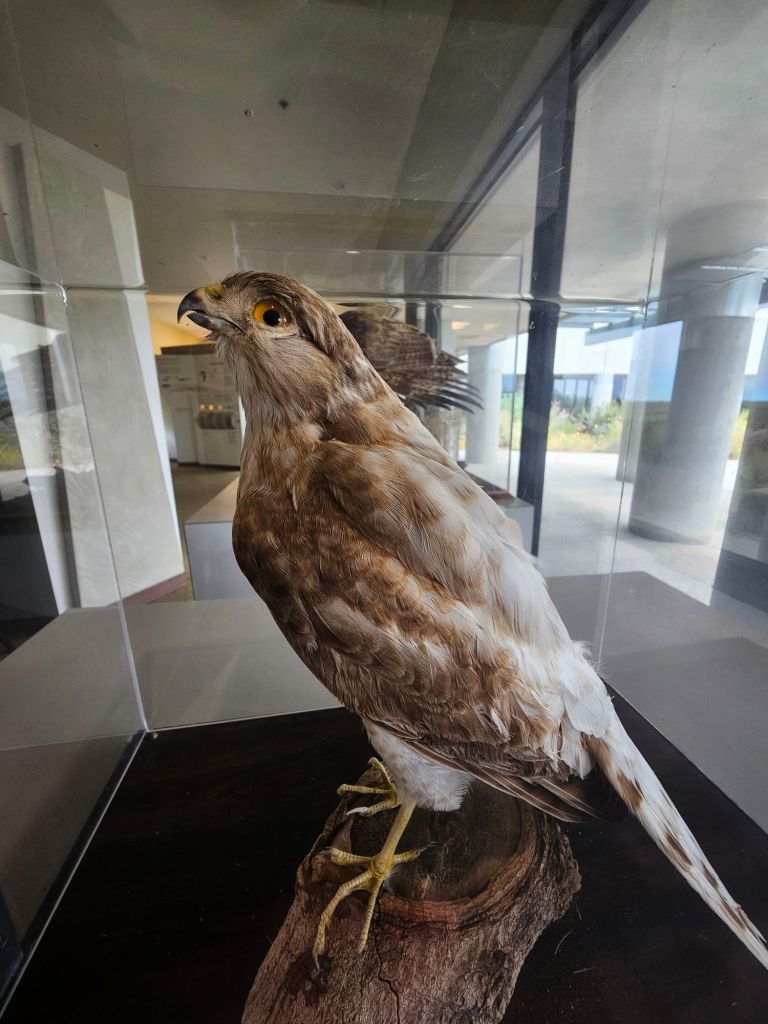
Hawktober is our annual celebration of local birds of prey, including hawks, owls, and falcons. This marks the event’s seventh year offering FREE workshops at parks, campgrounds and wilderness preserves across San Diego County.
Events are free and open to all ages, starting October 4. Explore multiple workshops to meet different birds and rangers.
Visit San Diego Parks and Recreation Website for more information
Live raptors: Meet ambassador birds like hawks, owls, and falcons up close and learn about their unique behaviors and adaptations.
Fun facts: Discover how these birds live, what they eat, how they hunt, when they’re active, and special traits like speed, camouflage, or night vision.
Bird tales: Each event features different birds—each with a name and story—shared by passionate rangers.
Special perk: Grab limited-edition Hawktober trading cards (while supplies last), complete with stats like wingspan, weight, and fun facts.
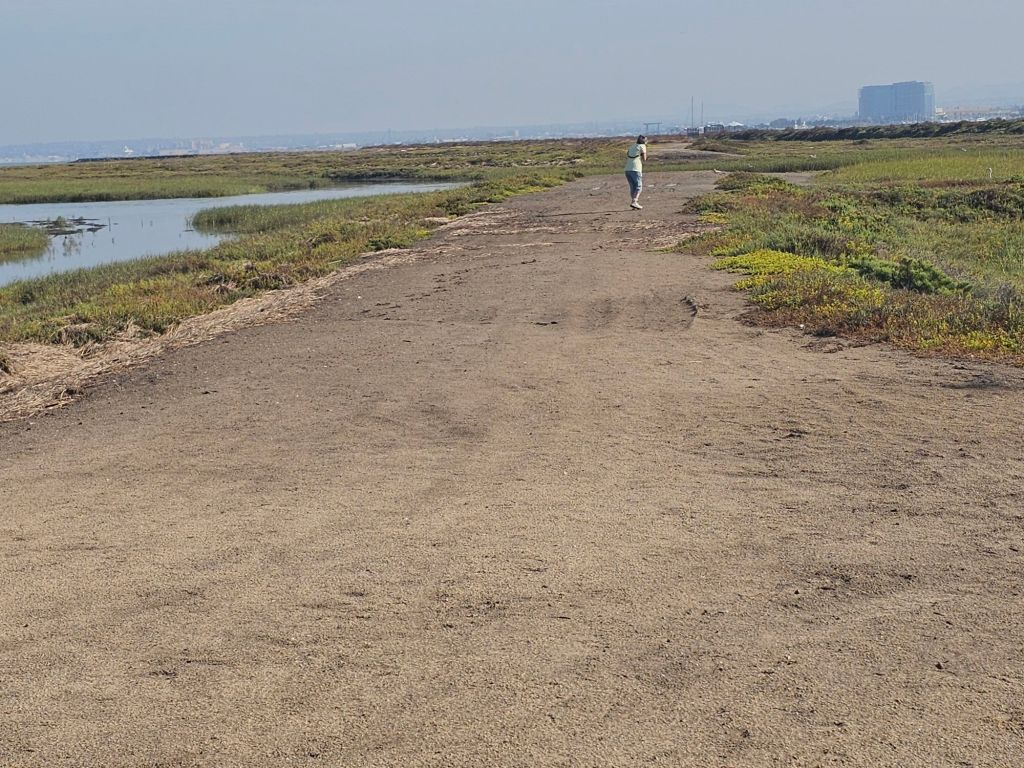
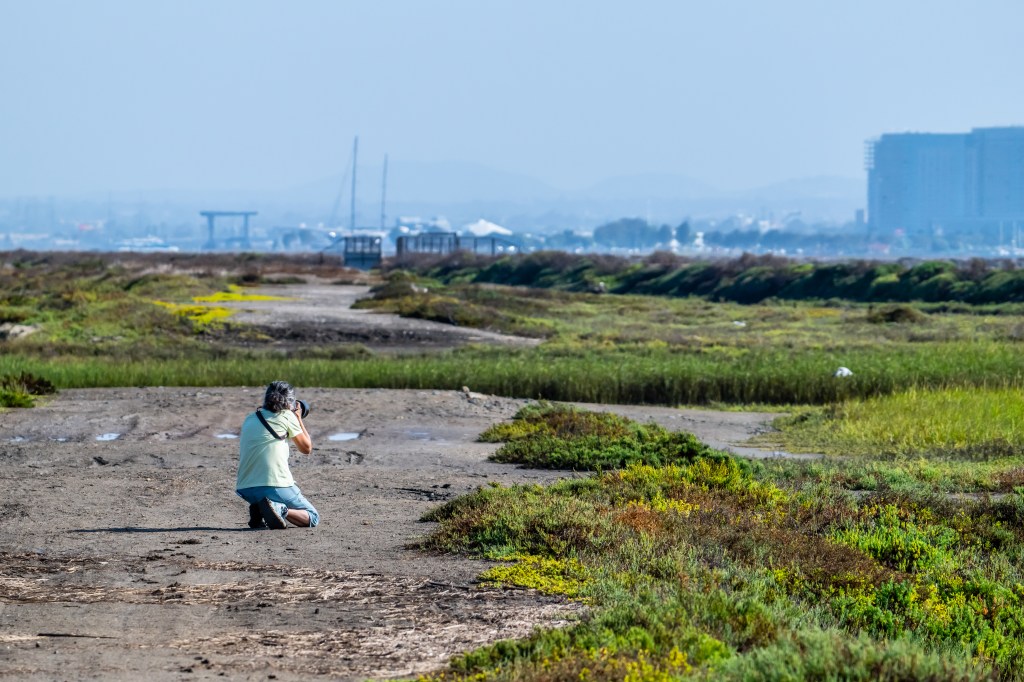
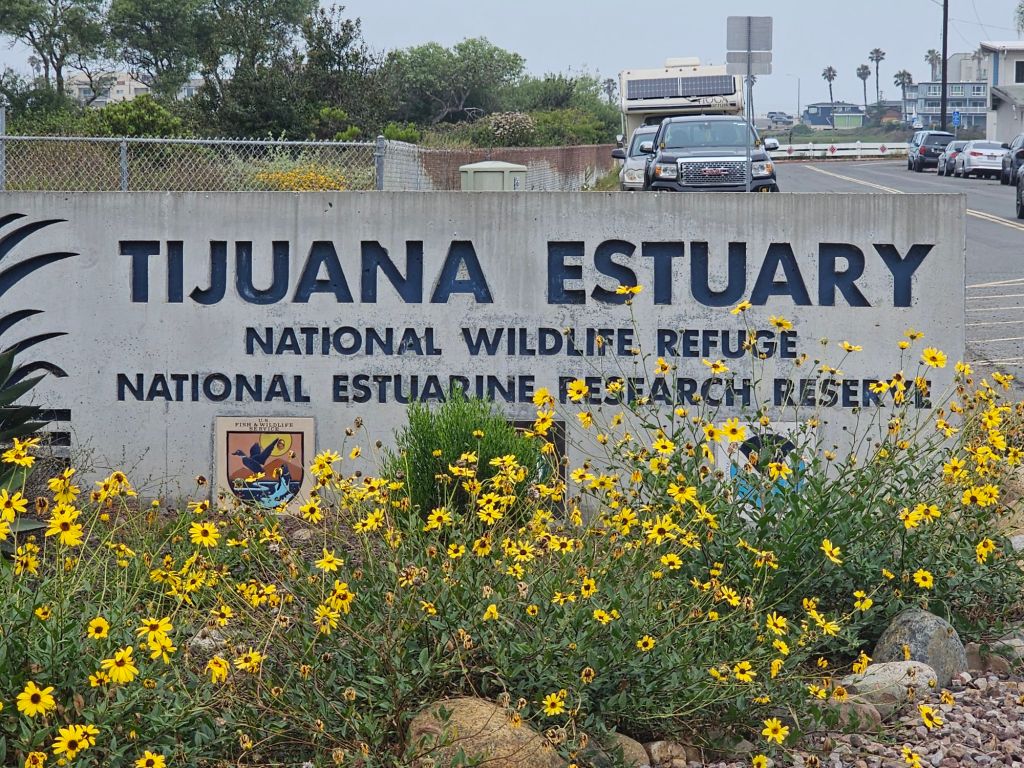
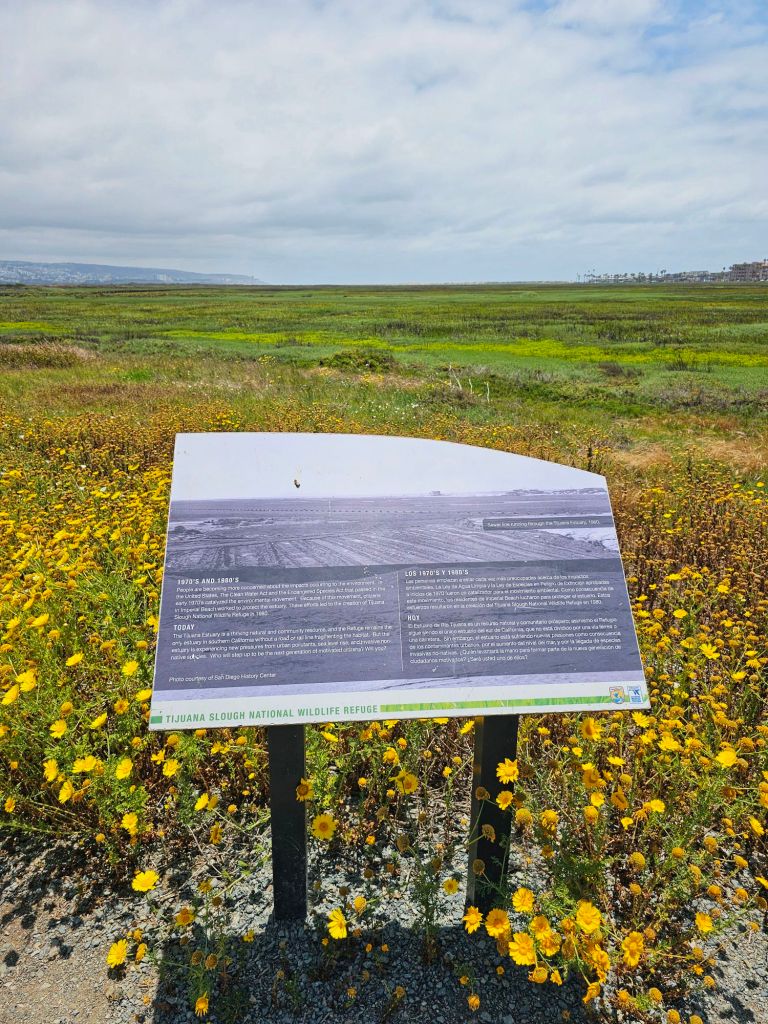
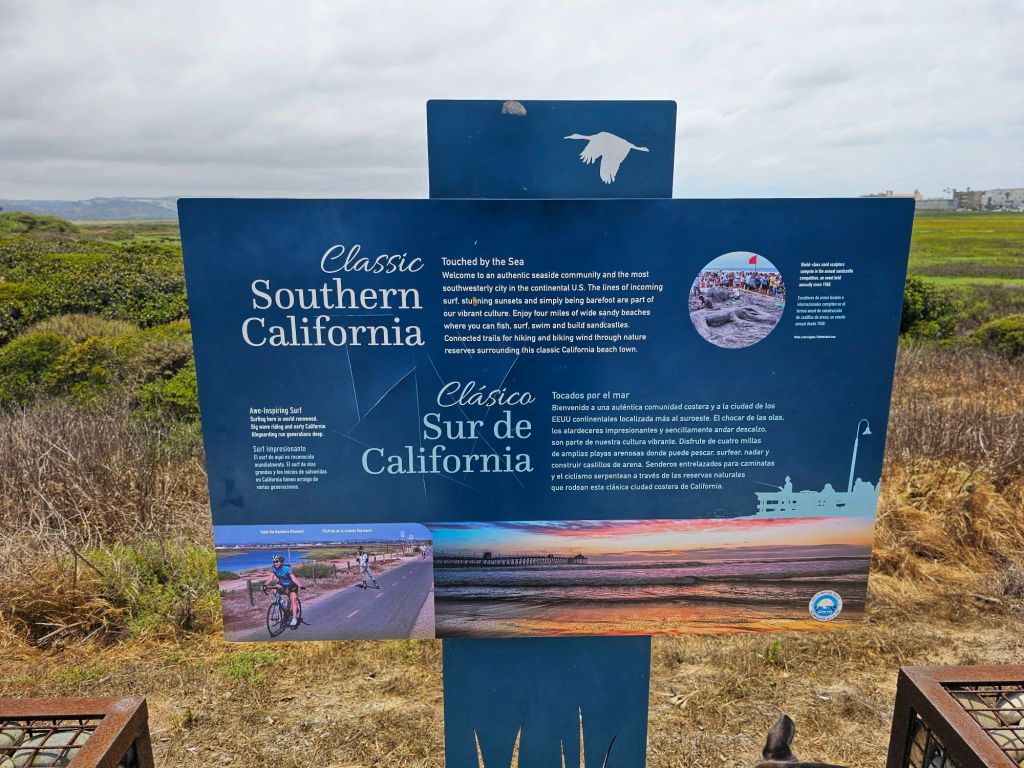
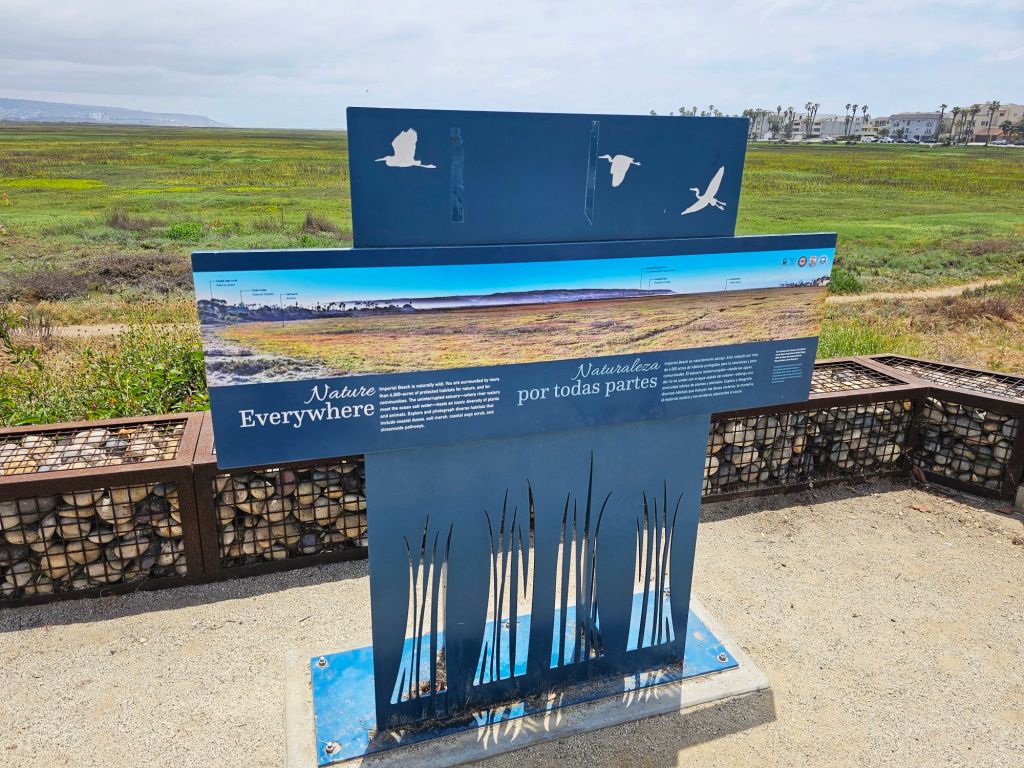
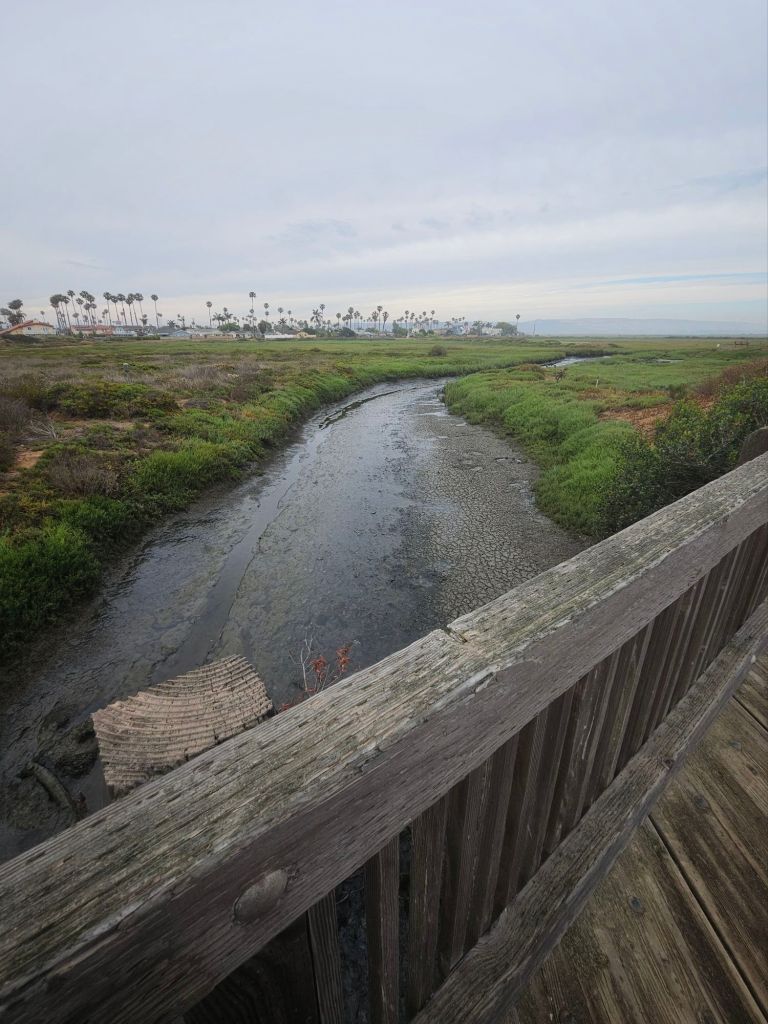
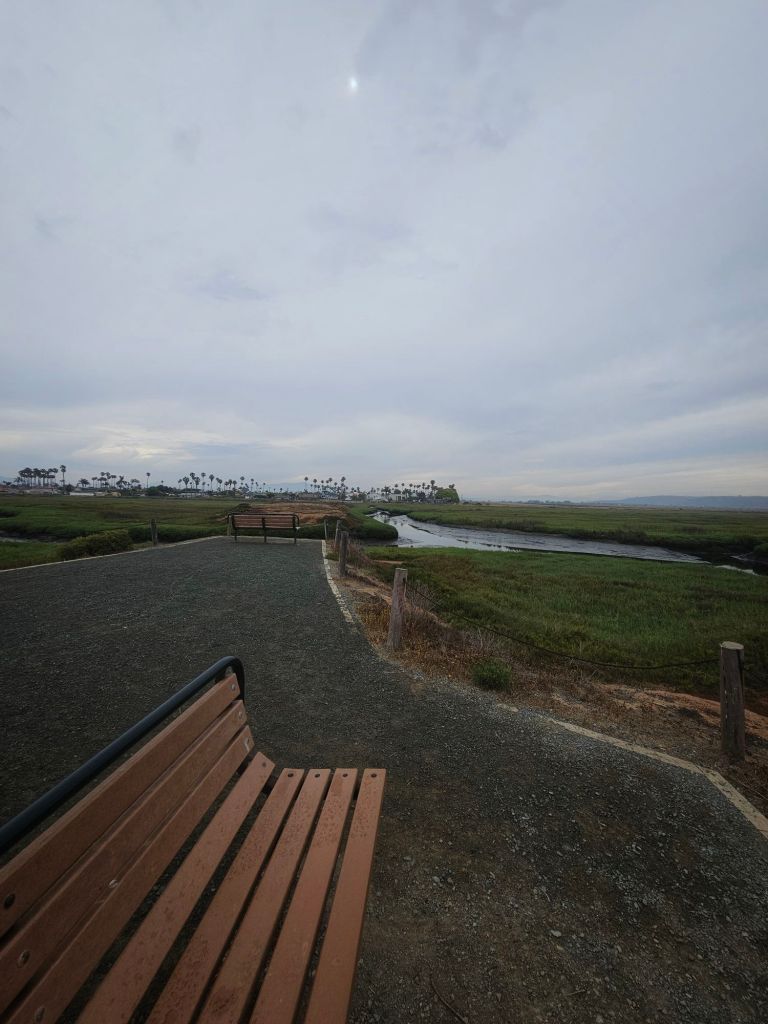
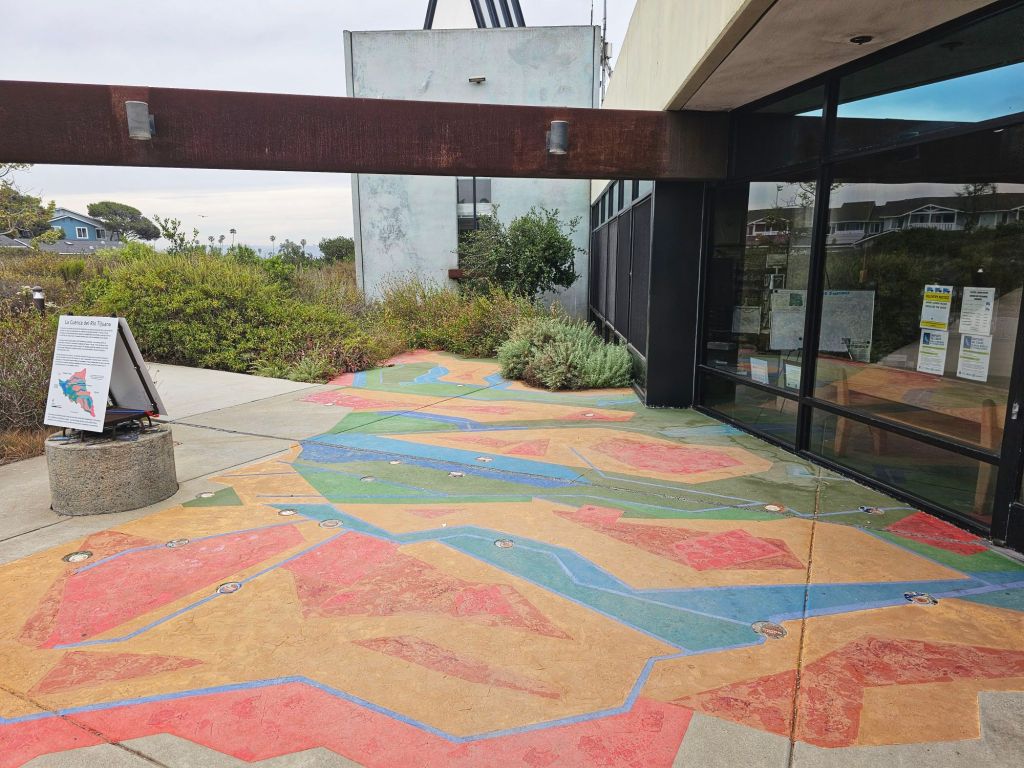
Just a few miles south of San Diego’s bustling downtown lies a hidden gem where saltwater, freshwater, and wildlife converge in a delicate dance of life—the Tijuana River Estuary. Tucked between Imperial Beach and the U.S.-Mexico border, this vast coastal wetland is not only a peaceful escape from the city but also one of Southern California’s most ecologically significant landscapes.
A Living Sanctuary
The estuary is part of the Tijuana River National Estuarine Research Reserve, a protected area spanning over 2,500 acres. It’s one of only 30 estuarine research reserves in the United States, and it plays a vital role in protecting endangered species, filtering water, and buffering the coast from storm surges.
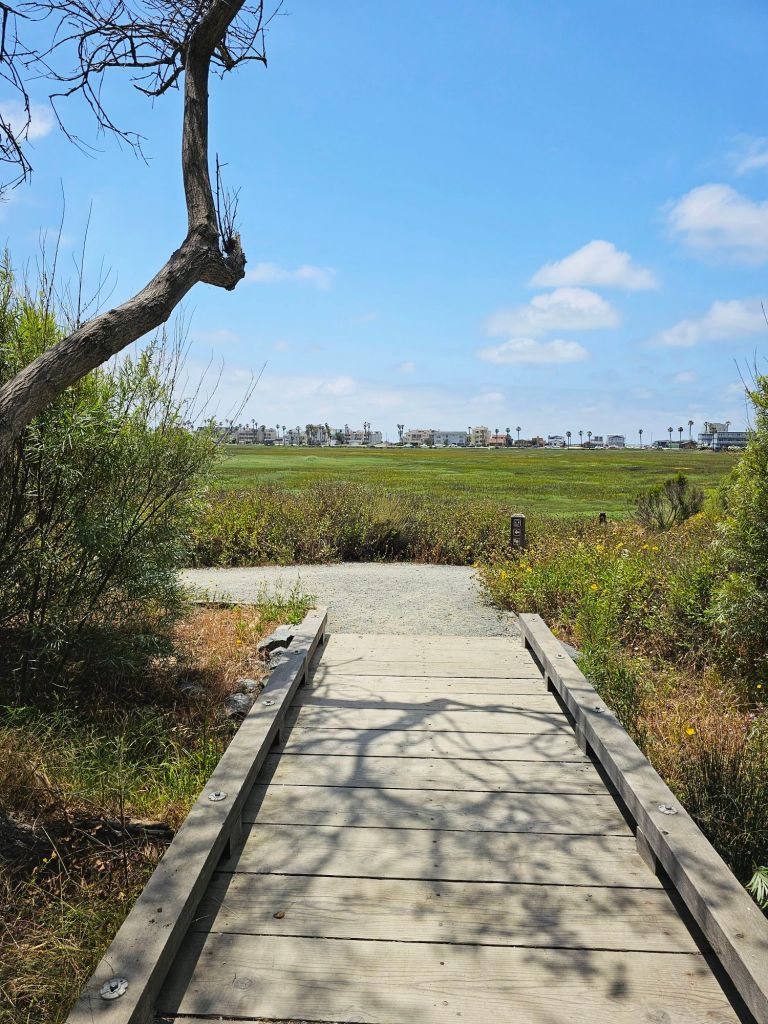
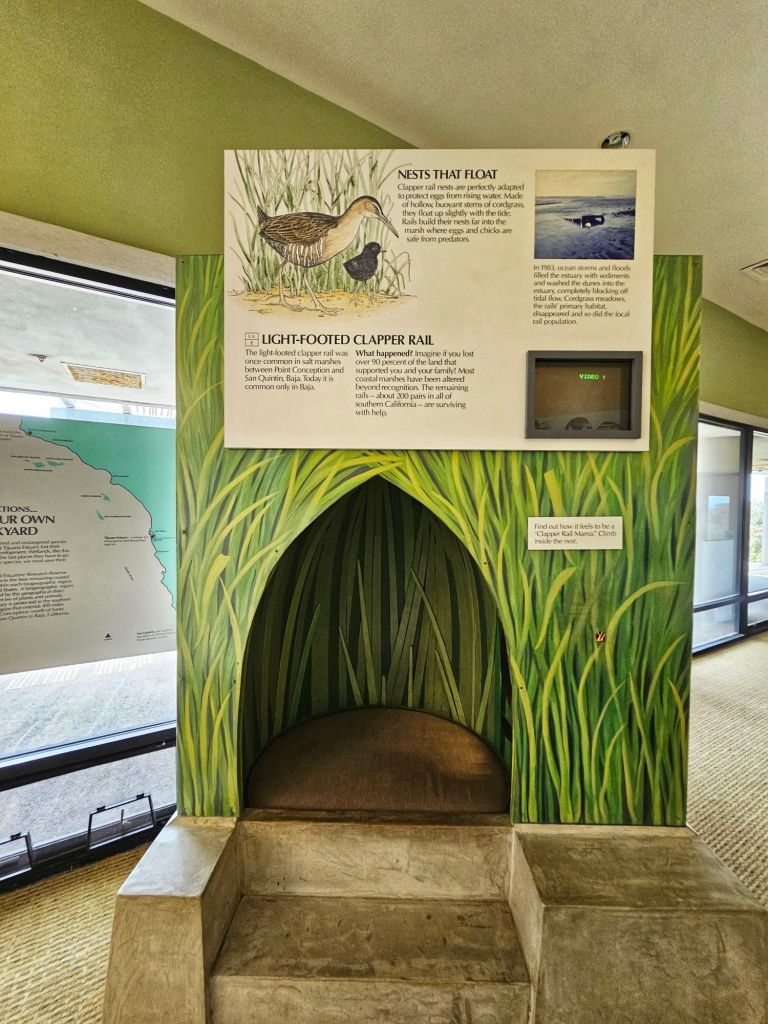
As you walk the trails, you’ll find yourself surrounded by a mosaic of marshes, mudflats, and salt flats—each teeming with life. Located along a massive aviary flyway over 370 species of birds have been recorded here, including the endangered light-footed Ridgway’s rail and least tern. Birdwatchers, bring your binoculars!
Trails, Views, and Tranquility
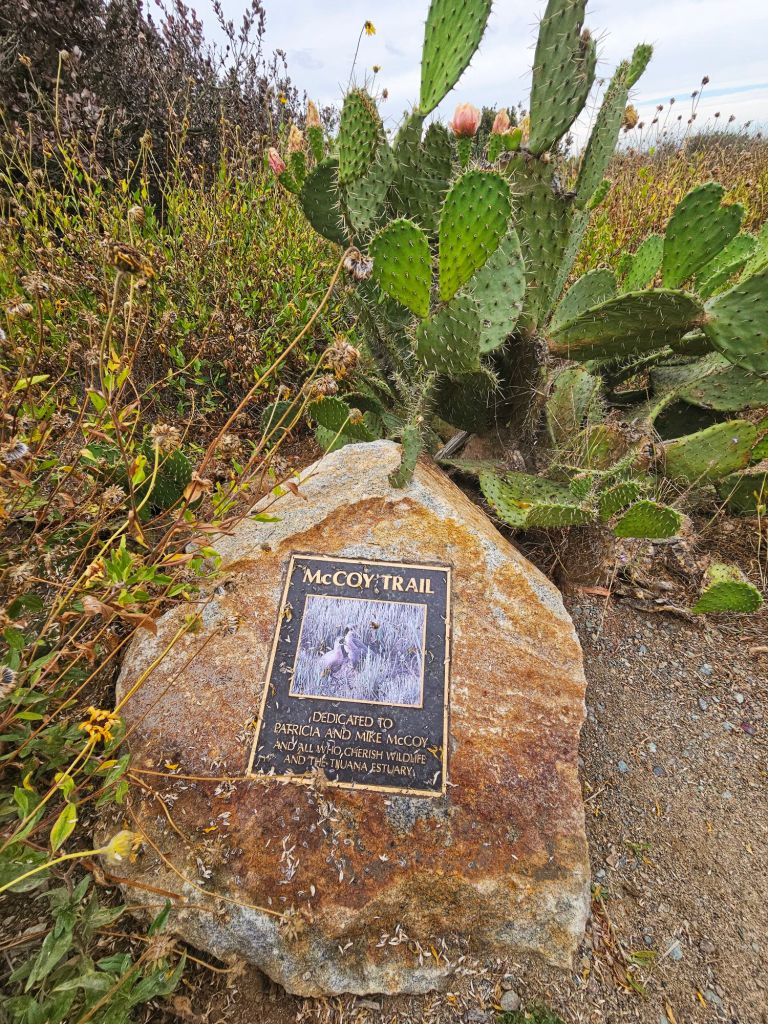
The Bayside Trail and River Mouth Trail offer easy, flat hikes with stunning views of the wetlands and the Pacific Ocean beyond. Interpretive signs along the way tell the story of the estuary’s ecology, history, and the ongoing efforts to protect it.
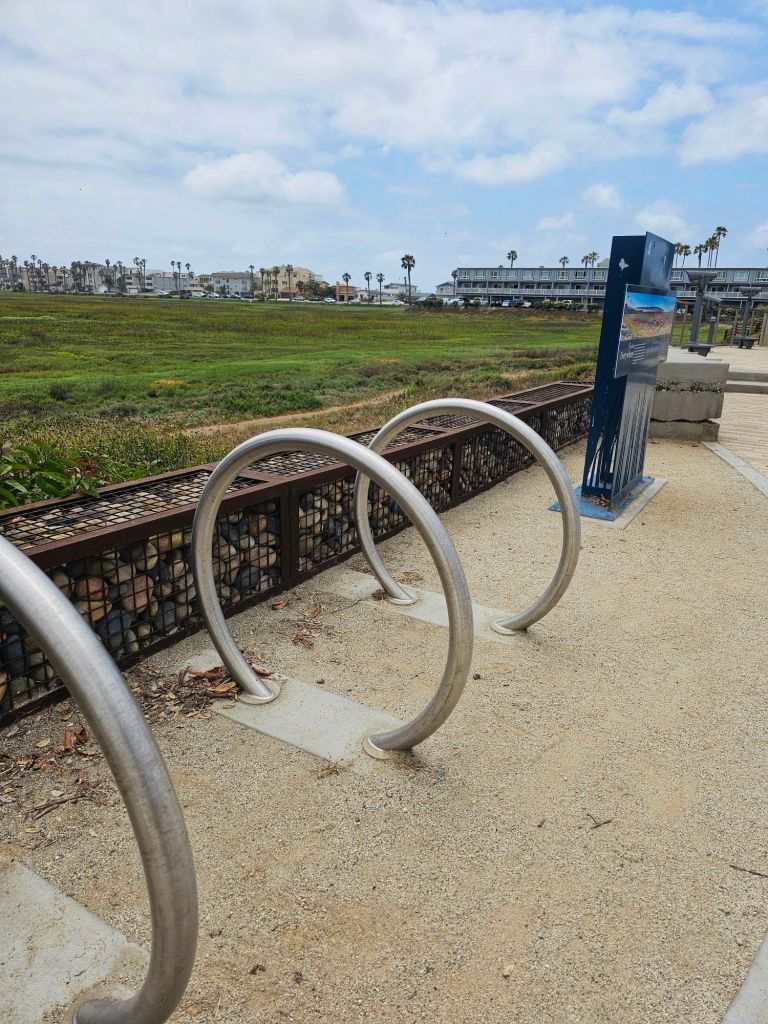
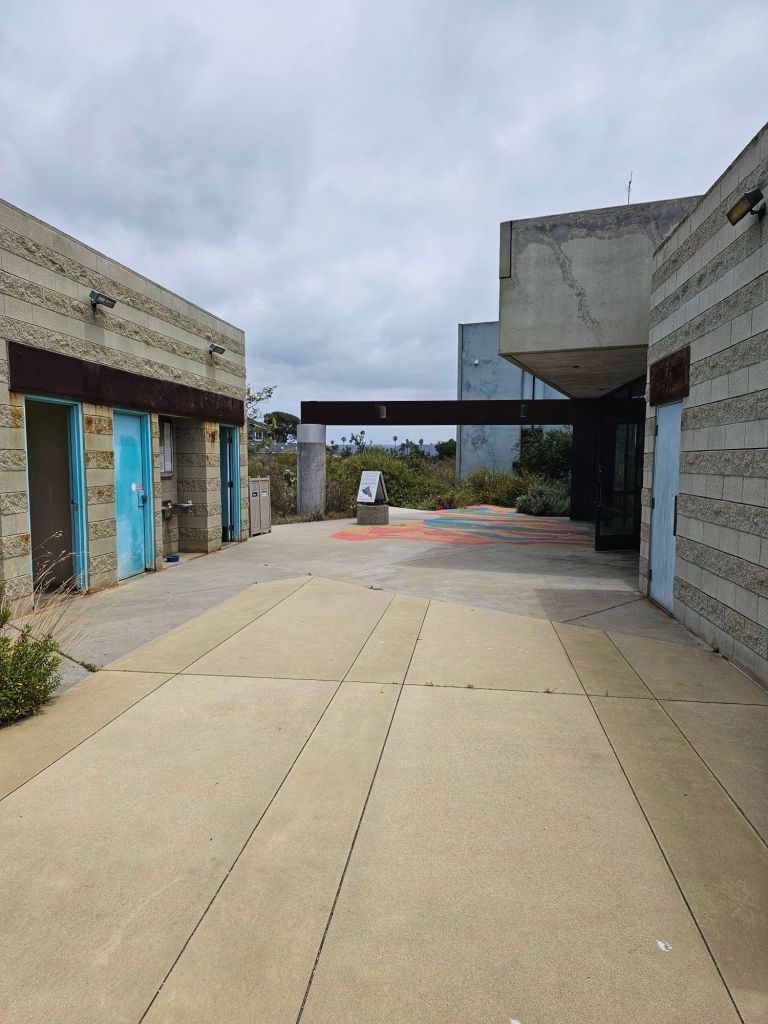
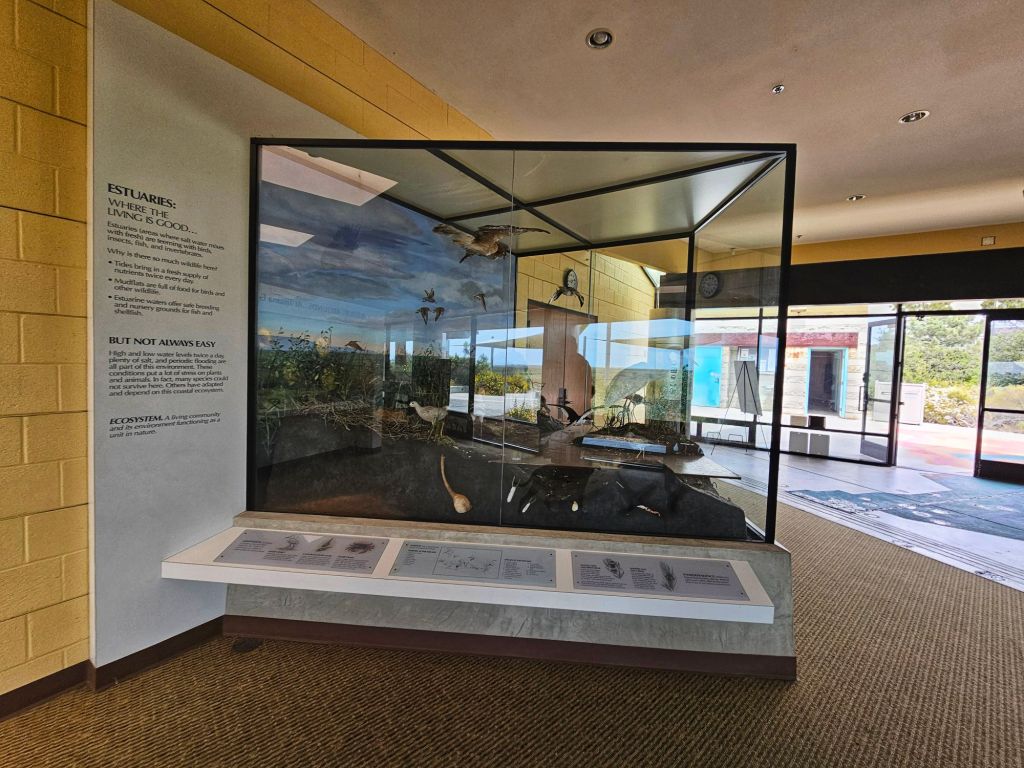
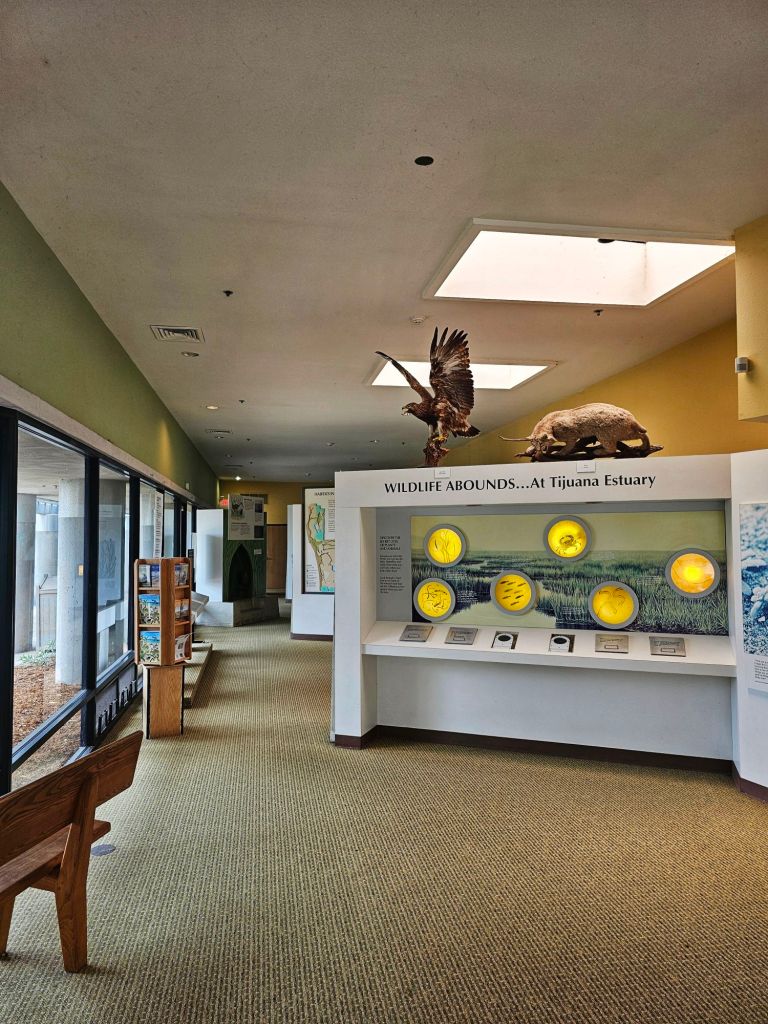
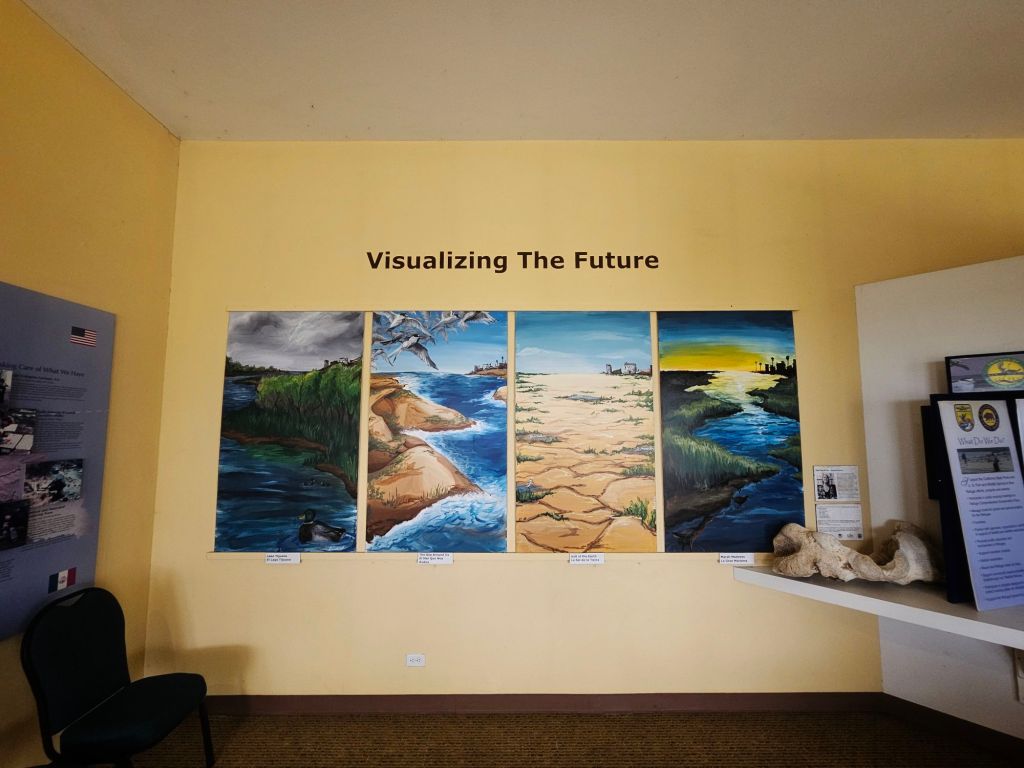
Don’t forget to stop by the Tijuana Estuary Visitor Center—a small but informative hub with exhibits, maps, and knowledgeable staff who can help guide your visit.
A Cross-Border Story
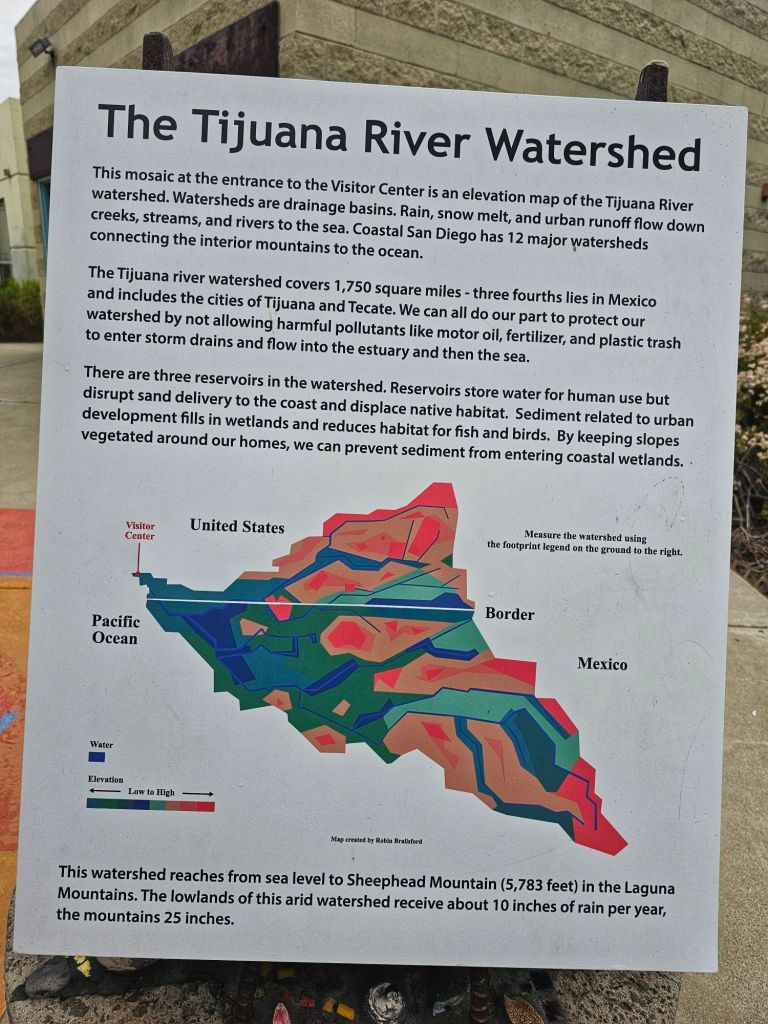
What makes the Tijuana River Estuary truly unique is its binational character. The Tijuana River originates in Mexico, flowing through the bustling city of Tijuana before crossing the U.S. border and emptying into the Pacific Ocean. Along the way, it faces challenges like pollution and urban runoff—but also inspires collaboration and conservation across borders.
Why It Matters
Estuaries like this one are among the most productive ecosystems on Earth. They provide nursery grounds for fish, shelter for birds, and natural flood control for communities. In a time of climate change and habitat loss, places like the Tijuana River Estuary remind us of nature’s resilience—and our responsibility to protect it.
Plan Your Visit
Whether you’re a birder, hiker, photographer, or simply seeking a quiet moment in nature, the Tijuana River Estuary is worth a visit. Come for the peaceful views, stay for the deeper connection to a landscape that quietly sustains life in so many ways.
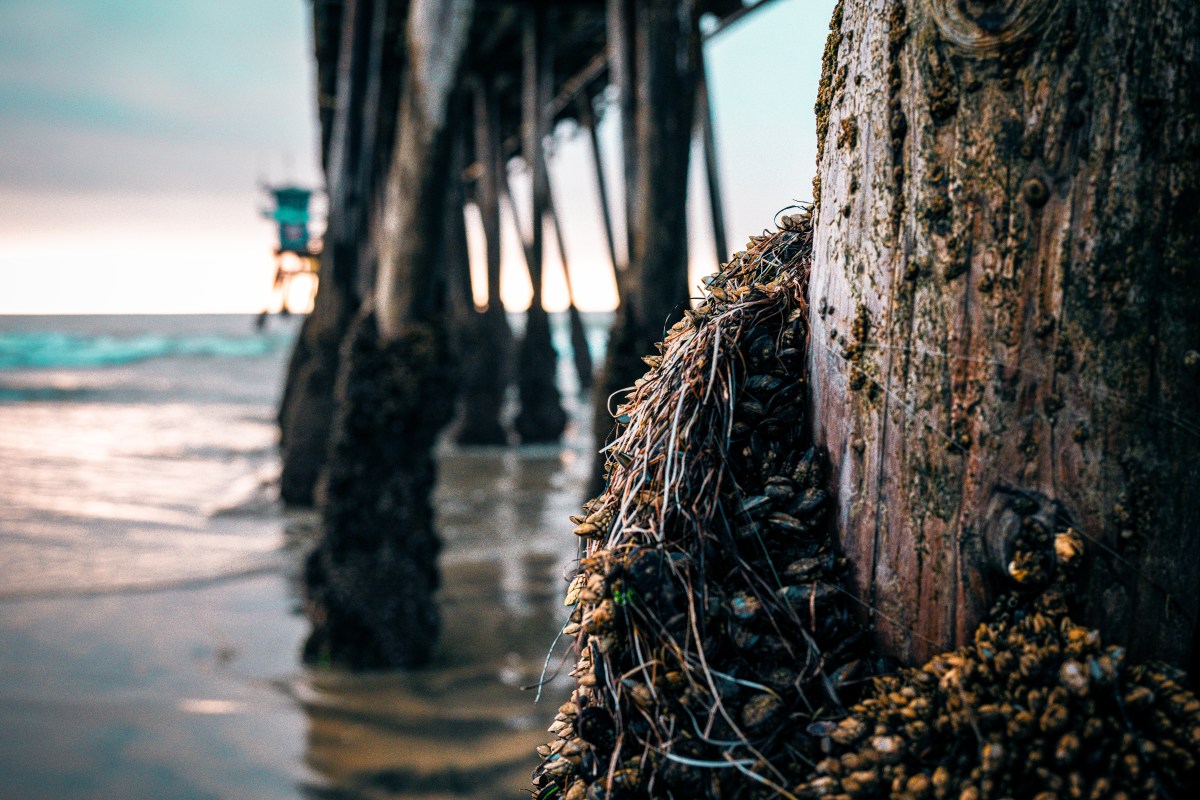
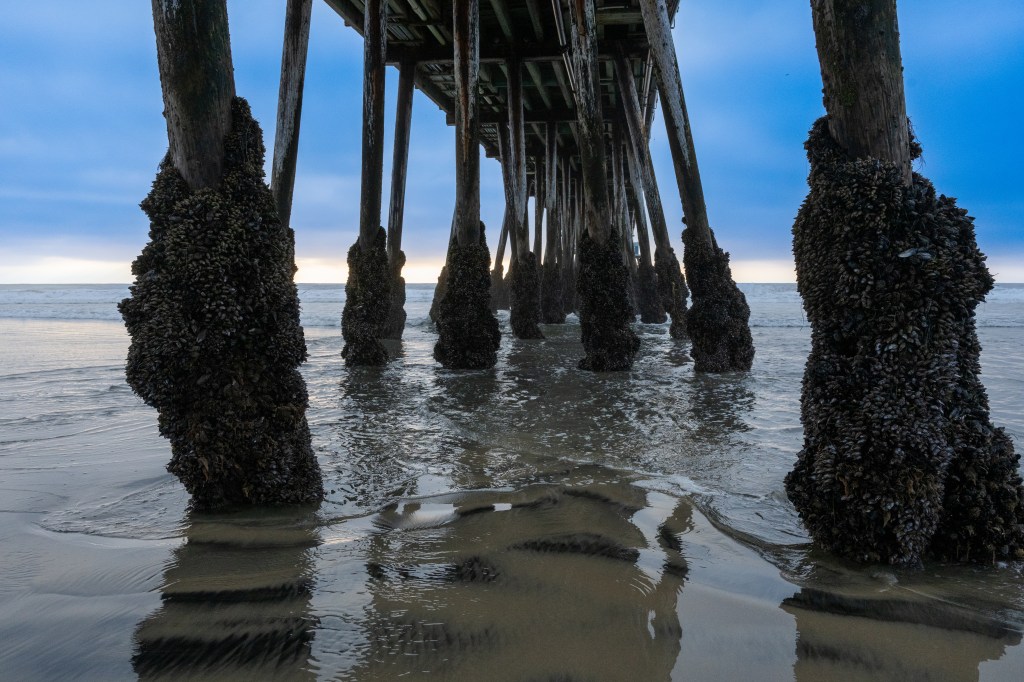
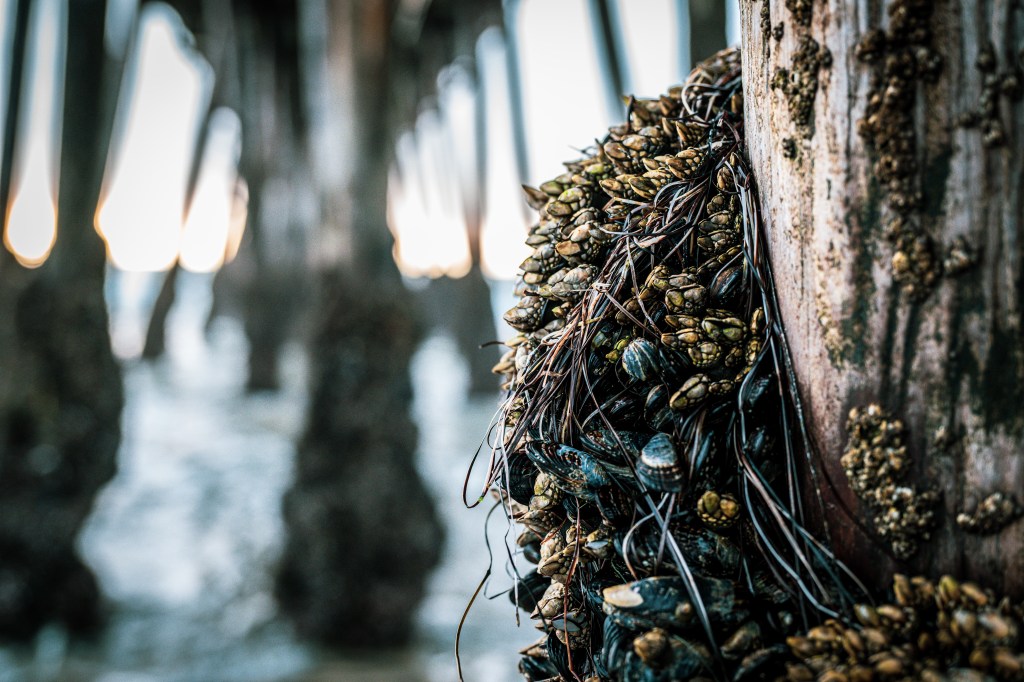
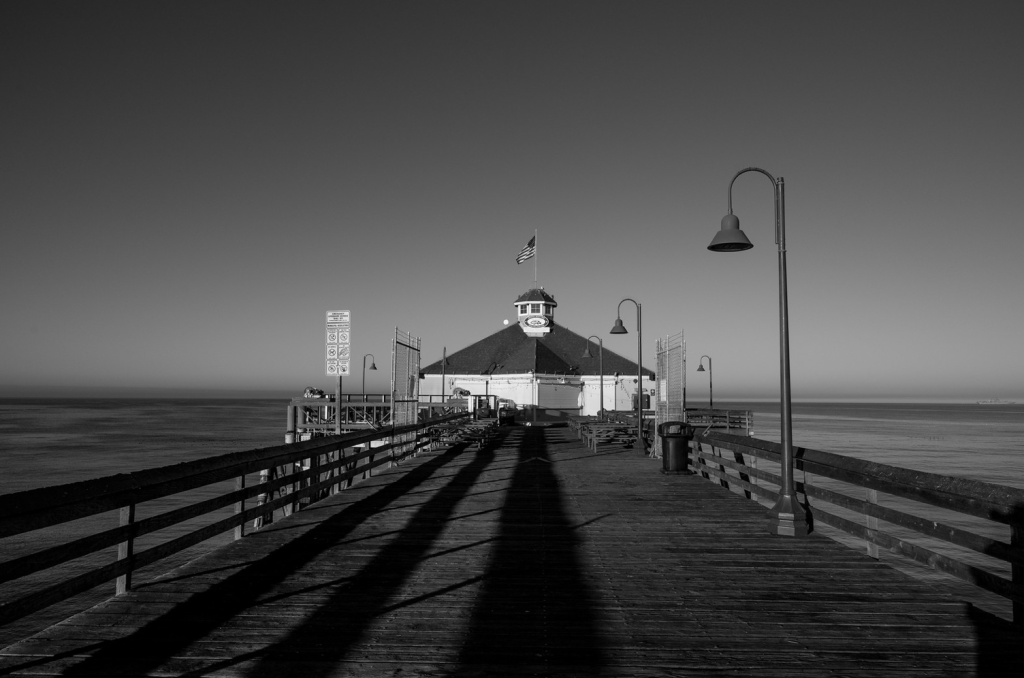
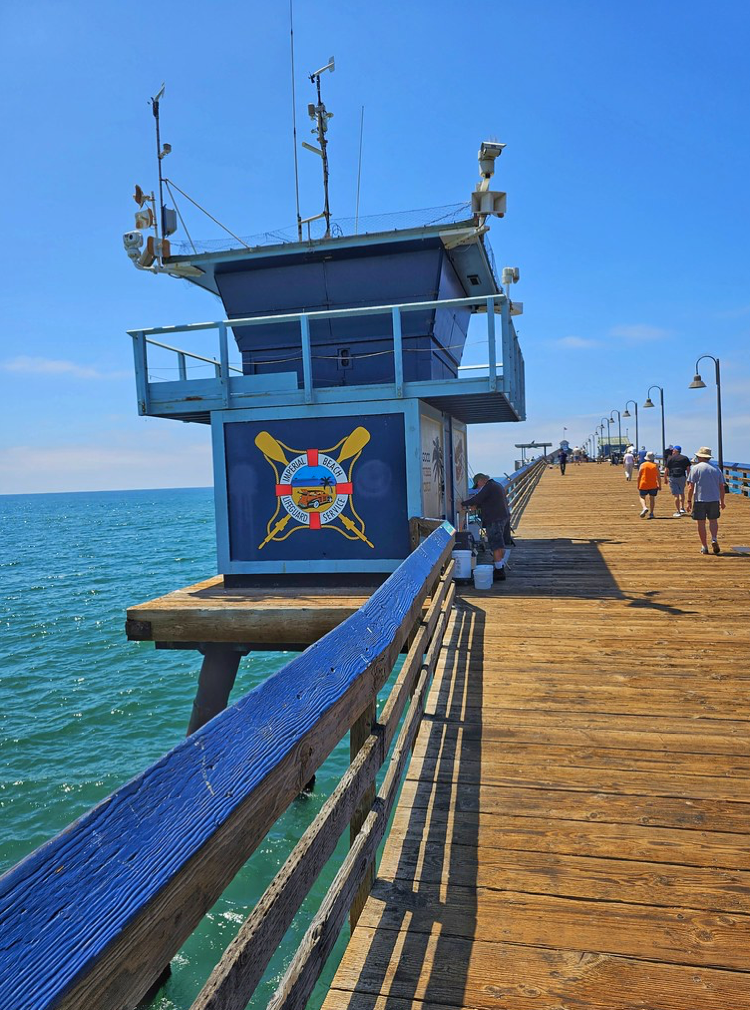
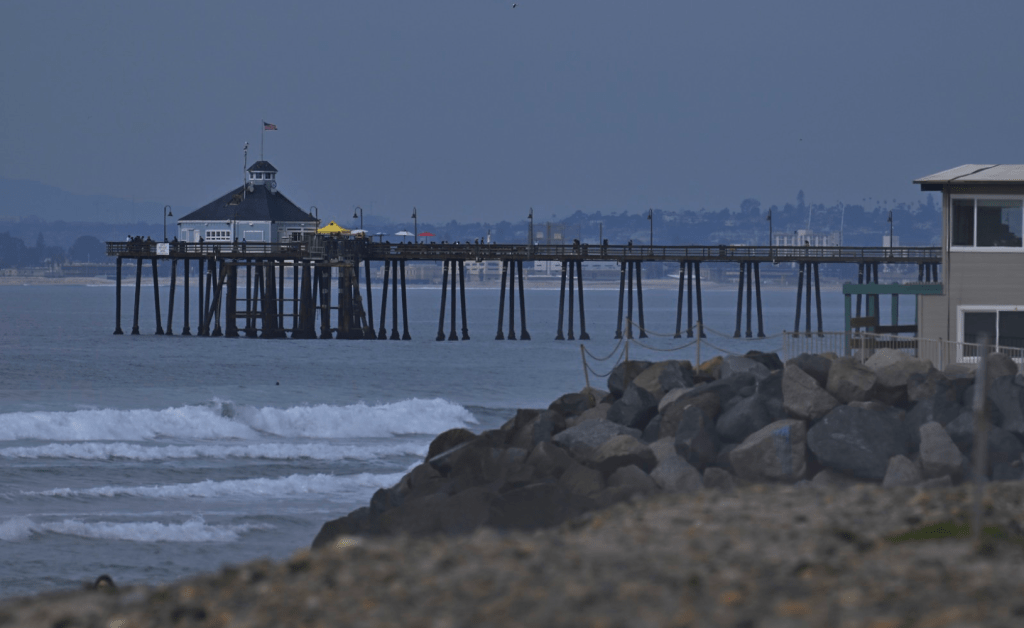
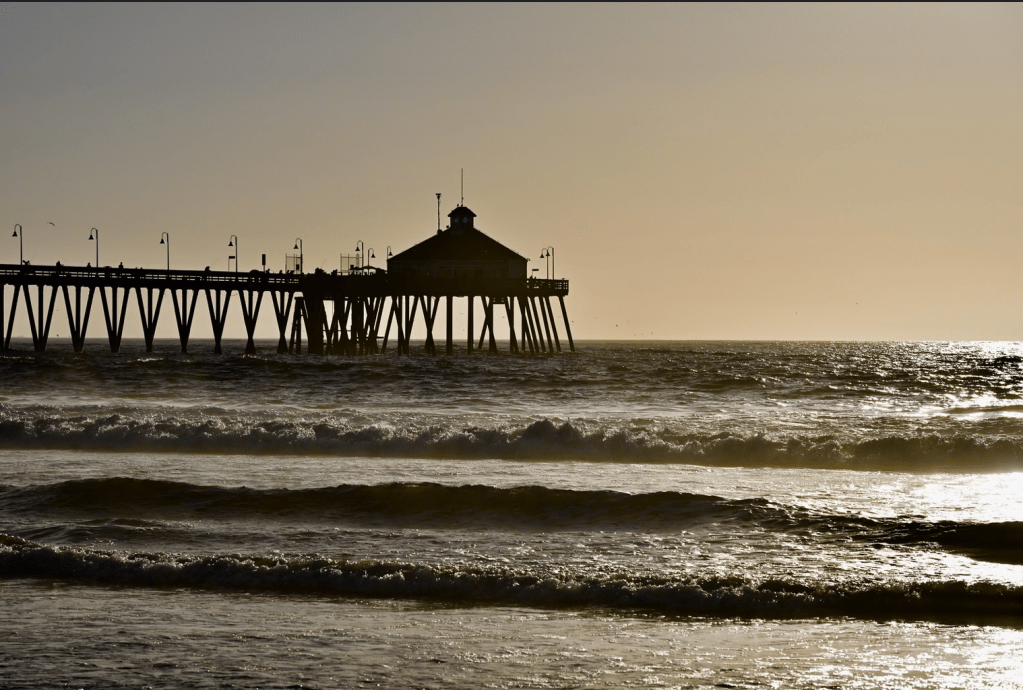
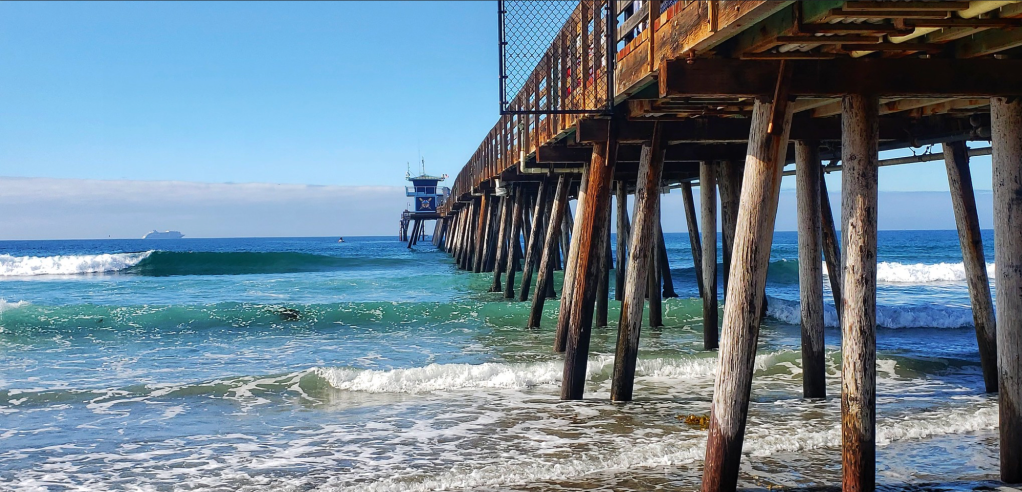
Located in the aptly named “Most Southwesterly City” of Imperial Beach, this 1,500-foot structure isn’t just a way to stroll over the ocean – it’s a vibrant hub offering stunning views, fishing opportunities, and a taste of the laid-back beach life that defines this corner of San Diego County.
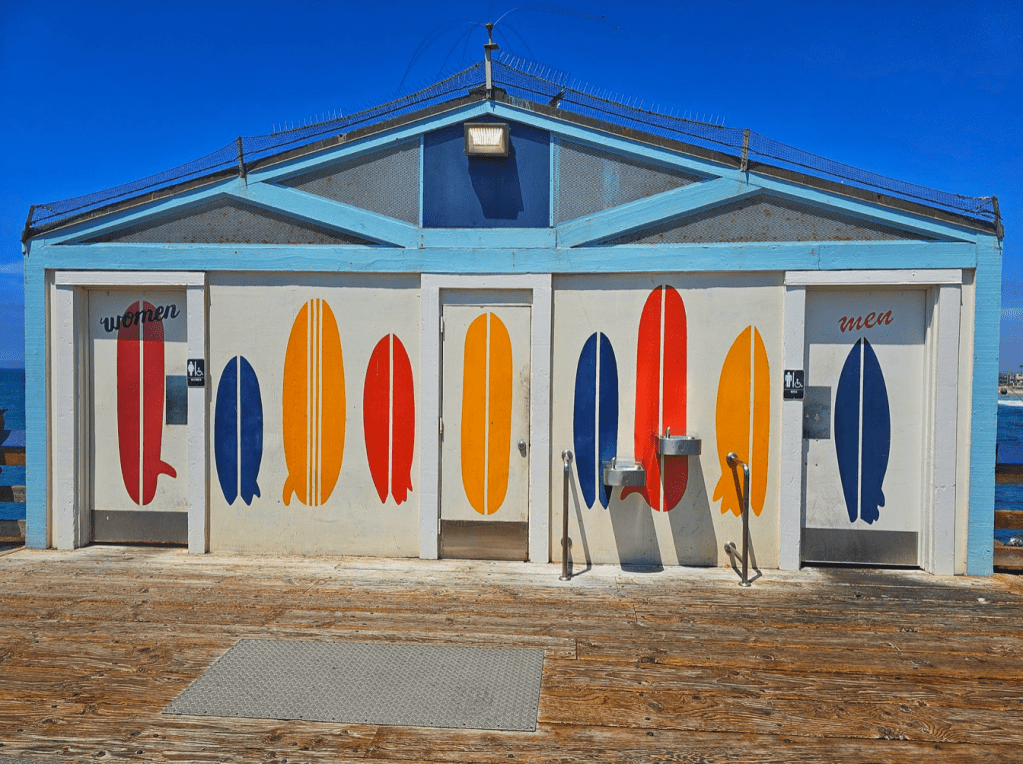
The current pier, rebuilt in the late 1980s after a storm claimed its predecessor, stands as a testament to the community’s resilience and love for their waterfront. Recent enhancements have injected fresh energy into the pier, with brighter colors, captivating murals, and even an artistic shade canopy featuring playful marine life designs. These touches add a layer of visual delight to your visit.
More Than Just a Walk:
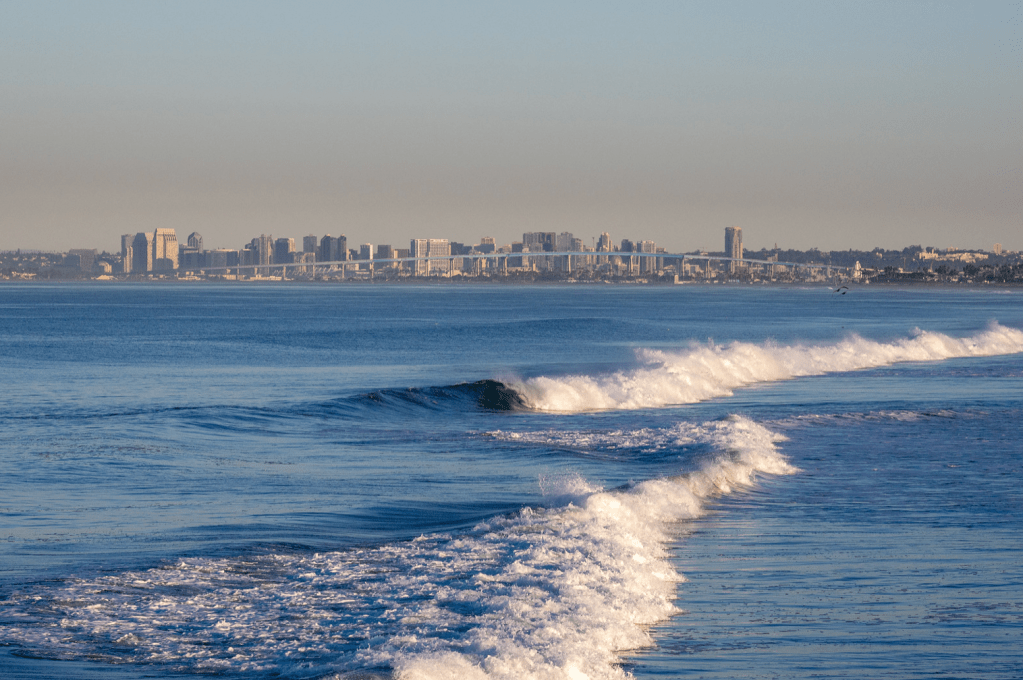
While a leisurely stroll to the end of the pier is a must for the breathtaking panoramic views – keep an eye out for the Coronado Islands on a clear day and prepare for spectacular sunsets – the Imperial Beach Pier offers more than just sightseeing.
Angler’s Paradise: You’ll often spot fishing enthusiasts casting their lines from the pier, hoping to reel in the day’s catch. Conveniently placed fishing rod holders make it even easier to enjoy this pastime.
Surfing Heritage: Imperial Beach boasts a rich surfing history, and the waves around the pier are part of that legacy. Look down at the end of the pier, and you’ll even find destination arrows pointing towards renowned surf spots!
Dining with a View: While the iconic Tin Fish Restaurant is currently undergoing a transition to Imperial Beach Kitchen, the promise of oceanfront dining remains. Imagine savoring fresh seafood with the sounds and smells of the sea surrounding you. Keep an eye out for the grand reopening!
Artistic Touches: Take your time as you walk along the pier and notice the thoughtful artistic additions. From destination-themed murals that capture the spirit of the region to cleverly designed activity placards, there’s a touch of creativity at every turn.
Imperial Beach is grappling with a complex web of environmental problems, with the cross-border pollution from the Tijuana River being the most pressing and impactful. Addressing these issues requires bi-national cooperation, significant investment in infrastructure, and ongoing efforts to protect public health and the environment
Beyond the Planks: Portwood Pier Plaza:
Just steps from the pier’s entrance lies Portwood Pier Plaza, a welcoming space that extends the beach experience. Here you’ll find:
Grassy Areas and Picnic Tables: Perfect for a relaxed lunch or simply soaking up the sun.
Tot Lot: A dedicated play area for the little ones.
Entertainment Stage: Keep an eye out for local events and performances.
Surfboard Benches and “Surfhenge”: These unique installations pay homage to Imperial Beach’s surfing legacy, offering both a place to rest and a glimpse into the town’s history.
Important Considerations for Your Visit:
Lifeguard Presence: Rest assured, lifeguards are on duty daily from 7:00 a.m. until dusk.
No Alcohol on the Beach: Please be mindful of the regulations and refrain from bringing alcohol to the beach or pier.
Water Quality: While the beach is generally enjoyable, it’s wise to stay informed about water quality, particularly closer to the Mexican border due to the Tijuana River. Heed any local advisories.
Ongoing Enhancements: As of Spring 2025, the pier is undergoing some maintenance projects aimed at preserving its structure. Be aware that this may result in partial or temporary closures.
A Southern California Gem:
The Imperial Beach Pier is more than just a structure extending into the ocean; it’s a symbol of community, a haven for recreation, and a prime spot to soak in the beauty of the Southern California coastline. Whether you’re an avid angler, a surfing enthusiast, a lover of stunning views, or simply seeking a peaceful escape by the sea, the Imperial Beach Pier is well worth a visit. So, pack your sunscreen, grab your camera, and head south to experience the unique charm of this coastal gem. You might just find yourself captivated by its salty allure.