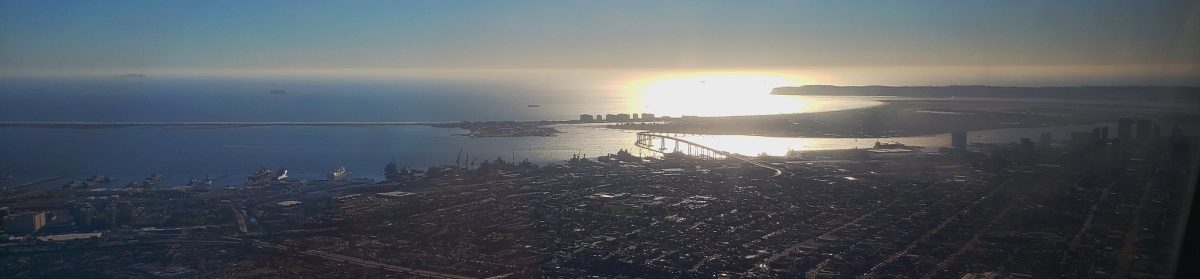
If you spend enough time exploring the wetlands and shoreline of San Diego’s South Bay, you begin to notice that certain birds seem to have favorite places.
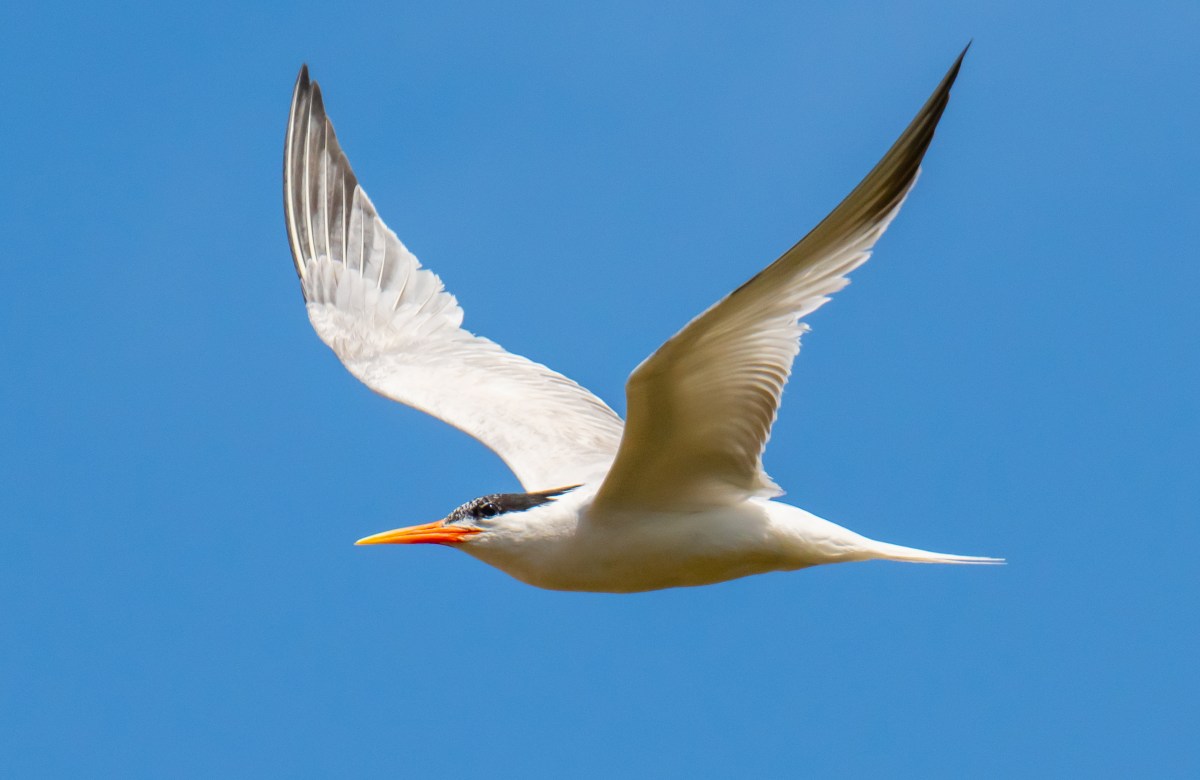
One of those birds is the Elegant Tern.
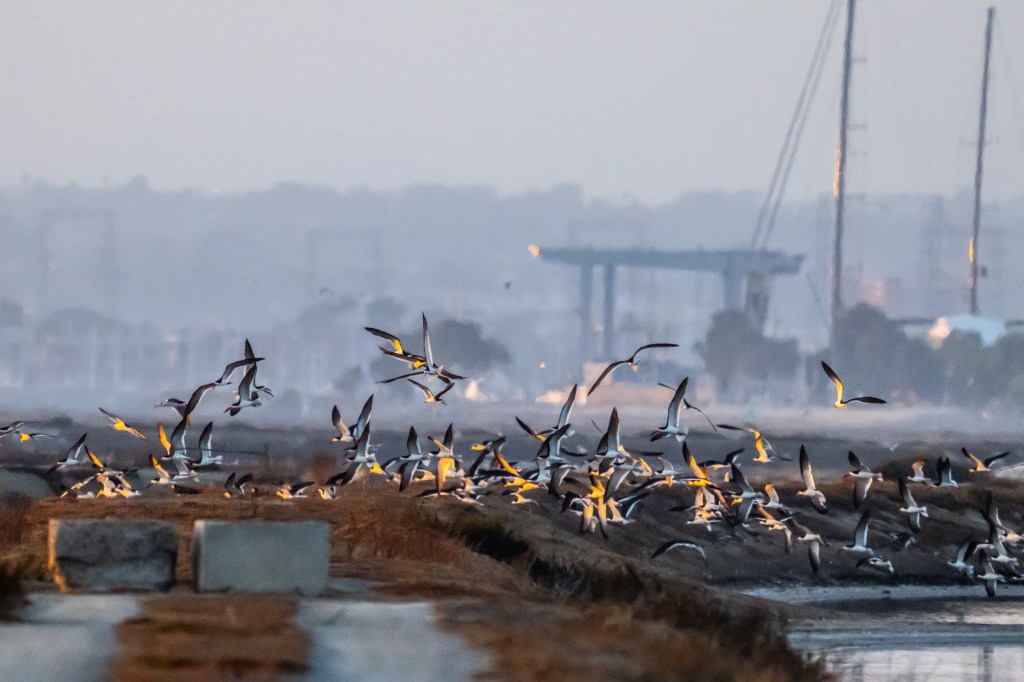
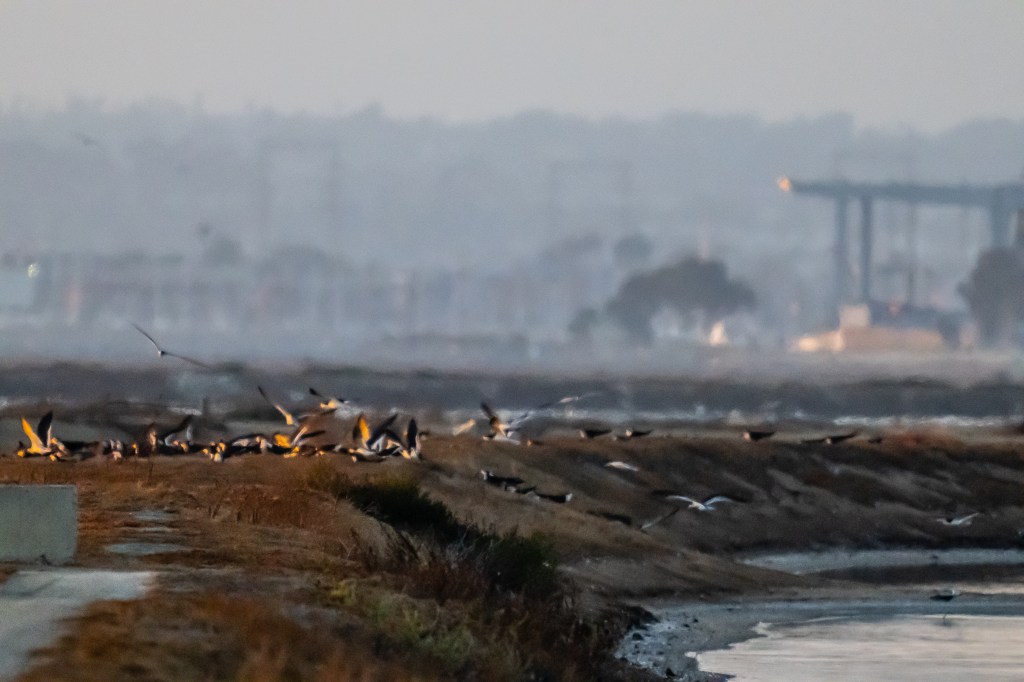
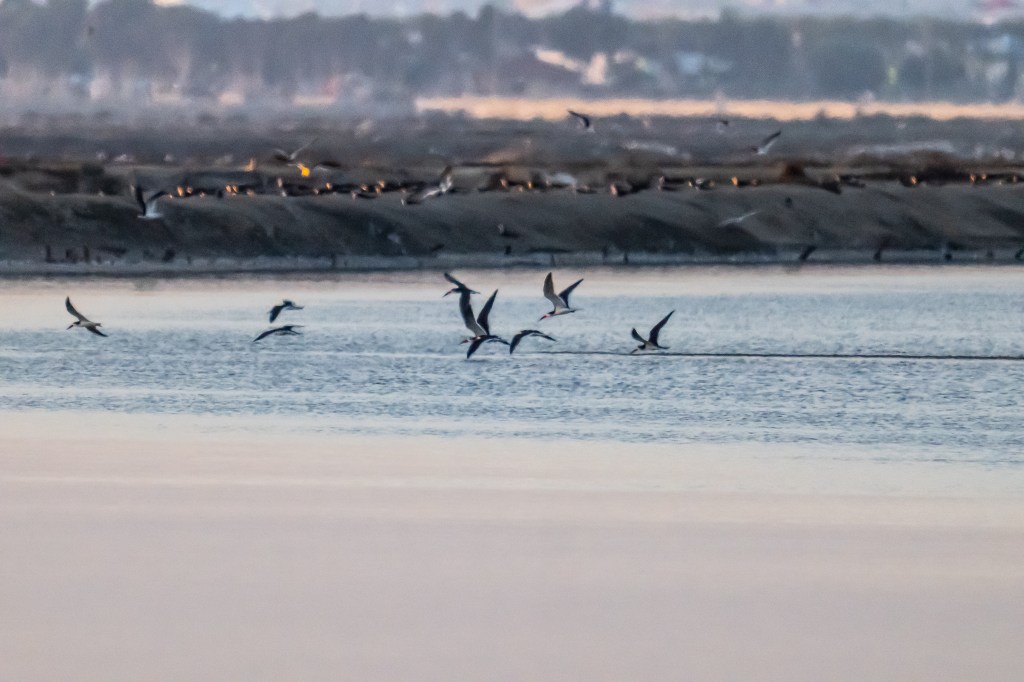
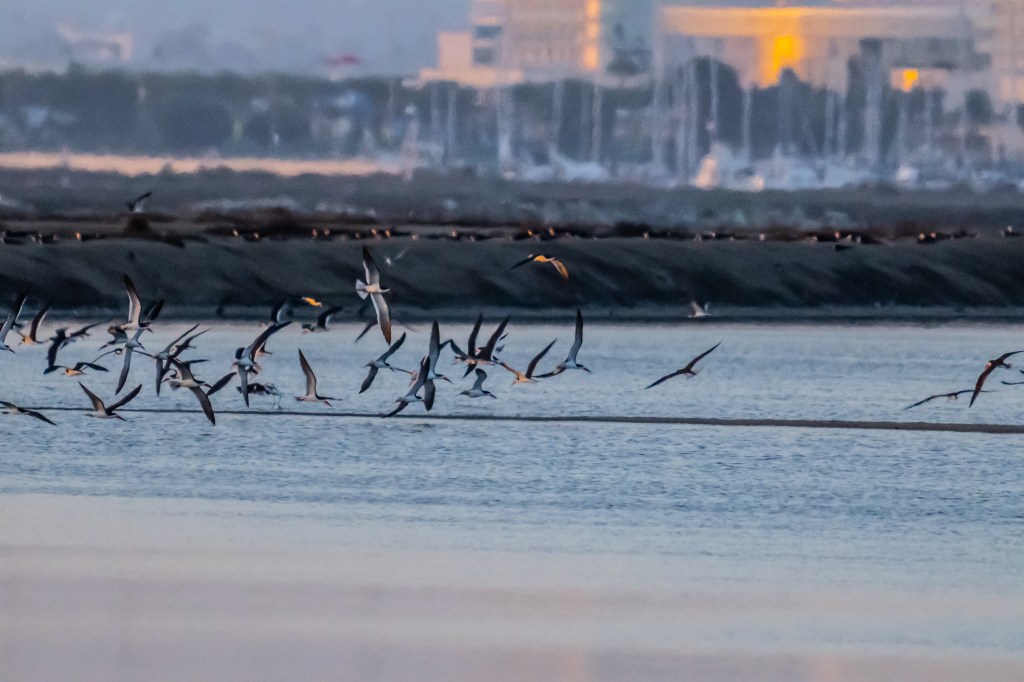
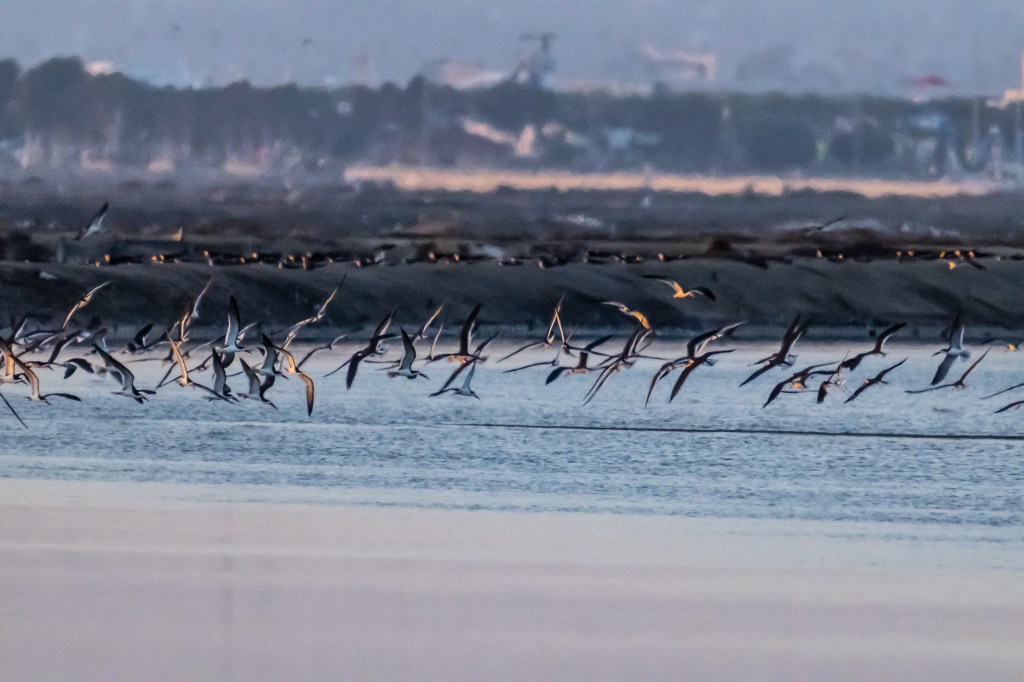
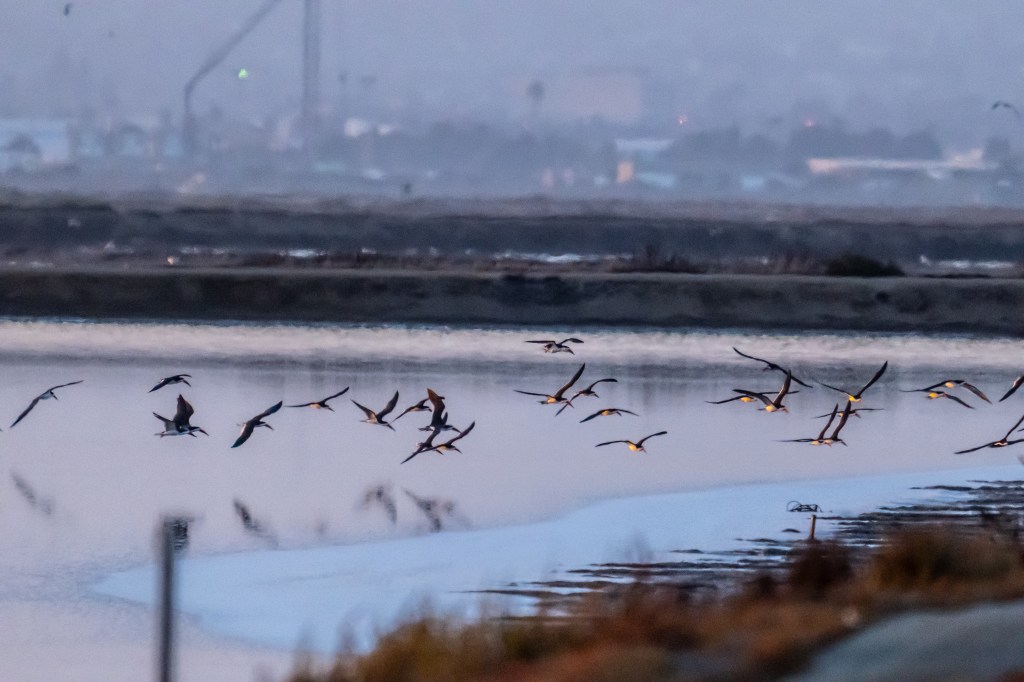
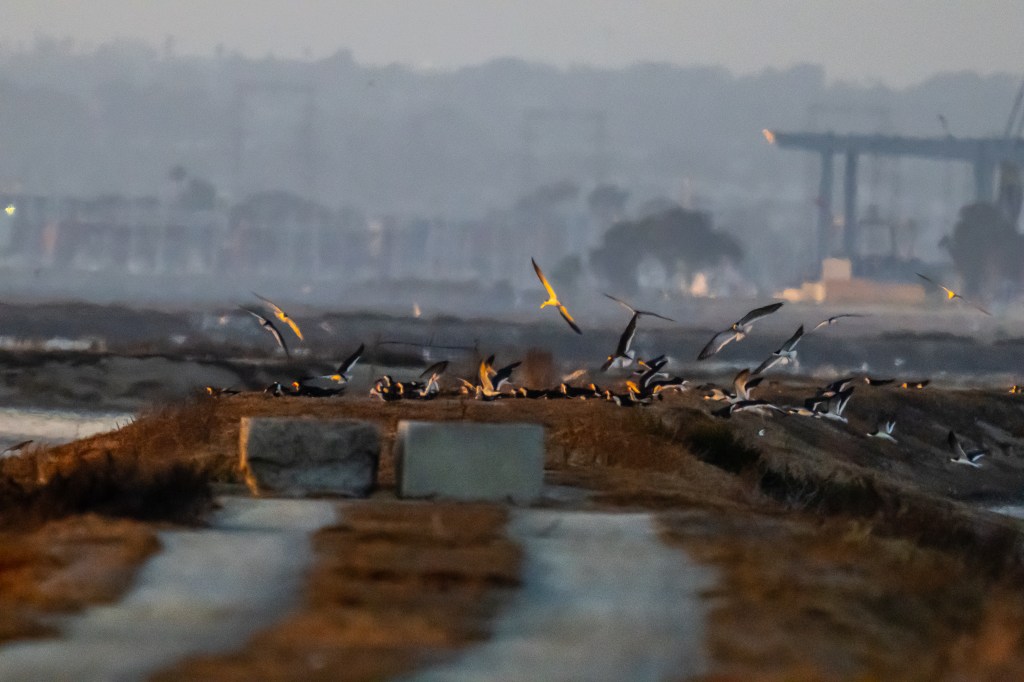
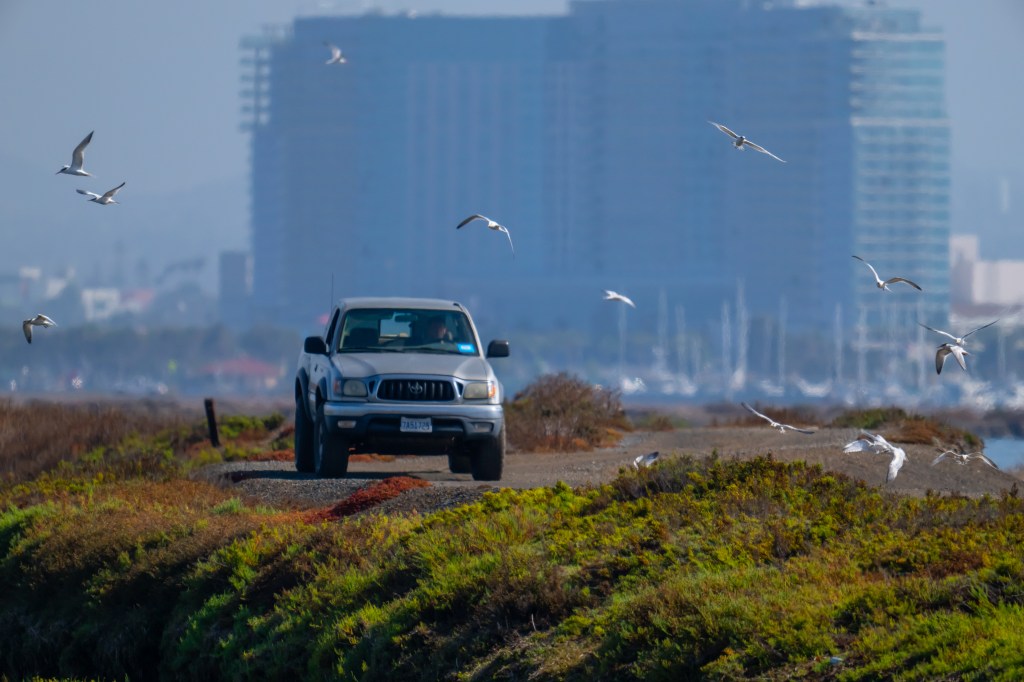
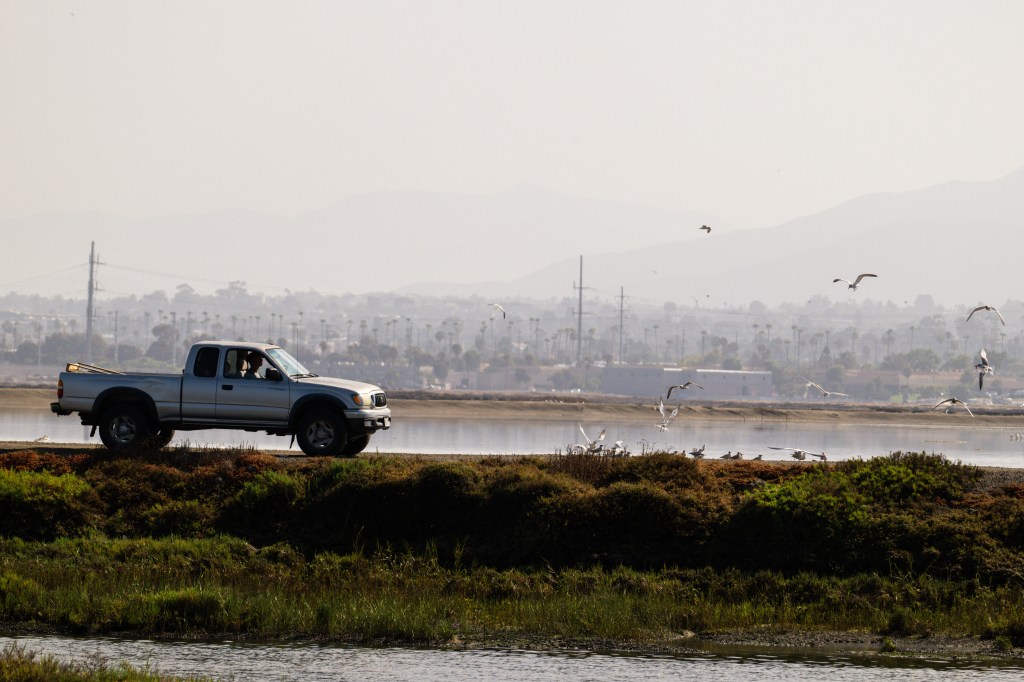
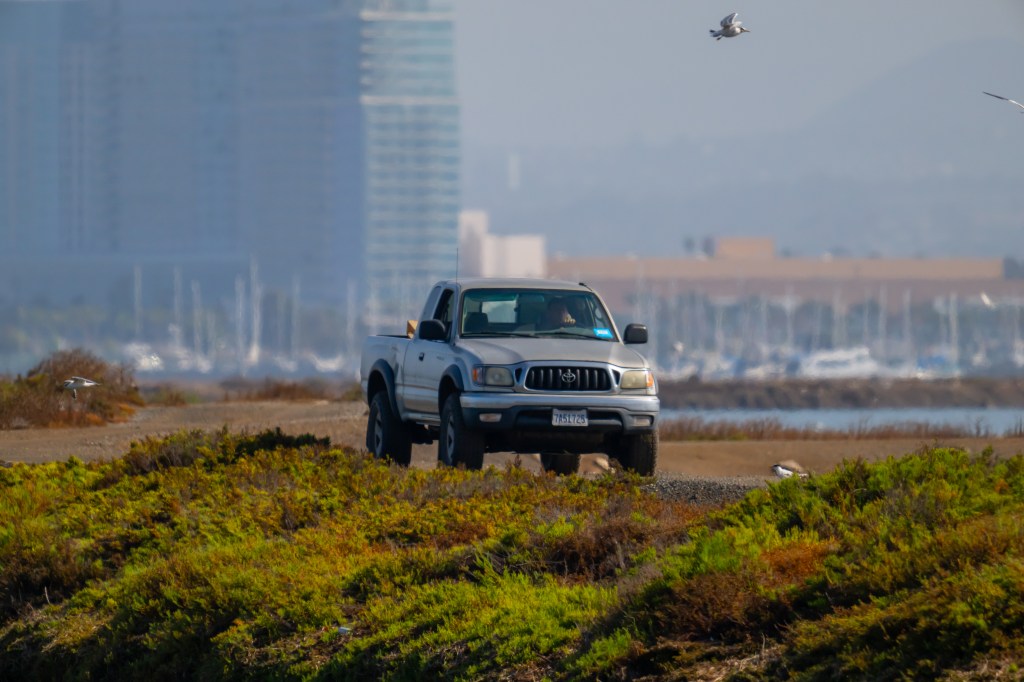
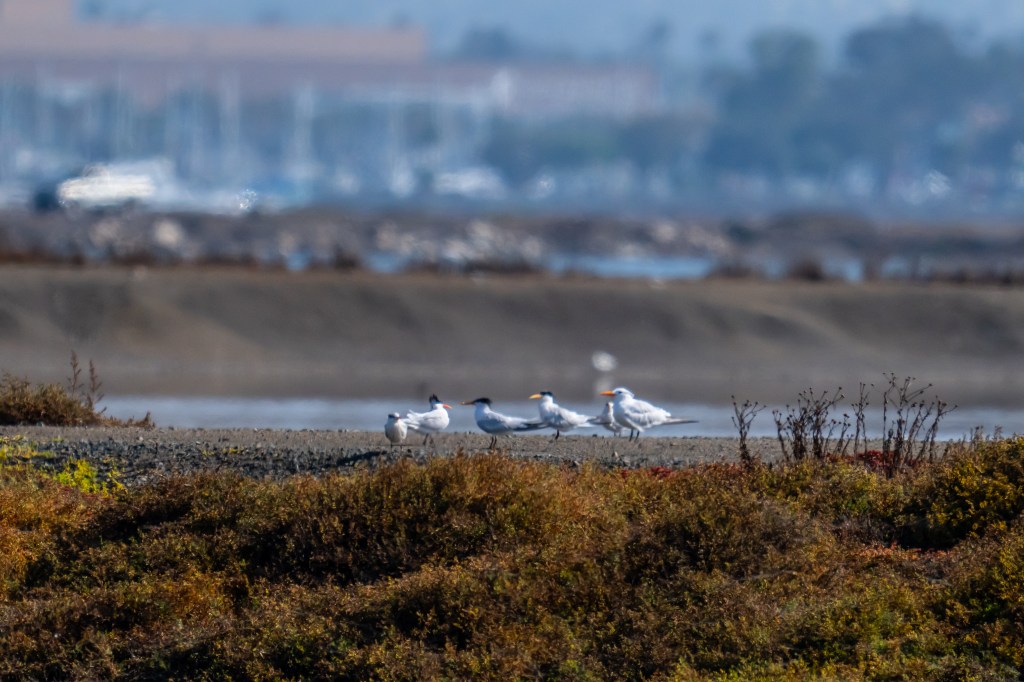
I’ve been seeing Elegant Terns around the salt marsh in Imperial Beach, where large flocks can gather over the wetlands and surrounding waterways. I’ve also seen them farther north around the South Bay salt flats, showing just how closely these birds are associated with the coastal wetlands and salt ponds of the region.
For a bird photographer, seeing a large flock of Elegant Terns moving through the South Bay is an impressive sight.
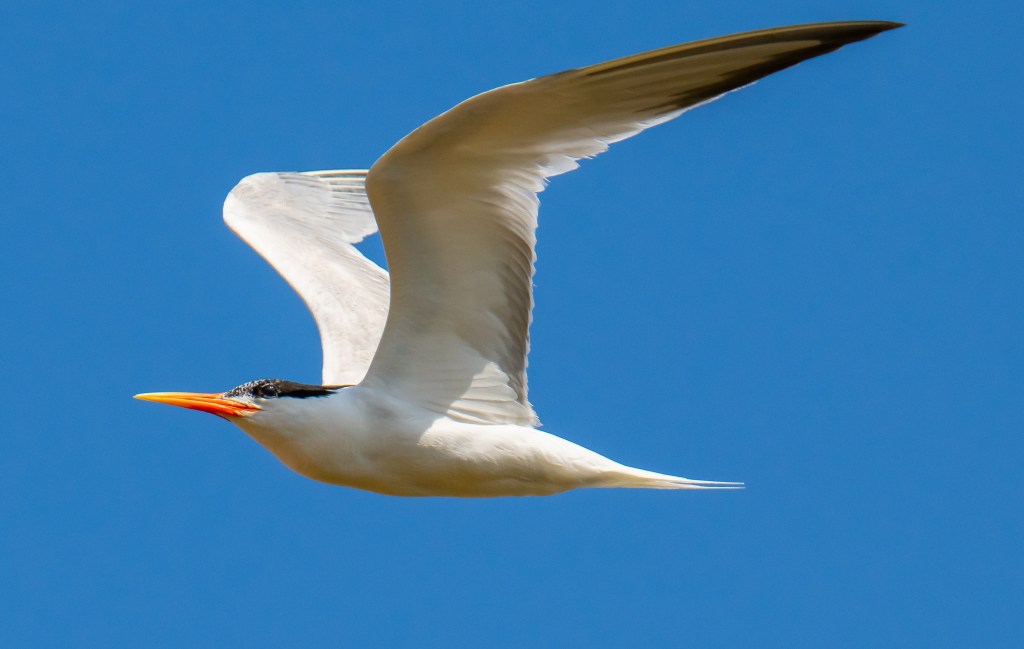
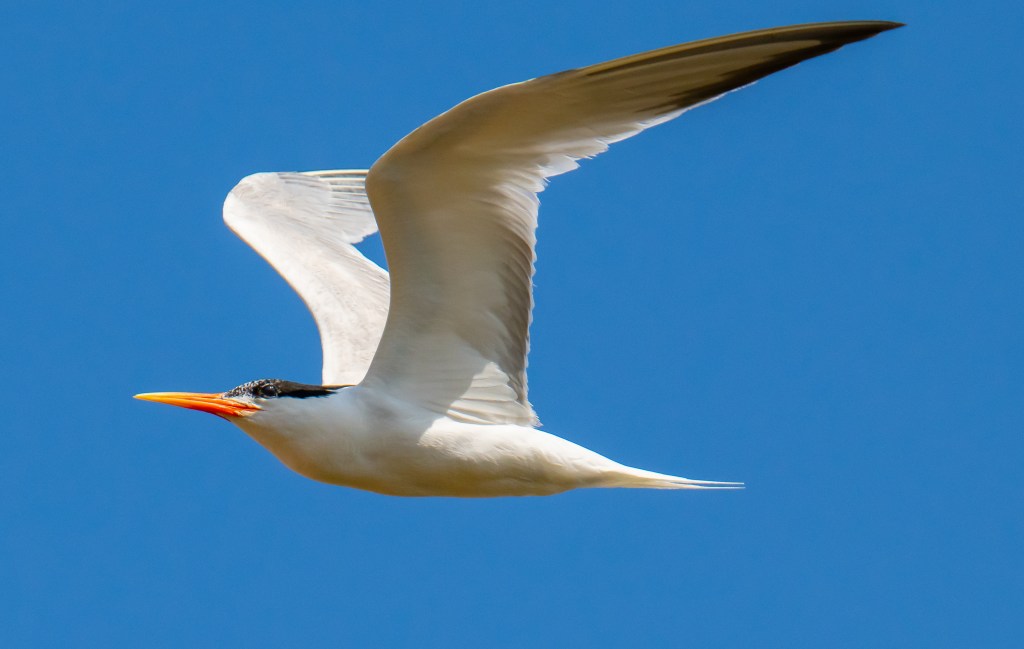
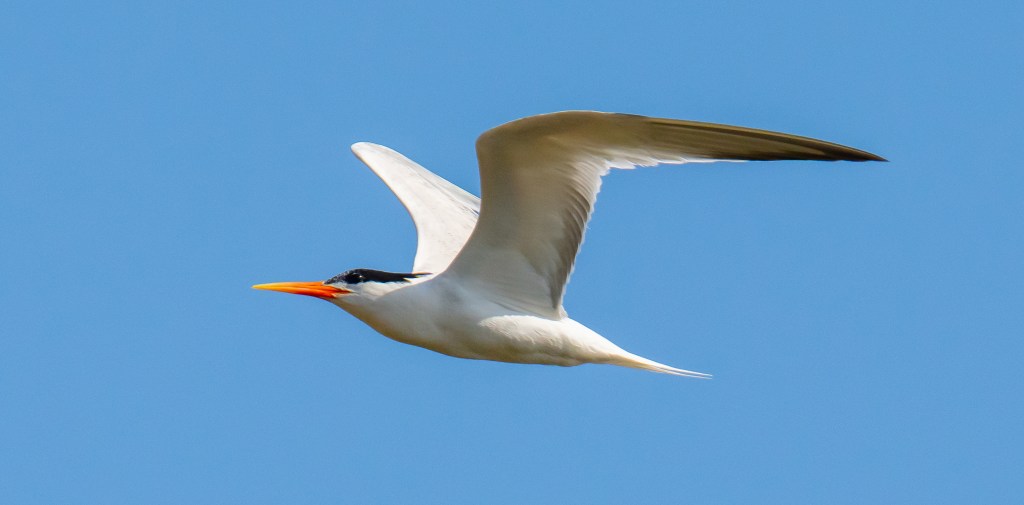
A Familiar Summer Visitor
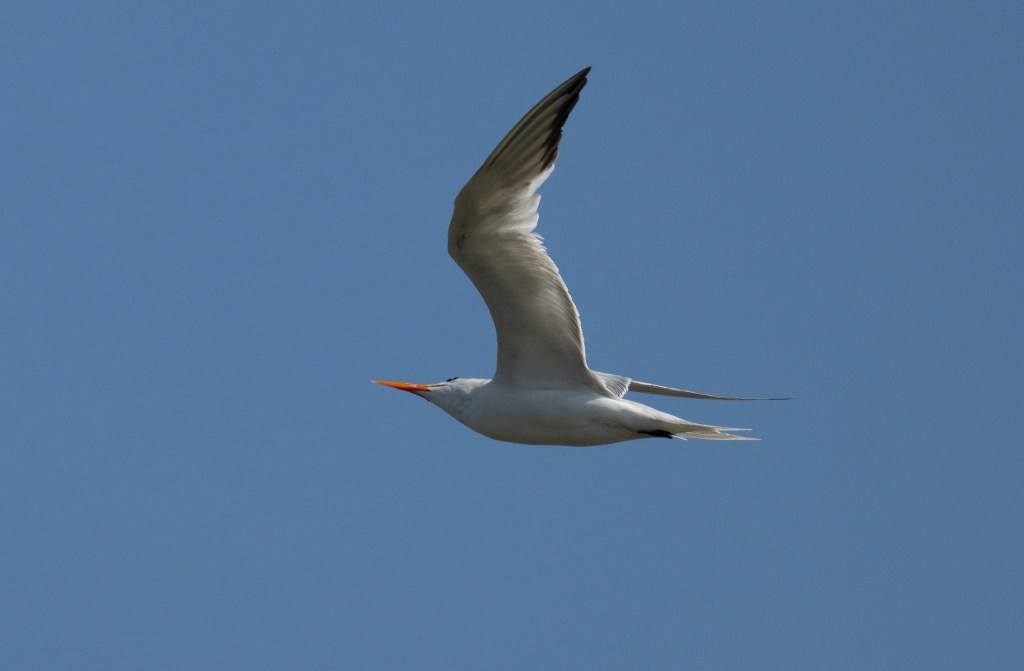
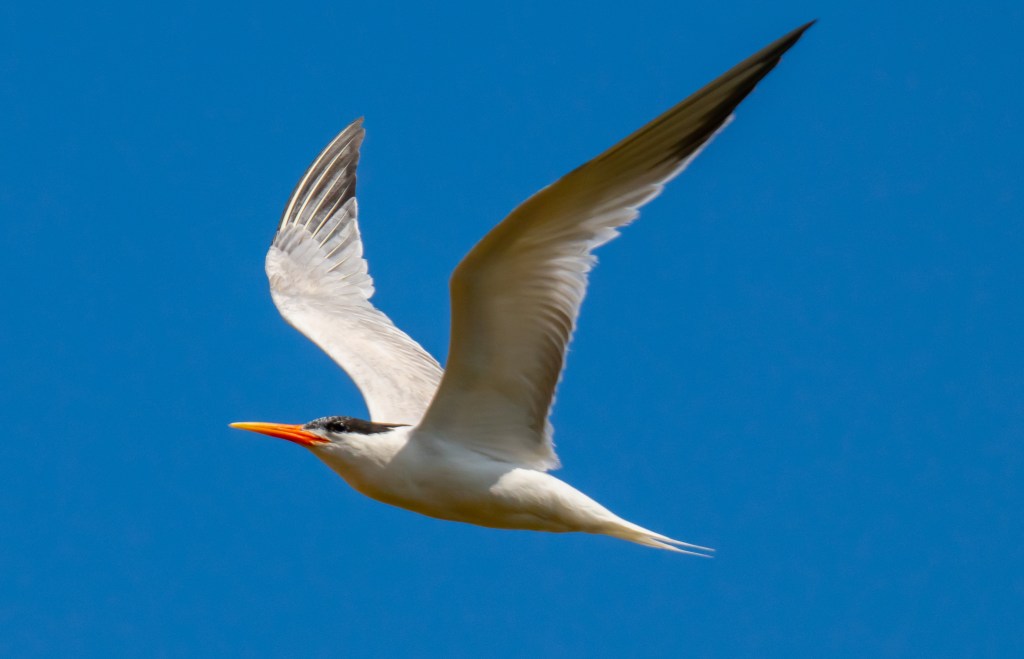
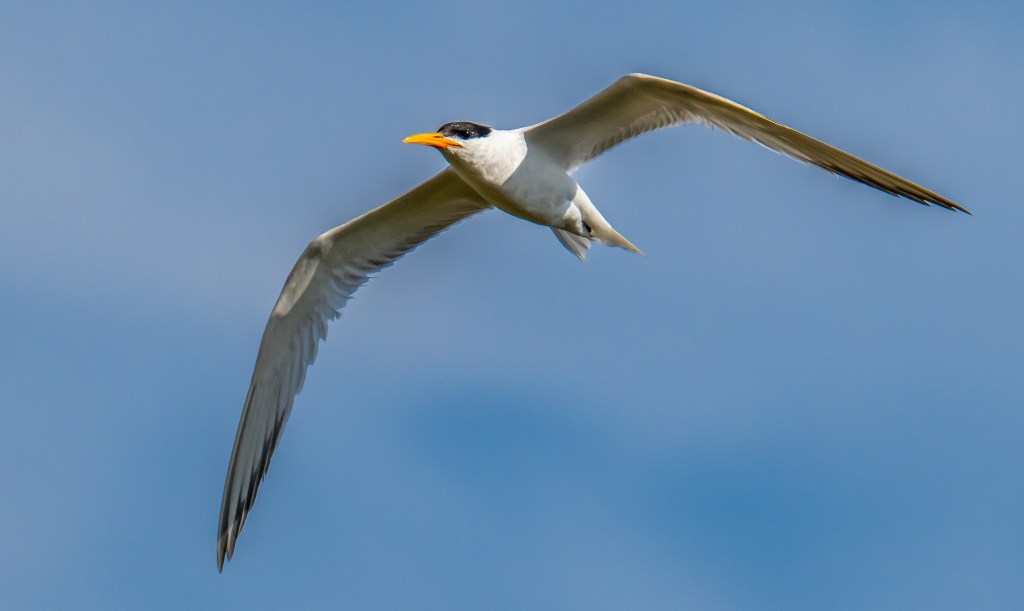
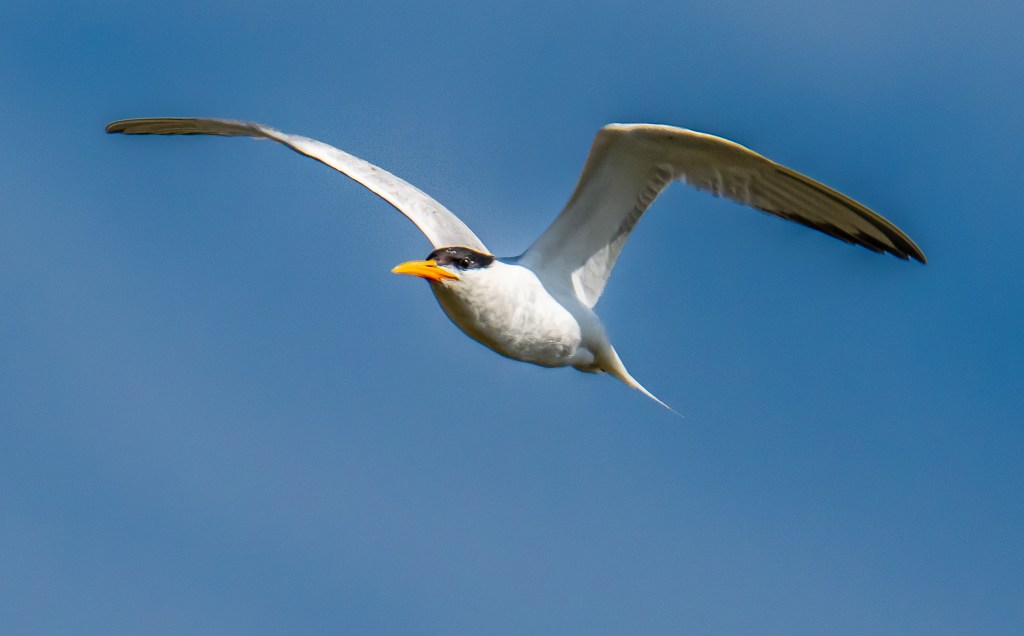
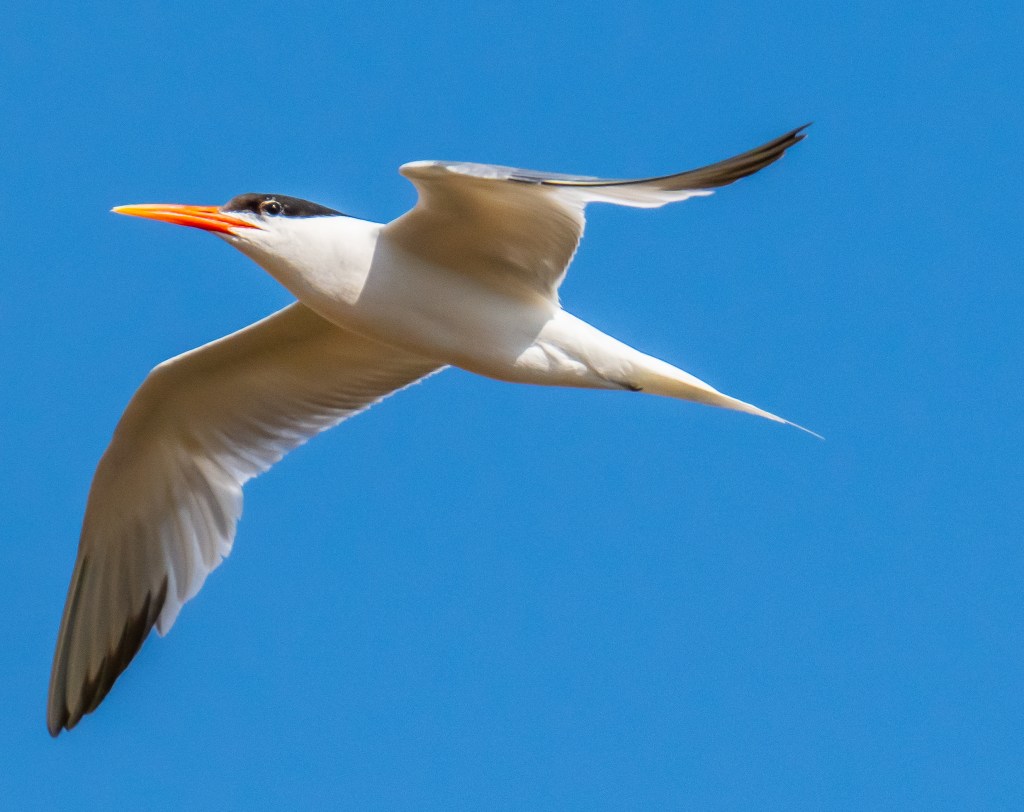
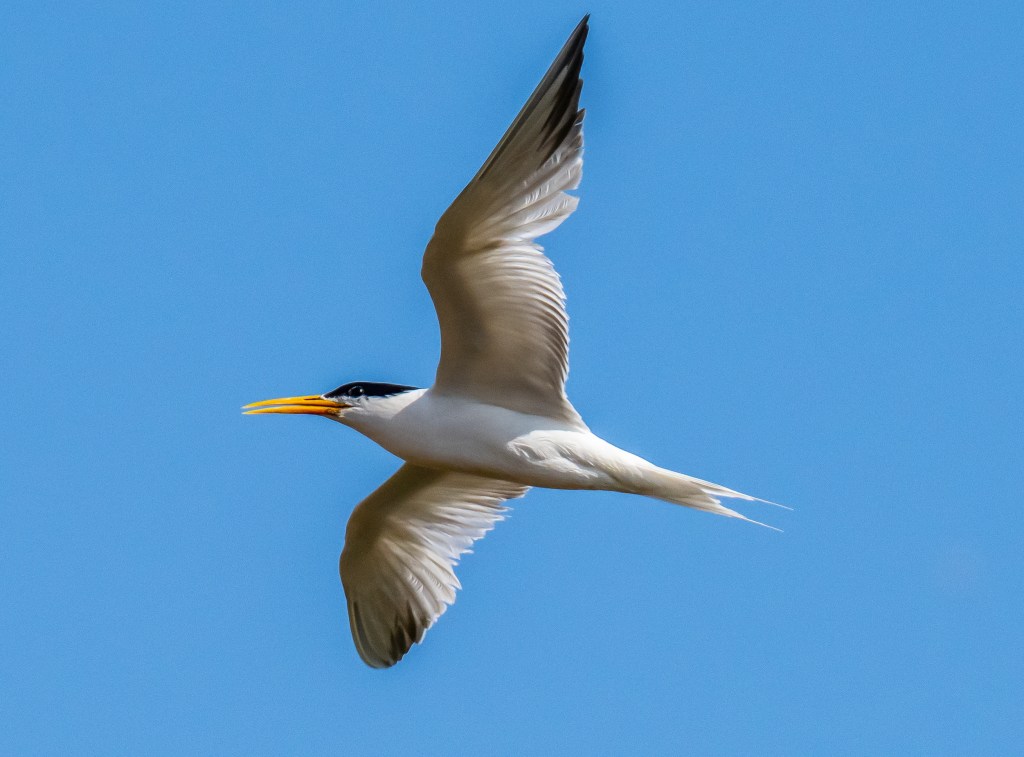
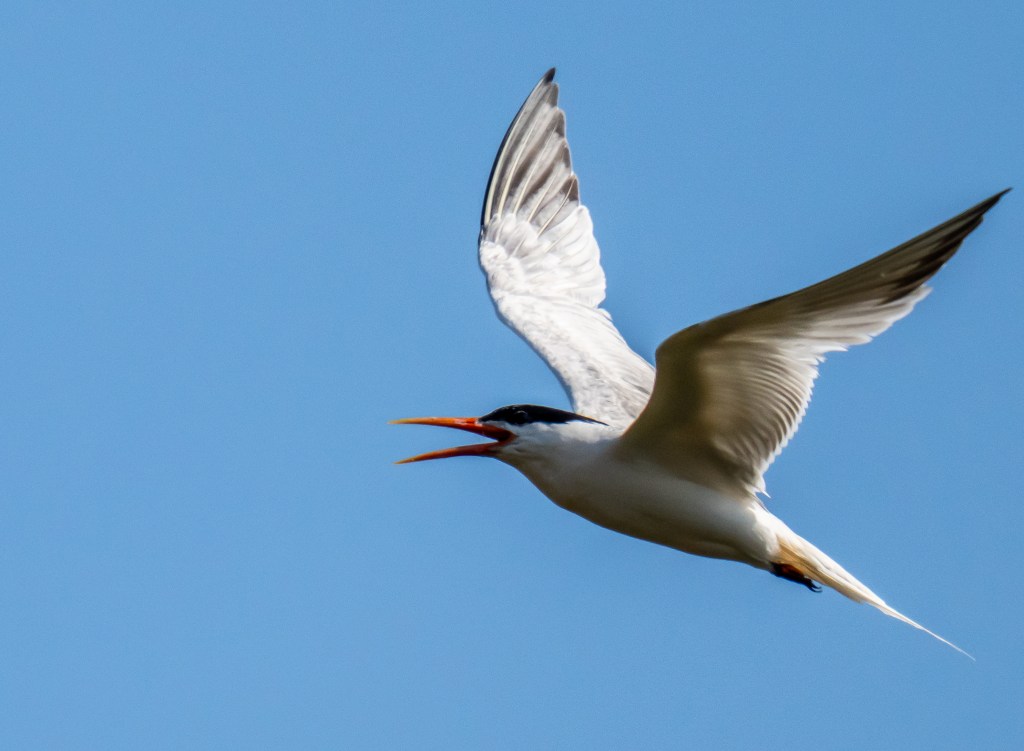
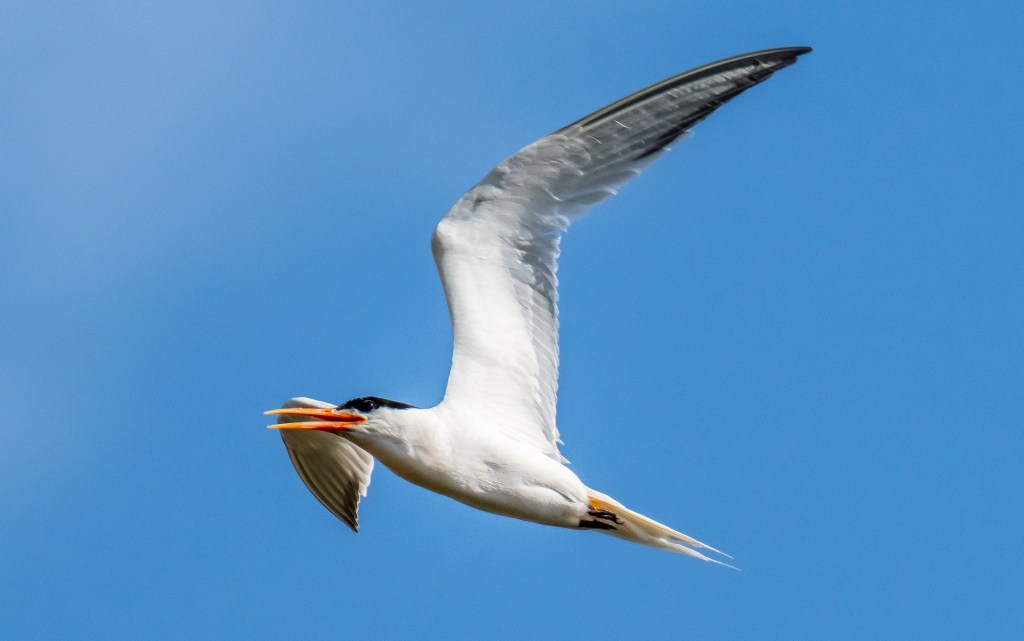
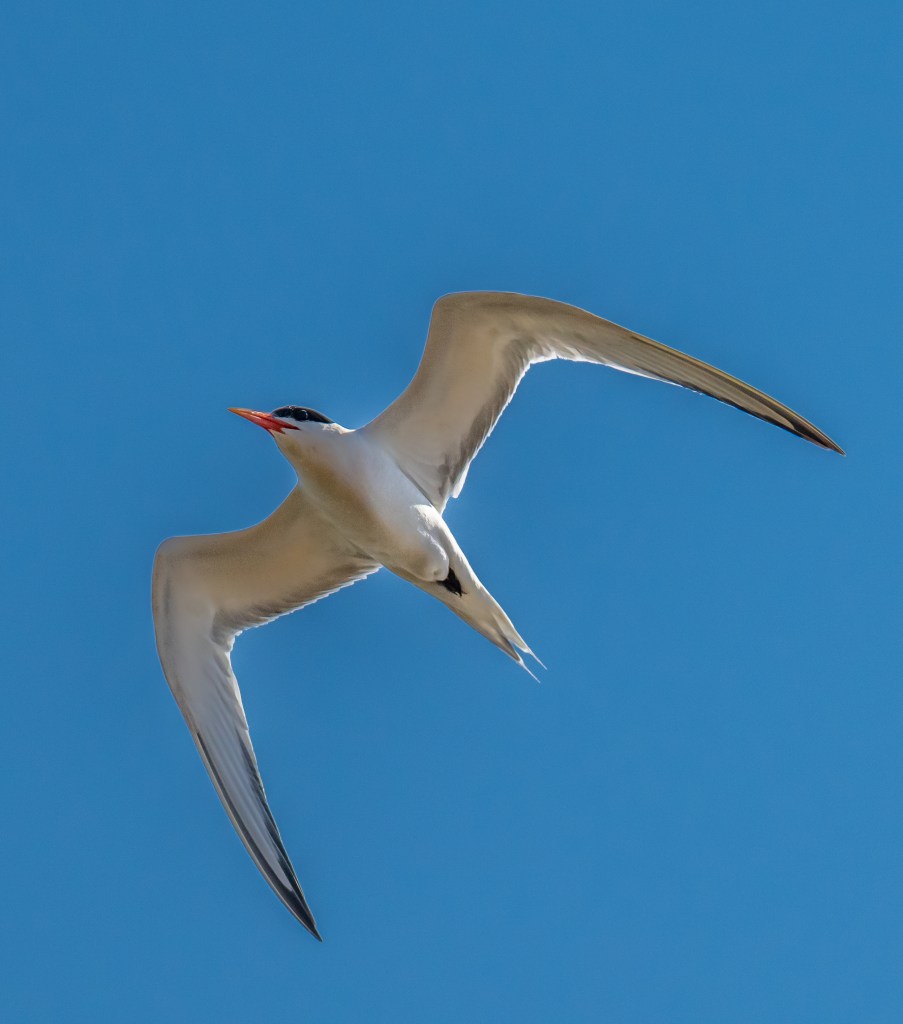
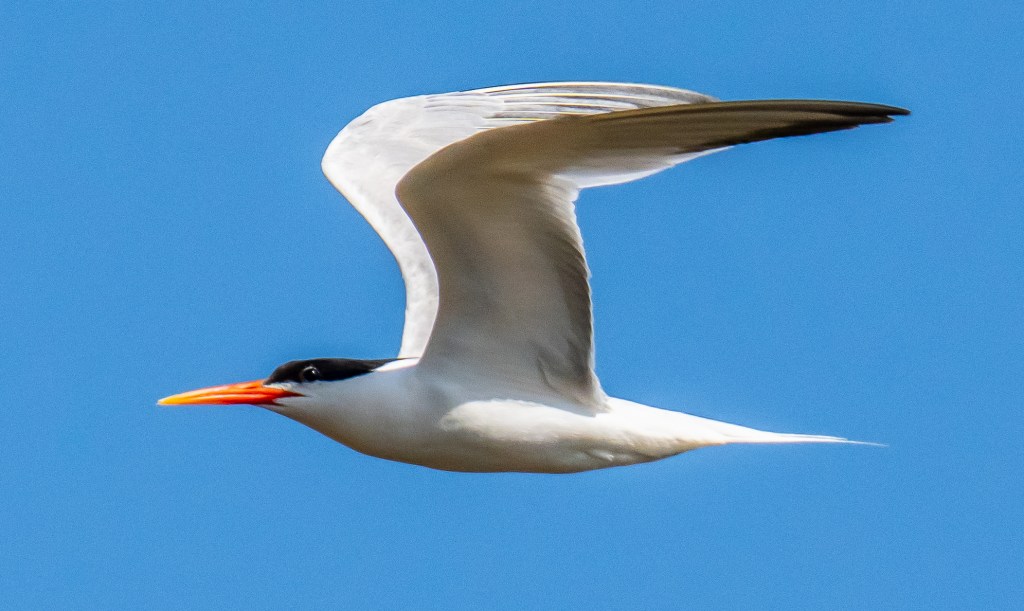
Elegant Terns are sleek, long-winged seabirds with a shaggy black crest, pale gray back, white underparts and a distinctive orange bill. They are closely associated with the Pacific Coast and are particularly noticeable in Southern California during the warmer months.
The birds are known to use bays, estuaries, mudflats and coastal waters after the breeding season. A recent City of San Diego biological report describes Elegant Terns as post-breeding visitors to Southern California’s coast, with birds frequenting bays, estuaries, mudflats and lagoons. San Diego Bay also supports a small nesting colony.
That makes the South Bay a particularly interesting place to look for them.
From Imperial Beach to the Salt Flats
The salt marsh around Imperial Beach and the salt ponds farther north are part of a much larger coastal wetland system.
The Tijuana Estuary is one of Southern California’s remaining salt marshes and provides feeding, nesting and stopover habitat for hundreds of bird species.
The South Bay salt ponds provide another important piece of habitat. The ponds are part of the San Diego Bay National Wildlife Refuge and support a remarkable variety of birds. The highly saline water produces brine organisms that provide food for birds, while the pond levees provide nesting habitat.
So when Elegant Terns appear in the Imperial Beach marsh or around the South Bay salt flats, they aren’t simply passing through a random patch of habitat. They’re using a connected network of coastal wetlands that has supported terns for generations.
The South Bay’s Long History With Elegant Terns
The connection between Elegant Terns and the South Bay goes back decades.
Elegant Terns first nested in California at the San Diego Bay salt works in 1959. Historical records also describe the South Bay salt ponds as one of the few nesting locations for Elegant Terns in the United States.
That history makes seeing them around the salt flats today even more interesting.
The salt ponds may look industrial at first glance, but they have become an important part of the South Bay’s wildlife landscape. The combination of shallow water, mudflats and extremely salty ponds creates unusual habitat that attracts birds looking for food and places to rest or nest.
Why We Don’t Walk Past the Wetland Signs
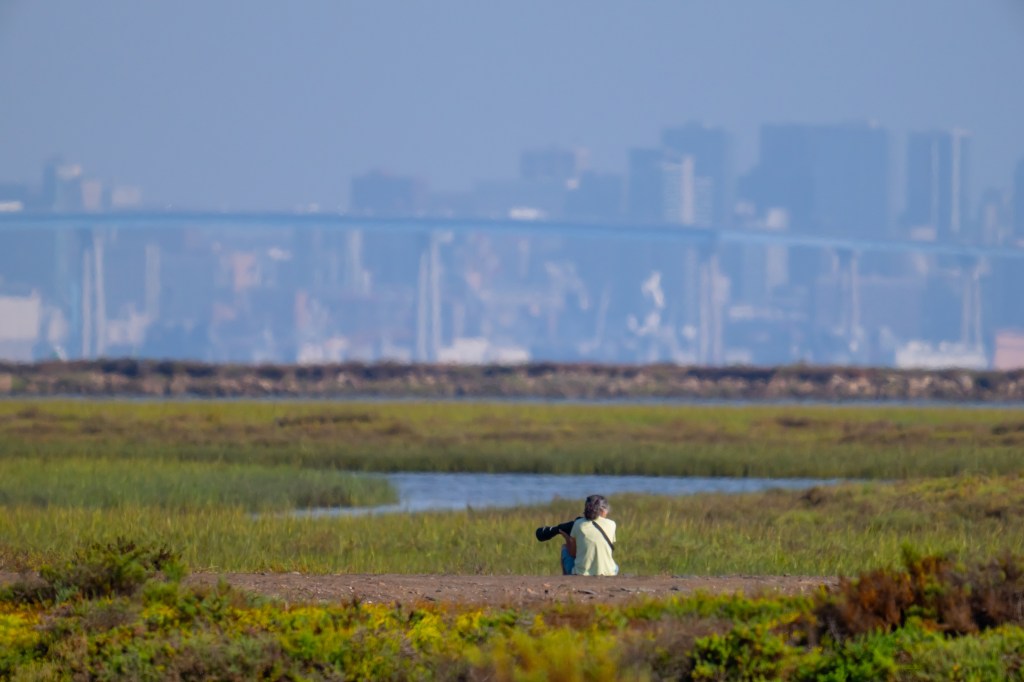
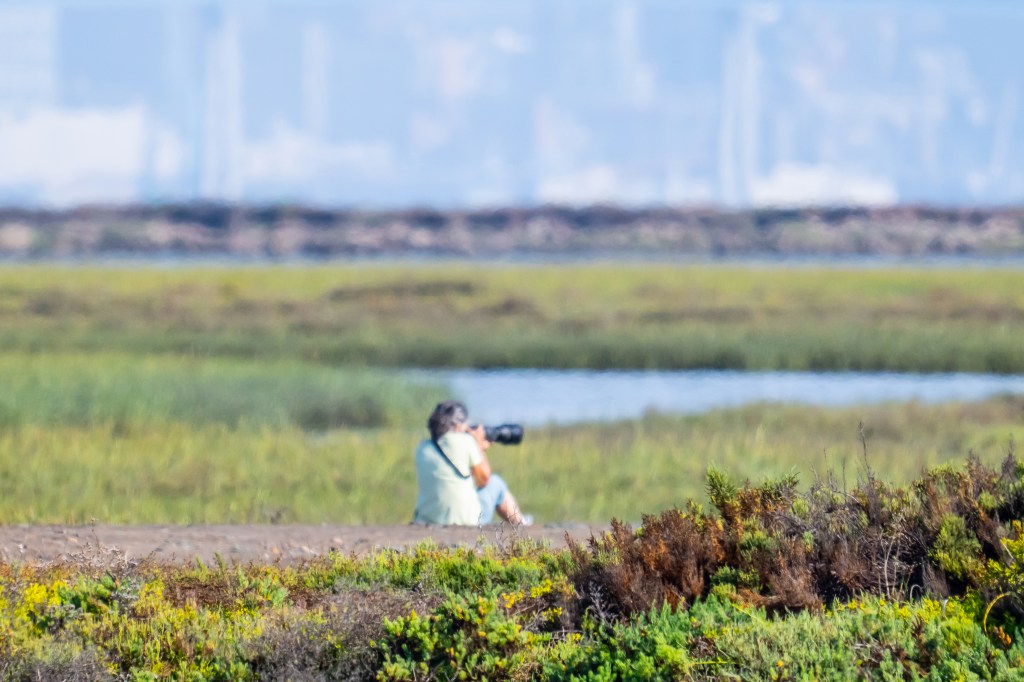
When you’re photographing birds, it’s tempting to get just a little closer. A better angle, a clearer shot, or a photograph of a tern taking flight can make you want to step beyond a fence or posted sign.
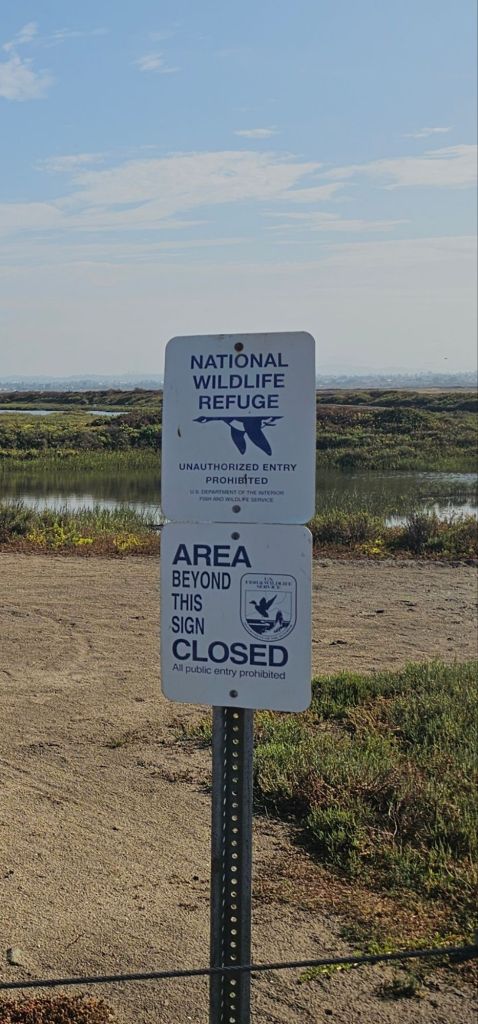
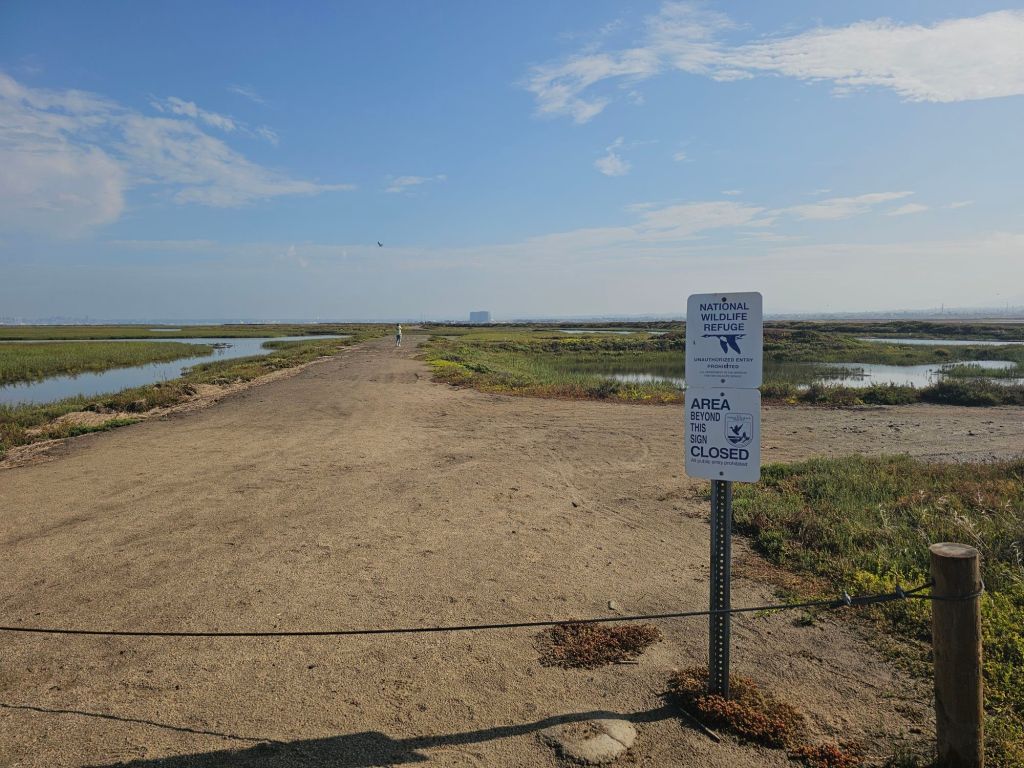
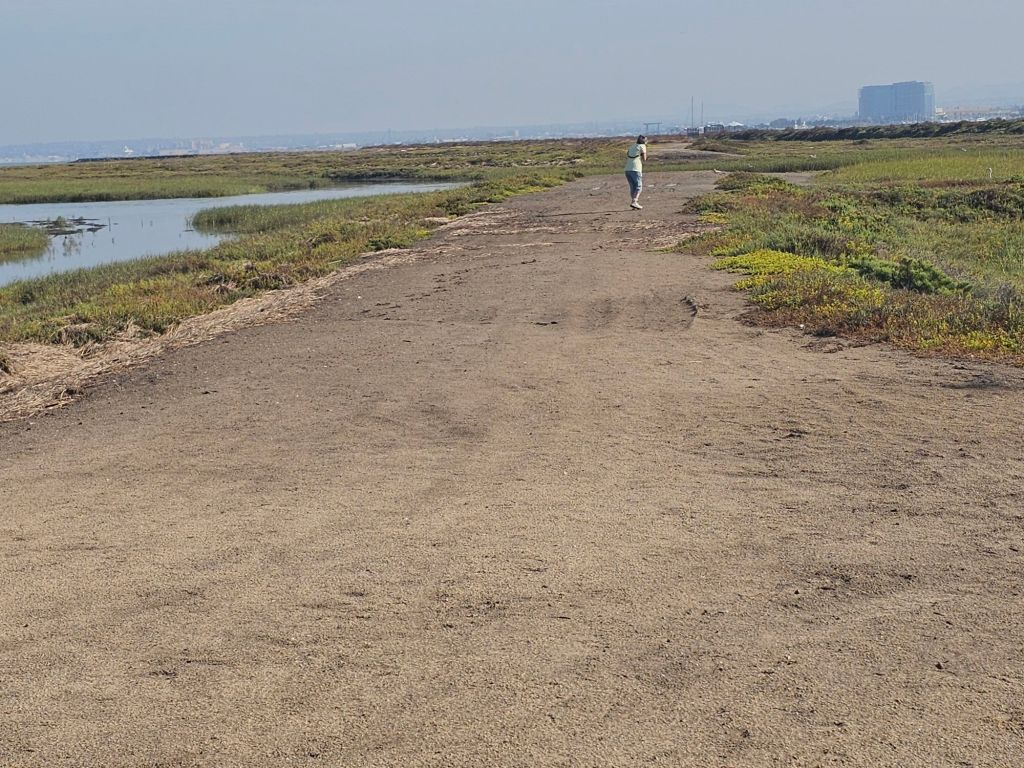
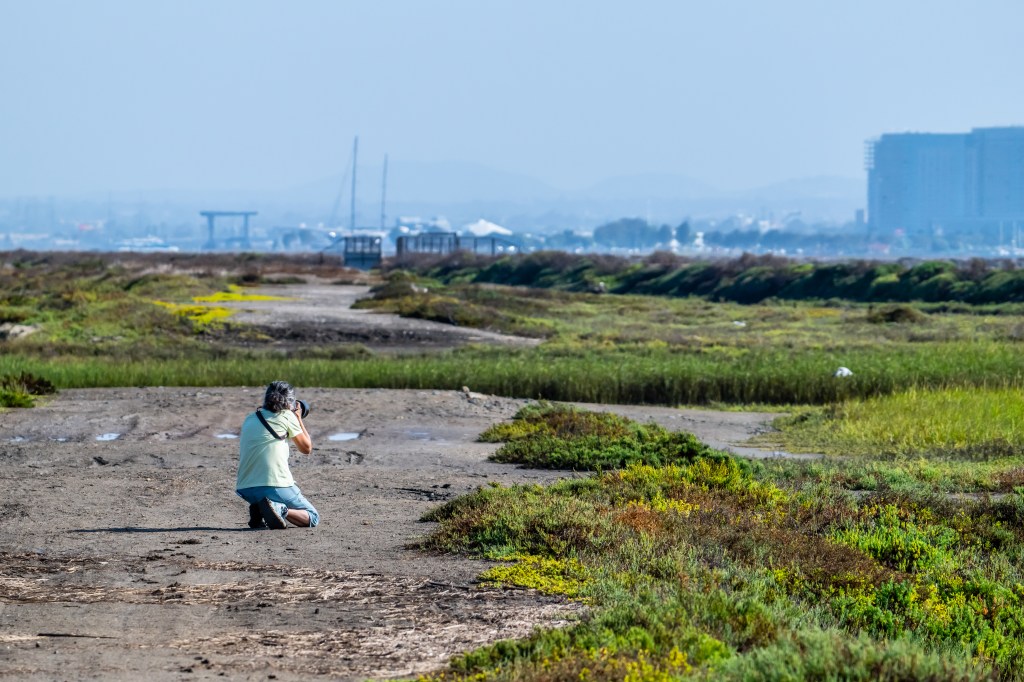
But around the Imperial Beach wetlands, those signs are there for a reason.
The salt marsh is a living ecosystem. What may look like an empty patch of mud or vegetation can be feeding, resting, or nesting habitat for birds. Walking into these areas can disturb wildlife, damage vegetation, and cause birds to use valuable energy flying away from people.
This is especially important when large flocks of terns are present. A person approaching a flock can cause dozens or even hundreds of birds to suddenly take flight. While one disturbance may seem insignificant, repeated disturbances from visitors can keep birds from feeding or resting.
There is also another reason to stay on the designated paths: wetlands can be fragile and surprisingly easy to damage. Salt-marsh plants and the muddy surface help form an ecosystem that has developed over many years. Foot traffic can create unofficial trails and damage vegetation that provides habitat for birds and other wildlife.
For photographers, staying behind the signs is part of responsible wildlife photography. A longer lens, binoculars and patience can often give you a better experience without getting closer.
The goal isn’t simply to get the closest photograph.
The goal is to photograph the birds while allowing them to continue doing what they came here to do.
So when you visit the Imperial Beach salt marsh or the South Bay salt flats, pay attention to the signs and stay on designated trails. Give the birds room, respect protected areas and let the wetlands remain a place where wildlife can thrive.
Sometimes the best wildlife photograph is the one you take without disturbing the wildlife at all.

