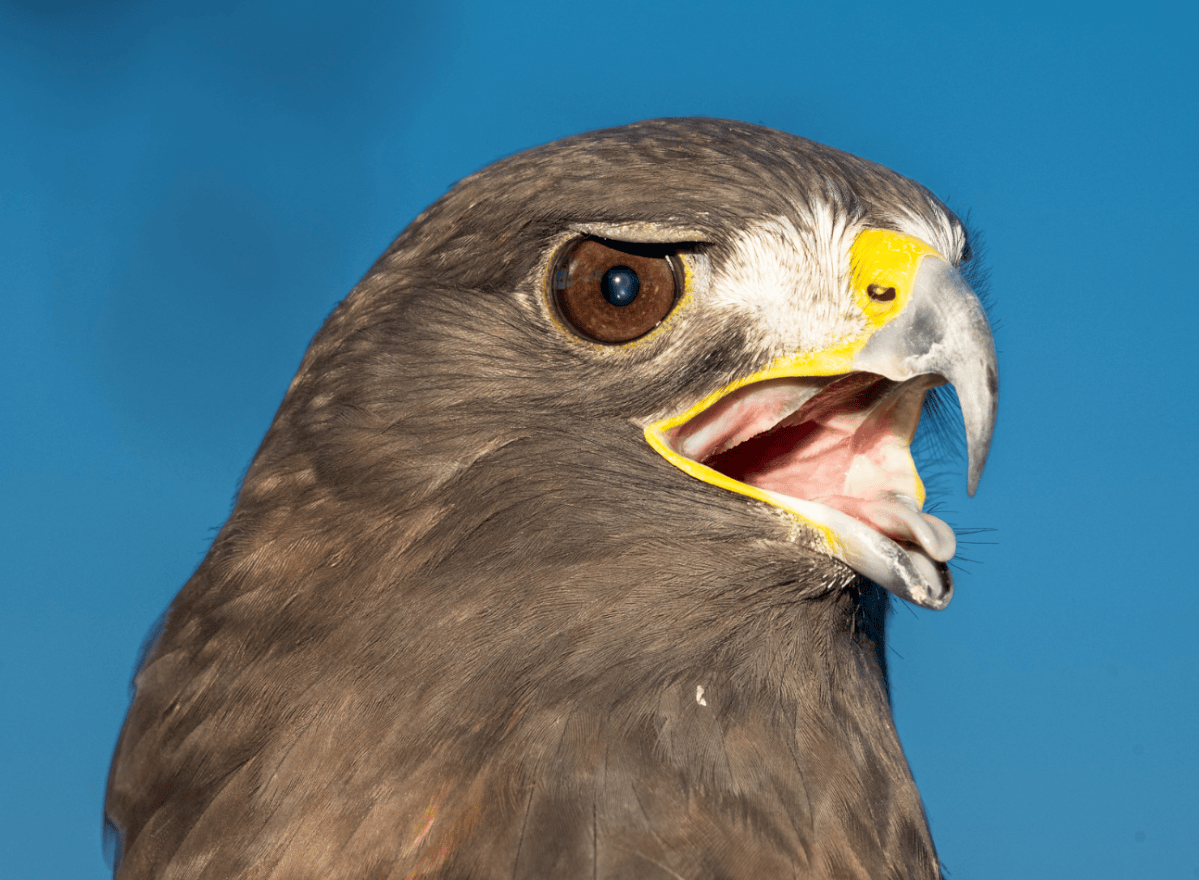
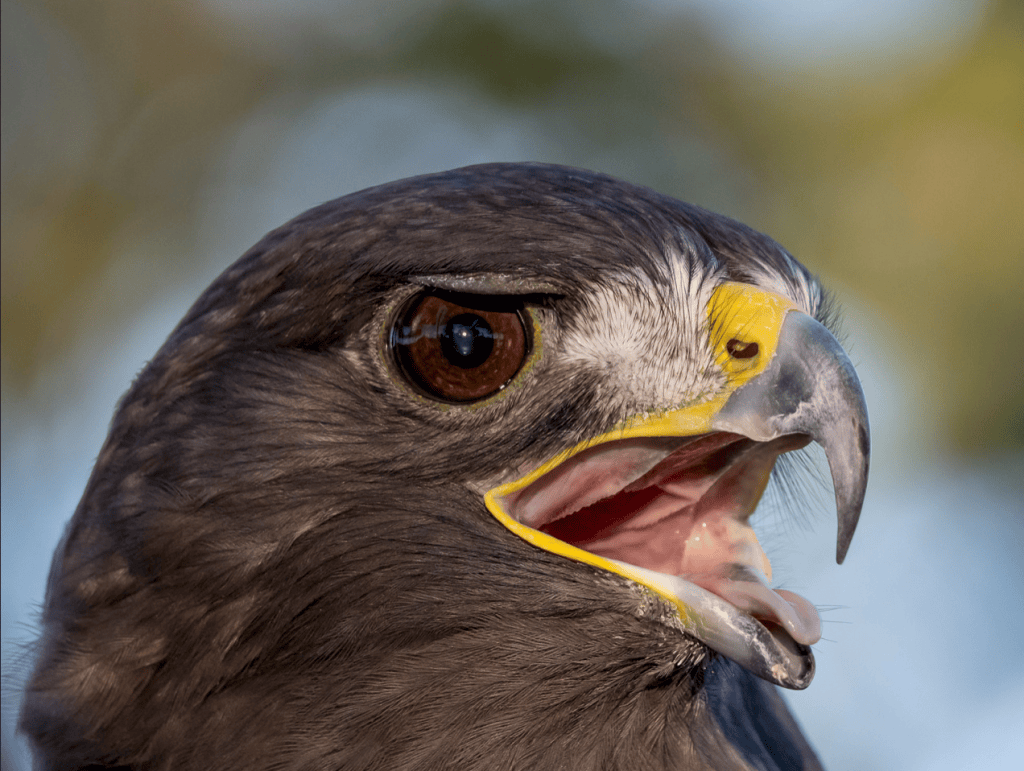
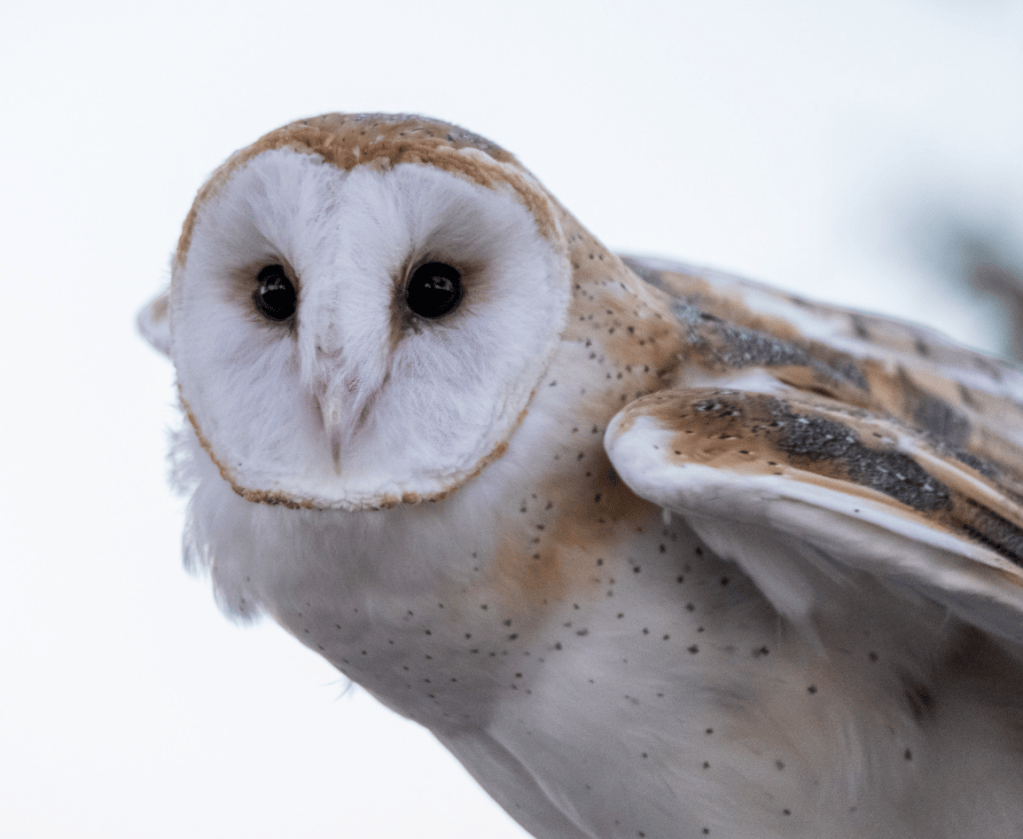
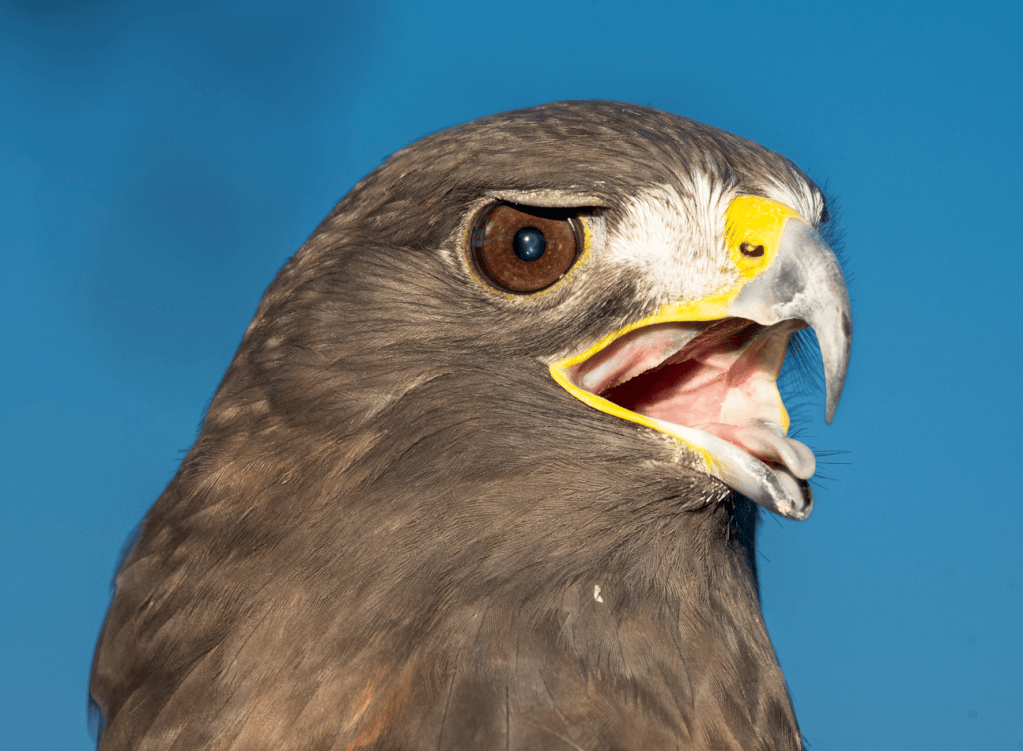
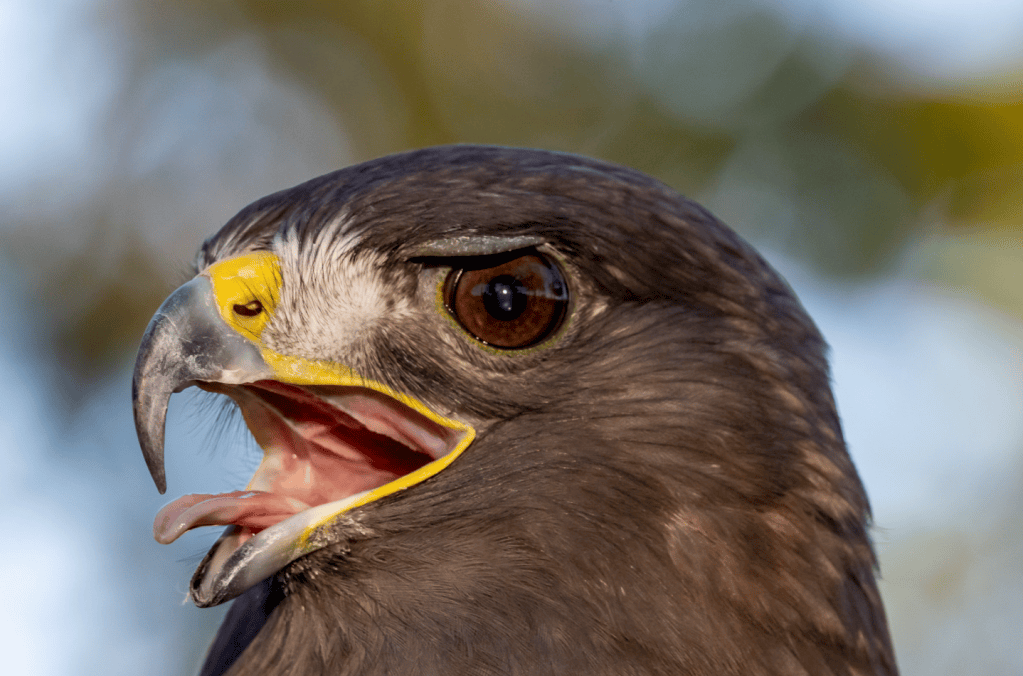
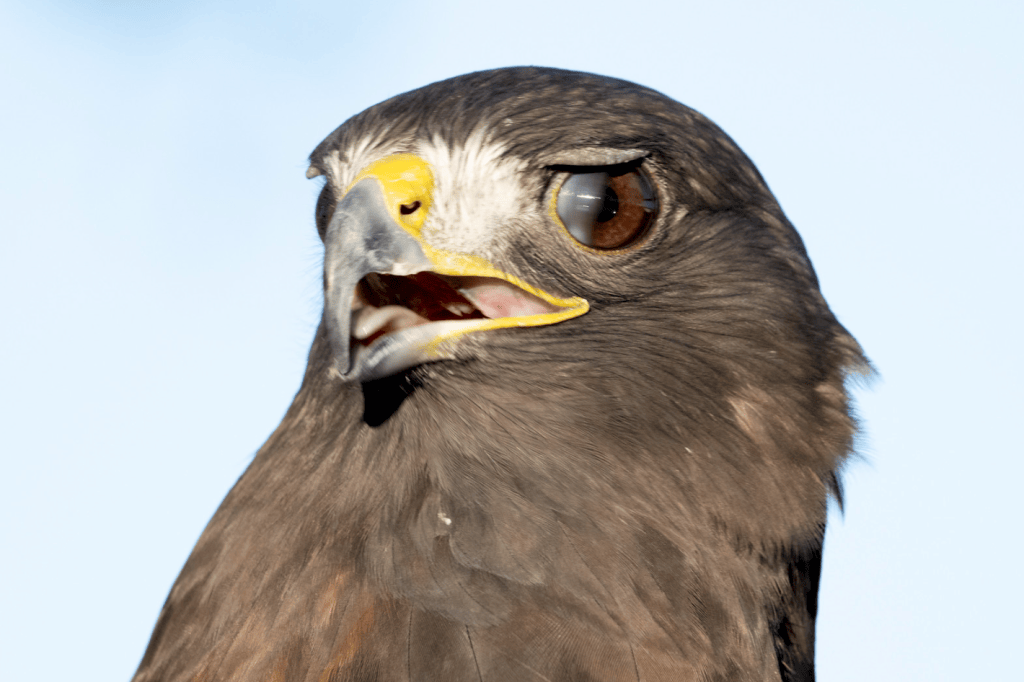
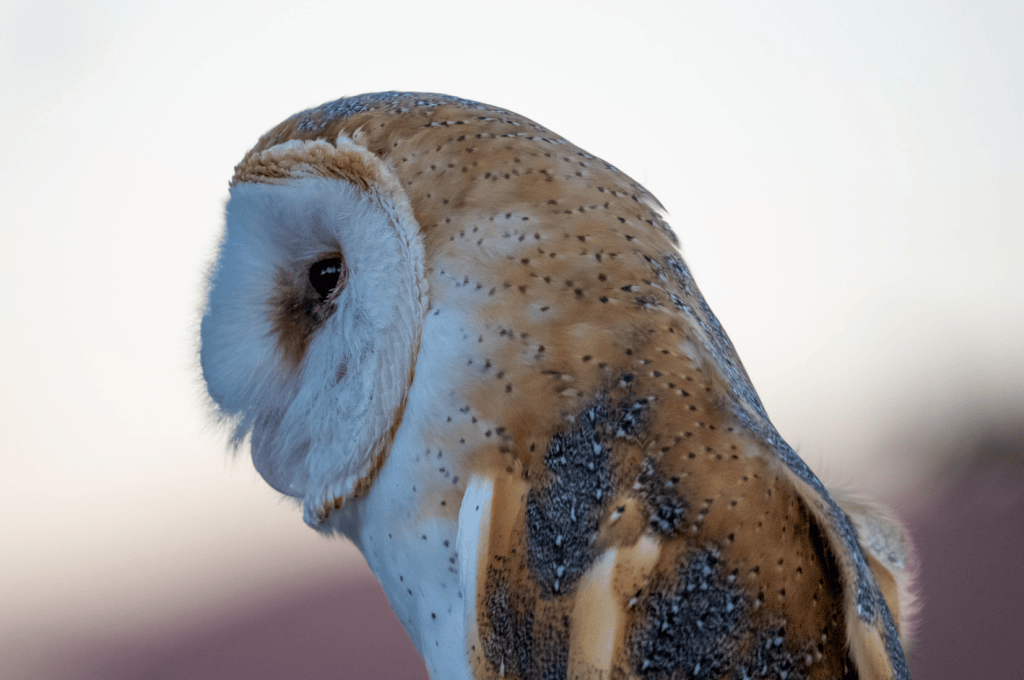
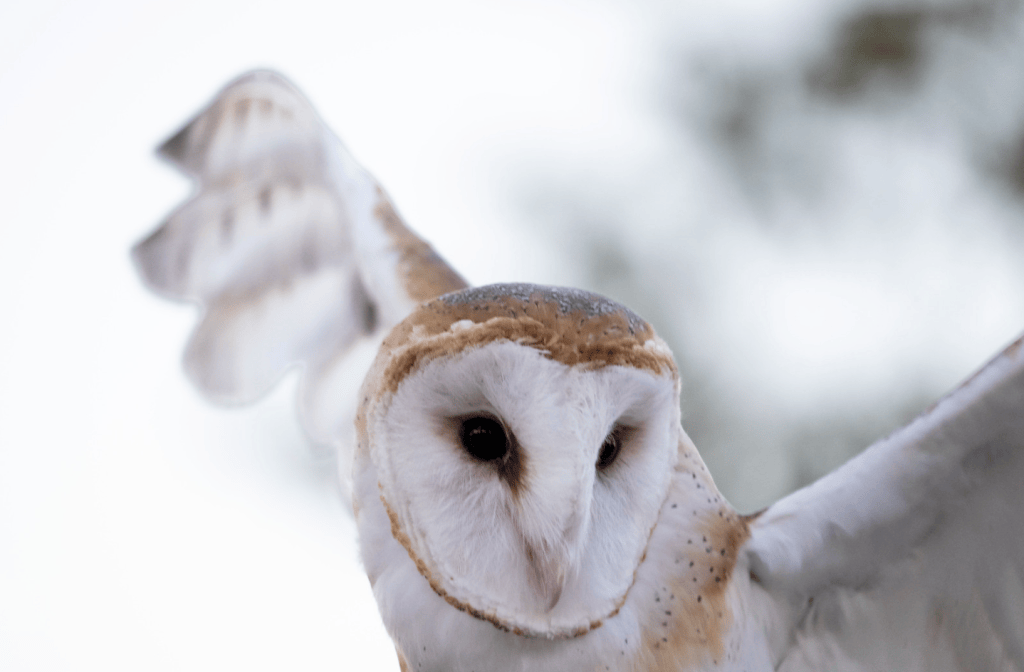
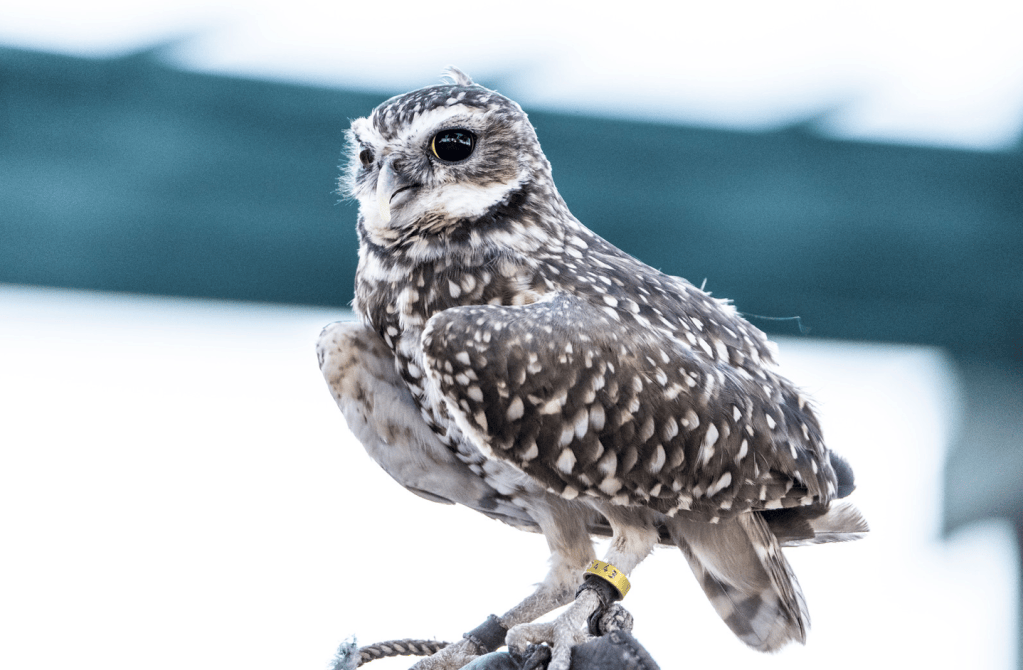
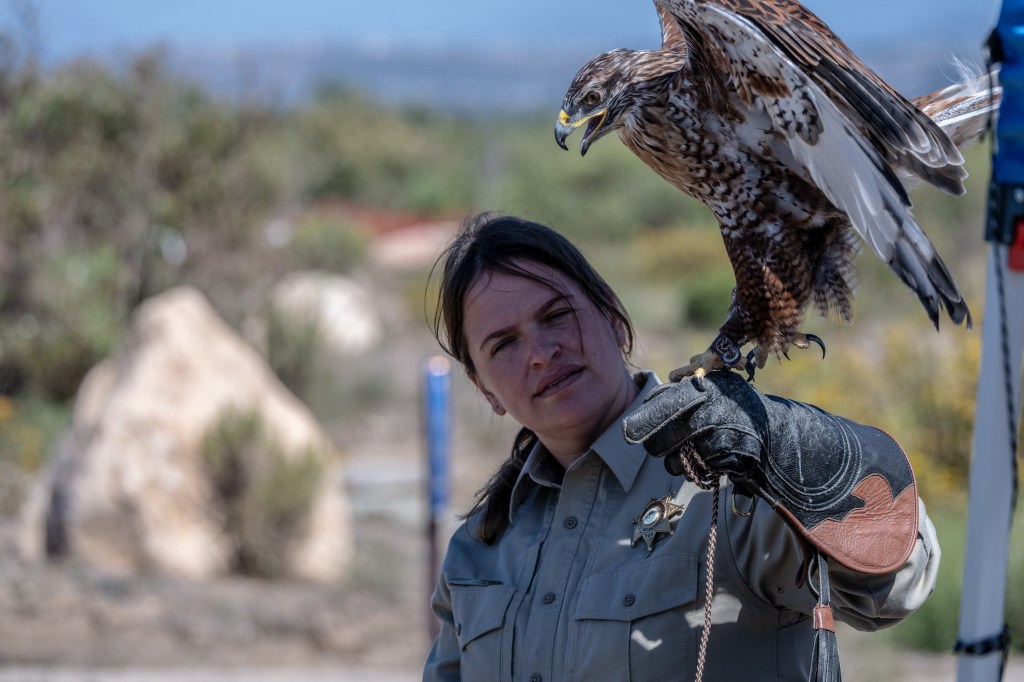
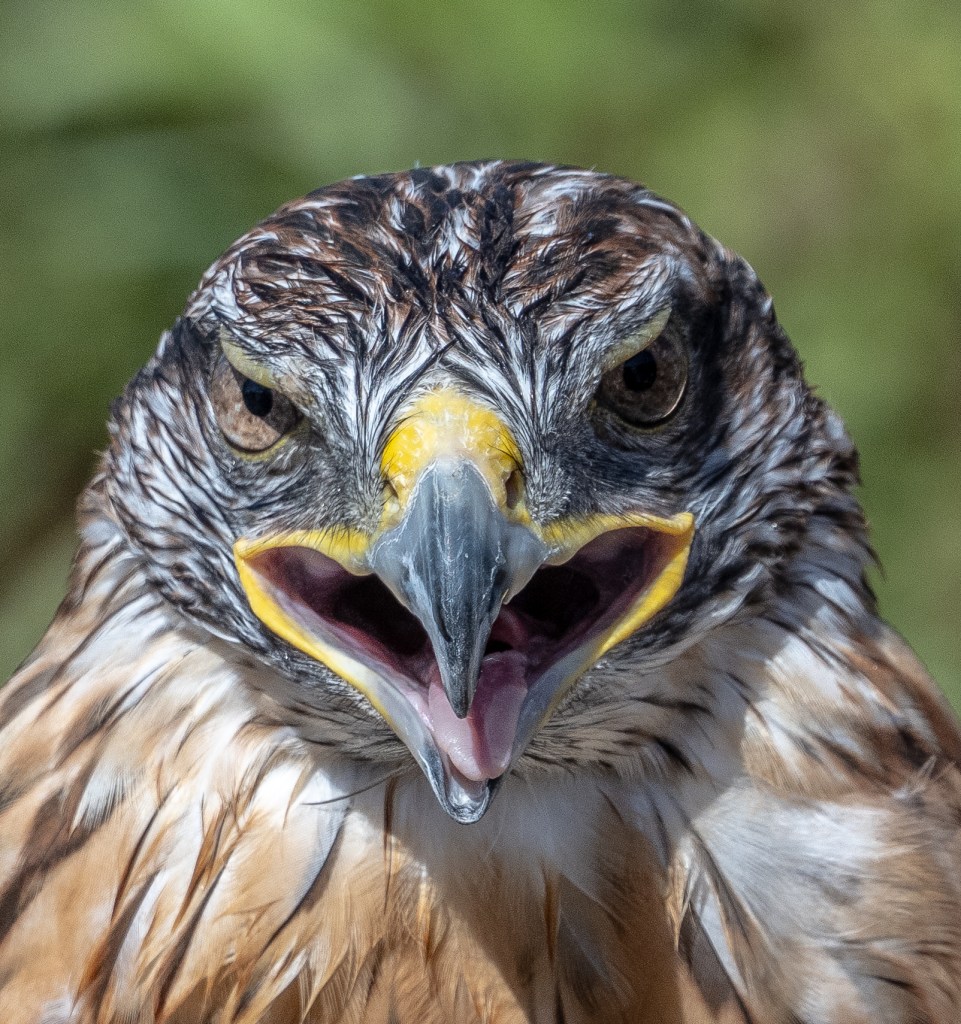
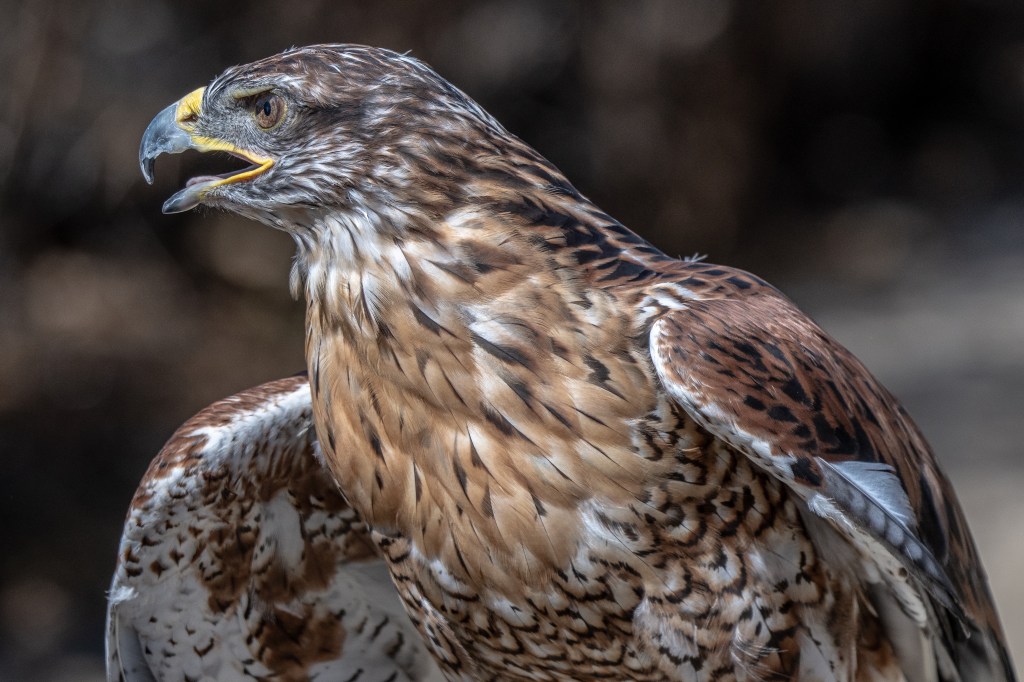
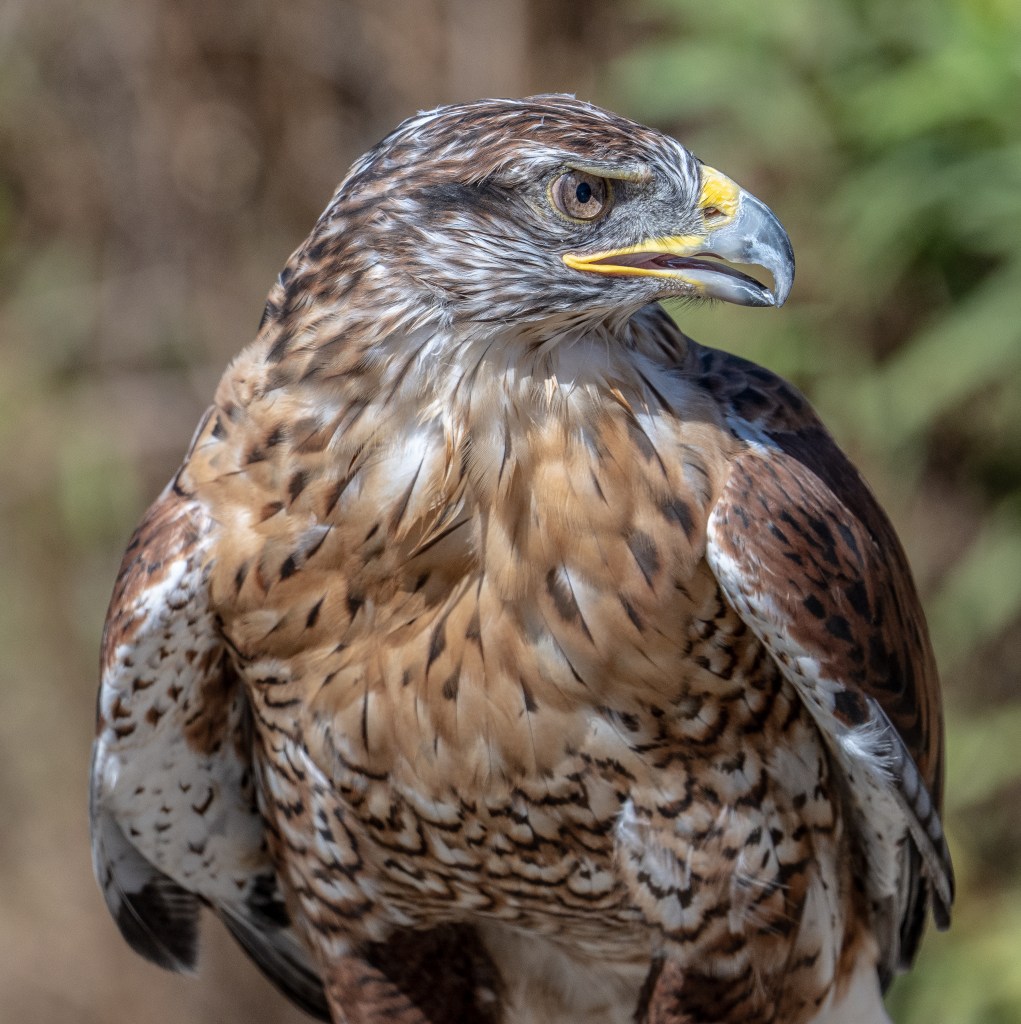
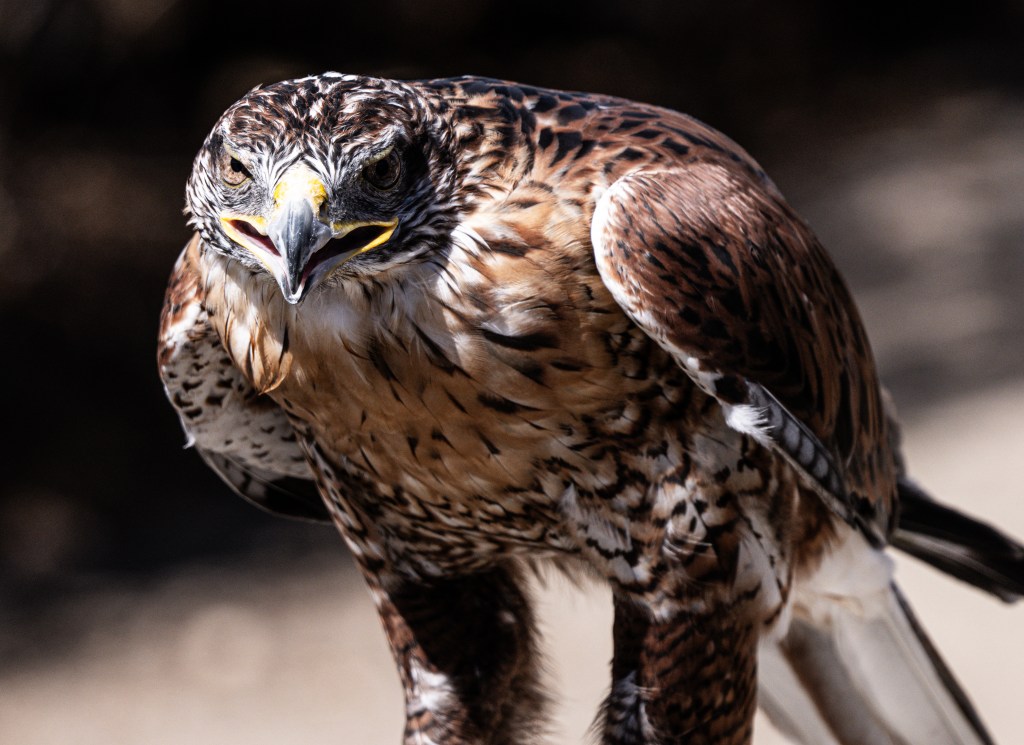
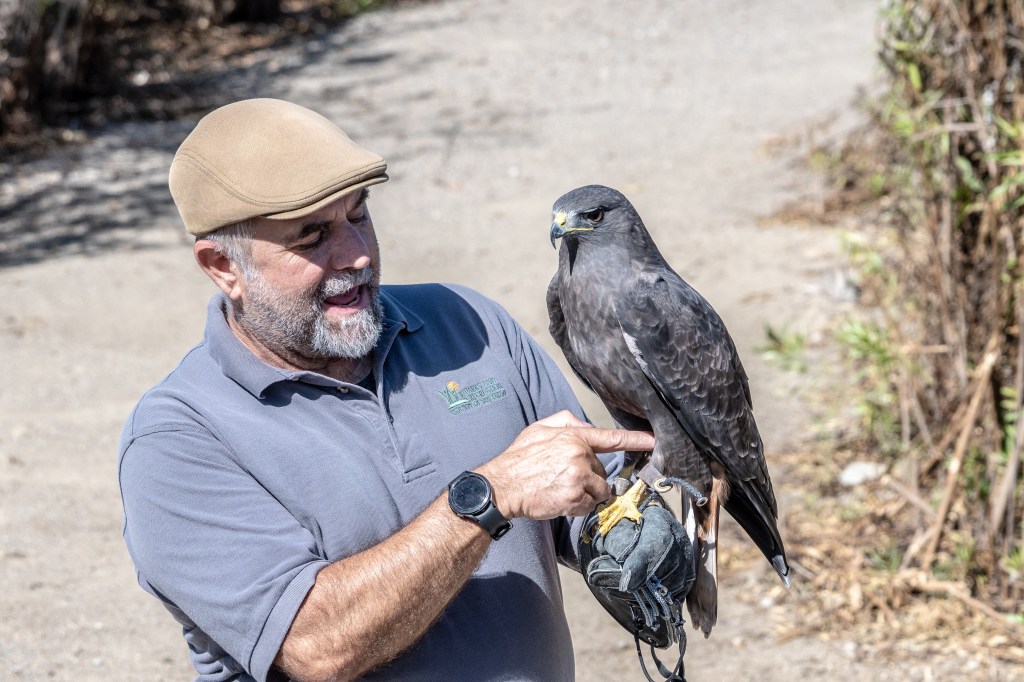
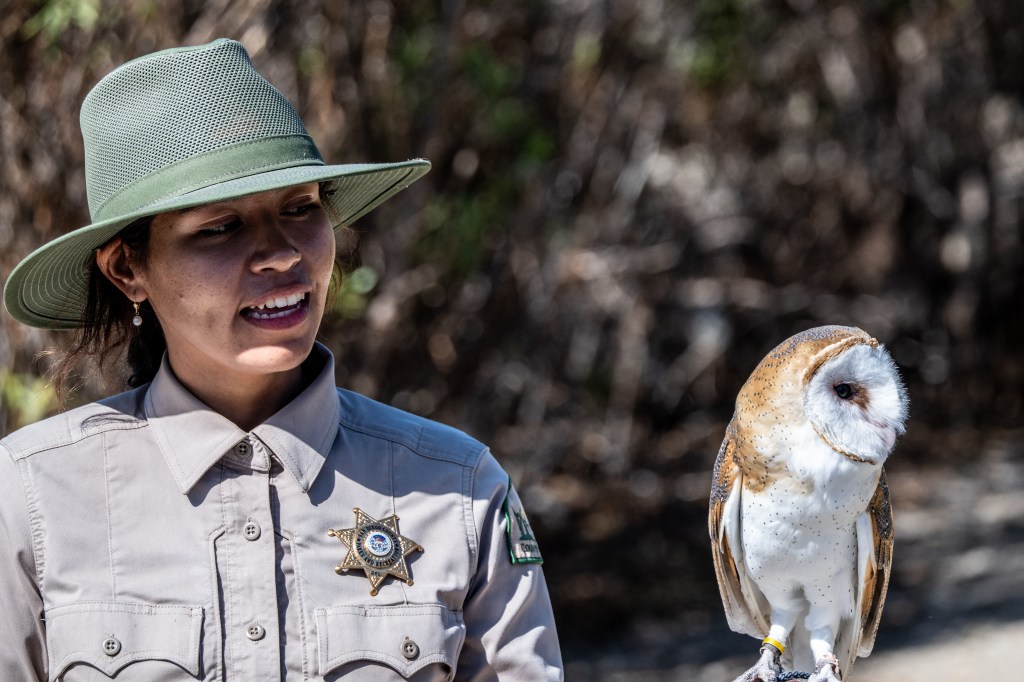
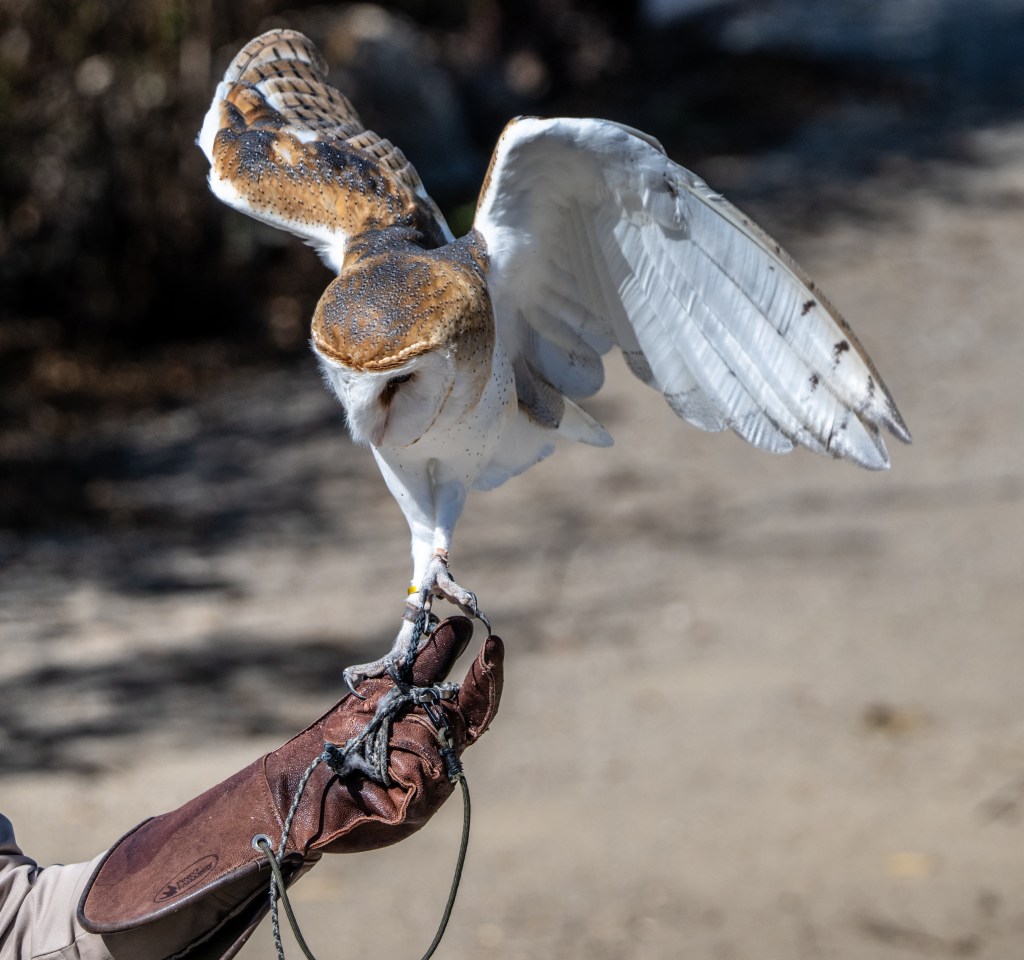
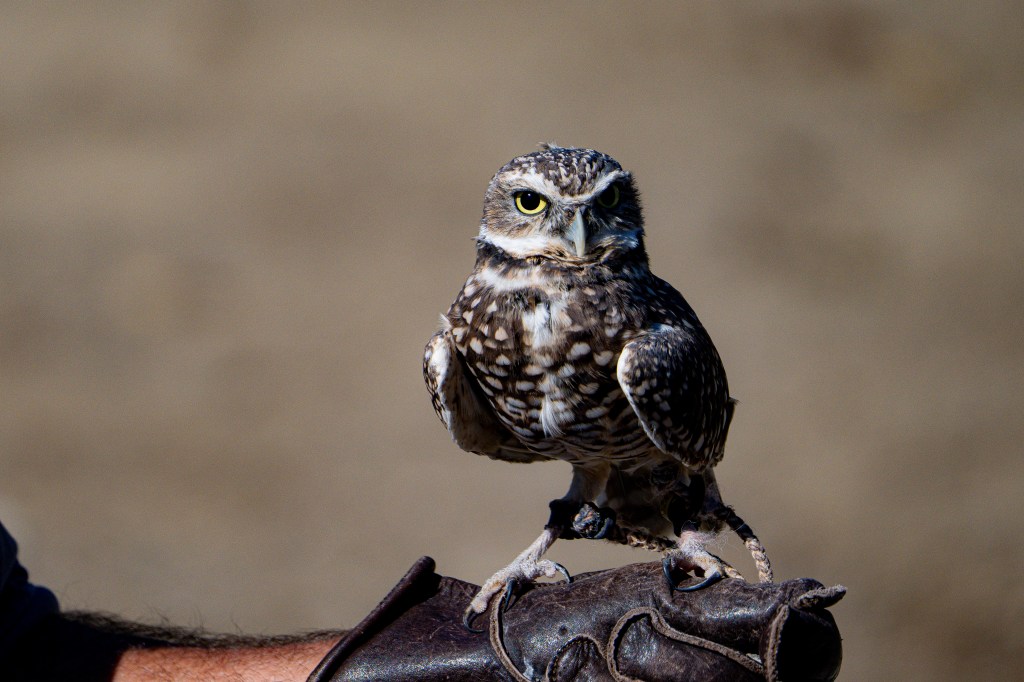
On Saturday night around 30 Adults and 8 children came out to the amphitheater at the Sweetwater Campground in Bonita for the first weekend of Hawktober.
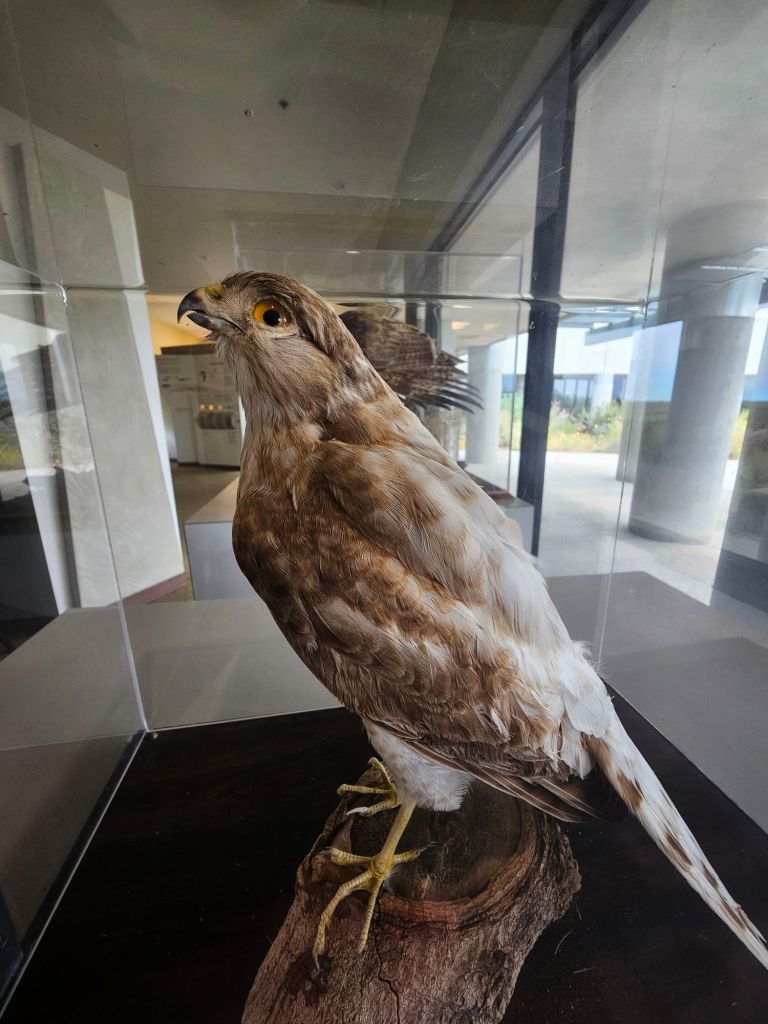
Charles Gailband is a Senior Park Ranger and licensed professional falconer with the County of San Diego Department of Parks and Recreation. He brought out animal ambassadors Buster, the red tailed hawk; Athena the burrowing owl; and Corazon the barn owl.
Checkout my last post about the 2026 HAWKTOBER EVENTS for dates and locations
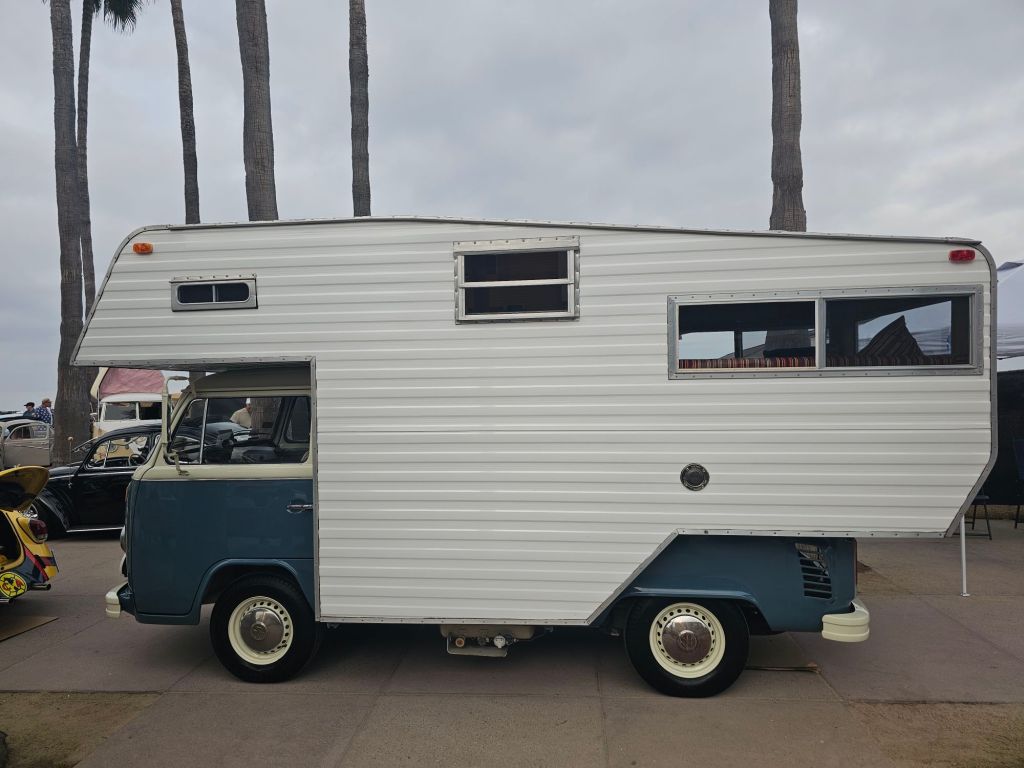
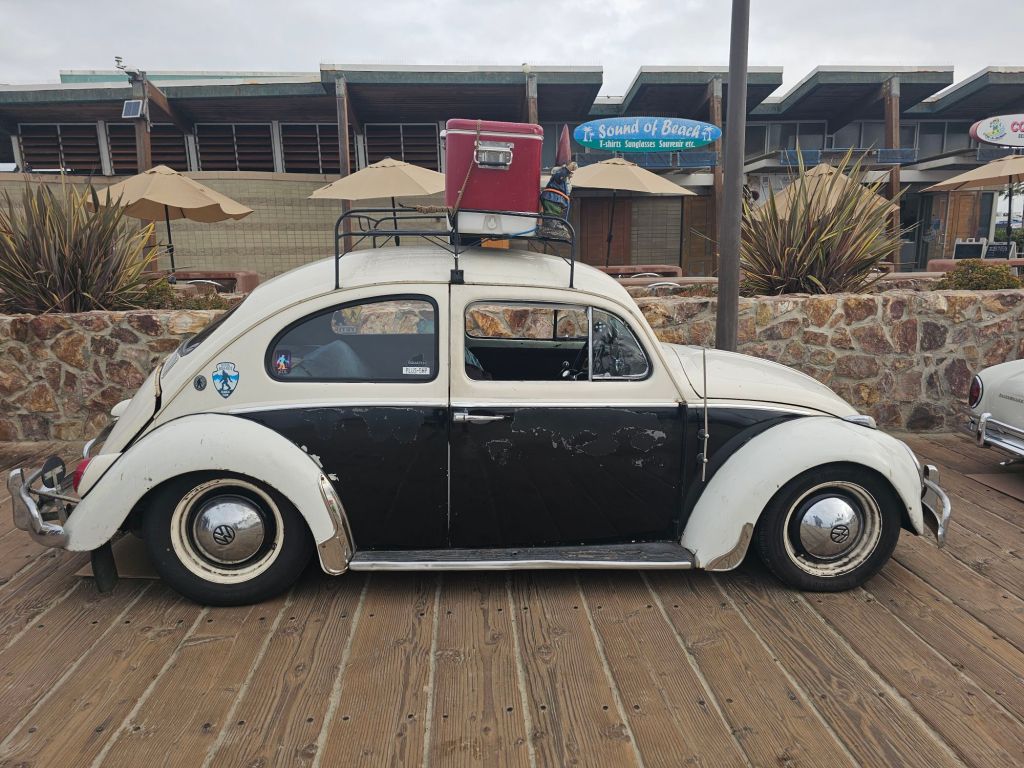
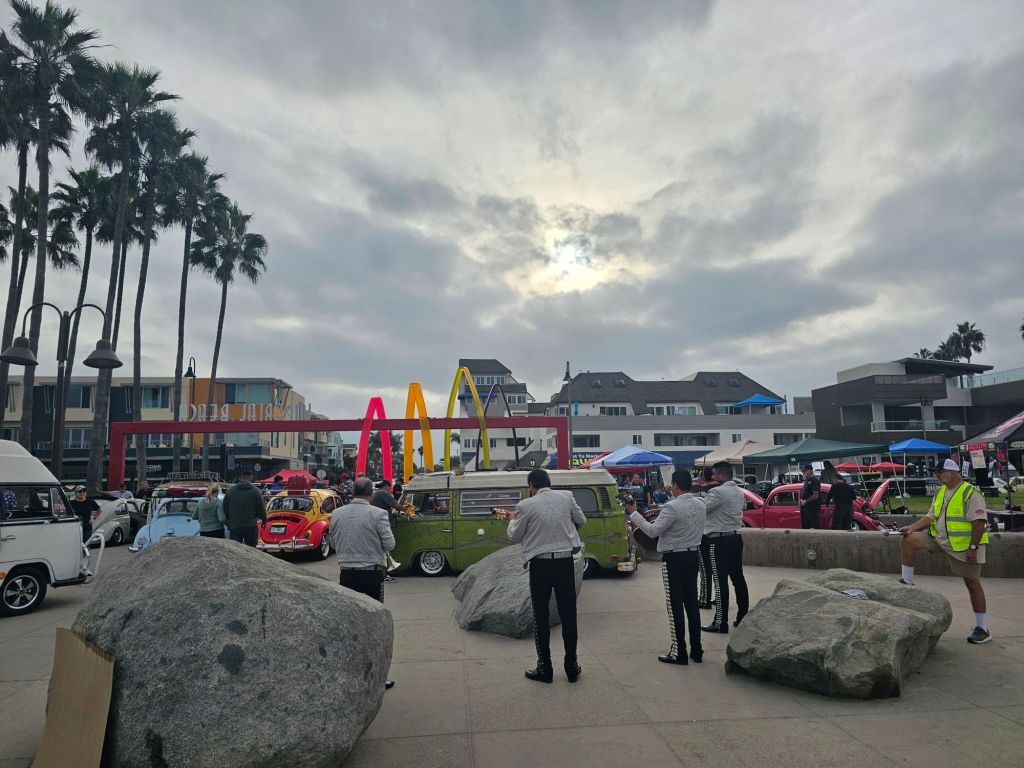
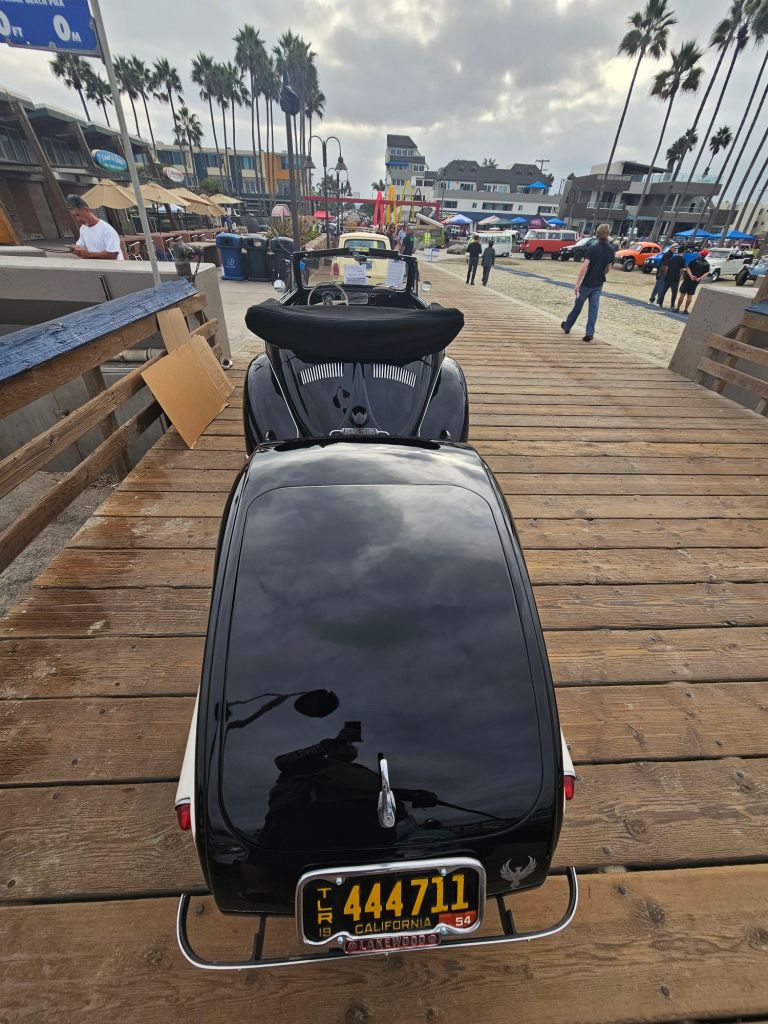
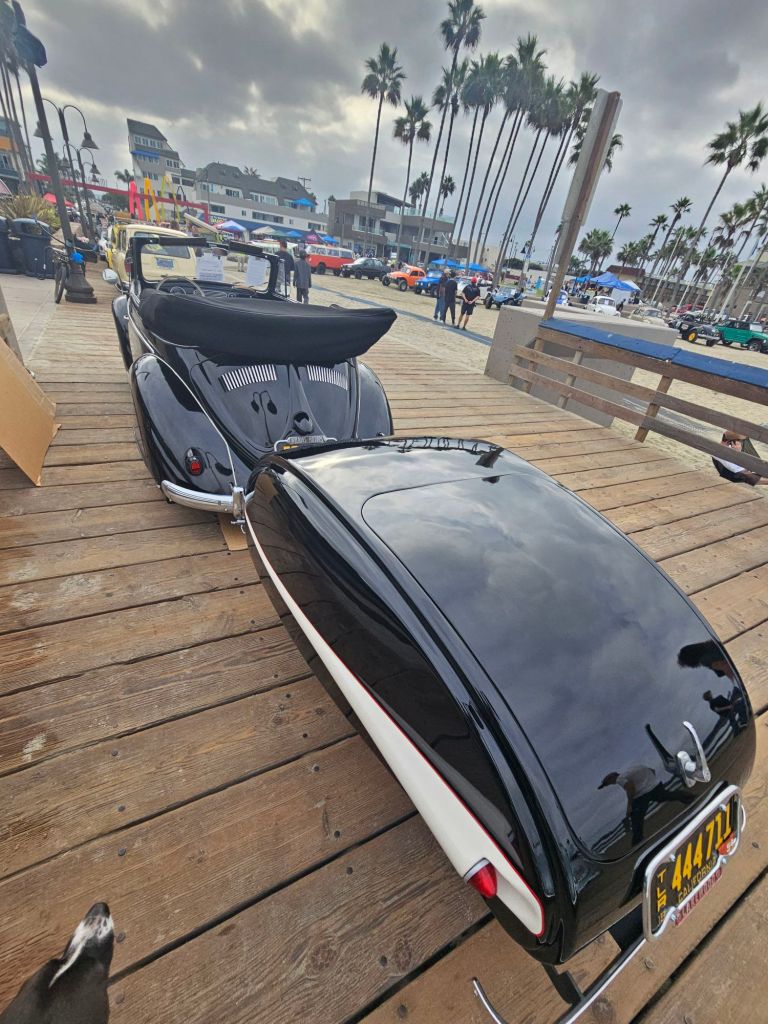
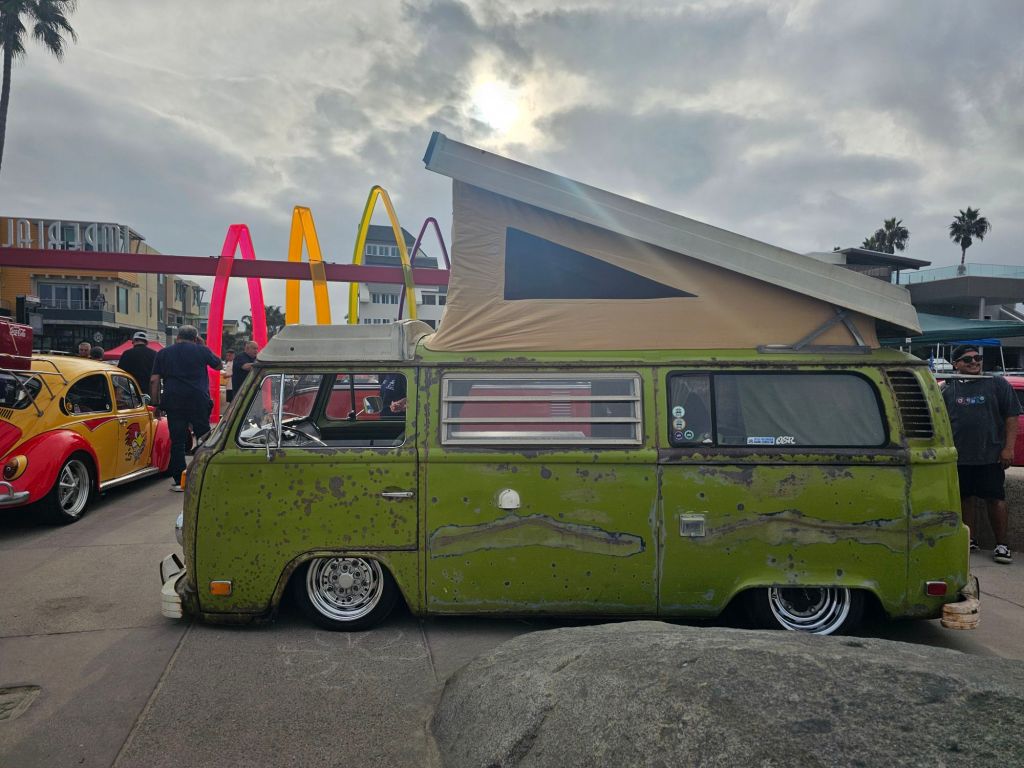
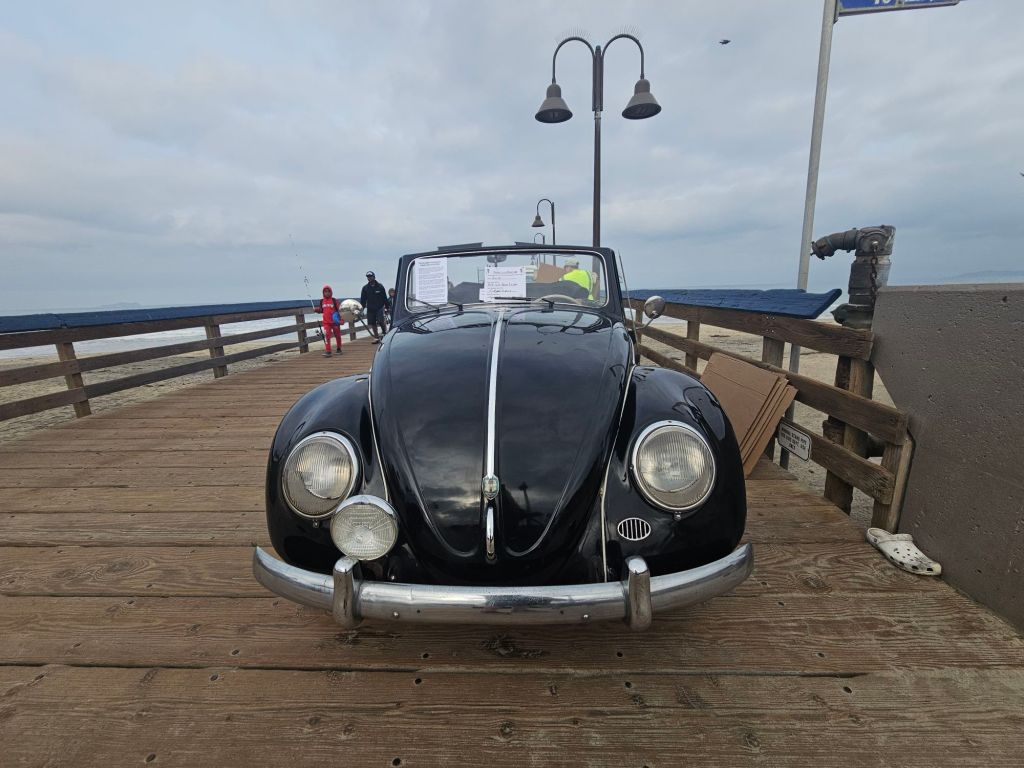
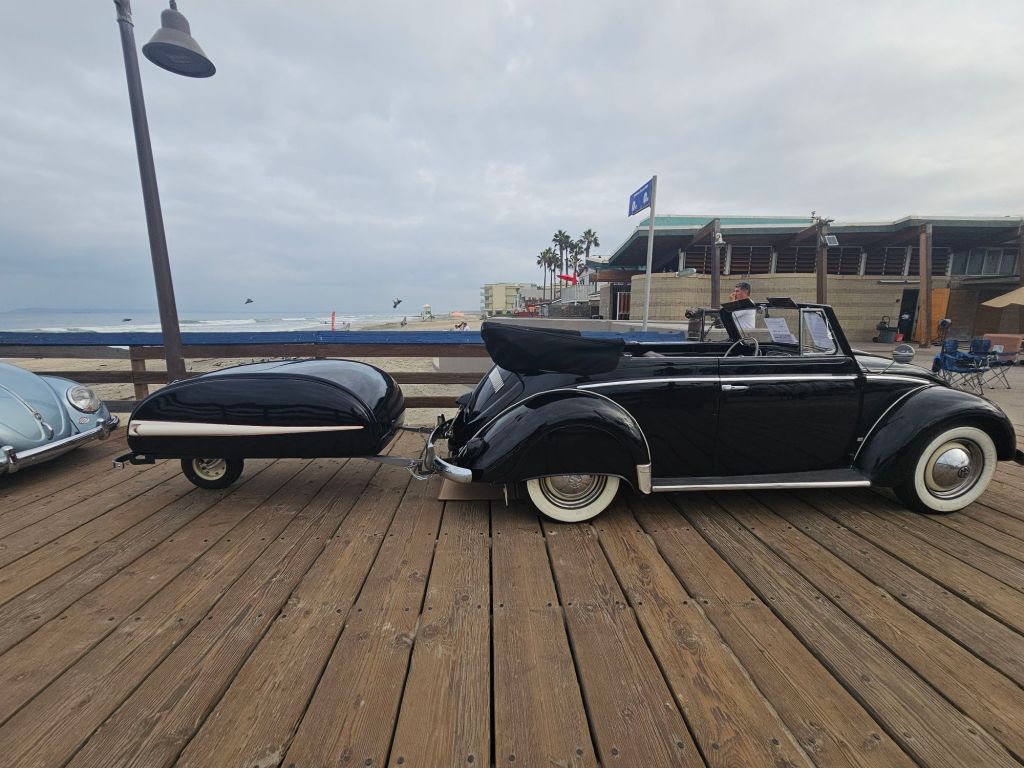
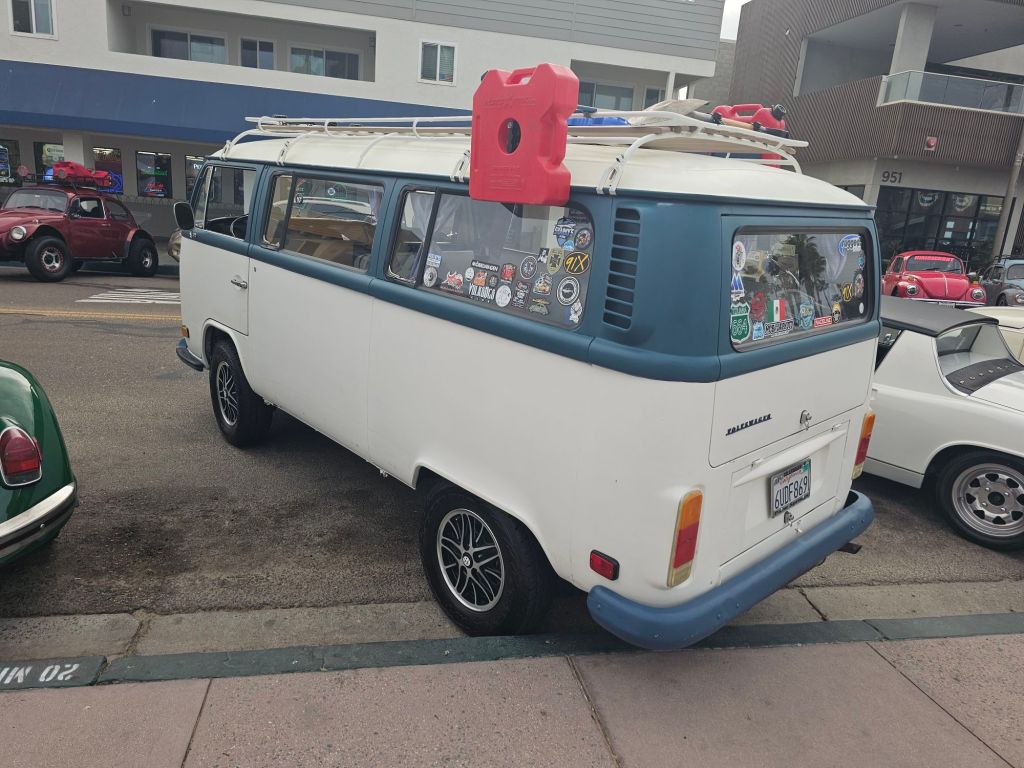
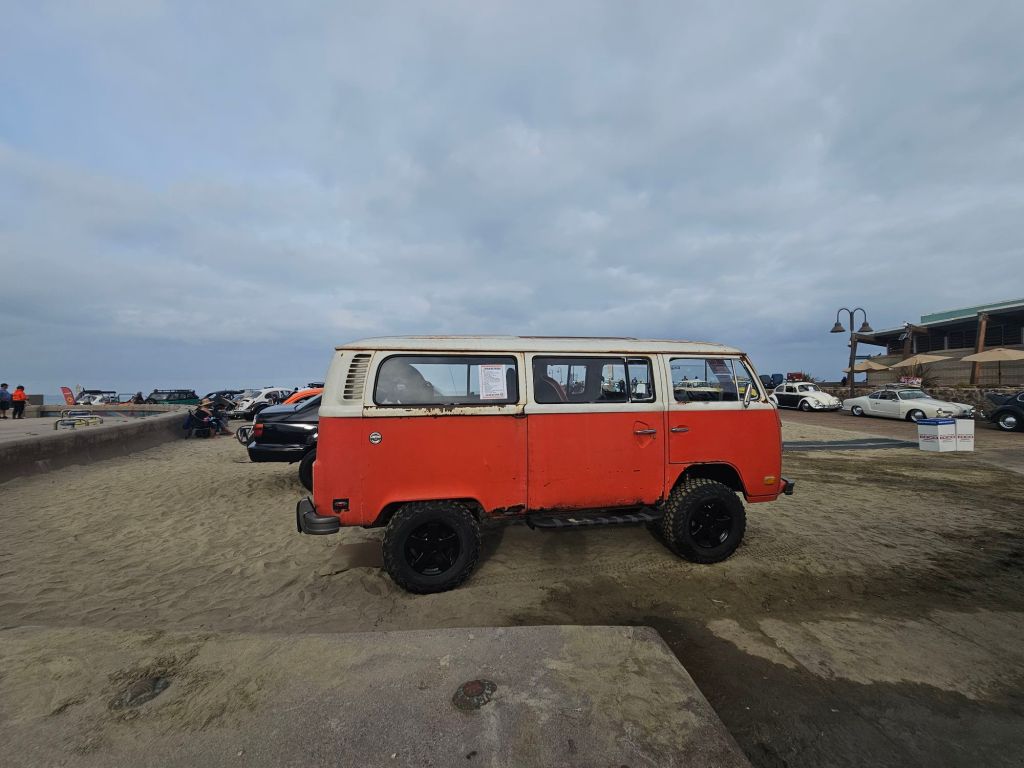
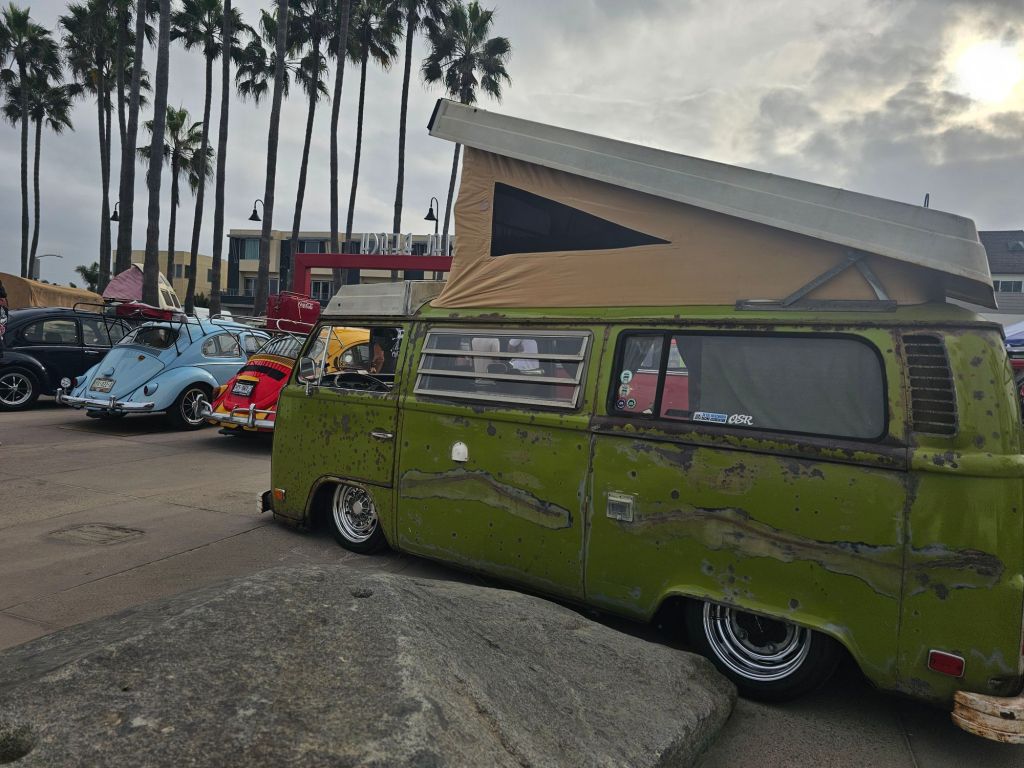
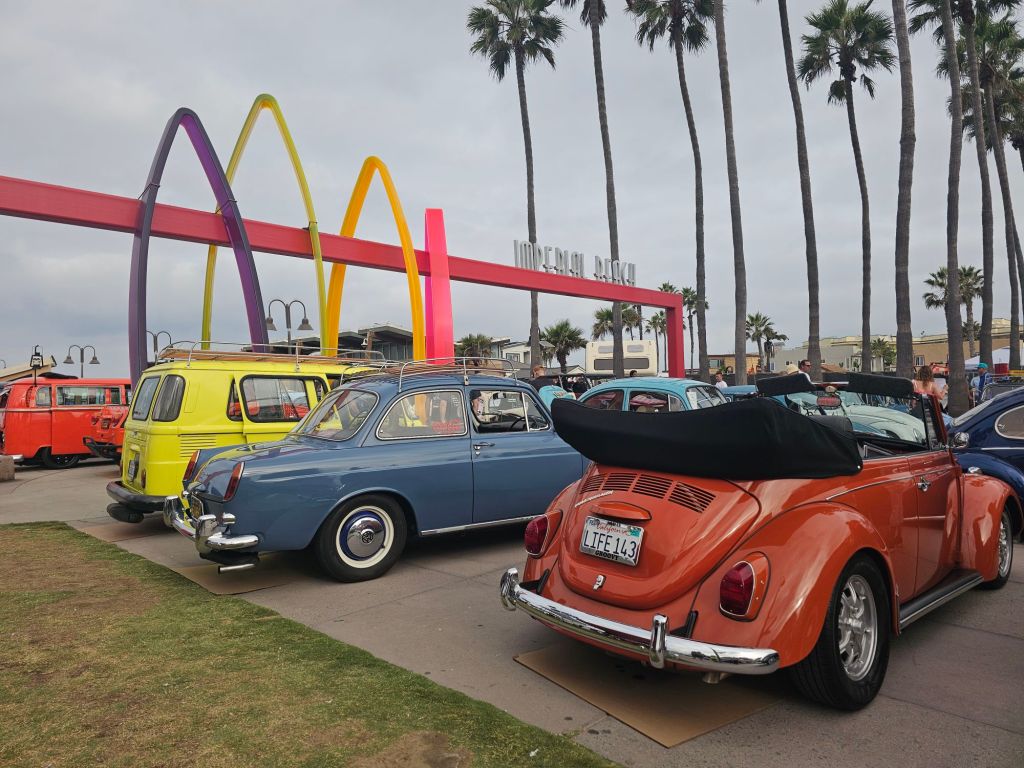
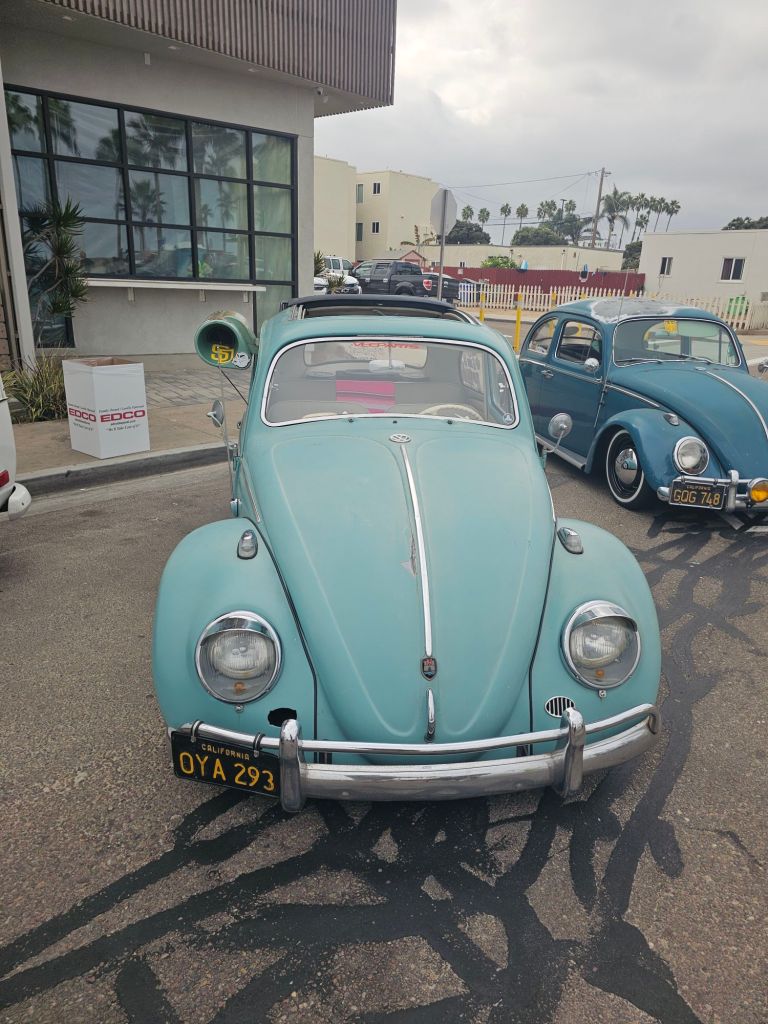
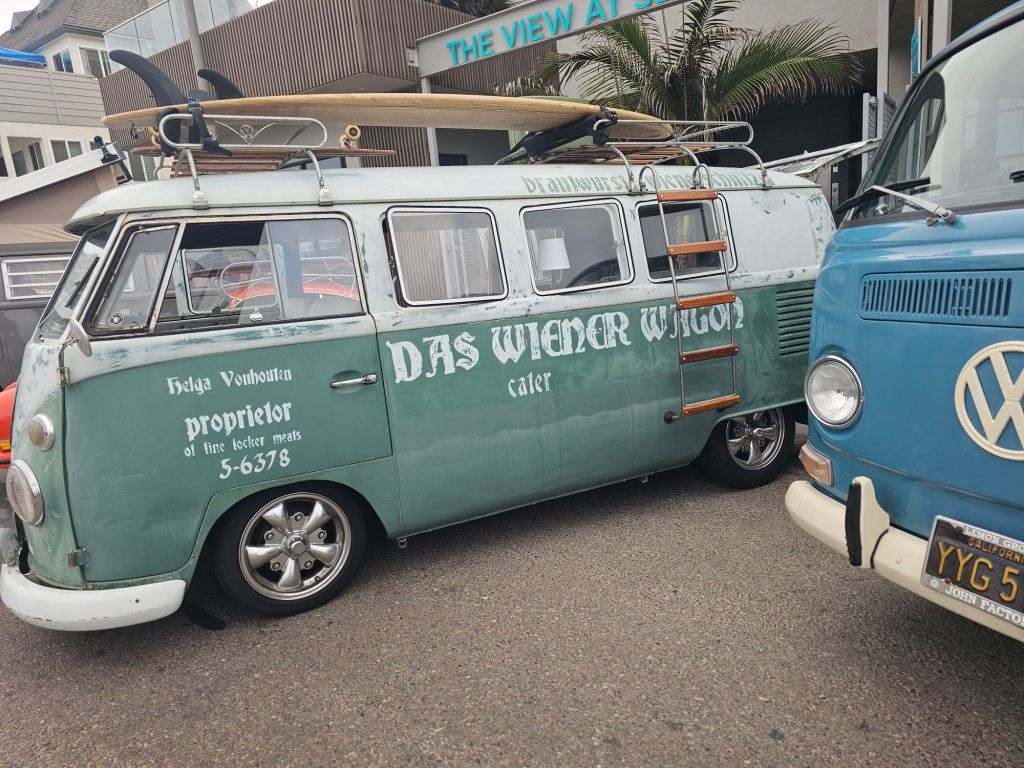
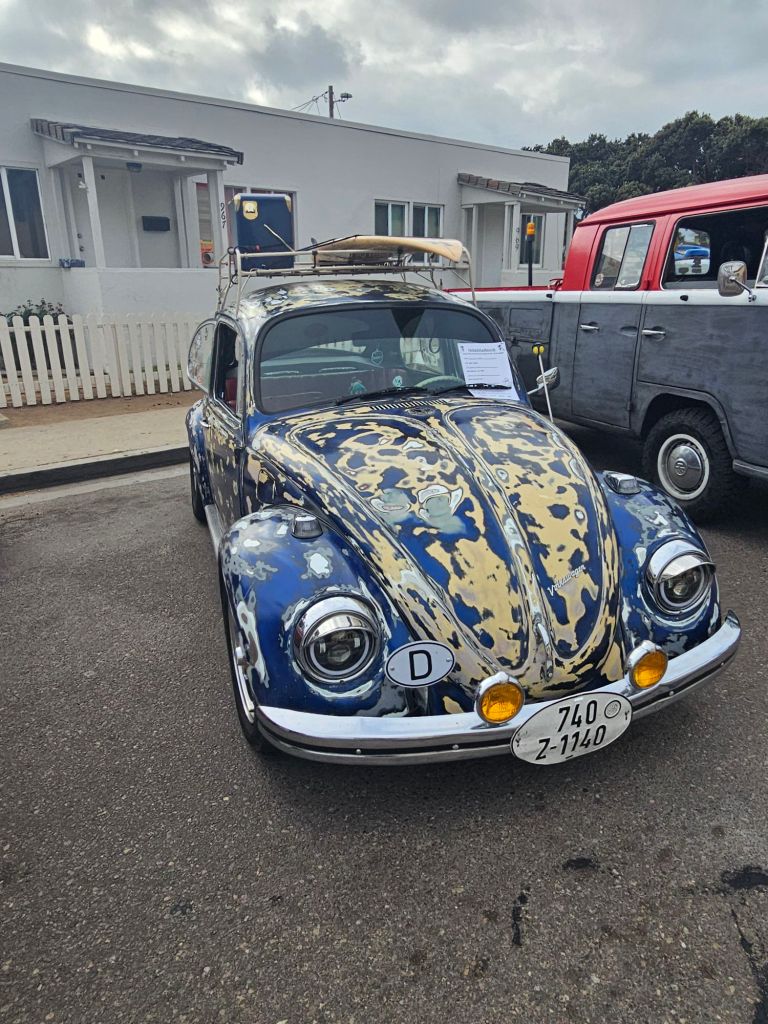
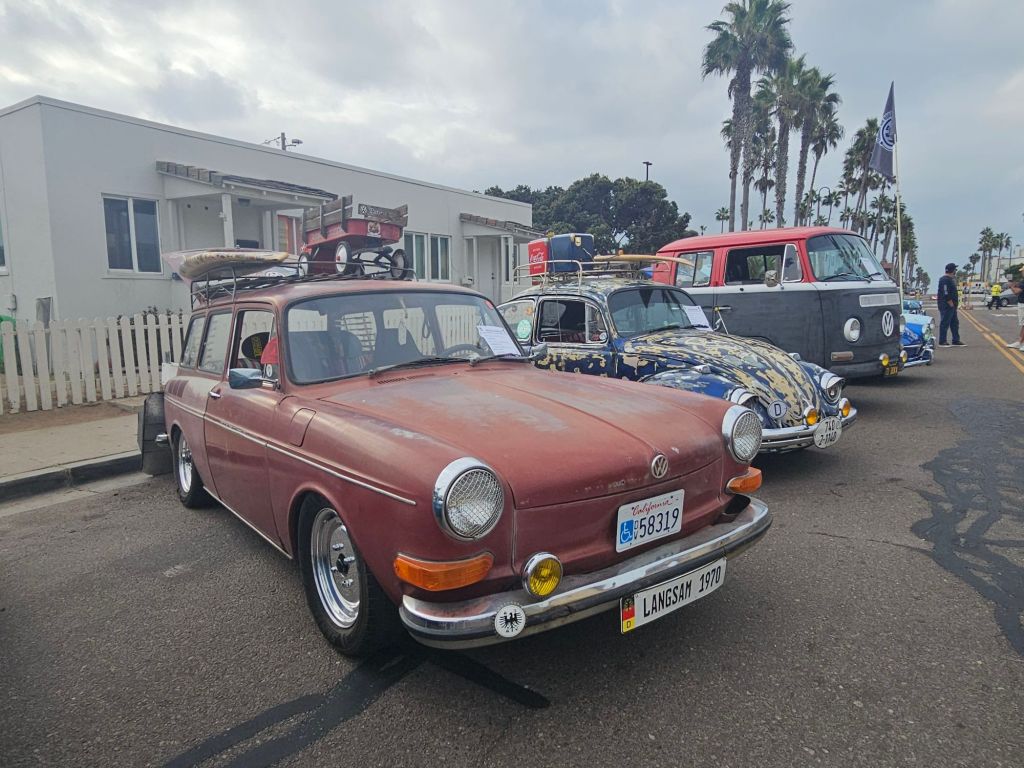
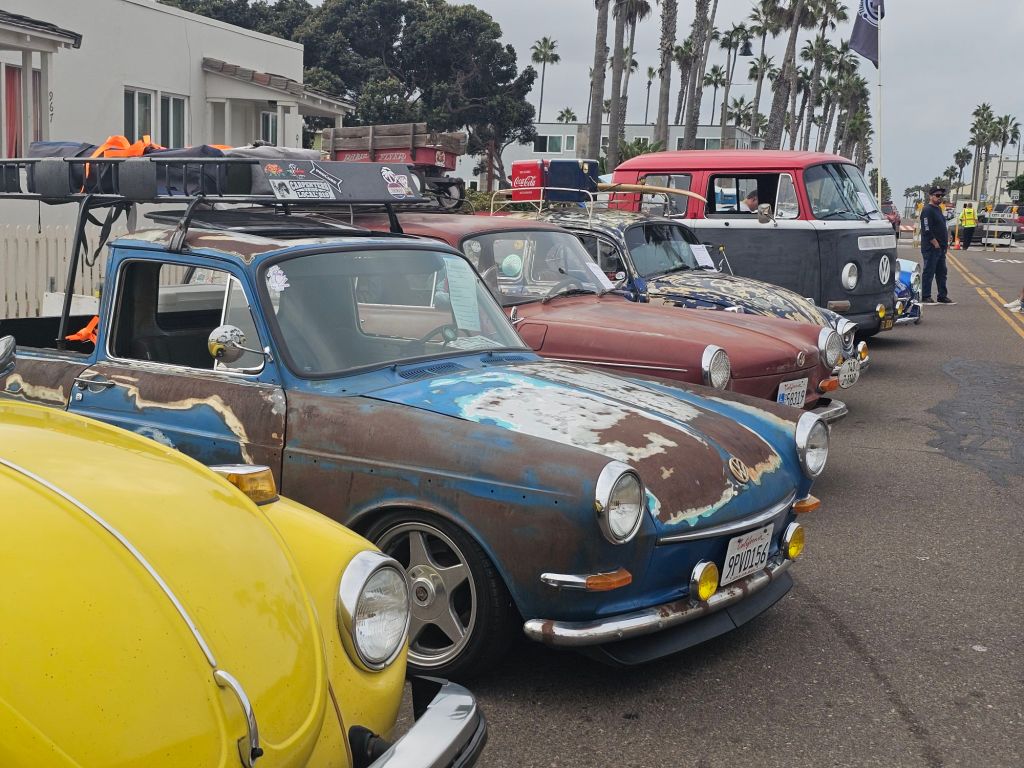
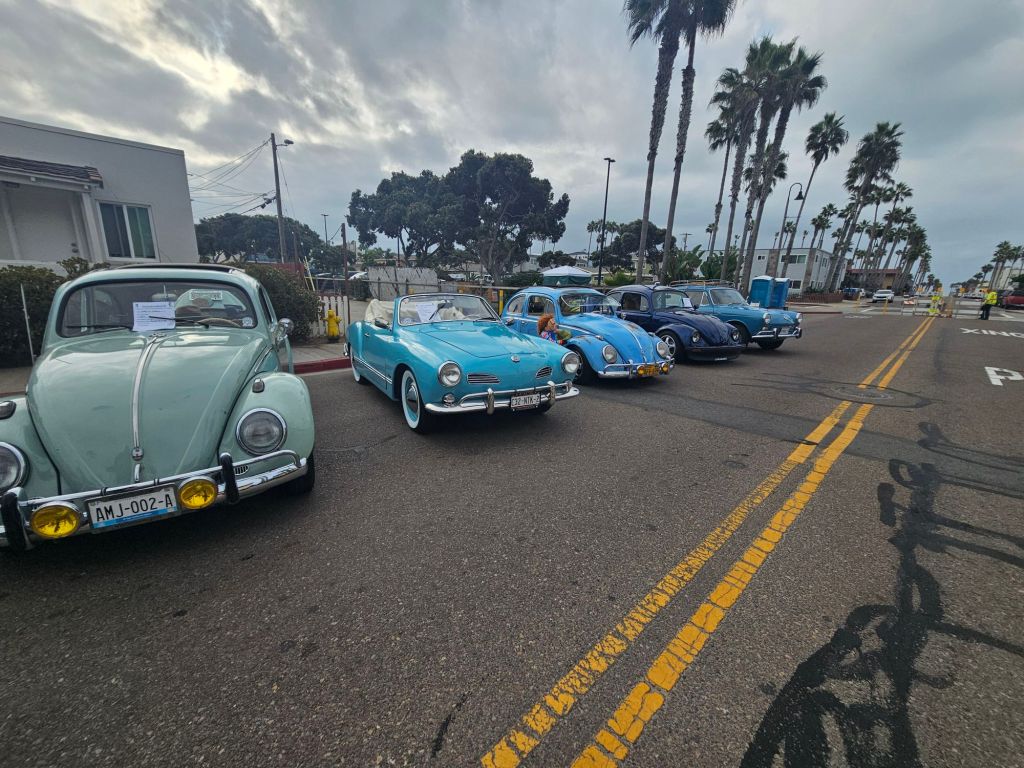
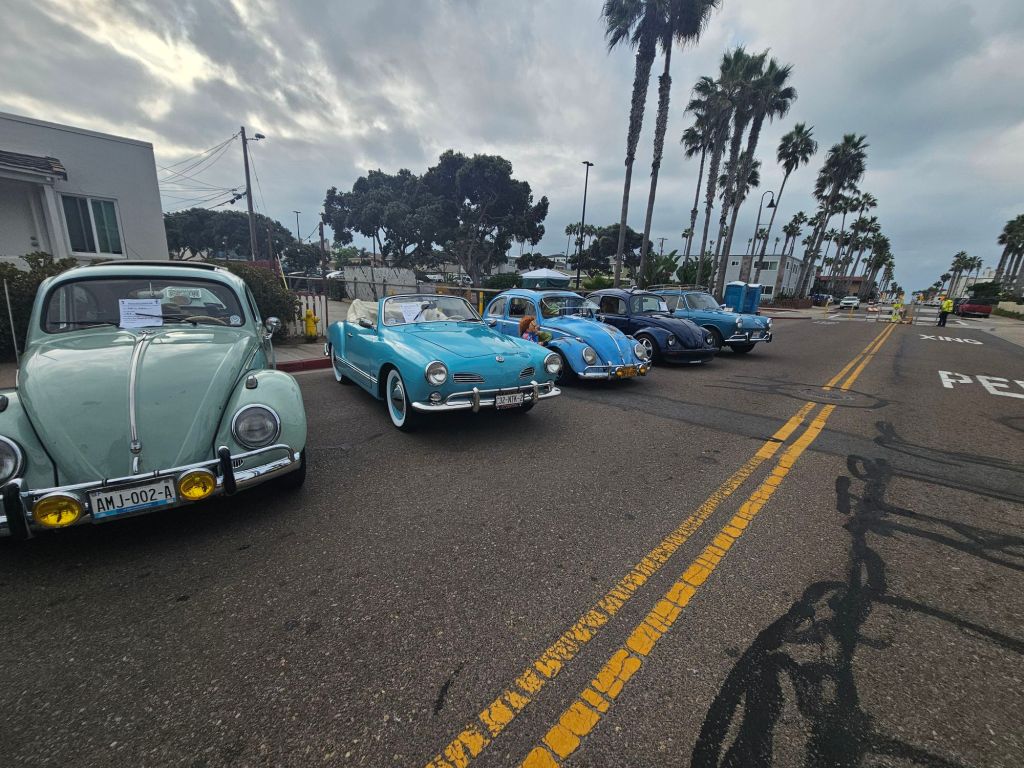
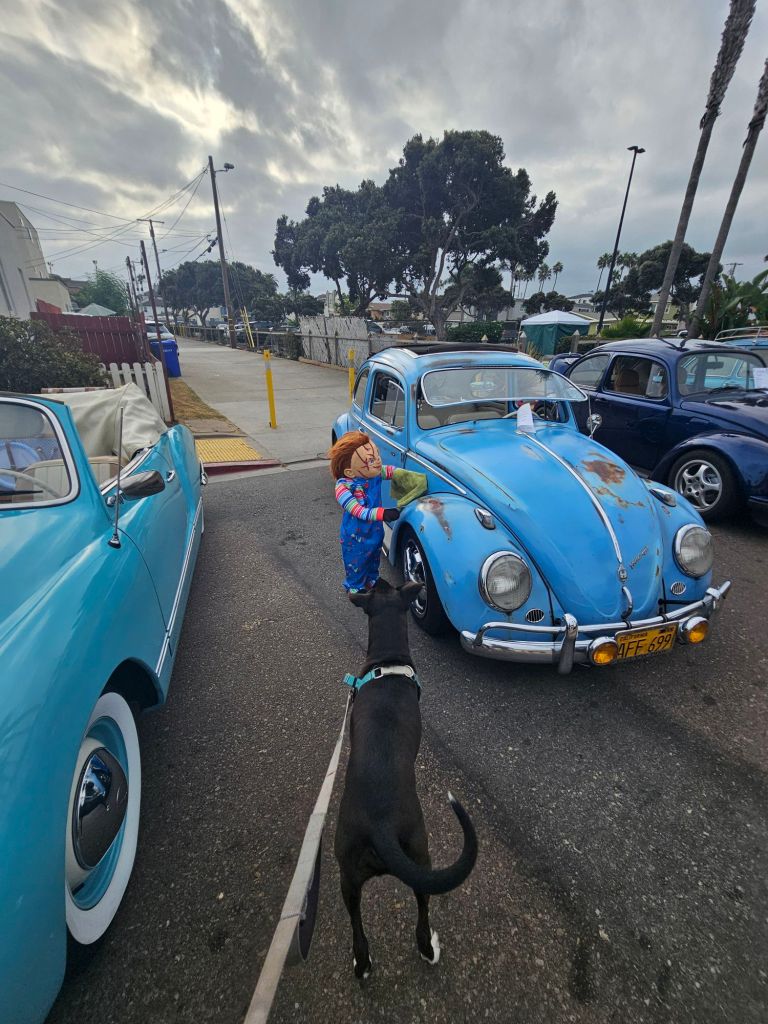
The 13th Annual Fiesta en la Playa takes place on Sunday, September 20, in Imperial Beach. For anyone who enjoys classic cars or simply likes discovering unusual events around San Diego, it is a fun reason to head down to the South Bay.
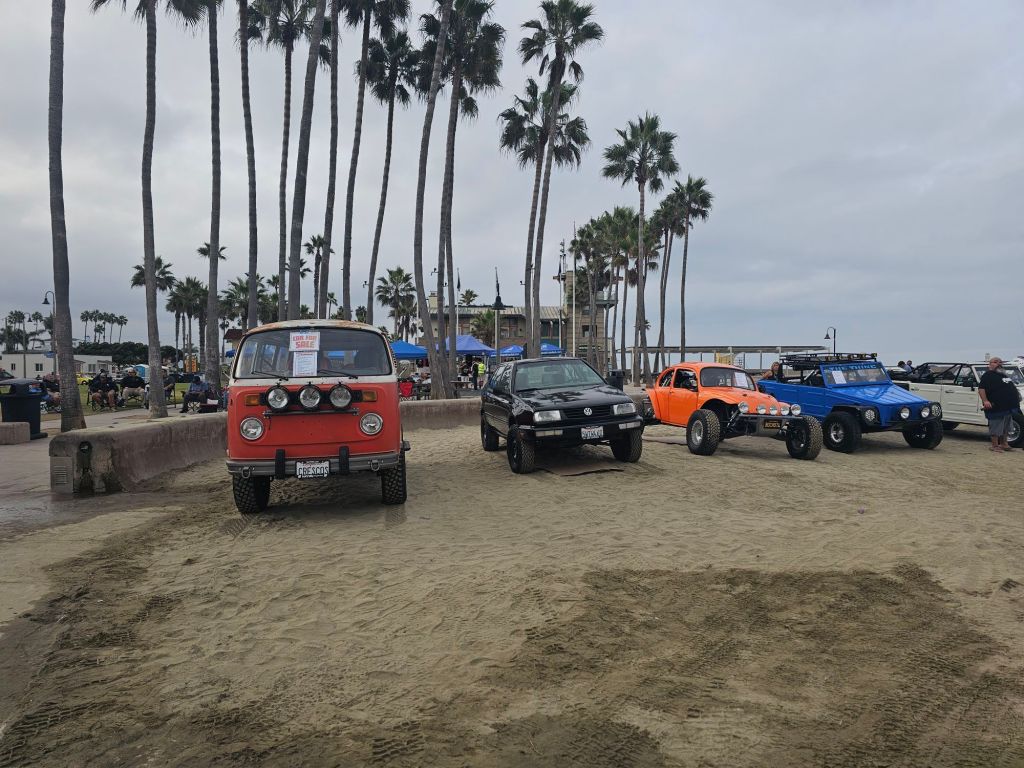
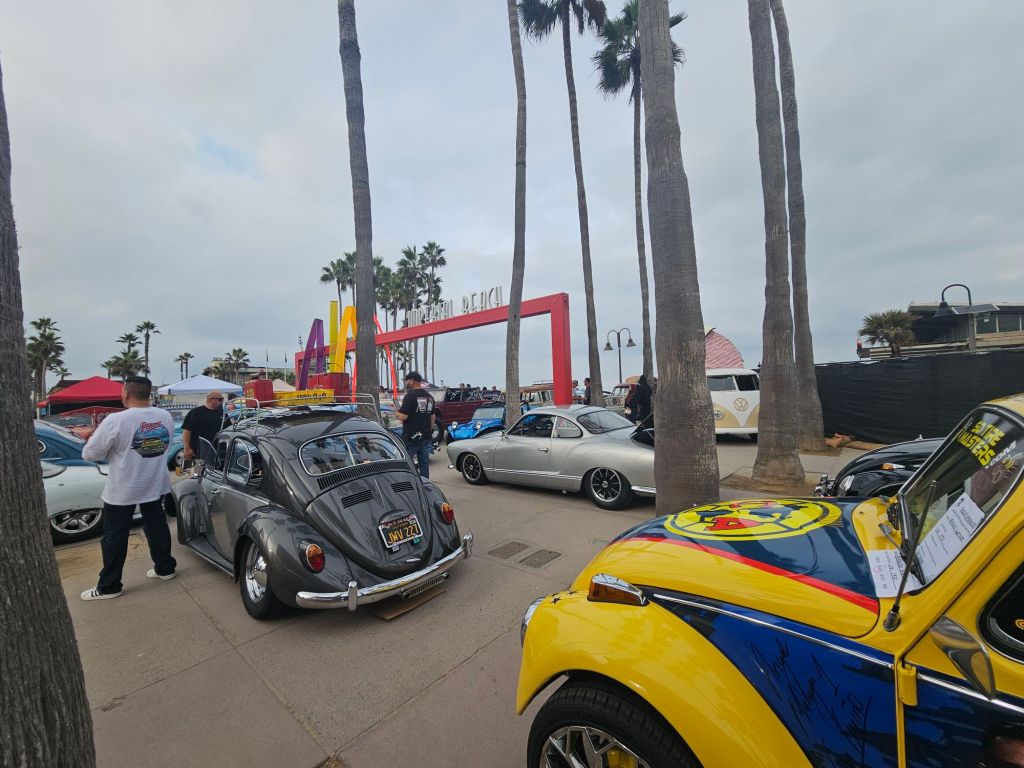
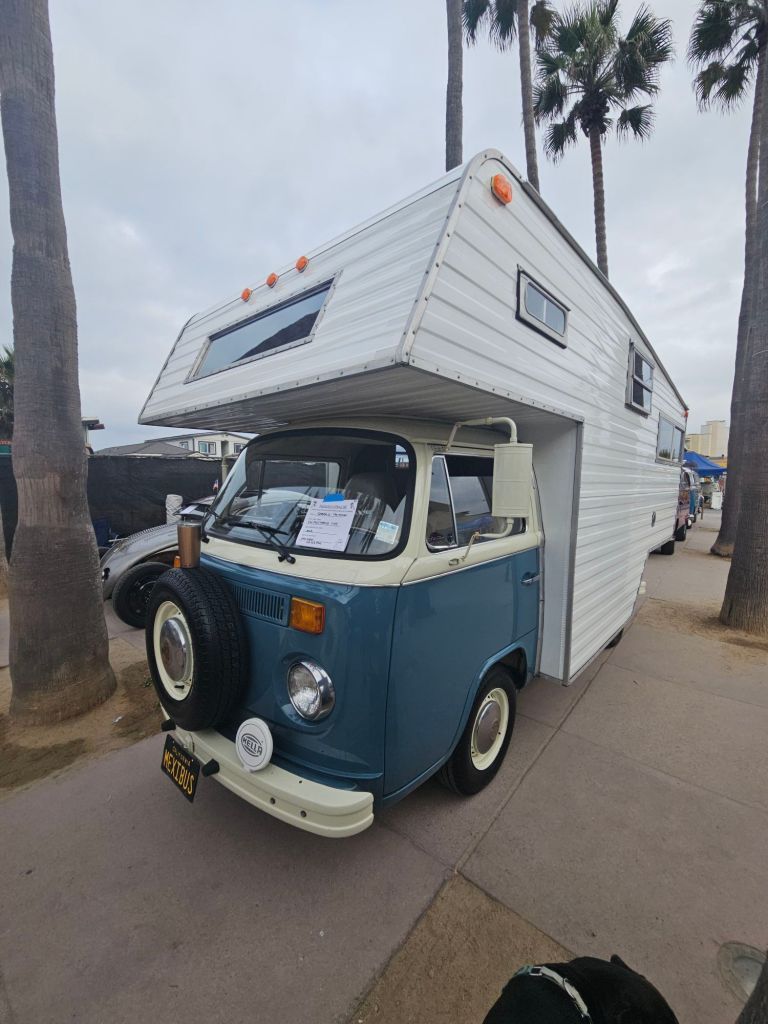
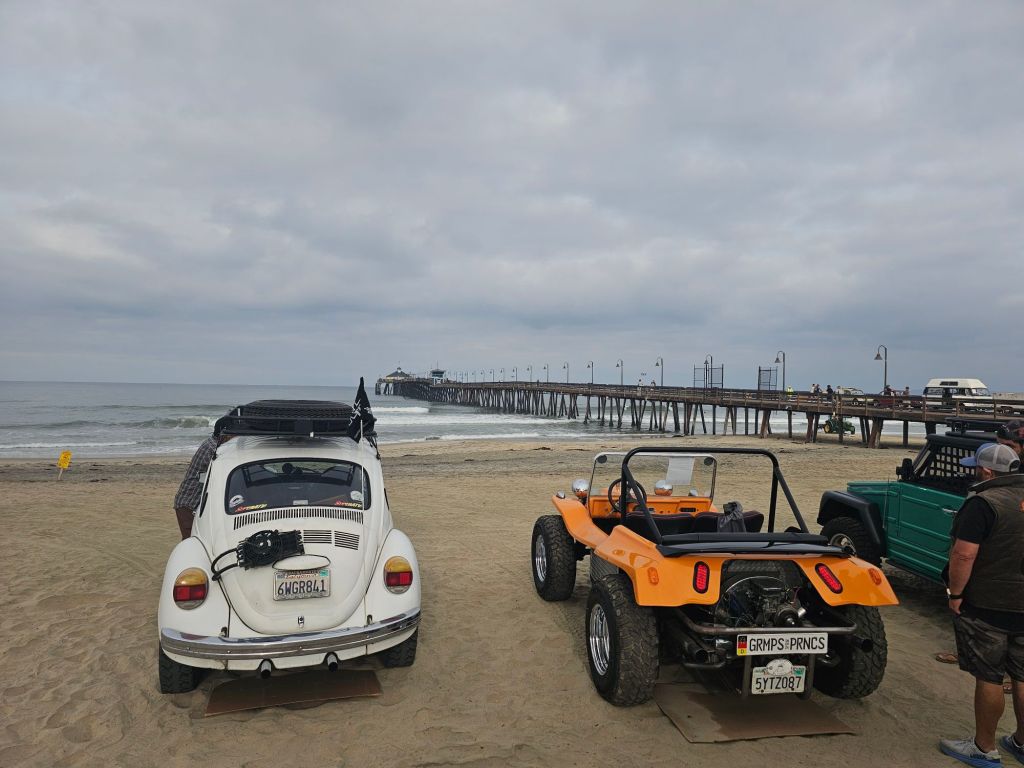
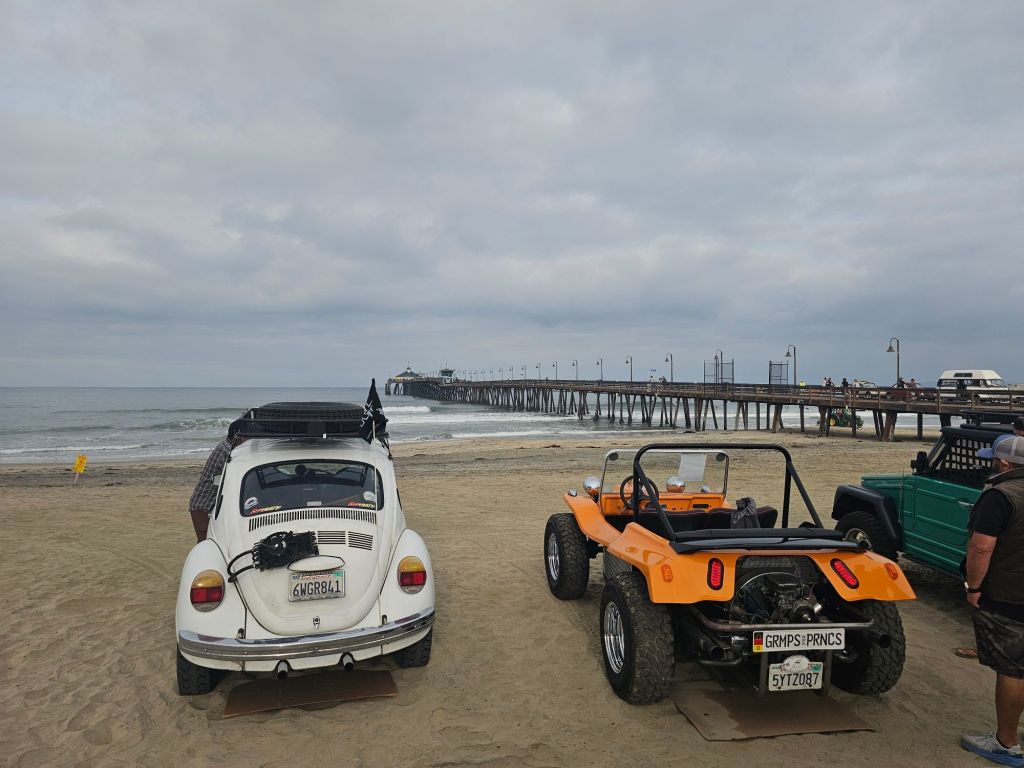
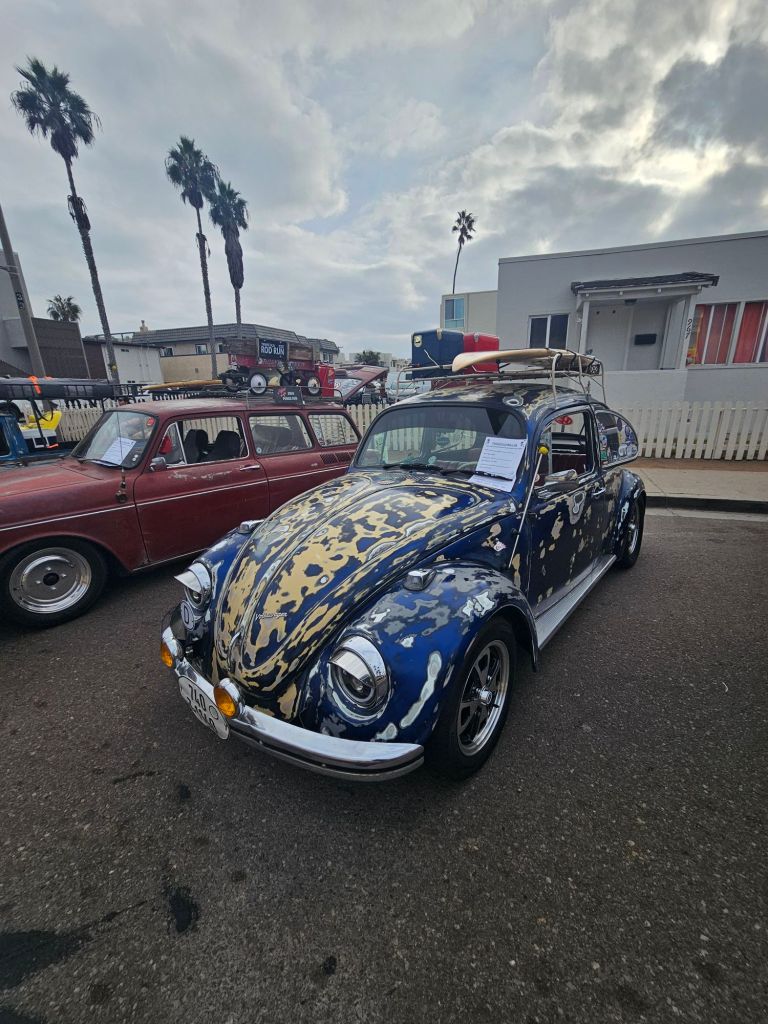
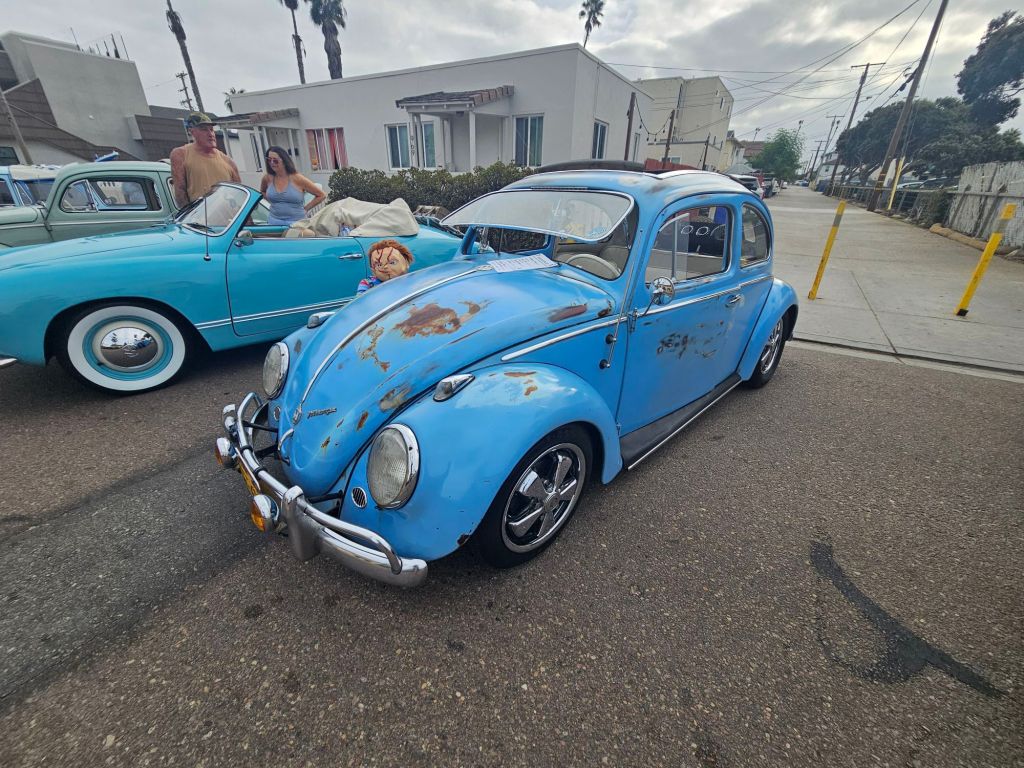
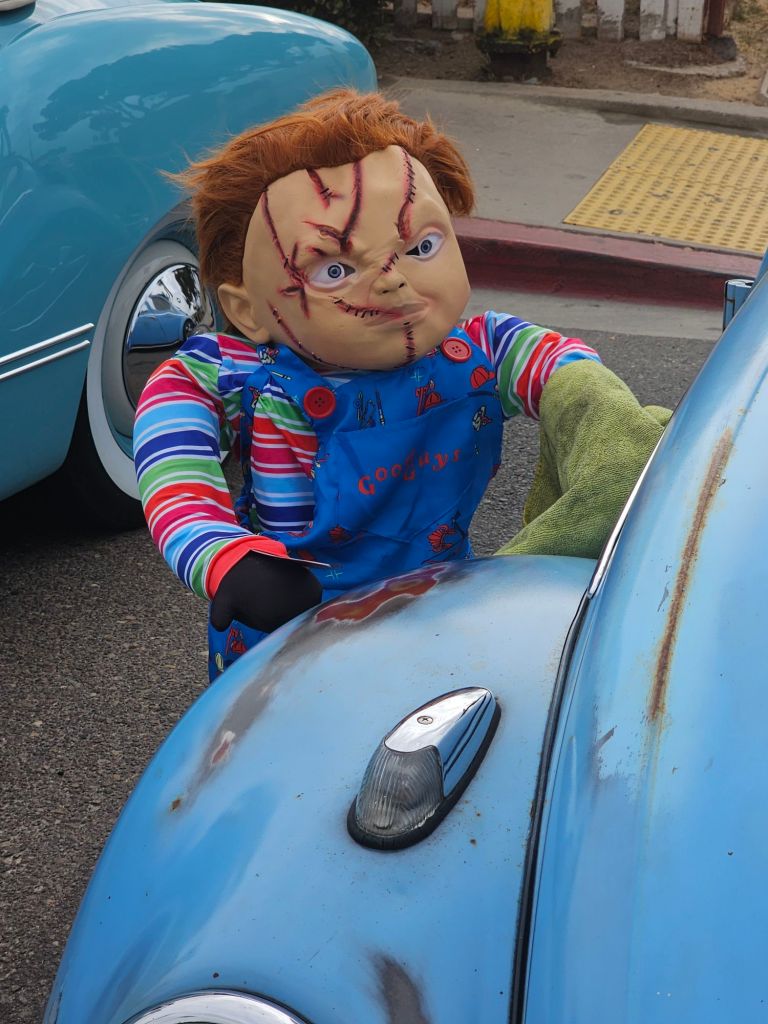
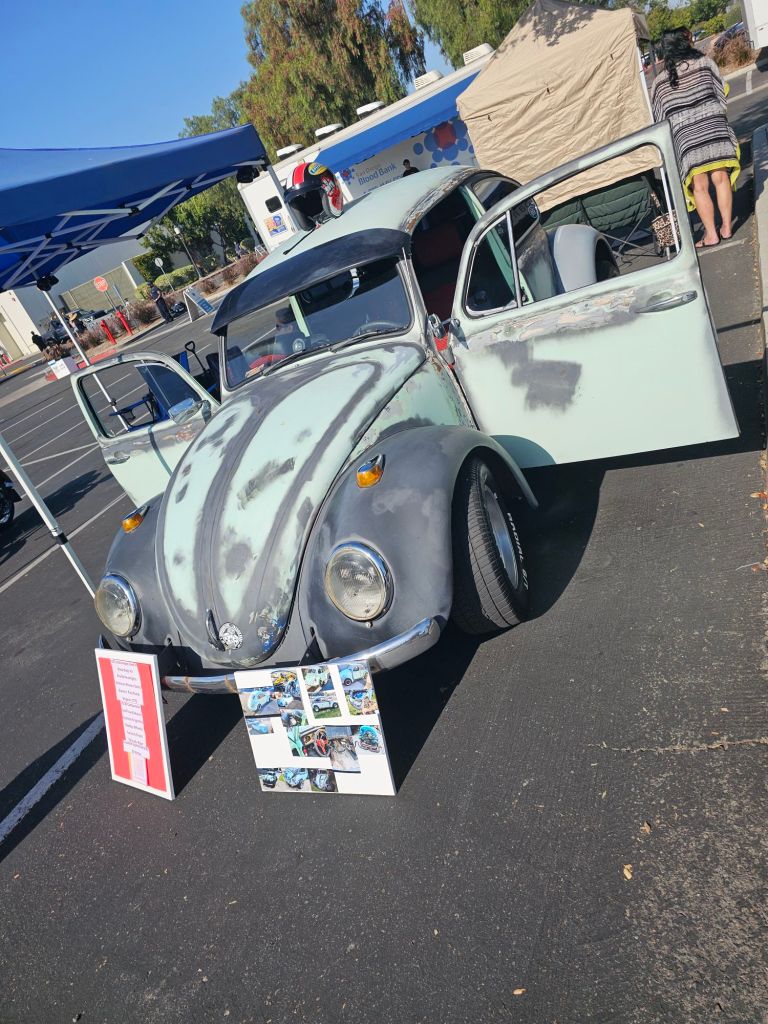
The 13th Annual Fiesta En La Playa Air Cooled Car Show is happening today, Sunday, September 20, 2026, from 9:00 AM to 2:00 PM at Imperial Beach along Seacoast Drive. Over 250 vintage air-cooled Volkswagens including Beetles, buses, and rare models.Live music and entertainment featuring the Super Sonic Samba School Band and Dancers, Mariachi del Mar, and Nasty Habits Classic Rock Band. #volkswagen#classic#carshow#vw#meetup
What makes Fiesta en la Playa different from many car shows is the setting.
Instead of a parking lot surrounded by buildings, the event takes place in the coastal environment of Imperial Beach. Palm trees, sand, ocean breezes and the Imperial Beach Pier provide the backdrop for rows of Volkswagen vehicles.
The classic VW Beetle is, of course, one of the stars of the show. But there is plenty more to see, including the iconic Volkswagen Bus and other generations of Volkswagen vehicles.
Seeing these cars lined up against the beach creates a completely different atmosphere from a traditional indoor or parking-lot car show.
For car enthusiasts, it is an opportunity to see classic and customized VWs up close. For families and casual visitors, the colorful cars and beach setting make for an enjoyable way to spend a Sunday.
And if you enjoy photography, there are plenty of details to look for—from vintage badges and steering wheels to surfboards, bright paint colors and the distinctive shapes of classic Volkswagen vehicles.
Imperial Beach birds, Imperial Beach terns, Tijuana Estuary, Tijuana River Estuary, Elegant Tern, Royal Tern, San Diego birding, San Diego bird photography, Imperial Beach bird photography, salt marsh birds, Southern California birding, San Diego wildlife photography
If you spend enough time exploring the wetlands and shoreline of San Diego’s South Bay, you begin to notice that certain birds seem to have favorite places.
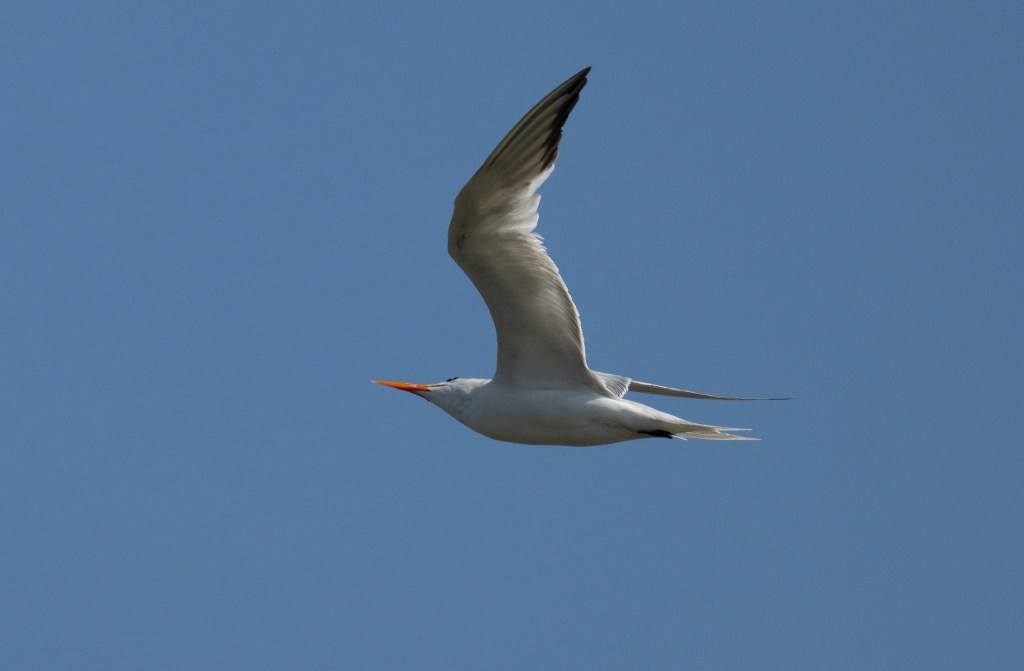
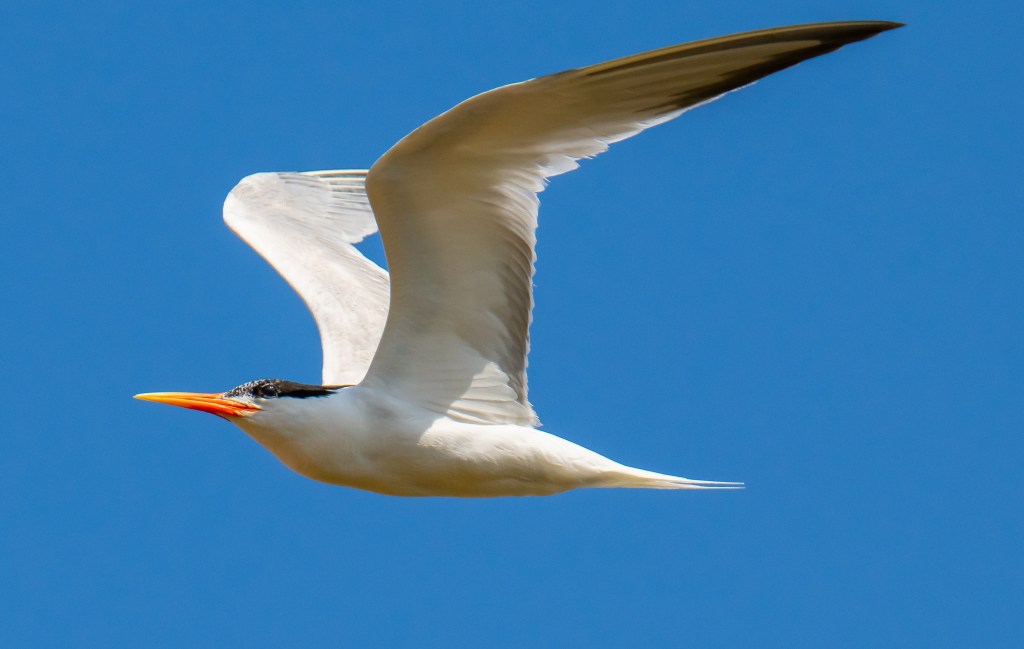
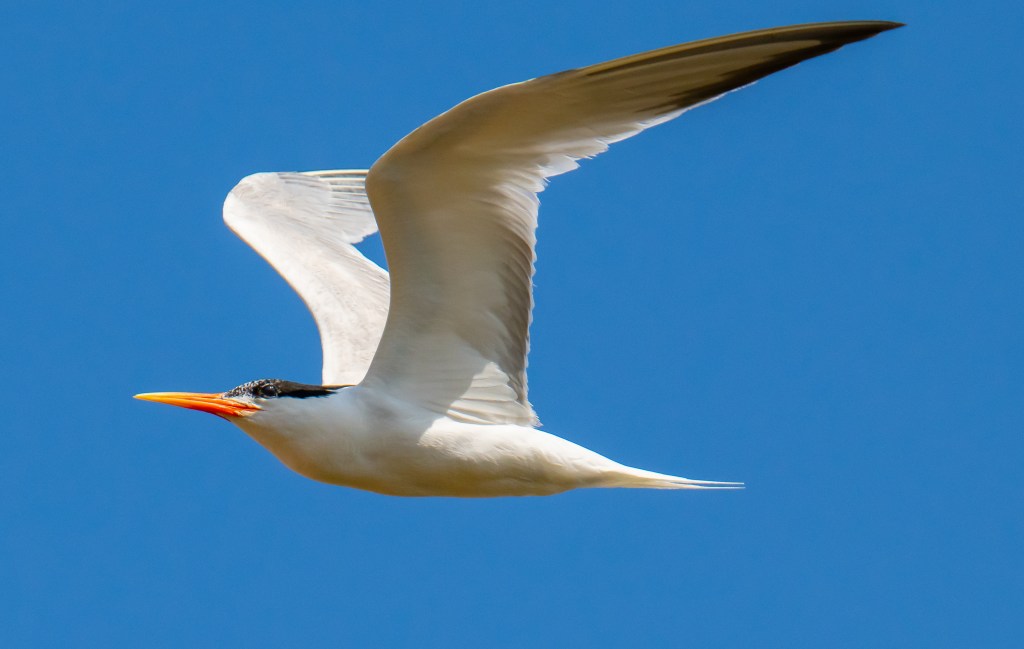
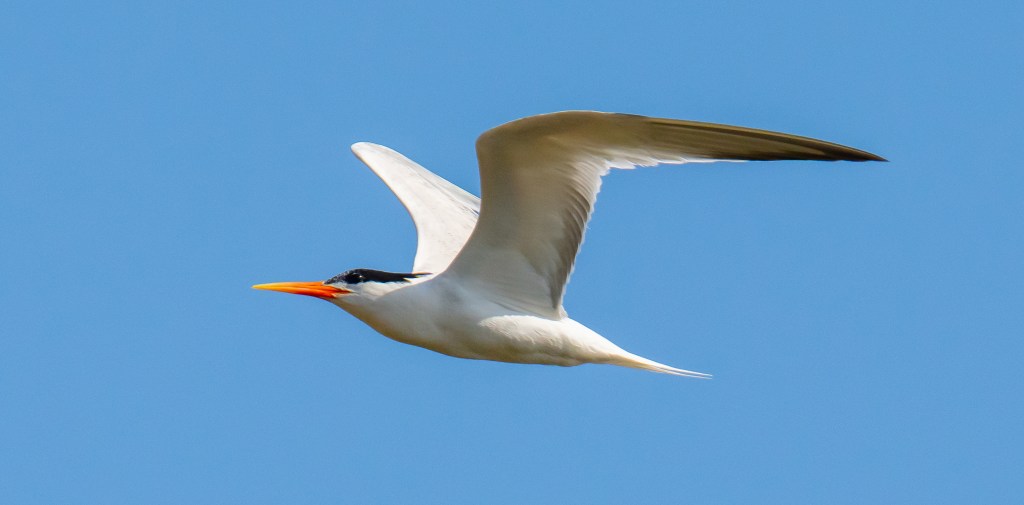
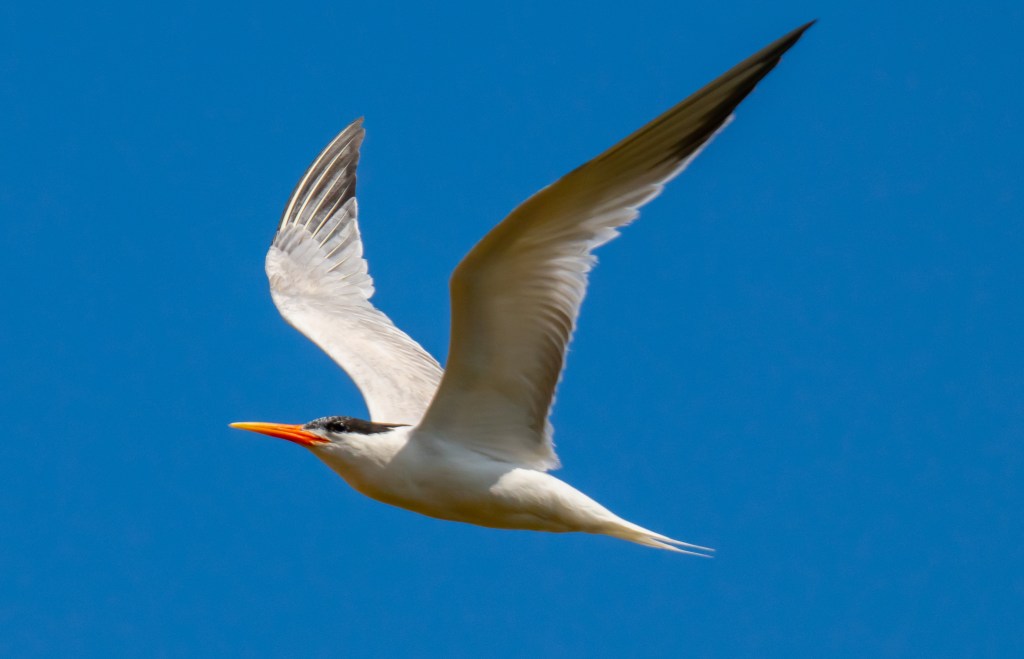
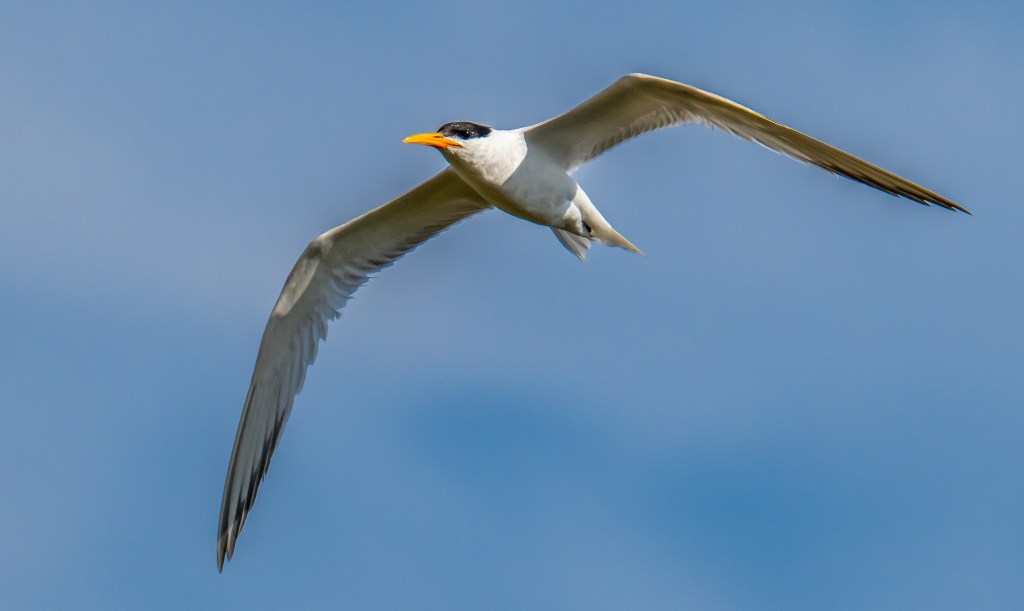
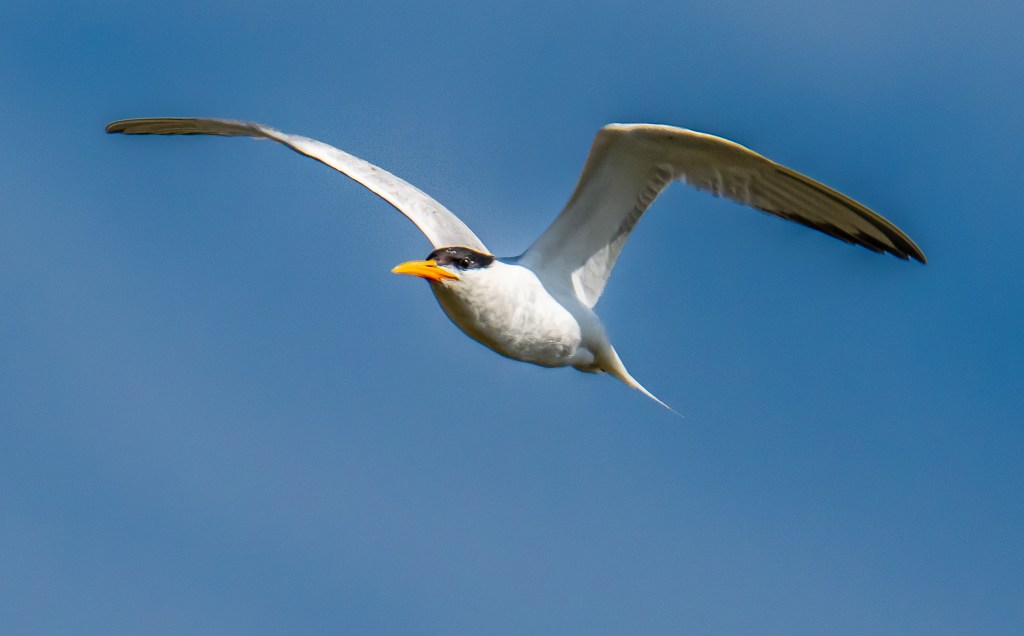
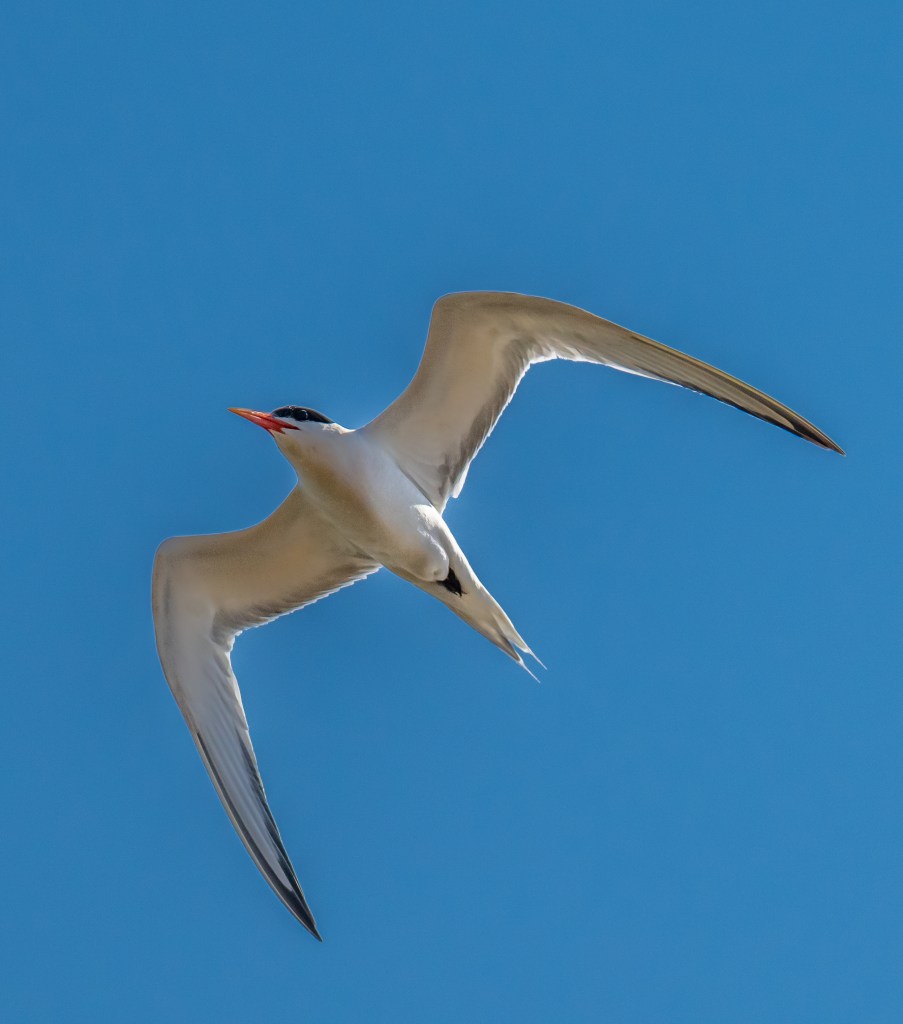
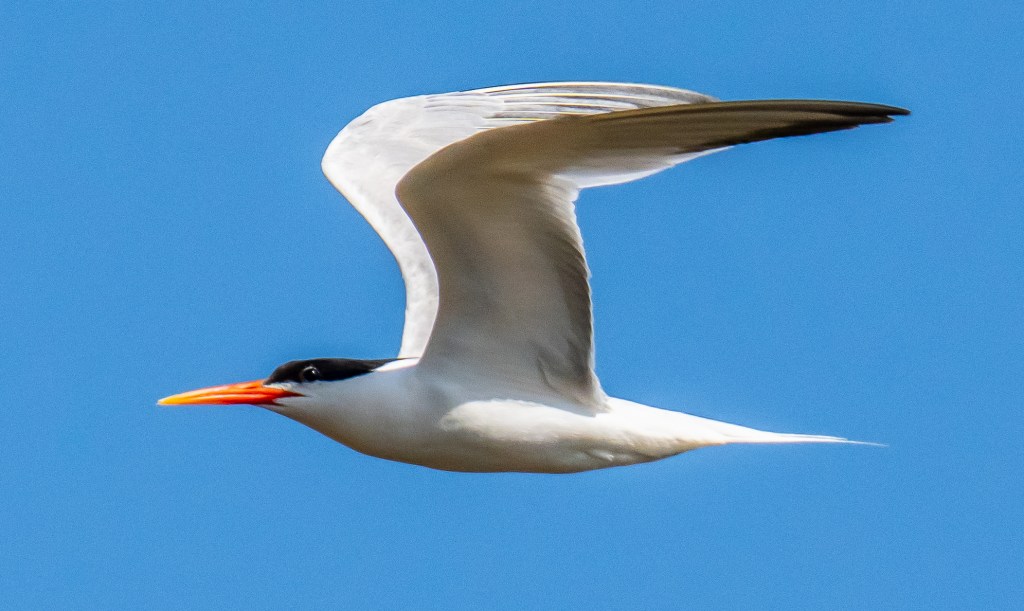
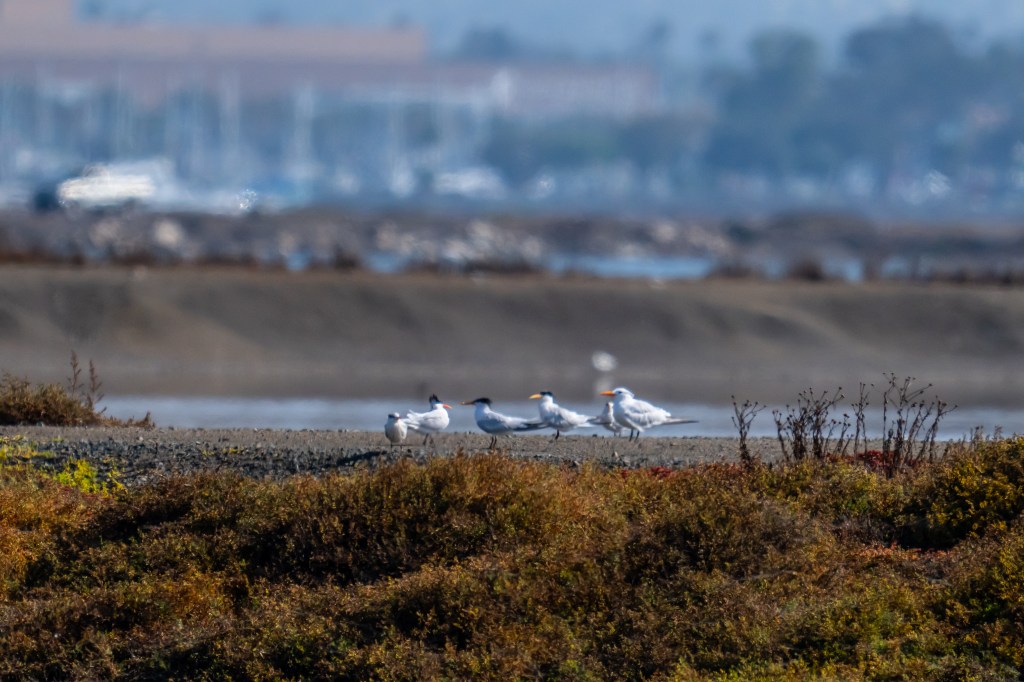
One of those birds is the Elegant Tern.
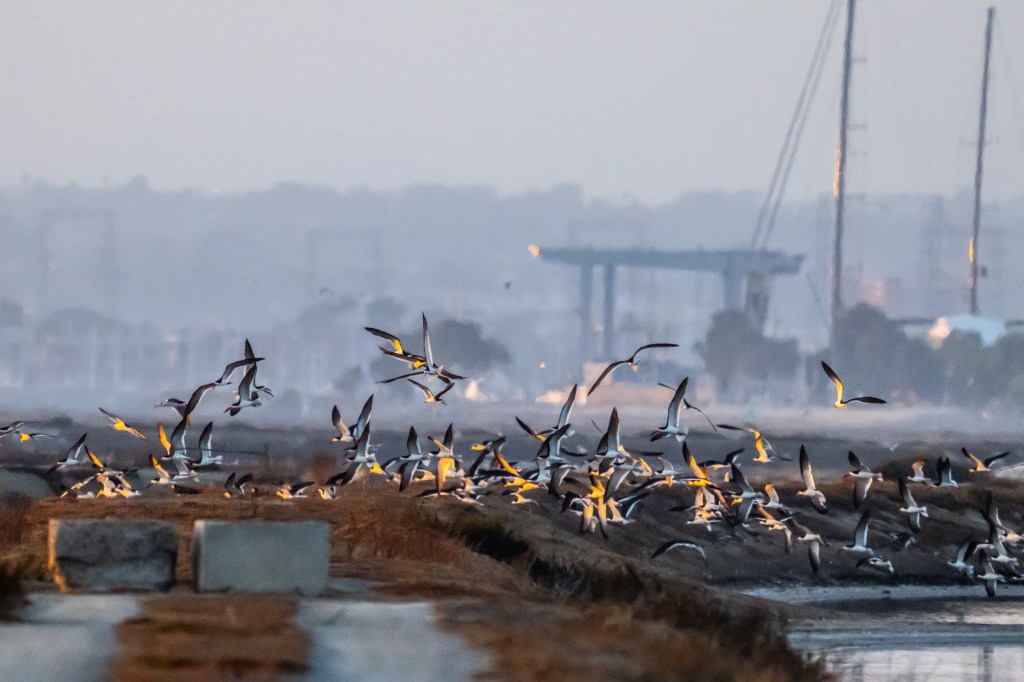
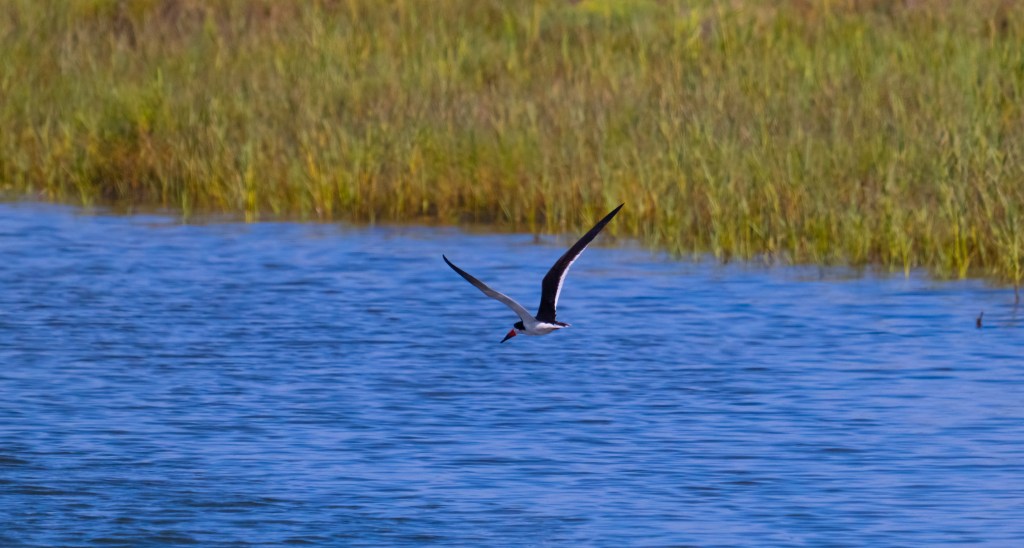
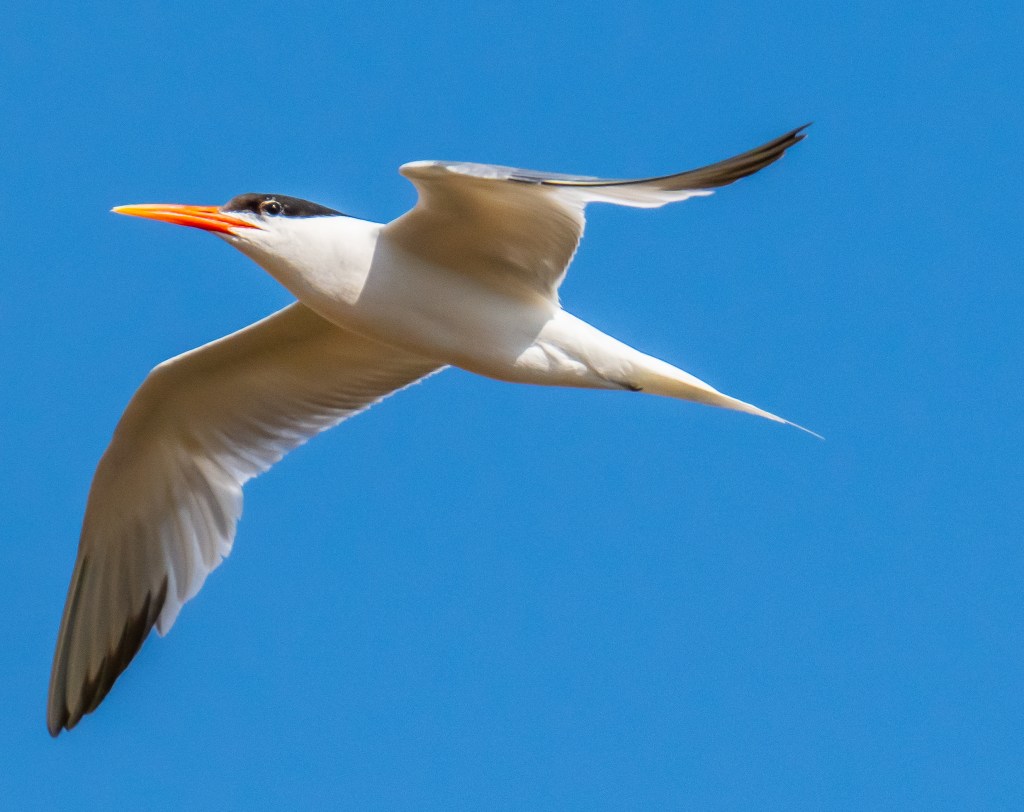
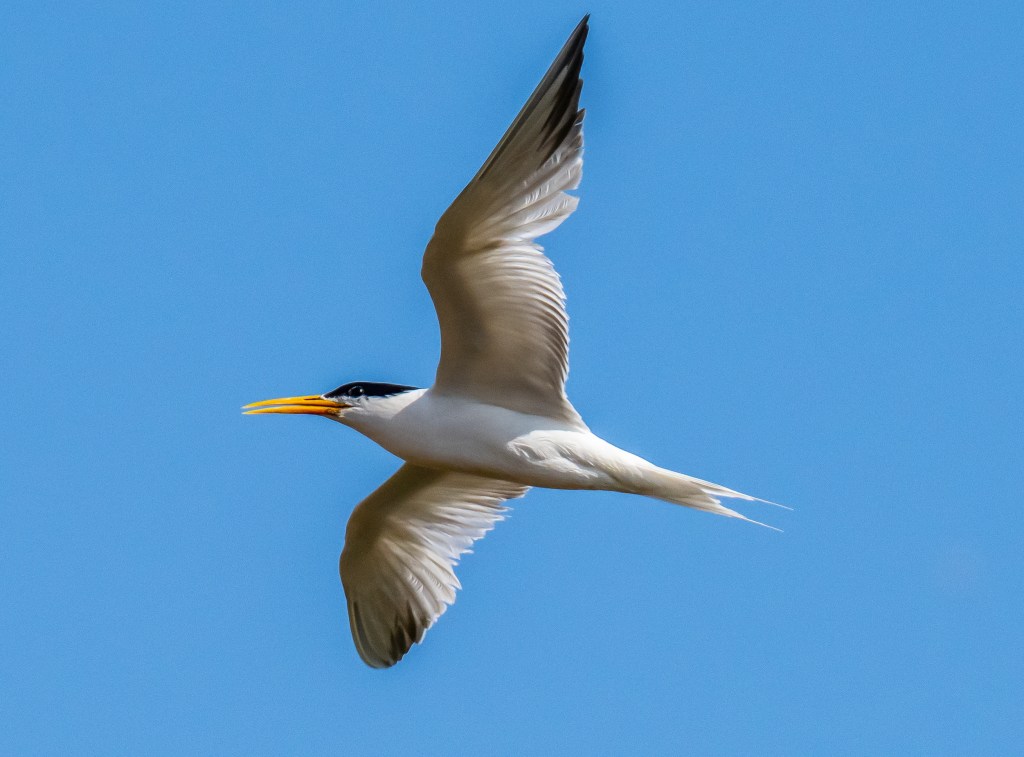
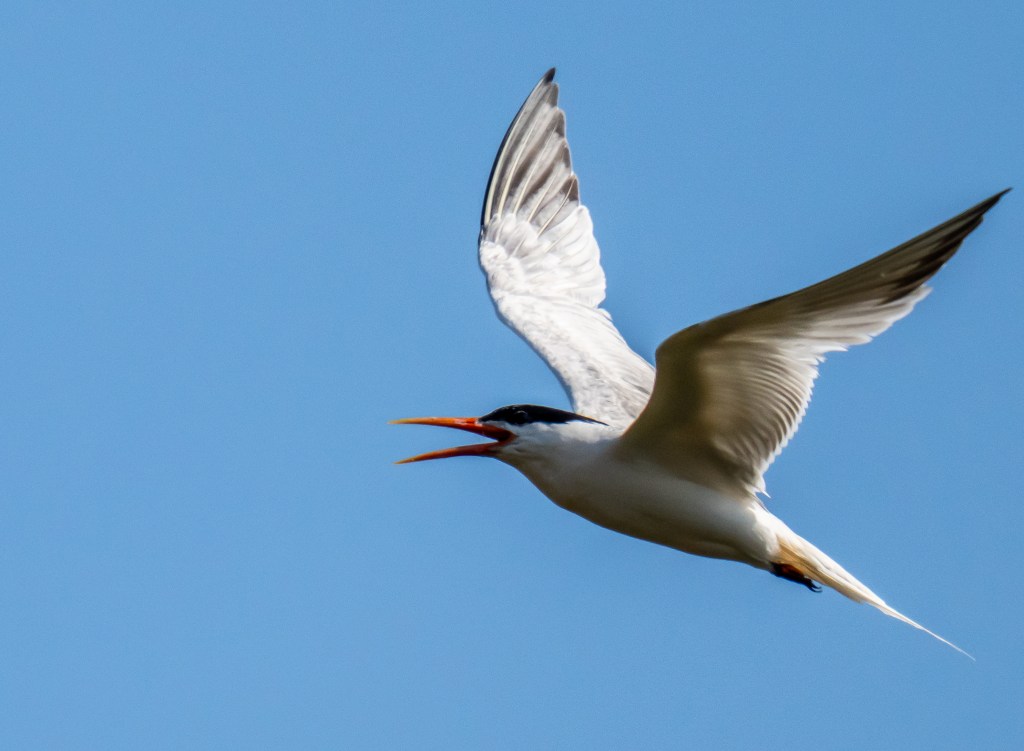
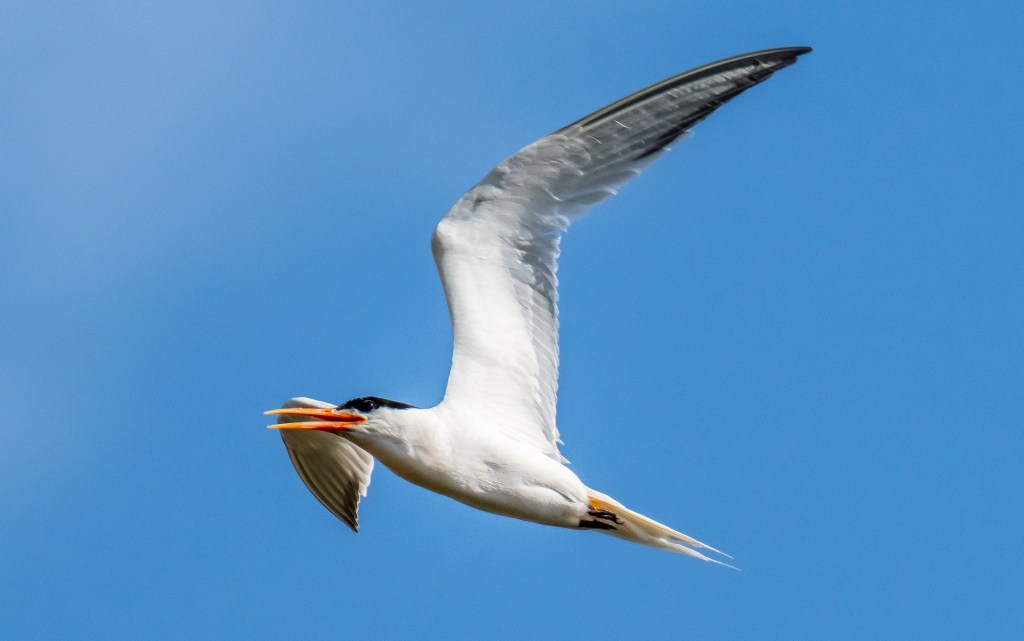
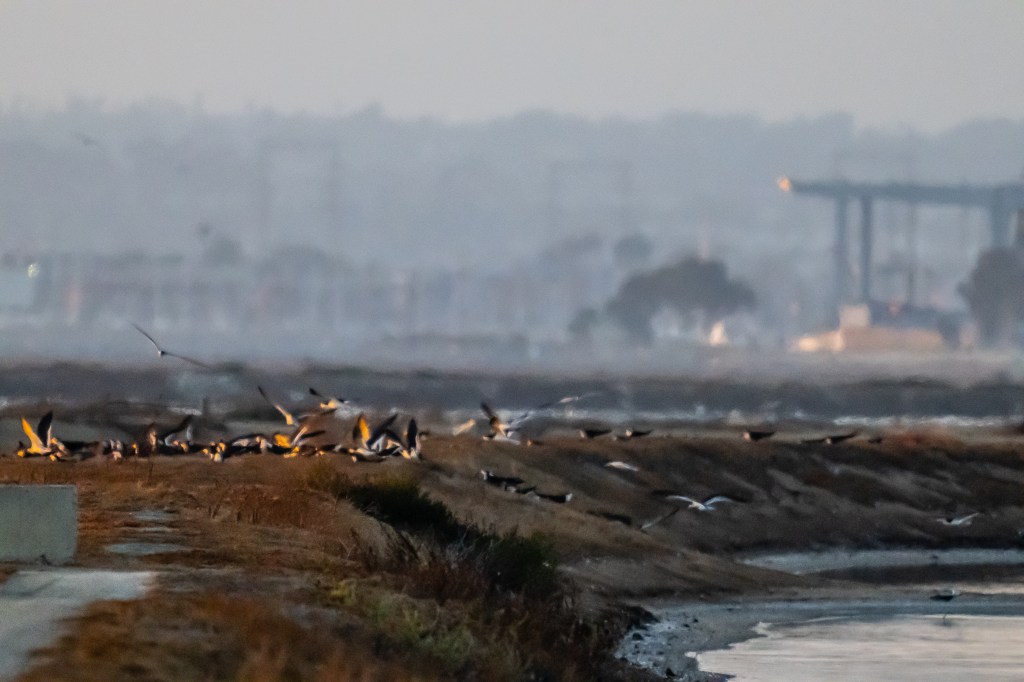
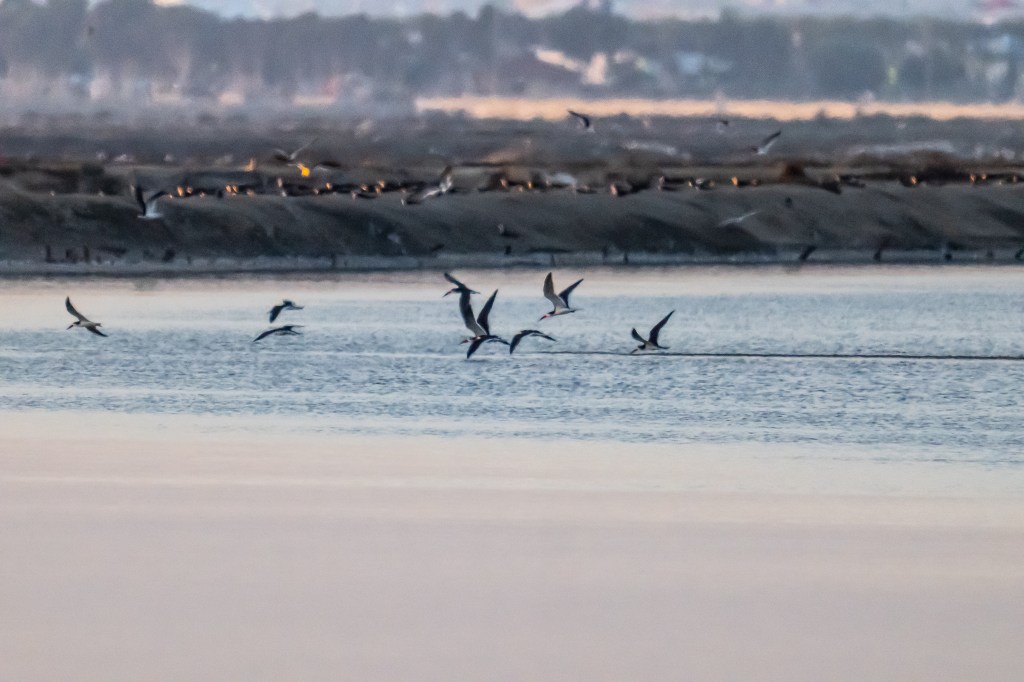
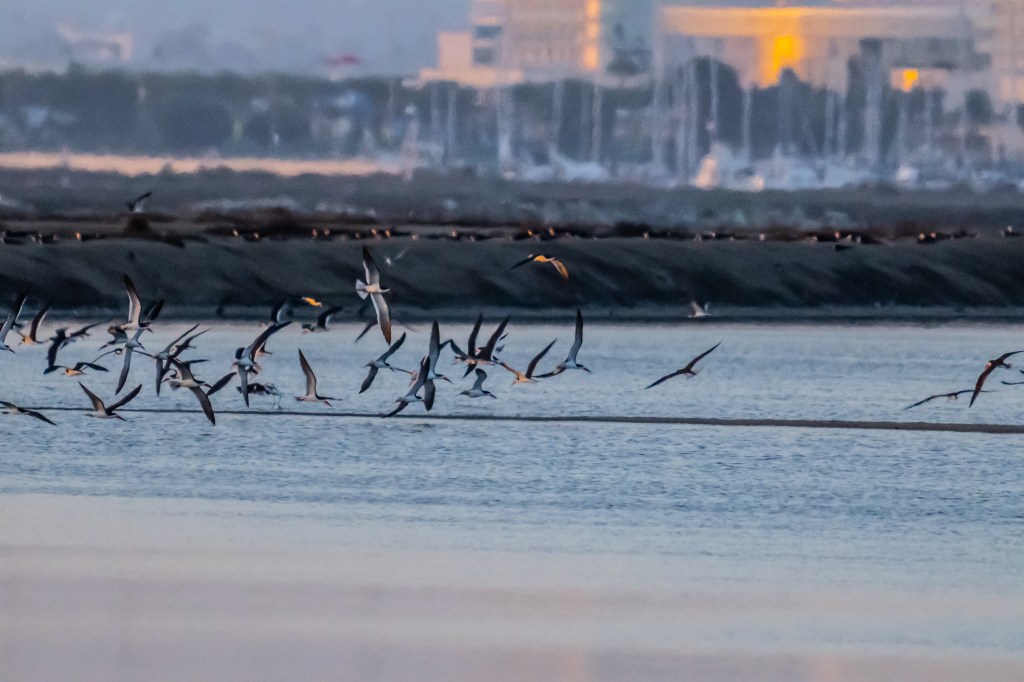
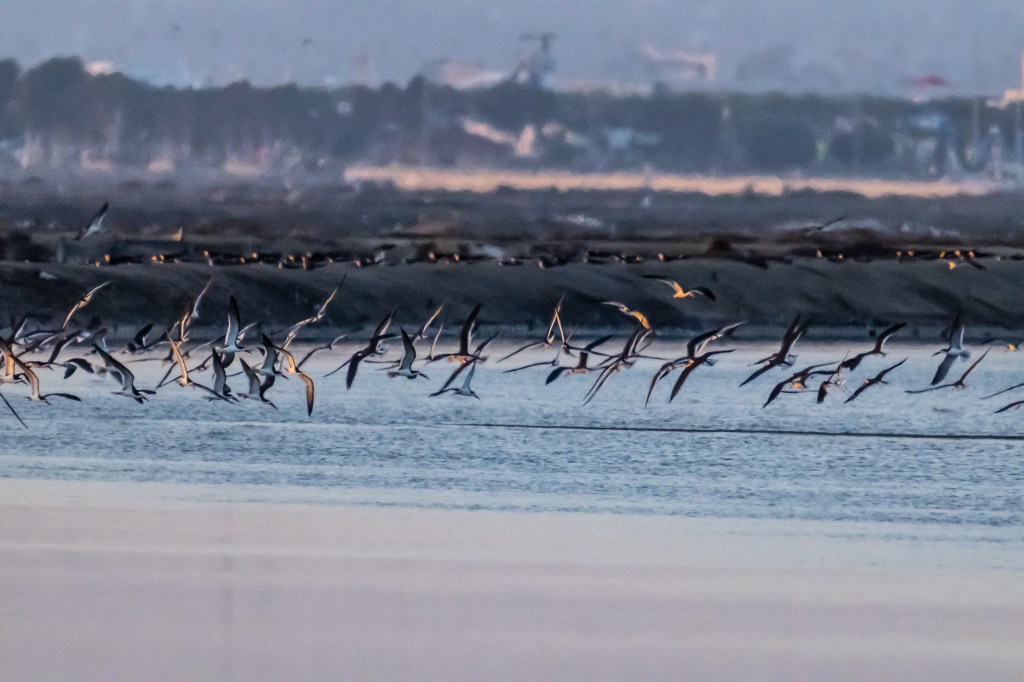
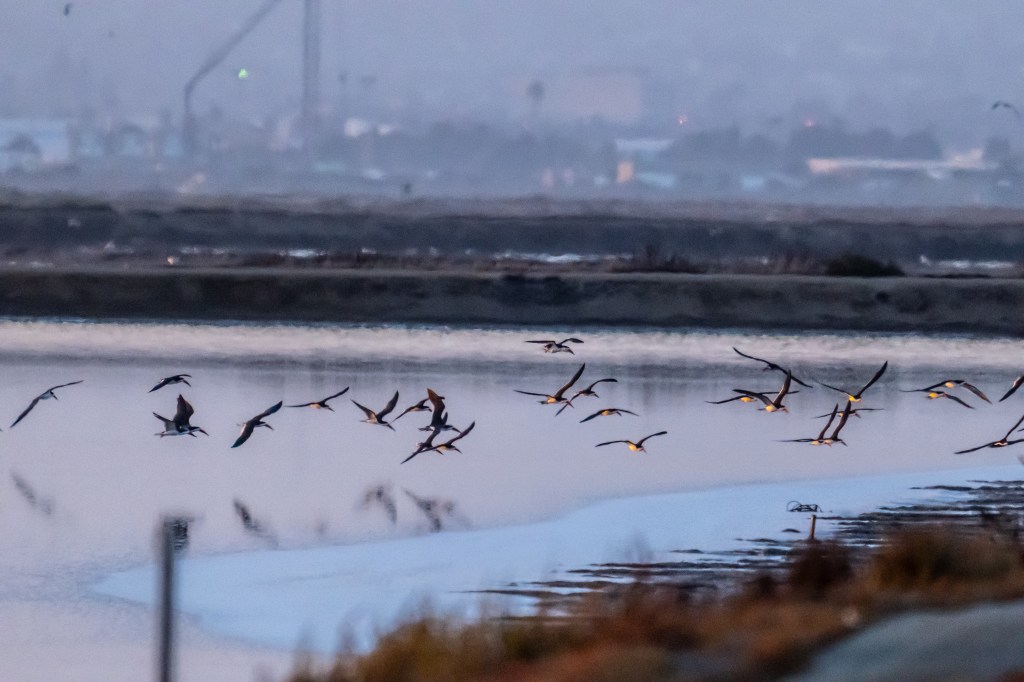
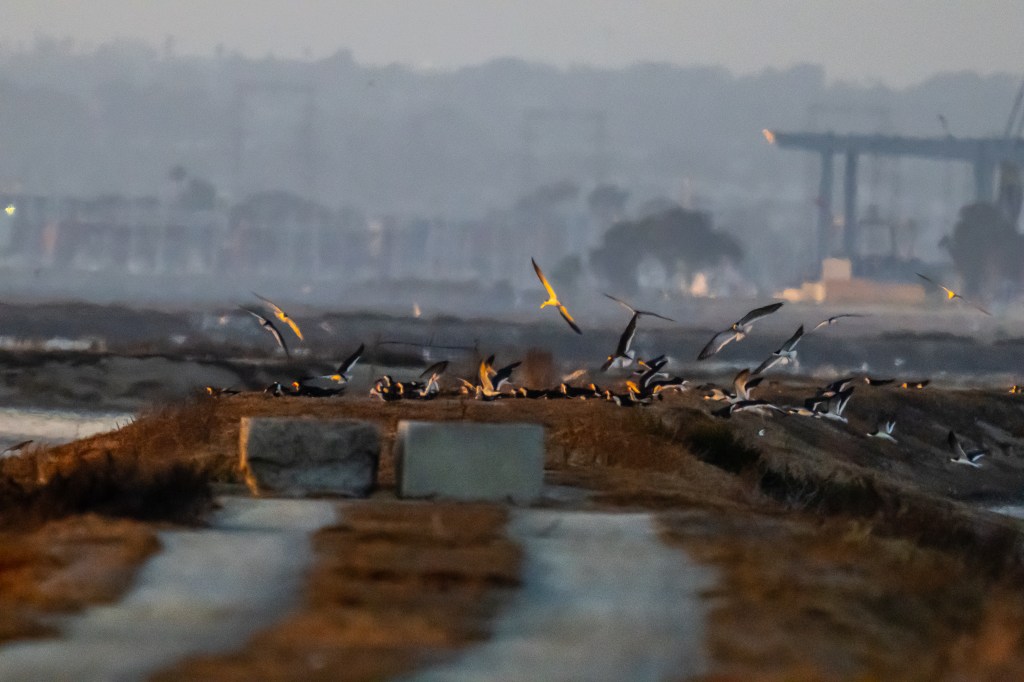
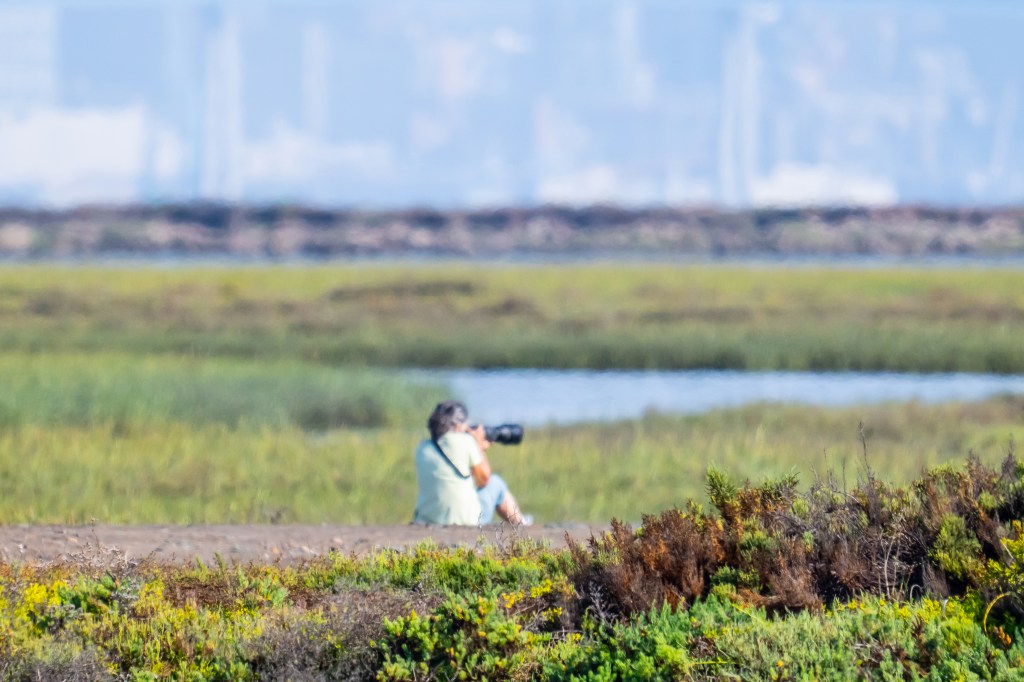
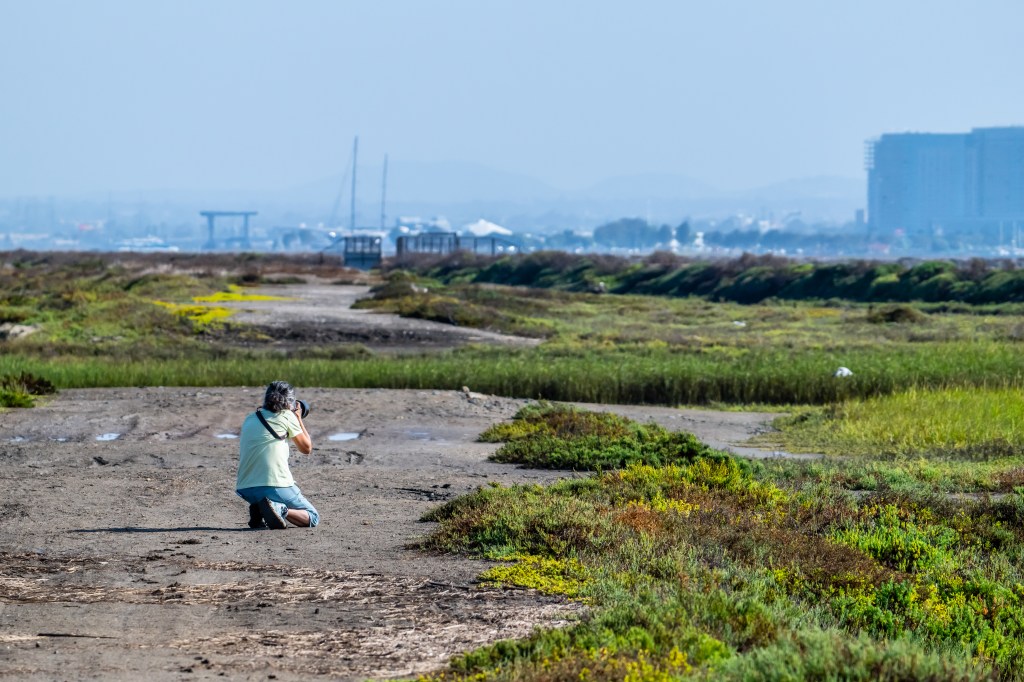
I’ve been seeing Elegant Terns around the salt marsh in Imperial Beach, where large flocks can gather over the wetlands and surrounding waterways. I’ve also seen them farther north around the South Bay salt flats, showing just how closely these birds are associated with the coastal wetlands and salt ponds of the region.
For a bird photographer, seeing a large flock of Elegant Terns moving through the South Bay is an impressive sight.
A Familiar Summer Visitor
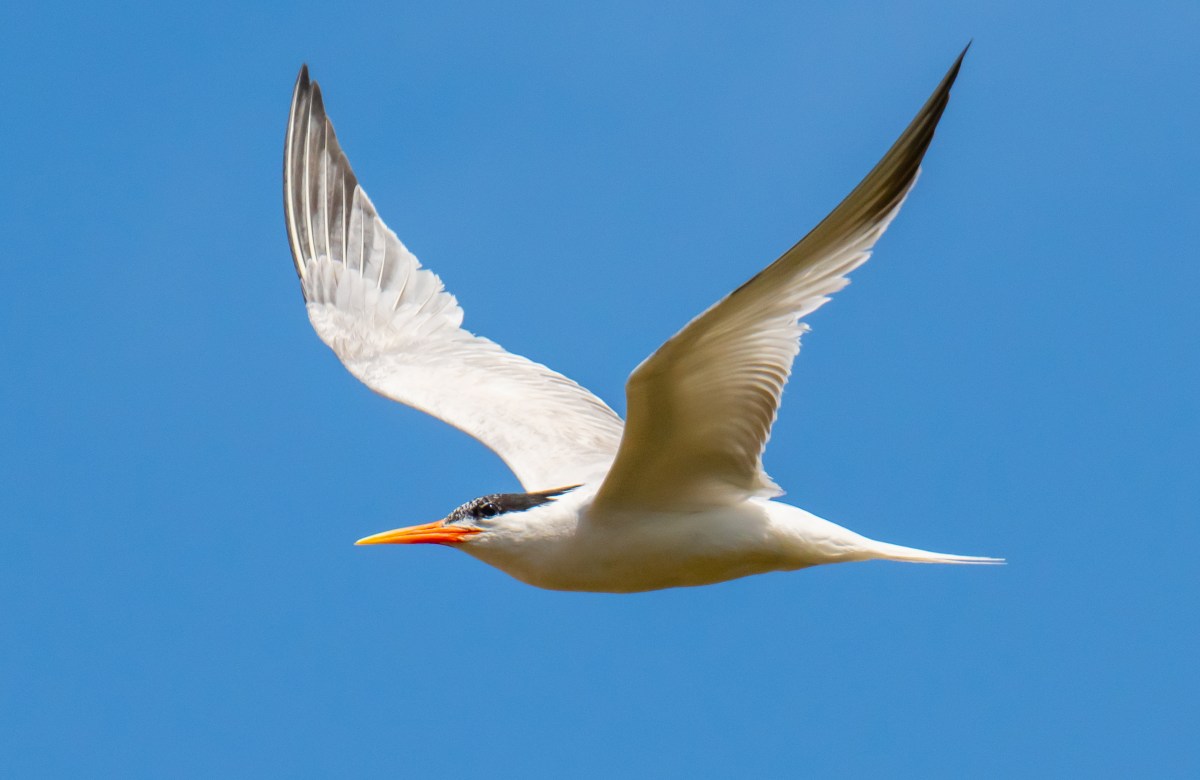
Elegant Terns are sleek, long-winged seabirds with a shaggy black crest, pale gray back, white underparts and a distinctive orange bill. They are closely associated with the Pacific Coast and are particularly noticeable in Southern California during the warmer months.
The birds are known to use bays, estuaries, mudflats and coastal waters after the breeding season. A recent City of San Diego biological report describes Elegant Terns as post-breeding visitors to Southern California’s coast, with birds frequenting bays, estuaries, mudflats and lagoons. San Diego Bay also supports a small nesting colony.
That makes the South Bay a particularly interesting place to look for them.
From Imperial Beach to the Salt Flats
The salt marsh around Imperial Beach and the salt ponds farther north are part of a much larger coastal wetland system.
The Tijuana Estuary is one of Southern California’s remaining salt marshes and provides feeding, nesting and stopover habitat for hundreds of bird species.
The South Bay salt ponds provide another important piece of habitat. The ponds are part of the San Diego Bay National Wildlife Refuge and support a remarkable variety of birds. The highly saline water produces brine organisms that provide food for birds, while the pond levees provide nesting habitat.
So when Elegant Terns appear in the Imperial Beach marsh or around the South Bay salt flats, they aren’t simply passing through a random patch of habitat. They’re using a connected network of coastal wetlands that has supported terns for generations.
The South Bay’s Long History With Elegant Terns
The connection between Elegant Terns and the South Bay goes back decades.
Elegant Terns first nested in California at the San Diego Bay salt works in 1959. Historical records also describe the South Bay salt ponds as one of the few nesting locations for Elegant Terns in the United States.
That history makes seeing them around the salt flats today even more interesting.
The salt ponds may look industrial at first glance, but they have become an important part of the South Bay’s wildlife landscape. The combination of shallow water, mudflats and extremely salty ponds creates unusual habitat that attracts birds looking for food and places to rest or nest.
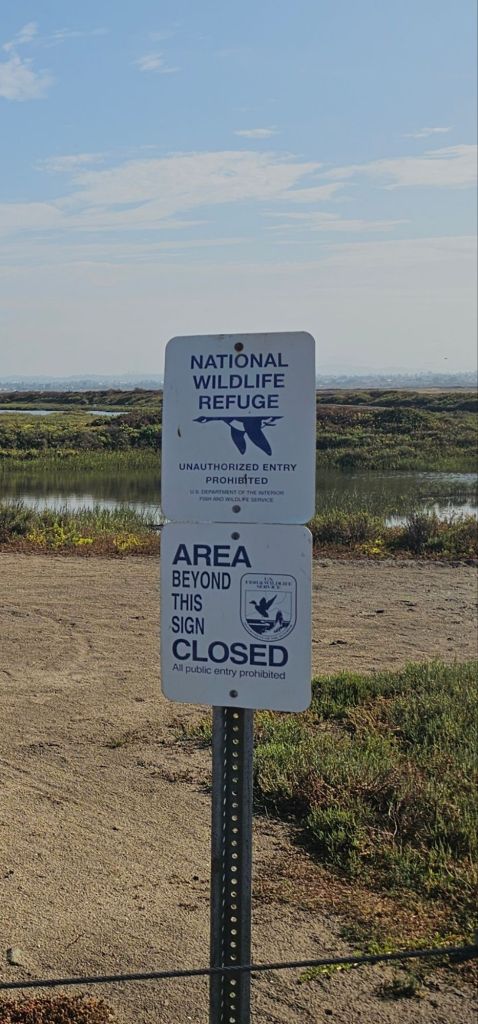
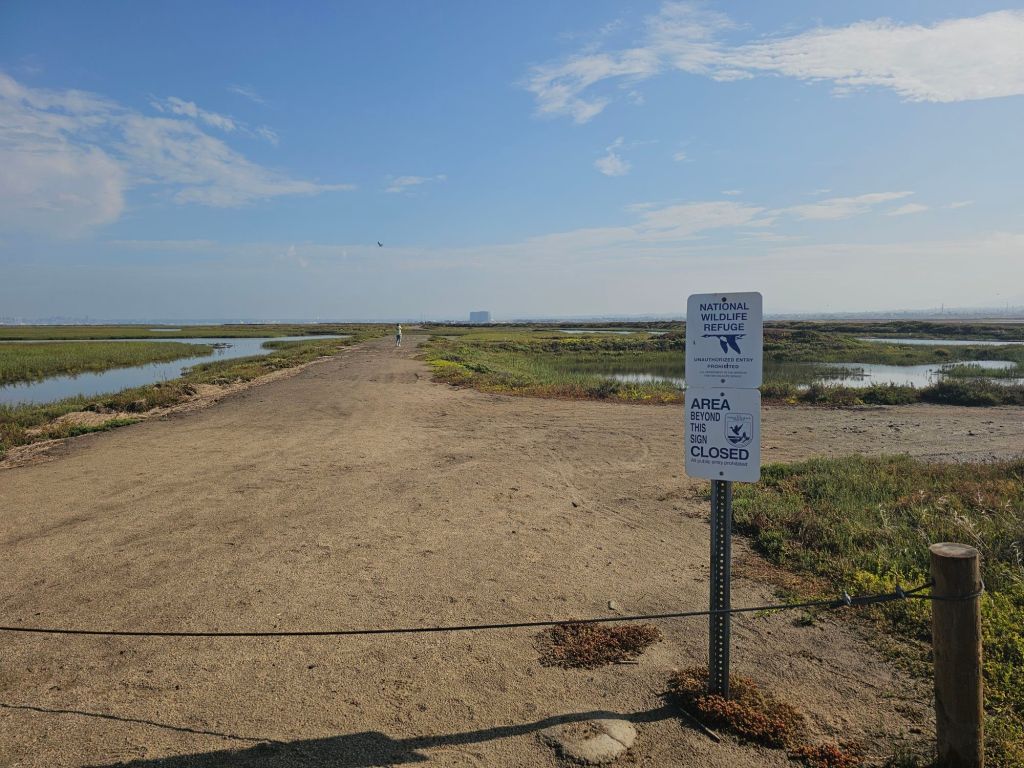
Why We Don’t Walk Past the Wetland Signs
When you’re photographing birds, it’s tempting to get just a little closer. A better angle, a clearer shot, or a photograph of a tern taking flight can make you want to step beyond a fence or posted sign.
But around the Imperial Beach wetlands, those signs are there for a reason.
The salt marsh is a living ecosystem. What may look like an empty patch of mud or vegetation can be feeding, resting, or nesting habitat for birds. Walking into these areas can disturb wildlife, damage vegetation, and cause birds to use valuable energy flying away from people.
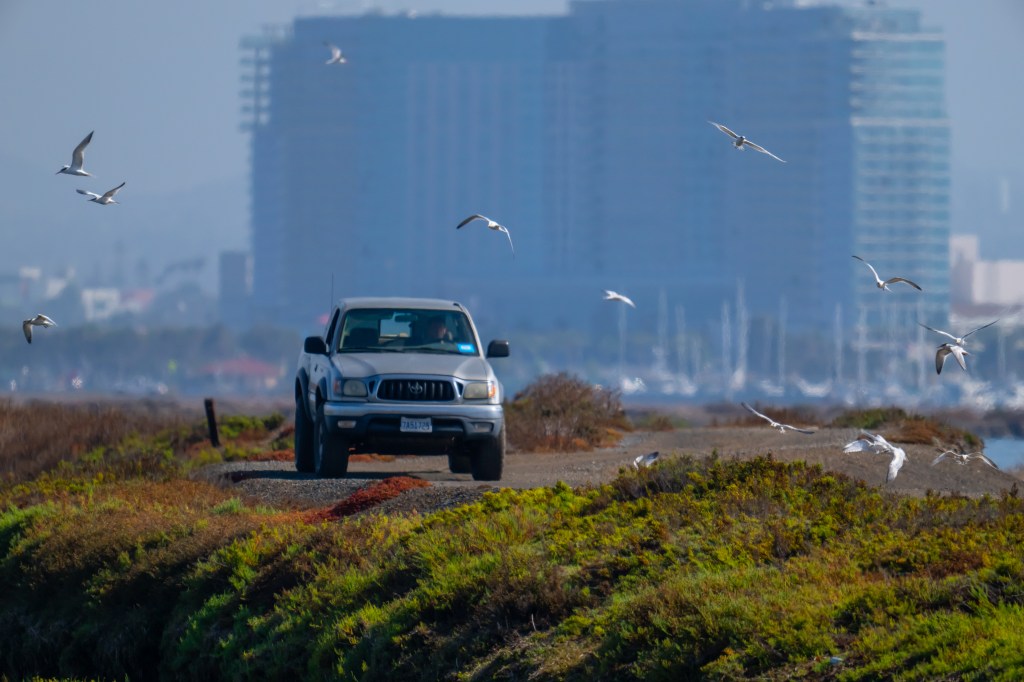
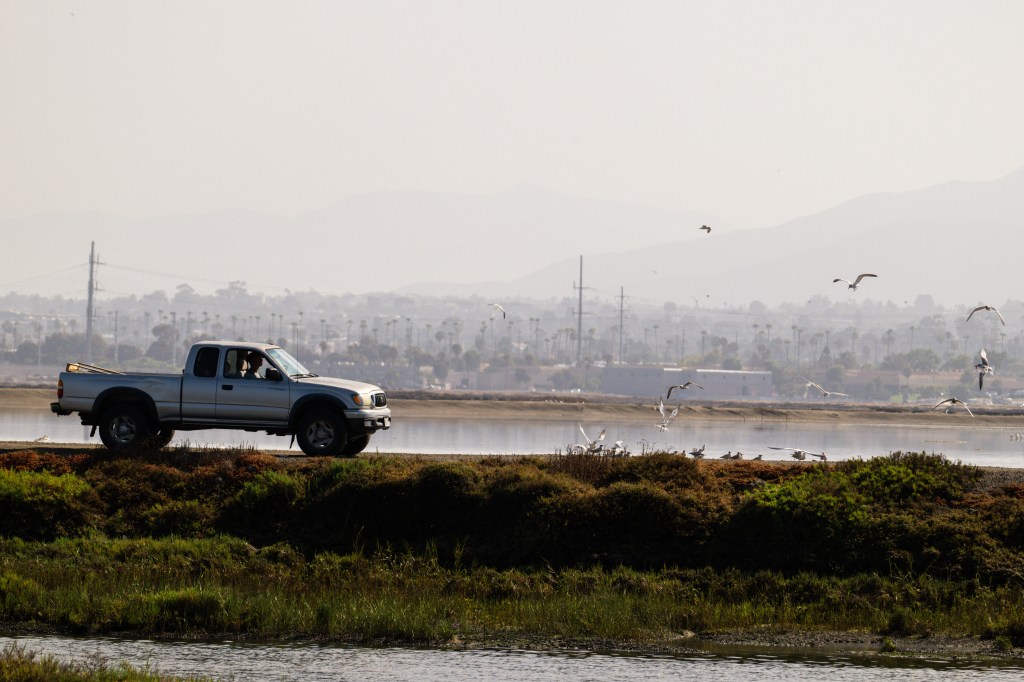
This is especially important when large flocks of terns are present. A person approaching a flock can cause dozens or even hundreds of birds to suddenly take flight. While one disturbance may seem insignificant, repeated disturbances from visitors can keep birds from feeding or resting.
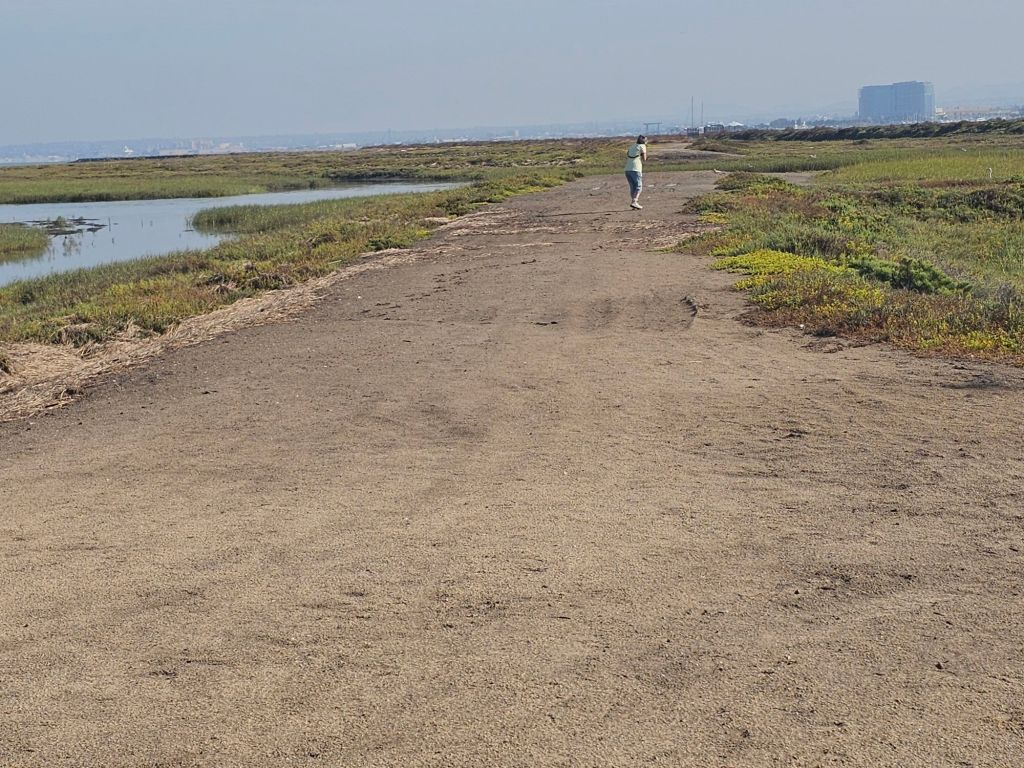
There is also another reason to stay on the designated paths: wetlands can be fragile and surprisingly easy to damage. Salt-marsh plants and the muddy surface help form an ecosystem that has developed over many years. Foot traffic can create unofficial trails and damage vegetation that provides habitat for birds and other wildlife.
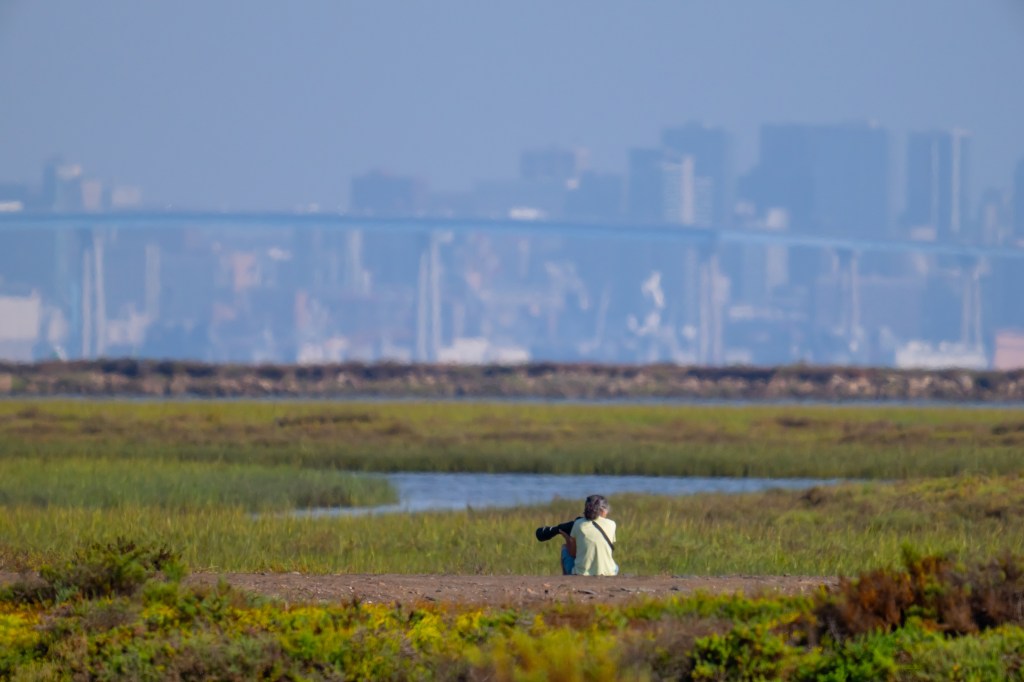
For photographers, staying behind the signs is part of responsible wildlife photography. A longer lens, binoculars and patience can often give you a better experience without getting closer.
The goal isn’t simply to get the closest photograph.
The goal is to photograph the birds while allowing them to continue doing what they came here to do.
So when you visit the Imperial Beach salt marsh or the South Bay salt flats, pay attention to the signs and stay on designated trails. Give the birds room, respect protected areas and let the wetlands remain a place where wildlife can thrive.
Sometimes the best wildlife photograph is the one you take without disturbing the wildlife at all.
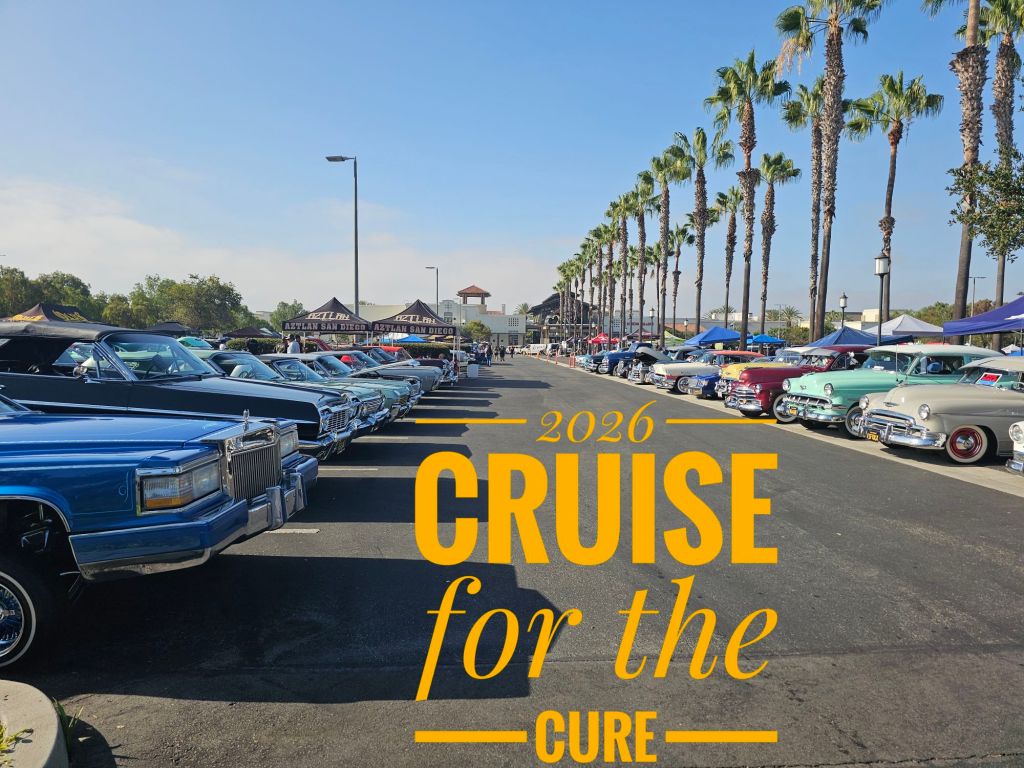
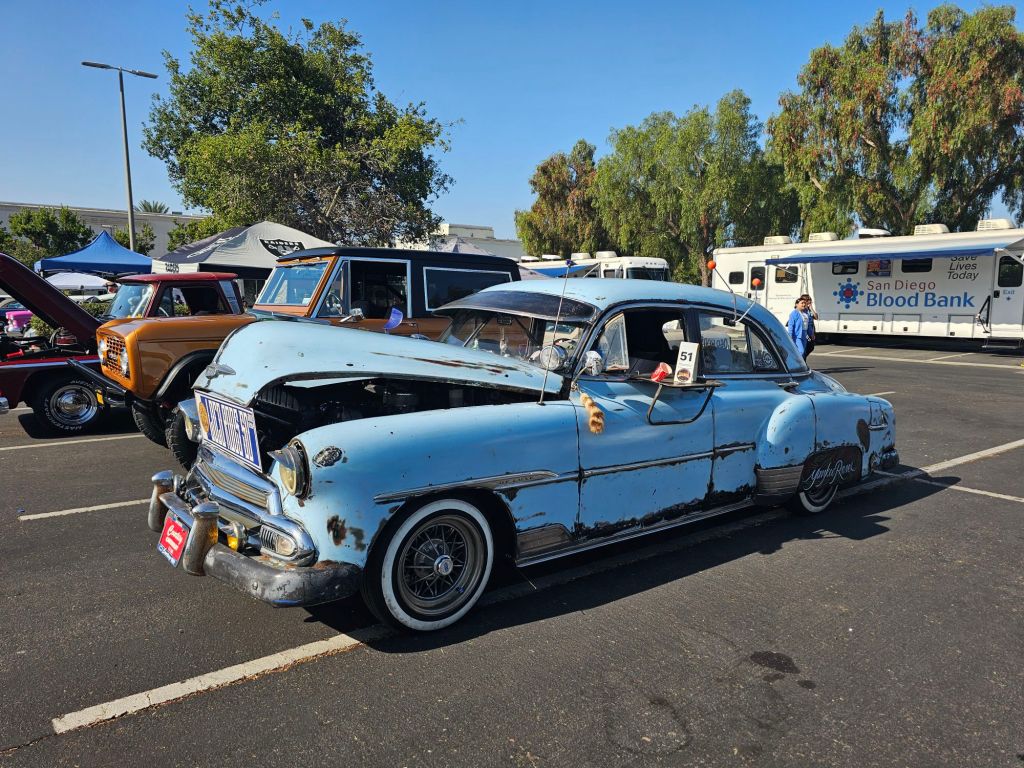
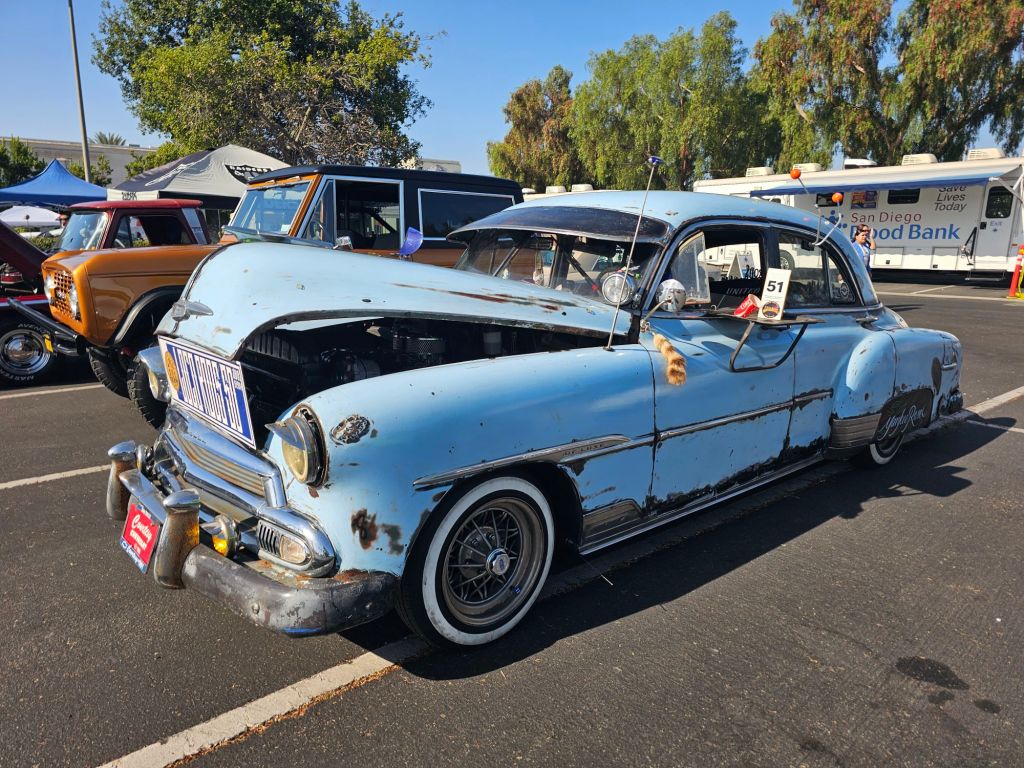
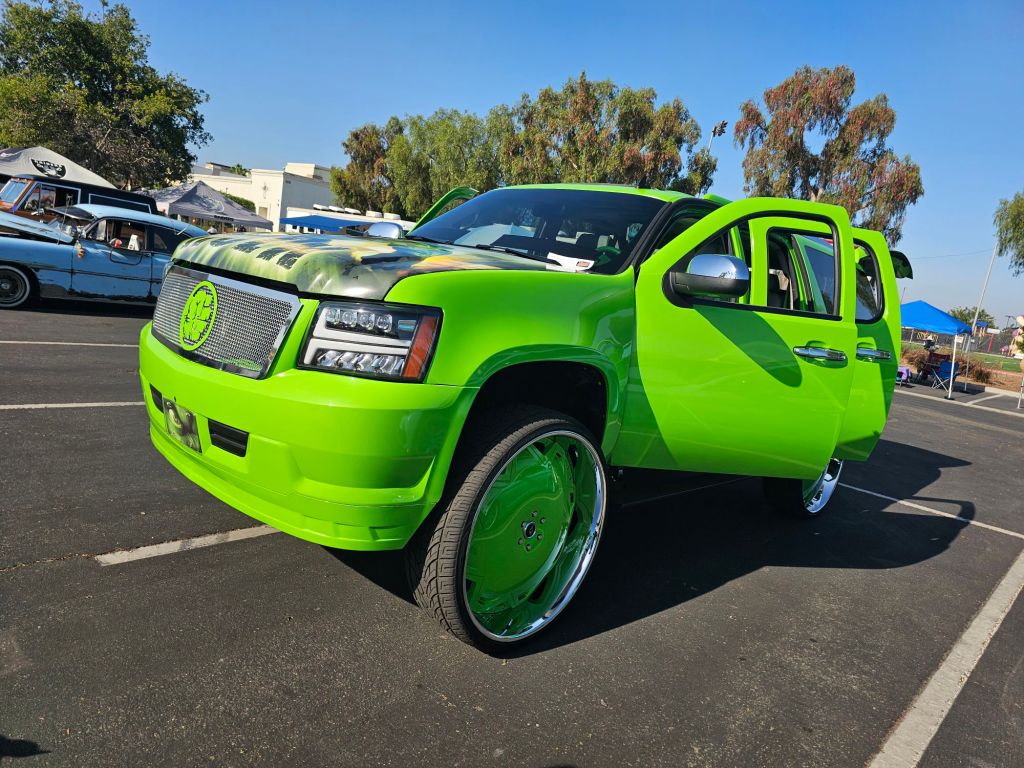
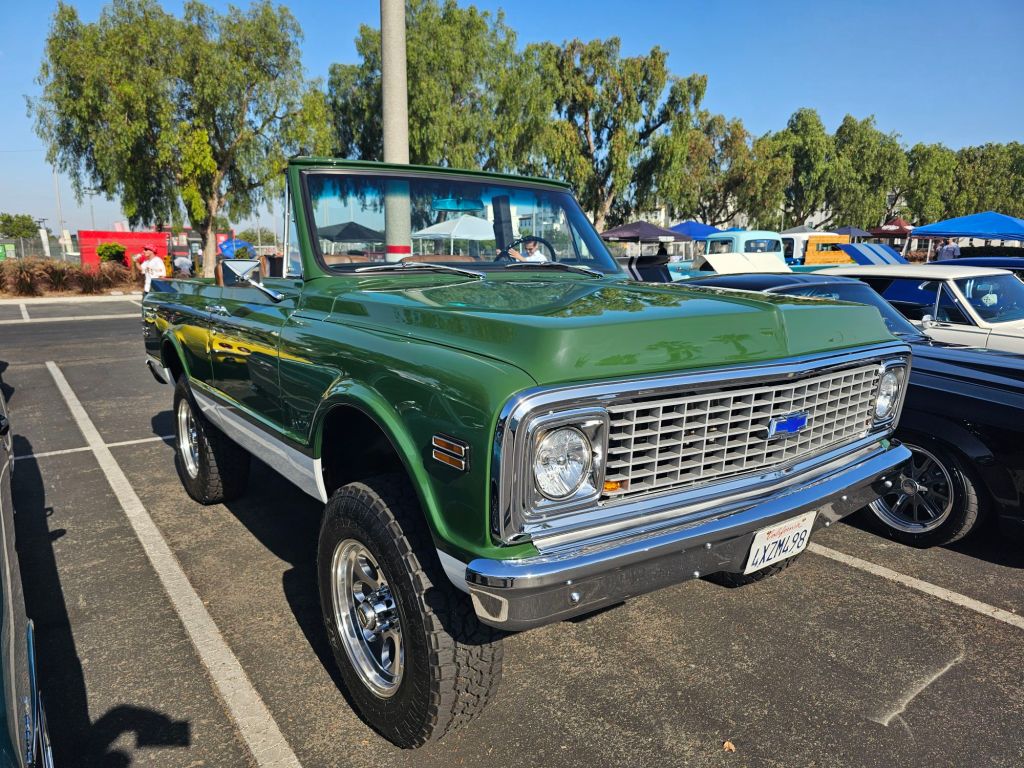
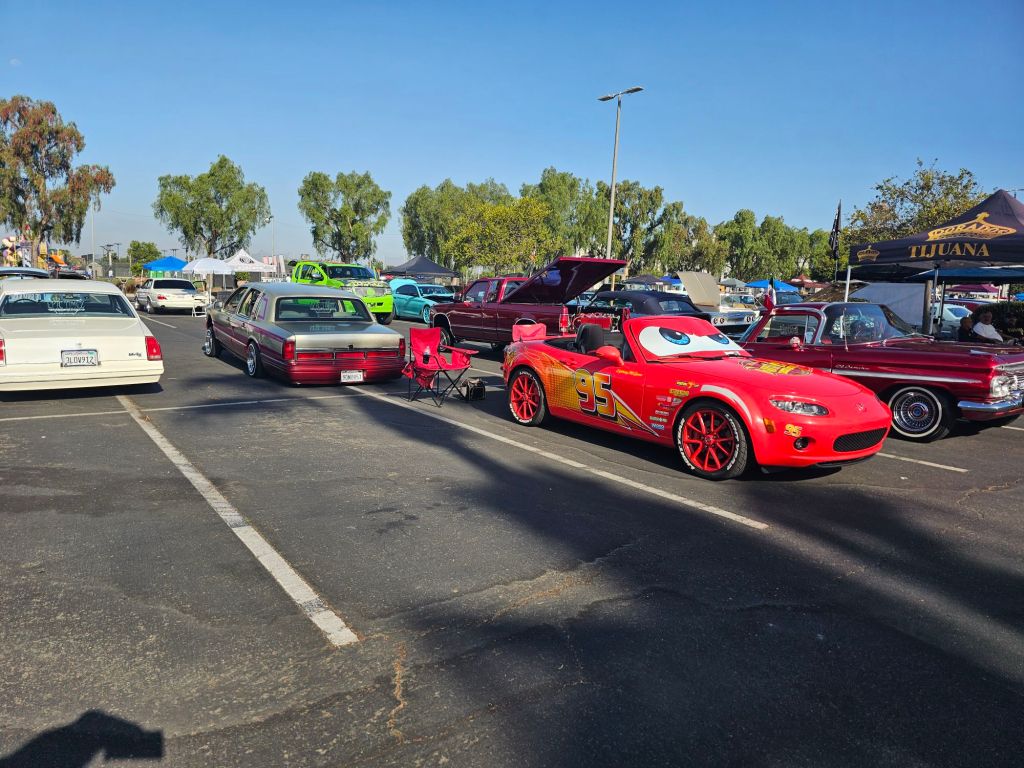
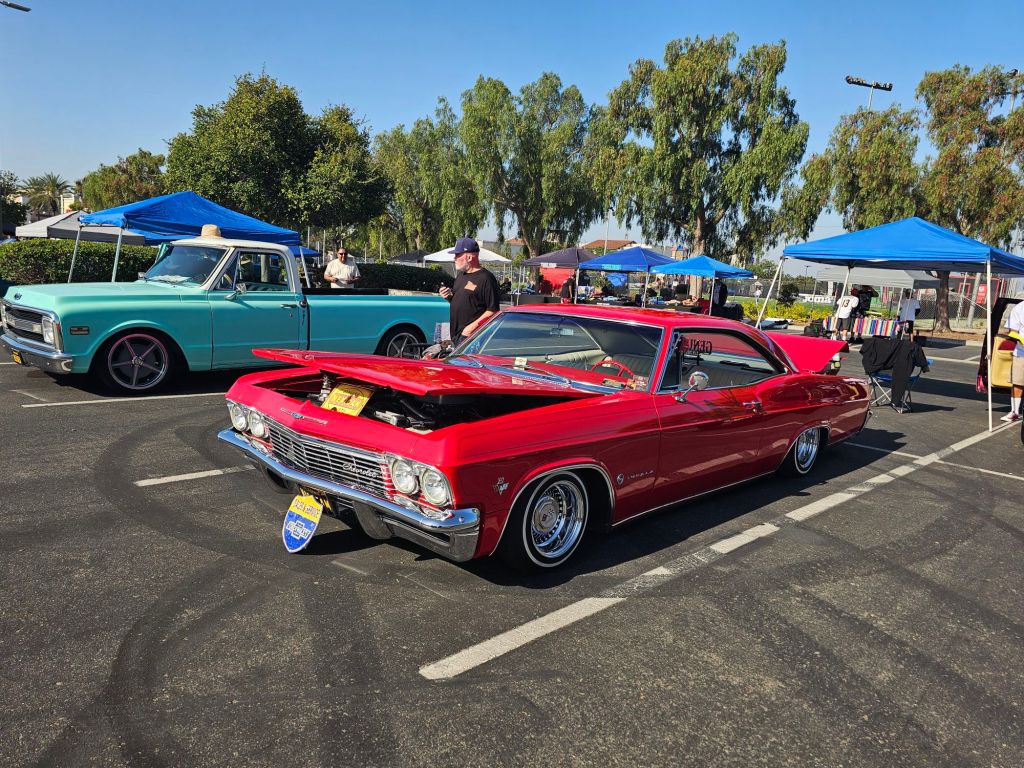
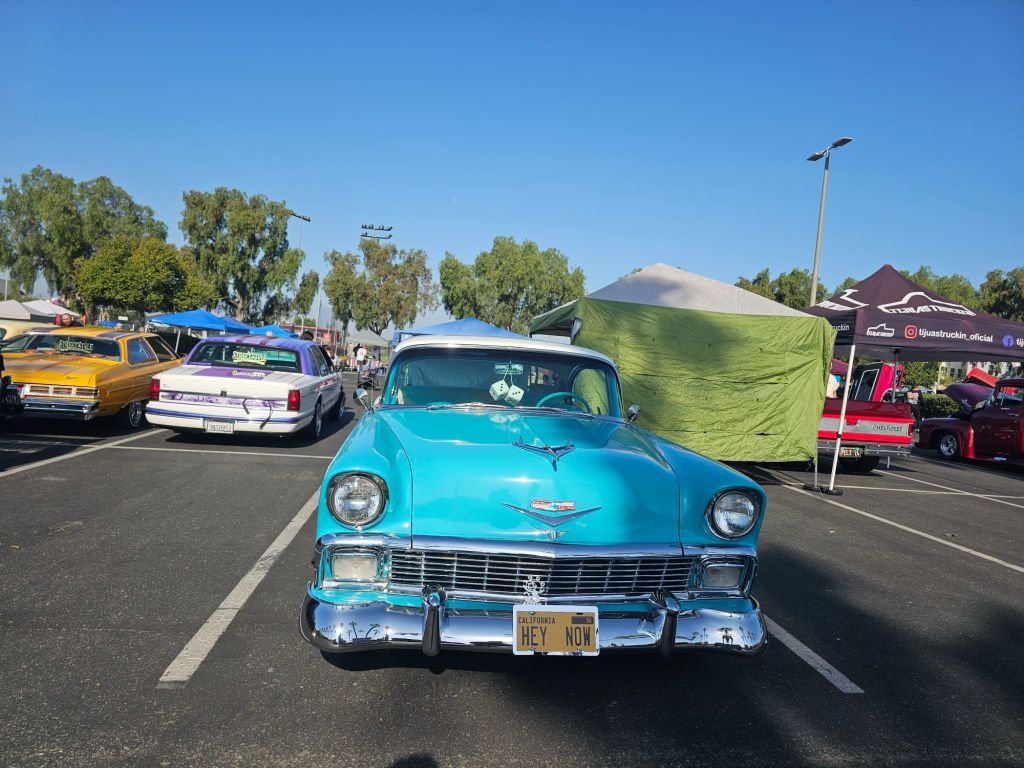
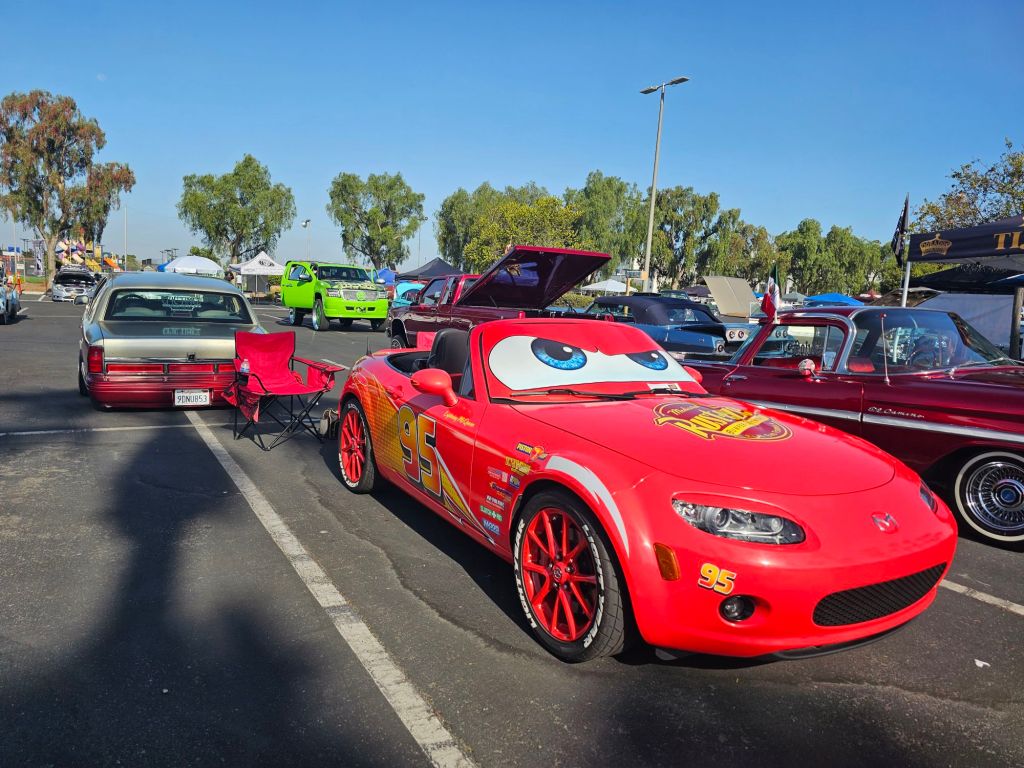
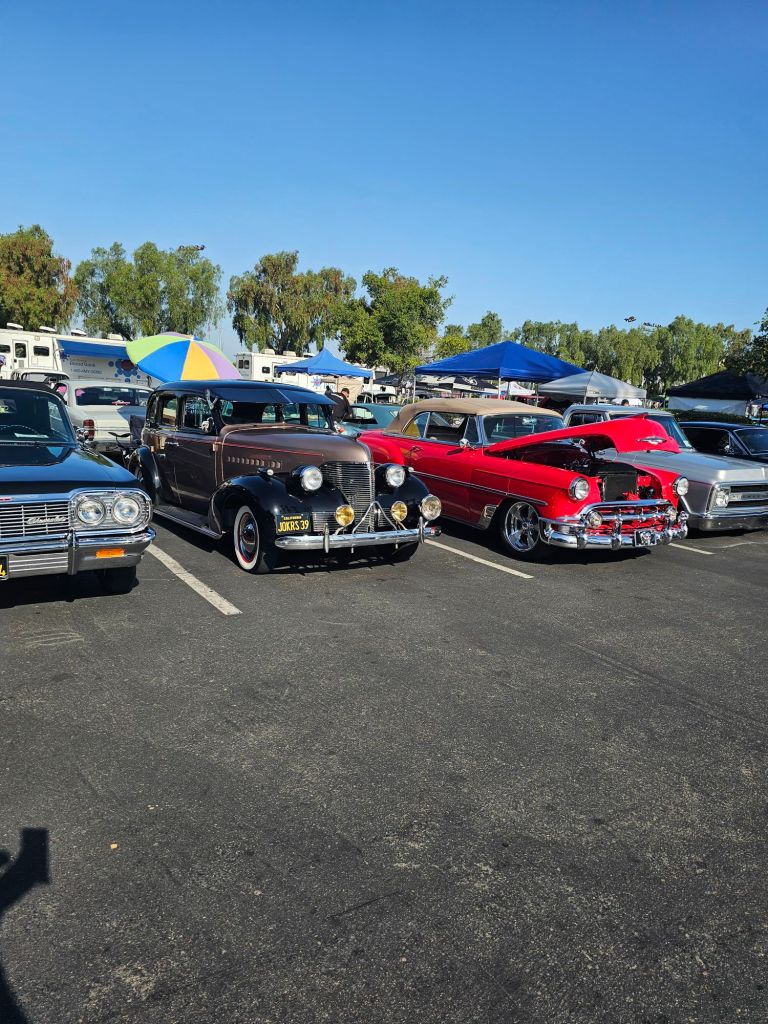
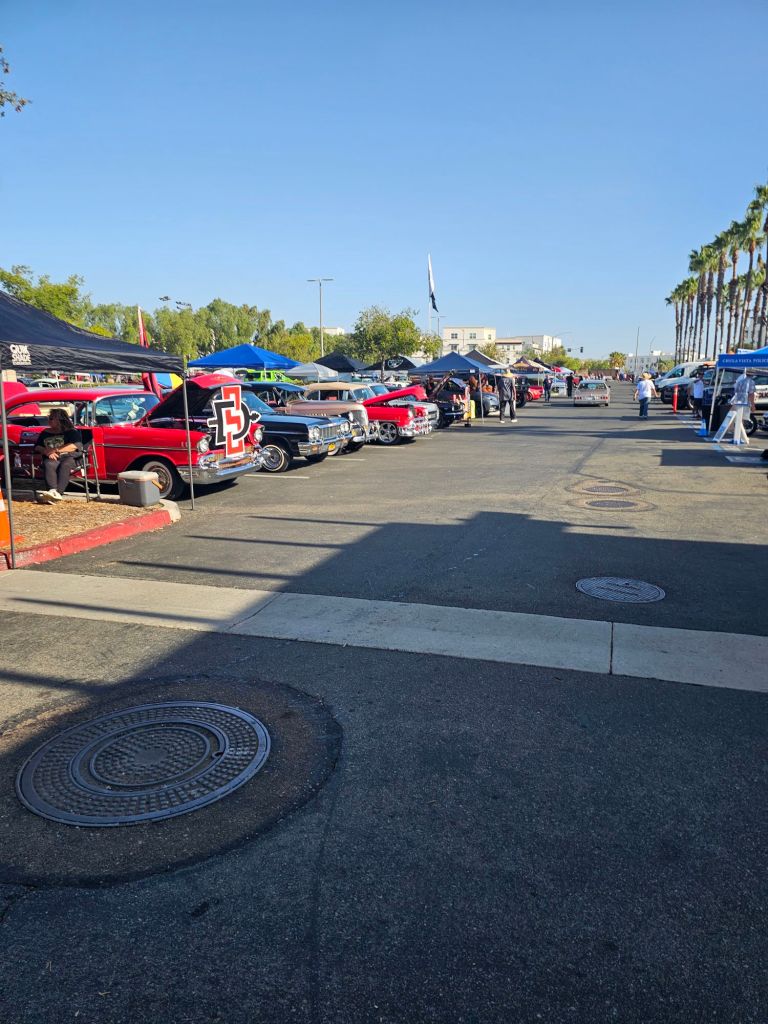
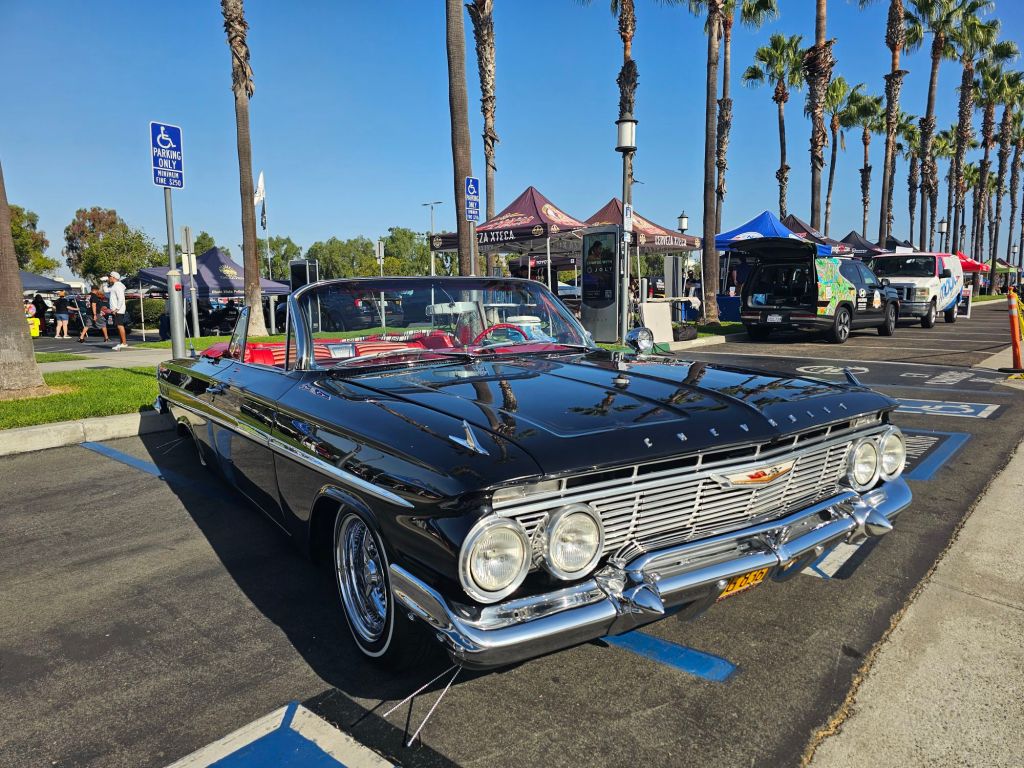
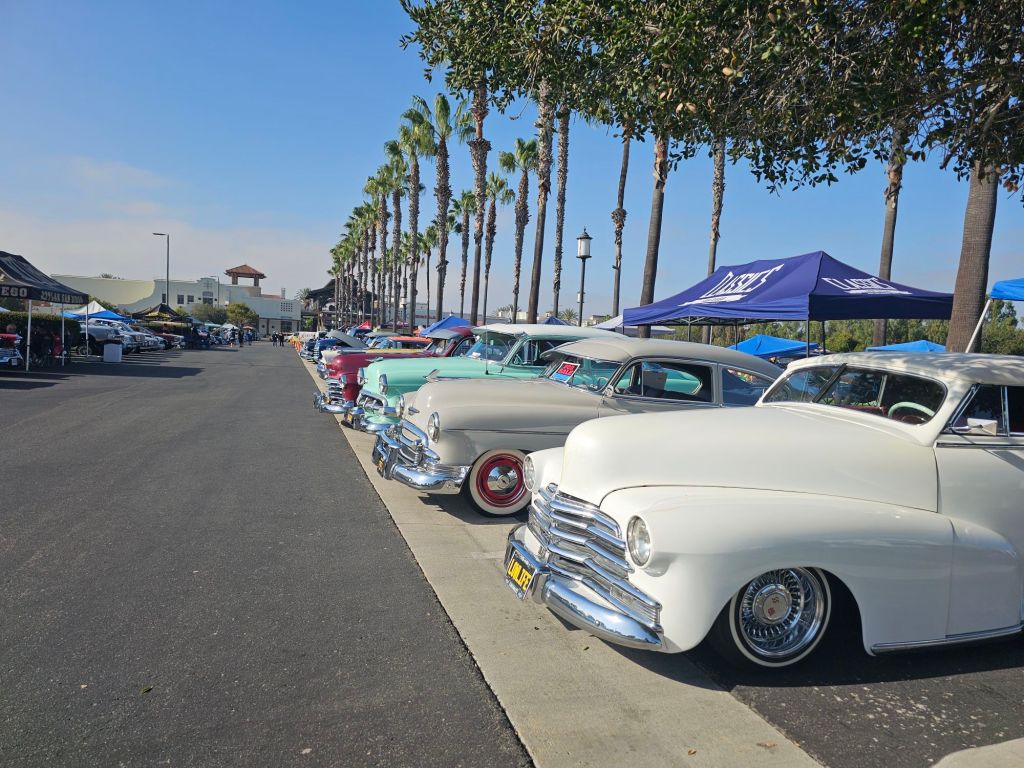
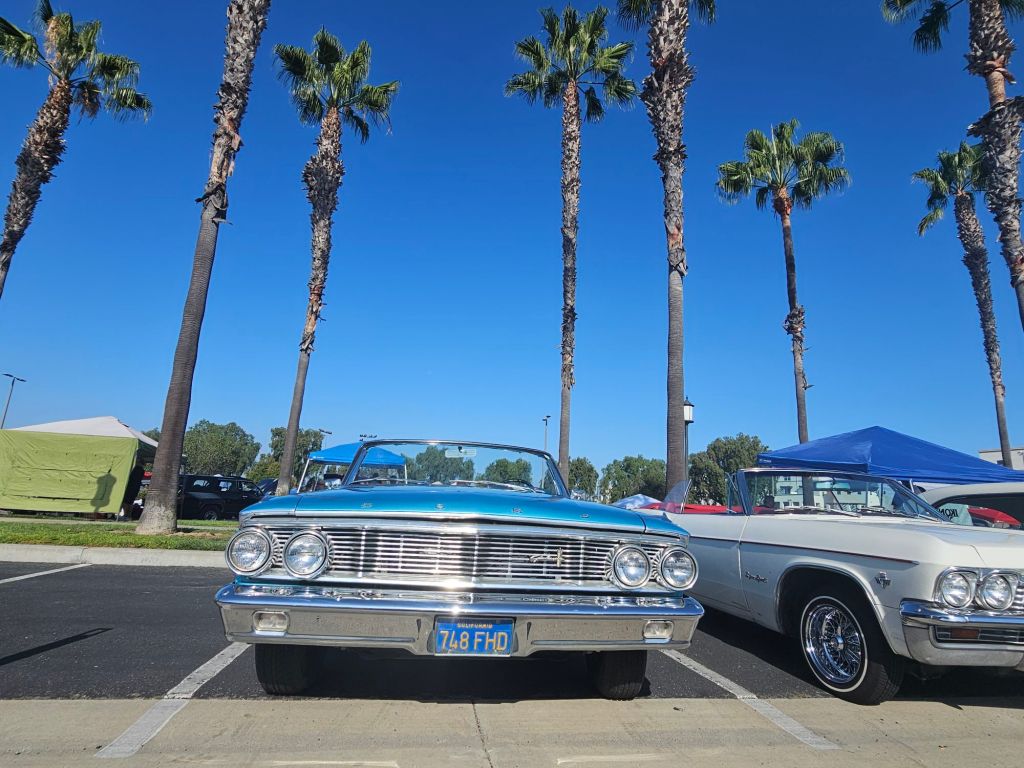
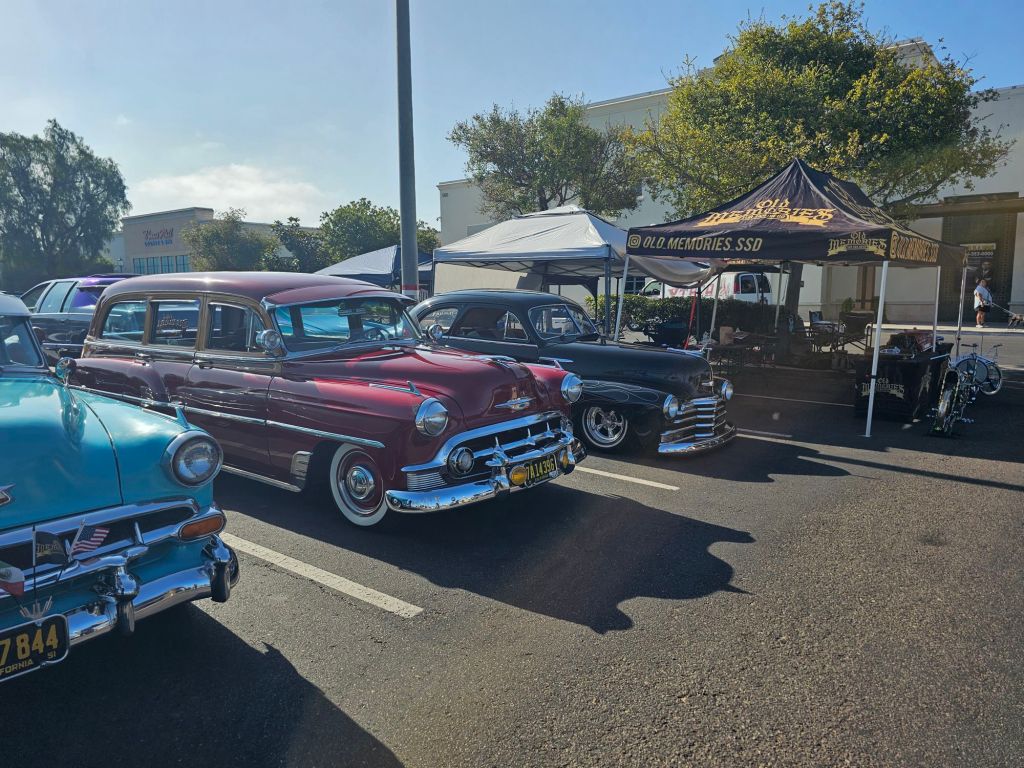
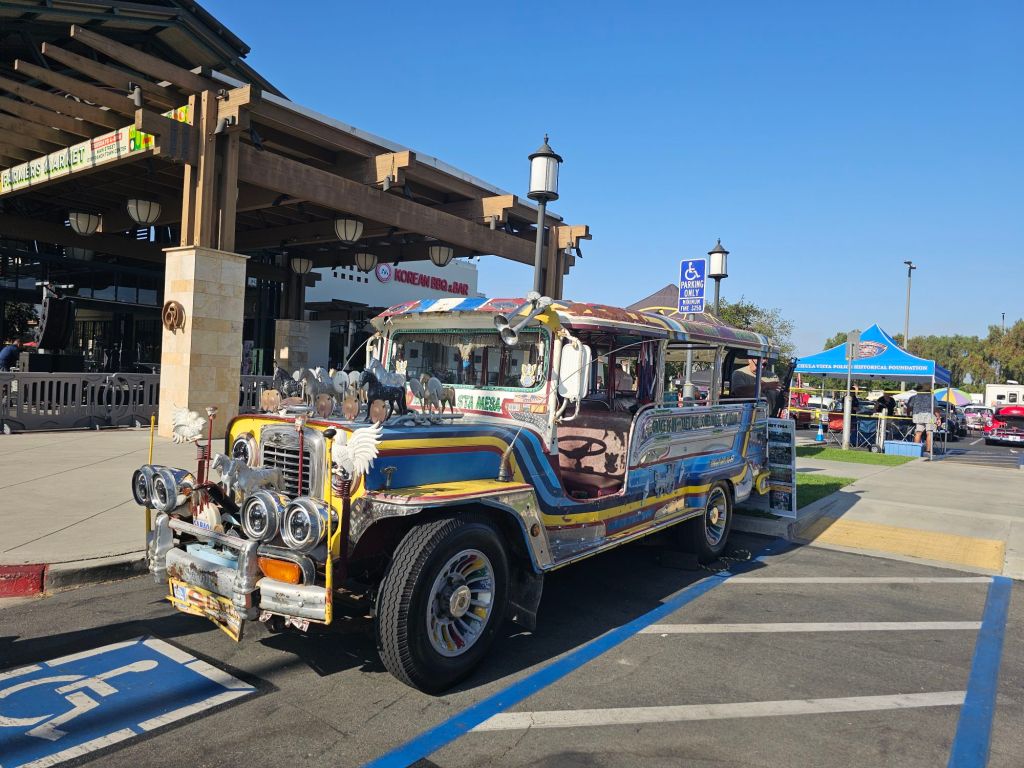
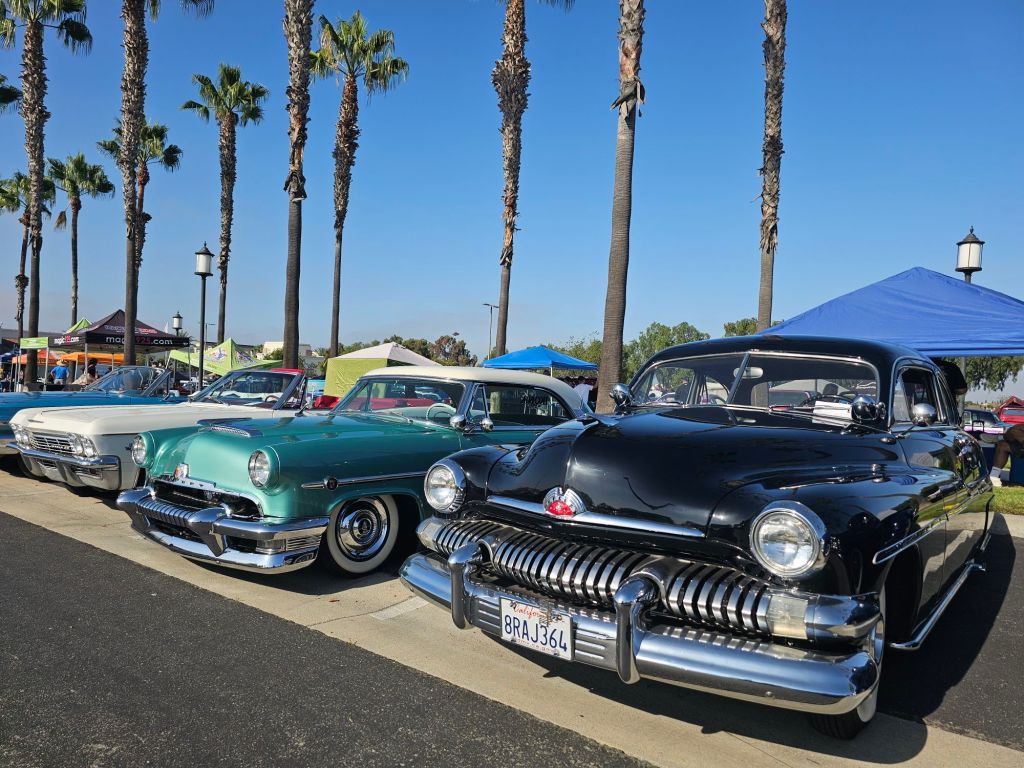
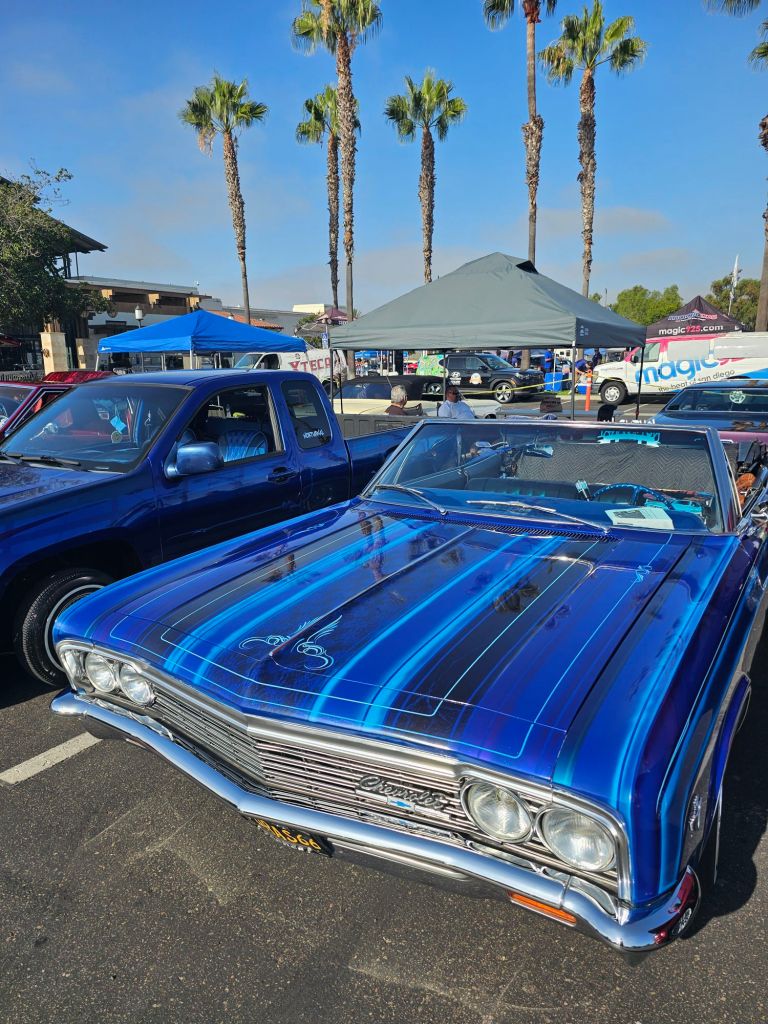
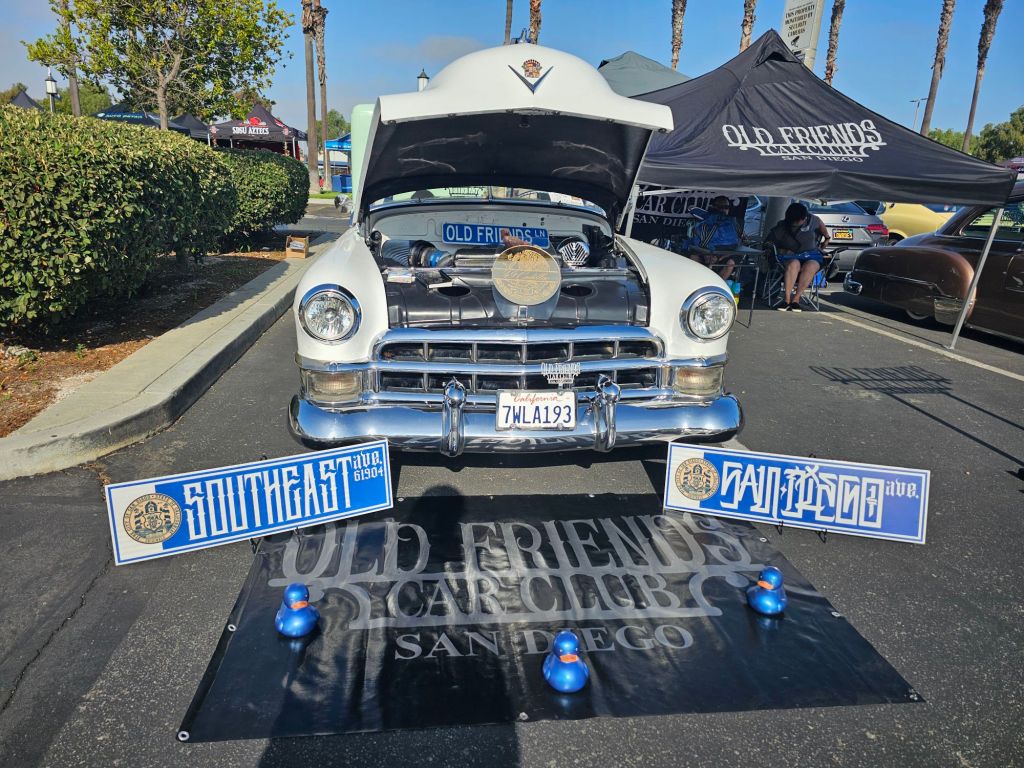
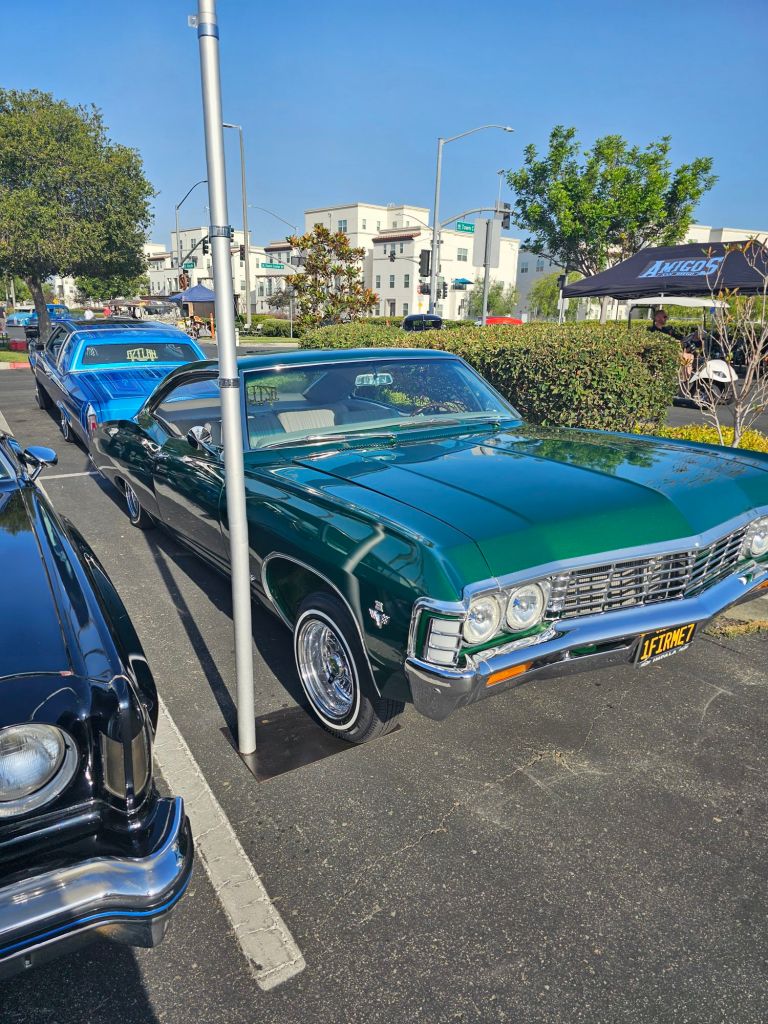
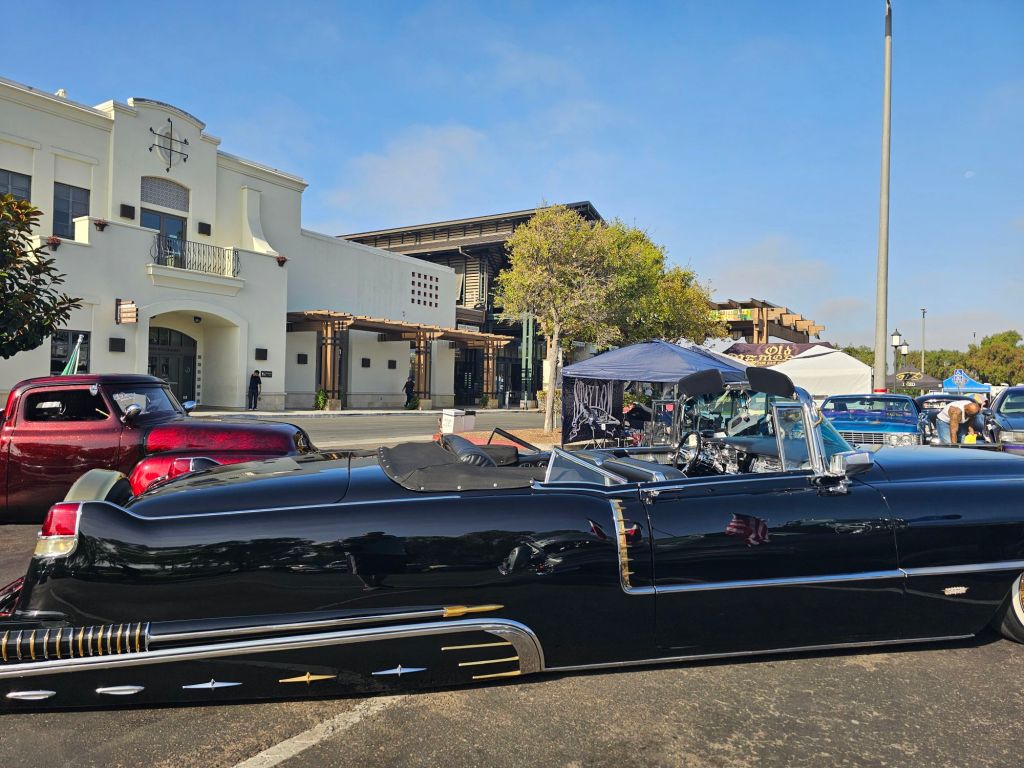
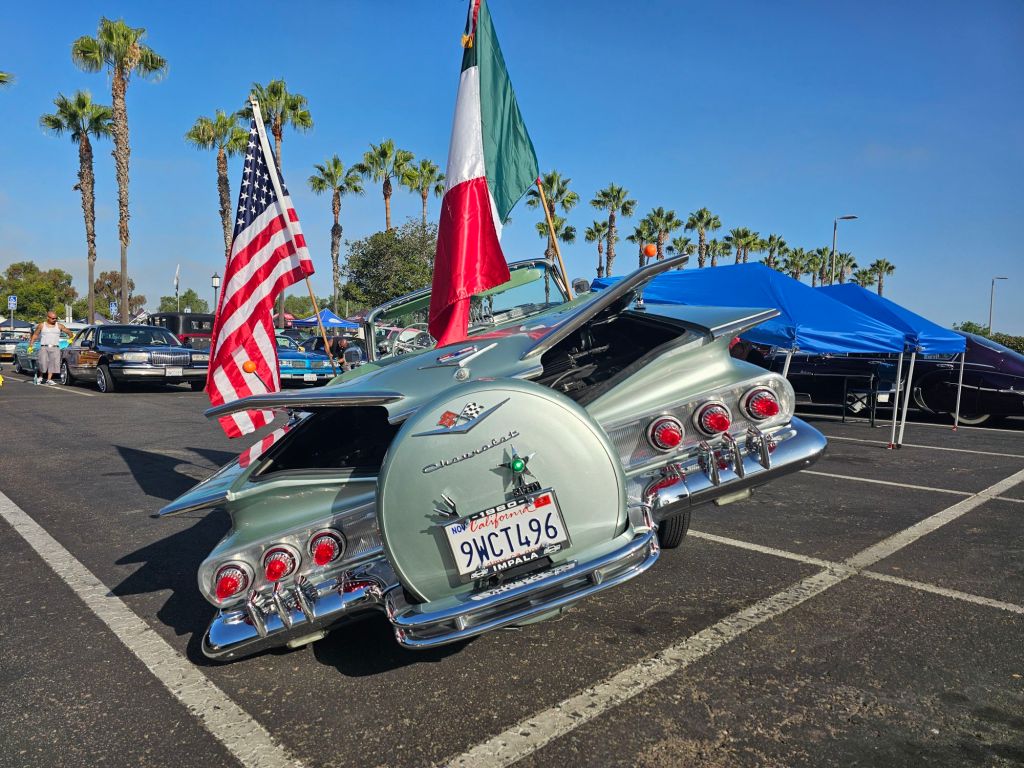
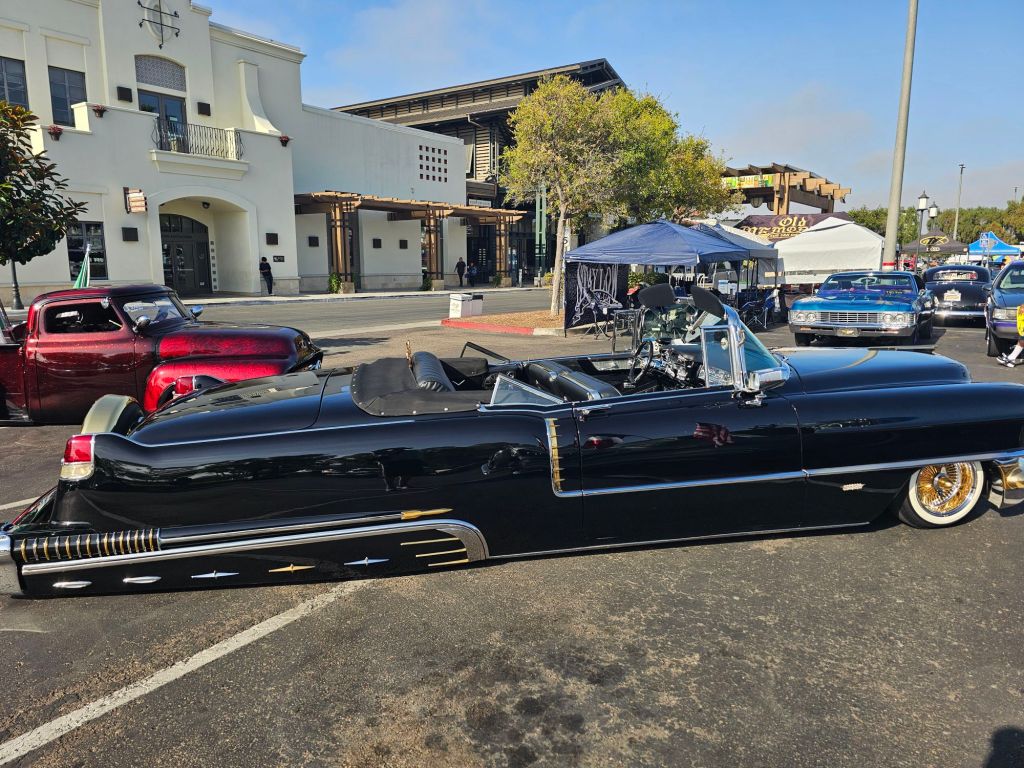
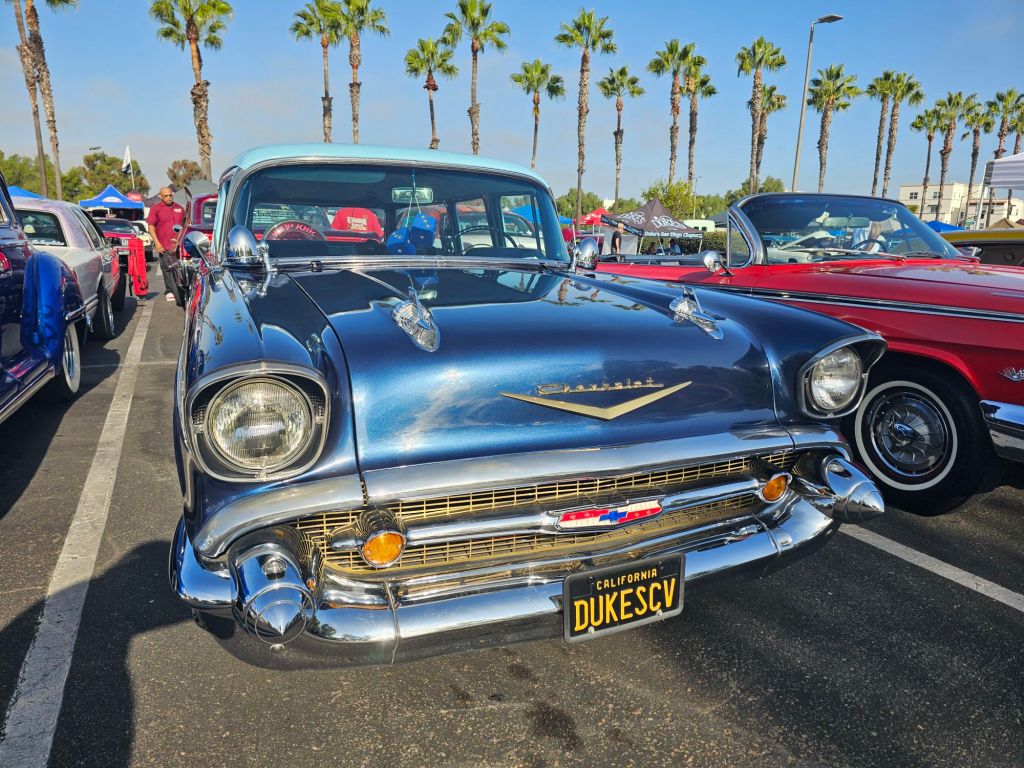
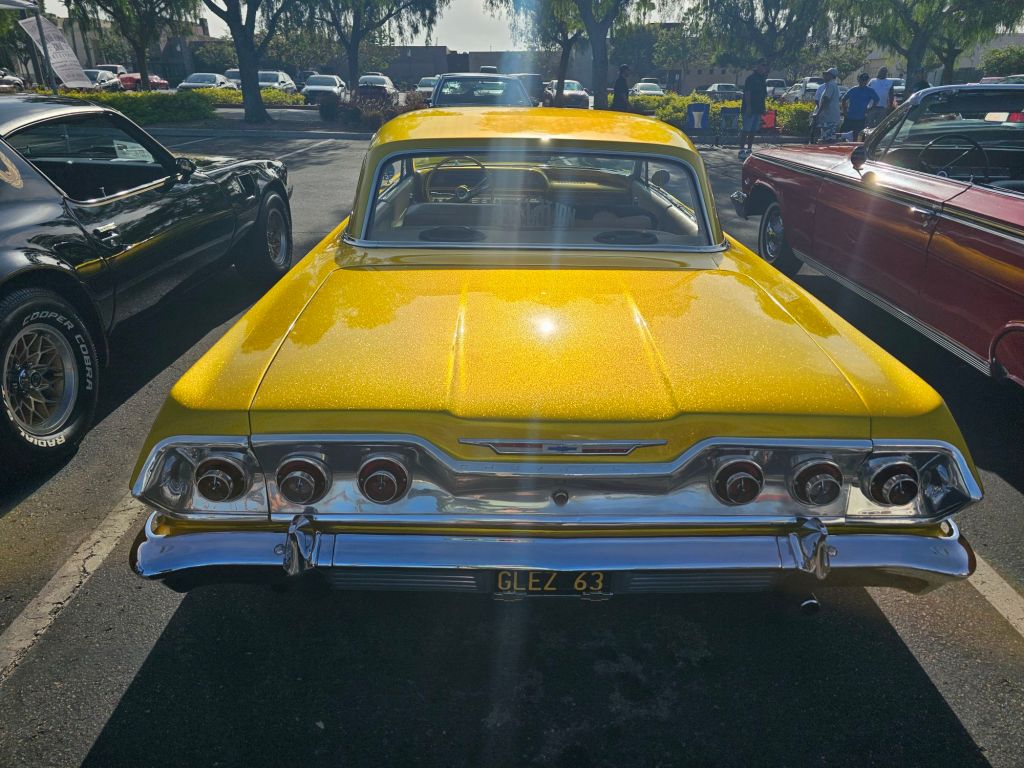
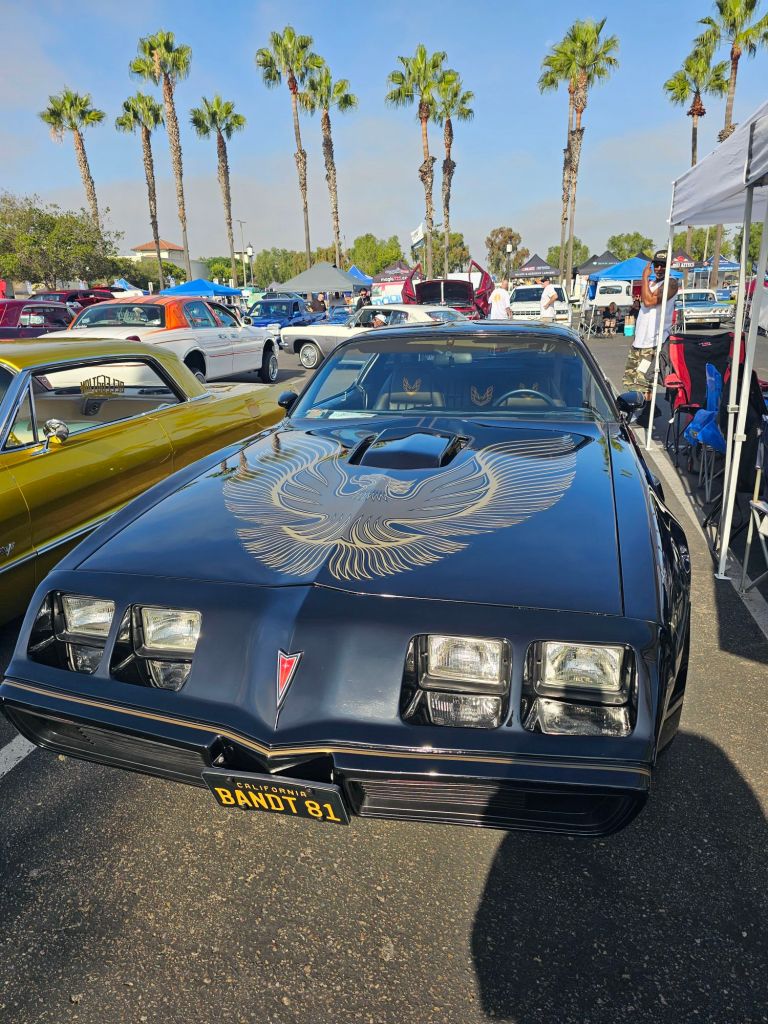
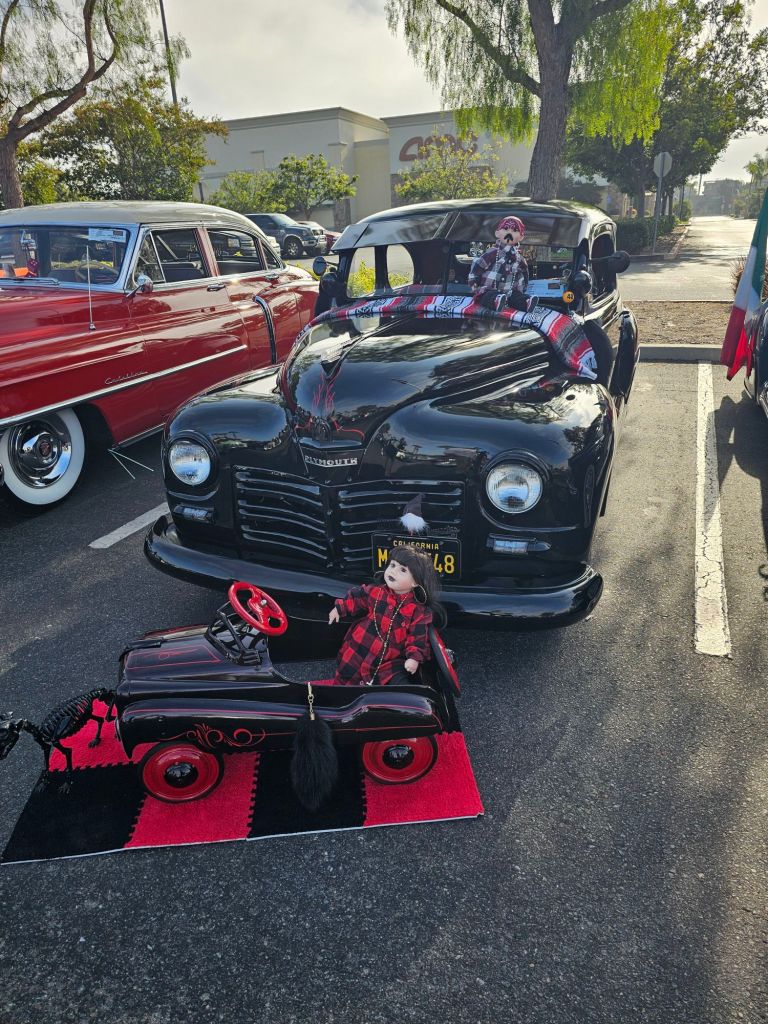
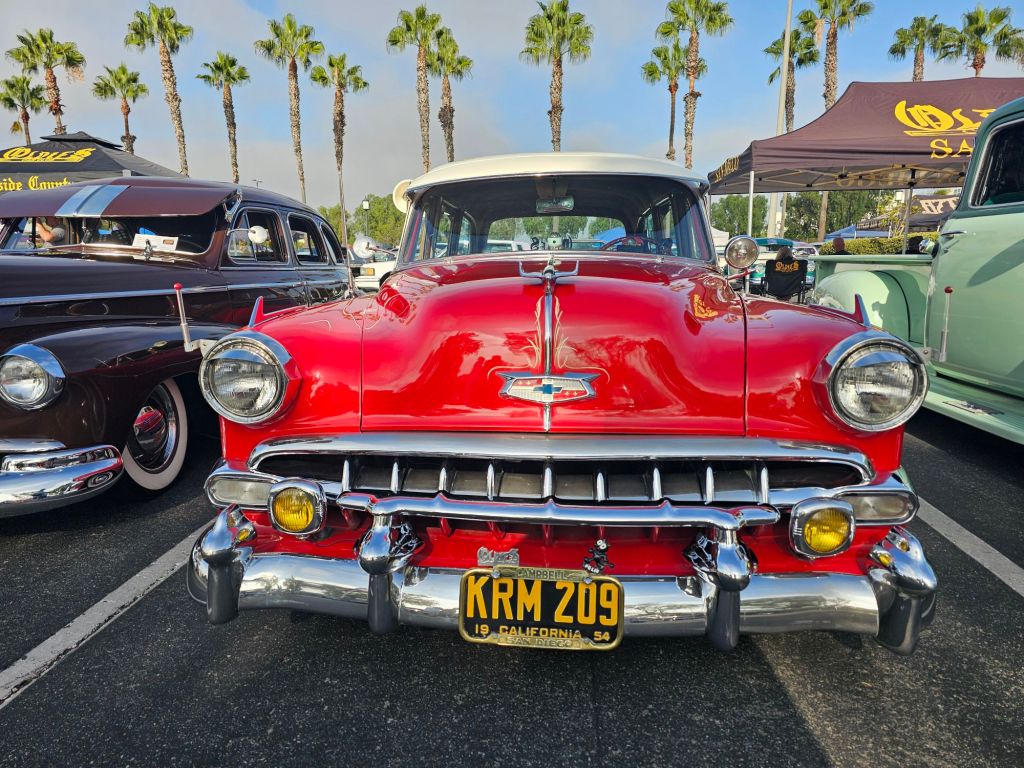
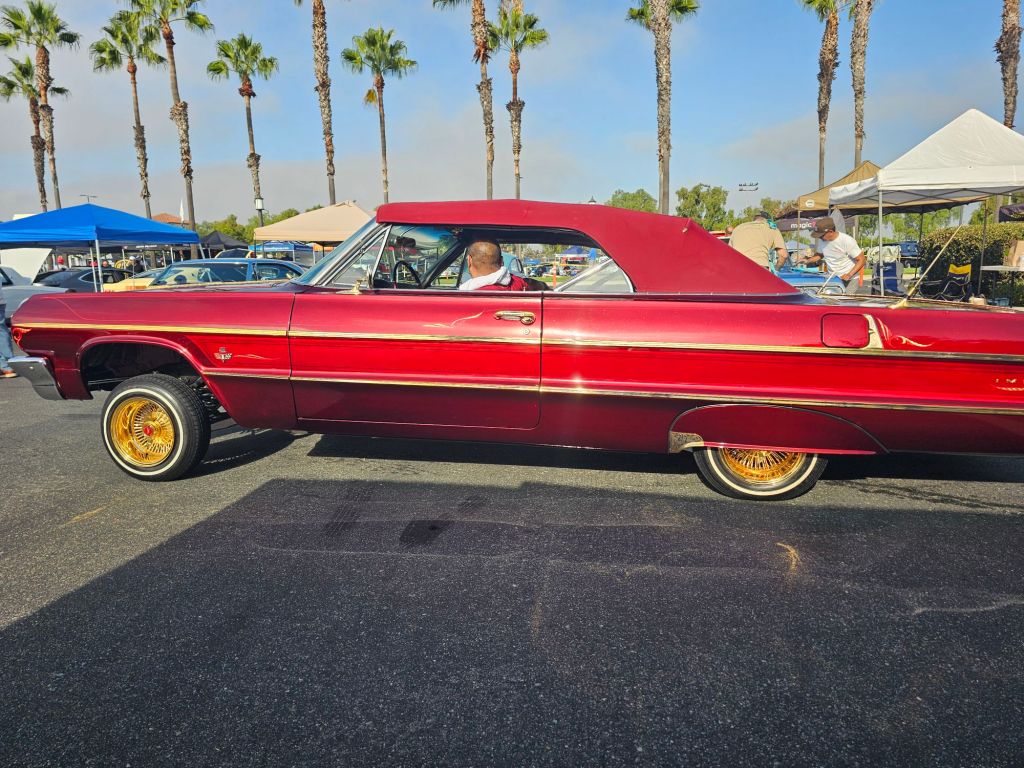
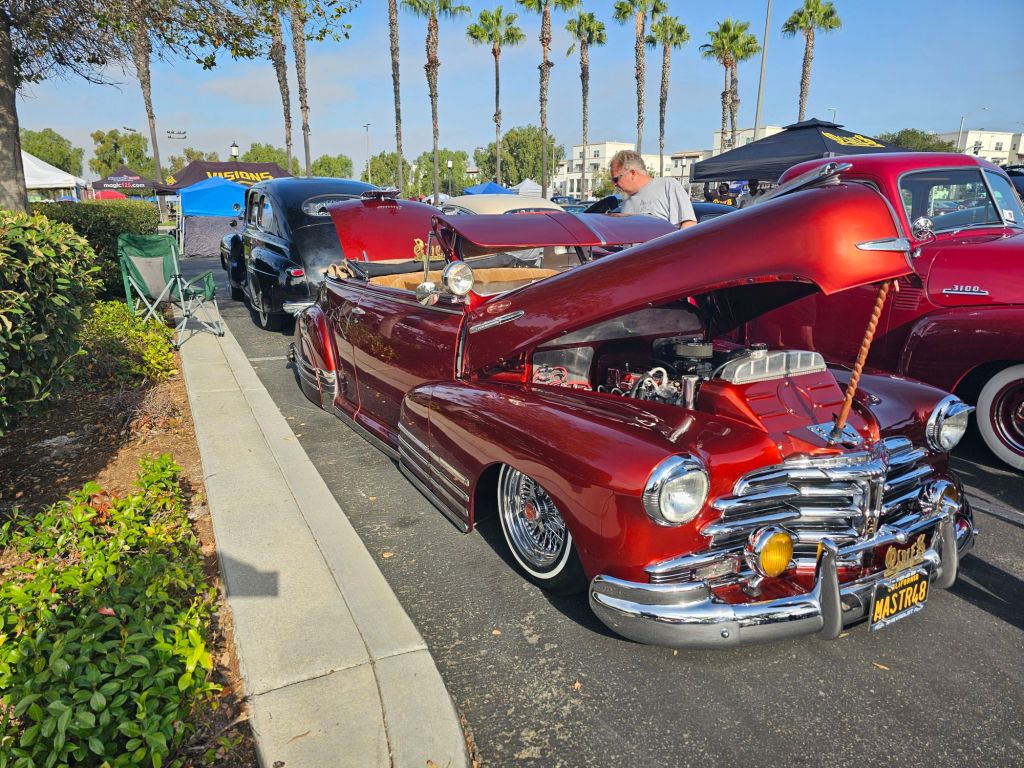
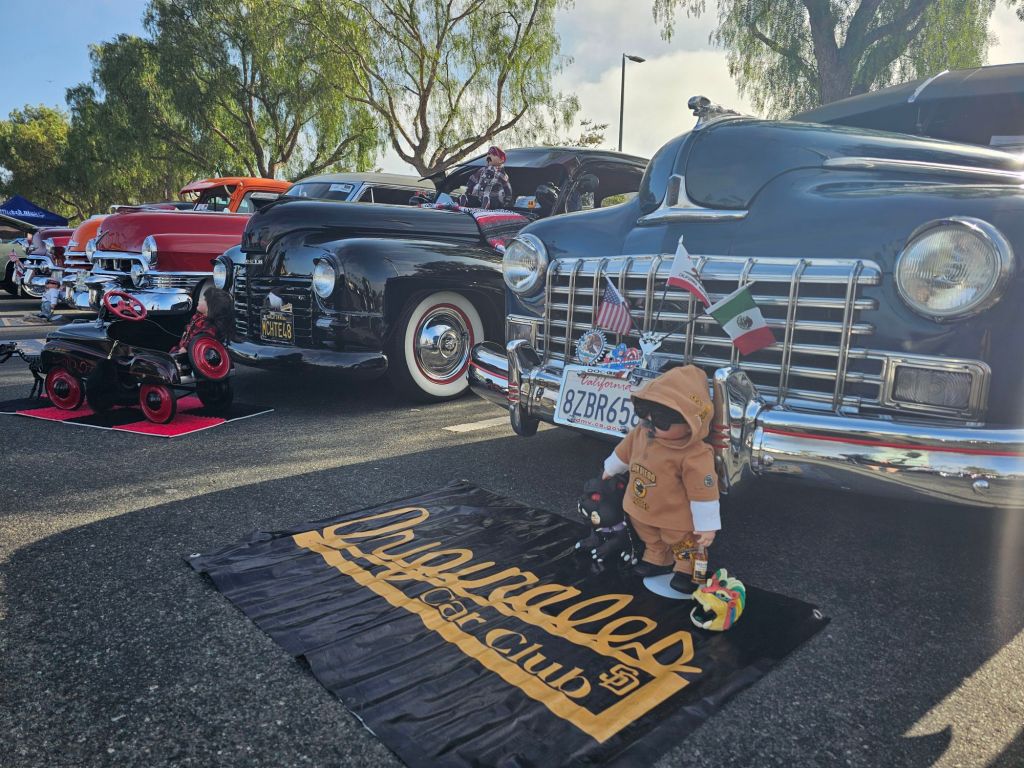
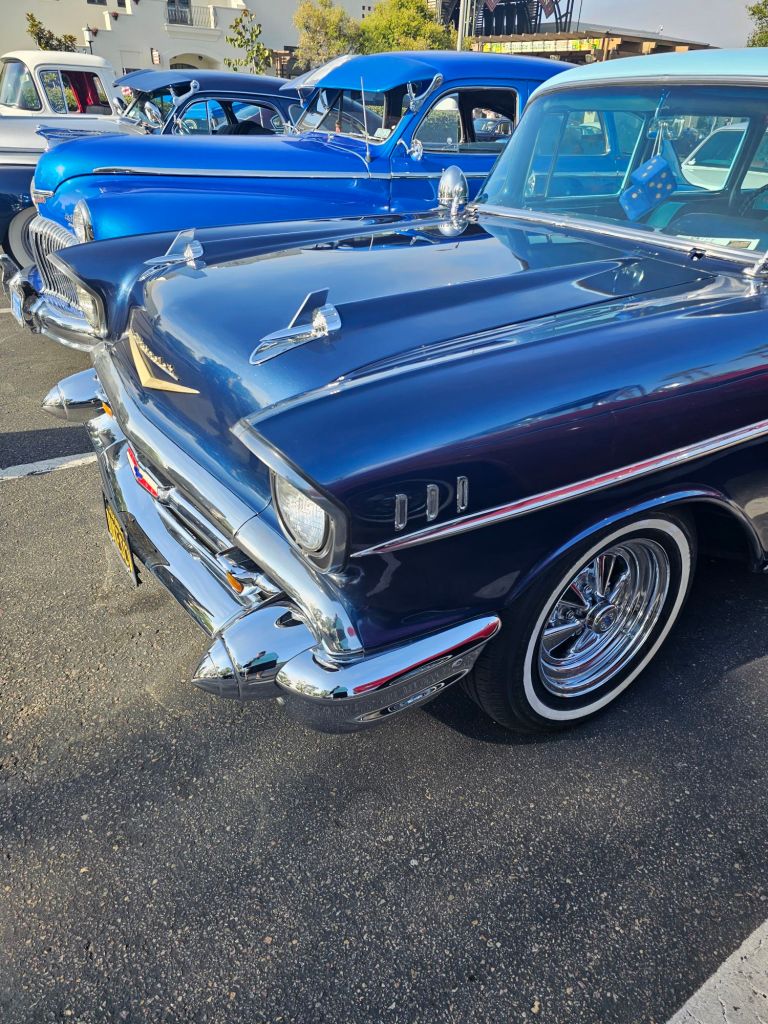
Few events capture the spirit of Southern California’s automotive culture quite like the 2026 Xavier “The X-Man” Cruise for the Cause Car Show. Held at Otay Ranch Town Center in Chula Vista, this annual gathering once again transformed the shopping center into a vibrant showcase of classic cars, muscle cars, hot rods, custom trucks, motorcycles, and modern performance vehicles—all while supporting an important charitable cause. The 24th annual event took place on Sunday, August 2, 2026, welcoming enthusiasts and families from across San Diego County.
Few events capture the spirit of Southern California’s automotive culture quite like the 2026 Xavier “The X-Man” Cruise for the Cause Car Show. Held at Otay Ranch Town Center in Chula Vista, this annual gathering once again transformed the shopping center into a vibrant showcase of classic cars, muscle cars, hot rods, custom trucks, motorcycles, and modern performance vehicles—all while supporting an important charitable cause. The 24th annual event took place on Sunday, August 2, 2026, welcoming enthusiasts and families from across San Diego County.
A Sea of Automotive Excellence
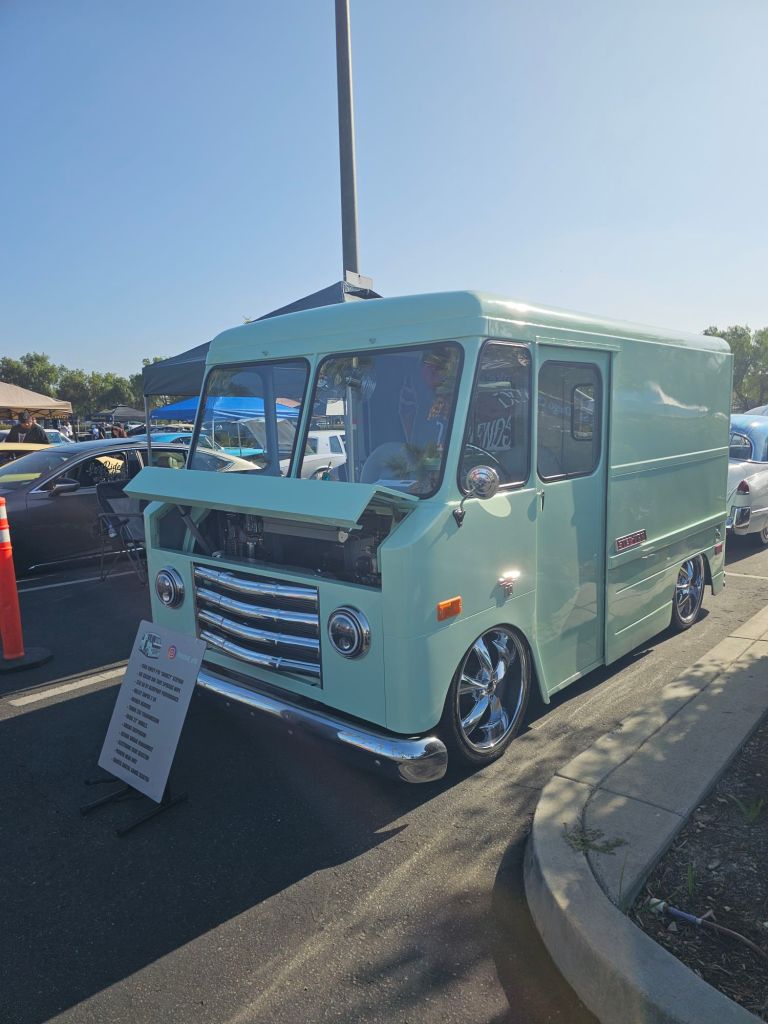
Walking through the rows of polished vehicles, visitors were treated to an impressive display spanning nearly every era of automotive history. Beautifully restored American classics sat beside vintage pickups, while late-model Corvettes, Mustangs, Camaros, Mopars, imports, and custom builds reflected the incredible diversity of Southern California’s car community.
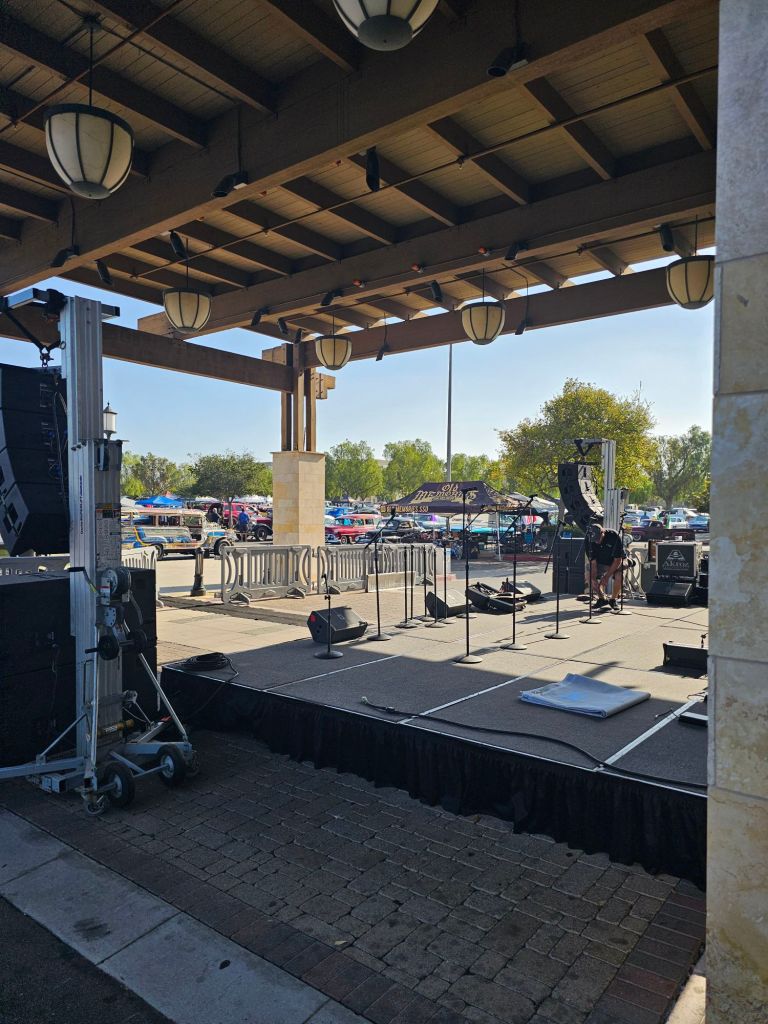
While the automobiles were certainly the stars of the day, the event offered much more than rows of spectacular vehicles. Live entertainment, local vendors, food, raffle prizes, and family-friendly activities created an atmosphere that welcomed enthusiasts of every age.
One of the most rewarding aspects of the Cruise for the Cause is its focus on giving back. The event brings together the local automotive community to support charitable efforts, proving that a shared passion for cars can make a meaningful difference in the lives of others.
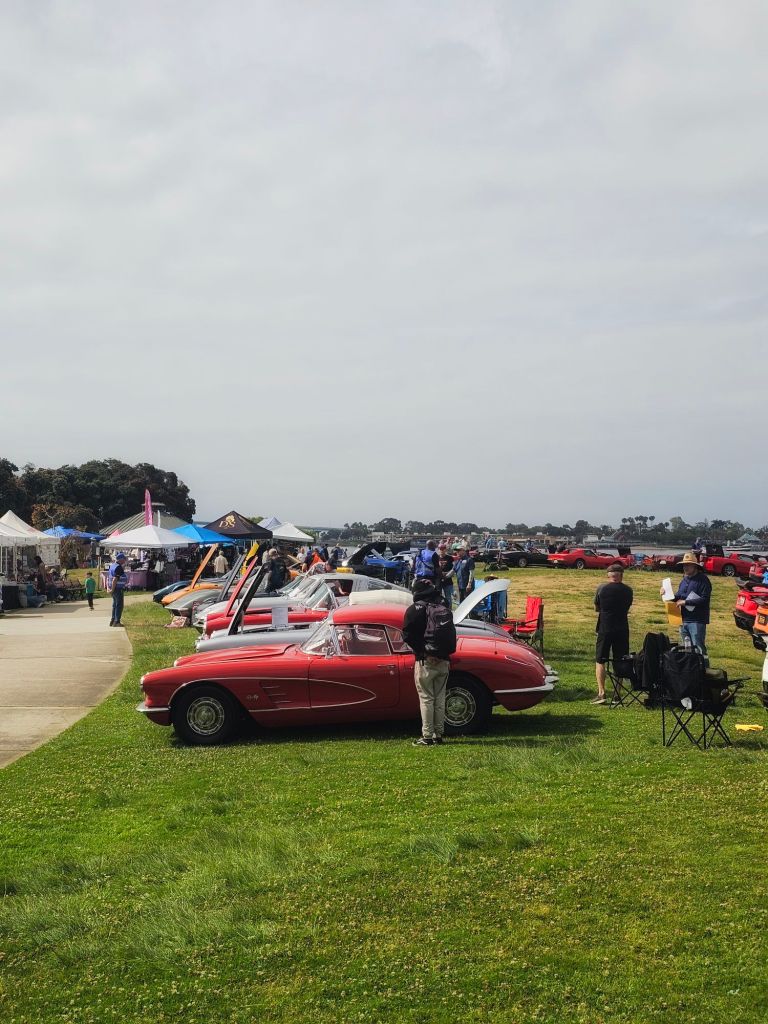
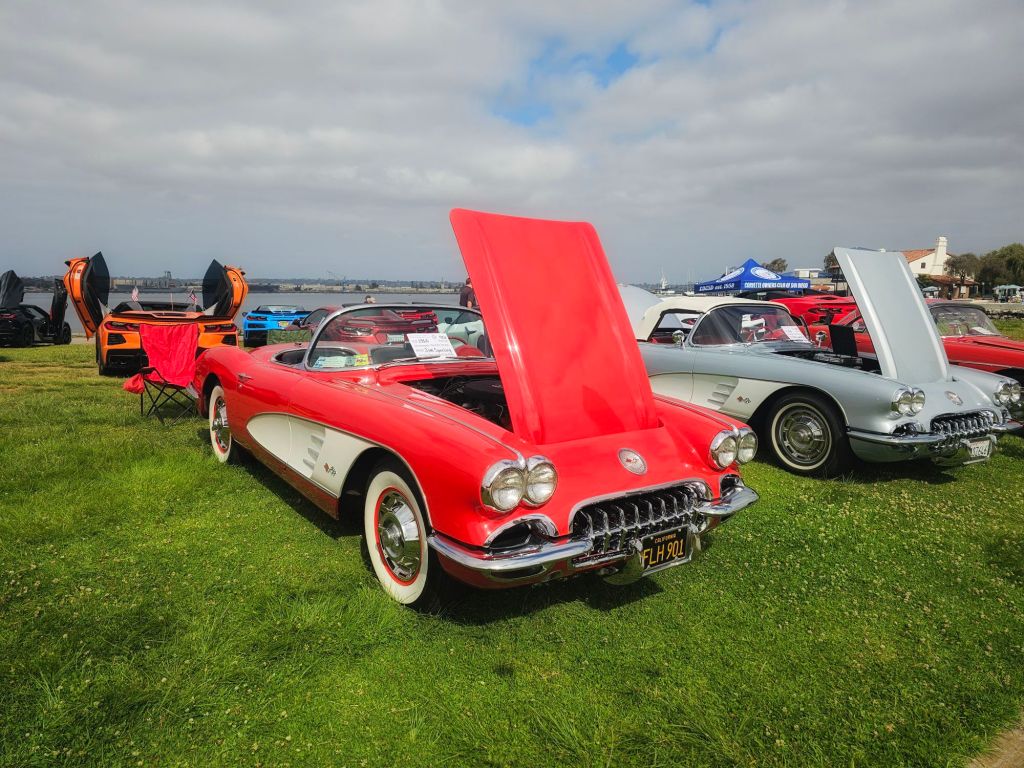
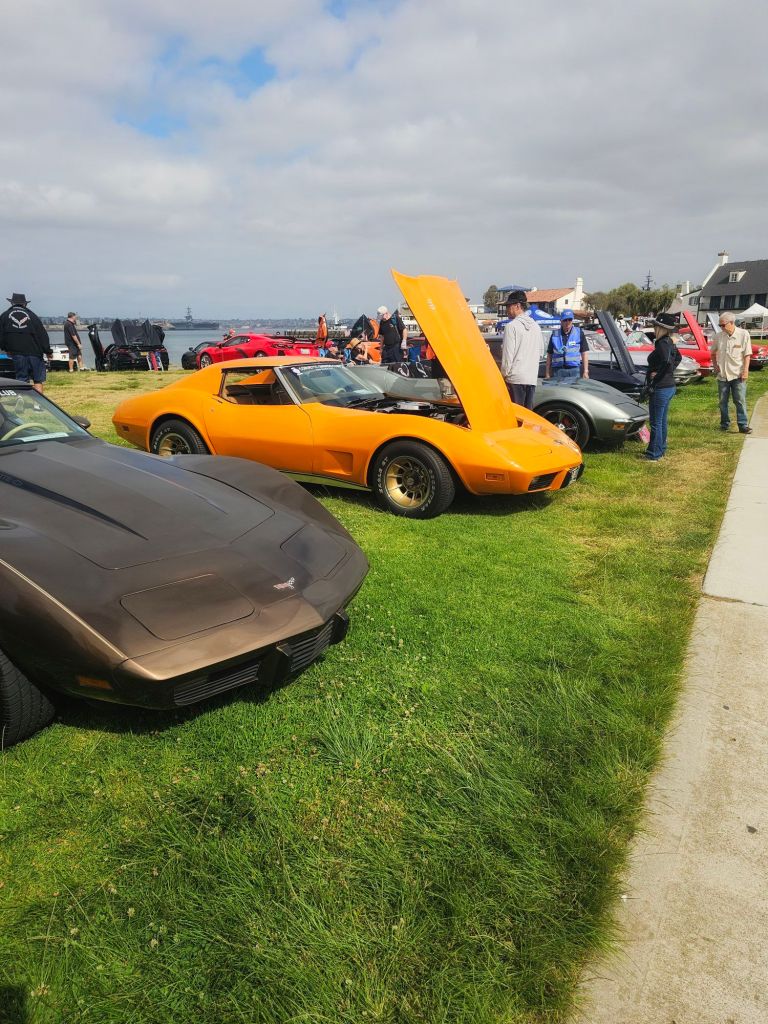
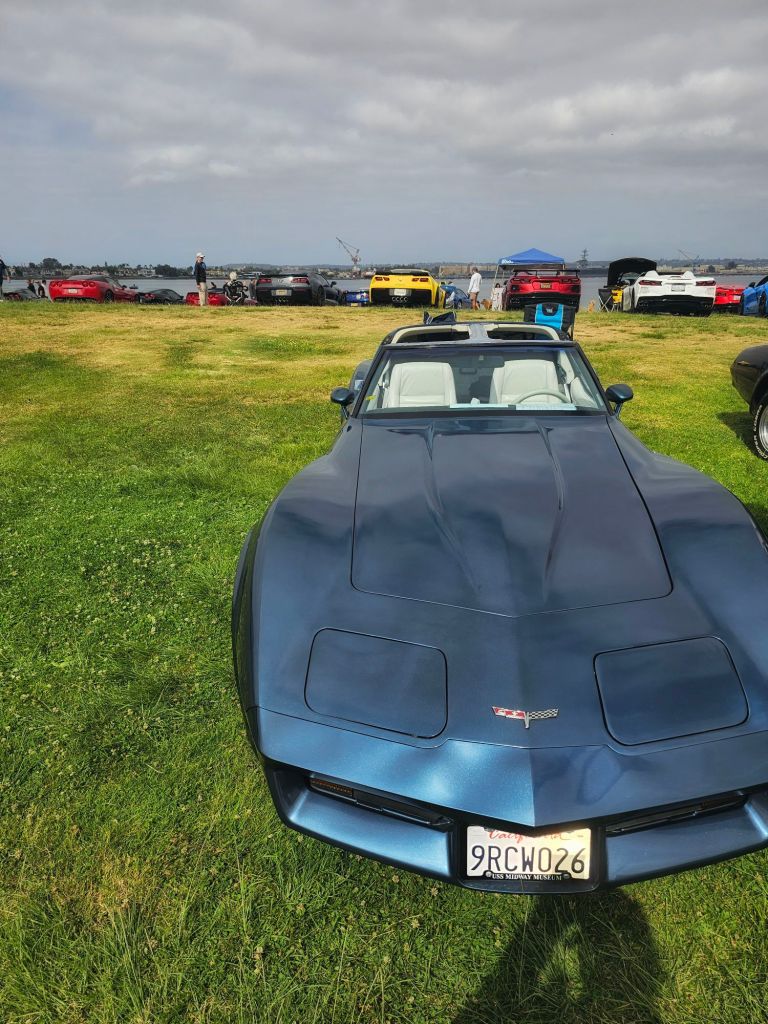
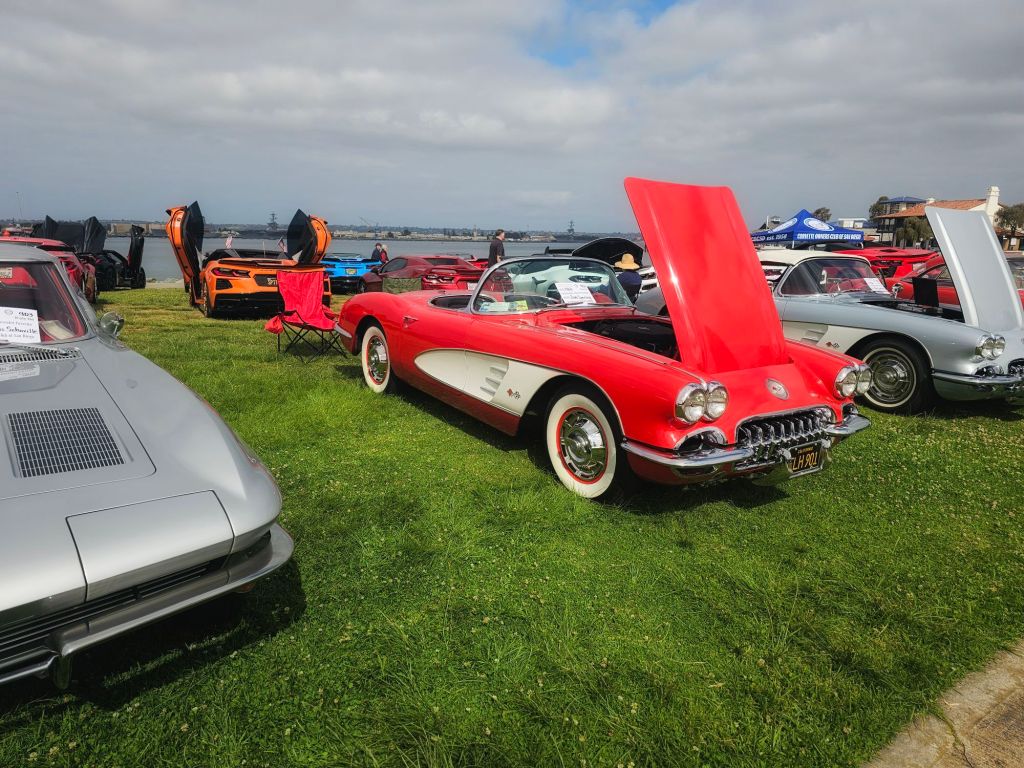
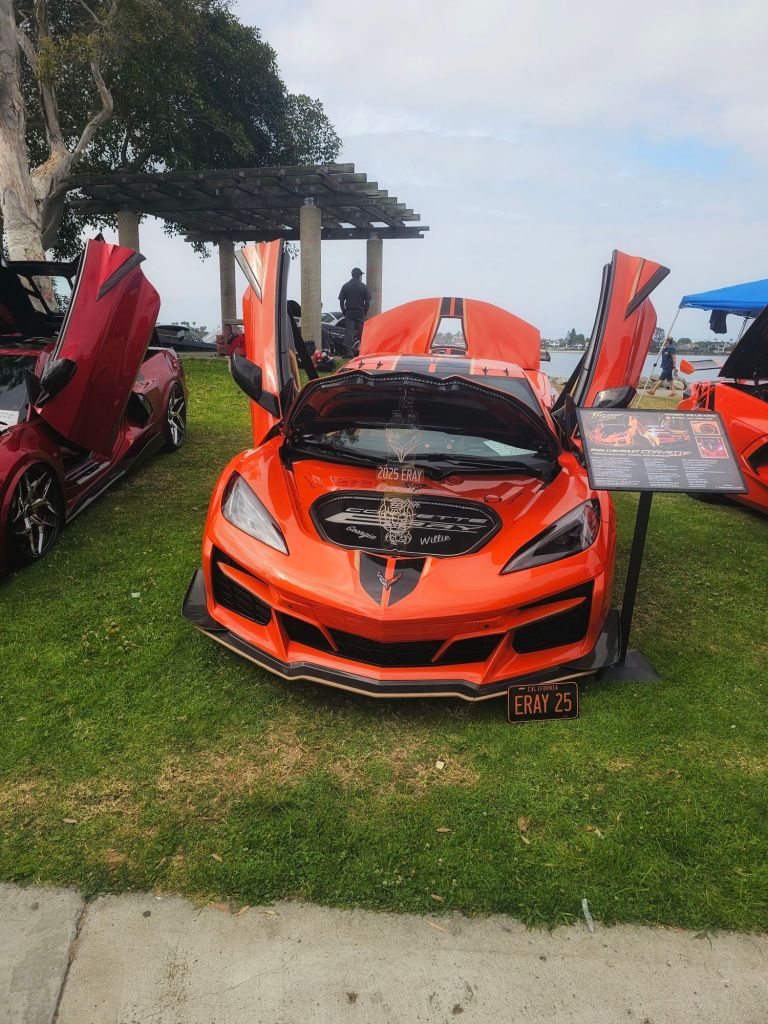
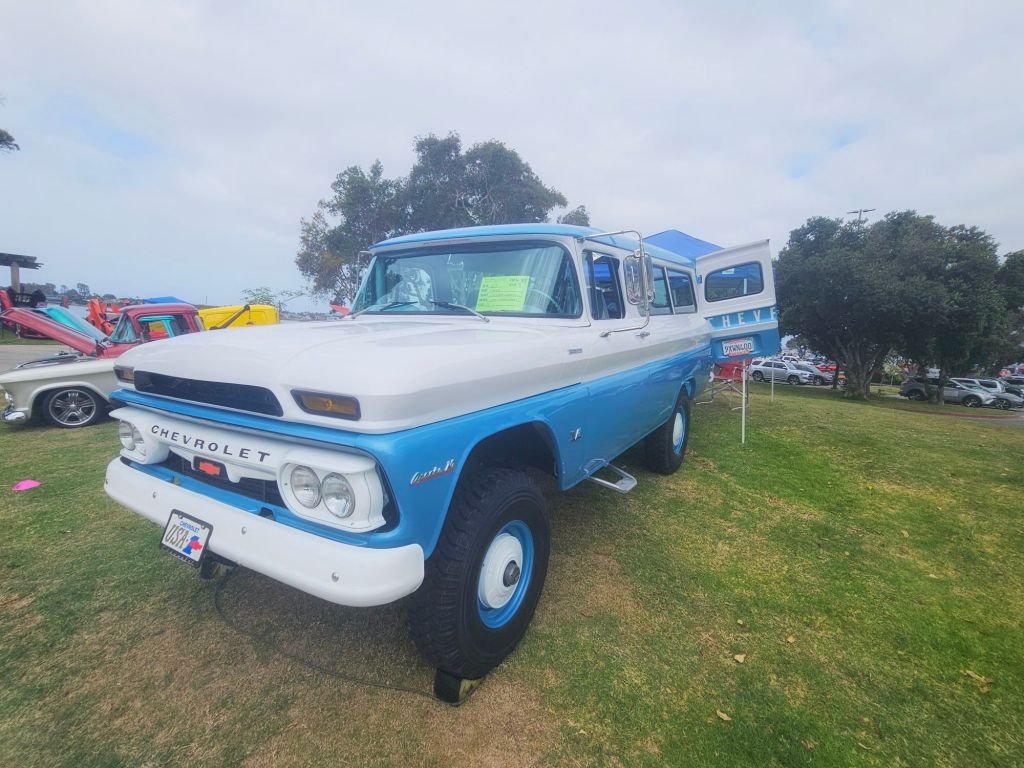
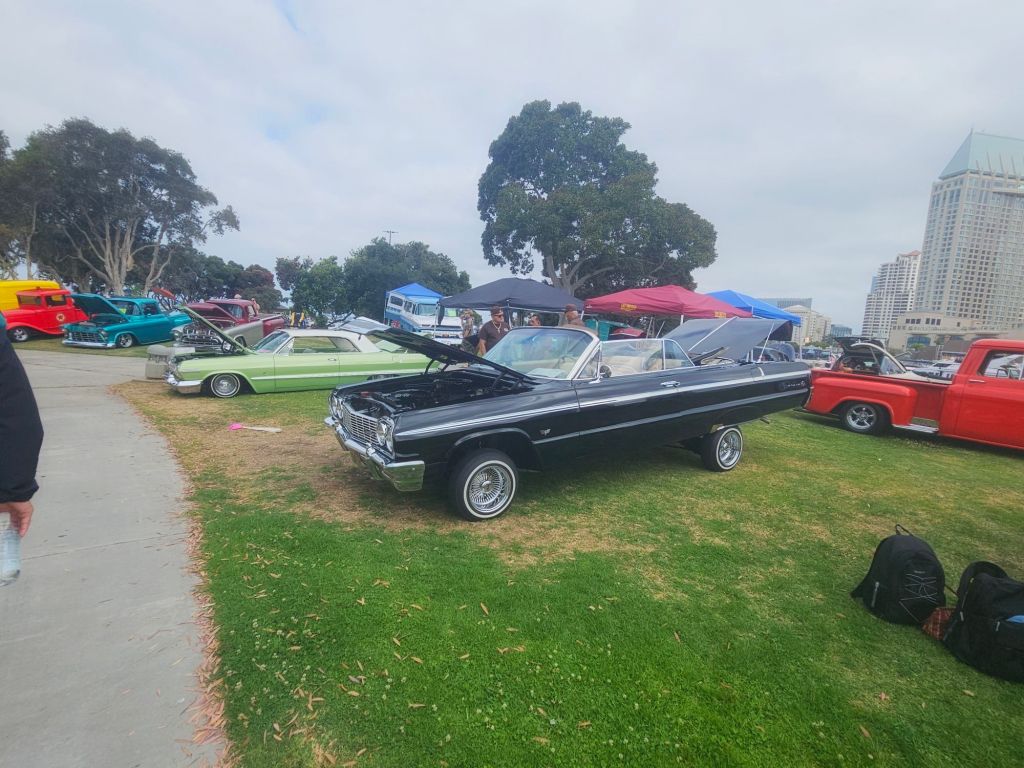
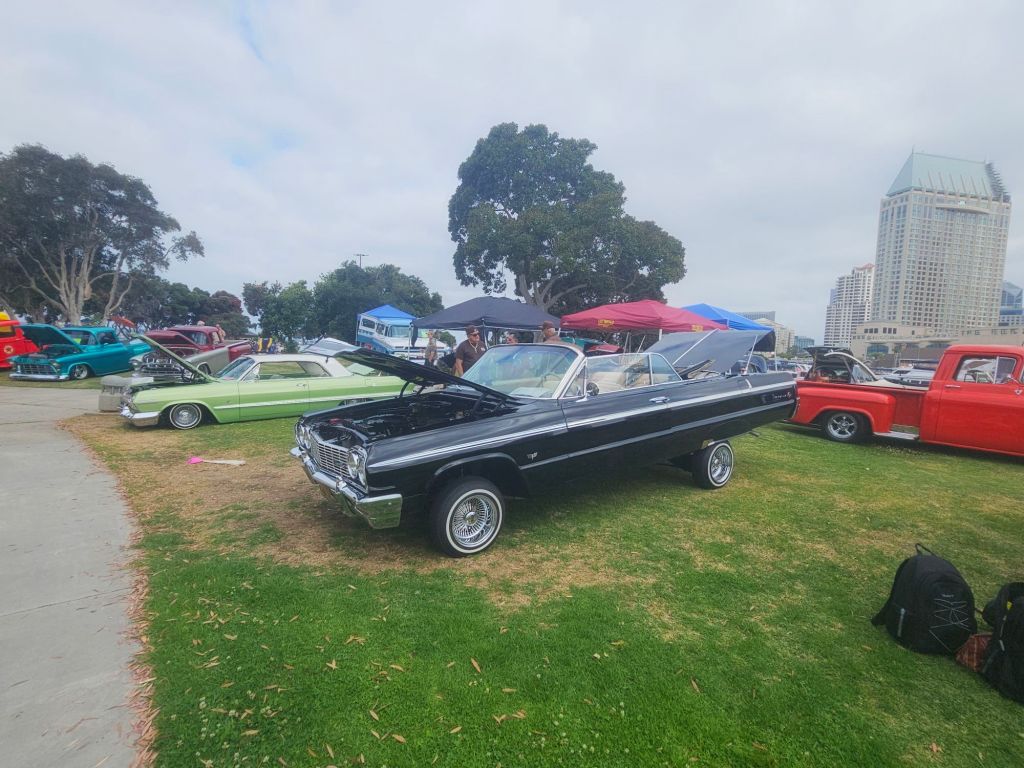
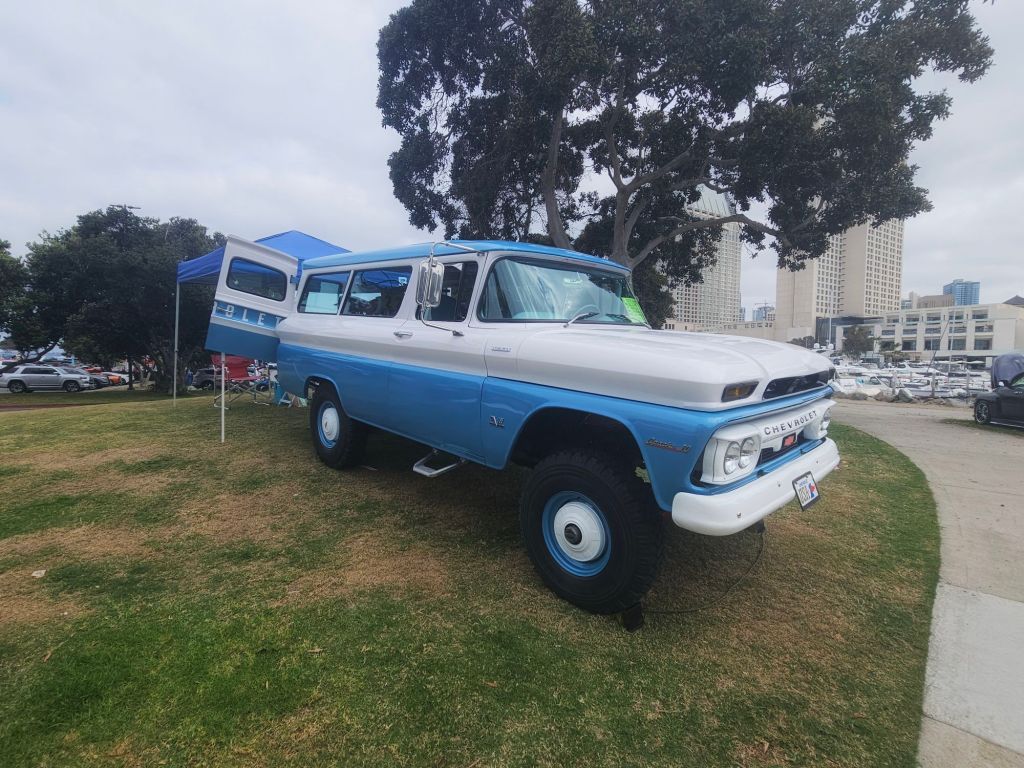
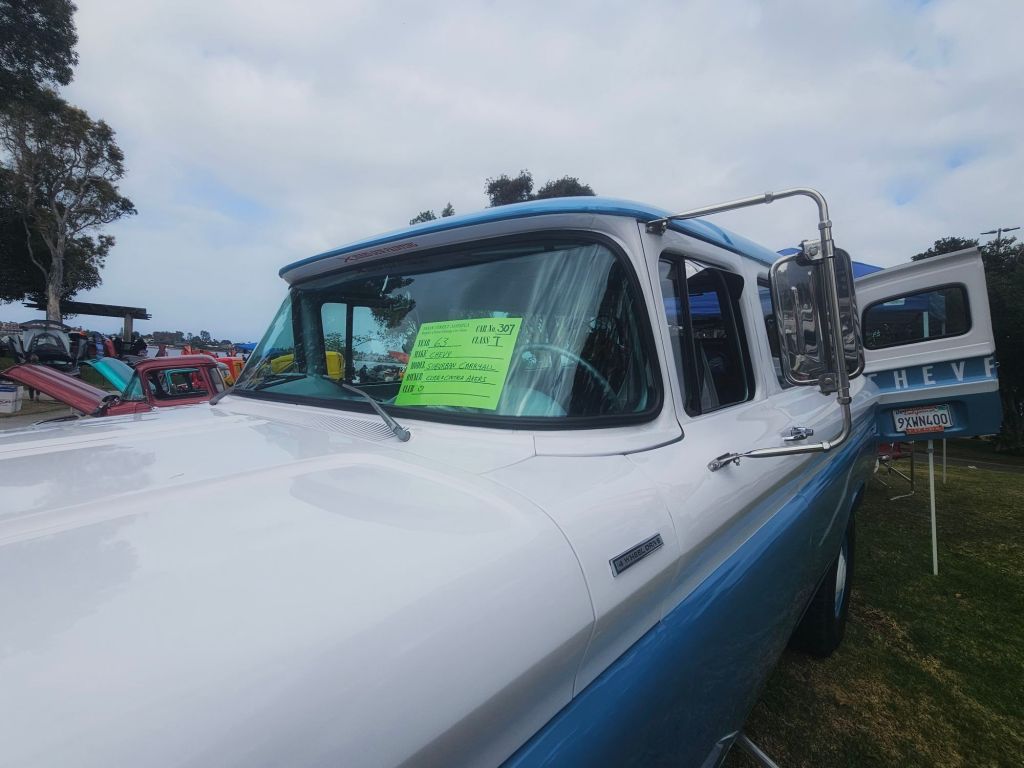
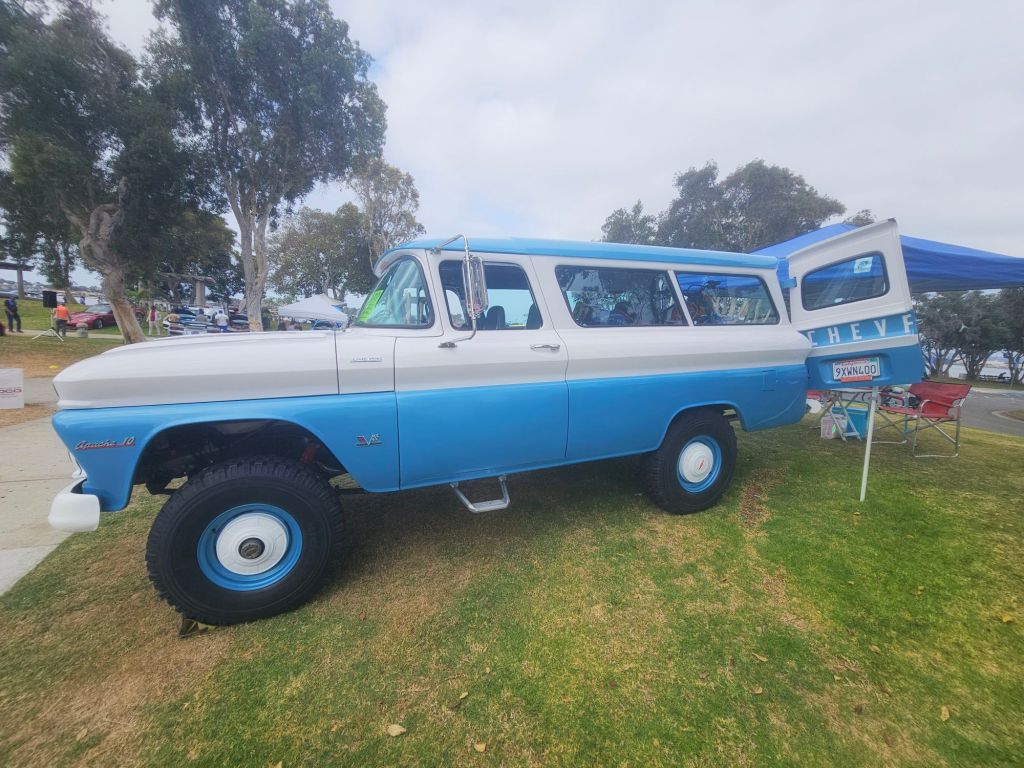
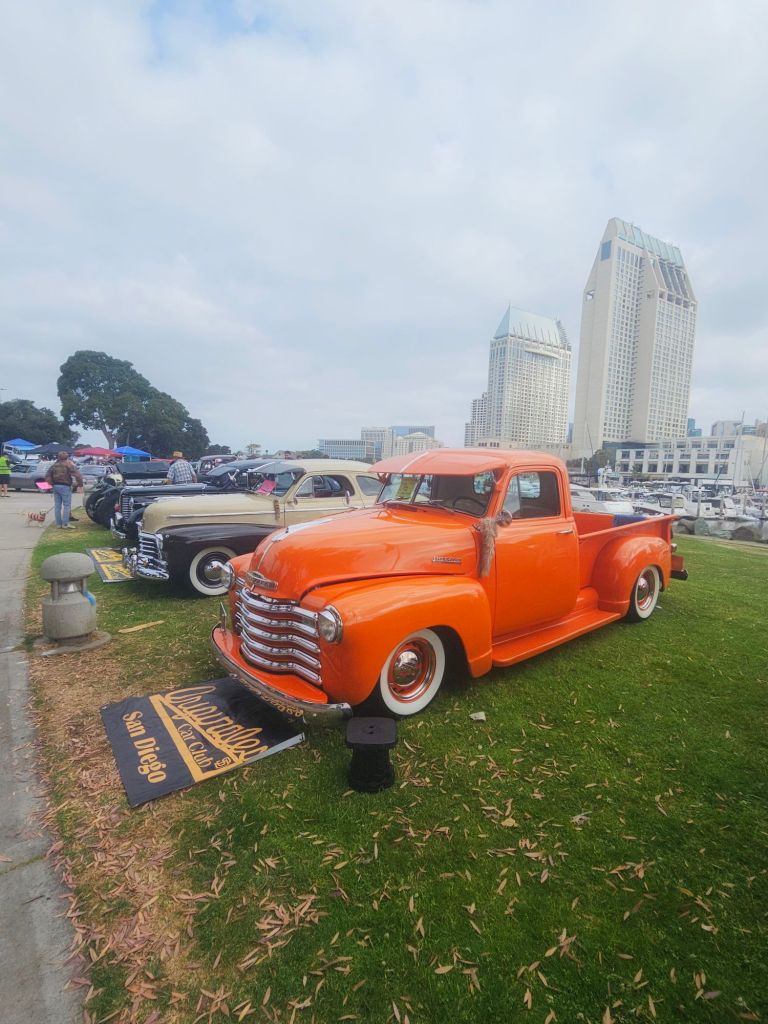
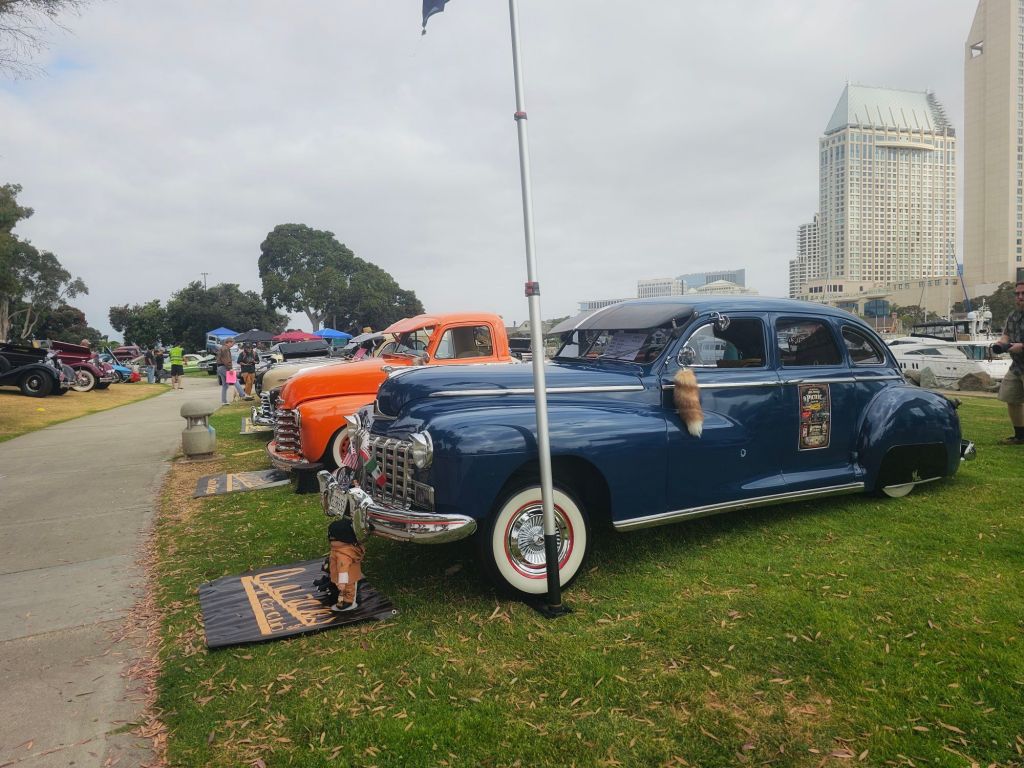
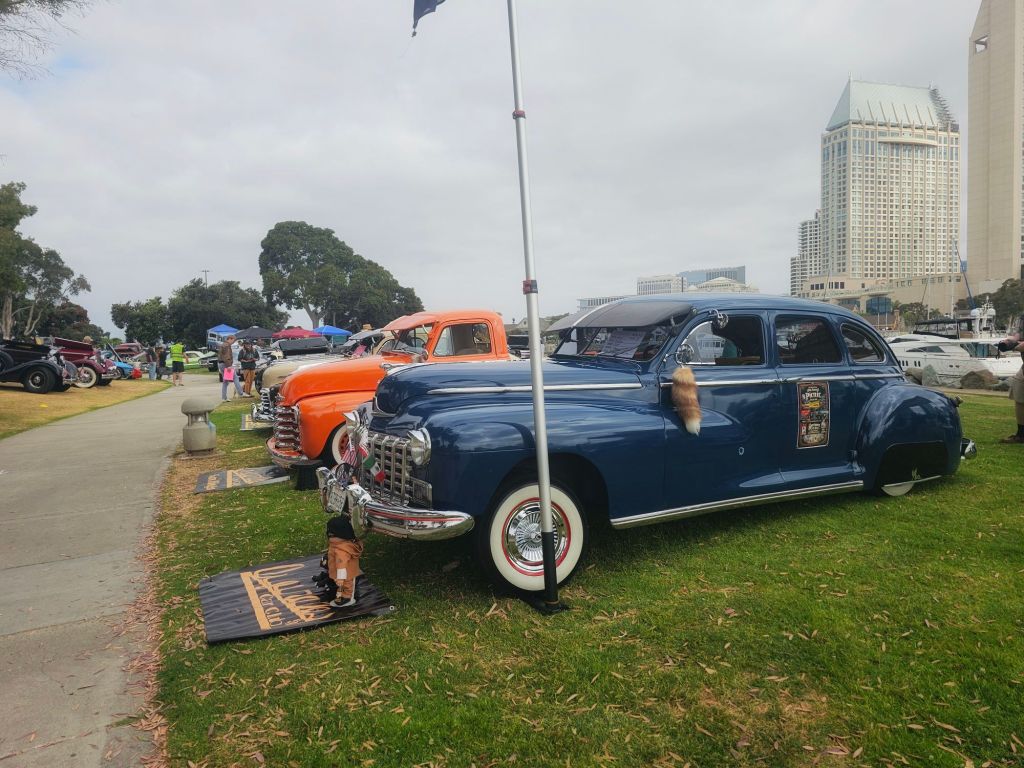
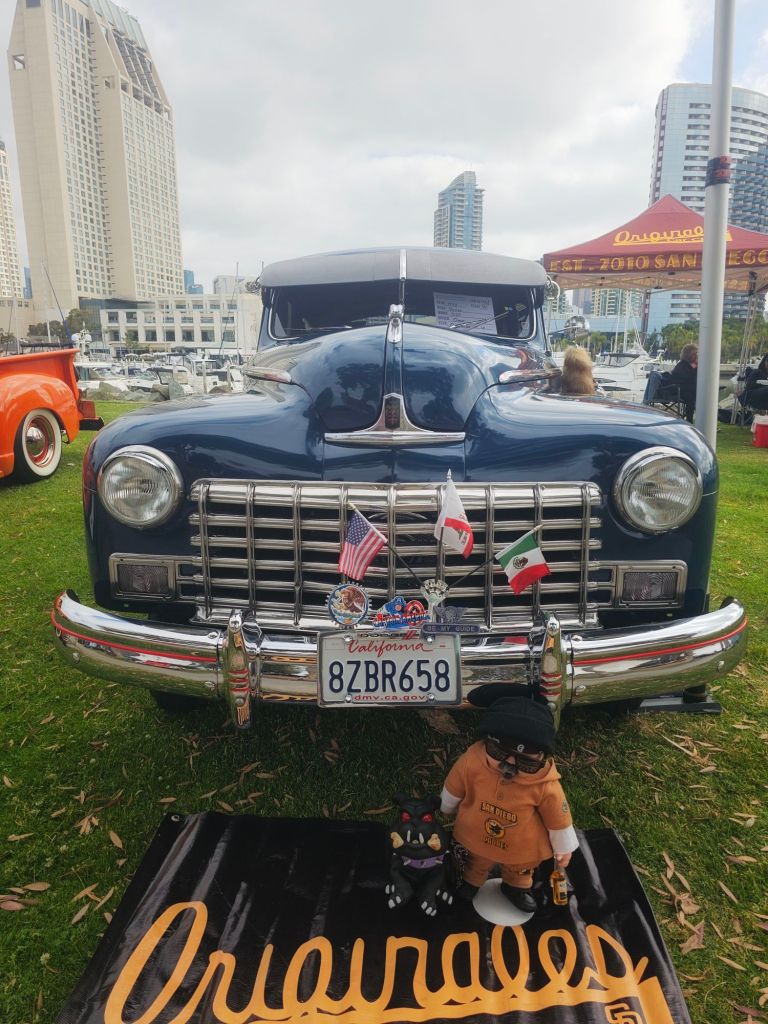
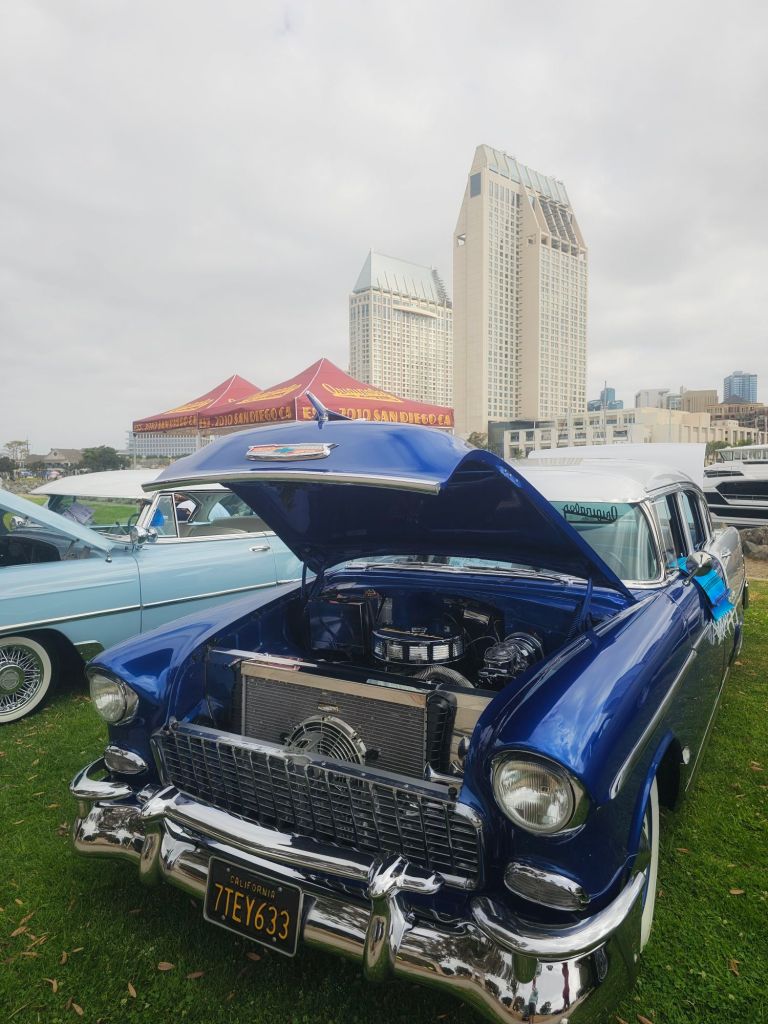
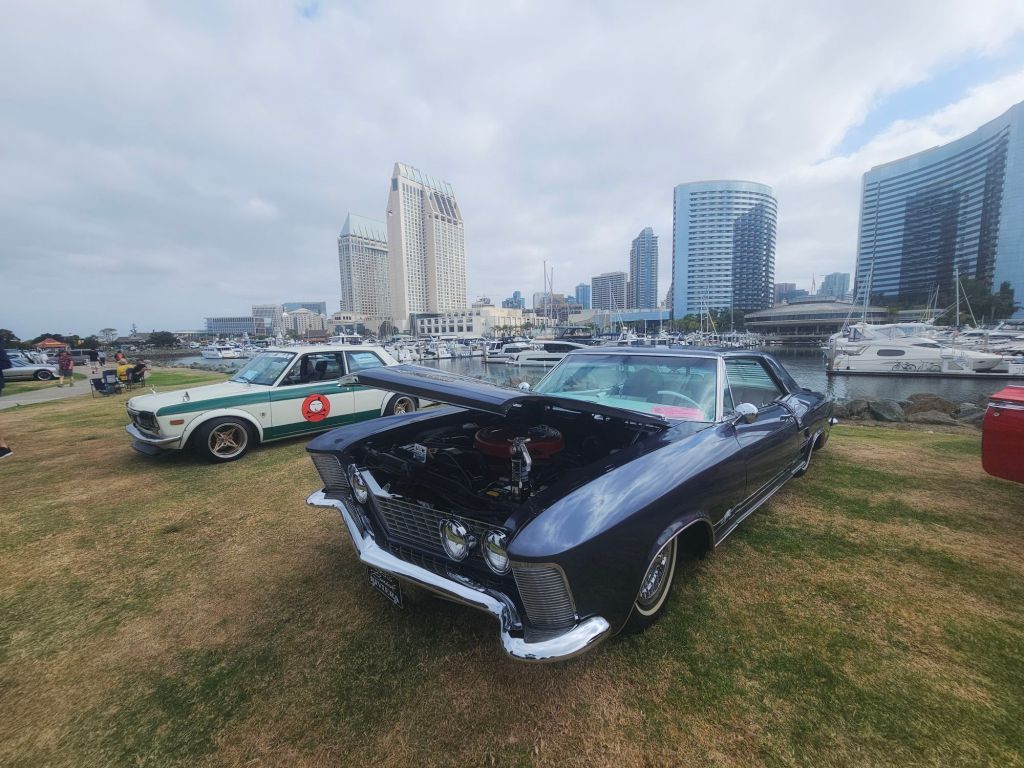
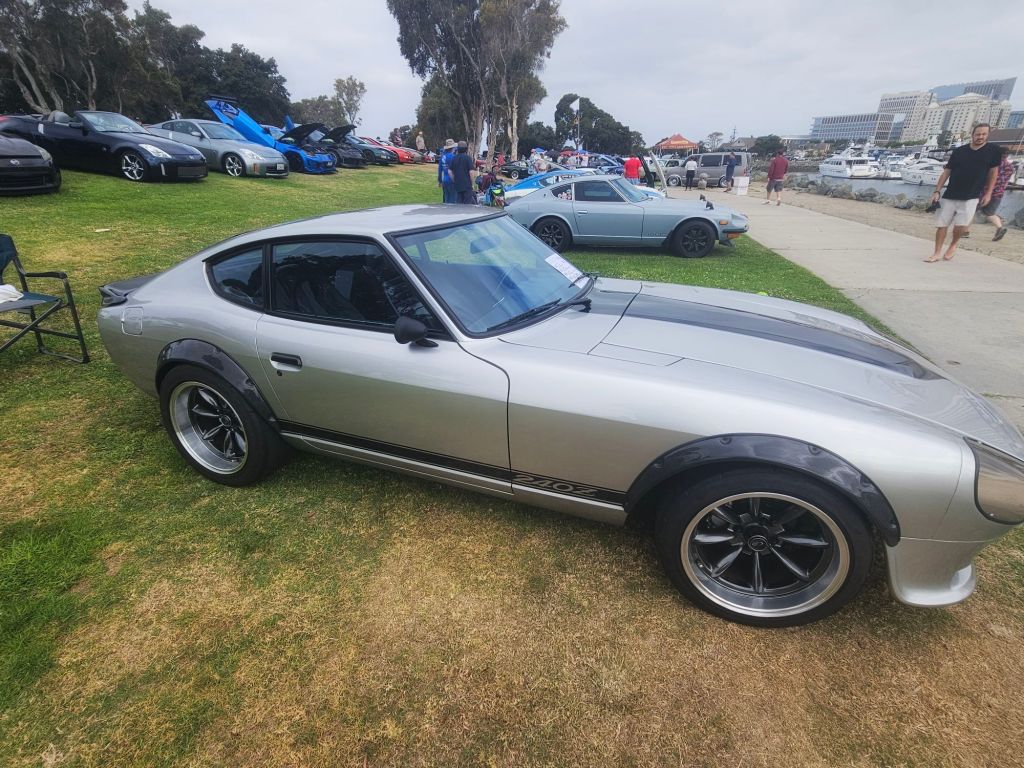
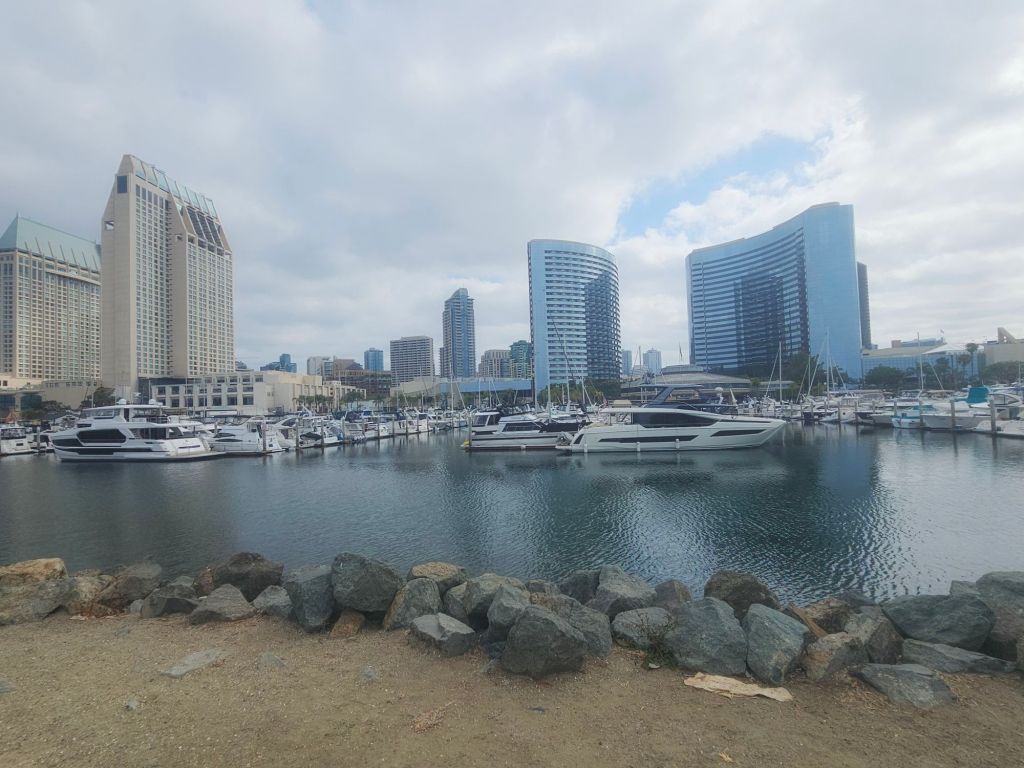
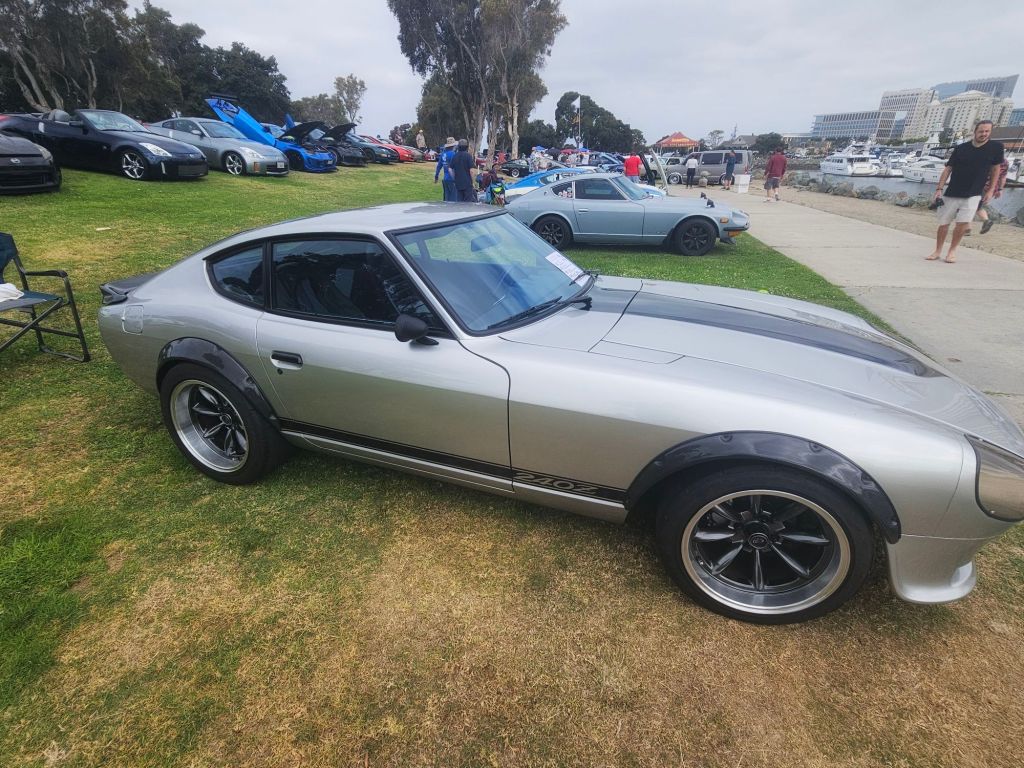
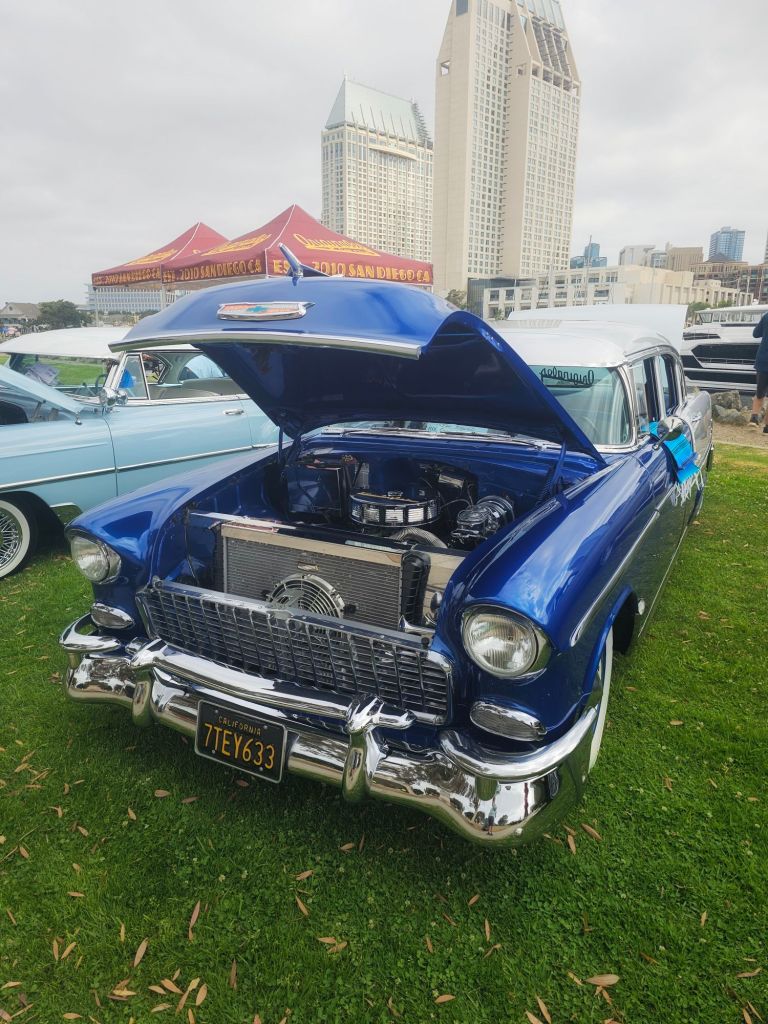
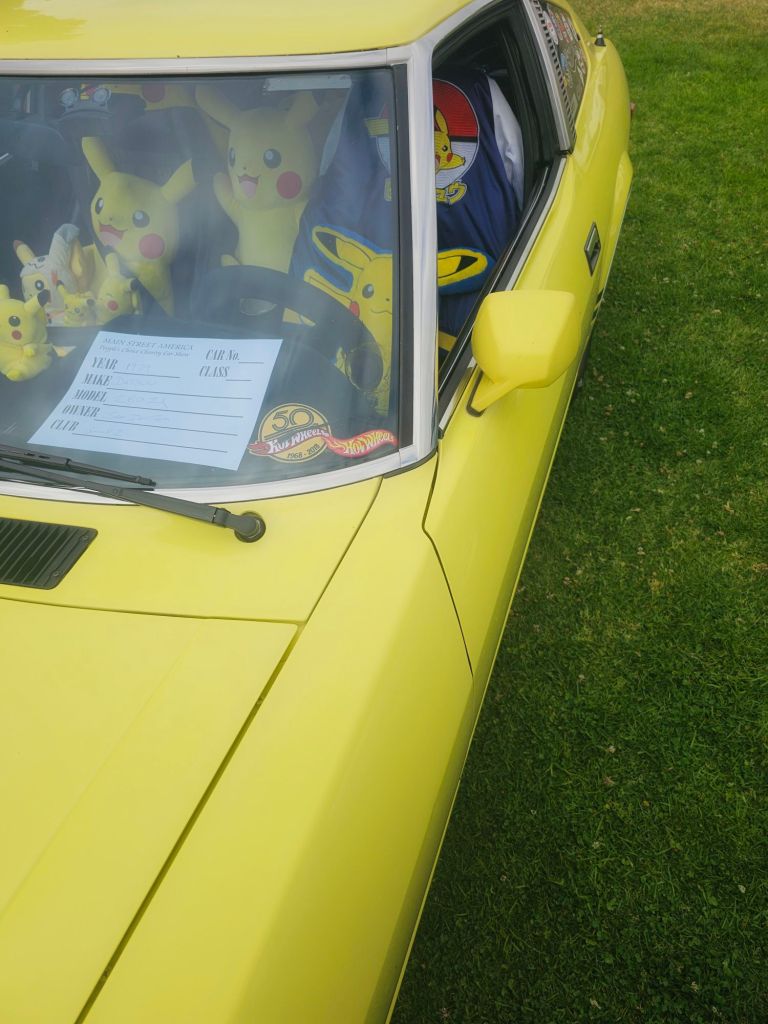
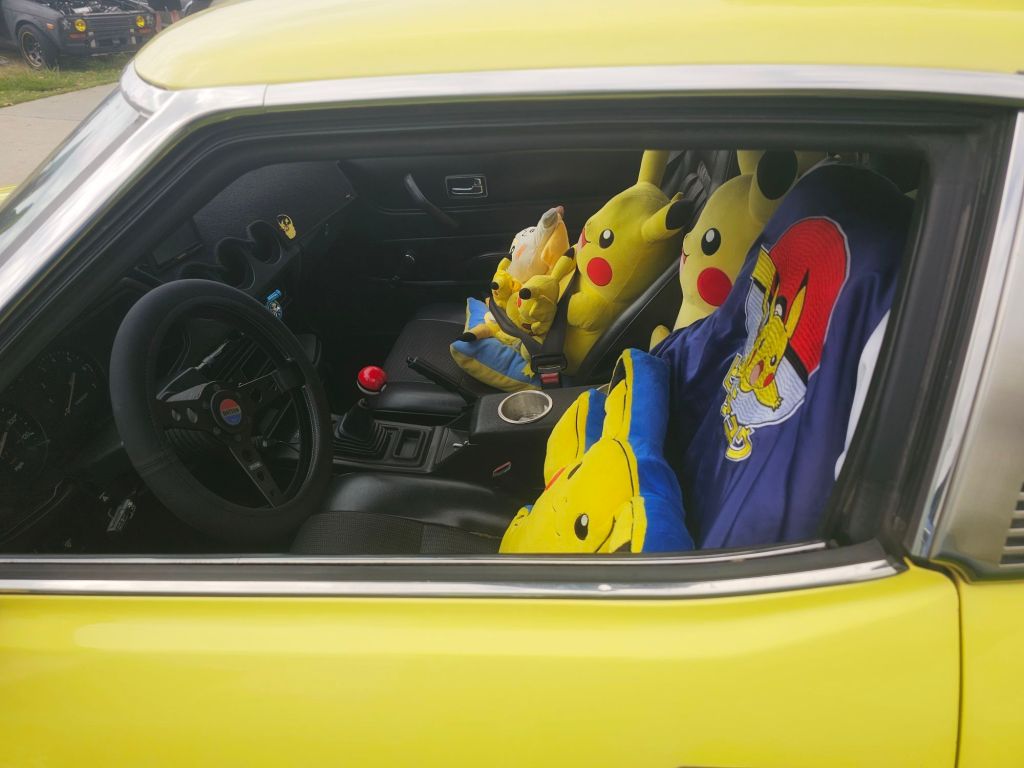
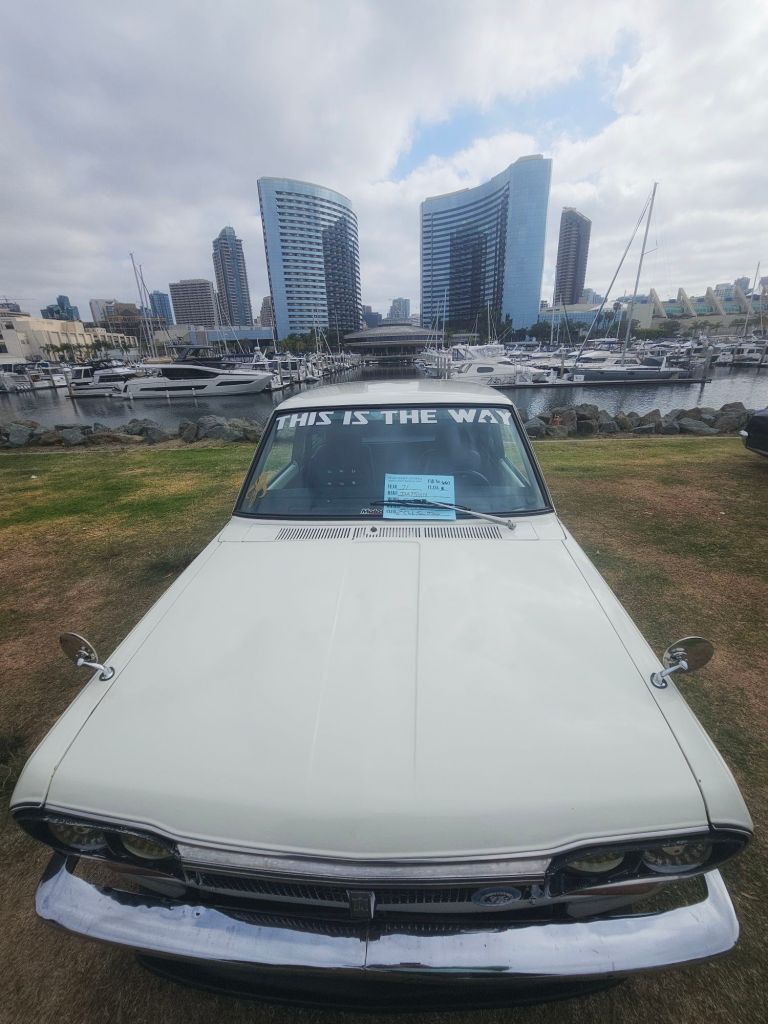
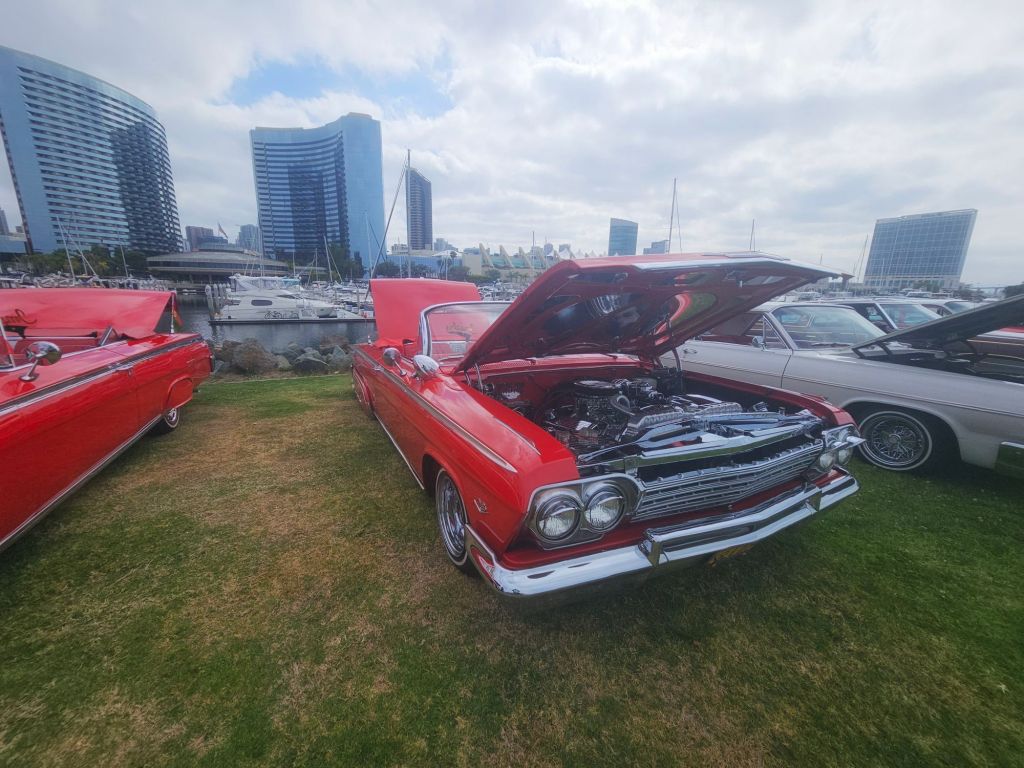
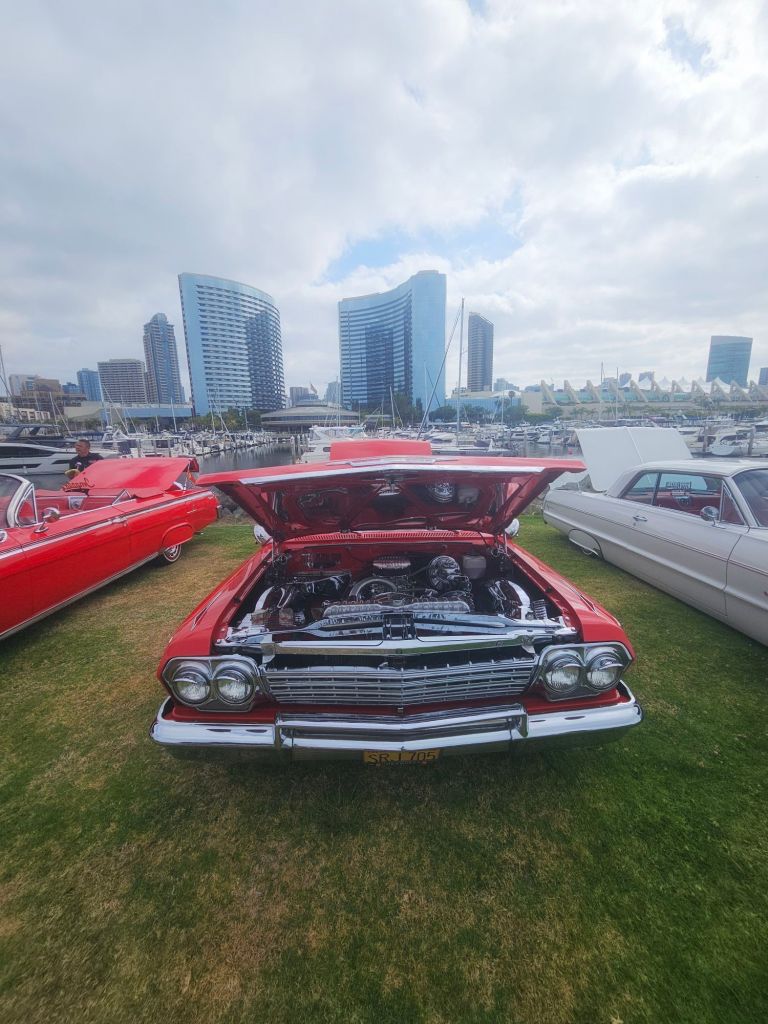
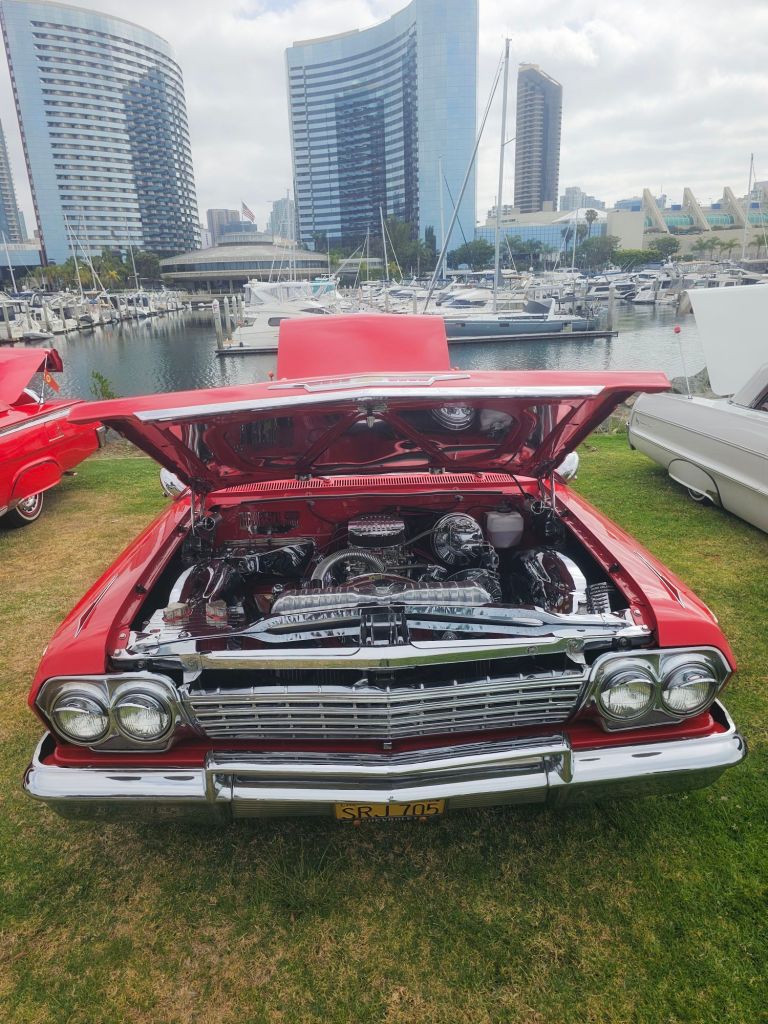
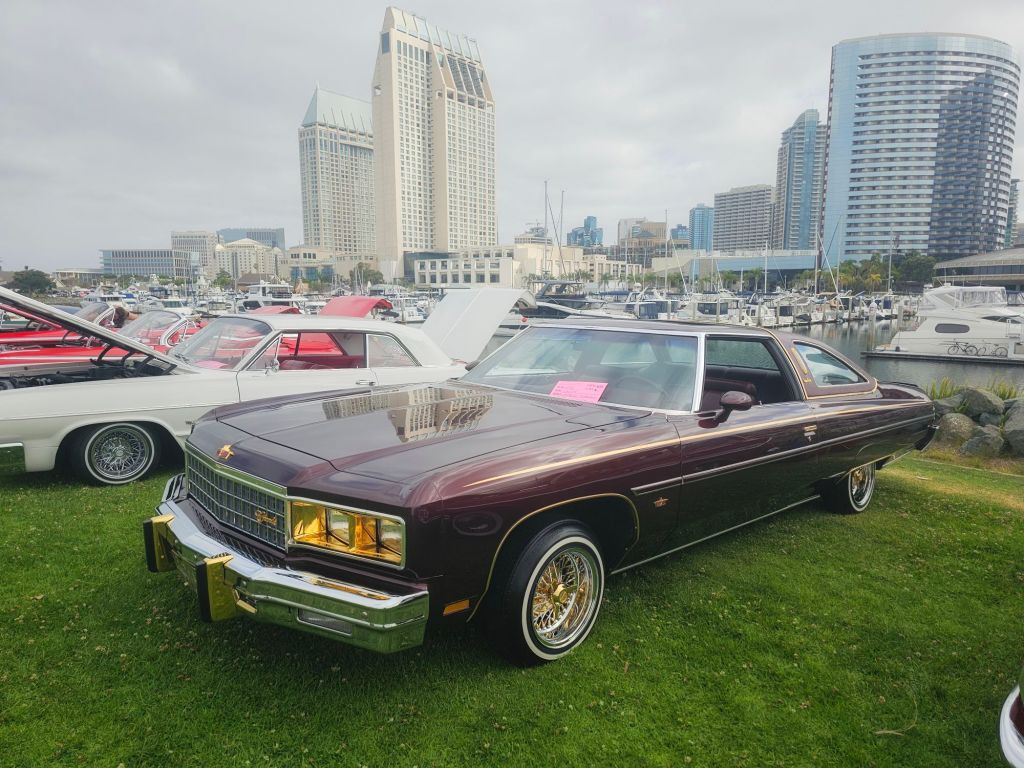
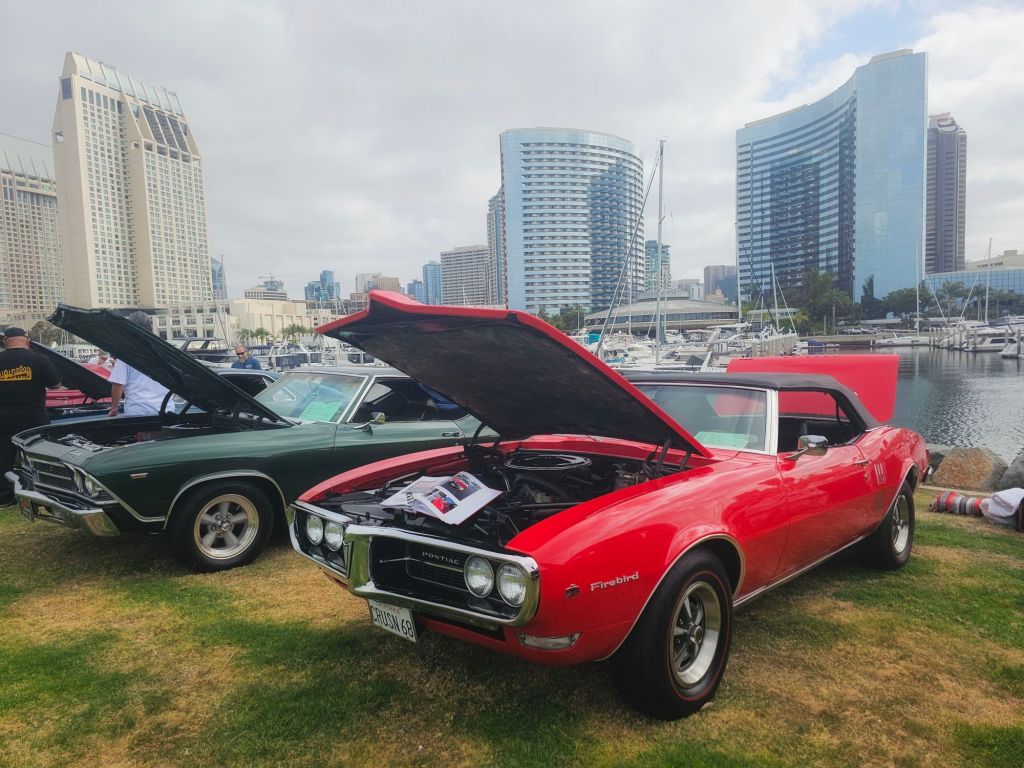
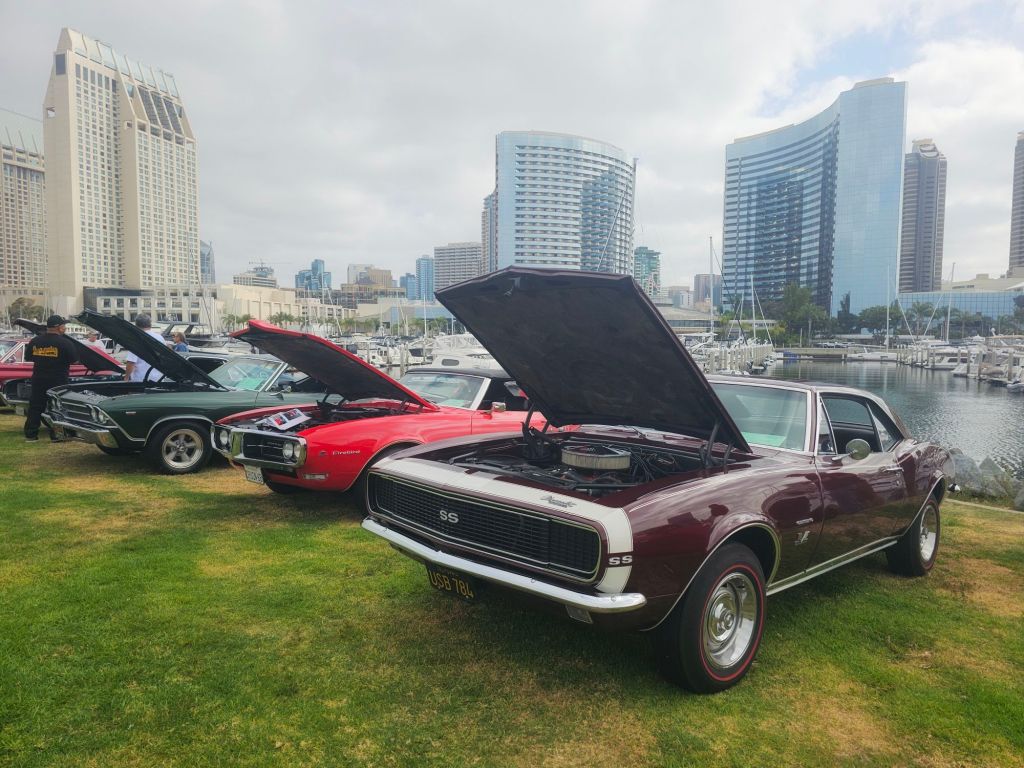
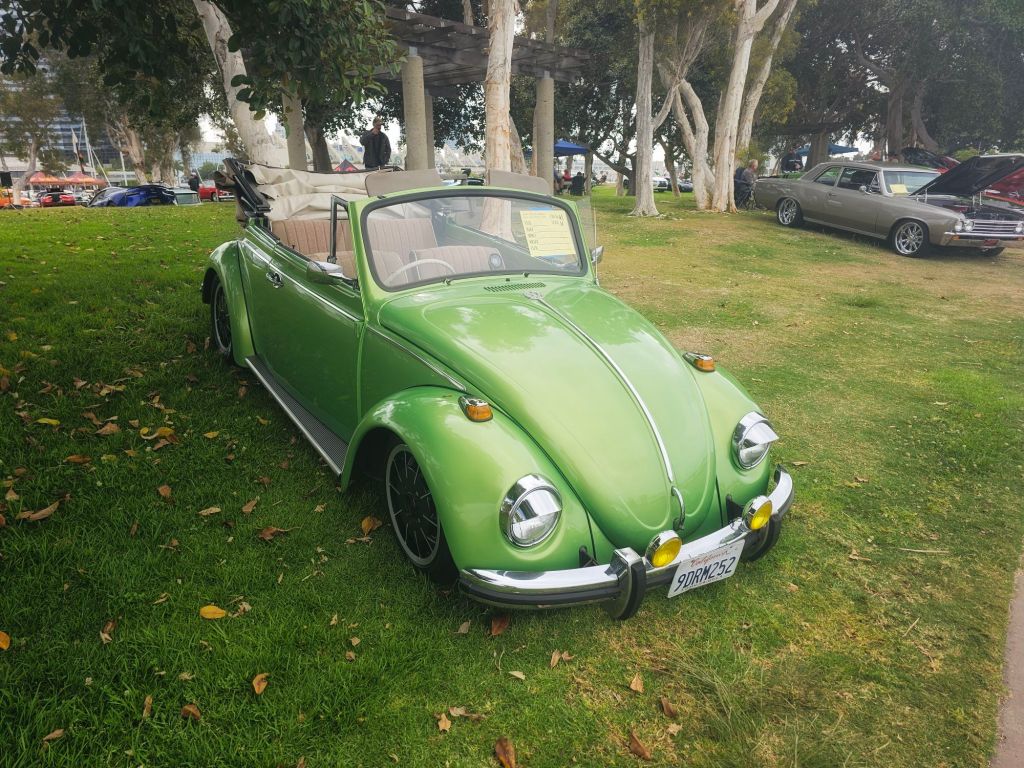
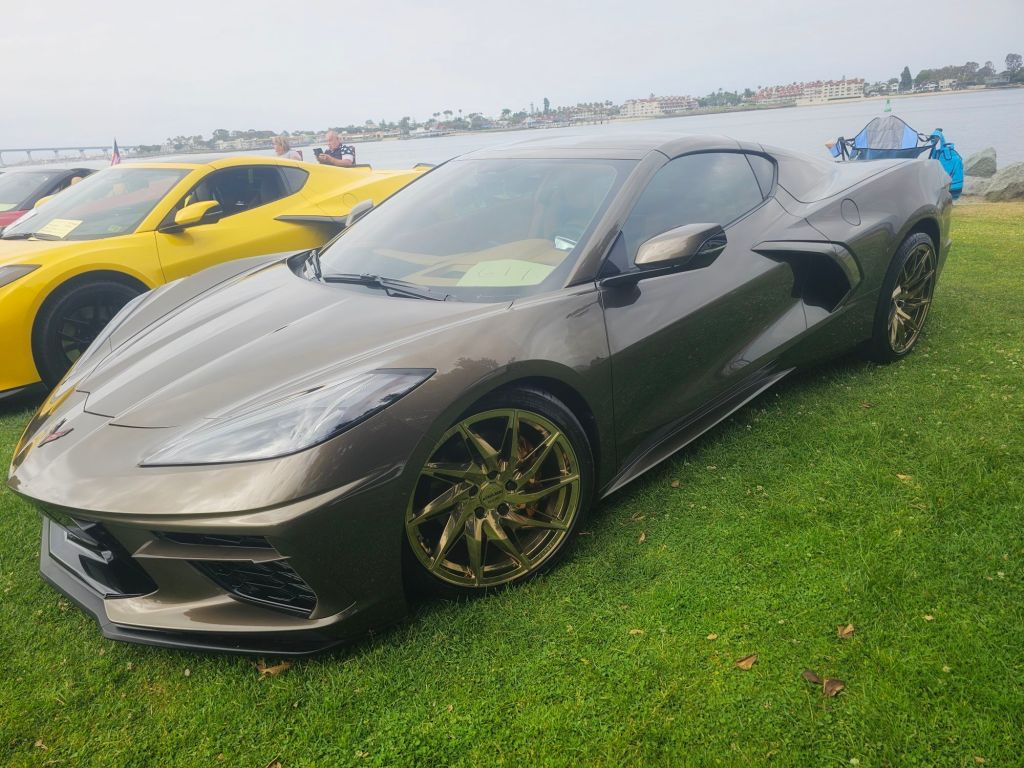
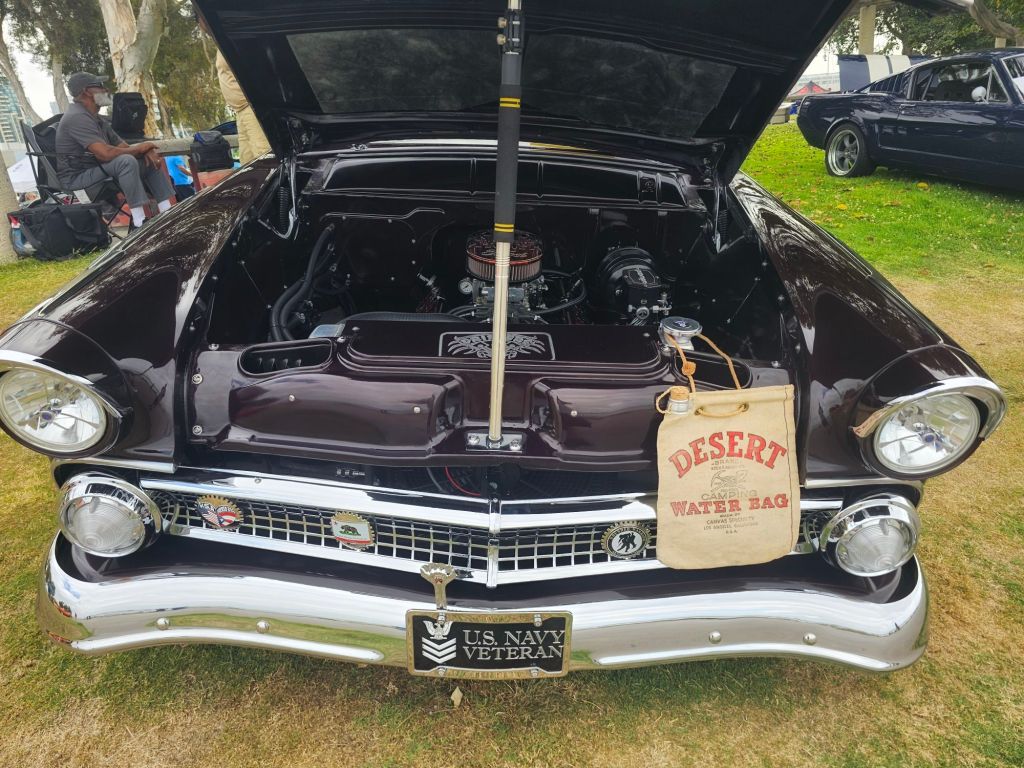
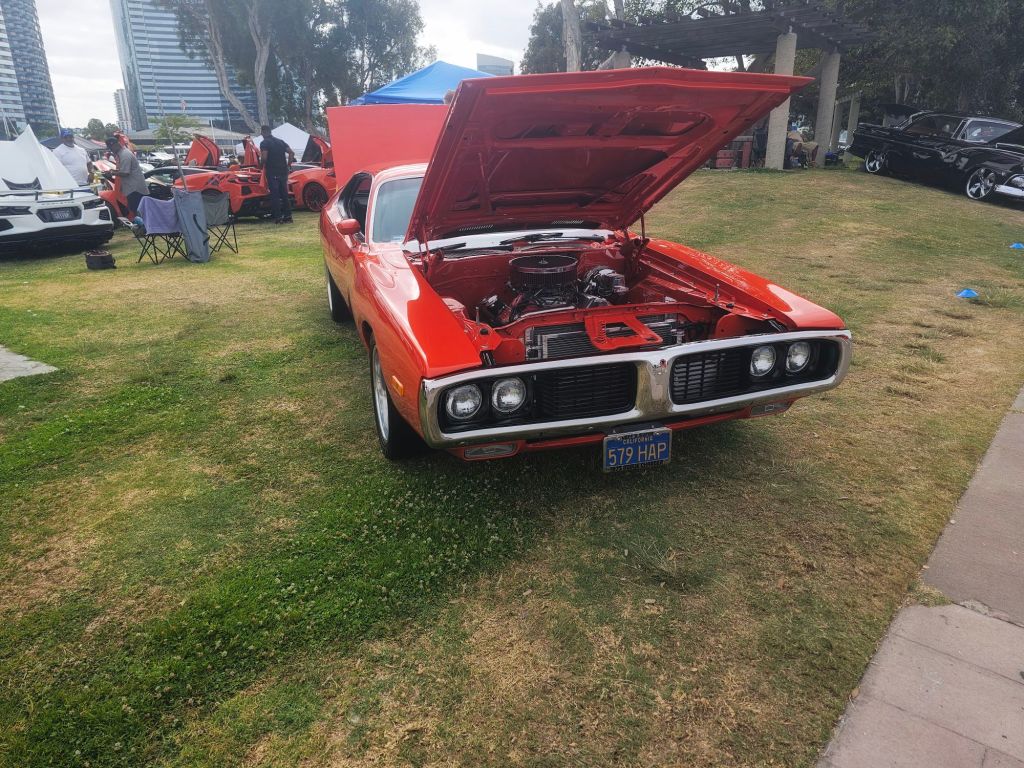
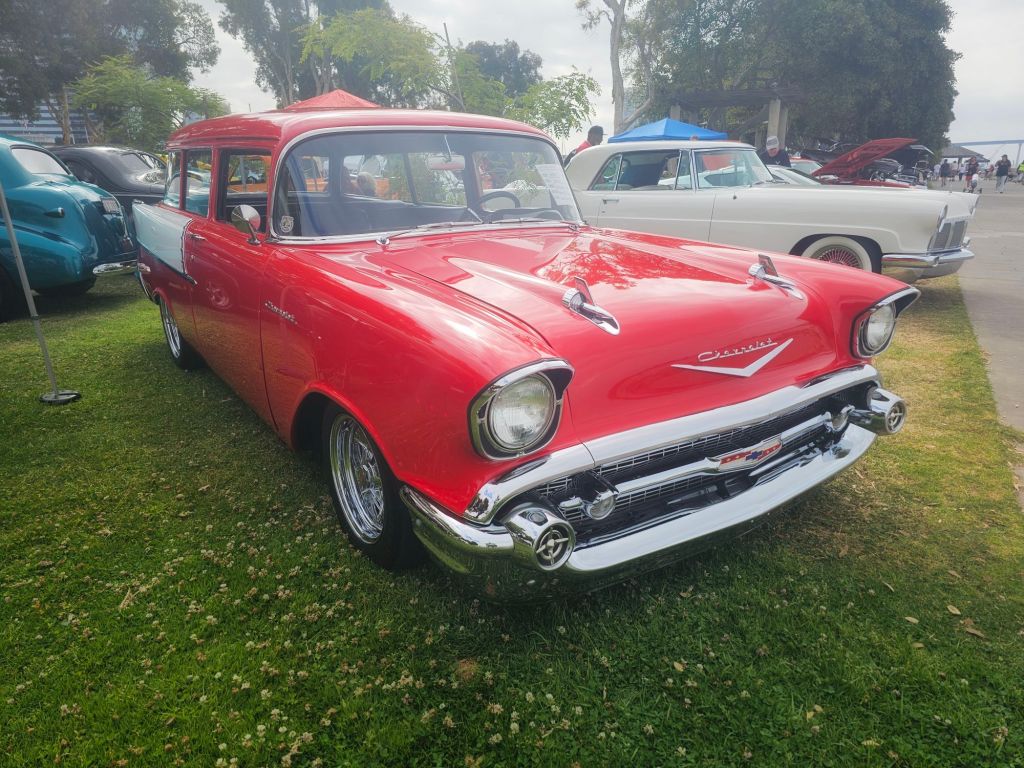
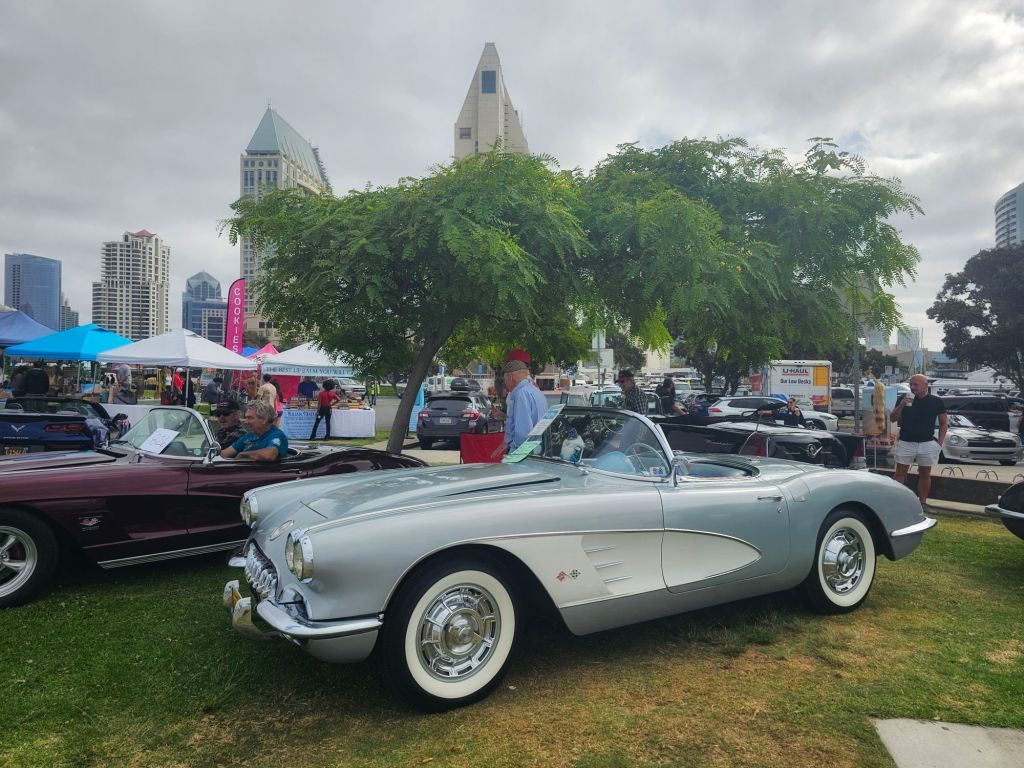
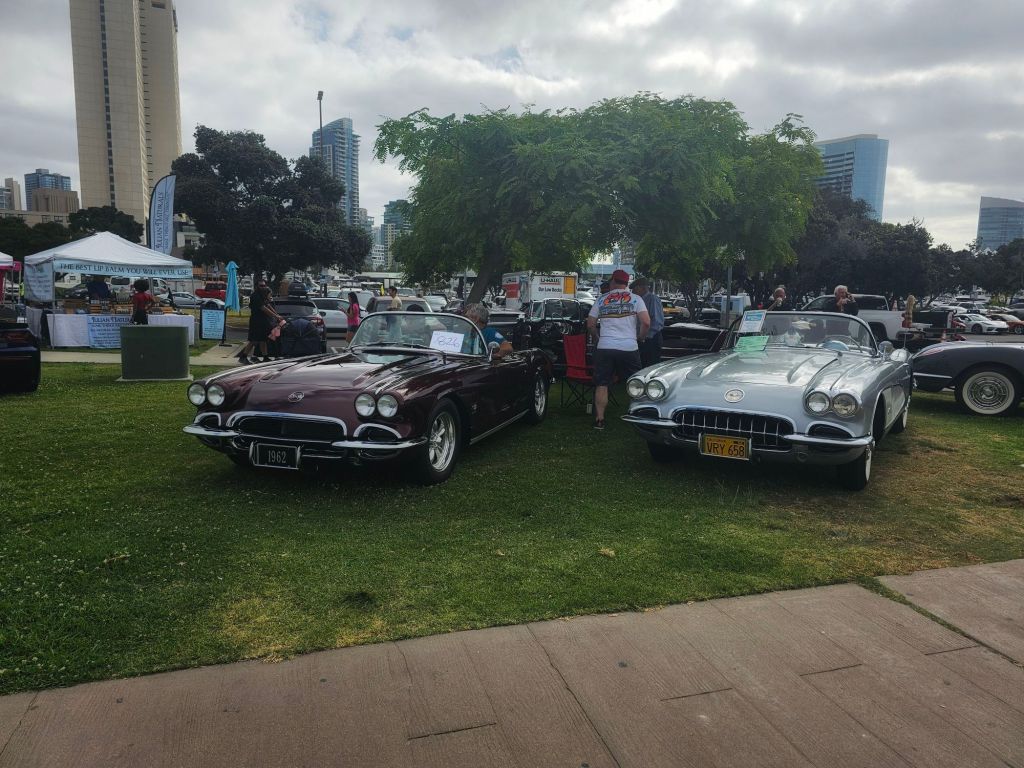
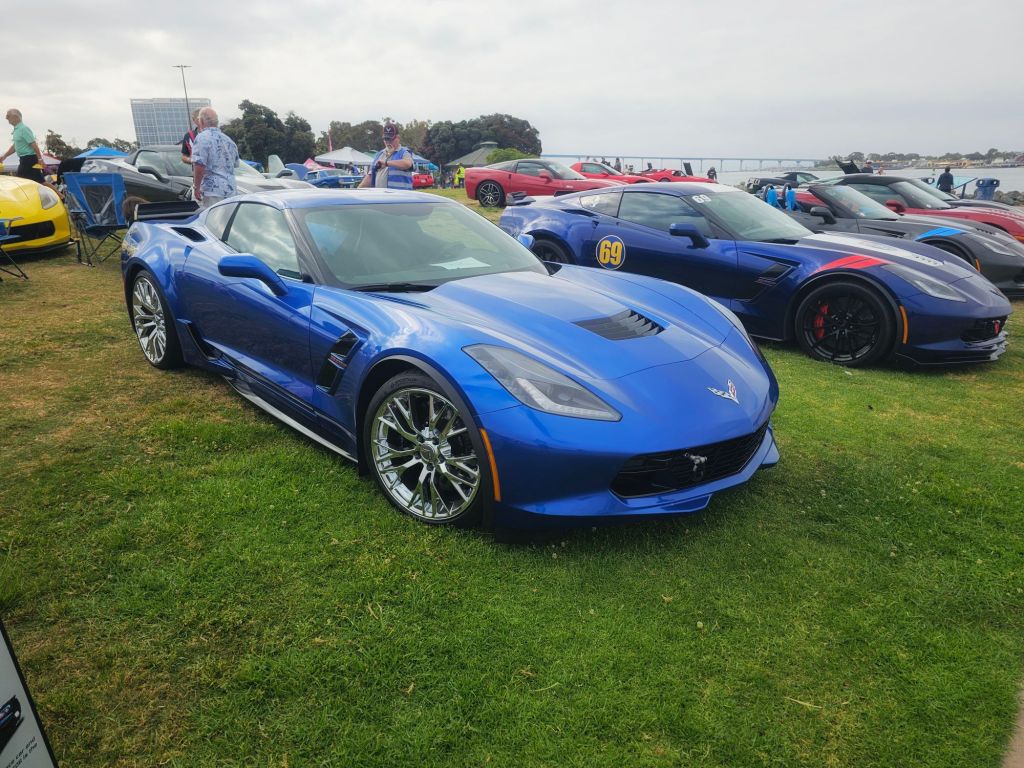
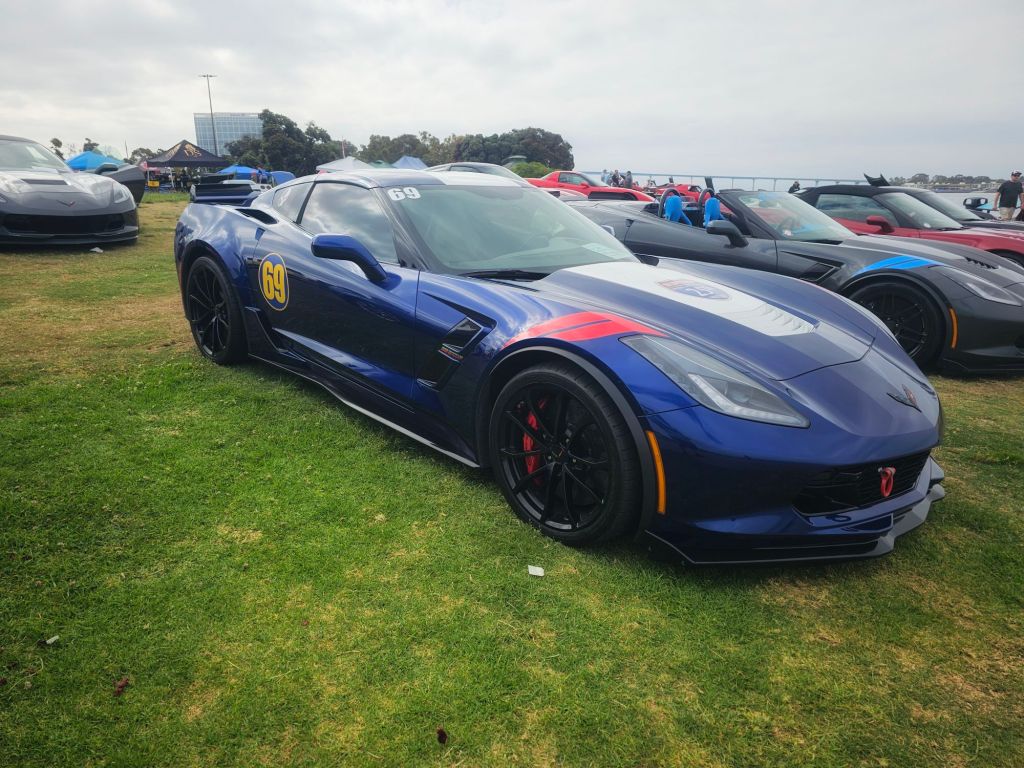
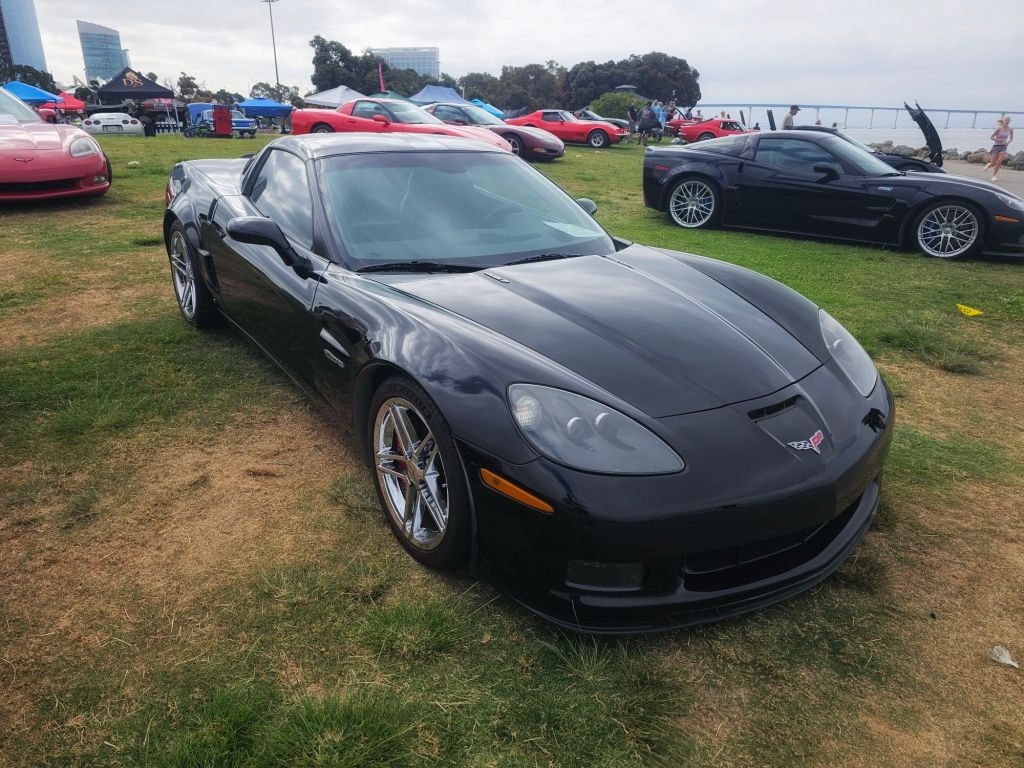
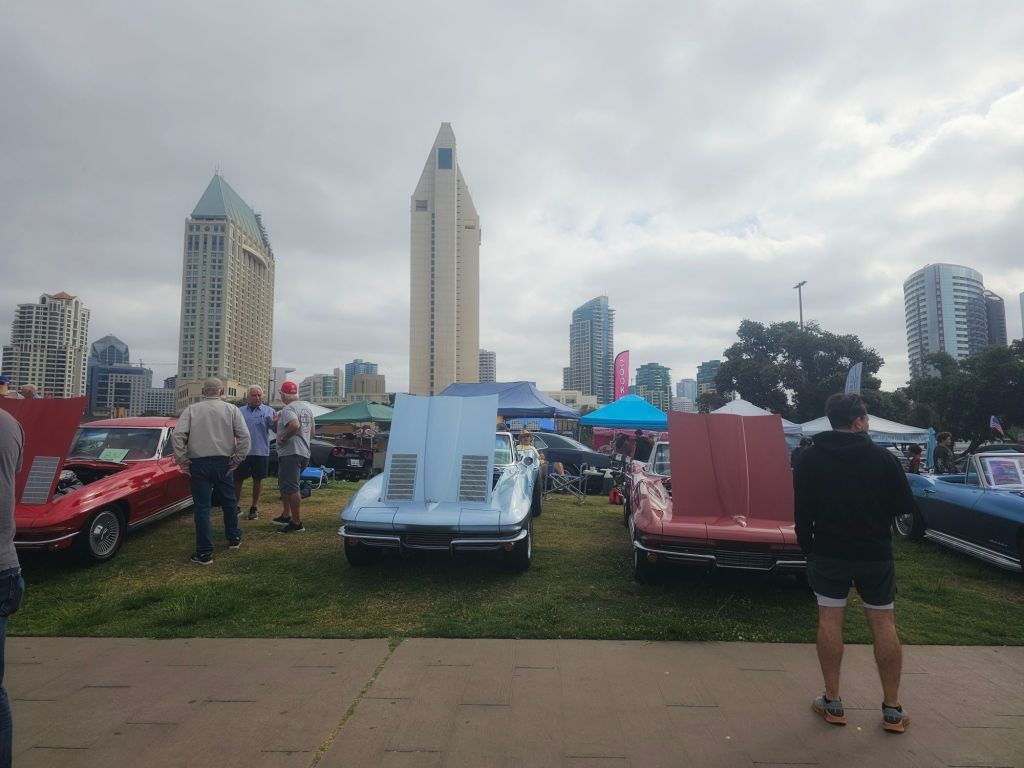
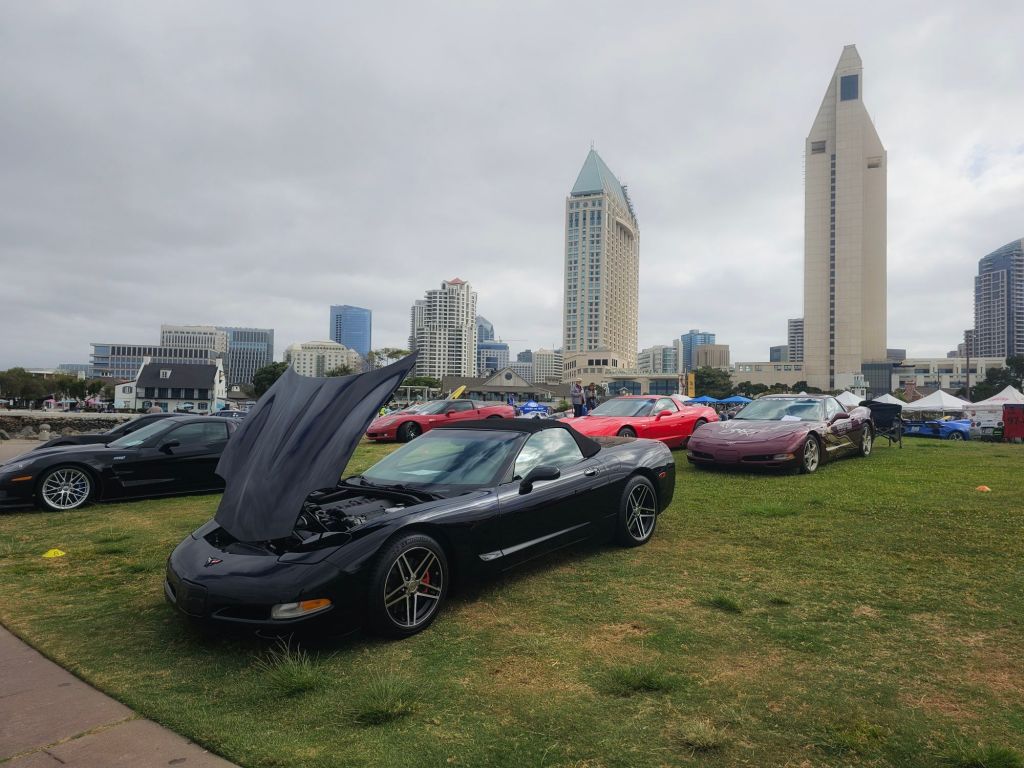
The waterfront at Embarcadero Marina Park North was transformed into an automotive showcase on June 7 as the Corvette Owners Club of San Diego hosted its annual Main Street America Car Show, raising funds and awareness for the San Diego Center for the Blind and Vision Impaired. One of Southern California’s premier car shows, Main Street America brought together hundreds of vehicles ranging from classic pre-war automobiles to modern Corvettes, hot rods, muscle cars, exotic sports cars, trucks, and custom builds. Spectators spent the day exploring rows of meticulously maintained vehicles while enjoying the scenic backdrop of San Diego Bay. The event serves as one of the Center’s important fundraising efforts, helping support programs for individuals who are blind or visually impaired.
Founded in 1958, the Corvette Owners Club of San Diego is one of the oldest continuously operating Corvette clubs in the country. Each year, club members and volunteers work together to organize the event, attracting car enthusiasts from throughout Southern California and beyond.
When and Where Date: Saturday, August 23, 2025 Time: 8:00 AM – 2:30 PM (approximately) Location: Embarcadero Marina Park North, downtown San Diego Admission: Free for spectators
Rows of polished Corvettes lined the event grounds, displaying decades of automotive history. Visitors admired everything from classic models featuring chrome accents and vintage styling to the latest high-performance Corvettes equipped with cutting-edge technology. Owners proudly shared stories about their vehicles while answering questions from spectators and fellow enthusiasts.
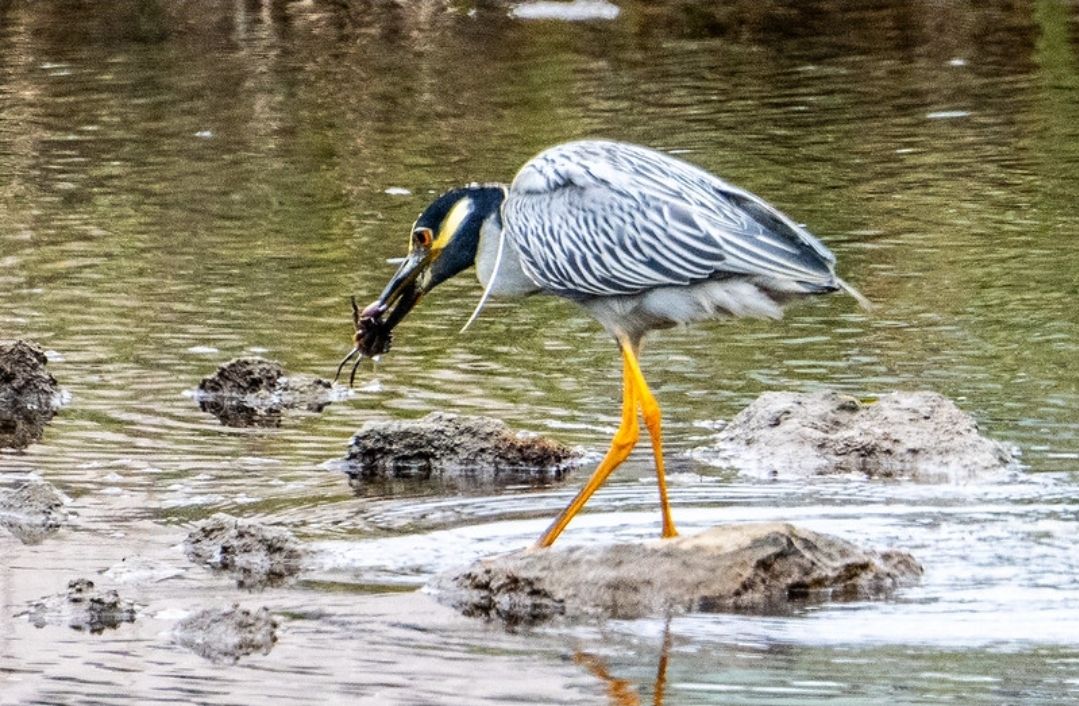
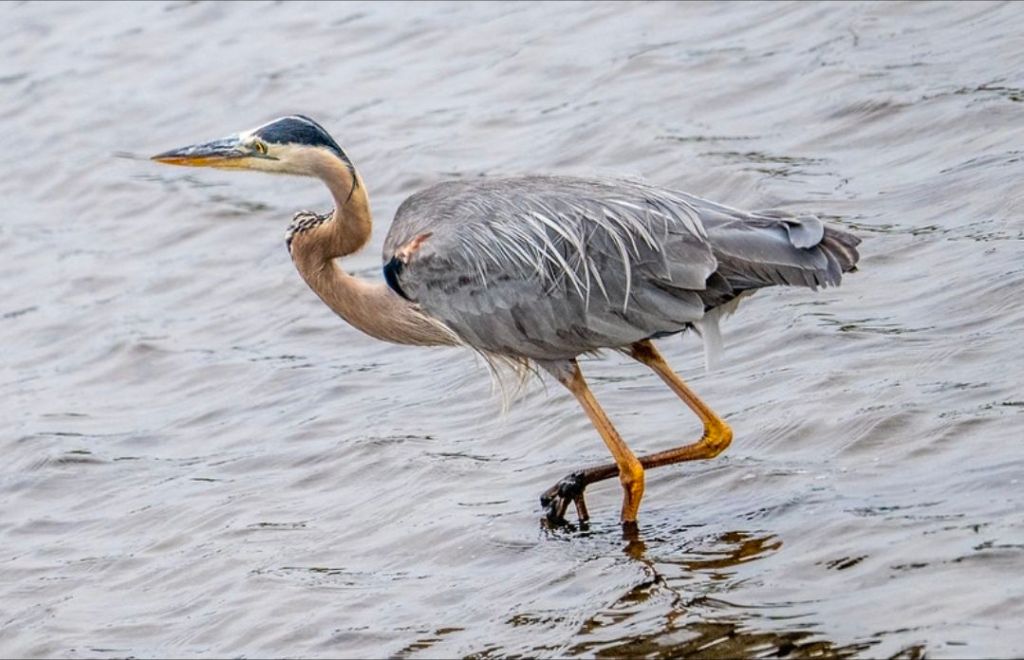
Famosa Slough is one of San Diego’s last remaining coastal wetlands and estuaries. It sits between Ocean Beach and Point Loma near the San Diego River channel, surrounded by dense urban development, which makes it especially unique. The slough covers about 37 acres and includes tidal marsh, mudflats, shallow channels, and nesting habitat for birds
Historically, the area was part of the much larger Mission Bay estuary system, once called “False Bay.” Over the 1900s, development projects — including river channelization, trolley tracks, land filling, and wartime construction — cut the slough off from much of the original wetland system. By the 1970s, parts of it were even being filled with rubble for development projects, which triggered local activism to save it. The City of San Diego eventually purchased much of the land in 1990 for preservation and restoration.
Today, the slough is famous among birders and nature photographers because more than 180 species of birds have been recorded there, including:
black-necked stilts
snowy egrets
avocets
pelicans
kingfishers
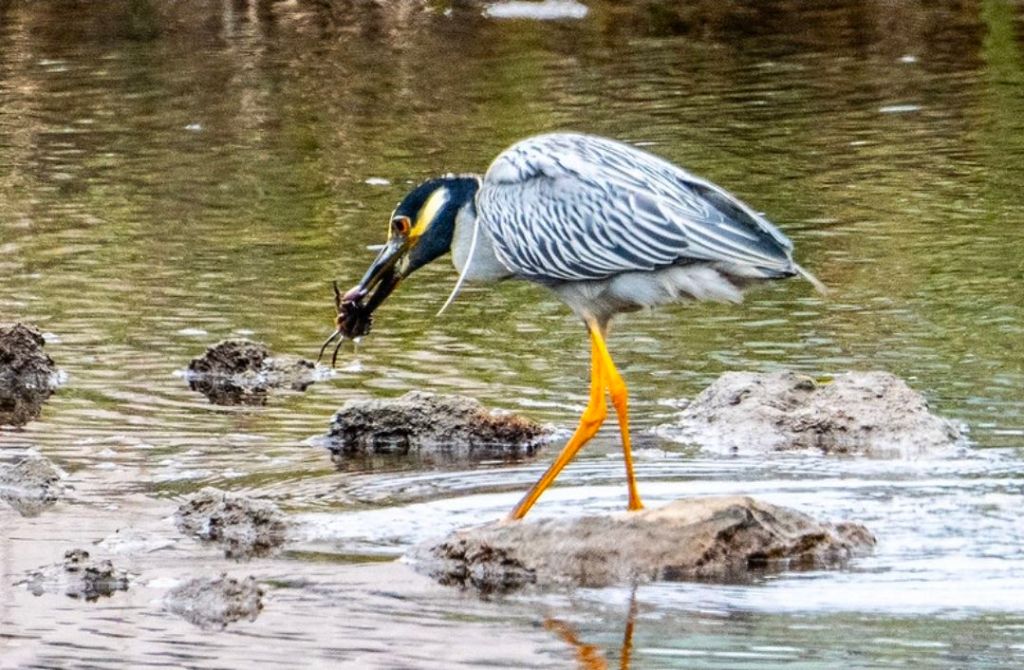
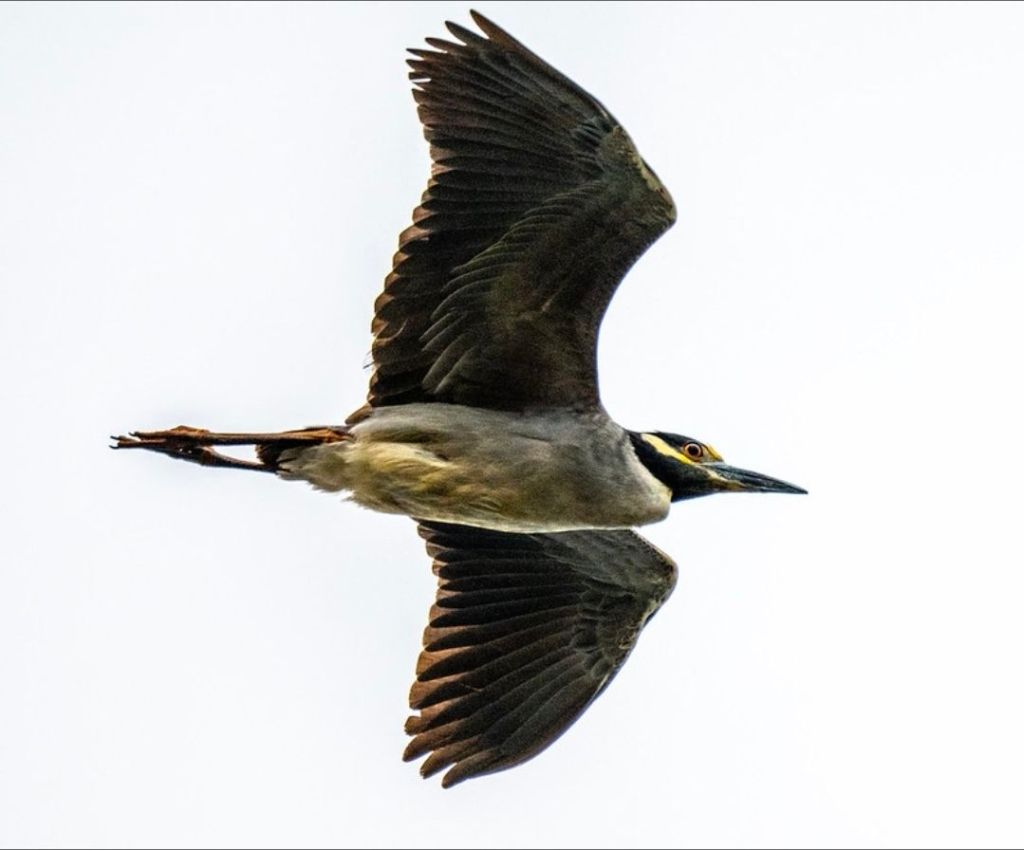
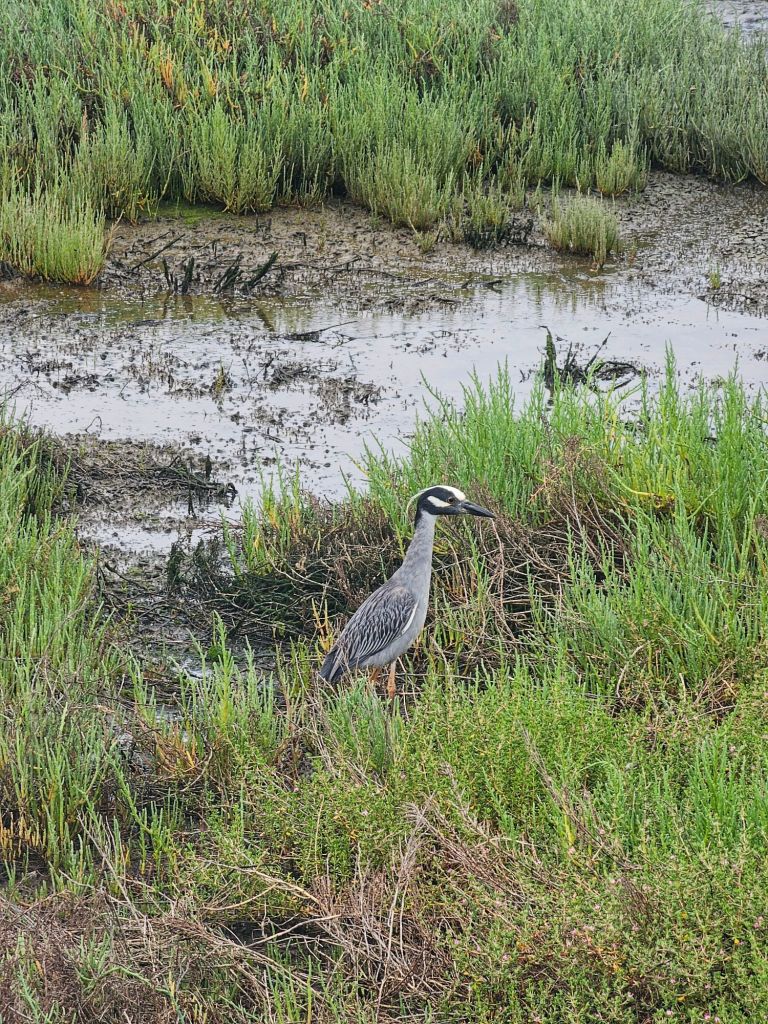
yellow-crowned night herons
migrating ducks and shorebirds along the Pacific Flyway.
The wetland also serves as a nursery habitat for fish and marine life because tidal seawater mixes with freshwater runoff, creating a brackish estuary environment. Native plants like pickleweed dominate the marsh and turn bright red in fall.
A major reason Famosa Slough is considered important is that roughly 95% of California’s historic wetlands have been lost to development. Local volunteers and the Friends of Famosa Slough continue restoration work, invasive plant removal, habitat enhancement, and educational programs.
The slough is also protected as a California marine conservation area where taking marine life is prohibited.
If you visit, there are short walking paths, viewing benches, and excellent birdwatching especially around sunrise and high tide. It’s often described as a “hidden gem” because it feels surprisingly quiet despite being surrounded by city neighborhoods.
Konoids is a public art installation by sculptor Kenneth Capps located at Bayside Park (often referred to as Chula Vista Bayfront Park) in Chula Vista, California.
Installed in 1985 as one of the Port of San Diego’s first public art pieces, the work consists of three distorted, welded steel forms that resemble inverted cones.
Key Features of “Konoids”Artistic Intent: The three forms are designed to have a “dialogue” with one another, framing expansive views of the San Diego Bay toward Point Loma.Material: The sculptures are made of painted steel alloy.Location: You can find them on the grass near the walking paths overlooking the yacht harbor
Konoids is a public art installation by sculptor Kenneth Capps located at Bayside Park (often referred to as Chula Vista Bayfront Park) in Chula Vista, California. Installed in 1985 as one of the Port of San Diego’s first public art pieces, the work consists of three distorted, welded steel forms that resemble inverted cones. Key Features of “Konoids”Artistic Intent: The three forms are designed to have a “dialogue” with one another, framing expansive views of the San Diego Bay toward Point Loma.Material: The sculptures are made of painted steel alloy.Location: You can find them on the grass near the walking paths overlooking the yacht harbor #art#sandiego#chulavista#sculpture#artwork
Every autumn, something special takes flight across San Diego County: Hawktober, the Parks & Recreation Department’s annual tribute to our local birds of prey. This year marks the seventh edition of the event — a month-long celebration dedicated to hawks, owls, falcons, and the many fascinating adaptations that make them apex aerial hunters.
What Is Hawktober?
Hawktober is a series of free educational workshops held in county parks, preserves, campgrounds, and nature centers. The goal? To bring wildlife education to local communities, connect people (young and old) with live animal ambassadors, and deepen appreciation for the roles raptors play in San Diego’s ecosystems.
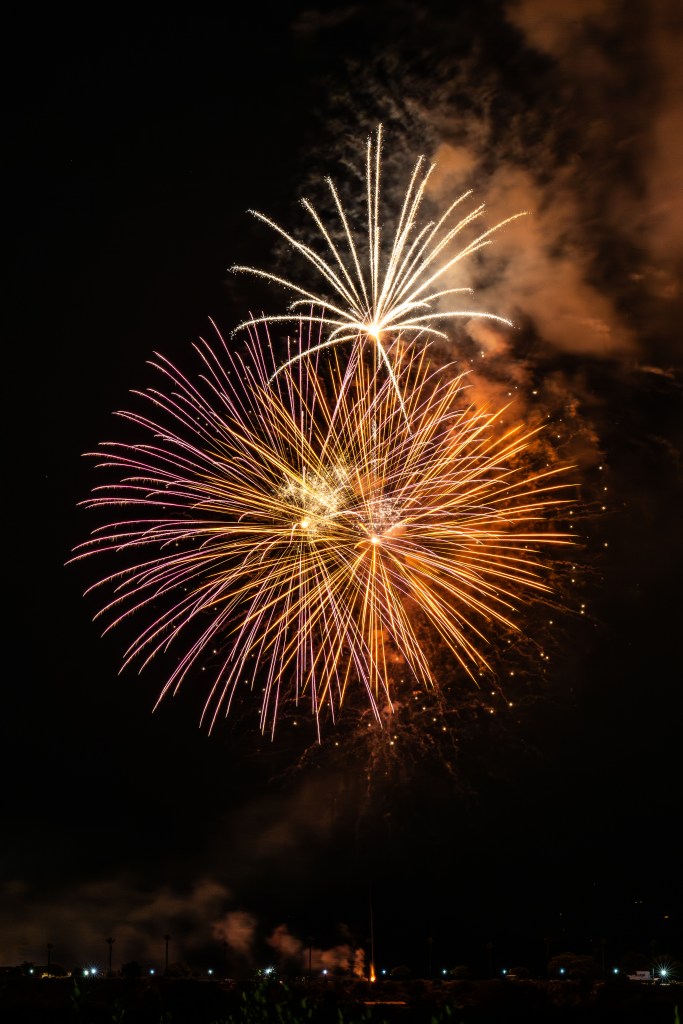
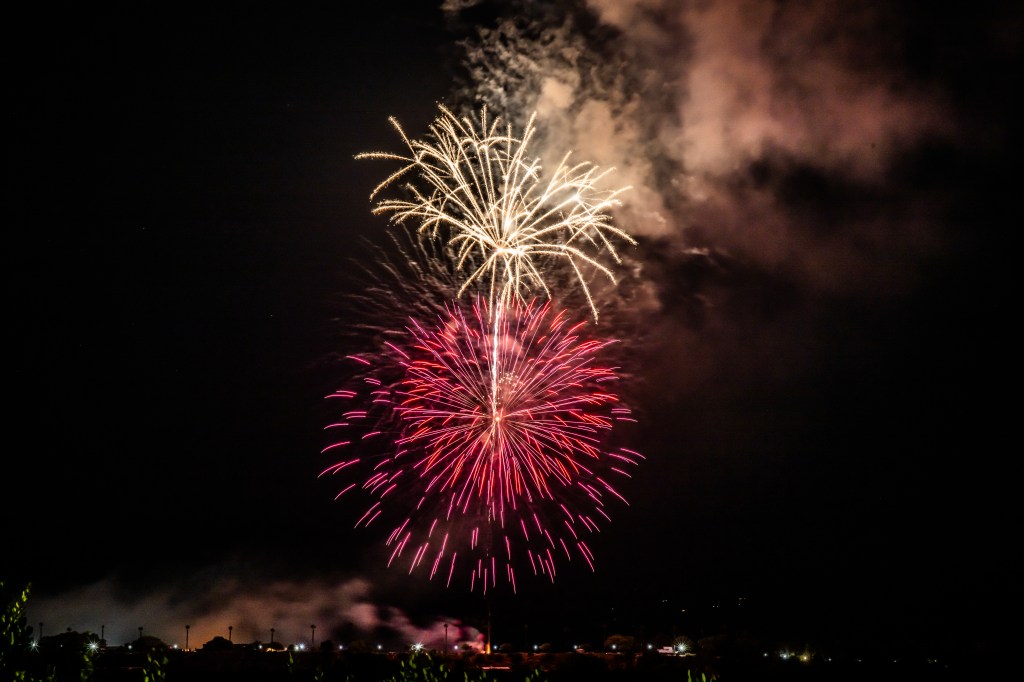
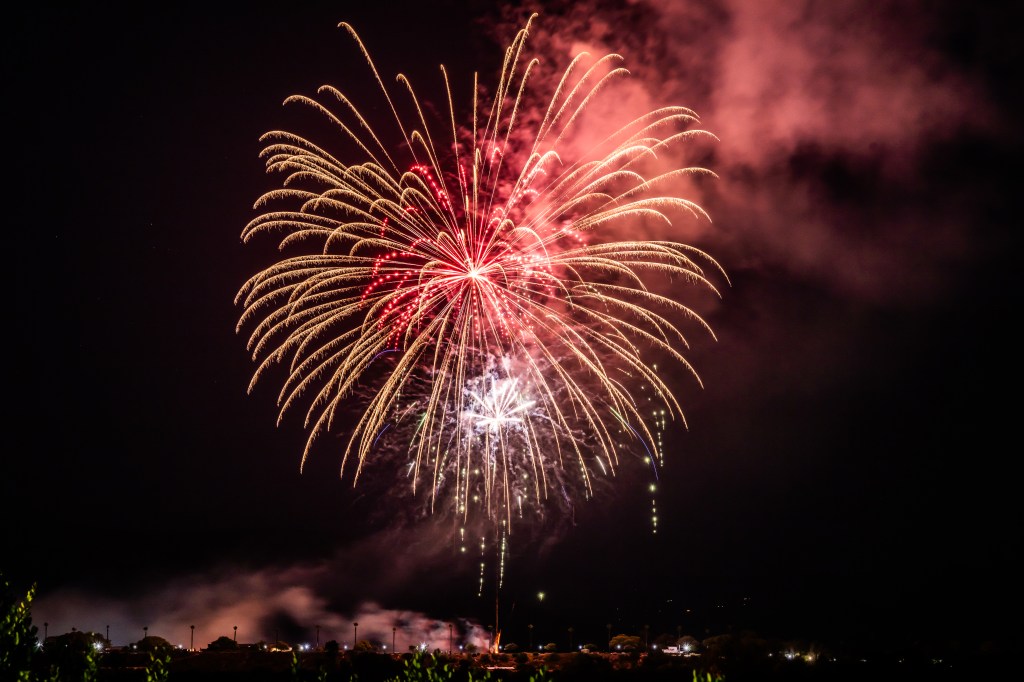
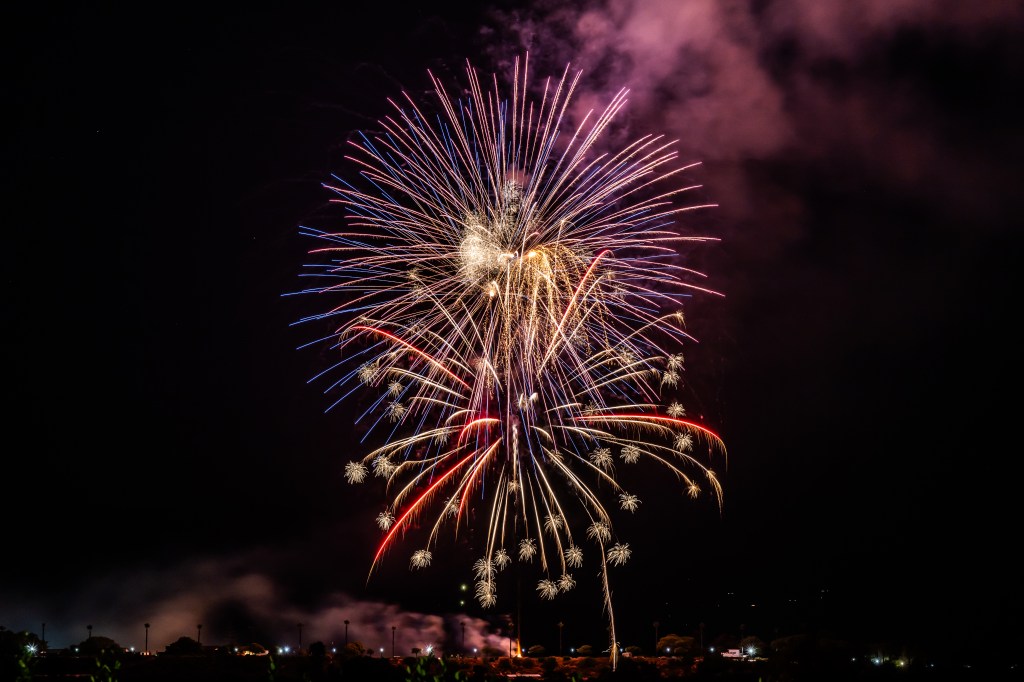
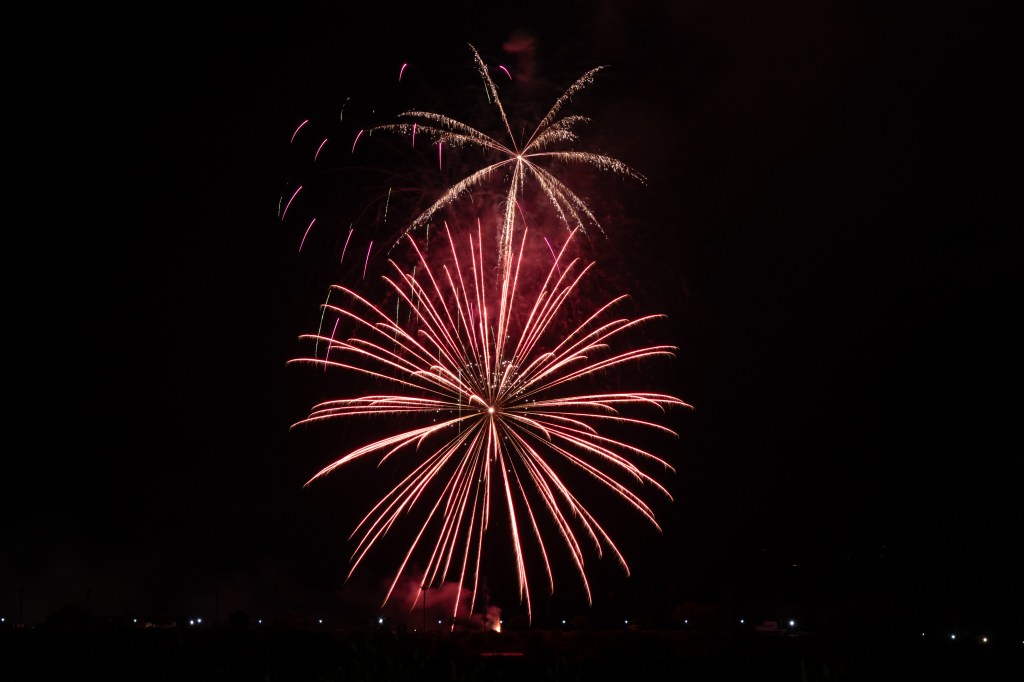
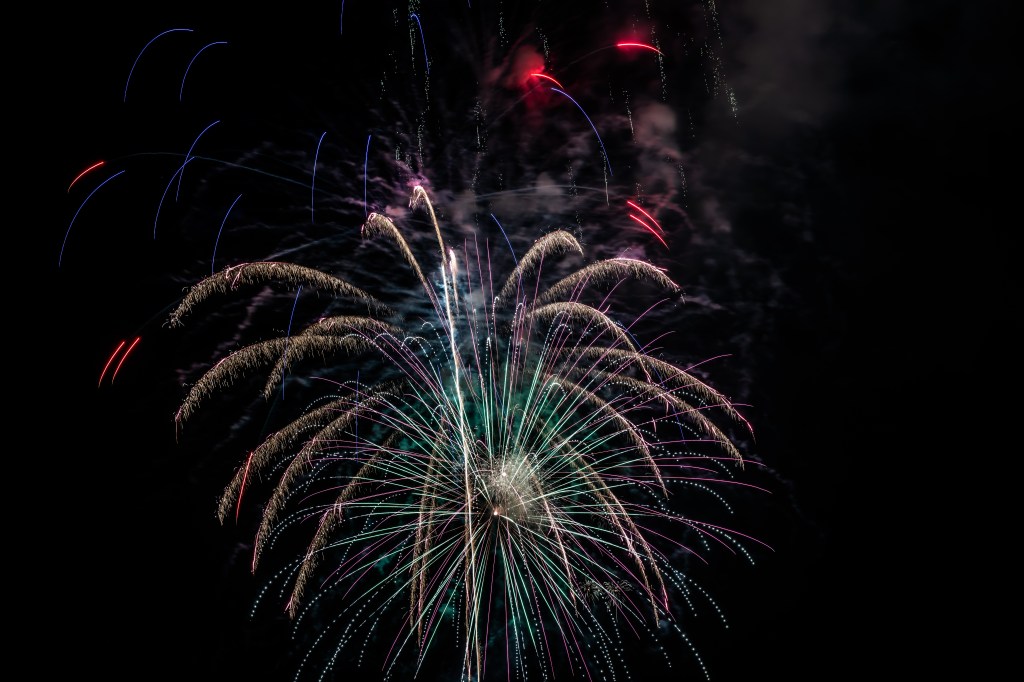
The City of Chula Vista’s 4th Fest will return again this year, offering the public a free fireworks display at the Chula Vista Elite Athlete Training Center on Friday, July 4. The event is open to the public and all ages are welcome. Presented by Seven Mile Casino, this year’s 4th Fest will feature a simultaneous broadcast in English and Spanish through Amor 102.9.
The Elite Athlete Training Center’s gates will open at 7 p.m. and fireworks will begin at 9 p.m. Spectators are encouraged to bring their own blankets and chairs. Food will be available to purchase through a variety of vendors.
In addition to free parking at the Elite Athlete Training Center, attendees can also park for free at the adjacent New Hope Community Church, located at 2720 Olympic Parkway. Mountain Hawk Park, located at 1475 Lake Crest Drive, will open starting at 7 a.m. and is another great spot to view the fireworks show. Street parking there is available on a first-come basis. All City parks close at 10 p.m. Please see the attached image for a map of the parking areas.
Please be aware of several restrictions at the Elite Athlete Training Center, Mountain Hawk Park, and New Hope Community Church. At the Elite Athlete Training Center, the following items are not allowed: alcohol, tobacco (including e-cigarettes and vapes), drugs, tents and canopies/pop-ups, grills, tailgating, pets and drones. At Mountain Hawk Park, charcoal grills are not allowed (propane grills are OK); enclosed camping tents are not allowed (canopies up to 10 ft. X 10 ft. are OK, with a limit of three per party); kegs, bottles, and other glass containers are not allowed; drones are not allowed. Pets must be on leash, and personal fireworks (including sparklers) are prohibited. New Hope Community Church is available for parking only – no tailgating.
Too many animals go missing around the Fourth of July. Keep pets indoors and comfortable, as loud fireworks can cause them to panic and jump or even break through fences and escape. Make sure your pet is properly identified with license and identification tags or on tape on the collar and also microchipped. If your pet escapes, check with Chula Vista Animal Services and other local shelters, and search online pet websites such as 24Petconnect and Pawboost. Neighborhood apps such as Ring and Nextdoor are also useful for posting lost or found pets.
The private use of fireworks in San Diego County is against the law. To report the unauthorized use of fireworks, call the Chula Vista Police Department non-emergency line at (619) 691-5151.
All City offices including libraries and recreation centers will be closed on Friday, July 4. In addition, trash pick-up in the City of Chula Vista will be delayed one day following the holiday.
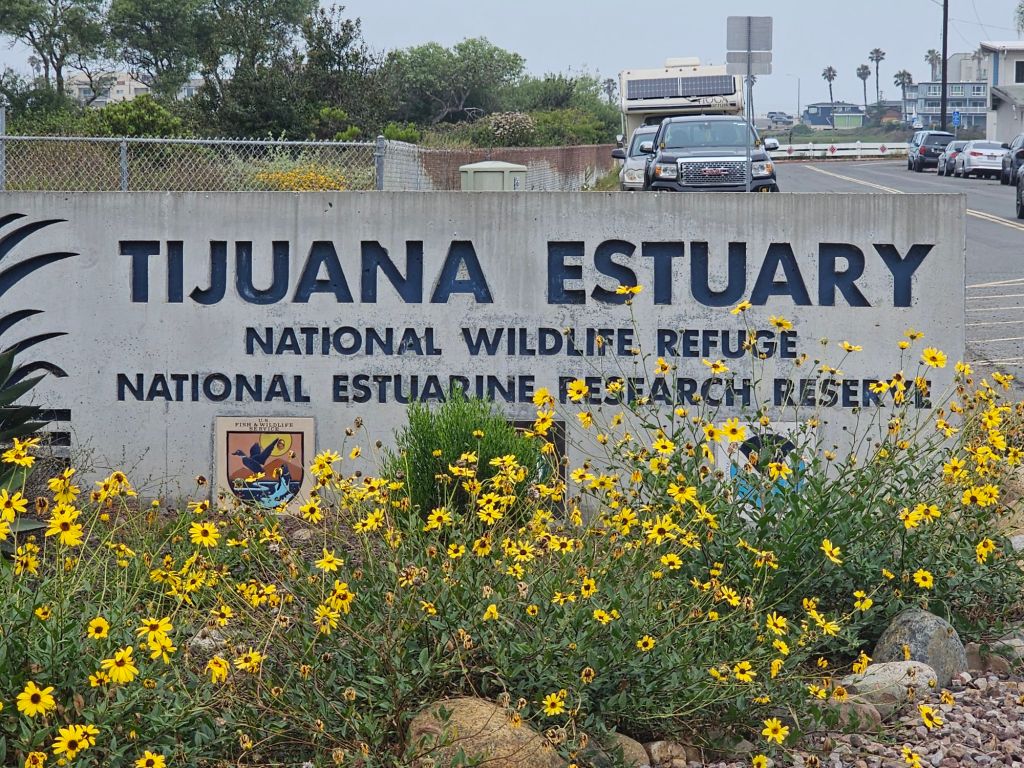
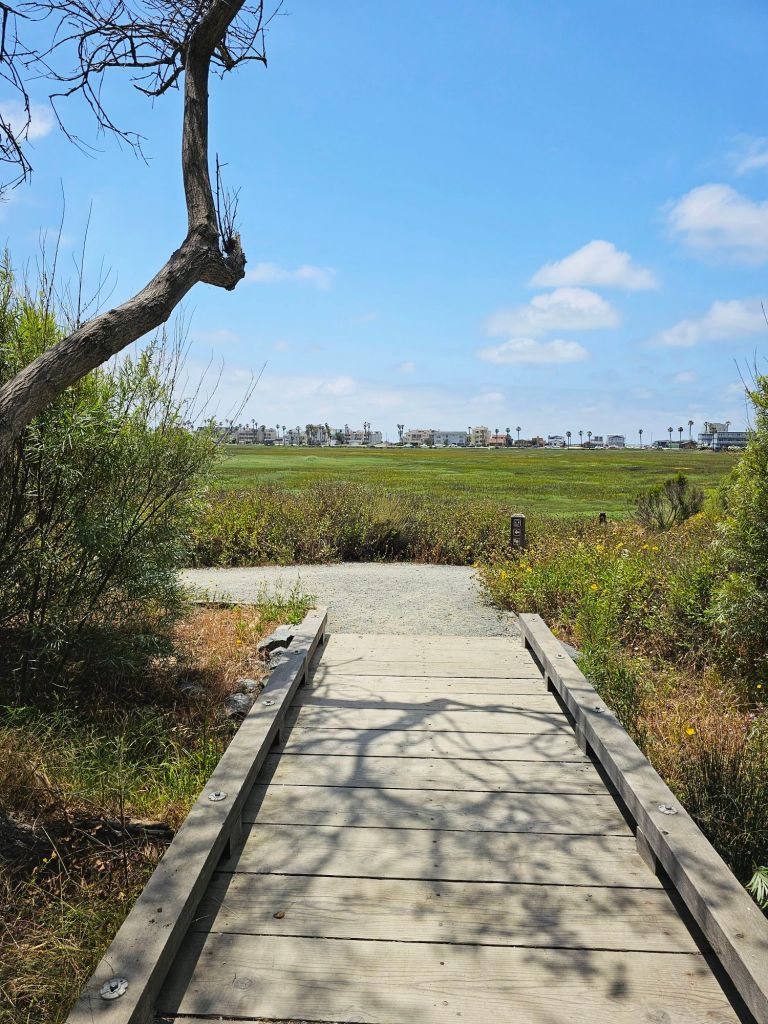
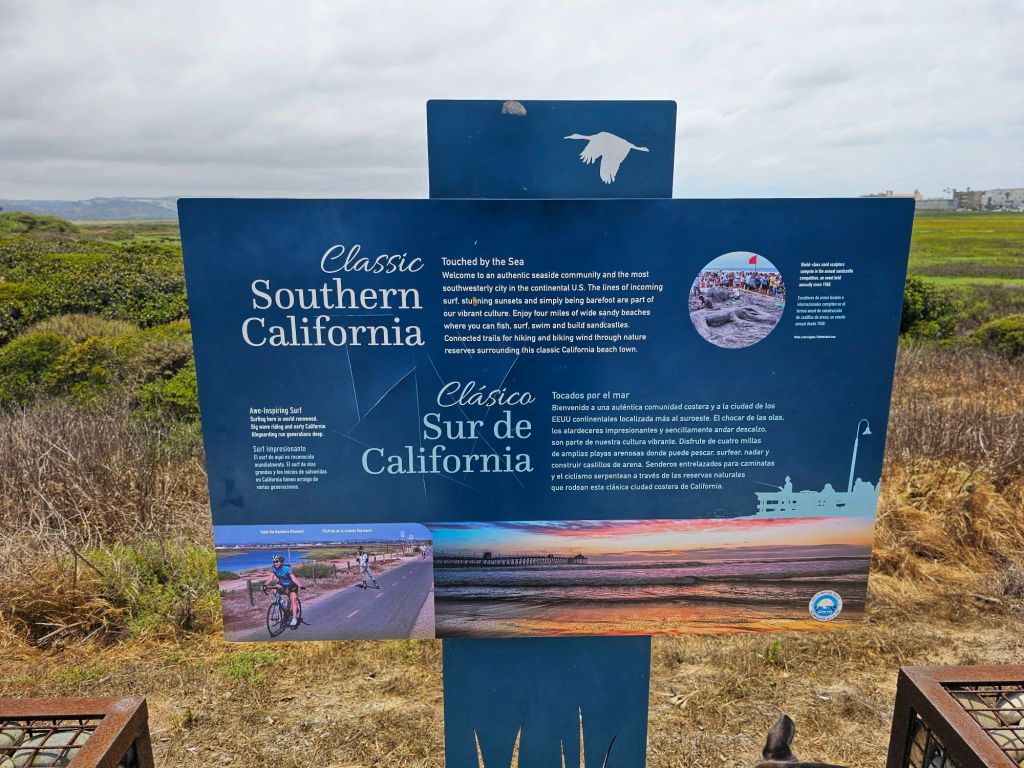
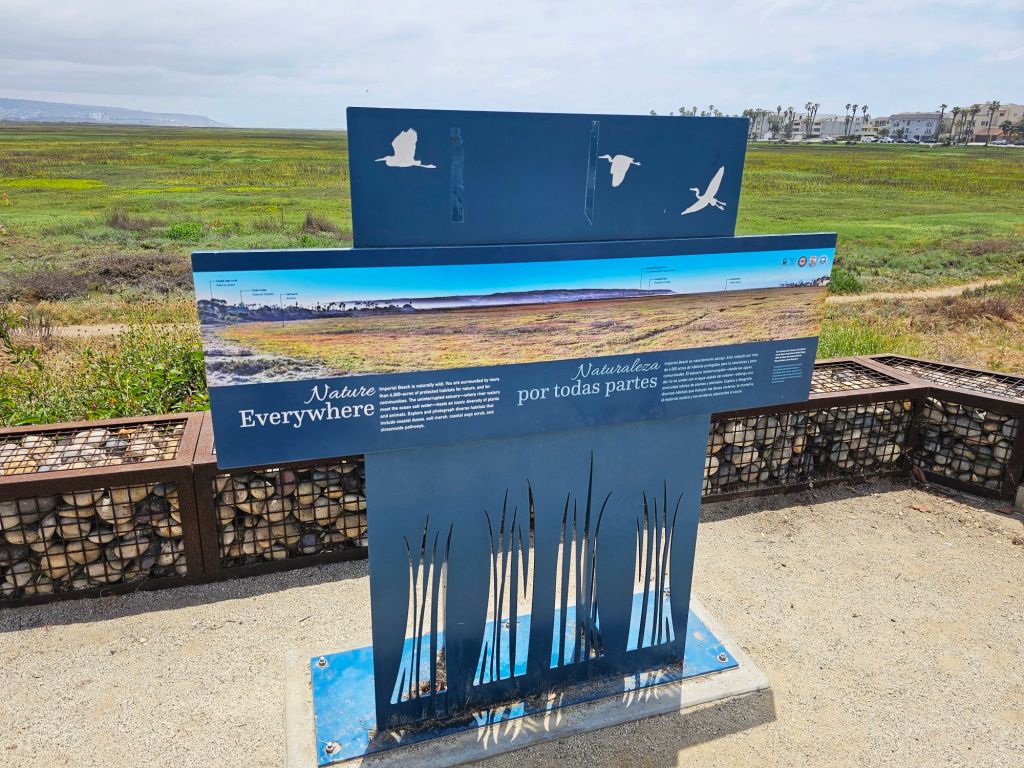
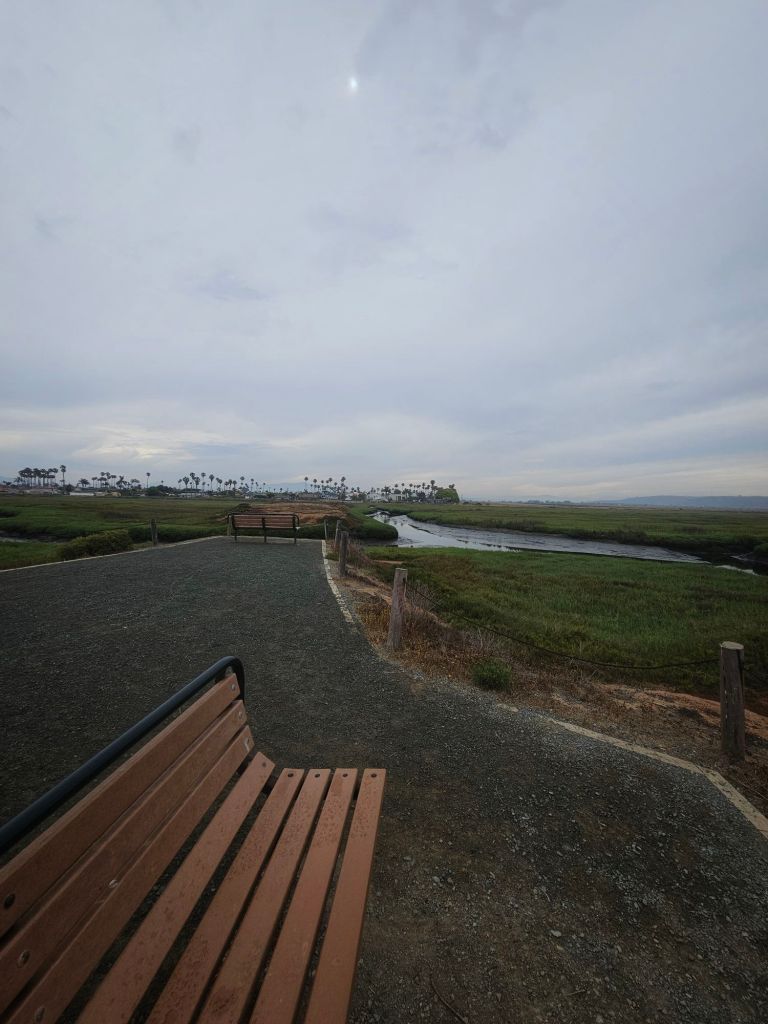
Just a few miles south of San Diego’s bustling downtown lies a hidden gem where saltwater, freshwater, and wildlife converge in a delicate dance of life—the Tijuana River Estuary. Tucked between Imperial Beach and the U.S.-Mexico border, this vast coastal wetland is not only a peaceful escape from the city but also one of Southern California’s most ecologically significant landscapes.
A Living Sanctuary
The estuary is part of the Tijuana River National Estuarine Research Reserve, a protected area spanning over 2,500 acres. It’s one of only 30 estuarine research reserves in the United States, and it plays a vital role in protecting endangered species, filtering water, and buffering the coast from storm surges.
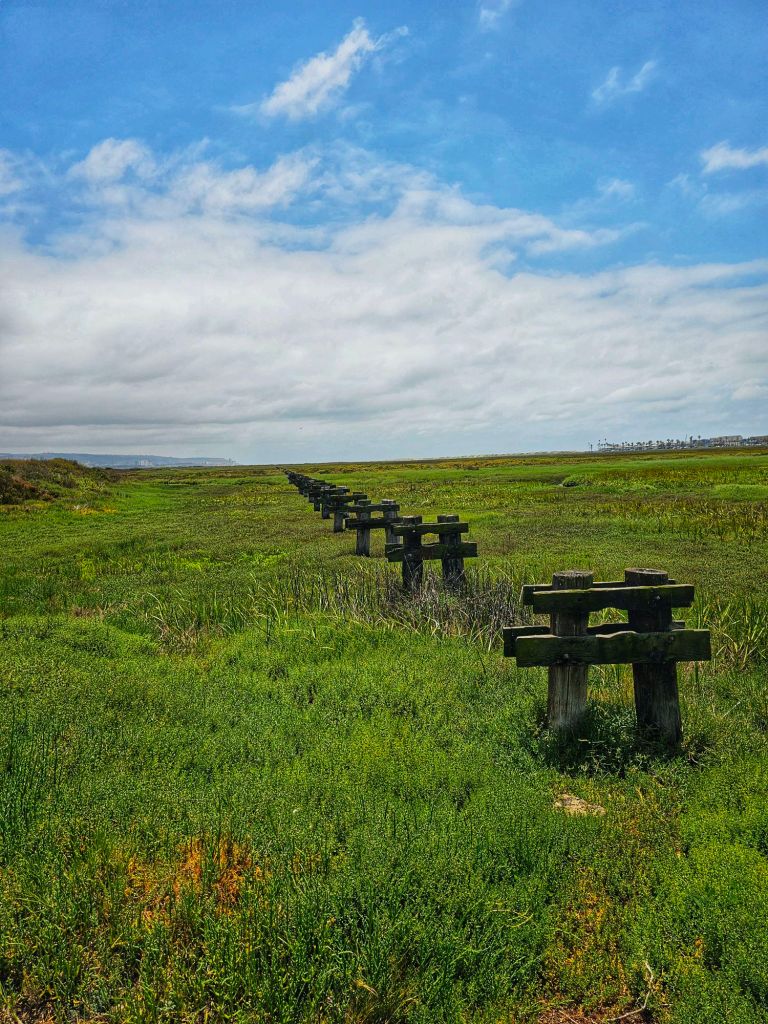
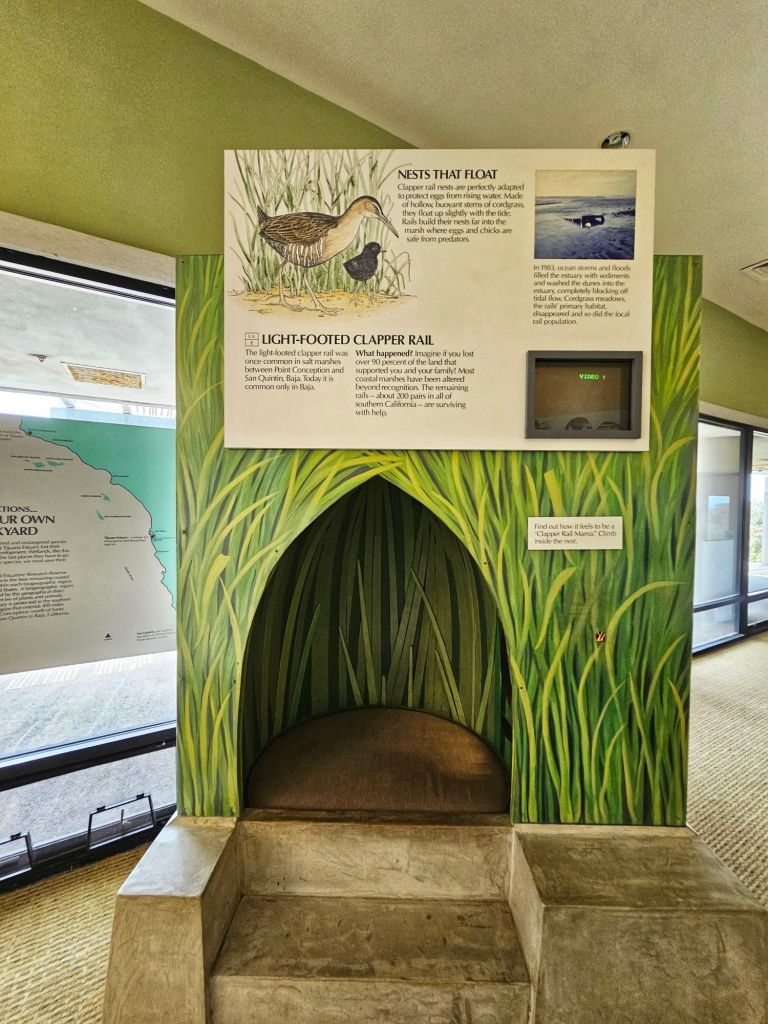
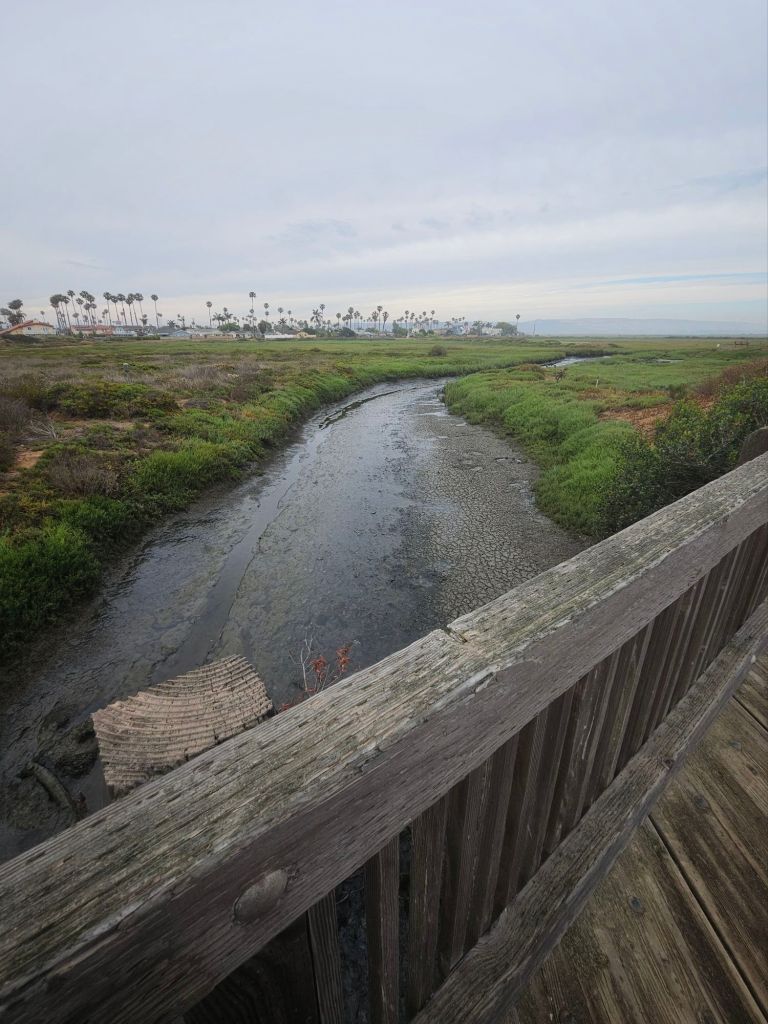
As you walk the trails, you’ll find yourself surrounded by a mosaic of marshes, mudflats, and salt flats—each teeming with life. Located along a massive aviary flyway over 370 species of birds have been recorded here, including the endangered light-footed Ridgway’s rail and least tern. Birdwatchers, bring your binoculars!
Trails, Views, and Tranquility
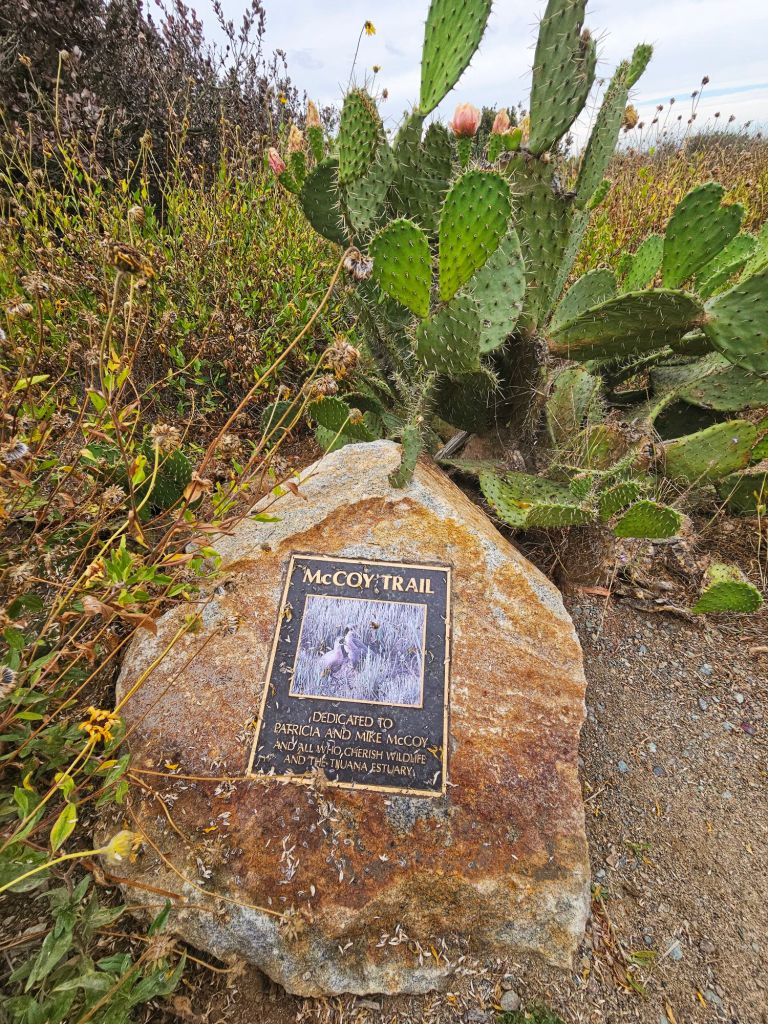
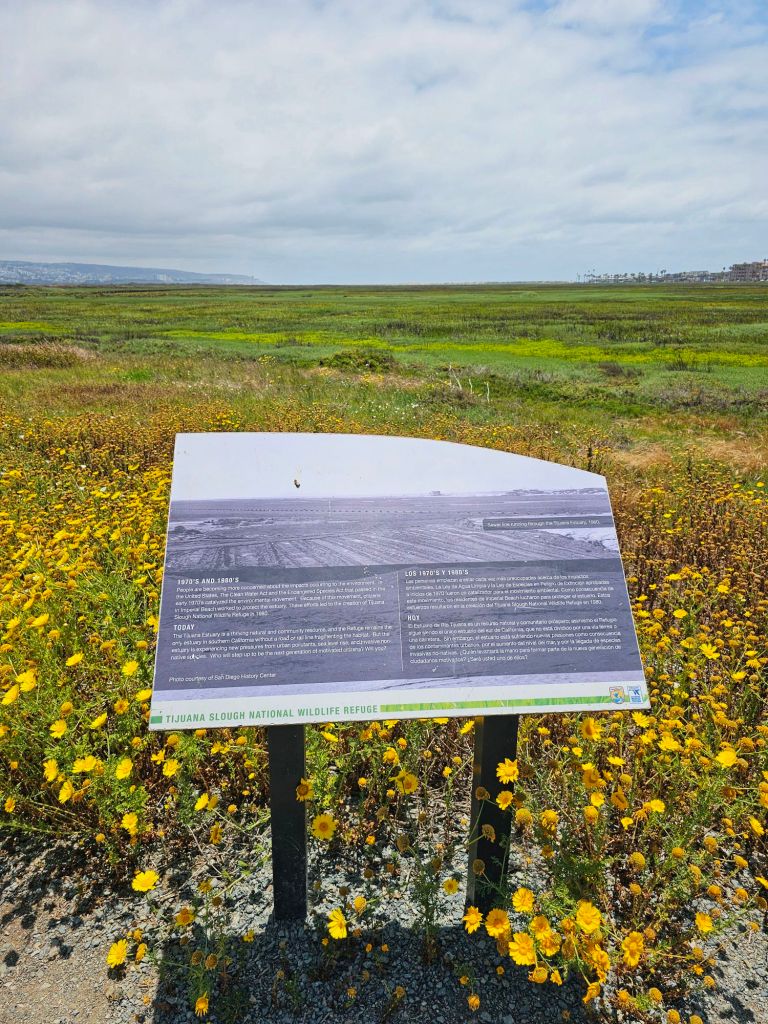
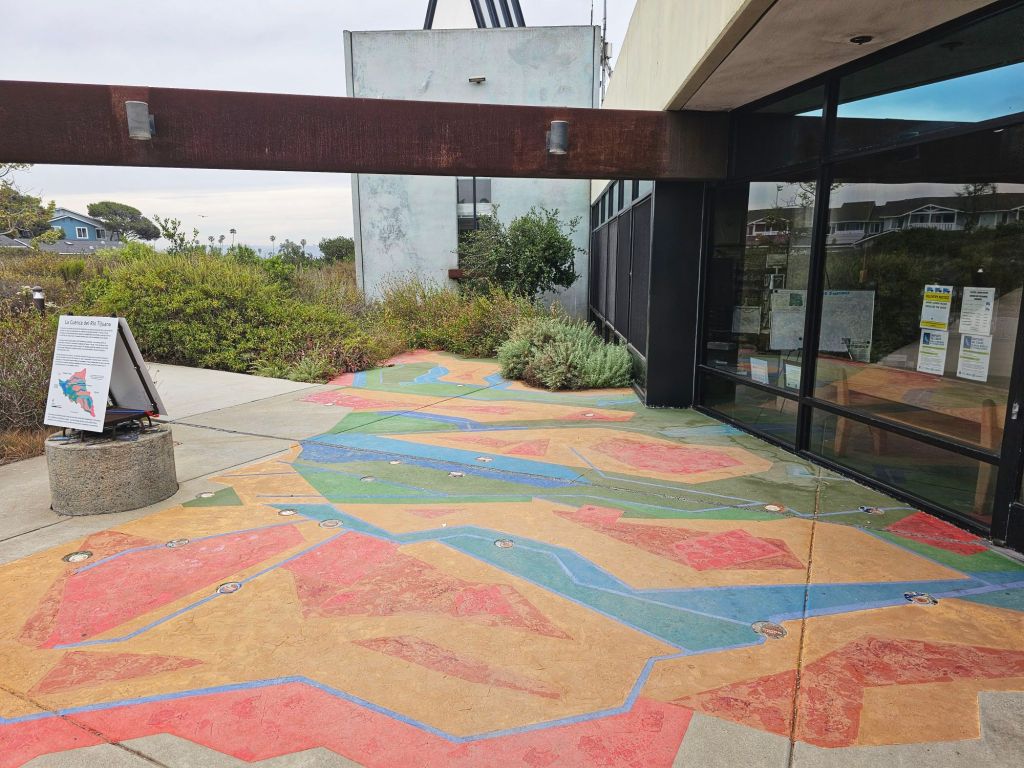
The Bayside Trail and River Mouth Trail offer easy, flat hikes with stunning views of the wetlands and the Pacific Ocean beyond. Interpretive signs along the way tell the story of the estuary’s ecology, history, and the ongoing efforts to protect it.
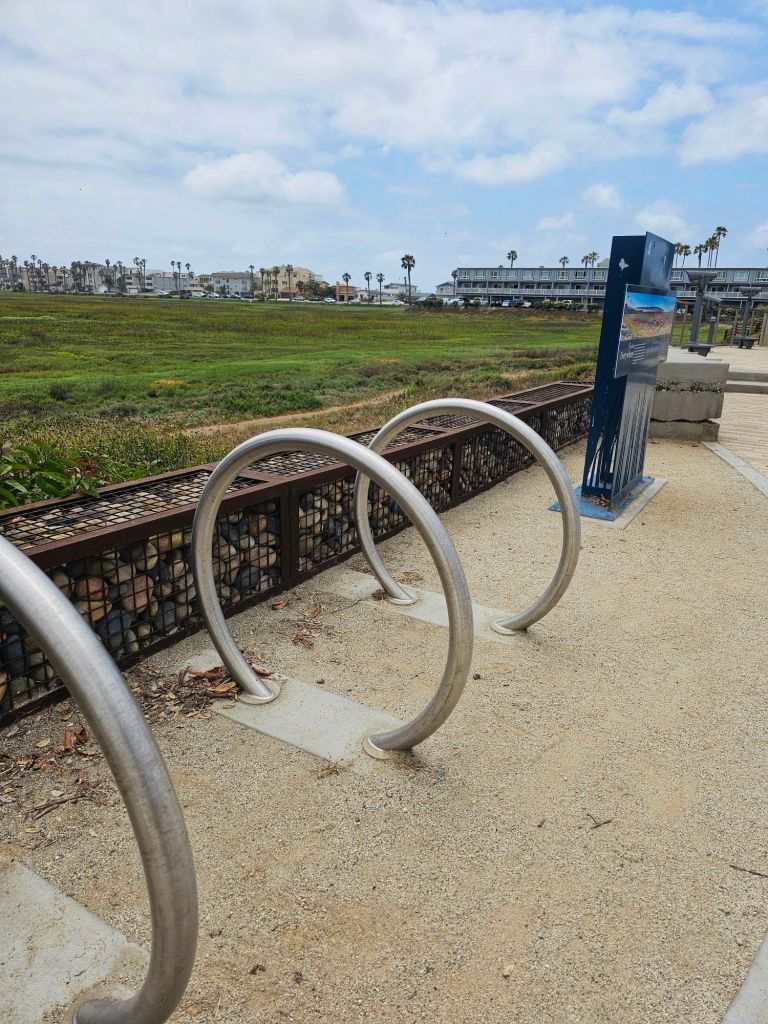
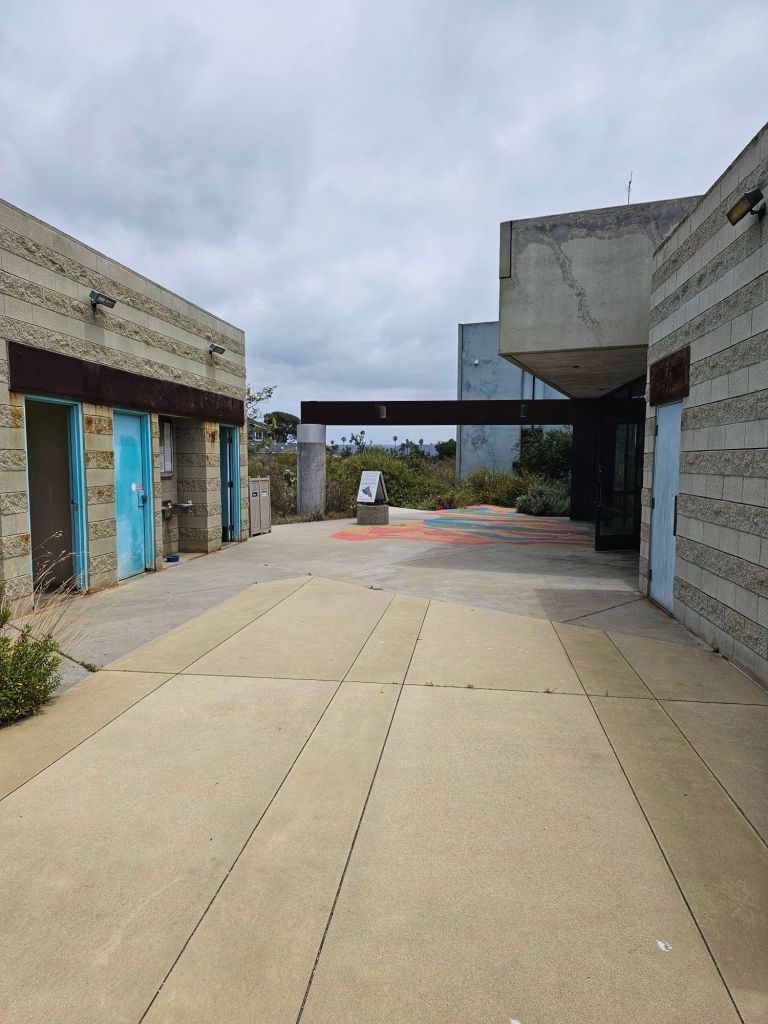
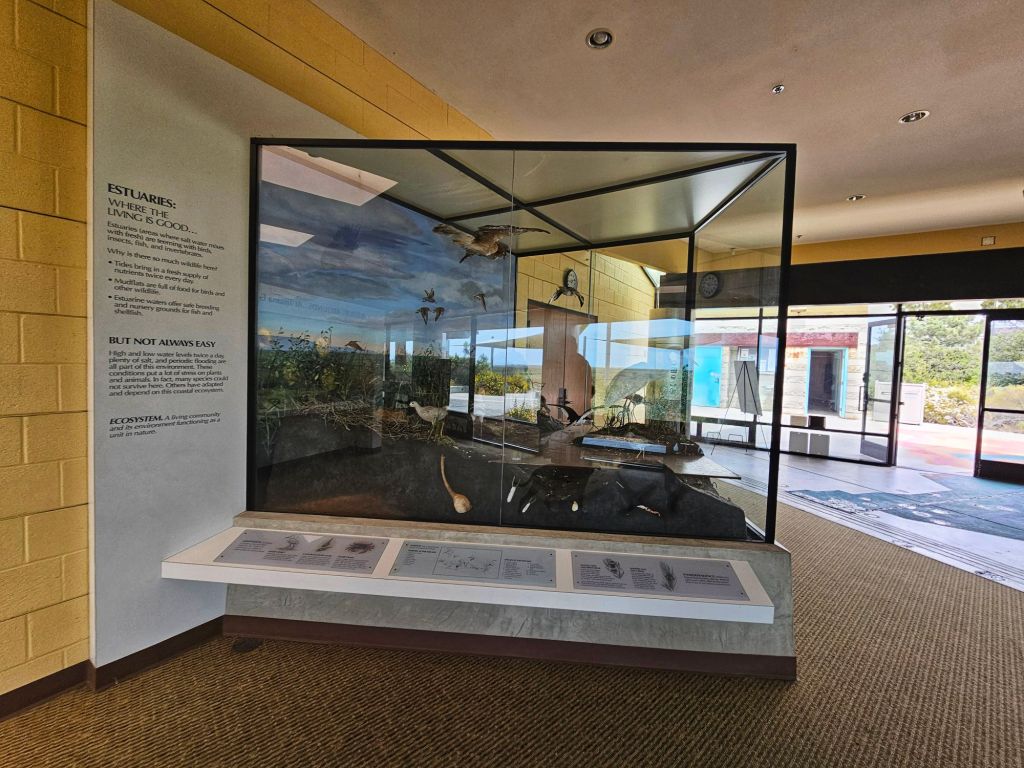
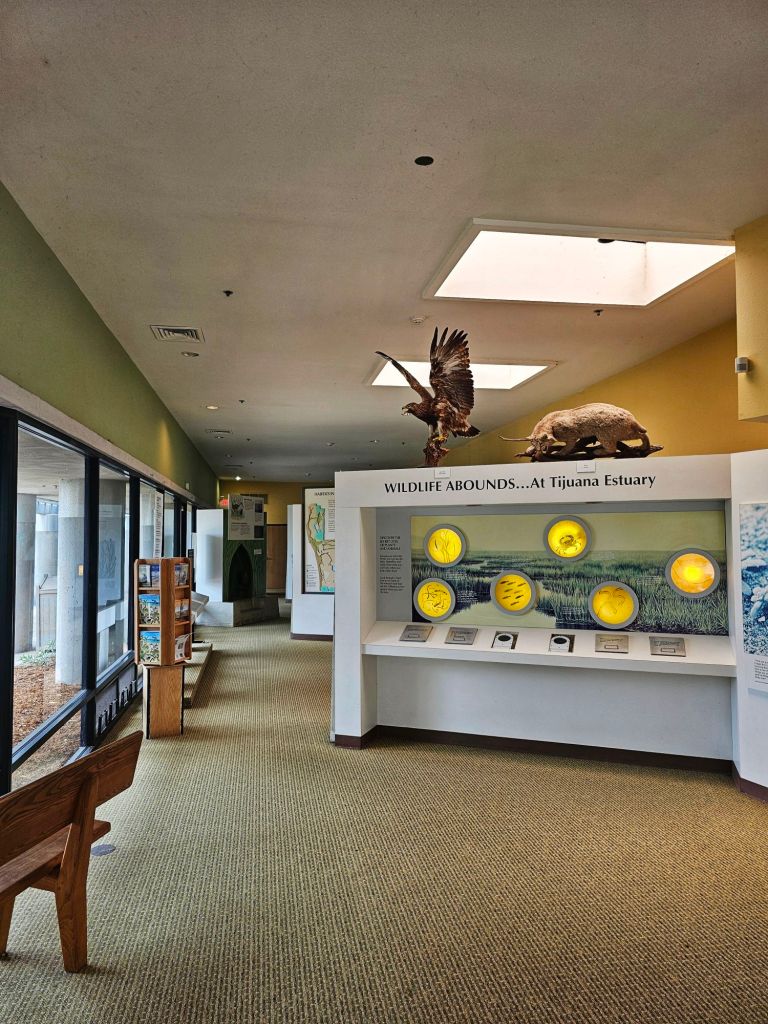
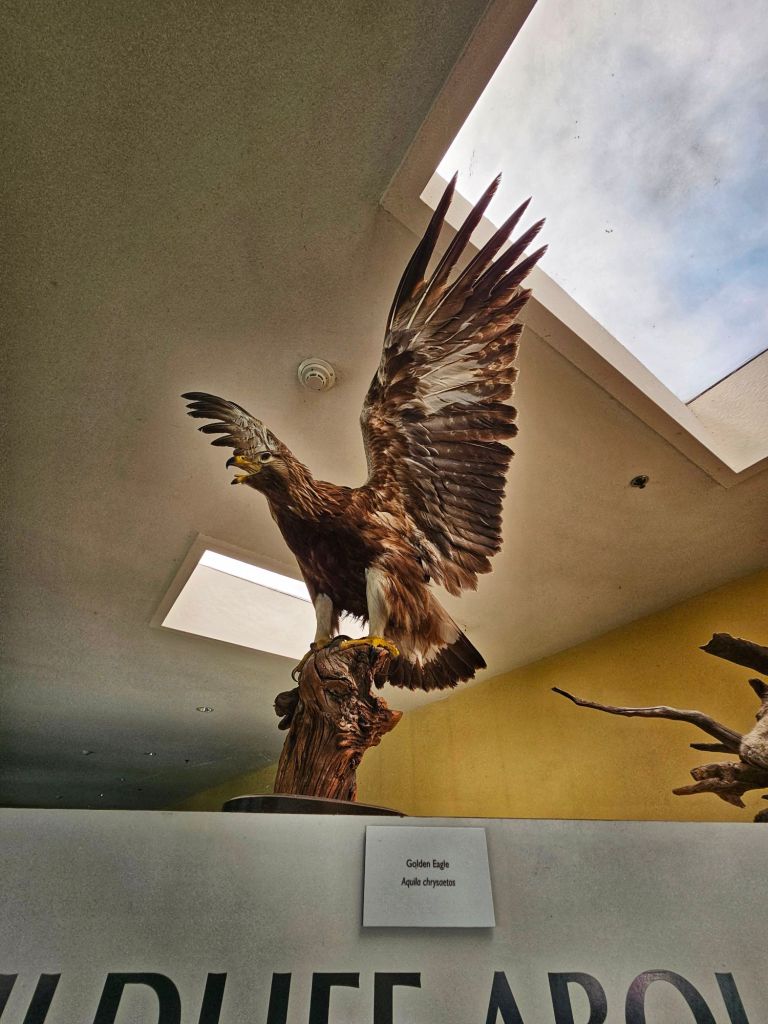
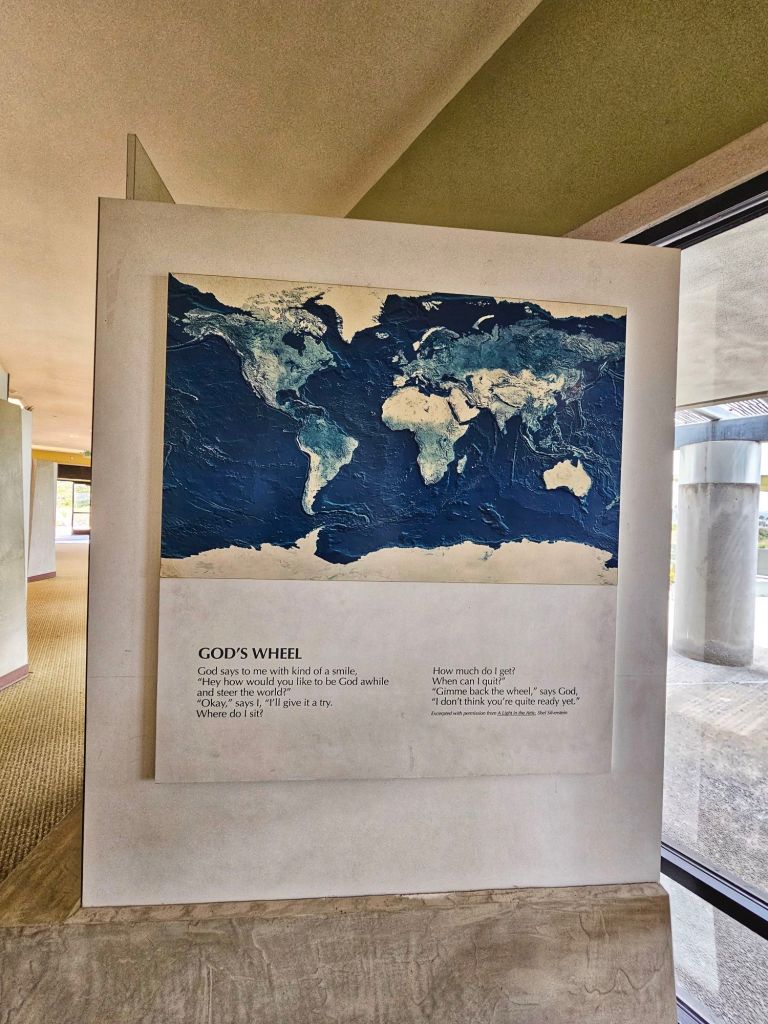
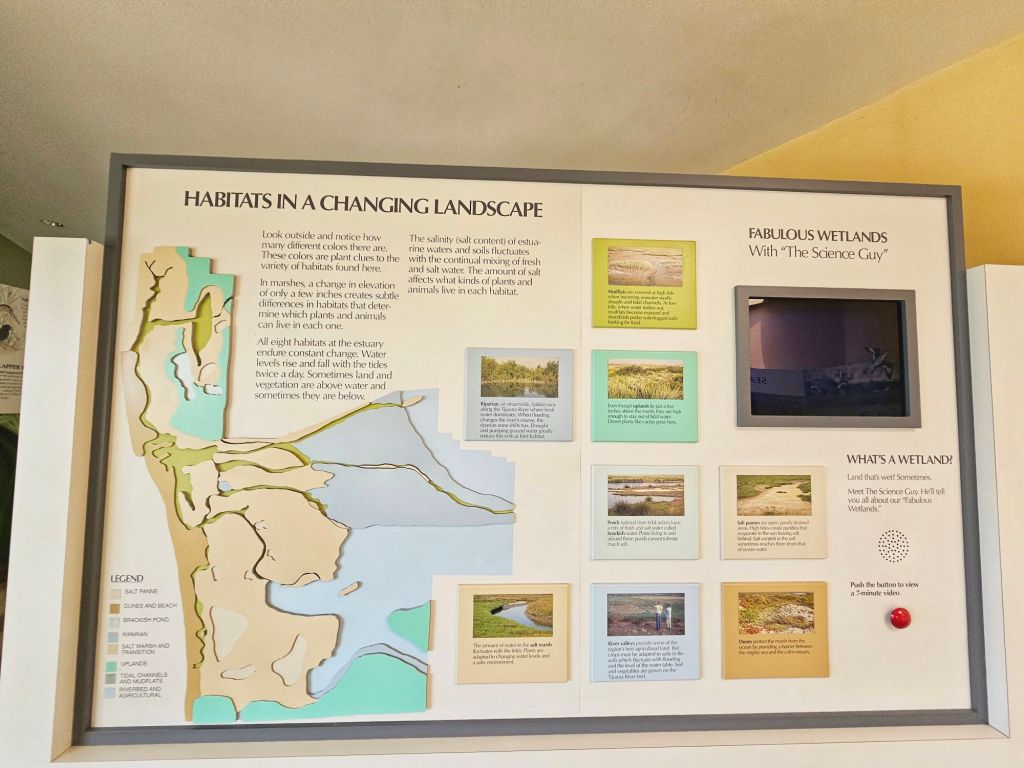
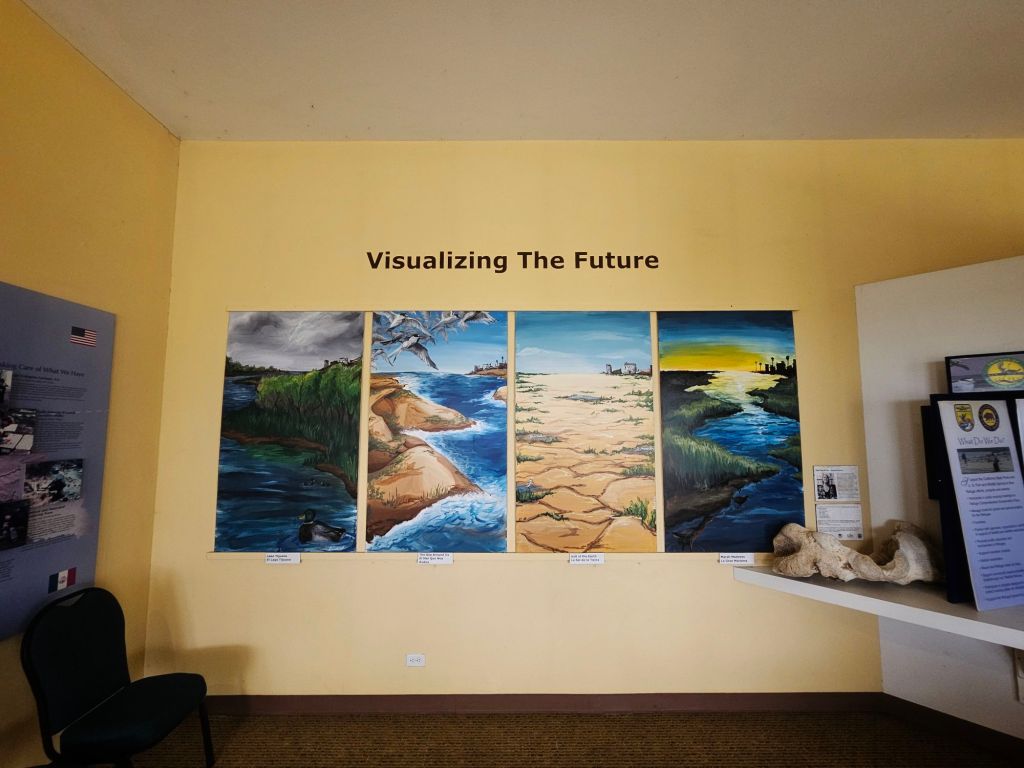
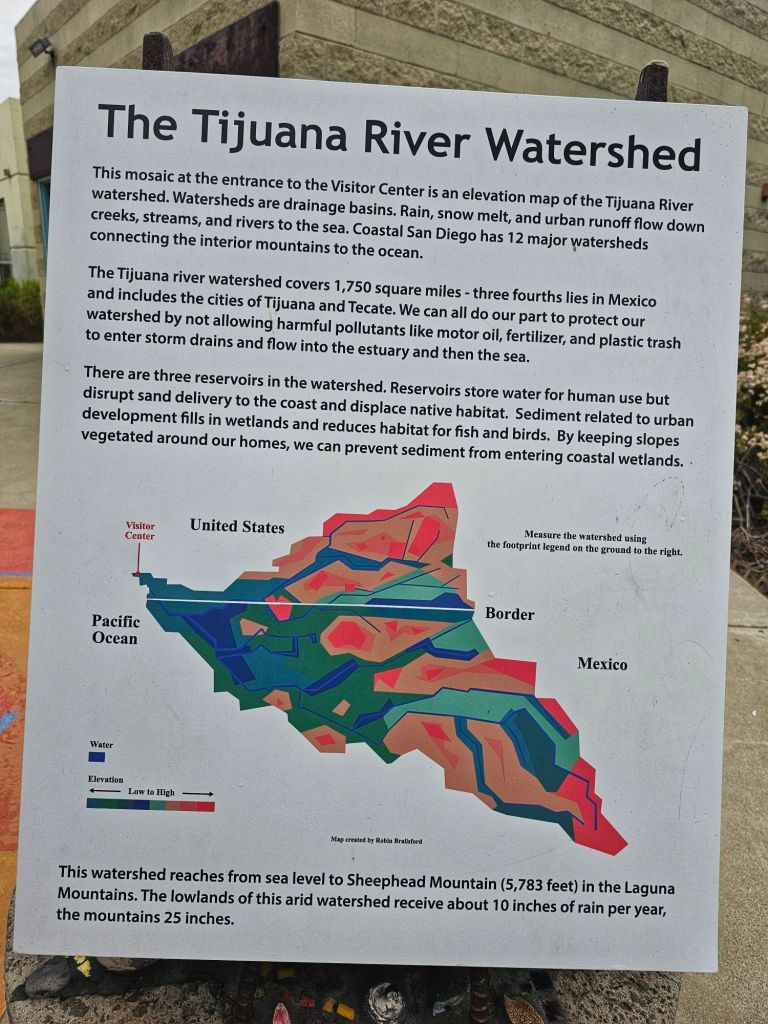
Don’t forget to stop by the Tijuana Estuary Visitor Center—a small but informative hub with exhibits, maps, and knowledgeable staff who can help guide your visit.
A Cross-Border Story
What makes the Tijuana River Estuary truly unique is its binational character. The Tijuana River originates in Mexico, flowing through the bustling city of Tijuana before crossing the U.S. border and emptying into the Pacific Ocean. Along the way, it faces challenges like pollution and urban runoff—but also inspires collaboration and conservation across borders.
Why It Matters
Estuaries like this one are among the most productive ecosystems on Earth. They provide nursery grounds for fish, shelter for birds, and natural flood control for communities. In a time of climate change and habitat loss, places like the Tijuana River Estuary remind us of nature’s resilience—and our responsibility to protect it.
Plan Your Visit
Whether you’re a birder, hiker, photographer, or simply seeking a quiet moment in nature, the Tijuana River Estuary is worth a visit. Come for the peaceful views, stay for the deeper connection to a landscape that quietly sustains life in so many ways.