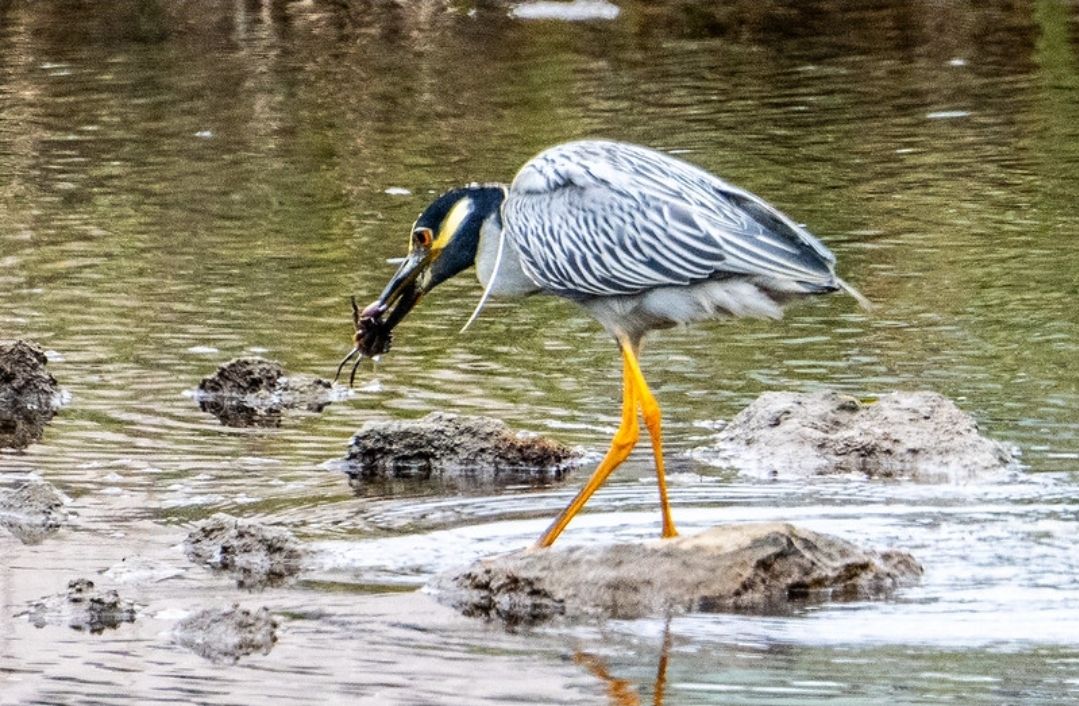
Famosa Slough is one of San Diego’s last remaining coastal wetlands and estuaries. It sits between Ocean Beach and Point Loma near the San Diego River channel, surrounded by dense urban development, which makes it especially unique. The slough covers about 37 acres and includes tidal marsh, mudflats, shallow channels, and nesting habitat for birds
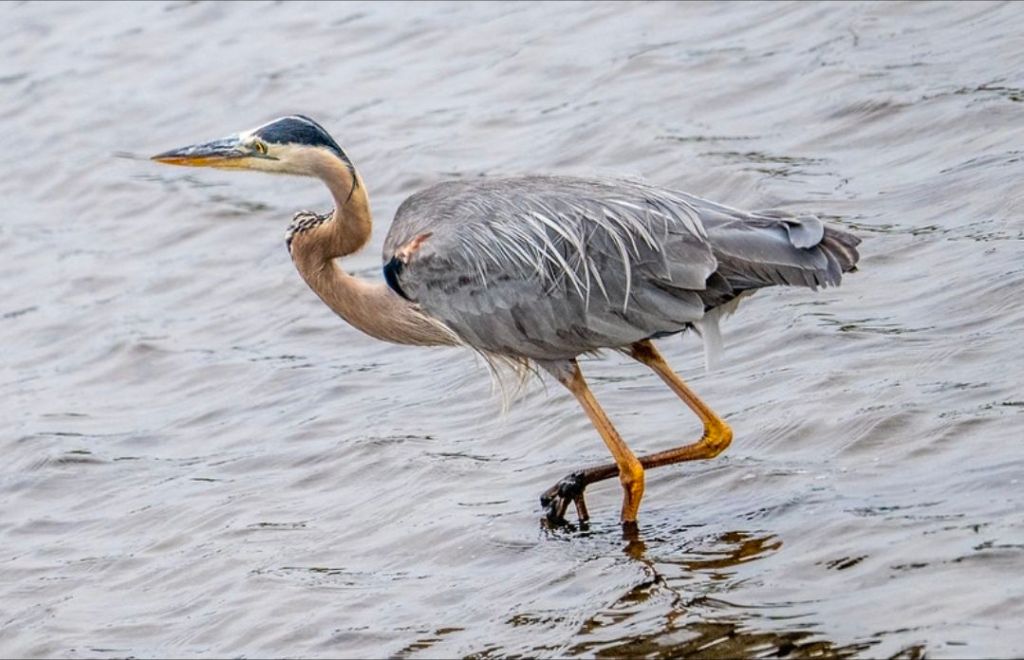
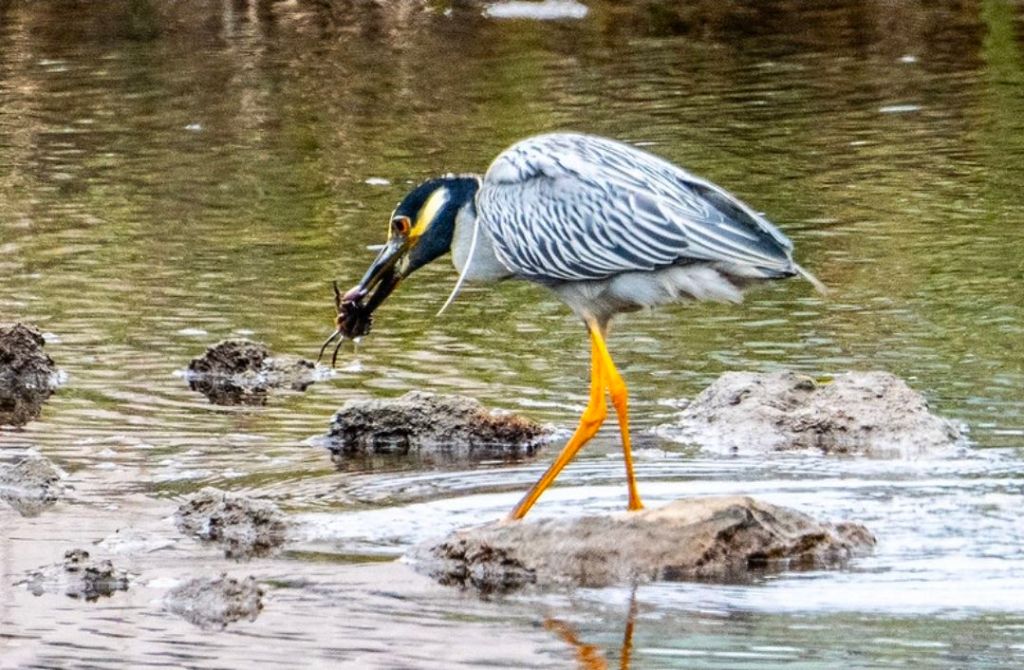
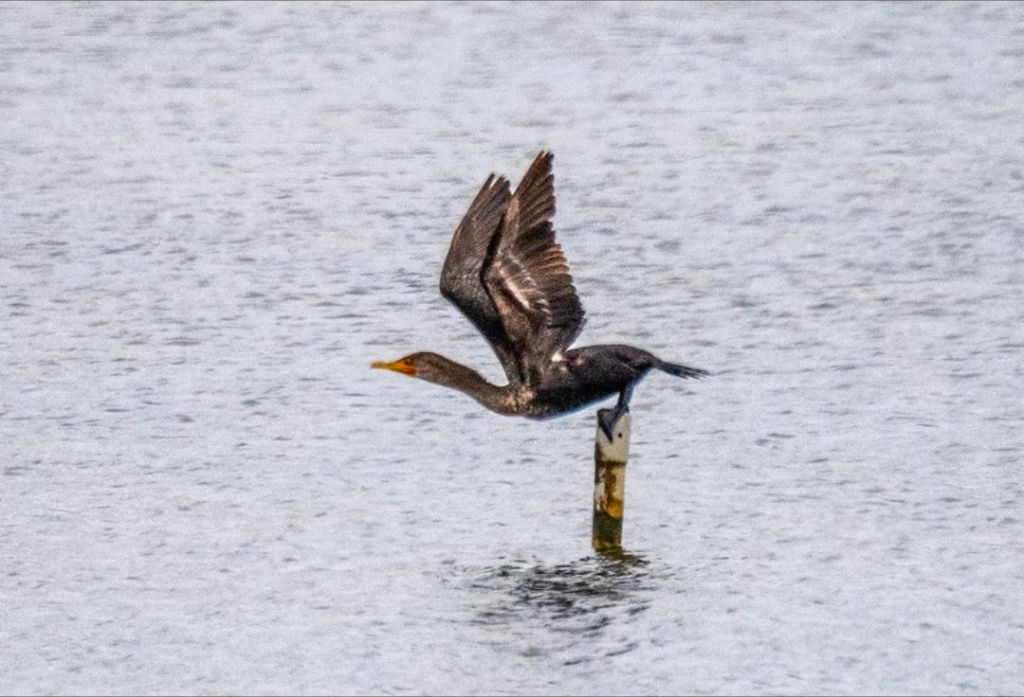
Historically, the area was part of the much larger Mission Bay estuary system, once called “False Bay.” Over the 1900s, development projects — including river channelization, trolley tracks, land filling, and wartime construction — cut the slough off from much of the original wetland system. By the 1970s, parts of it were even being filled with rubble for development projects, which triggered local activism to save it. The City of San Diego eventually purchased much of the land in 1990 for preservation and restoration.

Today, the slough is famous among birders and nature photographers because more than 180 species of birds have been recorded there, including:

black-necked stilts

snowy egrets

avocets

pelicans

kingfishers

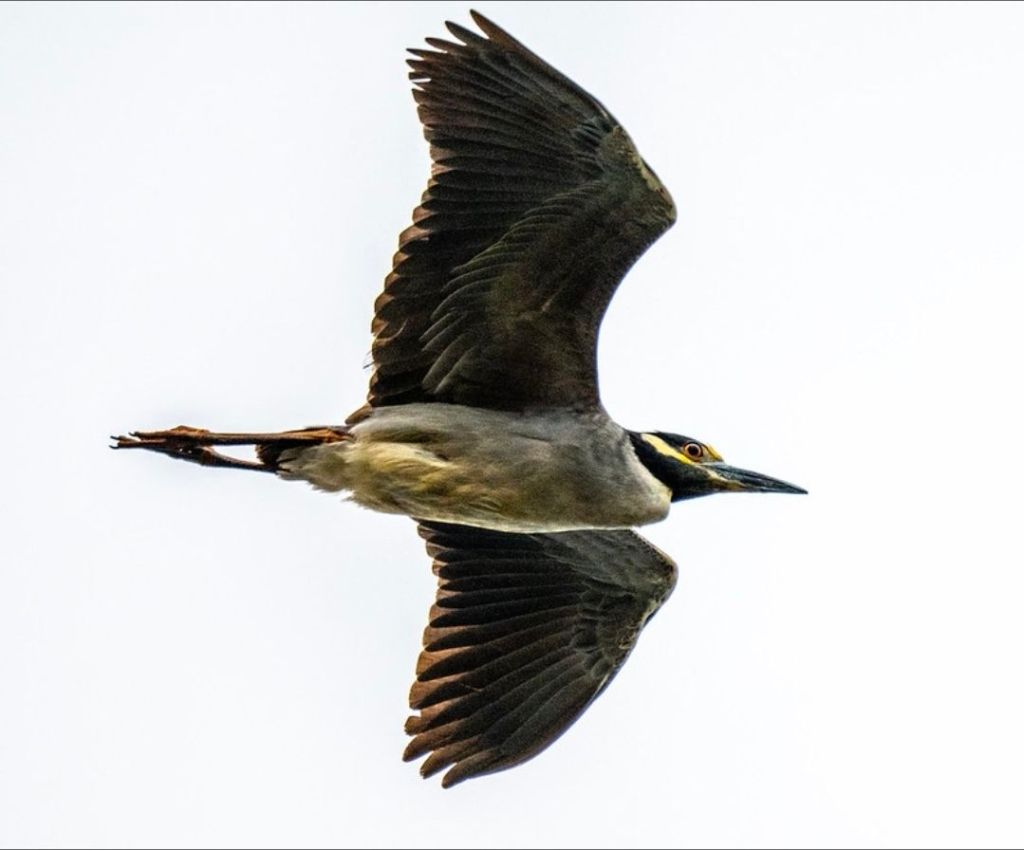
yellow-crowned night herons

migrating ducks and shorebirds along the Pacific Flyway.

The wetland also serves as a nursery habitat for fish and marine life because tidal seawater mixes with freshwater runoff, creating a brackish estuary environment. Native plants like pickleweed dominate the marsh and turn bright red in fall.

A major reason Famosa Slough is considered important is that roughly 95% of California’s historic wetlands have been lost to development. Local volunteers and the Friends of Famosa Slough continue restoration work, invasive plant removal, habitat enhancement, and educational programs.

The slough is also protected as a California marine conservation area where taking marine life is prohibited.

If you visit, there are short walking paths, viewing benches, and excellent birdwatching especially around sunrise and high tide. It’s often described as a “hidden gem” because it feels surprisingly quiet despite being surrounded by city neighborhoods.
Discovering the Living Coast Discovery Center: Where Nature Meets Education

Just south of downtown San Diego, where the city gives way to wetlands and salt marshes, there’s a place where you can get eye-to-eye with a sea turtle, watch raptors take flight, and walk through native coastal habitats—all in a single afternoon. The Living Coast Discovery Center in Chula Vista isn’t your typical zoo or aquarium. It’s a hands-on, outdoor classroom for all ages, wrapped in the sights, sounds, and scents of the San Diego Bay.

More Than a Wildlife Center

Originally founded in 1987 as the Chula Vista Nature Interpretive Center, the Living Coast has evolved into a nonprofit organization that blends conservation, education, and wildlife rehabilitation. Each exhibit and trail is designed to highlight the unique ecosystems of Southern California—from salt marshes and mudflats to coastal sage scrub and open ocean.

But the Living Coast is more than just a place to look at animals—it’s a place to learn how to care for them and the environment they depend on.

What You’ll See

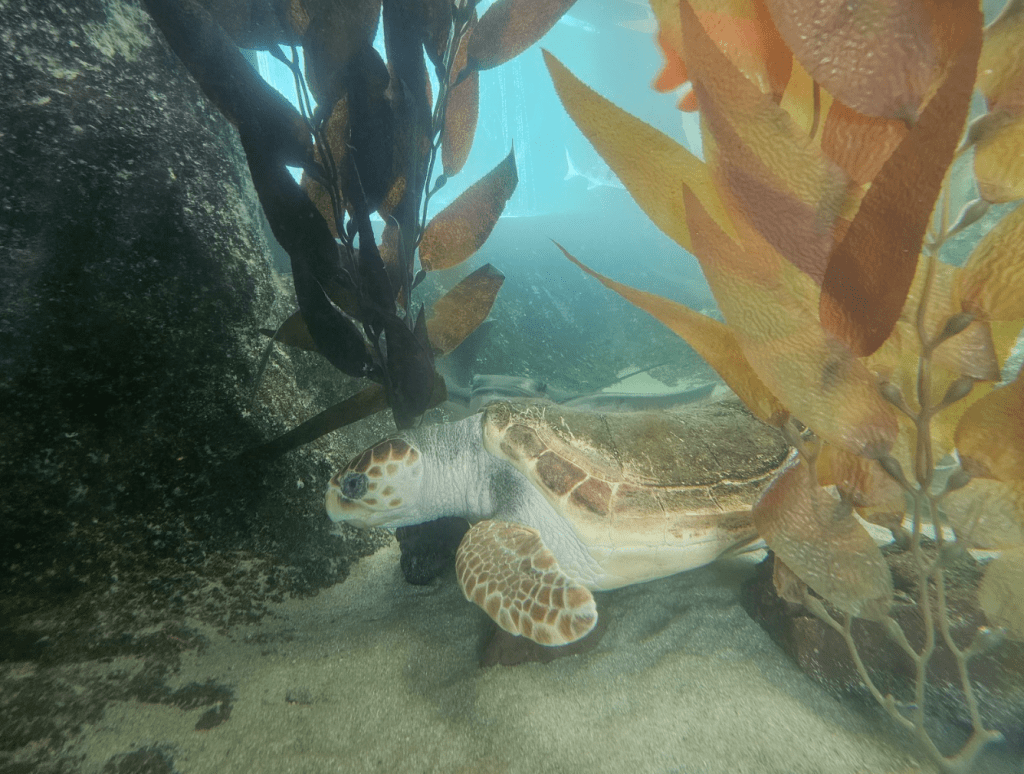
  • Green Sea Turtles floating gracefully in Turtle Lagoon, a favorite stop for kids and adults alike.
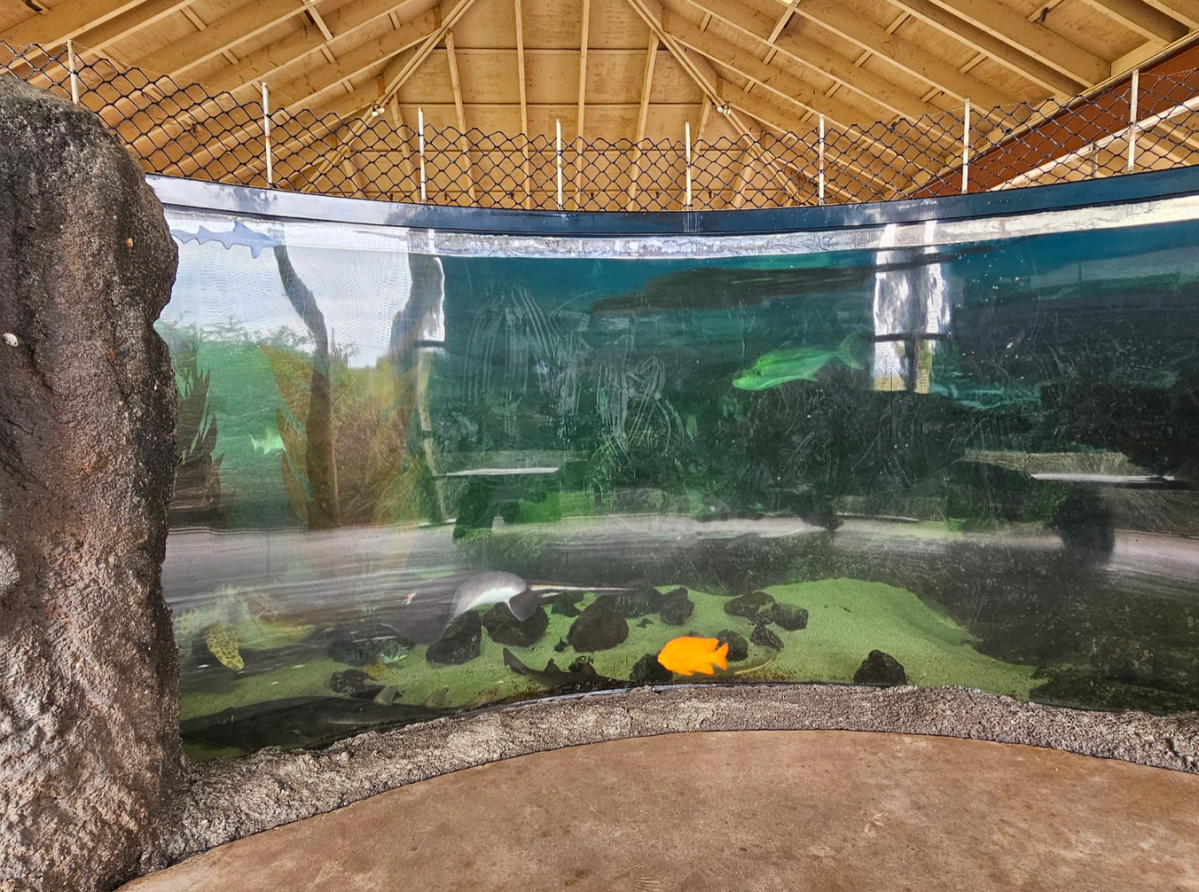
  • Leopard sharks and bat rays at the Shark & Ray Experience, where you can even touch some of the animals in the interactive pool.
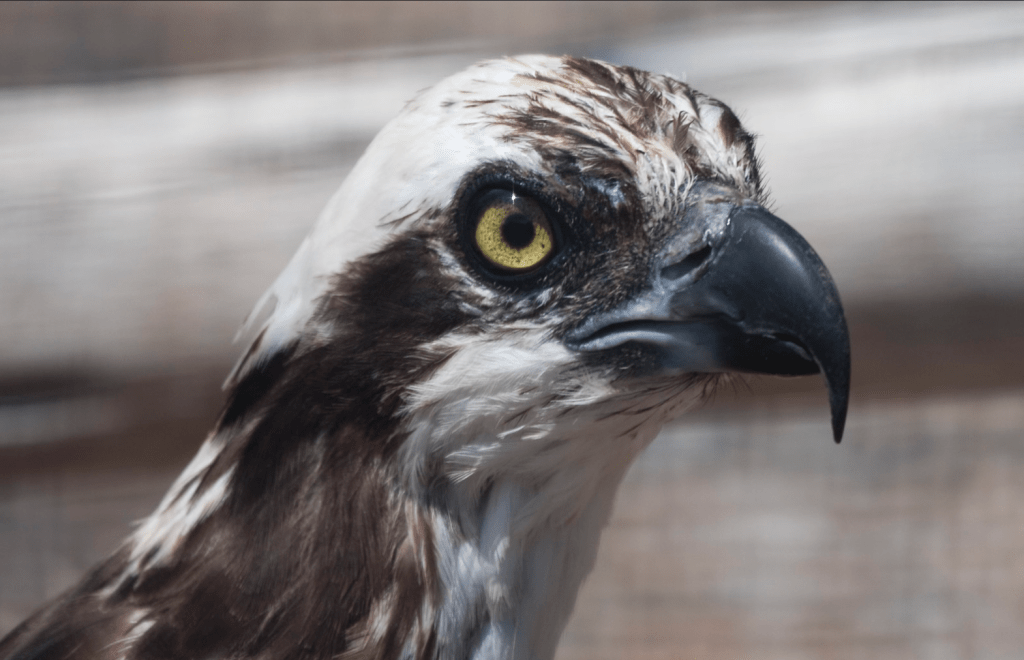
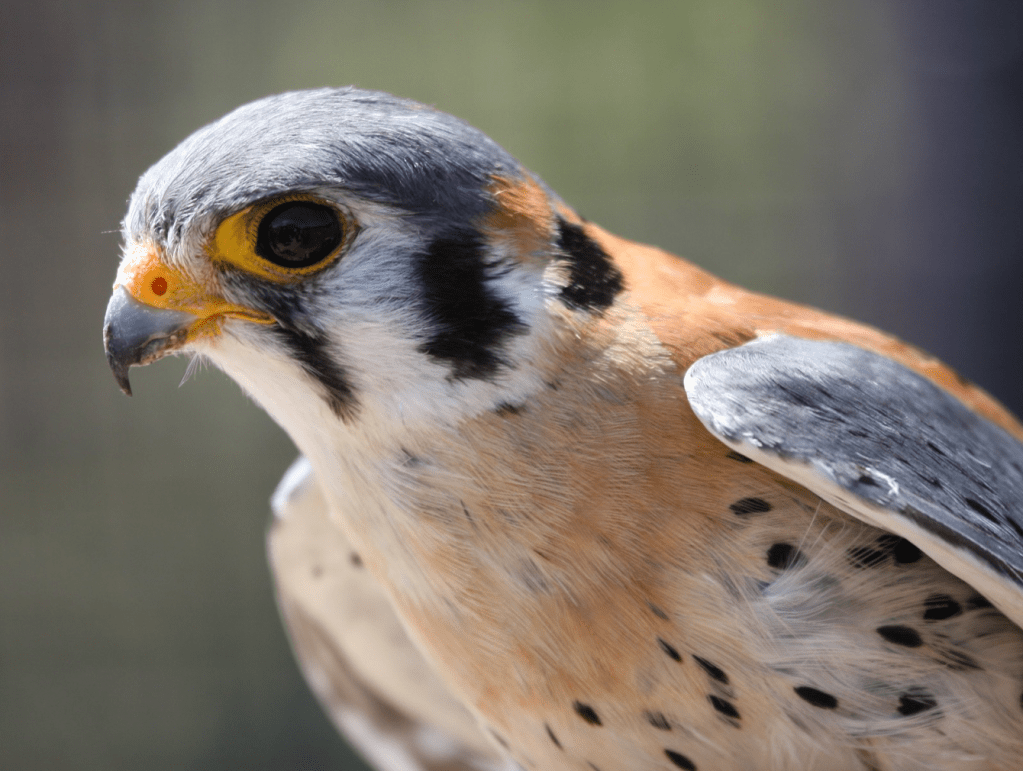
  • Birds of prey like bald eagles, owls, and hawks along Raptor Row, all non-releasable rescues living out their lives in sanctuary.
  • Aviaries and nature trails that bring you face-to-face with local bird species and panoramic bay views.
  • Aquatic exhibits showcasing jellyfish, seahorses, octopuses, and other marine life found just off the California coast.

Everything is designed to be close, accessible, and immersive—no crowds or long walks between exhibits, just a focused, meaningful experience.

Ideal for Families, Students, and Nature Lovers

One of the Center’s biggest impacts happens behind the scenes. With over 15,000 schoolchildren visiting each year, the Living Coast is a hub for environmental science education. Interactive programs, field trips, and conservation workshops give young visitors a hands-on way to explore biology, ecology, and sustainability.

Know Before You Go

  • Location: Sweetwater Marsh, part of the San Diego National Wildlife Refuge
  • Access: The parking lot is off Bay Boulevard; a free shuttle takes visitors into the refuge
  • Hours & Tickets: Check www.thelivingcoast.org for current hours, admission prices, and seasonal events
  • Best Time to Visit: Mornings are ideal—cooler temperatures and active animals

A Local Gem Worth the Detour

The Living Coast Discovery Center is the kind of place that stays with you. Whether you’re snapping a photo of a burrowing owl or quietly watching a ray glide by, it’s a reminder that incredible wildlife doesn’t just live in remote places—it thrives right here in our own backyard.