USS Recruit: The “Ship” That Never Sailed

USS Recruit: The “Ship” That Never Sailed

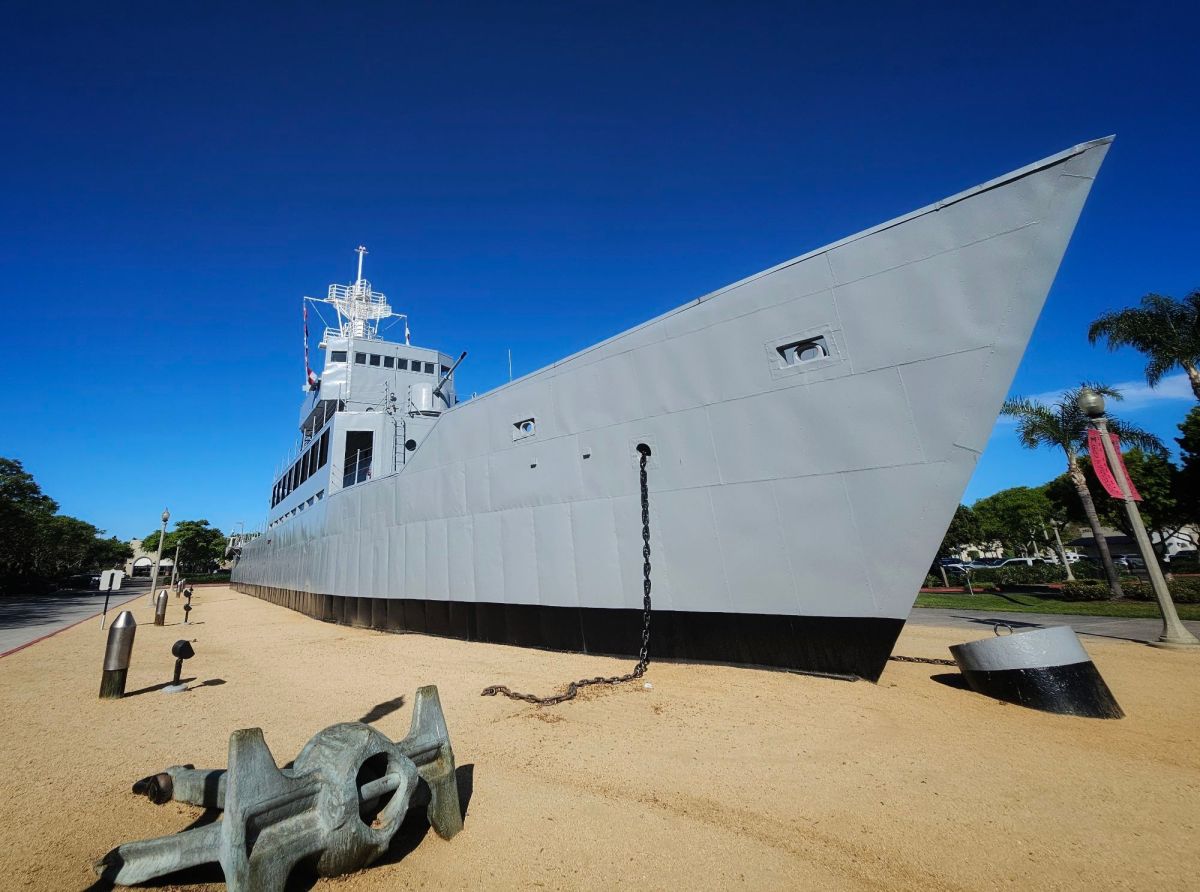
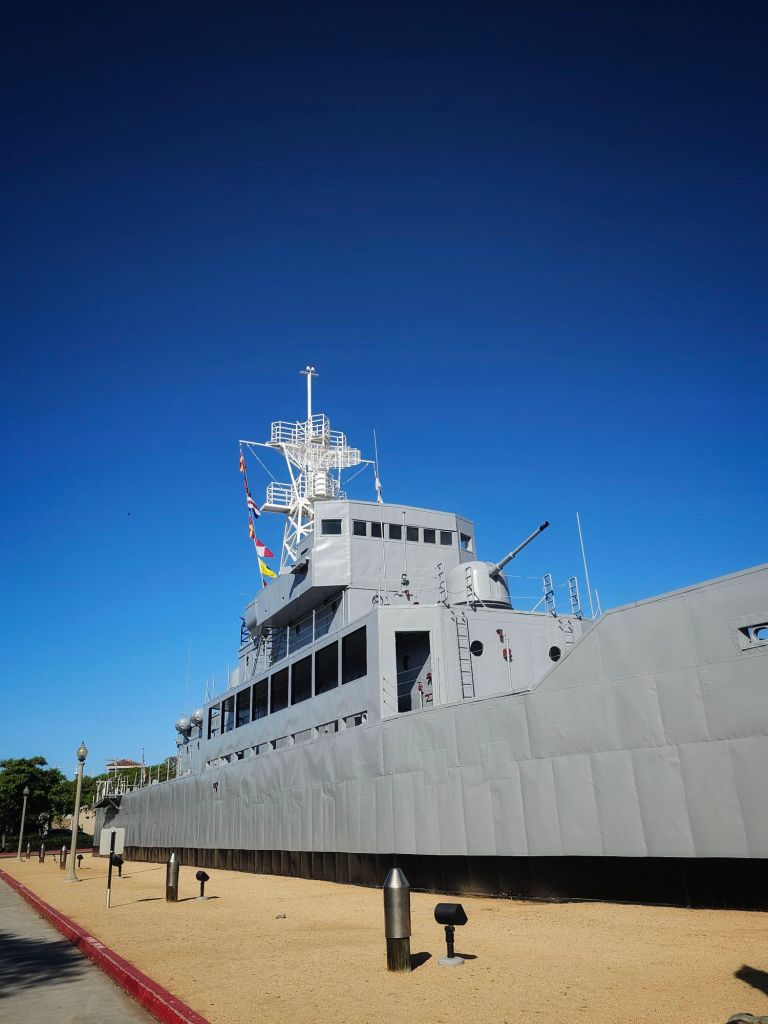
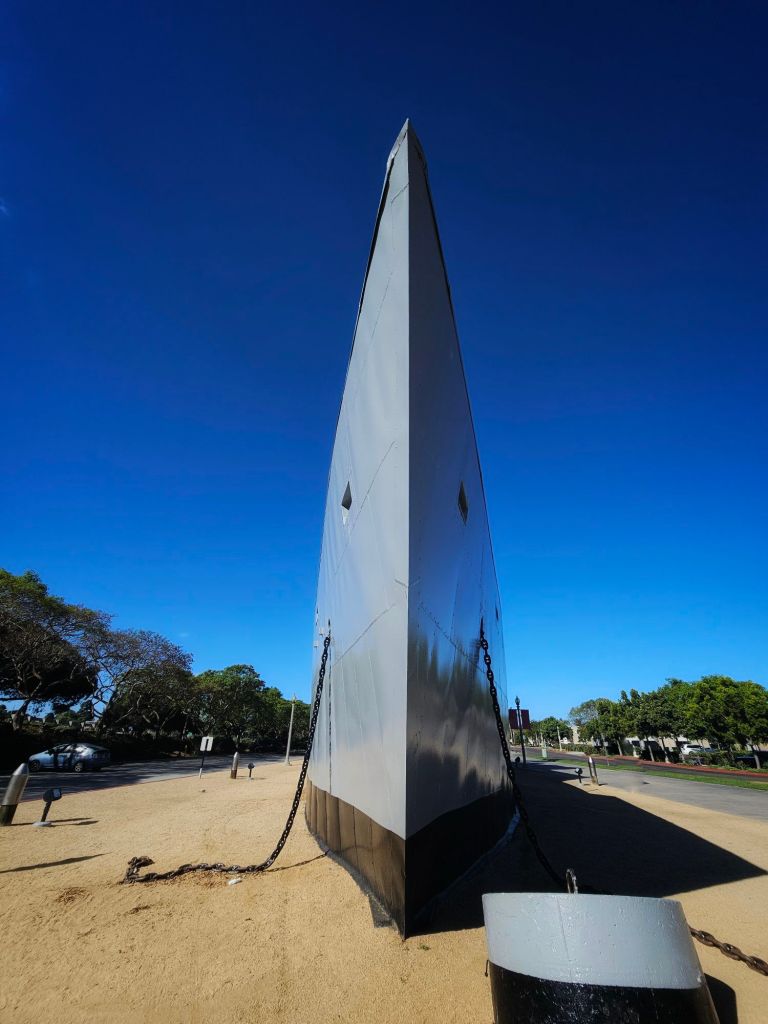
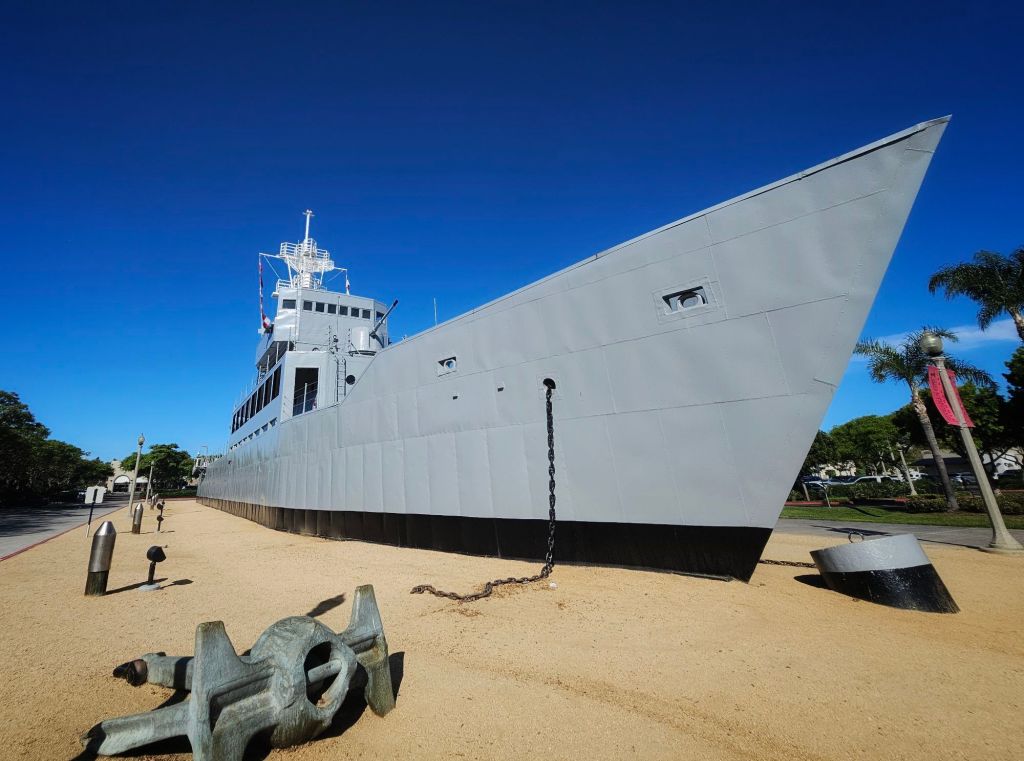
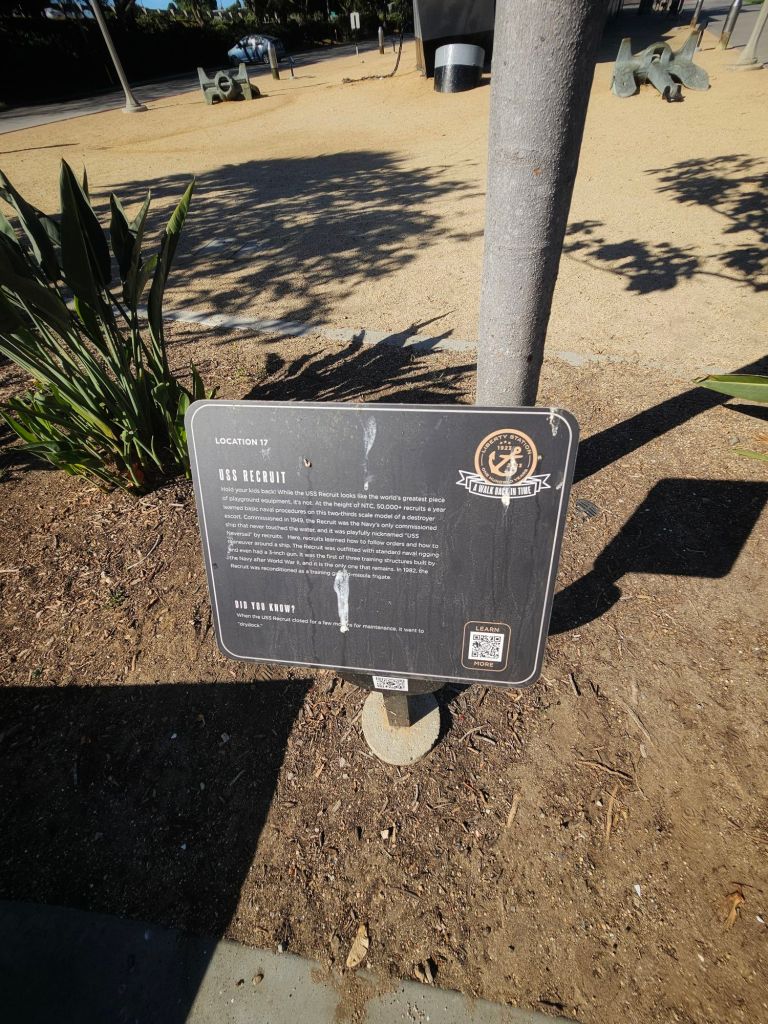
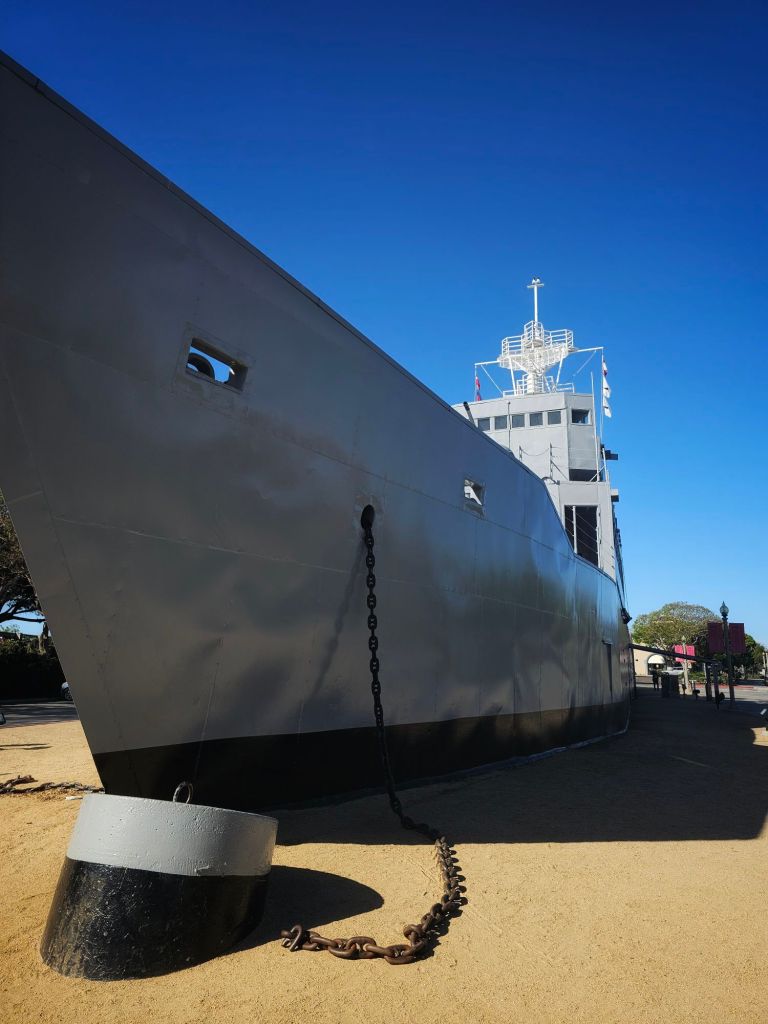
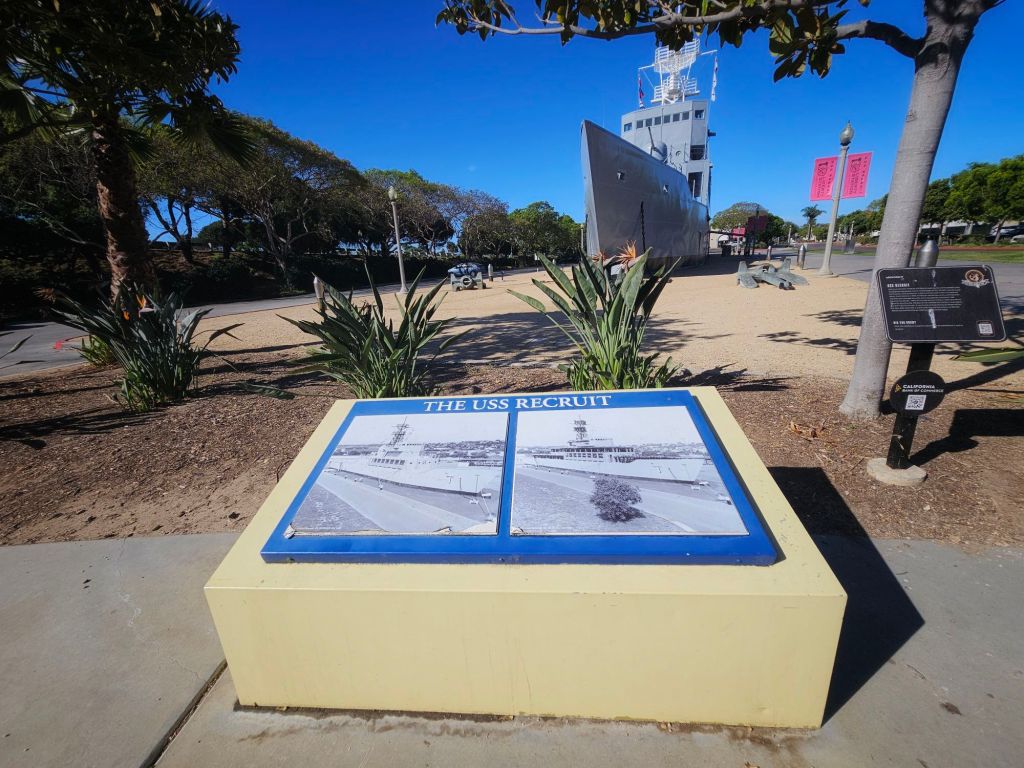
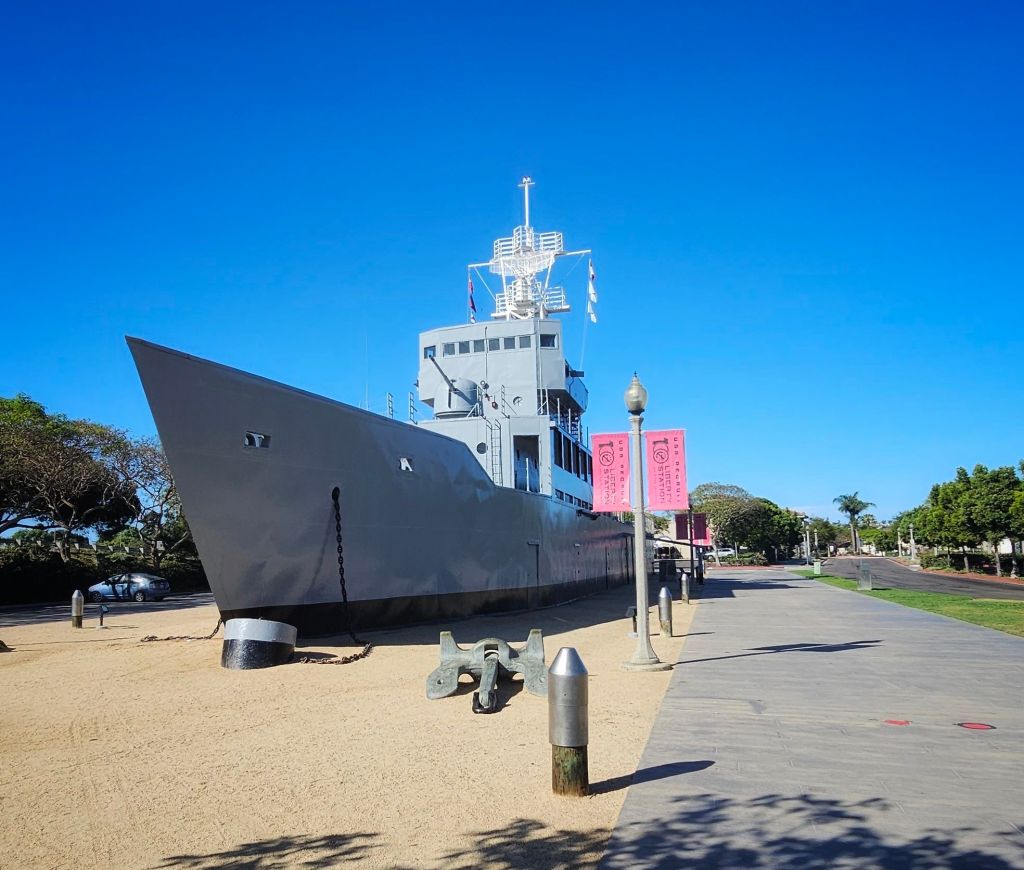
Tucked away in San Diego’s rich naval history is one of the most unusual vessels ever “commissioned” by the U.S. Navy—a ship that never touched water. Known as the USS Recruit, this full-scale wooden battleship stood firmly on land, yet played a critical role in preparing sailors for life at sea.

A Ship Built for Training

Constructed in 1941 at the Naval Training Center San Diego, the USS Recruit was designed to simulate the experience of serving aboard a real naval vessel. Nicknamed the “USS Neversail,” the structure was a two-thirds-scale replica of a destroyer, complete with deck guns, signal equipment, and compartments that mirrored those found on active ships.

This wasn’t just for show—new recruits trained on the Recruit to learn shipboard routines, terminology, and discipline before ever setting foot on an actual vessel. At a time when the United States was entering World War II, the Navy needed to prepare thousands of sailors quickly and efficiently. The Recruit became a vital stepping stone in that process.

Life Aboard a Ship on Land

For many young sailors, the USS Recruit was their first introduction to Navy life. They practiced everything from standing watch to navigating tight quarters and responding to simulated drills. The goal was simple: eliminate the shock of transitioning from civilian life to the demanding environment of a warship.

Though it never left its concrete “pier,” the Recruit offered a surprisingly immersive experience. Recruits marched across its deck, handled equipment, and learned to function as part of a coordinated crew—skills that would soon be tested in real combat situations across the Pacific.

A Symbol of Innovation

The USS Recruit represents a creative solution to a wartime challenge. Instead of relying solely on active ships for training, the Navy brought the ship to the sailors. This approach not only saved time and resources but also allowed for consistent, controlled instruction.

It also reflects San Diego’s longstanding identity as a military hub. Facilities like the Naval Training Center helped shape generations of service members and contributed to the city’s deep ties to the Navy.

What Happened to the USS Recruit?

After decades of service, the USS Recruit was decommissioned and eventually dismantled in 1969. While the structure itself is gone, its legacy lives on as a fascinating chapter in naval history.

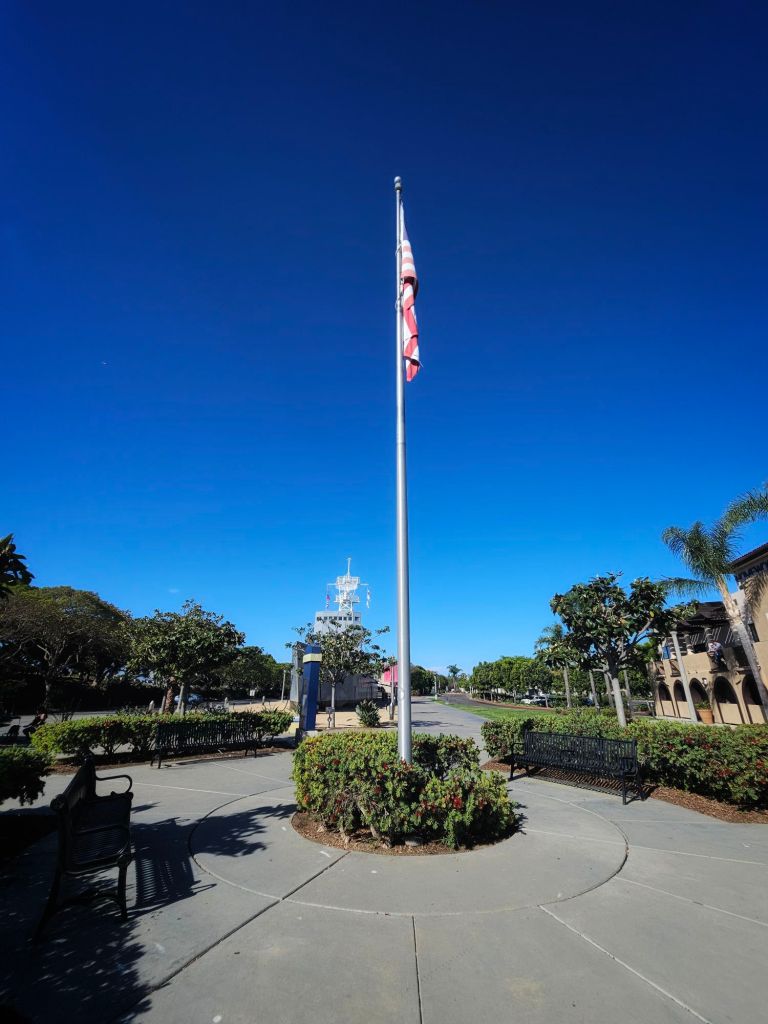
Today, the former Naval Training Center has been transformed into Liberty Station, a vibrant waterfront district filled with shops, parks, and cultural spaces. Few visitors realize that beneath the modern development once stood a “ship” that helped train thousands of sailors during one of the most pivotal times in history.

Why It Still Matters

The story of the USS Recruit is a reminder that not all important ships sail the seas. Some, like this landlocked training vessel, quietly shape history from the shore.

For photographers, history enthusiasts, and locals exploring San Diego, it’s a compelling example of how hidden stories can exist in familiar places—waiting to be rediscovered.
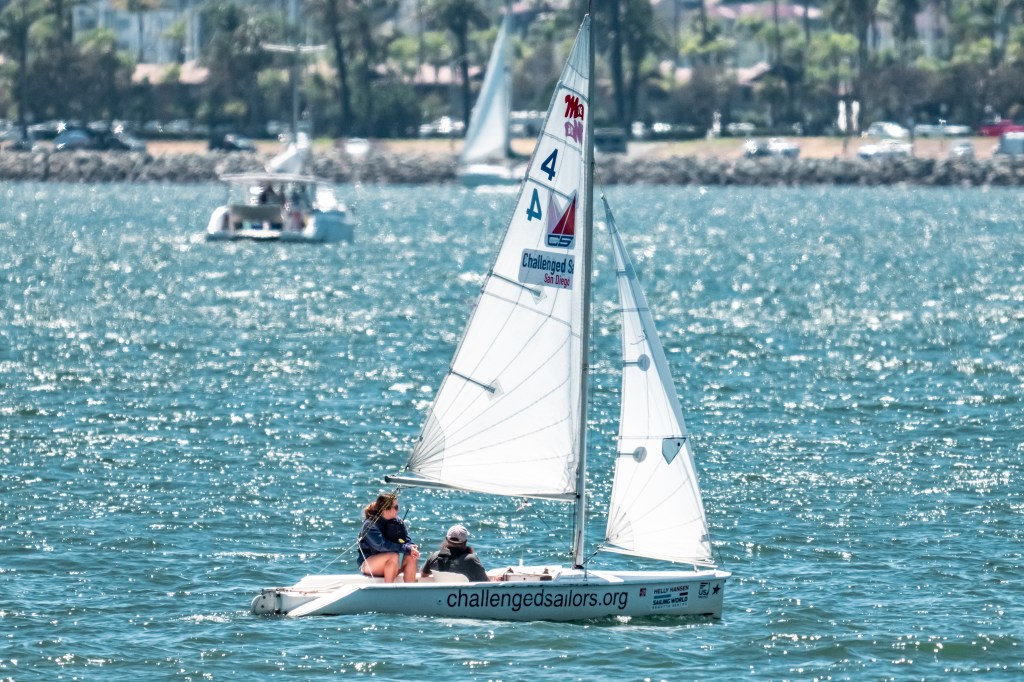
Sailing Without Limits: The Inspiring Work of Challenged Sailors San Diego

Set Sail for Freedom on San Diego Bay

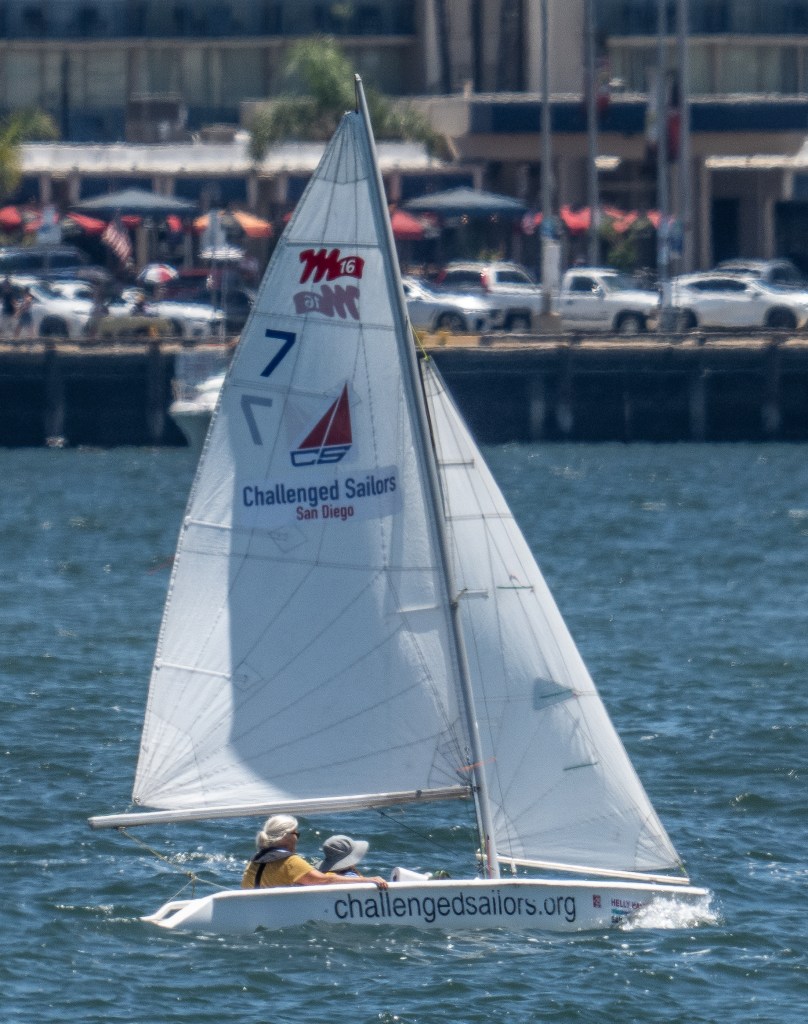
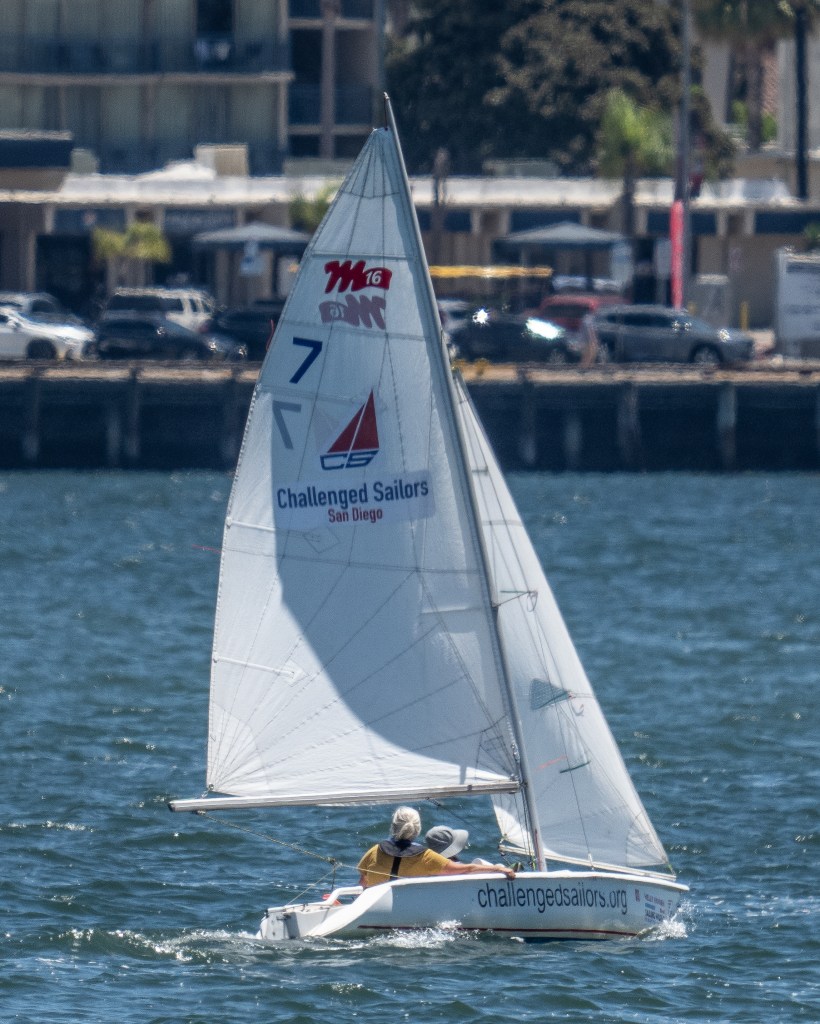
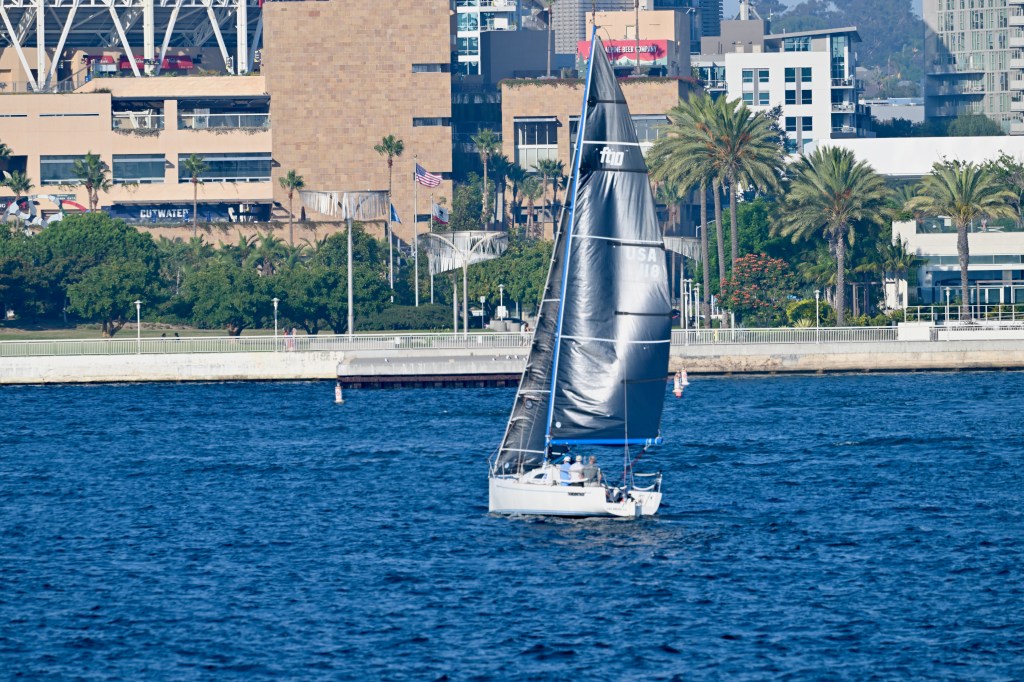
Tucked along the marina-lined coast of Harbor Island, a quiet revolution takes place every weekend. It doesn’t make headlines or draw big crowds, but it changes lives—one sail at a time. Challenged Sailors San Diego (CSSD) is a volunteer-powered nonprofit that brings the joy and freedom of sailing to individuals with physical and cognitive disabilities.

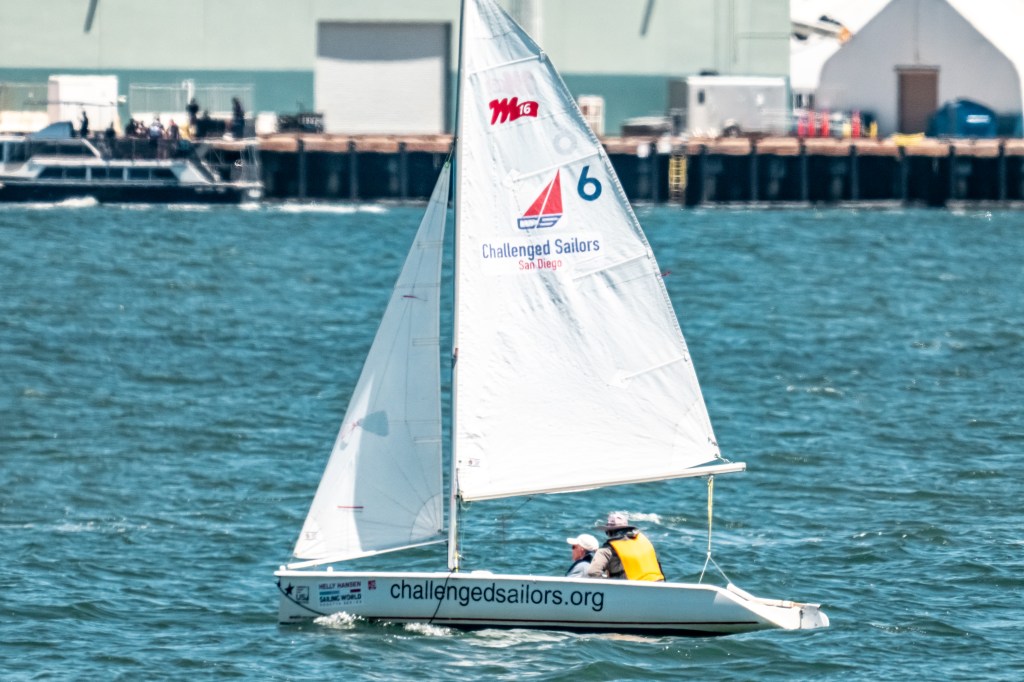
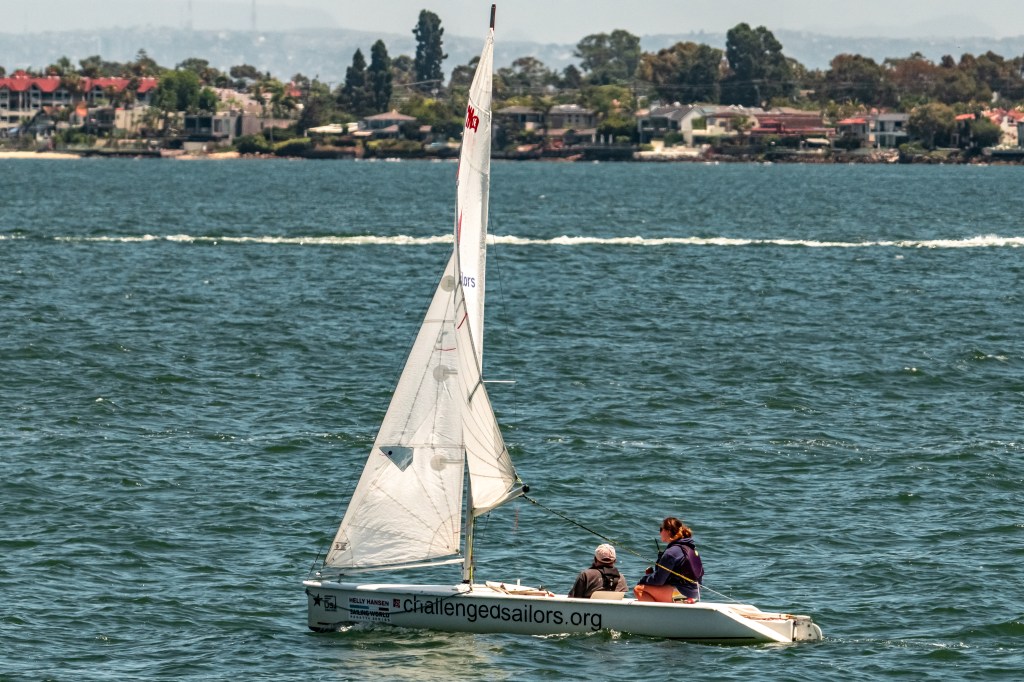
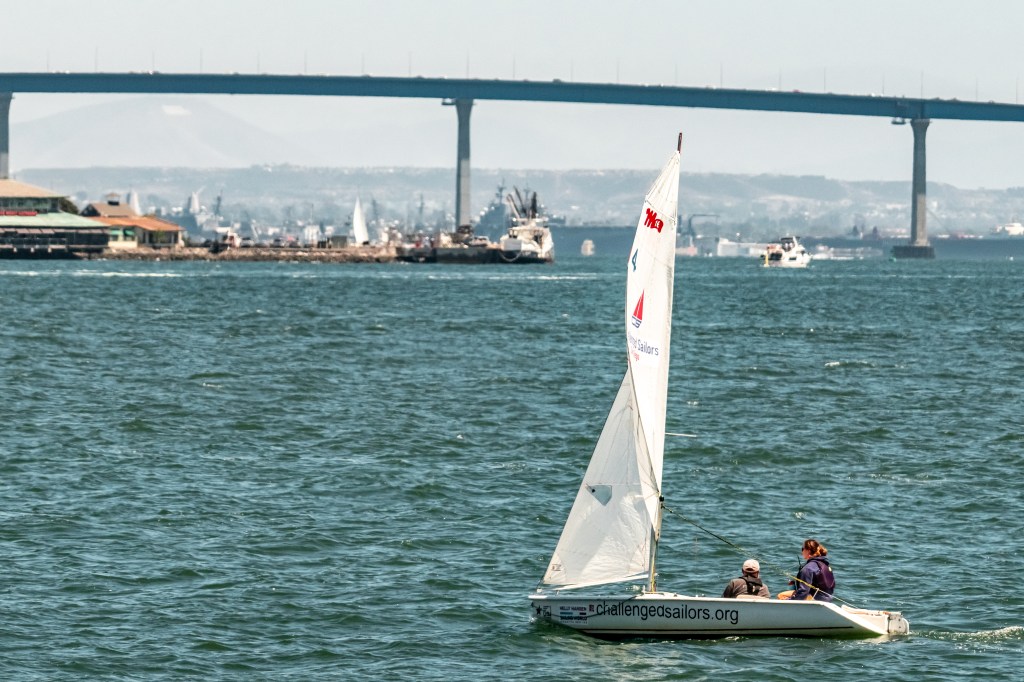
Every Friday and Saturday, from 11:30 a.m. to 3:00 p.m., you’ll find CSSD’s custom fleet of Martin 16 sailboats slicing across San Diego Bay, helmed by people who are often navigating more than just the wind and tide—they’re navigating challenges like paralysis, vision loss, PTSD, or traumatic brain injury. But out on the water, those barriers seem to vanish.

Adaptive Sailing for All

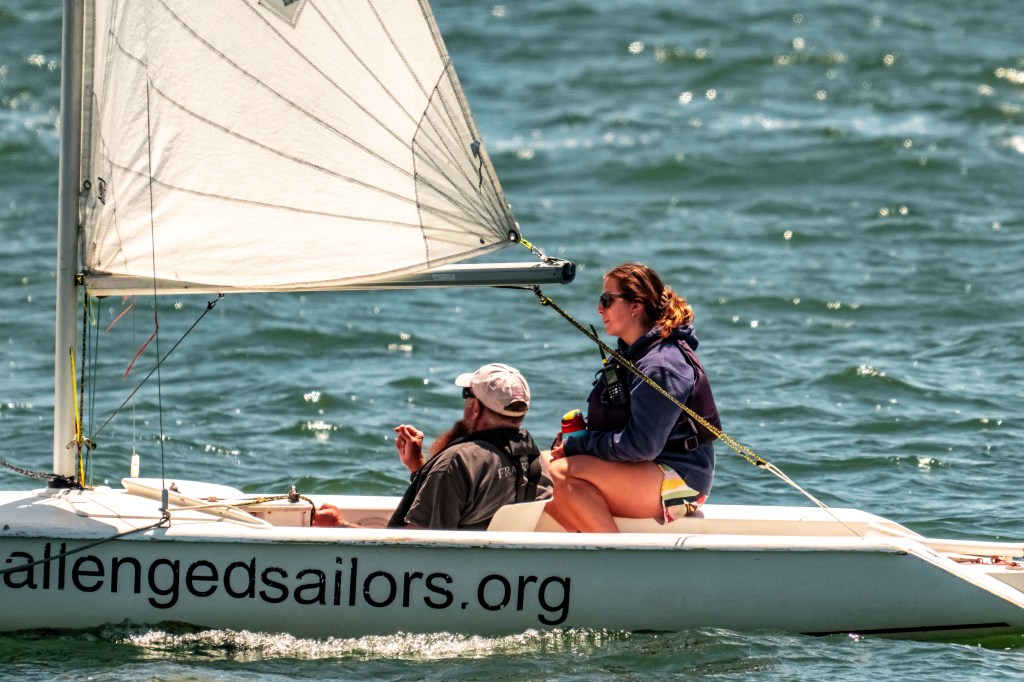
What makes CSSD so unique is their accessibility-first approach. Their Martin 16 sailboats are specially designed with stability and ease of control in mind. Sailors sit in supportive bucket seats, and many use a joystick—or even a sip-and-puff system—for full control of the boat. A trained volunteer companion sits just behind, ready to assist when needed, but always letting the sailor take the lead.

Whether someone is a first-time participant or a returning sailor, CSSD creates a safe and empowering experience. No previous sailing experience is required, and participation is completely free of charge. This is more than recreation—it’s liberation.

“Anywhere You Want to Go”

One of the most moving stories shared by CSSD volunteers is of a woman in a wheelchair who asked, “Where do we go?” Her sailing companion responded, “Anywhere you want.” She burst into tears. It’s a reminder that freedom of movement—something many of us take for granted—is a powerful gift.

CSSD serves a wide range of sailors, from veterans and stroke survivors to young people with cerebral palsy or autism. Some are lifelong San Diegans. Others are visiting just for the day. All leave with a shared sense of accomplishment—and often, a smile that speaks louder than words.

Volunteers at the Helm

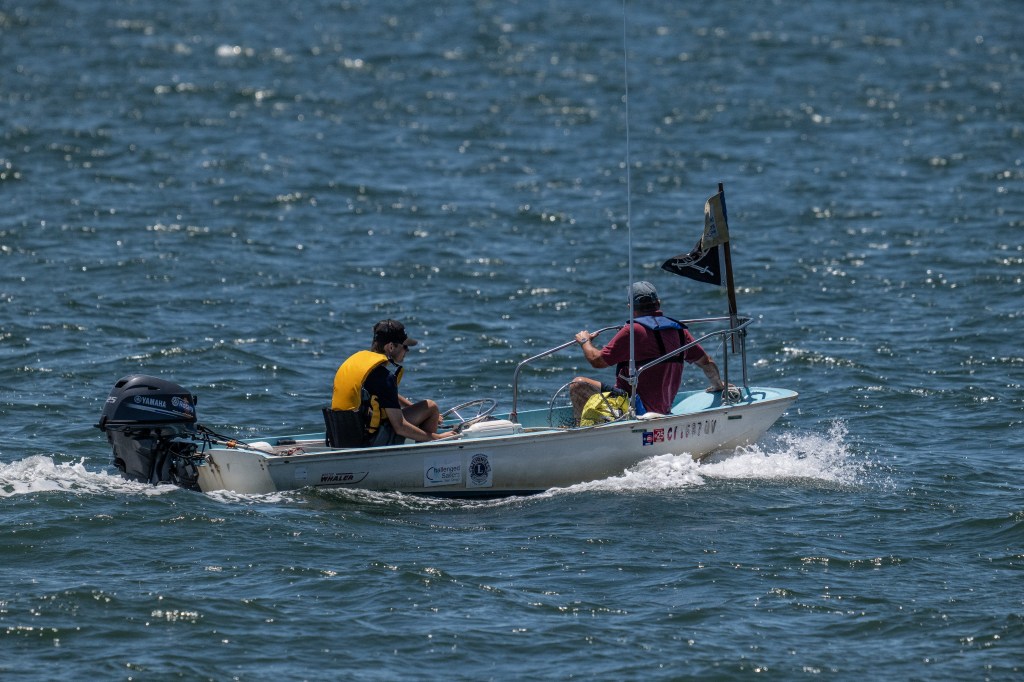
CSSD is 100% volunteer-run. Everyone from the companion sailors to the dockhands to the chase boat operators donates their time and energy. Many are lifelong sailors. Others are newcomers drawn to the cause. But all share the same passion: making sailing accessible to everyone.

Interested in volunteering? No sailing experience is needed for many roles, and training is provided. If you’re looking to give back to the community in a way that’s fun, active, and deeply meaningful, this is one crew worth joining.

How to Get Involved

CSSD offers several ways to participate:

  • Sail with them: If you or someone you know has a disability and would like to try sailing, simply sign up on their website and the team will contact you to schedule a day.
  • Volunteer: Help on the water or on the dock. All roles are vital, and everyone is welcome.
  • Donate: CSSD relies on donations to keep the sails full and the experiences free. Every dollar helps bring joy to someone’s day.

To learn more or get involved, visit: https://www.challengedsailors.org


Final Thoughts

Out on the bay, there are no wheelchairs. No labels. Just wind, water, and the thrill of command. Challenged Sailors San Diego reminds us that inclusion isn’t just about access—it’s about creating moments of joy, confidence, and connection. And sometimes, that all begins with a simple push away from the dock.
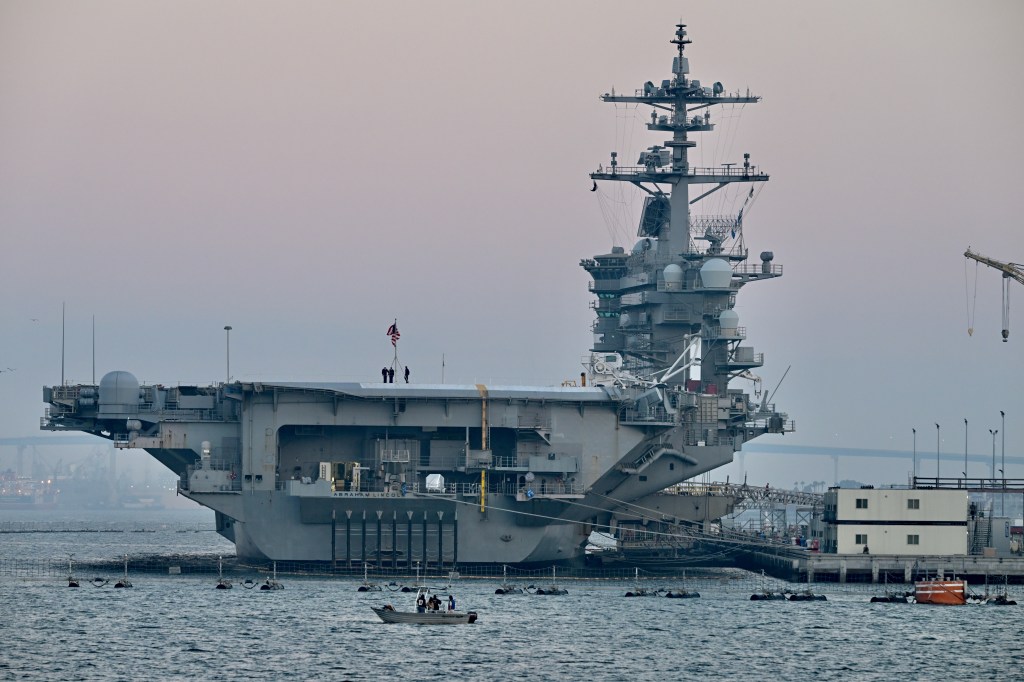
Experience San Diego from the Water aboard a Harbor Cruise Vessel

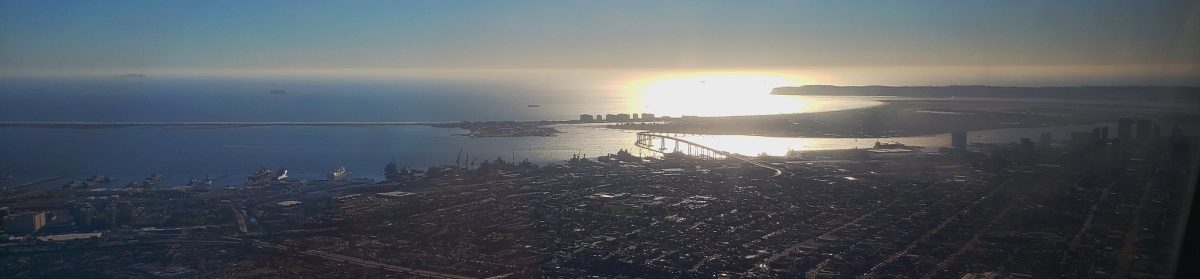
San Diego bay has a long and storied past. Its protected tidal areas offered the Kumeyaay people, who lived along the coast and inland valleys, areas to fish, harvest shellfish, and used plank canoes called tomols to navigate coastal waters. The ocean was central to their diet, trade, and spiritual life. In 1542, Portuguese explorer Juan Rodríguez Cabrillo, sailing under the Spanish flag, became the first European to enter San Diego Bay, naming it San Miguel. In 1602, Sebastián Vizcaíno renamed the bay San Diego, in honor of Saint Didacus.

During the Mexican-American War, the U.S. Navy took control of San Diego in 1846. San Diego became a U.S. Navy coaling and resupply station. The harbor remained relatively quiet until the early 20th century, when the Navy dramatically expanded its presence. San Diego became a U.S. Navy coaling and resupply station. The harbor remained relatively quiet until the early 20th century, when the Navy dramatically expanded its presence. Thousands of ships were built, serviced, and deployed from the harbor, making San Diego critical to Pacific warfare operations.

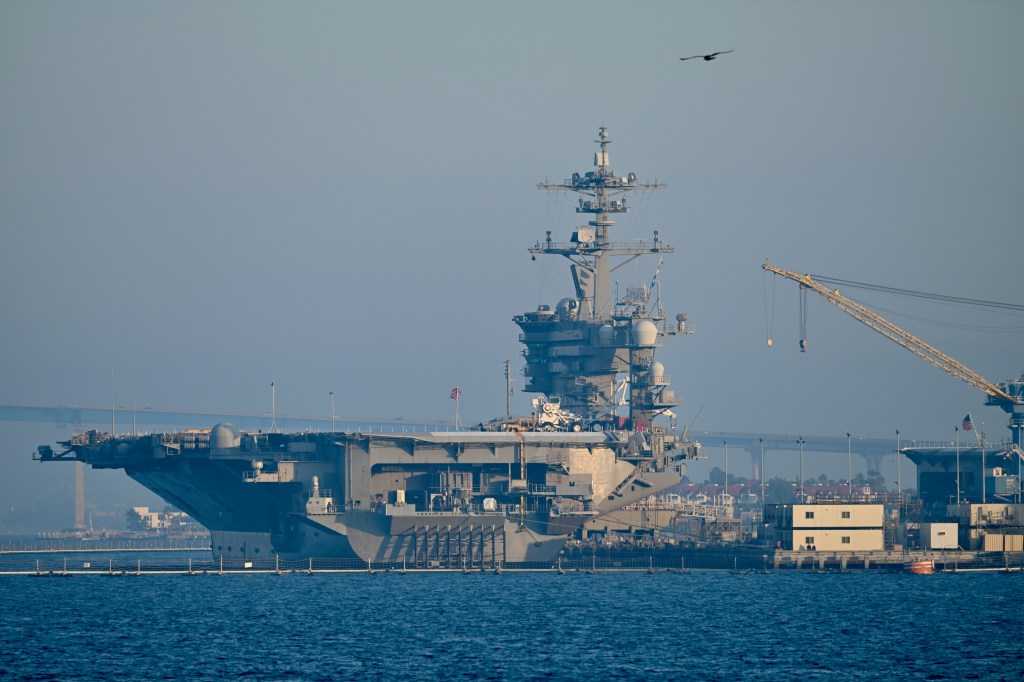
San Diego remained one of the largest naval complexes in the world through the Cold War and beyond. Today, the city hosts the Pacific Fleet, numerous aircraft carriers, and serves as a major center for military research, training, and logistics. Civilian maritime activity also thrives, with cargo shipping, cruise lines, commercial fishing, and recreational boating playing important roles.

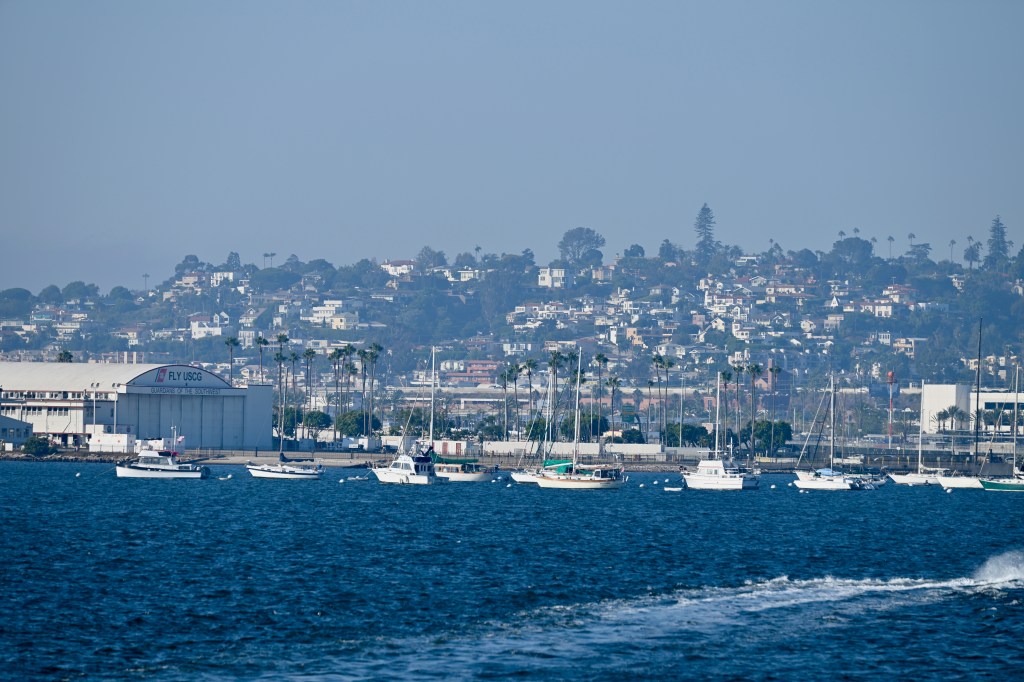
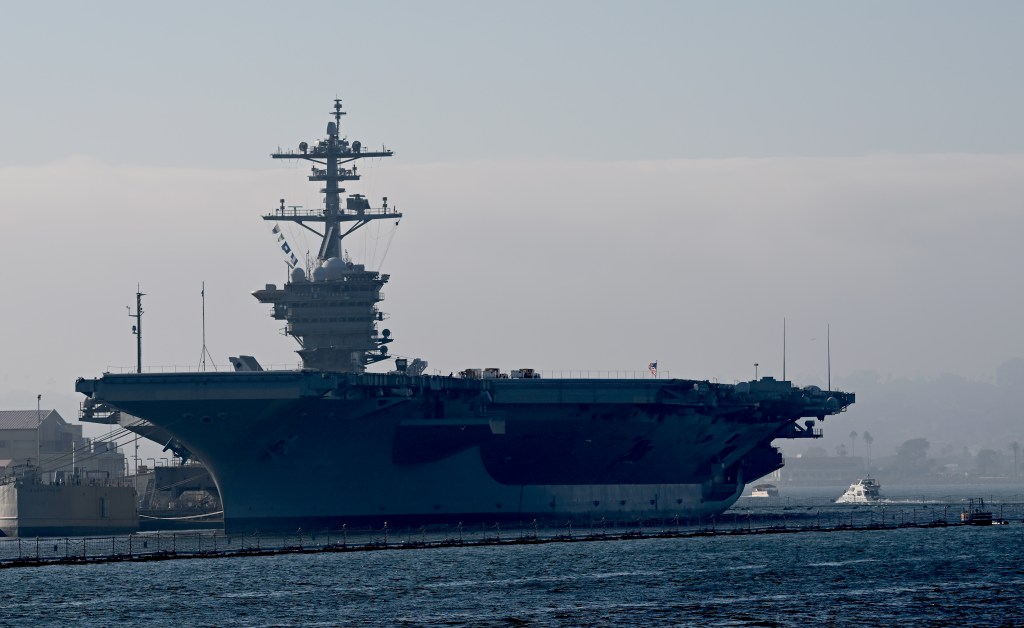
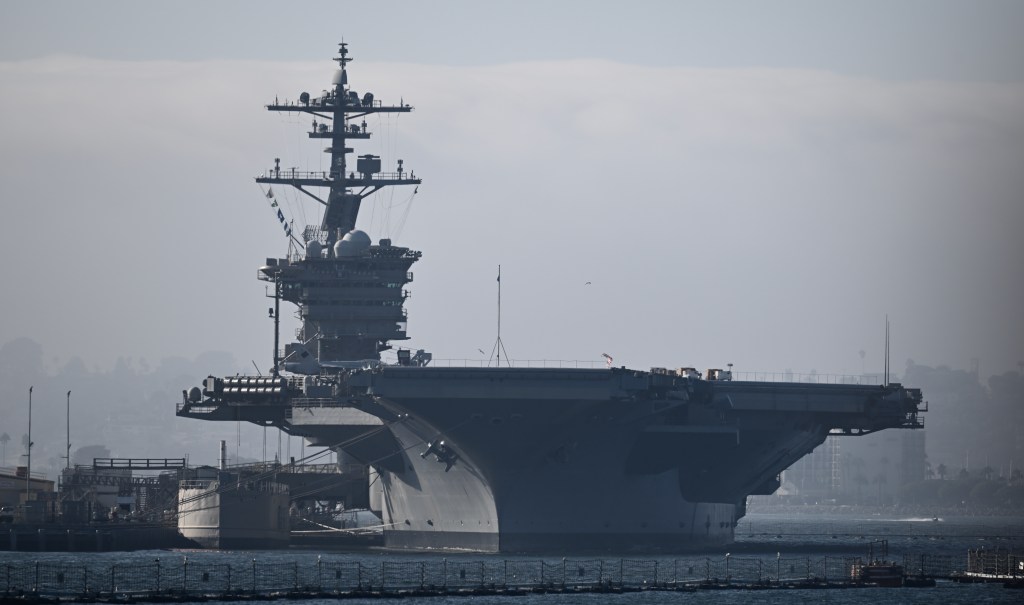
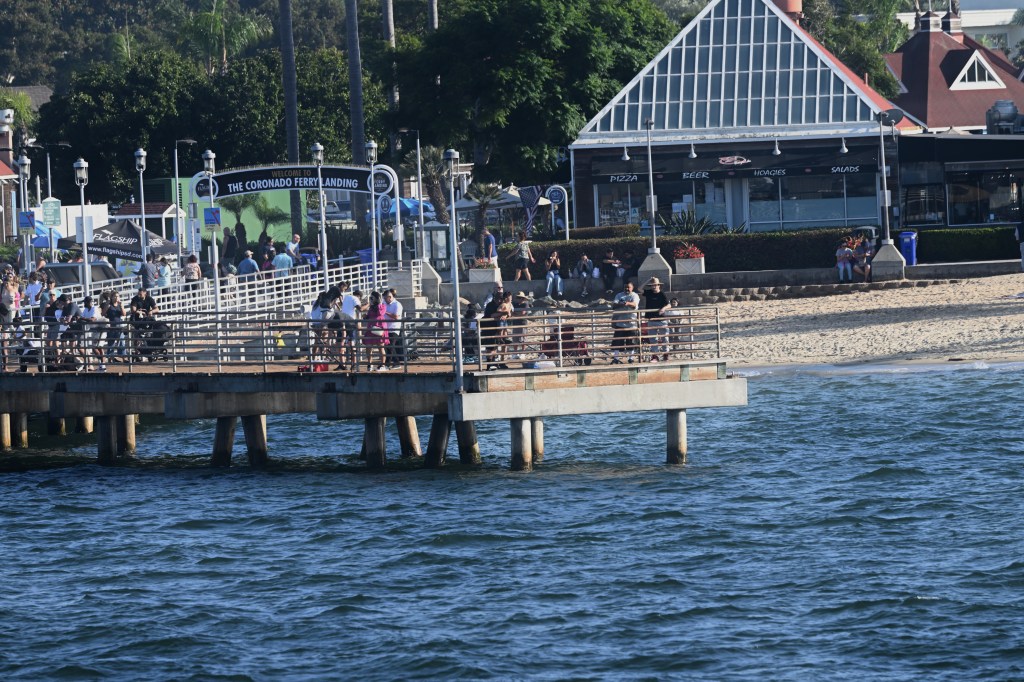
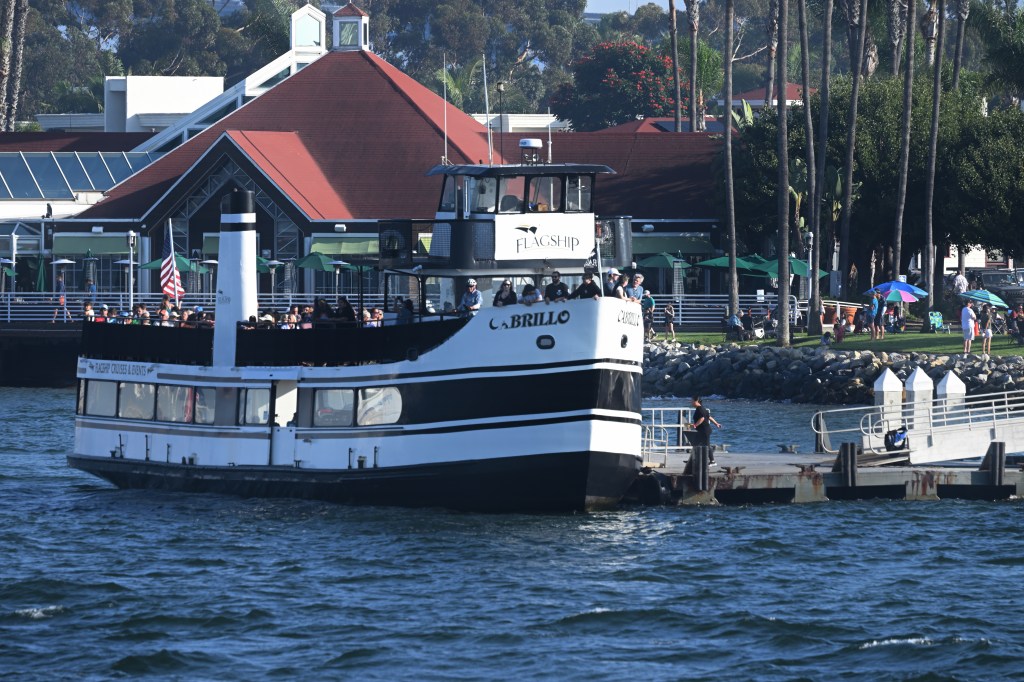
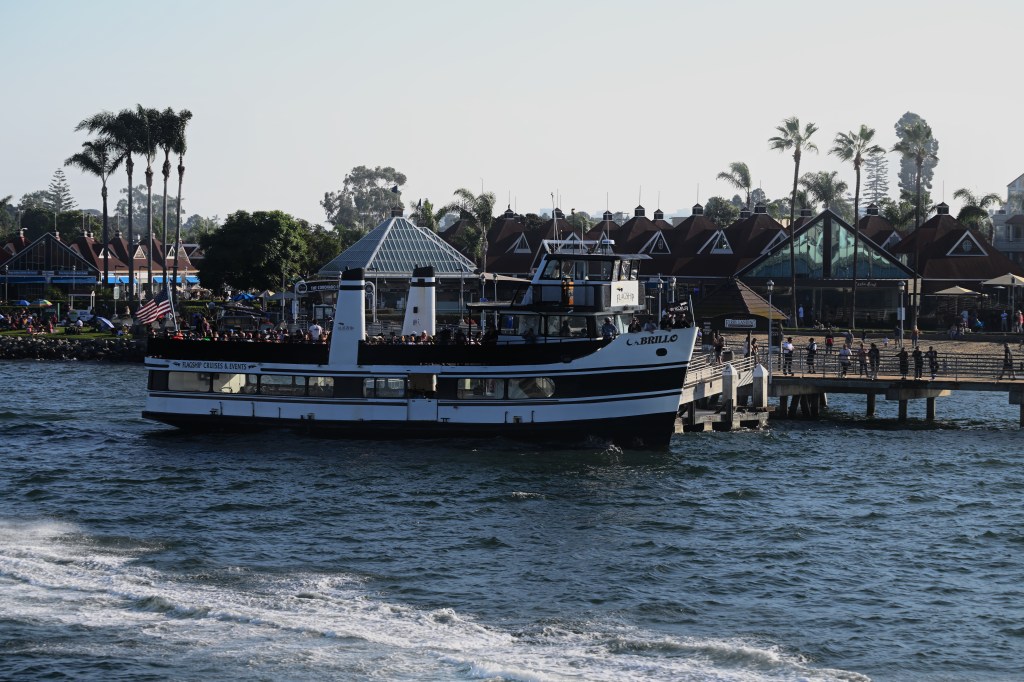
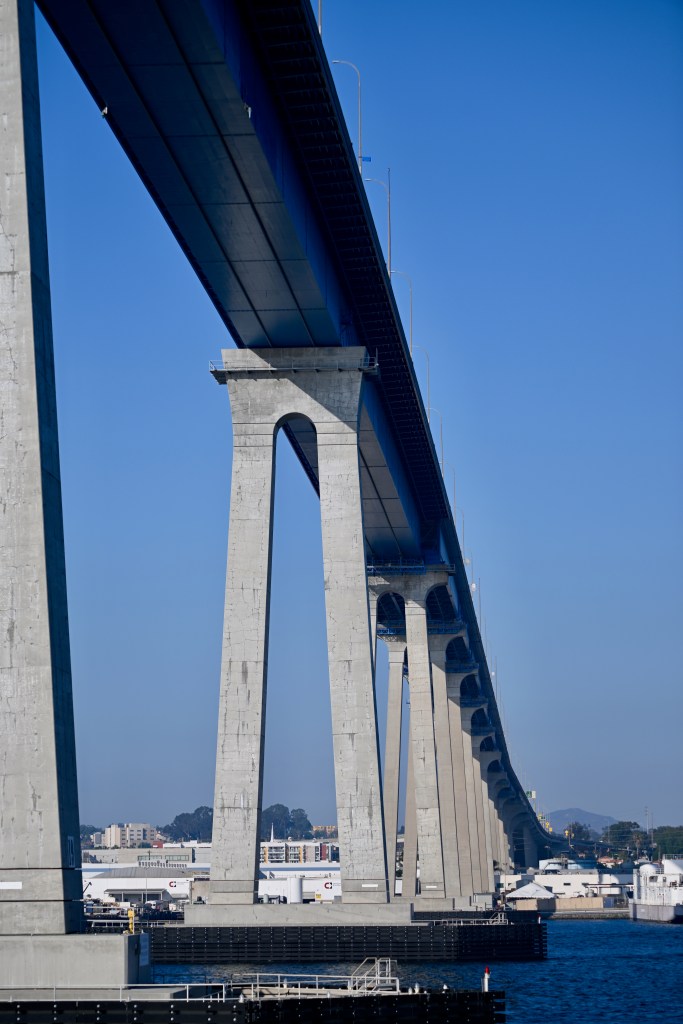
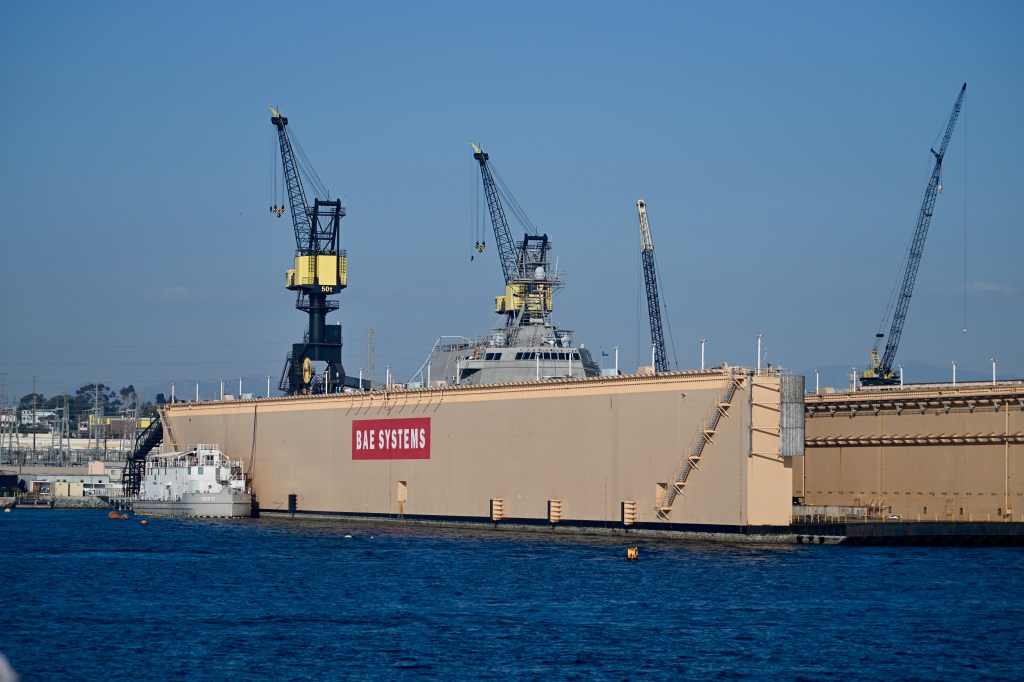
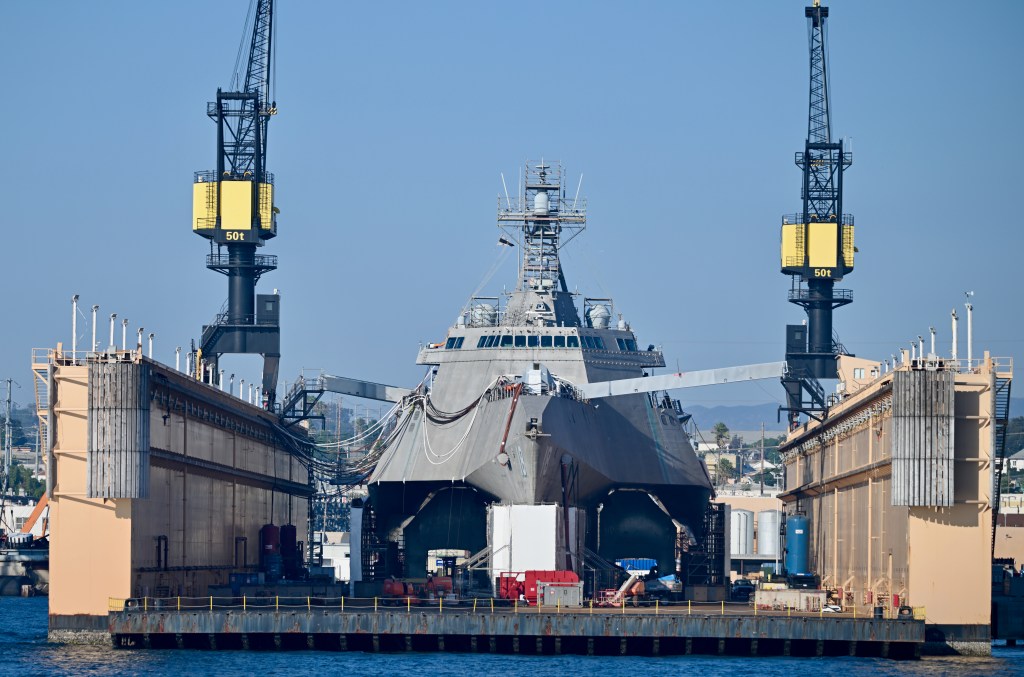
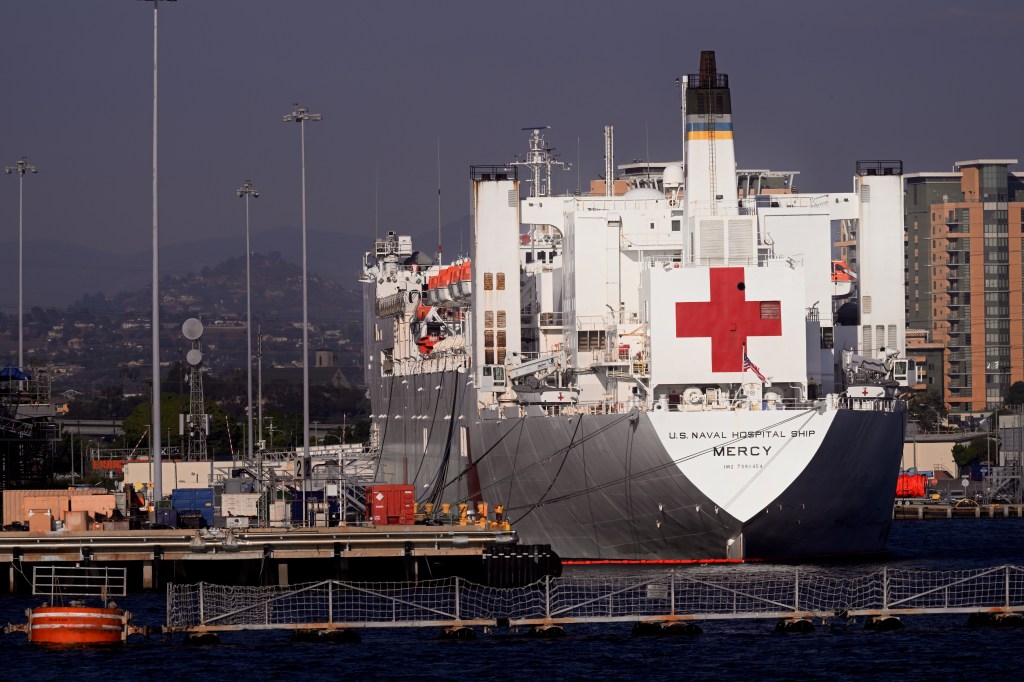
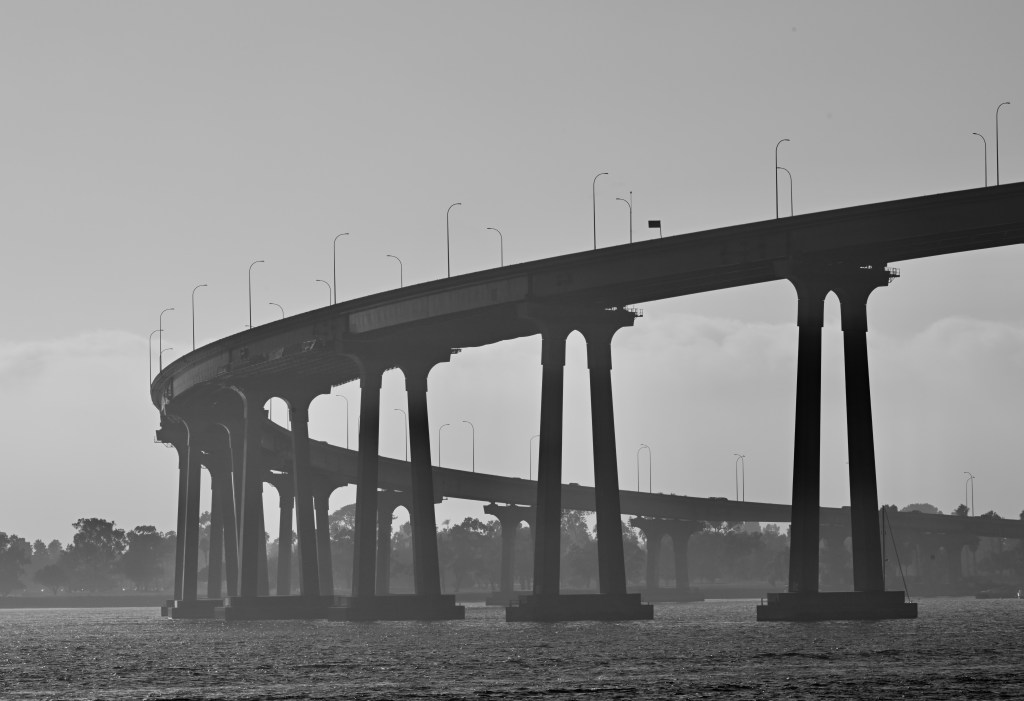
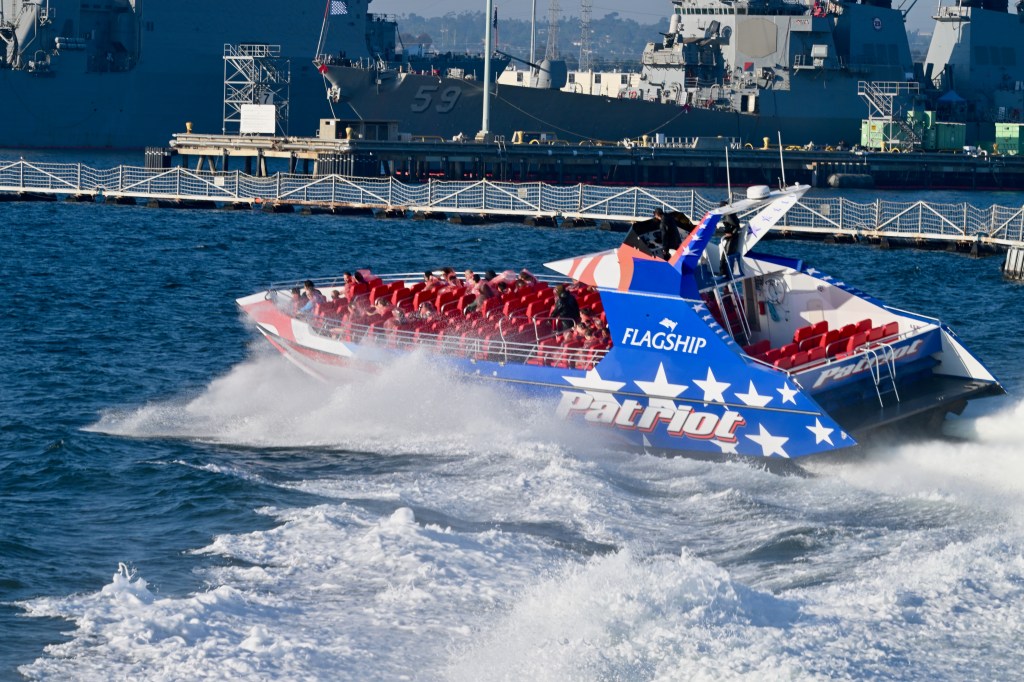
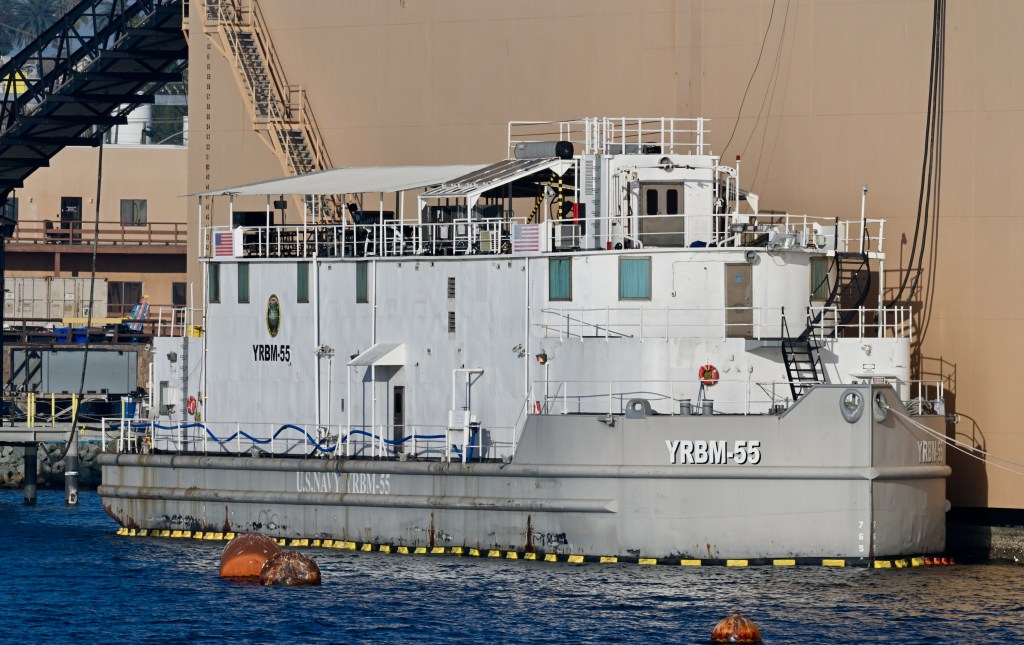
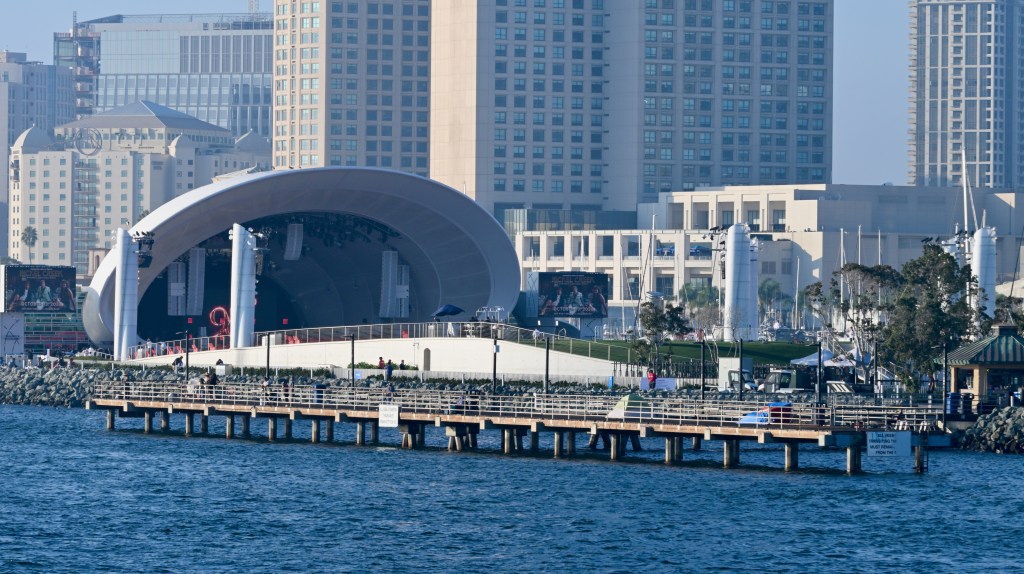
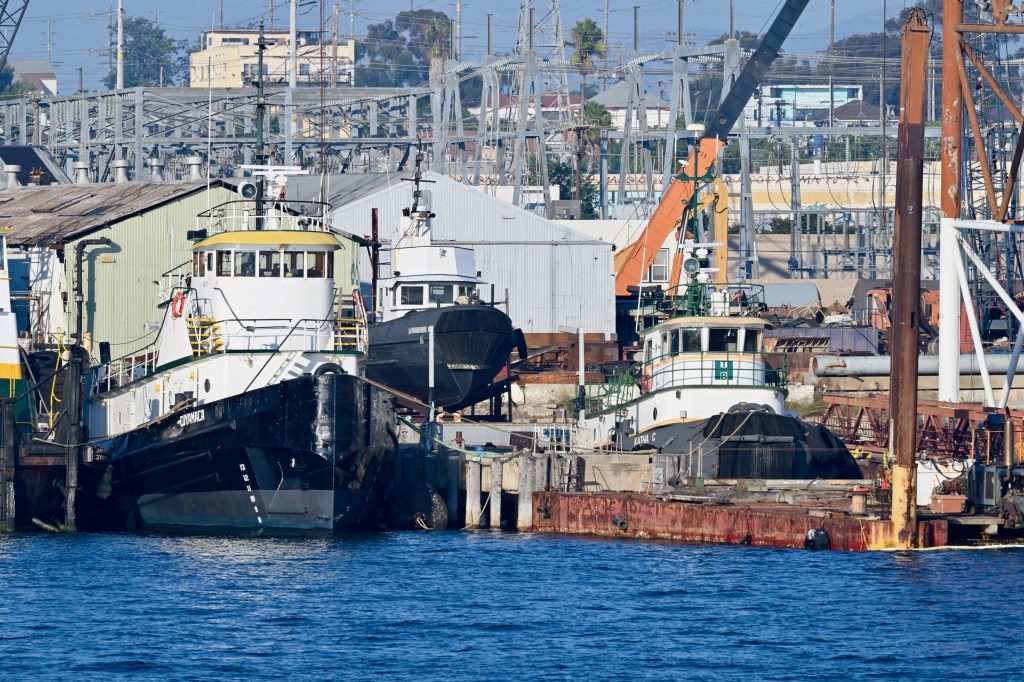
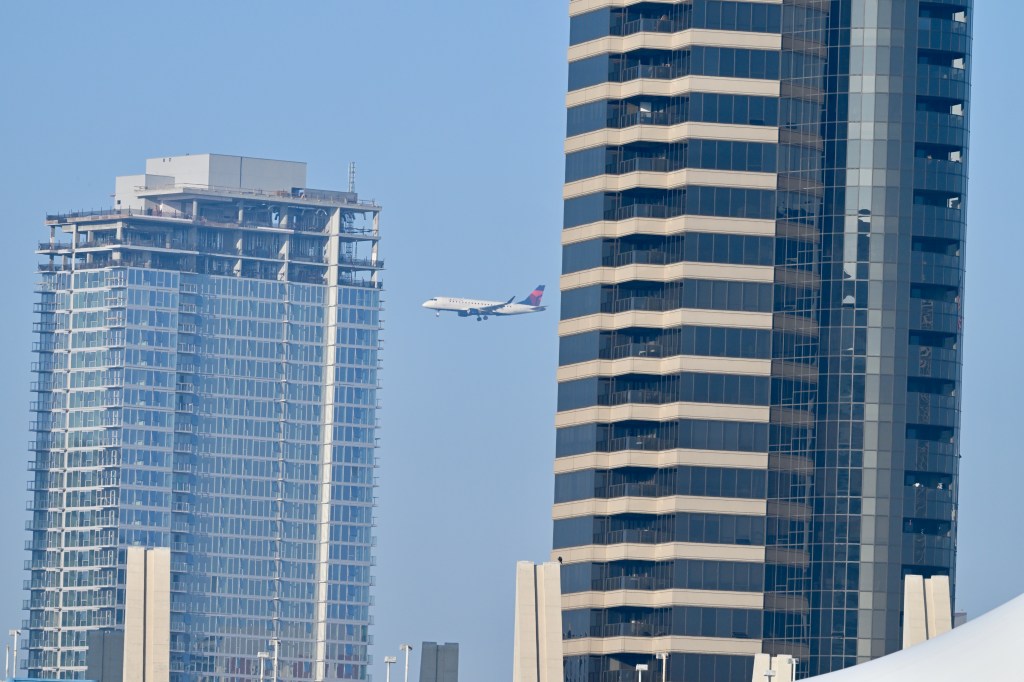
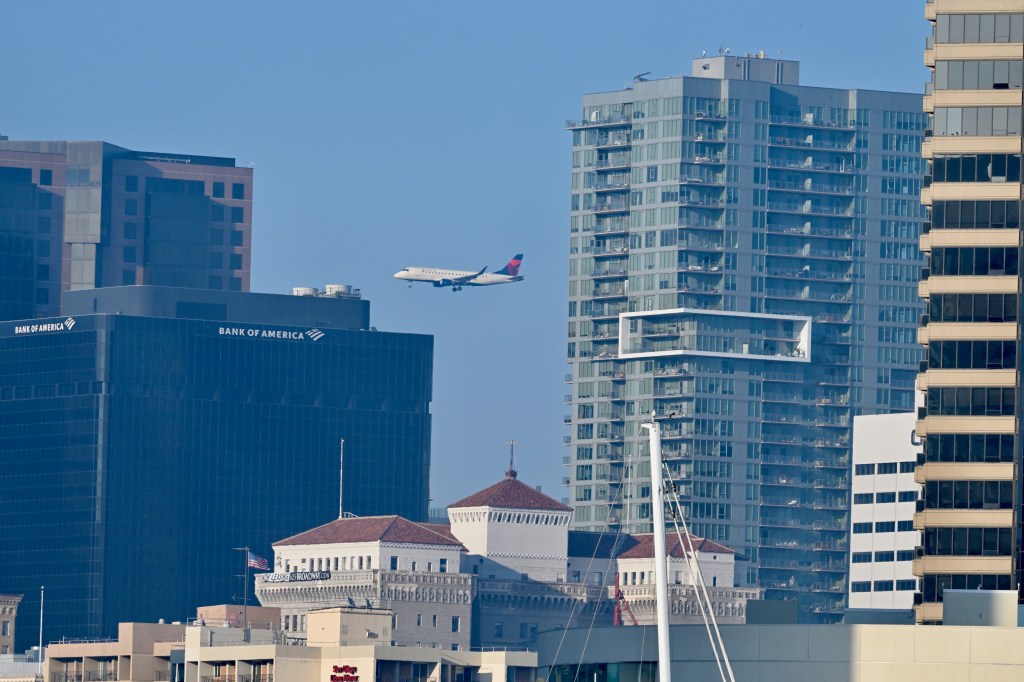
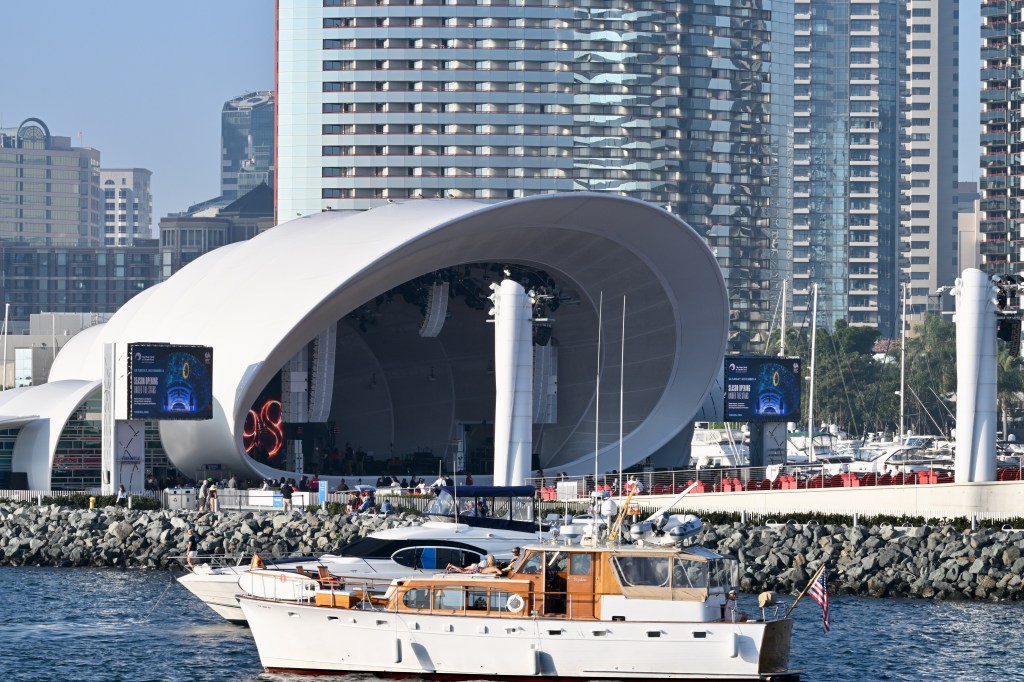
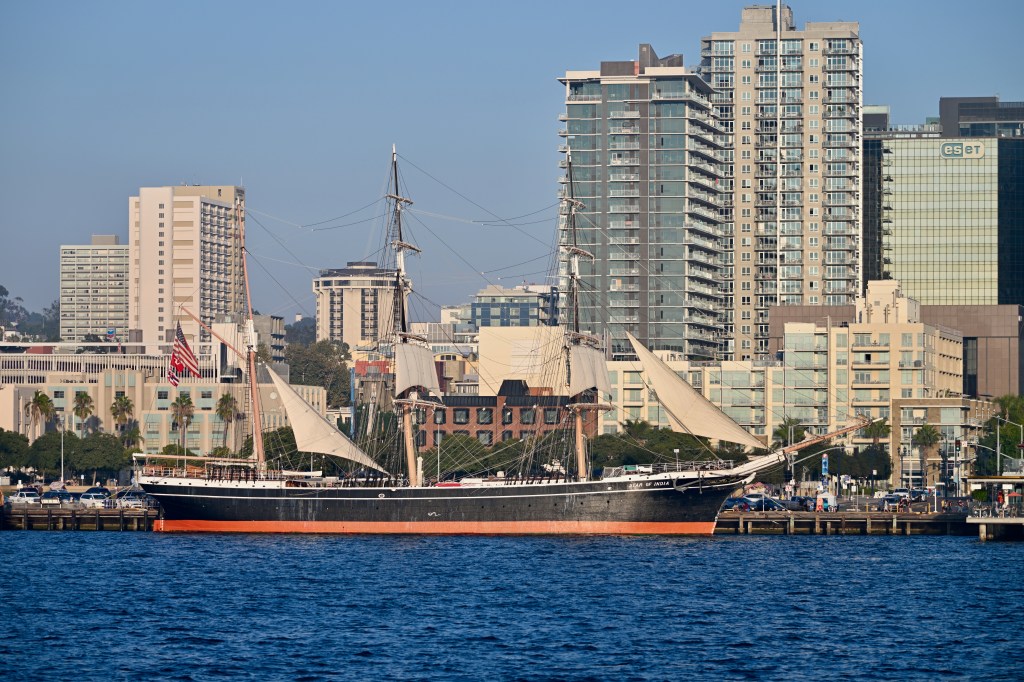
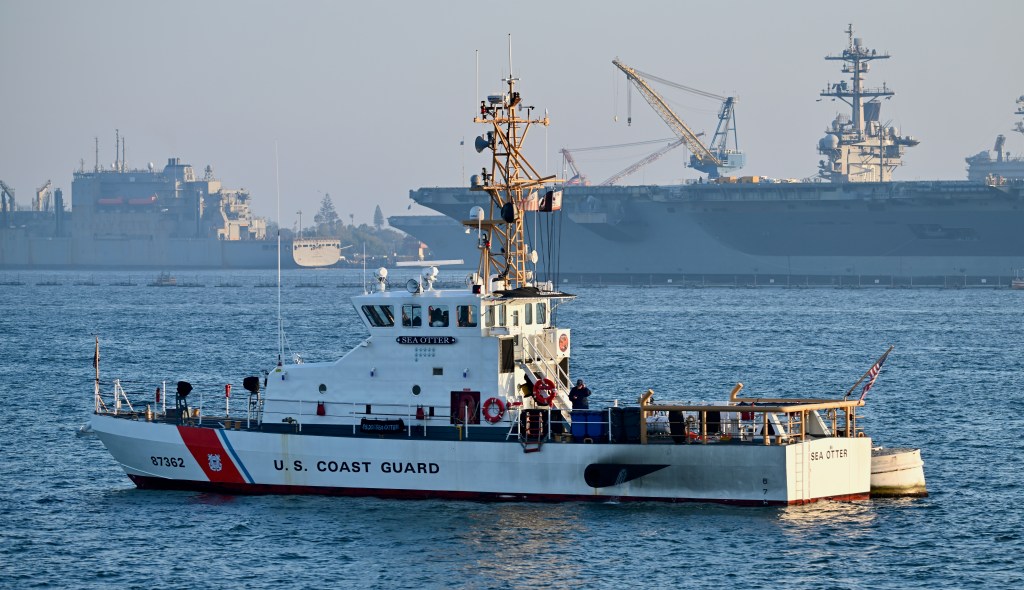
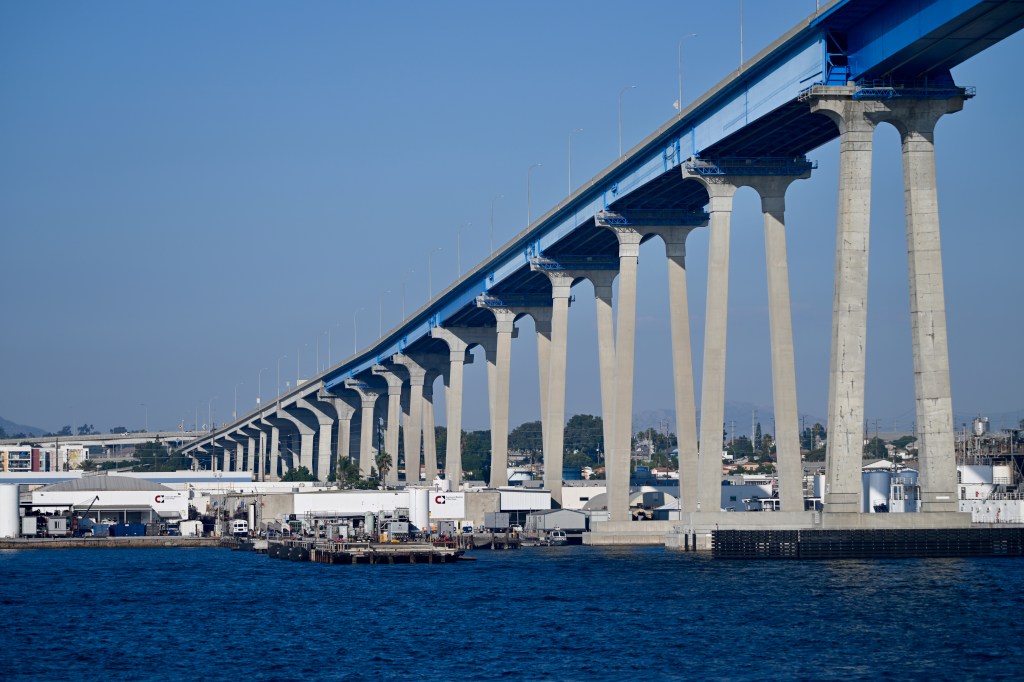
I took this series of images during a 2 hour sailing which started off heading south towards the Coronado Bridge and then turning north towards Shelter Island. A thick marine layer was moving in so the trip ended before sunset unfortunately .