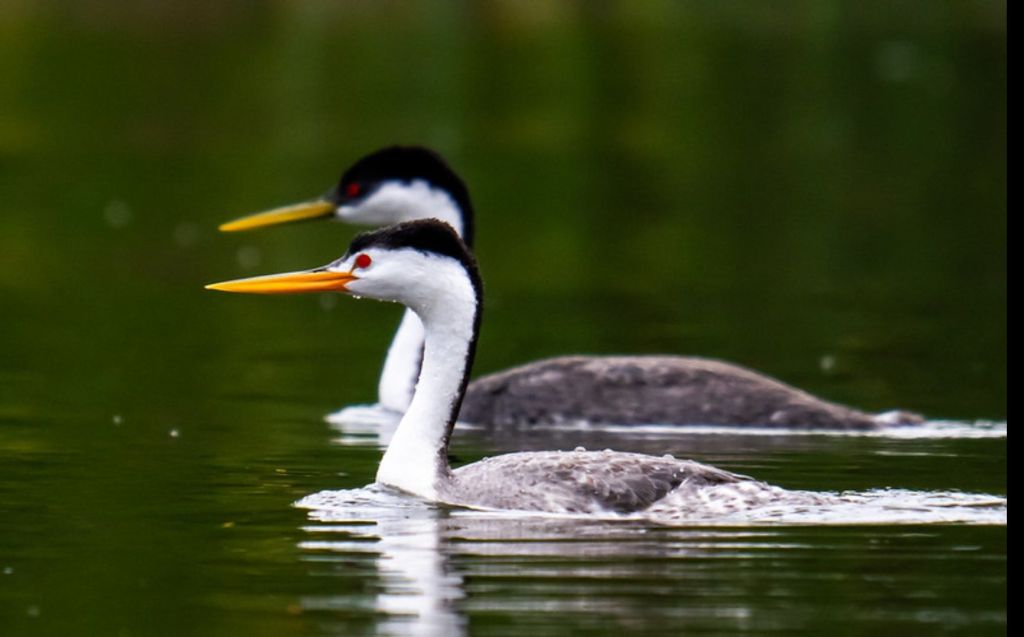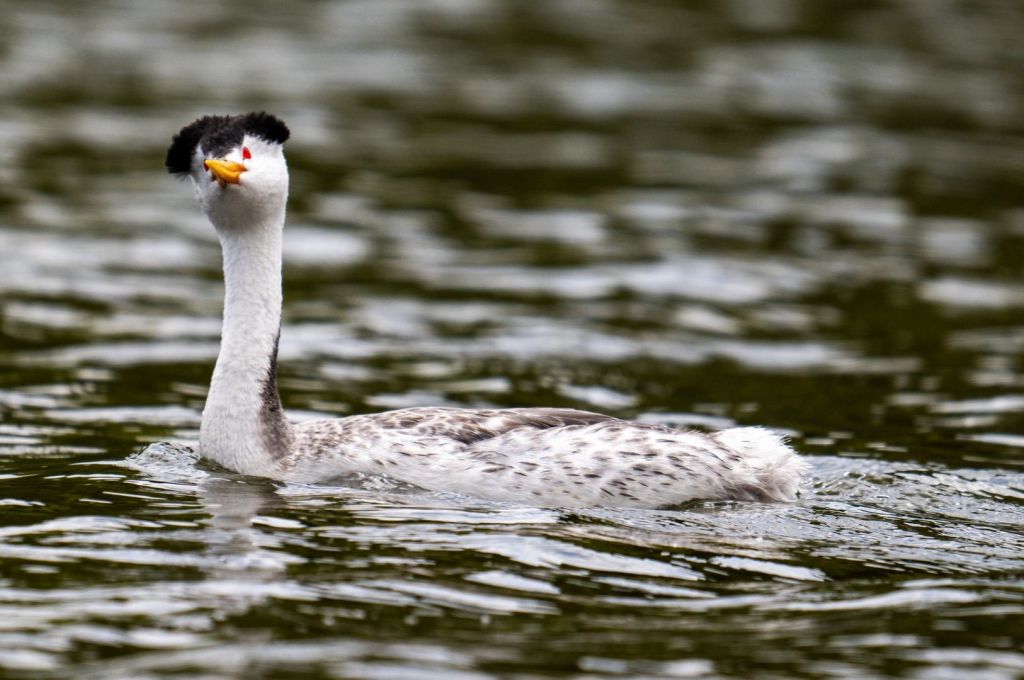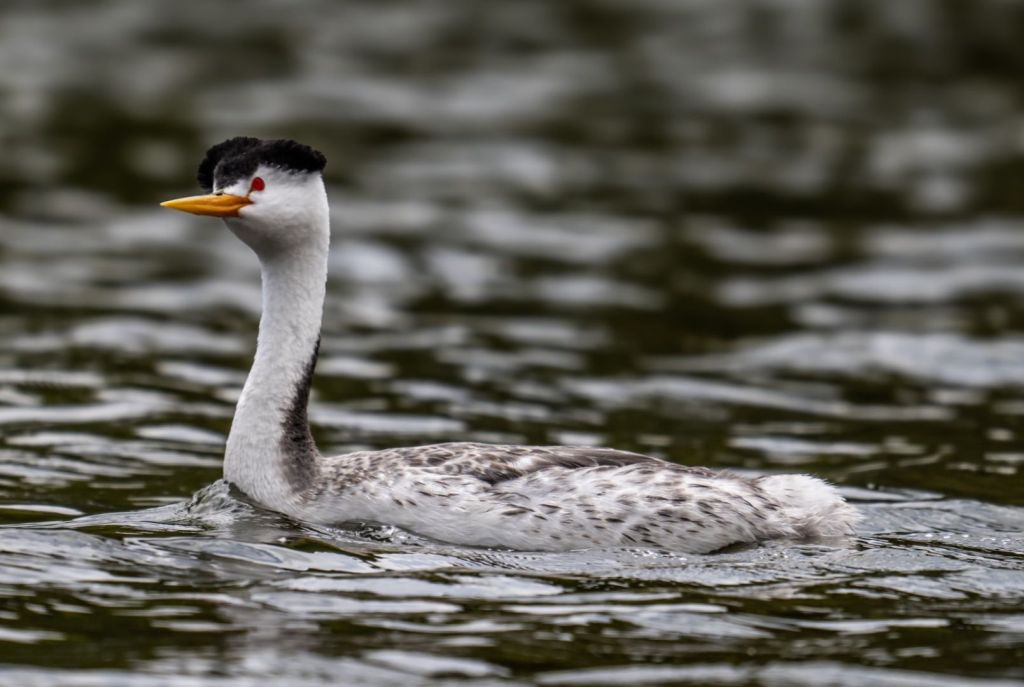
Western Grebe Babies Bring Summer Life to Lake Wohlford

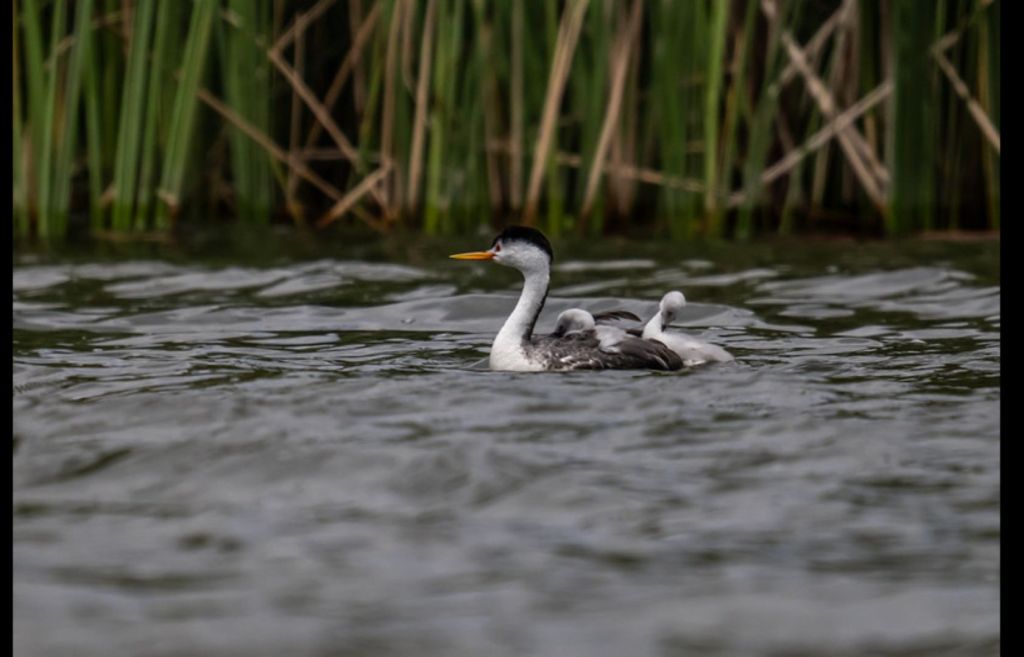
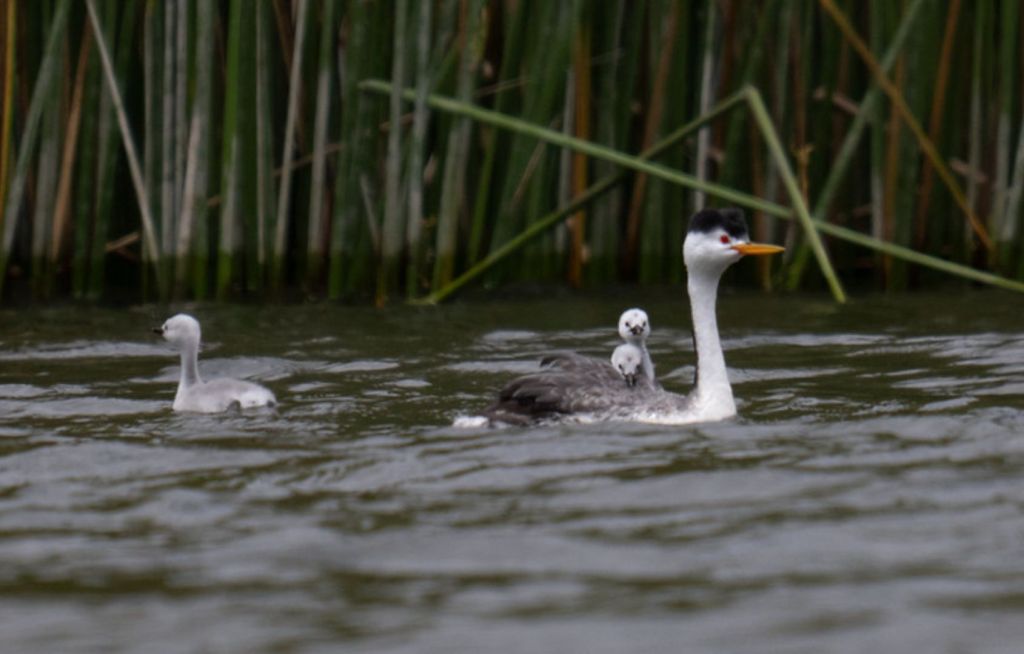
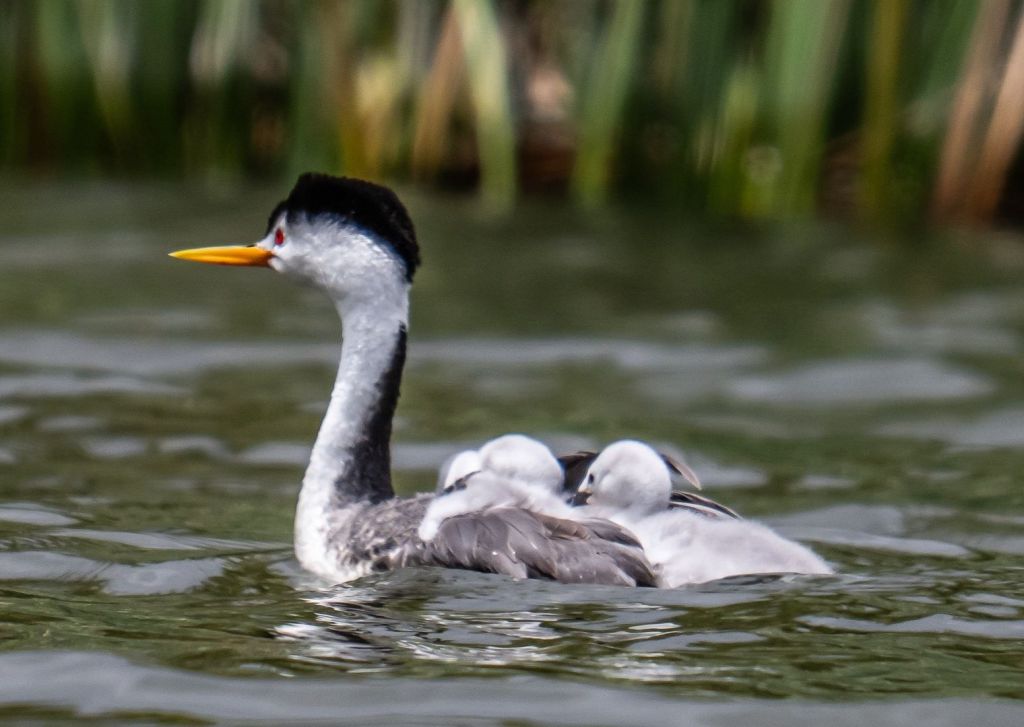
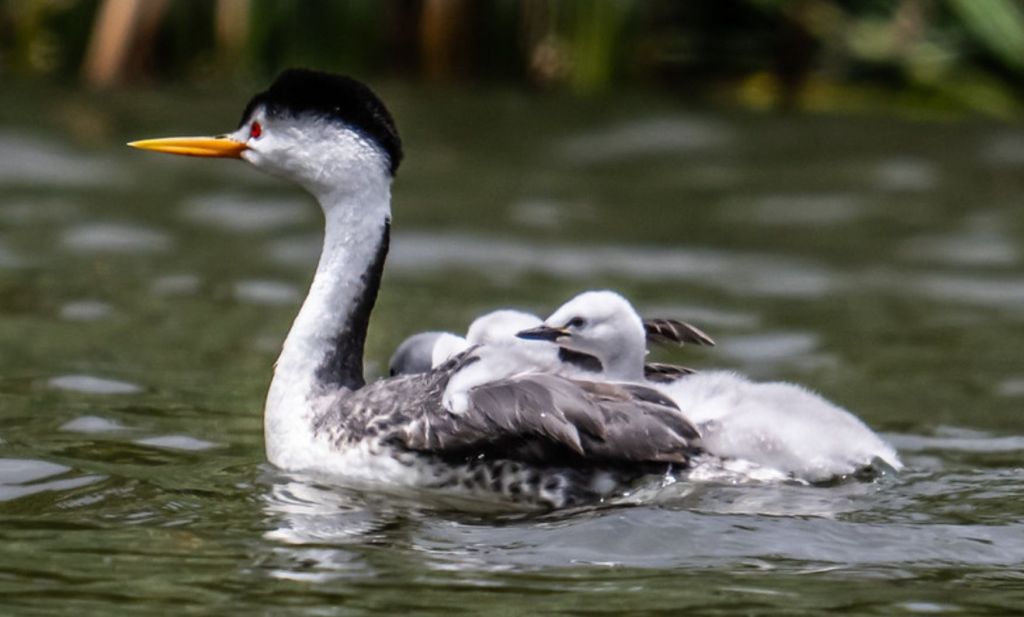
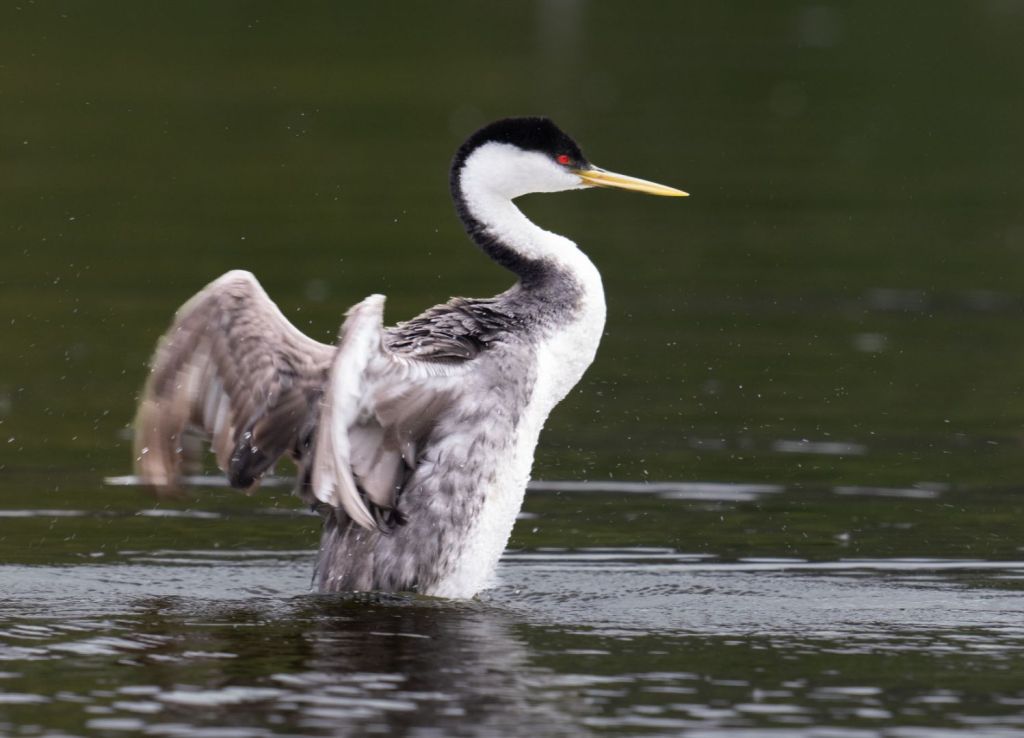
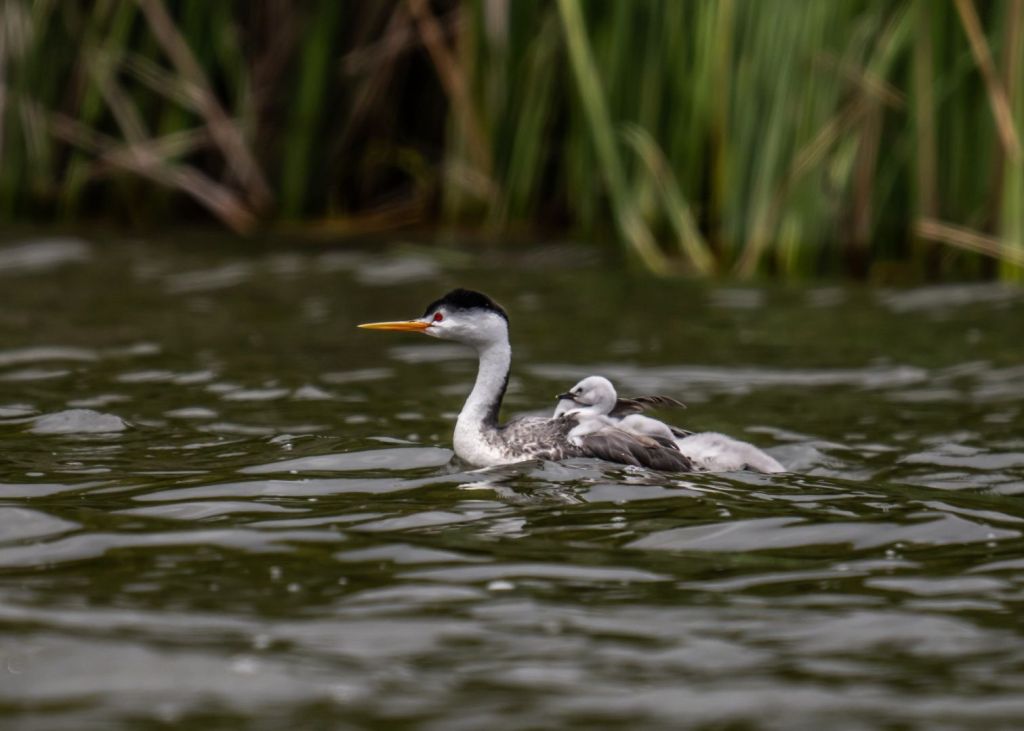
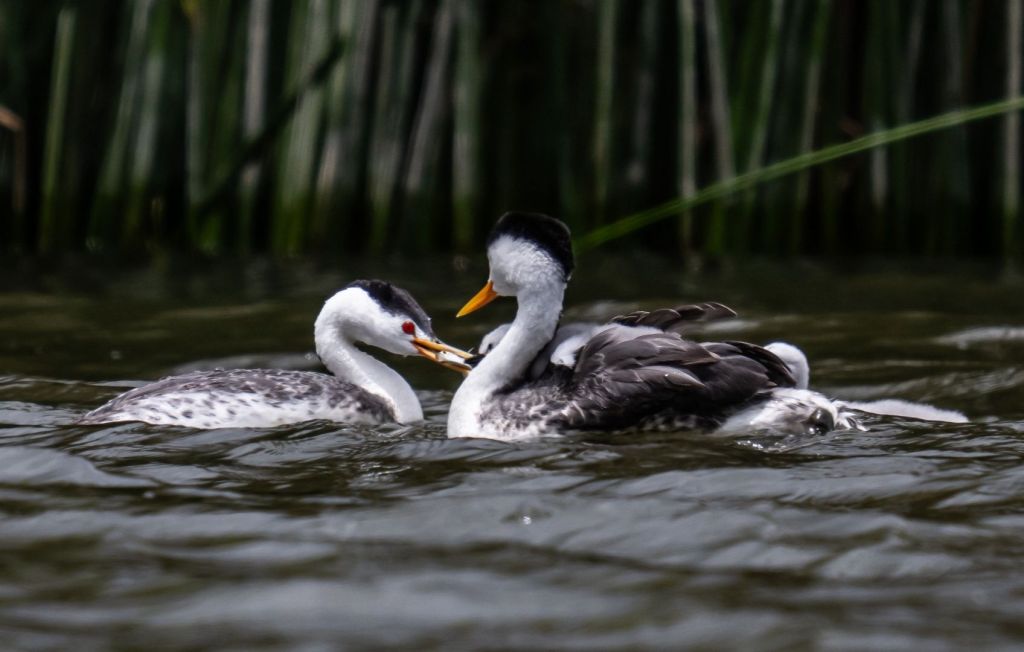
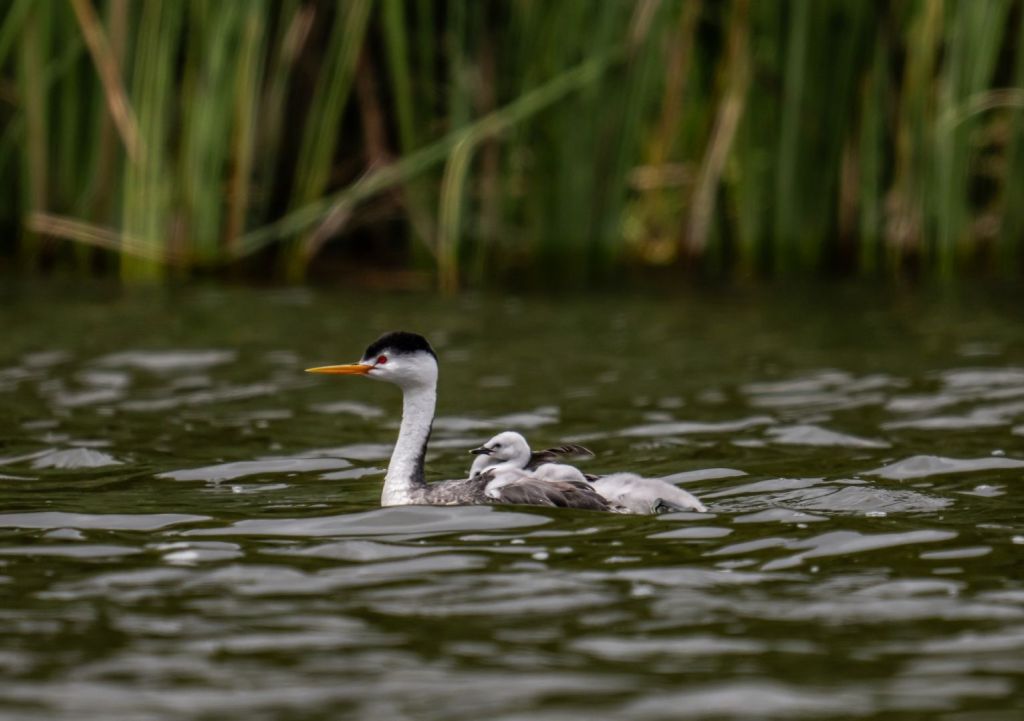
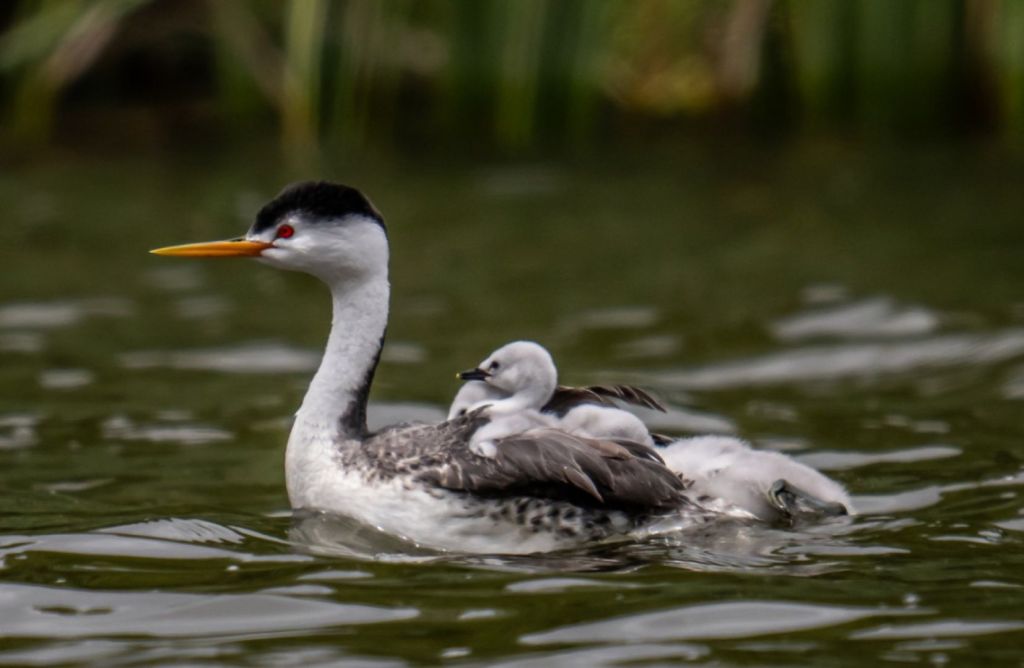
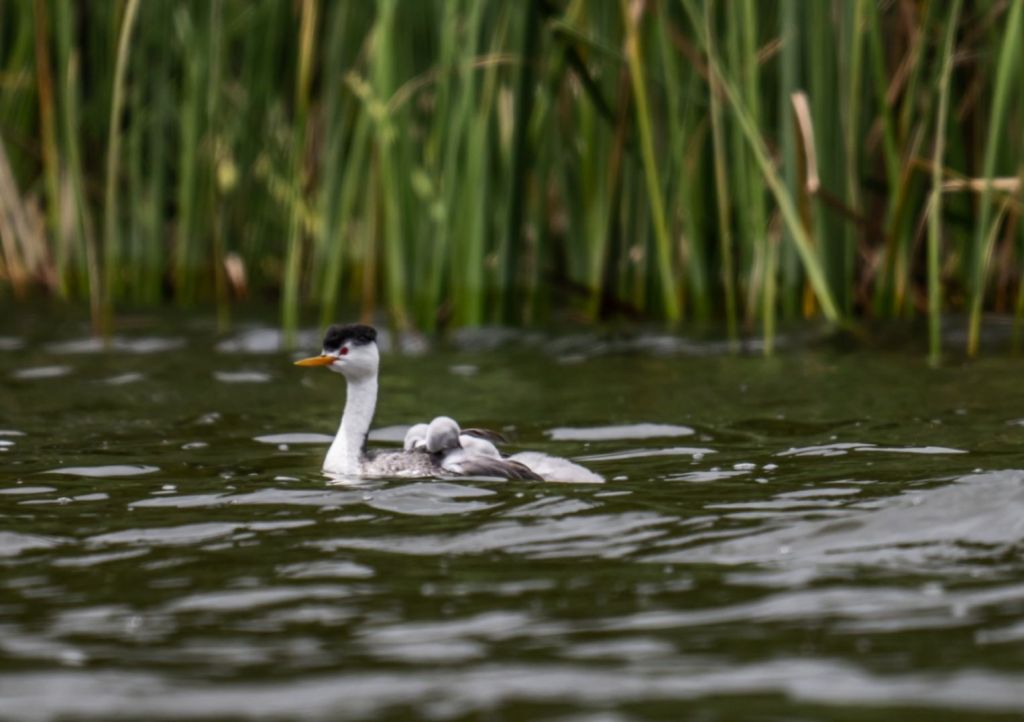
Every spring and early summer, one of the most heartwarming sights at Lake Wohlford is the appearance of Western Grebe chicks riding on the backs of their parents. For birders and photographers, these fuzzy youngsters provide some of the most memorable wildlife viewing opportunities in North County San Diego.
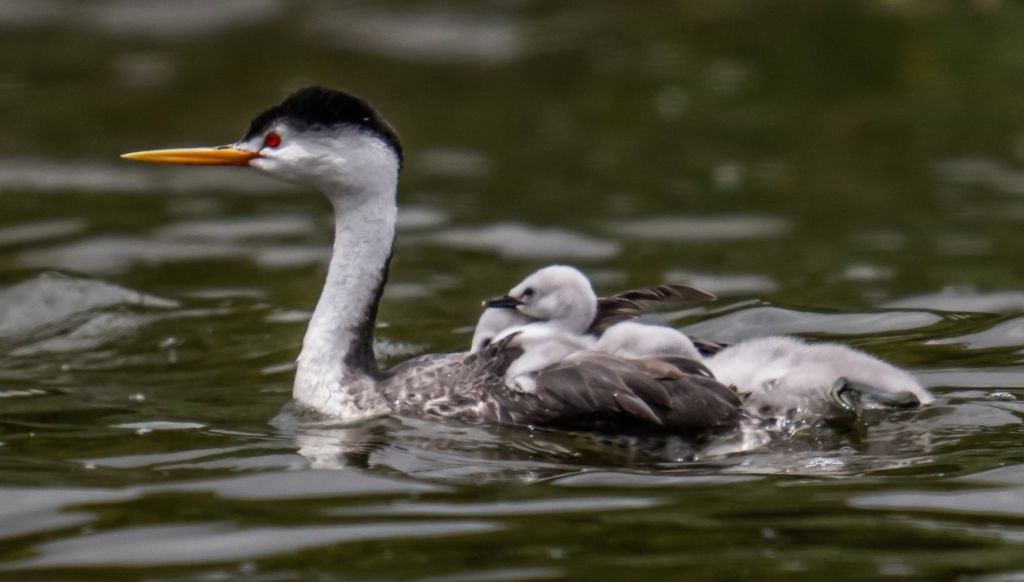
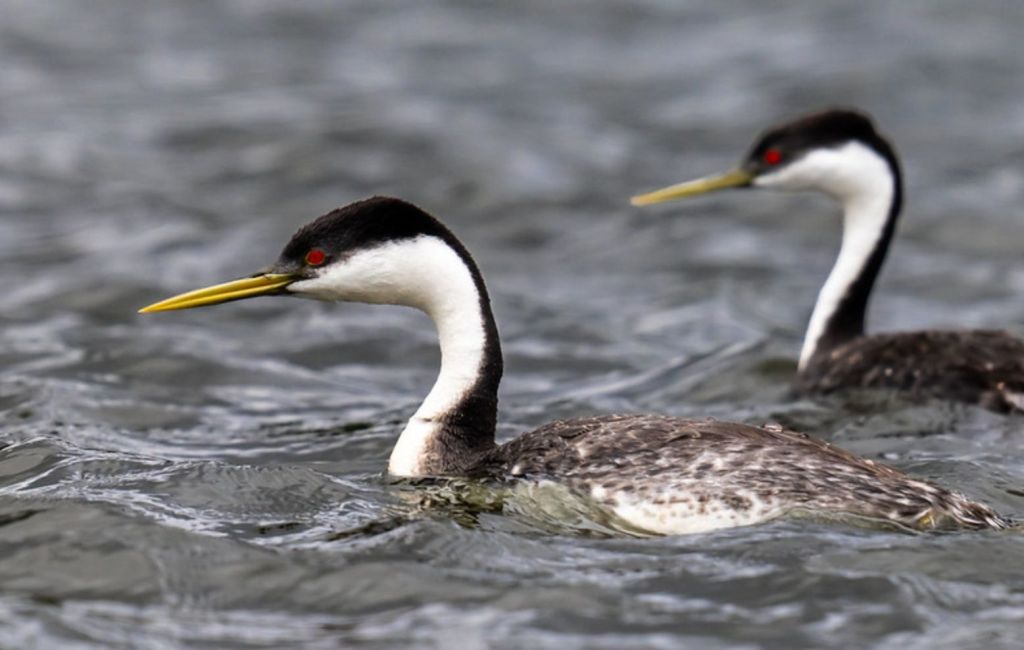
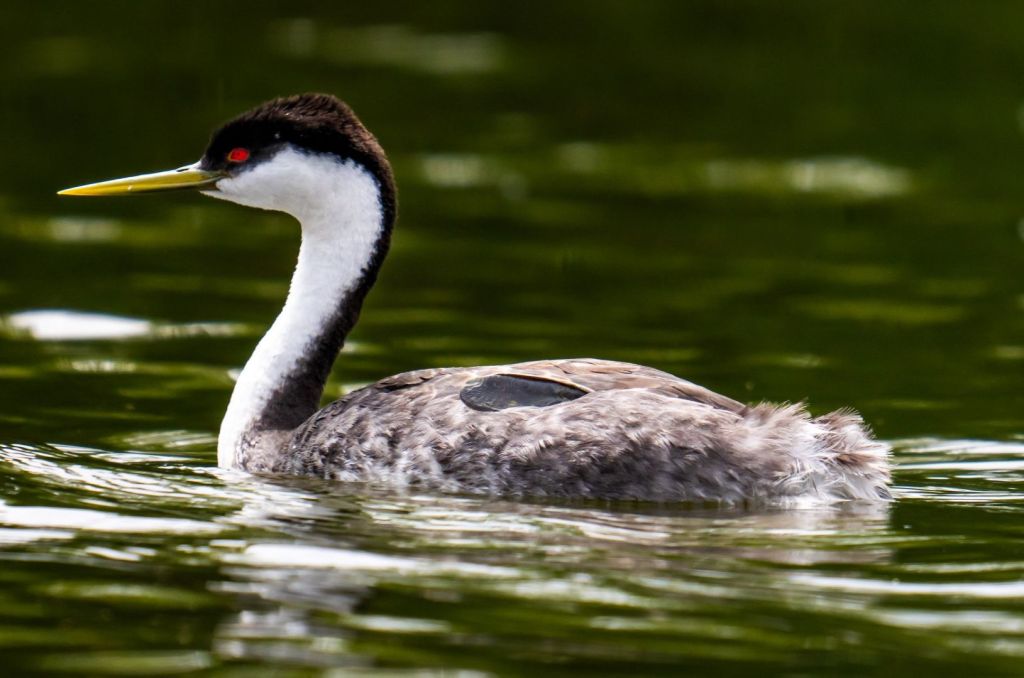
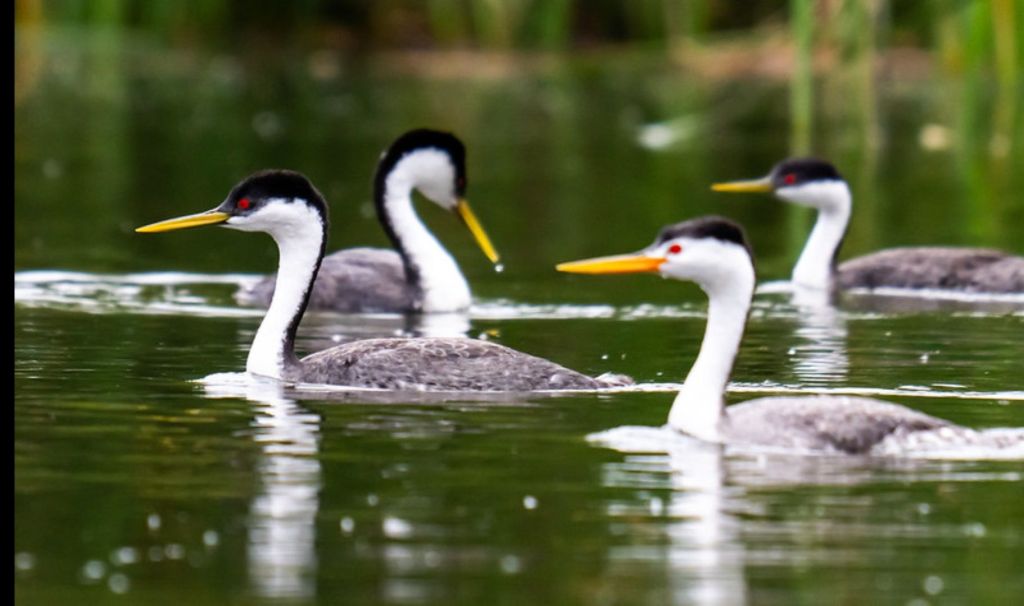
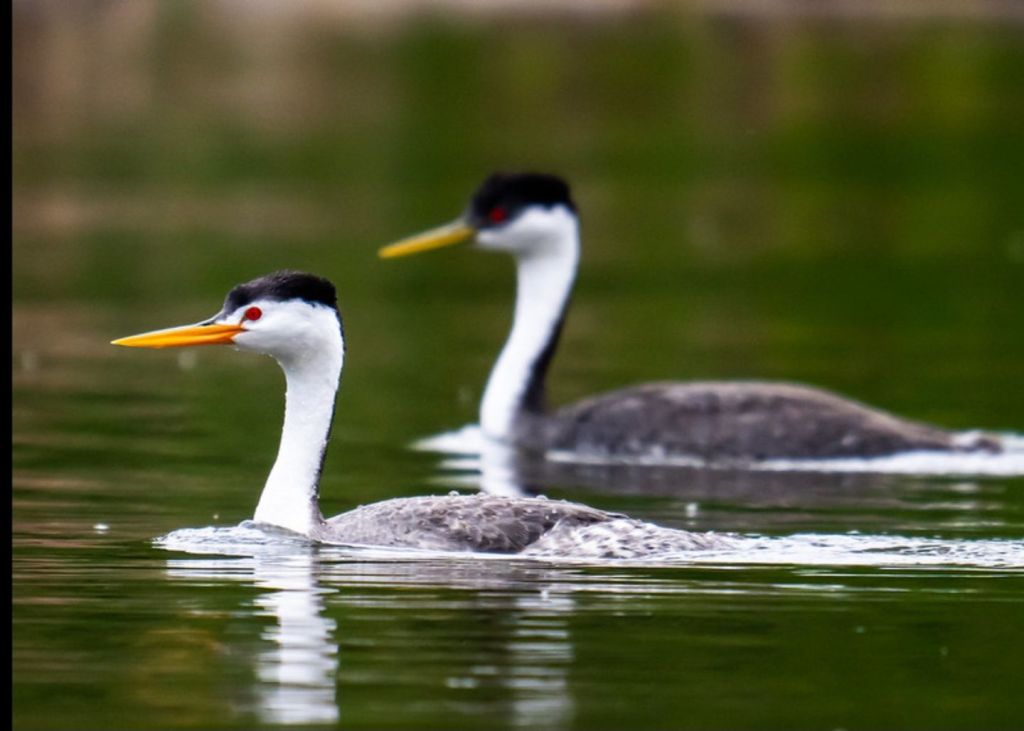
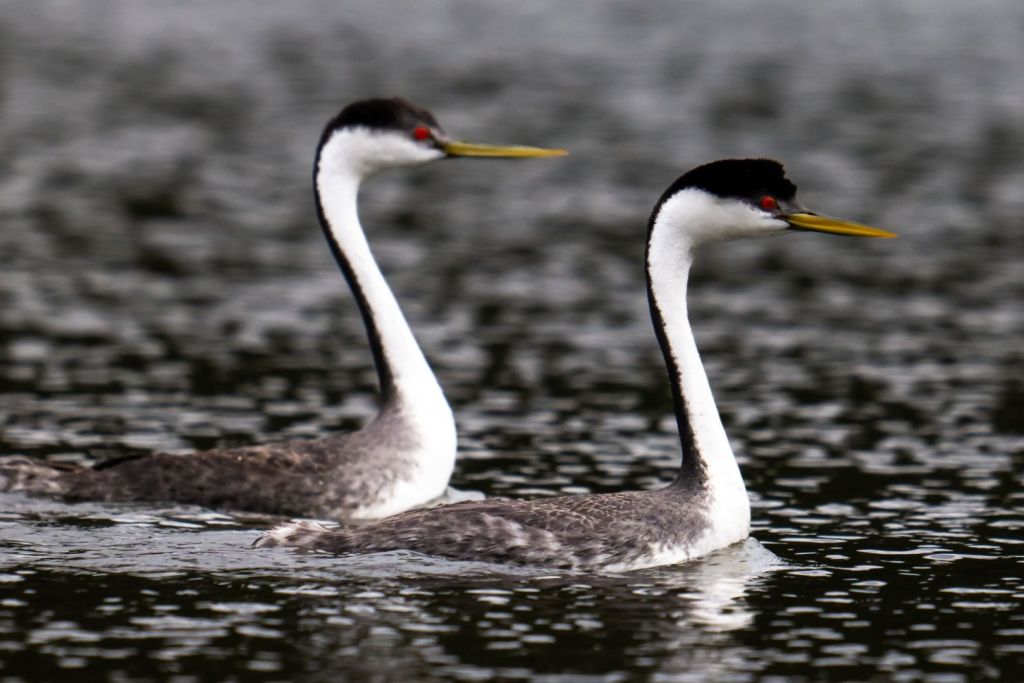
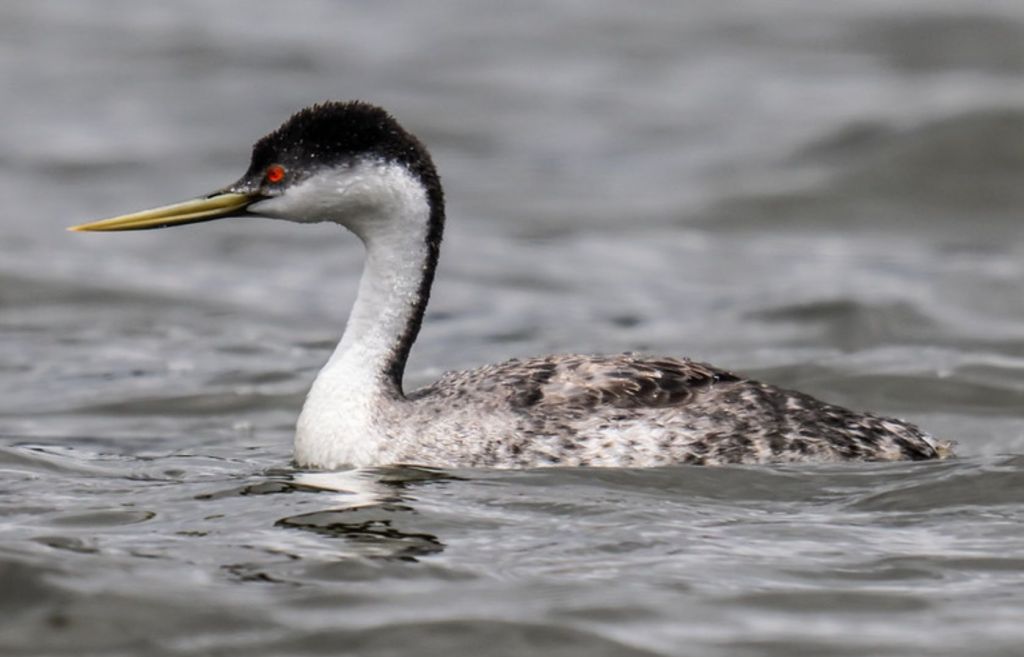
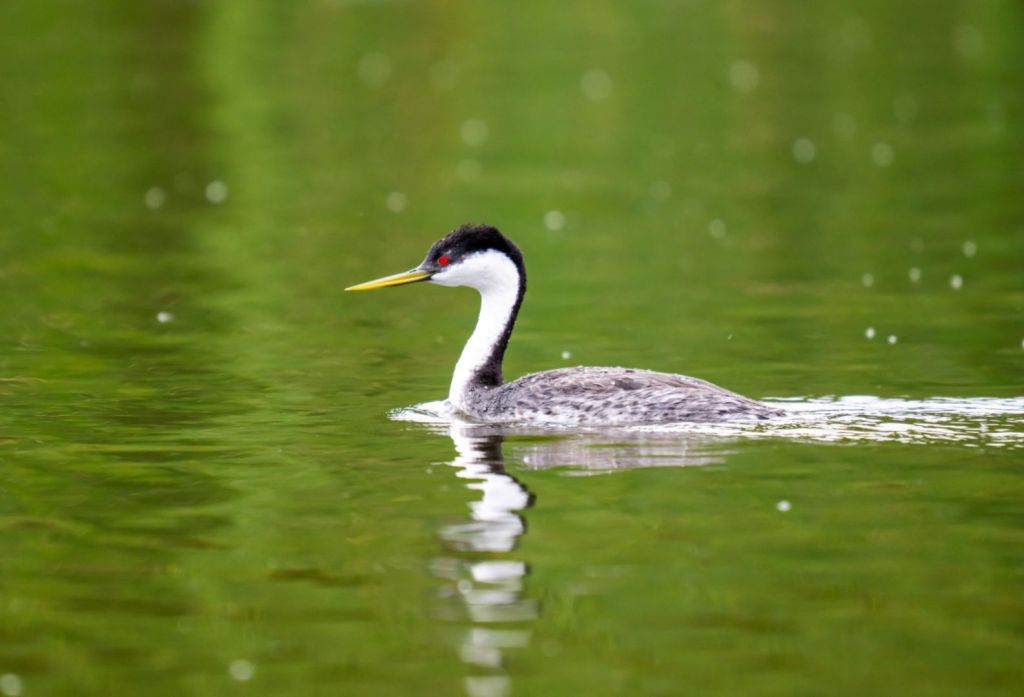
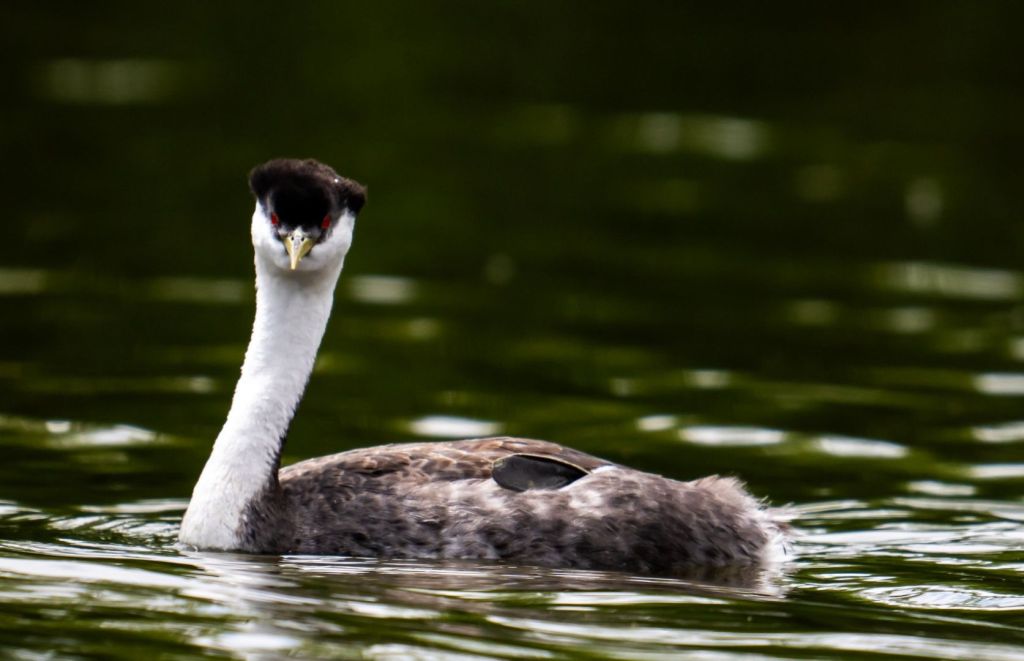
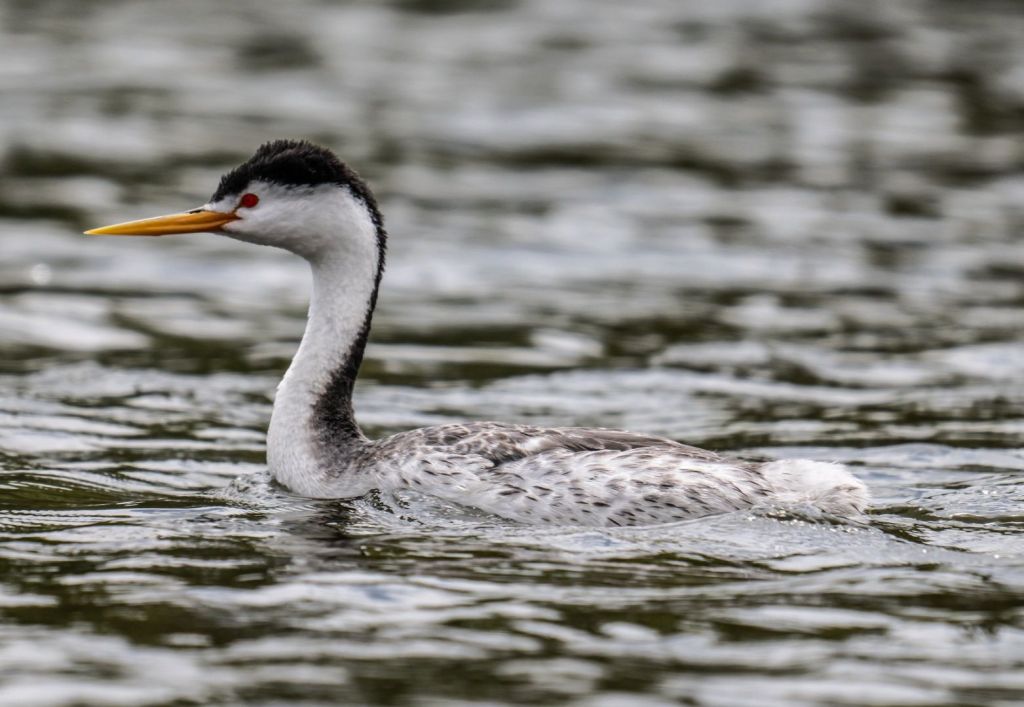
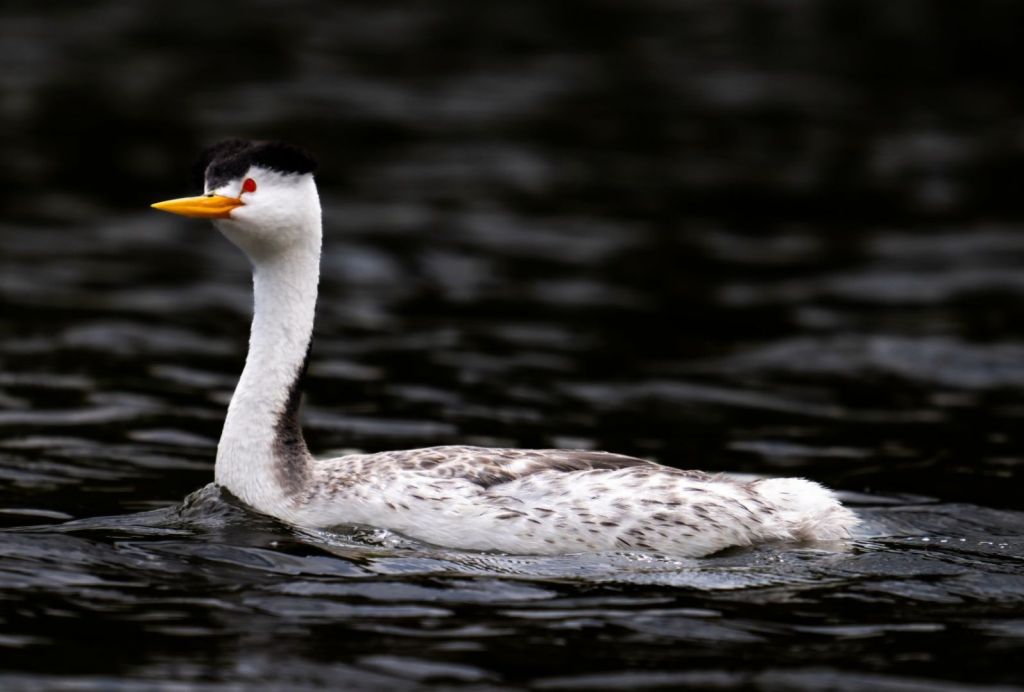
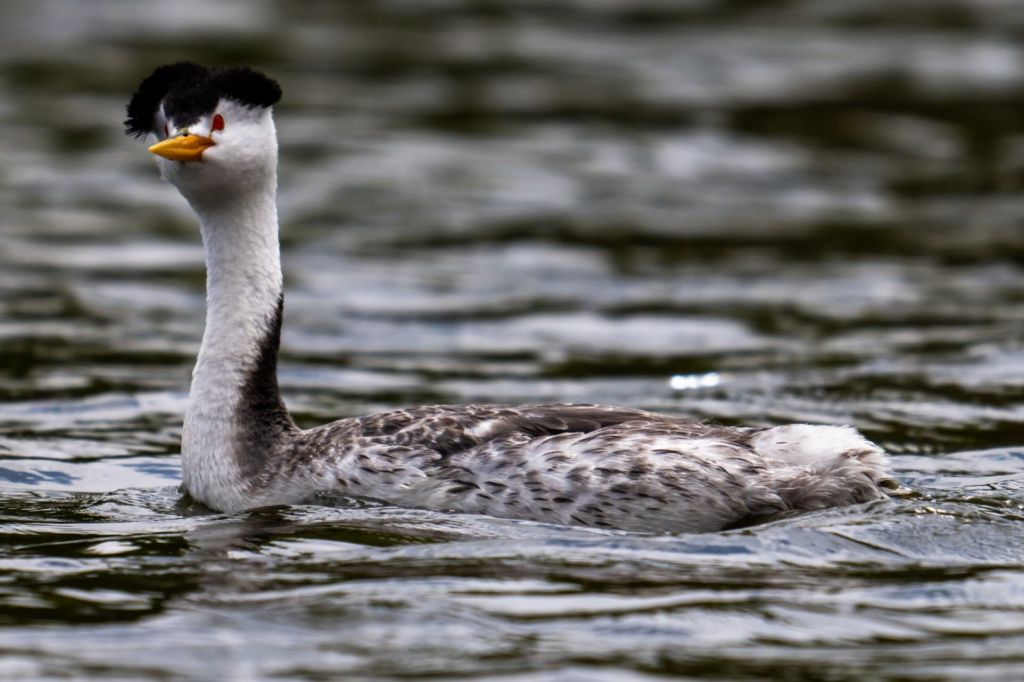
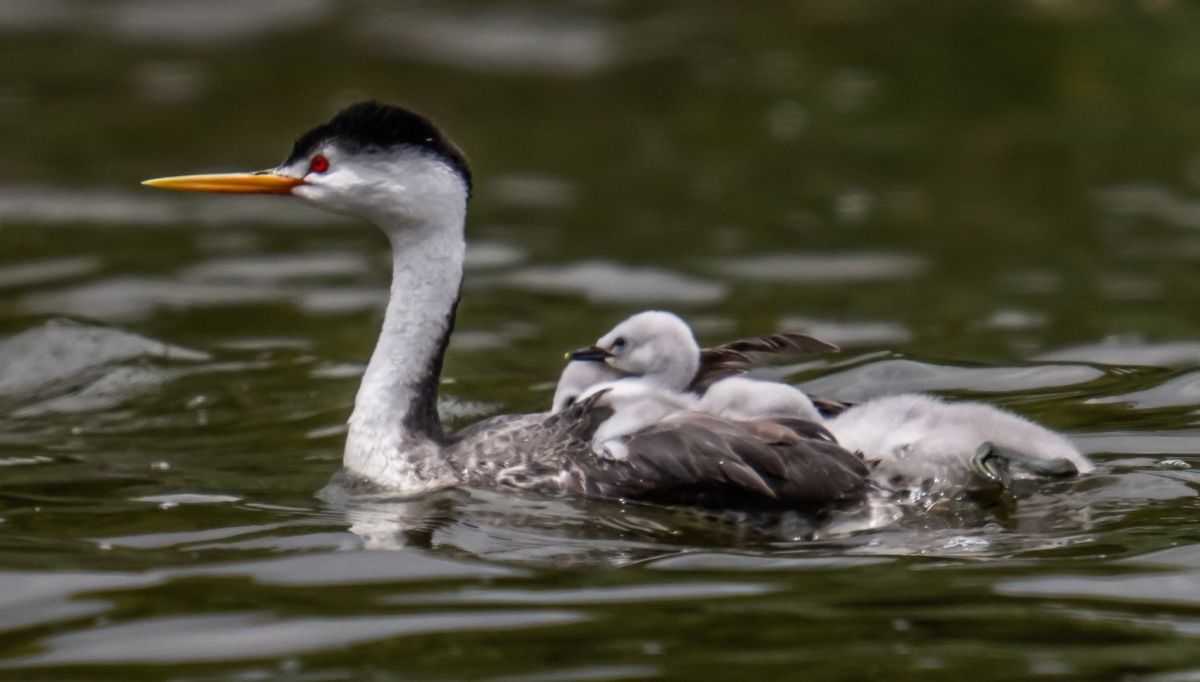
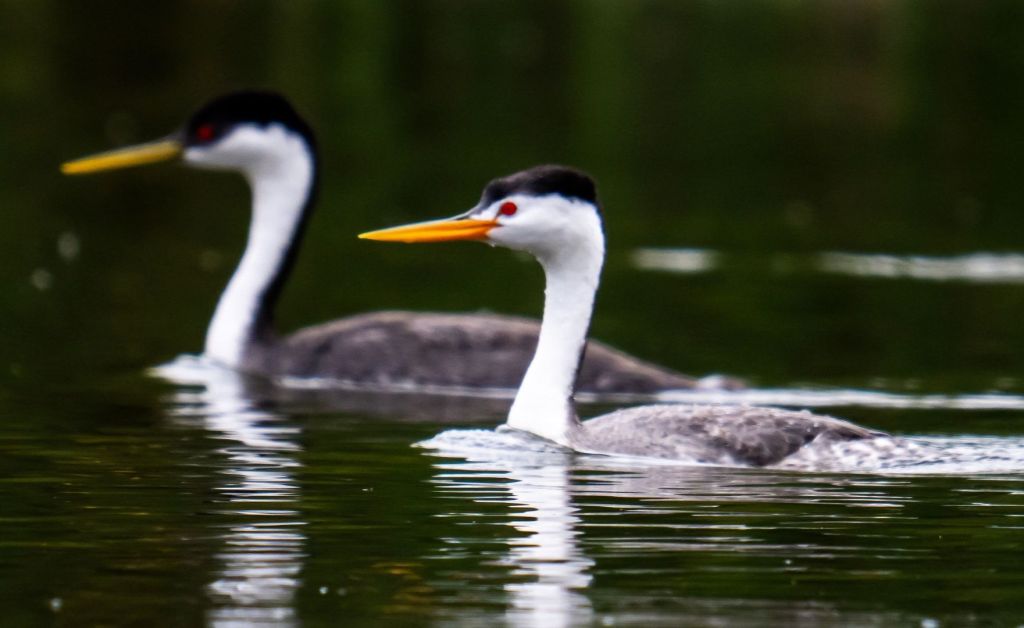
The Western Grebe (Aechmophorus occidentalis) is one of North America’s largest grebes, known for its elegant black-and-white plumage, striking red eyes, and spectacular courtship displays. Lake Wohlford has long been a favored breeding location for these birds, with photographers documenting their famous “rushing” behavior—when pairs appear to run across the water during courtship. 

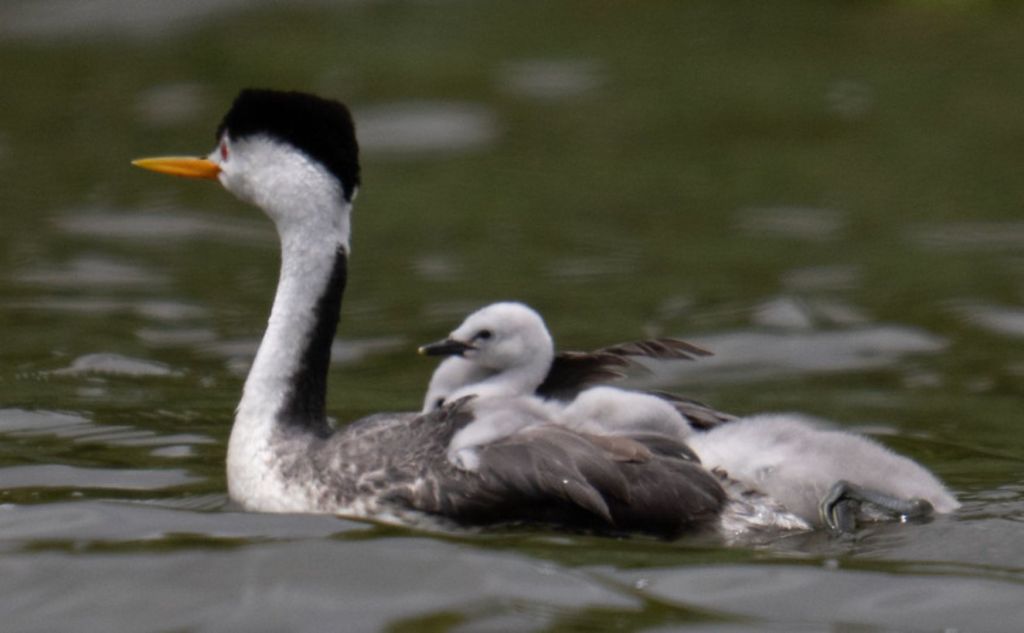
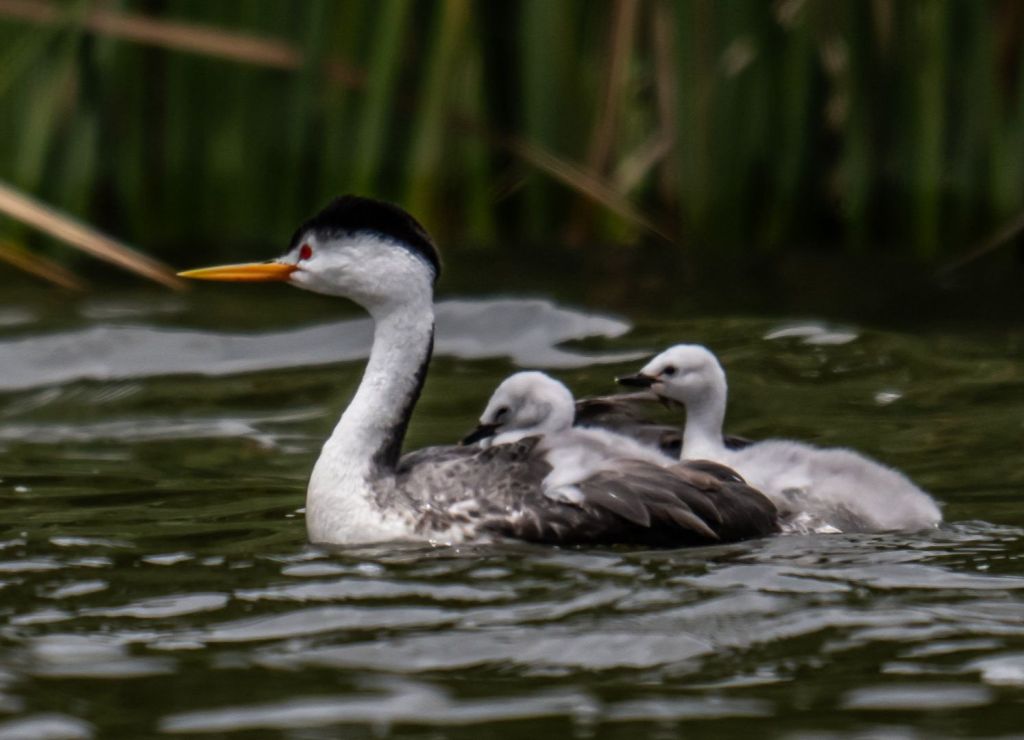
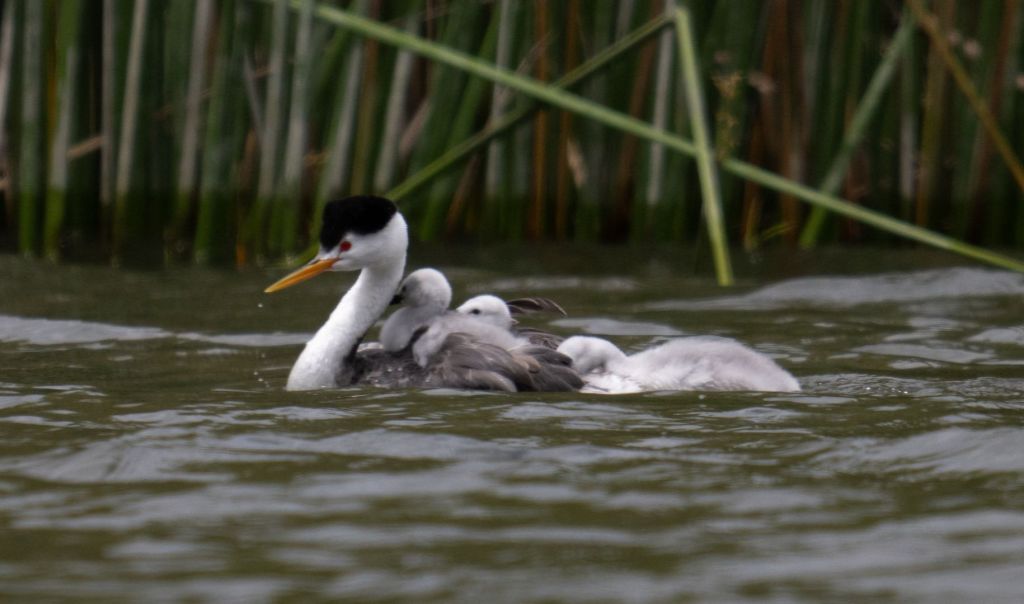
After nesting season begins, the real stars of the show emerge: the chicks. Newly hatched Western Grebes are covered in black-and-white stripes and are surprisingly mobile. Within minutes of hatching, they are capable of climbing onto a parent’s back, where they spend much of their first weeks sheltered from predators and cold water. Both parents participate in raising the young and take turns carrying them around the lake. 

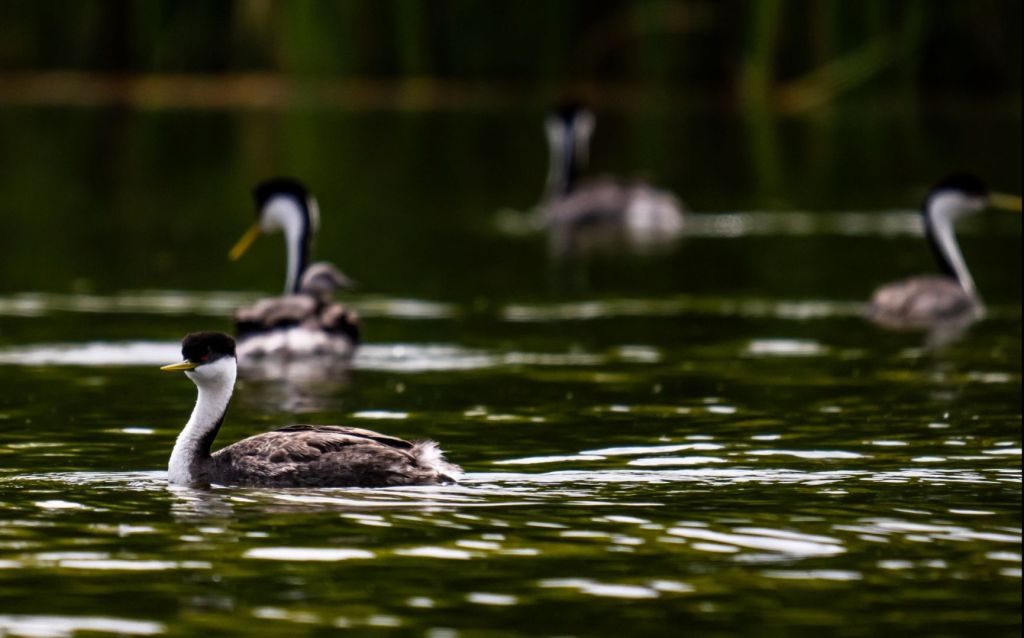
Watching a grebe family cruise across the calm waters of Lake Wohlford can feel like something out of a nature documentary. Often only a few tiny striped heads are visible peeking out from beneath a parent’s wings. As the chicks grow, they become more adventurous, swimming alongside their parents and eagerly begging for small fish.

The breeding cycle of Western Grebes depends on floating nests constructed from aquatic vegetation. These nests are anchored among emergent plants and can support clutches of two to four eggs. Once the chicks hatch, they leave the nest quickly and begin their remarkable back-riding behavior. 

For wildlife photographers, early morning is often the best time to observe these families. Calm water creates beautiful reflections, and the soft light highlights the chicks’ distinctive striped plumage. A telephoto lens allows photographers to capture natural behavior without disturbing the birds.

Beyond providing wonderful photographic opportunities, the presence of nesting Western Grebes is an indicator of healthy aquatic habitat. These colonial nesting birds require a combination of open water for feeding and sheltered vegetation for nesting. Across western North America, breeding populations depend on suitable lake habitat and protection from disturbance. 

A visit to Lake Wohlford during chick season offers a reminder of how remarkable bird life can be right here in San Diego County. Whether you’re an experienced birder or simply enjoying a morning walk around the lake, spotting a Western Grebe carrying its striped youngsters across the water is an experience that is hard to forget.

Birding Tip: Bring binoculars and scan the quieter coves of the lake during the morning hours. Look for an adult grebe sitting unusually high in the water—there may be several chicks hidden on its back.

At Lake Wohlford, visitors can rent fishing boats, including rowboats and small motorboats, from the lake’s concession area. The lake has long offered boat rentals for anglers who want to reach deeper water or fish away from the shoreline
Chollas Lake Reservoir: A Quiet Urban Escape in San Diego

https://www.sandiego.gov/park-and-recreation/centers/recctr/chollas

Chollas Lake Reservoir is one of those places many locals drive past without realizing what’s inside. Beyond the busy streets and surrounding homes, the lake opens up into a surprisingly peaceful space—part urban park, part wildlife refuge, and part neighborhood gathering spot.

A Brief History of Chollas Lake

Chollas Lake was originally constructed in the early 1900s as part of San Diego’s water supply system. Over time, the reservoir evolved into a public recreation area, managed today by the City of San Diego. While it no longer serves as a primary drinking water source, the lake continues to play an important role as a community park and habitat for local wildlife.

Walking the Lake Loop

One of the most popular features of Chollas Lake is the roughly half-mile loop trail that circles the water. The path is mostly flat and paved, making it accessible for walkers, joggers, and families. Benches along the way invite visitors to slow down, sit, and watch the water—something that feels rare in a city environment.

Morning and late afternoon are especially pleasant, with cooler temperatures and softer light reflecting off the lake’s surface.

The fishing at Chollas Lake in San Diego is specifically designated for youth anglers only (ages 15 and under), meaning children can fish there for free and adults are expected to help or supervise but cannot fish themselves

The main gate at the East entrance of the park next to the lake closes 30 minutes before sunset. Other gates close BEFORE the East gate. Please note the closing time posted at your point of entry.

Fishing, Camping, and Fun: Explore Santee Lakes

Santee Lakes: A Hidden Gem for Outdoor Recreation A picturesque paradise in the heart of San Diego’s East County

Nestled in the rolling hills of San Diego’s East County, Santee Lakes is a hidden gem for outdoor enthusiasts seeking a tranquil escape from the hustle and bustle of city life. This sprawling recreational area offers a diverse range of activities for visitors of all ages, from fishing and boating to hiking and picnicking.

Santee Recreational Lakes is a 190-acrea privately owned park and campground run by the Padre Dam Municipal Water District. The park is made up of seven lakes that are filled with recycled water from a water treatment plant nearby. There is plenty of parking along the loop road that runs around the property. Lakes 1-6 have flat paved concrete sidewalks next to the roadway. 

Dogs are not allowed in the day use area of the park. Between Lakes 6 and 7 in the north there is a limited  dog walk area accessible on the west side. 

The campground offers cabin rentals and RV sites for pricing and availability check there site 

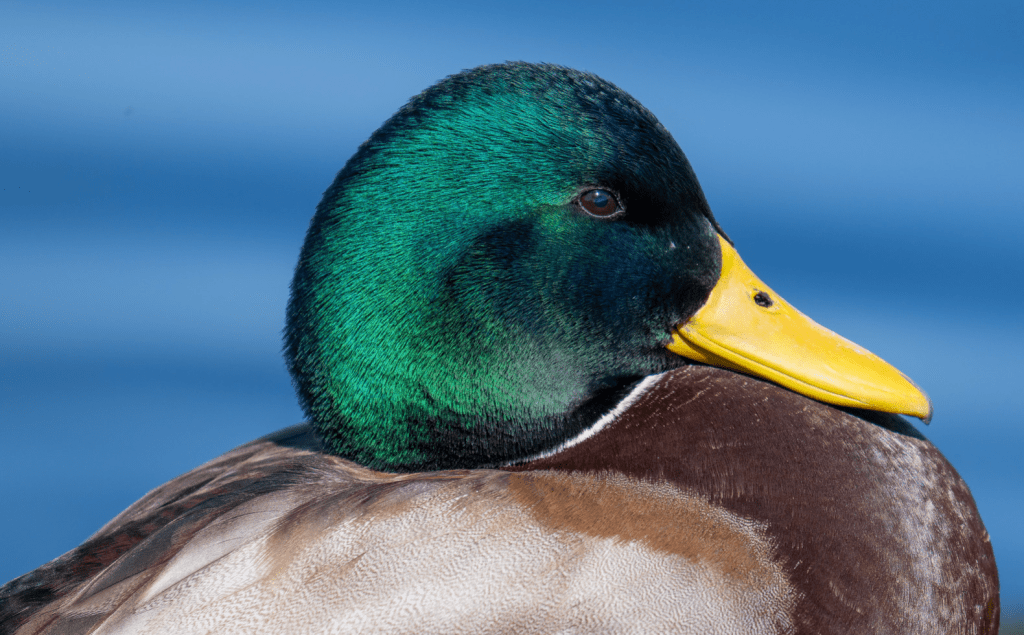
I originally found out about the Santee Recreational Lakes through the Palomar Audubon Society website. I was looking for birding groups in my area and joined them on a walk of Santee Lakes. I have since been pack many times on my own and have scene a variety of both native and transient birds at the lakes. 

A Haven for Anglers

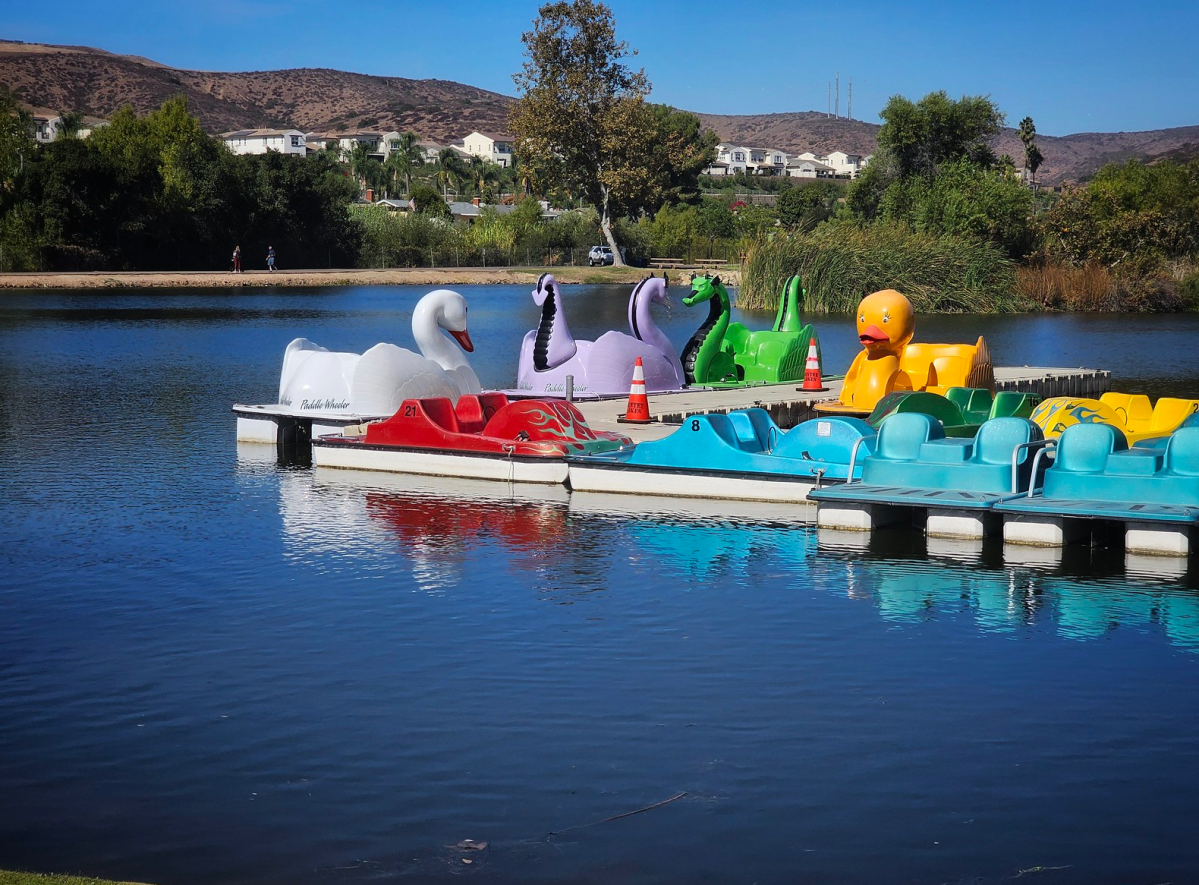
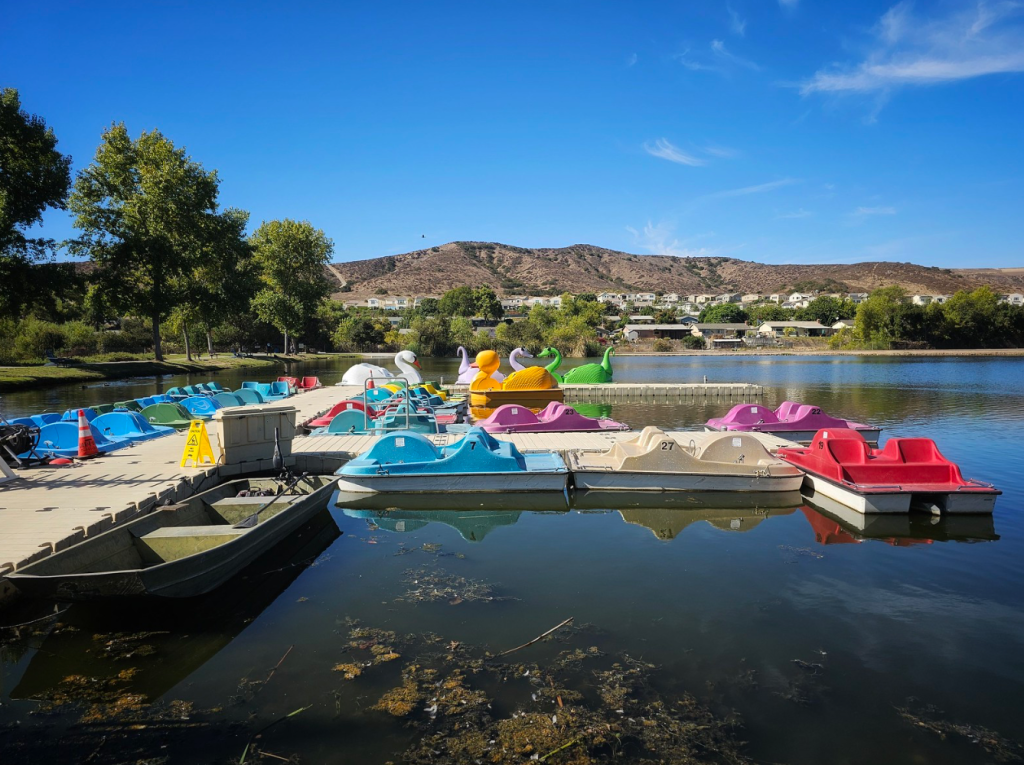
Santee Lakes is a popular destination for anglers, with its well-stocked waters teeming with various fish species, including rainbow trout, catfish, and bass. The lakes offer a variety of fishing opportunities, from bank fishing to renting a pedal powered swan boat.

Picnicking and Camping

Santee Lakes is a great place to spend a day with family and friends. The park has several picnic areas equipped with tables, grills, and playgrounds, making it an ideal spot for a picnic lunch or barbecue. For those who want to stay overnight, the park also has a campground with RV hookups and tent sites.

Additional Amenities

Santee Lakes offers a variety of other amenities to make your visit enjoyable, including a snack bar, a bait shop, and a boat rental facility. The park also has a visitor center with information about the area and upcoming events.

A Day Trip Worth Taking

If you’re looking for a relaxing and fun-filled day trip, Santee Lakes is the perfect destination. With its stunning natural beauty, diverse recreational opportunities, and family-friendly atmosphere, Santee Lakes is a hidden gem that is sure to delight visitors of all ages.

Tips for Visiting Santee Lakes:

  • Santee Lakes is open year-round, but the best time to visit is during the spring and fall when the weather is mild.
  • Admission to Santee Lakes is free to walk in, but there are fees for parking your car, boat rentals, and fishing permits.
  • Be sure to bring sunscreen, a hat, and plenty of water, especially during the summer months.
  • Santee Lakes is a popular destination, so it’s best to arrive early to avoid crowds.
  • To find out more visit their website https://www.santeelakes.com