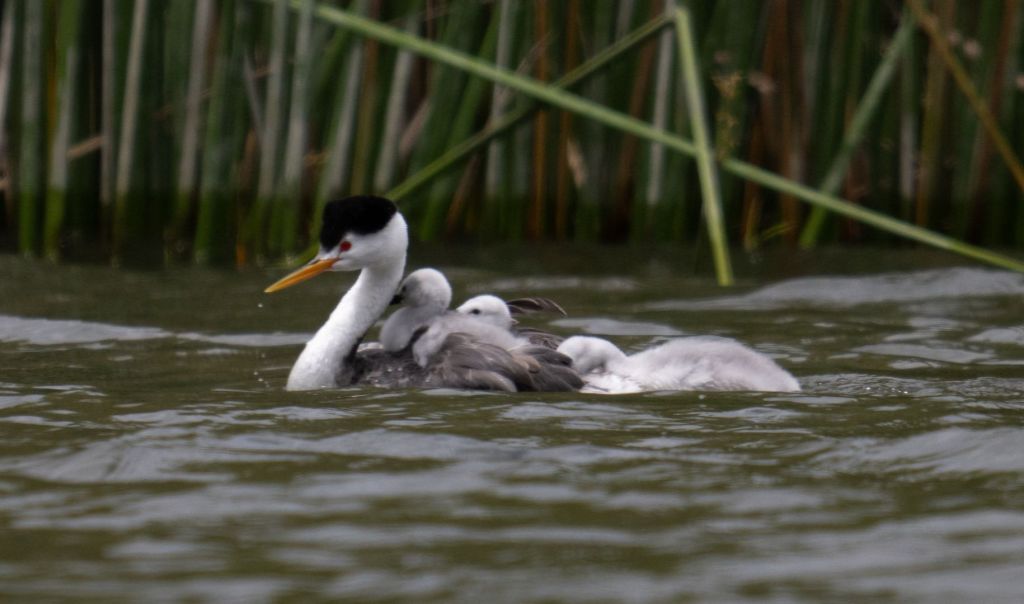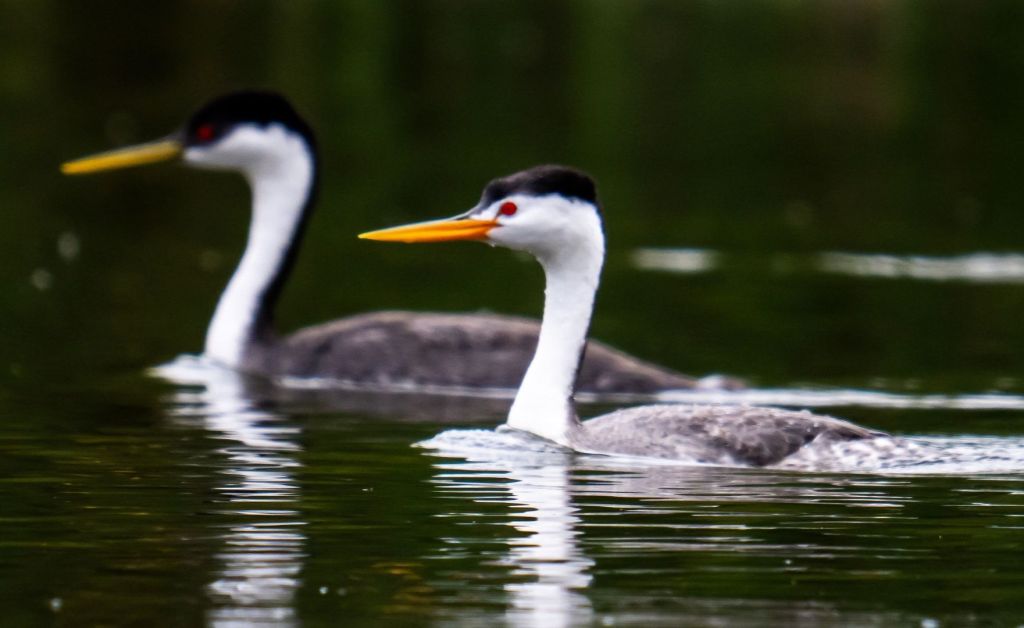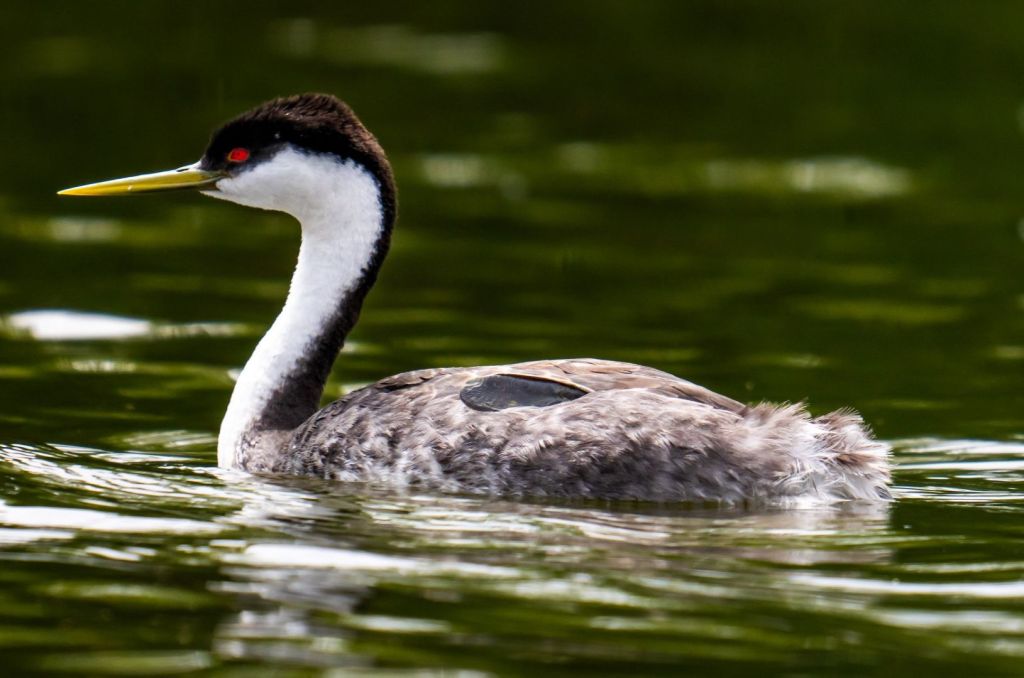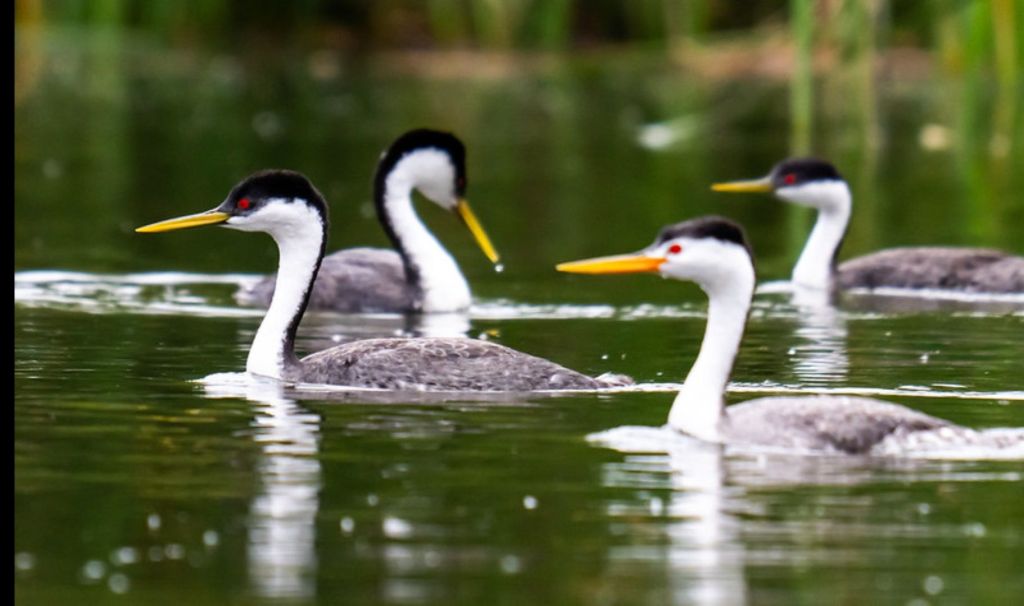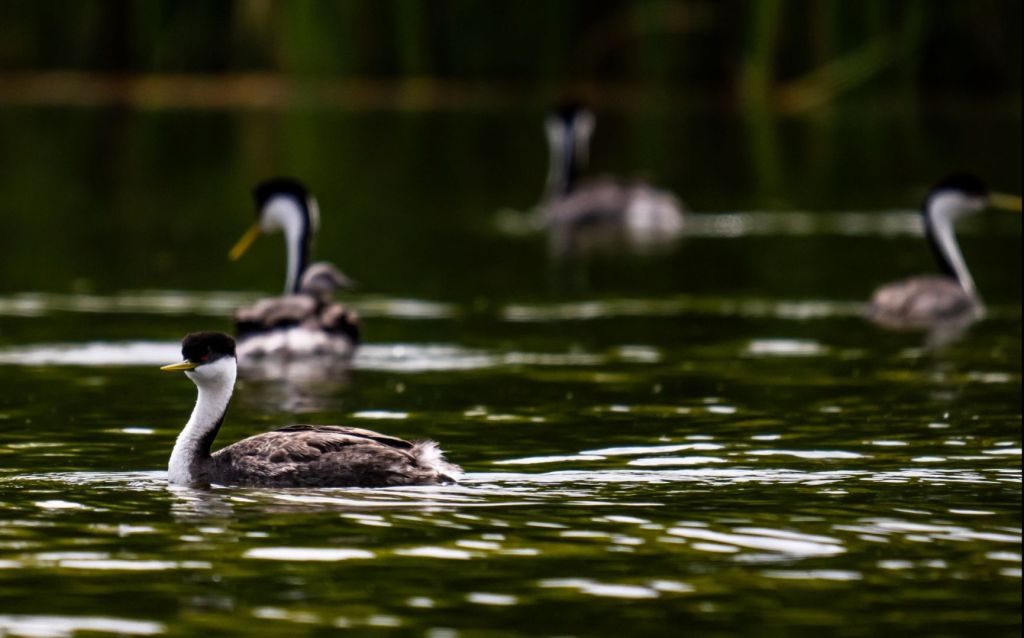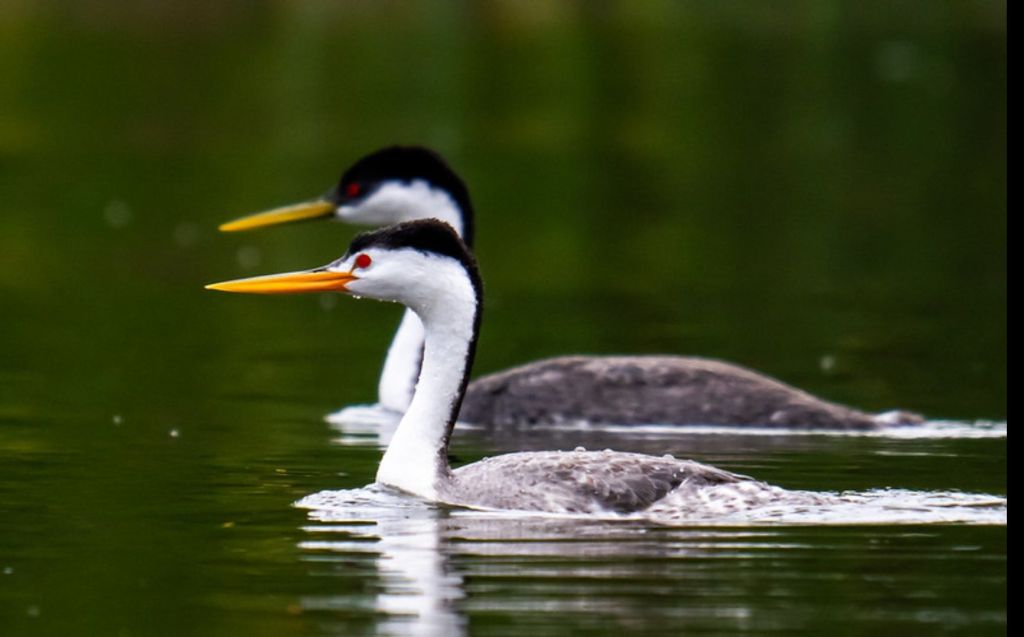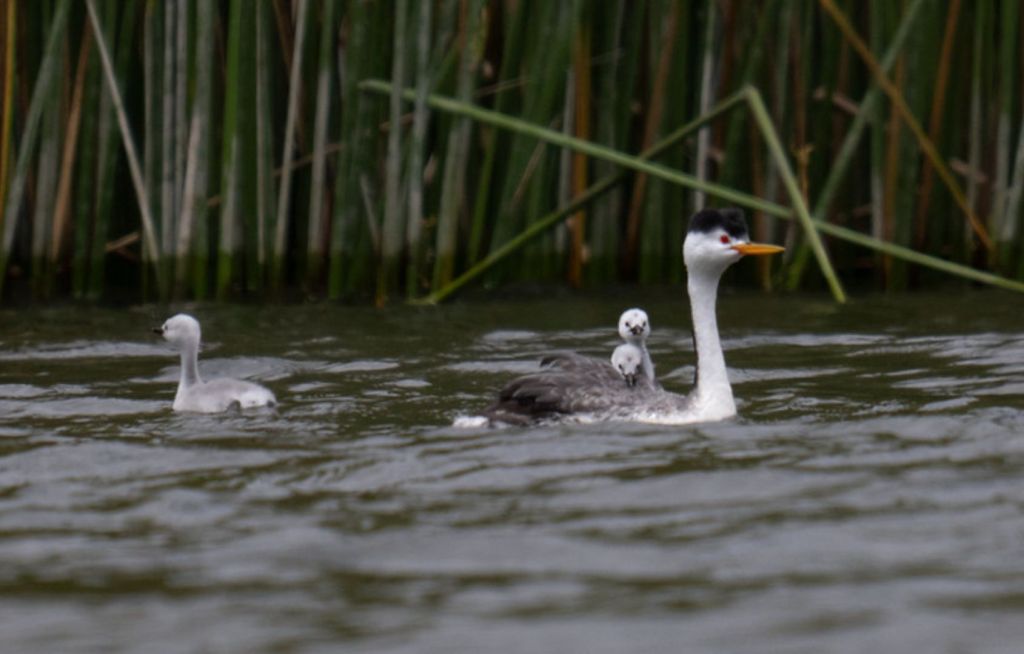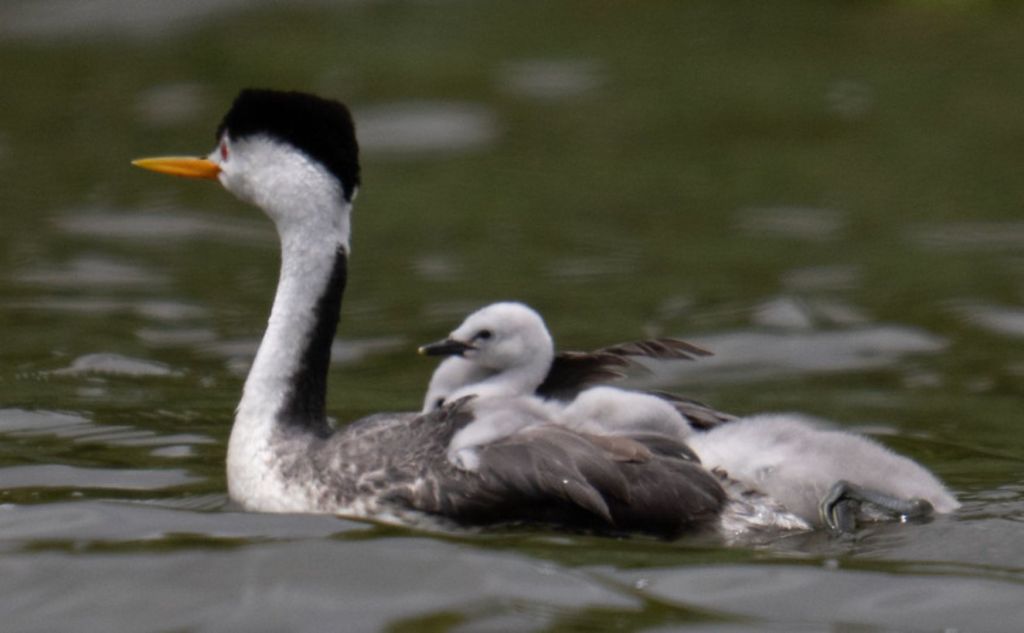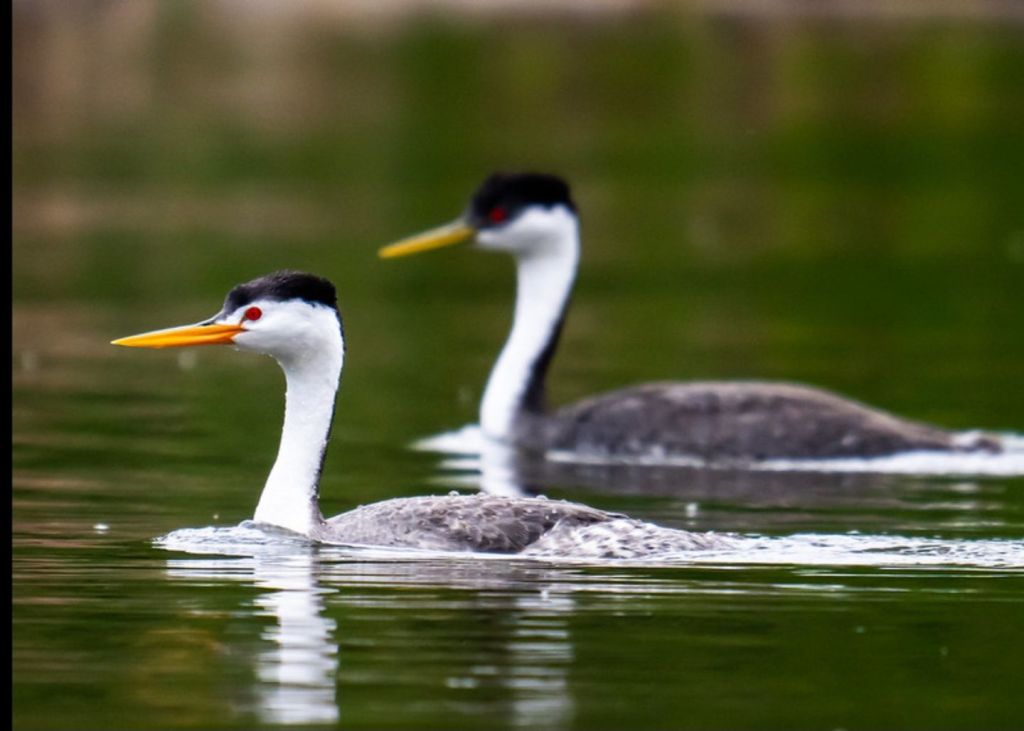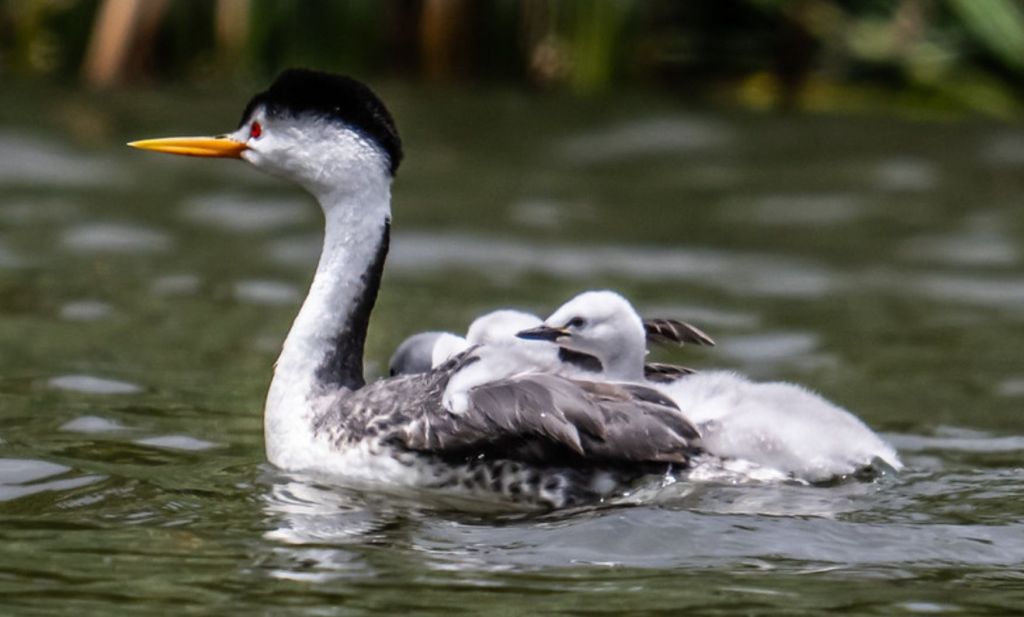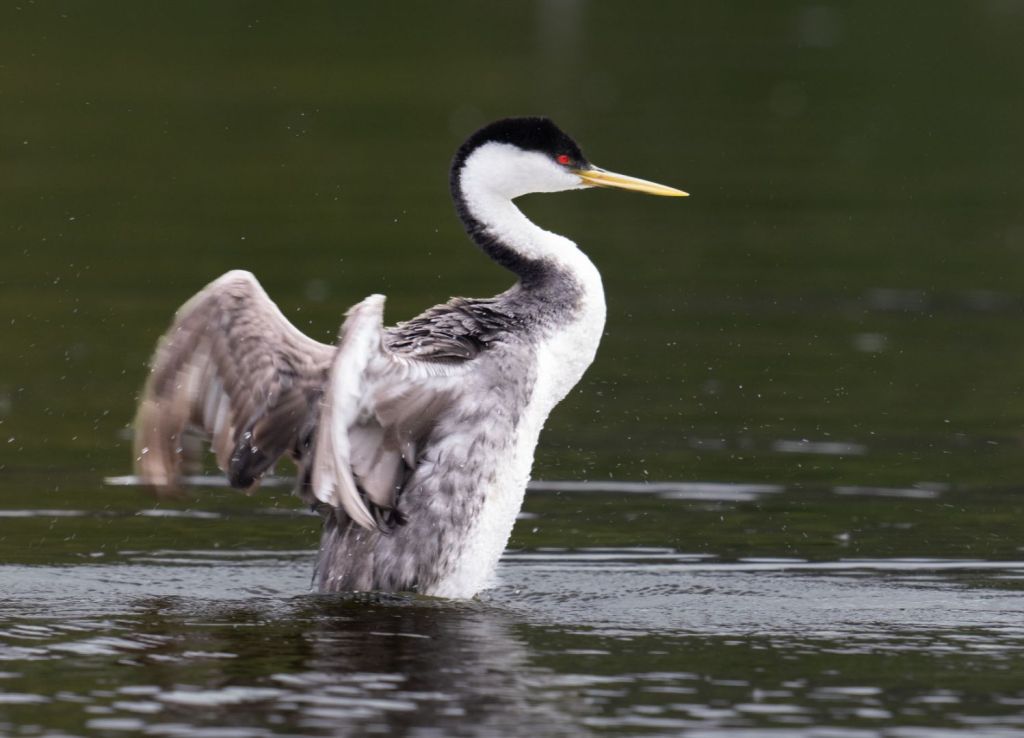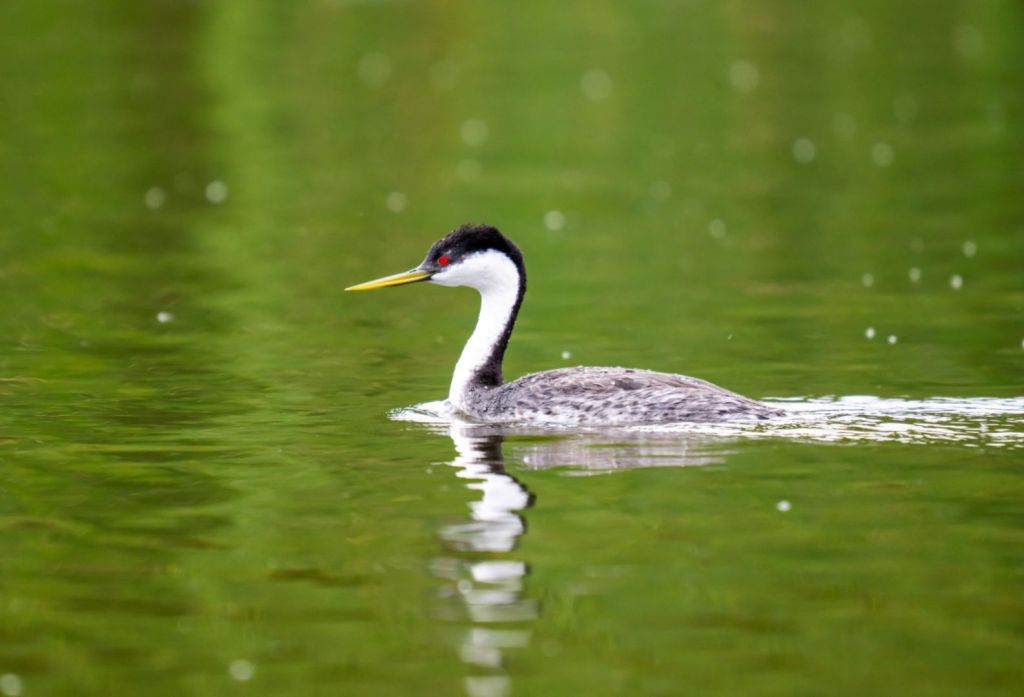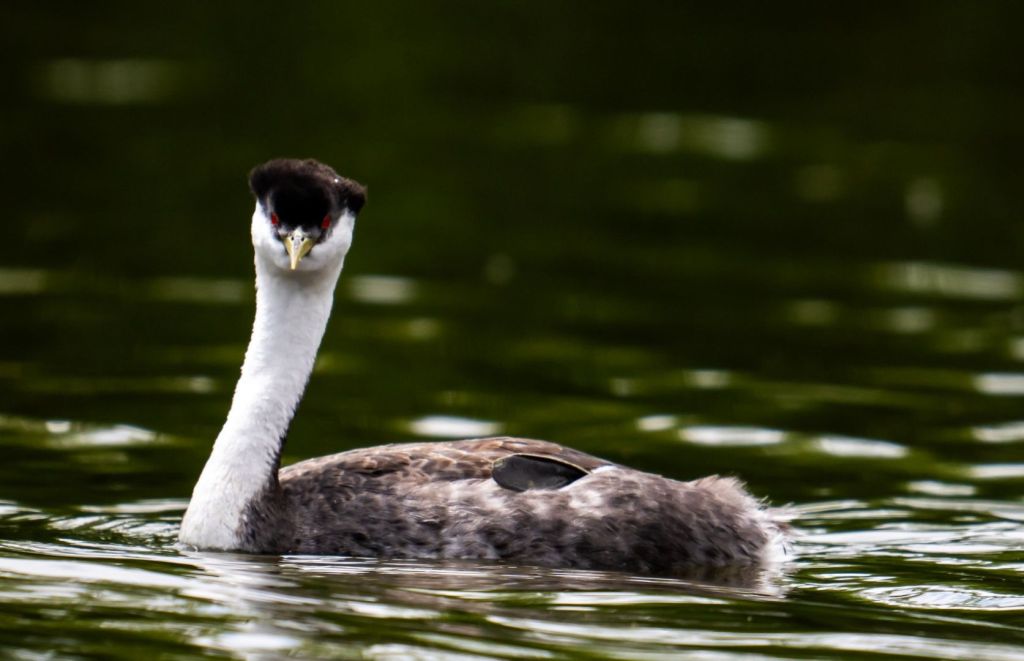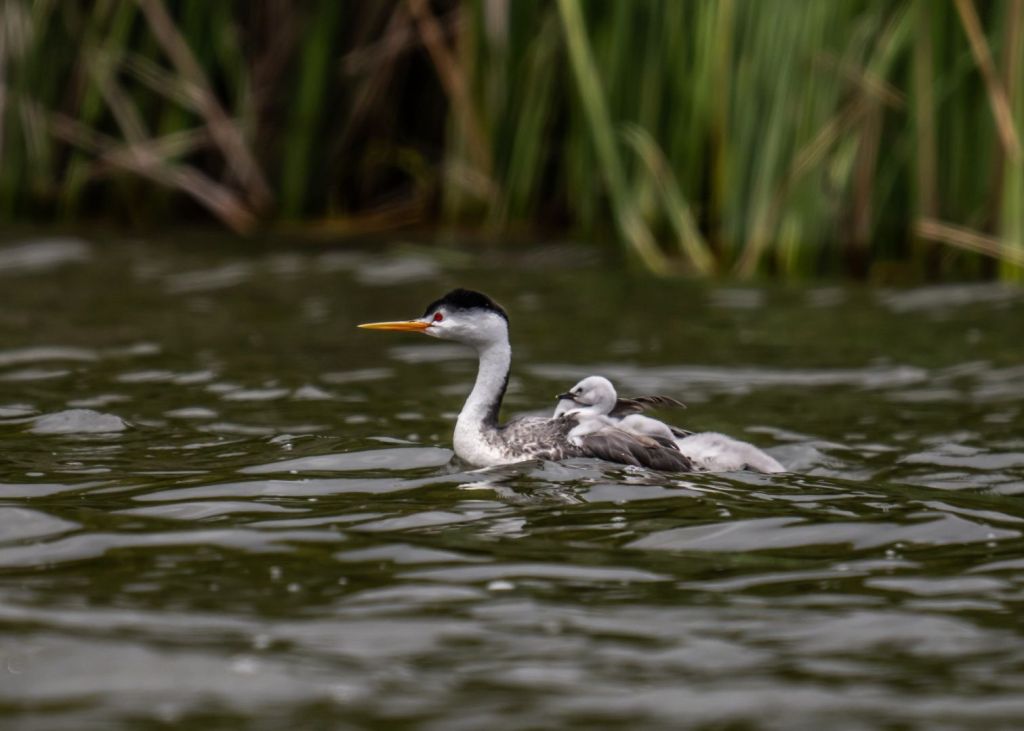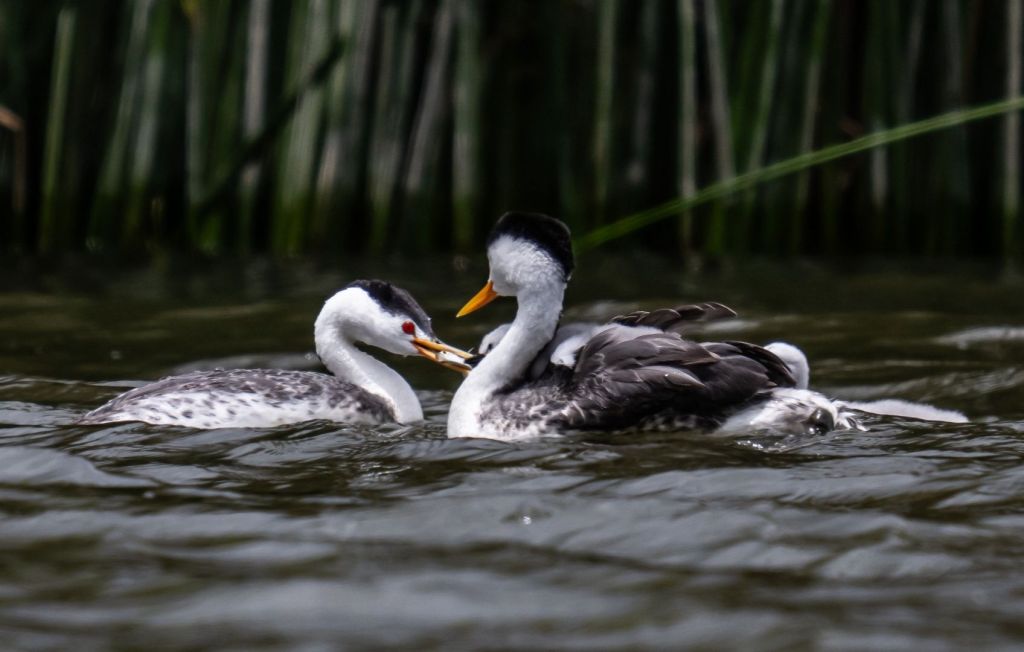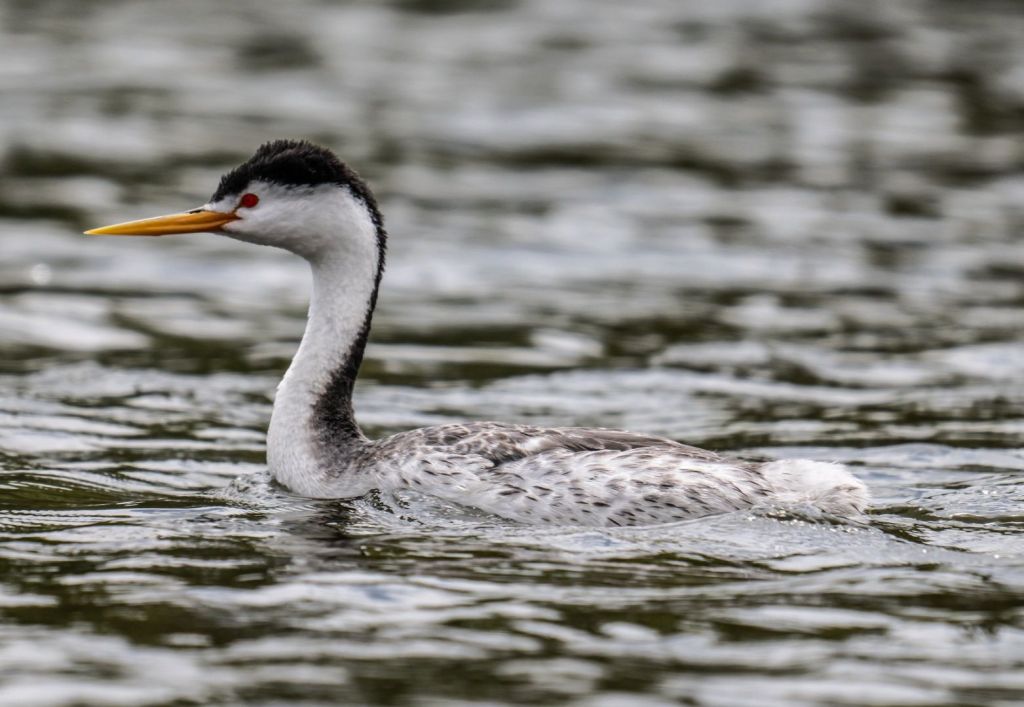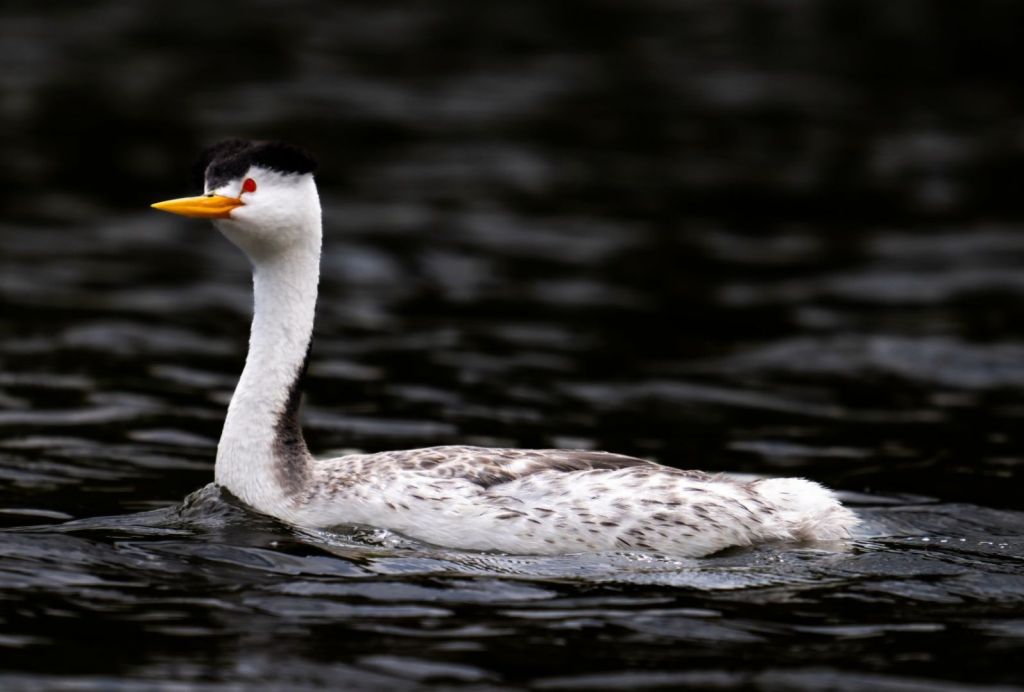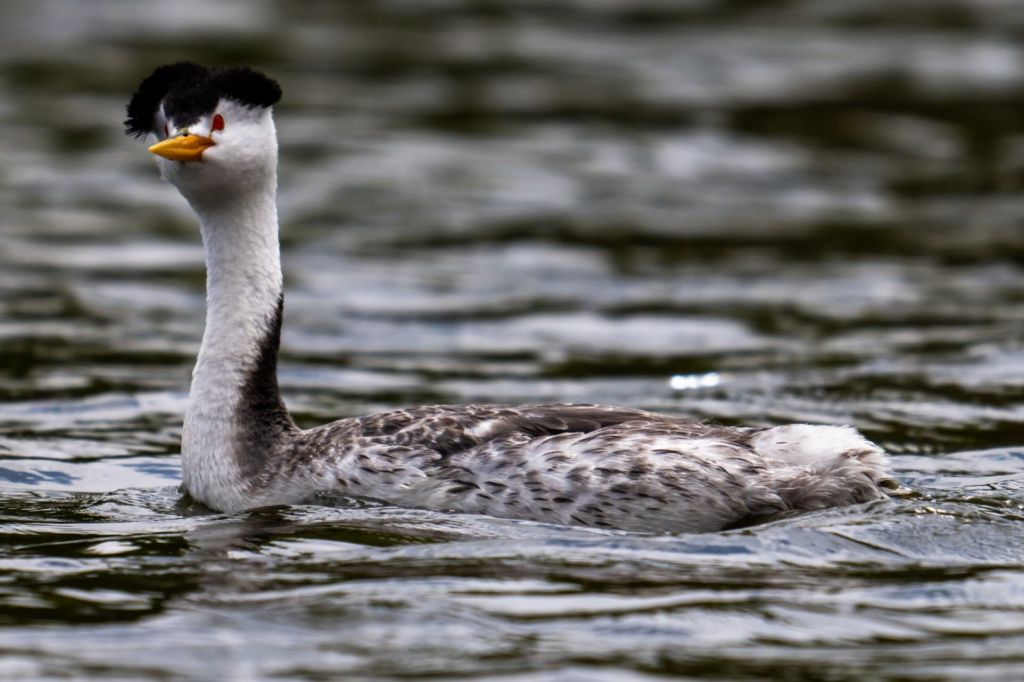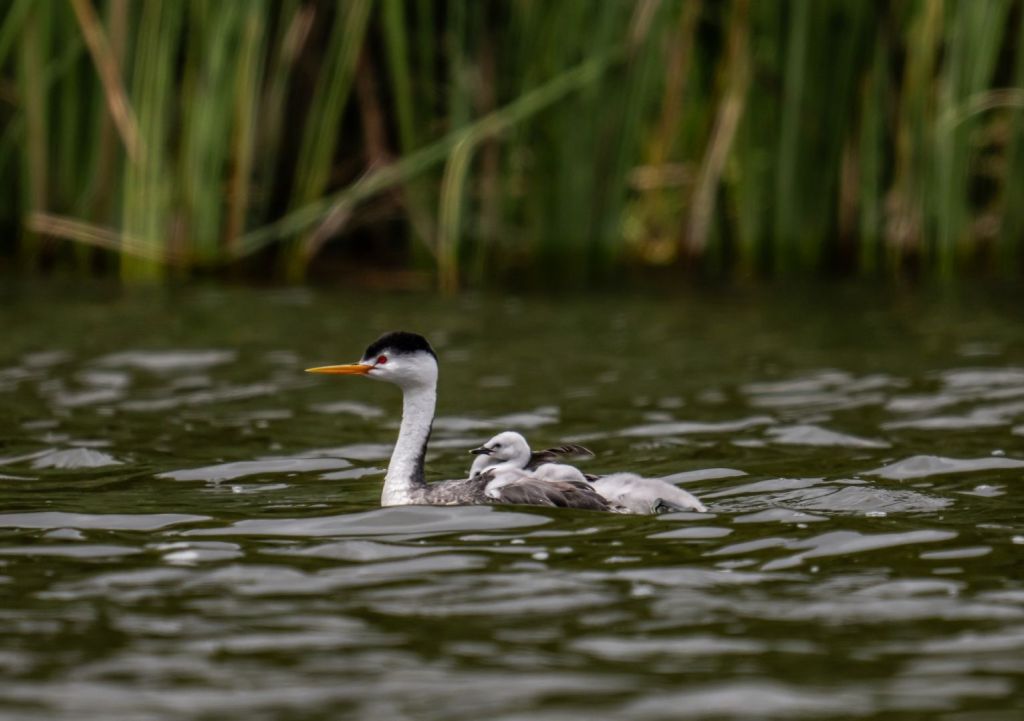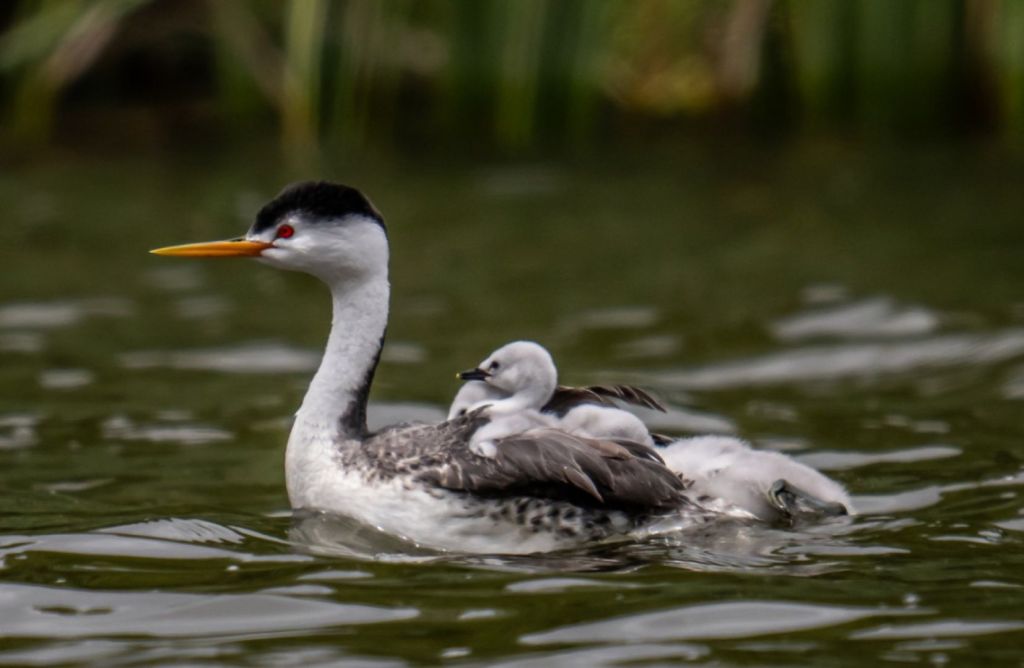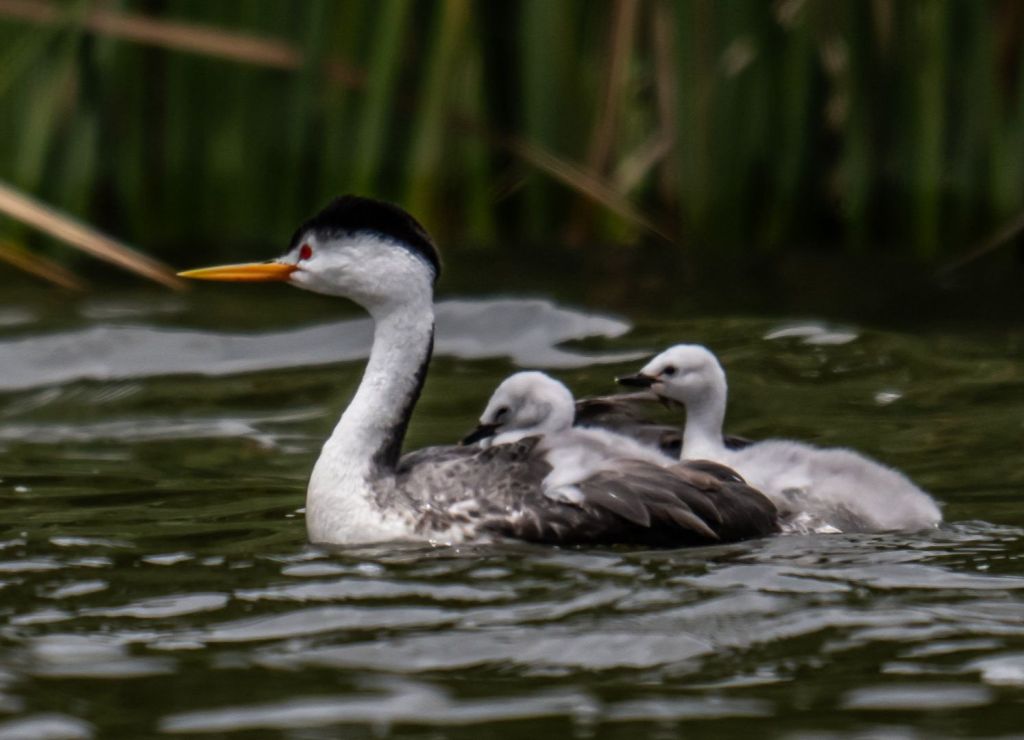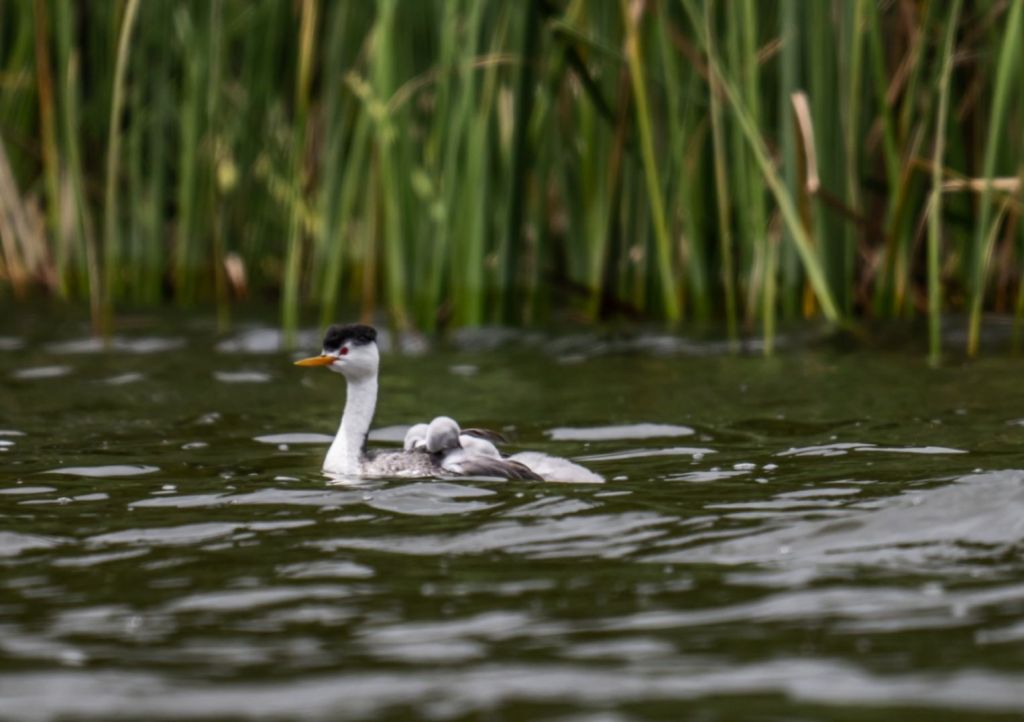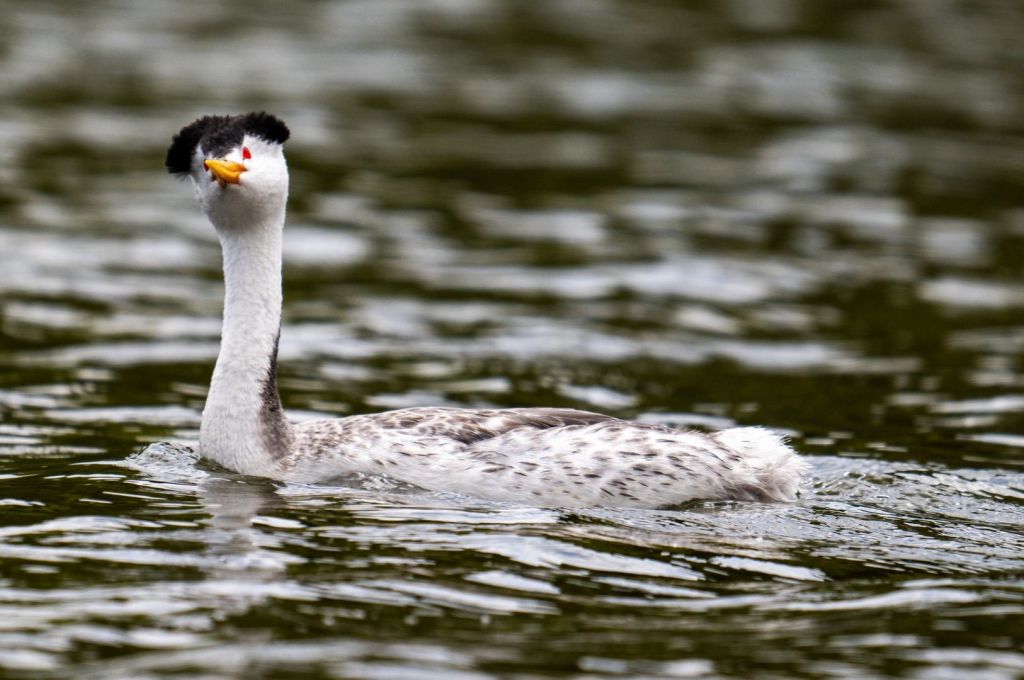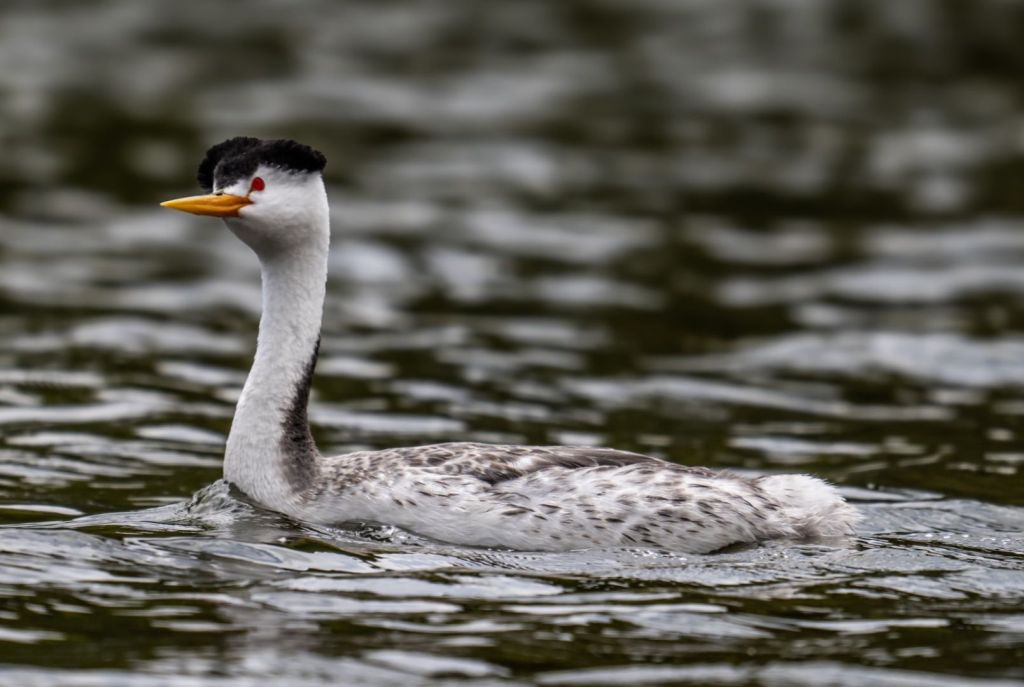
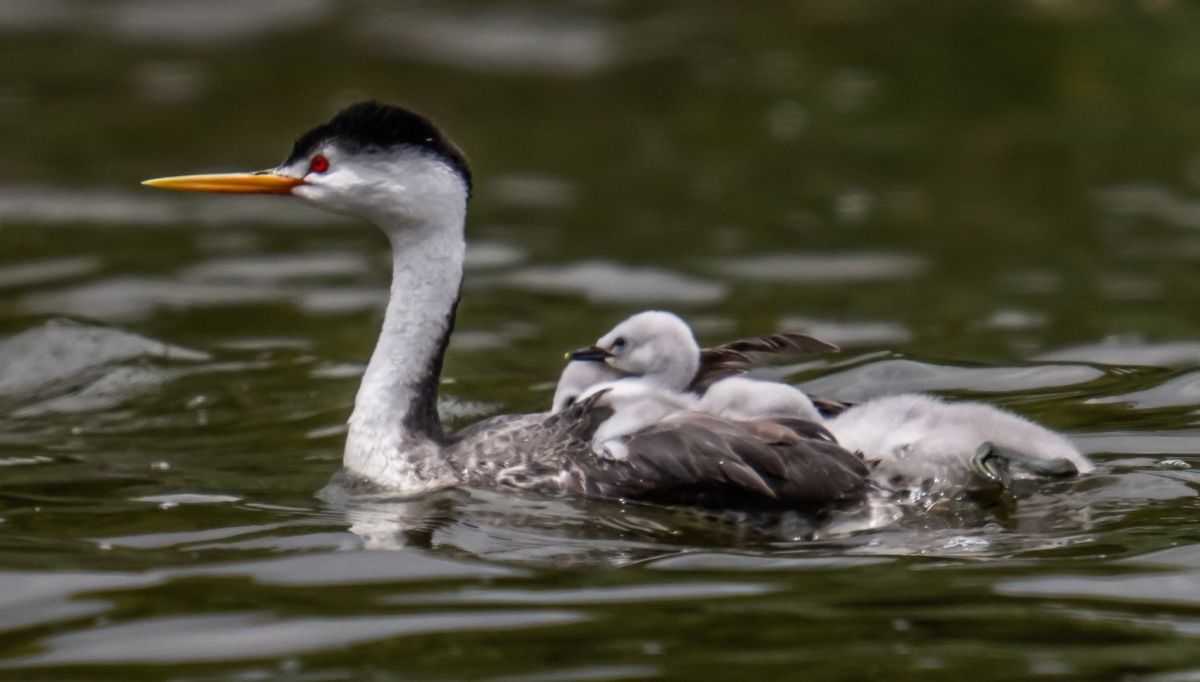
Every spring and early summer, one of the most heartwarming sights at Lake Wohlford is the appearance of Western Grebe chicks riding on the backs of their parents. For birders and photographers, these fuzzy youngsters provide some of the most memorable wildlife viewing opportunities in North County San Diego.
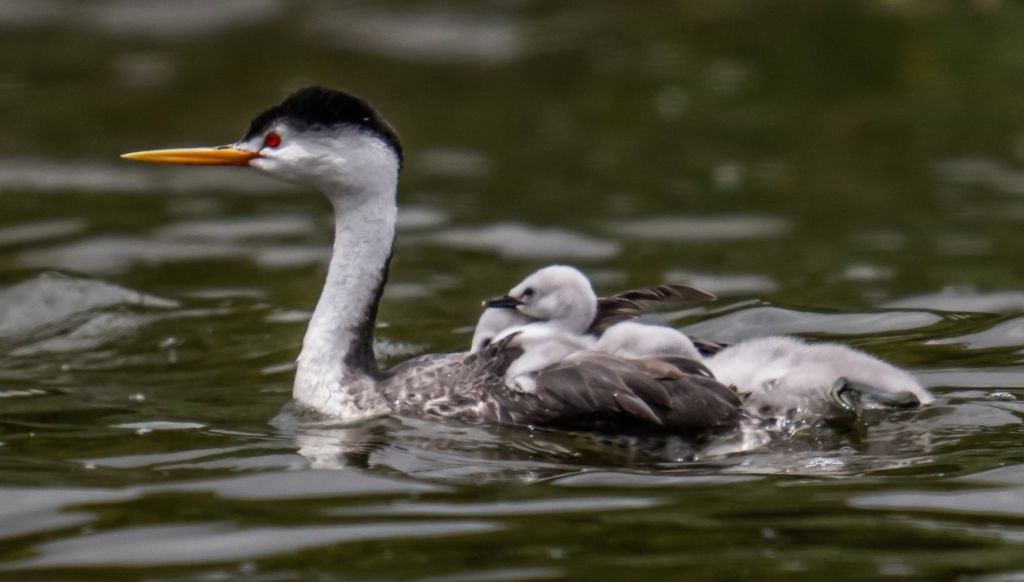
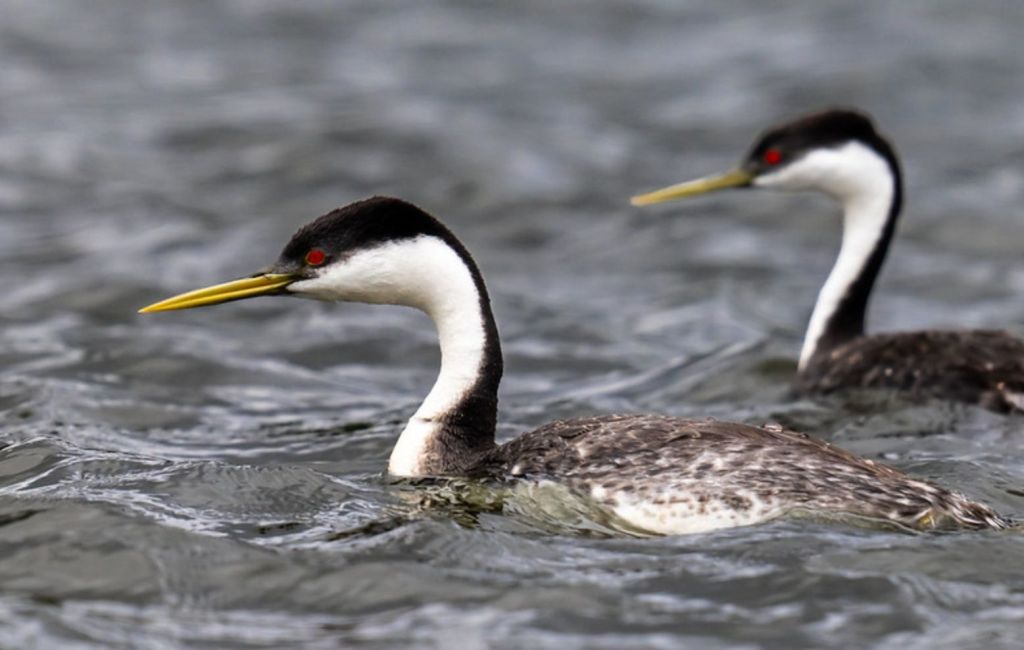
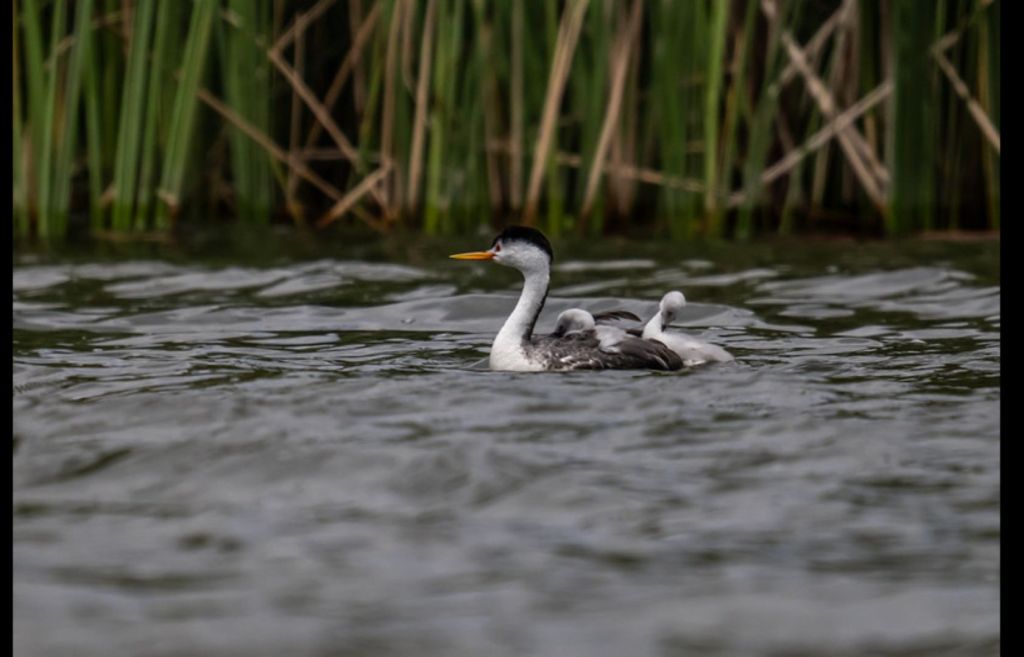
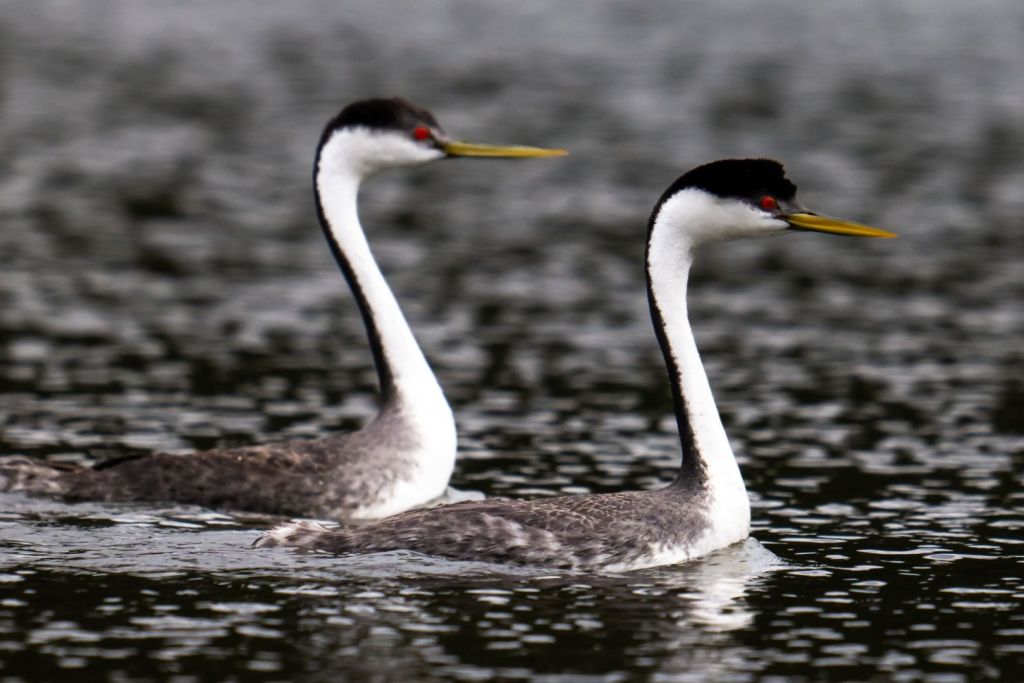
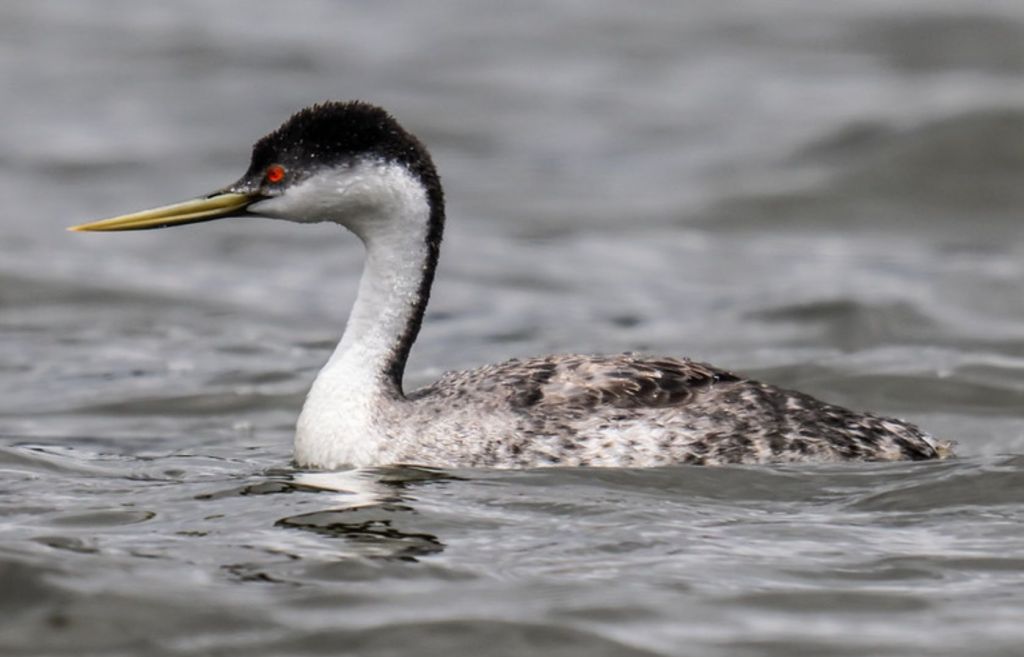
The Western Grebe (Aechmophorus occidentalis) is one of North America’s largest grebes, known for its elegant black-and-white plumage, striking red eyes, and spectacular courtship displays. Lake Wohlford has long been a favored breeding location for these birds, with photographers documenting their famous “rushing” behavior—when pairs appear to run across the water during courtship.
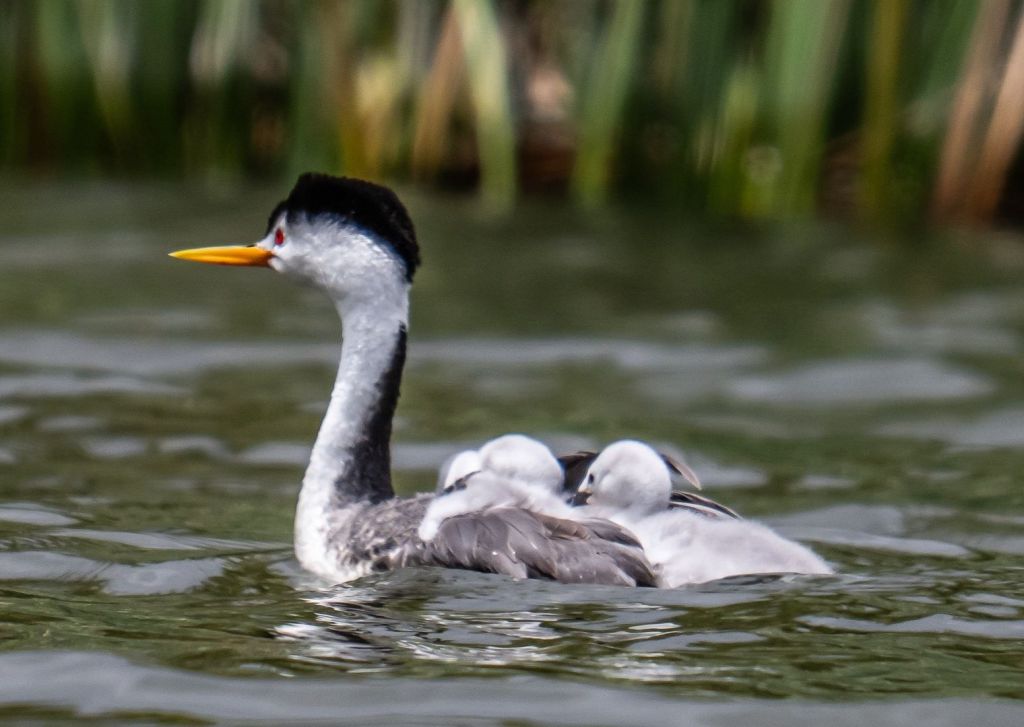
After nesting season begins, the real stars of the show emerge: the chicks. Newly hatched Western Grebes are covered in black-and-white stripes and are surprisingly mobile. Within minutes of hatching, they are capable of climbing onto a parent’s back, where they spend much of their first weeks sheltered from predators and cold water. Both parents participate in raising the young and take turns carrying them around the lake.
Watching a grebe family cruise across the calm waters of Lake Wohlford can feel like something out of a nature documentary. Often only a few tiny striped heads are visible peeking out from beneath a parent’s wings. As the chicks grow, they become more adventurous, swimming alongside their parents and eagerly begging for small fish.
The breeding cycle of Western Grebes depends on floating nests constructed from aquatic vegetation. These nests are anchored among emergent plants and can support clutches of two to four eggs. Once the chicks hatch, they leave the nest quickly and begin their remarkable back-riding behavior.
For wildlife photographers, early morning is often the best time to observe these families. Calm water creates beautiful reflections, and the soft light highlights the chicks’ distinctive striped plumage. A telephoto lens allows photographers to capture natural behavior without disturbing the birds.
Beyond providing wonderful photographic opportunities, the presence of nesting Western Grebes is an indicator of healthy aquatic habitat. These colonial nesting birds require a combination of open water for feeding and sheltered vegetation for nesting. Across western North America, breeding populations depend on suitable lake habitat and protection from disturbance.
A visit to Lake Wohlford during chick season offers a reminder of how remarkable bird life can be right here in San Diego County. Whether you’re an experienced birder or simply enjoying a morning walk around the lake, spotting a Western Grebe carrying its striped youngsters across the water is an experience that is hard to forget.
Birding Tip: Bring binoculars and scan the quieter coves of the lake during the morning hours. Look for an adult grebe sitting unusually high in the water—there may be several chicks hidden on its back.
At Lake Wohlford, visitors can rent fishing boats, including rowboats and small motorboats, from the lake’s concession area. The lake has long offered boat rentals for anglers who want to reach deeper water or fish away from the shoreline