In August of 2024 the San Diego Zoo opened up the Panda Ridge Habitat for its two chinese Giant Pandas. The habitat was expanded to over 6000 square feet and can accomidate around 150 guests at a time. Panda Ridge was inspired by China’s geological formations, including mountains, canyons, and cliffs. The enclosure features: Pools and misters to keep the pandas cool, Rock outcroppings, and Lush trees and bushes.
There are 3 ways you can visit Panda Ridge.
Giant Panda Timed Tickets
Make the most of your day by securing a complimentary Giant Panda Timed Ticket when you arrive at the Zoo. Simply scan the ticket QR code located on signs posted throughout the Zoo, select an available time, and head to the Timed Ticket line at Panda Ridge at your designated time. You may also seek assistance with timed tickets at any Admissions Booth. Timed tickets are only available day of, on a first come, first served basis until the daily limit is reached.
Standby Line
No ticket is needed to join the standby line at Panda Ridge any time from 9:30 a.m. until giant pandas are off habitat or the Zoo closes, whichever occurs earlier. Wait times may vary. The standby line does not guarantee visitation to Panda Ridge and is first come, first served.
Early Morning with Pandas Walking Tour
A special 60-minute paid Early Morning with Pandas Walking Tour, where an expert guide will lead you to exclusive viewings of giant pandas. This tour is at an additional cost and is not included with admission. Reservations are required. You can make an advanced reservation for the Early Morning with Pandas Walking Tour by reserving online or calling (619) 718-3000.
Breathe Easy in the Marsh: Discovering the Sweetwater Marsh National Wildlife Refuge
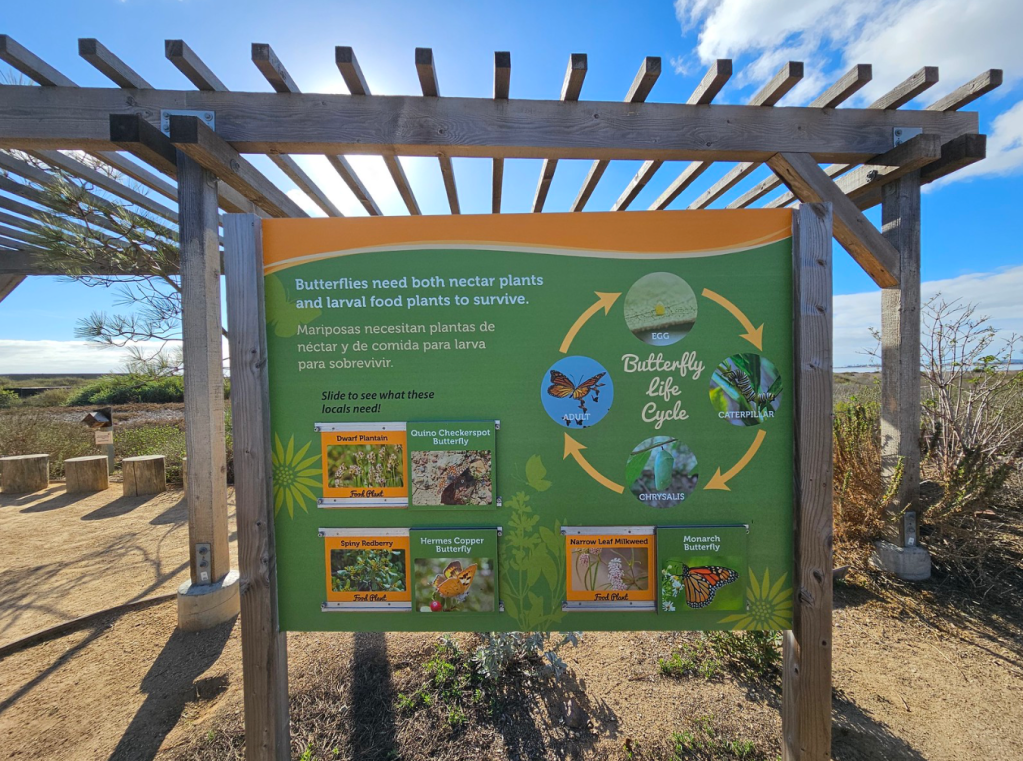
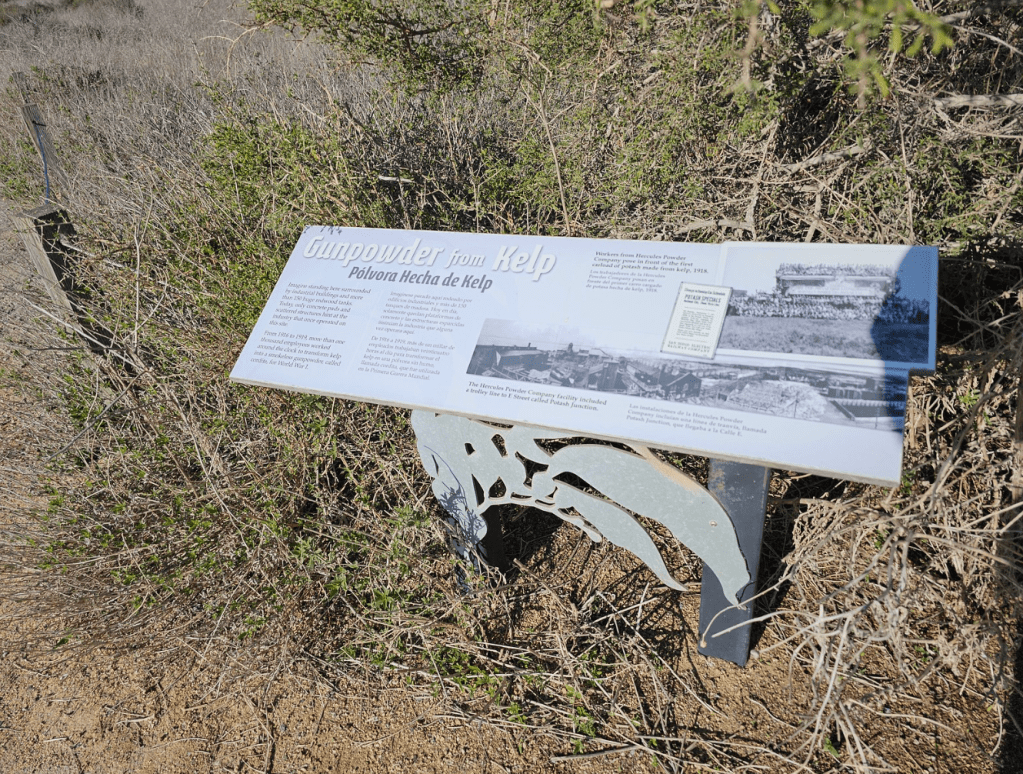
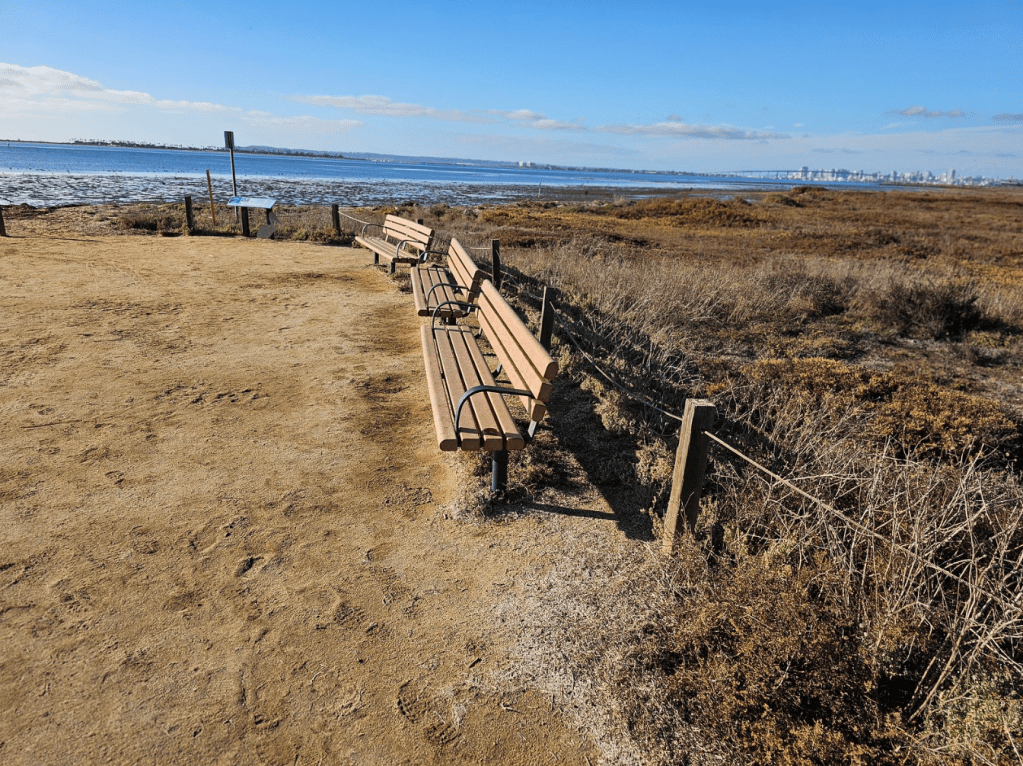
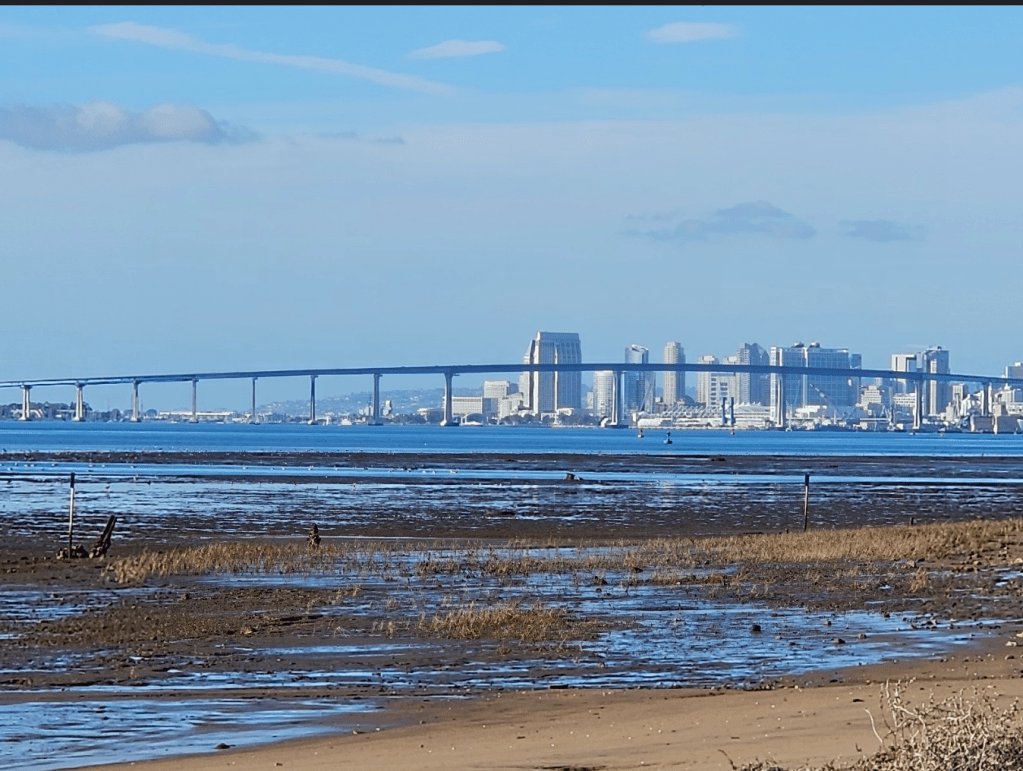
Living in San Diego, we’re lucky to be surrounded by pockets of natural beauty. But nestled right here, offering a vital sanctuary for wildlife and a tranquil escape for us, is the Sweetwater Marsh National Wildlife Refuge. This isn’t just another patch of green; it’s a dynamic coastal wetland teeming with life and holding significant ecological importance.
The entire San Diego Bay National Wildlife Refuge, which includes other units besides Sweetwater Marsh, totals around 2,620 acres of land and water in and around San Diego Bay. So, while the broader refuge is larger, the specific Sweetwater Marsh unit you might be exploring is about 316 acres in size.
In order to access the trails located within the Sweetwater March you must park your vehicle at the parking lot located outside the refuge at 1000 Gunpowder Point Drive, Chula Vista, CA 91910, then take a free shuttle bus provided by the Living Coast Discovery Center. The Discovery Center and the Refuge are open Wednesday through Sunday 10am-5pm. Check the Living Coast Discovery Center website for most up-to-date information. There is no fee to walk the 1.5 miles of trails, however there is a fee to explore the Living Coast Discovery Center
More Than Just Mudflats:
For those unfamiliar, a salt marsh might just seem like muddy ground. But look closer, and you’ll discover a vibrant and crucial habitat. The Sweetwater Marsh is one of the few remaining significant salt marshes in Southern California, acting as a natural filter for our waters, a buffer against coastal erosion, and a vital nursery for countless fish and invertebrates.
A Haven for Feathered Friends (and More!):
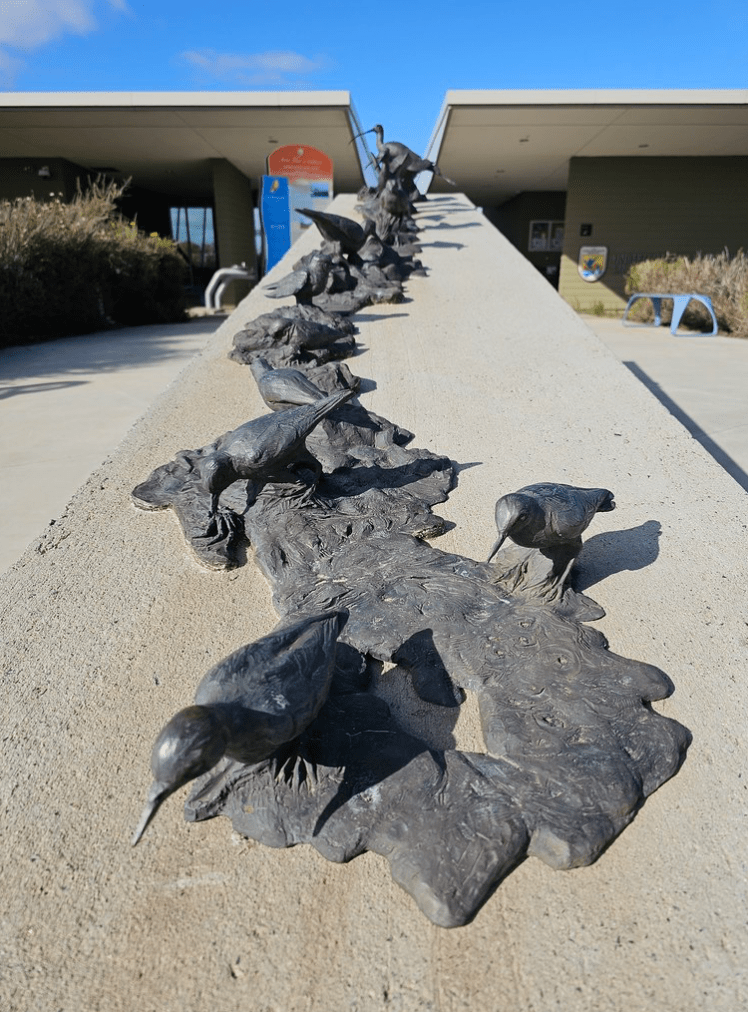
If you’re a bird enthusiast, prepare to be delighted. Situated along the Pacific Flyway, the refuge is a critical stopover and home for a stunning array of migratory and resident birds. Keep your eyes peeled for elegant avocets and stilts gracefully wading through the shallows, various sandpipers and willets scurrying along the mudflats, and majestic herons and egrets patiently stalking their prey.
But the Sweetwater Marsh is particularly significant for the California least tern and the light-footed Ridgway’s rail(formerly California clapper rail) – both federally endangered species. The refuge provides crucial nesting and foraging grounds for these vulnerable birds, and dedicated conservation efforts are underway to ensure their survival. Witnessing these rare species in their natural habitat is a truly special experience.
Your Invitation to Explore:
The Sweetwater Marsh National Wildlife Refuge isn’t just for the birds; it’s for us too! Several easy-to-moderate trails meander through the marsh, offering fantastic opportunities for:
Birdwatching: Bring your binoculars and prepare to be amazed by the diversity of avian life.
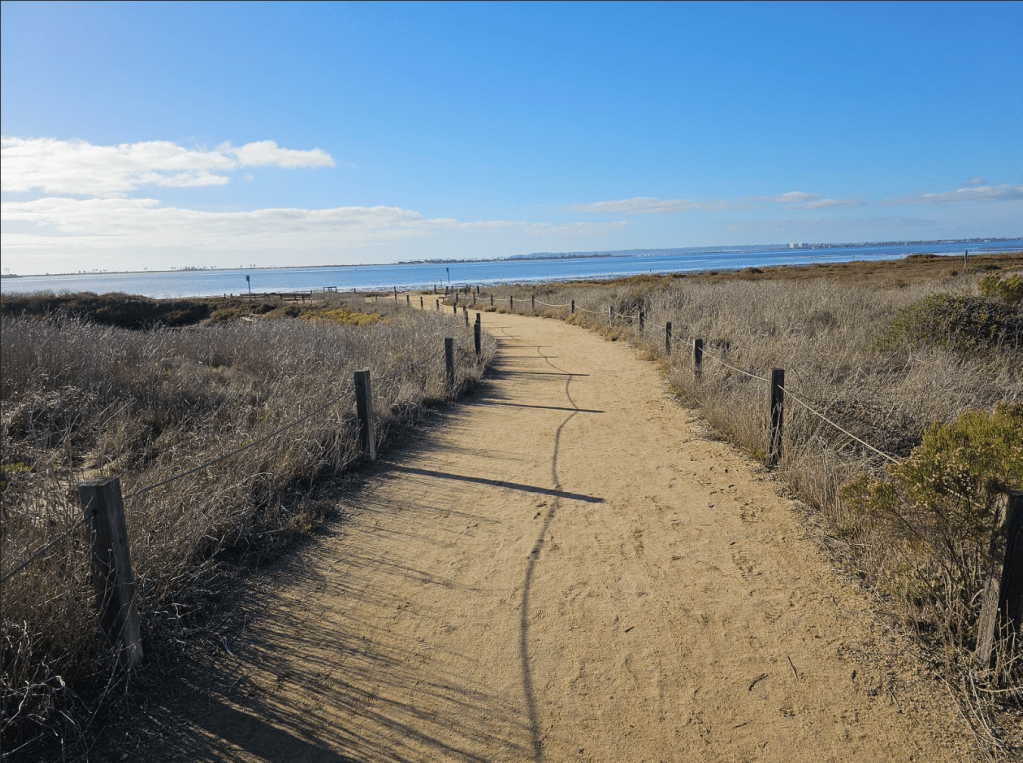
Walking and Hiking: Enjoy a peaceful stroll amidst the natural beauty, taking in the fresh air and scenic views of the bay and surrounding landscape.
Photography: Capture the stunning scenery and the fascinating wildlife that calls this refuge home.
Learning and Discovery: The nearby Living Coast Discovery Center acts as an excellent gateway to understanding the ecology of the marsh and the importance of conservation. You can often spot the same species in the wild after learning about them at the center!
A Call to Respect and Protect:
As we enjoy the beauty and tranquility of the Sweetwater Marsh, it’s crucial to remember that it’s a protected area. Let’s all do our part by:
Staying on marked trails: To protect the delicate marsh environment.
Observing wildlife from a distance: Giving them the space they need.
Leaving no trace: Packing out everything we bring in.
Respecting all rules and regulations: Ensuring the long-term health of this vital ecosystem.
So, the next time you’re looking for a breath of fresh air and a chance to connect with nature right here in Chula Vista, head over to the Sweetwater Marsh National Wildlife Refuge. It’s a reminder of the incredible biodiversity that exists right in our backyard and a place where we can all appreciate the beauty and importance of our coastal wetlands.
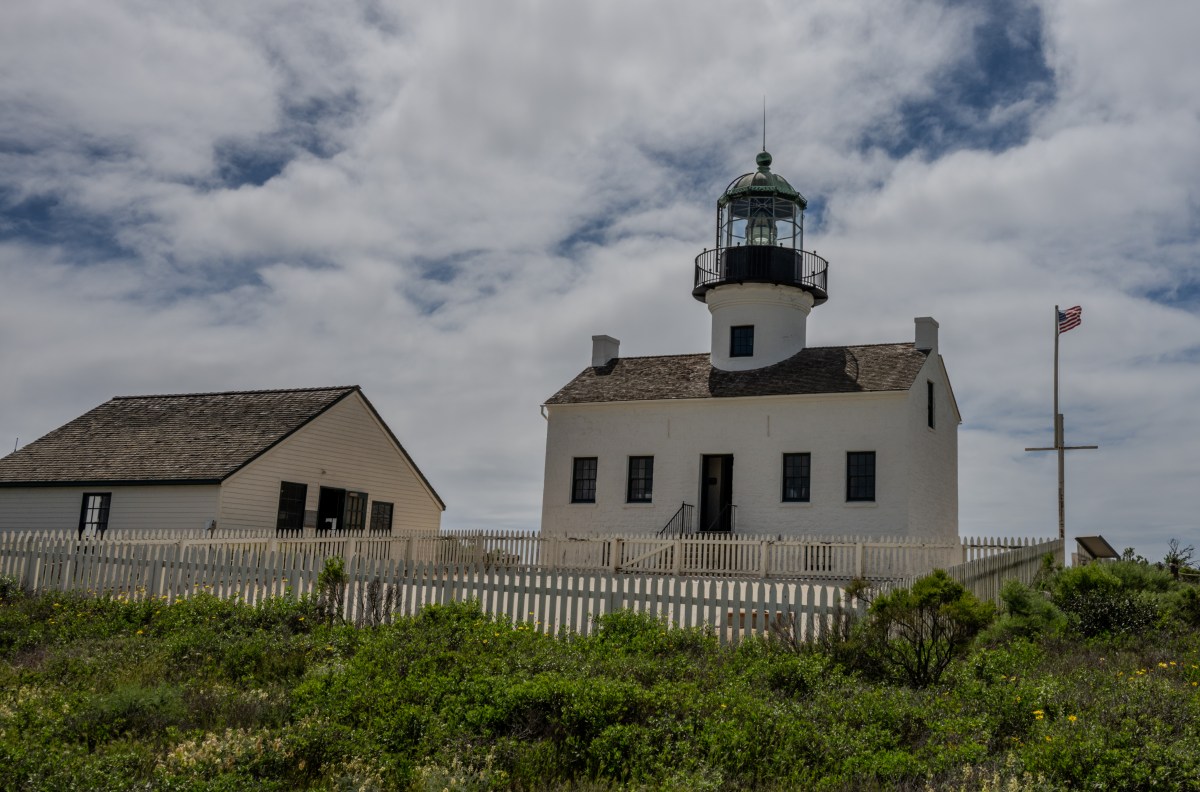
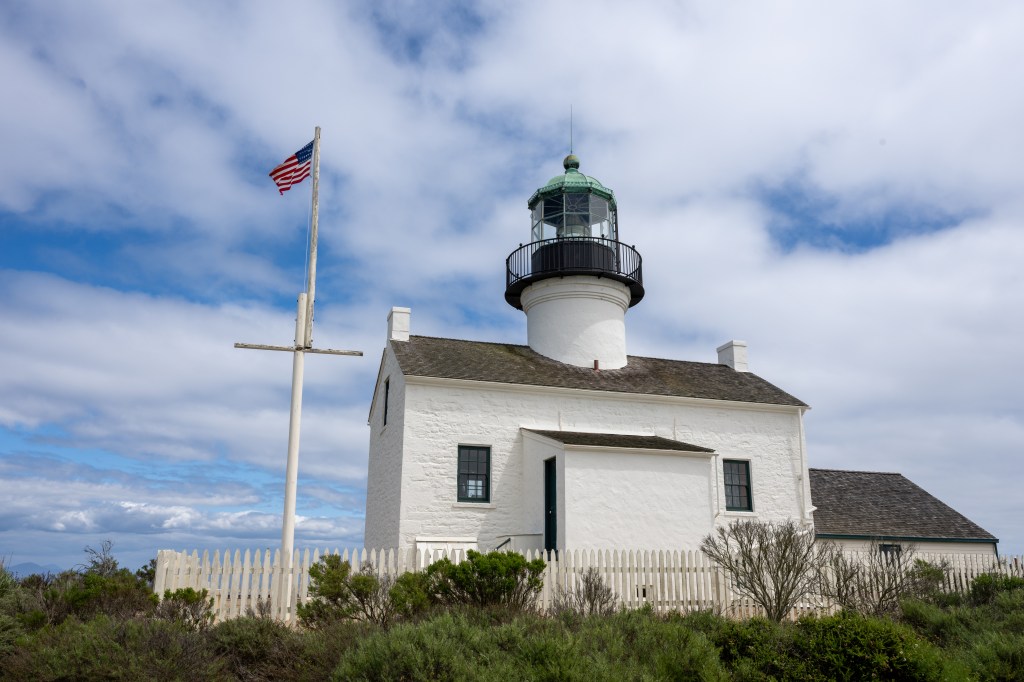
Perched high atop the rugged cliffs of Point Loma, overlooking the vast expanse of the Pacific Ocean and the bustling San Diego Bay, stands the iconic Cabrillo National Monument and its crowning jewel: the Old Point Loma Lighthouse. This historic beacon, a silent sentinel of the sea, offers not just breathtaking views but a glimpse into the rich maritime history of Southern California.
A Light in the Darkness:
Built in 1855, the Old Point Loma Lighthouse was one of the earliest lighthouses on the West Coast. Its purpose was simple yet vital: to guide ships safely into San Diego Bay. For 36 years, its powerful beam cut through the darkness, warning sailors of the treacherous coastline.
However, its elevation, while scenic, proved problematic. Fog and low clouds often obscured the light, rendering it ineffective. In 1891, the lighthouse was decommissioned, and a new, lower-elevation lighthouse was built closer to the water’s edge.
More Than Just a Lighthouse:
Today, the Old Point Loma Lighthouse stands as a museum, offering visitors a fascinating look into the lives of the lighthouse keepers and their families. Stepping inside, you’re transported back in time, experiencing the simple yet demanding life of those who dedicated themselves to keeping the light burning.
The Keeper’s Quarters: Explore the restored living quarters, furnished as they would have been in the late 19th century. Imagine the isolation and the constant vigilance required to maintain the light.
The Tower Climb: Venture up the winding staircase to the lantern room, where the Fresnel lens once shone brightly. While the original lens is now on display at the visitor center, the panoramic views from the tower are nothing short of spectacular.
The Panoramic Views: Beyond the historical significance, the Cabrillo National Monument offers some of the most stunning vistas in San Diego. From the lighthouse grounds, you can see the city skyline, Coronado Island, the vast Pacific Ocean, and even migrating whales during certain seasons.
Cabrillo National Monument: A Broader Historical Perspective:
The lighthouse is just one part of the Cabrillo National Monument. The monument also commemorates Juan Rodriguez Cabrillo, the first European to set foot on what is now the West Coast of the United States. In 1542, Cabrillo’s expedition landed in San Diego Bay, marking a significant moment in California’s history.
The Cabrillo Statue: A large statue of Juan Rodriguez Cabrillo overlooks the bay, a testament to his historic voyage.
The Tidepools: Down the hill from the lighthouse, the rocky tidepools offer a unique opportunity to explore the diverse marine life that thrives in this coastal ecosystem.
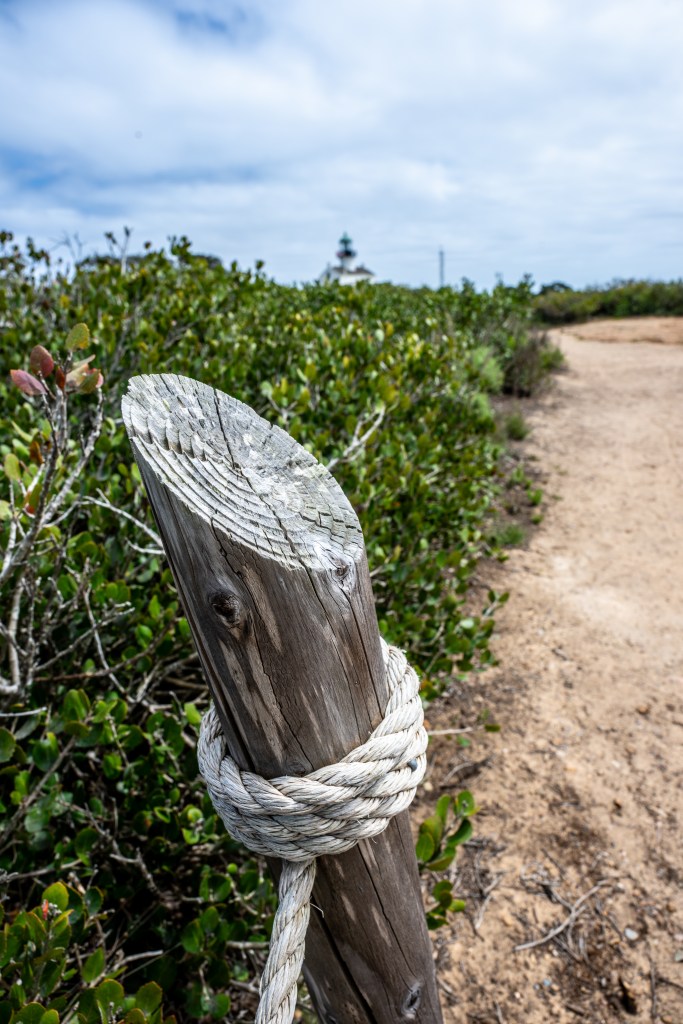
The Bayside Trail: This trail offers fantastic views of the bay and the city.
Planning Your Visit:
The Cabrillo National Monument is open daily, with varying hours.
There is an entrance fee to the monument.
Be prepared for windy conditions, especially at the higher elevation.
Wear comfortable shoes, as there is some walking involved.
Bring a camera to capture the breathtaking views.
A Timeless Treasure:
The Cabrillo Lighthouse is more than just a historical landmark; it’s a symbol of perseverance, dedication, and the enduring connection between humanity and the sea. Whether you’re a history buff, a nature enthusiast, or simply seeking a stunning view, a visit to the Cabrillo National Monument and its iconic lighthouse is an experience you won’t soon forget. It’s a reminder of the past, a celebration of the present, and a window to the vast and ever-changing beauty of the Pacific Coast.