Boulder Park: Folk Art Meets Desert Rock
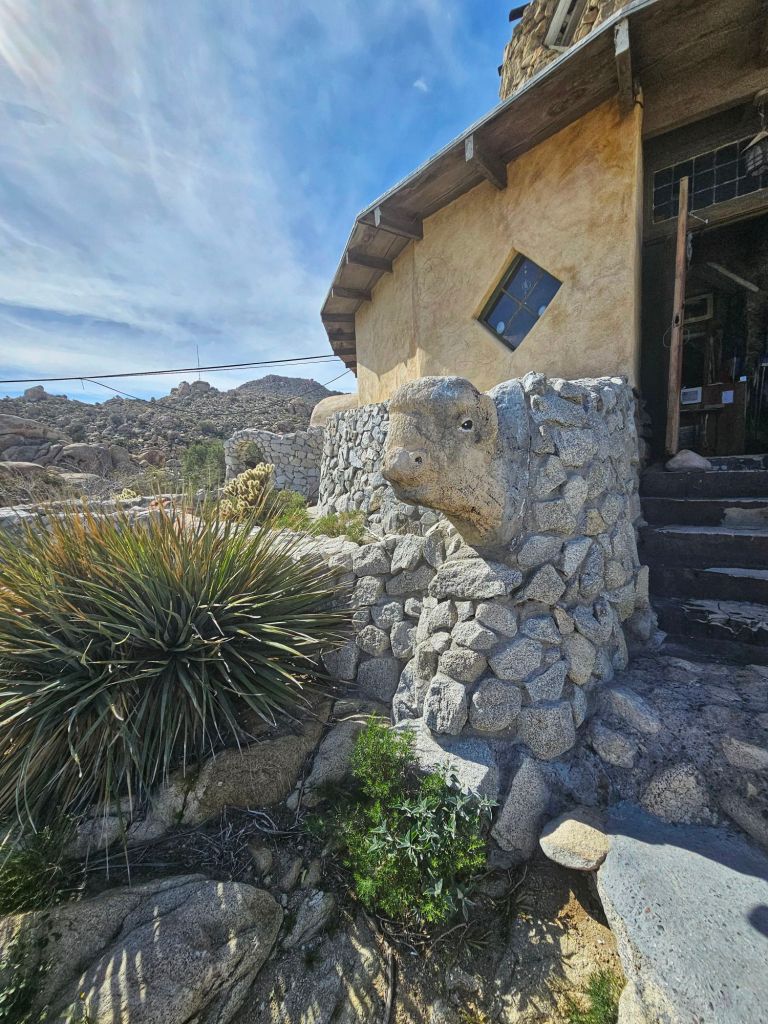
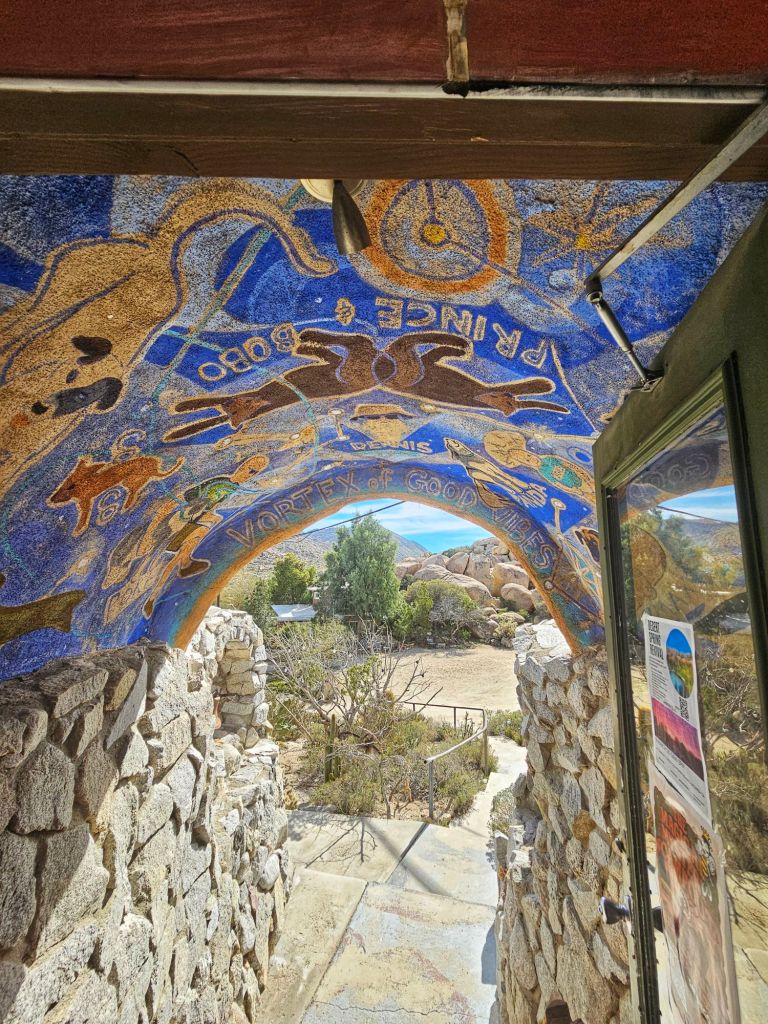
Just beside the tower lies the unforgettable Boulder Park — a surreal sculpture garden carved directly into massive quartz-granite boulders. During the 1930s, an out-of-work engineer named Merle Ratcliff spent nearly two years chiseling whimsical shapes into the stones: lizards, skulls, animals, and mysterious figures emerge from the rock as if sprung from the desert itself. This folk art environment brings a playful and slightly surreal contrast to the stark landscape.
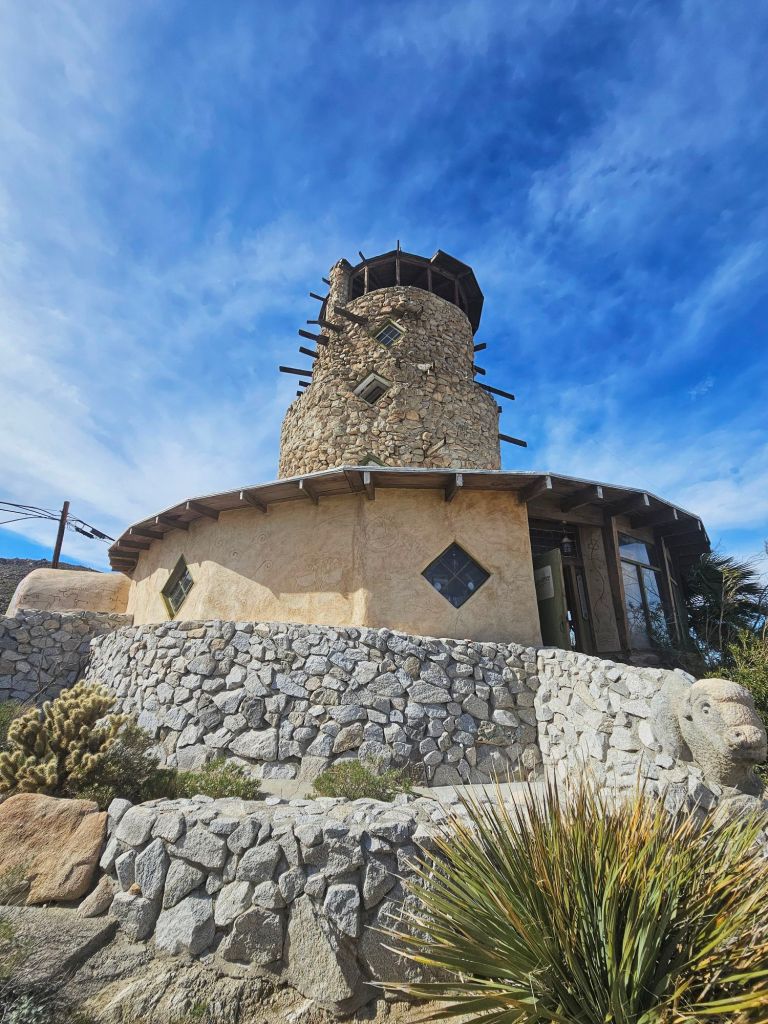
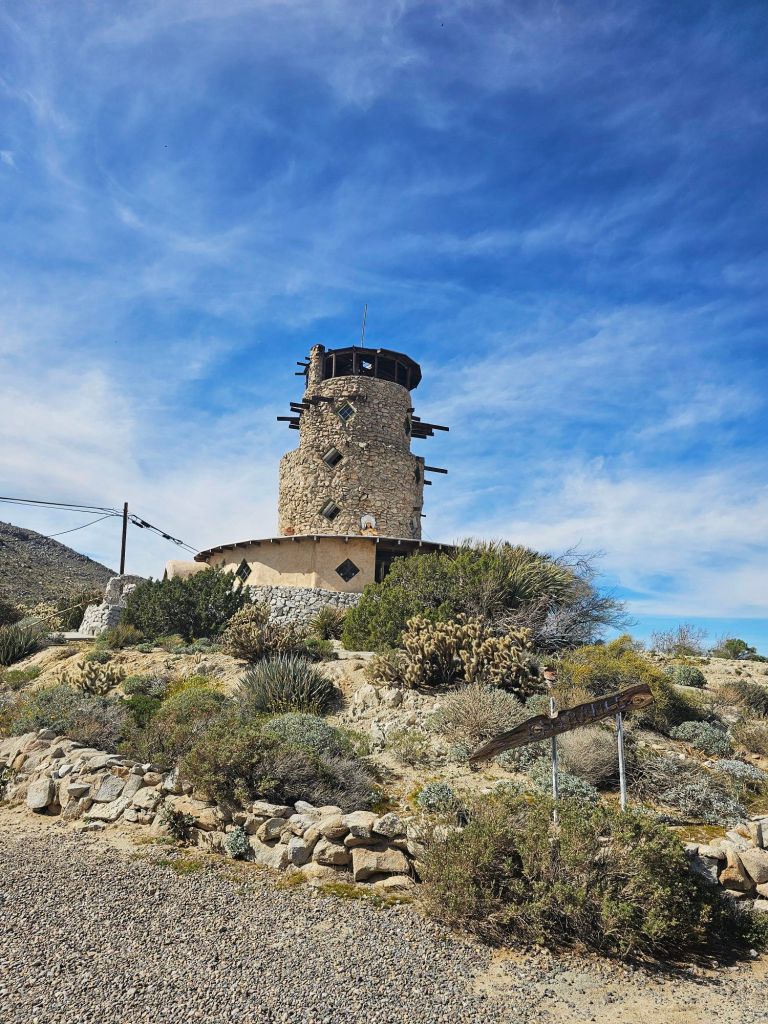
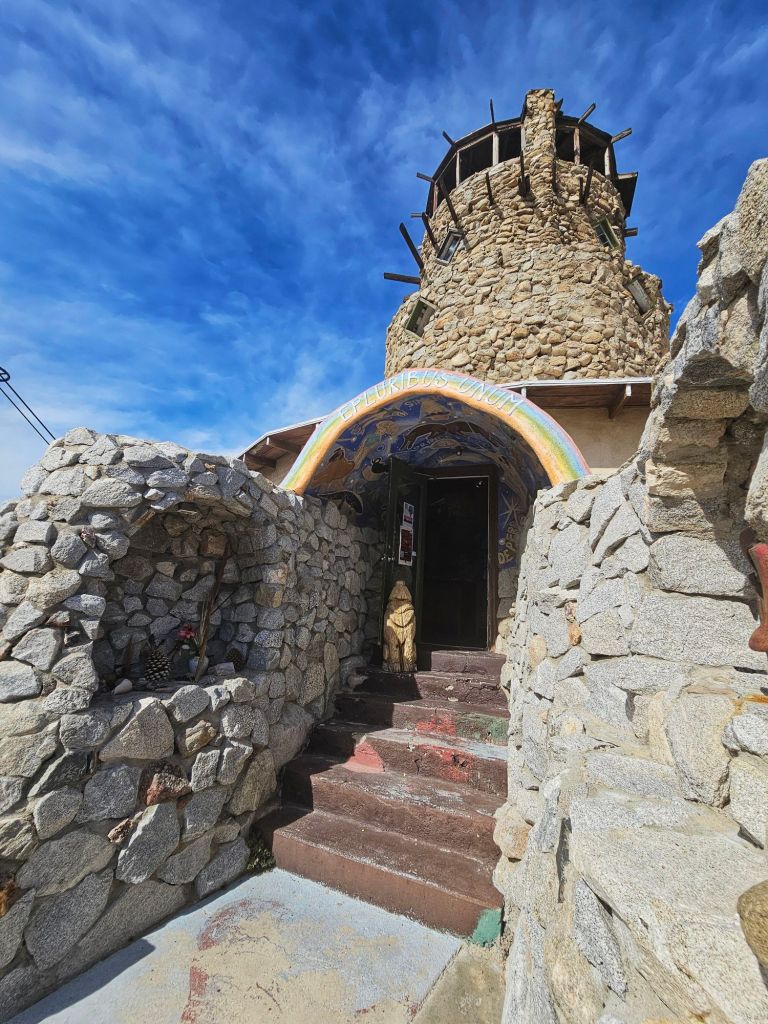
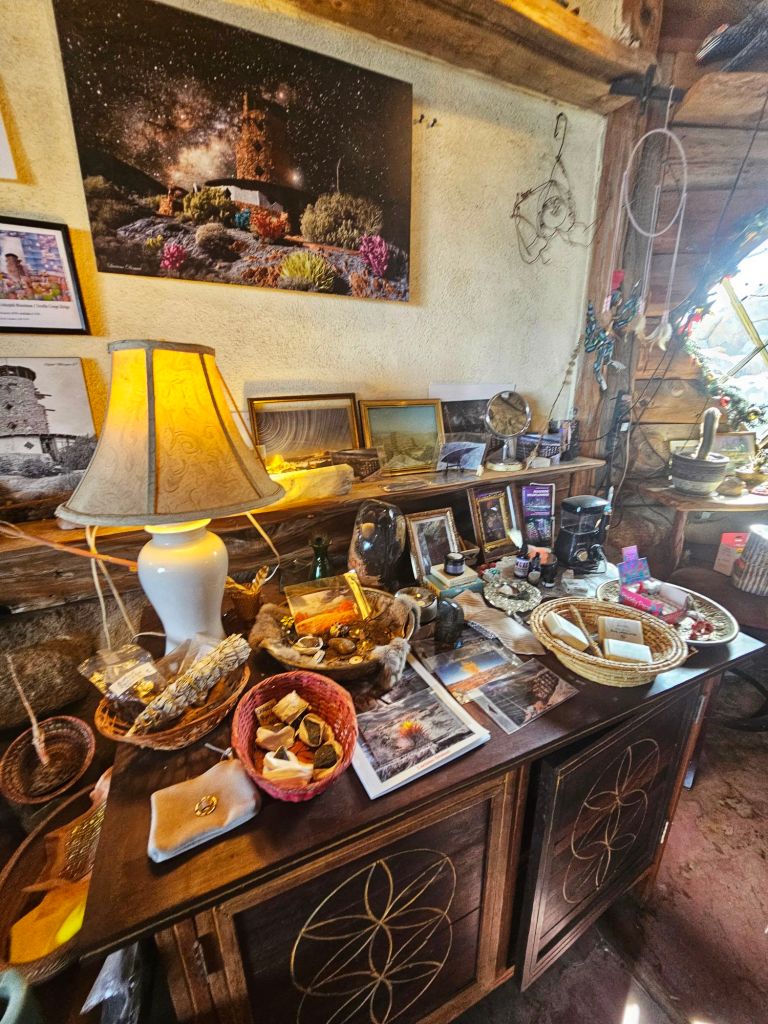
the Desert View Tower is a 5 story stone building built in the 1920s. Its less a mile from Interstate 8 in Ocotillo, Ca #view#desert#california#landscape#travel
Desert View Tower Open 7 Days a week from 8am to 6pm. To climb to the top of the tower or walk through boulder park will cost you $9.50
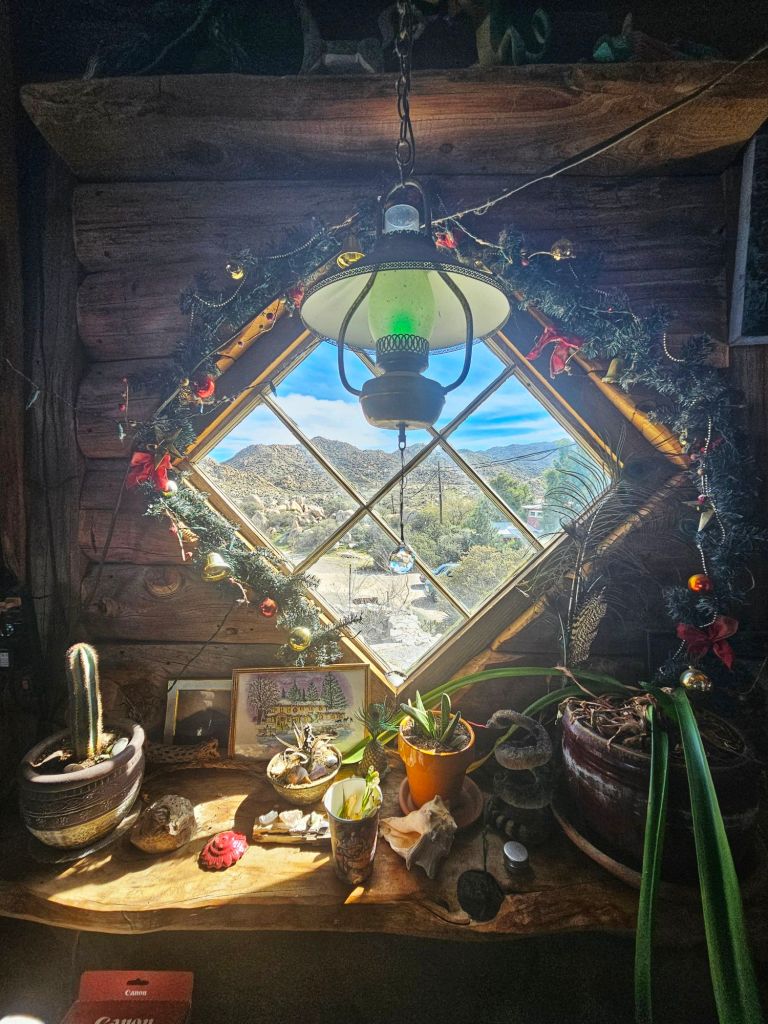
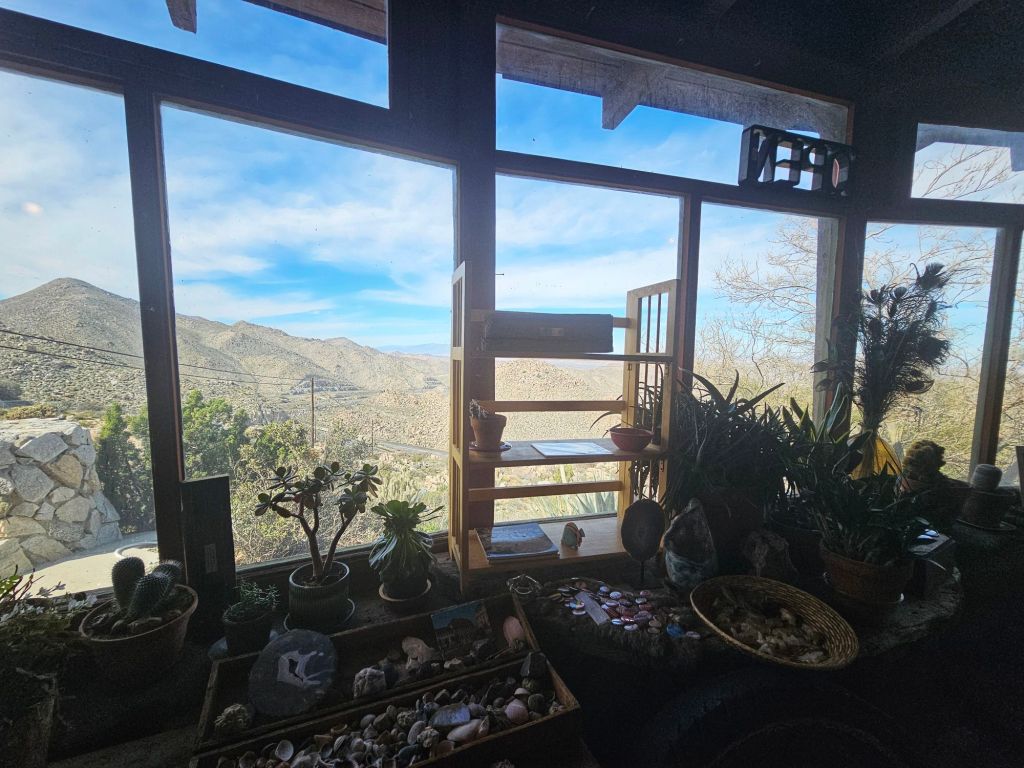
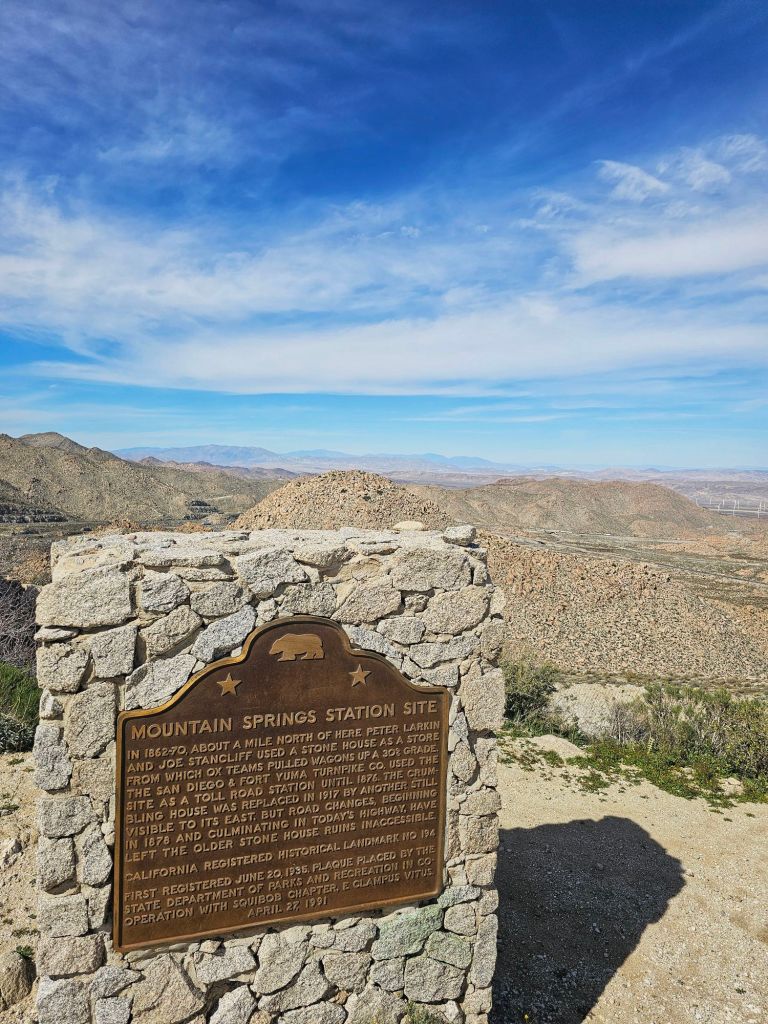
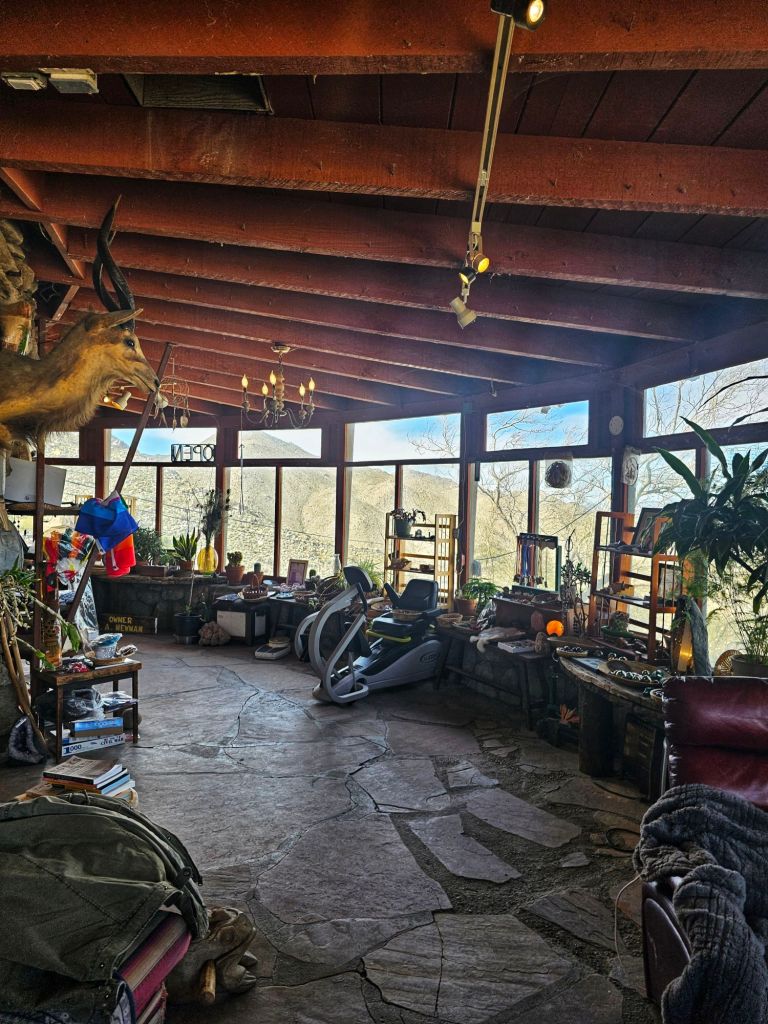
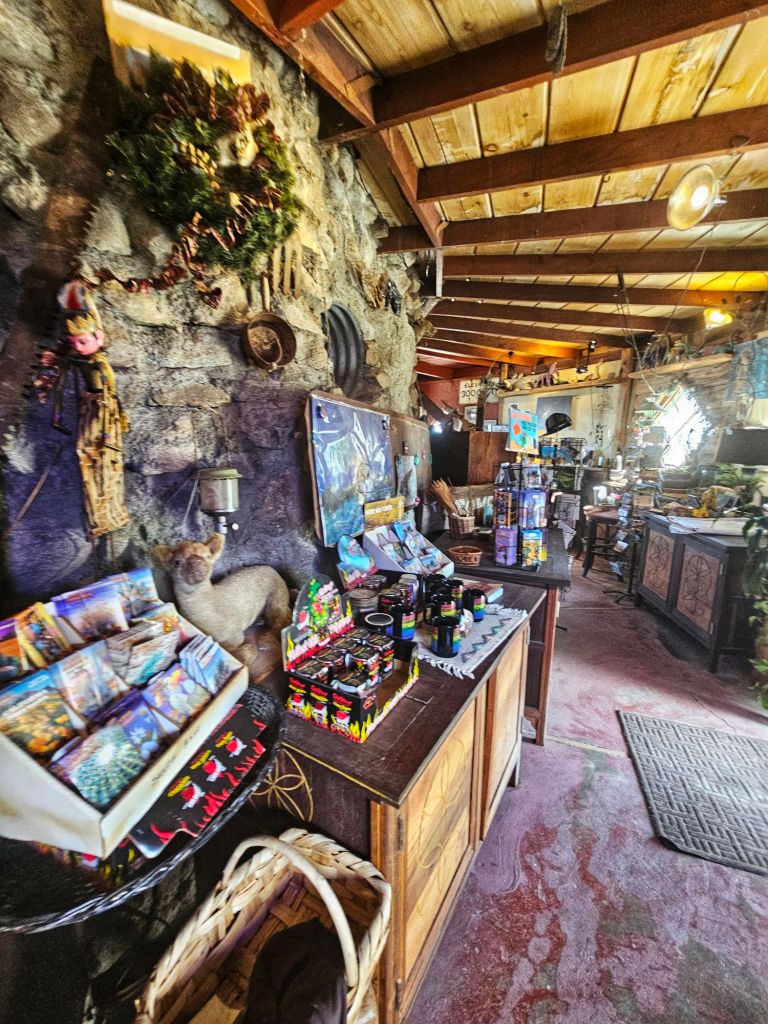
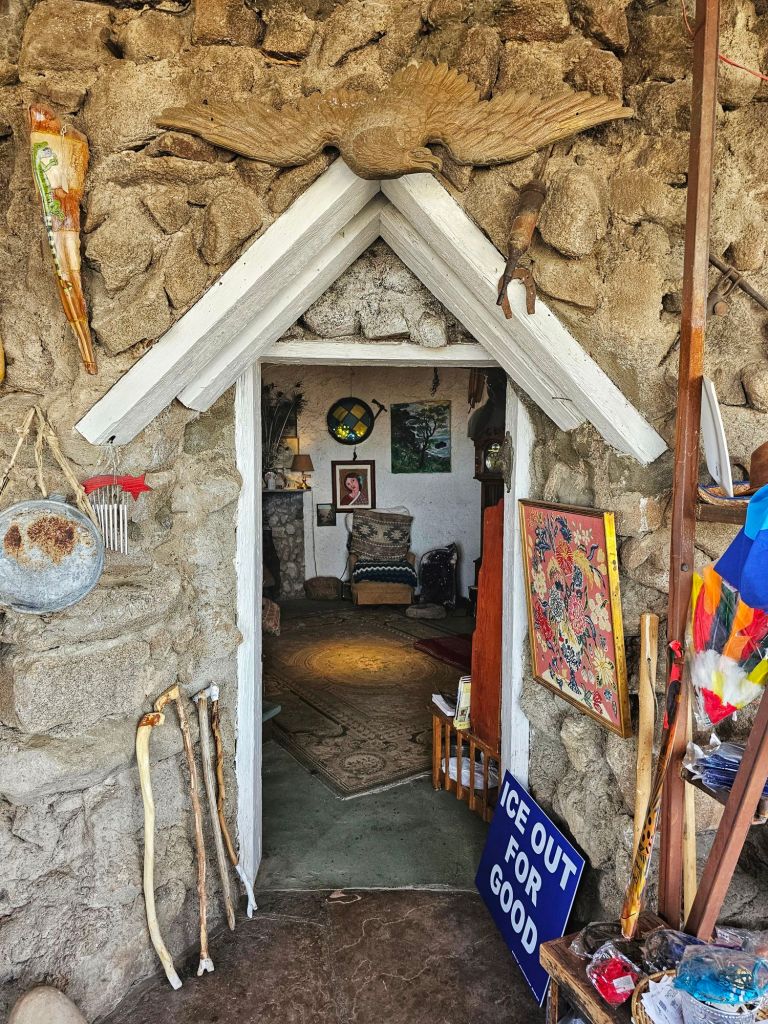
Tucked amid the rugged beauty of Southern California’s In-Ko-Pah Mountains, just off Interstate 8 near Jacumba Hot Springs, stands one of the most fascinating and offbeat roadside attractions in the American Southwest: the Desert View Tower. This striking stone structure has welcomed travelers for more than a century, offering sweeping desert views, folk-art charm, and a captivating slice of regional history.
A Monument to Pioneers and Road Travelers
The Desert View Tower was built between 1922 and 1928 by San Diego entrepreneur Bert Vaughn, who wanted to honor the hardy pioneers, railroad builders, and early road crews who first pushed through this arid landscape. Perched at roughly 3,000 feet in elevation, it was originally a roadside beacon along Old U.S. Route 80 — guiding and inviting travelers as automobiles began to shape the American West.
Boulder Park: Folk Art Meets Desert Rock
Just beside the tower lies the unforgettable Boulder Park — a surreal sculpture garden carved directly into massive quartz-granite boulders. During the 1930s, an out-of-work engineer named Merle Ratcliff spent nearly two years chiseling whimsical shapes into the stones: lizards, skulls, animals, and mysterious figures emerge from the rock as if sprung from the desert itself. This folk art environment brings a playful and slightly surreal contrast to the stark landscape.
Stretching along the southern shore of the Salton Sea, the Sonny Bono Salton Sea National Wildlife Refuge is one of Southern California’s most surprising and important wildlife destinations. What looks like a stark desert landscape at first glance quickly reveals itself as a vital oasis for birds, mammals, and migrating wildlife traveling the Pacific Flyway.
A Refuge Born from Agriculture and Conservation
The refuge was established in 1930, originally to provide habitat for migratory birds drawn to agricultural runoff in the Imperial Valley. In 1998, it was renamed in honor of Sonny Bono, the late congressman and entertainer who played a key role in expanding and protecting public lands in California.
Today, the refuge spans more than 37,000 acres of managed wetlands, desert scrub, and agricultural fields. These habitats work together to support wildlife in a region where natural water sources are scarce.
A Birding Hotspot of International Importance
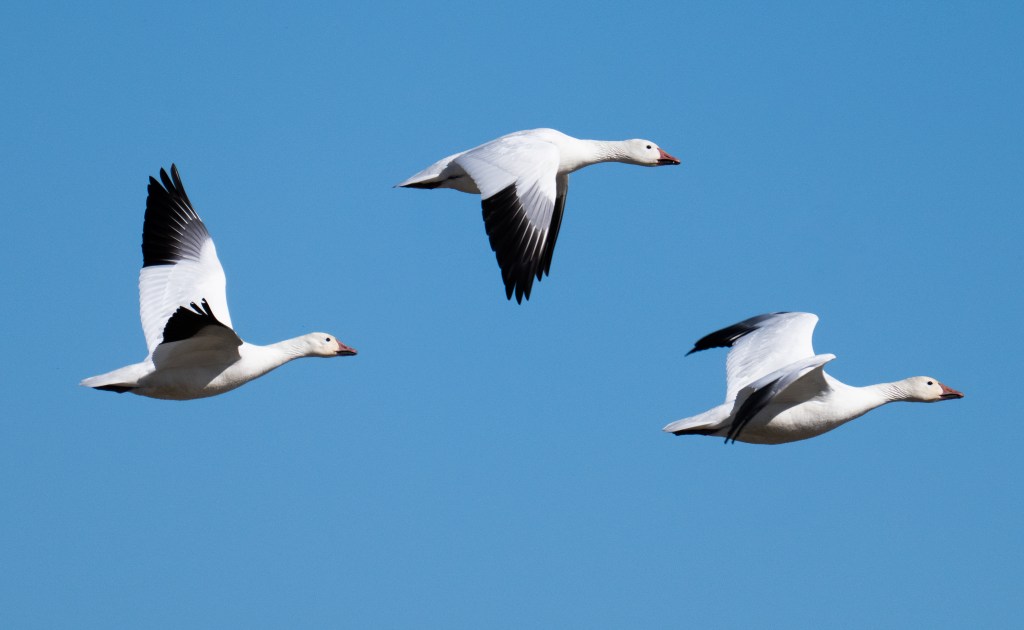
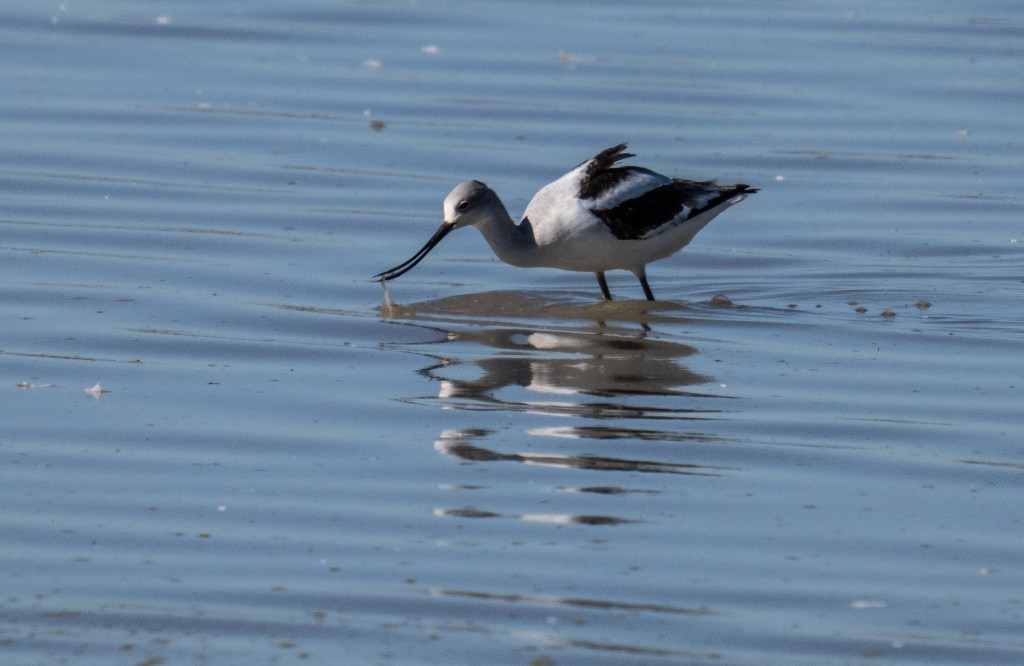
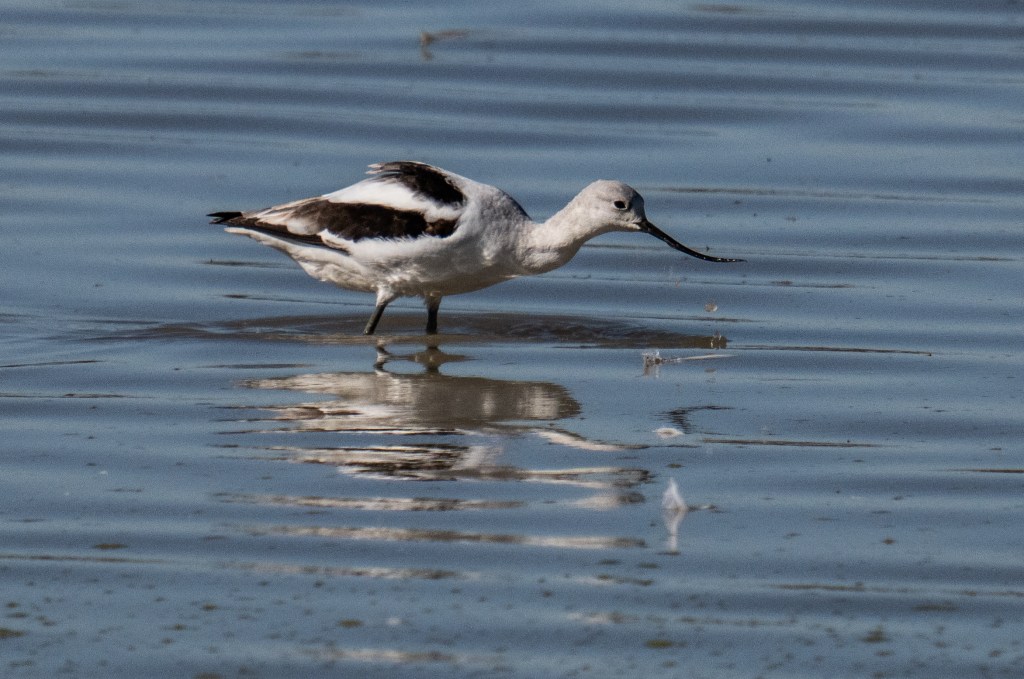
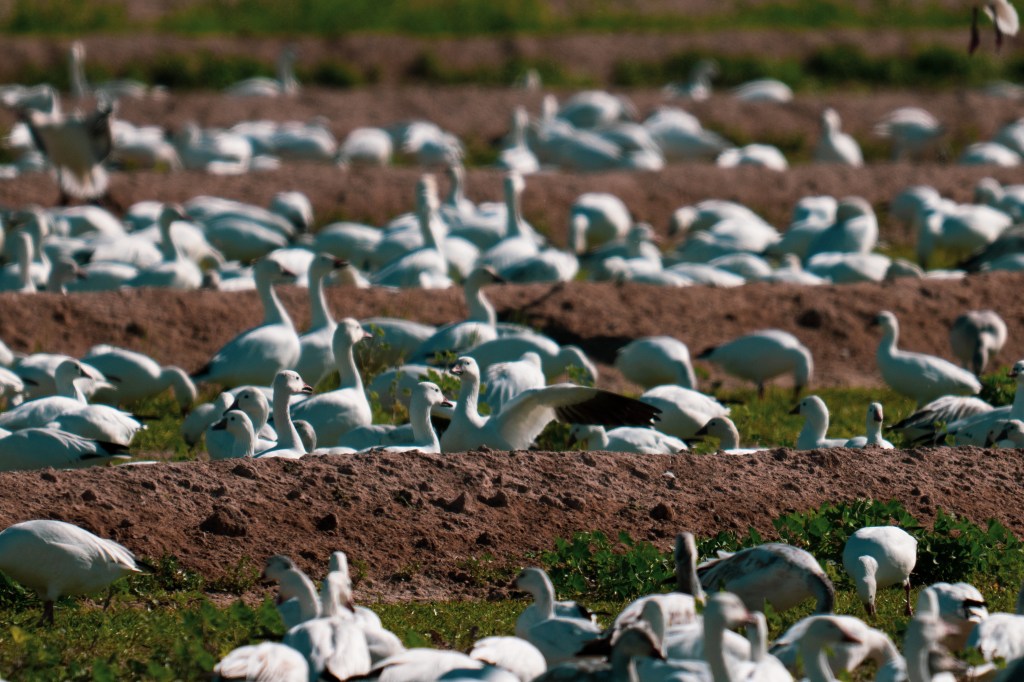
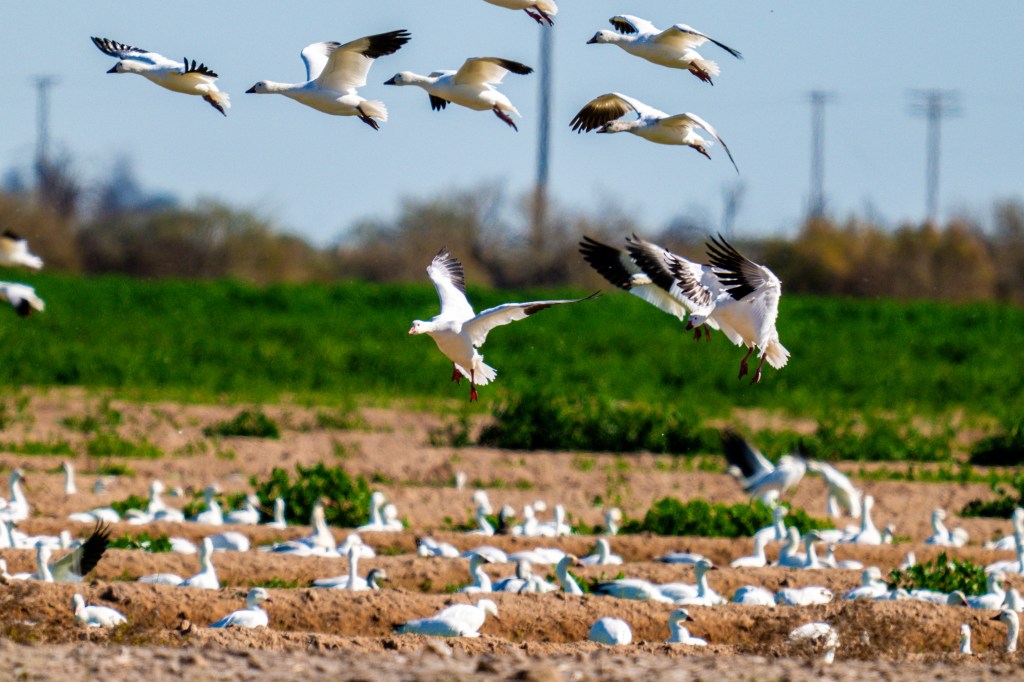
If you love birds, this place is legendary. More than 400 bird species have been recorded here, making it one of the most significant birding locations in the western United States.
Depending on the season, visitors may spot:
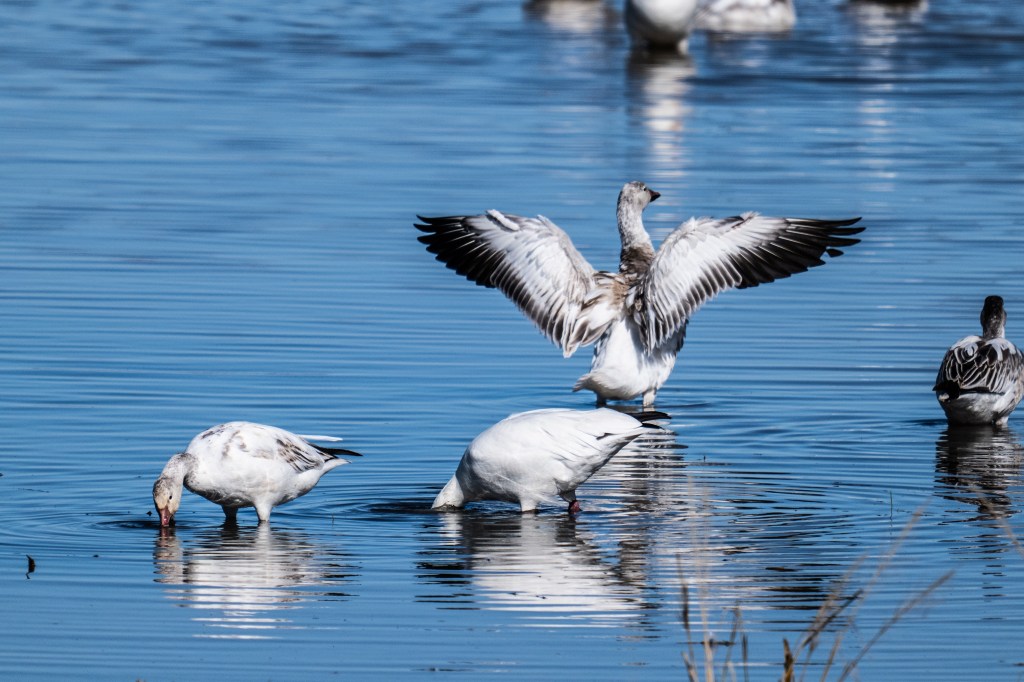
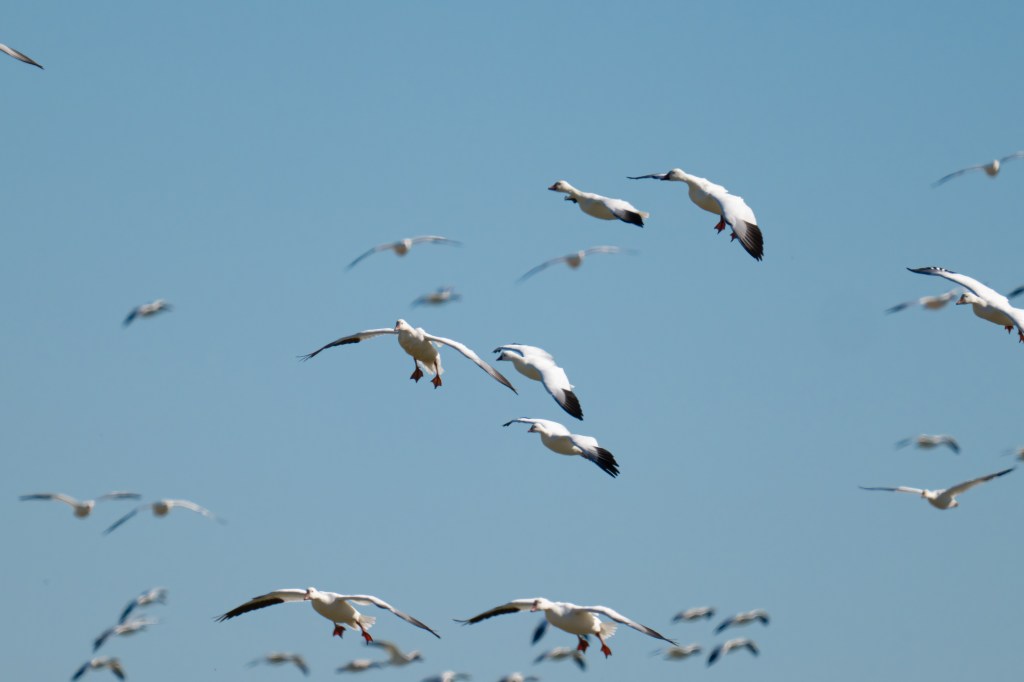
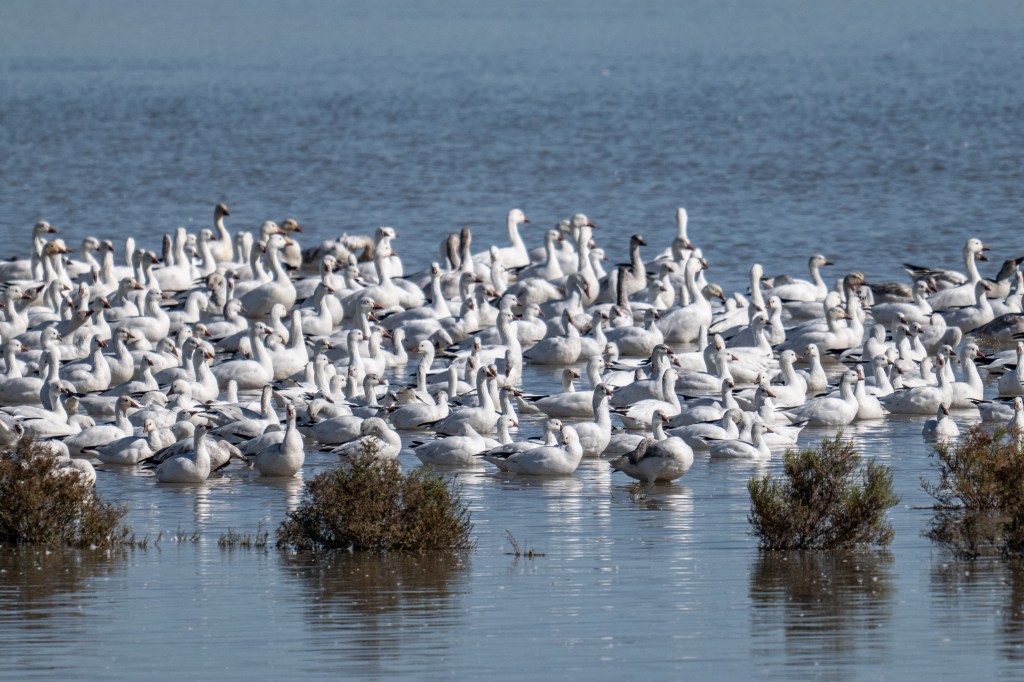
Snow geese and Ross’s geese by the thousands
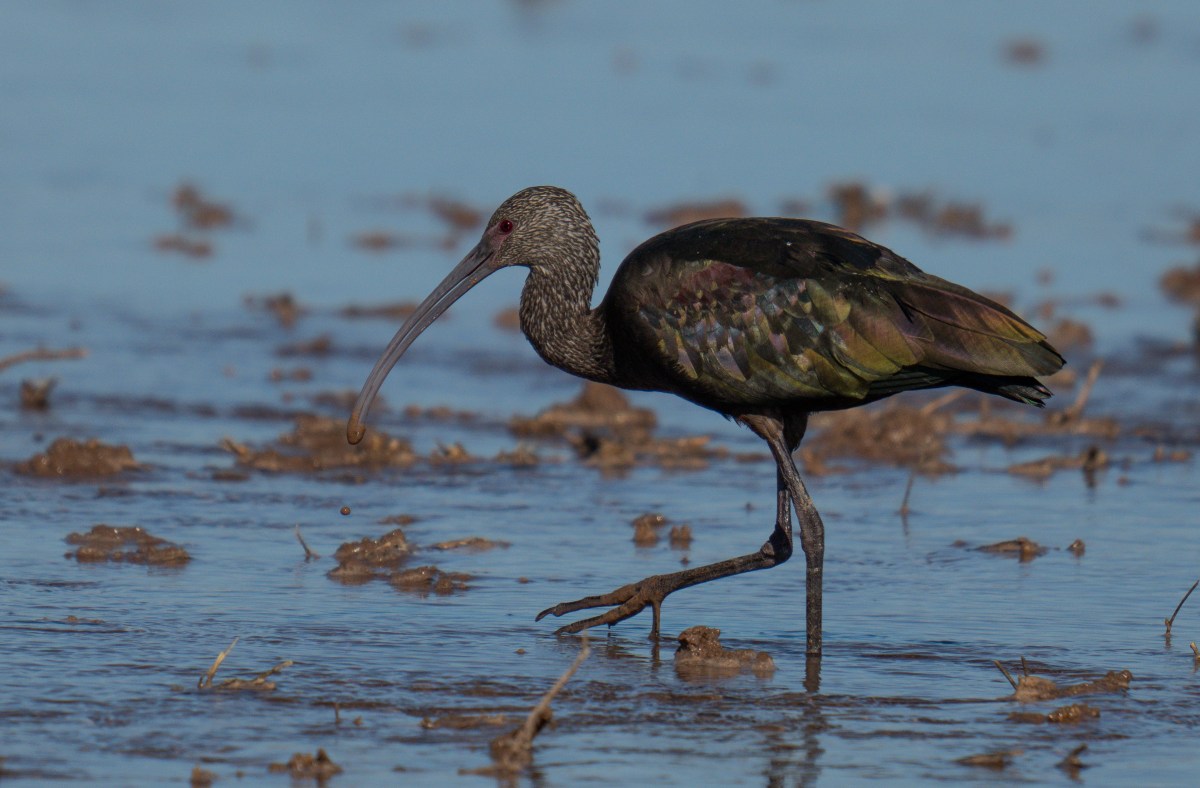
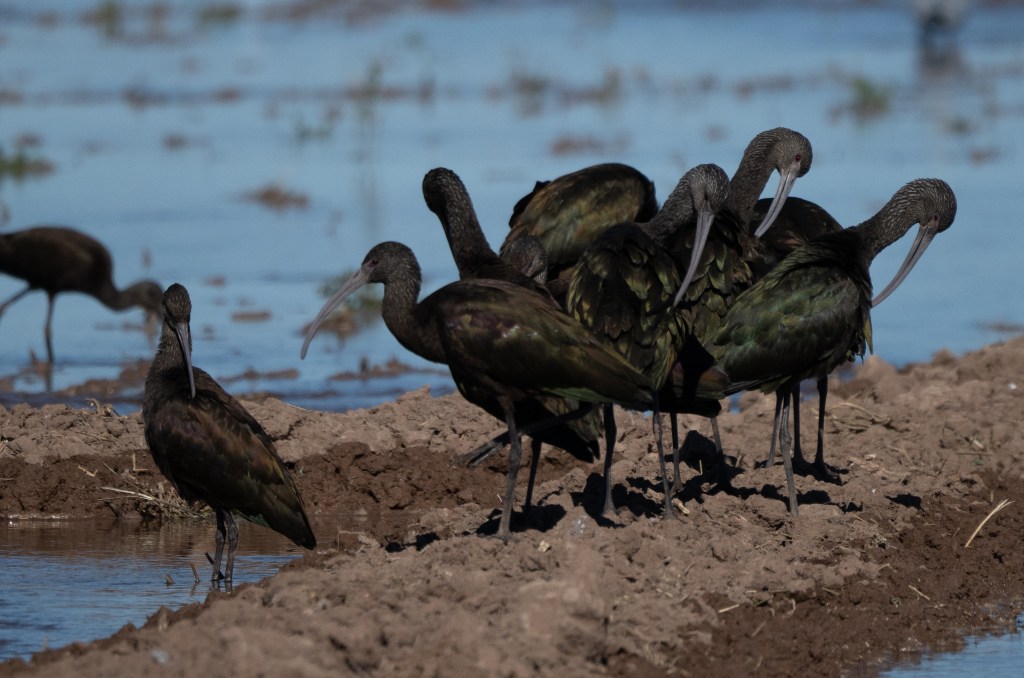
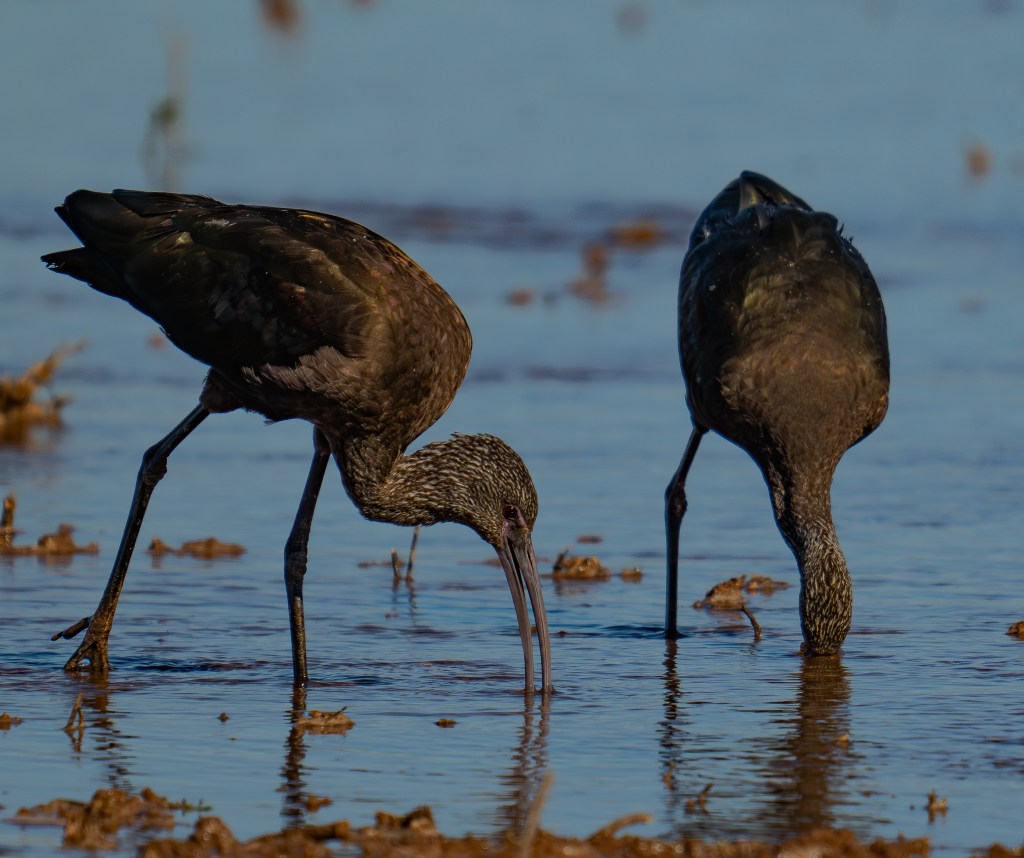
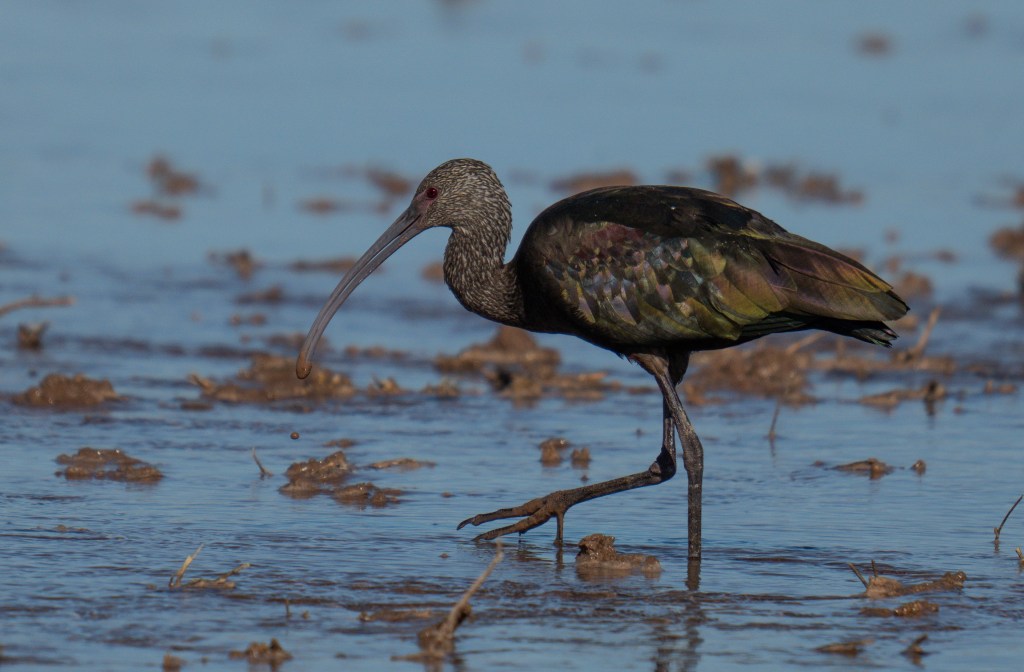
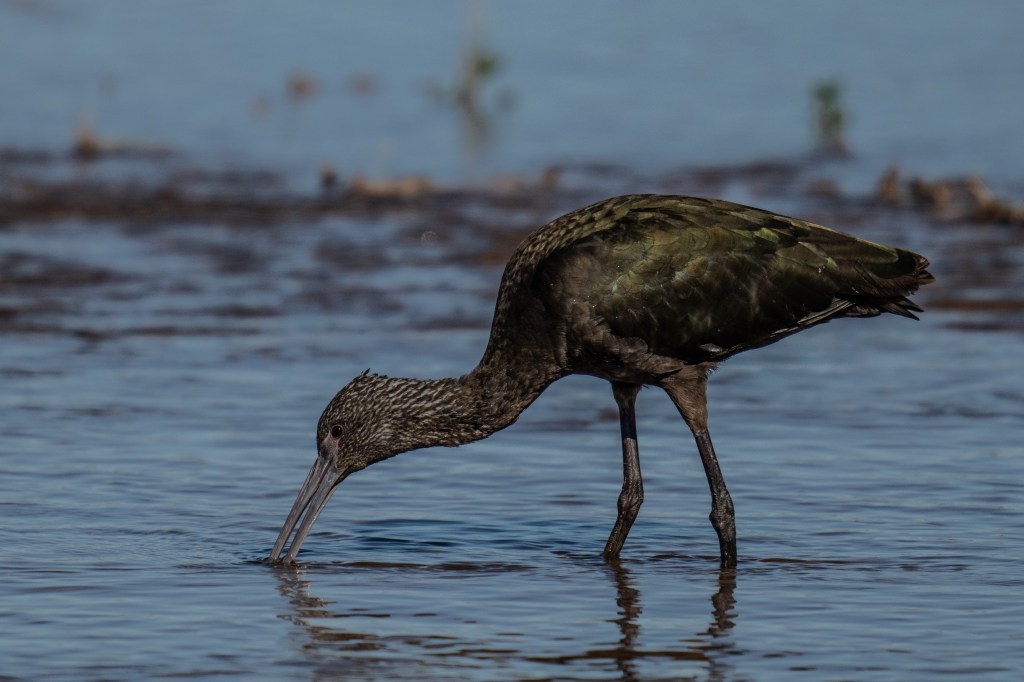
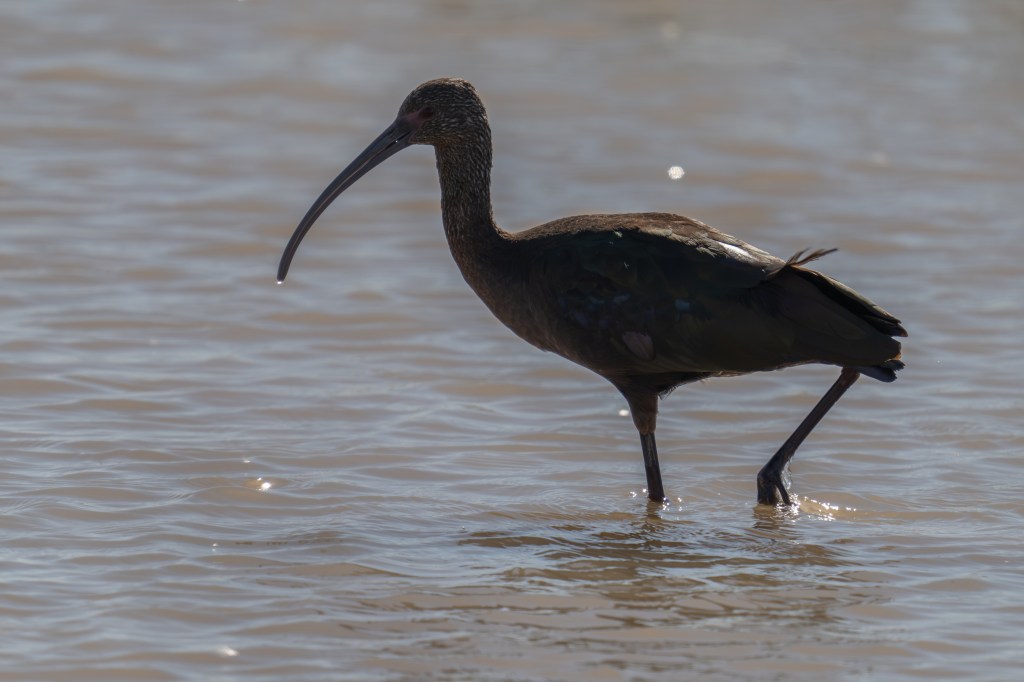
White-faced ibis and long-legged shorebirds
Burrowing owls tucked into desert edges
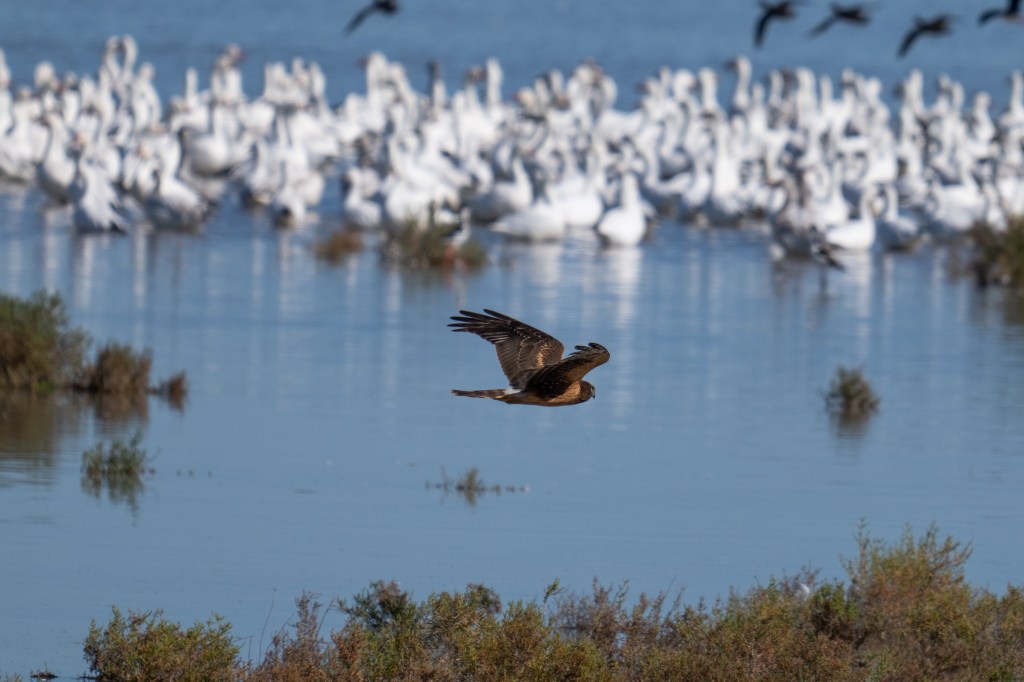
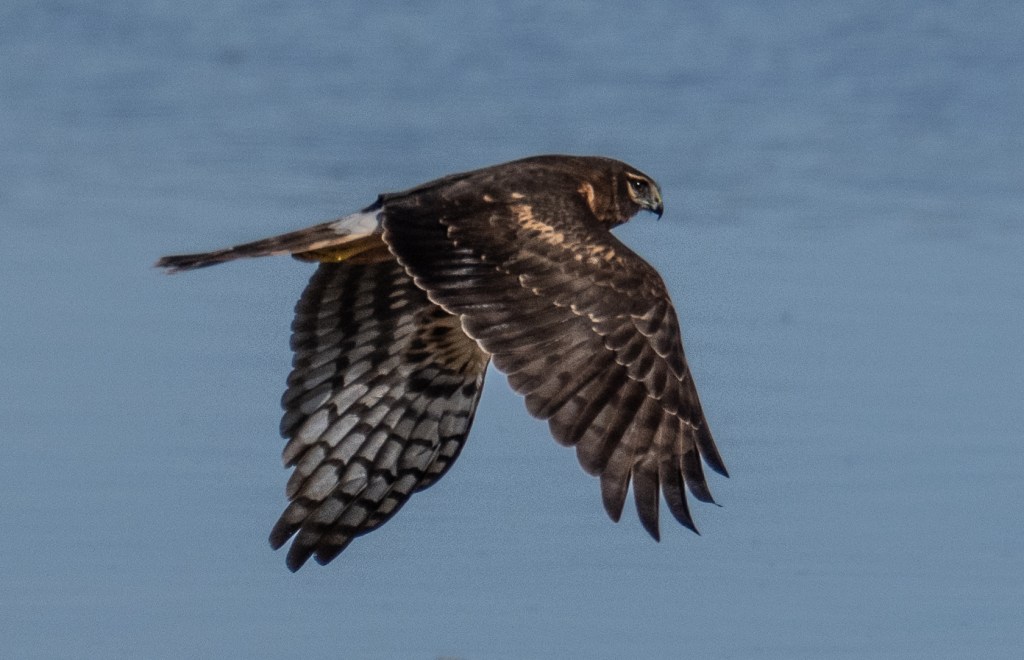
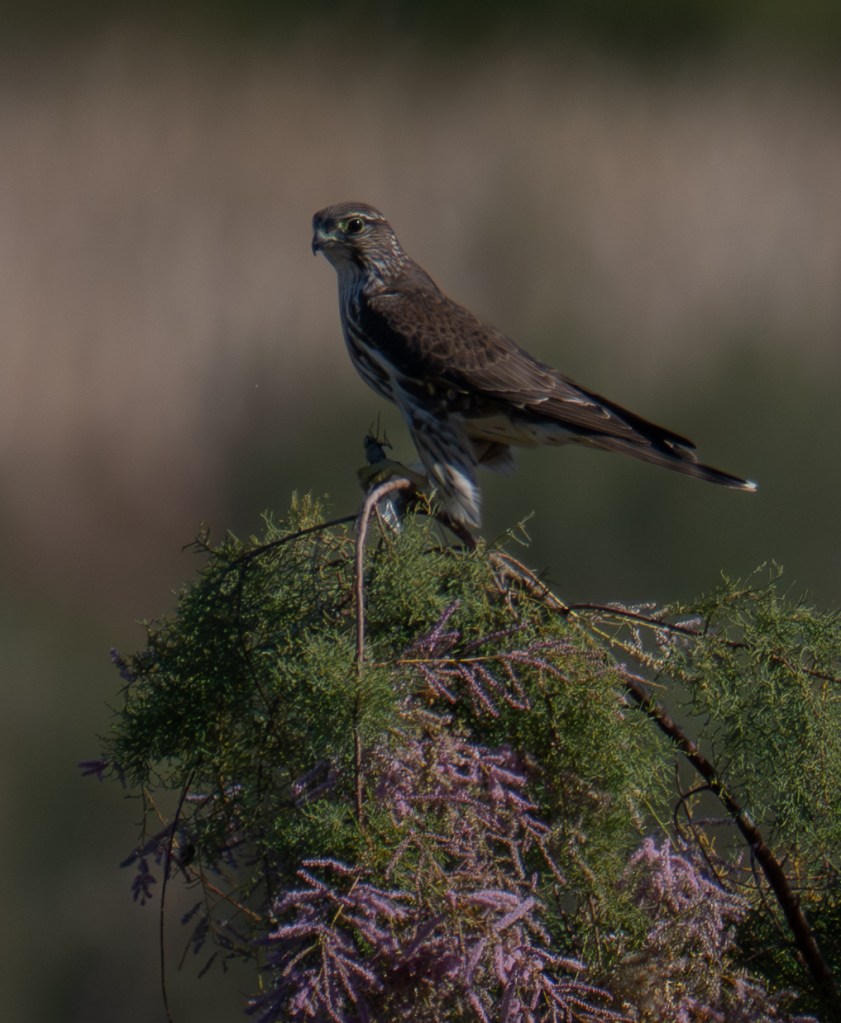
Raptors like northern harriers and peregrine falcons
Winter is especially spectacular, when migratory birds arrive in massive numbers and transform the refuge into a living, moving landscape.
Exploring the Refuge
The refuge is very visitor-friendly, with options for both casual sightseeing and serious wildlife observation.
Highlights include:
Auto tour routes that loop through wetlands and fields
Walking trails for quiet wildlife viewing
Photography pullouts perfect for sunrise and sunset light
The flat terrain and open skies make it an ideal spot for photography, especially when the mountains reflect off the water or flocks of birds fill the horizon.
Why This Refuge Matters
Despite ongoing environmental challenges facing the Salton Sea, the Sonny Bono Wildlife Refuge remains a critical lifeline for wildlife. Carefully managed water flows and habitat restoration efforts help sustain species that depend on this stopover during long migrations.
The refuge is also a powerful reminder that even altered landscapes can become essential ecosystems when conservation and stewardship come together.
Planning Your Visit
The Sonny Bono Salton Sea National Wildlife Refuge is located near Niland, California, and is open year-round during daylight hours. Cooler months—from late fall through early spring—offer the most comfortable weather and the highest concentration of wildlife.
Whether you’re a birder, photographer, or simply curious about one of California’s most unusual natural areas, the Sonny Bono Wildlife Refuge is a place that challenges expectations and rewards patience.
Bird Checklist: Sonny Bono Salton Sea National Wildlife Refuge
The refuge supports hundreds of bird species throughout the year. This checklist highlights commonly seen and notable birds, especially during peak migration and winter months.
Waterfowl
Snow Goose
Ross’s Goose
Canada Goose
Northern Pintail
American Wigeon
Green-winged Teal
Cinnamon Teal
Northern Shoveler
Ruddy Duck
Shorebirds
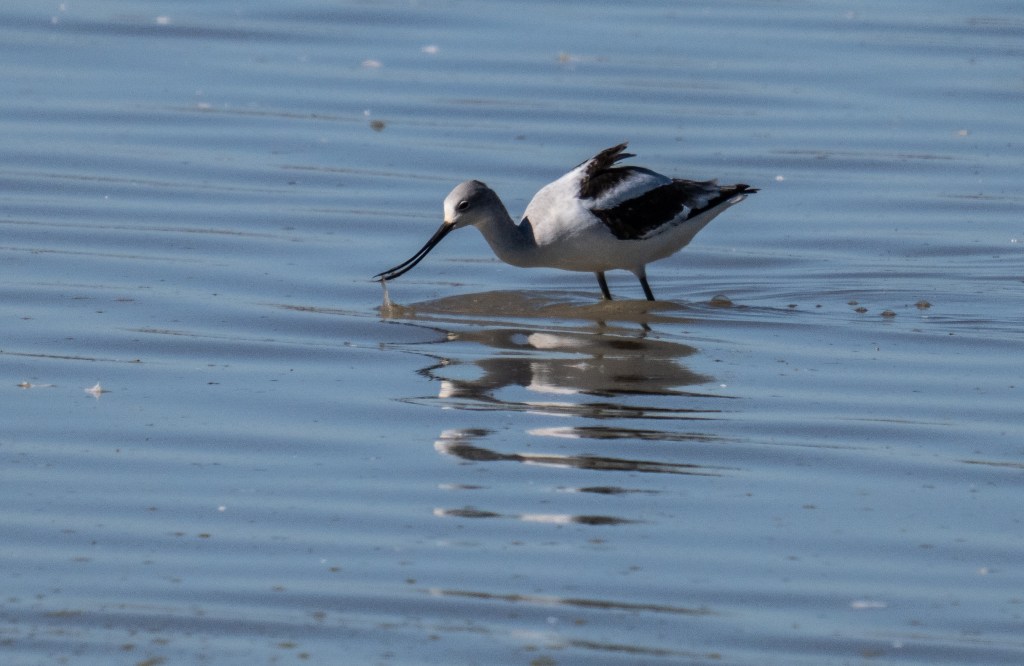
American Avocet
Black-necked Stilt
Long-billed Dowitcher
Marbled Godwit
Willet
Western Sandpiper
Least Sandpiper
Killdeer
Wading Birds
Great Blue Heron
Great Egret
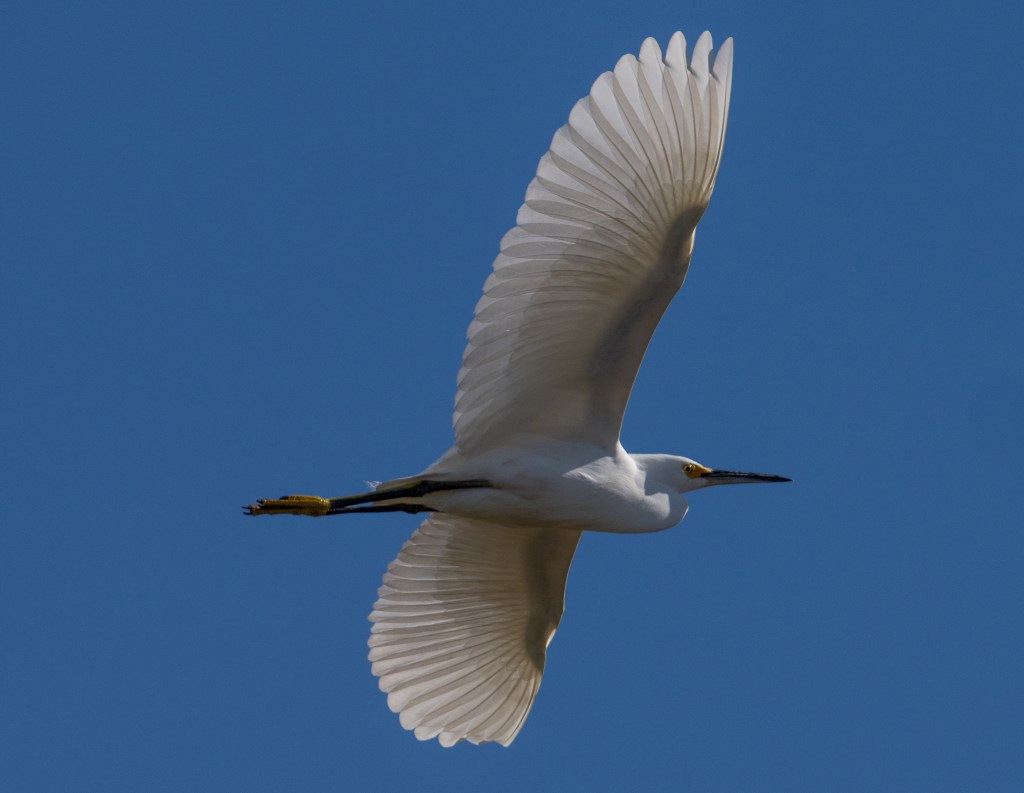
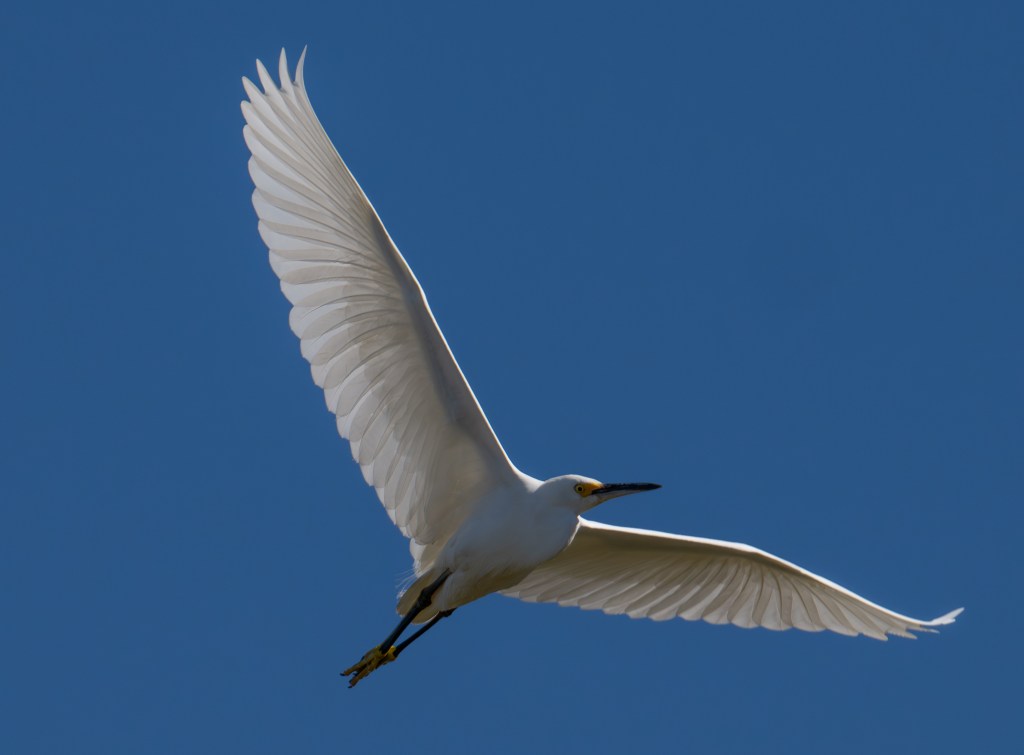
Snowy Egret
Cattle Egret
White-faced Ibis
Gulls & Terns
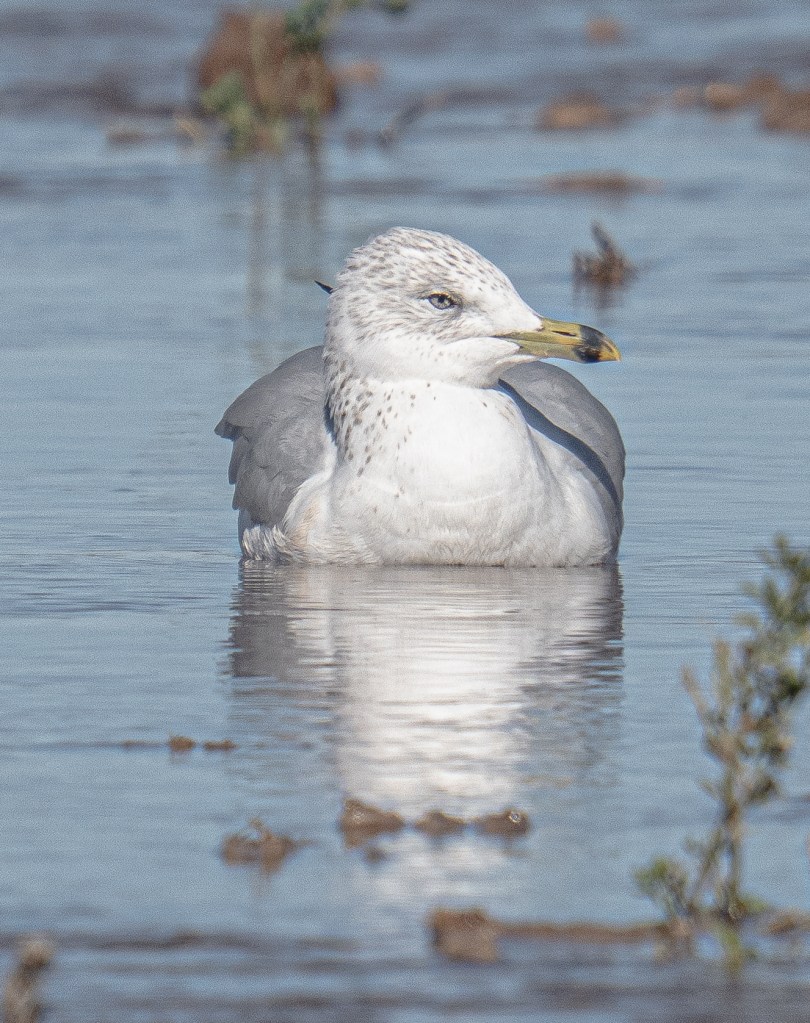
Ring-billed Gull
California Gull
Laughing Gull
Caspian Tern
Forster’s Tern
Raptors
Northern Harrier
Red-tailed Hawk
Swainson’s Hawk
American Kestrel
Peregrine Falcon
Bald Eagle (occasional but increasing)
Owls
Burrowing Owl
Great Horned Owl
Desert & Upland Birds
Gambel’s Quail
Loggerhead Shrike
Greater Roadrunner
Horned Lark
Songbirds & Others
Yellow-headed Blackbird
Red-winged Blackbird
Marsh Wren
Savannah Sparrow
Say’s Phoebe
Birding tip: Winter mornings offer the best light and bird activity. Bring binoculars even if you’re just driving the auto loop—you’ll be surprised how close the birds can be.
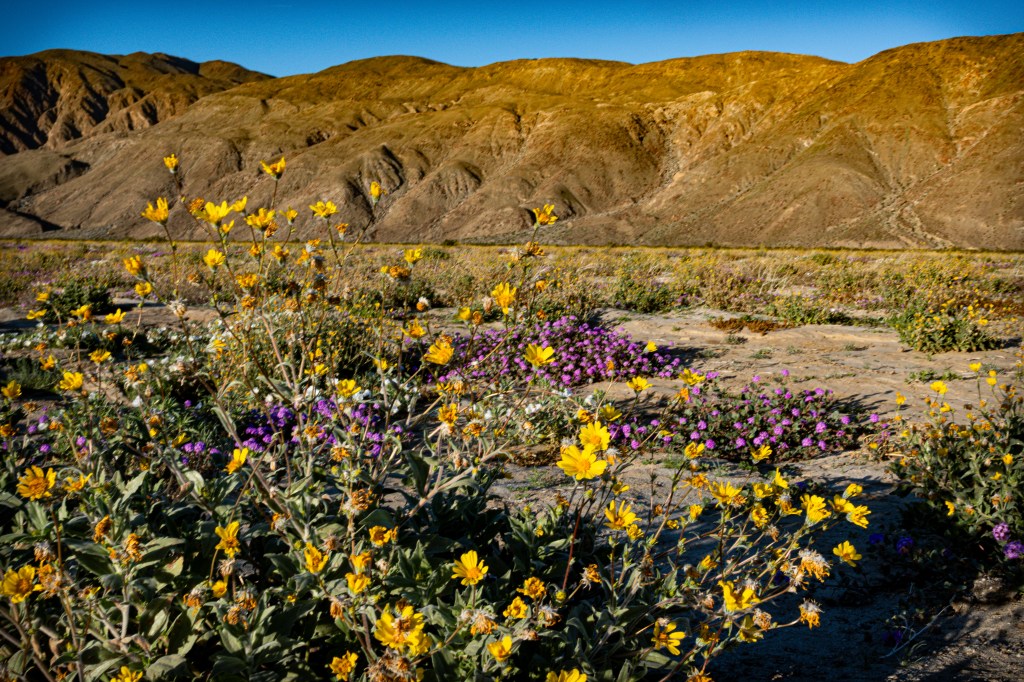
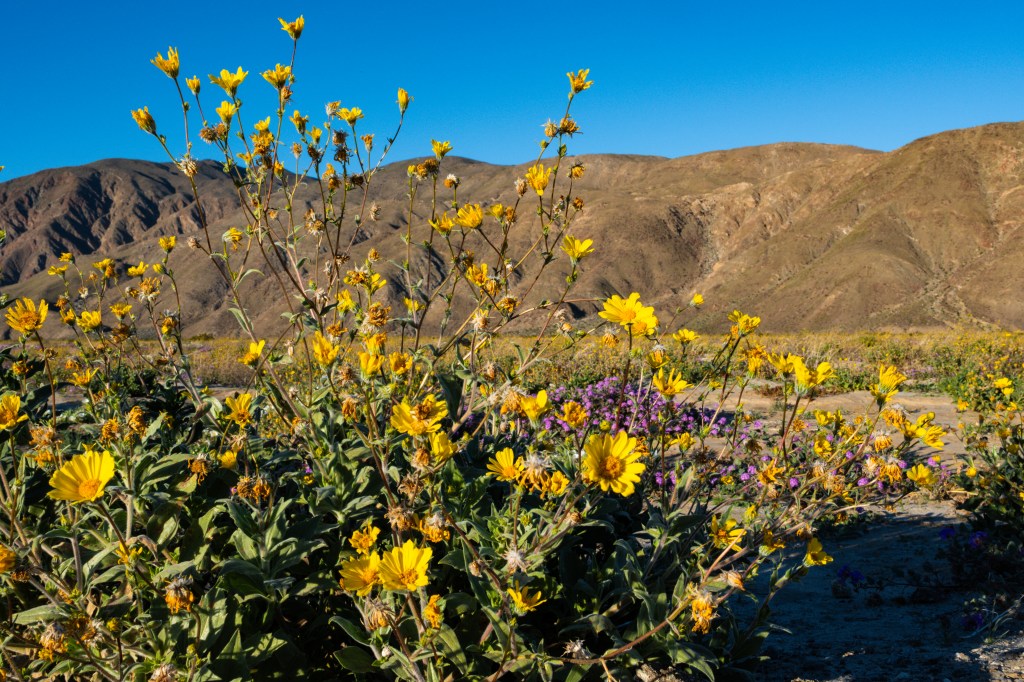
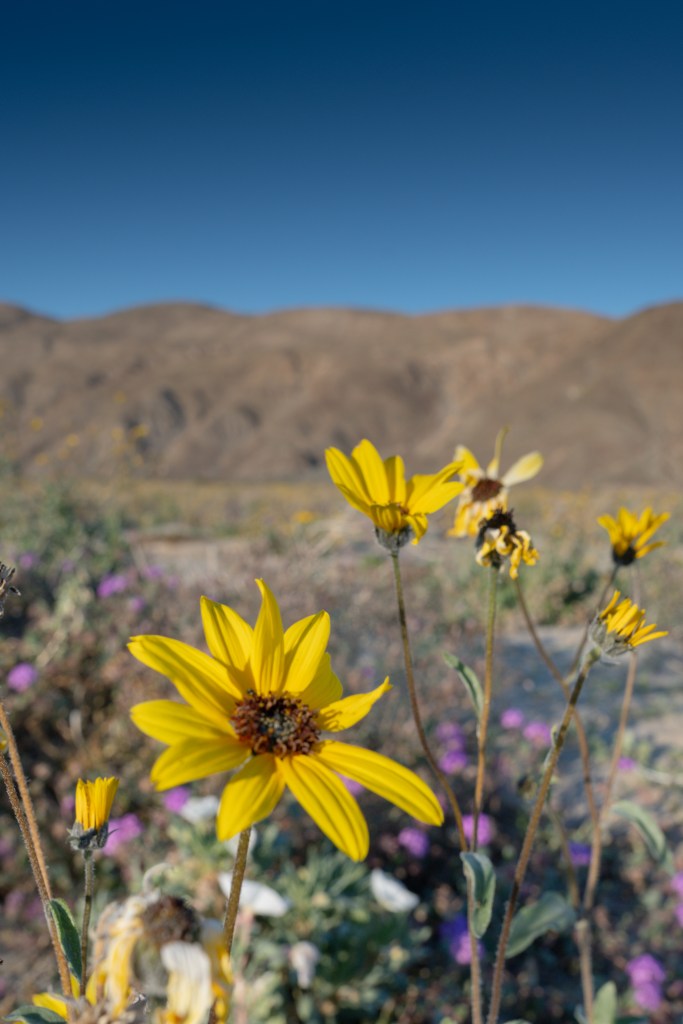
When the desert blooms, it does so on its own terms—quietly, briefly, and without guarantees. Henderson Canyon, tucked along the southern edge of Anza-Borrego Desert State Park, is one of those places where timing is everything. After a wet winter, this otherwise rocky wash transforms into a ribbon of color, drawing hikers, photographers, and wildflower chasers from across Southern California.
What Makes the Bloom Special?
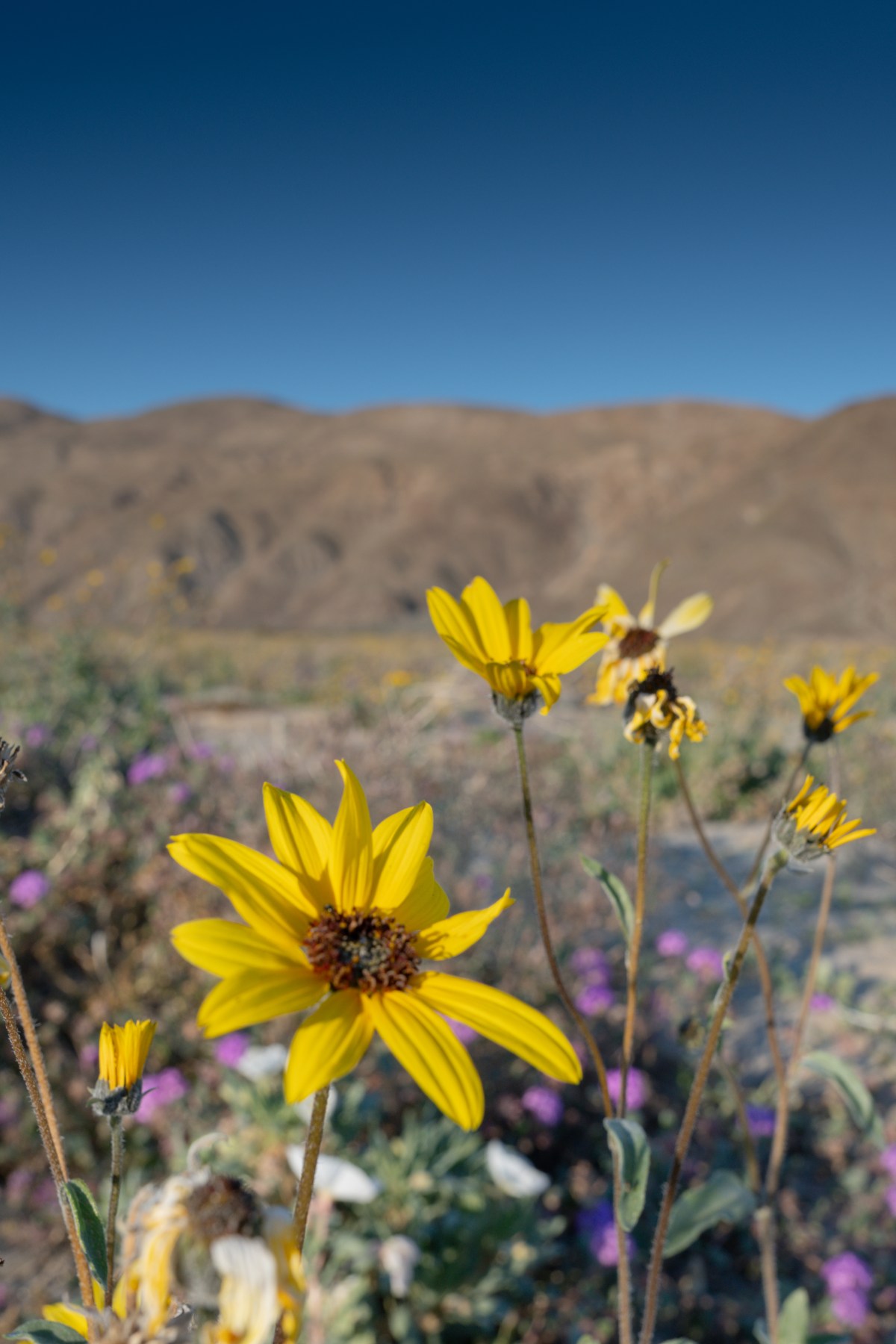
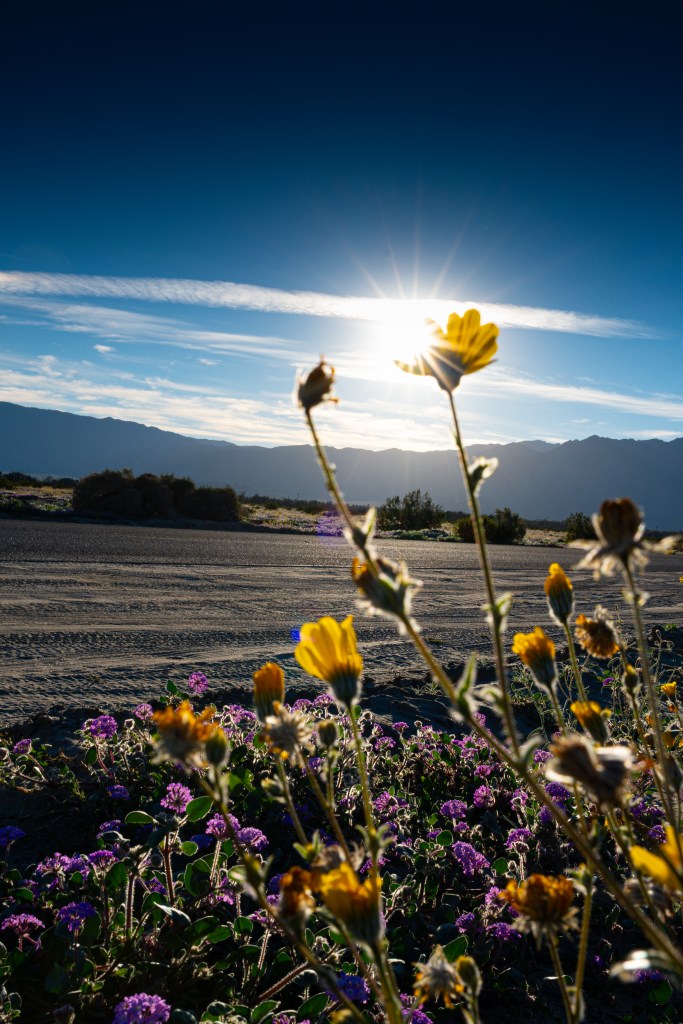
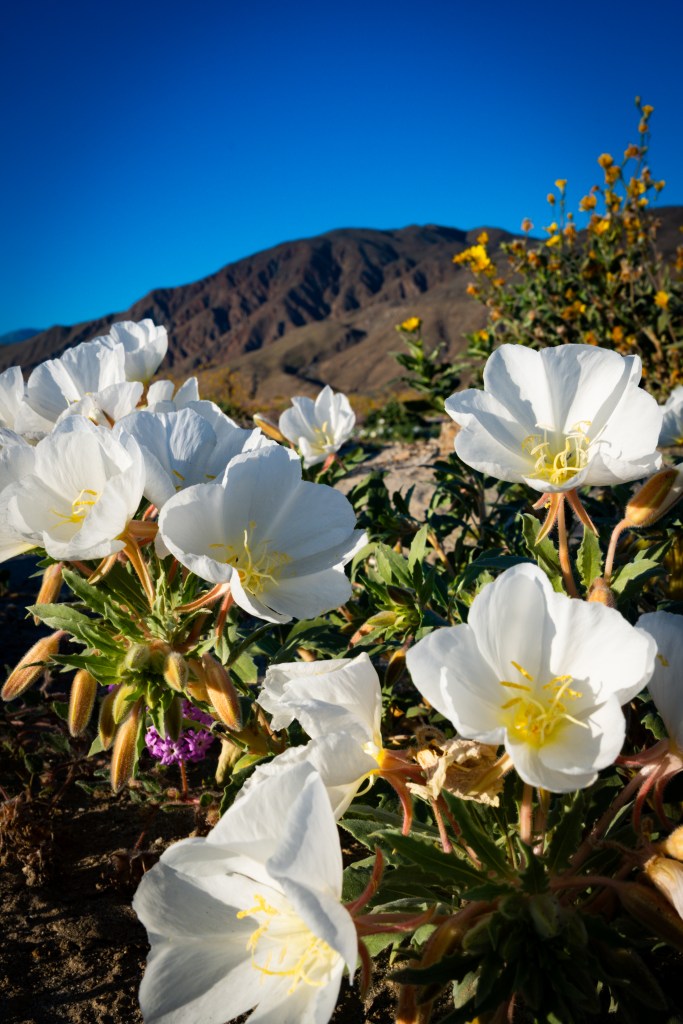
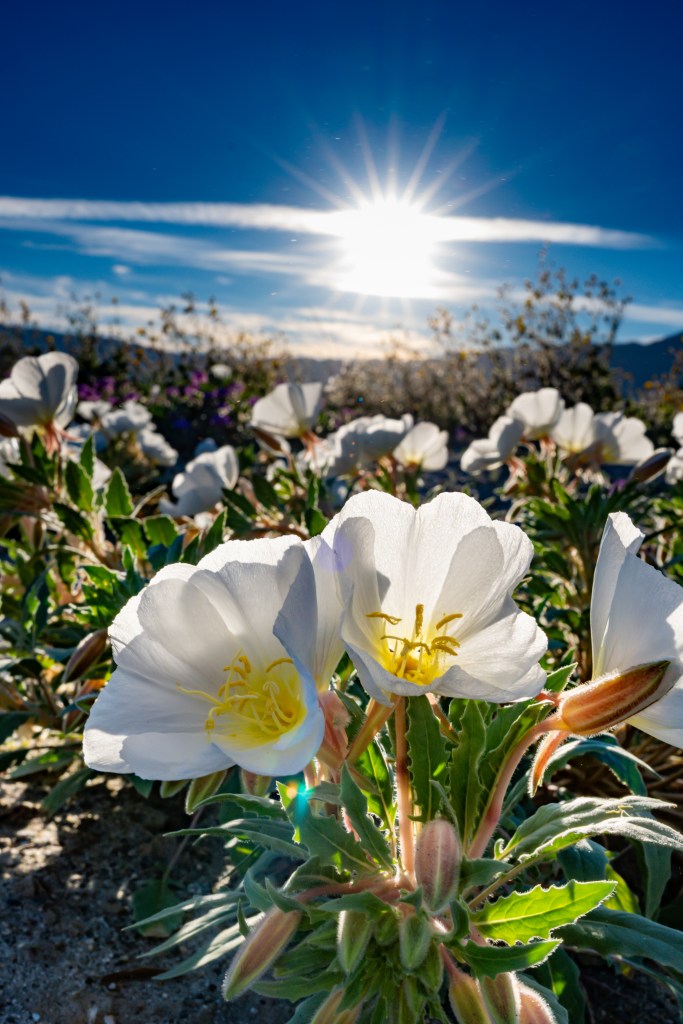
Unlike the sweeping fields of flowers sometimes seen in Borrego Springs, Henderson Canyon’s bloom feels more intimate. Wildflowers appear in clusters along the wash and canyon walls, framed by ocotillo, brittlebush, and desert shrubs. In good bloom years, you might see:
Desert sunflower lining the trail
Primrose glowing pale yellow in shaded areas
Canterbury bells and sand verbena adding pops of color
Ocotillo flaming red against canyon walls later in the season
The contrast between delicate flowers and rugged rock formations is what makes Henderson Canyon especially photogenic.
A Reminder About Desert Blooms
Henderson Canyon doesn’t bloom every year, and that unpredictability is part of the magic. Some seasons offer carpets of flowers; others deliver just a few brave blossoms pushing through the sand. Either way, the hike offers sweeping desert views, quiet canyon moments, and a deeper appreciation for how resilient—and fleeting—life in the desert can be.
When Henderson Canyon does bloom, it’s not loud or showy. It’s subtle, fleeting, and unforgettable—exactly the kind of desert moment worth seeking out.
 Exploring San Diego