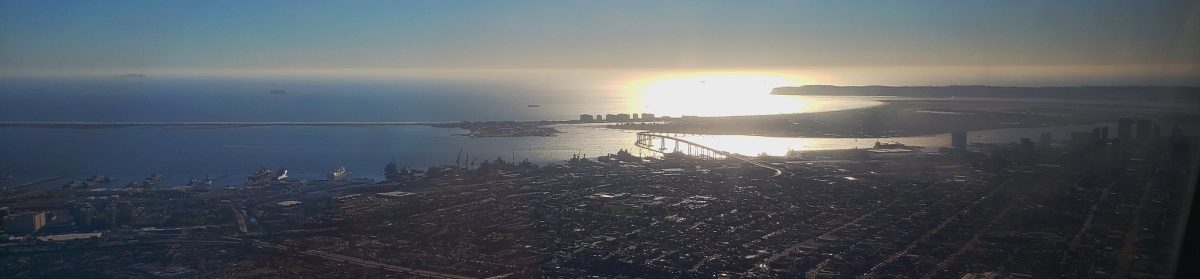
San Diego bay has a long and storied past. Its protected tidal areas offered the Kumeyaay people, who lived along the coast and inland valleys, areas to fish, harvest shellfish, and used plank canoes called tomols to navigate coastal waters. The ocean was central to their diet, trade, and spiritual life. In 1542, Portuguese explorer Juan Rodríguez Cabrillo, sailing under the Spanish flag, became the first European to enter San Diego Bay, naming it San Miguel. In 1602, Sebastián Vizcaíno renamed the bay San Diego, in honor of Saint Didacus.
During the Mexican-American War, the U.S. Navy took control of San Diego in 1846. San Diego became a U.S. Navy coaling and resupply station. The harbor remained relatively quiet until the early 20th century, when the Navy dramatically expanded its presence. San Diego became a U.S. Navy coaling and resupply station. The harbor remained relatively quiet until the early 20th century, when the Navy dramatically expanded its presence. Thousands of ships were built, serviced, and deployed from the harbor, making San Diego critical to Pacific warfare operations.
San Diego remained one of the largest naval complexes in the world through the Cold War and beyond. Today, the city hosts the Pacific Fleet, numerous aircraft carriers, and serves as a major center for military research, training, and logistics. Civilian maritime activity also thrives, with cargo shipping, cruise lines, commercial fishing, and recreational boating playing important roles.
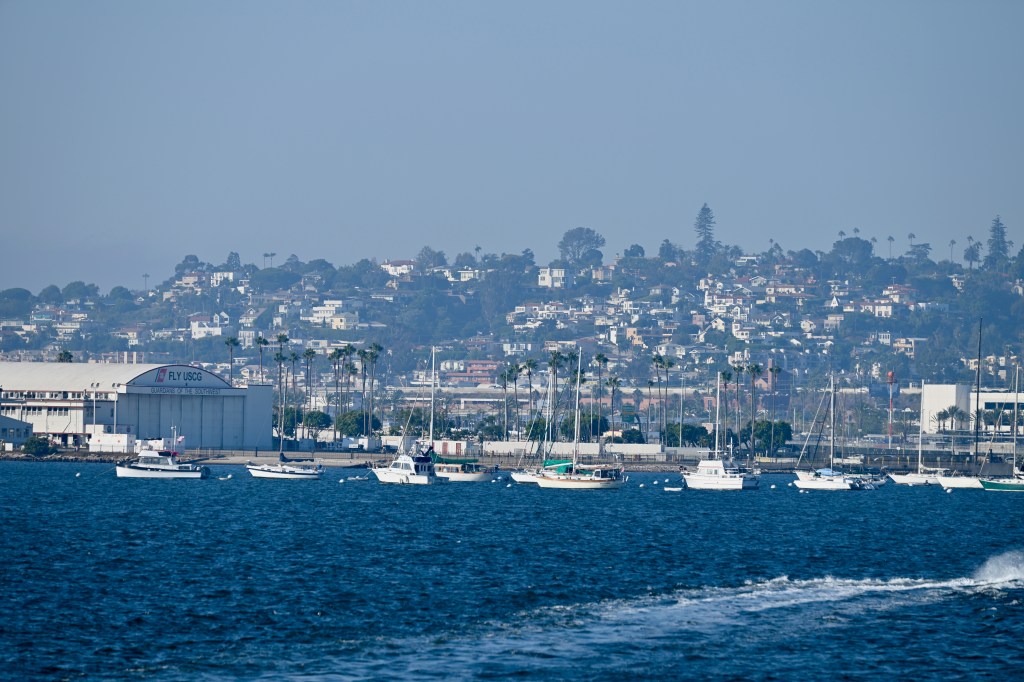
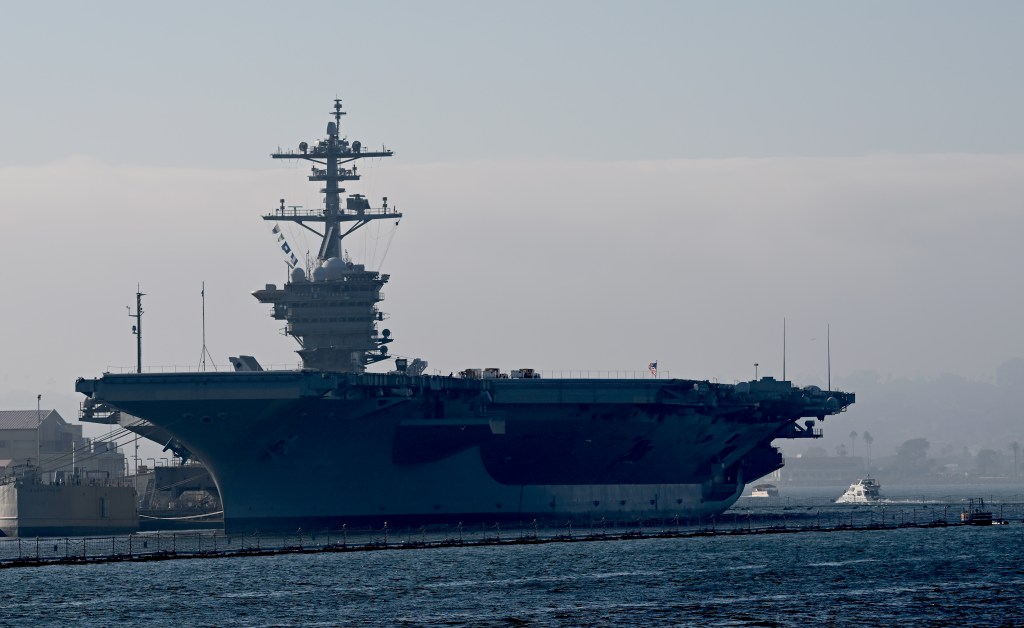
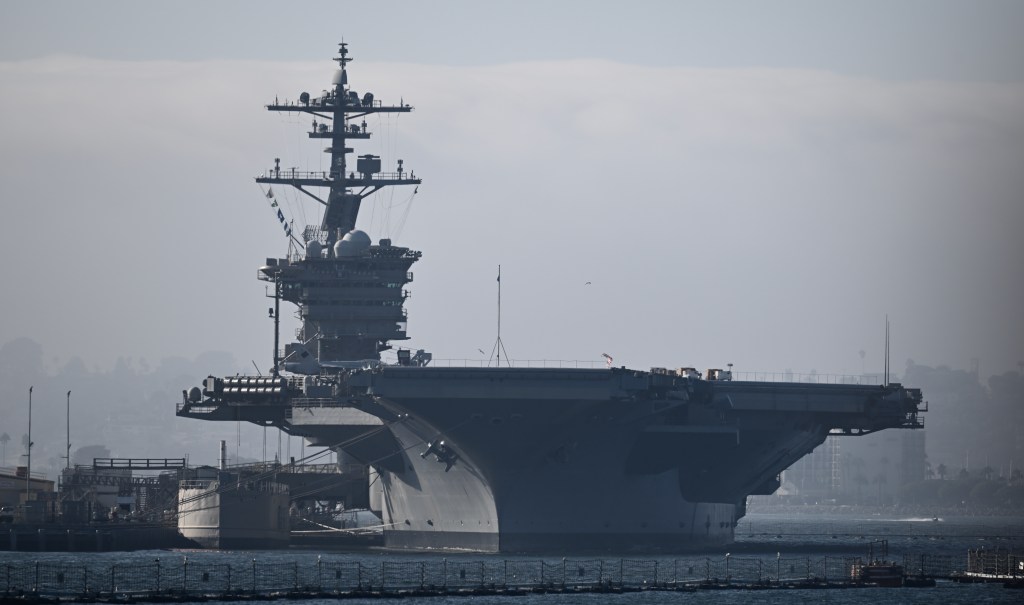
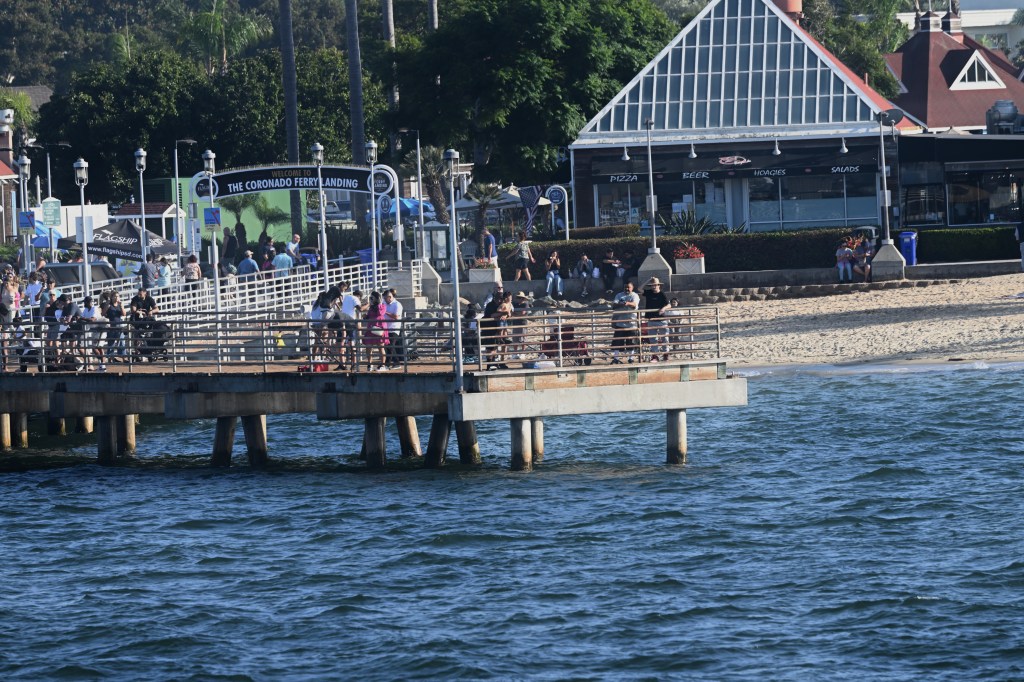
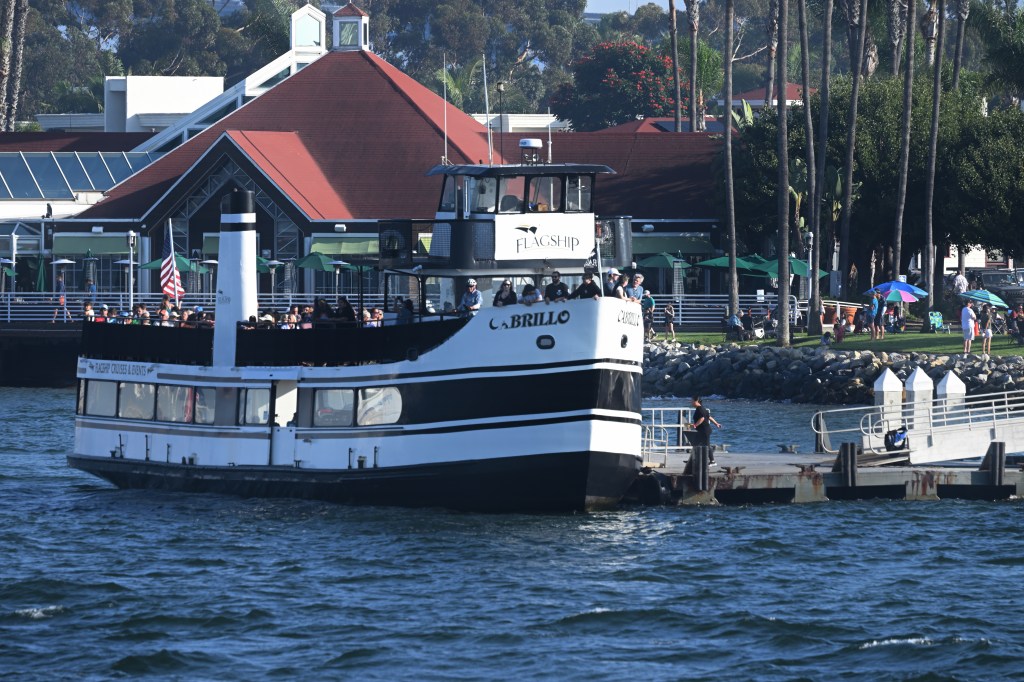
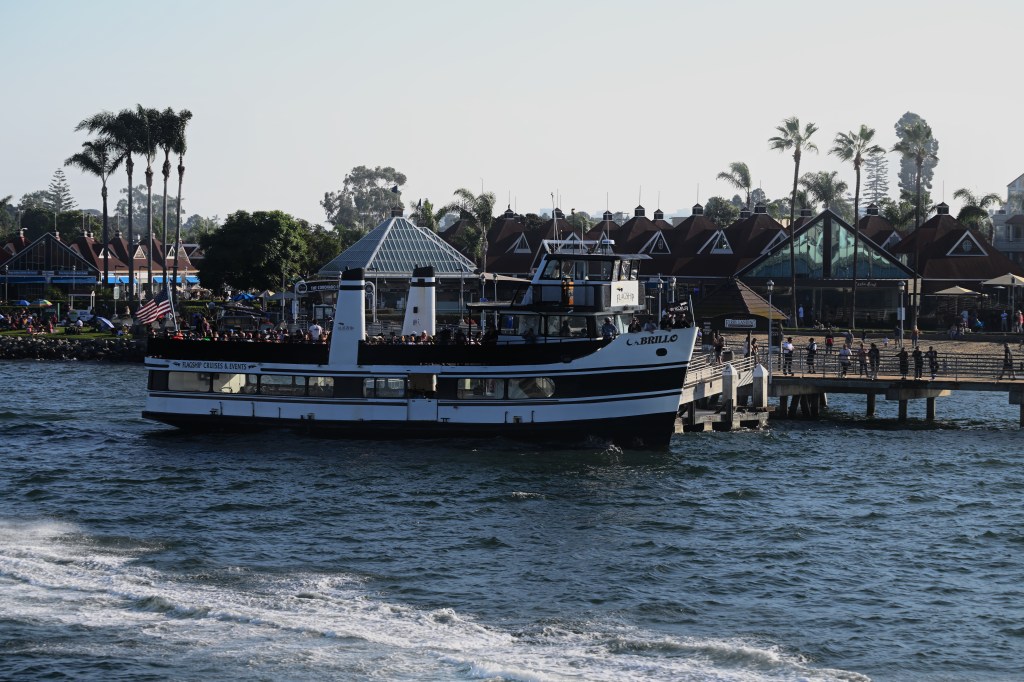
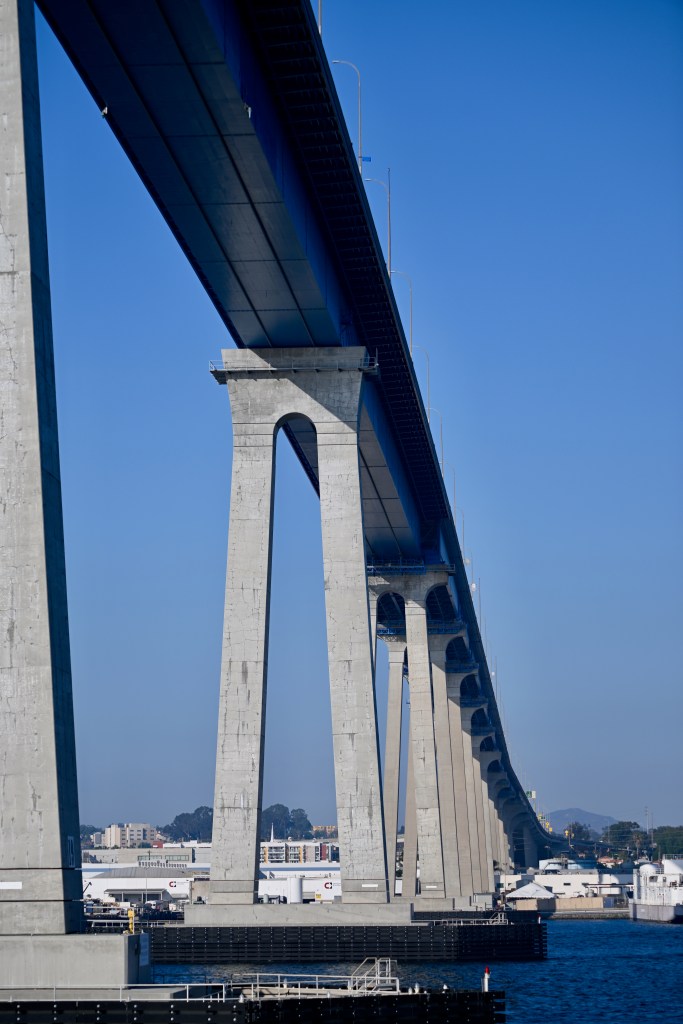

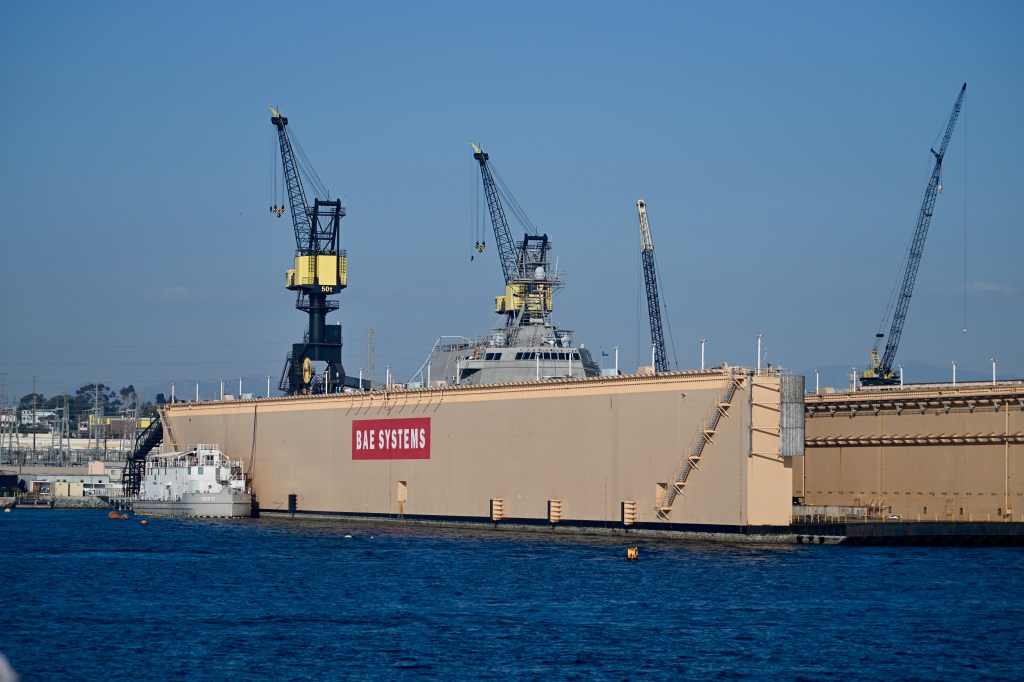
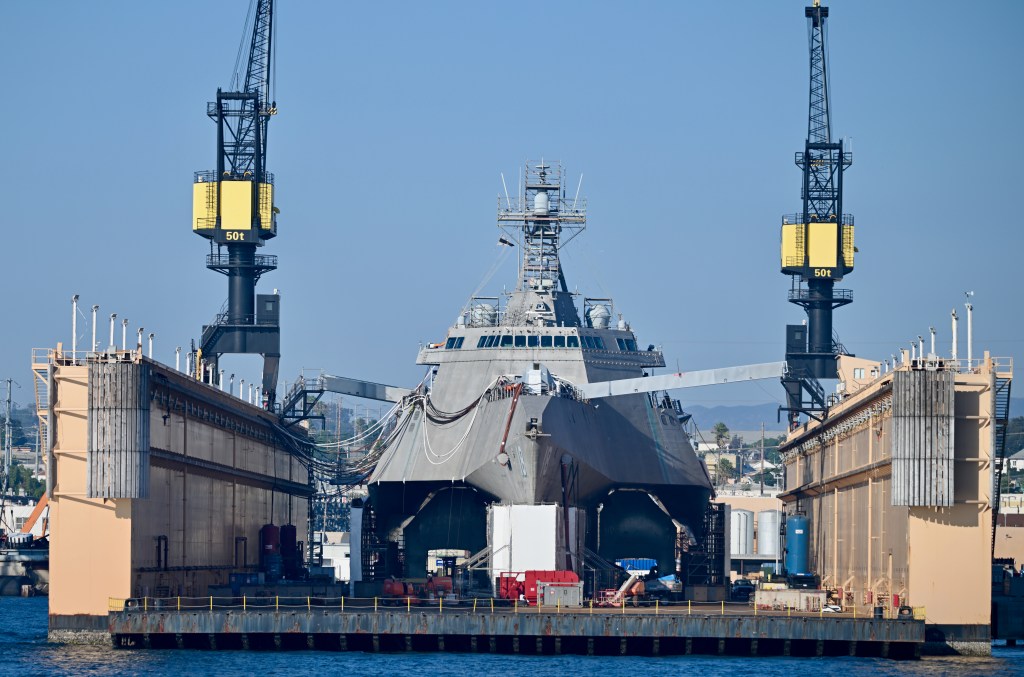

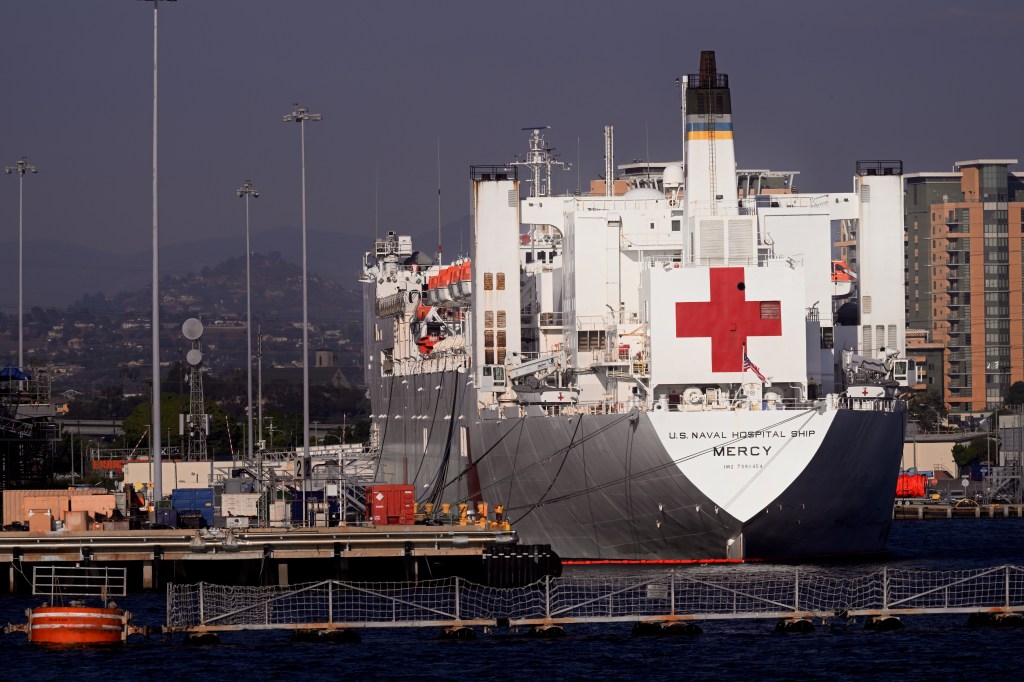
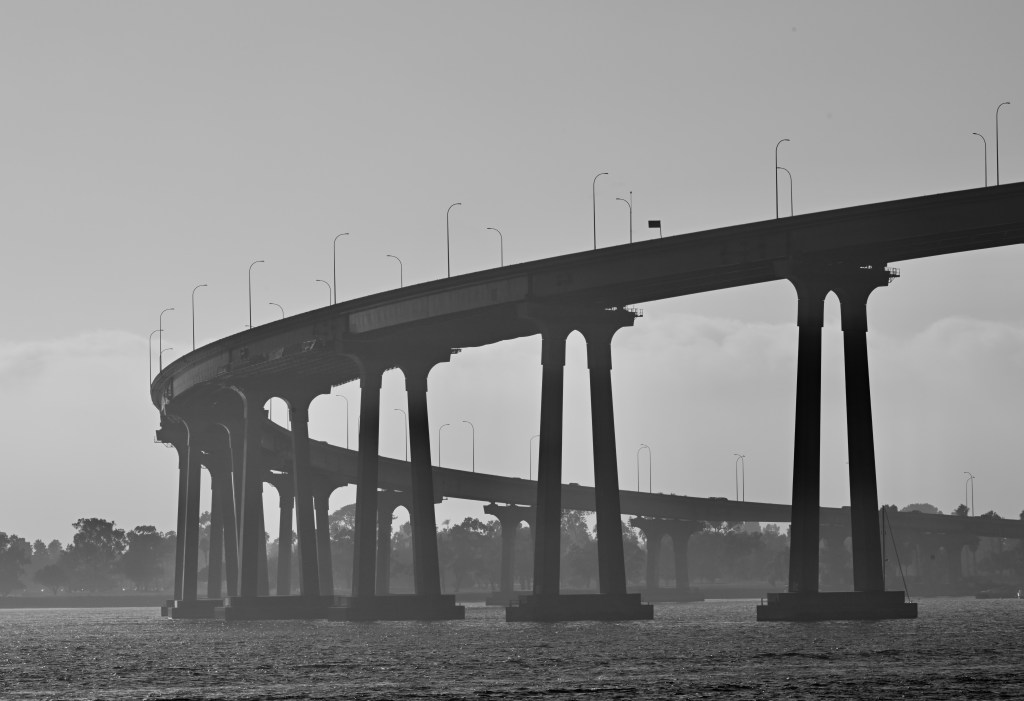
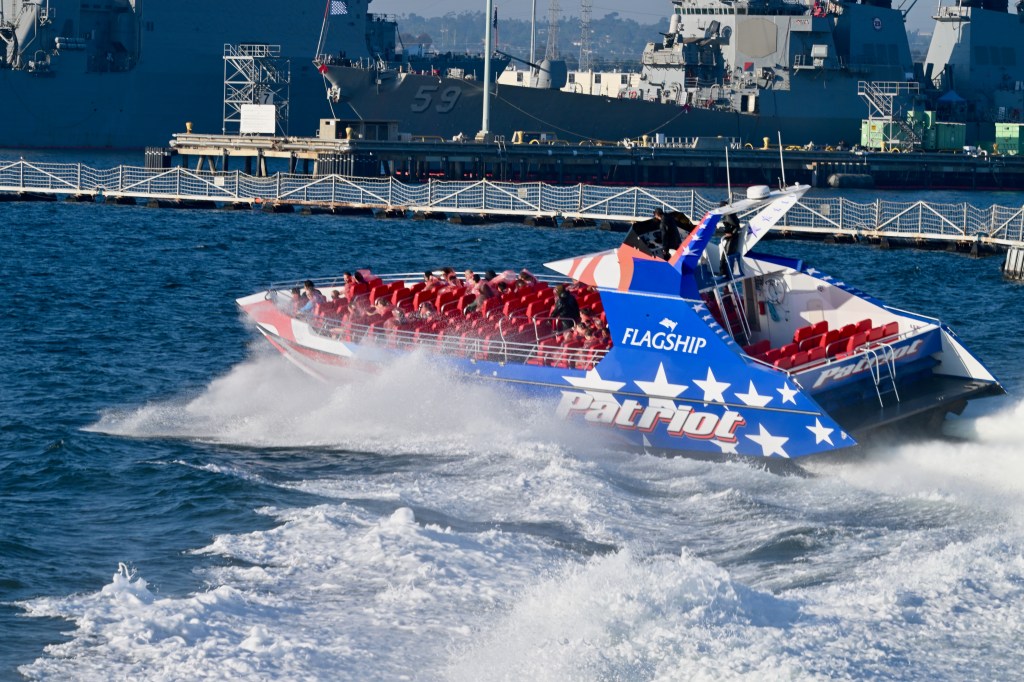
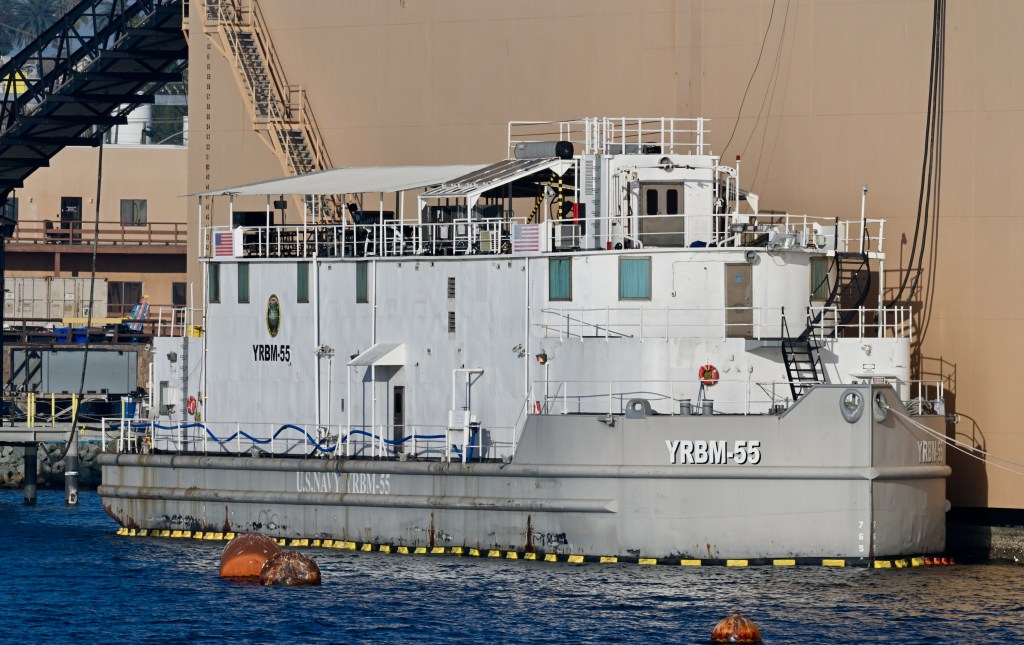
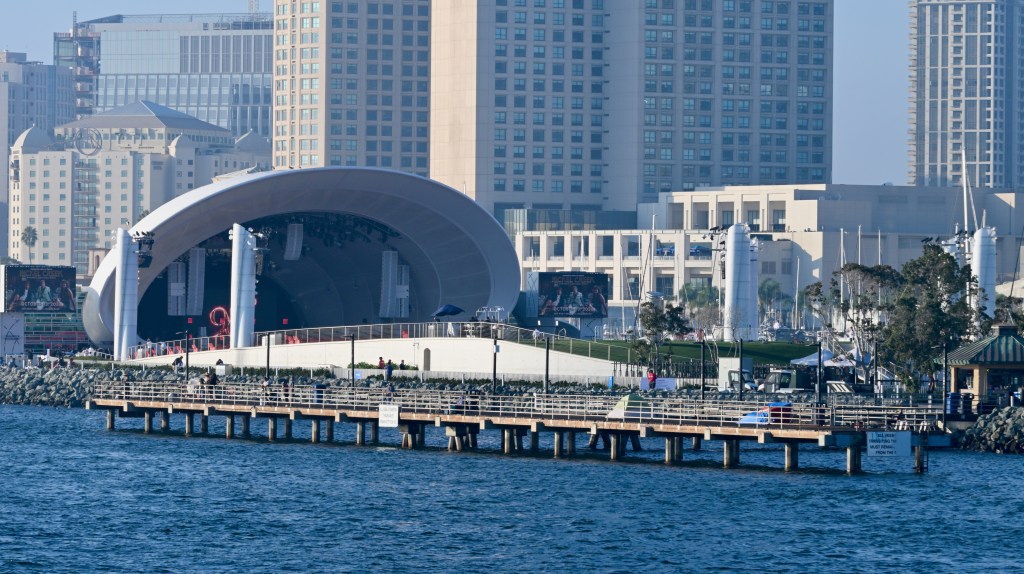
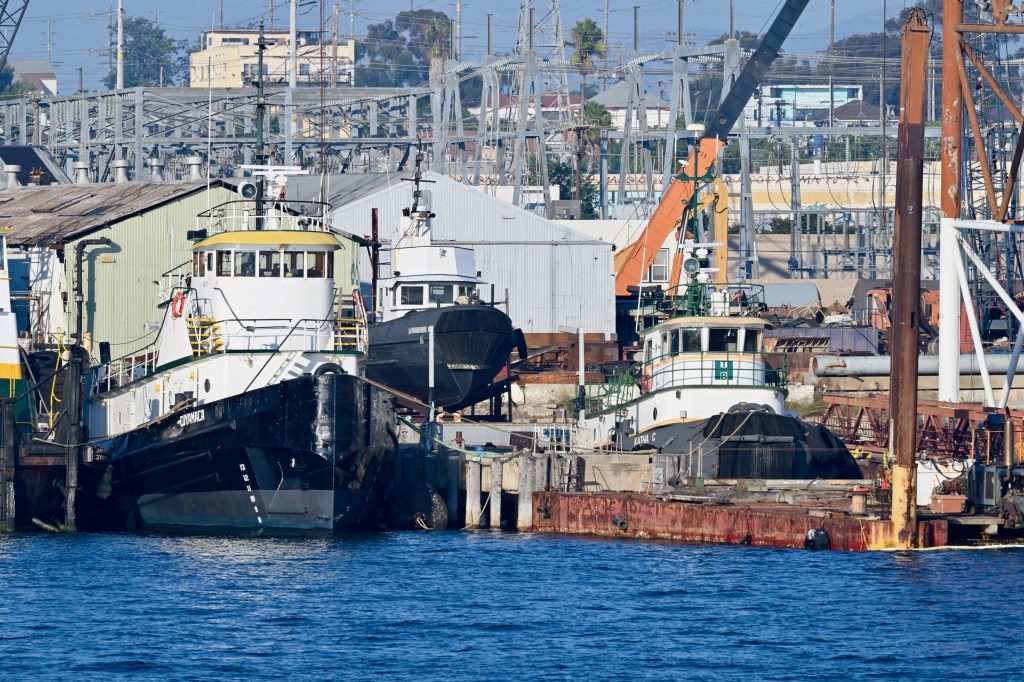
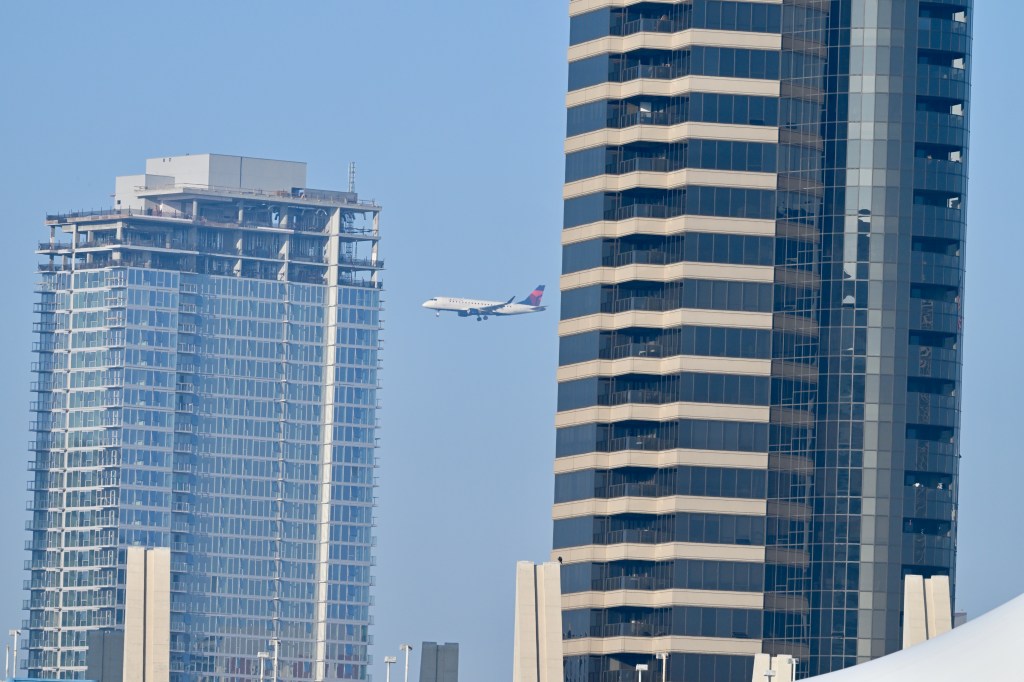
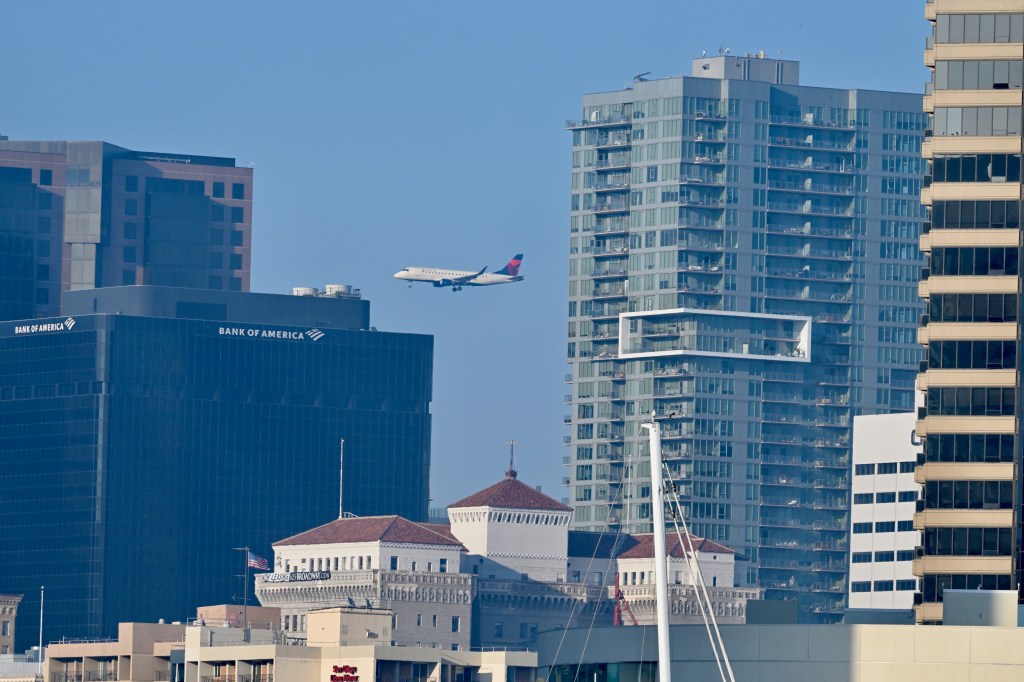
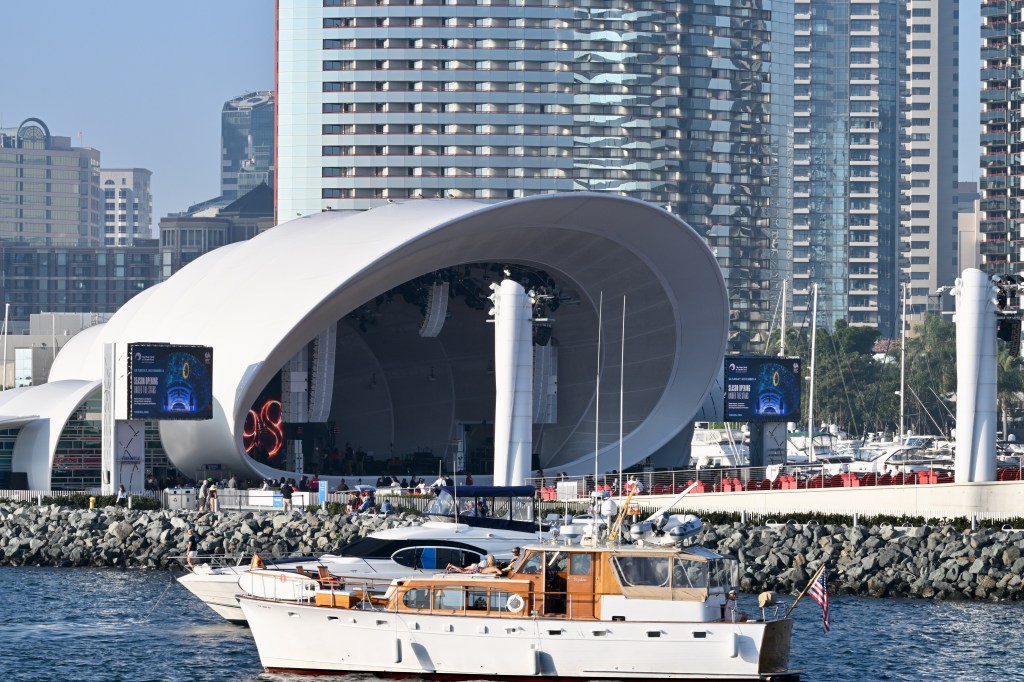


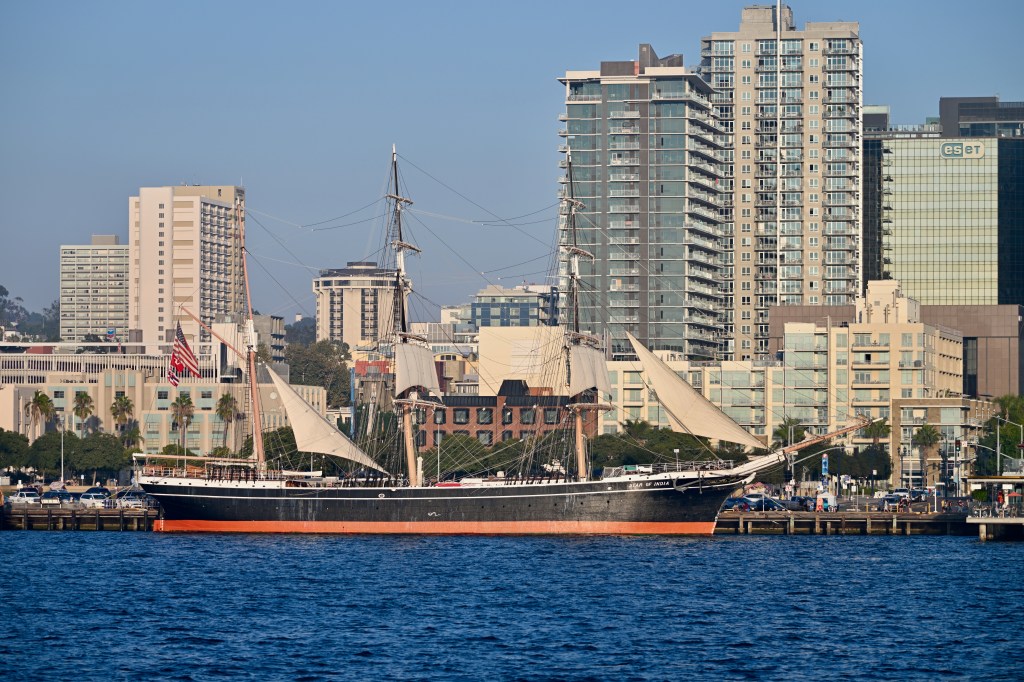
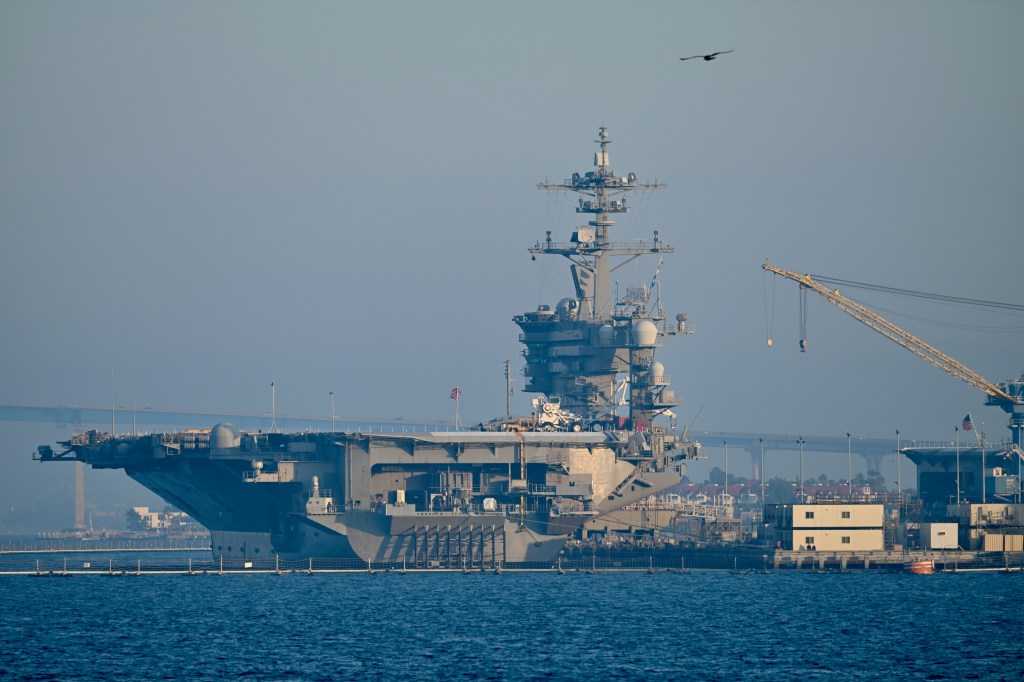
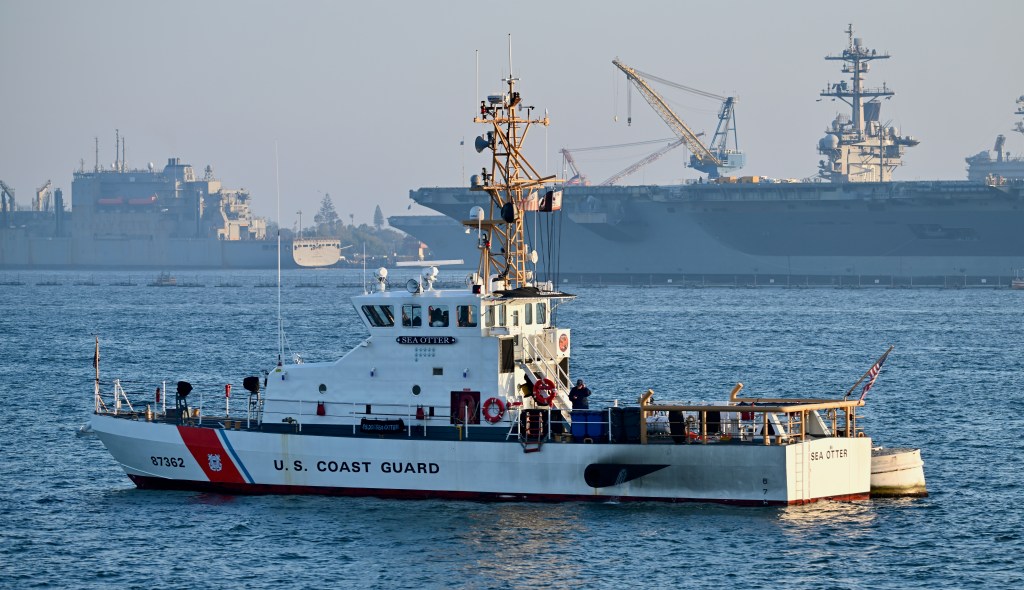

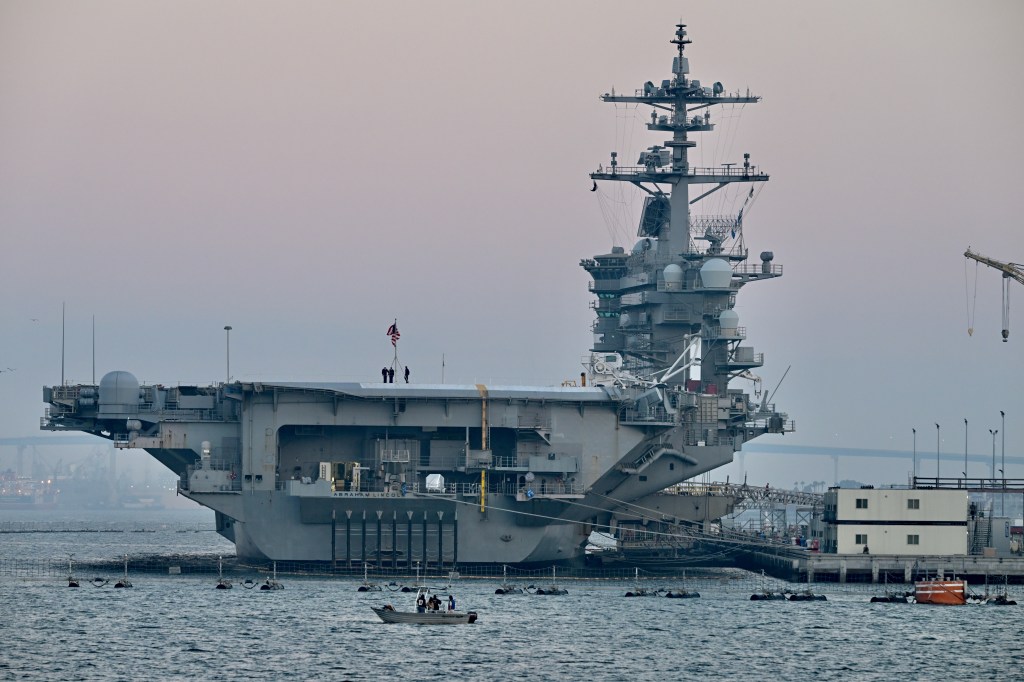

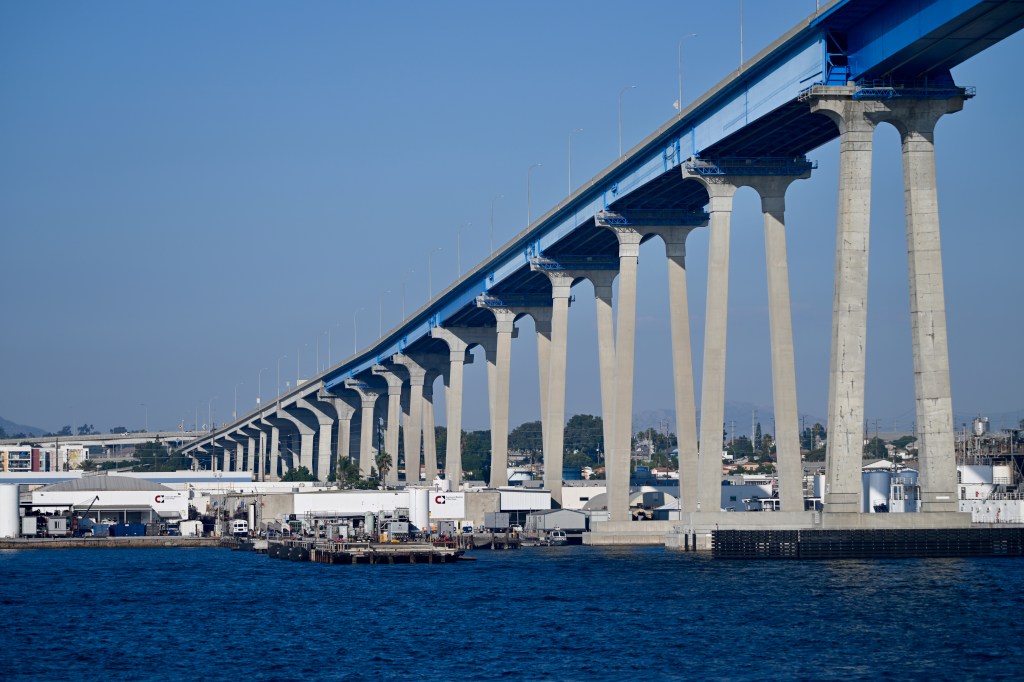
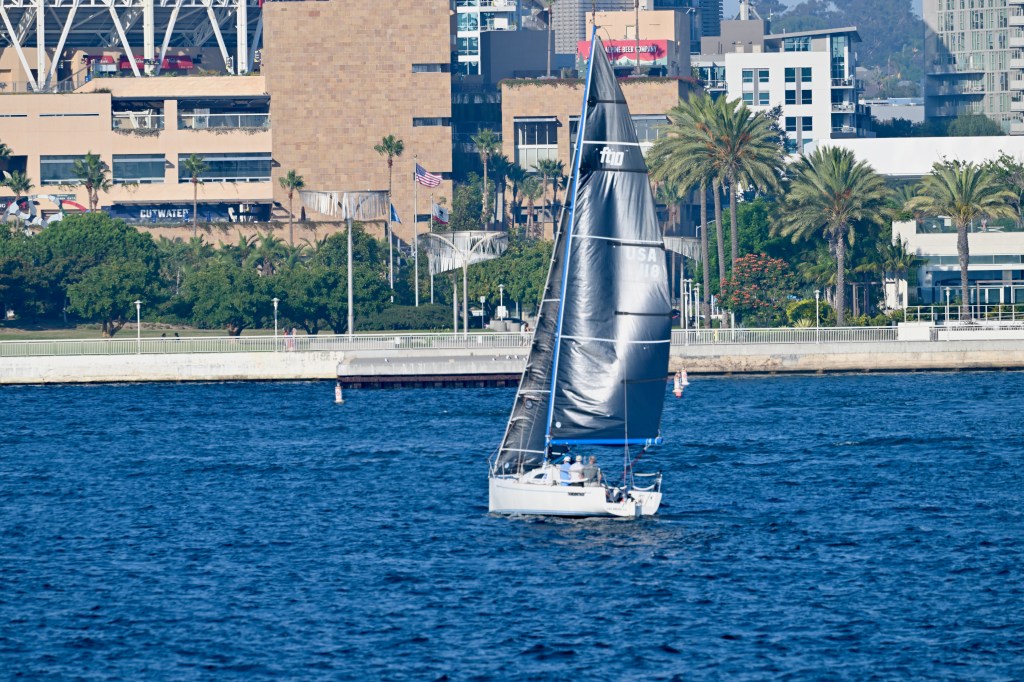
I took this series of images during a 2 hour sailing which started off heading south towards the Coronado Bridge and then turning north towards Shelter Island. A thick marine layer was moving in so the trip ended before sunset unfortunately .
 Exploring San Diego