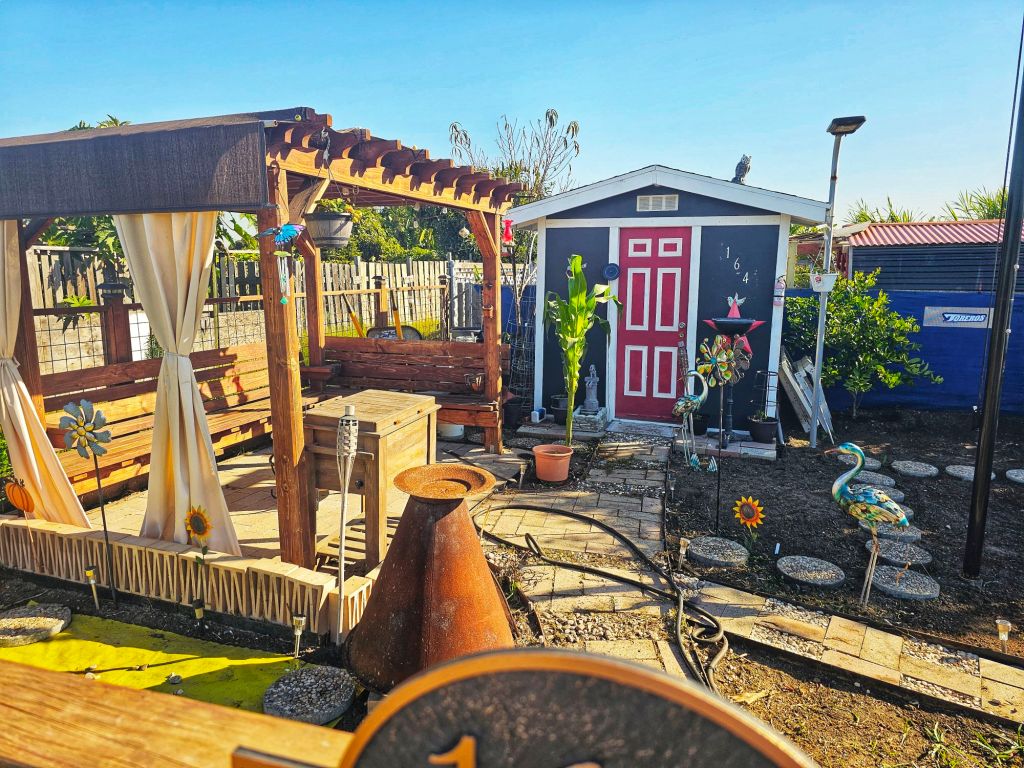
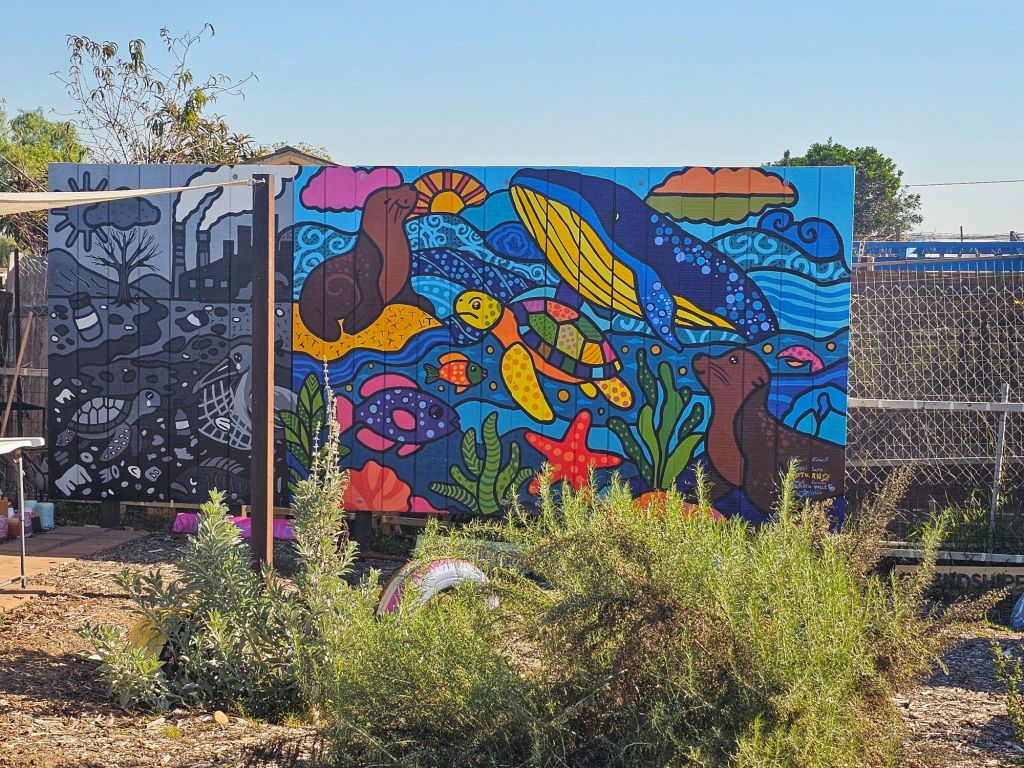
The Tijuana River Community Garden, established 2002, has become one of the most active green spaces in the South Bay, offering residents a place to grow food, strengthen community ties, and cultivate a shared connection to the land. The site of the community garden lies in the Tijuana River Valley Regional Park (TRV), a region that historically hosted agricultural operations, including vegetable farms, dairies, and ranches. Over time, many farms in the valley experienced floods, soil disruption, or were abandoned.
The Tijuana River Community Garden, established 2002, has become one of the most active green spaces in the South Bay, offering residents a place to grow food, strengthen community ties, and cultivate a shared connection to the land. The site of the community garden lies in the Tijuana River Valley Regional Park (TRV), a region that historically hosted agricultural operations, including vegetable farms, dairies, and ranches. Over time, many farms in the valley experienced floods, soil disruption, or were abandoned.
The commercial success of large-scale agriculture in the valley was severely curtailed by flooding and, most critically, by the ongoing transboundary pollution issue. Beginning in the mid-20th century and accelerating rapidly due to Tijuana’s population growth and inadequate infrastructure, the Tijuana River became a major conduit for raw sewage, industrial waste, and sediment.
2025 brought renewed urgency around environmental issues in the surrounding valley. The region has been affected by a persistent sewage and pollution crisis — runoff and untreated wastewater from across the border entering the valley, leading to toxic contamination in water, soil, and air. As a result — and citing “health and safety of gardeners, farmers and staff,” and “increased flooding and related challenges in recent years” — Resource Conservation District of Greater San Diego County (RCDGSDC), a non-profit/quasi-governmental organization tasked with environmental conservation projects locally announced it would end its lease and management of the garden in October 2025.
In November 2025, the county selected Olivewood Gardens and Learning Center (OGLC), a nonprofit based in National City, as the garden’s interim operator for up to one year. The appointment of Olivewood Gardens as interim operator provides continuity for now, but long-term viability depends on final negotiations, environmental remediation, and the ability to ensure safe operation.
San Diego Zoo Safari Park isn’t your typical zoo. Nestled in the rolling hills of Escondido, California, this 1,800-acre wildlife sanctuary brings you face-to-face with animals in environments that mirror their natural habitats — wide, open, and wild.
Whether you’re a seasoned traveler, a family planning a weekend outing, or a wildlife enthusiast, the Safari Park offers something for everyone. It’s not just a destination; it’s an experience.
What Makes the Safari Park Unique?
The San Diego Zoo Safari Park is the expansive cousin of the world-famous San Diego Zoo. While both are operated by the nonprofit San Diego Zoo Wildlife Alliance, the Safari Park is more focused on large-scale conservation efforts and giving animals room to roam.
Unlike traditional zoos with enclosures, the Safari Park features massive savanna-like habitats where giraffes, rhinos, antelope, and even African elephants share the land — much like they would in the wild.
Top Attractions & Experiences
🐘 1. Africa Tram
One of the park’s most popular attractions, the Africa Tram is an open-air guided tour through the African Plains. You’ll ride through herds of animals roaming freely, with expert narration providing insight into conservation efforts, animal behavior, and habitat restoration.
🦒 2. Caravan Safari (Add-On Experience)
Want to get even closer? Book a Caravan Safari, where you’ll board a safari truck and feed giraffes right from your hand. It’s an unforgettable experience that brings the wild within reach.
🐅 3. Tiger Trail
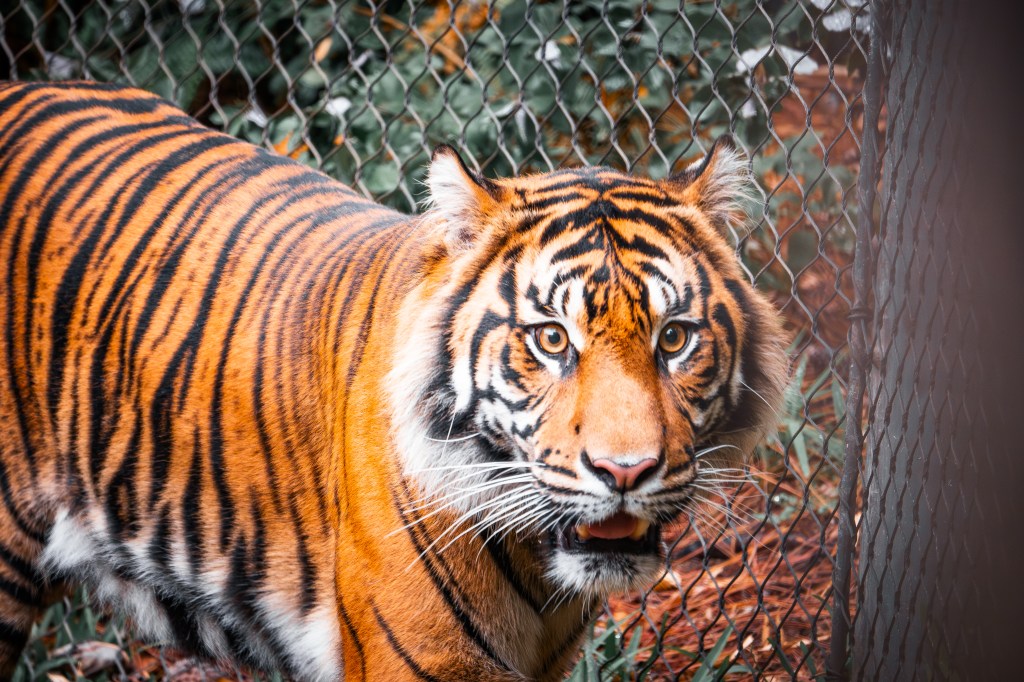
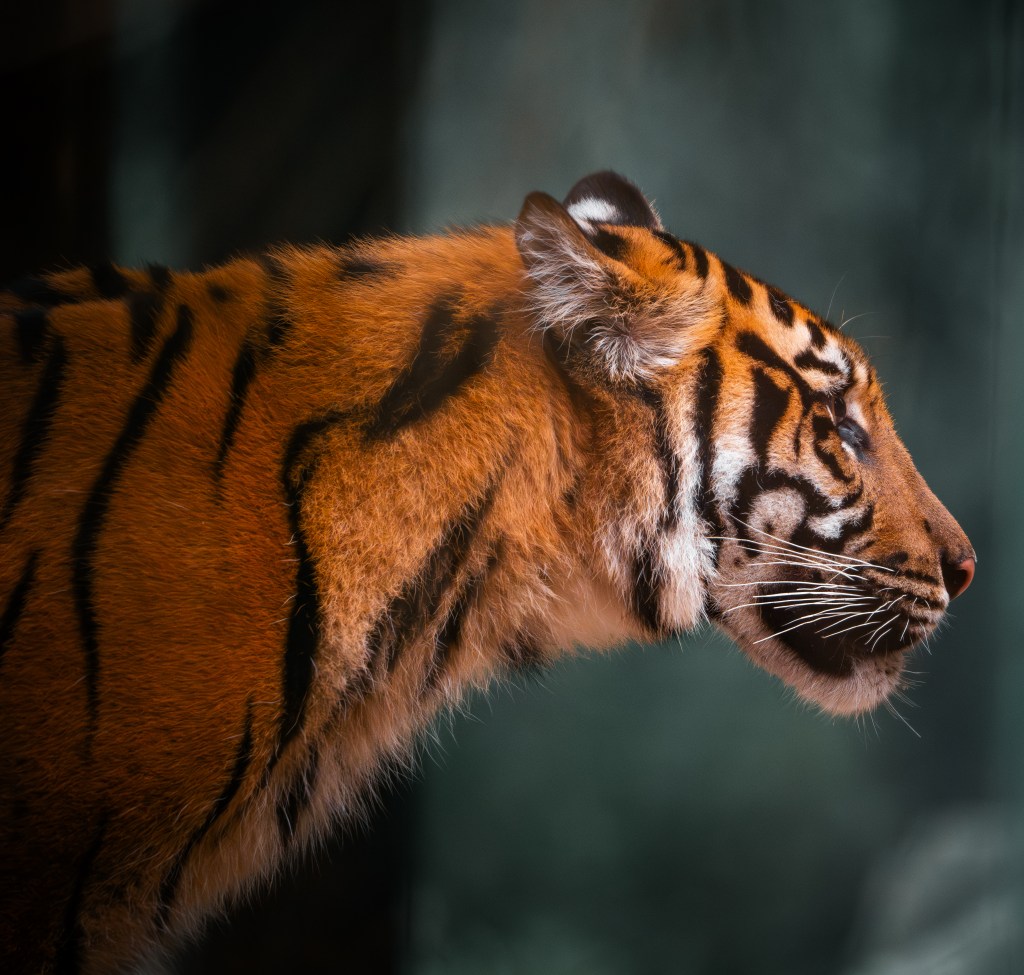
The lush, forested Tiger Trail lets you observe majestic Sumatran tigers up close. Designed to mimic their native habitat, the trail winds through waterfalls, observation decks, and glass-viewing areas — perfect for snapping a few memorable photos.
🦏 4. Walkabout Australia
This exhibit transports visitors down under, featuring kangaroos, wallabies, cassowaries, and other Australian wildlife. You can even walk through open areas where kangaroos might hop right past you.
🧒 5. Play Areas and Animal Encounters
Families will love the Savanna Cool Zone, a water play area for kids, and the Animal Encounters where you can meet smaller ambassador animals. There’s also the Petting Kraal, where kids can brush goats and sheep.
Conservation at Its Core
The San Diego Zoo Safari Park is more than entertainment — it’s a hub of conservation science. The Nikolaus Nature Preserve, Rhino Rescue Center, and Frozen Zoo are just a few examples of the groundbreaking work being done to save endangered species around the world.
Their motto, “We fight extinction,” isn’t just a tagline — it’s a mission backed by research, education, and action.
Tips for Visiting
Plan ahead: Tickets can sell out during peak times. Buy online and check for available add-on safaris.
Dress comfortably: You’ll be walking a lot. Wear sturdy shoes, bring a hat, and stay hydrated.
Beat the heat: Mornings and late afternoons are best for animal activity and cooler temps.
Go all-in: If your budget allows, splurge on a behind-the-scenes tour or animal encounter — they’re worth every penny.
Final Thoughts
The San Diego Zoo Safari Park is a must-see for anyone visiting Southern California. It’s where nature, adventure, and conservation come together to create a day you won’t forget.
So pack your sunscreen, grab your camera, and get ready to go on safari — no passport required.
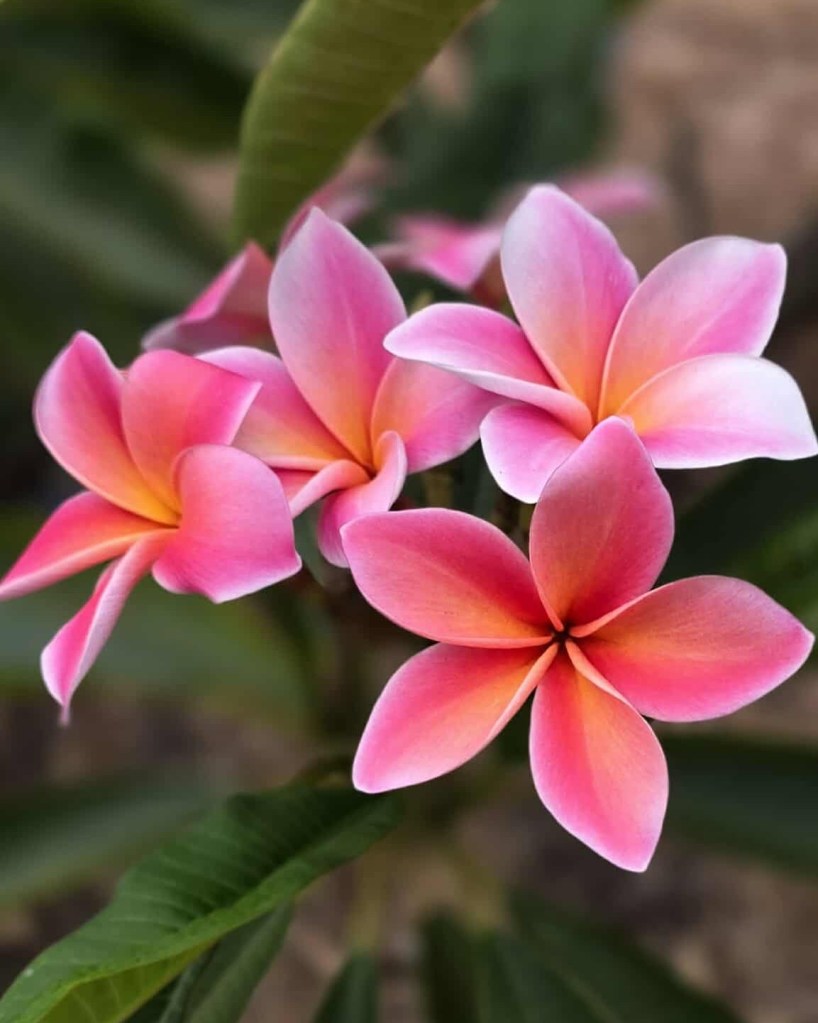
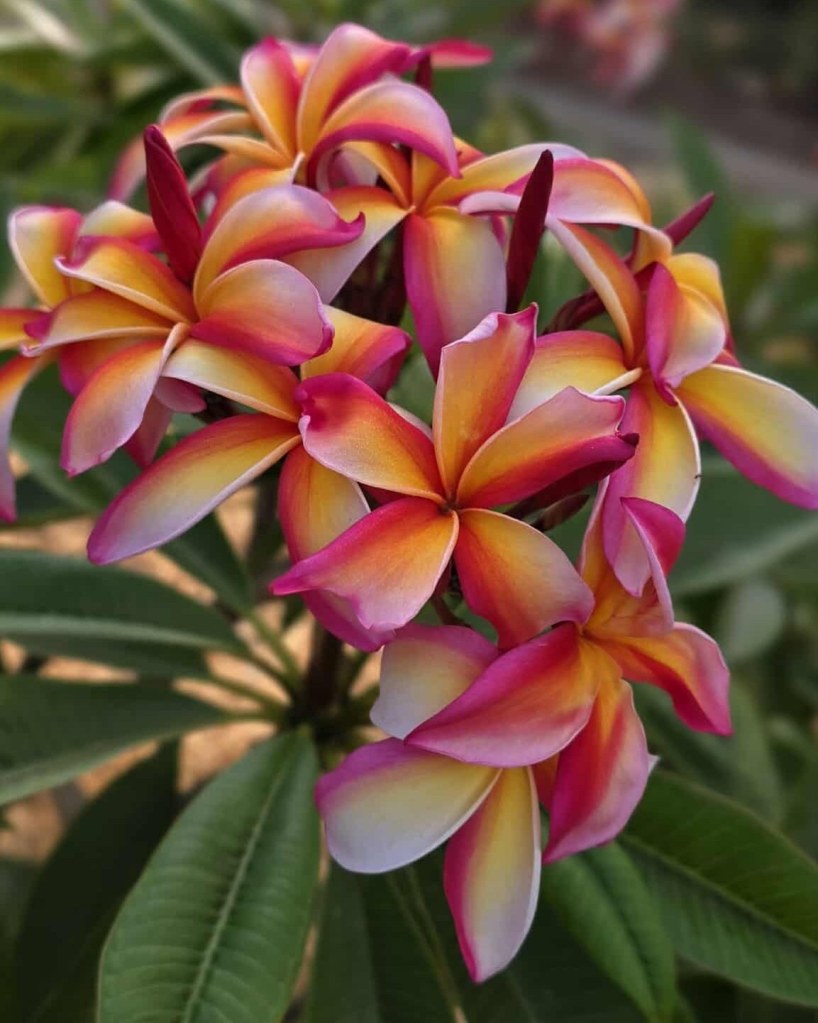
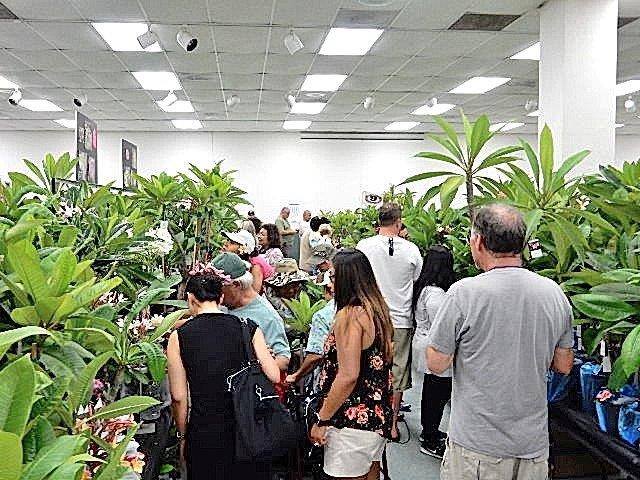
Plumerias, also known as frangipani, are beloved around the world for their sweet fragrance and association with tropical islands. In Hawaii, they’re often woven into leis as a symbol of welcome and friendship. Seeing them in full bloom at the festival is like taking a mini vacation to the islands—without ever leaving San Diego.
Festival Details
Where: Balboa Park, Casa del Prado, San Diego, CA
When: September 6 &7 2025 (check the official Southern California Plumeria Society website for dates)
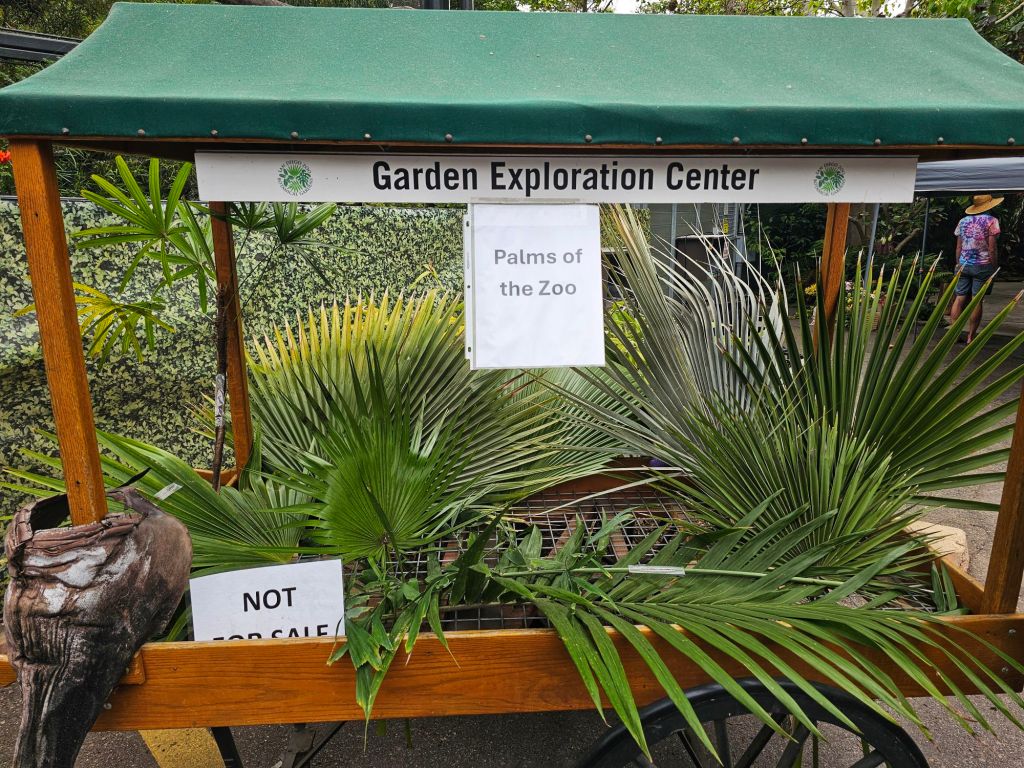
Exploring the Orchid Greenhouse at the San Diego Zoo
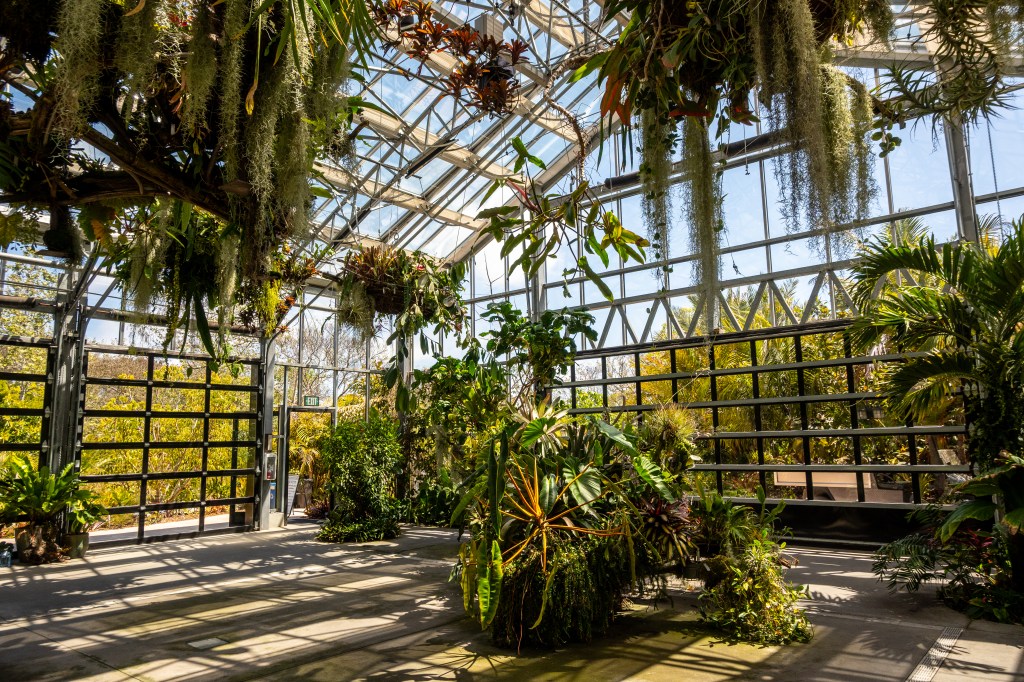
The San Diego Zoo is renowned for its diverse collection of wildlife, but there’s an equally stunning feature that often flies under the radar—its Orchid Greenhouse. Tucked away within the Zoo’s lush grounds, this hidden gem is a paradise for plant lovers and anyone seeking a peaceful, aromatic escape. Whether you’re a seasoned botanist or simply someone who appreciates nature’s beauty, the Orchid Greenhouse offers an enchanting experience that deserves a visit.
Here’s the schedule for 2025 Plant Days and Orchid Odysseyrunning from 10am to 2pm
Friday, July 18, 2025 Friday, August 15, 2025 Friday, September 19, 2025 Friday, October 17, 2025 Friday, November 21, 2025 Friday, December 19, 2025
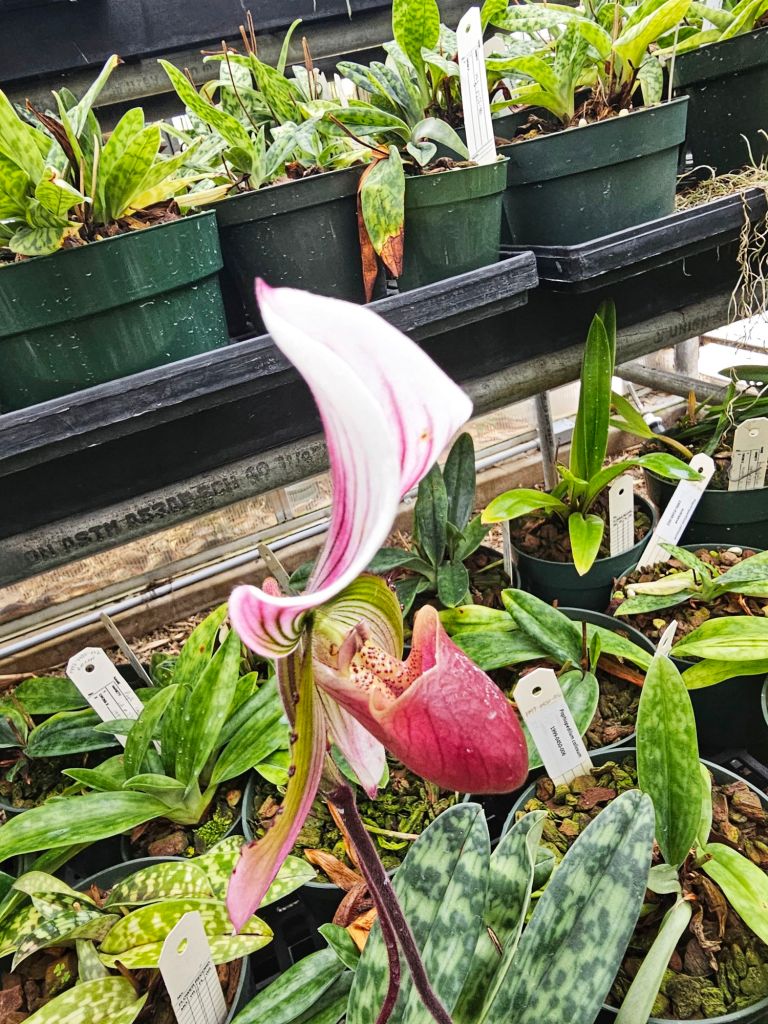
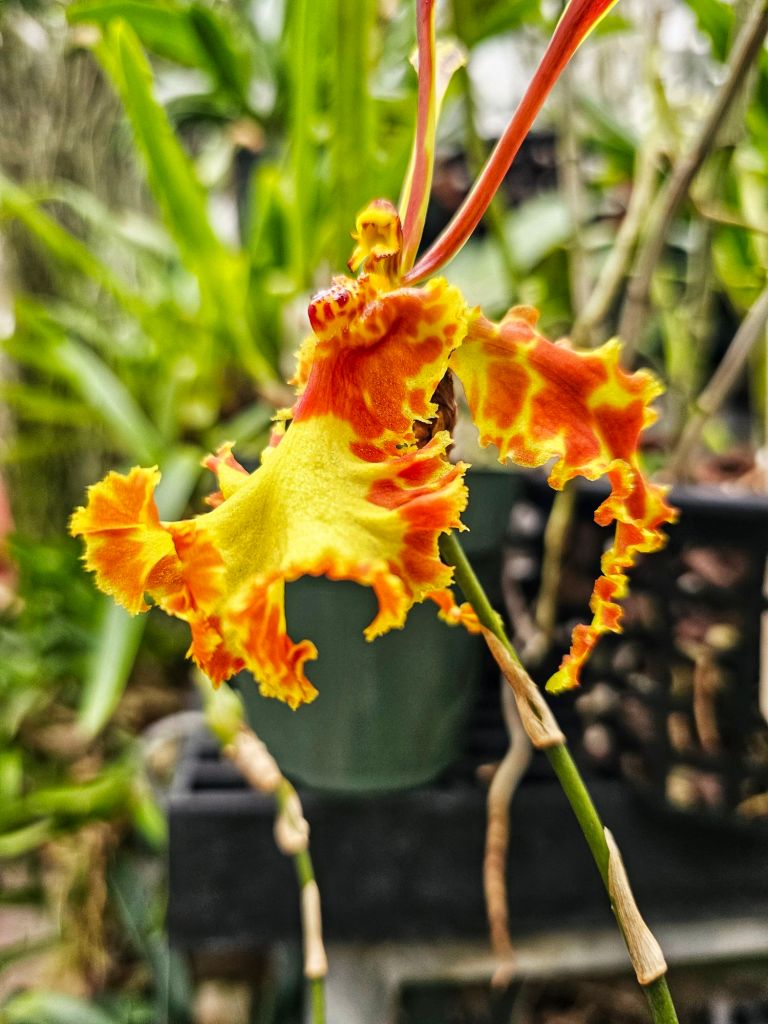
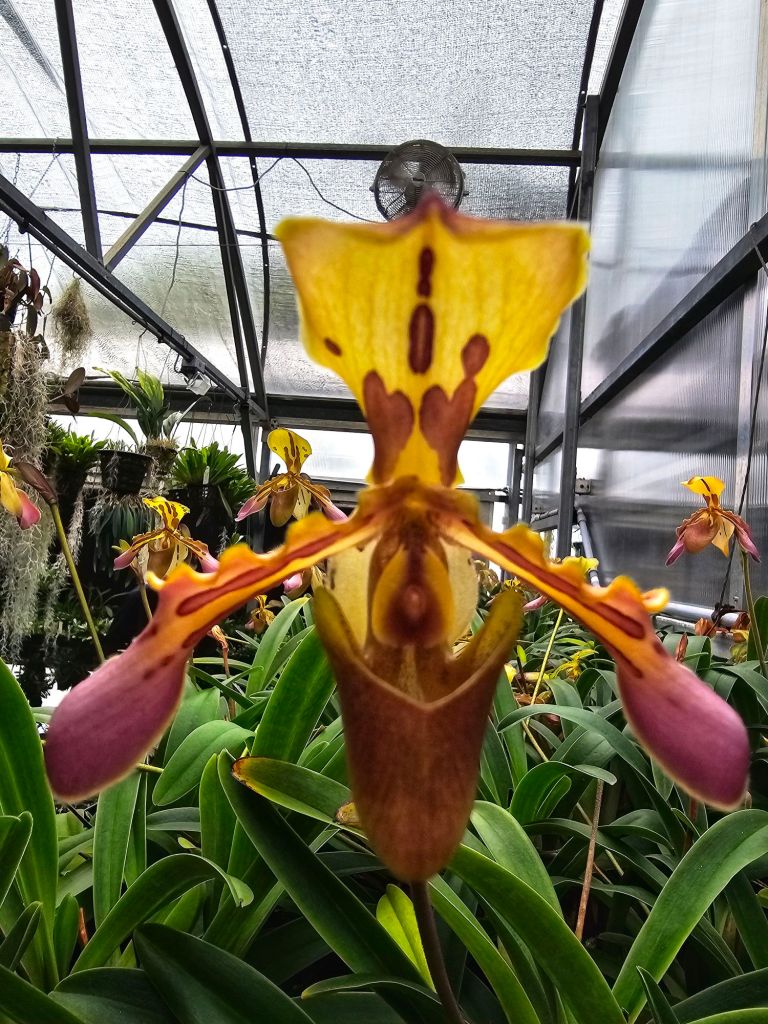
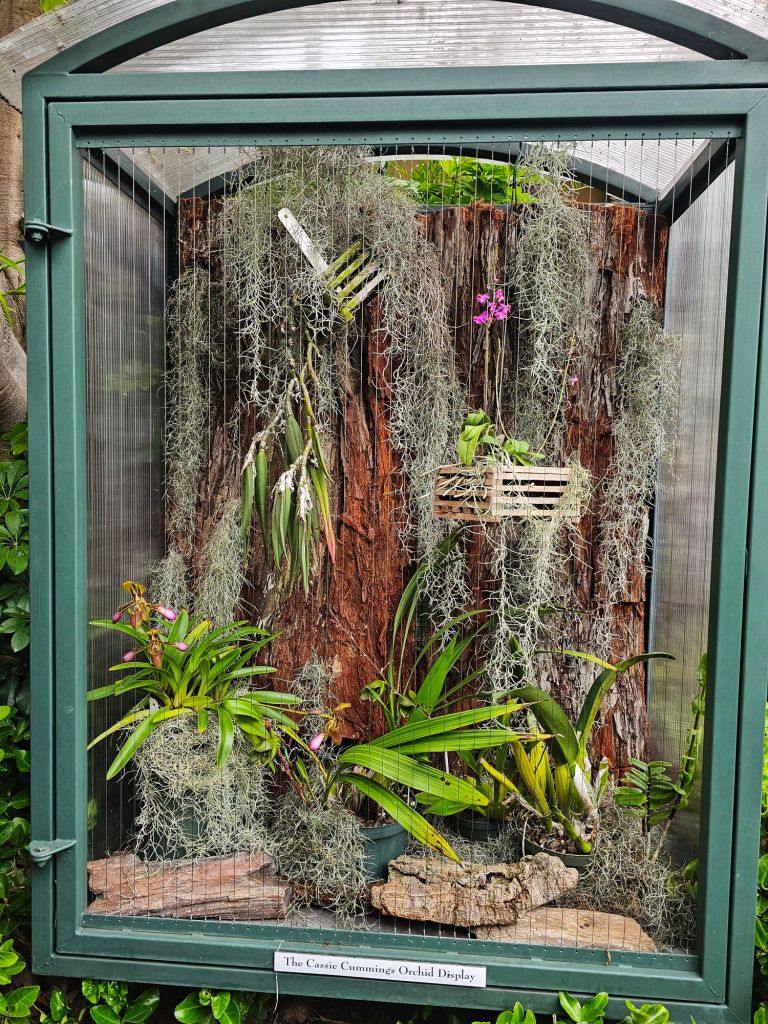
The Orchid Greenhouse is home to over 1,000 species of orchids, each more captivating than the last. These delicate, vibrant flowers come in every color of the rainbow, ranging from the deep purples of the Cattleya to the soft pastels of the Phalaenopsis. The greenhouse is designed to mimic the orchids’ natural tropical habitat, ensuring that each bloom thrives in the ideal conditions.
Orchid Odyssey San Diego Zoo
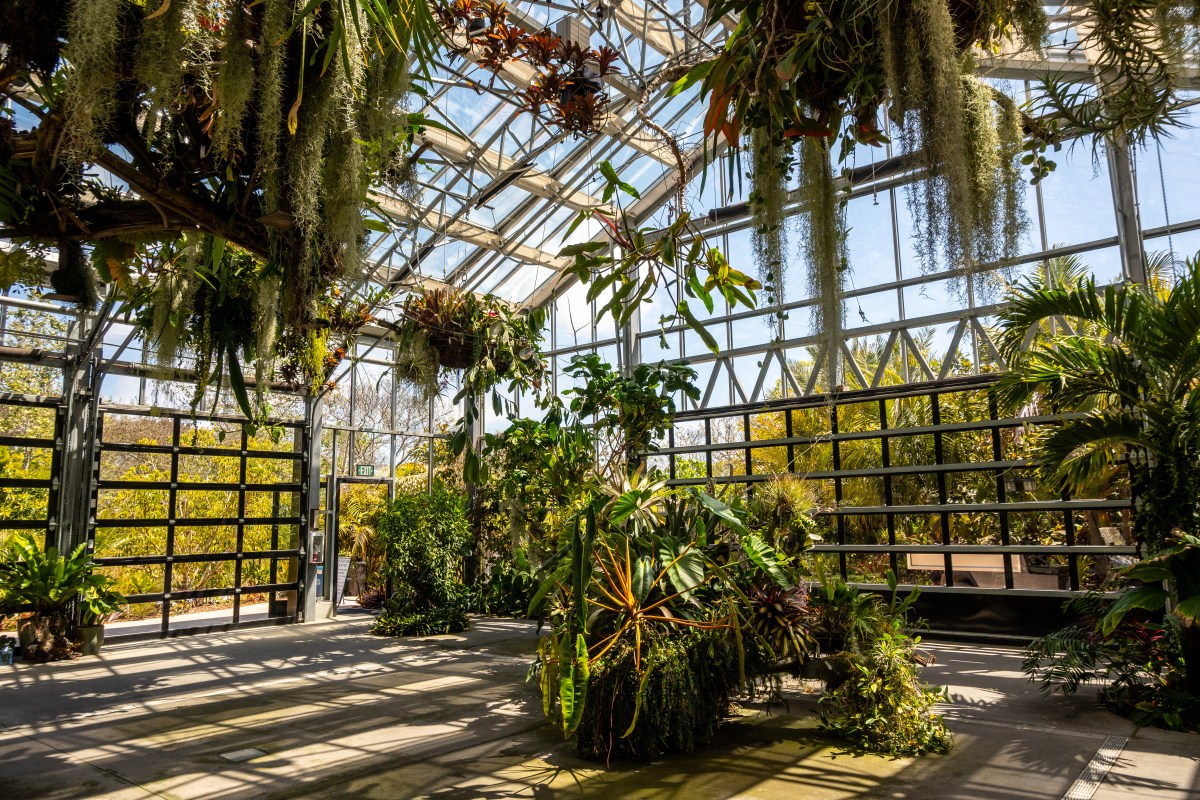
Upon entering, you’re immediately greeted by the intoxicating scent of the flowers and the cool, humid air. The space is filled with layers of hanging orchids, potted varieties, and intricate arrangements that transport you to a tropical paradise. The layout is designed to let you take your time as you explore different sections, each dedicated to specific types of orchids from around the world, including Central and South America, Southeast Asia, and the Pacific Islands.
The Fascinating World of Orchids
Orchids are among the most diverse plant families on Earth, with more than 25,000 species and over 100,000 hybrids. The Orchid Greenhouse at the San Diego Zoo showcases many of these varieties, offering a chance to learn about their unique characteristics. Some orchids have flowers that bloom only once a year, while others may only open for a few hours, making the greenhouse a truly dynamic environment.
What makes orchids particularly special is their intricate pollination process, which often involves symbiotic relationships with specific insect species. In the greenhouse, you’ll see firsthand how these delicate flowers attract and rely on their pollinators, adding another layer of wonder to the experience.
Conservation Efforts and Education
While the Orchid Greenhouse is an aesthetic treat, it also serves a vital conservation role. Many of the orchids housed here are endangered or rare species. The San Diego Zoo is deeply involved in global orchid conservation efforts, helping to preserve habitats and promote the cultivation of orchids that are at risk of extinction in the wild.
Visitors to the Orchid Greenhouse can learn about these important initiatives through informational displays and guided tours. Knowledgeable staff and volunteers are always on hand to answer questions, explaining how the Zoo’s breeding programs and conservation projects contribute to preserving orchid species for future generations.
A Photography Haven
For photography enthusiasts, the Orchid Greenhouse is a dream come true. The vibrant colors, intricate patterns, and the way light filters through the glass panels create perfect conditions for capturing stunning photos. Whether you’re looking to snap close-ups of delicate blooms or create a wider landscape shot of the greenhouse, you’ll find plenty of opportunities to experiment with your camera.
Don’t forget your macro lens if you want to capture the minute details that make orchids so mesmerizing—the texture of the petals, the subtle color gradients, and the tiny pollination structures are all fascinating subjects.
Tips for Your Visit
Best Time to Visit: The Orchid Greenhouse is open year-round, but it’s particularly stunning during spring when many orchids are in bloom. If you’re aiming to avoid crowds, visiting early in the day or during weekdays is ideal.
Plan for a Relaxing Experience: The greenhouse is a peaceful retreat within the bustling zoo, so take your time to savor the beauty and tranquility of the space. It’s a perfect spot for a short break from the main zoo attractions.
Join a Guided Tour: If you’re keen to dive deeper into the world of orchids, be sure to join one of the Zoo’s guided tours. These often include fascinating insights into orchid biology, conservation, and the zoo’s work with endangered species.
Conclusion
The Orchid Greenhouse at the San Diego Zoo is a captivating blend of nature’s beauty, botanical education, and conservation efforts. Whether you’re a flower enthusiast, a photographer, or simply in search of a serene escape, this hidden sanctuary offers a one-of-a-kind experience. The next time you visit the zoo, don’t miss the chance to explore this blooming oasis—it’s a reminder of how diverse and delicate the natural world truly is.
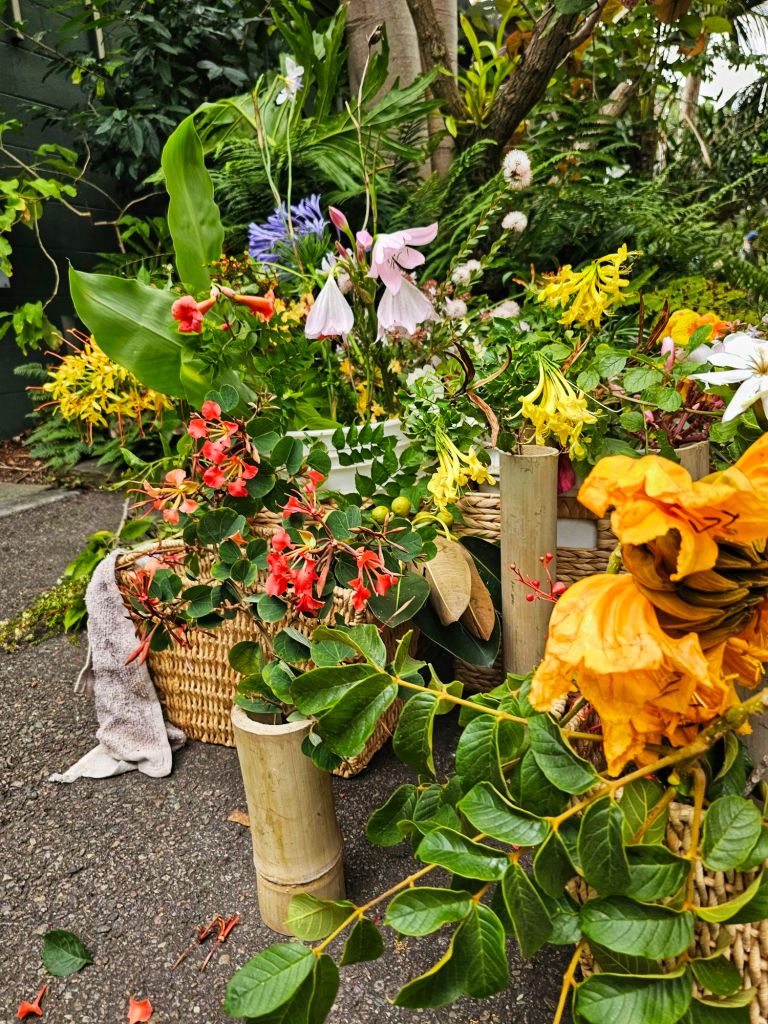
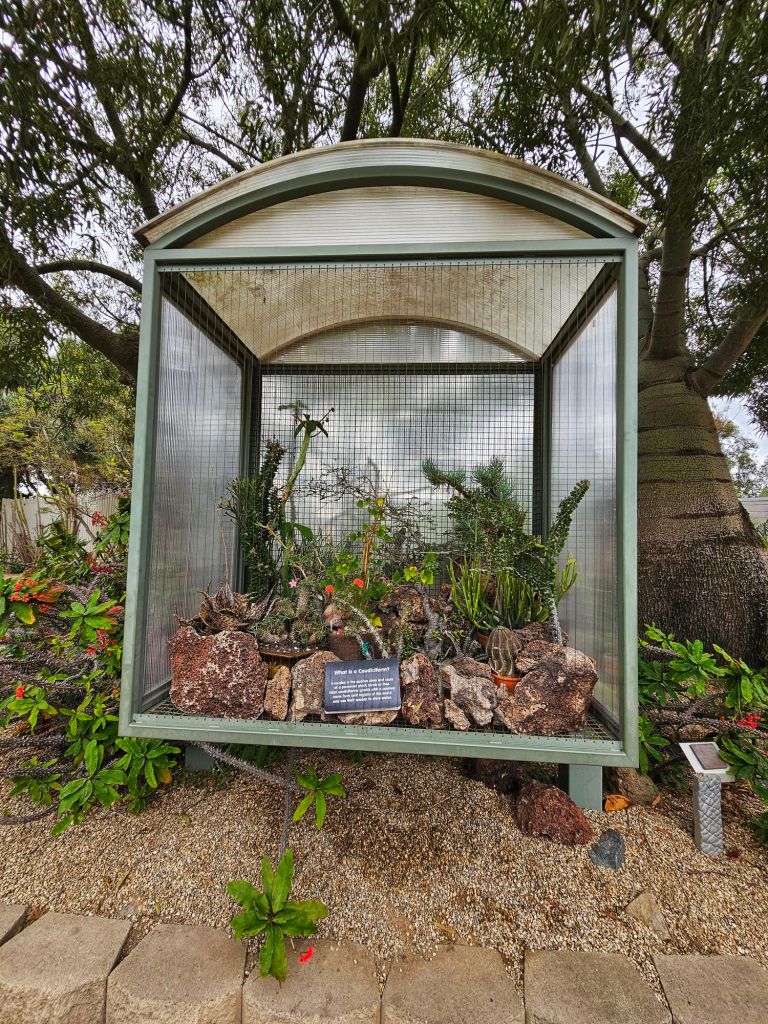
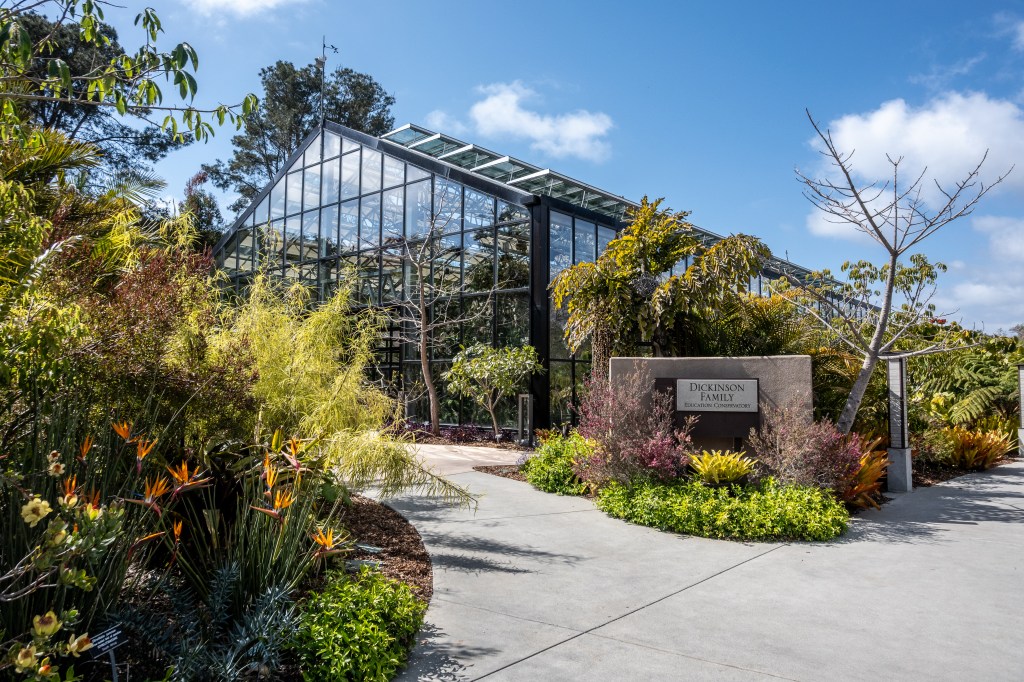
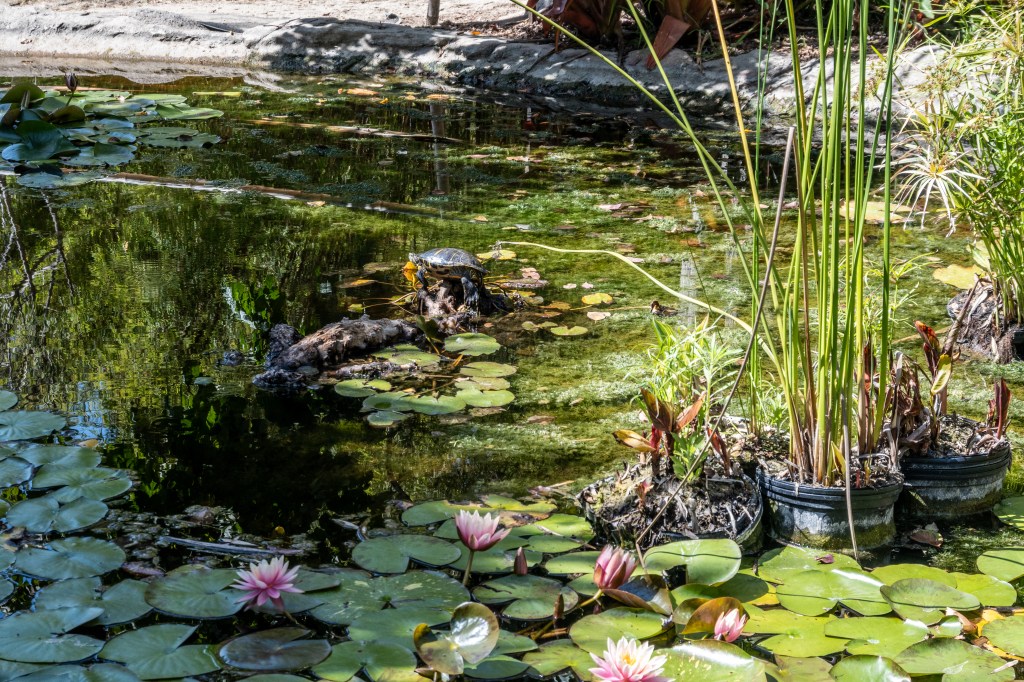
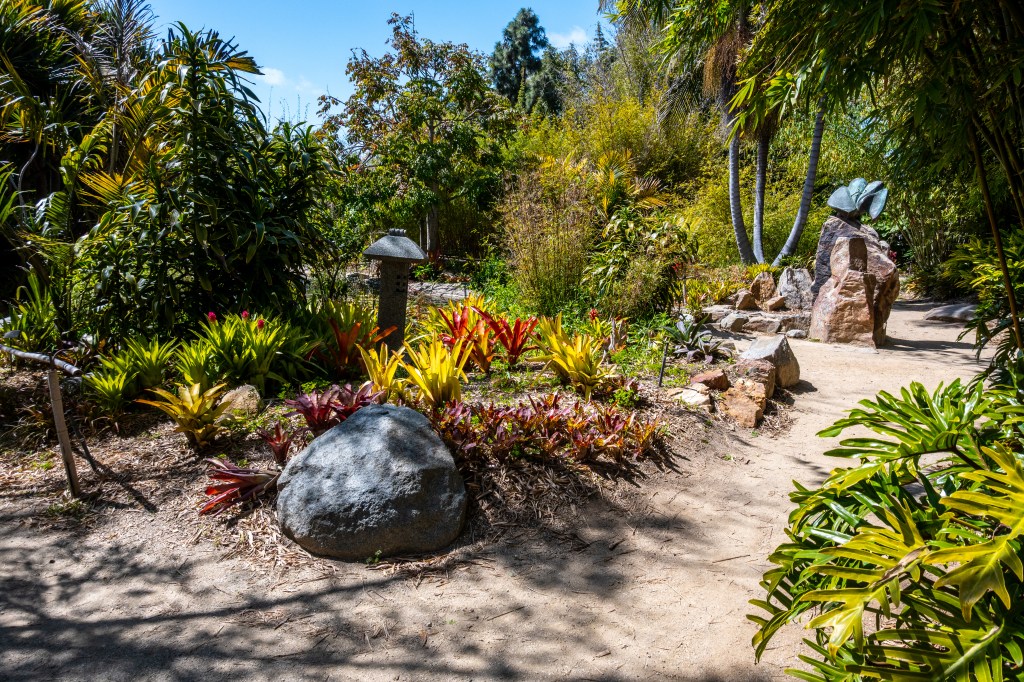
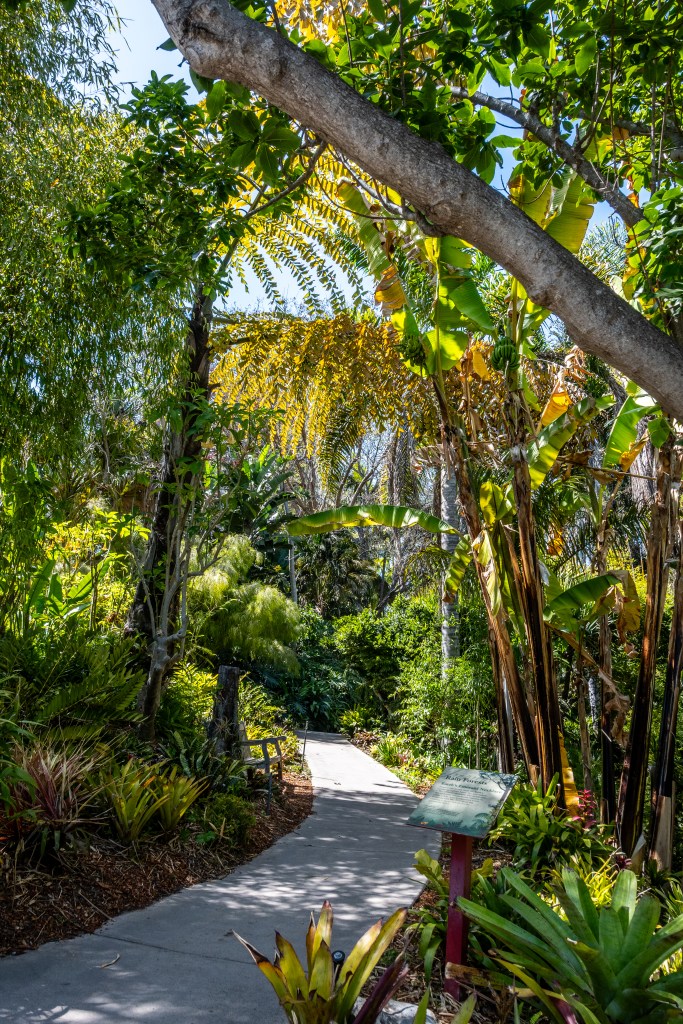
Located around 27 miles north of downtown San Diego in Encinitas lies the San Diego Botanic Garden (SDBG). The property offers a lush escape into a world of diverse plant life and natural beauty. Spanning 37 acres, this vibrant garden showcases over 5,000 plant species across 29 uniquely themed gardens, providing visitors with a global botanical experience.
Planning Your Visit
Location: 300 Quail Gardens Drive, Encinitas, CA 92024
Hours: Open Wednesday through Monday, 9 a.m. – 5 p.m. (closed on Tuesdays, Thanksgiving Day, and Christmas Day) .
Admission: Adults $18; Seniors, Military, Students $12; Youth (3–17) $10; Children under 3 free; Members enjoy free admission .
Tickets: Reservations are strongly recommended, especially during peak times, to ensure entry .
Accessibility: The garden offers accessible pathways and facilities to accommodate all visitors .
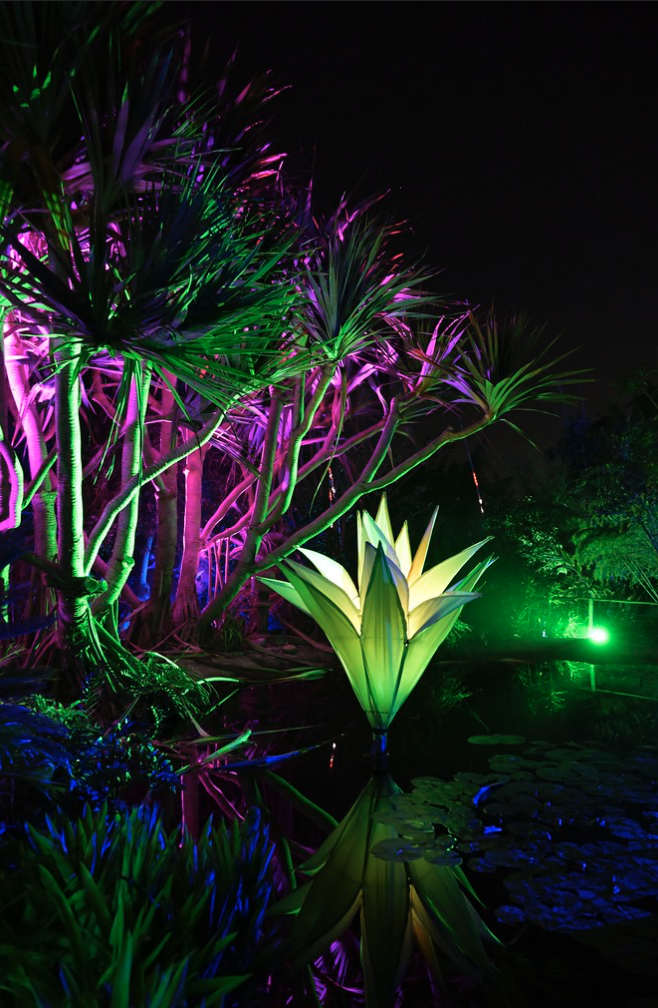
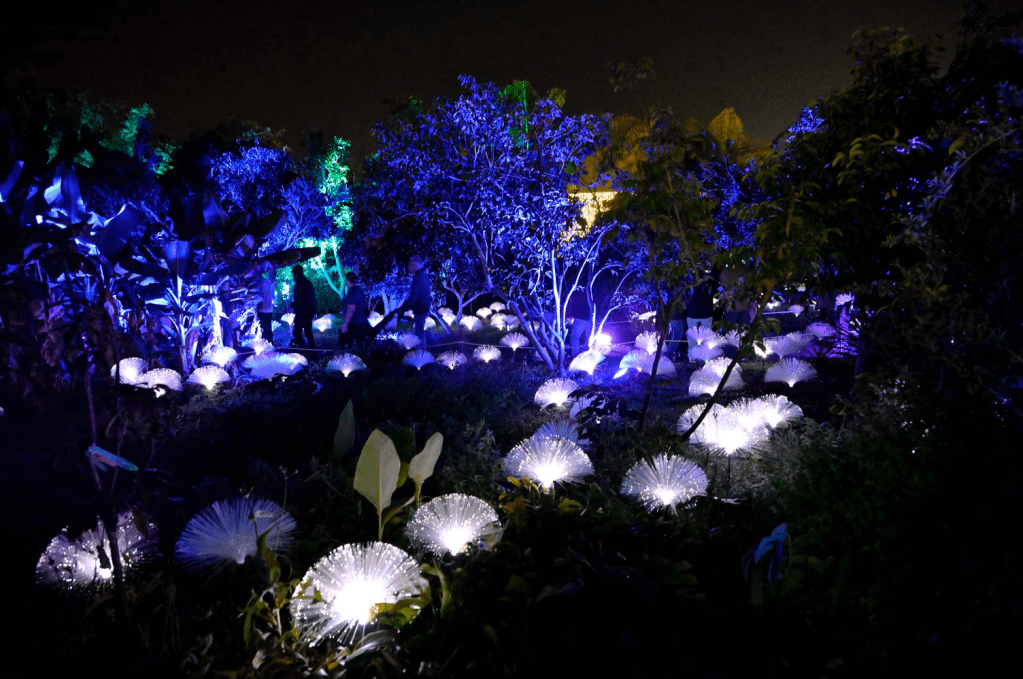
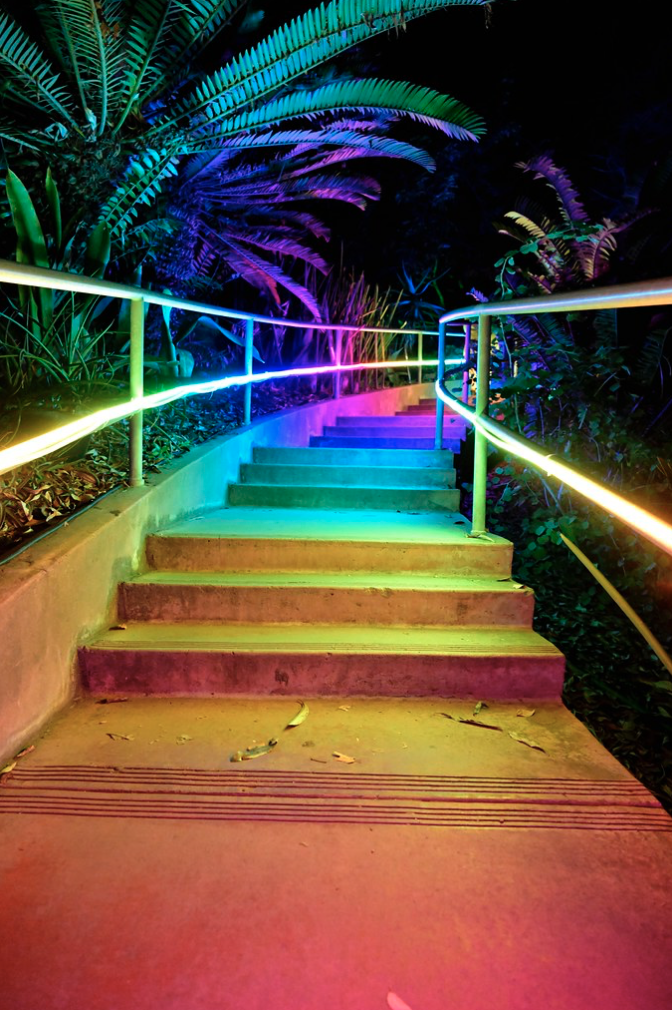
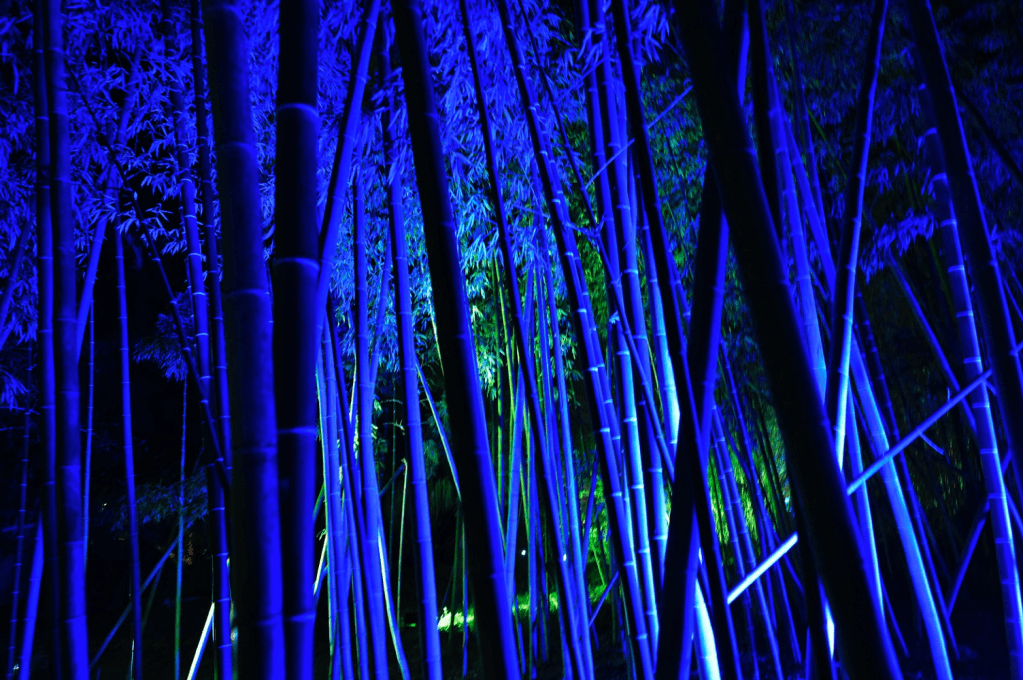
Throughout the year different events are held at the garden. Some personal highlights include the World of Orchids, extended evening hours every Thursday with special events, concerts, and the serene beauty of the Garden at dusk. During the winter holiday season the garden turns into a luminous wonderland with artistic and sound installations along a one-mile trail.
The Japanese Friendship Garden is open 7 days a week 10am to 4pm/6pm seasonally
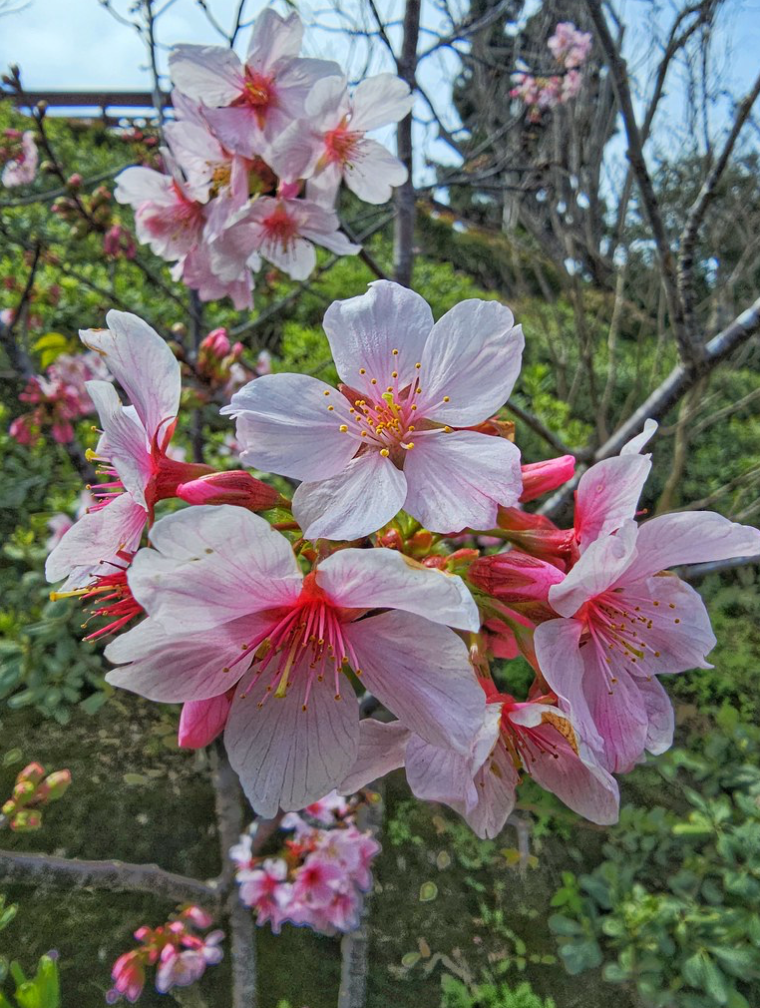
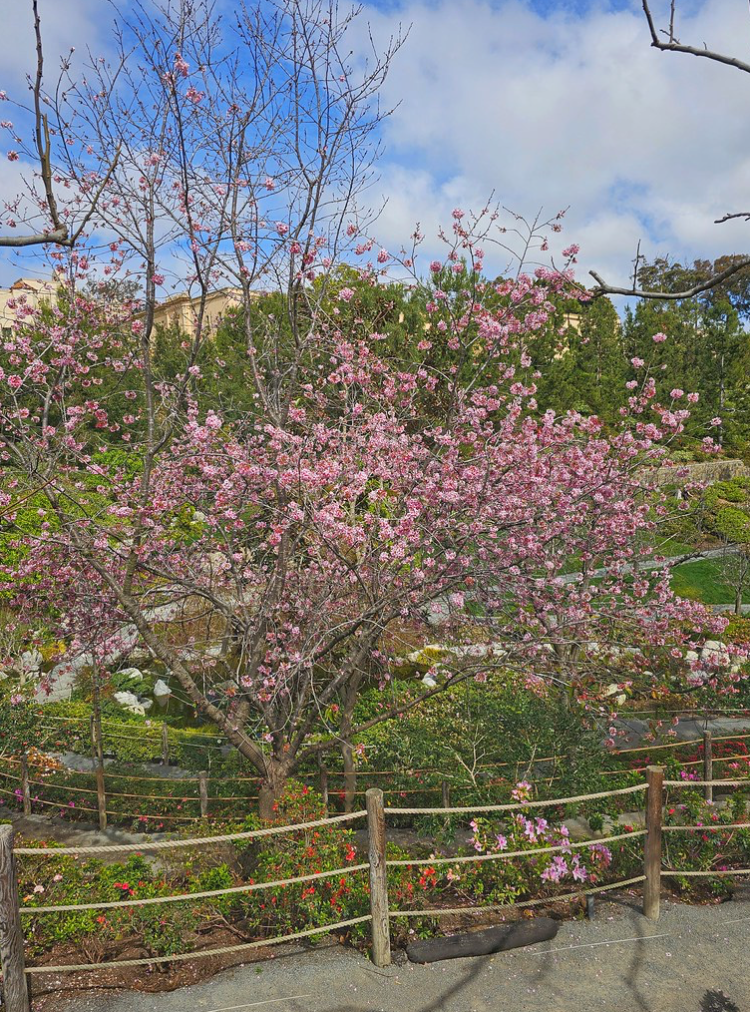
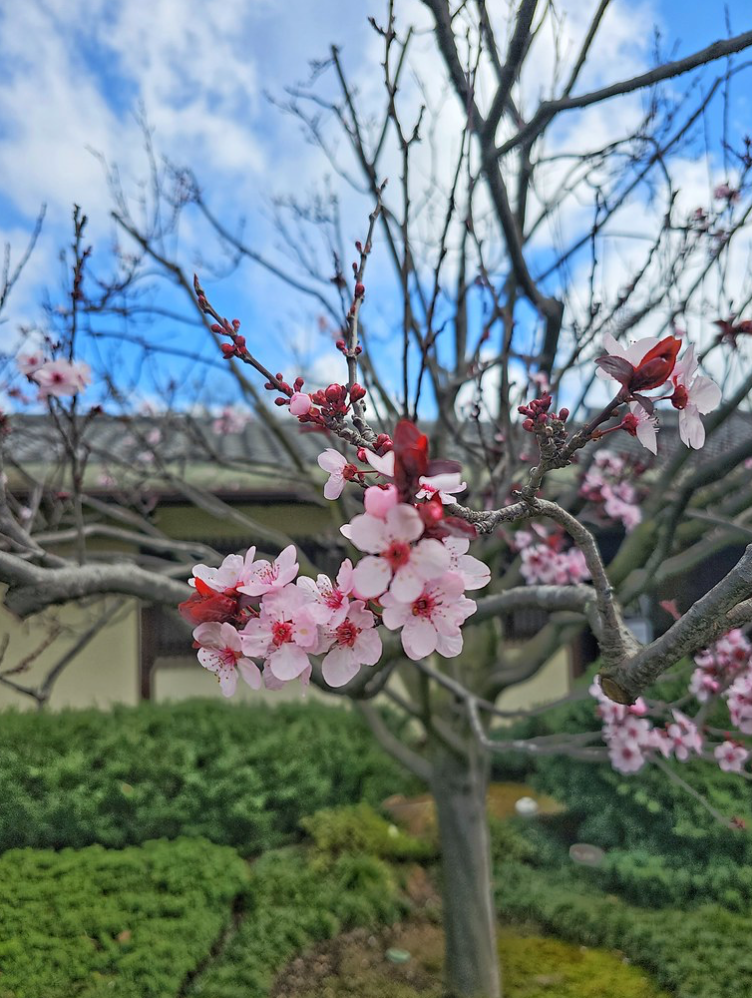
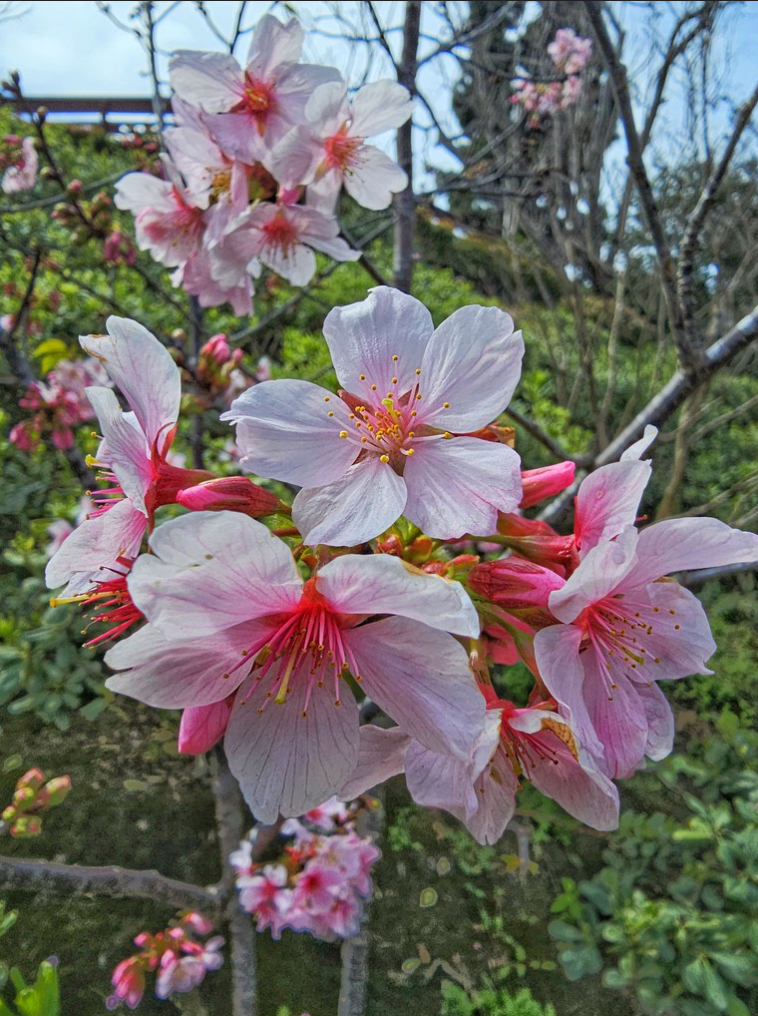
I visited the Japanese Friendship Garden during the first week of March which was around 15% in bloom and took these images.
Chasing Blossoms: The 2025 Cherry Blossom Festival at San Diego’s Japanese Friendship Garden
Spring in San Diego has a way of surprising you, and this year, it’s all about the cherry blossoms at the Japanese Friendship Garden in Balboa Park. The official 20th Annual Cherry Blossom Festival is set for March 13-16, but the bloom’s a slow tease this season, promising a gorgeous show in the coming weeks. Here’s why this event—and this garden—is worth a spot on your spring radar.
A Blooming Tradition
The Japanese Friendship Garden (JFG) isn’t just a pretty face—it’s a living bridge between San Diego and its sister city, Yokohama, Japan. Every March, it transforms into a hanami haven, the Japanese tradition of flower-viewing, and 2025 marks two decades of this celebration. The festival itself runs from Thursday, March 13 to Sunday, March 16, drawing crowds with taiko drummers, sake gardens, and cosplay contests. The garden’s 150+ cherry trees are still gearing up for their peak, expected sometime in early to mid-April based on current bloom updates from the JFG’s site.
Right now, the blossoms are at about 10-30%—not full glory yet, but enough to hint at what’s coming. The garden’s team says blooms typically last 1-2 weeks once they hit their stride, weather depending, and this year’s mild spring might stretch that a bit. If you’re like me, chasing that perfect shot, the post-festival quiet could be your golden ticket—fewer people, more petals.
What’s in Store
Picture this: winding paths under a canopy of soft pink, koi ponds reflecting the sky, and that serene vibe that makes you forget you’re in the middle of a bustling city. The lower garden’s cherry grove is where the action’s at—those trees, donated by Yokohama, are starting to pop against the backdrop of bonsai and stone lanterns.
During the festival, the JFG pulls out all the stops—daily performances from groups like San Diego Taiko and Geisha Opera Singer Fioregerisha, a beer and sake garden in the Inamori Pavilion, and vendors hawking everything from handmade crafts to street food. Kids had a blast with games in the lower garden, and new additions like a lantern wall and community art display kept it fresh. Even if you missed it, the echoes of that energy linger—volunteers are still buzzing around, keeping the place pristine.
Photo Ops and Pro Tips
Getting There: From downtown San Diego, take SR-163 south to Park Boulevard, park near the Natural History Museum, and cross the footbridge. It’s $14 for general admission now that the festival’s done—free for kids under 6.
Timing: Open 10 AM-5 PM daily (last entry 4 PM). Check niwa.org for bloom updates—they post a percentage banner daily.
Gear Up: No strollers on the steep paths—baby carriers are smarter. Bring water and a hat; it’s warming up.
Why It Matters
Beyond the Instagram bait, the JFG’s cherry blossoms are a nod to renewal—dormant winter giving way to spring’s burst of life. It’s a slice of Japanese culture tucked into SoCal. Pair it with a stop at the nearby Inez Grant Parker Rose Garden (still blooming strong!) for a double dose of flower power.
Whether you’re a local or just passing through, the 2025 cherry blossom season at the Japanese Friendship Garden is a slow-burn delight. I’m betting late March when it’ll peak—maybe around the 20th—so I’ll be back. For now, it’s a quiet tease of what’s to come. Grab a bento box, stroll the grove, and let the blossoms work their magic. San Diego’s spring secret is blooming—don’t sleep on it!
Chasing Blossoms: The 2025 Cherry Blossom Festival at San Diego’s Japanese Friendship Garden
Spring in San Diego has a way of surprising you, and this year, it’s all about the cherry blossoms at the Japanese Friendship Garden in Balboa Park. As of today, March 31, 2025, the petals are just starting to unfurl, and I’m already itching to grab my Nikon Z8 and dive into the delicate pink magic. The official 20th Annual Cherry Blossom Festival is set for March 13-16, but the bloom’s a slow tease this season, promising a gorgeous show in the coming weeks. Here’s why this event—and this garden—is worth a spot on your spring radar.
A Blooming Tradition
The Japanese Friendship Garden (JFG) isn’t just a pretty face—it’s a living bridge between San Diego and its sister city, Yokohama, Japan. Every March, it transforms into a hanami haven, the Japanese tradition of flower-viewing, and 2025 marks two decades of this celebration. The festival itself ran earlier this month, from Thursday, March 13 to Sunday, March 16, drawing crowds with taiko drummers, sake gardens, and cosplay contests. I missed the main event this year (thanks, road trip planning!), but the garden’s 150+ cherry trees are still gearing up for their peak, expected sometime in early to mid-April based on current bloom updates from the JFG’s site.
Right now, the blossoms are at about 10-30%—not full glory yet, but enough to hint at what’s coming. The garden’s team says blooms typically last 1-2 weeks once they hit their stride, weather depending, and this year’s mild spring might stretch that a bit. If you’re like me, chasing that perfect shot, the post-festival quiet could be your golden ticket—fewer people, more petals.
What’s in Store
The festival may be over, but the garden’s charm is year-round, and the cherry blossoms are the star right now. Picture this: winding paths under a canopy of soft pink, koi ponds reflecting the sky, and that serene vibe that makes you forget you’re in the middle of a bustling city. The lower garden’s cherry grove is where the action’s at—those trees, donated by Yokohama, are starting to pop against the backdrop of bonsai and stone lanterns. I’m planning to hit it after the moon sets (around 9:30 PM tonight) to test those Z8 astrophotography settings from earlier, but daytime’s just as dreamy.
During the festival, the JFG pulled out all the stops—daily performances from groups like San Diego Taiko and Geisha Opera Singer Fioregerisha, a beer and sake garden in the Inamori Pavilion, and vendors hawking everything from handmade crafts to street food. Kids had a blast with games in the lower garden, and new additions like a lantern wall and community art display kept it fresh. Even if you missed it, the echoes of that energy linger—volunteers are still buzzing around, keeping the place pristine.
Photo Ops and Pro Tips
For my fellow shutterbugs, this is prime territory. The Z8 settings I dialed in earlier (ISO 3200, f/1.8, 25s on a 20mm lens) will catch the night sky once the bloom peaks, but daytime’s where the blossoms shine. Try f/8, ISO 100, and 1/125s for crisp petal details—maybe frame the grove with a Joshua tree nod from my recent desert detour. Early morning’s best for soft light and empty paths; hit it around 6:30 AM when the sun rises.
Getting There: From downtown San Diego, take SR-163 south to Park Boulevard, park near the Natural History Museum, and cross the footbridge. It’s $14 for general admission now that the festival’s done—free for kids under 6.
Timing: Open 10 AM-5 PM daily (last entry 4 PM). Check niwa.org for bloom updates—they post a percentage banner daily.
Gear Up: No strollers on the steep paths—baby carriers are smarter. Bring water and a hat; it’s warming up.
Why It Matters
Beyond the Instagram bait, the JFG’s cherry blossoms are a nod to renewal—dormant winter giving way to spring’s burst of life. It’s a slice of Japanese culture tucked into SoCal, and after driving from San Diego to Palm Springs, I’m craving that contrast of desert grit and floral grace. Pair it with a stop at the nearby Inez Grant Parker Rose Garden (still blooming strong!) for a double dose of flower power.
Whether you’re a local or just passing through, the 2025 cherry blossom season at the Japanese Friendship Garden is a slow-burn delight. I’m betting mid-April’s when it’ll peak—maybe around the 10th—so I’ll be back, tripod in tow. For now, it’s a quiet tease of what’s to come. Grab a bento box, stroll the grove, and let the blossoms work their magic. San Diego’s spring secret is blooming—don’t sleep on it!

































 Exploring San Diego