

If you’re ever in San Diego and craving a dose of natural beauty, the Inez Grant Parker Memorial Rose Garden in Balboa Park is a must-visit. Tucked along the eastern edge of the park, just across Park Boulevard from the San Diego Natural History Museum, this three-acre oasis bursts with color, fragrance, and a quiet charm that’s hard to resist. I stumbled across it on a recent trip, and let me tell you—it’s the kind of place that makes you slow down, breathe deep, and maybe even snap a few too many photos.

A Little History, A Lot of Heart
The garden’s story starts back in the late 1960s, when Dick Streeper, a rose enthusiast and then-president of the San Diego Rose Society, dreamed of a public rose haven in a city already known for its flower-friendly climate. With help from fellow rosarians and a big boost from the Parker Foundation—set up by Inez Grant Parker after her husband’s passing—the vision took root. By 1973, the first roses were planted, and over the years, it’s grown into a world-class spot. It’s picked up accolades like an Outstanding Rose Garden nod from All-America Rose Selections in 1978 and a spot in the Great Rosarians of the World Hall of Fame in 2014. Not bad for a patch of desert dirt turned floral paradise!
What You’ll Find
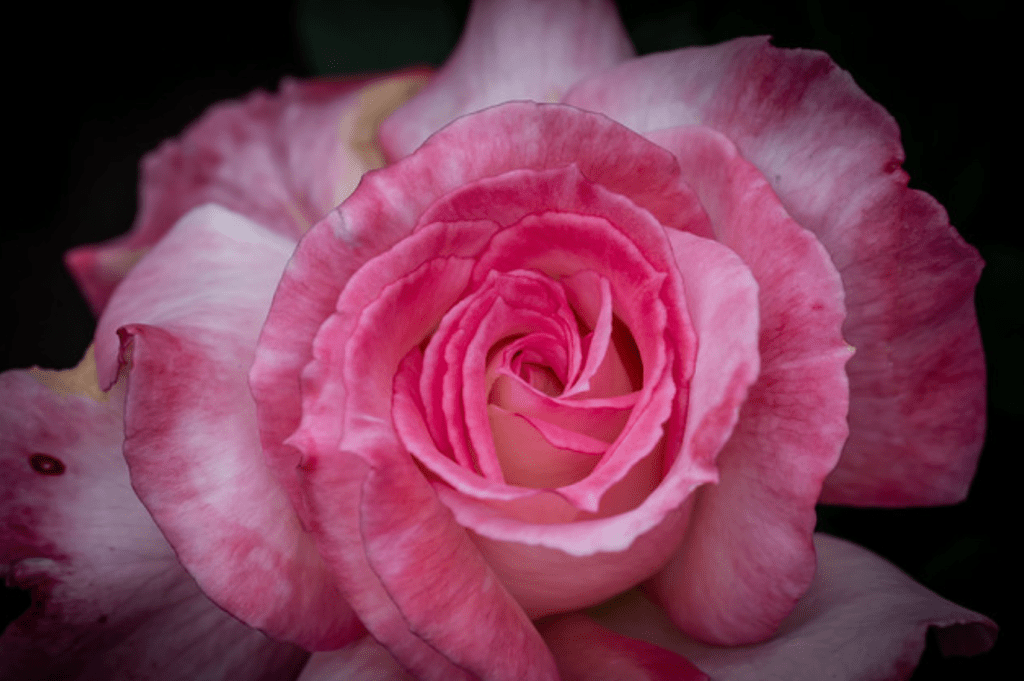
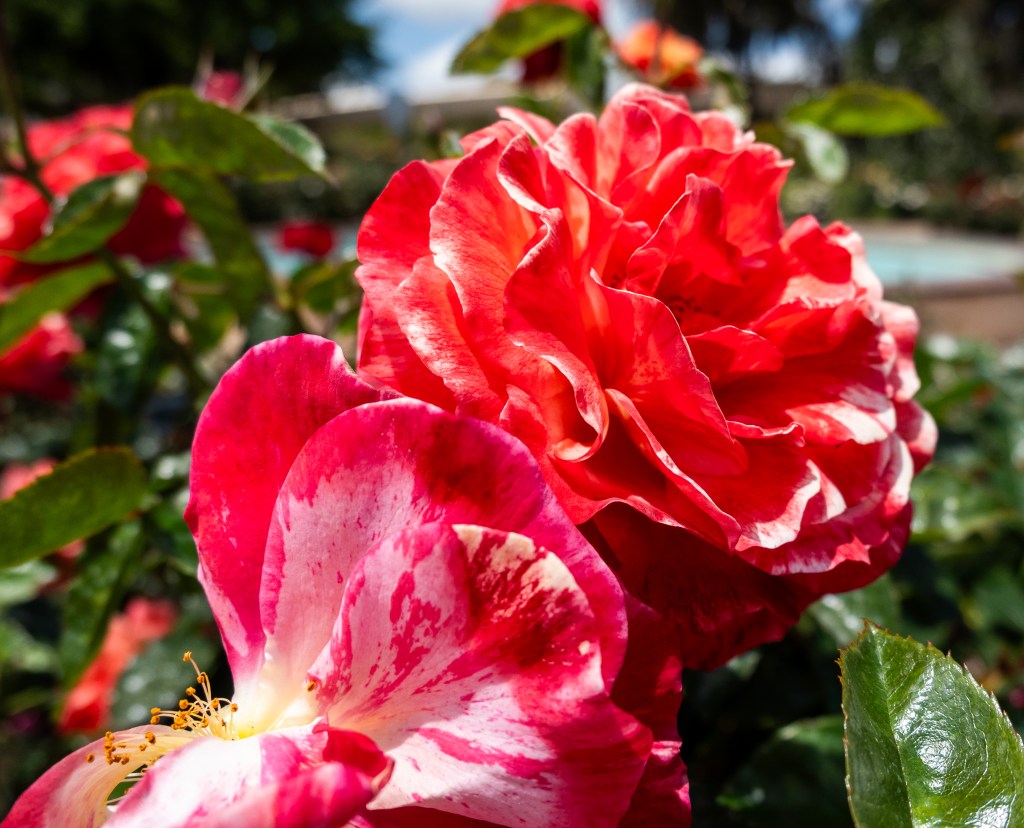
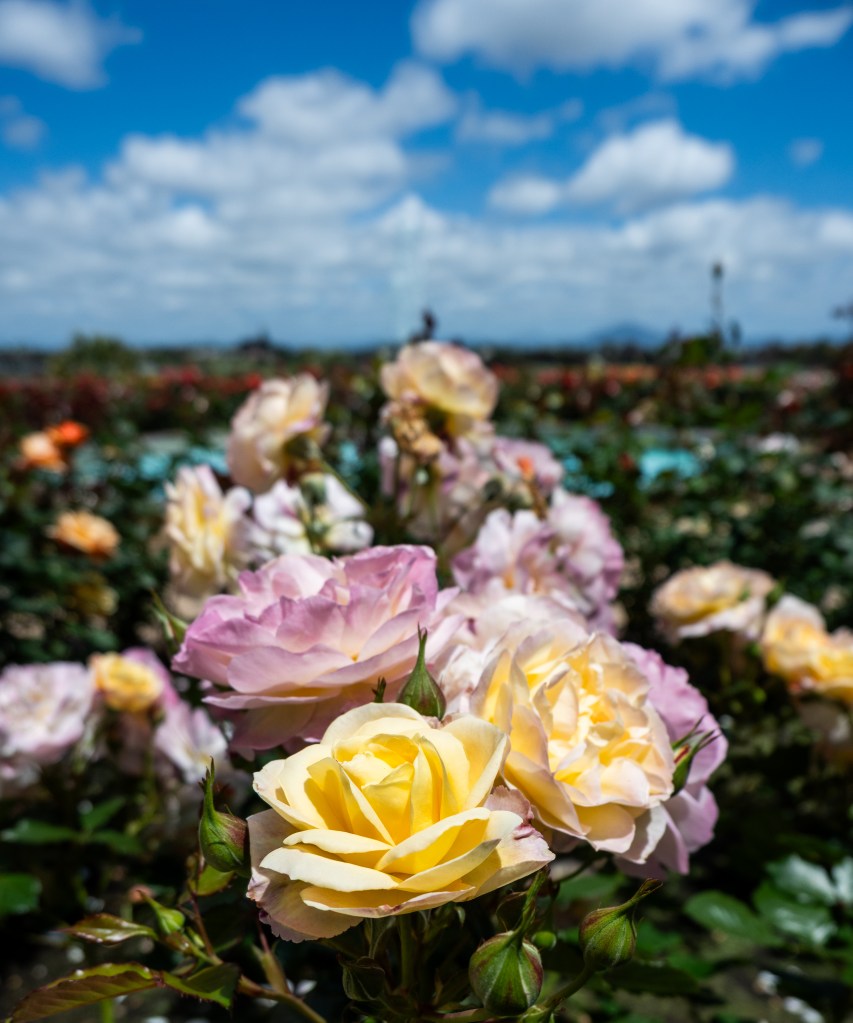
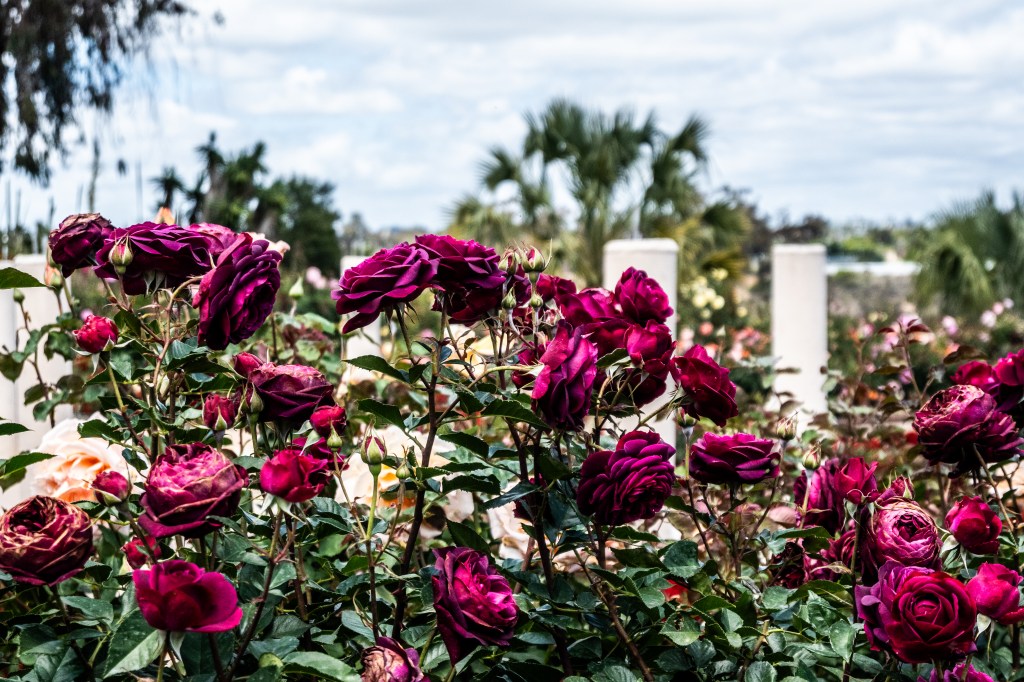
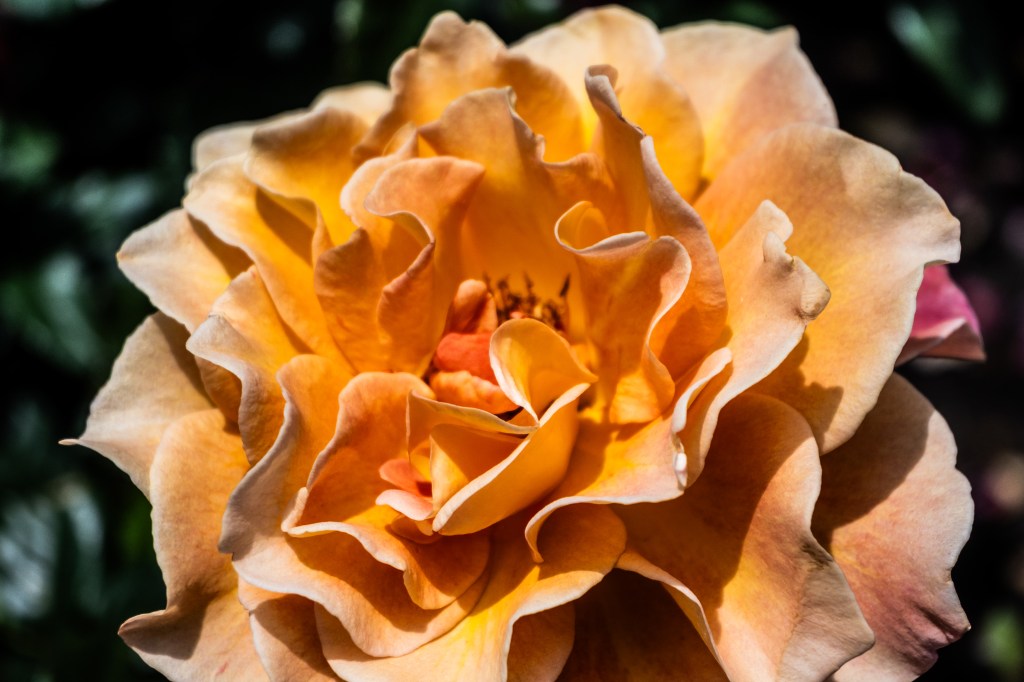
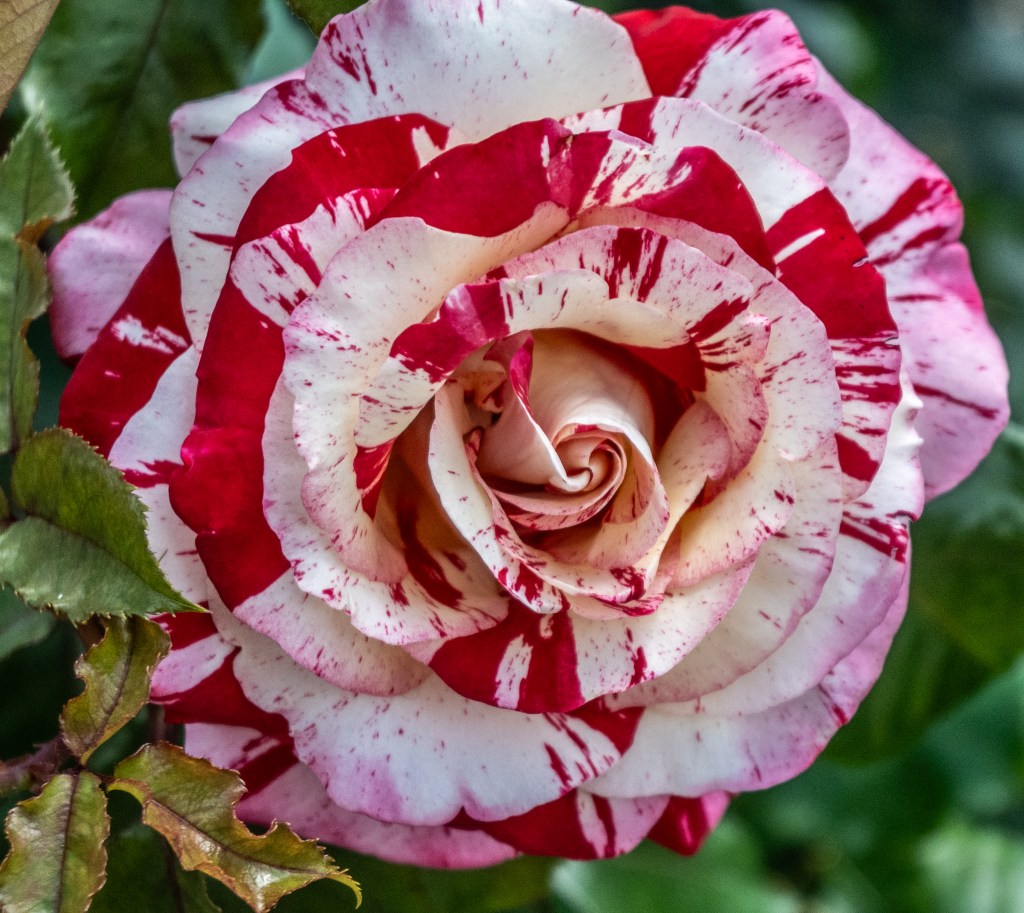
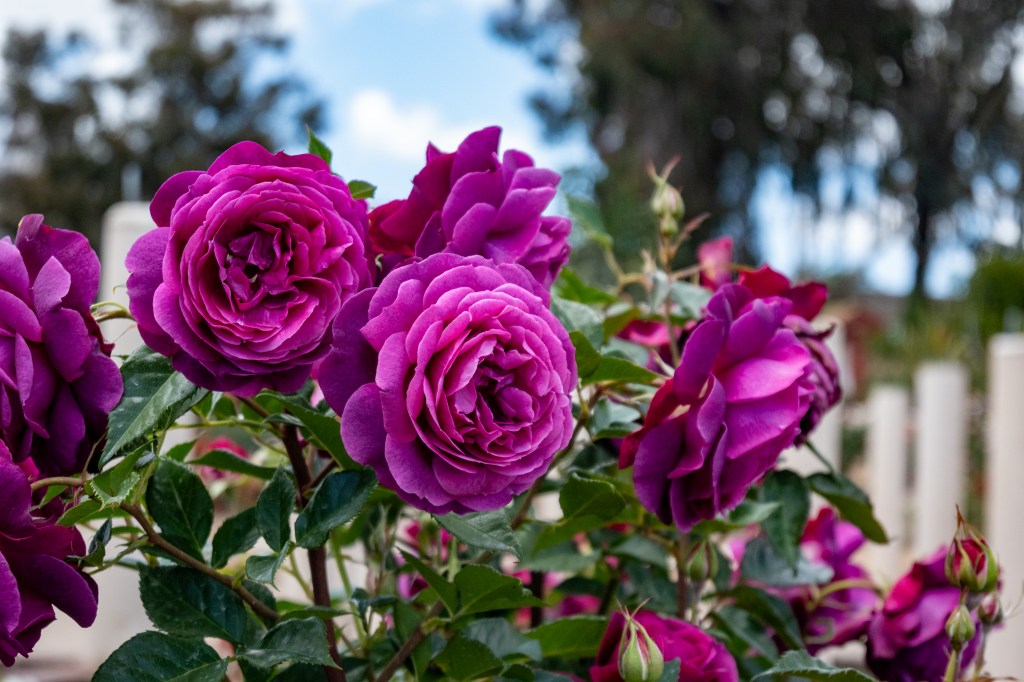
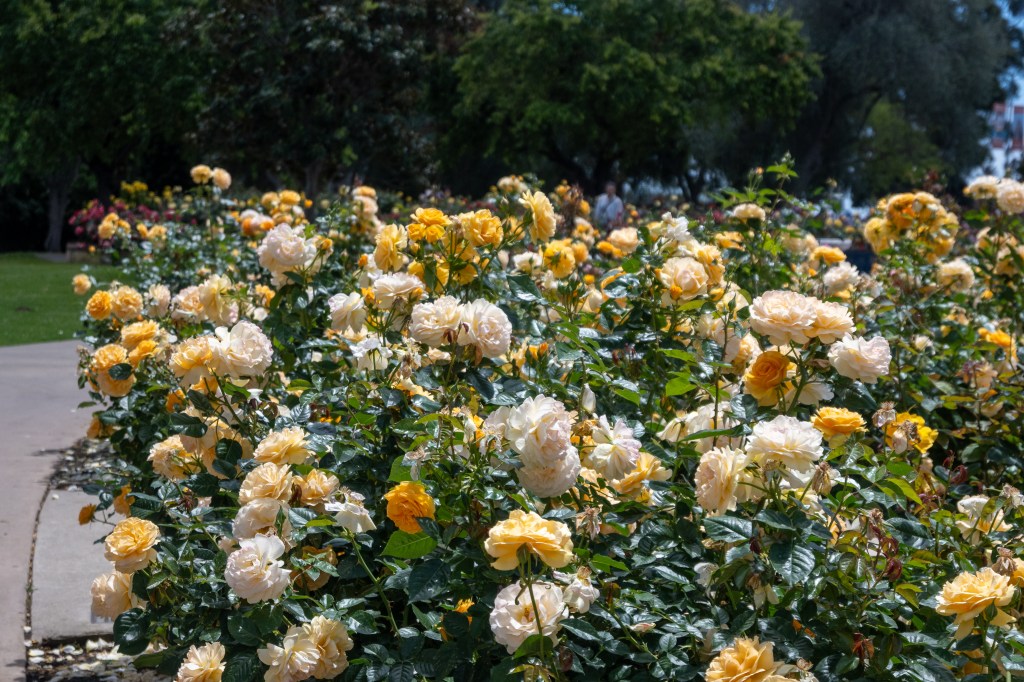
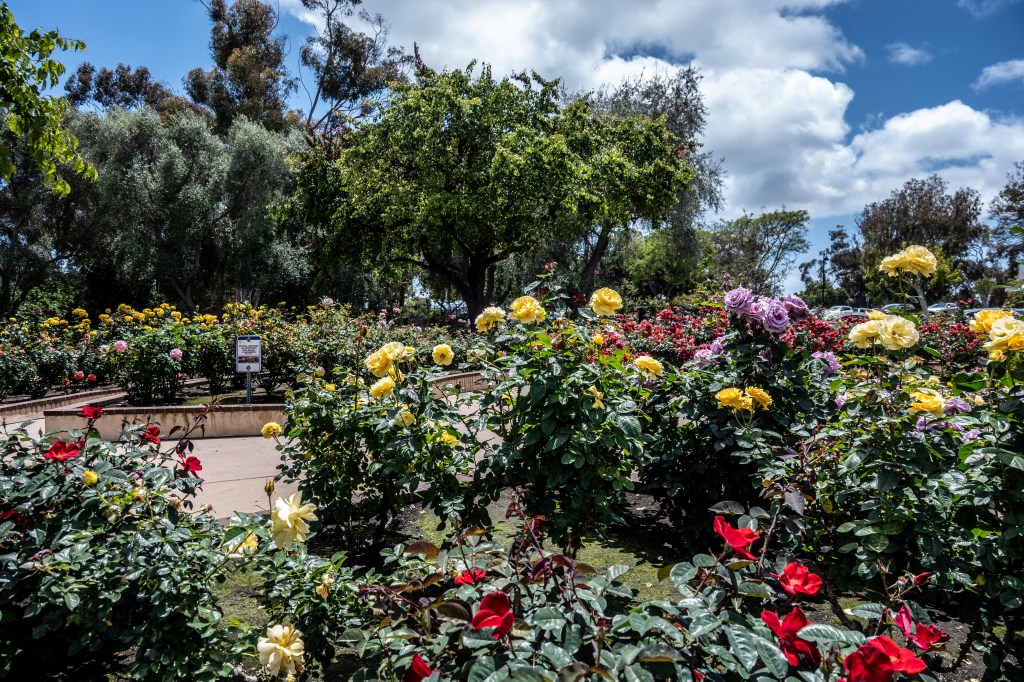
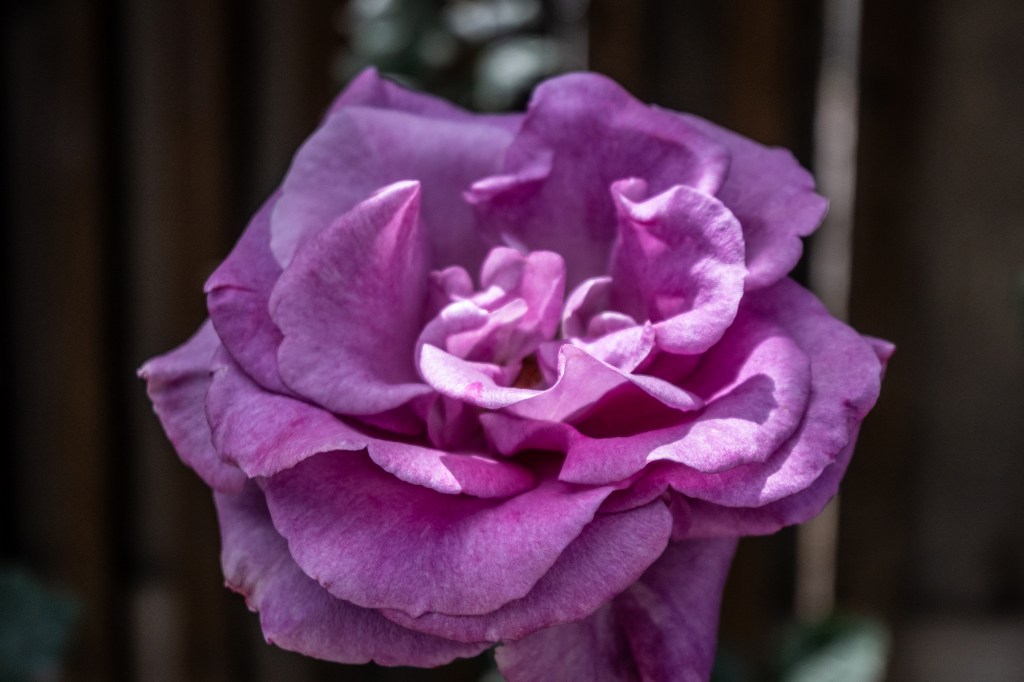
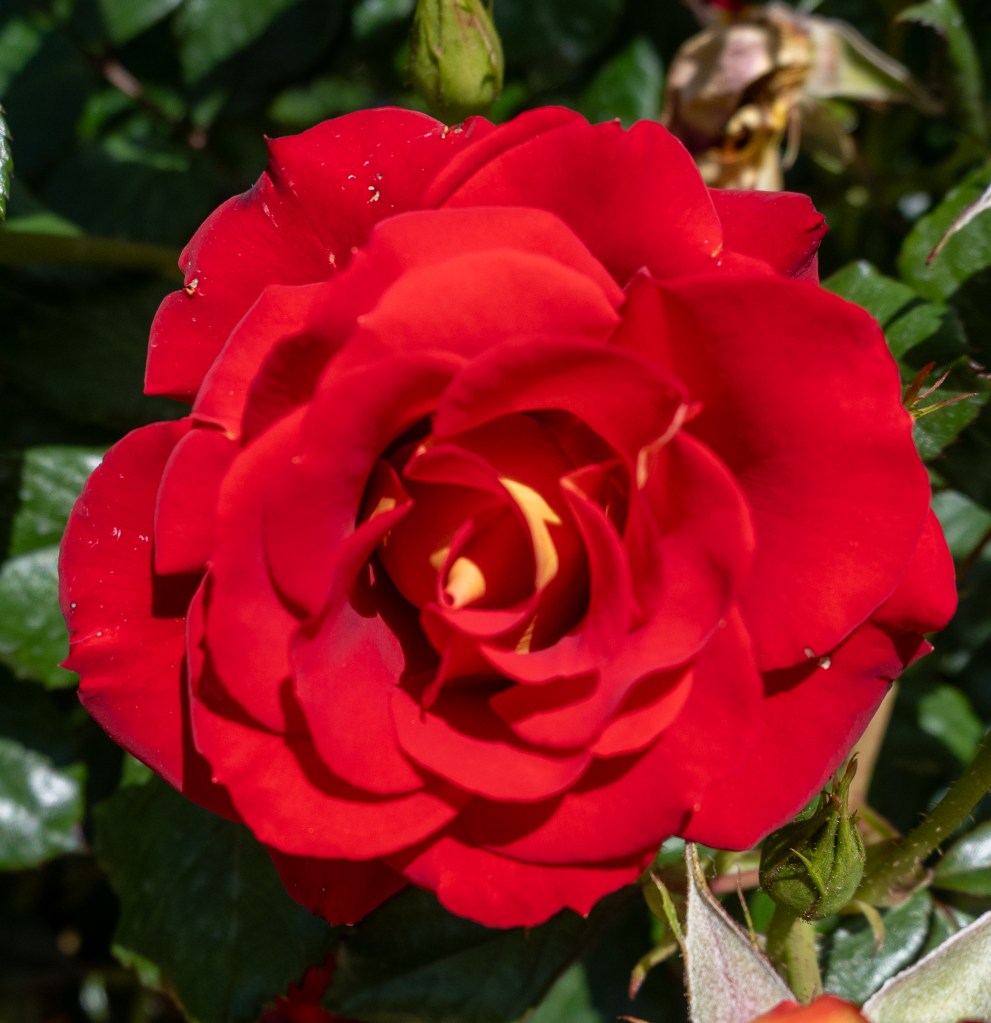
Today, the garden boasts over 1,600 rose bushes across more than 130 varieties—think vibrant reds, soft pinks, sunny yellows, and everything in between. Walking the winding paths, you’re hit with waves of fragrance that shift as you move from one bed to the next. There’s a little fountain in the center that adds a soothing trickle to the air, and the layout invites you to wander or just plop down on a bench and soak it all in. I went in early spring—March 31, 2025, to be exact—and while the peak bloom usually hits in April or May, there were still plenty of buds and blooms to admire. It’s open year-round, free to the public, and blooms strong from March through December.
The folks keeping it gorgeous are the Balboa Park Rose Garden Corps, a dedicated crew of volunteers. You might catch them pruning or tending the beds on a Tuesday or Thursday morning—quiet heroes making sure every petal shines. Fun fact: every January, the San Diego Rose Society hosts a pruning demo here to teach folks the ropes of rose care. It’s a cool way to see how much love goes into this place.

Why It’s Special
What sets this garden apart isn’t just the roses—though they’re stunning—it’s the vibe. It’s nestled in Balboa Park, surrounded by museums and desert landscapes, yet feels like its own little world. The contrast of lush flowers against Joshua Tree’s arid backdrop (if you’re heading there next) is a reminder of how nature can thrive in unexpected places. Plus, it’s a popular wedding spot—imagine saying “I do” surrounded by all that color. No wonder it’s racked up international praise.
Tips for Your Visit
- Timing: Go early in the morning for soft light and fewer people—perfect if you’re into photography (like me, plotting a Nikon Z8 astrophotography session later that night elsewhere in Joshua Tree). Sunrise could be magical here too, though it’s not as high up as spots like Keys View.
- Getting There: From San Diego, take SR-163 south to Park Boulevard, turn left, and park near the history museum lots. Cross the footbridge, and you’re there. Parking’s tight, so plan ahead.
- What to Bring: A camera, water (no fountains nearby), and maybe a hat—spring sun can sneak up on you.
- Pair It: Swing by the nearby Desert Garden afterward for a wild shift to cacti and succulents, just steps away.
Final Thoughts
The Inez Grant Parker Memorial Rose Garden isn’t just a pretty face—it’s a testament to community, persistence, and the simple joy of growing something beautiful. Whether you’re a flower nerd, a casual stroller, or just someone who needs a break from the grind, it’s got something for you. I left with a full camera roll, a lighter mood, and a new appreciation for roses—and honestly, that’s a win in my book. Next time you’re in San Diego, give it a wander. You won’t regret it.



 Exploring San Diego