Thursday through Saturday, 9 AM to 4 PM 3190 Lionshead Avenue, Carlsbad, California Phone: 760-727-9492 Admission is Free (Donations gratefully accepted)
The Carlsbad Engineering Museum is a celebration of invention, curiosity, and the creative minds who push the boundaries of what’s possible. Whether you’re a lifelong tinkerer, a parent looking for an engaging family outing, or simply someone who loves discovering hidden gems, this museum deserves a spot on your San Diego itinerary.
The museum does a fantastic job blending cutting-edge tech with historical context, helping visitors appreciate how far engineering has come—and how much farther it can go.
You’ll find exhibits covering a wide range of topics: Robotics & Automation – Watch small-scale robots navigate mazes, respond to sensors, and demonstrate the fundamentals of programming. Mechanical Engineering – Explore gears, pulleys, levers, and other simple machines with build-your-own mechanisms that kids and adults both love. Electricity & Circuits – Snap together circuits, power lights and buzzers, or try your hand at wiring more complex components. Aerospace & Flight – Learn the science behind lift and drag, and put your knowledge to the test in flight simulators or paper-airplane wind tunnels. Engineering History – Discover early inventions that shaped modern technology, from vintage drafting tools to early computing devices. The museum does a fantastic job blending cutting-edge tech with historical context, helping visitors appreciate how far engineering has come—and how much farther it can go.
🗓️ Special Free / Discount Days & Programs in October
San Diego’s Kids Free October promotion offers free admission for children 12 and under at over 70 attractions throughout the county during the month of October 2025. This initiative, organized by the San Diego Tourism Authority, aims to provide families with affordable opportunities to explore the region’s diverse cultural and recreational offerings.
Many museums in Balboa Park participate in the promotion:
San Diego Natural History Museum (The Nat): Up to two kids (12 & under) per adult.
San Diego Air & Space Museum: Kids free with adult.
San Diego Museum of Art: Free general admission on the 2nd Thursday (“Access for All Day”).
Museum of Us: Free admission on the 4th Tuesday of the month for residents.
Comic-Con Museum: Free admission on select days.
Japanese Friendship Garden & Museum: Free admission on select days.
Timken Museum of Art: Always free admission.
🧪 Science & Discovery
Fleet Science Center: One free child per adult.
Birch Aquarium at Scripps: Free admission on select days.
Children’s Museum of Discovery (Escondido): Free admission on select days. t
🌿 Gardens & Nature
San Diego Botanic Garden: Free admission on select days.
Water Conservation Garden: Free admission on select days.
Japanese Friendship Garden: Free admission on select days.
🏛️ Cultural & Historical Sites
Cabrillo National Monument: Free admission on select days.
Mission San Luis Rey: Free admission on select days.
California Surf Museum: Free admission on select days.
Miniature Engineering Craftsmanship Museum: Free admission on select days.
Children’s Museum of Discovery (Escondido): Free admission on select days.
Please note that many of these attractions require advance registration or a coupon to redeem the free admission. It’s advisable to check the specific requirements for each location before planning your visit.
These are “free days” or admission discounts that apply on specific days or under certain programs.
Museum / Site
Free / Discount Option
Notes / Conditions
San Diego Zoo, Safari Park, USS Midway, New Children’s Museum, etc.
Kids Free October – free admission for children 12 & under with a paid adult
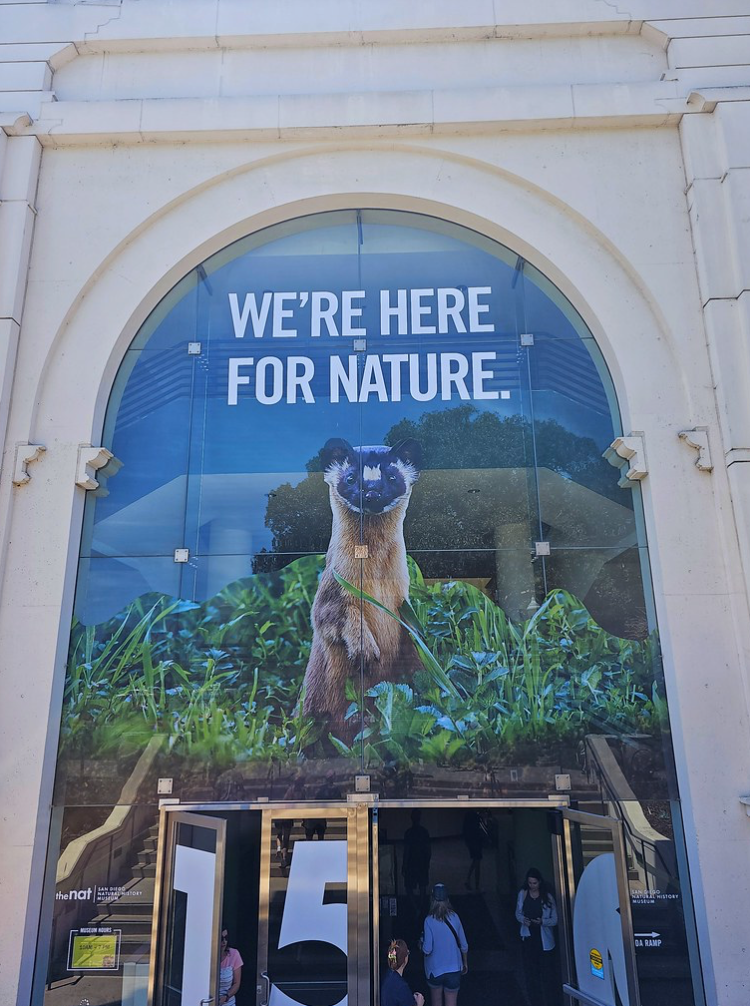
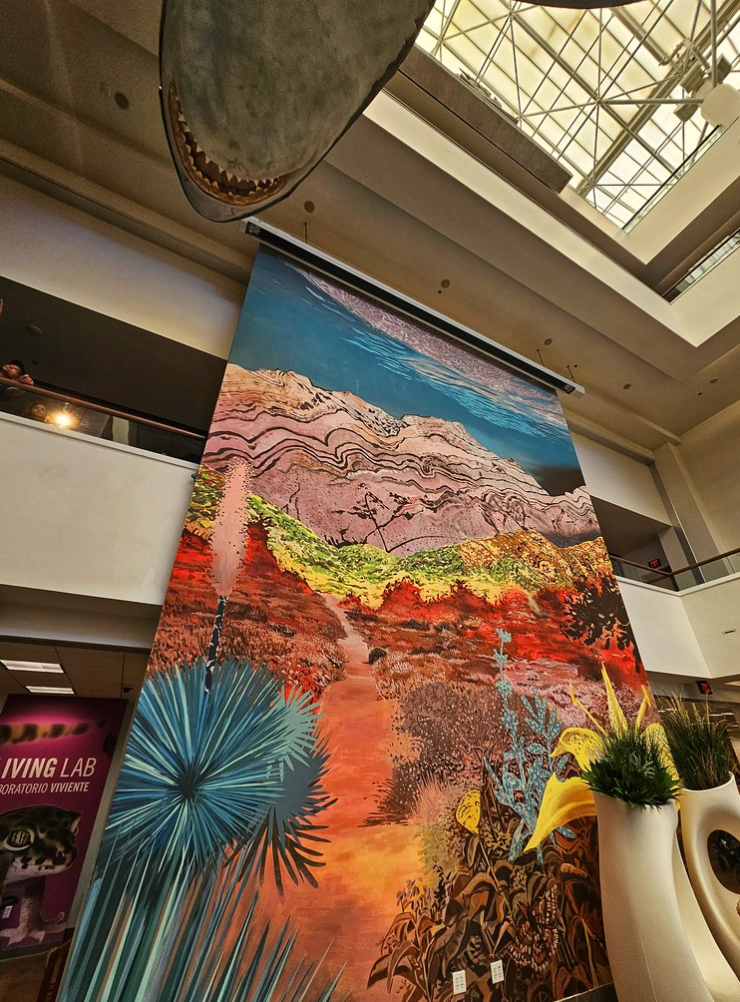
Balboa Park is full of gems, but if you’re curious about the natural world, especially the unique environment right here in Southern California and down into Baja, there’s one place you absolutely have to visit: the San Diego Natural History Museum, affectionately known as The Nat.
Standing proudly on the east end of the El Prado walkway, The Nat isn’t just a building full of cool stuff (though it definitely has that!). It’s a gateway to understanding the incredible biodiversity and fascinating geological history of our region. Whether you’re a lifelong San Diegan or just visiting, a trip to The Nat offers fresh perspectives on the nature that surrounds us.
What Wonders Await Inside?
Step through the doors, and you’re in for a treat. The Nat packs a lot into its multiple floors:
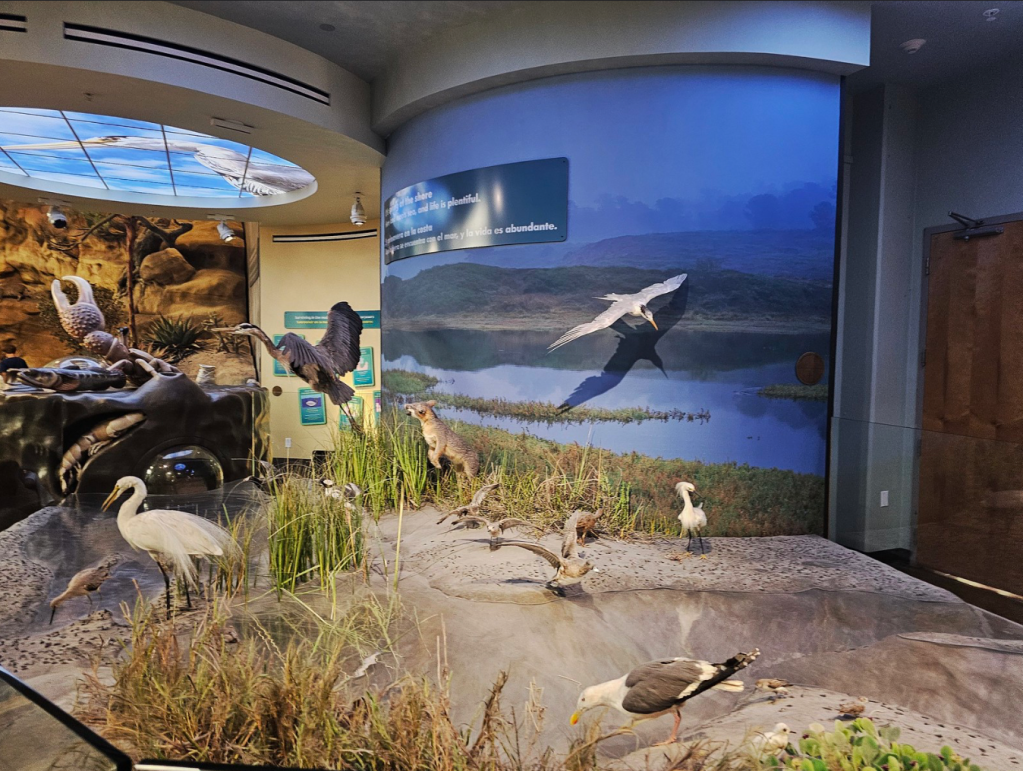
Coast to Cactus in Southern California: This is a must-see signature exhibit! It takes you on an immersive journey through the diverse habitats of our region, from the tide pools and coastal sage scrub, through chaparral and woodlands, right up to the mountains and down into the desert. You’ll see familiar local critters and plants presented in fascinating ways, really connecting you to the place we call home.
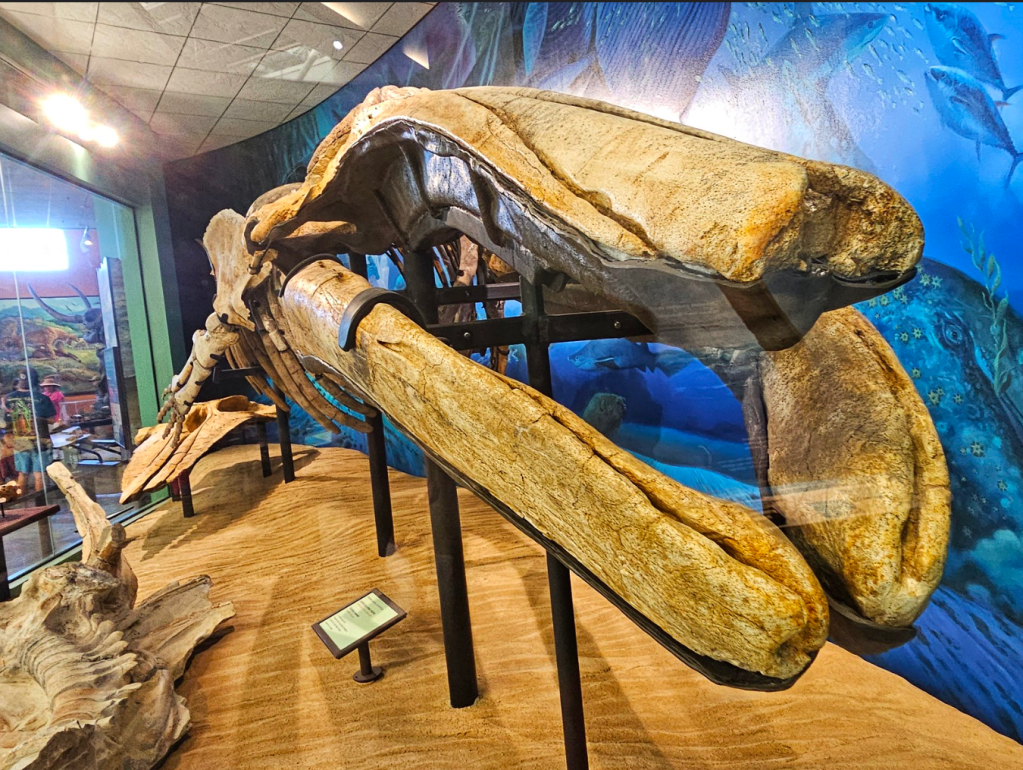
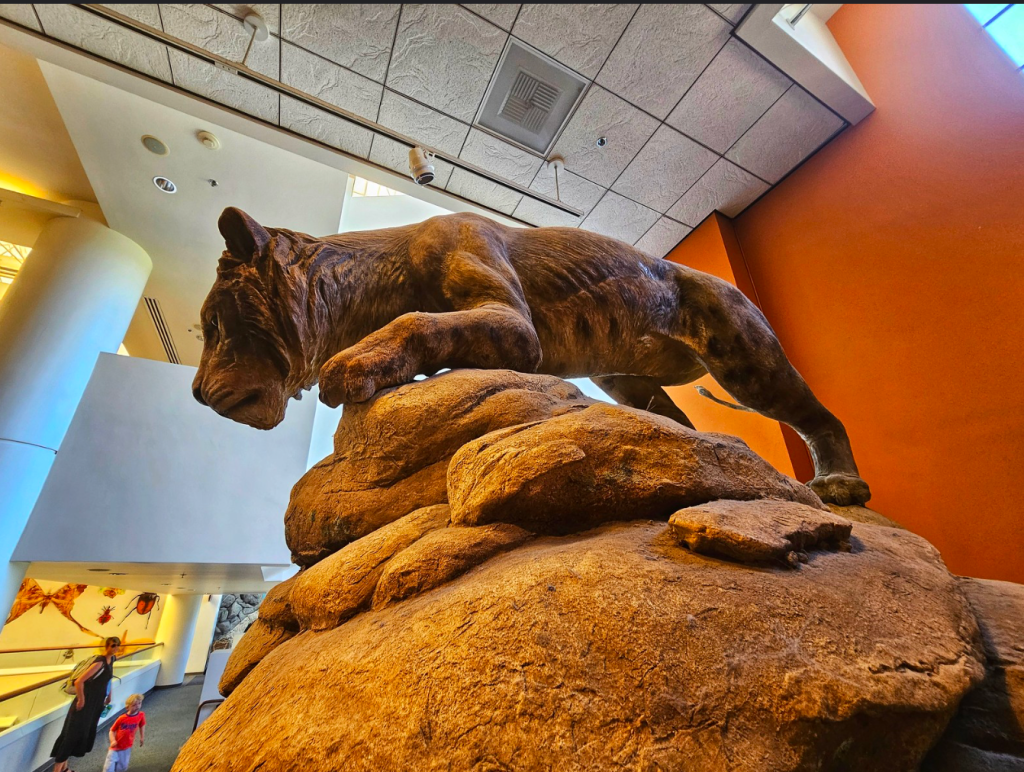
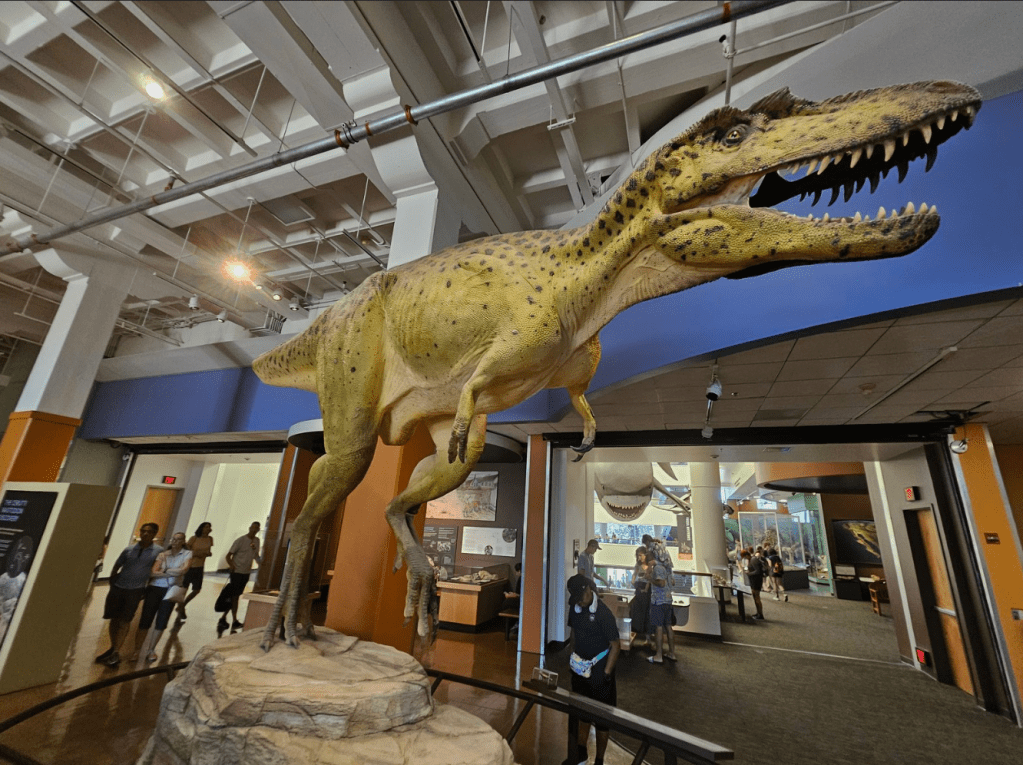
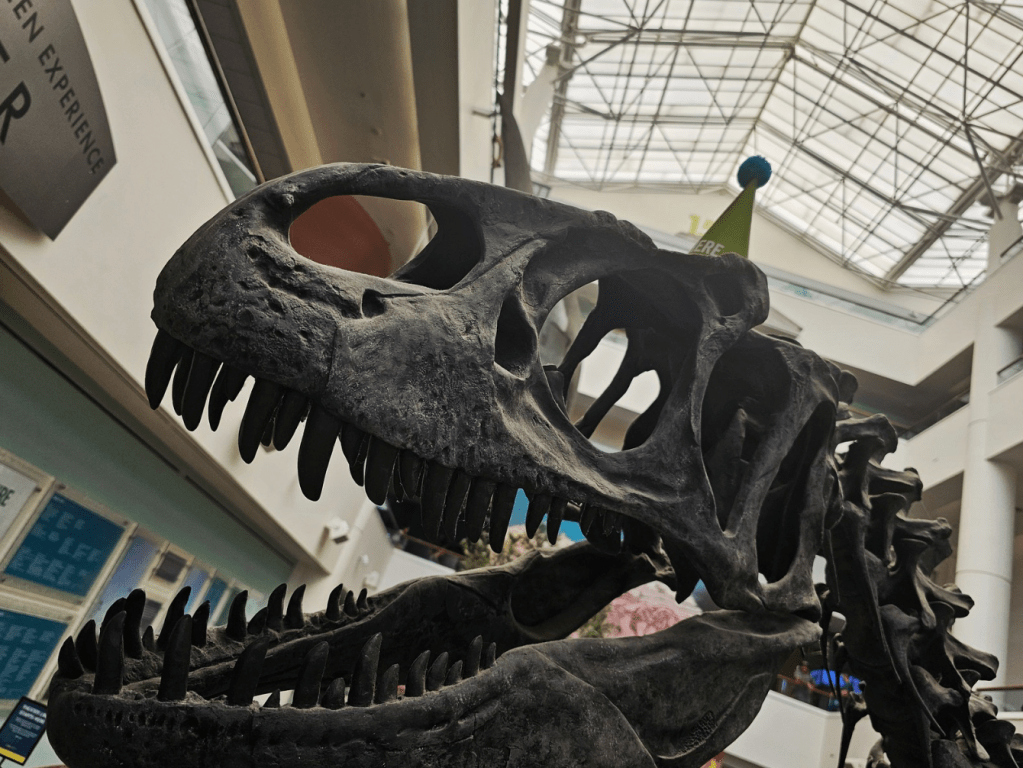
Fossil Mysteries: Prepare for a trip back in time! This exhibit delves into 75 million years of regional history. Yes, that means dinosaurs that roamed this area, plus giant sloths, mammoths, and fearsome marine reptiles. See real fossils unearthed nearby and marvel at the massive creatures that preceded us. It’s a definite favorite for kids and adults alike.
Living Lab: Get up close with some of the smaller, often overlooked, residents of Southern California. This exhibit features live reptiles, amphibians, and insects, offering a chance to safely observe creatures you might (or might not!) encounter on local trails.
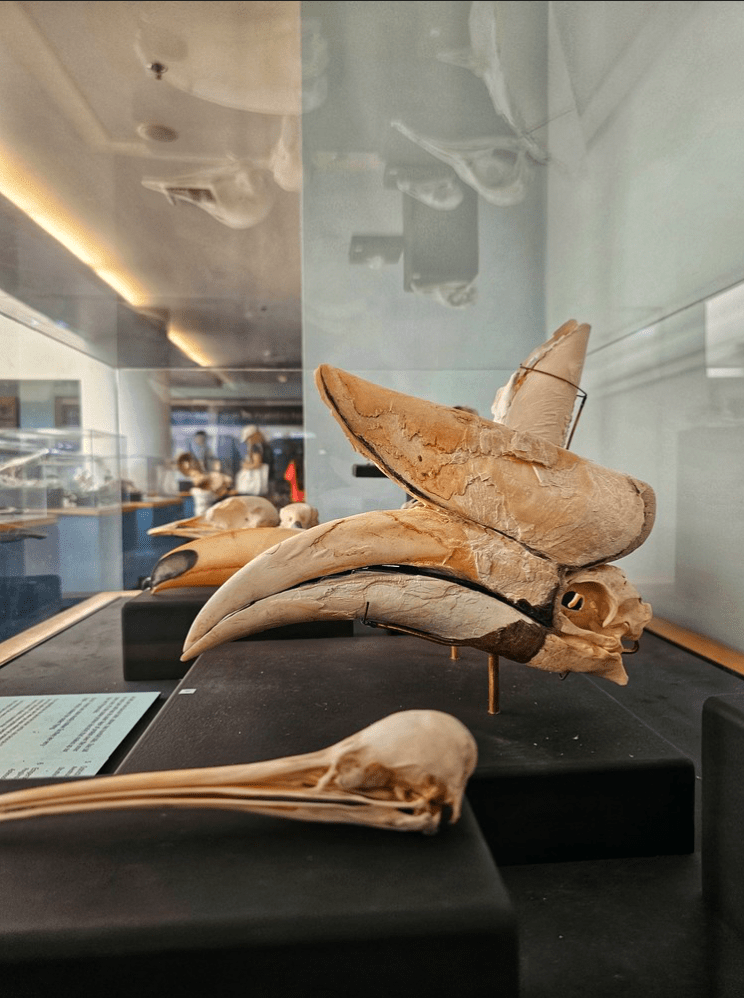
Unshelved: Cool Stuff from Storage: Ever wonder what museums keep behind the scenes? This rotating exhibit gives you a peek into The Nat’s vast research collections – millions of specimens that scientists use to study our natural world. You never know what unique artifact or creature might be on display!
The Loggia (California Tower Views!): Head upstairs for a bonus – the Canyoneer-led nature trail on the Museum’s 4th-floor terrace offers stunning views across Balboa Park, including a great perspective on the iconic California Tower.
Giant-Screen Theater: Immerse yourself in breathtaking nature documentaries! The theater showcases films that transport you from the deepest oceans to the highest mountains, often complementing the museum’s themes. (Note: Theater admission is typically separate or an add-on).
Hidden Gems (Like, Actual Gems!): Don’t miss the dazzling collection of gems and minerals, showcasing the beauty hidden beneath the Earth’s surface.
More Than Just Exhibits
The Nat is one of the oldest scientific institutions in Southern California, founded way back in 1874. Beyond the public exhibits, it’s a hub of active research and conservation. Scientists at The Nat study and protect the biodiversity of our unique border region, contributing vital knowledge about our local ecosystems. Visiting the museum helps support this important work!
Planning Your Expedition to The Nat
Location: You can’t miss it at 1788 El Prado, right in the heart of Balboa Park.
Hours: The Nat is typically open daily, usually from 10:00 AM to 5:00 PM. However, it’s always best to check their official website (sdnhm.org) for the most current hours before you go, especially around holidays or for special events.
Tickets: You can buy tickets online in advance (recommended!) or at the door. The Nat is also often included in the Balboa Park Explorer Pass, which can be a great value if you plan on visiting multiple museums.
Who Should Go?: Everyone! It’s incredibly family-friendly with lots of engaging displays for kids, but adults will find plenty to appreciate, especially the deep dive into our local natural history.
Why Visit The Nat?
In a world constantly vying for our attention, The Nat offers a chance to slow down, observe, and connect with the natural environment. It reminds us of the rich, complex, and sometimes fragile ecosystems that exist right outside our doors here in San Diego County and Baja California. You’ll leave with a greater appreciation for the plants, animals, and geological forces that shape our beautiful corner of the world.
So next time you’re in Balboa Park, make sure to dedicate some time to exploring the San Diego Natural History Museum. You might just discover your new favorite dinosaur, gain a fresh perspective on your backyard Pinyon Jay, or simply be awestruck by the natural beauty of our region.
Have you been to The Nat recently? What’s your favorite exhibit? Share your thoughts in the comments!
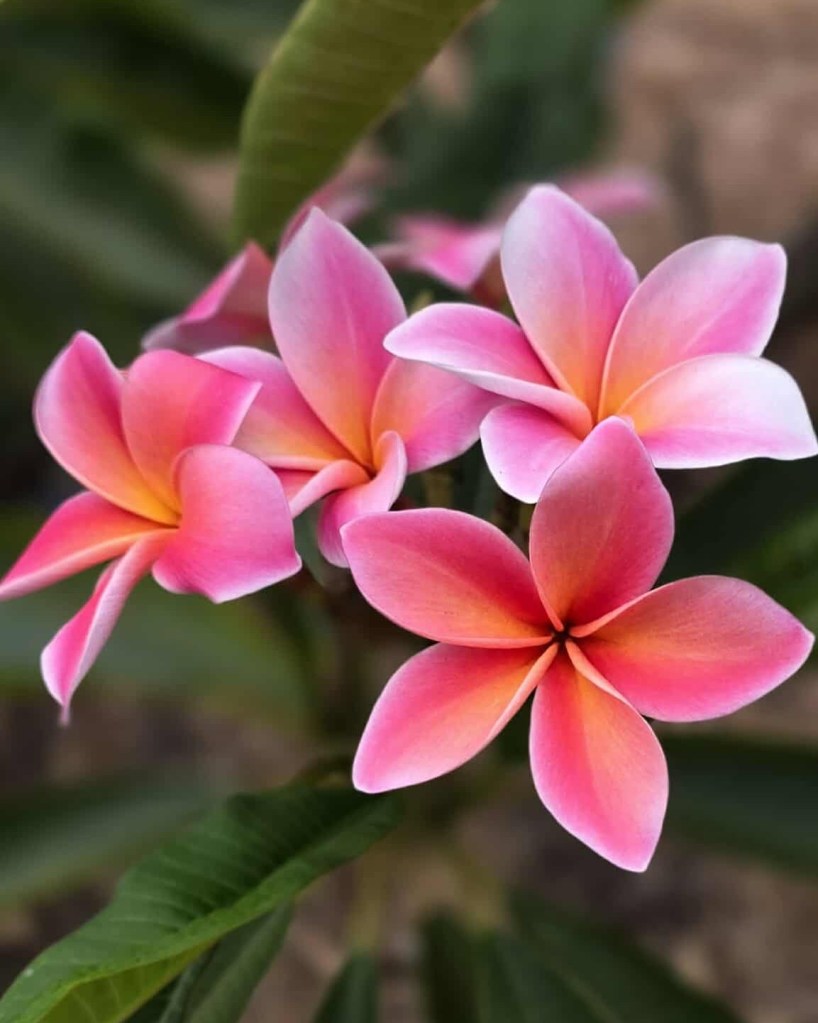
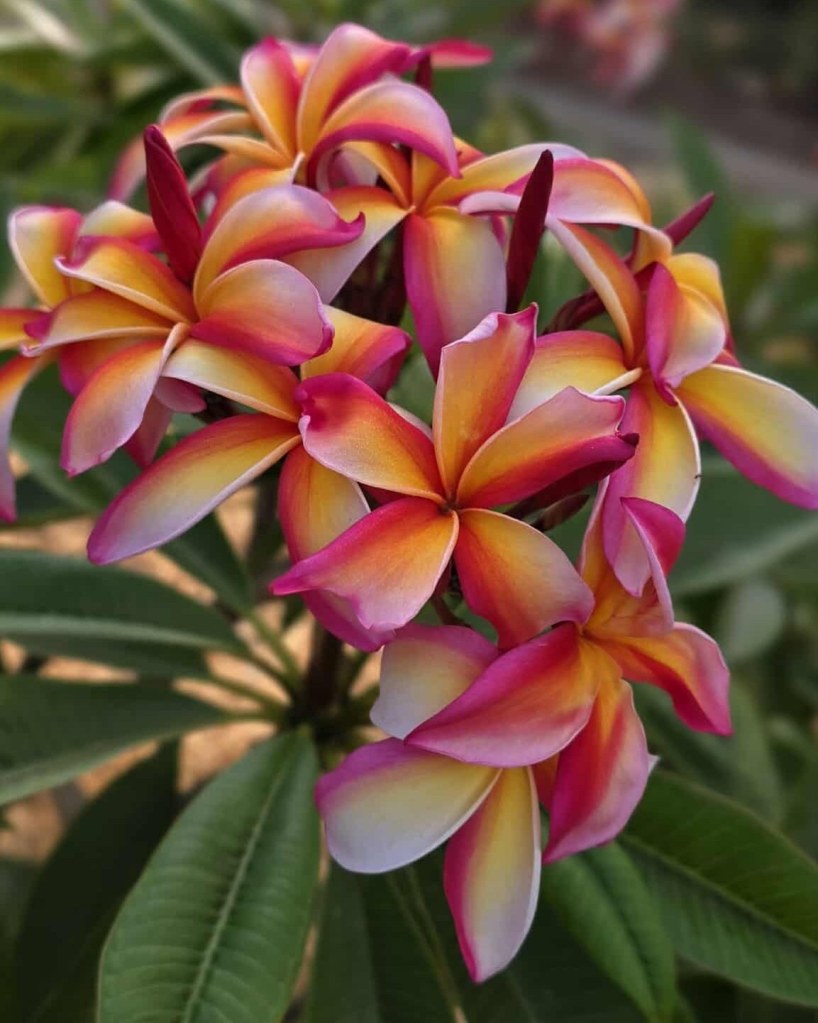
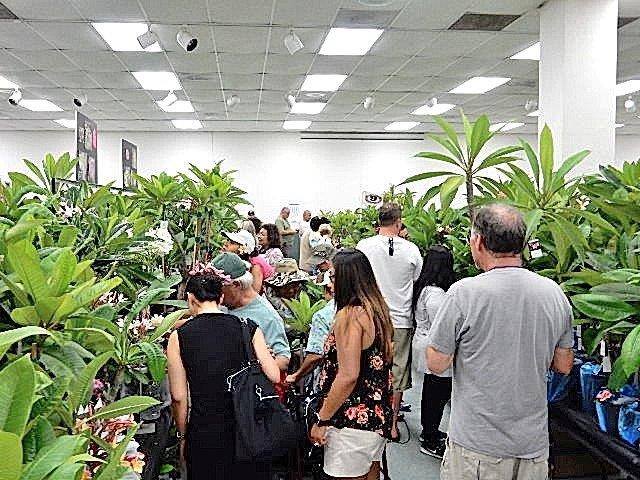
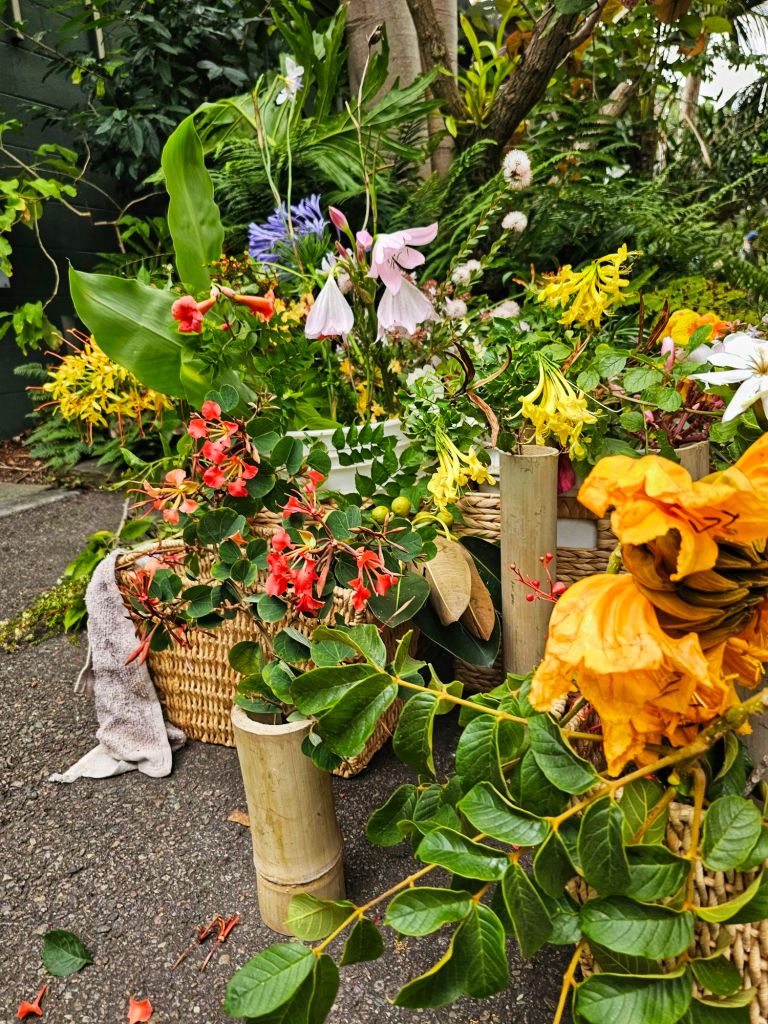
Plumerias, also known as frangipani, are beloved around the world for their sweet fragrance and association with tropical islands. In Hawaii, they’re often woven into leis as a symbol of welcome and friendship. Seeing them in full bloom at the festival is like taking a mini vacation to the islands—without ever leaving San Diego.
Festival Details
Where: Balboa Park, Casa del Prado, San Diego, CA
When: September 6 &7 2025 (check the official Southern California Plumeria Society website for dates)
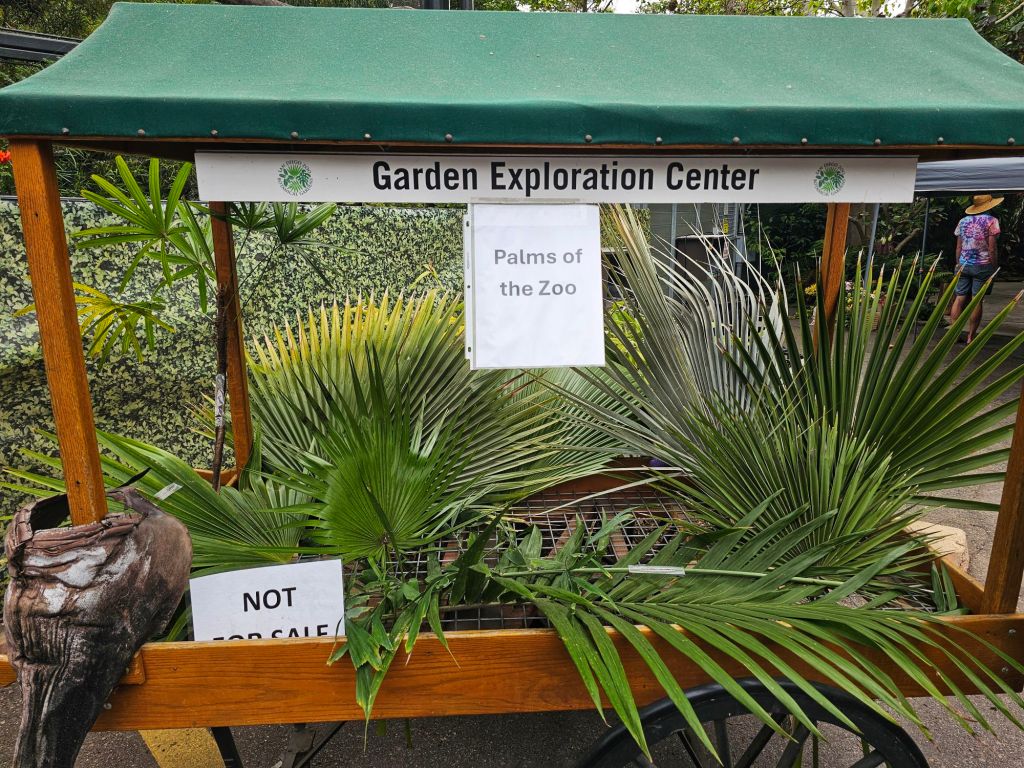
Exploring the Orchid Greenhouse at the San Diego Zoo
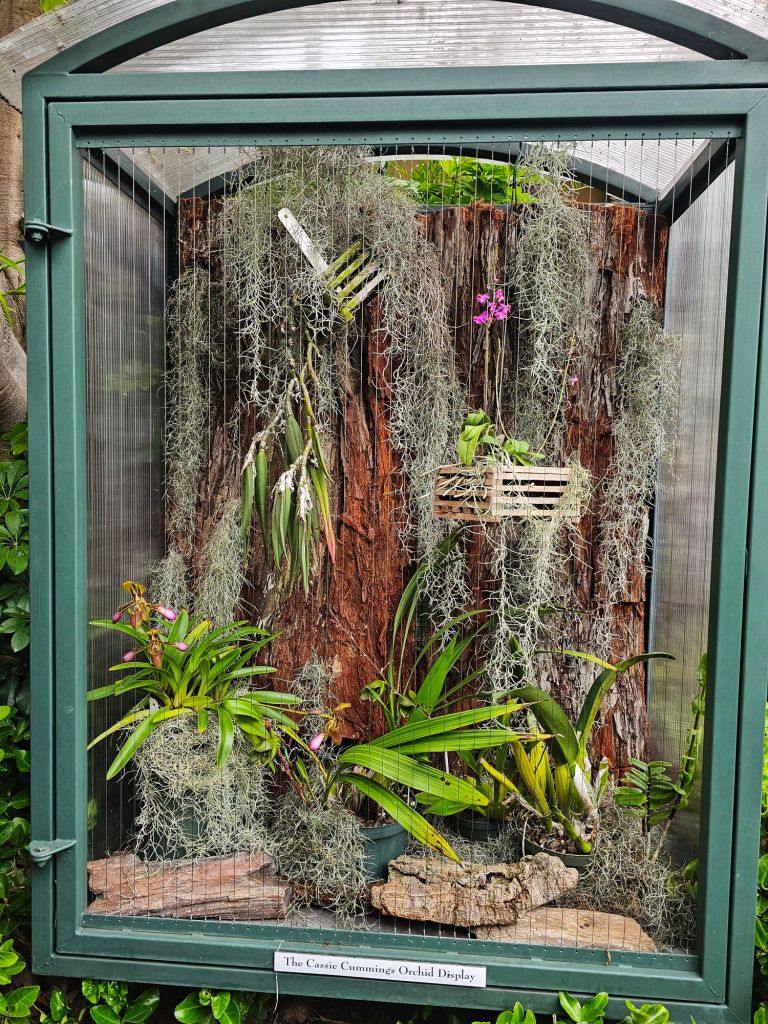
The San Diego Zoo is renowned for its diverse collection of wildlife, but there’s an equally stunning feature that often flies under the radar—its Orchid Greenhouse. Tucked away within the Zoo’s lush grounds, this hidden gem is a paradise for plant lovers and anyone seeking a peaceful, aromatic escape. Whether you’re a seasoned botanist or simply someone who appreciates nature’s beauty, the Orchid Greenhouse offers an enchanting experience that deserves a visit.
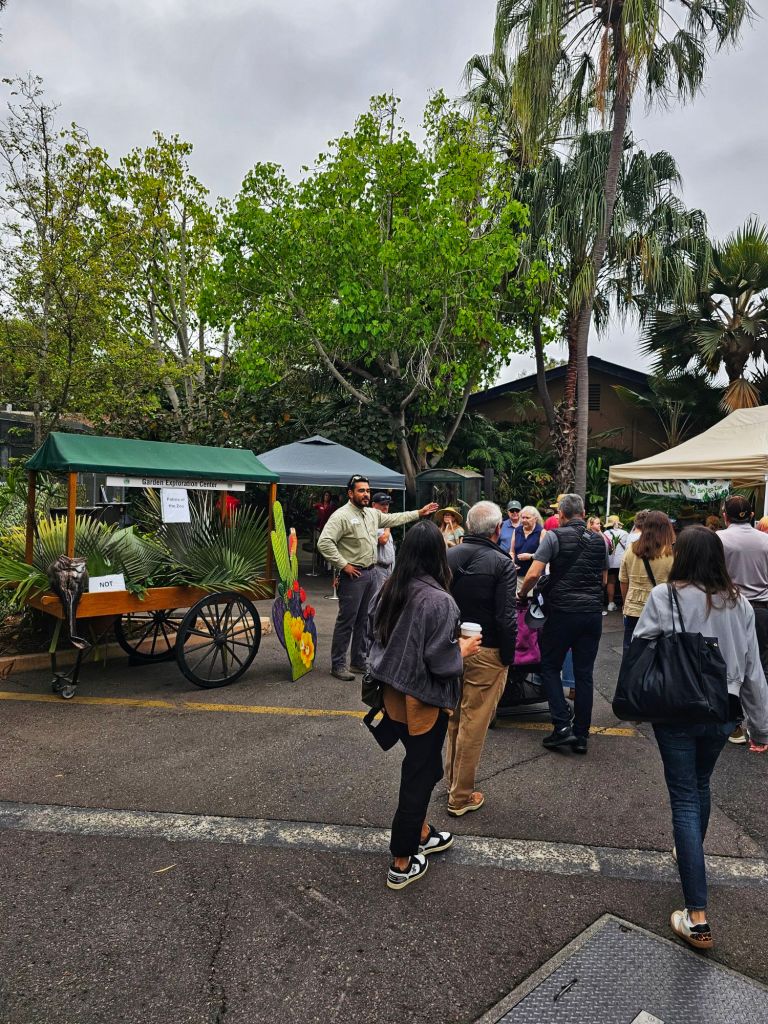
Here’s the schedule for 2025 Plant Days and Orchid Odysseyrunning from 10am to 2pm
Friday, July 18, 2025 Friday, August 15, 2025 Friday, September 19, 2025 Friday, October 17, 2025 Friday, November 21, 2025 Friday, December 19, 2025
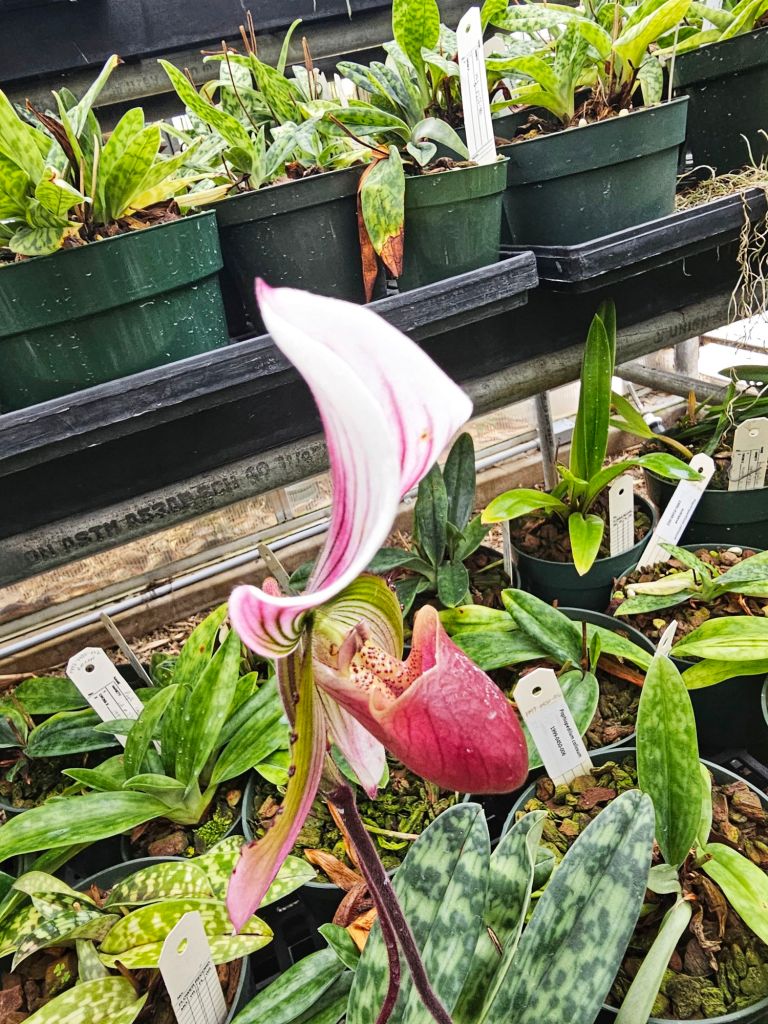
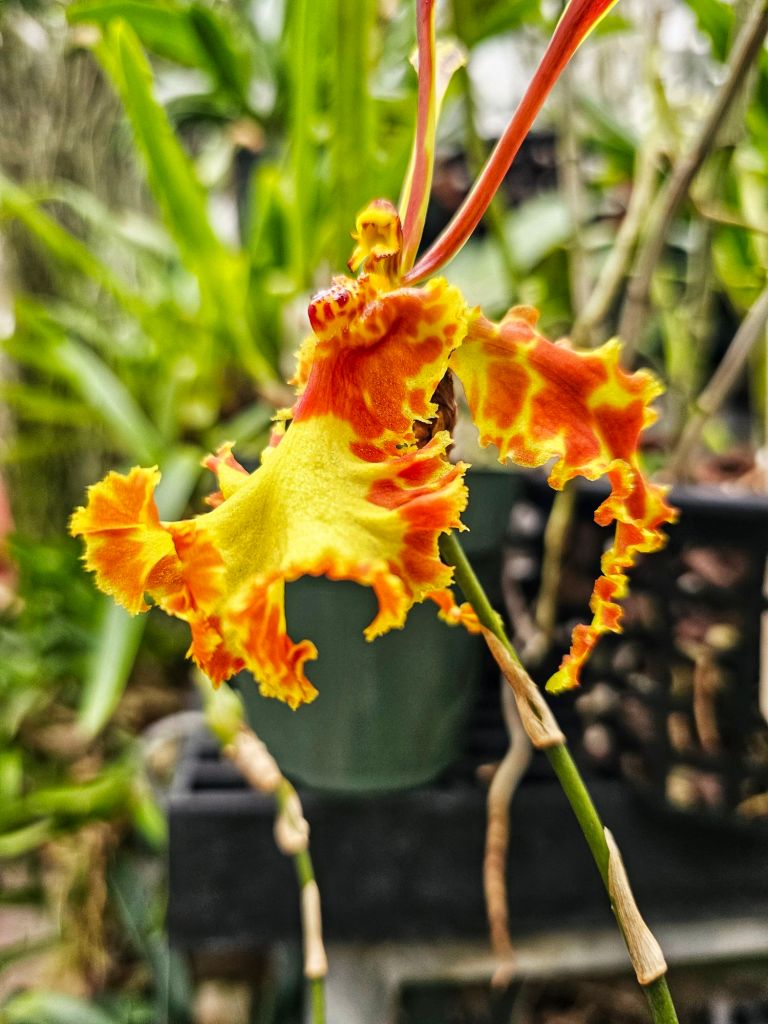
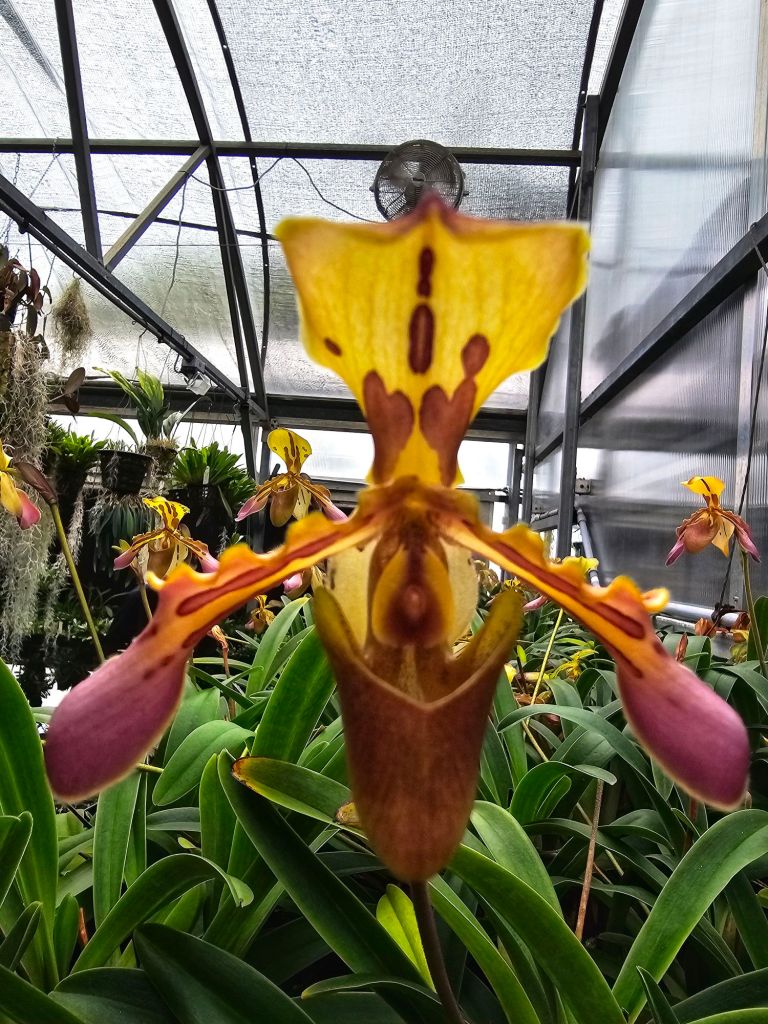
The Orchid Greenhouse is home to over 1,000 species of orchids, each more captivating than the last. These delicate, vibrant flowers come in every color of the rainbow, ranging from the deep purples of the Cattleya to the soft pastels of the Phalaenopsis. The greenhouse is designed to mimic the orchids’ natural tropical habitat, ensuring that each bloom thrives in the ideal conditions.
Orchid Odyssey San Diego Zoo
Upon entering, you’re immediately greeted by the intoxicating scent of the flowers and the cool, humid air. The space is filled with layers of hanging orchids, potted varieties, and intricate arrangements that transport you to a tropical paradise. The layout is designed to let you take your time as you explore different sections, each dedicated to specific types of orchids from around the world, including Central and South America, Southeast Asia, and the Pacific Islands.
The Fascinating World of Orchids
Orchids are among the most diverse plant families on Earth, with more than 25,000 species and over 100,000 hybrids. The Orchid Greenhouse at the San Diego Zoo showcases many of these varieties, offering a chance to learn about their unique characteristics. Some orchids have flowers that bloom only once a year, while others may only open for a few hours, making the greenhouse a truly dynamic environment.
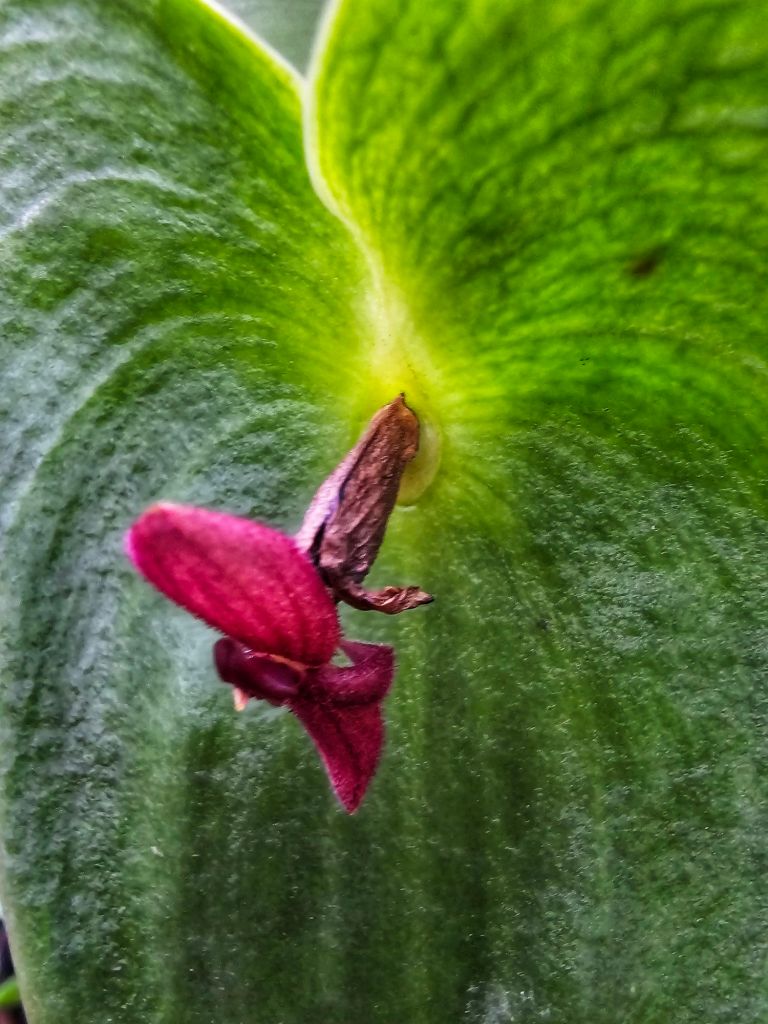
What makes orchids particularly special is their intricate pollination process, which often involves symbiotic relationships with specific insect species. In the greenhouse, you’ll see firsthand how these delicate flowers attract and rely on their pollinators, adding another layer of wonder to the experience.
Conservation Efforts and Education
While the Orchid Greenhouse is an aesthetic treat, it also serves a vital conservation role. Many of the orchids housed here are endangered or rare species. The San Diego Zoo is deeply involved in global orchid conservation efforts, helping to preserve habitats and promote the cultivation of orchids that are at risk of extinction in the wild.
Visitors to the Orchid Greenhouse can learn about these important initiatives through informational displays and guided tours. Knowledgeable staff and volunteers are always on hand to answer questions, explaining how the Zoo’s breeding programs and conservation projects contribute to preserving orchid species for future generations.
A Photography Haven
For photography enthusiasts, the Orchid Greenhouse is a dream come true. The vibrant colors, intricate patterns, and the way light filters through the glass panels create perfect conditions for capturing stunning photos. Whether you’re looking to snap close-ups of delicate blooms or create a wider landscape shot of the greenhouse, you’ll find plenty of opportunities to experiment with your camera.
Don’t forget your macro lens if you want to capture the minute details that make orchids so mesmerizing—the texture of the petals, the subtle color gradients, and the tiny pollination structures are all fascinating subjects.
Tips for Your Visit
Best Time to Visit: The Orchid Greenhouse is open year-round, but it’s particularly stunning during spring when many orchids are in bloom. If you’re aiming to avoid crowds, visiting early in the day or during weekdays is ideal.
Plan for a Relaxing Experience: The greenhouse is a peaceful retreat within the bustling zoo, so take your time to savor the beauty and tranquility of the space. It’s a perfect spot for a short break from the main zoo attractions.
Join a Guided Tour: If you’re keen to dive deeper into the world of orchids, be sure to join one of the Zoo’s guided tours. These often include fascinating insights into orchid biology, conservation, and the zoo’s work with endangered species.
Conclusion
The Orchid Greenhouse at the San Diego Zoo is a captivating blend of nature’s beauty, botanical education, and conservation efforts. Whether you’re a flower enthusiast, a photographer, or simply in search of a serene escape, this hidden sanctuary offers a one-of-a-kind experience. The next time you visit the zoo, don’t miss the chance to explore this blooming oasis—it’s a reminder of how diverse and delicate the natural world truly is.
In August of 2024 the San Diego Zoo opened up the Panda Ridge Habitat for its two chinese Giant Pandas. The habitat was expanded to over 6000 square feet and can accomidate around 150 guests at a time. Panda Ridge was inspired by China’s geological formations, including mountains, canyons, and cliffs. The enclosure features: Pools and misters to keep the pandas cool, Rock outcroppings, and Lush trees and bushes.
There are 3 ways you can visit Panda Ridge.
Giant Panda Timed Tickets
Make the most of your day by securing a complimentary Giant Panda Timed Ticket when you arrive at the Zoo. Simply scan the ticket QR code located on signs posted throughout the Zoo, select an available time, and head to the Timed Ticket line at Panda Ridge at your designated time. You may also seek assistance with timed tickets at any Admissions Booth. Timed tickets are only available day of, on a first come, first served basis until the daily limit is reached.
Standby Line
No ticket is needed to join the standby line at Panda Ridge any time from 9:30 a.m. until giant pandas are off habitat or the Zoo closes, whichever occurs earlier. Wait times may vary. The standby line does not guarantee visitation to Panda Ridge and is first come, first served.
Early Morning with Pandas Walking Tour
A special 60-minute paid Early Morning with Pandas Walking Tour, where an expert guide will lead you to exclusive viewings of giant pandas. This tour is at an additional cost and is not included with admission. Reservations are required. You can make an advanced reservation for the Early Morning with Pandas Walking Tour by reserving online or calling (619) 718-3000.
The San Diego Automotive Museum hosts a monthly Cars & Coffee event, offering a welcoming environment for car enthusiasts and the general public to appreciate a diverse array of vehicles. This informal gathering welcomes up to 200 vehicles, encompassing all years, makes, models, colors, styles, and customizations. It’s an excellent opportunity to engage with fellow car enthusiasts and admire a wide range of automobiles. For more details on the Cars & Coffee event or other happenings at the San Diego Automotive Museum, please visit their official events page: https://sdautomuseum.org/
Event Details: Third Sundays most months infront of San Diego Automotive Museum, 2080 Pan American Plaza, Balboa Park from 7:30am to 9am. The Automotive Museum opens early at 8am and offers discounted entry of $10 before 10am.
Balboa Park, the cultural heart of San Diego, offers a unique opportunity for residents to explore its world-class museums without the usual admission fees. Through the Resident Free Days program, local residents and active-duty military personnel can enjoy complimentary access to select museums on designated Tuesdays each month. Here’s how you can make the most of this fantastic offering.
First Tuesday:
Fleet Science Center (exhibits only; films not included)
San Diego Natural History Museum (exhibits only; films not included)
San Diego Model Railroad Museum
Second Tuesday:
San Diego Air & Space Museum (exhibits only; special exhibitions not included)
Comic-Con Museum (excluding November and December)
The Veterans Museum at Balboa Park
Third Tuesday:
San Diego Museum of Art (exhibits only; special exhibitions not included)
Note: Schedules are subject to change, and some museums may have exclusions or blackout dates. It’s advisable to check the official Balboa Park Resident Free Days schedule for the most current information.
12110 Cuyamaca College Drive West El Cajon, CA Hours: Tuesday – Friday 10am-3pm Closed Sunday/Monday
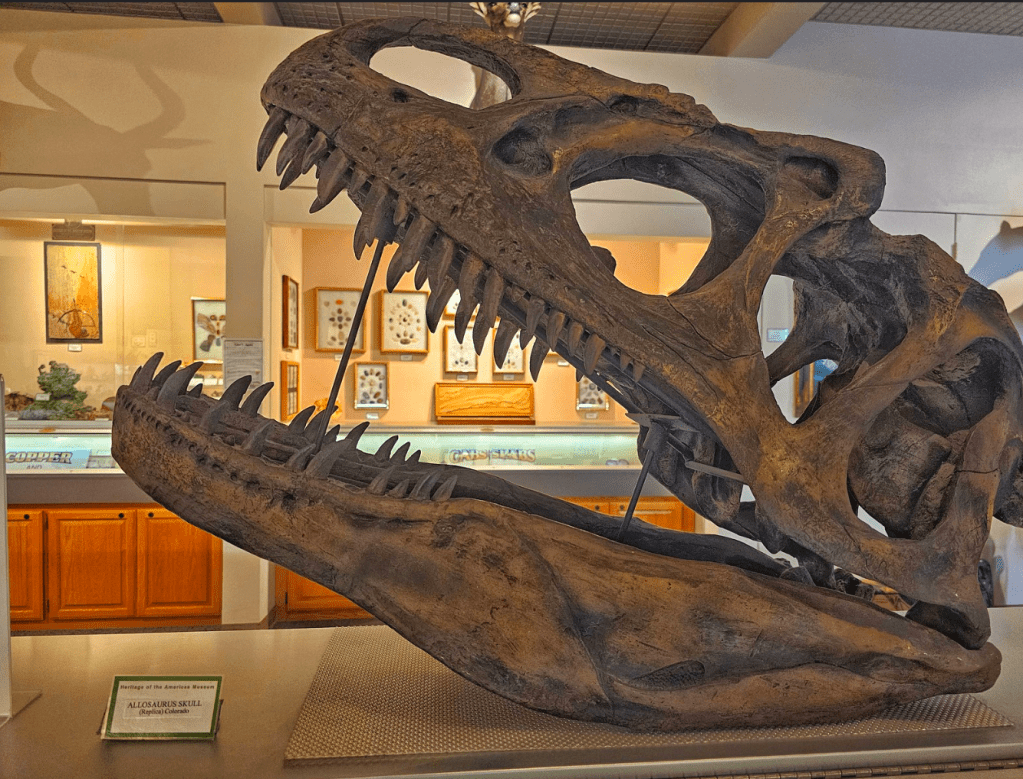
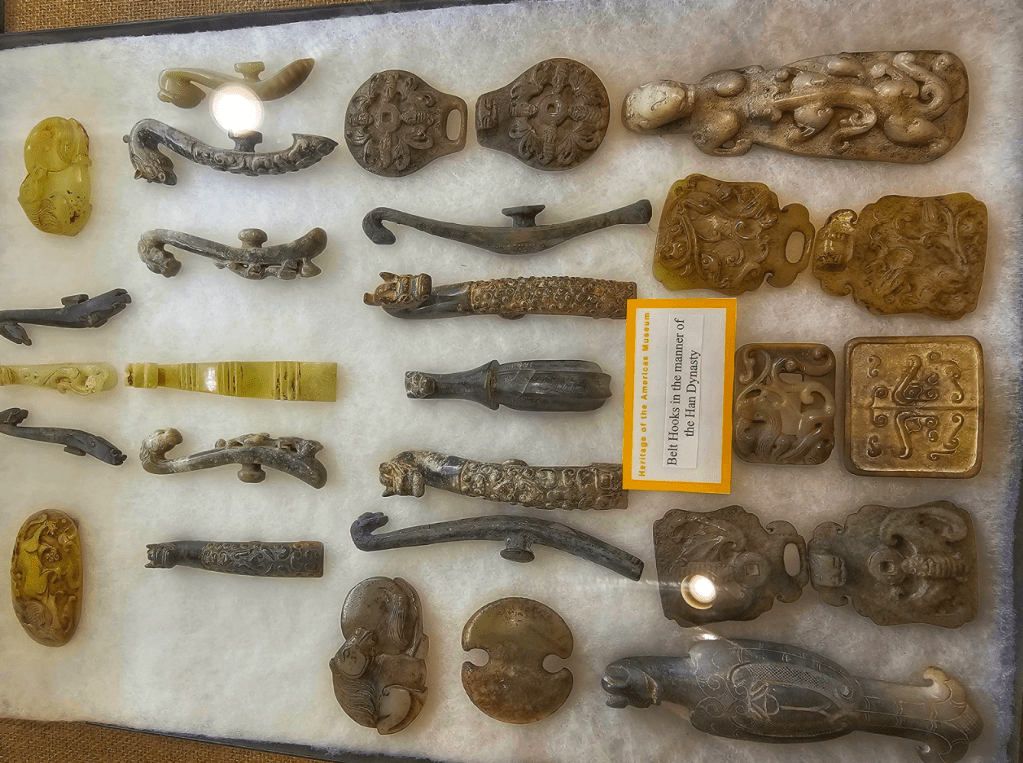
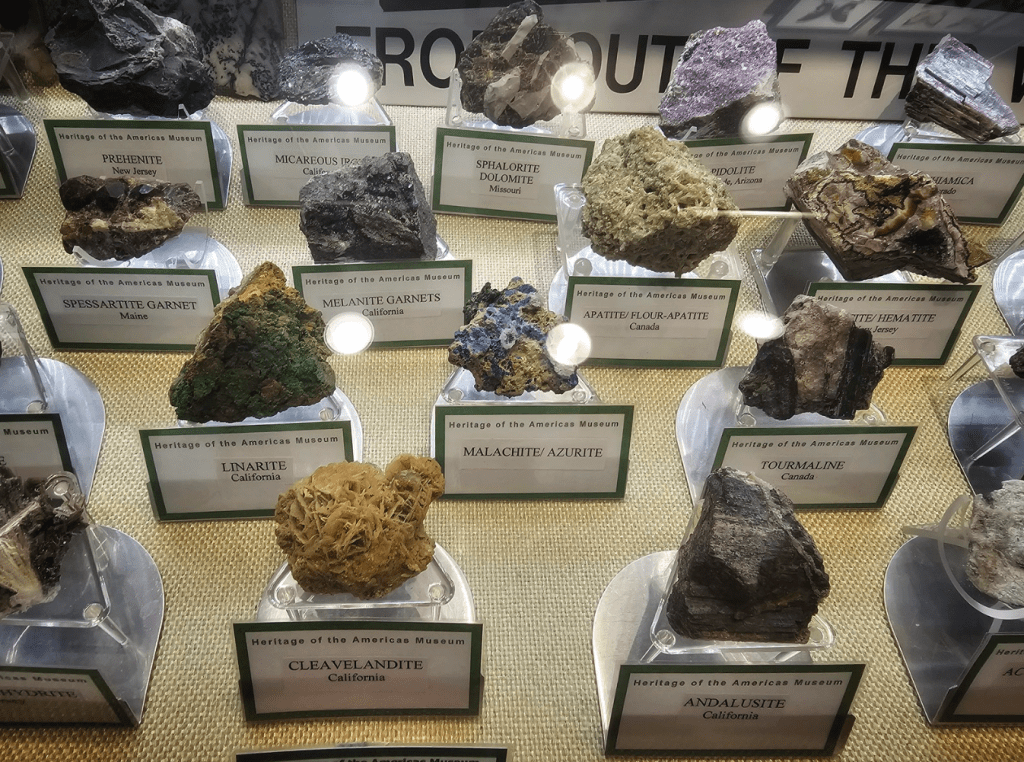
The Heritage of the Americas Museum, is located on the campus of Cuyamaca College in El Cajon, Ca. It is a cultural & educational facility showcasing the prehistoric and historic art, culture, and natural history of the Americas through four wings of exhibits: Natural History, Archaeology, Anthropology and Art. The Tropical Garden Patio, the Desert Garden Patio, and the surrounding landscaping may be considered a fifth wing. At the heart of the museum is their unique gift shop. Come and enjoy a “Journey Through Time” at this amazing museum, which invites visitors of all ages to experience a journey through time.
Every second Friday of the month, both the Heritage of the Americas and the Waster Conservation Garden next door grants visitors FREE Admission
The Japanese Friendship Garden is open 7 days a week 10am to 4pm/6pm seasonally
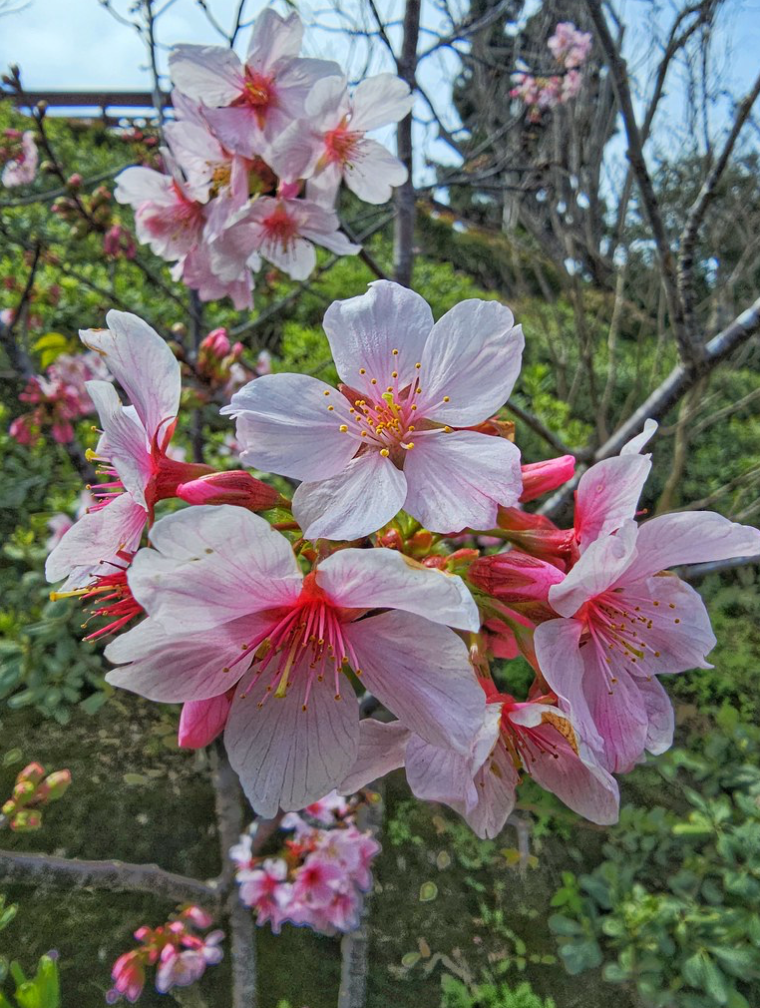
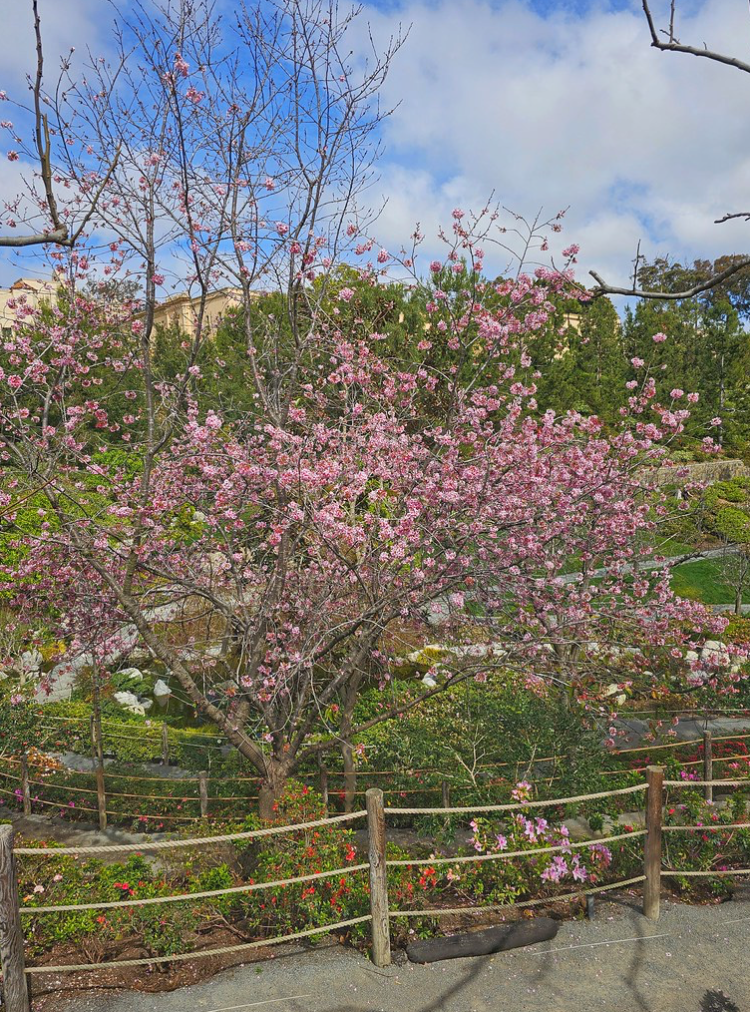
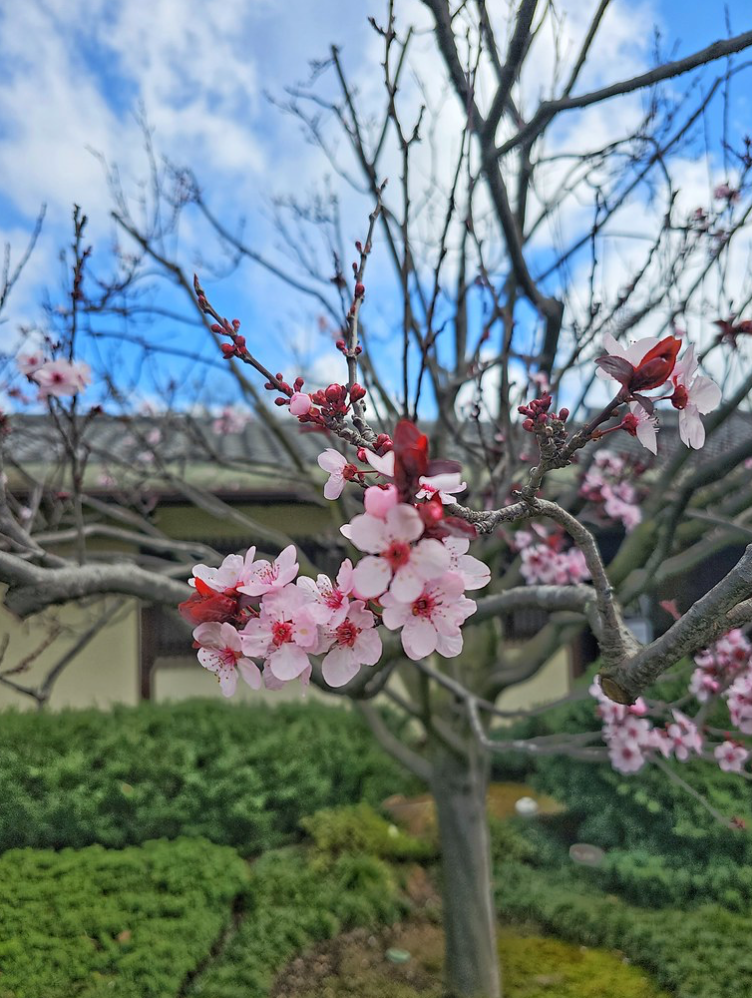
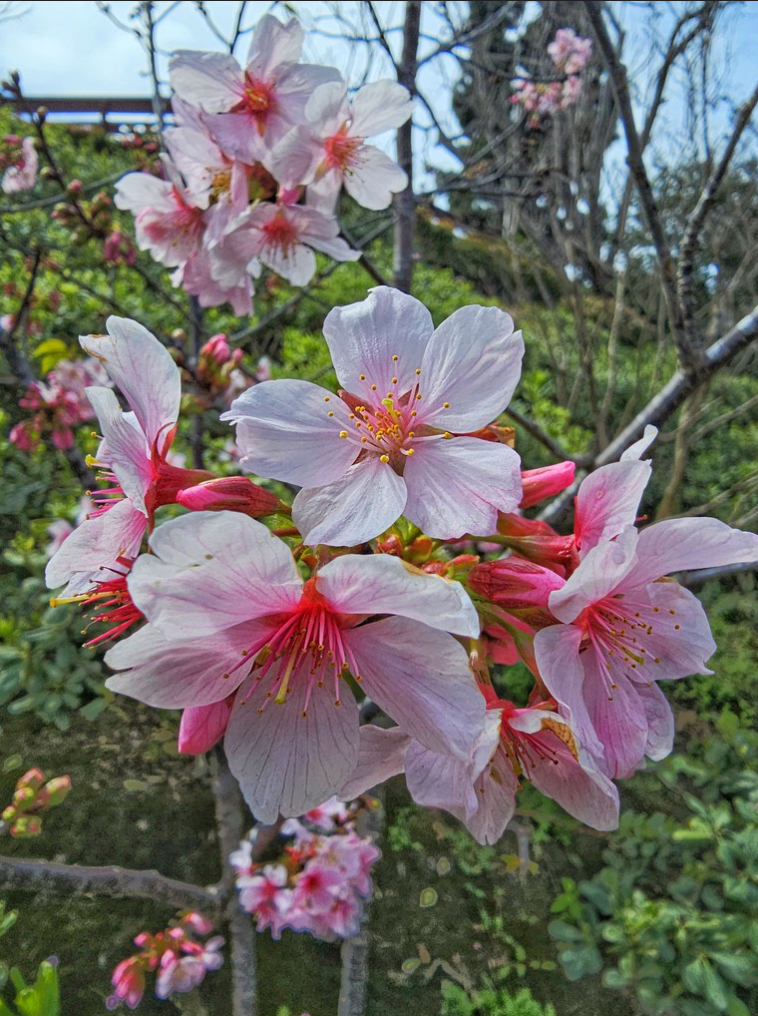
I visited the Japanese Friendship Garden during the first week of March which was around 15% in bloom and took these images.
Chasing Blossoms: The 2025 Cherry Blossom Festival at San Diego’s Japanese Friendship Garden
Spring in San Diego has a way of surprising you, and this year, it’s all about the cherry blossoms at the Japanese Friendship Garden in Balboa Park. The official 20th Annual Cherry Blossom Festival is set for March 13-16, but the bloom’s a slow tease this season, promising a gorgeous show in the coming weeks. Here’s why this event—and this garden—is worth a spot on your spring radar.
A Blooming Tradition
The Japanese Friendship Garden (JFG) isn’t just a pretty face—it’s a living bridge between San Diego and its sister city, Yokohama, Japan. Every March, it transforms into a hanami haven, the Japanese tradition of flower-viewing, and 2025 marks two decades of this celebration. The festival itself runs from Thursday, March 13 to Sunday, March 16, drawing crowds with taiko drummers, sake gardens, and cosplay contests. The garden’s 150+ cherry trees are still gearing up for their peak, expected sometime in early to mid-April based on current bloom updates from the JFG’s site.
Right now, the blossoms are at about 10-30%—not full glory yet, but enough to hint at what’s coming. The garden’s team says blooms typically last 1-2 weeks once they hit their stride, weather depending, and this year’s mild spring might stretch that a bit. If you’re like me, chasing that perfect shot, the post-festival quiet could be your golden ticket—fewer people, more petals.
What’s in Store
Picture this: winding paths under a canopy of soft pink, koi ponds reflecting the sky, and that serene vibe that makes you forget you’re in the middle of a bustling city. The lower garden’s cherry grove is where the action’s at—those trees, donated by Yokohama, are starting to pop against the backdrop of bonsai and stone lanterns.
During the festival, the JFG pulls out all the stops—daily performances from groups like San Diego Taiko and Geisha Opera Singer Fioregerisha, a beer and sake garden in the Inamori Pavilion, and vendors hawking everything from handmade crafts to street food. Kids had a blast with games in the lower garden, and new additions like a lantern wall and community art display kept it fresh. Even if you missed it, the echoes of that energy linger—volunteers are still buzzing around, keeping the place pristine.
Photo Ops and Pro Tips
Getting There: From downtown San Diego, take SR-163 south to Park Boulevard, park near the Natural History Museum, and cross the footbridge. It’s $14 for general admission now that the festival’s done—free for kids under 6.
Timing: Open 10 AM-5 PM daily (last entry 4 PM). Check niwa.org for bloom updates—they post a percentage banner daily.
Gear Up: No strollers on the steep paths—baby carriers are smarter. Bring water and a hat; it’s warming up.
Why It Matters
Beyond the Instagram bait, the JFG’s cherry blossoms are a nod to renewal—dormant winter giving way to spring’s burst of life. It’s a slice of Japanese culture tucked into SoCal. Pair it with a stop at the nearby Inez Grant Parker Rose Garden (still blooming strong!) for a double dose of flower power.
Whether you’re a local or just passing through, the 2025 cherry blossom season at the Japanese Friendship Garden is a slow-burn delight. I’m betting late March when it’ll peak—maybe around the 20th—so I’ll be back. For now, it’s a quiet tease of what’s to come. Grab a bento box, stroll the grove, and let the blossoms work their magic. San Diego’s spring secret is blooming—don’t sleep on it!
Chasing Blossoms: The 2025 Cherry Blossom Festival at San Diego’s Japanese Friendship Garden
Spring in San Diego has a way of surprising you, and this year, it’s all about the cherry blossoms at the Japanese Friendship Garden in Balboa Park. As of today, March 31, 2025, the petals are just starting to unfurl, and I’m already itching to grab my Nikon Z8 and dive into the delicate pink magic. The official 20th Annual Cherry Blossom Festival is set for March 13-16, but the bloom’s a slow tease this season, promising a gorgeous show in the coming weeks. Here’s why this event—and this garden—is worth a spot on your spring radar.
A Blooming Tradition
The Japanese Friendship Garden (JFG) isn’t just a pretty face—it’s a living bridge between San Diego and its sister city, Yokohama, Japan. Every March, it transforms into a hanami haven, the Japanese tradition of flower-viewing, and 2025 marks two decades of this celebration. The festival itself ran earlier this month, from Thursday, March 13 to Sunday, March 16, drawing crowds with taiko drummers, sake gardens, and cosplay contests. I missed the main event this year (thanks, road trip planning!), but the garden’s 150+ cherry trees are still gearing up for their peak, expected sometime in early to mid-April based on current bloom updates from the JFG’s site.
Right now, the blossoms are at about 10-30%—not full glory yet, but enough to hint at what’s coming. The garden’s team says blooms typically last 1-2 weeks once they hit their stride, weather depending, and this year’s mild spring might stretch that a bit. If you’re like me, chasing that perfect shot, the post-festival quiet could be your golden ticket—fewer people, more petals.
What’s in Store
The festival may be over, but the garden’s charm is year-round, and the cherry blossoms are the star right now. Picture this: winding paths under a canopy of soft pink, koi ponds reflecting the sky, and that serene vibe that makes you forget you’re in the middle of a bustling city. The lower garden’s cherry grove is where the action’s at—those trees, donated by Yokohama, are starting to pop against the backdrop of bonsai and stone lanterns. I’m planning to hit it after the moon sets (around 9:30 PM tonight) to test those Z8 astrophotography settings from earlier, but daytime’s just as dreamy.
During the festival, the JFG pulled out all the stops—daily performances from groups like San Diego Taiko and Geisha Opera Singer Fioregerisha, a beer and sake garden in the Inamori Pavilion, and vendors hawking everything from handmade crafts to street food. Kids had a blast with games in the lower garden, and new additions like a lantern wall and community art display kept it fresh. Even if you missed it, the echoes of that energy linger—volunteers are still buzzing around, keeping the place pristine.
Photo Ops and Pro Tips
For my fellow shutterbugs, this is prime territory. The Z8 settings I dialed in earlier (ISO 3200, f/1.8, 25s on a 20mm lens) will catch the night sky once the bloom peaks, but daytime’s where the blossoms shine. Try f/8, ISO 100, and 1/125s for crisp petal details—maybe frame the grove with a Joshua tree nod from my recent desert detour. Early morning’s best for soft light and empty paths; hit it around 6:30 AM when the sun rises.
Getting There: From downtown San Diego, take SR-163 south to Park Boulevard, park near the Natural History Museum, and cross the footbridge. It’s $14 for general admission now that the festival’s done—free for kids under 6.
Timing: Open 10 AM-5 PM daily (last entry 4 PM). Check niwa.org for bloom updates—they post a percentage banner daily.
Gear Up: No strollers on the steep paths—baby carriers are smarter. Bring water and a hat; it’s warming up.
Why It Matters
Beyond the Instagram bait, the JFG’s cherry blossoms are a nod to renewal—dormant winter giving way to spring’s burst of life. It’s a slice of Japanese culture tucked into SoCal, and after driving from San Diego to Palm Springs, I’m craving that contrast of desert grit and floral grace. Pair it with a stop at the nearby Inez Grant Parker Rose Garden (still blooming strong!) for a double dose of flower power.
Whether you’re a local or just passing through, the 2025 cherry blossom season at the Japanese Friendship Garden is a slow-burn delight. I’m betting mid-April’s when it’ll peak—maybe around the 10th—so I’ll be back, tripod in tow. For now, it’s a quiet tease of what’s to come. Grab a bento box, stroll the grove, and let the blossoms work their magic. San Diego’s spring secret is blooming—don’t sleep on it!




































































 Exploring San Diego