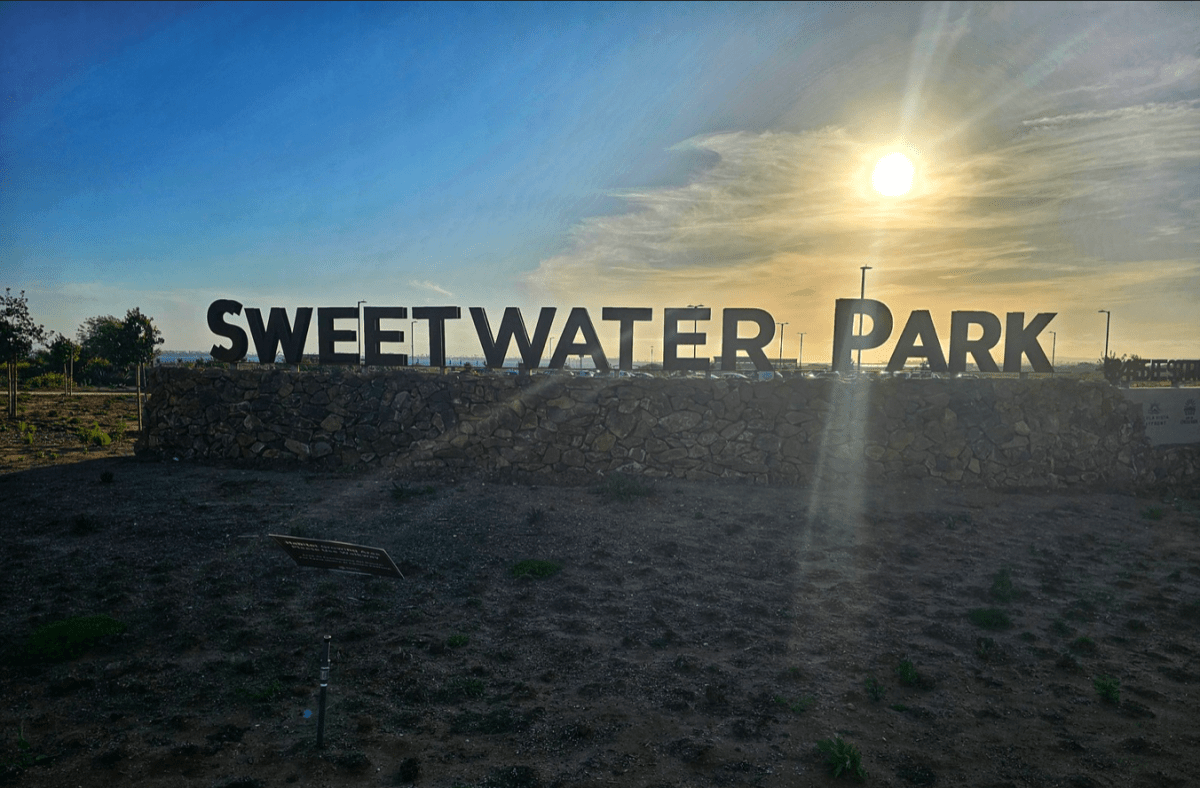
This isn’t just a patch of grass; Sweetwater Park is thoughtfully designed to blend recreation with the unique natural beauty of our bayfront environment. Here’s what you can expect:
Play Naturally: Kids (and the young at heart) will love the nature-themed playgrounds. These aren’t your average swings and slides; they incorporate educational elements about local wildlife, making playtime both fun and informative.
Walk, Bike, Explore: Lace-up your sneakers or grab your bike! The park boasts 2.5 miles of new pathways, some paved and some with softer surfaces, perfect for a leisurely stroll, a morning jog, or a family bike ride. Plus, it connects seamlessly with the existing Sweetwater Bicycle and Pedestrian Path.
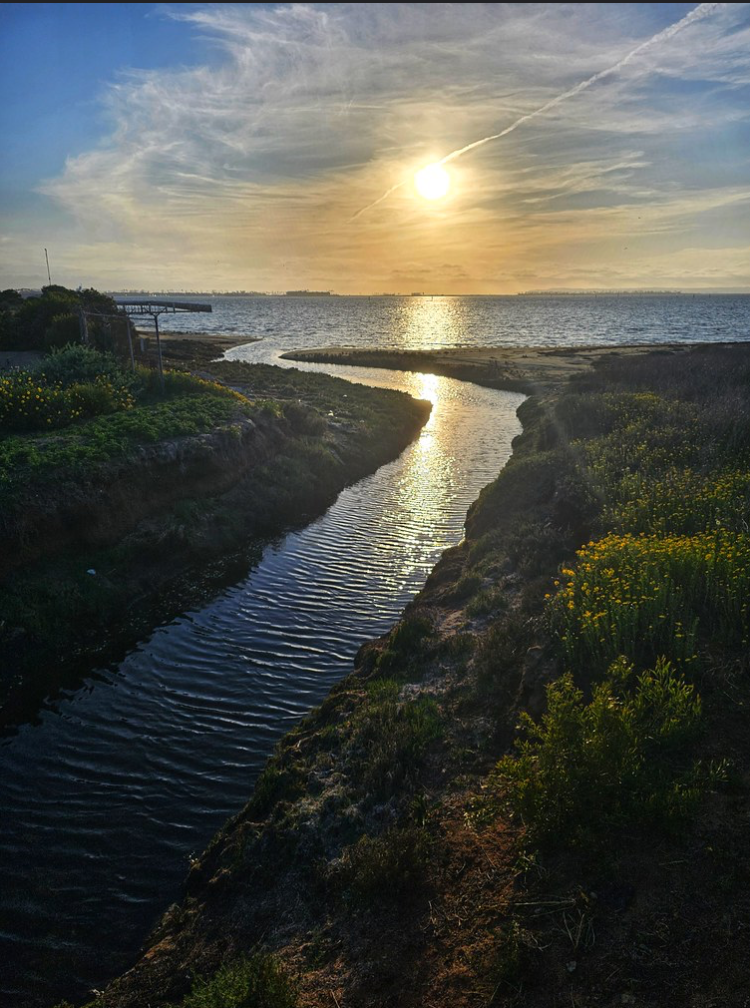
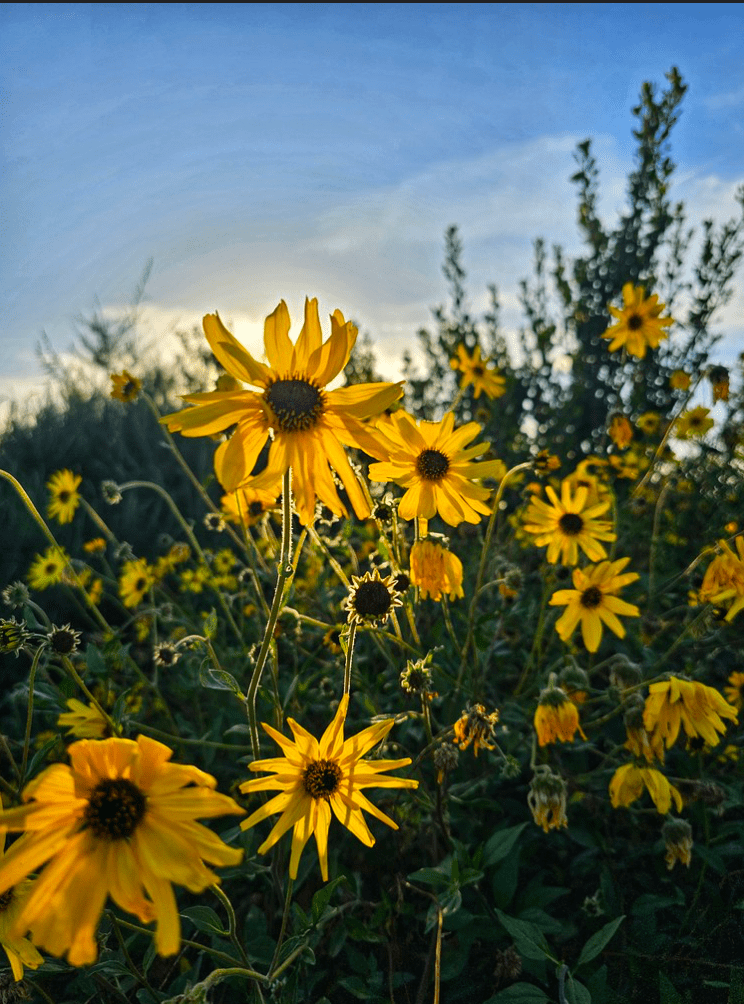
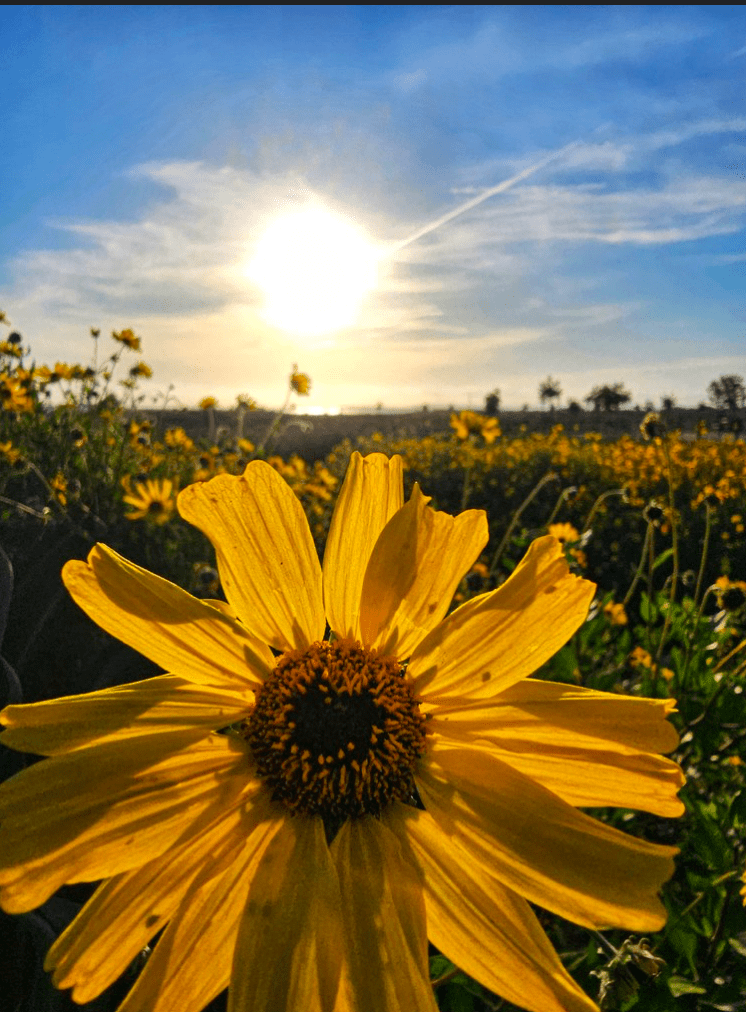
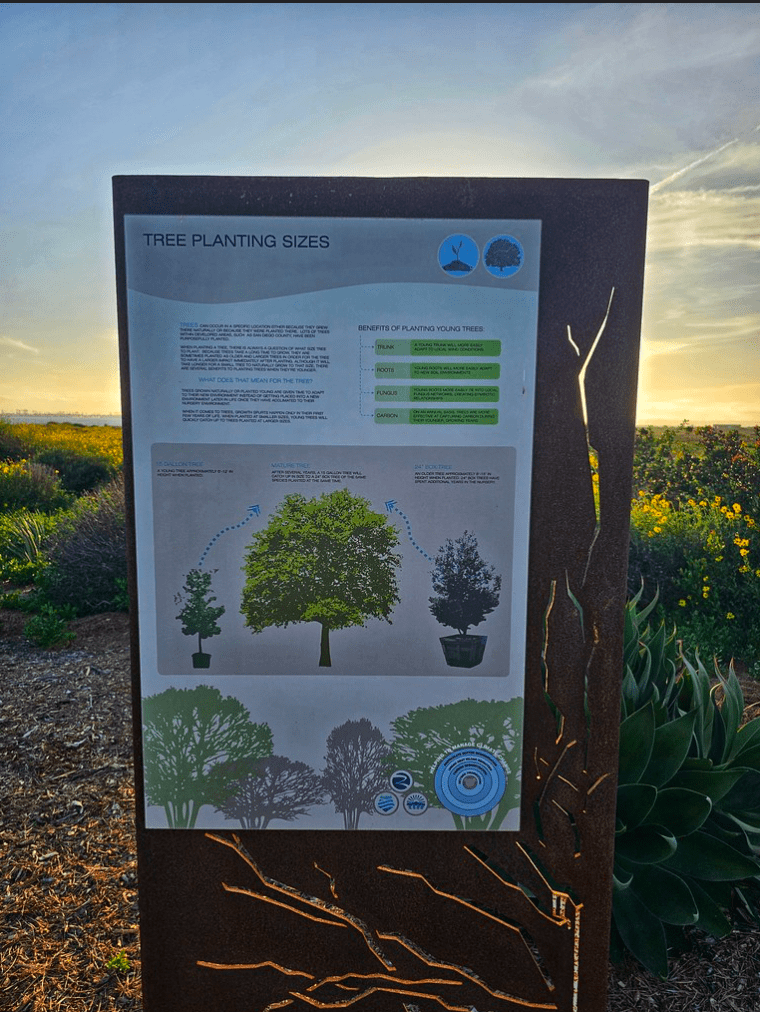
Connect with Nature: True to its location next to the Sweetwater Marsh National Wildlife Refuge, the park features sand dunes, meadows, mounded grasslands, and specialty gardens filled with native plants. It’s a fantastic spot for bird watching, enjoying stunning bay views from scenic overlooks, or simply finding a quiet moment. Keep an eye out for the Kumeyaay signage integrated throughout the park, honoring the area’s original inhabitants.
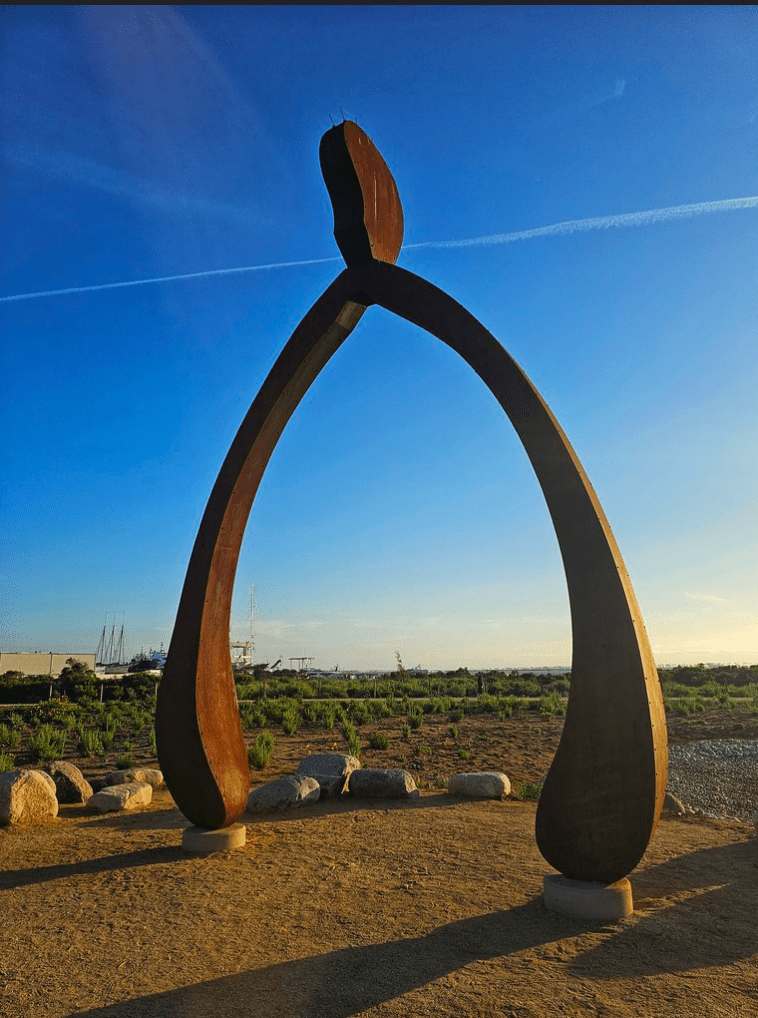
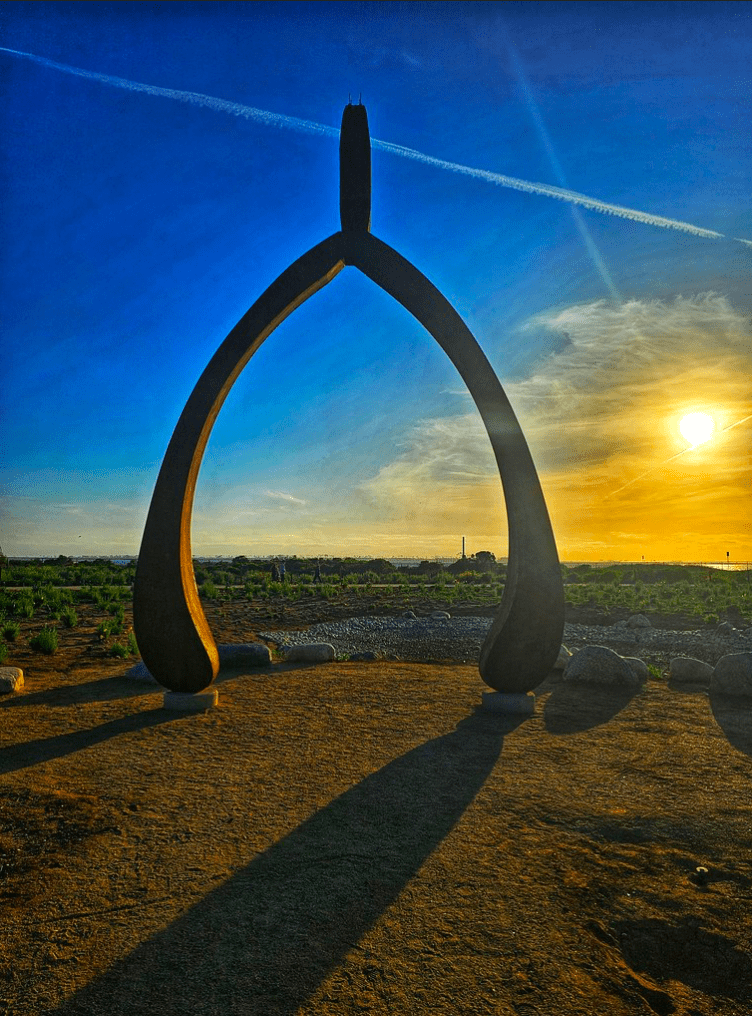
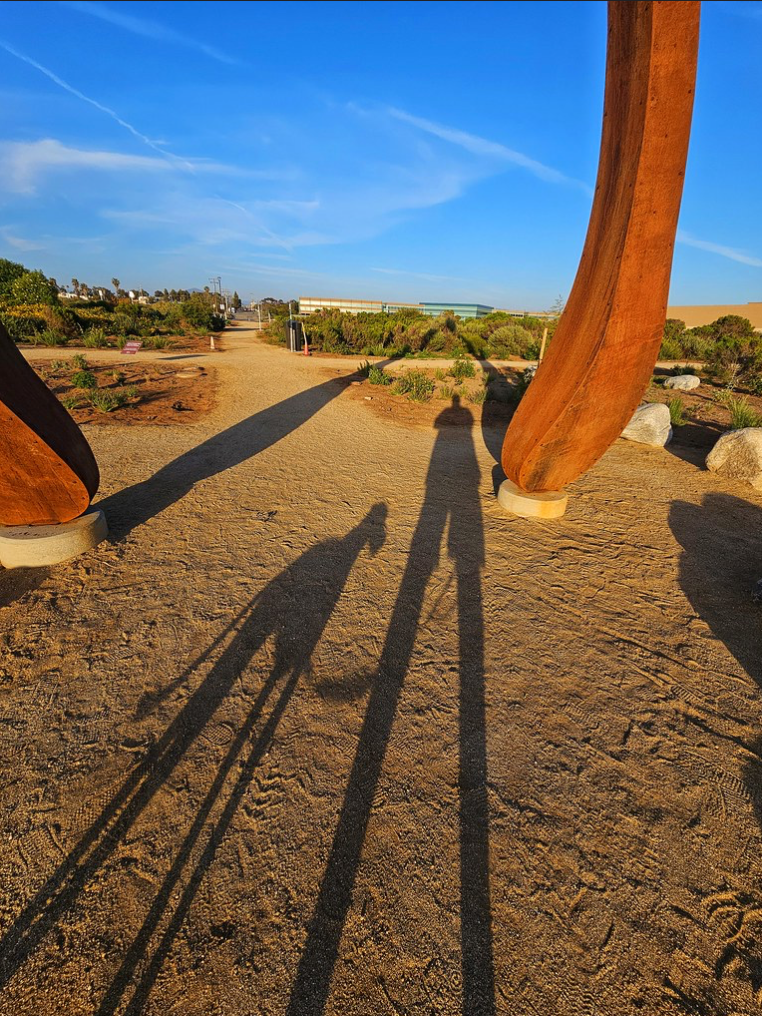
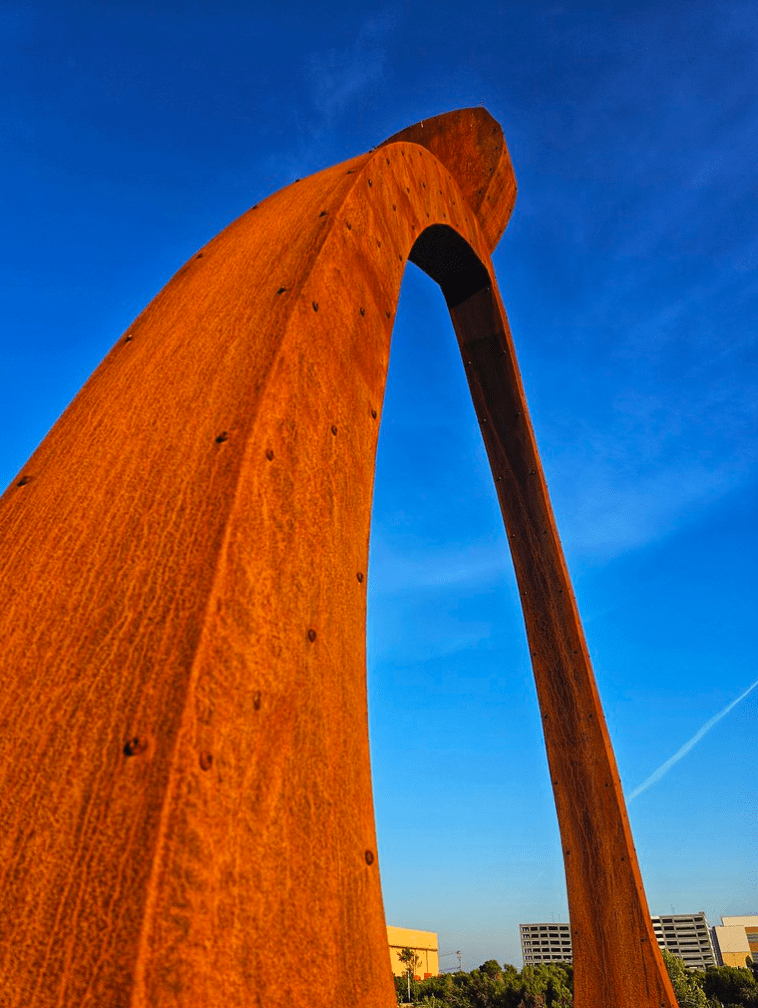
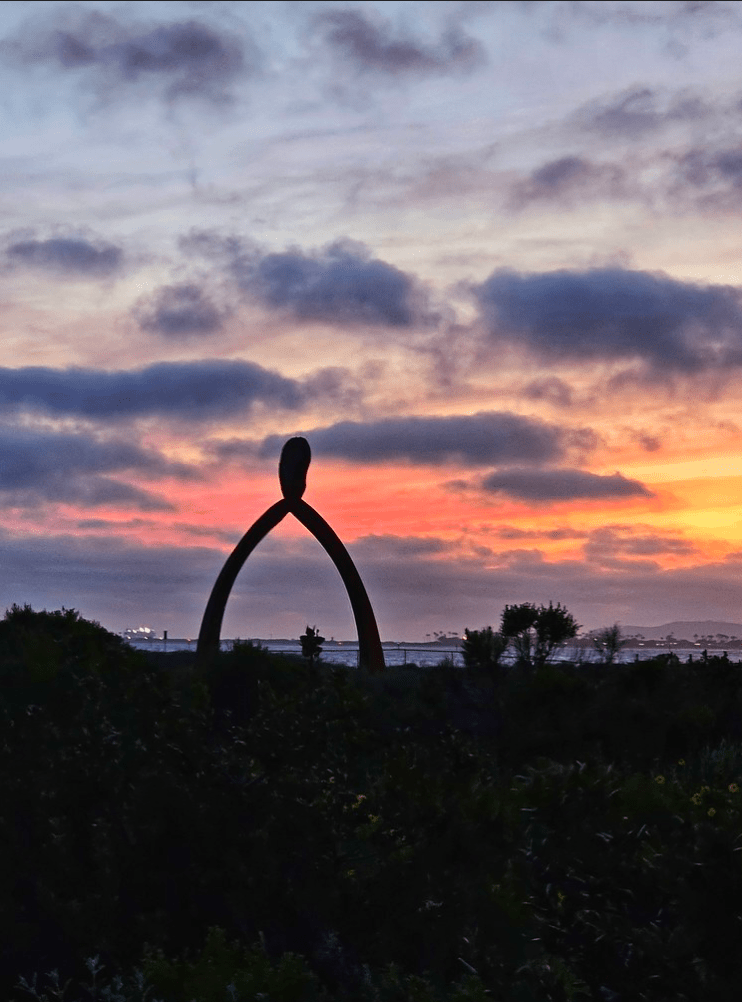
Art on the Bayfront: Look for the striking “Rigors of Flight” public art sculpture by Roberto Salas. This impressive 25-foot-tall piece, resembling a wishbone, pays tribute to the abundant birdlife of the region.
Relax and Gather: Plenty of seating areas and picnic spots are strategically placed for you to relax, enjoy a snack, and soak in the beautiful surroundings.
More Than Just a Park
Part of a Grand Vision (The Chula Vista Bayfront Master Plan): Sweetwater Park wasn’t just a standalone idea. It’s a key piece of the massive 535-acre Chula Vista Bayfront redevelopment project. This ambitious plan, a joint effort between the Port of San Diego and the City of Chula Vista, has been in the works for decades. The goal has always been to transform our underutilized industrial waterfront into a vibrant destination with resorts (like the adjacent Gaylord Pacific), convention space, housing, retail, and crucially, significant new public parks and improved access to the bay.
Why You Need to Visit ASAP!
It’s BRAND NEW! Be among the first to explore this fantastic addition to Chula Vista.
Something for Everyone: Whether you want active play, peaceful nature walks, or a spot for a picnic with a view, this park has it.
Beautiful Setting: The focus on native plants and natural design makes it a truly lovely place to spend time, with great views of the bay.
It’s FREE! Access to this amazing community resource costs absolutely nothing.
It’s Ours! This is a wonderful new asset for all Chula Vista residents to enjoy.
Planning Your Visit
Ready to check it out? Here’s the essential info:
Location: You’ll find it on the Chula Vista Bayfront, just north of the Gaylord Pacific Resort. The Port lists the address as 845 E St, Chula Vista, CA 91910 (near the Gunpowder Point Drive area).
Hours: The park is open daily from 6:00 AM to 10:30 PM.
Parking: Good news! There’s ample public parking available (around 219 spaces).
Cost: Free!
Go Explore Sweetwater Park!
Have you visited Sweetwater Park yet? Let us know what you think in the comments below!
Get Ready for Joy! Celebrating Día del Niño in Chula Vista
Spring is in the air in Chula Vista, and that means one of the most vibrant and joyful community celebrations is just around the corner: Día del Niño (Day of the Child)! Traditionally celebrated near the end of April (often close to April 30th), this special day is all about recognizing, honoring, and celebrating children. And here in Chula Vista, the community typically comes together for a fantastic, family-friendly event filled with fun, laughter, and learning.
Date: Saturday April 19th, 2025 Memorial Park and 3rd Avenue from 10am to 3pm
What is Día del Niño?
Originating in Mexico and celebrated widely across Latin America and increasingly in the US, Día del Niño is a day dedicated to the little ones in our lives. It emphasizes the importance of children in society, promotes their well-being, and provides a wonderful occasion for families to spend quality time together. It often intertwines literacy and learning with pure fun!
What to Expect at Chula Vista’s Celebration (Based on Past Events)
Chula Vista’s Día del Niño events are typically a feast for the senses, designed to bring smiles to children’s faces. Based on past celebrations, families can often look forward to:
Loads of Activities: Think colorful craft stations where kids can get creative, exciting games to play, engaging story times, and maybe even face painting or balloon artists.
Live Entertainment: Often, there’s music or performances geared towards a young audience, adding to the festive atmosphere.
Community Connections: Various city departments (like the Library, Parks & Rec, Police, and Fire) and local organizations often participate, setting up informational booths, offering activities, and sometimes bringing cool vehicles like fire trucks or police cars for kids to see up close.
Focus on Literacy: In line with the spirit of Día del Niño/Día del Libro, many events include free book giveaways or reading-related activities, promoting a love for books and learning.
A Vibrant Atmosphere: Expect parks or community centers buzzing with energy, laughter, and families enjoying a day dedicated entirely to kids. Best of all, these events are usually free to attend!
Stay Tuned for 2025 Details!
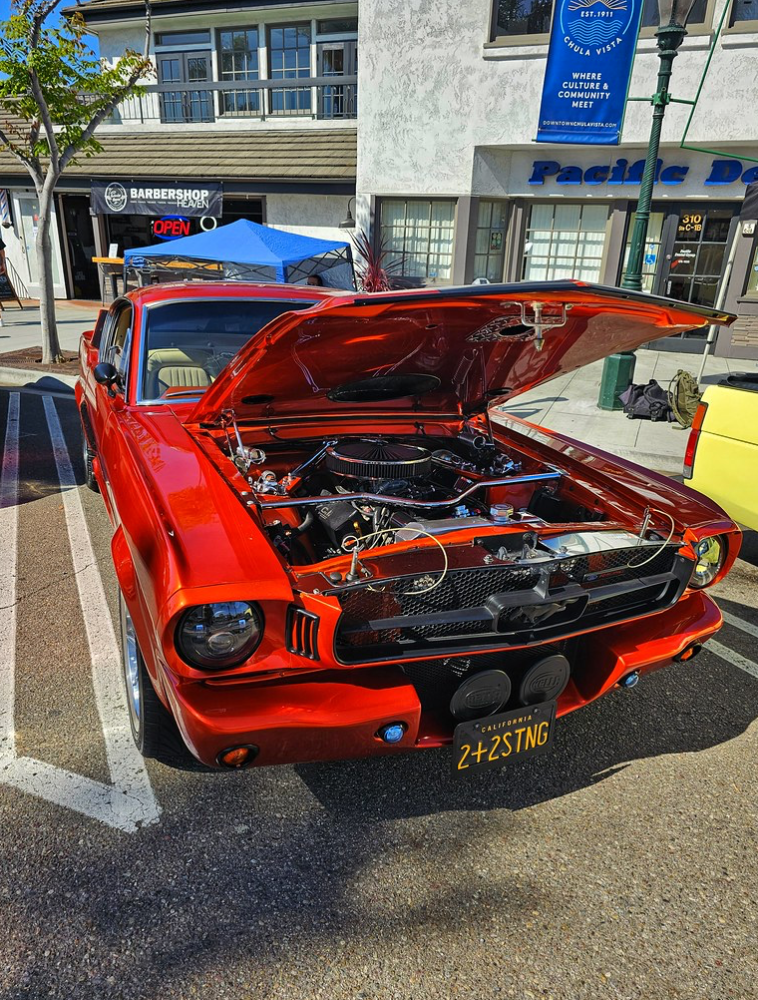
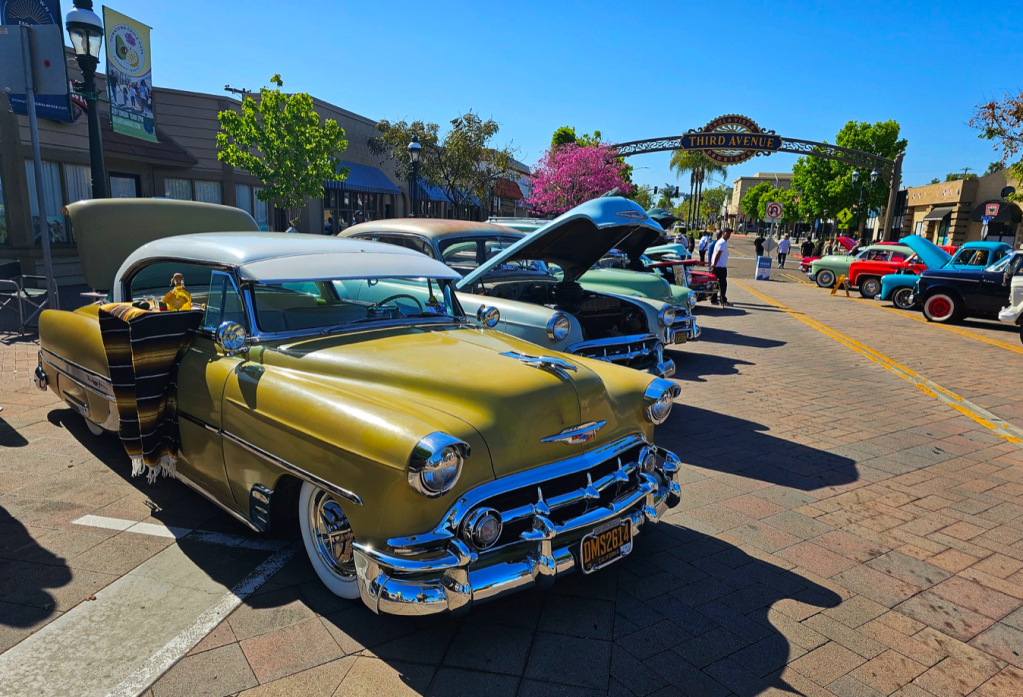
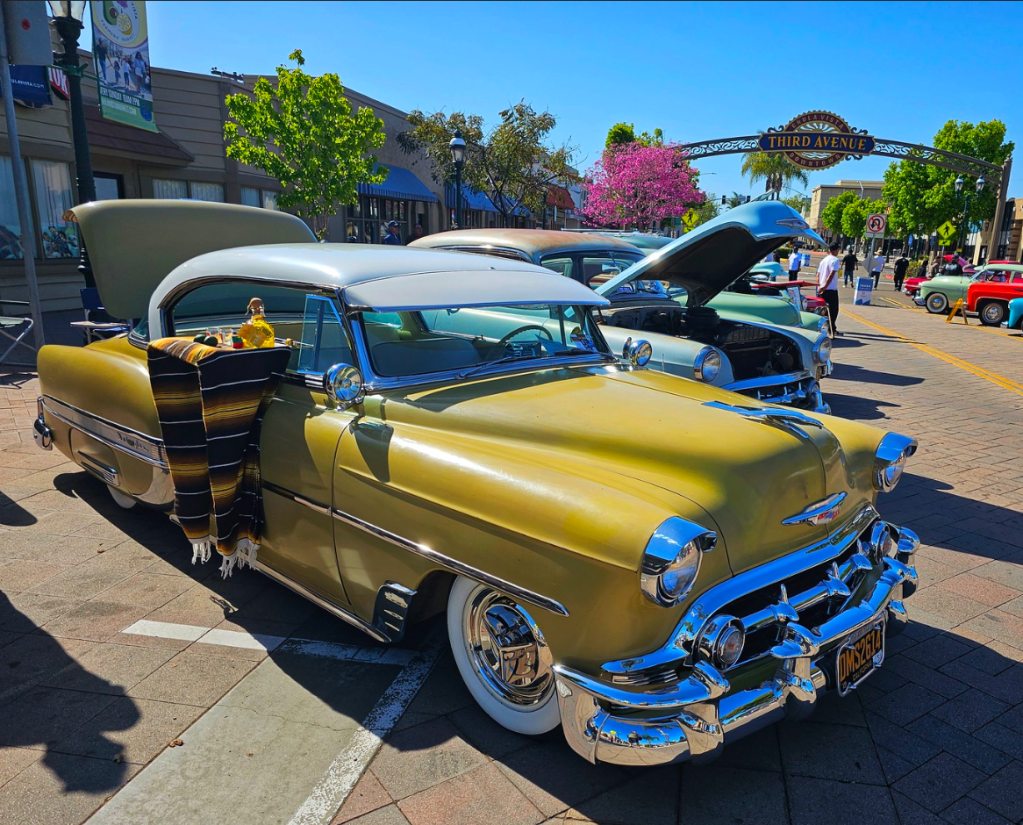
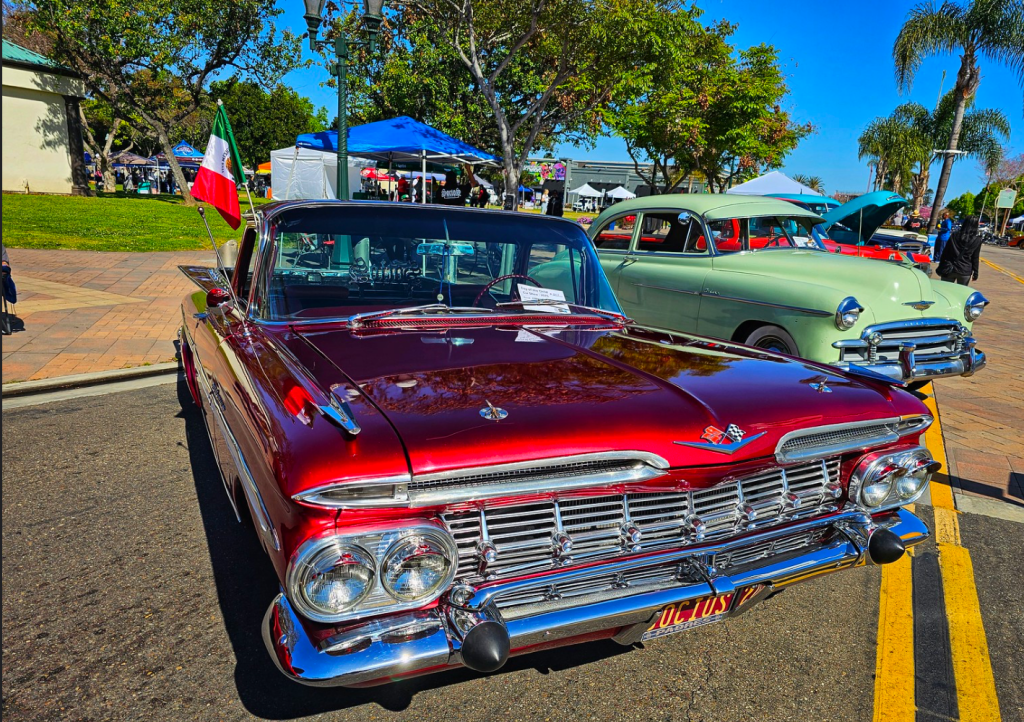
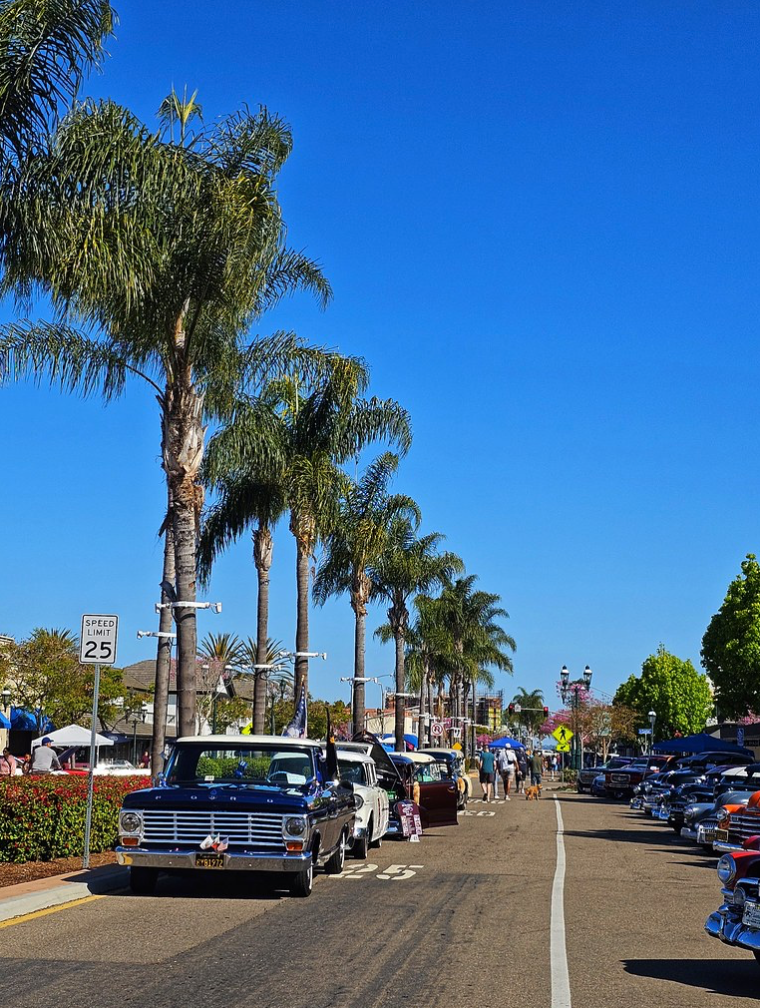
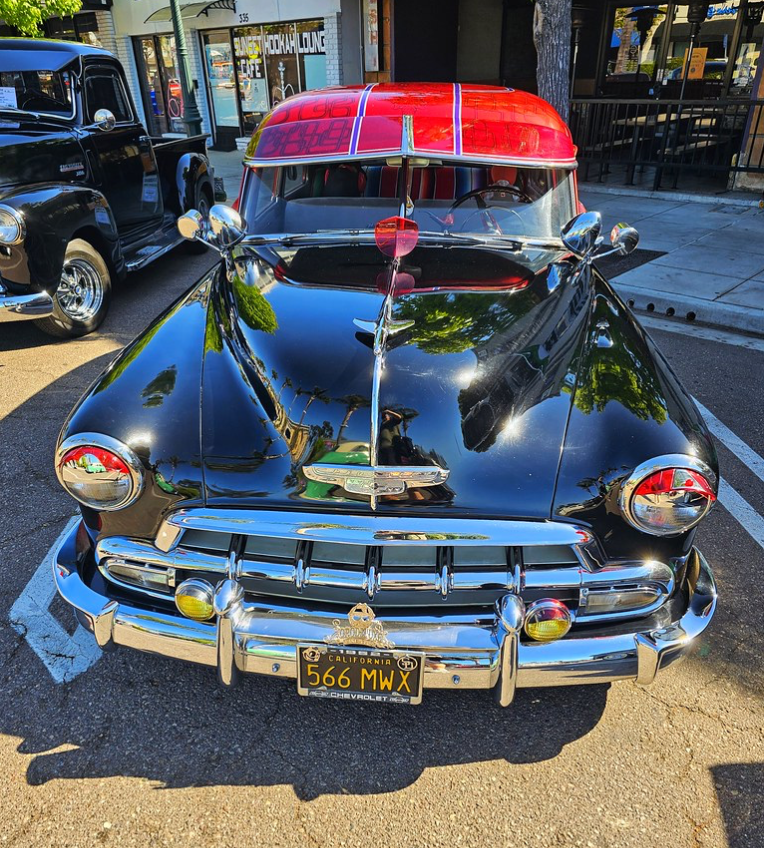
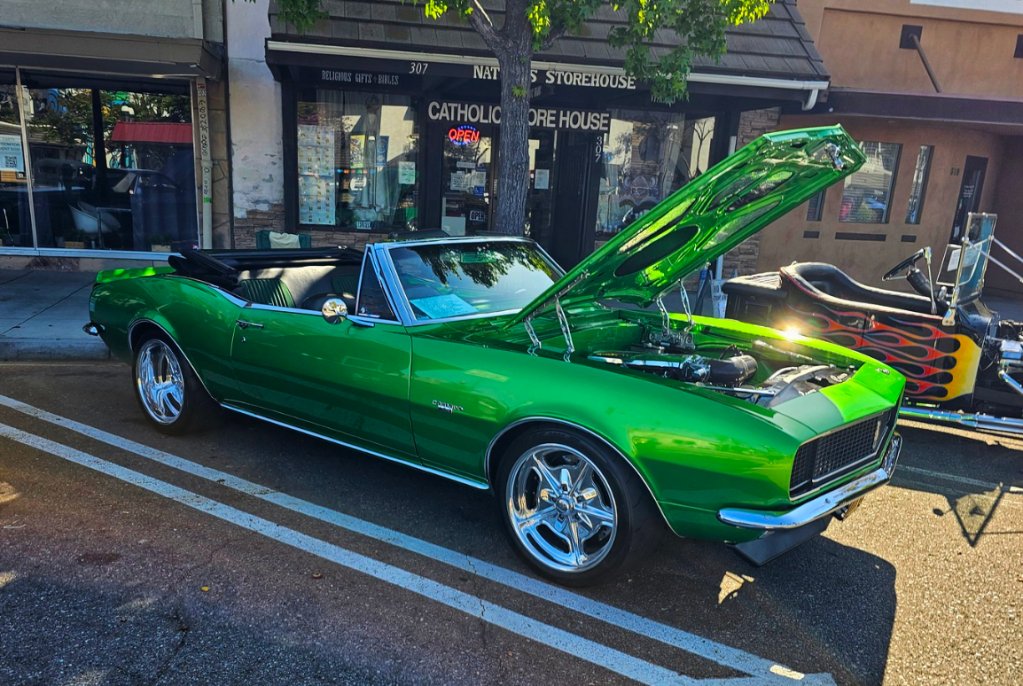
Here is a photos of some of the cars that joined the 2025 car show
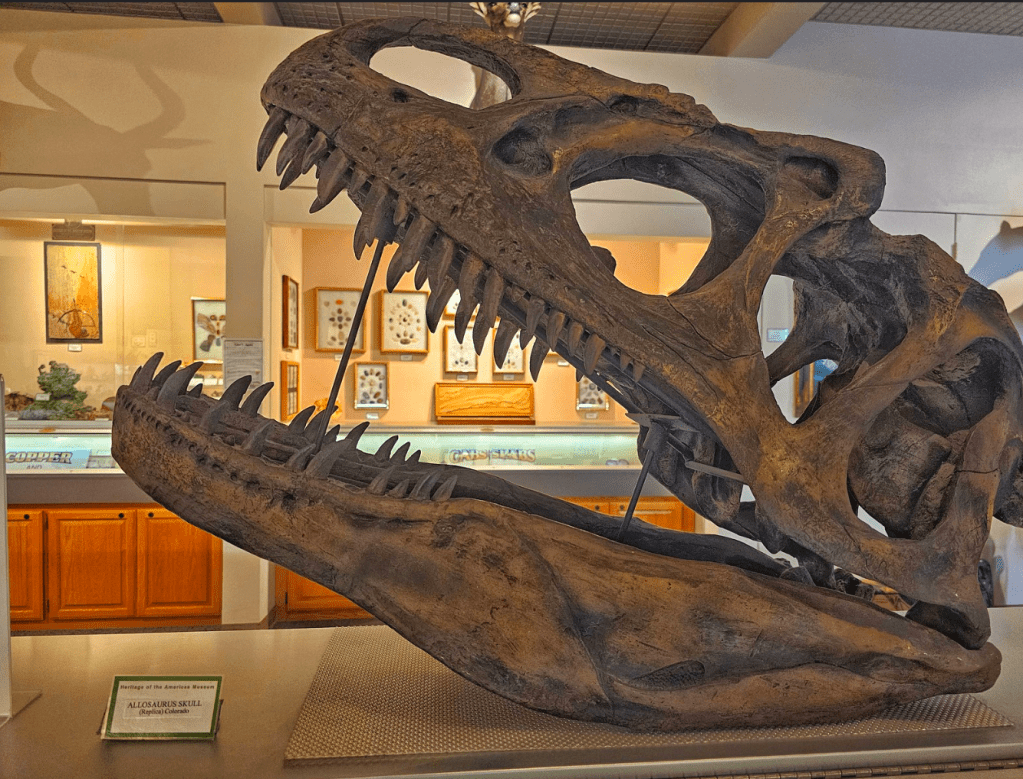
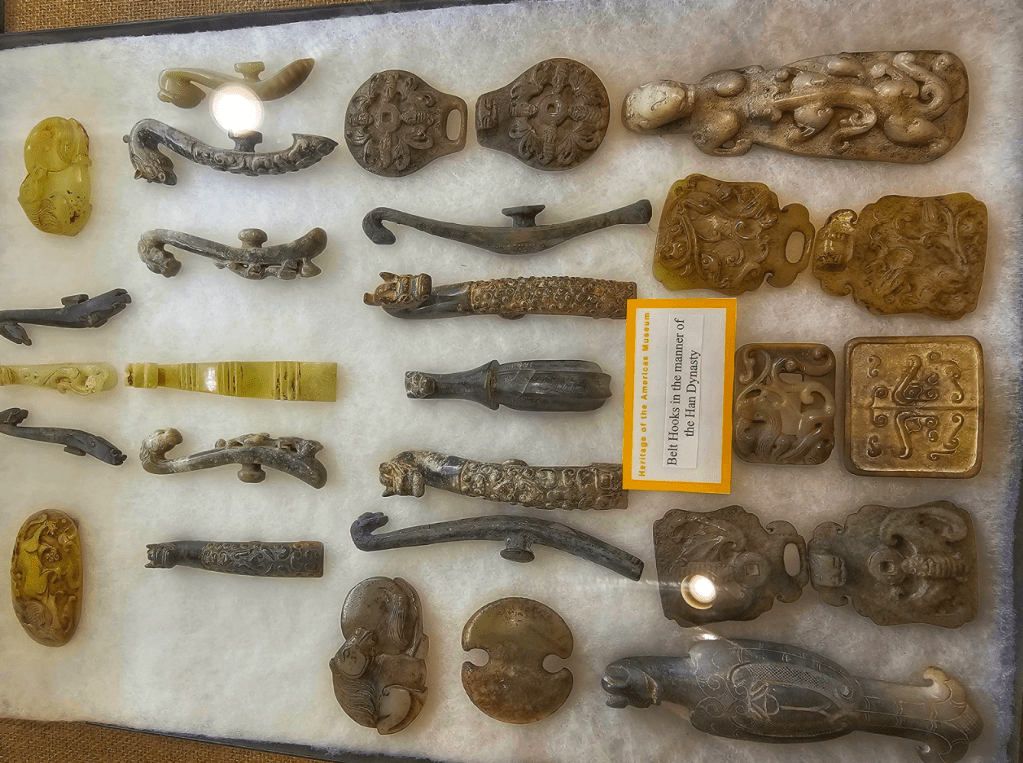
12110 Cuyamaca College Drive West El Cajon, CA Hours: Tuesday – Friday 10am-3pm Closed Sunday/Monday
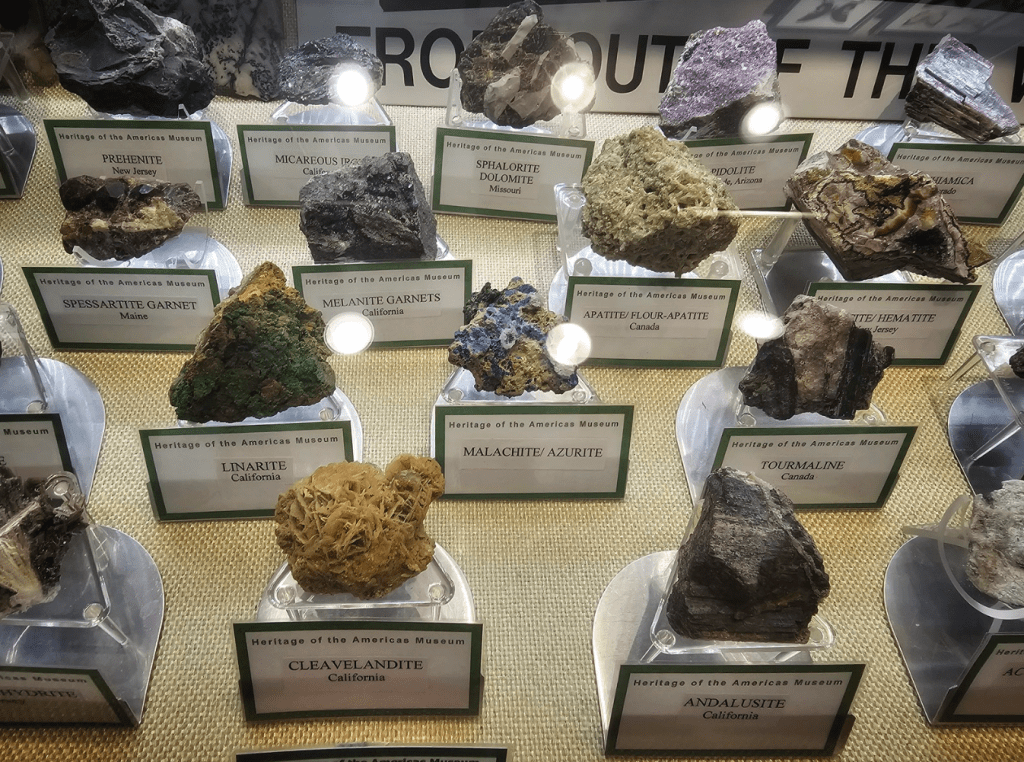
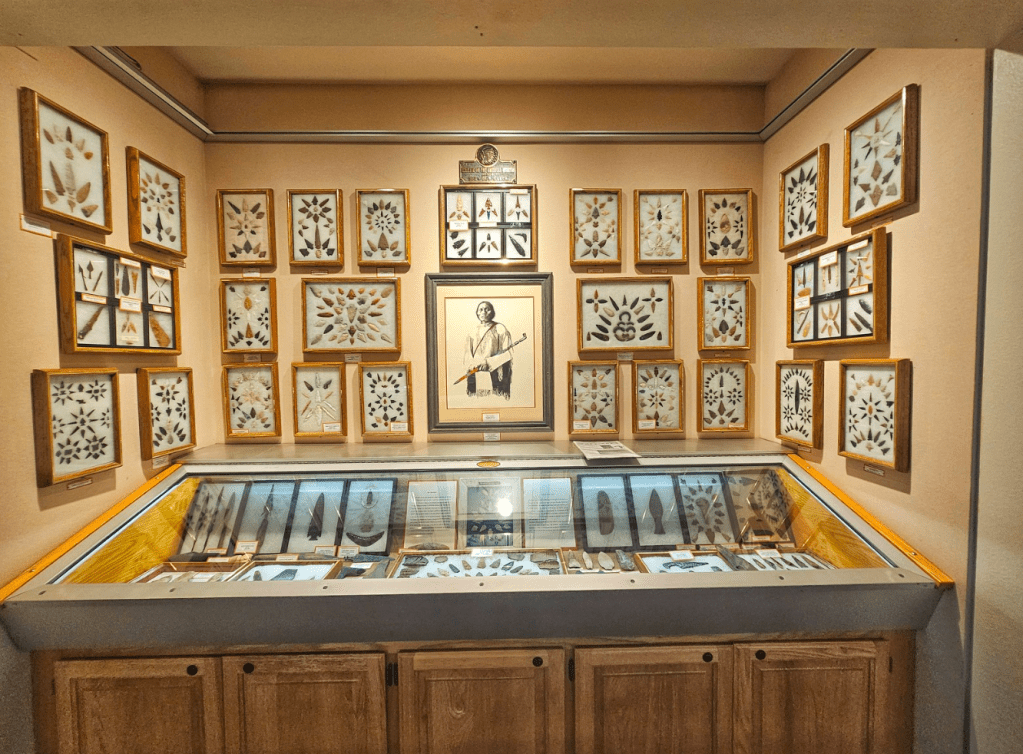
The Heritage of the Americas Museum, is located on the campus of Cuyamaca College in El Cajon, Ca. It is a cultural & educational facility showcasing the prehistoric and historic art, culture, and natural history of the Americas through four wings of exhibits: Natural History, Archaeology, Anthropology and Art. The Tropical Garden Patio, the Desert Garden Patio, and the surrounding landscaping may be considered a fifth wing. At the heart of the museum is their unique gift shop. Come and enjoy a “Journey Through Time” at this amazing museum, which invites visitors of all ages to experience a journey through time.
Every second Friday of the month, both the Heritage of the Americas and the Waster Conservation Garden next door grants visitors FREE Admission
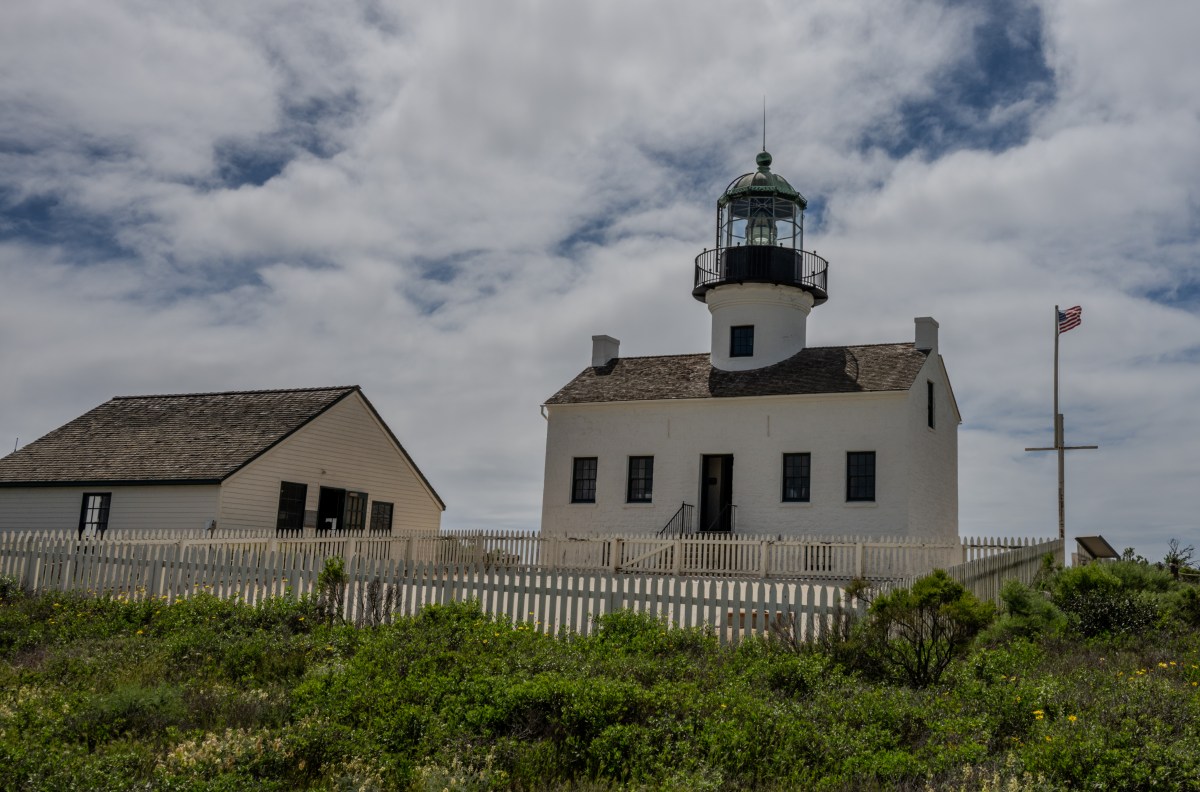
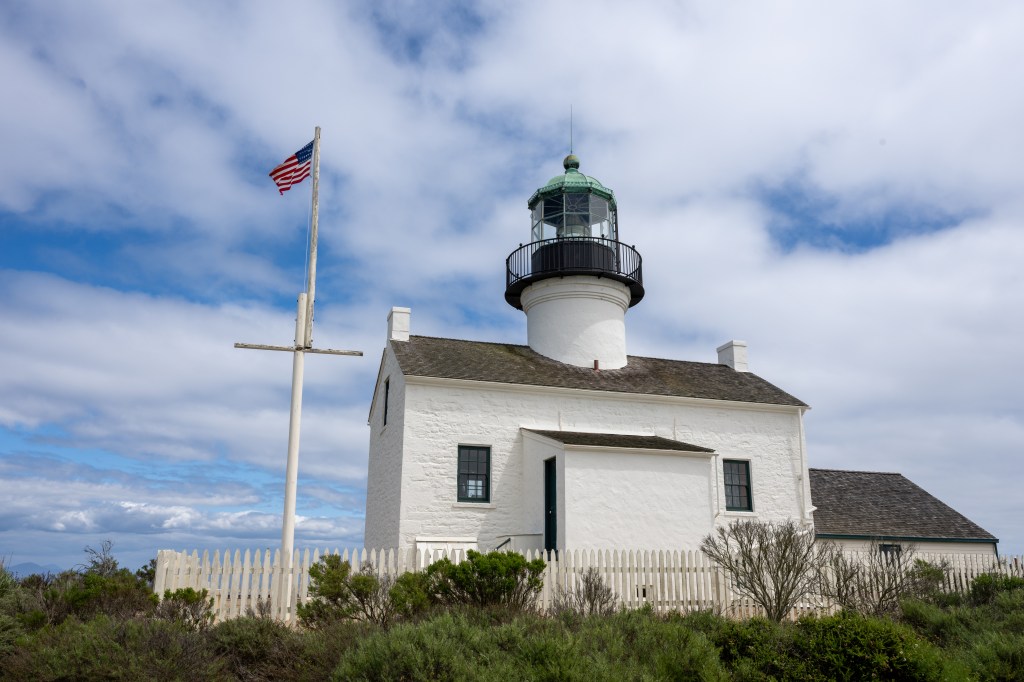
Perched high atop the rugged cliffs of Point Loma, overlooking the vast expanse of the Pacific Ocean and the bustling San Diego Bay, stands the iconic Cabrillo National Monument and its crowning jewel: the Old Point Loma Lighthouse. This historic beacon, a silent sentinel of the sea, offers not just breathtaking views but a glimpse into the rich maritime history of Southern California.
A Light in the Darkness:
Built in 1855, the Old Point Loma Lighthouse was one of the earliest lighthouses on the West Coast. Its purpose was simple yet vital: to guide ships safely into San Diego Bay. For 36 years, its powerful beam cut through the darkness, warning sailors of the treacherous coastline.
However, its elevation, while scenic, proved problematic. Fog and low clouds often obscured the light, rendering it ineffective. In 1891, the lighthouse was decommissioned, and a new, lower-elevation lighthouse was built closer to the water’s edge.
More Than Just a Lighthouse:
Today, the Old Point Loma Lighthouse stands as a museum, offering visitors a fascinating look into the lives of the lighthouse keepers and their families. Stepping inside, you’re transported back in time, experiencing the simple yet demanding life of those who dedicated themselves to keeping the light burning.
The Keeper’s Quarters: Explore the restored living quarters, furnished as they would have been in the late 19th century. Imagine the isolation and the constant vigilance required to maintain the light.
The Tower Climb: Venture up the winding staircase to the lantern room, where the Fresnel lens once shone brightly. While the original lens is now on display at the visitor center, the panoramic views from the tower are nothing short of spectacular.
The Panoramic Views: Beyond the historical significance, the Cabrillo National Monument offers some of the most stunning vistas in San Diego. From the lighthouse grounds, you can see the city skyline, Coronado Island, the vast Pacific Ocean, and even migrating whales during certain seasons.
Cabrillo National Monument: A Broader Historical Perspective:
The lighthouse is just one part of the Cabrillo National Monument. The monument also commemorates Juan Rodriguez Cabrillo, the first European to set foot on what is now the West Coast of the United States. In 1542, Cabrillo’s expedition landed in San Diego Bay, marking a significant moment in California’s history.
The Cabrillo Statue: A large statue of Juan Rodriguez Cabrillo overlooks the bay, a testament to his historic voyage.
The Tidepools: Down the hill from the lighthouse, the rocky tidepools offer a unique opportunity to explore the diverse marine life that thrives in this coastal ecosystem.
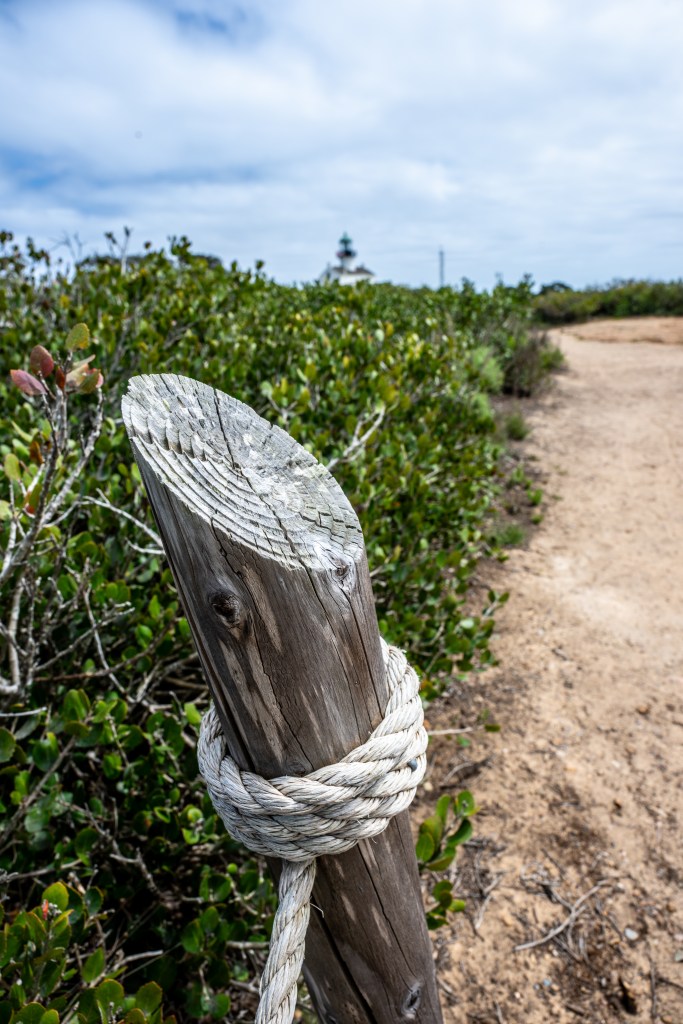
The Bayside Trail: This trail offers fantastic views of the bay and the city.
Planning Your Visit:
The Cabrillo National Monument is open daily, with varying hours.
There is an entrance fee to the monument.
Be prepared for windy conditions, especially at the higher elevation.
Wear comfortable shoes, as there is some walking involved.
Bring a camera to capture the breathtaking views.
A Timeless Treasure:
The Cabrillo Lighthouse is more than just a historical landmark; it’s a symbol of perseverance, dedication, and the enduring connection between humanity and the sea. Whether you’re a history buff, a nature enthusiast, or simply seeking a stunning view, a visit to the Cabrillo National Monument and its iconic lighthouse is an experience you won’t soon forget. It’s a reminder of the past, a celebration of the present, and a window to the vast and ever-changing beauty of the Pacific Coast.
Desert X isn’t your typical art exhibition. It’s a site-specific, recurring exhibition that transforms the Coachella Valley’s vast, arid landscape into an open-air art gallery. Imagine sculptures rising from the desert floor, installations playing with light and shadow against the mountains, and interactive pieces that invite you to engage with the environment in new ways. That’s Desert X.
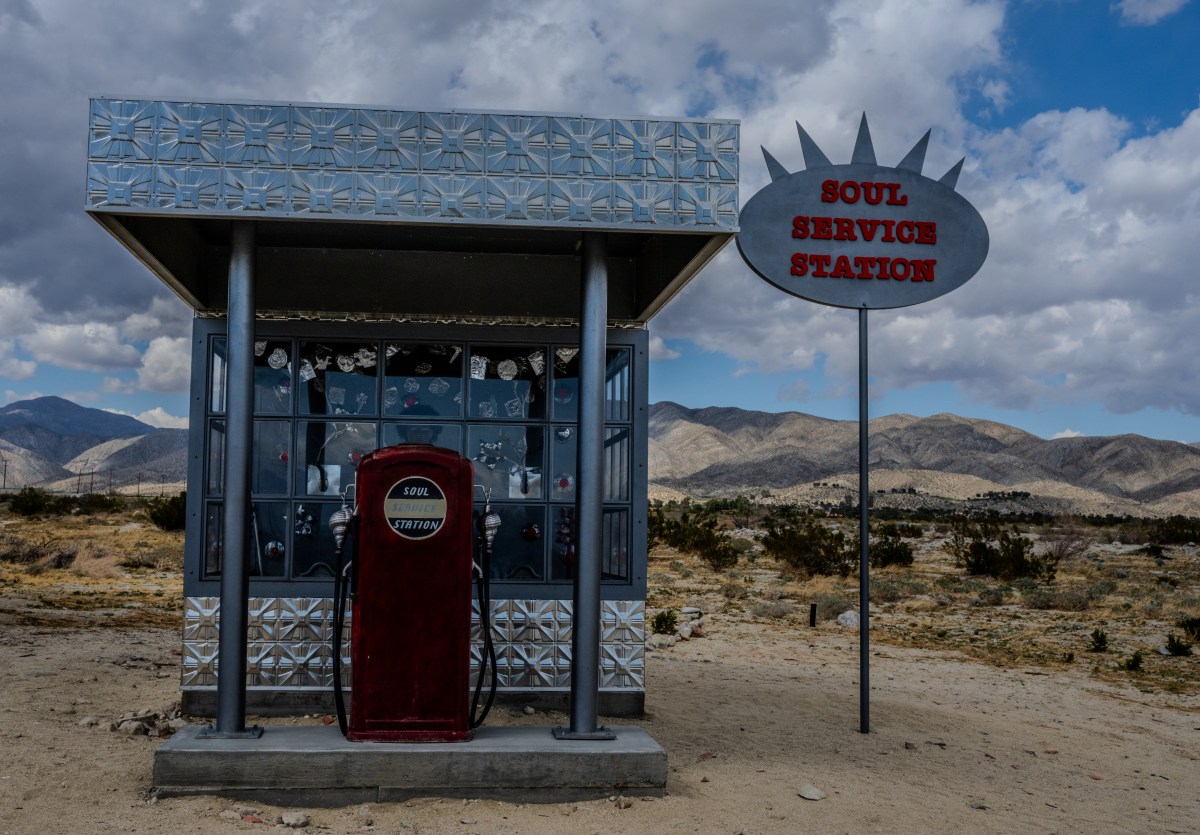
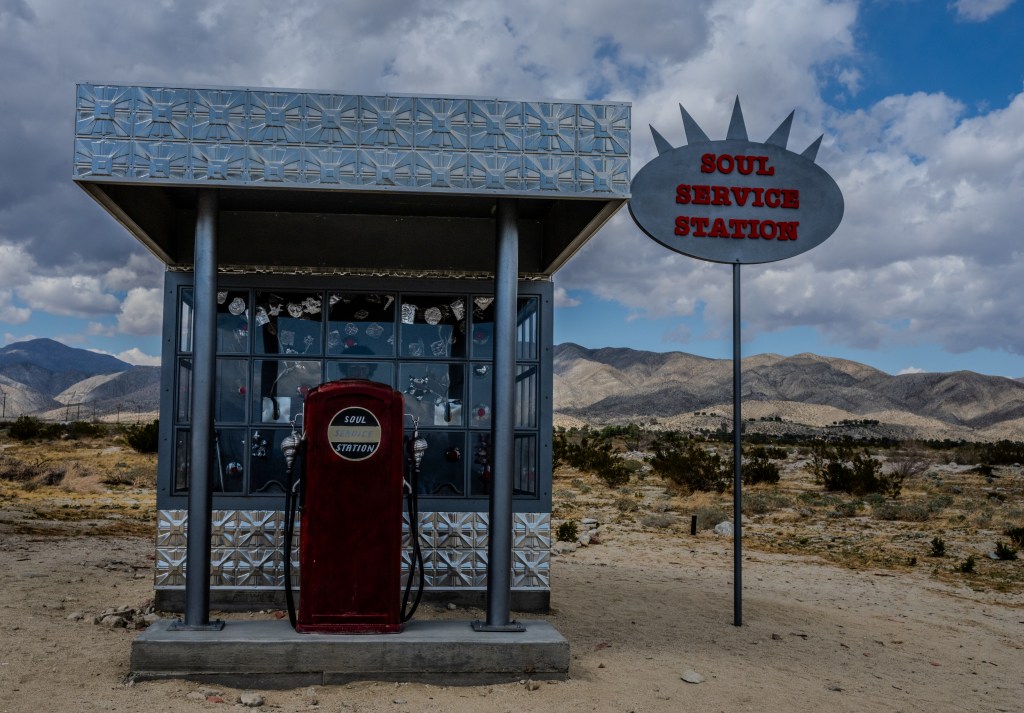
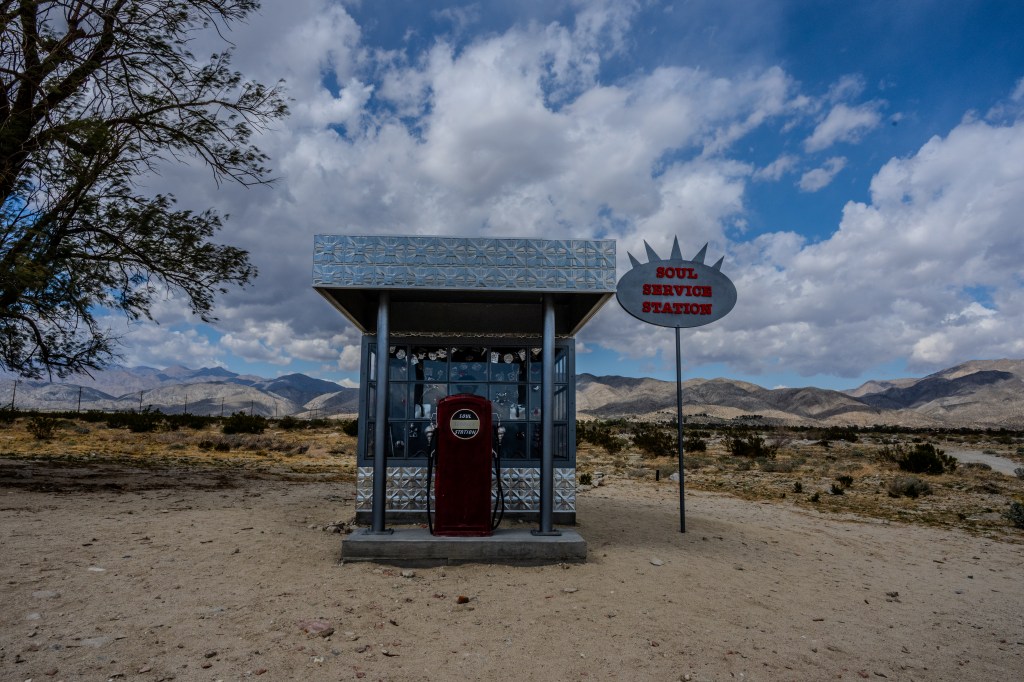
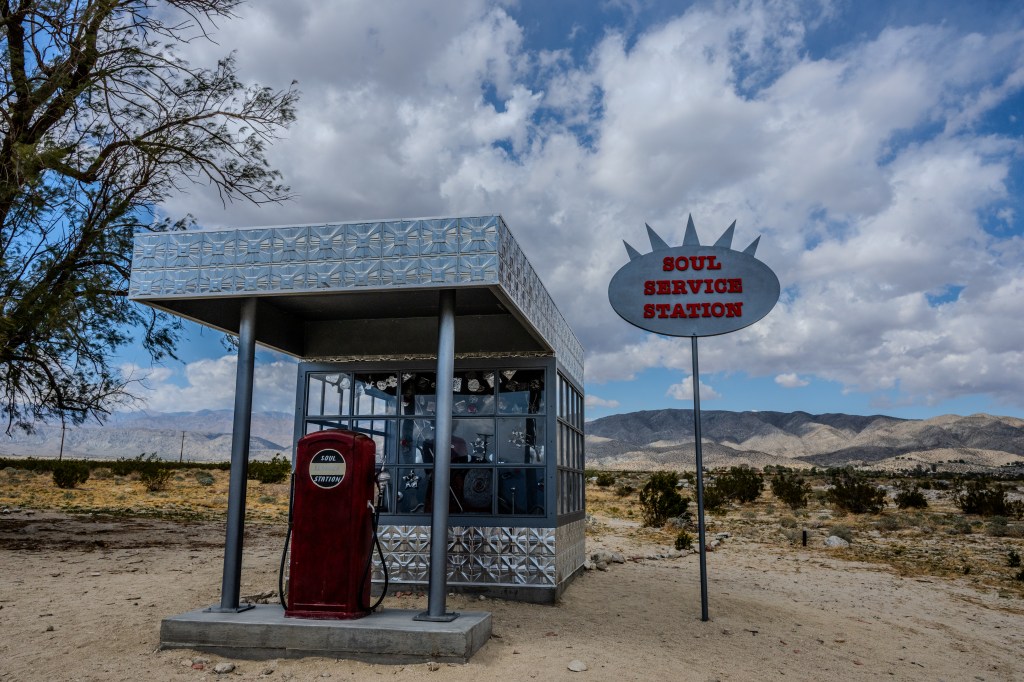
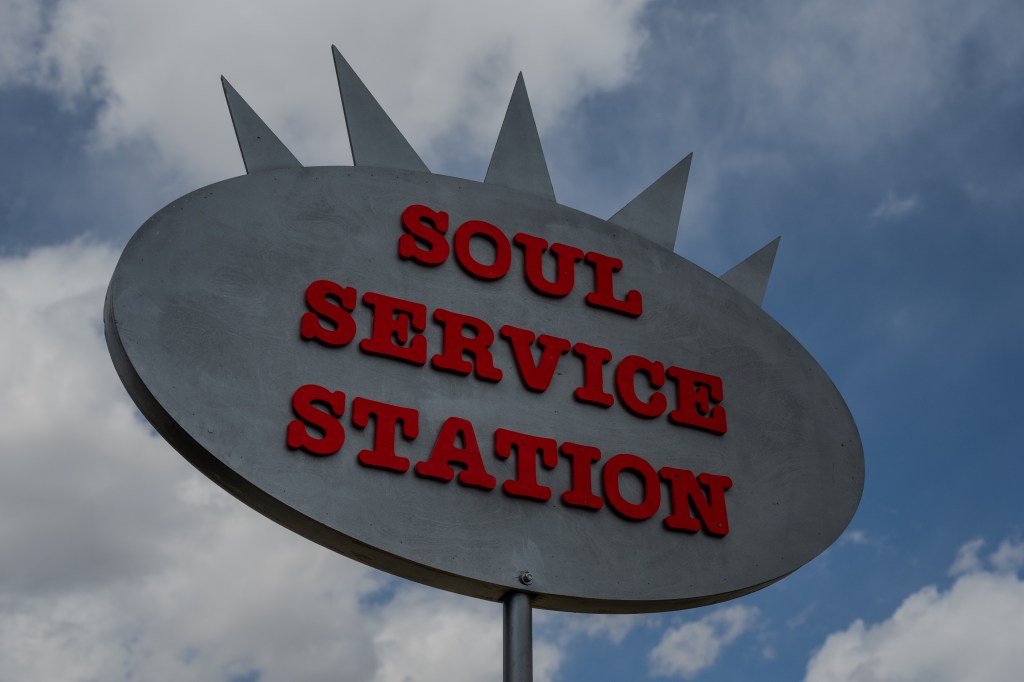
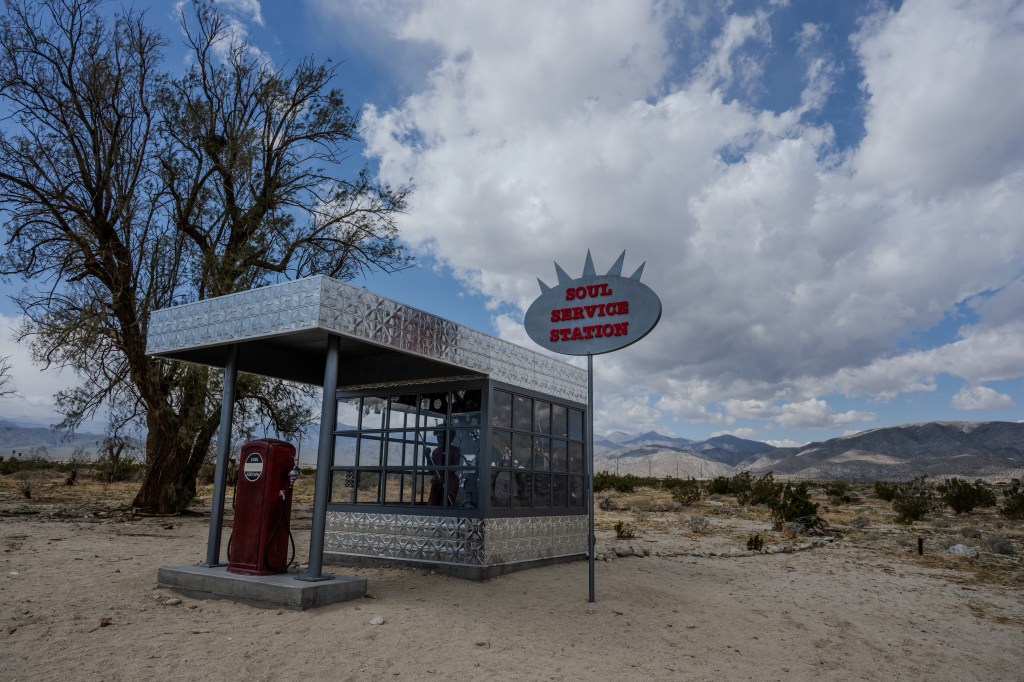
Located in Desert Hot Springs, “Soul Service Station” is more than just a visual spectacle; it’s an invitation to pause, reflect, and replenish. Saar reimagines the familiar image of a roadside gas station, transforming it into a spiritual oasis. Here’s what makes it so compelling:
Reclaiming and Reimagining:
Saar draws inspiration from the gas stations that dot the American West, including those within the Coachella Valley, but she infuses her creation with a profound sense of spiritual nourishment.
The station offers “fuel for the soul,” inviting visitors to “get their blues flushed, spirits inflated, hearts charged, and souls filled.”
A Space for Healing and Hope:
Inside the station, a carefully curated sculptural assemblage, handcrafted by Saar, features a collection of devotional objects.
Collaborating with Coachella Valley students, Saar has incorporated foil repoussé medallions, expressing prayers and wishes for healing and hope, adding a vital community element to the installation.
Powerful Symbolism:
A life-size, hand-carved female figure stands at the center, serving as the guardian and healer of the site, radiating strength and protection.
A repurposed gas pump dispenses poetry by Los Angeles–based poet Harryette Mullen, adding a rich layer of literary depth to the experience.
Material and Metaphor:
Saar’s use of found and salvaged materials is central to her practice. She imbues these objects with new meaning, honoring the histories and cultural memories they carry, particularly those related to Black female identity.
A Unique Artistic Experience
What makes Desert X so captivating is its profound connection to its location. The artists invited to participate are challenged to create works that respond to the unique geological, ecological, and social context of the Coachella Valley. This results in art that isn’t just placed in the desert, but rather, emerges from it.
Here are some key aspects that define Desert X:
Site-Specificity: The artworks are designed specifically for the desert environment, taking into account the landscape’s scale, light, and climate. This creates a dialogue between art and nature.
Environmental Awareness: Many installations address themes of climate change, water scarcity, and the delicate balance of the desert ecosystem.
Exploration and Discovery: Desert X encourages visitors to explore the vastness of the Coachella Valley, leading them on a journey of discovery and reflection.
Public Engagement: The exhibition is free and open to the public, making art accessible to a wide audience.
Past Installations: A Glimpse into the Extraordinary
Over the years, Desert X has featured a diverse range of captivating installations. Some notable examples include:
Doug Aitken’s “Mirage” (2017): A mirrored house that reflected the surrounding desert, creating a surreal and disorienting experience.
Jennifer Bolande’s “Visible Distance” (2019): Billboards displaying images of the mountains, strategically placed to align with the actual mountain range, blurring the lines between reality and representation.
Christopher Myers’ “The Art of Taming Horses” (2023): Sculptures and flags that explored the history of the Buffalo Soldiers in the area.
Alicja Kwade’s “ParaPivot (sempiternal clouds)” (2023): A sculpture that appeared to be made of large, displaced stones, which created a visually stunning contrast with the desert surroundings.
More Than Just Art
Desert X is more than just an art exhibition; it’s an experience. It’s a chance to:
Reconnect with nature in a profound way.
Challenge your perceptions of art and landscape.
Engage in meaningful conversations about the environment.
Discover the beauty and fragility of the desert ecosystem.
Planning Your Visit
If you’re planning a trip to the Coachella Valley, be sure to check the Desert X website for the latest information on upcoming exhibitions. Remember to:
Bring plenty of water and sunscreen.
Wear comfortable shoes for walking and exploring.
Plan your route carefully, as the installations are spread across a large area.
Respect the environment and leave no trace.
Desert X is a testament to the power of art to transform our perception of the world around us. It’s a reminder that even in the most seemingly barren landscapes, beauty and creativity can flourish.
Palm Desert’s Living Desert Zoo and Gardens is more than just a zoo; it’s a vibrant celebration of the world’s arid regions. Nestled against the stunning backdrop of the Santa Rosa Mountains, this unique attraction offers a captivating blend of wildlife encounters and botanical exploration.
If you’re looking for a family-friendly adventure that’s both educational and entertaining, the Living Desert is a must-visit. From the moment you step through the gates, you’re immersed in a world of fascinating creatures adapted to survive in some of the harshest environments on Earth.
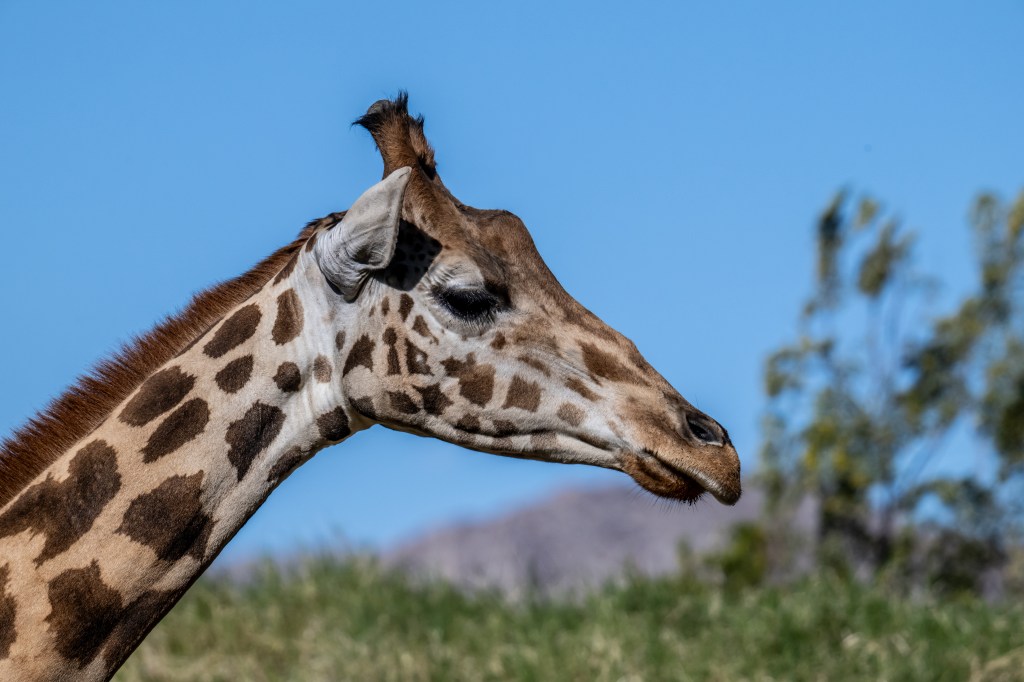
Diverse Animal Encounters: Get up close with majestic giraffes, playful meerkats, elusive desert tortoises, and the iconic big horn sheep. The zoo’s focus on desert-dwelling animals means you’ll see species you might not encounter at a typical zoo.
Beautiful Botanical Gardens: Stroll through meticulously curated gardens showcasing the incredible diversity of desert flora. Learn about the adaptations that allow plants to thrive in arid climates.
Educational Programs: The Living Desert is committed to conservation and education. Daily talks and demonstrations provide valuable insights into the animals and their habitats.
Scenic Hiking Trails: Explore the natural desert landscape on the zoo’s hiking trails, offering breathtaking views of the surrounding mountains and valleys.
Giraffe Feeding: One of the most popular attractions is the opportunity to feed the giraffes. It’s a truly memorable experience!
Why It’s Worth a Visit:
The Living Desert isn’t just about seeing animals; it’s about understanding the delicate balance of desert ecosystems. The zoo’s conservation efforts and educational programs make it a valuable resource for learning about the importance of protecting these fragile environments.
Whether you’re a nature enthusiast, a family looking for a fun day out, or simply seeking a unique desert experience, the Living Desert Zoo and Gardens has something for everyone. So, pack your sunscreen, grab your water bottle, and prepare to be amazed by the wonders of the desert!
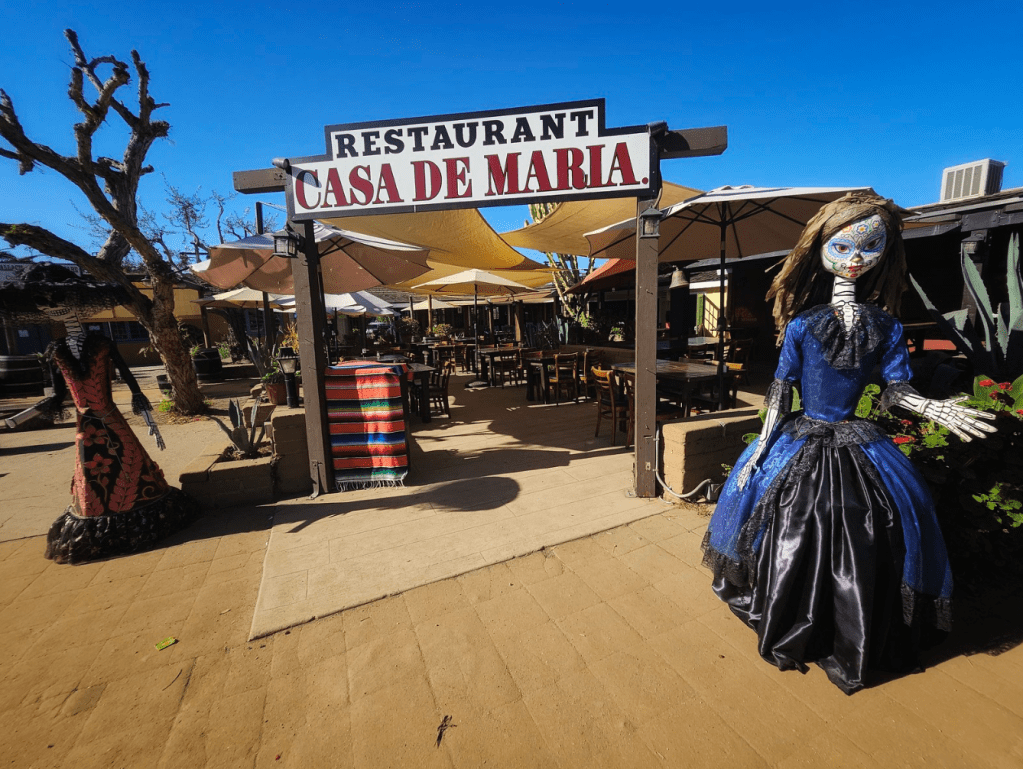
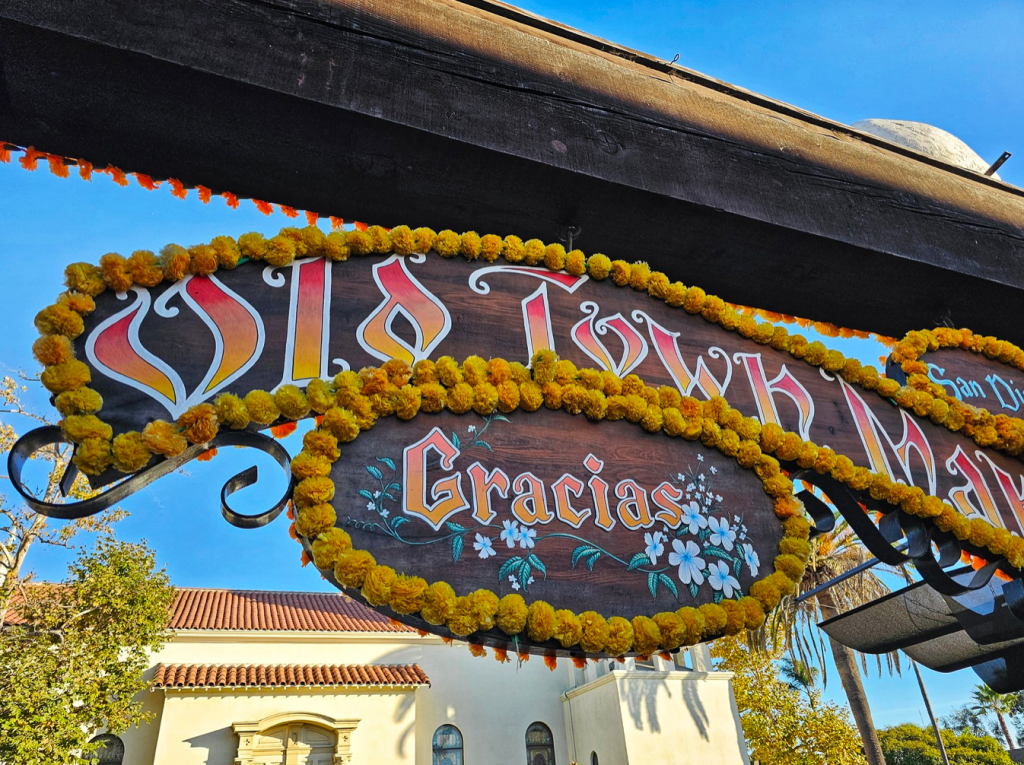
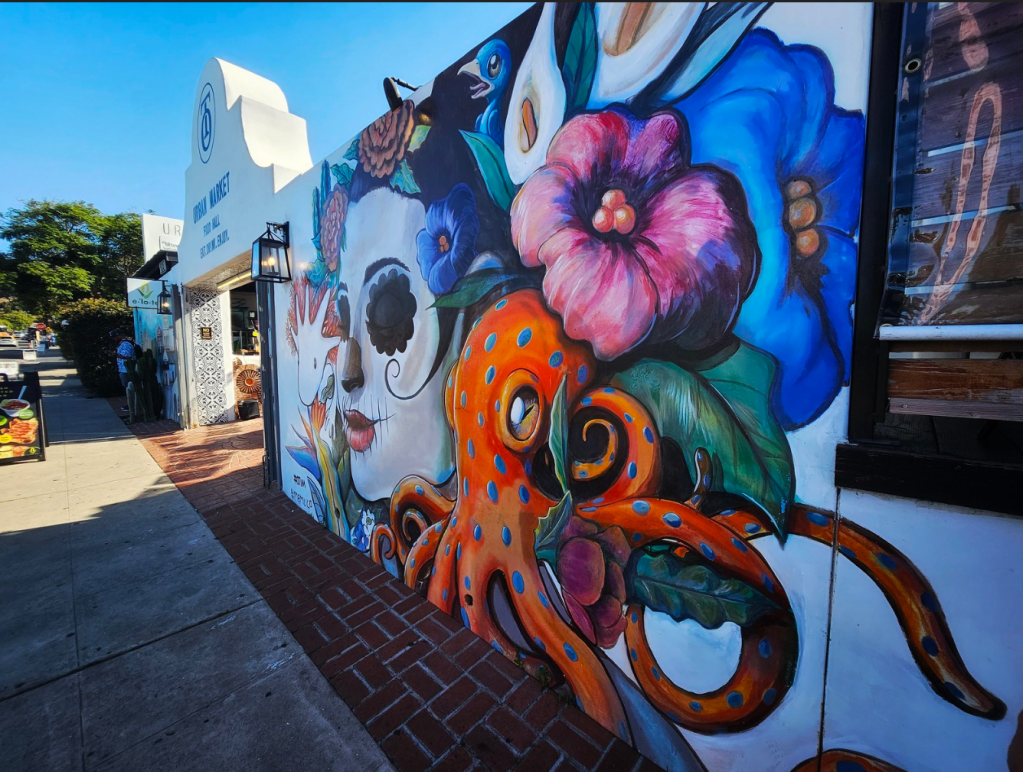
Living here in Chula Vista, we’re lucky to have so many amazing San Diego spots right on our doorstep. If you’re looking for a fun, vibrant, and totally unique outing that blends history with delicious food and great shopping, look no further than Old Town San Diego. Often called the “Birthplace of California,” this historic neighborhood is bursting with character and offers a fantastic escape just a short drive or trolley ride away.
Whether you’re a history buff, a foodie craving authentic Mexican flavors, or just someone looking for a lively atmosphere, Old Town delivers. Let’s take a stroll through what makes it such a must-visit destination.
Step Back into California’s Beginnings
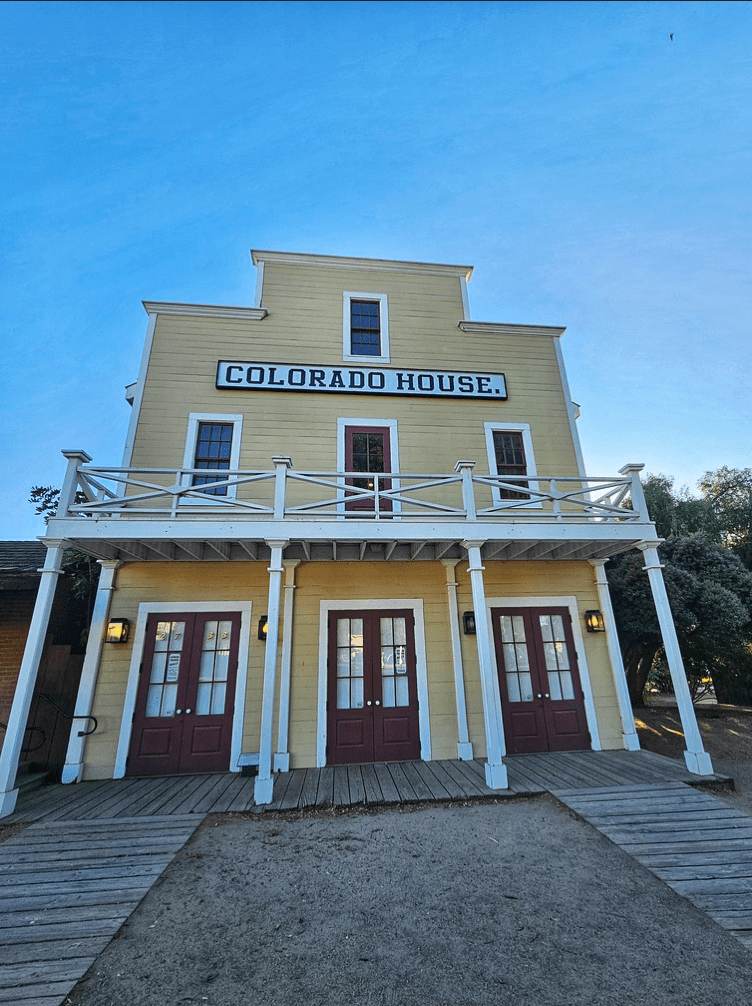
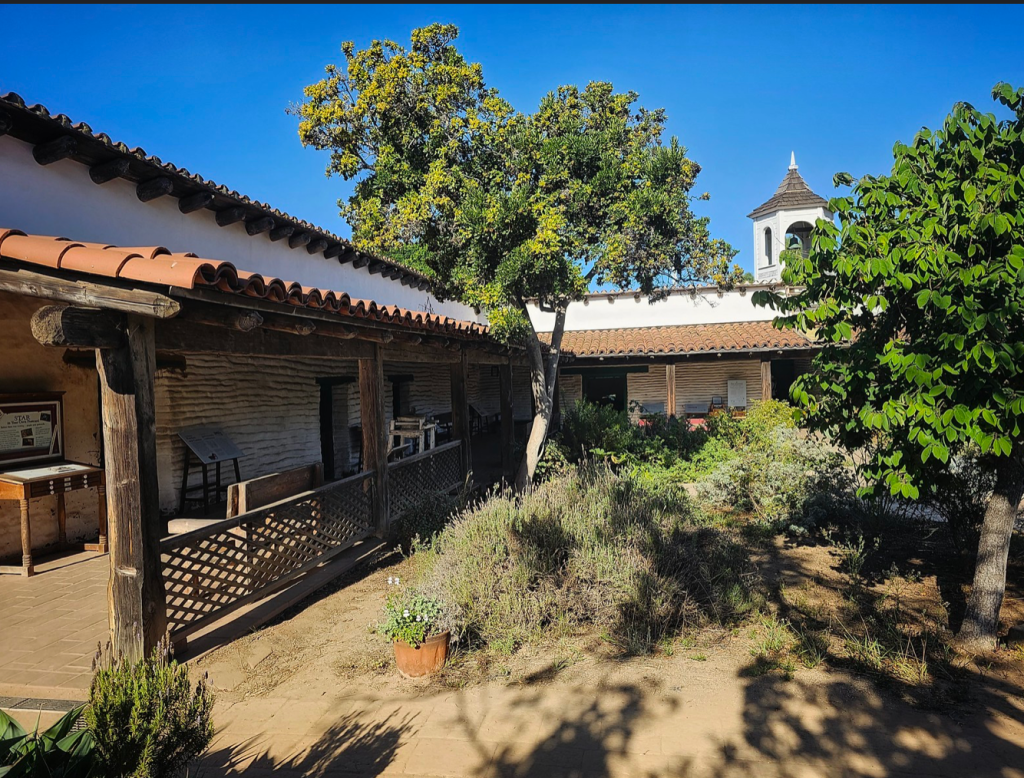
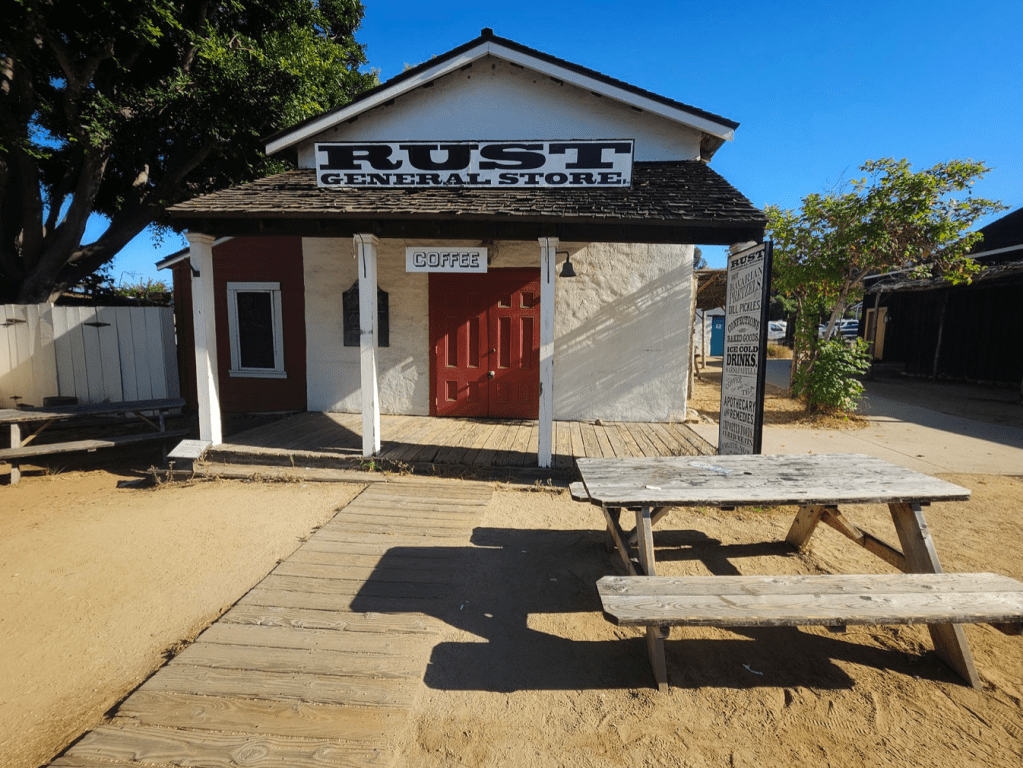
Old Town isn’t just a name; it’s where San Diego, and arguably California as we know it, began. This area marks the site of the first permanent Spanish settlement on the U.S. West Coast, established back in 1769. The heart of the neighborhood, Old Town San Diego State Historic Park, preserves and reconstructs buildings from the Mexican (1821-1848) and early American (1850-1872) periods. Walking through its dusty paths feels like stepping onto a movie set, offering a tangible connection to the past.
What to See and Do in Old Town: More Than Just History!
While history is the anchor, Old Town is packed with activities for everyone:
Explore the State Historic Park (It’s FREE!): This is the main draw, and remarkably, entry to the park grounds and its museums is completely free! Wander through historic adobe homes like the grand Casa de Estudillo or the charming Casa de Machado y Stewart. Peek into the old San Diego Union Building (where the city’s first newspaper was printed), see vintage stagecoaches at the Seeley Stable Museum, or catch a living history demonstration like blacksmithing (check the schedule at the Visitor Center located in the Robinson-Rose House).
Discover Nearby Landmarks: Just outside the official State Park boundaries lie more treasures. Dare to visit the infamous Whaley House Museum, often cited as one of America’s most haunted houses (paid admission required for tours). Admire the historic Cosmopolitan Hotel & Restaurant, a beautifully restored building offering dining and lodging. Take a short walk uphill to Heritage County Park to see stunning examples of relocated Victorian architecture.
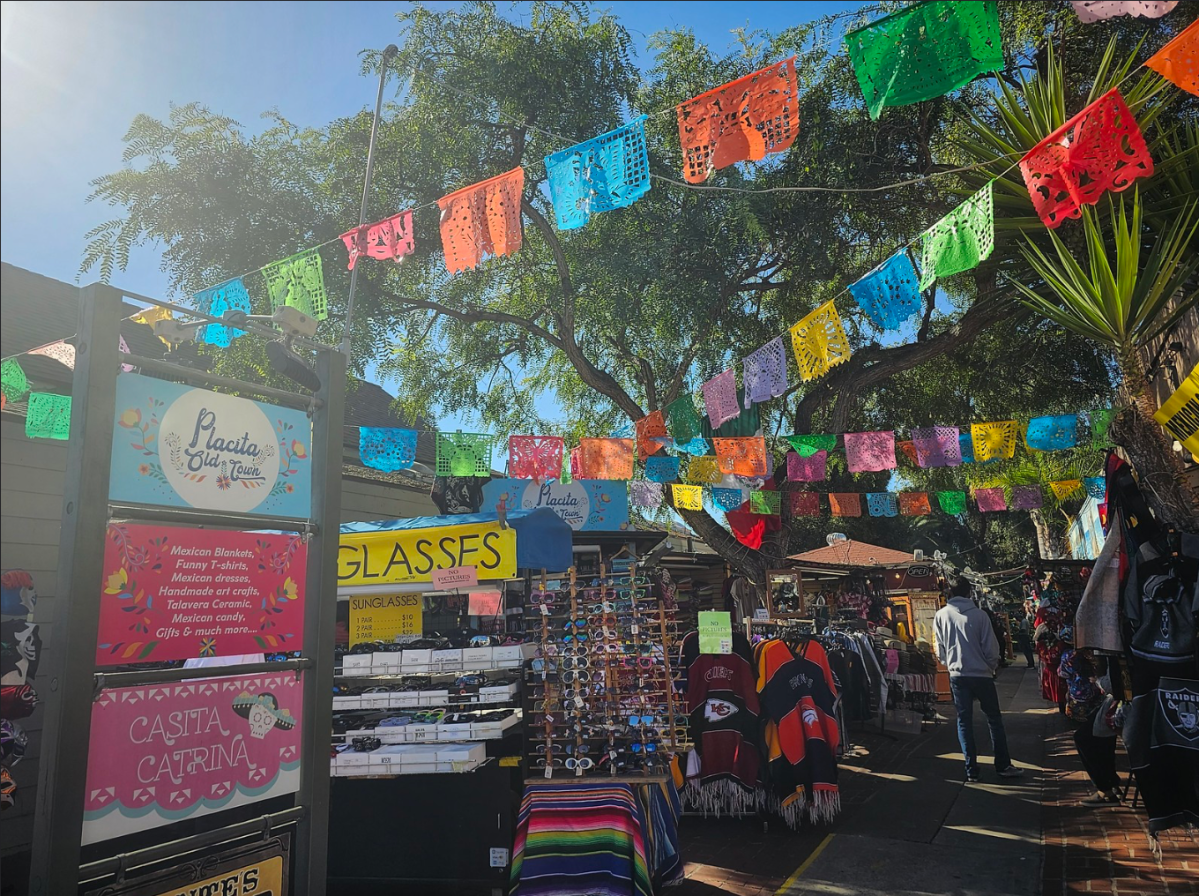
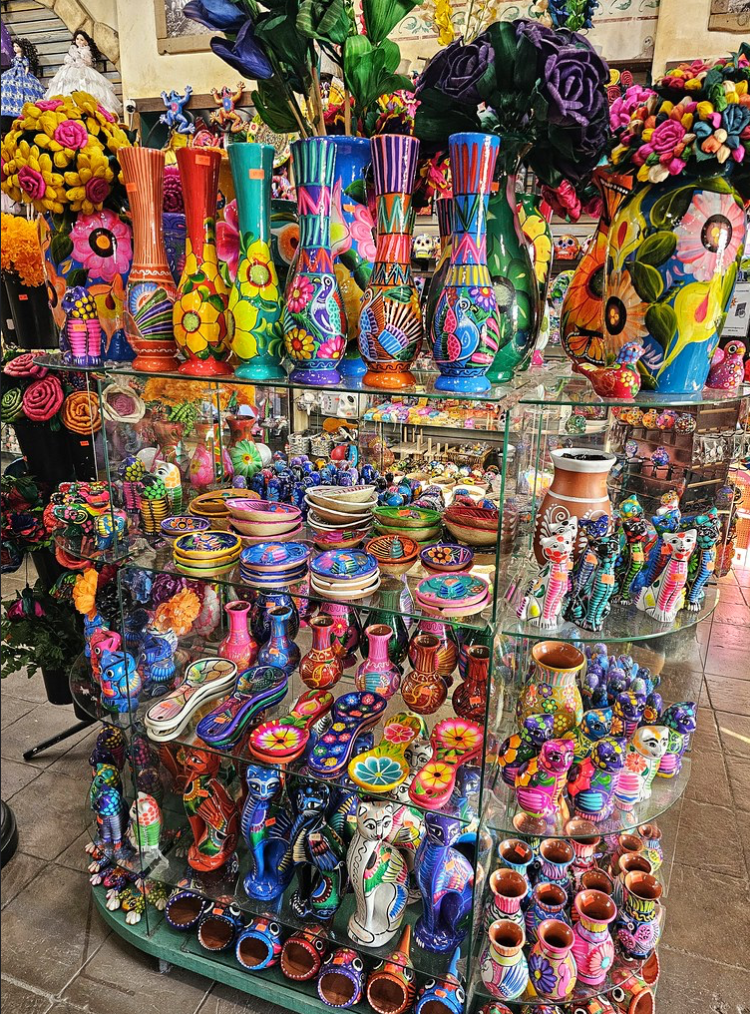
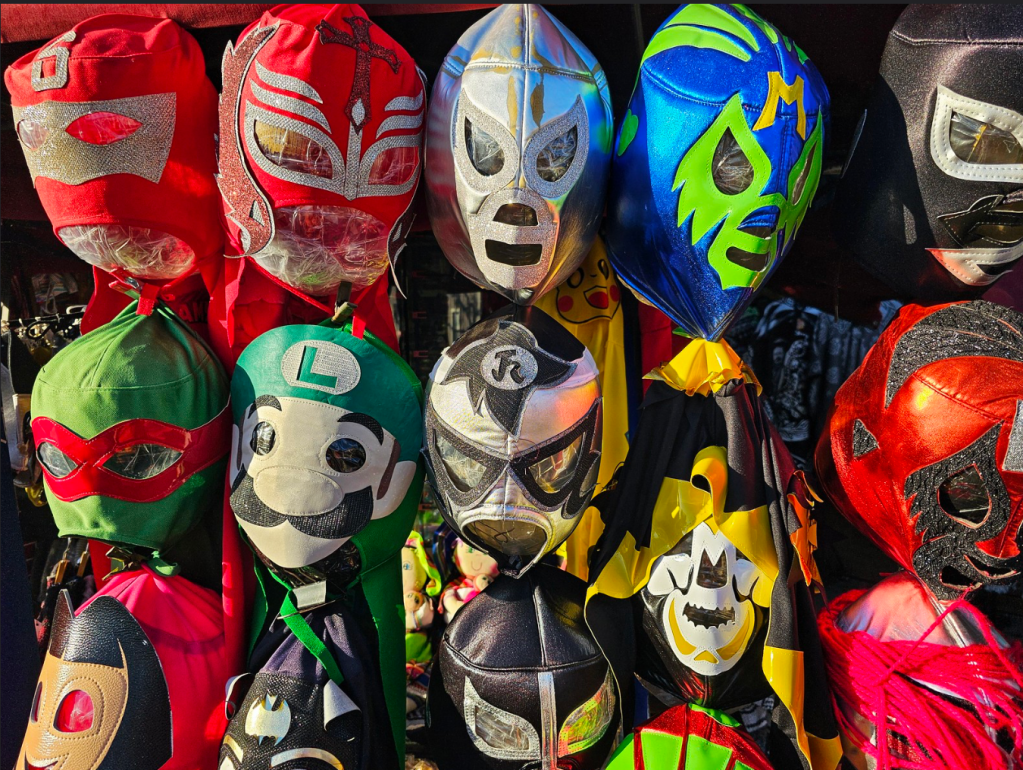
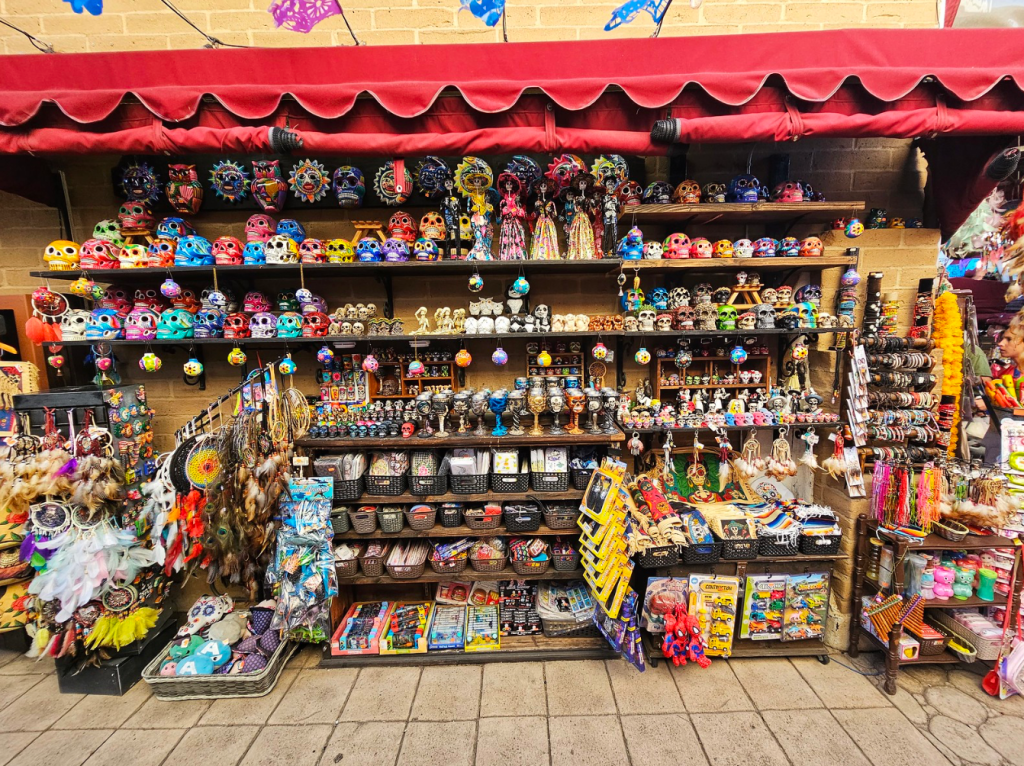
Shop for Unique Treasures: Forget generic souvenirs! Old Town’s shops are filled with colorful Mexican pottery, handcrafted jewelry, unique clothing, folk art, leather goods, specialty foods (like olive oil!), and more. Wander through lively marketplaces like Fiesta de Reyes or Bazaar del Mundo for a concentrated dose of retail therapy.
Indulge in Delicious Food: Let’s be honest, many come for the food! Old Town boasts some of the city’s most beloved Mexican restaurants. Follow the aroma of freshly made tortillas, grab a seat on a sunny patio, sip a refreshing margarita, and dig into authentic favorites. From casual taco shops to historic dining rooms, your taste buds will thank you.
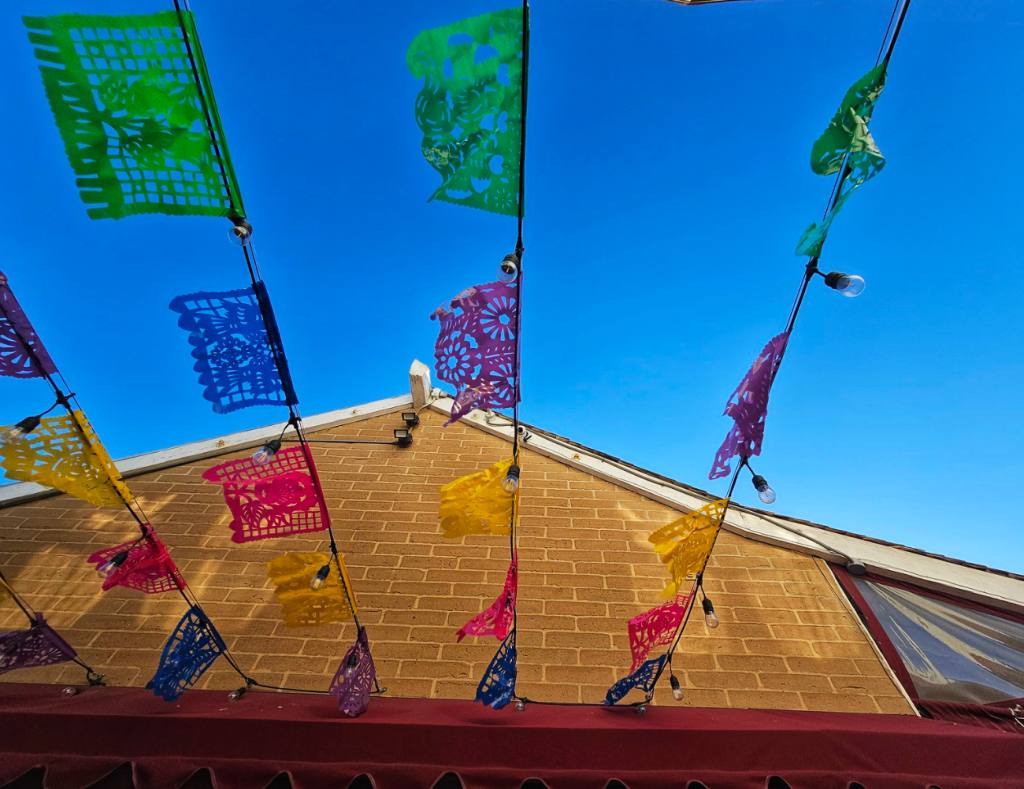
Soak Up the Festive Atmosphere: Especially on weekends, Old Town comes alive with the sounds of live mariachi music and the twirling colors of Ballet Folklórico dancers. It’s a vibrant, festive energy that’s simply contagious.
Tips for Your Old Town Adventure
Getting There is Easy: Old Town is conveniently located near major freeways and is a major hub for public transit. The Old Town Transit Center serves the MTS Trolley (hop on the Blue Line right here in Chula Vista and transfer to the Green Line!), the Coaster train, Amtrak, and numerous bus routes. Taking transit is highly recommended!
The Parking Quest: While there are several free public parking lots surrounding the park, they fill up veryquickly, especially on weekends. Street parking is also limited. If you drive, arrive early or be prepared to use a paid lot. Seriously, consider the Trolley!
Budget-Friendly Fun: Remember, exploring the State Historic Park and its museums is FREE. It’s a fantastic value outing. You’ll only need money for food, shopping, or specific attractions outside the park like the Whaley House or paid tours.
Best Times to Visit: Old Town is great year-round. Weekends and event days (like Cinco de Mayo or Día de Muertos) are the most lively but also the most crowded. Weekdays offer a more relaxed experience. Always check the hours for specific shops or museums you want to visit, as they can vary. Plan for at least a few hours, or easily spend half a day or more!
Ready to Rediscover Old Town?
Old Town San Diego offers a perfect blend of education, entertainment, delicious food, and unique shopping. It’s a place where history feels alive and accessible. So, whether it’s your first visit or your fiftieth, consider heading up to Old Town for a day trip – it’s a fantastic reminder of the rich culture and fascinating past right here in our San Diego backyard.
Have you been to Old Town recently? What’s your favorite spot? Share it in the comments!
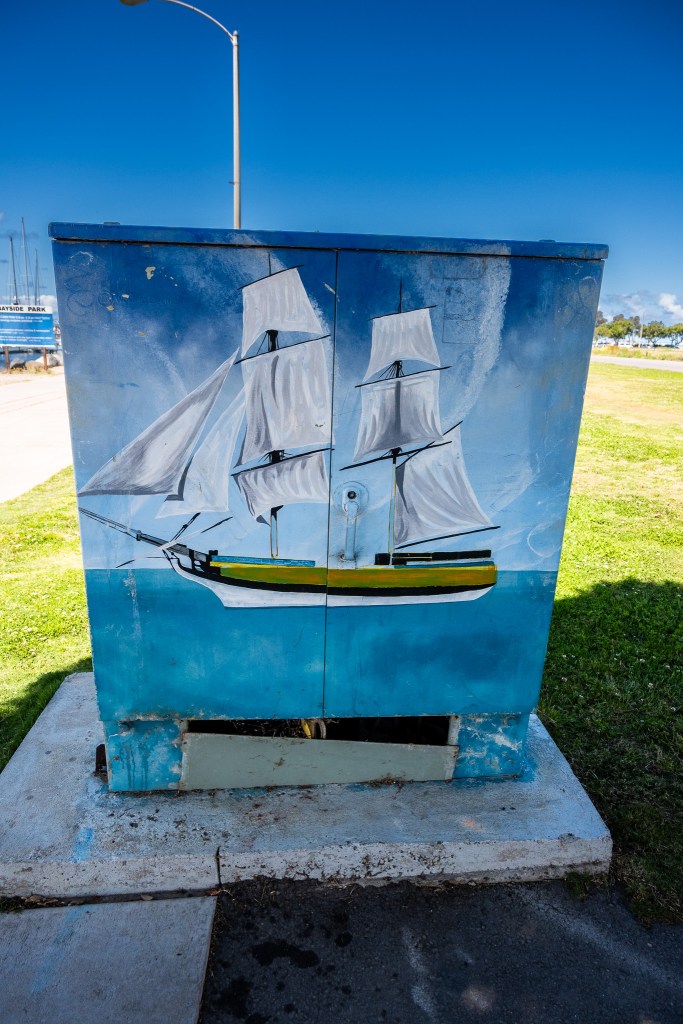
Note: Due to construction activities in the area, street parking is limited and park permits for Bayside Park are unavailable at this time. The new Gaylord Resort across the street is scheduled to open on May 15th, 2025. Once the property is open the renewed Bayside Park with be expanded and have a few new features. I will return and report on all the improvements sometime in May 2025.
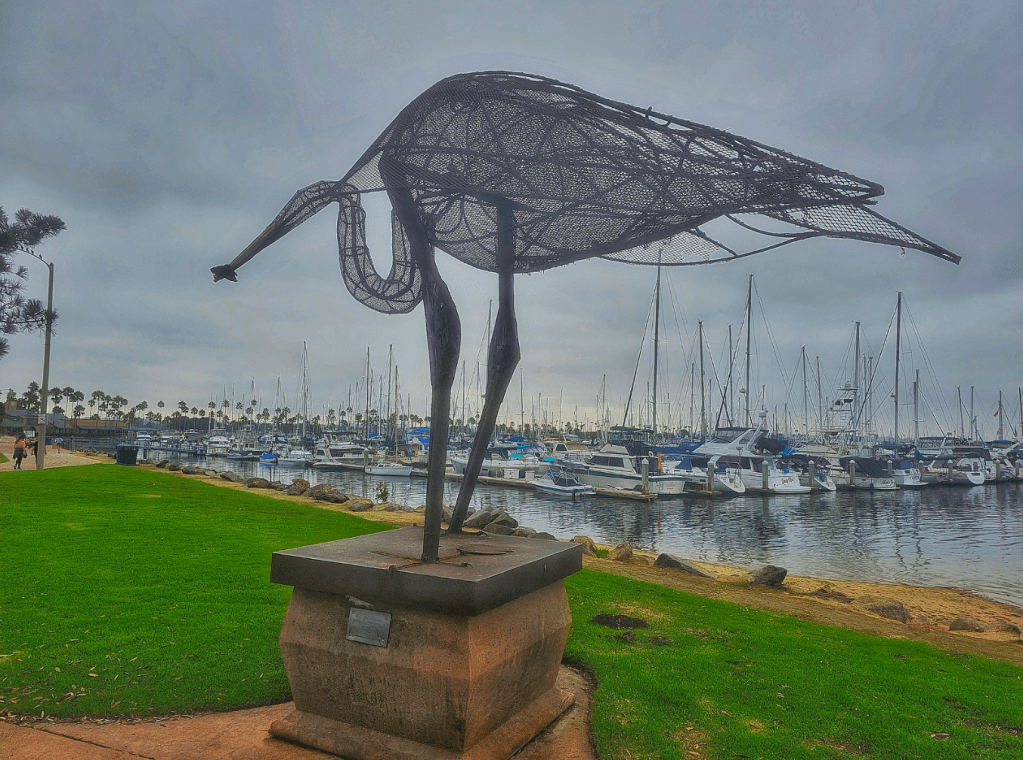
THE FISHERMAN description Stephen Fairfield metal sculpture Chula Vista Bayside Park 2007
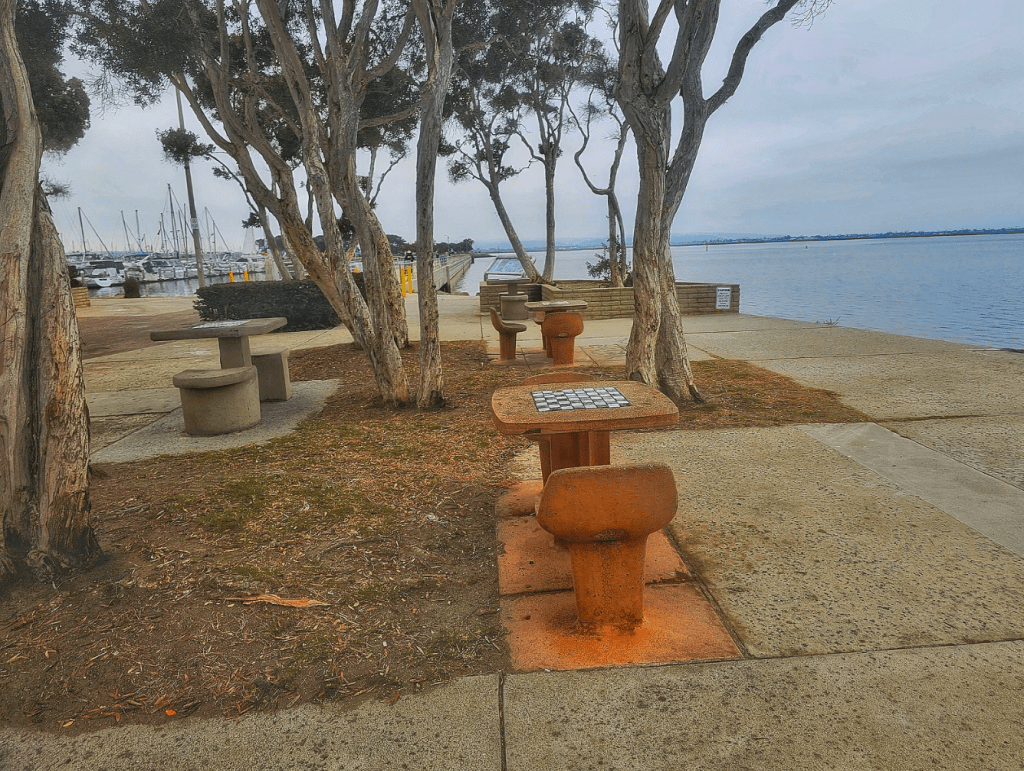
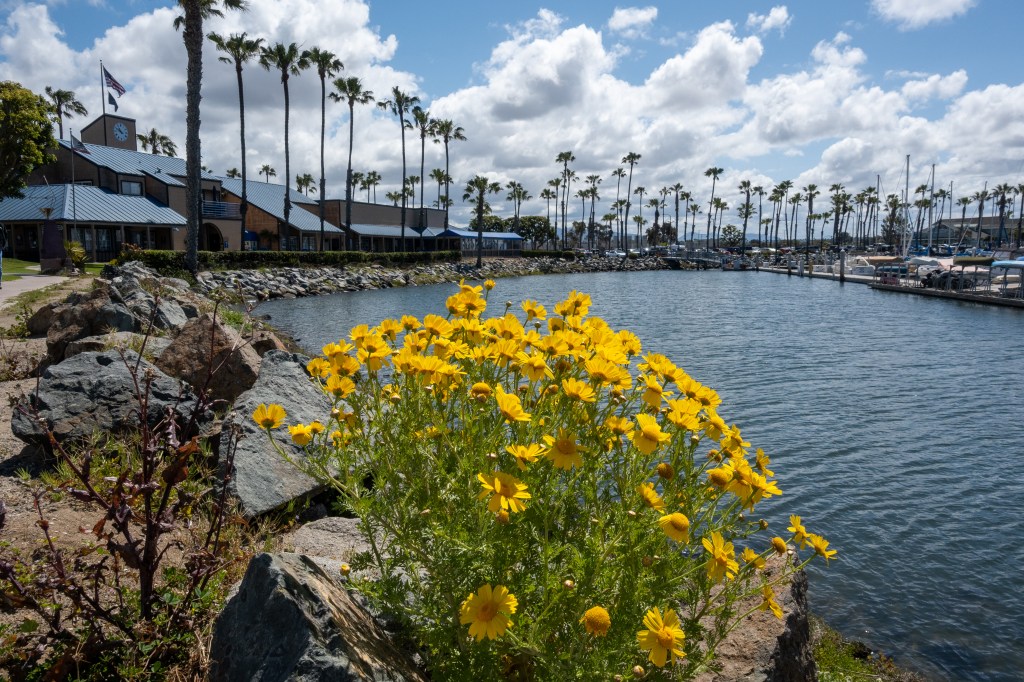
If you’re looking for a relaxing, scenic spot in the South Bay, look no further than Bayside Park in Chula Vista. Tucked away at the foot of J Street, this park is a true local gem offering a perfect blend of recreation and tranquility.
Sweeping Views and Salty Breezes
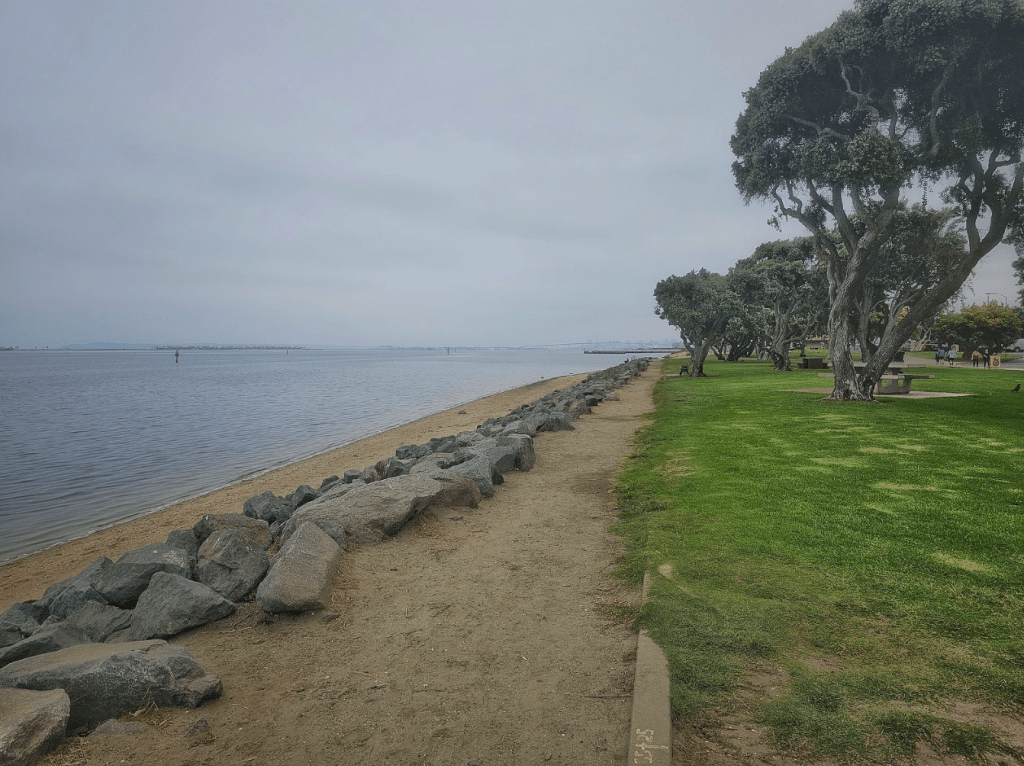
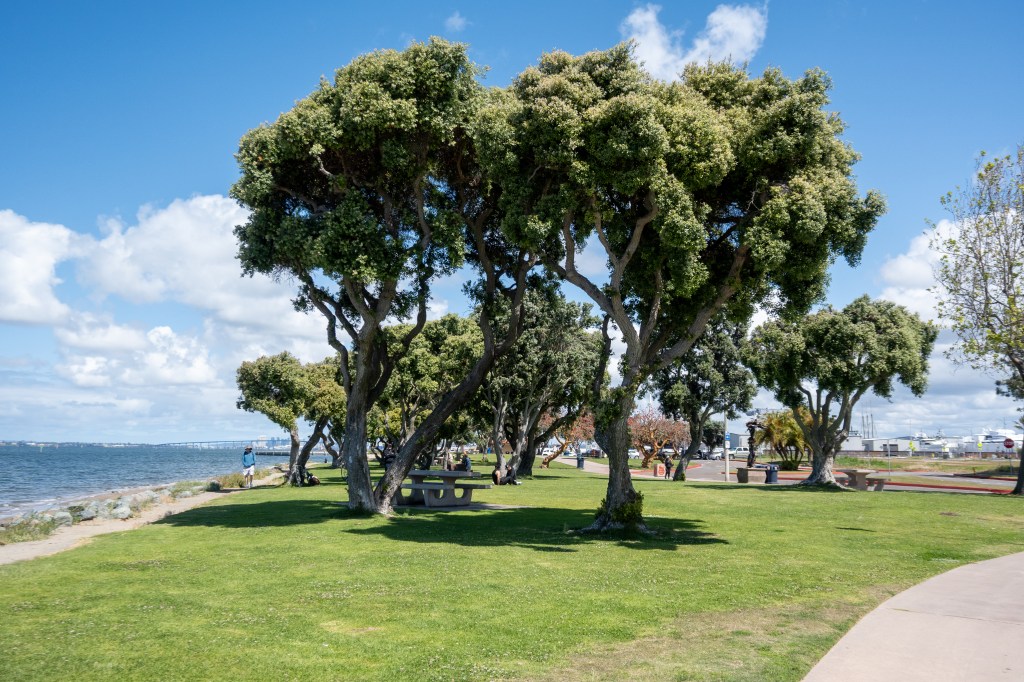
The first thing that strikes you at Bayside Park is the view. You get expansive, beautiful vistas across San Diego Bay. On a clear day, you can easily spot the iconic Coronado Bridge arching across the water, the shimmering downtown San Diego skyline, and the naval ships navigating the bay. It’s a fantastic spot to simply sit on a bench, feel the gentle bay breeze, and watch the world go by. Sunsets here? Absolutely spectacular.
Something for Everyone
Bayside Park isn’t just about passive enjoyment; there’s plenty to do:
The Fishing Pier: A major draw is the popular fishing pier extending out into the entrance of the marina. You’ll often find locals casting a line, hoping for a bite. Even if you’re not fishing, a stroll out to the end of the pier offers even better panoramic views and a feeling of being right out on the water. (Remember to check California fishing license requirements if you plan to fish!).
Walking & Biking Path: A paved path winds through the park and connects to the wider Bayshore Bikeway, making it ideal for a leisurely stroll, a brisk jog, or a scenic bike ride along the water’s edge.
Playground Fun: Got kids? They’ll love the playground area, offering a safe and fun space for them to burn off some energy while you soak in the views nearby.
Picnic Perfect: With plenty of grassy areas and picnic tables scattered throughout, Bayside Park is an excellent choice for an outdoor meal. Pack a lunch, spread out a blanket, and enjoy dining al fresco with an unbeatable backdrop.
Relax and Unwind: Sometimes, the best activity is no activity at all. Find a comfortable bench or a spot on the grass, read a book, listen to music, or simply watch the sailboats and kayaks glide by.
Practical Matters
Location: Find it at 999 Bayside Parkway, Chula Vista, CA 91910 (at the western end of J Street).
Parking: There’s usually ample free parking available in the adjacent lot, though it can get busier on weekends and holidays.
Amenities: You’ll find public restrooms available for convenience.
Accessibility: The paved paths make large portions of the park accessible for strollers and wheelchairs.
Make a Day of It
Bayside Park is located near the Chula Vista Marina, so you can easily extend your visit by exploring the boats or grabbing a bite at one of the nearby waterfront restaurants. It’s also relatively close to the Living Coast Discovery Center, offering another great family-friendly activity focused on local wildlife.
Your Chula Vista Oasis Awaits
Whether you’re a long-time South Bay resident who hasn’t stopped by in a while or a visitor exploring the area, Bayside Park offers a refreshing escape. It’s a place to connect with the beauty of San Diego Bay, enjoy simple outdoor pleasures, and recharge your batteries.
So next time you’re looking for that perfect waterfront spot, head down J Street and discover the charm of Bayside Park. You won’t be disappointed!
Have you visited Bayside Park? Share your favorite memory or tip in the comments below!
The Japanese Friendship Garden is open 7 days a week 10am to 4pm/6pm seasonally
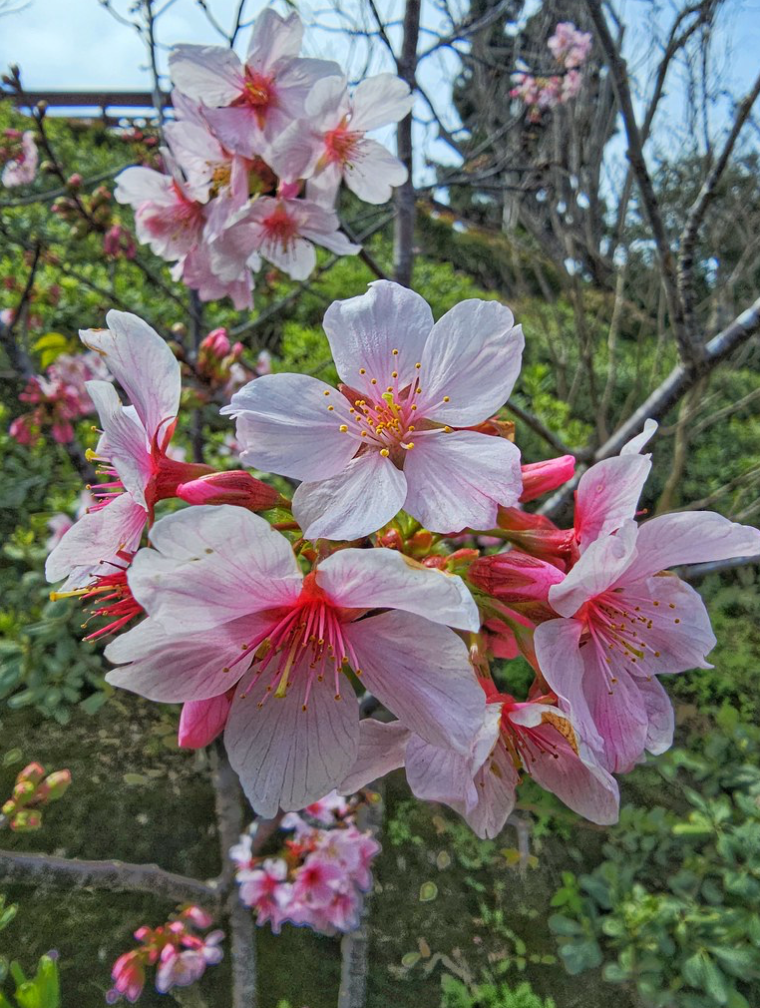
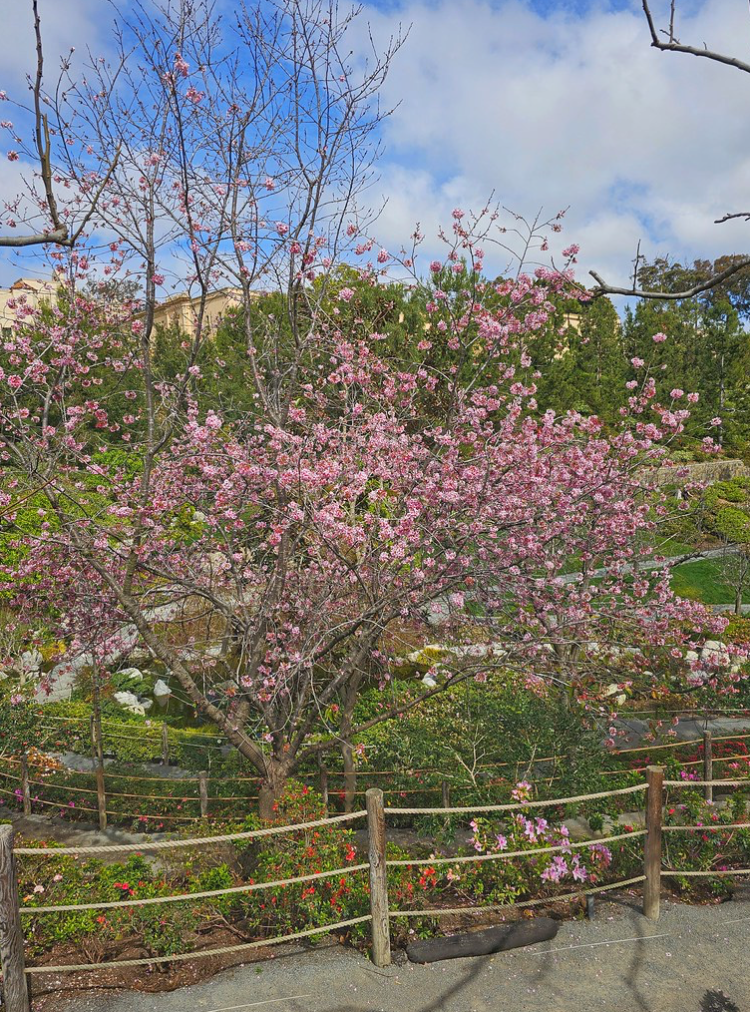
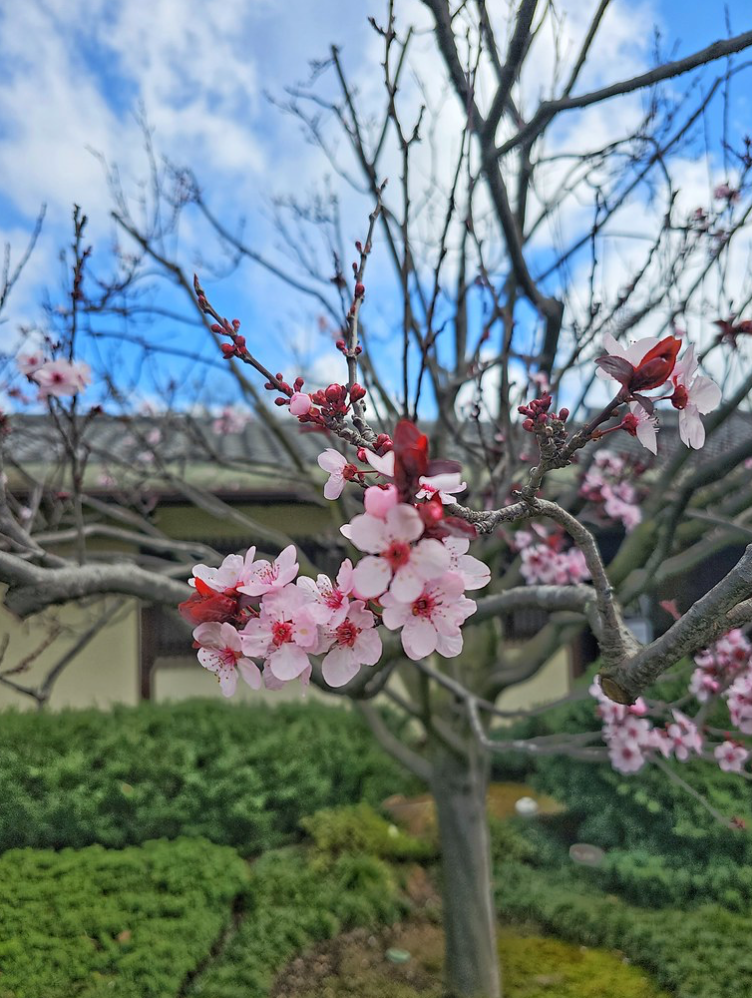
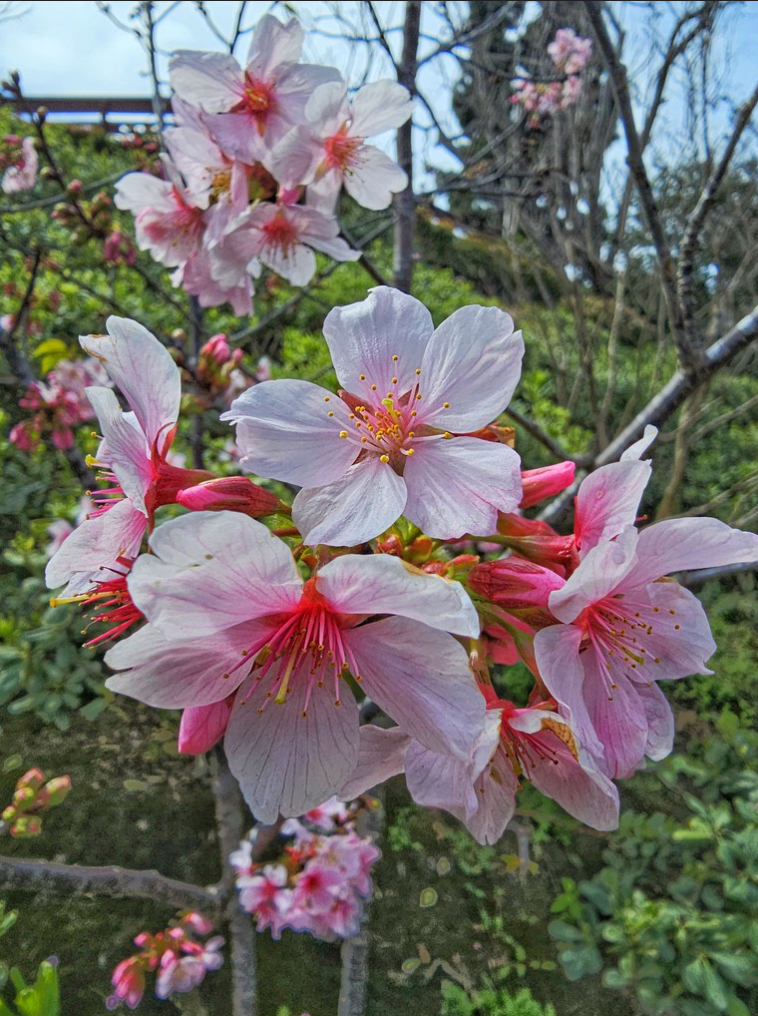
I visited the Japanese Friendship Garden during the first week of March which was around 15% in bloom and took these images.
Chasing Blossoms: The 2025 Cherry Blossom Festival at San Diego’s Japanese Friendship Garden
Spring in San Diego has a way of surprising you, and this year, it’s all about the cherry blossoms at the Japanese Friendship Garden in Balboa Park. The official 20th Annual Cherry Blossom Festival is set for March 13-16, but the bloom’s a slow tease this season, promising a gorgeous show in the coming weeks. Here’s why this event—and this garden—is worth a spot on your spring radar.
A Blooming Tradition
The Japanese Friendship Garden (JFG) isn’t just a pretty face—it’s a living bridge between San Diego and its sister city, Yokohama, Japan. Every March, it transforms into a hanami haven, the Japanese tradition of flower-viewing, and 2025 marks two decades of this celebration. The festival itself runs from Thursday, March 13 to Sunday, March 16, drawing crowds with taiko drummers, sake gardens, and cosplay contests. The garden’s 150+ cherry trees are still gearing up for their peak, expected sometime in early to mid-April based on current bloom updates from the JFG’s site.
Right now, the blossoms are at about 10-30%—not full glory yet, but enough to hint at what’s coming. The garden’s team says blooms typically last 1-2 weeks once they hit their stride, weather depending, and this year’s mild spring might stretch that a bit. If you’re like me, chasing that perfect shot, the post-festival quiet could be your golden ticket—fewer people, more petals.
What’s in Store
Picture this: winding paths under a canopy of soft pink, koi ponds reflecting the sky, and that serene vibe that makes you forget you’re in the middle of a bustling city. The lower garden’s cherry grove is where the action’s at—those trees, donated by Yokohama, are starting to pop against the backdrop of bonsai and stone lanterns.
During the festival, the JFG pulls out all the stops—daily performances from groups like San Diego Taiko and Geisha Opera Singer Fioregerisha, a beer and sake garden in the Inamori Pavilion, and vendors hawking everything from handmade crafts to street food. Kids had a blast with games in the lower garden, and new additions like a lantern wall and community art display kept it fresh. Even if you missed it, the echoes of that energy linger—volunteers are still buzzing around, keeping the place pristine.
Photo Ops and Pro Tips
Getting There: From downtown San Diego, take SR-163 south to Park Boulevard, park near the Natural History Museum, and cross the footbridge. It’s $14 for general admission now that the festival’s done—free for kids under 6.
Timing: Open 10 AM-5 PM daily (last entry 4 PM). Check niwa.org for bloom updates—they post a percentage banner daily.
Gear Up: No strollers on the steep paths—baby carriers are smarter. Bring water and a hat; it’s warming up.
Why It Matters
Beyond the Instagram bait, the JFG’s cherry blossoms are a nod to renewal—dormant winter giving way to spring’s burst of life. It’s a slice of Japanese culture tucked into SoCal. Pair it with a stop at the nearby Inez Grant Parker Rose Garden (still blooming strong!) for a double dose of flower power.
Whether you’re a local or just passing through, the 2025 cherry blossom season at the Japanese Friendship Garden is a slow-burn delight. I’m betting late March when it’ll peak—maybe around the 20th—so I’ll be back. For now, it’s a quiet tease of what’s to come. Grab a bento box, stroll the grove, and let the blossoms work their magic. San Diego’s spring secret is blooming—don’t sleep on it!
Chasing Blossoms: The 2025 Cherry Blossom Festival at San Diego’s Japanese Friendship Garden
Spring in San Diego has a way of surprising you, and this year, it’s all about the cherry blossoms at the Japanese Friendship Garden in Balboa Park. As of today, March 31, 2025, the petals are just starting to unfurl, and I’m already itching to grab my Nikon Z8 and dive into the delicate pink magic. The official 20th Annual Cherry Blossom Festival is set for March 13-16, but the bloom’s a slow tease this season, promising a gorgeous show in the coming weeks. Here’s why this event—and this garden—is worth a spot on your spring radar.
A Blooming Tradition
The Japanese Friendship Garden (JFG) isn’t just a pretty face—it’s a living bridge between San Diego and its sister city, Yokohama, Japan. Every March, it transforms into a hanami haven, the Japanese tradition of flower-viewing, and 2025 marks two decades of this celebration. The festival itself ran earlier this month, from Thursday, March 13 to Sunday, March 16, drawing crowds with taiko drummers, sake gardens, and cosplay contests. I missed the main event this year (thanks, road trip planning!), but the garden’s 150+ cherry trees are still gearing up for their peak, expected sometime in early to mid-April based on current bloom updates from the JFG’s site.
Right now, the blossoms are at about 10-30%—not full glory yet, but enough to hint at what’s coming. The garden’s team says blooms typically last 1-2 weeks once they hit their stride, weather depending, and this year’s mild spring might stretch that a bit. If you’re like me, chasing that perfect shot, the post-festival quiet could be your golden ticket—fewer people, more petals.
What’s in Store
The festival may be over, but the garden’s charm is year-round, and the cherry blossoms are the star right now. Picture this: winding paths under a canopy of soft pink, koi ponds reflecting the sky, and that serene vibe that makes you forget you’re in the middle of a bustling city. The lower garden’s cherry grove is where the action’s at—those trees, donated by Yokohama, are starting to pop against the backdrop of bonsai and stone lanterns. I’m planning to hit it after the moon sets (around 9:30 PM tonight) to test those Z8 astrophotography settings from earlier, but daytime’s just as dreamy.
During the festival, the JFG pulled out all the stops—daily performances from groups like San Diego Taiko and Geisha Opera Singer Fioregerisha, a beer and sake garden in the Inamori Pavilion, and vendors hawking everything from handmade crafts to street food. Kids had a blast with games in the lower garden, and new additions like a lantern wall and community art display kept it fresh. Even if you missed it, the echoes of that energy linger—volunteers are still buzzing around, keeping the place pristine.
Photo Ops and Pro Tips
For my fellow shutterbugs, this is prime territory. The Z8 settings I dialed in earlier (ISO 3200, f/1.8, 25s on a 20mm lens) will catch the night sky once the bloom peaks, but daytime’s where the blossoms shine. Try f/8, ISO 100, and 1/125s for crisp petal details—maybe frame the grove with a Joshua tree nod from my recent desert detour. Early morning’s best for soft light and empty paths; hit it around 6:30 AM when the sun rises.
Getting There: From downtown San Diego, take SR-163 south to Park Boulevard, park near the Natural History Museum, and cross the footbridge. It’s $14 for general admission now that the festival’s done—free for kids under 6.
Timing: Open 10 AM-5 PM daily (last entry 4 PM). Check niwa.org for bloom updates—they post a percentage banner daily.
Gear Up: No strollers on the steep paths—baby carriers are smarter. Bring water and a hat; it’s warming up.
Why It Matters
Beyond the Instagram bait, the JFG’s cherry blossoms are a nod to renewal—dormant winter giving way to spring’s burst of life. It’s a slice of Japanese culture tucked into SoCal, and after driving from San Diego to Palm Springs, I’m craving that contrast of desert grit and floral grace. Pair it with a stop at the nearby Inez Grant Parker Rose Garden (still blooming strong!) for a double dose of flower power.
Whether you’re a local or just passing through, the 2025 cherry blossom season at the Japanese Friendship Garden is a slow-burn delight. I’m betting mid-April’s when it’ll peak—maybe around the 10th—so I’ll be back, tripod in tow. For now, it’s a quiet tease of what’s to come. Grab a bento box, stroll the grove, and let the blossoms work their magic. San Diego’s spring secret is blooming—don’t sleep on it!
Thunder in the Desert: Blue Angels Winter Training in El Centro
Every winter, the quiet desert town of El Centro, California, transforms into a hub of high-octane excitement as the U.S. Navy Blue Angels take to the skies for their winter training sessions. This annual event, held at Naval Air Facility El Centro, offers aviation enthusiasts and the public a unique opportunity to witness the precision and power of these iconic pilots.
For those unfamiliar, El Centro serves as the Blue Angels’ winter home, where they hone their skills and perfect their breathtaking aerial maneuvers before the official air show season begins. The clear, dry desert air and wide-open spaces provide ideal conditions for training.
What to Expect During Winter Training:
Daily Practices: From January to March, the Blue Angels typically conduct daily practice sessions, weather permitting. These sessions showcase the team’s signature formations, including the diamond, delta, and opposing solos. The morning session starts at 8am and the afternoon session starts at 1pm. Times subject to change without notice.
Awe-Inspiring Maneuvers: Witness the sheer precision and skill of the pilots as they execute complex maneuvers with incredible synchronization. The roar of the F/A-18 Super Hornets is an experience in itself!
Free Admission: While the exact schedule and viewing areas can vary, the practices are generally open to the public, offering a fantastic and free opportunity to see the Blue Angels in action.
A Unique Atmosphere: El Centro’s friendly, small-town vibe adds to the experience. You’ll find locals and visitors alike gathering to watch the practices, creating a sense of community and shared excitement.
Why It’s Worth the Trip:
Seeing the Blue Angels in their training environment offers a different perspective than a typical air show. You get to witness the raw skill and dedication that goes into their performances. The relative informality and the desert backdrop make it a unique and memorable experience.
If you’re a fan of aviation, or simply looking for a thrilling winter outing, a trip to El Centro during the Blue Angels’ training season is a must-do. Remember to check the official Blue Angels and NAF El Centro websites for the latest schedules and viewing information before you go. And bring your earplugs!








































































 Exploring San Diego