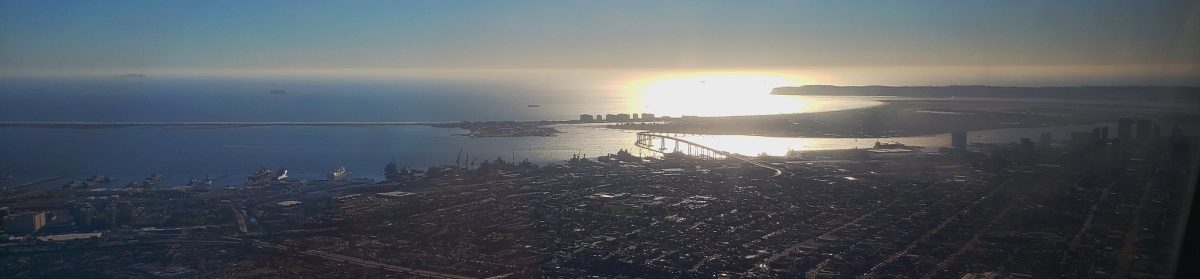
Set Sail for Freedom on San Diego Bay
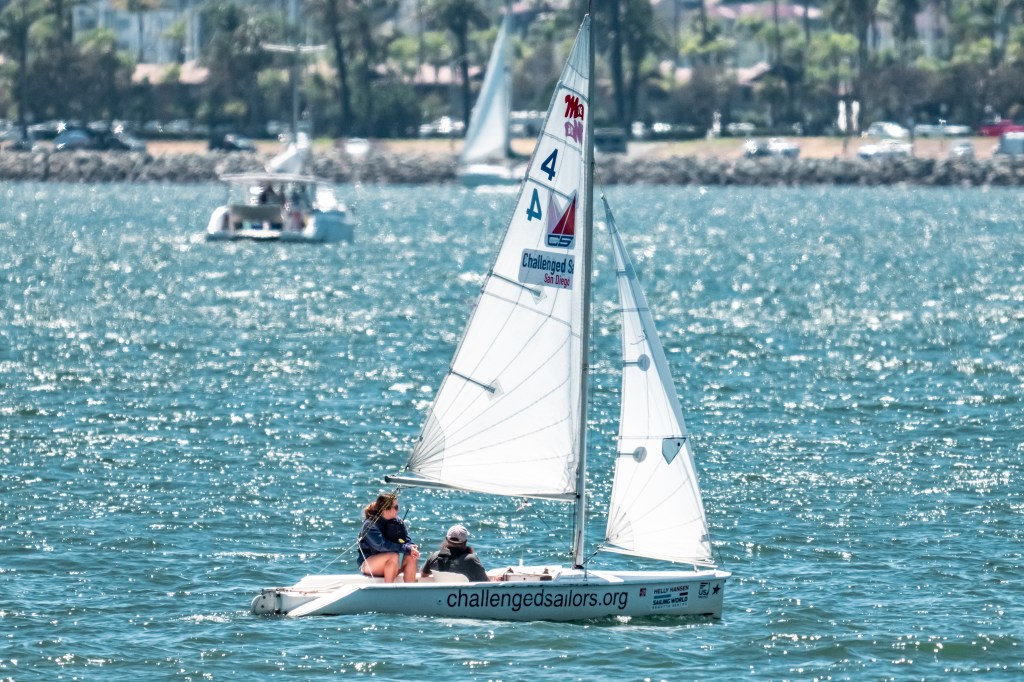

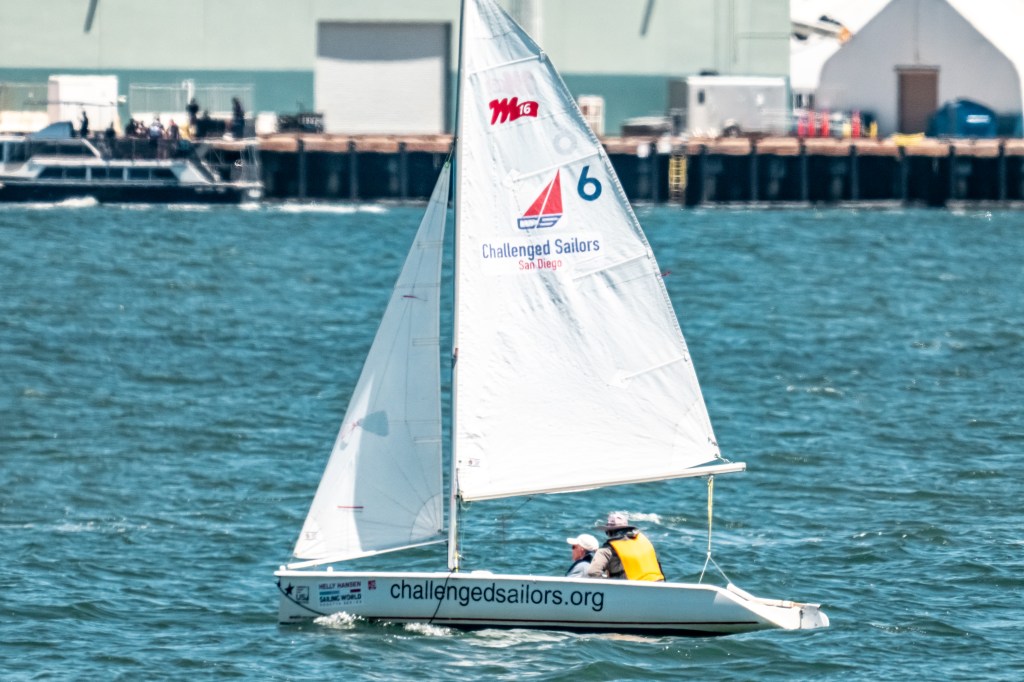

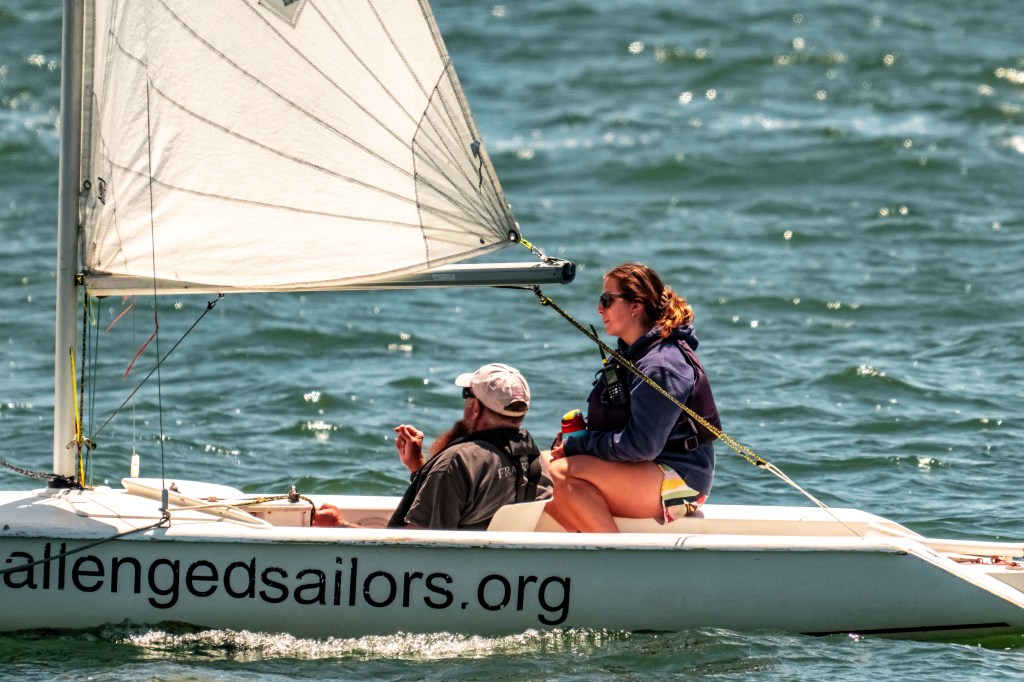
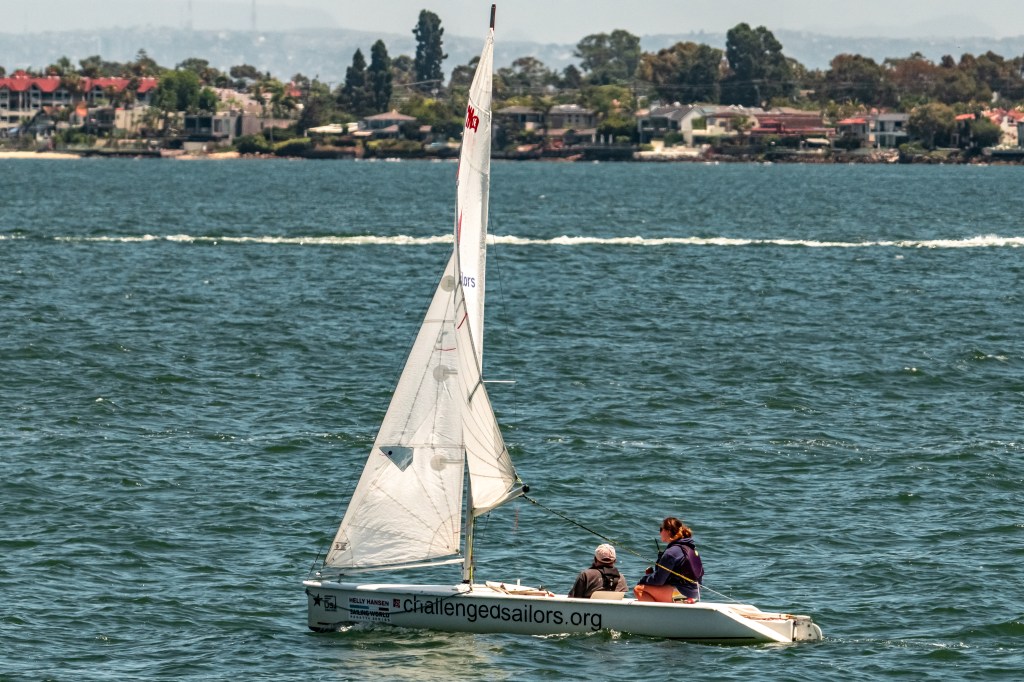

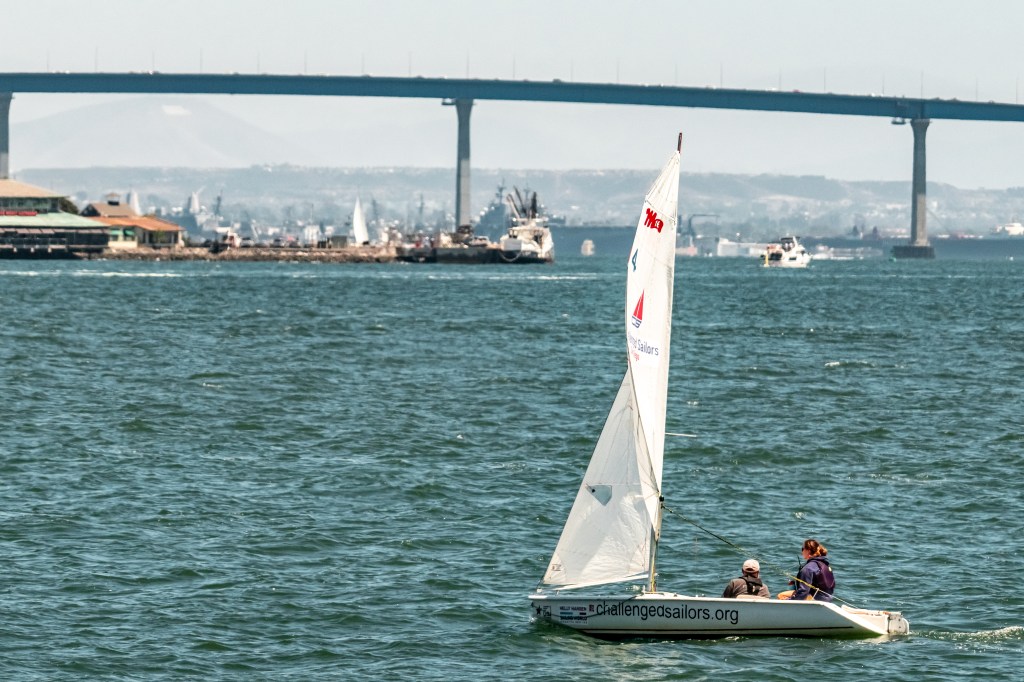
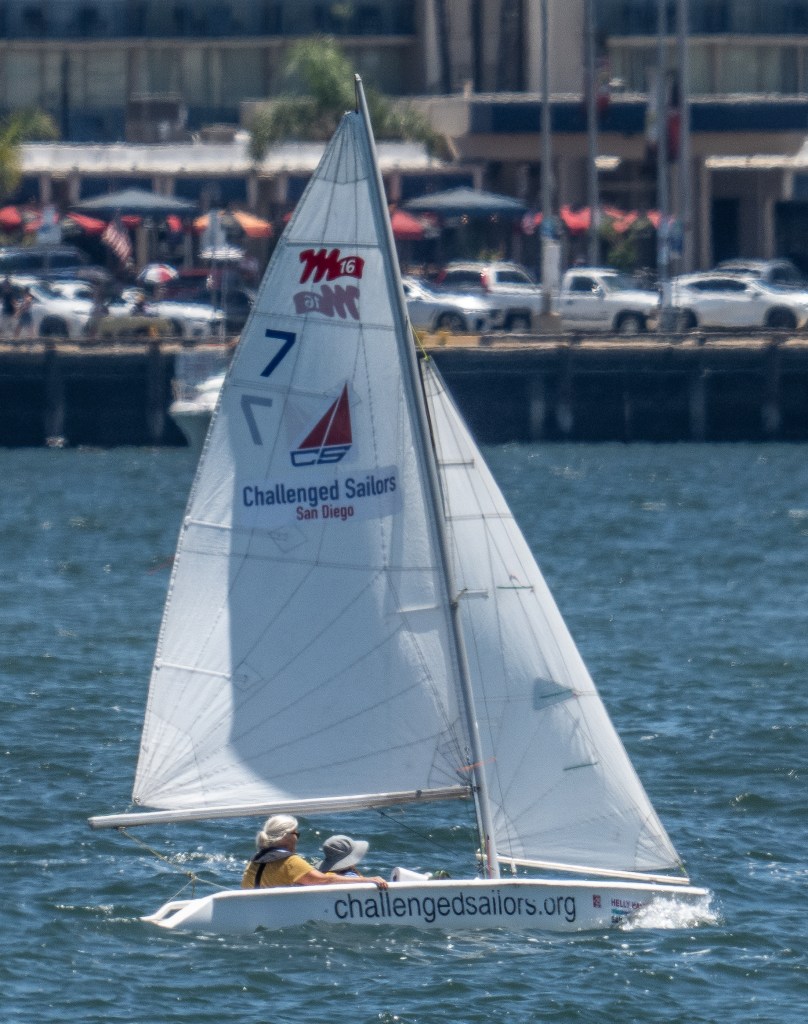
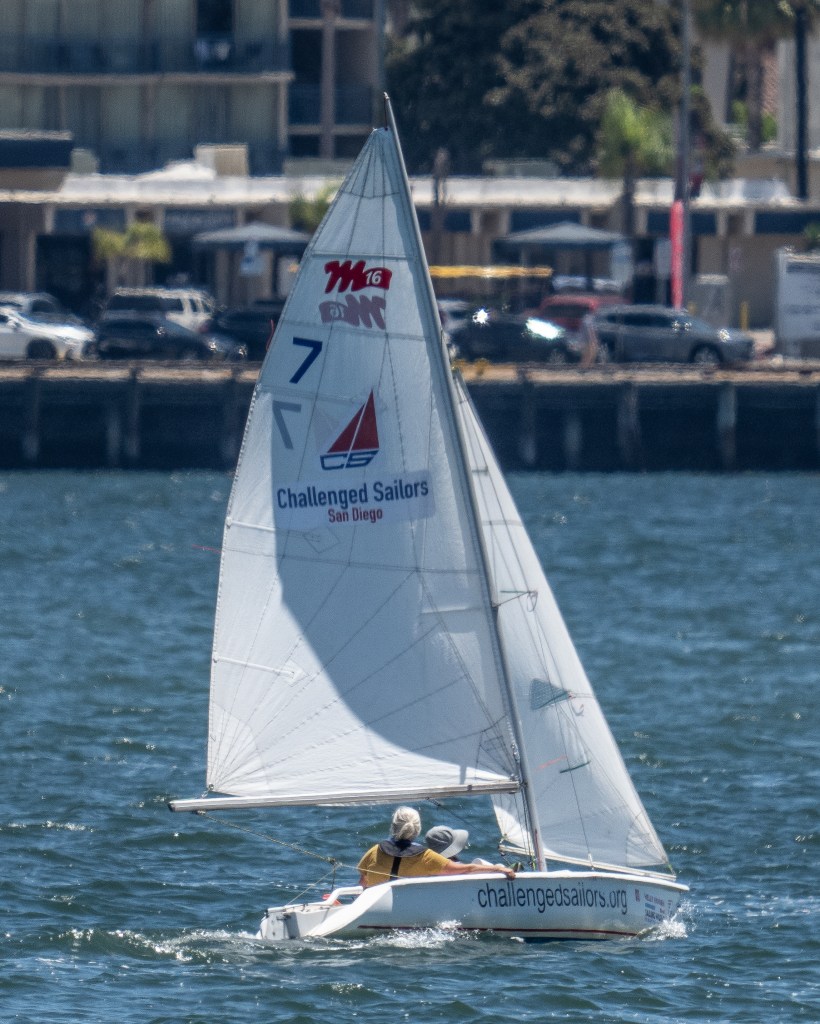
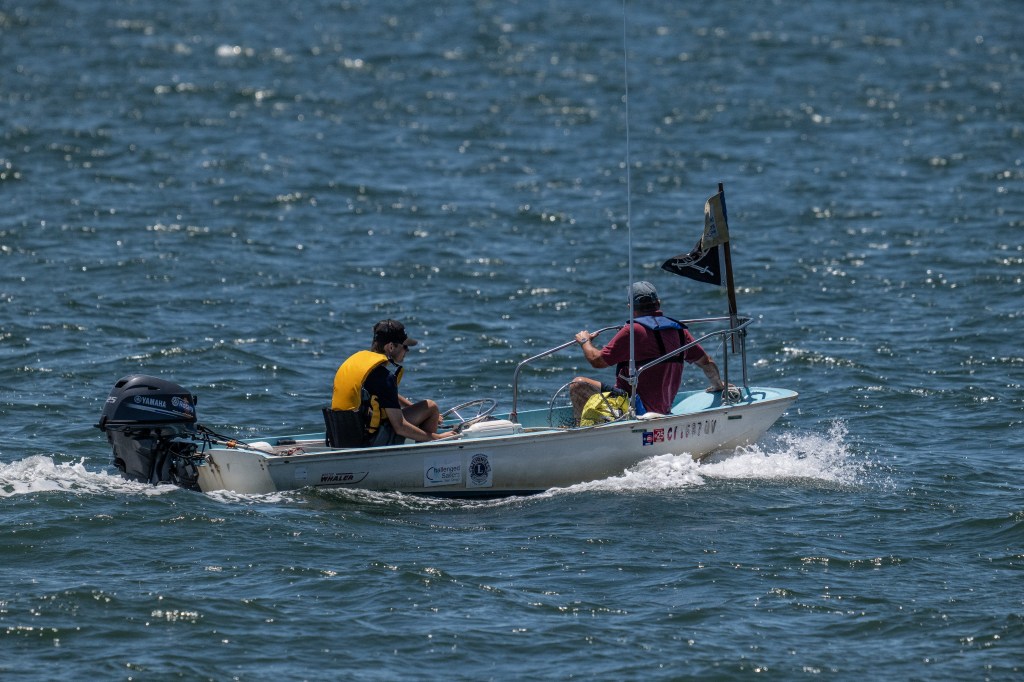
Tucked along the marina-lined coast of Harbor Island, a quiet revolution takes place every weekend. It doesn’t make headlines or draw big crowds, but it changes lives—one sail at a time. Challenged Sailors San Diego (CSSD) is a volunteer-powered nonprofit that brings the joy and freedom of sailing to individuals with physical and cognitive disabilities.
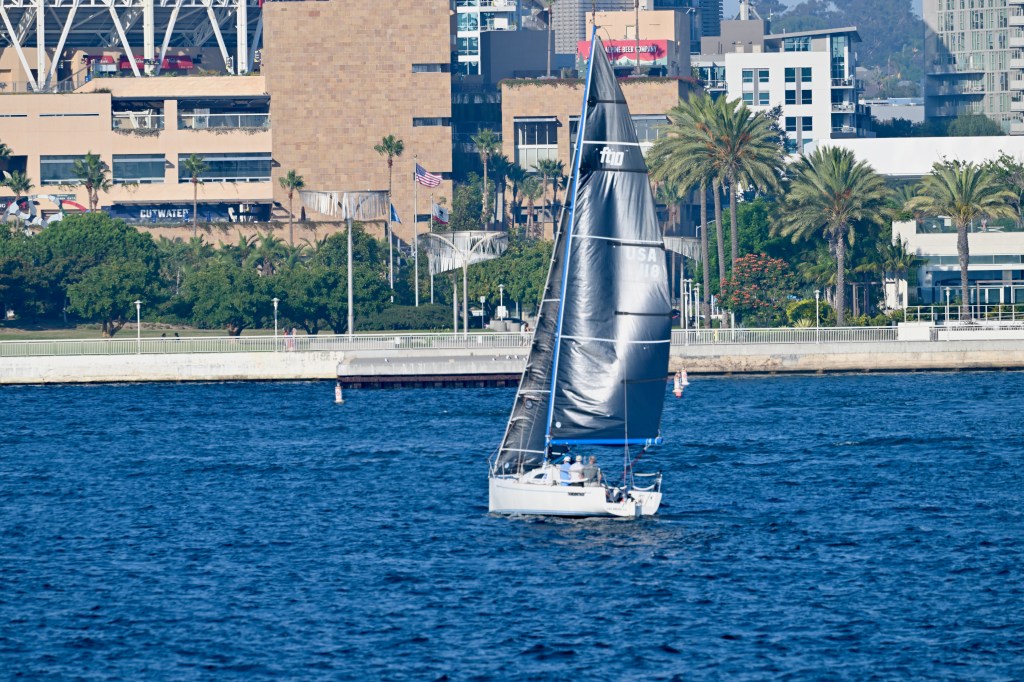
Every Friday and Saturday, from 11:30 a.m. to 3:00 p.m., you’ll find CSSD’s custom fleet of Martin 16 sailboats slicing across San Diego Bay, helmed by people who are often navigating more than just the wind and tide—they’re navigating challenges like paralysis, vision loss, PTSD, or traumatic brain injury. But out on the water, those barriers seem to vanish.
Adaptive Sailing for All
What makes CSSD so unique is their accessibility-first approach. Their Martin 16 sailboats are specially designed with stability and ease of control in mind. Sailors sit in supportive bucket seats, and many use a joystick—or even a sip-and-puff system—for full control of the boat. A trained volunteer companion sits just behind, ready to assist when needed, but always letting the sailor take the lead.
Whether someone is a first-time participant or a returning sailor, CSSD creates a safe and empowering experience. No previous sailing experience is required, and participation is completely free of charge. This is more than recreation—it’s liberation.
“Anywhere You Want to Go”
One of the most moving stories shared by CSSD volunteers is of a woman in a wheelchair who asked, “Where do we go?” Her sailing companion responded, “Anywhere you want.” She burst into tears. It’s a reminder that freedom of movement—something many of us take for granted—is a powerful gift.
CSSD serves a wide range of sailors, from veterans and stroke survivors to young people with cerebral palsy or autism. Some are lifelong San Diegans. Others are visiting just for the day. All leave with a shared sense of accomplishment—and often, a smile that speaks louder than words.
Volunteers at the Helm
CSSD is 100% volunteer-run. Everyone from the companion sailors to the dockhands to the chase boat operators donates their time and energy. Many are lifelong sailors. Others are newcomers drawn to the cause. But all share the same passion: making sailing accessible to everyone.
Interested in volunteering? No sailing experience is needed for many roles, and training is provided. If you’re looking to give back to the community in a way that’s fun, active, and deeply meaningful, this is one crew worth joining.
How to Get Involved
CSSD offers several ways to participate:
- Sail with them: If you or someone you know has a disability and would like to try sailing, simply sign up on their website and the team will contact you to schedule a day.
- Volunteer: Help on the water or on the dock. All roles are vital, and everyone is welcome.
- Donate: CSSD relies on donations to keep the sails full and the experiences free. Every dollar helps bring joy to someone’s day.
To learn more or get involved, visit: https://www.challengedsailors.org
Final Thoughts
Out on the bay, there are no wheelchairs. No labels. Just wind, water, and the thrill of command. Challenged Sailors San Diego reminds us that inclusion isn’t just about access—it’s about creating moments of joy, confidence, and connection. And sometimes, that all begins with a simple push away from the dock.











 Exploring San Diego