San Diego bay has a long and storied past. Its protected tidal areas offered the Kumeyaay people, who lived along the coast and inland valleys, areas to fish, harvest shellfish, and used plank canoes called tomols to navigate coastal waters. The ocean was central to their diet, trade, and spiritual life. In 1542, Portuguese explorer Juan Rodríguez Cabrillo, sailing under the Spanish flag, became the first European to enter San Diego Bay, naming it San Miguel. In 1602, Sebastián Vizcaíno renamed the bay San Diego, in honor of Saint Didacus.
During the Mexican-American War, the U.S. Navy took control of San Diego in 1846. San Diego became a U.S. Navy coaling and resupply station. The harbor remained relatively quiet until the early 20th century, when the Navy dramatically expanded its presence. San Diego became a U.S. Navy coaling and resupply station. The harbor remained relatively quiet until the early 20th century, when the Navy dramatically expanded its presence. Thousands of ships were built, serviced, and deployed from the harbor, making San Diego critical to Pacific warfare operations.
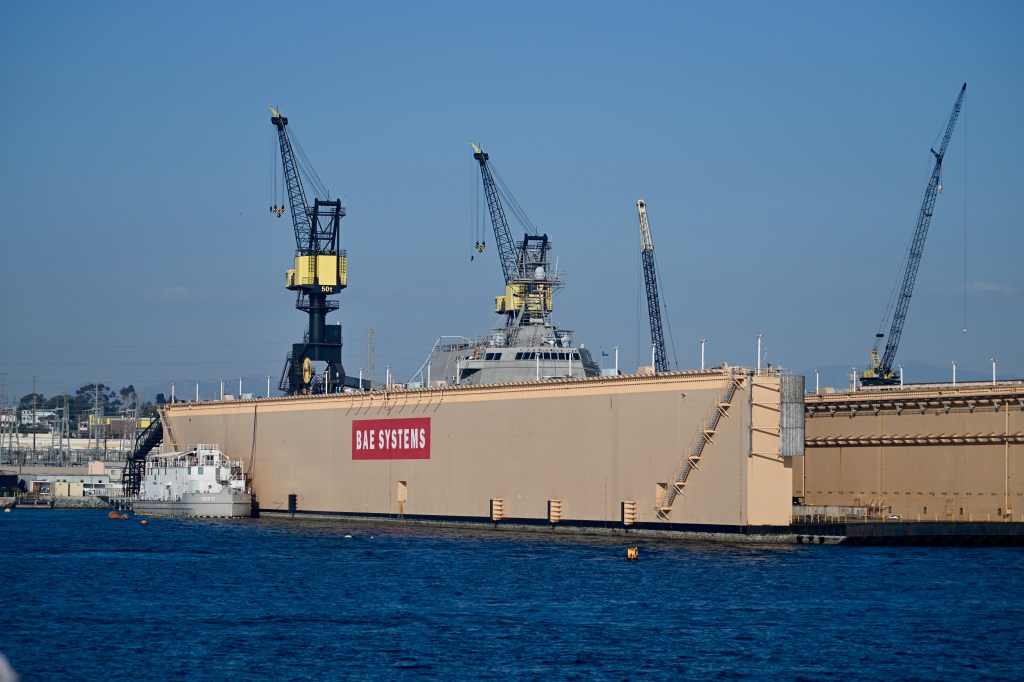
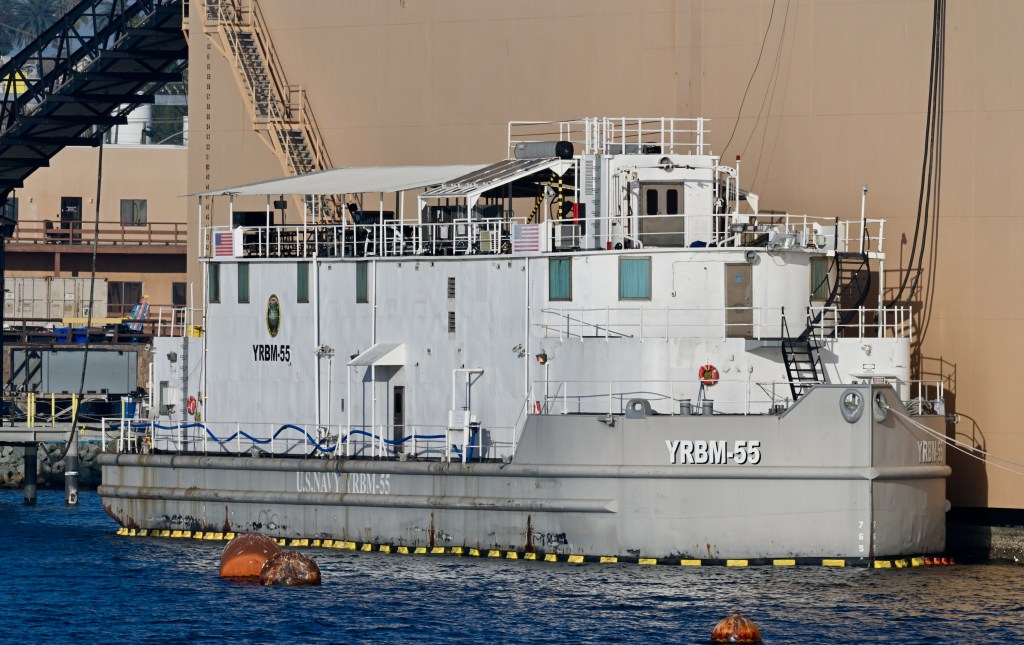
San Diego remained one of the largest naval complexes in the world through the Cold War and beyond. Today, the city hosts the Pacific Fleet, numerous aircraft carriers, and serves as a major center for military research, training, and logistics. Civilian maritime activity also thrives, with cargo shipping, cruise lines, commercial fishing, and recreational boating playing important roles.
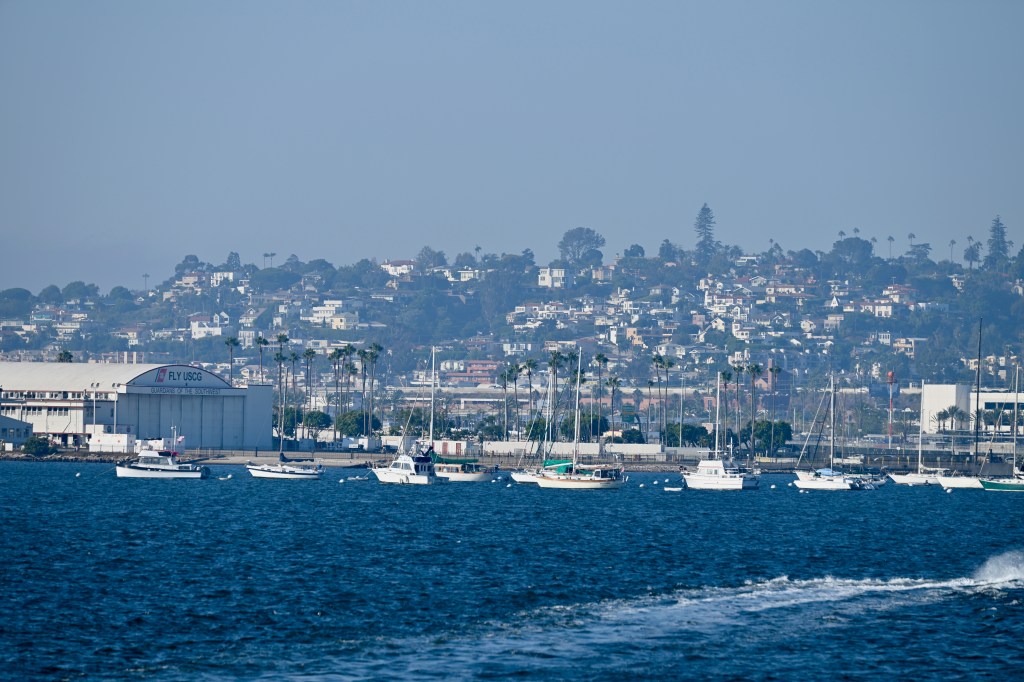
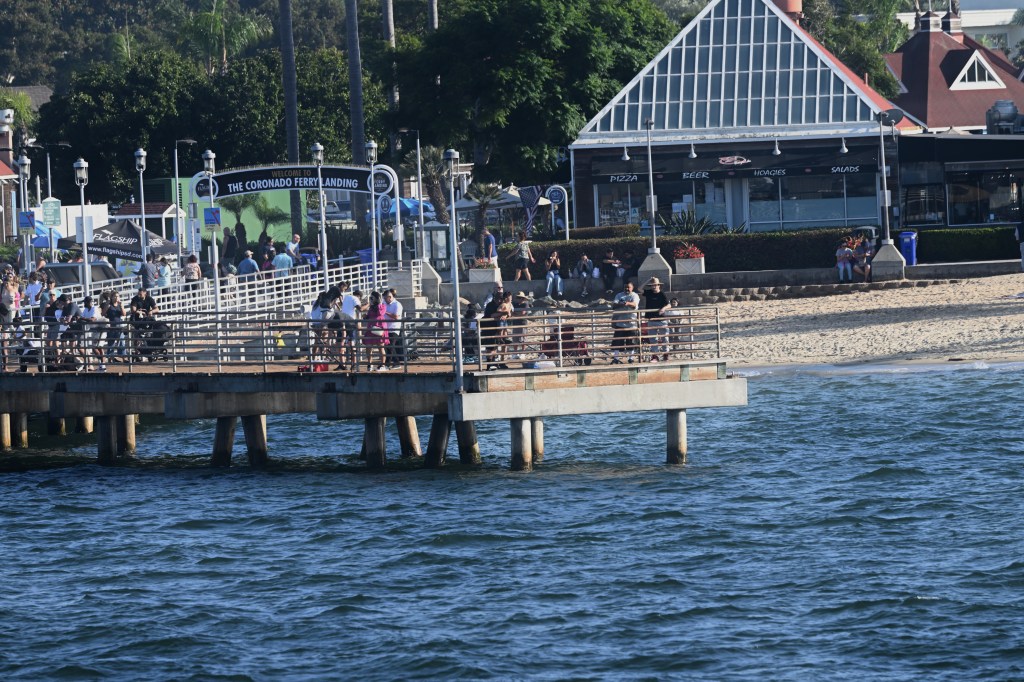
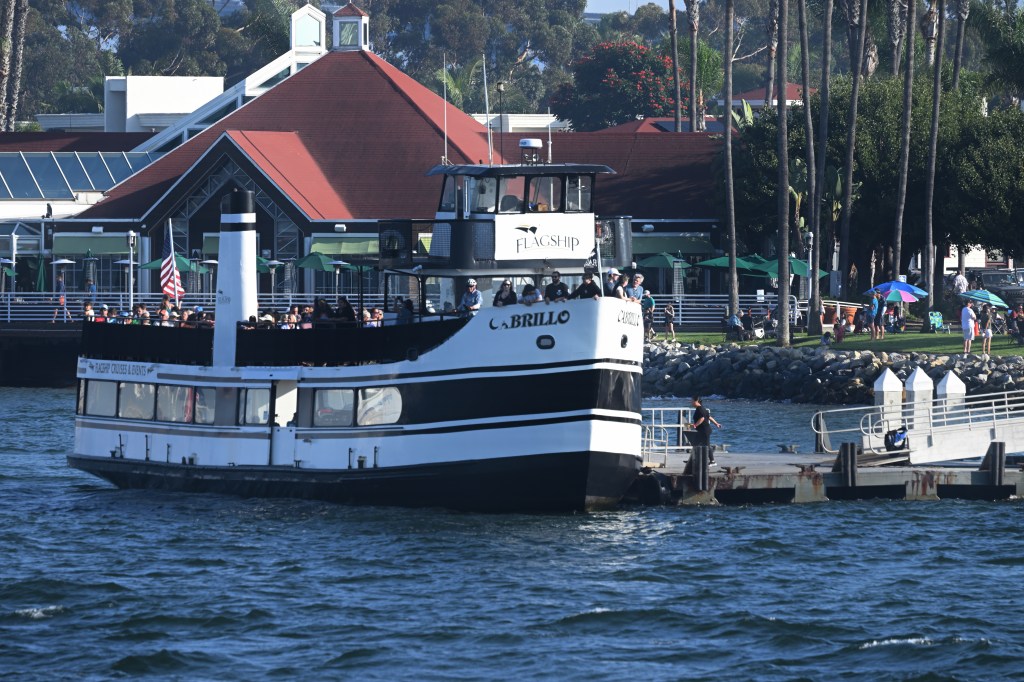
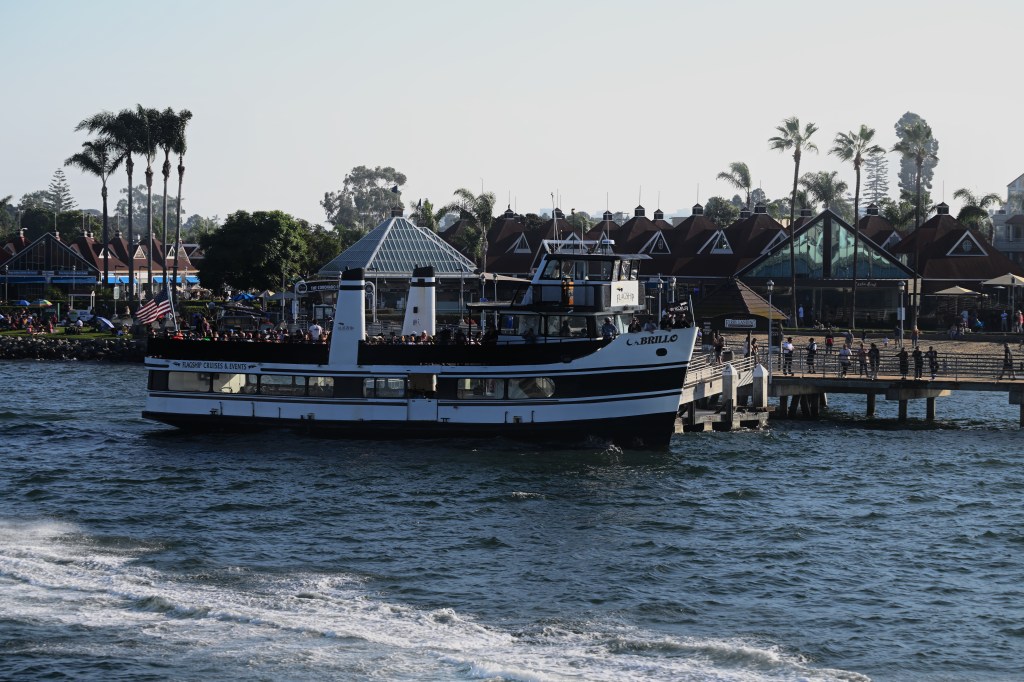
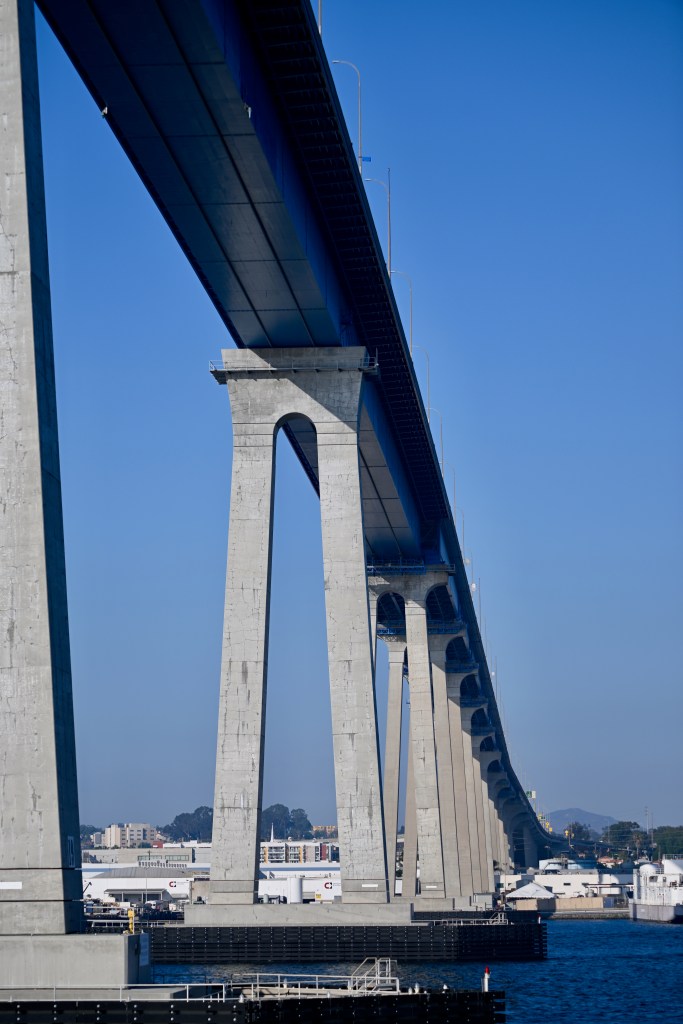
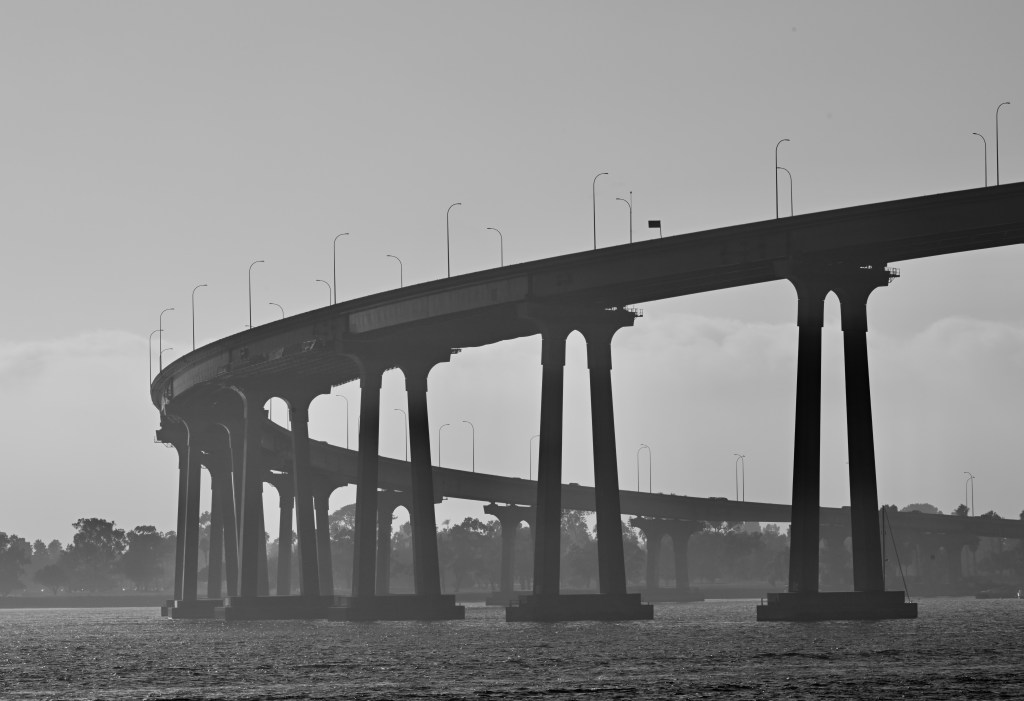
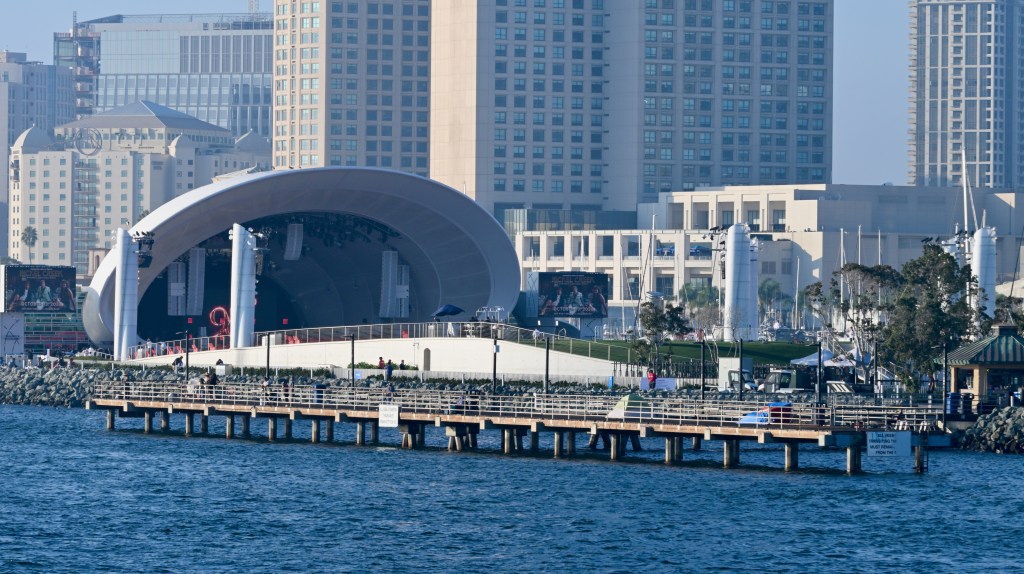
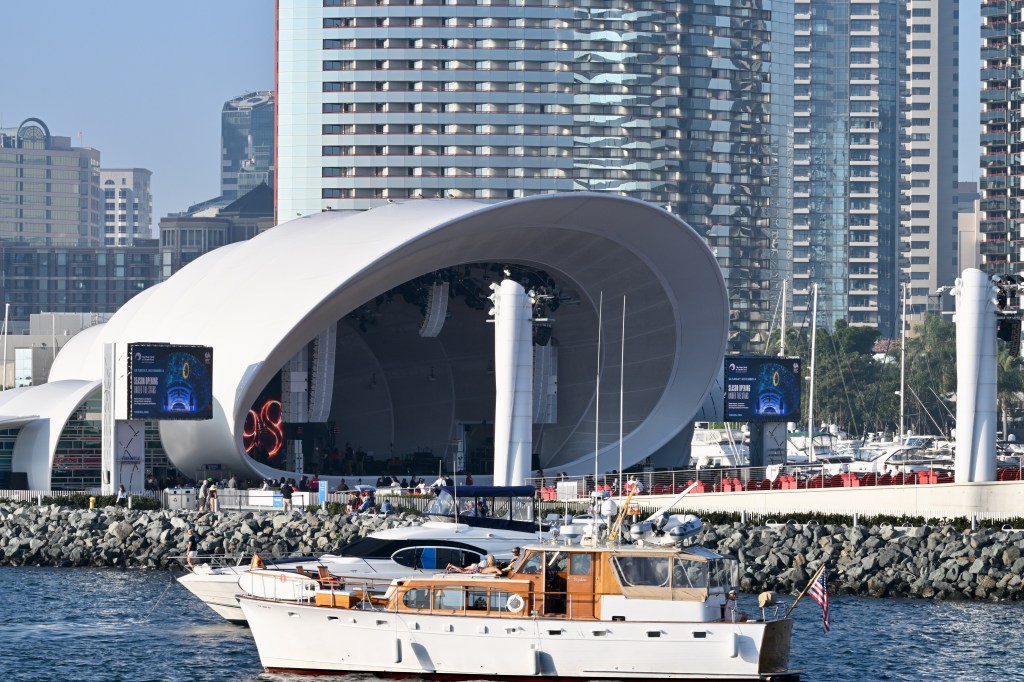
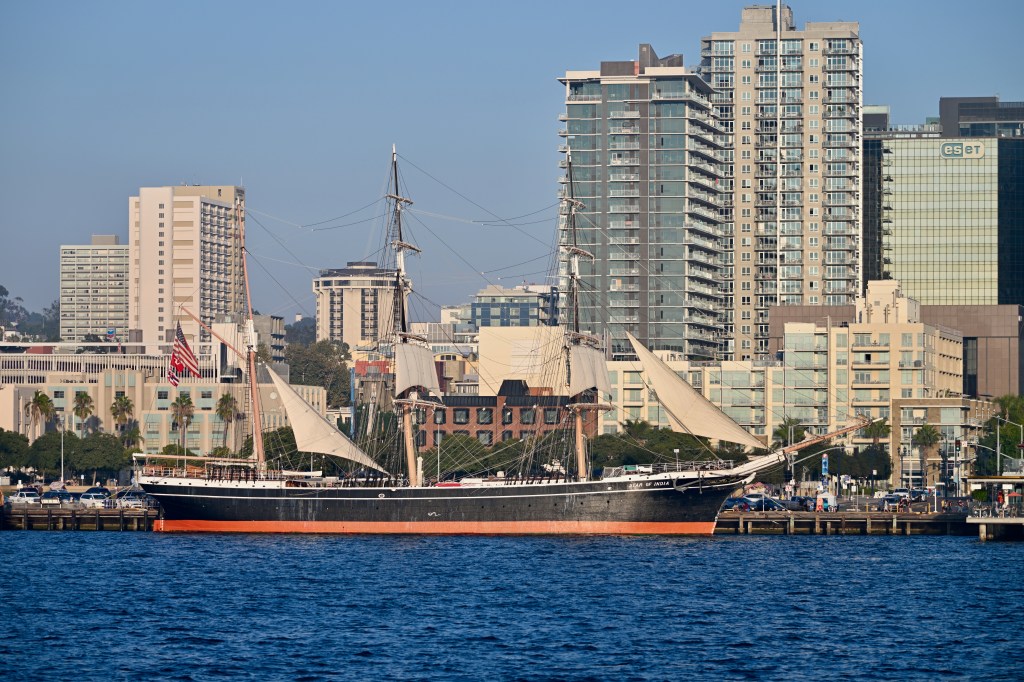
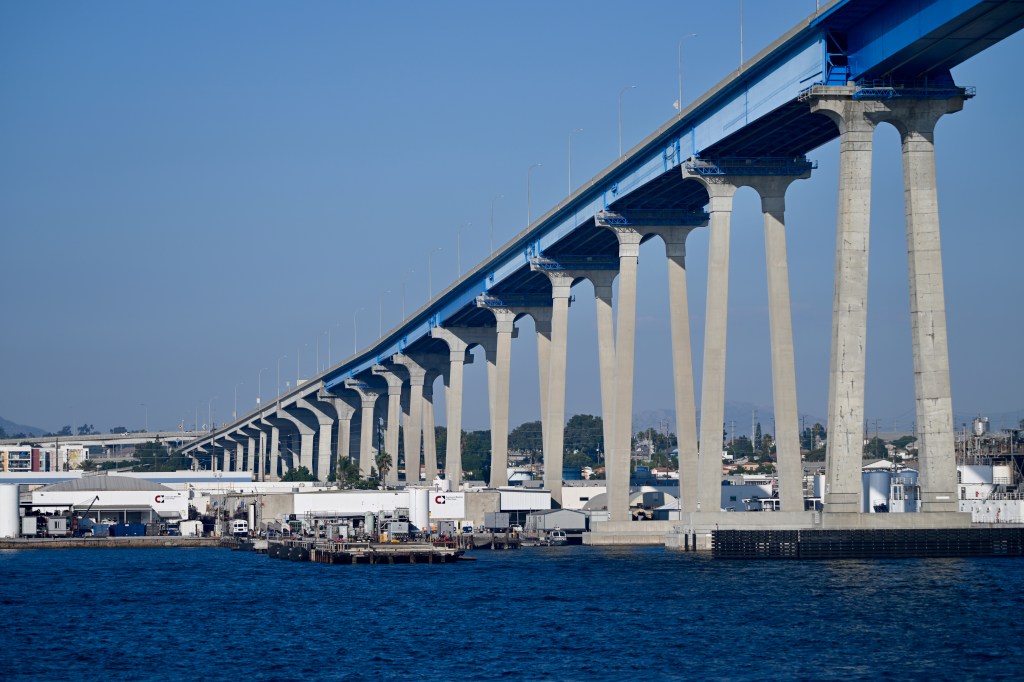
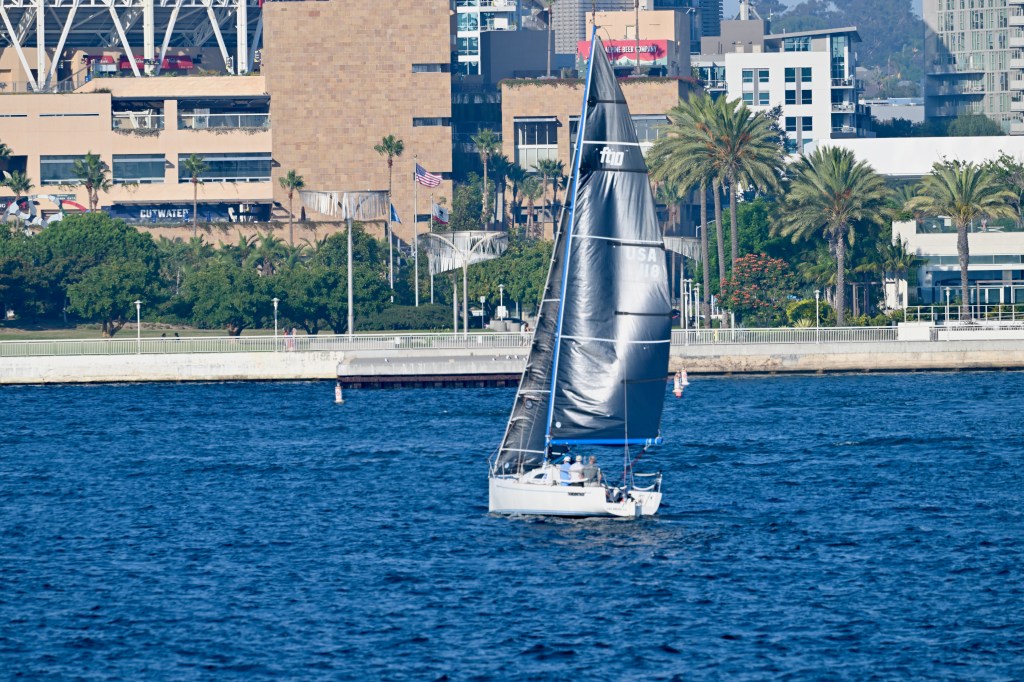
I took this series of images during a 2 hour sailing which started off heading south towards the Coronado Bridge and then turning north towards Shelter Island. A thick marine layer was moving in so the trip ended before sunset unfortunately .
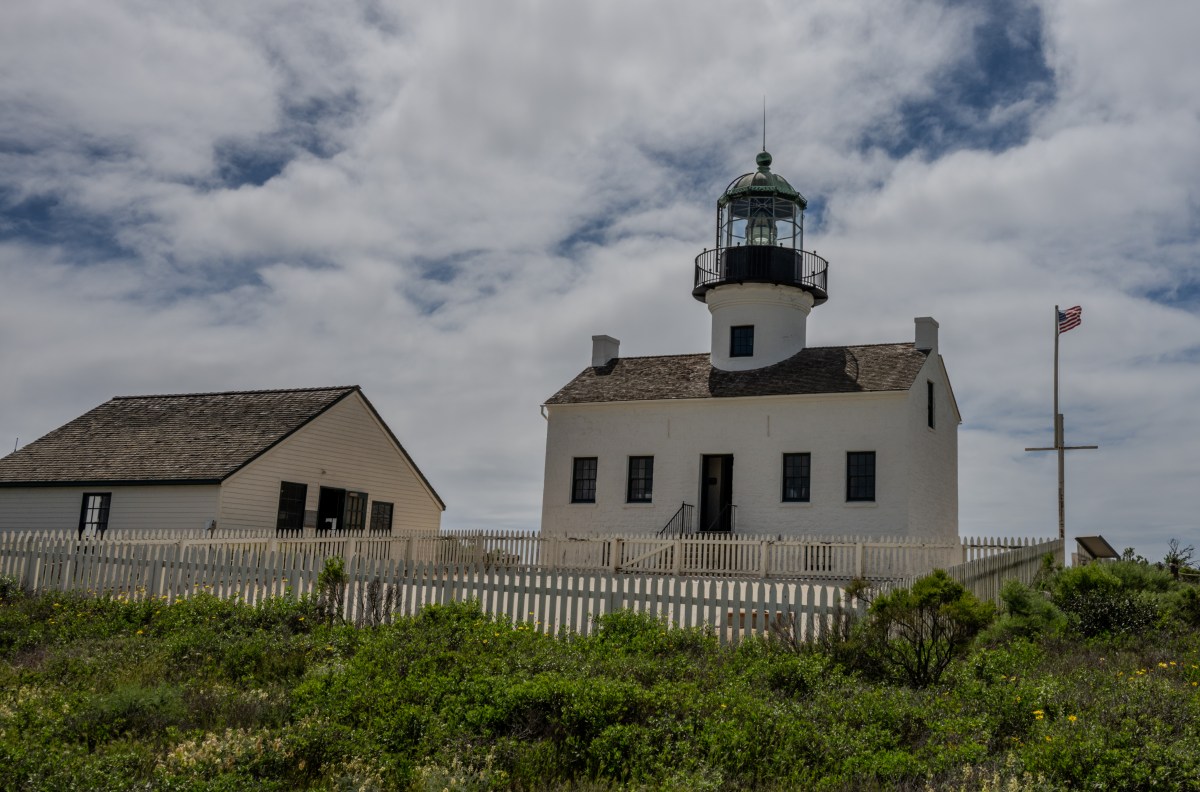
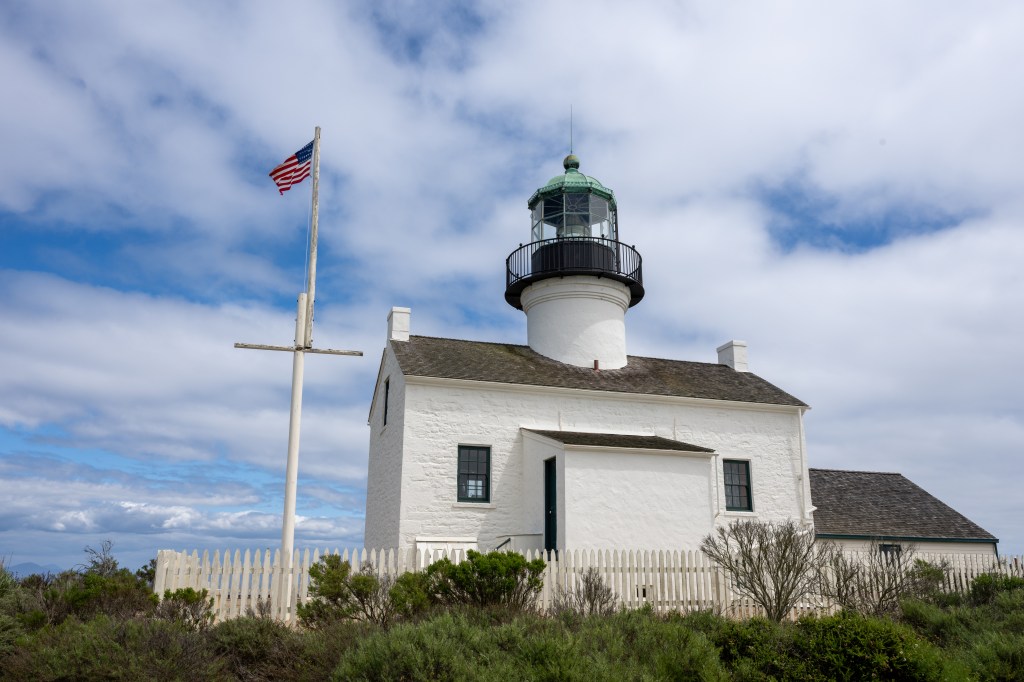
Perched high atop the rugged cliffs of Point Loma, overlooking the vast expanse of the Pacific Ocean and the bustling San Diego Bay, stands the iconic Cabrillo National Monument and its crowning jewel: the Old Point Loma Lighthouse. This historic beacon, a silent sentinel of the sea, offers not just breathtaking views but a glimpse into the rich maritime history of Southern California.
A Light in the Darkness:
Built in 1855, the Old Point Loma Lighthouse was one of the earliest lighthouses on the West Coast. Its purpose was simple yet vital: to guide ships safely into San Diego Bay. For 36 years, its powerful beam cut through the darkness, warning sailors of the treacherous coastline.
However, its elevation, while scenic, proved problematic. Fog and low clouds often obscured the light, rendering it ineffective. In 1891, the lighthouse was decommissioned, and a new, lower-elevation lighthouse was built closer to the water’s edge.
More Than Just a Lighthouse:
Today, the Old Point Loma Lighthouse stands as a museum, offering visitors a fascinating look into the lives of the lighthouse keepers and their families. Stepping inside, you’re transported back in time, experiencing the simple yet demanding life of those who dedicated themselves to keeping the light burning.
The Keeper’s Quarters: Explore the restored living quarters, furnished as they would have been in the late 19th century. Imagine the isolation and the constant vigilance required to maintain the light.
The Tower Climb: Venture up the winding staircase to the lantern room, where the Fresnel lens once shone brightly. While the original lens is now on display at the visitor center, the panoramic views from the tower are nothing short of spectacular.
The Panoramic Views: Beyond the historical significance, the Cabrillo National Monument offers some of the most stunning vistas in San Diego. From the lighthouse grounds, you can see the city skyline, Coronado Island, the vast Pacific Ocean, and even migrating whales during certain seasons.
Cabrillo National Monument: A Broader Historical Perspective:
The lighthouse is just one part of the Cabrillo National Monument. The monument also commemorates Juan Rodriguez Cabrillo, the first European to set foot on what is now the West Coast of the United States. In 1542, Cabrillo’s expedition landed in San Diego Bay, marking a significant moment in California’s history.
The Cabrillo Statue: A large statue of Juan Rodriguez Cabrillo overlooks the bay, a testament to his historic voyage.
The Tidepools: Down the hill from the lighthouse, the rocky tidepools offer a unique opportunity to explore the diverse marine life that thrives in this coastal ecosystem.
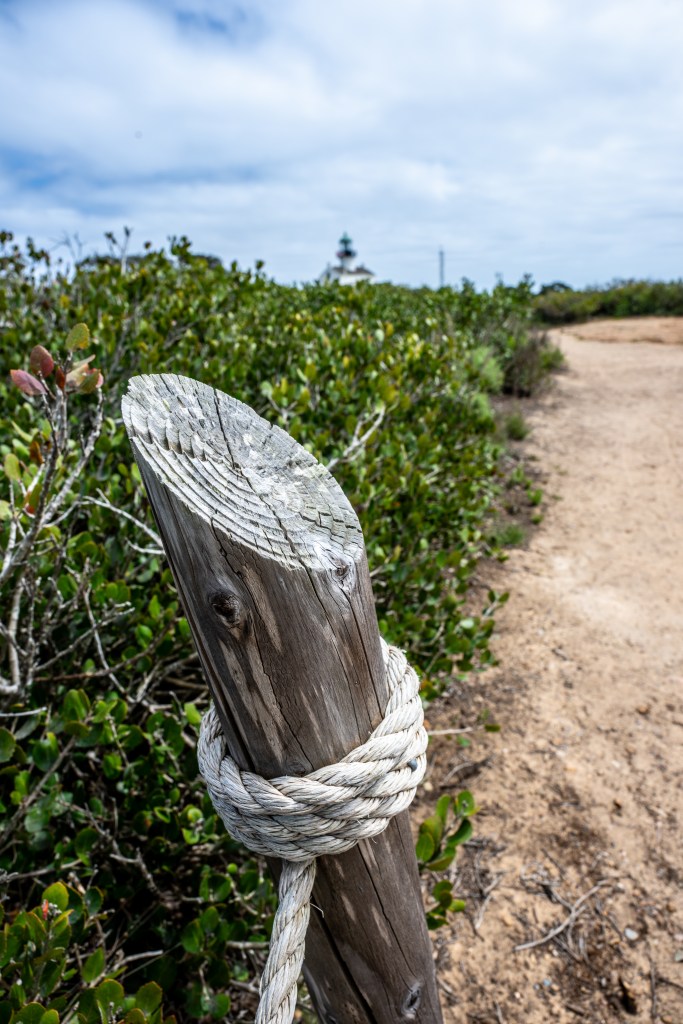
The Bayside Trail: This trail offers fantastic views of the bay and the city.
Planning Your Visit:
The Cabrillo National Monument is open daily, with varying hours.
There is an entrance fee to the monument.
Be prepared for windy conditions, especially at the higher elevation.
Wear comfortable shoes, as there is some walking involved.
Bring a camera to capture the breathtaking views.
A Timeless Treasure:
The Cabrillo Lighthouse is more than just a historical landmark; it’s a symbol of perseverance, dedication, and the enduring connection between humanity and the sea. Whether you’re a history buff, a nature enthusiast, or simply seeking a stunning view, a visit to the Cabrillo National Monument and its iconic lighthouse is an experience you won’t soon forget. It’s a reminder of the past, a celebration of the present, and a window to the vast and ever-changing beauty of the Pacific Coast.





















 Exploring San Diego