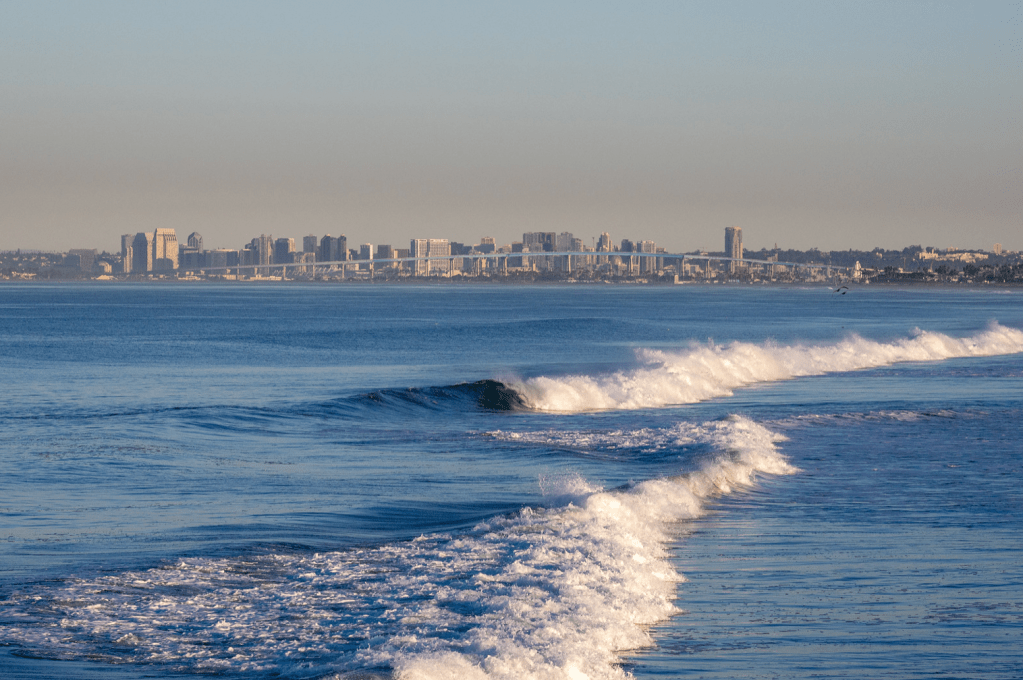
While “king tide” isn’t a strict scientific term, it’s widely used to describe exceptionally high spring tides. These happen when the moon and sun align in such a way that their combined gravity pulls the ocean to its highest highs.
In Southern California, including Imperial Beach, king tides happen a few times each year. According to local tide forecasts, high tides can reach around 7 feet, compared to the more typical 4–5 foot high tides.
2025 King Tide Outlook for Southern California
The California King Tides Project lists November 6, 2025 and December 6, 2025 as King Tide dates for some Southern California locations.
Additionally, December 4–5, 2025 and January 2–3, 2026 are major King Tide event dates.
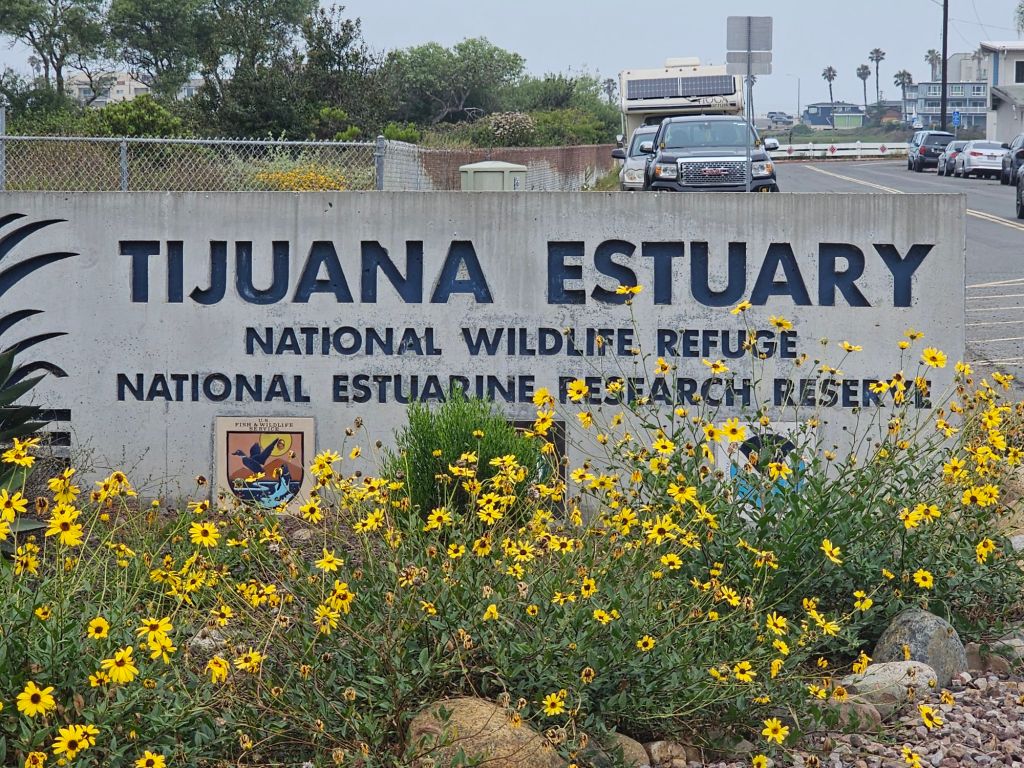
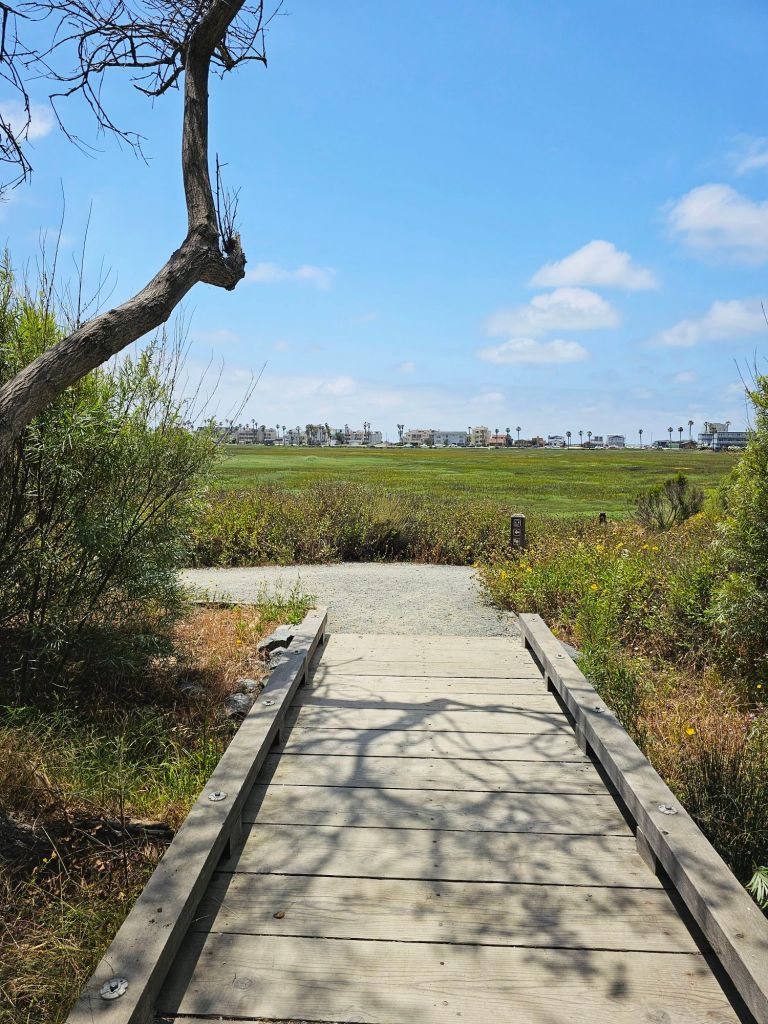
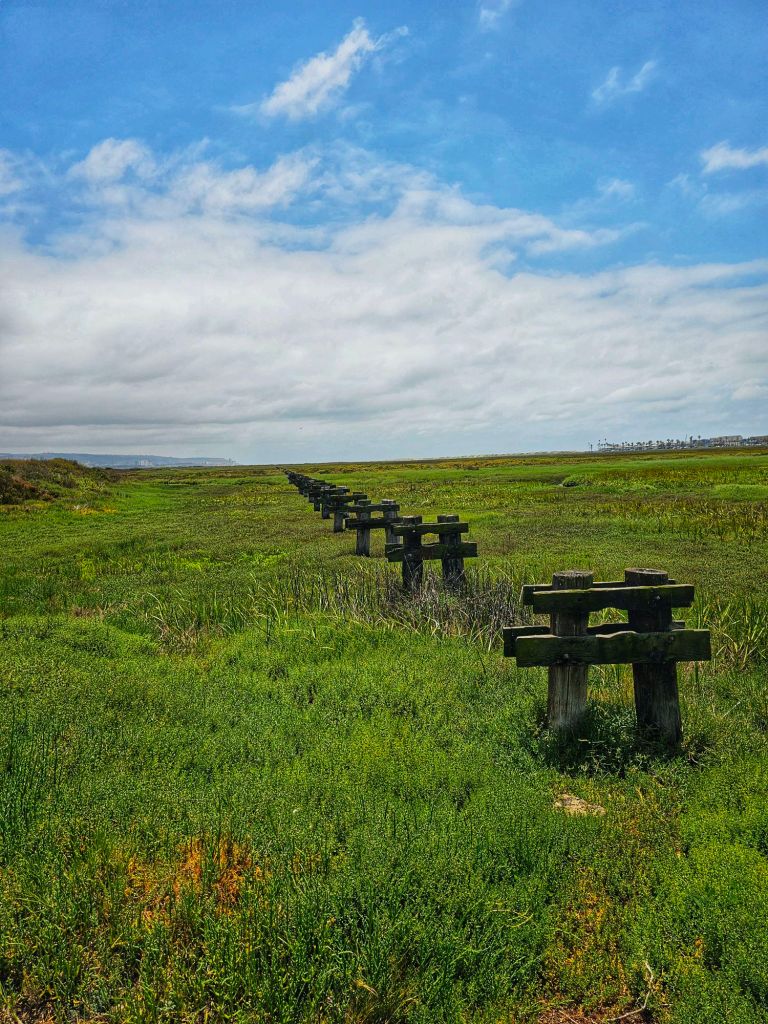
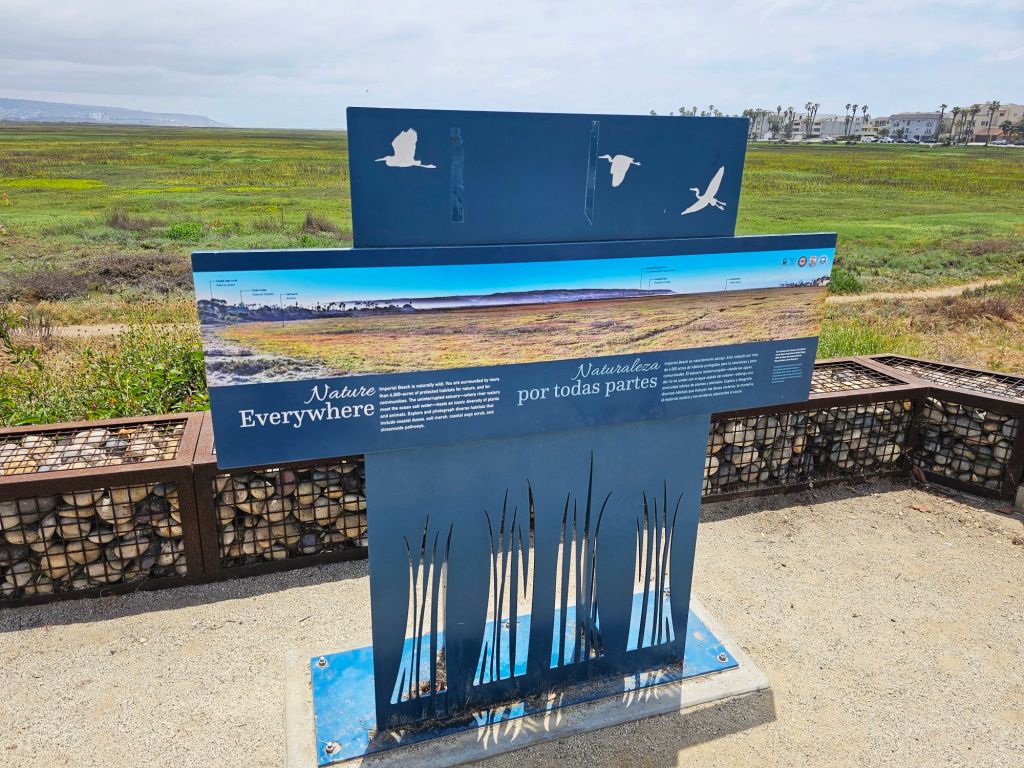
Just a few miles south of San Diego’s bustling downtown lies a hidden gem where saltwater, freshwater, and wildlife converge in a delicate dance of life—the Tijuana River Estuary. Tucked between Imperial Beach and the U.S.-Mexico border, this vast coastal wetland is not only a peaceful escape from the city but also one of Southern California’s most ecologically significant landscapes.
A Living Sanctuary
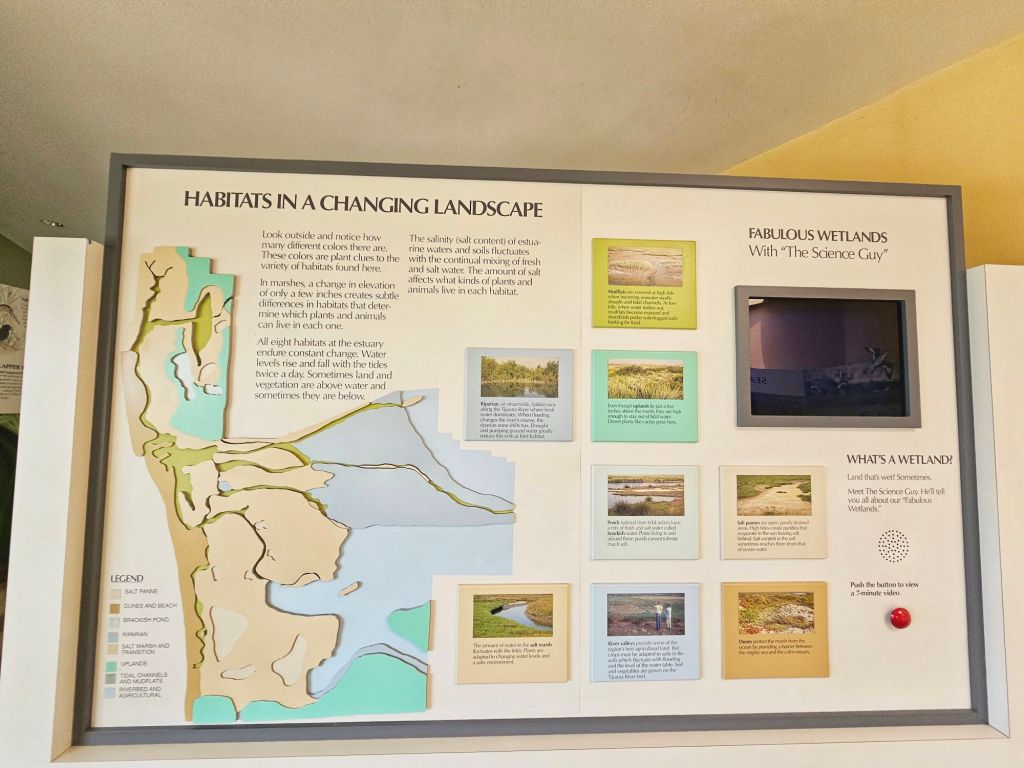
The estuary is part of the Tijuana River National Estuarine Research Reserve, a protected area spanning over 2,500 acres. It’s one of only 30 estuarine research reserves in the United States, and it plays a vital role in protecting endangered species, filtering water, and buffering the coast from storm surges.
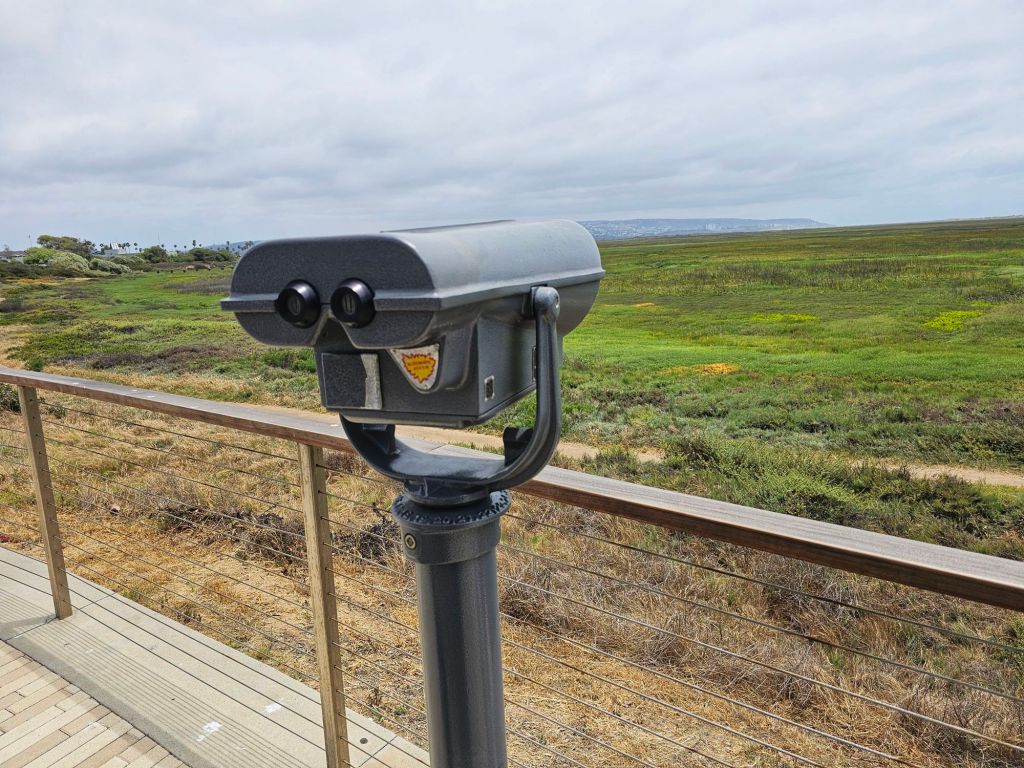
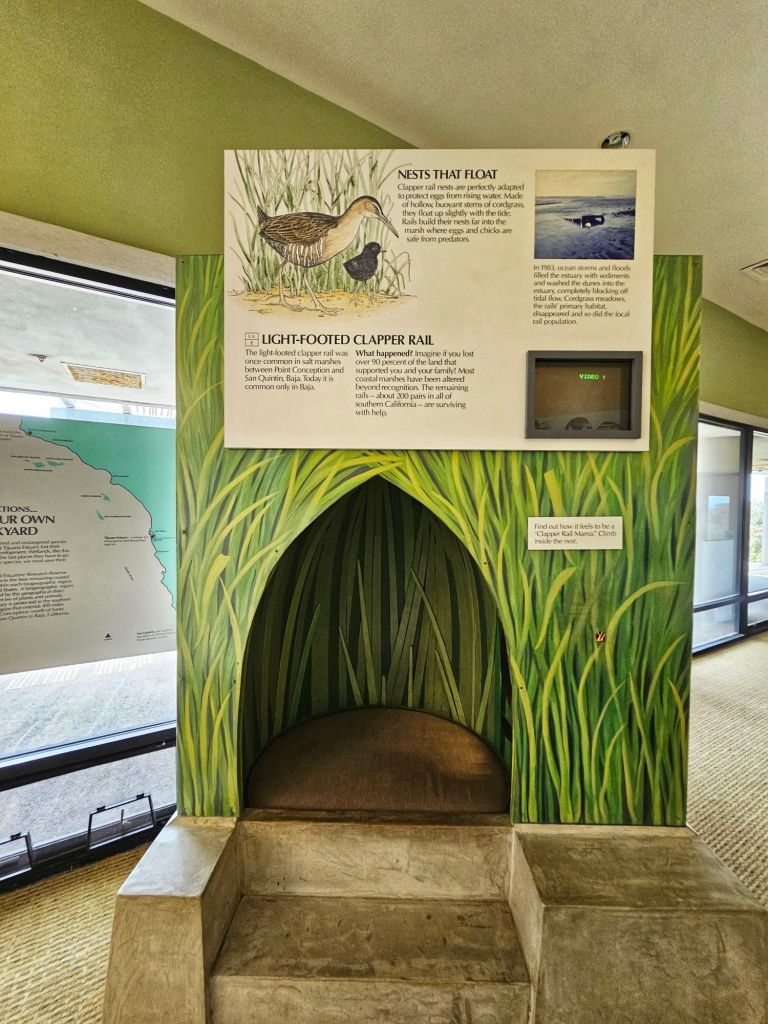
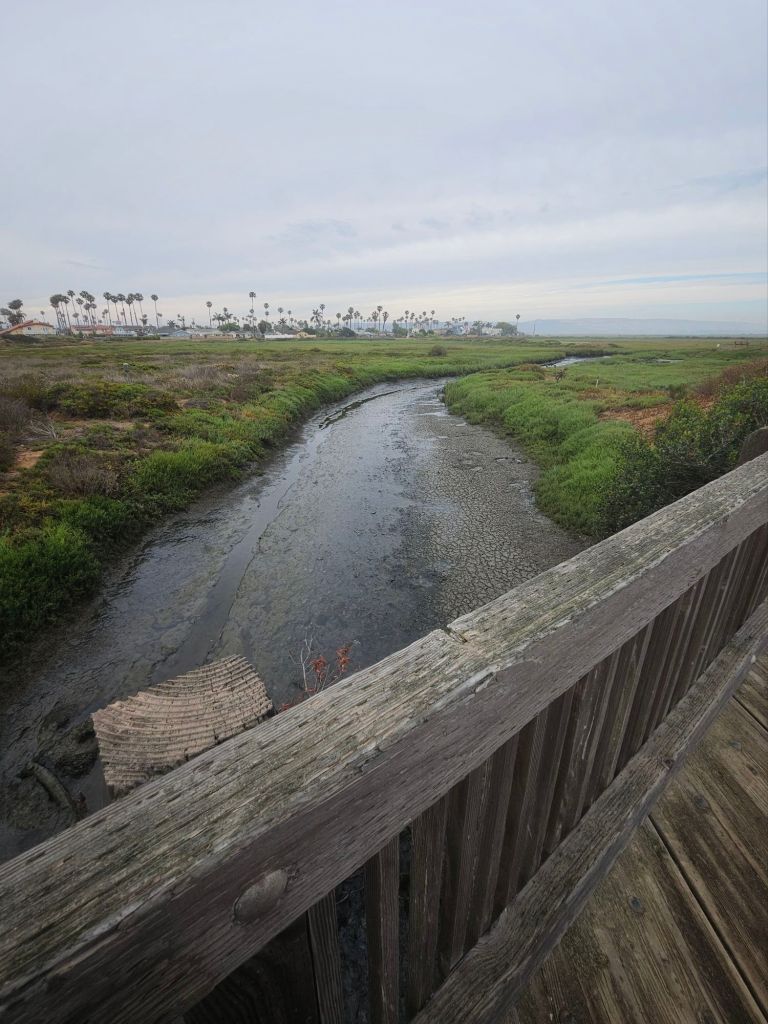
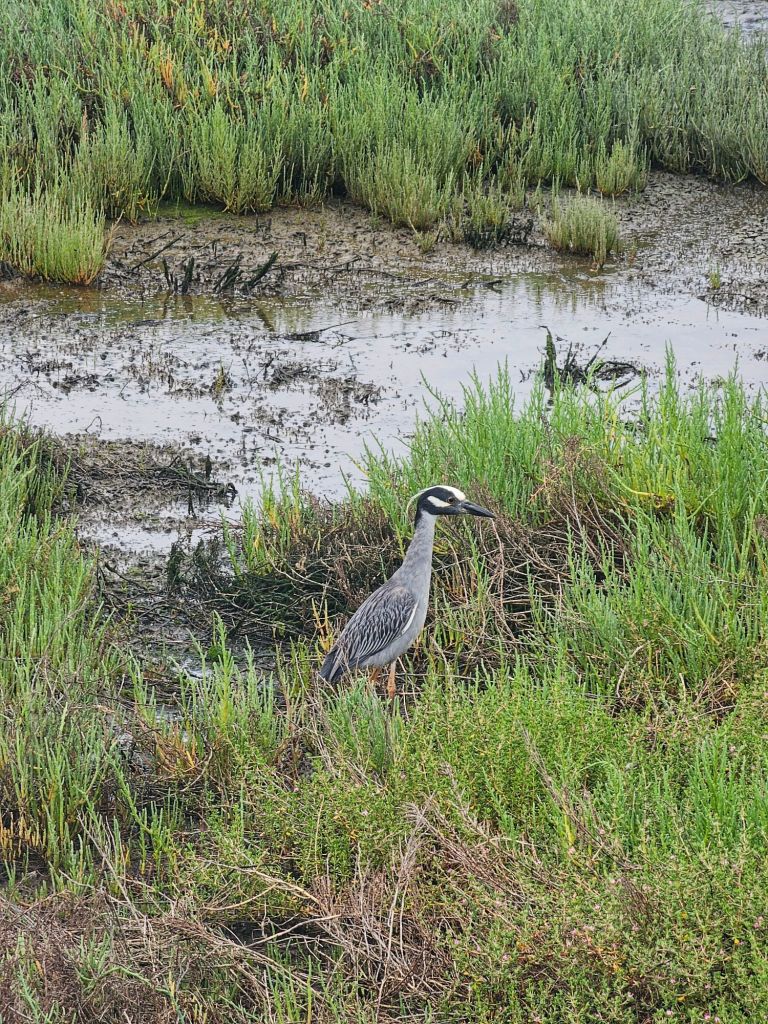
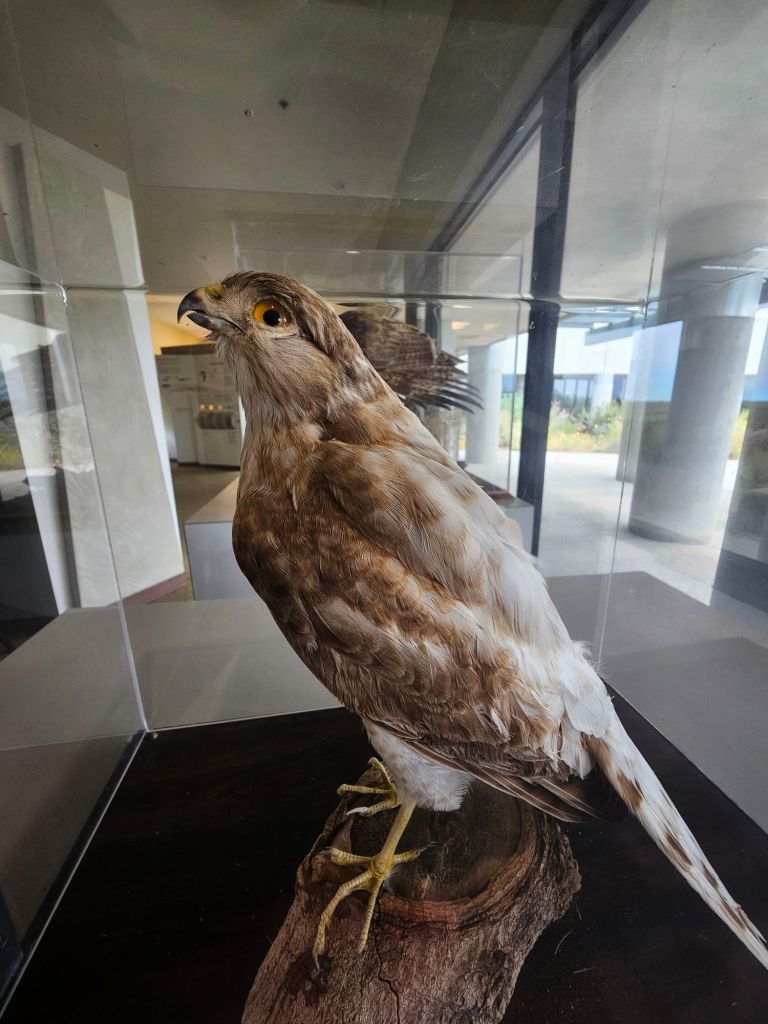
As you walk the trails, you’ll find yourself surrounded by a mosaic of marshes, mudflats, and salt flats—each teeming with life. Located along a massive aviary flyway over 370 species of birds have been recorded here, including the endangered light-footed Ridgway’s rail and least tern. Birdwatchers, bring your binoculars!
Trails, Views, and Tranquility
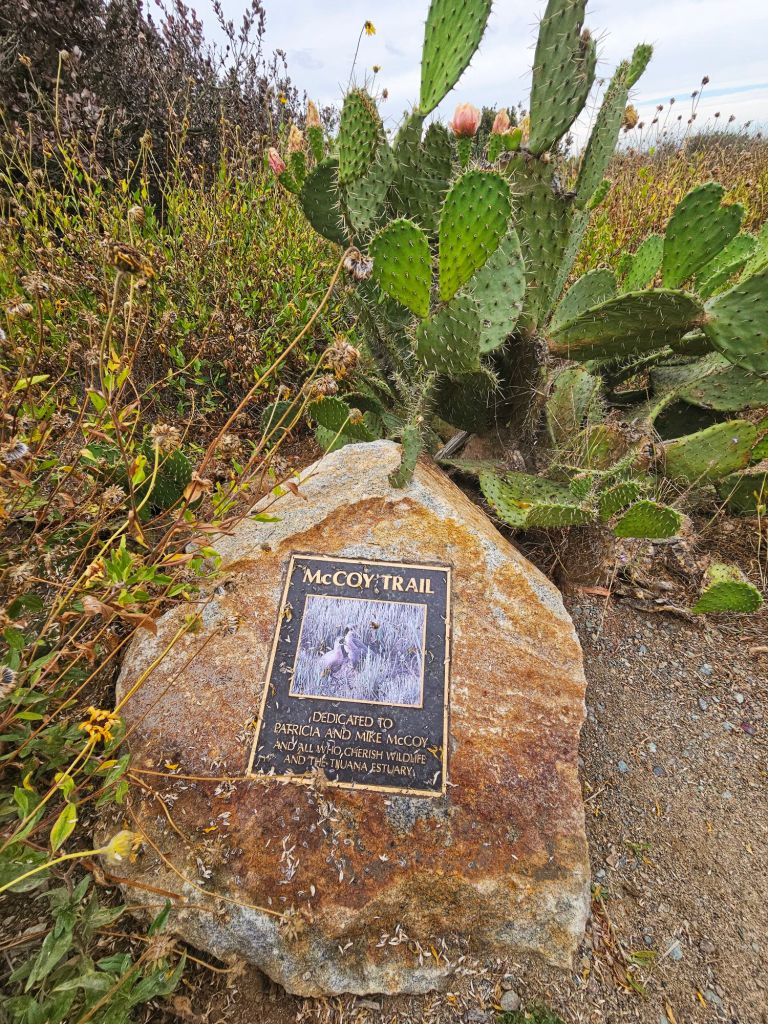
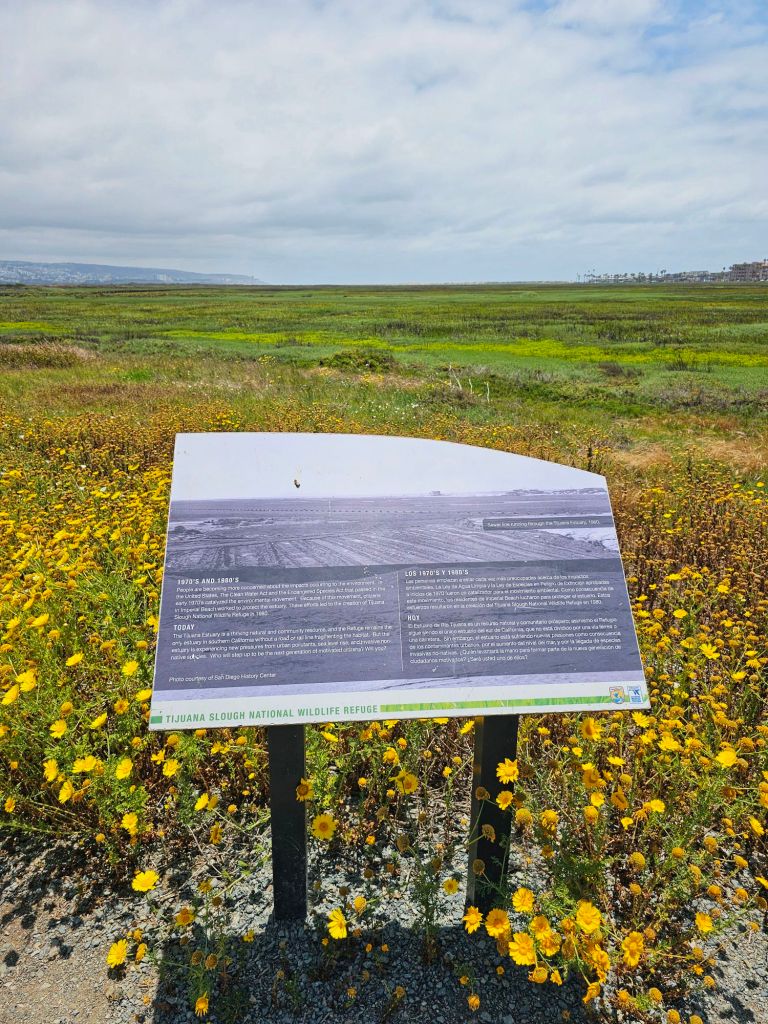
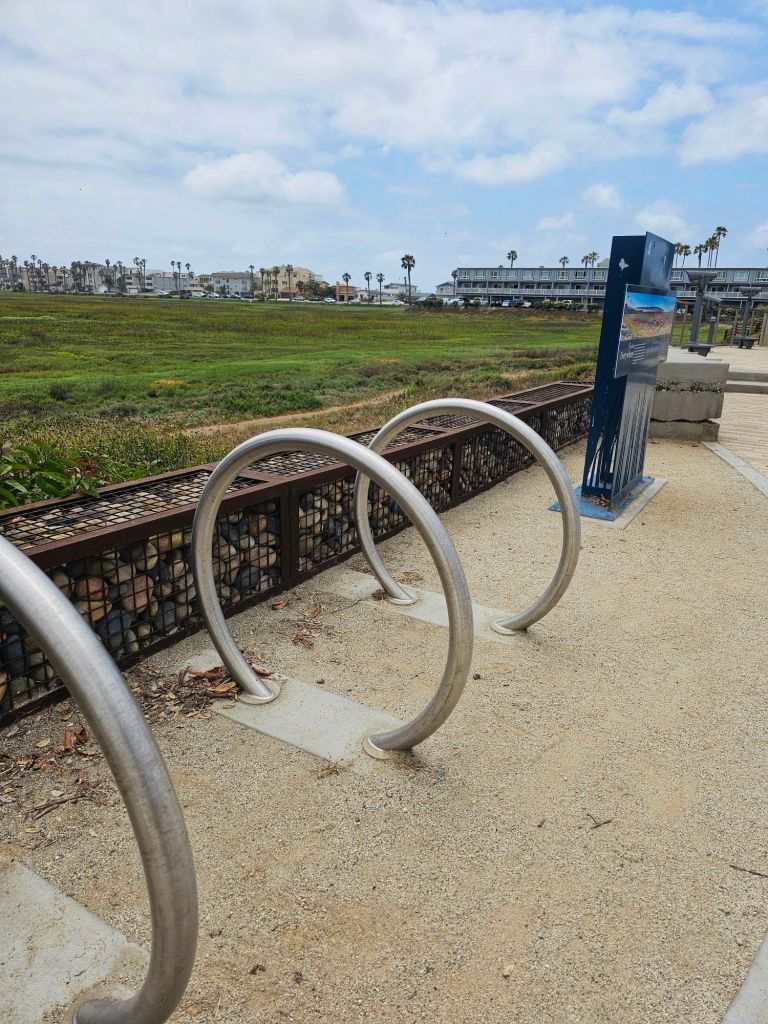
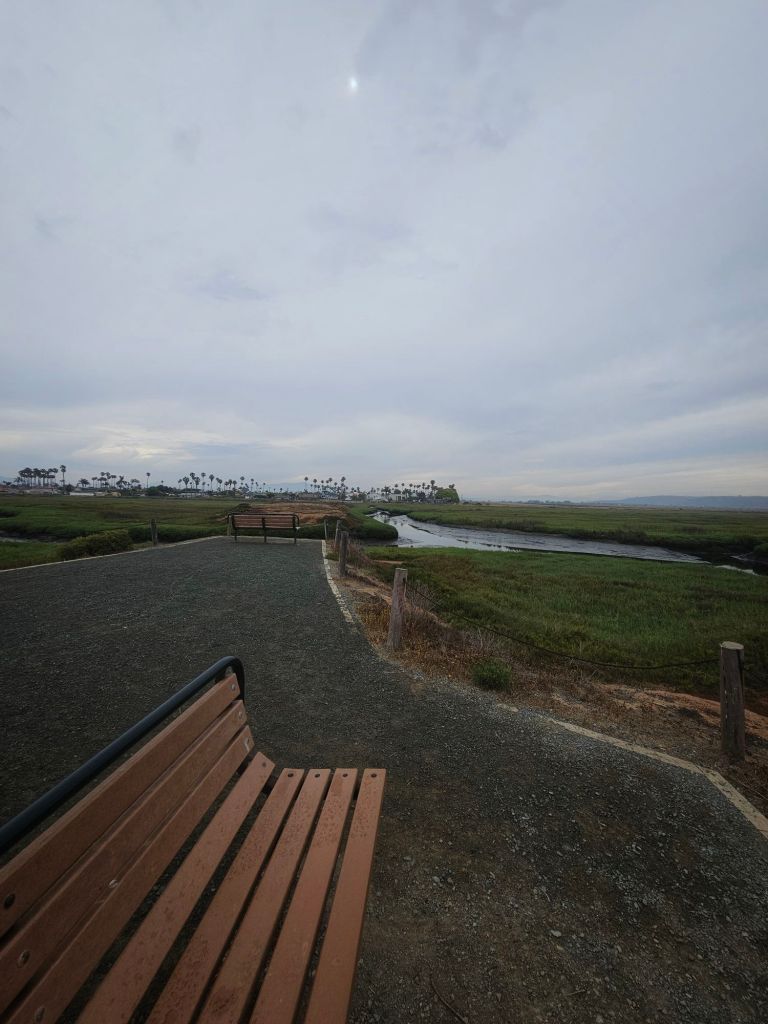
The Bayside Trail and River Mouth Trail offer easy, flat hikes with stunning views of the wetlands and the Pacific Ocean beyond. Interpretive signs along the way tell the story of the estuary’s ecology, history, and the ongoing efforts to protect it.
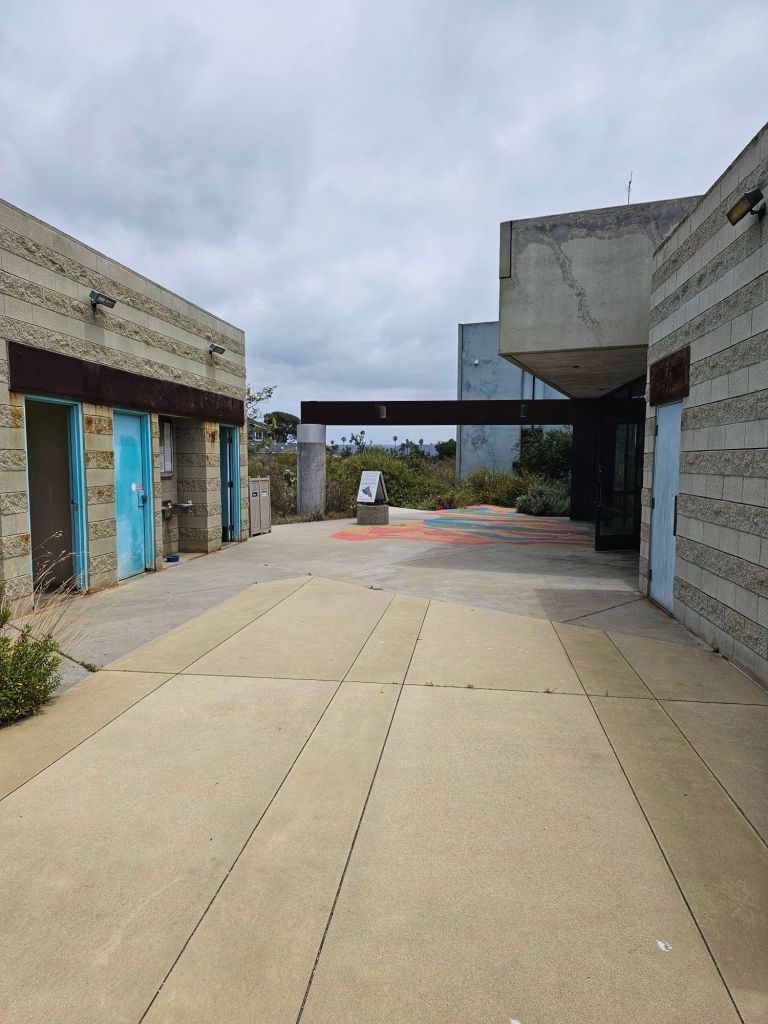
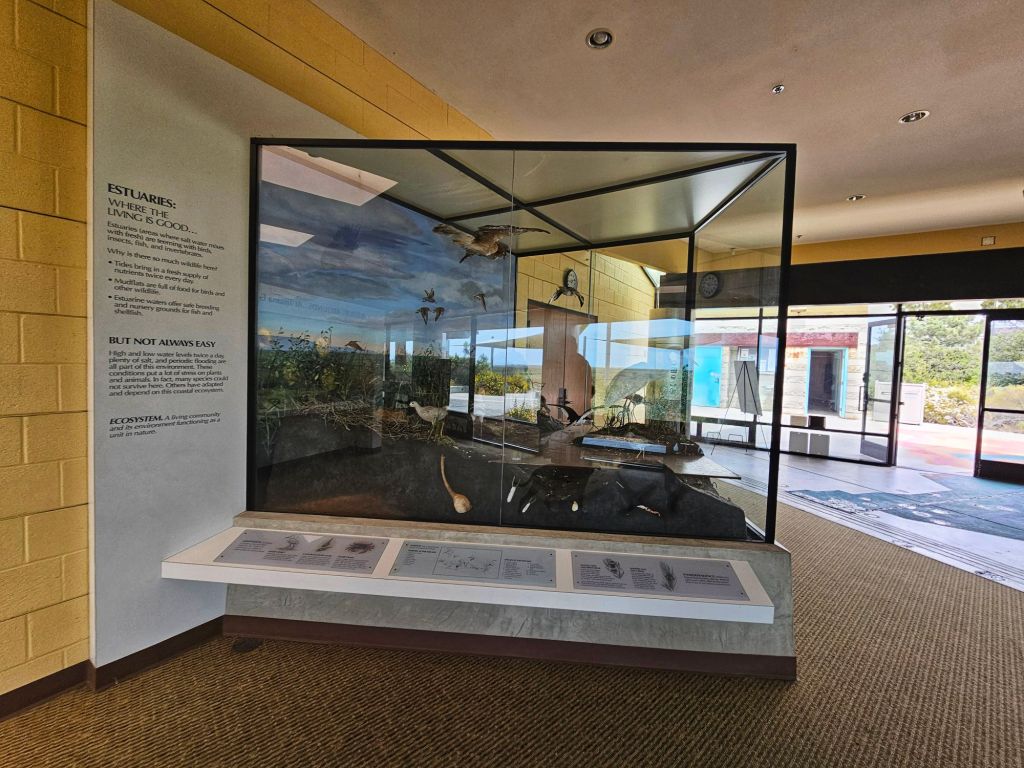
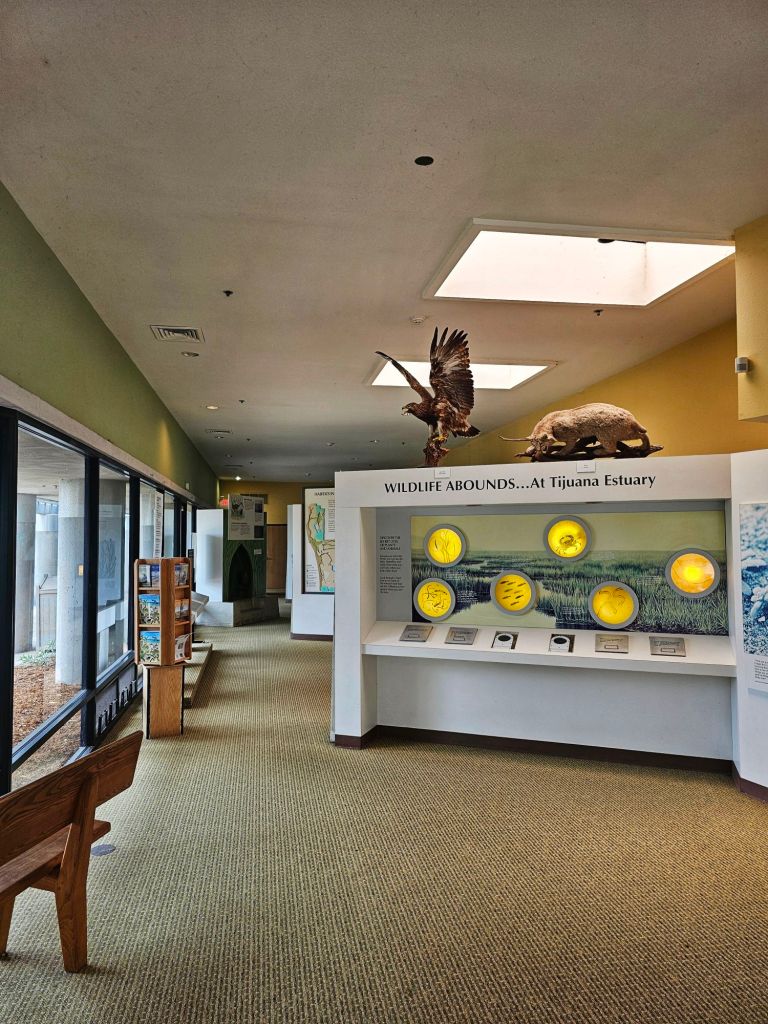
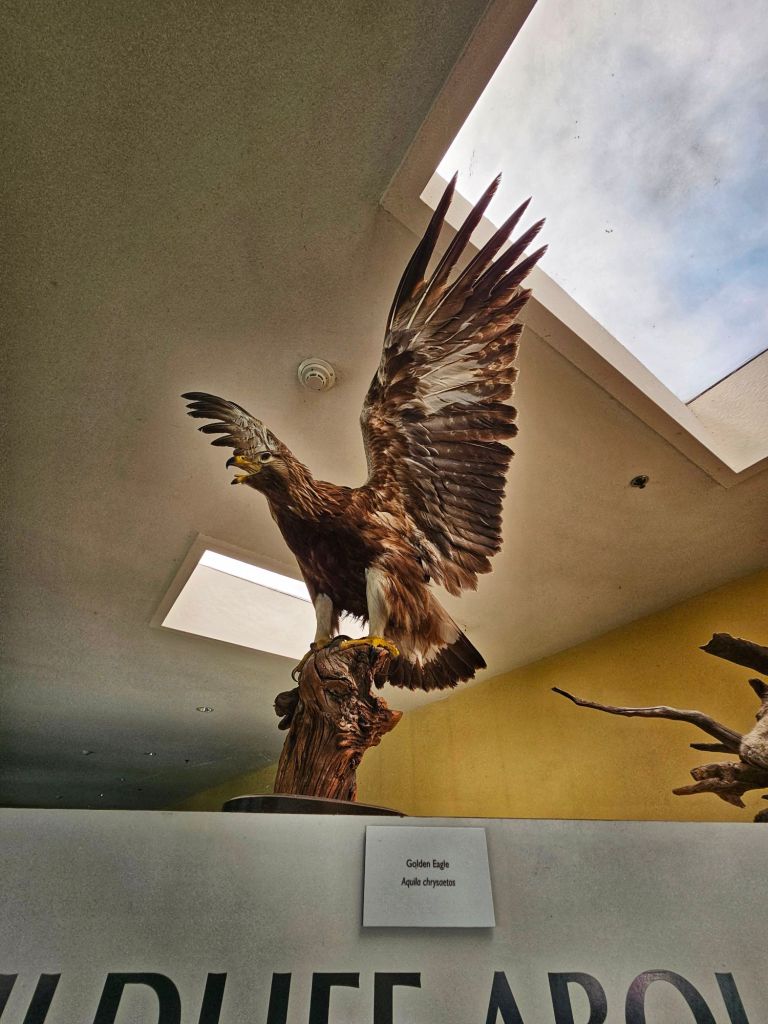
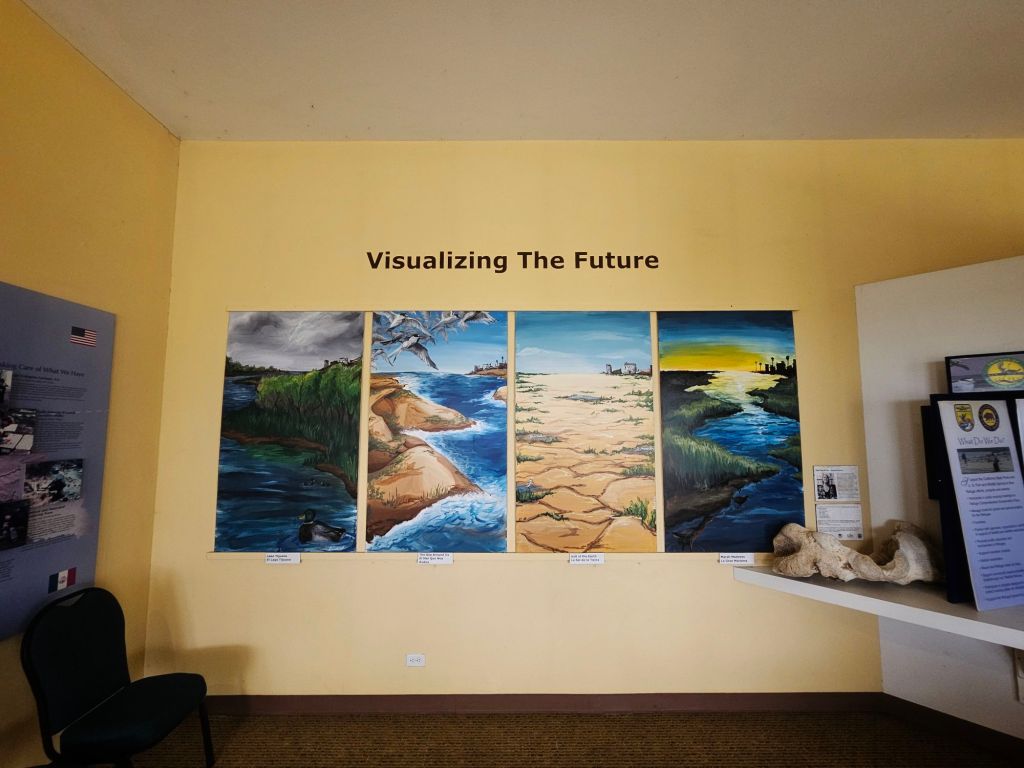
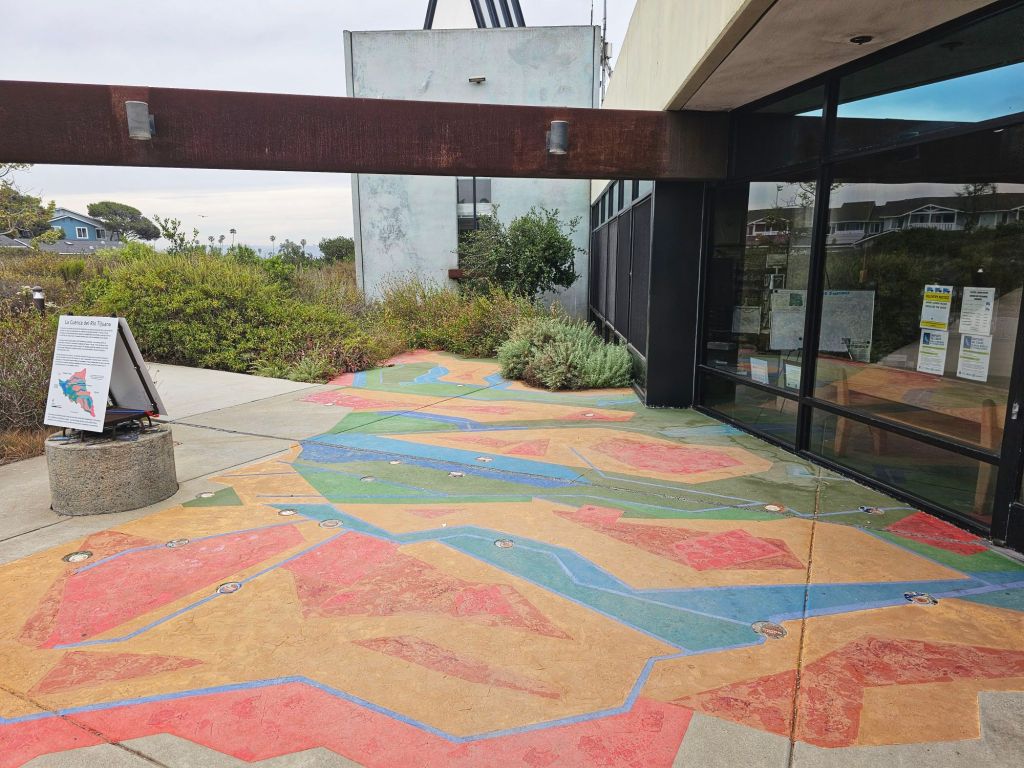
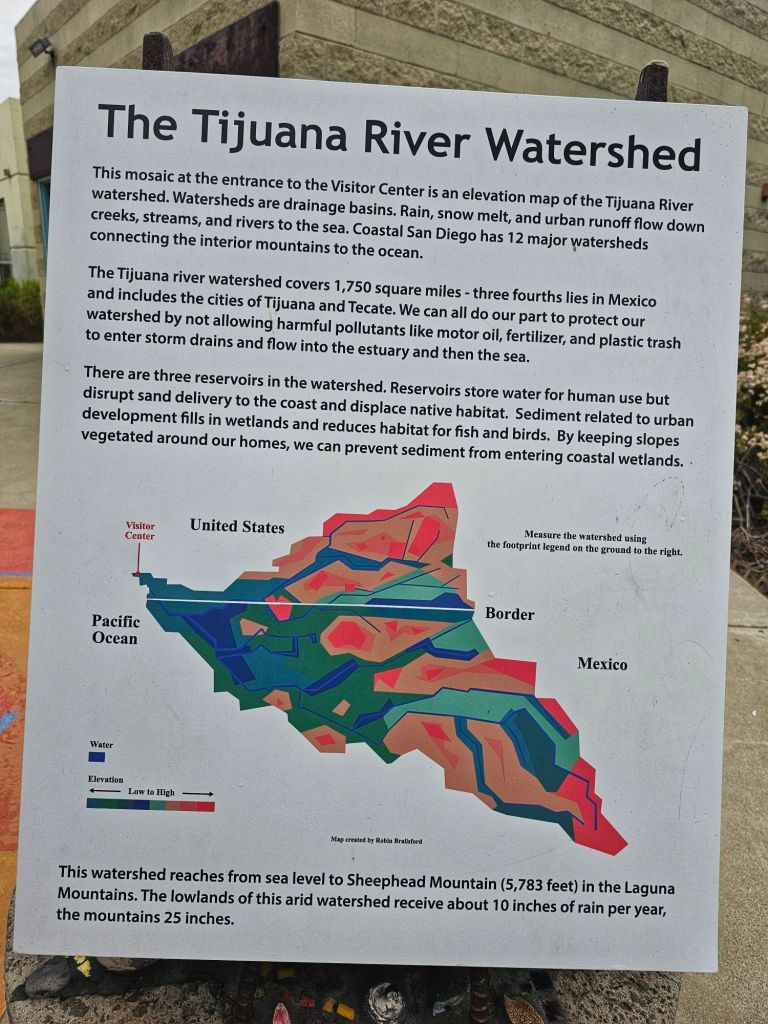
Don’t forget to stop by the Tijuana Estuary Visitor Center—a small but informative hub with exhibits, maps, and knowledgeable staff who can help guide your visit.
A Cross-Border Story
What makes the Tijuana River Estuary truly unique is its binational character. The Tijuana River originates in Mexico, flowing through the bustling city of Tijuana before crossing the U.S. border and emptying into the Pacific Ocean. Along the way, it faces challenges like pollution and urban runoff—but also inspires collaboration and conservation across borders.
Why It Matters
Estuaries like this one are among the most productive ecosystems on Earth. They provide nursery grounds for fish, shelter for birds, and natural flood control for communities. In a time of climate change and habitat loss, places like the Tijuana River Estuary remind us of nature’s resilience—and our responsibility to protect it.
Plan Your Visit
Whether you’re a birder, hiker, photographer, or simply seeking a quiet moment in nature, the Tijuana River Estuary is worth a visit. Come for the peaceful views, stay for the deeper connection to a landscape that quietly sustains life in so many ways.
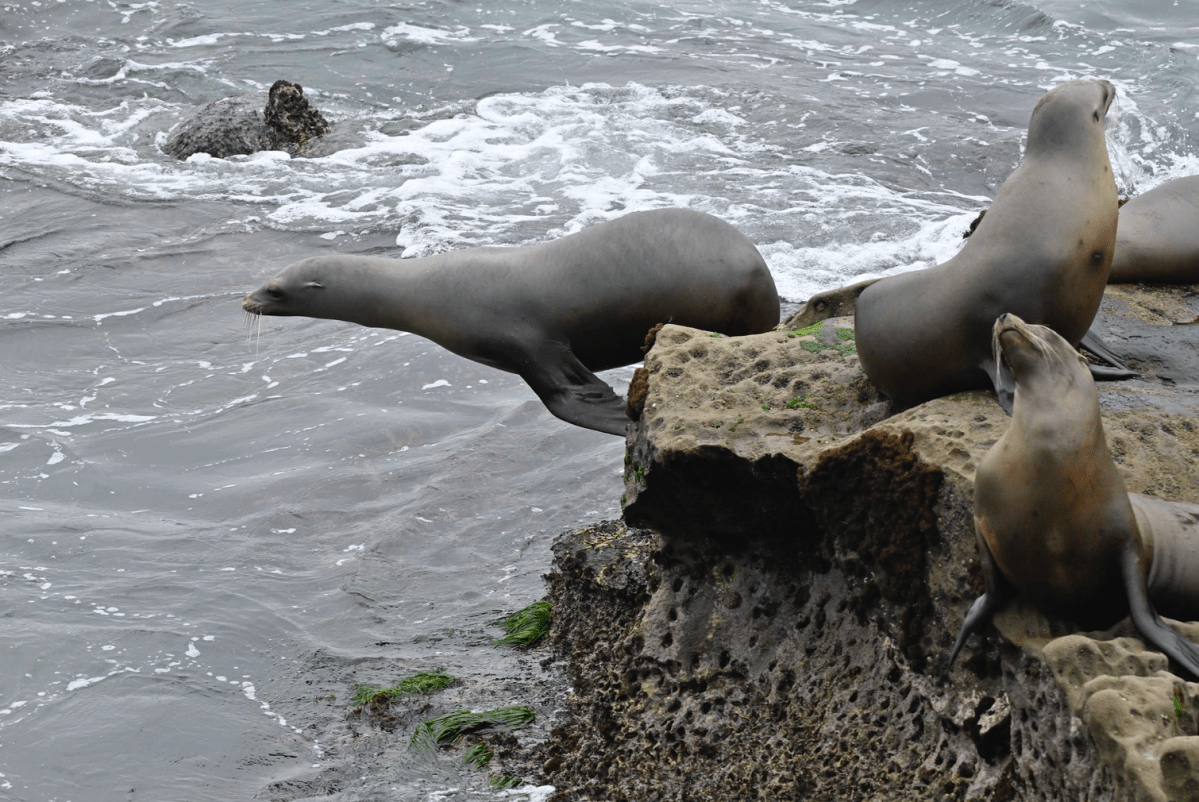
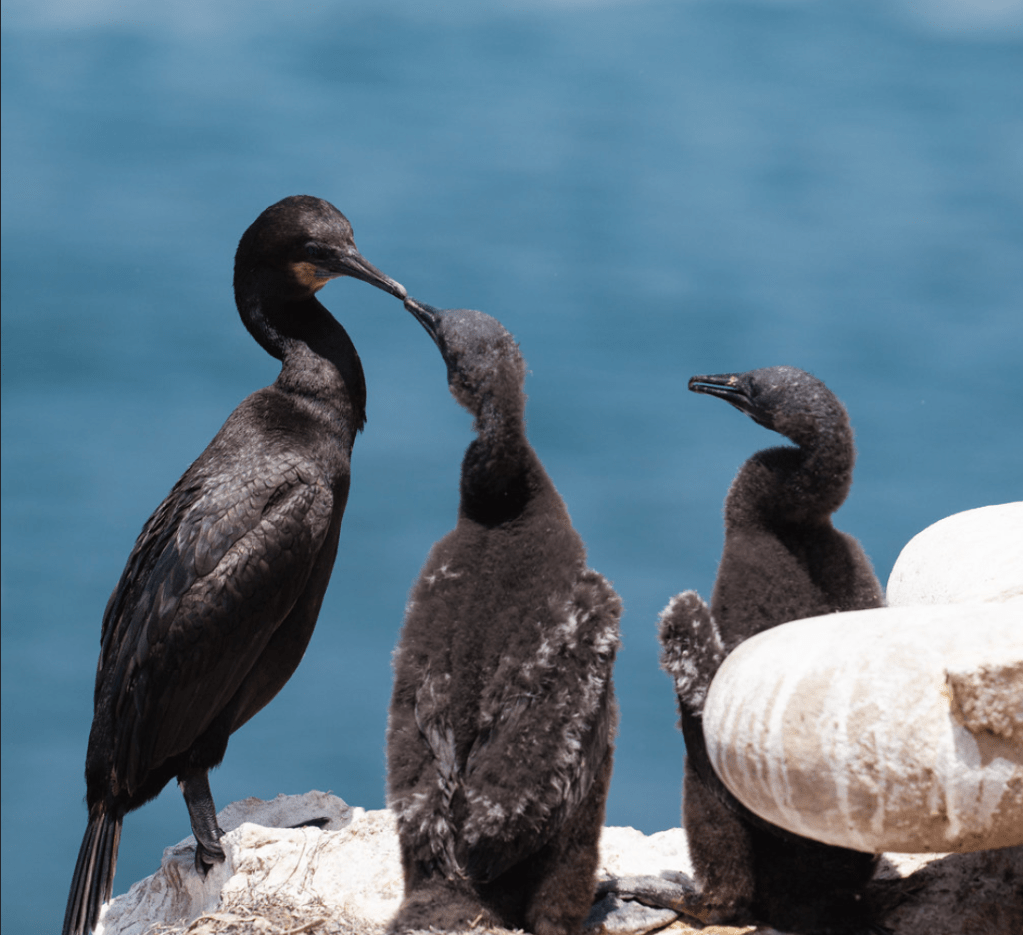
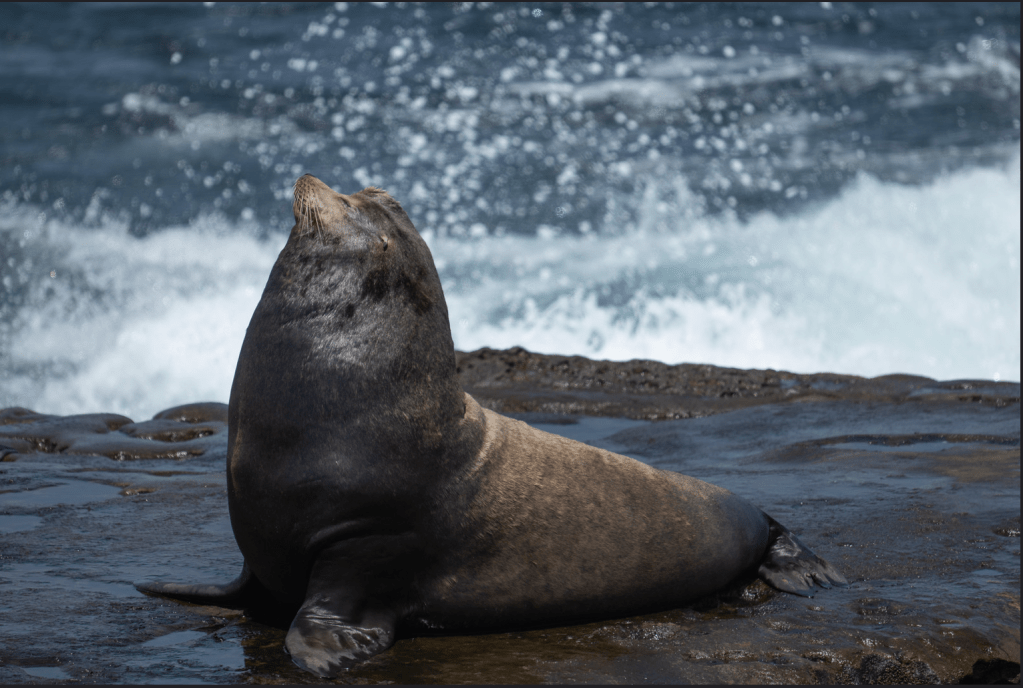
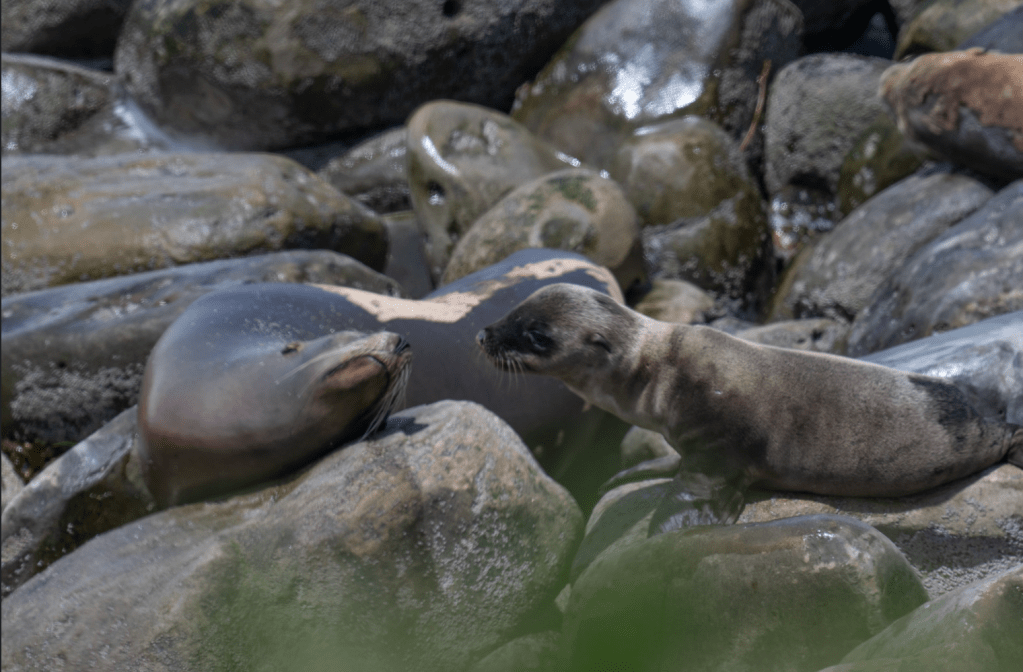
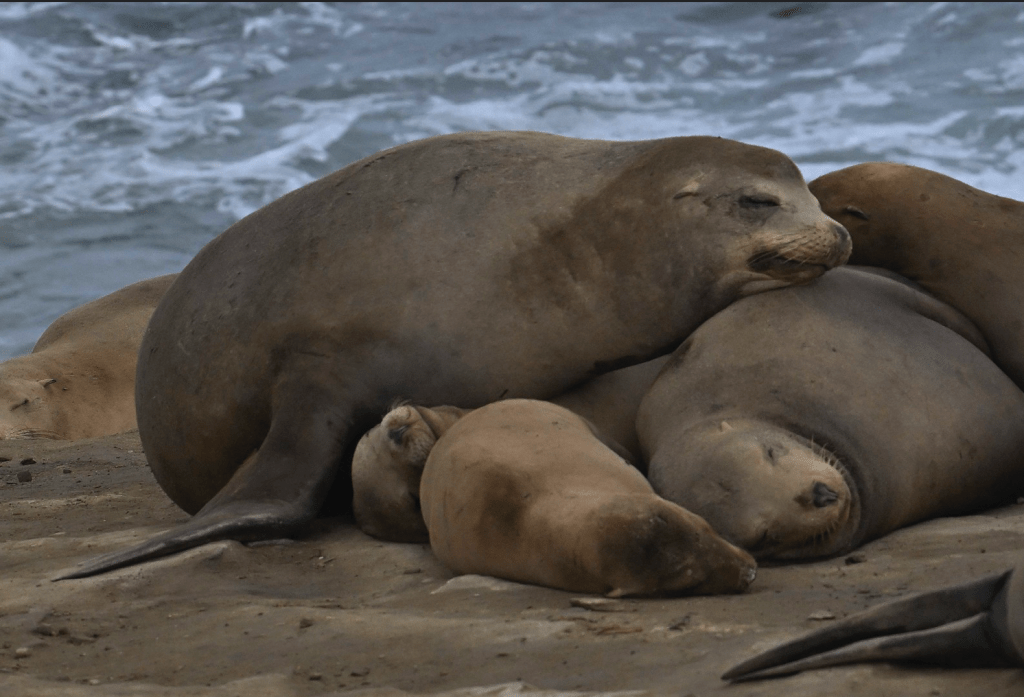
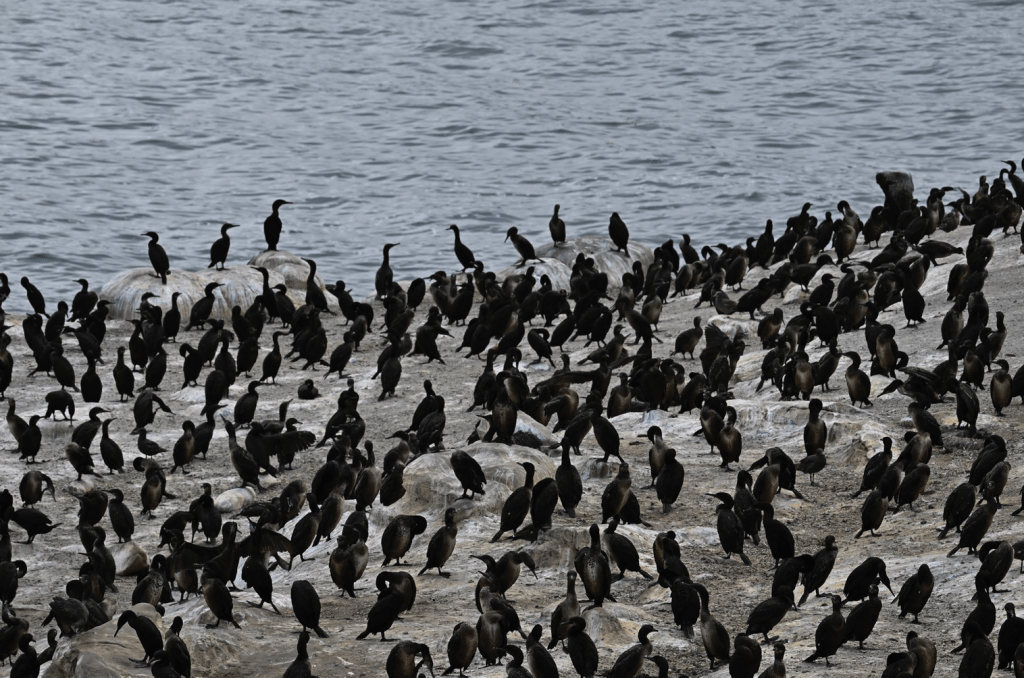
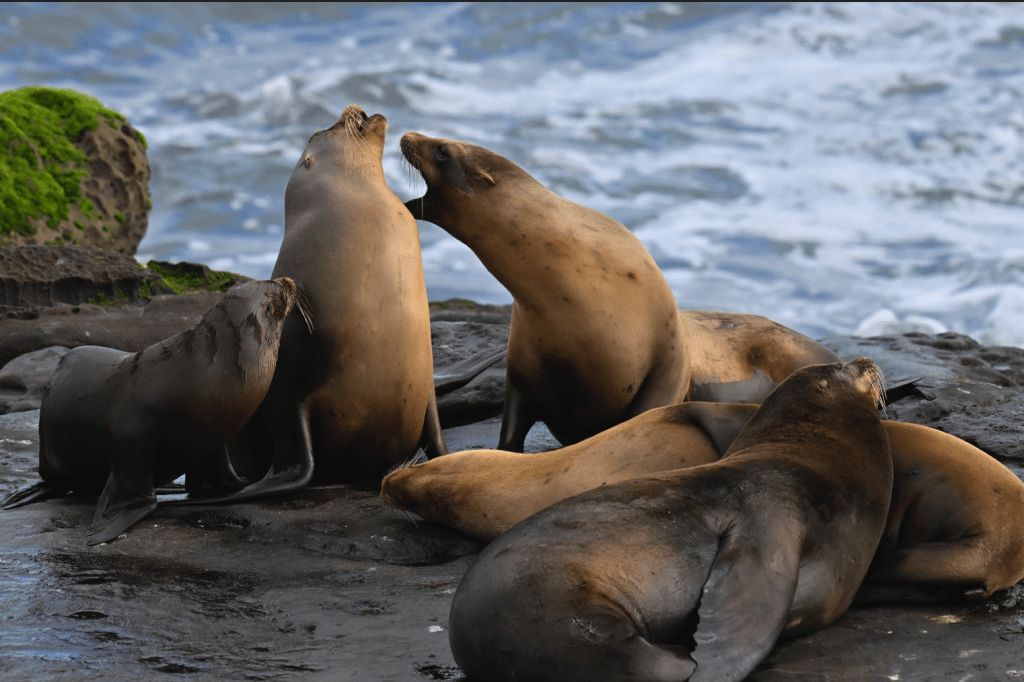
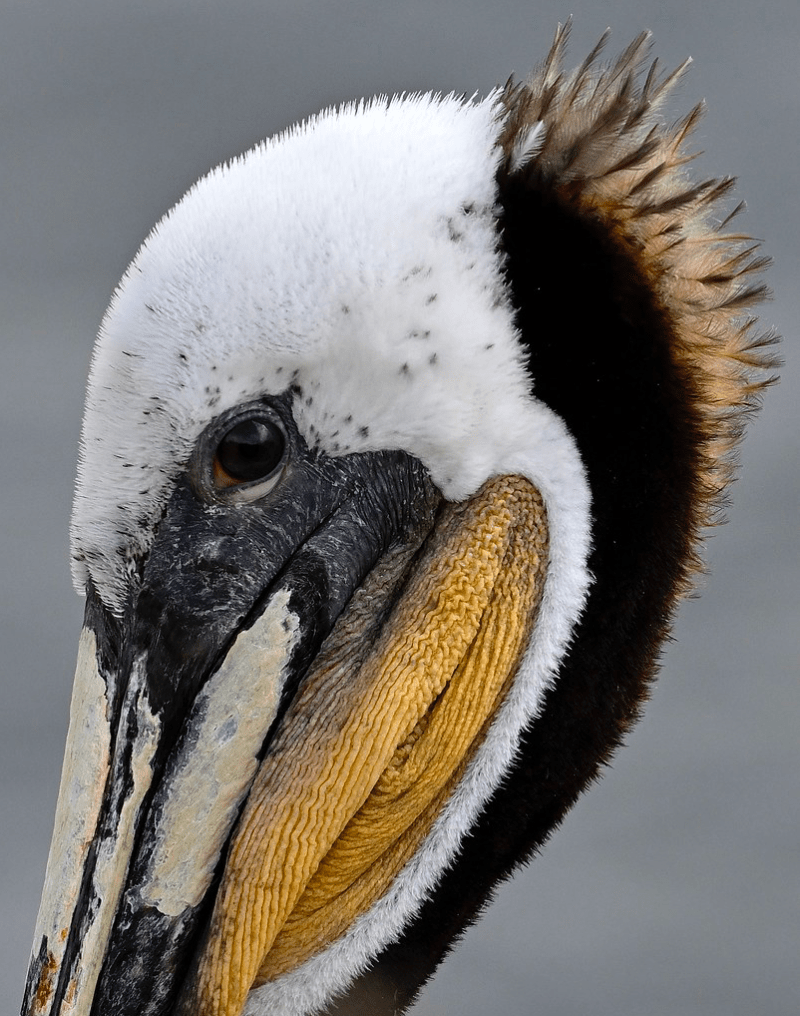
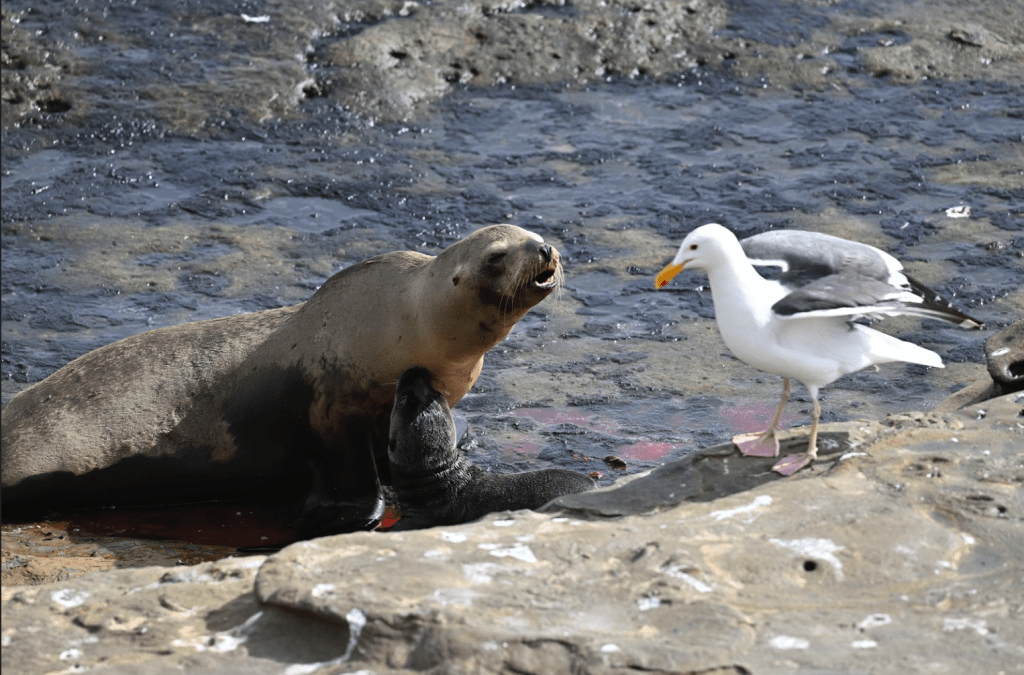
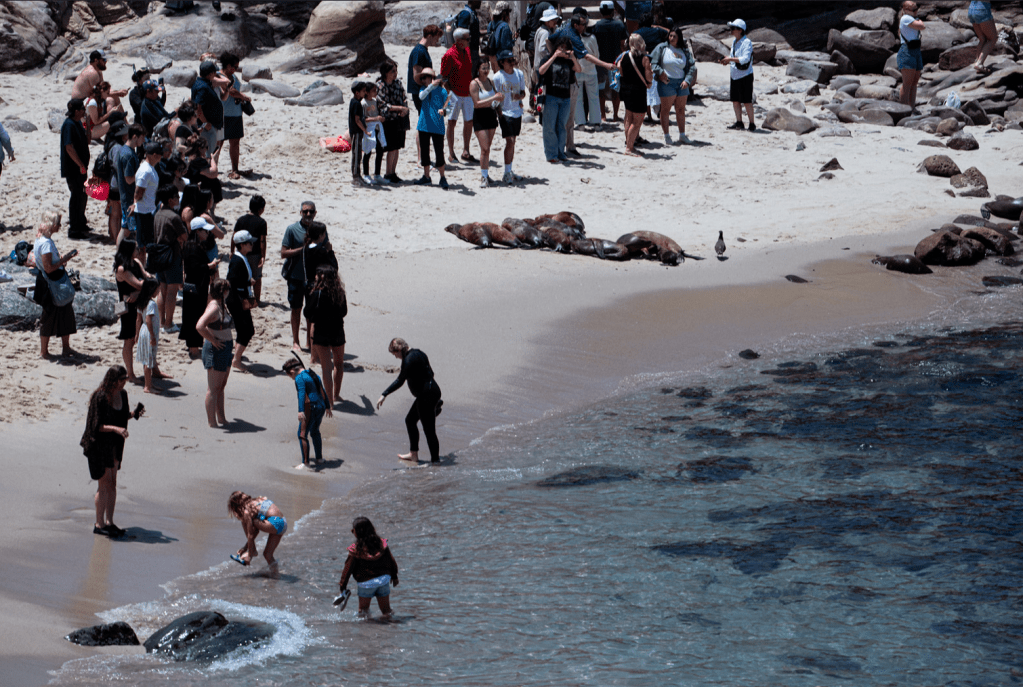
La Jolla Cove is part of the larger La Jolla Underwater Park, a protected marine reserve that makes it a paradise for snorkelers, scuba divers, and kayakers. Above the waves, La Jolla Cove is famously home to a lively population of sea lions and harbor seals. These charismatic creatures can be seen basking on the rocks, swimming close to shore, or engaging in playful antics that delight onlookers. Birdwatchers will also enjoy spotting a variety of coastal birds such as pelicans, cormorants, and gulls soaring overhead or nesting on the rocky cliffs.
Tide pools along the shore reveal a hidden world of marine invertebrates including starfish, anemones, and crabs, especially at low tide. This makes La Jolla Cove a fantastic destination for families and curious explorers eager to learn about marine ecology up close.
Challenges at La Jolla Cove
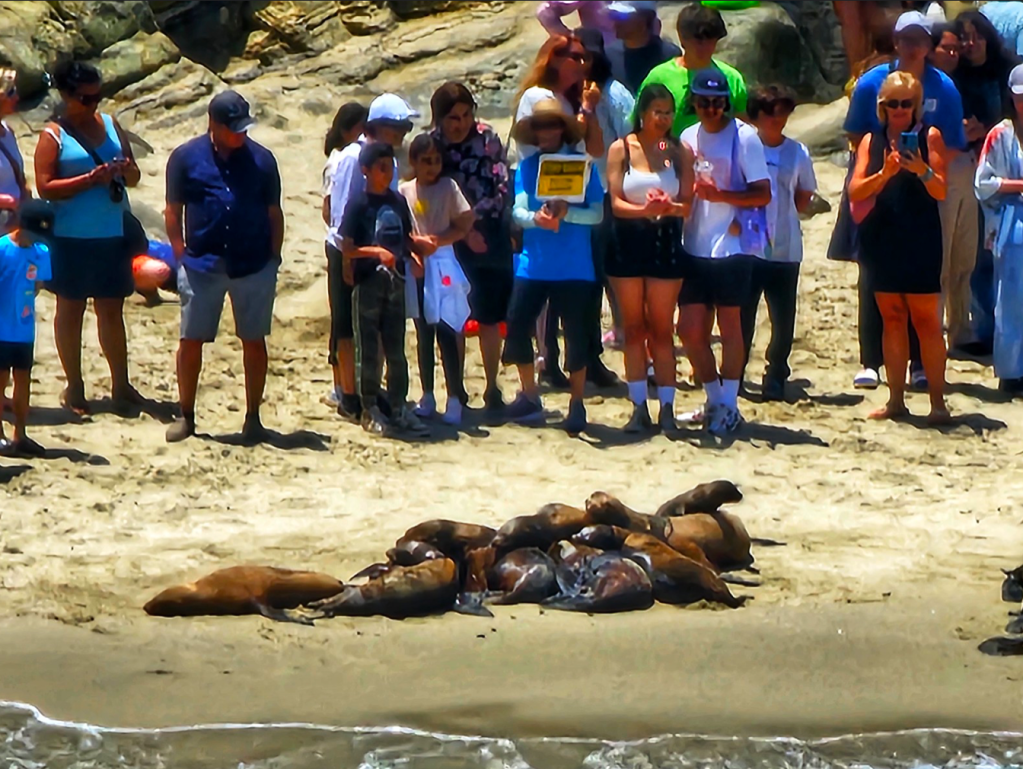
A growing problem involves harassment of the local wildlife, particularly sea lions and harbor seals. Despite clear signage and public education efforts, some visitors approach too closely for photos, attempt to touch or feed the animals, or otherwise disturb them. These actions not only stress the animals but can also lead to dangerous encounters. Seasonal closures and designated viewing areas have been implemented in some sections to minimize human-wildlife conflicts and protect both animals and people.
Increased foot traffic, littering and disturbance of tide pools can threaten the delicate ecosystems. Conservationists and local authorities continuously urge visitors to follow “leave no trace” principles and respect protected areas.
Water quality can also fluctuate, especially after heavy rains, due to urban
Balancing tourism, wildlife conservation, and community interests remains a delicate task, but ongoing efforts by environmental groups, volunteers, and city planners aim to preserve La Jolla Cove’s natural charm for generations to come
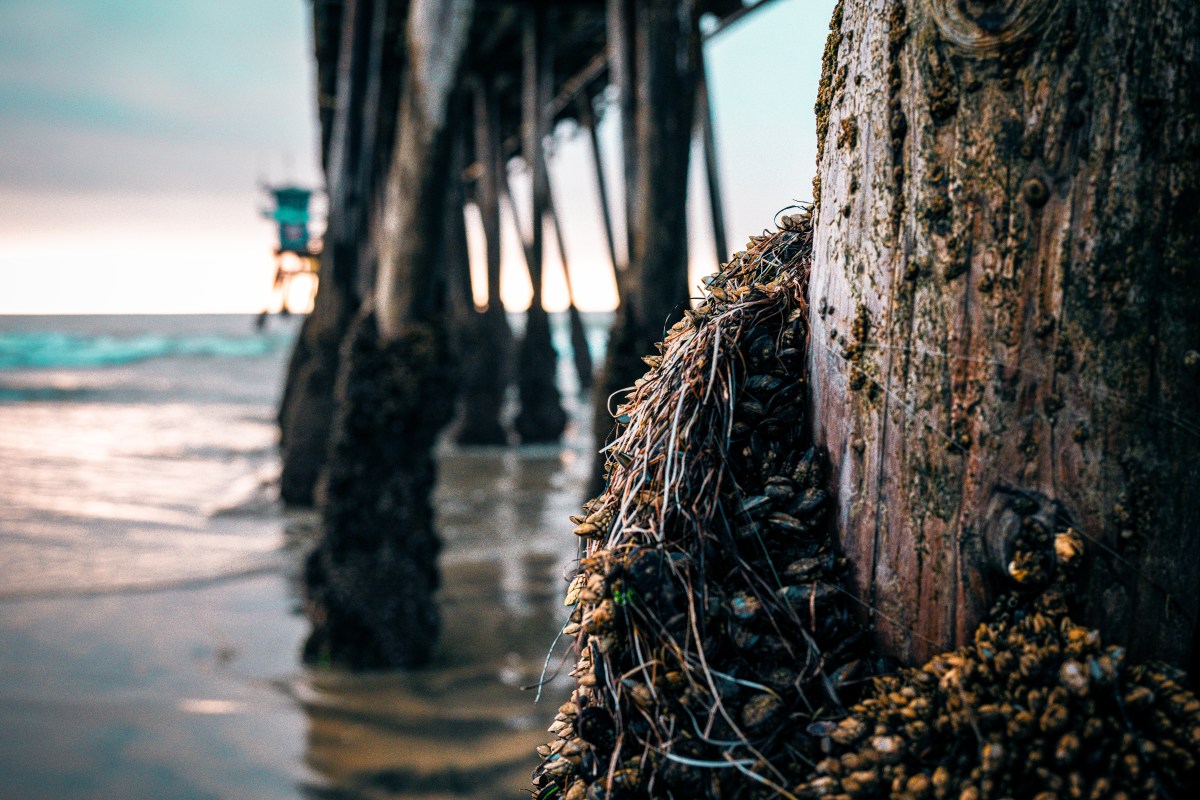
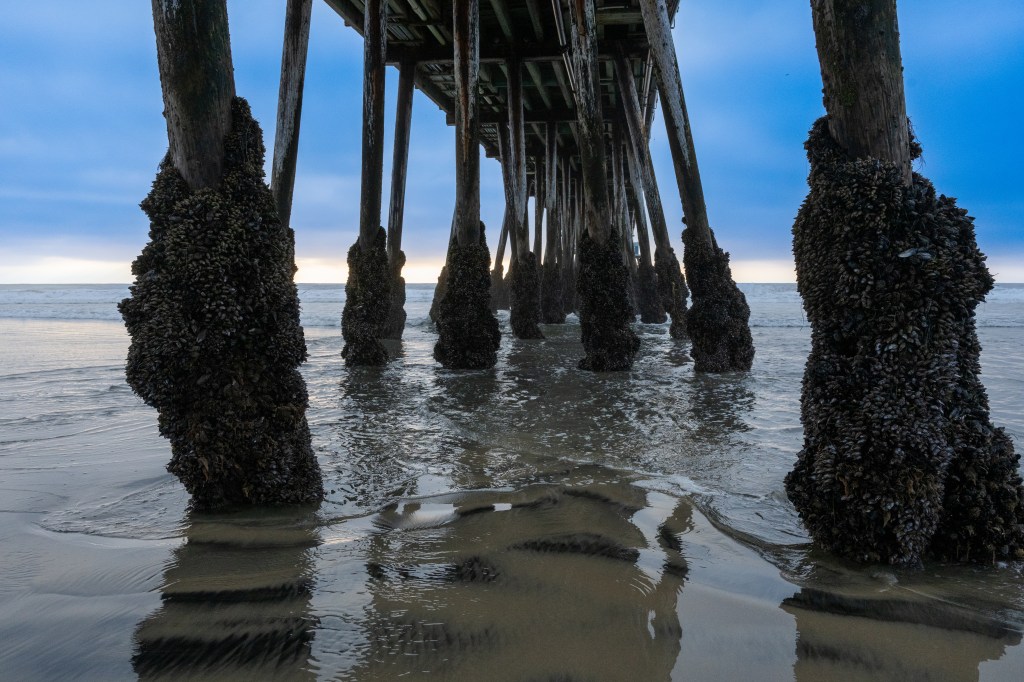
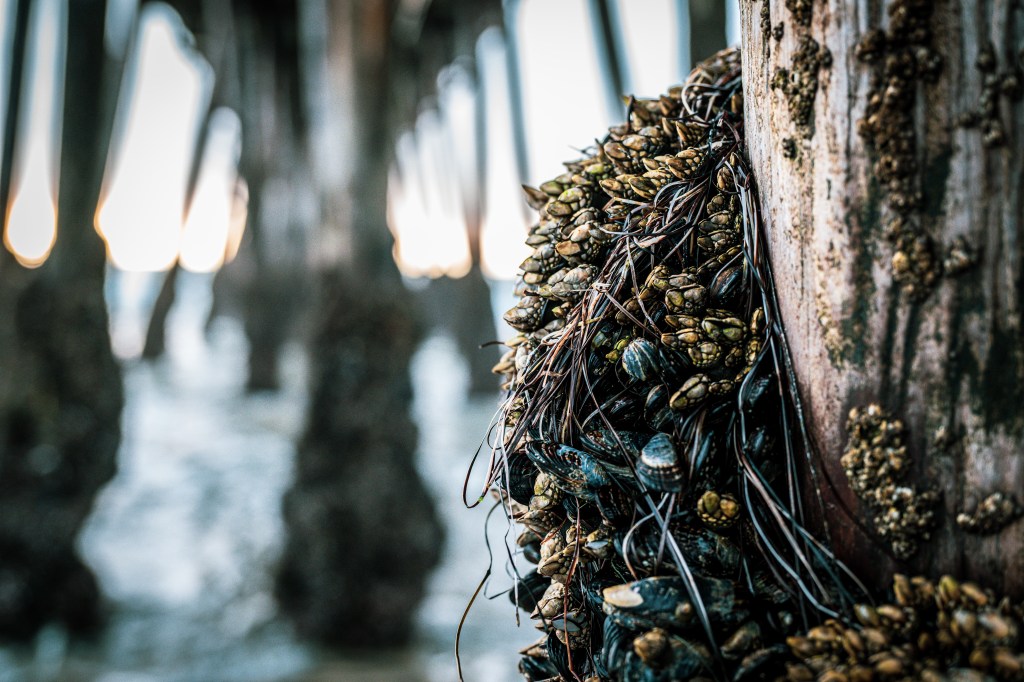
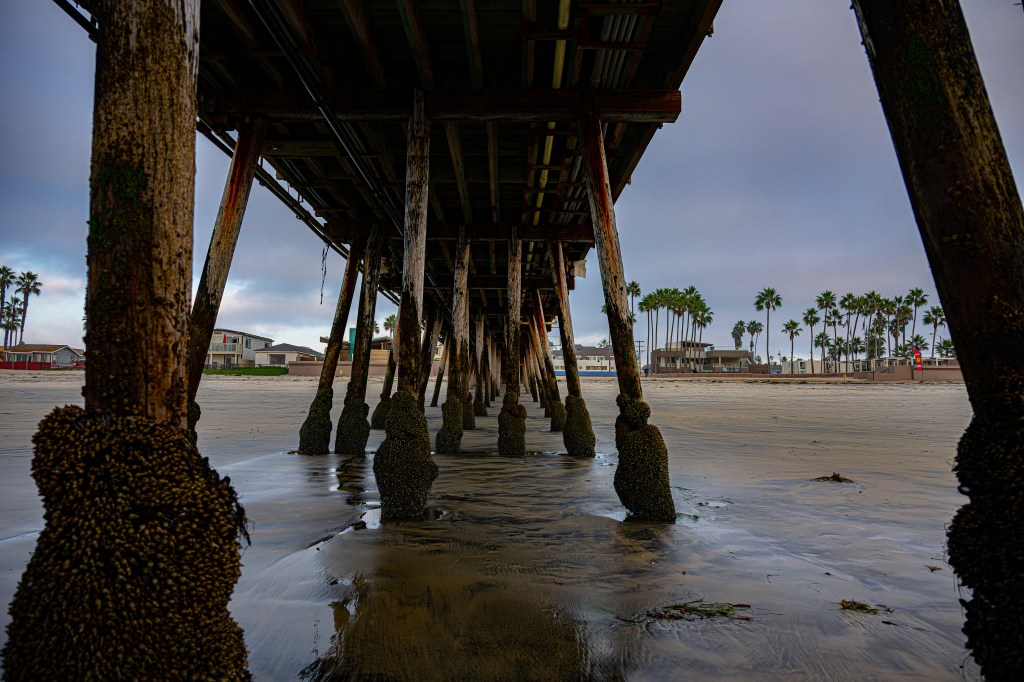
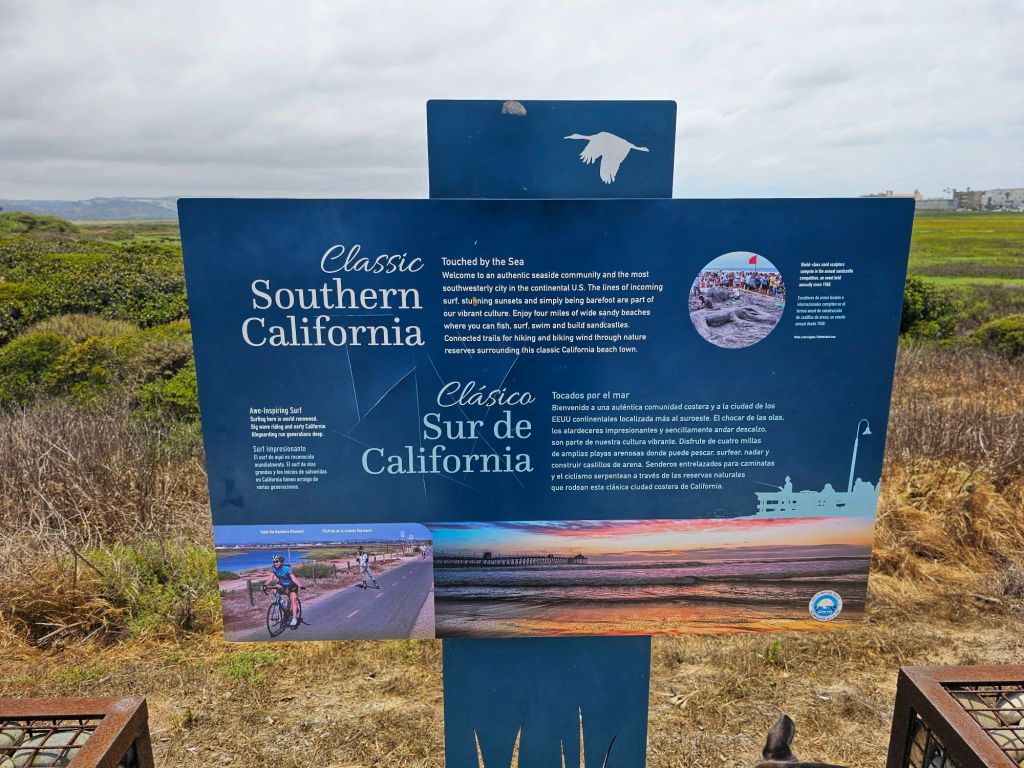
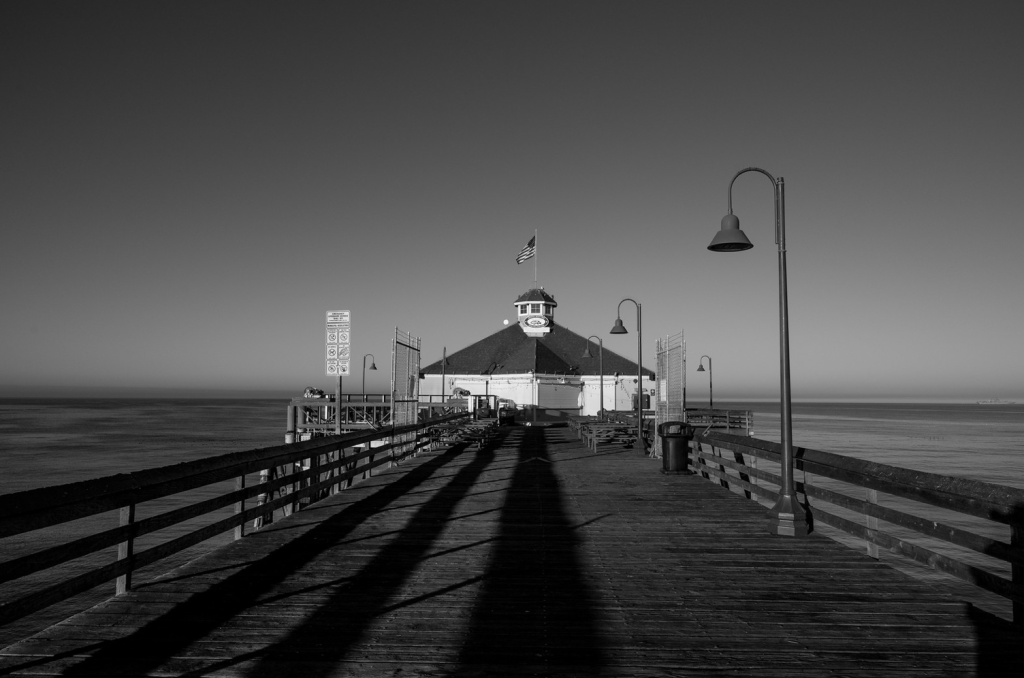
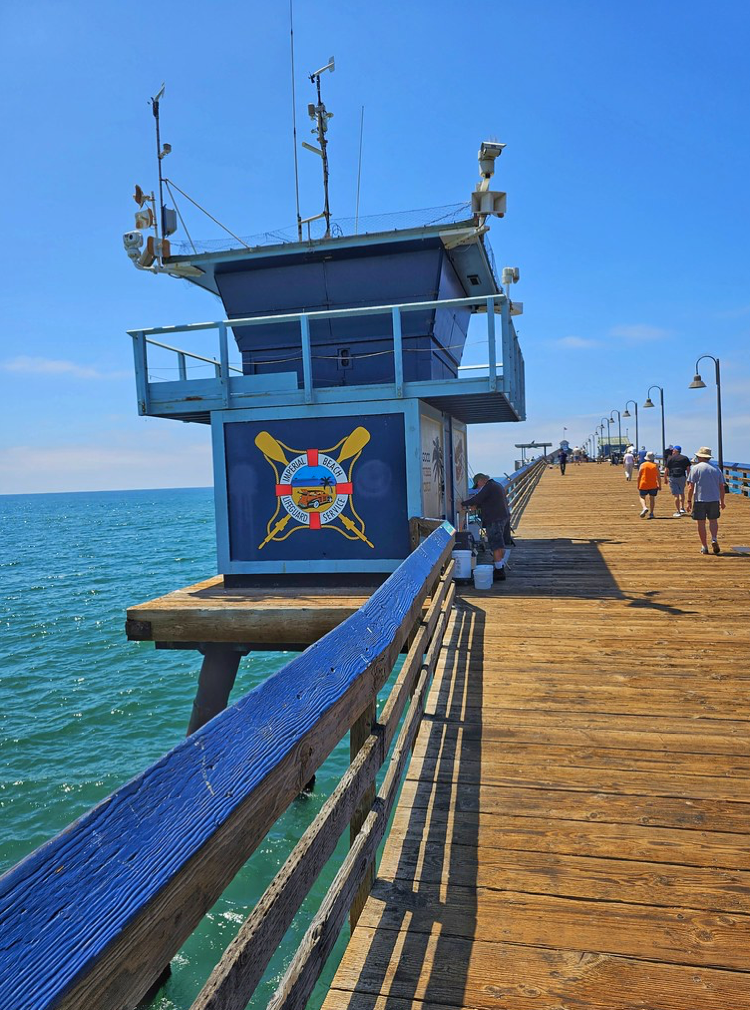
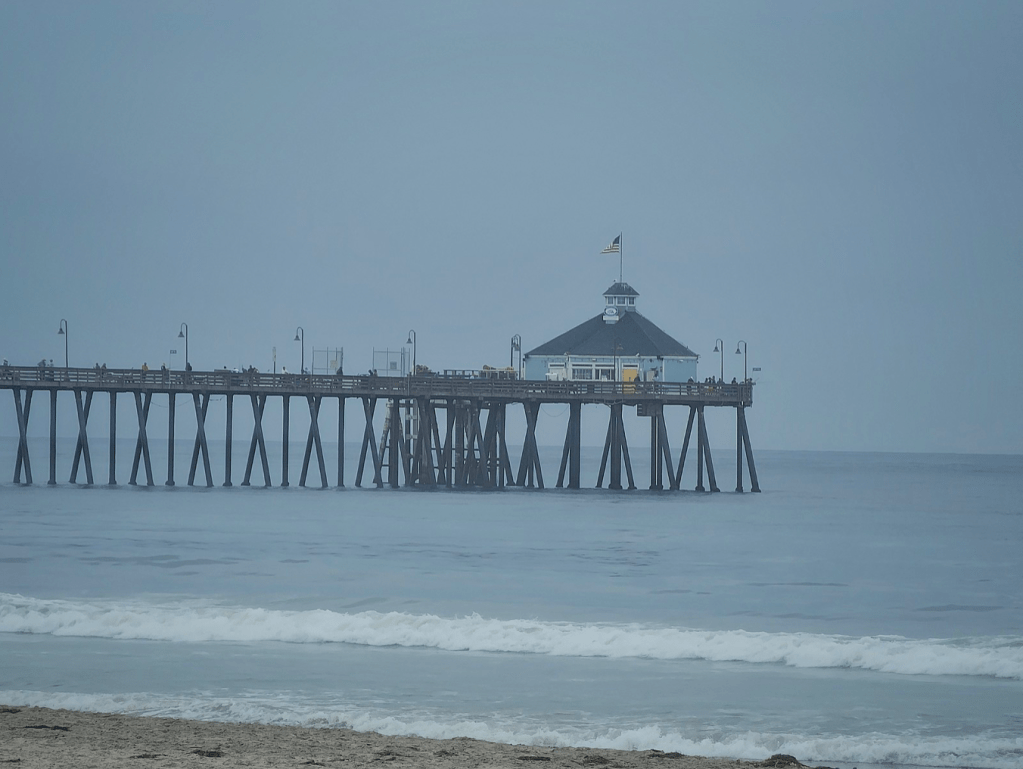
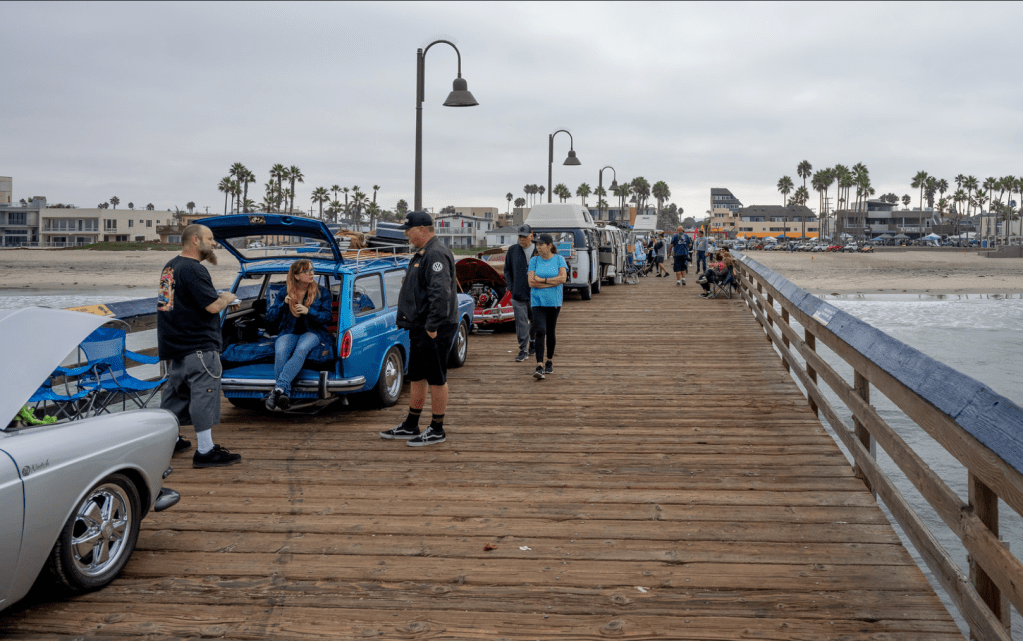
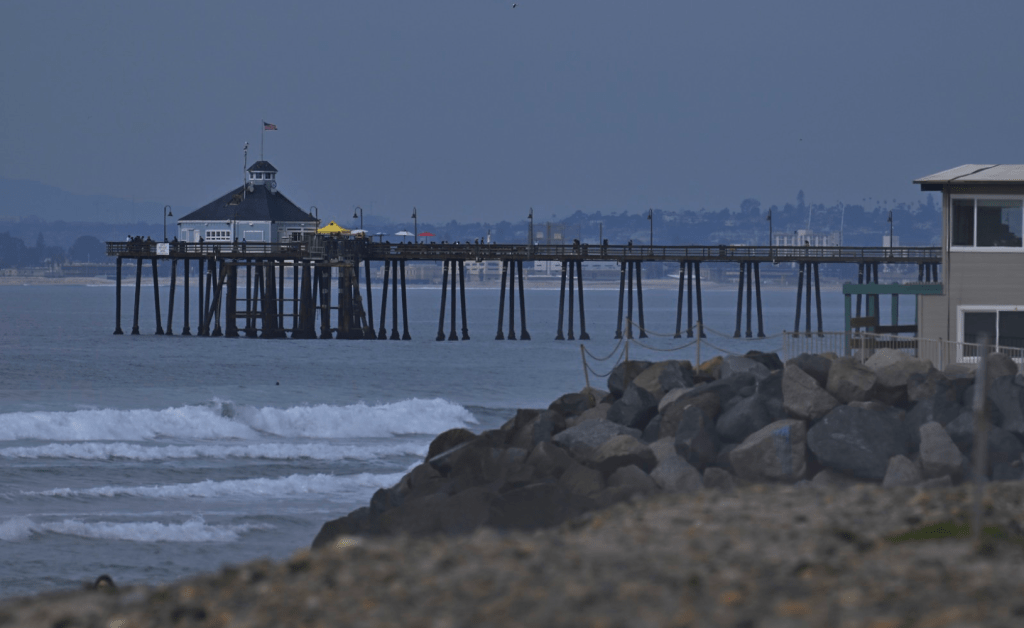
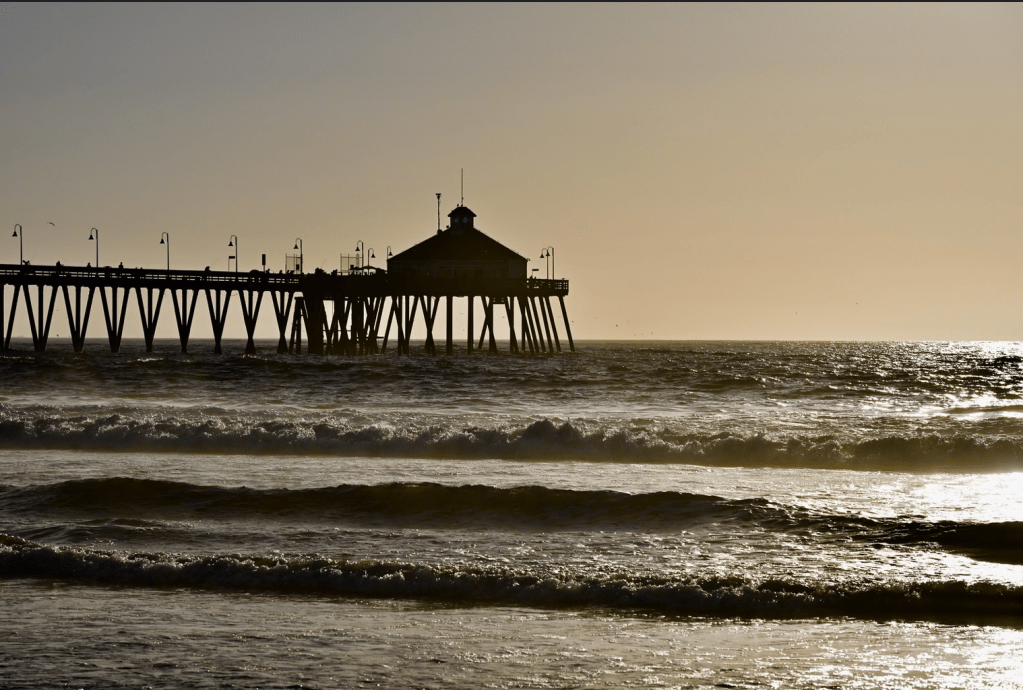
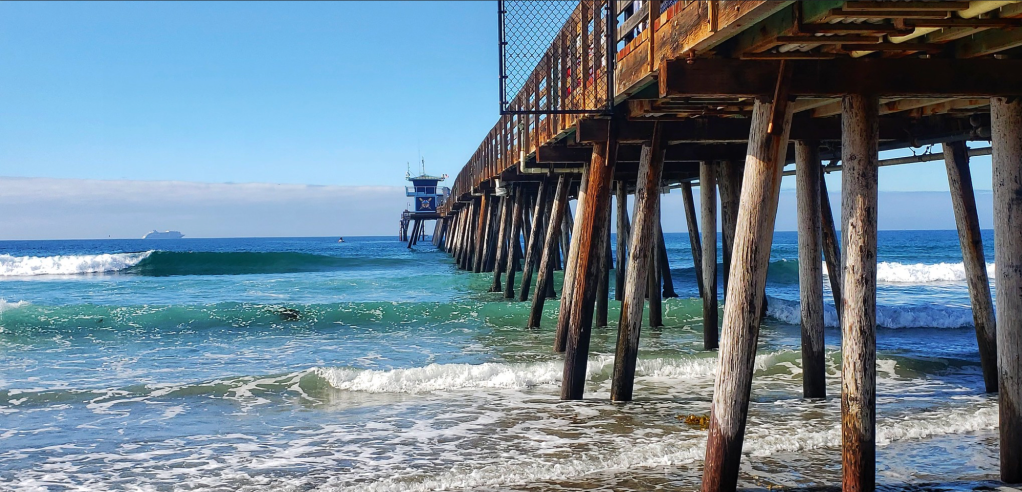
Located in the aptly named “Most Southwesterly City” of Imperial Beach, this 1,500-foot structure isn’t just a way to stroll over the ocean – it’s a vibrant hub offering stunning views, fishing opportunities, and a taste of the laid-back beach life that defines this corner of San Diego County.
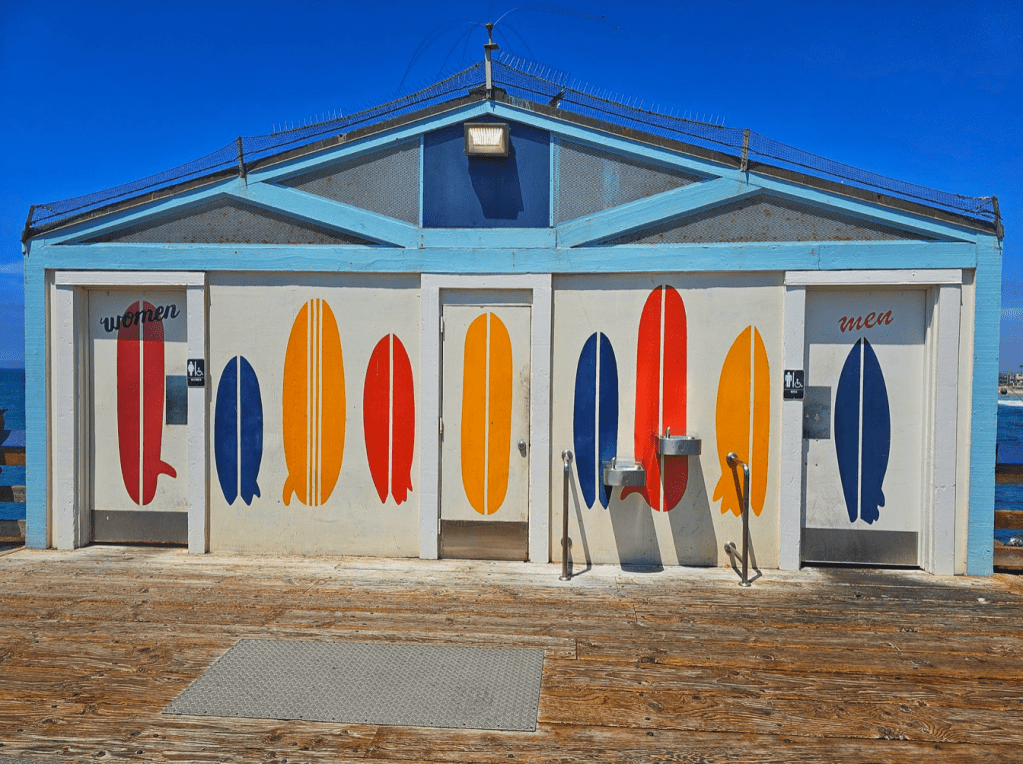
The current pier, rebuilt in the late 1980s after a storm claimed its predecessor, stands as a testament to the community’s resilience and love for their waterfront. Recent enhancements have injected fresh energy into the pier, with brighter colors, captivating murals, and even an artistic shade canopy featuring playful marine life designs. These touches add a layer of visual delight to your visit.
More Than Just a Walk:
While a leisurely stroll to the end of the pier is a must for the breathtaking panoramic views – keep an eye out for the Coronado Islands on a clear day and prepare for spectacular sunsets – the Imperial Beach Pier offers more than just sightseeing.
Angler’s Paradise: You’ll often spot fishing enthusiasts casting their lines from the pier, hoping to reel in the day’s catch. Conveniently placed fishing rod holders make it even easier to enjoy this pastime.
Surfing Heritage: Imperial Beach boasts a rich surfing history, and the waves around the pier are part of that legacy. Look down at the end of the pier, and you’ll even find destination arrows pointing towards renowned surf spots!
Dining with a View: While the iconic Tin Fish Restaurant is currently undergoing a transition to Imperial Beach Kitchen, the promise of oceanfront dining remains. Imagine savoring fresh seafood with the sounds and smells of the sea surrounding you. Keep an eye out for the grand reopening!
Artistic Touches: Take your time as you walk along the pier and notice the thoughtful artistic additions. From destination-themed murals that capture the spirit of the region to cleverly designed activity placards, there’s a touch of creativity at every turn.
Imperial Beach is grappling with a complex web of environmental problems, with the cross-border pollution from the Tijuana River being the most pressing and impactful. Addressing these issues requires bi-national cooperation, significant investment in infrastructure, and ongoing efforts to protect public health and the environment
Beyond the Planks: Portwood Pier Plaza:
Just steps from the pier’s entrance lies Portwood Pier Plaza, a welcoming space that extends the beach experience. Here you’ll find:
Grassy Areas and Picnic Tables: Perfect for a relaxed lunch or simply soaking up the sun.
Tot Lot: A dedicated play area for the little ones.
Entertainment Stage: Keep an eye out for local events and performances.
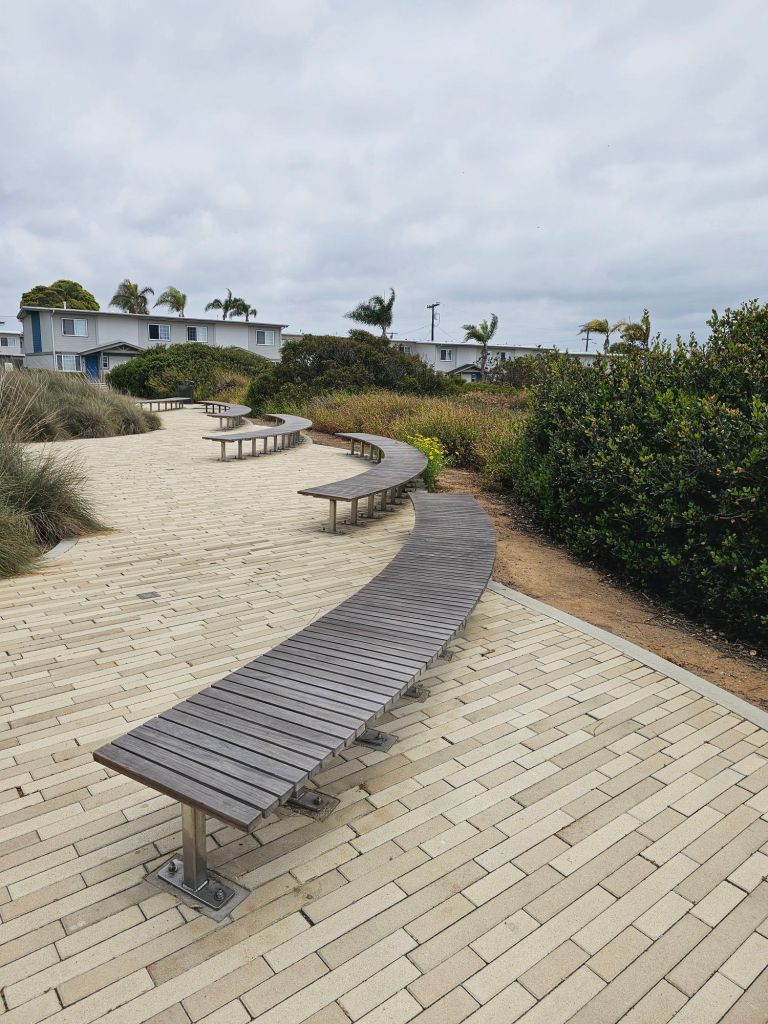
Surfboard Benches and “Surfhenge”: These unique installations pay homage to Imperial Beach’s surfing legacy, offering both a place to rest and a glimpse into the town’s history.
Important Considerations for Your Visit:
Lifeguard Presence: Rest assured, lifeguards are on duty daily from 7:00 a.m. until dusk.
No Alcohol on the Beach: Please be mindful of the regulations and refrain from bringing alcohol to the beach or pier.
Water Quality: While the beach is generally enjoyable, it’s wise to stay informed about water quality, particularly closer to the Mexican border due to the Tijuana River. Heed any local advisories.
Ongoing Enhancements: As of Spring 2025, the pier is undergoing some maintenance projects aimed at preserving its structure. Be aware that this may result in partial or temporary closures.
A Southern California Gem:
The Imperial Beach Pier is more than just a structure extending into the ocean; it’s a symbol of community, a haven for recreation, and a prime spot to soak in the beauty of the Southern California coastline. Whether you’re an avid angler, a surfing enthusiast, a lover of stunning views, or simply seeking a peaceful escape by the sea, the Imperial Beach Pier is well worth a visit. So, pack your sunscreen, grab your camera, and head south to experience the unique charm of this coastal gem. You might just find yourself captivated by its salty allure.
UPDATE: In February 2025 construction crews started removing and breaking down the garden spaces for an upcoming bridge project south of North Beach. It has yet to be determined what has happened to the painted memorial rocks that were placed at Gwen;s Garden.
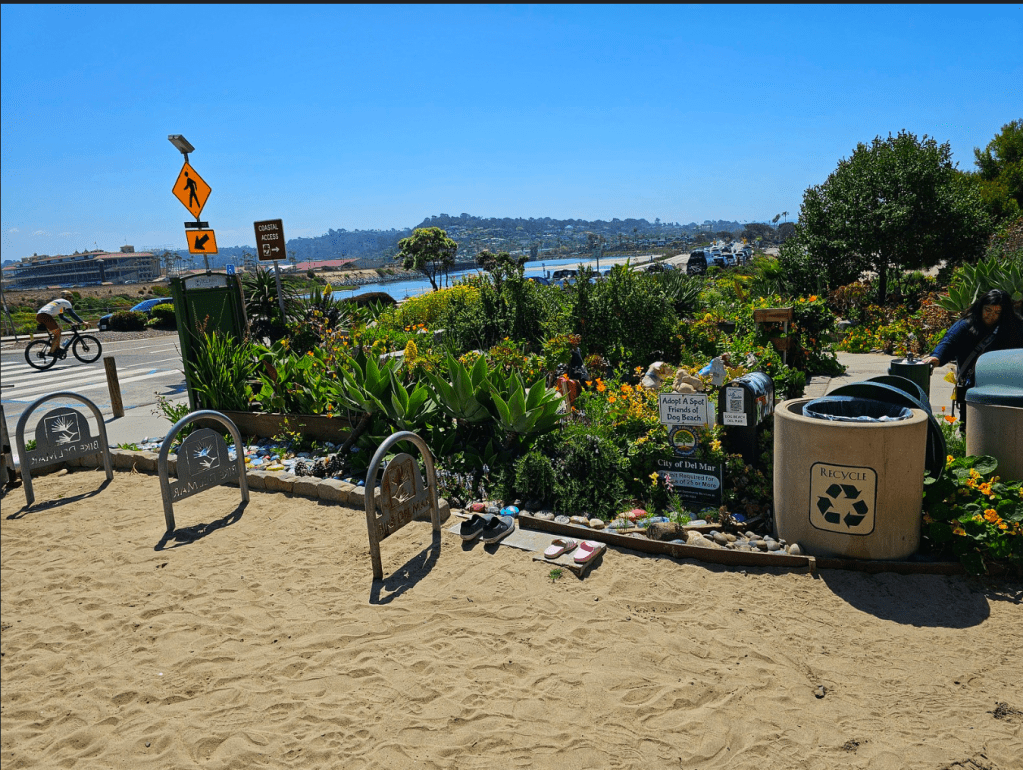
Sometimes, the most special places aren’t grand landmarks, but small pockets of community heart, grown organically from love and dedication. For years, Gwen’s Garden, also known as the Dog Beach Memorial Garden, was exactly that – a unique and touching oasis located not in Solana Beach itself, but right at the entrance to the famous Del Mar North Beach (Dog Beach), which sits just south of the Solana Beach border.
While visitors flocked to the wide sands for off-leash fun (seasonally permitted!), many discovered this unexpected gem near the access path. But like many grassroots projects, its story has recently taken an uncertain turn.
The Story Behind the Garden
Gwen’s Garden wasn’t designed by a committee; it was born from the love of one man for his dog. Local Del Mar resident Jimmy Joe Gooding started the garden in memory of his beloved yellow Labrador, Gwen, who adored her daily visits to Dog Beach.
Seeing the entrance area as neglected, Mr. Gooding took it upon himself to clean it up and plant flowers and succulents, initially using his own resources. What started as a personal tribute and a beautification effort under Del Mar’s “Adopt a Spot” program blossomed into something more.
A Tapestry of Love and Remembrance
Over the years, Gwen’s Garden became a cherished landmark. It featured:
A Winding Path: Guiding visitors through the small plot.
Lush Greenery: A mix of succulents, wildflowers, and eventually, efforts to include native species.
Whimsical Touches: Visitors often found little statues – dogs, angels, gnomes – tucked among the plants.
Painted Rocks: This became the garden’s most poignant feature. Hundreds of smooth stones, lovingly painted by visitors with the names and paw prints of their own departed canine companions, lined the path and filled the spaces.
A Sense of Peace: It was a quiet spot for reflection, remembrance, and appreciating the simple, powerful bond between humans and their pets.
An Uncertain Present
Gwen’s Garden represented community spirit, but it also faced challenges. Located on state land, the garden ran into permitting issues with the Coastal Commission, particularly regarding non-native plants and unpermitted structures like pathways.
Crucially, reports surfaced in early 2025 suggesting the garden had been significantly altered or possibly removed.Reasons cited included these ongoing permitting issues, potential safety concerns, and the land possibly being needed for future construction related to a nearby bridge project.
While the exact status today is difficult to confirm without visiting, photos and discussions from that time indicated the area may have been cleared, with the fate of the hundreds of memorial rocks uncertain (perhaps moved to storage or an exhibit).
The Enduring Spirit
Whether Gwen’s Garden exists today in its previous cherished form or not, its story remains a testament to:
The Love for Pets: A powerful motivator for creating beauty and community.
Individual Action: How one person’s dedication can create something meaningful for many.
Shared Remembrance: The comfort found in sharing grief and happy memories in a dedicated space.
Visiting Del Mar Dog Beach Today
If you visit Del Mar North Beach (Dog Beach), the beautiful stretch of sand where dogs can run free (seasonally off-leash, check rules!) is still there. However, be prepared that the specific memorial garden area at the entrance may look very different from photos and descriptions from previous years.
Gwen’s Garden was a special place born from a simple idea: honoring a beloved companion. While its physical form may be subject to change, the love and memories it represented undoubtedly linger in the sea air for all who knew it.
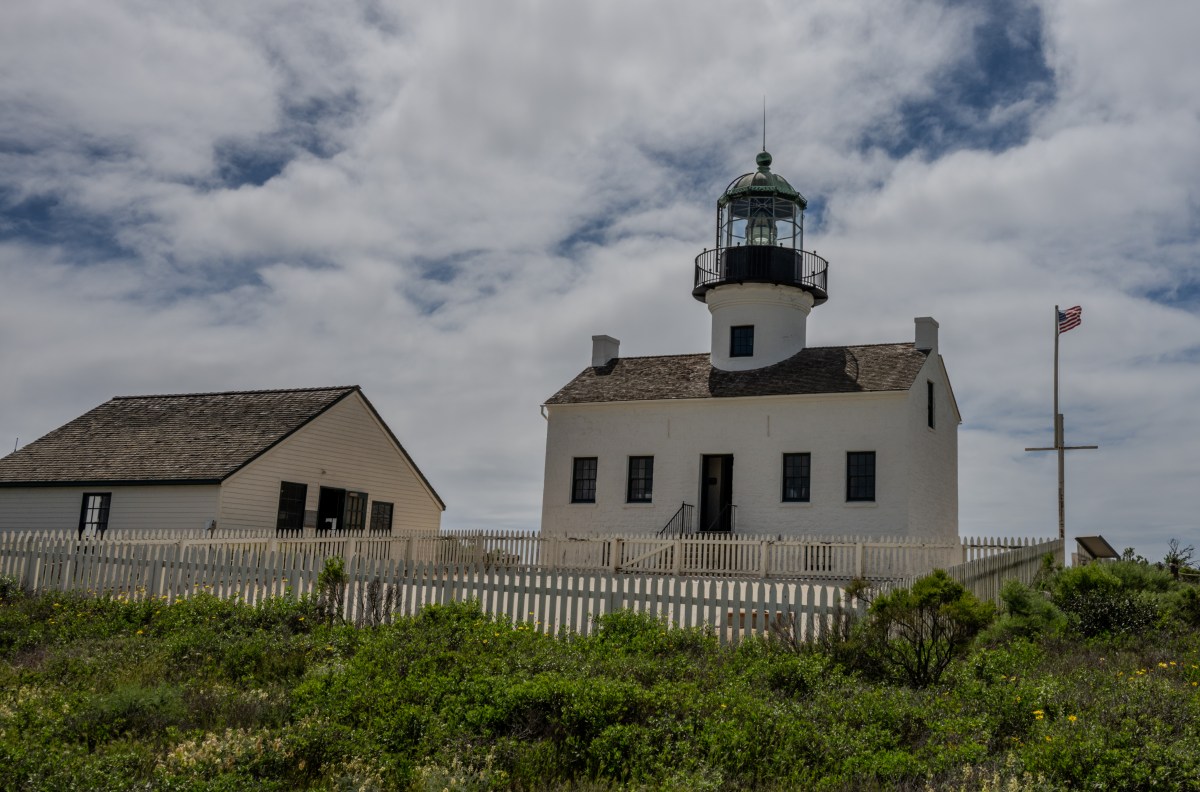
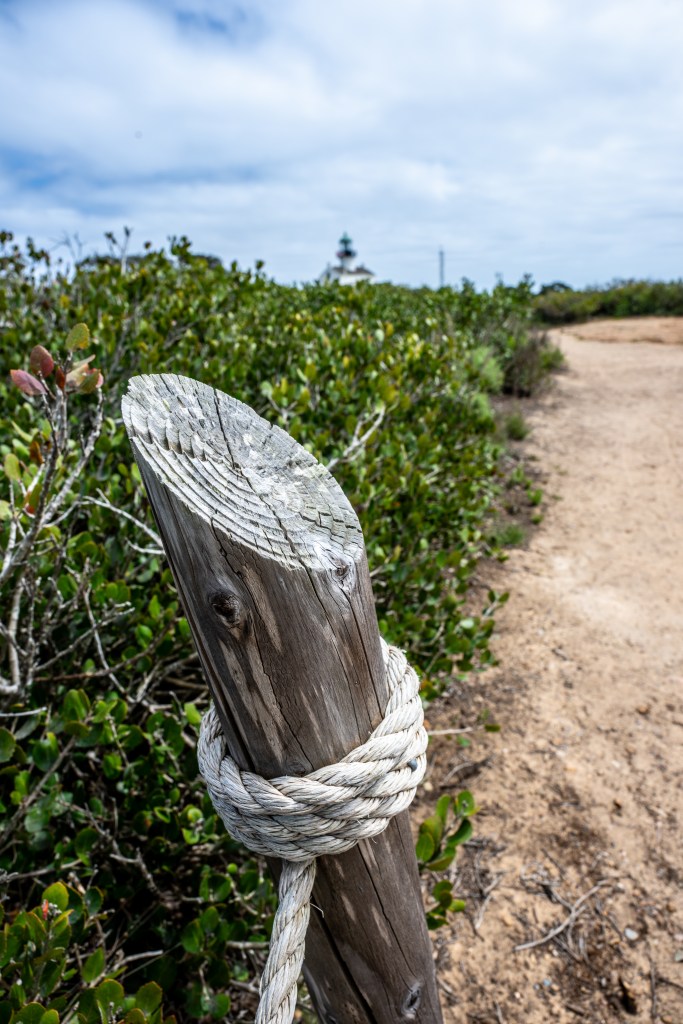
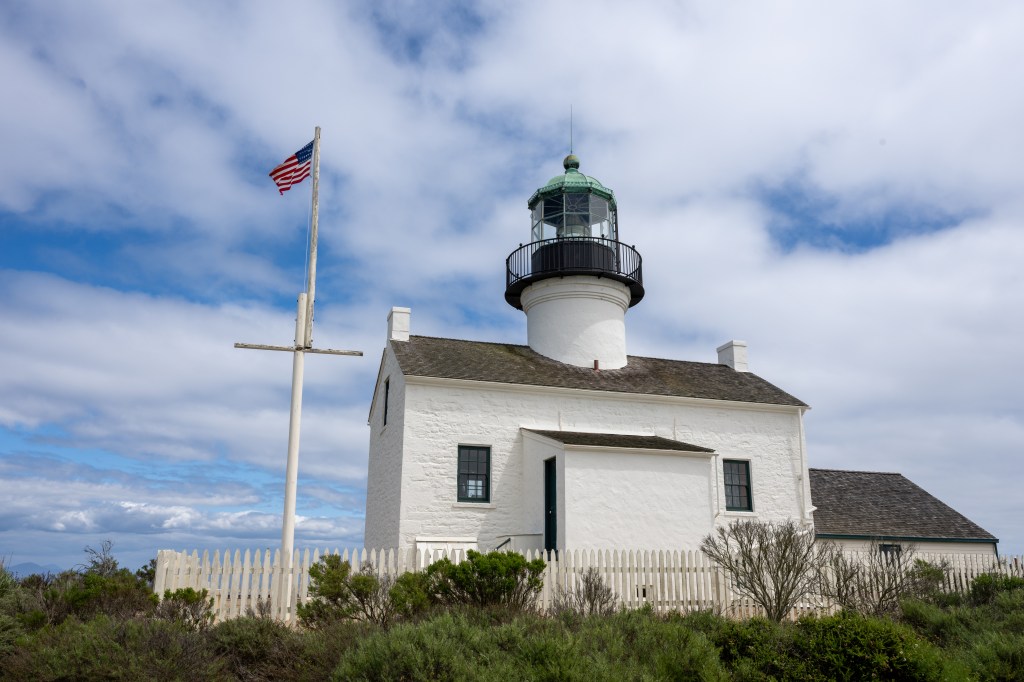
Perched high atop the rugged cliffs of Point Loma, overlooking the vast expanse of the Pacific Ocean and the bustling San Diego Bay, stands the iconic Cabrillo National Monument and its crowning jewel: the Old Point Loma Lighthouse. This historic beacon, a silent sentinel of the sea, offers not just breathtaking views but a glimpse into the rich maritime history of Southern California.
A Light in the Darkness:
Built in 1855, the Old Point Loma Lighthouse was one of the earliest lighthouses on the West Coast. Its purpose was simple yet vital: to guide ships safely into San Diego Bay. For 36 years, its powerful beam cut through the darkness, warning sailors of the treacherous coastline.
However, its elevation, while scenic, proved problematic. Fog and low clouds often obscured the light, rendering it ineffective. In 1891, the lighthouse was decommissioned, and a new, lower-elevation lighthouse was built closer to the water’s edge.
More Than Just a Lighthouse:
Today, the Old Point Loma Lighthouse stands as a museum, offering visitors a fascinating look into the lives of the lighthouse keepers and their families. Stepping inside, you’re transported back in time, experiencing the simple yet demanding life of those who dedicated themselves to keeping the light burning.
The Keeper’s Quarters: Explore the restored living quarters, furnished as they would have been in the late 19th century. Imagine the isolation and the constant vigilance required to maintain the light.
The Tower Climb: Venture up the winding staircase to the lantern room, where the Fresnel lens once shone brightly. While the original lens is now on display at the visitor center, the panoramic views from the tower are nothing short of spectacular.
The Panoramic Views: Beyond the historical significance, the Cabrillo National Monument offers some of the most stunning vistas in San Diego. From the lighthouse grounds, you can see the city skyline, Coronado Island, the vast Pacific Ocean, and even migrating whales during certain seasons.
Cabrillo National Monument: A Broader Historical Perspective:
The lighthouse is just one part of the Cabrillo National Monument. The monument also commemorates Juan Rodriguez Cabrillo, the first European to set foot on what is now the West Coast of the United States. In 1542, Cabrillo’s expedition landed in San Diego Bay, marking a significant moment in California’s history.
The Cabrillo Statue: A large statue of Juan Rodriguez Cabrillo overlooks the bay, a testament to his historic voyage.
The Tidepools: Down the hill from the lighthouse, the rocky tidepools offer a unique opportunity to explore the diverse marine life that thrives in this coastal ecosystem.
The Bayside Trail: This trail offers fantastic views of the bay and the city.
Planning Your Visit:
The Cabrillo National Monument is open daily, with varying hours.
There is an entrance fee to the monument.
Be prepared for windy conditions, especially at the higher elevation.
Wear comfortable shoes, as there is some walking involved.
Bring a camera to capture the breathtaking views.
A Timeless Treasure:
The Cabrillo Lighthouse is more than just a historical landmark; it’s a symbol of perseverance, dedication, and the enduring connection between humanity and the sea. Whether you’re a history buff, a nature enthusiast, or simply seeking a stunning view, a visit to the Cabrillo National Monument and its iconic lighthouse is an experience you won’t soon forget. It’s a reminder of the past, a celebration of the present, and a window to the vast and ever-changing beauty of the Pacific Coast.











































 Exploring San Diego