Boulder Park: Folk Art Meets Desert Rock
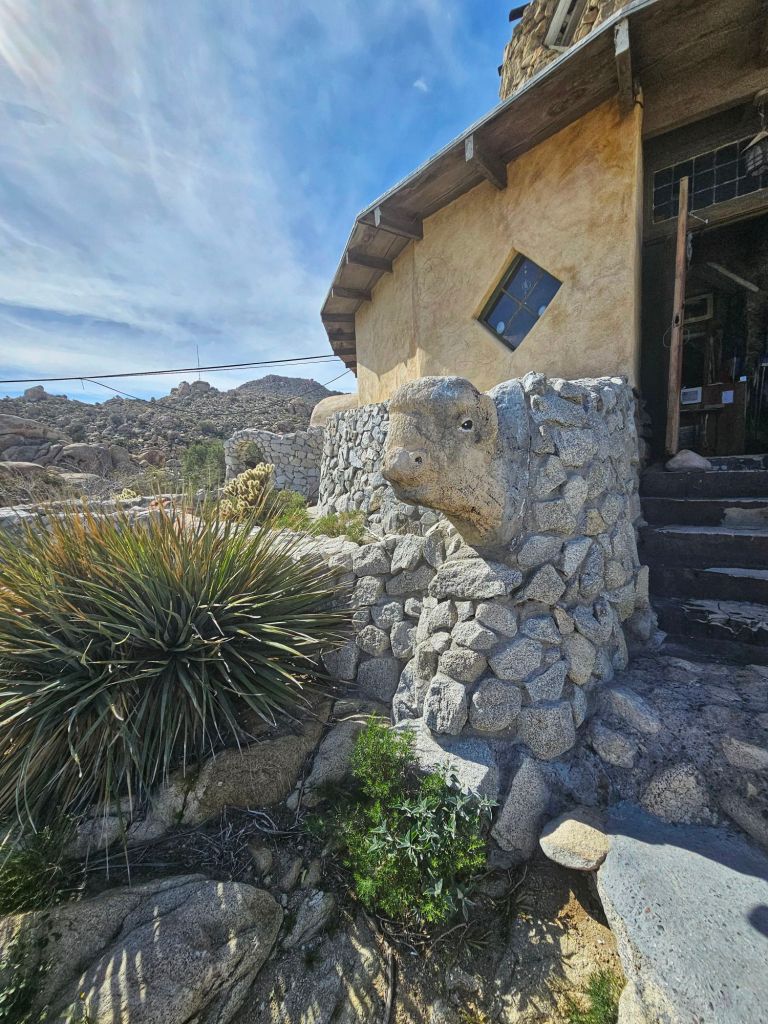
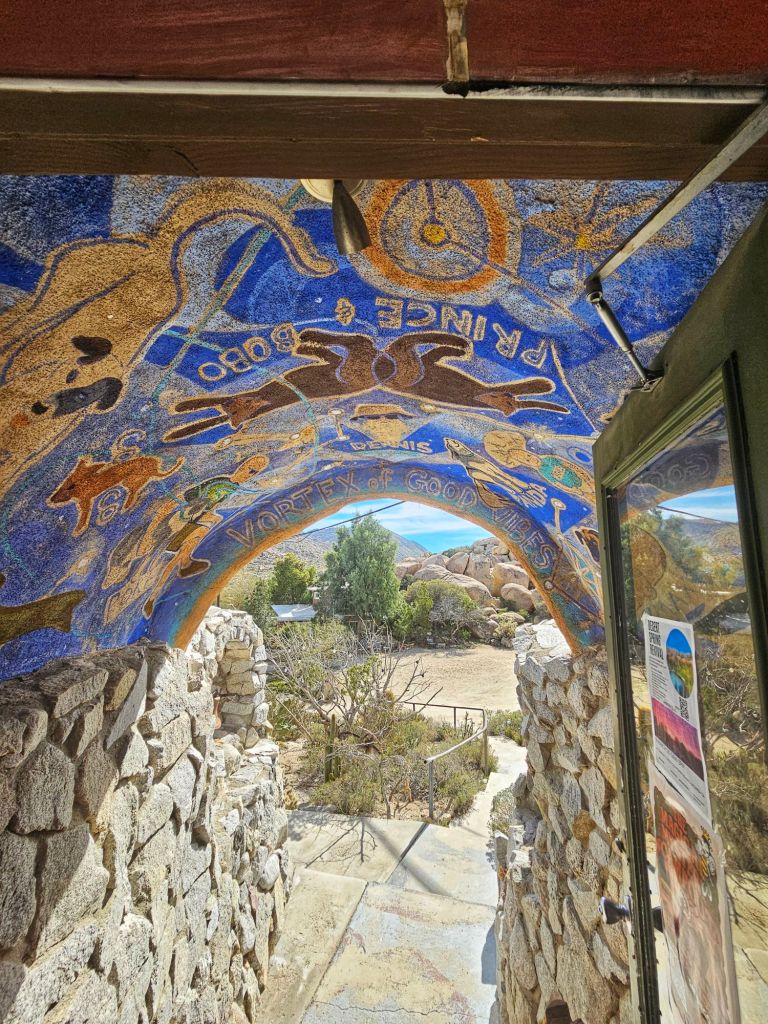
Just beside the tower lies the unforgettable Boulder Park — a surreal sculpture garden carved directly into massive quartz-granite boulders. During the 1930s, an out-of-work engineer named Merle Ratcliff spent nearly two years chiseling whimsical shapes into the stones: lizards, skulls, animals, and mysterious figures emerge from the rock as if sprung from the desert itself. This folk art environment brings a playful and slightly surreal contrast to the stark landscape.
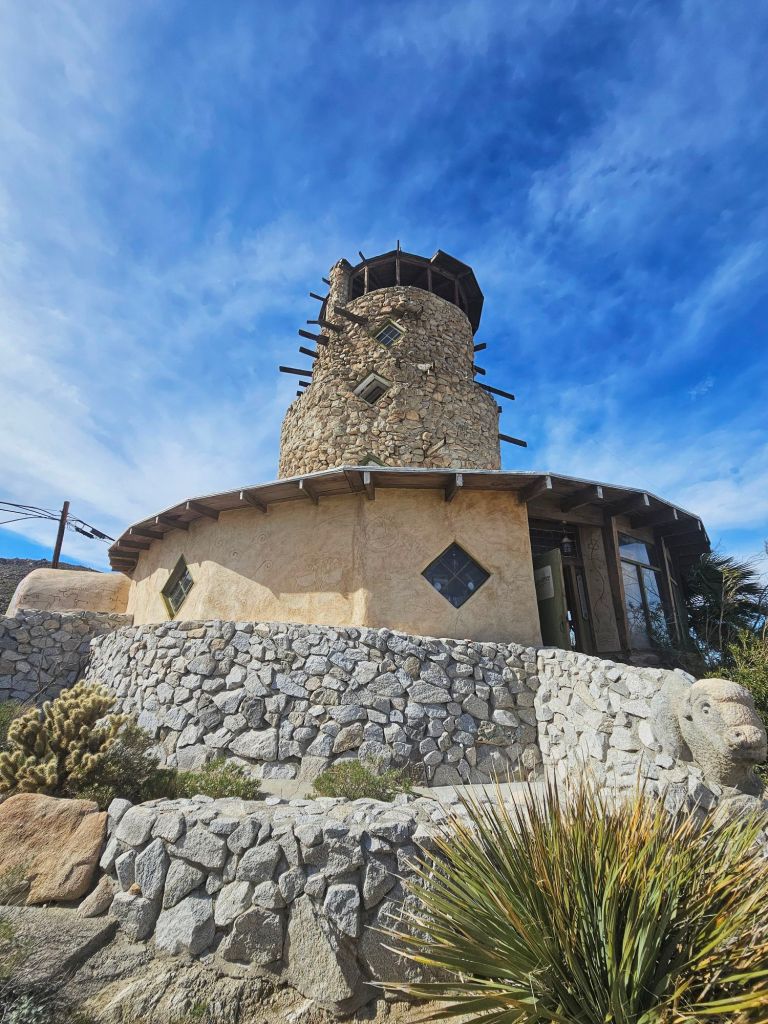
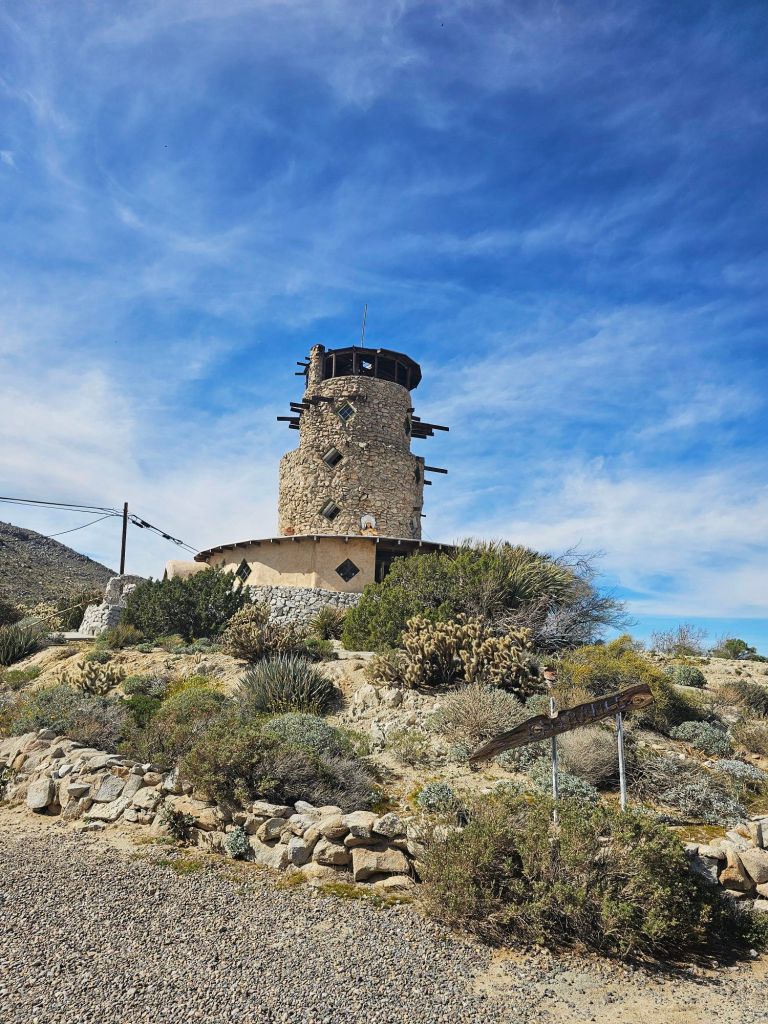
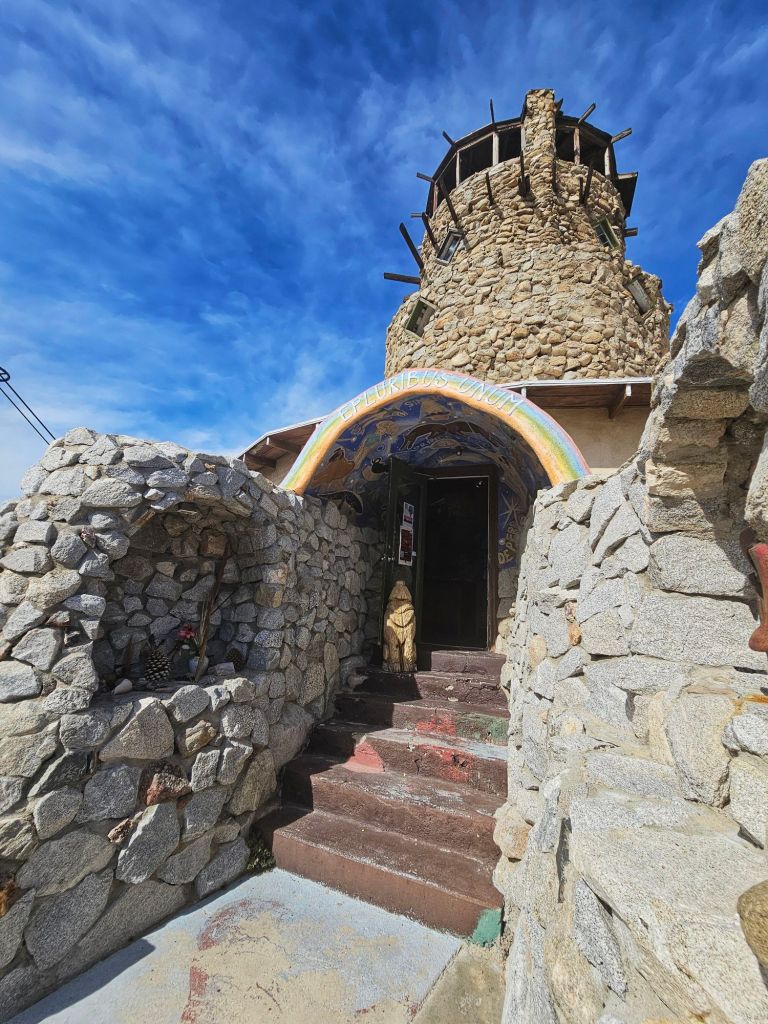
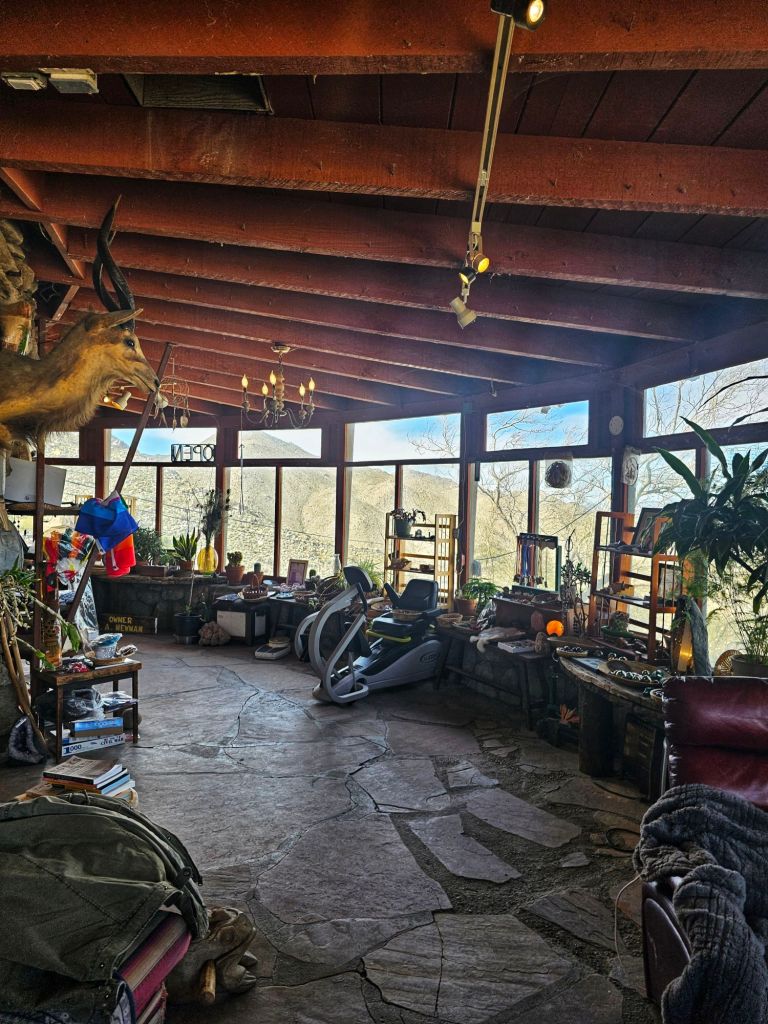
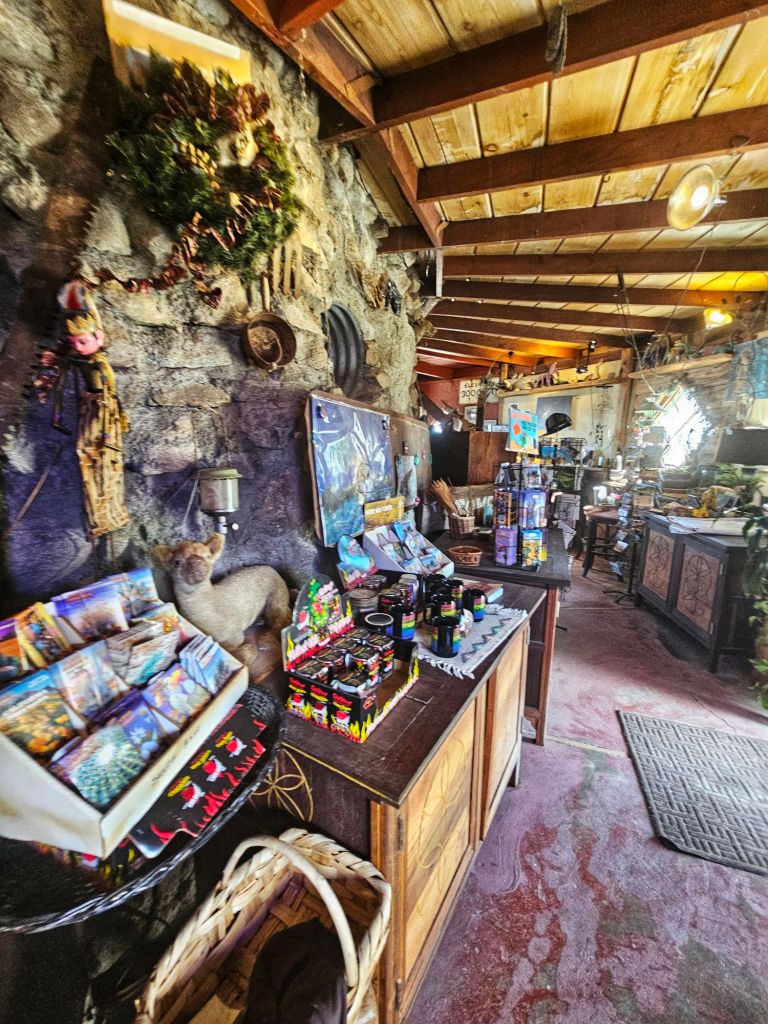
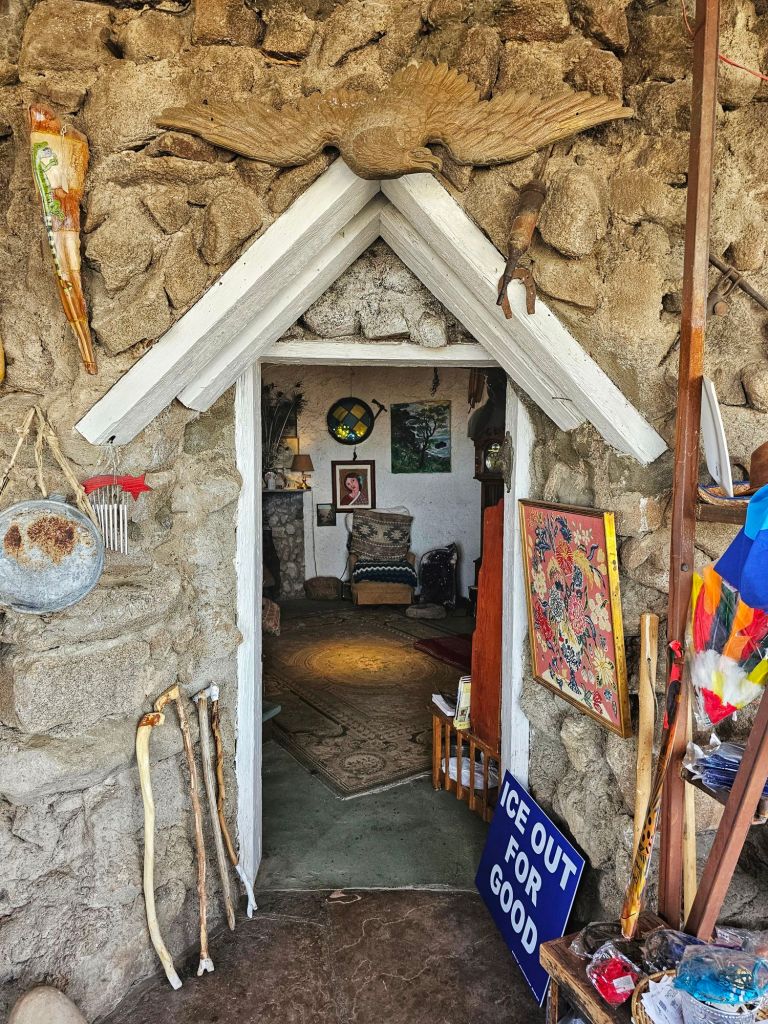
the Desert View Tower is a 5 story stone building built in the 1920s. Its less a mile from Interstate 8 in Ocotillo, Ca #view#desert#california#landscape#travel
Desert View Tower Open 7 Days a week from 8am to 6pm. To climb to the top of the tower or walk through boulder park will cost you $9.50
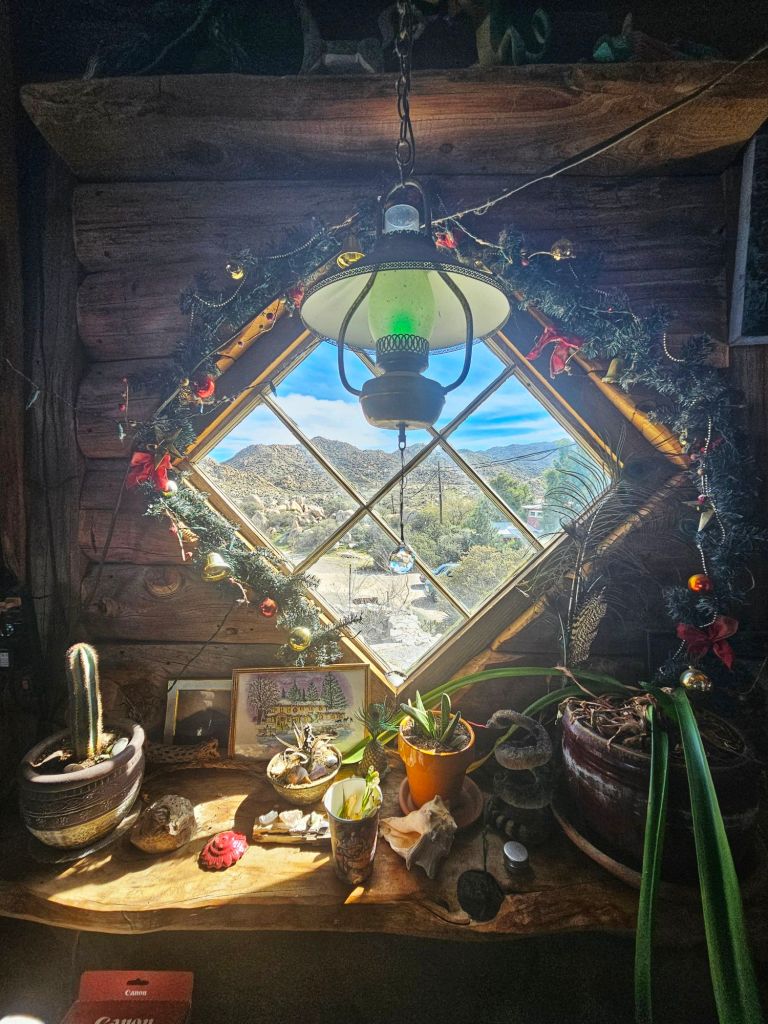
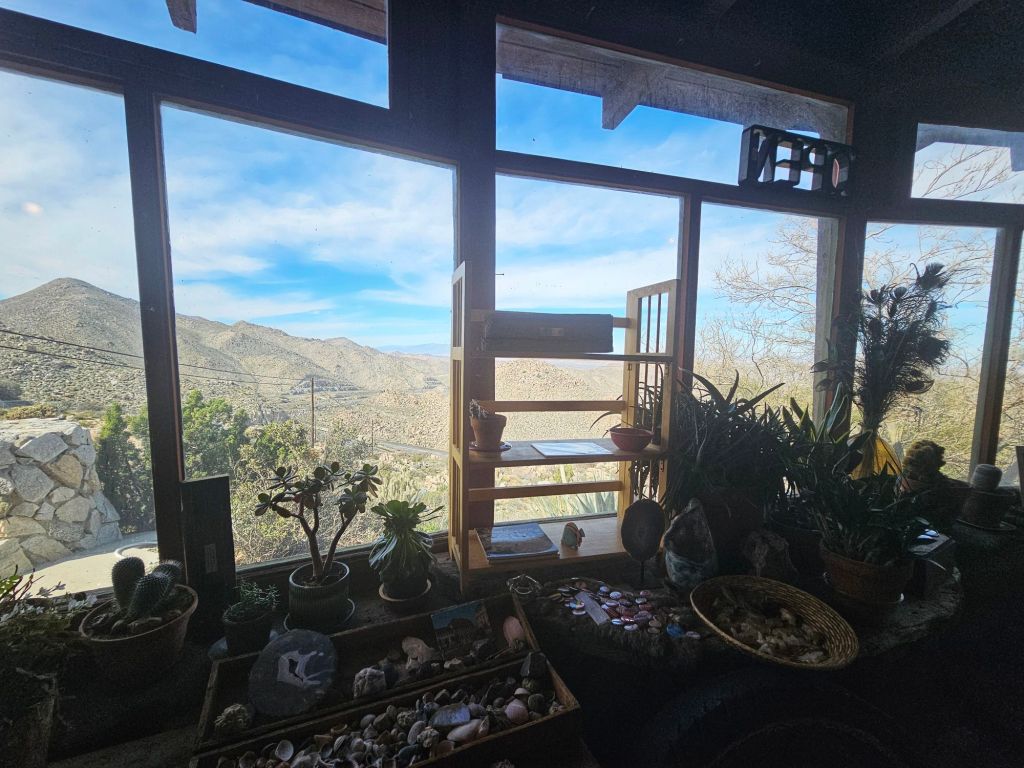
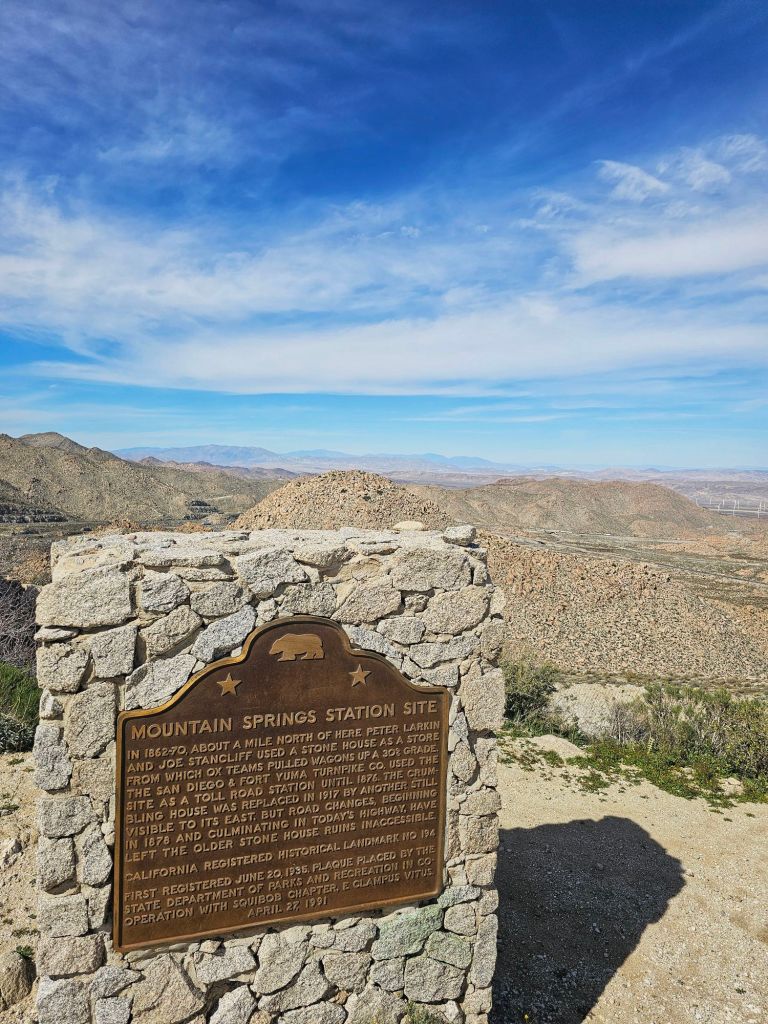
Tucked amid the rugged beauty of Southern California’s In-Ko-Pah Mountains, just off Interstate 8 near Jacumba Hot Springs, stands one of the most fascinating and offbeat roadside attractions in the American Southwest: the Desert View Tower. This striking stone structure has welcomed travelers for more than a century, offering sweeping desert views, folk-art charm, and a captivating slice of regional history.
A Monument to Pioneers and Road Travelers
The Desert View Tower was built between 1922 and 1928 by San Diego entrepreneur Bert Vaughn, who wanted to honor the hardy pioneers, railroad builders, and early road crews who first pushed through this arid landscape. Perched at roughly 3,000 feet in elevation, it was originally a roadside beacon along Old U.S. Route 80 — guiding and inviting travelers as automobiles began to shape the American West.
Boulder Park: Folk Art Meets Desert Rock
Just beside the tower lies the unforgettable Boulder Park — a surreal sculpture garden carved directly into massive quartz-granite boulders. During the 1930s, an out-of-work engineer named Merle Ratcliff spent nearly two years chiseling whimsical shapes into the stones: lizards, skulls, animals, and mysterious figures emerge from the rock as if sprung from the desert itself. This folk art environment brings a playful and slightly surreal contrast to the stark landscape.
If you’re looking for an unforgettable blend of art, nature, and imagination, Galleta Meadows in Borrego Springs, California is a place that deserves a spot on every adventurer’s bucket list. Nestled just outside Anza-Borrego Desert State Park, this sprawling open-air sculpture garden is unlike any traditional museum — and every visit feels like stumbling into a storybook come to life.
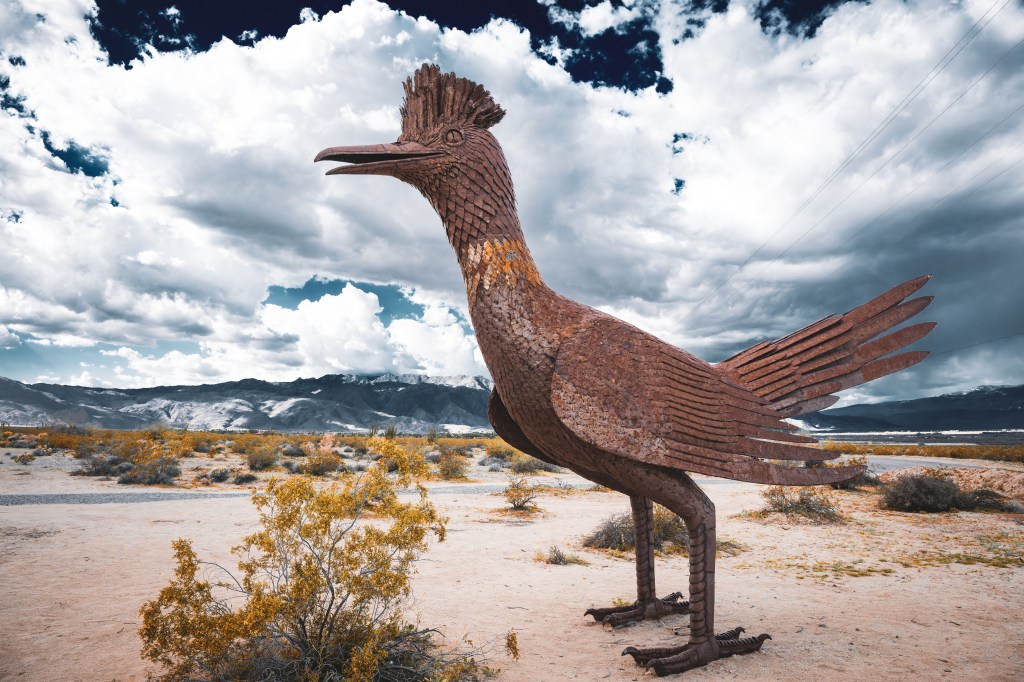
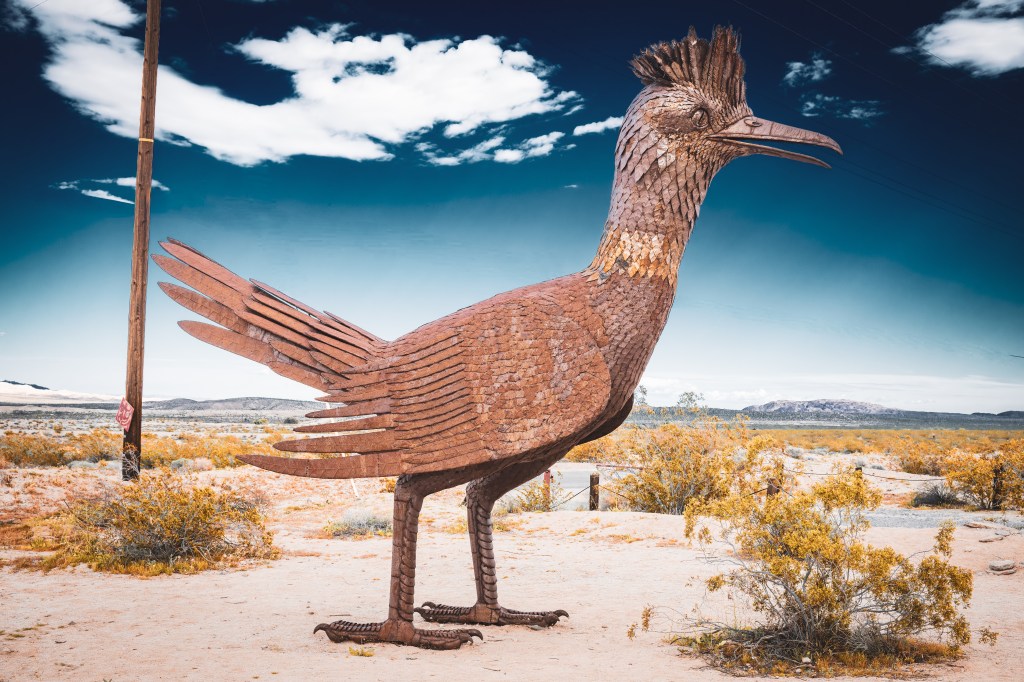
Galleta Meadows isn’t fenced off or hidden behind ticket booths. Instead, it’s a free-to-explore desert landscape dotted with more than 130 massive metal sculptures that seem to roam timelessly across the sandy terrain. From prehistoric beasts to wild horses and mythical serpents, these striking installations create a sweeping visual narrative that’s both whimsical and awe-inspiring.
Each piece is welded from scrap metal and crafted with incredible attention to detail — whether it’s the curling lashes of an elephant or the textured scales of a dragon weaving through the earth.
The creative force behind Galleta Meadows is Ricardo Breceda, a self-taught sculptor whose journey from everyday jobs to art world acclaim is as compelling as his creations themselves. Born in Durango, Mexico, Breceda wasn’t a trained artist at all — he worked as a construction worker and cowboy boot salesman before a life-changing moment steered him in a new direction.
Philanthropist Dennis Avery discovered Breceda’s work and invited him to create sculptures for his Galleta Meadows Estate. The partnership transformed this once-quiet desert into one of the most captivating outdoor art installations in the United States.
What You’ll See at Galleta Meadows
The sculptures are thoughtfully themed around three ideas: fossil treasures, desert nature and history, and flights of whimsical fantasy. As you wander or drive through the area, you’ll encounter:
🦕 Prehistoric creatures — From mammoths and saber-toothed cats to enormous dinosaurs.
🐎 Wildlife and desert scenes — Horses mid-gallop, tortoises creeping along, and bighorn sheep poised against the sky.
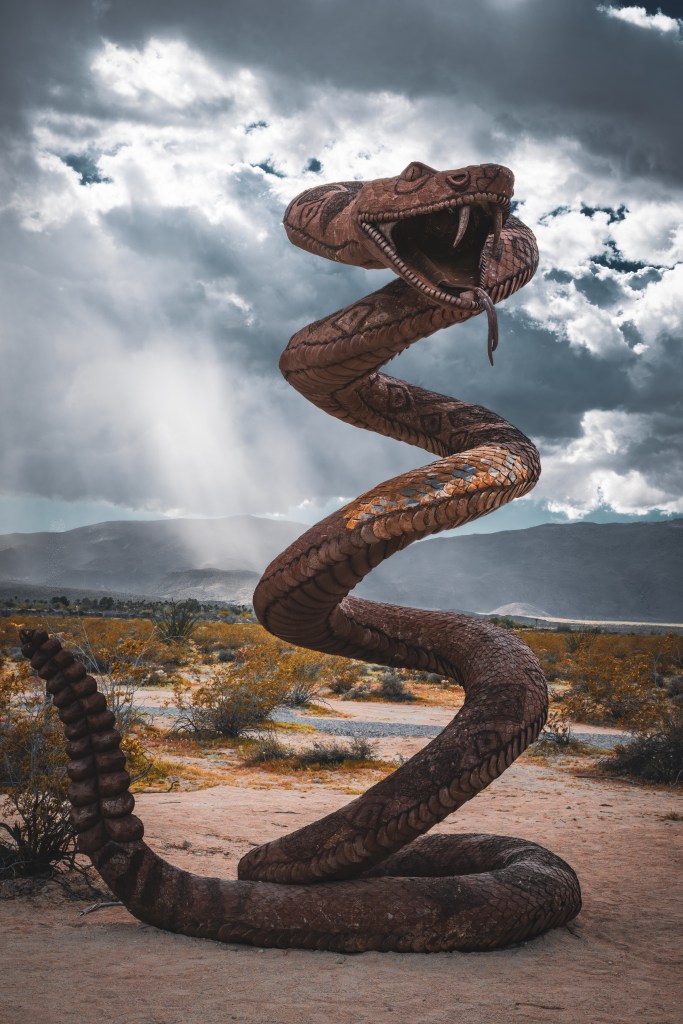
🐉 The legendary serpent — A dramatic 350-foot-long creation that seems to slither right through the sand, its head and tail rising like an ancient desert titan.
👤 Historical figures — Human characters like miners, padres, and farm workers add narrative layers to the art experience.
Every sculpture interacts with its environment — glowing fiery orange at sunset or silhouetted under a blanket of stars — giving photographers and storytellers endless inspiration.
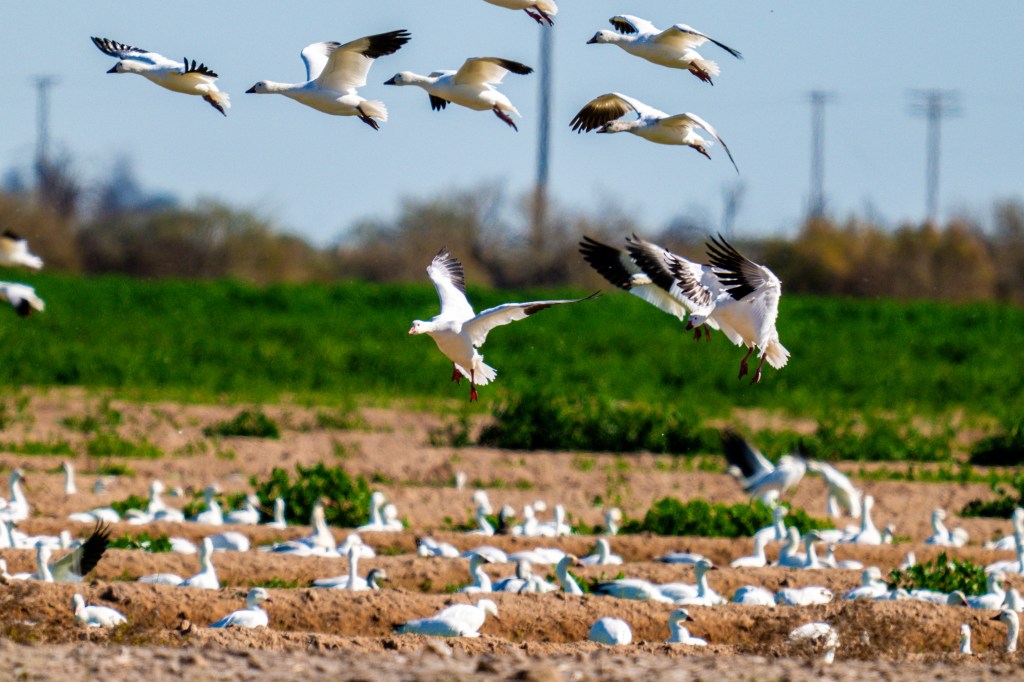
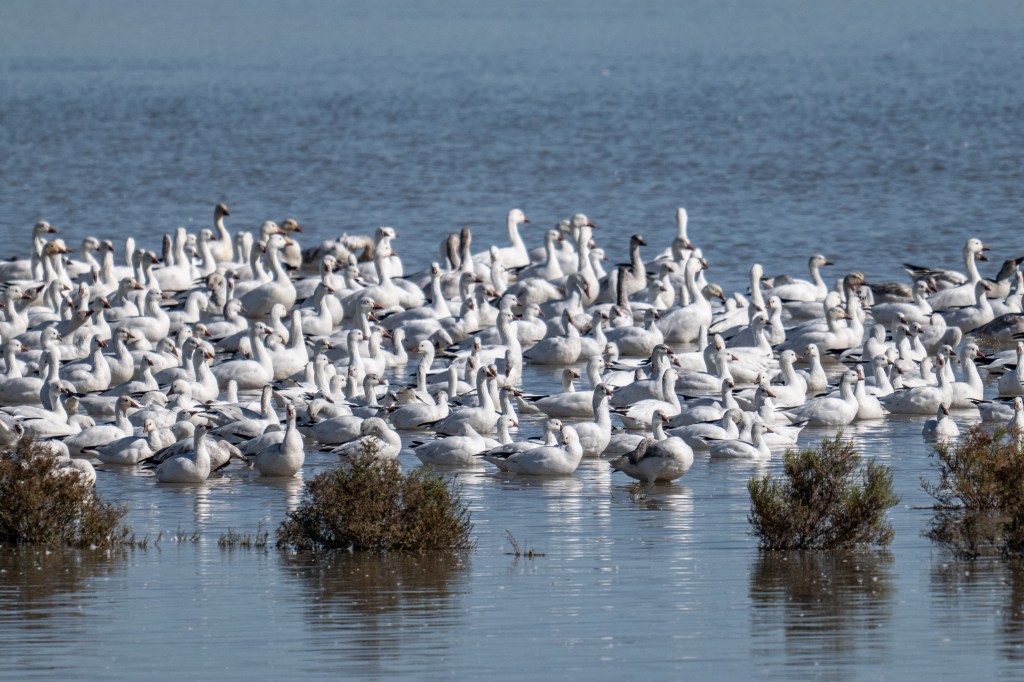
Stretching along the southern shore of the Salton Sea, the Sonny Bono Salton Sea National Wildlife Refuge is one of Southern California’s most surprising and important wildlife destinations. What looks like a stark desert landscape at first glance quickly reveals itself as a vital oasis for birds, mammals, and migrating wildlife traveling the Pacific Flyway.
A Refuge Born from Agriculture and Conservation
The refuge was established in 1930, originally to provide habitat for migratory birds drawn to agricultural runoff in the Imperial Valley. In 1998, it was renamed in honor of Sonny Bono, the late congressman and entertainer who played a key role in expanding and protecting public lands in California.
Today, the refuge spans more than 37,000 acres of managed wetlands, desert scrub, and agricultural fields. These habitats work together to support wildlife in a region where natural water sources are scarce.
A Birding Hotspot of International Importance
If you love birds, this place is legendary. More than 400 bird species have been recorded here, making it one of the most significant birding locations in the western United States.
Depending on the season, visitors may spot:
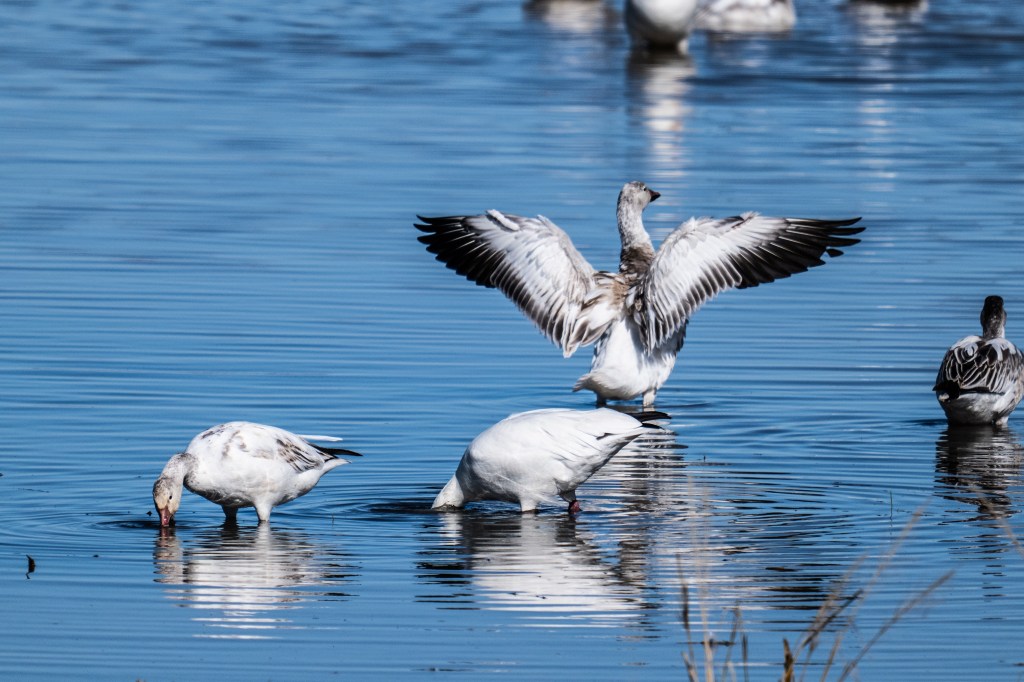
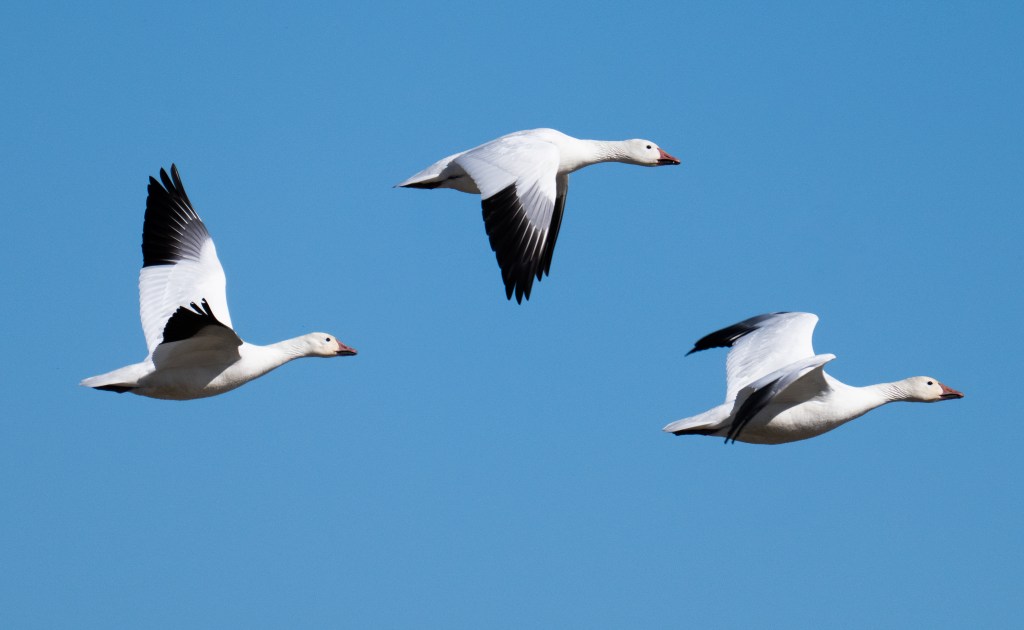
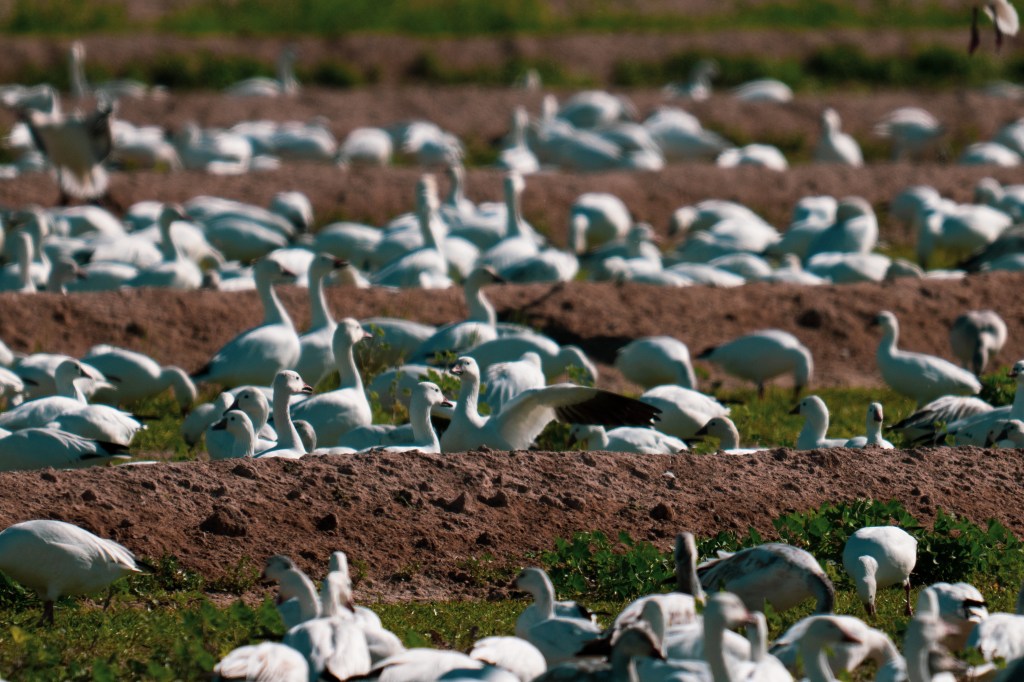
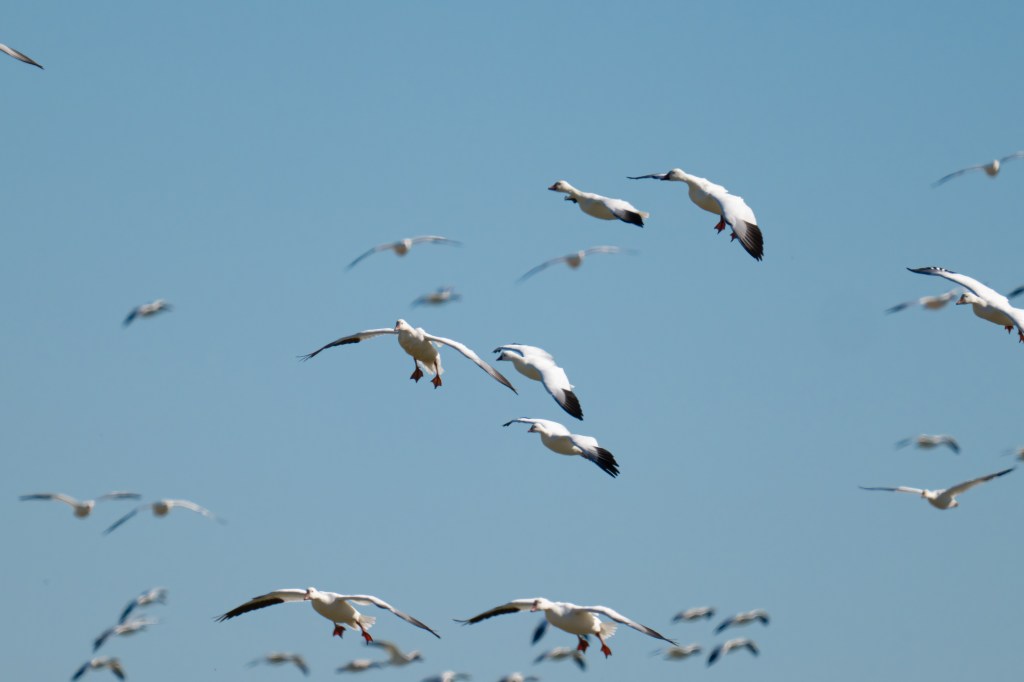
Snow geese and Ross’s geese by the thousands
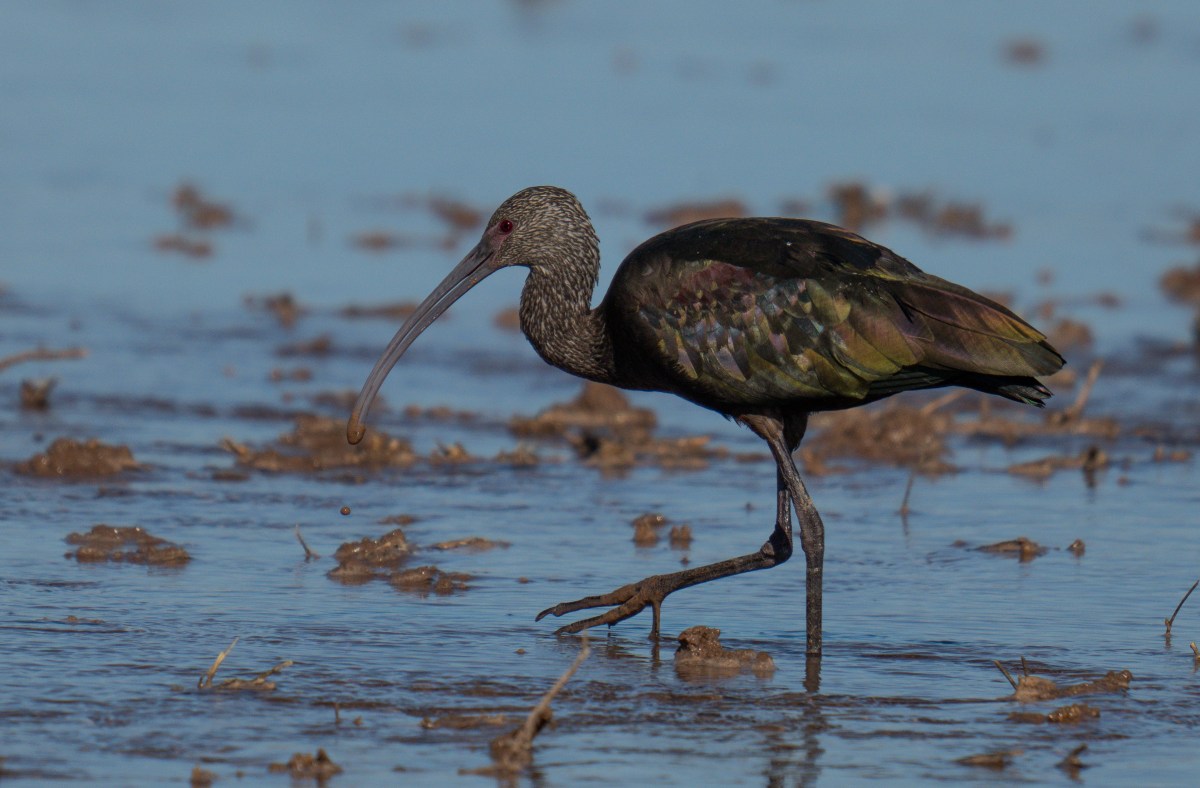
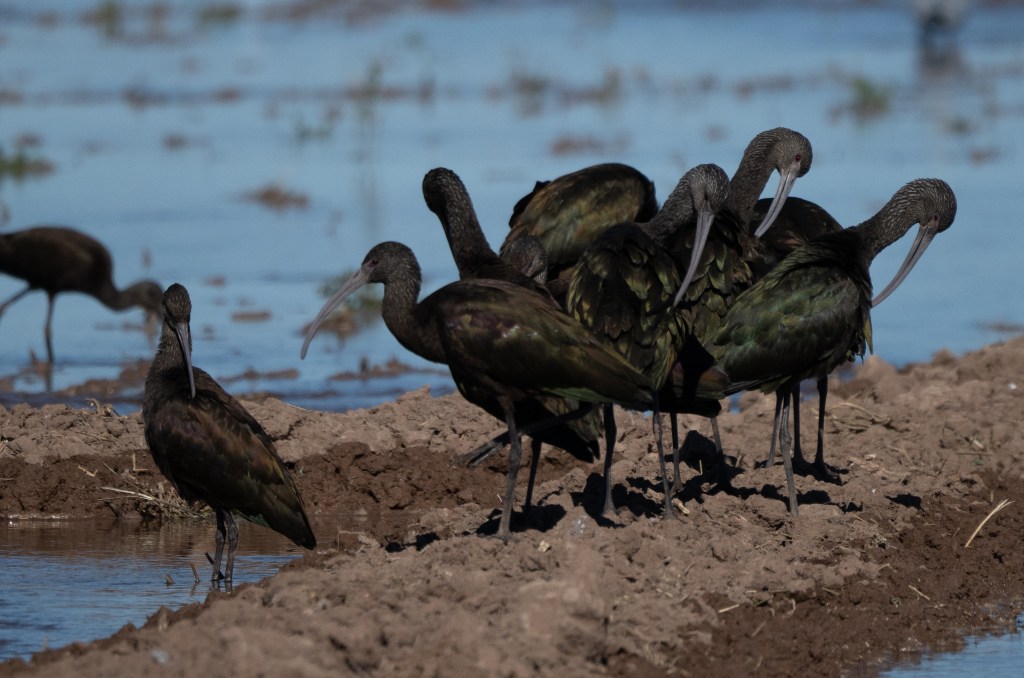
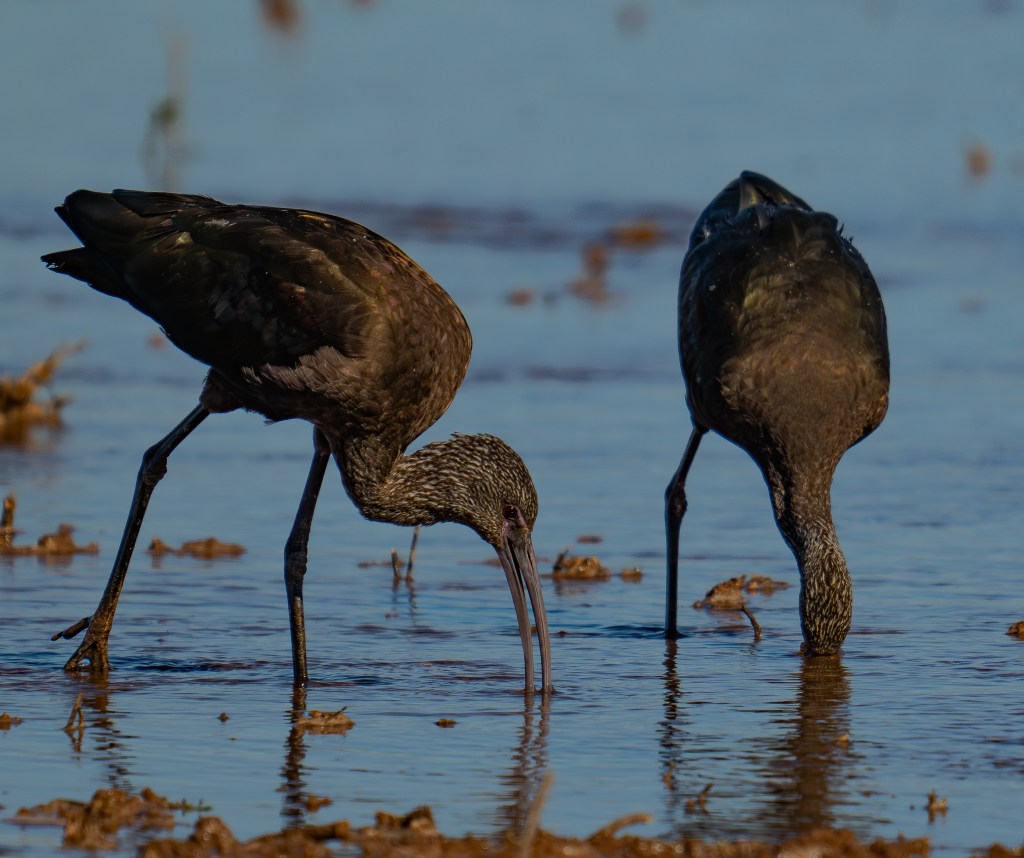
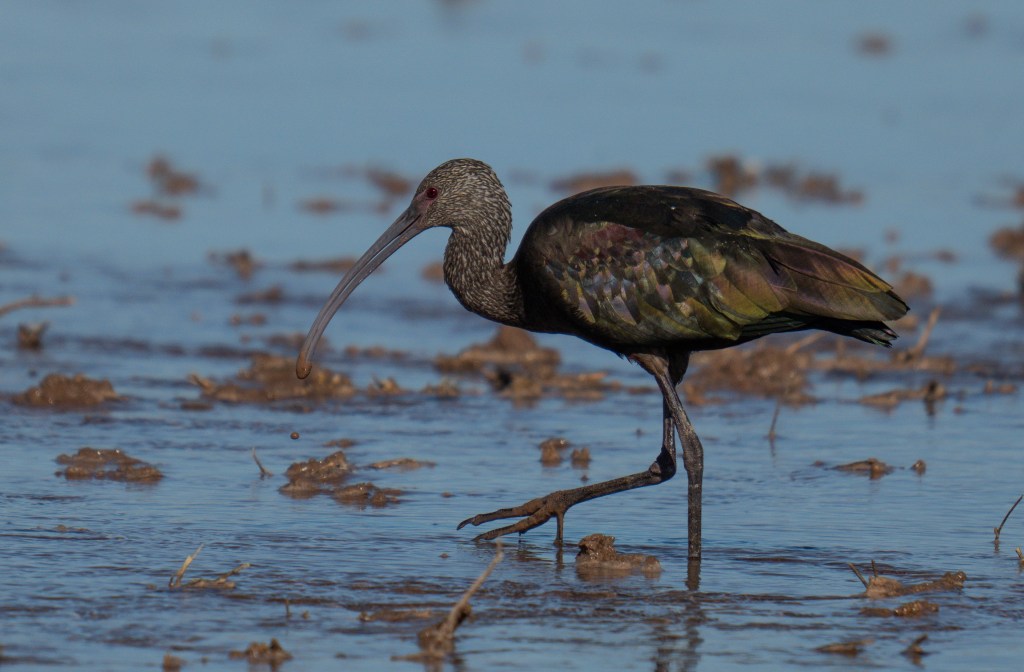
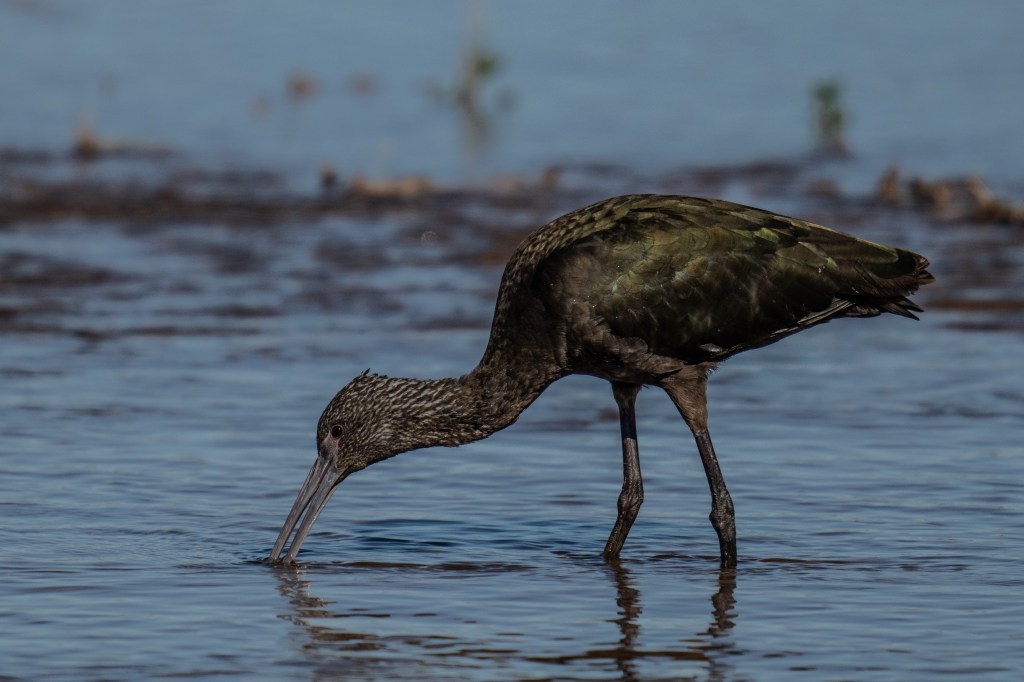
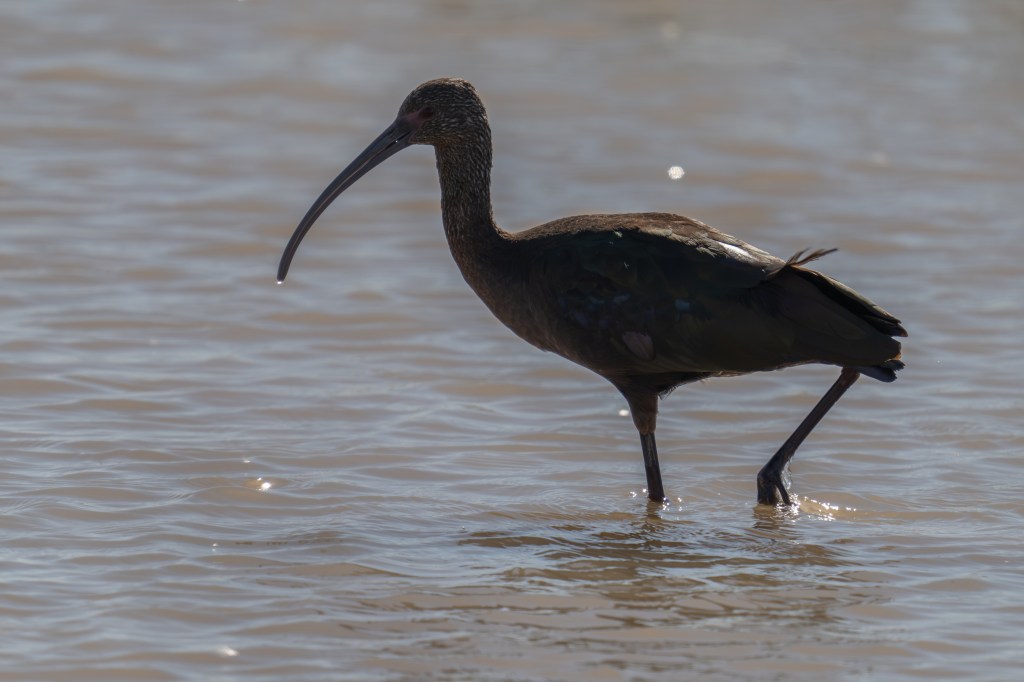
White-faced ibis and long-legged shorebirds
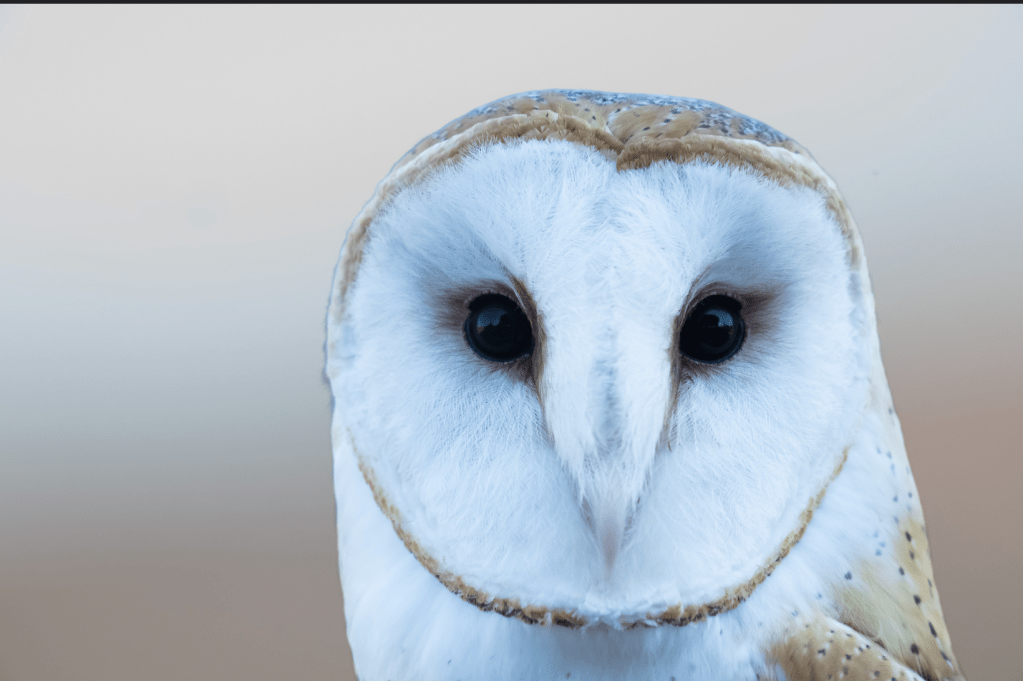
Burrowing owls tucked into desert edges
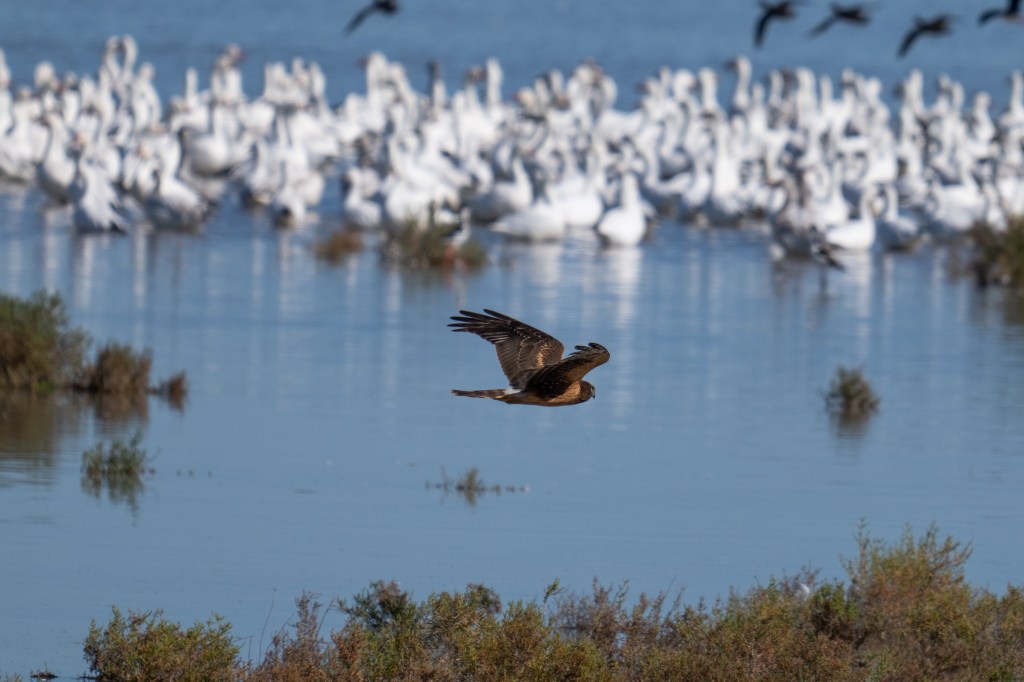
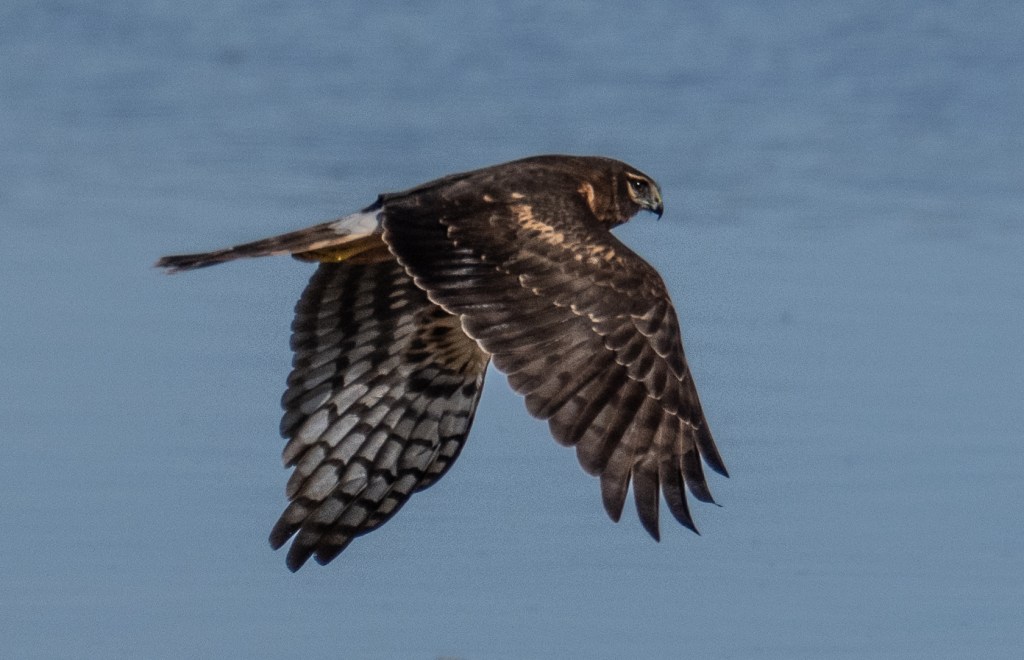
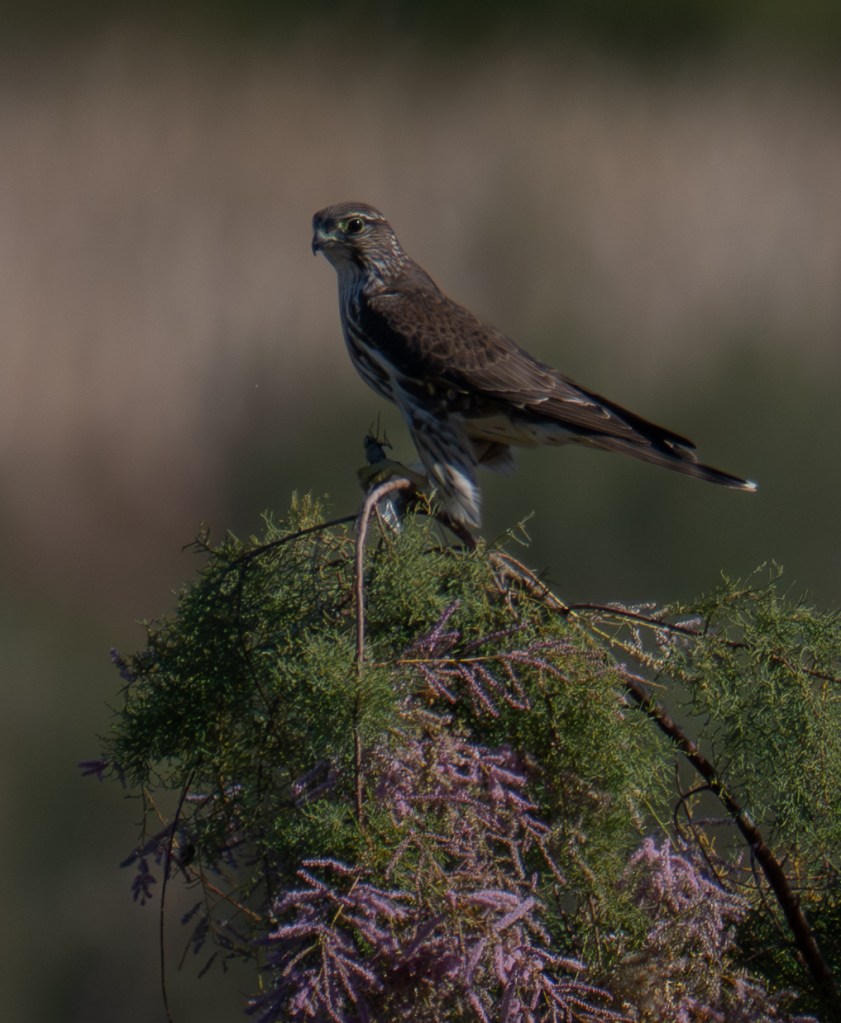
Raptors like northern harriers and peregrine falcons
Winter is especially spectacular, when migratory birds arrive in massive numbers and transform the refuge into a living, moving landscape.
Exploring the Refuge
The refuge is very visitor-friendly, with options for both casual sightseeing and serious wildlife observation.
Highlights include:
Auto tour routes that loop through wetlands and fields
Walking trails for quiet wildlife viewing
Photography pullouts perfect for sunrise and sunset light
The flat terrain and open skies make it an ideal spot for photography, especially when the mountains reflect off the water or flocks of birds fill the horizon.
Why This Refuge Matters
Despite ongoing environmental challenges facing the Salton Sea, the Sonny Bono Wildlife Refuge remains a critical lifeline for wildlife. Carefully managed water flows and habitat restoration efforts help sustain species that depend on this stopover during long migrations.
The refuge is also a powerful reminder that even altered landscapes can become essential ecosystems when conservation and stewardship come together.
Planning Your Visit
The Sonny Bono Salton Sea National Wildlife Refuge is located near Niland, California, and is open year-round during daylight hours. Cooler months—from late fall through early spring—offer the most comfortable weather and the highest concentration of wildlife.
Whether you’re a birder, photographer, or simply curious about one of California’s most unusual natural areas, the Sonny Bono Wildlife Refuge is a place that challenges expectations and rewards patience.
Bird Checklist: Sonny Bono Salton Sea National Wildlife Refuge
The refuge supports hundreds of bird species throughout the year. This checklist highlights commonly seen and notable birds, especially during peak migration and winter months.
Waterfowl
Snow Goose
Ross’s Goose
Canada Goose
Northern Pintail
American Wigeon
Green-winged Teal
Cinnamon Teal
Northern Shoveler
Ruddy Duck
Shorebirds
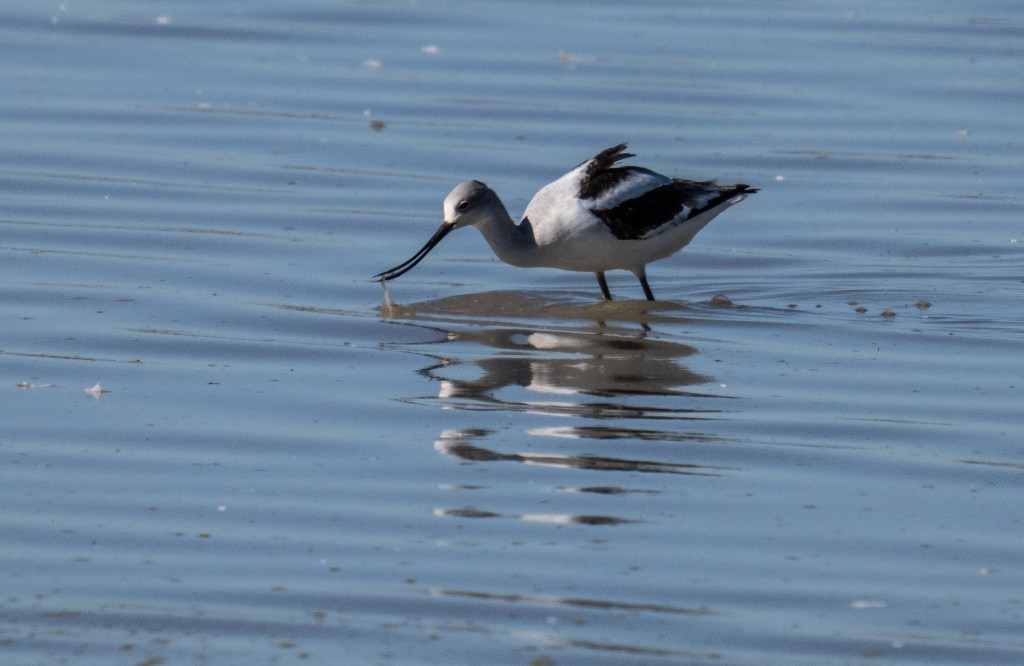
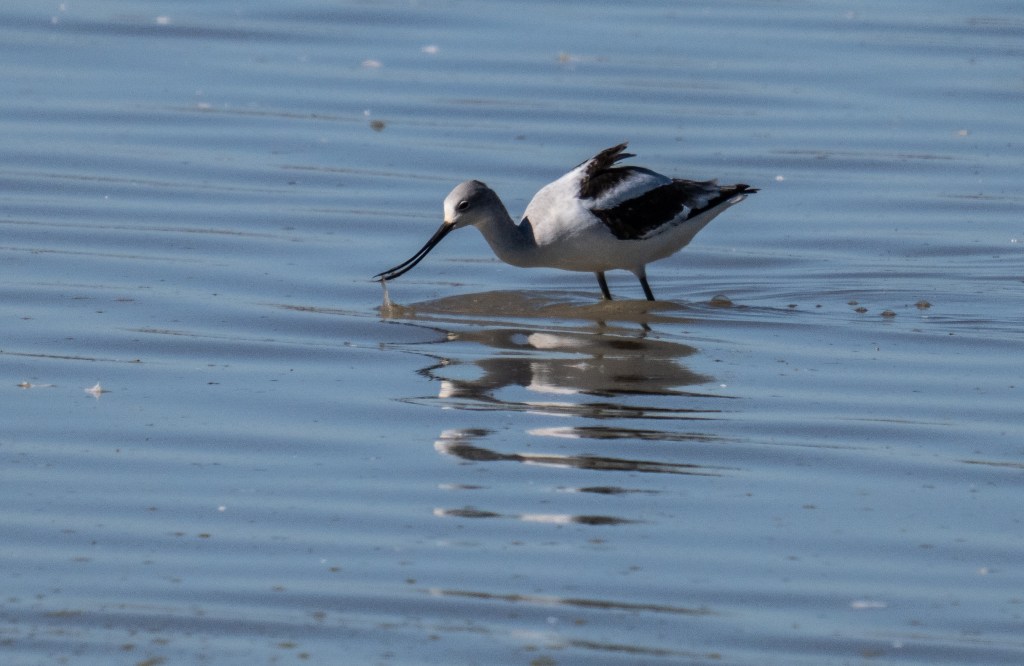
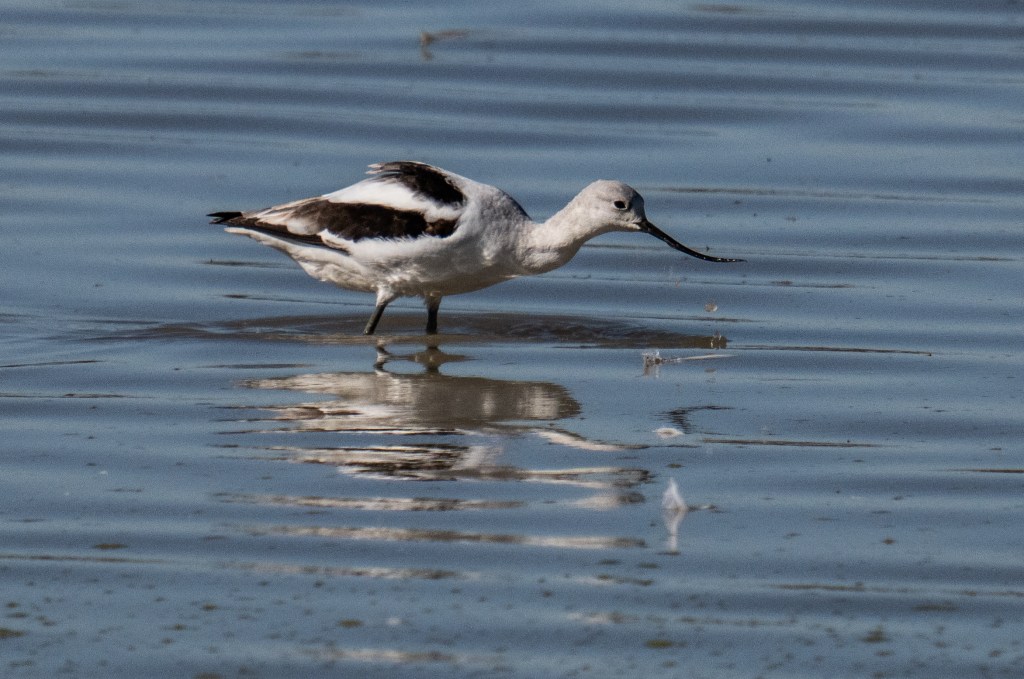
American Avocet
Black-necked Stilt
Long-billed Dowitcher
Marbled Godwit
Willet
Western Sandpiper
Least Sandpiper
Killdeer
Wading Birds
Great Blue Heron
Great Egret
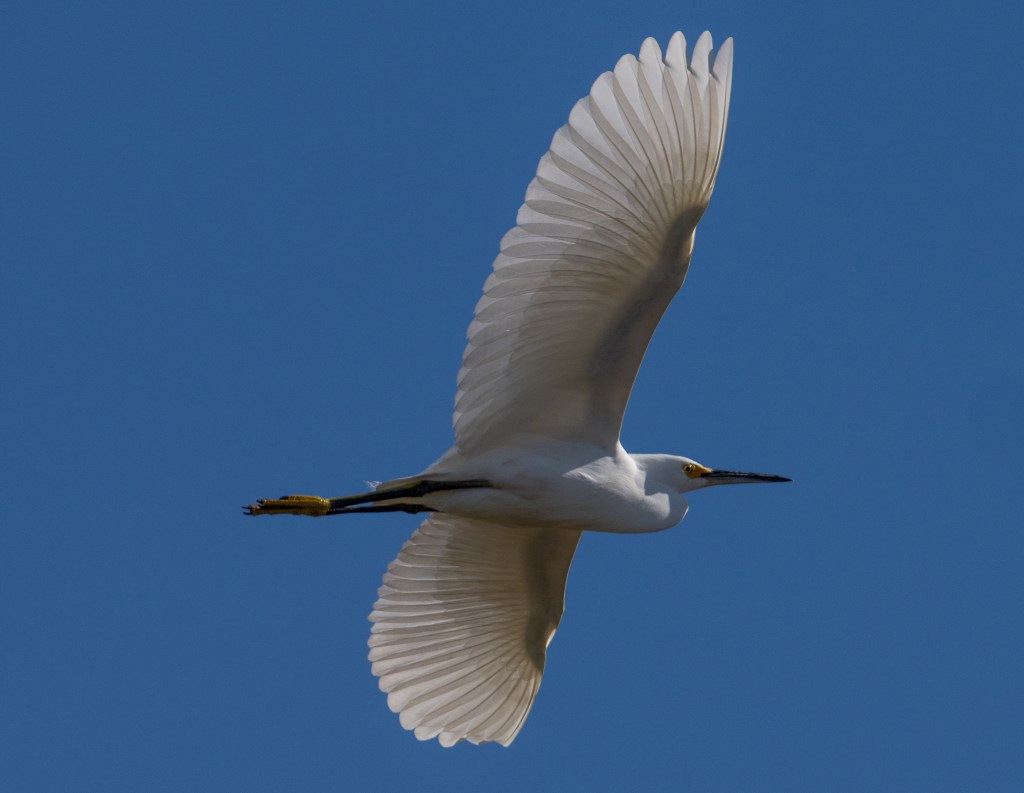
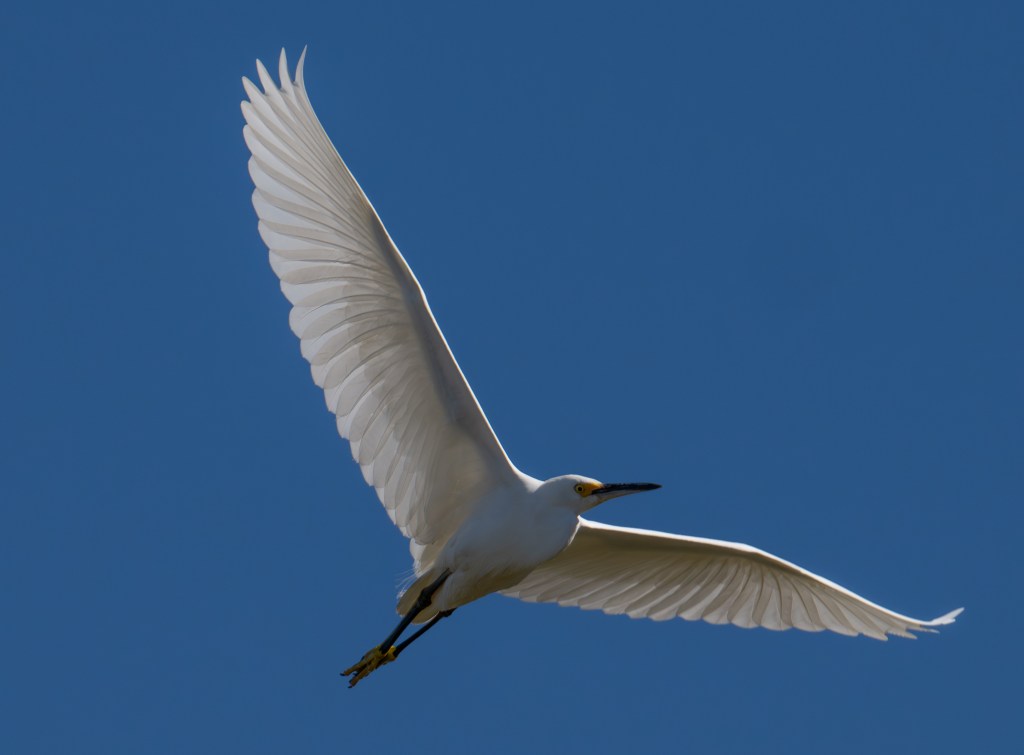
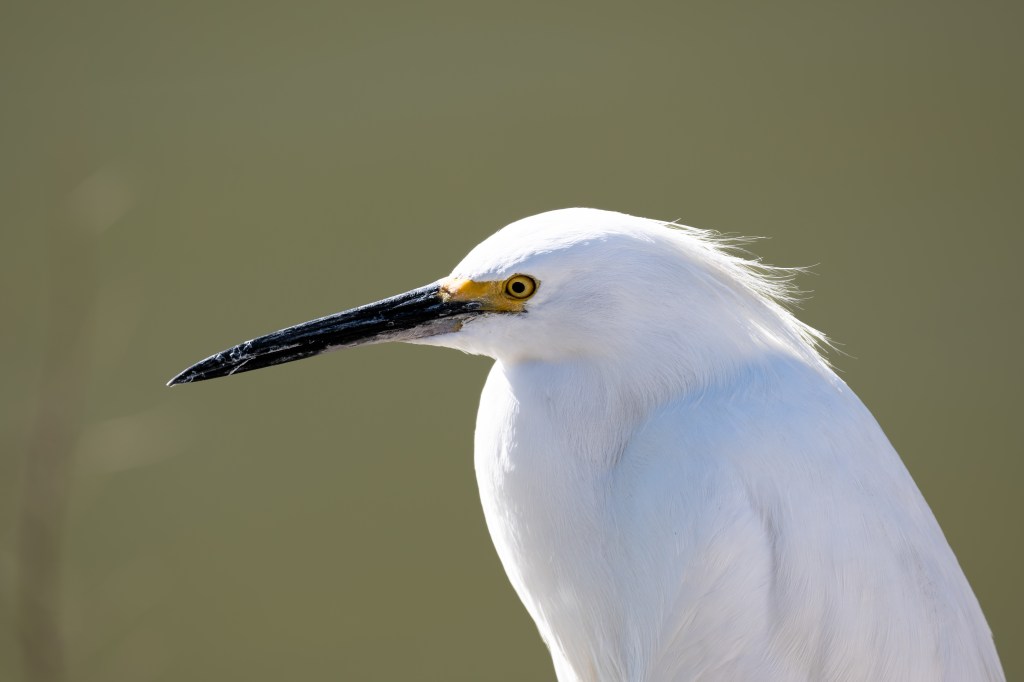
Snowy Egret
Cattle Egret
White-faced Ibis
Gulls & Terns
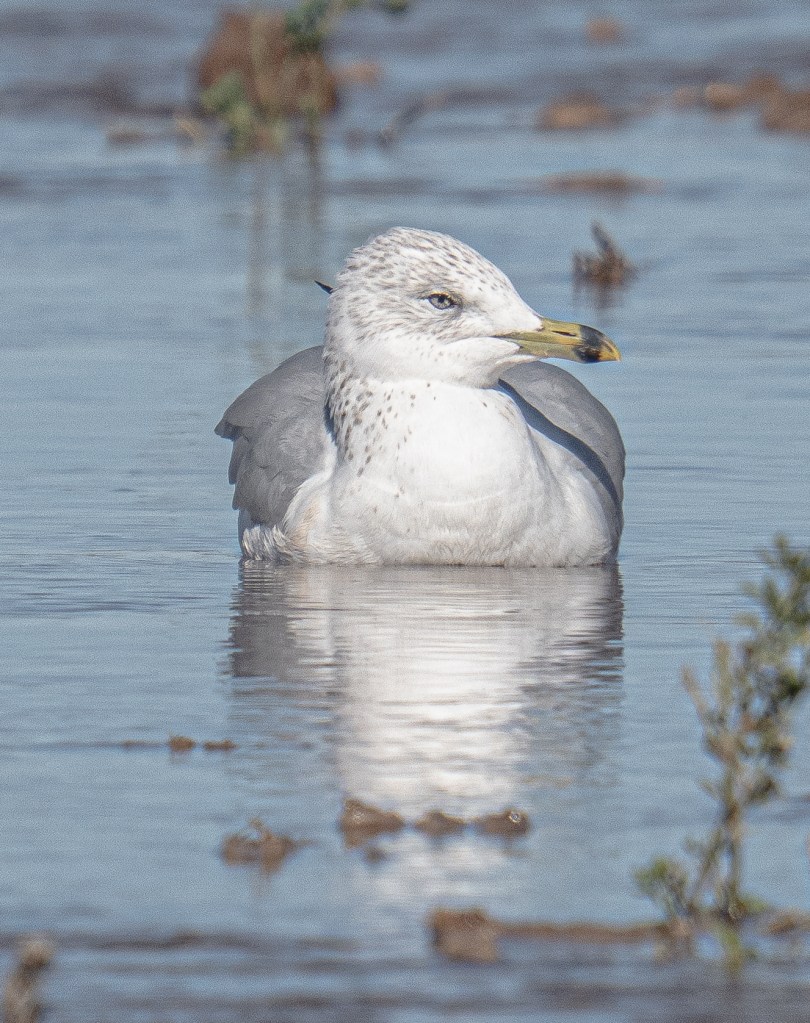
Ring-billed Gull
California Gull
Laughing Gull
Caspian Tern
Forster’s Tern
Raptors
Northern Harrier
Red-tailed Hawk
Swainson’s Hawk
American Kestrel
Peregrine Falcon
Bald Eagle (occasional but increasing)
Owls
Burrowing Owl
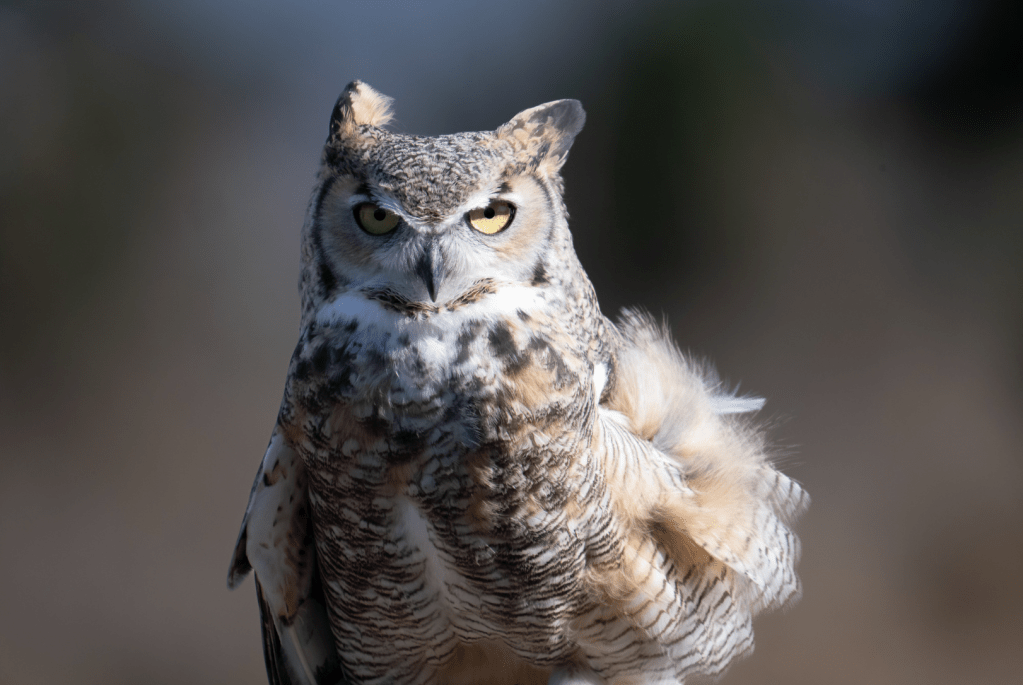
Great Horned Owl
Desert & Upland Birds
Gambel’s Quail
Loggerhead Shrike
Greater Roadrunner
Horned Lark
Songbirds & Others
Yellow-headed Blackbird
Red-winged Blackbird
Marsh Wren
Savannah Sparrow
Say’s Phoebe
Birding tip: Winter mornings offer the best light and bird activity. Bring binoculars even if you’re just driving the auto loop—you’ll be surprised how close the birds can be.
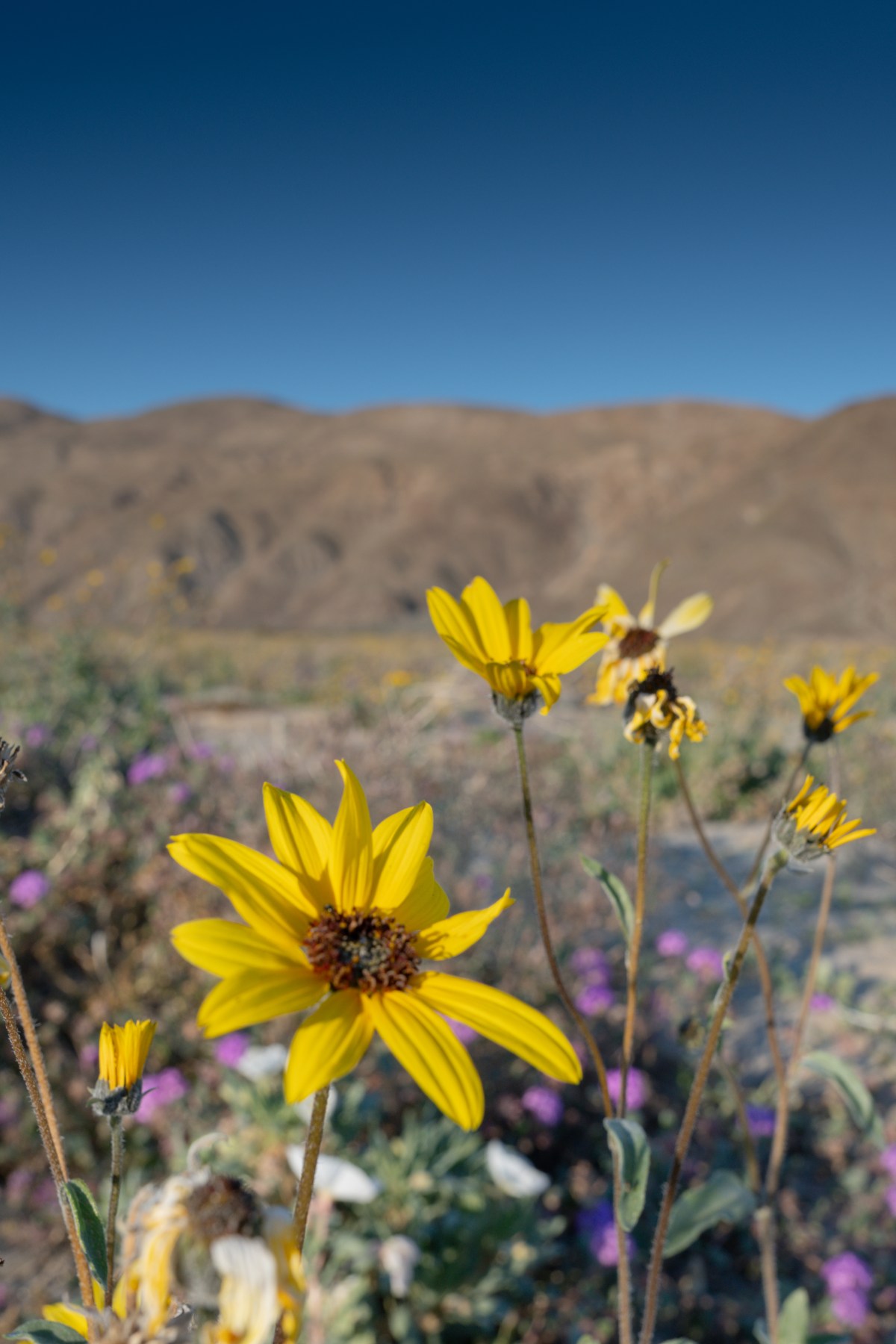
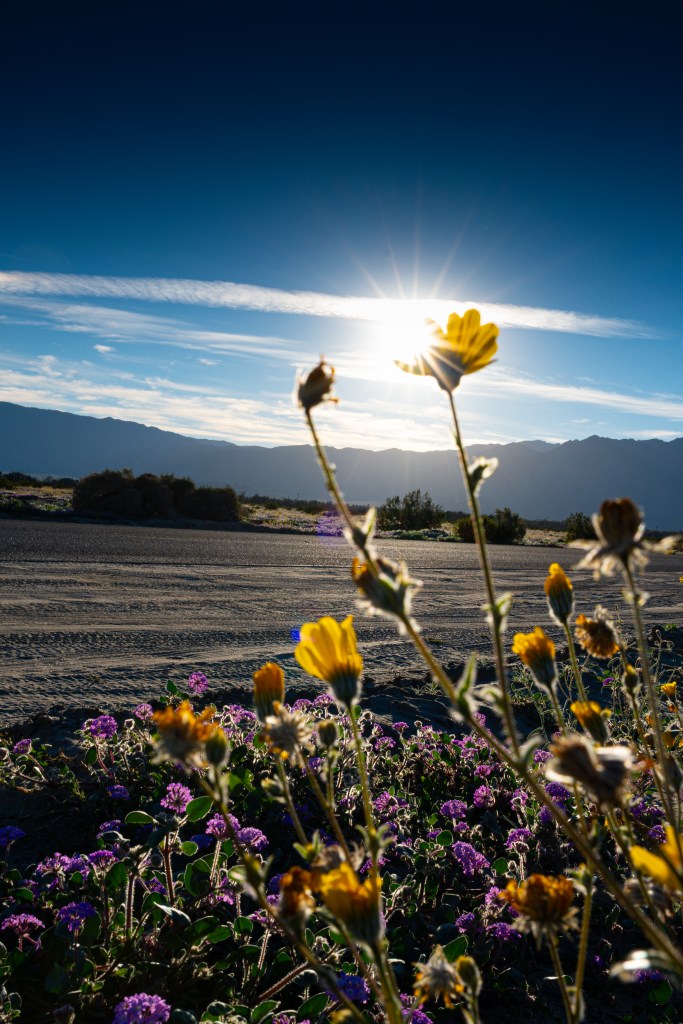
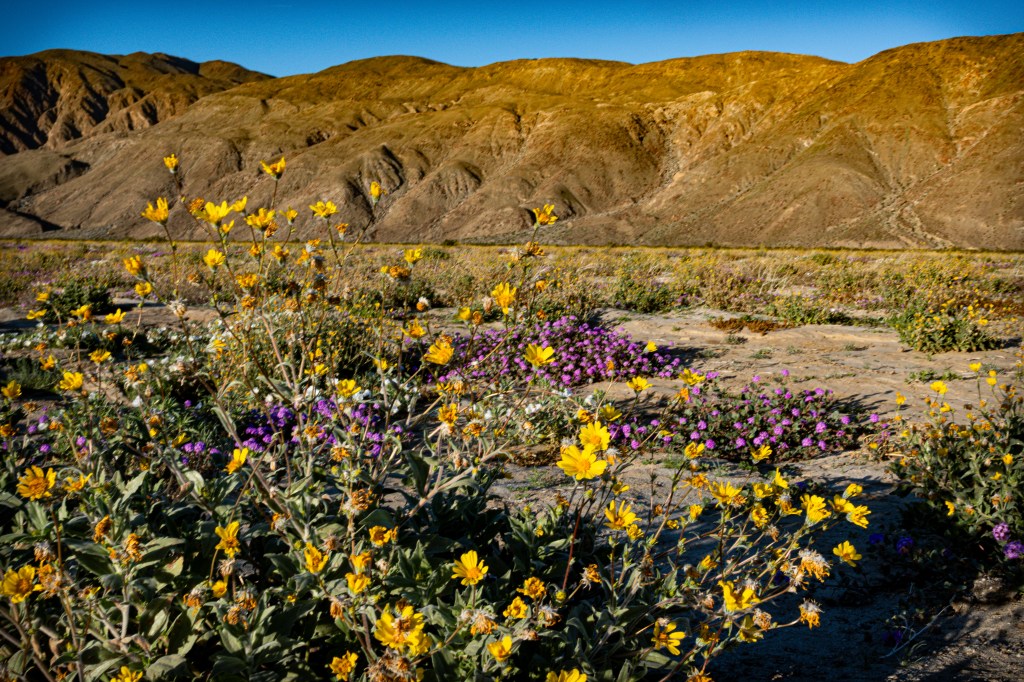
When the desert blooms, it does so on its own terms—quietly, briefly, and without guarantees. Henderson Canyon, tucked along the southern edge of Anza-Borrego Desert State Park, is one of those places where timing is everything. After a wet winter, this otherwise rocky wash transforms into a ribbon of color, drawing hikers, photographers, and wildflower chasers from across Southern California.
What Makes the Bloom Special?
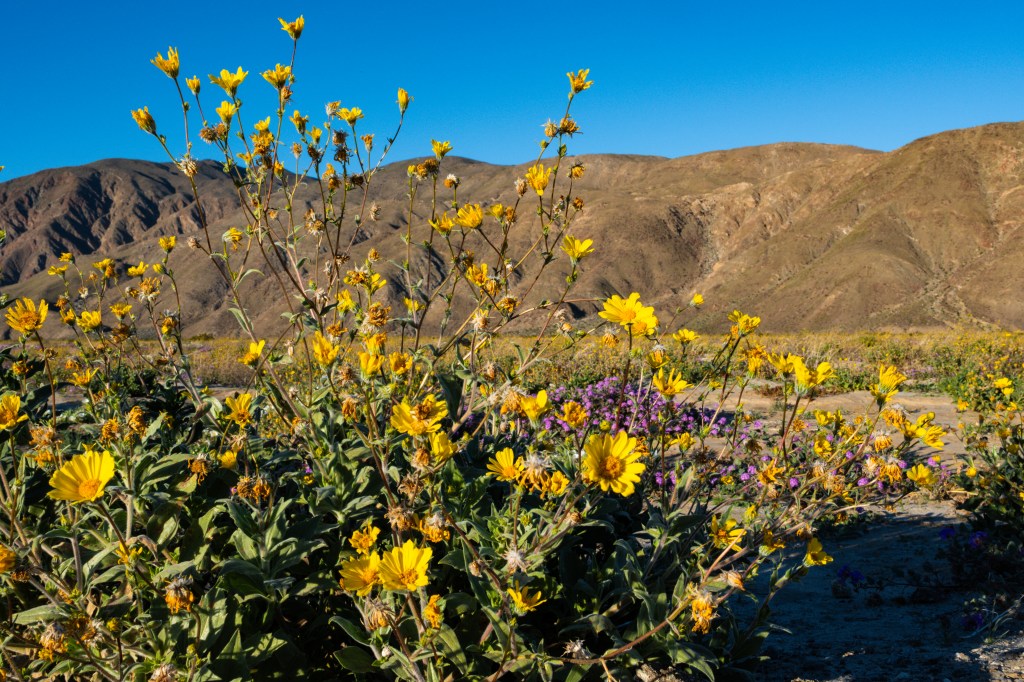
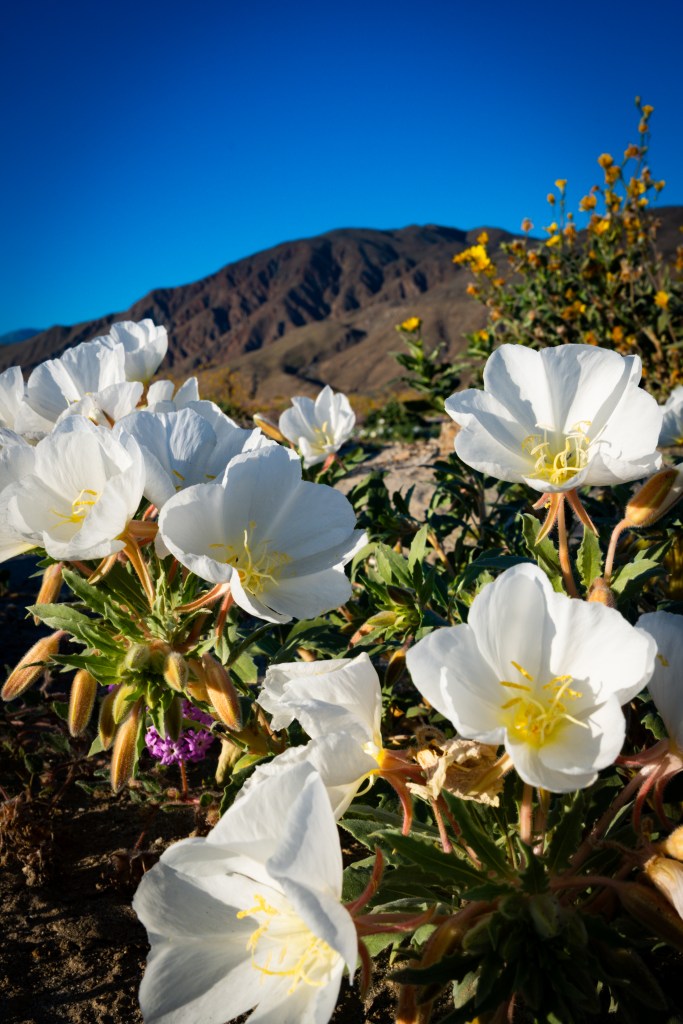
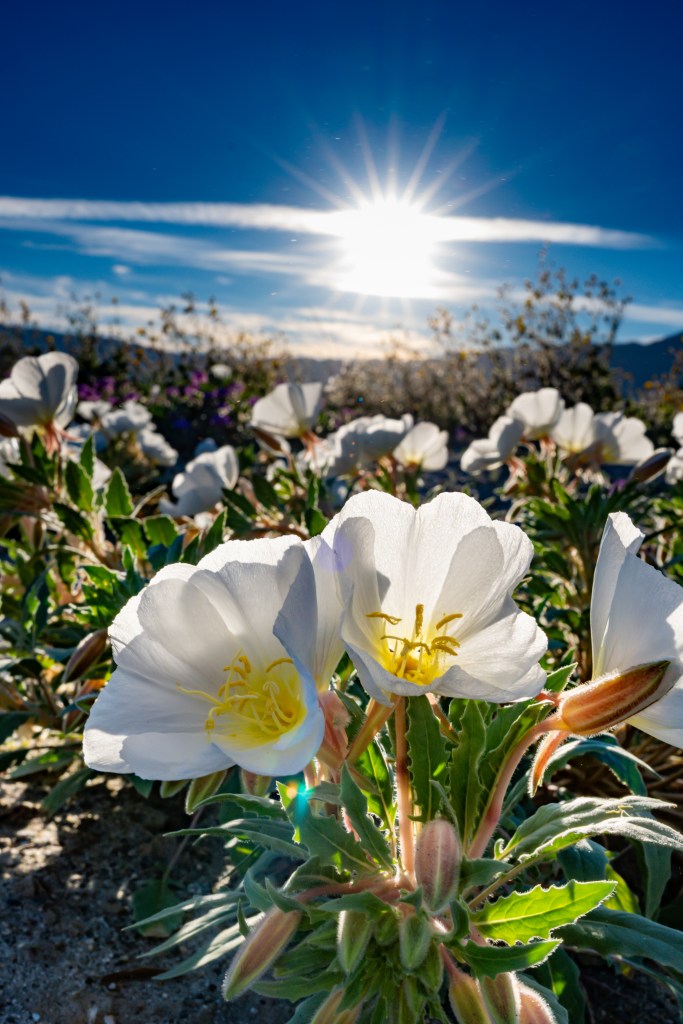
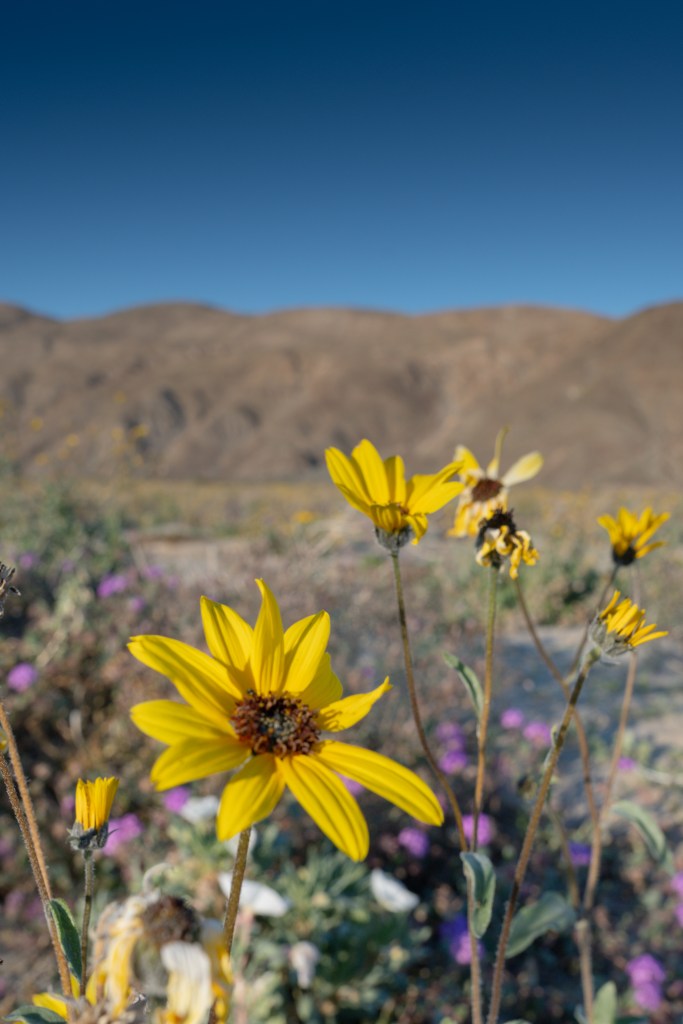
Unlike the sweeping fields of flowers sometimes seen in Borrego Springs, Henderson Canyon’s bloom feels more intimate. Wildflowers appear in clusters along the wash and canyon walls, framed by ocotillo, brittlebush, and desert shrubs. In good bloom years, you might see:
Desert sunflower lining the trail
Primrose glowing pale yellow in shaded areas
Canterbury bells and sand verbena adding pops of color
Ocotillo flaming red against canyon walls later in the season
The contrast between delicate flowers and rugged rock formations is what makes Henderson Canyon especially photogenic.
A Reminder About Desert Blooms
Henderson Canyon doesn’t bloom every year, and that unpredictability is part of the magic. Some seasons offer carpets of flowers; others deliver just a few brave blossoms pushing through the sand. Either way, the hike offers sweeping desert views, quiet canyon moments, and a deeper appreciation for how resilient—and fleeting—life in the desert can be.
When Henderson Canyon does bloom, it’s not loud or showy. It’s subtle, fleeting, and unforgettable—exactly the kind of desert moment worth seeking out.
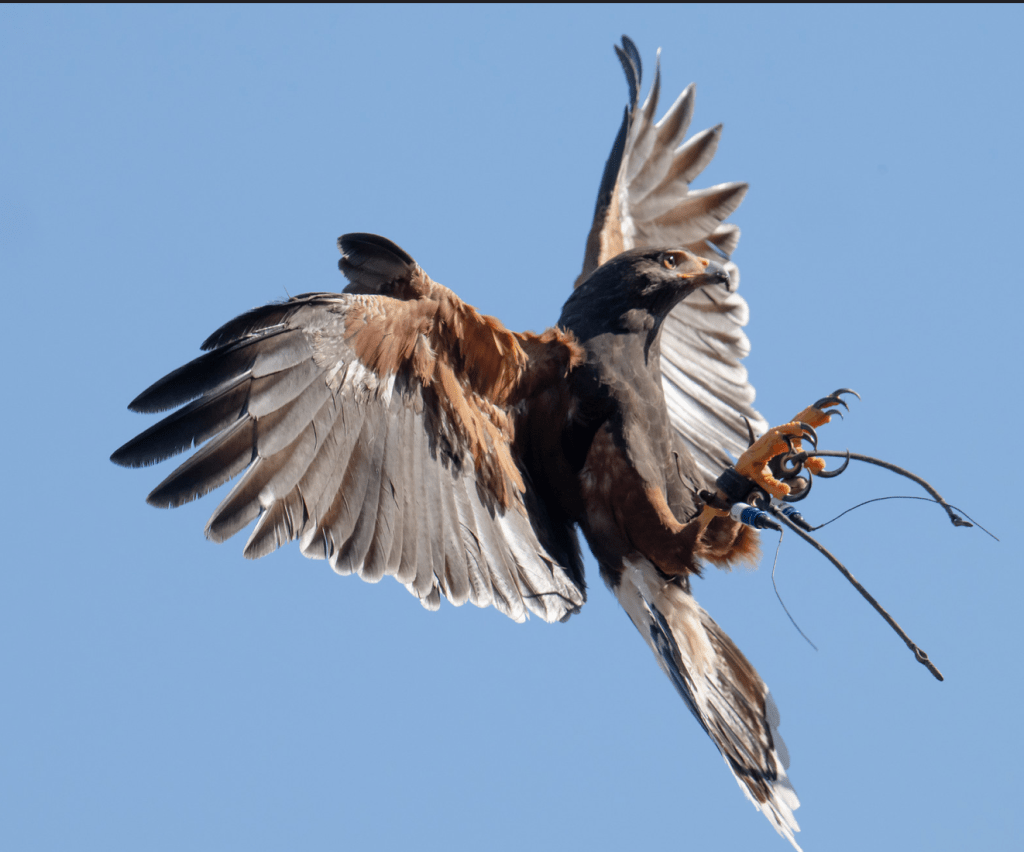
If you love wildlife, big skies, and birds of prey, the Ramona Grasslands Hawk Watch in San Diego East County offers a free, up-close way to experience some of North America’s most majestic raptors in winter. Set against the sweeping open landscapes of the Ramona Grasslands Preserve, this seasonal program draws both casual nature lovers and serious birders alike.
What Is Hawk Watch?
Upcoming 2026 Saturdays 10am to 12pm
January 3rd, 10,17, 24,31
February 7,14,21, 28
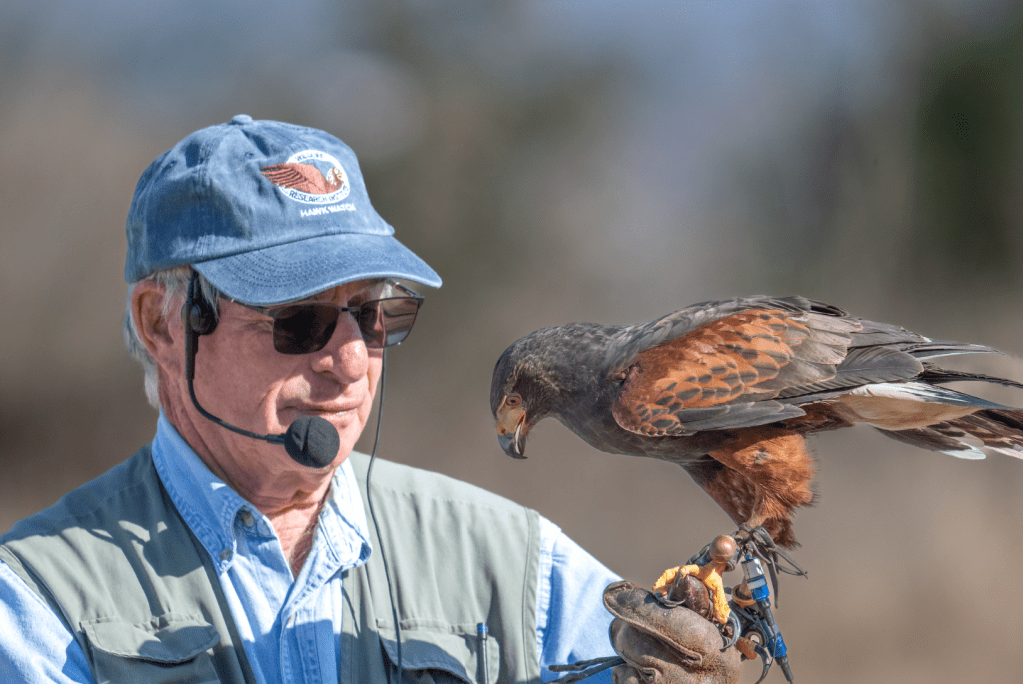
Ramona Grasslands Hawk Watch is a free weekly wildlife education event hosted by the Wildlife Research Institute (WRI) most Saturdays in January and February at Begent Ranch in Ramona. While it shares its name with traditional migration “hawk watches,” this program is more than just counting birds — it’s a hands-on learning experience for all ages
Hawk Watch is an informative educational Biologist Talk and Q& with Falconry or ambassador raptors for you to see up close and personal. The seated program lasts approximately 1.5 to 2 hours. After the presentation there is an option for additional roadside observations of wild raptors and other wildlife including bald eagle nest where you will drive your own car less than 2 miles on paved roads and come and go at your leisure.
Biologists and local expert volunteer observers will help you spot and identify birds and show them to you through our high-powered professional telescopes. In the event of rain, we will still have the educational program inside the barn, but the usual falconry flight displays will not occur in the barn. There is no hiking portion of Hawk Watch, but we recommend wearing sturdy shoes for uneven terrain and going on your own to the nearby Ramona Grassland Preserve hiking trail after the program. Hawk Watch is wheelchair accessible, and we recommend using one if walking on uneven terrain could be a safety hazard for you. We hope you can make it!
Always subject to change for special events, rentals, or closures.
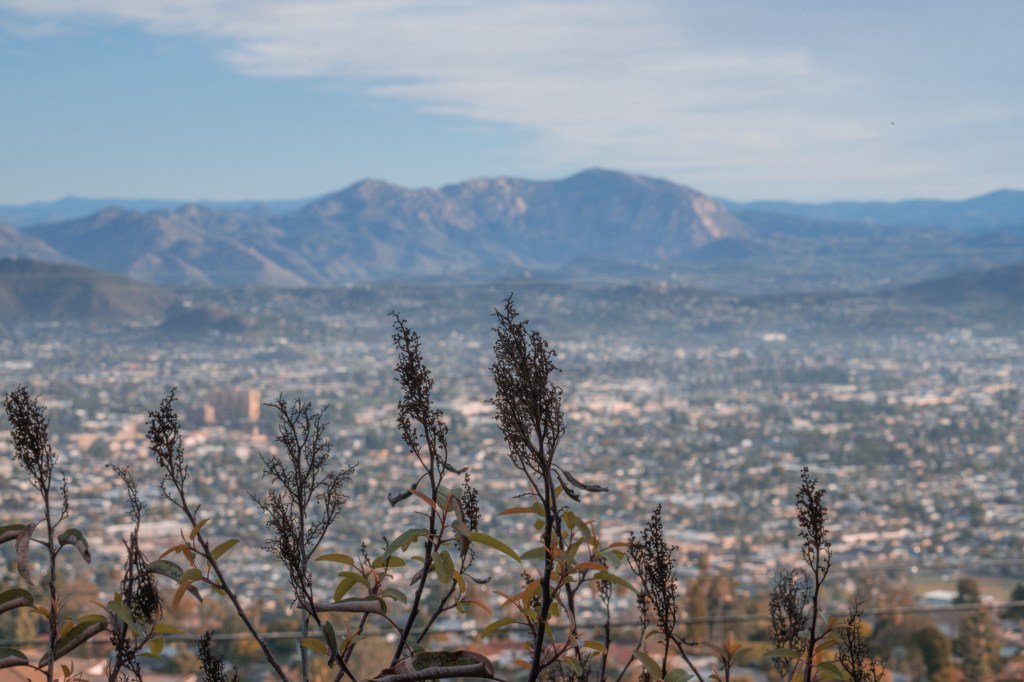
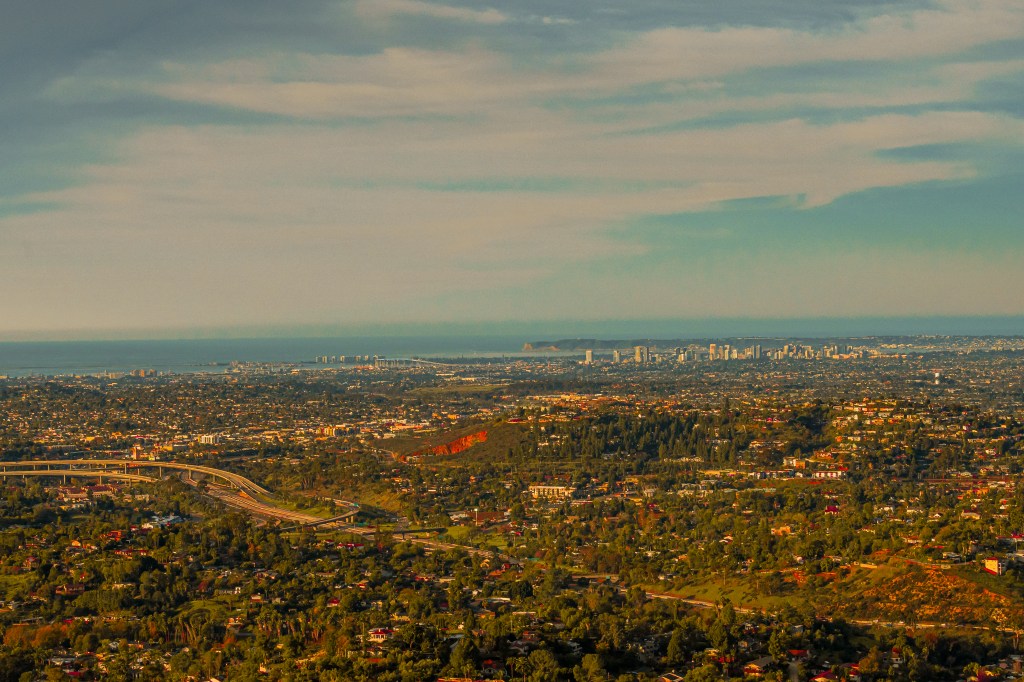
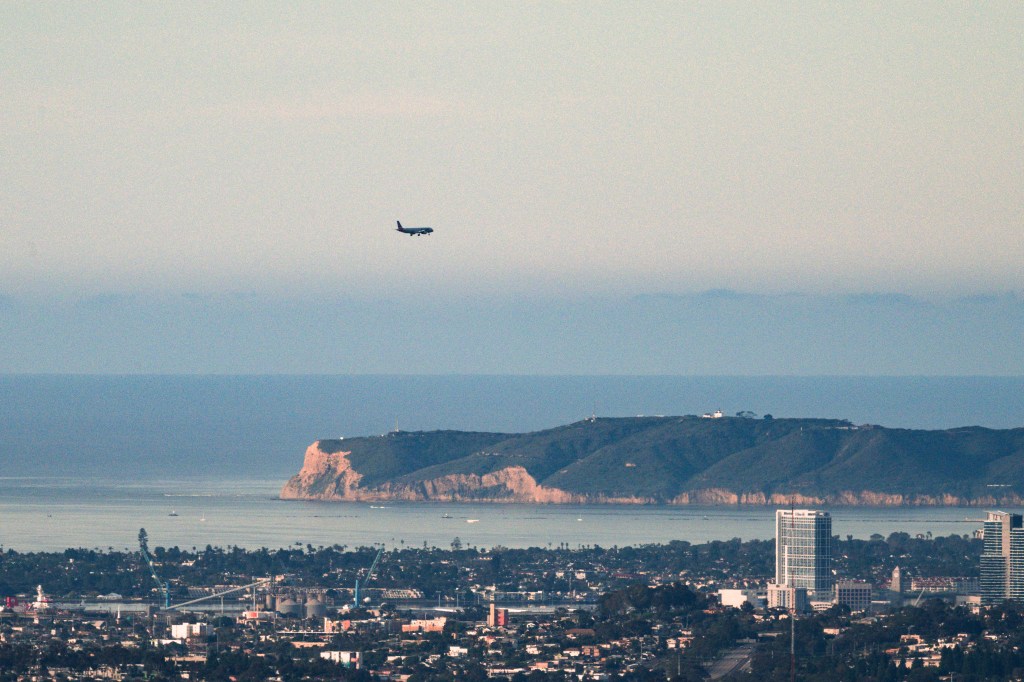
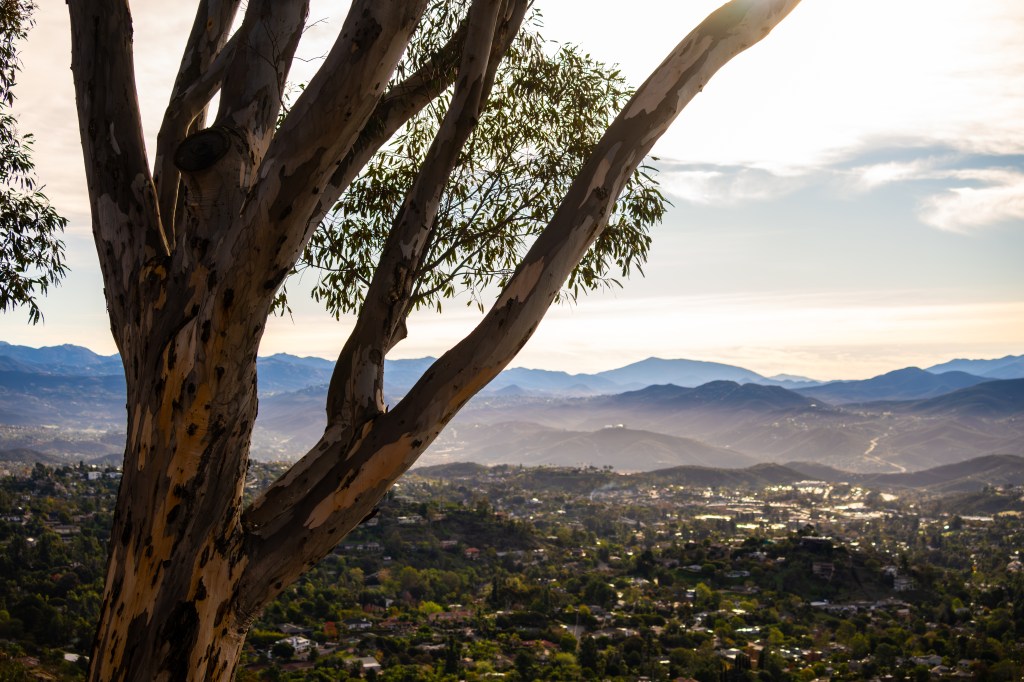
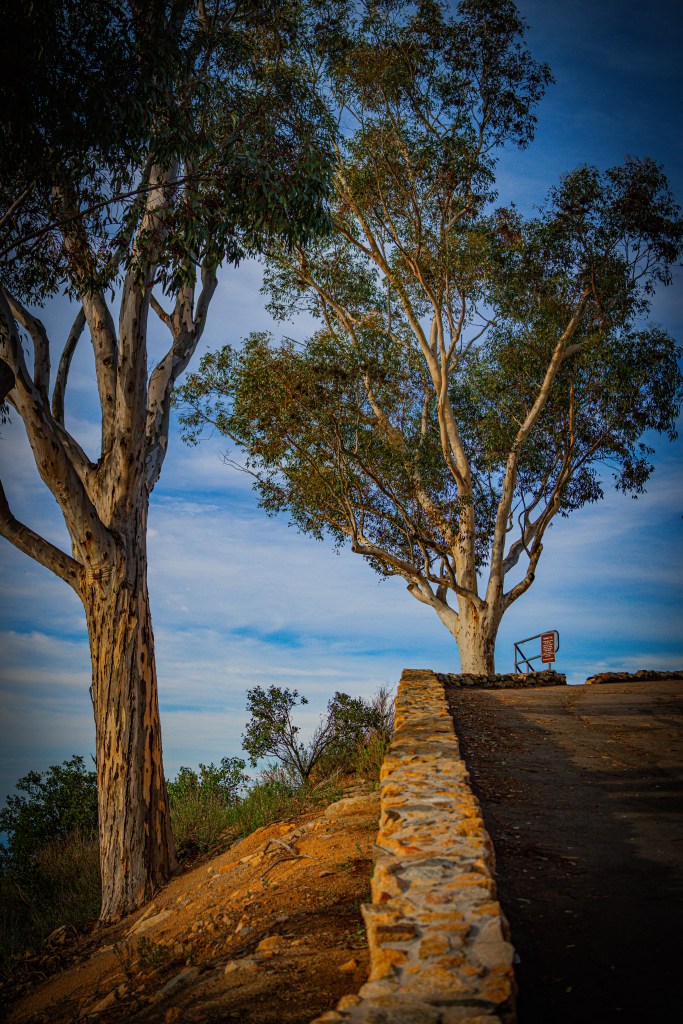
Rising more than 1,300 feet above sea level, Mount Helix Park offers one of the most expansive viewpoints in East County San Diego. Located at the border of La Mesa and Spring Valley, the hilltop park provides panoramic views stretching from downtown San Diego to the Pacific Ocean and east toward the region’s rugged inland terrain.
Mount Helix itself got its name from the helix aspersa snail once found on the hill, a local naturalist curiosity at the time. At the summit sits a stone amphitheater that has served as a community gathering place for decades. The site is best known for its annual Easter sunrise service, along with concerts and civic events held throughout the year. A large cross, visible from miles away, stands near the amphitheater and remains a prominent—if sometimes controversial—feature of the park.
Mount Helix Park is easily accessible by car, with a short paved walkway leading from the parking area to the top. While the park does not offer extensive hiking trails, its accessibility and unobstructed views make it a popular destination for photographers, sightseers, and locals seeking a quiet overlook.
Clear days offer visibility across much of San Diego County, while sunset brings changing colors and city lights that make the park especially popular in the evening hours. Despite its modest size, Mount Helix Park continues to be one of East County’s most recognizable and frequently visited viewpoints.
Lindo Lake County Park is open from sunrise to sunset for public use. The park is approximately 55 acres in size and features a skate park, children’s playground, softball field, tennis courts, horseshoe pits, and open spaces. There are roughly 1.5 miles of ADA-friendly, multi-use paths, including a popular loop trail around the lake that’s about 1.2 miles long — perfect for leisurely walks, jogging, or pushing a stroller.
With water basins, wetlands, and lakeside habitat, the park attracts a variety of waterfowl and birds — a draw for birdwatchers and nature lovers.
🐶 Dog-Friendly Areas
Leashed dogs are welcome around the lake. Many locals use the loop trail for daily dog walks.
🐦 Bird-Watching Tips
Bring binoculars for the east basin — that’s where most waterfowl gather.
Look for:
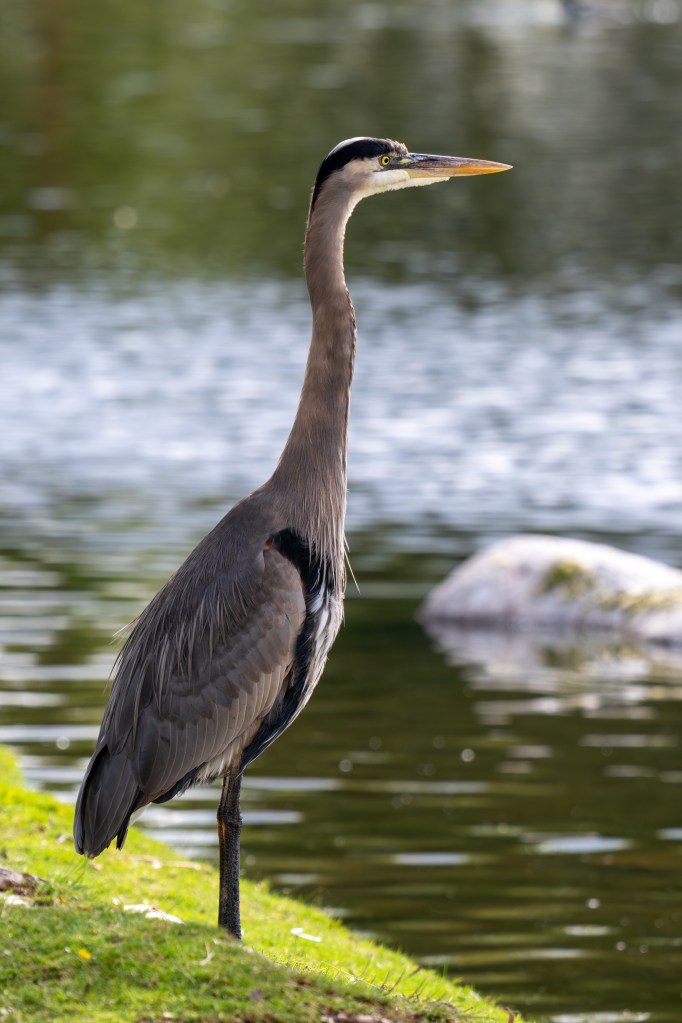
Great blue herons
Snowy egrets
Cormorants
Mallards
Canadian geese
Red-winged blackbirds
Early morning is the best time for spotting and photography.
🐦 Pro Tip:
Stand quietly near the shallow inlets — birds often forage close to shore.
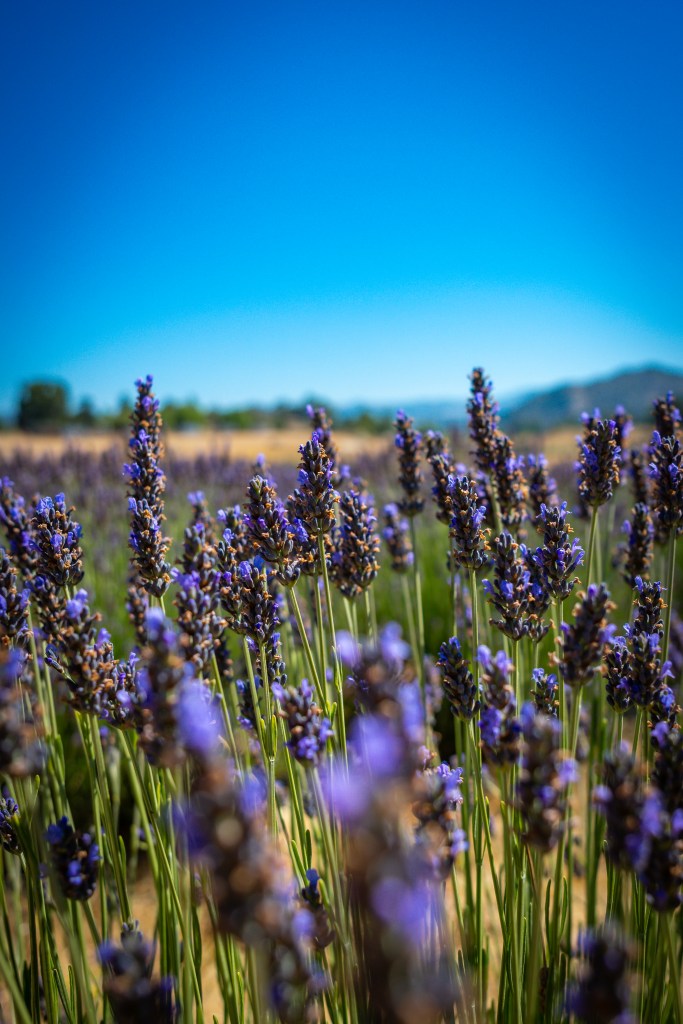
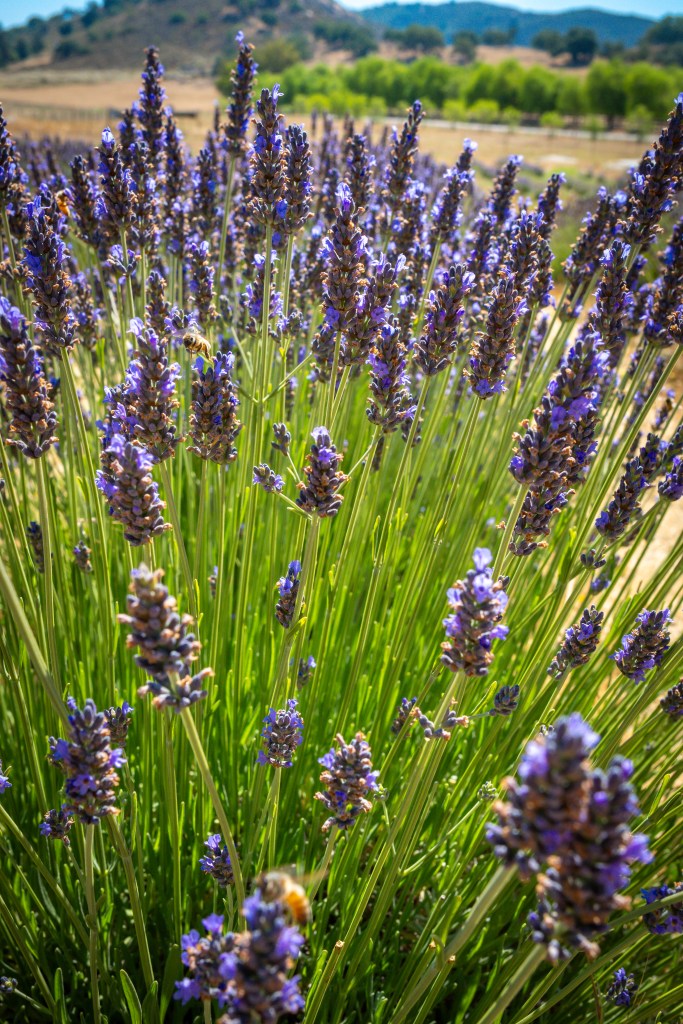
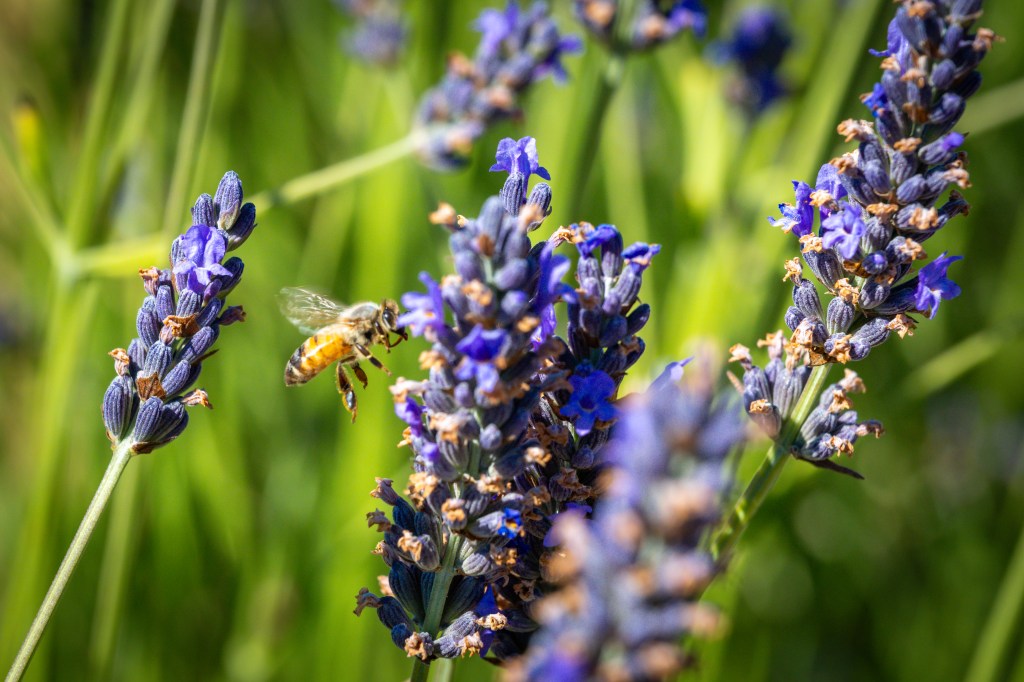
Lavender season typically peaks from late May through early July, when the hillsides come alive with vibrant purple blooms. Farms across Ramona open their gates to visitors for a brief but beautiful window of time, offering U-pick experiences, handmade products, and peaceful strolls through aromatic rows of lavender.
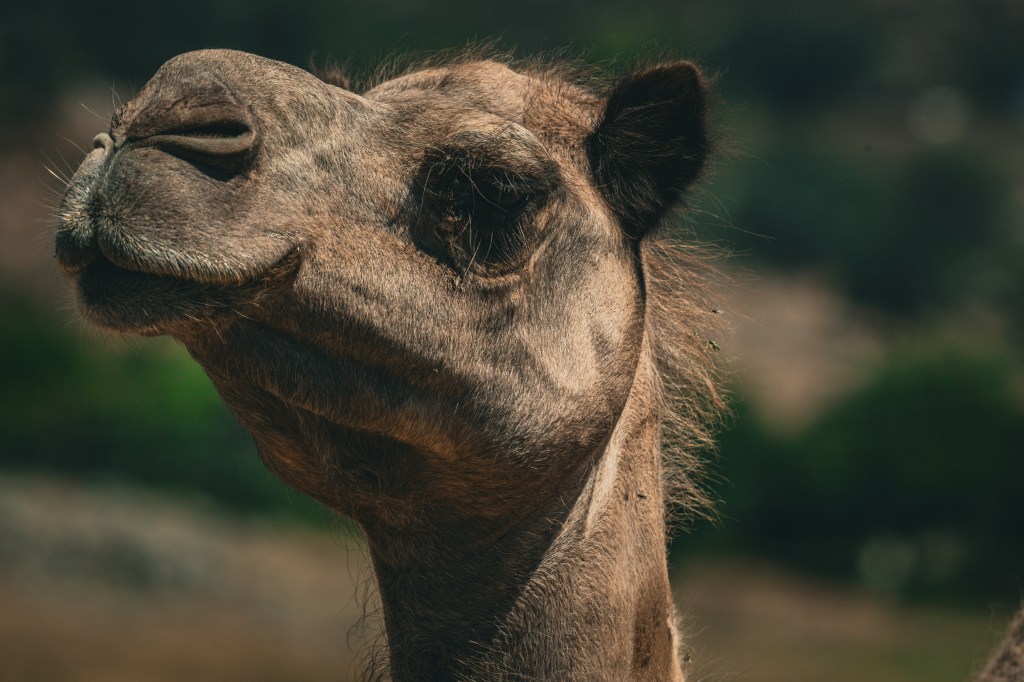
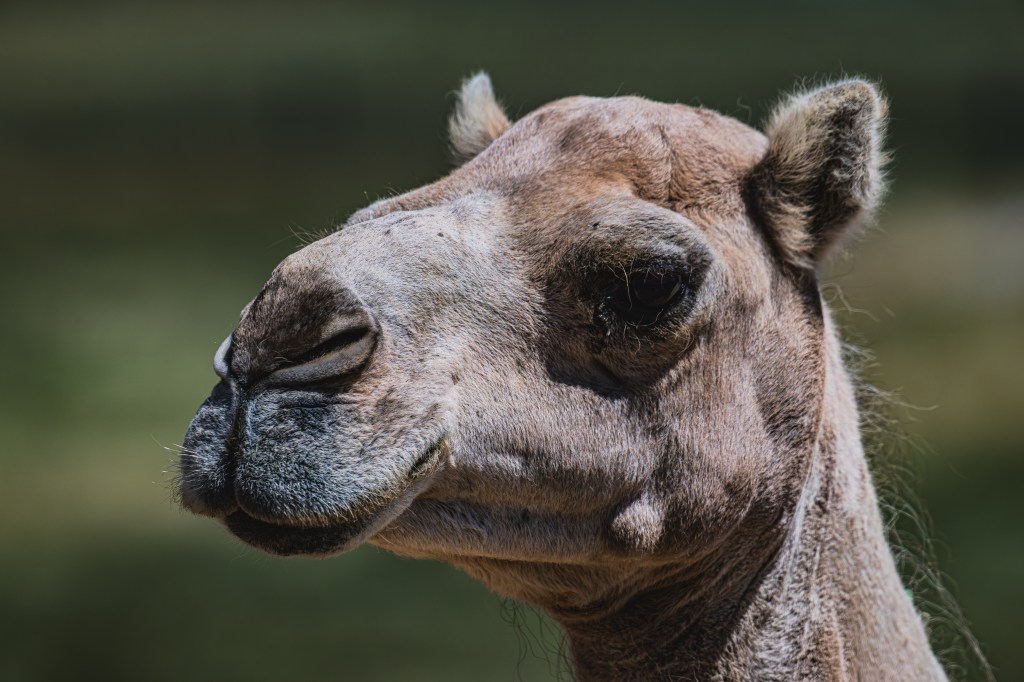
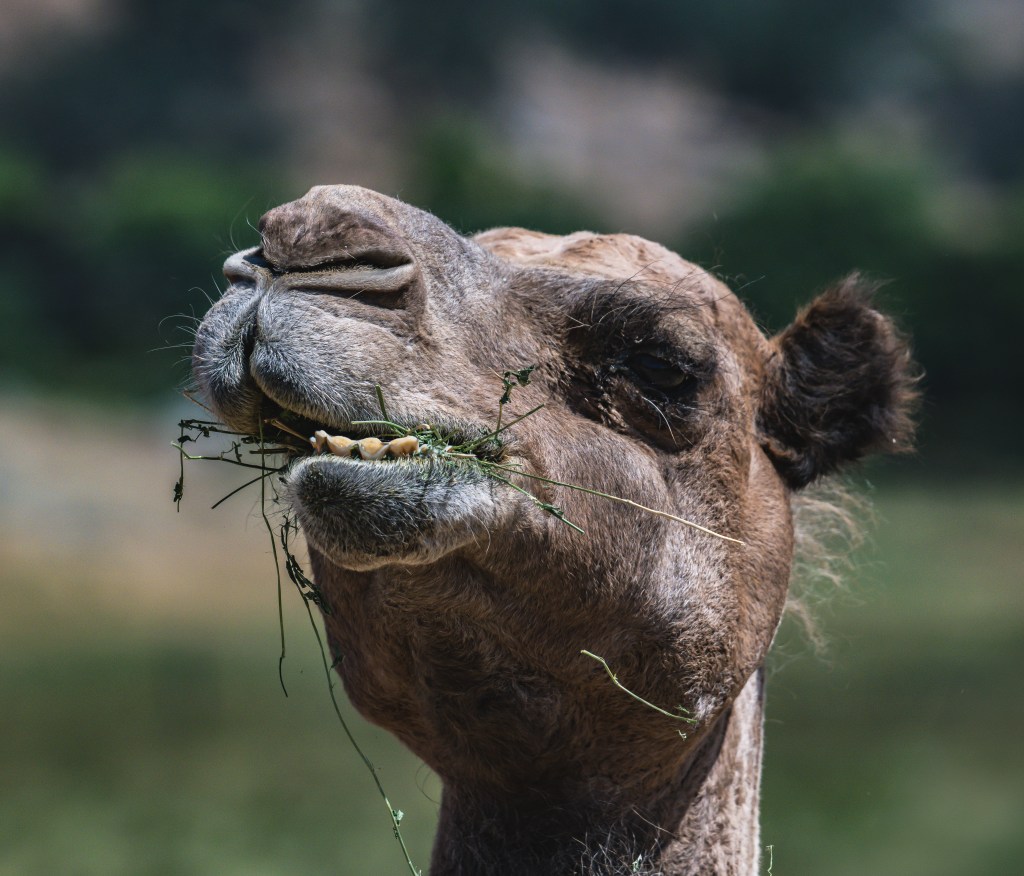
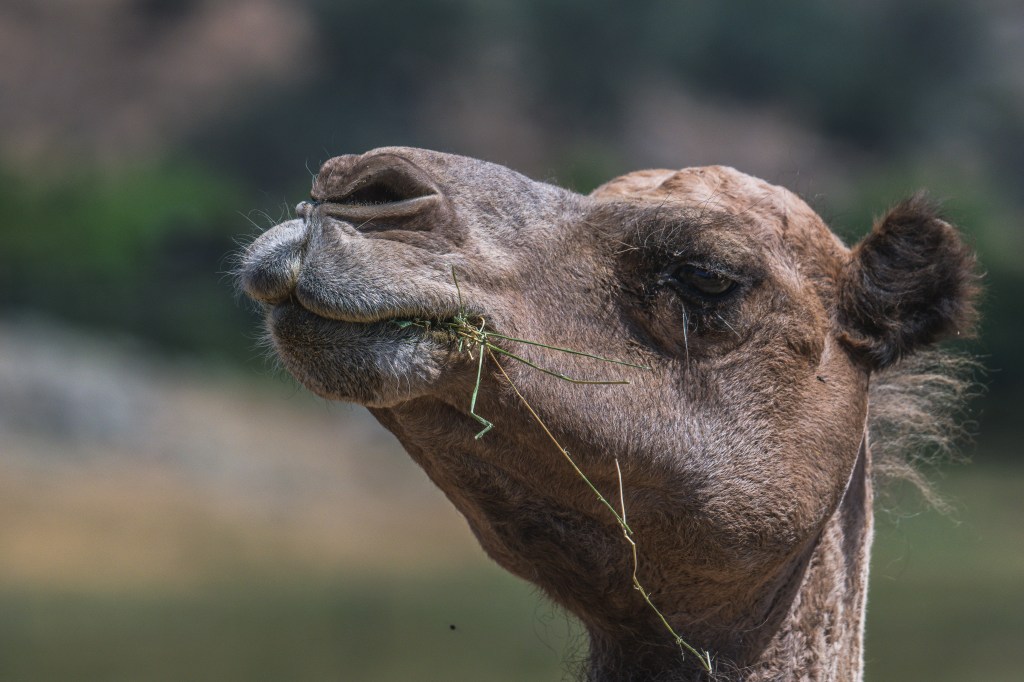
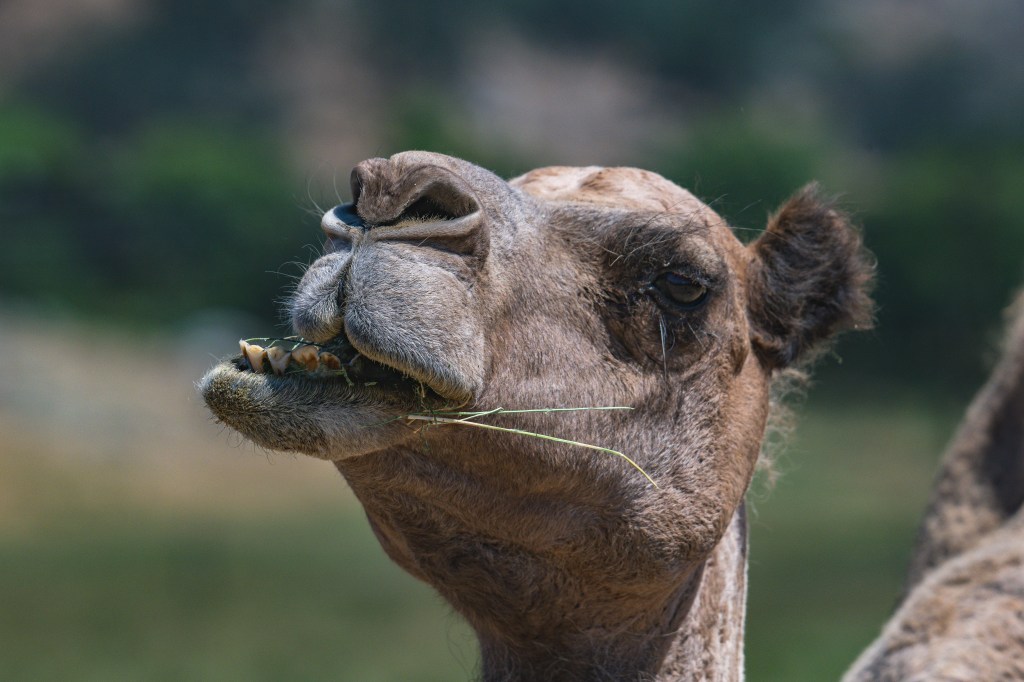
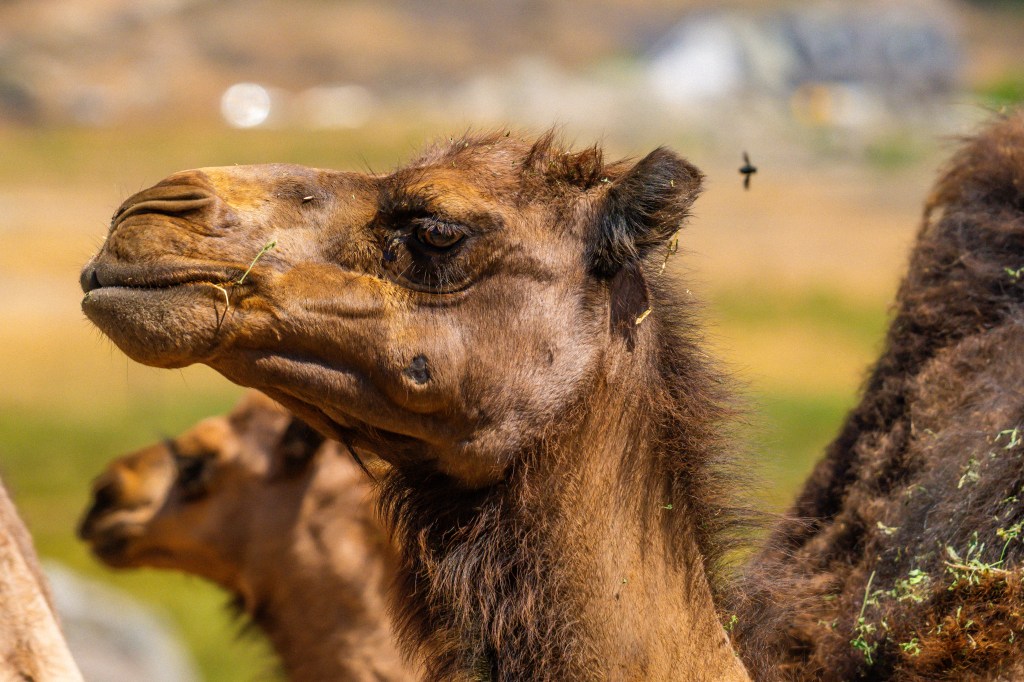
One standout is the newly expanded lavender field at Oasis Camel Dairy, a unique destination where camels roam nearby and the scent of lavender fills the air. Yes—camels and lavender! It’s a pairing you didn’t know you needed.
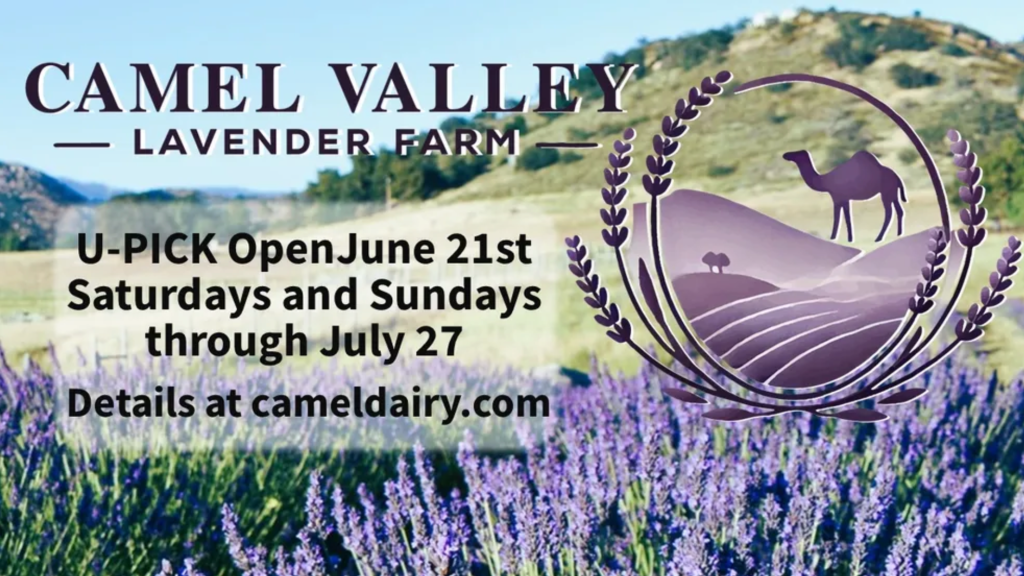
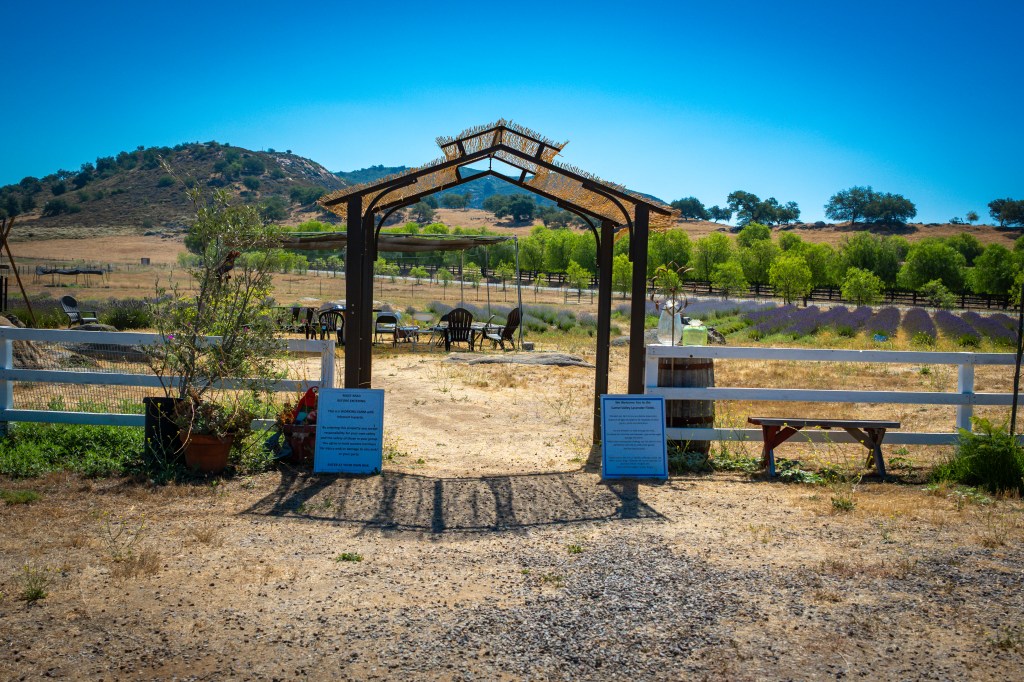
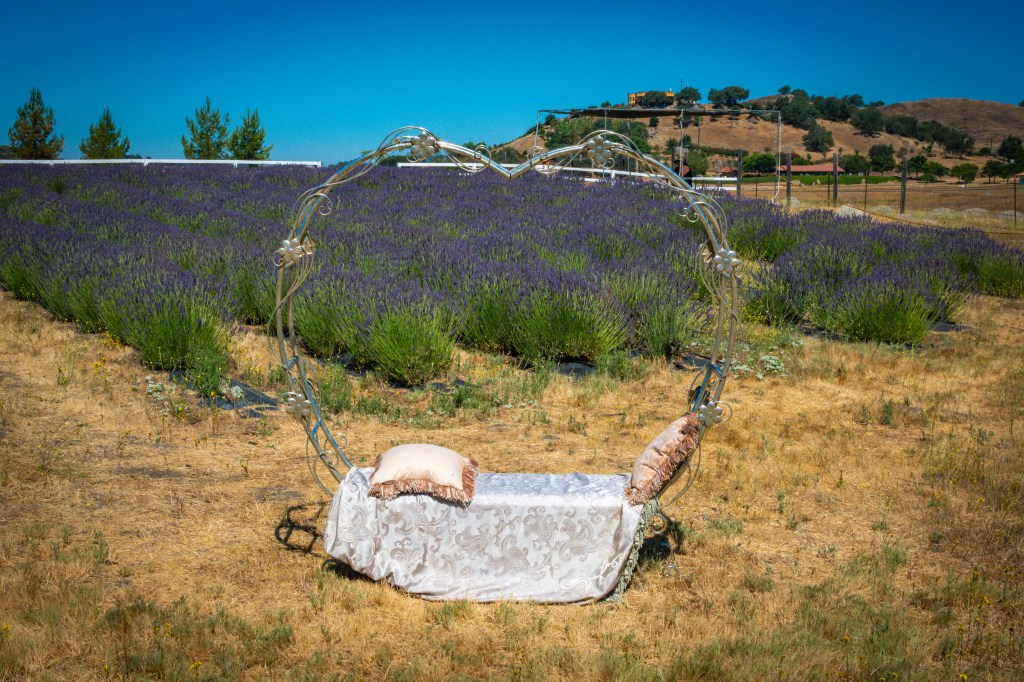
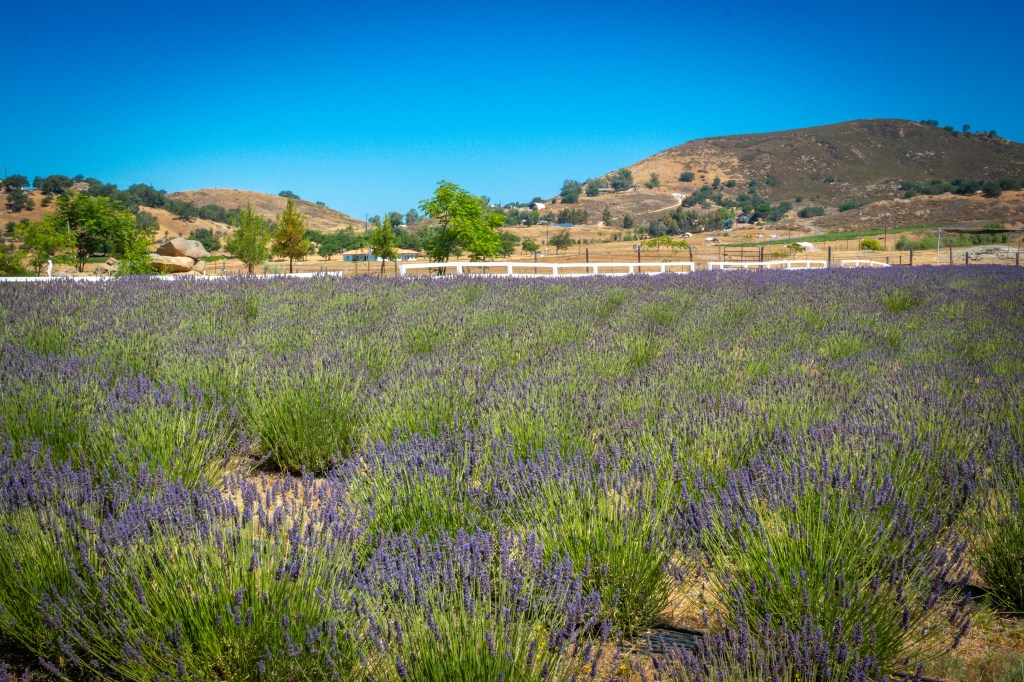
This is the second year for the Camel Valley Lavender Farm located in Ramona, California. The 2 acre field has over 3000 lavender plants with 5 different varieties of lavender. The Lavender field is open on select Saturdays in June and July.
Access to the lavender field is FREE on Saturday and Sunday’s June 21st through July 27th, 2025. There is gift shop that sells hand crafted lavender products as well as plant seedlings. You can pick your own bundle of lavender for $15 .
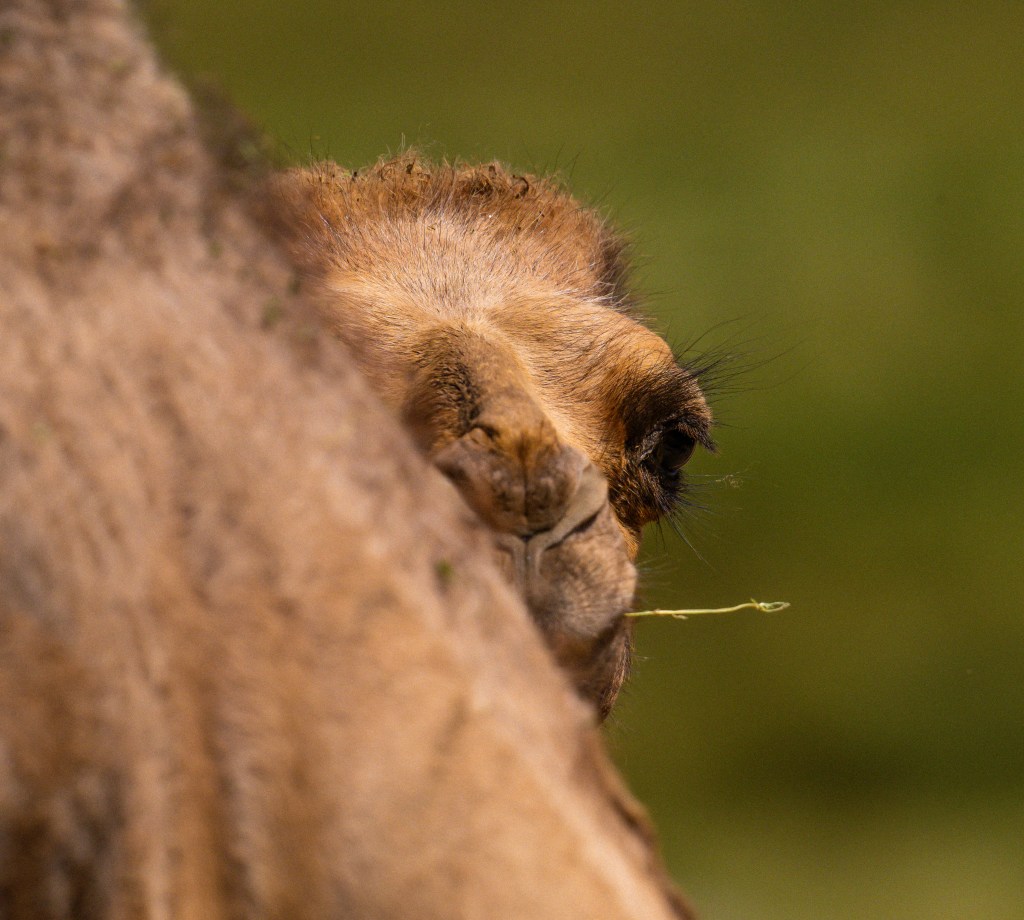
The founders of Oasis Camel Dairy Farm purchased 8 acres along the southern edge of the camel grazing pasture and have repurposed 2 acres for growing lavender. Twice a day at 11am and 2pm some of the 21 dromedary camels that live on the Oasis Camel Dairy make their way to the fence line for a snack of hay.






















 Exploring San Diego