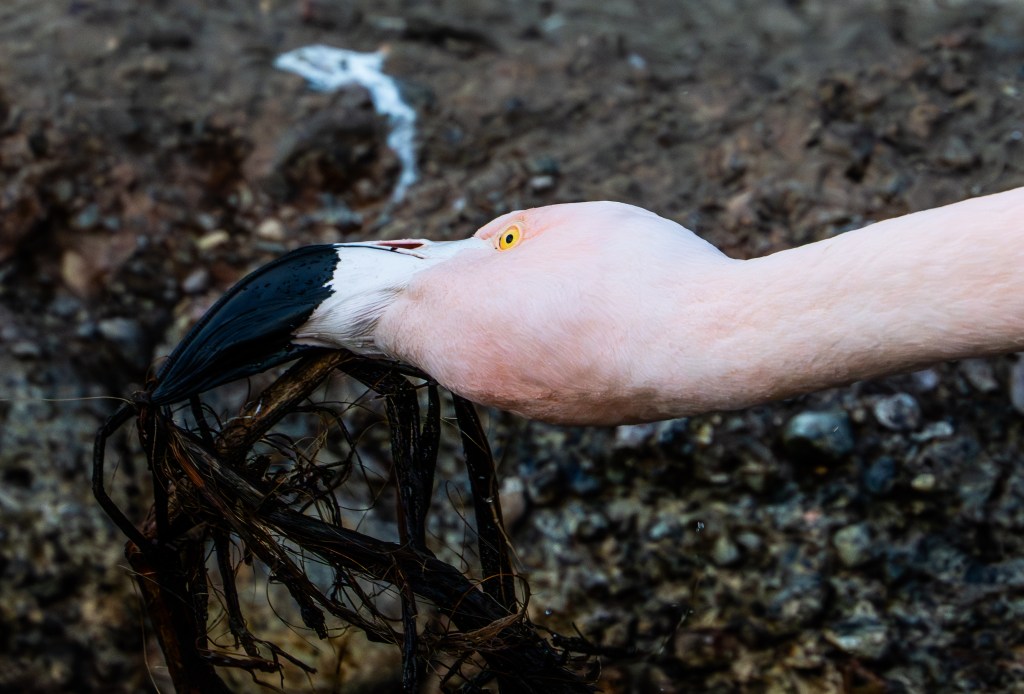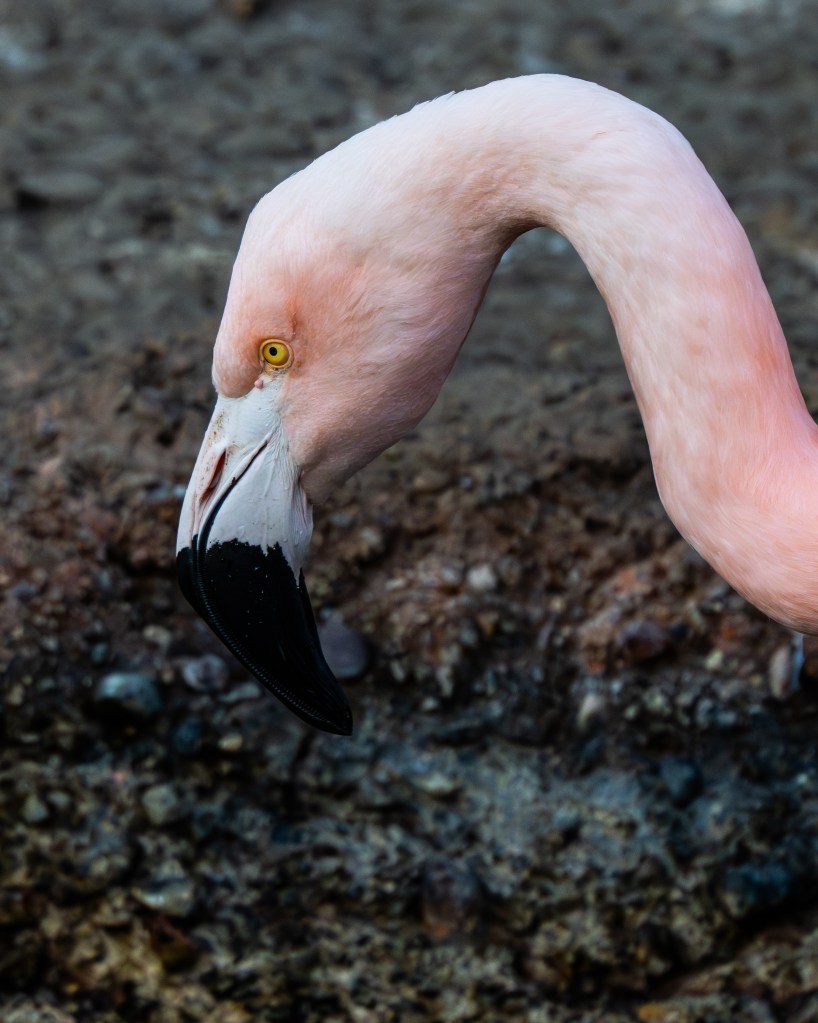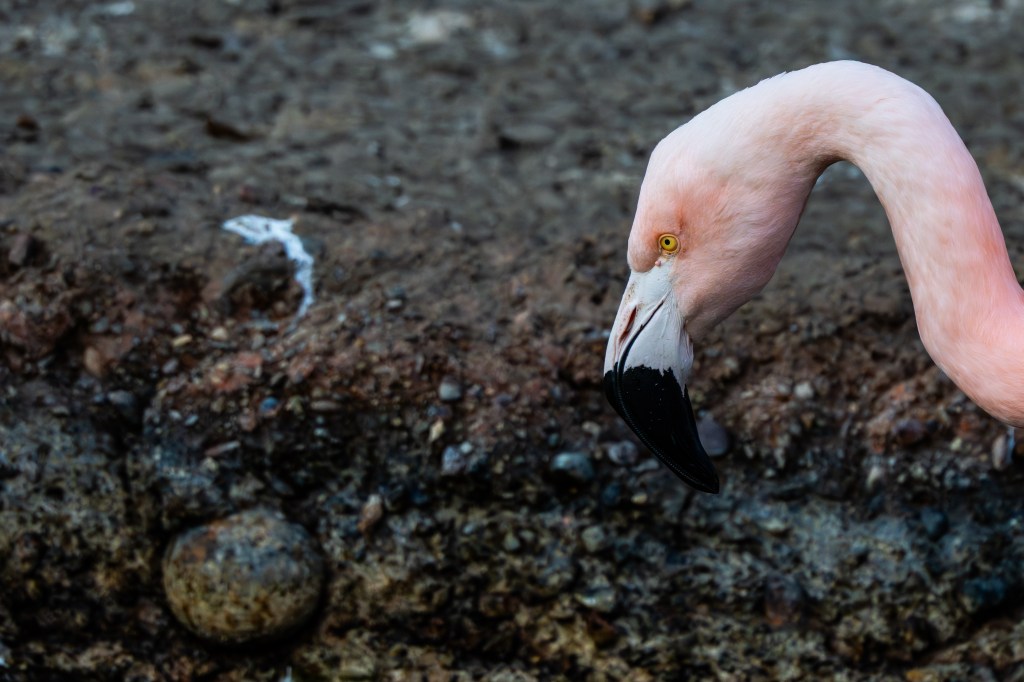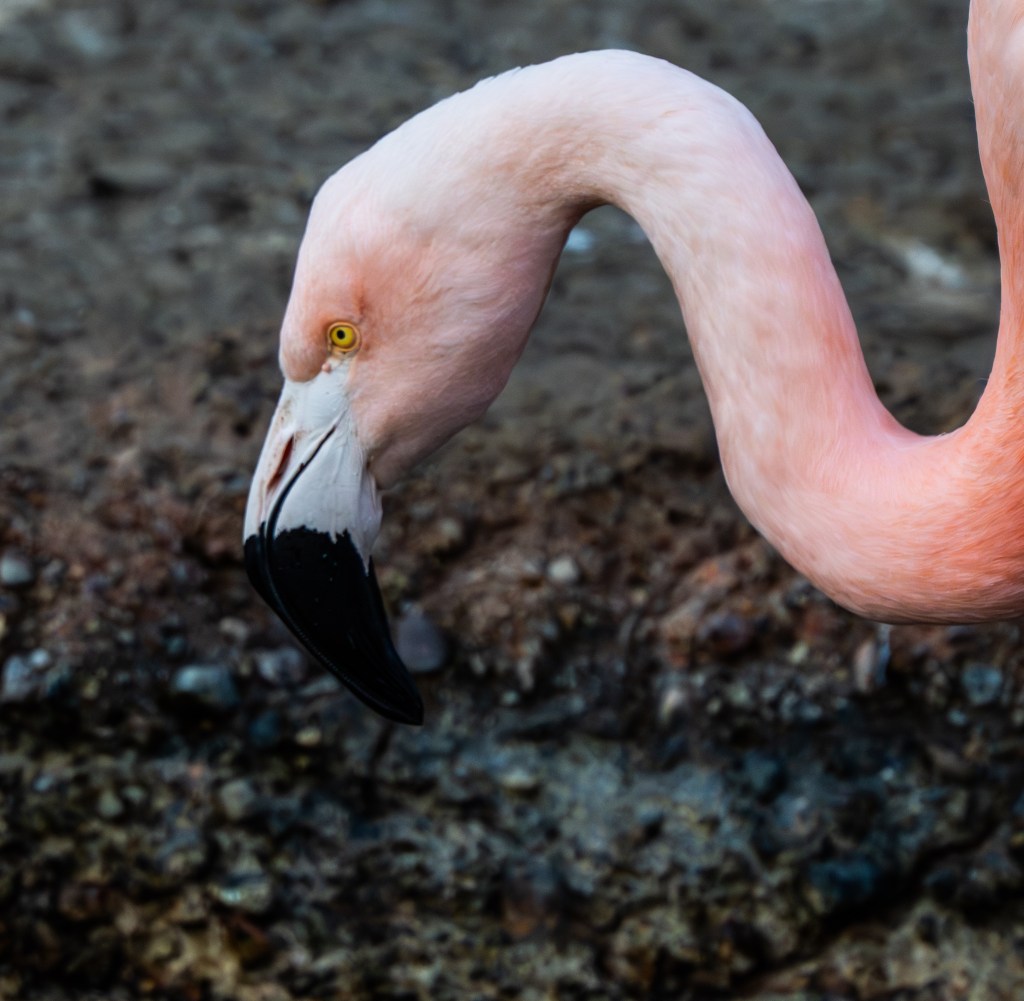
🦩 The Pink Ambassadors of Coronado: Flamingos at the Marriott

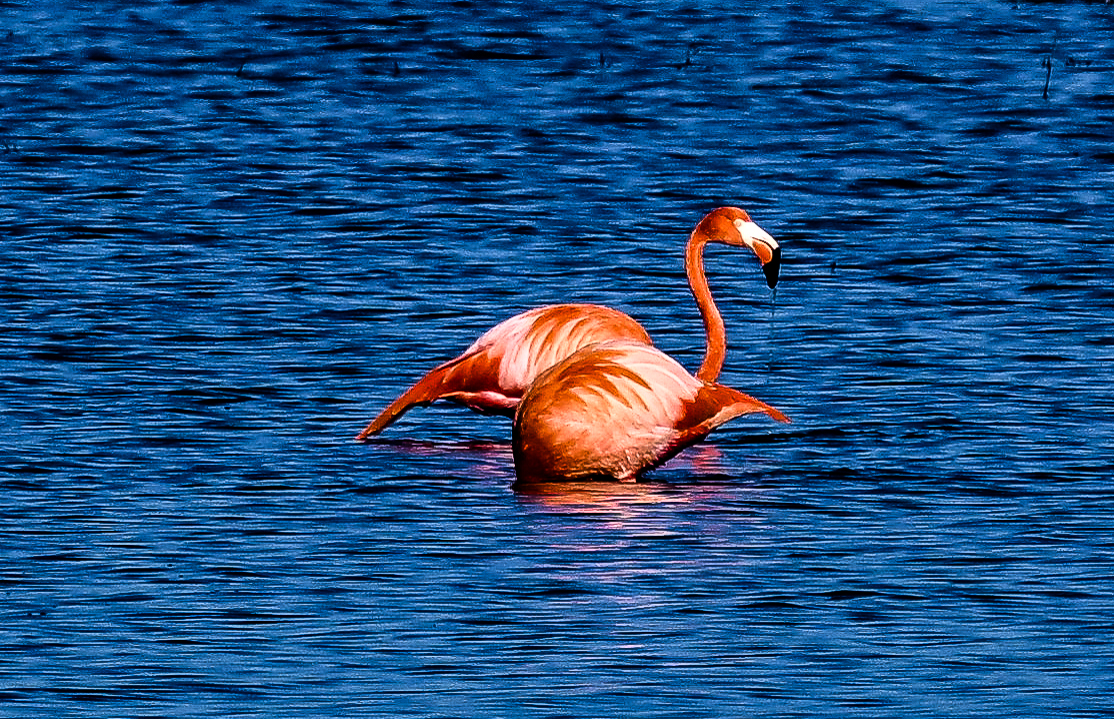
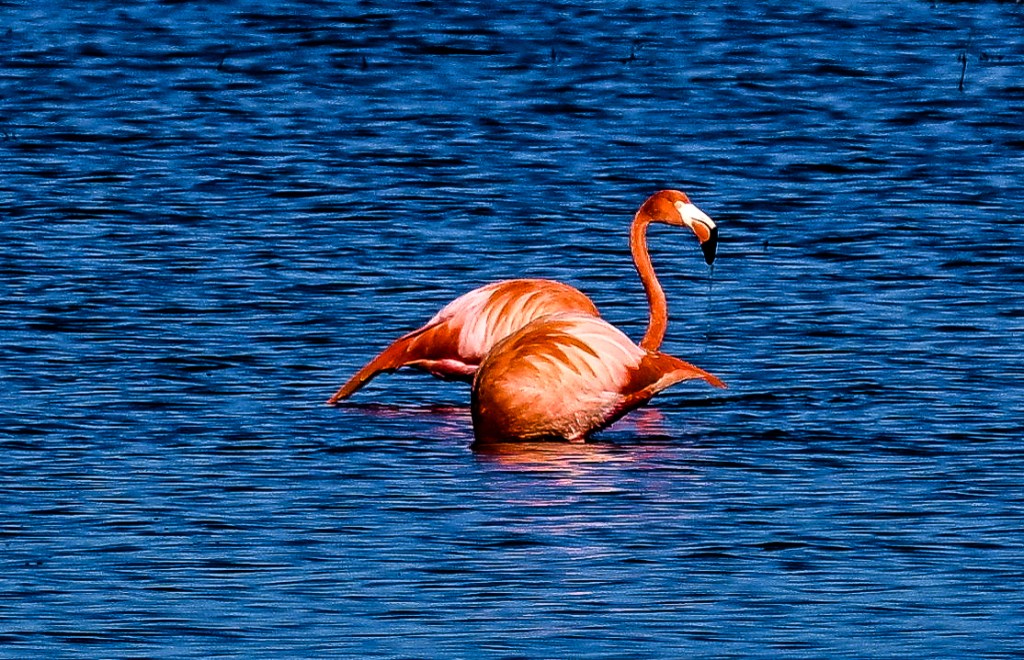
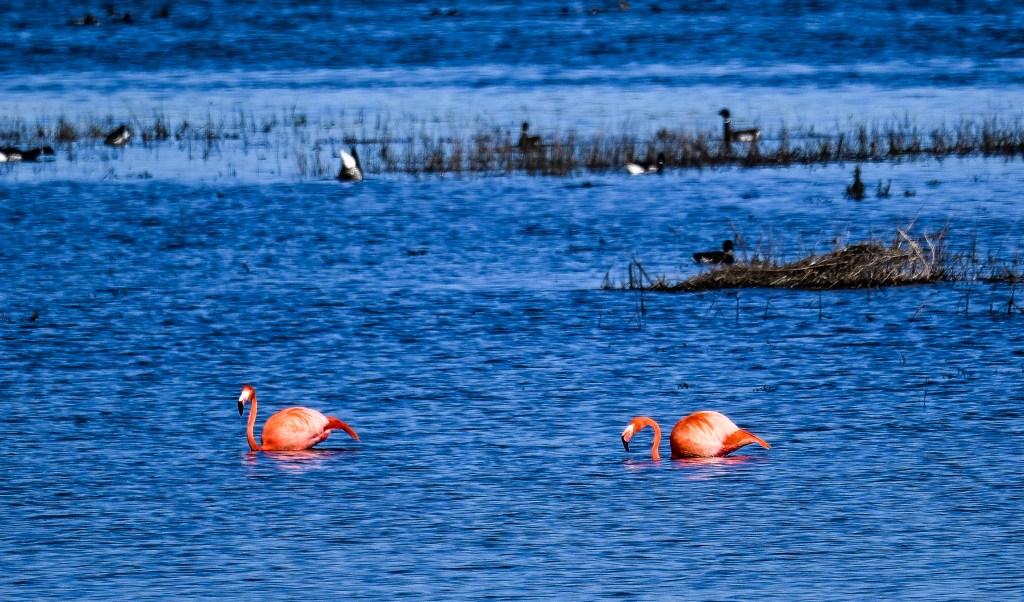
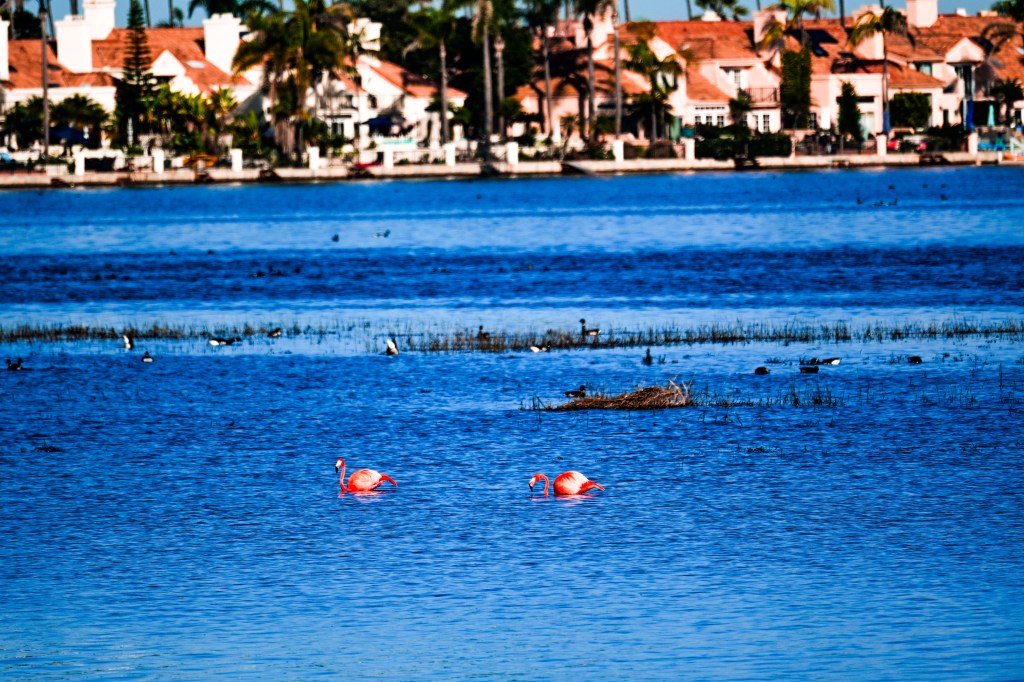
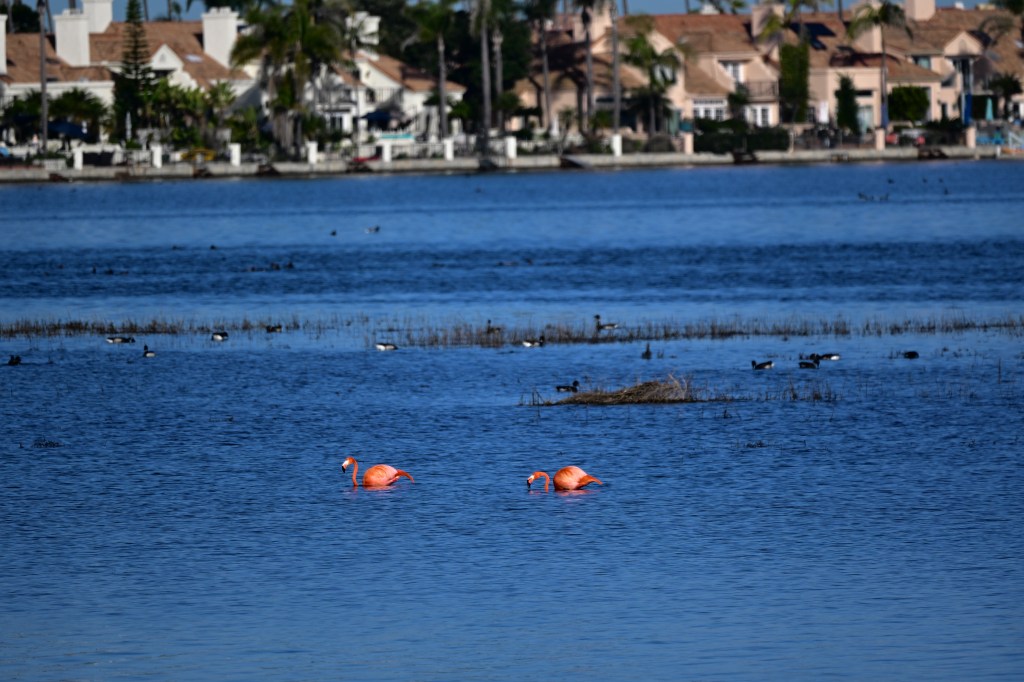
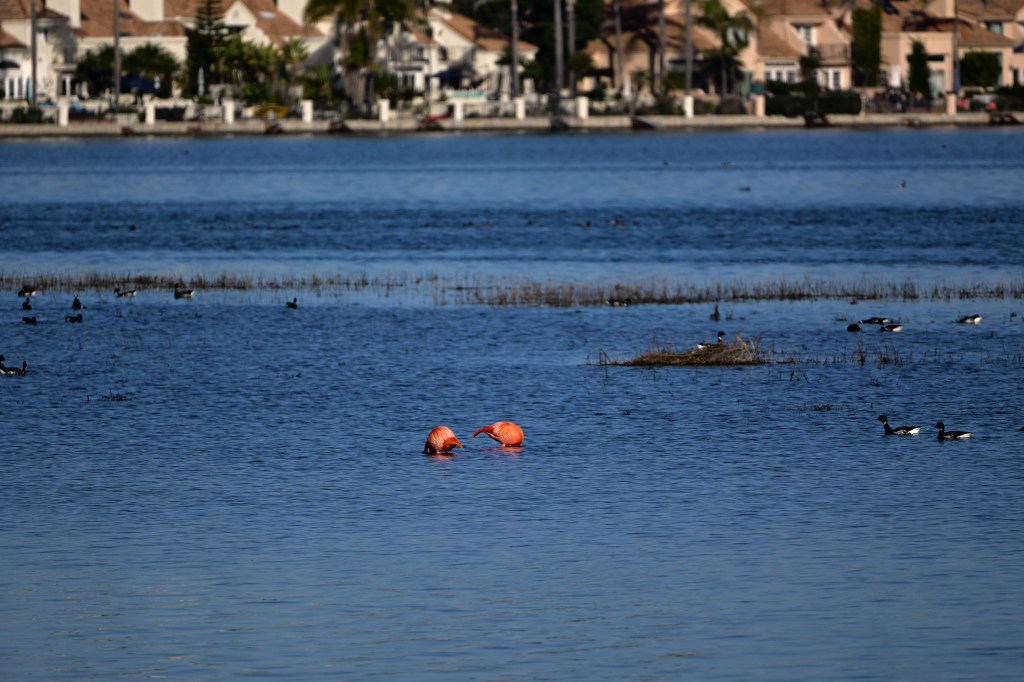
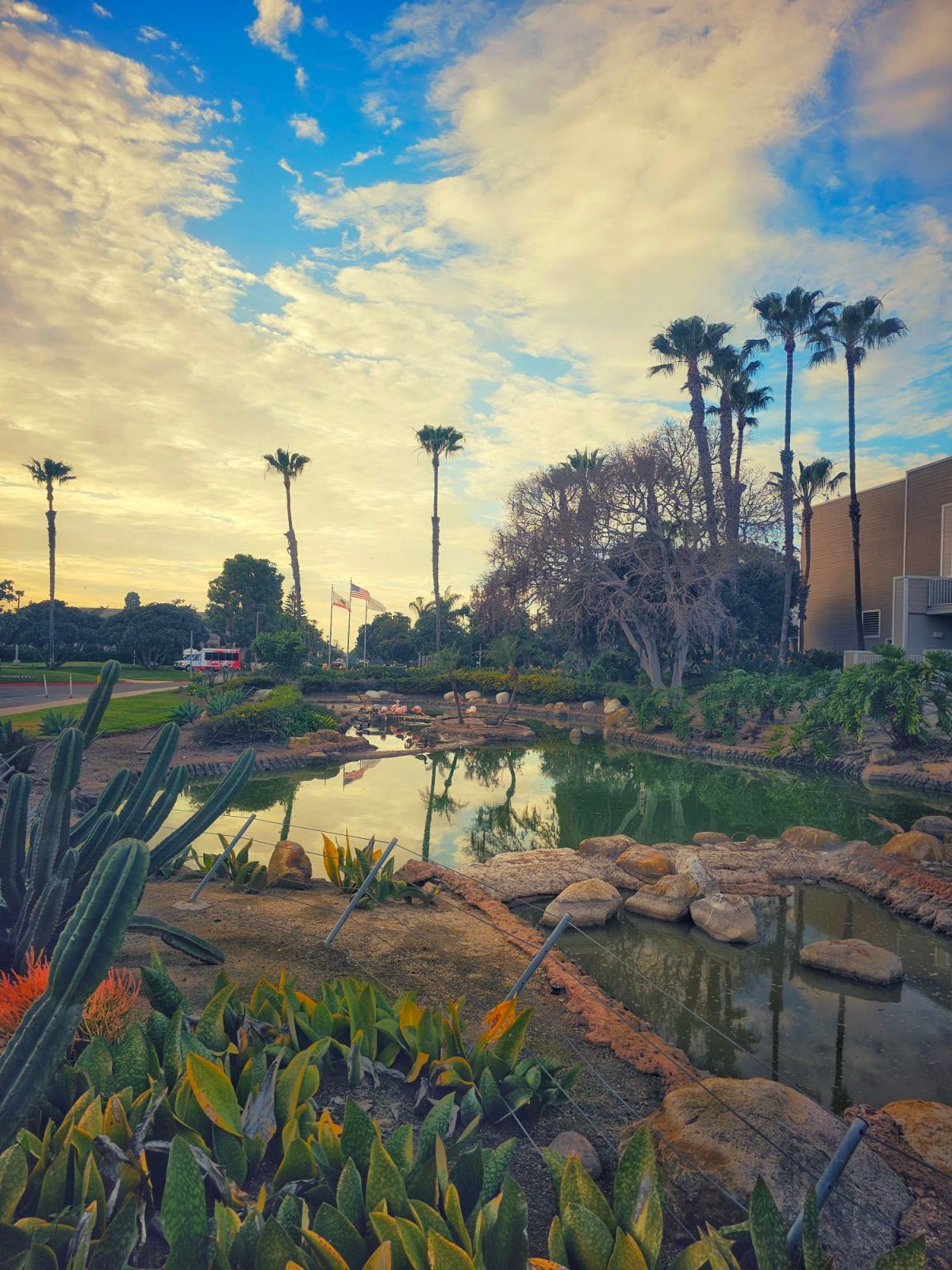
Right near the entrance of the Marriott Coronado Resort and Spa area series of fresh water ponds where you can a group of flamingos strutting, preening and standing in the shallows. These striking birds — often identified as Chilean flamingos— bring an enchanting splash of color to the tropical landscaping and are a favorite photo opportunity for guests and passersby alike.

While Coronado’s golden beaches and sparkling bay views are a draw in themselves, the flamingos offer something extra: a touch of whimsy and wonder. They’re known to hang out right by the Lagoon area accessible from the Bayshore Bikeway, so even if you aren’t staying at the hotel, a quiet stroll along the waterfront could lead to a charming flamingo sighting.

📸 Why Visitors Love Them

  • Iconic photo ops: Kids and adults alike pause to snap pictures of the elegant birds — their vibrant pink feathers make a lovely contrast against the deep greens of the resort landscaping and the blue backdrop of San Diego Bay.
  • Unexpected wildlife moment: It’s not every day you come across flamingos in Southern California, so they feel like a special little secret of Coronado.
  • Accessible to all: You don’t need a room key to enjoy the flamingos — curious visitors can spot them from nearby public paths near the ferry landing and waterfront promenade.

If you are not a guest of the hotel or do not want to pay the resort parking fee you will have to find street parking in front of the hotel along Glorietta Boulevard. Park south of the resort at Tidelands Park and walk north along the Bay Shore Bike Path. Or lastly park north of the resort ant the Coronado Ferry Landing Parking lot and walk south along the bay shore bike path.

The freshwater ponds are located to the right of the main hotel entrance on the south side of the building.
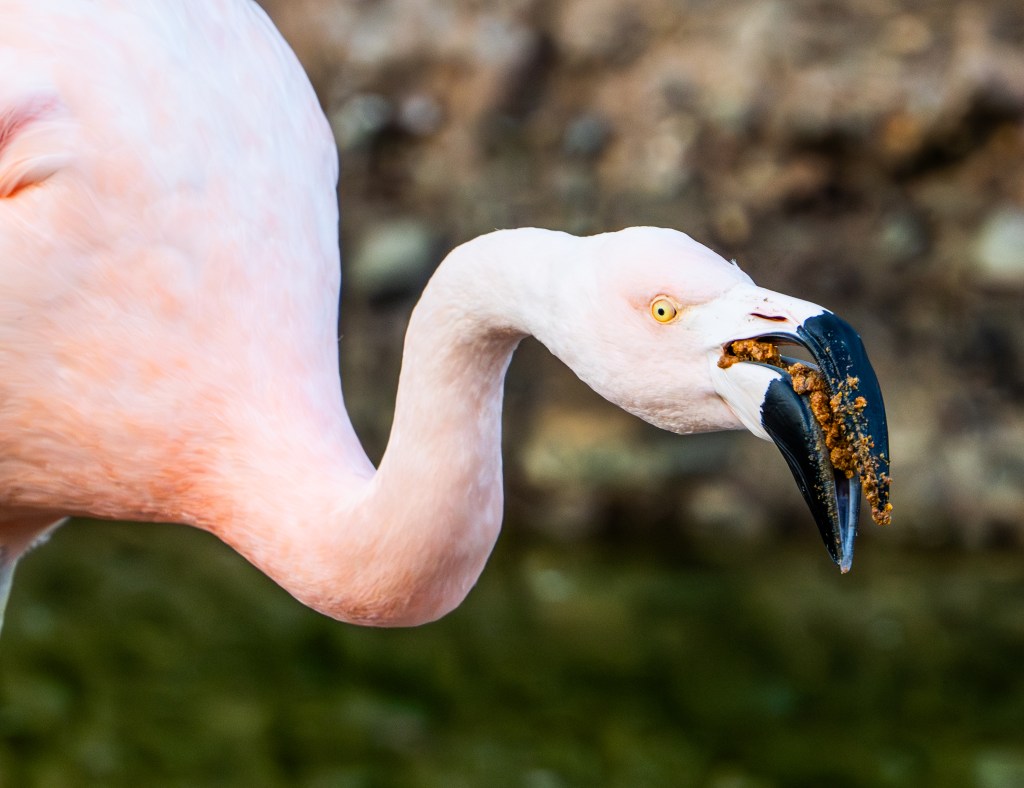
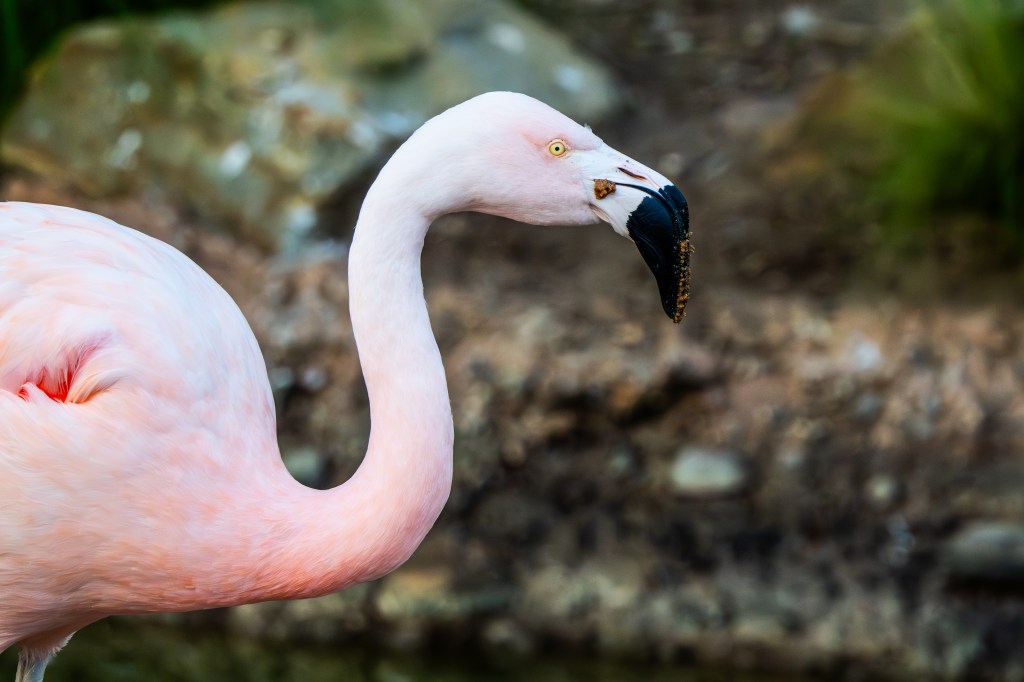
Flamingos in San Diego Bay: Rare Sightings Along a Familiar Shoreline

Flamingos in San Diego Bay: Rare Sightings Along a Familiar Shoreline

San Diego Bay is home to more than 300 bird species throughout the year, but flamingos are not among the region’s native wildlife. Still, on rare occasions, observers have reported flamingos along the bay’s shallow edges, drawing attention from birders and curious onlookers alike.
These sightings, while unusual, are not without explanation. Over the weekend I was driving southbound on State Route 75 from Coronado to Imperial Beach when I spotted 2 pink dots off to my left in the marsh shallows. I turned around in Imperial Beach, headed north to the Bike Path parking lot accessible from NB 75. And walk north for about 15min to find the two flamingos about 200 yards off shore. It was High Tide at the time which flooded the shallow marsh and coaxed the flamingos and other shore birds closer to shore.

Not Native, but Occasionally Present

Flamingos do not naturally occur in Southern California. Their typical range includes the Caribbean, parts of South America, Africa, and the Galápagos Islands. Experts generally agree that flamingos seen in San Diego County are likely birds that escaped or dispersed from captive populations rather than true wild migrants.

In the mid-20th century, flamingos were commonly kept in open-air zoo exhibits and private collections. Some individuals were able to fly beyond their enclosures and settle into nearby wetlands. A small number adapted to local conditions and remained in Southern California for extended periods, occasionally appearing in bays, lagoons, and salt ponds.

Habitat Conditions in San Diego Bay

Despite its urban setting, San Diego Bay contains habitat features that can support flamingos. Shallow waters, mudflats, and salt ponds provide feeding opportunities similar to those found in the species’ native environments. Flamingos feed on algae, brine shrimp, and other small invertebrates, filtering food from the water using specialized bills.

The bay’s salt works and managed wetlands, particularly in the southern portion of the bay, offer stable water levels and limited wave action—conditions suitable for wading birds that rely on calm, shallow areas.

Public Interest and Documentation

When flamingos appear in the bay, the sightings are typically well documented. Photographs and field notes are often shared through birding networks and community science platforms, where experts review and confirm observations. These records help distinguish between escaped birds, long-term residents, and misidentified species.

While flamingos attract attention, wildlife officials generally discourage close approaches. Maintaining distance reduces stress on the birds and minimizes the risk of disturbance to surrounding wildlife.

A Reminder of the Bay’s Ecological Value

Though flamingos are not part of San Diego Bay’s native ecosystem, their presence highlights the importance of coastal wetlands. The same habitats that occasionally support a flamingo also sustain migratory shorebirds, waterfowl, and endangered species year-round.

Even rare and unexpected sightings underscore the bay’s role as a critical refuge in a heavily developed region—one that continues to support a wide range of avian life.

Chrome, Curves & Coronado: A Day at MotorCars on MainStreet

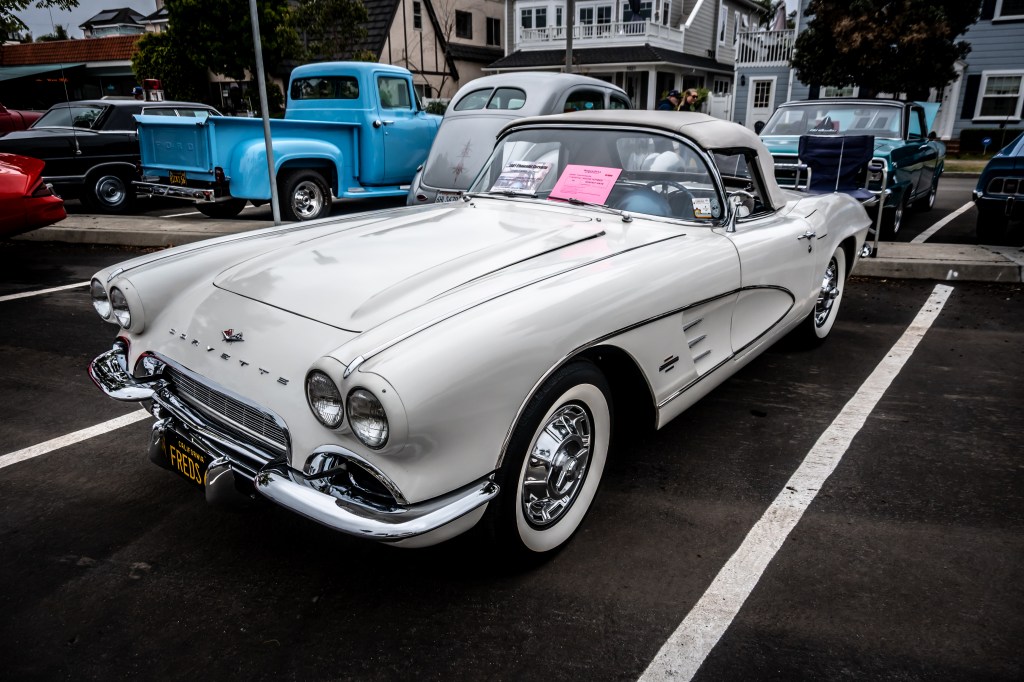
This past Sunday hundreds of spectators came out despite the overcast clouds and chance of rain to admire the over 200 cars that rolled into downtown Coronado. During MotorCars on Main Street the quiet charm of Coronado’s palm-lined streets gets a turbocharged makeover. The engines hum, the chrome gleams, and Main Street becomes a time machine rolling back to the golden age of automobiles. There was a a DJ spinning hits from the 40s through the 80s with Music Trivia. Various organizations like the San Diego Auto Museum were on hand with information booths.

Art Around the Bay #2 “Handstand”

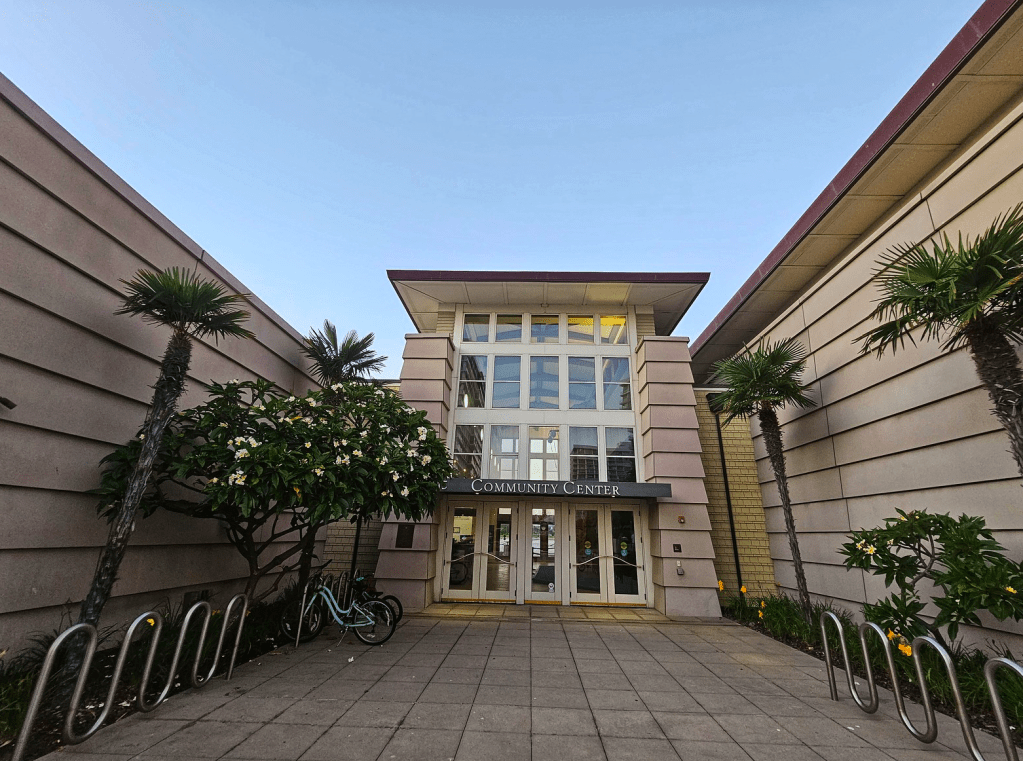
Coronado Community Center 1845 Strand Way, Coronado, CA 92118

The bronze statue “Handstand” was created in 2010 by actor and artist Daniel Stern. The statue stands 8 feet and features a man in a suit and hat stand on one hand. The sculpture was installed at the Coronado Community Center in 2012. 

The artist Daniel Stern is perhaps best known for his portrayal of the Marvel Urchins as one of the bumbling burglars in the first two title of the Home Alone series. 

Click here for more Art Around the Bay Locations

I moved to San Diego in 2023 and I enjoy taking my dog out on adventures on my days off. I plan on posting new locations and events pretty often. Please bookmark socalexposure.com and stop by occasionally for updates.

Thanks, Ben T. Photographer and Editor.

Art Around the Bay #1 Grand Caribe

598 Grand Caribe Causeway, Coronado, CA 92118 Hours: 6:00 a.m. – 10:30 p.m.

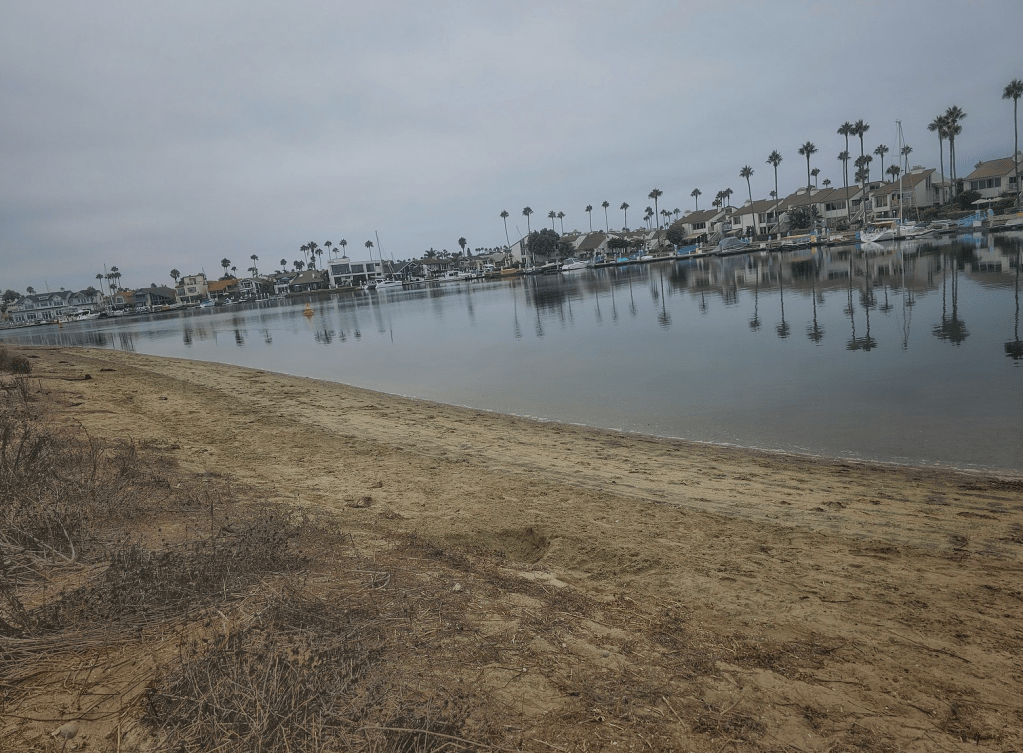
Grand Caribe Shoreline Park is located south of the roundabout on Grand Caribe Causeway in the Coronado Cays neighborhood. Dogs are allowed on leash at all Port of San Diego parks, however I have encountered many people allowing their dogs off-leash here to swim in south bay. On leash or off leash please continue to clean up after your pet. Far too many dog shit piles left right ON THE TRAIL.  There is limited access to the shoreline. A dirt path winds it way south and around the marina channel for Coronado Cays. Be mindful that a high tide will affect the width of the beach. 

I have observed everything from house finches, Anna’s Hummingbird, Great Egrets to Willets while walking the path. 

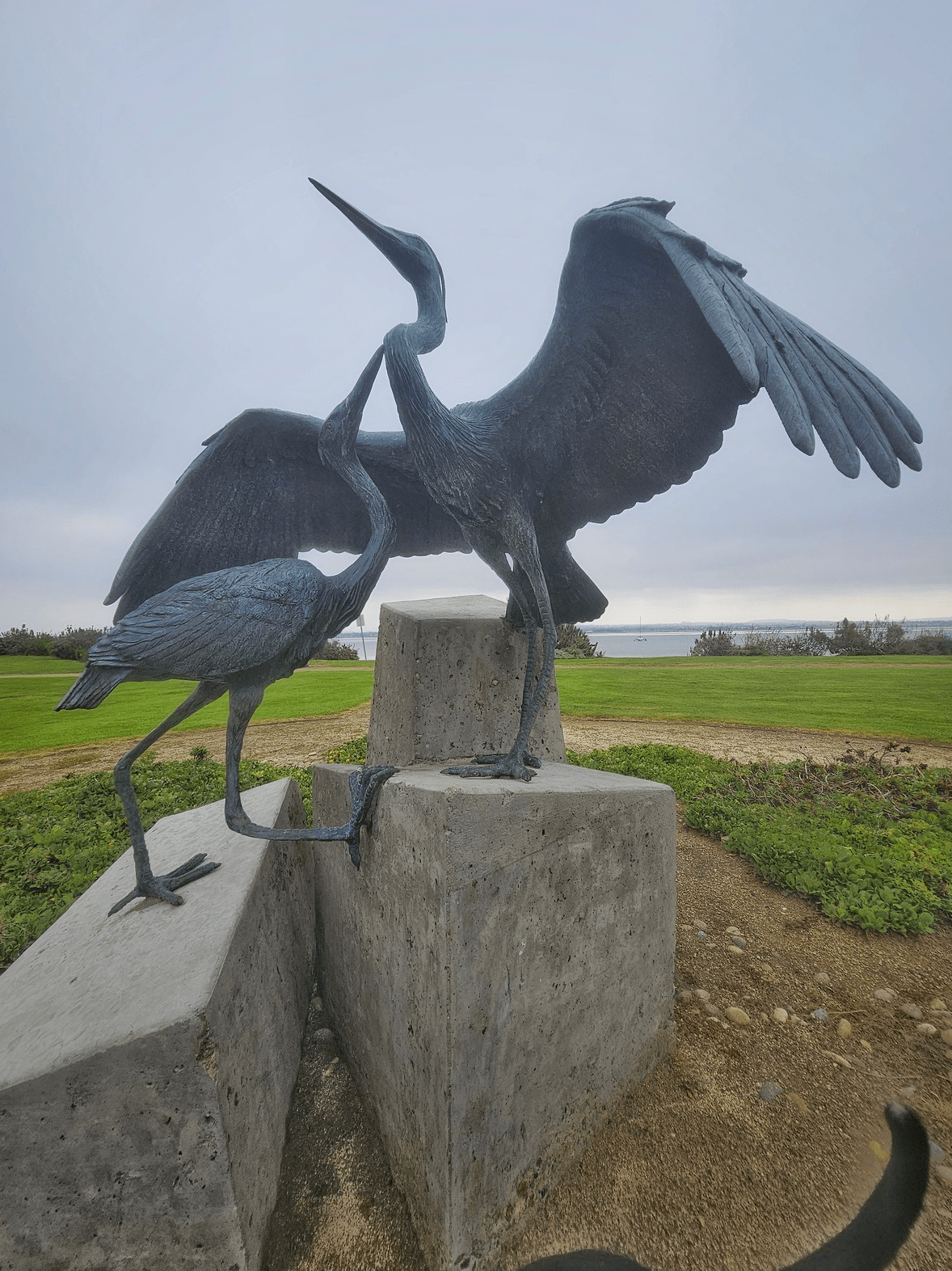
Sheltering Wings (1996)
Artist: Christopher Slatoff 
Medium: Bronze Sculpture on pedestal base 
Location: Grand Caribe Shoreline Park 
Port of San Diego Bronze Public Art Collection