Black, White, and Adorable: A Panda Day at the Zoo

In August of 2024 the San Diego Zoo opened up the Panda Ridge Habitat for its two chinese Giant Pandas. The habitat was expanded to over 6000 square feet and can accomidate around 150 guests at a time. Panda Ridge was inspired by China’s geological formations, including mountains, canyons, and cliffs. The enclosure features: Pools and misters to keep the pandas cool, Rock outcroppings, and Lush trees and bushes.

 There are 3 ways you can visit Panda Ridge.

 Giant Panda Timed Tickets

Make the most of your day by securing a complimentary Giant Panda Timed Ticket when you arrive at the Zoo. Simply scan the ticket QR code located on signs posted throughout the Zoo, select an available time, and head to the Timed Ticket line at Panda Ridge at your designated time. You may also seek assistance with timed tickets at any Admissions Booth. Timed tickets are only available day of, on a first come, first served basis until the daily limit is reached.

 Standby Line

No ticket is needed to join the standby line at Panda Ridge any time from 9:30 a.m. until giant pandas are off habitat or the Zoo closes, whichever occurs earlier. Wait times may vary. The standby line does not guarantee visitation to Panda Ridge and is first come, first served.

 Early Morning with Pandas Walking Tour

A special 60-minute paid Early Morning with Pandas Walking Tour, where an expert guide will lead you to exclusive viewings of giant pandas. This tour is at an additional cost and is not included with admission. Reservations are required. You can make an advanced reservation for the Early Morning with Pandas Walking Tour by reserving online or calling (619) 718-3000.

Rev Your Engines: Cars & Coffee at Balboa Park

The San Diego Automotive Museum hosts a monthly Cars & Coffee event, offering a welcoming environment for car enthusiasts and the general public to appreciate a diverse array of vehicles. This informal gathering welcomes up to 200 vehicles, encompassing all years, makes, models, colors, styles, and customizations. It’s an excellent opportunity to engage with fellow car enthusiasts and admire a wide range of automobiles. For more details on the Cars & Coffee event or other happenings at the San Diego Automotive Museum, please visit their official events page: https://sdautomuseum.org/

Event Details: Third Sundays most months infront of San Diego Automotive Museum, 2080 Pan American Plaza, Balboa Park from 7:30am to 9am. The Automotive Museum opens early at 8am and offers discounted entry of $10 before 10am.

A Blooming Gem: Exploring the Inez Grant Parker Memorial Rose Garden in Balboa Park

If you’re ever in San Diego and craving a dose of natural beauty, the Inez Grant Parker Memorial Rose Garden in Balboa Park is a must-visit. Tucked along the eastern edge of the park, just across Park Boulevard from the San Diego Natural History Museum, this three-acre oasis bursts with color, fragrance, and a quiet charm that’s hard to resist. I stumbled across it on a recent trip, and let me tell you—it’s the kind of place that makes you slow down, breathe deep, and maybe even snap a few too many photos.

A Little History, A Lot of Heart

The garden’s story starts back in the late 1960s, when Dick Streeper, a rose enthusiast and then-president of the San Diego Rose Society, dreamed of a public rose haven in a city already known for its flower-friendly climate. With help from fellow rosarians and a big boost from the Parker Foundation—set up by Inez Grant Parker after her husband’s passing—the vision took root. By 1973, the first roses were planted, and over the years, it’s grown into a world-class spot. It’s picked up accolades like an Outstanding Rose Garden nod from All-America Rose Selections in 1978 and a spot in the Great Rosarians of the World Hall of Fame in 2014. Not bad for a patch of desert dirt turned floral paradise!

What You’ll Find

Today, the garden boasts over 1,600 rose bushes across more than 130 varieties—think vibrant reds, soft pinks, sunny yellows, and everything in between. Walking the winding paths, you’re hit with waves of fragrance that shift as you move from one bed to the next. There’s a little fountain in the center that adds a soothing trickle to the air, and the layout invites you to wander or just plop down on a bench and soak it all in. I went in early spring—March 31, 2025, to be exact—and while the peak bloom usually hits in April or May, there were still plenty of buds and blooms to admire. It’s open year-round, free to the public, and blooms strong from March through December.

The folks keeping it gorgeous are the Balboa Park Rose Garden Corps, a dedicated crew of volunteers. You might catch them pruning or tending the beds on a Tuesday or Thursday morning—quiet heroes making sure every petal shines. Fun fact: every January, the San Diego Rose Society hosts a pruning demo here to teach folks the ropes of rose care. It’s a cool way to see how much love goes into this place.

Why It’s Special

What sets this garden apart isn’t just the roses—though they’re stunning—it’s the vibe. It’s nestled in Balboa Park, surrounded by museums and desert landscapes, yet feels like its own little world. The contrast of lush flowers against Joshua Tree’s arid backdrop (if you’re heading there next) is a reminder of how nature can thrive in unexpected places. Plus, it’s a popular wedding spot—imagine saying “I do” surrounded by all that color. No wonder it’s racked up international praise.

Tips for Your Visit

  • Timing: Go early in the morning for soft light and fewer people—perfect if you’re into photography (like me, plotting a Nikon Z8 astrophotography session later that night elsewhere in Joshua Tree). Sunrise could be magical here too, though it’s not as high up as spots like Keys View.
  • Getting There: From San Diego, take SR-163 south to Park Boulevard, turn left, and park near the history museum lots. Cross the footbridge, and you’re there. Parking’s tight, so plan ahead.
  • What to Bring: A camera, water (no fountains nearby), and maybe a hat—spring sun can sneak up on you.
  • Pair It: Swing by the nearby Desert Garden afterward for a wild shift to cacti and succulents, just steps away.

Final Thoughts

The Inez Grant Parker Memorial Rose Garden isn’t just a pretty face—it’s a testament to community, persistence, and the simple joy of growing something beautiful. Whether you’re a flower nerd, a casual stroller, or just someone who needs a break from the grind, it’s got something for you. I left with a full camera roll, a lighter mood, and a new appreciation for roses—and honestly, that’s a win in my book. Next time you’re in San Diego, give it a wander. You won’t regret it.


Sweetwater Marsh National Wildlife Refuge

Breathe Easy in the Marsh: Discovering the Sweetwater Marsh National Wildlife Refuge

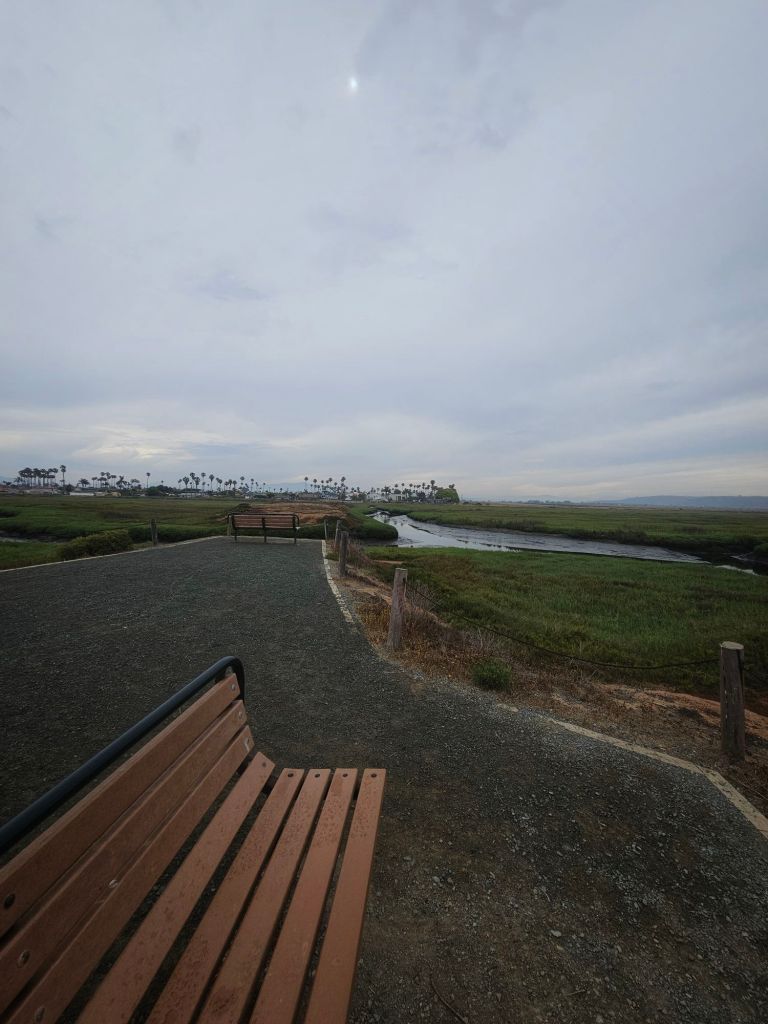
Living in San Diego, we’re lucky to be surrounded by pockets of natural beauty. But nestled right here, offering a vital sanctuary for wildlife and a tranquil escape for us, is the Sweetwater Marsh National Wildlife Refuge. This isn’t just another patch of green; it’s a dynamic coastal wetland teeming with life and holding significant ecological importance.


The entire San Diego Bay National Wildlife Refuge, which includes other units besides Sweetwater Marsh, totals around 2,620 acres of land and water in and around San Diego Bay. So, while the broader refuge is larger, the specific Sweetwater Marsh unit you might be exploring is about 316 acres in size.
In order to access the trails located within the Sweetwater March you must park your vehicle at the parking lot located outside the refuge at 1000 Gunpowder Point Drive, Chula Vista, CA 91910, then take a free shuttle bus provided by the Living Coast Discovery Center. The Discovery Center and the Refuge are open Wednesday through Sunday 10am-5pm.  Check the Living Coast Discovery Center website for most up-to-date information. There is no fee to walk the 1.5 miles of trails, however there is a fee to explore the Living Coast Discovery Center

More Than Just Mudflats:

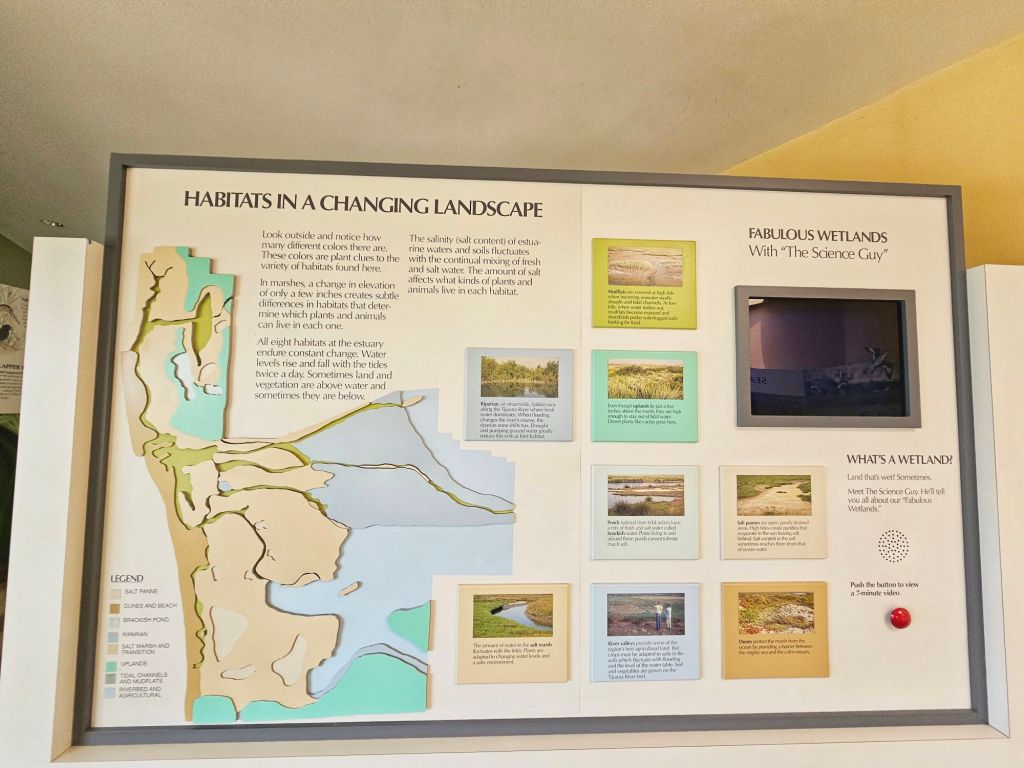
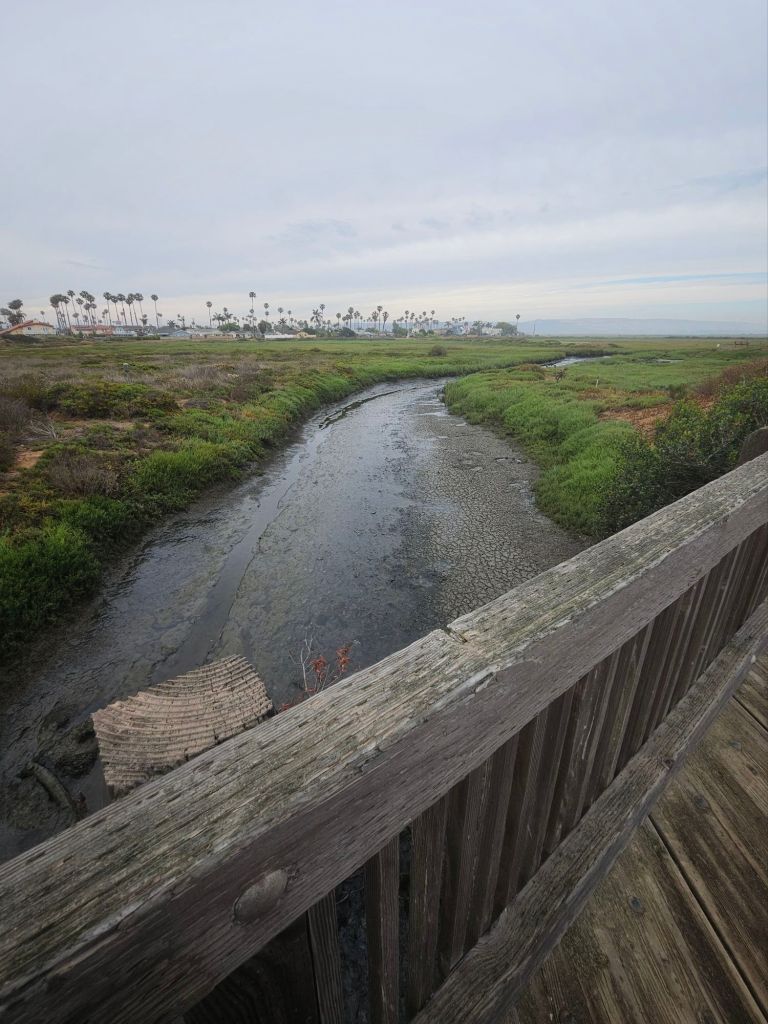
For those unfamiliar, a salt marsh might just seem like muddy ground. But look closer, and you’ll discover a vibrant and crucial habitat. The Sweetwater Marsh is one of the few remaining significant salt marshes in Southern California, acting as a natural filter for our waters, a buffer against coastal erosion, and a vital nursery for countless fish and invertebrates.

A Haven for Feathered Friends (and More!):

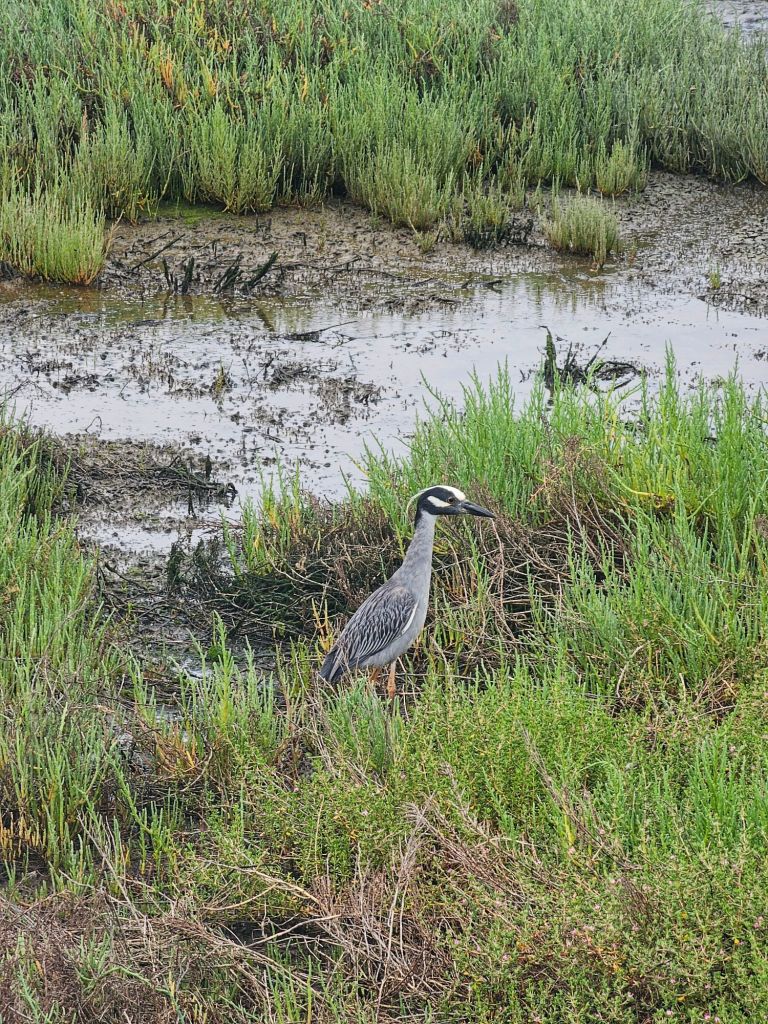
If you’re a bird enthusiast, prepare to be delighted. Situated along the Pacific Flyway, the refuge is a critical stopover and home for a stunning array of migratory and resident birds. Keep your eyes peeled for elegant avocets and stilts gracefully wading through the shallows, various sandpipers and willets scurrying along the mudflats, and majestic herons and egrets patiently stalking their prey.
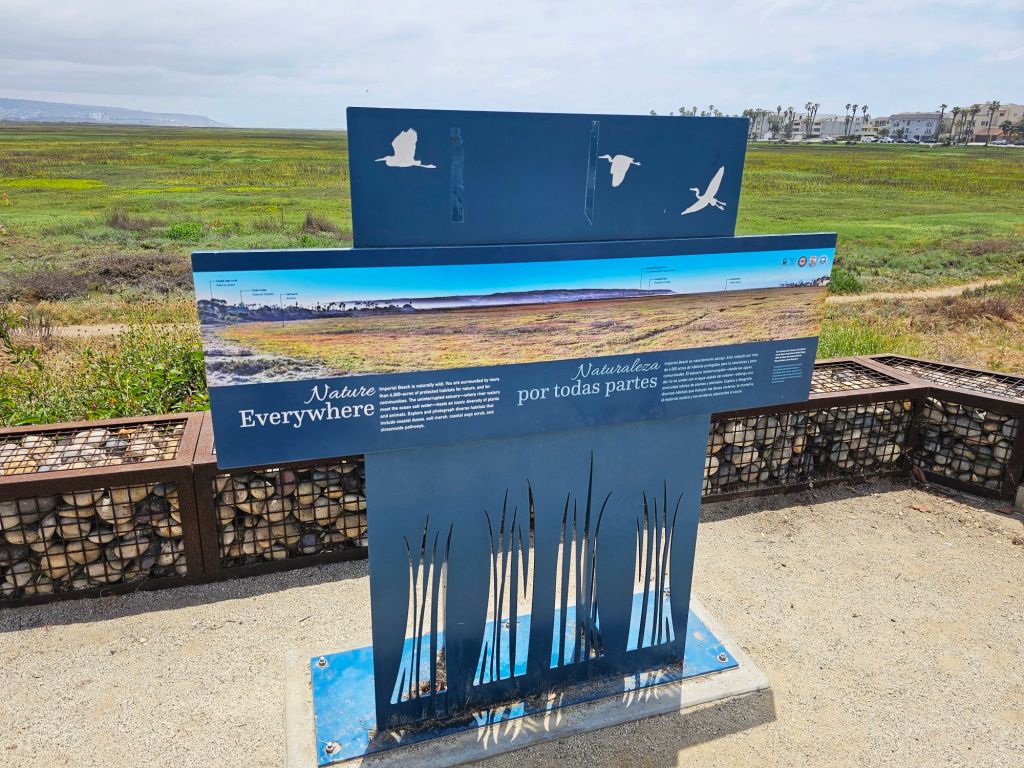
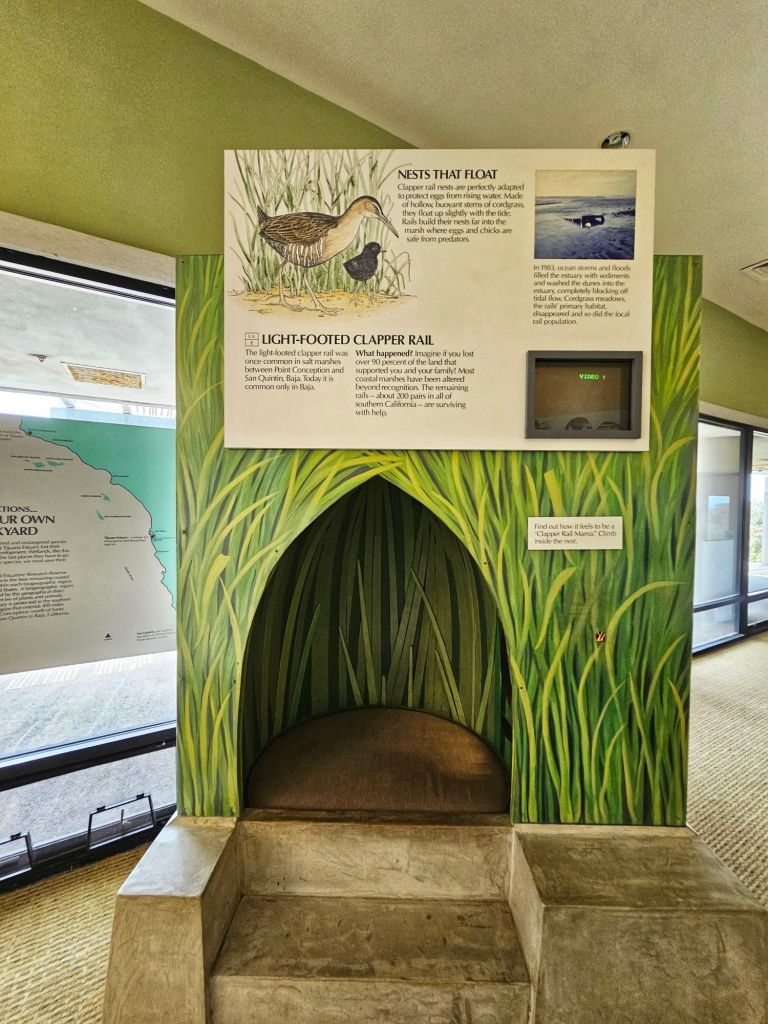
But the Sweetwater Marsh is particularly significant for the California least tern and the light-footed Ridgway’s rail(formerly California clapper rail) – both federally endangered species. The refuge provides crucial nesting and foraging grounds for these vulnerable birds, and dedicated conservation efforts are underway to ensure their survival. Witnessing these rare species in their natural habitat is a truly special experience.
Your Invitation to Explore:

The Sweetwater Marsh National Wildlife Refuge isn’t just for the birds; it’s for us too! Several easy-to-moderate trails meander through the marsh, offering fantastic opportunities for:

  • Birdwatching: Bring your binoculars and prepare to be amazed by the diversity of avian life.
  • Walking and Hiking: Enjoy a peaceful stroll amidst the natural beauty, taking in the fresh air and scenic views of the bay and surrounding landscape.
  • Photography: Capture the stunning scenery and the fascinating wildlife that calls this refuge home.
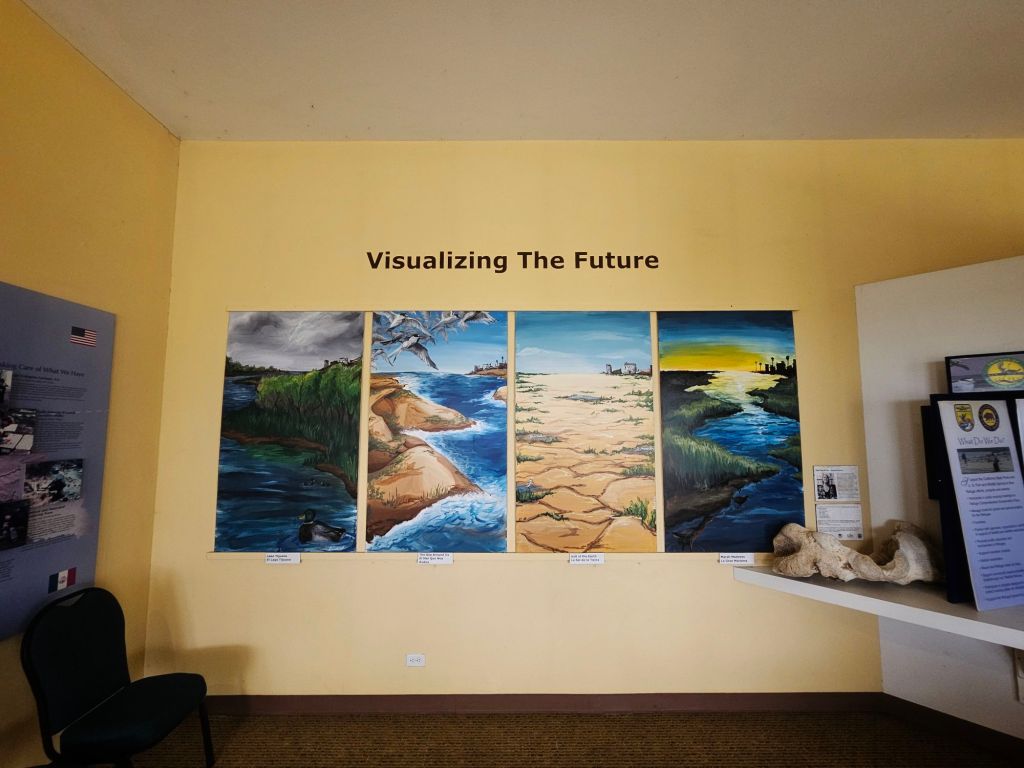
  • Learning and Discovery: The nearby Living Coast Discovery Center acts as an excellent gateway to understanding the ecology of the marsh and the importance of conservation. You can often spot the same species in the wild after learning about them at the center!

A Call to Respect and Protect:

As we enjoy the beauty and tranquility of the Sweetwater Marsh, it’s crucial to remember that it’s a protected area. Let’s all do our part by:

  • Staying on marked trails: To protect the delicate marsh environment.
  • Observing wildlife from a distance: Giving them the space they need.
  • Leaving no trace: Packing out everything we bring in.
  • Respecting all rules and regulations: Ensuring the long-term health of this vital ecosystem.

So, the next time you’re looking for a breath of fresh air and a chance to connect with nature right here in Chula Vista, head over to the Sweetwater Marsh National Wildlife Refuge. It’s a reminder of the incredible biodiversity that exists right in our backyard and a place where we can all appreciate the beauty and importance of our coastal wetlands.

Discovering the Living Coast Discovery Center: Where Nature Meets Education

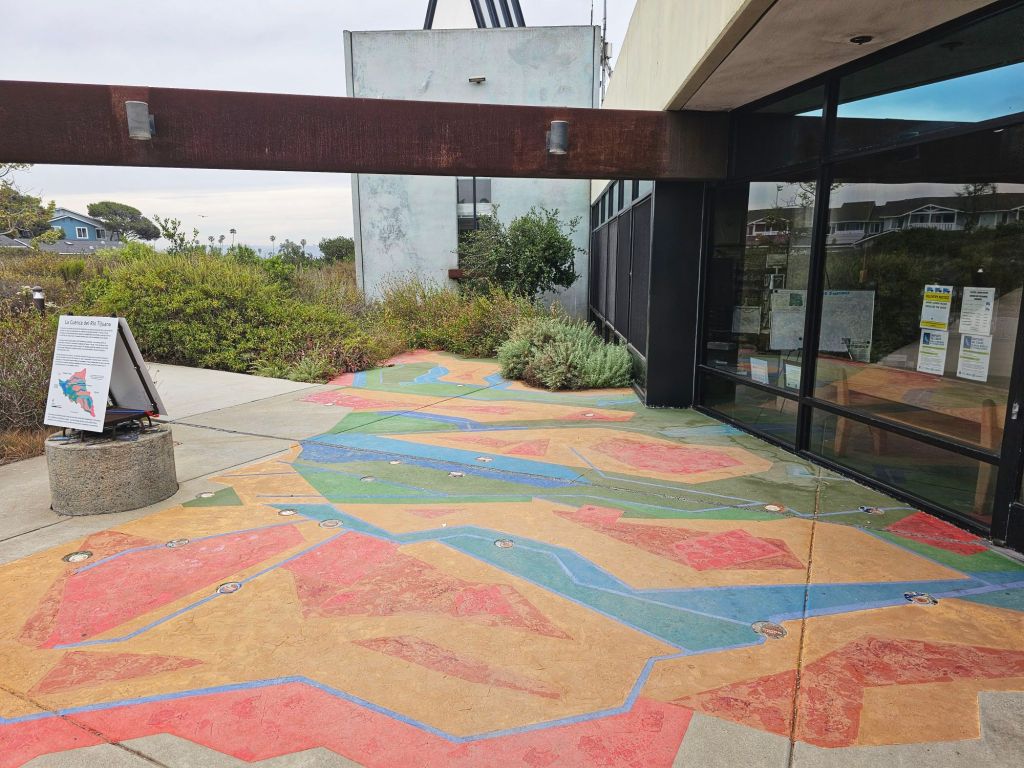
Just south of downtown San Diego, where the city gives way to wetlands and salt marshes, there’s a place where you can get eye-to-eye with a sea turtle, watch raptors take flight, and walk through native coastal habitats—all in a single afternoon. The Living Coast Discovery Center in Chula Vista isn’t your typical zoo or aquarium. It’s a hands-on, outdoor classroom for all ages, wrapped in the sights, sounds, and scents of the San Diego Bay.

More Than a Wildlife Center

Originally founded in 1987 as the Chula Vista Nature Interpretive Center, the Living Coast has evolved into a nonprofit organization that blends conservation, education, and wildlife rehabilitation. Each exhibit and trail is designed to highlight the unique ecosystems of Southern California—from salt marshes and mudflats to coastal sage scrub and open ocean.

But the Living Coast is more than just a place to look at animals—it’s a place to learn how to care for them and the environment they depend on.

What You’ll See

  • Green Sea Turtles floating gracefully in Turtle Lagoon, a favorite stop for kids and adults alike.
  • Leopard sharks and bat rays at the Shark & Ray Experience, where you can even touch some of the animals in the interactive pool.
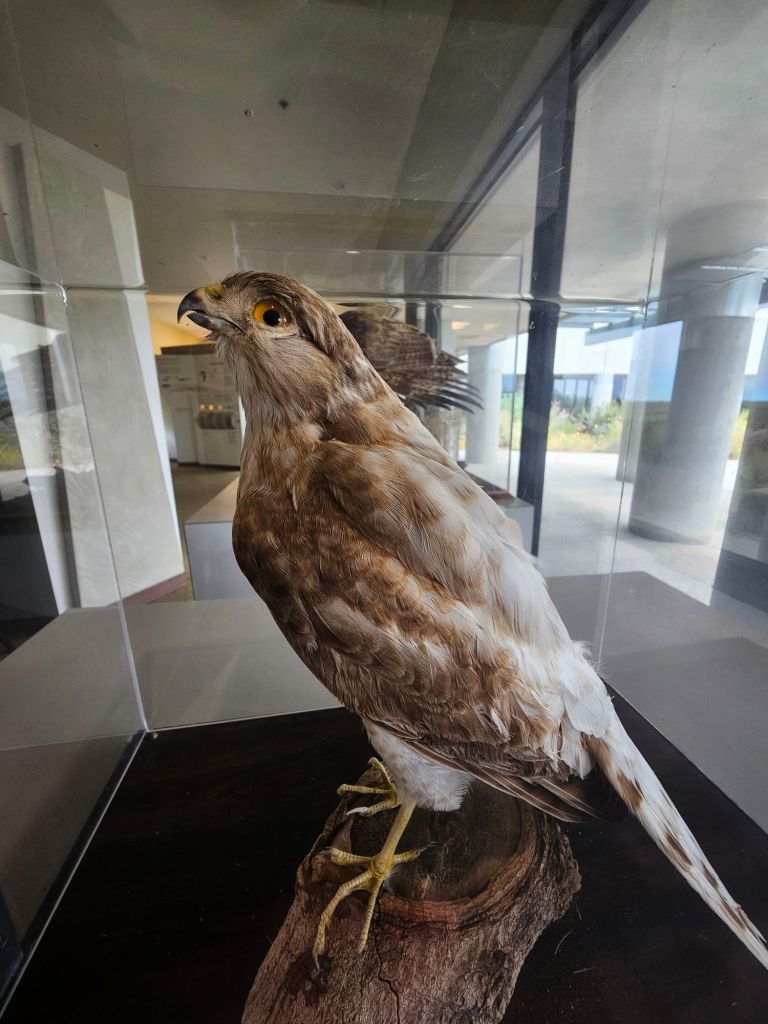
  • Birds of prey like bald eagles, owls, and hawks along Raptor Row, all non-releasable rescues living out their lives in sanctuary.
  • Aviaries and nature trails that bring you face-to-face with local bird species and panoramic bay views.
  • Aquatic exhibits showcasing jellyfish, seahorses, octopuses, and other marine life found just off the California coast.

Everything is designed to be close, accessible, and immersive—no crowds or long walks between exhibits, just a focused, meaningful experience.

Ideal for Families, Students, and Nature Lovers

One of the Center’s biggest impacts happens behind the scenes. With over 15,000 schoolchildren visiting each year, the Living Coast is a hub for environmental science education. Interactive programs, field trips, and conservation workshops give young visitors a hands-on way to explore biology, ecology, and sustainability.

Know Before You Go

  • Location: Sweetwater Marsh, part of the San Diego National Wildlife Refuge
  • Access: The parking lot is off Bay Boulevard; a free shuttle takes visitors into the refuge
  • Hours & Tickets: Check www.thelivingcoast.org for current hours, admission prices, and seasonal events
  • Best Time to Visit: Mornings are ideal—cooler temperatures and active animals

A Local Gem Worth the Detour

The Living Coast Discovery Center is the kind of place that stays with you. Whether you’re snapping a photo of a burrowing owl or quietly watching a ray glide by, it’s a reminder that incredible wildlife doesn’t just live in remote places—it thrives right here in our own backyard.

Chrome, Curves & Coronado: A Day at MotorCars on MainStreet

This past Sunday hundreds of spectators came out despite the overcast clouds and chance of rain to admire the over 200 cars that rolled into downtown Coronado. During MotorCars on Main Street the quiet charm of Coronado’s palm-lined streets gets a turbocharged makeover. The engines hum, the chrome gleams, and Main Street becomes a time machine rolling back to the golden age of automobiles. There was a a DJ spinning hits from the 40s through the 80s with Music Trivia. Various organizations like the San Diego Auto Museum were on hand with information booths.

Sun, Surf, and Southward Views: Discovering the Charm of the Imperial Beach Pier

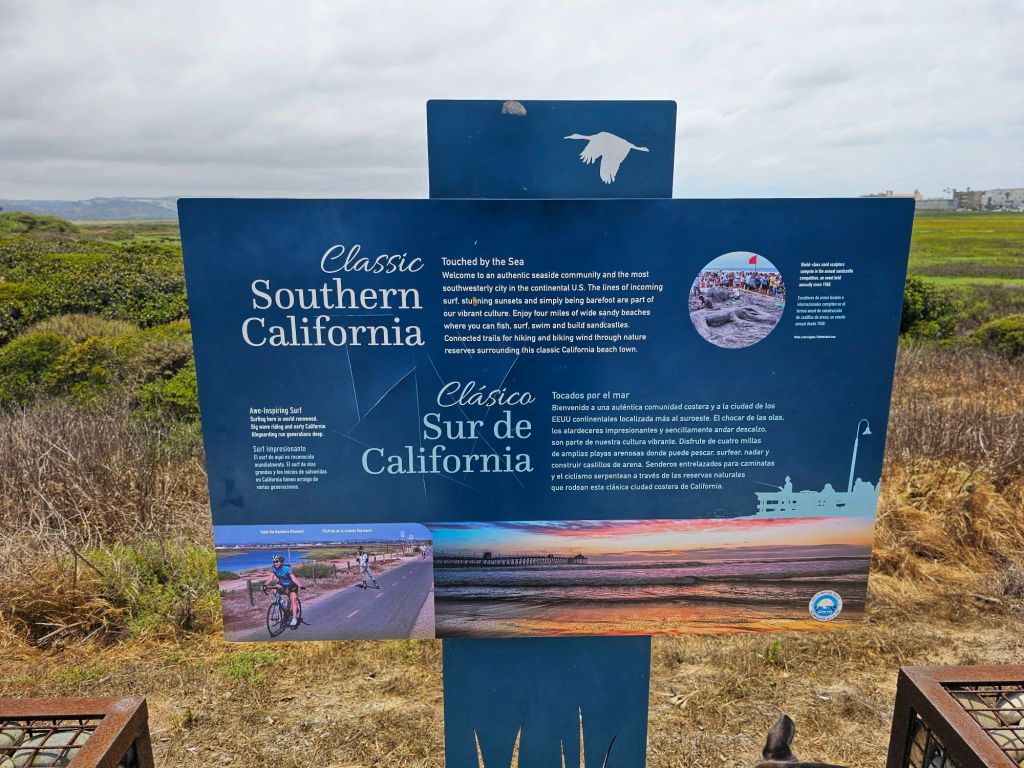
Located in the aptly named “Most Southwesterly City” of Imperial Beach, this 1,500-foot structure isn’t just a way to stroll over the ocean – it’s a vibrant hub offering stunning views, fishing opportunities, and a taste of the laid-back beach life that defines this corner of San Diego County.

The current pier, rebuilt in the late 1980s after a storm claimed its predecessor, stands as a testament to the community’s resilience and love for their waterfront. Recent enhancements have injected fresh energy into the pier, with brighter colors, captivating murals, and even an artistic shade canopy featuring playful marine life designs. These touches add a layer of visual delight to your visit.

More Than Just a Walk:

While a leisurely stroll to the end of the pier is a must for the breathtaking panoramic views – keep an eye out for the Coronado Islands on a clear day and prepare for spectacular sunsets – the Imperial Beach Pier offers more than just sightseeing.

  • Angler’s Paradise: You’ll often spot fishing enthusiasts casting their lines from the pier, hoping to reel in the day’s catch. Conveniently placed fishing rod holders make it even easier to enjoy this pastime.
  • Surfing Heritage: Imperial Beach boasts a rich surfing history, and the waves around the pier are part of that legacy. Look down at the end of the pier, and you’ll even find destination arrows pointing towards renowned surf spots!
  • Dining with a View: While the iconic Tin Fish Restaurant is currently undergoing a transition to Imperial Beach Kitchen, the promise of oceanfront dining remains. Imagine savoring fresh seafood with the sounds and smells of the sea surrounding you. Keep an eye out for the grand reopening!
  • Artistic Touches: Take your time as you walk along the pier and notice the thoughtful artistic additions. From destination-themed murals that capture the spirit of the region to cleverly designed activity placards, there’s a touch of creativity at every turn.

Imperial Beach is grappling with a complex web of environmental problems, with the cross-border pollution from the Tijuana River being the most pressing and impactful. Addressing these issues requires bi-national cooperation, significant investment in infrastructure, and ongoing efforts to protect public health and the environment

Beyond the Planks: Portwood Pier Plaza:

Just steps from the pier’s entrance lies Portwood Pier Plaza, a welcoming space that extends the beach experience. Here you’ll find:

  • Grassy Areas and Picnic Tables: Perfect for a relaxed lunch or simply soaking up the sun.
  • Tot Lot: A dedicated play area for the little ones.
  • Entertainment Stage: Keep an eye out for local events and performances.
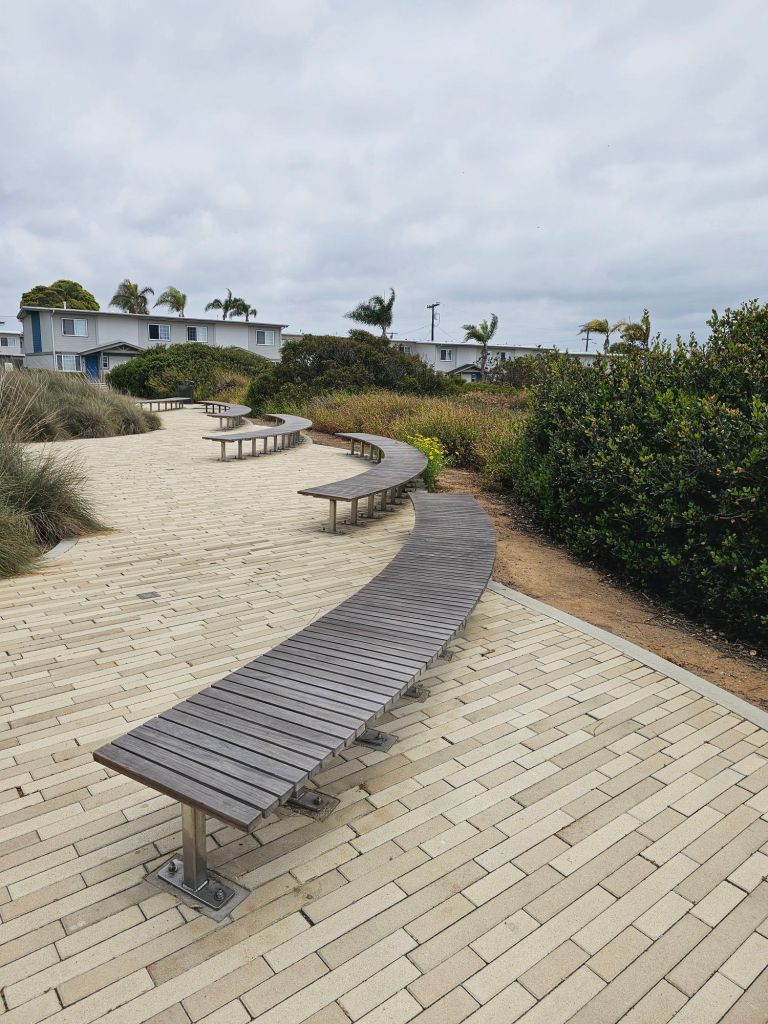
  • Surfboard Benches and “Surfhenge”: These unique installations pay homage to Imperial Beach’s surfing legacy, offering both a place to rest and a glimpse into the town’s history.

Important Considerations for Your Visit:

  • Lifeguard Presence: Rest assured, lifeguards are on duty daily from 7:00 a.m. until dusk.
  • No Alcohol on the Beach: Please be mindful of the regulations and refrain from bringing alcohol to the beach or pier.
  • Water Quality: While the beach is generally enjoyable, it’s wise to stay informed about water quality, particularly closer to the Mexican border due to the Tijuana River. Heed any local advisories.
  • Ongoing Enhancements: As of Spring 2025, the pier is undergoing some maintenance projects aimed at preserving its structure. Be aware that this may result in partial or temporary closures.

A Southern California Gem:

The Imperial Beach Pier is more than just a structure extending into the ocean; it’s a symbol of community, a haven for recreation, and a prime spot to soak in the beauty of the Southern California coastline. Whether you’re an avid angler, a surfing enthusiast, a lover of stunning views, or simply seeking a peaceful escape by the sea, the Imperial Beach Pier is well worth a visit. So, pack your sunscreen, grab your camera, and head south to experience the unique charm of this coastal gem. You might just find yourself captivated by its salty allure.

Del Mar Dog Beach: A Canine Paradise by the Sea

Del Mar Dog Beach—officially known as North Beach—is one of San Diego County’s most beloved off-leash coastal spots for dog lovers and their four-legged companions. Located on the northern edge of Del Mar, right at the border with Solana Beach, this stretch of sand offers a welcoming and relaxed environment for pups to romp, dig, and swim.


🐾 Location

  • Address: North end of Del Mar, where 29th Street meets the beach.
  • Boundaries: Extends roughly from 29th Street north to Solana Beach’s border at Via de la Valle.

📅 Dog Rules by Season

Del Mar Dog Beach is seasonally regulated, so it’s important to know when dogs can be off-leash:

  • Labor Day to June 15:
    ➤ Dogs may be off-leash at all hours, but must be under voice control.
    ➤ This is the best time to let your dog run freely in the sand and surf.
  • June 16 to Labor Day (peak summer):
    ➤ Off-leash allowed only from dawn until 8:00 a.m.
    ➤ After 8:00 a.m., dogs must be leashed.

🌊 Why Locals Love It

  • Spacious Beachfront: Wide open space during low tide perfect for dogs to run, fetch, and splash.
  • Dog-Friendly Vibe: You’ll meet other friendly dog owners and social pups.
  • Beautiful Scenery: Backed by coastal bluffs and ocean views—great for human enjoyment too.
  • Clean & Well-Maintained: Dog waste bags and trash bins are provided—owners are expected to clean up.

🅿️ Parking Tips

  • Free and metered street parking is available nearby, especially along Camino del Mar or bordering streets.
  • Paid parking lots can be found at the beach and along Via de la Valle during busy times.

🐶 What to Bring

  • Leash and collar (required by law when off-leash hours end)
  • Water and bowl for your pup
  • Towel and cleanup bags (extras just in case)
  • Shade or umbrella for warmer days

⚠️ Things to Keep in Mind

  • Be sure your dog is socialized and under voice control when off-leash.
  • Watch for high surf or strong tides—some dogs are better swimmers than others.
  • The beach can get crowded during weekends and holidays—early visits are best for space and calm.

In short: Del Mar Dog Beach is a cherished spot where dogs can run free and get salty while their humans enjoy ocean breezes and camaraderie. If you’re in the area and have a pup, it’s a must-visit.

Gwen’s Garden: A Living Tribute at Del Mar’s Dog Beach Removed

UPDATE: In February 2025 construction crews started removing and breaking down the garden spaces for an upcoming bridge project south of North Beach. It has yet to be determined what has happened to the painted memorial rocks that were placed at Gwen;s Garden.

Sometimes, the most special places aren’t grand landmarks, but small pockets of community heart, grown organically from love and dedication. For years, Gwen’s Garden, also known as the Dog Beach Memorial Garden, was exactly that – a unique and touching oasis located not in Solana Beach itself, but right at the entrance to the famous Del Mar North Beach (Dog Beach), which sits just south of the Solana Beach border.

While visitors flocked to the wide sands for off-leash fun (seasonally permitted!), many discovered this unexpected gem near the access path. But like many grassroots projects, its story has recently taken an uncertain turn.

The Story Behind the Garden

Gwen’s Garden wasn’t designed by a committee; it was born from the love of one man for his dog. Local Del Mar resident Jimmy Joe Gooding started the garden in memory of his beloved yellow Labrador, Gwen, who adored her daily visits to Dog Beach.

Seeing the entrance area as neglected, Mr. Gooding took it upon himself to clean it up and plant flowers and succulents, initially using his own resources. What started as a personal tribute and a beautification effort under Del Mar’s “Adopt a Spot” program blossomed into something more.

A Tapestry of Love and Remembrance

Over the years, Gwen’s Garden became a cherished landmark. It featured:

  • A Winding Path: Guiding visitors through the small plot.
  • Lush Greenery: A mix of succulents, wildflowers, and eventually, efforts to include native species.
  • Whimsical Touches: Visitors often found little statues – dogs, angels, gnomes – tucked among the plants.
  • Painted Rocks: This became the garden’s most poignant feature. Hundreds of smooth stones, lovingly painted by visitors with the names and paw prints of their own departed canine companions, lined the path and filled the spaces.
  • A Sense of Peace: It was a quiet spot for reflection, remembrance, and appreciating the simple, powerful bond between humans and their pets.

An Uncertain Present

Gwen’s Garden represented community spirit, but it also faced challenges. Located on state land, the garden ran into permitting issues with the Coastal Commission, particularly regarding non-native plants and unpermitted structures like pathways.

Crucially, reports surfaced in early 2025 suggesting the garden had been significantly altered or possibly removed.Reasons cited included these ongoing permitting issues, potential safety concerns, and the land possibly being needed for future construction related to a nearby bridge project.

While the exact status today is difficult to confirm without visiting, photos and discussions from that time indicated the area may have been cleared, with the fate of the hundreds of memorial rocks uncertain (perhaps moved to storage or an exhibit).

The Enduring Spirit

Whether Gwen’s Garden exists today in its previous cherished form or not, its story remains a testament to:

  • The Love for Pets: A powerful motivator for creating beauty and community.
  • Individual Action: How one person’s dedication can create something meaningful for many.
  • Shared Remembrance: The comfort found in sharing grief and happy memories in a dedicated space.

Visiting Del Mar Dog Beach Today

If you visit Del Mar North Beach (Dog Beach), the beautiful stretch of sand where dogs can run free (seasonally off-leash, check rules!) is still there. However, be prepared that the specific memorial garden area at the entrance may look very different from photos and descriptions from previous years.

Gwen’s Garden was a special place born from a simple idea: honoring a beloved companion. While its physical form may be subject to change, the love and memories it represented undoubtedly linger in the sea air for all who knew it.

Discover Balboa Park’s Resident Free Days: A Guide for San Diego Locals

Balboa Park, the cultural heart of San Diego, offers a unique opportunity for residents to explore its world-class museums without the usual admission fees. Through the Resident Free Days program, local residents and active-duty military personnel can enjoy complimentary access to select museums on designated Tuesdays each month. Here’s how you can make the most of this fantastic offering.​

First Tuesday:

  • Fleet Science Center (exhibits only; films not included)
  • San Diego Natural History Museum (exhibits only; films not included)
  • San Diego Model Railroad Museum

Second Tuesday:

  • San Diego Air & Space Museum (exhibits only; special exhibitions not included)
  • Comic-Con Museum (excluding November and December)
  • The Veterans Museum at Balboa Park

Third Tuesday:

Note: Schedules are subject to change, and some museums may have exclusions or blackout dates. It’s advisable to check the official Balboa Park Resident Free Days schedule for the most current information.