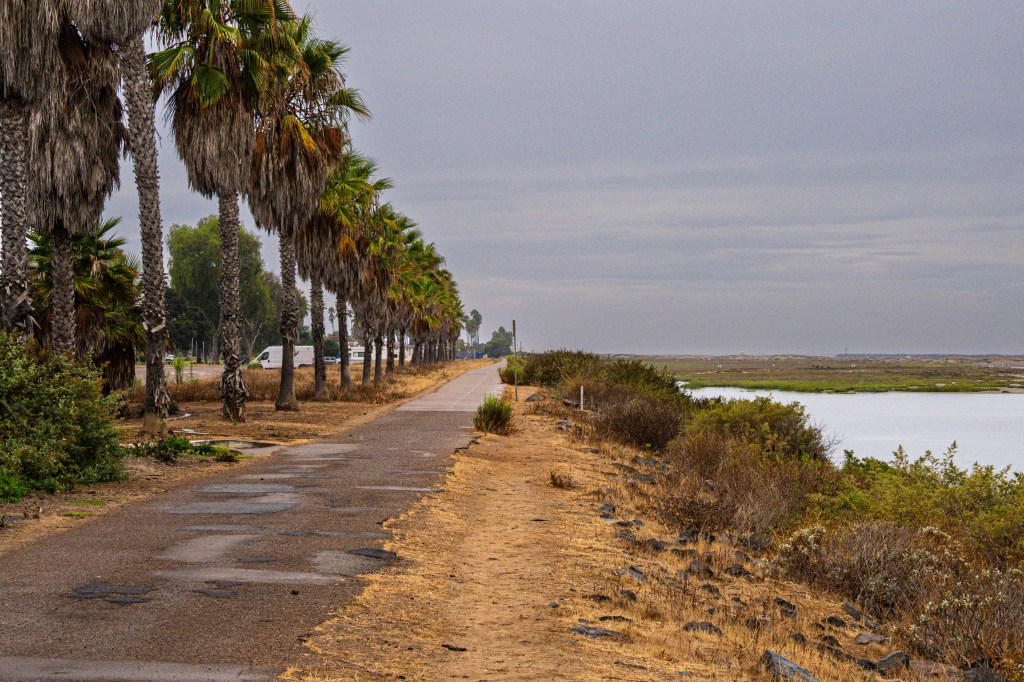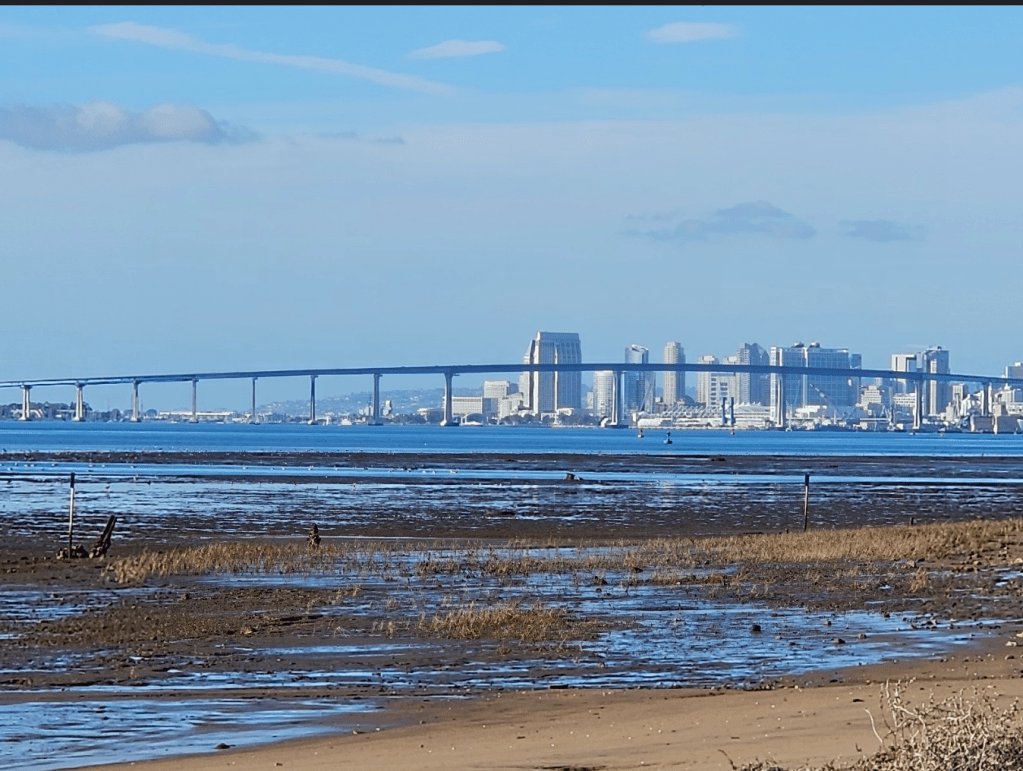
Robb Field Loop Walkway: Scenic Riverside Path in Ocean Beach

There are multiple parking options along the trail. Beginning on the western end of the trail at the Ocean Beach Dog Beach Parking Lot and few hundred yards east along the Robb Field Parking Lot

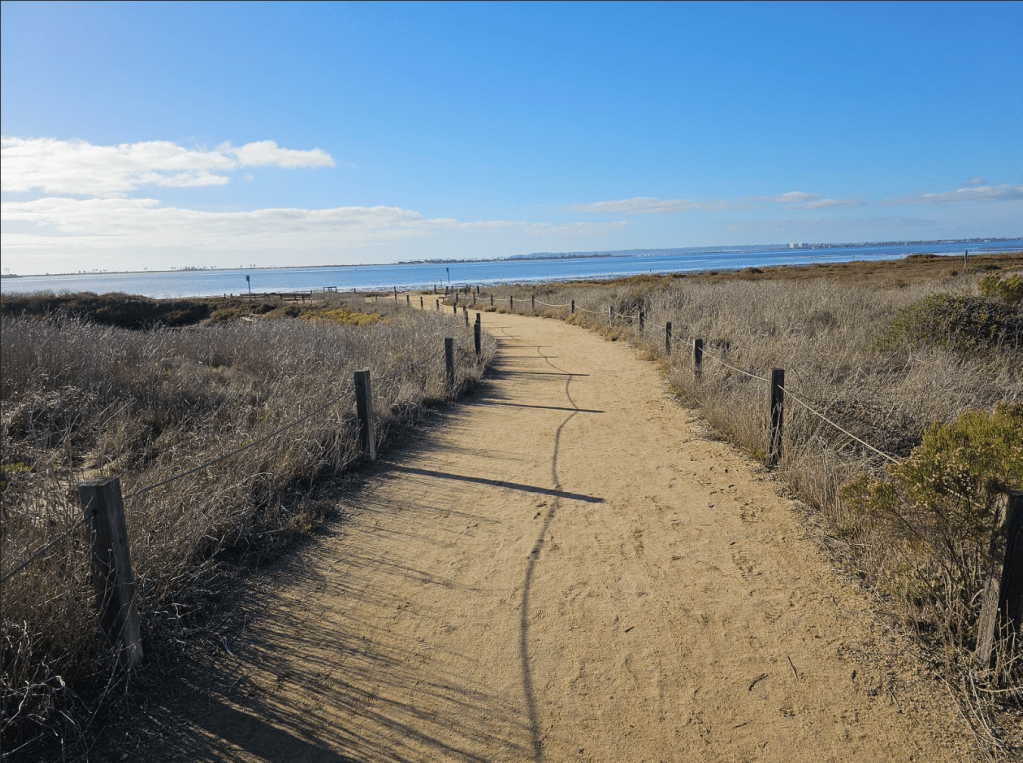
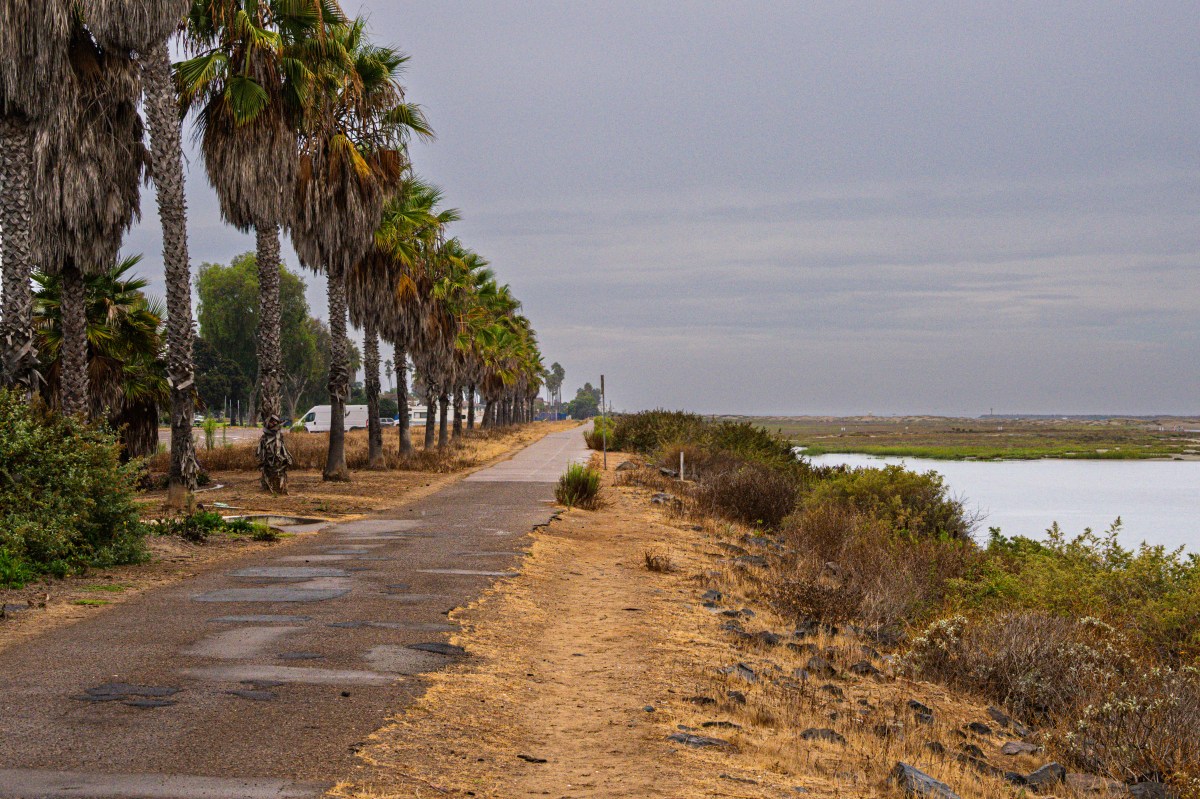
Tucked along the San Diego River in Ocean Beach, the Robb Field Loop Walkway is a hidden gem for walkers, joggers, and cyclists who want a peaceful route with a touch of coastal charm. This easy, flat loop circles the athletic fields of Robb Field and connects to the scenic San Diego River Trail, offering a refreshing mix of open park space, waterfront views, and breezy ocean air.

A Walk with a View

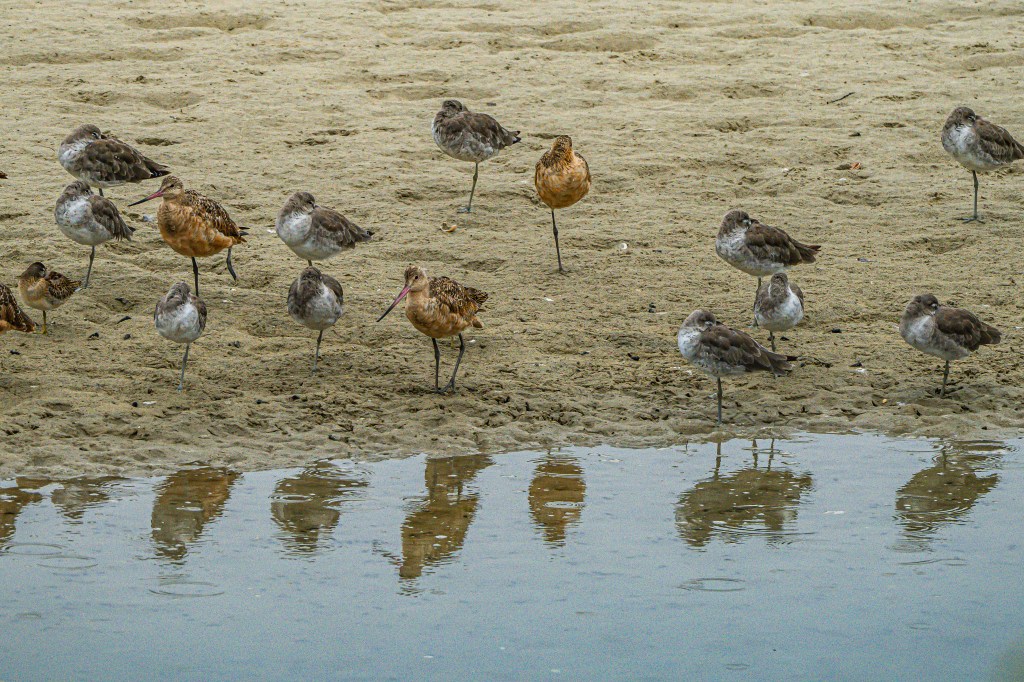
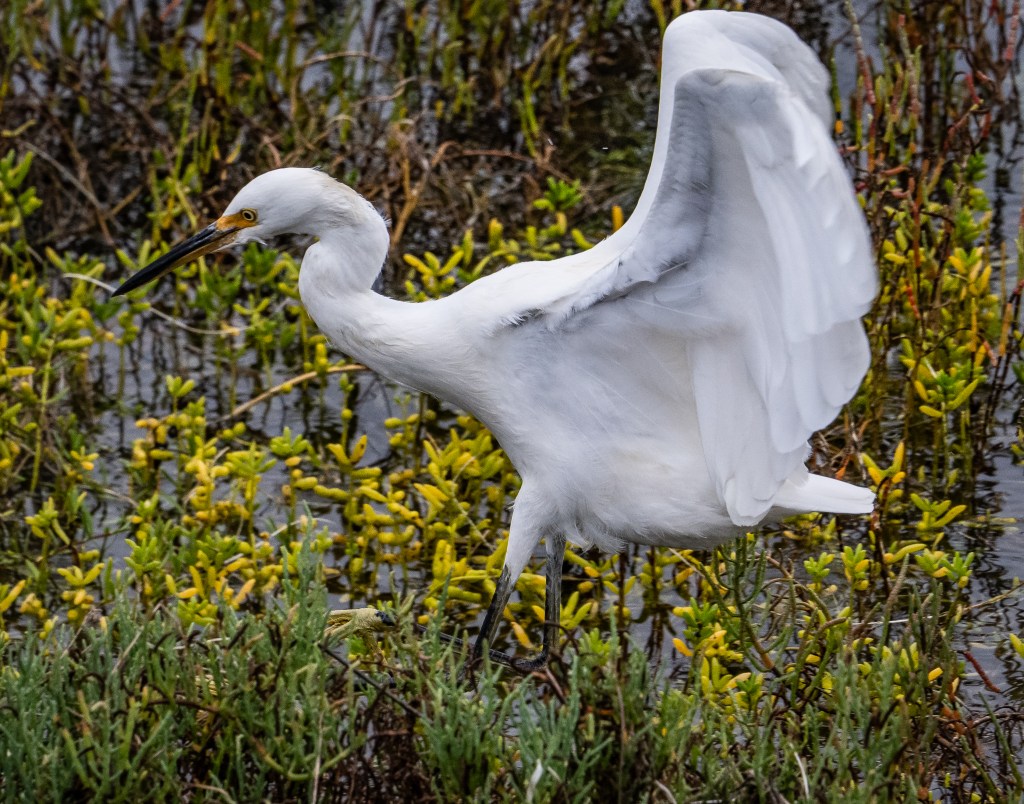
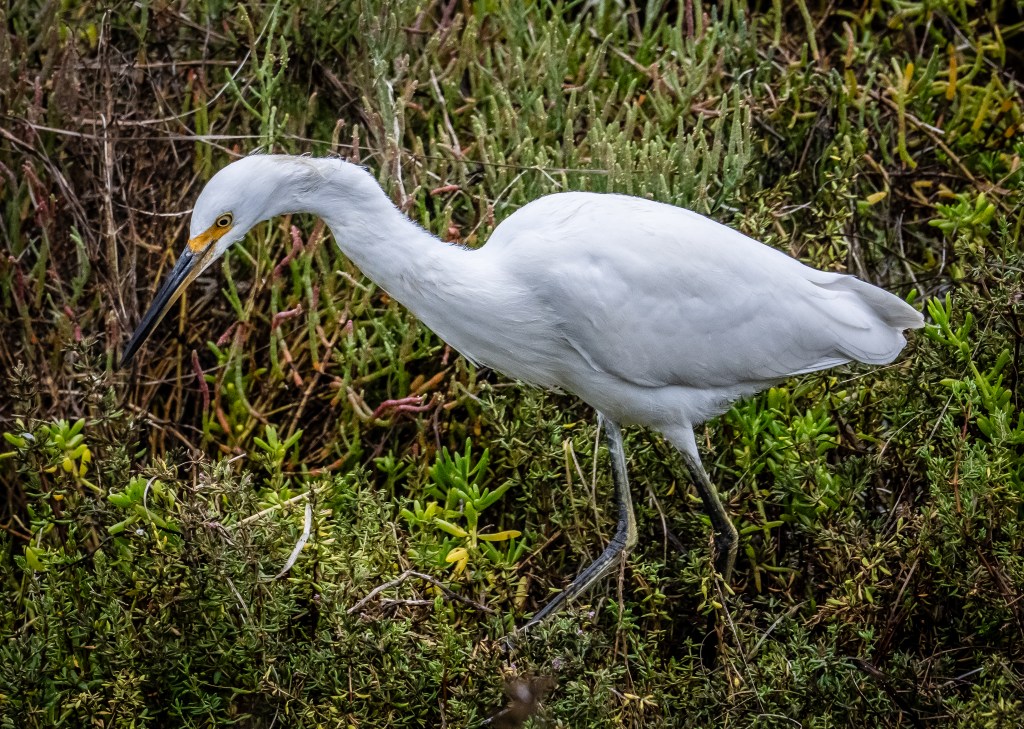
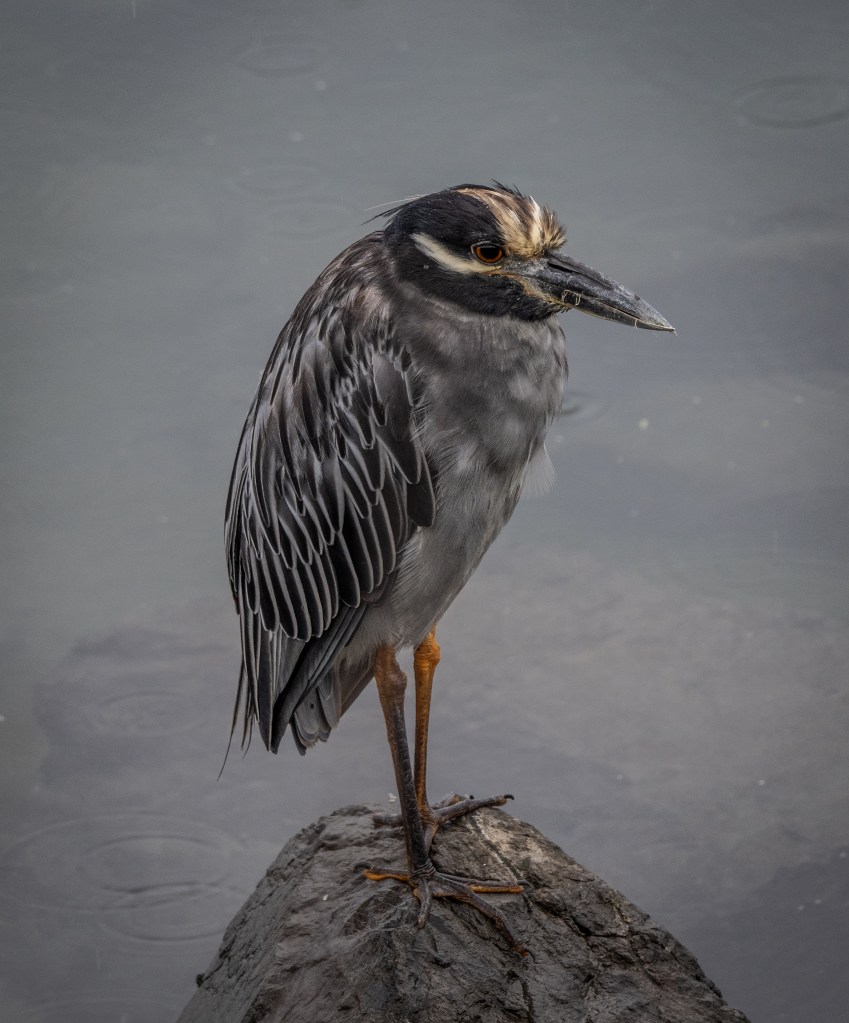
The loop itself is about 1.5 miles, making it the perfect distance for a quick walk, a warm-up jog, or even a leisurely dog stroll. As you circle around, you’ll see wide green lawns filled with soccer players, skateboarders, and families enjoying the day. Look west and the path opens up to the San Diego River estuary, where herons, egrets, and osprey can often be spotted fishing in the calm waters.

Connection to the San Diego River Trail

One of the best parts of the Robb Field Loop is that it connects seamlessly to the San Diego River Trail, a multi-use path stretching inland for miles. If you’re up for a longer adventure, you can head east along the river toward Mission Valley or west toward the Ocean Beach Dog Beach area.

Family & Fitness Friendly

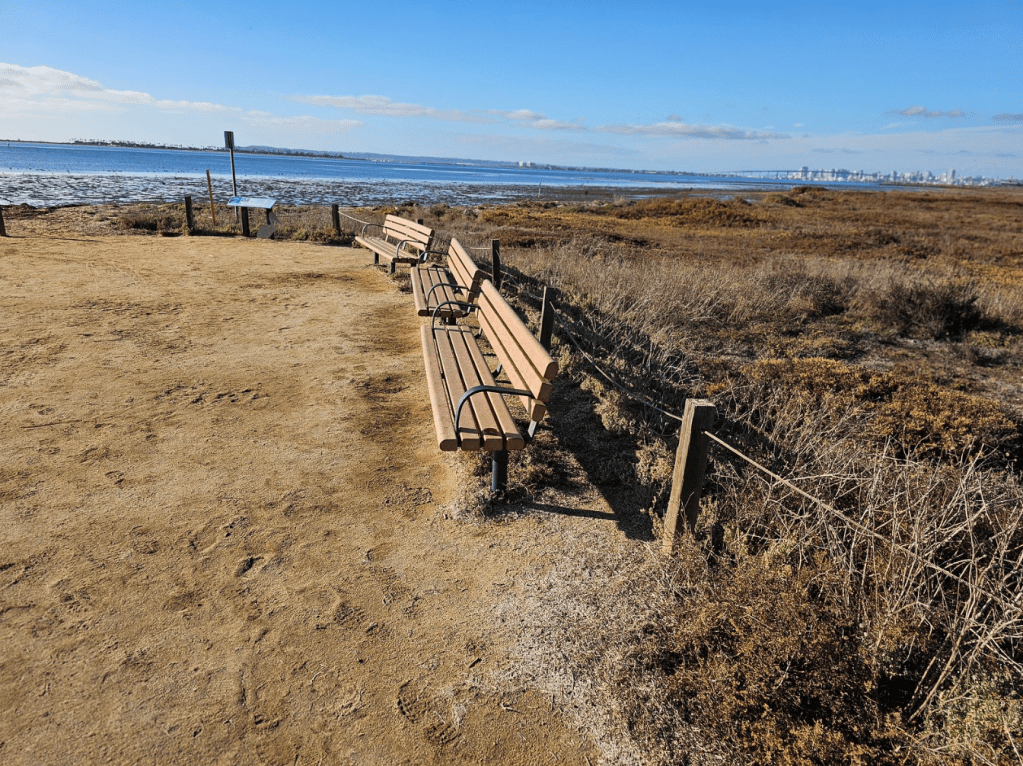
The walkway is paved and flat, making it accessible for strollers, wheelchairs, and bikes. Along the loop you’ll also find exercise stations, benches, and shaded spots—perfect for breaking up your walk with a stretch or water break. Since Robb Field is also home to a skate park, ball fields, and tennis courts, there’s something for everyone to enjoy before or after the walk.

Best Time to Visit

Morning and evening are especially beautiful times to stroll the loop. Early risers will enjoy calm air and bird activity along the estuary, while sunset brings soft colors over the river and the silhouettes of palm trees along the horizon.

A Local Favorite

While many visitors head straight to the beach, locals know Robb Field Loop Walkway as a quieter spot for exercise, birdwatching, or simply enjoying the outdoors. It’s not a strenuous hike, but rather a slice of everyday San Diego life with its mix of nature, recreation, and community.


👉 Tip for photographers: Bring your camera for the golden hour. The estuary, palm trees, and distant Ocean Beach Pier create postcard-worthy shots.

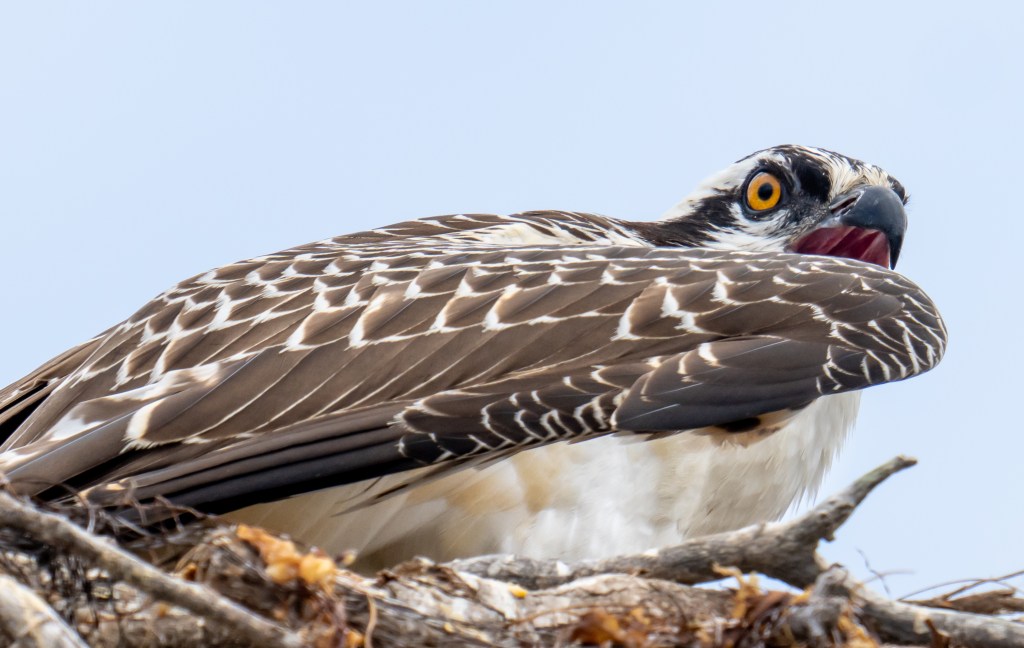
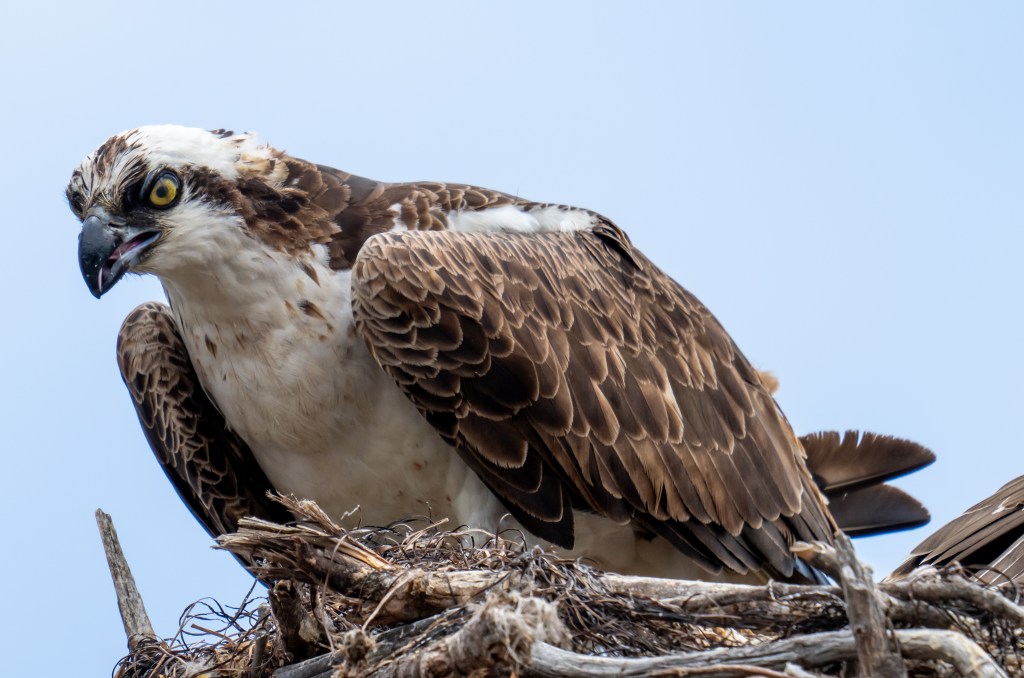
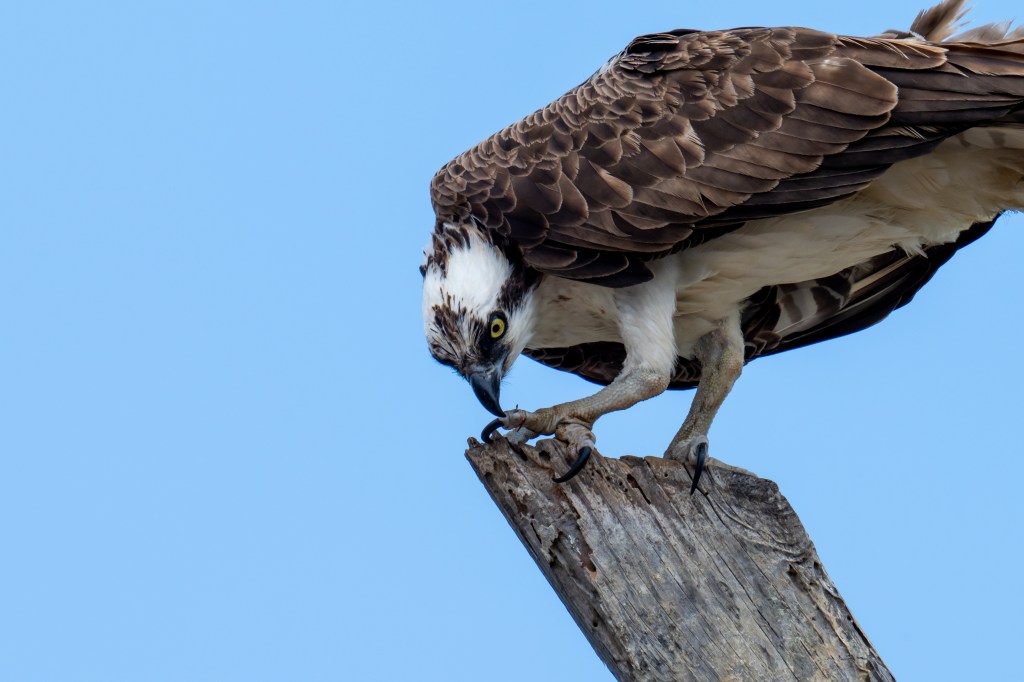
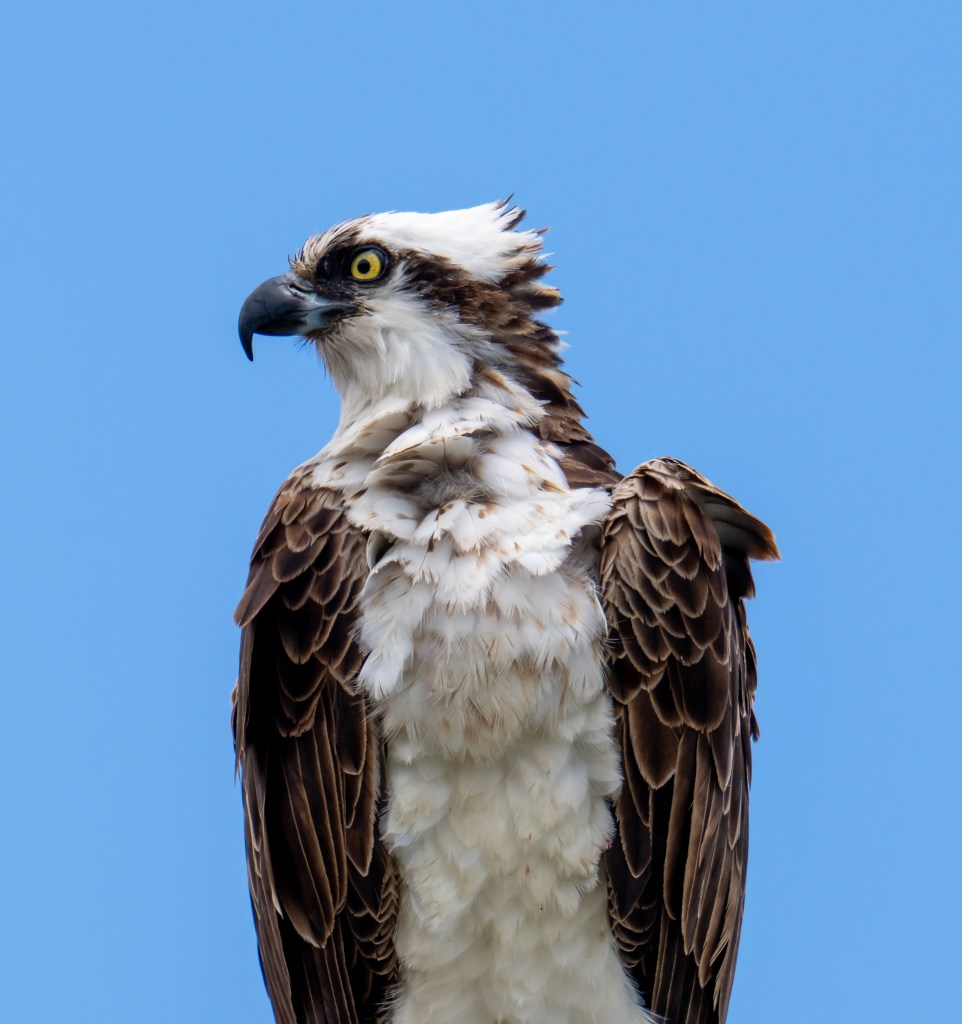
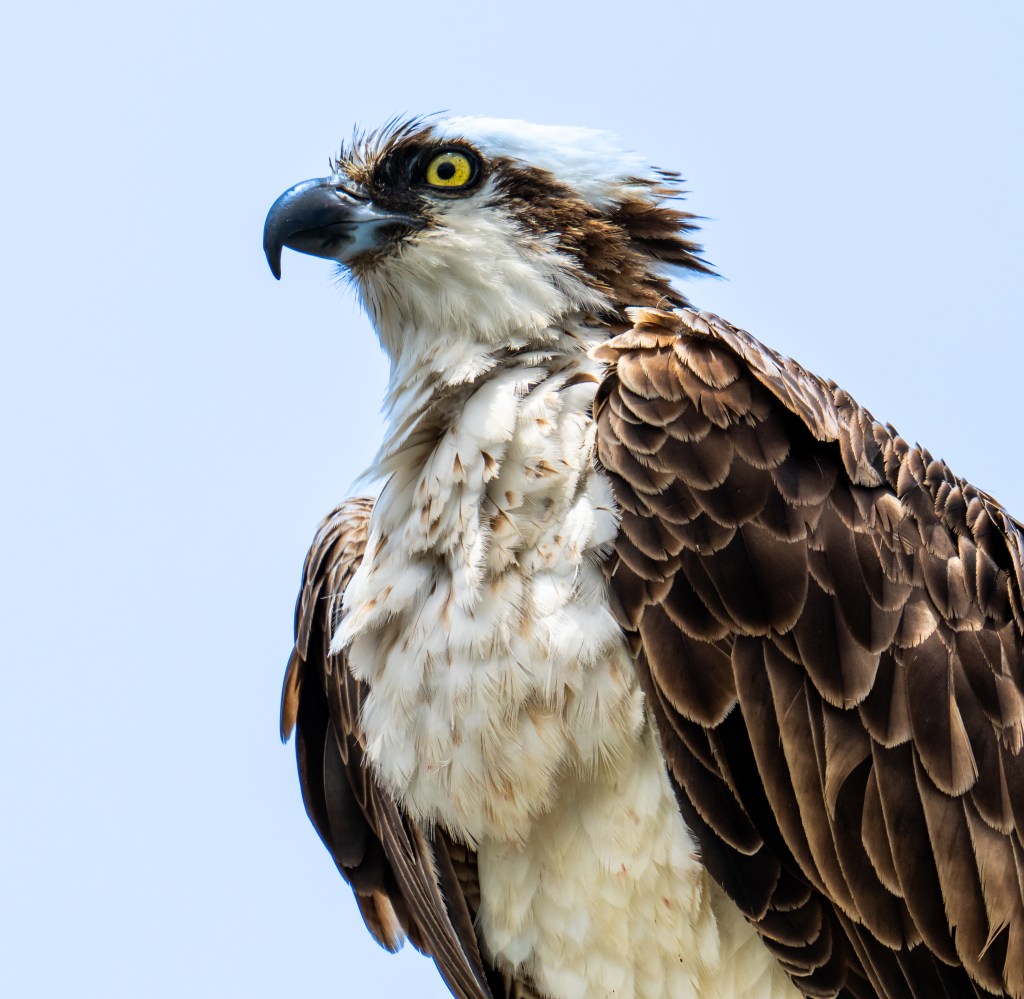
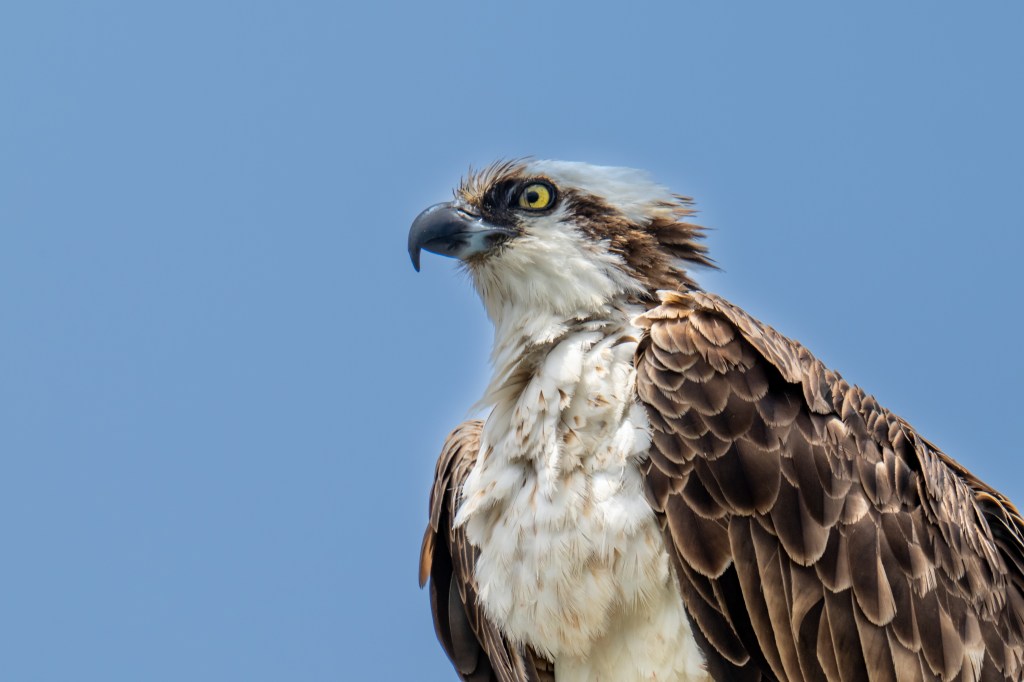
🦅 Ospreys of Shelter Island: San Diego’s Coastal Raptors

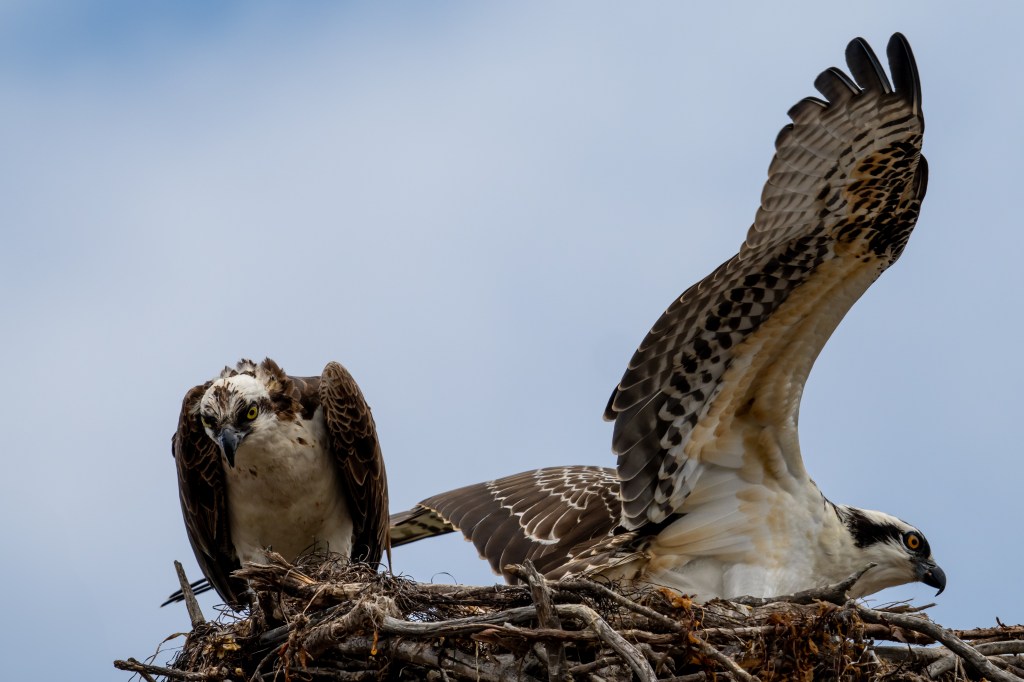
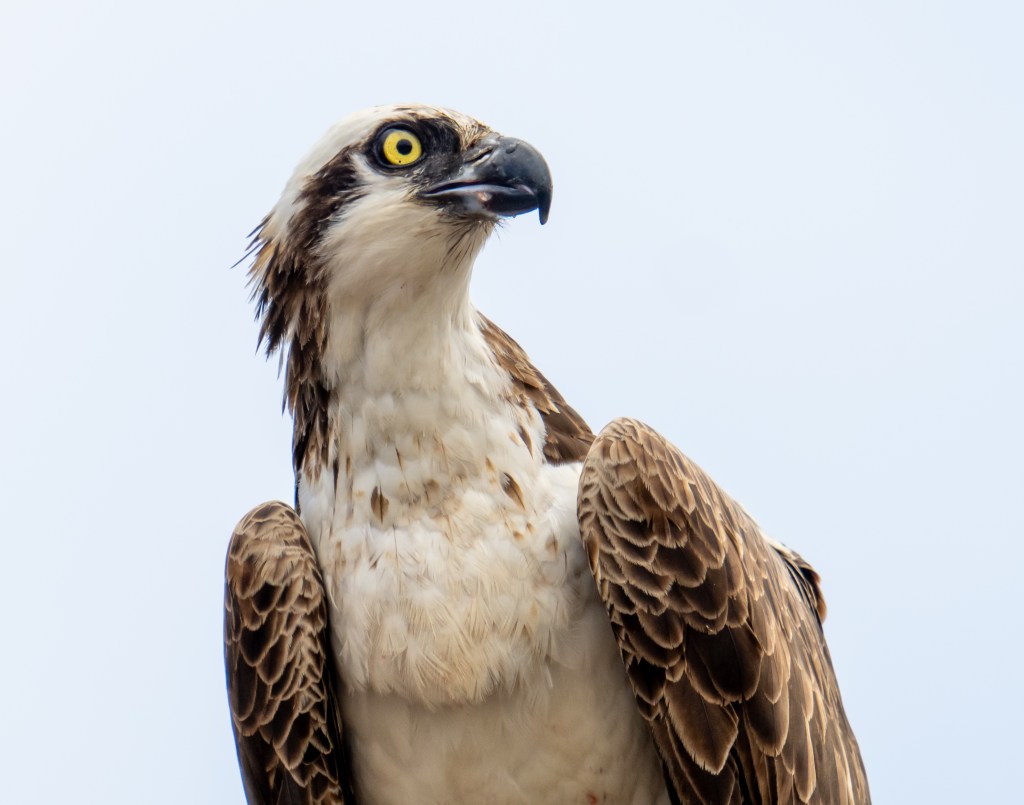
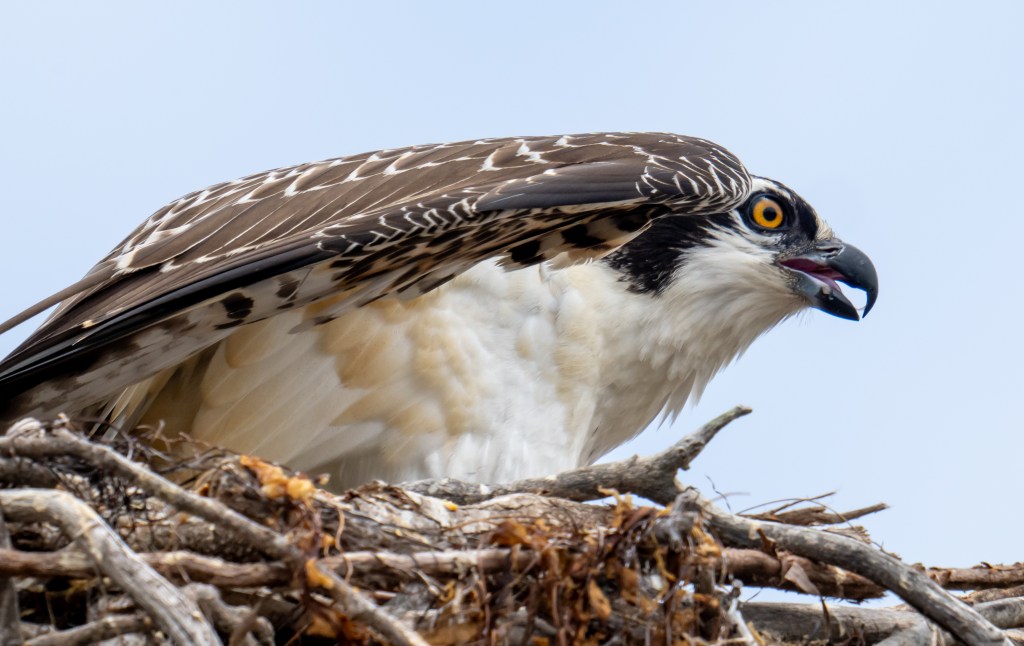
If you’ve ever strolled along the waterfront on Shelter Island and looked up to see a large bird hovering gracefully above the bay, chances are you’ve spotted an osprey. Known as the “fish hawk,” this striking bird of prey has made a comfortable home here in San Diego’s maritime backyard.

A Natural Fisherman in an Urban Setting

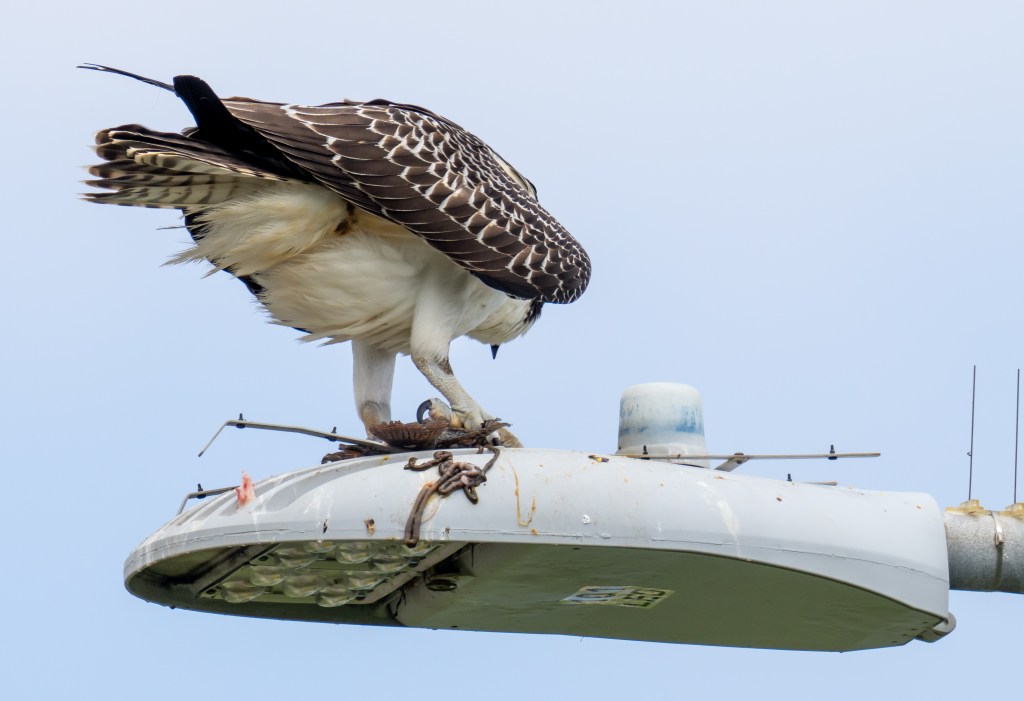
Shelter Island offers the perfect blend of natural habitat and human-made infrastructure that ospreys have come to favor. With calm bay waters rich in fish and an abundance of tall structures like light poles, boat masts, and channel markers, ospreys have carved out a niche among the marinas and piers. It’s not uncommon to spot their bulky stick nests perched high above the docks, often near the Shelter Island Launch Ramp or around America’s Cup Harbor.

A Front-Row Seat to Nature

Watching an osprey hunt is a thrilling experience. These raptors soar high, scanning the water with laser-sharp vision. Then, in an instant, they dive feet-first into the bay, emerging with a wriggling fish clutched in their powerful talons. It’s a daily drama that plays out just steps from the sidewalk — and a reminder that even in the heart of the city, nature thrives.

Season of the Osprey

While ospreys can be seen in San Diego year-round, their breeding season typically runs from March to August. During these months, you might see pairs working together to build or repair nests, calling out with sharp whistles, or feeding their young. If you’re lucky, you might spot fledglings learning to fly — a heartening sight that signals the continued health of our coastal ecosystem.

A Conservation Comeback

Ospreys weren’t always so easy to spot. In the mid-20th century, their numbers plummeted due to pesticide use, especially DDT. But since the ban of such chemicals and the protection of nesting sites, osprey populations have rebounded across the U.S., including right here in San Diego Bay. Their presence on Shelter Island is a quiet conservation success story.

Where to Look

For the best osprey-watching:

  • Walk along the Shelter Island shoreline promenade near the boat launches.
  • Look up at tall poles or navigation beacons — nesting sites are often quite visible.
  • Early morning and late afternoon are great times to see them hunting.

Bring your binoculars, a camera, and a sense of wonder. Whether you’re a birder, photographer, or casual observer, spotting an osprey in action is always a memorable moment.

Where River Meets Sea: Exploring the Tijuana River Estuary

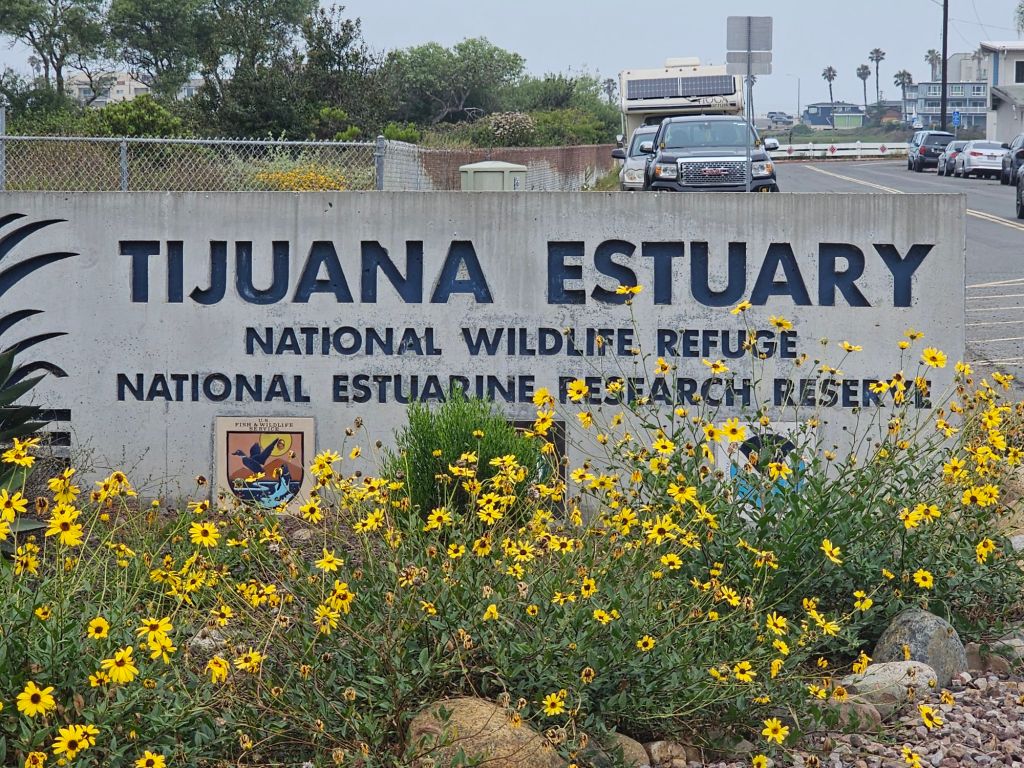
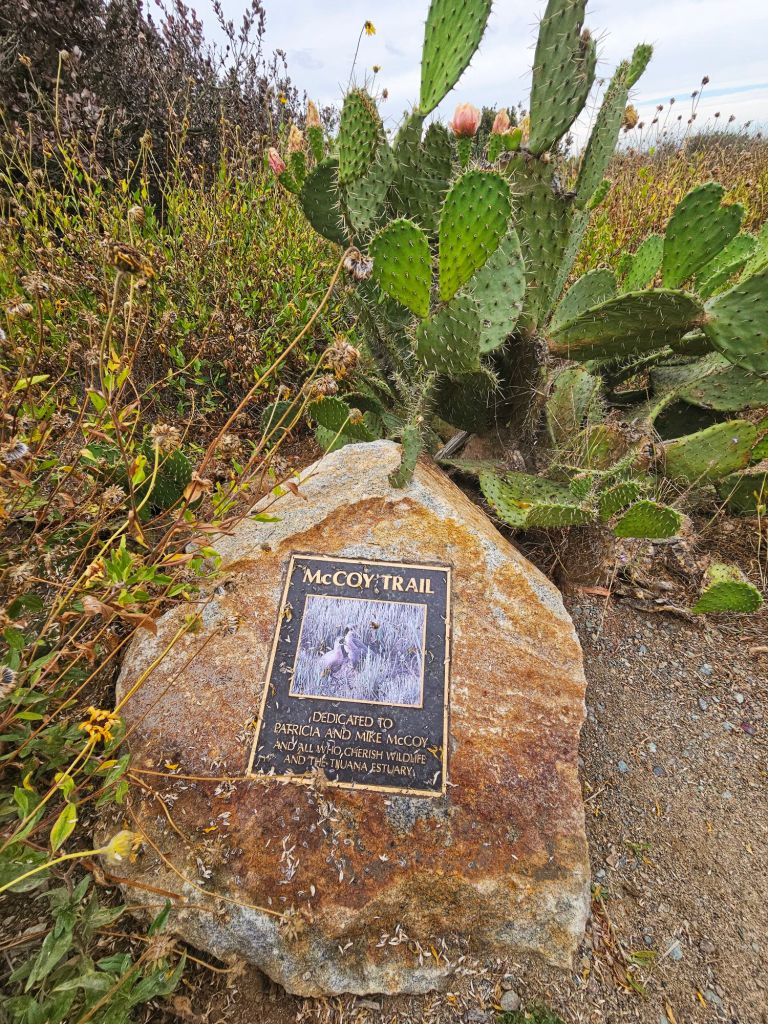
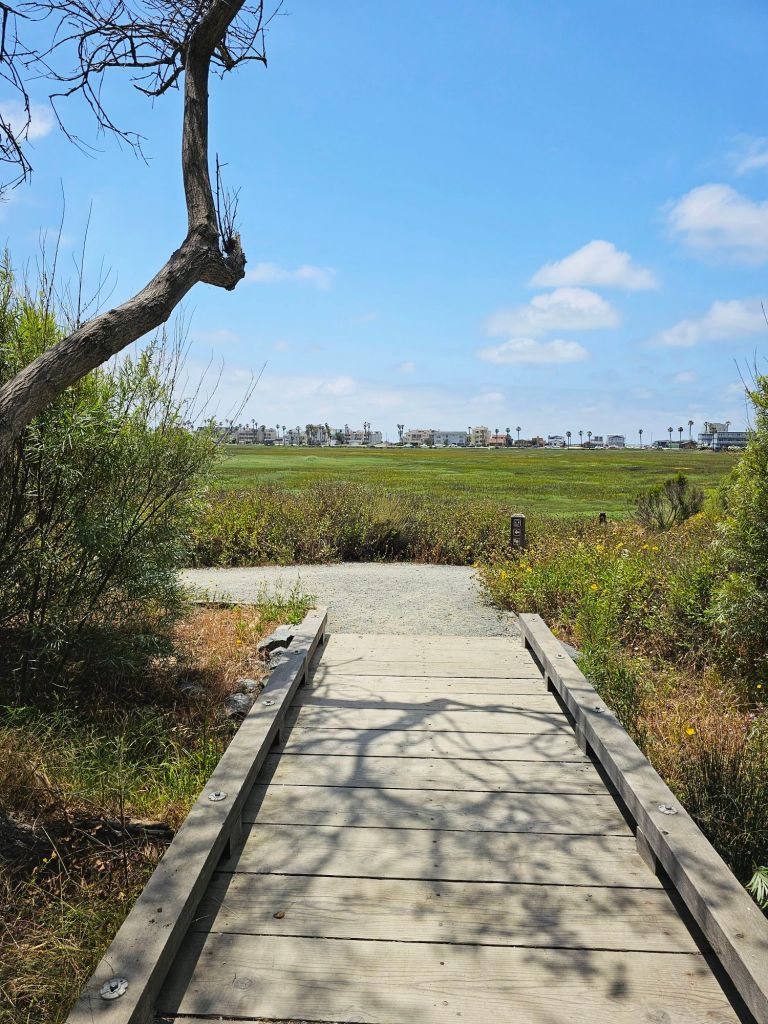
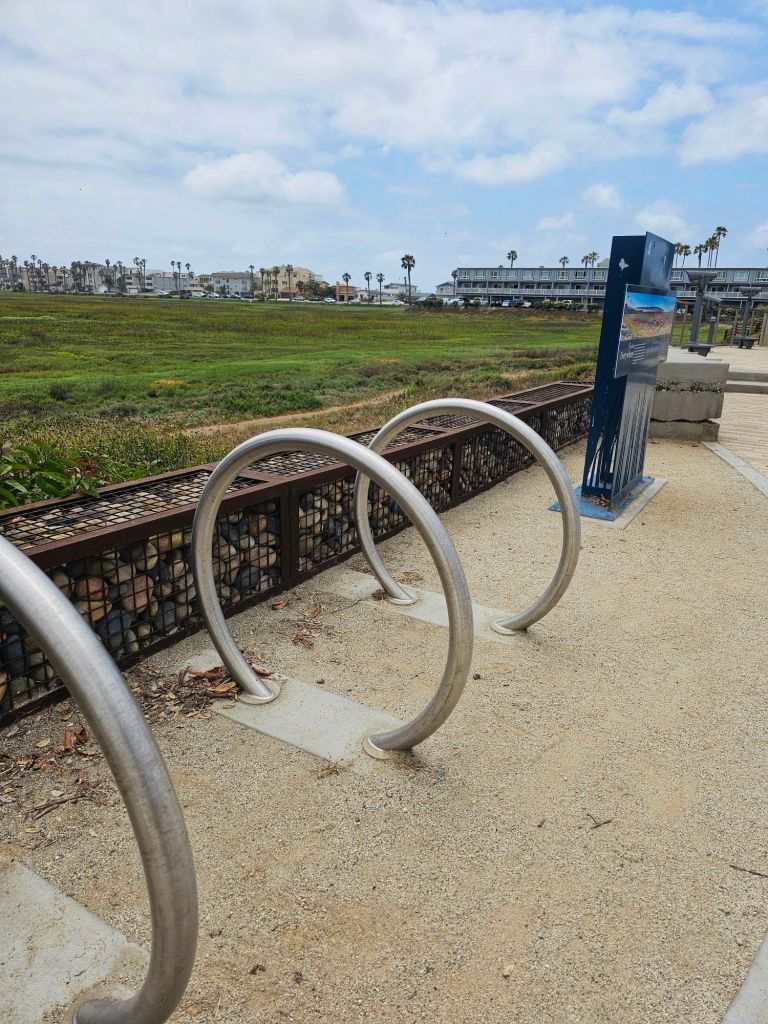
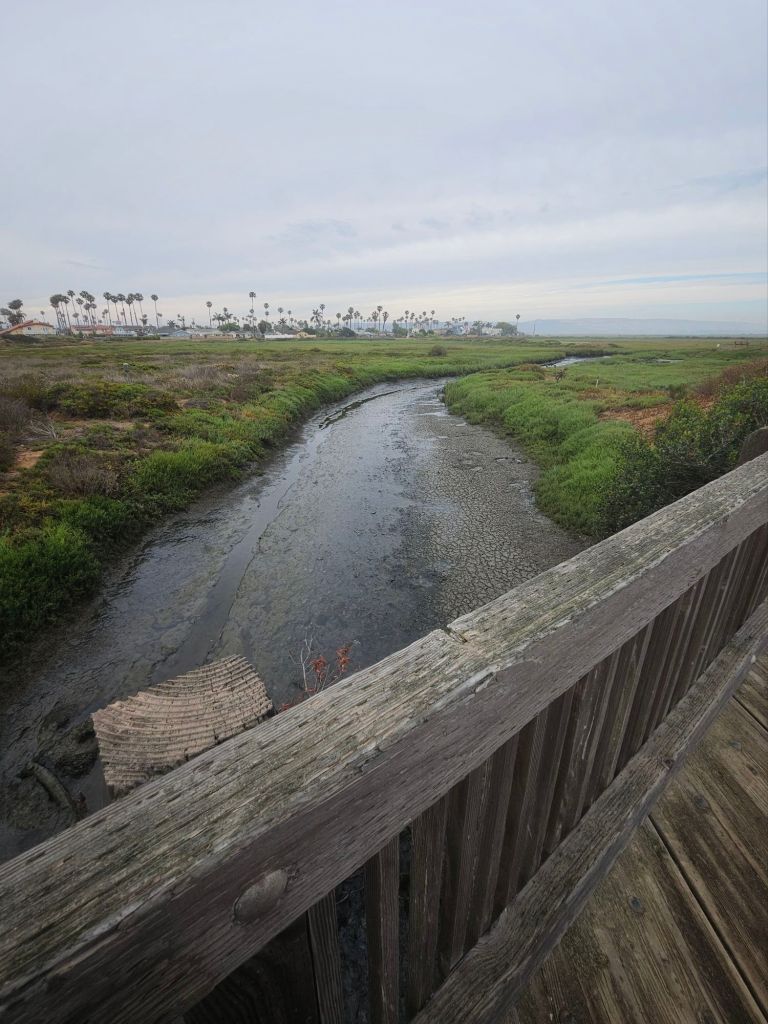
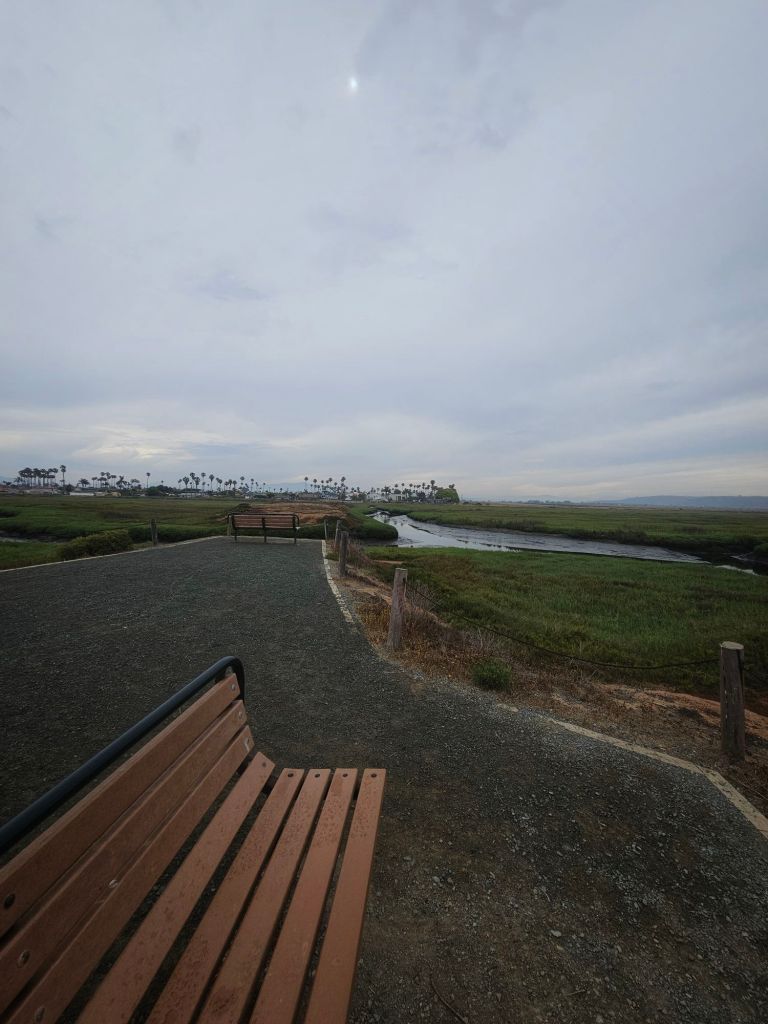
Just a few miles south of San Diego’s bustling downtown lies a hidden gem where saltwater, freshwater, and wildlife converge in a delicate dance of life—the Tijuana River Estuary. Tucked between Imperial Beach and the U.S.-Mexico border, this vast coastal wetland is not only a peaceful escape from the city but also one of Southern California’s most ecologically significant landscapes.

A Living Sanctuary

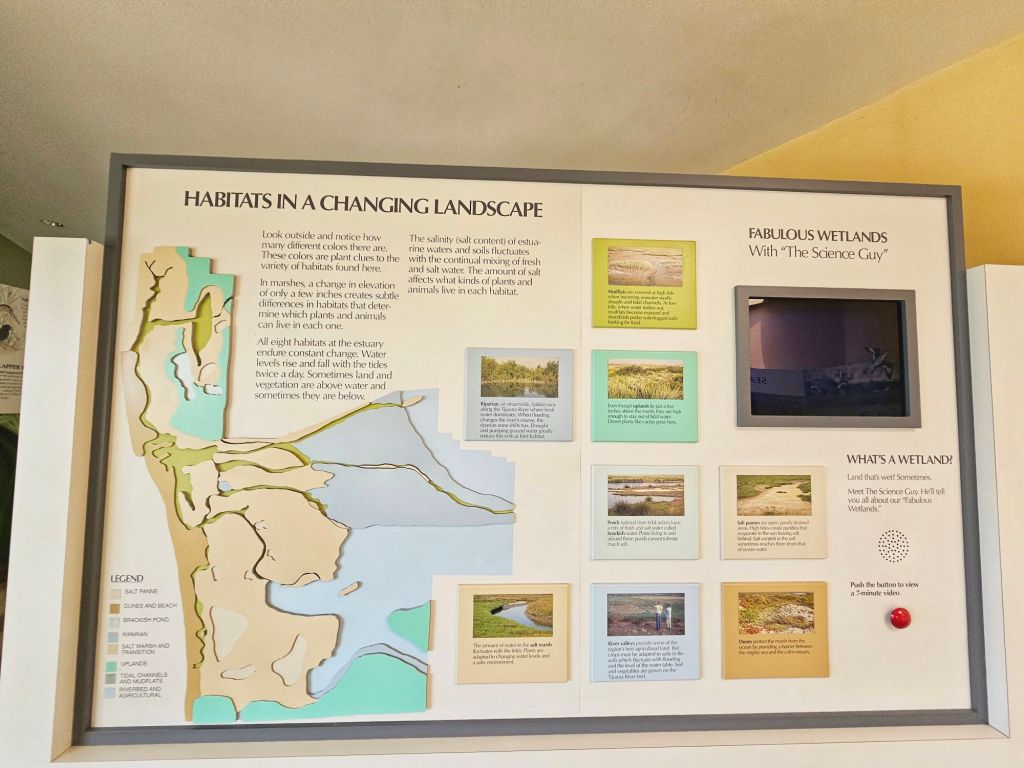
The estuary is part of the Tijuana River National Estuarine Research Reserve, a protected area spanning over 2,500 acres. It’s one of only 30 estuarine research reserves in the United States, and it plays a vital role in protecting endangered species, filtering water, and buffering the coast from storm surges.

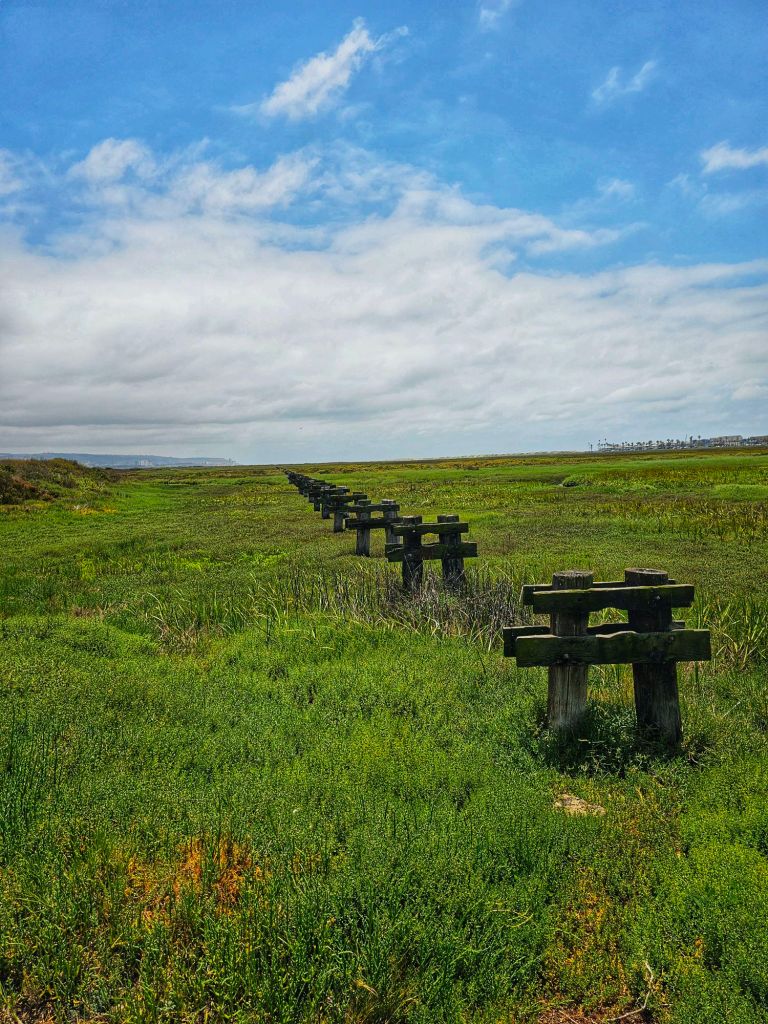
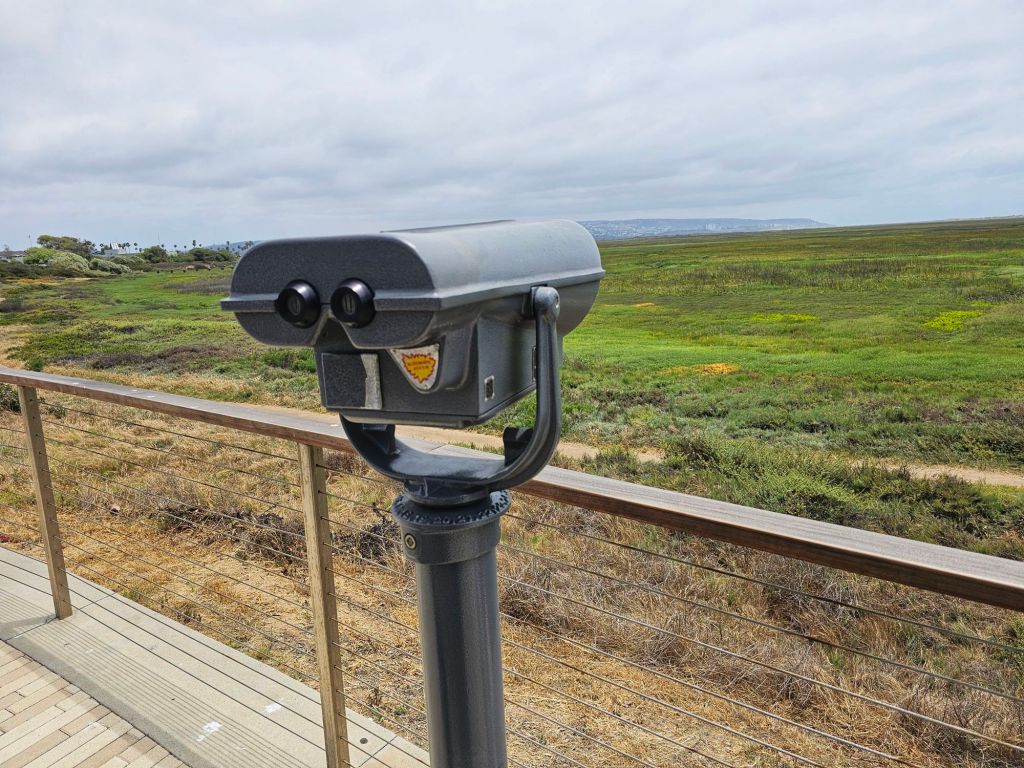
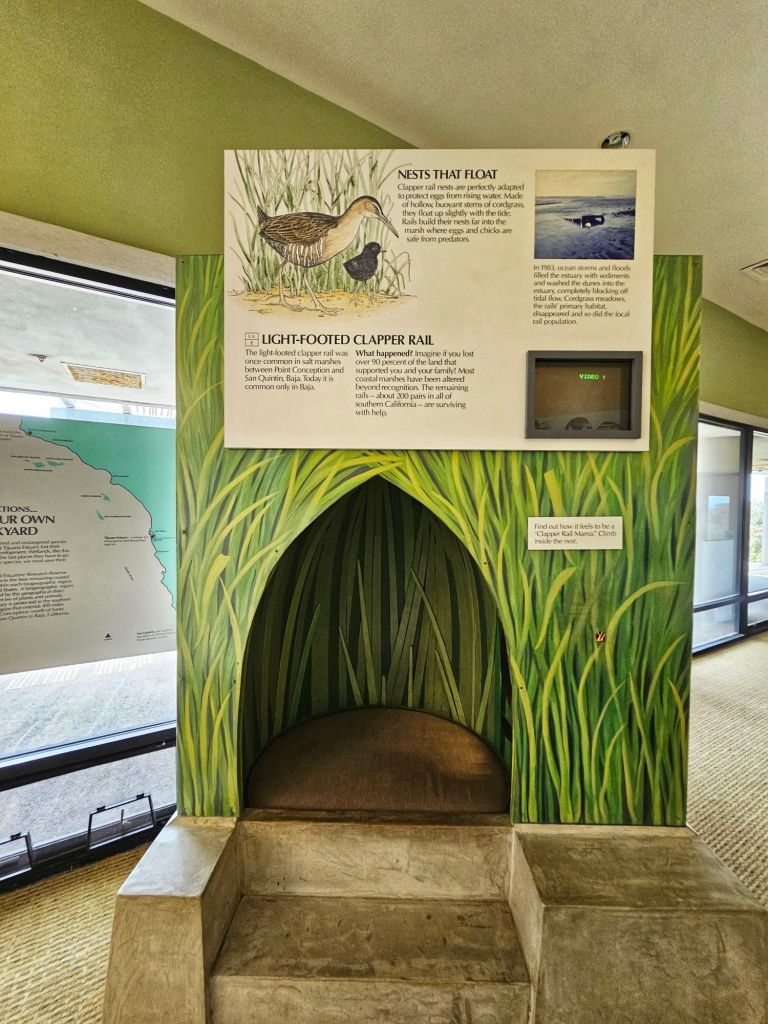
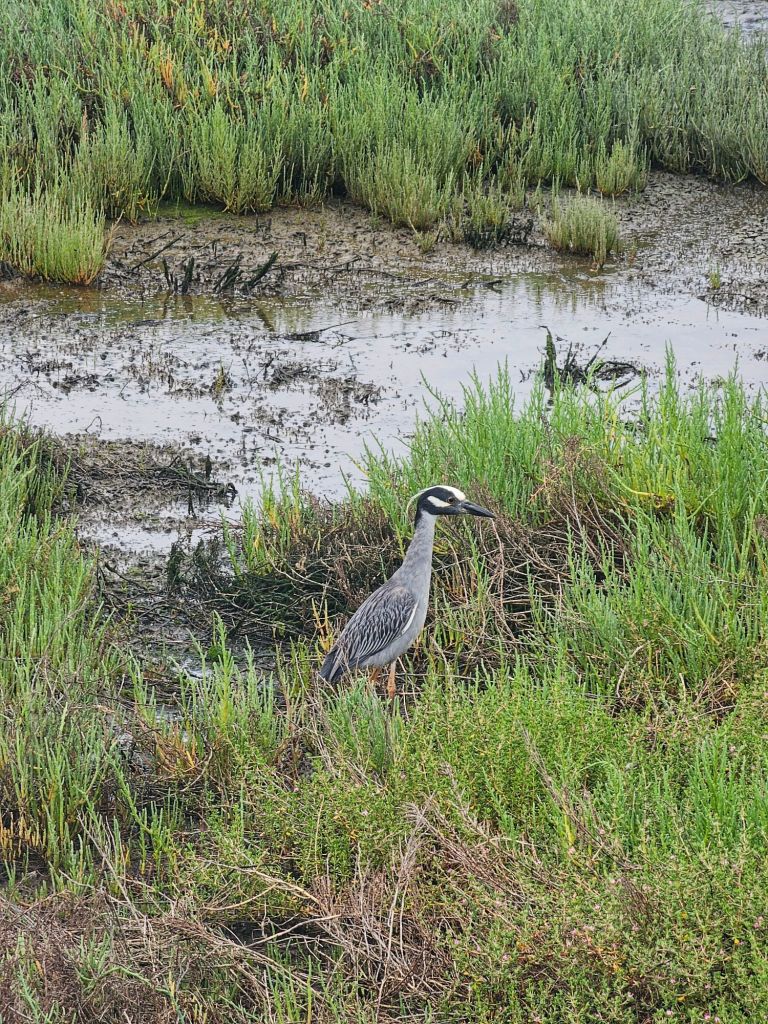
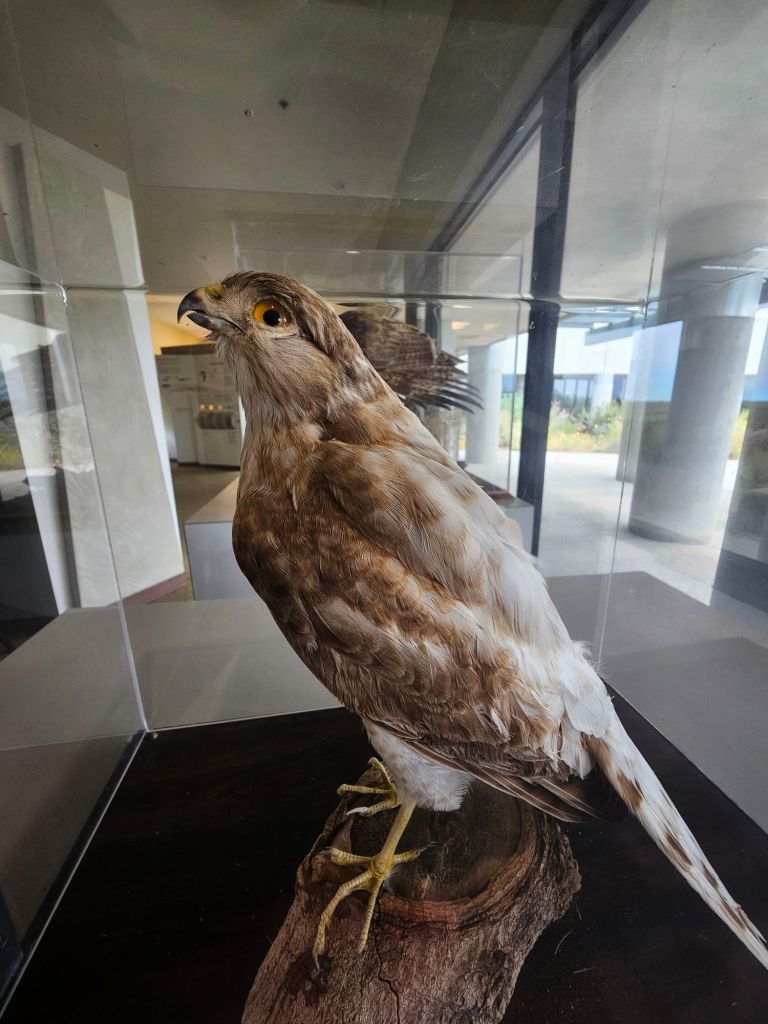
As you walk the trails, you’ll find yourself surrounded by a mosaic of marshes, mudflats, and salt flats—each teeming with life. Located along a massive aviary flyway over 370 species of birds have been recorded here, including the endangered light-footed Ridgway’s rail and least tern. Birdwatchers, bring your binoculars!

Trails, Views, and Tranquility

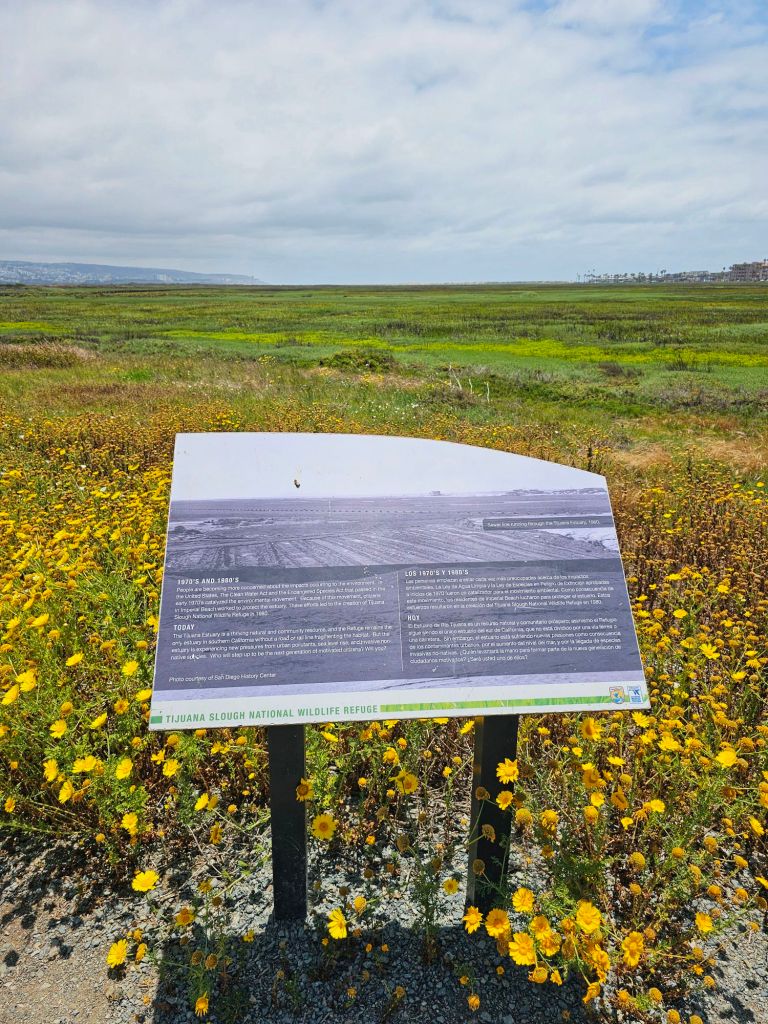
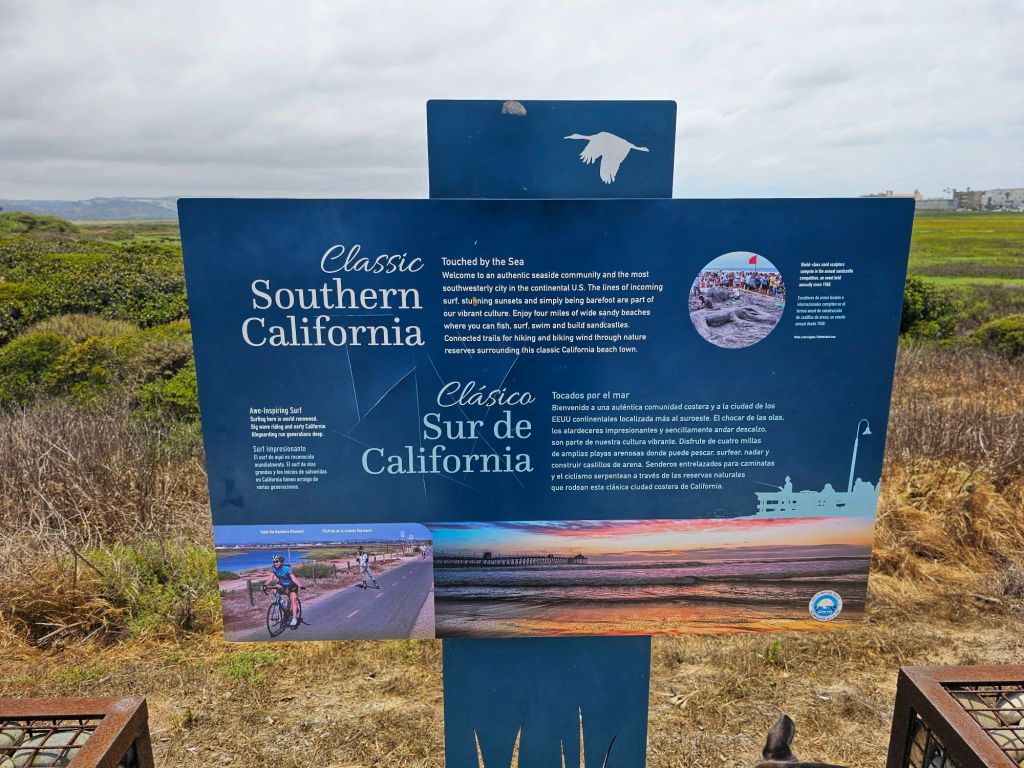
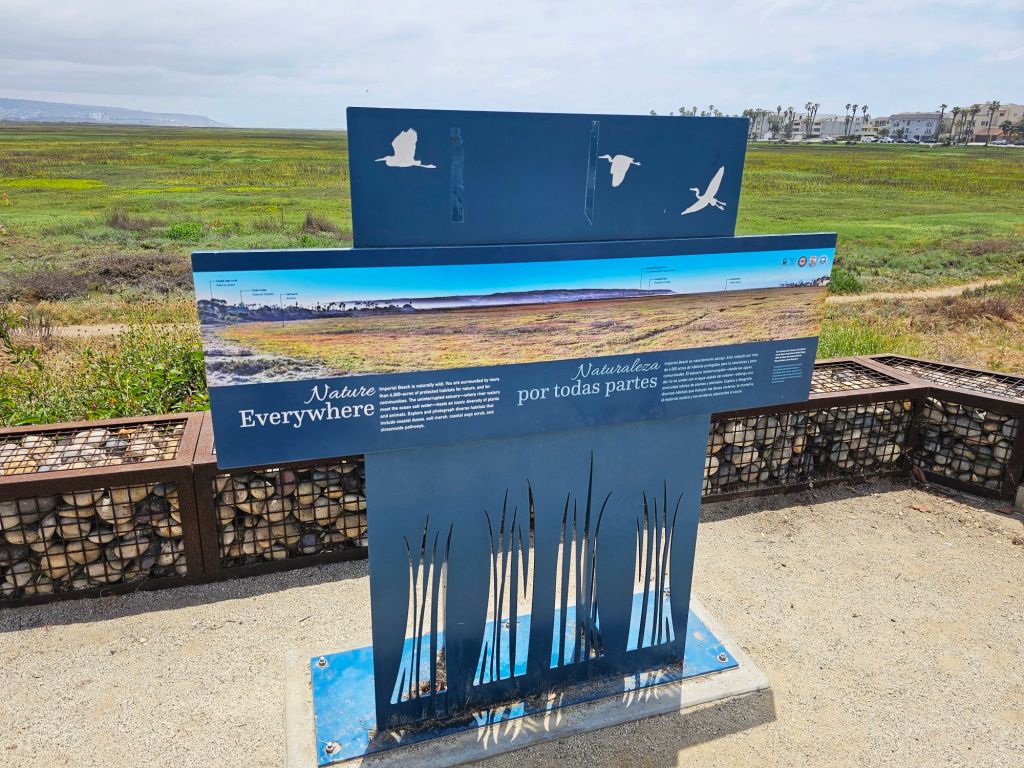
The Bayside Trail and River Mouth Trail offer easy, flat hikes with stunning views of the wetlands and the Pacific Ocean beyond. Interpretive signs along the way tell the story of the estuary’s ecology, history, and the ongoing efforts to protect it.

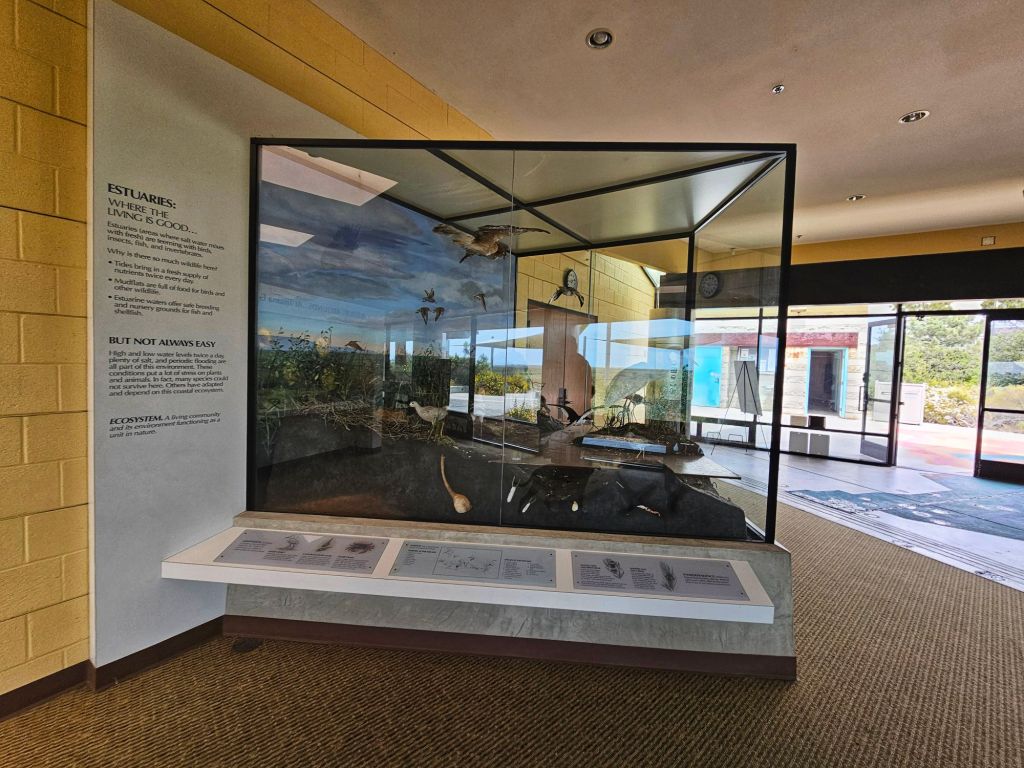
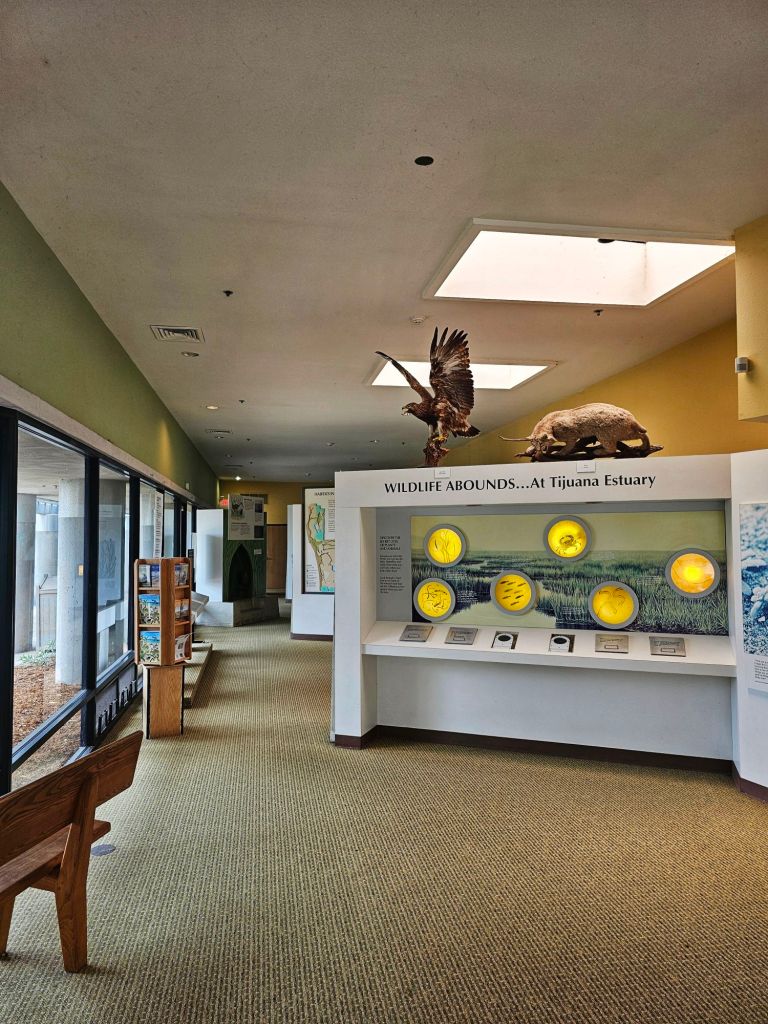
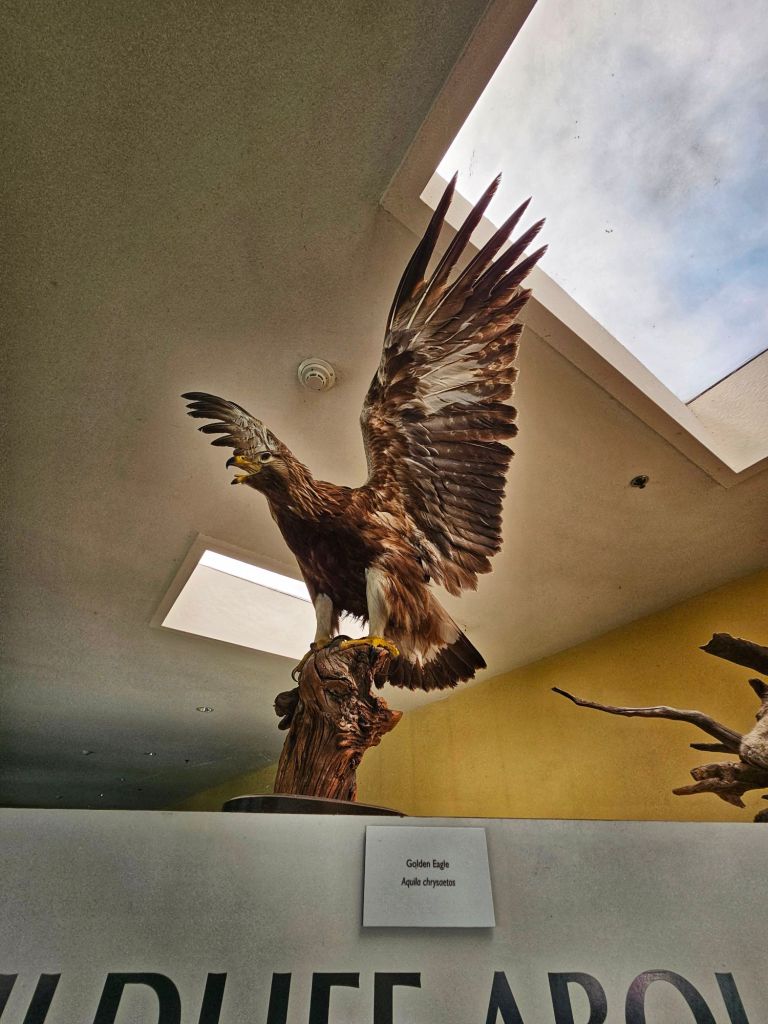
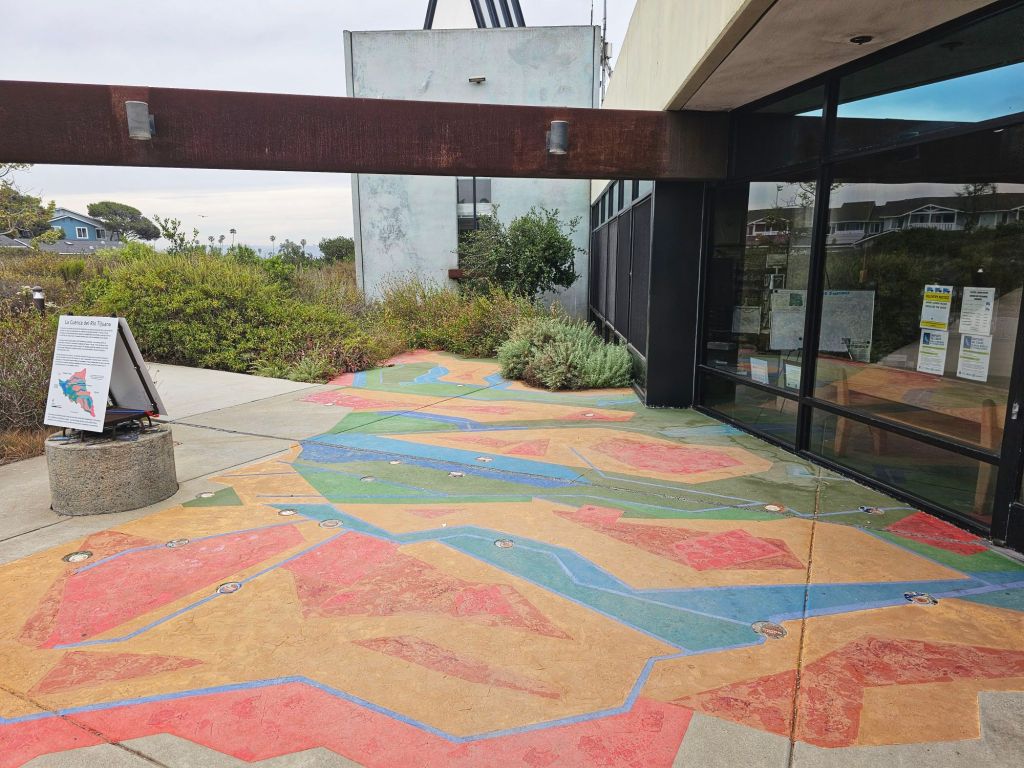
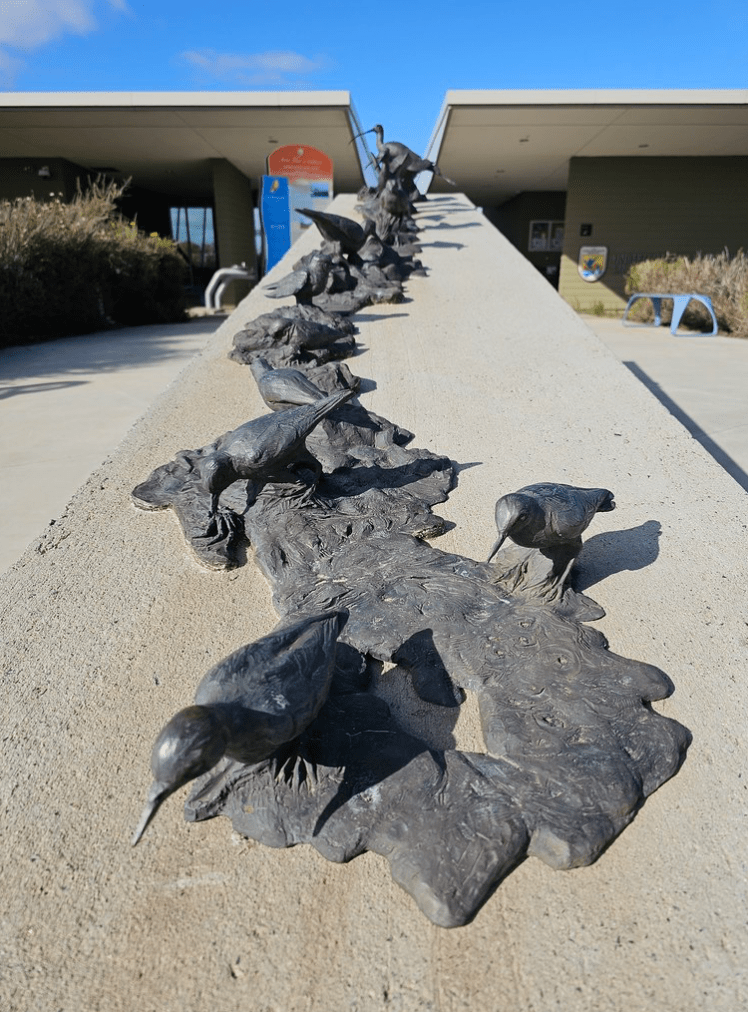
Don’t forget to stop by the Tijuana Estuary Visitor Center—a small but informative hub with exhibits, maps, and knowledgeable staff who can help guide your visit.

A Cross-Border Story

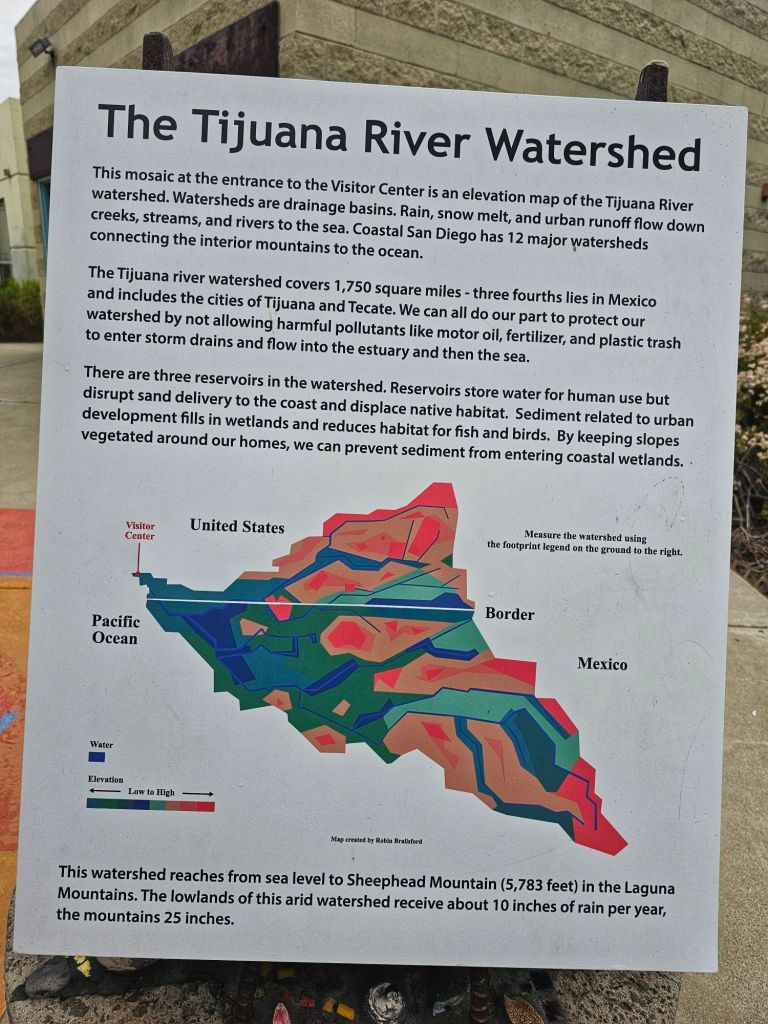
What makes the Tijuana River Estuary truly unique is its binational character. The Tijuana River originates in Mexico, flowing through the bustling city of Tijuana before crossing the U.S. border and emptying into the Pacific Ocean. Along the way, it faces challenges like pollution and urban runoff—but also inspires collaboration and conservation across borders.

Why It Matters

Estuaries like this one are among the most productive ecosystems on Earth. They provide nursery grounds for fish, shelter for birds, and natural flood control for communities. In a time of climate change and habitat loss, places like the Tijuana River Estuary remind us of nature’s resilience—and our responsibility to protect it.

Plan Your Visit

Whether you’re a birder, hiker, photographer, or simply seeking a quiet moment in nature, the Tijuana River Estuary is worth a visit. Come for the peaceful views, stay for the deeper connection to a landscape that quietly sustains life in so many ways.

Wildlife, Waves, and Wonder at La Jolla Cove

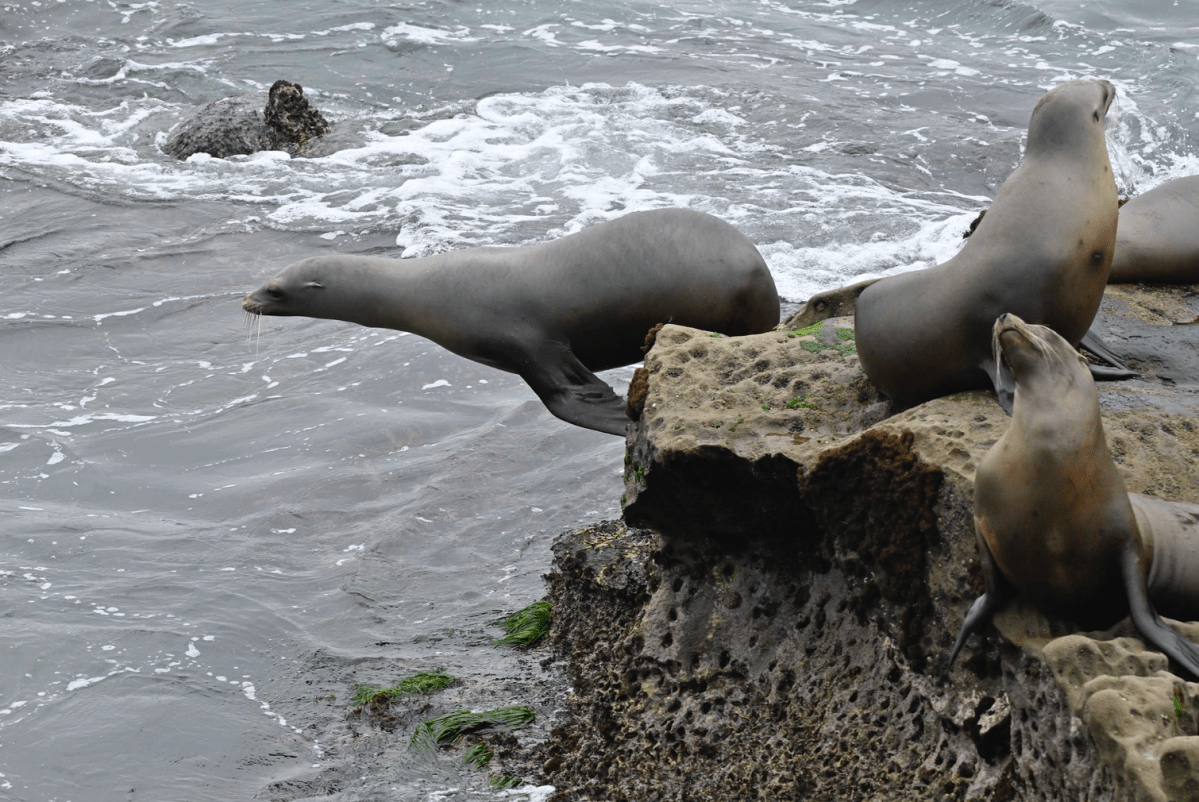
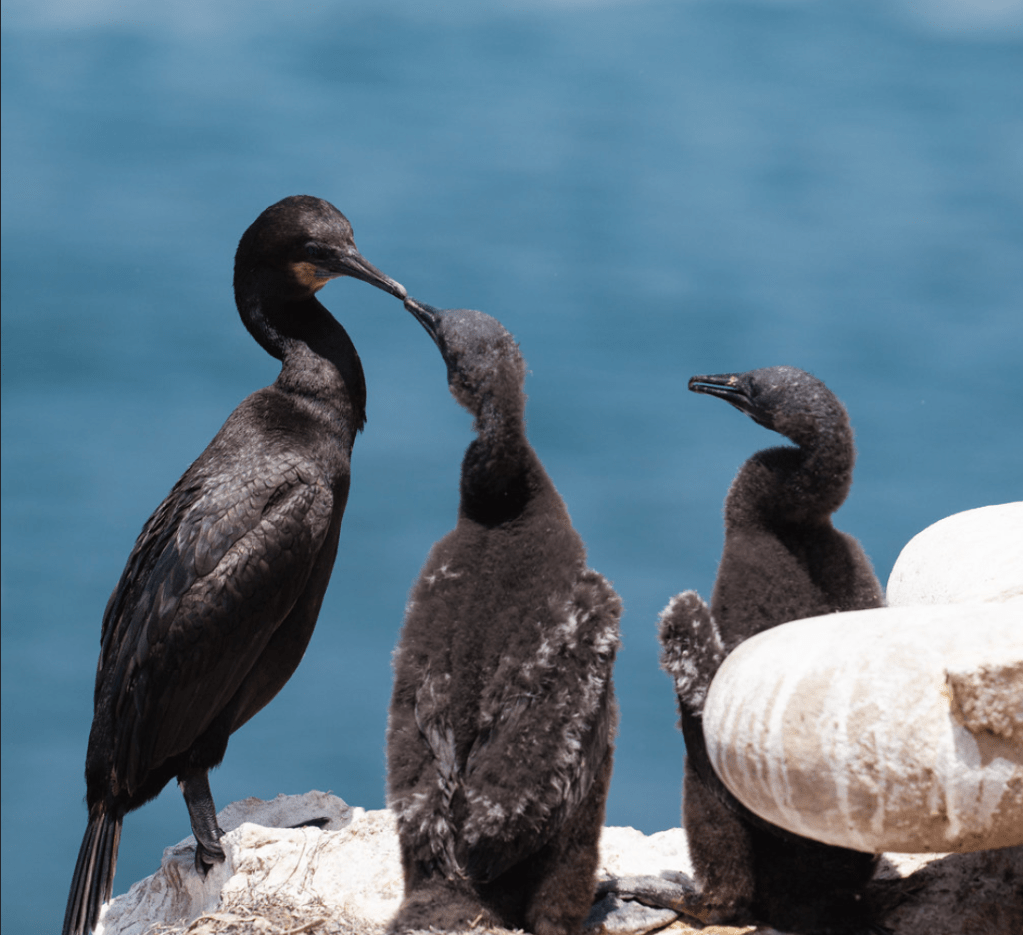
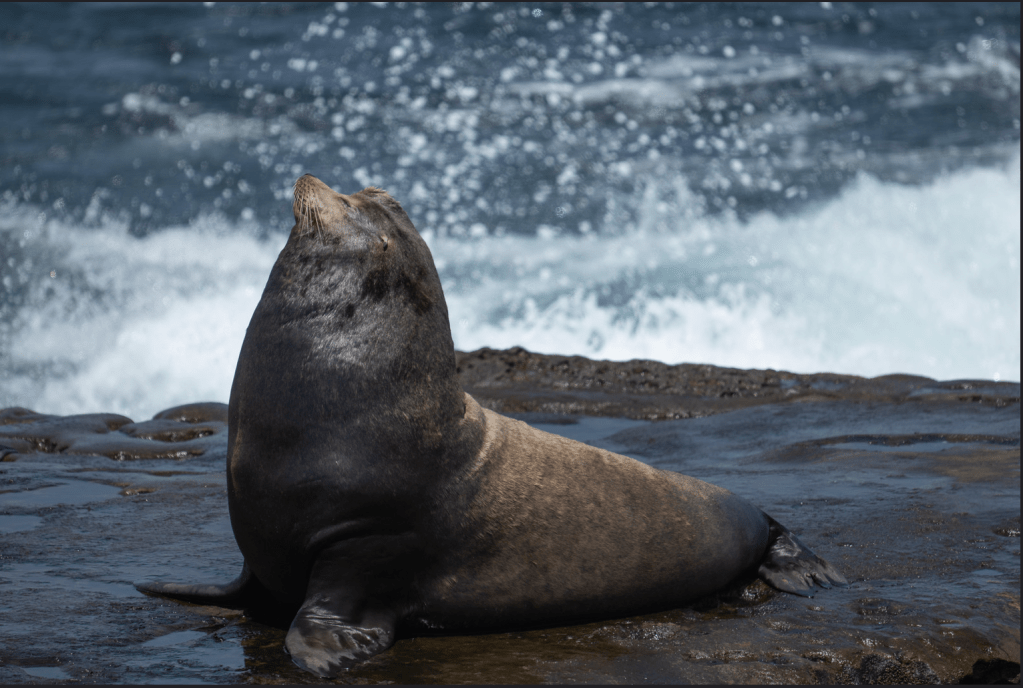
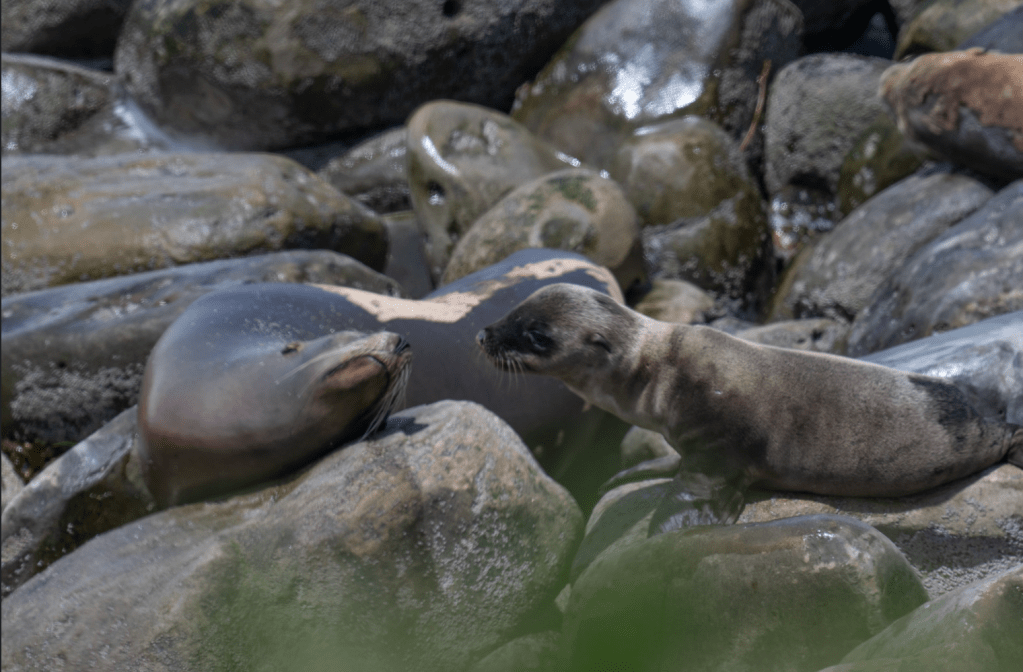
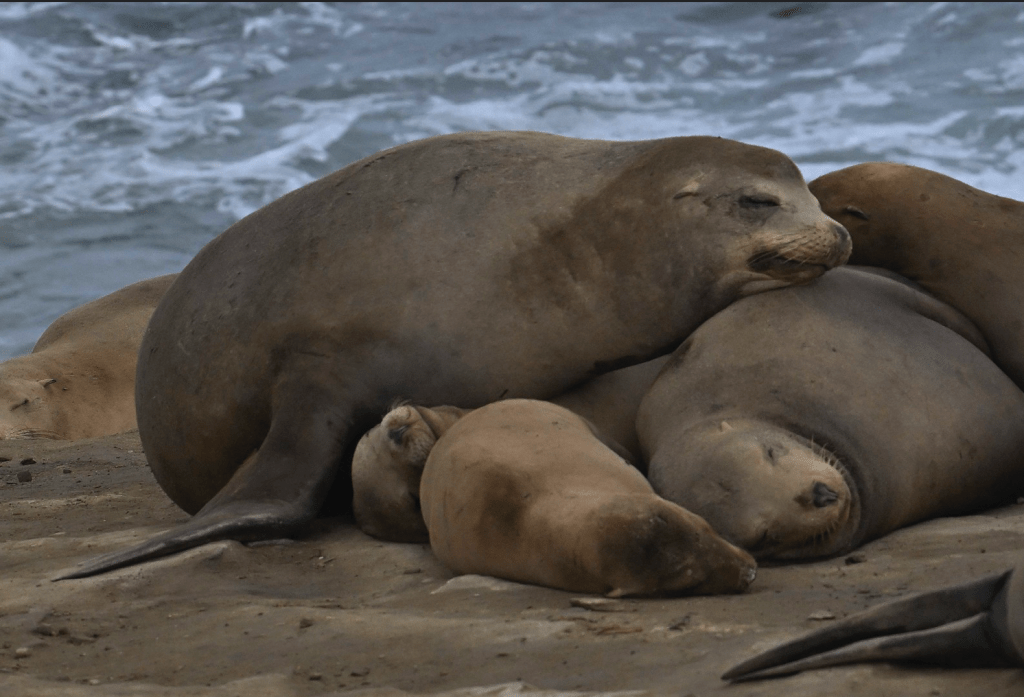
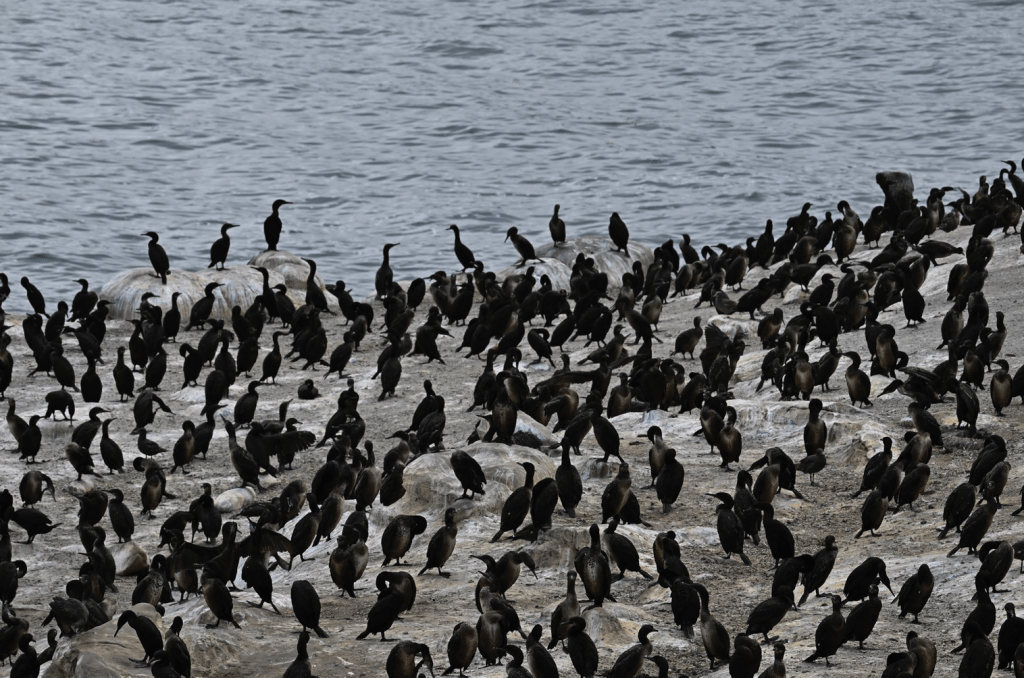
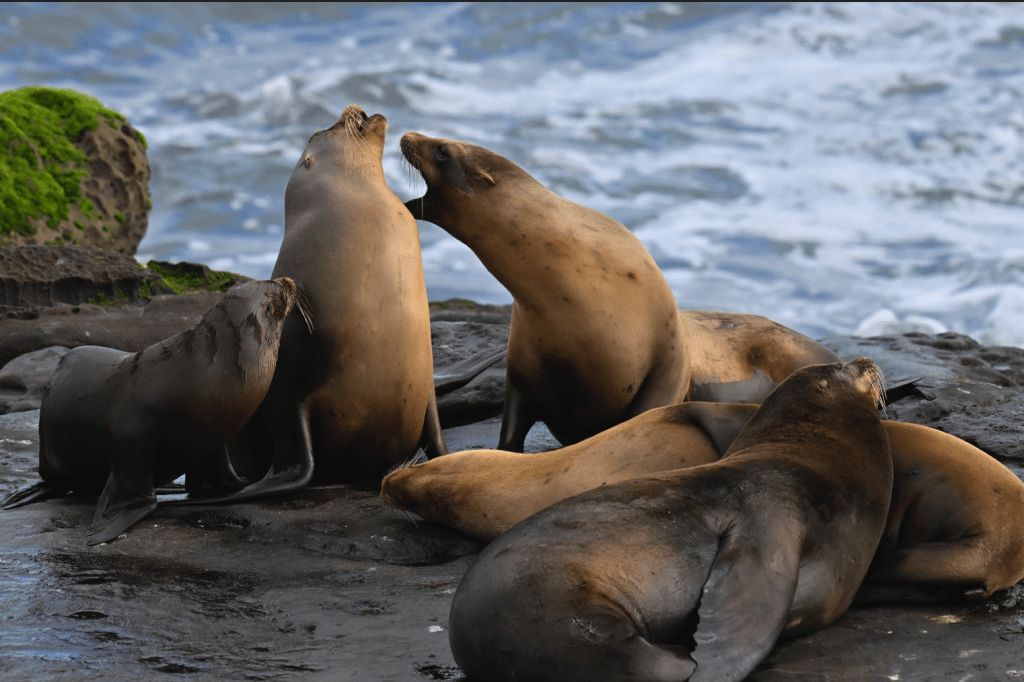
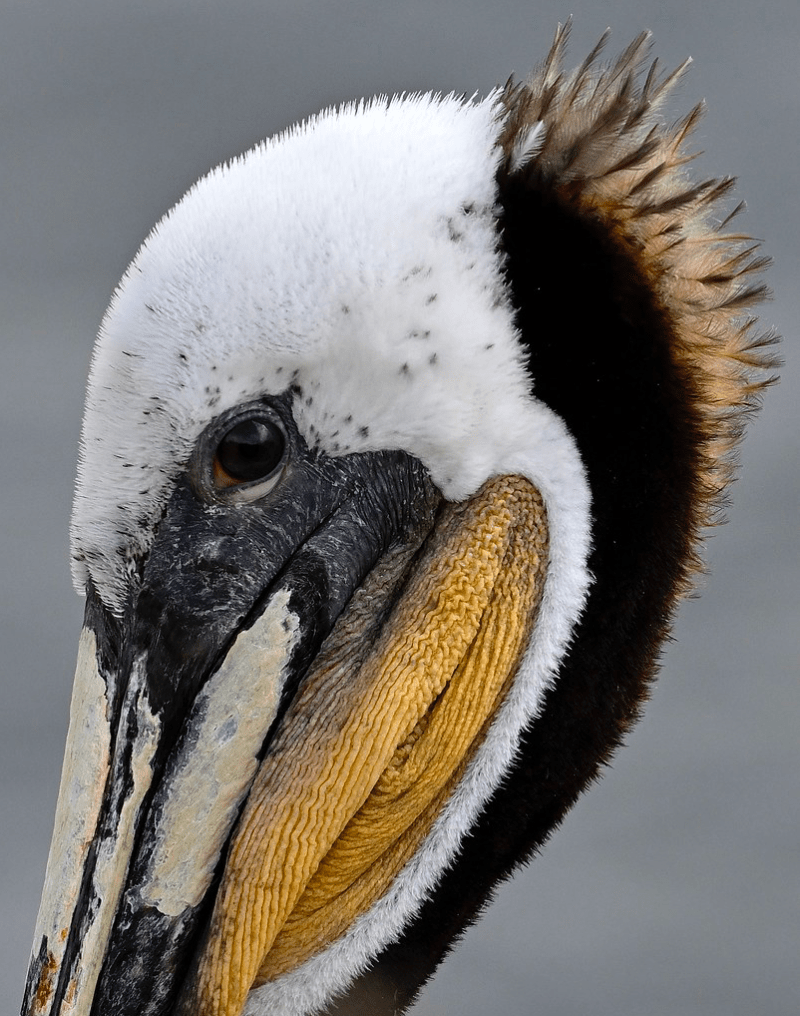
La Jolla Cove is part of the larger La Jolla Underwater Park, a protected marine reserve that makes it a paradise for snorkelers, scuba divers, and kayakers. Above the waves, La Jolla Cove is famously home to a lively population of sea lions and harbor seals. These charismatic creatures can be seen basking on the rocks, swimming close to shore, or engaging in playful antics that delight onlookers. Birdwatchers will also enjoy spotting a variety of coastal birds such as pelicans, cormorants, and gulls soaring overhead or nesting on the rocky cliffs.

Tide pools along the shore reveal a hidden world of marine invertebrates including starfish, anemones, and crabs, especially at low tide. This makes La Jolla Cove a fantastic destination for families and curious explorers eager to learn about marine ecology up close.

Challenges at La Jolla Cove

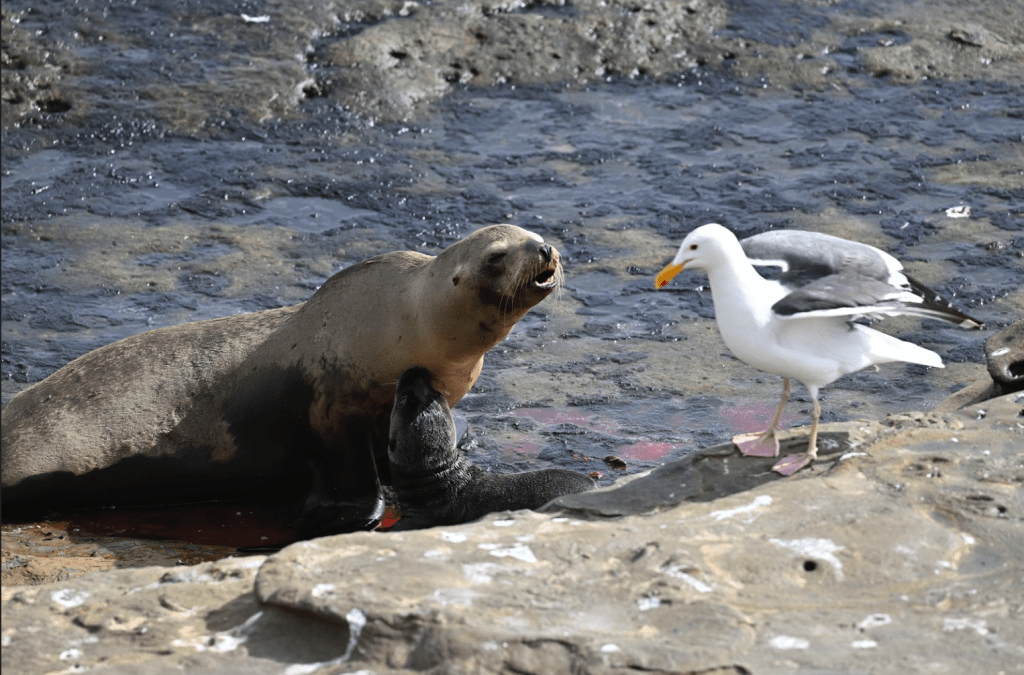
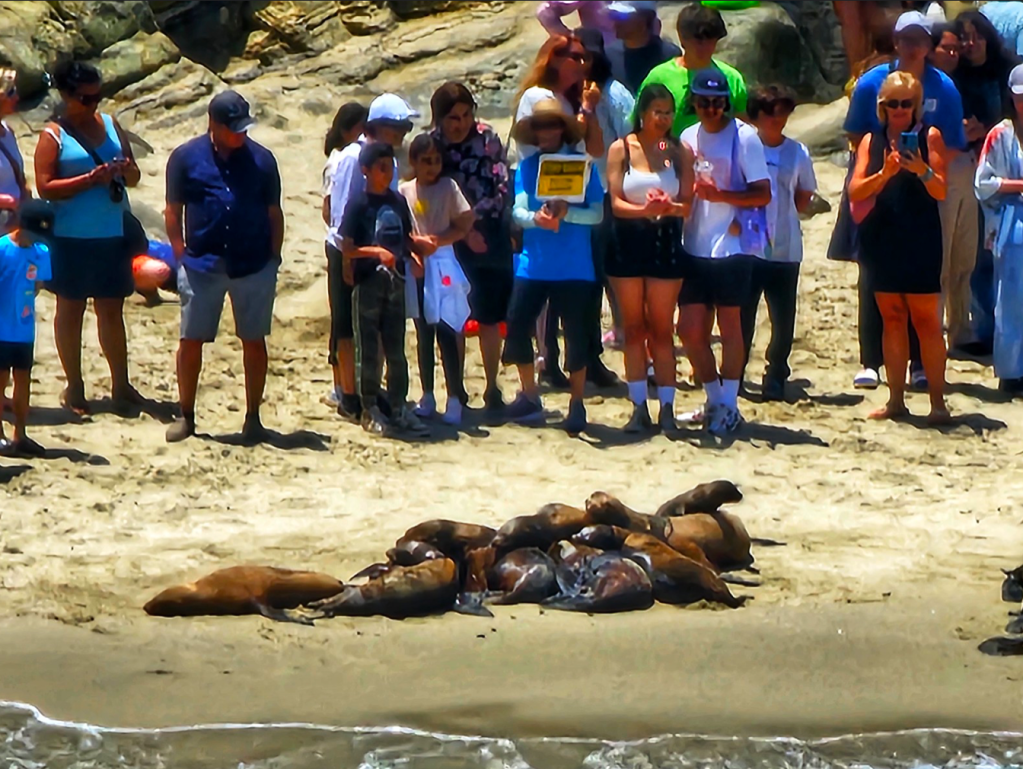
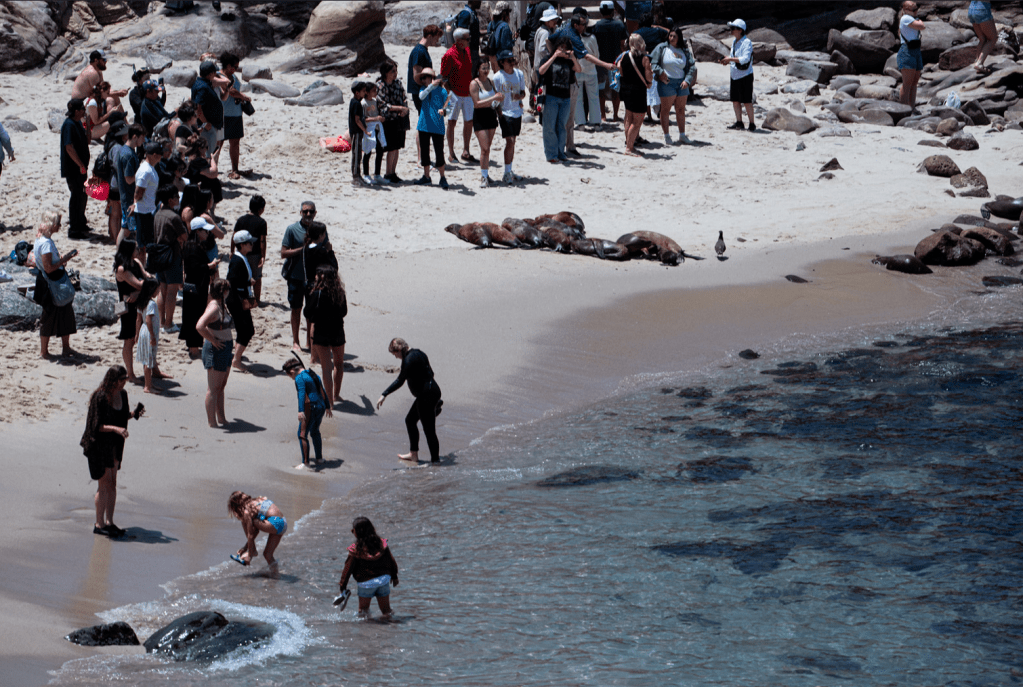
A growing problem involves harassment of the local wildlife, particularly sea lions and harbor seals. Despite clear signage and public education efforts, some visitors approach too closely for photos, attempt to touch or feed the animals, or otherwise disturb them. These actions not only stress the animals but can also lead to dangerous encounters. Seasonal closures and designated viewing areas have been implemented in some sections to minimize human-wildlife conflicts and protect both animals and people.

Increased foot traffic, littering and disturbance of tide pools can threaten the delicate ecosystems. Conservationists and local authorities continuously urge visitors to follow “leave no trace” principles and respect protected areas.

Water quality can also fluctuate, especially after heavy rains, due to urban

Balancing tourism, wildlife conservation, and community interests remains a delicate task, but ongoing efforts by environmental groups, volunteers, and city planners aim to preserve La Jolla Cove’s natural charm for generations to come

Sweetwater Marsh National Wildlife Refuge

Breathe Easy in the Marsh: Discovering the Sweetwater Marsh National Wildlife Refuge

Living in San Diego, we’re lucky to be surrounded by pockets of natural beauty. But nestled right here, offering a vital sanctuary for wildlife and a tranquil escape for us, is the Sweetwater Marsh National Wildlife Refuge. This isn’t just another patch of green; it’s a dynamic coastal wetland teeming with life and holding significant ecological importance.

The entire San Diego Bay National Wildlife Refuge, which includes other units besides Sweetwater Marsh, totals around 2,620 acres of land and water in and around San Diego Bay. So, while the broader refuge is larger, the specific Sweetwater Marsh unit you might be exploring is about 316 acres in size.

In order to access the trails located within the Sweetwater March you must park your vehicle at the parking lot located outside the refuge at 1000 Gunpowder Point Drive, Chula Vista, CA 91910, then take a free shuttle bus provided by the Living Coast Discovery Center. The Discovery Center and the Refuge are open Wednesday through Sunday 10am-5pm.  Check the Living Coast Discovery Center website for most up-to-date information. There is no fee to walk the 1.5 miles of trails, however there is a fee to explore the Living Coast Discovery Center

More Than Just Mudflats:

For those unfamiliar, a salt marsh might just seem like muddy ground. But look closer, and you’ll discover a vibrant and crucial habitat. The Sweetwater Marsh is one of the few remaining significant salt marshes in Southern California, acting as a natural filter for our waters, a buffer against coastal erosion, and a vital nursery for countless fish and invertebrates.

A Haven for Feathered Friends (and More!):

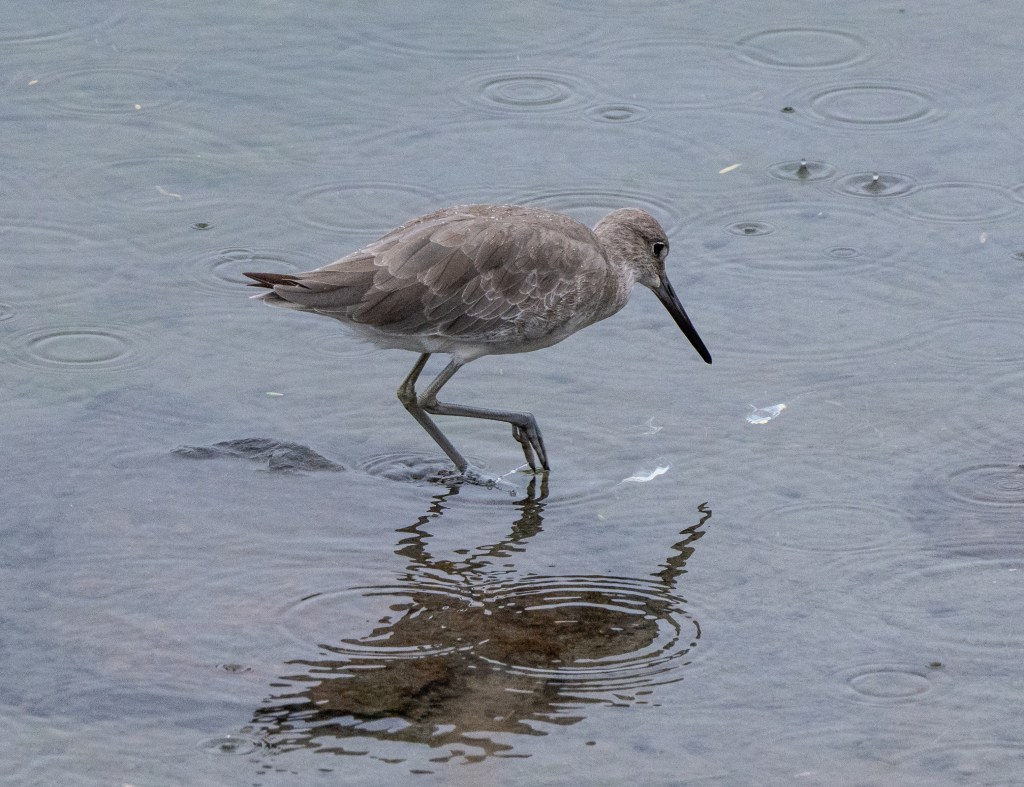
If you’re a bird enthusiast, prepare to be delighted. Situated along the Pacific Flyway, the refuge is a critical stopover and home for a stunning array of migratory and resident birds. Keep your eyes peeled for elegant avocets and stilts gracefully wading through the shallows, various sandpipers and willets scurrying along the mudflats, and majestic herons and egrets patiently stalking their prey.

But the Sweetwater Marsh is particularly significant for the California least tern and the light-footed Ridgway’s rail(formerly California clapper rail) – both federally endangered species. The refuge provides crucial nesting and foraging grounds for these vulnerable birds, and dedicated conservation efforts are underway to ensure their survival. Witnessing these rare species in their natural habitat is a truly special experience.

Your Invitation to Explore:

The Sweetwater Marsh National Wildlife Refuge isn’t just for the birds; it’s for us too! Several easy-to-moderate trails meander through the marsh, offering fantastic opportunities for:

  • Birdwatching: Bring your binoculars and prepare to be amazed by the diversity of avian life.
  • Walking and Hiking: Enjoy a peaceful stroll amidst the natural beauty, taking in the fresh air and scenic views of the bay and surrounding landscape.
  • Photography: Capture the stunning scenery and the fascinating wildlife that calls this refuge home.
  • Learning and Discovery: The nearby Living Coast Discovery Center acts as an excellent gateway to understanding the ecology of the marsh and the importance of conservation. You can often spot the same species in the wild after learning about them at the center!

A Call to Respect and Protect:

As we enjoy the beauty and tranquility of the Sweetwater Marsh, it’s crucial to remember that it’s a protected area. Let’s all do our part by:

  • Staying on marked trails: To protect the delicate marsh environment.
  • Observing wildlife from a distance: Giving them the space they need.
  • Leaving no trace: Packing out everything we bring in.
  • Respecting all rules and regulations: Ensuring the long-term health of this vital ecosystem.

So, the next time you’re looking for a breath of fresh air and a chance to connect with nature right here in Chula Vista, head over to the Sweetwater Marsh National Wildlife Refuge. It’s a reminder of the incredible biodiversity that exists right in our backyard and a place where we can all appreciate the beauty and importance of our coastal wetlands.

Animals on the Bay Day : Living Coast Center

Animals on the Bay Day is back! For just $5 per person, you can spend the day with the Living Coast while engaging with animal ambassadors, meeting the faces of our partner organizations, exploring the wildlife refuge, participating in educational activities, enjoying food trucks, and more!

Visit https://www.thelivingcoast.org/programs-events-upcoming-events/animals-on-the-bay-day-2025/ to purchase the reduced $5 tickers.

New for 2025 are timed Entry Tickets in 4 different time blocks

10am-11am, 11:30am-12:30pm, 1pm-2pm, 2:30pm-3:30pm

ATTENDING PARTNER ORGANIZATIONS

Fishing, Camping, and Fun: Explore Santee Lakes

Santee Lakes: A Hidden Gem for Outdoor Recreation A picturesque paradise in the heart of San Diego’s East County

Nestled in the rolling hills of San Diego’s East County, Santee Lakes is a hidden gem for outdoor enthusiasts seeking a tranquil escape from the hustle and bustle of city life. This sprawling recreational area offers a diverse range of activities for visitors of all ages, from fishing and boating to hiking and picnicking.

Santee Recreational Lakes is a 190-acrea privately owned park and campground run by the Padre Dam Municipal Water District. The park is made up of seven lakes that are filled with recycled water from a water treatment plant nearby. There is plenty of parking along the loop road that runs around the property. Lakes 1-6 have flat paved concrete sidewalks next to the roadway. 

Dogs are not allowed in the day use area of the park. Between Lakes 6 and 7 in the north there is a limited  dog walk area accessible on the west side. 

The campground offers cabin rentals and RV sites for pricing and availability check there site 

I originally found out about the Santee Recreational Lakes through the Palomar Audubon Society website. I was looking for birding groups in my area and joined them on a walk of Santee Lakes. I have since been pack many times on my own and have scene a variety of both native and transient birds at the lakes. 

A Haven for Anglers

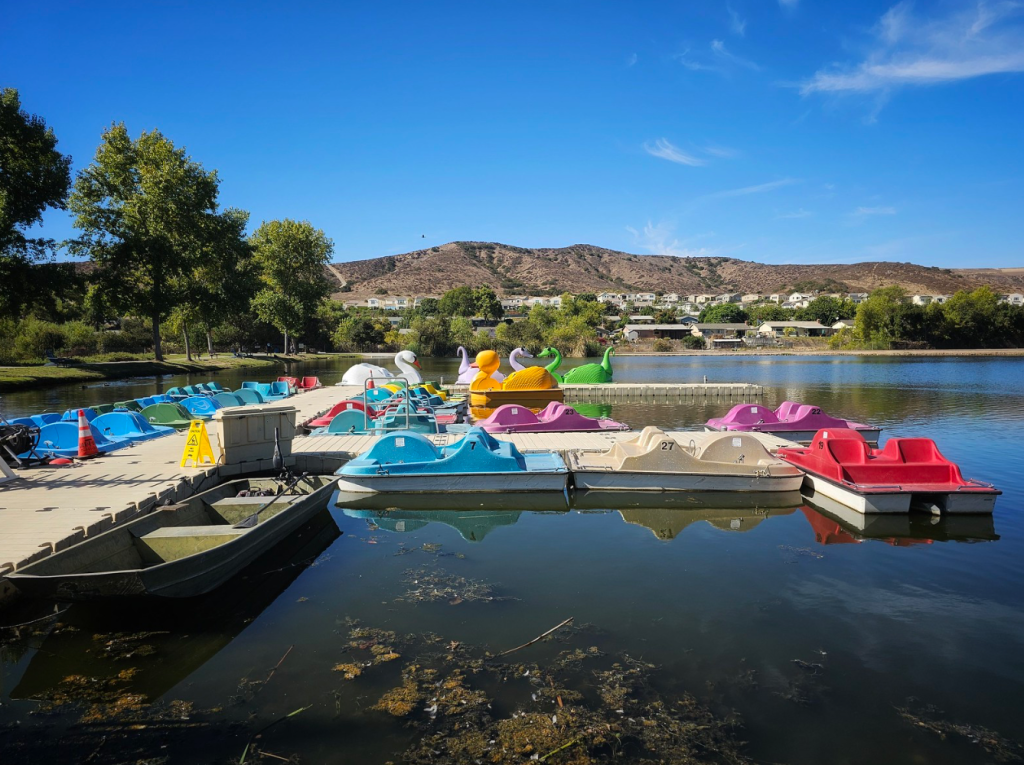
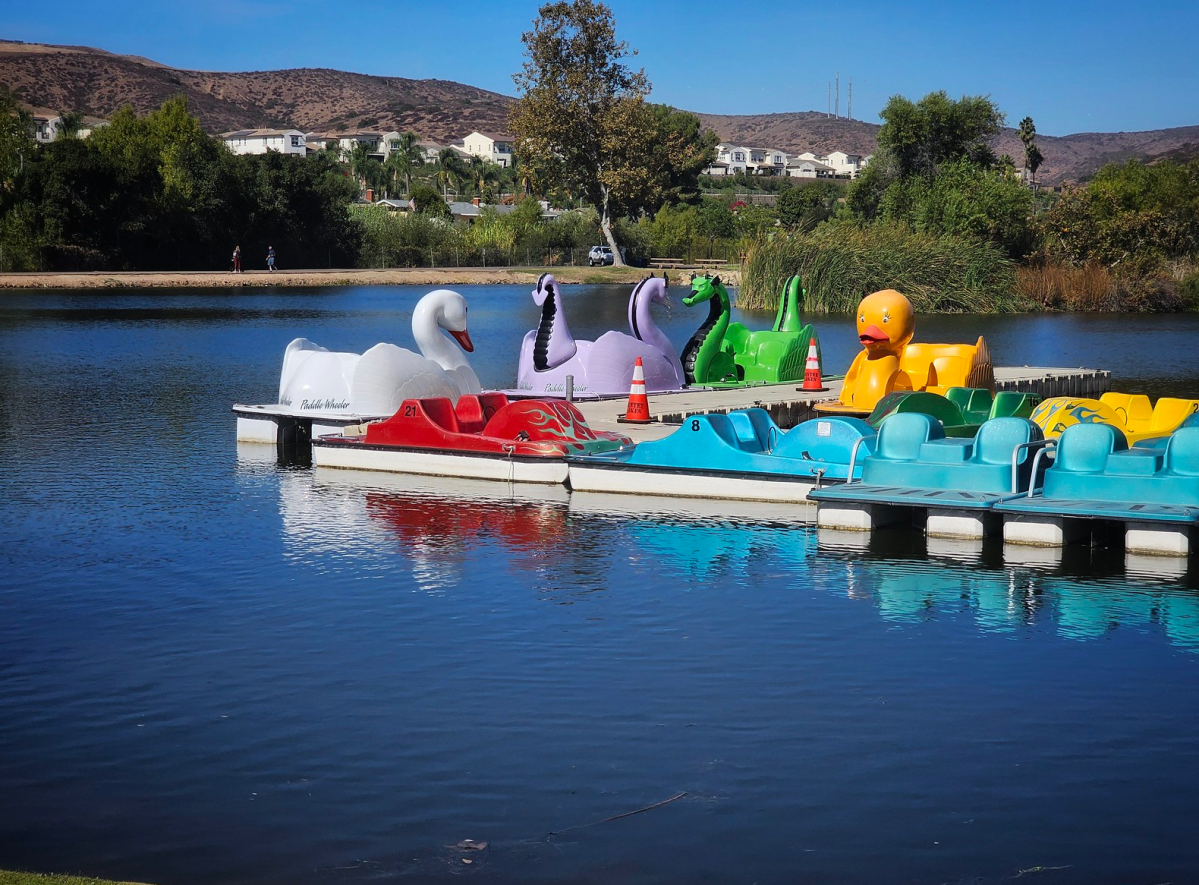
Santee Lakes is a popular destination for anglers, with its well-stocked waters teeming with various fish species, including rainbow trout, catfish, and bass. The lakes offer a variety of fishing opportunities, from bank fishing to renting a pedal powered swan boat.

Picnicking and Camping

Santee Lakes is a great place to spend a day with family and friends. The park has several picnic areas equipped with tables, grills, and playgrounds, making it an ideal spot for a picnic lunch or barbecue. For those who want to stay overnight, the park also has a campground with RV hookups and tent sites.

Additional Amenities

Santee Lakes offers a variety of other amenities to make your visit enjoyable, including a snack bar, a bait shop, and a boat rental facility. The park also has a visitor center with information about the area and upcoming events.

A Day Trip Worth Taking

If you’re looking for a relaxing and fun-filled day trip, Santee Lakes is the perfect destination. With its stunning natural beauty, diverse recreational opportunities, and family-friendly atmosphere, Santee Lakes is a hidden gem that is sure to delight visitors of all ages.

Tips for Visiting Santee Lakes:

  • Santee Lakes is open year-round, but the best time to visit is during the spring and fall when the weather is mild.
  • Admission to Santee Lakes is free to walk in, but there are fees for parking your car, boat rentals, and fishing permits.
  • Be sure to bring sunscreen, a hat, and plenty of water, especially during the summer months.
  • Santee Lakes is a popular destination, so it’s best to arrive early to avoid crowds.
  • To find out more visit their website https://www.santeelakes.com