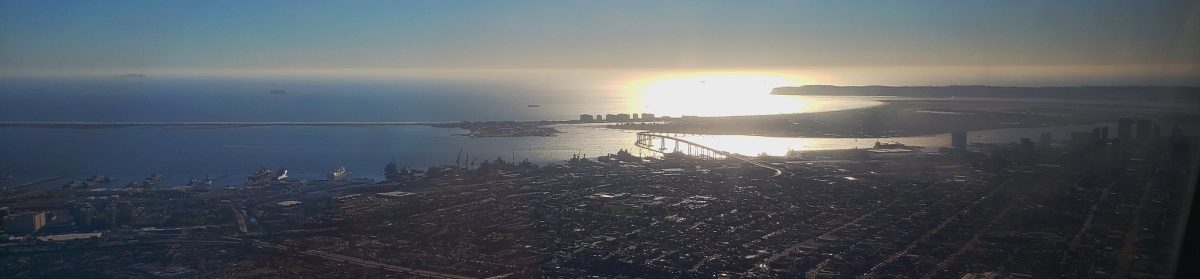
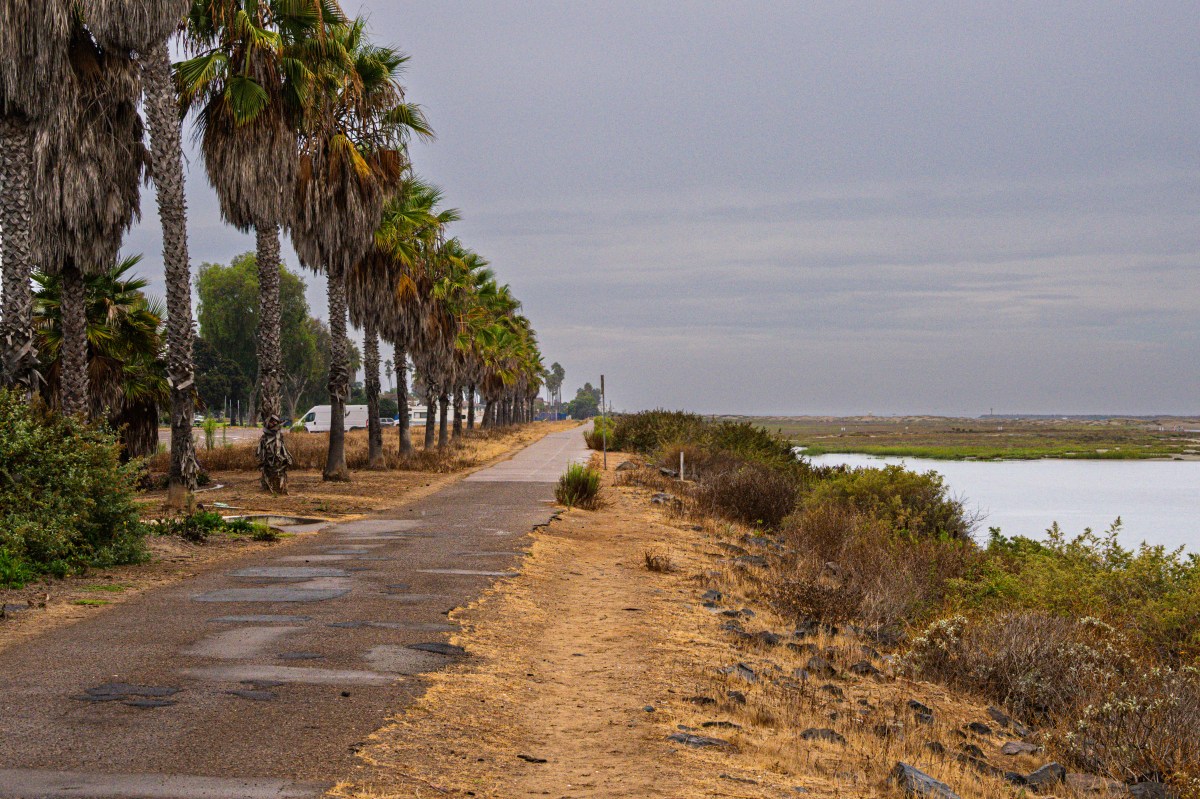
There are multiple parking options along the trail. Beginning on the western end of the trail at the Ocean Beach Dog Beach Parking Lot and few hundred yards east along the Robb Field Parking Lot
Tucked along the San Diego River in Ocean Beach, the Robb Field Loop Walkway is a hidden gem for walkers, joggers, and cyclists who want a peaceful route with a touch of coastal charm. This easy, flat loop circles the athletic fields of Robb Field and connects to the scenic San Diego River Trail, offering a refreshing mix of open park space, waterfront views, and breezy ocean air.
A Walk with a View
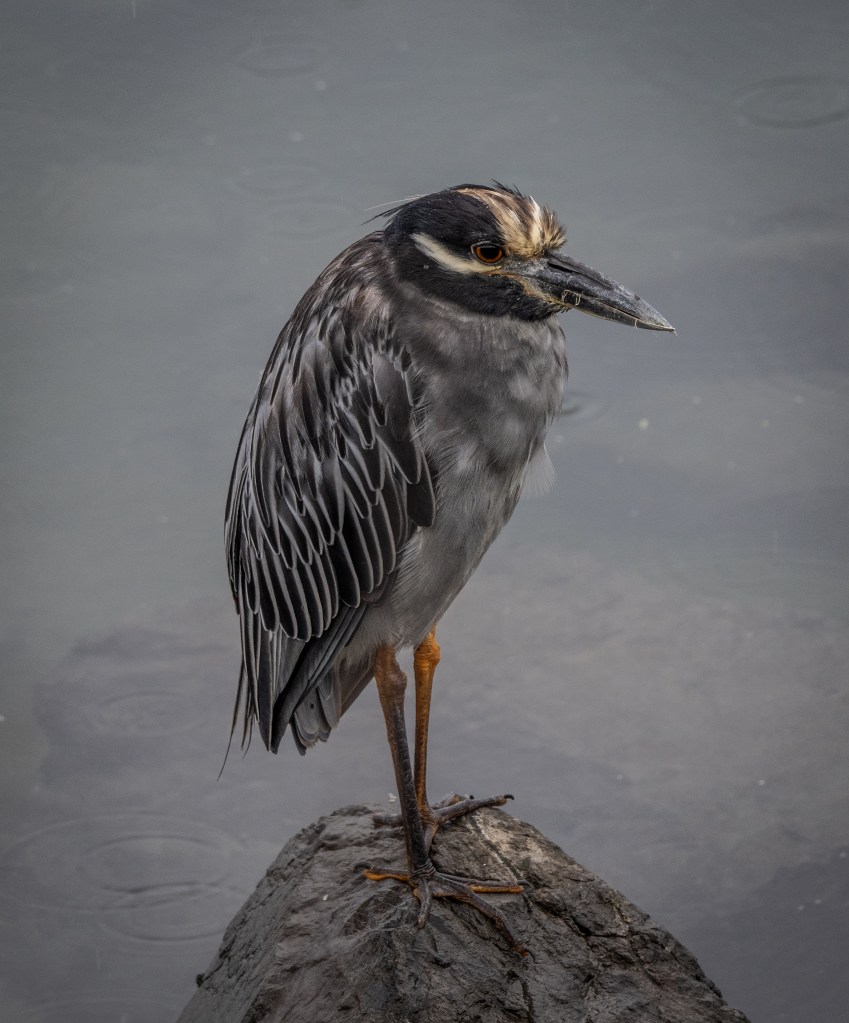
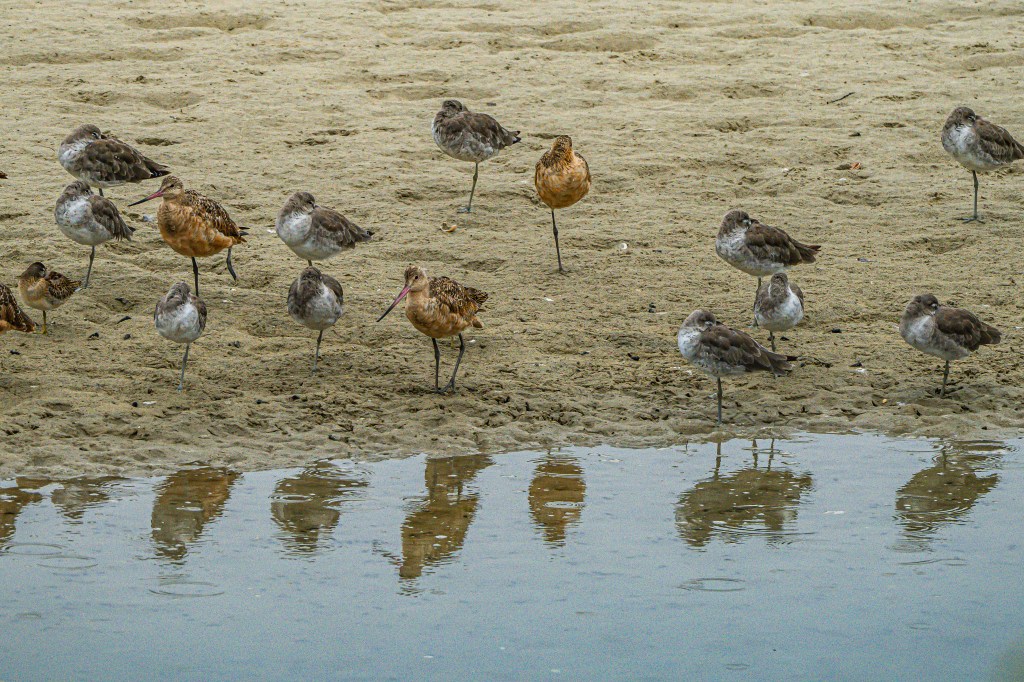
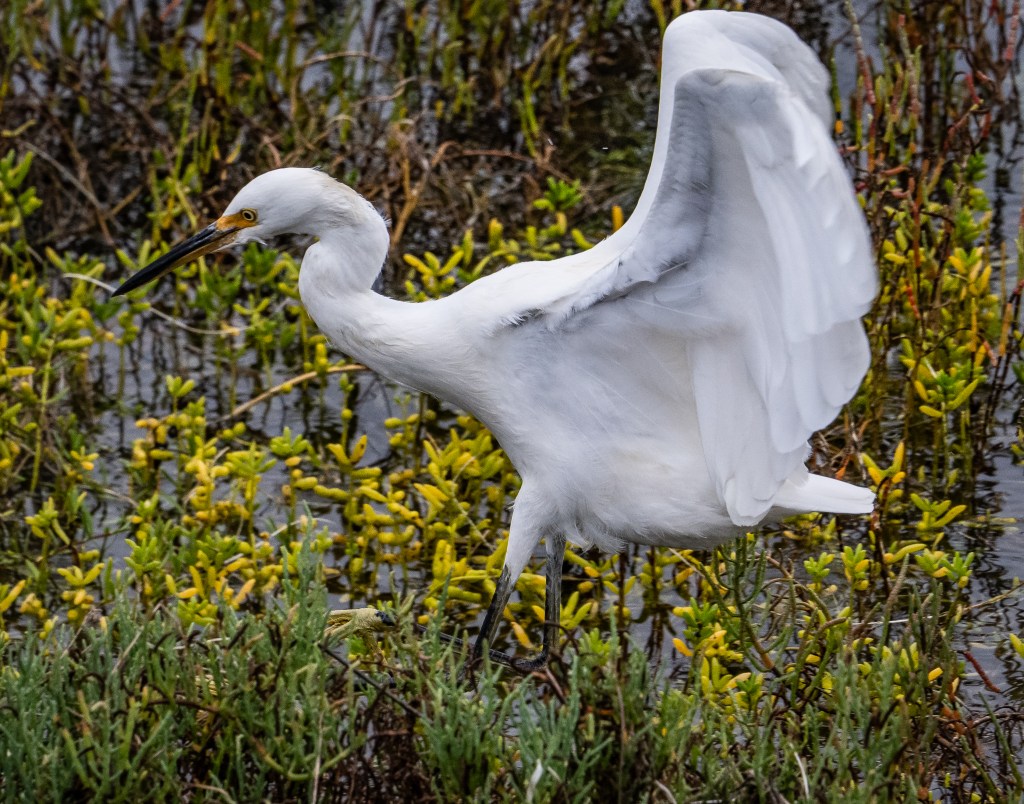
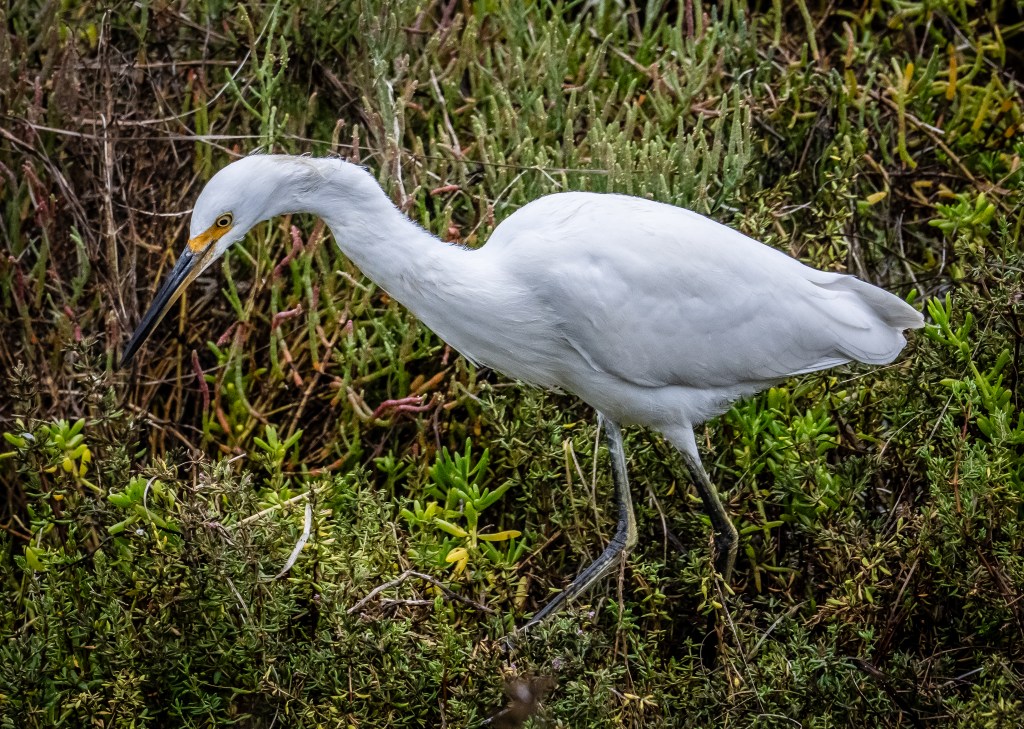
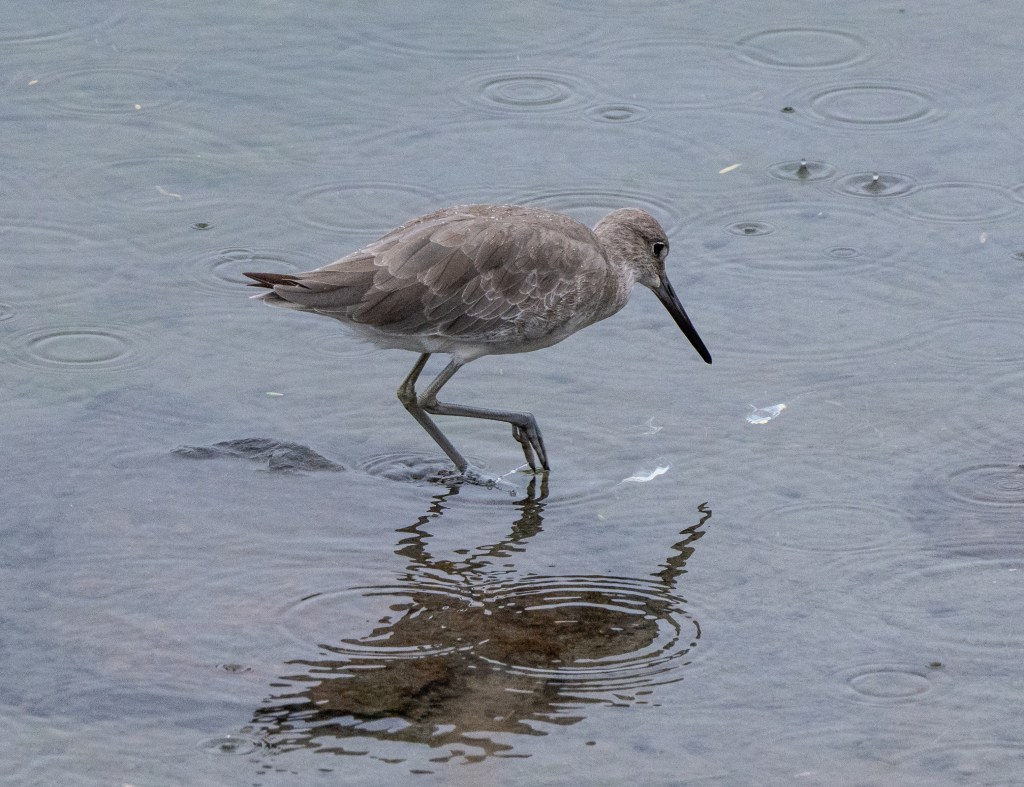
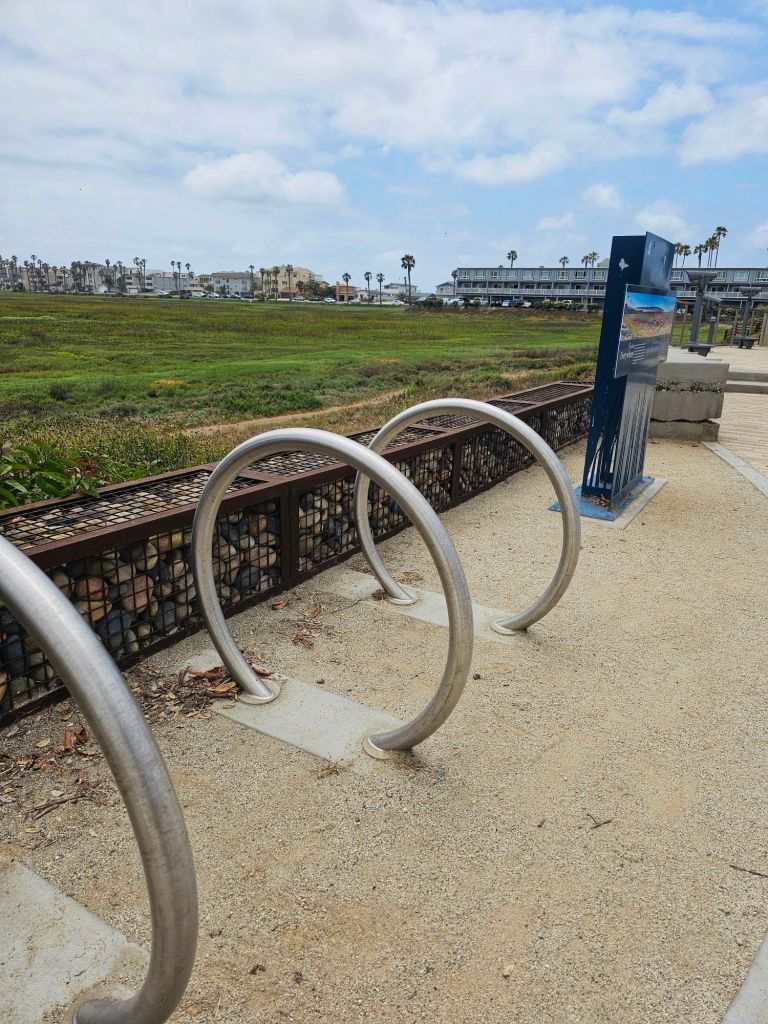
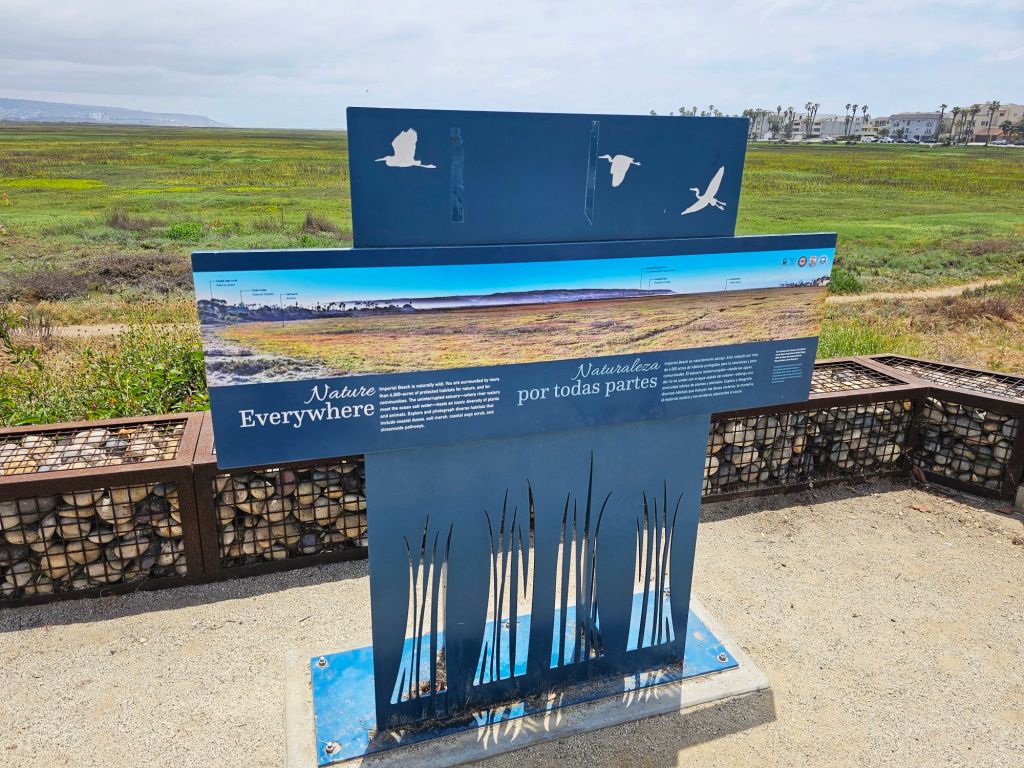
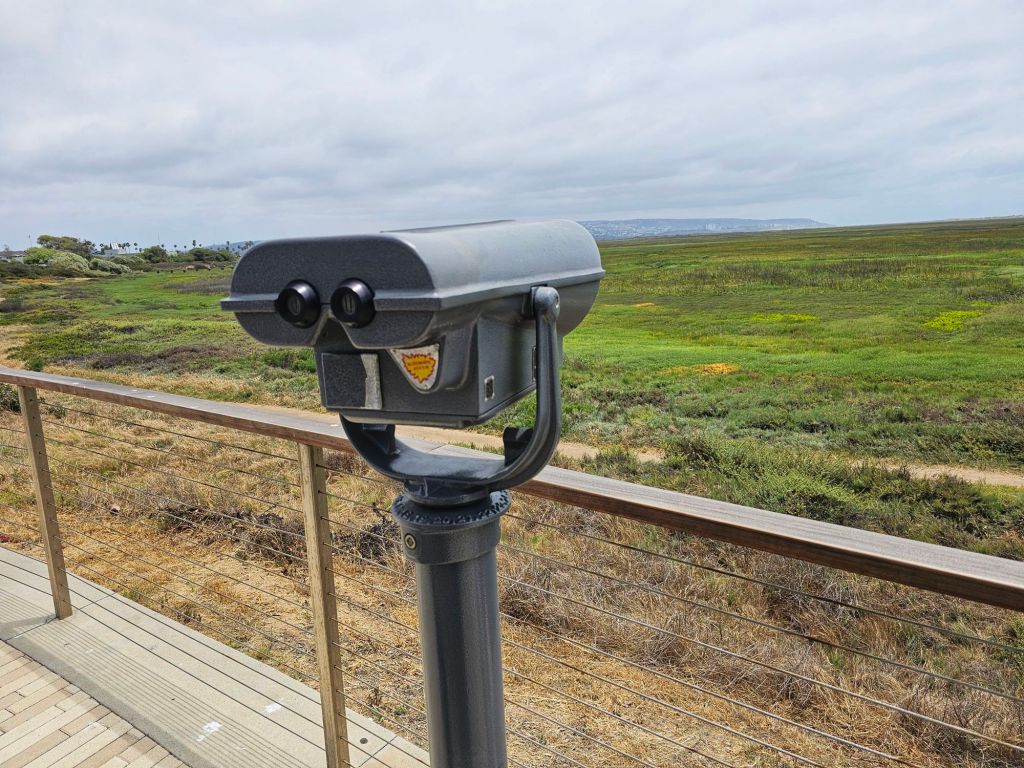
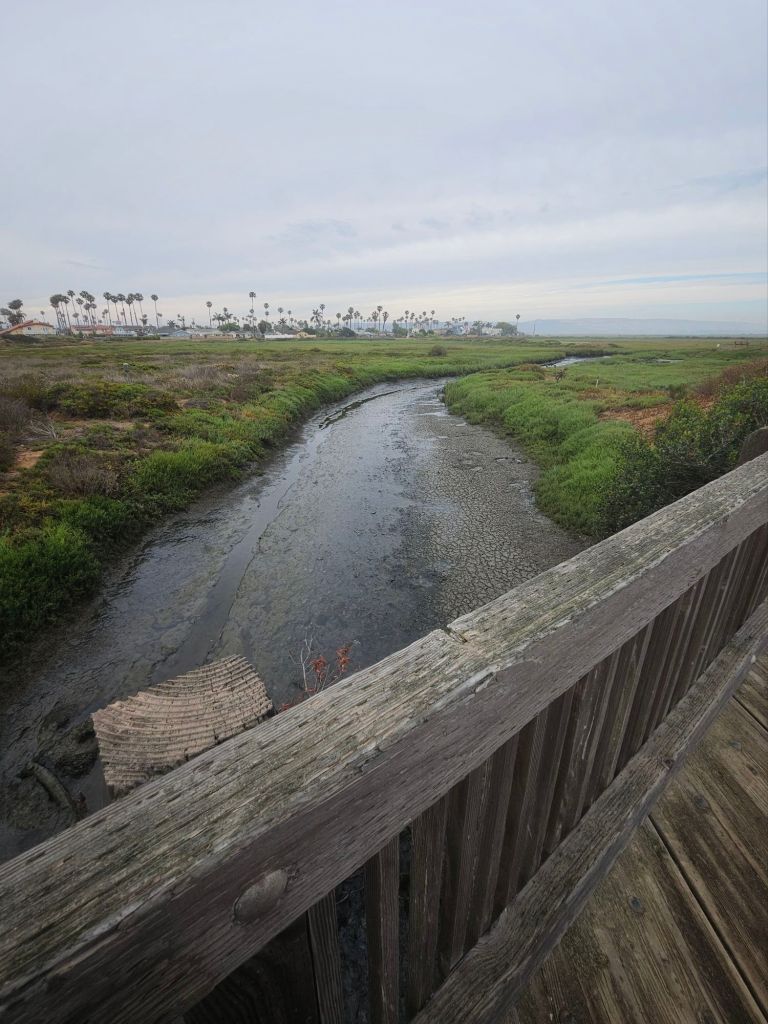
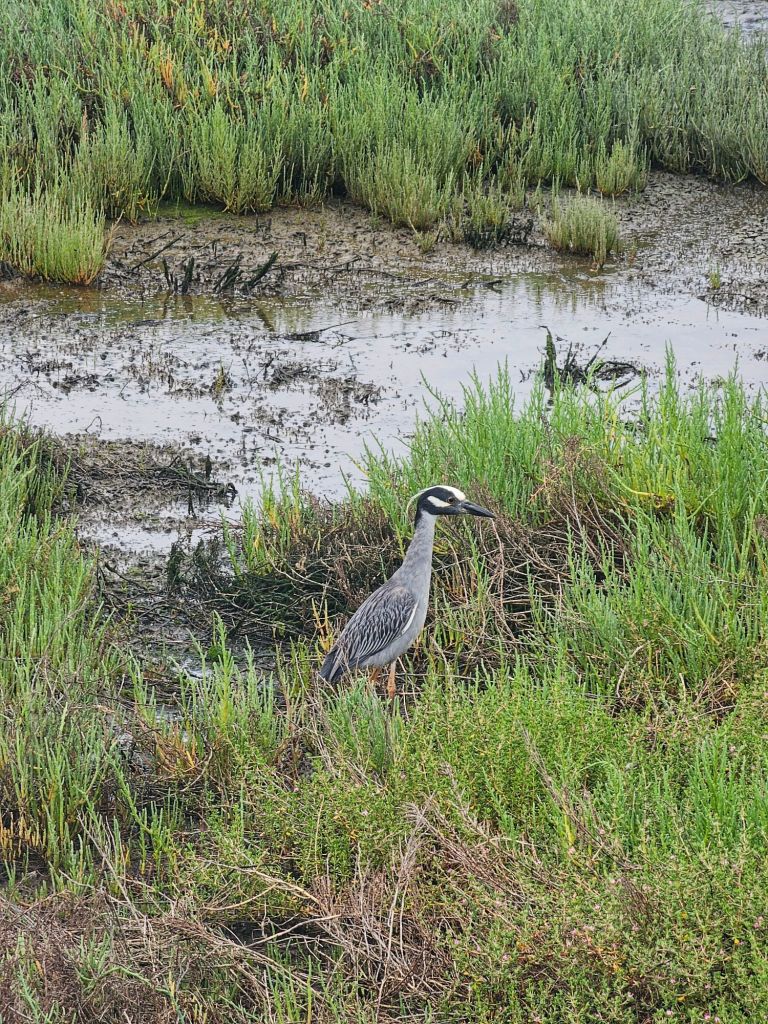
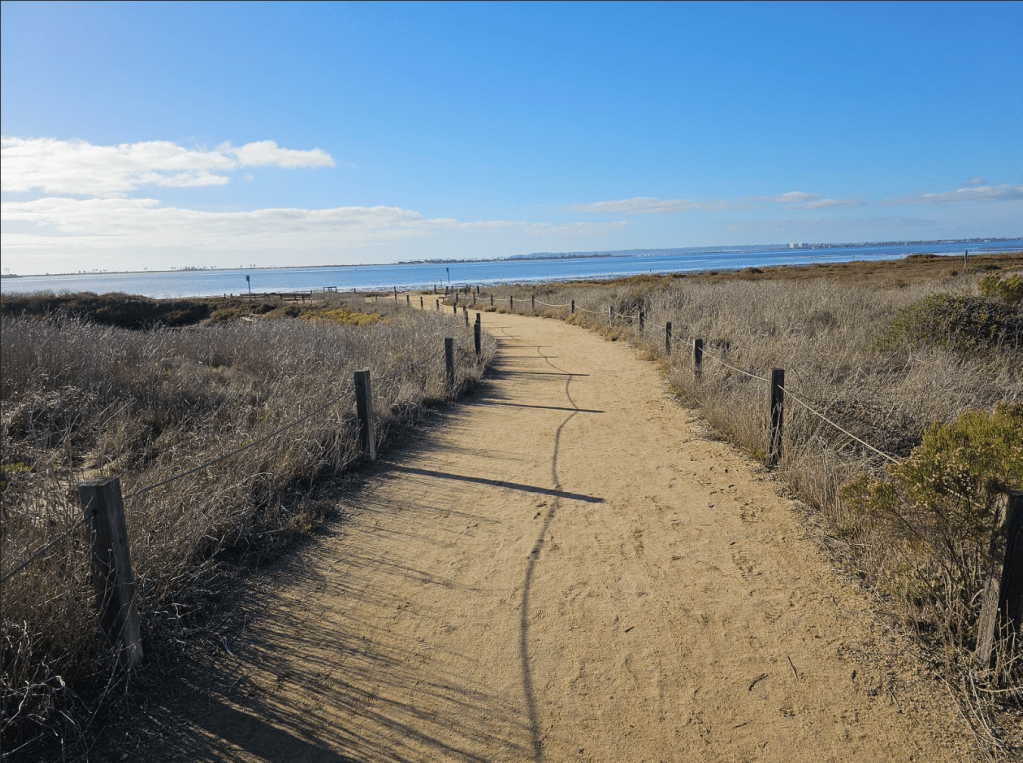
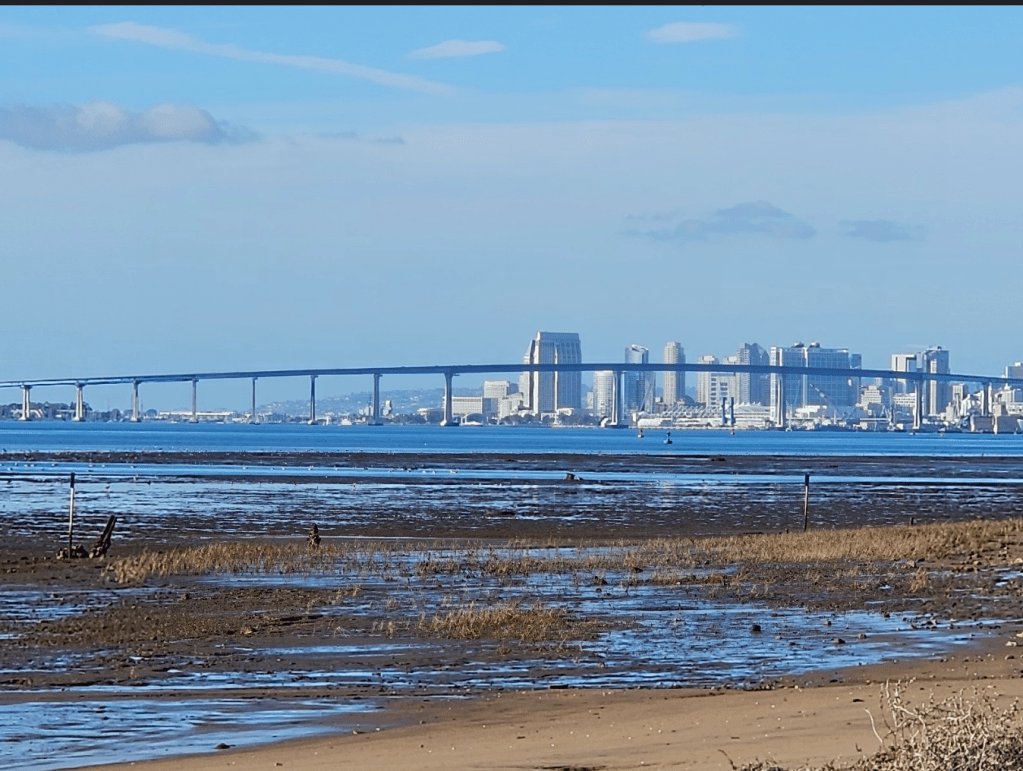
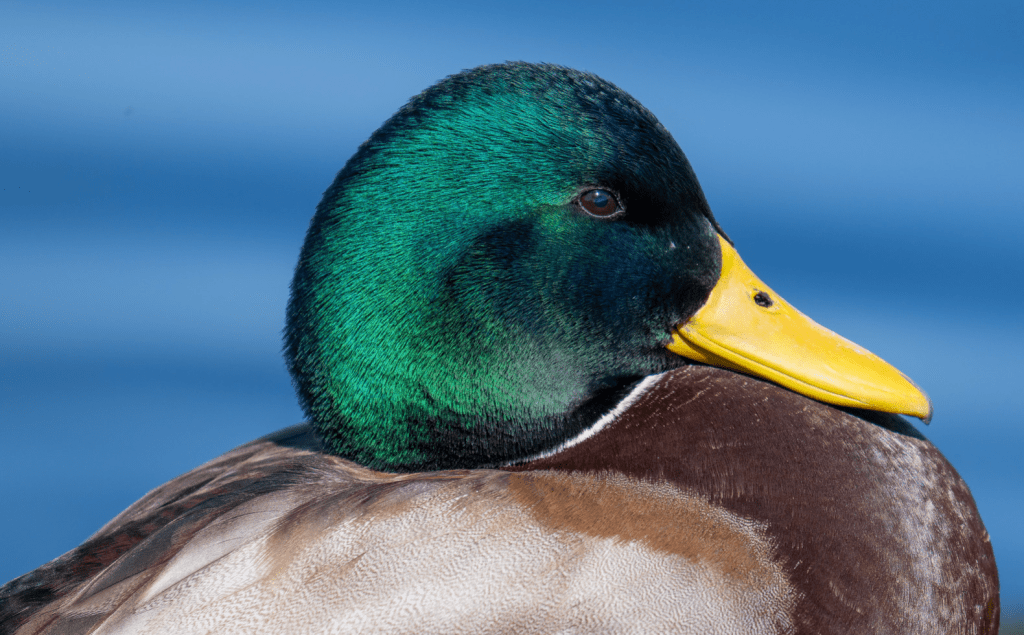
The loop itself is about 1.5 miles, making it the perfect distance for a quick walk, a warm-up jog, or even a leisurely dog stroll. As you circle around, you’ll see wide green lawns filled with soccer players, skateboarders, and families enjoying the day. Look west and the path opens up to the San Diego River estuary, where herons, egrets, and osprey can often be spotted fishing in the calm waters.



Connection to the San Diego River Trail
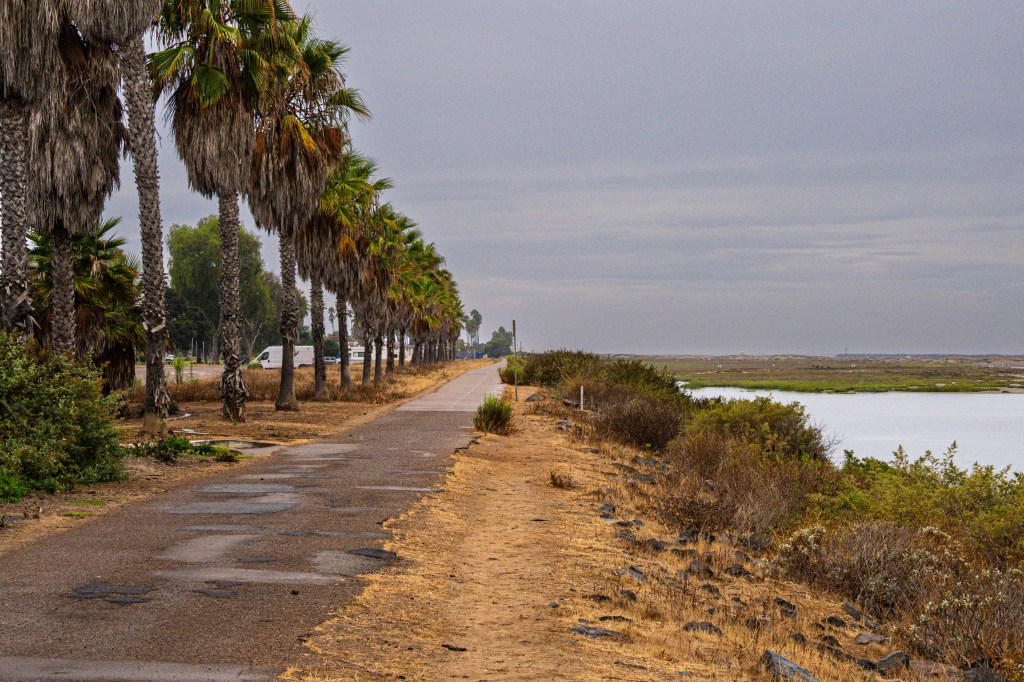
One of the best parts of the Robb Field Loop is that it connects seamlessly to the San Diego River Trail, a multi-use path stretching inland for miles. If you’re up for a longer adventure, you can head east along the river toward Mission Valley or west toward the Ocean Beach Dog Beach area.
Family & Fitness Friendly
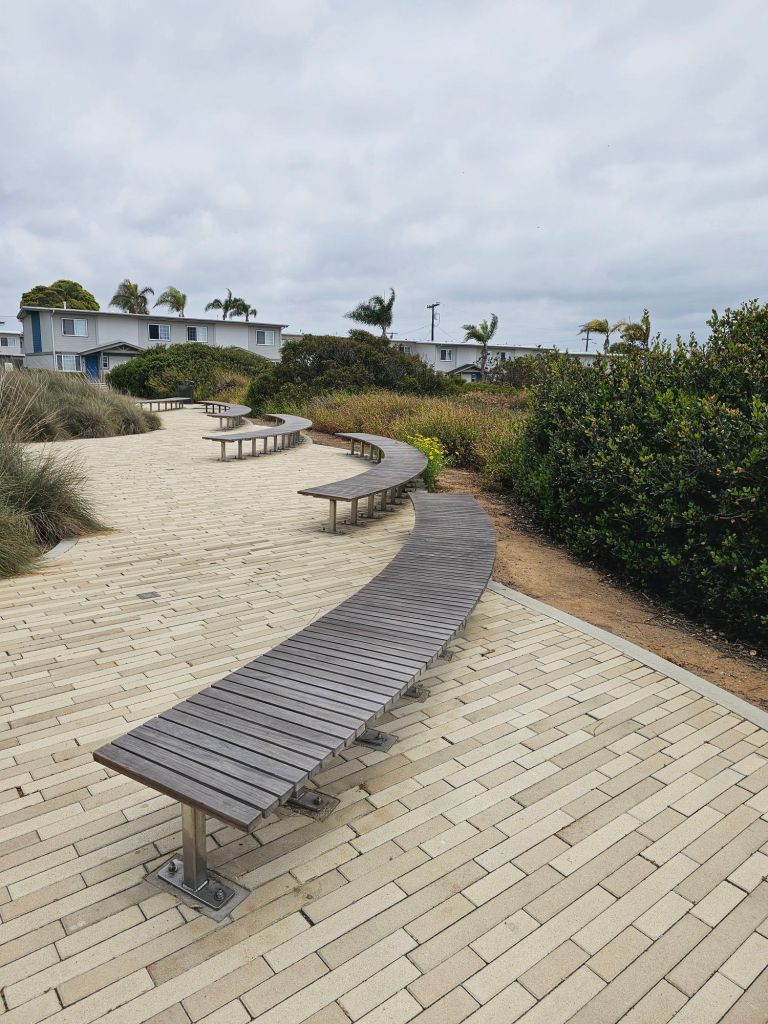
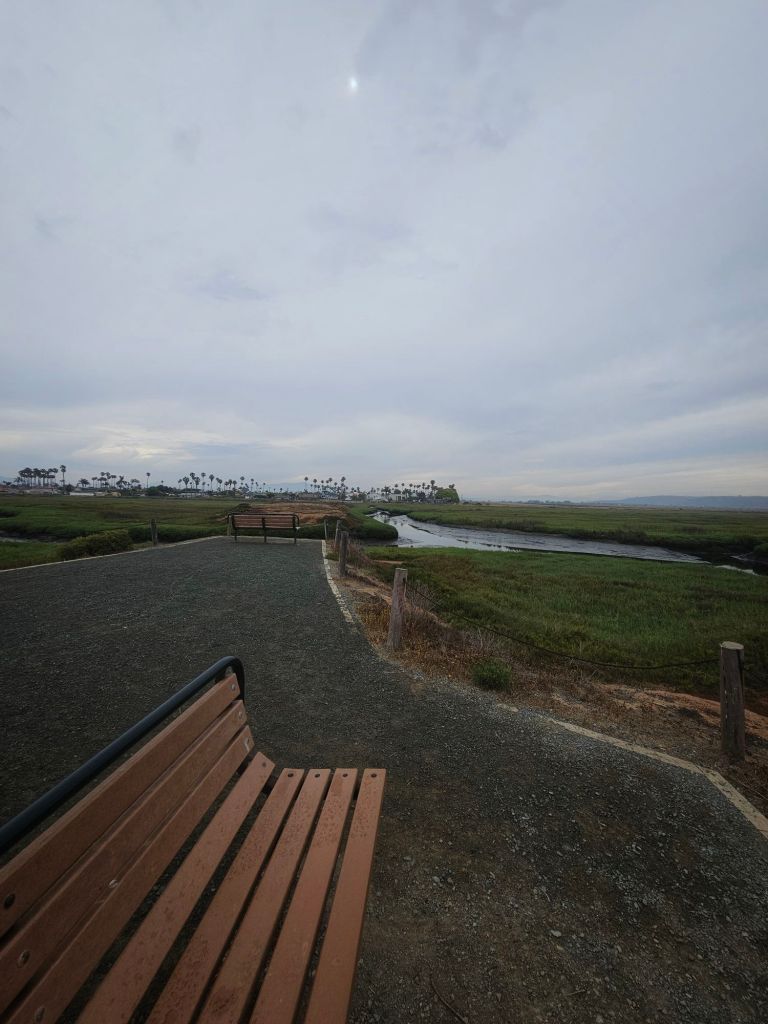
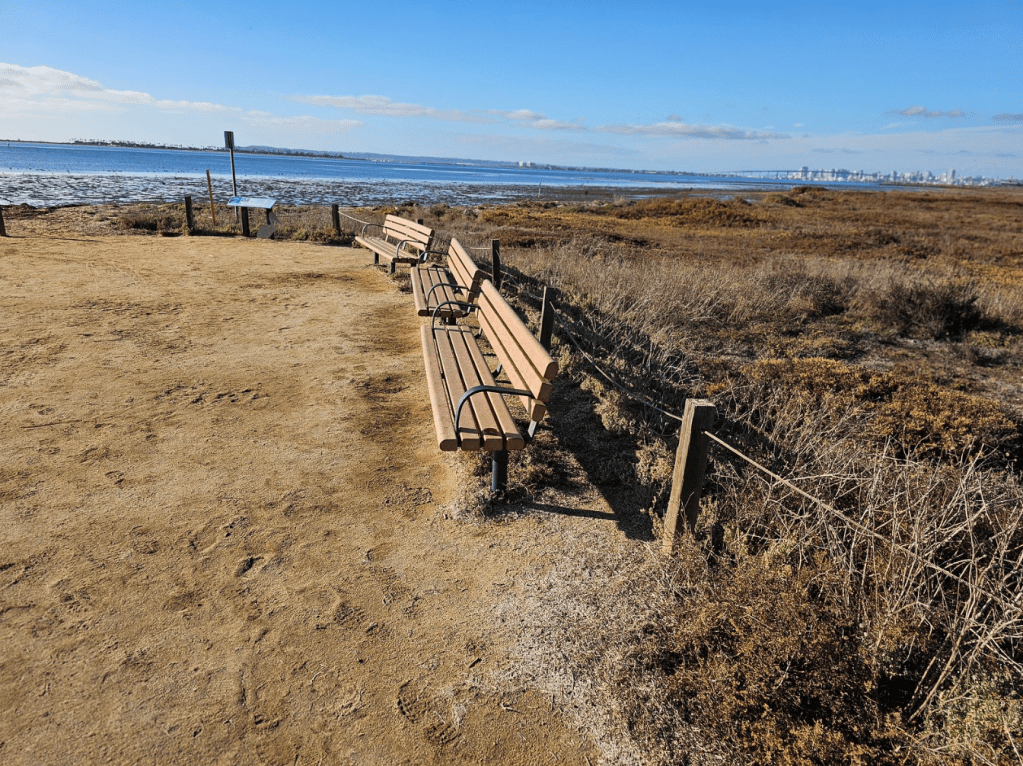
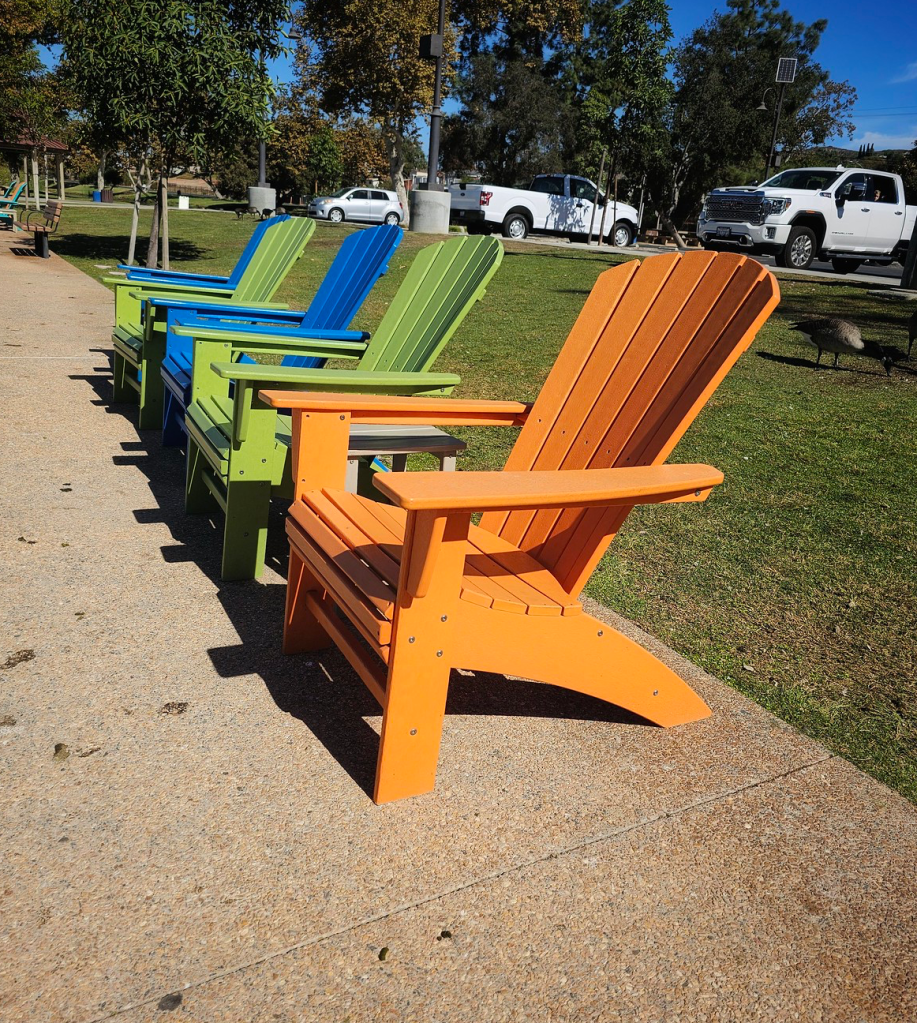
The walkway is paved and flat, making it accessible for strollers, wheelchairs, and bikes. Along the loop you’ll also find exercise stations, benches, and shaded spots—perfect for breaking up your walk with a stretch or water break. Since Robb Field is also home to a skate park, ball fields, and tennis courts, there’s something for everyone to enjoy before or after the walk.
Best Time to Visit
Morning and evening are especially beautiful times to stroll the loop. Early risers will enjoy calm air and bird activity along the estuary, while sunset brings soft colors over the river and the silhouettes of palm trees along the horizon.
A Local Favorite
While many visitors head straight to the beach, locals know Robb Field Loop Walkway as a quieter spot for exercise, birdwatching, or simply enjoying the outdoors. It’s not a strenuous hike, but rather a slice of everyday San Diego life with its mix of nature, recreation, and community.
👉 Tip for photographers: Bring your camera for the golden hour. The estuary, palm trees, and distant Ocean Beach Pier create postcard-worthy shots.






































 Exploring San Diego