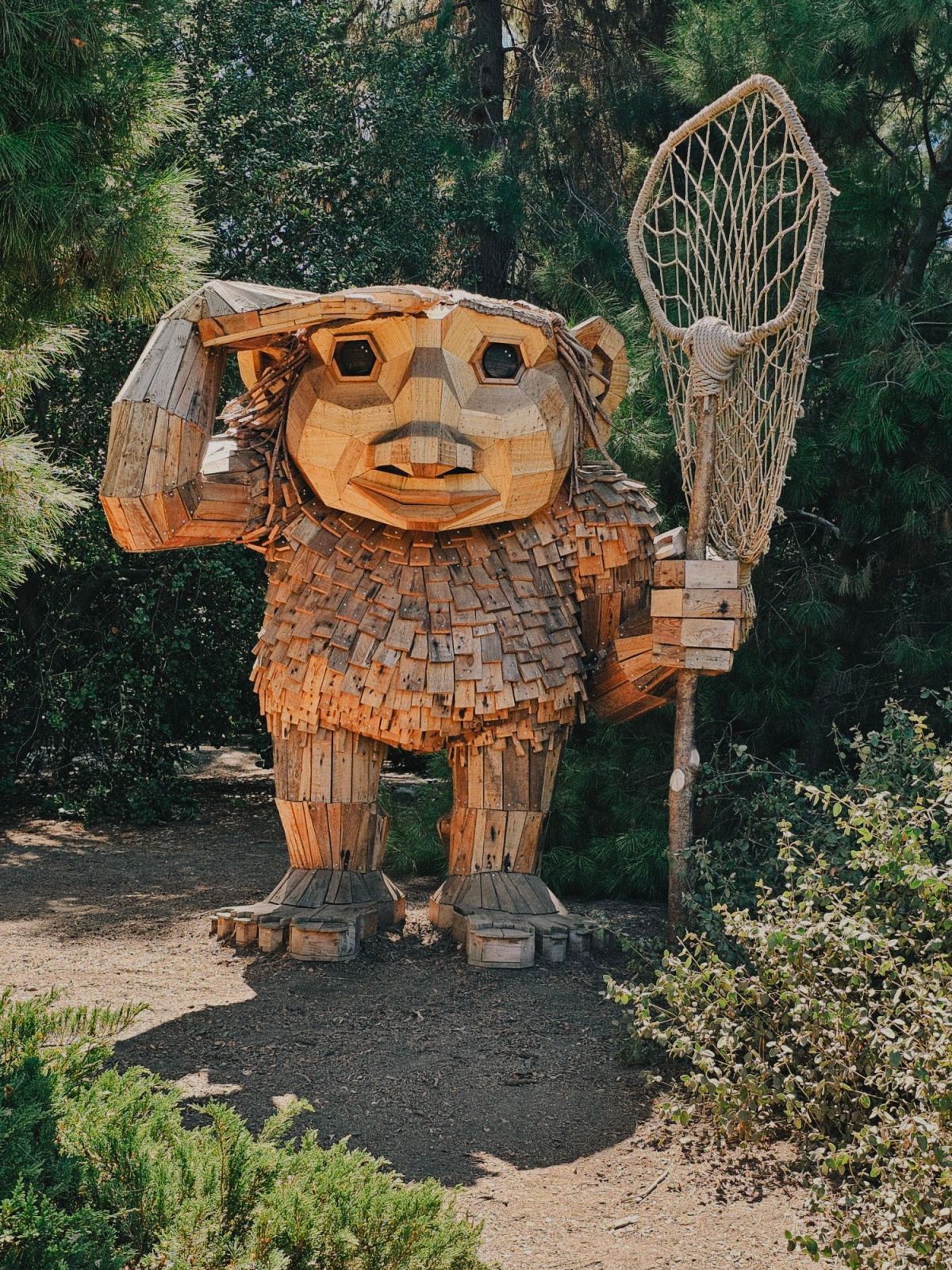
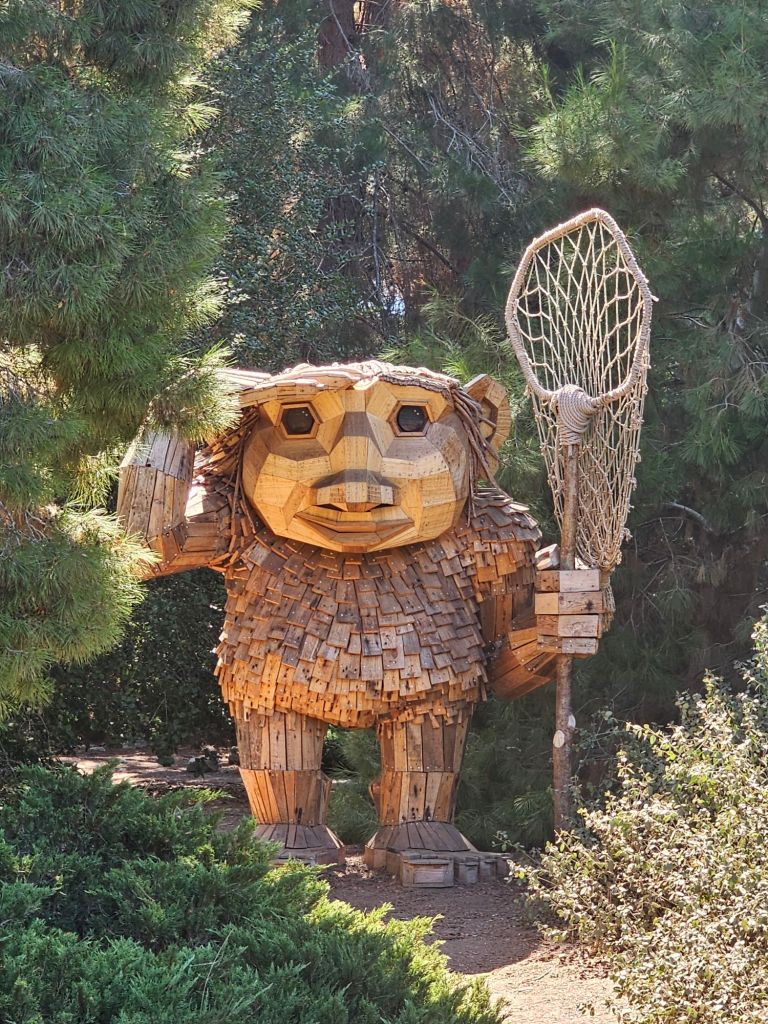
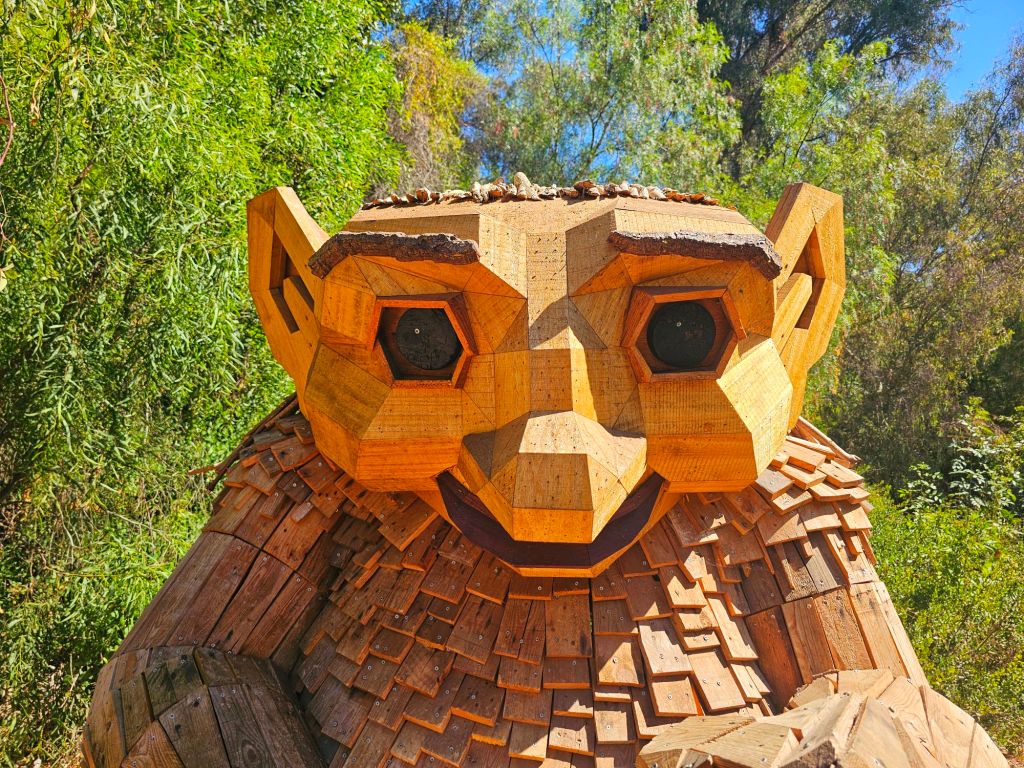
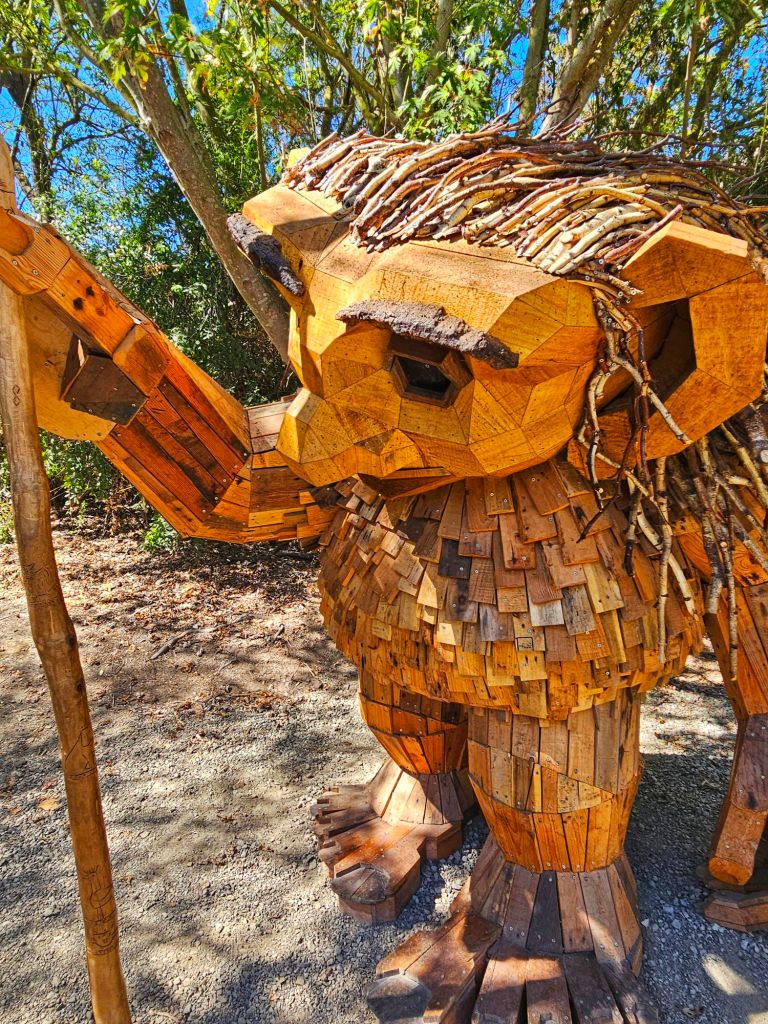
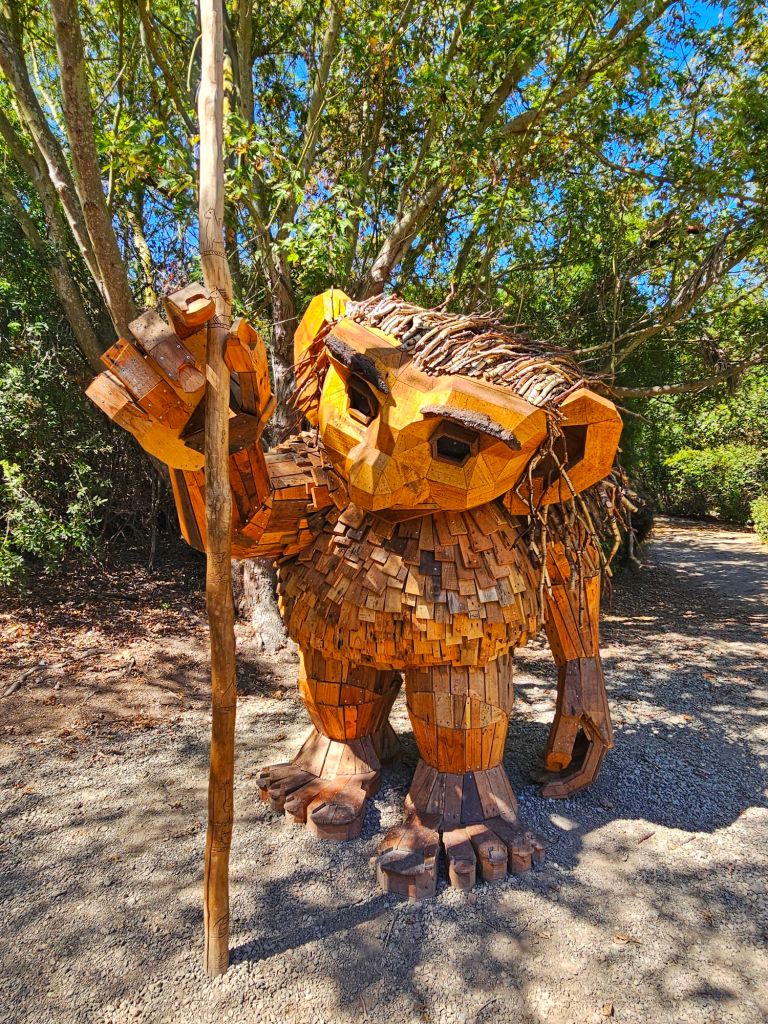
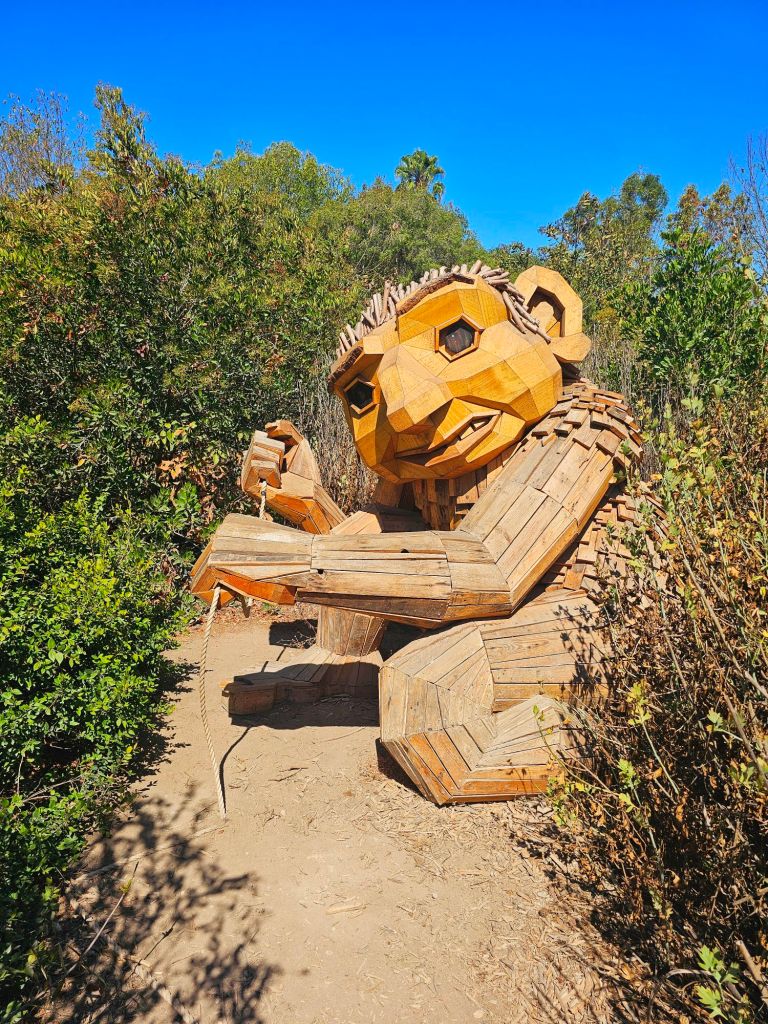
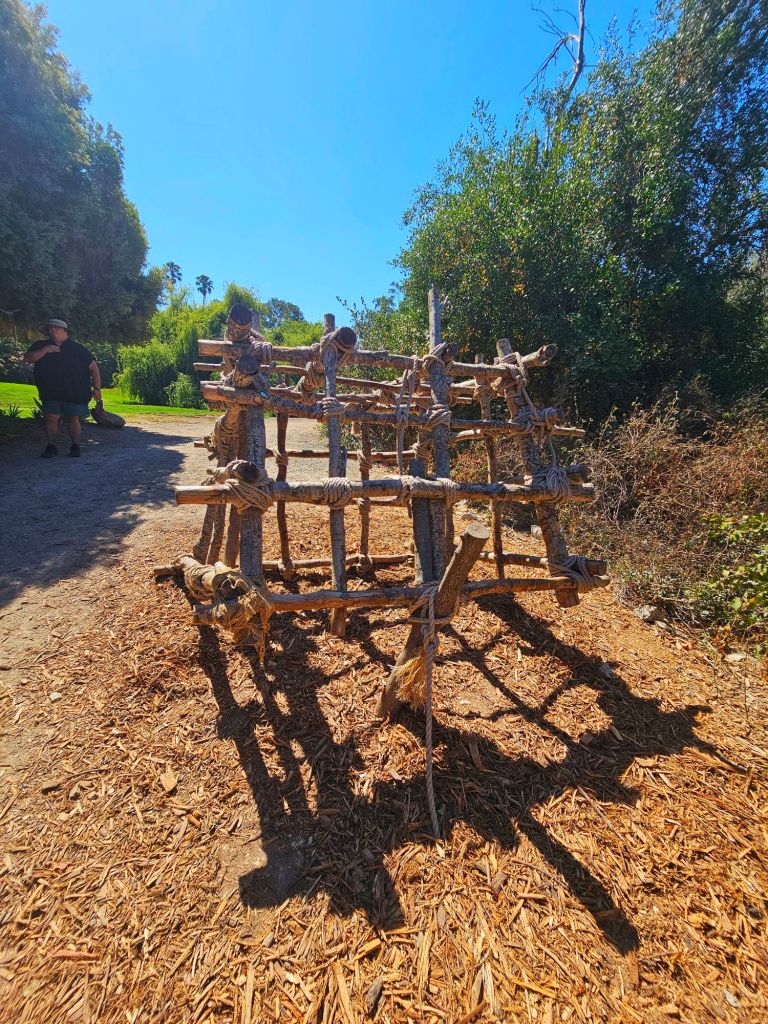
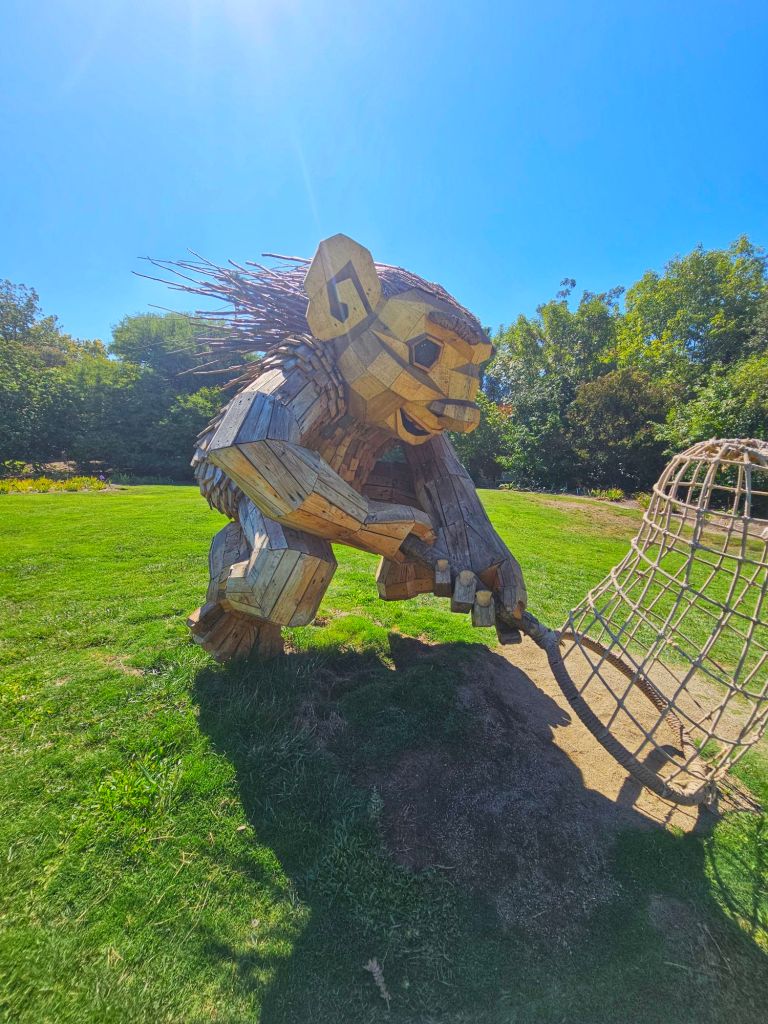
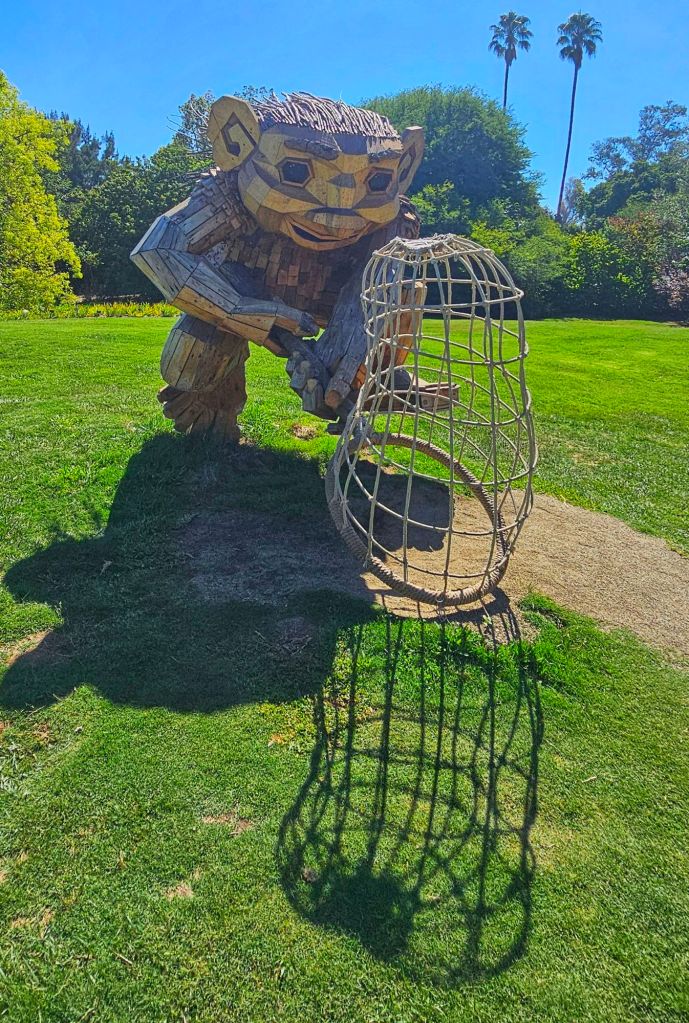
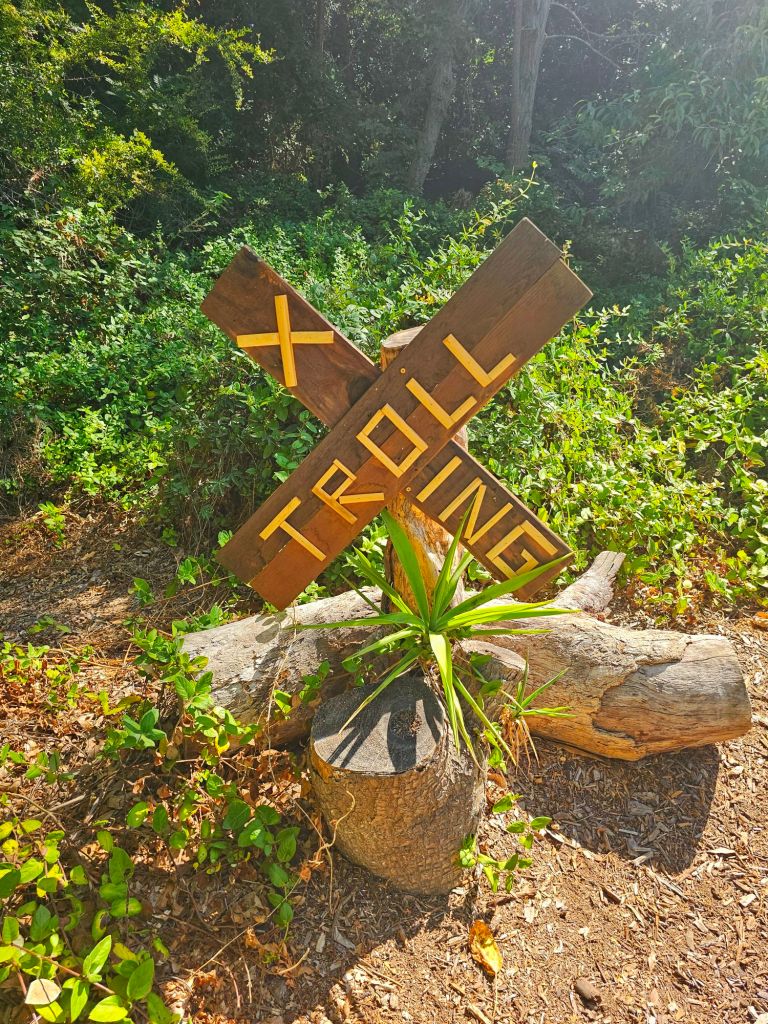
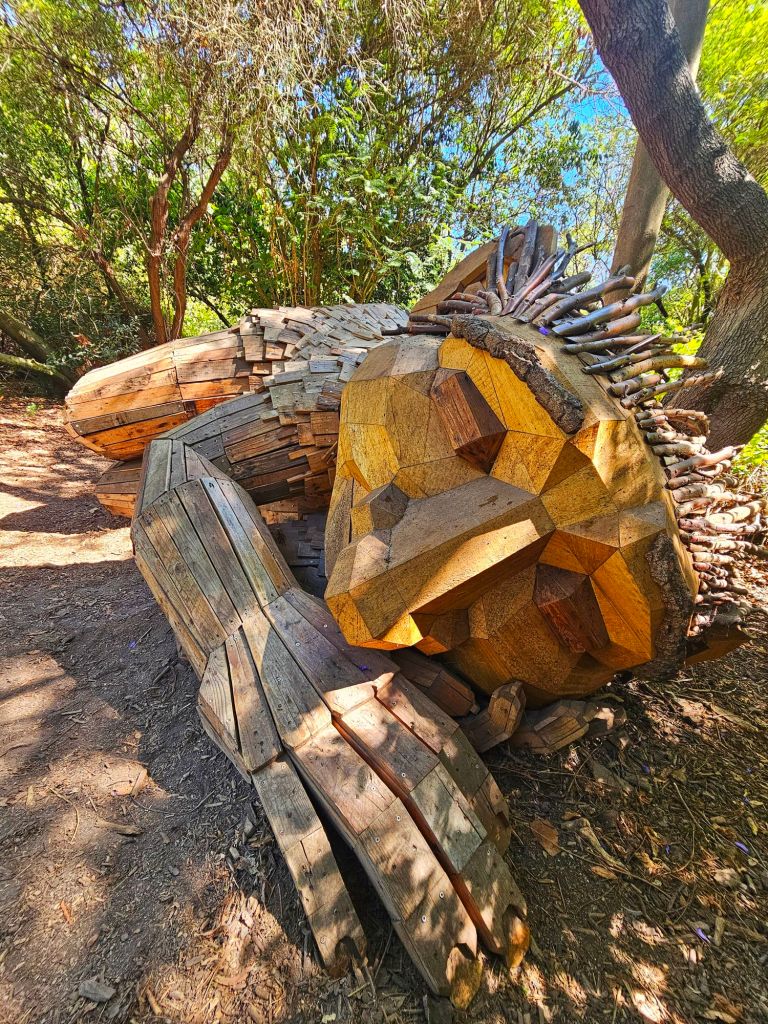
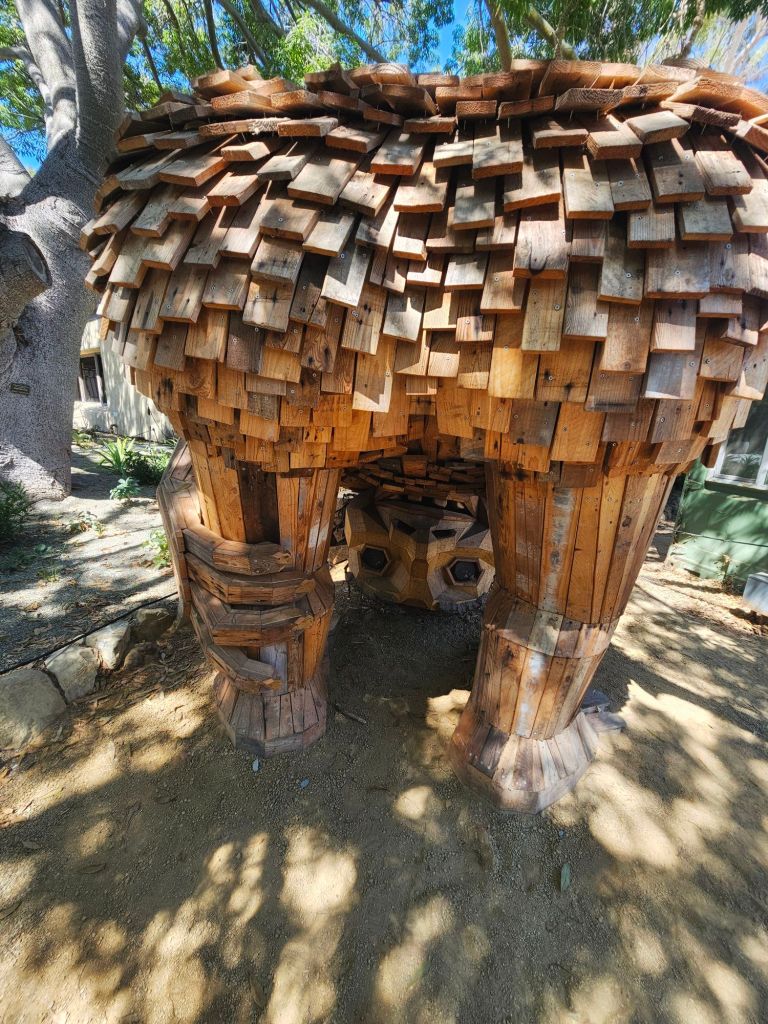
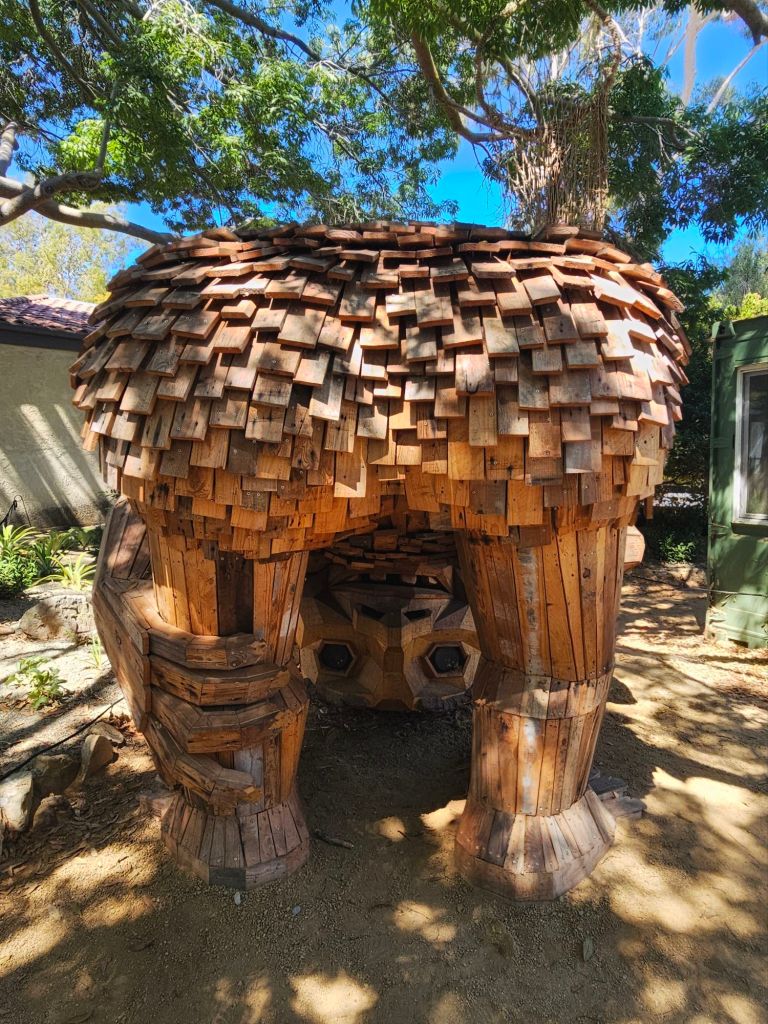
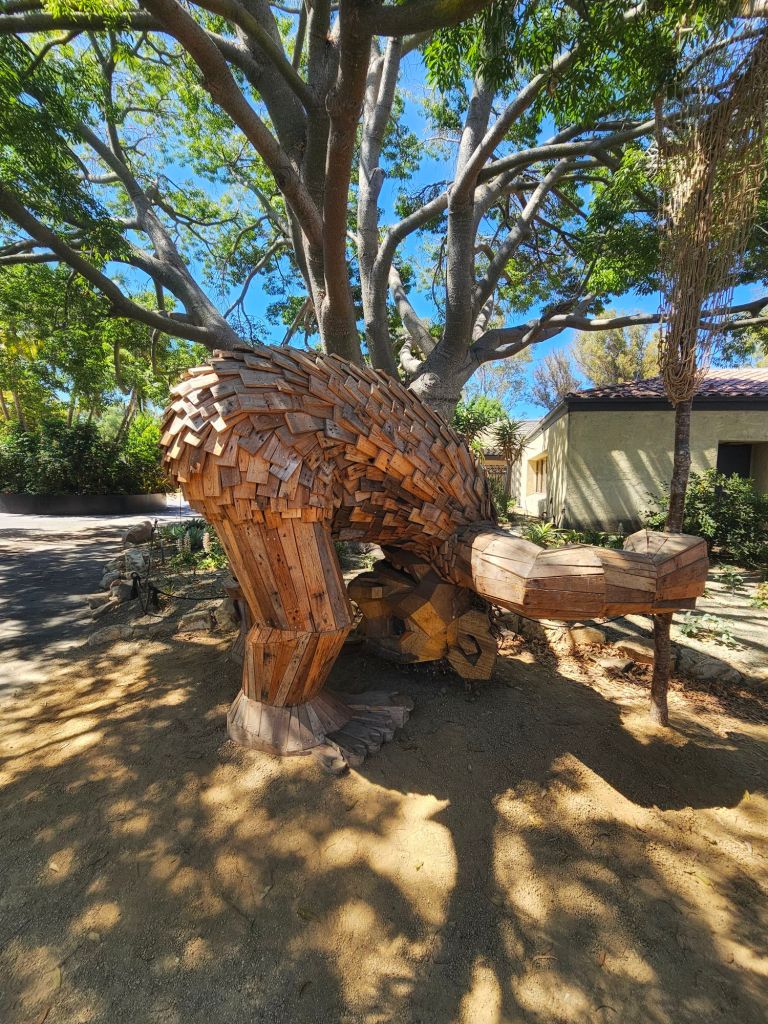
If you’re looking for something a little different to photograph in Southern California, there’s a giant surprise waiting among the plants at South Coast Botanic Garden in Palos Verdes. TROLLS: A Field Study is included with general admission to South Coast Botanic Garden. The 2026 exhibition began March 1 and continues through October 4, 2026.
The garden is located at:
South Coast Botanic Garden 26300 Crenshaw Boulevard Palos Verdes Peninsula, California
The garden is currently open daily from 8 a.m. to 5 p.m., with the last entrance at 4:30 p.m.
General admission is currently $18 for members and $21 for the general public according to the garden’s current information.
Meet the Trolls
The trolls are the work of Danish environmental artist Thomas Dambo, who is internationally known for creating enormous sculptures from reclaimed and recycled materials.
For A Field Study, the 12 sculptures are presented as a group of curious giants who have come to study humans.
Instead of simply being sculptures placed on display, the trolls become part of the landscape. Their enormous size makes the surrounding trees, plants and pathways feel almost like part of a storybook.
The sculptures are made entirely from reclaimed wood, giving each troll its own character and appearance.
Exploring the Garden
What I enjoyed about the exhibit is that you don’t simply walk into a gallery and see all 12 trolls at once.
You have to explore.
The South Coast Botanic Garden covers 87 acres, so the troll sculptures are spread throughout the property. As you walk along the paths, you begin wondering where the next one will appear.
That makes the exhibit especially fun for photography.
One moment you’re photographing flowers or trees, and the next you come around a corner and discover a giant face looking back at you.
The scale of the sculptures also creates some interesting photographic opportunities. Standing near one of the trolls can make you appreciate just how enormous these creations are.
Planning Your Visit
TROLLS: A Field Study is included with general admission to South Coast Botanic Garden. The 2026 exhibition began March 1 and continues through October 4, 2026.
The garden is located at:
South Coast Botanic Garden 26300 Crenshaw Boulevard Palos Verdes Peninsula, California
The garden is currently open daily from 8 a.m. to 5 p.m., with the last entrance at 4:30 p.m.
General admission is currently $18 for members and $21 for the general public according to the garden’s current information.
Imperial Beach birds, Imperial Beach terns, Tijuana Estuary, Tijuana River Estuary, Elegant Tern, Royal Tern, San Diego birding, San Diego bird photography, Imperial Beach bird photography, salt marsh birds, Southern California birding, San Diego wildlife photography
If you spend enough time exploring the wetlands and shoreline of San Diego’s South Bay, you begin to notice that certain birds seem to have favorite places.
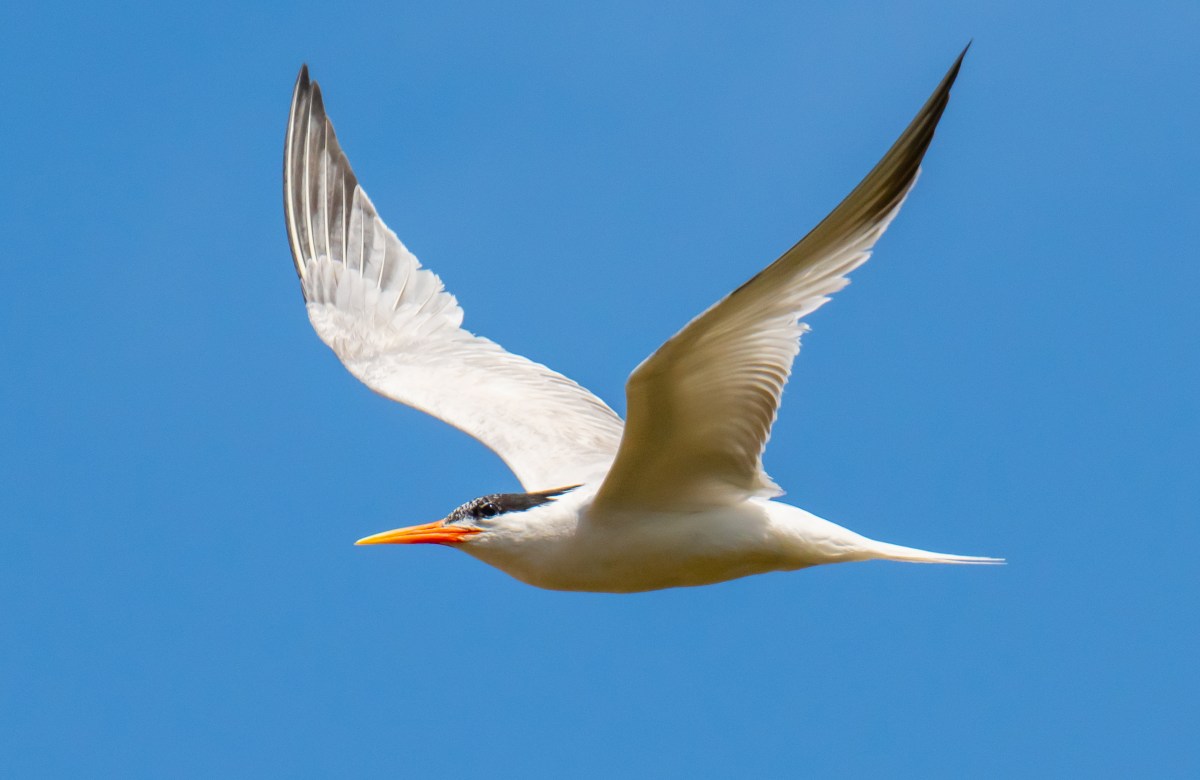
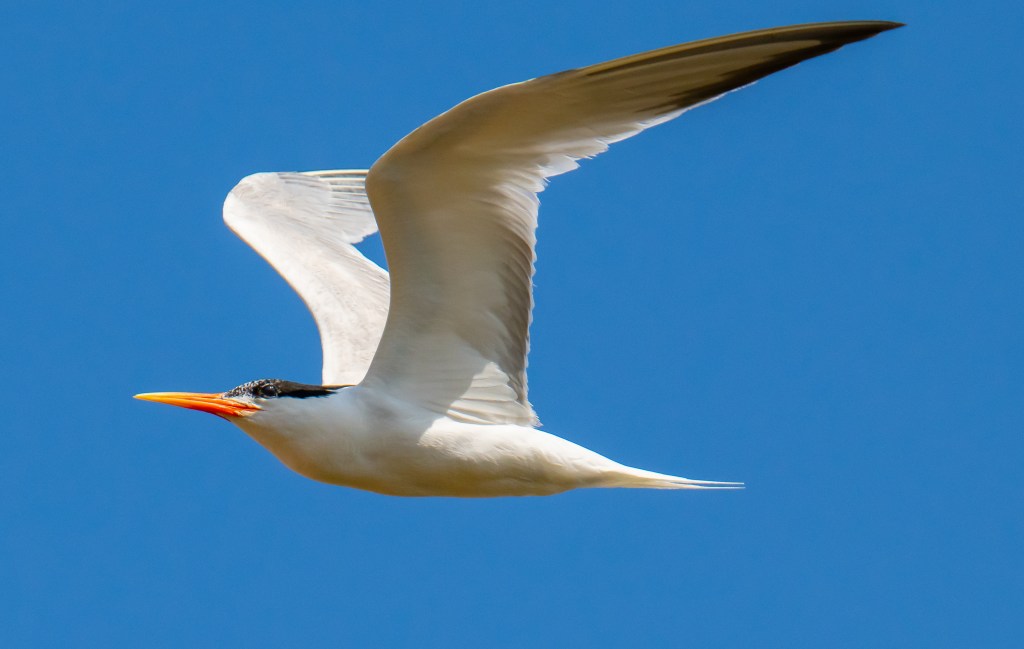
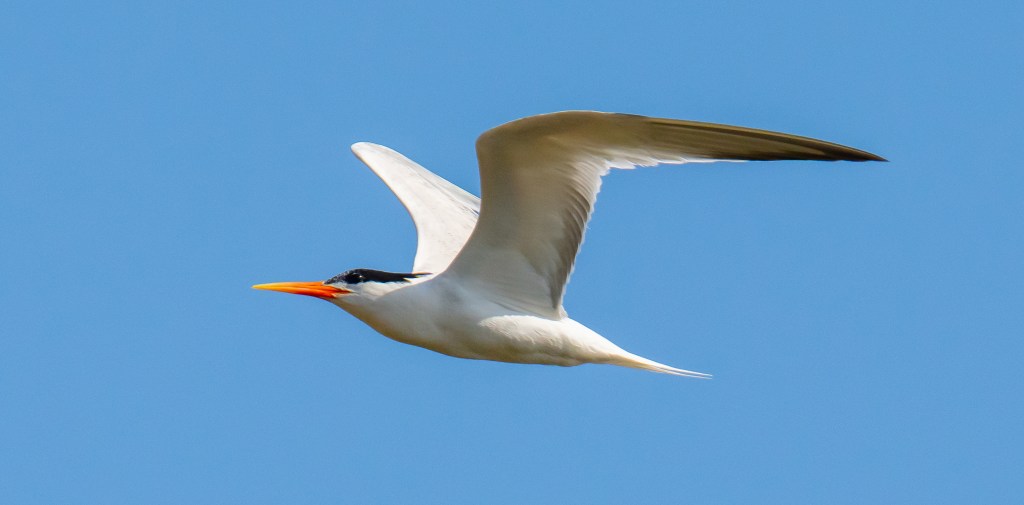
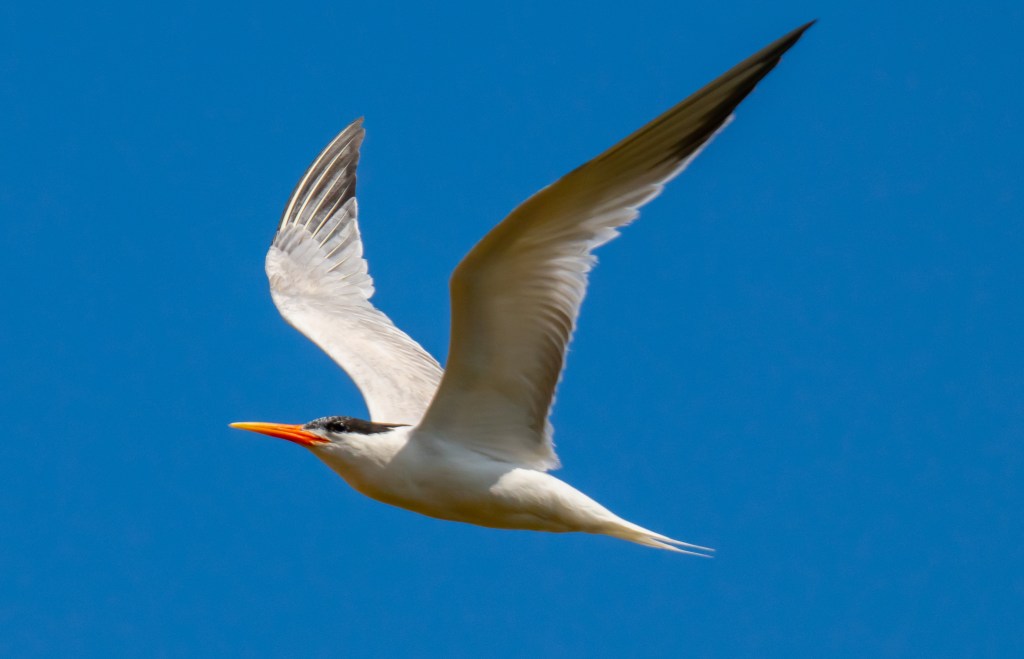
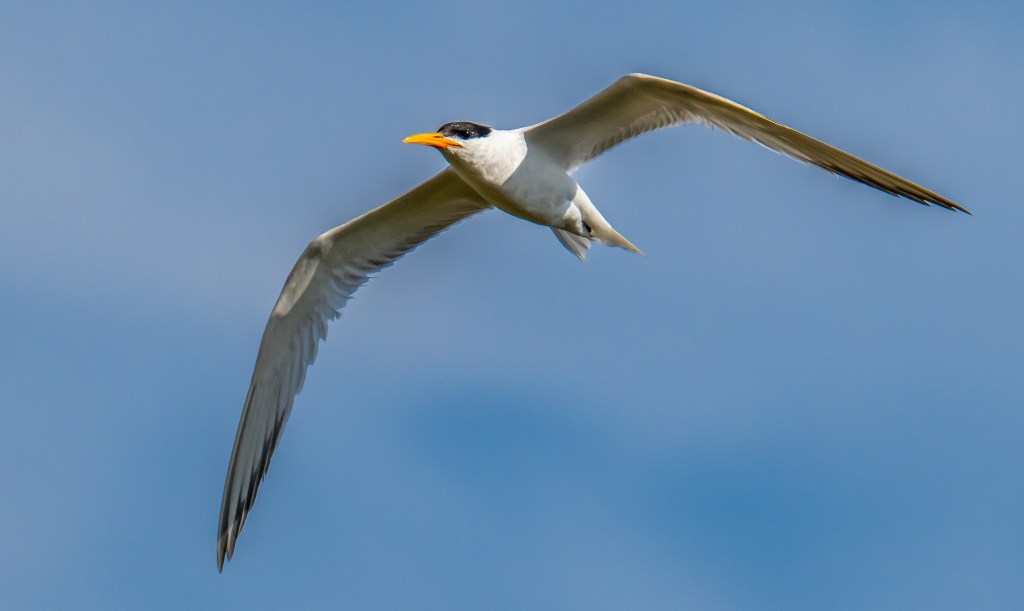
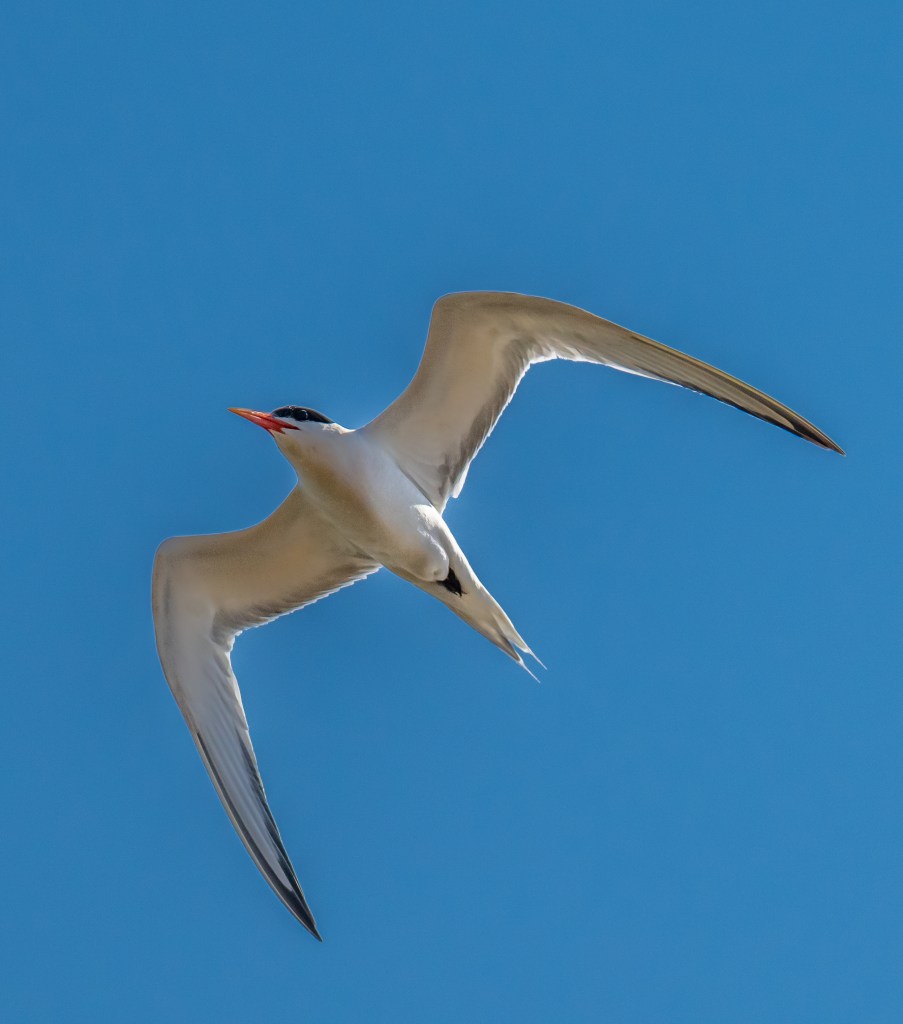
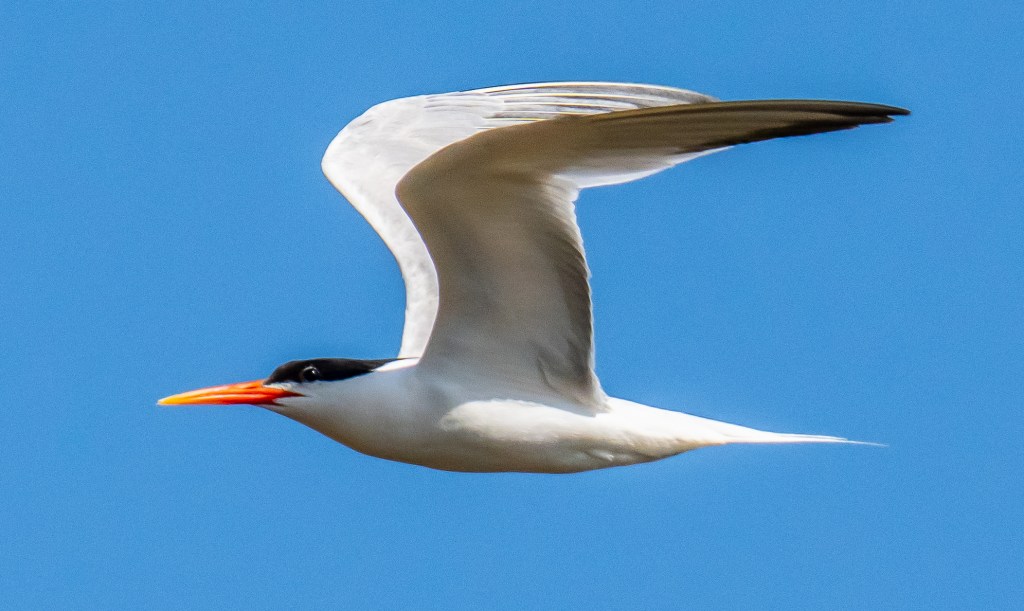
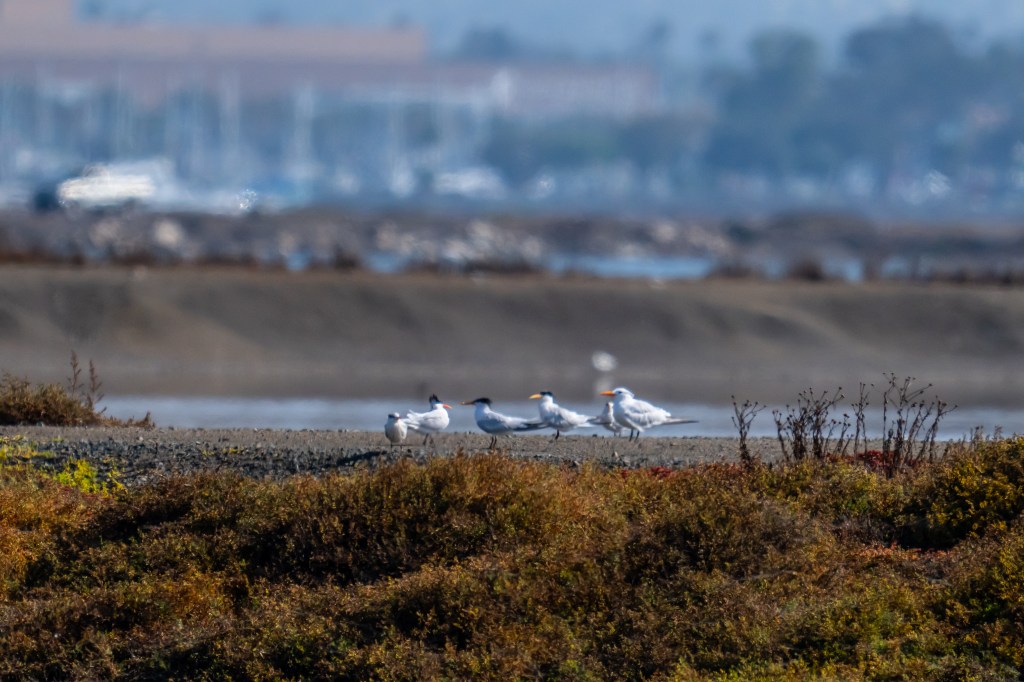
One of those birds is the Elegant Tern.
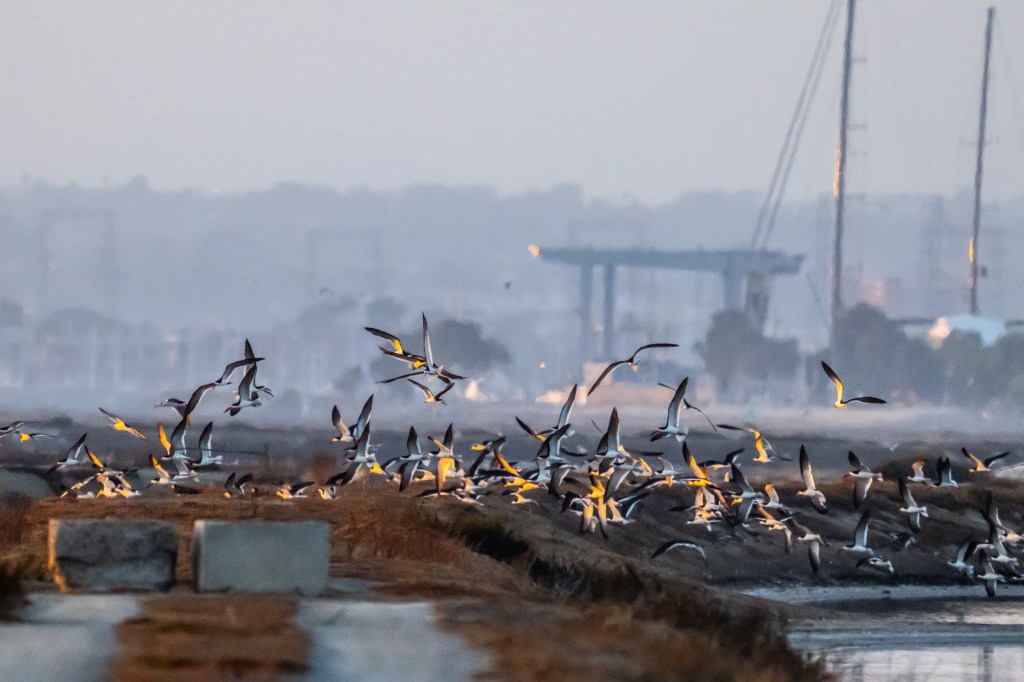
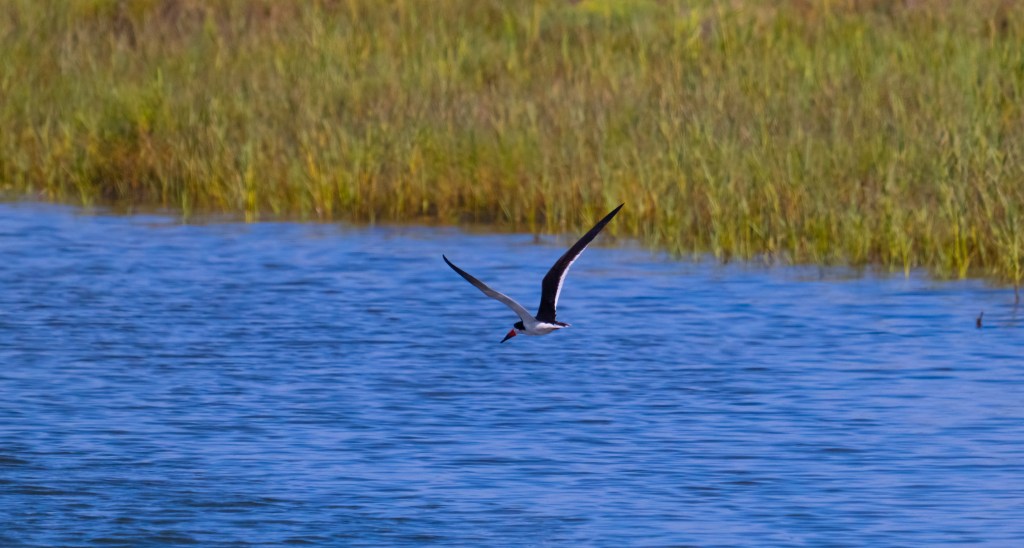
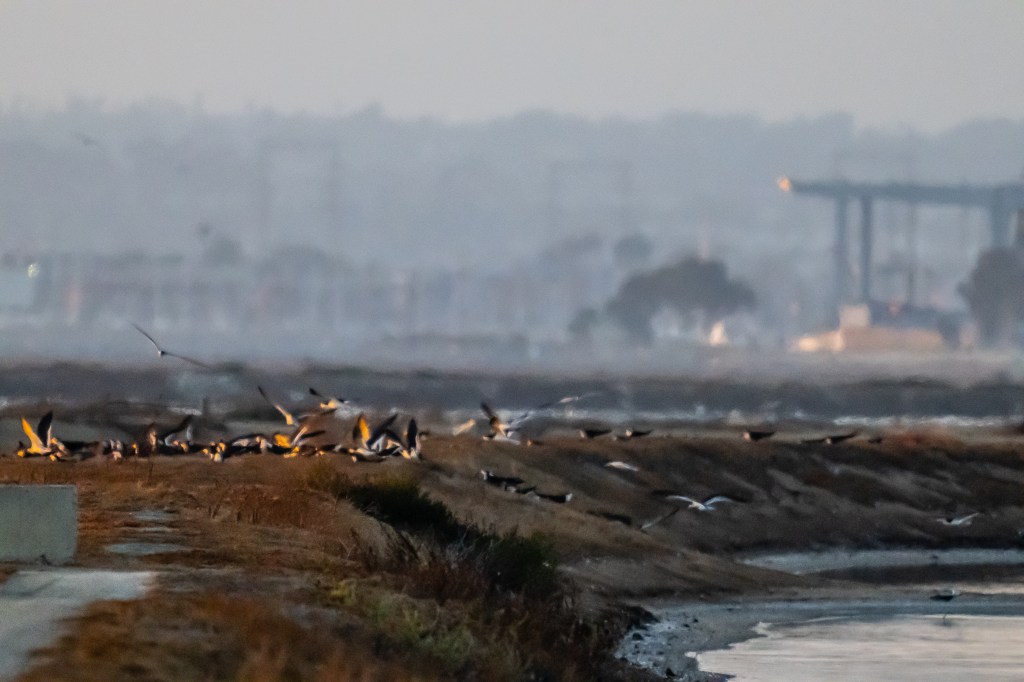
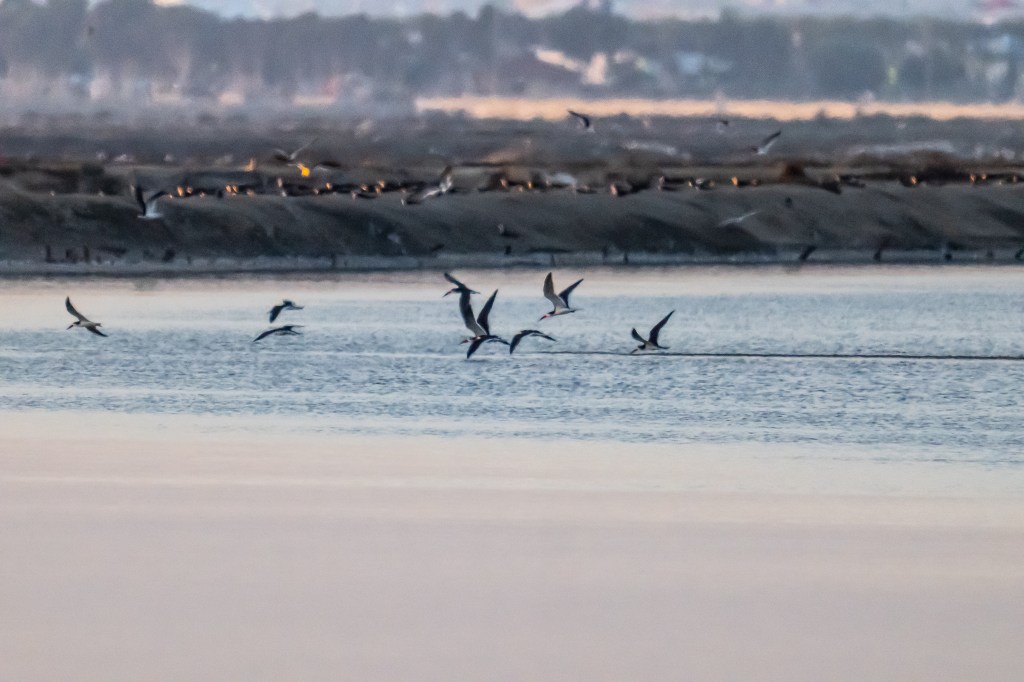
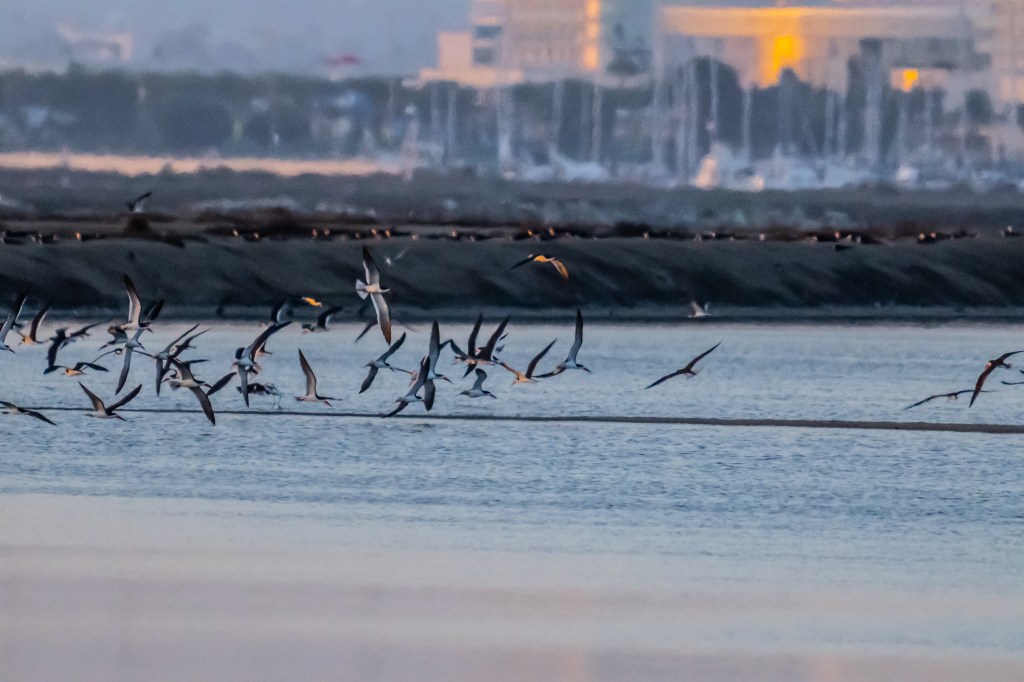
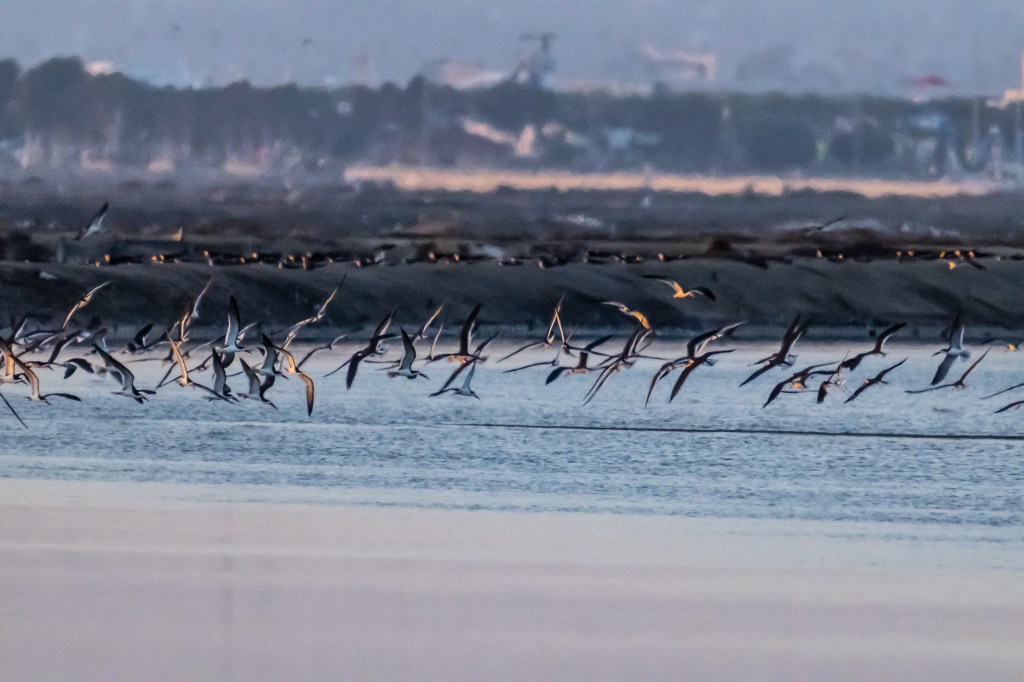
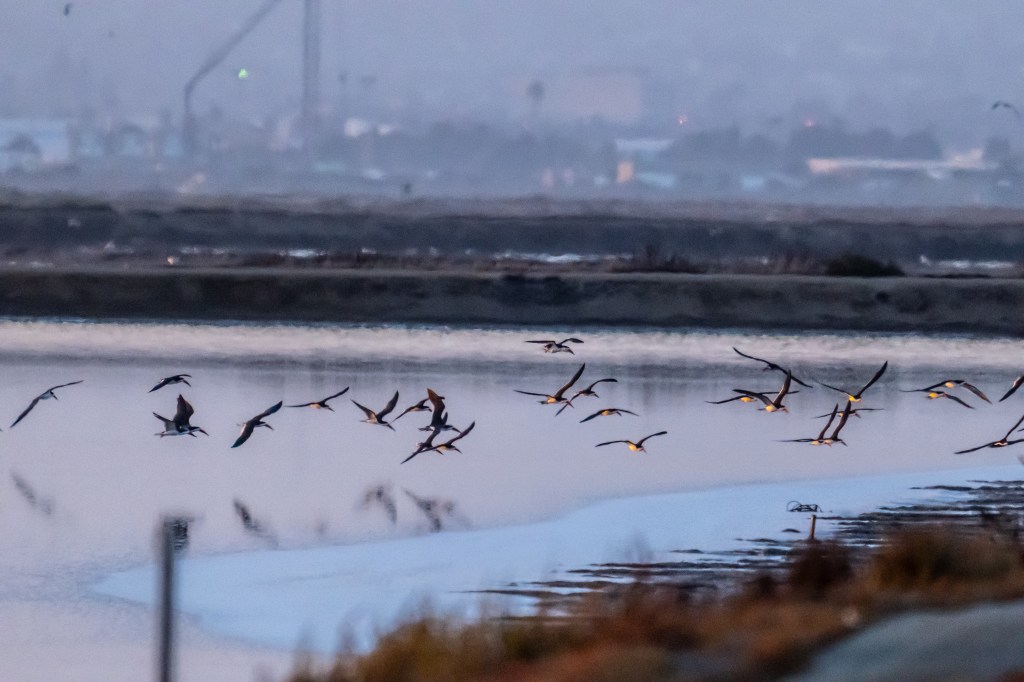
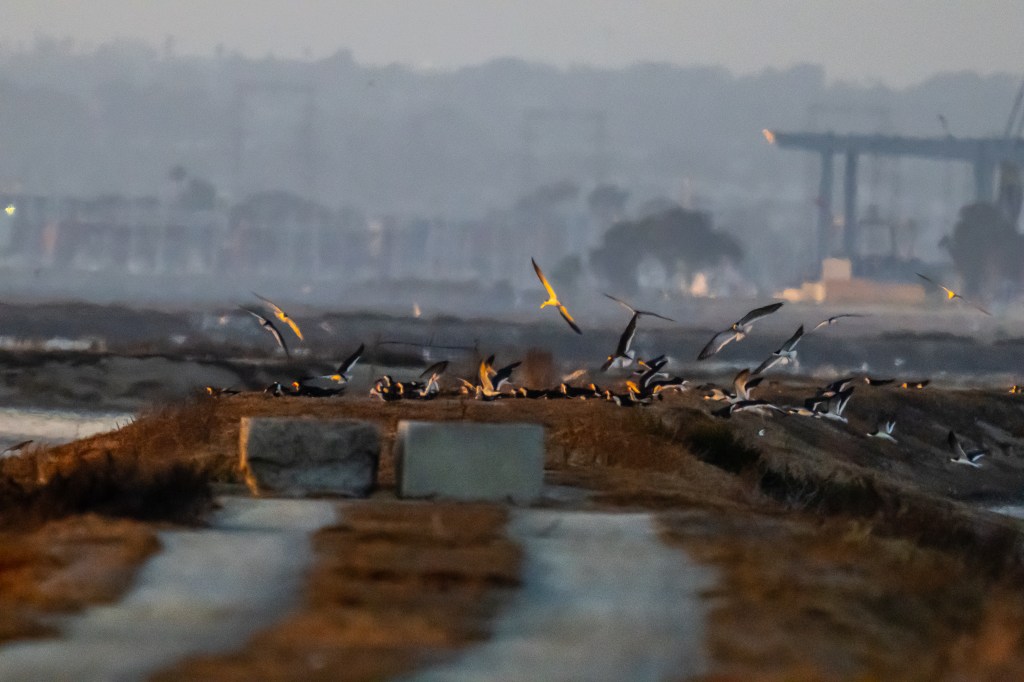
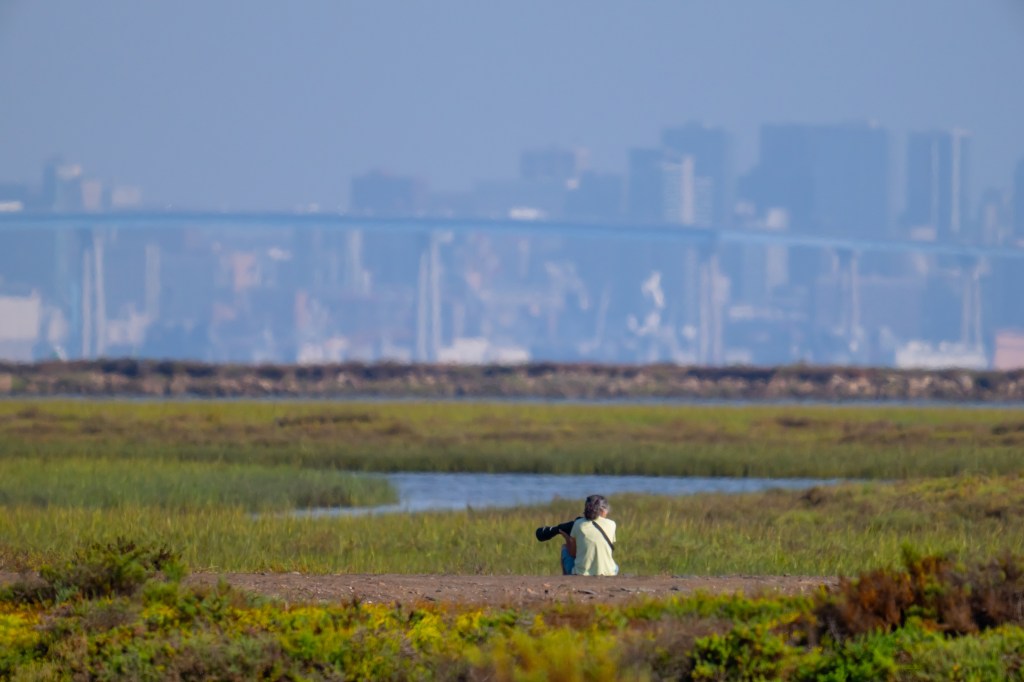
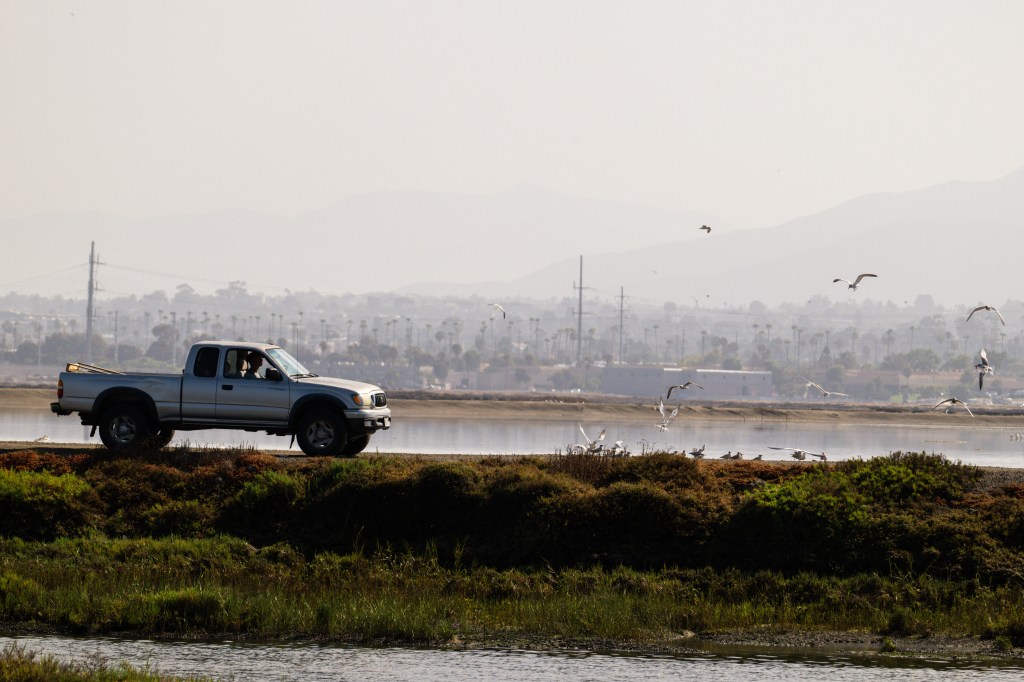
I’ve been seeing Elegant Terns around the salt marsh in Imperial Beach, where large flocks can gather over the wetlands and surrounding waterways. I’ve also seen them farther north around the South Bay salt flats, showing just how closely these birds are associated with the coastal wetlands and salt ponds of the region.
For a bird photographer, seeing a large flock of Elegant Terns moving through the South Bay is an impressive sight.
A Familiar Summer Visitor
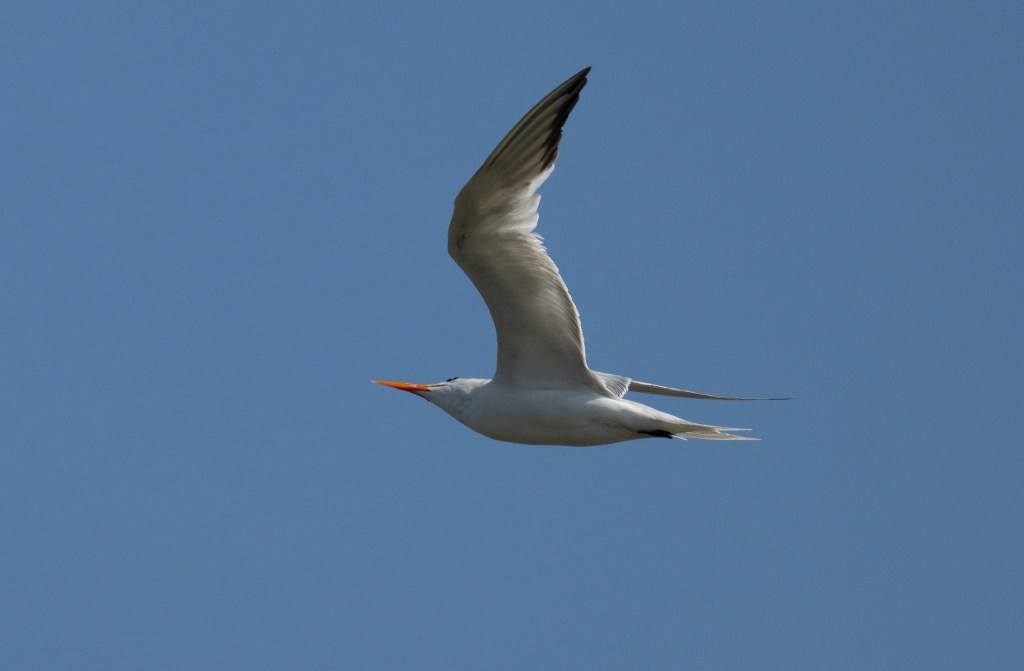
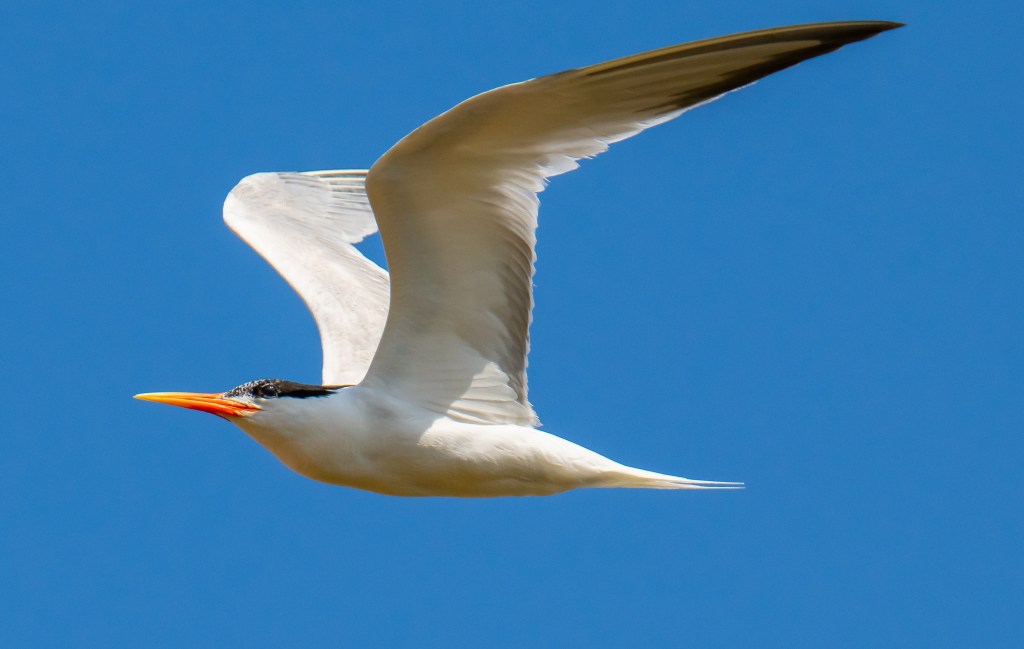
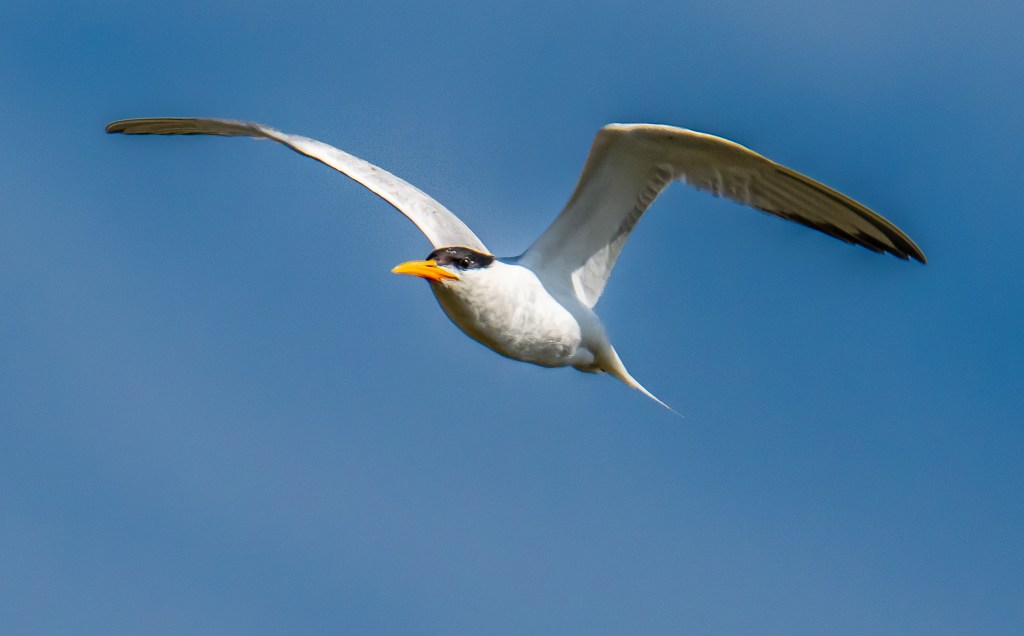
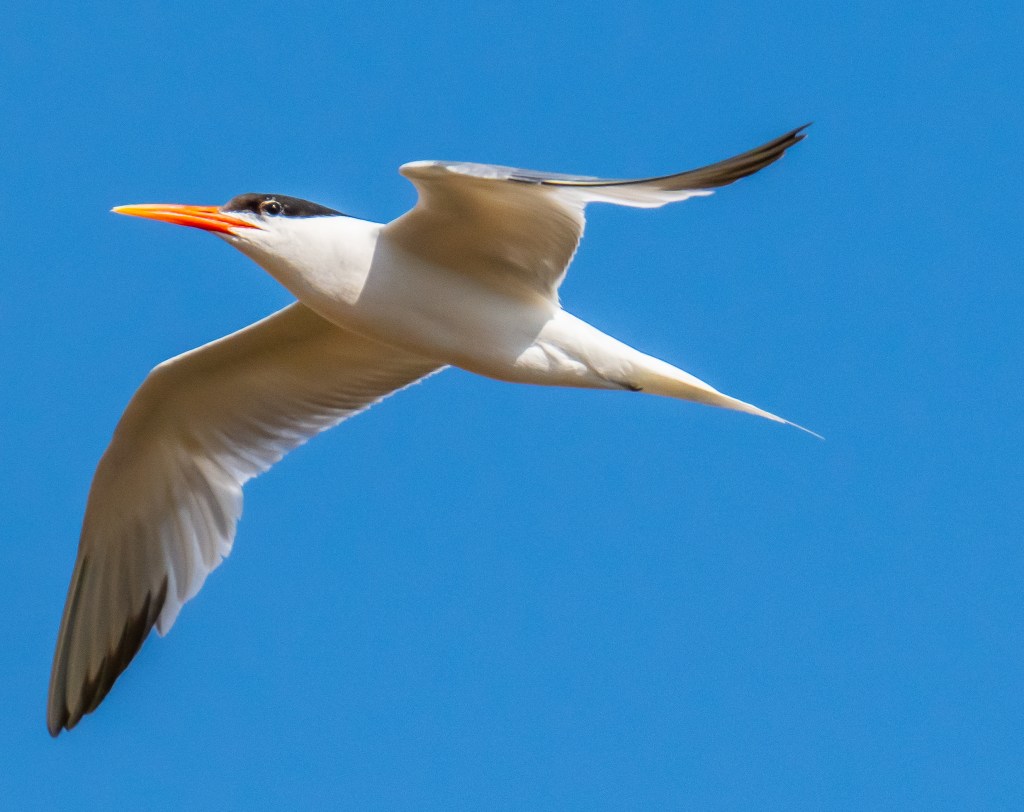
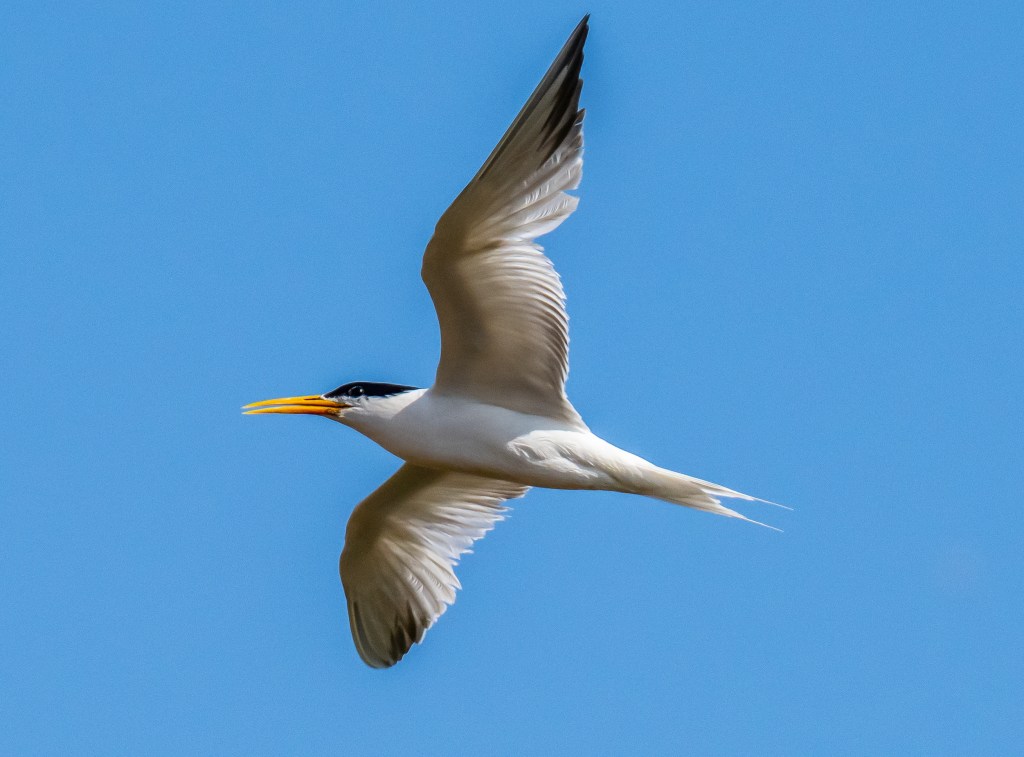
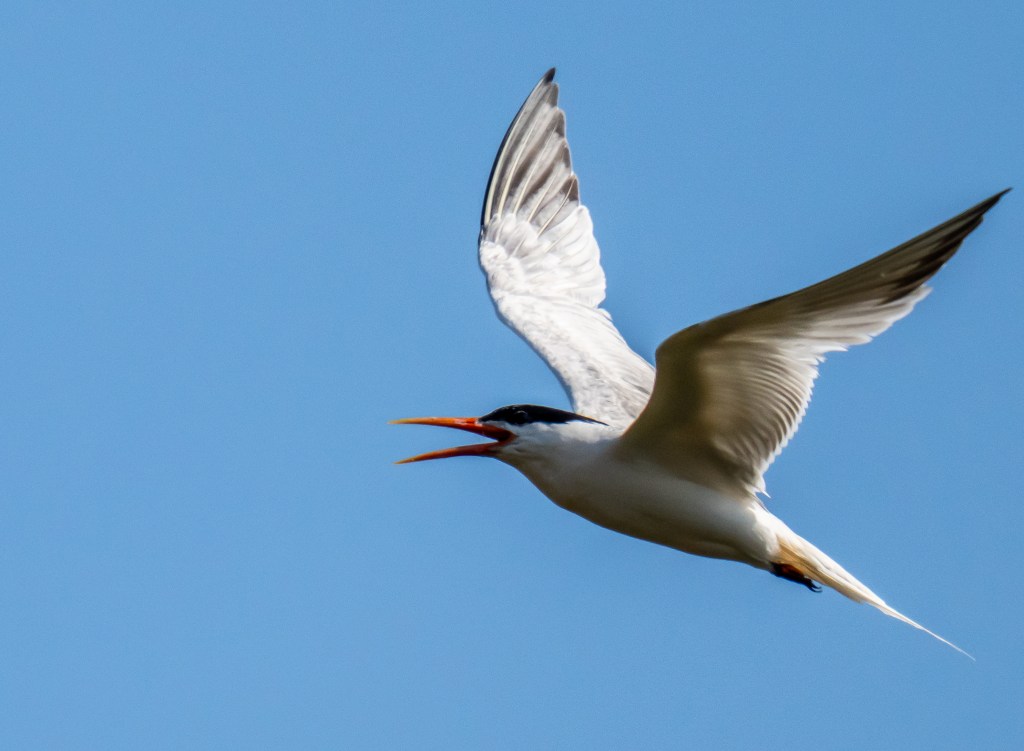
Elegant Terns are sleek, long-winged seabirds with a shaggy black crest, pale gray back, white underparts and a distinctive orange bill. They are closely associated with the Pacific Coast and are particularly noticeable in Southern California during the warmer months.
The birds are known to use bays, estuaries, mudflats and coastal waters after the breeding season. A recent City of San Diego biological report describes Elegant Terns as post-breeding visitors to Southern California’s coast, with birds frequenting bays, estuaries, mudflats and lagoons. San Diego Bay also supports a small nesting colony.
That makes the South Bay a particularly interesting place to look for them.
From Imperial Beach to the Salt Flats
The salt marsh around Imperial Beach and the salt ponds farther north are part of a much larger coastal wetland system.
The Tijuana Estuary is one of Southern California’s remaining salt marshes and provides feeding, nesting and stopover habitat for hundreds of bird species.
The South Bay salt ponds provide another important piece of habitat. The ponds are part of the San Diego Bay National Wildlife Refuge and support a remarkable variety of birds. The highly saline water produces brine organisms that provide food for birds, while the pond levees provide nesting habitat.
So when Elegant Terns appear in the Imperial Beach marsh or around the South Bay salt flats, they aren’t simply passing through a random patch of habitat. They’re using a connected network of coastal wetlands that has supported terns for generations.
The South Bay’s Long History With Elegant Terns
The connection between Elegant Terns and the South Bay goes back decades.
Elegant Terns first nested in California at the San Diego Bay salt works in 1959. Historical records also describe the South Bay salt ponds as one of the few nesting locations for Elegant Terns in the United States.
That history makes seeing them around the salt flats today even more interesting.
The salt ponds may look industrial at first glance, but they have become an important part of the South Bay’s wildlife landscape. The combination of shallow water, mudflats and extremely salty ponds creates unusual habitat that attracts birds looking for food and places to rest or nest.
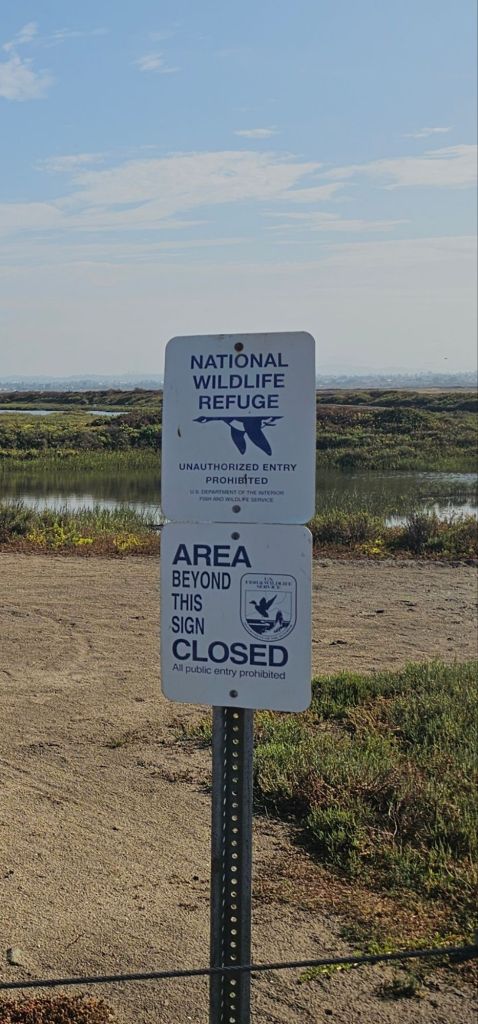
Why We Don’t Walk Past the Wetland Signs
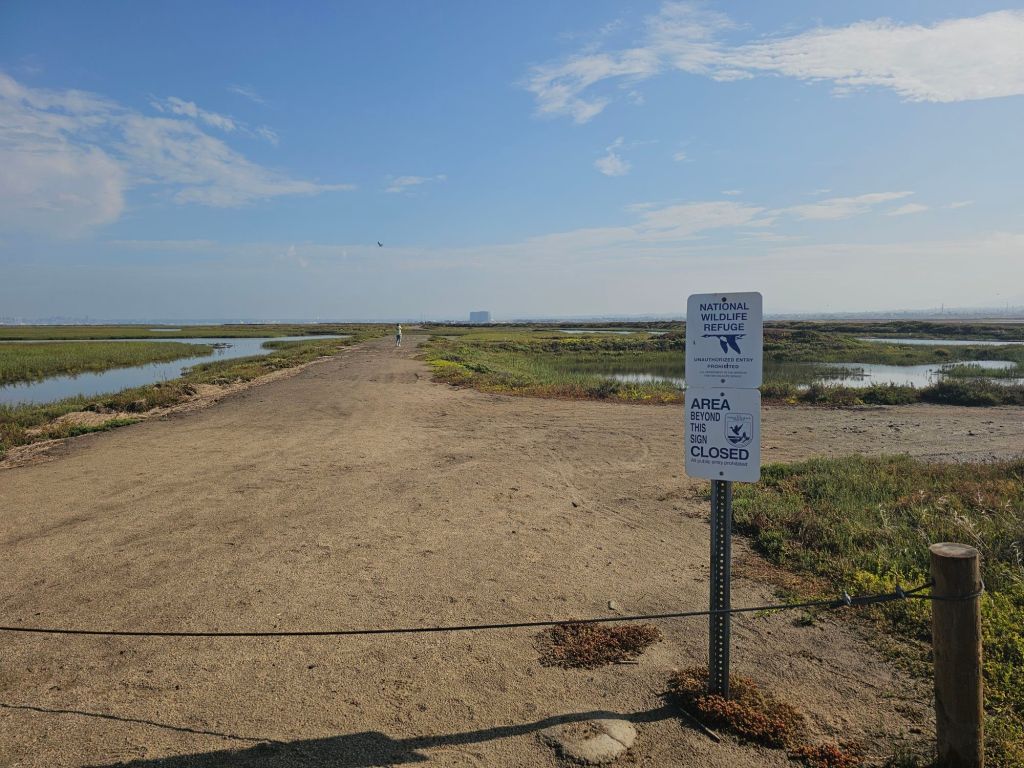
When you’re photographing birds, it’s tempting to get just a little closer. A better angle, a clearer shot, or a photograph of a tern taking flight can make you want to step beyond a fence or posted sign.
But around the Imperial Beach wetlands, those signs are there for a reason.
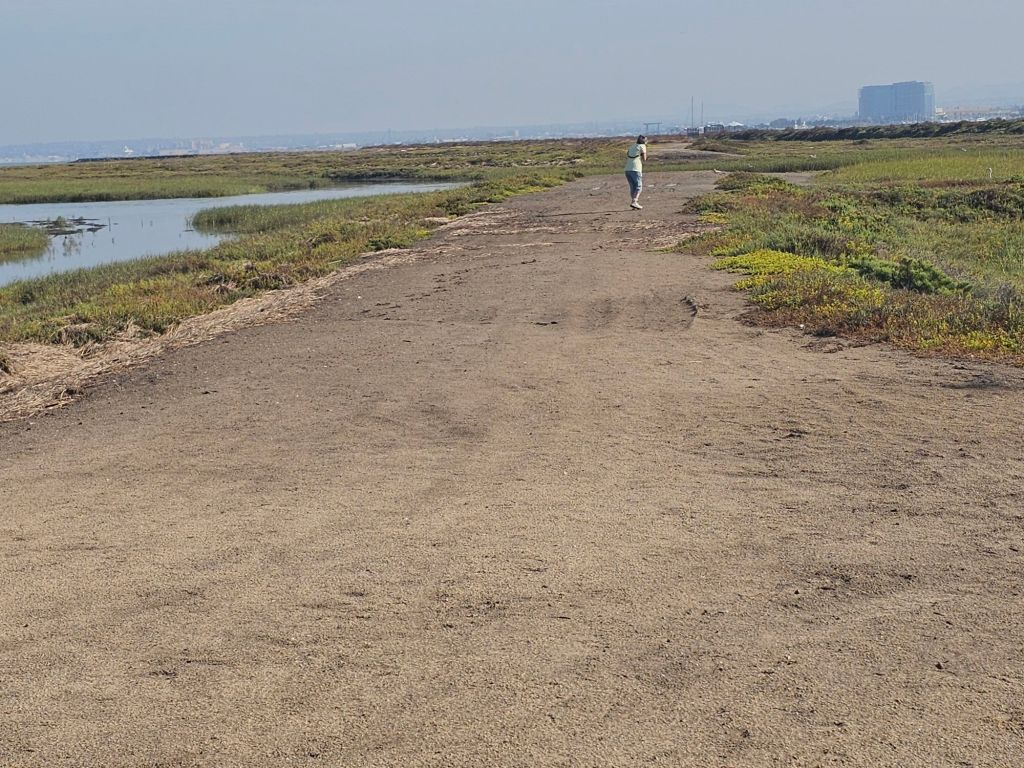
The salt marsh is a living ecosystem. What may look like an empty patch of mud or vegetation can be feeding, resting, or nesting habitat for birds. Walking into these areas can disturb wildlife, damage vegetation, and cause birds to use valuable energy flying away from people.
This is especially important when large flocks of terns are present. A person approaching a flock can cause dozens or even hundreds of birds to suddenly take flight. While one disturbance may seem insignificant, repeated disturbances from visitors can keep birds from feeding or resting.
There is also another reason to stay on the designated paths: wetlands can be fragile and surprisingly easy to damage. Salt-marsh plants and the muddy surface help form an ecosystem that has developed over many years. Foot traffic can create unofficial trails and damage vegetation that provides habitat for birds and other wildlife.
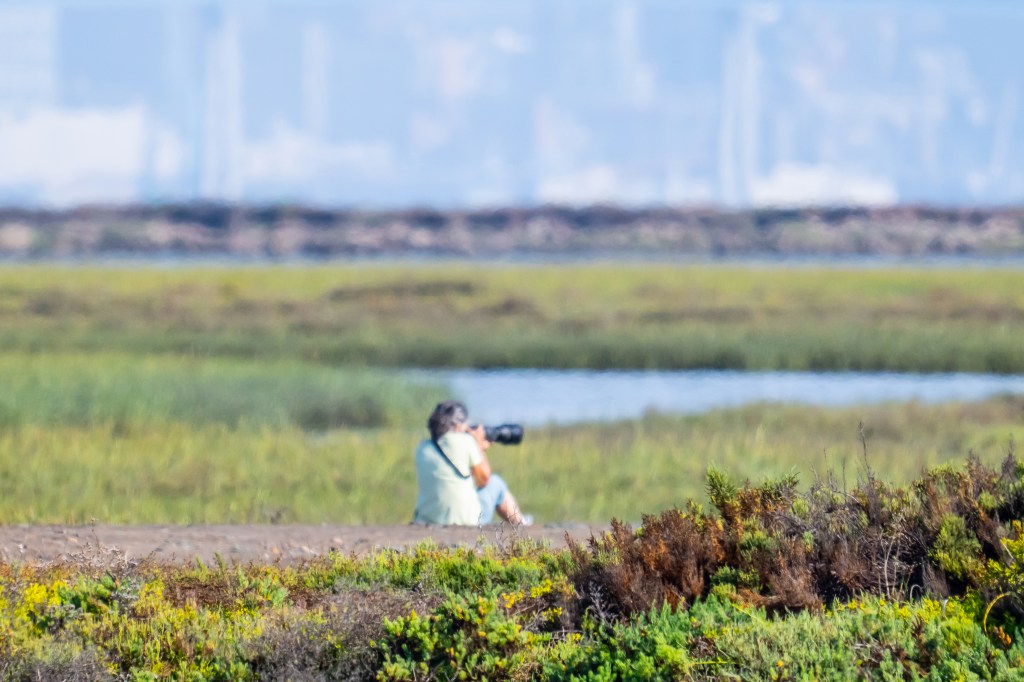
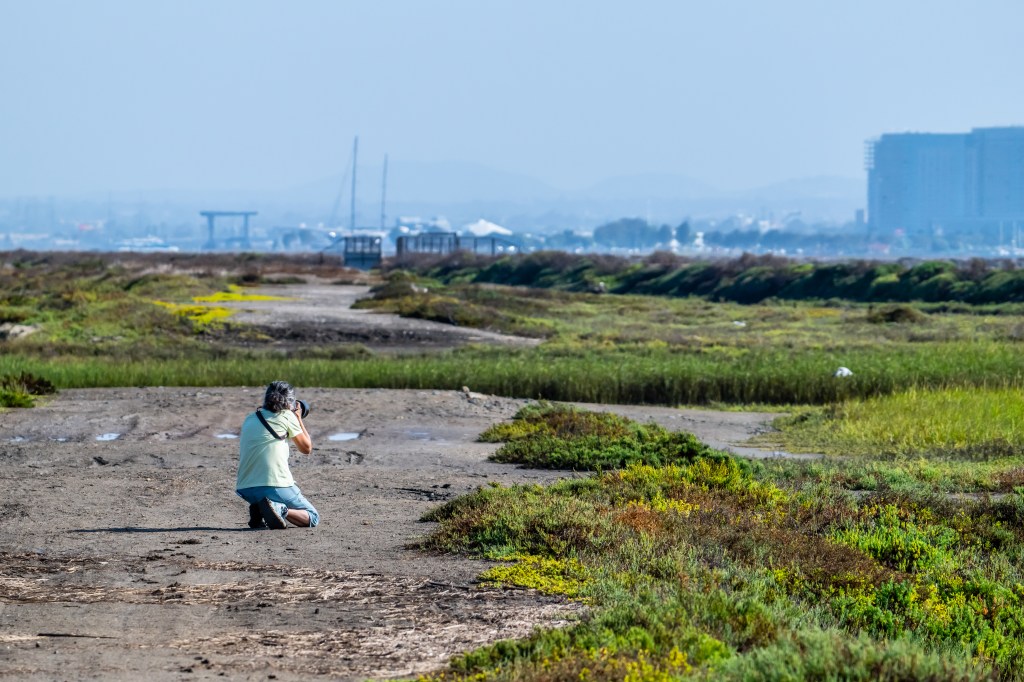
For photographers, staying behind the signs is part of responsible wildlife photography. A longer lens, binoculars and patience can often give you a better experience without getting closer.
The goal isn’t simply to get the closest photograph.
The goal is to photograph the birds while allowing them to continue doing what they came here to do.
So when you visit the Imperial Beach salt marsh or the South Bay salt flats, pay attention to the signs and stay on designated trails. Give the birds room, respect protected areas and let the wetlands remain a place where wildlife can thrive.
Sometimes the best wildlife photograph is the one you take without disturbing the wildlife at all.
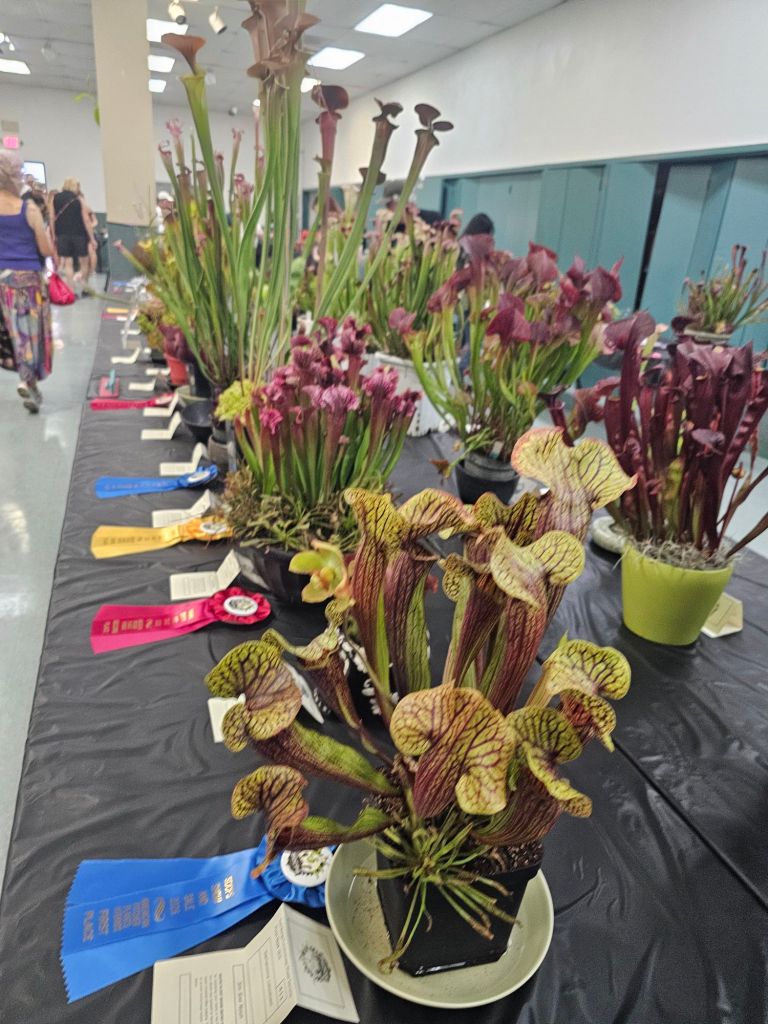
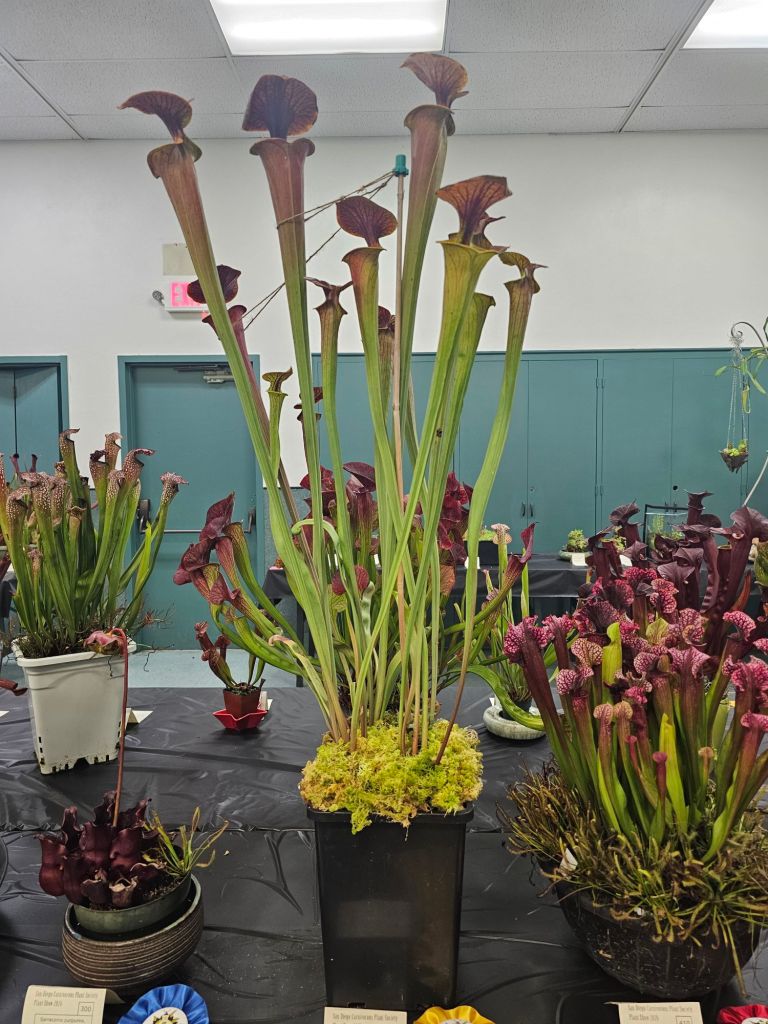
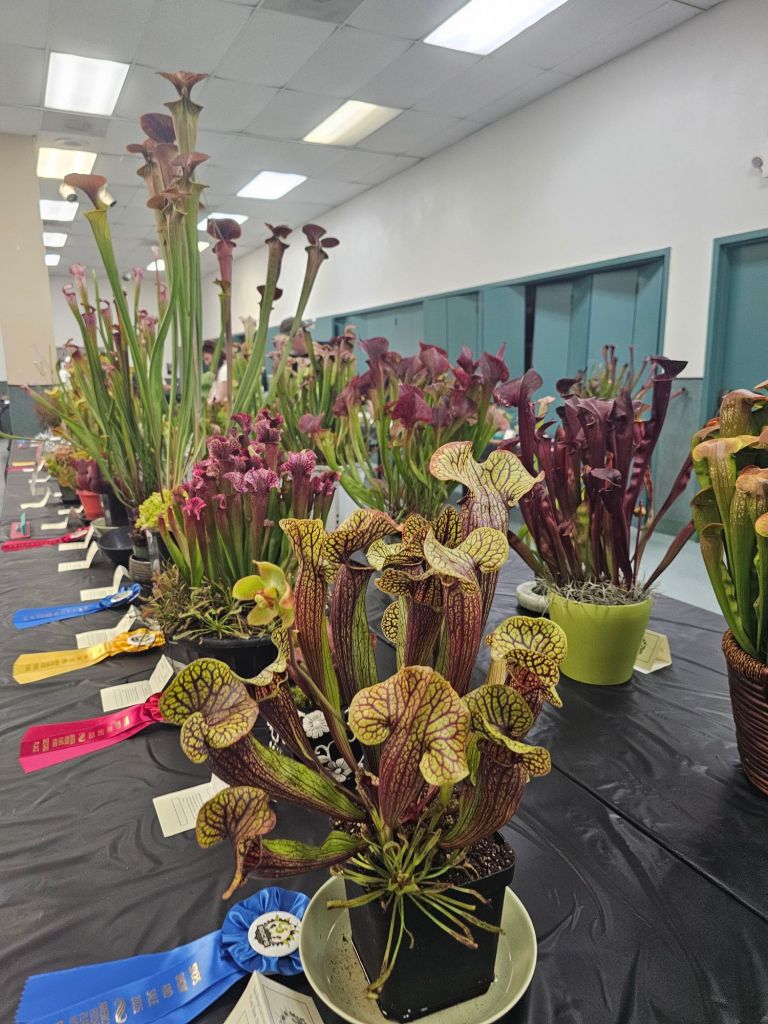
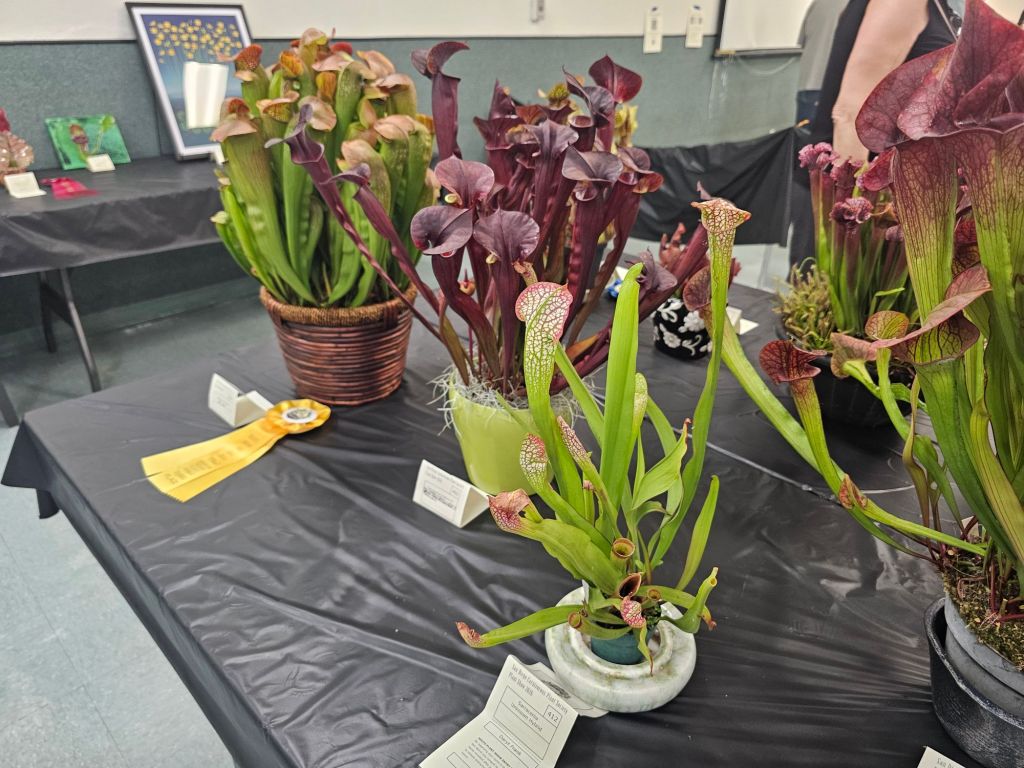
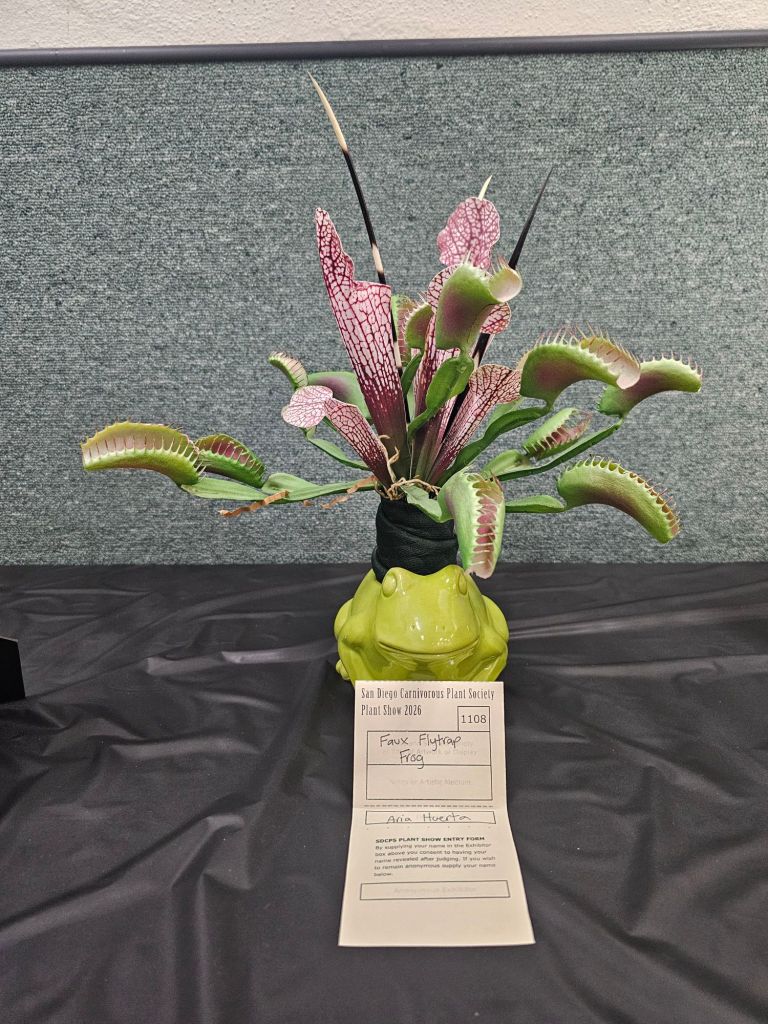
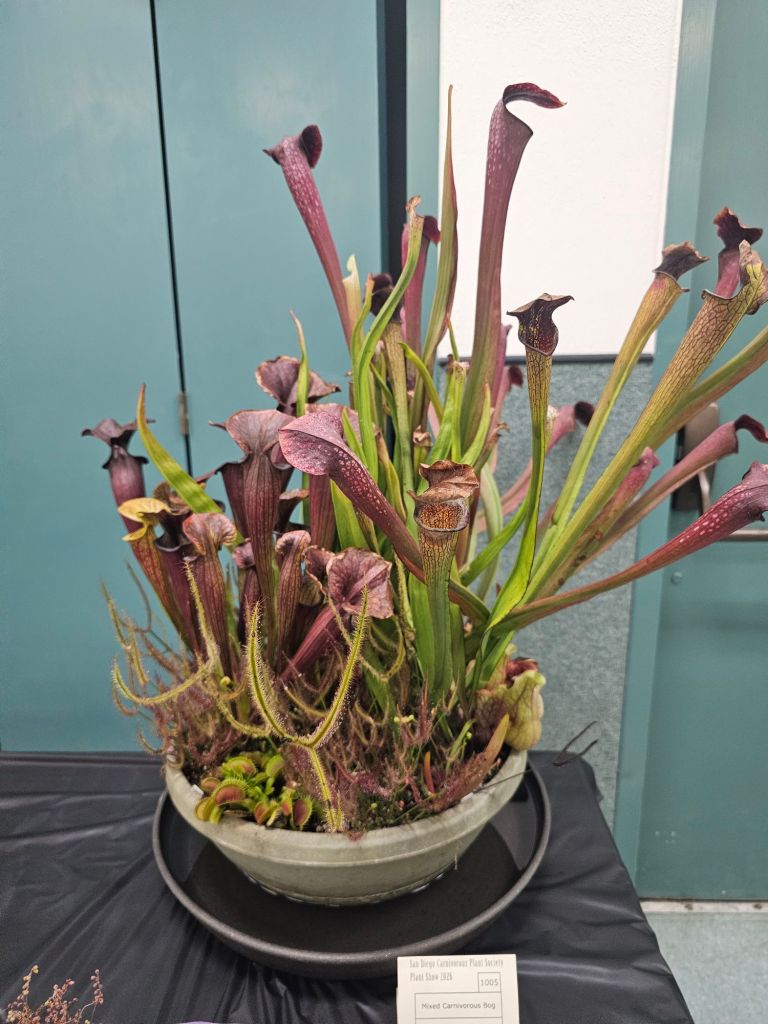
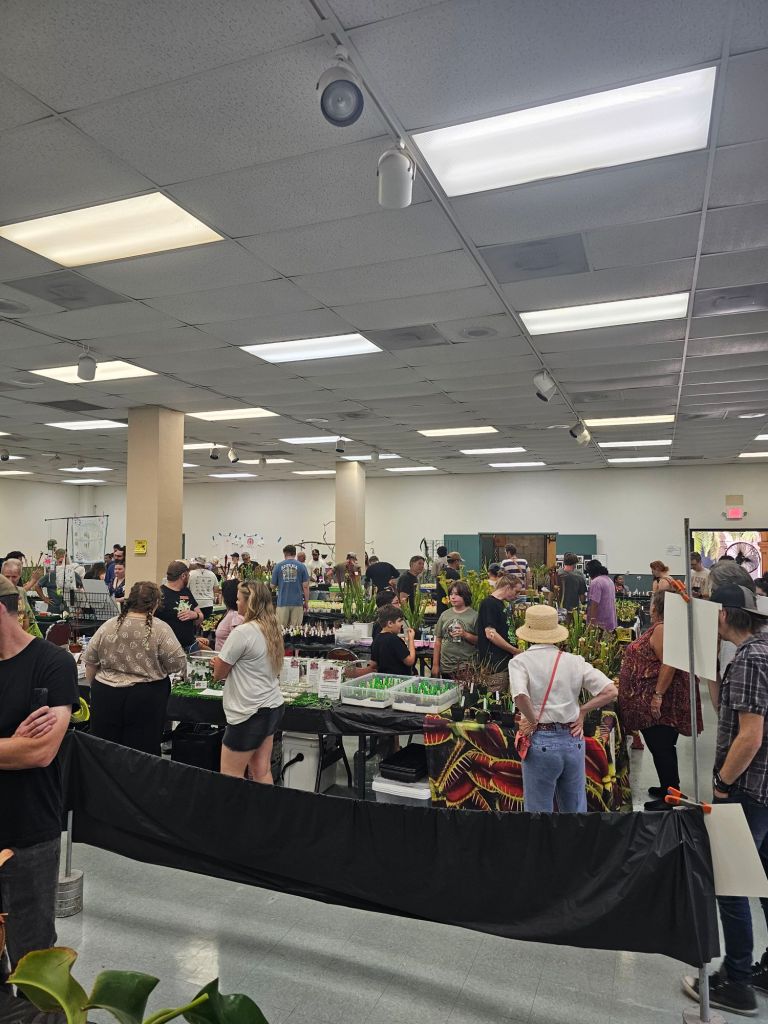
Join us for a visit to the San Diego Carnivorous Plant Sale in Balboa Park. Discover fascinating bug-eating plants, photography opportunities, expert advice, and one of San Diego’s most unique annual events.
Some plants bloom with colorful flowers. Others provide shade beneath towering branches. But at the San Diego Carnivorous Plant Sale, the stars of the show have evolved to do something completely unexpected—they catch and digest insects.
Each summer, plant enthusiasts, photographers, and curious families gather at Casa del Prado in Balboa Park for one of San Diego’s most unique gardening events. Hosted by the San Diego Carnivorous Plant Society, the annual show and sale is much more than a place to buy plants. It’s an opportunity to discover the incredible adaptations that allow these species to thrive in some of the world’s harshest environments.
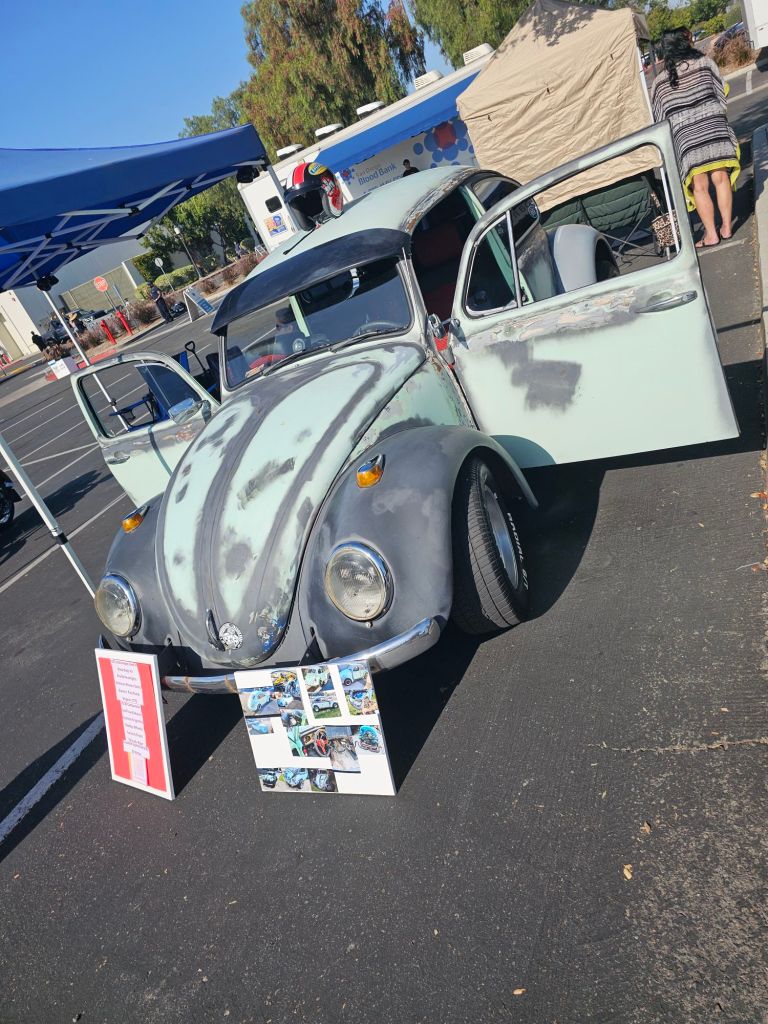
Few events capture the spirit of Southern California’s automotive culture quite like the 2026 Xavier “The X-Man” Cruise for the Cause Car Show. Held at Otay Ranch Town Center in Chula Vista, this annual gathering once again transformed the shopping center into a vibrant showcase of classic cars, muscle cars, hot rods, custom trucks, motorcycles, and modern performance vehicles—all while supporting an important charitable cause. The 24th annual event took place on Sunday, August 2, 2026, welcoming enthusiasts and families from across San Diego County.
Few events capture the spirit of Southern California’s automotive culture quite like the 2026 Xavier “The X-Man” Cruise for the Cause Car Show. Held at Otay Ranch Town Center in Chula Vista, this annual gathering once again transformed the shopping center into a vibrant showcase of classic cars, muscle cars, hot rods, custom trucks, motorcycles, and modern performance vehicles—all while supporting an important charitable cause. The 24th annual event took place on Sunday, August 2, 2026, welcoming enthusiasts and families from across San Diego County.
A Sea of Automotive Excellence
Walking through the rows of polished vehicles, visitors were treated to an impressive display spanning nearly every era of automotive history. Beautifully restored American classics sat beside vintage pickups, while late-model Corvettes, Mustangs, Camaros, Mopars, imports, and custom builds reflected the incredible diversity of Southern California’s car community.
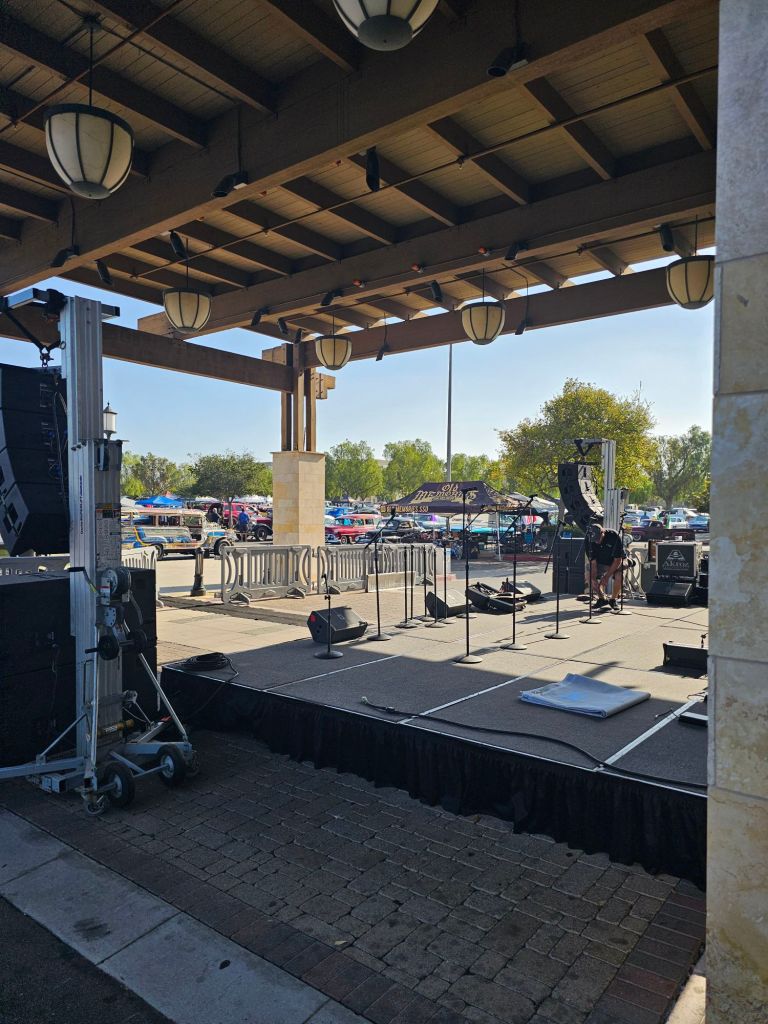
While the automobiles were certainly the stars of the day, the event offered much more than rows of spectacular vehicles. Live entertainment, local vendors, food, raffle prizes, and family-friendly activities created an atmosphere that welcomed enthusiasts of every age.
One of the most rewarding aspects of the Cruise for the Cause is its focus on giving back. The event brings together the local automotive community to support charitable efforts, proving that a shared passion for cars can make a meaningful difference in the lives of others.
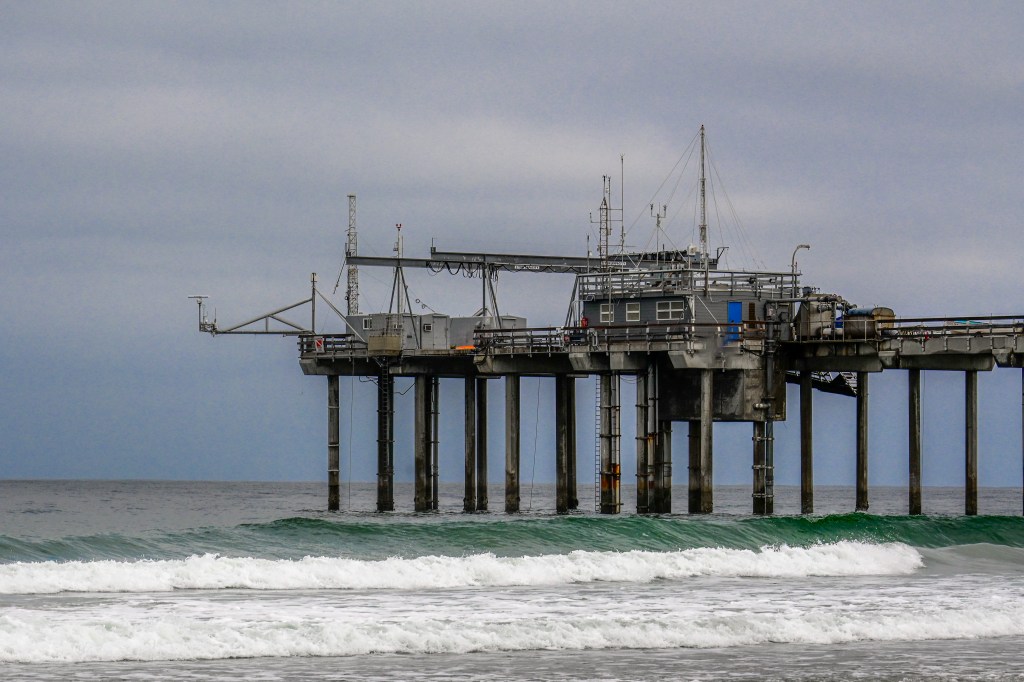
Discover why Scripps Pier in La Jolla is one of San Diego’s most photographed landmarks. Learn its history, photography tips, wildlife highlights, and nearby attractions.
A Pier Built for Science
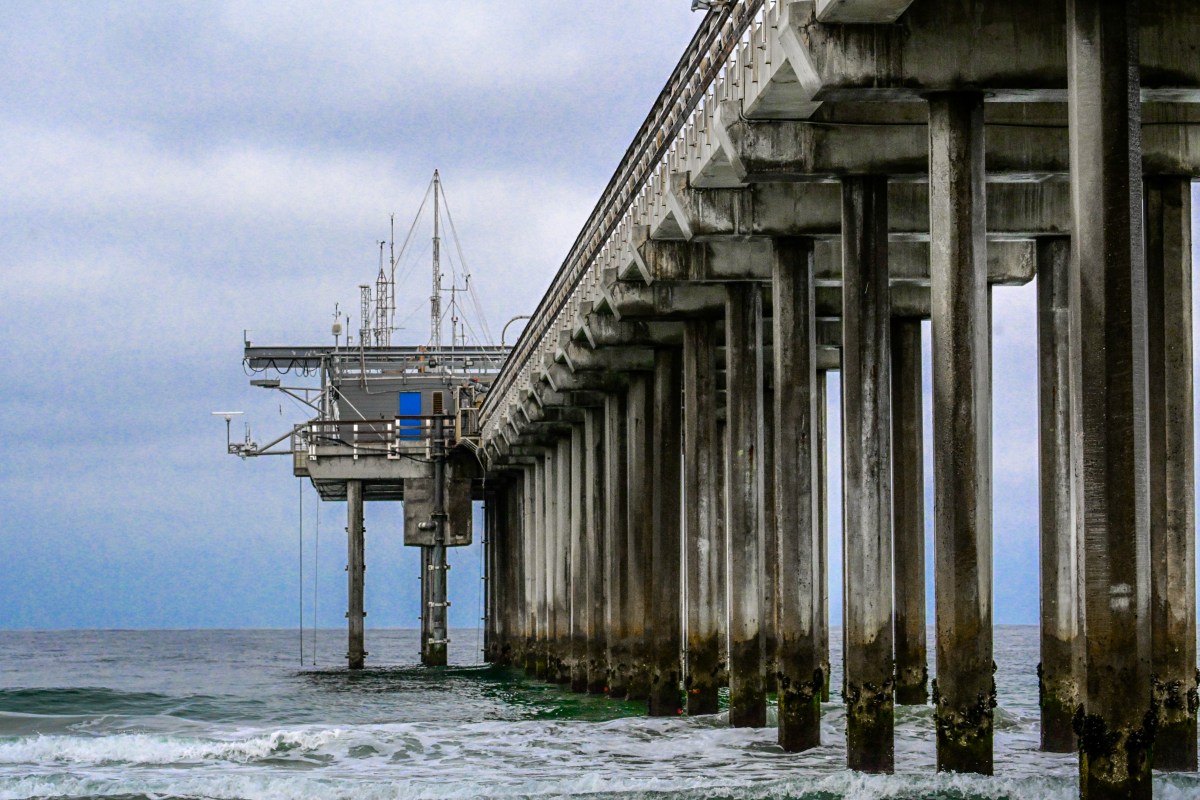
Unlike many California piers, Scripps Pier was never intended for amusement rides, restaurants, or fishing. Officially known as the Ellen Browning Scripps Memorial Pier, it serves as a working research facility for the Scripps Institution of Oceanography at the University of California San Diego.
The original wooden pier opened in 1916 thanks to a generous gift from philanthropist Ellen Browning Scripps. After decades of serving scientists, it was replaced in 1988 with the modern reinforced concrete structure that stands today. At 1,084 feet long, it remains one of the world’s longest active research piers.
High Tide vs. Low Tide
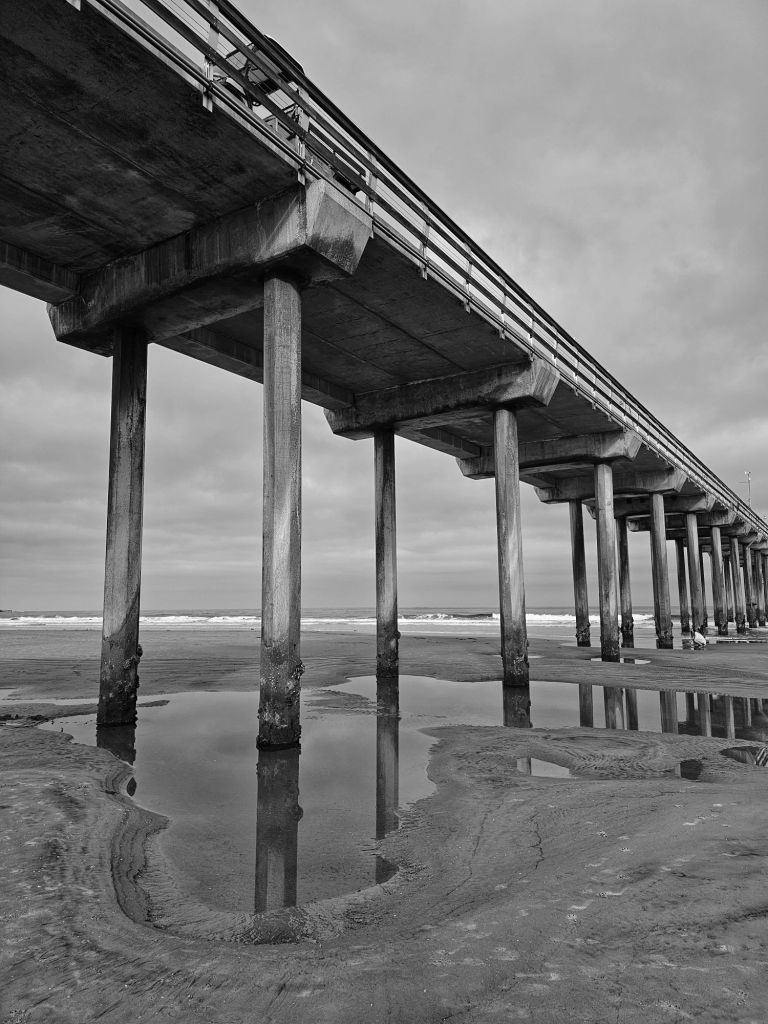
Both tides offer unique perspectives.
Low tide reveals more of the pilings and creates excellent reflections.
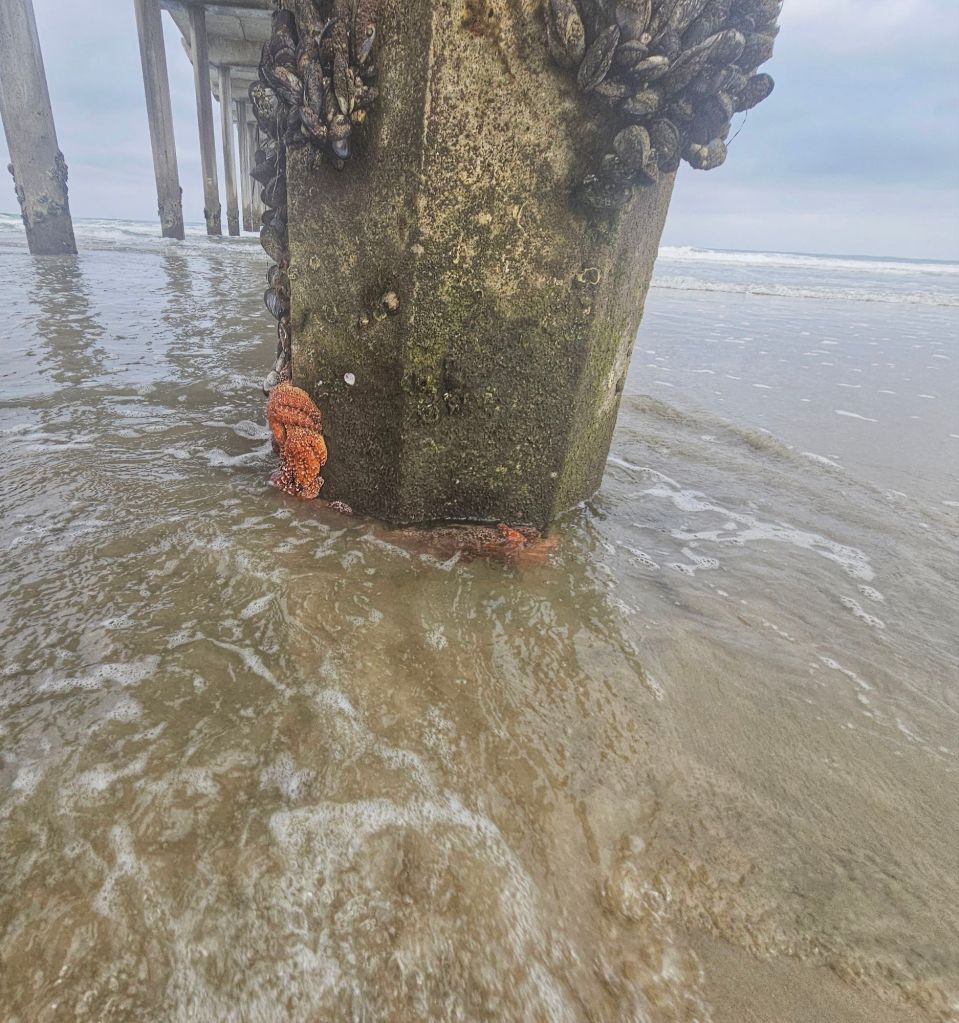
High tide allows waves to crash dramatically around the supports for dynamic images.
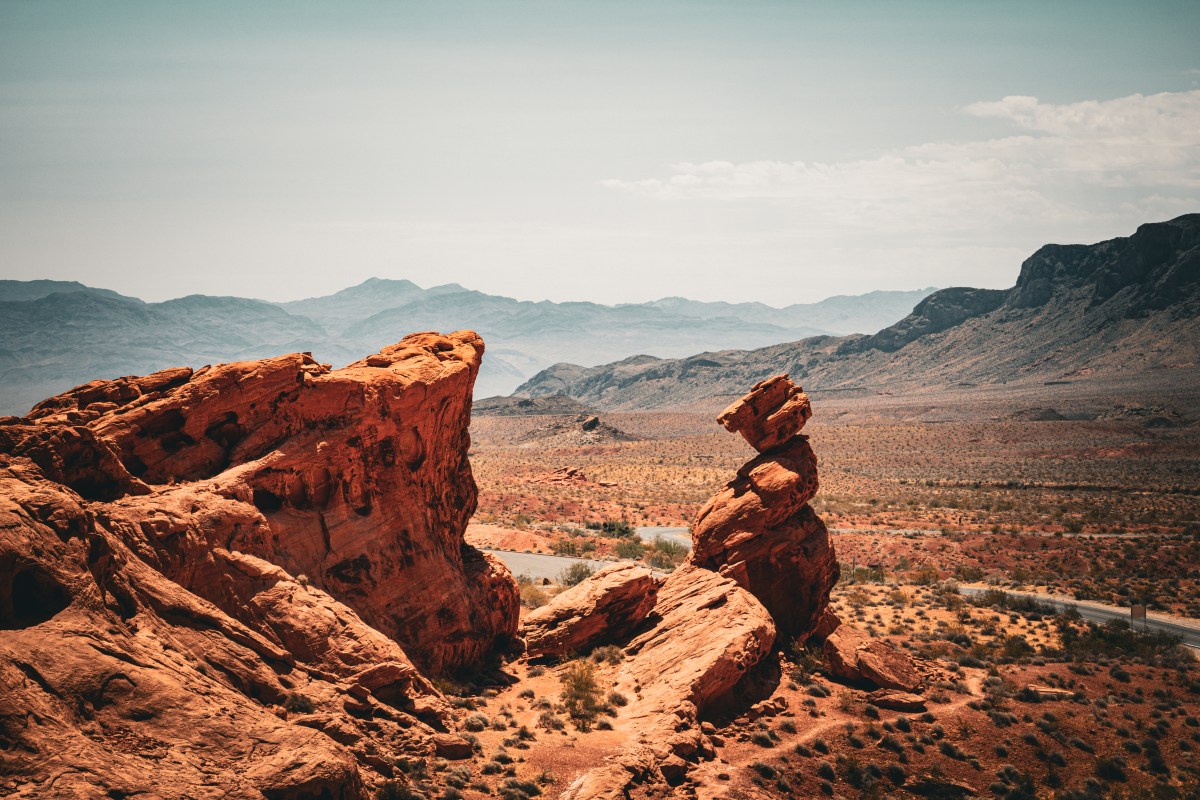
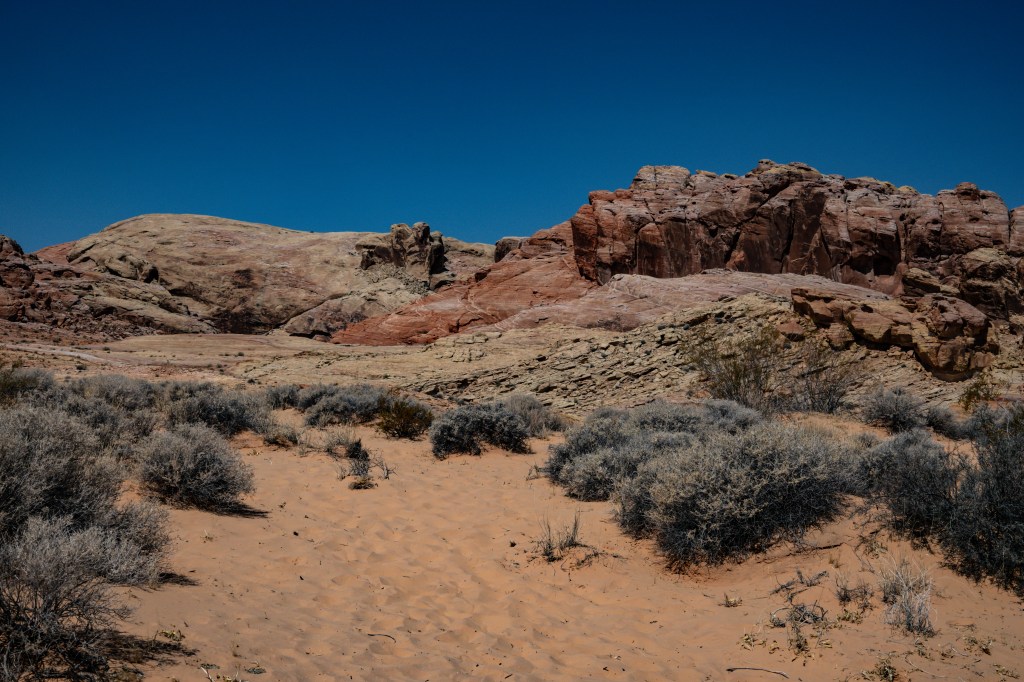
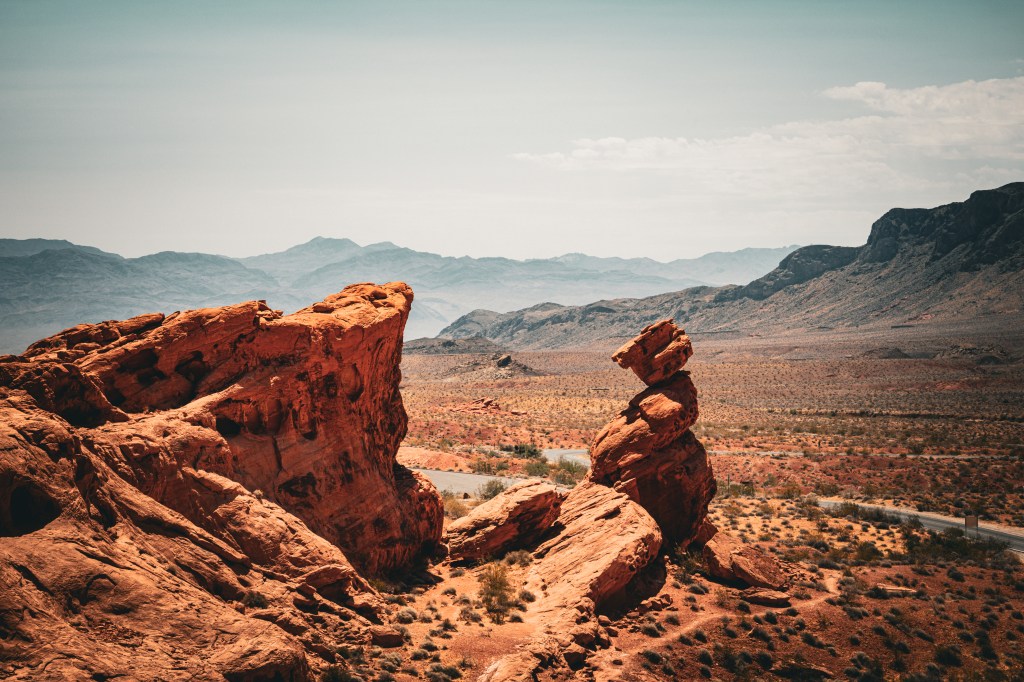
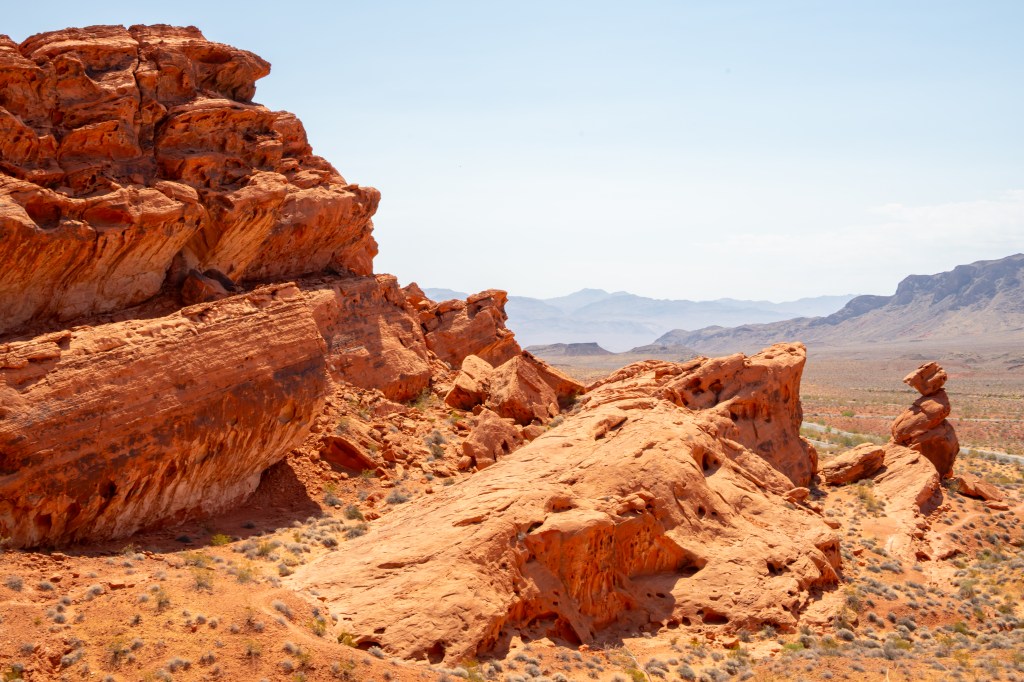
Just an hour northeast of Las Vegas lies one of the Southwest’s most remarkable natural treasures: Valley of Fire State Park. Known for its fiery red sandstone formations, ancient petroglyphs, and stunning desert scenery, this Nevada gem offers visitors a chance to explore landscapes that seem more at home on another planet than on Earth.
Whether you’re a photographer, hiker, history enthusiast, or road-tripper, Valley of Fire delivers unforgettable scenery around every bend.
A Landscape 150 Million Years in the Making
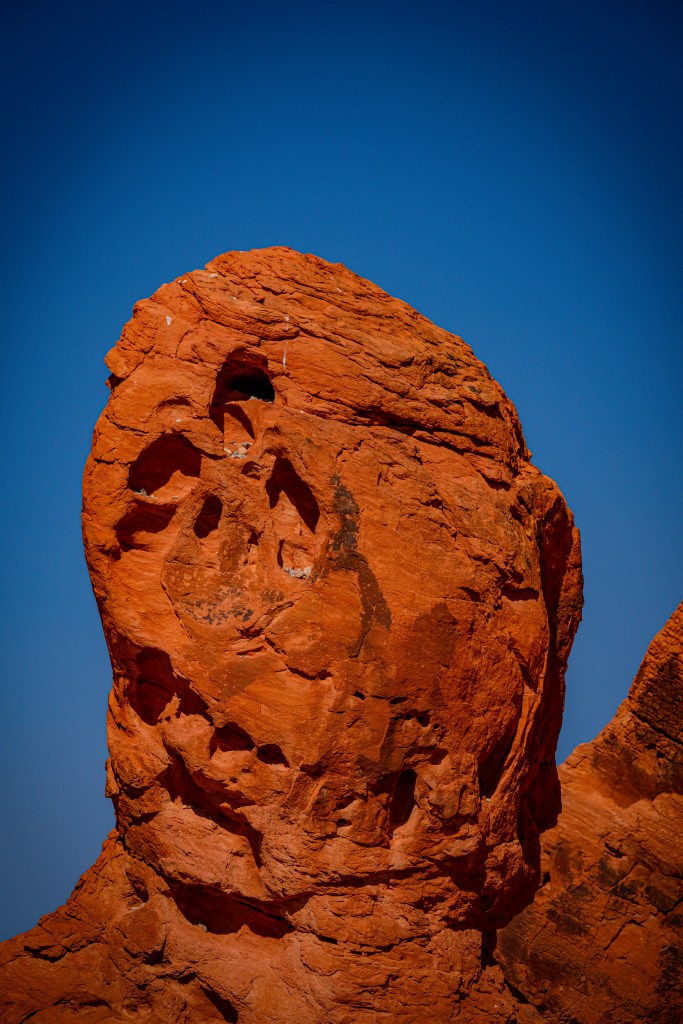
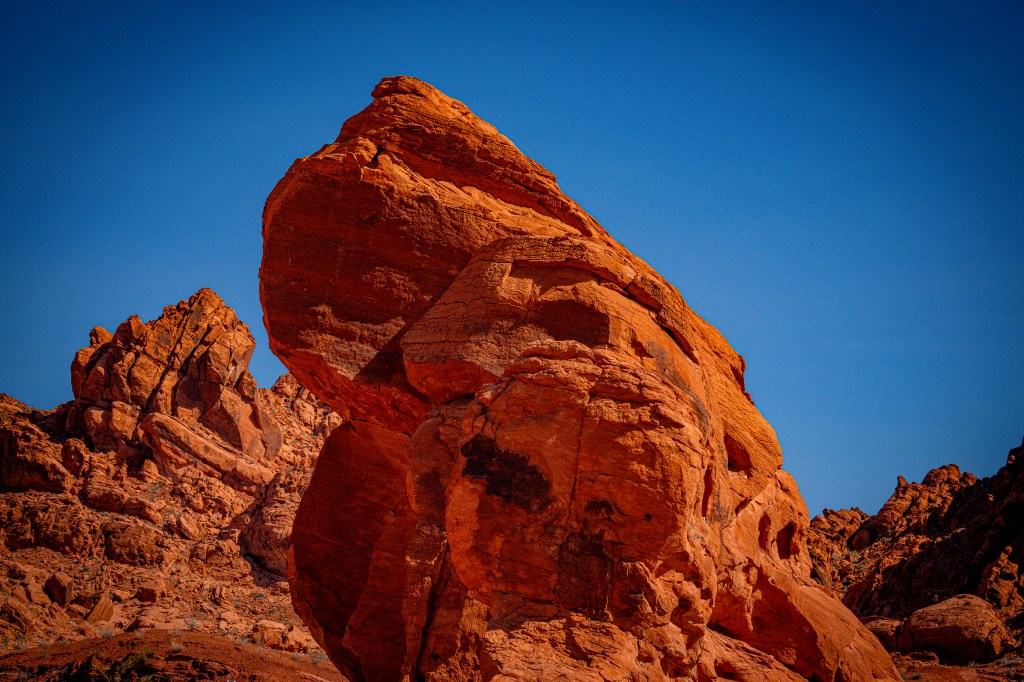
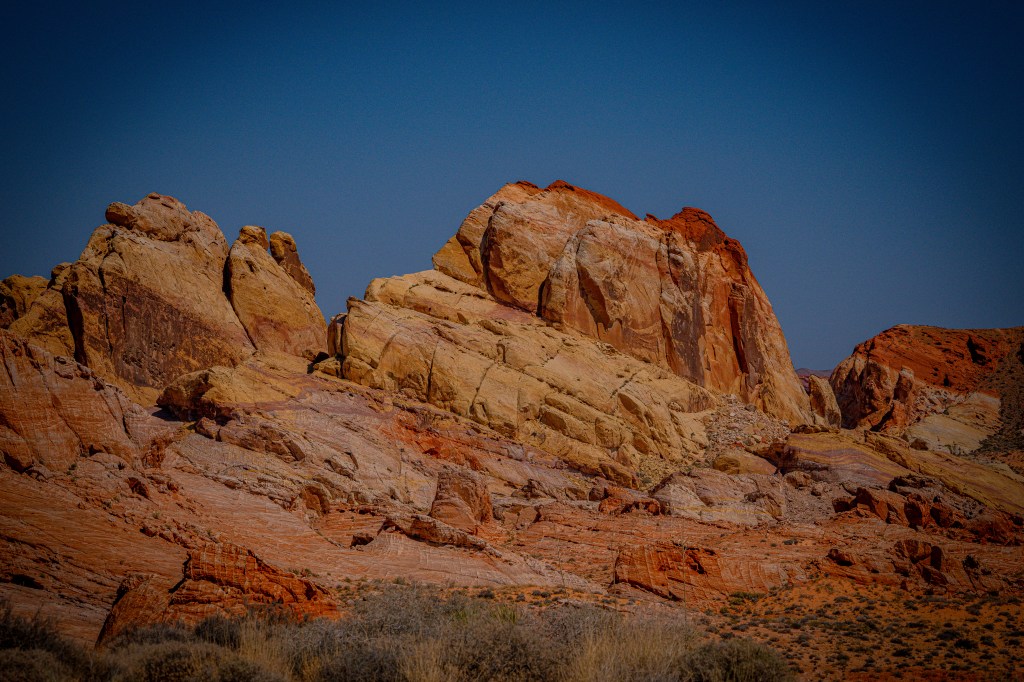
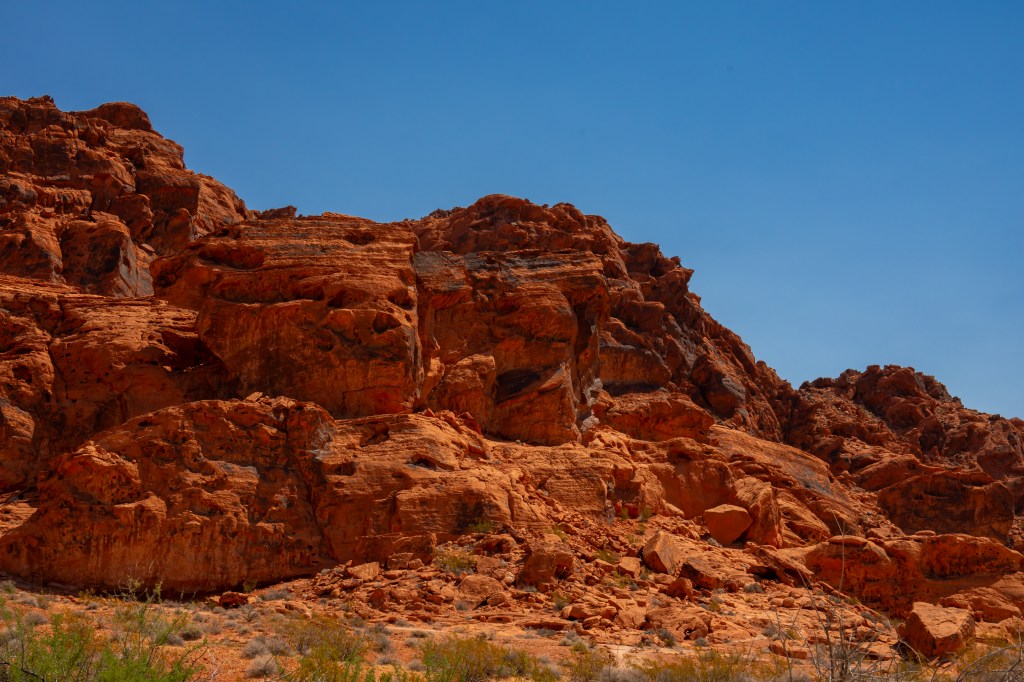
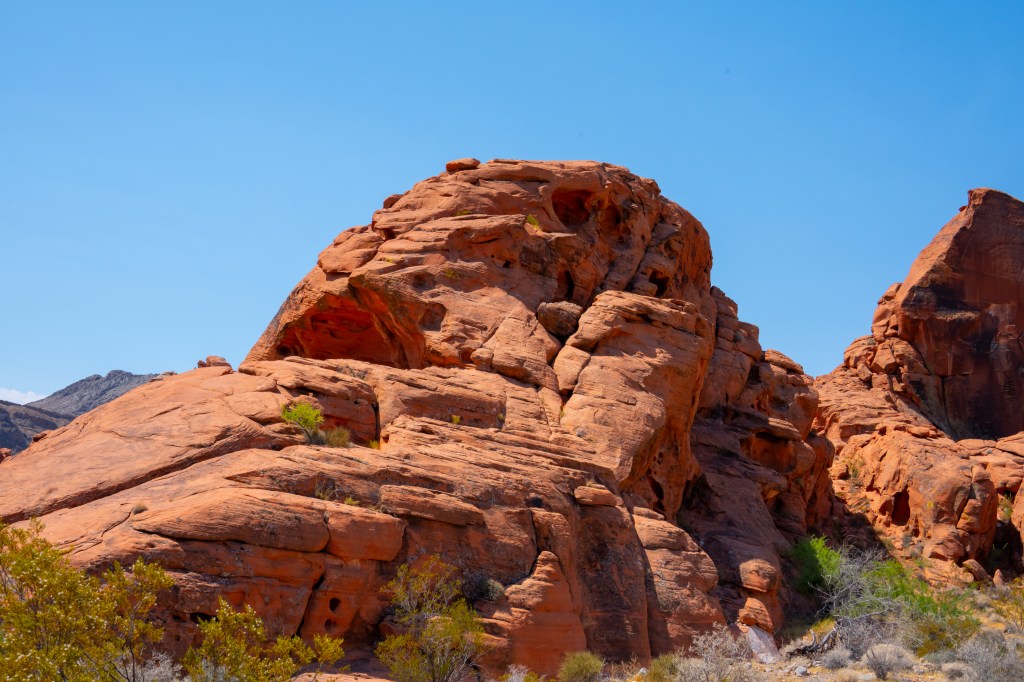
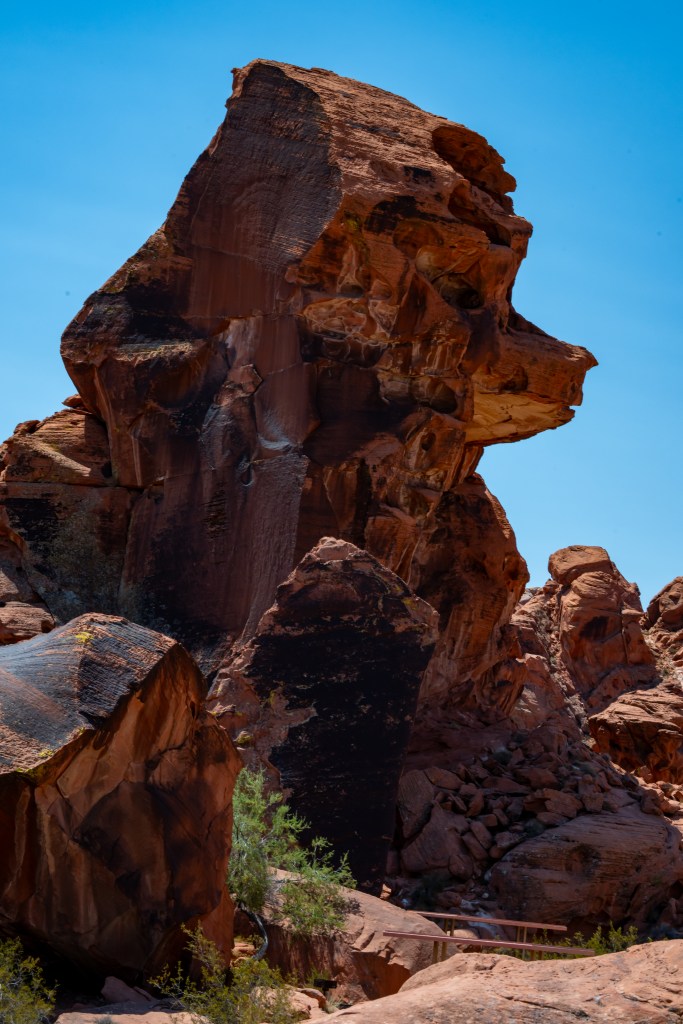
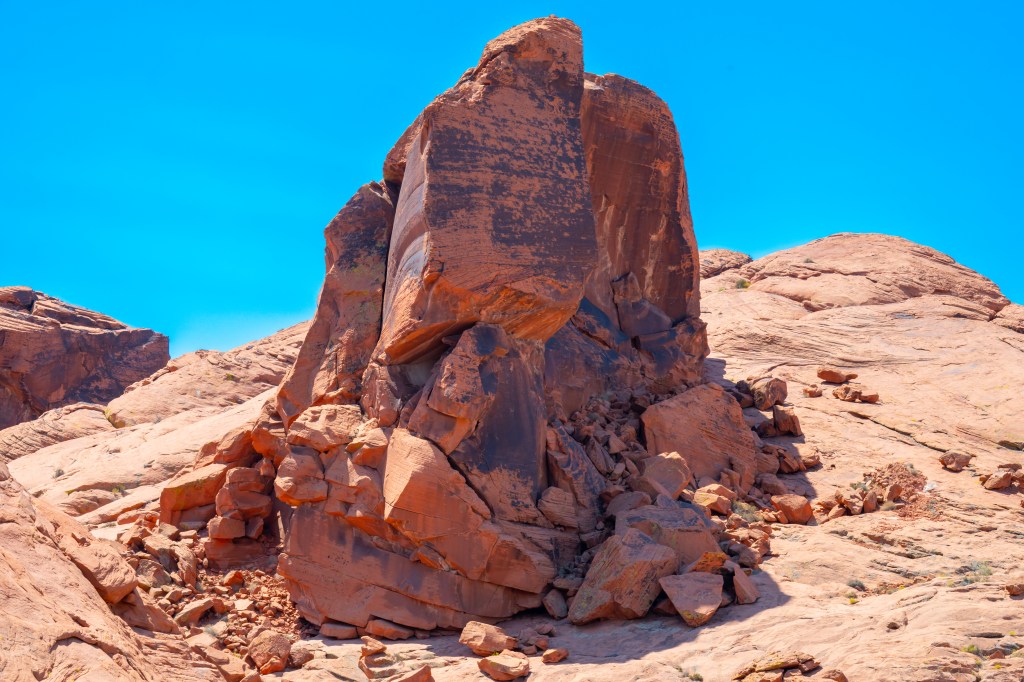
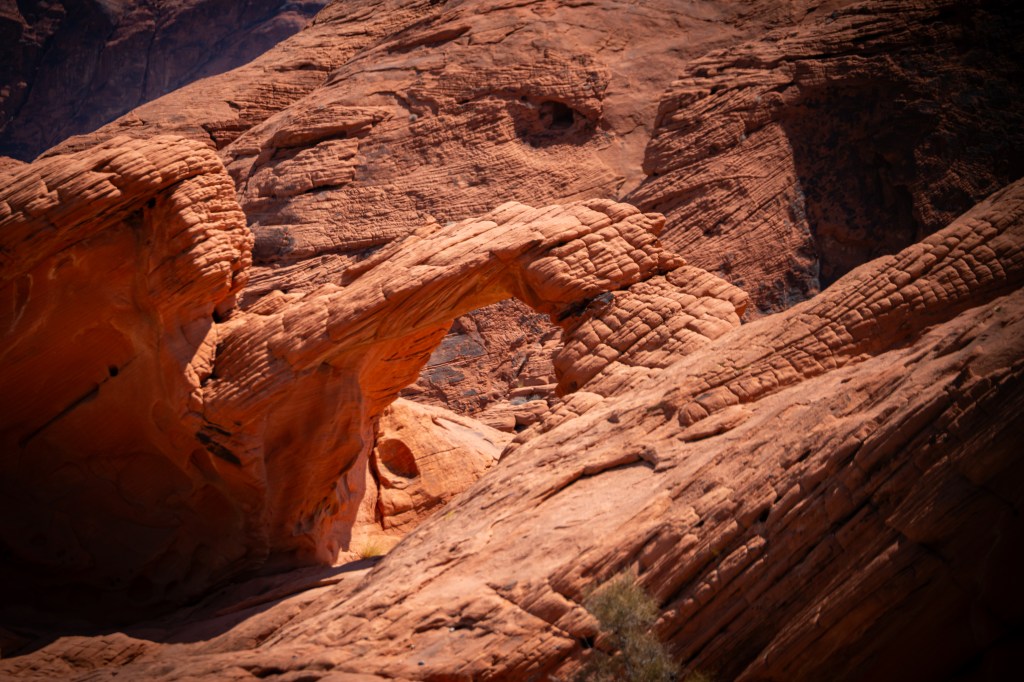
Valley of Fire gets its name from the vibrant red Aztec sandstone formations that appear to glow like flames when illuminated by the morning or evening sun. These striking rock formations were created from ancient sand dunes during the age of the dinosaurs and have been sculpted by wind and water over millions of years.
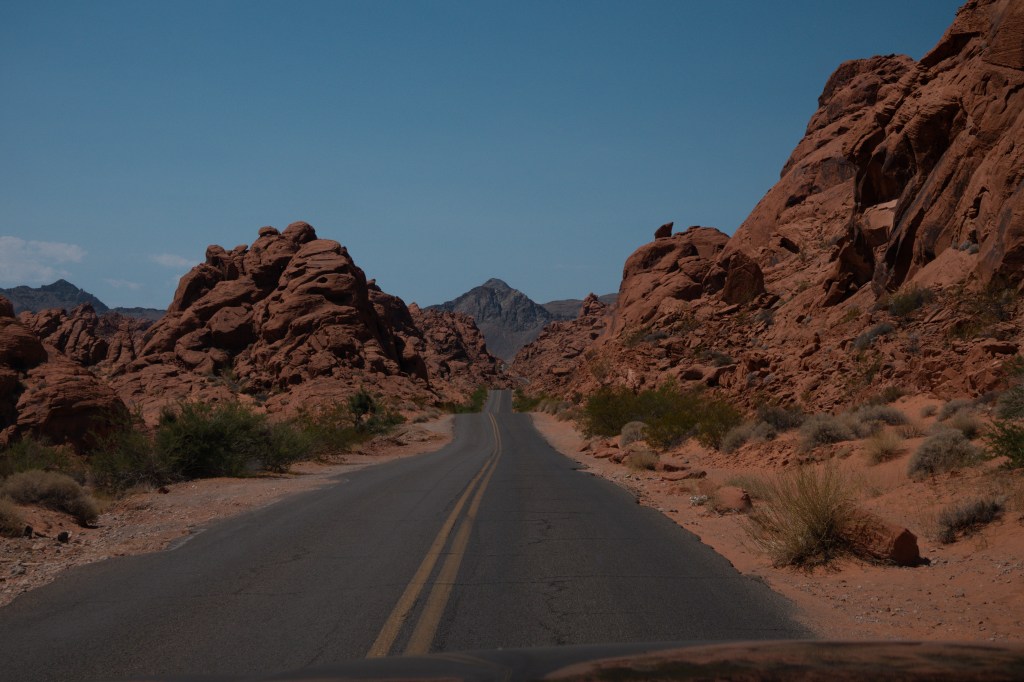
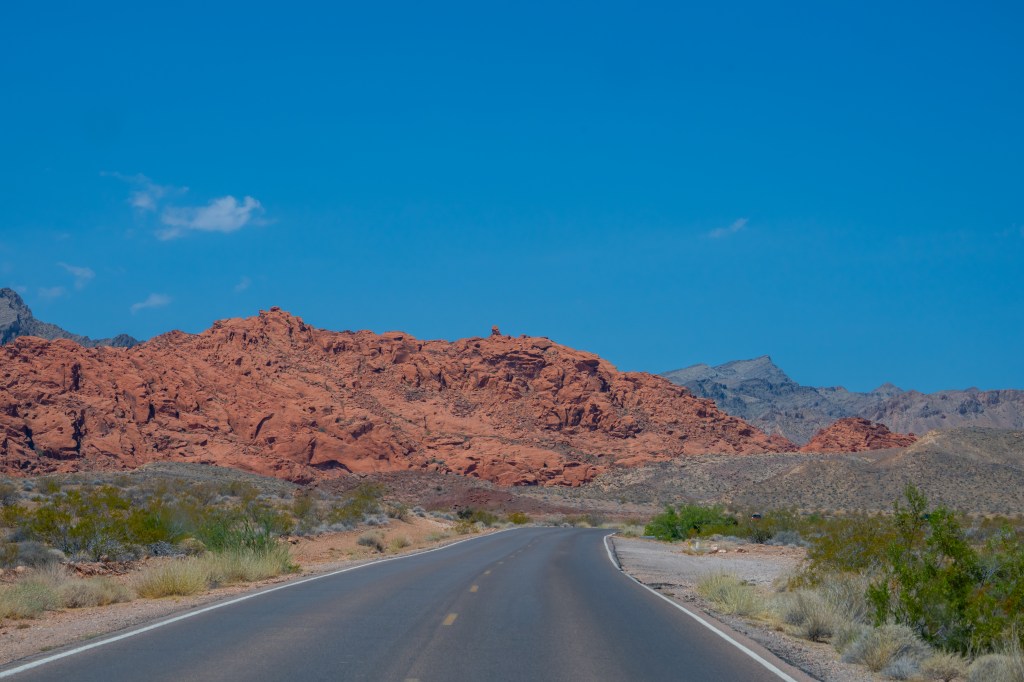
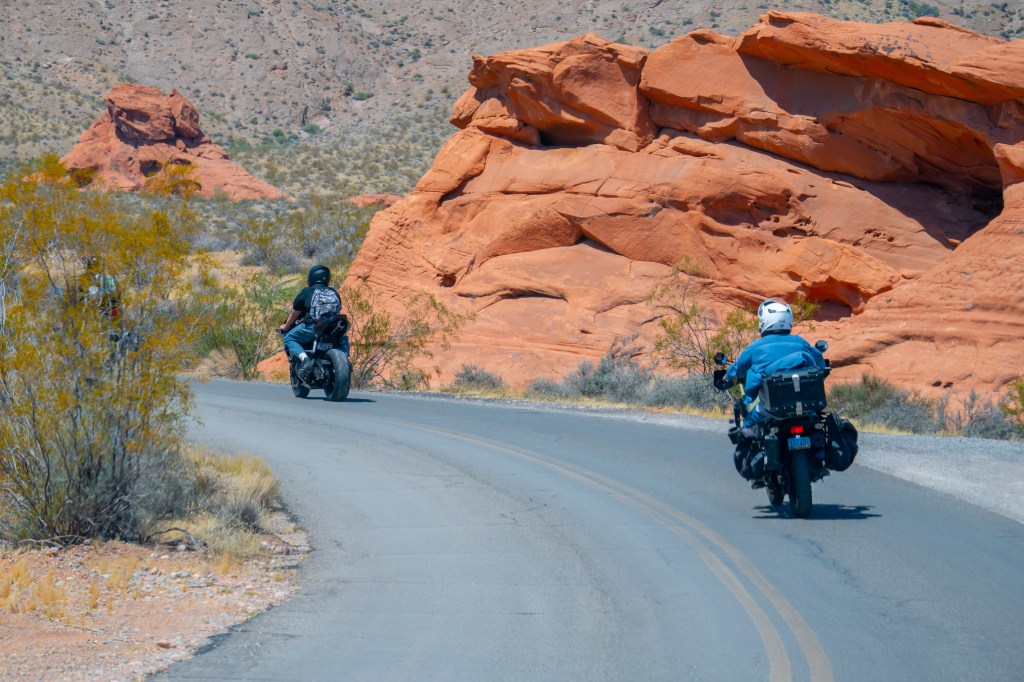
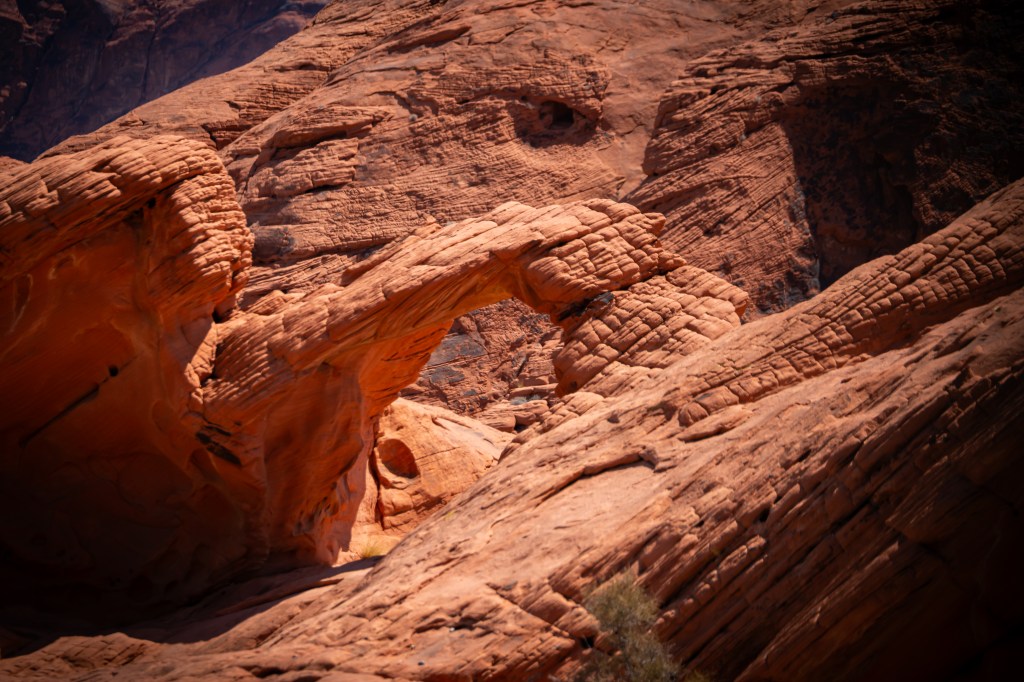
As you drive through the park, you’ll encounter a stunning collection of arches, domes, ridges, and rock formations that showcase the incredible power of nature.
A Photographer’s Dream Destination
For photographers, Valley of Fire is a paradise. The constantly changing light transforms the landscape throughout the day, creating endless opportunities for dramatic images.
Popular photography locations include:
Fire Wave
Perhaps the park’s most famous landmark, Fire Wave features swirling layers of red, pink, and white sandstone resembling a frozen ocean wave. The short hike to this formation is well worth the effort and offers some of the most iconic photographs in Nevada.
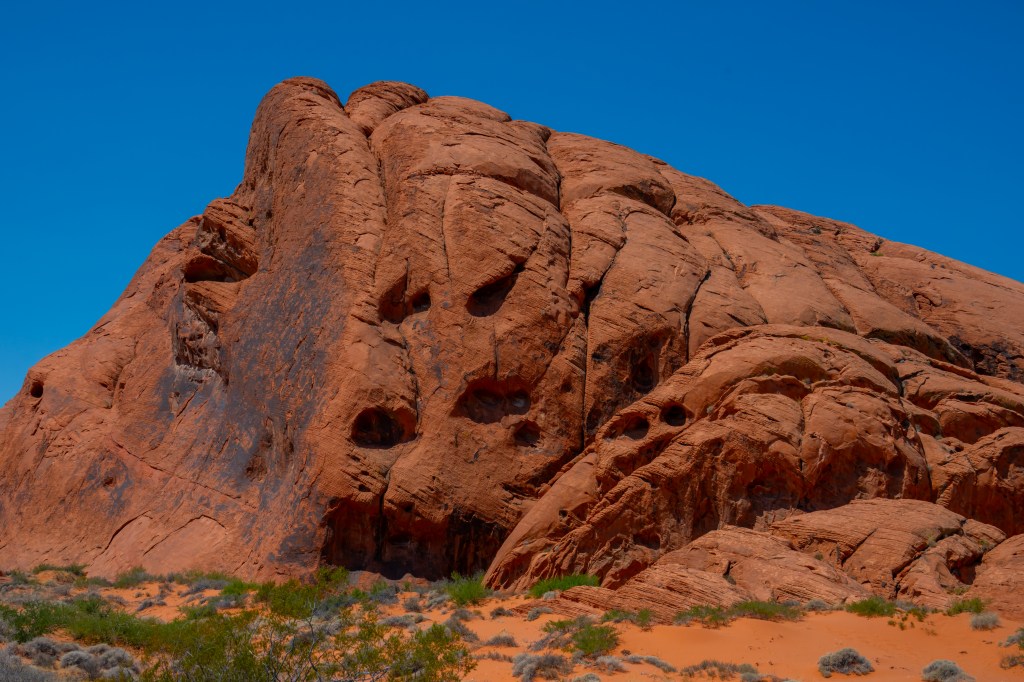
Elephant Rock
Near the east entrance, this naturally sculpted sandstone formation resembles a giant elephant. It’s an easy stop and one of the park’s most recognizable landmarks.
White Domes
This scenic area features colorful rock formations, a slot canyon, and remnants of an old movie set. The White Domes Trail offers some of the most diverse scenery in the park.
Rainbow Vista
A short walk leads visitors to sweeping views of multicolored rock formations stretching across the desert landscape.
Discovering Ancient Petroglyphs
Beyond its geological wonders, Valley of Fire is rich in cultural history. Ancient Native American peoples, including the Ancestral Puebloans, left behind numerous petroglyphs carved into the sandstone thousands of years ago.
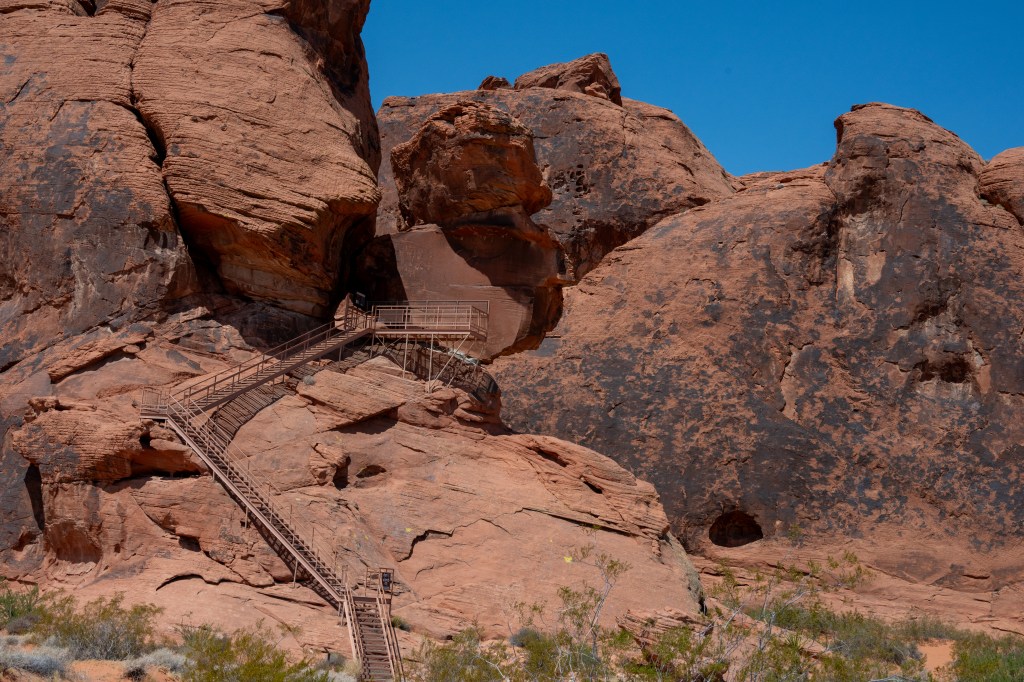
One of the best places to view these fascinating rock carvings is Atlatl Rock, where a staircase provides access to an impressive collection of ancient artwork. These petroglyphs offer a glimpse into the lives and traditions of the people who once called this desert home.
Hiking Through a Desert Wonderland
Valley of Fire offers trails for all skill levels. Some of the most popular include:
Fire Wave Trail
White Domes Loop
Mouse’s Tank Trail
Rainbow Vista Trail
Seven Wonders Loop
Many hikes are relatively short but reward visitors with extraordinary scenery and unique geological features.
Wildlife in the Desert
Although the landscape may appear harsh, Valley of Fire supports a surprising variety of wildlife.
Keep an eye out for:
Desert bighorn sheep
Jackrabbits
Coyotes
Desert tortoises
Lizards and reptiles
Roadrunners and other desert birds
Early morning and late afternoon provide the best opportunities for wildlife photography.
Best Time to Visit
The ideal time to visit Valley of Fire is from October through April when temperatures are cooler and more comfortable for hiking.
Summer temperatures frequently exceed 100°F, making outdoor activities challenging and potentially dangerous during midday hours.
For photographers, sunrise and sunset offer the most dramatic lighting as the sandstone formations glow with intense shades of red and orange.
Travel Tips for Visitors
Bring plenty of water, even during cooler months.
Wear sunscreen and a hat.
Start hikes early to avoid midday heat.
Stay on designated trails to protect fragile desert ecosystems.
Allow plenty of time for photography stops along the scenic drive.
Download maps before arriving, as cell service can be limited.
Final Thoughts
Valley of Fire State Park is one of Nevada’s most spectacular natural destinations and an easy day trip from Las Vegas. Its fiery sandstone formations, ancient petroglyphs, scenic hiking trails, and incredible photographic opportunities make it a must-visit location for anyone exploring the American Southwest.
Whether you’re chasing sunrise at Fire Wave, discovering ancient rock art, or simply enjoying a scenic drive through the desert, Valley of Fire offers a memorable adventure that showcases the beauty and history of Nevada’s desert landscape.
If you’re looking for a destination that combines natural wonder, outdoor exploration, and incredible photography opportunities, Valley of Fire State Park deserves a place at the top of your travel bucket list.
Towering sandstone cliffs, winding rivers, and breathtaking canyon views make Zion National Park one of the most spectacular destinations in the American Southwest. Located in southwestern Utah, Zion attracts millions of visitors each year who come to experience its dramatic landscapes, world-famous hiking trails, and incredible opportunities for photography and wildlife viewing.
Whether you’re an avid hiker, nature photographer, or simply looking for a memorable road trip destination, Zion National Park offers an adventure unlike any other.
A Landscape Shaped by Time
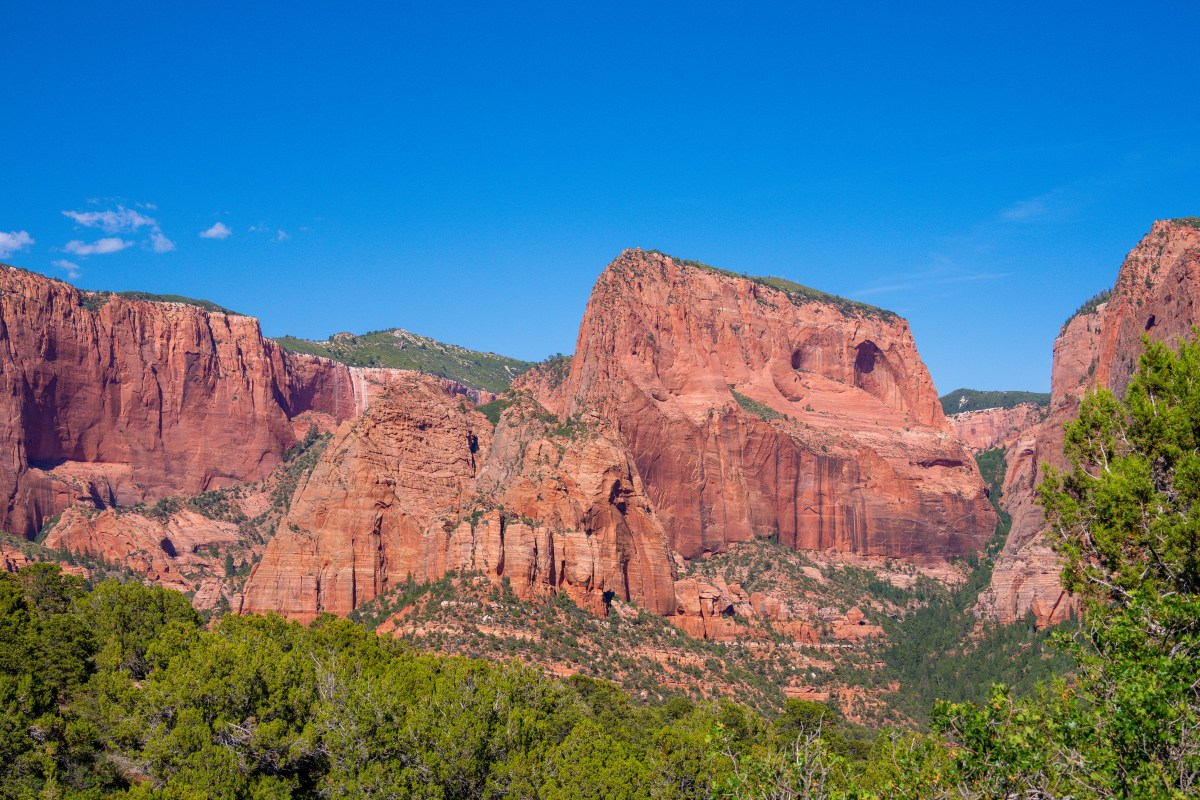
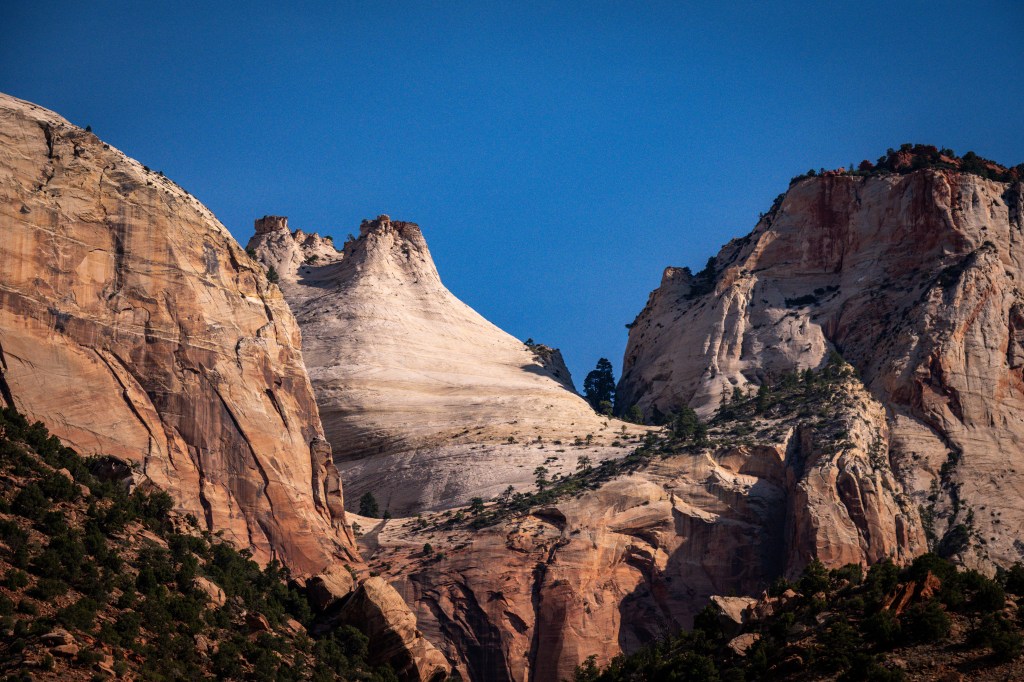
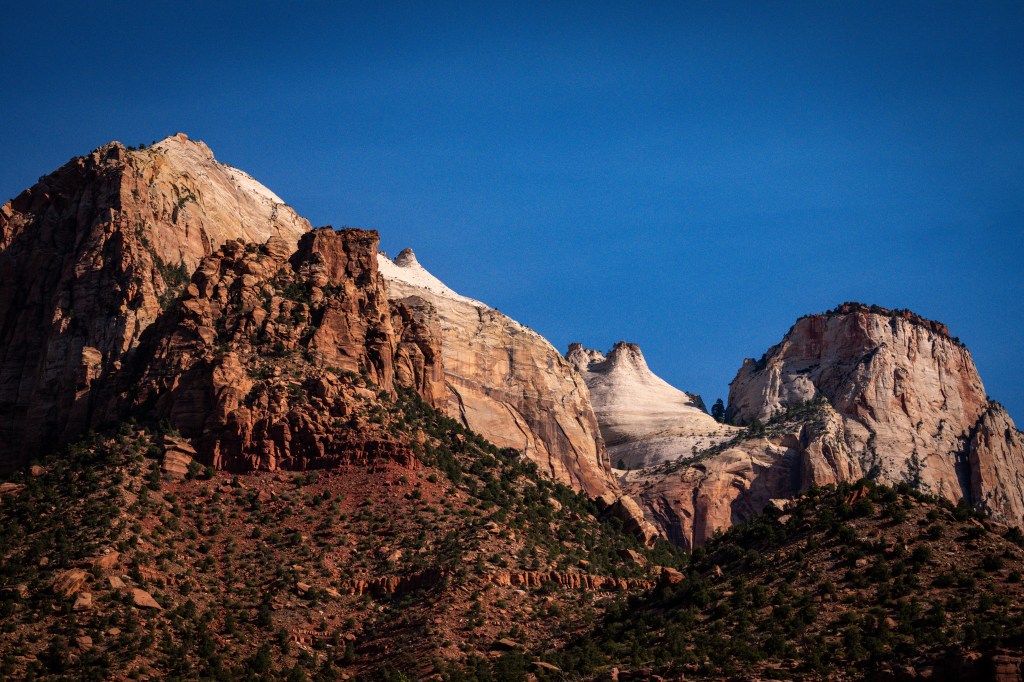
The stunning scenery of Zion was formed over millions of years as the Virgin River carved its way through layers of sandstone, creating deep canyons and towering cliffs. The park’s colorful rock formations display shades of red, orange, cream, and pink that seem to glow during sunrise and sunset.
The name “Zion” means a place of peace and refuge, and visitors often find exactly that while surrounded by the park’s magnificent scenery.
Must-See Attractions
Zion Canyon
The heart of the park is Zion Canyon, where towering walls rise more than 2,000 feet above the valley floor. Scenic shuttle buses transport visitors through the canyon during most of the year, providing easy access to popular trailheads and viewpoints.
The Narrows
One of the most famous hikes in the world, The Narrows takes visitors directly into the Virgin River as they walk between towering canyon walls. In some places, the canyon narrows to just a few feet wide while the sandstone walls soar hundreds of feet overhead.
Photographers will love the reflected light that illuminates the canyon walls throughout the day.
Angels Landing
Known for its breathtaking views and thrilling final ascent, Angels Landing is one of Zion’s most iconic hikes. The trail climbs steeply before reaching a narrow ridge with panoramic views of Zion Canyon below.
A permit is required for the final section of the hike, helping to manage crowds and protect visitor safety.
Emerald Pools
For a more relaxed adventure, the Emerald Pools trails lead visitors to beautiful pools, waterfalls, and lush vegetation. These family-friendly hikes offer excellent opportunities to enjoy Zion’s natural beauty without tackling the park’s more strenuous routes.
Wildlife Encounters
Zion National Park is home to an impressive variety of wildlife. Visitors may encounter:
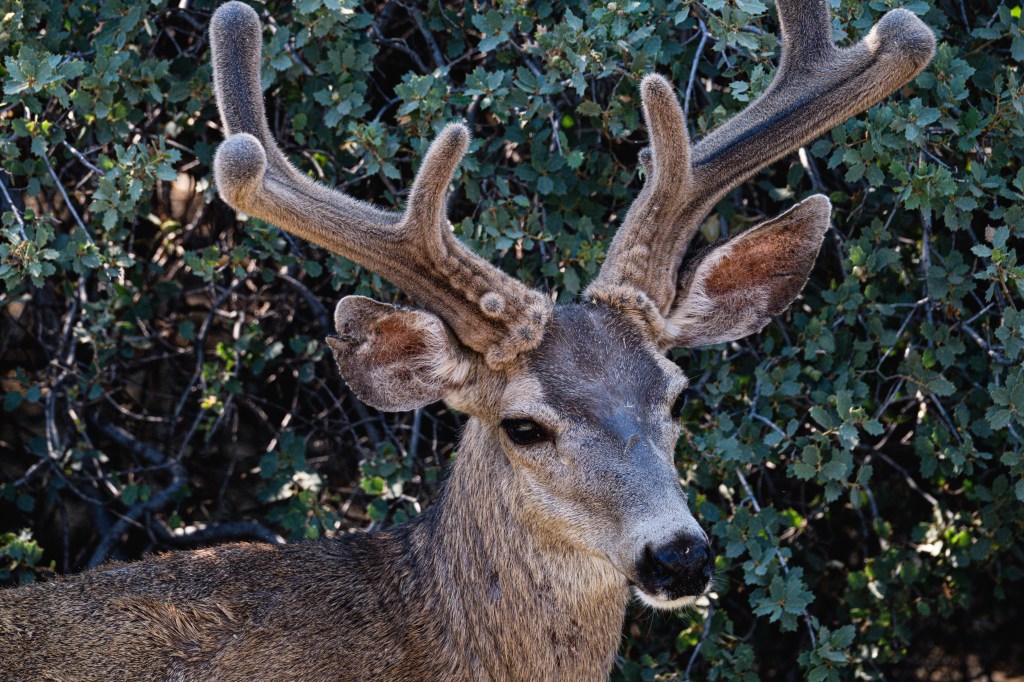
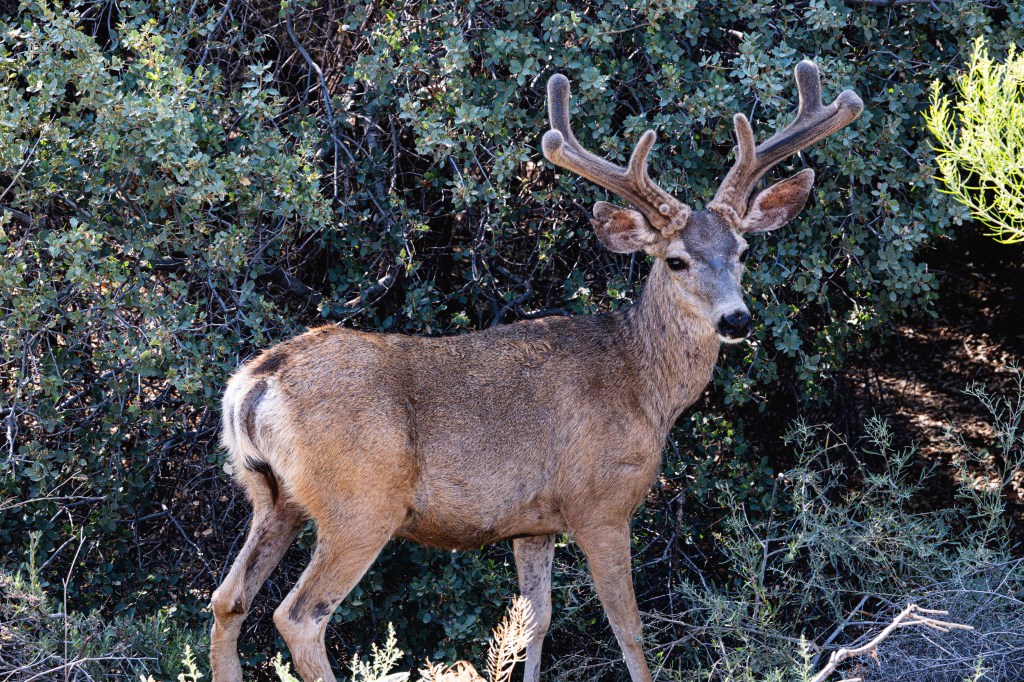
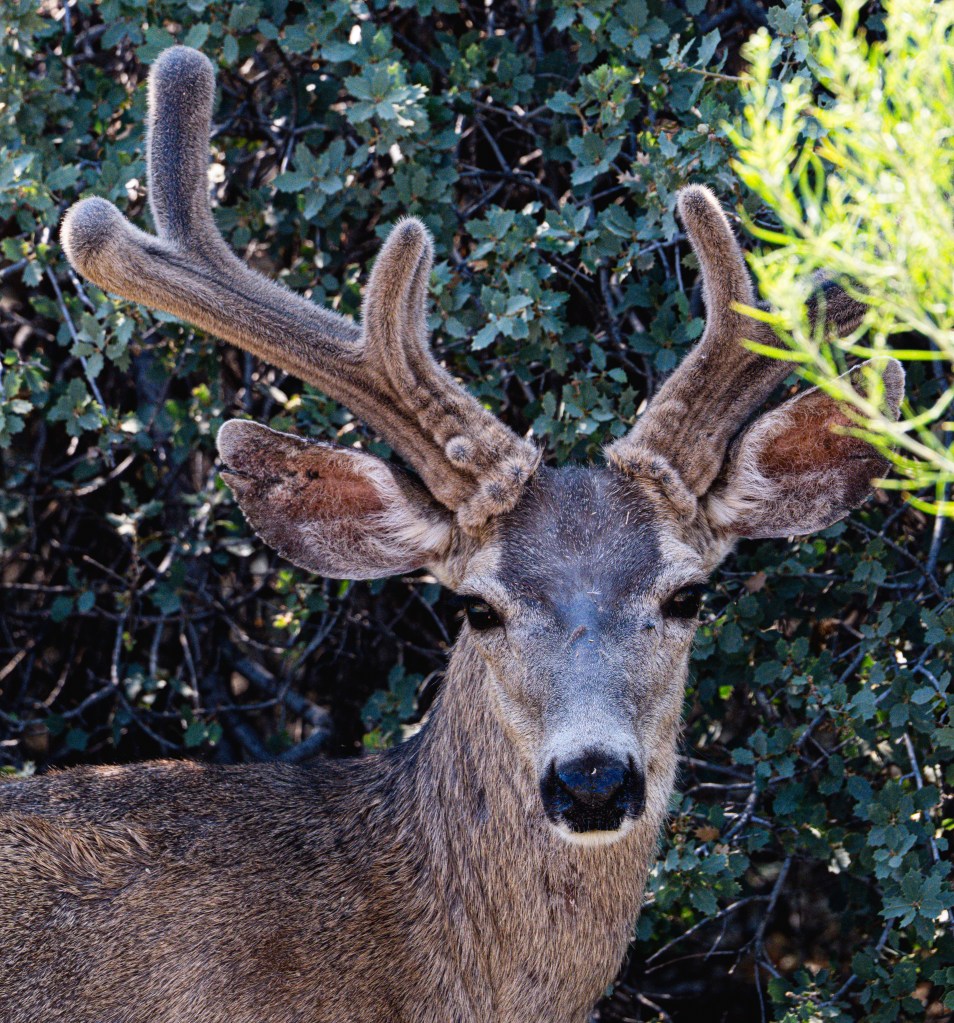
Mule deer grazing in the meadows
Desert bighorn sheep navigating steep cliffs
Rock squirrels along hiking trails
Peregrine falcons soaring overhead
California condors, one of North America’s rarest birds
Birdwatchers will find plenty of opportunities to observe species that thrive in Zion’s diverse habitats.
A Photographer’s Paradise
For travel photographers, Zion is a dream destination. Sunrise and sunset transform the canyon walls into brilliant shades of gold and crimson. Popular photography locations include:
Canyon Overlook Trail
Court of the Patriarchs
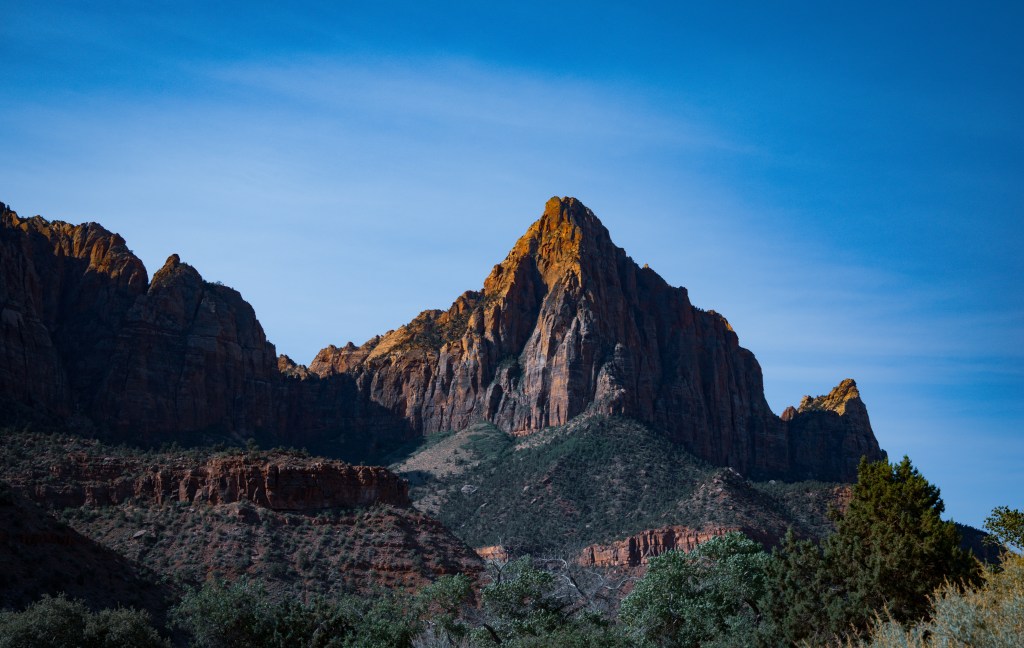
The Watchman
Riverside Walk
Checkerboard Mesa
During autumn, cottonwood trees lining the Virgin River add vibrant yellow colors that contrast beautifully with the red rock landscape.
Best Time to Visit
Spring and fall are often considered the best seasons to visit Zion. Temperatures are comfortable, hiking conditions are ideal, and photographers can take advantage of beautiful lighting and seasonal colors.
Summer brings larger crowds and higher temperatures, while winter offers a quieter experience with occasional snow dusting the canyon walls, creating unique photographic opportunities.
Travel Tips
Arrive early to beat crowds and enjoy the best light for photography.
Carry plenty of water, especially during warmer months.
Wear sturdy footwear for hiking trails.
Check trail conditions before entering The Narrows.
Reserve lodging early if visiting during peak seasons.
Final Thoughts
Zion National Park is a destination that leaves a lasting impression on everyone who visits. From the towering cliffs of Zion Canyon to the winding waters of The Narrows, every corner of the park offers stunning scenery and unforgettable experiences.
Whether you’re seeking adventure, photography opportunities, wildlife encounters, or simply a chance to connect with nature, Zion National Park deserves a place on every traveler’s bucket list. Its combination of natural beauty and outdoor recreation makes it one of America’s most treasured national parks and a highlight of any Southwest road trip.
The waterfront at Embarcadero Marina Park North was transformed into an automotive showcase on June 7 as the Corvette Owners Club of San Diego hosted its annual Main Street America Car Show, raising funds and awareness for the San Diego Center for the Blind and Vision Impaired. One of Southern California’s premier car shows, Main Street America brought together hundreds of vehicles ranging from classic pre-war automobiles to modern Corvettes, hot rods, muscle cars, exotic sports cars, trucks, and custom builds. Spectators spent the day exploring rows of meticulously maintained vehicles while enjoying the scenic backdrop of San Diego Bay. The event serves as one of the Center’s important fundraising efforts, helping support programs for individuals who are blind or visually impaired.
Founded in 1958, the Corvette Owners Club of San Diego is one of the oldest continuously operating Corvette clubs in the country. Each year, club members and volunteers work together to organize the event, attracting car enthusiasts from throughout Southern California and beyond.
When and Where Date: Saturday, August 23, 2025 Time: 8:00 AM – 2:30 PM (approximately) Location: Embarcadero Marina Park North, downtown San Diego Admission: Free for spectators
Rows of polished Corvettes lined the event grounds, displaying decades of automotive history. Visitors admired everything from classic models featuring chrome accents and vintage styling to the latest high-performance Corvettes equipped with cutting-edge technology. Owners proudly shared stories about their vehicles while answering questions from spectators and fellow enthusiasts.
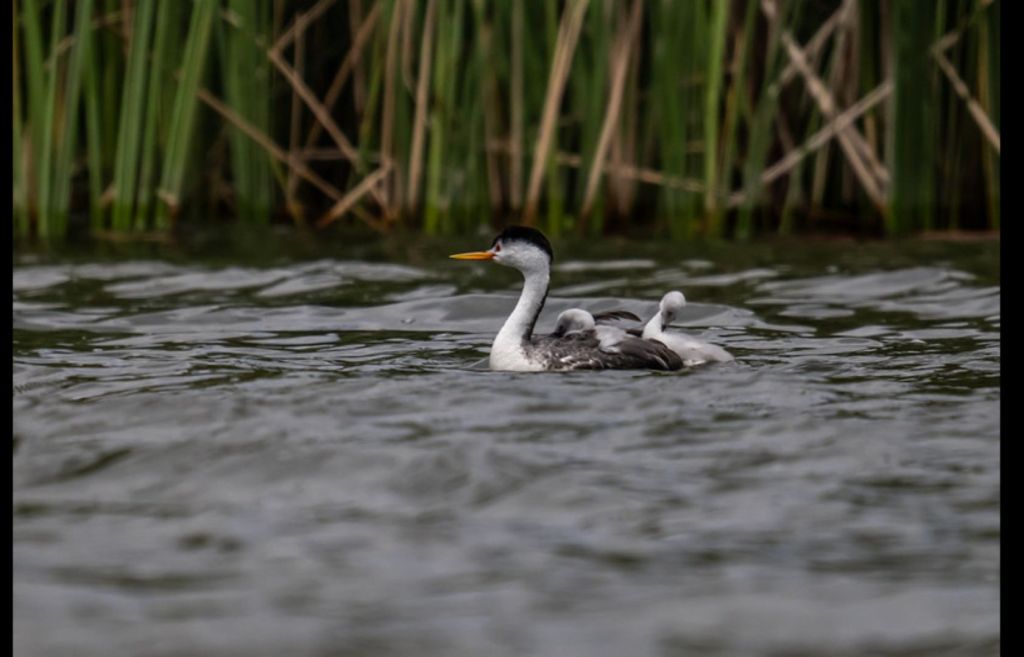
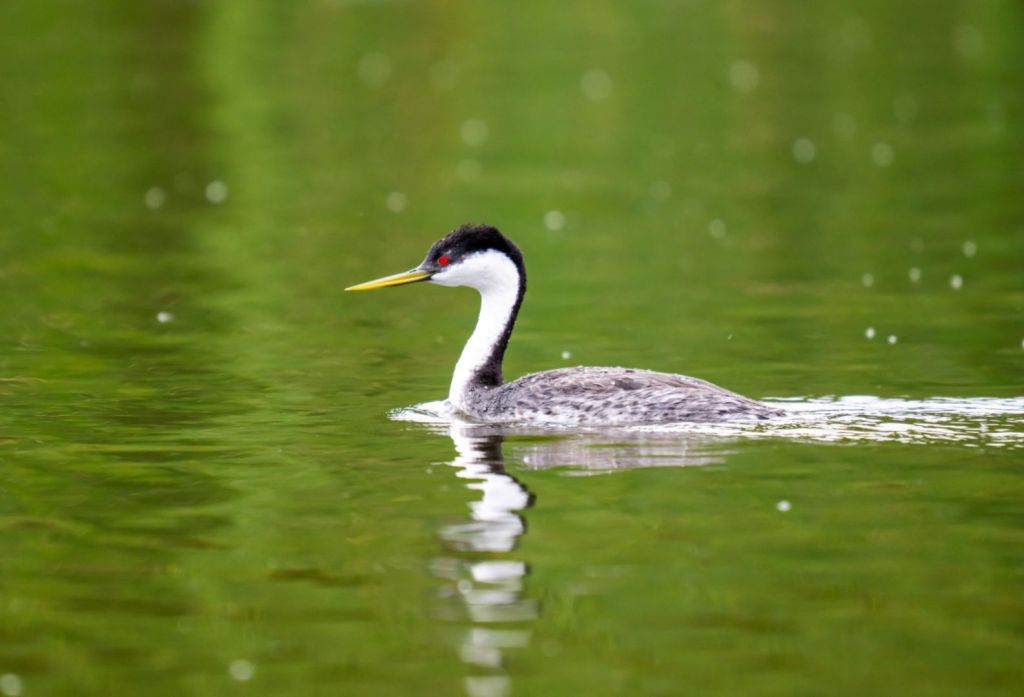
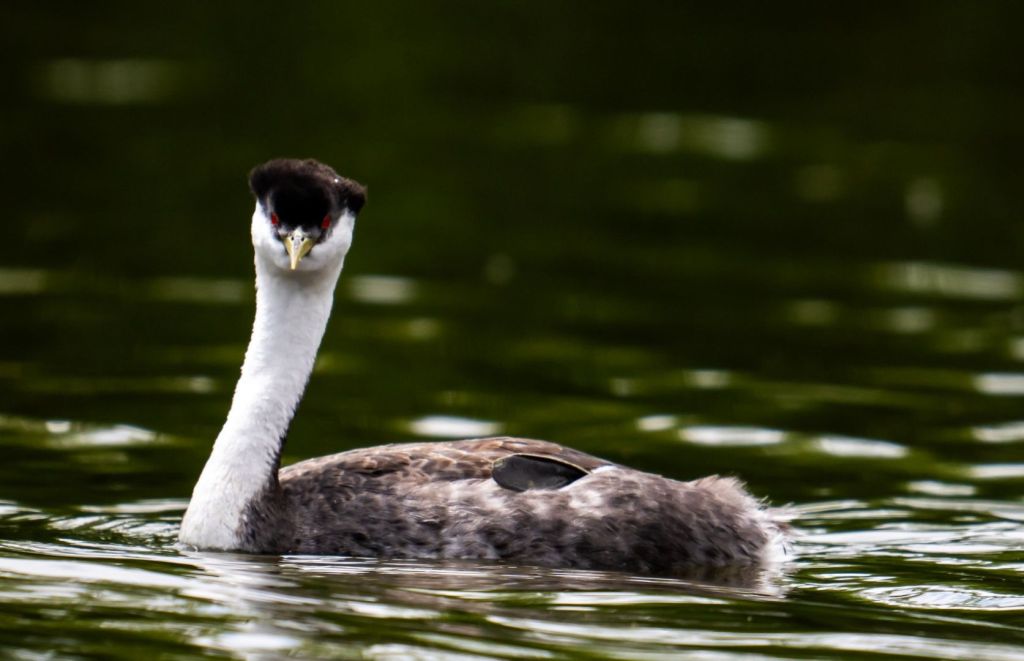
Every spring and early summer, one of the most heartwarming sights at Lake Wohlford is the appearance of Western Grebe chicks riding on the backs of their parents. For birders and photographers, these fuzzy youngsters provide some of the most memorable wildlife viewing opportunities in North County San Diego.
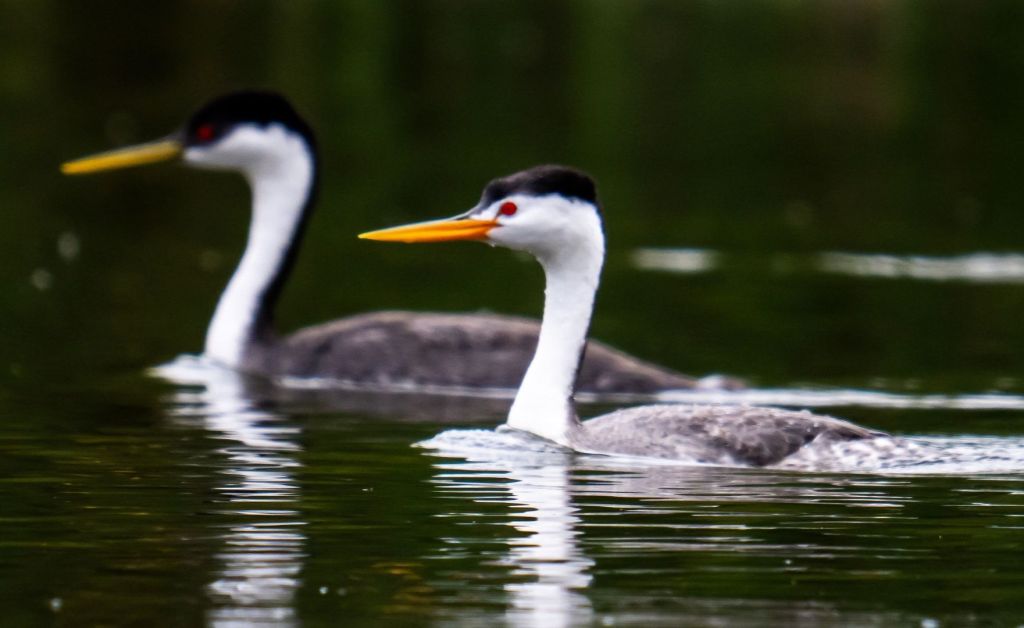
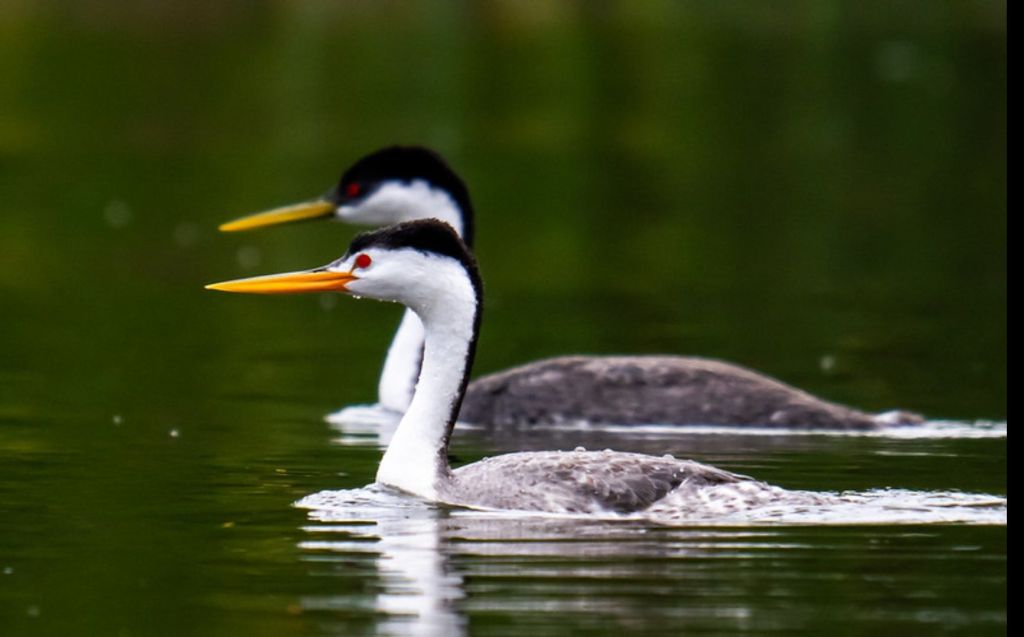
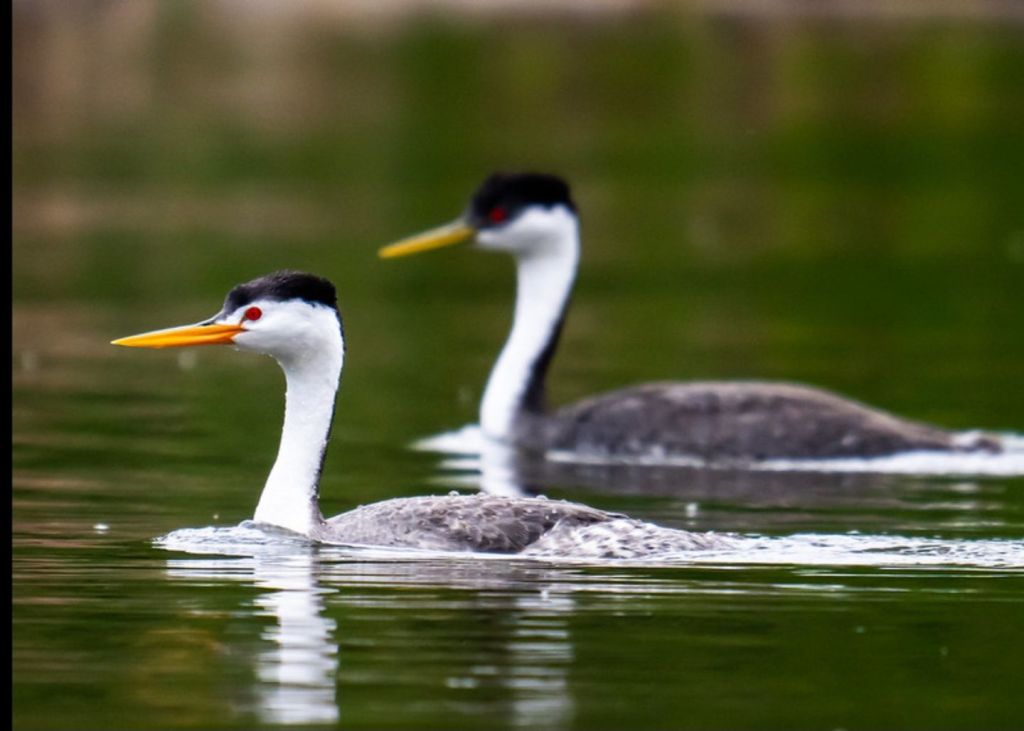
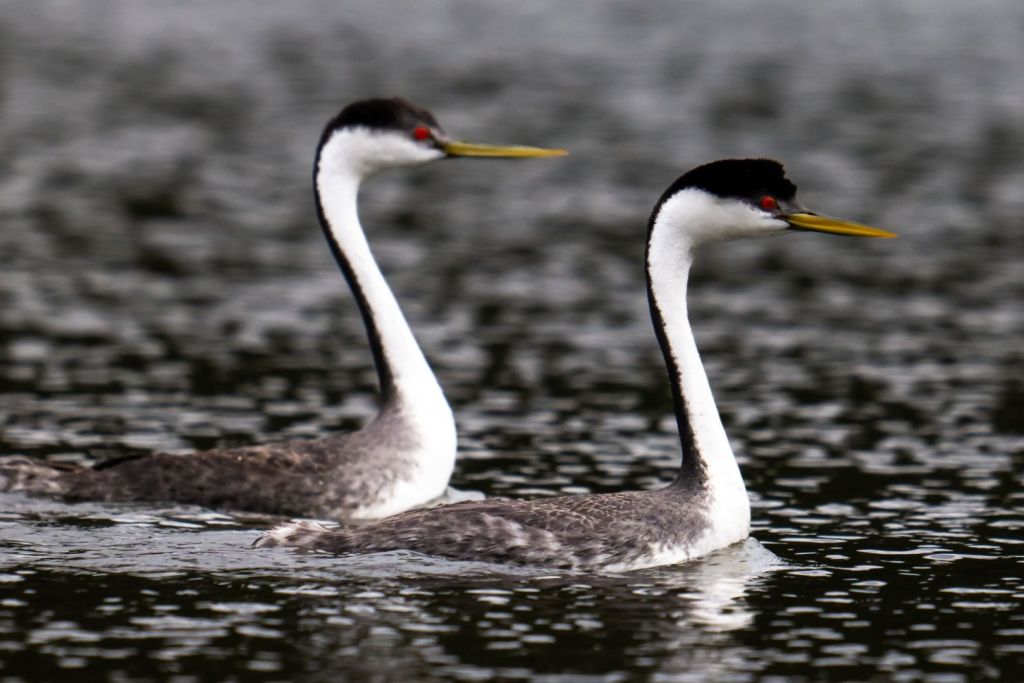
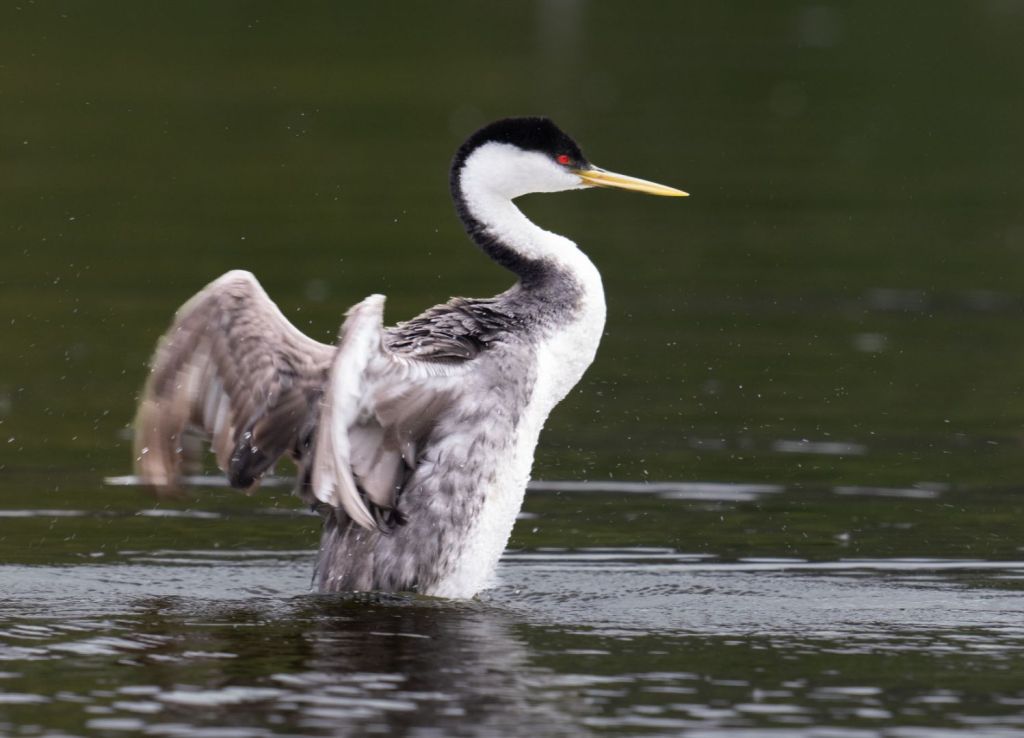
The Western Grebe (Aechmophorus occidentalis) is one of North America’s largest grebes, known for its elegant black-and-white plumage, striking red eyes, and spectacular courtship displays. Lake Wohlford has long been a favored breeding location for these birds, with photographers documenting their famous “rushing” behavior—when pairs appear to run across the water during courtship.
After nesting season begins, the real stars of the show emerge: the chicks. Newly hatched Western Grebes are covered in black-and-white stripes and are surprisingly mobile. Within minutes of hatching, they are capable of climbing onto a parent’s back, where they spend much of their first weeks sheltered from predators and cold water. Both parents participate in raising the young and take turns carrying them around the lake.
Watching a grebe family cruise across the calm waters of Lake Wohlford can feel like something out of a nature documentary. Often only a few tiny striped heads are visible peeking out from beneath a parent’s wings. As the chicks grow, they become more adventurous, swimming alongside their parents and eagerly begging for small fish.
The breeding cycle of Western Grebes depends on floating nests constructed from aquatic vegetation. These nests are anchored among emergent plants and can support clutches of two to four eggs. Once the chicks hatch, they leave the nest quickly and begin their remarkable back-riding behavior.
For wildlife photographers, early morning is often the best time to observe these families. Calm water creates beautiful reflections, and the soft light highlights the chicks’ distinctive striped plumage. A telephoto lens allows photographers to capture natural behavior without disturbing the birds.
Beyond providing wonderful photographic opportunities, the presence of nesting Western Grebes is an indicator of healthy aquatic habitat. These colonial nesting birds require a combination of open water for feeding and sheltered vegetation for nesting. Across western North America, breeding populations depend on suitable lake habitat and protection from disturbance.
A visit to Lake Wohlford during chick season offers a reminder of how remarkable bird life can be right here in San Diego County. Whether you’re an experienced birder or simply enjoying a morning walk around the lake, spotting a Western Grebe carrying its striped youngsters across the water is an experience that is hard to forget.
Birding Tip: Bring binoculars and scan the quieter coves of the lake during the morning hours. Look for an adult grebe sitting unusually high in the water—there may be several chicks hidden on its back.
At Lake Wohlford, visitors can rent fishing boats, including rowboats and small motorboats, from the lake’s concession area. The lake has long offered boat rentals for anglers who want to reach deeper water or fish away from the shoreline
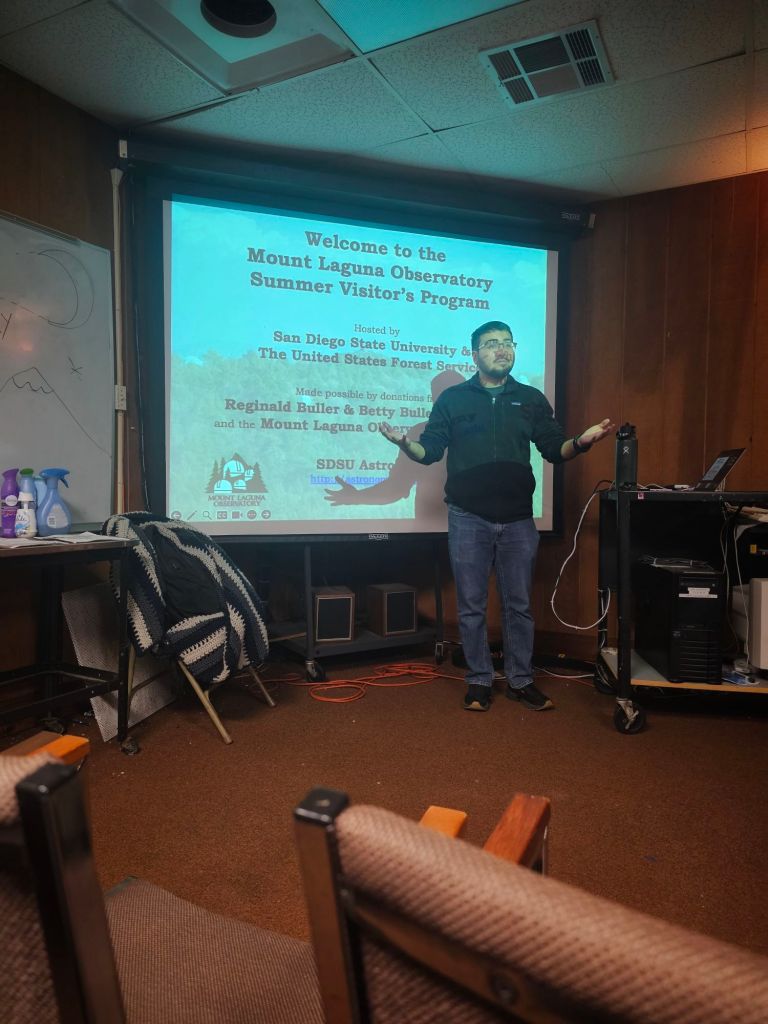
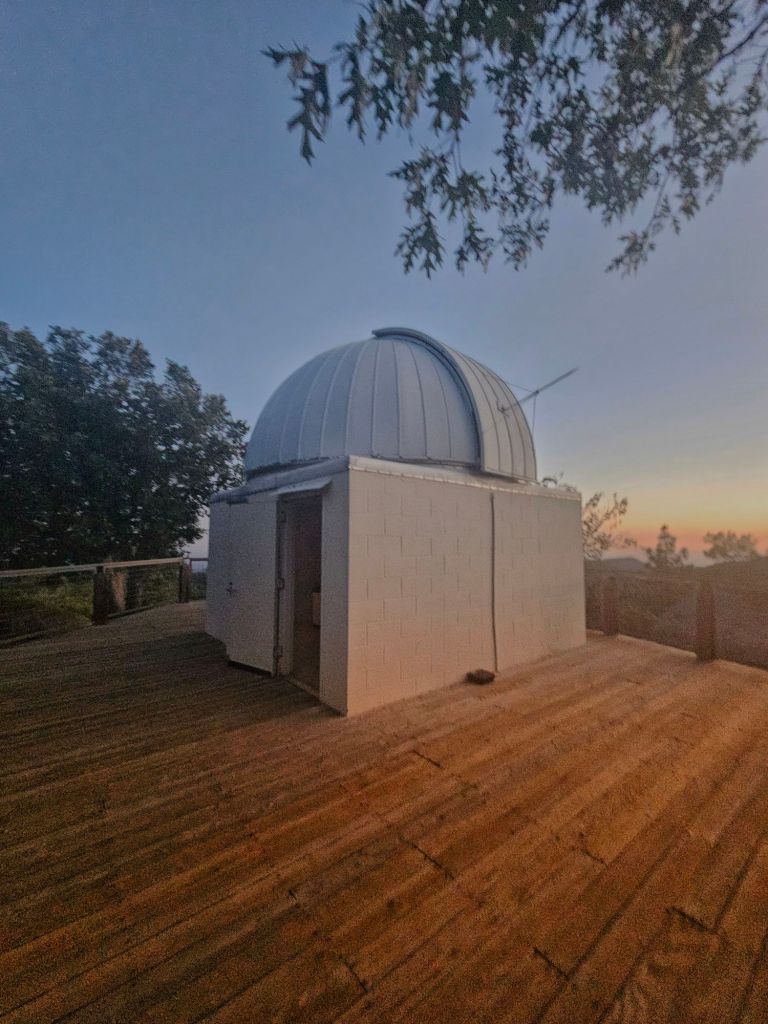
Star parties are back at Mount Laguna with the return of the Summer Visitors Program at the Mount Laguna Observatory.
The public programs will be held on Saturday nights from 8 to 11 p.m., May 23 through August 15, with a special bonus mid-week viewing scheduled for Wednesday, August 12.
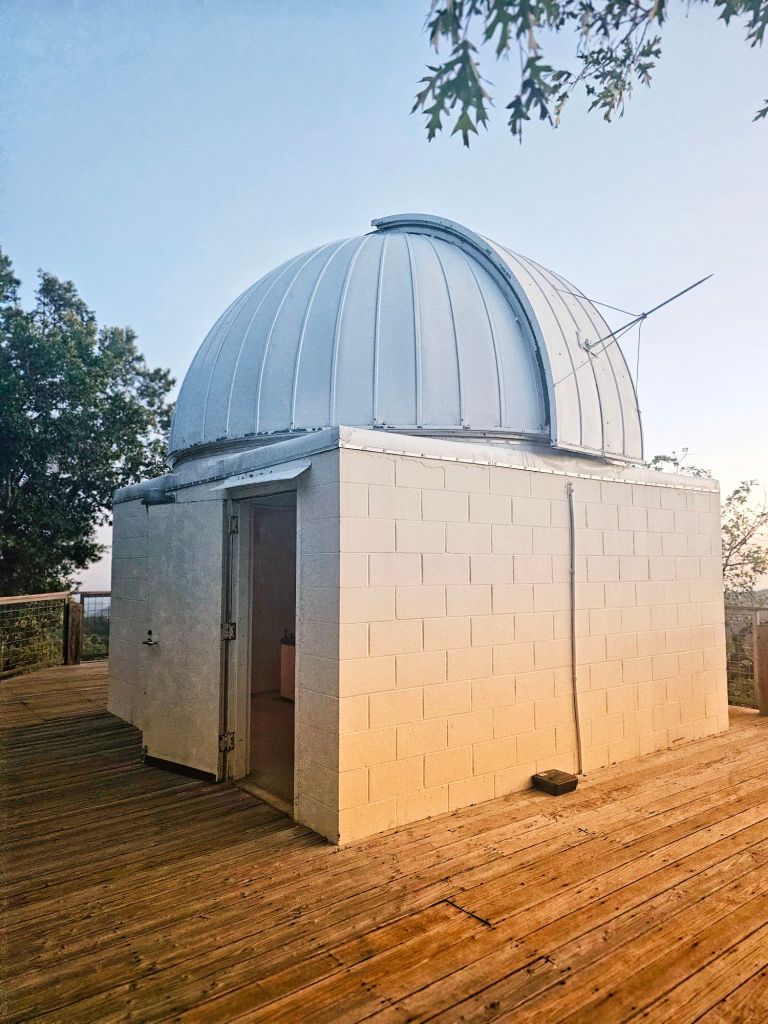
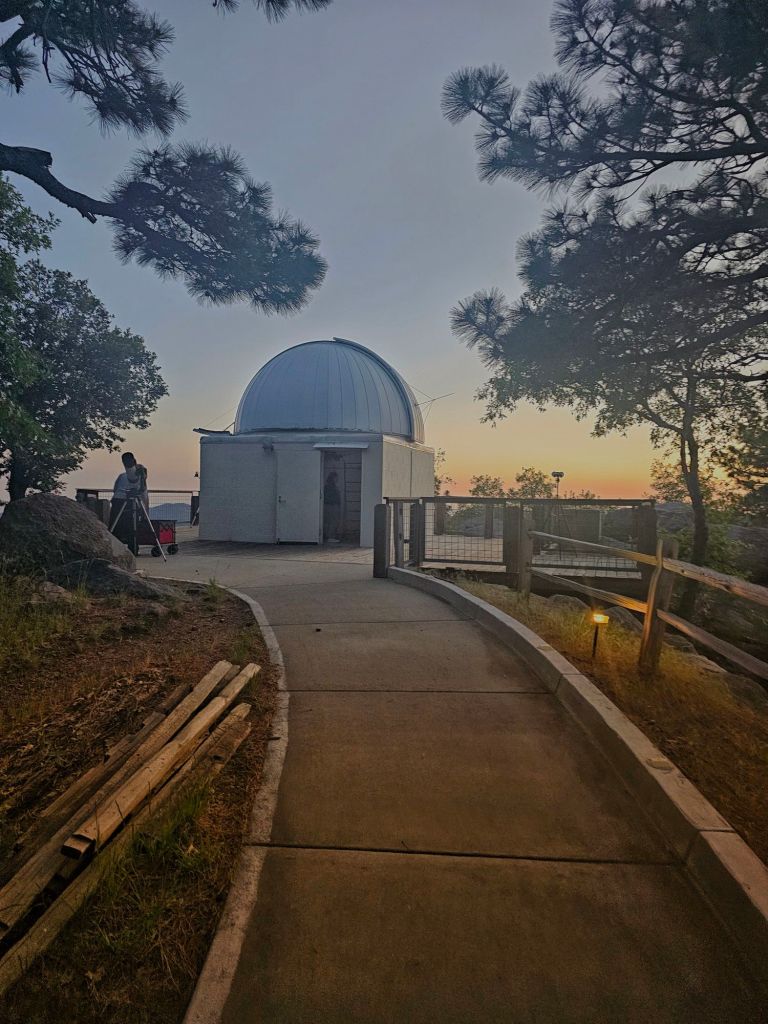
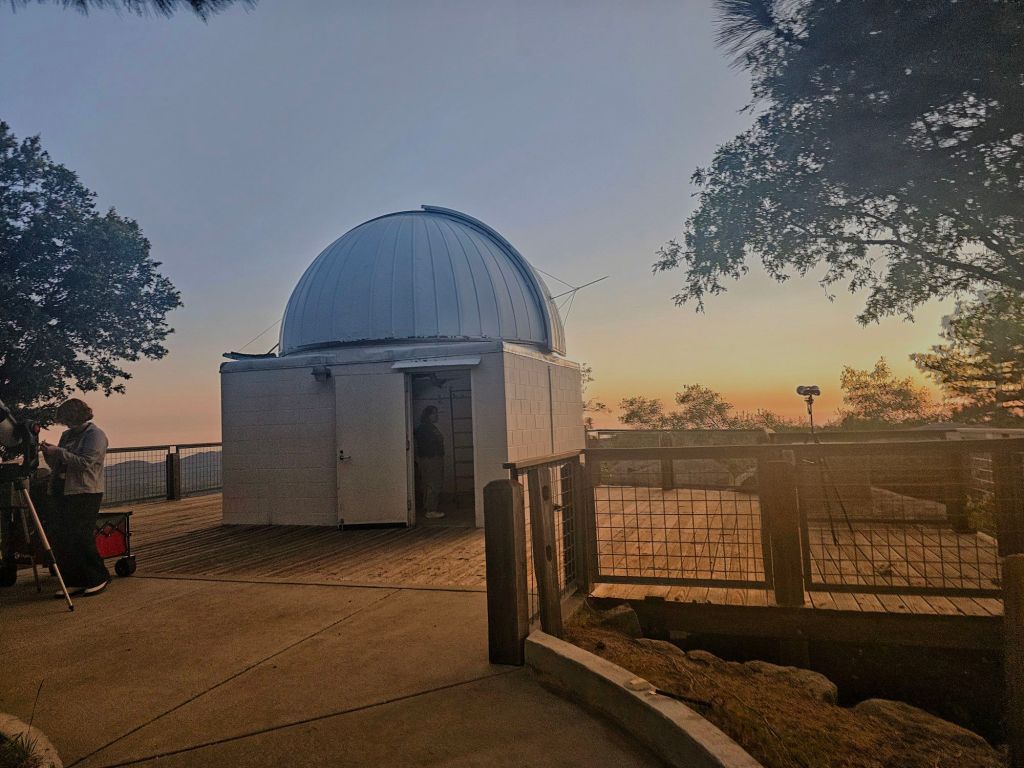
High above the busy streets of San Diego, tucked among pine forests in the mountains east of the city, sits one of the region’s most fascinating hidden gems: San Diego State University’s Mount Laguna Observatory. Every summer, students, researchers, and curious visitors head into the cool mountain air to experience astronomy far away from the glow of city lights.
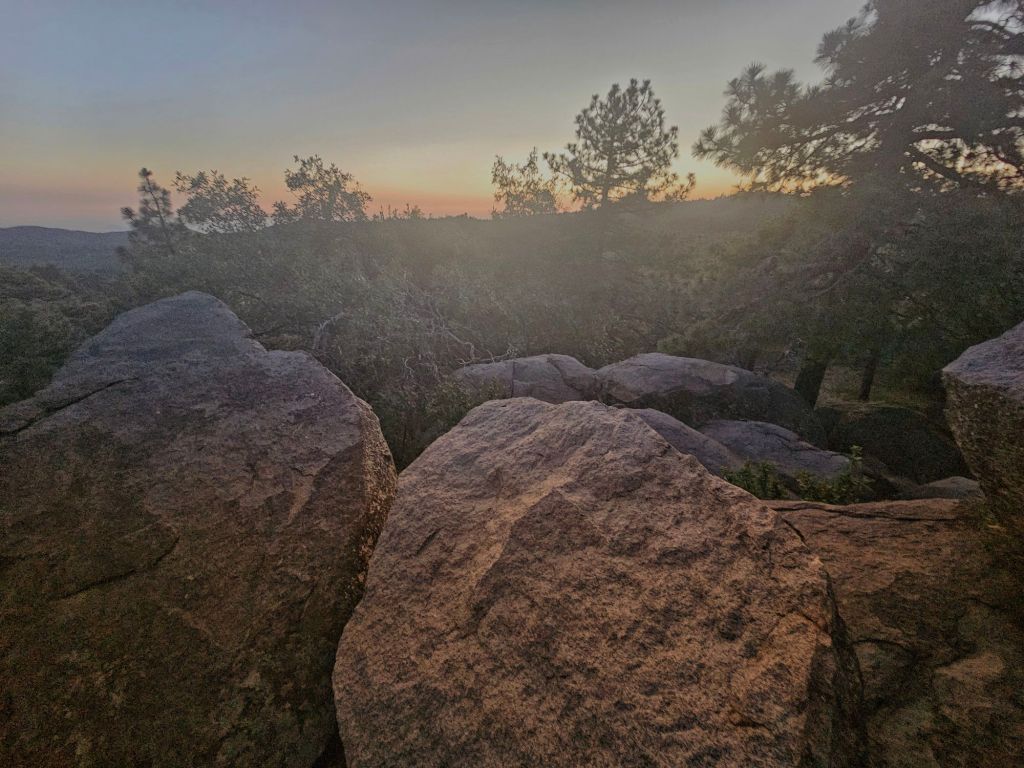
Located about 45 miles east of downtown San Diego inside the Cleveland National Forest, the observatory sits at an elevation of over 6,000 feet. The remote location provides exceptionally dark skies, making it one of the best observing sites in Southern California. According to SDSU’s astronomy department, the observatory benefits from a high percentage of clear nights and excellent viewing conditions throughout much of the year.
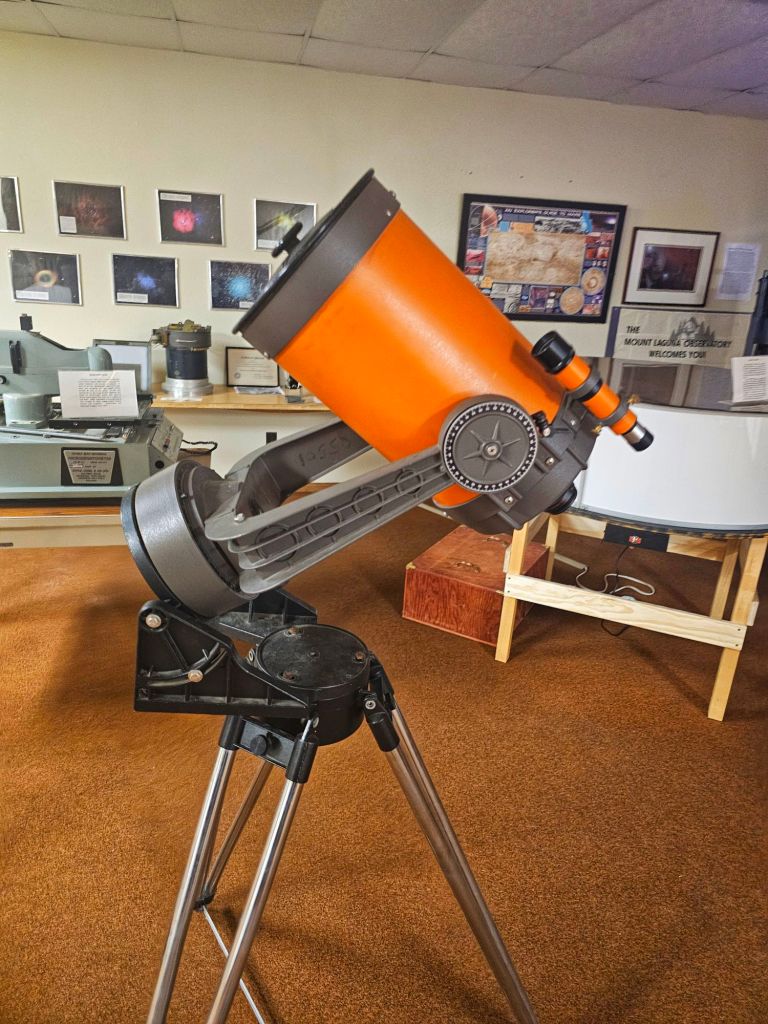
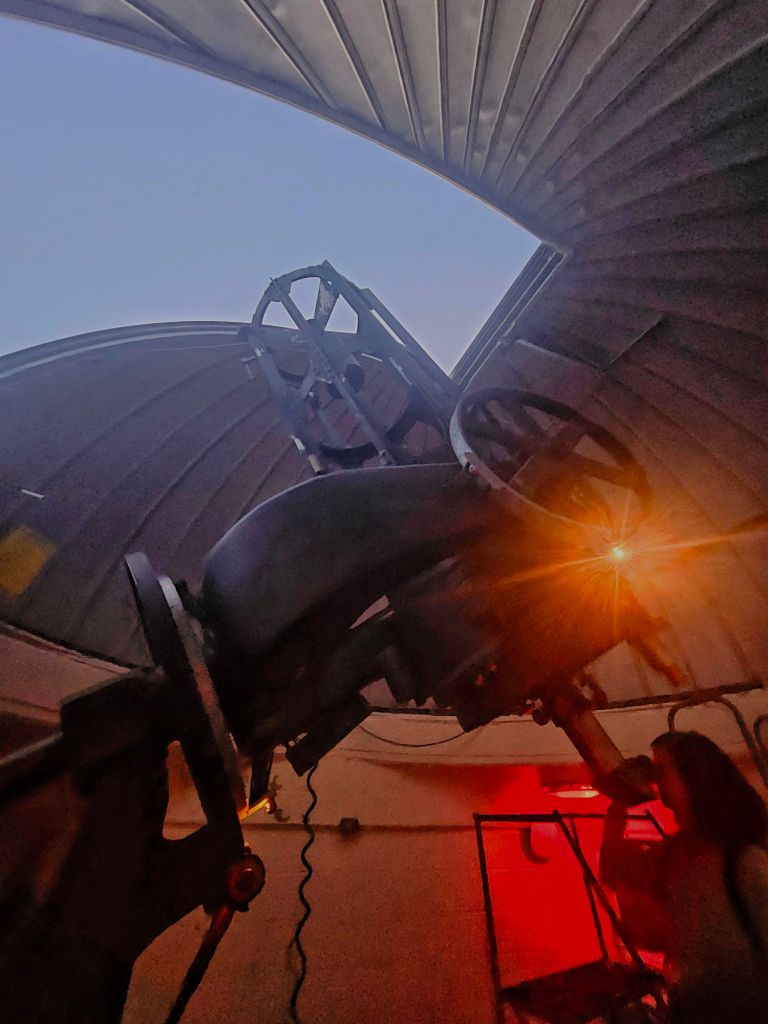
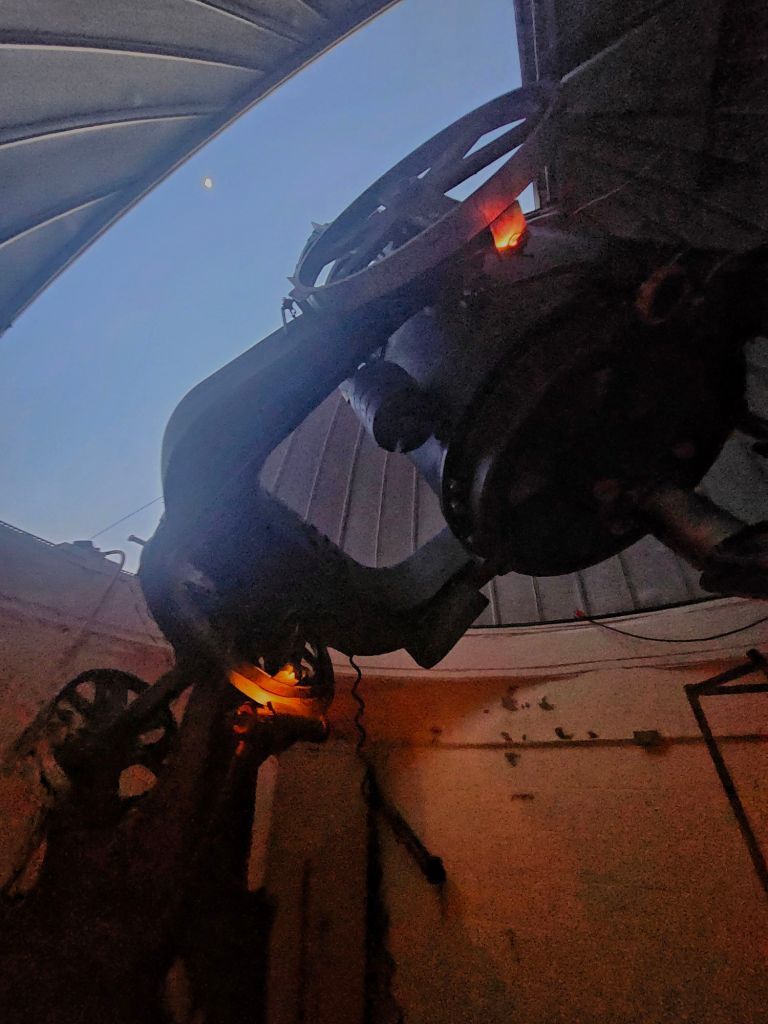
For the public, summer also means the return of the observatory’s popular visitor nights. Saturday evening programs allow guests to attend astronomy lectures and, weather permitting, look through the historic 21-inch Reginald Buller telescope. These nights often become unforgettable experiences for families and first-time stargazers seeing Saturn’s rings or distant star clusters with their own eyes
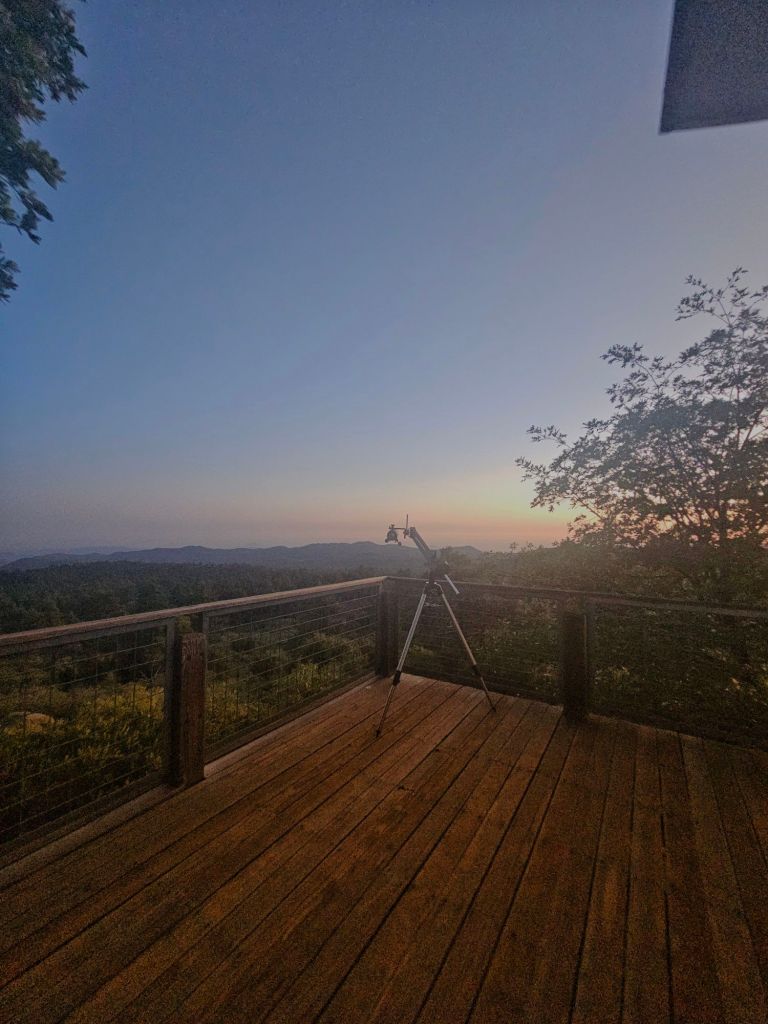
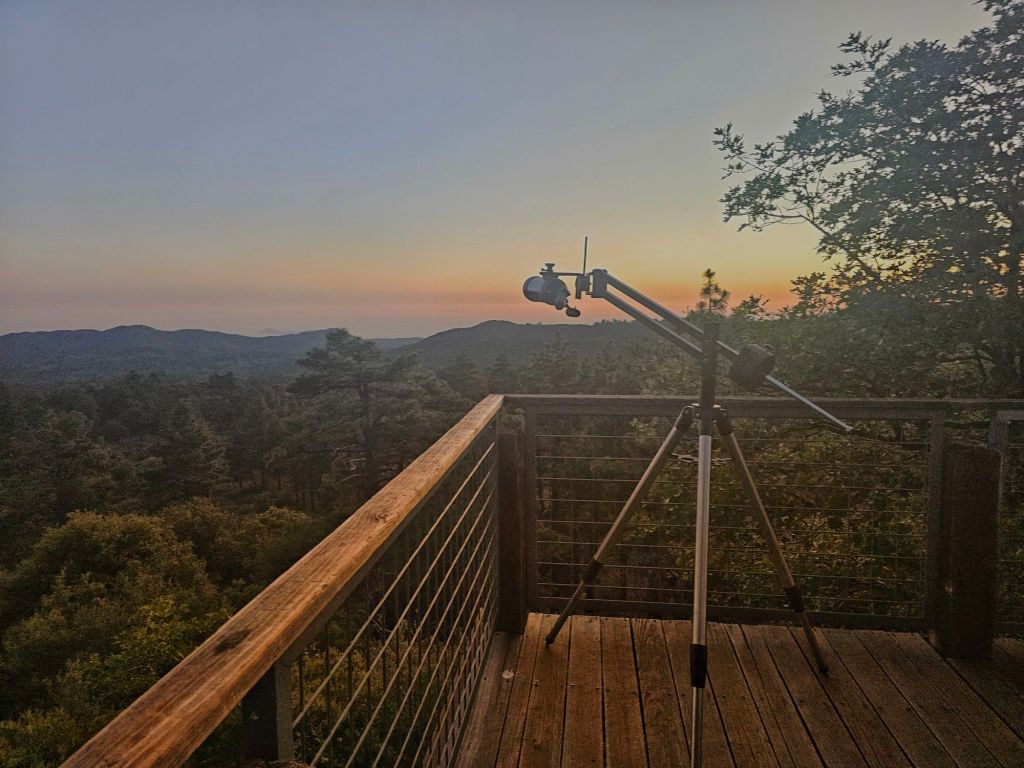
Beyond the science, part of the observatory’s magic comes from the setting itself. The drive along Sunrise Highway winds through forests, granite peaks, and sweeping mountain vistas. By sunset, temperatures are often far cooler than the city below, and as darkness settles in, the Milky Way begins to emerge overhead in stunning detail.