Where River Meets Sea: Exploring the Tijuana River Estuary

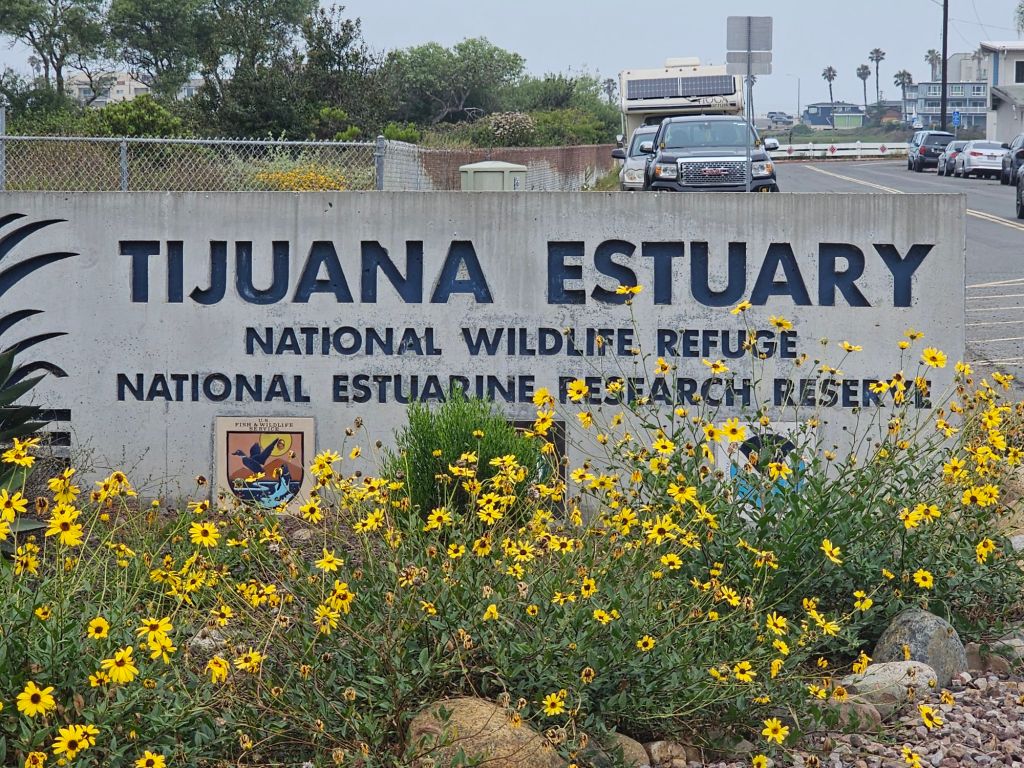
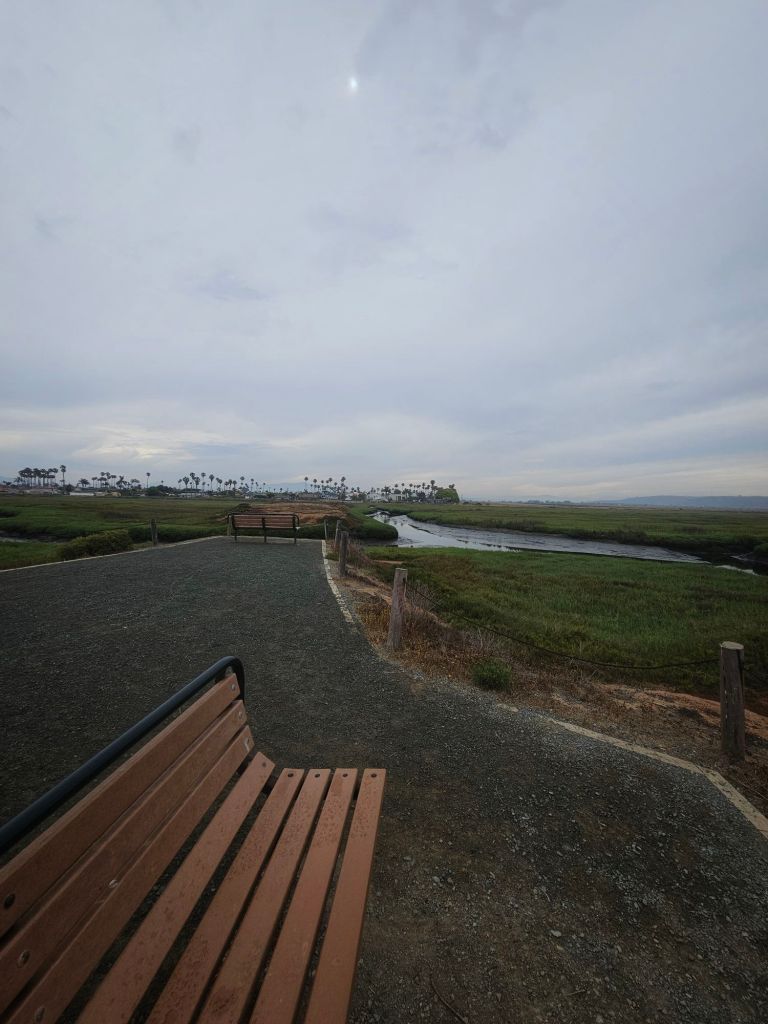
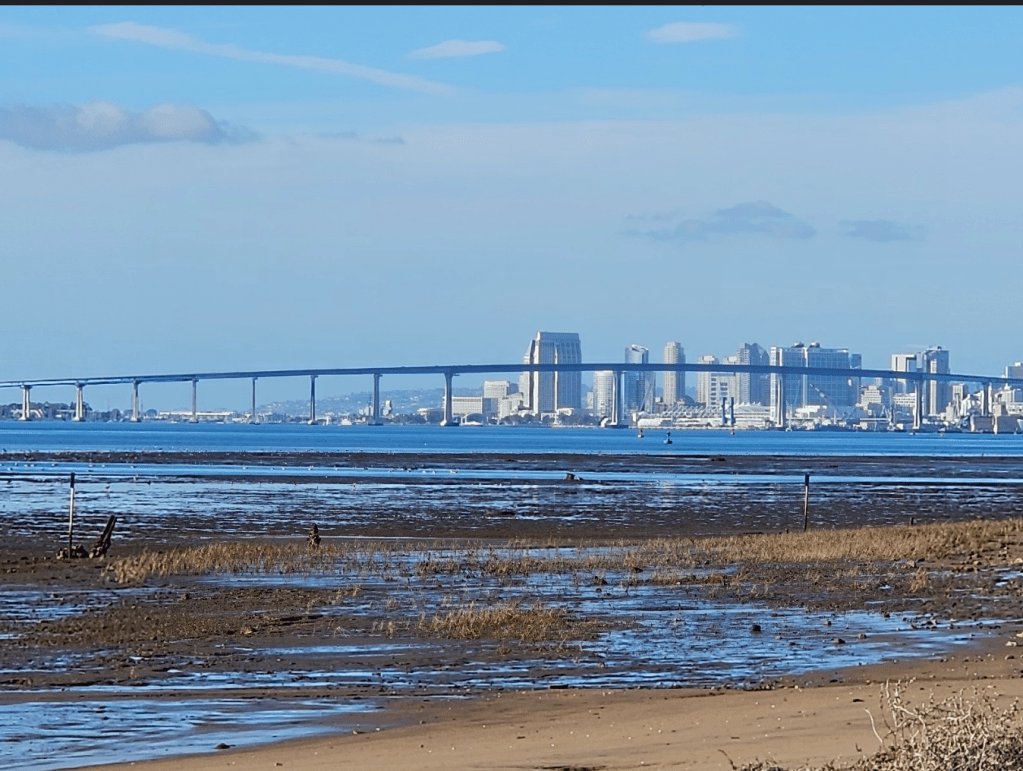
Just a few miles south of San Diego’s bustling downtown lies a hidden gem where saltwater, freshwater, and wildlife converge in a delicate dance of life—the Tijuana River Estuary. Tucked between Imperial Beach and the U.S.-Mexico border, this vast coastal wetland is not only a peaceful escape from the city but also one of Southern California’s most ecologically significant landscapes.

A Living Sanctuary

The estuary is part of the Tijuana River National Estuarine Research Reserve, a protected area spanning over 2,500 acres. It’s one of only 30 estuarine research reserves in the United States, and it plays a vital role in protecting endangered species, filtering water, and buffering the coast from storm surges.

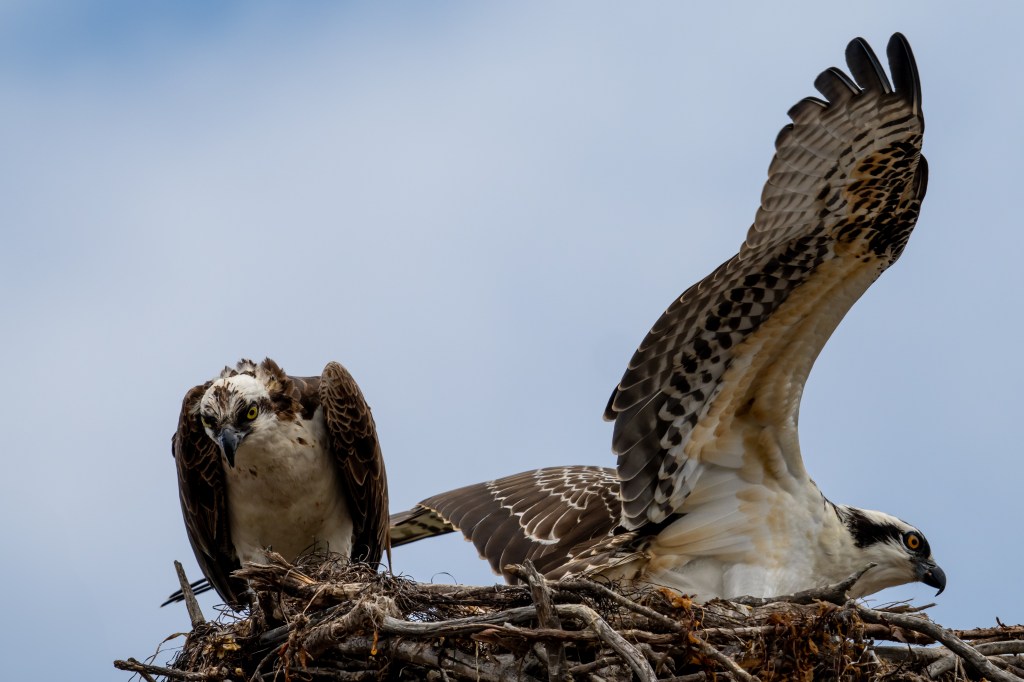
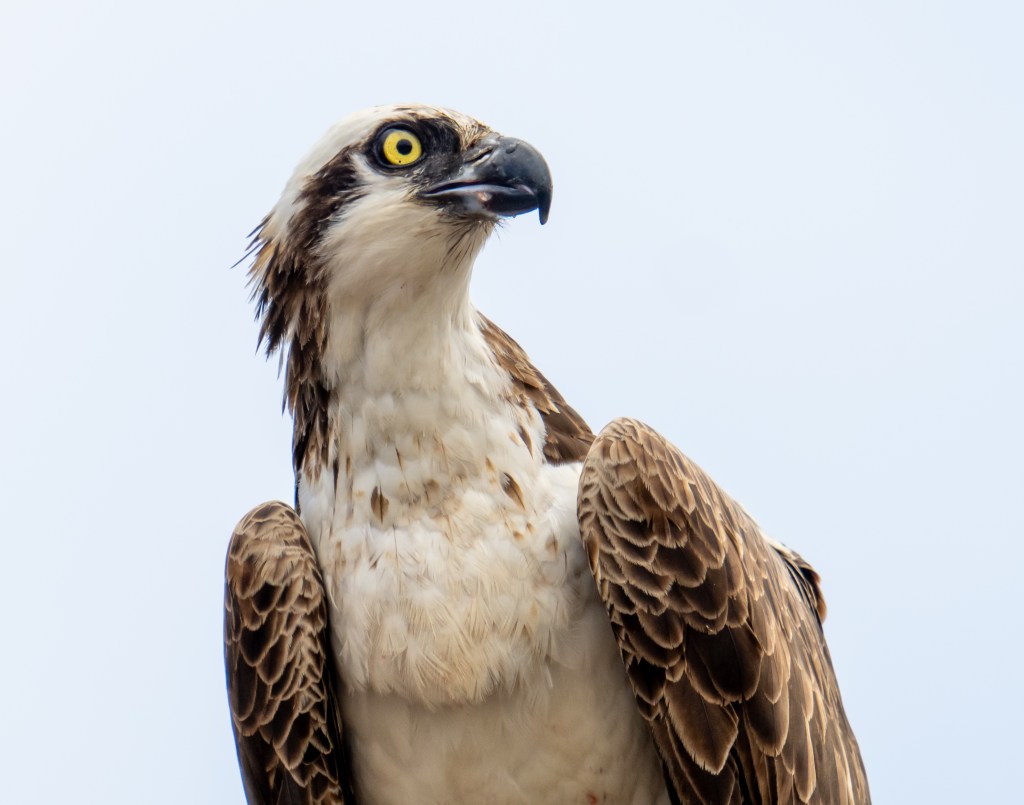
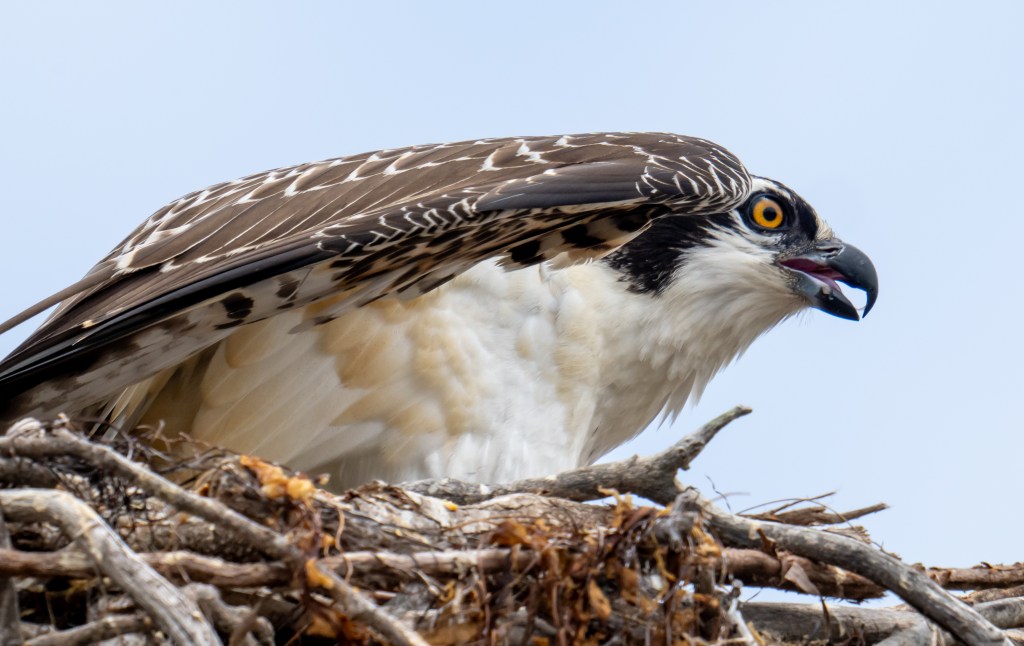
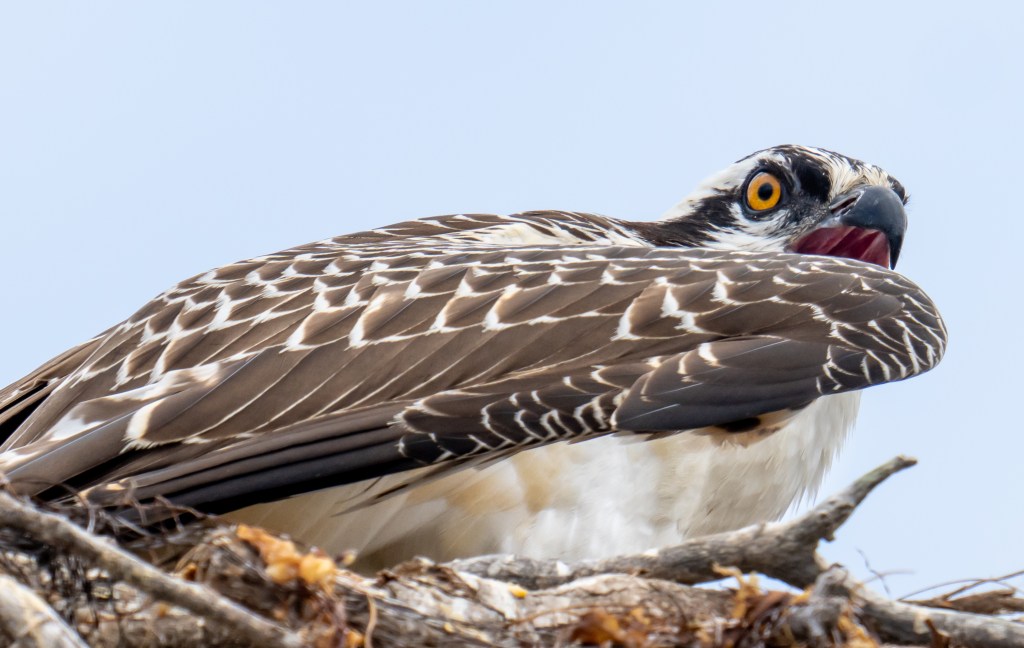
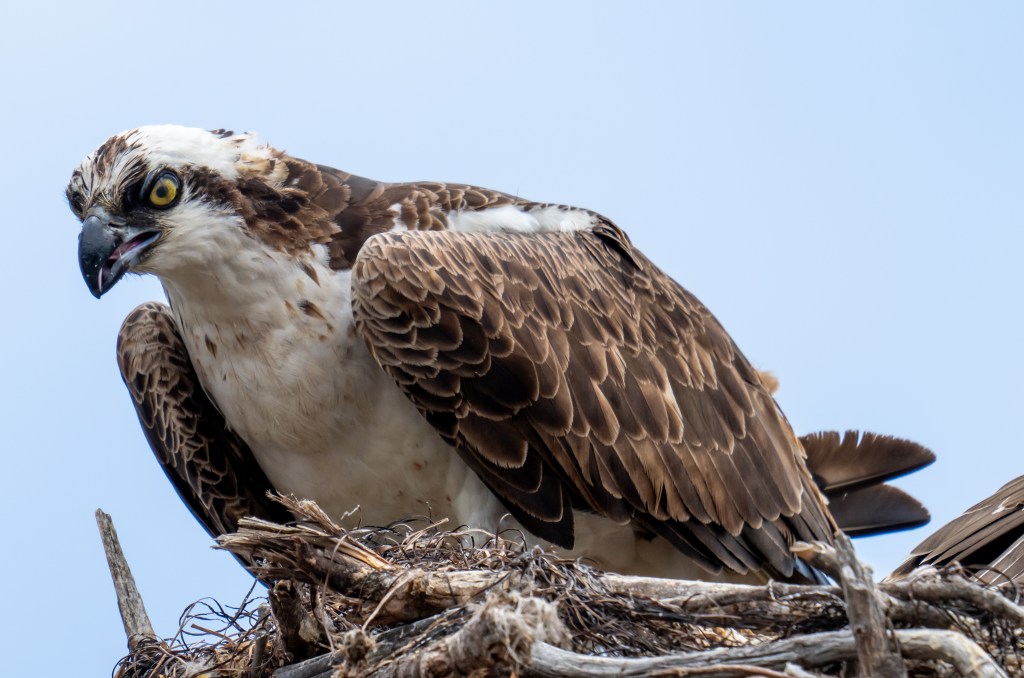
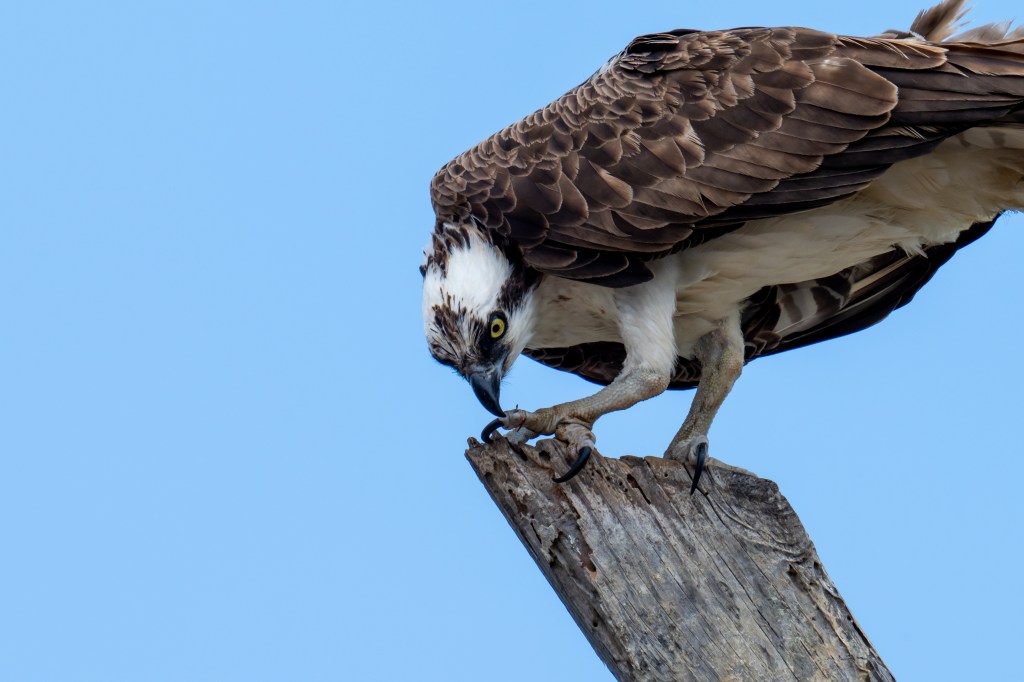
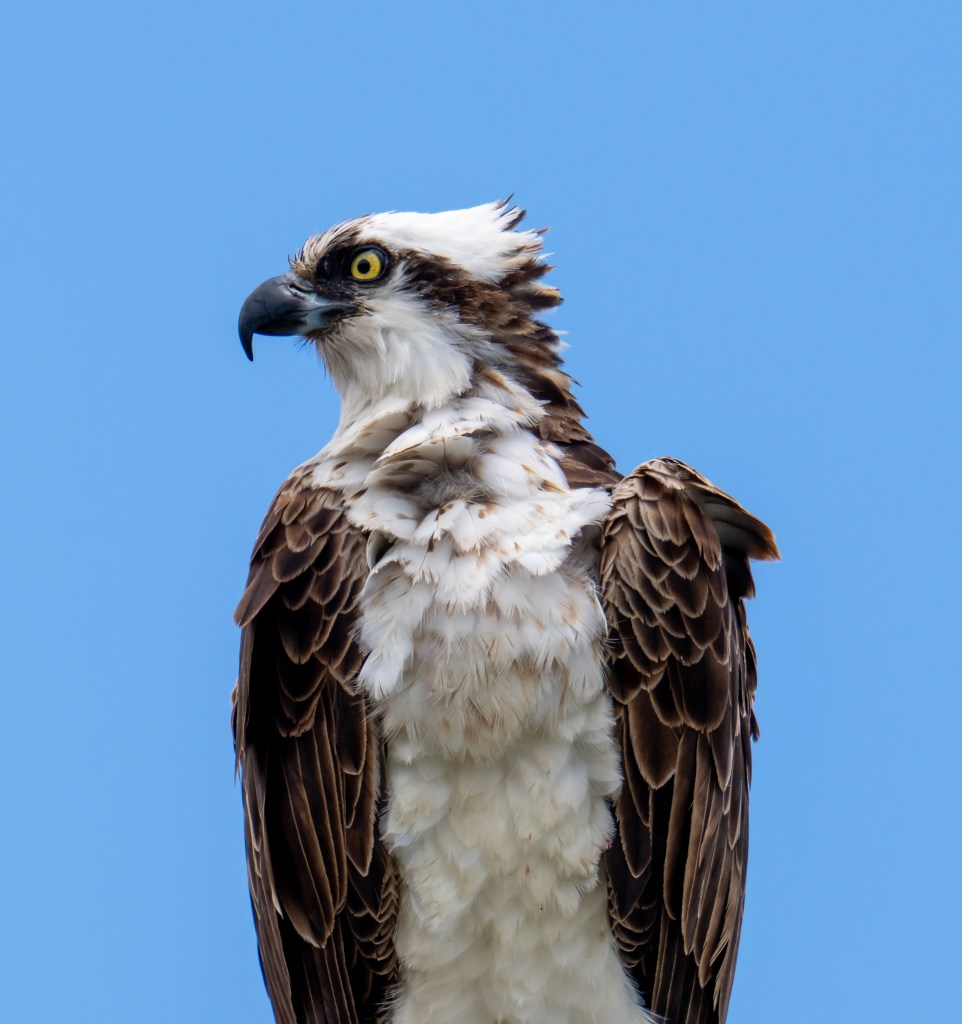
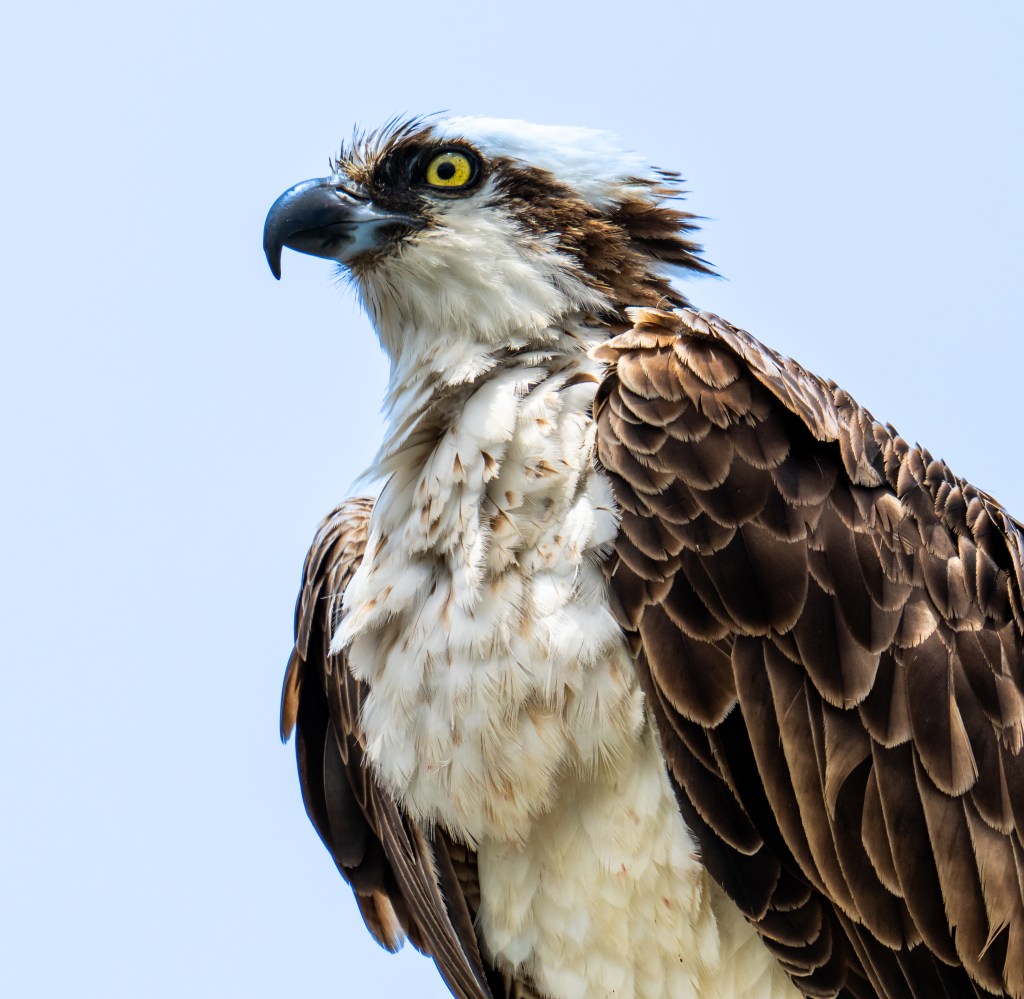
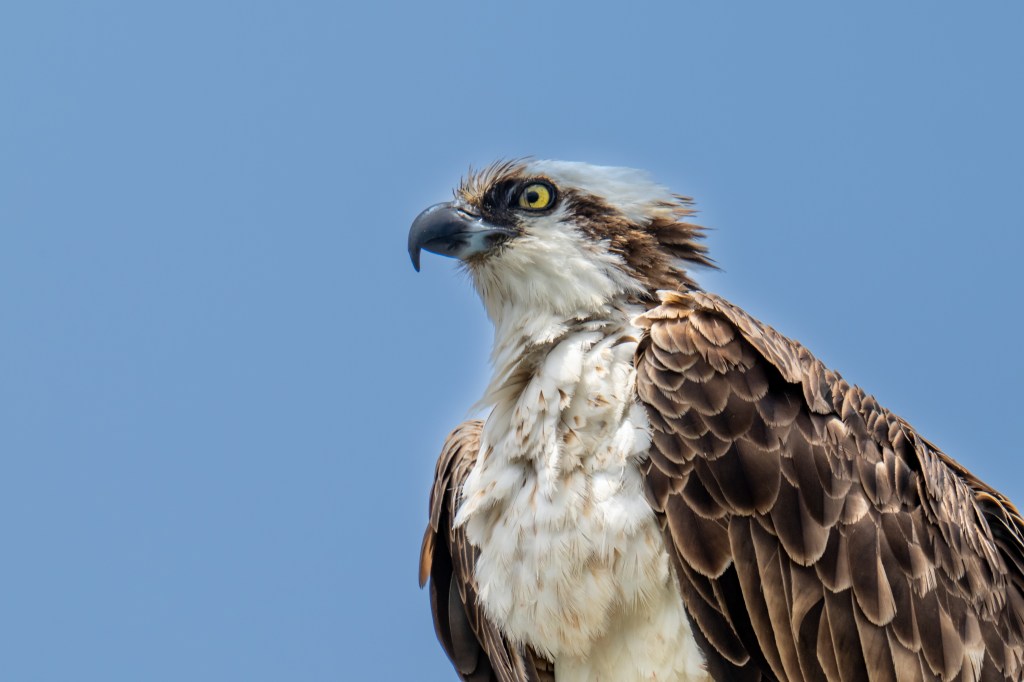
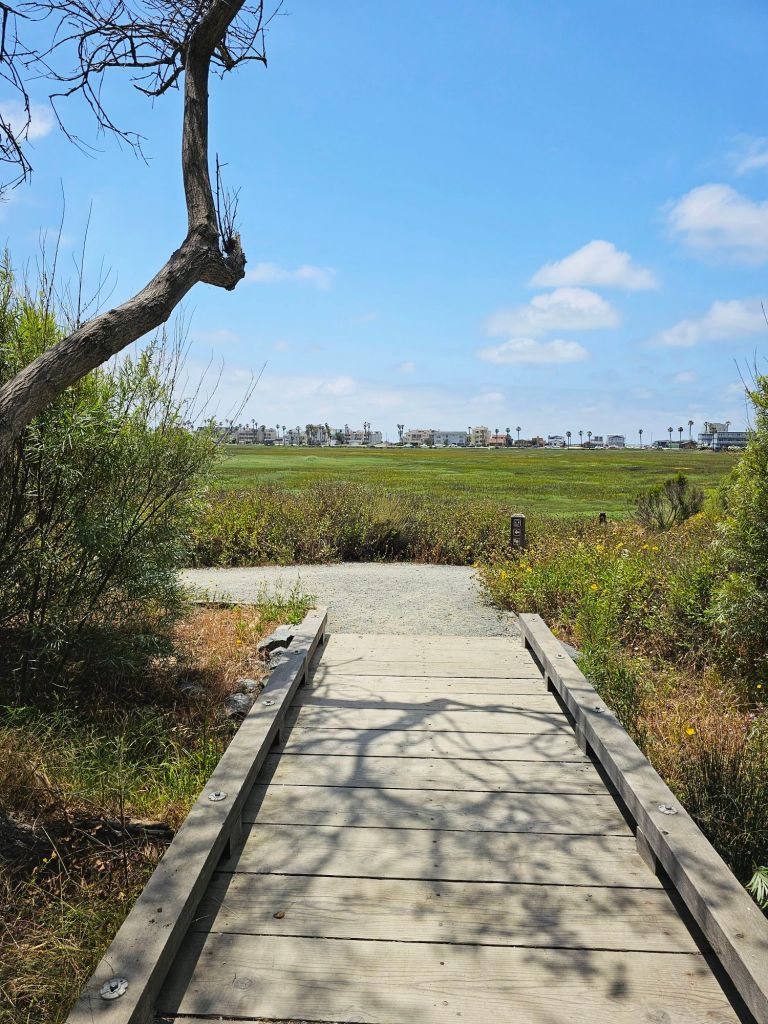
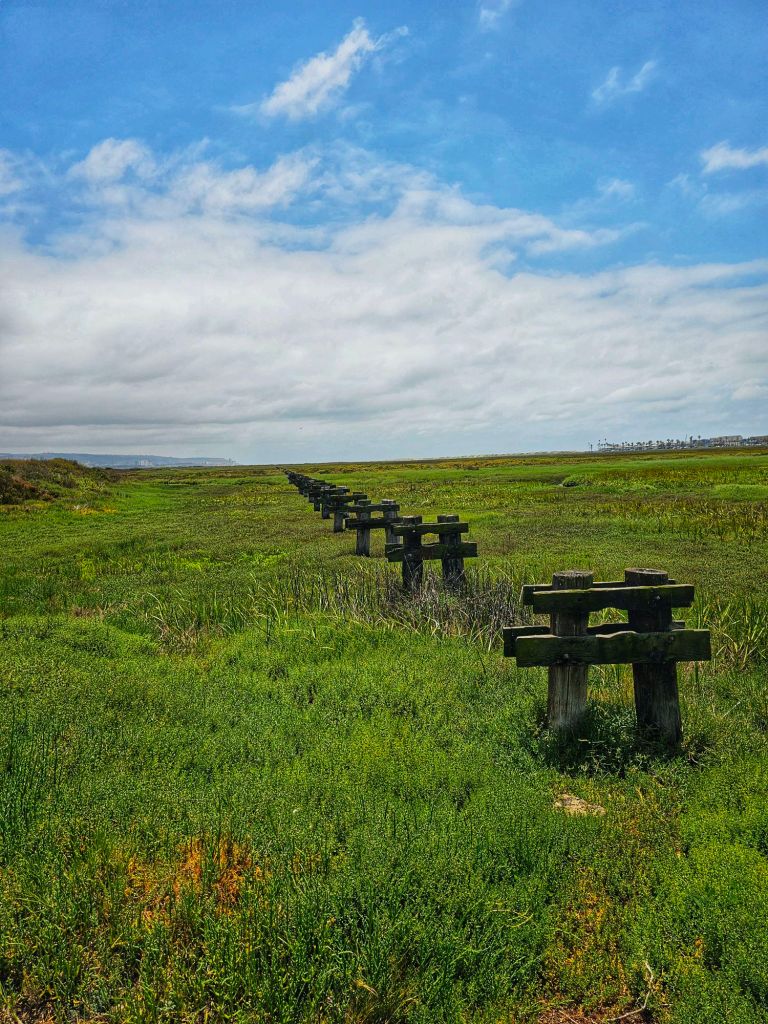
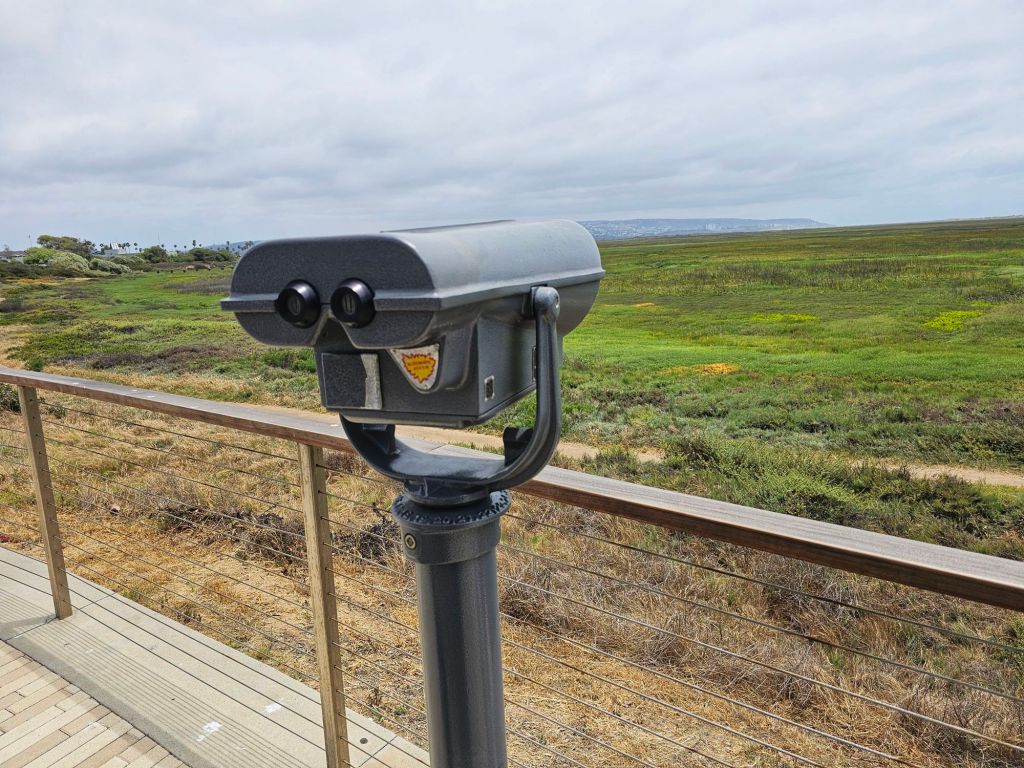
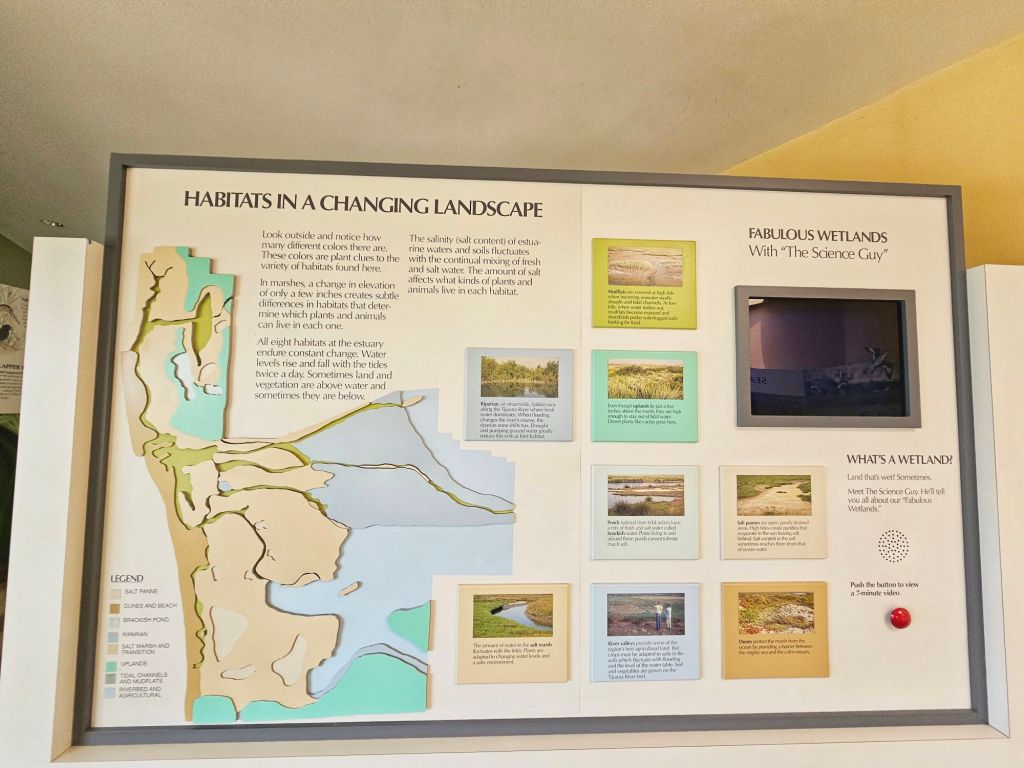
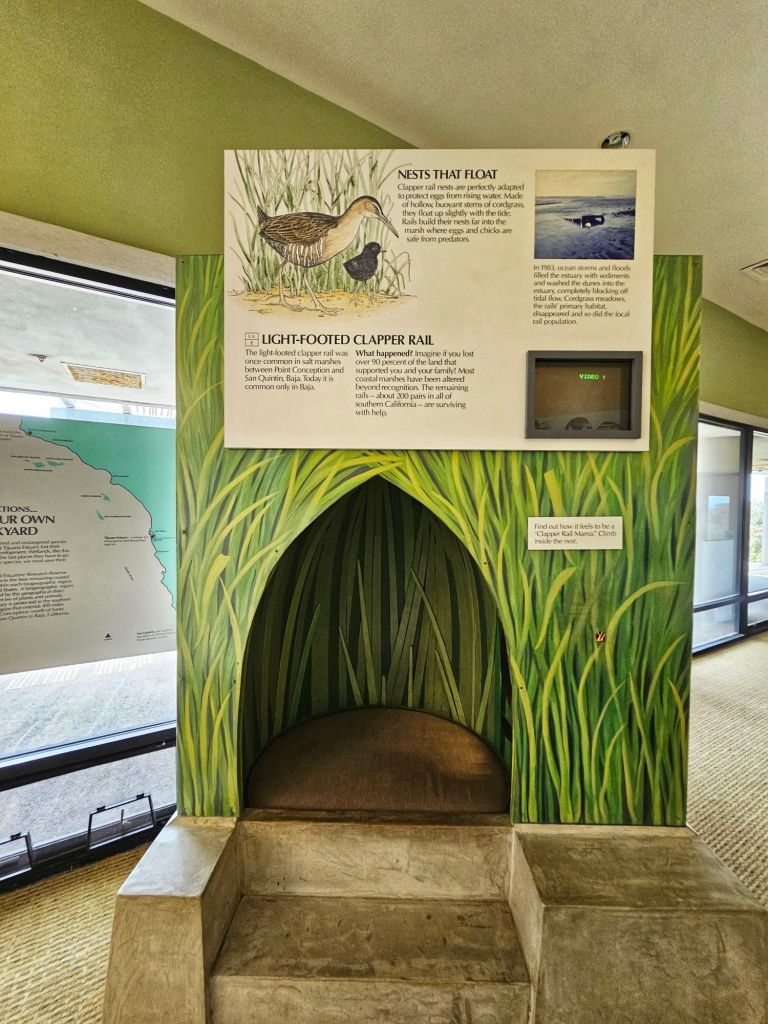
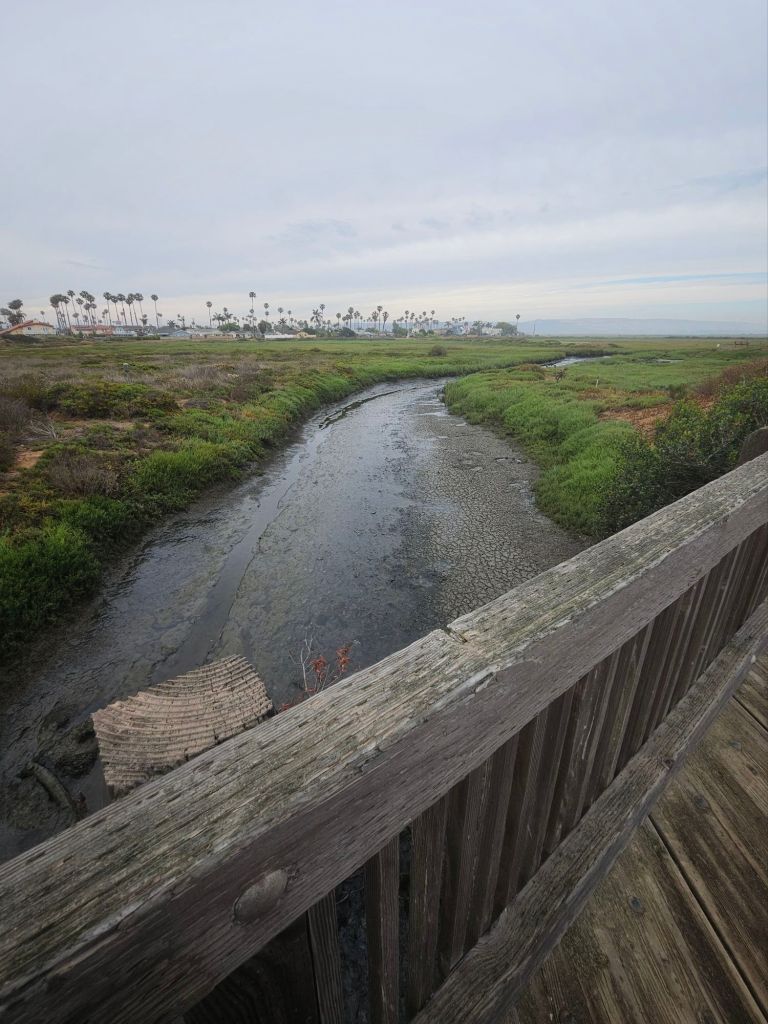
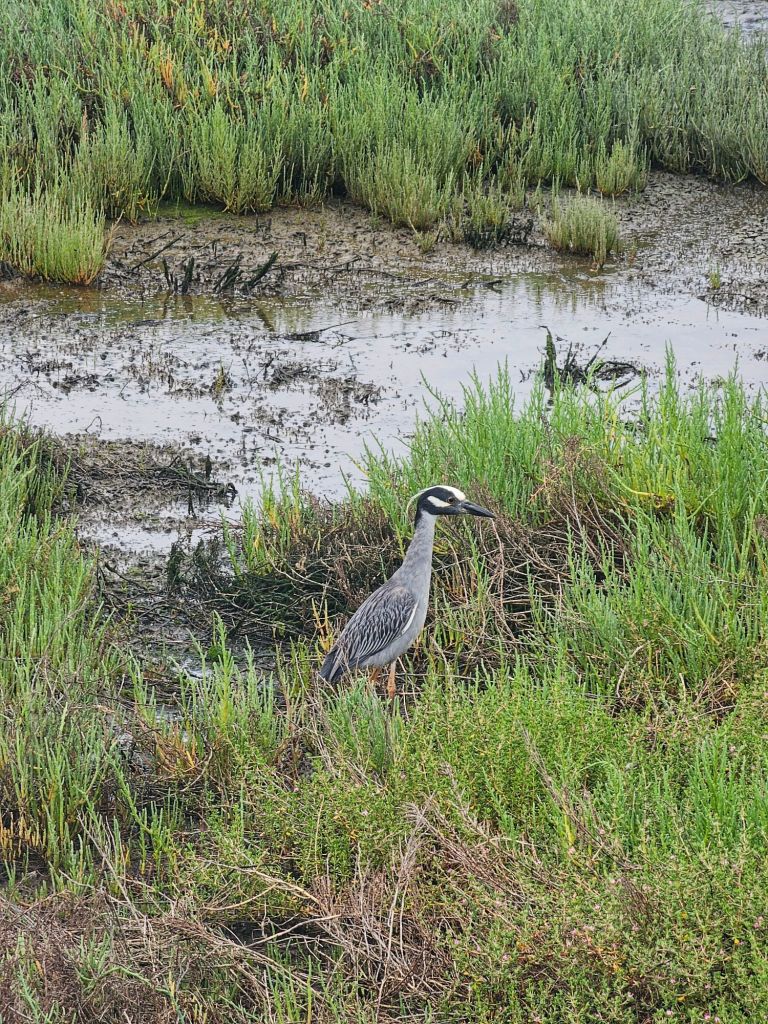
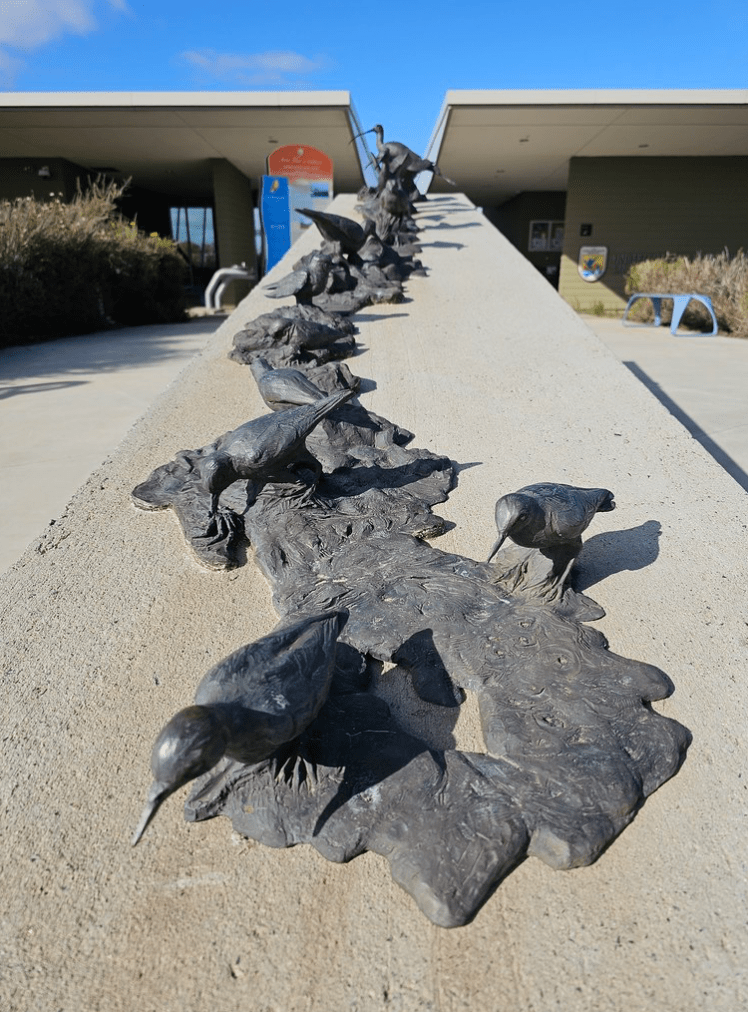
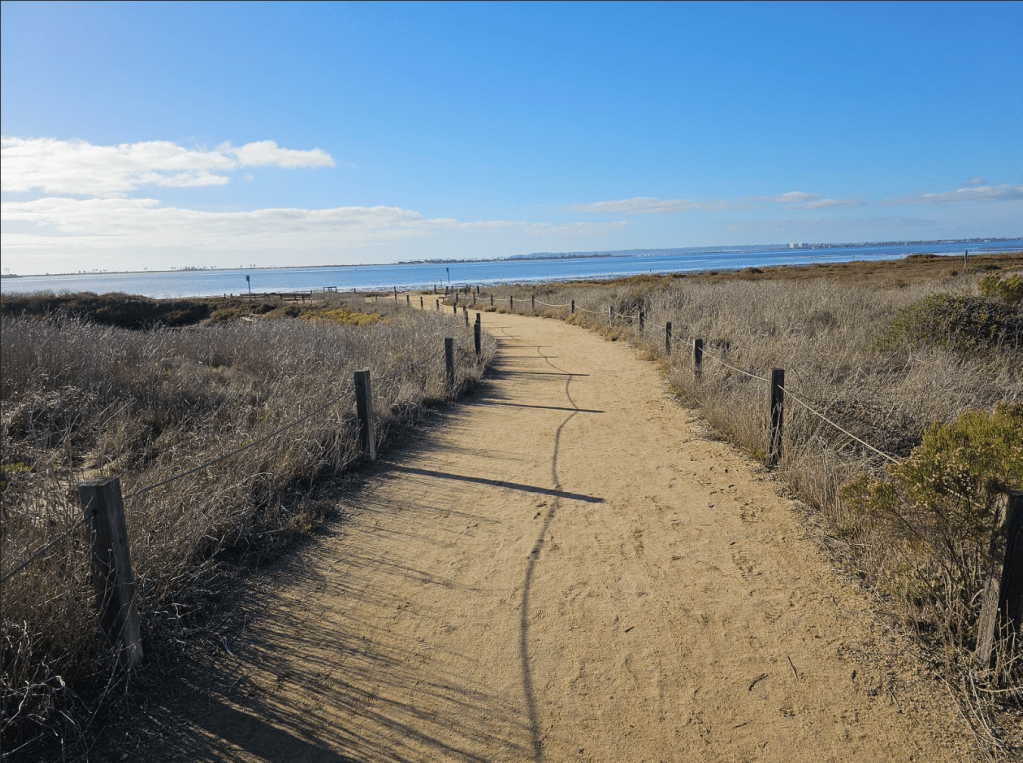
As you walk the trails, you’ll find yourself surrounded by a mosaic of marshes, mudflats, and salt flats—each teeming with life. Located along a massive aviary flyway over 370 species of birds have been recorded here, including the endangered light-footed Ridgway’s rail and least tern. Birdwatchers, bring your binoculars!

Trails, Views, and Tranquility

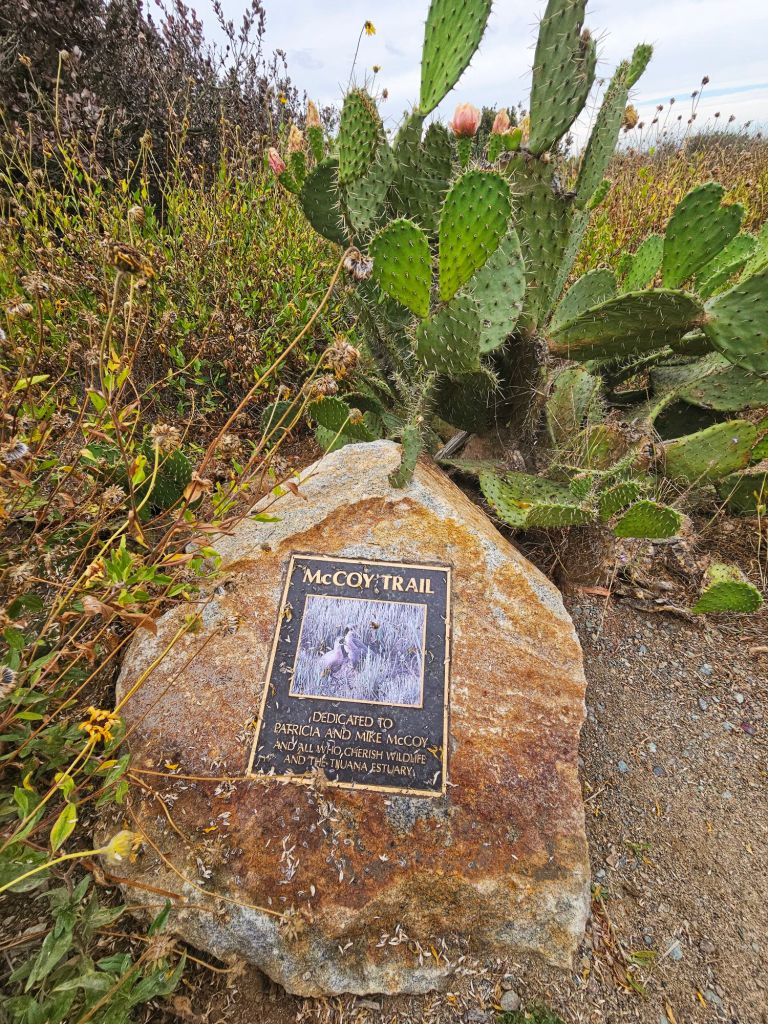
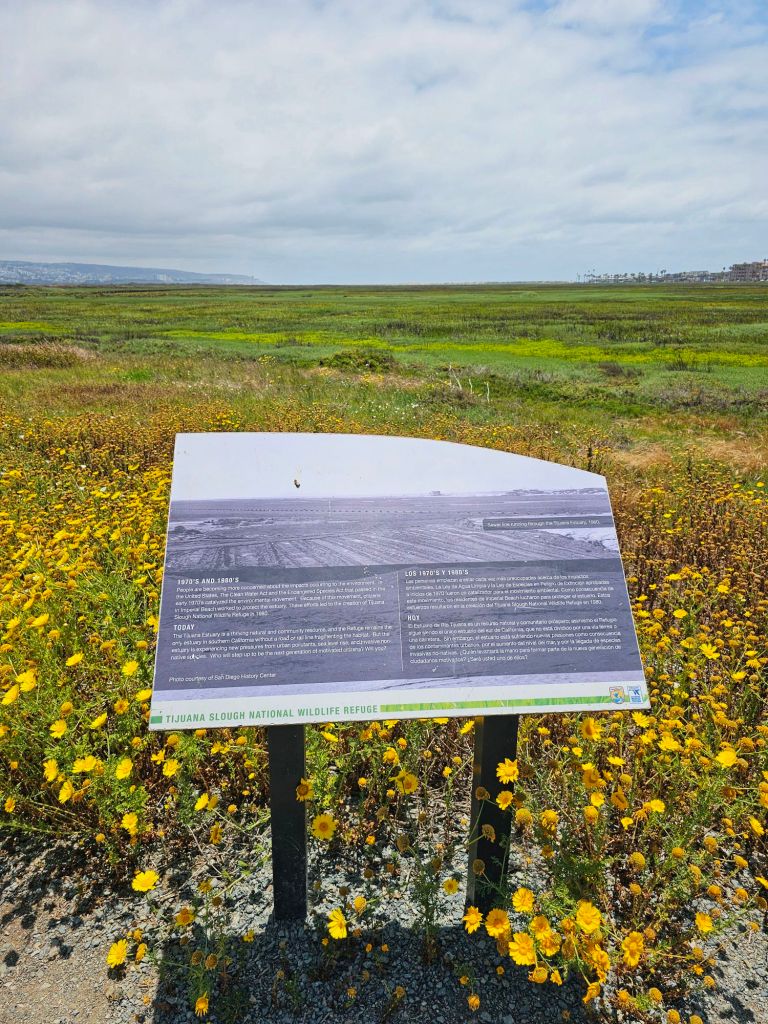
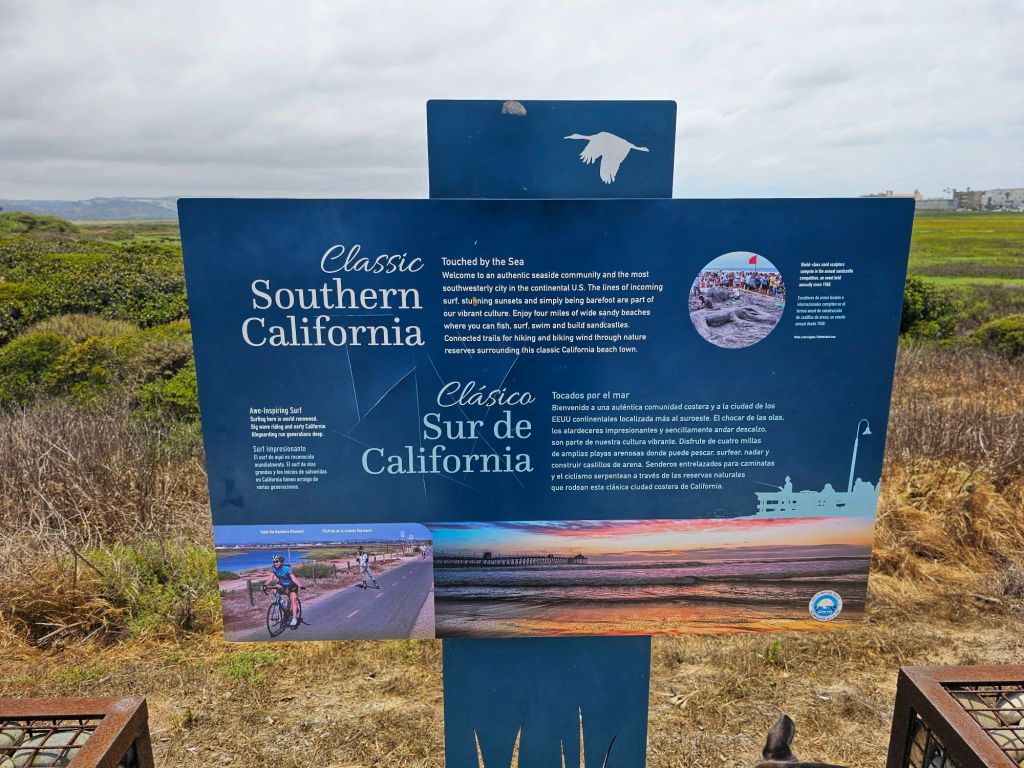
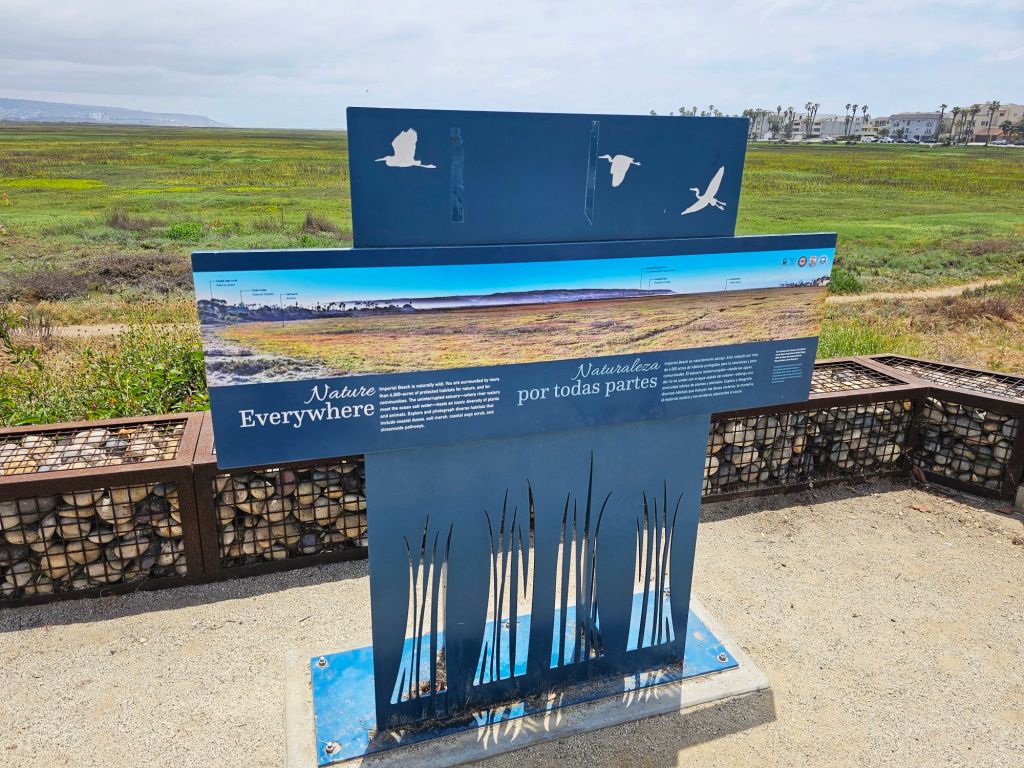
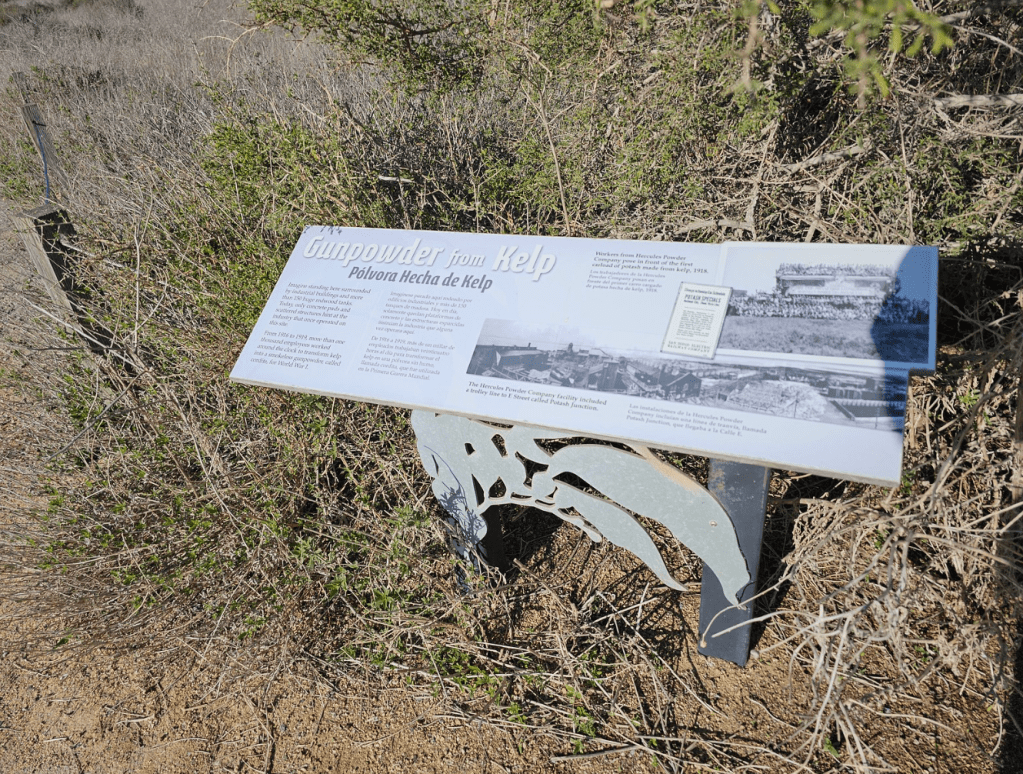
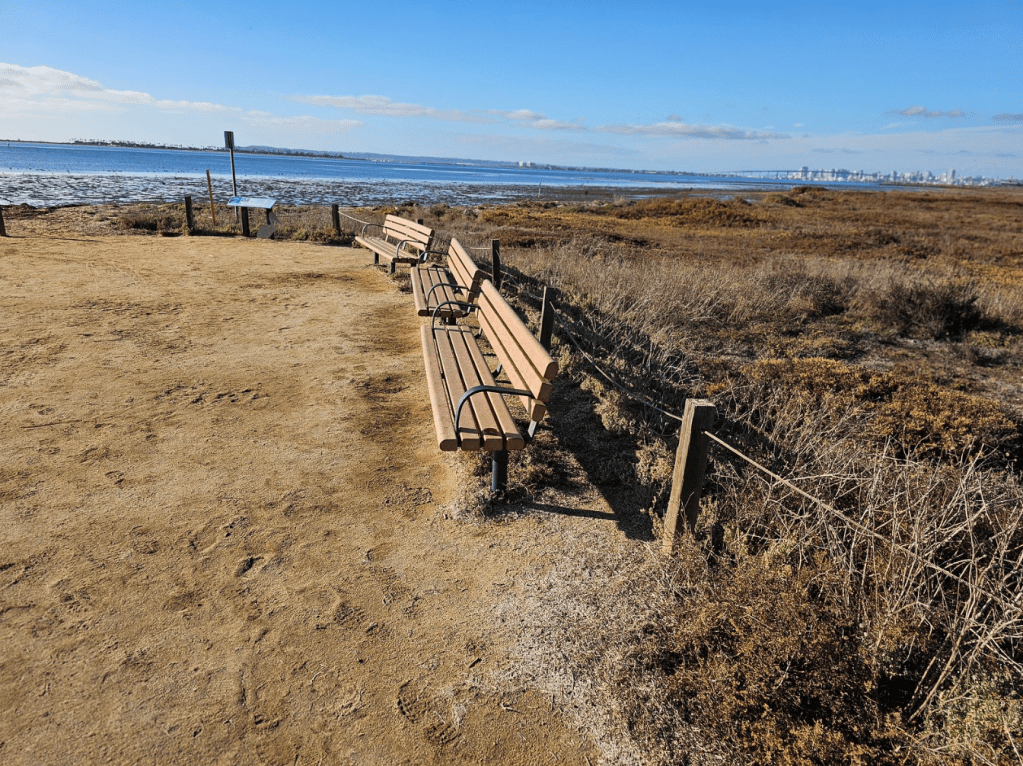
The Bayside Trail and River Mouth Trail offer easy, flat hikes with stunning views of the wetlands and the Pacific Ocean beyond. Interpretive signs along the way tell the story of the estuary’s ecology, history, and the ongoing efforts to protect it.

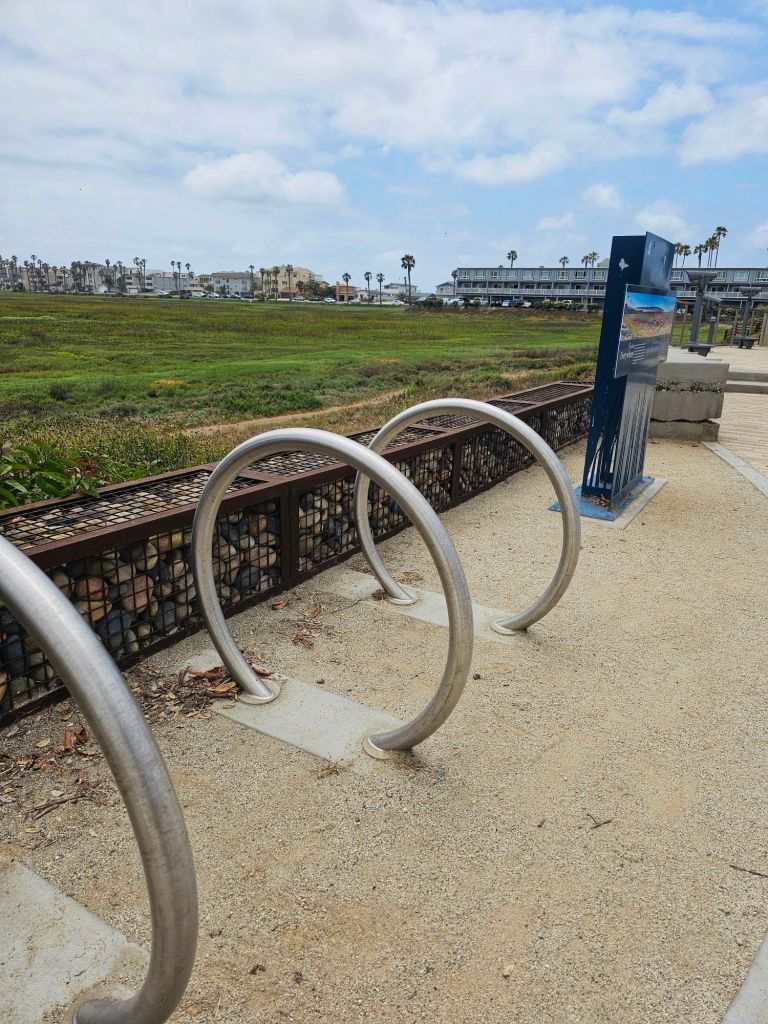
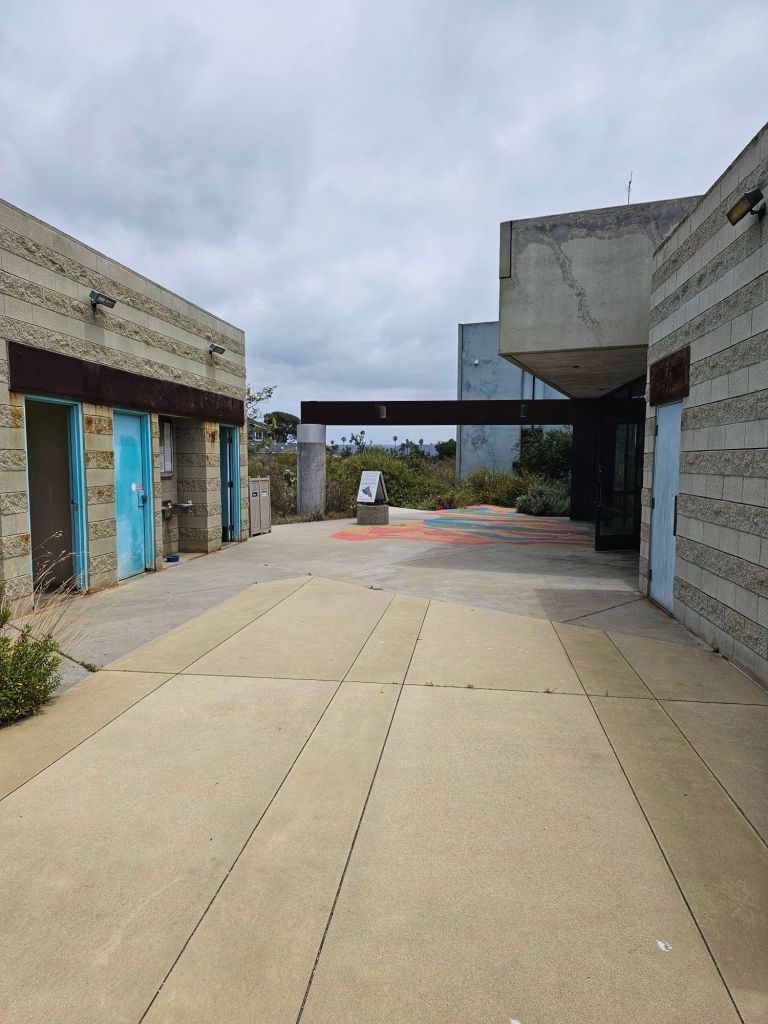
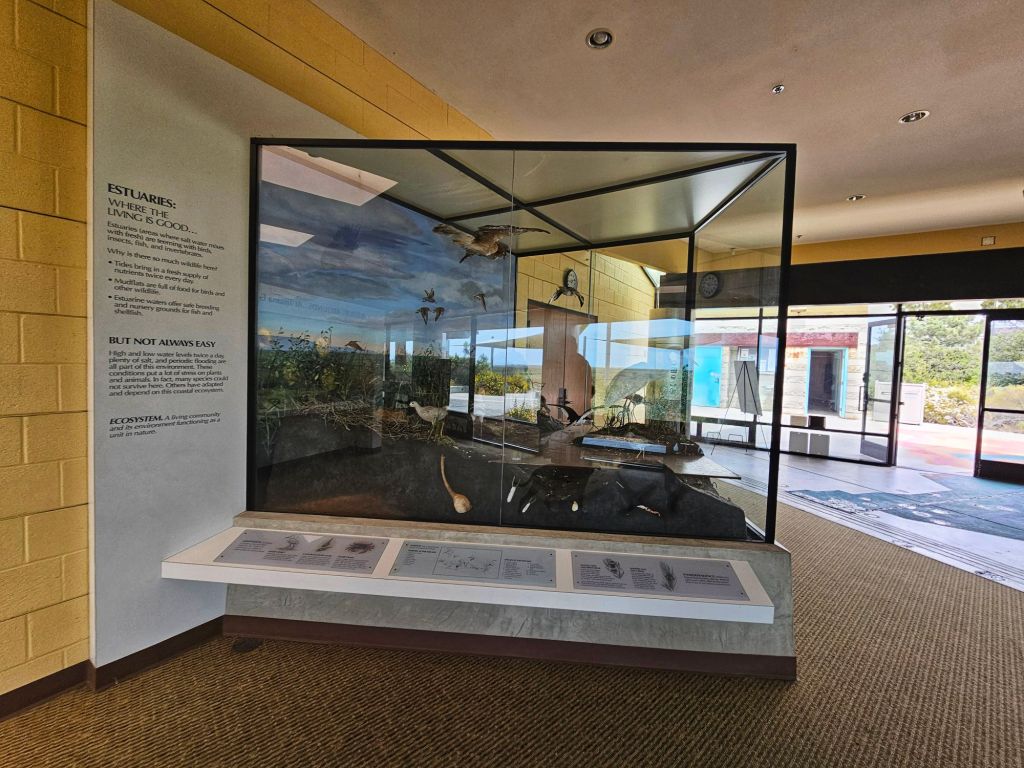
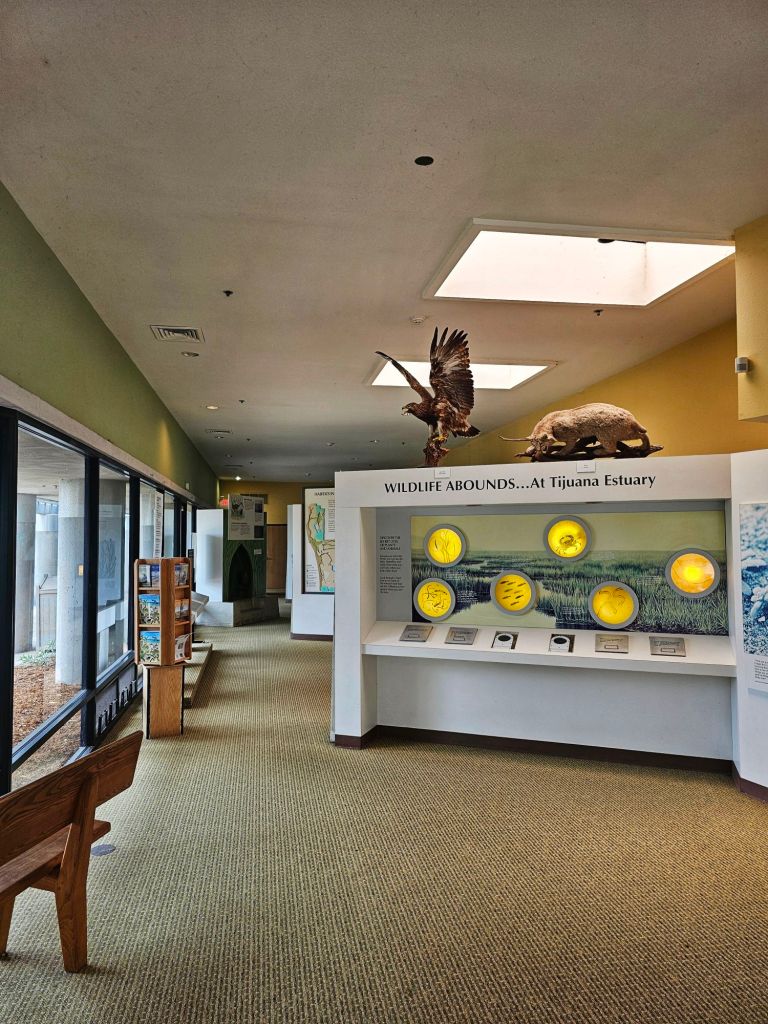
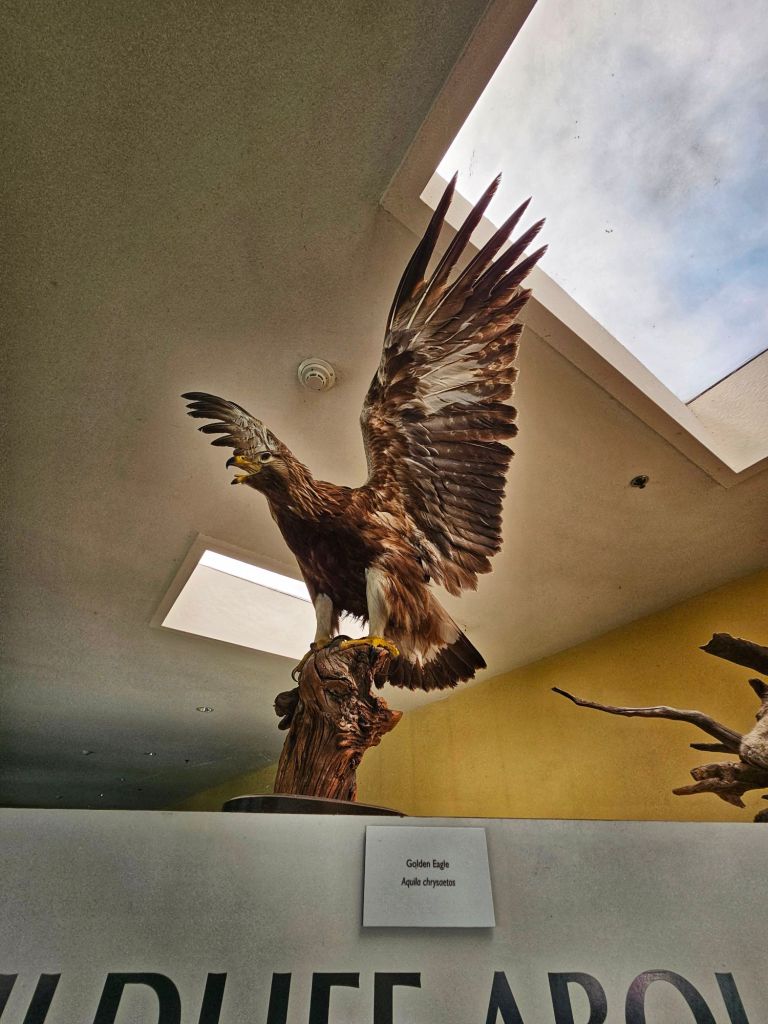
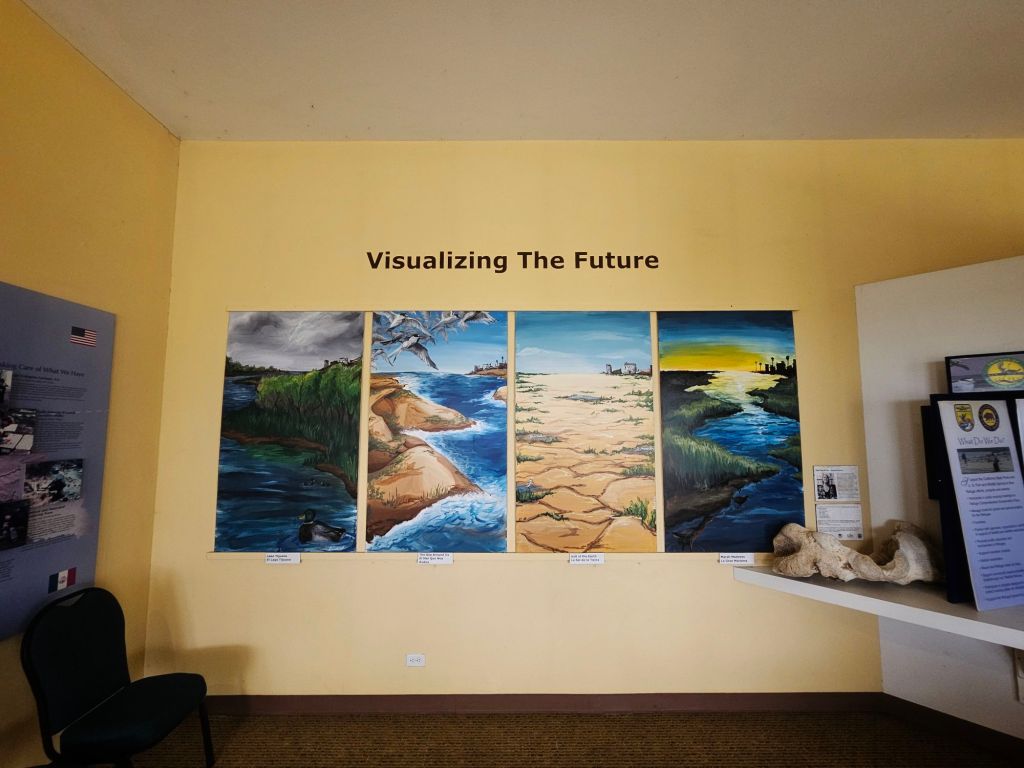
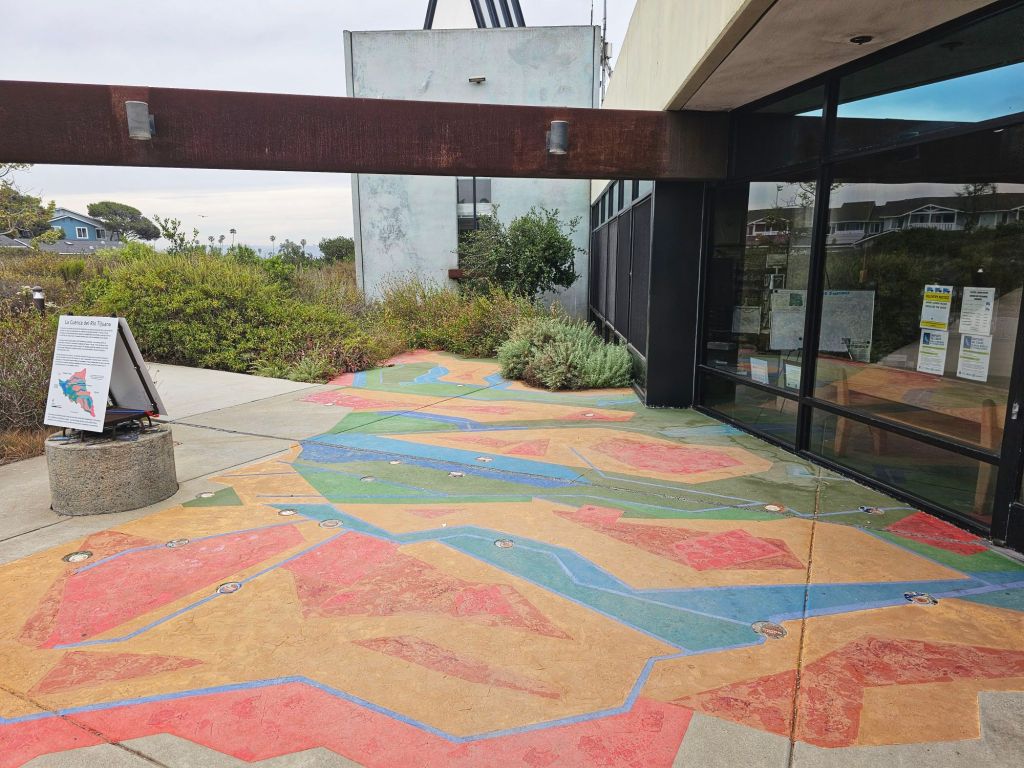
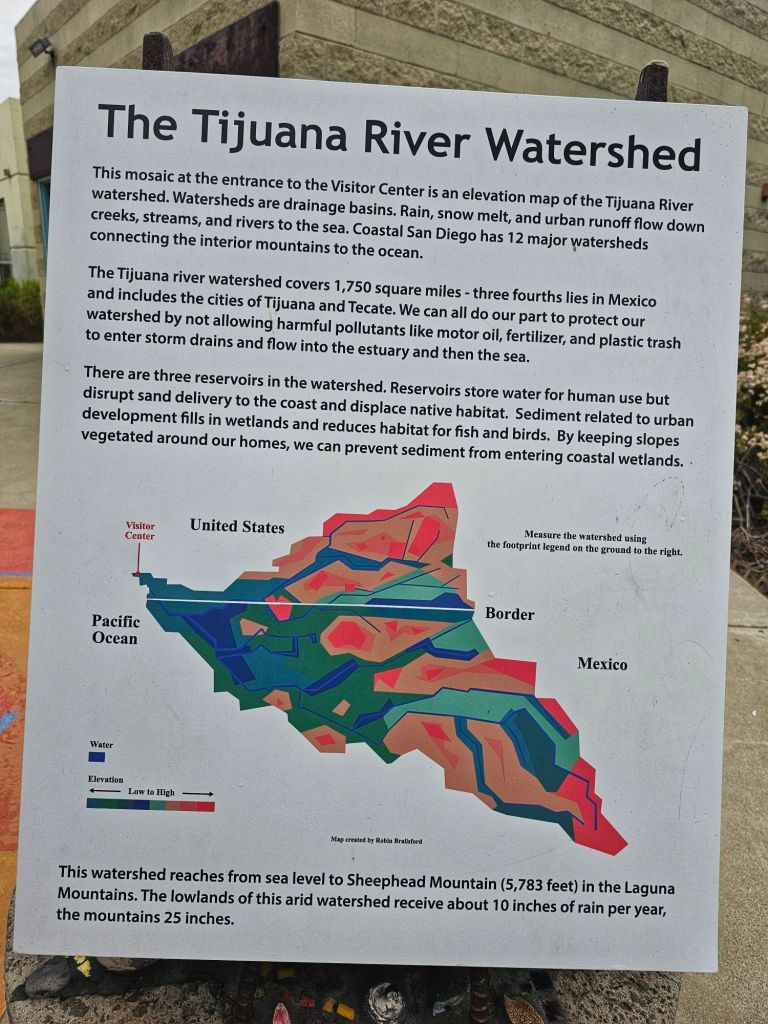
Don’t forget to stop by the Tijuana Estuary Visitor Center—a small but informative hub with exhibits, maps, and knowledgeable staff who can help guide your visit.

A Cross-Border Story

What makes the Tijuana River Estuary truly unique is its binational character. The Tijuana River originates in Mexico, flowing through the bustling city of Tijuana before crossing the U.S. border and emptying into the Pacific Ocean. Along the way, it faces challenges like pollution and urban runoff—but also inspires collaboration and conservation across borders.

Why It Matters

Estuaries like this one are among the most productive ecosystems on Earth. They provide nursery grounds for fish, shelter for birds, and natural flood control for communities. In a time of climate change and habitat loss, places like the Tijuana River Estuary remind us of nature’s resilience—and our responsibility to protect it.

Plan Your Visit

Whether you’re a birder, hiker, photographer, or simply seeking a quiet moment in nature, the Tijuana River Estuary is worth a visit. Come for the peaceful views, stay for the deeper connection to a landscape that quietly sustains life in so many ways.

Sweetwater Marsh National Wildlife Refuge

Breathe Easy in the Marsh: Discovering the Sweetwater Marsh National Wildlife Refuge

Living in San Diego, we’re lucky to be surrounded by pockets of natural beauty. But nestled right here, offering a vital sanctuary for wildlife and a tranquil escape for us, is the Sweetwater Marsh National Wildlife Refuge. This isn’t just another patch of green; it’s a dynamic coastal wetland teeming with life and holding significant ecological importance.

The entire San Diego Bay National Wildlife Refuge, which includes other units besides Sweetwater Marsh, totals around 2,620 acres of land and water in and around San Diego Bay. So, while the broader refuge is larger, the specific Sweetwater Marsh unit you might be exploring is about 316 acres in size.

In order to access the trails located within the Sweetwater March you must park your vehicle at the parking lot located outside the refuge at 1000 Gunpowder Point Drive, Chula Vista, CA 91910, then take a free shuttle bus provided by the Living Coast Discovery Center. The Discovery Center and the Refuge are open Wednesday through Sunday 10am-5pm.  Check the Living Coast Discovery Center website for most up-to-date information. There is no fee to walk the 1.5 miles of trails, however there is a fee to explore the Living Coast Discovery Center

More Than Just Mudflats:

For those unfamiliar, a salt marsh might just seem like muddy ground. But look closer, and you’ll discover a vibrant and crucial habitat. The Sweetwater Marsh is one of the few remaining significant salt marshes in Southern California, acting as a natural filter for our waters, a buffer against coastal erosion, and a vital nursery for countless fish and invertebrates.

A Haven for Feathered Friends (and More!):

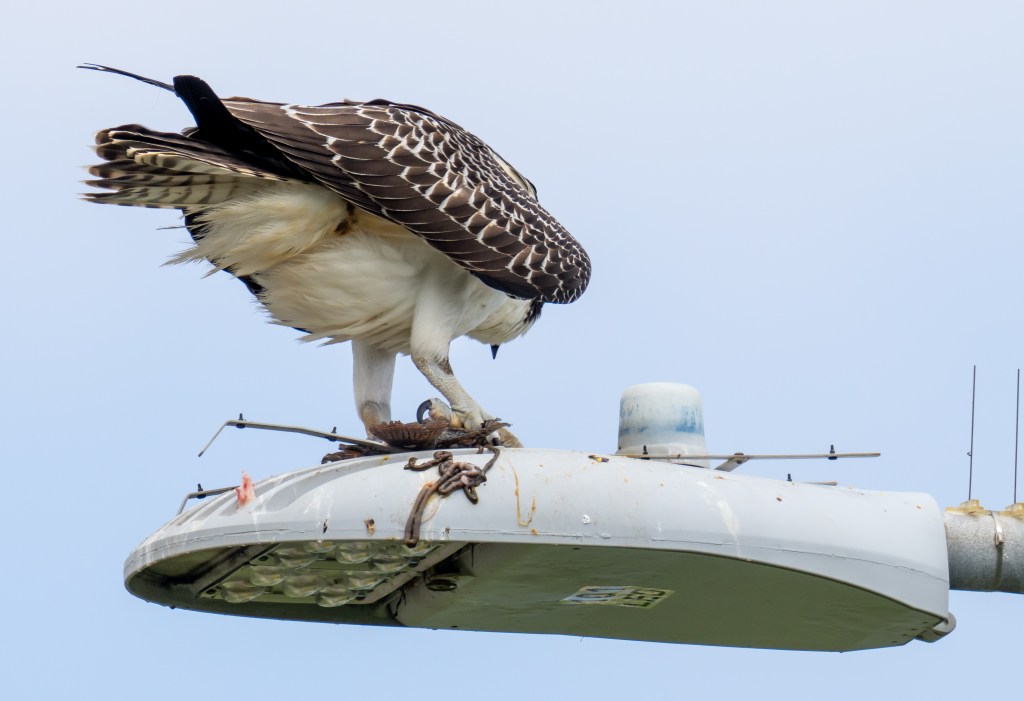
If you’re a bird enthusiast, prepare to be delighted. Situated along the Pacific Flyway, the refuge is a critical stopover and home for a stunning array of migratory and resident birds. Keep your eyes peeled for elegant avocets and stilts gracefully wading through the shallows, various sandpipers and willets scurrying along the mudflats, and majestic herons and egrets patiently stalking their prey.

But the Sweetwater Marsh is particularly significant for the California least tern and the light-footed Ridgway’s rail(formerly California clapper rail) – both federally endangered species. The refuge provides crucial nesting and foraging grounds for these vulnerable birds, and dedicated conservation efforts are underway to ensure their survival. Witnessing these rare species in their natural habitat is a truly special experience.

Your Invitation to Explore:

The Sweetwater Marsh National Wildlife Refuge isn’t just for the birds; it’s for us too! Several easy-to-moderate trails meander through the marsh, offering fantastic opportunities for:

  • Birdwatching: Bring your binoculars and prepare to be amazed by the diversity of avian life.
  • Walking and Hiking: Enjoy a peaceful stroll amidst the natural beauty, taking in the fresh air and scenic views of the bay and surrounding landscape.
  • Photography: Capture the stunning scenery and the fascinating wildlife that calls this refuge home.
  • Learning and Discovery: The nearby Living Coast Discovery Center acts as an excellent gateway to understanding the ecology of the marsh and the importance of conservation. You can often spot the same species in the wild after learning about them at the center!

A Call to Respect and Protect:

As we enjoy the beauty and tranquility of the Sweetwater Marsh, it’s crucial to remember that it’s a protected area. Let’s all do our part by:

  • Staying on marked trails: To protect the delicate marsh environment.
  • Observing wildlife from a distance: Giving them the space they need.
  • Leaving no trace: Packing out everything we bring in.
  • Respecting all rules and regulations: Ensuring the long-term health of this vital ecosystem.

So, the next time you’re looking for a breath of fresh air and a chance to connect with nature right here in Chula Vista, head over to the Sweetwater Marsh National Wildlife Refuge. It’s a reminder of the incredible biodiversity that exists right in our backyard and a place where we can all appreciate the beauty and importance of our coastal wetlands.

Discovering the Living Coast Discovery Center: Where Nature Meets Education

Just south of downtown San Diego, where the city gives way to wetlands and salt marshes, there’s a place where you can get eye-to-eye with a sea turtle, watch raptors take flight, and walk through native coastal habitats—all in a single afternoon. The Living Coast Discovery Center in Chula Vista isn’t your typical zoo or aquarium. It’s a hands-on, outdoor classroom for all ages, wrapped in the sights, sounds, and scents of the San Diego Bay.

More Than a Wildlife Center

Originally founded in 1987 as the Chula Vista Nature Interpretive Center, the Living Coast has evolved into a nonprofit organization that blends conservation, education, and wildlife rehabilitation. Each exhibit and trail is designed to highlight the unique ecosystems of Southern California—from salt marshes and mudflats to coastal sage scrub and open ocean.

But the Living Coast is more than just a place to look at animals—it’s a place to learn how to care for them and the environment they depend on.

What You’ll See

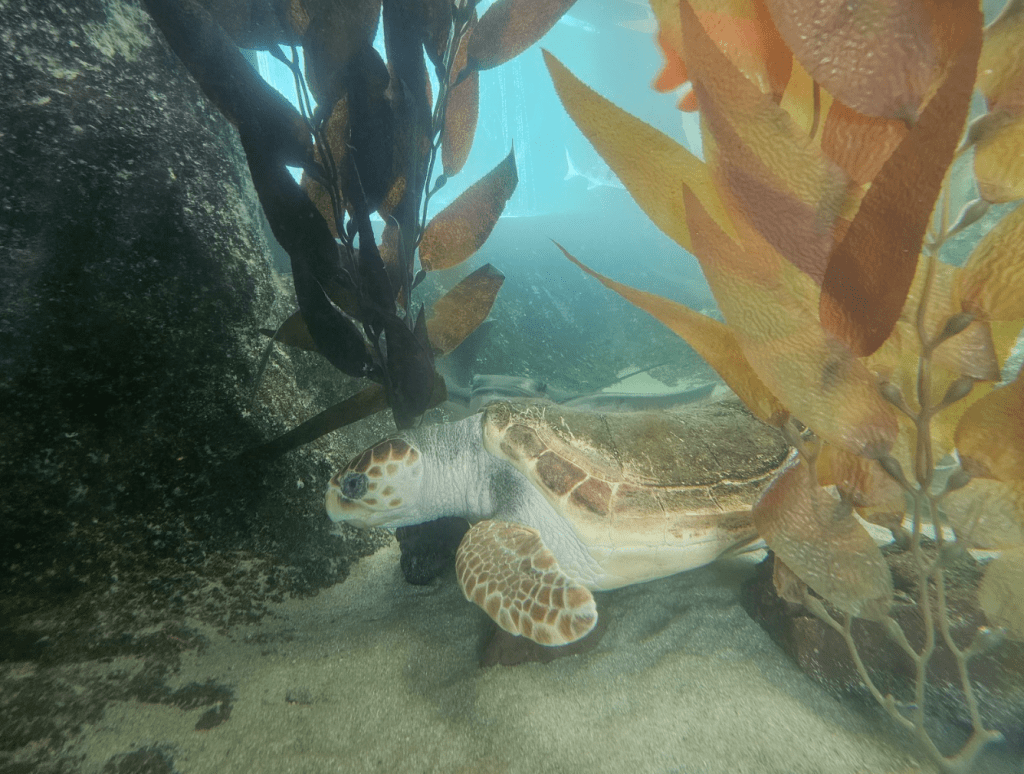
  • Green Sea Turtles floating gracefully in Turtle Lagoon, a favorite stop for kids and adults alike.
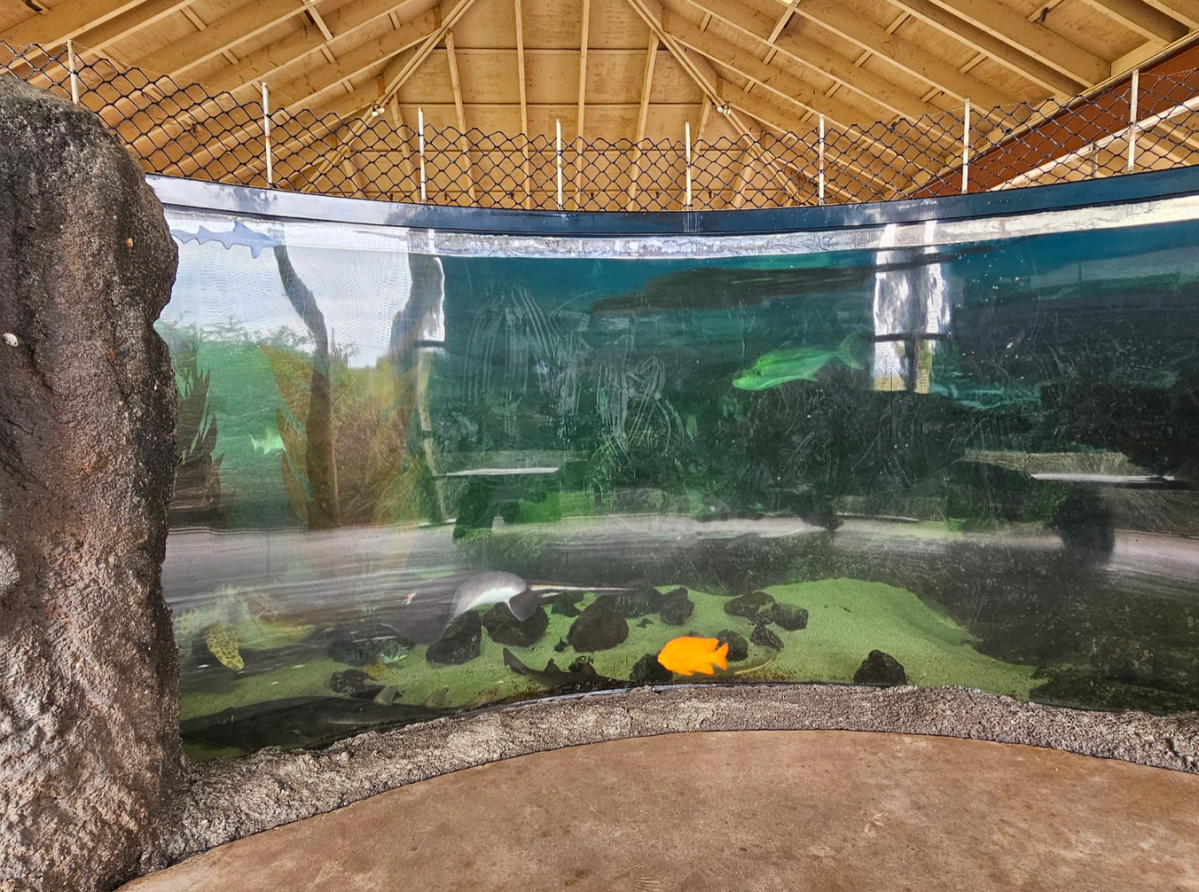
  • Leopard sharks and bat rays at the Shark & Ray Experience, where you can even touch some of the animals in the interactive pool.
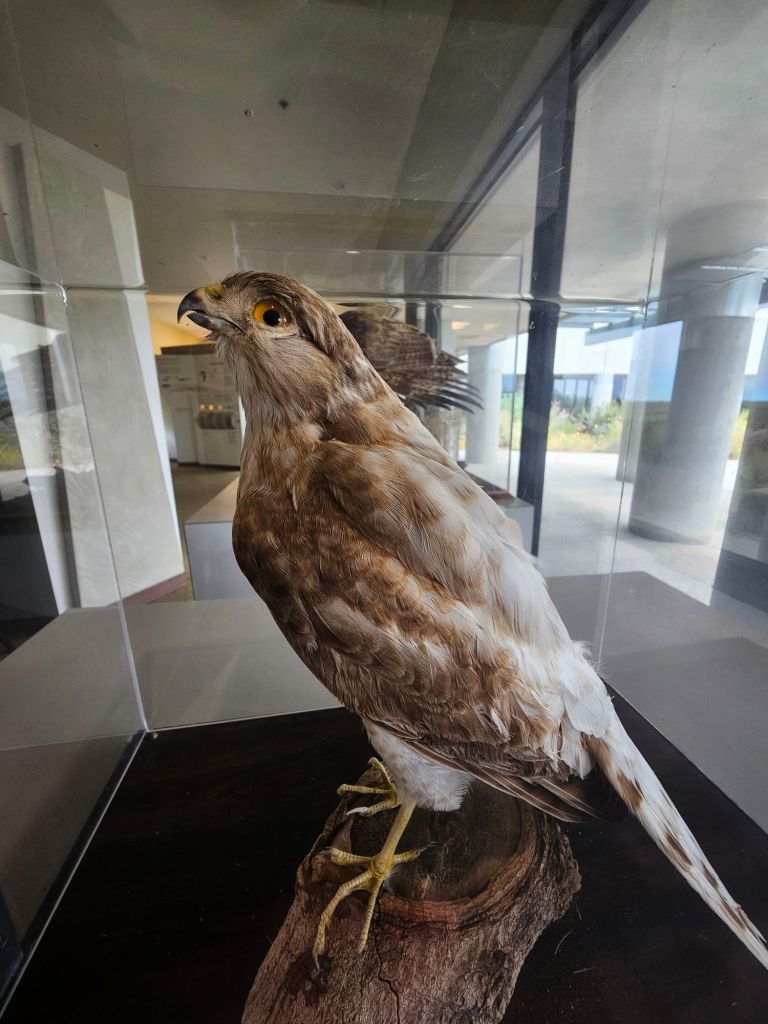
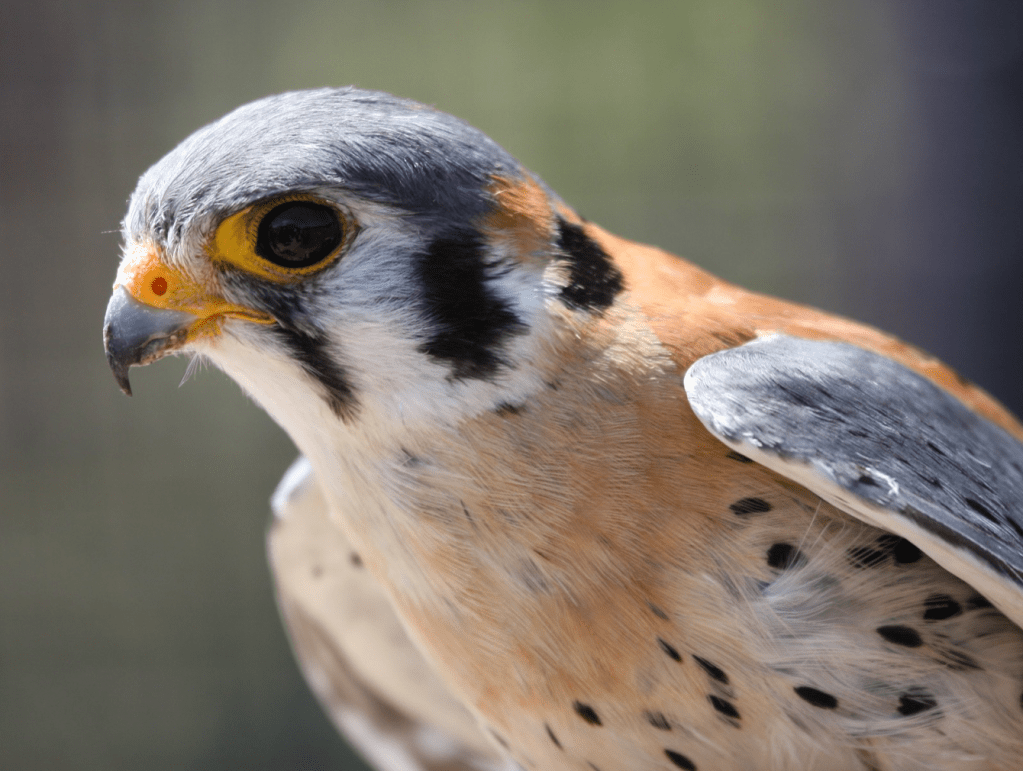
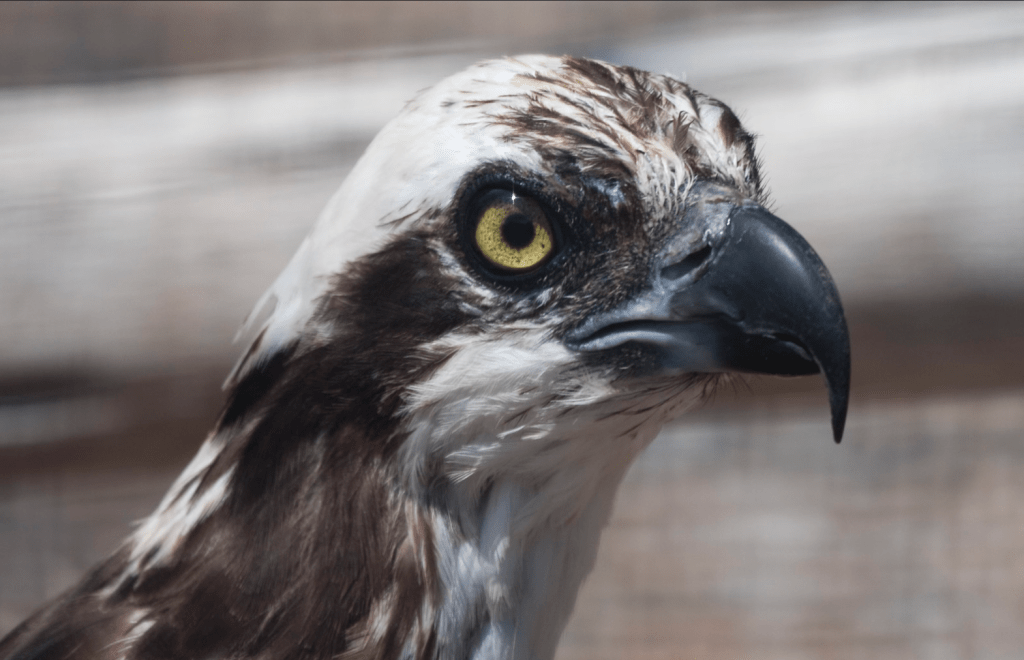
  • Birds of prey like bald eagles, owls, and hawks along Raptor Row, all non-releasable rescues living out their lives in sanctuary.
  • Aviaries and nature trails that bring you face-to-face with local bird species and panoramic bay views.
  • Aquatic exhibits showcasing jellyfish, seahorses, octopuses, and other marine life found just off the California coast.

Everything is designed to be close, accessible, and immersive—no crowds or long walks between exhibits, just a focused, meaningful experience.

Ideal for Families, Students, and Nature Lovers

One of the Center’s biggest impacts happens behind the scenes. With over 15,000 schoolchildren visiting each year, the Living Coast is a hub for environmental science education. Interactive programs, field trips, and conservation workshops give young visitors a hands-on way to explore biology, ecology, and sustainability.

Know Before You Go

  • Location: Sweetwater Marsh, part of the San Diego National Wildlife Refuge
  • Access: The parking lot is off Bay Boulevard; a free shuttle takes visitors into the refuge
  • Hours & Tickets: Check www.thelivingcoast.org for current hours, admission prices, and seasonal events
  • Best Time to Visit: Mornings are ideal—cooler temperatures and active animals

A Local Gem Worth the Detour

The Living Coast Discovery Center is the kind of place that stays with you. Whether you’re snapping a photo of a burrowing owl or quietly watching a ray glide by, it’s a reminder that incredible wildlife doesn’t just live in remote places—it thrives right here in our own backyard.