New South Bay Park Grand Opening

Discover Your New Favorite Park: Features Galore!
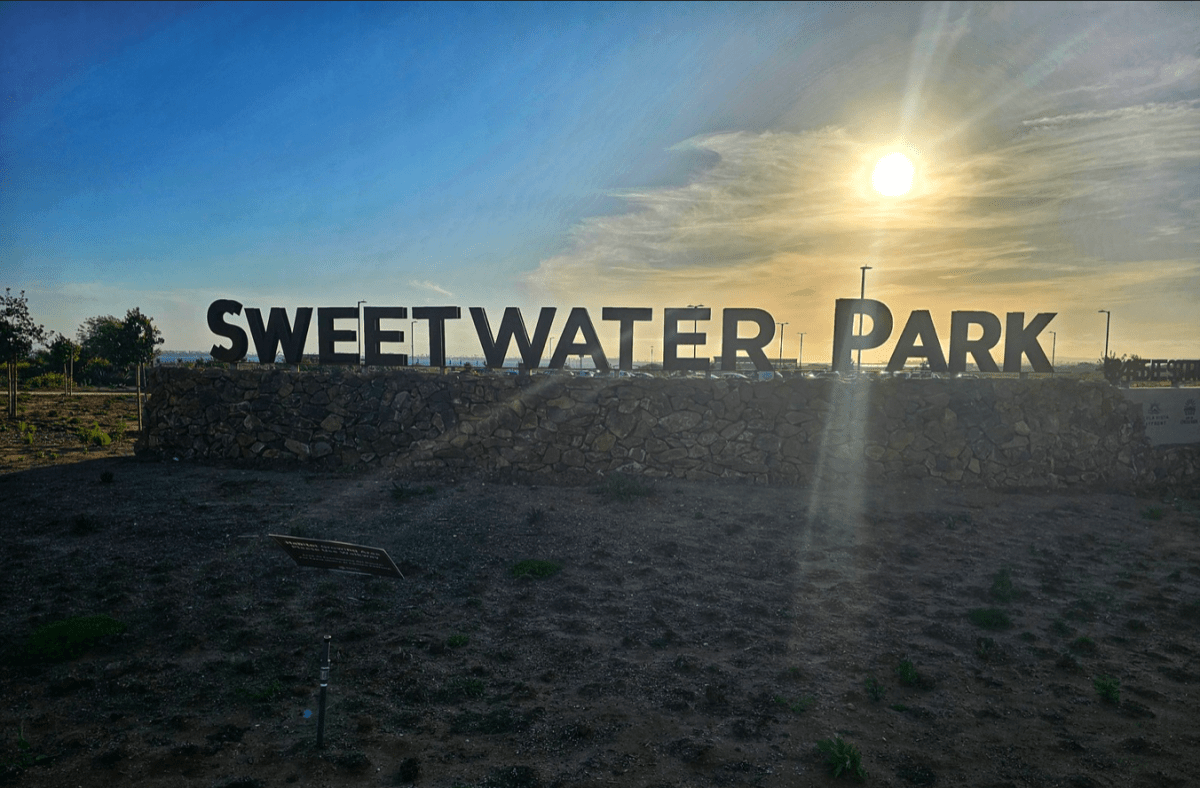
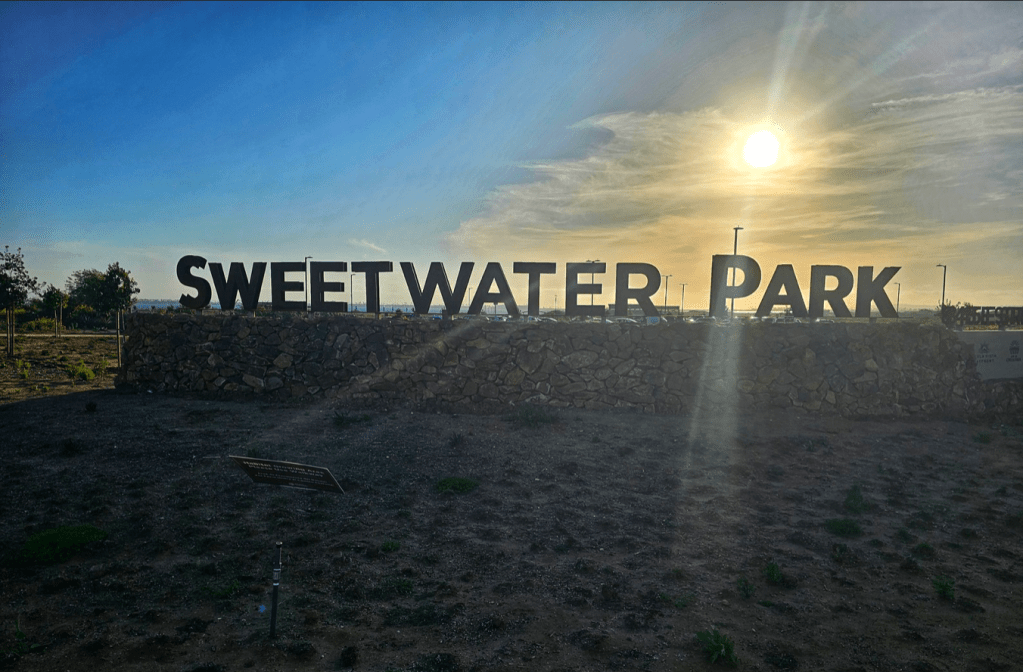
This isn’t just a patch of grass; Sweetwater Park is thoughtfully designed to blend recreation with the unique natural beauty of our bayfront environment. Here’s what you can expect:

  • Play Naturally: Kids (and the young at heart) will love the nature-themed playgrounds. These aren’t your average swings and slides; they incorporate educational elements about local wildlife, making playtime both fun and informative.
  • Walk, Bike, Explore: Lace-up your sneakers or grab your bike! The park boasts 2.5 miles of new pathways, some paved and some with softer surfaces, perfect for a leisurely stroll, a morning jog, or a family bike ride. Plus, it connects seamlessly with the existing Sweetwater Bicycle and Pedestrian Path.
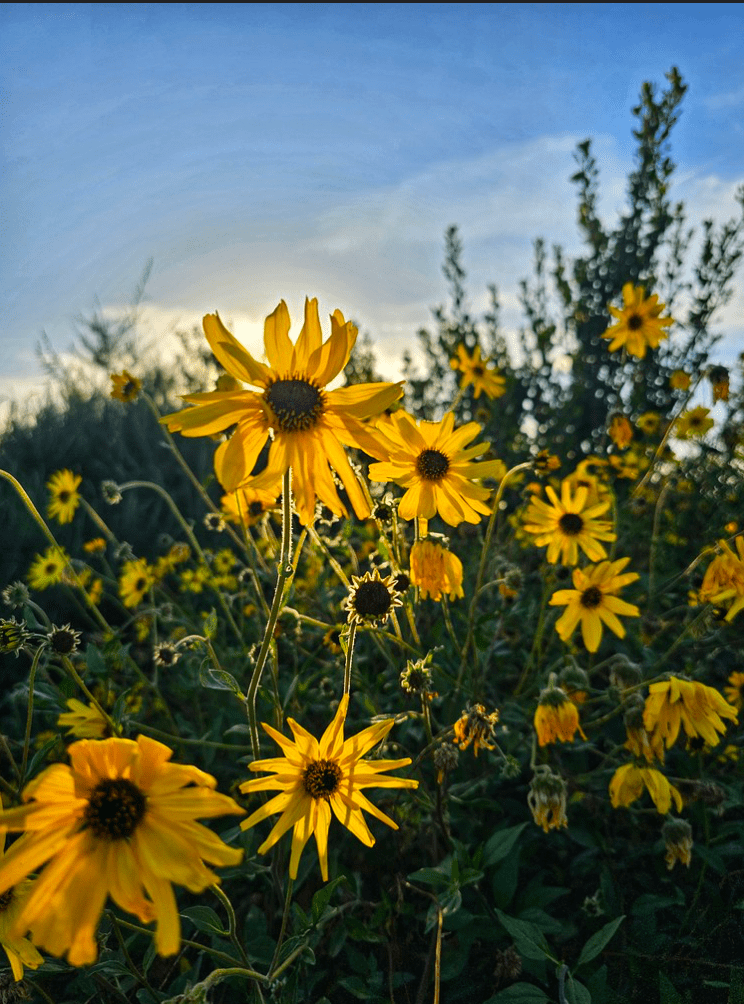
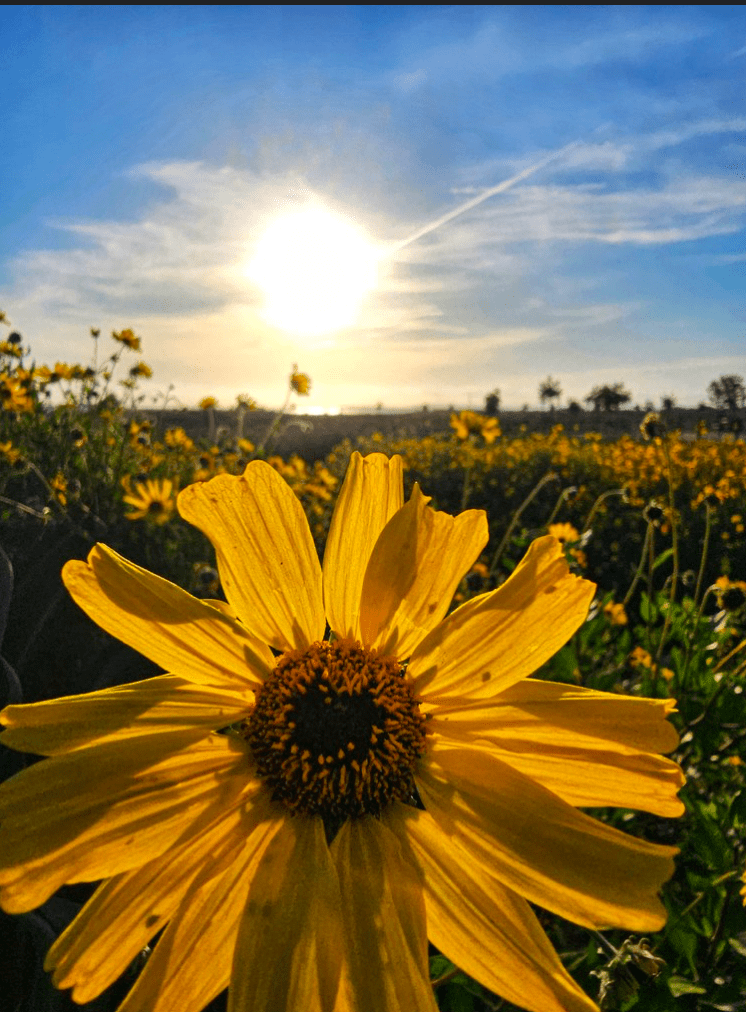
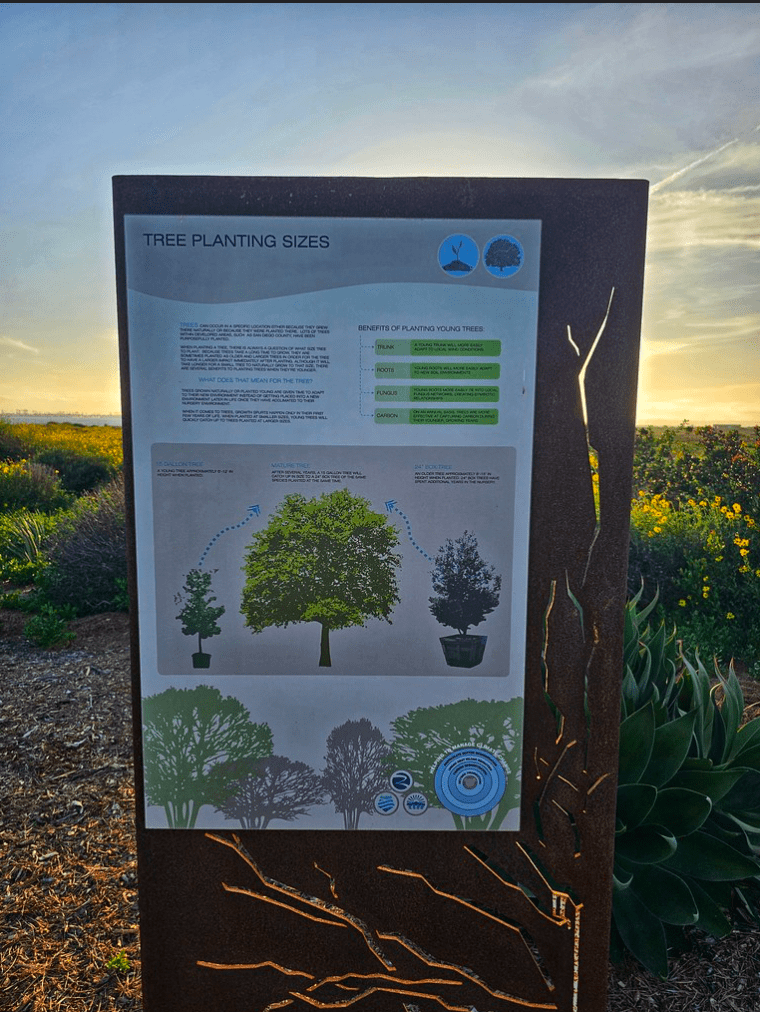
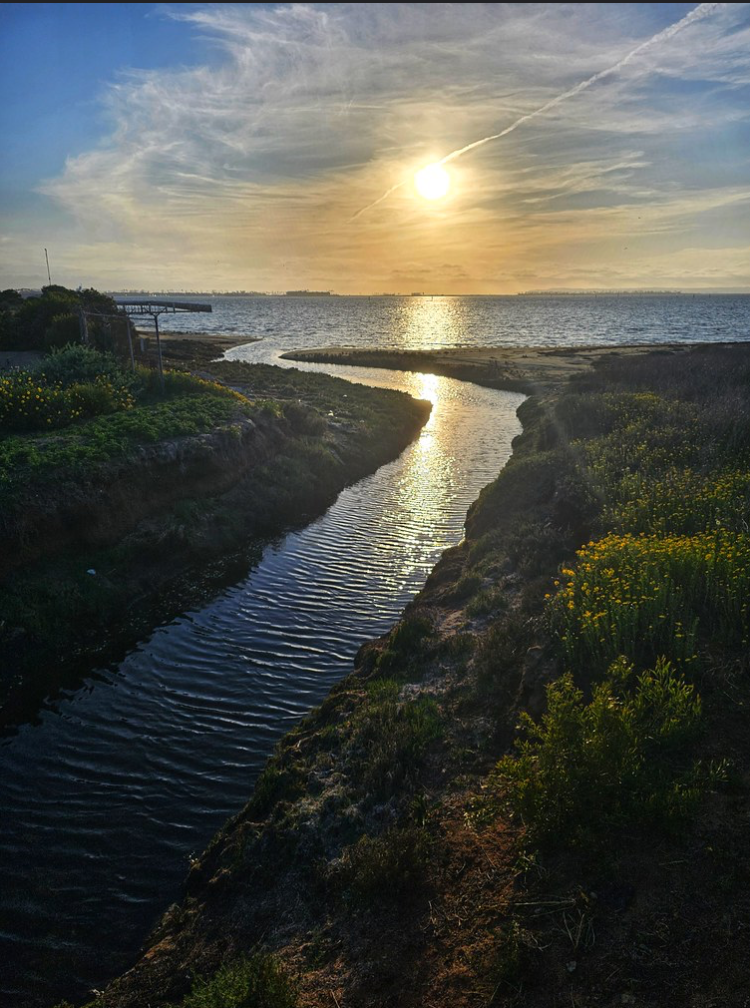
  • Connect with Nature: True to its location next to the Sweetwater Marsh National Wildlife Refuge, the park features sand dunes, meadows, mounded grasslands, and specialty gardens filled with native plants. It’s a fantastic spot for bird watching, enjoying stunning bay views from scenic overlooks, or simply finding a quiet moment. Keep an eye out for the Kumeyaay signage integrated throughout the park, honoring the area’s original inhabitants.
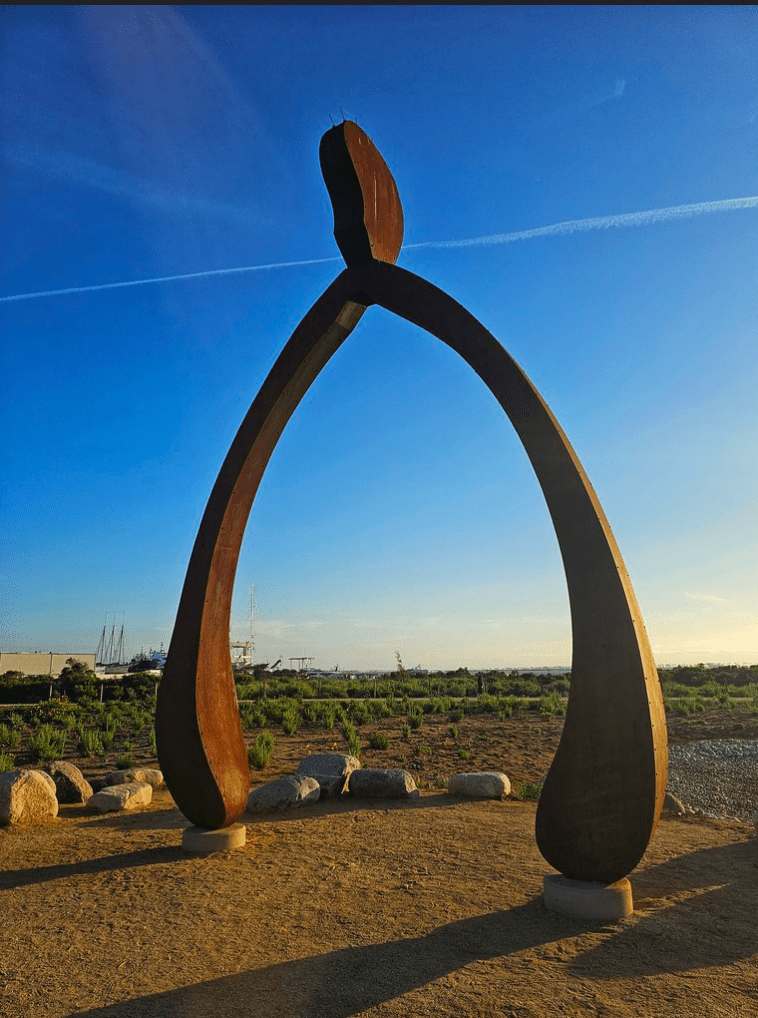
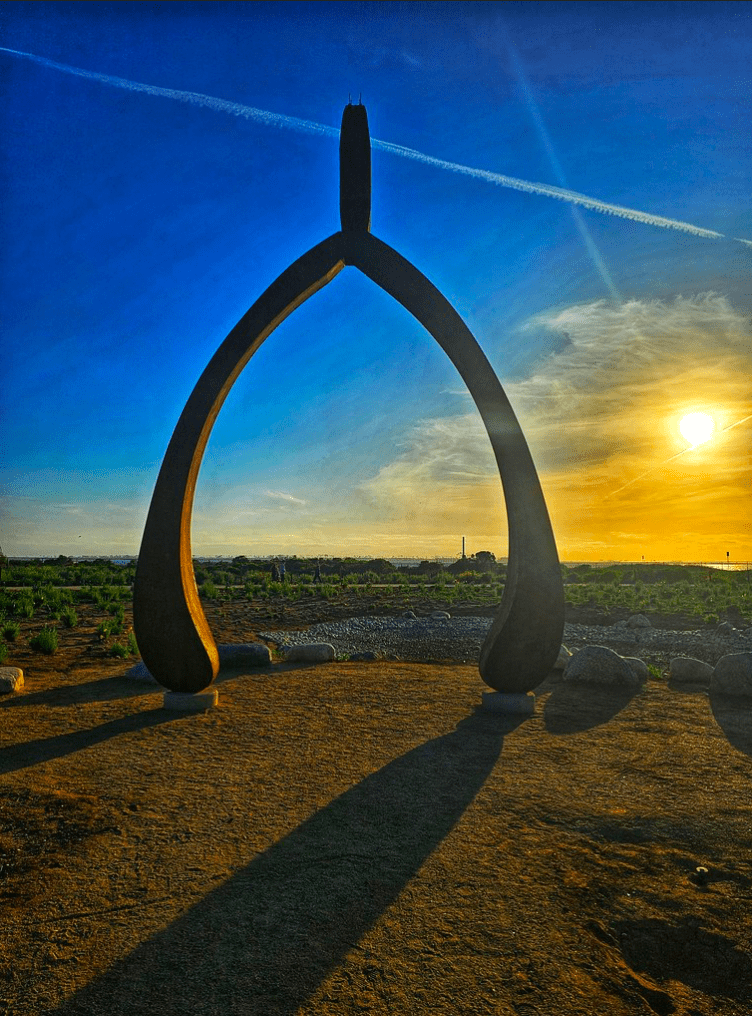
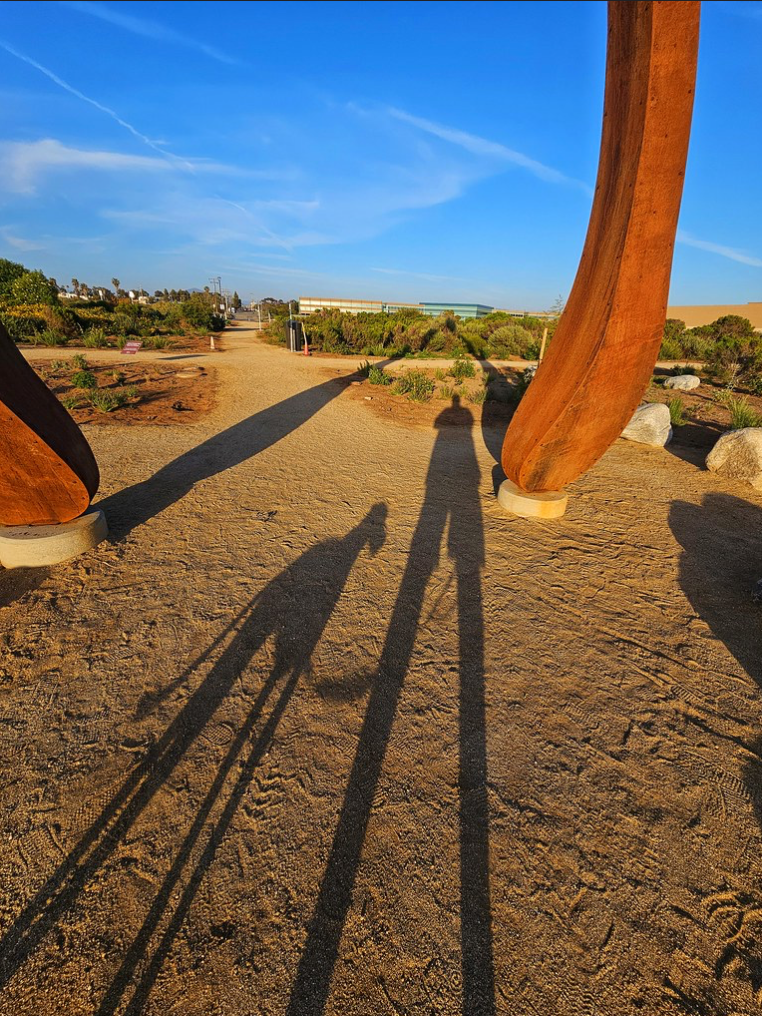
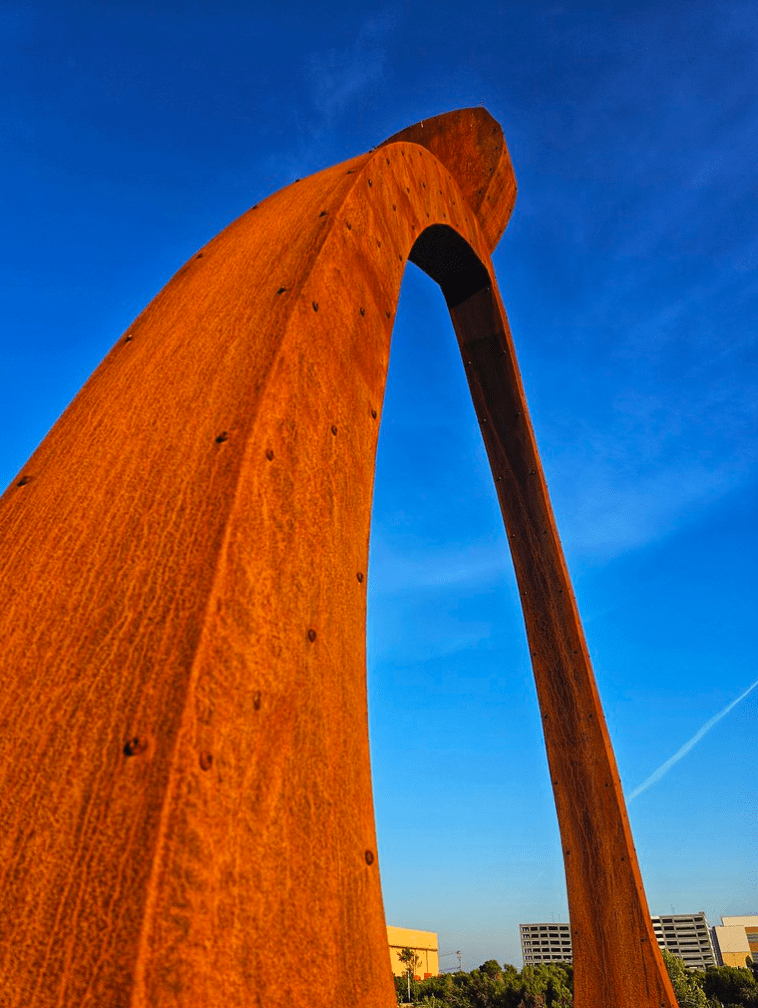
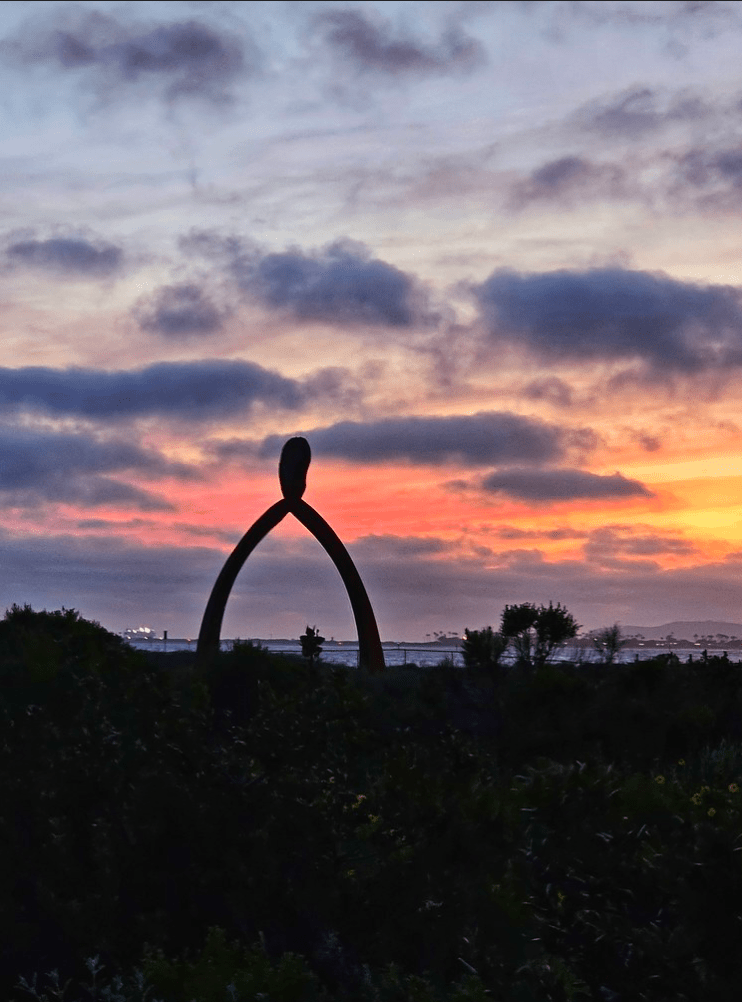
  • Art on the Bayfront: Look for the striking “Rigors of Flight” public art sculpture by Roberto Salas. This impressive 25-foot-tall piece, resembling a wishbone, pays tribute to the abundant birdlife of the region.
  • Relax and Gather: Plenty of seating areas and picnic spots are strategically placed for you to relax, enjoy a snack, and soak in the beautiful surroundings.
More Than Just a Park

Part of a Grand Vision (The Chula Vista Bayfront Master Plan): Sweetwater Park wasn’t just a standalone idea. It’s a key piece of the massive 535-acre Chula Vista Bayfront redevelopment project. This ambitious plan, a joint effort between the Port of San Diego and the City of Chula Vista, has been in the works for decades. The goal has always been to transform our underutilized industrial waterfront into a vibrant destination with resorts (like the adjacent Gaylord Pacific), convention space, housing, retail, and crucially, significant new public parks and improved access to the bay.

Why You Need to Visit ASAP!

  • It’s BRAND NEW! Be among the first to explore this fantastic addition to Chula Vista.
  • Something for Everyone: Whether you want active play, peaceful nature walks, or a spot for a picnic with a view, this park has it.
  • Beautiful Setting: The focus on native plants and natural design makes it a truly lovely place to spend time, with great views of the bay.
  • It’s FREE! Access to this amazing community resource costs absolutely nothing.
  • It’s Ours! This is a wonderful new asset for all Chula Vista residents to enjoy.

Planning Your Visit

Ready to check it out? Here’s the essential info:

  • Location: You’ll find it on the Chula Vista Bayfront, just north of the Gaylord Pacific Resort. The Port lists the address as 845 E St, Chula Vista, CA 91910 (near the Gunpowder Point Drive area).
  • Hours: The park is open daily from 6:00 AM to 10:30 PM.
  • Parking: Good news! There’s ample public parking available (around 219 spaces).
  • Cost: Free!

Go Explore Sweetwater Park!

Have you visited Sweetwater Park yet? Let us know what you think in the comments below!
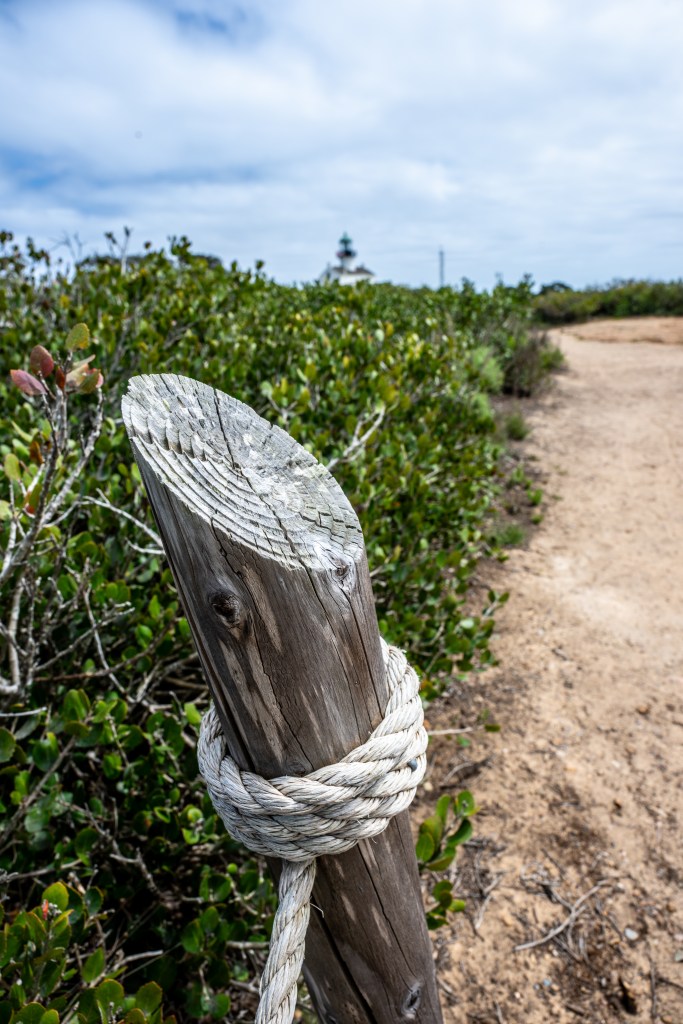
Beacon of the Bay: The Timeless Charm of Cabrillo Lighthouse

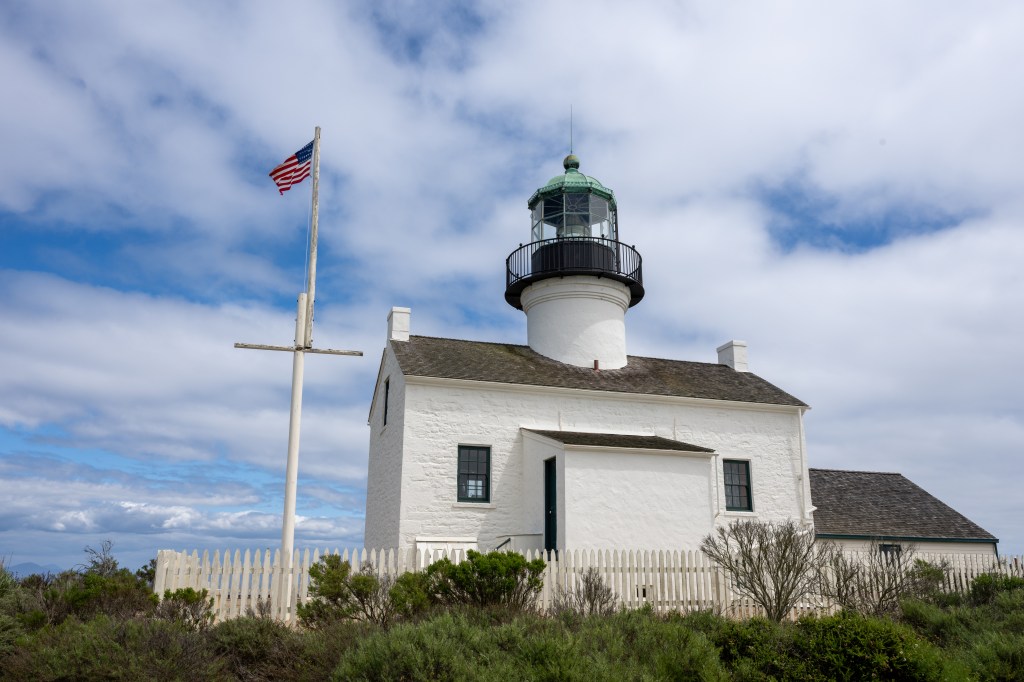
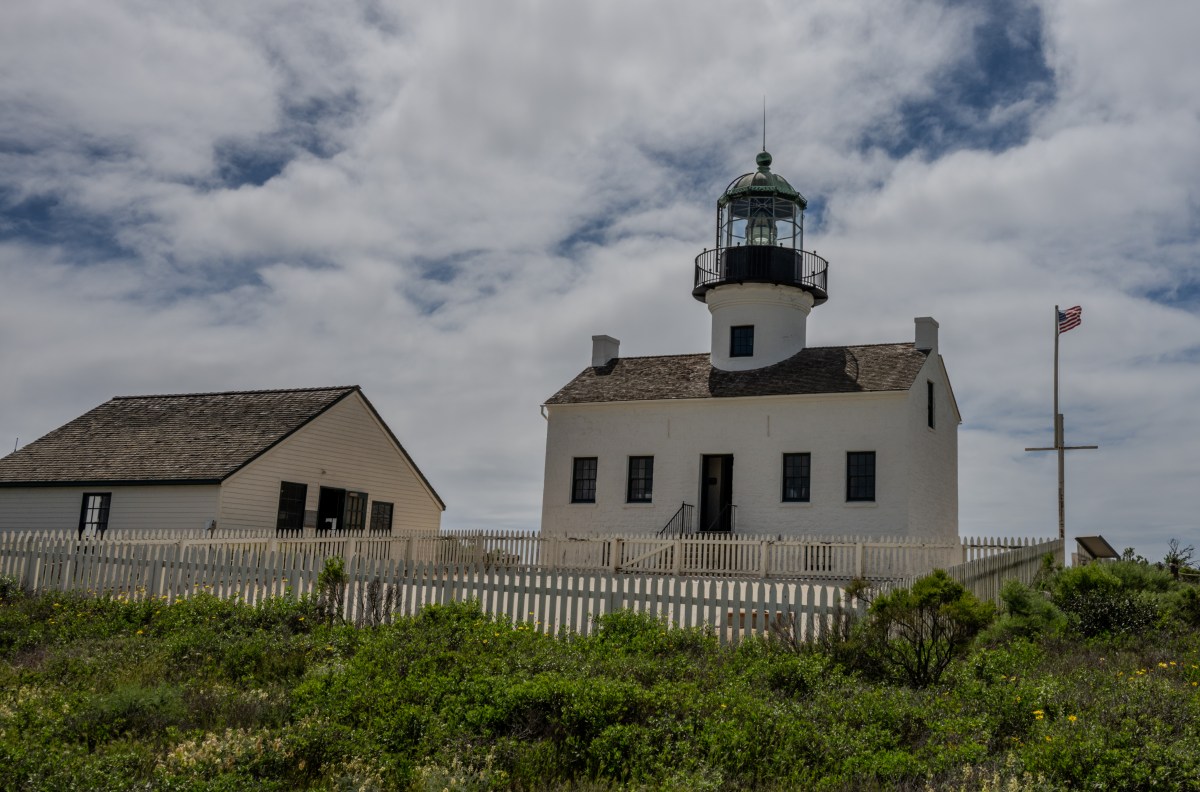
Perched high atop the rugged cliffs of Point Loma, overlooking the vast expanse of the Pacific Ocean and the bustling San Diego Bay, stands the iconic Cabrillo National Monument and its crowning jewel: the Old Point Loma Lighthouse. This historic beacon, a silent sentinel of the sea, offers not just breathtaking views but a glimpse into the rich maritime history of Southern California.

A Light in the Darkness:

Built in 1855, the Old Point Loma Lighthouse was one of the earliest lighthouses on the West Coast. Its purpose was simple yet vital: to guide ships safely into San Diego Bay. For 36 years, its powerful beam cut through the darkness, warning sailors of the treacherous coastline.

However, its elevation, while scenic, proved problematic. Fog and low clouds often obscured the light, rendering it ineffective. In 1891, the lighthouse was decommissioned, and a new, lower-elevation lighthouse was built closer to the water’s edge.

More Than Just a Lighthouse:

Today, the Old Point Loma Lighthouse stands as a museum, offering visitors a fascinating look into the lives of the lighthouse keepers and their families. Stepping inside, you’re transported back in time, experiencing the simple yet demanding life of those who dedicated themselves to keeping the light burning.

  • The Keeper’s Quarters: Explore the restored living quarters, furnished as they would have been in the late 19th century. Imagine the isolation and the constant vigilance required to maintain the light.
  • The Tower Climb: Venture up the winding staircase to the lantern room, where the Fresnel lens once shone brightly. While the original lens is now on display at the visitor center, the panoramic views from the tower are nothing short of spectacular.
  • The Panoramic Views: Beyond the historical significance, the Cabrillo National Monument offers some of the most stunning vistas in San Diego. From the lighthouse grounds, you can see the city skyline, Coronado Island, the vast Pacific Ocean, and even migrating whales during certain seasons.

Cabrillo National Monument: A Broader Historical Perspective:

The lighthouse is just one part of the Cabrillo National Monument. The monument also commemorates Juan Rodriguez Cabrillo, the first European to set foot on what is now the West Coast of the United States. In 1542, Cabrillo’s expedition landed in San Diego Bay, marking a significant moment in California’s history.

  • The Cabrillo Statue: A large statue of Juan Rodriguez Cabrillo overlooks the bay, a testament to his historic voyage.
  • The Tidepools: Down the hill from the lighthouse, the rocky tidepools offer a unique opportunity to explore the diverse marine life that thrives in this coastal ecosystem.
  • The Bayside Trail: This trail offers fantastic views of the bay and the city.

Planning Your Visit:

  • The Cabrillo National Monument is open daily, with varying hours.
  • There is an entrance fee to the monument.
  • Be prepared for windy conditions, especially at the higher elevation.
  • Wear comfortable shoes, as there is some walking involved.
  • Bring a camera to capture the breathtaking views.

A Timeless Treasure:

The Cabrillo Lighthouse is more than just a historical landmark; it’s a symbol of perseverance, dedication, and the enduring connection between humanity and the sea. Whether you’re a history buff, a nature enthusiast, or simply seeking a stunning view, a visit to the Cabrillo National Monument and its iconic lighthouse is an experience you won’t soon forget. It’s a reminder of the past, a celebration of the present, and a window to the vast and ever-changing beauty of the Pacific Coast.

Desert X: Where Art Meets the Arid Landscape

Desert X isn’t your typical art exhibition. It’s a site-specific, recurring exhibition that transforms the Coachella Valley’s vast, arid landscape into an open-air art gallery. Imagine sculptures rising from the desert floor, installations playing with light and shadow against the mountains, and interactive pieces that invite you to engage with the environment in new ways. That’s Desert X.

To learn more about Desert X visit their website https://desertx.org

A Sanctuary in the Desert

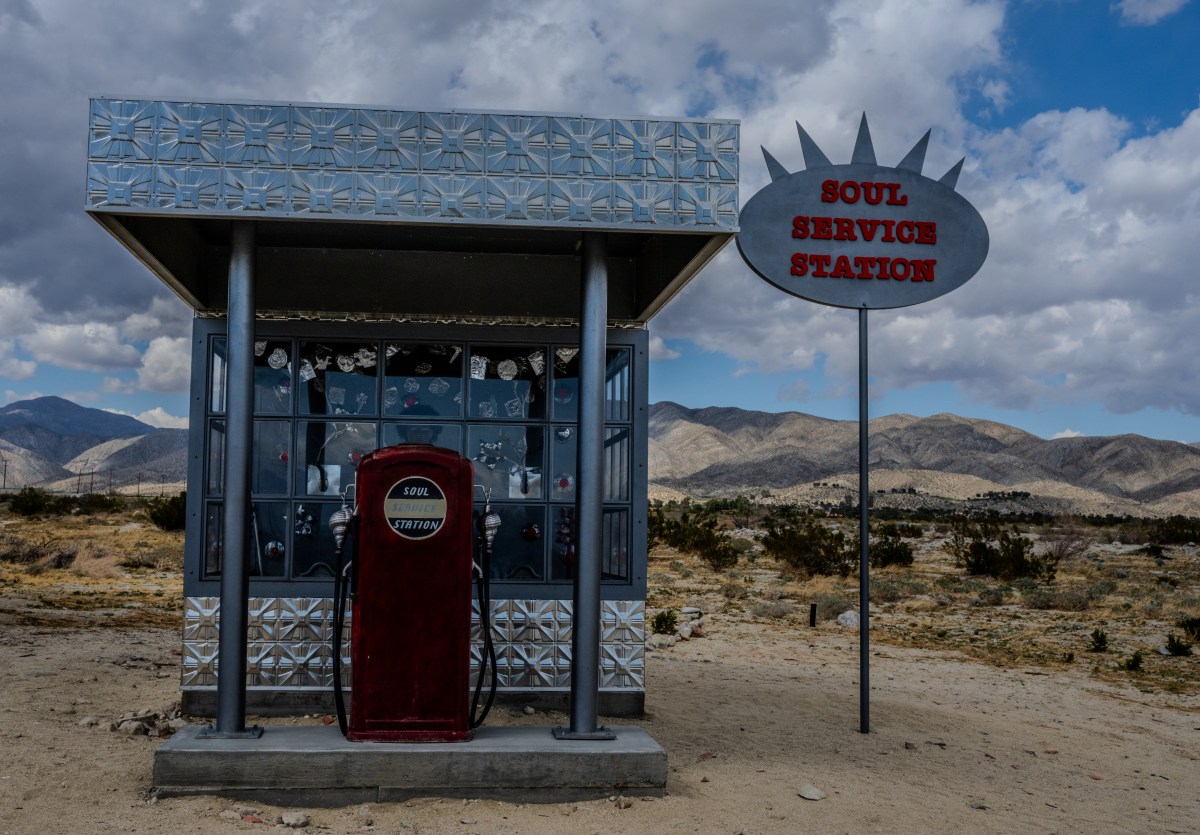
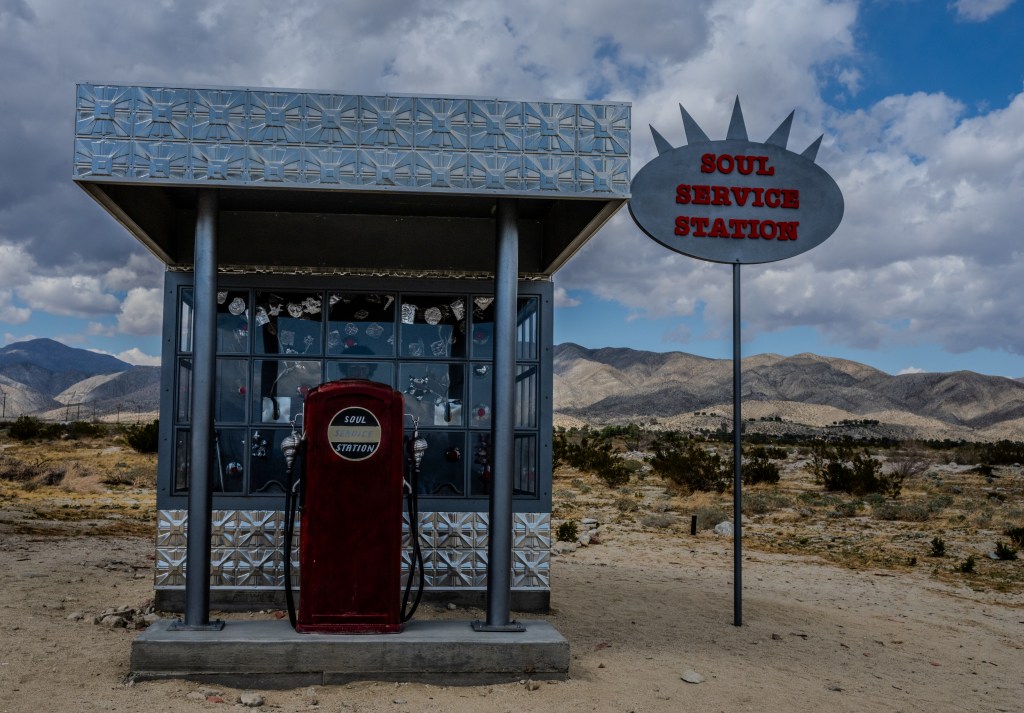
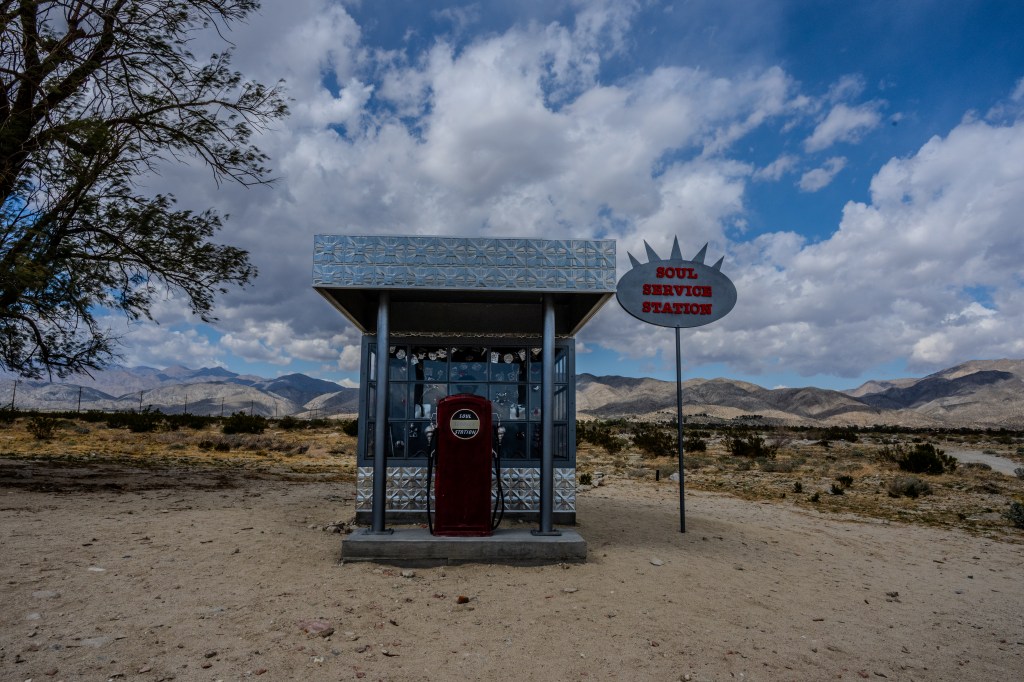
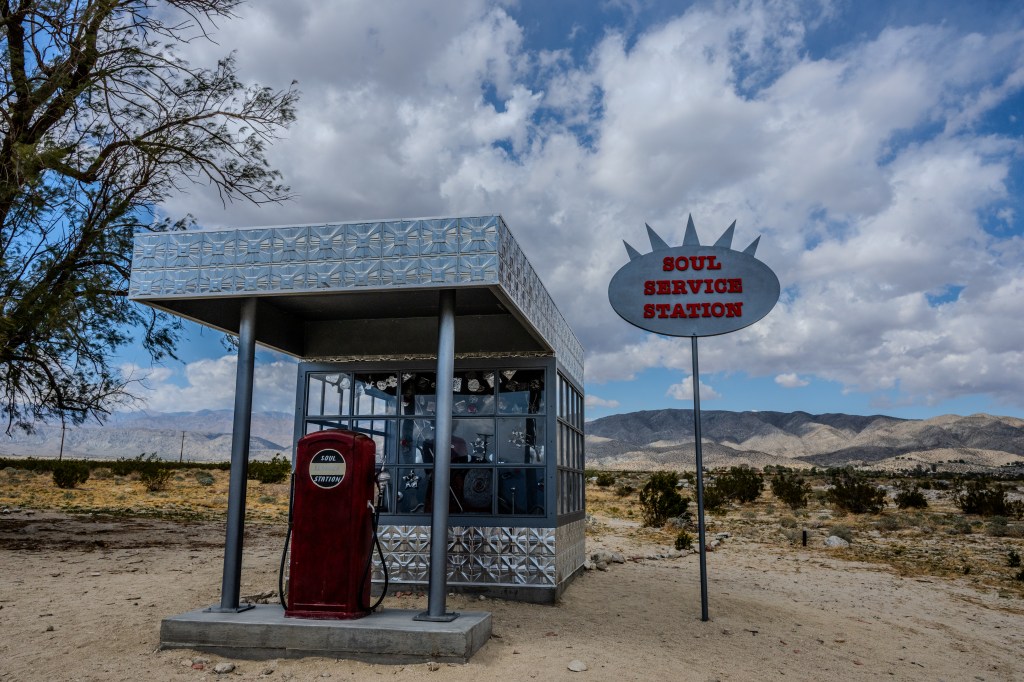
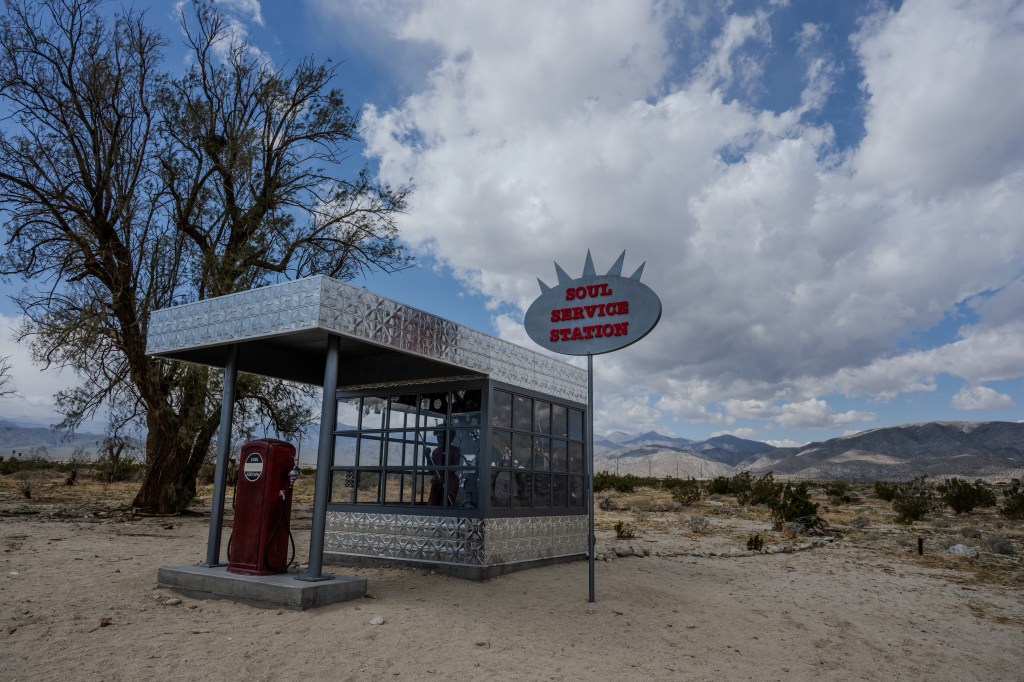
Located in Desert Hot Springs, “Soul Service Station” is more than just a visual spectacle; it’s an invitation to pause, reflect, and replenish. Saar reimagines the familiar image of a roadside gas station, transforming it into a spiritual oasis. Here’s what makes it so compelling:

  • Reclaiming and Reimagining:
    • Saar draws inspiration from the gas stations that dot the American West, including those within the Coachella Valley, but she infuses her creation with a profound sense of spiritual nourishment.
    • The station offers “fuel for the soul,” inviting visitors to “get their blues flushed, spirits inflated, hearts charged, and souls filled.”
  • A Space for Healing and Hope:
    • Inside the station, a carefully curated sculptural assemblage, handcrafted by Saar, features a collection of devotional objects.
    • Collaborating with Coachella Valley students, Saar has incorporated foil repoussé medallions, expressing prayers and wishes for healing and hope, adding a vital community element to the installation.
  • Powerful Symbolism:
    • A life-size, hand-carved female figure stands at the center, serving as the guardian and healer of the site, radiating strength and protection.
    • A repurposed gas pump dispenses poetry by Los Angeles–based poet Harryette Mullen, adding a rich layer of literary depth to the experience.
  • Material and Metaphor:
    • Saar’s use of found and salvaged materials is central to her practice. She imbues these objects with new meaning, honoring the histories and cultural memories they carry, particularly those related to Black female identity.

A Unique Artistic Experience

What makes Desert X so captivating is its profound connection to its location. The artists invited to participate are challenged to create works that respond to the unique geological, ecological, and social context of the Coachella Valley. This results in art that isn’t just placed in the desert, but rather, emerges from it.

Here are some key aspects that define Desert X:

  • Site-Specificity: The artworks are designed specifically for the desert environment, taking into account the landscape’s scale, light, and climate. This creates a dialogue between art and nature.
  • Environmental Awareness: Many installations address themes of climate change, water scarcity, and the delicate balance of the desert ecosystem.
  • Exploration and Discovery: Desert X encourages visitors to explore the vastness of the Coachella Valley, leading them on a journey of discovery and reflection.
  • Public Engagement: The exhibition is free and open to the public, making art accessible to a wide audience.

Past Installations: A Glimpse into the Extraordinary

Over the years, Desert X has featured a diverse range of captivating installations. Some notable examples include:

  • Doug Aitken’s “Mirage” (2017): A mirrored house that reflected the surrounding desert, creating a surreal and disorienting experience.
  • Jennifer Bolande’s “Visible Distance” (2019): Billboards displaying images of the mountains, strategically placed to align with the actual mountain range, blurring the lines between reality and representation.
  • Christopher Myers’ “The Art of Taming Horses” (2023): Sculptures and flags that explored the history of the Buffalo Soldiers in the area.
  • Alicja Kwade’s “ParaPivot (sempiternal clouds)” (2023): A sculpture that appeared to be made of large, displaced stones, which created a visually stunning contrast with the desert surroundings.

More Than Just Art

Desert X is more than just an art exhibition; it’s an experience. It’s a chance to:

  • Reconnect with nature in a profound way.
  • Challenge your perceptions of art and landscape.
  • Engage in meaningful conversations about the environment.
  • Discover the beauty and fragility of the desert ecosystem.

Planning Your Visit

If you’re planning a trip to the Coachella Valley, be sure to check the Desert X website for the latest information on upcoming exhibitions. Remember to:

  • Bring plenty of water and sunscreen.
  • Wear comfortable shoes for walking and exploring.
  • Plan your route carefully, as the installations are spread across a large area.
  • Respect the environment and leave no trace.

Desert X is a testament to the power of art to transform our perception of the world around us. It’s a reminder that even in the most seemingly barren landscapes, beauty and creativity can flourish.

The Living Desert Zoo

Palm Desert’s Living Desert Zoo and Gardens is more than just a zoo; it’s a vibrant celebration of the world’s arid regions. Nestled against the stunning backdrop of the Santa Rosa Mountains, this unique attraction offers a captivating blend of wildlife encounters and botanical exploration.

If you’re looking for a family-friendly adventure that’s both educational and entertaining, the Living Desert is a must-visit. From the moment you step through the gates, you’re immersed in a world of fascinating creatures adapted to survive in some of the harshest environments on Earth.

For current hours and pricing visit https://www.livingdesert.org

What to Expect:

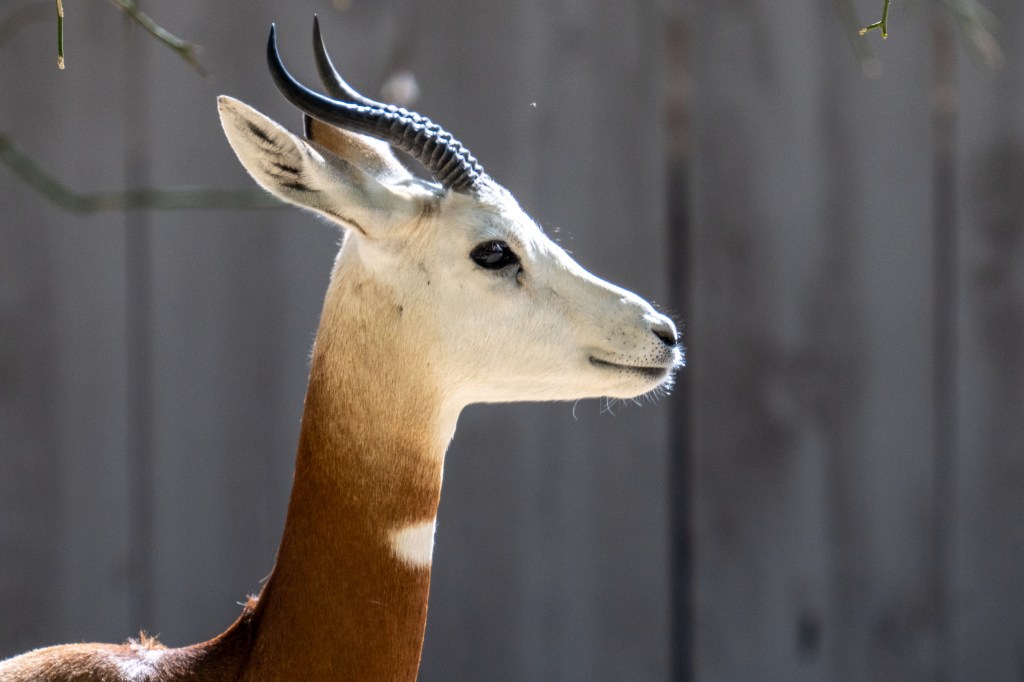
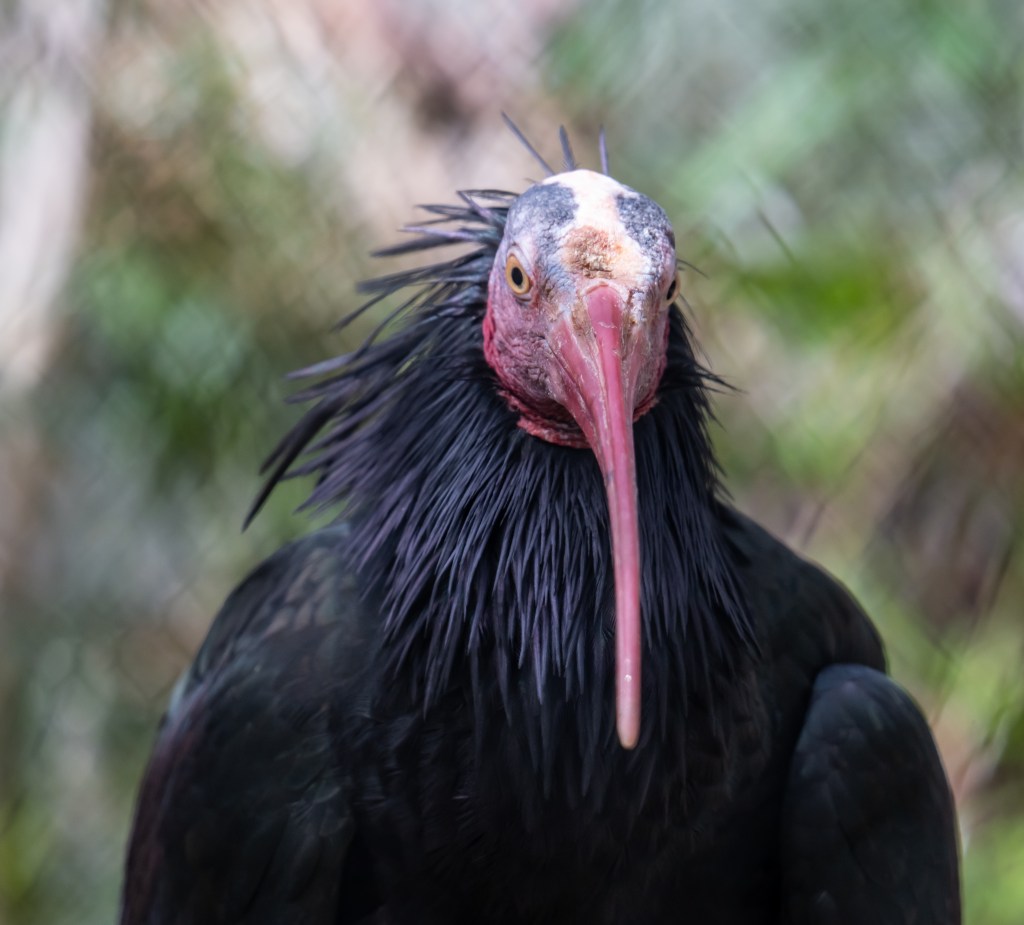
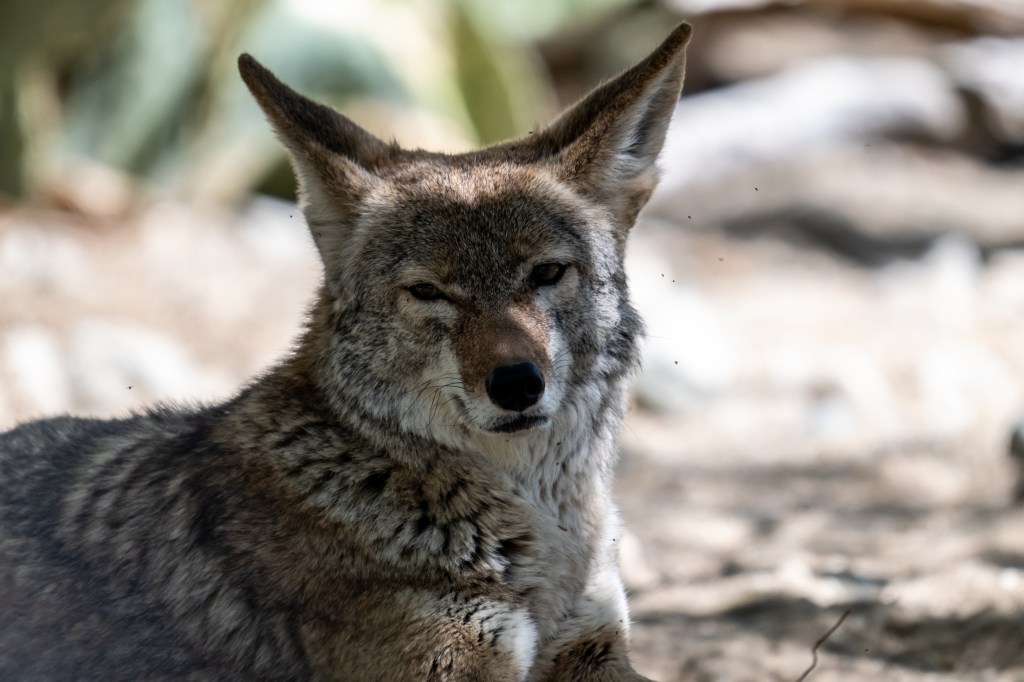
  • Diverse Animal Encounters: Get up close with majestic giraffes, playful meerkats, elusive desert tortoises, and the iconic big horn sheep. The zoo’s focus on desert-dwelling animals means you’ll see species you might not encounter at a typical zoo.
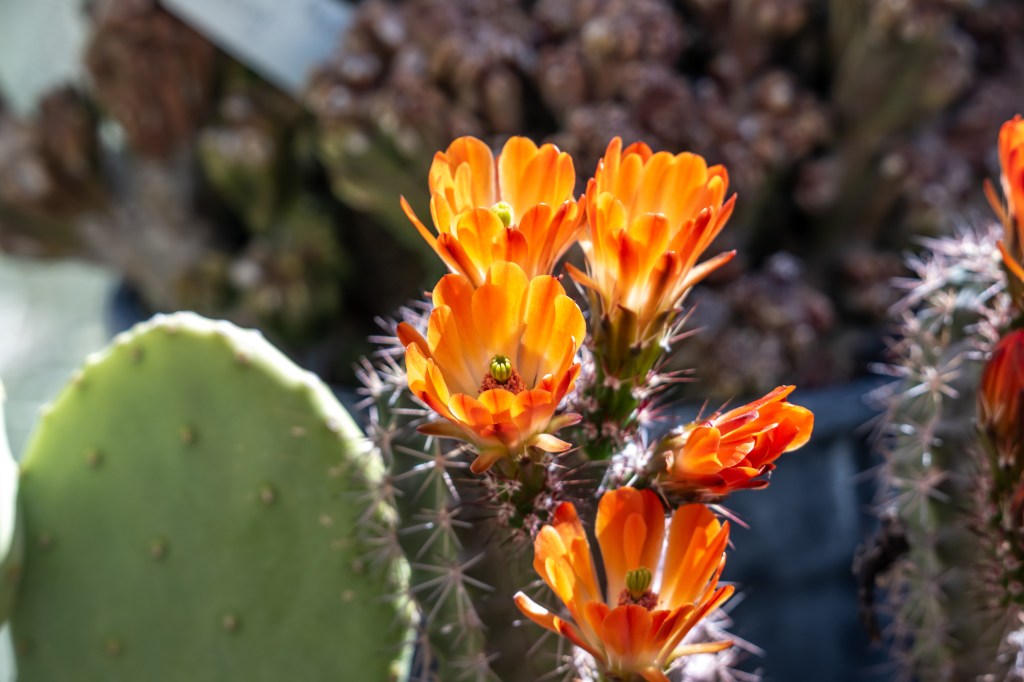
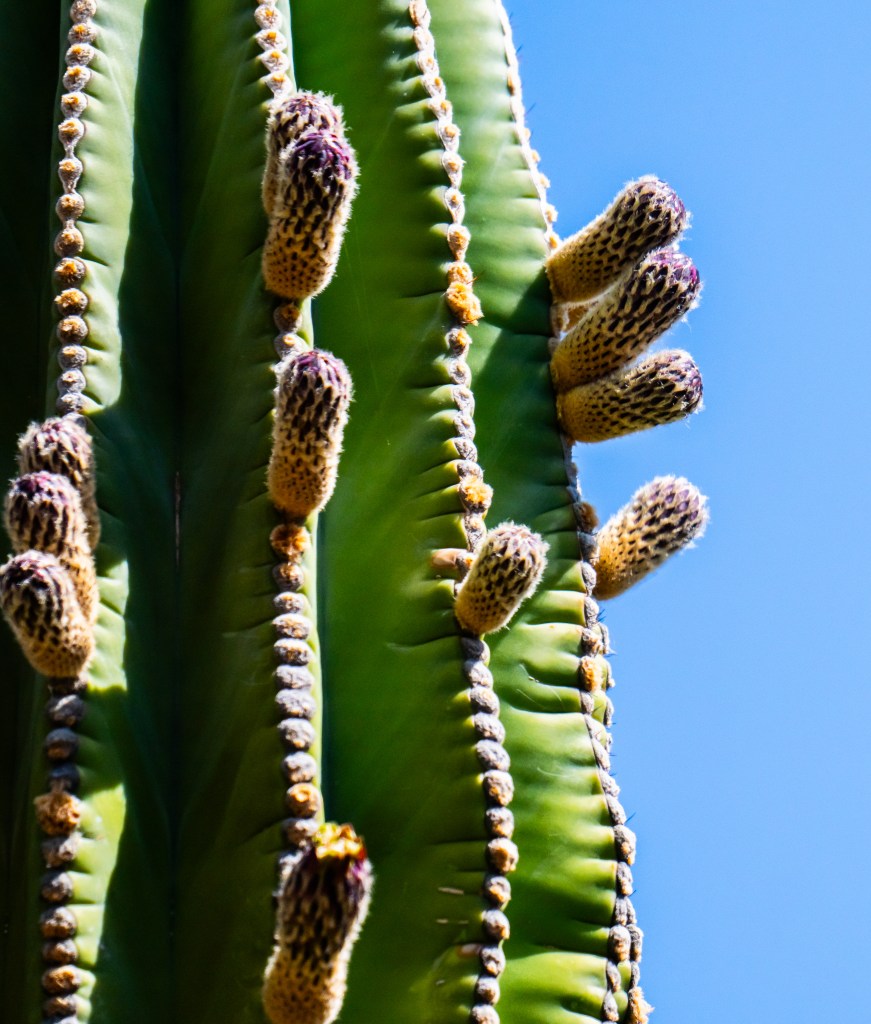
  • Beautiful Botanical Gardens: Stroll through meticulously curated gardens showcasing the incredible diversity of desert flora. Learn about the adaptations that allow plants to thrive in arid climates.
  • Educational Programs: The Living Desert is committed to conservation and education. Daily talks and demonstrations provide valuable insights into the animals and their habitats.
  • Scenic Hiking Trails: Explore the natural desert landscape on the zoo’s hiking trails, offering breathtaking views of the surrounding mountains and valleys.
  • Giraffe Feeding: One of the most popular attractions is the opportunity to feed the giraffes. It’s a truly memorable experience!

Why It’s Worth a Visit:

The Living Desert isn’t just about seeing animals; it’s about understanding the delicate balance of desert ecosystems. The zoo’s conservation efforts and educational programs make it a valuable resource for learning about the importance of protecting these fragile environments.

Whether you’re a nature enthusiast, a family looking for a fun day out, or simply seeking a unique desert experience, the Living Desert Zoo and Gardens has something for everyone. So, pack your sunscreen, grab your water bottle, and prepare to be amazed by the wonders of the desert!

Fishing, Camping, and Fun: Explore Santee Lakes

Santee Lakes: A Hidden Gem for Outdoor Recreation A picturesque paradise in the heart of San Diego’s East County

Nestled in the rolling hills of San Diego’s East County, Santee Lakes is a hidden gem for outdoor enthusiasts seeking a tranquil escape from the hustle and bustle of city life. This sprawling recreational area offers a diverse range of activities for visitors of all ages, from fishing and boating to hiking and picnicking.

Santee Recreational Lakes is a 190-acrea privately owned park and campground run by the Padre Dam Municipal Water District. The park is made up of seven lakes that are filled with recycled water from a water treatment plant nearby. There is plenty of parking along the loop road that runs around the property. Lakes 1-6 have flat paved concrete sidewalks next to the roadway. 

Dogs are not allowed in the day use area of the park. Between Lakes 6 and 7 in the north there is a limited  dog walk area accessible on the west side. 

The campground offers cabin rentals and RV sites for pricing and availability check there site 

I originally found out about the Santee Recreational Lakes through the Palomar Audubon Society website. I was looking for birding groups in my area and joined them on a walk of Santee Lakes. I have since been pack many times on my own and have scene a variety of both native and transient birds at the lakes. 

A Haven for Anglers

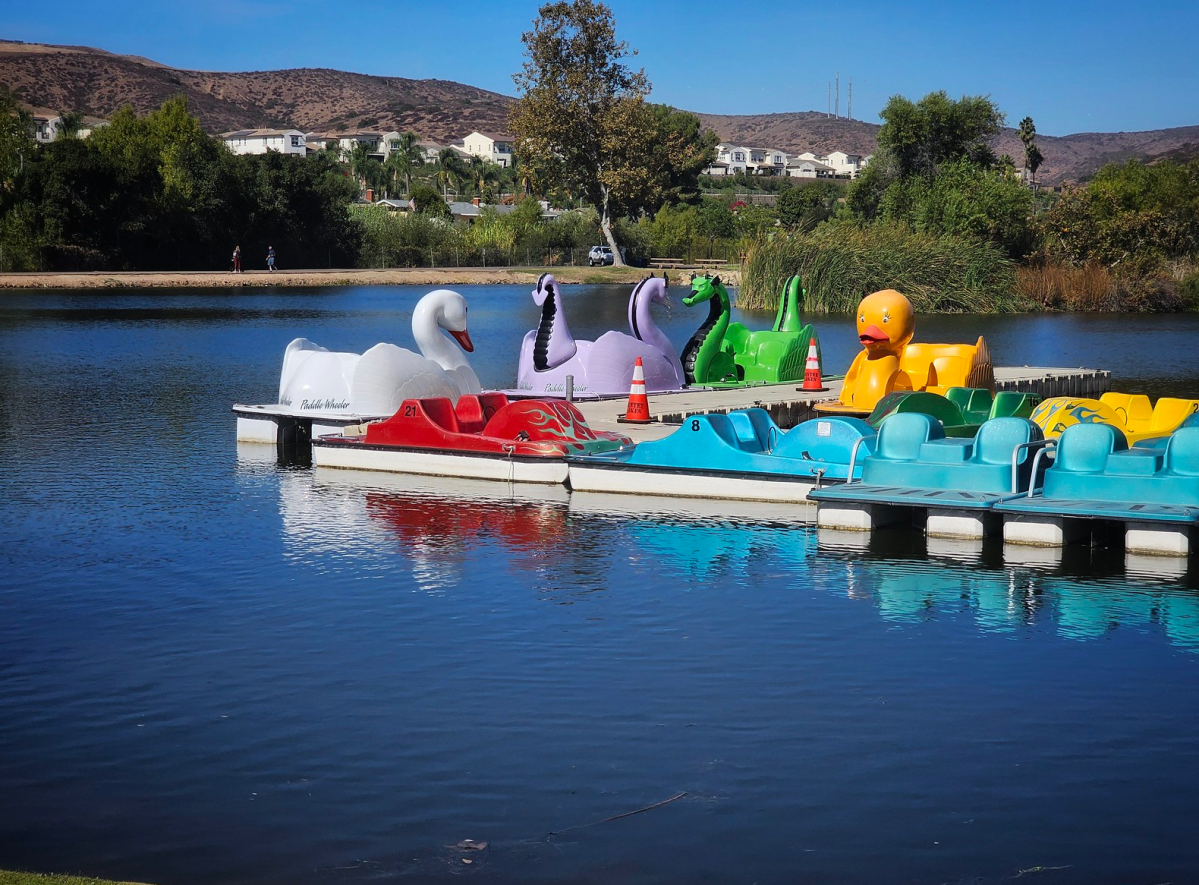
Santee Lakes is a popular destination for anglers, with its well-stocked waters teeming with various fish species, including rainbow trout, catfish, and bass. The lakes offer a variety of fishing opportunities, from bank fishing to renting a pedal powered swan boat.

Picnicking and Camping

Santee Lakes is a great place to spend a day with family and friends. The park has several picnic areas equipped with tables, grills, and playgrounds, making it an ideal spot for a picnic lunch or barbecue. For those who want to stay overnight, the park also has a campground with RV hookups and tent sites.

Additional Amenities

Santee Lakes offers a variety of other amenities to make your visit enjoyable, including a snack bar, a bait shop, and a boat rental facility. The park also has a visitor center with information about the area and upcoming events.

A Day Trip Worth Taking

If you’re looking for a relaxing and fun-filled day trip, Santee Lakes is the perfect destination. With its stunning natural beauty, diverse recreational opportunities, and family-friendly atmosphere, Santee Lakes is a hidden gem that is sure to delight visitors of all ages.

Tips for Visiting Santee Lakes:

  • Santee Lakes is open year-round, but the best time to visit is during the spring and fall when the weather is mild.
  • Admission to Santee Lakes is free to walk in, but there are fees for parking your car, boat rentals, and fishing permits.
  • Be sure to bring sunscreen, a hat, and plenty of water, especially during the summer months.
  • Santee Lakes is a popular destination, so it’s best to arrive early to avoid crowds.
  • To find out more visit their website https://www.santeelakes.com