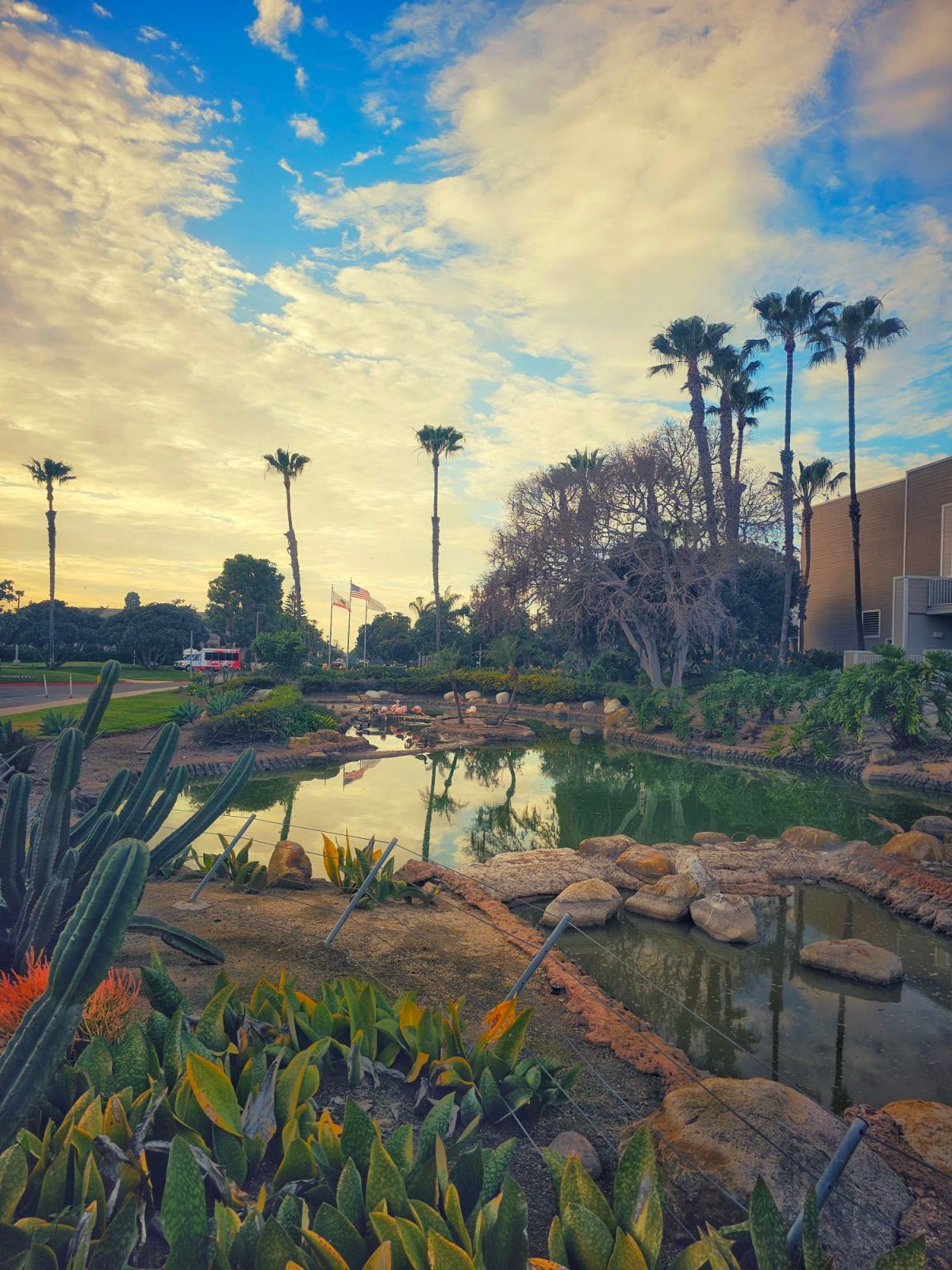
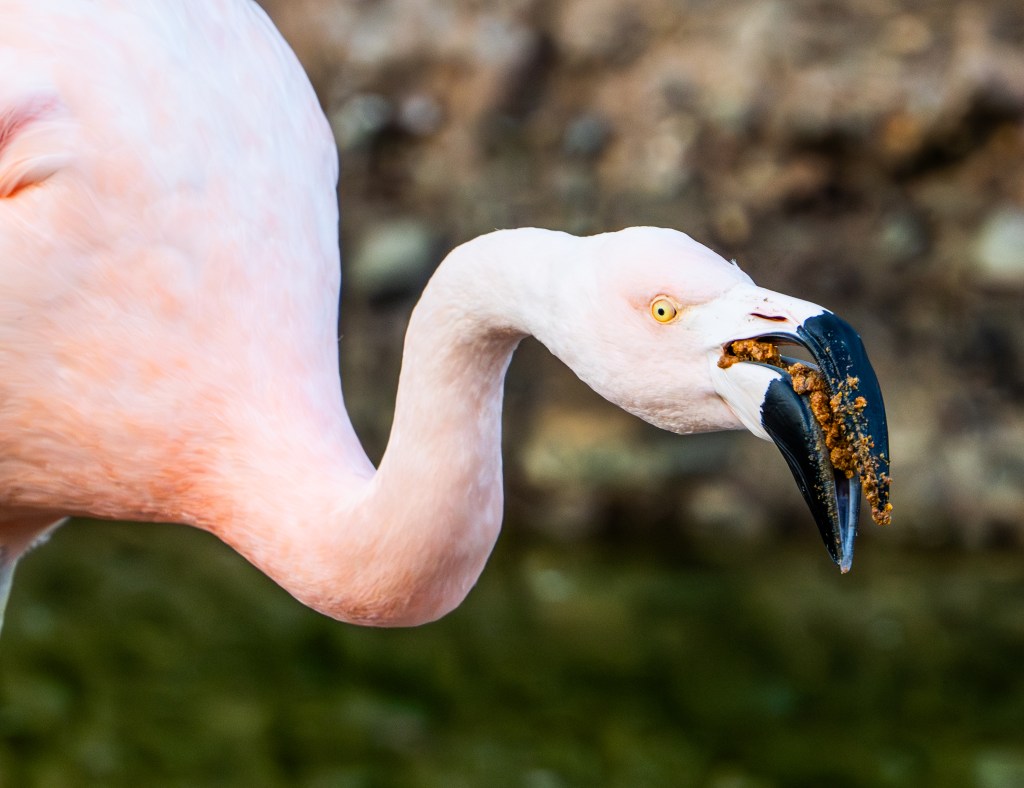
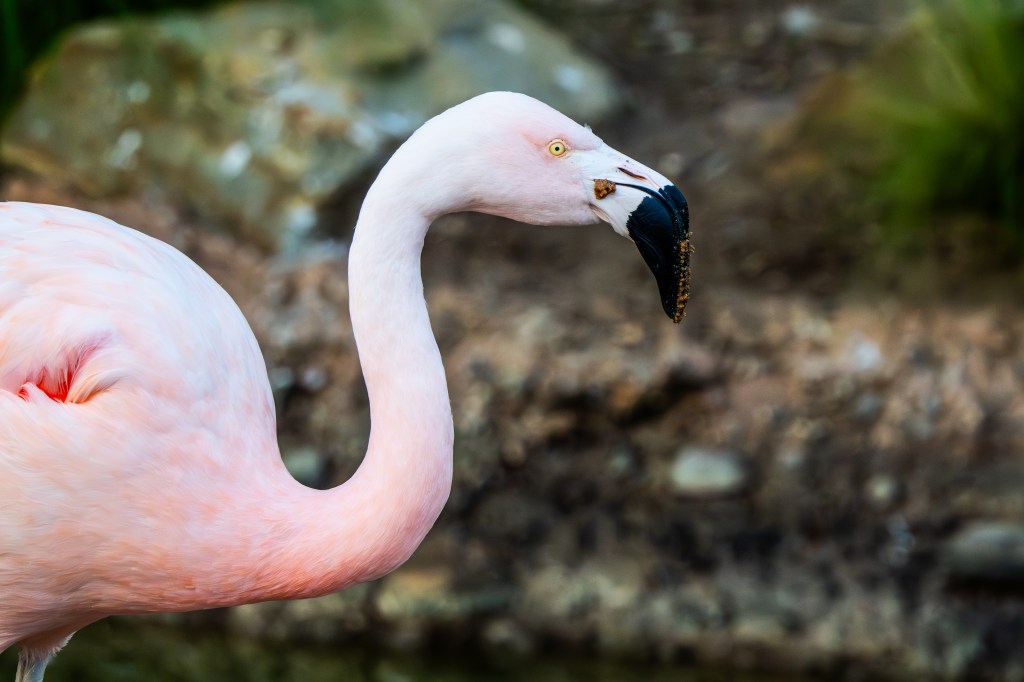
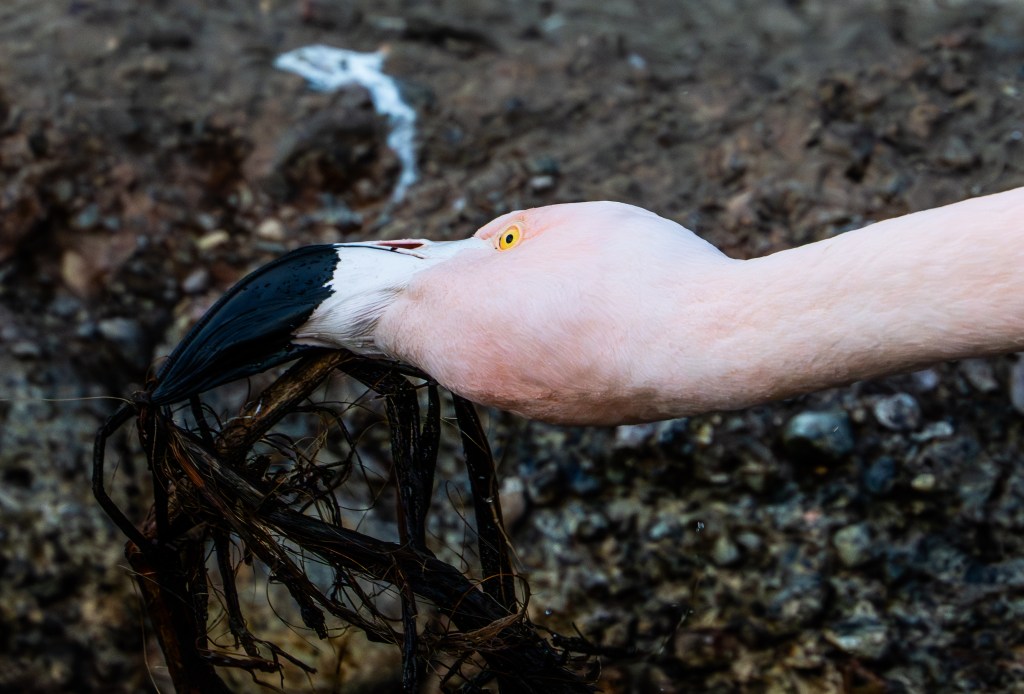
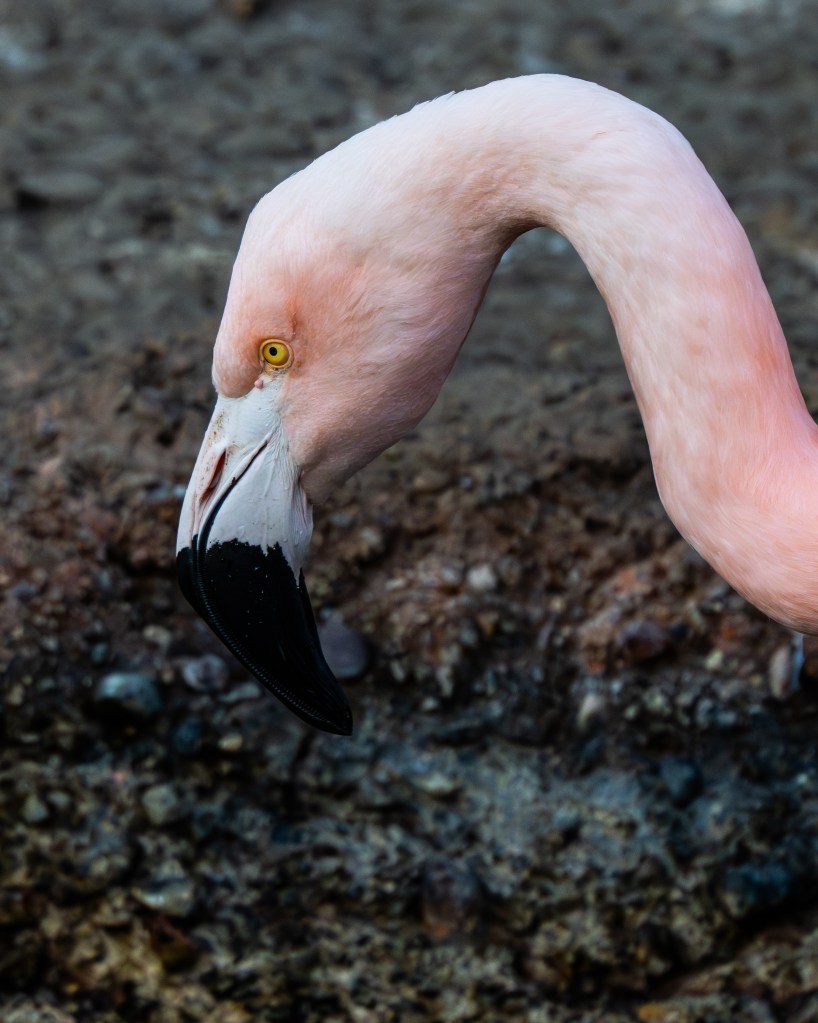
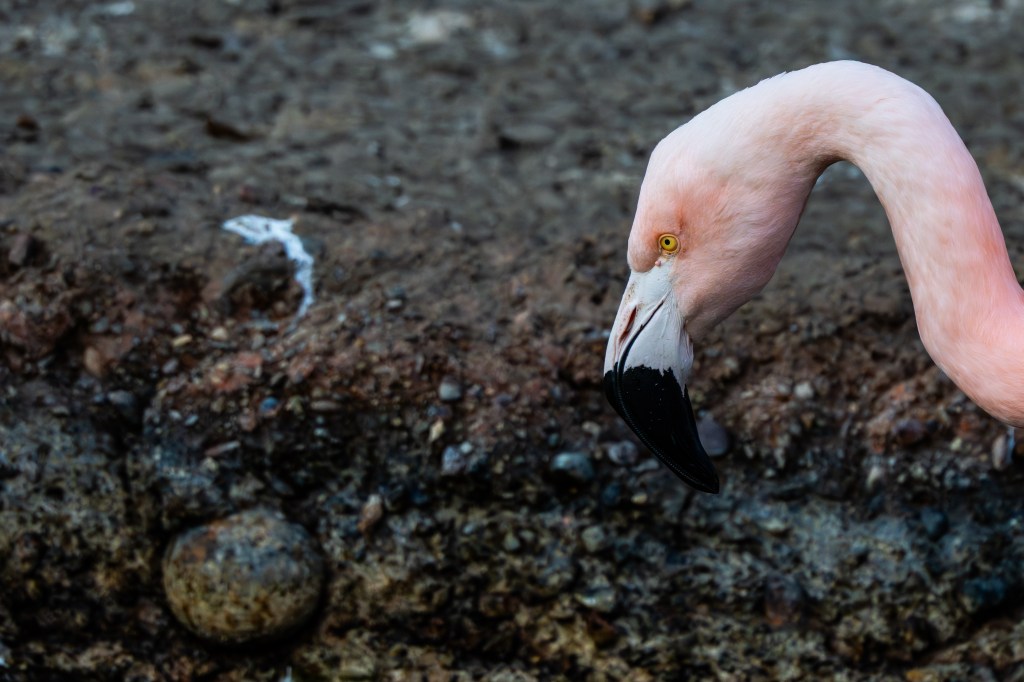
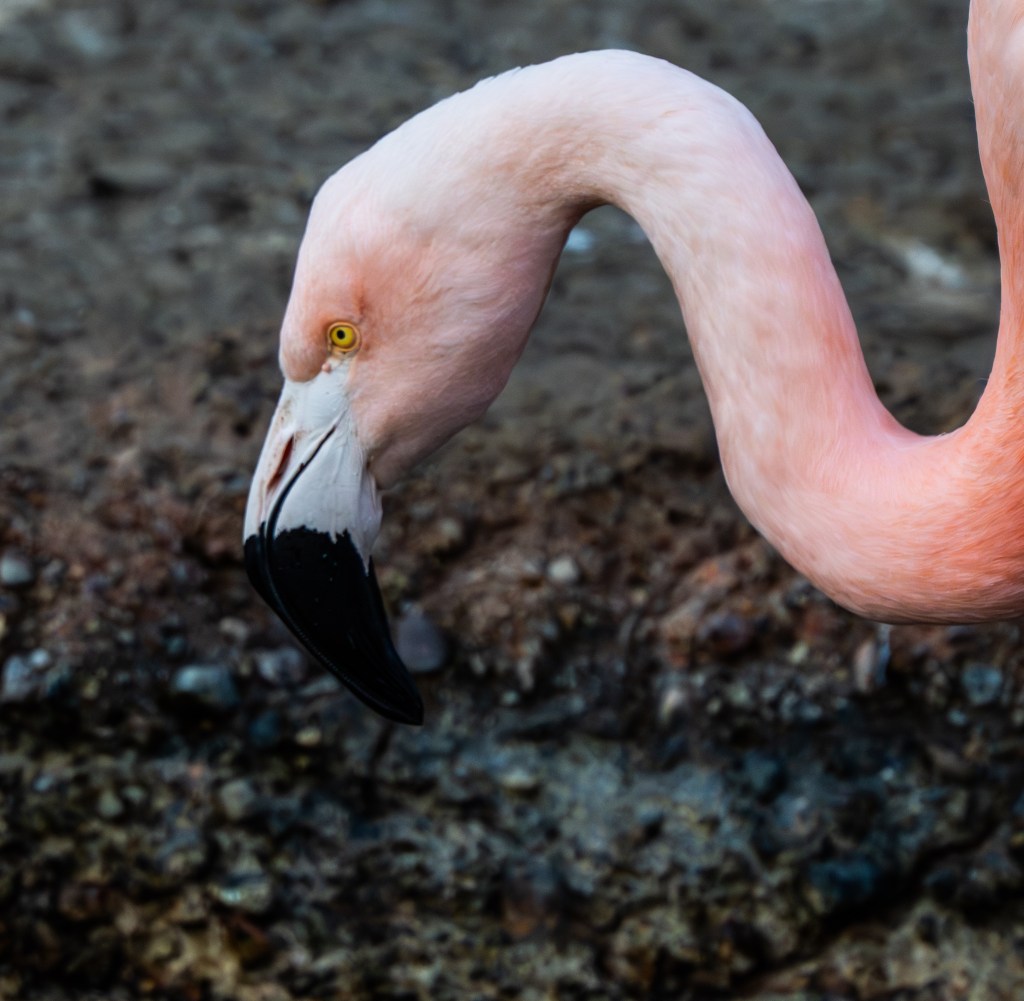
Right near the entrance of the Marriott Coronado Resort and Spa area series of fresh water ponds where you can a group of flamingos strutting, preening and standing in the shallows. These striking birds — often identified as Chilean flamingos— bring an enchanting splash of color to the tropical landscaping and are a favorite photo opportunity for guests and passersby alike.
While Coronado’s golden beaches and sparkling bay views are a draw in themselves, the flamingos offer something extra: a touch of whimsy and wonder. They’re known to hang out right by the Lagoon area accessible from the Bayshore Bikeway, so even if you aren’t staying at the hotel, a quiet stroll along the waterfront could lead to a charming flamingo sighting.
📸 Why Visitors Love Them
Iconic photo ops: Kids and adults alike pause to snap pictures of the elegant birds — their vibrant pink feathers make a lovely contrast against the deep greens of the resort landscaping and the blue backdrop of San Diego Bay.
Unexpected wildlife moment: It’s not every day you come across flamingos in Southern California, so they feel like a special little secret of Coronado.
Accessible to all: You don’t need a room key to enjoy the flamingos — curious visitors can spot them from nearby public paths near the ferry landing and waterfront promenade.
If you are not a guest of the hotel or do not want to pay the resort parking fee you will have to find street parking in front of the hotel along Glorietta Boulevard. Park south of the resort at Tidelands Park and walk north along the Bay Shore Bike Path. Or lastly park north of the resort ant the Coronado Ferry Landing Parking lot and walk south along the bay shore bike path.
The freshwater ponds are located to the right of the main hotel entrance on the south side of the building.
Stretching along the southern shore of the Salton Sea, the Sonny Bono Salton Sea National Wildlife Refuge is one of Southern California’s most surprising and important wildlife destinations. What looks like a stark desert landscape at first glance quickly reveals itself as a vital oasis for birds, mammals, and migrating wildlife traveling the Pacific Flyway.
A Refuge Born from Agriculture and Conservation
The refuge was established in 1930, originally to provide habitat for migratory birds drawn to agricultural runoff in the Imperial Valley. In 1998, it was renamed in honor of Sonny Bono, the late congressman and entertainer who played a key role in expanding and protecting public lands in California.
Today, the refuge spans more than 37,000 acres of managed wetlands, desert scrub, and agricultural fields. These habitats work together to support wildlife in a region where natural water sources are scarce.
A Birding Hotspot of International Importance
If you love birds, this place is legendary. More than 400 bird species have been recorded here, making it one of the most significant birding locations in the western United States.
Depending on the season, visitors may spot:
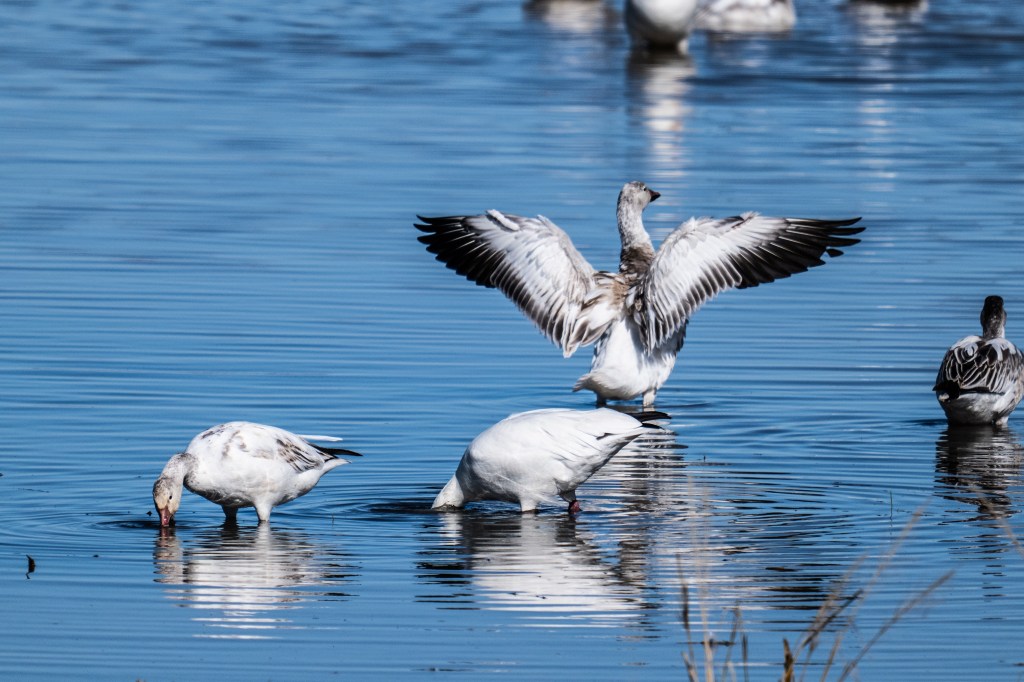
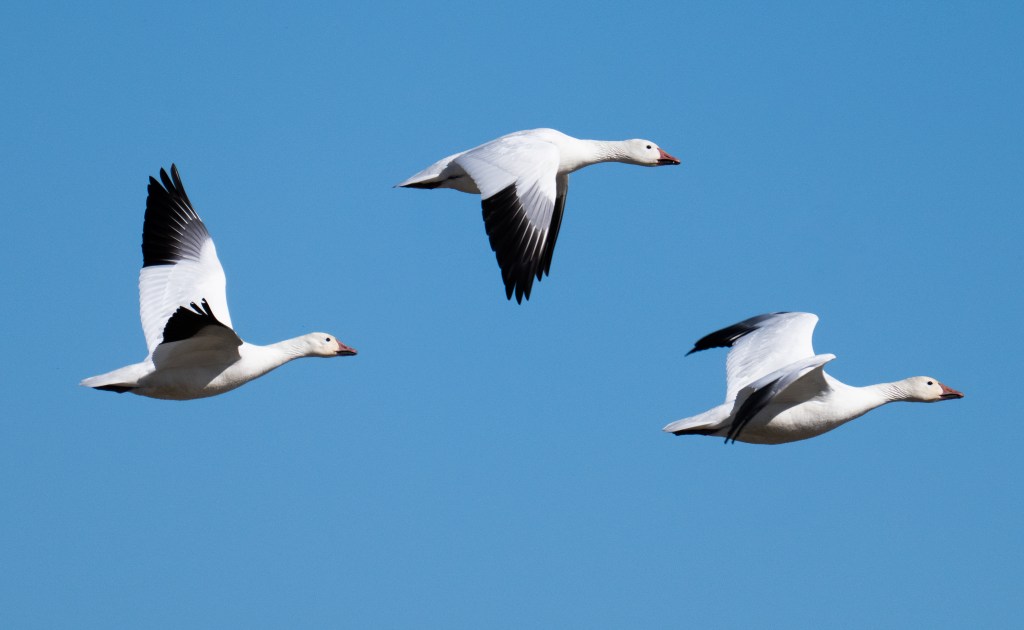
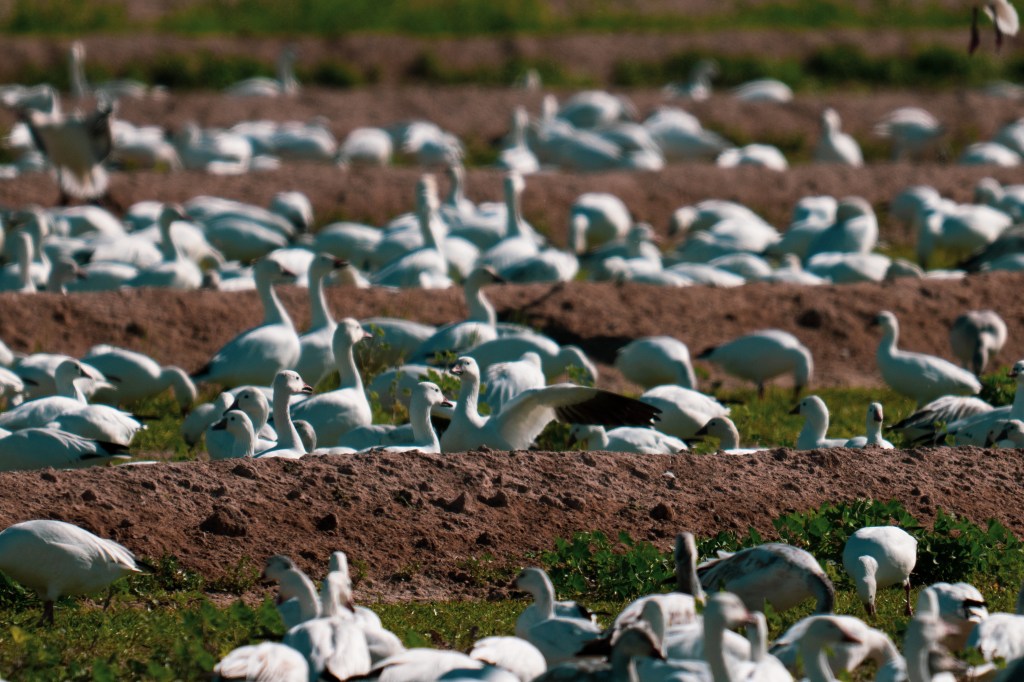
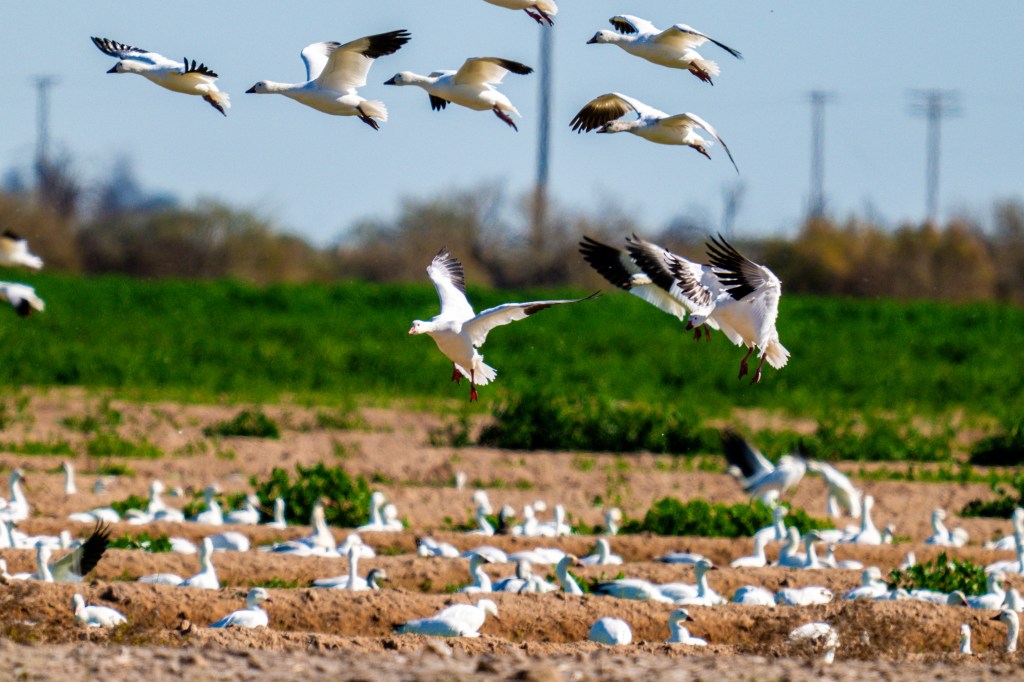
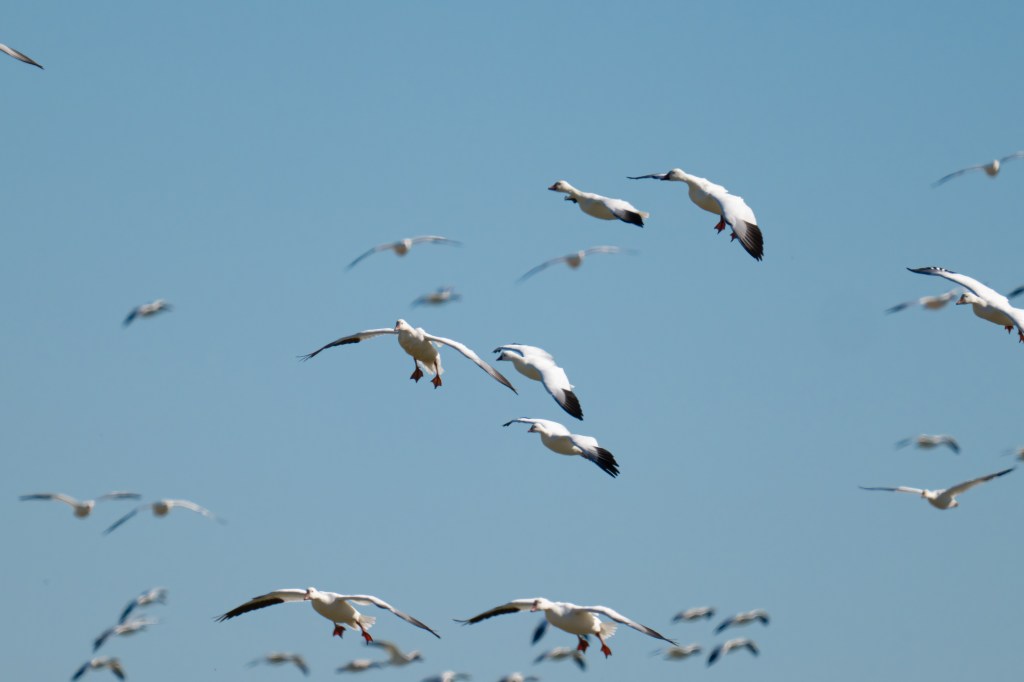
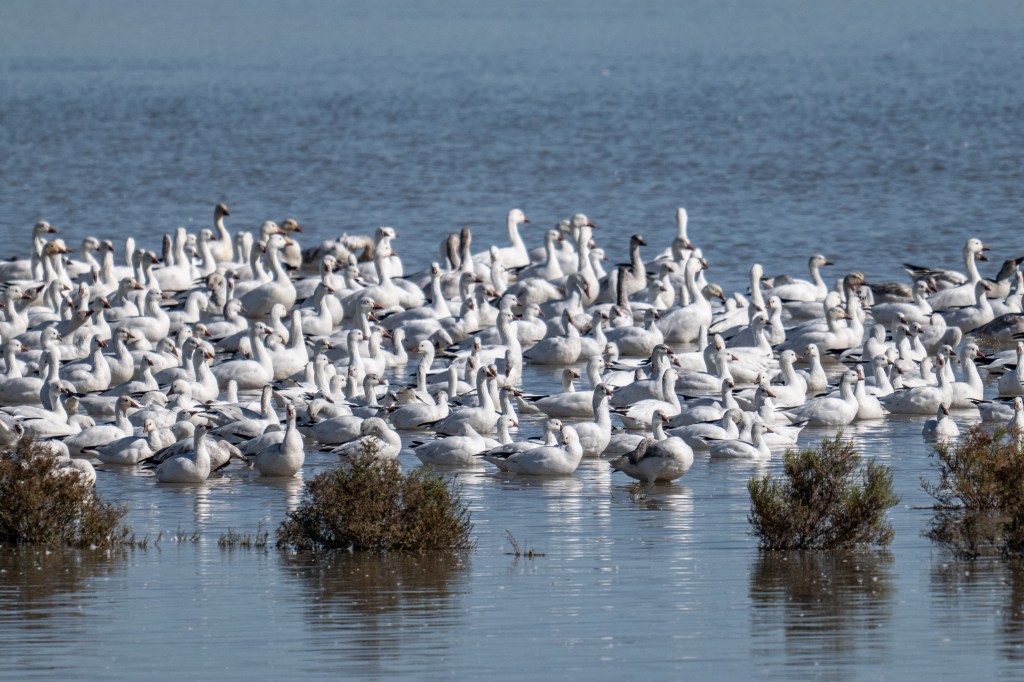
Snow geese and Ross’s geese by the thousands
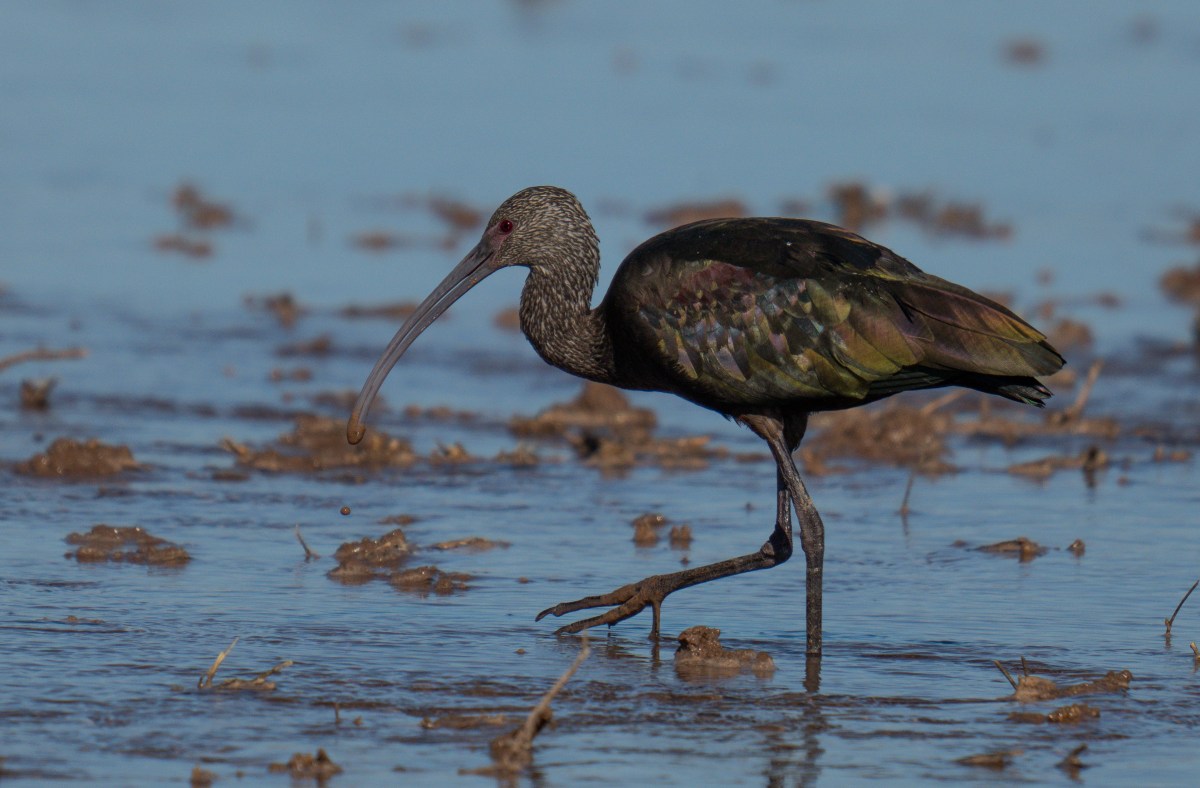
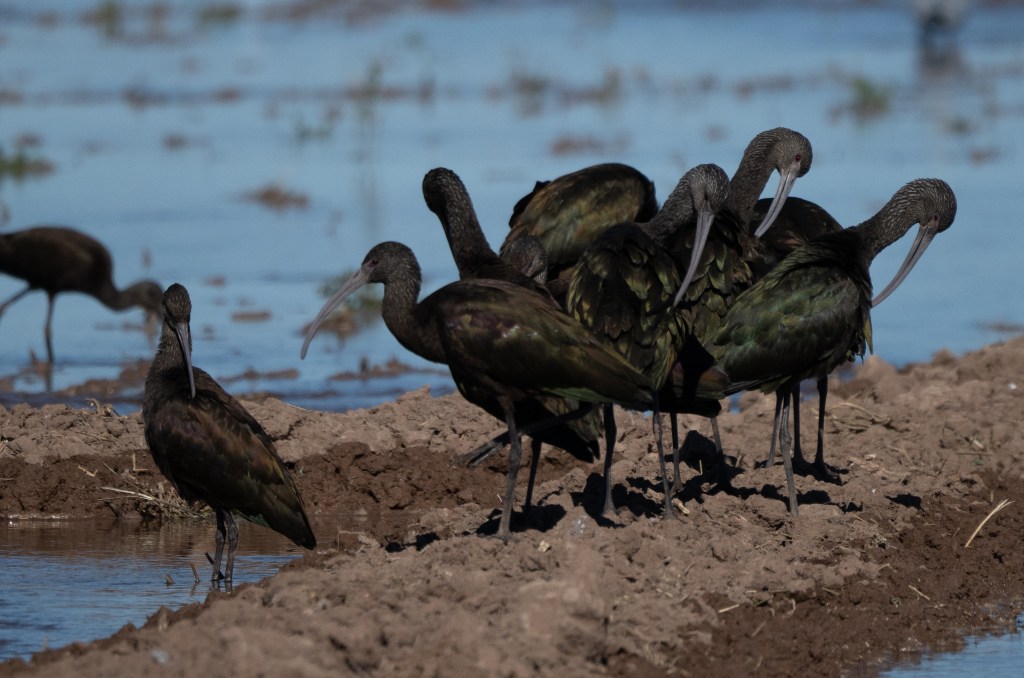
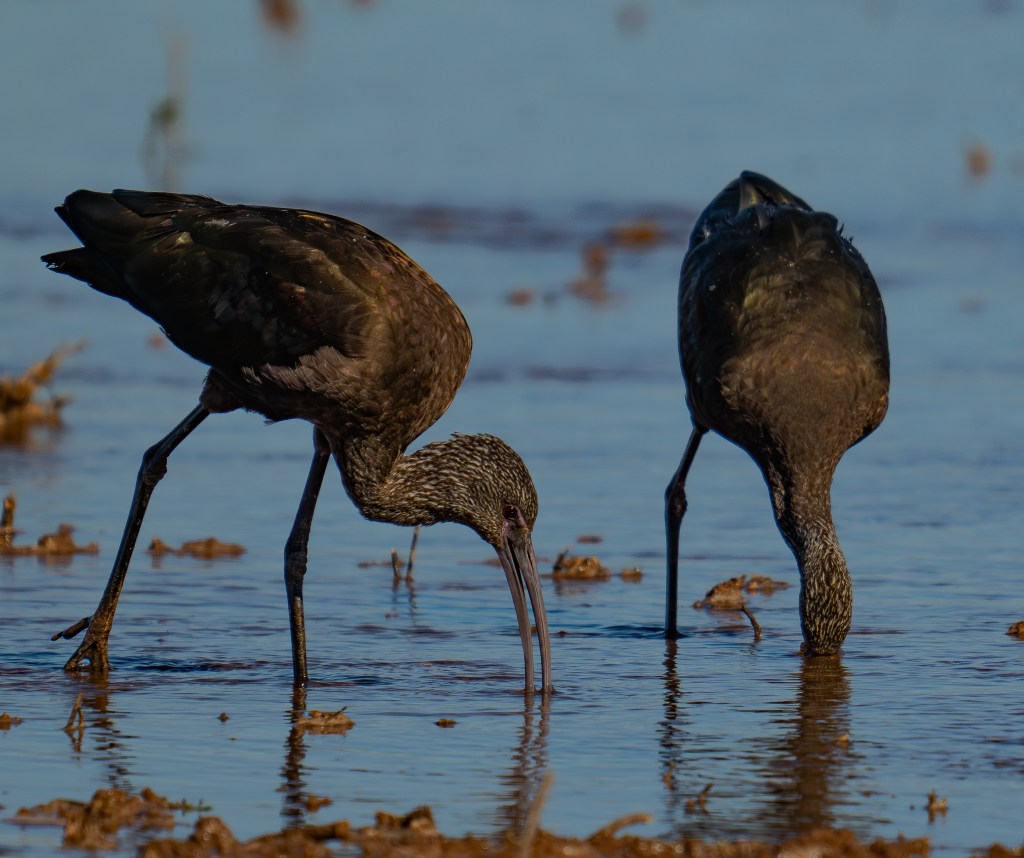
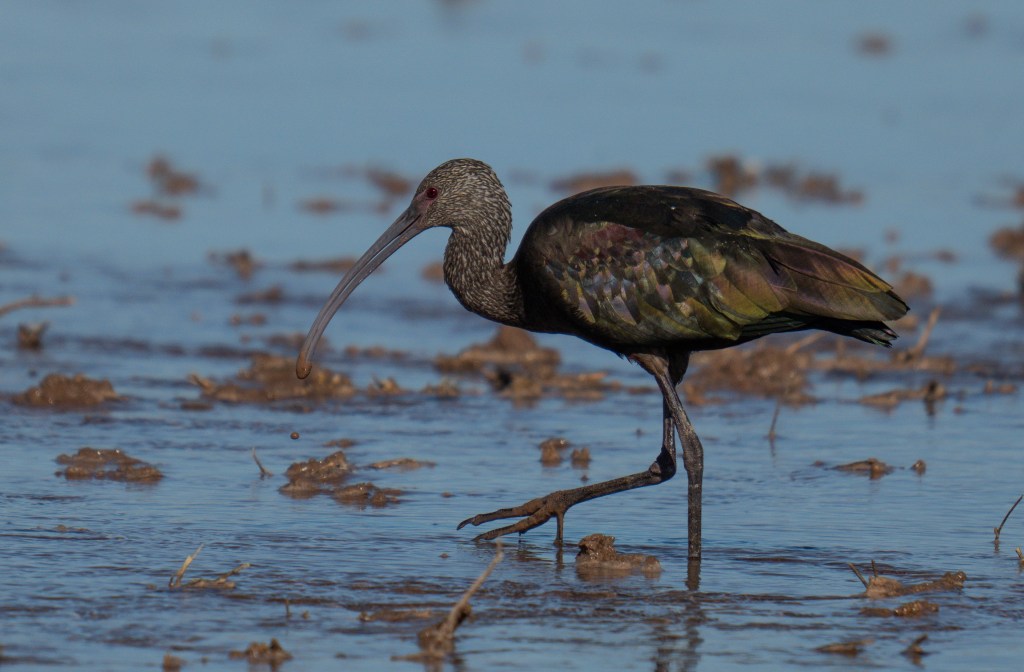
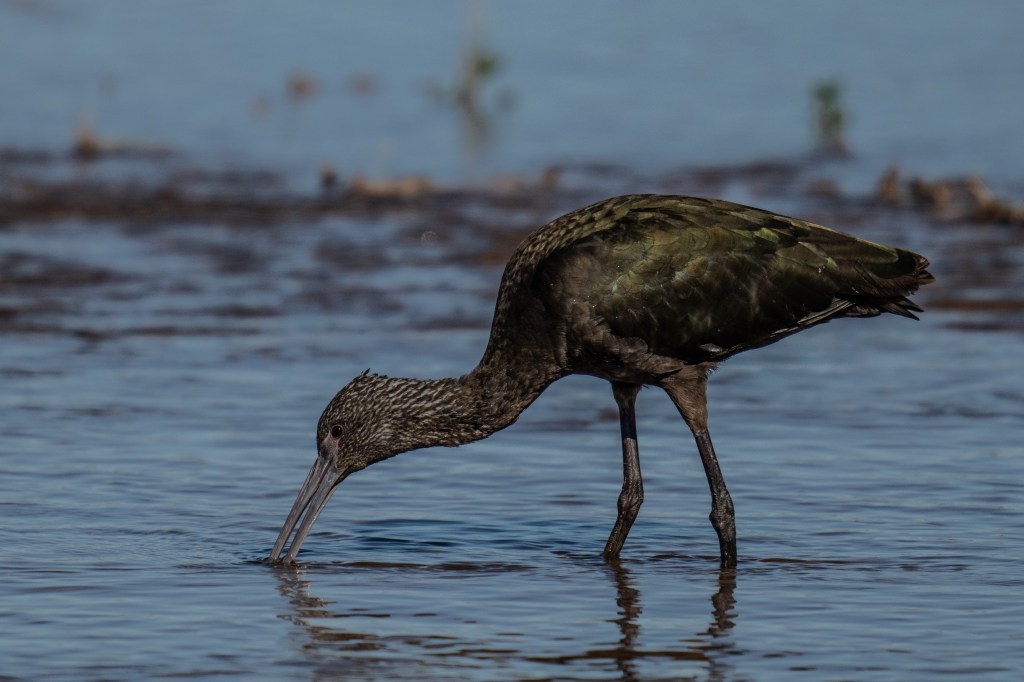
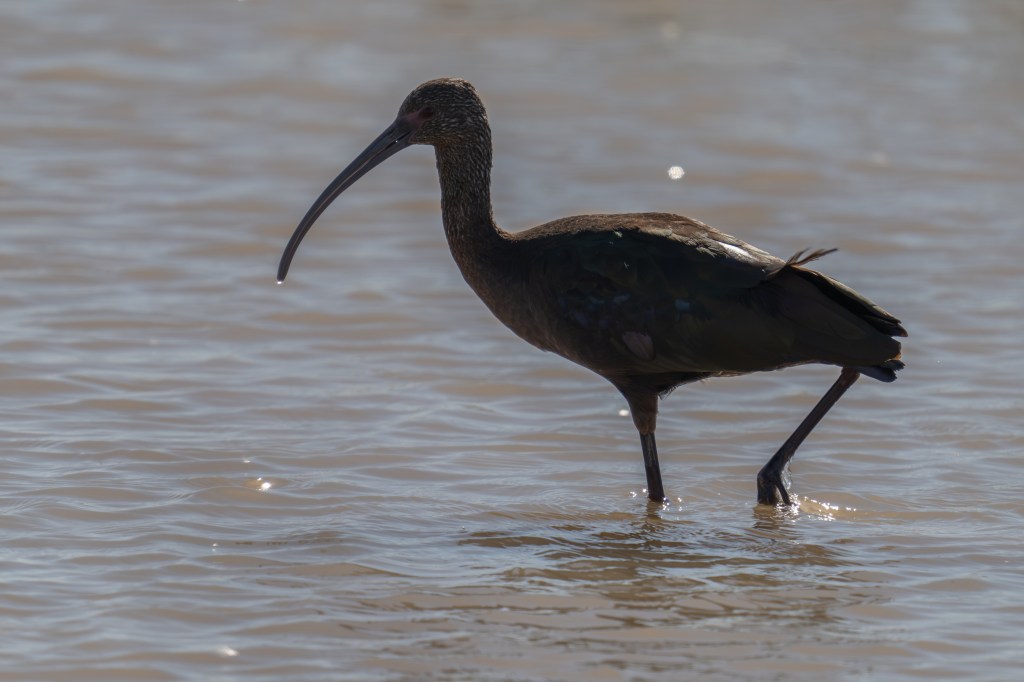
White-faced ibis and long-legged shorebirds
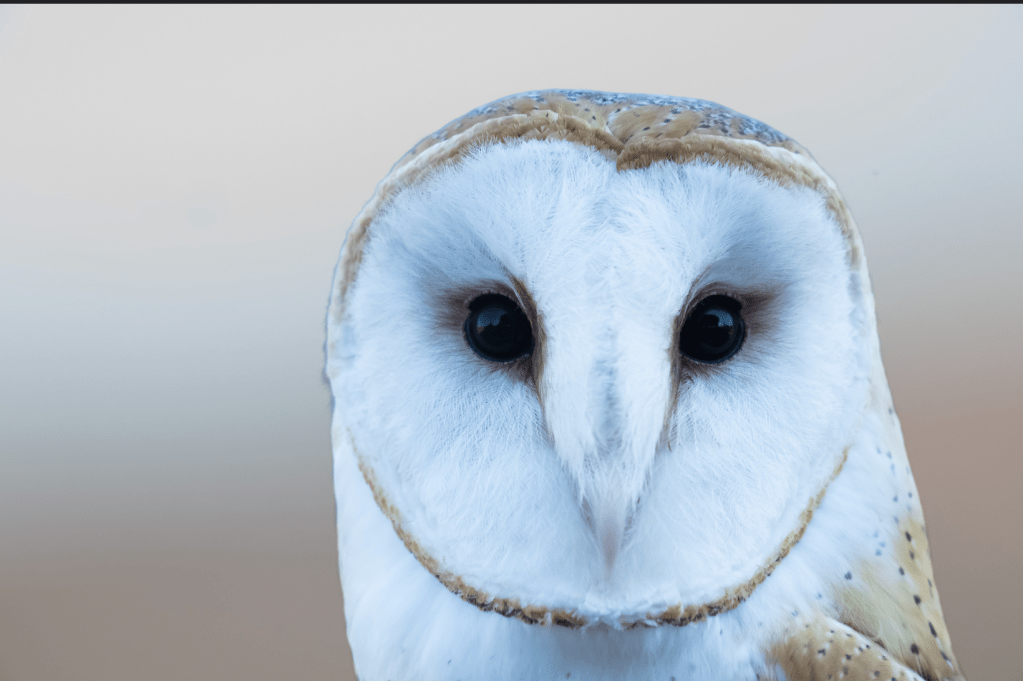
Burrowing owls tucked into desert edges
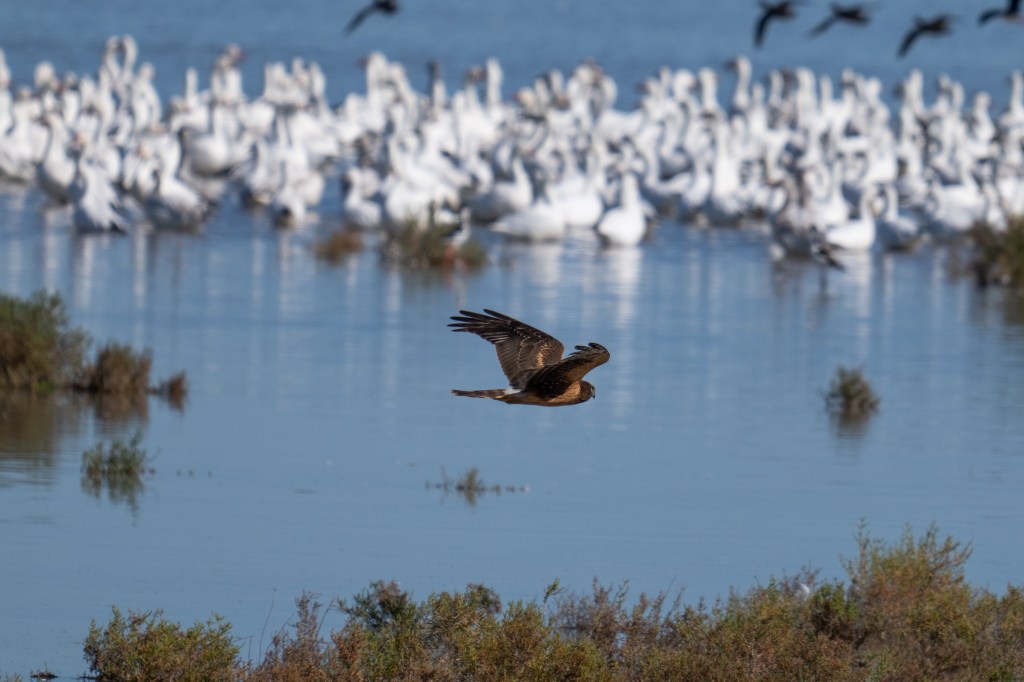
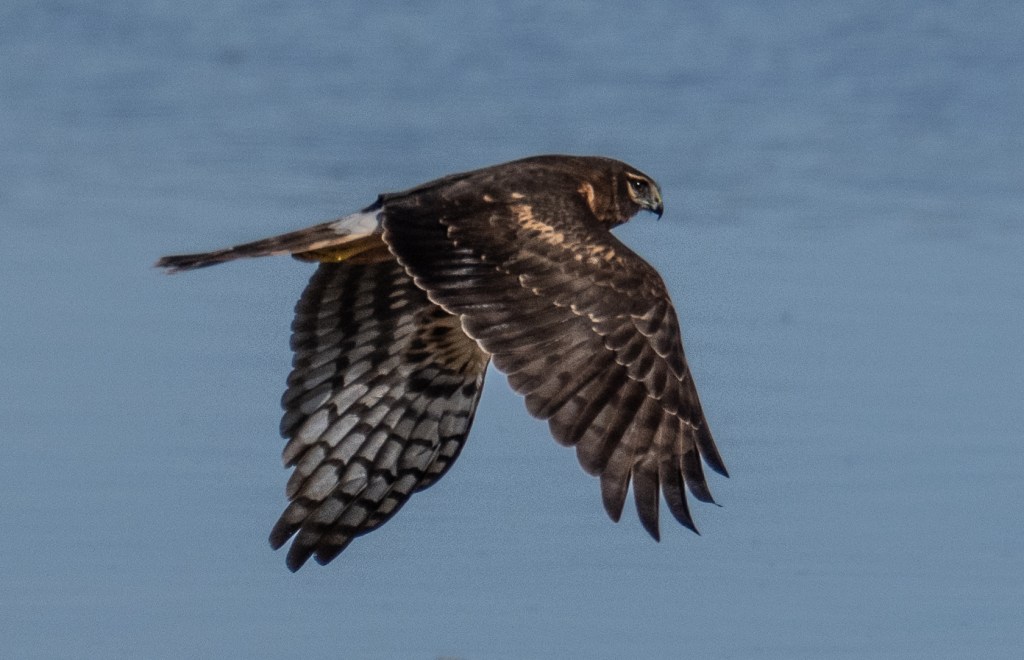
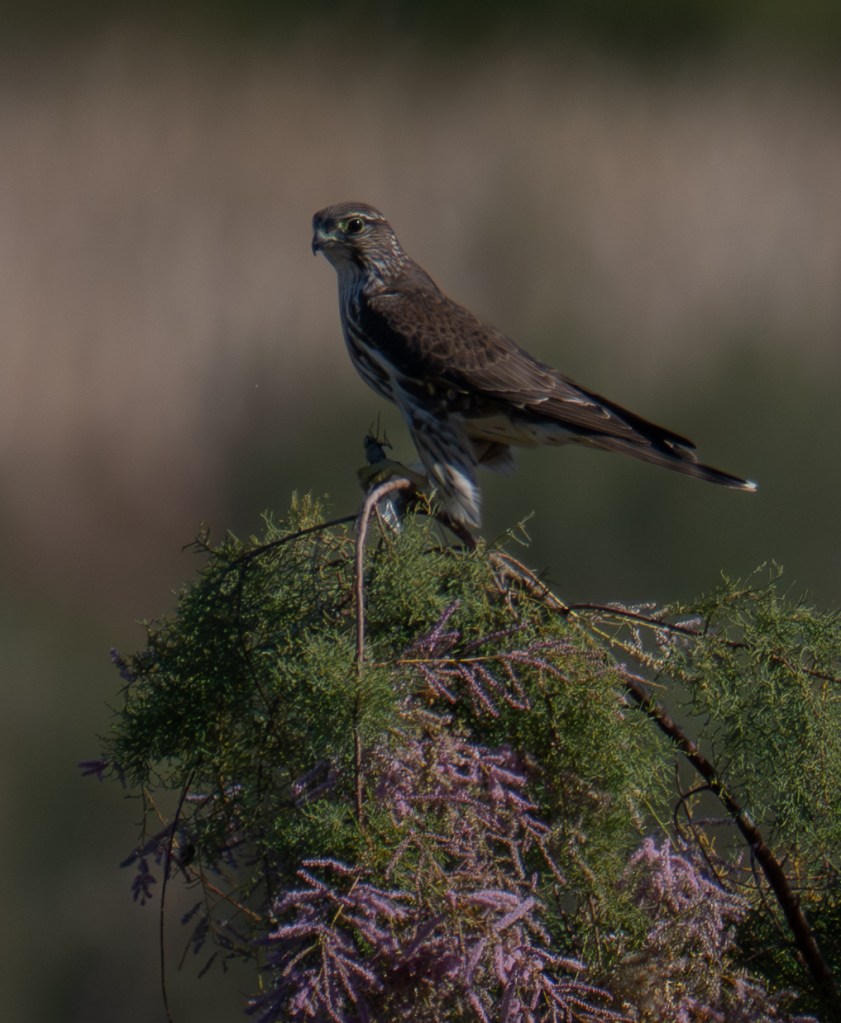
Raptors like northern harriers and peregrine falcons
Winter is especially spectacular, when migratory birds arrive in massive numbers and transform the refuge into a living, moving landscape.
Exploring the Refuge
The refuge is very visitor-friendly, with options for both casual sightseeing and serious wildlife observation.
Highlights include:
Auto tour routes that loop through wetlands and fields
Walking trails for quiet wildlife viewing
Photography pullouts perfect for sunrise and sunset light
The flat terrain and open skies make it an ideal spot for photography, especially when the mountains reflect off the water or flocks of birds fill the horizon.
Why This Refuge Matters
Despite ongoing environmental challenges facing the Salton Sea, the Sonny Bono Wildlife Refuge remains a critical lifeline for wildlife. Carefully managed water flows and habitat restoration efforts help sustain species that depend on this stopover during long migrations.
The refuge is also a powerful reminder that even altered landscapes can become essential ecosystems when conservation and stewardship come together.
Planning Your Visit
The Sonny Bono Salton Sea National Wildlife Refuge is located near Niland, California, and is open year-round during daylight hours. Cooler months—from late fall through early spring—offer the most comfortable weather and the highest concentration of wildlife.
Whether you’re a birder, photographer, or simply curious about one of California’s most unusual natural areas, the Sonny Bono Wildlife Refuge is a place that challenges expectations and rewards patience.
Bird Checklist: Sonny Bono Salton Sea National Wildlife Refuge
The refuge supports hundreds of bird species throughout the year. This checklist highlights commonly seen and notable birds, especially during peak migration and winter months.
Waterfowl
Snow Goose
Ross’s Goose
Canada Goose
Northern Pintail
American Wigeon
Green-winged Teal
Cinnamon Teal
Northern Shoveler
Ruddy Duck
Shorebirds
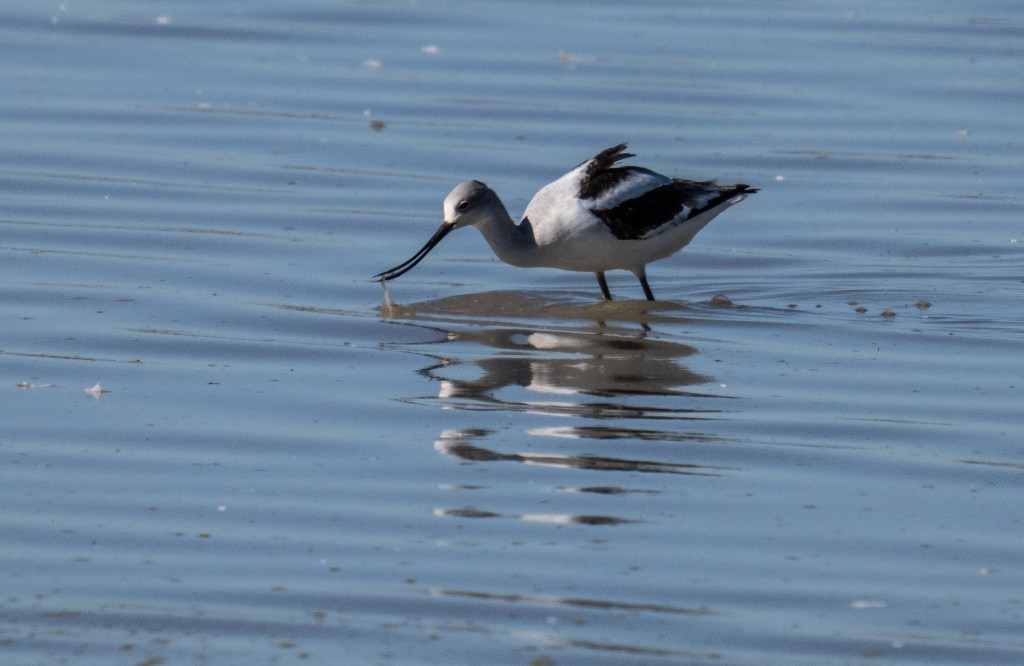
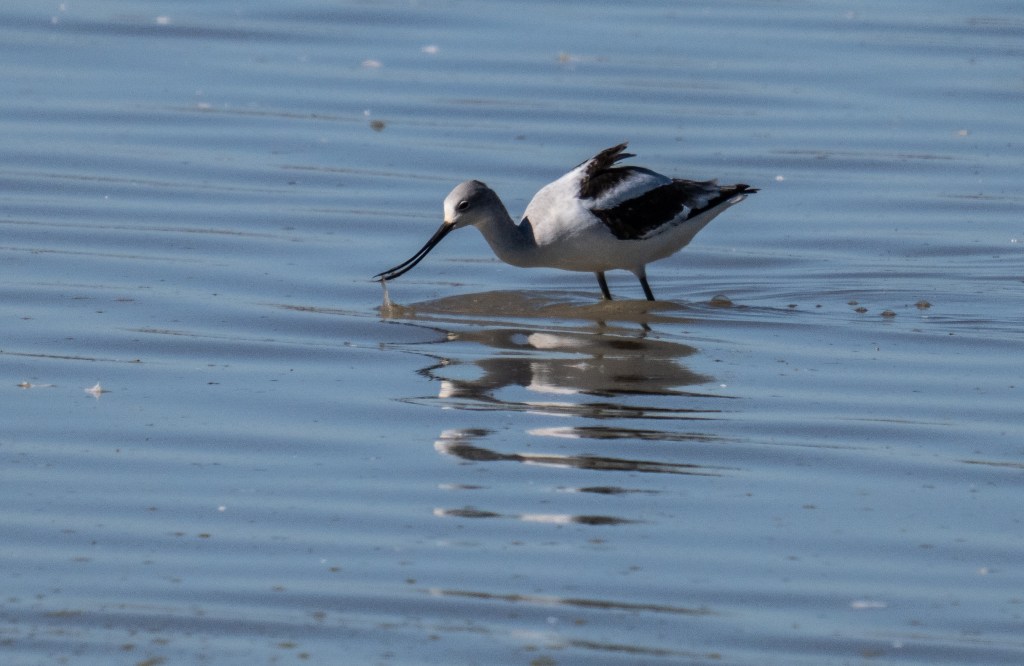
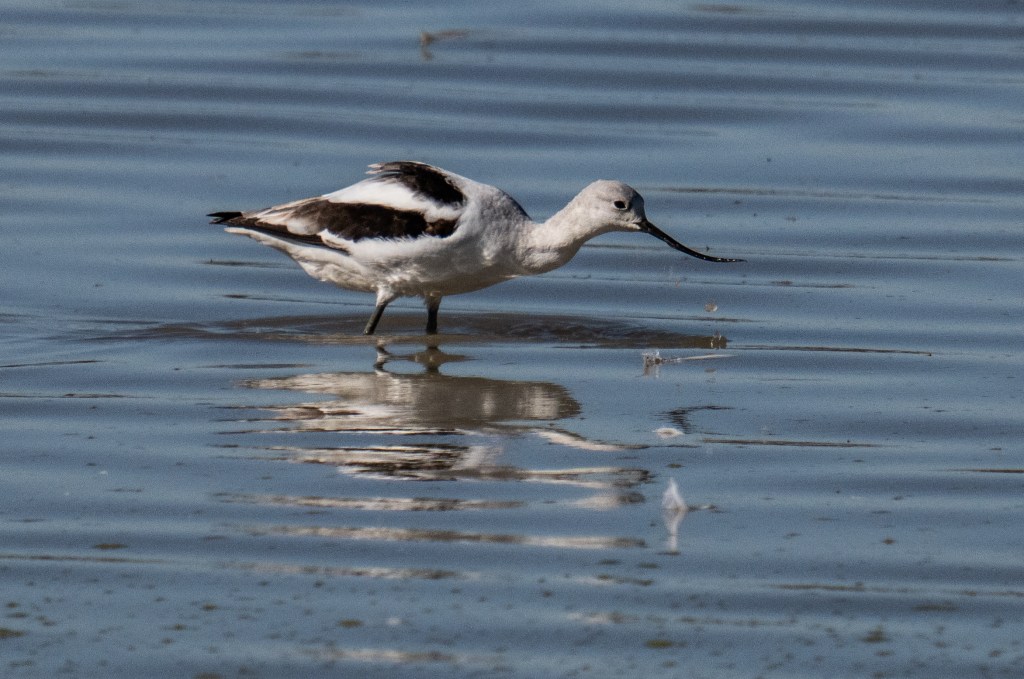
American Avocet
Black-necked Stilt
Long-billed Dowitcher
Marbled Godwit
Willet
Western Sandpiper
Least Sandpiper
Killdeer
Wading Birds
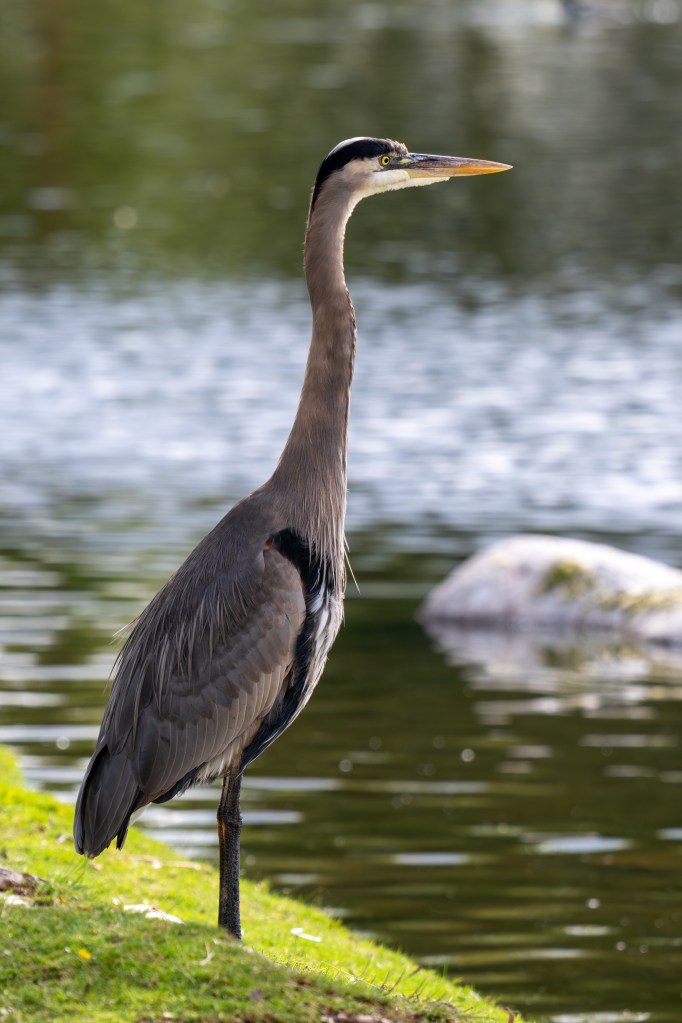
Great Blue Heron
Great Egret
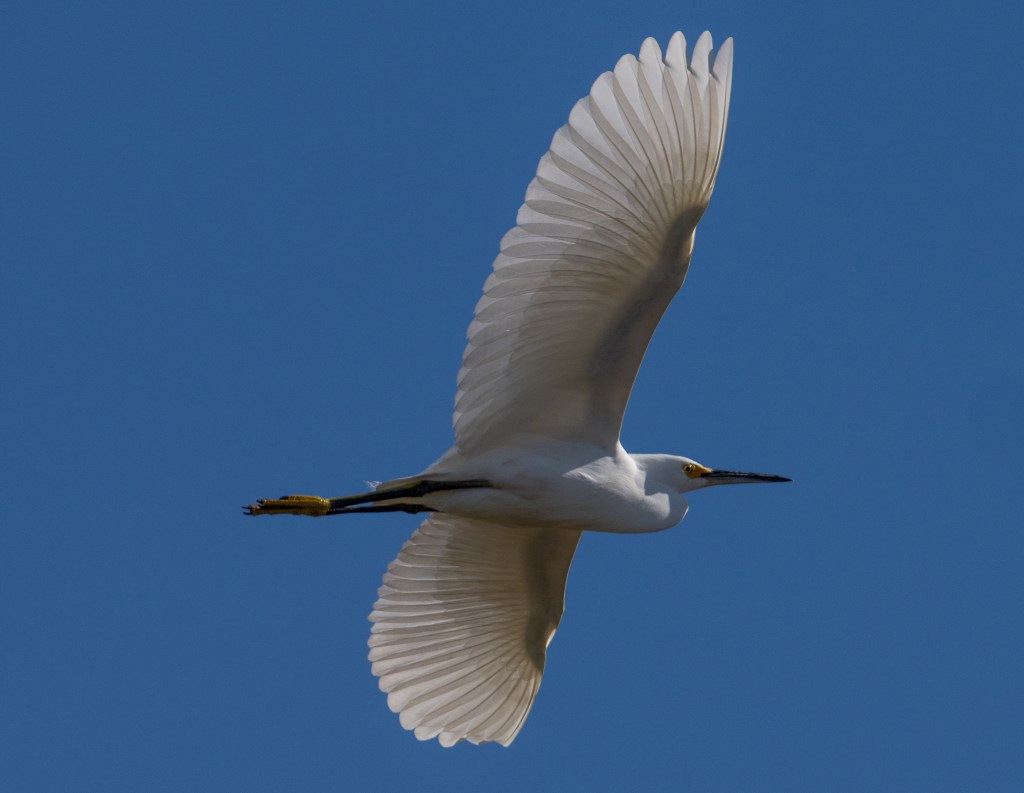
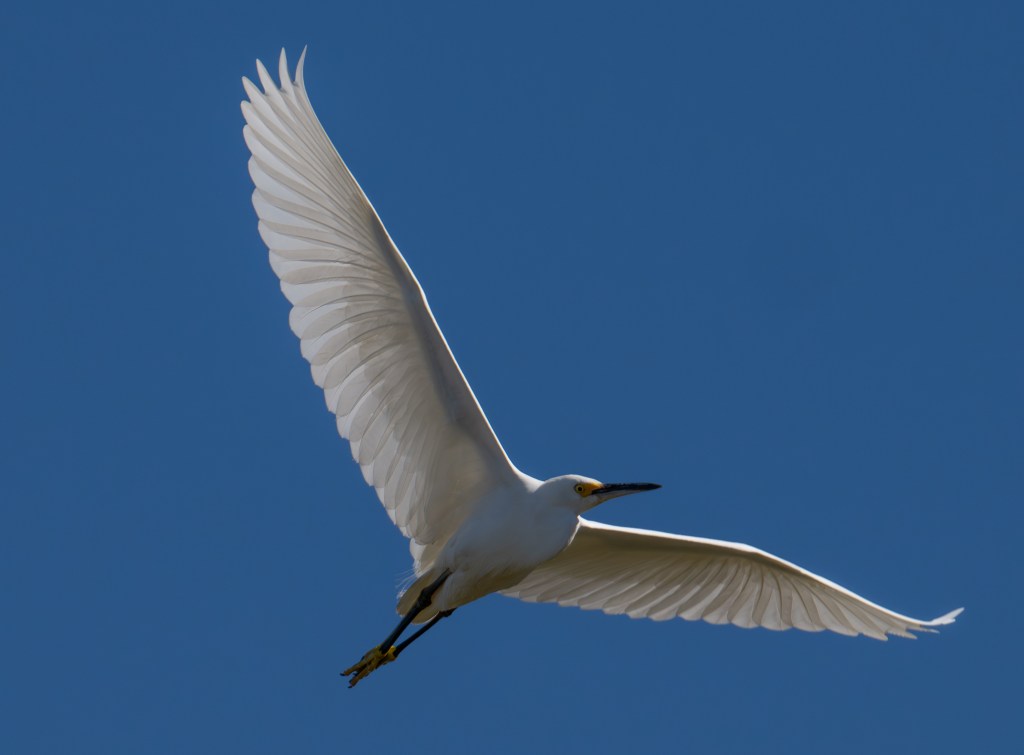
Snowy Egret
Cattle Egret
White-faced Ibis
Gulls & Terns
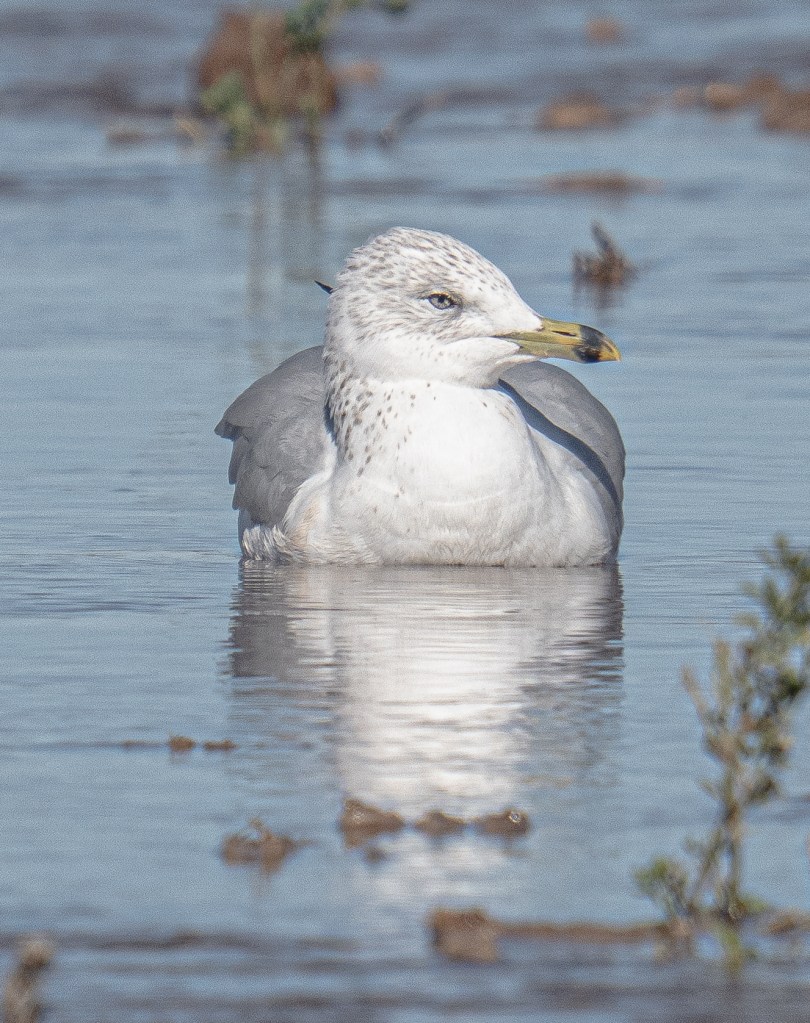
Ring-billed Gull
California Gull
Laughing Gull
Caspian Tern
Forster’s Tern
Raptors
Northern Harrier
Red-tailed Hawk
Swainson’s Hawk
American Kestrel
Peregrine Falcon
Bald Eagle (occasional but increasing)
Owls
Burrowing Owl
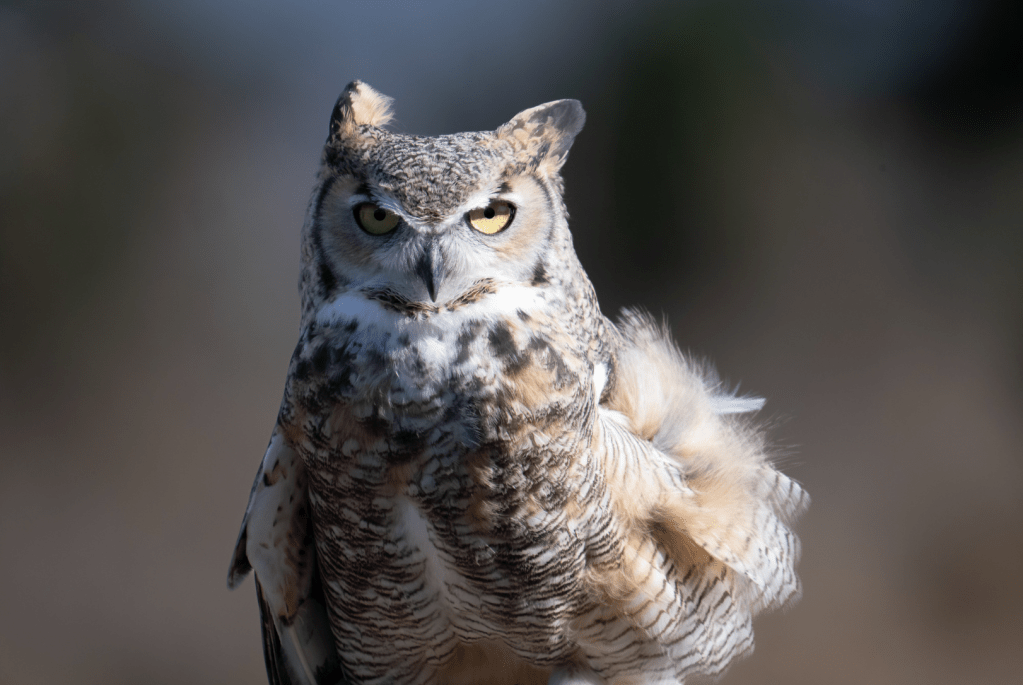
Great Horned Owl
Desert & Upland Birds
Gambel’s Quail
Loggerhead Shrike
Greater Roadrunner
Horned Lark
Songbirds & Others
Yellow-headed Blackbird
Red-winged Blackbird
Marsh Wren
Savannah Sparrow
Say’s Phoebe
Birding tip: Winter mornings offer the best light and bird activity. Bring binoculars even if you’re just driving the auto loop—you’ll be surprised how close the birds can be.
Chollas Lake Reservoir is one of those places many locals drive past without realizing what’s inside. Beyond the busy streets and surrounding homes, the lake opens up into a surprisingly peaceful space—part urban park, part wildlife refuge, and part neighborhood gathering spot.
A Brief History of Chollas Lake
Chollas Lake was originally constructed in the early 1900s as part of San Diego’s water supply system. Over time, the reservoir evolved into a public recreation area, managed today by the City of San Diego. While it no longer serves as a primary drinking water source, the lake continues to play an important role as a community park and habitat for local wildlife.
Walking the Lake Loop
One of the most popular features of Chollas Lake is the roughly half-mile loop trail that circles the water. The path is mostly flat and paved, making it accessible for walkers, joggers, and families. Benches along the way invite visitors to slow down, sit, and watch the water—something that feels rare in a city environment.
Morning and late afternoon are especially pleasant, with cooler temperatures and softer light reflecting off the lake’s surface.
The fishing at Chollas Lake in San Diego is specifically designated for youth anglers only (ages 15 and under), meaning children can fish there for free and adults are expected to help or supervise but cannot fish themselves
The main gate at the East entrance of the park next to the lake closes 30 minutes before sunset. Other gates close BEFORE the East gate. Please note the closing time posted at your point of entry.
If you love wildlife, big skies, and birds of prey, the Ramona Grasslands Hawk Watch in San Diego East County offers a free, up-close way to experience some of North America’s most majestic raptors in winter. Set against the sweeping open landscapes of the Ramona Grasslands Preserve, this seasonal program draws both casual nature lovers and serious birders alike.
What Is Hawk Watch?
Upcoming 2026 Saturdays 10am to 12pm
January 3rd, 10,17, 24,31
February 7,14,21, 28
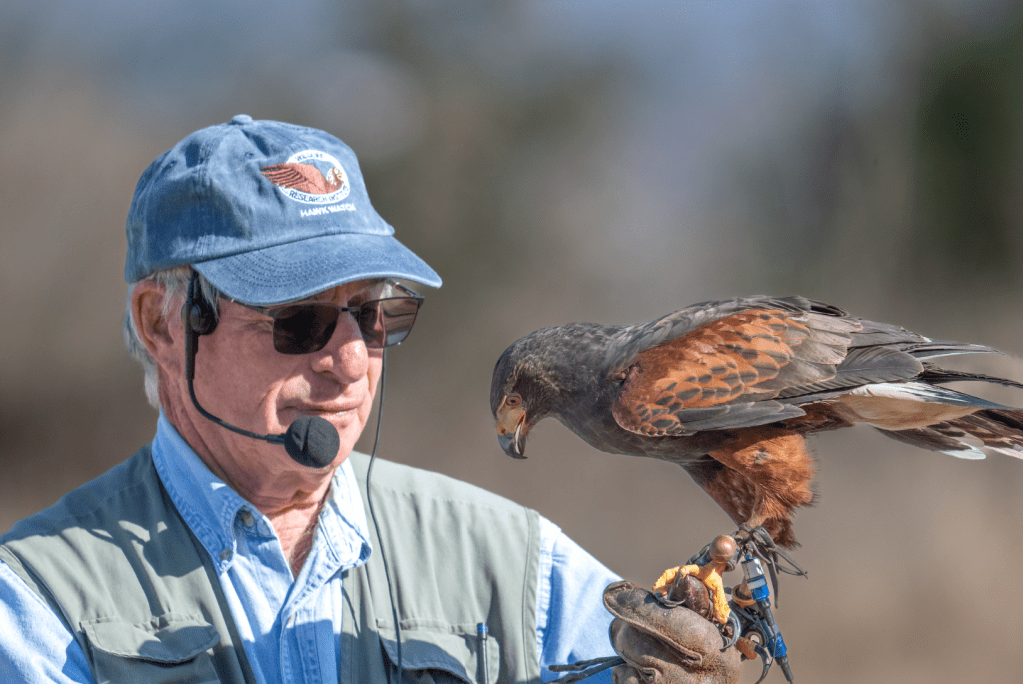
Ramona Grasslands Hawk Watch is a free weekly wildlife education event hosted by the Wildlife Research Institute (WRI) most Saturdays in January and February at Begent Ranch in Ramona. While it shares its name with traditional migration “hawk watches,” this program is more than just counting birds — it’s a hands-on learning experience for all ages
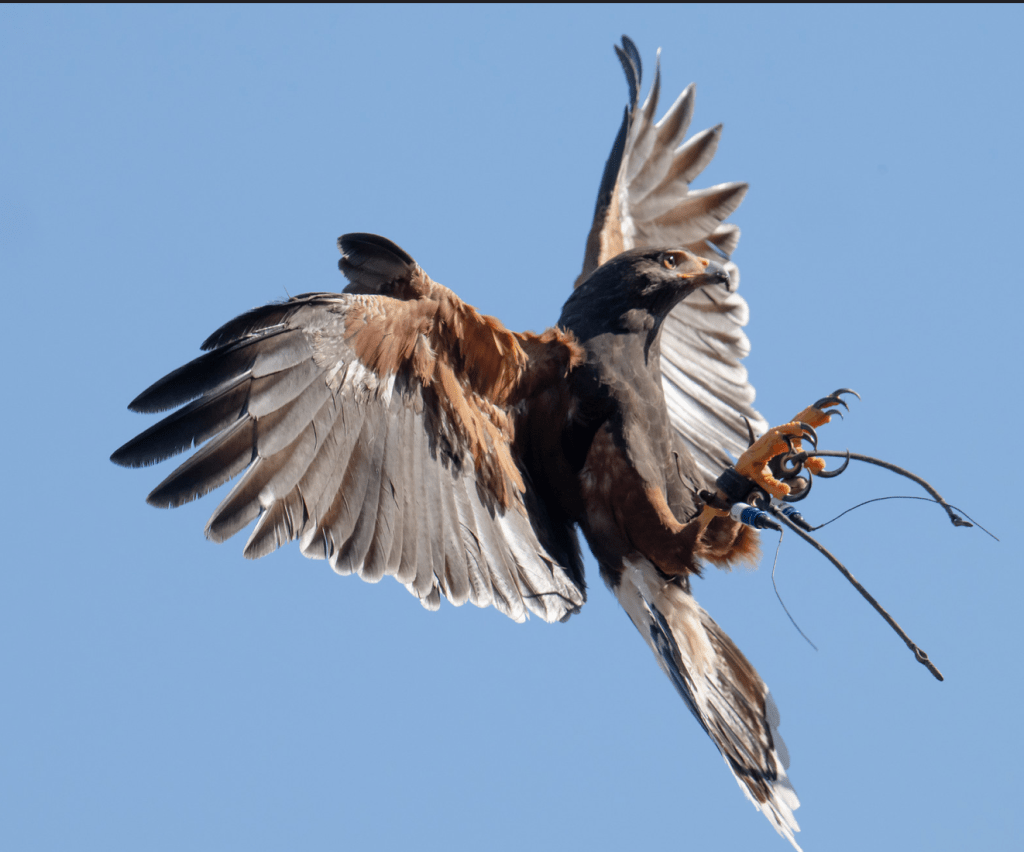
Hawk Watch is an informative educational Biologist Talk and Q& with Falconry or ambassador raptors for you to see up close and personal. The seated program lasts approximately 1.5 to 2 hours. After the presentation there is an option for additional roadside observations of wild raptors and other wildlife including bald eagle nest where you will drive your own car less than 2 miles on paved roads and come and go at your leisure.
Biologists and local expert volunteer observers will help you spot and identify birds and show them to you through our high-powered professional telescopes. In the event of rain, we will still have the educational program inside the barn, but the usual falconry flight displays will not occur in the barn. There is no hiking portion of Hawk Watch, but we recommend wearing sturdy shoes for uneven terrain and going on your own to the nearby Ramona Grassland Preserve hiking trail after the program. Hawk Watch is wheelchair accessible, and we recommend using one if walking on uneven terrain could be a safety hazard for you. We hope you can make it!
Lindo Lake County Park is open from sunrise to sunset for public use. The park is approximately 55 acres in size and features a skate park, children’s playground, softball field, tennis courts, horseshoe pits, and open spaces. There are roughly 1.5 miles of ADA-friendly, multi-use paths, including a popular loop trail around the lake that’s about 1.2 miles long — perfect for leisurely walks, jogging, or pushing a stroller.
With water basins, wetlands, and lakeside habitat, the park attracts a variety of waterfowl and birds — a draw for birdwatchers and nature lovers.
🐶 Dog-Friendly Areas
Leashed dogs are welcome around the lake. Many locals use the loop trail for daily dog walks.
🐦 Bird-Watching Tips
Bring binoculars for the east basin — that’s where most waterfowl gather.
Look for:
Great blue herons
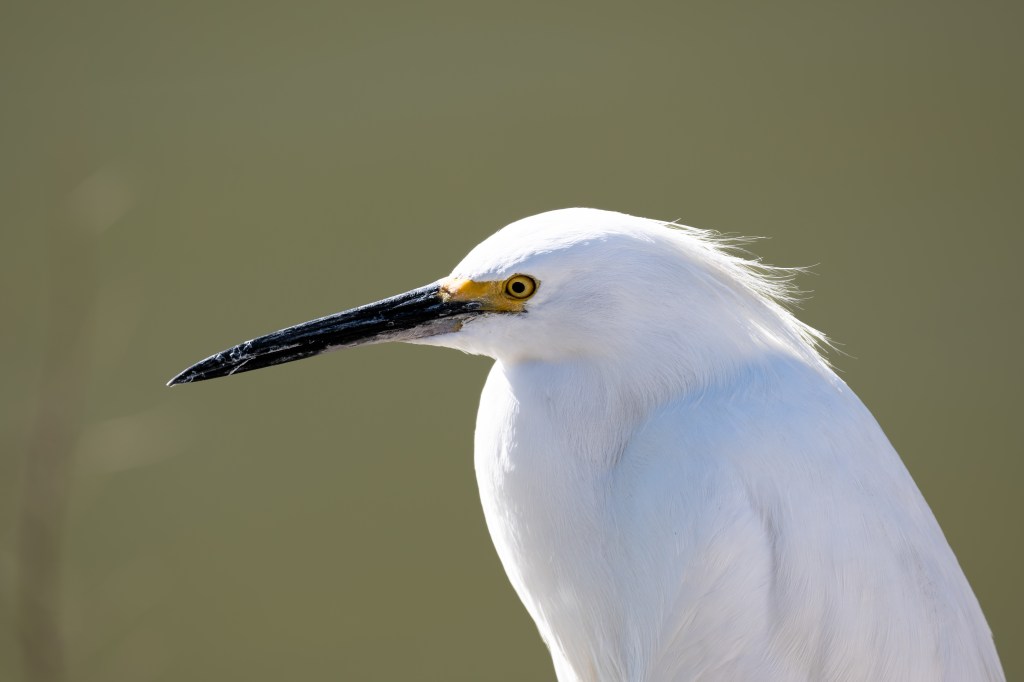
Snowy egrets
Cormorants
Mallards
Canadian geese
Red-winged blackbirds
Early morning is the best time for spotting and photography.
🐦 Pro Tip:
Stand quietly near the shallow inlets — birds often forage close to shore.








 Exploring San Diego