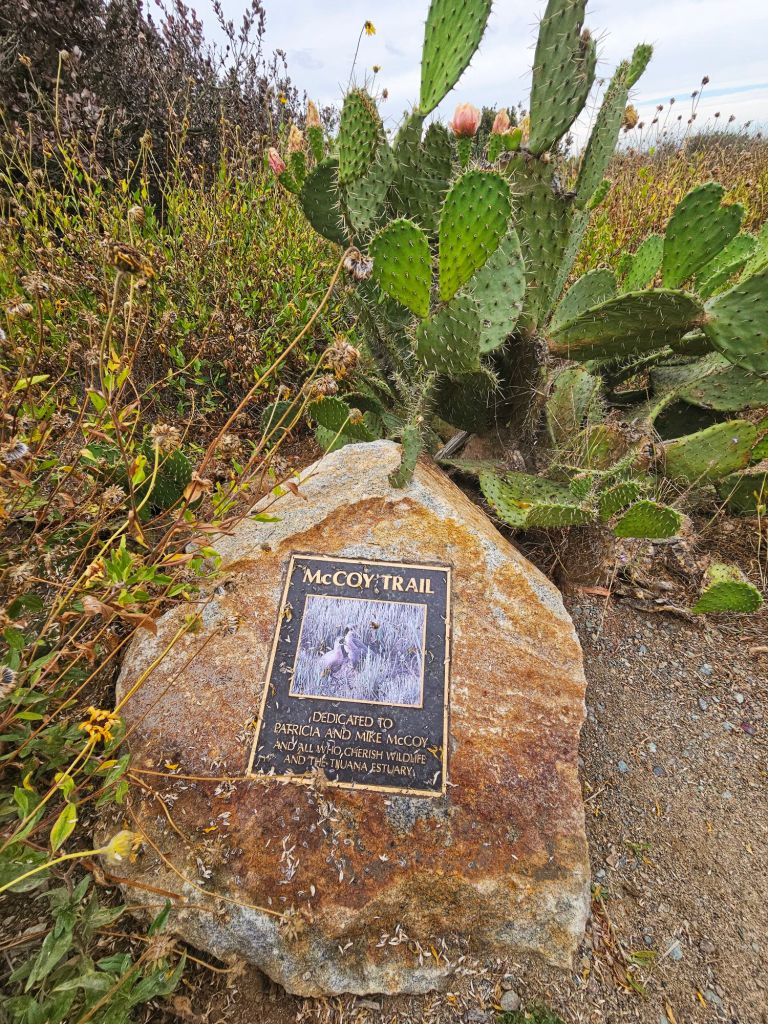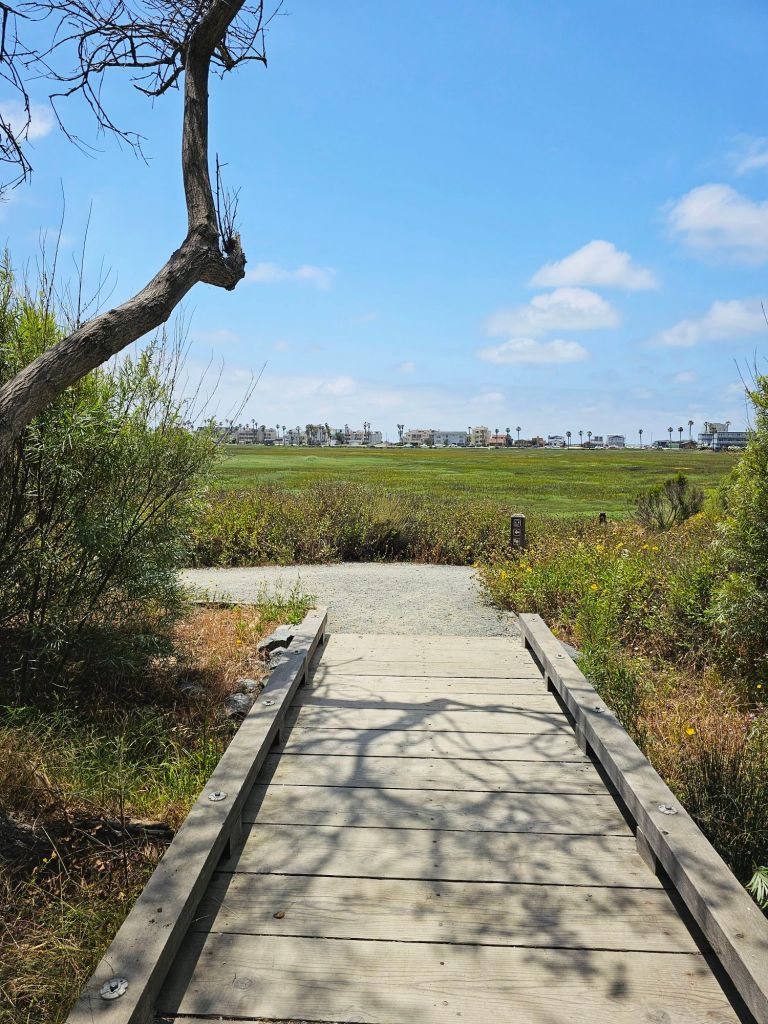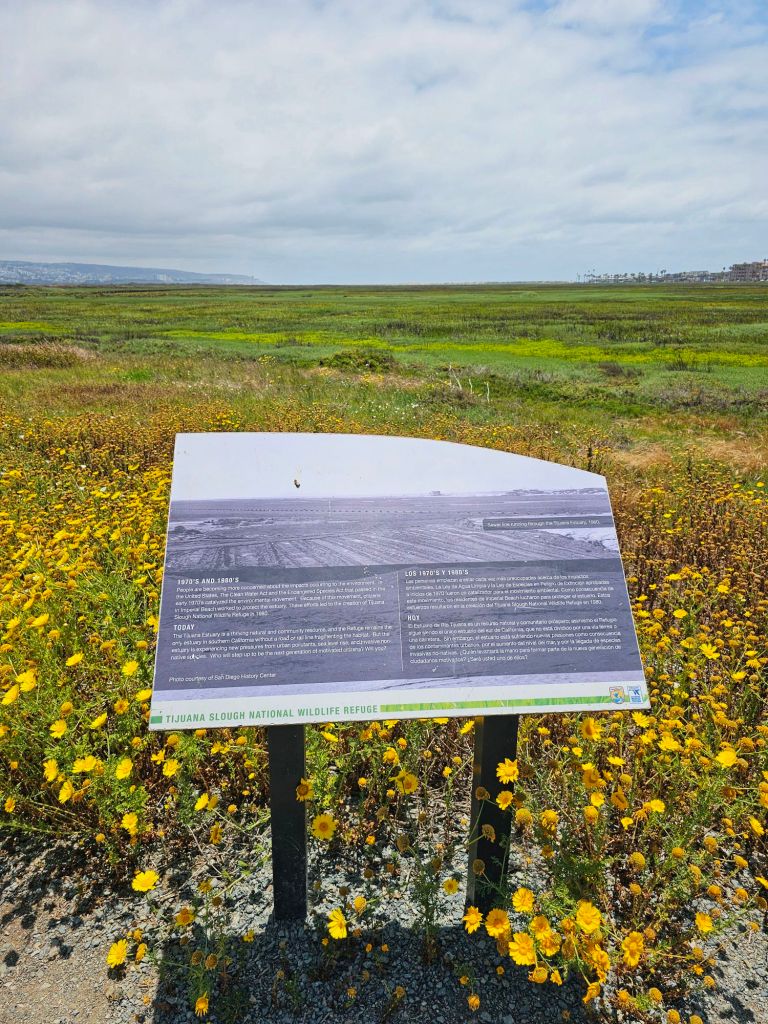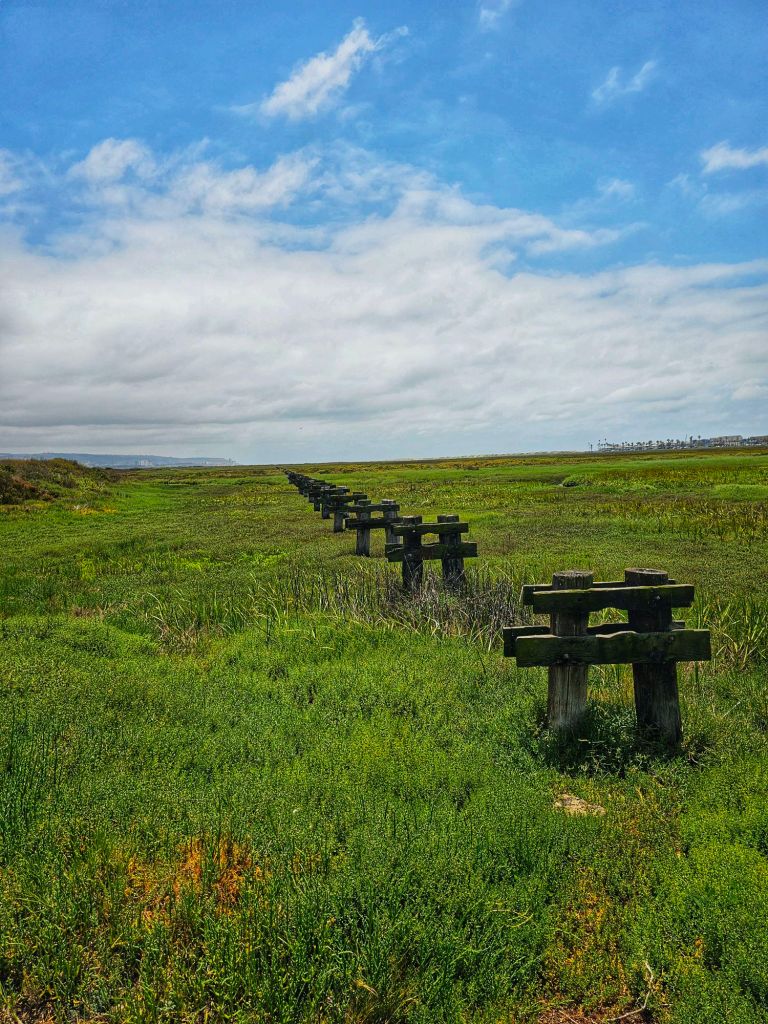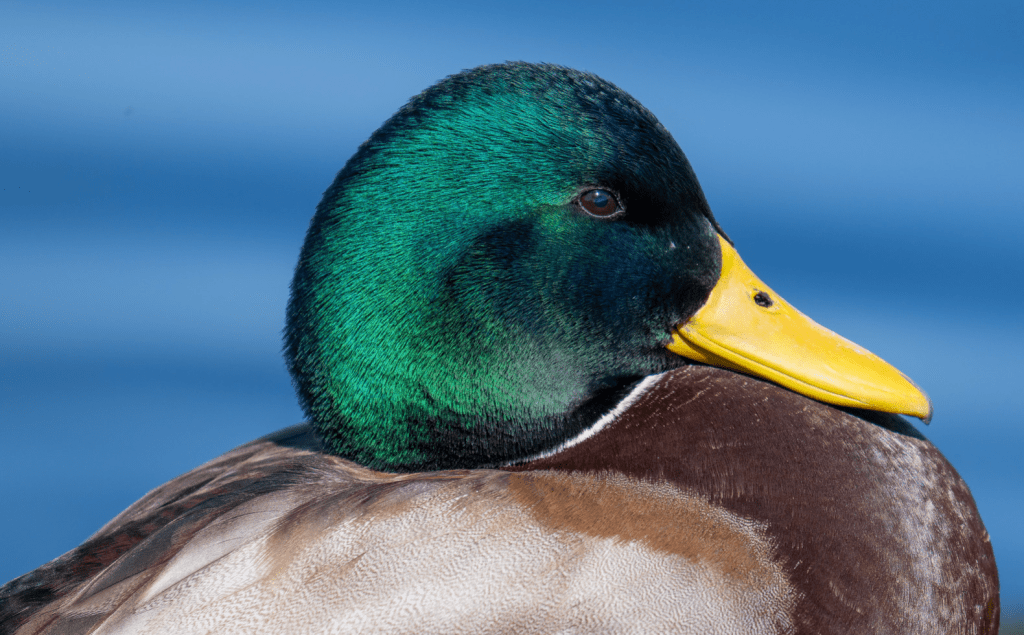
Where River Meets Sea: Exploring the Tijuana River Estuary

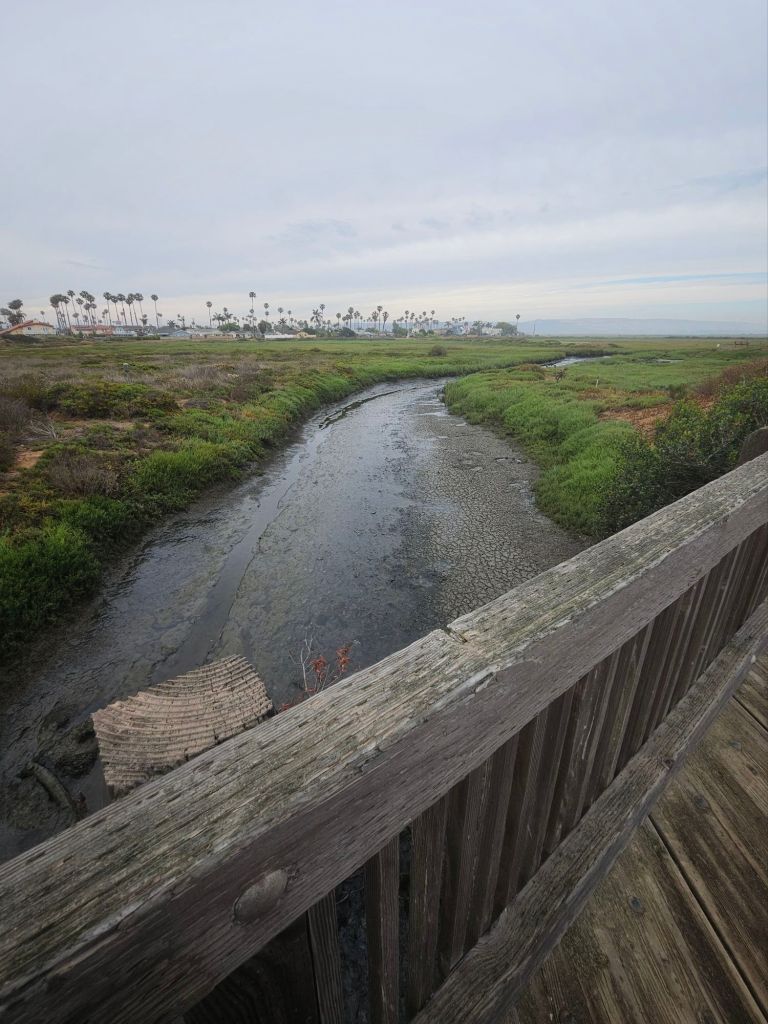
Just a few miles south of San Diego’s bustling downtown lies a hidden gem where saltwater, freshwater, and wildlife converge in a delicate dance of life—the Tijuana River Estuary. Tucked between Imperial Beach and the U.S.-Mexico border, this vast coastal wetland is not only a peaceful escape from the city but also one of Southern California’s most ecologically significant landscapes.

A Living Sanctuary

The estuary is part of the Tijuana River National Estuarine Research Reserve, a protected area spanning over 2,500 acres. It’s one of only 30 estuarine research reserves in the United States, and it plays a vital role in protecting endangered species, filtering water, and buffering the coast from storm surges.

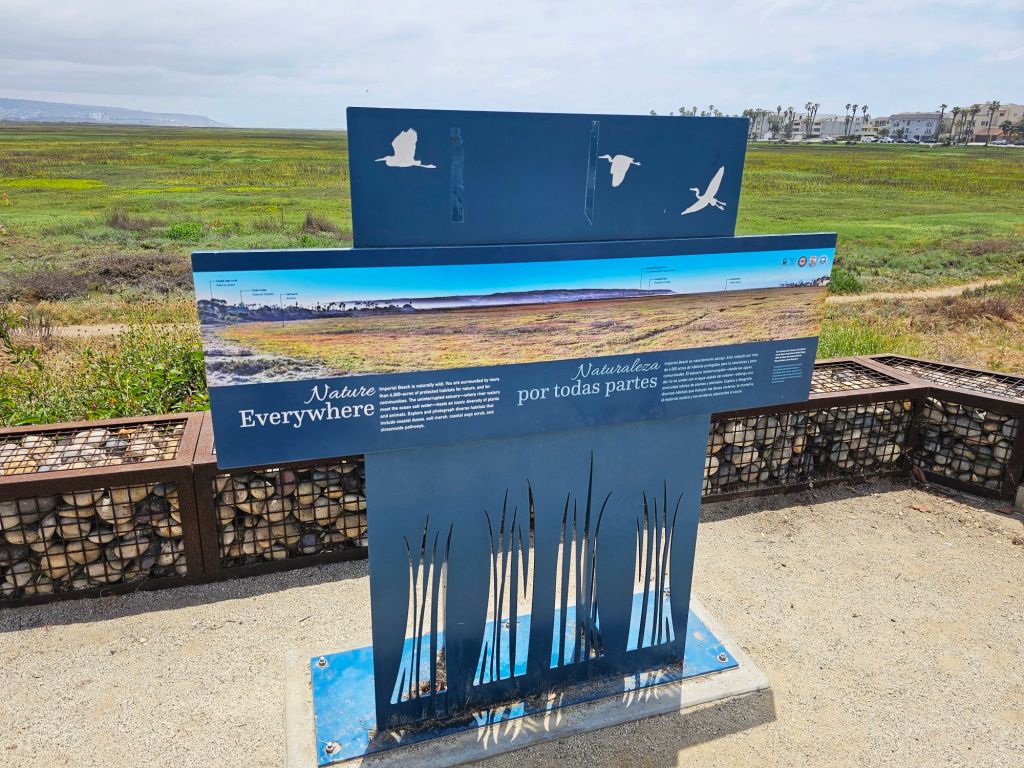
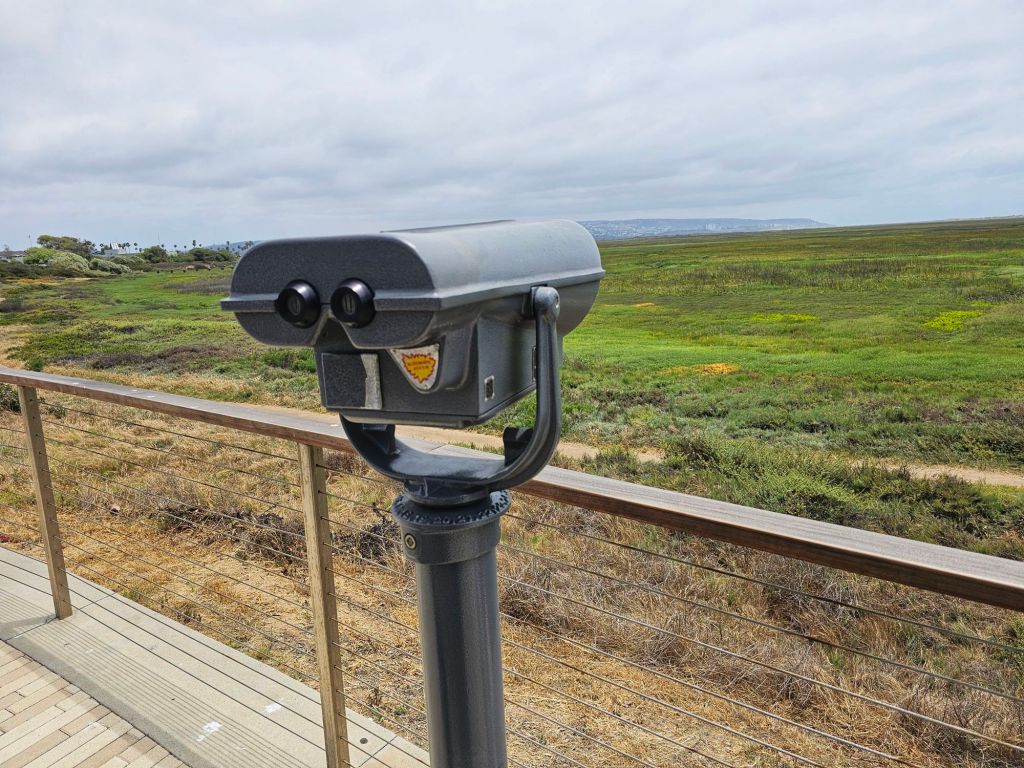
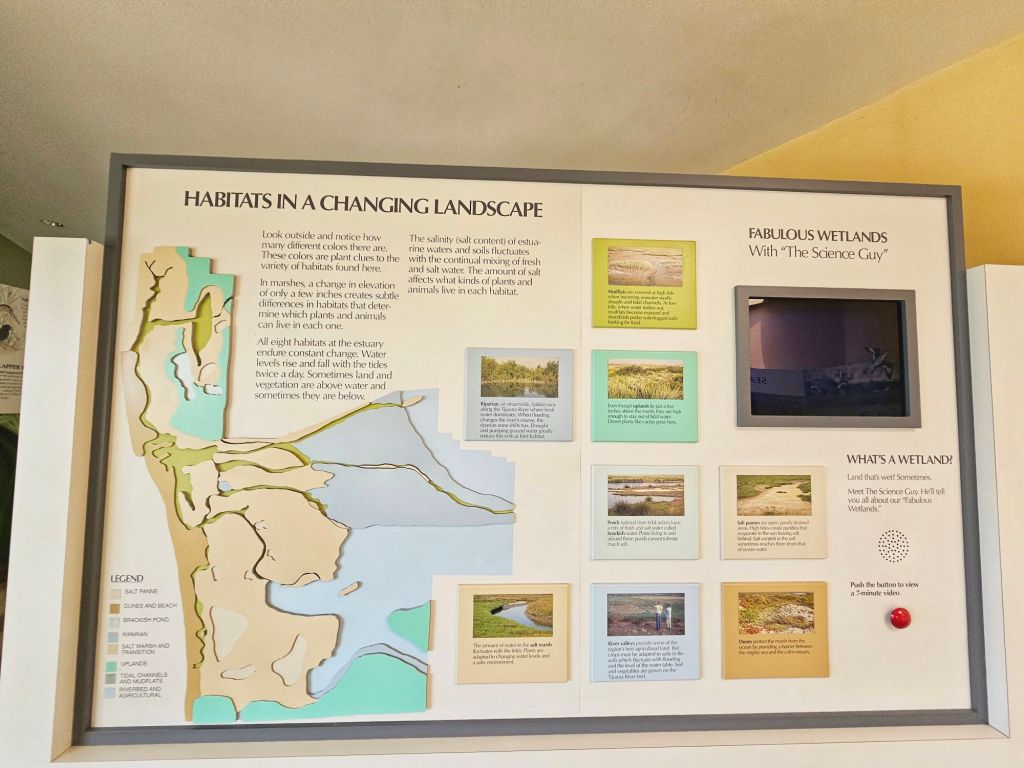
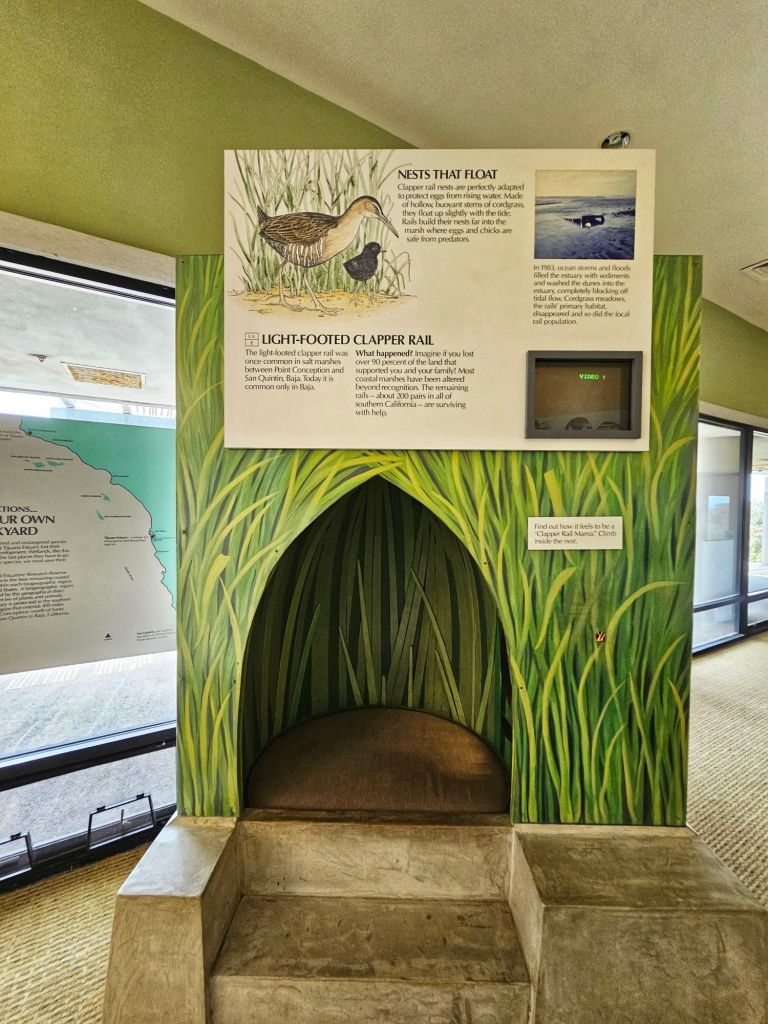
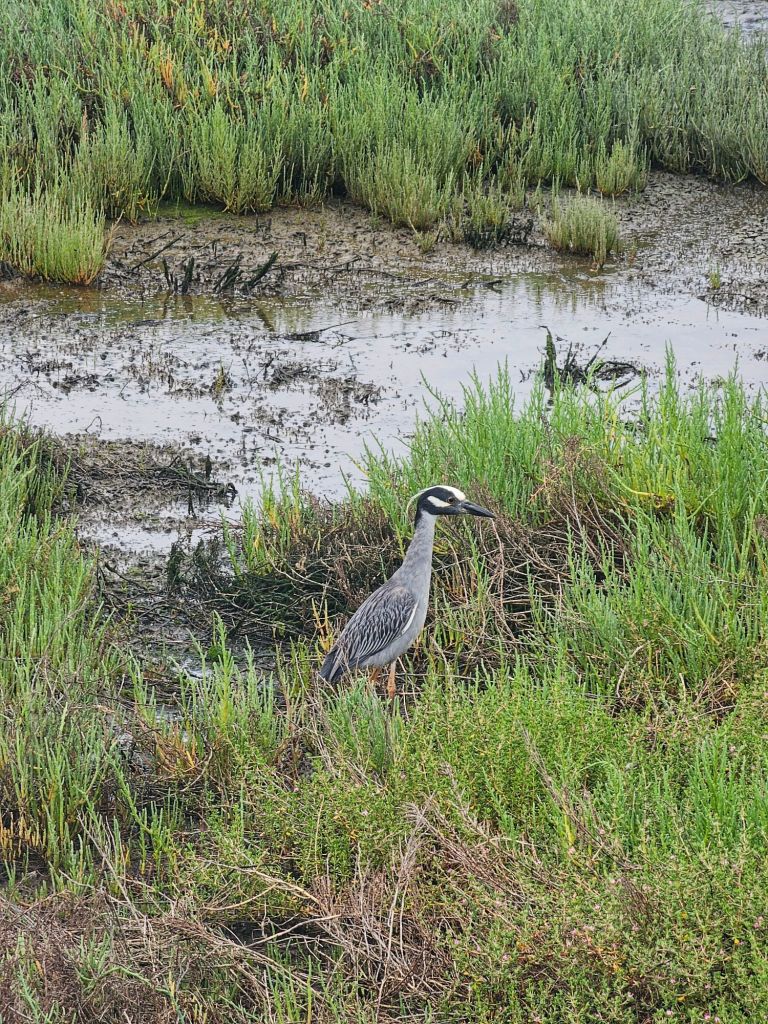
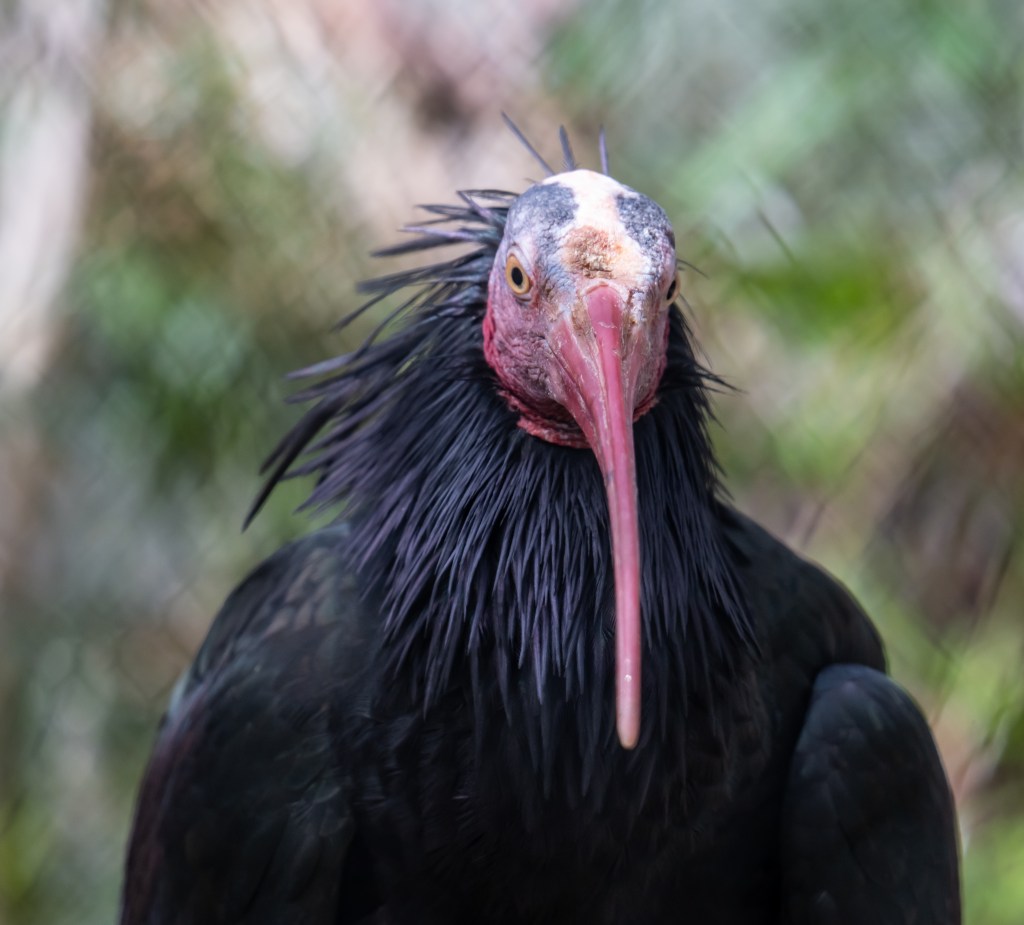
As you walk the trails, you’ll find yourself surrounded by a mosaic of marshes, mudflats, and salt flats—each teeming with life. Located along a massive aviary flyway over 370 species of birds have been recorded here, including the endangered light-footed Ridgway’s rail and least tern. Birdwatchers, bring your binoculars!

Trails, Views, and Tranquility

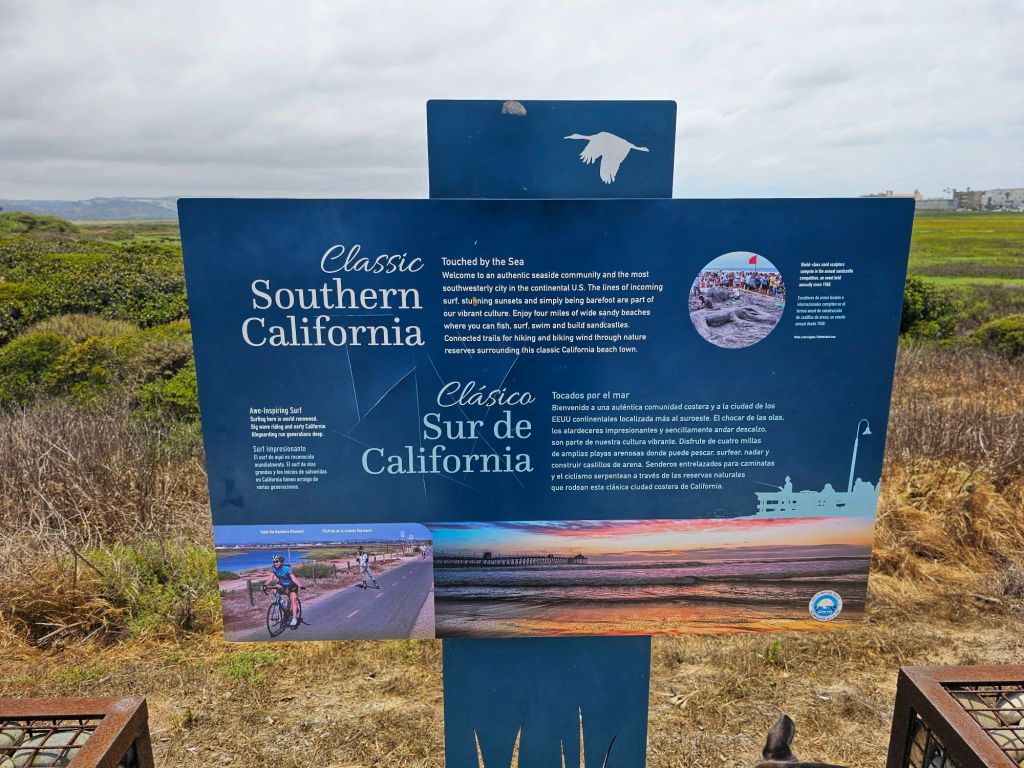
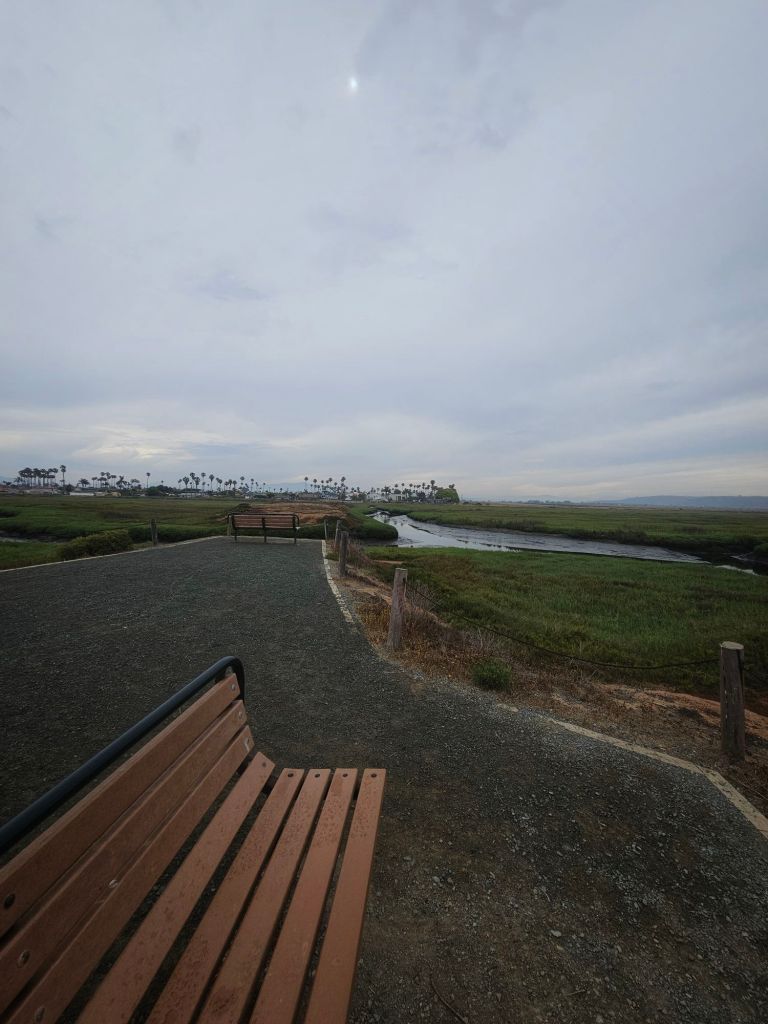
The Bayside Trail and River Mouth Trail offer easy, flat hikes with stunning views of the wetlands and the Pacific Ocean beyond. Interpretive signs along the way tell the story of the estuary’s ecology, history, and the ongoing efforts to protect it.

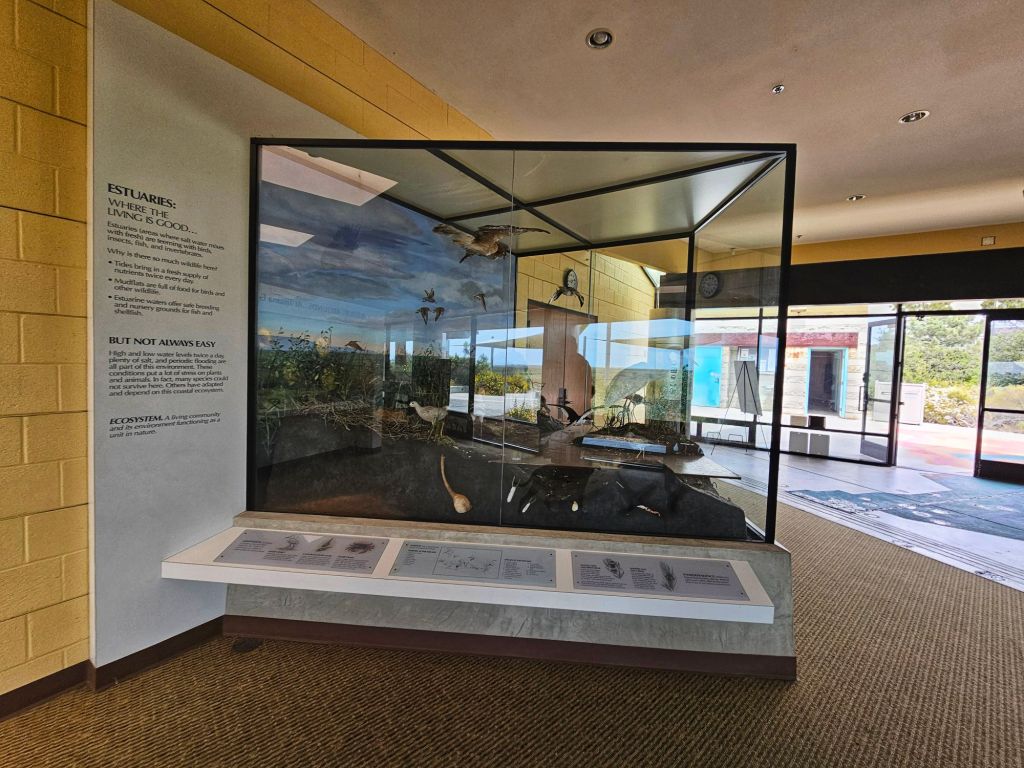
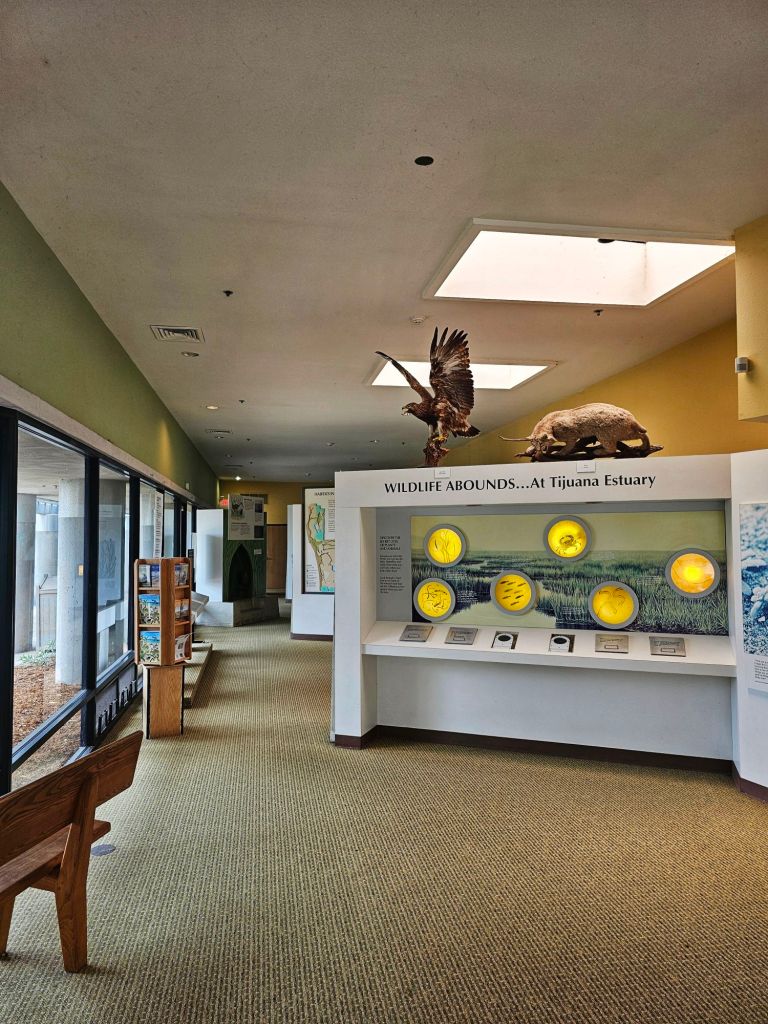
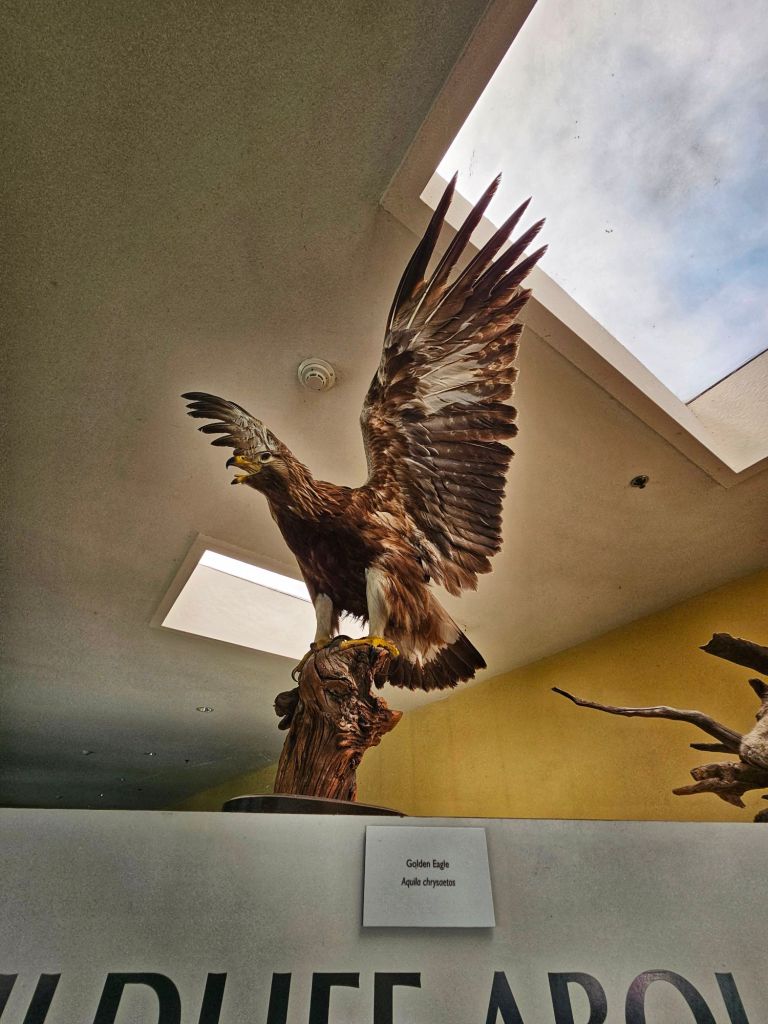
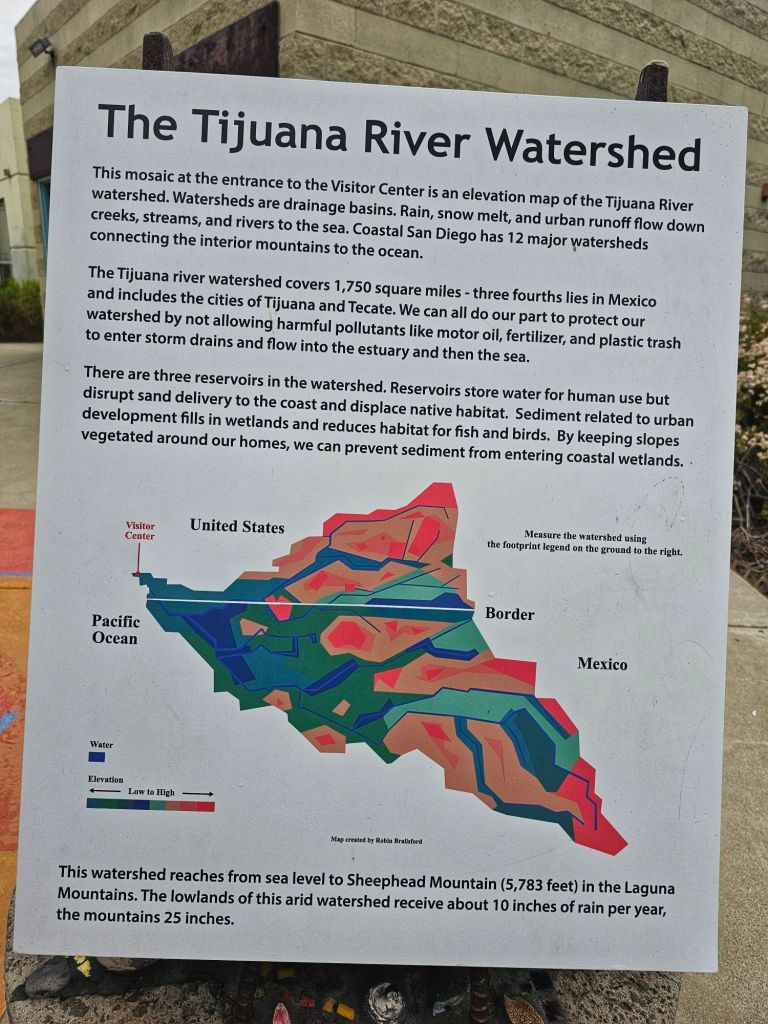
Don’t forget to stop by the Tijuana Estuary Visitor Center—a small but informative hub with exhibits, maps, and knowledgeable staff who can help guide your visit.

A Cross-Border Story

What makes the Tijuana River Estuary truly unique is its binational character. The Tijuana River originates in Mexico, flowing through the bustling city of Tijuana before crossing the U.S. border and emptying into the Pacific Ocean. Along the way, it faces challenges like pollution and urban runoff—but also inspires collaboration and conservation across borders.

Why It Matters

Estuaries like this one are among the most productive ecosystems on Earth. They provide nursery grounds for fish, shelter for birds, and natural flood control for communities. In a time of climate change and habitat loss, places like the Tijuana River Estuary remind us of nature’s resilience—and our responsibility to protect it.

Plan Your Visit

Whether you’re a birder, hiker, photographer, or simply seeking a quiet moment in nature, the Tijuana River Estuary is worth a visit. Come for the peaceful views, stay for the deeper connection to a landscape that quietly sustains life in so many ways.
Wildlife, Waves, and Wonder at La Jolla Cove

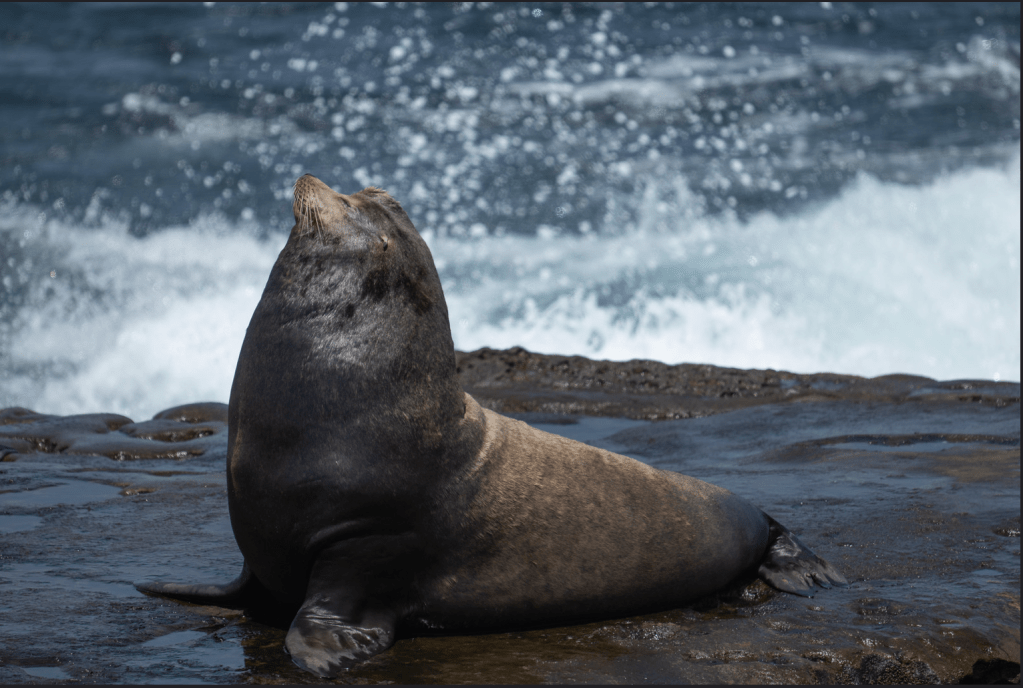
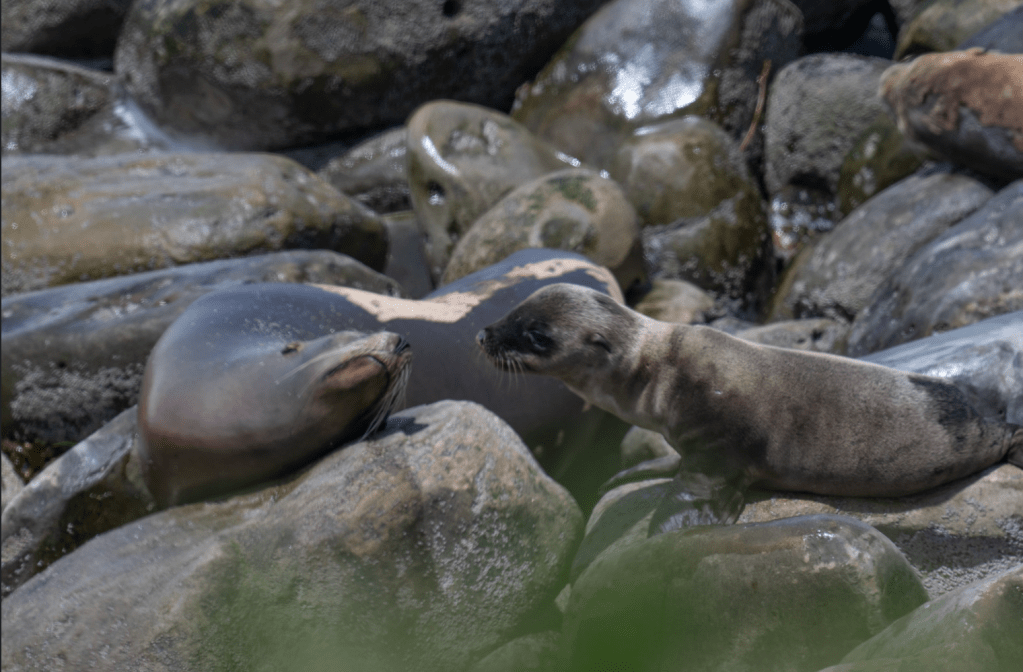
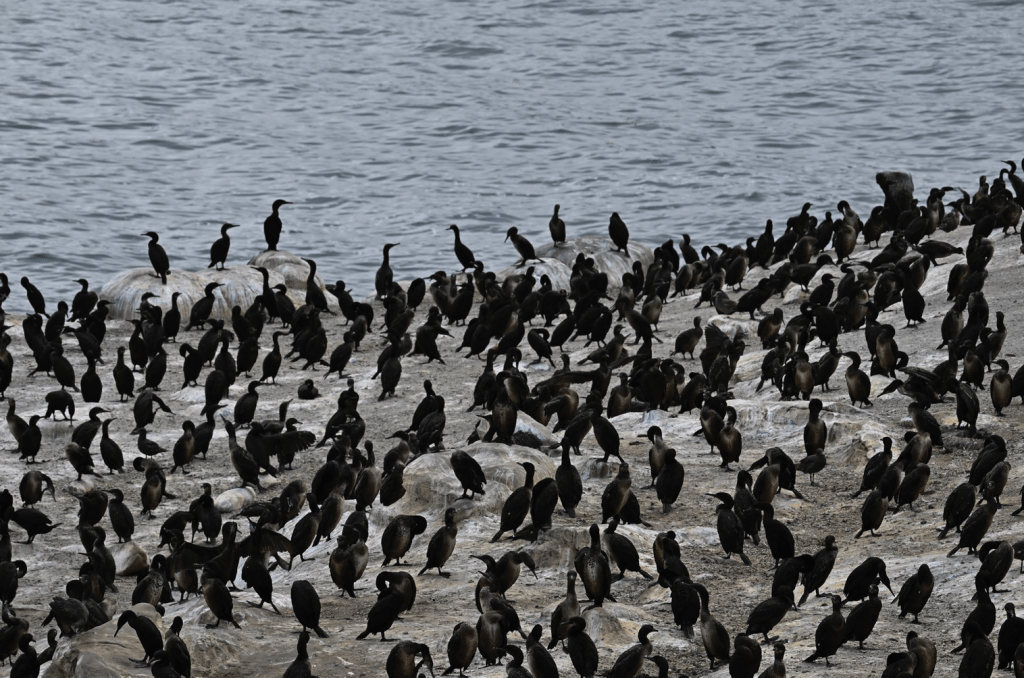
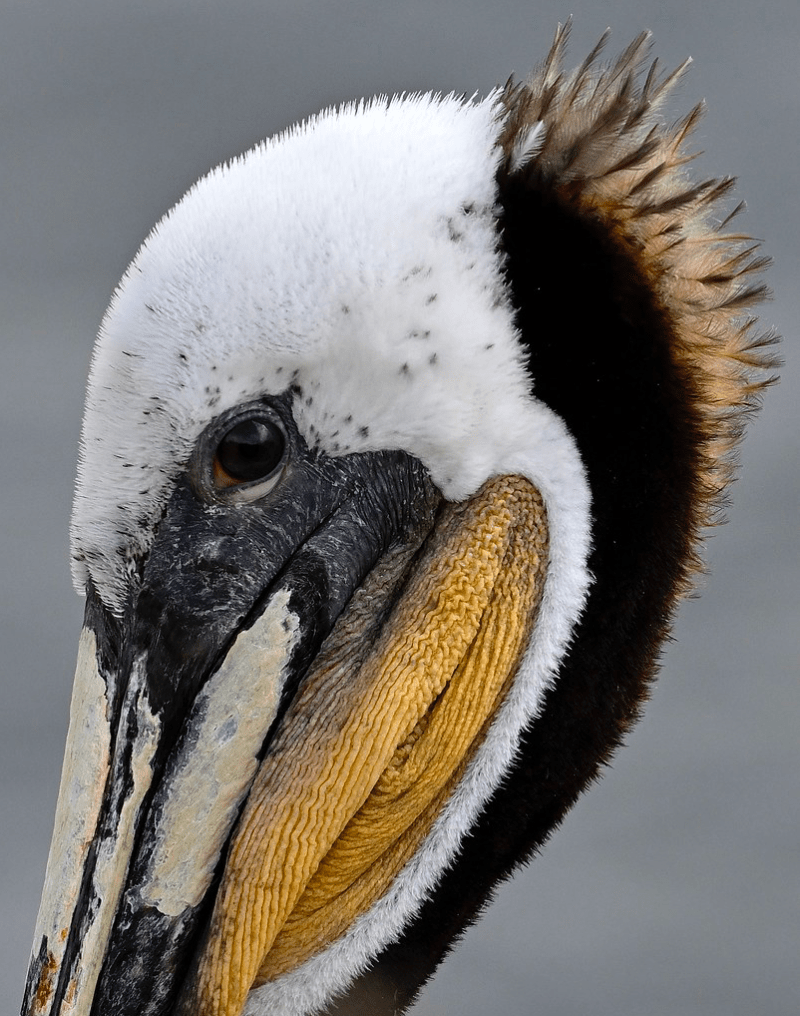
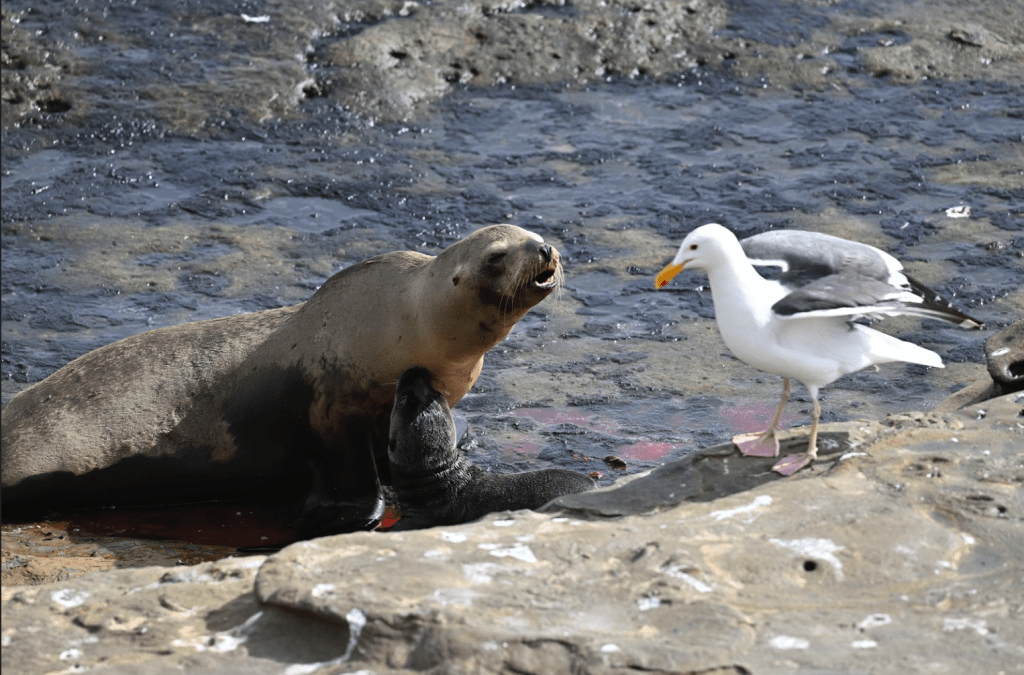
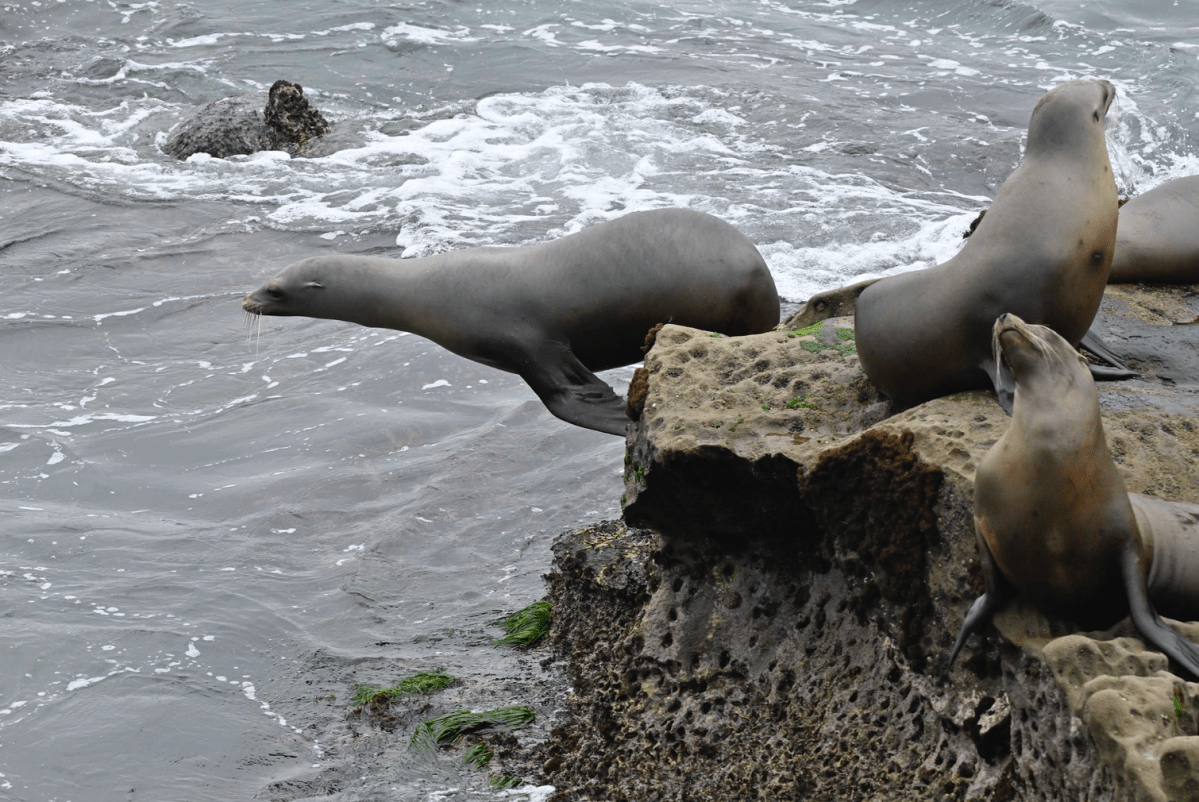
La Jolla Cove is part of the larger La Jolla Underwater Park, a protected marine reserve that makes it a paradise for snorkelers, scuba divers, and kayakers. Above the waves, La Jolla Cove is famously home to a lively population of sea lions and harbor seals. These charismatic creatures can be seen basking on the rocks, swimming close to shore, or engaging in playful antics that delight onlookers. Birdwatchers will also enjoy spotting a variety of coastal birds such as pelicans, cormorants, and gulls soaring overhead or nesting on the rocky cliffs.

Tide pools along the shore reveal a hidden world of marine invertebrates including starfish, anemones, and crabs, especially at low tide. This makes La Jolla Cove a fantastic destination for families and curious explorers eager to learn about marine ecology up close.

Challenges at La Jolla Cove

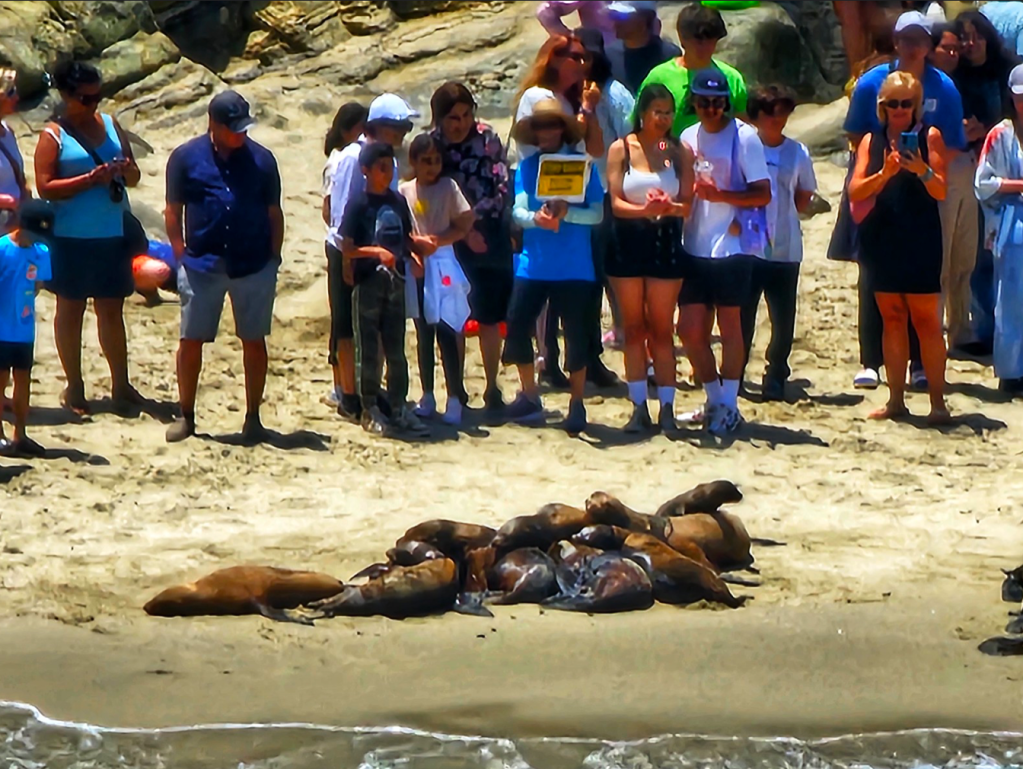
A growing problem involves harassment of the local wildlife, particularly sea lions and harbor seals. Despite clear signage and public education efforts, some visitors approach too closely for photos, attempt to touch or feed the animals, or otherwise disturb them. These actions not only stress the animals but can also lead to dangerous encounters. Seasonal closures and designated viewing areas have been implemented in some sections to minimize human-wildlife conflicts and protect both animals and people.

Increased foot traffic, littering and disturbance of tide pools can threaten the delicate ecosystems. Conservationists and local authorities continuously urge visitors to follow “leave no trace” principles and respect protected areas.

Water quality can also fluctuate, especially after heavy rains, due to urban

Balancing tourism, wildlife conservation, and community interests remains a delicate task, but ongoing efforts by environmental groups, volunteers, and city planners aim to preserve La Jolla Cove’s natural charm for generations to come

Black, White, and Adorable: A Panda Day at the Zoo

In August of 2024 the San Diego Zoo opened up the Panda Ridge Habitat for its two chinese Giant Pandas. The habitat was expanded to over 6000 square feet and can accomidate around 150 guests at a time. Panda Ridge was inspired by China’s geological formations, including mountains, canyons, and cliffs. The enclosure features: Pools and misters to keep the pandas cool, Rock outcroppings, and Lush trees and bushes.

 There are 3 ways you can visit Panda Ridge.

 Giant Panda Timed Tickets

Make the most of your day by securing a complimentary Giant Panda Timed Ticket when you arrive at the Zoo. Simply scan the ticket QR code located on signs posted throughout the Zoo, select an available time, and head to the Timed Ticket line at Panda Ridge at your designated time. You may also seek assistance with timed tickets at any Admissions Booth. Timed tickets are only available day of, on a first come, first served basis until the daily limit is reached.

 Standby Line

No ticket is needed to join the standby line at Panda Ridge any time from 9:30 a.m. until giant pandas are off habitat or the Zoo closes, whichever occurs earlier. Wait times may vary. The standby line does not guarantee visitation to Panda Ridge and is first come, first served.

 Early Morning with Pandas Walking Tour

A special 60-minute paid Early Morning with Pandas Walking Tour, where an expert guide will lead you to exclusive viewings of giant pandas. This tour is at an additional cost and is not included with admission. Reservations are required. You can make an advanced reservation for the Early Morning with Pandas Walking Tour by reserving online or calling (619) 718-3000.

The Living Desert Zoo

Palm Desert’s Living Desert Zoo and Gardens is more than just a zoo; it’s a vibrant celebration of the world’s arid regions. Nestled against the stunning backdrop of the Santa Rosa Mountains, this unique attraction offers a captivating blend of wildlife encounters and botanical exploration.

If you’re looking for a family-friendly adventure that’s both educational and entertaining, the Living Desert is a must-visit. From the moment you step through the gates, you’re immersed in a world of fascinating creatures adapted to survive in some of the harshest environments on Earth.

For current hours and pricing visit https://www.livingdesert.org

What to Expect:

  • Diverse Animal Encounters: Get up close with majestic giraffes, playful meerkats, elusive desert tortoises, and the iconic big horn sheep. The zoo’s focus on desert-dwelling animals means you’ll see species you might not encounter at a typical zoo.
  • Beautiful Botanical Gardens: Stroll through meticulously curated gardens showcasing the incredible diversity of desert flora. Learn about the adaptations that allow plants to thrive in arid climates.
  • Educational Programs: The Living Desert is committed to conservation and education. Daily talks and demonstrations provide valuable insights into the animals and their habitats.
  • Scenic Hiking Trails: Explore the natural desert landscape on the zoo’s hiking trails, offering breathtaking views of the surrounding mountains and valleys.

  • Giraffe Feeding: One of the most popular attractions is the opportunity to feed the giraffes. It’s a truly memorable experience!

Why It’s Worth a Visit:

The Living Desert isn’t just about seeing animals; it’s about understanding the delicate balance of desert ecosystems. The zoo’s conservation efforts and educational programs make it a valuable resource for learning about the importance of protecting these fragile environments.

Whether you’re a nature enthusiast, a family looking for a fun day out, or simply seeking a unique desert experience, the Living Desert Zoo and Gardens has something for everyone. So, pack your sunscreen, grab your water bottle, and prepare to be amazed by the wonders of the desert!

Fishing, Camping, and Fun: Explore Santee Lakes

Santee Lakes: A Hidden Gem for Outdoor Recreation A picturesque paradise in the heart of San Diego’s East County

Nestled in the rolling hills of San Diego’s East County, Santee Lakes is a hidden gem for outdoor enthusiasts seeking a tranquil escape from the hustle and bustle of city life. This sprawling recreational area offers a diverse range of activities for visitors of all ages, from fishing and boating to hiking and picnicking.

Santee Recreational Lakes is a 190-acrea privately owned park and campground run by the Padre Dam Municipal Water District. The park is made up of seven lakes that are filled with recycled water from a water treatment plant nearby. There is plenty of parking along the loop road that runs around the property. Lakes 1-6 have flat paved concrete sidewalks next to the roadway. 

Dogs are not allowed in the day use area of the park. Between Lakes 6 and 7 in the north there is a limited  dog walk area accessible on the west side. 

The campground offers cabin rentals and RV sites for pricing and availability check there site 

I originally found out about the Santee Recreational Lakes through the Palomar Audubon Society website. I was looking for birding groups in my area and joined them on a walk of Santee Lakes. I have since been pack many times on my own and have scene a variety of both native and transient birds at the lakes. 

A Haven for Anglers

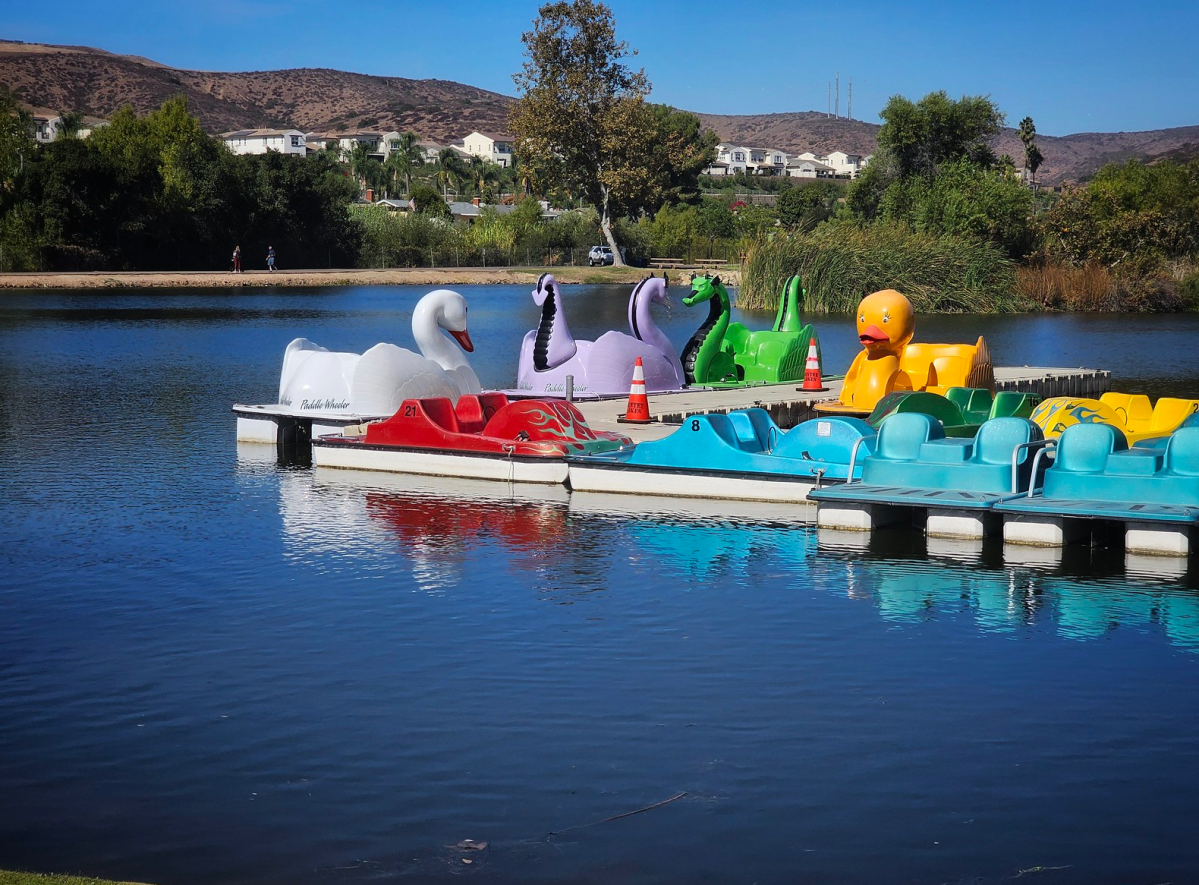
Santee Lakes is a popular destination for anglers, with its well-stocked waters teeming with various fish species, including rainbow trout, catfish, and bass. The lakes offer a variety of fishing opportunities, from bank fishing to renting a pedal powered swan boat.

Picnicking and Camping

Santee Lakes is a great place to spend a day with family and friends. The park has several picnic areas equipped with tables, grills, and playgrounds, making it an ideal spot for a picnic lunch or barbecue. For those who want to stay overnight, the park also has a campground with RV hookups and tent sites.

Additional Amenities

Santee Lakes offers a variety of other amenities to make your visit enjoyable, including a snack bar, a bait shop, and a boat rental facility. The park also has a visitor center with information about the area and upcoming events.

A Day Trip Worth Taking

If you’re looking for a relaxing and fun-filled day trip, Santee Lakes is the perfect destination. With its stunning natural beauty, diverse recreational opportunities, and family-friendly atmosphere, Santee Lakes is a hidden gem that is sure to delight visitors of all ages.

Tips for Visiting Santee Lakes:

  • Santee Lakes is open year-round, but the best time to visit is during the spring and fall when the weather is mild.
  • Admission to Santee Lakes is free to walk in, but there are fees for parking your car, boat rentals, and fishing permits.
  • Be sure to bring sunscreen, a hat, and plenty of water, especially during the summer months.
  • Santee Lakes is a popular destination, so it’s best to arrive early to avoid crowds.
  • To find out more visit their website https://www.santeelakes.com