San Diego Zoo Orchid Greenhouse: Rare Blooms and Tropical Beauty

Exploring the Orchid Greenhouse at the San Diego Zoo

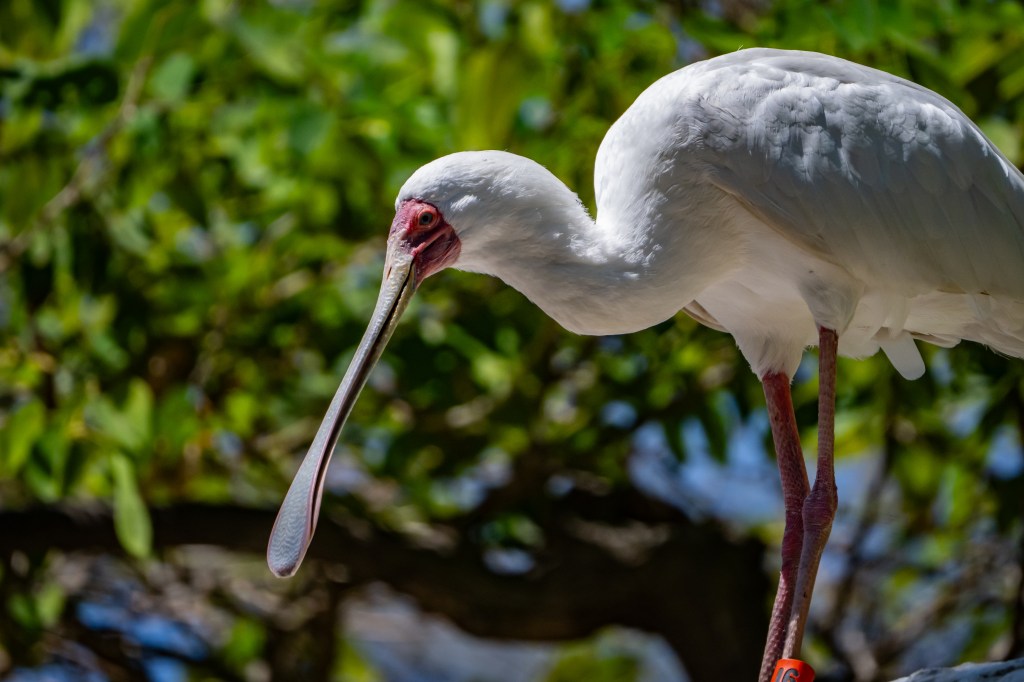
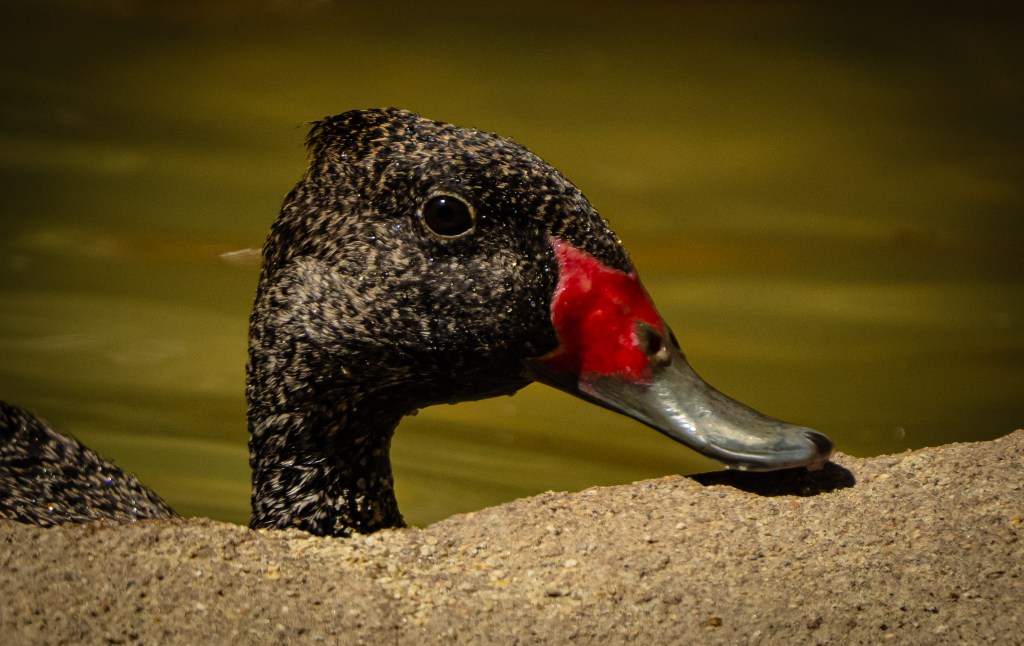
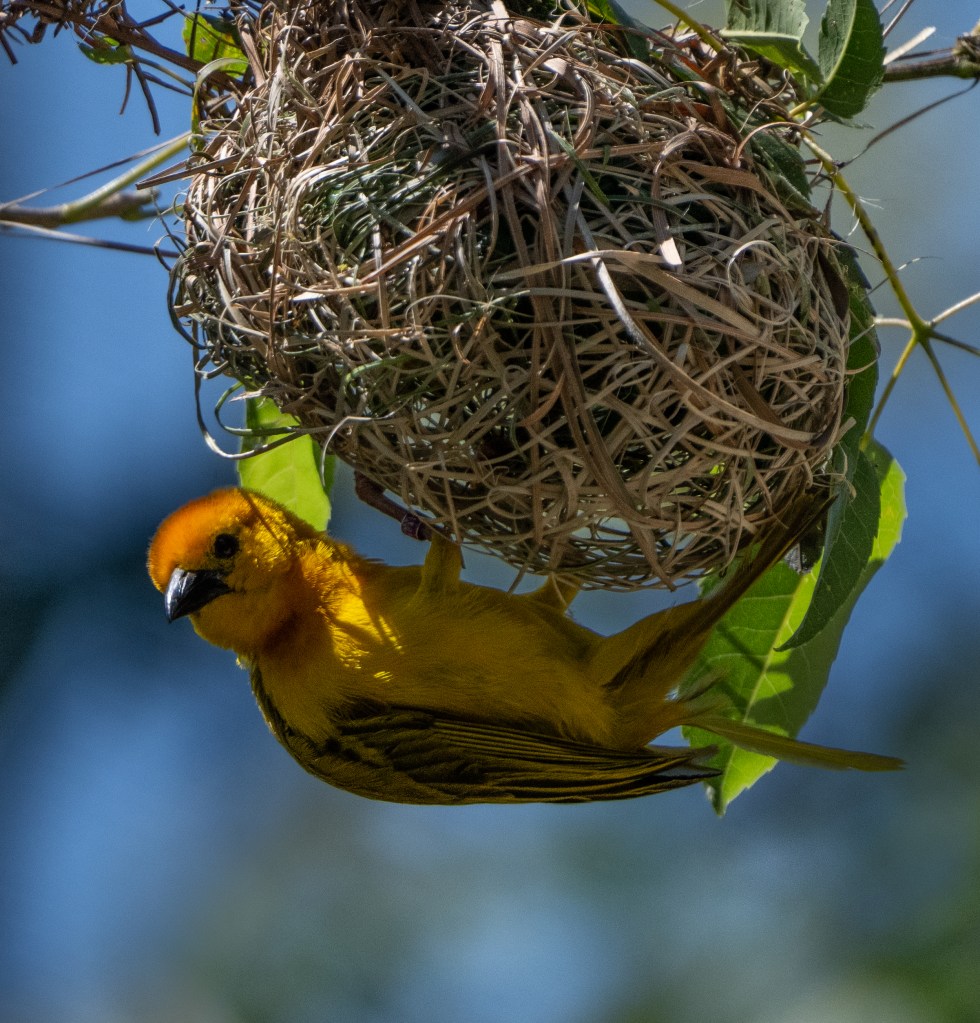
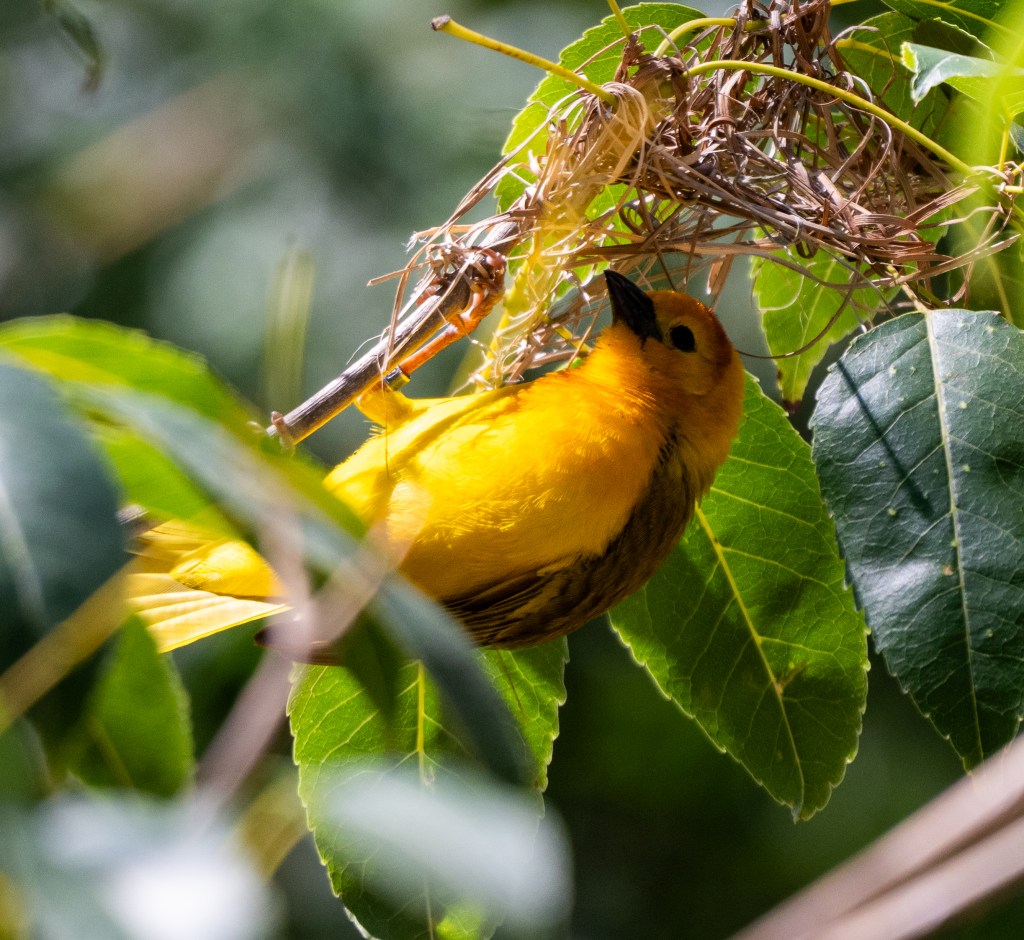
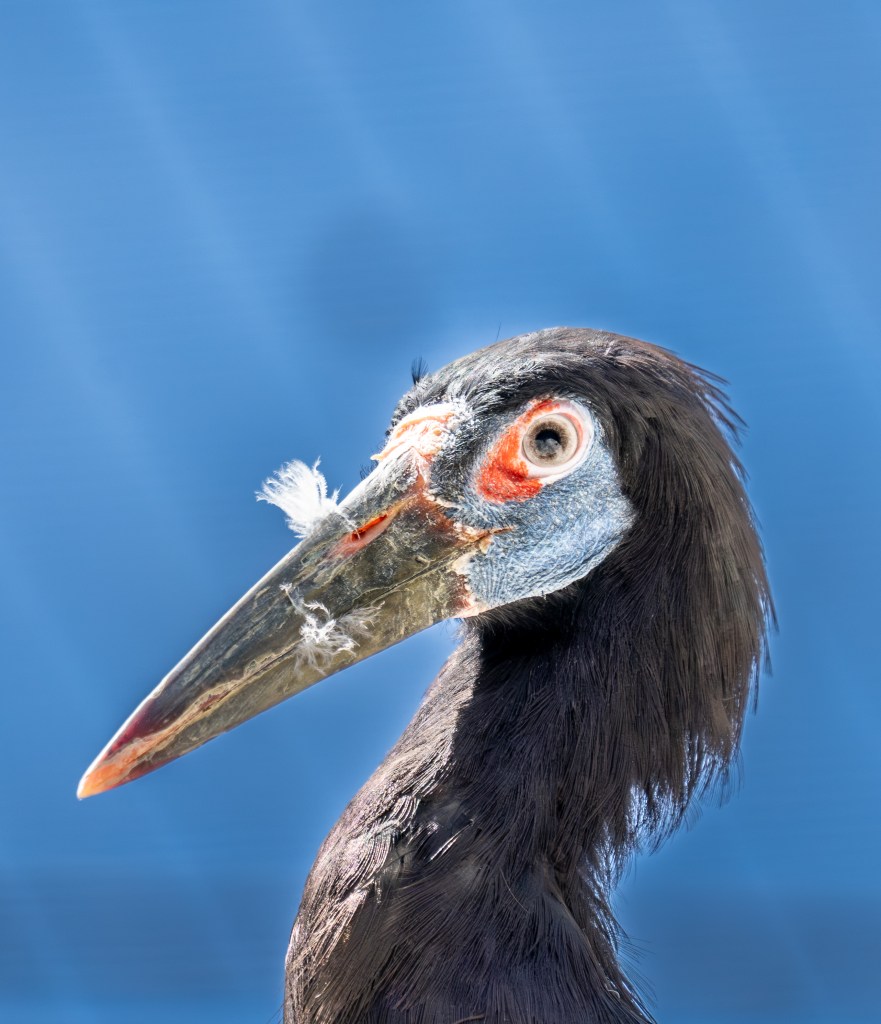
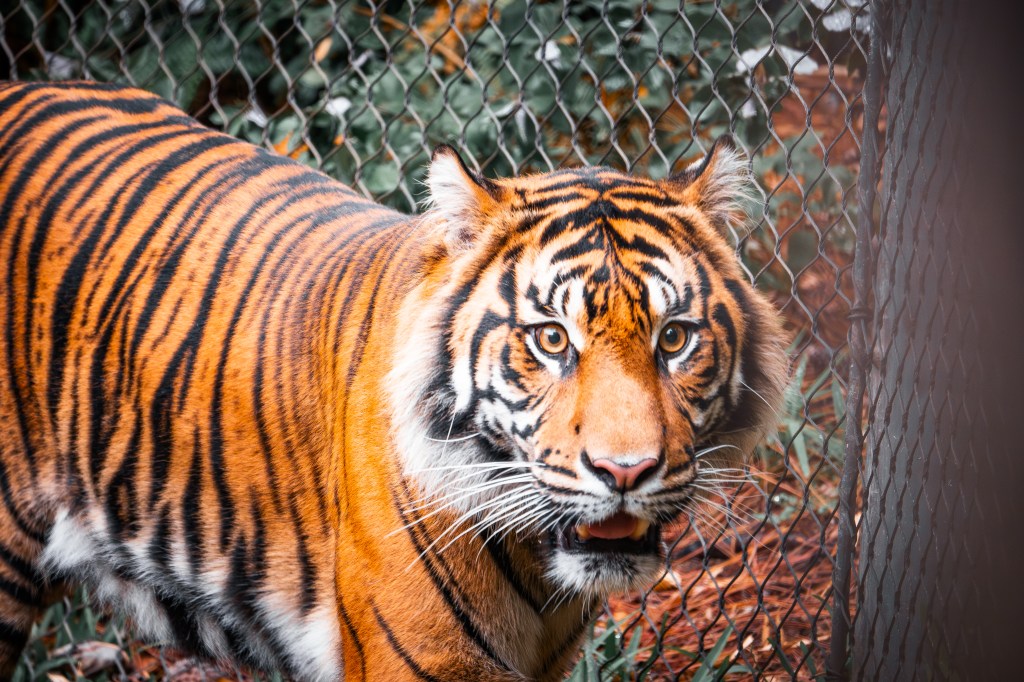
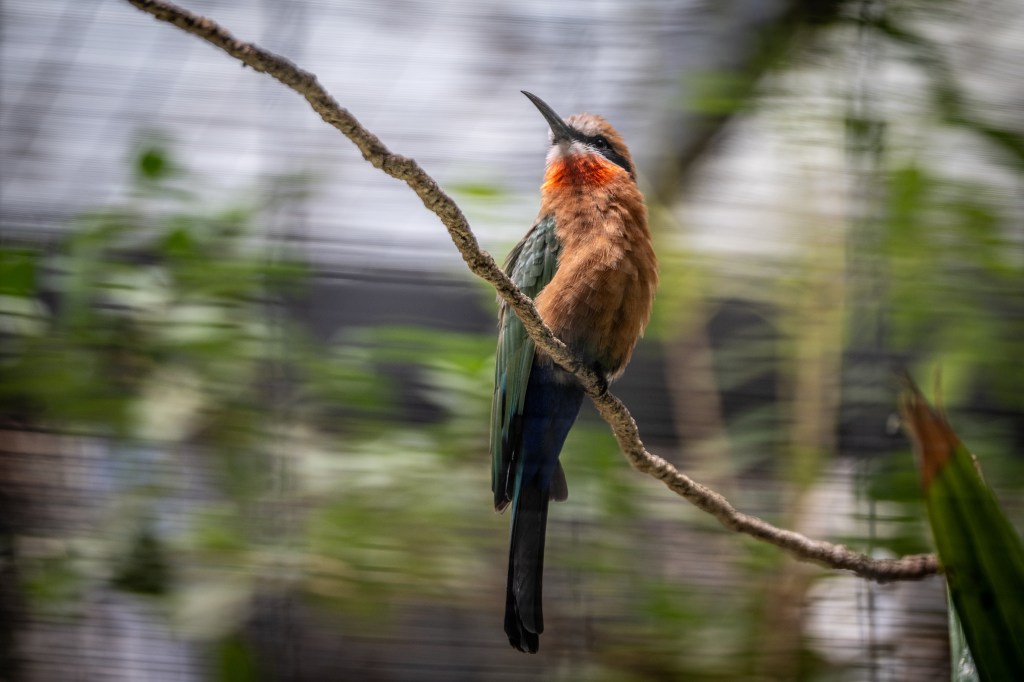
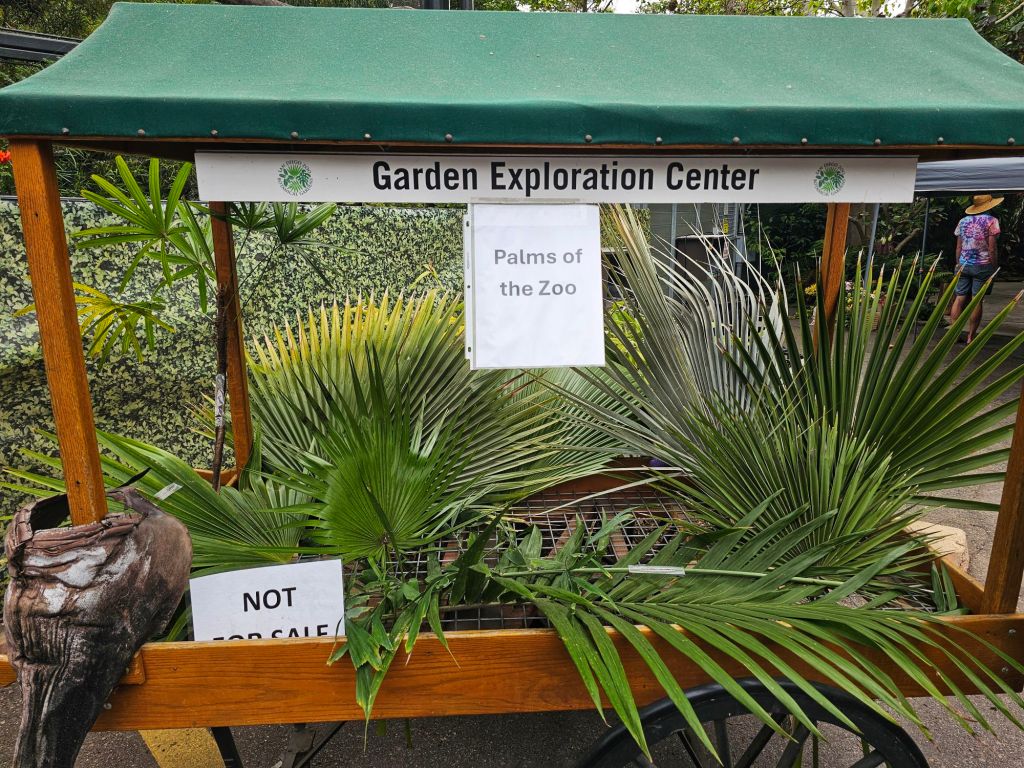
The San Diego Zoo is renowned for its diverse collection of wildlife, but there’s an equally stunning feature that often flies under the radar—its Orchid Greenhouse. Tucked away within the Zoo’s lush grounds, this hidden gem is a paradise for plant lovers and anyone seeking a peaceful, aromatic escape. Whether you’re a seasoned botanist or simply someone who appreciates nature’s beauty, the Orchid Greenhouse offers an enchanting experience that deserves a visit.

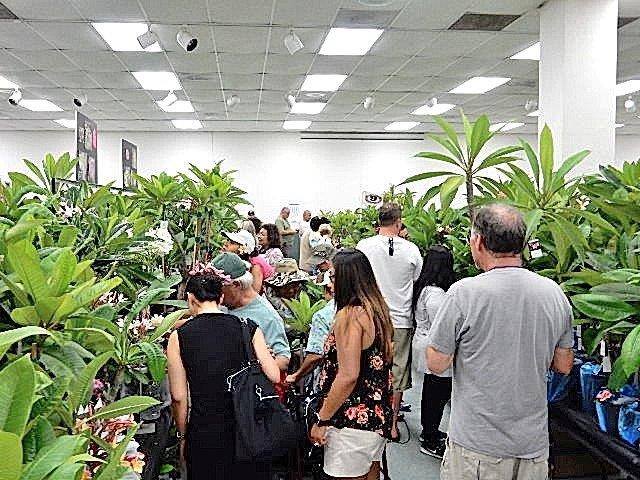
Here’s the schedule for 2025 Plant Days and Orchid Odyssey running from 10am to 2pm

Friday, July 18, 2025
Friday, August 15, 2025
Friday, September 19, 2025
Friday, October 17, 2025
Friday, November 21, 2025
Friday, December 19, 2025

Visit the San Diego Zoo website for more information on Botanical Tours here

A Blooming Paradise: What to Expect

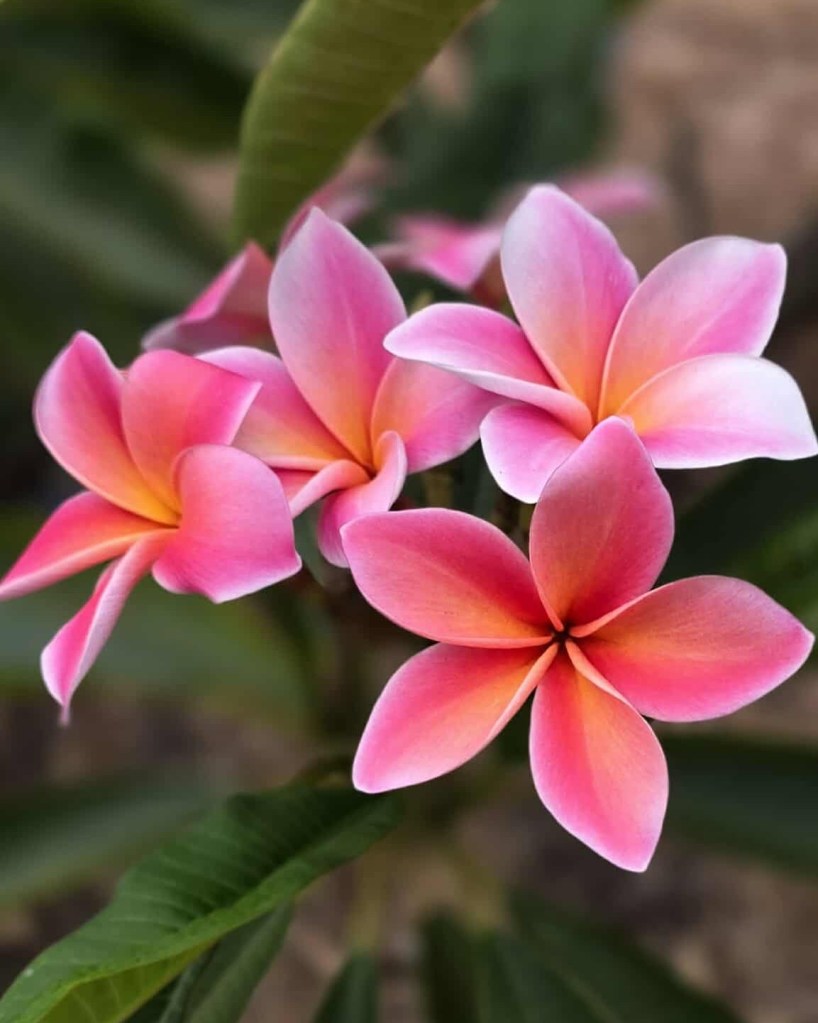
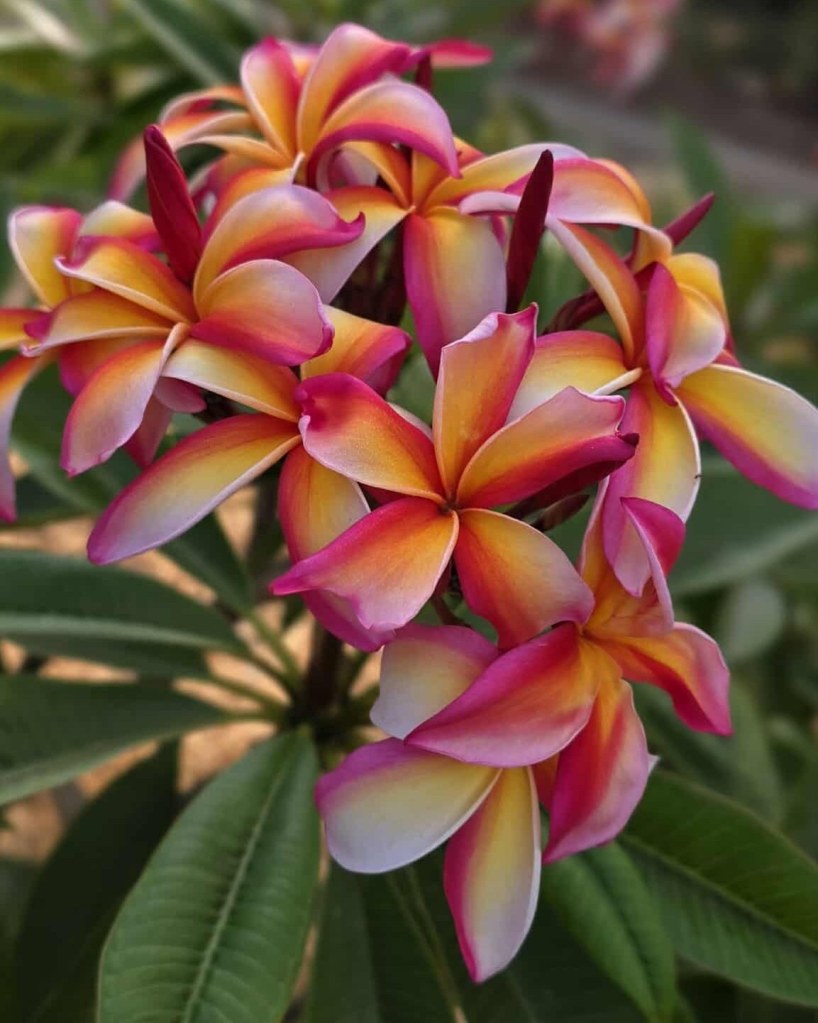
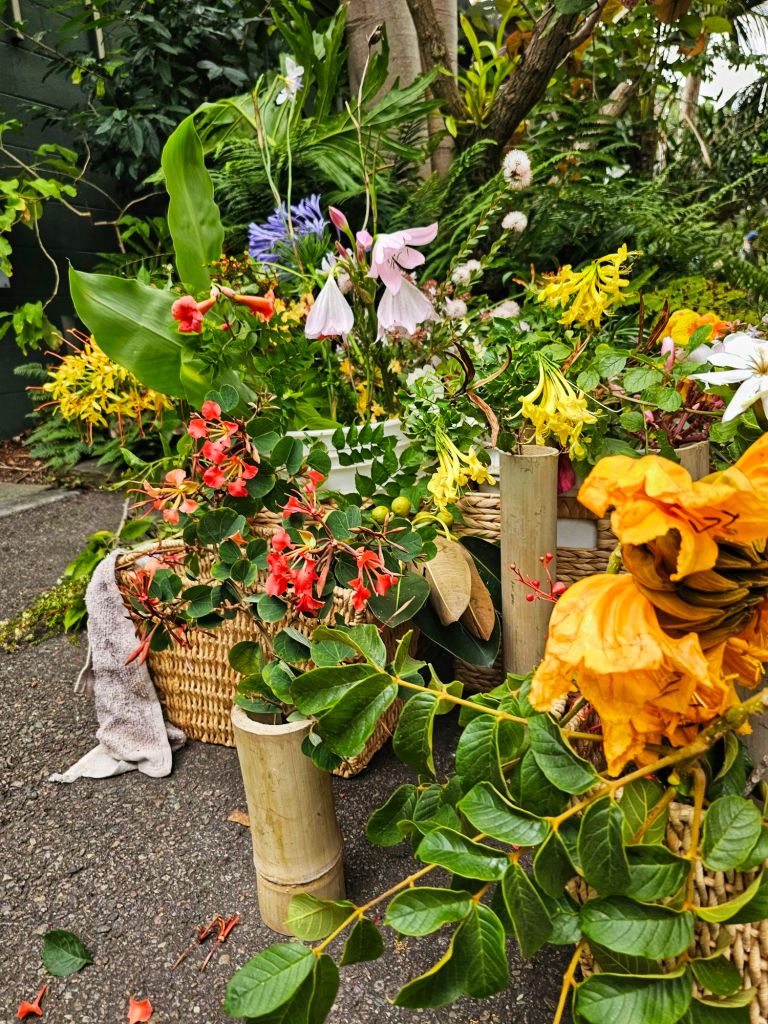
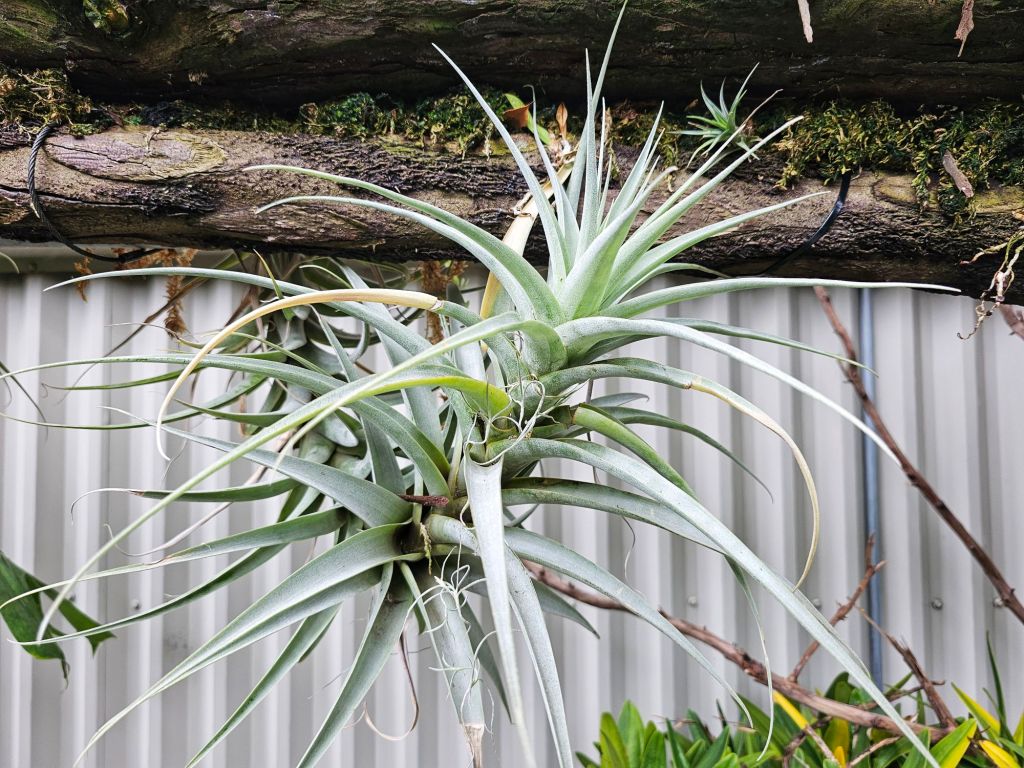
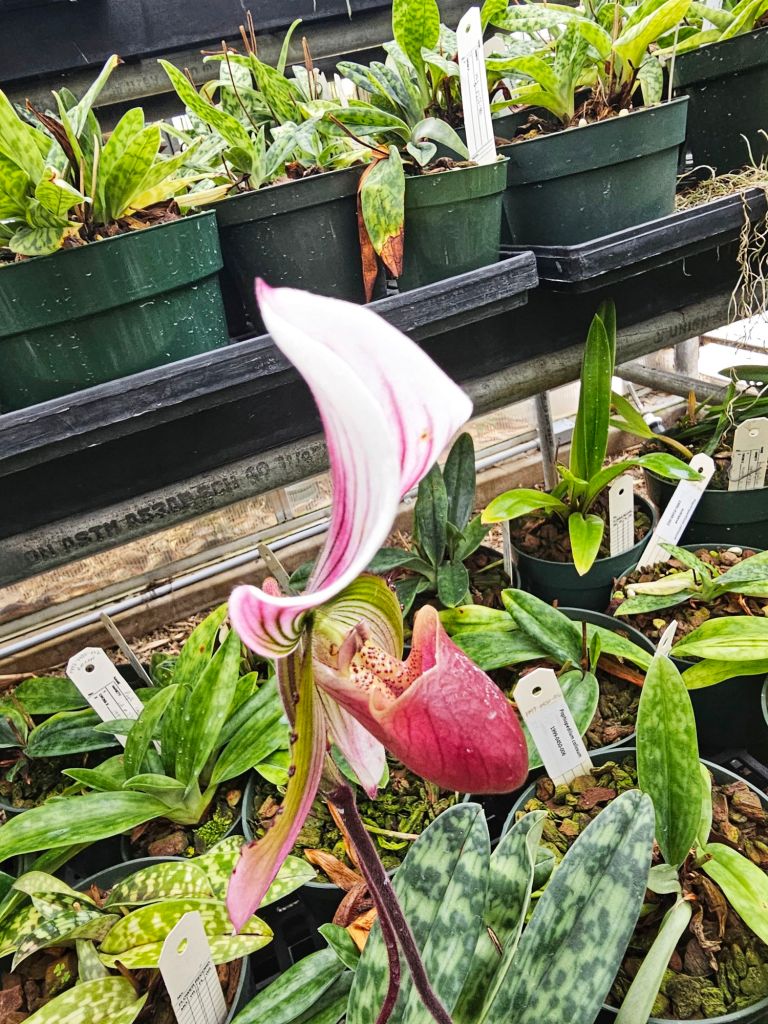
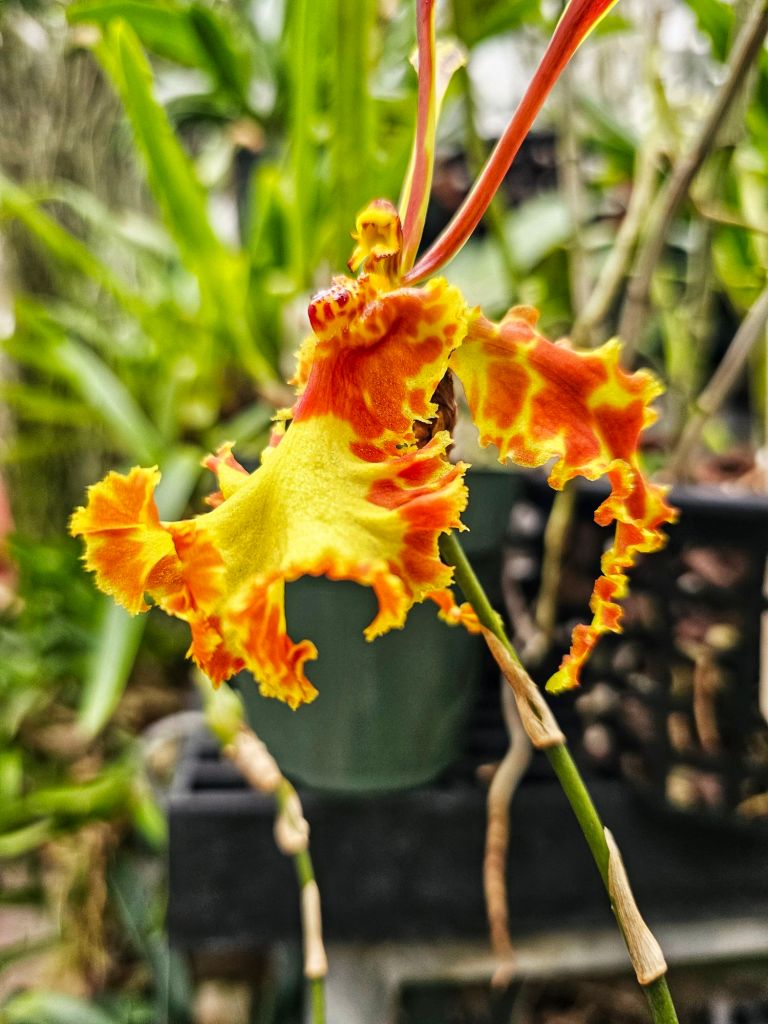
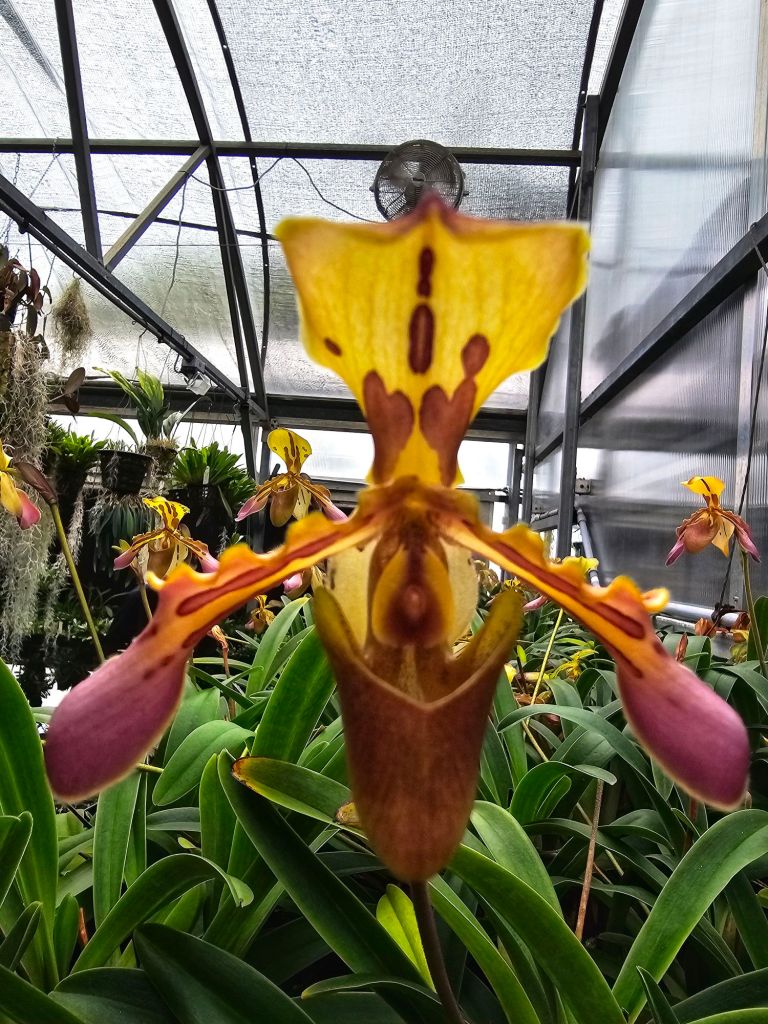
The Orchid Greenhouse is home to over 1,000 species of orchids, each more captivating than the last. These delicate, vibrant flowers come in every color of the rainbow, ranging from the deep purples of the Cattleya to the soft pastels of the Phalaenopsis. The greenhouse is designed to mimic the orchids’ natural tropical habitat, ensuring that each bloom thrives in the ideal conditions.

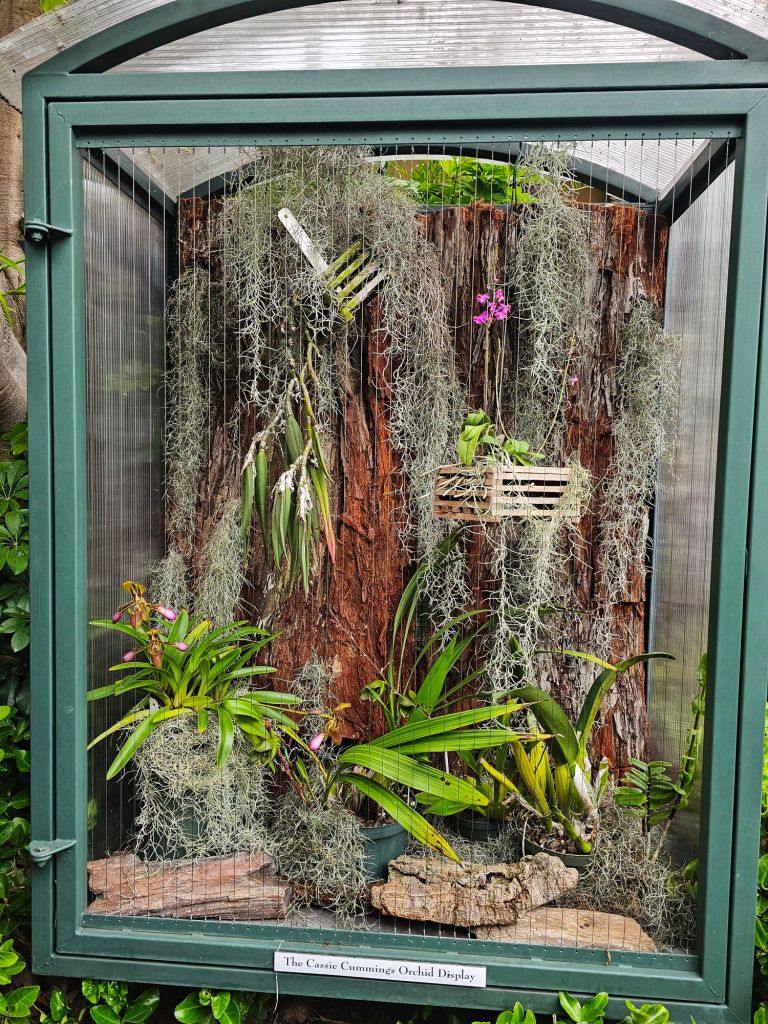
Upon entering, you’re immediately greeted by the intoxicating scent of the flowers and the cool, humid air. The space is filled with layers of hanging orchids, potted varieties, and intricate arrangements that transport you to a tropical paradise. The layout is designed to let you take your time as you explore different sections, each dedicated to specific types of orchids from around the world, including Central and South America, Southeast Asia, and the Pacific Islands.

The Fascinating World of Orchids

Orchids are among the most diverse plant families on Earth, with more than 25,000 species and over 100,000 hybrids. The Orchid Greenhouse at the San Diego Zoo showcases many of these varieties, offering a chance to learn about their unique characteristics. Some orchids have flowers that bloom only once a year, while others may only open for a few hours, making the greenhouse a truly dynamic environment.

What makes orchids particularly special is their intricate pollination process, which often involves symbiotic relationships with specific insect species. In the greenhouse, you’ll see firsthand how these delicate flowers attract and rely on their pollinators, adding another layer of wonder to the experience.

Conservation Efforts and Education

While the Orchid Greenhouse is an aesthetic treat, it also serves a vital conservation role. Many of the orchids housed here are endangered or rare species. The San Diego Zoo is deeply involved in global orchid conservation efforts, helping to preserve habitats and promote the cultivation of orchids that are at risk of extinction in the wild.

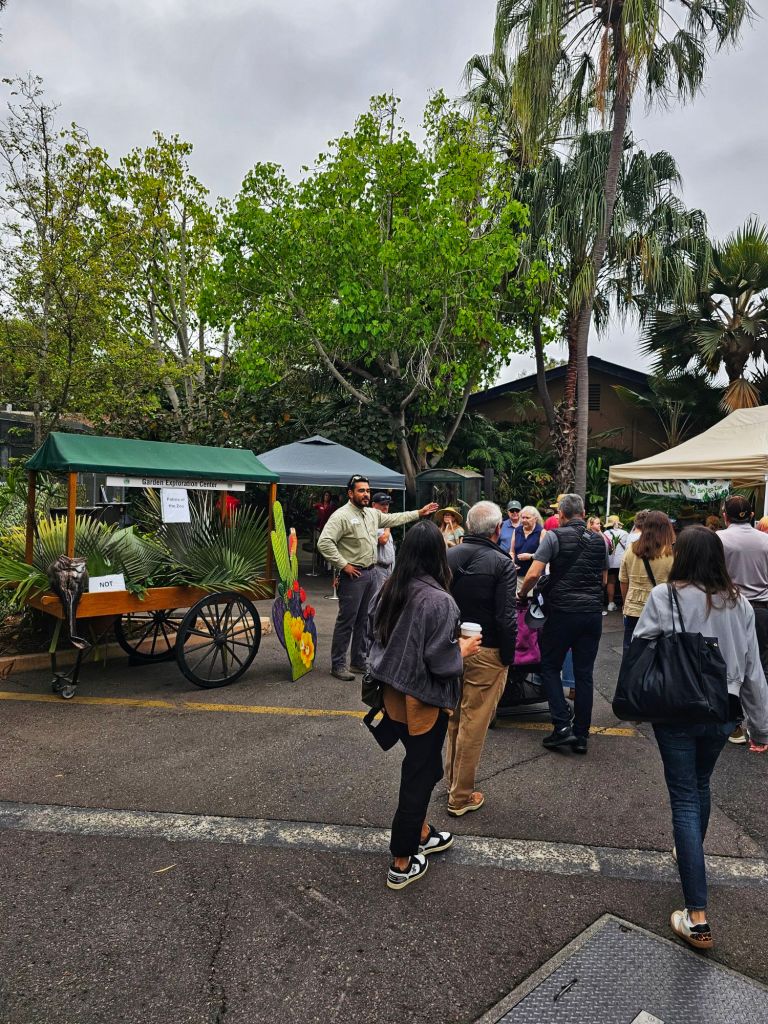
Visitors to the Orchid Greenhouse can learn about these important initiatives through informational displays and guided tours. Knowledgeable staff and volunteers are always on hand to answer questions, explaining how the Zoo’s breeding programs and conservation projects contribute to preserving orchid species for future generations.

A Photography Haven

For photography enthusiasts, the Orchid Greenhouse is a dream come true. The vibrant colors, intricate patterns, and the way light filters through the glass panels create perfect conditions for capturing stunning photos. Whether you’re looking to snap close-ups of delicate blooms or create a wider landscape shot of the greenhouse, you’ll find plenty of opportunities to experiment with your camera.

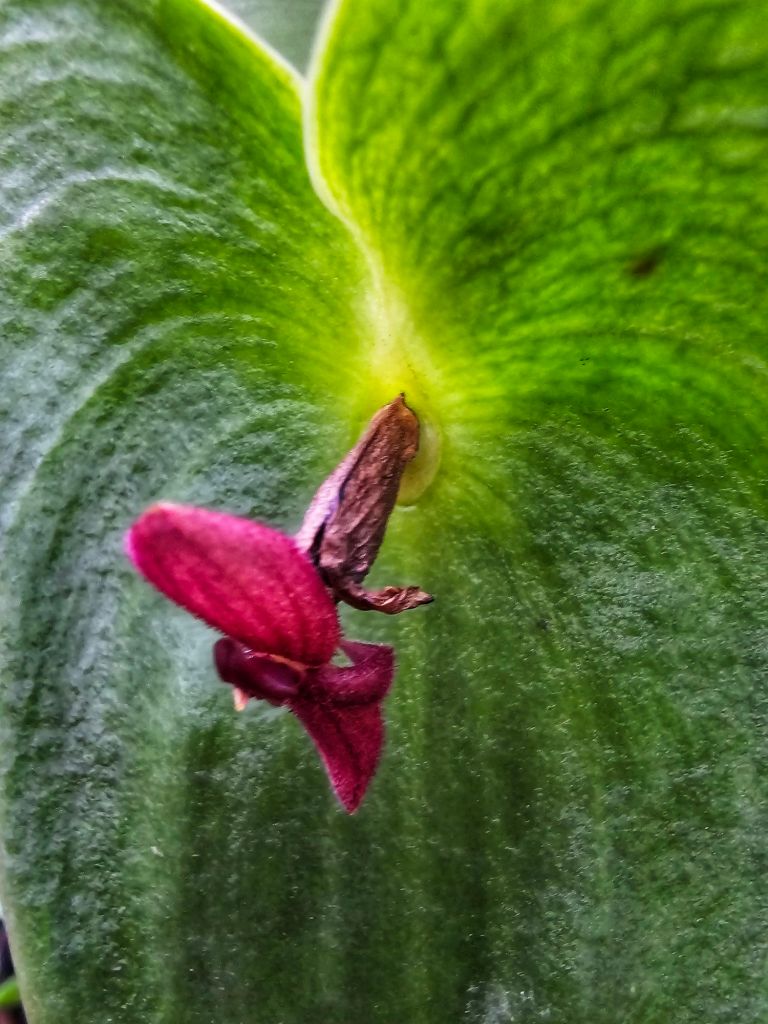
Don’t forget your macro lens if you want to capture the minute details that make orchids so mesmerizing—the texture of the petals, the subtle color gradients, and the tiny pollination structures are all fascinating subjects.

Tips for Your Visit

  • Best Time to Visit: The Orchid Greenhouse is open year-round, but it’s particularly stunning during spring when many orchids are in bloom. If you’re aiming to avoid crowds, visiting early in the day or during weekdays is ideal.
  • Plan for a Relaxing Experience: The greenhouse is a peaceful retreat within the bustling zoo, so take your time to savor the beauty and tranquility of the space. It’s a perfect spot for a short break from the main zoo attractions.
  • Join a Guided Tour: If you’re keen to dive deeper into the world of orchids, be sure to join one of the Zoo’s guided tours. These often include fascinating insights into orchid biology, conservation, and the zoo’s work with endangered species.

Conclusion

The Orchid Greenhouse at the San Diego Zoo is a captivating blend of nature’s beauty, botanical education, and conservation efforts. Whether you’re a flower enthusiast, a photographer, or simply in search of a serene escape, this hidden sanctuary offers a one-of-a-kind experience. The next time you visit the zoo, don’t miss the chance to explore this blooming oasis—it’s a reminder of how diverse and delicate the natural world truly is.

Sailing Without Limits: The Inspiring Work of Challenged Sailors San Diego

Set Sail for Freedom on San Diego Bay

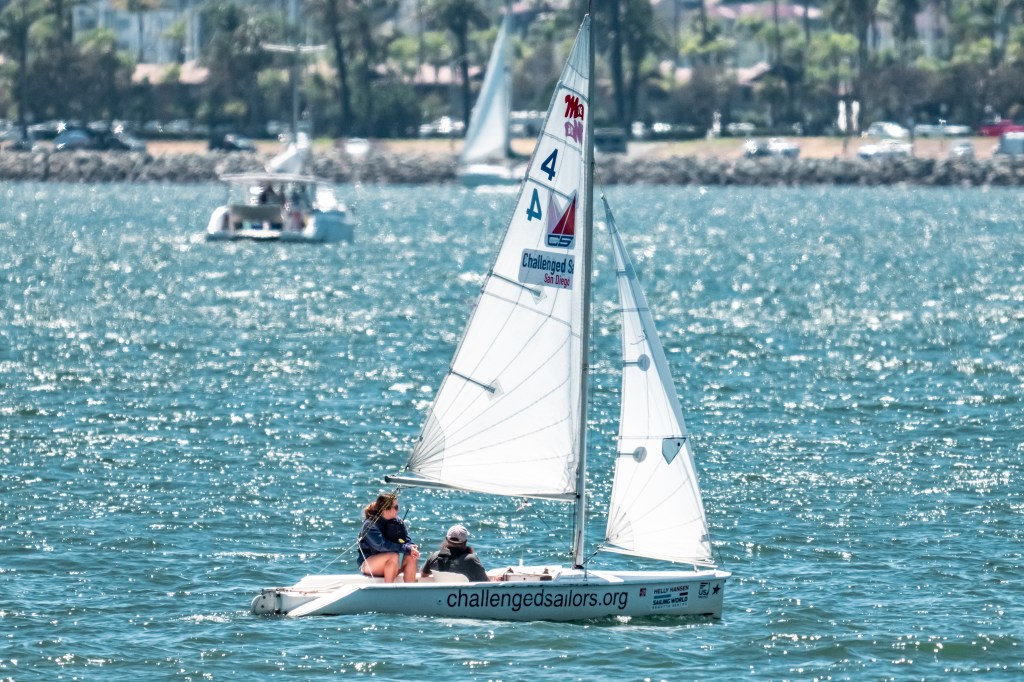
Tucked along the marina-lined coast of Harbor Island, a quiet revolution takes place every weekend. It doesn’t make headlines or draw big crowds, but it changes lives—one sail at a time. Challenged Sailors San Diego (CSSD) is a volunteer-powered nonprofit that brings the joy and freedom of sailing to individuals with physical and cognitive disabilities.

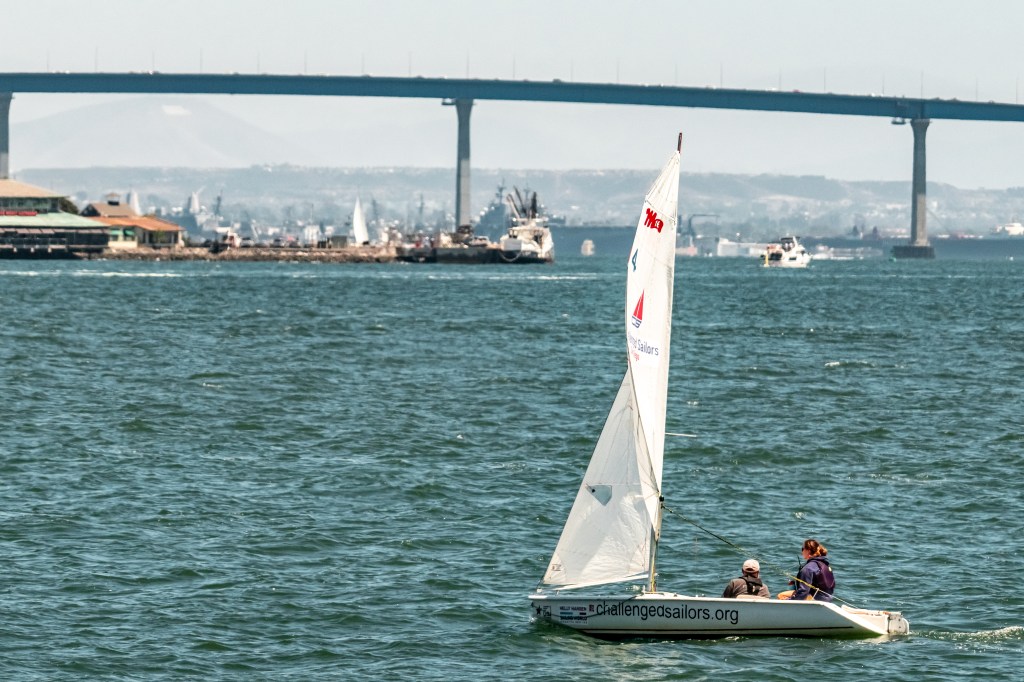
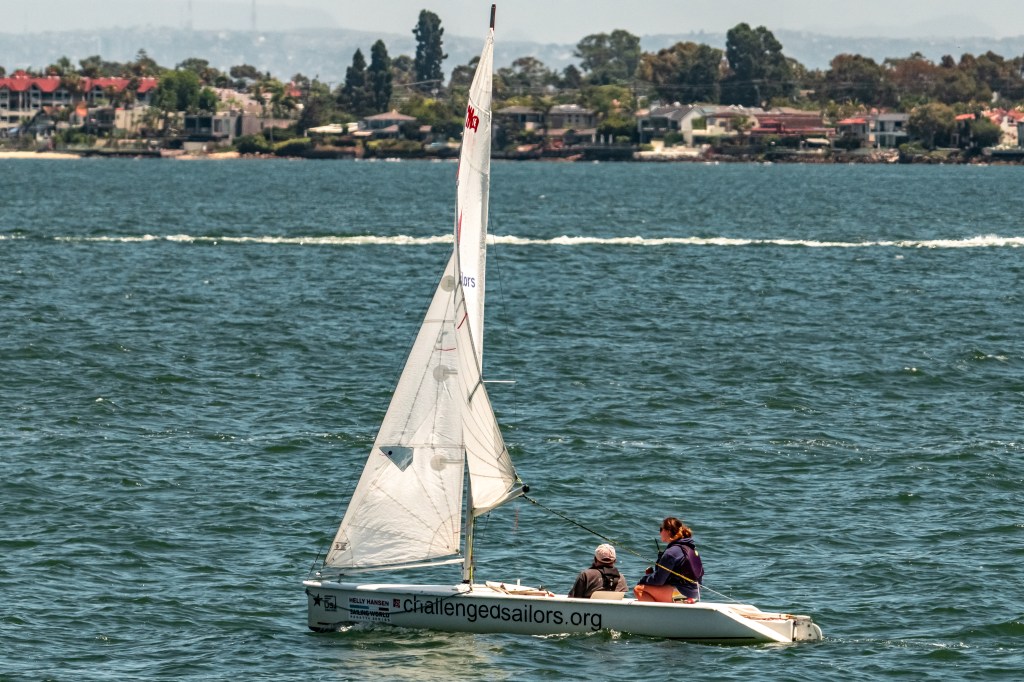
Every Friday and Saturday, from 11:30 a.m. to 3:00 p.m., you’ll find CSSD’s custom fleet of Martin 16 sailboats slicing across San Diego Bay, helmed by people who are often navigating more than just the wind and tide—they’re navigating challenges like paralysis, vision loss, PTSD, or traumatic brain injury. But out on the water, those barriers seem to vanish.

Adaptive Sailing for All

What makes CSSD so unique is their accessibility-first approach. Their Martin 16 sailboats are specially designed with stability and ease of control in mind. Sailors sit in supportive bucket seats, and many use a joystick—or even a sip-and-puff system—for full control of the boat. A trained volunteer companion sits just behind, ready to assist when needed, but always letting the sailor take the lead.

Whether someone is a first-time participant or a returning sailor, CSSD creates a safe and empowering experience. No previous sailing experience is required, and participation is completely free of charge. This is more than recreation—it’s liberation.

“Anywhere You Want to Go”

One of the most moving stories shared by CSSD volunteers is of a woman in a wheelchair who asked, “Where do we go?” Her sailing companion responded, “Anywhere you want.” She burst into tears. It’s a reminder that freedom of movement—something many of us take for granted—is a powerful gift.

CSSD serves a wide range of sailors, from veterans and stroke survivors to young people with cerebral palsy or autism. Some are lifelong San Diegans. Others are visiting just for the day. All leave with a shared sense of accomplishment—and often, a smile that speaks louder than words.

Volunteers at the Helm

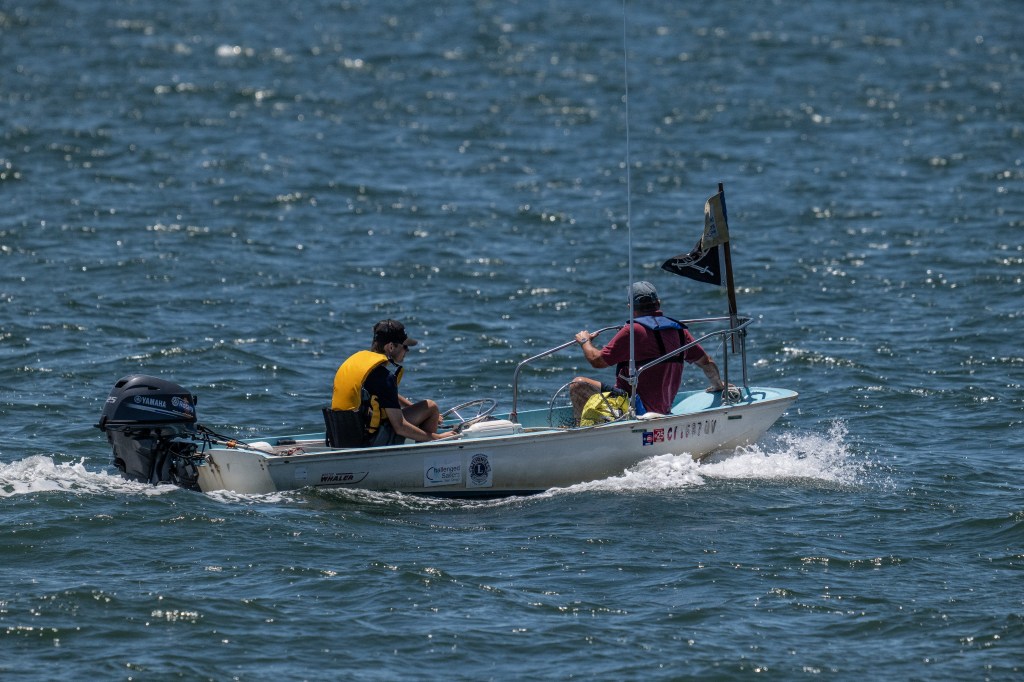
CSSD is 100% volunteer-run. Everyone from the companion sailors to the dockhands to the chase boat operators donates their time and energy. Many are lifelong sailors. Others are newcomers drawn to the cause. But all share the same passion: making sailing accessible to everyone.

Interested in volunteering? No sailing experience is needed for many roles, and training is provided. If you’re looking to give back to the community in a way that’s fun, active, and deeply meaningful, this is one crew worth joining.
How to Get Involved

CSSD offers several ways to participate:

  • Sail with them: If you or someone you know has a disability and would like to try sailing, simply sign up on their website and the team will contact you to schedule a day.
  • Volunteer: Help on the water or on the dock. All roles are vital, and everyone is welcome.
  • Donate: CSSD relies on donations to keep the sails full and the experiences free. Every dollar helps bring joy to someone’s day.

To learn more or get involved, visit: https://www.challengedsailors.org


Final Thoughts

Out on the bay, there are no wheelchairs. No labels. Just wind, water, and the thrill of command. Challenged Sailors San Diego reminds us that inclusion isn’t just about access—it’s about creating moments of joy, confidence, and connection. And sometimes, that all begins with a simple push away from the dock.
Scent of Summer: A Lavender Escape in Ramona

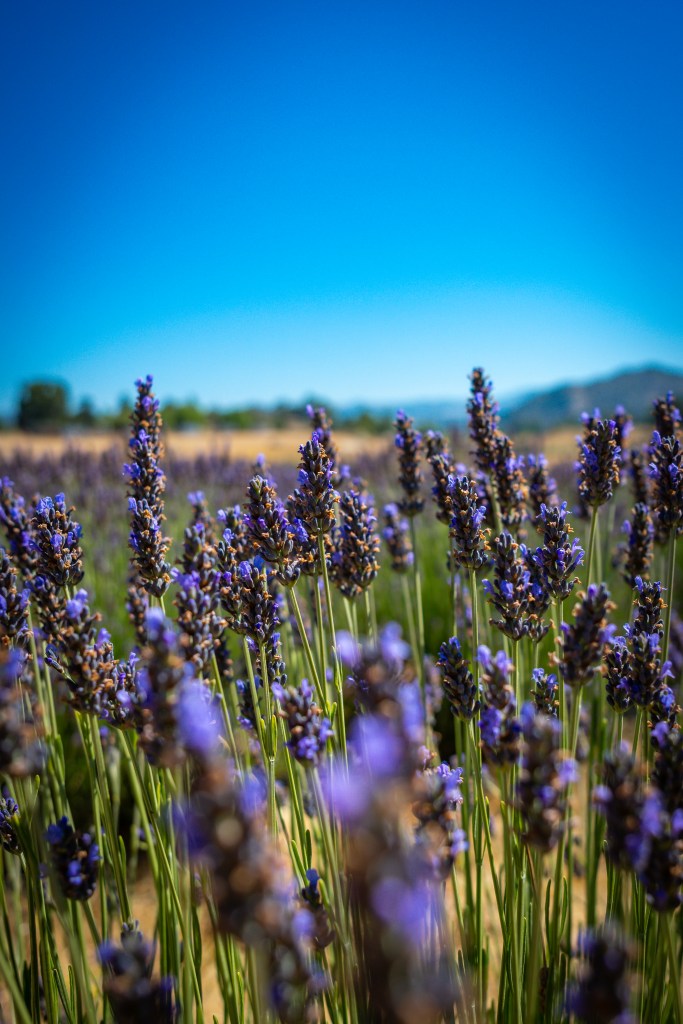
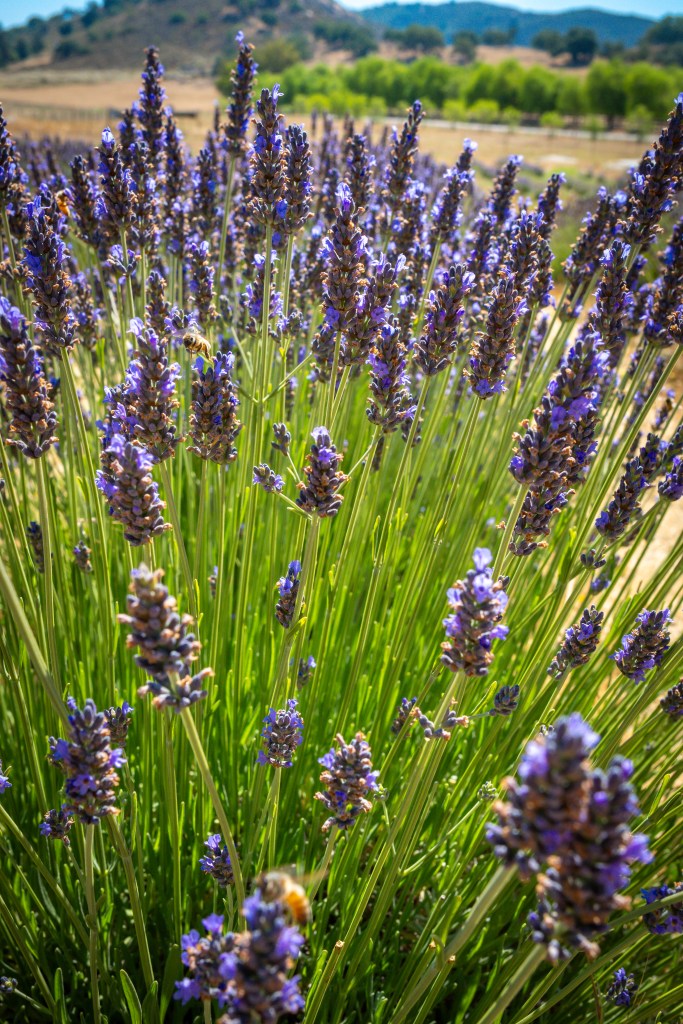
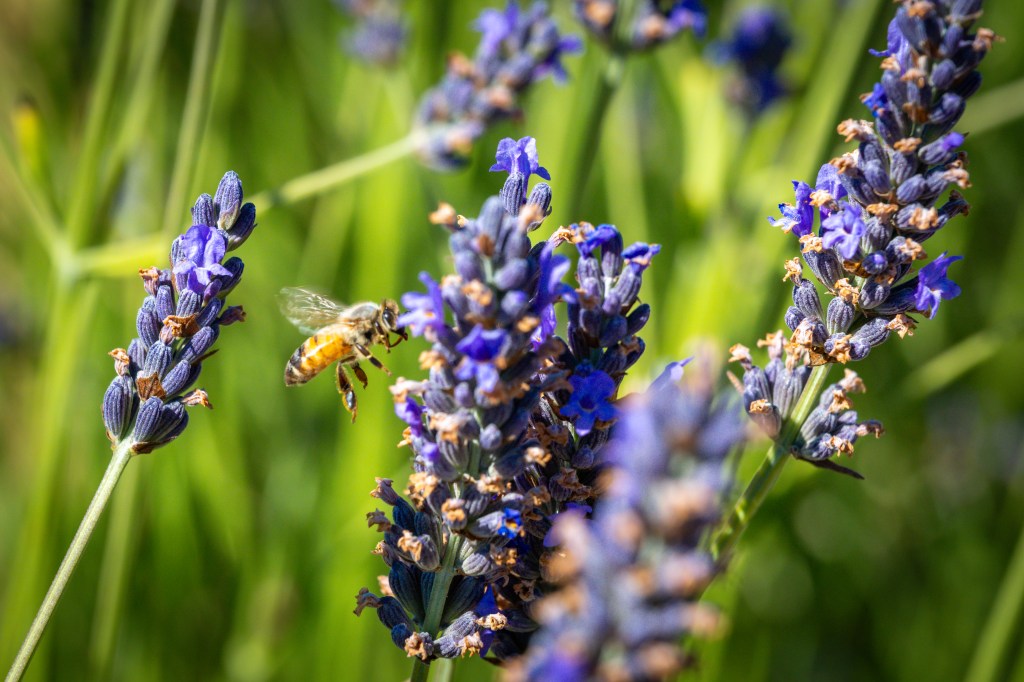
Lavender season typically peaks from late May through early July, when the hillsides come alive with vibrant purple blooms. Farms across Ramona open their gates to visitors for a brief but beautiful window of time, offering U-pick experiences, handmade products, and peaceful strolls through aromatic rows of lavender.

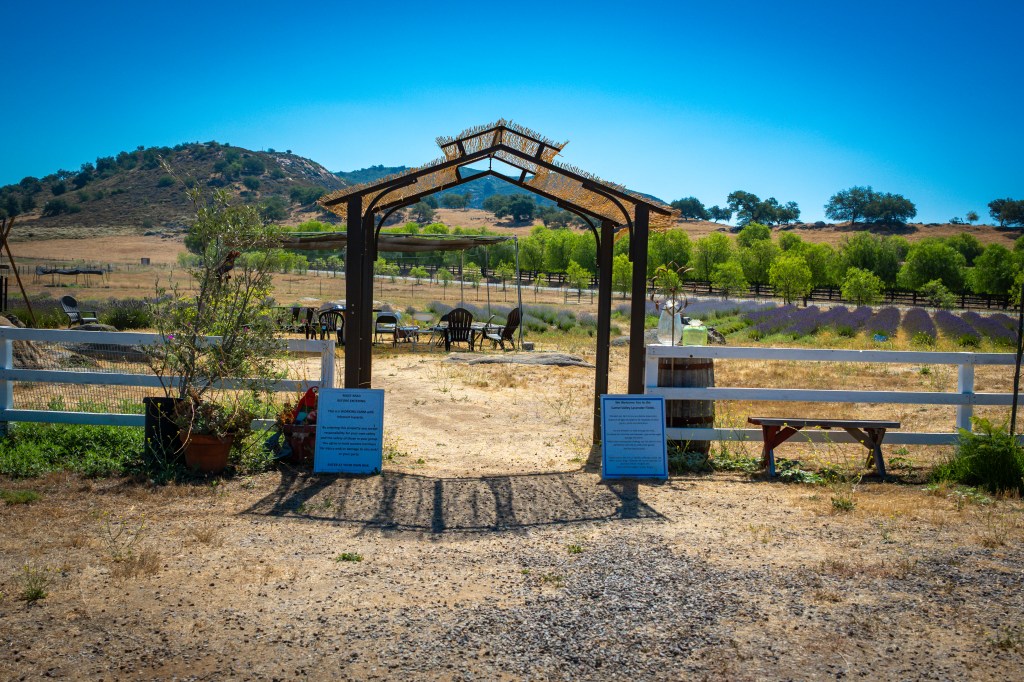
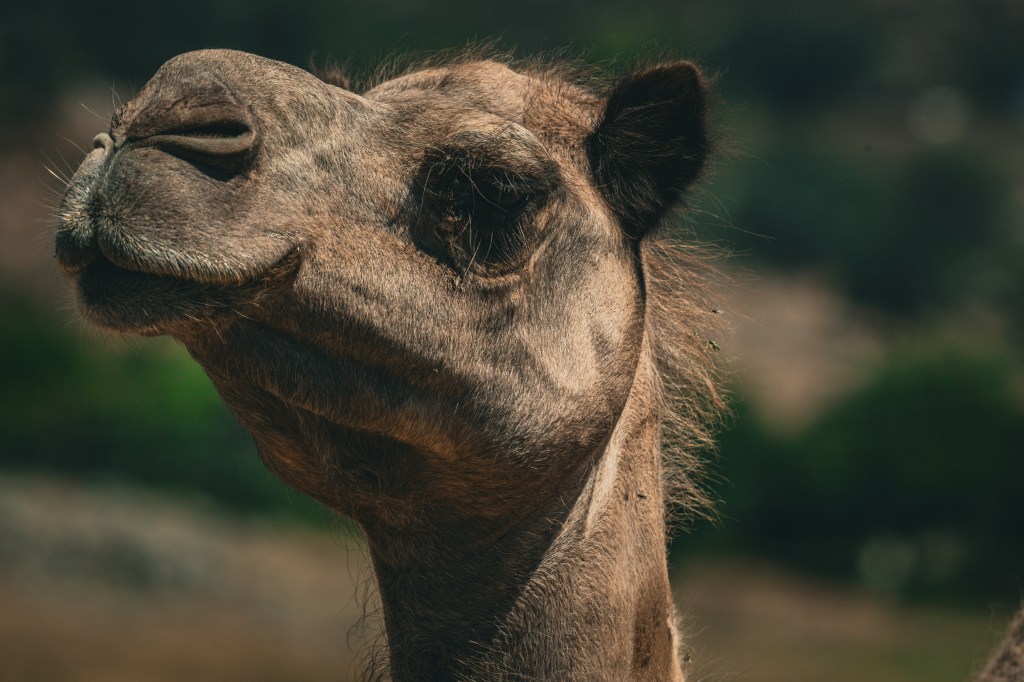
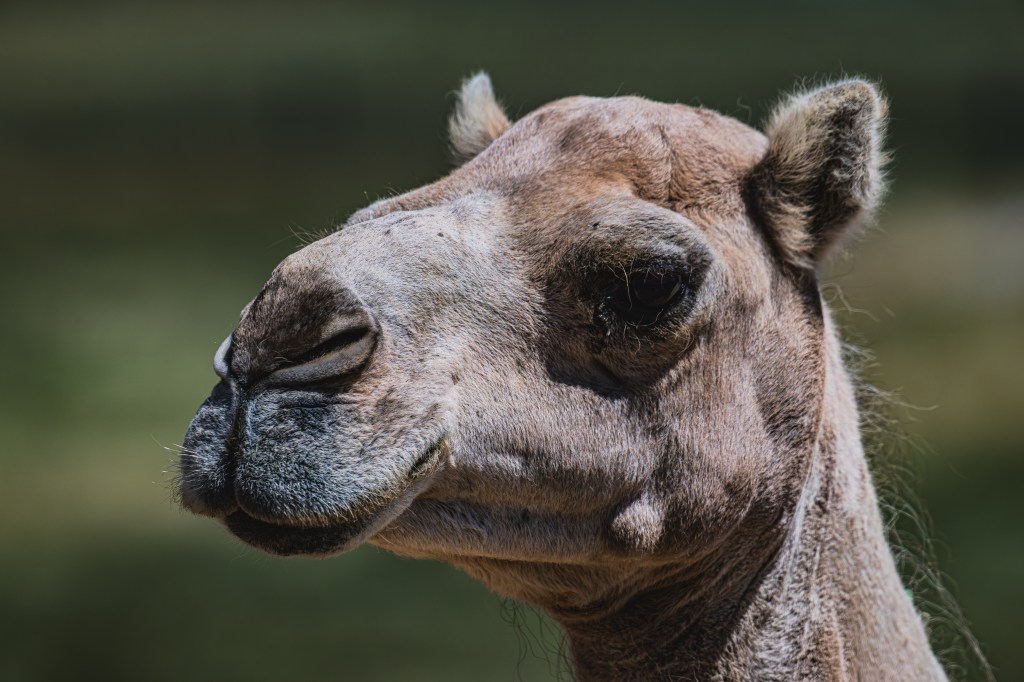
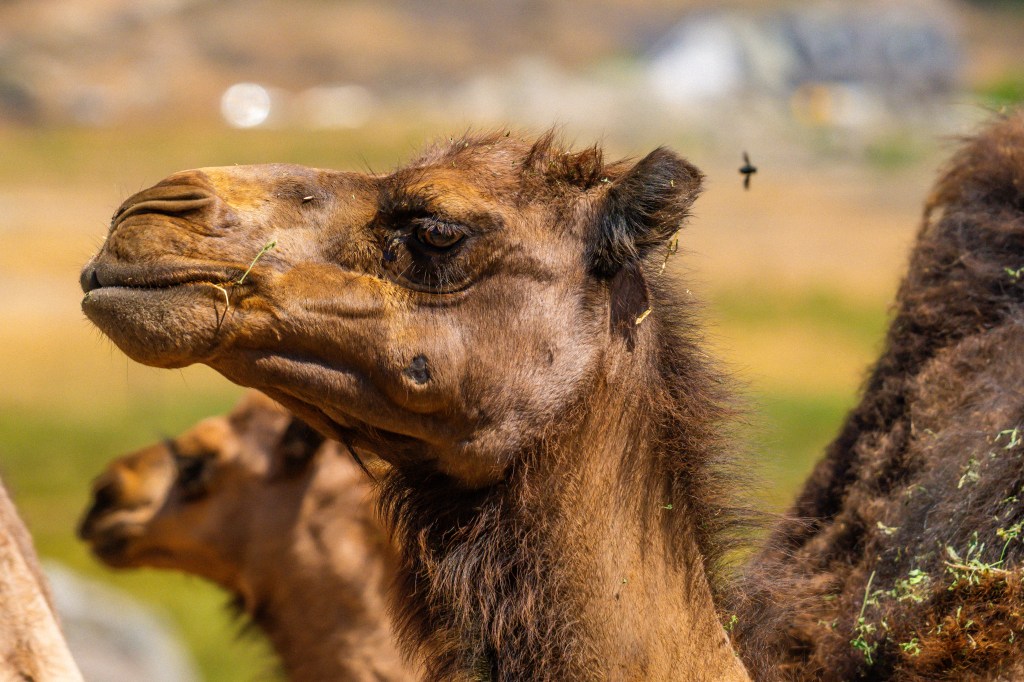
One standout is the newly expanded lavender field at Oasis Camel Dairy, a unique destination where camels roam nearby and the scent of lavender fills the air. Yes—camels and lavender! It’s a pairing you didn’t know you needed.

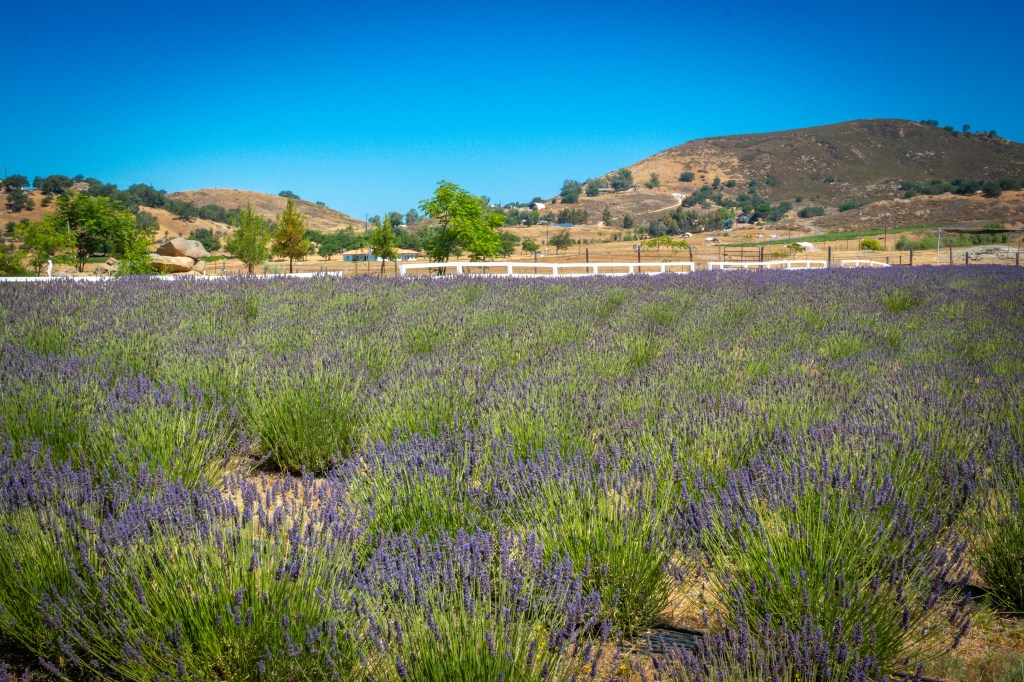
This is the second year for the Camel Valley Lavender Farm located in Ramona, California. The 2 acre field has over 3000 lavender plants with 5 different varieties of lavender. The Lavender field is open on select Saturdays in June and July.

For more information visit https://cameldairy.com/home

Access to the lavender field is FREE on Saturday and Sunday’s June 21st through July 27th, 2025. There is gift shop that sells hand crafted lavender products as well as plant seedlings. You can pick your own bundle of lavender for $15 .

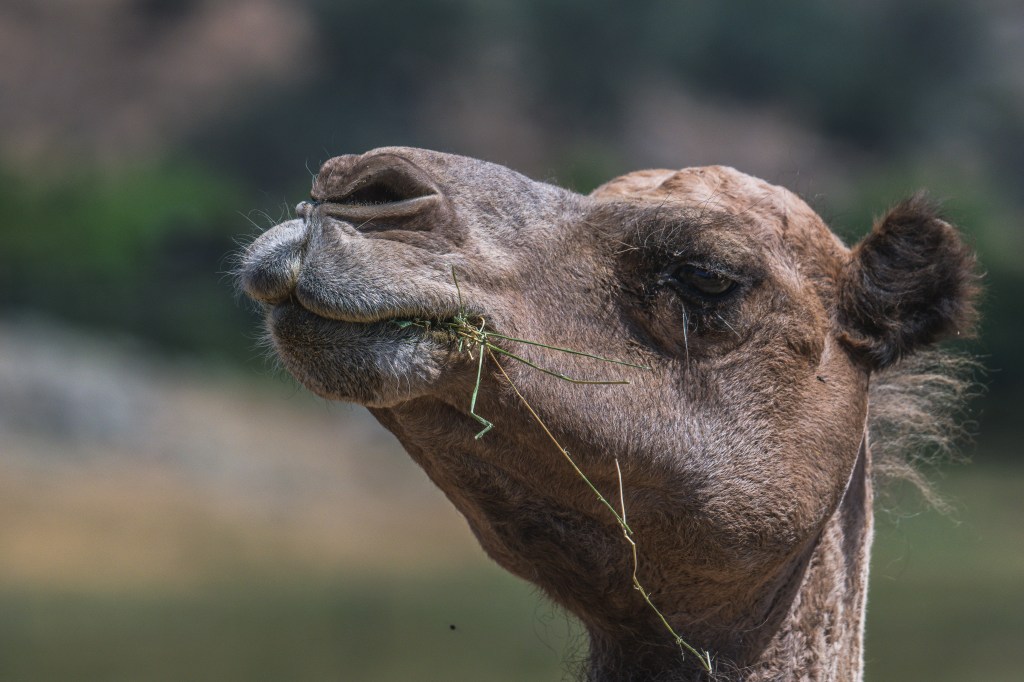
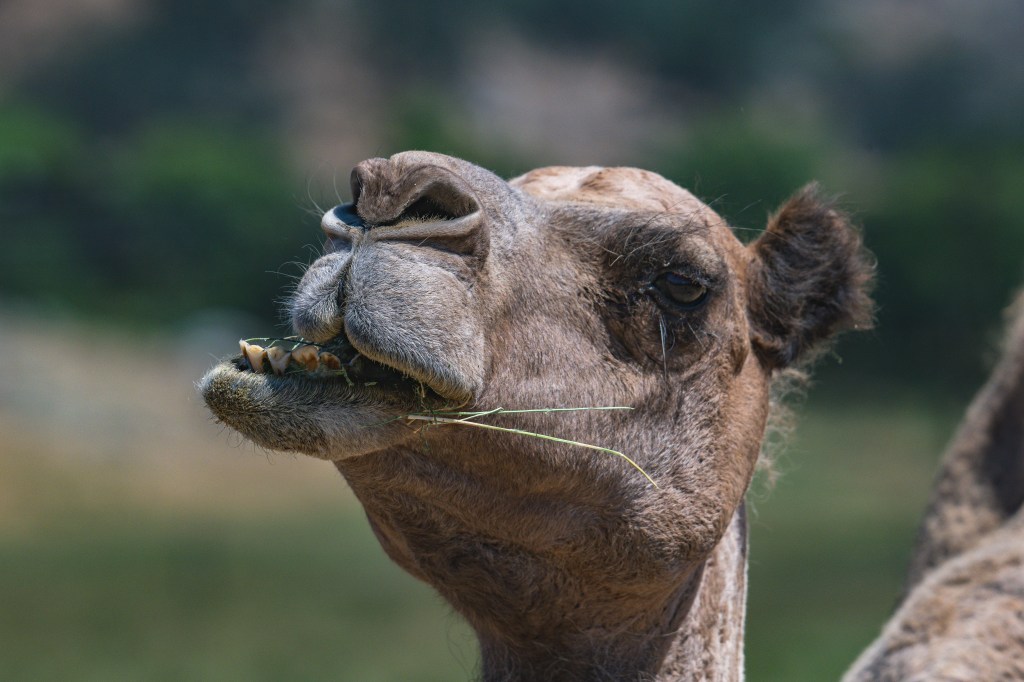
The founders of Oasis Camel Dairy Farm purchased 8 acres along the southern edge of the camel grazing pasture and have repurposed 2 acres for growing lavender. Twice a day at 11am and 2pm some of the 21 dromedary camels that live on the Oasis Camel Dairy make their way to the fence line for a snack of hay.

Chula Vista Celebrates the Fourth of July at 4th Fest

From the City of Chula Vista Media Relations

The City of Chula Vista’s 4th Fest will return again this year, offering the public a free fireworks display at the Chula Vista Elite Athlete Training Center on Friday, July 4. The event is open to the public and all ages are welcome. Presented by Seven Mile Casino, this year’s 4th Fest will feature a simultaneous broadcast in English and Spanish through Amor 102.9.

The Elite Athlete Training Center’s gates will open at 7 p.m. and fireworks will begin at 9 p.m. Spectators are encouraged to bring their own blankets and chairs. Food will be available to purchase through a variety of vendors.

In addition to free parking at the Elite Athlete Training Center, attendees can also park for free at the adjacent New Hope Community Church, located at 2720 Olympic Parkway. Mountain Hawk Park, located at 1475 Lake Crest Drive, will open starting at 7 a.m. and is another great spot to view the fireworks show. Street parking there is available on a first-come basis. All City parks close at 10 p.m. Please see the attached image for a map of the parking areas.

Please be aware of several restrictions at the Elite Athlete Training Center, Mountain Hawk Park, and New Hope Community Church. At the Elite Athlete Training Center, the following items are not allowed: alcohol, tobacco (including e-cigarettes and vapes), drugs, tents and canopies/pop-ups, grills, tailgating, pets and drones. At Mountain Hawk Park, charcoal grills are not allowed (propane grills are OK); enclosed camping tents are not allowed (canopies up to 10 ft. X 10 ft. are OK, with a limit of three per party); kegs, bottles, and other glass containers are not allowed; drones are not allowed. Pets must be on leash, and personal fireworks (including sparklers) are prohibited. New Hope Community Church is available for parking only – no tailgating.

Too many animals go missing around the Fourth of July. Keep pets indoors and comfortable, as loud fireworks can cause them to panic and jump or even break through fences and escape. Make sure your pet is properly identified with license and identification tags or on tape on the collar and also microchipped. If your pet escapes, check with Chula Vista Animal Services and other local shelters, and search online pet websites such as 24Petconnect and Pawboost. Neighborhood apps such as Ring and Nextdoor are also useful for posting lost or found pets.

The private use of fireworks in San Diego County is against the law. To report the unauthorized use of fireworks, call the Chula Vista Police Department non-emergency line at (619) 691-5151.

All City offices including libraries and recreation centers will be closed on Friday, July 4. In addition, trash pick-up in the City of Chula Vista will be delayed one day following the holiday.

Sunset View Park: A Hidden Gem in Chula Vista

Sunset View Park spans approximately 11.2 acres and features 0.3 mile walking-hiking trail, large grassy areas for playing soccer, frisbee etc. There is a full-court basketball with multiple backboards and a enclosed roller hockey field along with a children’s play area.

🦅 Ospreys of Shelter Island: San Diego’s Coastal Raptors

If you’ve ever strolled along the waterfront on Shelter Island and looked up to see a large bird hovering gracefully above the bay, chances are you’ve spotted an osprey. Known as the “fish hawk,” this striking bird of prey has made a comfortable home here in San Diego’s maritime backyard.

A Natural Fisherman in an Urban Setting

Shelter Island offers the perfect blend of natural habitat and human-made infrastructure that ospreys have come to favor. With calm bay waters rich in fish and an abundance of tall structures like light poles, boat masts, and channel markers, ospreys have carved out a niche among the marinas and piers. It’s not uncommon to spot their bulky stick nests perched high above the docks, often near the Shelter Island Launch Ramp or around America’s Cup Harbor.

A Front-Row Seat to Nature

Watching an osprey hunt is a thrilling experience. These raptors soar high, scanning the water with laser-sharp vision. Then, in an instant, they dive feet-first into the bay, emerging with a wriggling fish clutched in their powerful talons. It’s a daily drama that plays out just steps from the sidewalk — and a reminder that even in the heart of the city, nature thrives.

Season of the Osprey

While ospreys can be seen in San Diego year-round, their breeding season typically runs from March to August. During these months, you might see pairs working together to build or repair nests, calling out with sharp whistles, or feeding their young. If you’re lucky, you might spot fledglings learning to fly — a heartening sight that signals the continued health of our coastal ecosystem.

A Conservation Comeback

Ospreys weren’t always so easy to spot. In the mid-20th century, their numbers plummeted due to pesticide use, especially DDT. But since the ban of such chemicals and the protection of nesting sites, osprey populations have rebounded across the U.S., including right here in San Diego Bay. Their presence on Shelter Island is a quiet conservation success story.

Where to Look

For the best osprey-watching:

  • Walk along the Shelter Island shoreline promenade near the boat launches.
  • Look up at tall poles or navigation beacons — nesting sites are often quite visible.
  • Early morning and late afternoon are great times to see them hunting.

Bring your binoculars, a camera, and a sense of wonder. Whether you’re a birder, photographer, or casual observer, spotting an osprey in action is always a memorable moment.

A Roaring Good Time, Every Thursday Night in La Mesa

Starting June 5th and running through August 28th, 2025, La Mesa Boulevard between 4th and Spring Streets, on Thursday nights from 5pm to 8pm, will be lined with an incredible array of classic cars, trucks, and vans. From gleaming hot rods to meticulously restored vintage beauties, you’ll find vehicles that tell a story of automotive evolution and passion.

What makes this car show truly special is the laid-back, community atmosphere. There’s no registration or fee to show your car – simply drive down and find a designated parking spot. Many car owners stay by their vehicles, happy to chat with visitors, share stories, and answer questions about their prized possessions. It’s a fantastic opportunity to connect with fellow enthusiasts and learn about the history behind these rolling works of art.

Each week, local bands take to the iconic La Mesa Lumber truck “stage” at 3rd and La Mesa Blvd., providing a lively soundtrack to the evening. A DJ also adds to the festive ambiance, ensuring there’s always a beat to tap your foot to.

Experience San Diego from the Water aboard a Harbor Cruise Vessel

San Diego bay has a long and storied past. Its protected tidal areas offered the Kumeyaay people, who lived along the coast and inland valleys, areas to fish, harvest shellfish, and used plank canoes called tomols to navigate coastal waters. The ocean was central to their diet, trade, and spiritual life. In 1542, Portuguese explorer Juan Rodríguez Cabrillo, sailing under the Spanish flag, became the first European to enter San Diego Bay, naming it San Miguel. In 1602, Sebastián Vizcaíno renamed the bay San Diego, in honor of Saint Didacus.

During the Mexican-American War, the U.S. Navy took control of San Diego in 1846. San Diego became a U.S. Navy coaling and resupply station. The harbor remained relatively quiet until the early 20th century, when the Navy dramatically expanded its presence. San Diego became a U.S. Navy coaling and resupply station. The harbor remained relatively quiet until the early 20th century, when the Navy dramatically expanded its presence. Thousands of ships were built, serviced, and deployed from the harbor, making San Diego critical to Pacific warfare operations.

San Diego remained one of the largest naval complexes in the world through the Cold War and beyond. Today, the city hosts the Pacific Fleet, numerous aircraft carriers, and serves as a major center for military research, training, and logistics. Civilian maritime activity also thrives, with cargo shipping, cruise lines, commercial fishing, and recreational boating playing important roles.

I took this series of images during a 2 hour sailing which started off heading south towards the Coronado Bridge and then turning north towards Shelter Island. A thick marine layer was moving in so the trip ended before sunset unfortunately .

Where River Meets Sea: Exploring the Tijuana River Estuary

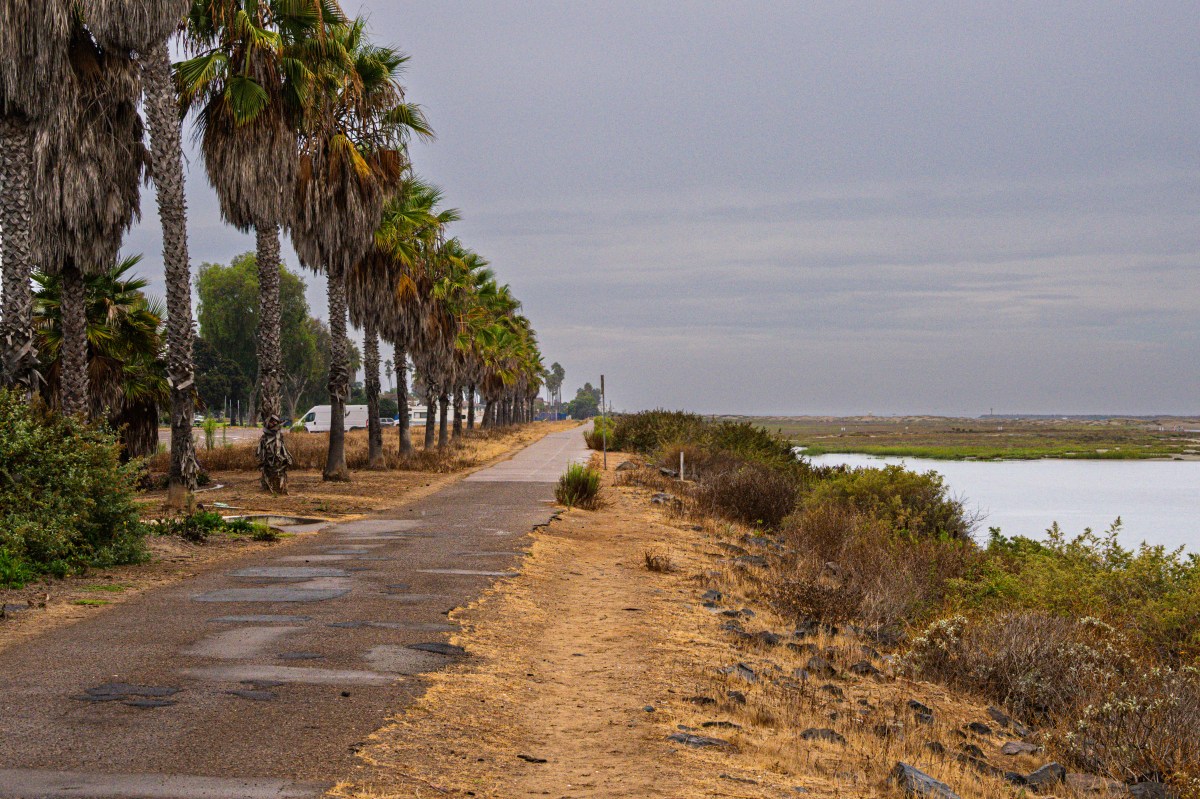
Just a few miles south of San Diego’s bustling downtown lies a hidden gem where saltwater, freshwater, and wildlife converge in a delicate dance of life—the Tijuana River Estuary. Tucked between Imperial Beach and the U.S.-Mexico border, this vast coastal wetland is not only a peaceful escape from the city but also one of Southern California’s most ecologically significant landscapes.

A Living Sanctuary

The estuary is part of the Tijuana River National Estuarine Research Reserve, a protected area spanning over 2,500 acres. It’s one of only 30 estuarine research reserves in the United States, and it plays a vital role in protecting endangered species, filtering water, and buffering the coast from storm surges.

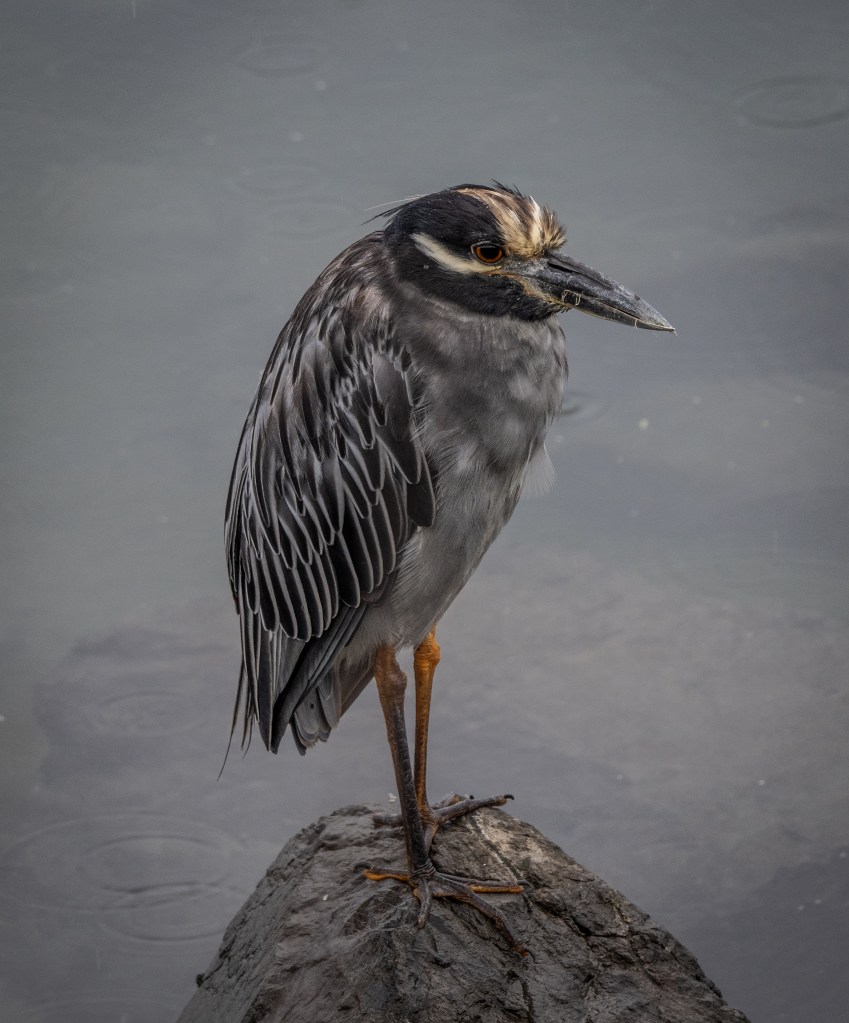
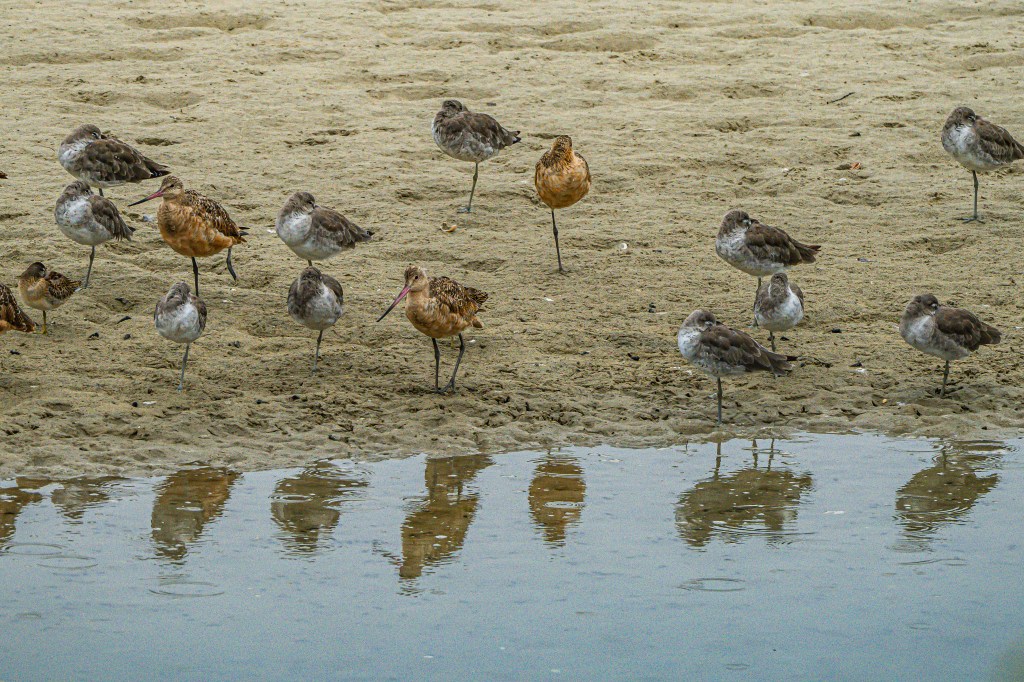
As you walk the trails, you’ll find yourself surrounded by a mosaic of marshes, mudflats, and salt flats—each teeming with life. Located along a massive aviary flyway over 370 species of birds have been recorded here, including the endangered light-footed Ridgway’s rail and least tern. Birdwatchers, bring your binoculars!

Trails, Views, and Tranquility

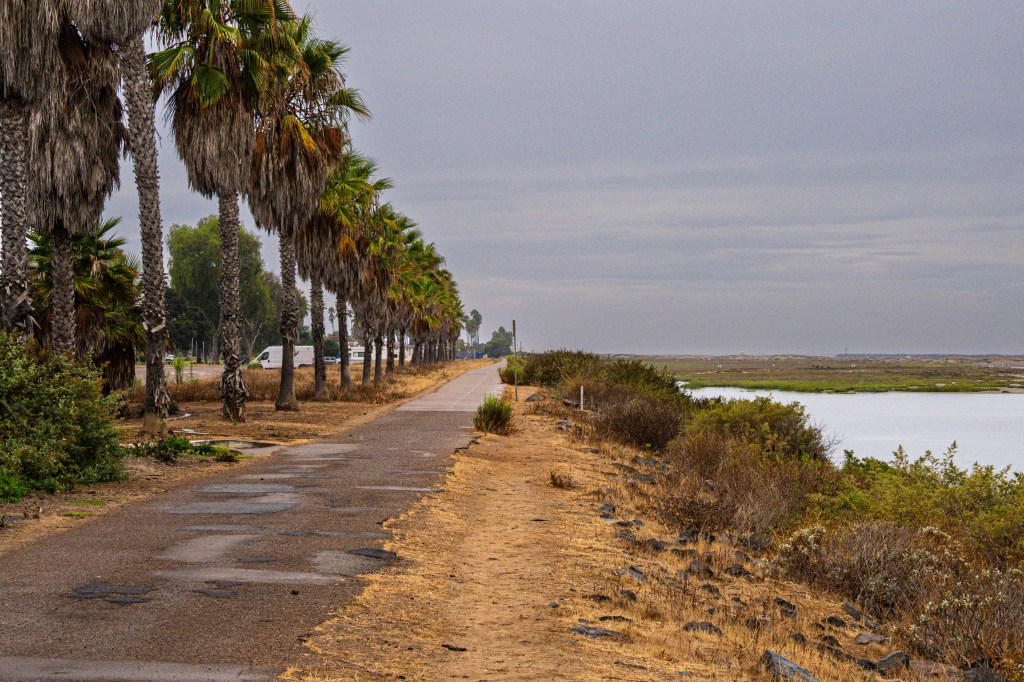
The Bayside Trail and River Mouth Trail offer easy, flat hikes with stunning views of the wetlands and the Pacific Ocean beyond. Interpretive signs along the way tell the story of the estuary’s ecology, history, and the ongoing efforts to protect it.

Don’t forget to stop by the Tijuana Estuary Visitor Center—a small but informative hub with exhibits, maps, and knowledgeable staff who can help guide your visit.

A Cross-Border Story

What makes the Tijuana River Estuary truly unique is its binational character. The Tijuana River originates in Mexico, flowing through the bustling city of Tijuana before crossing the U.S. border and emptying into the Pacific Ocean. Along the way, it faces challenges like pollution and urban runoff—but also inspires collaboration and conservation across borders.

Why It Matters

Estuaries like this one are among the most productive ecosystems on Earth. They provide nursery grounds for fish, shelter for birds, and natural flood control for communities. In a time of climate change and habitat loss, places like the Tijuana River Estuary remind us of nature’s resilience—and our responsibility to protect it.

Plan Your Visit

Whether you’re a birder, hiker, photographer, or simply seeking a quiet moment in nature, the Tijuana River Estuary is worth a visit. Come for the peaceful views, stay for the deeper connection to a landscape that quietly sustains life in so many ways.

Wildlife, Waves, and Wonder at La Jolla Cove

La Jolla Cove is part of the larger La Jolla Underwater Park, a protected marine reserve that makes it a paradise for snorkelers, scuba divers, and kayakers. Above the waves, La Jolla Cove is famously home to a lively population of sea lions and harbor seals. These charismatic creatures can be seen basking on the rocks, swimming close to shore, or engaging in playful antics that delight onlookers. Birdwatchers will also enjoy spotting a variety of coastal birds such as pelicans, cormorants, and gulls soaring overhead or nesting on the rocky cliffs.

Tide pools along the shore reveal a hidden world of marine invertebrates including starfish, anemones, and crabs, especially at low tide. This makes La Jolla Cove a fantastic destination for families and curious explorers eager to learn about marine ecology up close.

Challenges at La Jolla Cove

A growing problem involves harassment of the local wildlife, particularly sea lions and harbor seals. Despite clear signage and public education efforts, some visitors approach too closely for photos, attempt to touch or feed the animals, or otherwise disturb them. These actions not only stress the animals but can also lead to dangerous encounters. Seasonal closures and designated viewing areas have been implemented in some sections to minimize human-wildlife conflicts and protect both animals and people.

Increased foot traffic, littering and disturbance of tide pools can threaten the delicate ecosystems. Conservationists and local authorities continuously urge visitors to follow “leave no trace” principles and respect protected areas.

Water quality can also fluctuate, especially after heavy rains, due to urban

Balancing tourism, wildlife conservation, and community interests remains a delicate task, but ongoing efforts by environmental groups, volunteers, and city planners aim to preserve La Jolla Cove’s natural charm for generations to come